Brewing
Gongfu brewing
- Water temperature
- 75 °C
- Tea amount
- 5 g
- Water volume
- 100 ml
- First steep
- 10 s
- Time added per infusion
- 5 s
- Infusions
- 3

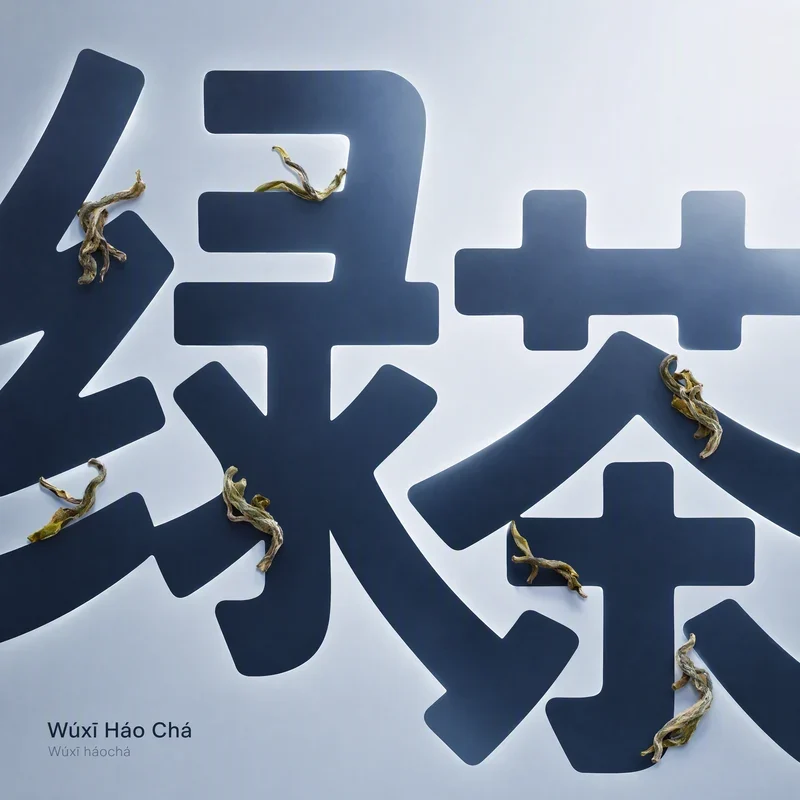
Wúxī háochá
Choose a brewing method. Start with the recommended quantities and time, then adjust to taste.
Brewing
Brewing
Taste
Tea encyclopedia
Category: Regional famous tea of China (名茶, míngchá). Since 1986, included among national famous teas (全国名茶) as defined by the Ministry of Commerce of the PRC. Since 2019 — product with protected geographical indication at the level of the Ministry of Agriculture and Rural Affairs of the PRC (农产品地理标志). Since 2016, registered as a geographical trademark (地理标志商标) by the State Administration for Industry and Commerce.
Category: Regional famous tea of China (名茶, míngchá). Since 1986, included among national famous teas (全国名茶) as defined by the Ministry of Commerce of the PRC. Since 2019 — product with protected geographical indication at the level of the Ministry of Agriculture and Rural Affairs of the PRC (农产品地理标志). Since 2016, registered as a geographical trademark (地理标志商标) by the State Administration for Industry and Commerce.
Coordinates: 31°22′–31°42′ N, 120°04′–120°27′ E. Production zone is located on the western shore of Lake Tàihú (太湖, Tàihú).
Origin: China, Jiāngsū Province (江苏省, Jiāngsū shěng), prefecture-level city Wúxī (无锡市, Wúxī shì). Main production zones are located in suburban districts of Wuxi: Binhu District (滨湖区) — Rongxiang (荣巷), Xuělàng (雪浪), Liyuan (蠡园), Mashan (马山) streets, Hudai Town (胡埭镇); Xīshān District (锡山区) — Xīběi Town (锡北镇); Huishan District (惠山区) — Qianqiao Street (钱桥街道). Total of 7 towns and streets, 32 administrative villages and communities.
Type: Green tea (non-oxidized). Belongs to the category of quán chǎo (全炒) — fully pan-fired special high-quality green teas.
Cultural Significance: Wuxi Hao Cha is inseparably connected with the cultural trinity "Wuxi tea, Second Spring water" (无锡茶,二泉水): the famous Lake Taihu, the healing Huishan Spring (惠山泉, "Second Spring Under Heaven," named so by Tang tea expert Zhang Youxin — 张又新) and local tea. The tea has become a calling card of the region, participant in local festivals and tasting competitions, an important element of the city's gastronomic identity.
History: Wuxi's tea culture has deep roots. As early as the Míng era (明代, 1368–1644), Buddhist monks planted tea on the slopes of Huishan Mountain (惠山). According to "Wuxi Jingui County Gazetteer" (《无锡金匮县志》), in 1395 (28th year of Hongwu reign, 洪武), monk Puzhen (普珍) ordered a bamboo brazier (竹炉) from Huzhou craftsmen for brewing tea with water from Huishan Spring and invited literati to tea gatherings. These events were immortalized in paintings "Bamboo Brazier Tea Brewing" (《竹炉煮茶图》) by artist Wáng Fú (王绂, Ming dynasty), and later in "Tea Brewing" (《煮茶图》) by Wáng Wēn (王问) and "Replica Bamboo Brazier Tea Brewing" (《复竹炉煮茶图》) by Dōng Gǎo (董诰, Qing dynasty).
Name Breakdown: The name "Wuxi Hao Cha" (无锡毫茶) literally translates as "downy tea from Wuxi." The first component — 无锡 (Wúxī) — is a toponym, the name of the city on the shore of Taihu. The second — 毫 (háo) — means "fine down," "fuzz," and indicates the abundant white hairs (茸毫, róngháo) covering the finished leaf. The third — 茶 (chá) — "tea." Thus, the name accurately reflects both the geography and the main external characteristic of the product.
Cultivar: Dàháo (大毫, Dàháo) — asexual (clonal) variety brought from Fújiàn Province (福建) in 1966. Belongs to semi-arbor type (半乔木型, bàn qiáomù xíng), large-leaf variety (大叶型, dàyè xíng), early budding type (早芽种, zǎoyá zhǒng). Distinguished by strong shoot-forming ability, synchronized and early bud break, exceptionally abundant shoot pubescence (芽梢茸毛特多), large dense buds, high yield and good resistance to adverse conditions. The variety adapted well to conditions of the Taihu coastal zone and became the foundation for Wuxi Hao Cha production.
Picking: Predominantly spring; premium batches — early spring (before Qingming, 清明, early April). Summer and autumn harvests are also processed but valued lower.
Pluck Standard: Raw material is divided into four grades. First grade: bud with one leaf in initial opening stage (一芽一叶初展). Second: bud with one leaf in half-opening stage (一芽一叶半开展). Third: bud with one fully opened leaf (一芽一叶开展). Fourth: bud with two leaves in initial opening stage (一芽二叶初展). Summer-autumn harvest — predominantly bud with two opened leaves. To produce 100 g of dry tea of first grade requires from 16,000 to 20,000 buds and shoots.
Raw Material: Shoots must be fresh, whole, without mechanical damage and overheating. Abundant pubescence on buds is necessary — a key quality indicator for this variety's raw material.
Altitude: Plantations are located predominantly at heights from 30 to 300 m above sea level.
Climate: Subtropical monsoon, with oceanic influence characteristics. Four distinct seasons. Average annual temperature — about 15.5 °C. Annual precipitation — 877–1438 mm. Relative air humidity — over 80%. Annual insolation — about 2064 hours. Climate is favorable for early bud break and amino acid accumulation.
Soil: Predominantly yellow-brown (黄棕壤) and reddish soils on acidic base (pH 4.5–6.0), with high organic content. Good water permeability and aeration promote root system development and formation of rich mineral profile.
Production zone is located on the western shore of Lake Taihu, in low-mountain-hilly landscape with gentle slopes interspersed with water channels and rice fields. The influence of the largest freshwater lake in Eastern China provides a mild microclimate with frequent fogs and moderate temperature fluctuations.
Plantations are managed with emphasis on ecological methods: timely bush pruning, organic fertilization, pest control by biological means. Natural shading from hills and coastal fogs promotes L-theanine accumulation and reduces bitterness in raw material.
Hand selection of shoots according to grade standard. Harvested raw material is immediately delivered to factory to prevent overheating and premature oxidation.
Fresh shoots are spread on clean trays in cool room in 3–5 cm layer. Duration — about 6 hours (adjusted depending on air temperature; shorter in summer). Goal — moisture equalization, beginning of aromatic compound formation through partial protein breakdown to free amino acids.
Key stage. Conducted in heated wok (滚筒炒锅) at high temperature. Task — quickly inactivate oxidase enzymes, stop polyphenol oxidation, preserve green color and establish aroma foundation. Principle "high temperature kill-green, uniform consistency" (高温杀青,均匀一致). Leaves acquire softness and slight stickiness, grassy smell disappears, tea aroma appears.
Gentle rolling for partial cell wall destruction and cell juice release to leaf surface. This ensures full extraction during brewing. Rolling is light to avoid damaging down.
Specific stage that gave the tea its name. Performed by hand or on special equipment: shoots are rubbed with special palm movements, thanks to which white down "rises" and evenly covers the surface of twisted leaf. Stage requires high skill and delicacy — excessive pressure breaks down hairs and spoils tea appearance.
Bringing to stable moisture content (≤ 5–6%) at moderate temperature. Shape fixation, aroma consolidation, residual moisture removal. Finished tea acquires characteristic stable aroma and dry leaf brittleness.
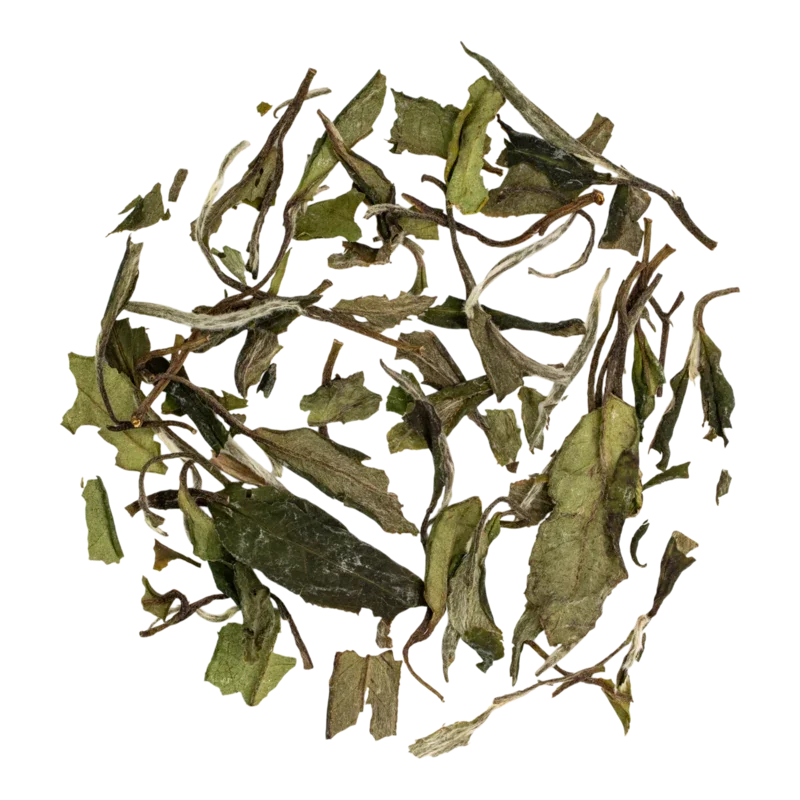
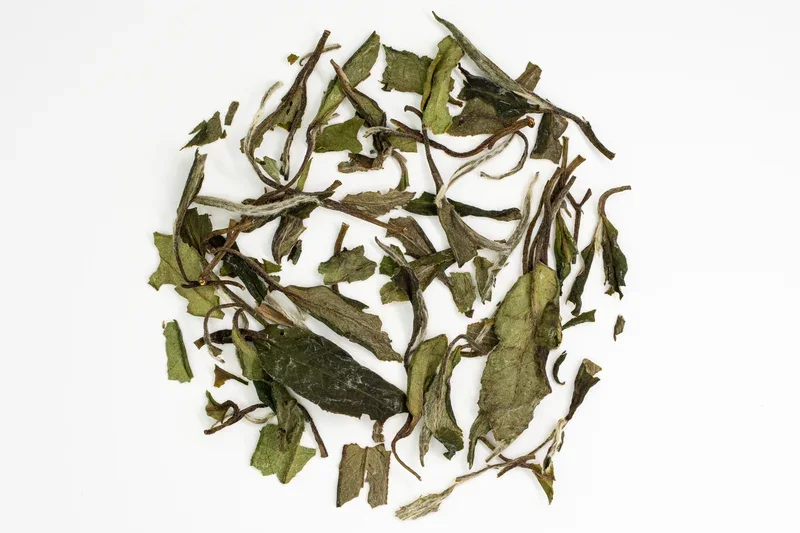
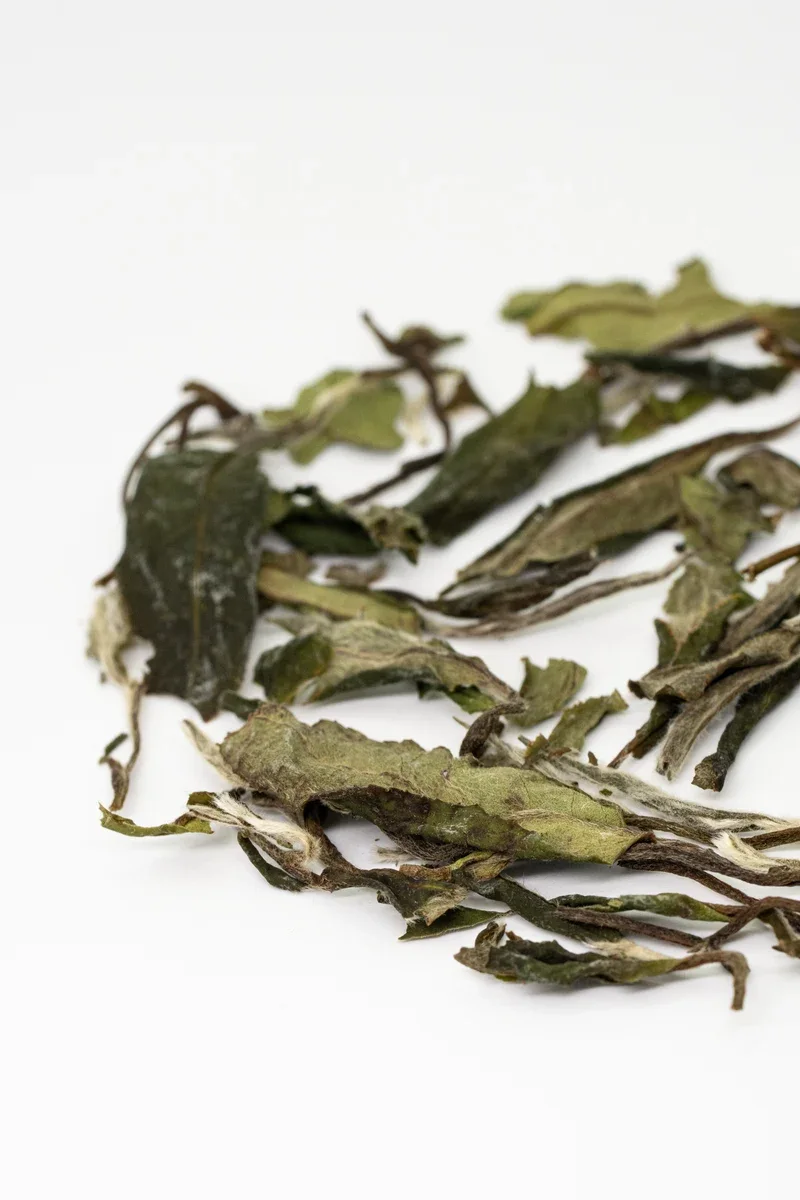
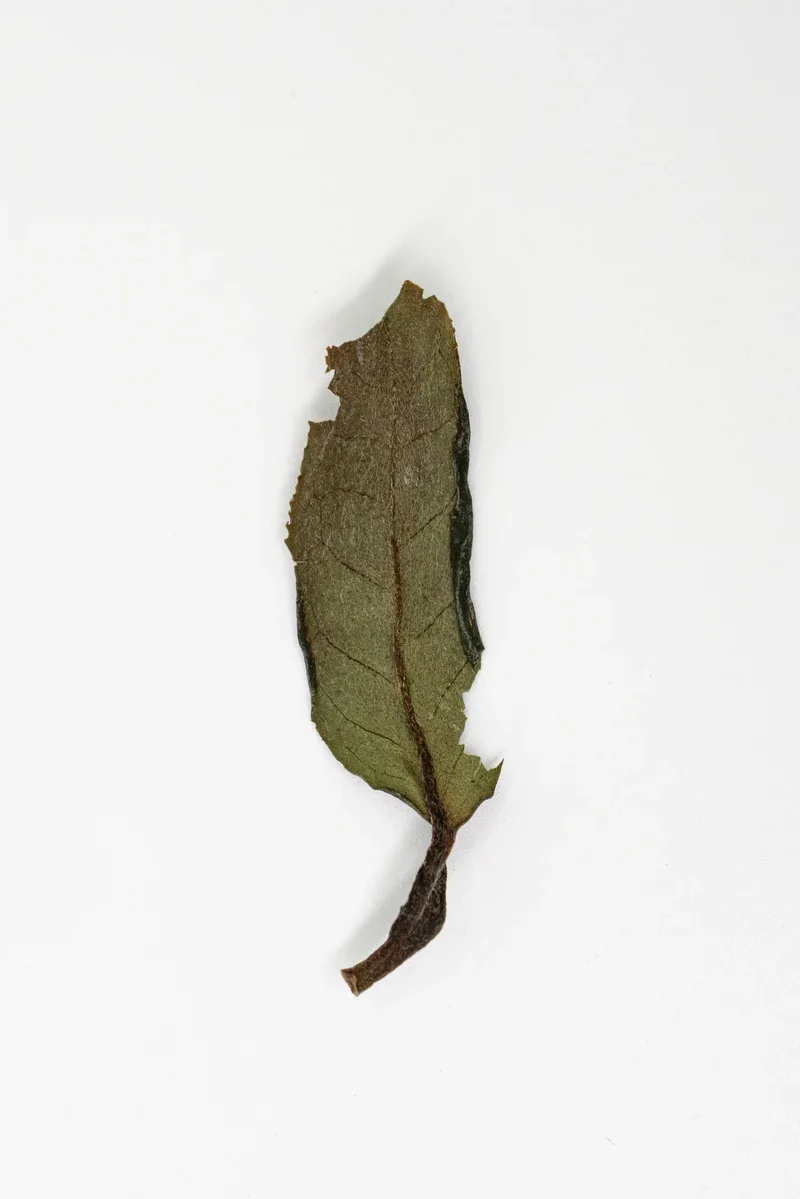
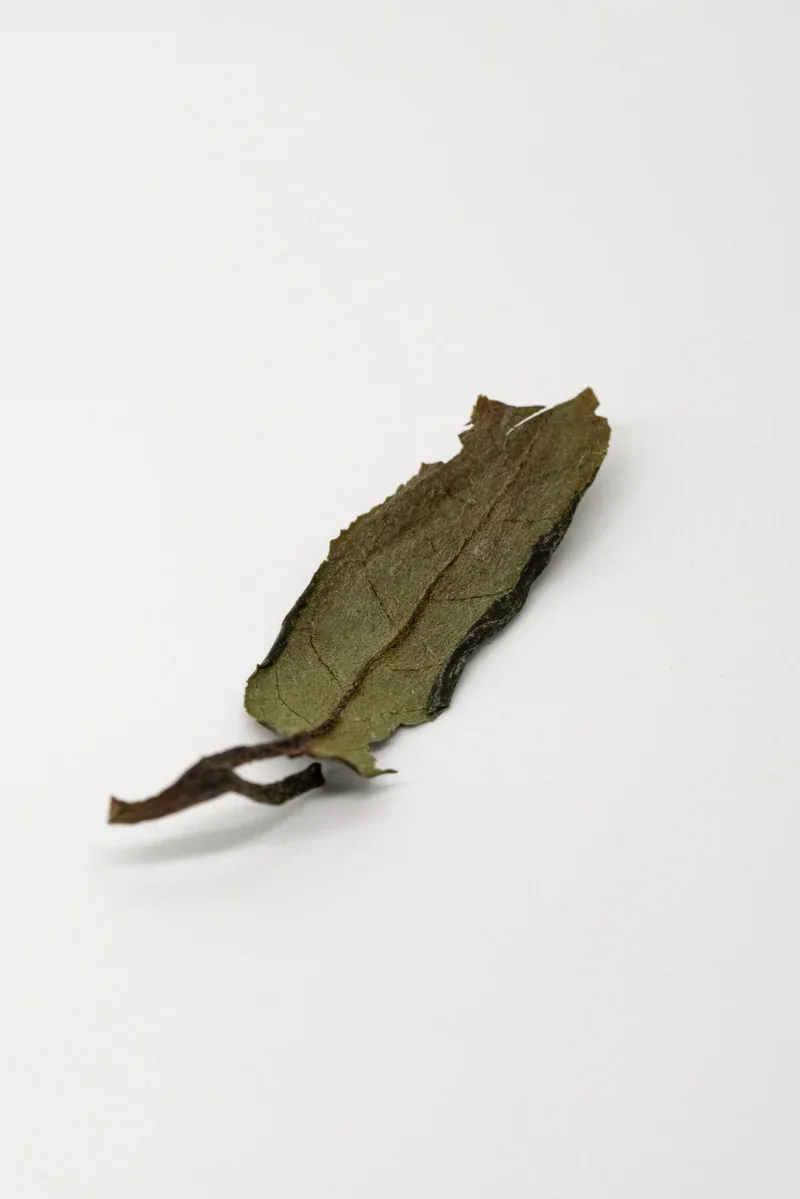
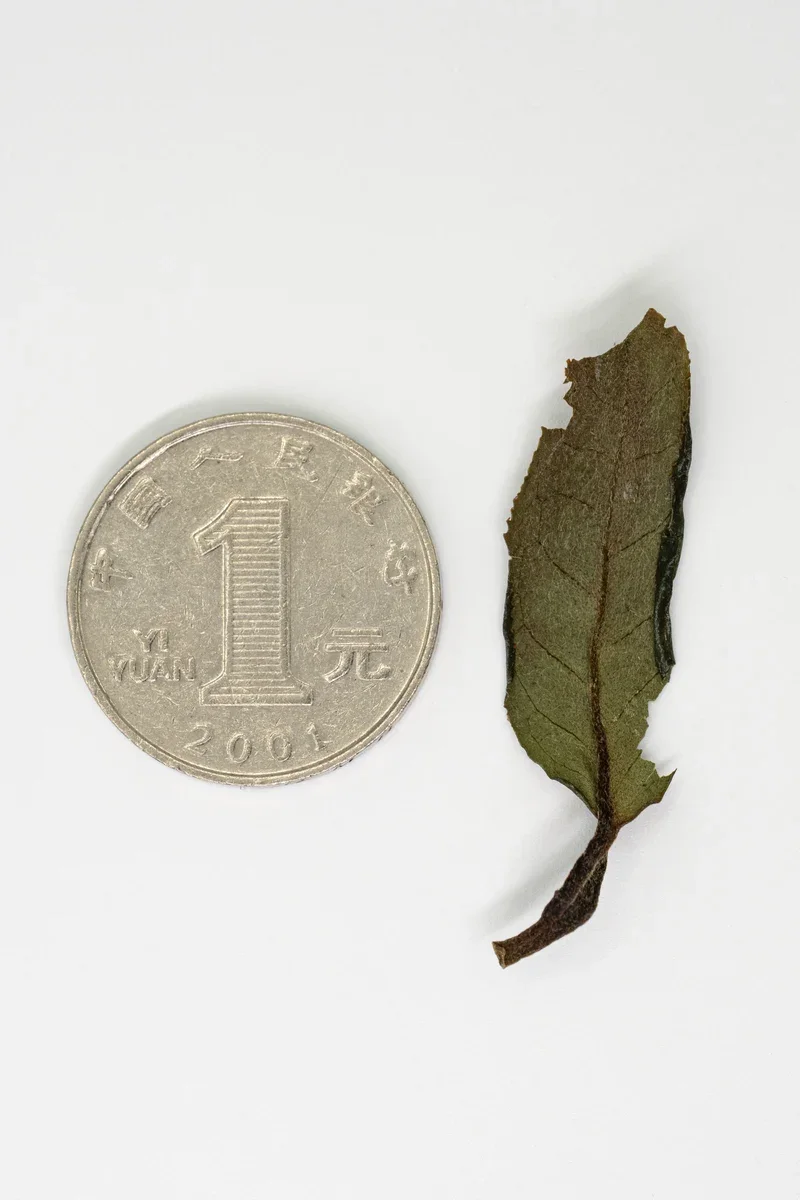
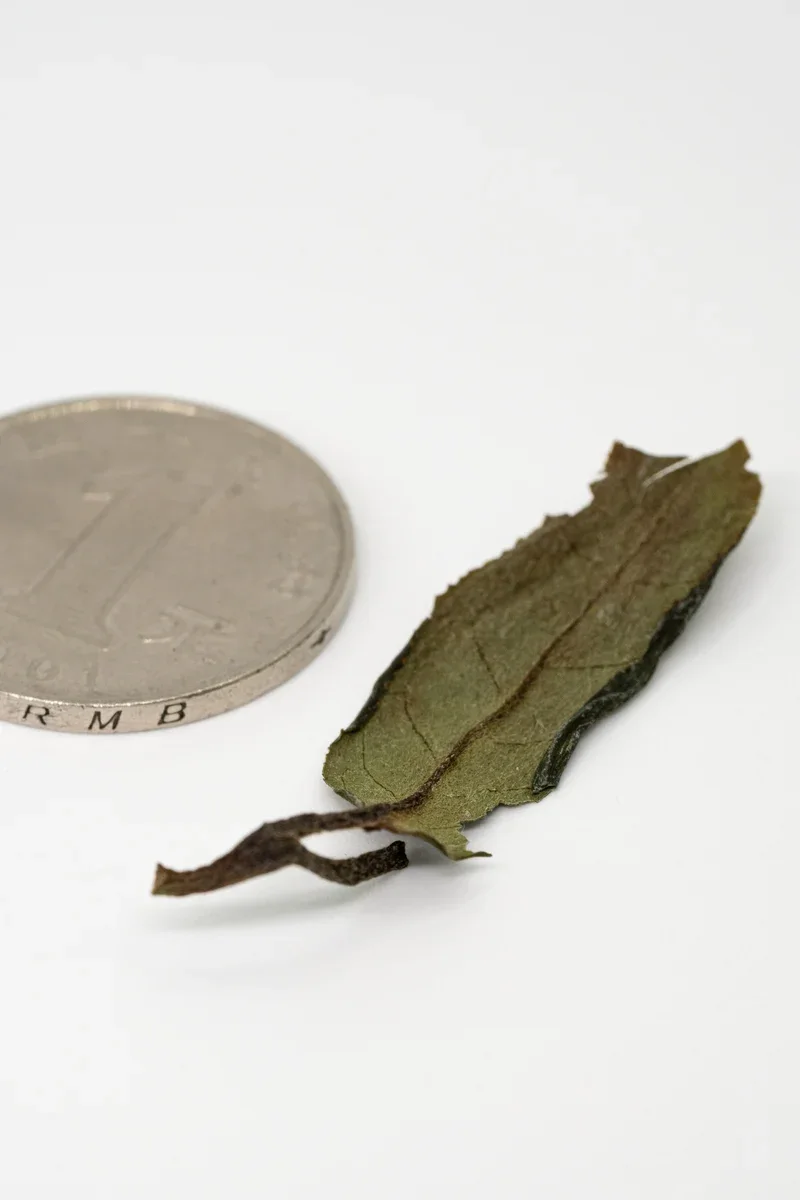
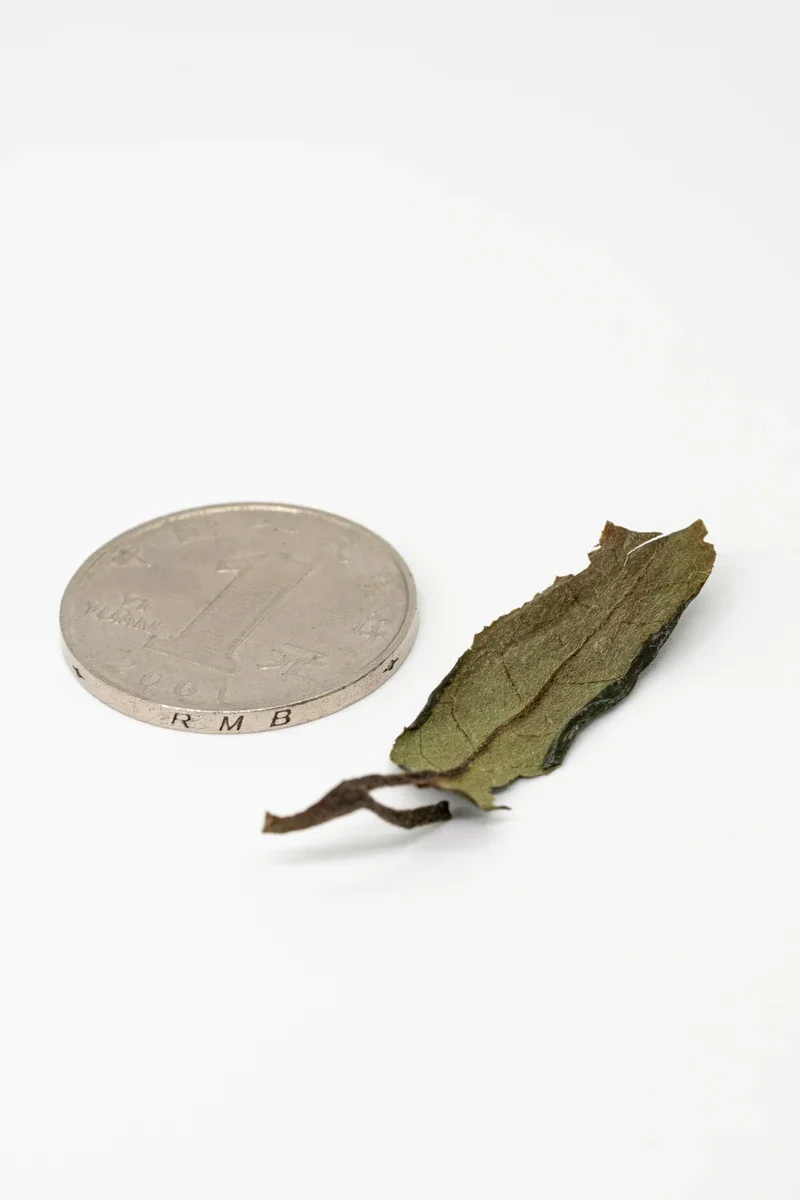
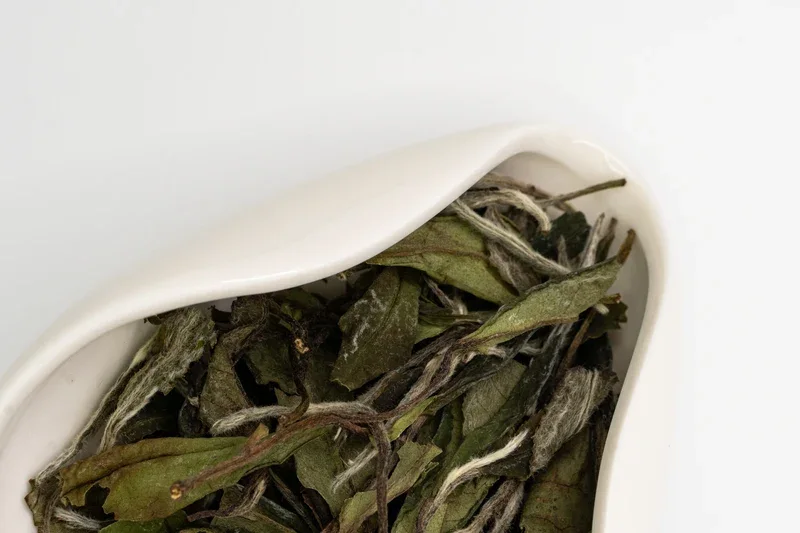
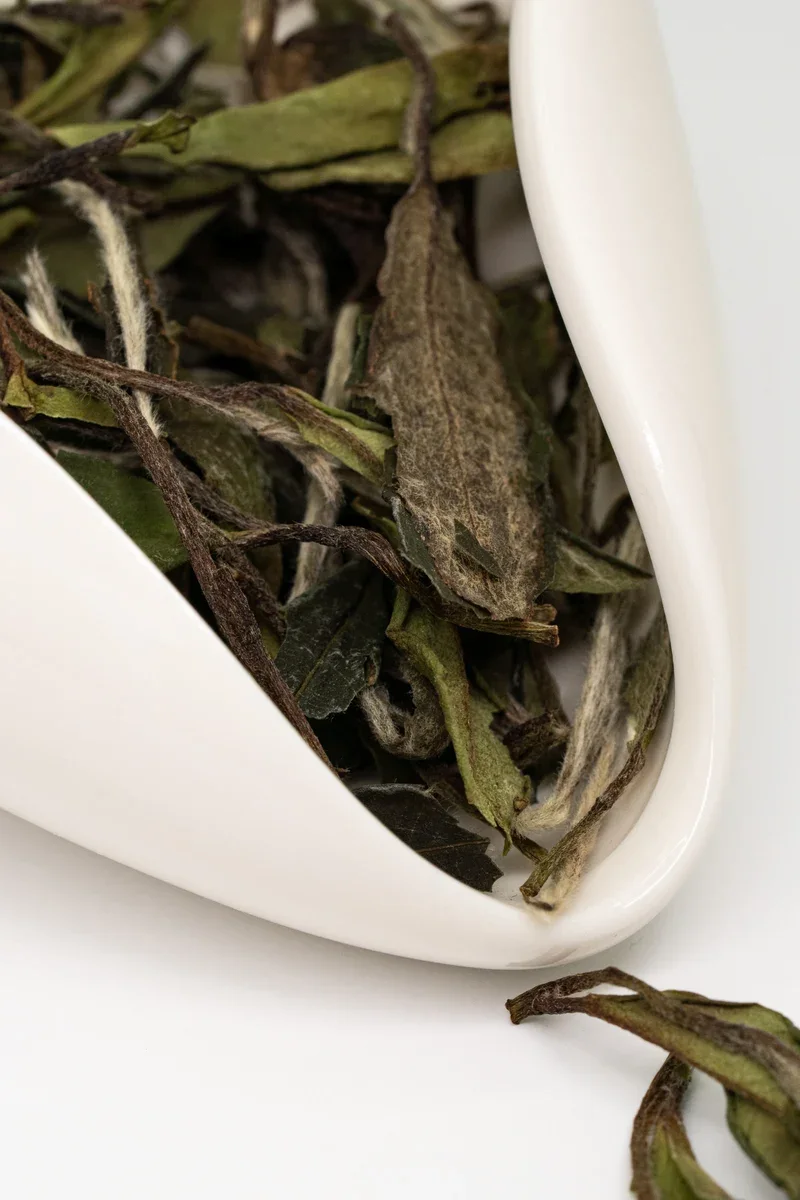
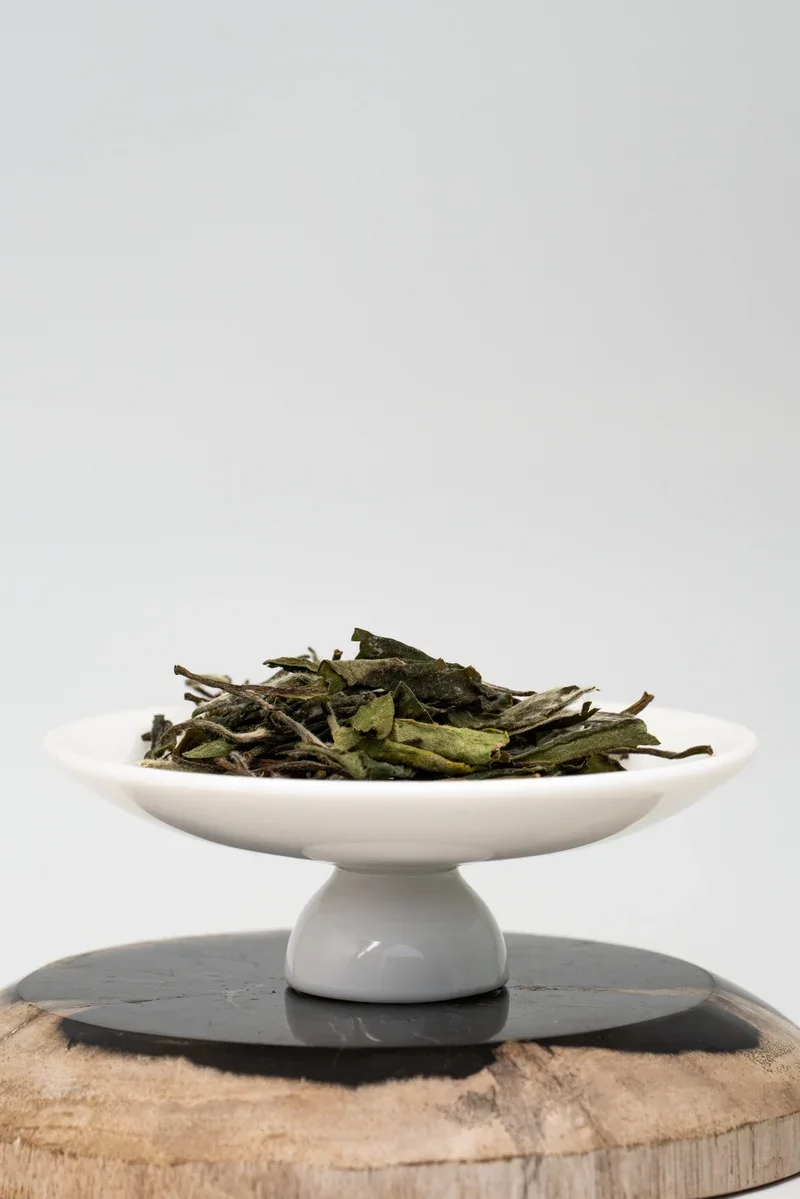
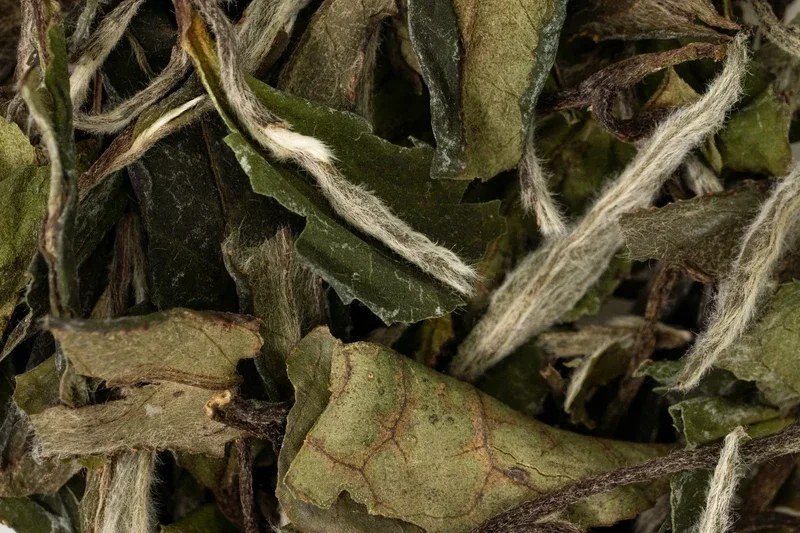
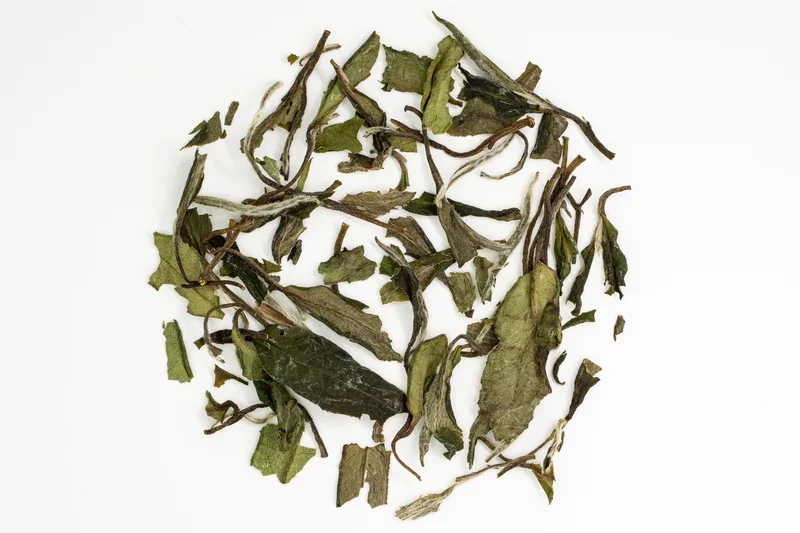
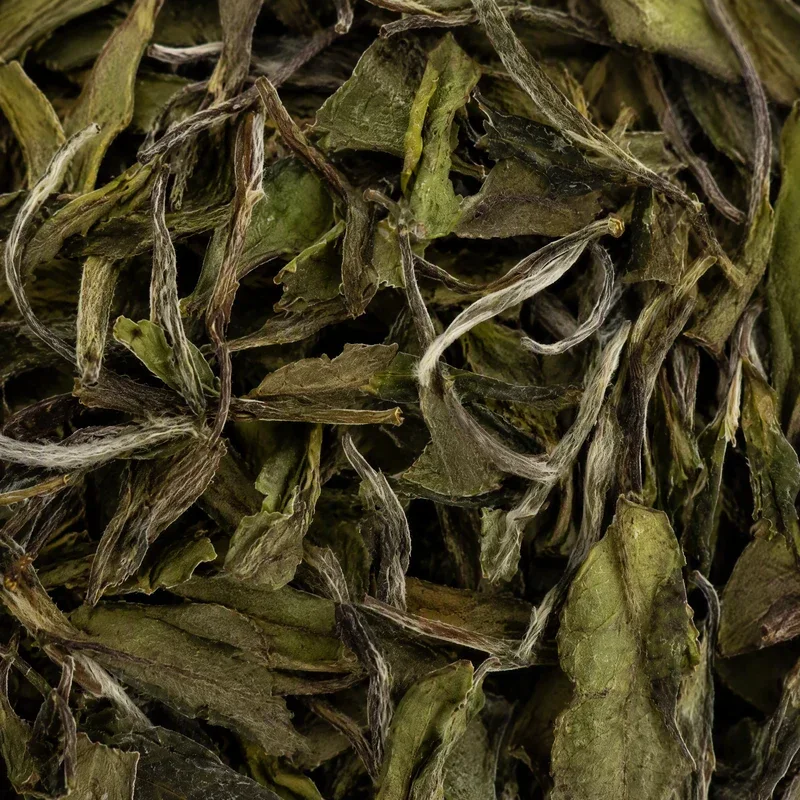
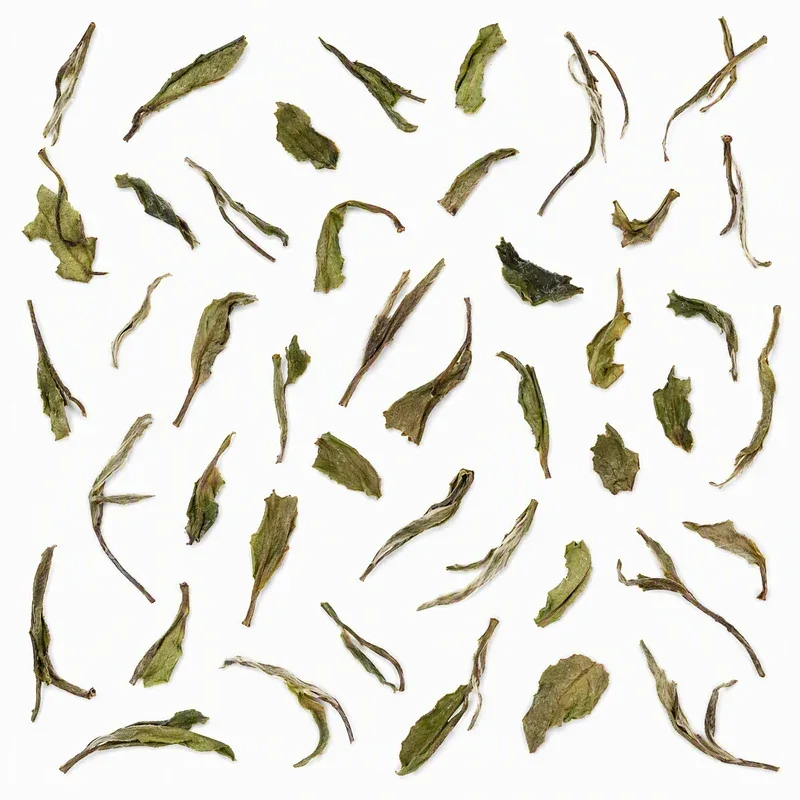
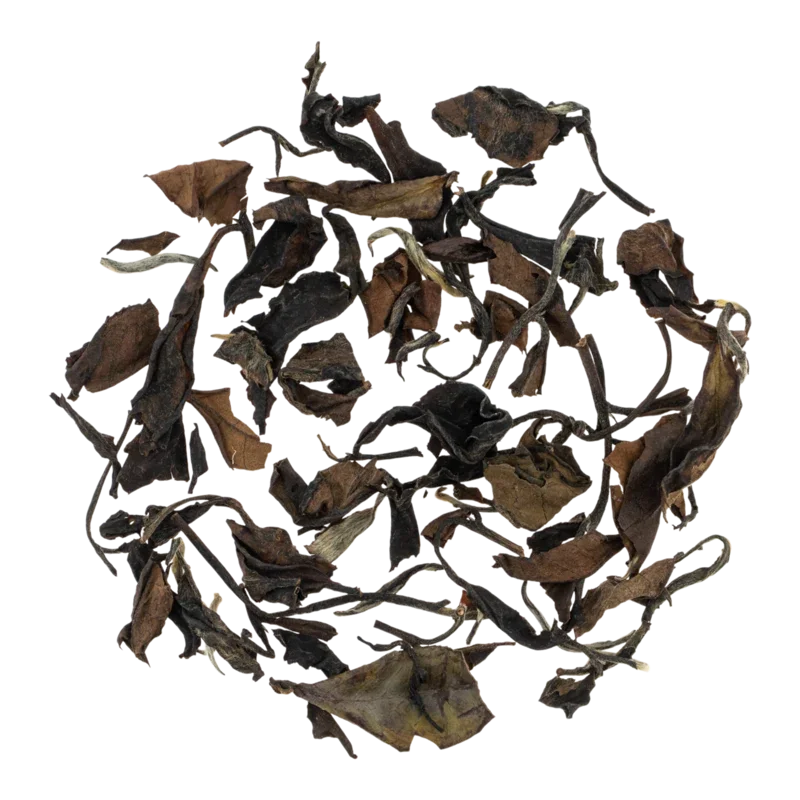
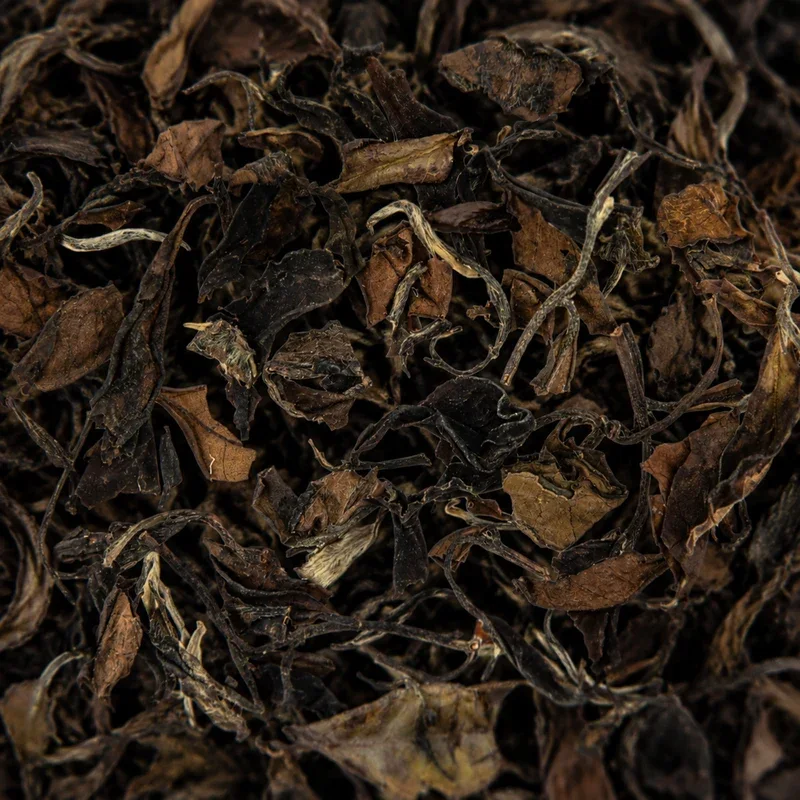
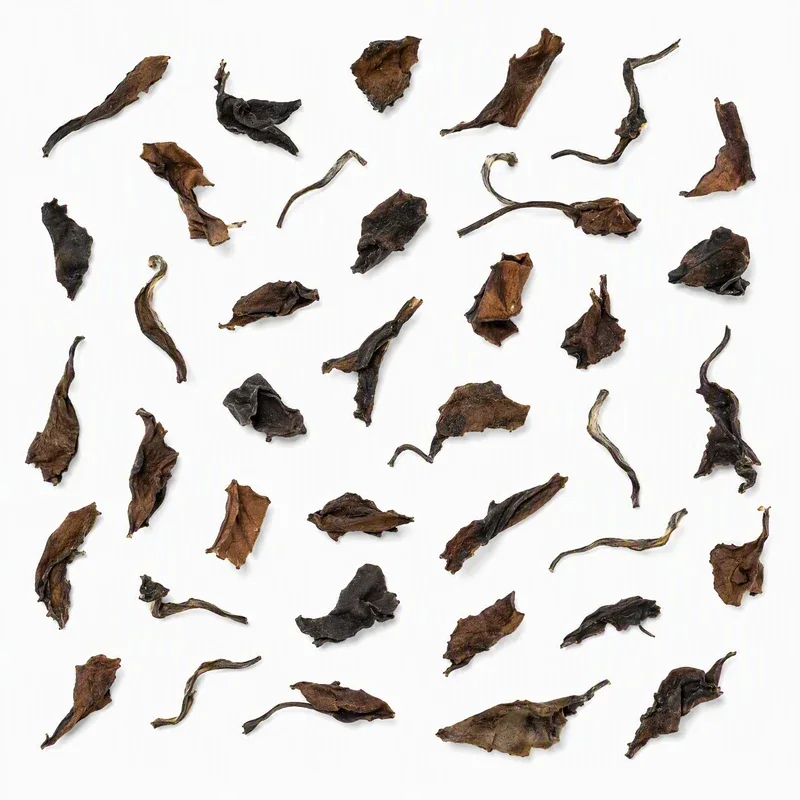
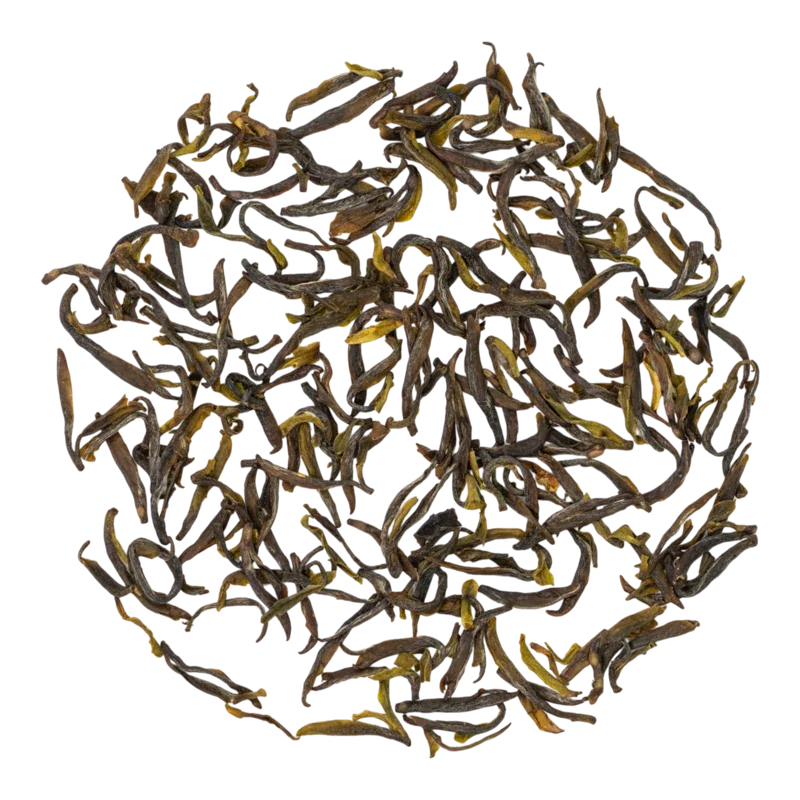
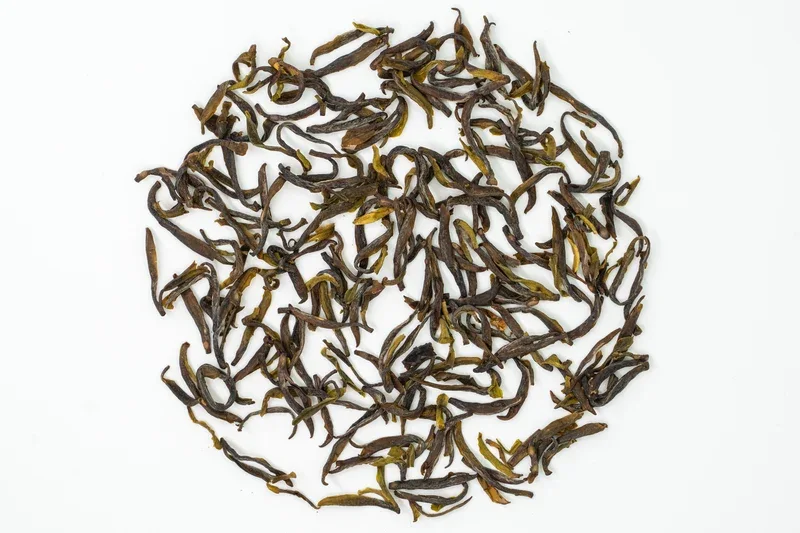
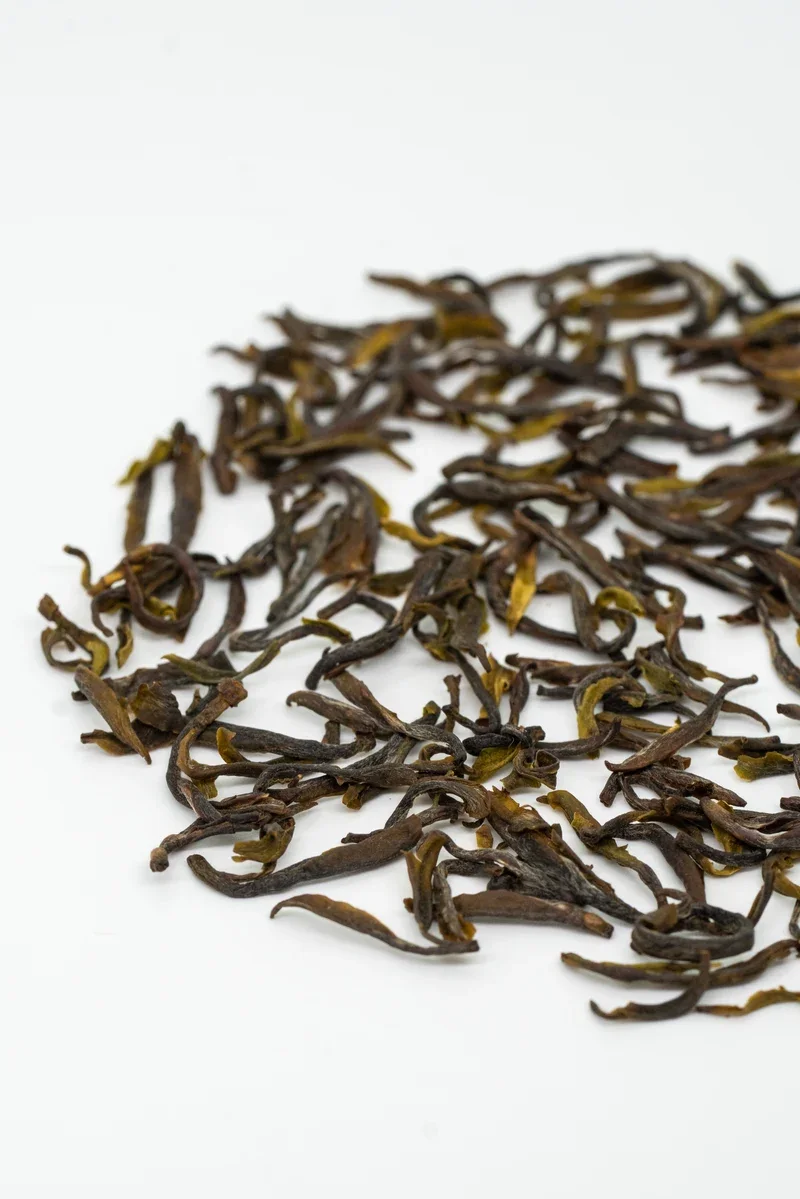
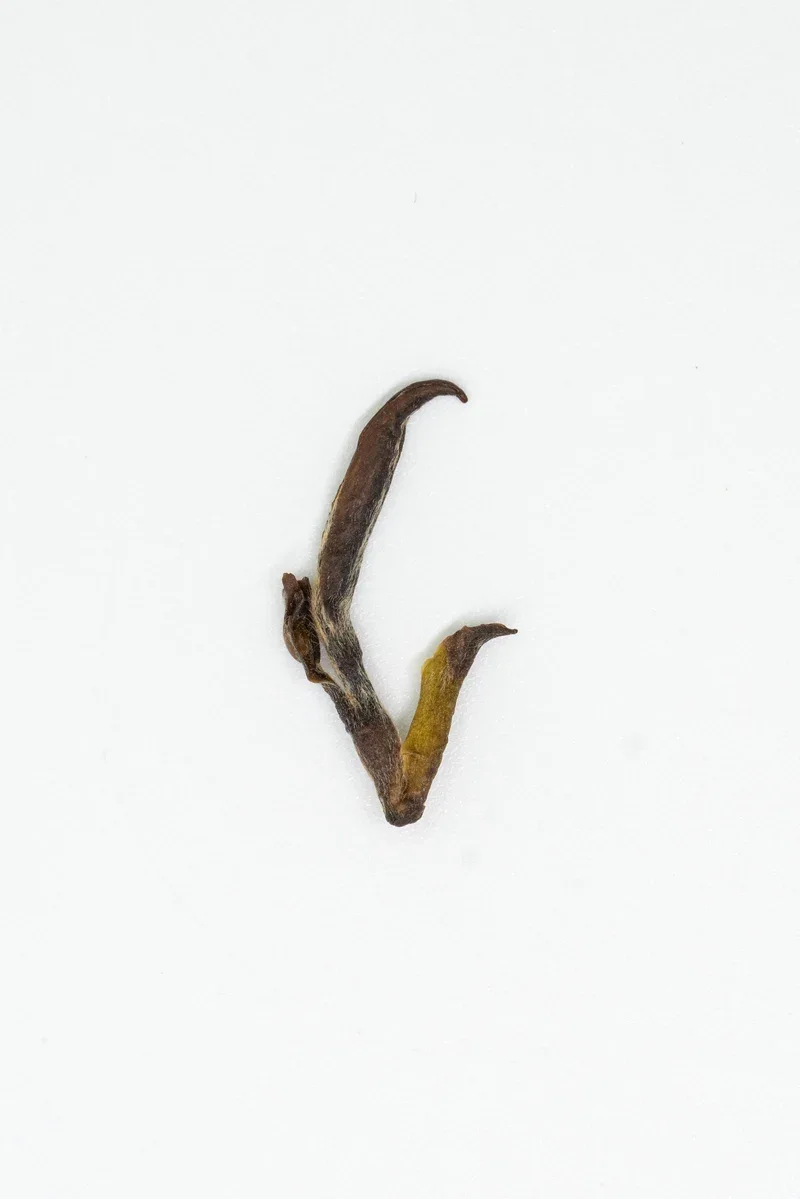
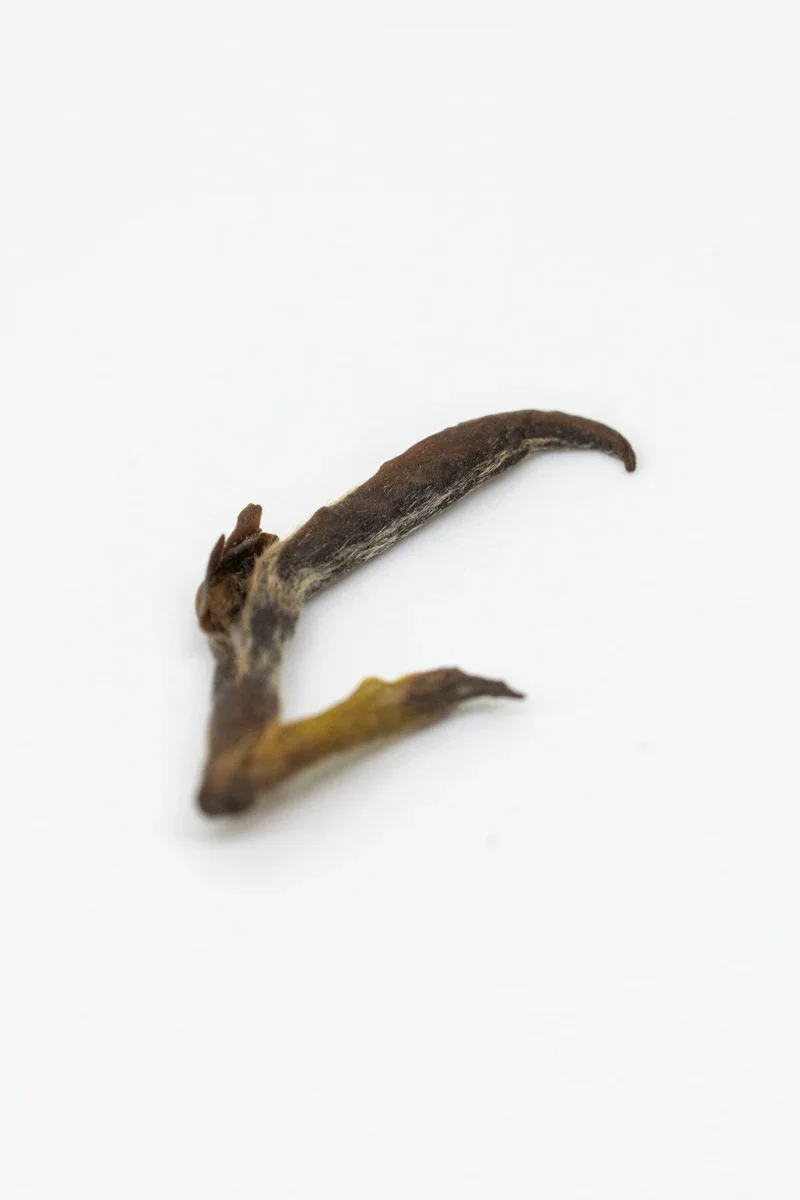
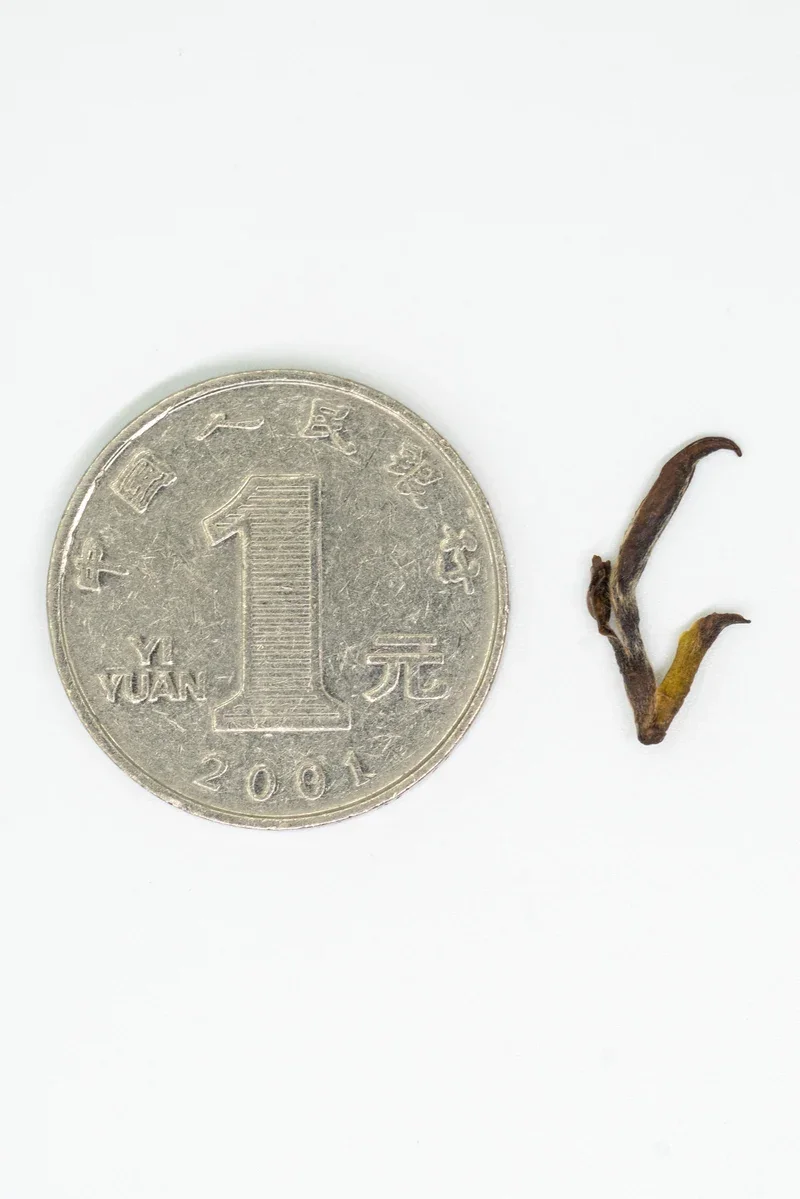
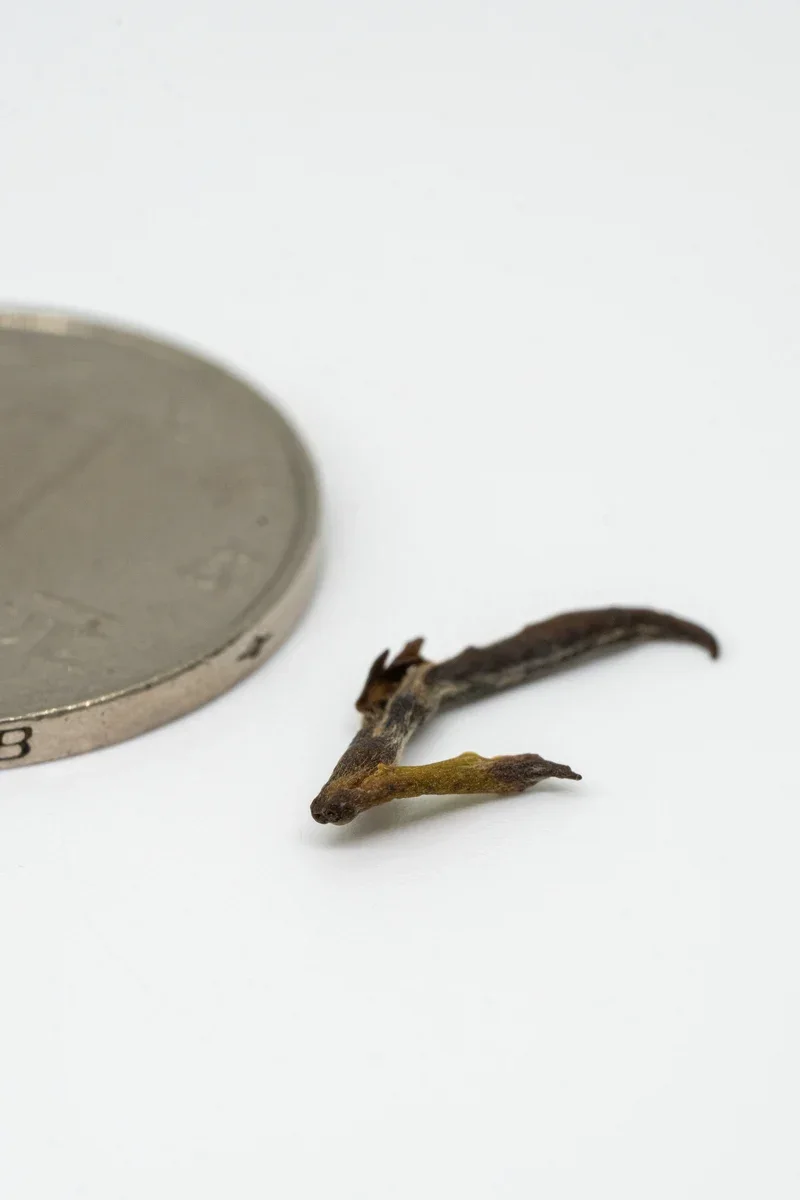
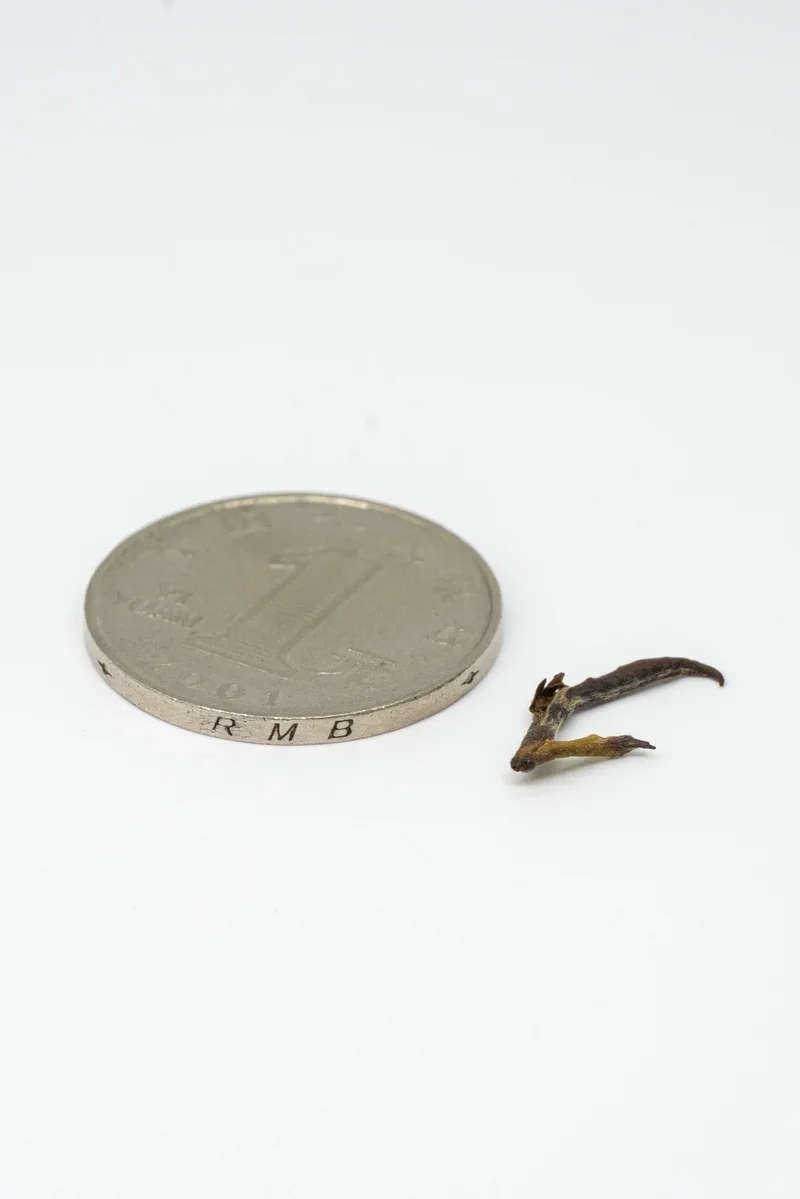
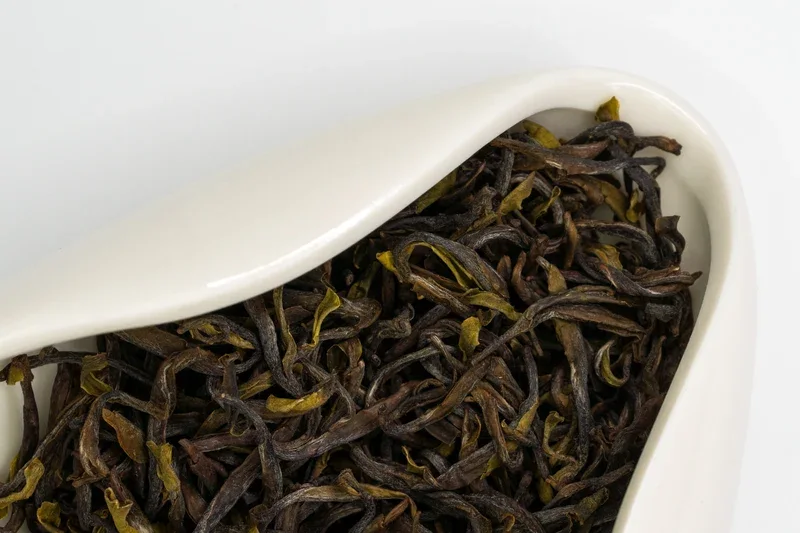
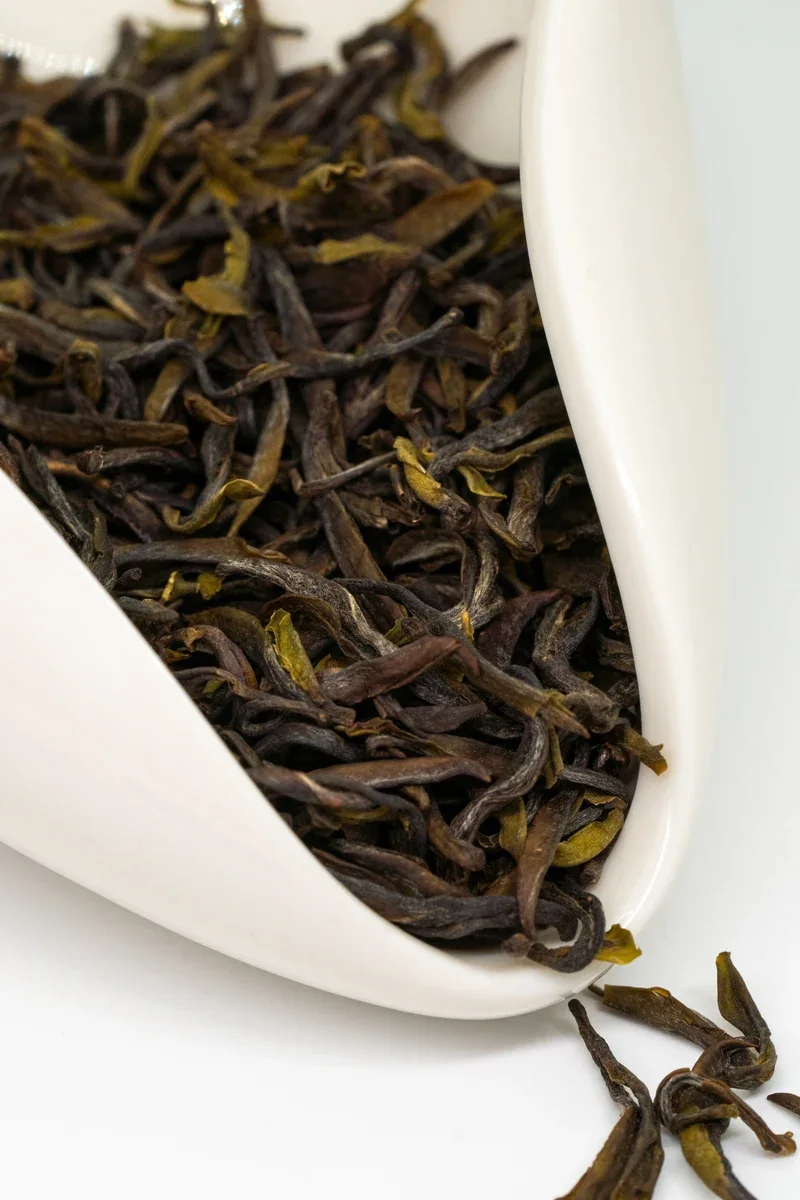
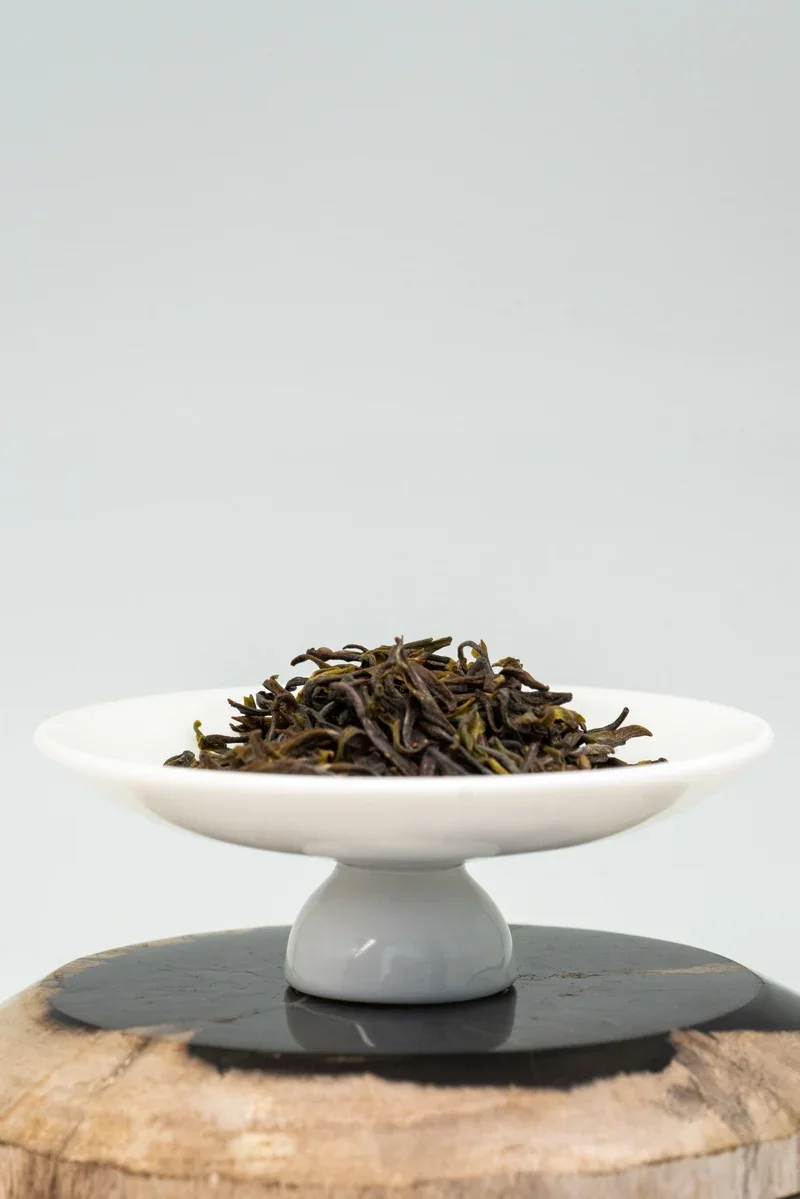
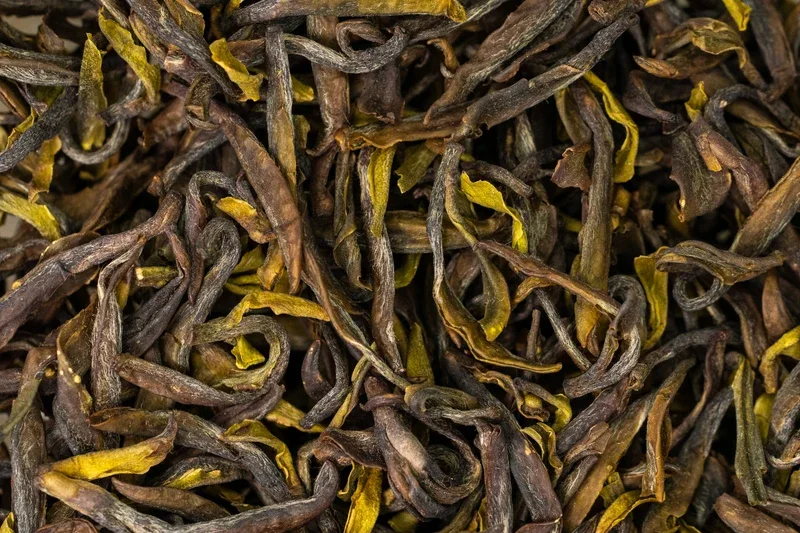
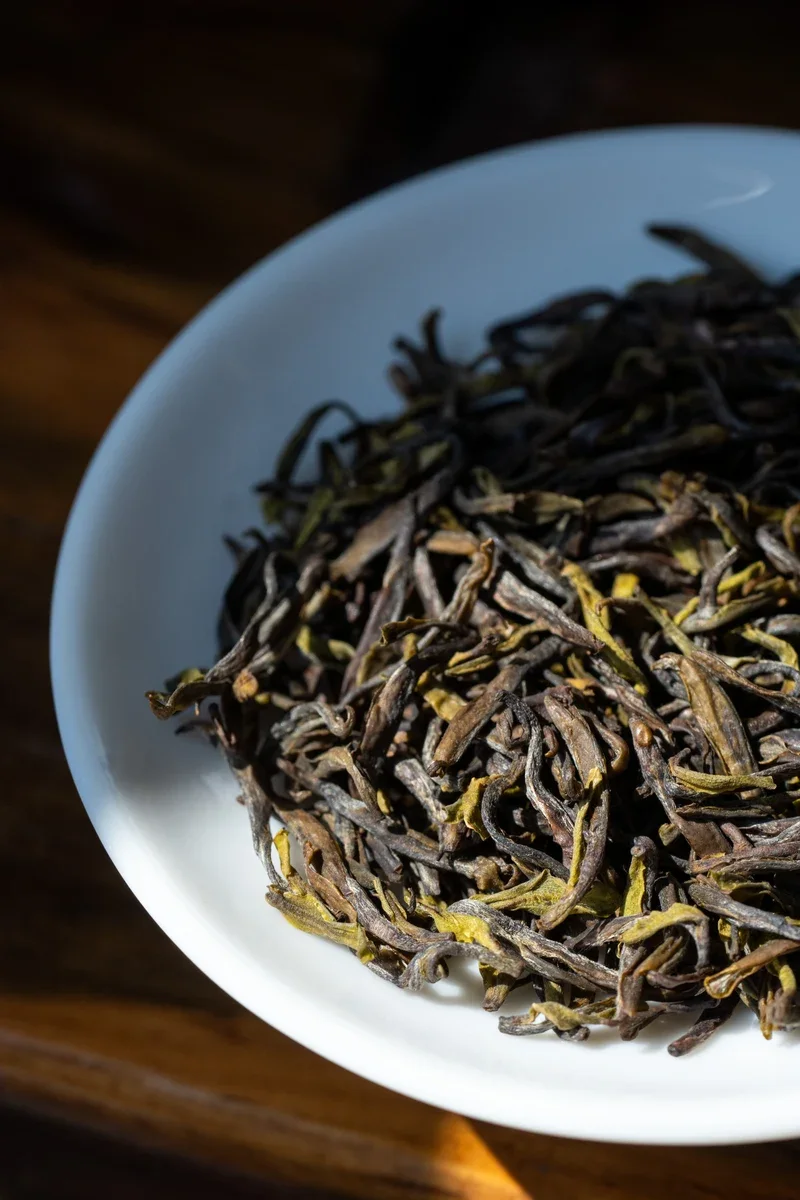
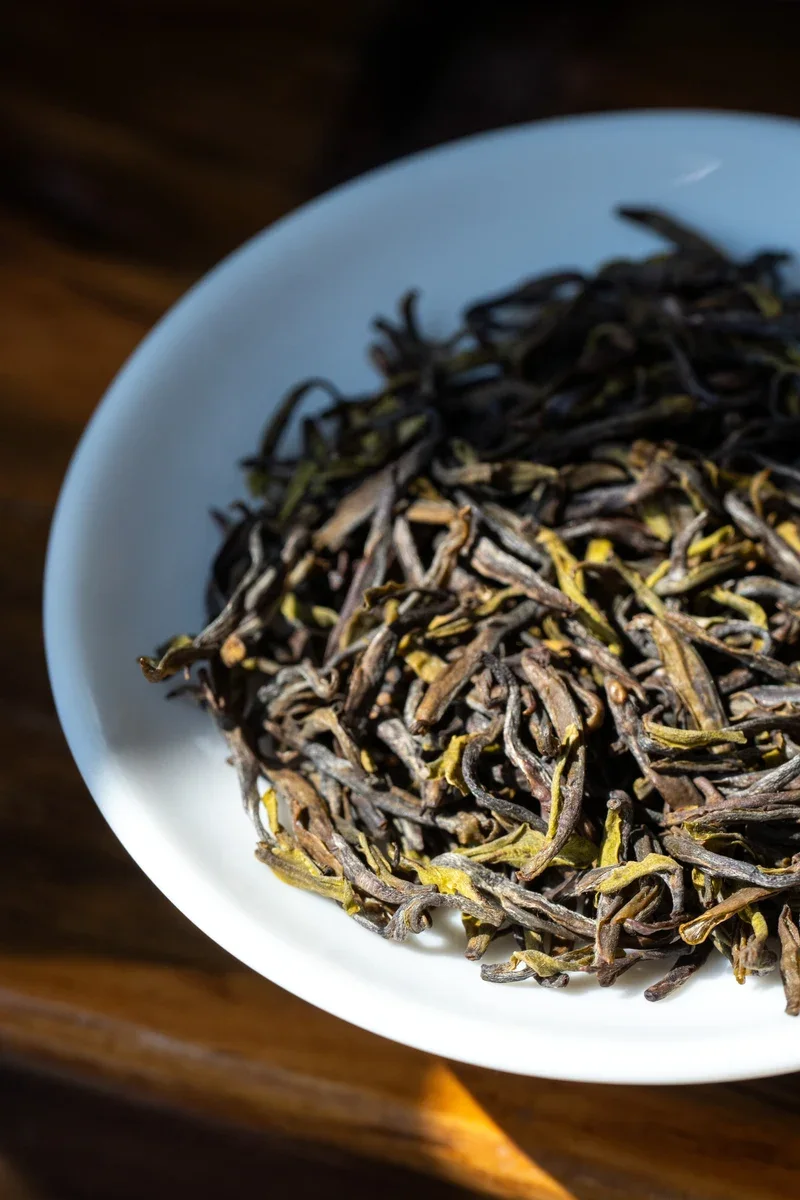
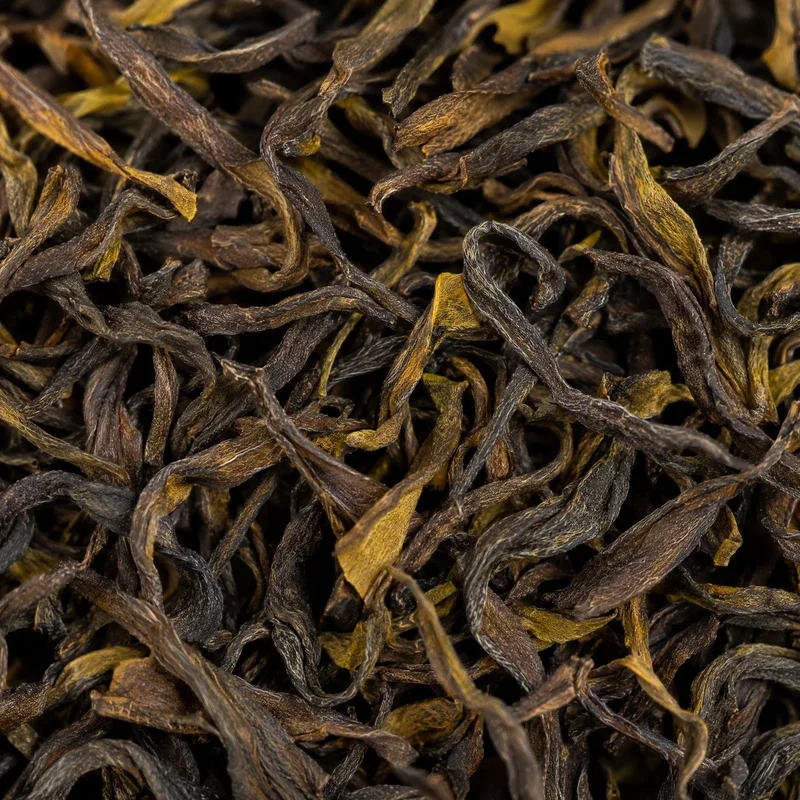
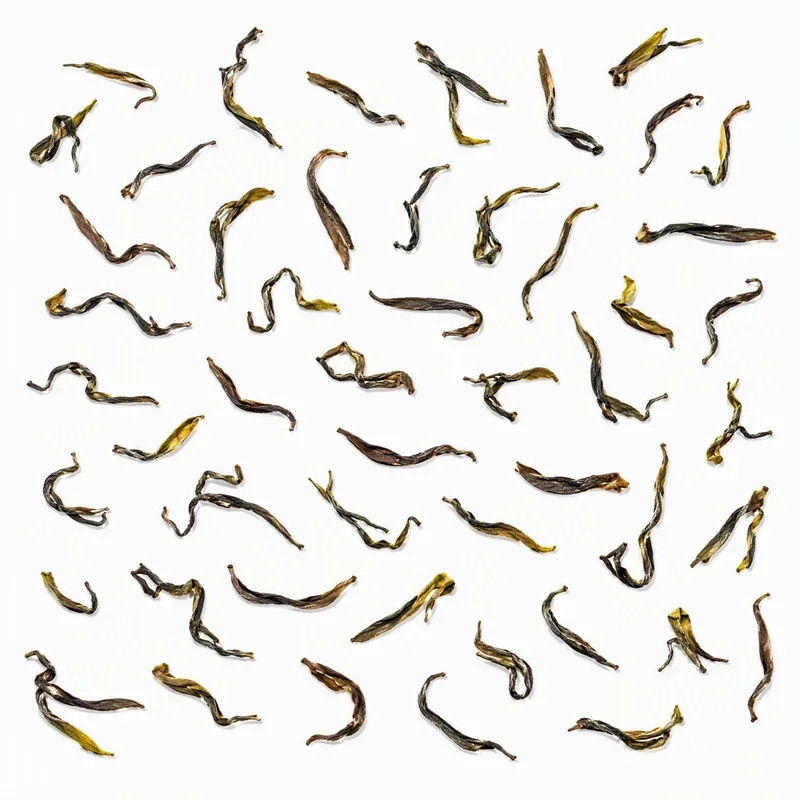
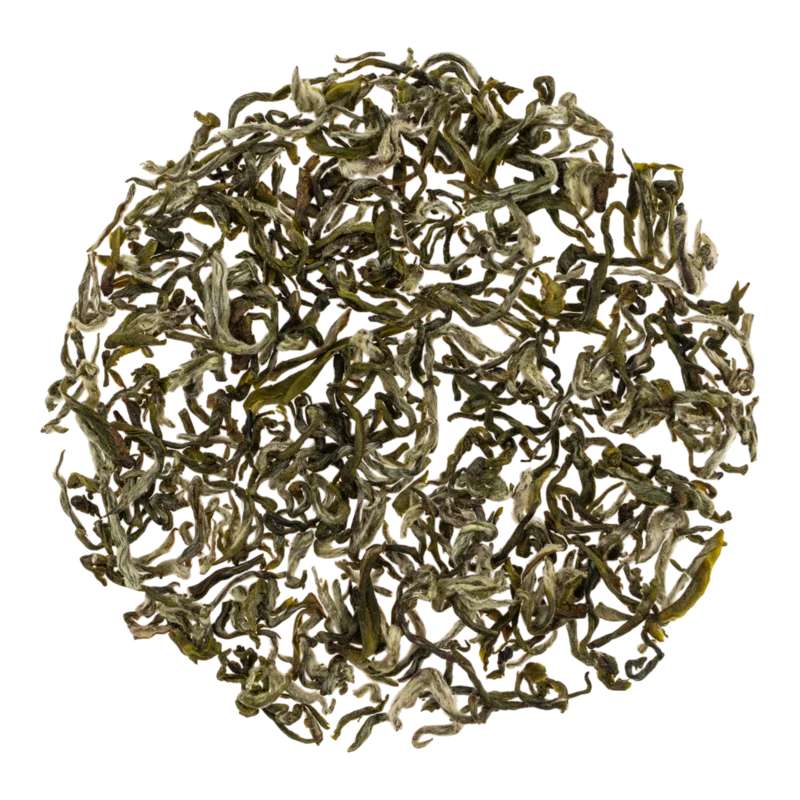
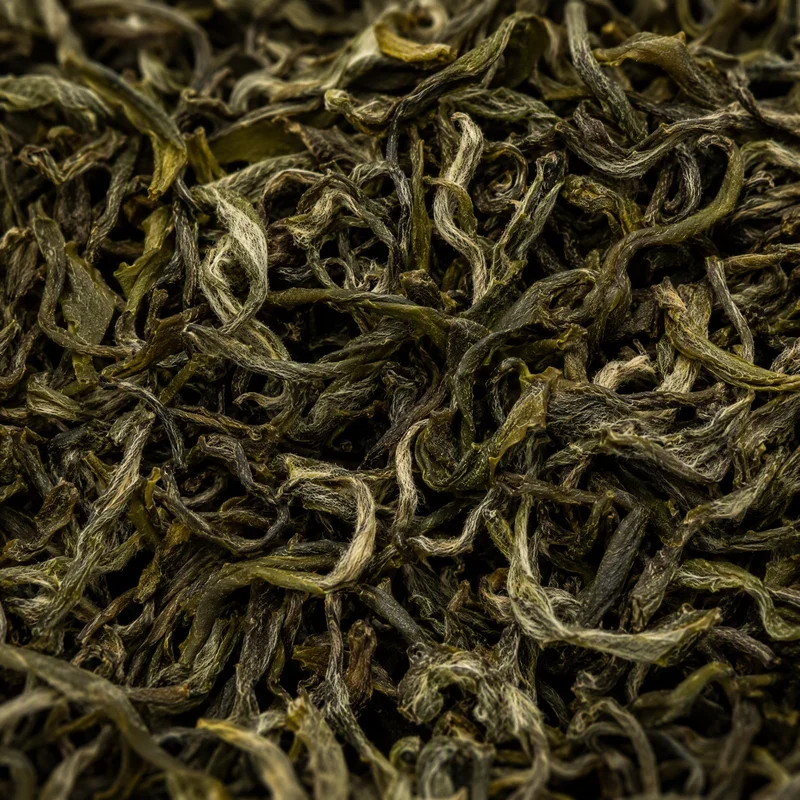
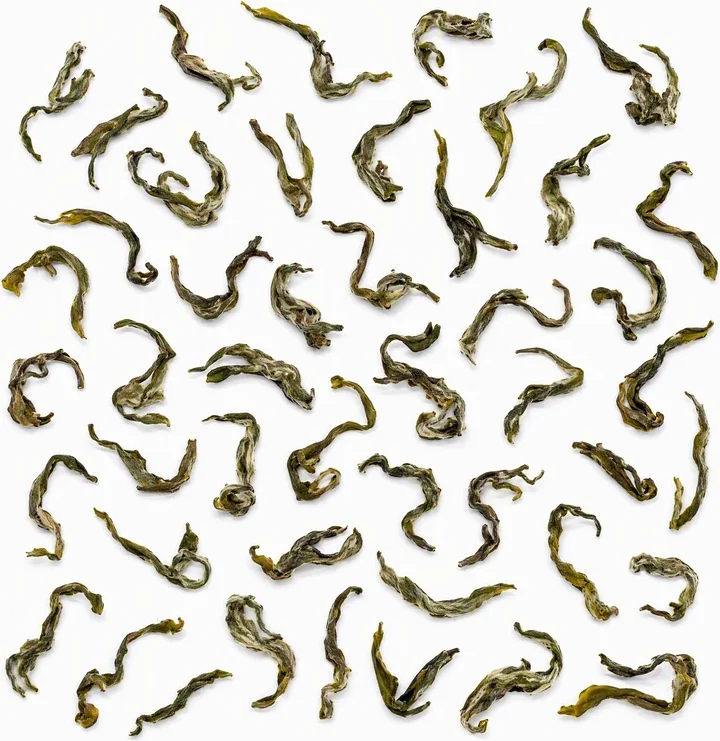
Dry Leaf Appearance: Shoots are tightly twisted, curled into characteristic elastic spirals (条索卷曲). Leaf is large, full, bright green with emerald tint (肥壮绿翠). Entire surface is abundantly covered with white silvery down (白毫披覆), which is the main visual quality indicator.
Dry Leaf Aroma: Clean, fresh, with pronounced chestnut note (栗香, lìxiāng), complemented by delicate floral undertones. Aroma is persistent and "high" (香高持久).
Liquor Aroma: Fresh, clear, with chestnut base, subtle notes of spring greenery and light nutty aftertaste. Down, dissolving in liquor, gives barely perceptible creamy softness to aroma.
Liquor Color: Bright green with gentle emerald reflection, transparent and crystal clear (汤色碧绿澄清). In first infusions, floating white hairs are visible, which is considered an aesthetic feature of the tea.
Spent Leaves: Leaves are even, tender, uniform (叶底嫩匀). Color — bright light green, leaves are elastic, juicy, well-opened.
Taste: Fresh, lively and full (鲜醇浓厚). Base — clean sweetness with bright umami component due to high amino acid content. Medium-density body, without roughness and pronounced bitterness. Aftertaste — long, refreshing, with sweet return (回甘, huígān) and clean aromatic trail.
Alkaloids: Caffeine (咖啡碱) — about 2.5–3.5% of dry mass, provides tonic effect. Theobromine and theophylline — in trace amounts, additionally support invigorating action and diuretic effect.
Amino Acids: Elevated content — one of the characteristic features of Wuxi Hao Cha, emphasized in specialized sources. Key component — L-theanine (L-茶氨酸), responsible for sweetness, umami and calming effect. Free amino acid content in early spring raw material of Dahao variety exceeds average indicators for green teas of Jiangsu region, due to both cultivar genetics and conditions of cool spring and high humidity.
Linalool, geraniol, nerolidol, phenylacetaldehyde and a number of other volatile compounds form the characteristic chestnut-floral aroma profile.
Minerals: Potassium, magnesium, phosphorus, manganese, zinc, fluorine. Mineral profile is enriched thanks to acidic soils of Taihu coastal zone.
Polyphenols: Content — about 15–22% of dry mass, characteristic for high-quality green teas based on large-leaf varieties. Main components — catechins: epigallocatechin-3-gallate (EGCG), epicatechin (EC), epigallocatechin (EGC). Responsible for light astringency, antioxidant activity and liquor color formation.
Vitamins: Vitamin C (ascorbic acid) — well preserved thanks to gentle fixation technology; B-group vitamins (B₁, B₂, B₃); folic acid; β-carotene (provitamin A).
High catechin content (especially EGCG) provides powerful neutralizing action against free radicals, promoting cellular aging deceleration.
Synergy of caffeine and L-theanine gives balanced invigorating action without sharp peaks: concentration improves, cognitive activity enhances while maintaining calm emotional background.
Polyphenols and tannins stimulate intestinal peristalsis, promote healthy microflora and facilitate food digestion.
Regular green tea consumption is associated with "bad" cholesterol (LDL) level reduction and vascular elasticity maintenance.
Complex of vitamins (C, B-group), minerals (zinc, manganese) and polyphenols provides general strengthening effect.
Tea-contained fluorine and catechins possess bactericidal properties preventing caries development.
Catechins show moderate anti-inflammatory activity, beneficial for chronic inflammatory processes.
Wuxi tradition prescribes brewing Hao Cha with water from Huishan Spring — or, in its absence, with soft water of low mineralization. "Wuxi tea, Second Spring water" (无锡茶,二泉水) — classic combination that best reveals tea sweetness and purity.
Tea Amount: 3 g per 150 ml water (gaiwan flash steeping method); 2–3 g per 200 ml (glass or glass cup, steeping).
Teaware: Glass cup (玻璃杯) — ideal option for visual enjoyment: dance of hairs in greenish liquor. Gàiwǎn (盖碗) of porcelain or glass — for more precise extraction control. Porcelain teapot — for daily brewing.
Water Temperature: 80–90 °C. For first grade (most delicate raw material) — 80–85 °C; for second-third — 85–90 °C. Excessively hot water suppresses delicate aroma and intensifies bitterness.
Container: Airtight, light-proof packaging — aluminum foil, tin can or ceramic container with tight lid. Additionally recommended is vacuum sealing or use of foil packets with zip-lock and air removal.
Enemies: Light, moisture, foreign odors, high temperature, oxygen. Especially important to isolate tea from food odors in refrigerator.
Shelf Life: For maximum flavor development — consume within 6–12 months after production. With professional refrigerated storage — up to 18 months without significant quality loss.
Temperature: Optimally — 0–5 °C (refrigerator compartment). With strict sealing — acceptable storage at room temperature in cool dark place, but shelf life is reduced.
Price Category: Medium and medium-high segment among Jiangsu green teas. Price depends on grade (first — most expensive), harvest season (early spring — more expensive) and specific producer. Early spring first grade can cost 3–5 times more than summer harvest fourth grade.
authentic Hao Cha is distinguished by abundant silvery-white down, dense large spirals of emerald-green color. Counterfeit samples often have small leaf, weak down or dull color.
genuine Hao Cha possesses clean, persistent chestnut-floral aroma. Artificial flavoring gives sharp, quickly evaporating smell.
authentic tea gives bright, clean, transparent greenish-emerald liquor. Turbid, dull or yellowish liquor — sign of old or counterfeit tea.
suspiciously low price — reason for doubt. Wuxi Hao Cha — product with relatively limited production zone.
No reviews yet. Tell us what you think of this tea.
Rate this tea and share your impressions. We review each submission before publishing it.