Brewing
Gongfu brewing
- Water temperature
- 93 °C
- Tea amount
- 5 g
- Water volume
- 100 ml
- First steep
- 10 s
- Time added per infusion
- 5 s
- Infusions
- 4


Wénshān hóngchá
Choose a brewing method. Start with the recommended quantities and time, then adjust to taste.
Brewing
Brewing
Taste
Tea encyclopedia
Category: Taiwanese experimental (新興特色茶, Xīnxīng Tèsè Chá — "new characteristic tea") premium red tea. Small-batch artisanal production.
Category: Taiwanese experimental (新興特色茶, Xīnxīng Tèsè Chá — "new characteristic tea") premium red tea. Small-batch artisanal production.
400–800 m above sea level.
Coordinates: Approximately 24°56' N, 121°43' E (central part of Pinglin District).
Origin: Wénshān District (文山, Wénshān) — the historical name for an extensive tea-growing zone in northern Taiwan, including the modern administrative districts of Pínglín (坪林區, Pínglín Qū), Shídìng (石碇區), Shēnkēng (深坑區), Píngxī (平溪區), Xīndiàn (新店區) of New Taipei Municipality (新北市, Xīnběi Shì), as well as Wenshan and Nangan districts of Taipei City. The main production center is Pinglin, the largest tea district in all of Wenshan.
Type: Red tea (black tea) (紅茶, Hóngchá) — fully oxidized. The distinctive feature is the incorporation of oolong technology elements (萎凋攪拌, Wěidiāo Jiǎobàn — withering with stirring) borrowed from the Baozhong production tradition.
Compact, semi-open type (開張形, Kāizhāng Xíng), with dense branches. Medium-sized leaves (5–6 cm in length), long-elliptical shape, with fleshy, soft, elastic texture and glossy surface of dark green color. Young buds have a characteristic purple tint. This cultivar is known for excellent tea quality with relatively low yield, which determines its premium status.
Cultivar: Qīng Xīn Oolong (青心烏龍, Qīngxīn Wūlóng — "Green Heart Oolong"), also called "zhongzi" (種仔 — "seed," "seedling") in the local Pinglin tradition. This is Taiwan's main and most widespread cultivar, belonging to Camellia sinensis var. sinensis. For Wenshan Hong Cha production, precisely this variety is used, which distinguishes it from most other Taiwanese red teas based on Assam hybrids or Qing Xin Gan Zi.
Picking: Exclusively hand-picked. For Wenshan Hong Cha, primarily summer harvest (夏茶, Xiàchá) is used, less often autumn harvest. Summer raw material, which produces low-quality Baozhong due to heat and intense sun, is conversely ideal for red tea production: high polyphenol content ensures depth of oxidation. Picking standard is a flush of one bud and two upper leaves (一芽二葉, Yī Yá Èr Yè). Daily output of one picker is limited to approximately 5 kg of fresh leaf due to high raw material quality requirements.
Altitude: 400–800 m above sea level. Plantations are located on mountain slopes, often on quite steep terraces.
Climate: Subtropical monsoon, with pronounced influence of mountain topography. Average annual temperature about +18°C — somewhat lower than in Taiwan's lowland areas. High humidity and abundant precipitation. Key feature — dense fogs enveloping mountain slopes more than 150 days per year. Fogs diffuse sunlight, creating a natural shading effect that promotes slow growth of tea leaves, accumulation of amino acids (especially L-theanine) and reduction of catechin content responsible for bitterness.
Soil: Acidic red soils (紅壤, Hóngrǎng) with pH 4.5–5.0, rich in iron oxides, which contributes characteristic mineral notes to the tea. District soils are enriched with organic matter thanks to dense forest vegetation and limited use of chemical fertilizers in the watershed protection zone.
Mountainous terrain of northern Taiwan, predominantly Pinglin District. The territory consists three-quarters of hills and mountains over 50 m high, with general elevation increase from west to east. The Běishì River (北勢溪, Běishì Xī) flows through the district, feeding the Feicui Reservoir.
The watershed protection zone status of Feicui Reservoir, in effect since the 1980s, significantly restricts industrial activity and agrochemical use. Many farmers practice organic or near-organic farming. The result is a clean ecological environment with rich biodiversity, which directly affects tea leaf quality.
Key difference from standard red tea. Harvested leaves are spread in thin layers on bamboo sieves under straw canopies and subjected to withering for 18–22 hours at about 25°C. During withering, leaves are periodically stirred (攪拌, Jiǎobàn) — this technique is borrowed from Baozhong technology and serves for controlled damage to leaf edges, initiation of initial oxidative processes, and development of floral aromatic compounds even before the main oxidation stage.
Withered leaves are subjected to rolling for approximately 45 minutes. In Wenshan tradition, leaves are rolled into tight balls, typical of Taiwanese hemispherical oolongs and distinguishing this red tea from most others having long-twisted form.
Full oxidation at about 28°C and high humidity (~85%). The process is controlled with regular checking of leaf condition. Characteristically, some Wenshan producers conduct particularly long oxidation, which promotes formation of deep, complex flavor profile.
Oxidized tea is dried at high temperature (about 120°C) for 20 minutes to fix the achieved taste and aroma and reduce moisture.
Characteristic feature of the Wenshan school — light re-heating (roasting) after main drying. This technique, borrowed from aged oolong technology (老茶, Lǎo Chá), promotes formation of deeper and more stable sweet aftertaste — "returning sweetness (huí gān)" (回甘, Huígān). This stage distinguishes Wenshan Hong Cha from most red teas and gives it characteristic "oolong" depth.
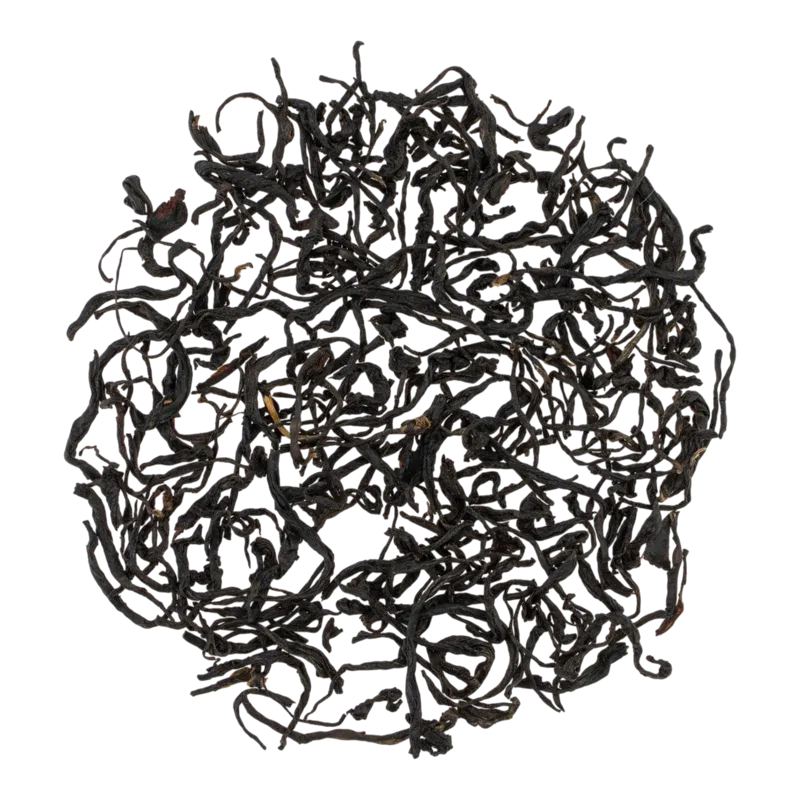
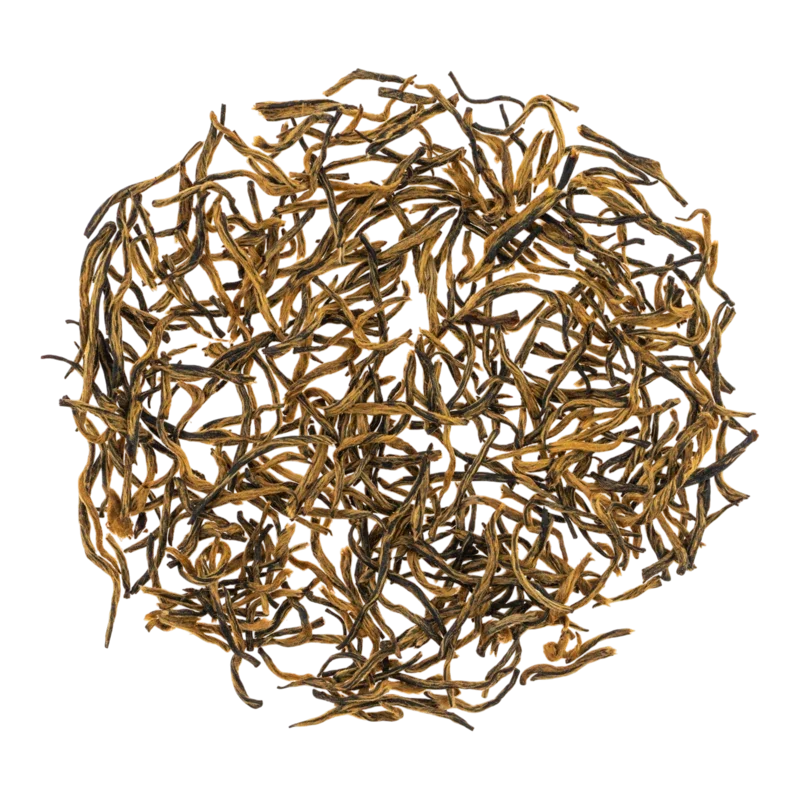
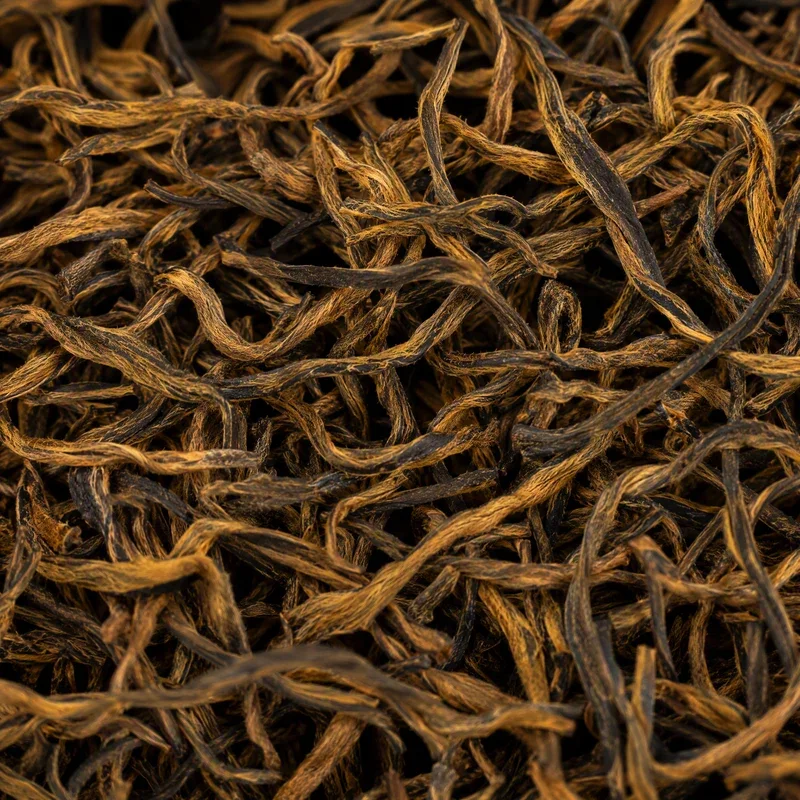
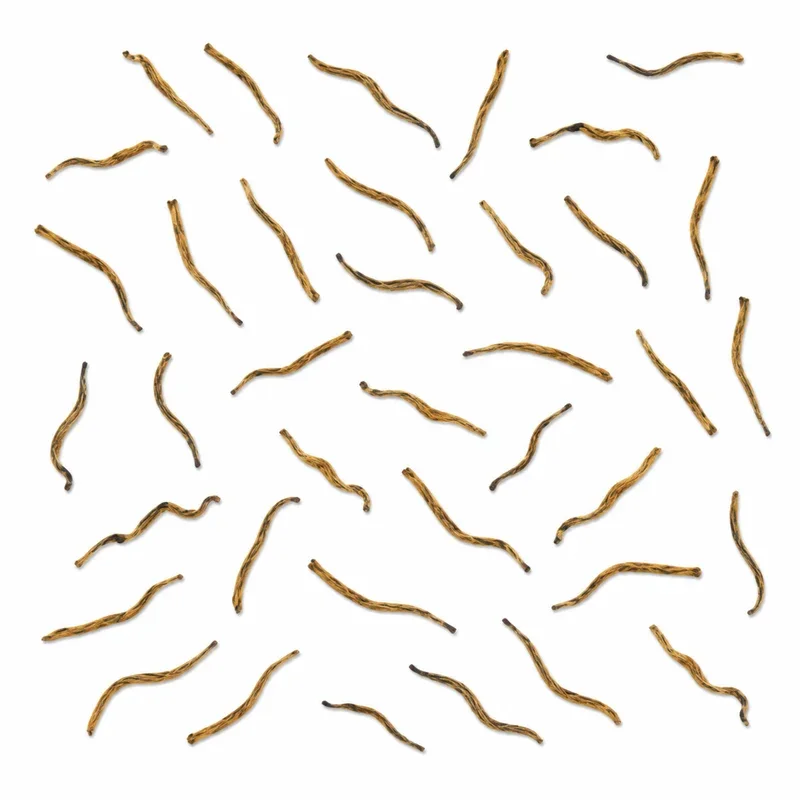
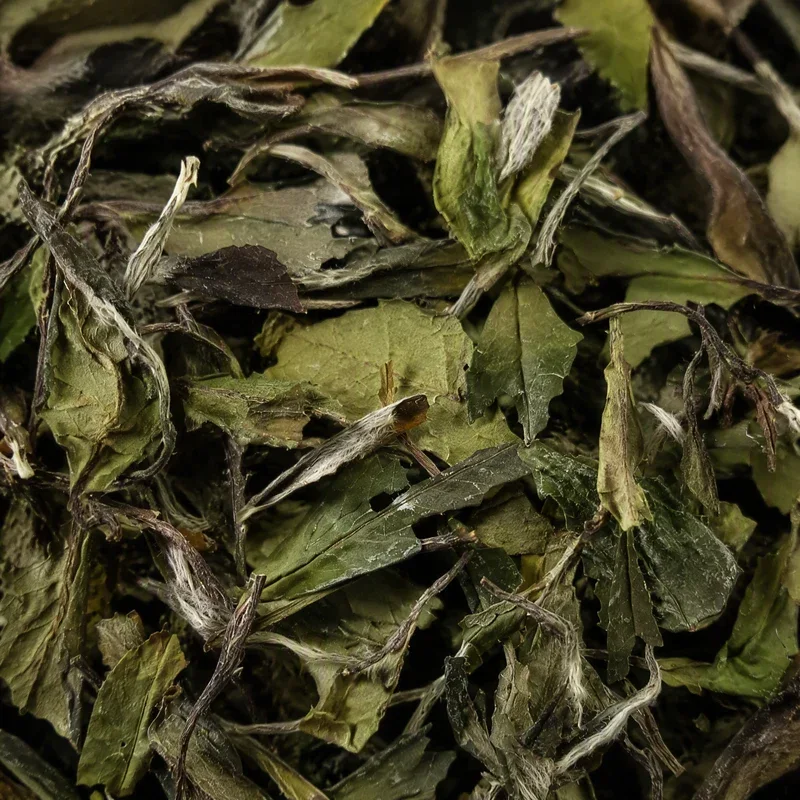
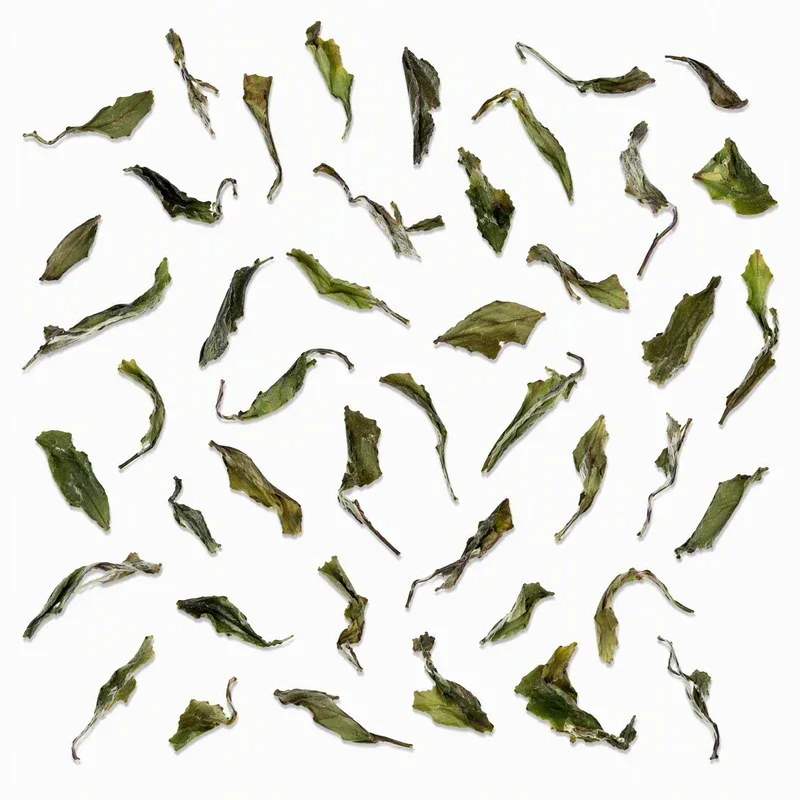
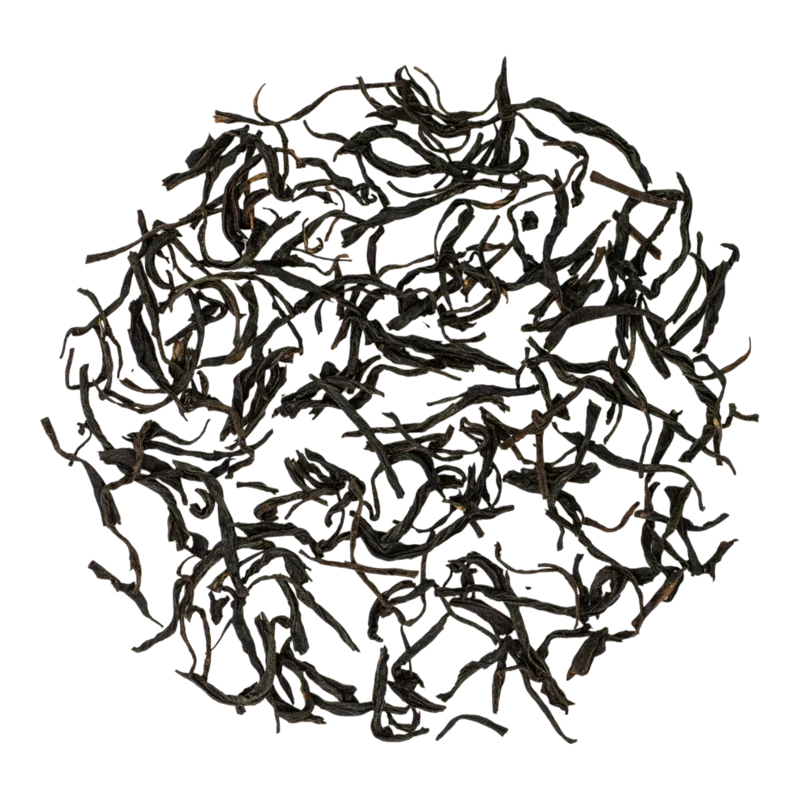
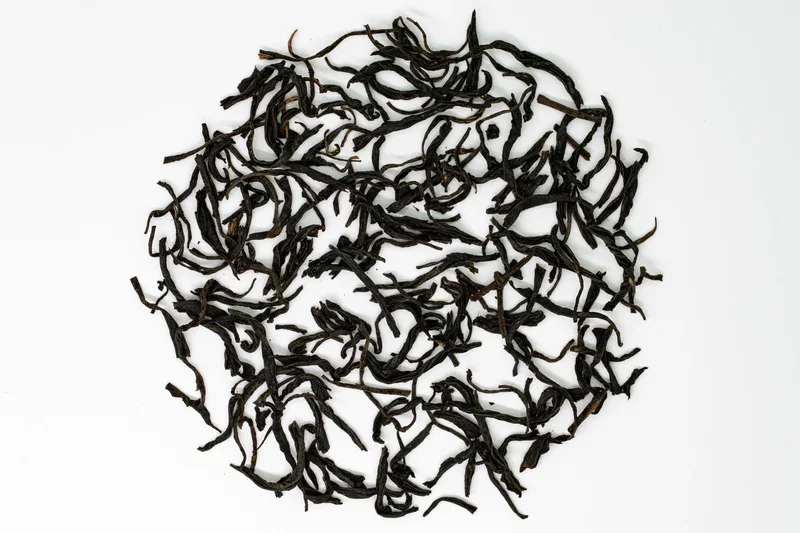
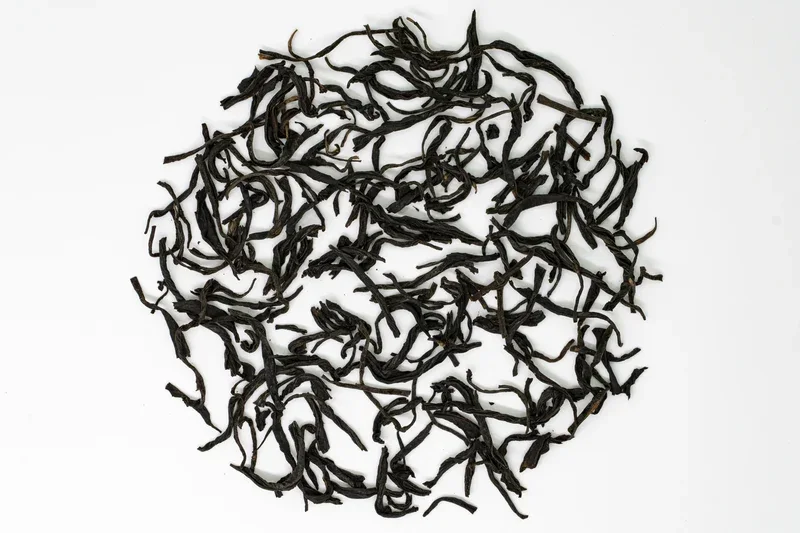
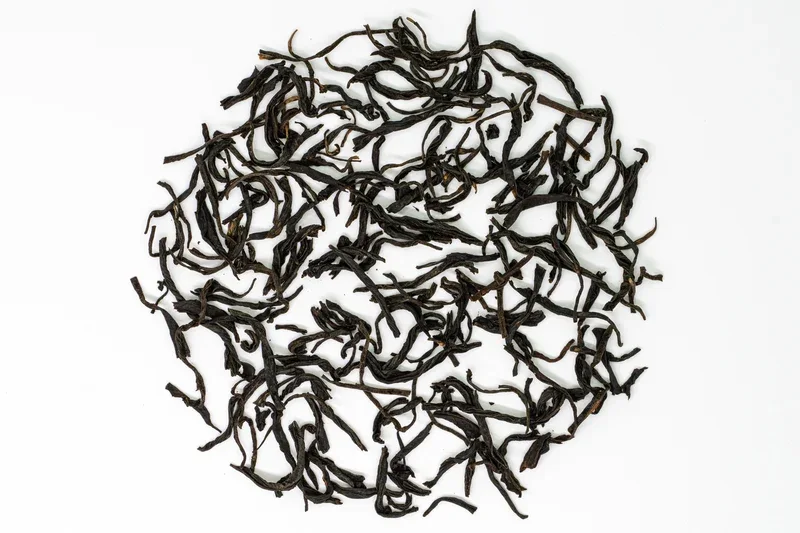
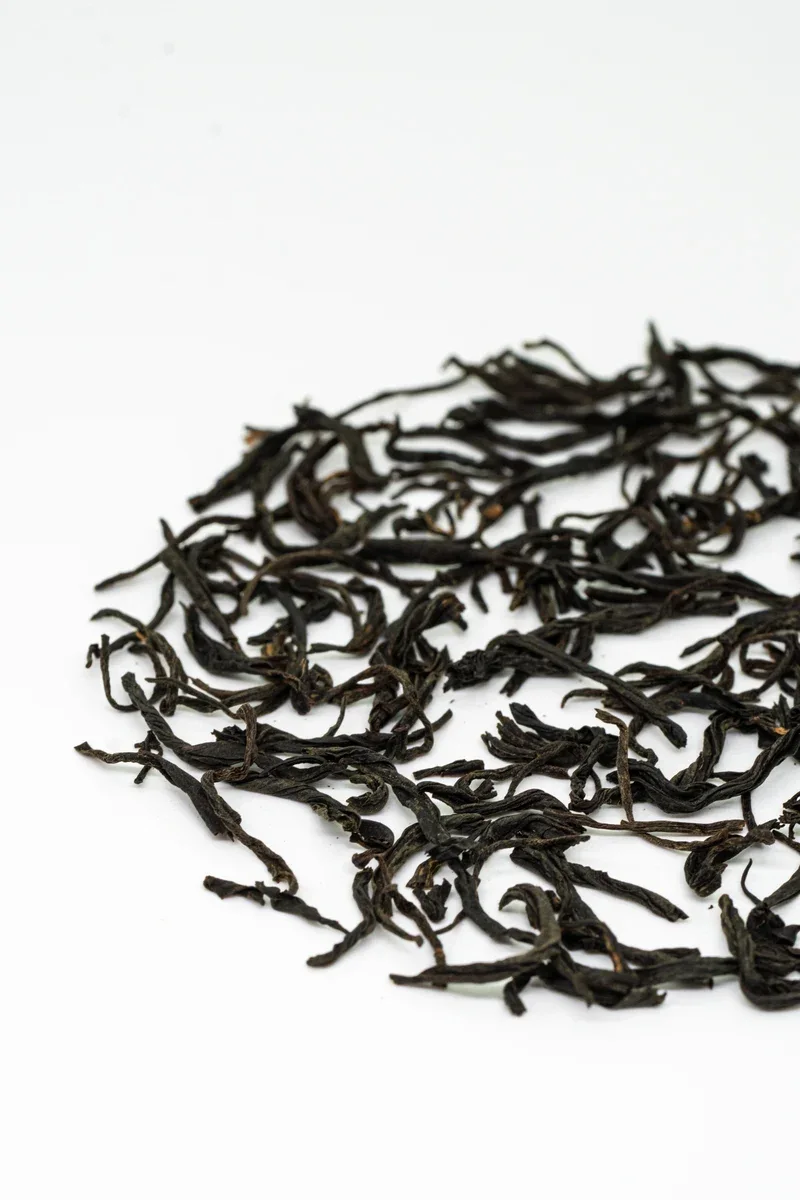
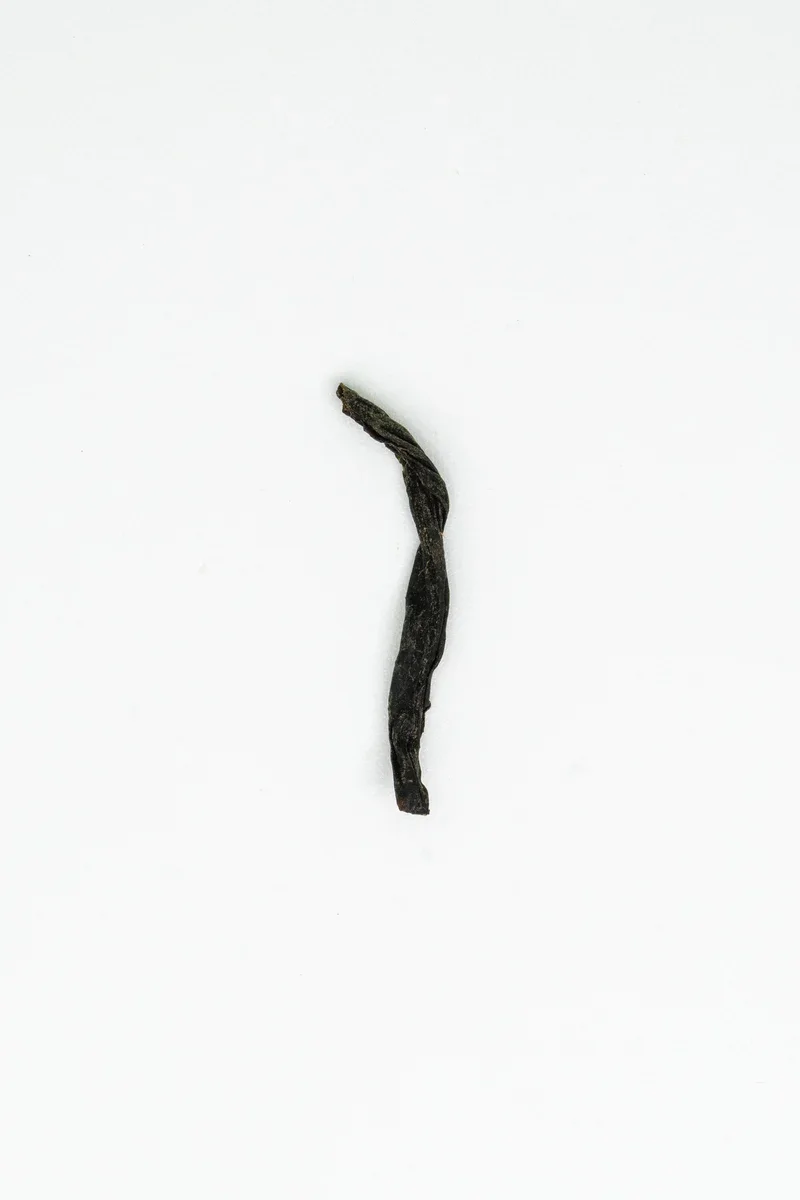
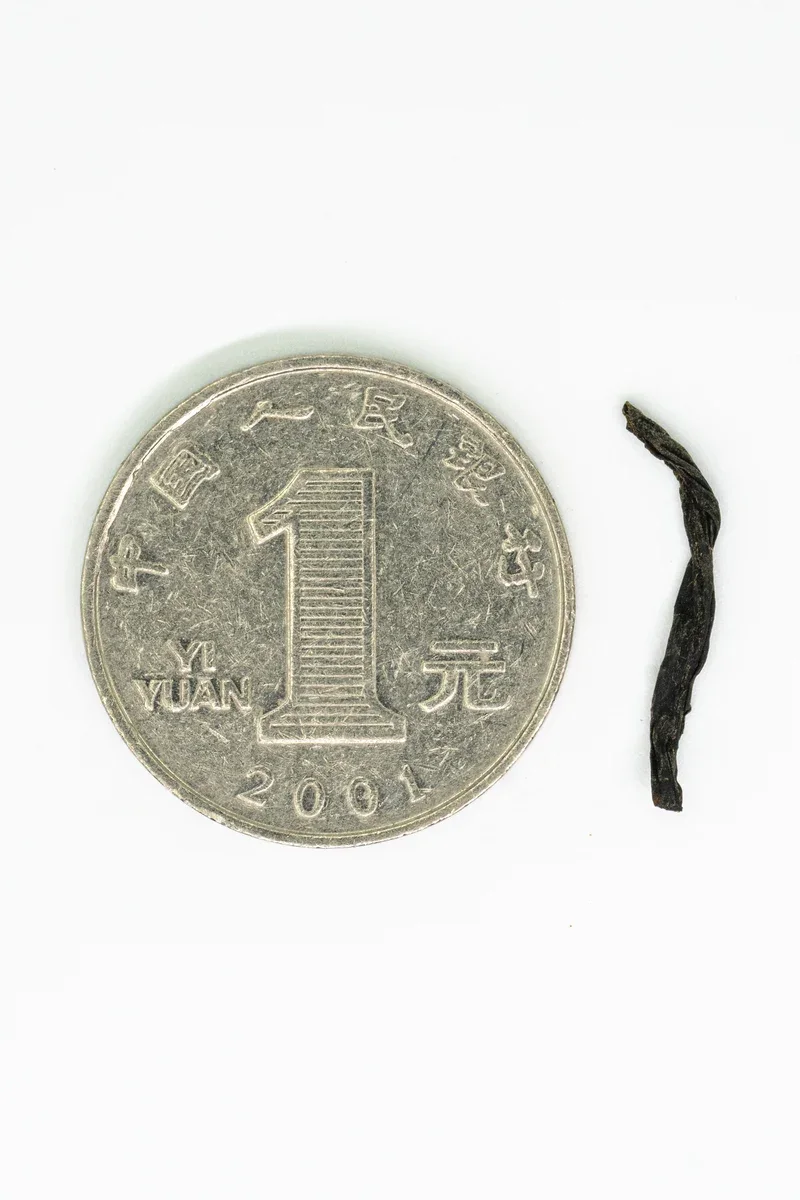
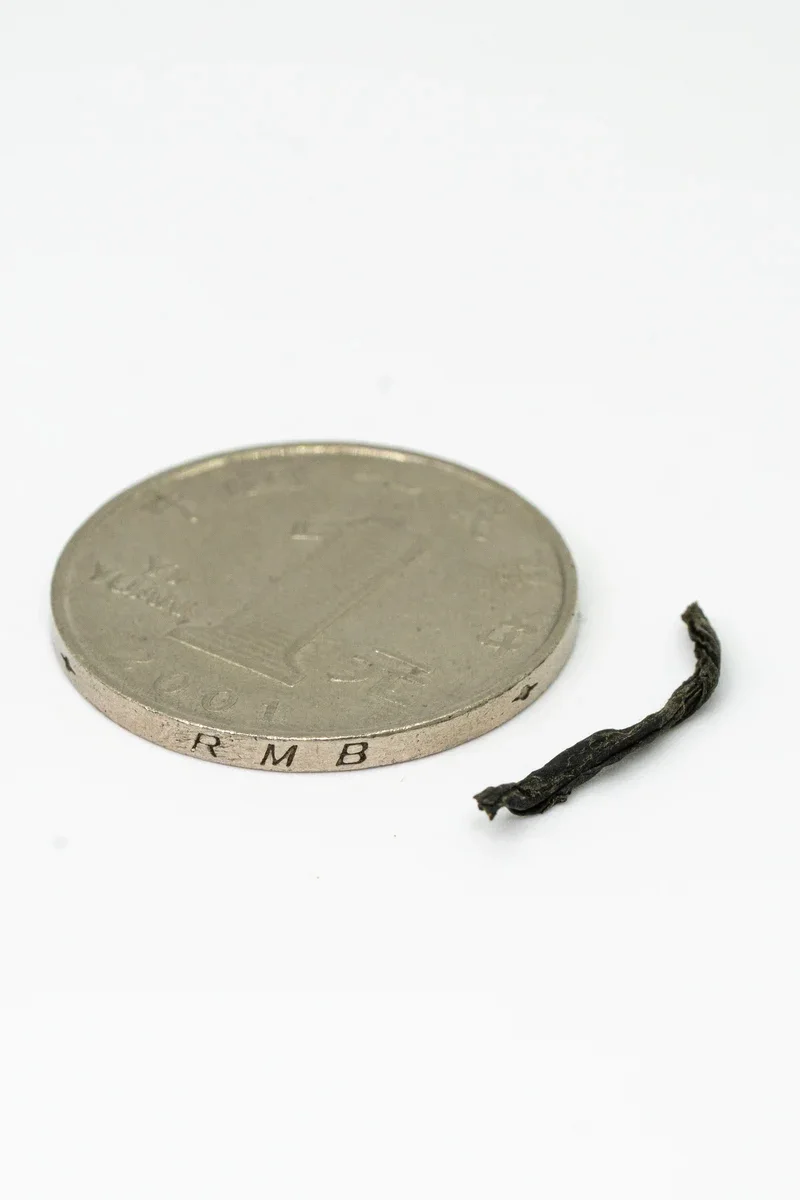
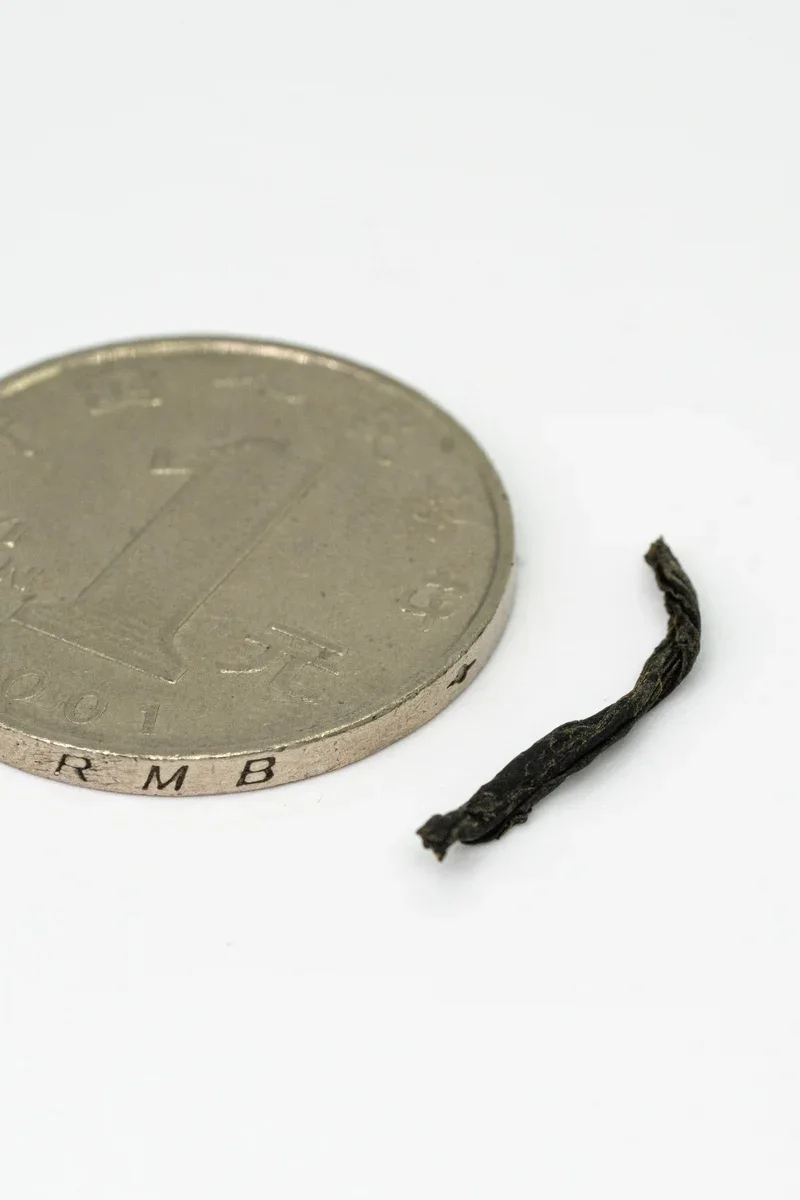
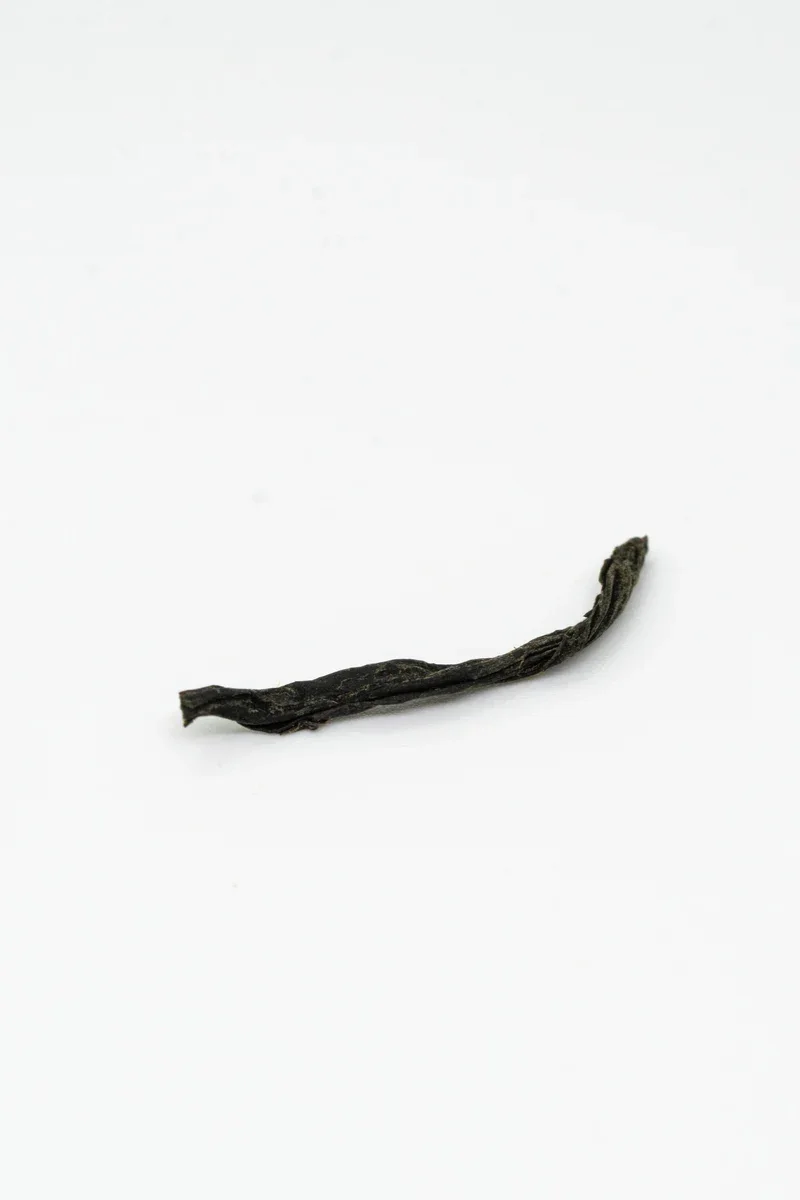
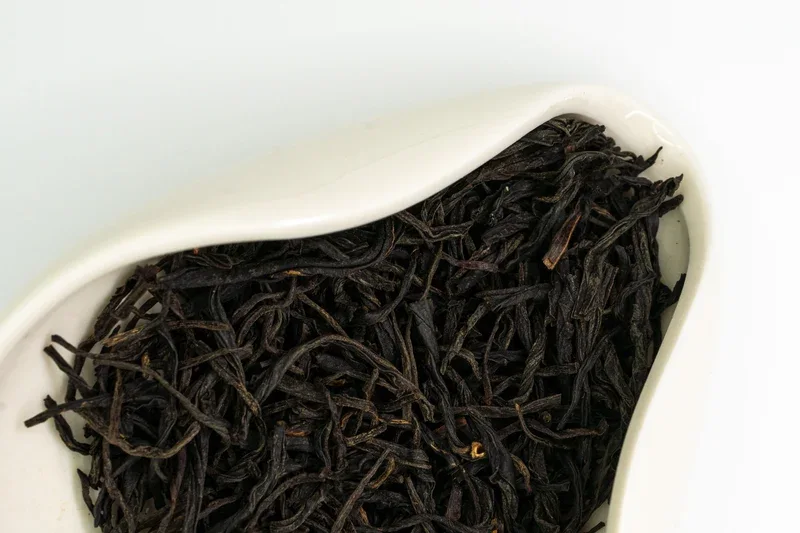
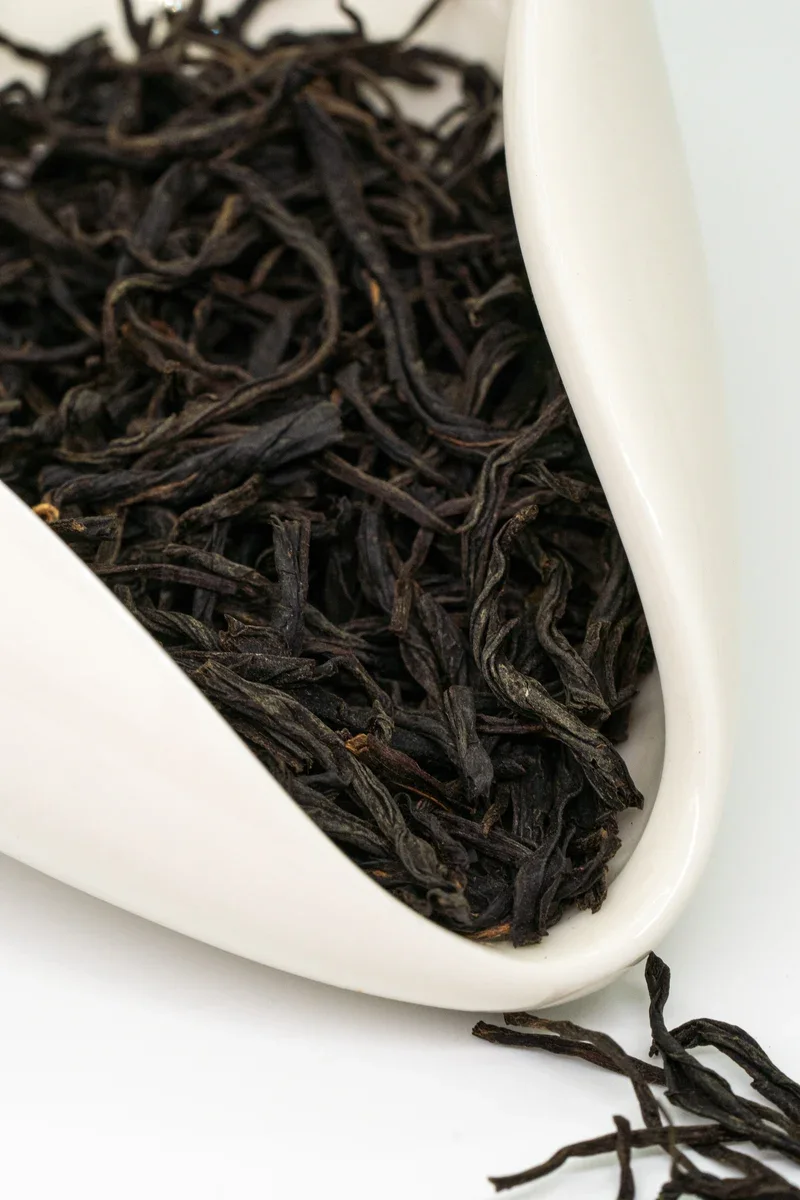
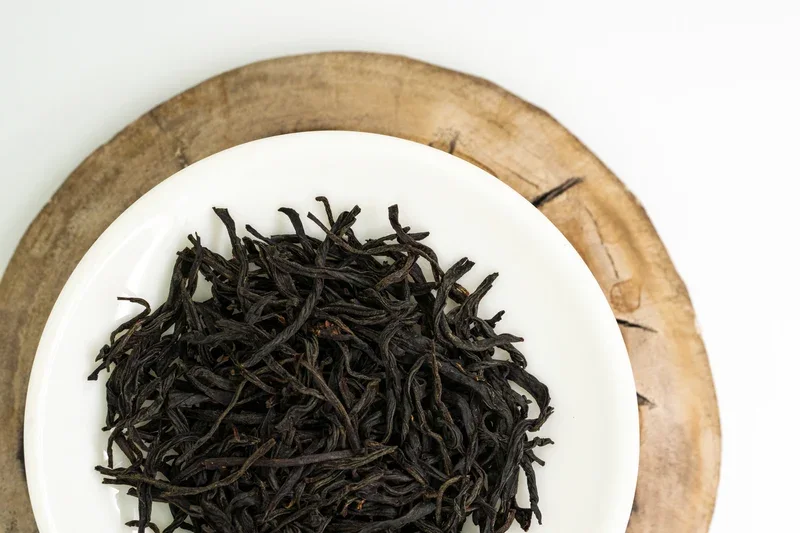
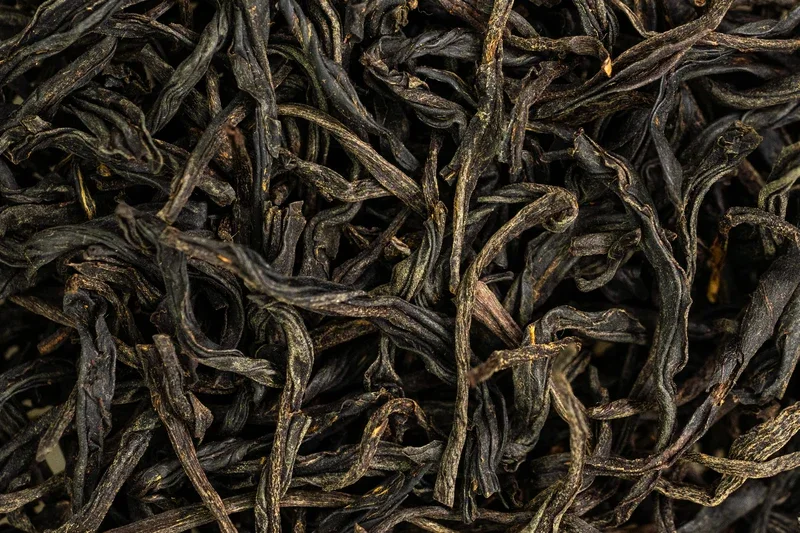
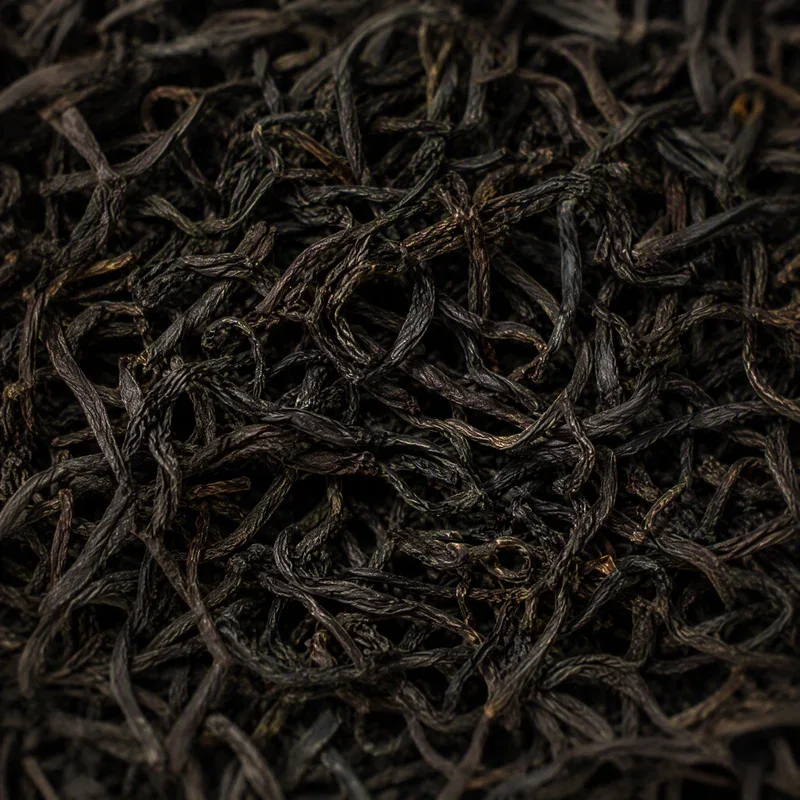
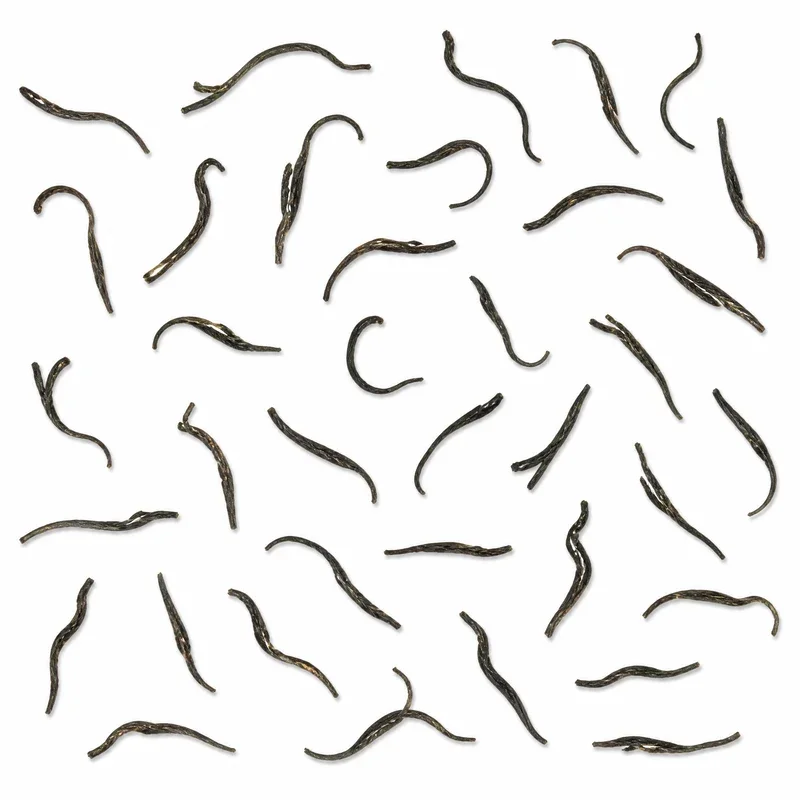
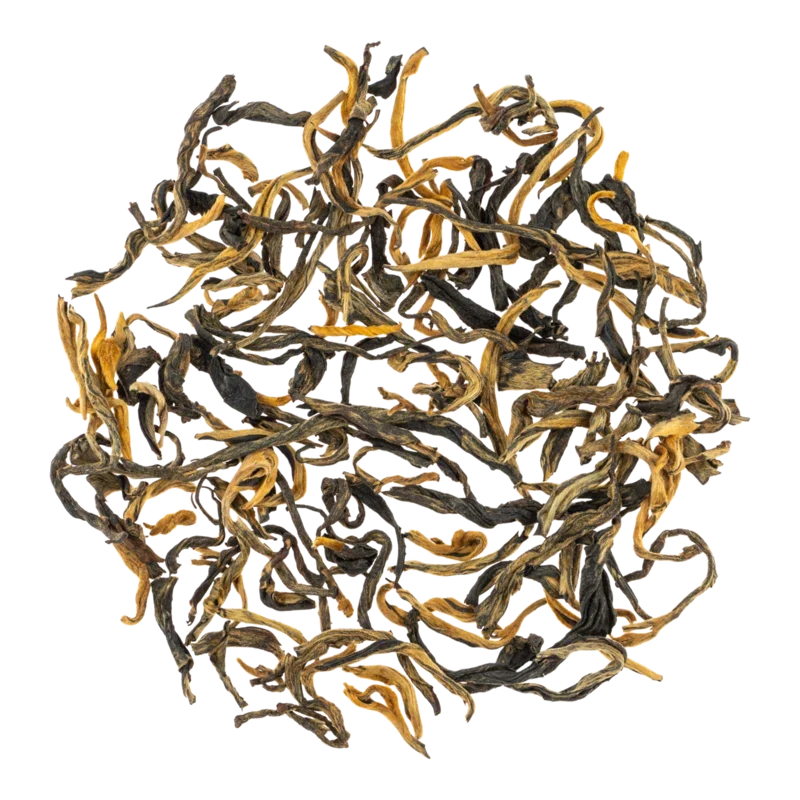
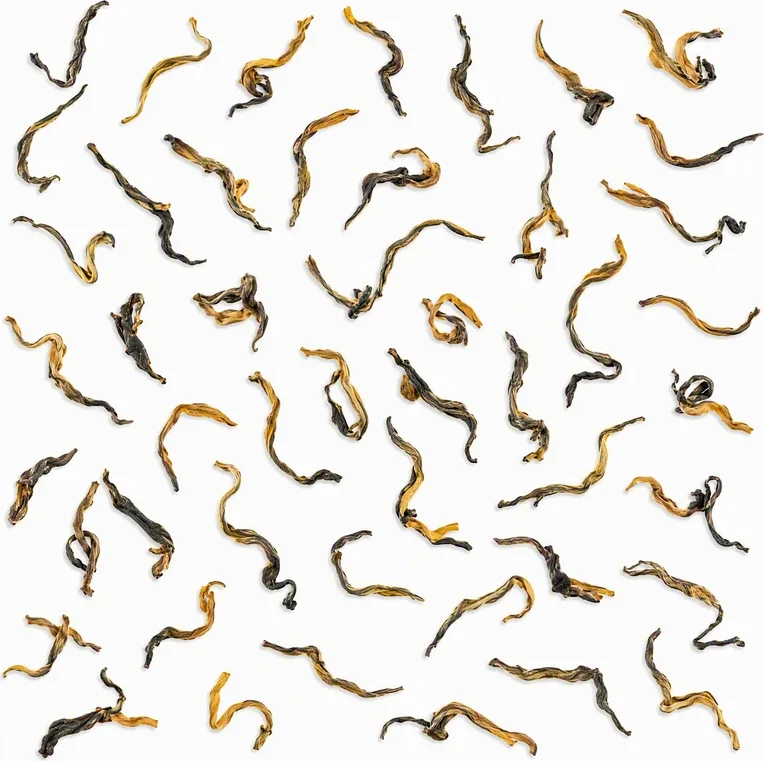
Dry Leaf Appearance: Tightly rolled hemispherical granules of dark, almost anthracite color, with silvery or golden flashes of tips. The ball shape is characteristic of Taiwanese oolong tradition and unusual for red tea.
Dry Leaf Aroma: Complex, multi-layered bouquet: notes of roasted chestnut and sweet spices dominate, complemented by delicate floral shades reminiscent of orchid and osmanthus.
Liquor Aroma: Intense, sweet. Clearly expressed notes of blooming osmanthus (桂花, Guìhuā), wild honey, and ripe fruits. The floral component — heritage of oolong withering with stirring technology — distinguishes this tea among most red teas.
Liquor Color: Bright, clear, saturated red-coral or amber-orange shade. High clarity indicates quality oxidation and raw material purity.
Spent Leaves: Hemispherical granules fully unfold into whole leaves of uniform reddish-brown color, soft and elastic. Buds and leaves are well distinguishable.
Taste: Dense, round and smooth, with minimal astringency — significantly milder than typical red teas. Flavor profile includes notes of honey melon, longan flesh, candied ginger, and light woody note. Aftertaste is long, developing: from initial honey sweetness through spicy shades to refreshing minerality.
Alkaloids: Caffeine content is somewhat below average for red teas — approximately 2.0–2.5% (versus typical 3.0–3.5% for Assam red teas). This is related to small-leaf cultivar characteristics and growing conditions in frequent fogs: natural shading reduces caffeine synthesis.
Amino Acids: Elevated L-theanine content compared to typical red teas — result of mountain shaded cultivation. L-theanine provides characteristic mildness and sweetness of taste.
Presence of methyl salicylate glycoside explains honey sweetness. Floral notes are due to cis-jasmone and linalool — compounds formed during withering with stirring stage inherited from oolong technology.
Minerals: Potassium, phosphorus, magnesium, iron, manganese, zinc. Elevated iron and manganese content — reflection of regional ferruginous red soils.
Polyphenols: Theaflavin (TF) content ensures brightness and liveliness of liquor. Thearubigins (TR) form body and saturated color. Catechin ratio differs in predominance of EGCG (epigallocatechin-3-gallate) — the most biologically active catechin — which is due to cultivar characteristics and growing conditions.
Vitamins: C (in moderate amount — partially destroyed during full oxidation), B₁, B₂, PP.
High polyphenol content, including theaflavins and residual catechins (especially EGCG), provides pronounced protection of cells from oxidative stress.
Reduced caffeine content combined with elevated L-theanine level creates a state of calm alertness. This tea is suitable for people sensitive to caffeine and can be consumed in the afternoon.
Thanks to low astringency and full oxidation, the tea has mild impact on stomach mucosa. In Taiwanese tradition, fully oxidized teas are considered most comfortable for digestion.
Theaflavins promote maintenance of vascular elasticity and cholesterol level normalization.
L-theanine stimulates generation of alpha brain waves, improving attention concentration, creative thinking, and ability to focus.
Polyphenolic compounds have ability to inhibit pro-inflammatory enzymes.
Tea antioxidant compounds support body immune function.
3–4 g per 250 ml water at 90°C, steeping 3–4 minutes. Thanks to low astringency, tea tolerates longer steeping well.
Wénshān Hóng Chá is excellent for cold brewing (冷泡, Lěng Pào): 3–4 g per 500 ml cold water, 4–8 hours in refrigerator. Result — refreshing, sweet, floral-fruity liquor.
Tea Amount: 5 g per 150 ml water (flash steeping method, gongfu tea) or 3–4 g per 250 ml (European method).
Teaware: Small Yíxīng clay teapot (宜興紫砂壺, Yíxīng Zǐshā Hú) — to emphasize depth and body. Porcelain Gàiwǎn (蓋碗, Gàiwǎn) — to evaluate aroma purity. Porcelain cups with thin walls for tasting.
Water Temperature: 88–92°C. Somewhat reduced temperature (compared to typical 95–100°C for red tea) allows emphasizing floral and honey notes without extracting excessive astringency.
Container: Airtight, opaque packaging. Optimal are multi-layer foil bags with zip-lock, ceramic jars, or metal containers with tight lid. For long-term storage, oxygen absorbers are recommended.
Shelf Life: With proper storage — up to 36 months. Most vibrant floral aroma — in first year after production.
Protection from direct sunlight and strong foreign odors is mandatory.
Recommended to transfer tea to airtight container. Can place bamboo charcoal sachet inside for excess moisture absorption.
Temperature: Cool place, optimally +5–15°C. Tightly rolled hemispherical leaf form provides additional protection from aroma loss.
Also small-leaf red tea from Northern Taiwan, but from Qing Xin Gan Zi cultivar (not Qing Xin Oolong). Distinguished by pronounced honey aroma Mìxiāng (蜜香) caused by leafhopper bites, which Wenshan Hong Cha lacks. Leaf form is classic strip rolling, not balls. Sanxi profile is honey-fruity; Wenshan's is floral-honey with oolong character.
Red tea from Central Taiwan, produced from Assam hybrid. Has powerful, full-bodied taste with characteristic notes of cinnamon, mint, and eucalyptus. Unlike Wenshan Hong Cha — more "heavy," with pronounced astringency. Leaf is large, long-twisted.
Not red tea, but lightly oxidized oolong (7–13% oxidation) from same region and same cultivar. Direct "relative" of Wenshan Hong Cha. Baozhong is delicate, floral, with light body; Wenshan Hong Cha is sweet, full-bodied, with deep aftertaste. Comparison of these two teas clearly demonstrates how different degrees of oxidation of the same raw material produce fundamentally different beverages.
Famous Anhui red tea. Has delicate, orchid aroma and characteristic "Keemun" aromatics. Wenshan Hong Cha is comparable to it in elegance and florality, but differs in more pronounced sweetness, minimal astringency, and hemispherical leaf form.
Price Category: Wenshan Hong Cha is a rare and expensive tea. Its cost is determined by use of premium Qing Xin Oolong cultivar, hand picking, complex hybrid technology, and extremely limited production volumes (small-batch artisanal production). Approximate prices (in Taiwan dollars per 50 g / jin, 斤):
600–1800 TWD
1800–3200 TWD
from 3200 TWD and higher
Leaf grade, harvest season, competition awards, farmer reputation, degree of floral aroma development.
No reviews yet. Tell us what you think of this tea.
Rate this tea and share your impressions. We review each submission before publishing it.