Brewing
Gongfu brewing
- Water temperature
- 75 °C
- Tea amount
- 5 g
- Water volume
- 100 ml
- First steep
- 10 s
- Time added per infusion
- 5 s
- Infusions
- 3


Tóngbǎi yù yè
Choose a brewing method. Start with the recommended quantities and time, then adjust to taste.
Brewing
Brewing
Taste
Tea encyclopedia
Category: Regional famous tea with protected origin — national geographical indication product (国家地理标志产品). One of the "Ten Famous Teas of Henan Province" (河南十大名茶). Included in the list of "National Famous New Agricultural Products" by China's Ministry of Agriculture. Since 2022, the "Tongbai Yu Ye" brand is among the "Top 100 Strongest Public Tea Brands in China" (全国茶叶百强公用品牌).
Category: Regional famous tea with protected origin — national geographical indication product (国家地理标志产品). One of the "Ten Famous Teas of Henan Province" (河南十大名茶). Included in the list of "National Famous New Agricultural Products" by China's Ministry of Agriculture. Since 2022, the "Tongbai Yu Ye" brand is among the "Top 100 Strongest Public Tea Brands in China" (全国茶叶百强公用品牌).
Coordinates: Approximately 32.37° N, 113.42° E.
Origin: China, Hénán Province (河南, Hénán), Nányáng Prefecture (南阳, Nányáng), Tóngbǎi County (桐柏县, Tóngbǎi Xiàn). The production core is the eastern slope of the main peak of the Tongbaishan Range — Taibai Peak (太白顶, Tàibái Dǐng, 1140 m), the area around Jintaiguan Temple (金台观), Shuiliandong Waterfall (水帘洞), and Peach Blossom Cave Taohuadong (桃花洞).
Type: Green tea (unoxidized), subcategory — flat (扁形) green tea, processed by wok fixation (炒青).
Cultural Significance: Tongbai is the "Tea Homeland of the Central Plain" (中原茶乡), one of ten key tea-producing counties in Henan. Tea culture is deeply woven into daily life: a guest who is not offered tea feels unwelcome, and the host feels discourteous. A local saying: "When a guest comes on a frosty night — tea replaces wine" (寒夜客来茶当酒). Since 2016, the annual "Spring First Picking" (春茶第一采) is held, as well as a hand-made Tongbai Yu Ye competition — a festival that attracts masters from throughout the county. Tongbai's tea industry provides employment for more than 50,000 people.
History: Tongbai is one of the most ancient tea-growing regions of central China. According to the "Shen Nong Ben Cao" (《神农本草》), Shěn Nóng (神农), the mythical patron of agriculture, "tasted a hundred herbs, encountered seventy-two poisons in a day, and was healed by tea" — and local legends relate Shen Nong's activities specifically to the Tongbaishan Mountains. The tea saint Lù Yǔ (陆羽) in the "Classic of Tea" (《茶经》) mentioned tea from the ancient Yìyáng Commandery (义阳郡, Yìyáng Jùn), which included the area of modern Tongbai, giving it high praise. A folk saying states: "Ask where Master Lu is going? — He drinks tea only on Taibai Peak" (借问陆君何处去?品茗只向太白峰). During the Tāng dynasty (唐, 618–907), the area was already a renowned tea zone. During the Sōng (宋, 960–1279), Tongbaishan was one of thirteen state tea markets (茶场). A Song scholar, visiting Taibai, left a famous couplet inscription: "Three floors of pavilion — for reading and discussing the world; Nine mountain streams — to listen to waterfalls and brew tea" (阁楼三层读书论世,泉飞九壑听瀑烹茗).
Name Breakdown: "Tongbai" (桐柏) — the name of the county and mountain range, literally "Tung tree on cypress" (historical toponymy). "Yu" (玉) — jade, nephrite, symbol of purity and nobility. "Ye" (叶) — leaf. Full meaning: "Jade Leaf of Tongbai" — a poetic metaphor emphasizing the emerald color, smoothness, and value of the tea leaf.
Cultivar: Local small-leaf population planting (小叶种群体种). On Tongbaishan Mountain, extensive massifs of wild and feral small-leaf tea trees (野生茶树) are preserved — some specimens reach a century in age. This is China's largest massif of wild small-leaf tea trees with organic certification. Since 1962, the Tóngbǎi Tea Breeding Station (桐柏茶种场) has operated — Henan's only specialized tea variety breeding station, providing annual output of more than 10 million seedlings.
Picking: Spring (late March — April); premium batches — before the Qīngmíng festival (清明前). For the "Tongbai Yu Ye" line, exclusively spring raw material is used.
Pluck Standard: Highest grade — single bud or bud with one leaf at initial opening stage (一芽一叶初展), with at least 80% of buds being longer than the leaf. Medium grade — bud with two leaves at initial opening stage (一芽二叶初展).
Raw Material: Damaged, diseased, purple leaves, single plates, fish-shaped leaves (鱼叶), and scales are not permitted. Shoot length must be uniform. Raw material is transported in bamboo baskets (polyethylene bags are strictly prohibited).
Altitude: 400–800 m (main plantations); individual wild massifs — up to 1000 m. Main peak Taibai — 1140 m.
Climate: Transitional subtropical-temperate, monsoon. Average annual temperature ~15°C. Precipitation ~1168 mm/year, distributed mainly in spring-summer. Abundant warm moisture and frequent mountain fogs create ideal "soft light" for tea bushes.
Soil: Mountain yellow-brown (黄棕壤) and mountain brown soils, acidic and weakly acidic (pH 4.5–6.0), with high organic content. Parent rock — granites and gneisses. Soils are well-drained and enriched with minerals.
Tongbai is a zone with minimal industrial impact, located 80 km from the nearest major city. Air, soil, and water quality meets criteria for ecologically clean agriculture. 100% of tea plantations are certified as safe (无公害). In 2023, two county farms were among the first in the country to receive "ecological low-carbon tea producer" status.
Hand picking according to the standard described above. Raw material is immediately delivered to the factory.
Raw material is spread in shade, 2–3 cm thick, for 5–12 hours with two turnings. Moisture decreases by 25–30%, leaves become soft and elastic, a light clean aroma appears.
The wok is heated to 100–110°C, pre-oiled with tea oil. Load — ~150 g. Leaves make a light crackling sound when hitting the wok. Hand technique passes through three phases: (1) "dou" (抖, "shaking") — 1–2 min, 40–45 movements per minute, light hand, quickly; (2) "dou + dai + shuai" (抖 + 带 + 甩, "shaking + leading + throwing") — 2–3 min, pressure increases, leaves begin to flatten; (3) "na + zhua" (捺 + 抓, "pressing + grasping") — 8–9 min, leaves are brought to ~80% dryness and acquire flat form. Unloading from wok.
Hot leaves are thinly spread on bamboo tray, cooled, covered with damp cloth for 30–40 minutes. Leaves "return" internal moisture, become soft, which is critically important for the next stage.
Leaves are passed through bamboo sieve (3.5 meshes per inch). Large and small fractions are processed separately in huiguo.
Decisive stage determining flatness, smoothness, luster, and final flavor-aromatic profile. Wok temperature 70–80°C (for highest grades — lower, for medium — higher), toward process end — 50–60°C. Load: 250–300 g (3–4 portions after fixation). Highest grade is processed ~20 minutes, medium — longer. Leaves are smoothly pressed against wok wall, acquiring final flat, smooth, lustrous form.
Cooled tea is packaged in airtight containers to preserve freshness.
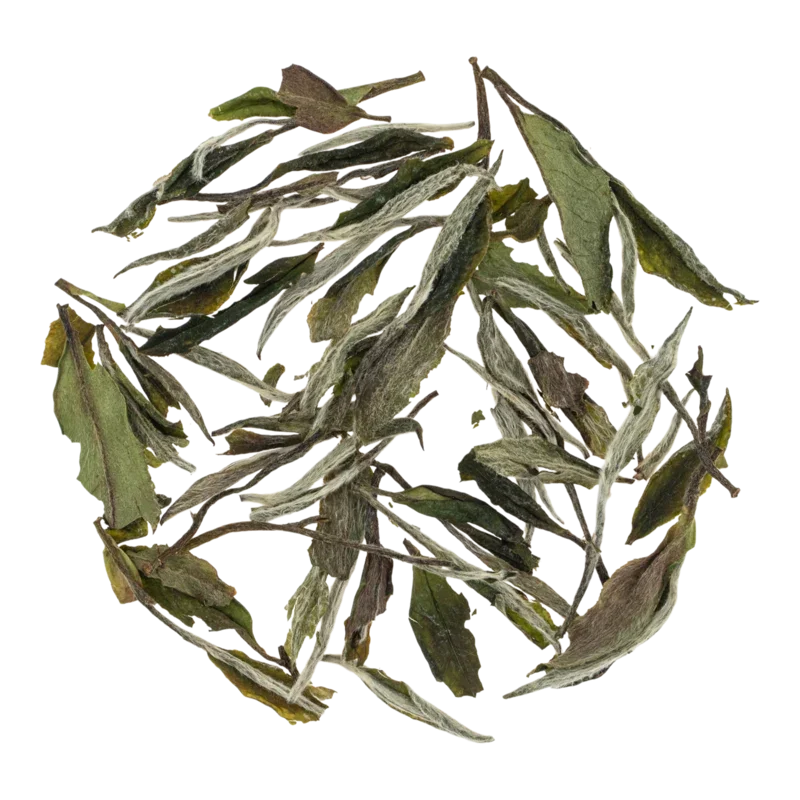
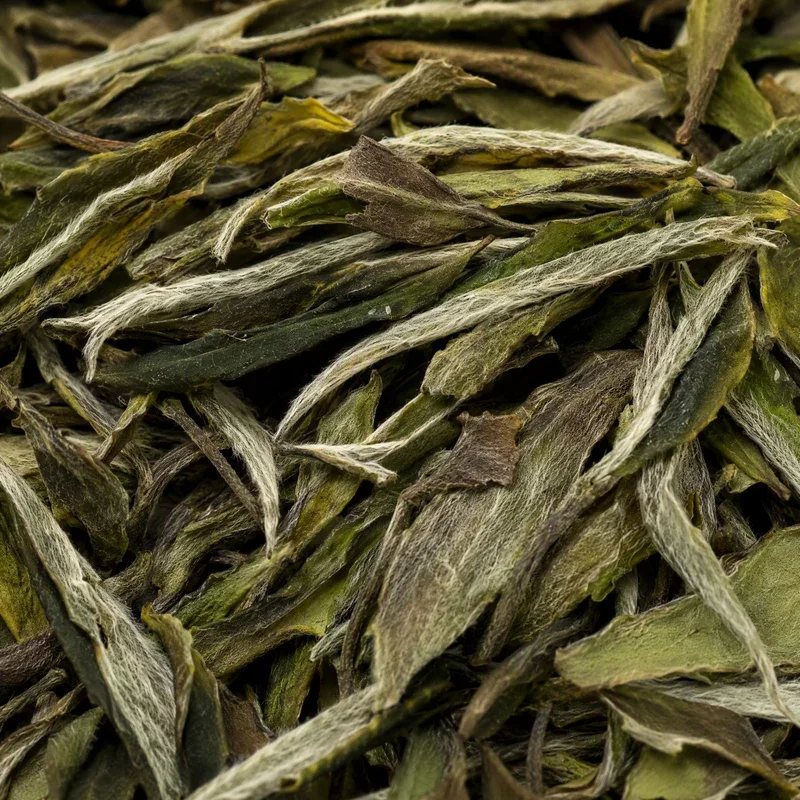
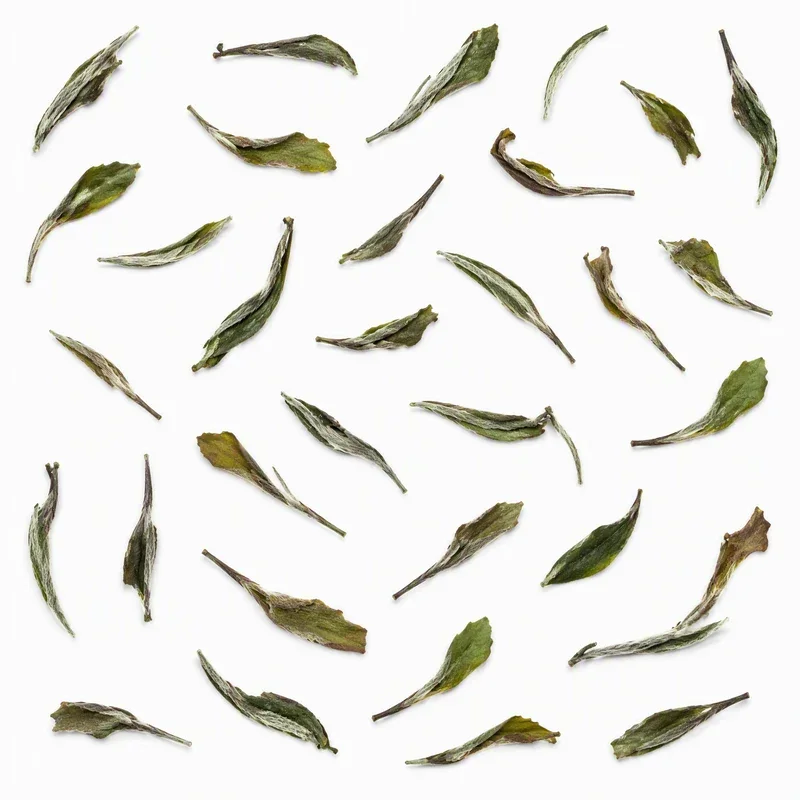
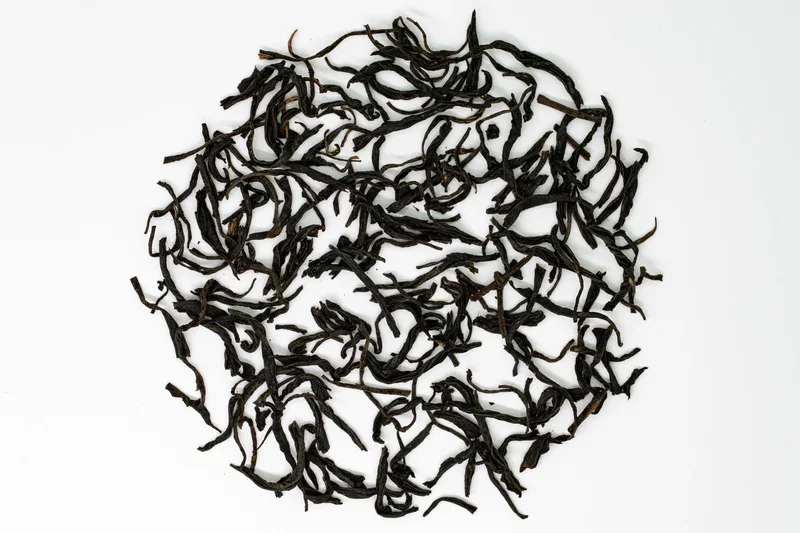
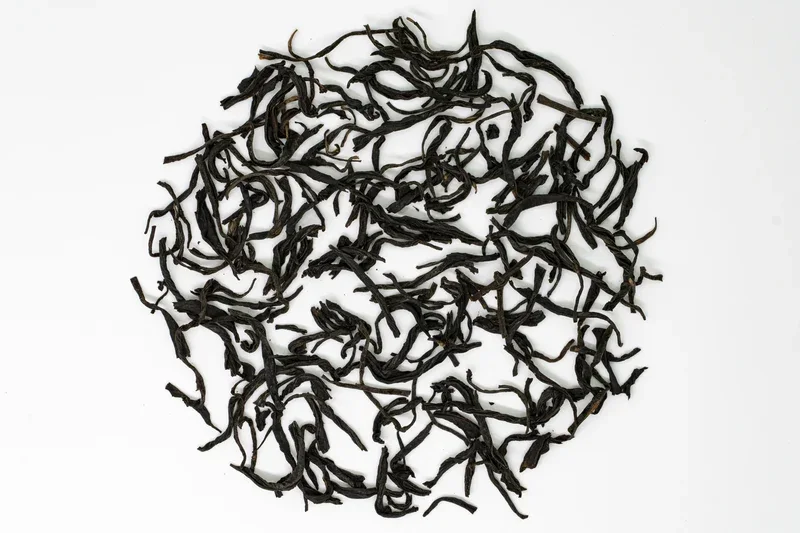
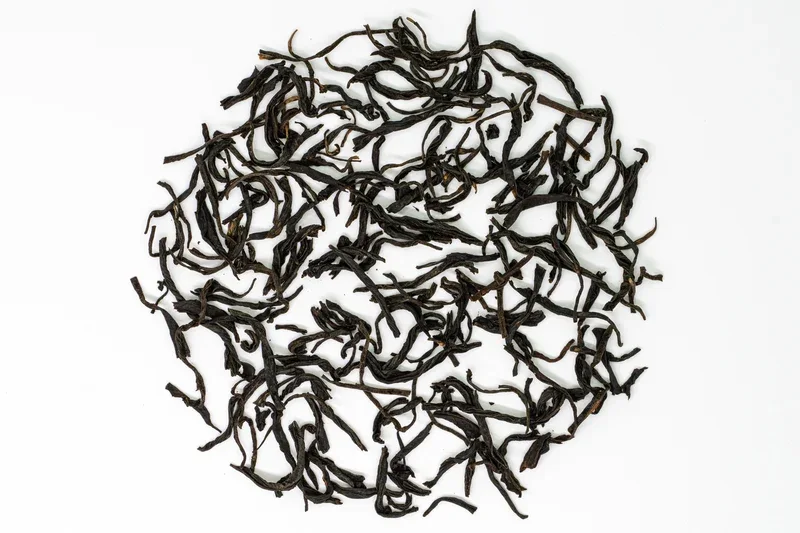
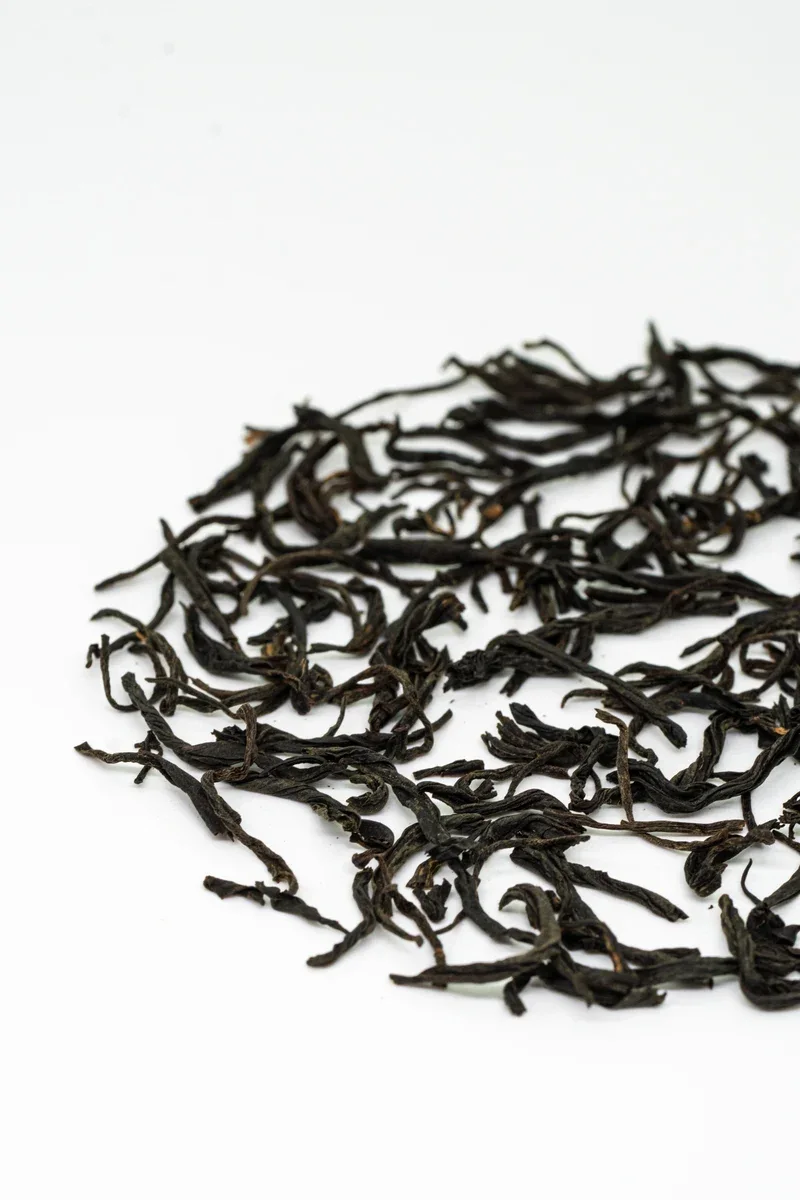
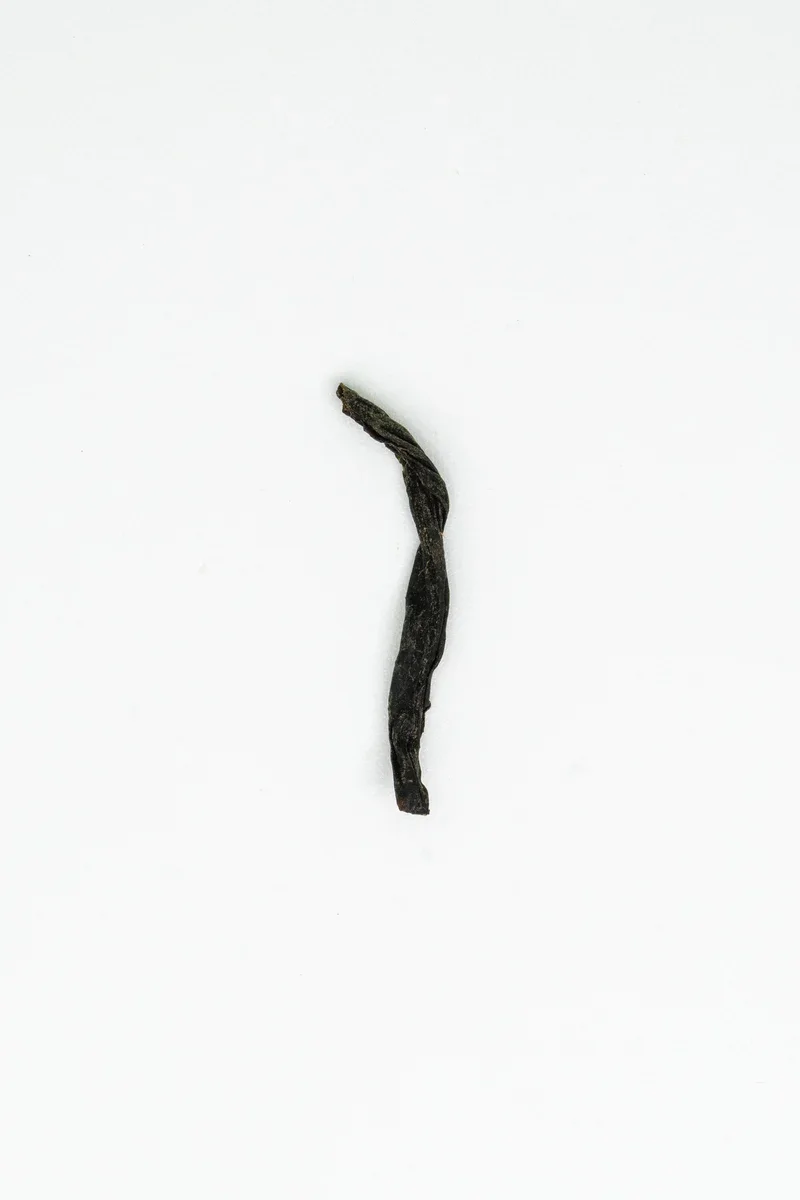
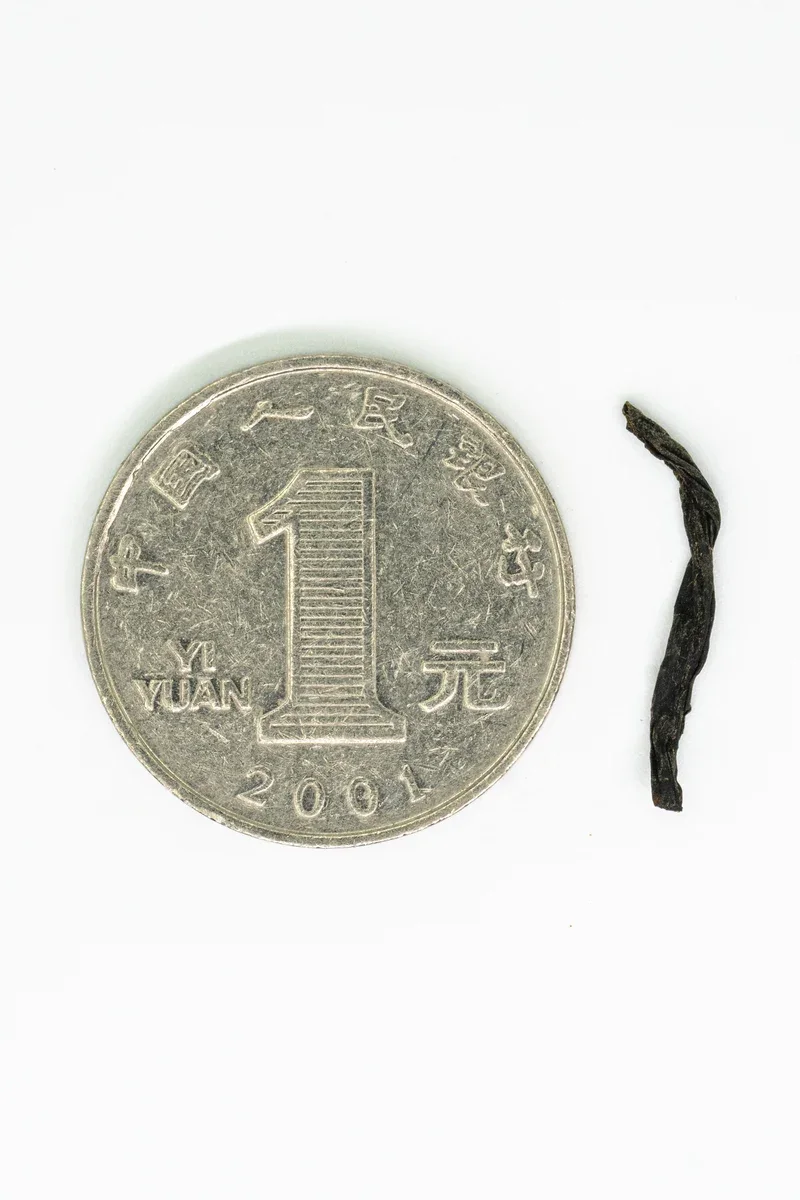
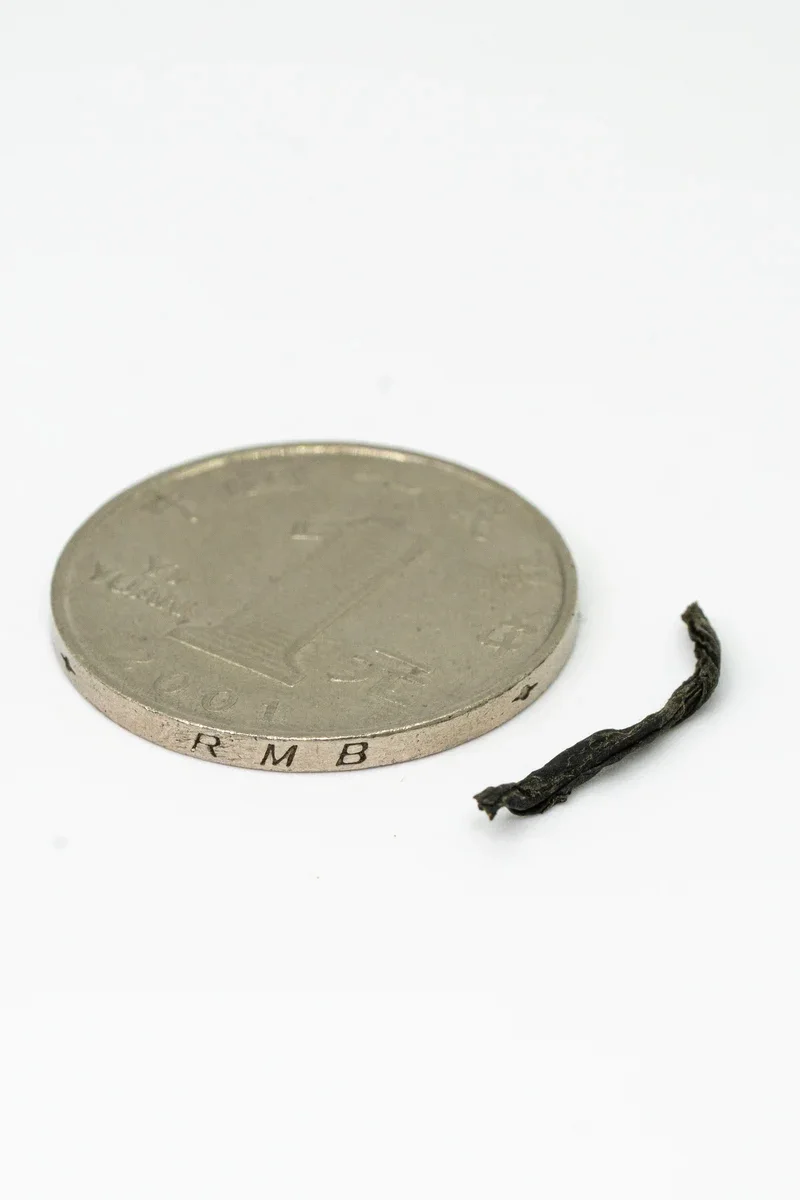
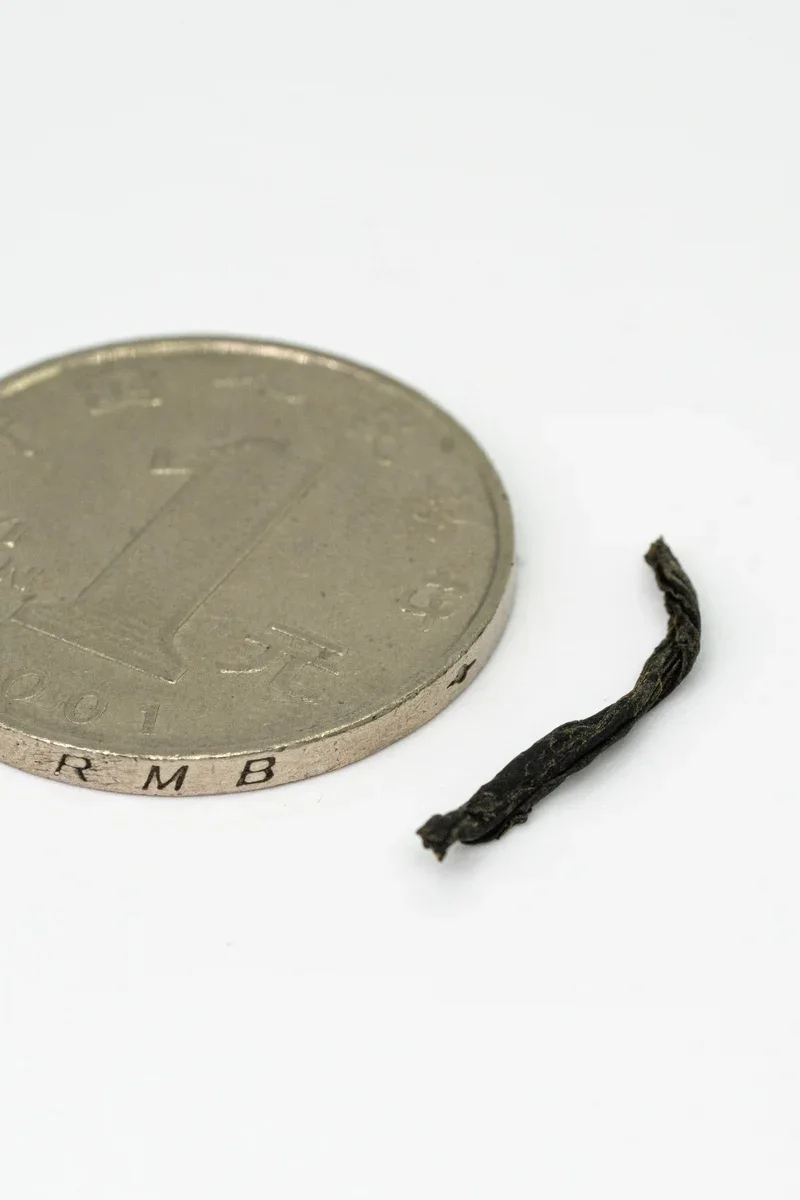
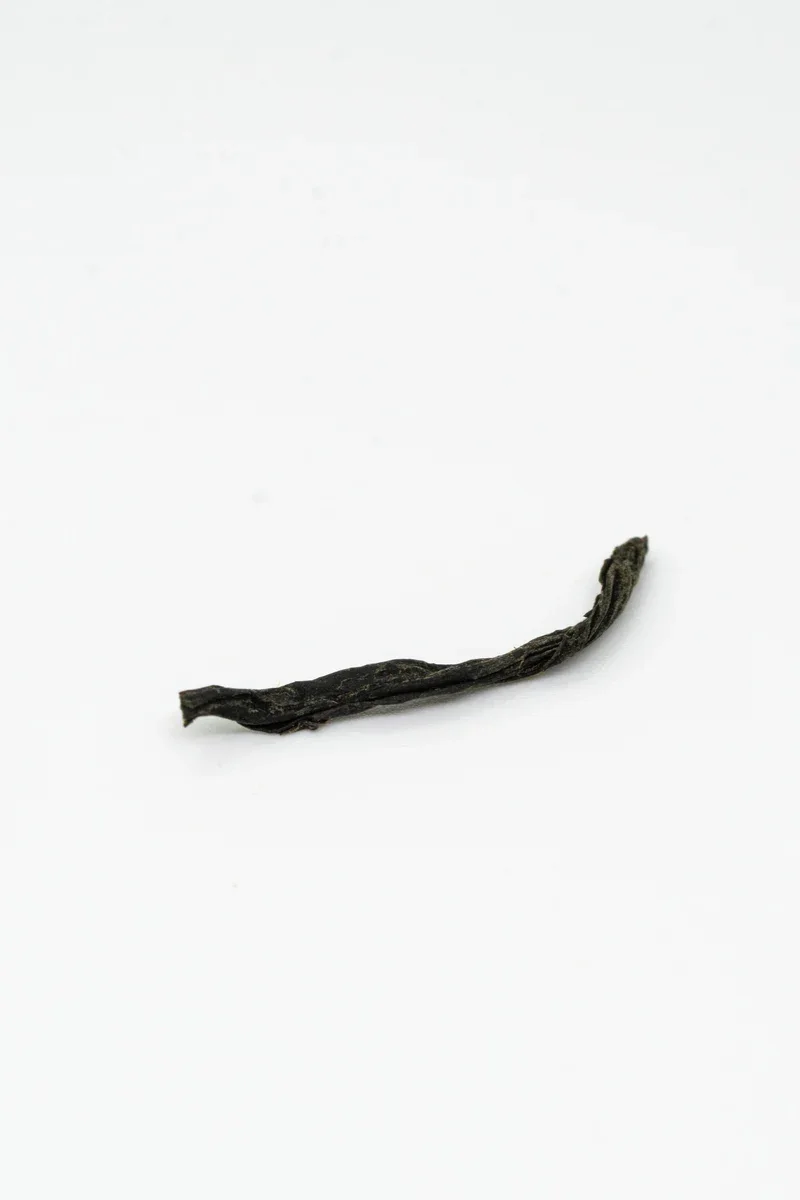
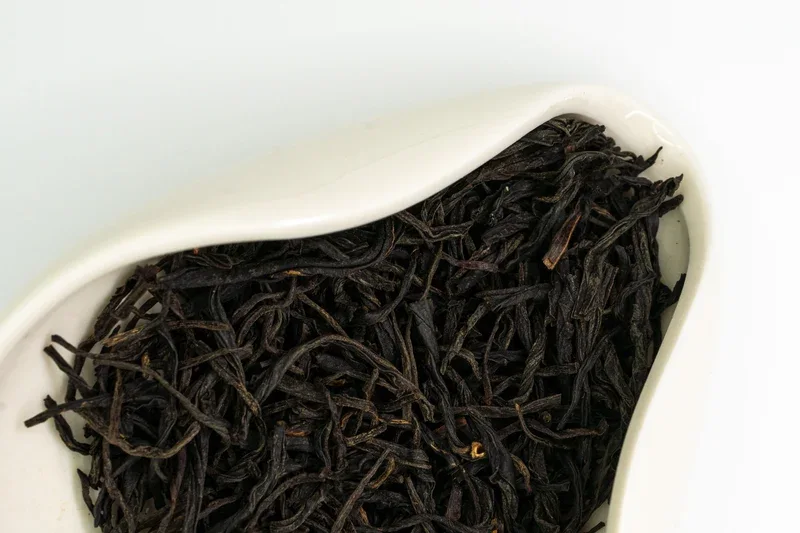
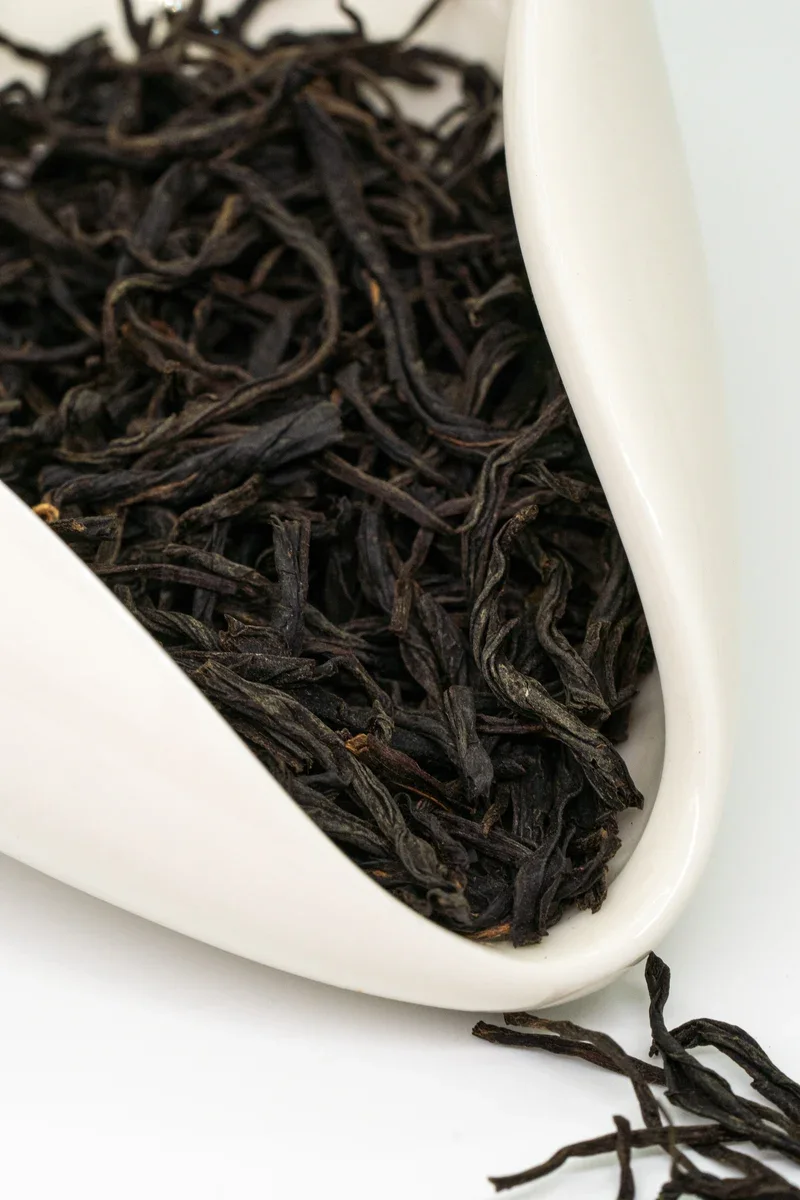
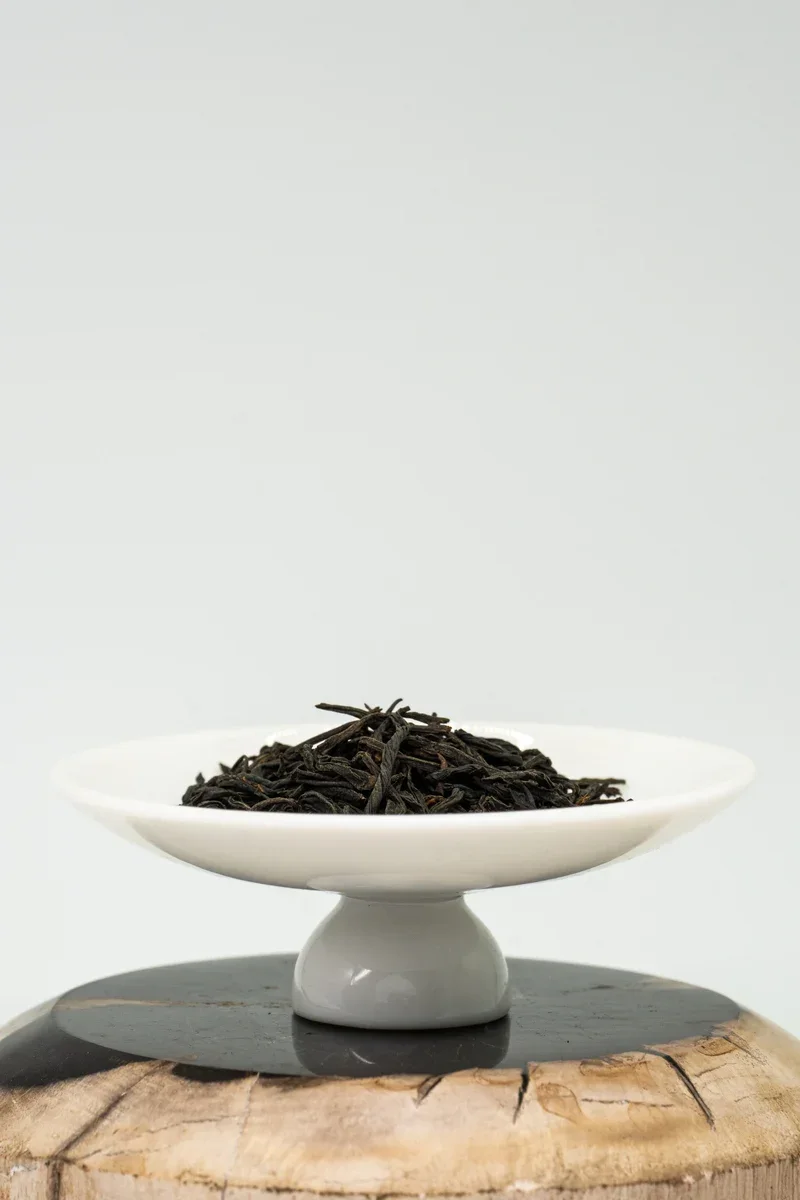
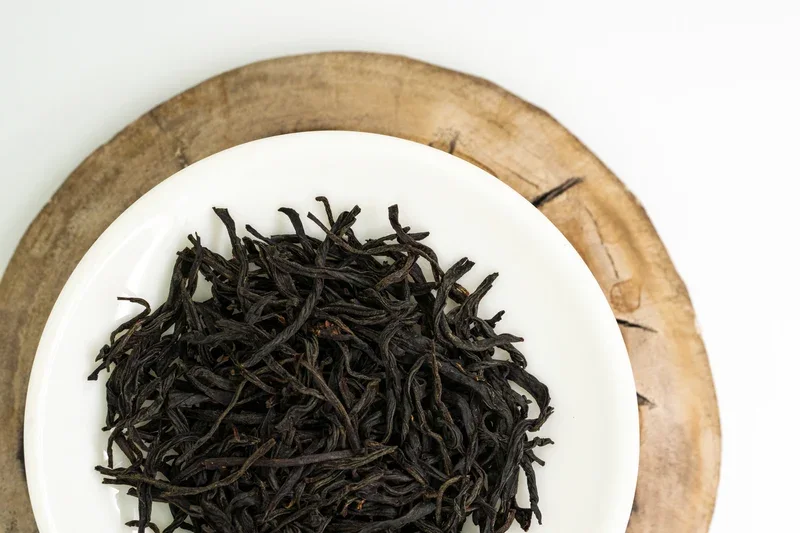
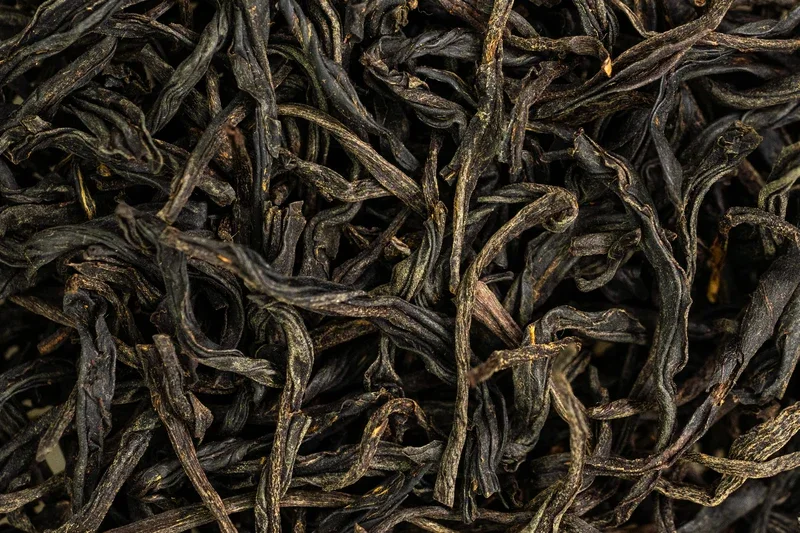
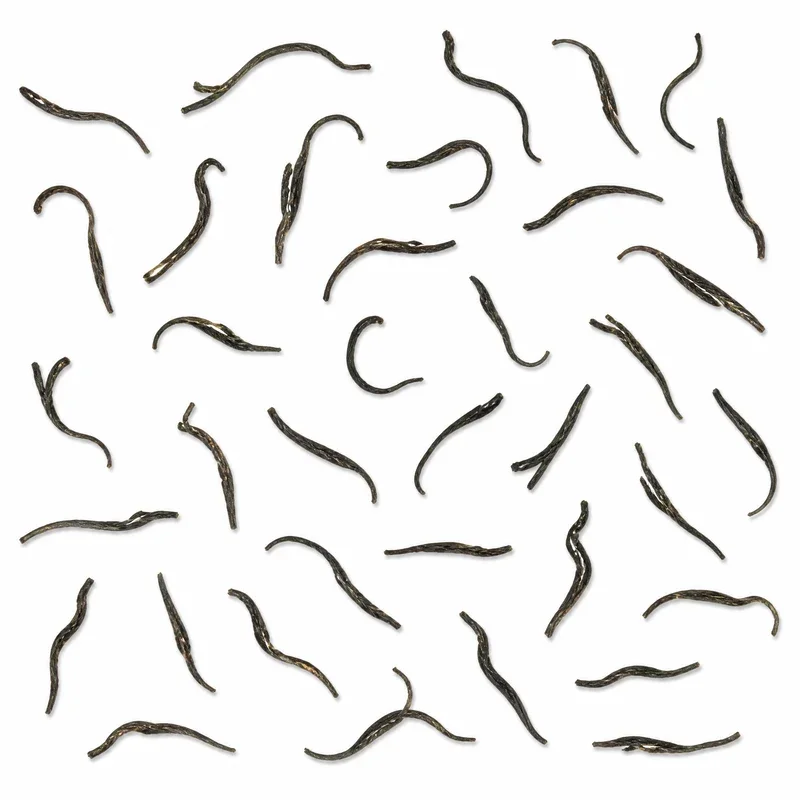
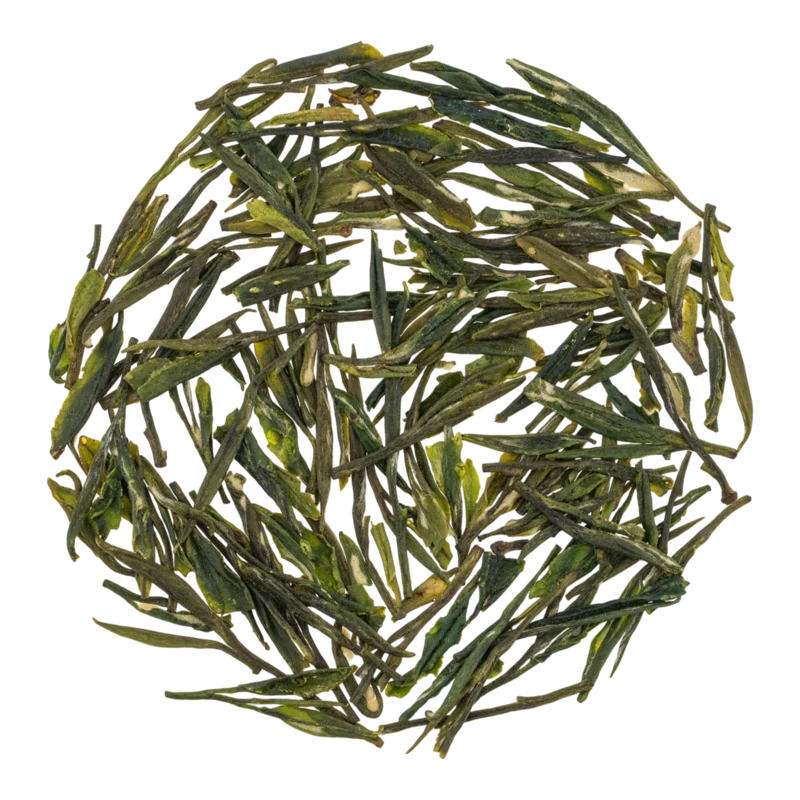
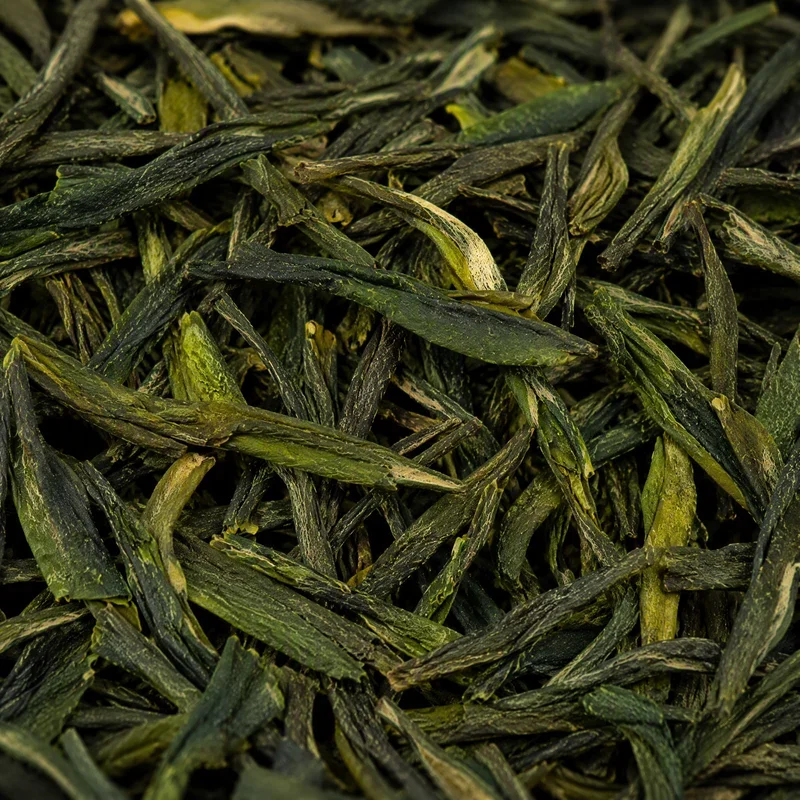
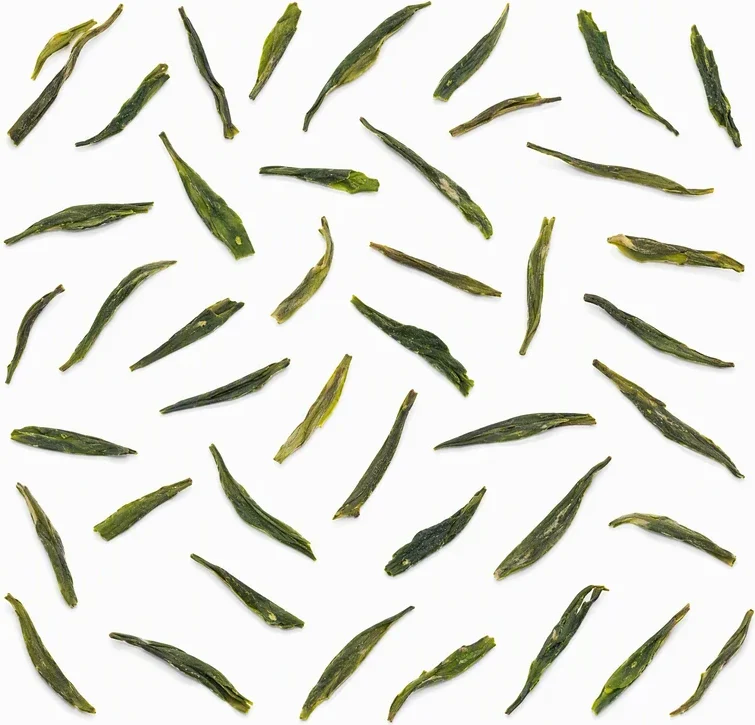
Dry Leaf Appearance: Flat (扁平), smooth (光滑), even. Bud down is hidden within leaf structure (芽毫隐藏). Color — emerald-green, oily (翠绿油润), with characteristic healthy luster.
Dry Leaf Aroma: Fresh, clean, with distinct chestnut-nutty note (栗香) and light floral undertone. Aroma is persistent — preserved even in open cup.
Liquor Aroma: High, long, with clear chestnut dominance and soft vegetative-sweet background.
Liquor Color: Apricot-green (杏绿), bright, transparent, with living luminescence.
Spent Leaves: Tender-green (嫩绿), bright, uniform. Leaves unfold whole, elastic, without damage.
Taste: Fresh (鲜), mellow (醇厚), full-bodied. Combination of pronounced sweetness, soft density, and clean aftertaste. Bitterness is practically absent. Persistent returning sweetness (回甘). Good resistance to multiple brewings (耐冲泡).
Alkaloids: Caffeine (~2.5–3.5% dry mass), theobromine — in trace amounts.
Amino Acids: 4.6–6.4% — significantly above average for green teas (typical values: 2–4%). This indicator is responsible for the pronounced sweetness and "umami" note of Tongbai Yu Ye.
44.7–49.5% — exceptionally high indicator ensuring taste richness and multiple brewing.
Relatively low — sign of high raw material quality (tender buds and young leaves).
Minerals: Potassium, phosphorus, manganese, zinc. Selenium — noted as a significant microelement of Tongbaishan mountain soils.
Polyphenols: Moderate content, which combined with high amino acid levels gives optimal taste ratio "sweetness/astringency."
Vitamins: C, B₁, B₂, E, K. High vitamin C content is characteristic of flat green teas with gentle wok fixation.
Catechins and vitamin C jointly provide powerful neutralization of free radicals.
Tea polyphenols enhance antiviral activity of immune cells.
Gentle synergistic effect of caffeine and L-theanine provides steady alertness without "nervousness."
Stimulation of enzyme secretion, mild choleretic effect.
Regular green tea consumption is associated with maintaining healthy cholesterol and blood pressure levels.
Antioxidant complex slows cellular aging — especially pronounced with high amino acid content characteristic of Tongbai Yu Ye.
Traditionally noted property of green tea, related to polyphenols' ability to bind certain radionuclides.
Tea Amount: 3 g per 150 ml (gaiwan); 5 g per 200–250 ml (glass cup).
Teaware: Porcelain gàiwǎn (盖碗) — best choice for revealing chestnut aroma and controlling extraction. Glass cup — for daily tea drinking and visual enjoyment: flat Tongbai Yu Ye leaves beautifully "float" in water.
Water Temperature: 75–85°C. For highest grades (single buds) — 75–80°C; for standard — up to 85°C.
The benchmark flat green tea from Zhejiang. Both teas are flat, smooth, chestnut-aromatic. Longjing is usually lighter, with more pronounced "beany" tone; Tongbai Yu Ye is slightly denser, sweeter, and with higher extractive content (up to 49.5% versus ~36–40% for standard Longjing).
Another famous Henan green tea, but needle-shaped (条形), not flat. More downy, with pronounced fresh "green" note. Tongbai Yu Ye is smoother, more chestnut-like, and oilier.
Twisted green tea from Sichuan, also with high amino acid content. Profile is more floral-sweet and "dewy"; Tongbai Yu Ye is drier in tone, with more distinct chestnut "core."
Large-leaf flat green tea from Anhui. Completely different aesthetic — long, large leaf with orchid aroma. Tongbai Yu Ye is more compact, denser in texture, and with chestnut rather than orchid note.
Price Category: Medium — premium. Early spring batches from single buds (明前茶) — significantly more expensive than mass grades. Tea from "wild" mountain massifs (野生茶) — separate, more expensive niche.
Price Factors: Season and picking grade, tea tree age (wild — more expensive), hand vs. machine processing, specific farm.
No reviews yet. Tell us what you think of this tea.
Rate this tea and share your impressions. We review each submission before publishing it.