Brewing
Gongfu brewing
- Water temperature
- 75 °C
- Tea amount
- 5 g
- Water volume
- 100 ml
- First steep
- 10 s
- Time added per infusion
- 5 s
- Infusions
- 3

tiānmùhú báichá
Choose a brewing method. Start with the recommended quantities and time, then adjust to taste.
Brewing
Brewing
Taste
Tea encyclopedia
Category: Chinese green teas in the «白茶» style (by cultivar/raw material name), similar in logic to «Anji Bai Cha» (安吉白茶).
Category: Chinese green teas in the «白茶» style (by cultivar/raw material name), similar in logic to «Anji Bai Cha» (安吉白茶).
white tea has no «kill-green» and rolling; Tianmuhu Bai Cha includes such stages, therefore the correct classification is green tea.
Coordinates: approximately 31.4° N latitude, 119.5° E longitude.
Origin: China, Jiāngsū Province (江苏, jiāngsū), county-level city Liyang (溧阳, lìyáng), Tianmu Lake (天目湖, tiānmùhú) region.
Type: Green tea (non-oxidized): technologically includes the stage of 杀青 (shāqīng) — heating that stops oxidation.
Cultural Significance: the tea became part of the region's image as an «ecological resort»: it is actively offered in tourism, given as gifts, used in tasting programs.
History: the «Tianmuhu Bai Cha» brand formed as a regional product around Tianmu Lake and the Liyang tourist zone. It grew on the popularity of «white-leaf» cultivars: such raw material has lighter leaves and produces pronounced amino acid sweetness, which is valued in green teas.
upper tender leaves and buds in early spring, while «white-leafness» is most pronounced.
early spring; harvest period is short because as it warms up, leaves turn green and the profile changes.
with proper processing gives pronounced sweetness and umami sensation, but very sensitive to overheating during brewing.
Cultivar: most often indicated as 白叶一号 (bái yè yī hào, «Bai Ye No. 1») — «Anji white leaf» line, known from «Anji Bai Cha» tea. Young shoots have very light (almost «white») leaves, which gave the name.
Climate: moderately humid, with pronounced seasonality, mild spring and sufficient precipitation. Compared to southern tea provinces, there is usually less «tropical» humidity here.
proximity to water bodies and forests affects air humidity and microclimate softness.
early spring harvest in cool weather enhances amino acid sweetness and makes the aroma more «clean» and transparent.
early spring, by hand.
to reduce surface moisture and prepare for heating.
heating (wok/drum) to stop enzymes. This is the key to green style.
light shaping/leaf alignment (often aiming for neat, «clean» appearance).
bringing to stable moisture content, aroma fixation.
removal of coarse fragments.
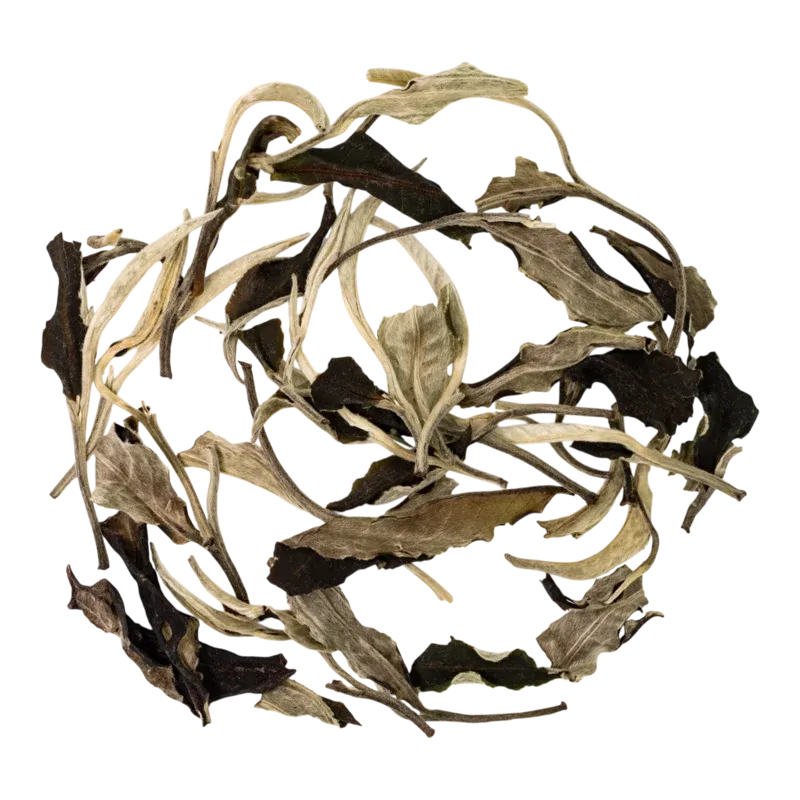
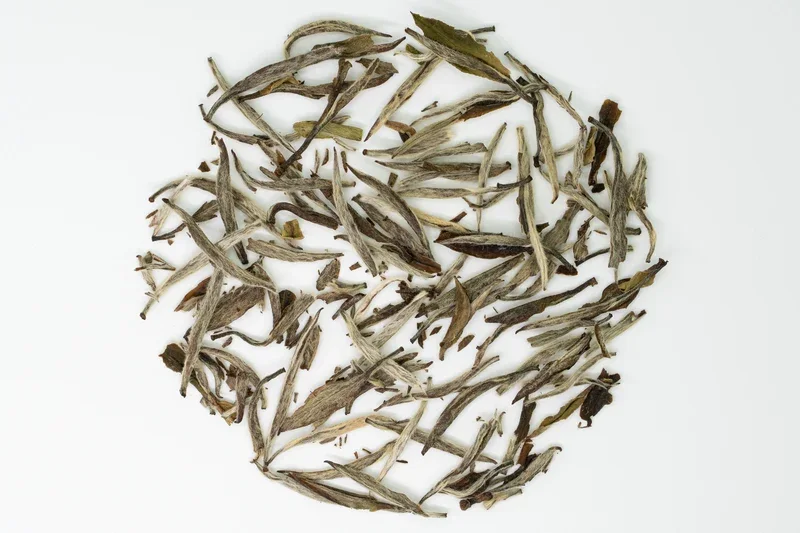
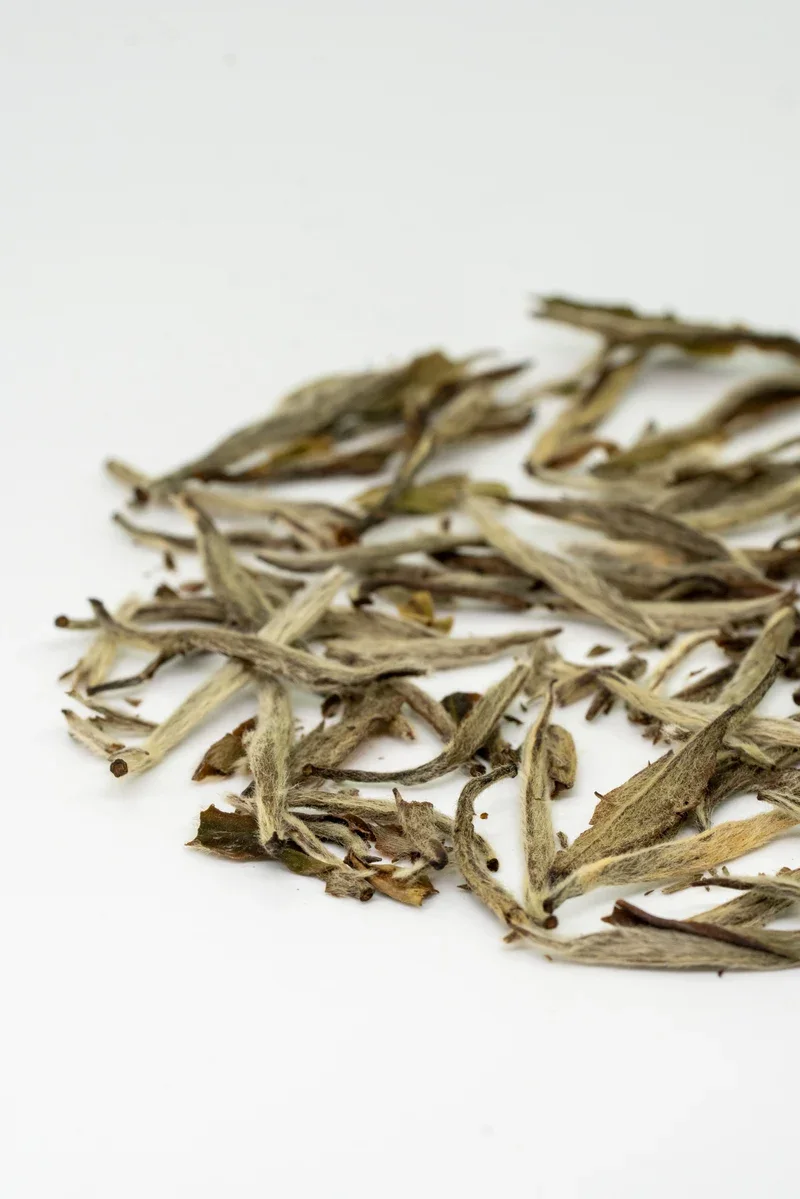
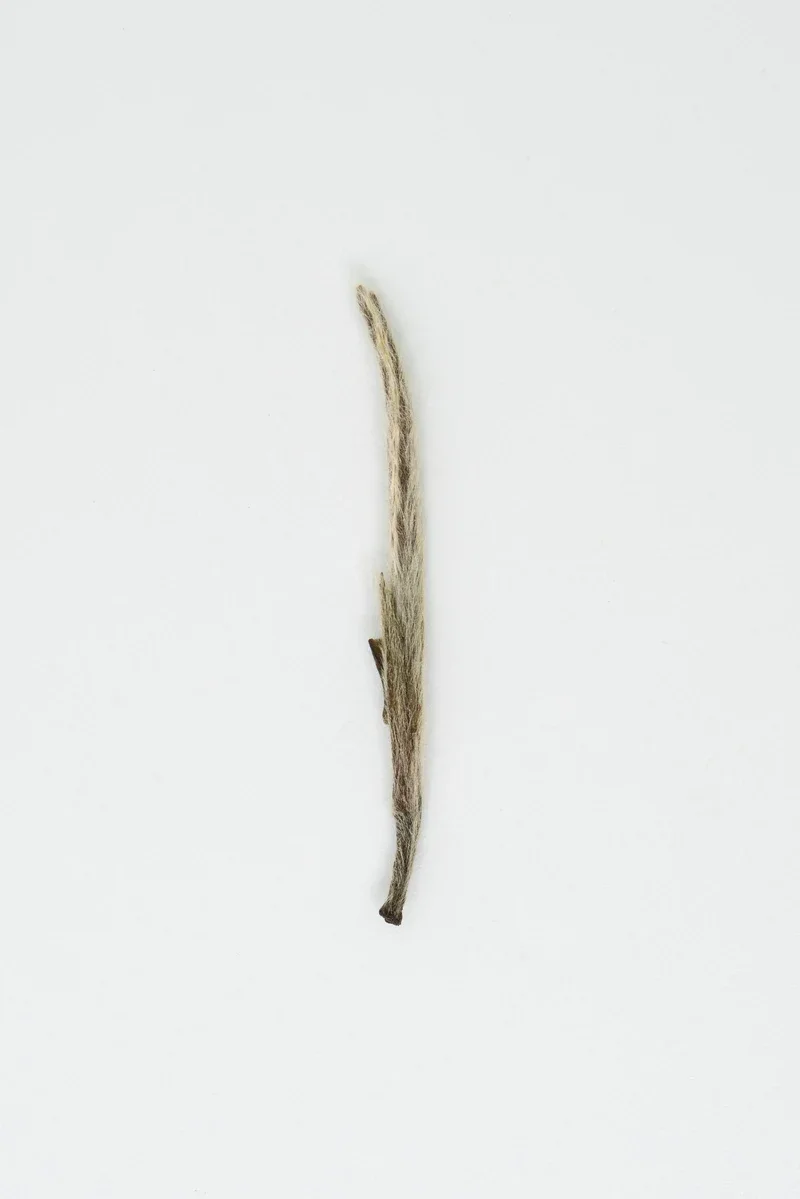
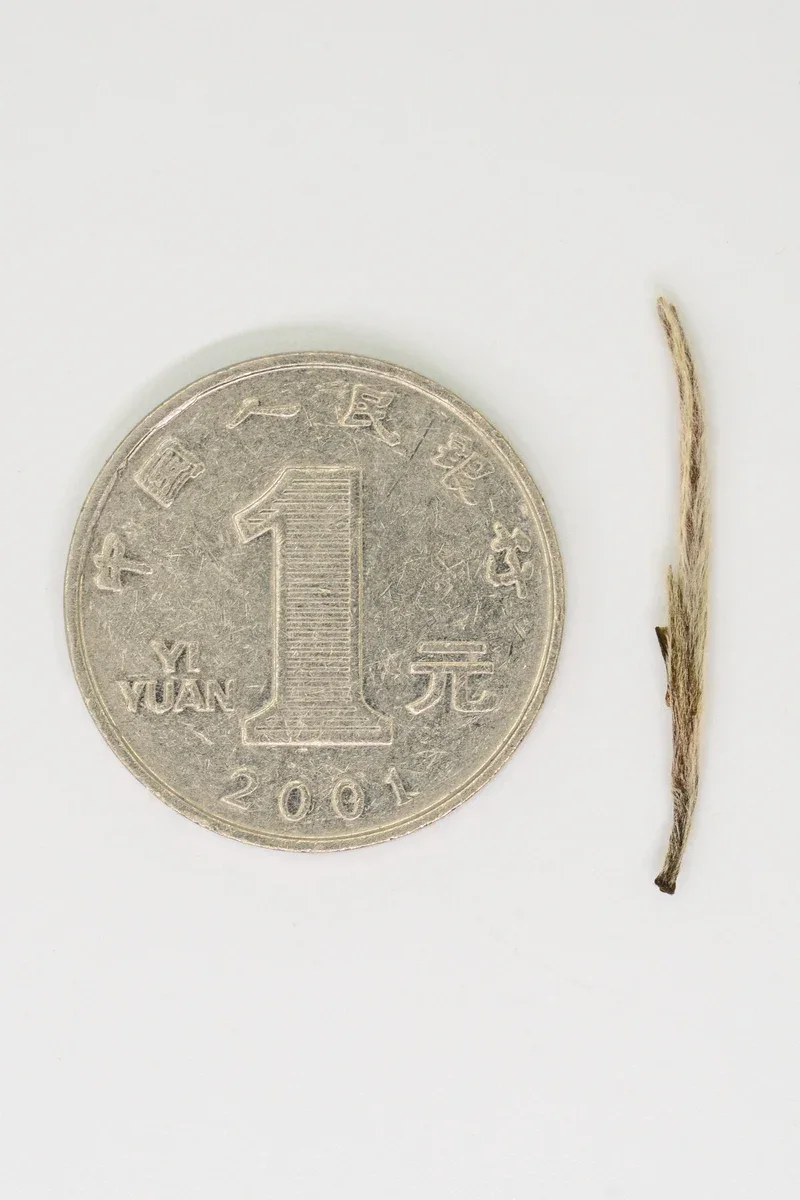
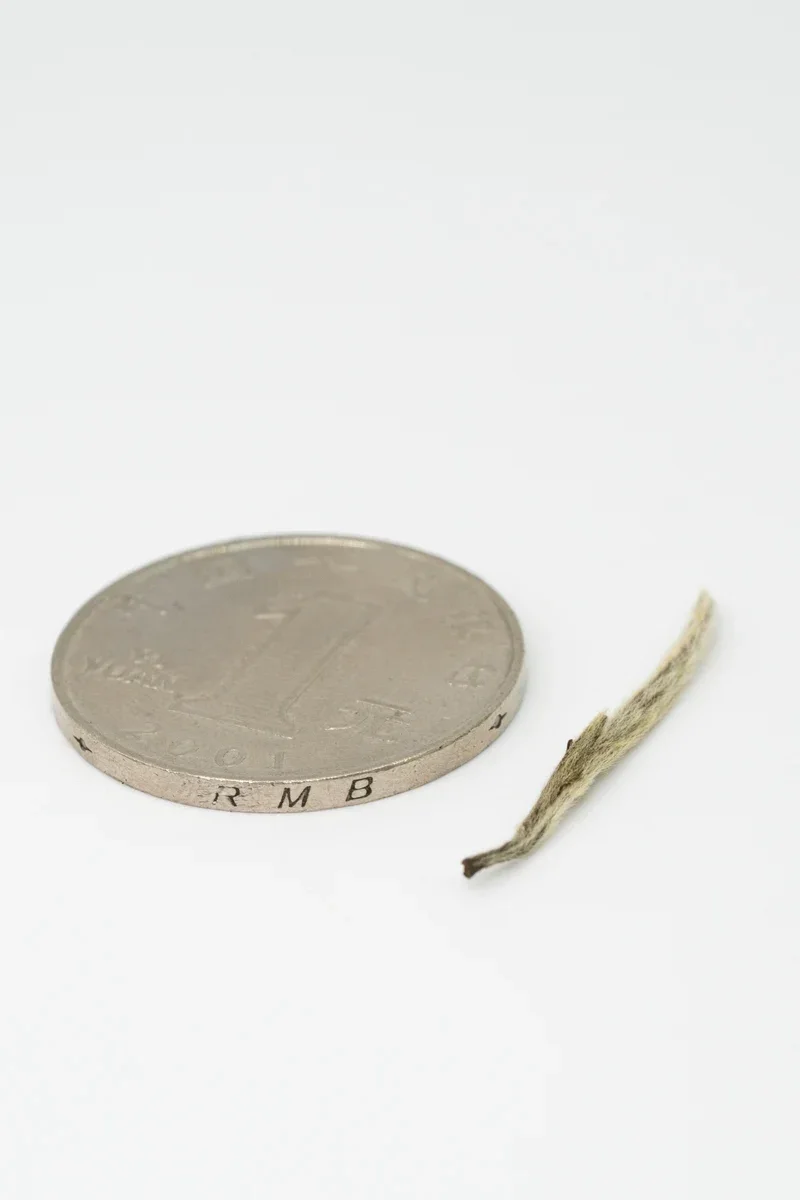
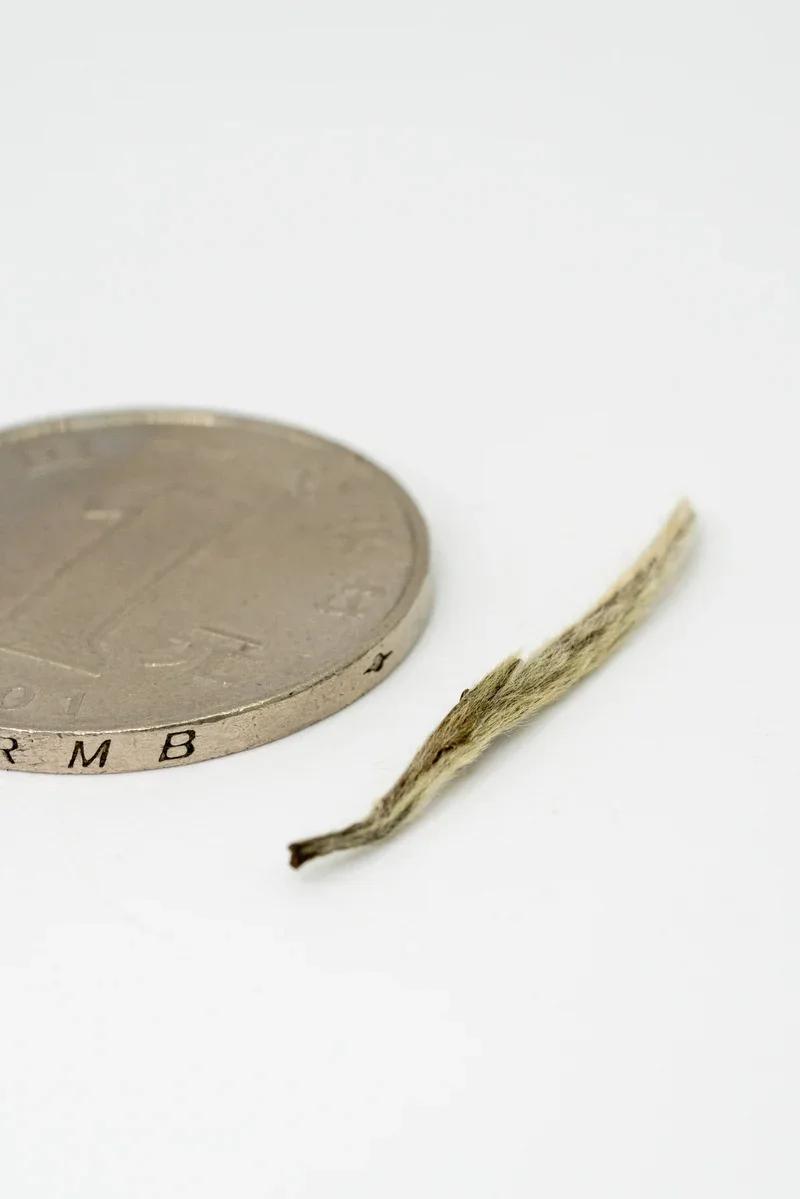
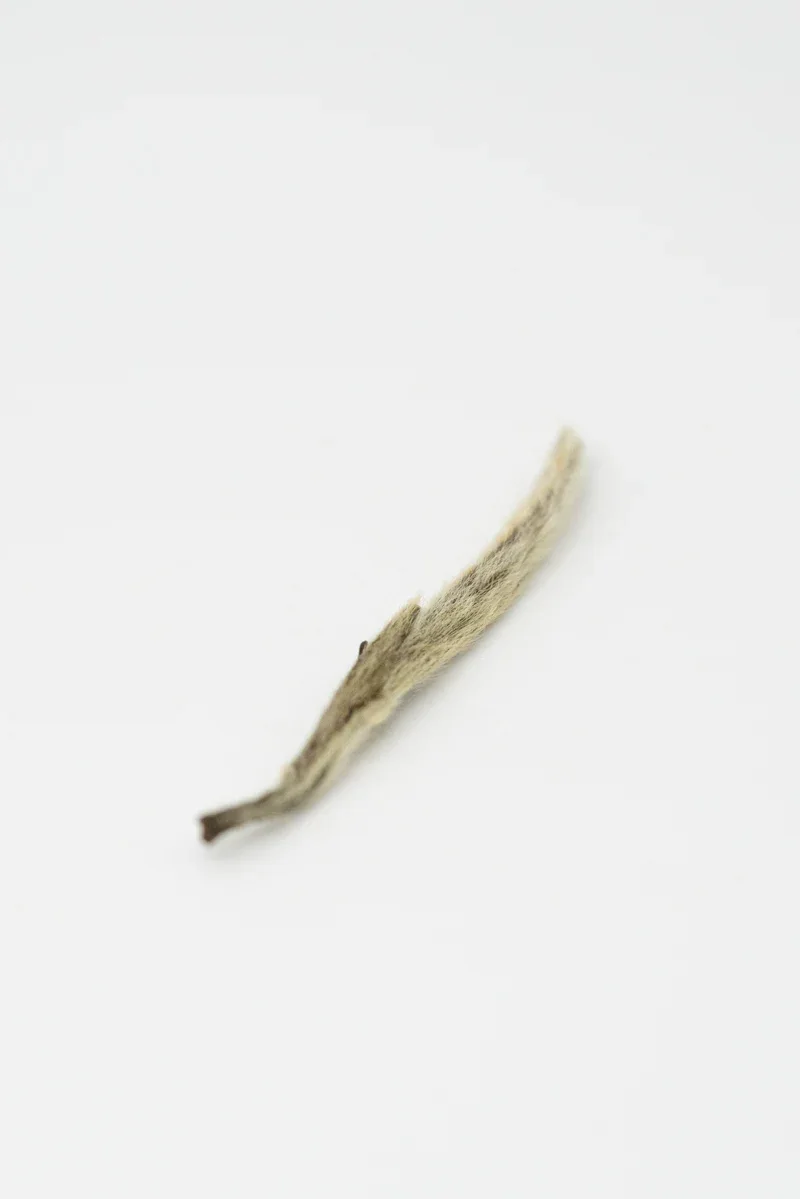
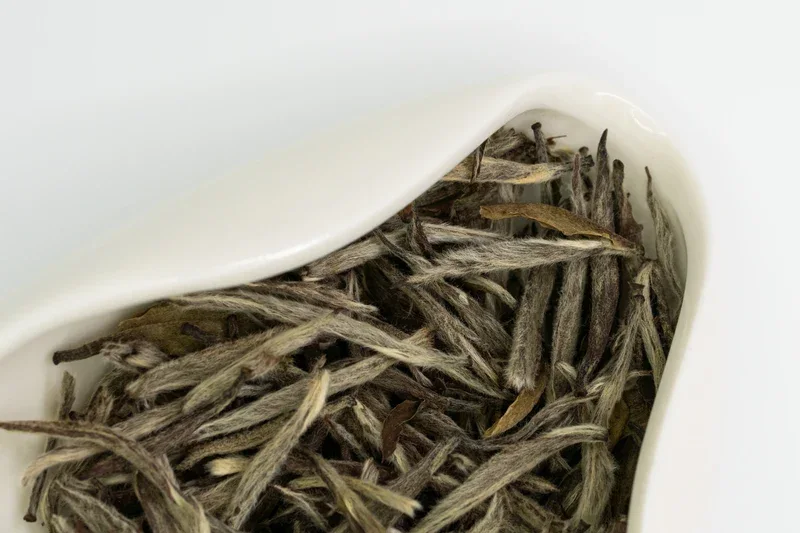
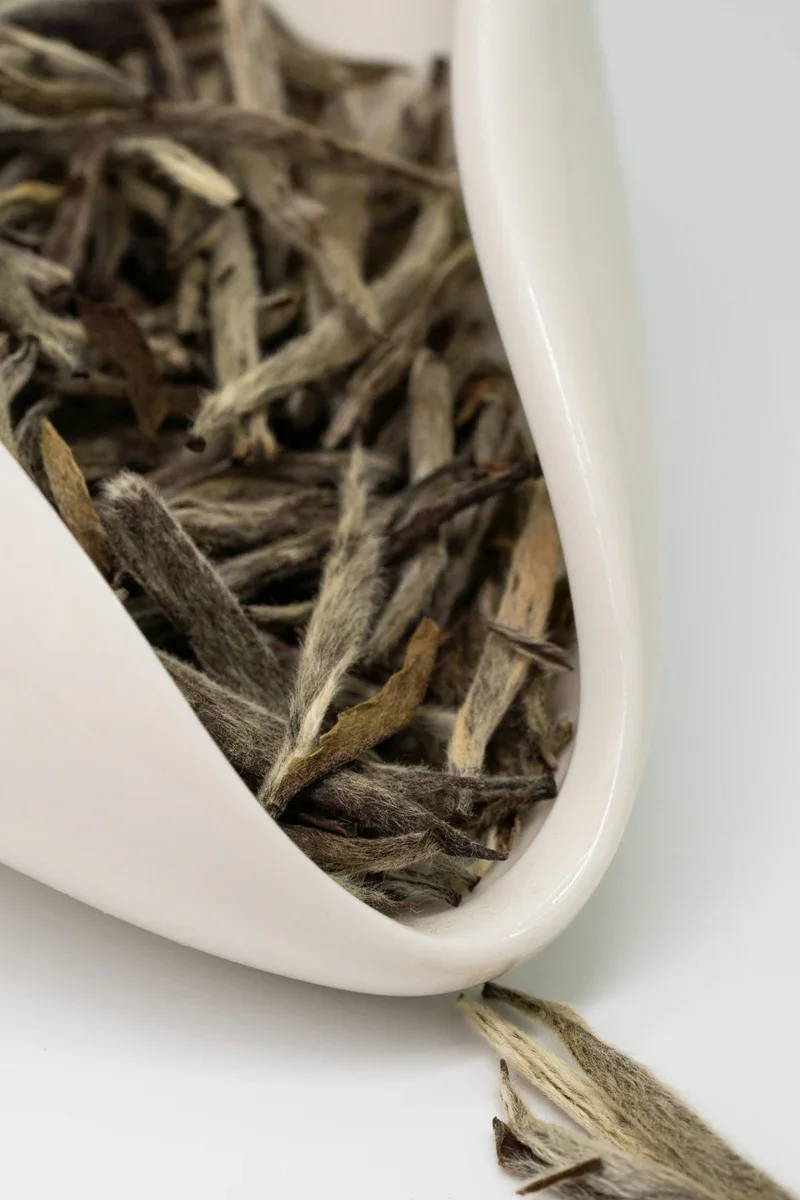
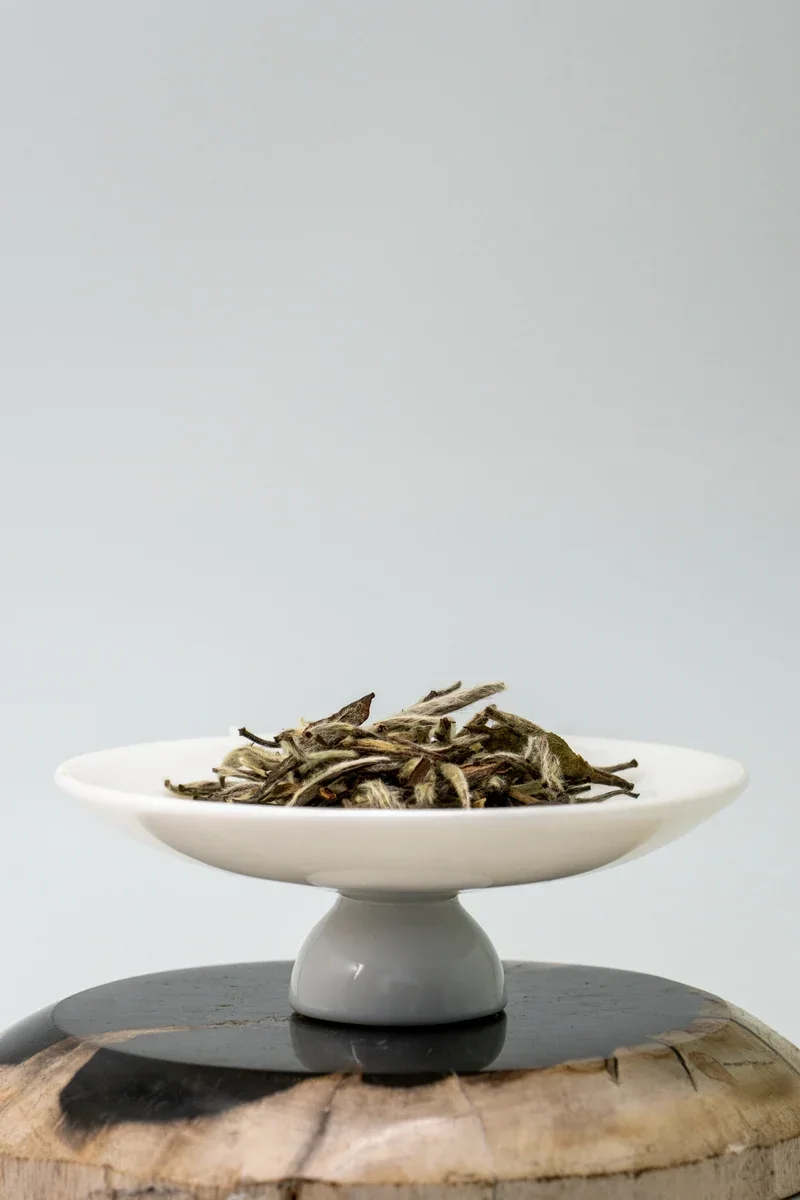
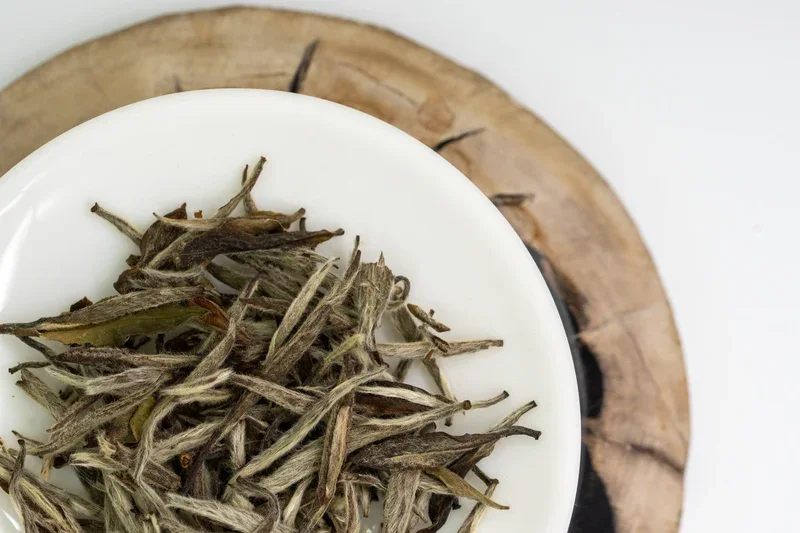
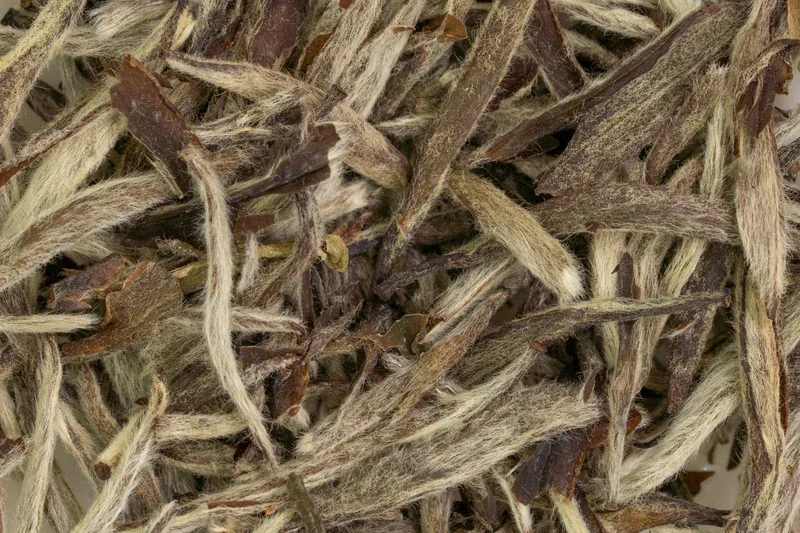
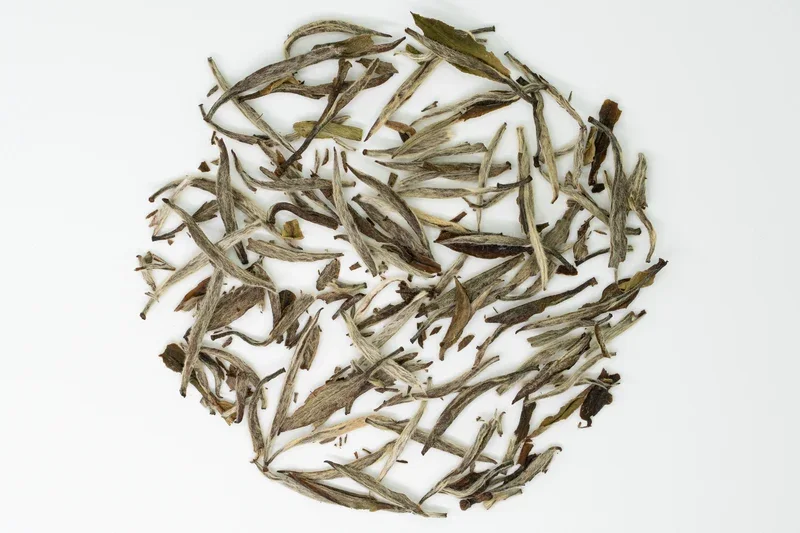
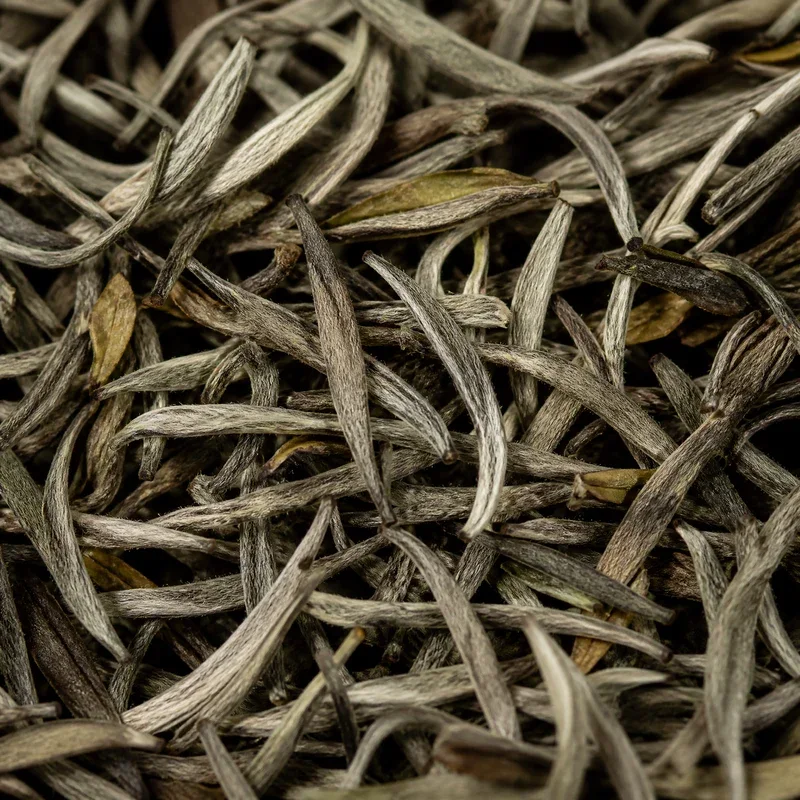
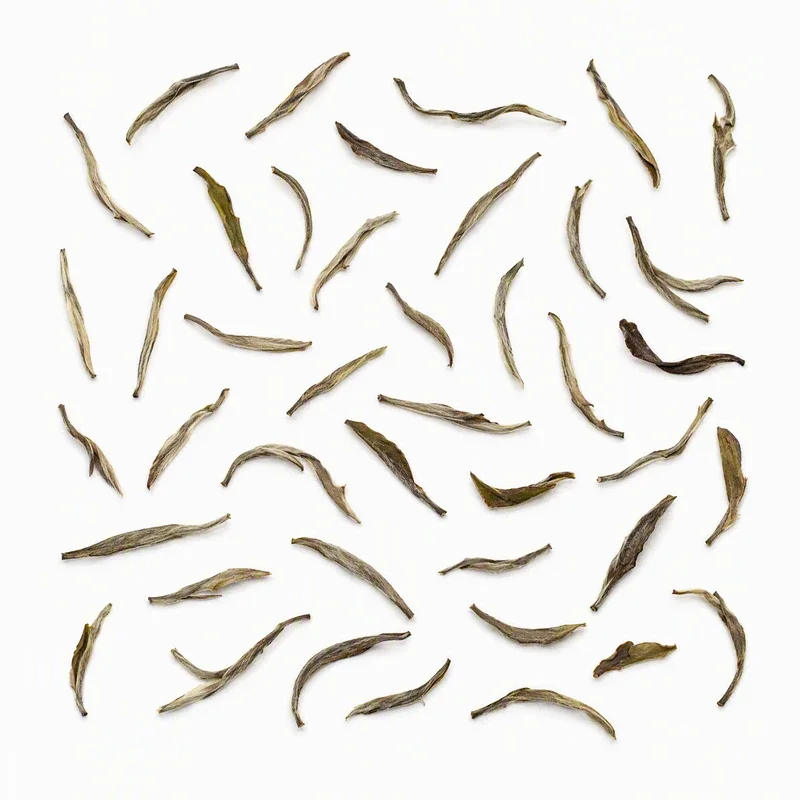
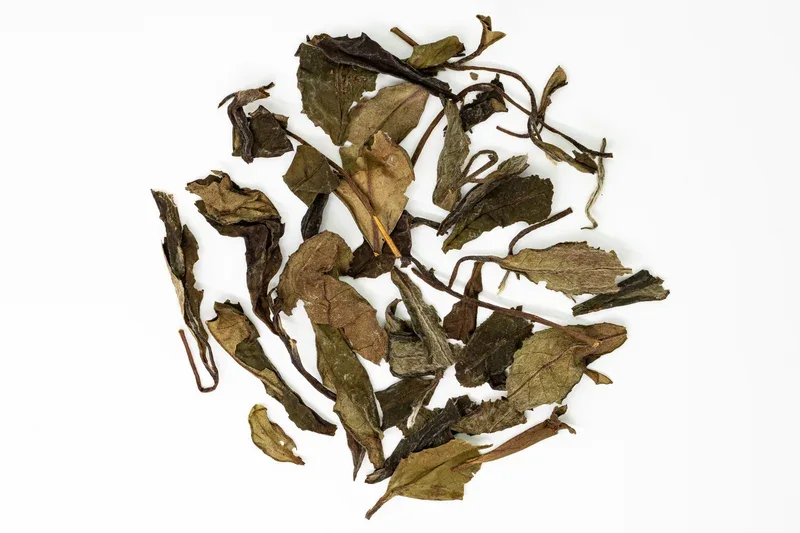
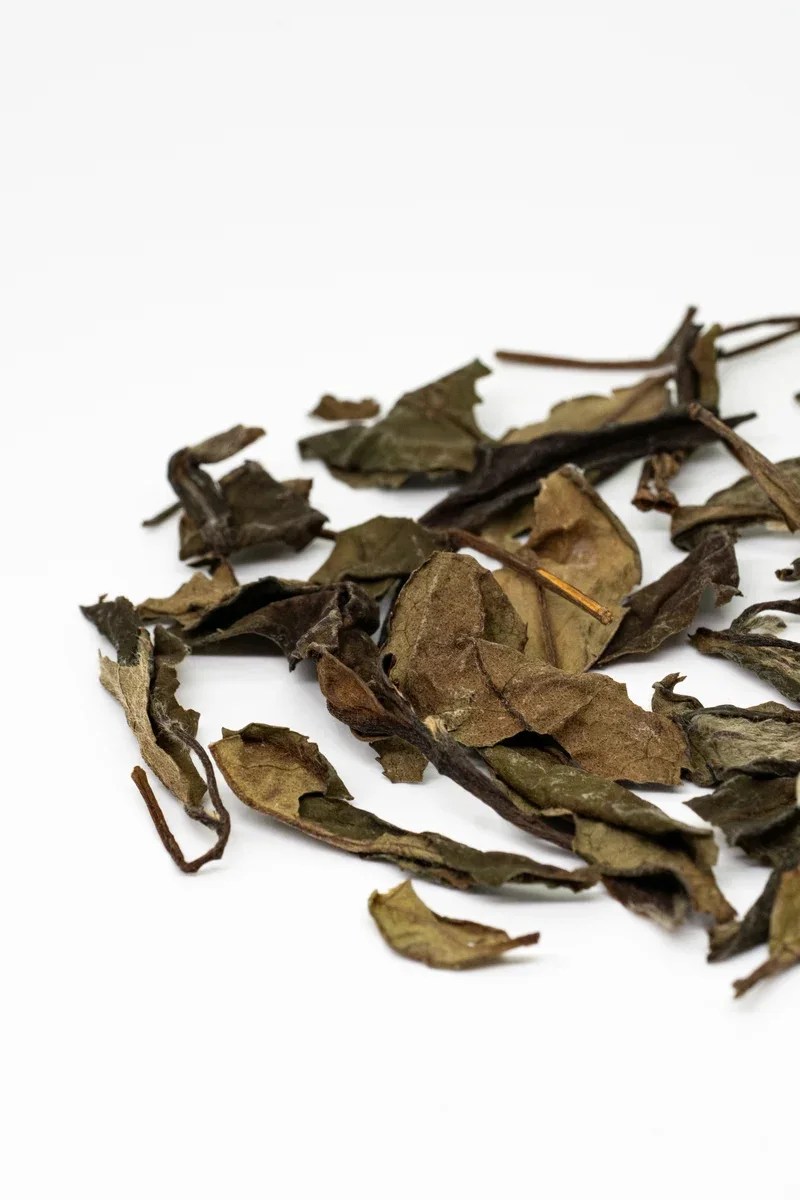
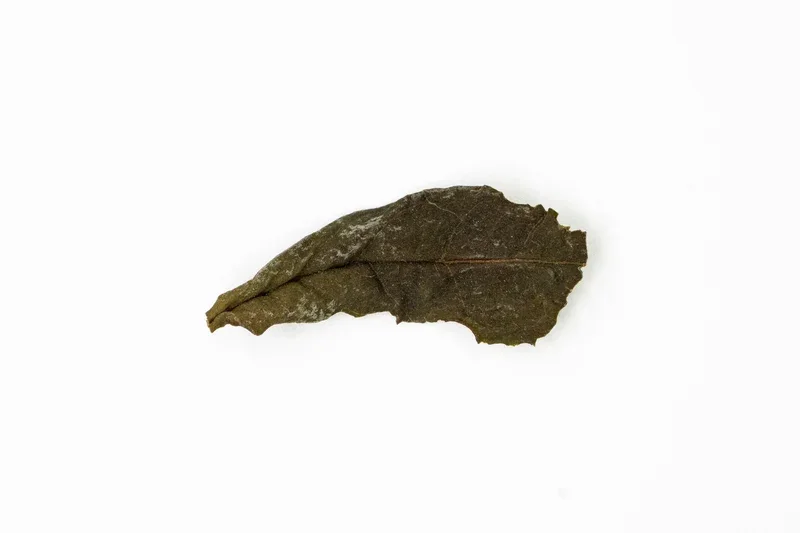
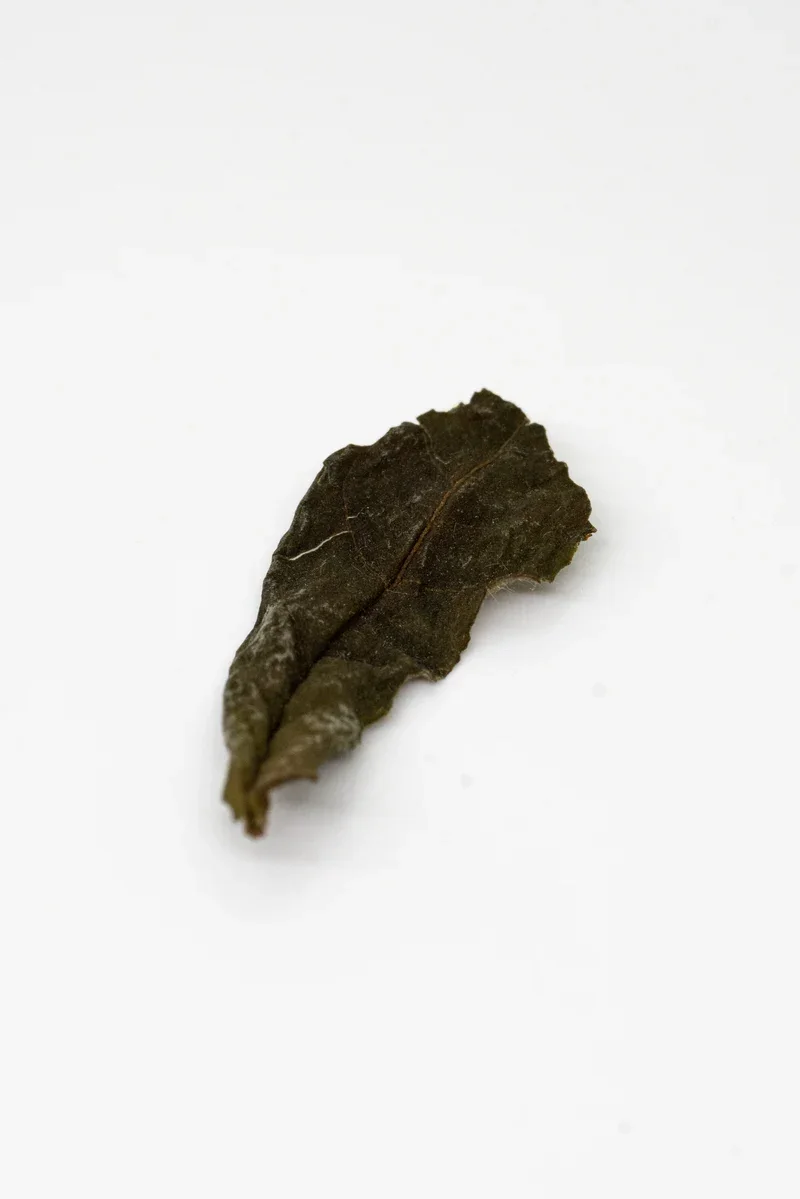
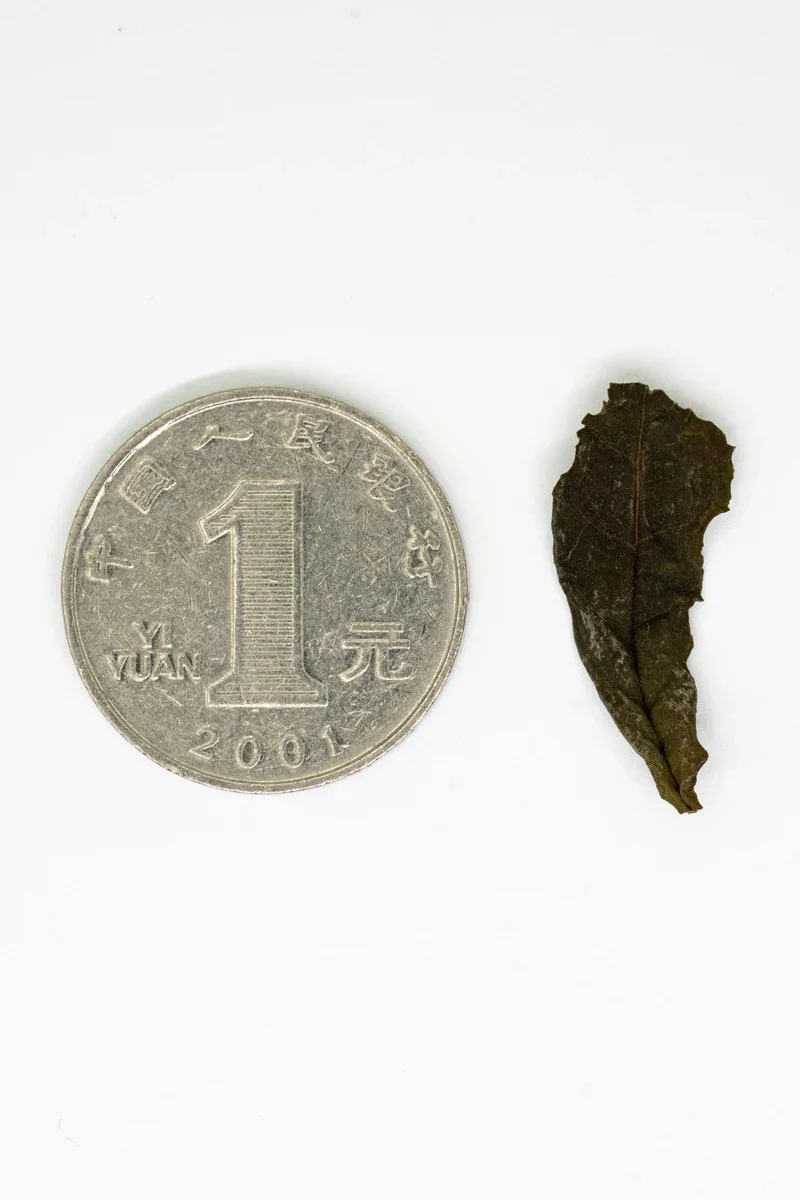
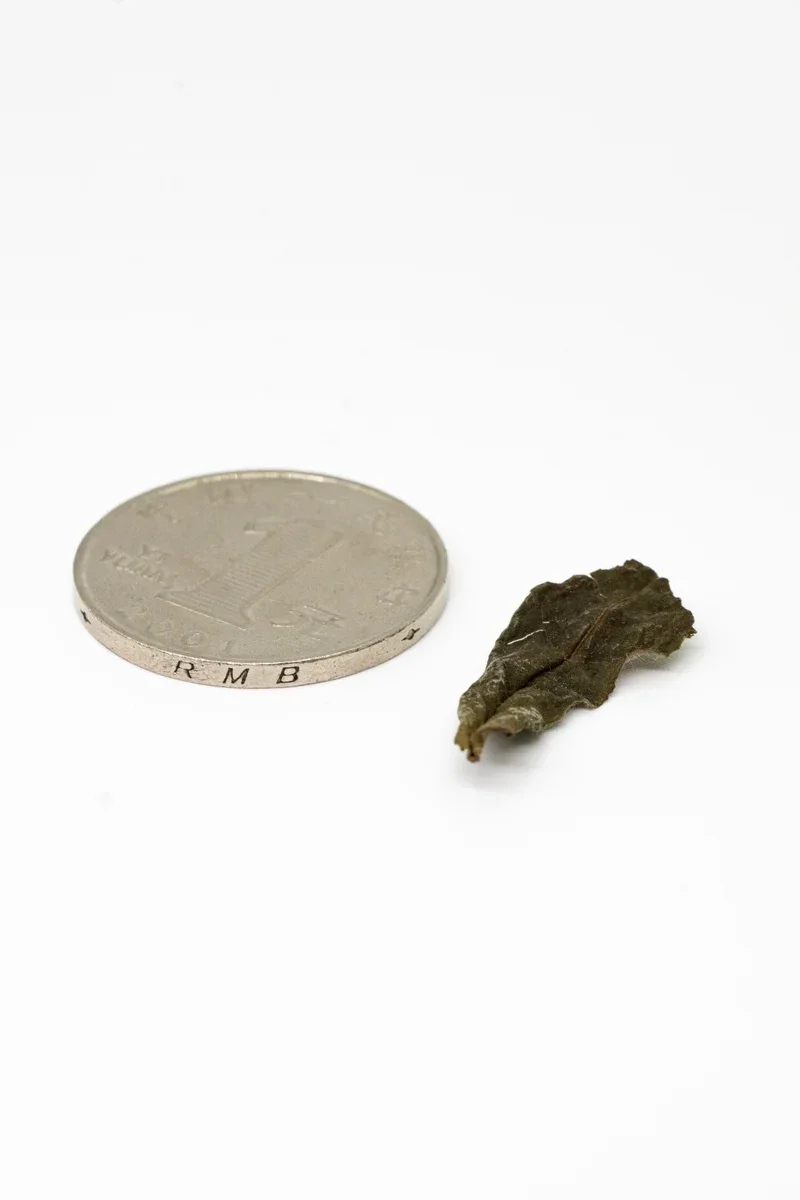
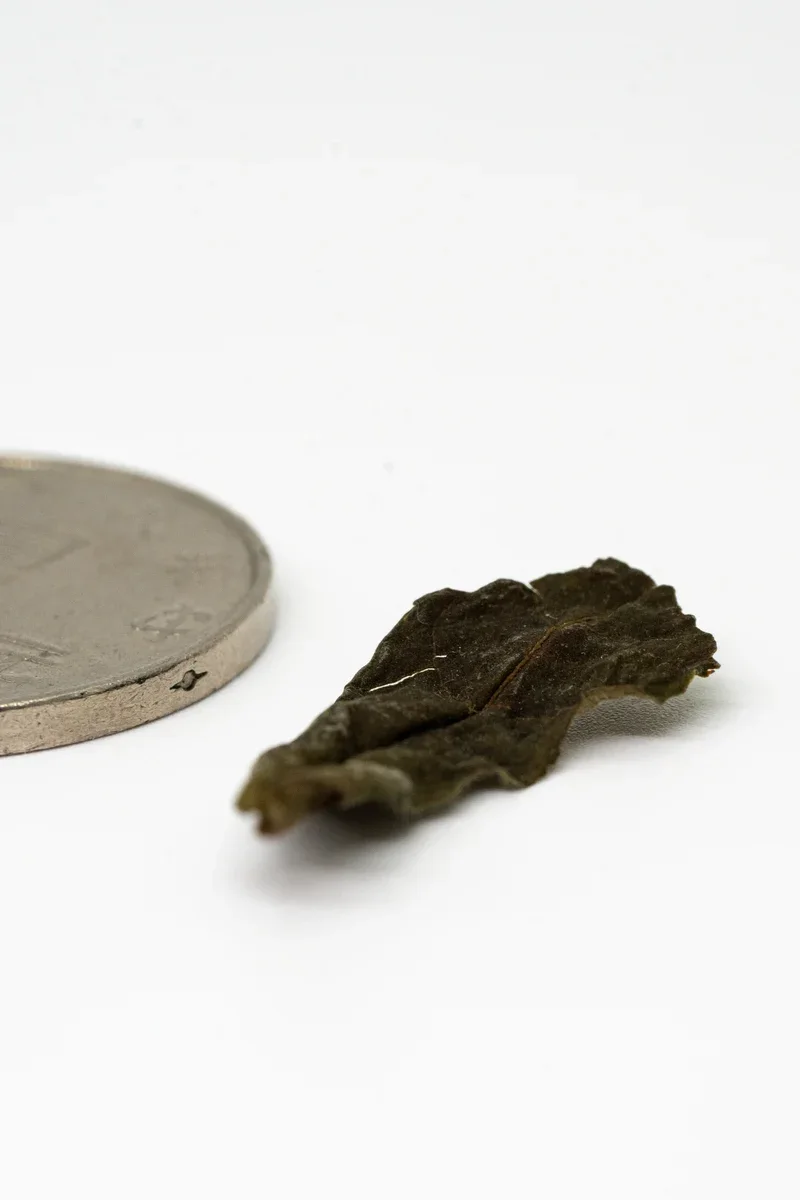
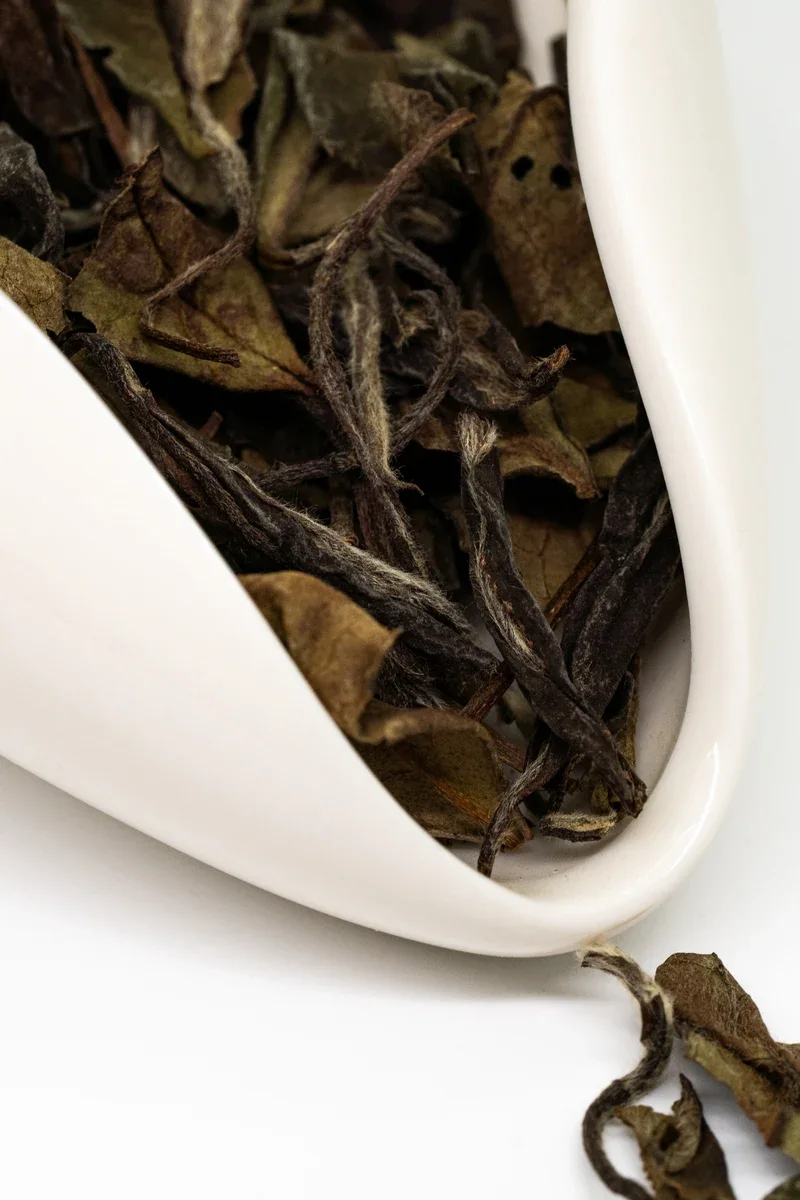
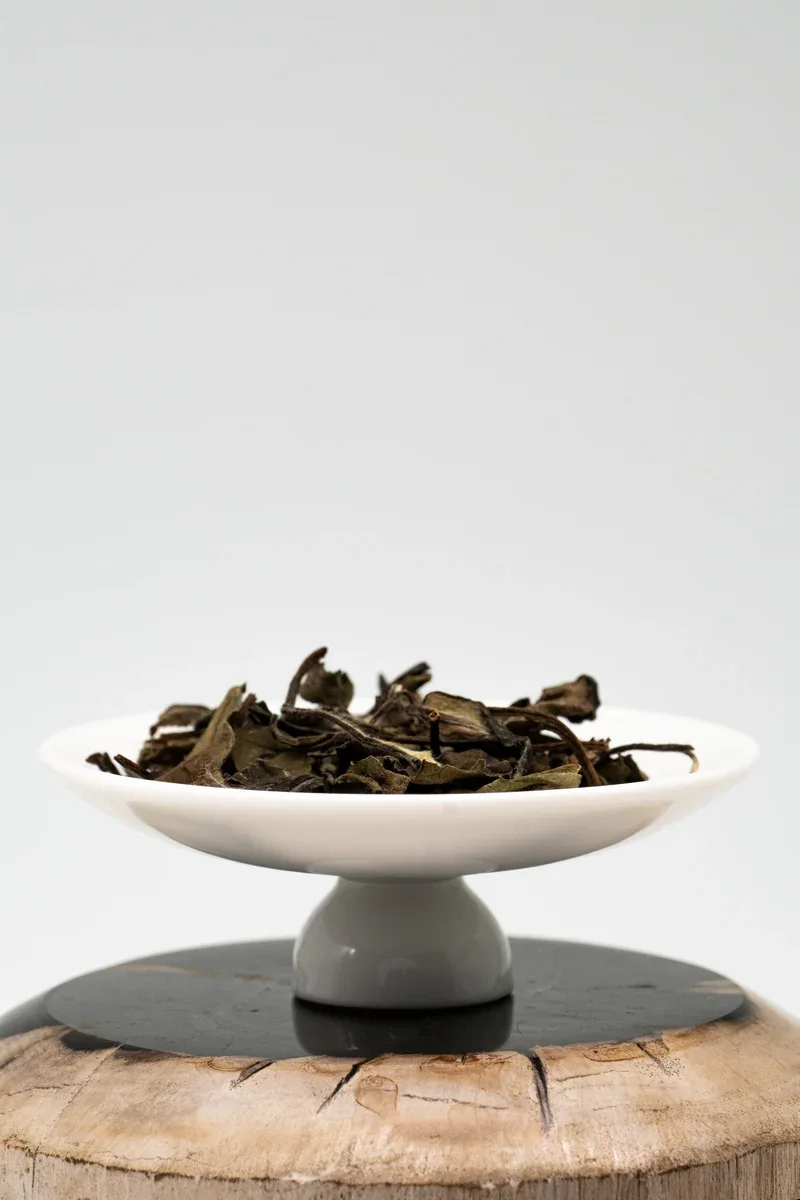
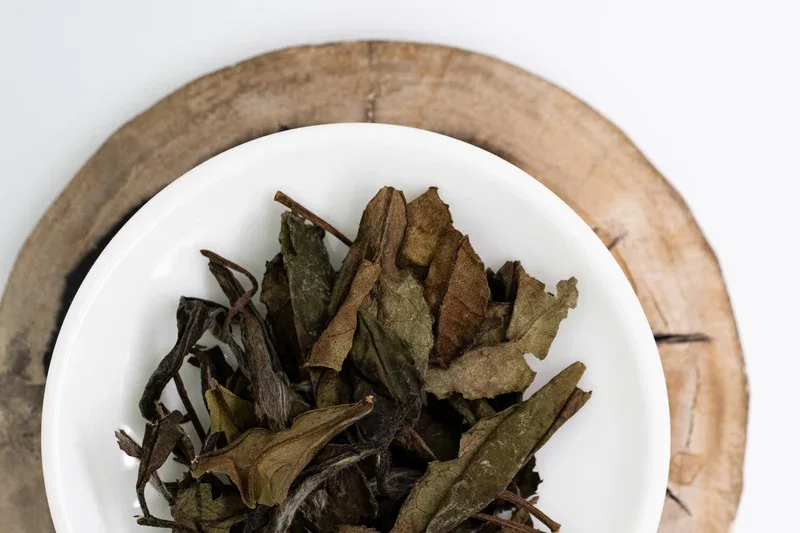
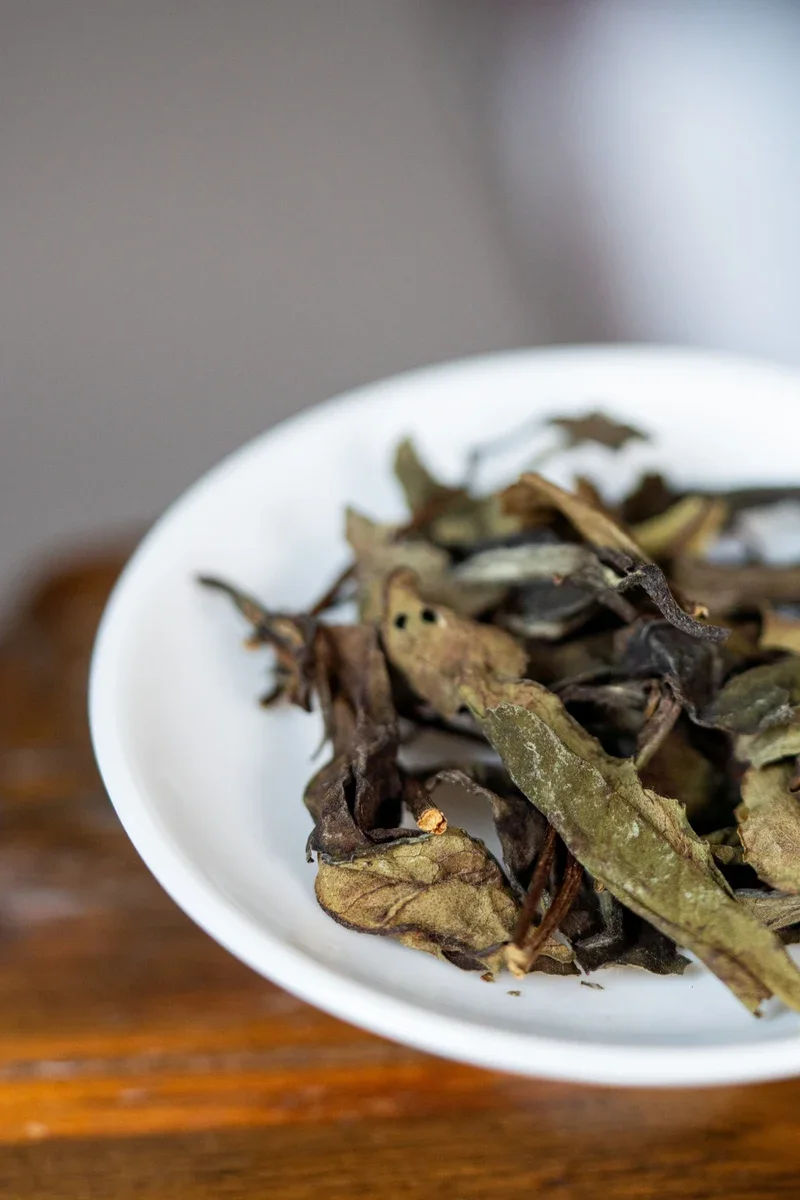
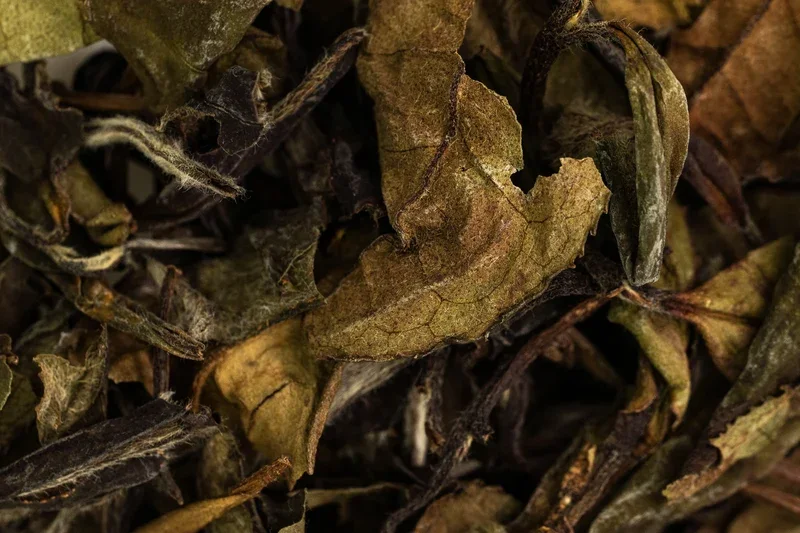
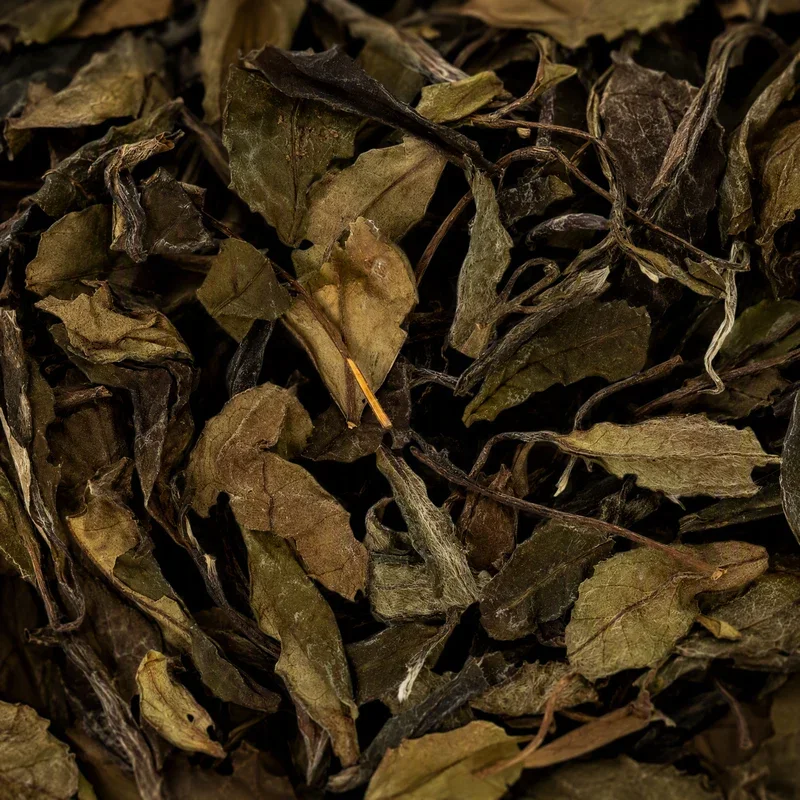
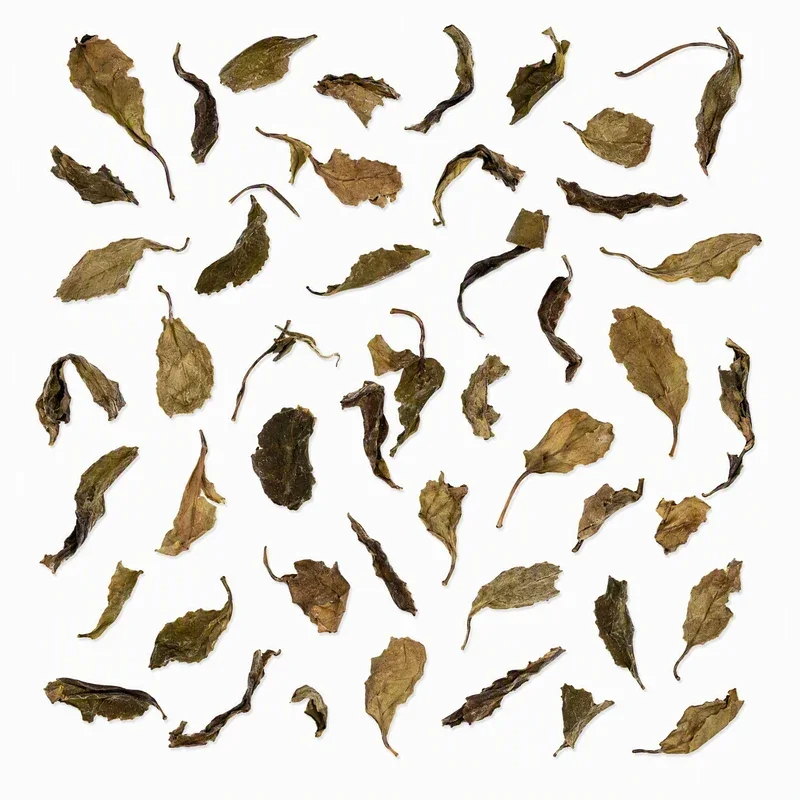
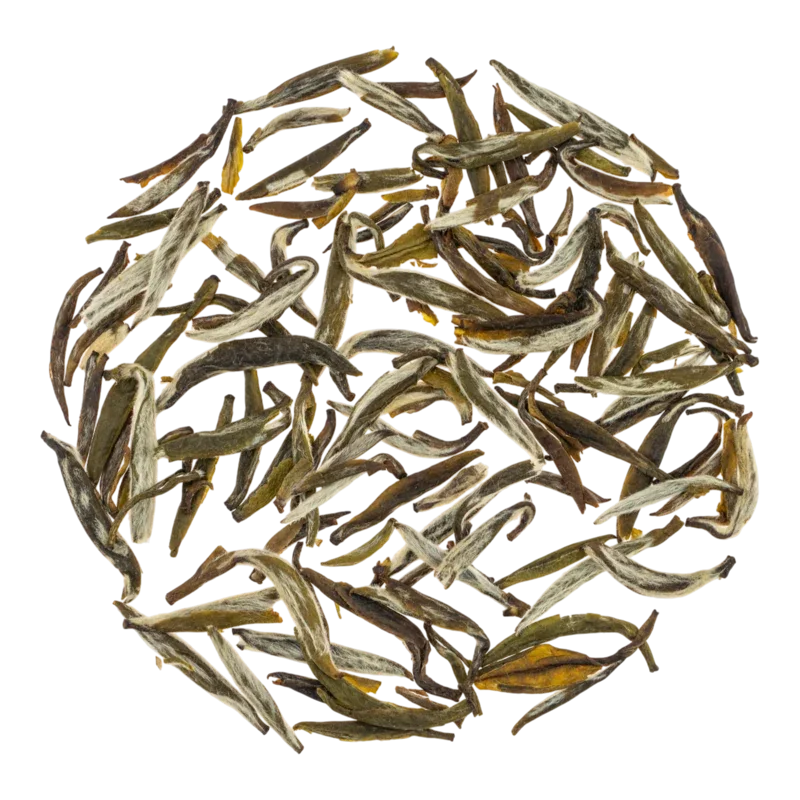
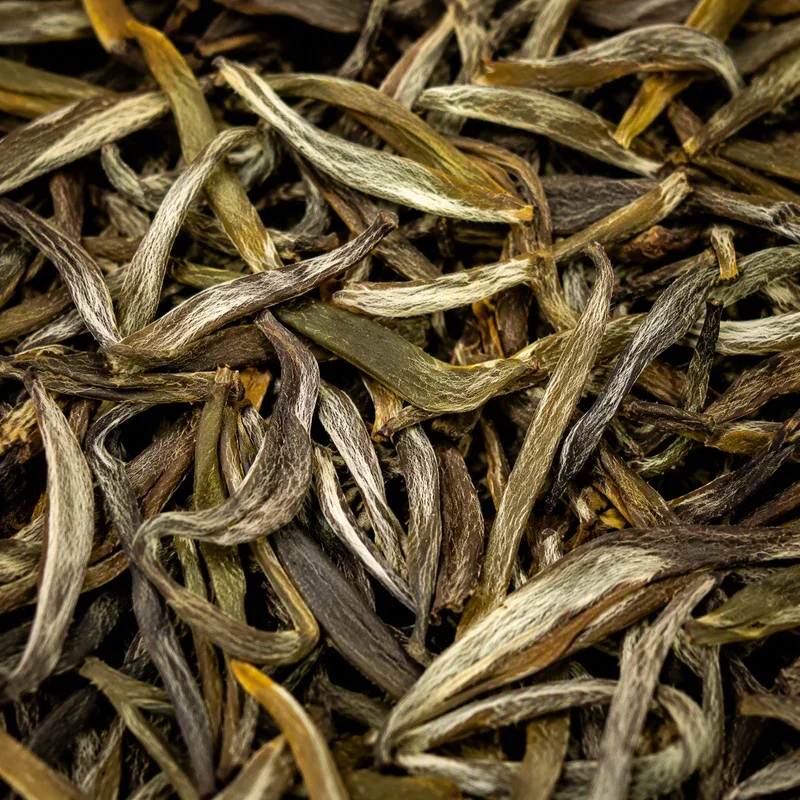
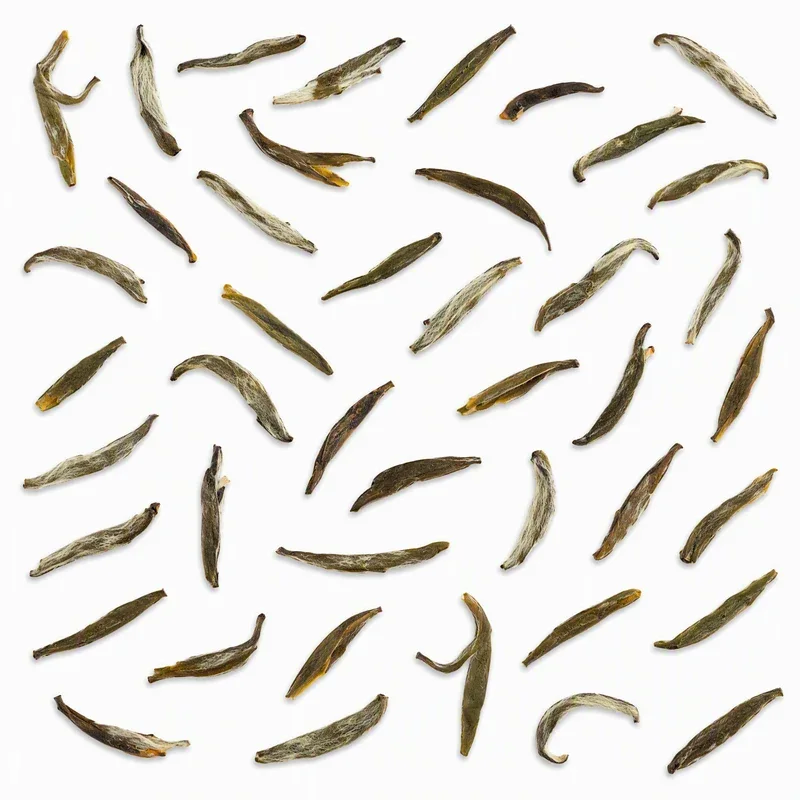
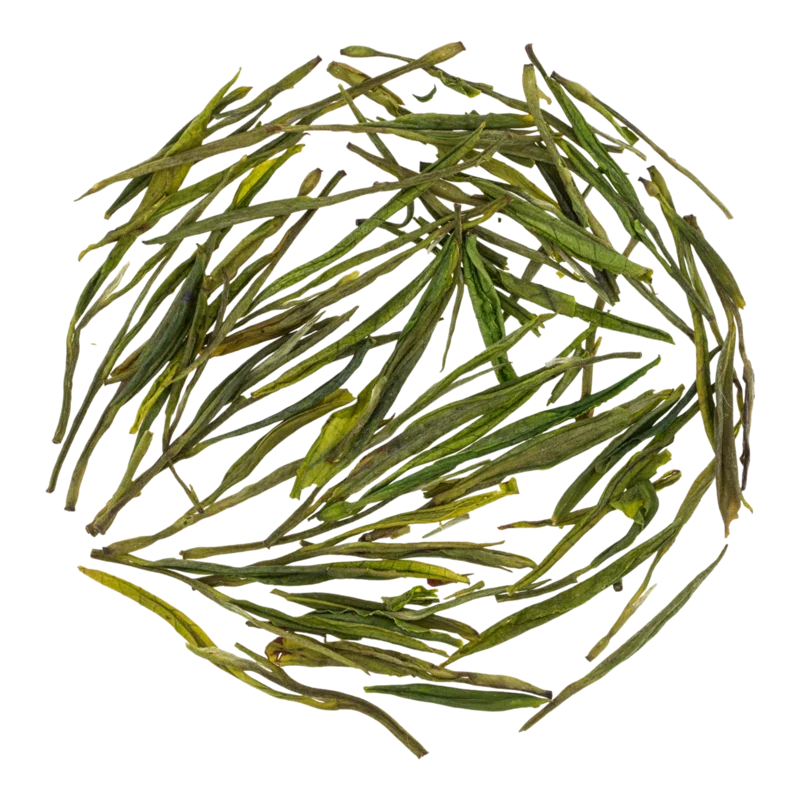
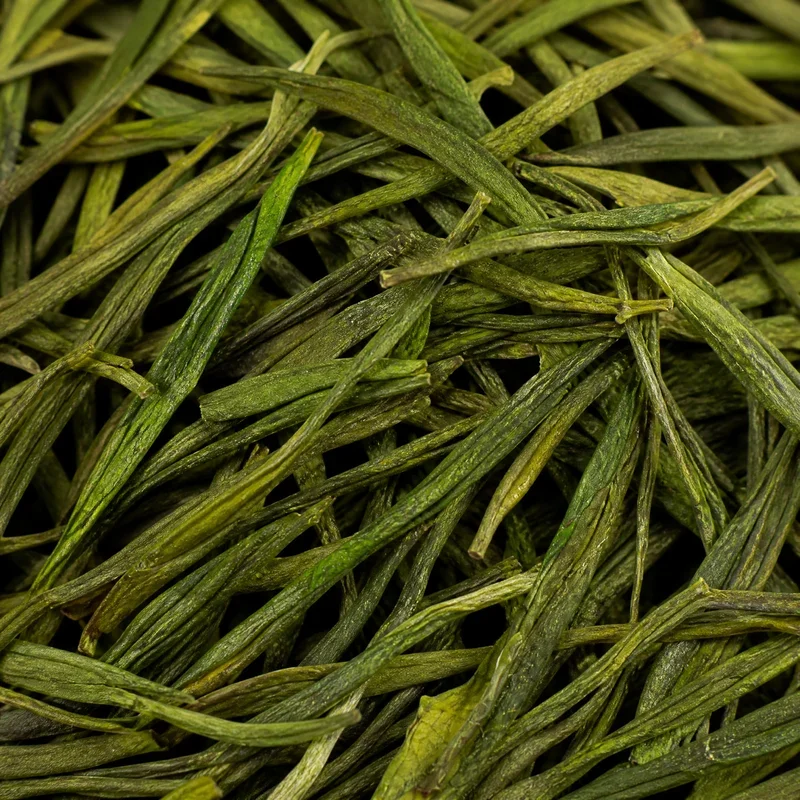
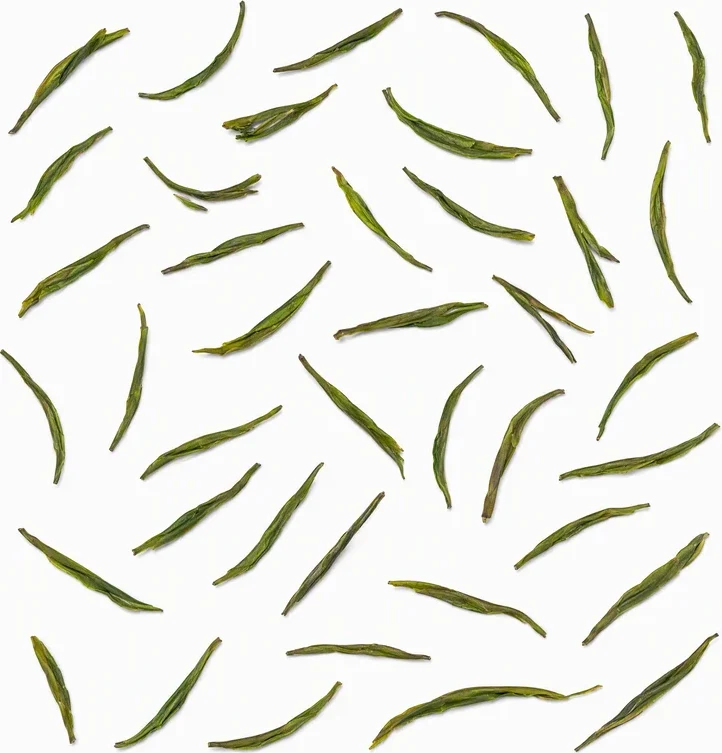
light green, sometimes with «pale-jade» tint; looks very tender.
fresh, clean; possible notes of young grass, light chestnut, orchid.
light yellow-green, transparent.
refreshing, sweet, with green tea «coolness».
Taste: sweetish, with pronounced umami sensation; astringency appears with boiling water.
catechins are one of the most studied groups of green tea compounds.
caffeine + theanine give many people steady focus.
light green tea can be perceived as a «refreshing» drink.
both teas strive for light leaf, high amino acid sweetness and «clean» green aroma; both poorly tolerate boiling water.
Anji Bai Cha is a brand of origin from Anji County (Zhejiang), while Tianmuhu Bai Cha is a brand from Tianmu Lake zone (Jiangsu). With the same cultivar, the difference is created by climate, soils and local processing school.
compare not only by name, but also by year, factory and harvest season — early spring for both decides everything.
3–5 g per 150–200 ml.
10–15 sec on first, then increase; 4–7 infusions.
green tea especially dislikes boiling water — it quickly goes to bitterness.
Teaware: glass/porcelain. For «flat» green teas, a tall glass or gaiwan is often convenient.
Water Temperature: 75–85 °C (for the earliest and most tender batches — closer to 75–80 °C).
Shelf Life: for maximum freshness try to drink within 6–12 months after production (unless manufacturer indicates otherwise).
mandatory (foil bag/tin).
keep in darkness and away from any aromas.
Temperature: cool; many store green tea in refrigerator (0…+5 °C) with perfect airtightness.
main enemy — makes taste harsh and bitter.
green teas quickly «over-brew», better short infusions.
at room temperature aroma flies away faster; better store cool and airtight.
tea quickly absorbs odors and moisture.
start with 80 °C. If bitter — lower to 75 °C. If taste too thin — raise to 85 °C.
3–4 g per 150–200 ml.
10 seconds (then 15–20 s, then 30–40 s).
use less tea (2–3 g) and periodically add water, not letting liquor «over-strengthen».
better several gentle infusions than one long — so aroma remains clean and sweet.
white tea = withering + drying; green tea = withering (optional) + shāqīng + shaping + drying.
white often gives flowers/hay/honey (and with aging dried fruits); green — grass freshness, orchid, light chestnut.
white (especially aged) withstands hotter water; green almost always better at 75–85 °C.
white tea can age interestingly; green tea more often loses aroma with long storage and is valued fresh.
if you expect from Tianmuhu Bai Cha «white tea taste», you will be disappointed — this is a different style. But if you treat it as tender green, it opens very beautifully.
No reviews yet. Tell us what you think of this tea.
Rate this tea and share your impressions. We review each submission before publishing it.