Brewing
Gongfu brewing
- Water temperature
- 75 °C
- Tea amount
- 5 g
- Water volume
- 100 ml
- First steep
- 10 s
- Time added per infusion
- 5 s
- Infusions
- 3

Tántáng Máojiān
Choose a brewing method. Start with the recommended quantities and time, then adjust to taste.
Brewing
Brewing
Taste
Tea encyclopedia
Category: National Famous Tea (全国名茶, quánguó míngchá). Tea with protected geographical indication — received the certificate "Agricultural Geographical Indication" (农产品地理标志) in 2015 and was included in the second list of mutually recognized geographical indications of China and the EU (2021).
Category: National Famous Tea (全国名茶, quánguó míngchá). Tea with protected geographical indication — received the certificate "Agricultural Geographical Indication" (农产品地理标志) in 2015 and was included in the second list of mutually recognized geographical indications of China and the EU (2021).
Coordinates: Approximately 23°05′ N, 109°20′ E (reference point at central Tantang District).
Origin: China, Guǎngxī Zhuāng Autonomous Region (广西壮族自治区, Guǎngxī Zhuàngzú Zìzhìqū), Guìgǎng City (贵港市, Guìgǎng Shì), Tántáng District (覃塘区, Tántáng Qū). Main producing mountains: Pingtianshan (平天山, Píngtiān Shān), Songbaishan (松柏山, Sōngbǎi Shān), Lúshān (芦山), as well as the Zhenlongshan ridge (镇龙山, Zhènlóng Shān).
Type: Green tea (non-oxidized), 炒青 (chaoqing, chǎoqīng — fixation by pan-firing).
Cultural Significance: Tantang Maojian is a symbol of the modern rise of Guangxi's tea industry. Unlike many "ancient" teas with thousand-year histories, this is a product of targeted agronomic and technological work of the 1960s–70s that quickly gained national recognition. Today, Tantang District positions itself as the "homeland of tea" (茶叶之乡), and tea has become the leading industry of the local economy: the area of tea gardens exceeds 60,000 mu (approx. 4,000 hectares), annual production is about 2,500 tons of dry tea, product value exceeds 1.5 billion yuan. In 2023, the first "Tantang Maojian Spring Tea Festival" (覃塘毛尖首届春茶文化节) was held. The district also released a series of books "Charm of Tantang" (《魅力覃塘》), including the volume "Tea Aroma" (《茶之香》), dedicated to local tea history and culture.
History: The territory of modern Tantang District has a long connection with tea cultivation. In the mountain massifs of Zhenlongshan and Pingtianshan at altitudes of 500–700 m, wild tea thickets with a total area of more than 700 mu (approx. 47 hectares) have been discovered, among which about 150 trees over 100 years old have been identified — living evidence of the natural presence of Camellia sinensis in these mountains. In the 1950s, tea plantations of the Zhenlongshan and Pingtianshan ridges received large-scale development, reaching an area of more than 30,000 mu. The "Guiqing Cha" (桂青茶) and "Longfeng Cha" (龙凤茶) produced here were in demand in Beijing, Guangzhou, Hong Kong, Southeast Asia and Europe. In 1966, the Tantang People's Commune and local cooperative sent a delegation to Fúdǐng County (福鼎县, Fúdǐng Xiàn) in Fujian Province, from where they brought seedlings of the famous variety Fúdǐng Dà Bái Chá (福鼎大白茶). The "Tantang" tea state farm was established, which began producing "Tantang Longfeng Cha" (覃塘龙凤茶). In 1971, targeted development of a new designation — Maojian — began. In 1973, the tea passed state tasting and was officially included in the registry of famous teas of Guangxi. From 1978 to 1982, Tantang Maojian won three consecutive times in the ranking of the best teas of the autonomous region. In 1982, at the National Famous Tea Competition, it received the title "National Famous Tea" (全国名茶), and in 1989 at the Ministry of Agriculture competition it again confirme
Name Breakdown: 覃塘 (Tántáng) — toponym, name of an administrative district in Guigang City. The character 覃 (tán) has ancient roots and appears as a surname and in the toponymy of southern China; 塘 (táng) — "pond," "dam." 毛 (máo) — "down," "fuzz"; 尖 (jiān) — "point," "tip." "Maojian" (毛尖) — a classic name for a category of green teas with abundant white down on buds and sharp-pointed tea leaves. Until 1973, the tea was called "Tantang Longfeng Cha" (覃塘龙凤茶 — "dragon and phoenix tea from Tantang"); when renamed, the designation "Maojian" was chosen, which more accurately reflects the appearance and categorical affiliation of the product.
Cultivar: Main cultivar — Fúdǐng Dà Bái Chá (福鼎大白茶, Fúdǐng Dà Bái Chá), introduced from Fujian in 1966. This is a non-clonal shrub variety of medium-leaf type, medium-ripening, with large fleshy buds abundantly covered with white down. Also used are varieties Fúyún (福云, Fúyún) and Wūniú Zǎo (乌牛早, Wūniú Zǎo) — an early high-yielding variety.
Picking: Spring, from early March (Chunfen period, 春分) to late April. The best raw material — March and early April harvests.
Pluck Standard: One bud and one leaf (一芽一叶, yī yá yī yè) or one bud and two leaves in the initial stage of opening (一芽二叶初展). Shoots must be of equal length, healthy, without purple leaves, pests and mechanical damage.
Raw Material: Freshness and integrity of shoots — absolute priority. After harvest, raw material is immediately delivered to the factory for processing.
Altitude: Main plantations are located at altitudes of 500–1100 m a.s.l. Pingtianshan peak reaches 1157 m — this is the highest point of the district.
Climate: Southern subtropical, warm and humid. Average annual temperature — about 21–22 °C (in mountain zones — noticeably lower, ~18 °C). Precipitation — 1500–2100 mm/year. Frequent fogs and cloudiness, especially in the spring period.
Soil: Deep, fertile, loose — weathered purple shales predominate (紫页岩风化土). Acidity (pH) — 4.5–6.0. High organic content.
Abundance of diffused light and significant diurnal temperature variation contribute to the accumulation of amino acids and aromatic substances in leaves. Tea farms actively apply organic protection methods: yellow sticky traps for insects (large plantations deploy more than 10,000 pieces), drip irrigation with organic fertilizers supplied through mountain water collection towers. A number of district enterprises are certified according to "Pollution-free Food" (无公害食品), "Green Food" (绿色食品) and "Organic Products" (有机食品) standards. The plantations of "Tantang" district have repeatedly received the status of "Model Ecological Tea Base of Guangxi" (广西生态茶叶示范基地).
Topography: Mountains are densely covered with forest, dissected by streams and gorges. Plantations are located on slopes and plateaus, protected from strong winds.
Harvested shoots are spread in a thin layer on clean bamboo trays in a ventilated room. Time — until loss of surface gloss and appearance of fresh aroma.
High-temperature pan-firing — the key stage determining the color of the finished tea. Temperature — high (先高后低), leaves are quickly heated, enzymes are inactivated, chlorophyll is preserved. This is the technological secret of the rich green color of Tantang Maojian.
Pan-fired leaf is spread for cooling and moisture equalization.
Forms cellular structure, releases juices and sets future liquor density.
Giving tea leaves a thin, straight, pointed shape — the characteristic "maojian" silhouette. This stage requires the highest mastery: the master's fingers simultaneously straighten and arrange each tea leaf. Traditionally, Tántáng Máojian is shaped exclusively by hand (全凭手工, quán píng shǒugōng), although large enterprises also use mechanical shaping. It is precisely hand work that ensures the fineness and evenness of tea leaves, for which the highest grade is valued.
Drying to stable moisture content.
Removal of non-standard tea leaves, dust and fragments.
Final light heating, "lifting" and fixing the aroma. It is at this stage that the chestnut tone (栗香) unfolds in full force.
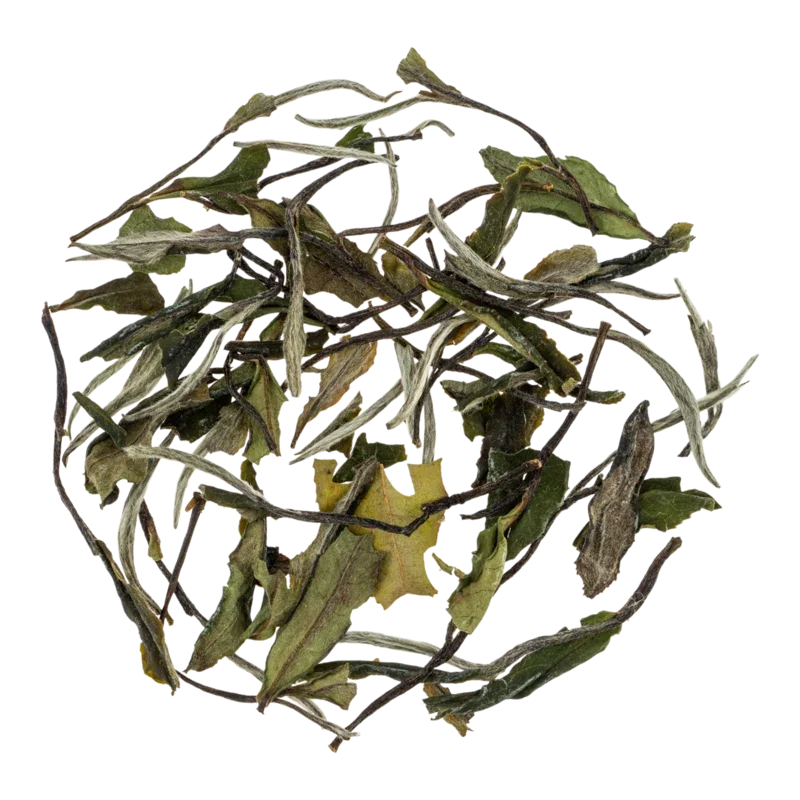
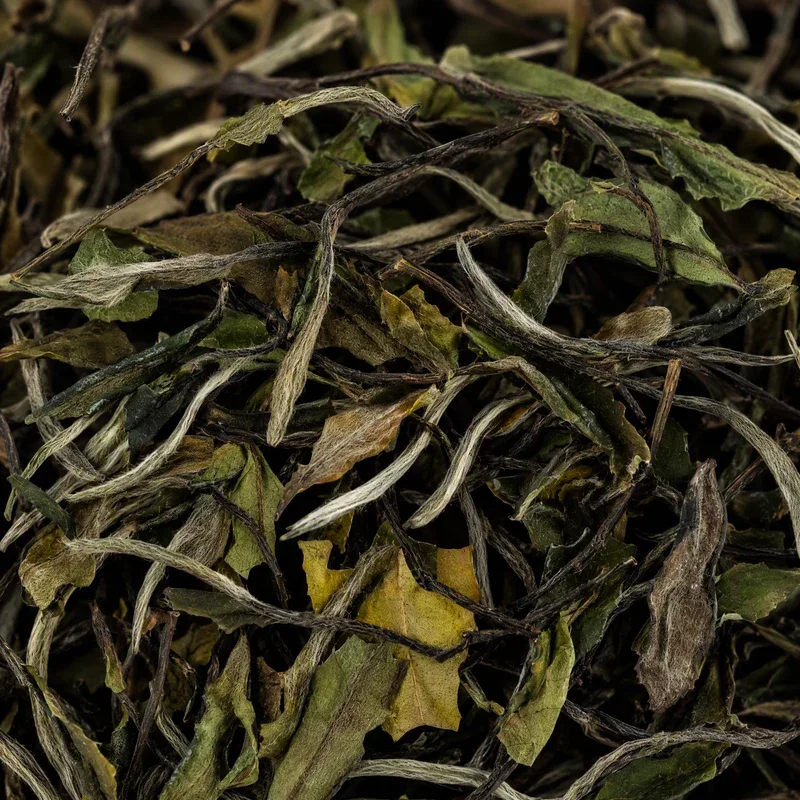
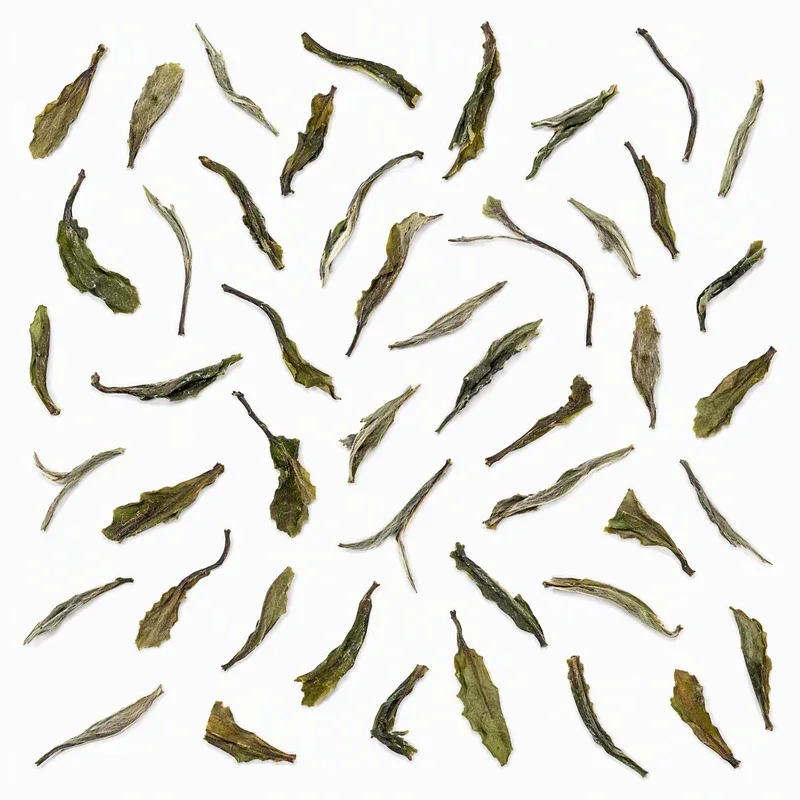
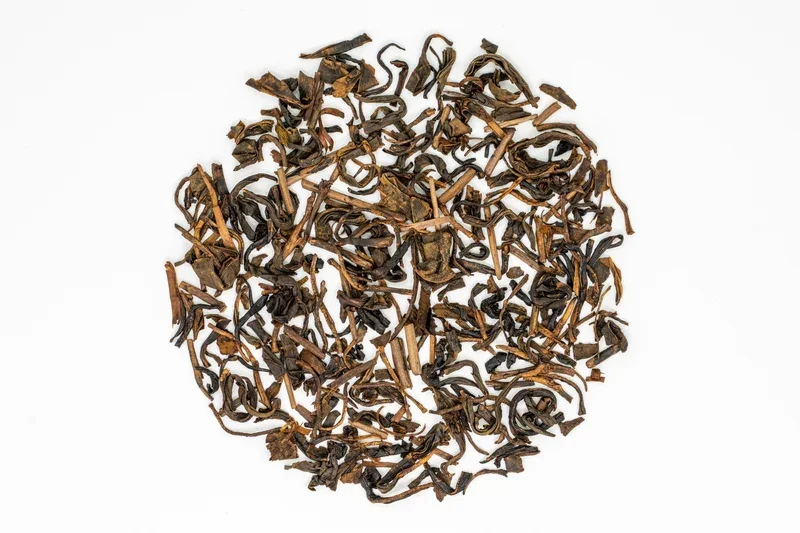
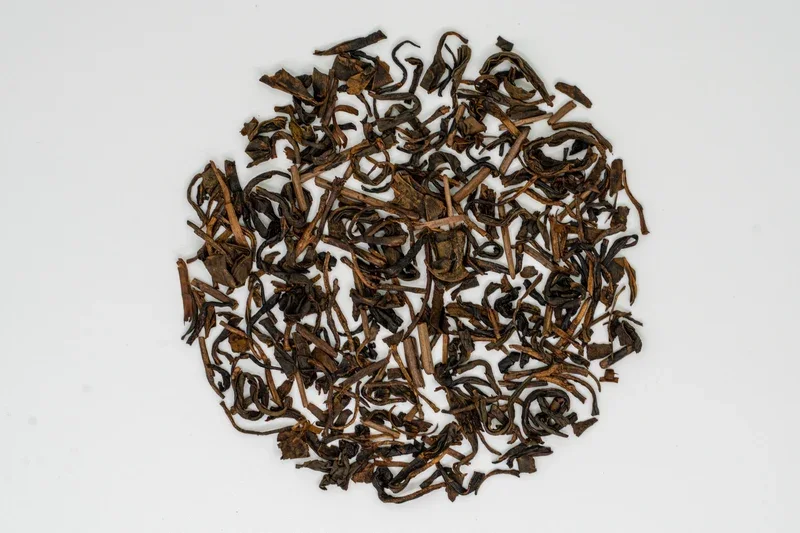
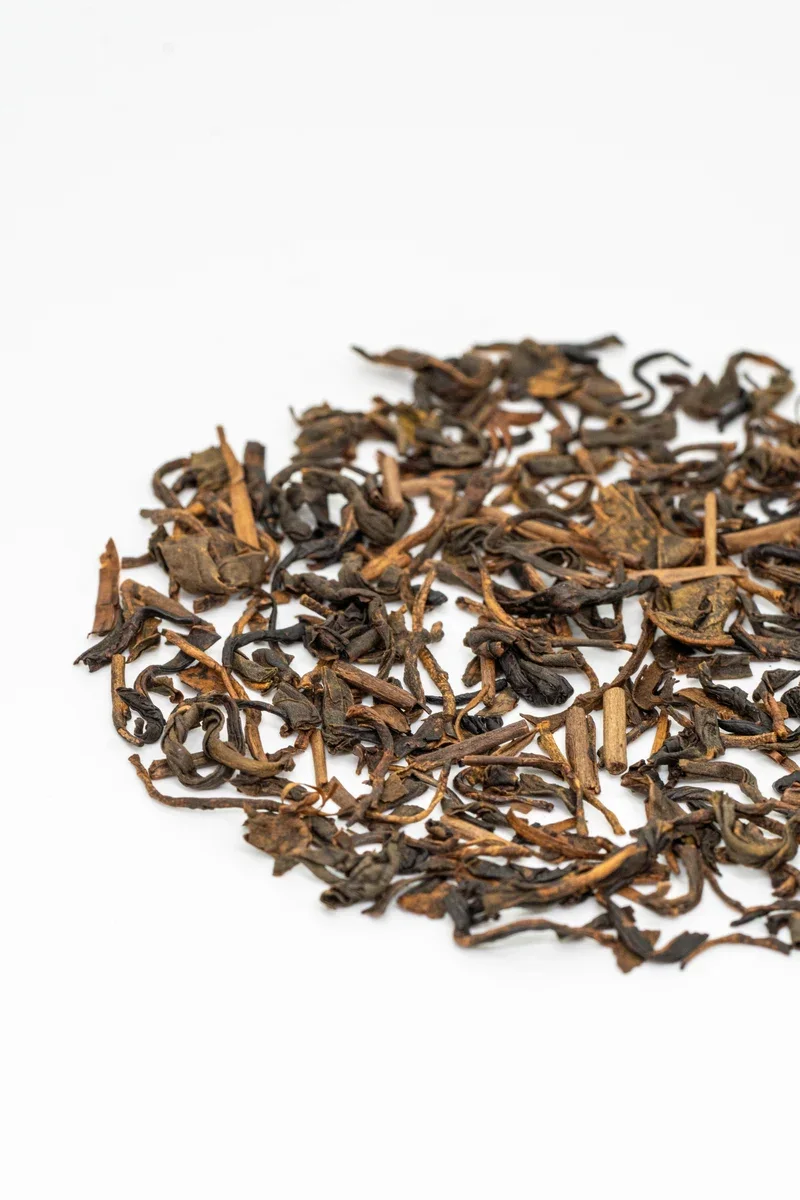
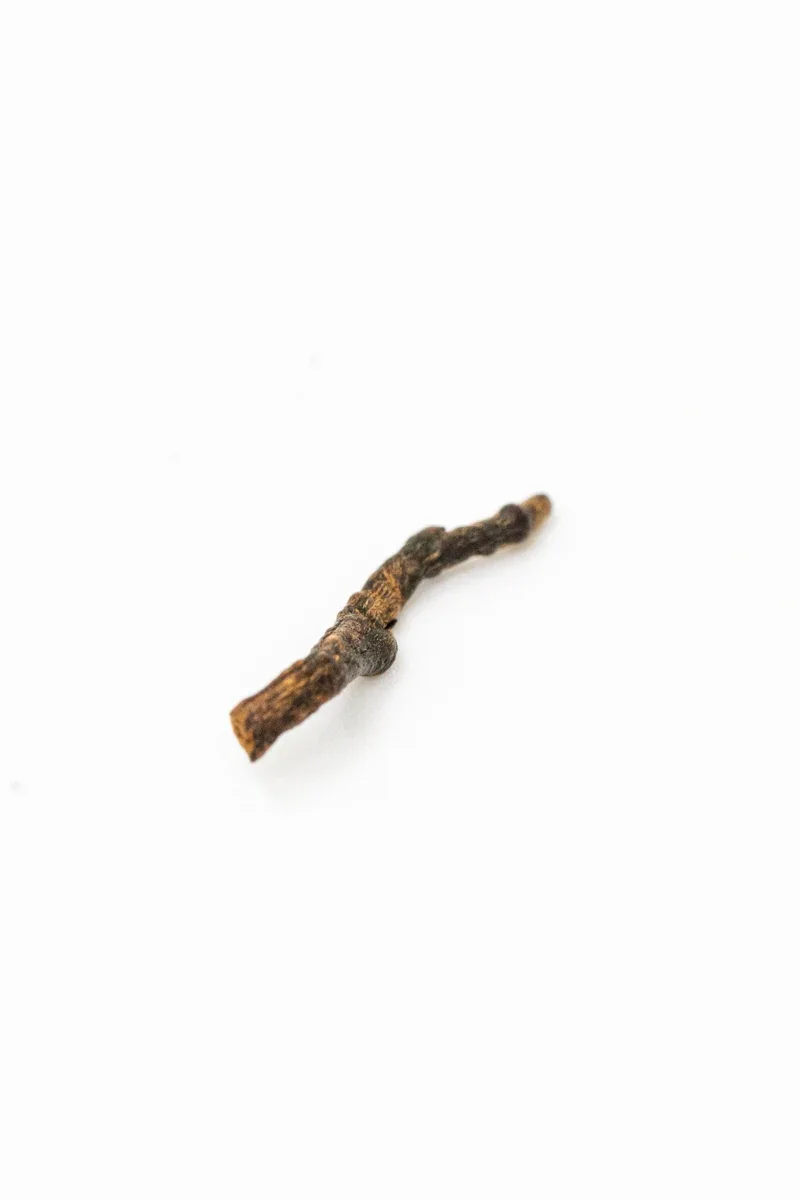
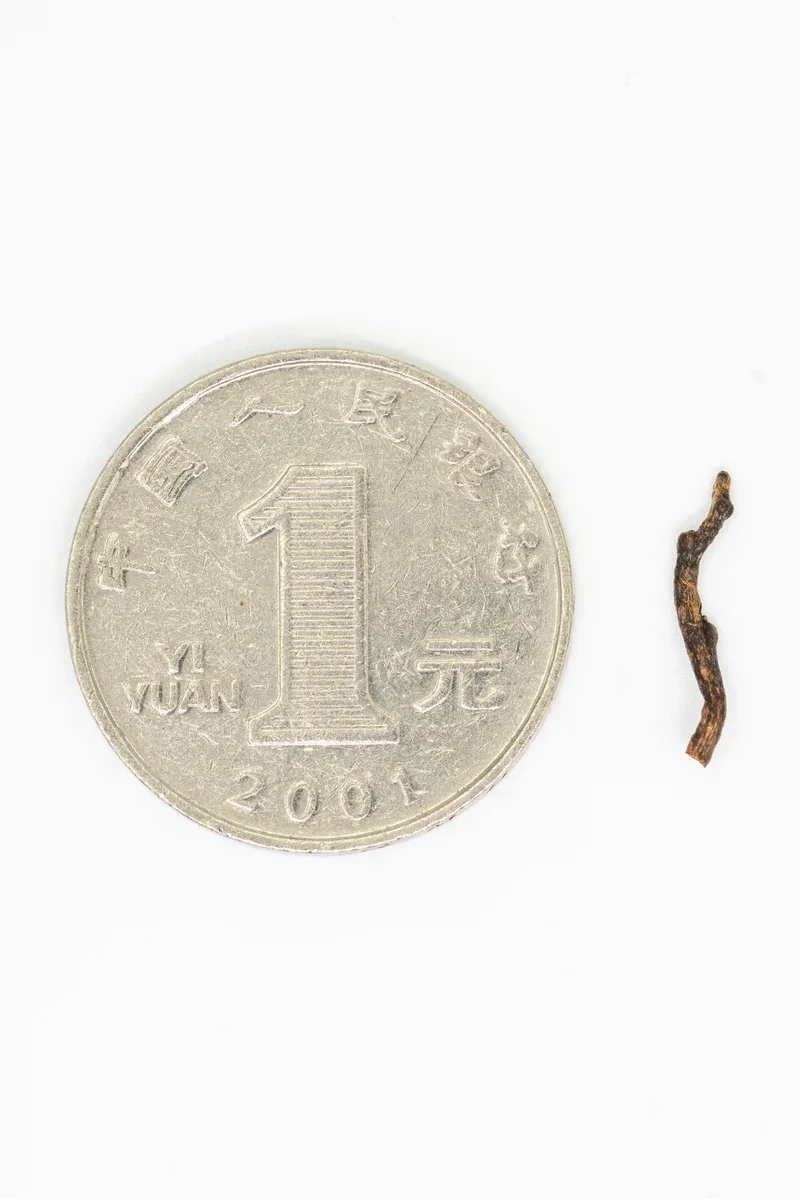
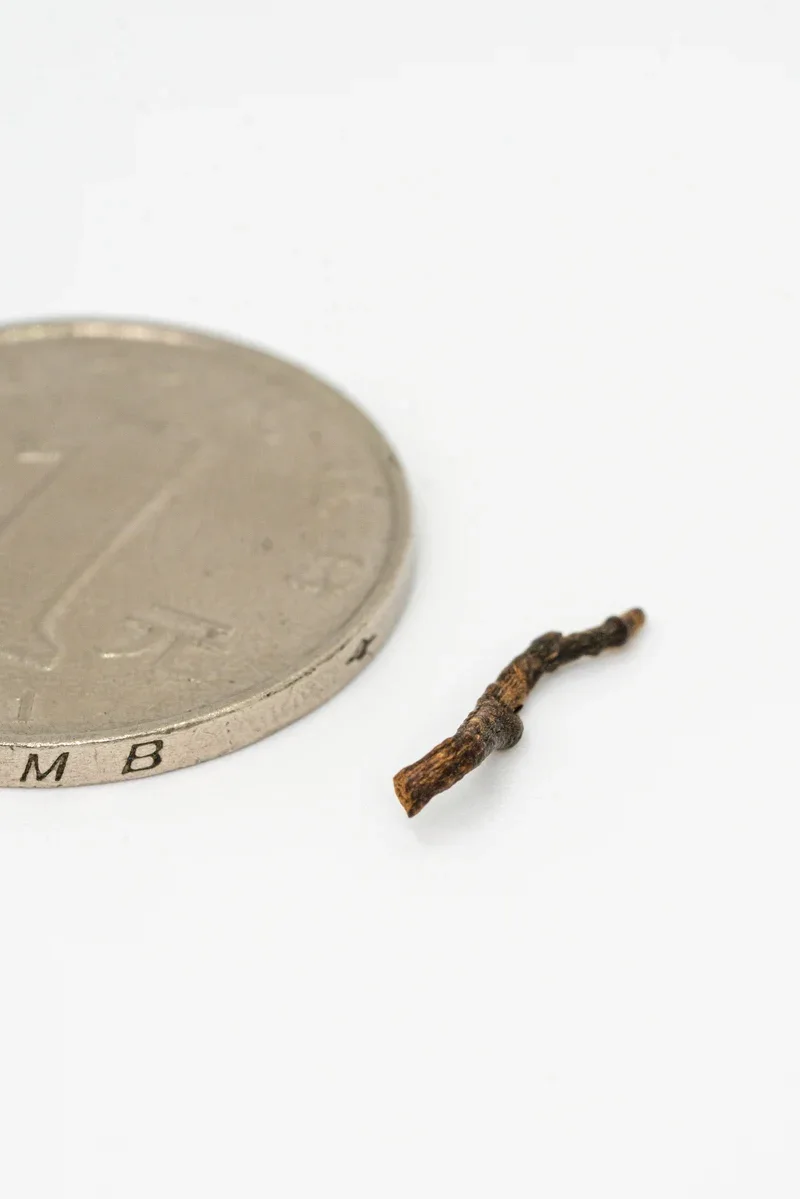
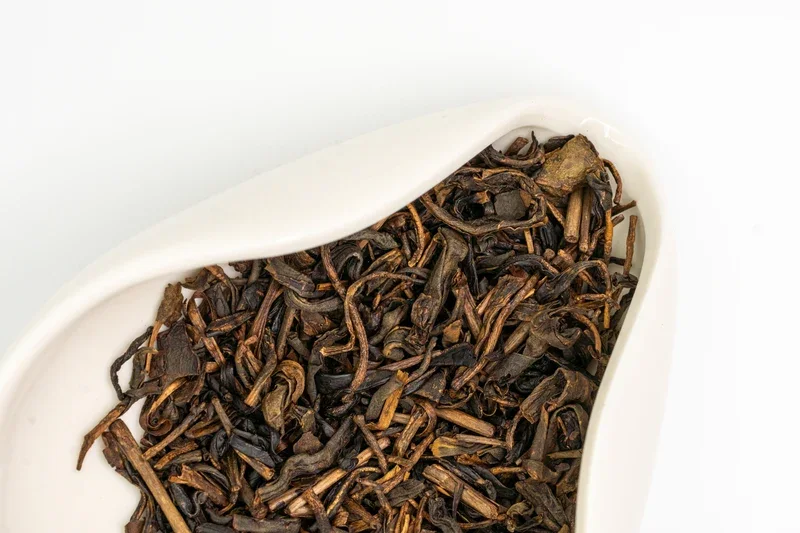
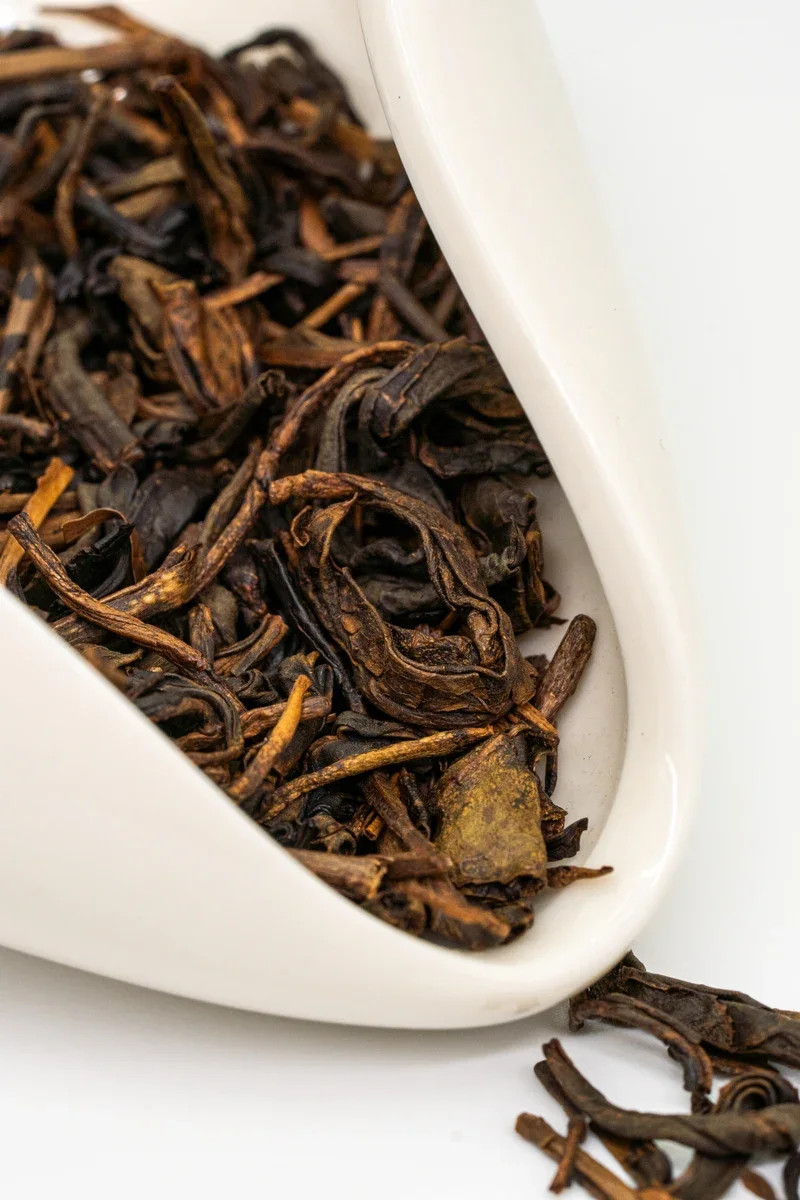
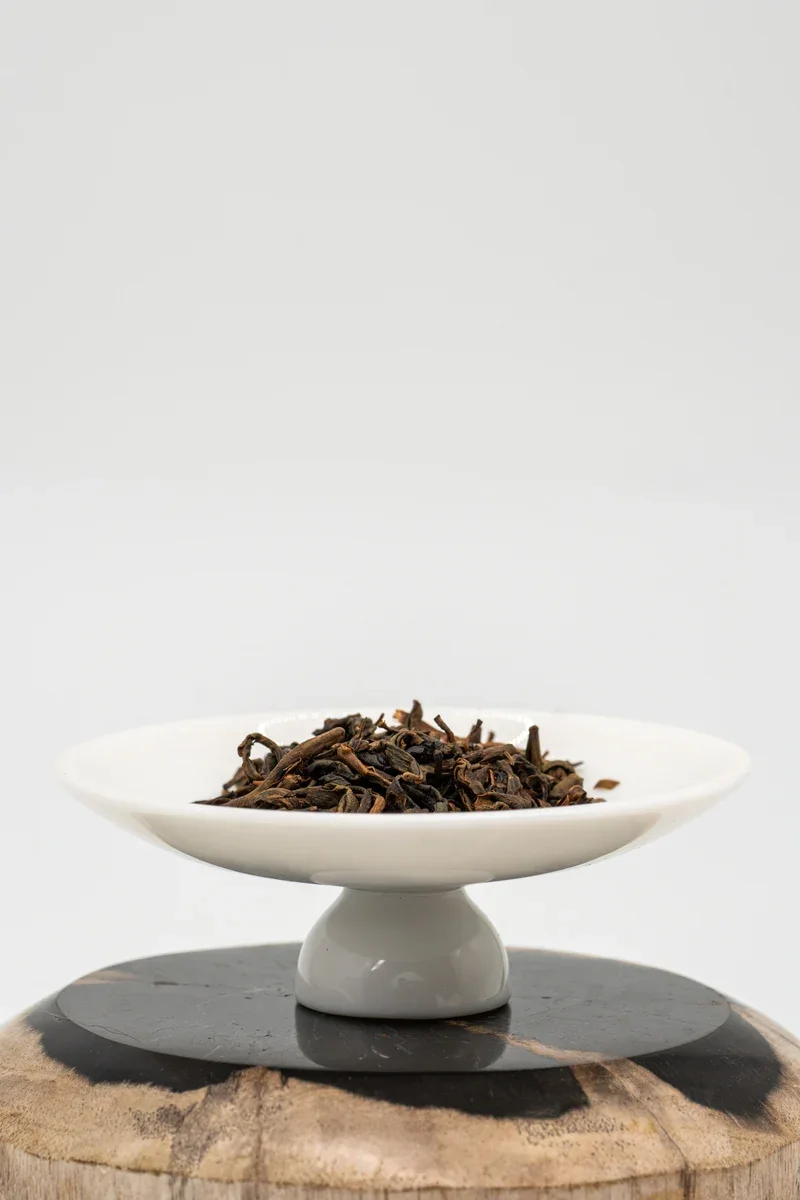
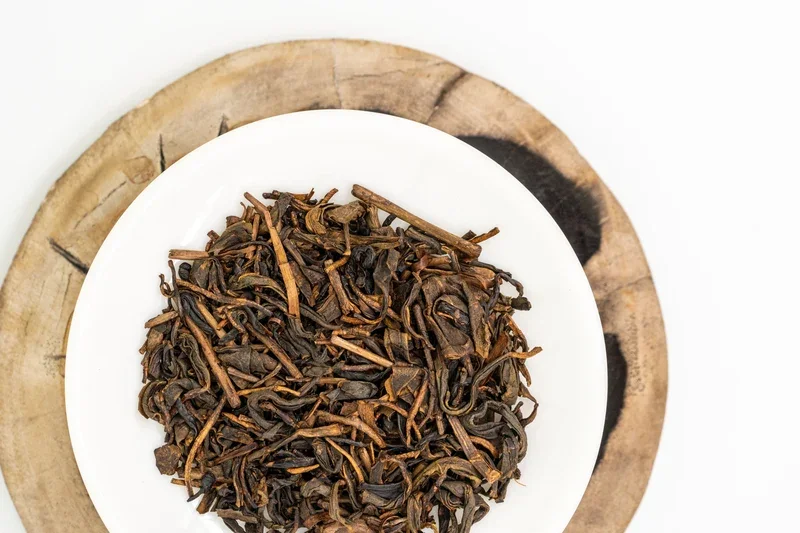
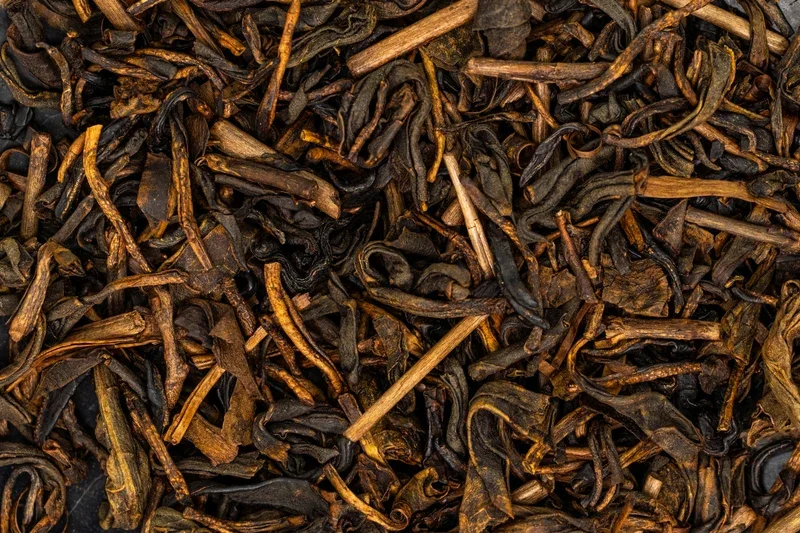
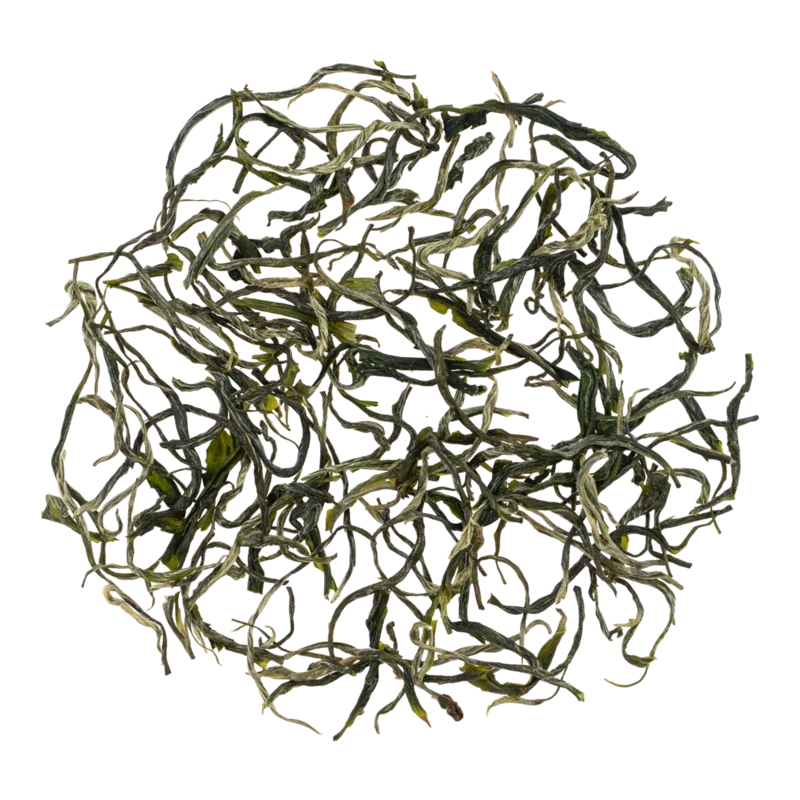
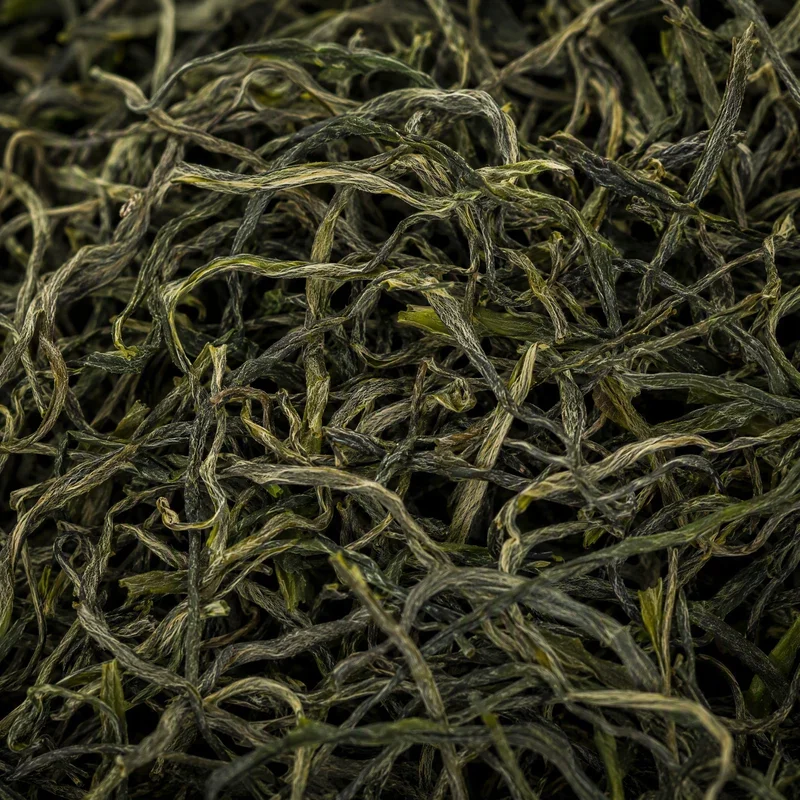
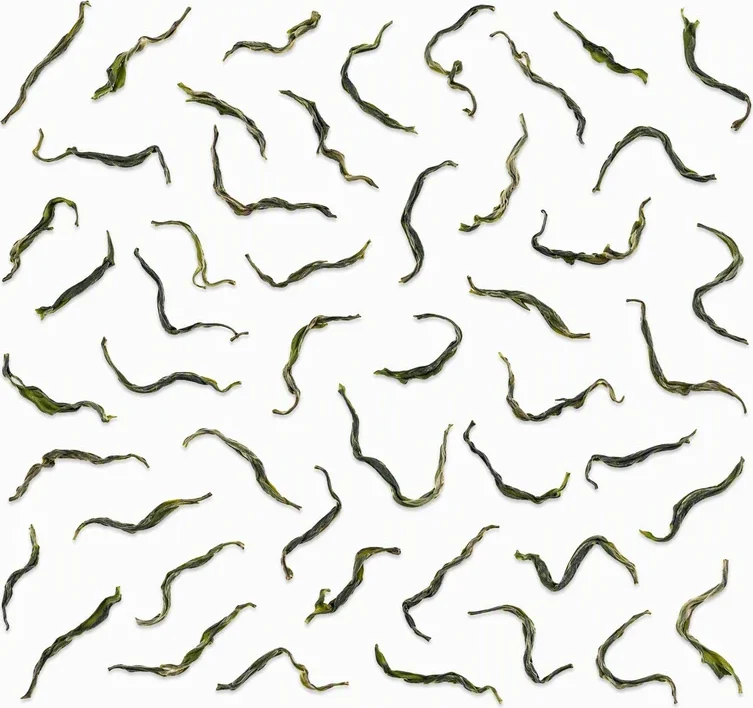
Dry Leaf Appearance: Thin, slender, almost straight tea leaves (条索纤细圆直), rich emerald-green color (色泽翠绿). White down is abundant and clearly visible (毫锋显露).
Dry Leaf Aroma: High, pure, with distinct tone of roasted chestnuts (板栗香, bǎnlì xiāng). Freshness without grassy "rawness."
Liquor Aroma: Persistent, high and complex. Chestnut overtone dominates, complemented by light floral sweetness. Aroma holds throughout several infusions.
Liquor Color: Yellow-green, bright and clear (汤色黄绿明亮).
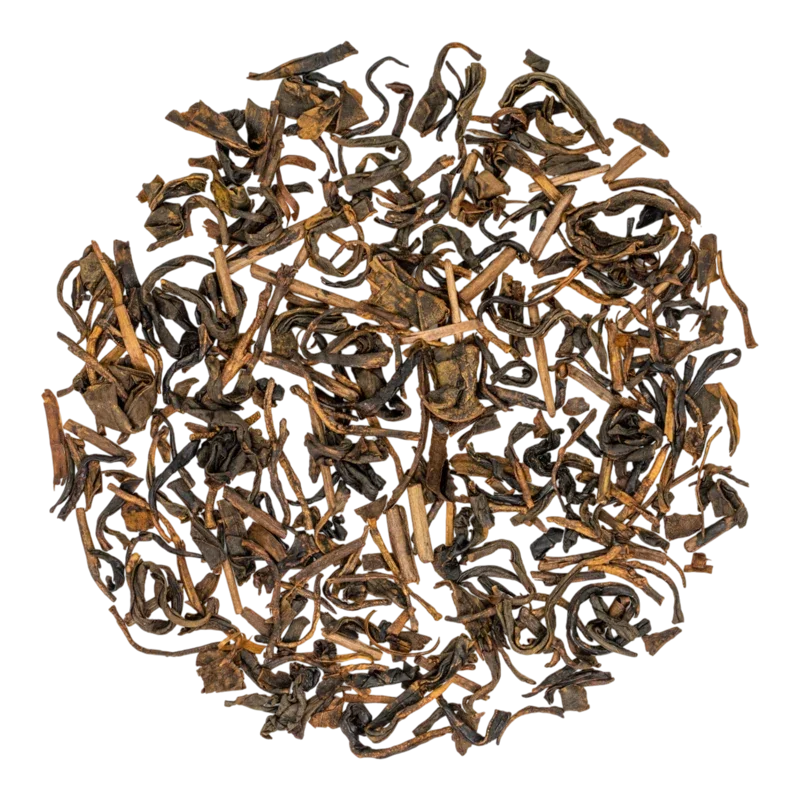
Spent Leaves: Tender green, uniform, bright (嫩绿明亮匀整). Buds and leaves are well preserved.
Taste: Fresh (鲜爽), mellow (醇厚), sweet (甘润). Body — medium, pleasant "fullness" without roughness. Aftertaste — long, with growing sweetness (回甘).
Alkaloids: Caffeine (咖啡碱) — ~2.5–4% of dry mass. Trace amounts of theobromine and theophylline are also present.
Amino Acids: Increased content, including L-theanine (L-茶氨酸), responsible for sweetness and "umami" flavor note, as well as the relaxing effect of tea.
Complex of volatile substances, including pyrazines (responsible for chestnut tone), linalool, geraniol, cis-3-hexenol (fresh green note).
Use of Fuding Da Bai Cha cultivar with its large, down-rich buds ensures increased amino acid concentration, which distinguishes Tantang Maojian from many other maojians.
Minerals: Potassium, phosphorus, magnesium, manganese, zinc, fluorine.
Polyphenols: Content — approximately 22–28% of dry mass. Main fractions — catechins (EGCG, EGC, ECG, EC). High-mountain conditions and diffused light contribute to moderate polyphenol content with increased amino acid levels, giving a mild, non-biting taste.
Vitamins: C, B₁, B₂, E, K — typical set for high-quality green tea with minimal thermal degradation.
Catechins (especially EGCG) — powerful free radical scavengers, contributing to cell protection from oxidative damage.
The "caffeine + L-theanine" combination provides gentle and sustained attention enhancement without nervousness.
Regular green tea consumption is associated with improved lipid profile and blood pressure normalization.
Catechins stimulate digestive enzyme secretion and have mild antibacterial action in the GI tract.
Green tea polyphenols promote thermogenesis and may support fat metabolism.
Fluorine and catechins suppress pathogenic microflora growth, reducing caries risk.
Antioxidants slow photoaging, support skin elasticity. Catechins also have anti-inflammatory action.
Polyphenols and vitamin C support immune system function, especially during seasonal transitions.
People with increased stomach acidity and caffeine sensitivity are recommended to drink tea after meals and in moderate amounts. Pregnant and nursing women should limit consumption of strong green tea due to caffeine content.
Tea Amount: 3–5 g per 150–200 ml water.
Teaware: Transparent glass cup with straight walls (ideal for observing the "dance" of thin tea leaves) or thin-walled porcelain gaiwan.
Water Temperature: 80–85 °C. For the most tender early spring raw material — 78–80 °C.
Container: Airtight, light-proof — tin cans, vacuum foil packages.
Shelf Life: For full flavor — 6–12 months after production. Freshness — the key virtue of this tea.
Three main enemies. Store away from spices, perfumes and other aroma sources.
Temperature: Optimally — 0–5 °C (refrigerator) with strict sealing. Important: before opening, the package from the refrigerator must be brought to room temperature to avoid moisture condensation on the leaf.
Legendary Henan tea from the "ten greats." Produced from local small-leaf varieties, harvested noticeably earlier — in late March. More astringent, with dense body and pronounced astringent bitterness, which is valued by connoisseurs. Aroma — fresh, grassy-floral, without chestnut tone. Compared to it, Tantang Maojian is softer, sweeter and with more pronounced chestnut tone, making it more accessible for beginners.
Guizhou famous tea, also from the "ten greats." Distinguished by more compact hook-shaped leaf curl and delicate floral aroma with honey and bean overtones. Liquor — lighter and more transparent. Tantang Maojian — straighter in form, denser in body and more "nutty" in aromatics.
Closest Guangxi competitor. Xishan Cha is a tea with long history (mentioned since Tang era), grows on Xishan mountain (Buddhist shrine), which gives it special cultural aura. Aroma — more floral, body light and elegant. Tantang Maojian — denser, richer and "stronger" in taste, with clearer chestnut profile.
Another Guangxi flagship, produced from large-leaf variety Língyún Báiháo (凌云白毫茶). Tea with thick white down and mild, slightly oily taste — more "white" in style, resembling bai-cha. Tantang Maojian — classic, clear chaoqing-green with distinct chestnut dominance in aroma.
Price Category: Middle segment among national green teas. Early spring batches from Songbaishan mountain cost noticeably more than late harvests. Export batches (including to Germany and other European countries) — in the upper price range.
No reviews yet. Tell us what you think of this tea.
Rate this tea and share your impressions. We review each submission before publishing it.