Brewing
Gongfu brewing
- Water temperature
- 93 °C
- Tea amount
- 5 g
- Water volume
- 100 ml
- First steep
- 10 s
- Time added per infusion
- 5 s
- Infusions
- 4

Táiwān mì xiāng hóngchá
Choose a brewing method. Start with the recommended quantities and time, then adjust to taste.
Brewing
Brewing
Taste
Tea encyclopedia
Category: Taiwanese red teas (black tea). Specialized tea with natural honey aroma (蜜香茶, mì xiāng chá). The tea has established cultural identity in Taiwan's geographical indication system (TGI). Officially certified by Taiwan's Ministry of Agriculture as a separate category in 2004.
Category: Taiwanese red teas (black tea). Specialized tea with natural honey aroma (蜜香茶, mì xiāng chá). The tea has established cultural identity in Taiwan's geographical indication system (TGI). Officially certified by Taiwan's Ministry of Agriculture as a separate category in 2004.
Coordinates: For Ruisui (Hualien): ~23°30′ N, 121°22′ E; for Shanlinxi (Nantou): ~23°40′ N, 120°42′ E.
Origin: Táiwān (臺灣, Táiwān). Main production regions:
Type: Red tea (black tea) (紅茶, hóngchá), fully oxidized (oxidation degree 90–100%). In European classification — black tea.
The honey aroma of Mì Xiāng Hóng Chá forms by the same biochemical principle as the aroma of Dòng Fāng Méi Rén (東方美人, "Oriental Beauty") — the famous Taiwanese oolong. Both teas owe their bouquet to bites from the same insect — leafhopper Jacobiasca formosana. The difference — in oxidation degree: Mei Ren — heavily oxidized oolong (~60–80%), Mi Xiang — fully oxidized red tea (black tea) (90–100%).
Leafhopper Jacobiasca formosana — one of rare examples in world agriculture where a "pest" is not destroyed but purposefully attracted. For a farmer growing Mi Xiang, appearance of leafhoppers on plantations — not a problem but a blessing.
Production of Mi Xiang Hong Cha is impossible without abandoning pesticides, making this tea one of the most ecologically clean products of Taiwanese tea cultivation. Many farms producing Mi Xiang are certified by organic farming standards.
Indian Darjeeling "muscatel" (Darjeeling Muscatel) — another great tea owing its aroma to leafhopper bites (in this case — species Empoasca vitis). Taiwanese Mi Xiang Hong Cha and Indian muscatel — "cousins" by aroma origin, separated by ocean but united by one natural phenomenon.
According to Taiwan Tea Research and Extension Station, Mi Xiang Hong Cha — one of the best red teas (black tea) for cold brewing: chilled, honey sweetness becomes even more distinct and refined.
Cultural Significance: Mi Xiang Hong Cha has become a symbol of Taiwanese tea cultivation's new approach — organic farming, coexistence with nature, and transformation of "defect" (leaf damage by insects) into "virtue" (unique aroma). Production of this tea requires abandoning pesticides, since leafhoppers must freely inhabit the plantations. Thus, Mi Xiang Hong Cha embodies the philosophy of "tea as ecosystem" — humans do not fight nature but cooperate with it. In contemporary Taiwanese culture, this tea is associated with ecological responsibility, artisanal quality, and deep understanding of natural processes.
History: The origins of Taiwanese honey red tea trace back to the colonial period. In the early 20th century, Japanese agronomists brought Assam tea plant hybrids to the island and established the foundations of local red tea (black tea) production oriented toward export. Taiwan supplied red tea (black tea) to the world market for decades, but by the 1970s–1980s this industry declined due to competition from cheap teas from Sri Lanka and India.
For Mi Xiang Hong Cha production, two varieties of tea bush (Camellia sinensis var. sinensis) are primarily used:
Key feature of the raw material — mandatory damage to leaves by the small green leafhopper Jacobiasca formosana (小綠葉蟬, xiǎo lǜ yè chán). Insect bites trigger a defensive reaction in the plant: the tea bush synthesizes elevated amounts of volatile terpenoid compounds (monoterpenol alcohols — geraniol, linalool, benzyl alcohol and their oxides), which are chemical defense signals. These compounds during subsequent processing form the characteristic honey aroma. It is required that no less than 30% of the surface of harvested leaves have visible bite marks.
Picking: Exclusively summer harvest — typically June–July, during peak leafhopper activity. Hand-picking, selective: only shoots with sufficient degree of damage are selected. Standard — one bud and two-three leaves with characteristic yellowing and drying of edges at bite sites.
Eastern coast of Taiwan. Plantations at altitudes 200–400 m, in the river valley of Xiuguluan River (秀姑巒溪). Soils — fertile alluvial red earth. Climate — subtropical oceanic: average annual temperature ~22°C, precipitation ~2000–2500 mm, high humidity. Frequent morning fogs. This district is considered the standard for Mi Xiang Hong Cha.
Low-altitude plantations (300–600 m). Yellow loams, average annual temperature ~22°C, precipitation ~1800 mm. Warm humid climate favorable for leafhoppers.
High-altitude plantations (1200–1300 m). Red earth. Cooler (~18°C), more precipitation (~2500 mm). High-altitude Mi Xiang is distinguished by more refined and complex aroma.
Organic or near-organic cultivation methods — mandatory condition. Pesticides are excluded since they would destroy the leafhoppers. Planting density often does not exceed 800 bushes per hectare — significantly lower than standard plantations. Bamboo screens are used for wind protection. Weeding — exclusively manual. Such agricultural techniques increase costs but ensure ecological purity of the product.
Hand-selective picking of shoots with sufficient degree of leafhopper damage. Harvest time — first half of day, after morning dew has dried.
Harvested leaves are spread in well-ventilated rooms at controlled temperature (~28°C) and humidity (~75%). Duration — about 24 hours. During this time the leaf loses approximately 35% moisture, initial breakdown of cellular membranes occurs and enzymatic processes activate. Aromatic compounds induced by leafhopper bites begin to concentrate.
Withered leaves are processed on rollers for further breakdown of cell walls and even distribution of cellular juice across the leaf surface. Rolling intensity — moderate, to preserve leaf integrity.
Rolled leaves are held at temperature ~32°C for approximately 6 hours. During this period catechins intensively oxidize, transforming into theaflavins and thearubigins. Thanks to elevated polyphenol content in leafhopper-damaged leaves, oxidation degree reaches 90–100%, ensuring characteristic color, body and richness of red tea (black tea).
Two-stage:
After drying, tea undergoes manual sorting by leaf size and quality. Before final packaging, the batch may be aged about 30 days for stabilization and "maturation" of aroma.
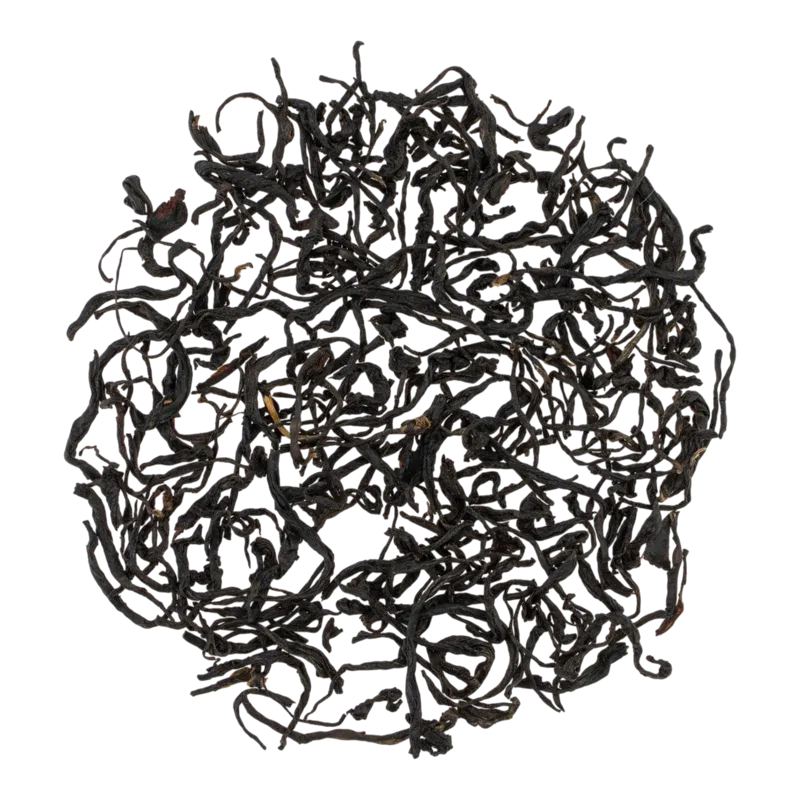
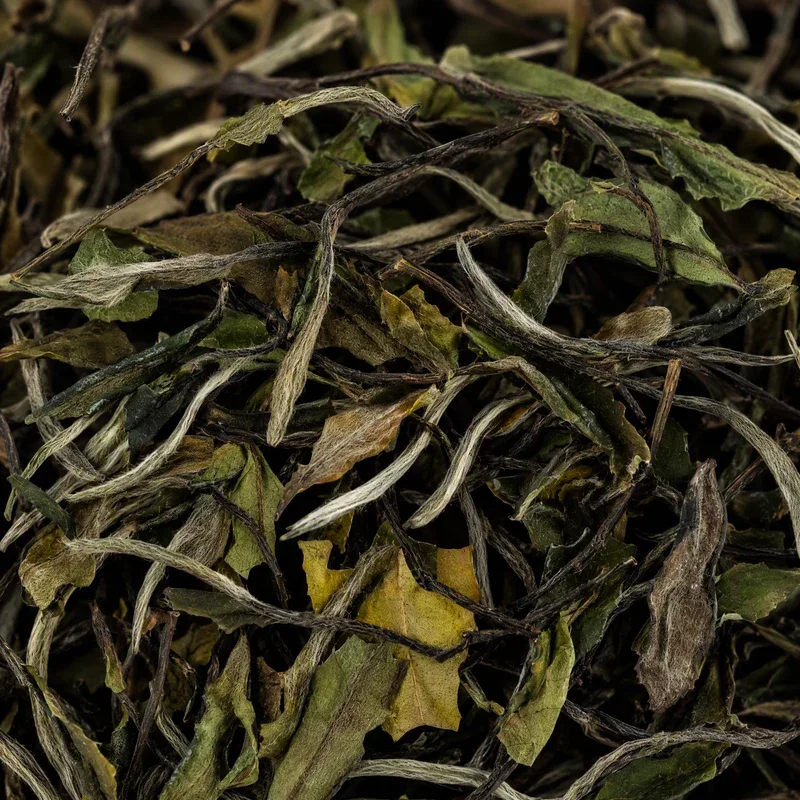
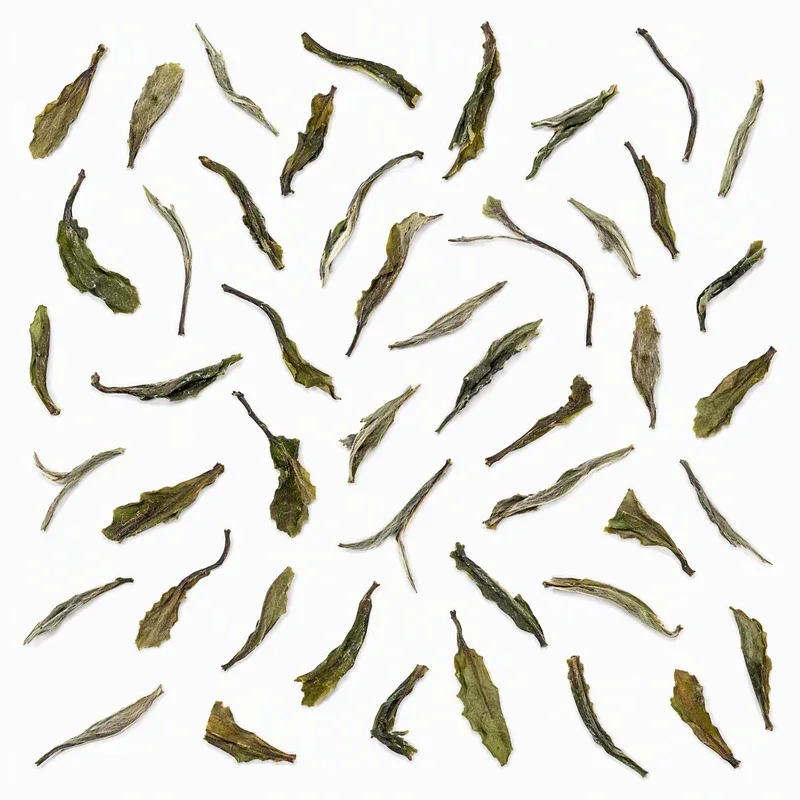
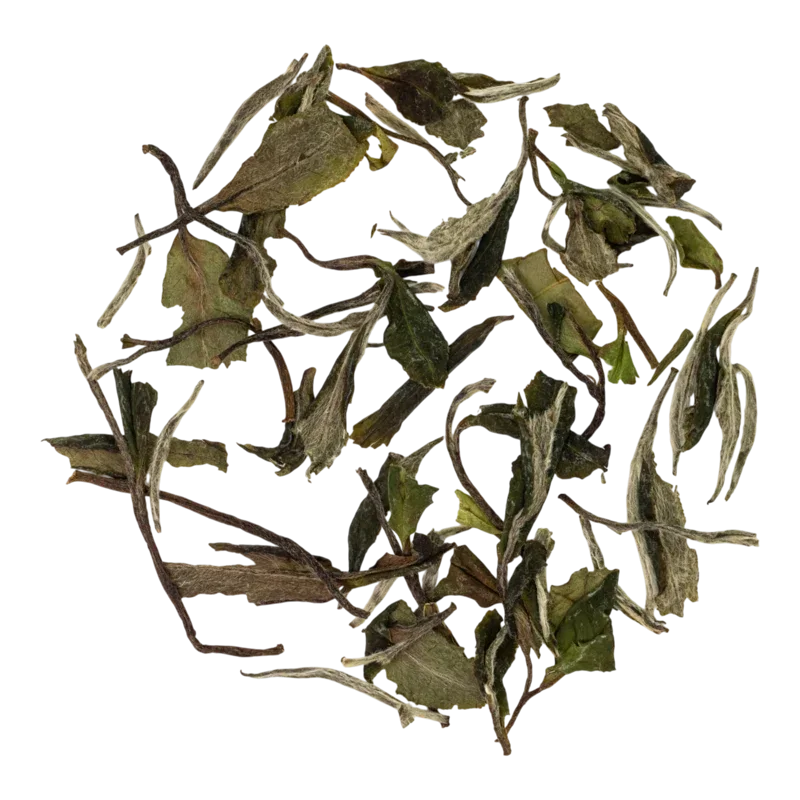
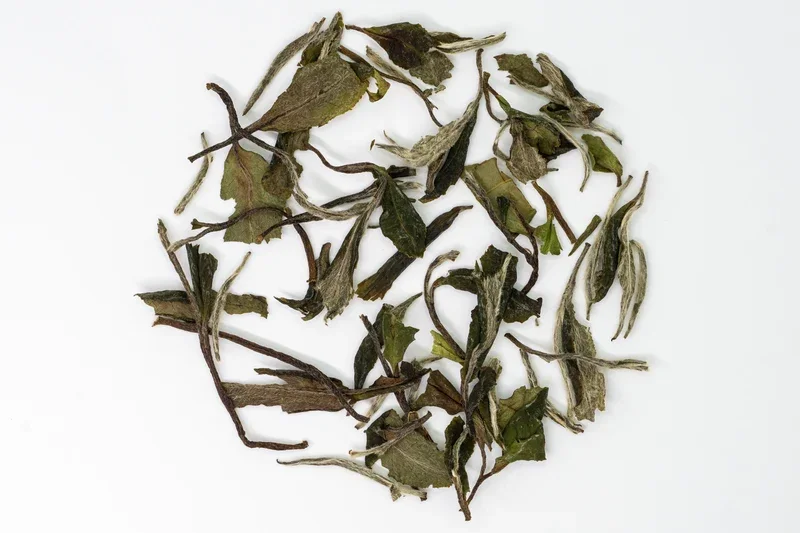
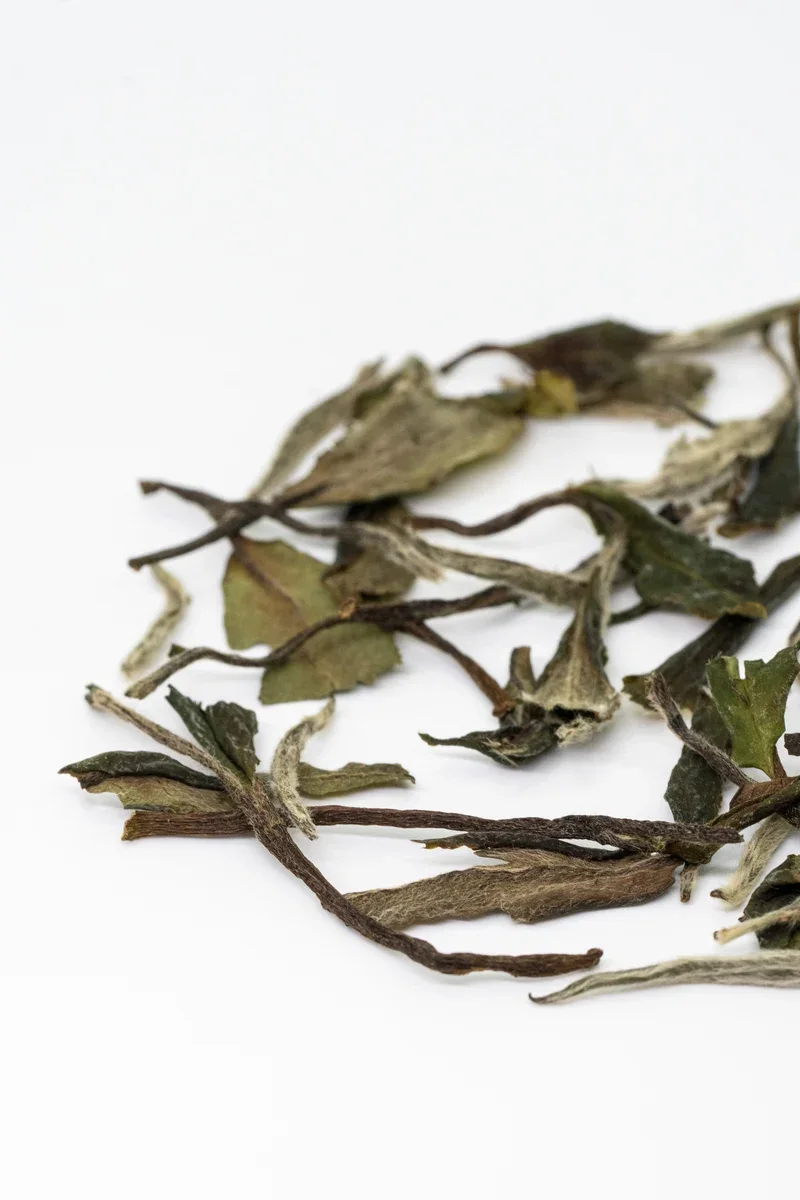
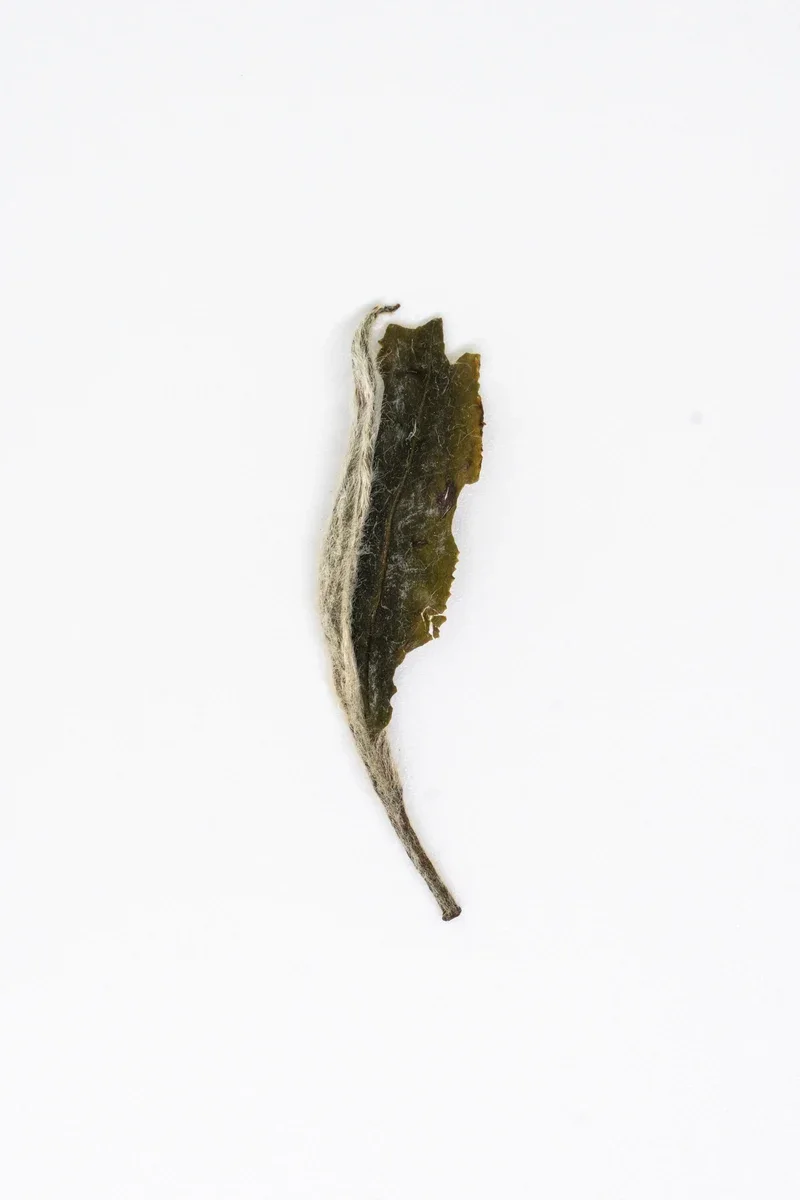
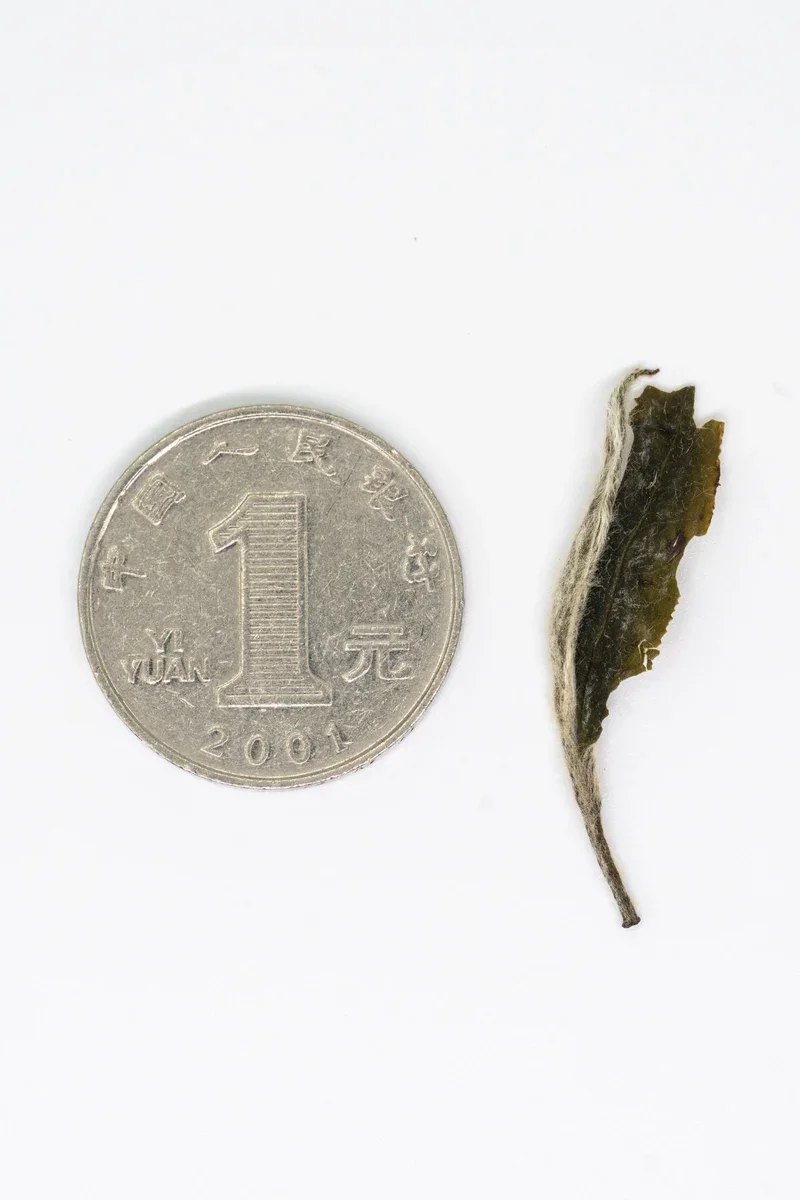
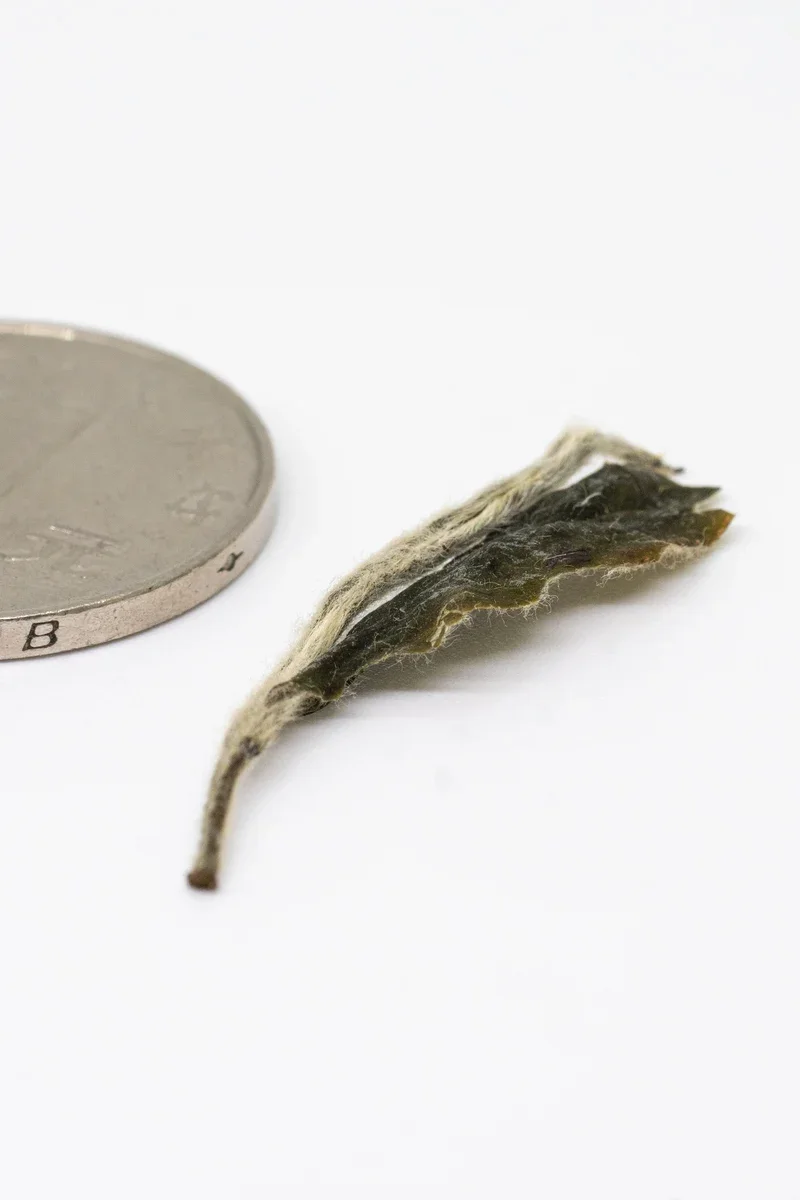
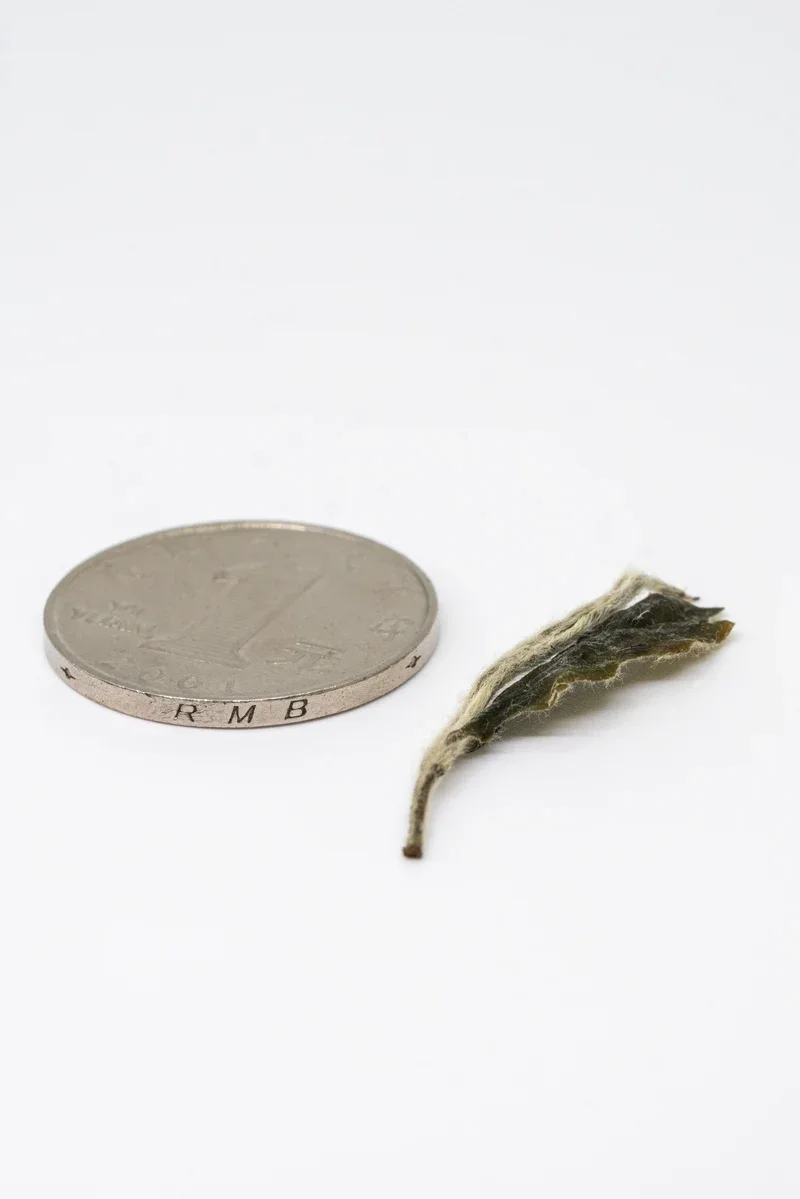
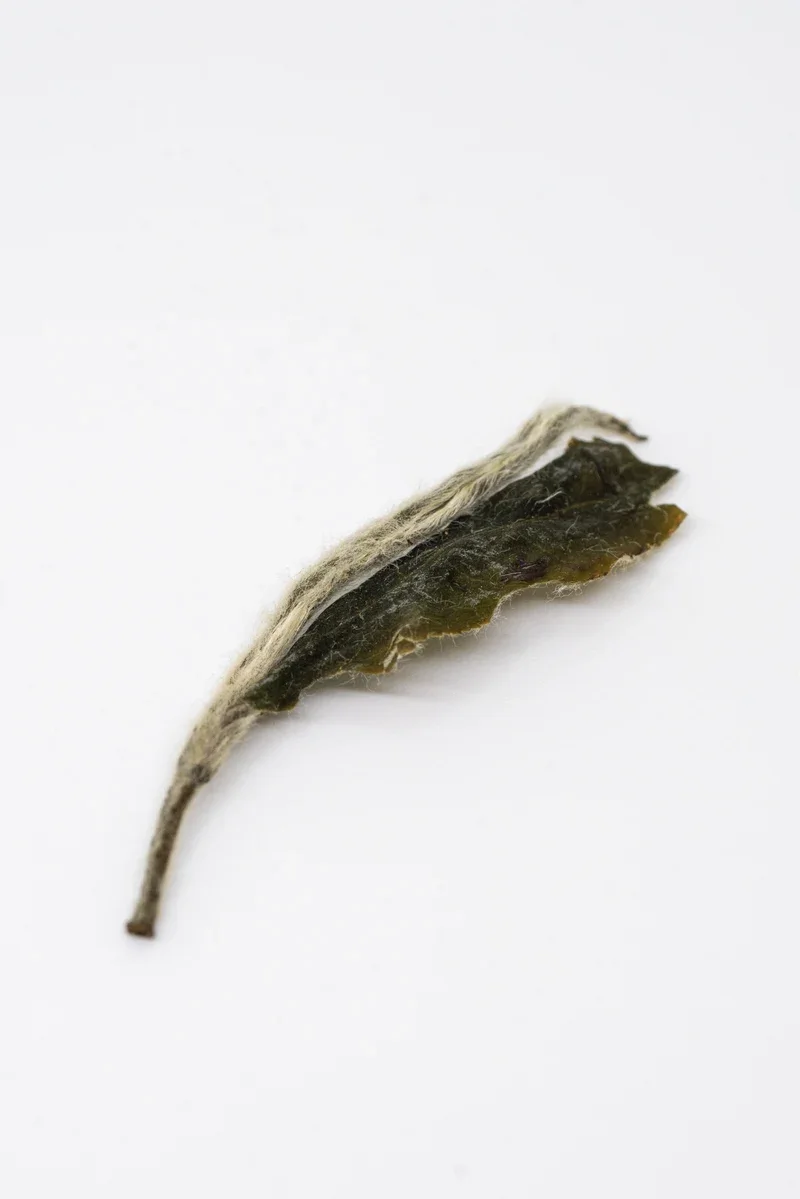
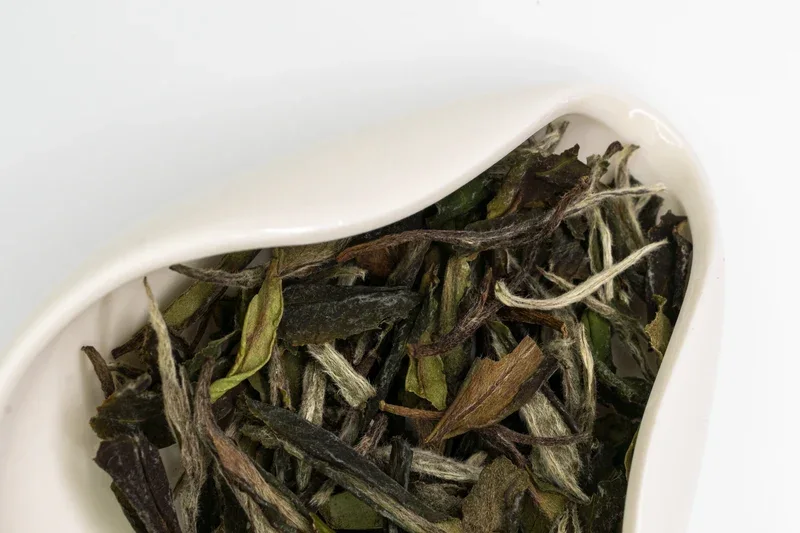
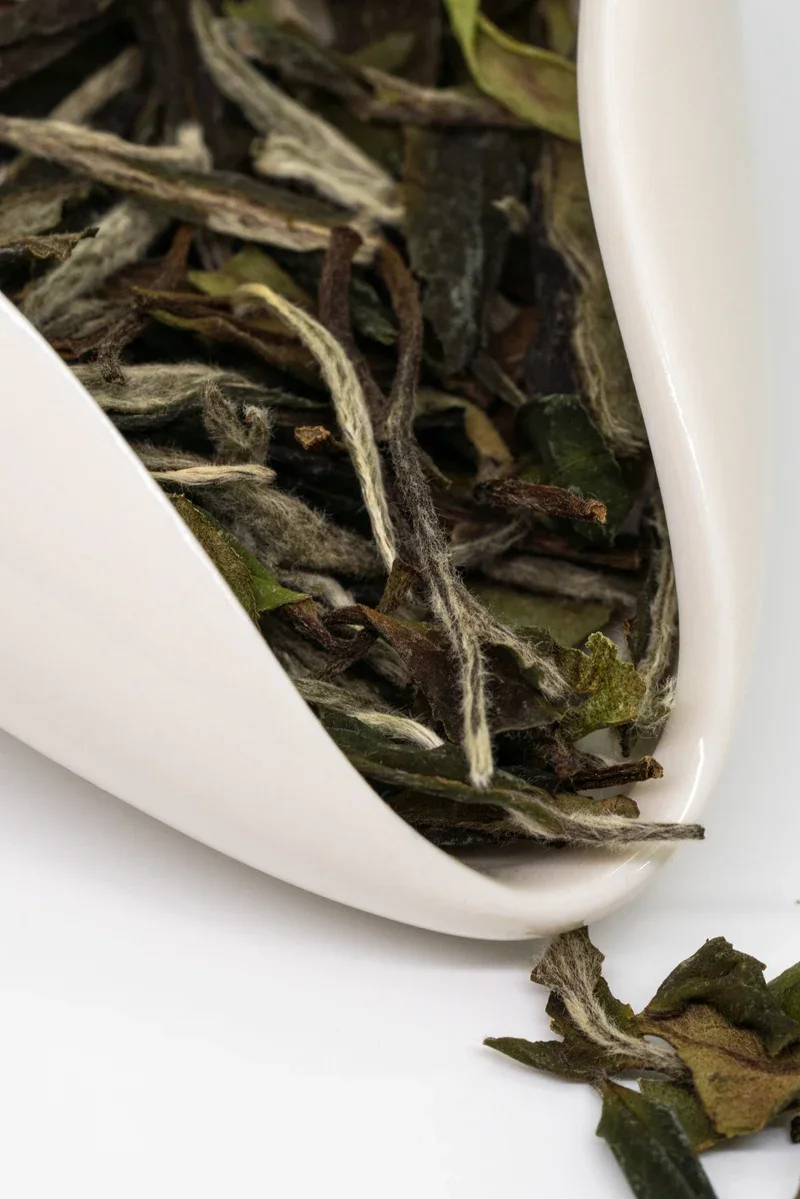
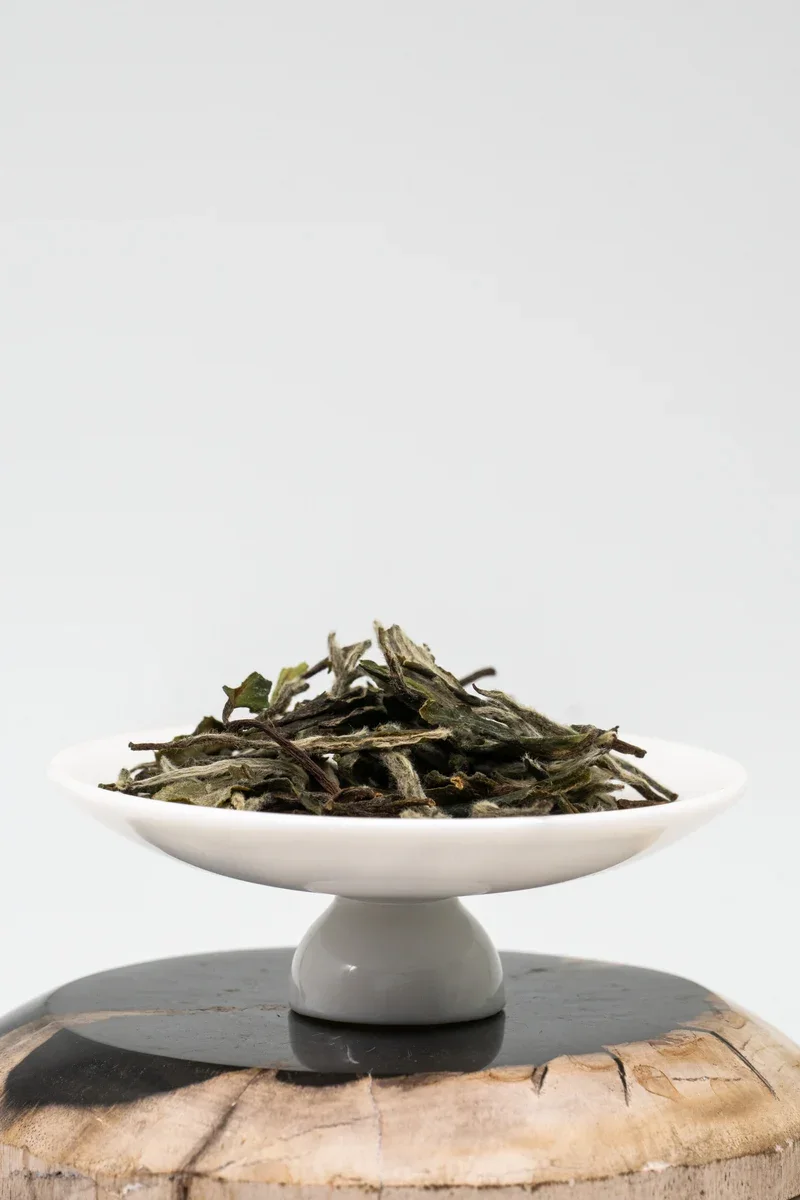
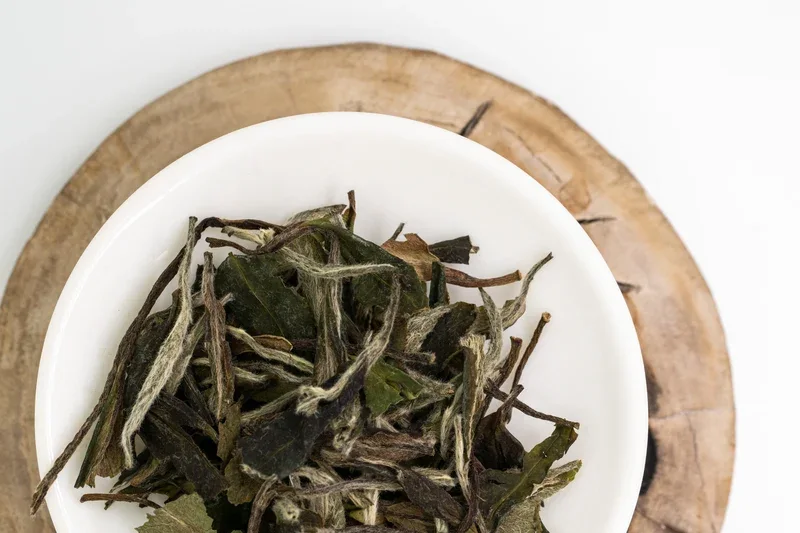
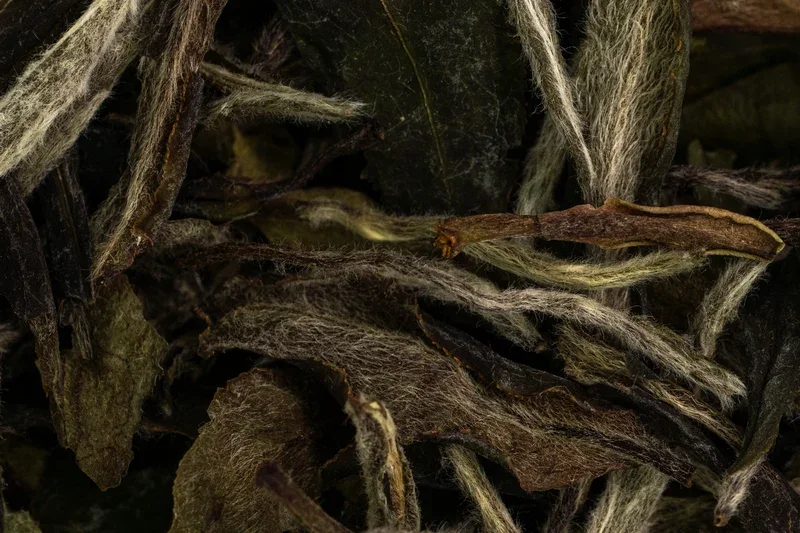
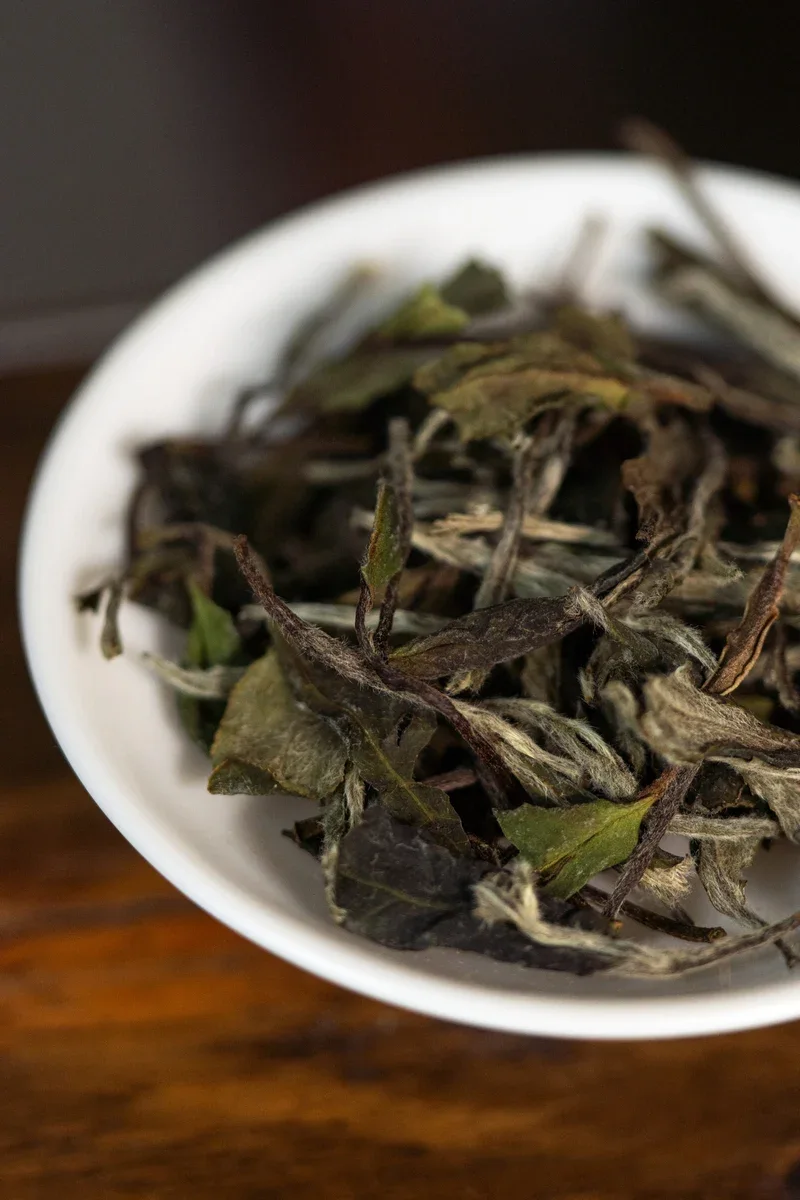
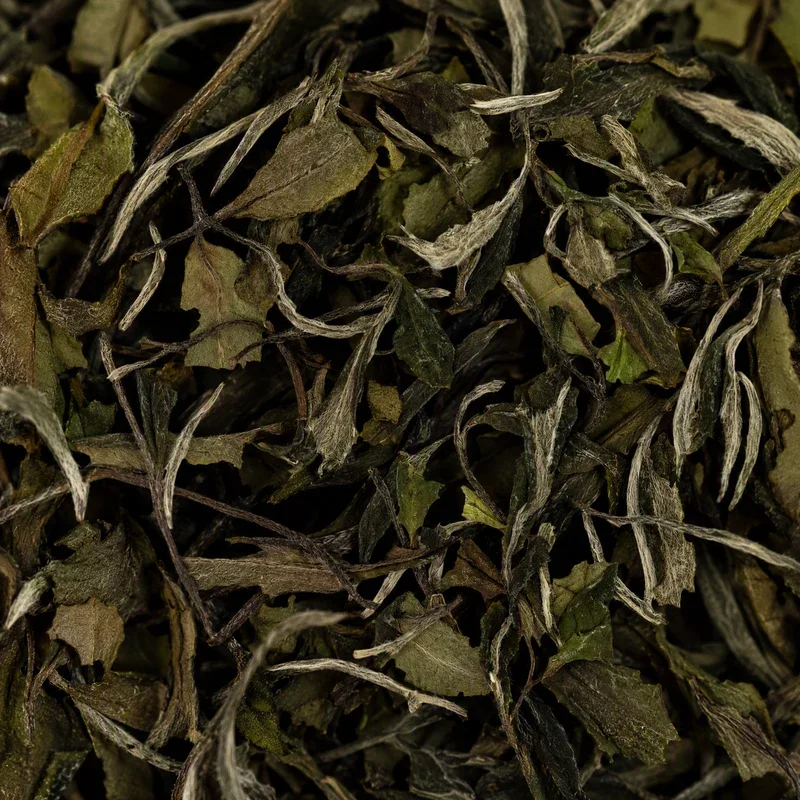
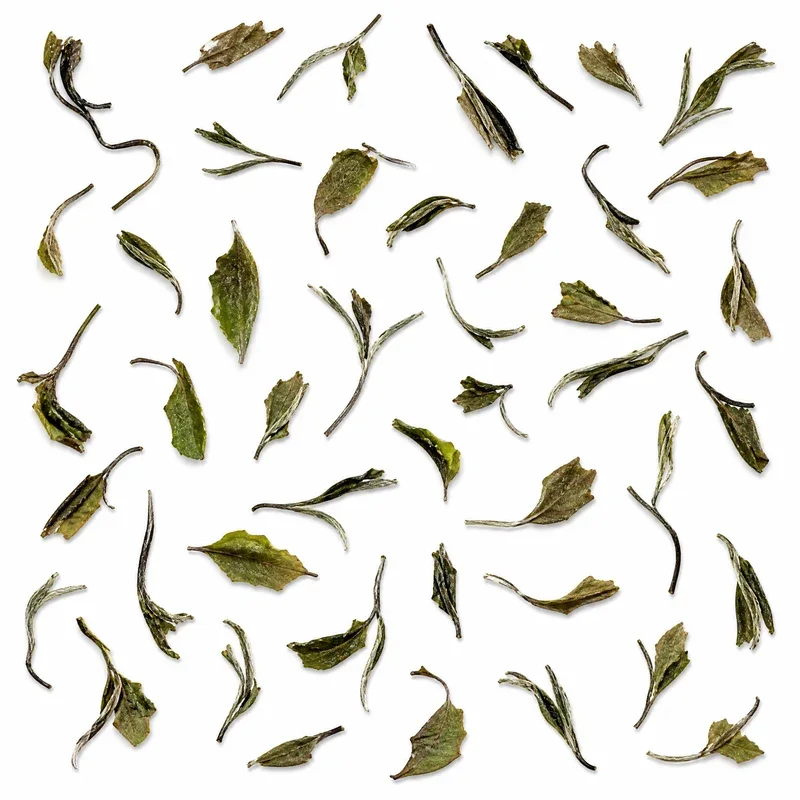
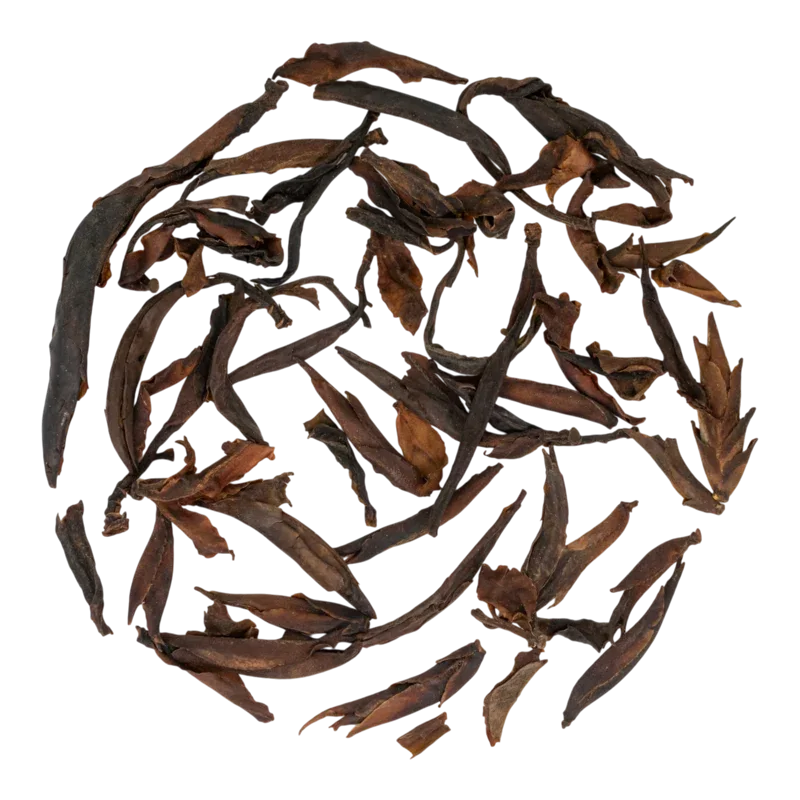
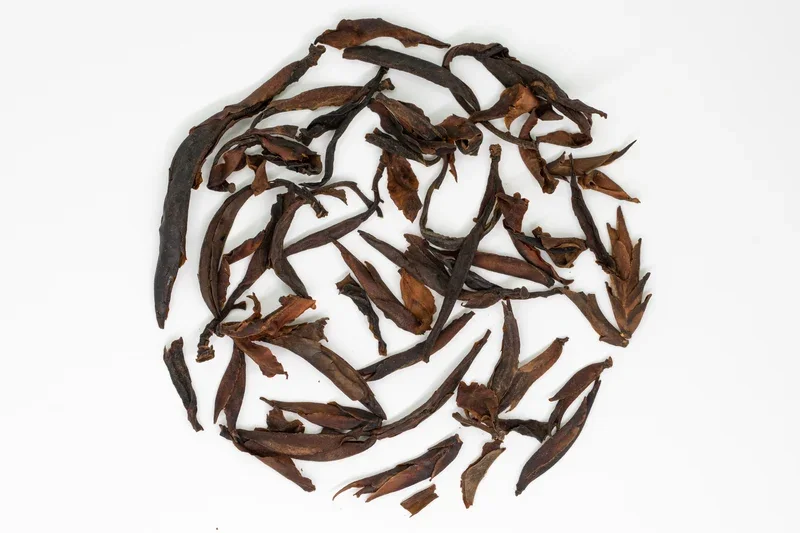
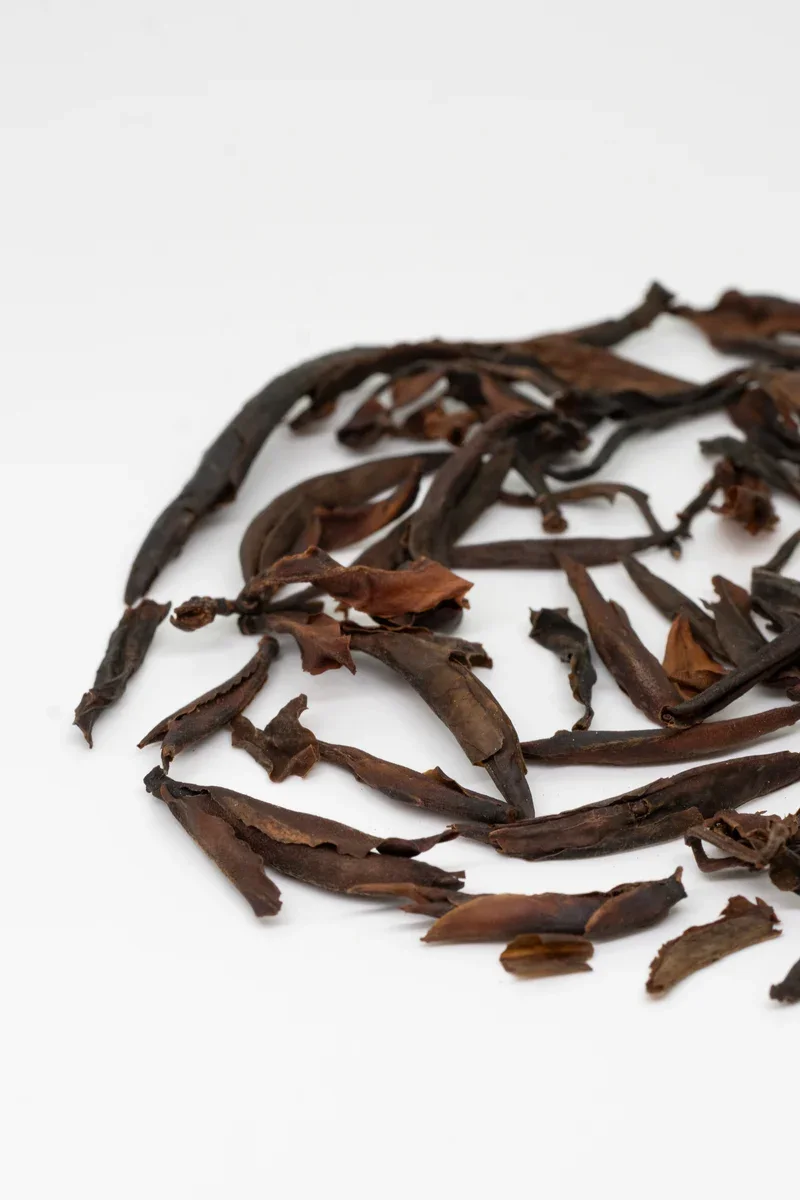
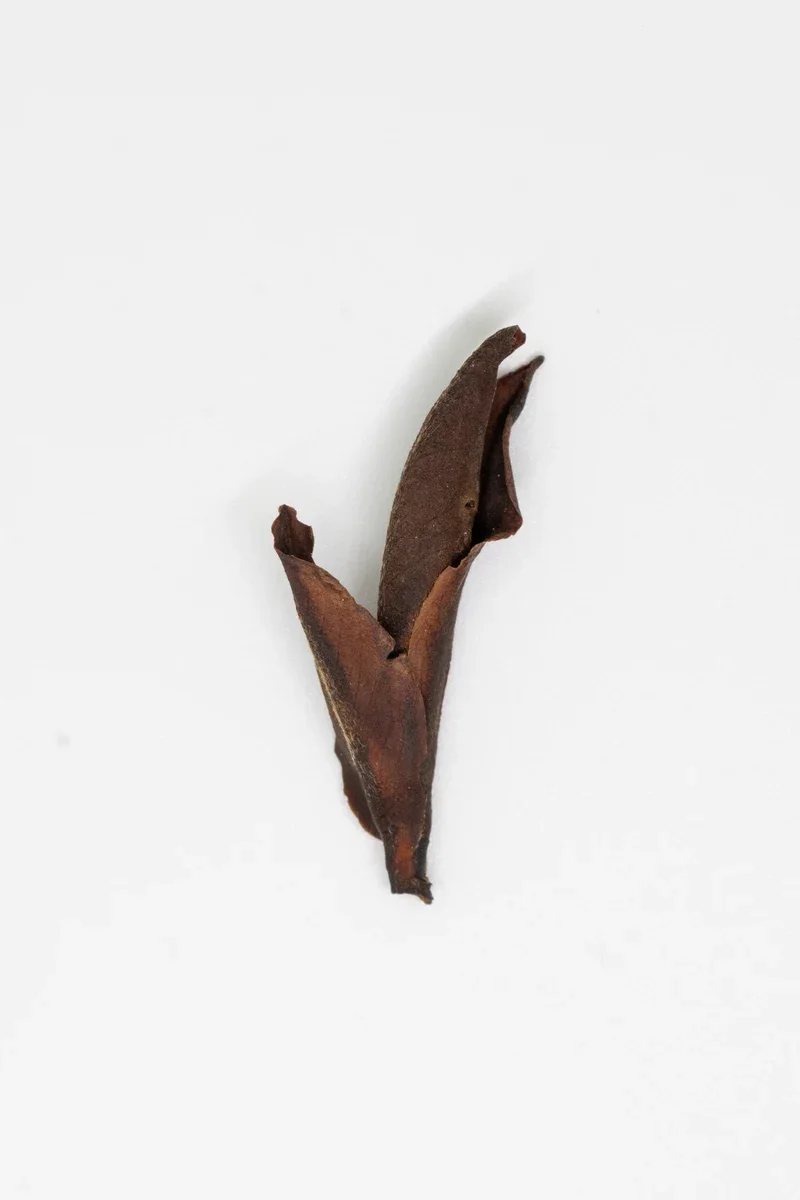
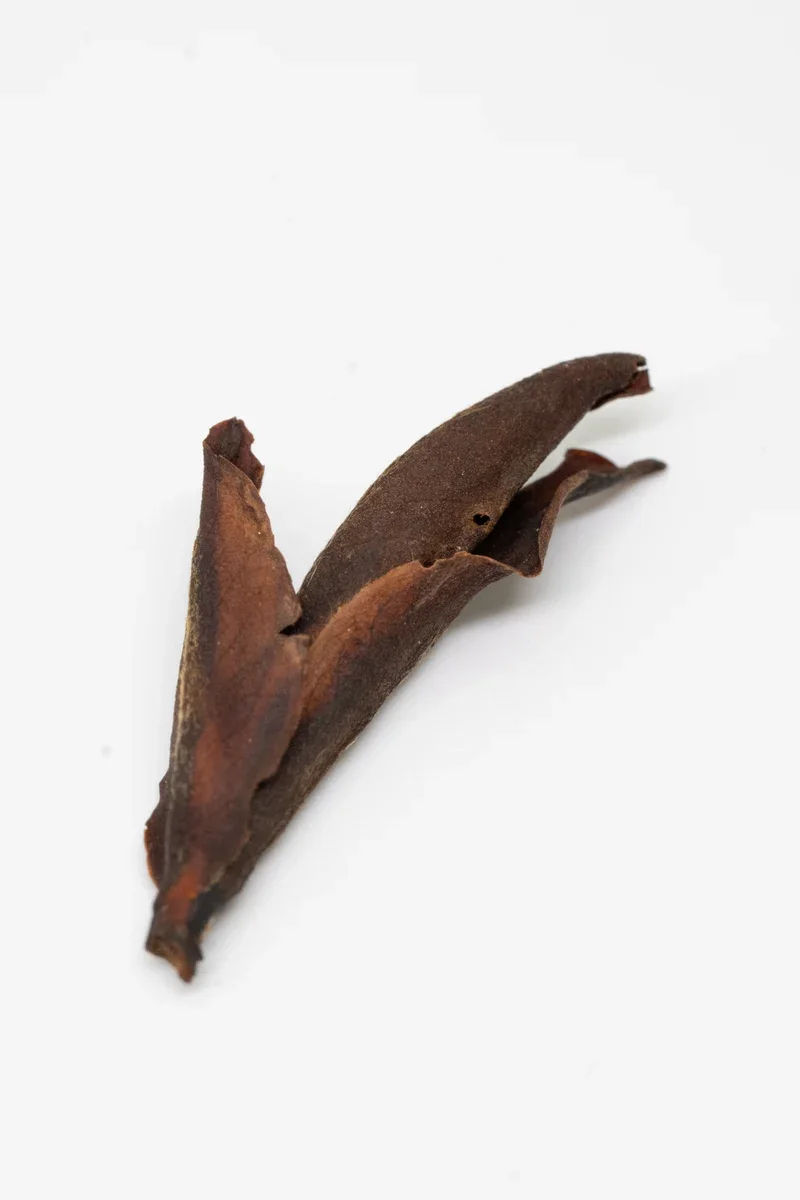
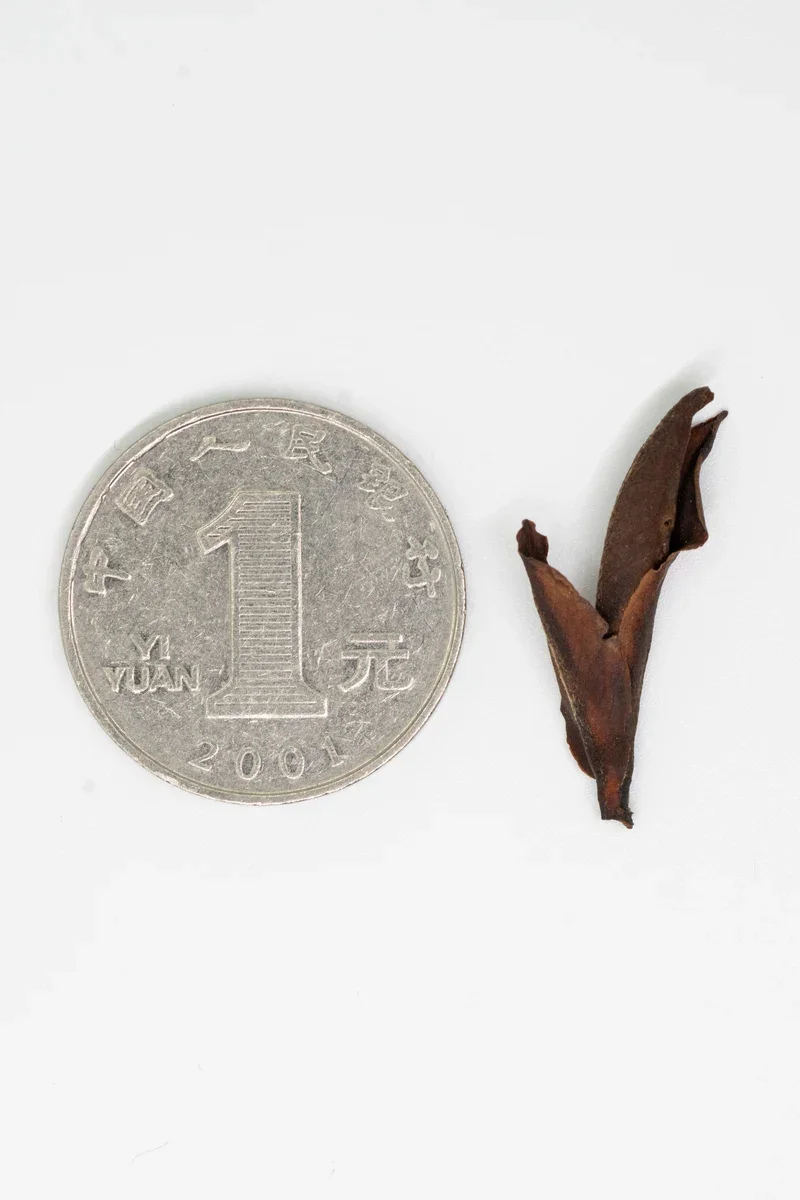
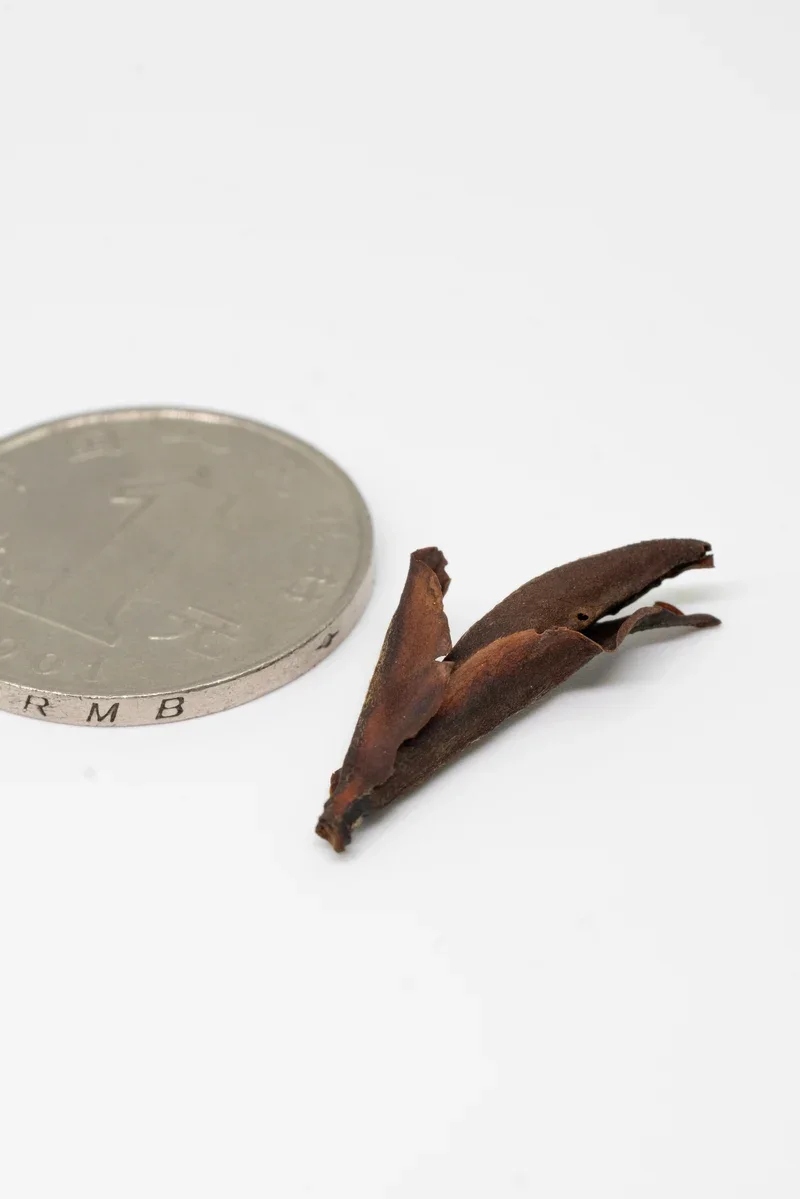
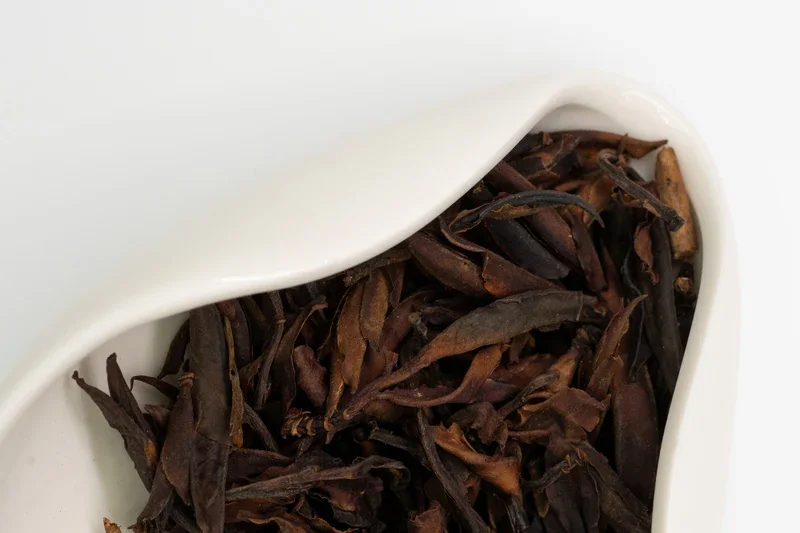
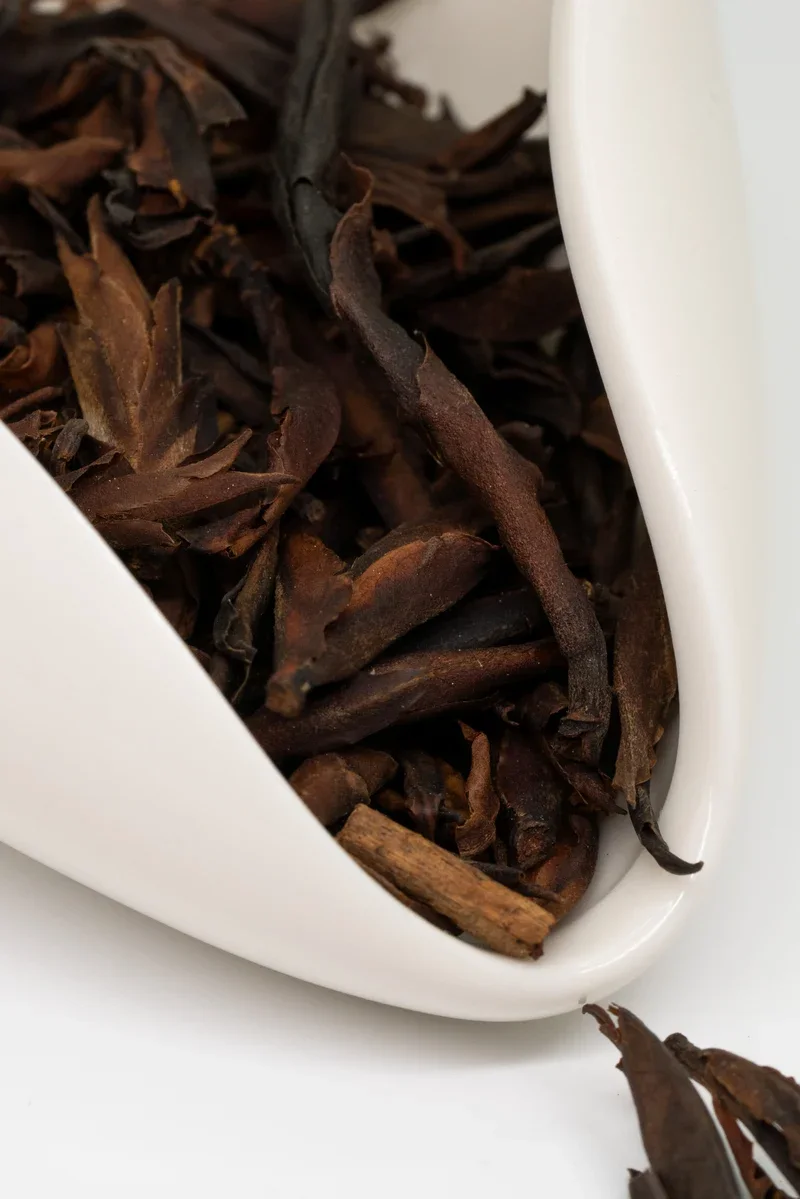
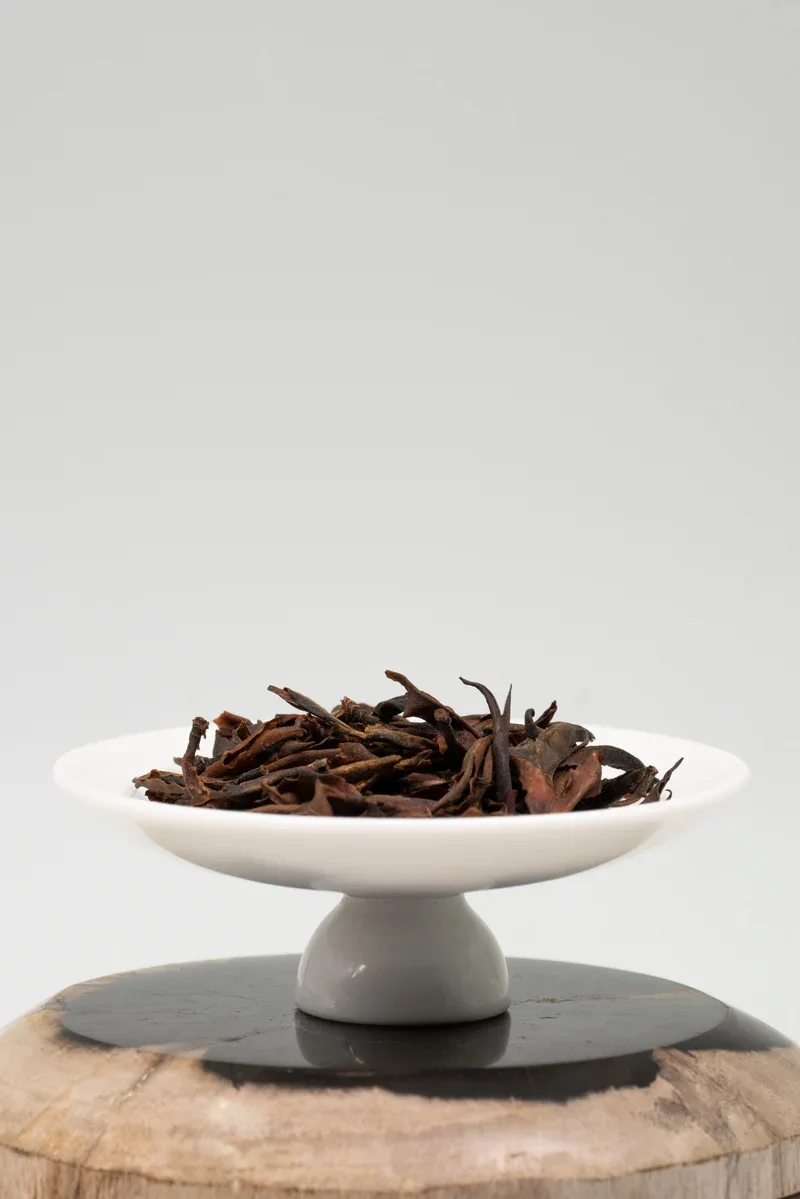
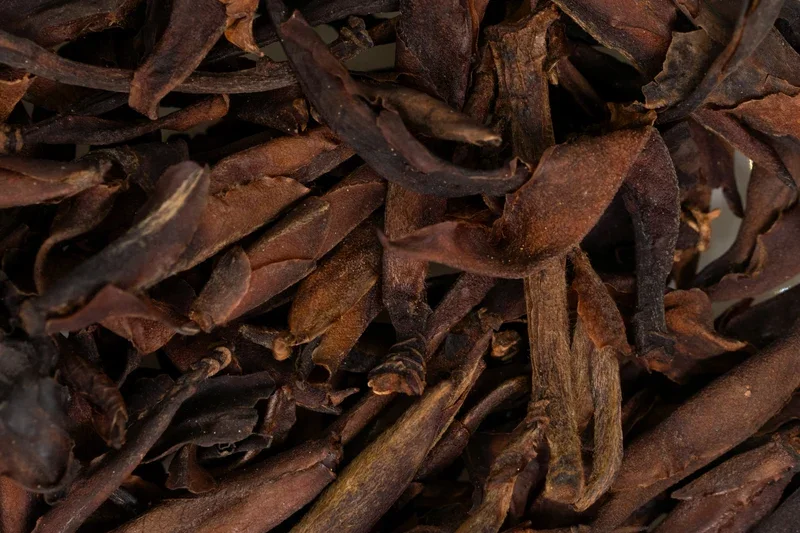
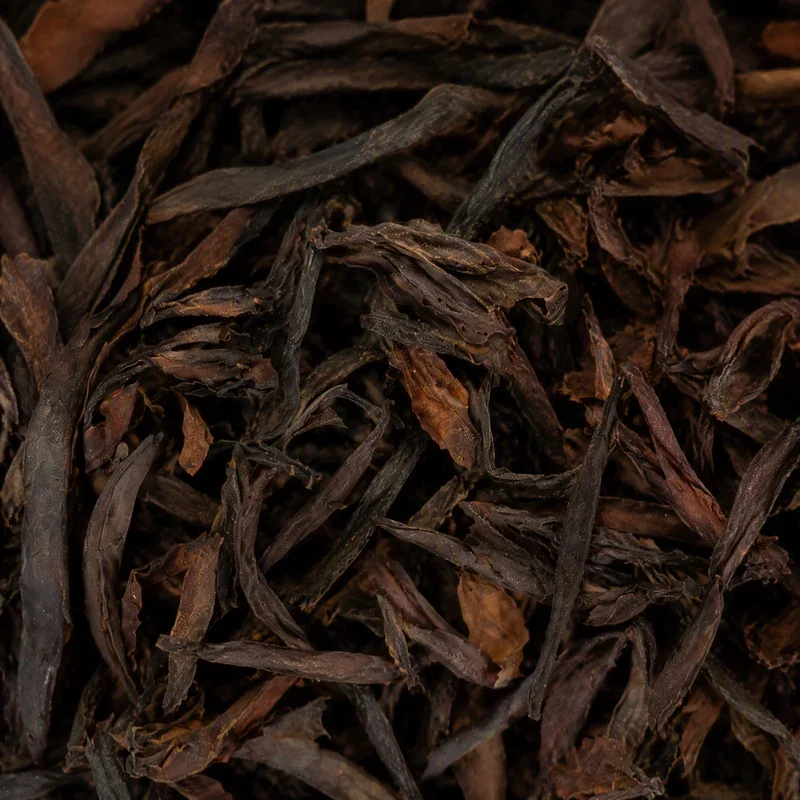
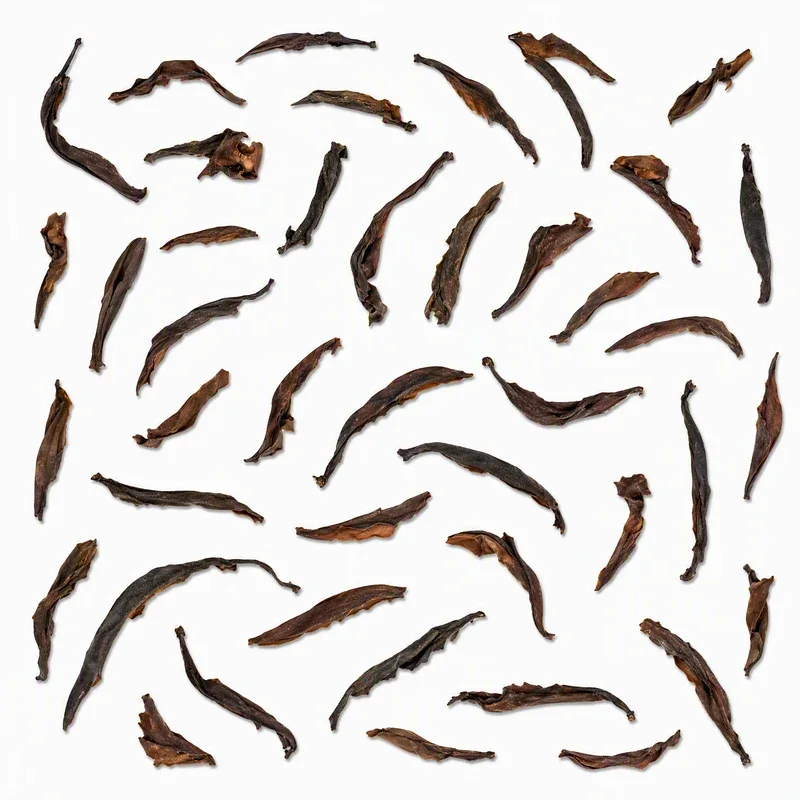
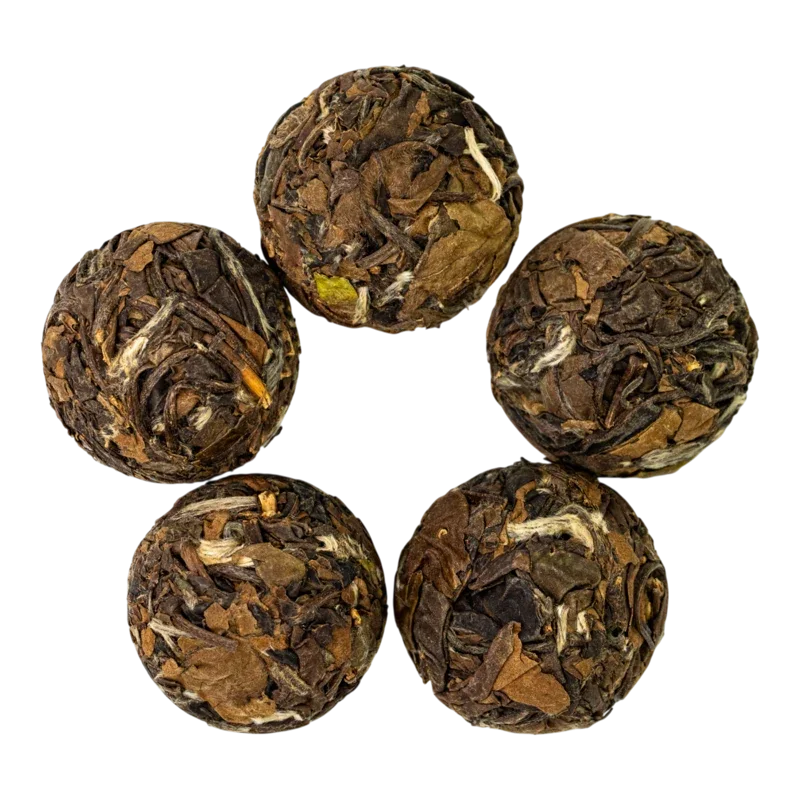
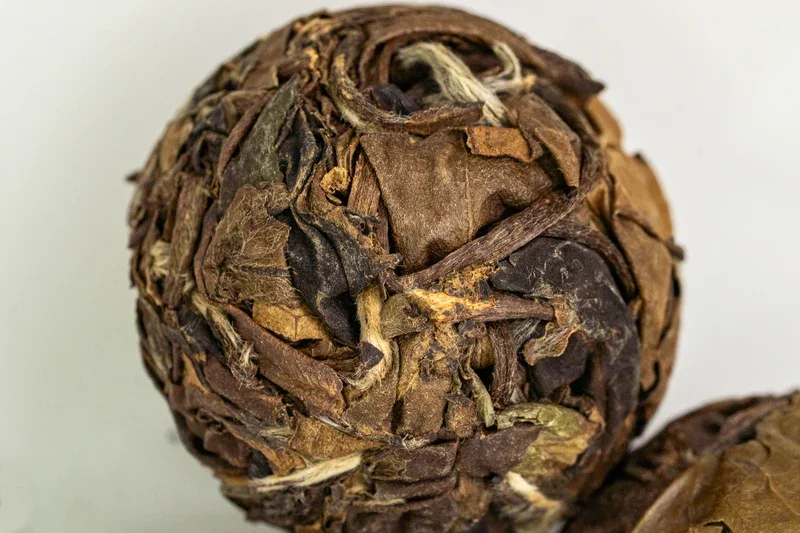
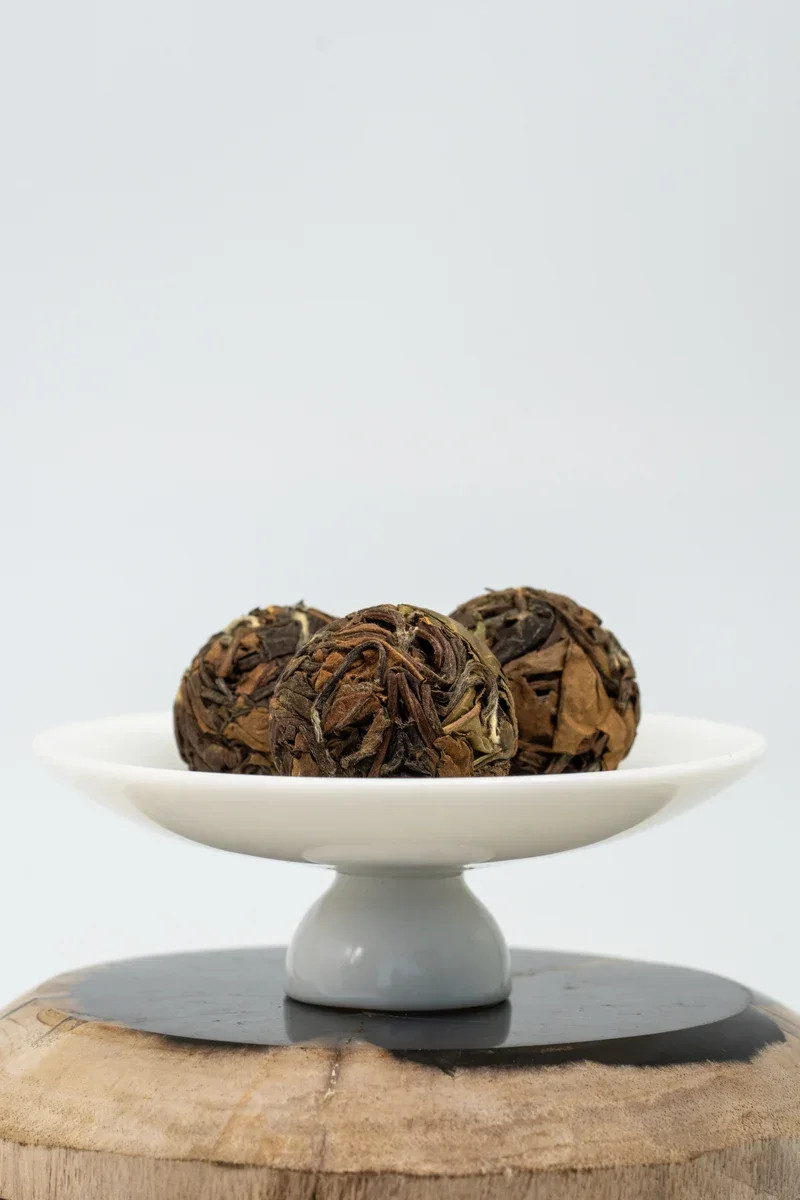
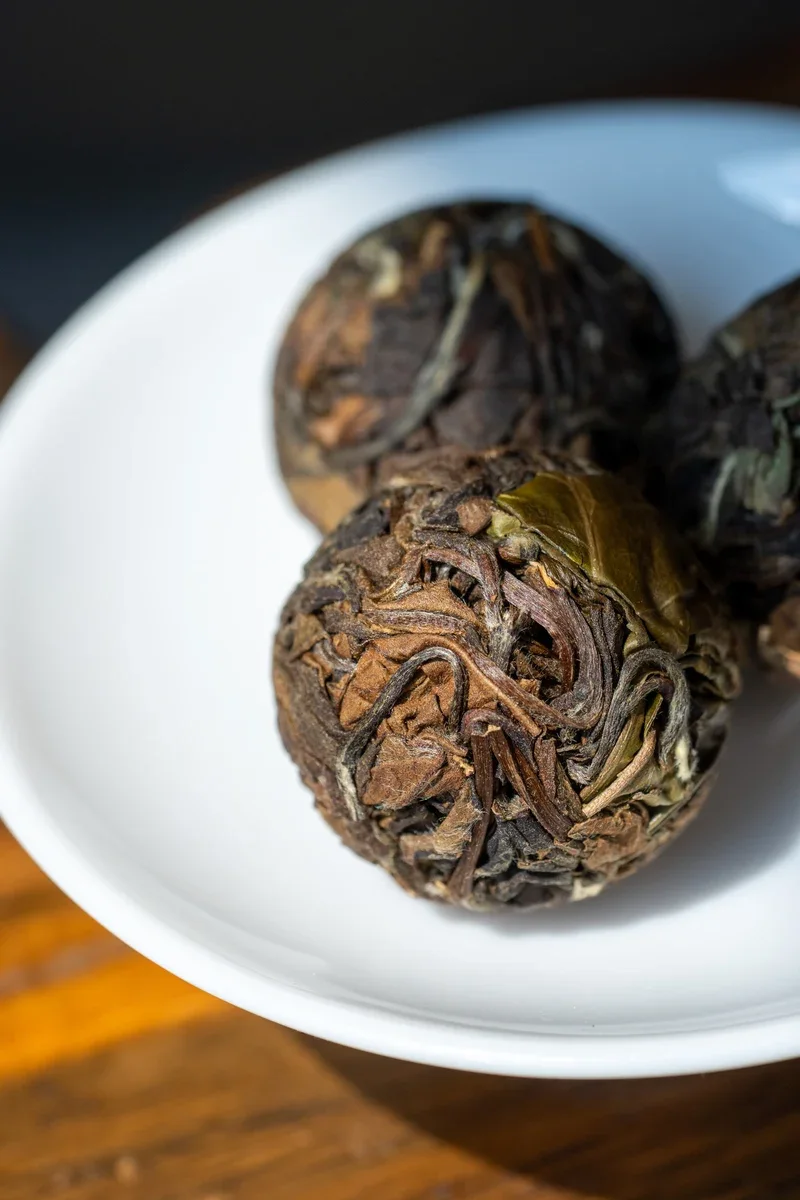
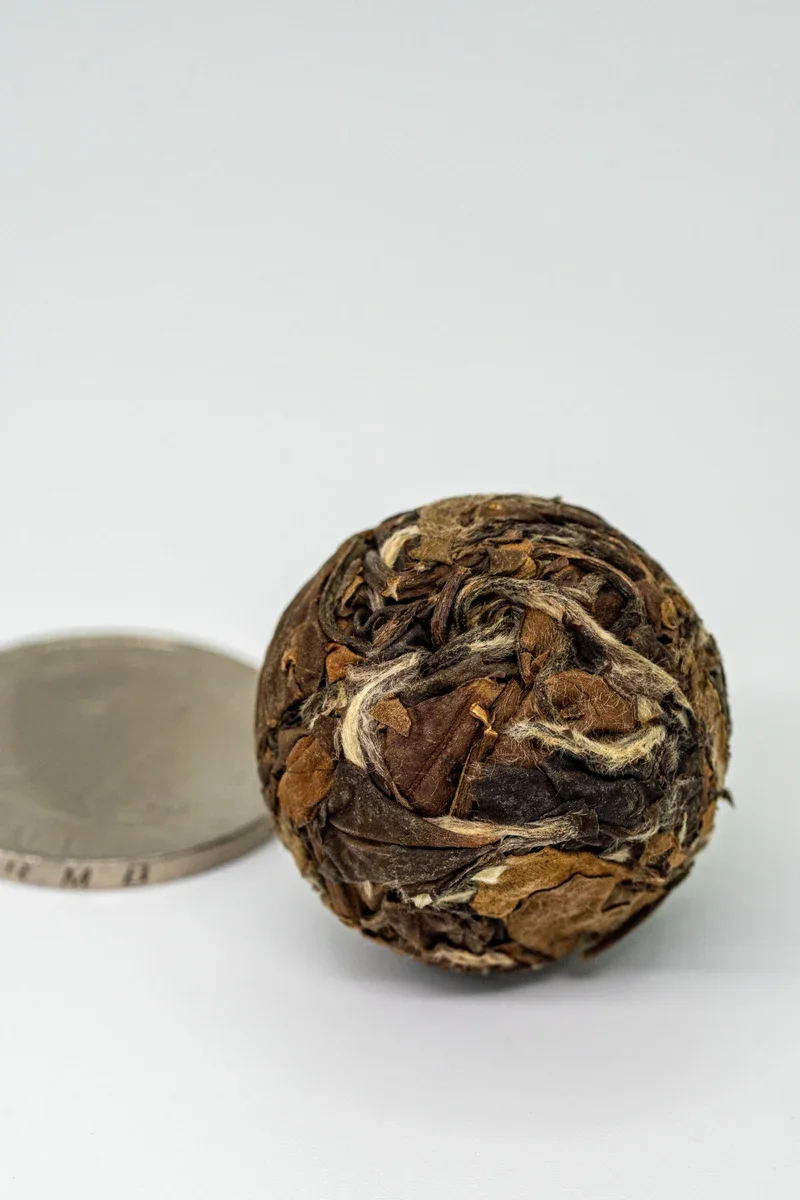
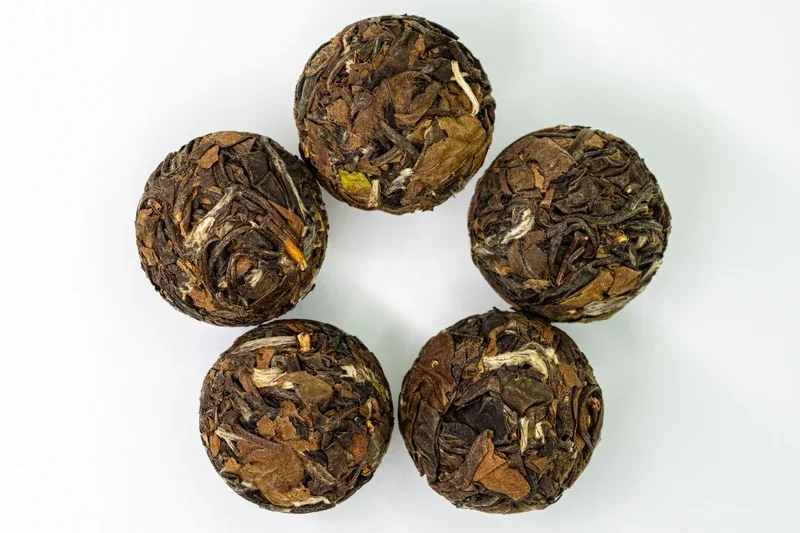
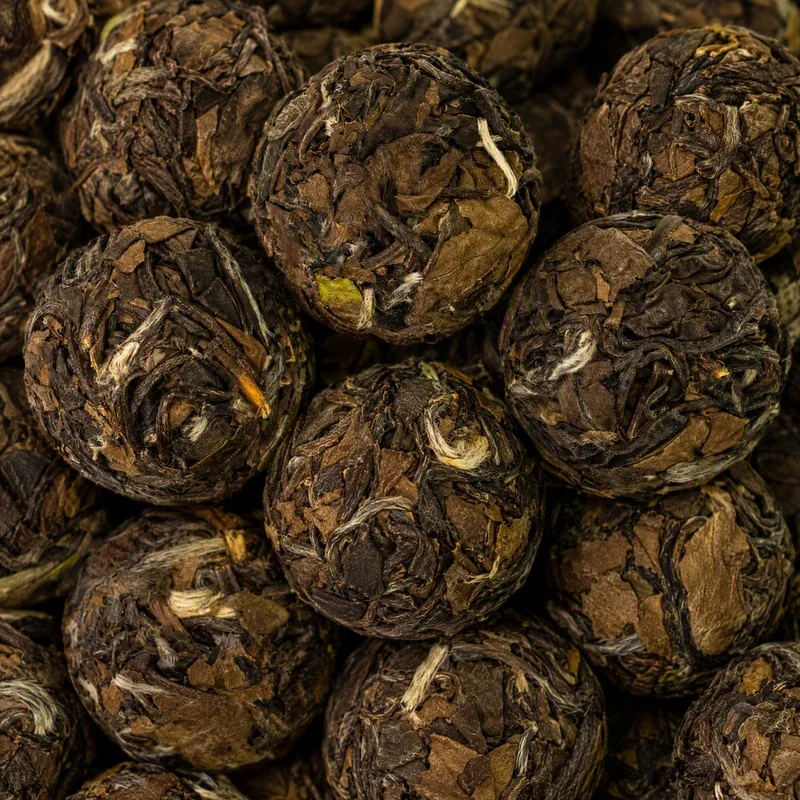
Dry Leaf Appearance: Dark brown, tightly rolled tea particles of longitudinal or slightly curved shape. Golden tips — pronounced sign of quality batches. Semi-spherical rolling is also possible depending on processing style. On leaf surfaces, with careful examination, leafhopper damage marks are visible.
Dry Leaf Aroma: Bright, sweet, multi-layered. Natural honey tone dominates — not cloying, but elegant, with depth. Underneath — notes of ripe peach, lychee, muscat grape, floral overtones (rose, orchid), light woody nuances.
Liquor Aroma: Intense honey-fruity bouquet, persistent through 5–7 steepings. Honey, ripe stone fruits, tropical notes, floral base. One of the most aromatic red teas (black tea) in the world.
Liquor Color: Bright, clear, from golden-orange to rich amber-red. Lustrous, with pronounced luminescence in sunlight.
Spent Leaves: Leaves soft, elastic, brown-red color. With careful examination, characteristic spotted leafhopper bite marks are visible — brownish spots and dried edges.
Taste: Soft, enveloping, sweetish. Astringency minimal or completely absent — this is one of the key characteristics making Mi Xiang Hong Cha exceptionally drinkable. In taste — honey, peach, apricot, ripe berries, light spiciness. Aftertaste long, clean, with refreshing returning sweetness (回甘, huígān), leaving sensation of floral coolness.
Alkaloids: Caffeine (~2.5–4%), theobromine, theophylline.
Amino Acids: L-theanine content is significant — especially when using cultivar Qing Xin Gan Zi, genetically predisposed to high levels of this amino acid. L-theanine softens the stimulating effect of caffeine and promotes relaxation.
Main chemical feature. Bites from leafhopper Jacobiasca formosana activate metabolic pathways of terpenoid biosynthesis in the leaf. As a result, concentration of monoterpenol alcohols sharply increases: geraniol (key component of "rose-honey" aroma), linalool (floral-citrus), nerolidol (woody-floral), benzyl alcohol, as well as their acetate and oxide derivatives. These compounds create the characteristic honey-fruity bouquet, analogous to that observed in Dong Fang Mei Ren.
Vitamins C (in residual amounts), B group, E; minerals — potassium, manganese, magnesium, fluorine, zinc.
Polyphenols: Theaflavins and thearubigins — main polyphenolic forms in finished tea, responsible for color, body of liquor and antioxidant activity. Polyphenol content is somewhat elevated compared to ordinary red teas (black tea) thanks to the plant's stress reaction to bites.
High content of theaflavins and thearubigins provides powerful antioxidant effect, protecting cells from free radicals and oxidative stress.
Red tea (black tea) polyphenols contribute to lowering LDL cholesterol levels, improving vascular elasticity and normalizing blood pressure with regular moderate consumption.
Caffeine combined with L-theanine creates balanced stimulation — increased alertness and concentration without anxiety and sharp decline. Mi Xiang Hong Cha is especially valued as "work tea" — it maintains attention without disturbing calm.
Polyphenols and terpenoid compounds show anti-inflammatory activity, which may be beneficial for chronic inflammatory processes.
Red tea (black tea) stimulates secretion of gastric juice and digestive enzymes, promoting food assimilation. The mildness of Mi Xiang Hong Cha makes it gentle on the stomach.
Combination of L-theanine, caffeine and antioxidants may support cognitive functions and neuroplasticity.
Honey aroma and mild sweet taste contribute to reducing stress tension and improving emotional state.
Mi Xiang Hong Cha contains caffeine (~2.5–4%), so people with insomnia, hypertension, tachycardia or increased anxiety should limit consumption.
During exacerbation of gastritis, peptic ulcer or other GI diseases, red tea (black tea) consumption should be limited. Not recommended on empty stomach.
Moderate consumption is acceptable, but doctor consultation is recommended due to caffeine content.
Teaware: Porcelain gàiwǎn (蓋碗, gàiwǎn), clay teapot, glass teapot. Gaiwan is preferable for full revelation of aromatic profile.
Water Temperature: 90–95°C. For high-altitude versions (Shanlinxi) — 90°C to reveal delicate aromas without overheating.
Container: Airtight, opaque container — tin can, vacuum foil bag, ceramic vessel with tight lid.
Enemies: Moisture, light, oxygen, strong odors.
Shelf Life: 1.5–2 years under proper conditions. Honey aroma is most vivid in first 6–12 months. Over time honey notes soften, yielding to deeper woody-fruity tones — some connoisseurs prefer precisely this "aged" profile.
Dry, cool place (not above 25°C), away from sunlight and foreign odors. Relative humidity — no more than 60%.
Standard version. Pronounced honey aroma with notes of peach and lychee. Soft, sweet taste with minimal astringency. Based typically on cultivar Dà Yè Wǔ Long (大葉烏龍) or Qing Xin.
Historical district of technology development. Profile close to Hualien's but may be slightly more intense.
Low-altitude version. More "straightforward" taste, bright fruitiness, somewhat less complex aroma.
Most refined and complex. Cool high-altitude terroir gives the tea additional minerality, floral refinement and extended aftertaste.
Rare version based on TTES №18 (紅玉, Hóngyù). More powerful and full-bodied, with menthol and cinnamon overtones characteristic of Hongyu, enriched with honey sweetness.
Price Category: Mi Xiang Hong Cha belongs to the premium segment of Taiwanese red teas (black tea). Cost is determined by specific raw material requirements (necessity of leafhopper bites), organic agricultural techniques, hand-picking, limited production season (summer only) and relatively low volumes. Quality Mi Xiang Hong Cha from Hualien or Taitung — from 600–1500 Taiwan dollars (NT$) per 150 g; competition batches — significantly more expensive. On international market — from $15–40 per 50 g.
Authentic Mi Xiang must be of Taiwanese production. Counterfeits from mainland China or Vietnam are sometimes labeled as "honey red tea" without indication of Taiwanese origin.
Natural honey aroma — soft, multi-layered, with fruity-floral base. Artificial — flat, unambiguously "honey," without depth.
On brewed leaves of genuine Mi Xiang, leafhopper bite marks should be visible — brown spots and dried edges.
Taiwanese tea shops, farmer cooperatives with TGI certification, competition winners (比賽茶, bǐsài chá).
Genuine Mi Xiang Hong Cha is produced only in summer. "Spring" or "winter" Mi Xiang — reason for skepticism.
No reviews yet. Tell us what you think of this tea.
Rate this tea and share your impressions. We review each submission before publishing it.