Brewing
Gongfu brewing
- Water temperature
- 93 °C
- Tea amount
- 5 g
- Water volume
- 100 ml
- First steep
- 10 s
- Time added per infusion
- 5 s
- Infusions
- 4

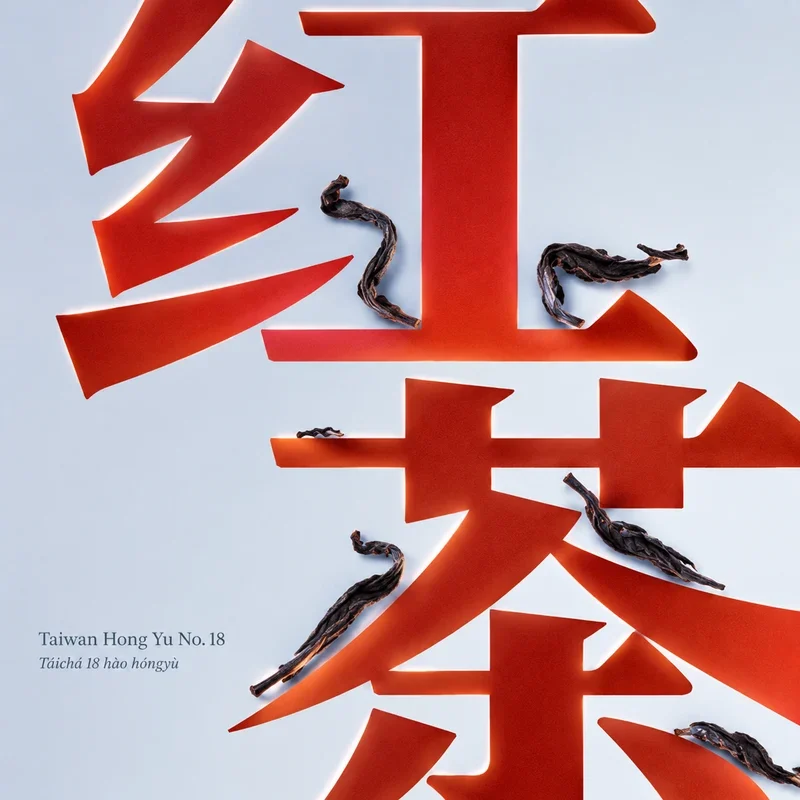
Táichá 18 hào hóngyù
Choose a brewing method. Start with the recommended quantities and time, then adjust to taste.
Brewing
Brewing
Taste
Tea encyclopedia
Category: Taiwanese red teas. It is the flagship product of the Rìyuètán (日月潭, Rìyuètán — "Sun Moon Lake") region. Also known on the international market as Sun Moon Lake Black Tea and Formosa Assam.
Category: Taiwanese red teas. It is the flagship product of the Rìyuètán (日月潭, Rìyuètán — "Sun Moon Lake") region. Also known on the international market as Sun Moon Lake Black Tea and Formosa Assam.
Coordinates: Approximately 23°51′ N, 120°54′ E (Sun Moon Lake).
Origin: Táiwān (台灣, Táiwān), Nántóu County (南投縣, Nántóu Xiàn), Yúchí Township (魚池鄉, Yúchí Xiāng), Sǔn Moon Lake area (日月潭). Also grown in Hualien (花蓮縣, Huālián Xiàn), Taitung (台東縣, Táidōng Xiàn), and Pingtung (屏東縣, Píngdōng Xiàn) counties, however tea from the Yuchi region is considered most valuable.
Type: Red tea (black tea) (紅茶, hóngchá), fully fermented (oxidized). According to European classification — black tea.
Official organization uniting Yuchi region producers. Provides authenticity guarantees and traceability.
Government research institute that developed Hong Yu. Occasionally sells research-grade samples.
Look for farms with official certification and production tracing systems.
Both in Taiwan and internationally, focusing on authentic Taiwanese teas with proper sourcing documentation.
Upright tree (直立型喬木, zhílì xíng qiáomù), large-leaf type.
Elliptical, large, mature leaves dark green with characteristic purple tinge.
Pale yellow-green, sparse pubescence (茸毛稀), white down practically absent — this distinguishes Hong Yu from many large-leaf red teas.
Early-maturing (早生種, zǎo shēng zhǒng).
Medium-high to diseases and pests; high drought resistance (抗旱性強) — heritage from the Taiwanese wild tea father.
Best performs in the Yuchi zone (600–800 m), but adapted to lower elevations as well.
Developed based on Assam variety from Jaipur (India). Gives a more classic "Assam" profile with malty and spicy notes, without pronounced minty-cinnamon aroma.
Later hybrid (2008), possessing notes of citrus blossom and rose.
Rarely used in pure form; gives interesting but unpredictable profile.
Cultivar: Tai Cha No. 18 (台茶18號) — hybrid of Burmese large-leaf tea (B-729, Camellia sinensis var. assamica) and Taiwanese wild mountain tea (B-607, Camellia formosensis). Botanical characteristics (according to TBRS data):
Picking: Year-round in subtropical Yuchi conditions, but best material is summer harvest (夏茶), which is unusual: for most teas summer is the season of lowest quality, but large-leaf Assam varieties accumulate maximum aromatic substances precisely during hot months.
Pluck Standard: One bud and two-three top leaves (一芽二、三葉). Hand-picking for premium categories.
Altitude: Main Hong Yu plantations are located at 600–800 m above sea level. This is lower than high-mountain oolongs (1000+ m), but higher than most lowland red teas worldwide.
Climate: Subtropical monsoon with mountain elements. Average annual temperature 20–22°C. Precipitation abundant — more than 2500 mm per year — significantly above Taiwan's average. High humidity, frequent fogs and morning dew. These conditions are ideal for large-leaf Assam varieties, which require warmth and moisture.
Soil: Red soils (紅壤), well-drained, rich in organic matter and minerals. Volcanic origin of soils provides unique mineral profile.
Taiwan's largest natural lake, located in the central mountainous part of the island at 748 m above sea level. The name reflects the lake's shape: the northern part resembles the sun (日), the southern part — a crescent moon (月). The lake's water mass creates a unique microclimate, moderating daily and seasonal temperature fluctuations and ensuring stable humidity.
The combination of moderate elevation, humidity, and warmth creates conditions for intensive accumulation of aromatic substances in leaves. It is precisely Yuchi's terroir that is considered the decisive factor in forming Hong Yu's signature minty-cinnamon aroma — in other regions the same cultivar produces less pronounced aromatic profile.
Hand-picking for premium categories; mechanized for mass production.
One of the longest stages — 18–24 hours and more. Begins with sǔn withering (日光萎凋) and continues indoors (室內萎凋). Prolonged withering triggers biochemical processes forming aromatic precursors responsible for the cinnamon-mint profile. Moisture loss — up to 60–70%.
By hand or on rollers. Hong Yu's large-leaf material produces characteristic longitudinal strips (條狀, tiáo zhuàng) — unlike the semi-spherical rolling of oolongs and Alishan Hong Cha. Rolling destroys cellular structure, releasing enzymes and cell sap.
Full oxidation at temperature 22–28°C and humidity 90–95%. Duration — 3–5 hours. It is at this stage that final formation of cinnamon-mint aroma occurs: oxidation of specific terpenoids inherited from Taiwanese wild tea gives unique menthol and cinnamon notes.
Two-stage: high-temperature to stop fermentation and low-temperature for final drying and aroma fixation. Final moisture content — no more than 5%.
By size, quality, and appearance.
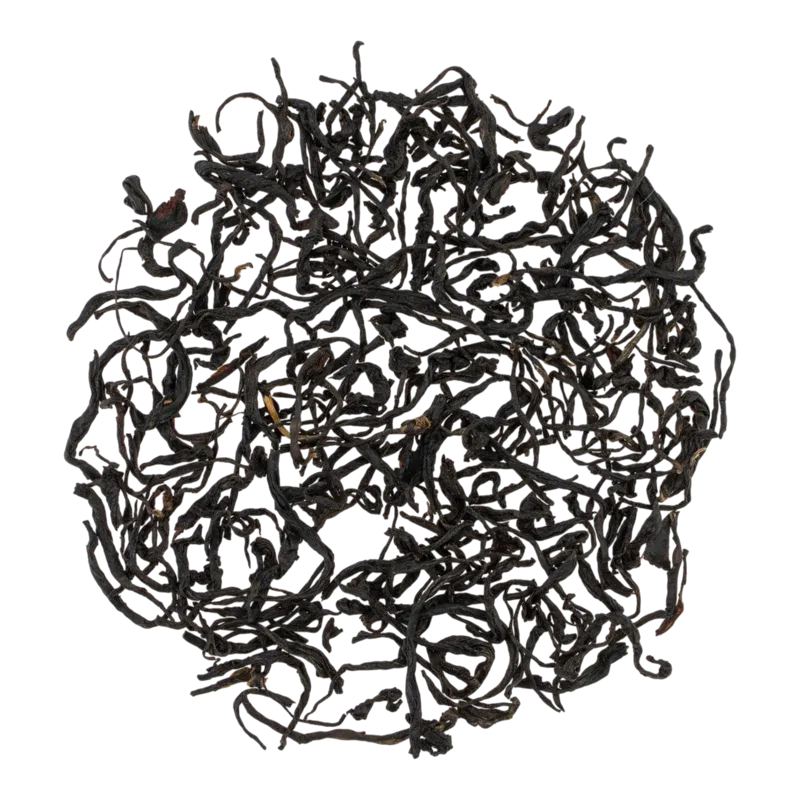
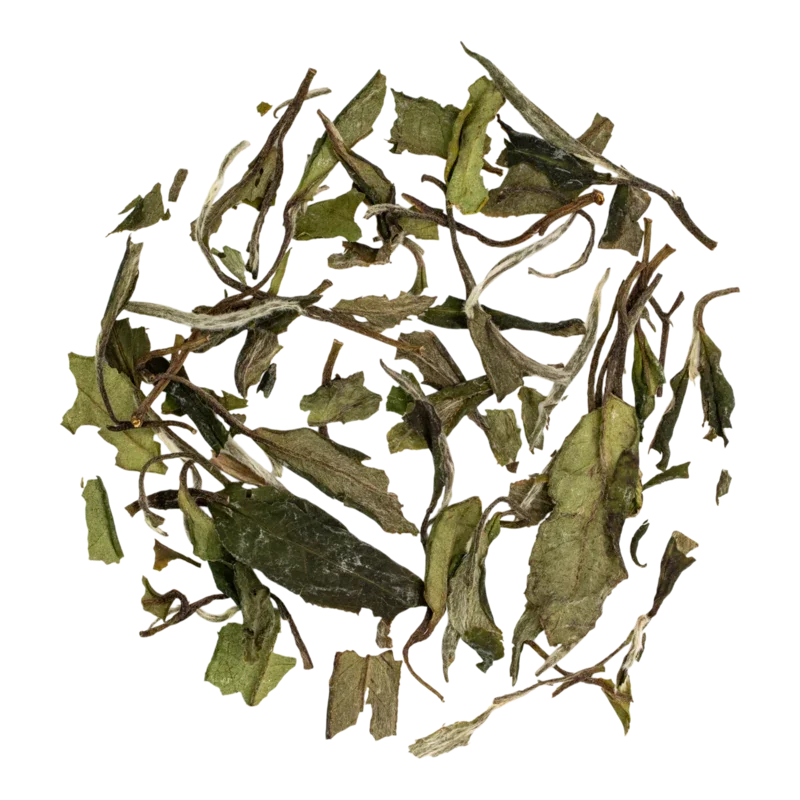
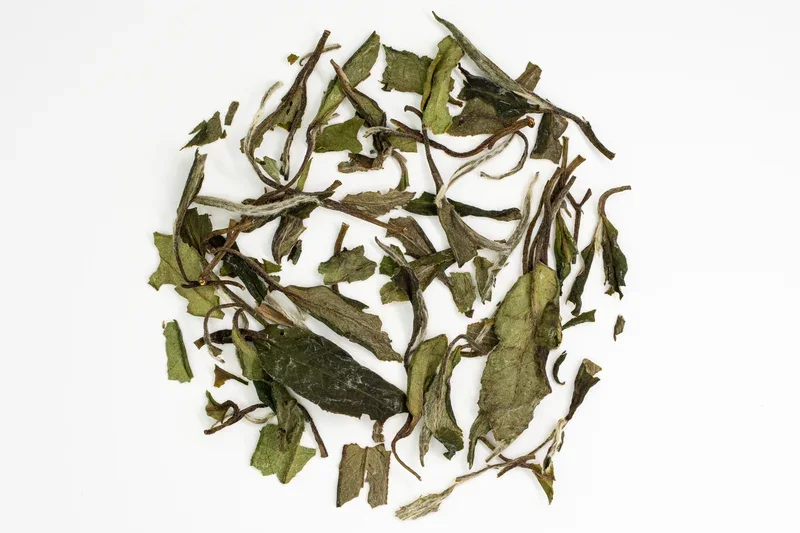
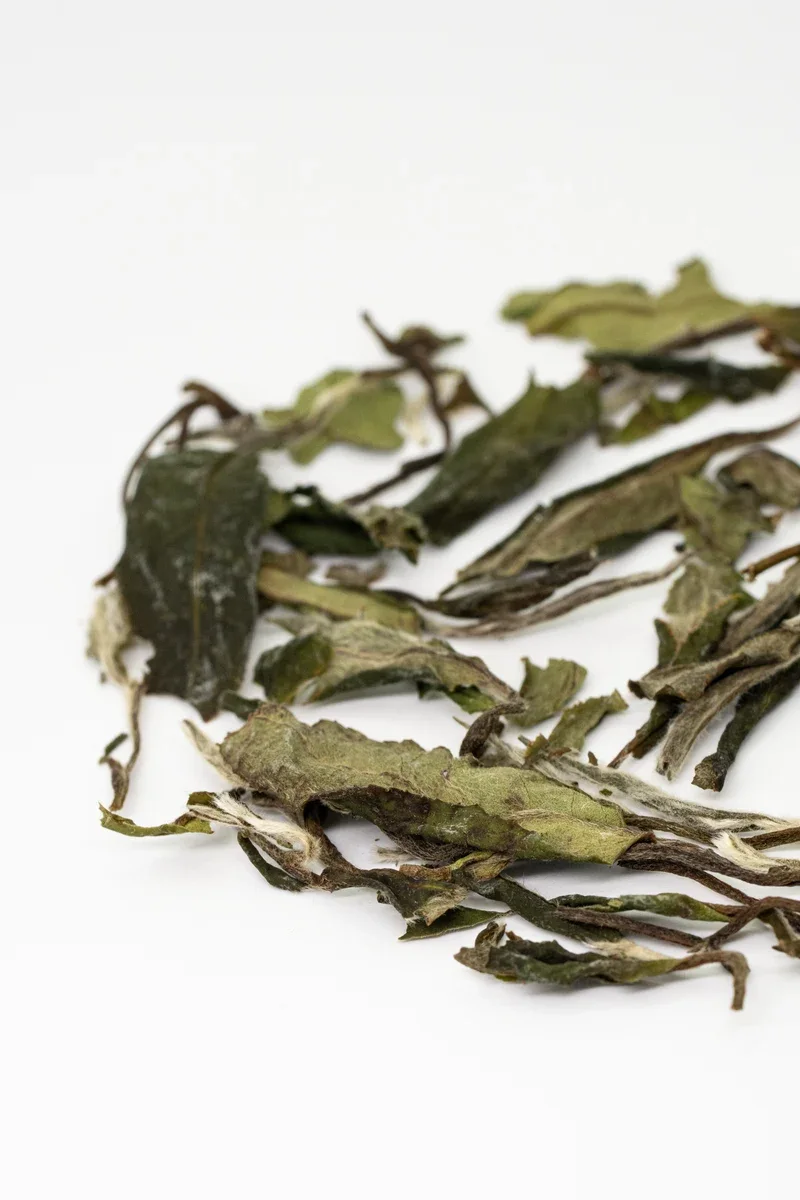
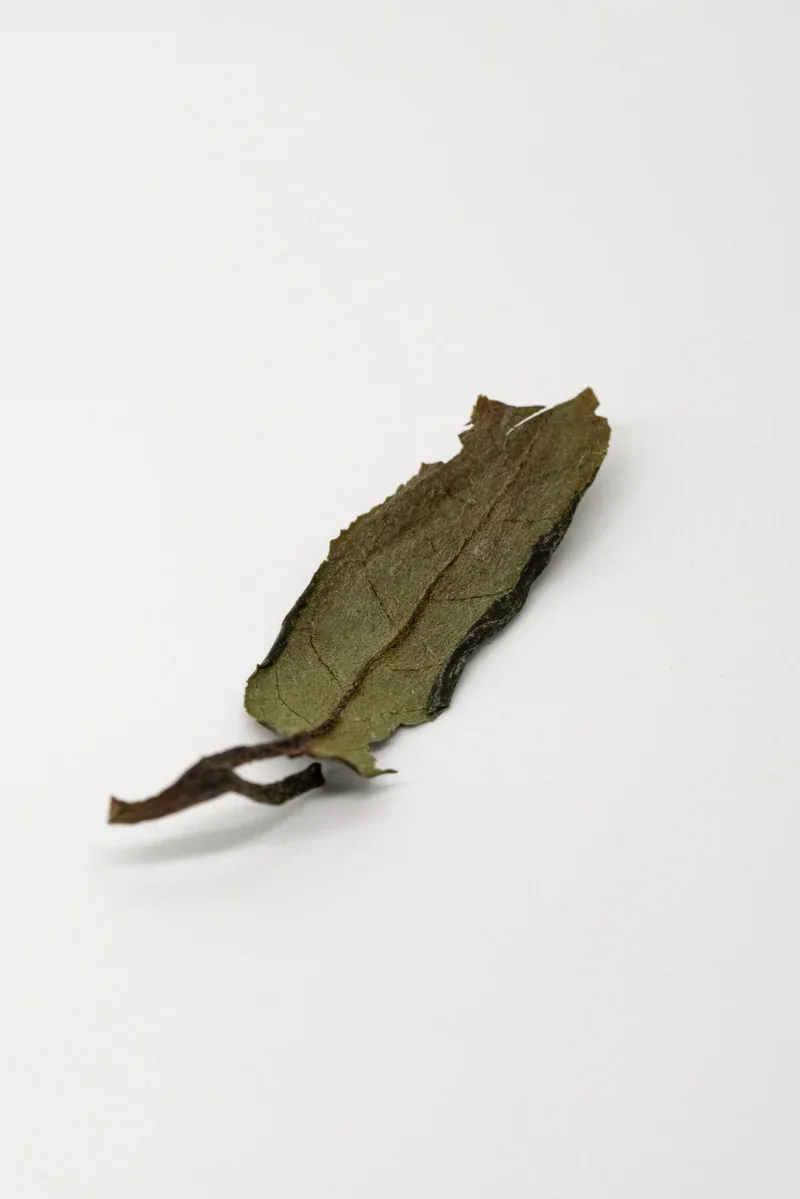
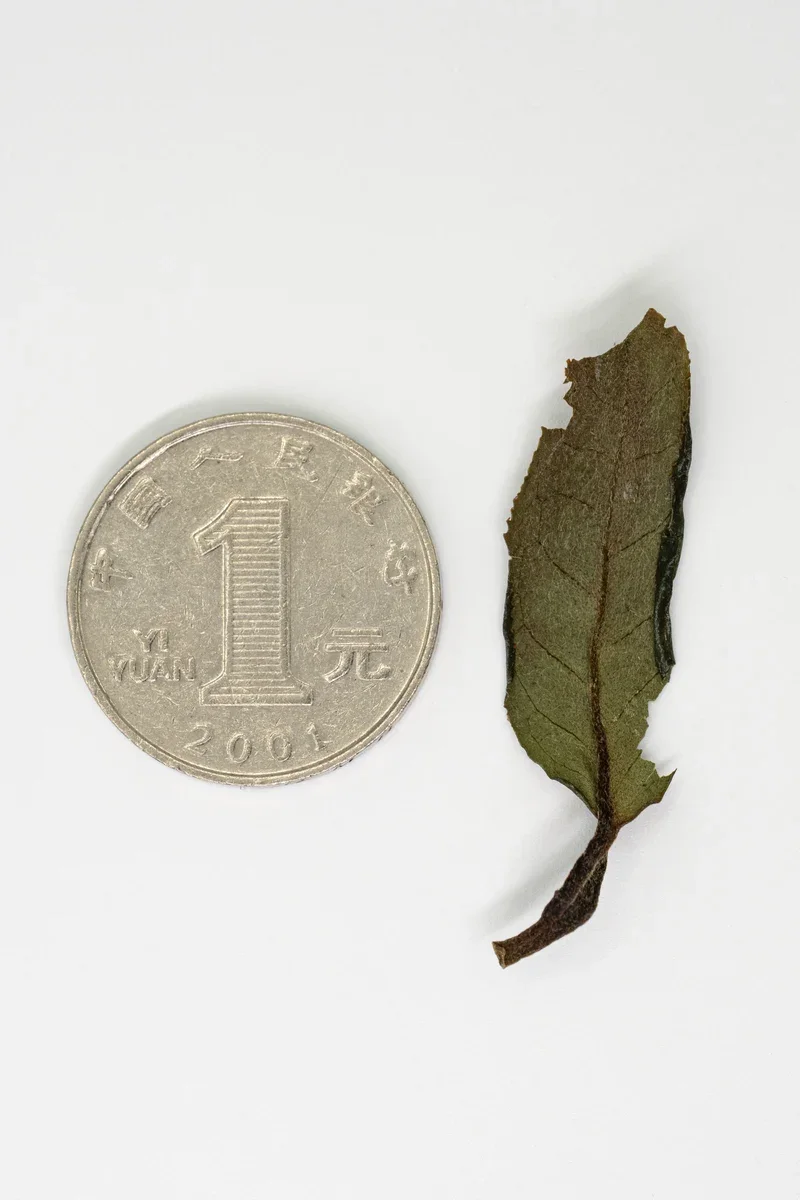
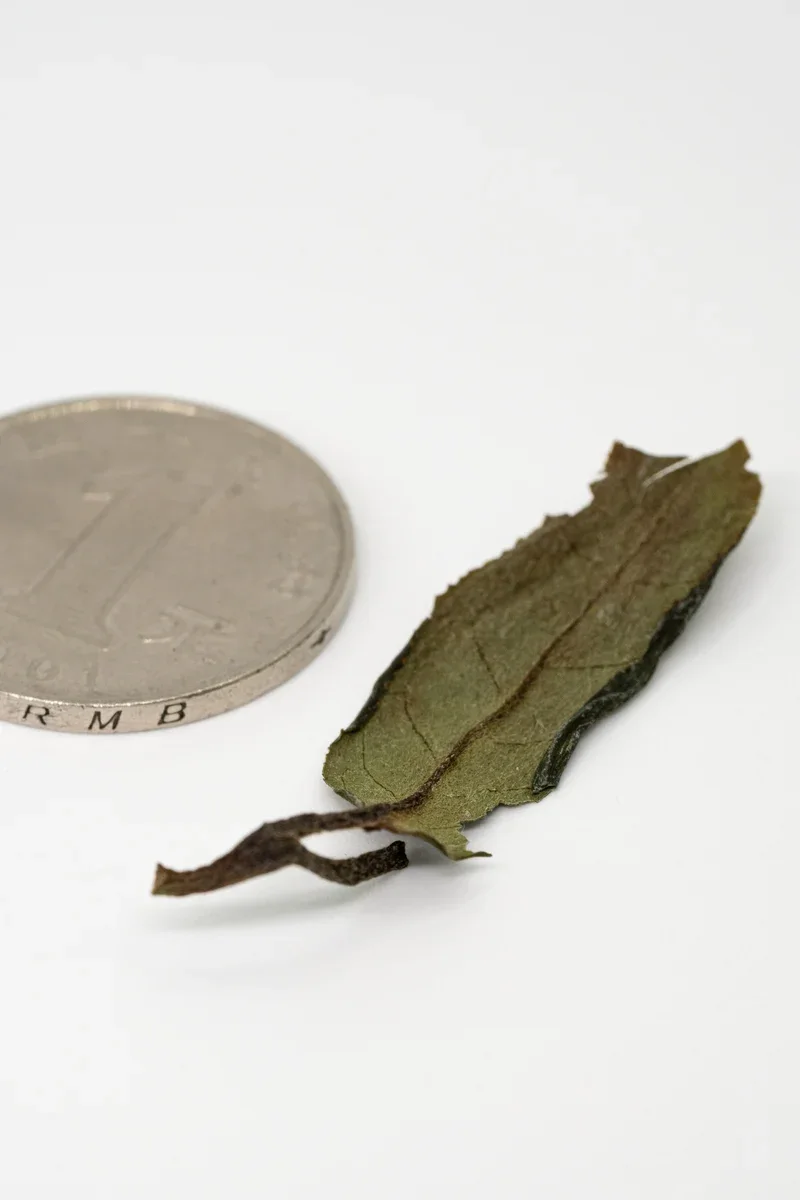
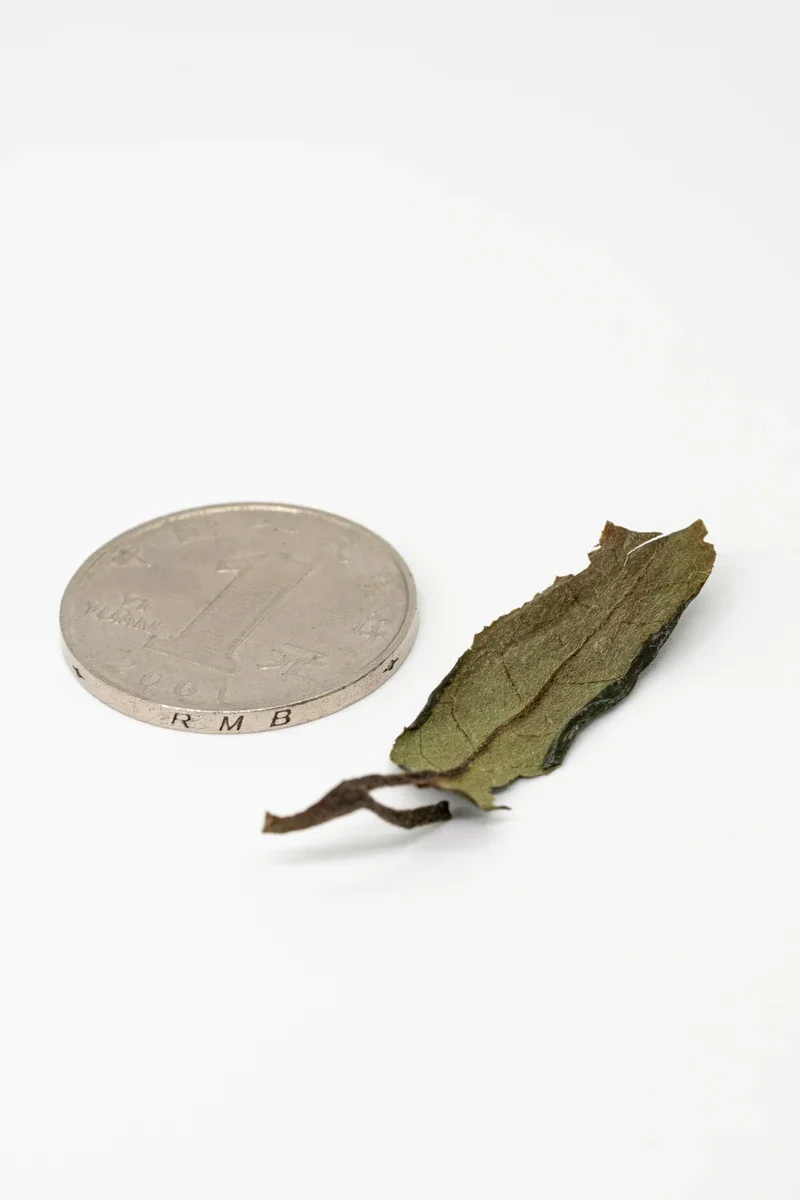
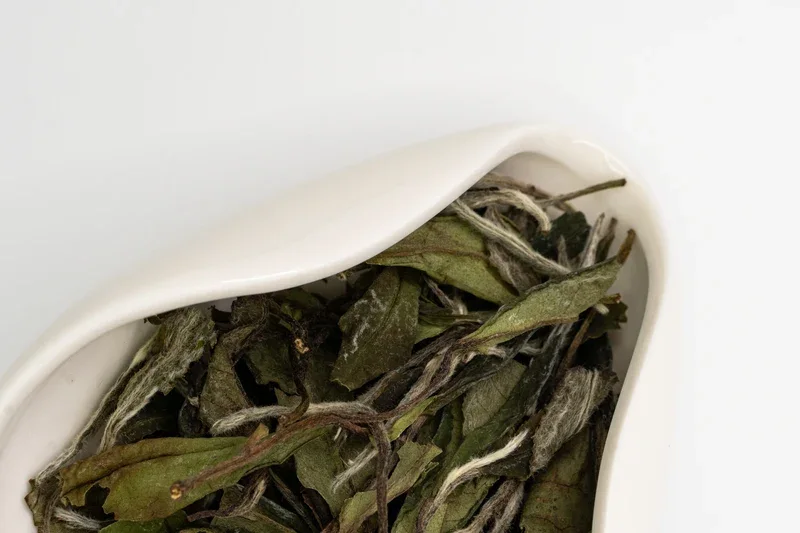
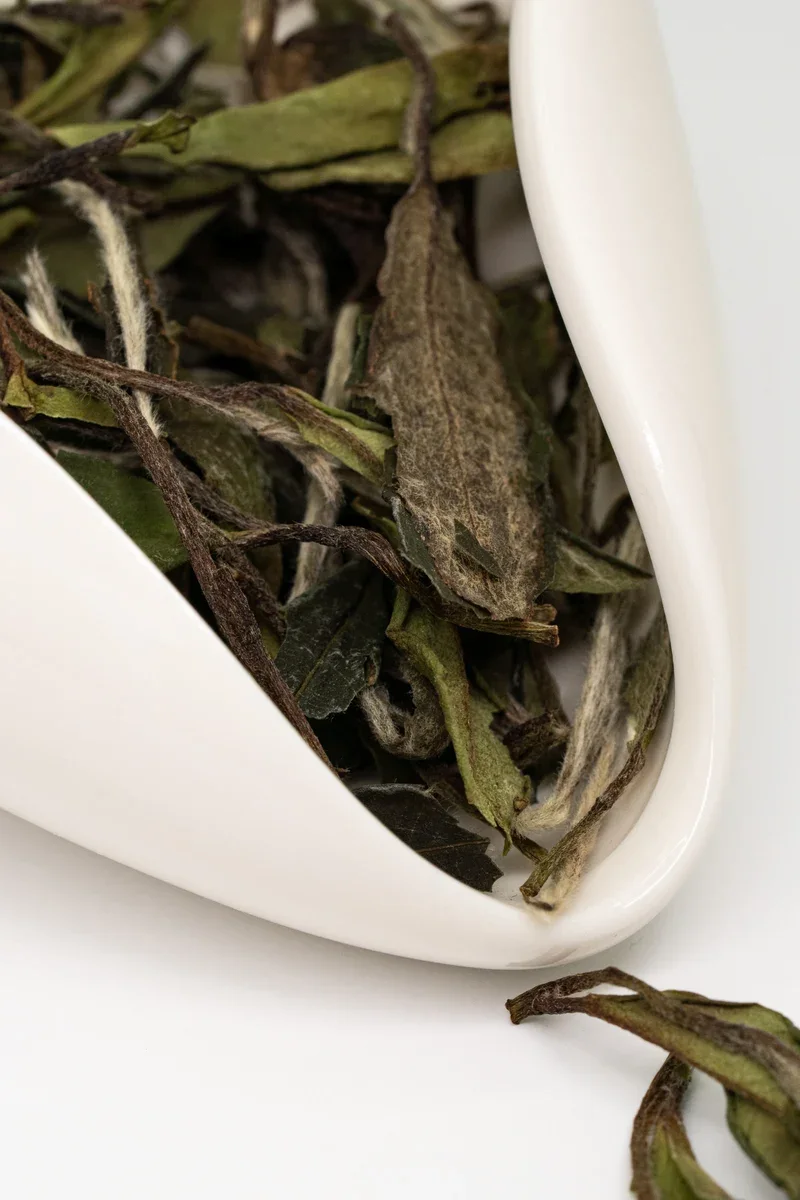
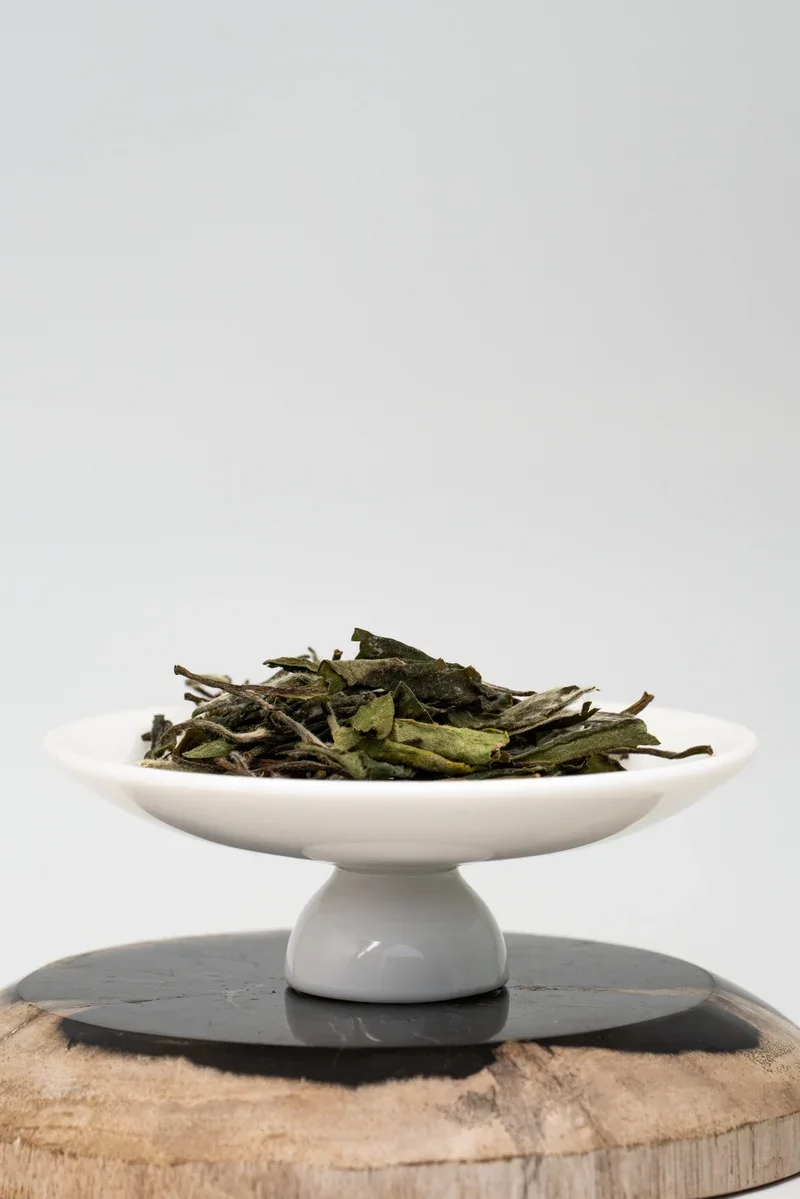
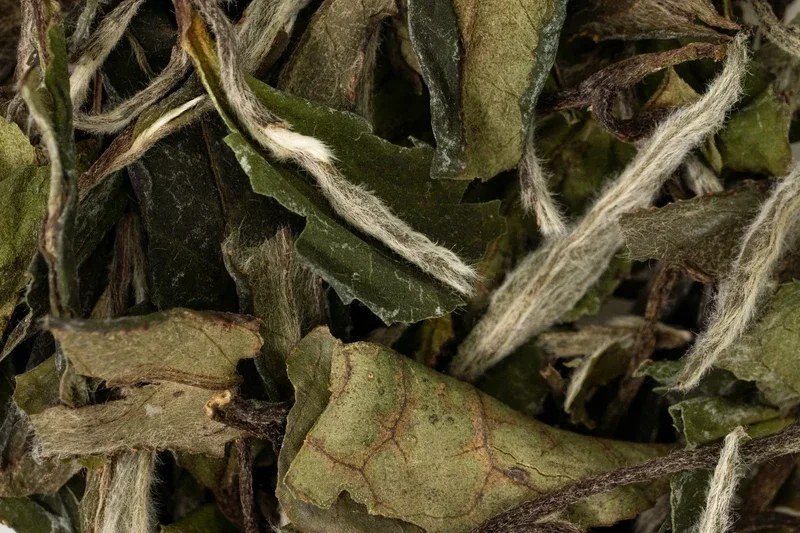
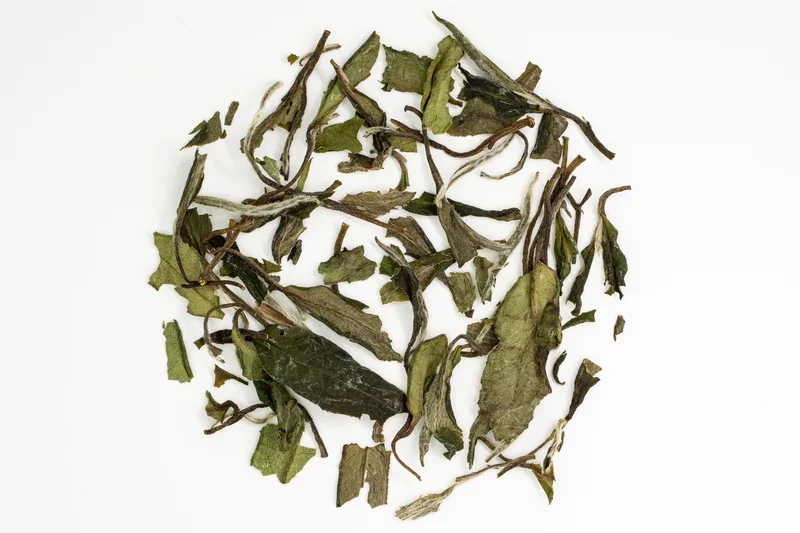
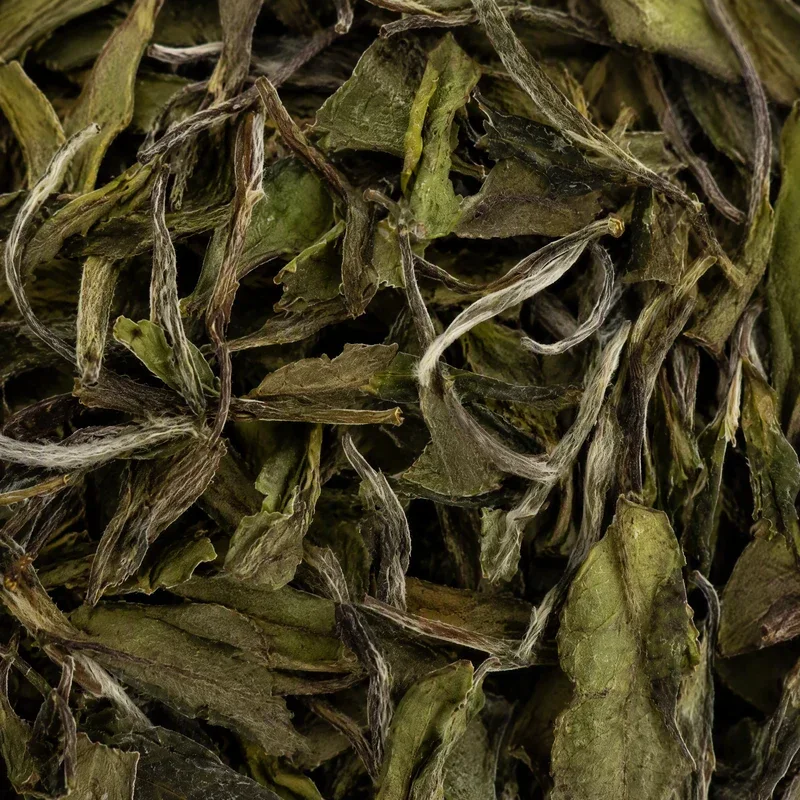
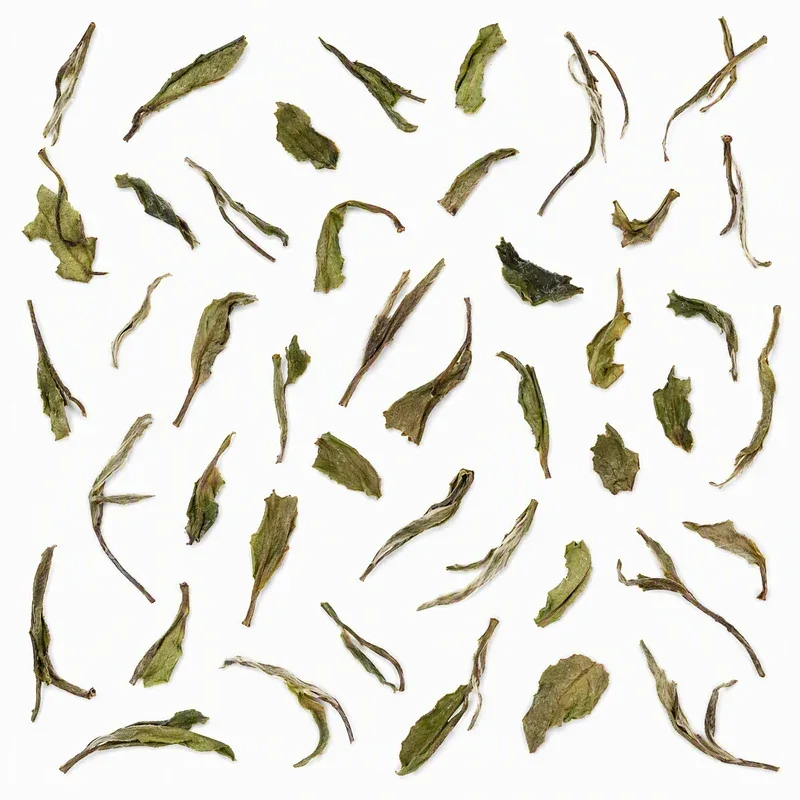
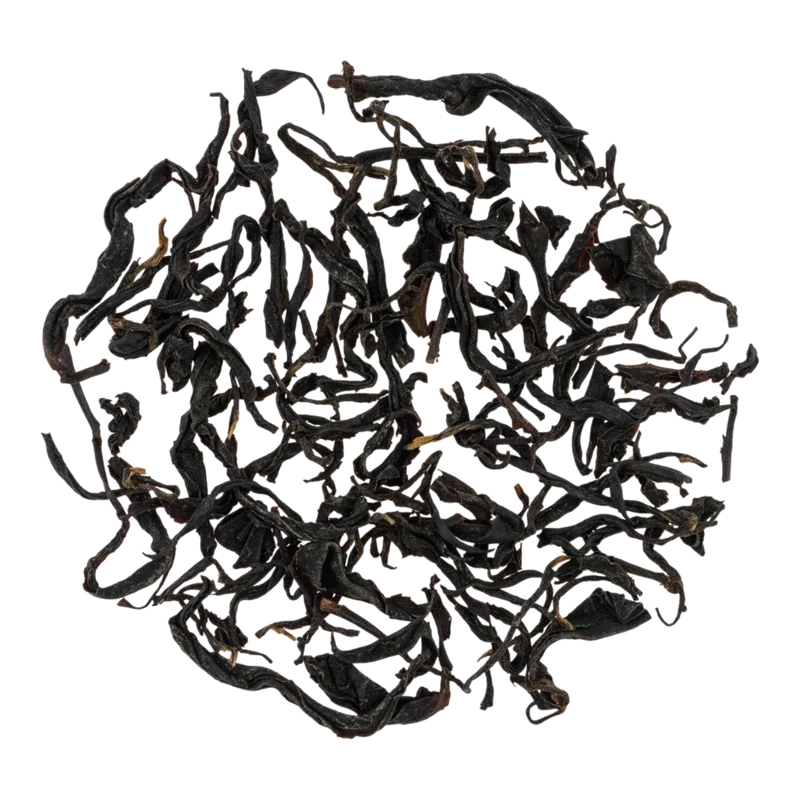
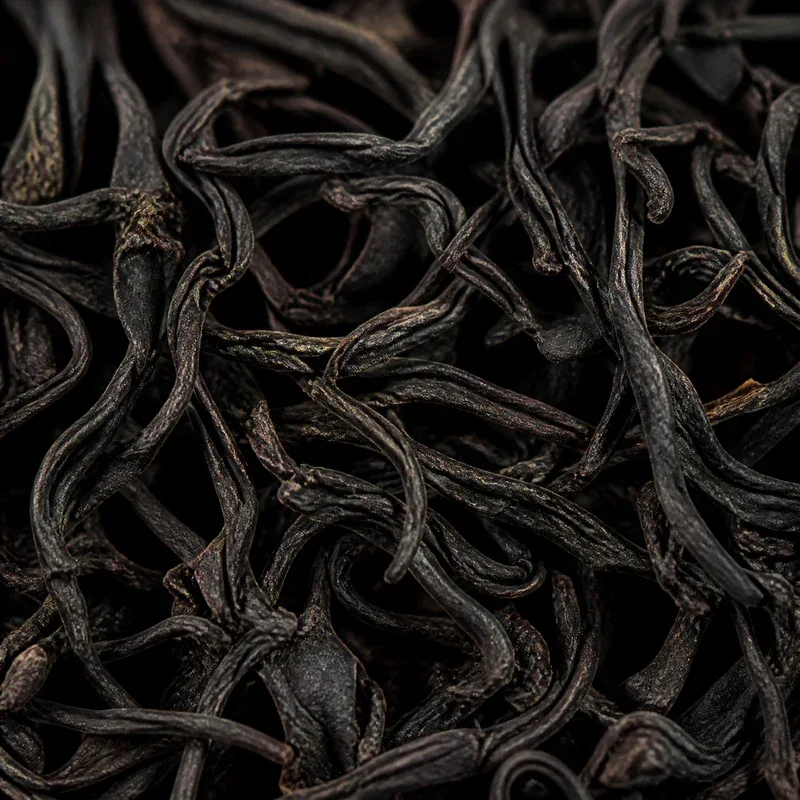
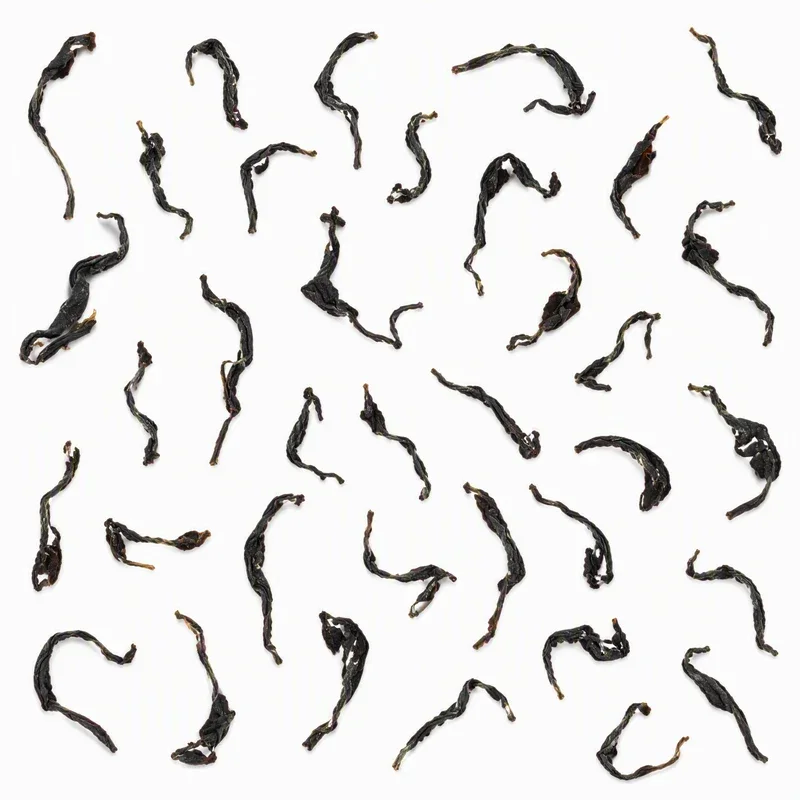
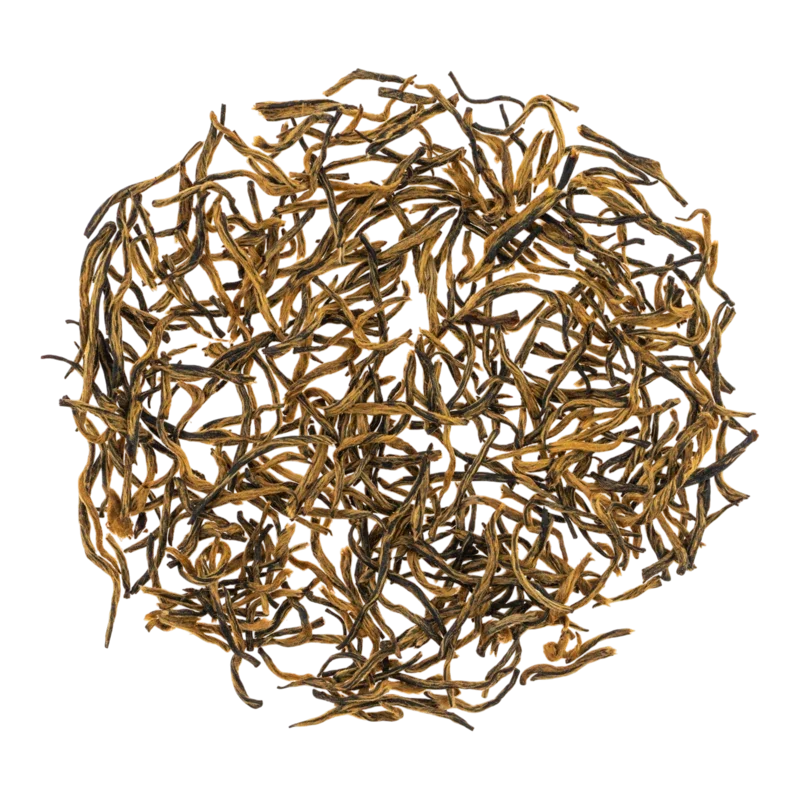
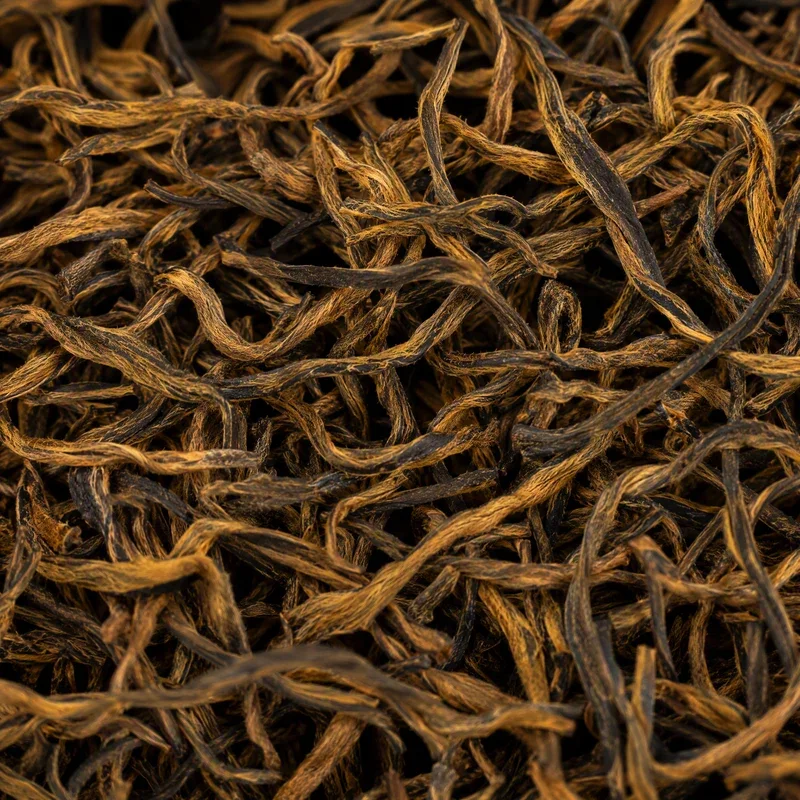
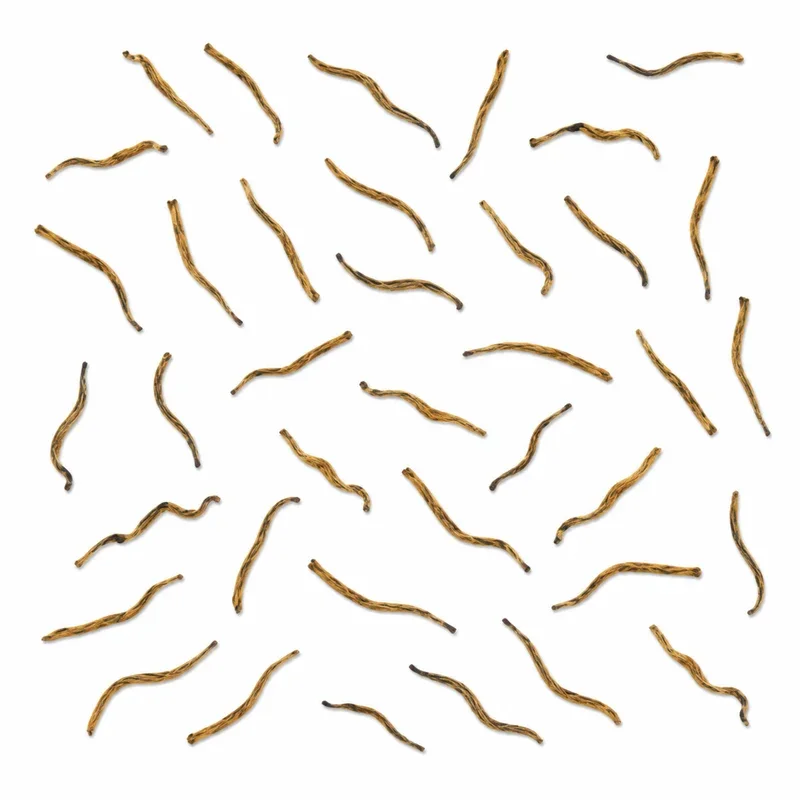
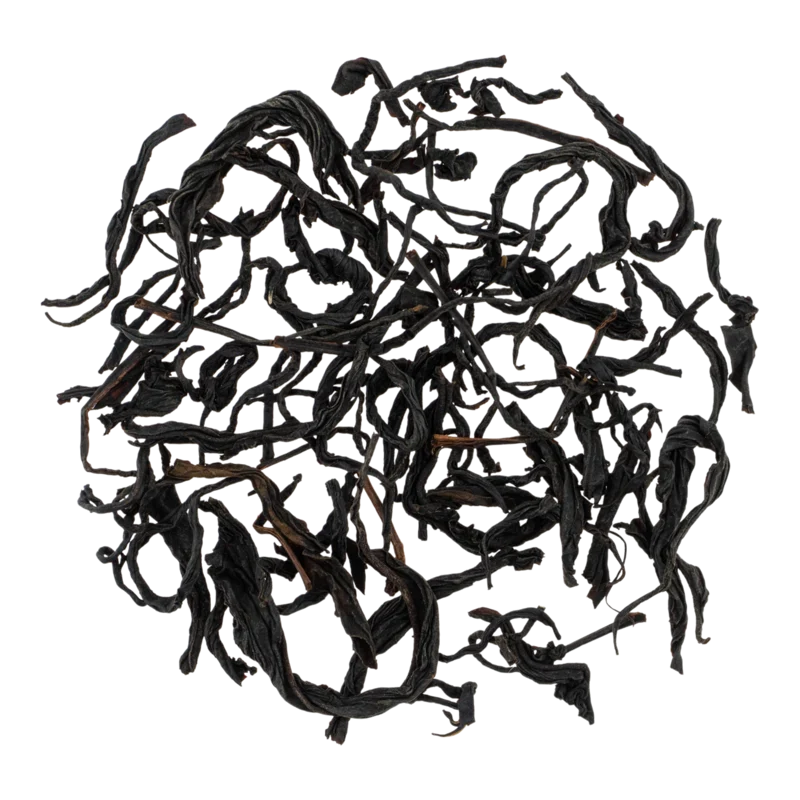
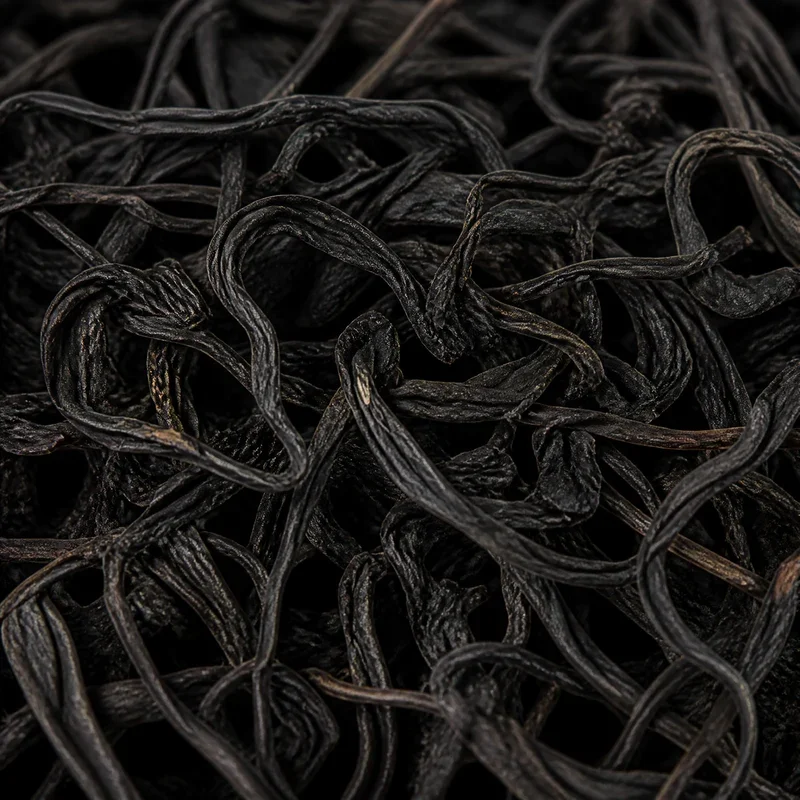
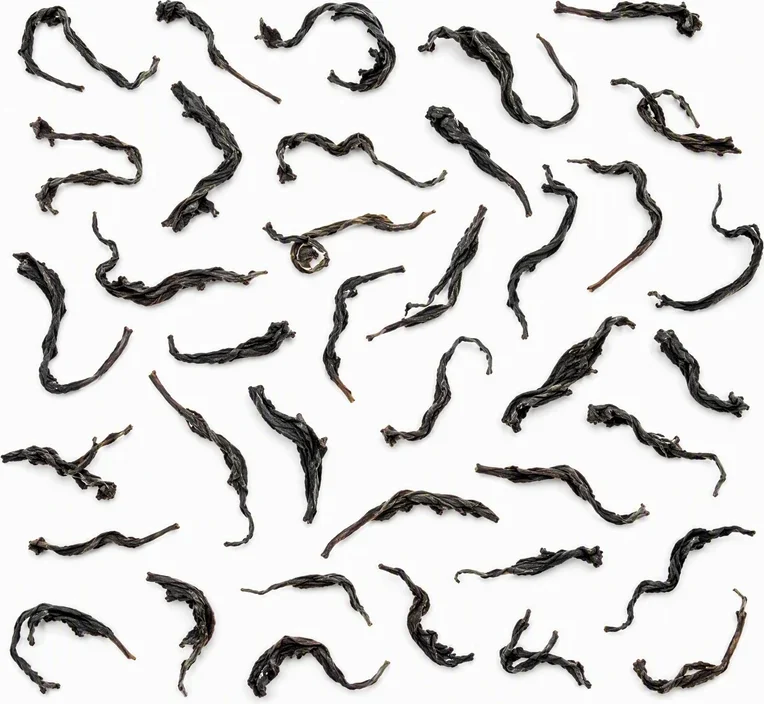
Dry Leaf Appearance: Medium-length strips, tightly rolled, slightly curved. Color — dark brown to black with characteristic purple tinge (墨黑泛紫光, mò hēi fàn zǐ guāng) — Hong Yu's calling card. Minimal pubescence (unlike Dian Hong or Ying Hong No. 9). Even, uniform leaf.
Dry Leaf Aroma: Bright, complex, instantly recognizable. Leading notes: natural cinnamon (肉桂香, ròuguì xiāng) and fresh mint/menthol (薄荷香, bòhé xiāng). These notes are not the result of flavoring — they are genetically embedded in the cultivar and enhanced by Yuchi's terroir. Additional nuances: honey, caramel, dried fruits, light woody tones.
Liquor Aroma: Intense, multi-layered. Foreground — cinnamon and mint, creating a sensation of "warm freshness" — a paradoxical combination not found in any other tea. Background — fruity notes (plum, apricot), honey, caramel. Background nuances — woody, vanilla.
Liquor Color: Golden-red, bright and clear (金紅鮮明, jīn hóng xiānmíng). Transparent, with pronounced luster.
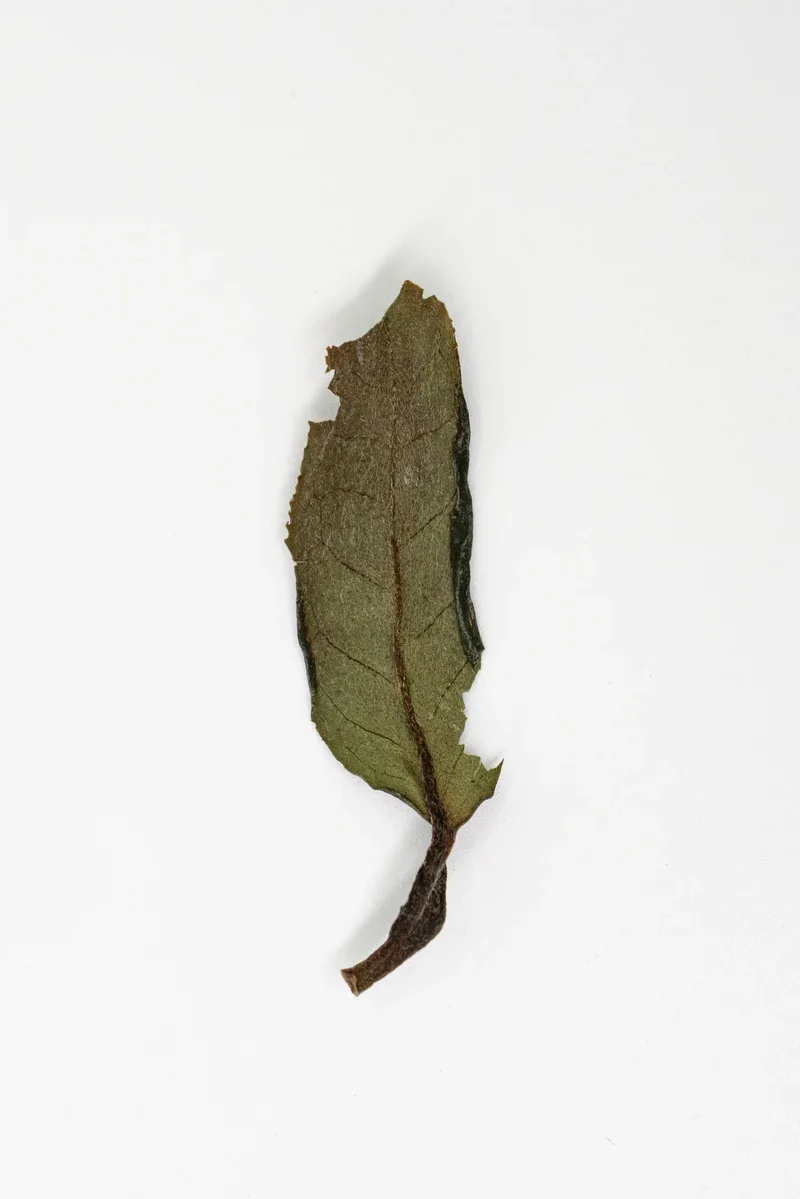
Spent Leaves: Large, whole leaves of reddish-brown color with purple tinge. Elastic, resilient, evenly fermented. Leaves significantly larger than small-leaf red teas.
Taste: Full, rich, with pronounced astringency (收斂性, shōuliǎn xìng), which quickly softens and transitions to long returning sweetness (回甘). Dense body, texture — dense silk. Unlike mild Alishan Hong Cha, Hong Yu possesses noticeable "backbone" — structure and strength inherited from Assam ancestors. Cinnamon and mint notes are present in taste as well, complemented by malt, dark chocolate, and sweet pepper.
Alkaloids: Caffeine content — moderately high (characteristic of large-leaf varieties). Theobromine and theophylline — in standard amounts for red tea.
Amino Acids: Moderate content. Polyphenol/amino acid balance shifted toward polyphenols (unlike high-mountain Alishan Hong Cha), explaining the stronger and more structural taste character.
Hong Yu's main uniqueness. Cinnamon aroma is due to high content of cinnamic aldehyde (cinnamaldehyde) and related compounds; mint aroma — content of menthol and menthone. These substances are inherited primarily from Taiwanese wild mountain tea (B-607) and are a genetically unique trait not found in other Camellia sinensis cultivars. Also present are linalool, geraniol, nerolidol.
Moderate content; provide basis for natural sweetness complementing astringent structure.
Minerals: Potassium, calcium, magnesium, manganese, iron, fluorine.
Polyphenols: High content in fresh leaf (heritage from large-leaf Assam parent). In finished tea, catechins are oxidized to theaflavins and thearubigins, forming color, astringency, and taste structure. Polyphenol content ensures pronounced "strength" (收斂性).
Vitamins: C (significantly reduced after full fermentation), B group, E, K.
Moderately high caffeine content provides pronounced invigoration and improved concentration.
High content of theaflavins and thearubigins — powerful antioxidants contributing to cellular protection from oxidative damage.
Full fermentation and "warm" nature (性溫) make Hong Yu an ideal winter beverage, promoting improved circulation and thermoregulation.
Stimulates secretion of digestive enzymes, promotes fat breakdown. Red teas are traditionally recommended after heavy meals.
Polyphenols possess ability to suppress pathogenic bacteria growth and reduce inflammatory processes.
May contribute to lowering LDL cholesterol levels and improving vascular elasticity.
Red tea polyphenolic compounds may suppress osteoclast activity (cells that destroy bone tissue), beneficial for osteoporosis prevention.
High-altitude Taiwanese black tea from small-leaf oolong cultivars. Softer, sweeter, with "throat aftertaste" and mountain freshness, but without the minty-cinnamon aroma and robust structure of Hong Yu.
Yunnan large-leaf black tea. Both are powerful, robust, large-leaf, but Dian Hong tends toward a chocolate-spicy profile, while Hong Yu toward minty-cinnamon. Dian Hong is usually softer and sweeter; Hong Yu is more structured.
Direct "genetic cousin" (common Assam ancestor). Indian Assam is malty, robust, with pronounced astringency, ideal for milk tea. Hong Yu, with comparable strength, possesses a significantly more complex aromatic profile and long aftertaste.
Small-leaf, delicate, with floral-fruity aroma. Complete opposite of large-leaf, robust, minty-cinnamon Hong Yu. Different worlds within the same category.
Guangdong large-leaf black tea. Both are descendants of Yunnan/Assam ancestors, but Ying Hong No. 9 is distinguished by characteristic sweet potato notes and honey-malt profile, while Hong Yu by its minty-cinnamon uniqueness.
Excellent choice. 5 g per 500 ml water, 6–8 hours in refrigerator. Mint component intensifies with cold brewing, creating refreshing summer beverage.
Hong Yu is one of the best Taiwanese teas for milk tea preparation. Strong structure, dense body, and cinnamon-mint aroma are not lost against milk background. More concentrated brewing recommended (7–8 g per 150 ml, 30–40 seconds).
Tea Amount: 5 g per 150 ml water (gongfu method); 3–4 g per 200–250 ml (European method).
Teaware: Porcelain gàiwǎn (蓋碗) — optimal choice for full revelation of cinnamon-mint aroma. Porcelain teapot — good alternative. Yixing teapot suitable, but neutral clay preferable to avoid muffling unique aromatic notes.
Water Temperature: 90–95°C.
Enemies: Moisture, light, oxygen, high temperature, foreign odors.
Shelf Life: 2–3 years under proper conditions. Optimal consumption — within first 18 months.
Dry, cool, dark place. Airtight container.
Temperature: Room temperature (15–25°C). Does not require refrigeration.
The flagship. Minty-cinnamon aroma, robust flavor, purple tinge to the leaves.
More "classic" Assam profile — malt, dark chocolate, prunes. Without minty-cinnamon notes. Often used for mass market categories and milk tea.
Registered in 2008. Possesses an elegant aroma with notes of citrus blossom and rose. More delicate than Hong Yu.
Wild-growing species, harvested in limited quantities. Produces an unusual, "wild" profile with grassy and woody notes.
Direct descendants of Indian Assam varieties brought during the Japanese era. Strong, malty, with pronounced astringency.
Price Category: Hong Yu from Yuchi region belongs to premium segment of Taiwanese red teas. Cost of authentic Hong Yu from Sun Moon Lake shores — from 600 to 2000 NT$ per liang (37.5 g), equivalent to approximately 1600–5300 NT$ per 100 g. Production from other regions (Hualien, Taitung) — cheaper, but with less pronounced aromatic profile.
Most valuable is Hóng Yǔ from Yúchí (魚池鄉). Pay attention to production tracing markings (產銷履歷) and Sun Moon Lake Red Tea Association certificates.
Genuine Hong Yu possesses clear, recognizable cinnamon and mint notes already in dry leaf. If these notes are absent — you have another cultivar (possibly Tai Cha No. 8 or Assam variety).
Purple tinge on dry leaf — characteristic feature of Hong Yu, absent in counterfeits from other varieties.
Hong Yu is one of few large-leaf red teas with minimal down. If leaf is covered with dense golden down — this is likely another variety.
Geographic indication "Riyuetan" lacks strict protection; label may be applied to tea from other regions.
No reviews yet. Tell us what you think of this tea.
Rate this tea and share your impressions. We review each submission before publishing it.