Brewing
Gongfu brewing
- Water temperature
- 75 °C
- Tea amount
- 5 g
- Water volume
- 100 ml
- First steep
- 10 s
- Time added per infusion
- 5 s
- Infusions
- 3

Sōngluó chá
Choose a brewing method. Start with the recommended quantities and time, then adjust to taste.
Brewing
Brewing
Taste
Tea encyclopedia
Category: National geographical indication product (国家地理标志保护产品, 2012). Historic tribute tea (贡茶) of the Qing era. In 2024, included in the geographical indication promotion list of the "Belt and Road" initiative.
Category: National geographical indication product (国家地理标志保护产品, 2012). Historic tribute tea (贡茶) of the Qing era. In 2024, included in the geographical indication promotion list of the "Belt and Road" initiative.
Mount Songluoshan (松萝山, Sōngluó Shān) — a primeval forest zone at altitudes of 600–700 m, in the area of glacial deposits (冰碛岩地貌).
Coordinates: Approximately 29°46′ North latitude, 118°12′ East longitude.
Origin: China, Ānhuī Province (安徽, Ānhuī), Xiūníng County (休宁县, Xiūníng Xiàn). The geographical indication zone covers 21 townships and villages of the county, including Hǎiyáng (海阳镇), Wan'an (万安镇) and Qiyunshan (齐云山镇).
Type: Green tea (unoxidized). Belongs to pan-fired green teas (炒青绿茶, chǎoqīng lǜchá) — historically the first type of pan-fired green teas in China.
Cultural Significance: Songluocha is a "bifurcation point" in the history of world tea: the invention of pan-firing technology on Mount Songluoshan divided tea history into "before" (the era of steaming) and "after" (the era of pan-firing). Without Songluocha, there would be no Longjing, Biluochun, Maofeng — the entire modern palette of Chinese green teas. This tea is living testimony to how the innovation of one monk on a mountain slope in Anhui changed the taste of an entire civilization.
History: Songluocha is one of the few teas whose history is connected with a specific technological invention that changed the entire course of tea production in China.
Cultivar: The main cultivar is Songluozhong (松萝种, Sōngluó Zhǒng) — a local indigenous small-leaf variety of Camellia sinensis var. sinensis of seed propagation. Distinguished by large, fleshy leaves, strong shoots and abundant down. Additionally used are Zhūyèqí (槠叶齐, Zhūyèqí) and Huángshān Dàyèzhǒng (黄山大叶种) — medium-leaf and large-leaf cultivars well suited for pan-fired green tea production.
Picking: Early spring picking. For the highest grade (特级) — whole buds or one bud with one leaf. For first grade — one bud with two leaves in the initial stage of opening. For second grade — one bud with two opened leaves.
Raw Material: Tender, uniform shoots, fresh and undamaged. Processing — on the day of picking.
Altitude: 600–800 meters above sea level. The core — primeval forest zone on Mount Songluoshan.
Climate: Average annual temperature — 16–18°C, annual precipitation — 1500–2000 mm, relative humidity — over 78%. Year-round cloudiness and diffused light. Forest coverage — over 60%.
Soil: Unique feature — soils formed on glacial deposits (冰碛岩, bīngjī yán). These "dark sandy" soils (乌沙土, wūshā tǔ) have pH 4.5–6.5, enriched with selenium (硒, xī) and other microelements. Organic matter content — not less than 1.0%. Glacial soils are a geological rarity, giving the tea a unique mineral profile.
Mount Songluoshan is surrounded by primeval forest. Tea gardens are integrated into the natural forest ecosystem, without industrial pollution.
Hand picking of tender shoots in spring.
Raw material is spread in traditional bamboo containers for brief withering.
High-temperature pan-firing at 220–280°C — the key stage, "fixing" the aroma (锁香, suǒxiāng). It is precisely this extremely high temperature that forms the deep, "roasted" aromatics characteristic of Songluocha.
Shaping of tea leaves, release of cellular juices.
Additional pan-firing to compact the structure.
Separation of fractions and intermediate cooling.
Bringing to stable condition.
Final heating at 110–120°C over slow fire — "drawing out" white down to the surface and fixing the aroma.
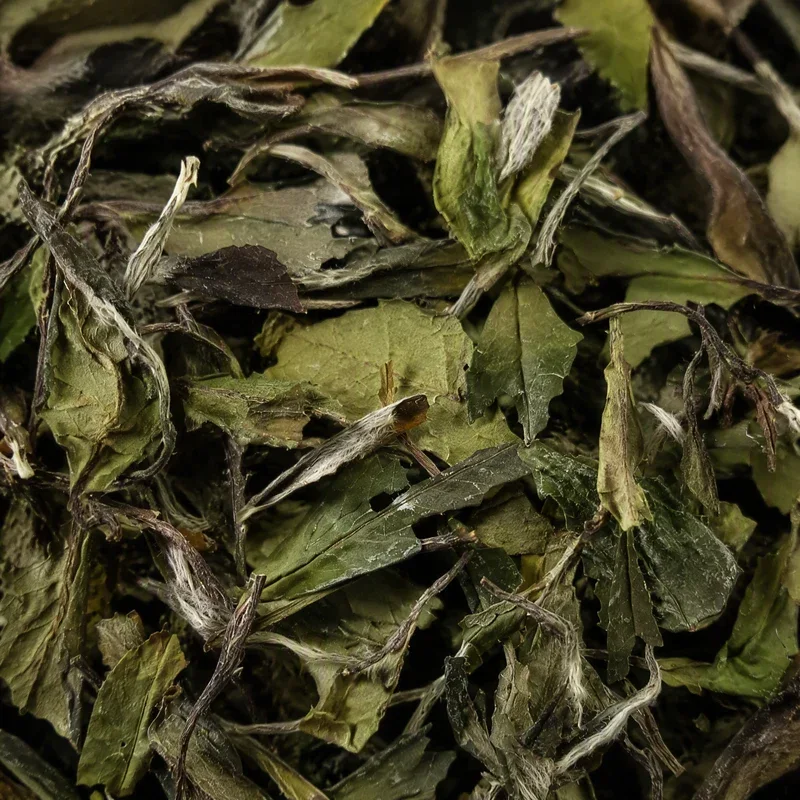
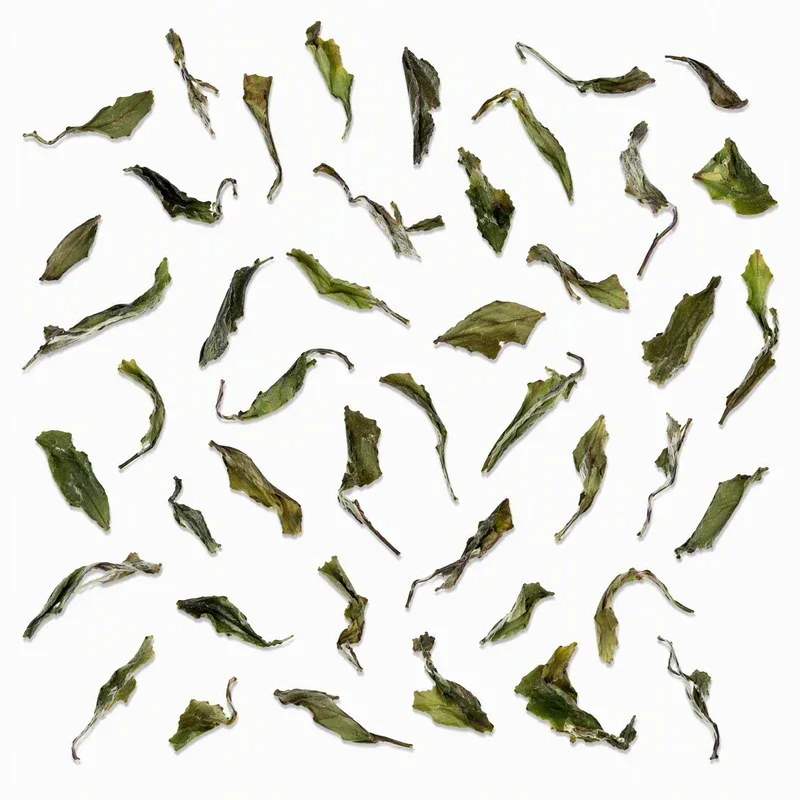
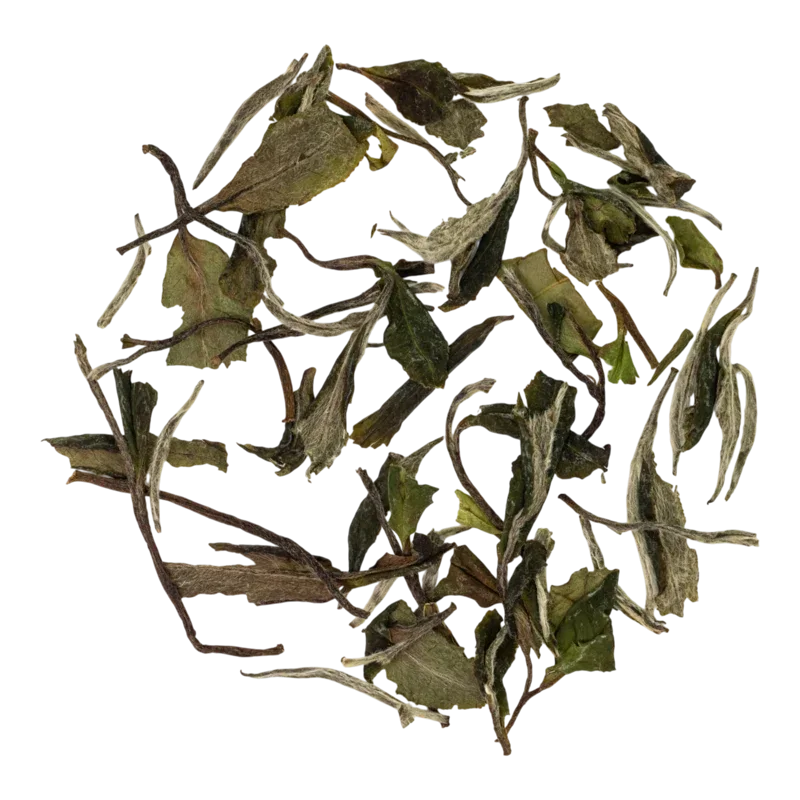
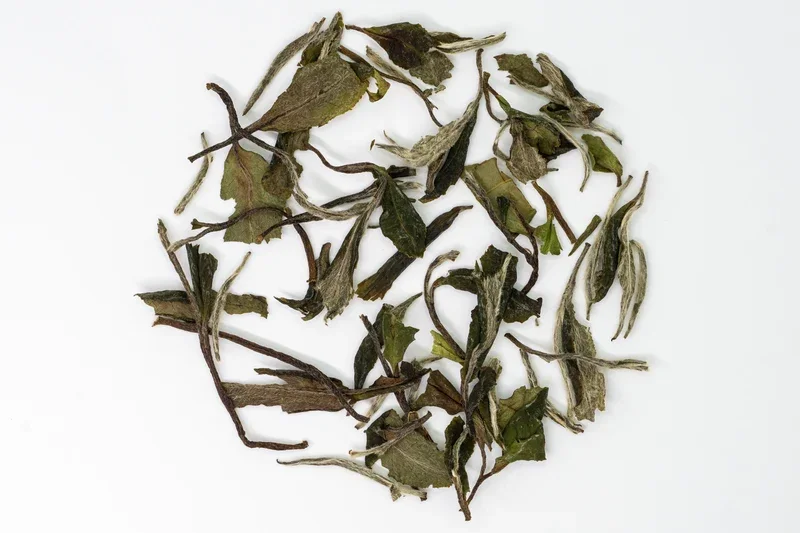
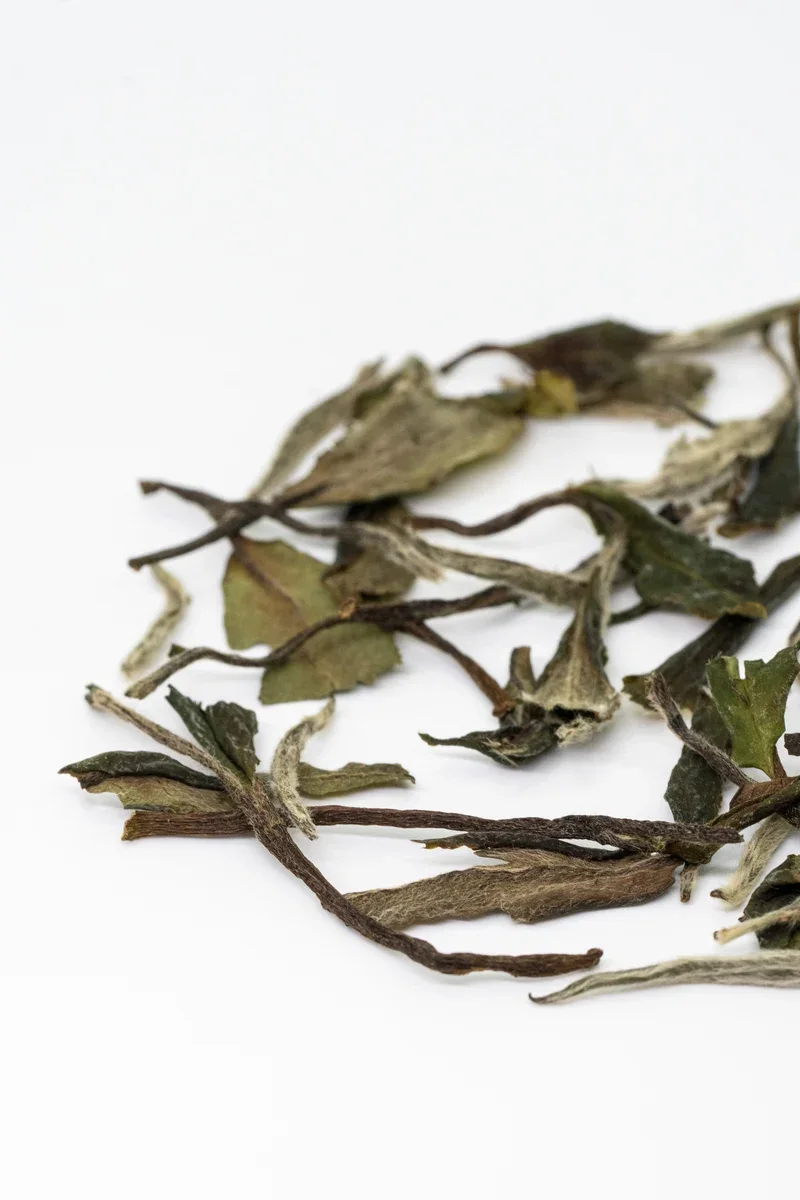
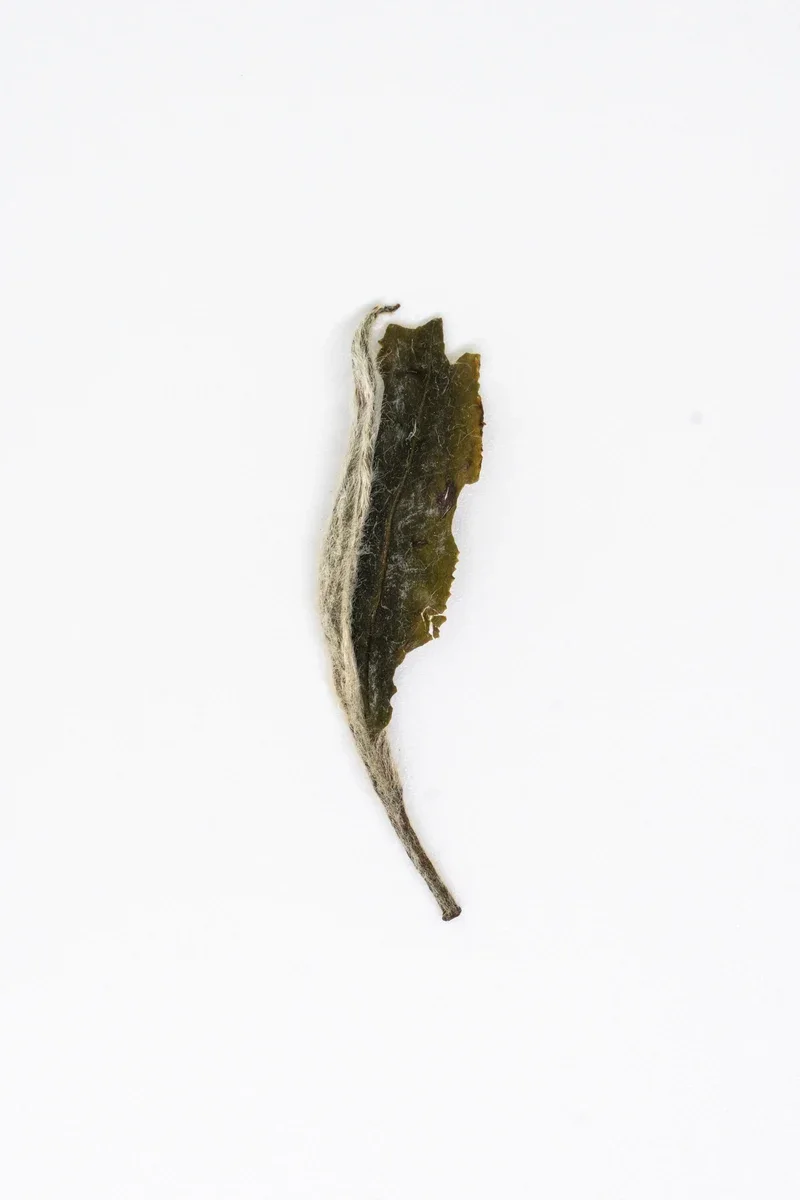
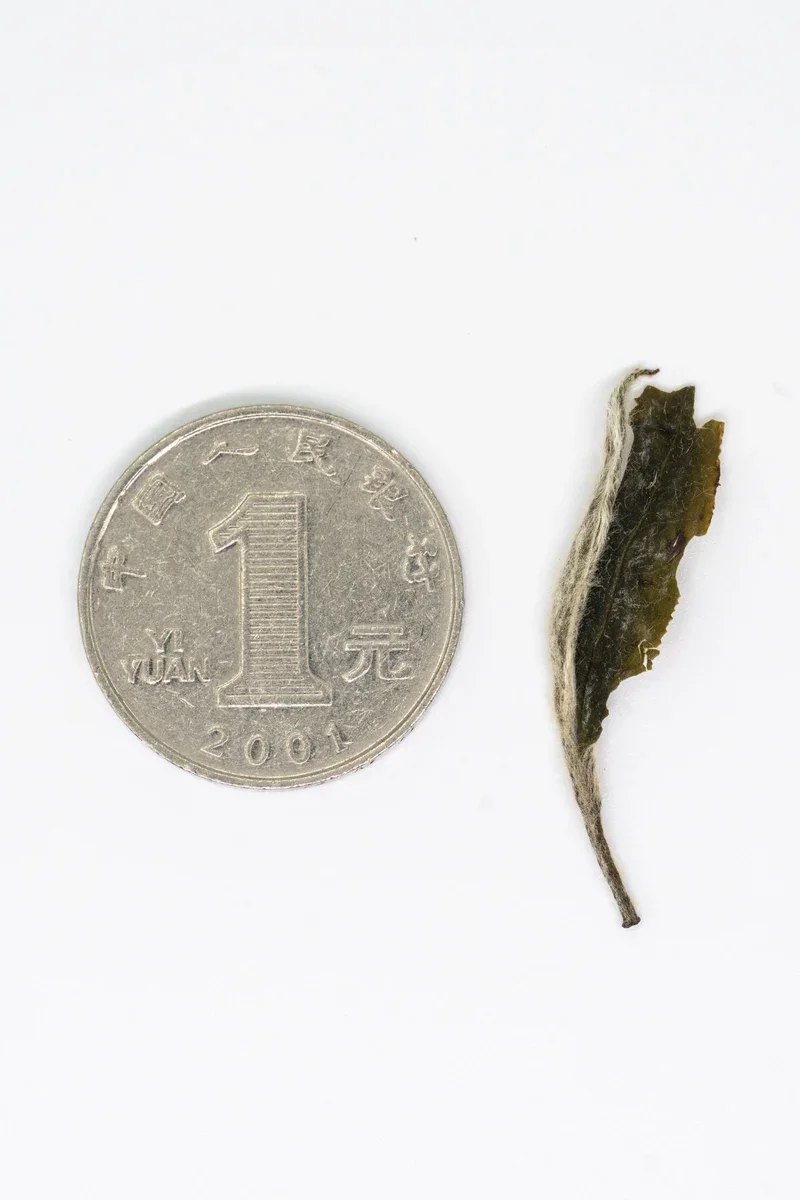
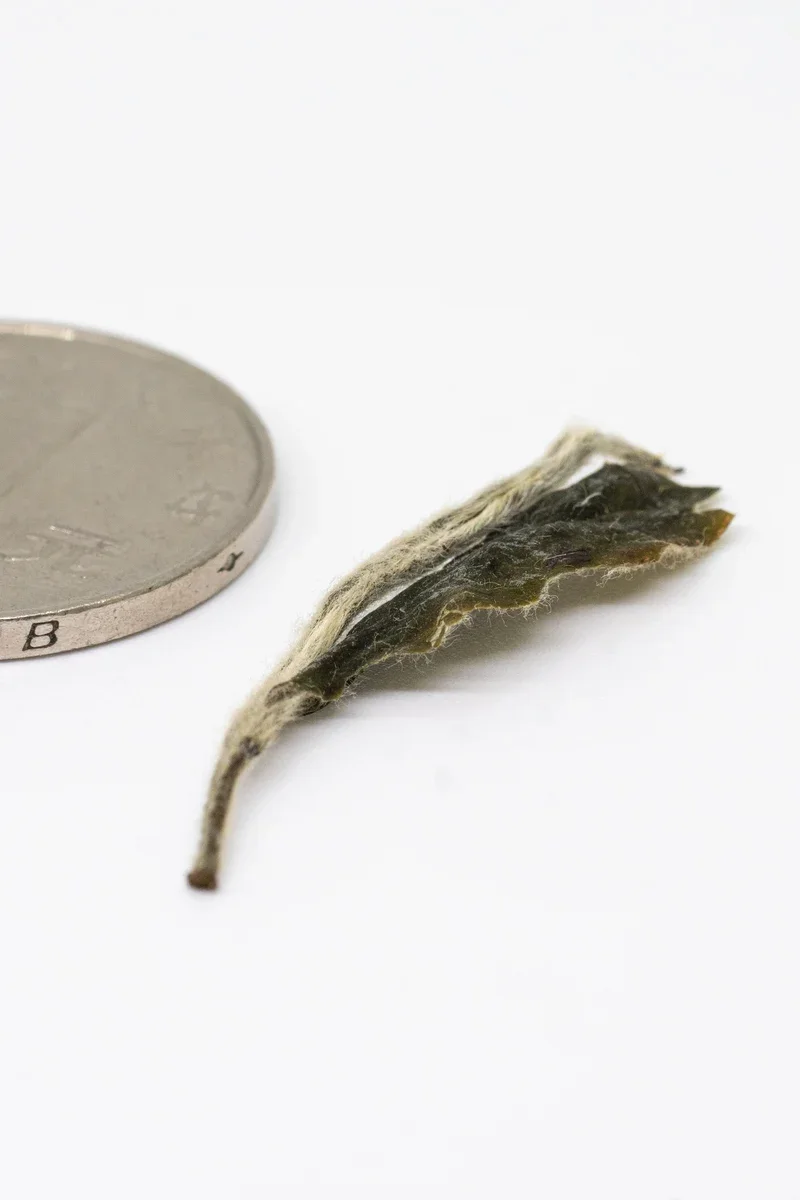
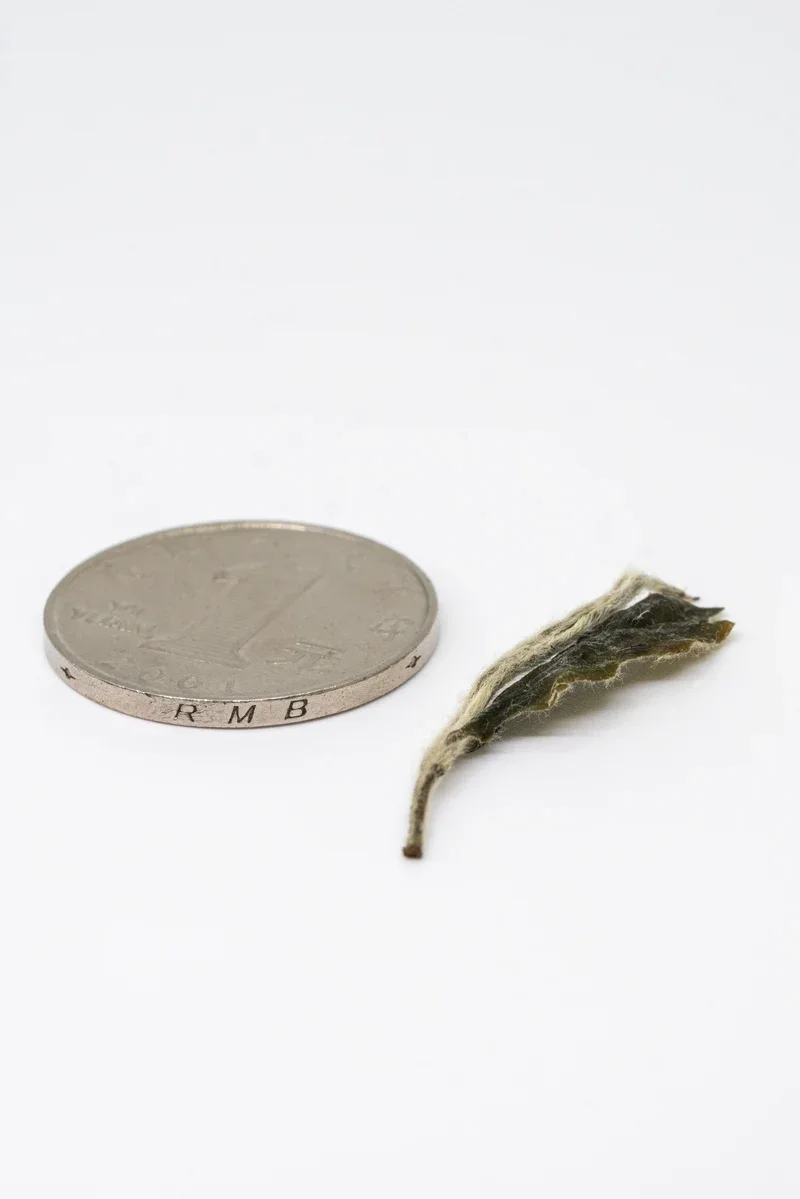
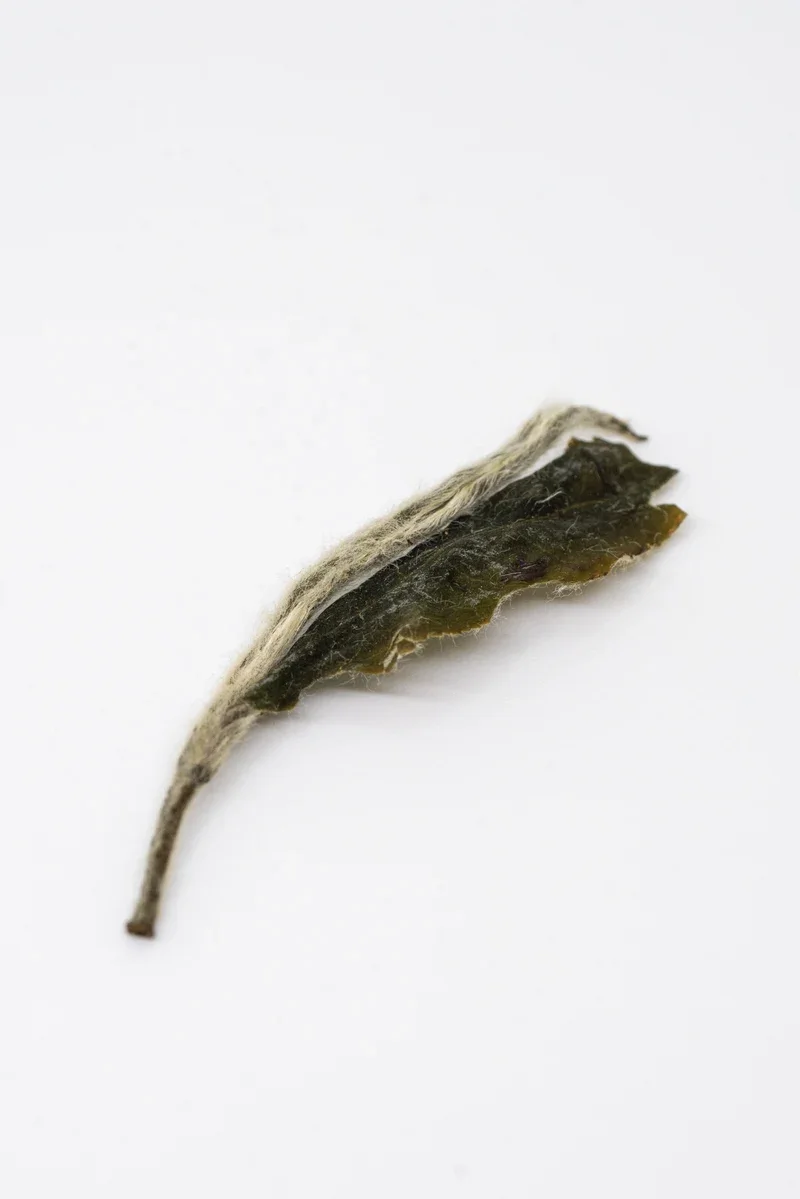
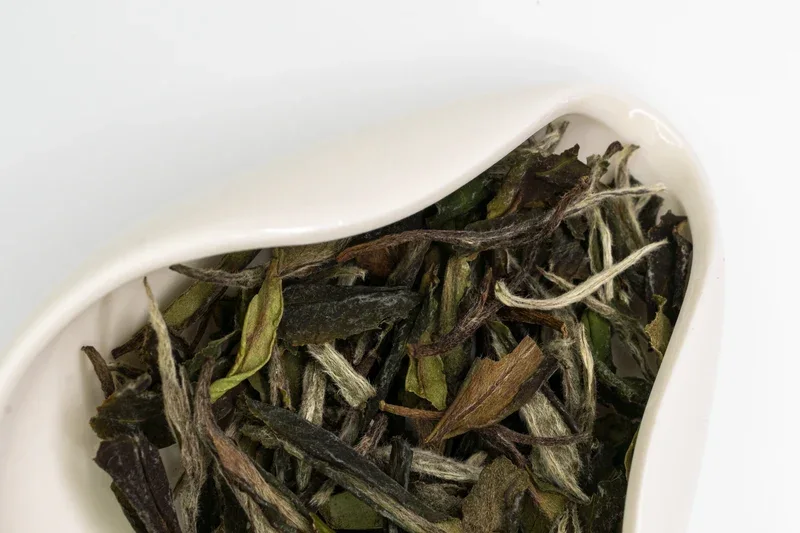
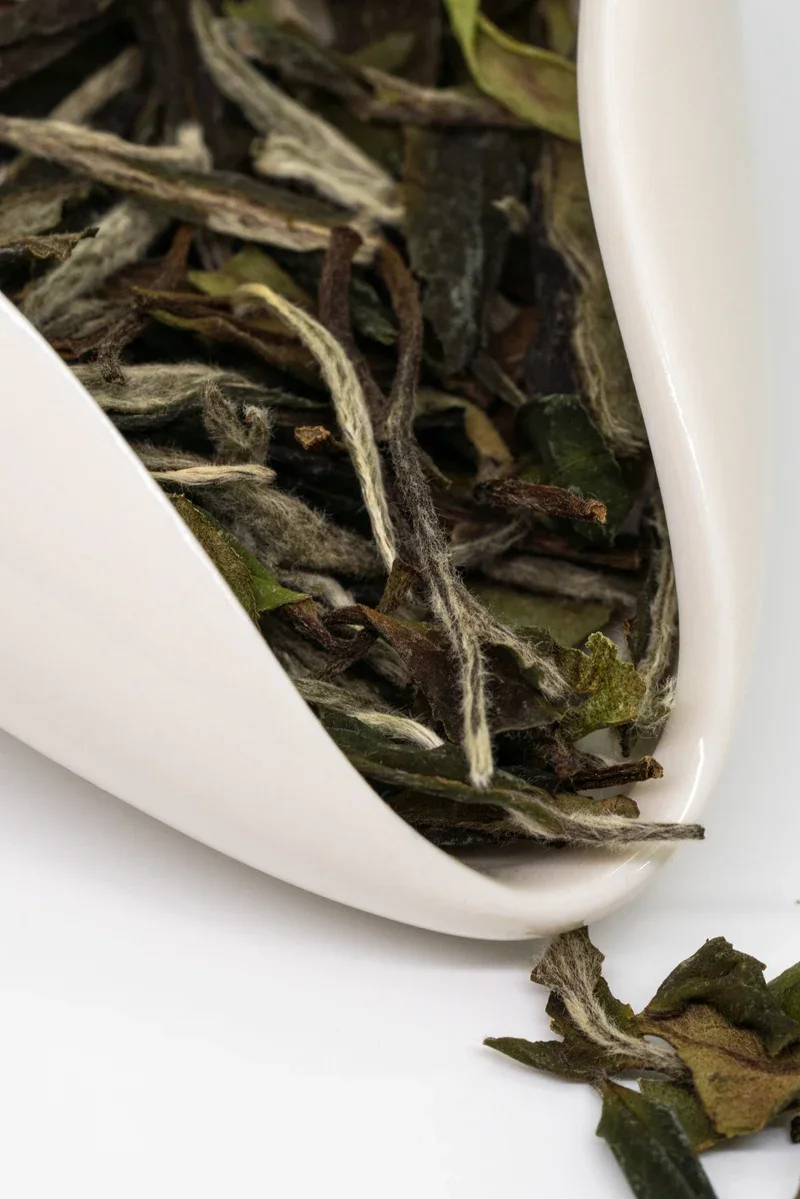
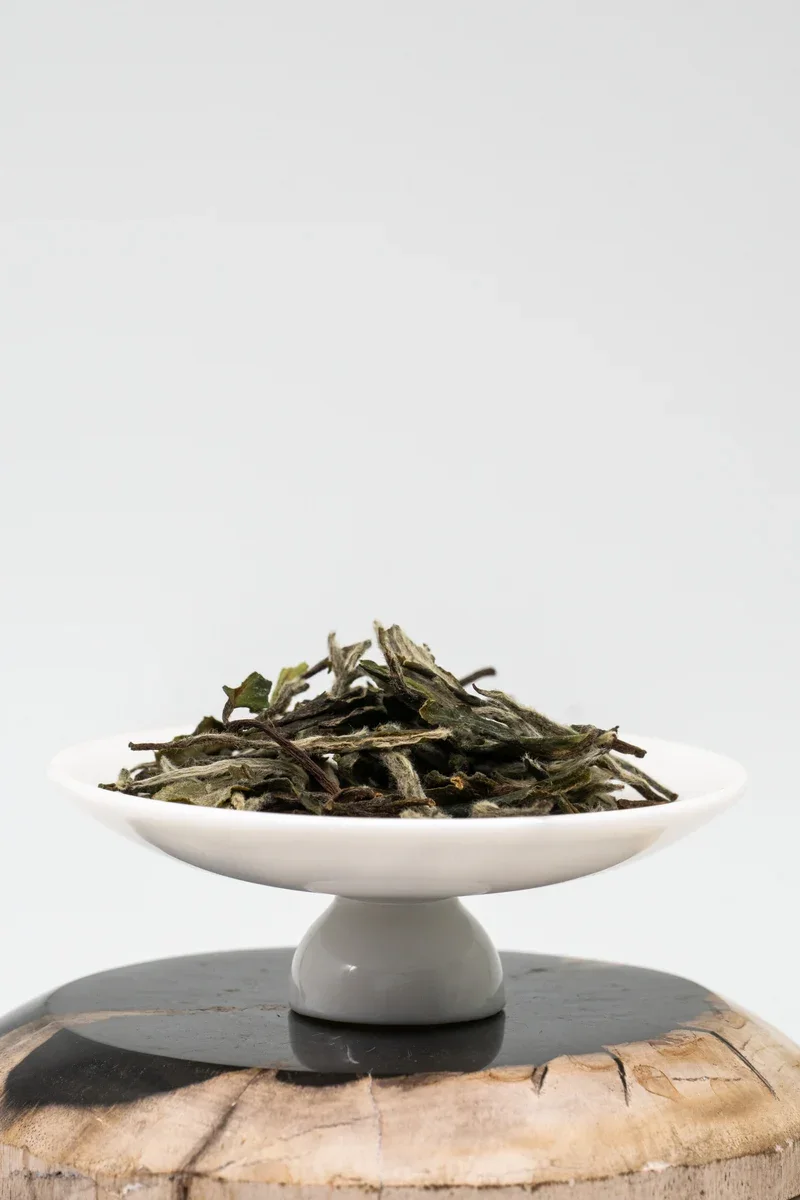
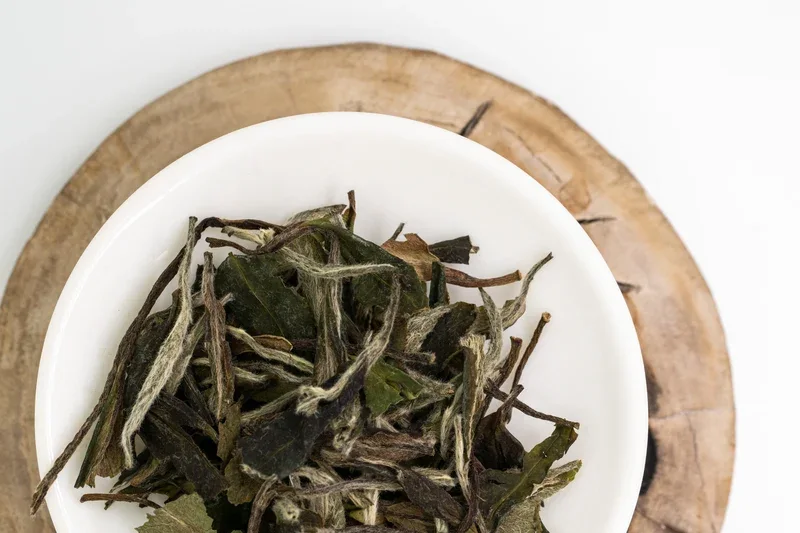
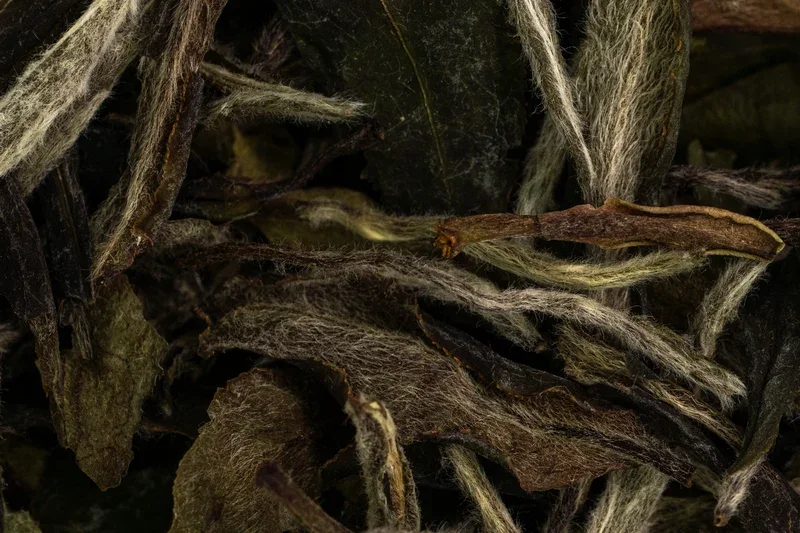
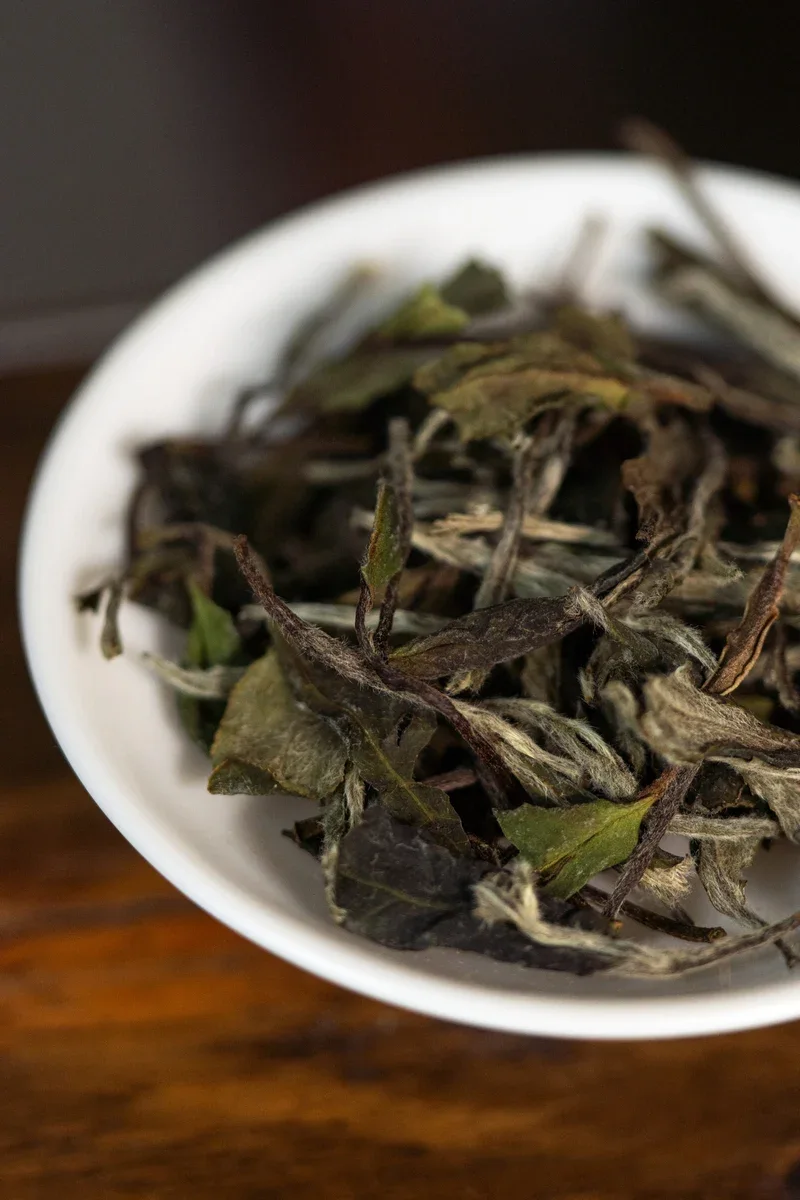
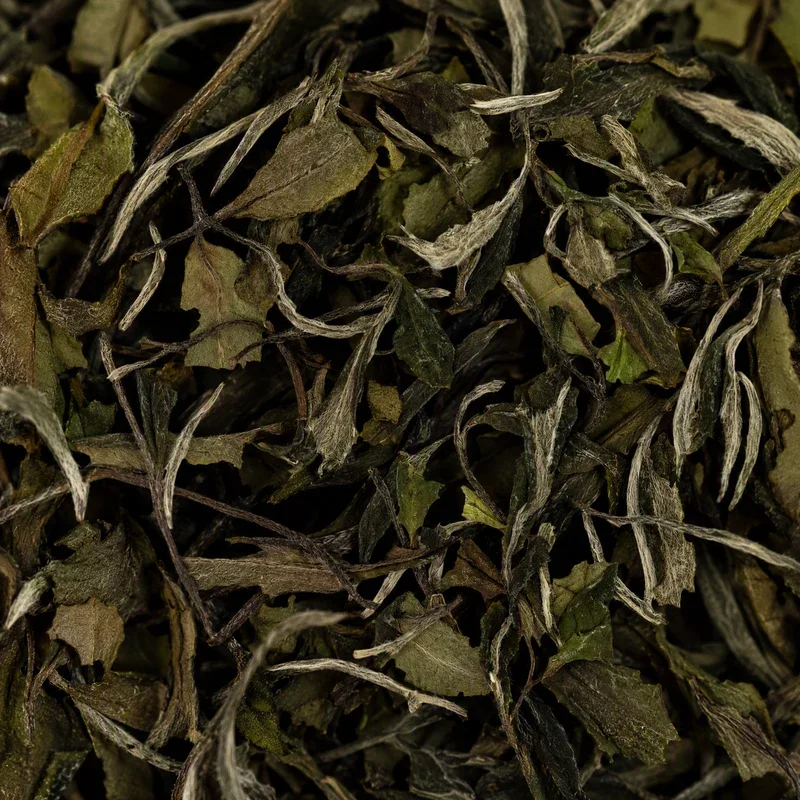
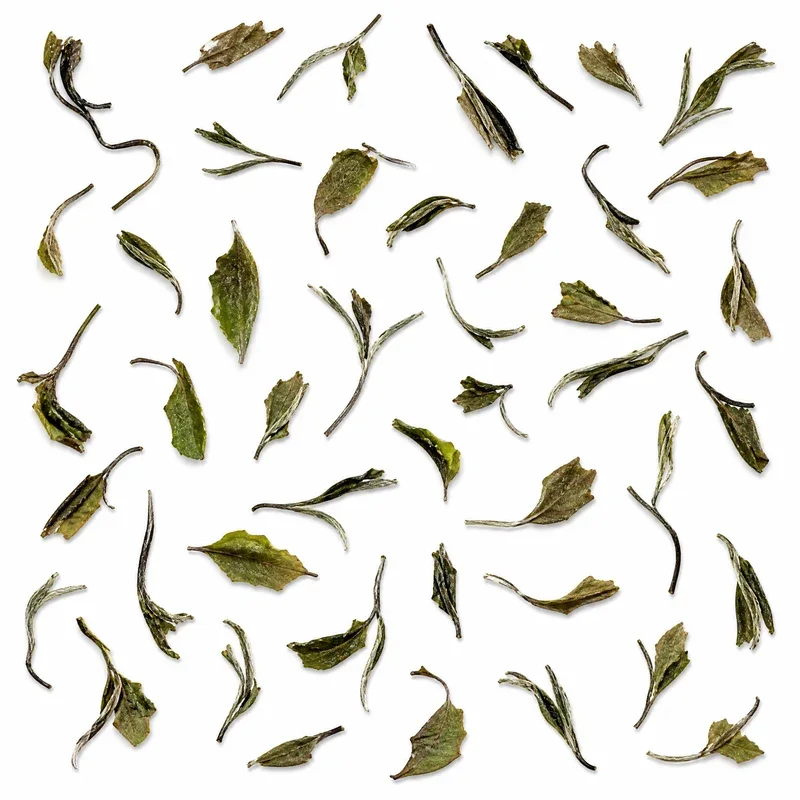
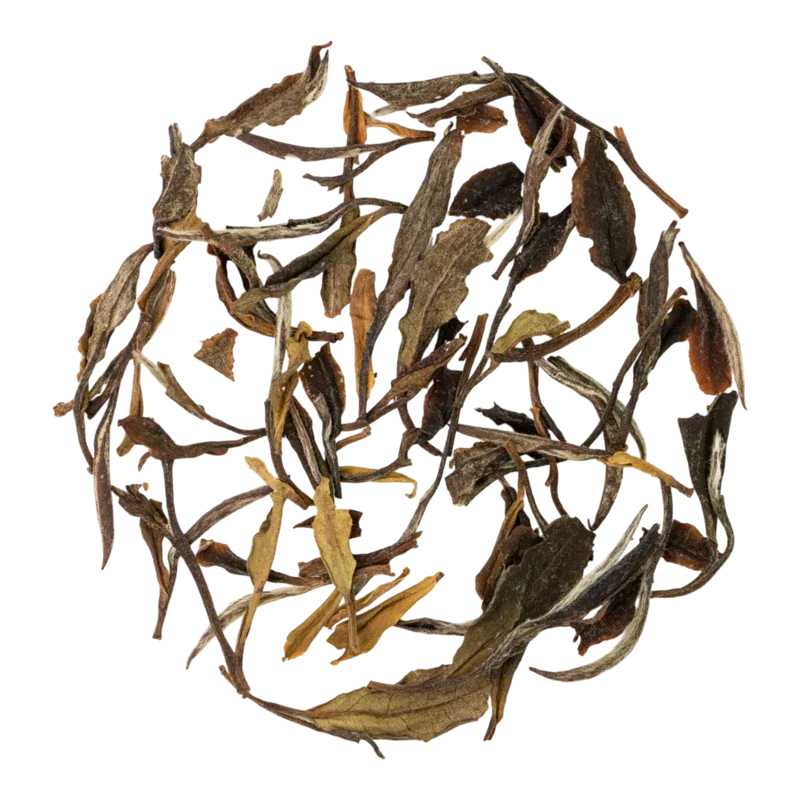
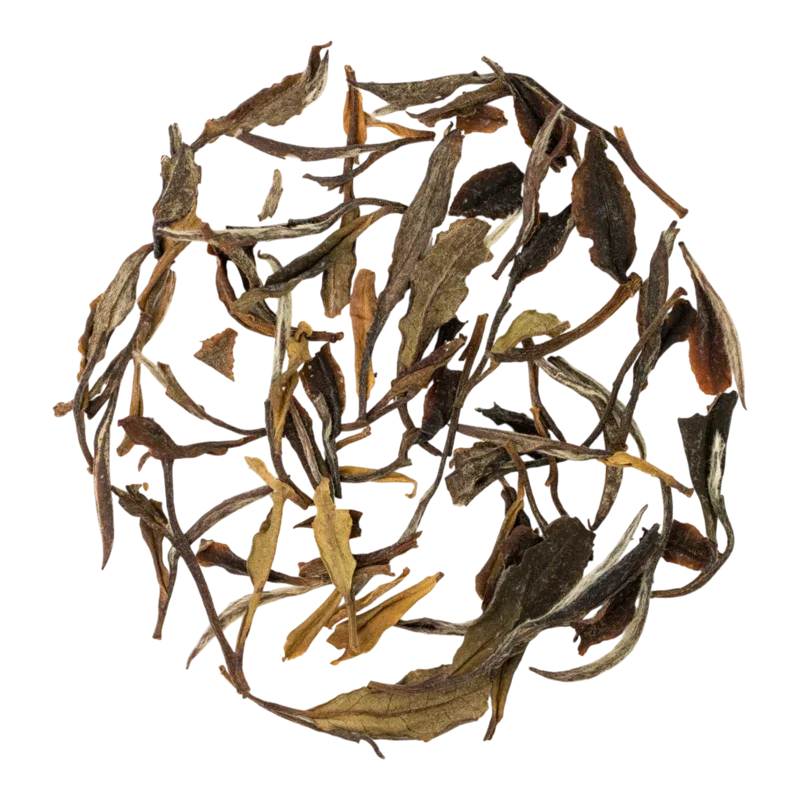
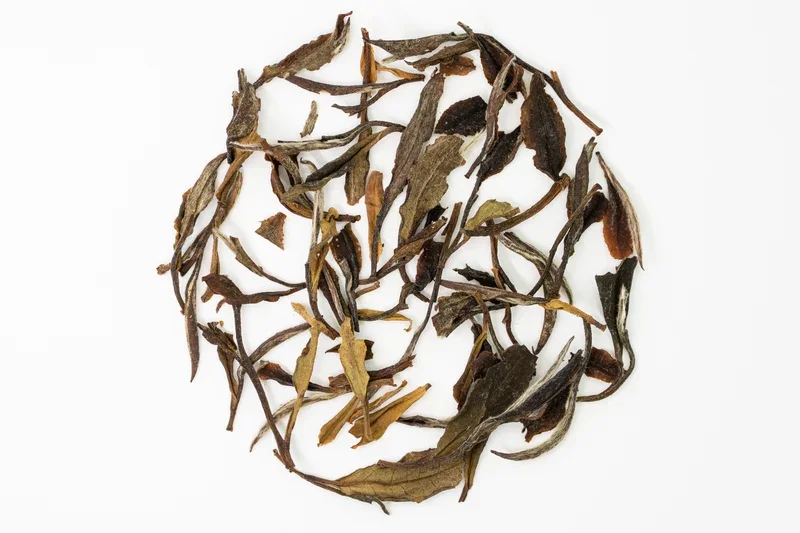
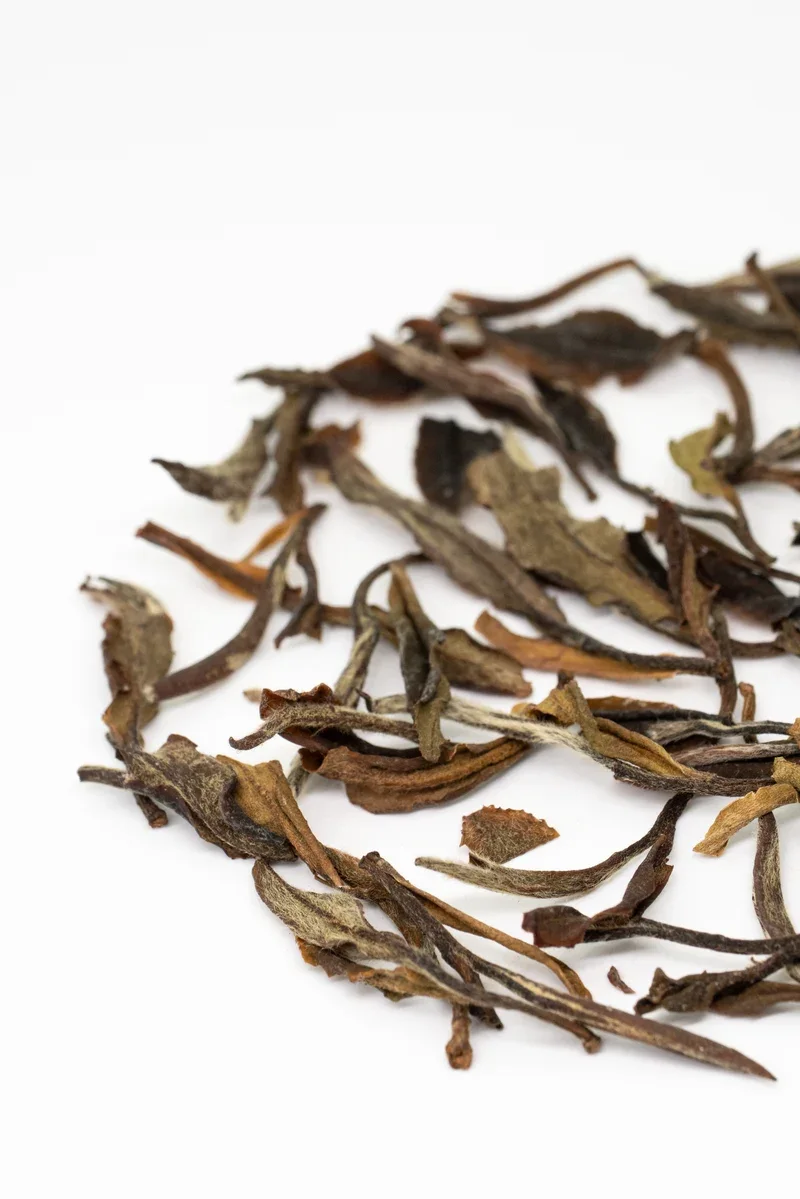
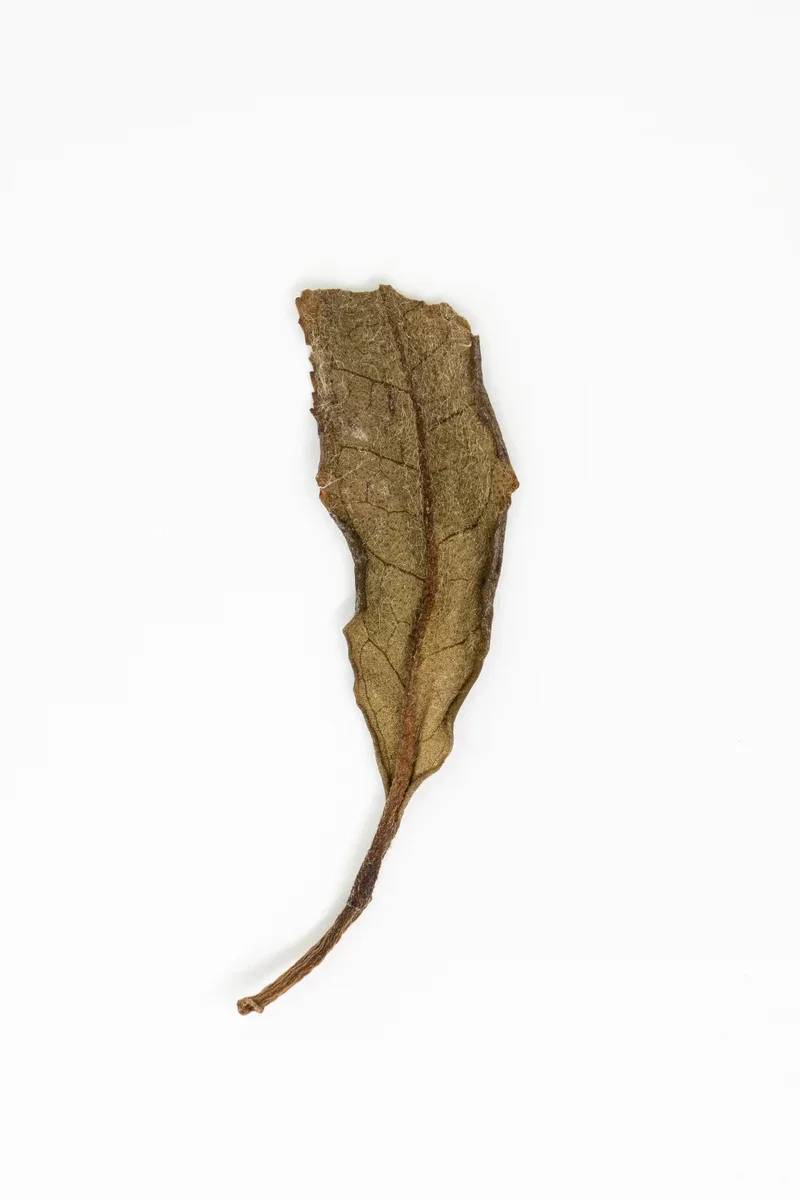
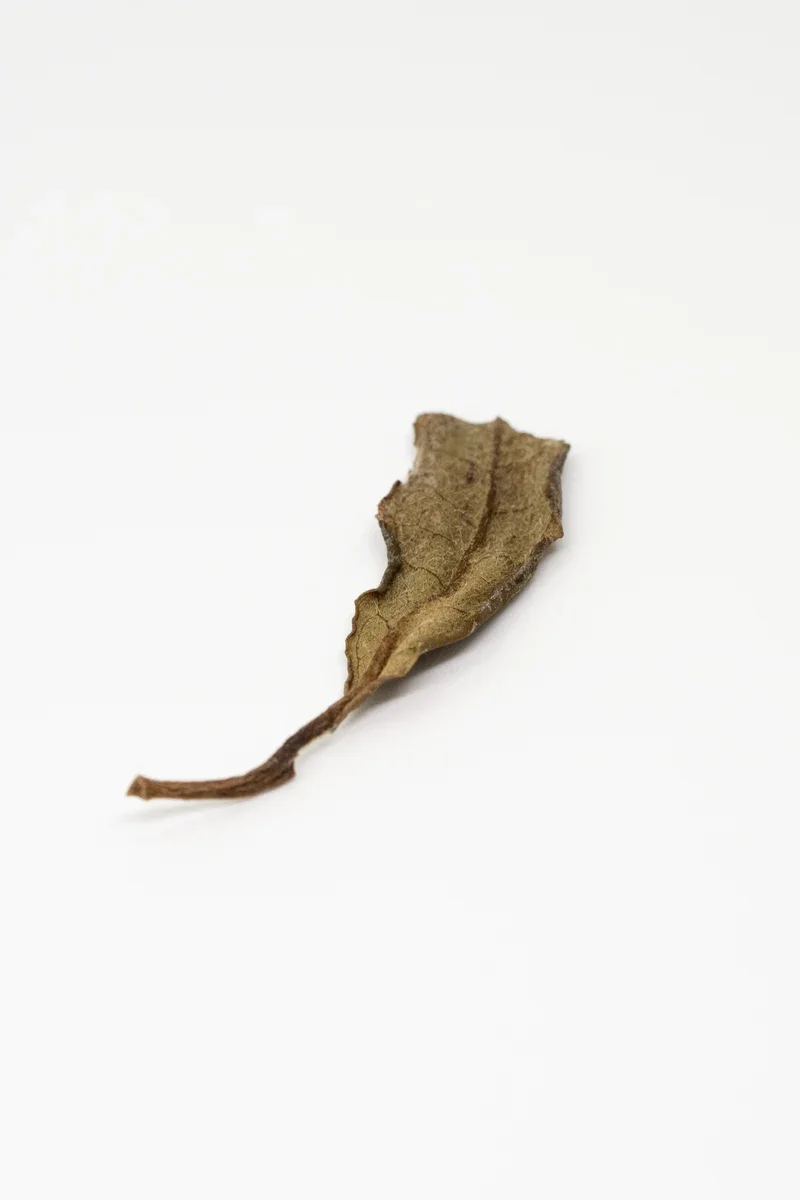
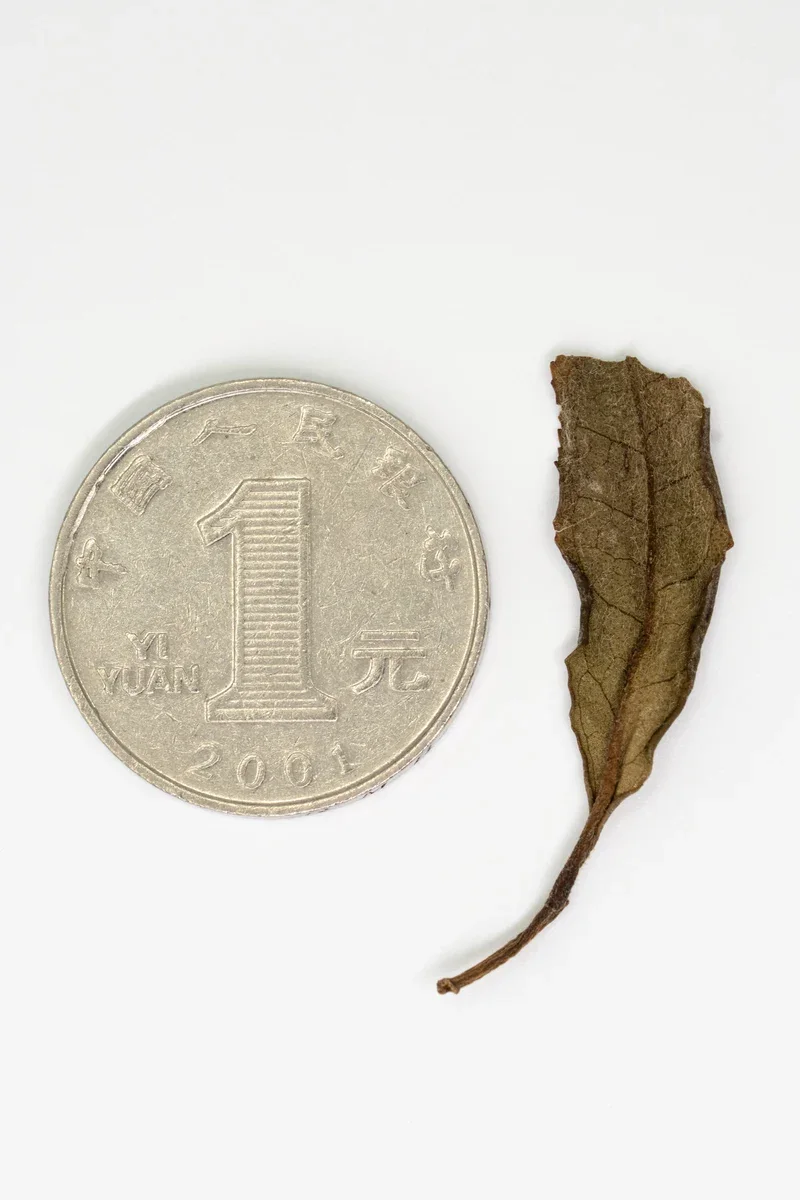
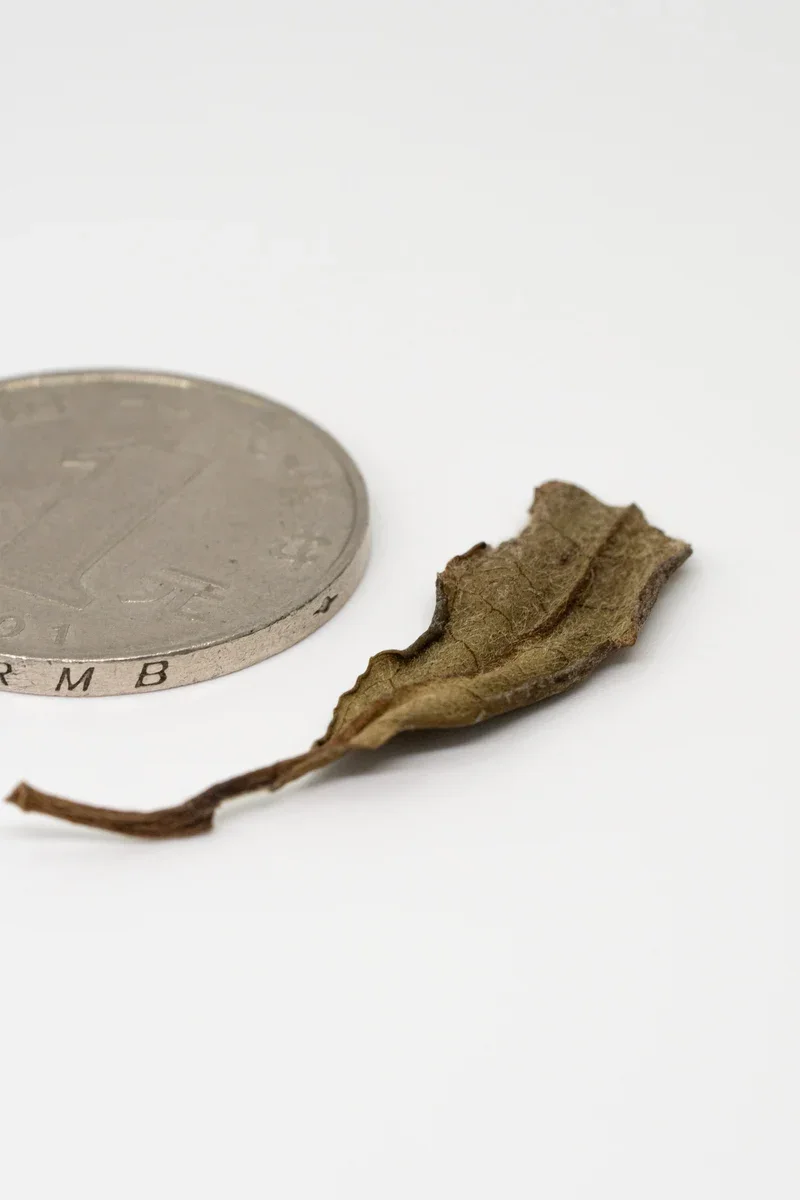
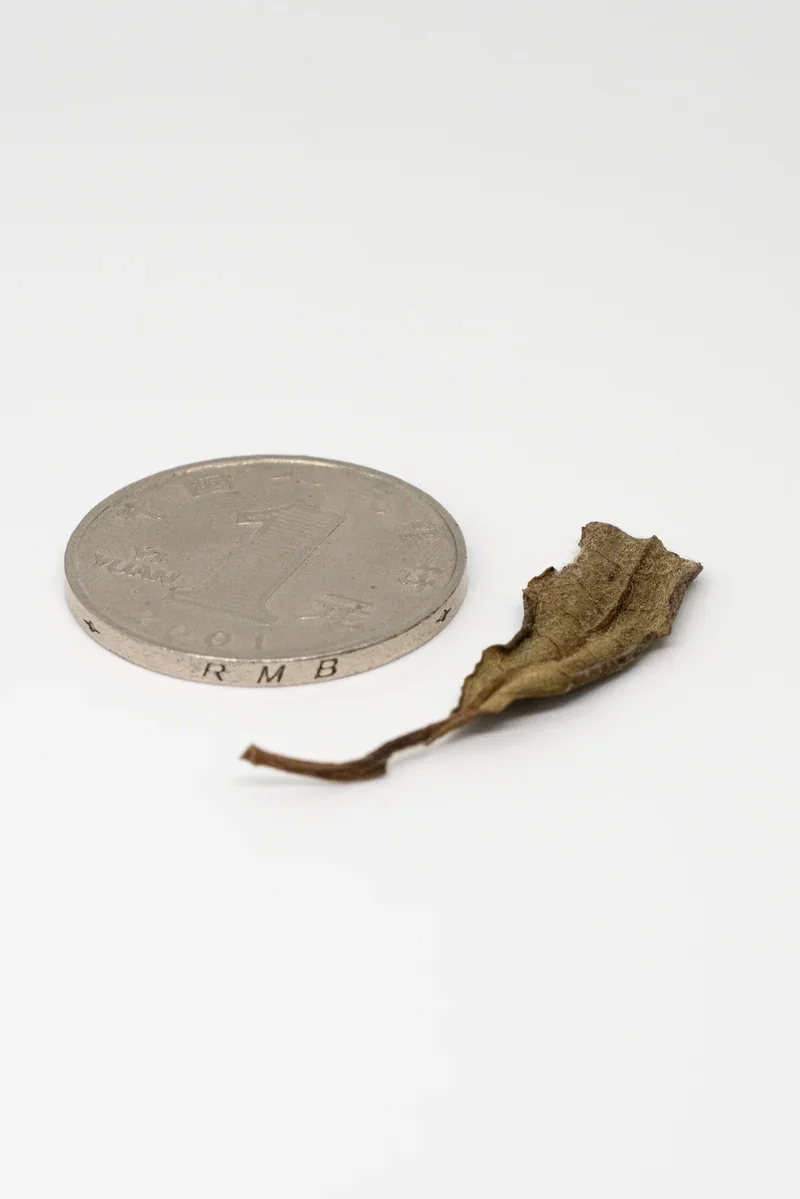
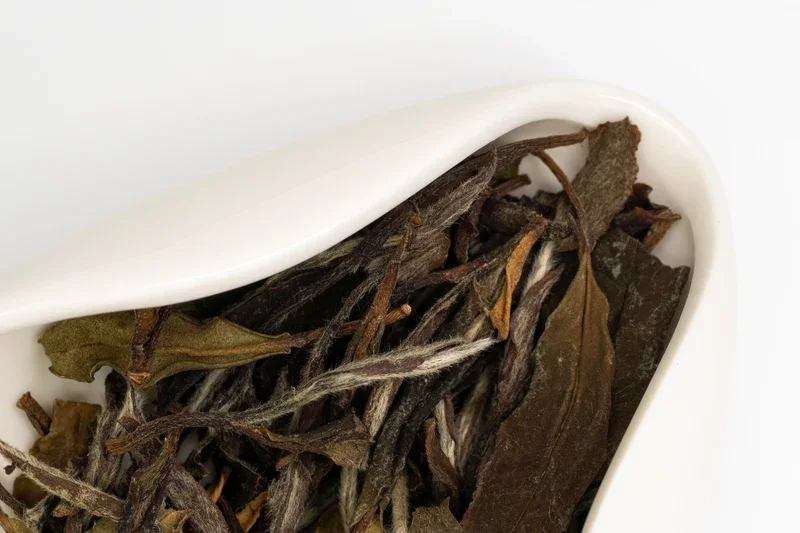
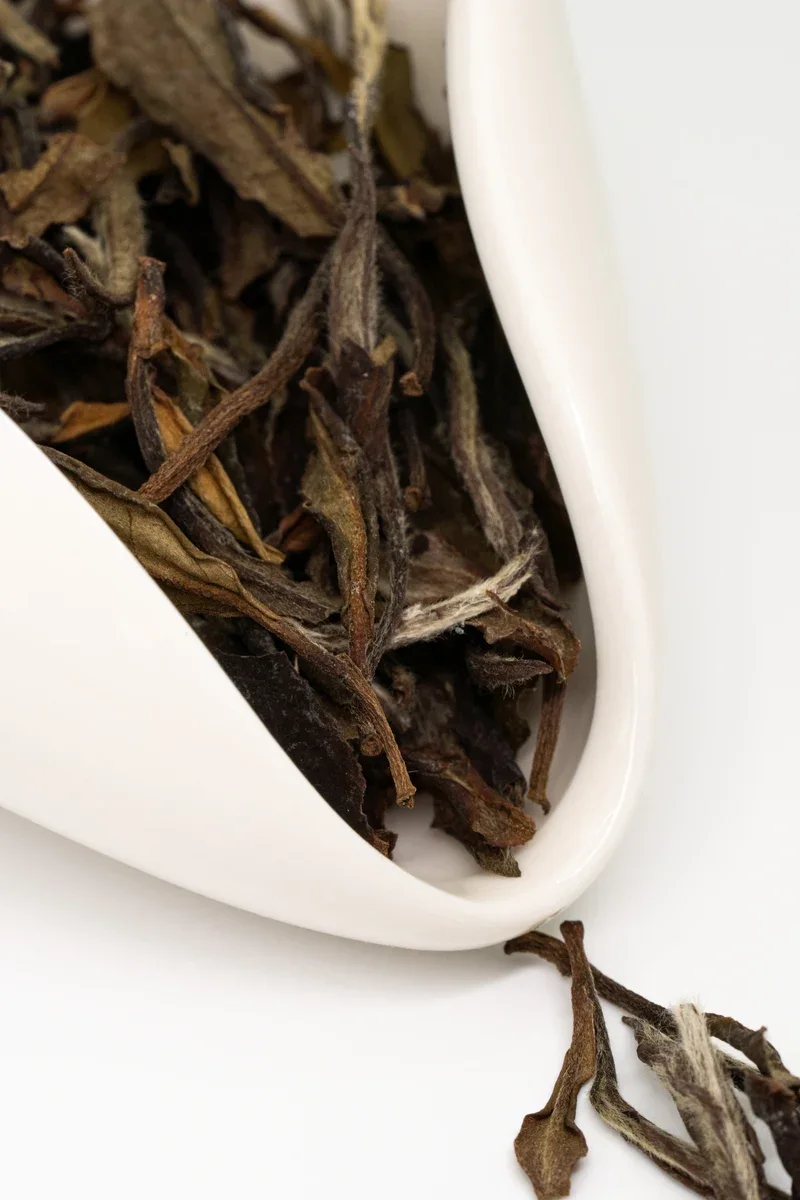
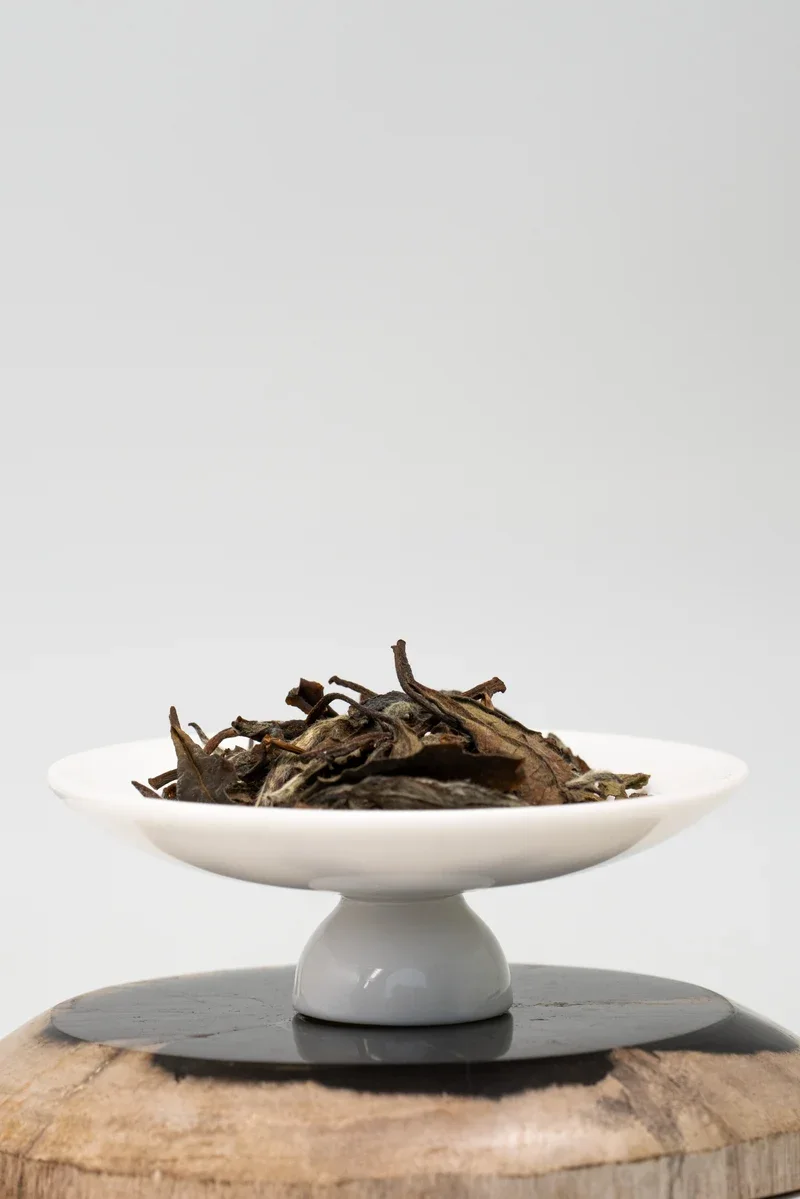
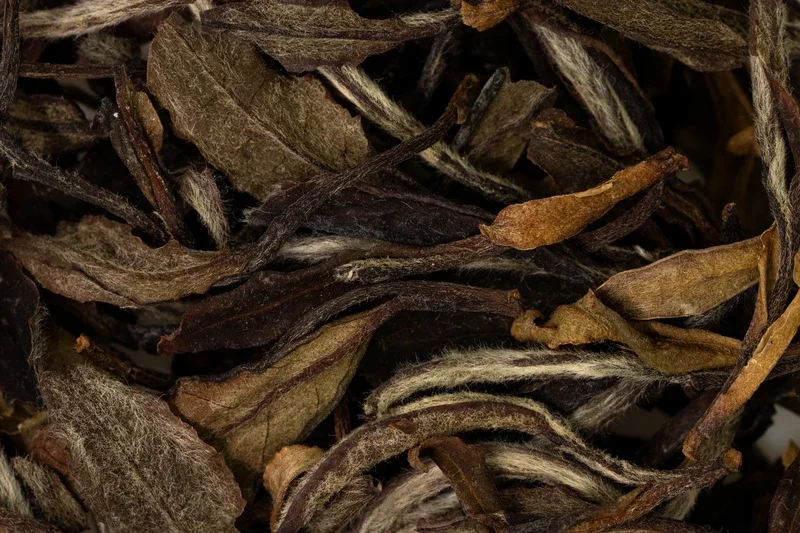
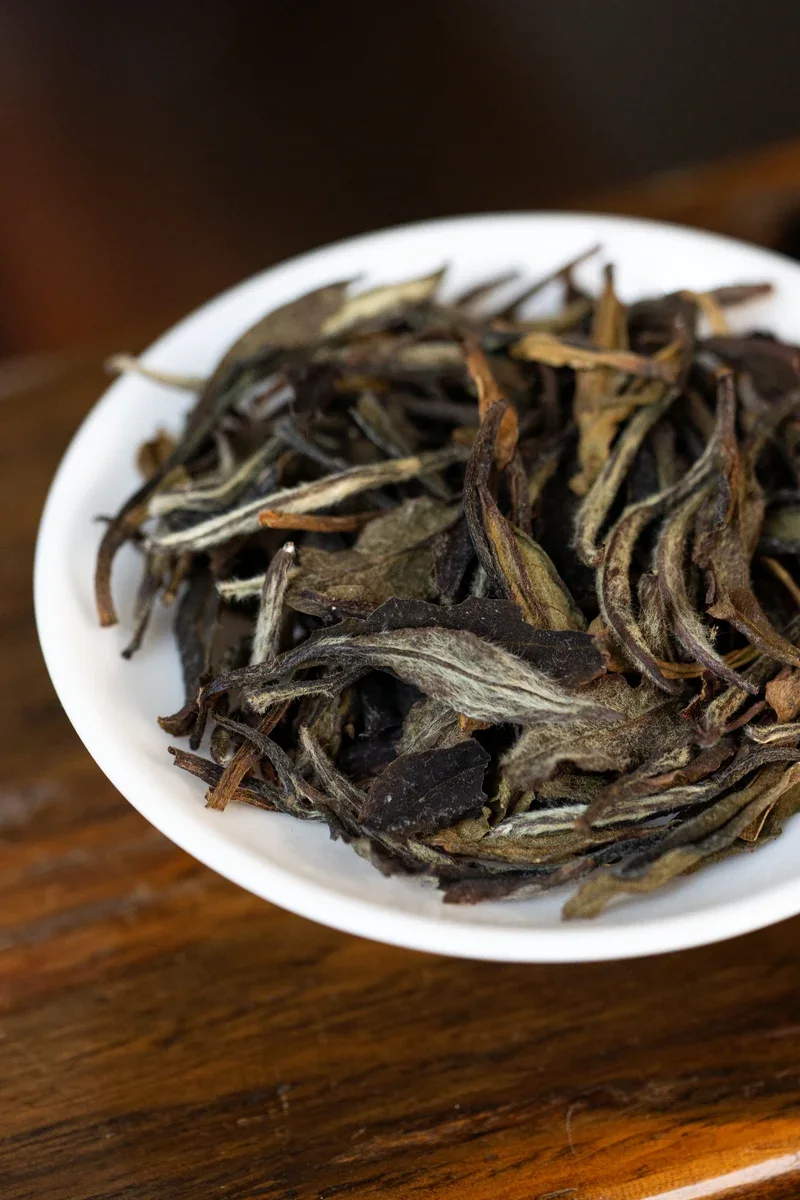
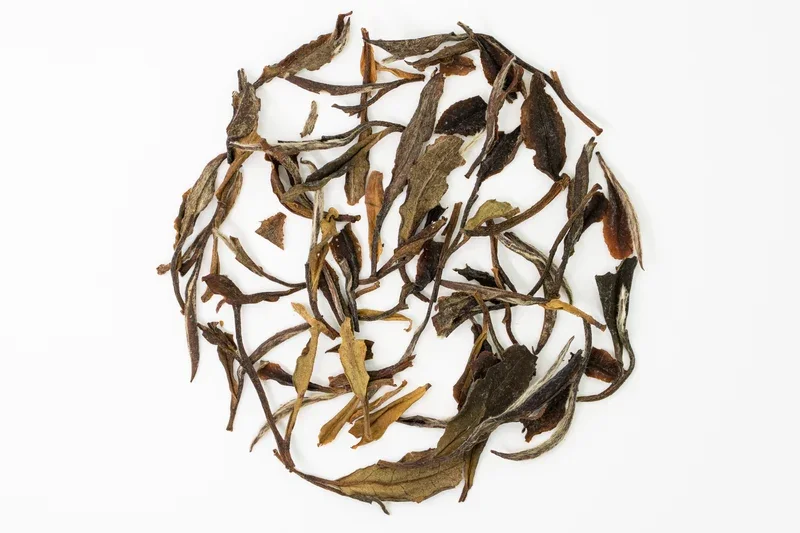
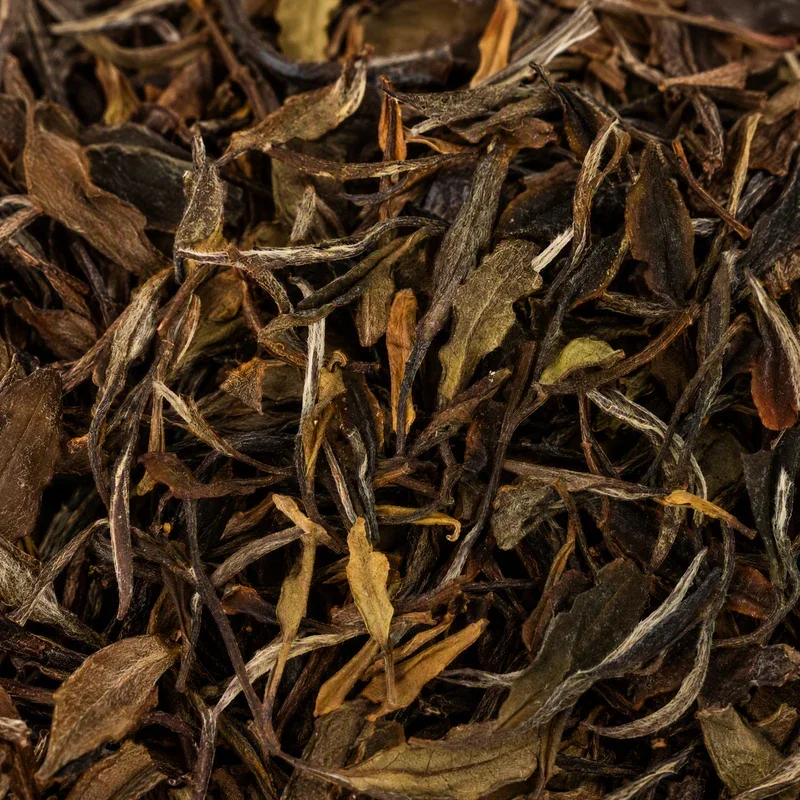
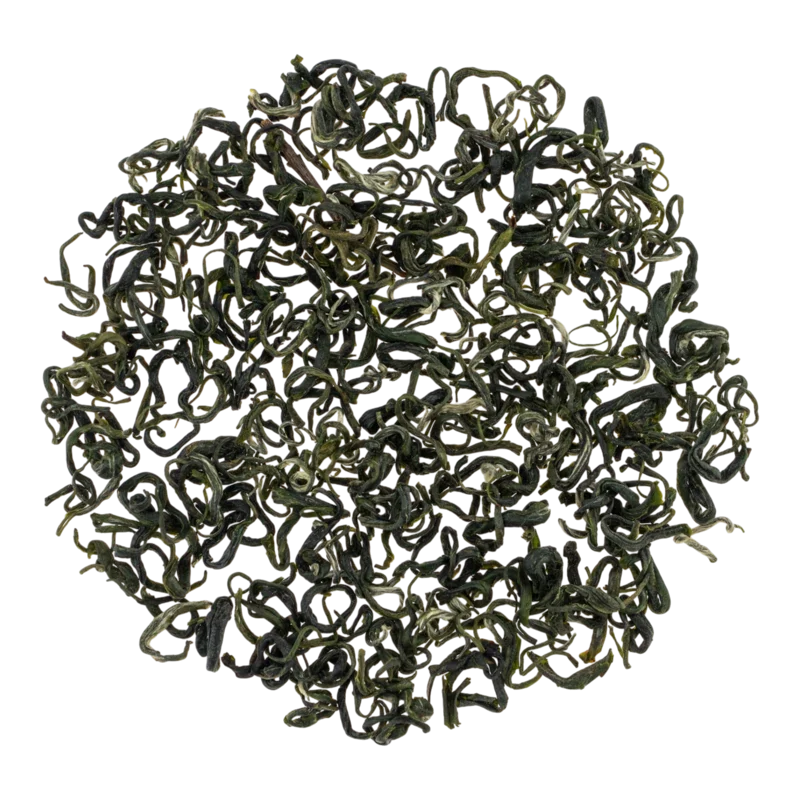
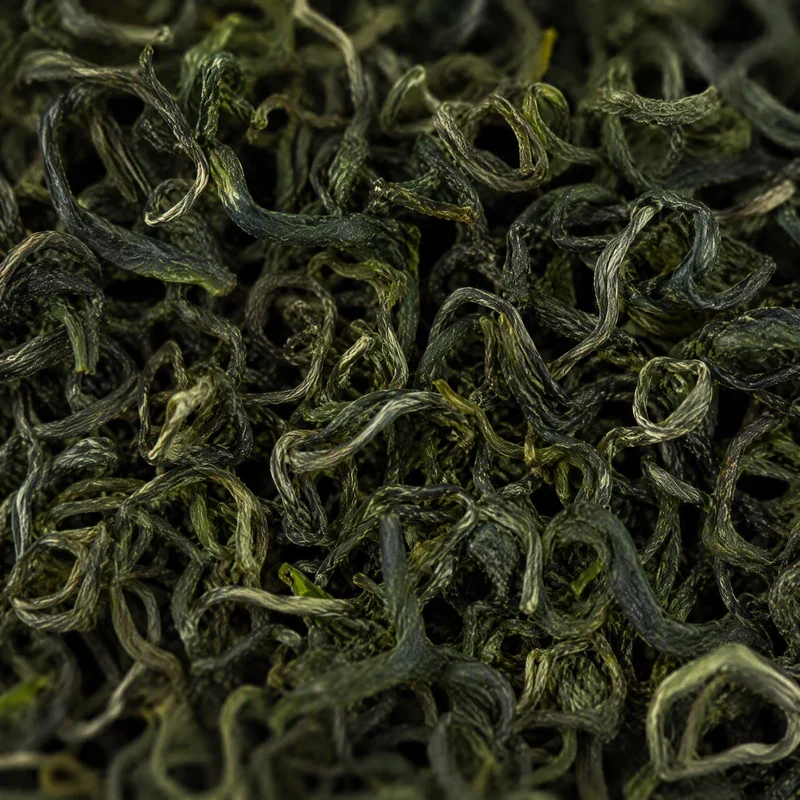
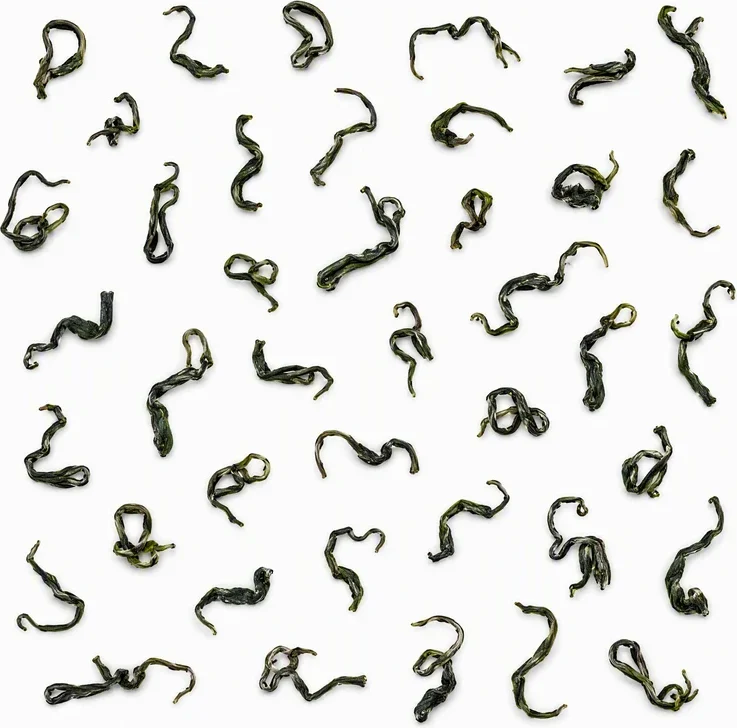
Dry Leaf Appearance: Dense, tightly twisted shoots (条索紧卷匀壮), dark green color with oily luster (绿润油亮). In highest grades — abundant golden down (金毫显露). Shape — classic "strip" (条索形), without flat or granulated shaping. Varieties: strip (条形), needle (针形), twisted (卷曲形).
Dry Leaf Aroma: High, lasting, "roasted" (高爽香, gāoshuǎng xiāng). Unique to Songluocha olive note (橄榄香, gǎnlǎn xiāng) — characteristic "smokiness" from high-temperature pan-firing, reminiscent of olive aroma. Orchid note (兰花香) is expressed in needle varieties.
Liquor Aroma: Rich, deep, with olive dominance. Orchid and chestnut overtones. Residual aroma in empty cup (冷杯留香) persists for more than 30 minutes — this is considered a quality marker.
Liquor Color: Bright green, clear and transparent (鲜绿明亮). In twisted varieties — more saturated.
Spent Leaves: Tender, elastic shoots, even green color. Leaf whole, without damage.
Taste: Dense and rich (浓厚, nónghòu) — polyphenol content ≥25% provides powerful "body". Sweet and mellow (甘醇, gānchún) — pronounced returning sweetness. Slight cooling sensation (微带清凉感) — associated with selenium presence in soils.
Alkaloids: Caffeine — significant content. Provides pronounced tonic effect.
Amino Acids: Content sufficient for forming sweetness and mellowness, balancing high polyphenol content.
Present in noticeable quantities — contribute to cholesterol level control.
Elevated content — result of growing on glacial selenium-containing soils. Selenium is a powerful antioxidant and immunomodulator.
Minerals: Potassium, magnesium, zinc, manganese, iron, fluorine, selenium.
Polyphenols: Content — ≥25% of dry mass — above average for green teas. Provides powerful antioxidant potential and pronounced taste structure.
Vitamins: Vitamin C, B-group vitamins.
Polyphenols stimulate fat breakdown with efficiency, according to research, twice as high as average green tea.
Theaflavins suppress cholesterol synthesis.
Catechins strengthen vascular elasticity, promote normalization of blood pressure and blood sugar levels.
High content of polyphenols and selenium provides powerful protection against oxidative stress.
Caffeine provides vigor and concentration.
the listed properties are based on publicly available data and are not medical recommendations.
freshly purchased Songluocha is recommended to be aged for about a month — during this time the "fiery" taste from high-temperature pan-firing disappears, and the characteristic olive note becomes softer and more harmonious. Residual aroma in empty cup (冷杯留香) for more than 30 minutes is a marker of authenticity and quality.
Tea Amount: 3 g per 150 ml water (1:50 ratio).
Teaware: Glass tumbler or white porcelain gaiwan.
Water Temperature: 80–90°C (boiling water, cooled ~2 minutes).
Baked (烘青) tea with "sparrow tongue" shape. Maofeng is more delicate and floral; Songluocha is denser, with pronounced olive note and higher polyphenol content.
Flat "melon seeds" from pure leaves without buds. Guapian is more grassy; Songluocha is more "roasted" and mineral.
Pearl tea from Jingxian County. Huoqing is granulated, with apricot liquor; Songluocha is twisted, with olive aroma.
From Tongcheng County. Light, floral, delicate. Songluocha is significantly more powerful and rich.
characteristic olive note is the "signature" of Songluocha. Absence of olive tone and presence of "caramel" smell — sign of low quality.
residual aroma in empty cup should persist for more than 30 minutes. Quick dissipation — reason for doubt.
dense, tightly twisted shoots with oily luster. Loose, dull leaf — sign of counterfeit.
suspiciously low price — sure sign of counterfeit.
No reviews yet. Tell us what you think of this tea.
Rate this tea and share your impressions. We review each submission before publishing it.