Brewing
Gongfu brewing
- Water temperature
- 92 °C
- Tea amount
- 6 g
- Water volume
- 100 ml
- First steep
- 10 s
- Time added per infusion
- 5 s
- Infusions
- 8

qí lán
Choose a brewing method. Start with the recommended quantities and time, then adjust to taste.
Brewing
Brewing
Taste
Tea encyclopedia
Category: Under the general name "Qi Lan" exist several related but distinct cultivars:
Category: Under the general name "Qi Lan" exist several related but distinct cultivars:
Cliff oolong (武夷岩茶, Wǔyí Yán Chá), northern Fujian style. Included among the "famous varieties" (名枞, Míngcōng) of Wuyi Mountain.
Independent cultivar, main oolong of Pínghé County (平和县), southern Fujian style. Most commercially significant variety.
Derived from a mutation of Bai Ya Qi Lan in Wuyi; distinguished by notes of almond and apricot.
Anxi County, old variety; used in blends.
Southern Fujian. Birthplace of Bai Ya Qi Lan cultivar. Qílǐng Township (崎岭乡, Qílǐng Xiāng), Péngxī Village (彭溪村, Péngxī Cūn) — site of primary selection. ~24°22' N, ~117°19' E.
Northwest Fujian. ~27°43' N, ~117°41' E.
Xīpíng Township (西坪), birthplace of Zhu Ye Qi Lan.
Type: Oolong (semi-oxidized tea). Oxidation level 15–40% — from light to medium, depending on regional style.
Cultural Significance: Bai Ya Qi Lan is the pride of southern Fujian and a key export oolong of Zhangzhou Prefecture. In 2000, Pinghe was awarded the title "Hometown of Chinese Tea (Bai Ya Qi Lan)" (中国茶叶(白芽奇兰)之乡). The Bai Ya Qi Lan brand was valued at 25.84 billion yuan in 2019, ranking in the top 15 regional tea brands of China. Along with Tie Guanyin and Wuyi Da Hong Pao, Bai Ya Qi Lan forms the "golden triangle" (铁三角) of Fujian oolong. In 2010, tea from Pinghe was included among licensed goods for the World Expo 2010 in Shanghai. Wuyi Qi Lan, in contrast, occupies an "insider" tea niche — less promoted but highly valued by connoisseurs for the refinement of orchid notes in a mineral setting.
History: Tea cultivation in Pinghe has more than a thousand-year history. As early as the "Chronicles of Pinghe County" (《平和县志》) from the Kāngxī era (康熙, 1661–1722), it was recorded: "tea from Dafengshan Mountain is the finest" (茶出大峰山者良). From the late Ming — early Qing period, tea from Pinghe was exported to Southeast Asia and Myanmar.
Camellia sinensis var. sinensis. Shrub type (灌木型, guànmù xíng), asexually propagated (无性系), medium-leaf (中叶类), late-maturing variety (晚生种). Plant is medium-height, crown semi-spreading, branching moderately dense. Leaves long-elliptical, dark green, glossy, surface slightly convex, edges wavy, serration — sharp, deep, frequent. Leaf blade thick, brittle. Characteristic feature — young shoots have yellow-white color (hence "Bai Ya") with noticeable white pubescence (白毫). Weight of 100 shoots (one bud three leaves) — ~139 g. Flower — 7 petals, three-part pistil. High yield: 300–500 kg dry tea per mu.
Shrub or semi-tree with rather small leaves (smaller than most yancha cultivars). Leaves oval-elliptical, dark green, with pointed tip. Principal feature — unusually high content of volatile essential oils already in green leaf: when rubbed, living leaf distinctly smells of orchid.
Spring (April–May), summer, autumn. Spring Qi Lan from Wuyi and high-altitude Pinghe — premium.
Pluck Standard: Bud + 2–3 upper leaves. For Pinghe Bai Ya Qi Lan, the standard "small opening — medium opening" (小开面至中开面, xiǎo kāimiàn zhì zhōng kāimiàn) of the shoot is applied, analogous to Tie Guanyin standard. Spring picking — most valuable.
Climate: Average annual ~18°C, relative humidity >80%, frequent fogs, diffused light.
Soil: Products of volcanic rock weathering — rich in iron, manganese. pH 4.5–5.5.
Main plantations — 500–1,200 m. Pengxi Village area (Qiling) — 600–800 m. High-altitude gardens on Daqin slopes — most valuable.
Fresh, "clean" orchid aroma without mineral load; light, "crystalline" body; refreshing sweetness; high aroma persistence.
300–700 m.
Pronounced "rock rhyme" (岩韵, Yán Yùn) — minerality, body density, long aftertaste. Orchid aroma acquires mineral "stone" undertones, becomes deeper and "warmer."
Topography: Red quartzite sandstone dānxiá landform (丹霞地貌), inter-rock valleys and gorges (坑涧, kēngjiàn). Bushes grow in rock crevices.
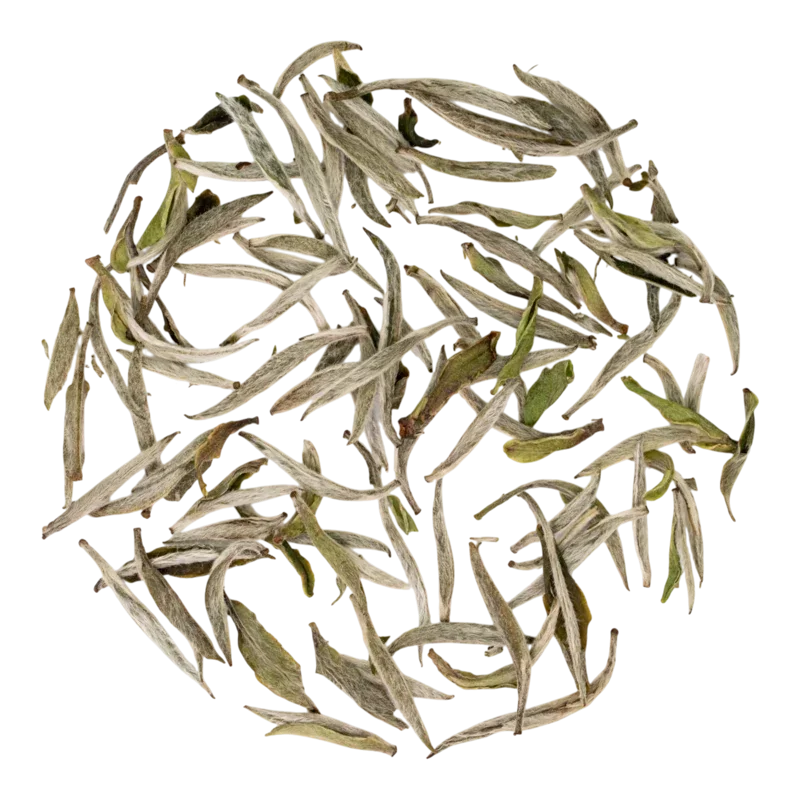
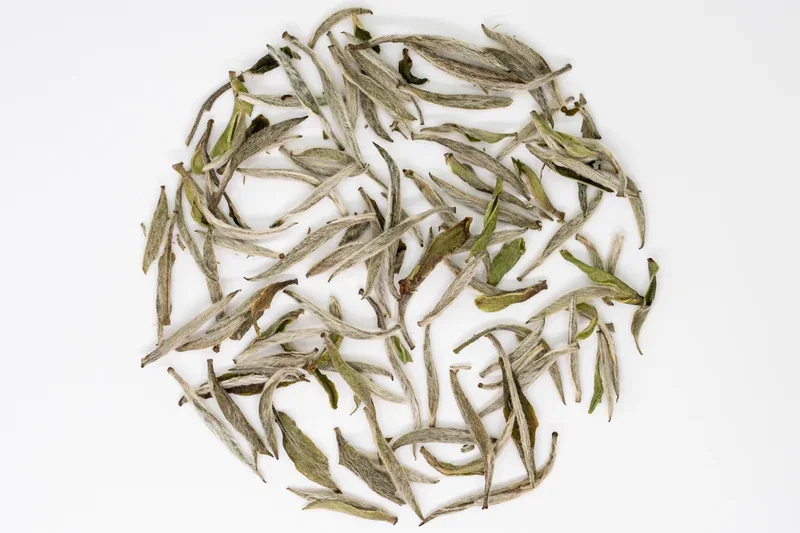
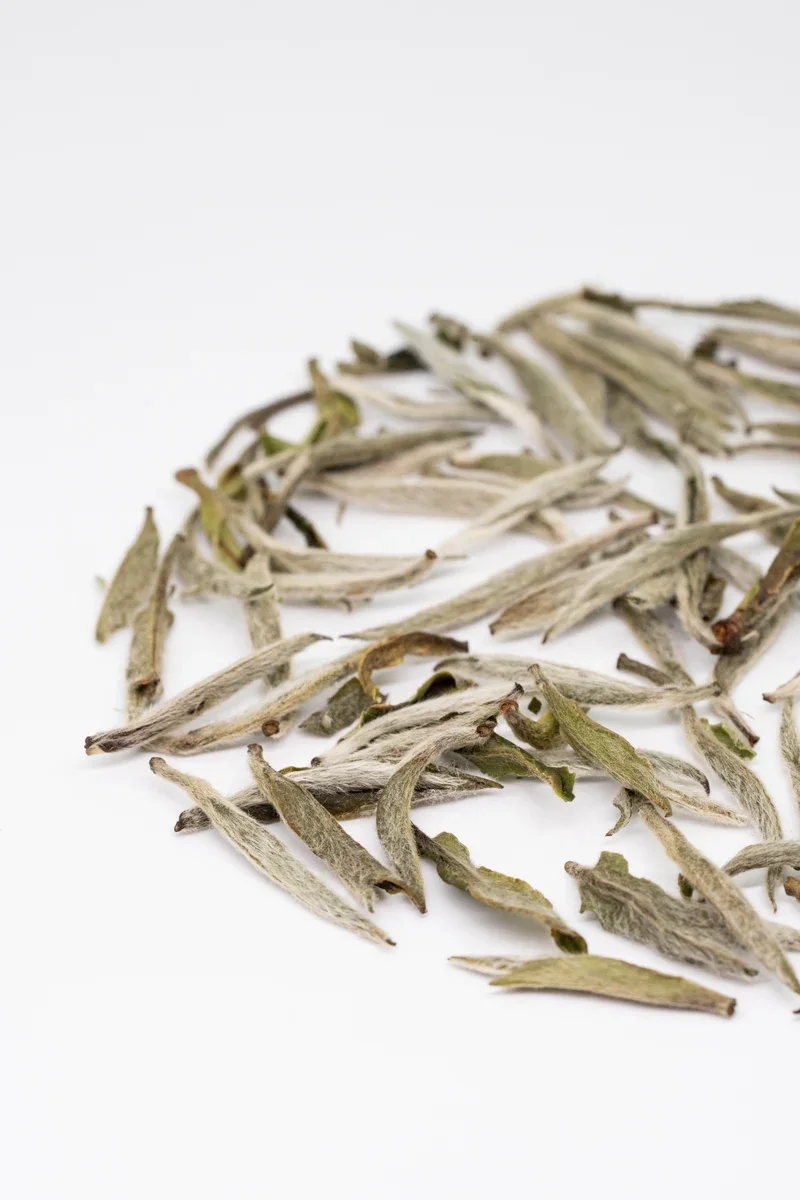
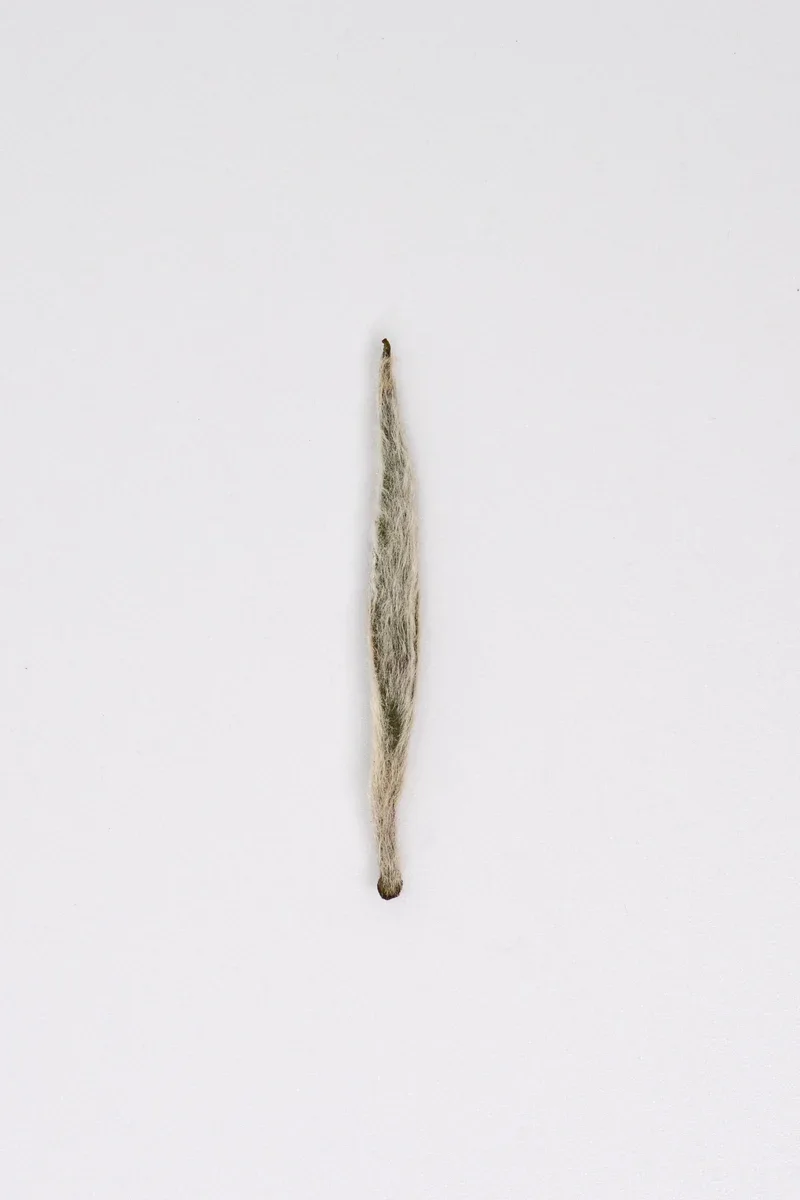
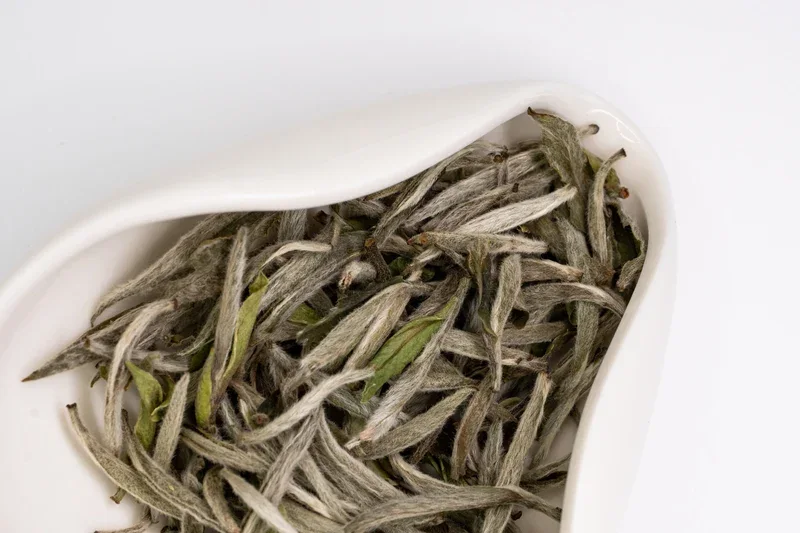
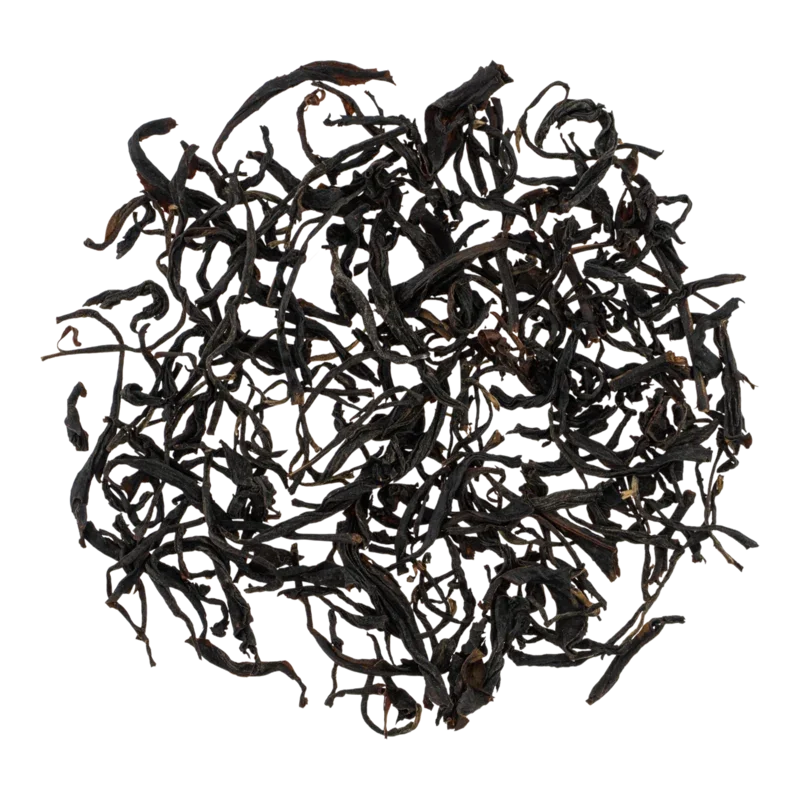
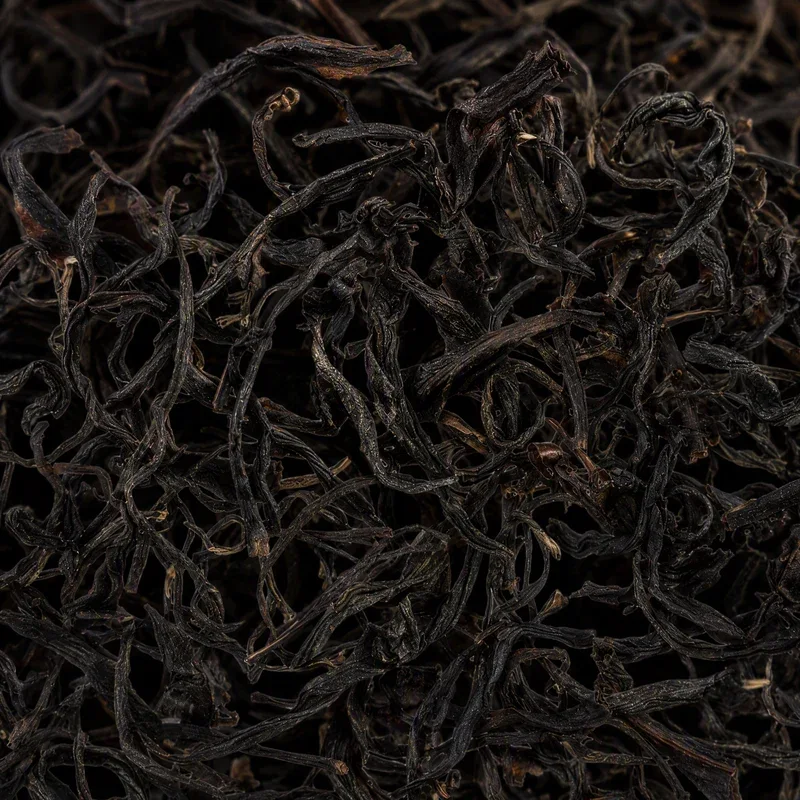
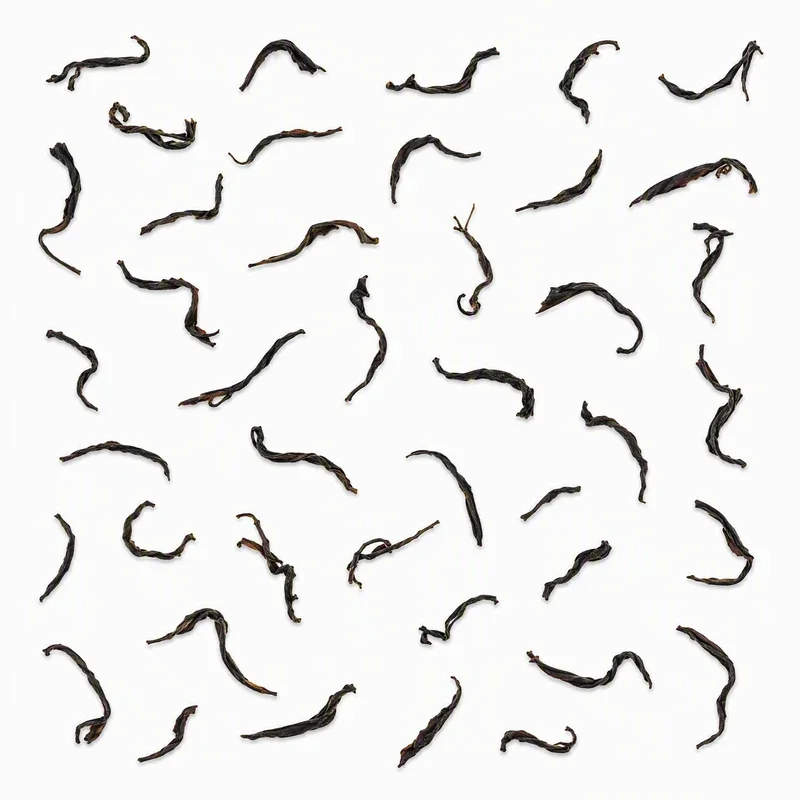
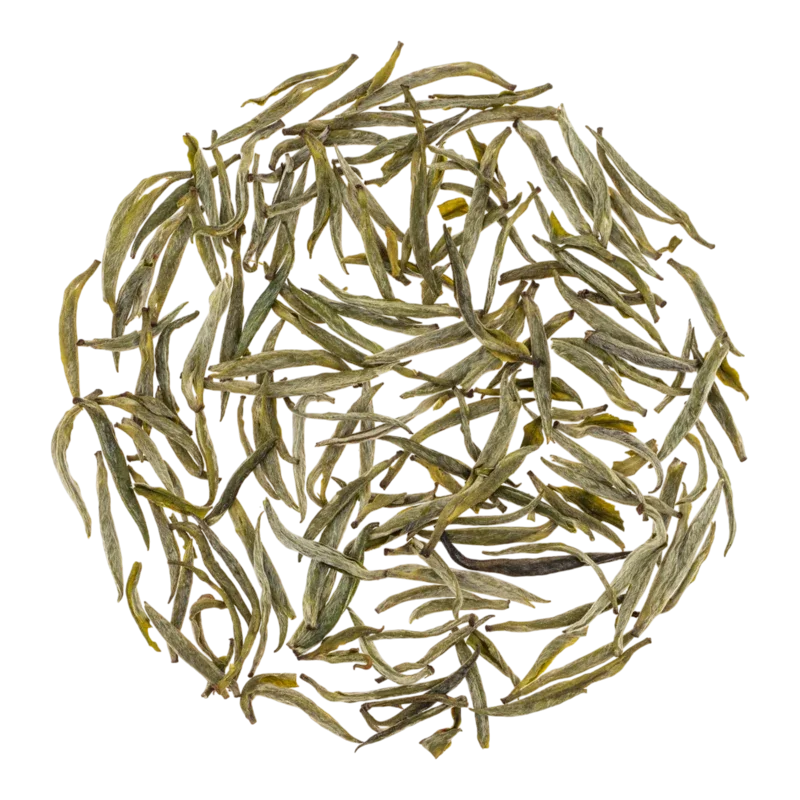
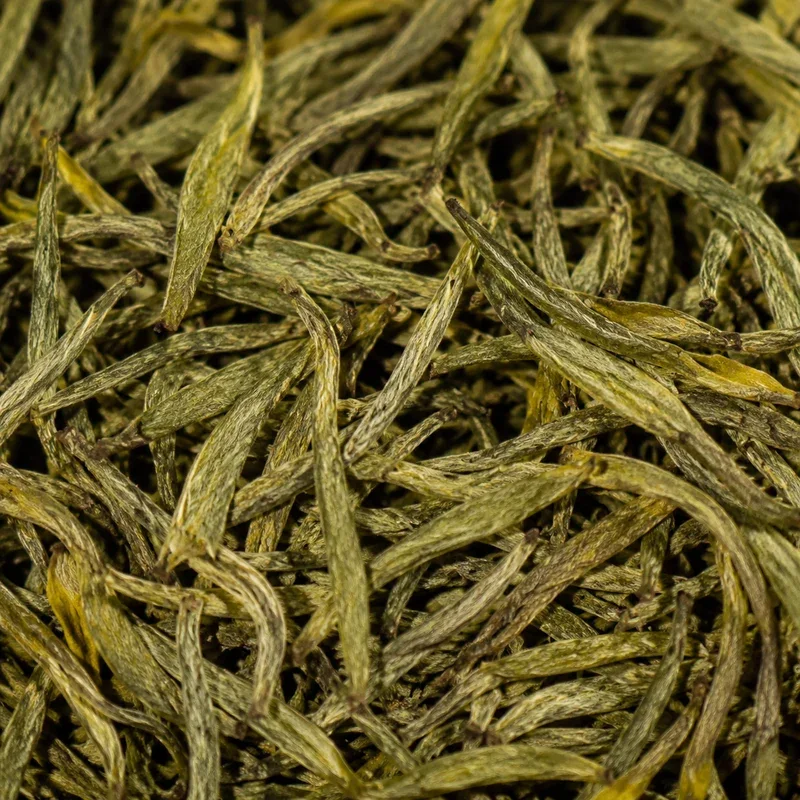
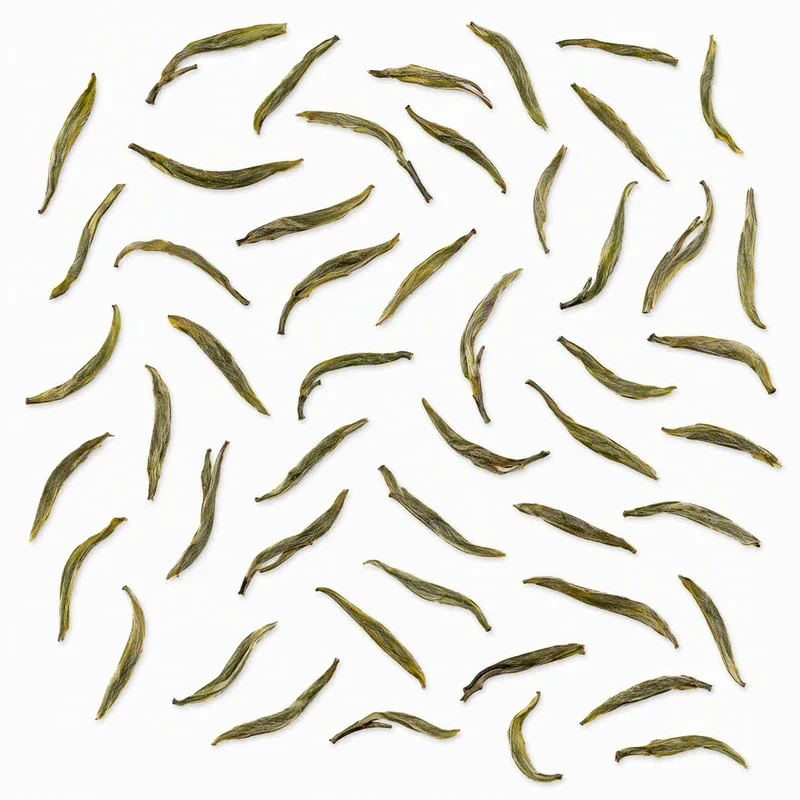
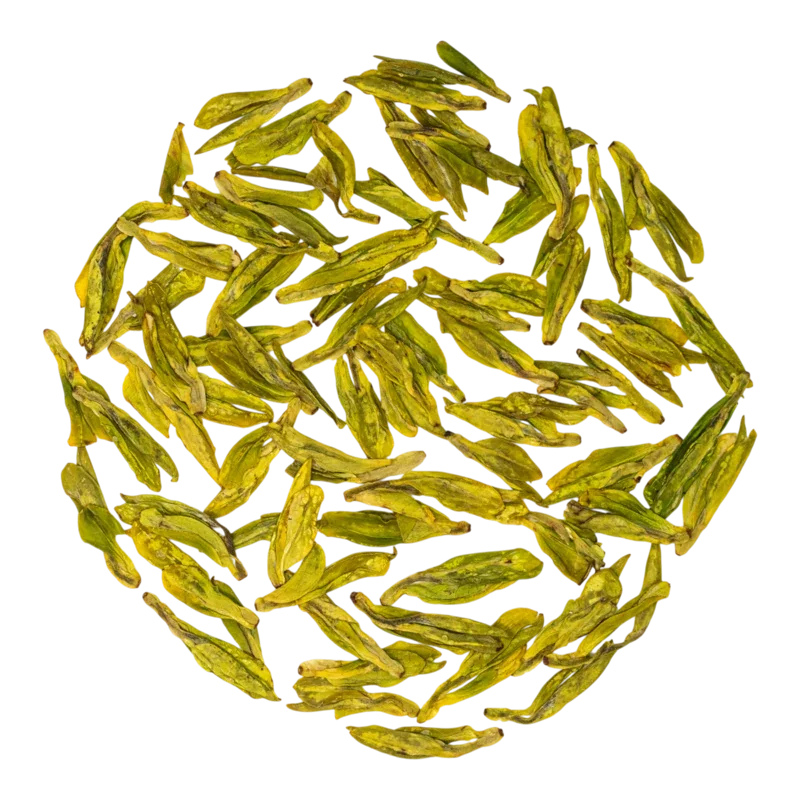
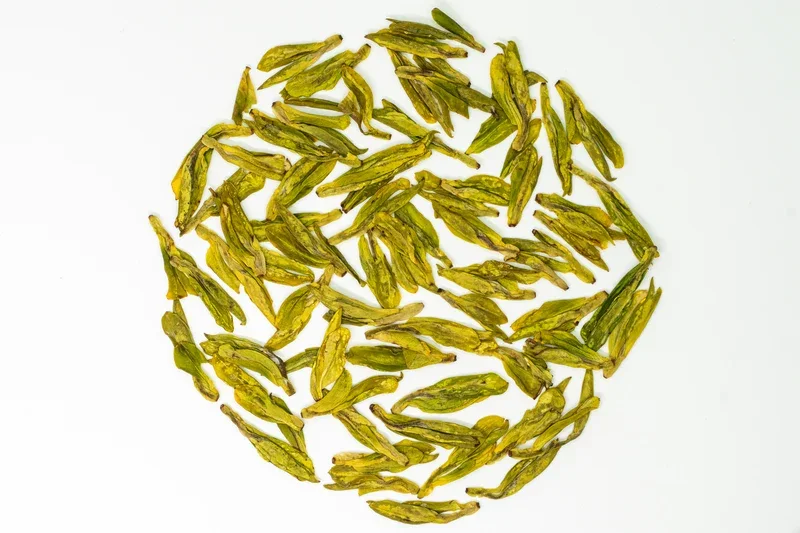
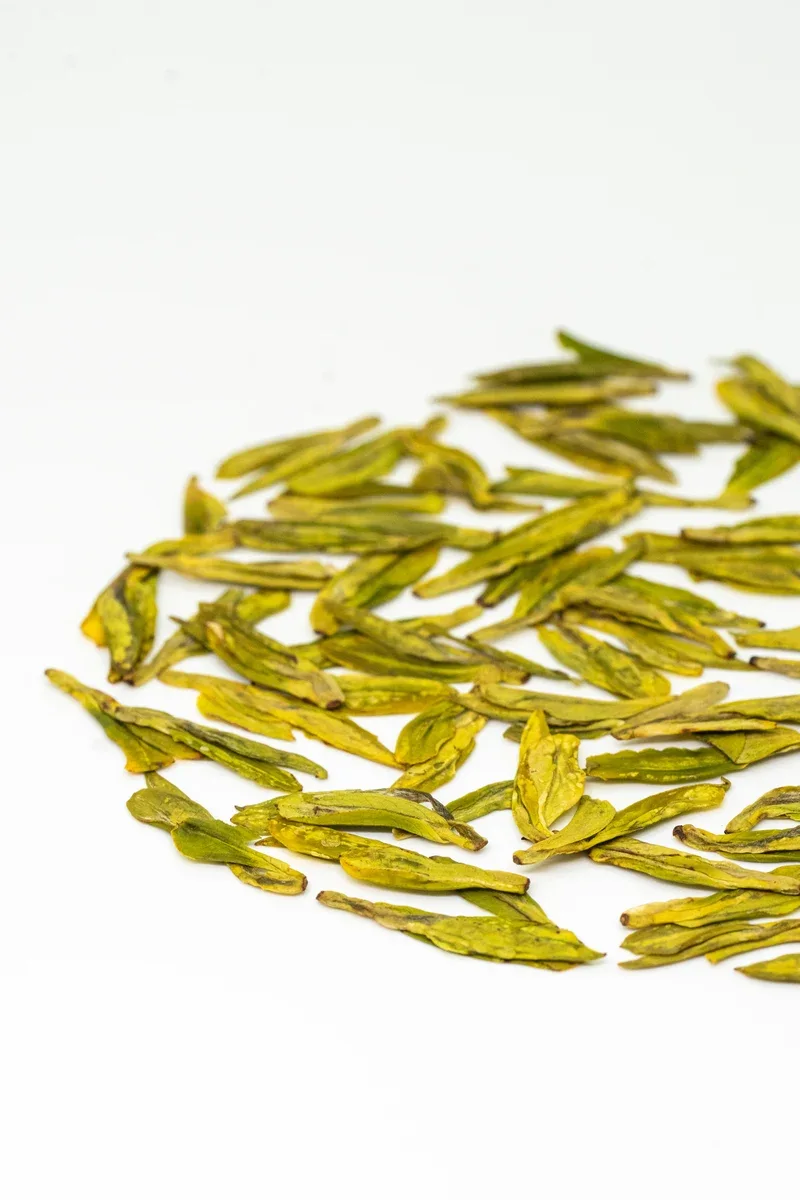
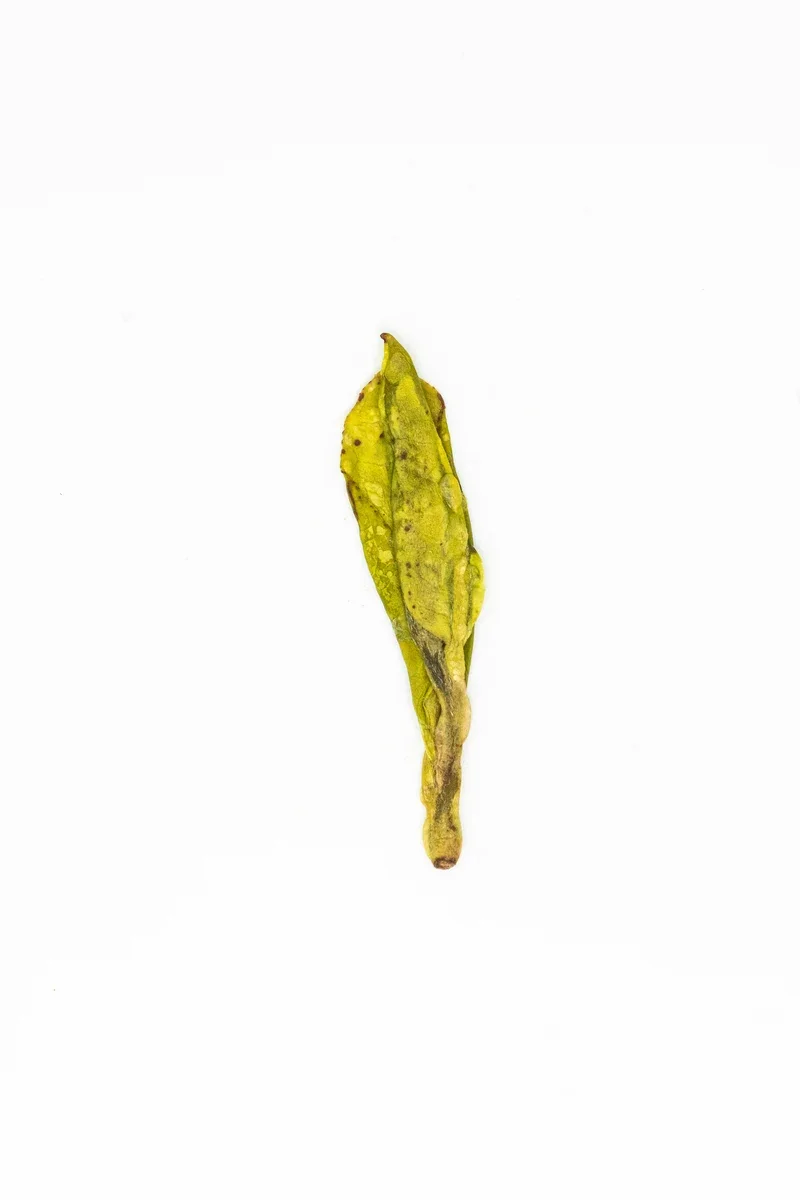
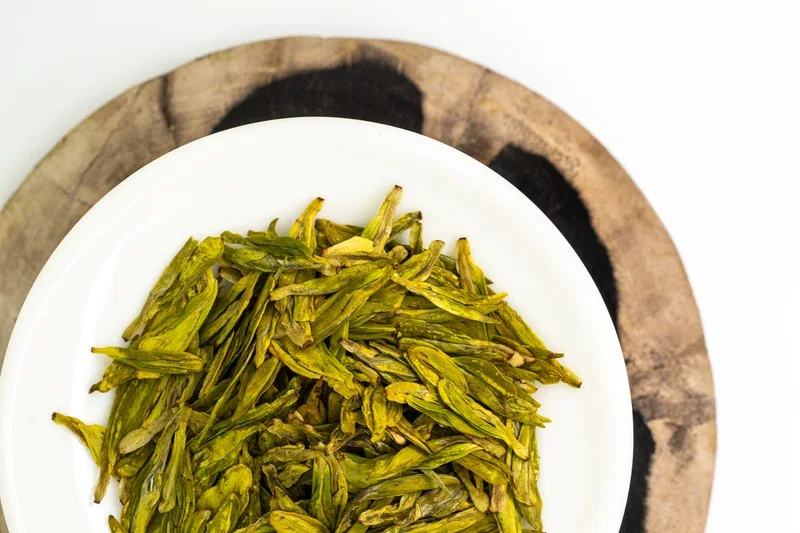
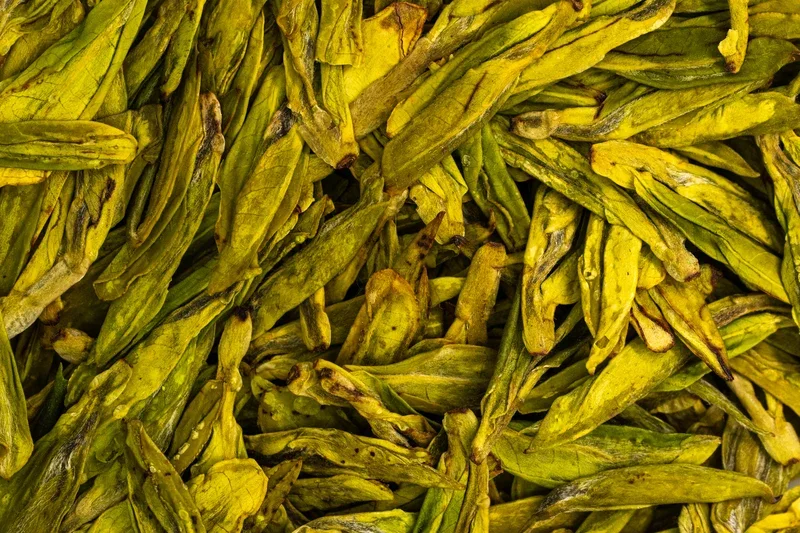
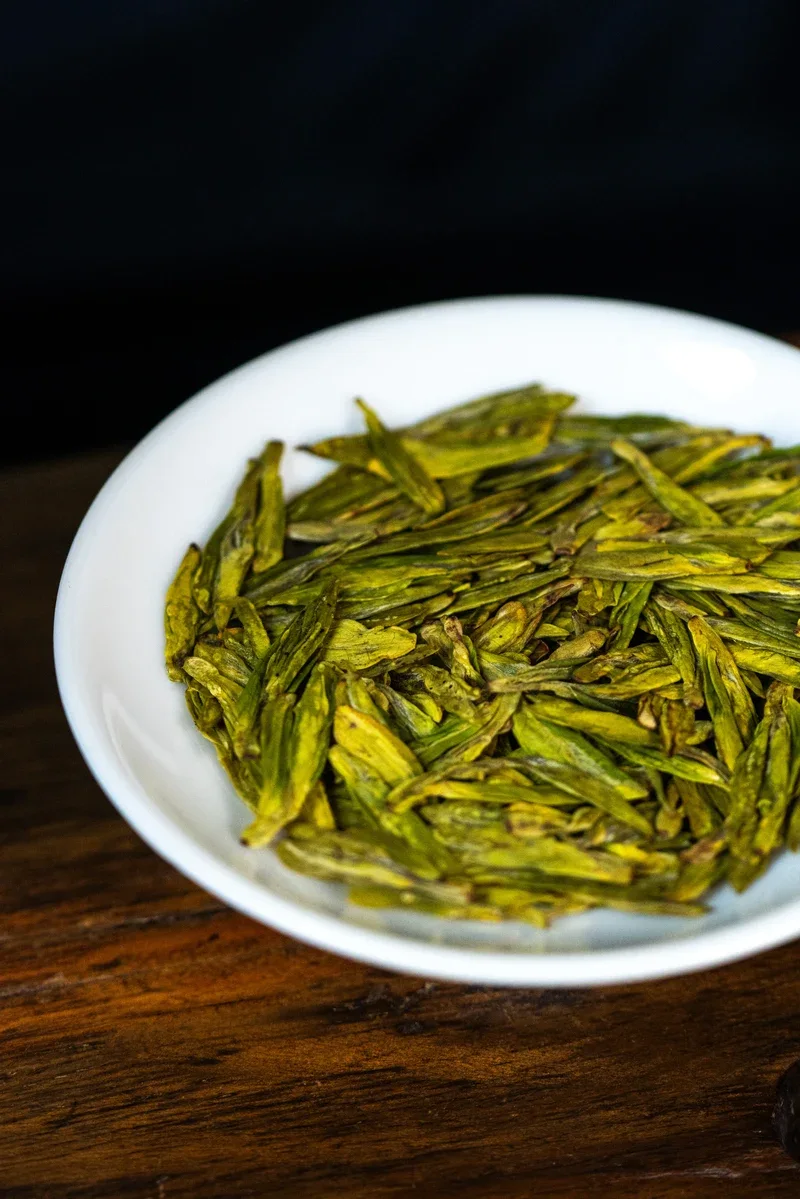
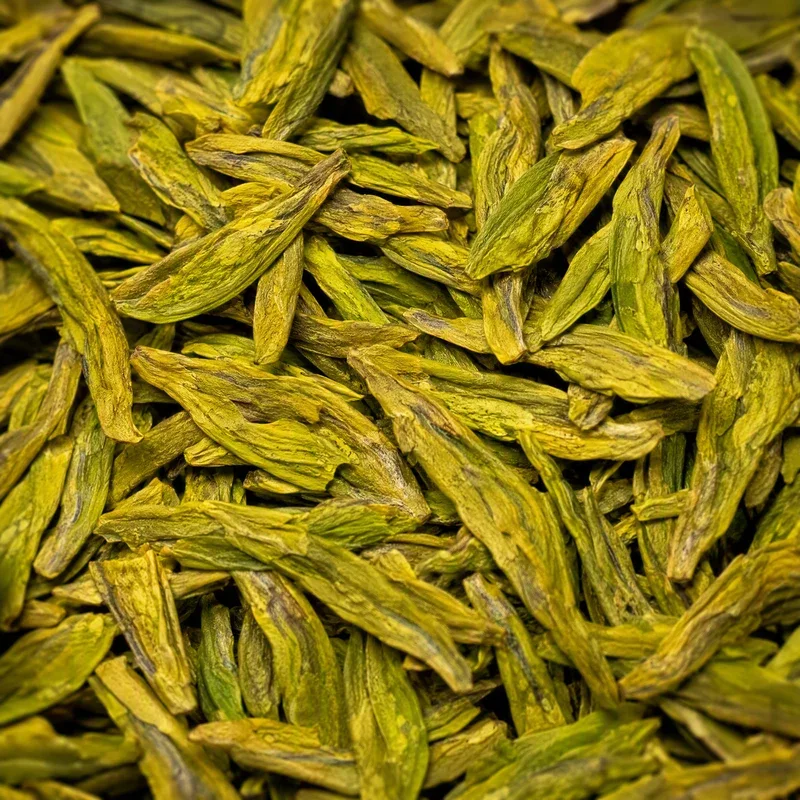
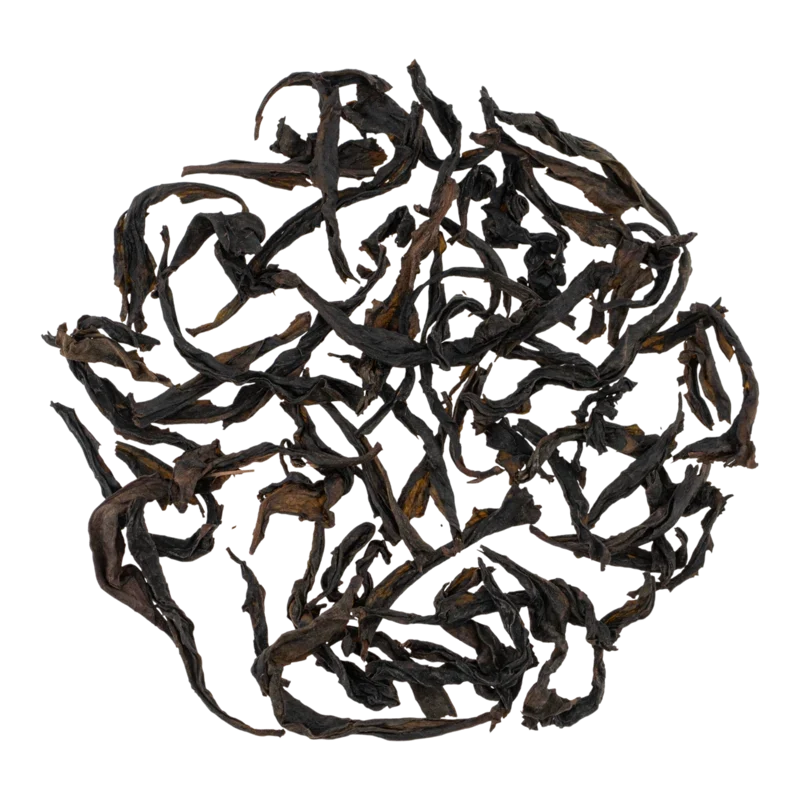
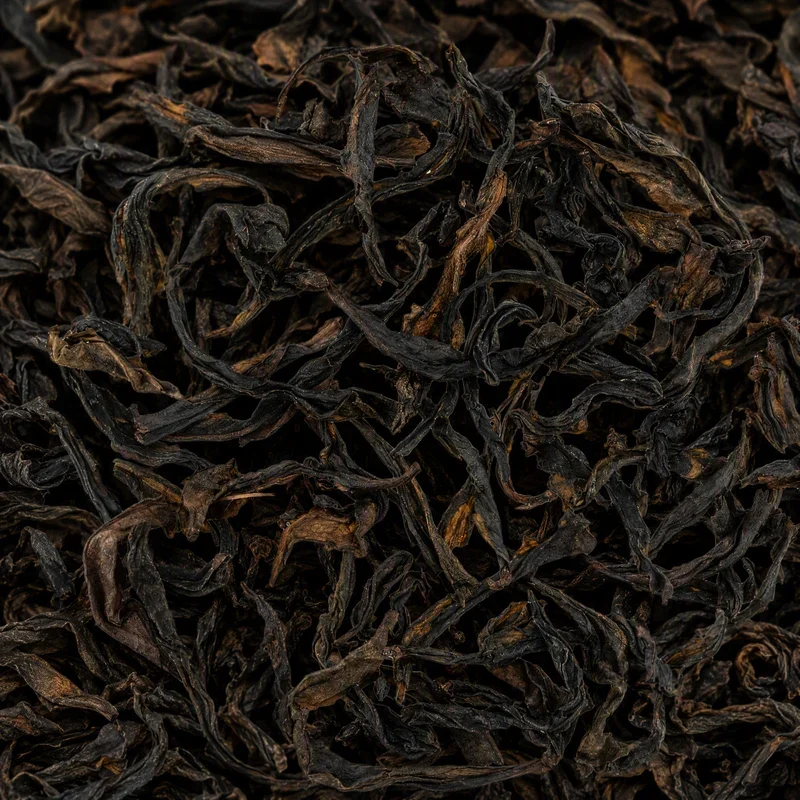
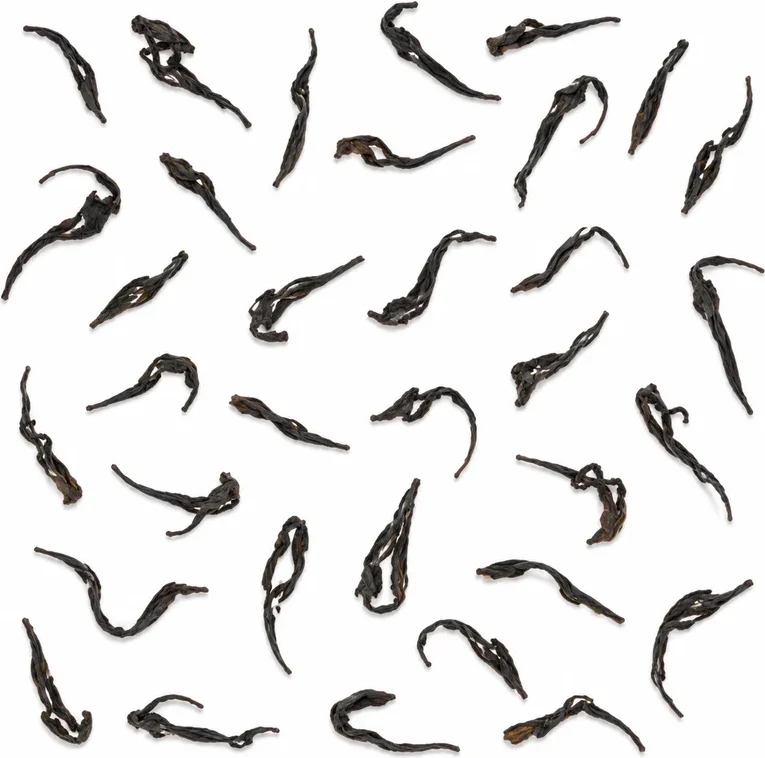
Dry Leaf Appearance: Longitudinally twisted "strips," dark green with brownish tones. More compact than Rou Gui or Shui Xian — reflecting small-leaf nature of cultivar.
Dry Leaf Aroma: Orchid against backdrop of minerality, warm nutty and light smoky notes of medium roasting.
Liquor Aroma: Multi-layered — orchid + stone + toasted almond + honey. Minerality gives aroma "depth" and "weight" absent in Pinghe version.
Liquor Color: Golden-amber, deep and transparent.
Spent Leaves: Small leaves with red-brown edges and greenish center.
Taste: Full, oily, with mineral foundation (岩韵, Yán Yùn). Orchid + walnut + chestnut honey. Aftertaste — long, mineral, with slowly returning sweetness. Body — medium to full.
Alkaloids: Caffeine — 2–4% (by standard), ~2.8% by specific measurements. Moderate content.
Amino Acids: Total content — 100–200 mg/kg (by standard) or ~0.8% by individual data (lower than high-altitude Taiwanese oolongs, but sufficient for characteristic sweetness). L-theanine — dominant amino acid. In high-altitude Pinghe material — content is higher.
Essential Oils: Especially high content — these form the characteristic orchid aroma. Main components: linalool (floral notes), geraniol (rose-orchid notes), nerol (freshness), methyl salicylate (greenery, "minty" shade). According to various data, volatile aromatic compound content in Qi Lan is higher than most comparable Fujian oolongs — even unprocessed leaf on bush noticeably smells when rubbed.
Polyphenols: 10–30% of dry mass (wide range depending on oxidation degree and growing elevation). According to county bureau data — ~15.7% for finished tea from Pinghe. Catechin content — ~11.78%. In Wuyi version with higher oxidation, part of catechins converts to theaflavins.
Vitamins: C, B group. Minerals: Potassium, fluorine, magnesium, manganese. In Pinghe version — elevated selenium content (due to selenium-rich soils). In Wuyi version — elevated iron from red sandstone.
Catechins and polyphenols neutralize free radicals, contribute to slowing cellular oxidation.
Combination of caffeine (moderate content) and L-theanine provides gentle alertness without anxiety.
Intense orchid aroma has proven relaxing and anti-stress effects. In Chinese tradition, orchid is associated with spiritual purity and tranquility — Qi Lan's aroma continues this metaphor.
Mild stimulation of GI tract function; suitable after meals. Wuyi version — more effective after heavy food.
Pinghe version — especially good for quenching thirst in heat due to "cooling" aftertaste.
Polyphenols strengthen vessel walls and help reduce LDL cholesterol levels.
Due to selenium-rich soils, Bai Ya Qi Lan contains elevated selenium — a microelement with antioxidant and immunostimulating properties.
L-theanine stimulates alpha-wave production in brain, promoting concentration and calm mental clarity.
Airtight opaque container, cool dark place. 12–18 months.
In refrigerator (0–5°C) in separate compartment, airtight vacuum packaging. 6–12 months. Tea has strong hygroscopicity — moisture protection is critically important.
Light (destroys chlorophyll and aromatic compounds), moisture (provokes oxidation and mold), heat (accelerates degradation), oxygen and foreign odors (tea leaf is excellent absorbent).
No reviews yet. Tell us what you think of this tea.
Rate this tea and share your impressions. We review each submission before publishing it.