Brewing
Gongfu brewing
- Water temperature
- 75 °C
- Tea amount
- 5 g
- Water volume
- 100 ml
- First steep
- 10 s
- Time added per infusion
- 5 s
- Infusions
- 3

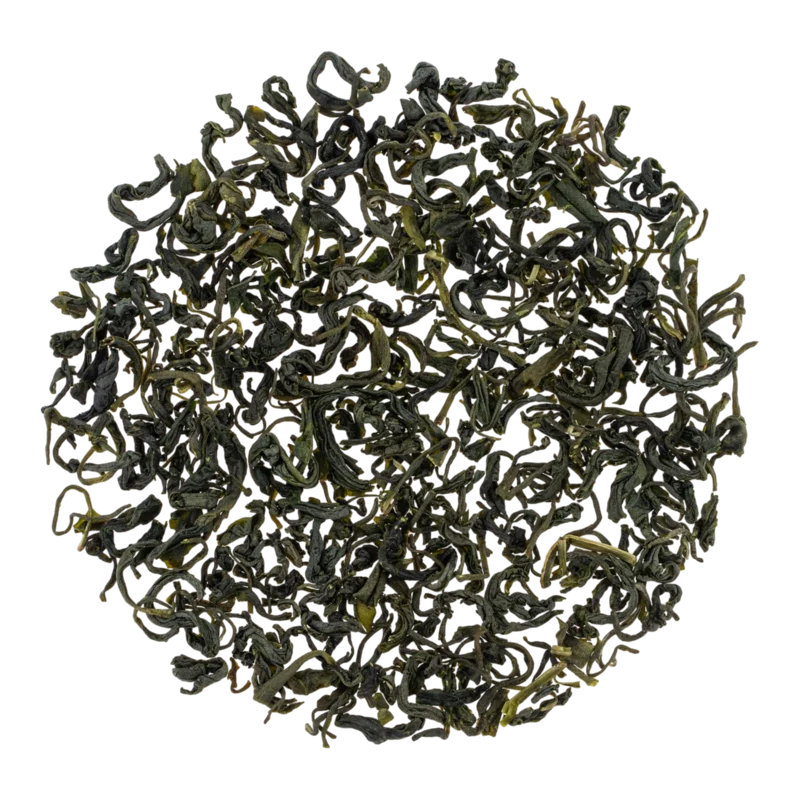
Píngwǔ lǜchá
Choose a brewing method. Start with the recommended quantities and time, then adjust to taste.
Brewing
Brewing
Taste
Tea encyclopedia
Category: China National Geographical Indication Product (国家地理标志产品, Guójiā Dìlǐ Biāozhì Chǎnpǐn, 2009). Sòng tribute tea (龙州青丝, Qingli era). Intangible cultural heritage — "阴阳火候" technology. By 2024 — 135,000 mu of tea gardens, 2,965.5 tons of production, 318 million yuan total value; exports to Africa and Central Asia (Algeria, Uzbekistan, etc.) — over 3.5 million USD.
Category: China National Geographical Indication Product (国家地理标志产品, Guójiā Dìlǐ Biāozhì Chǎnpǐn, 2009). Sòng tribute tea (龙州青丝, Qingli era). Intangible cultural heritage — "阴阳火候" technology. By 2024 — 135,000 mu of tea gardens, 2,965.5 tons of production, 318 million yuan total value; exports to Africa and Central Asia (Algeria, Uzbekistan, etc.) — over 3.5 million USD.
Coordinates: Approximately 32°25′ N, 104°31′ E (Pingwu County is located within 31°59′–33°02′ N, 103°50′–104°59′ E).
Origin: China, Sìchuān Province (四川省, Sìchuān Shěng), Miányáng City (绵阳市, Miányáng Shì), Píngwǔ County (平武县, Píngwǔ Xiàn). Qīngyī River basin (清漪江, Qīngyī Jiāng). Production covers 9 townships, core — Doukou Town (豆叩镇, Dòukòu Zhèn, 34,300 mu — approximately 80% of production), Píngtōng Town (平通镇, Píngtōng Zhèn), Suǒjiāng Township (锁江乡, Suǒjiāng Xiāng).
Type: Green tea (绿茶, lǜchá), unfermented. By fixation method — pan-fired (炒青, chǎoqīng). Produced in several forms: spiral "sparrow tongue" (雀舌, quèshé), straight strip, "Longzhou Qingsi" (龙州青丝, replica of Song tribute tea), "Zhonghua Ya" (中华芽, Zhōnghuá Yá, "Chinese Bud" — grade from single buds, 10,000 buds per 100 g), "Jiuzhai Queshe" (九寨雀舌, Jiǔzhài Quèshé, "Sparrow Tongue of Jiuzhaigou" — small-leaf, hand-fired).
Doukou Town (豆叩镇), Pingwu County tea cooperatives and family workshops. Contact through Pingwu County Agricultural Bureau.
Stores with geographical indication product certificates and traceability documentation.
Official flagship stores of Pingwu tea companies on major Chinese e-commerce platforms, with geographical indication certification.
Sichuan provincial tea exhibitions and national agricultural product fairs where Pingwu producers participate.
Exclusively single buds. 10,000 buds → 100 g finished tea — one of the most labor-intensive grades in Chinese tea cultivation. Buds must be full, slender, without mechanical damage.
Replica of Song tribute tea. Shaped into finest threads. Aroma — chestnut-honey.
Small-leaf, hand-fired. One bud + one tender leaf.
One bud + one leaf. Mass grade. Chestnut aroma.
Cultivar: Local population varieties (本地群体种, běndì qúntǐ zhǒng) comprise approximately 90% of plantings; remaining 10% — clonal varieties (无性系, wúxìngxì). Bushes are medium-leaf, frost-resistant, adapted to high-altitude conditions of Minshan. The biochemical profile of leaves is distinguished by outstanding amino acid content: ≥5% (compared to average for green teas ~2.5–3.5%) and polyphenols ≥20%. Throughout the territory, pesticides and chemical fertilizers are prohibited — only organic matter is used (15–30 tons per hectare). Planting density — no more than 8,000 bushes per mu.
Picking: Spring picking (春茶, chūnchá) — primary. Highest grades are picked before Qīngmíng Festival (清明, Qīngmíng, early April): single buds or "one bud + one leaf" (一芽一叶, yī yá yī yè). Mass grades — "one bud + two leaves" (一芽二叶, yī yá èr yè).
Altitude: 1,200–1,500 m (core — Doukou Town, 豆叩镇).
Soil: Yellow and sandy loams (黄壤 / 砂质壤土, huángrǎng / shāzhì rǎngtǔ), formed on granite bedrock. pH — 4.5–6.0. Organic content — ≥1%. Pingwu County soils are distinguished by anomalously high microelement content: selenium (Se) — 39.31 mg/kg (compared to norm for tea soils ~0.15 mg/kg — difference of ~260 times), zinc (Zn) — 12 times higher than usual values. Forest cover — 78%, providing natural ecological buffer zone.
Freshly picked leaves are spread in thin layers on bamboo trays and held for 4–6 hours for partial moisture evaporation and beginning of enzymatic transformations that impart light floral notes.
Temperature — 180–220°C. Performed in cast iron wok (铁锅, tiěguō) over pine wood fire (松木, sōngmù). Master applies four basic techniques: "shake" (抖, dǒu), "lay" (搭, dā), "press" (捺, nà), "toss" (甩, shuǎi) — sequence known as "抖搭捺甩" (dǒu dā nà shuǎi). Goal — inactivation of polyphenol oxidase while preserving emerald color.
Performed by hand on bamboo tray (竹匾, zhúbiǎn). Light pressure, strip formation — no less than 90% proper form yield. Mechanical pressing prohibited — only hand rolling to avoid damaging shoot structure.
Temperature — 110°C. Moisture reduction to intermediate level.
Giving tea leaves final form — spiral ("sparrow tongue") or straight strip, depending on grade.
Temperature — 70°C until moisture reaches ≤6.5%.
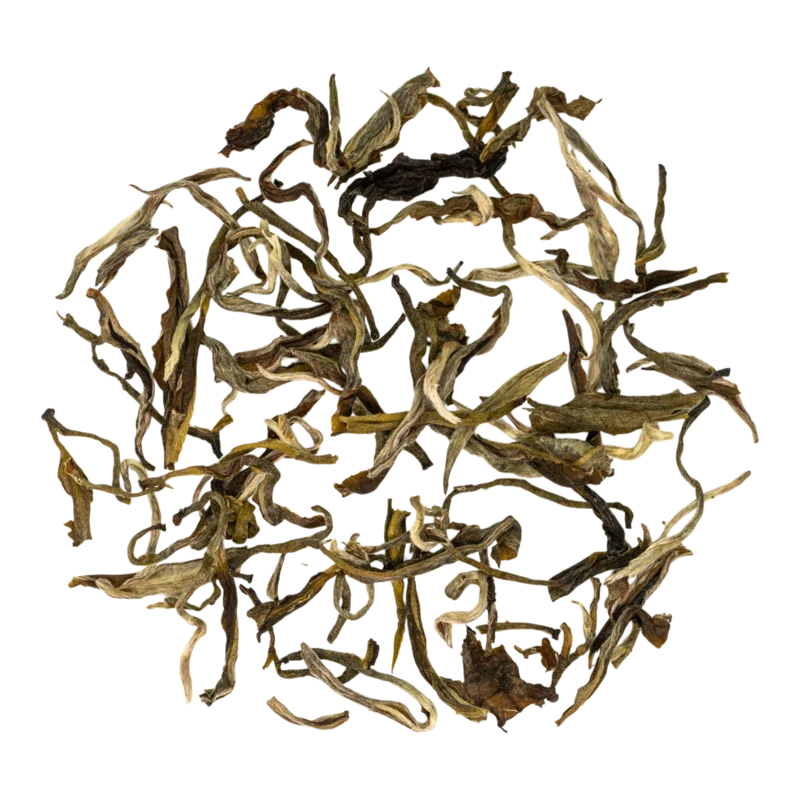
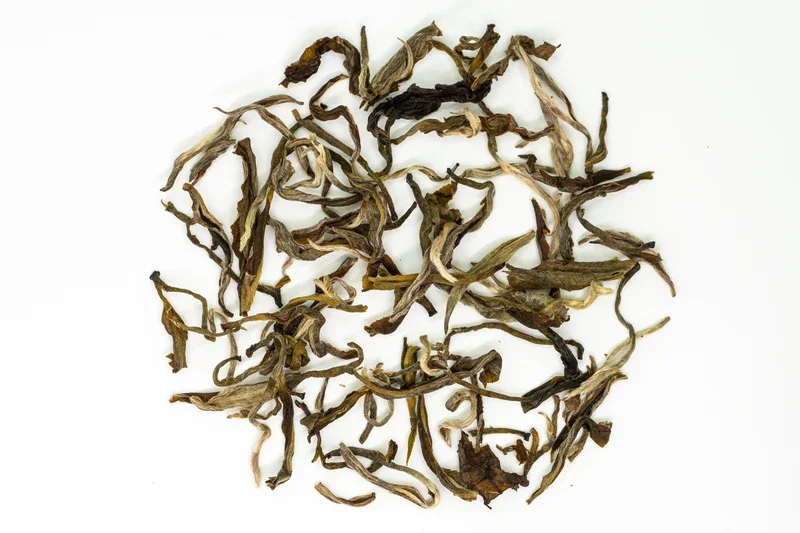
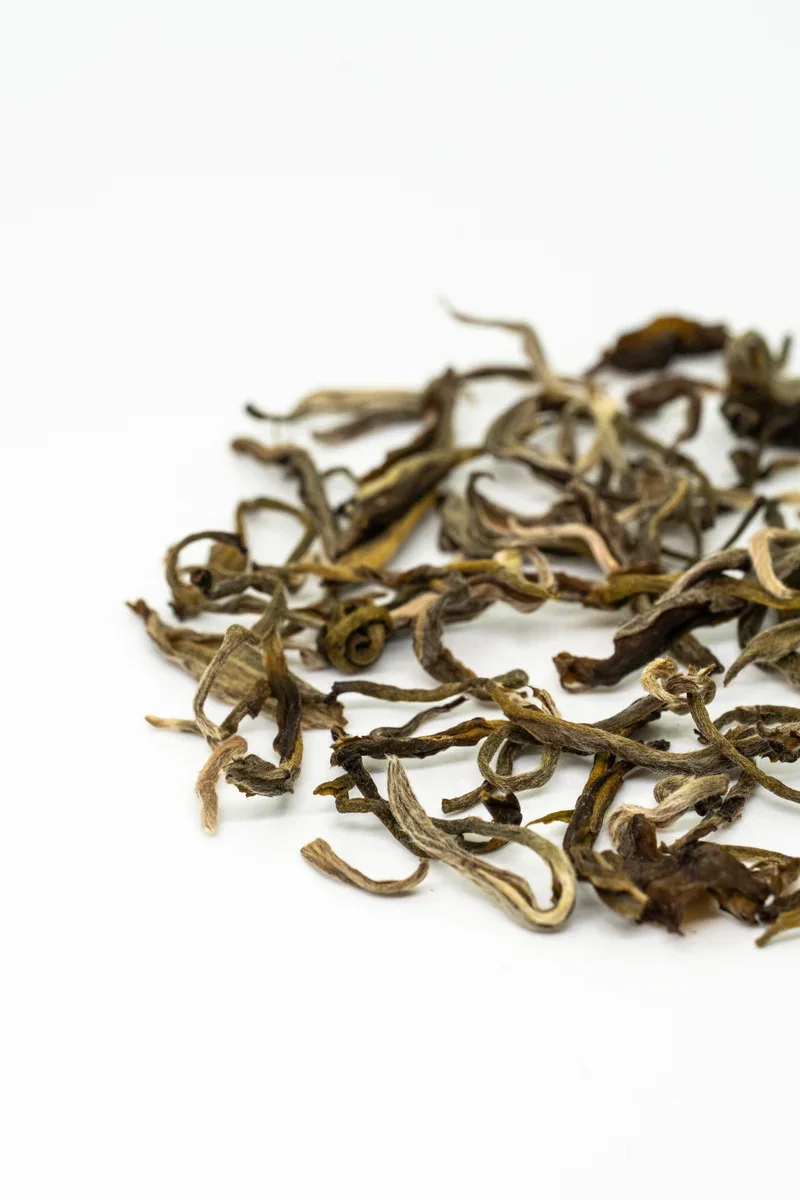
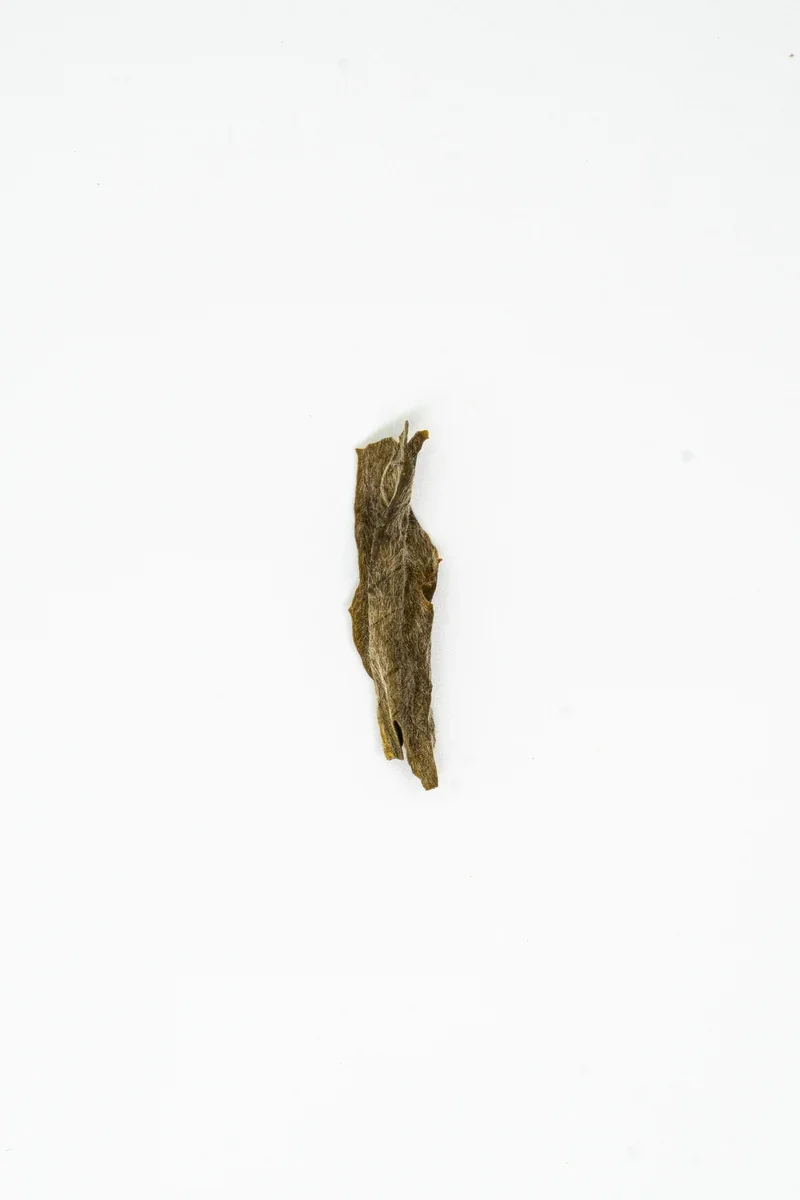
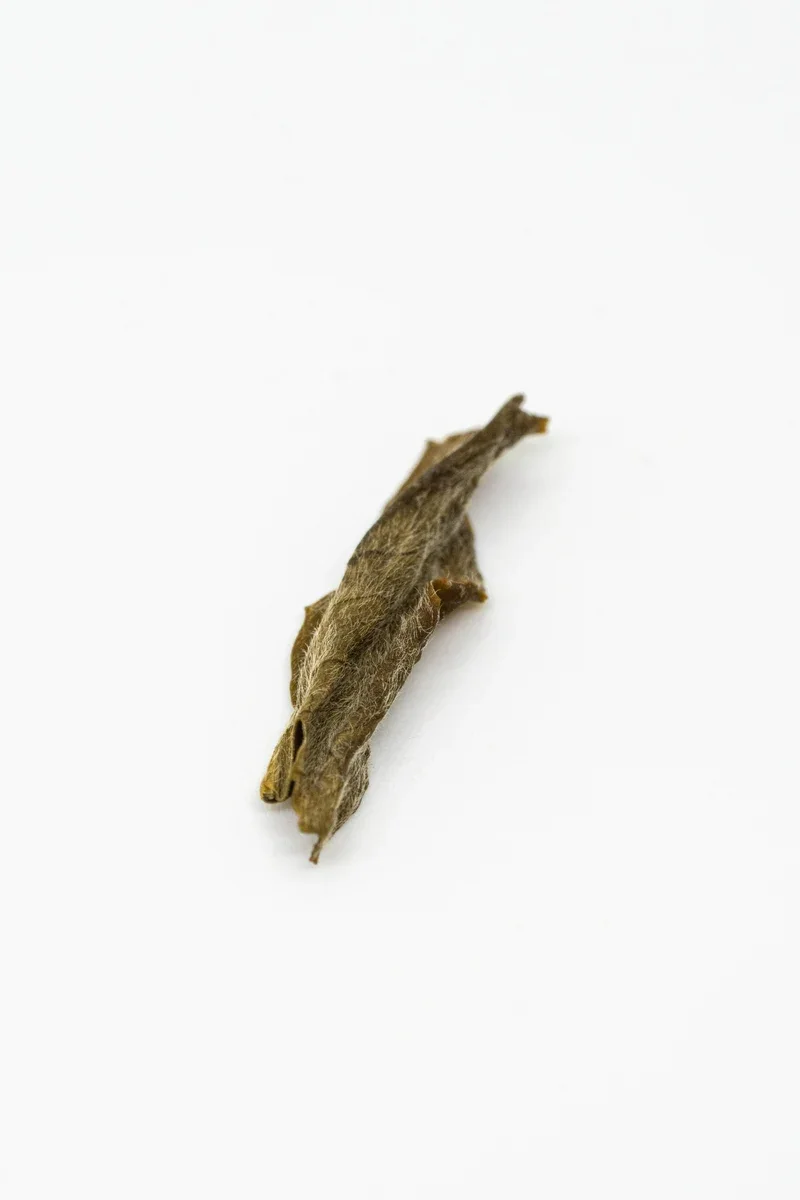
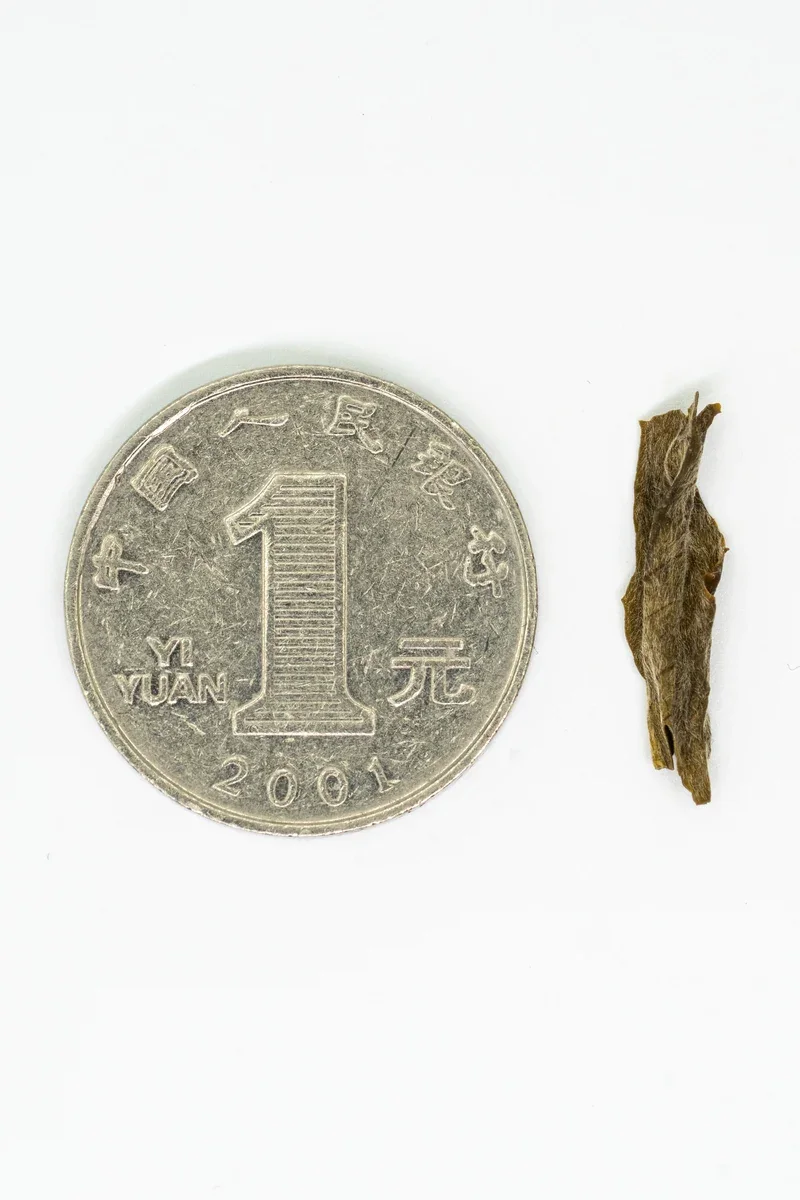
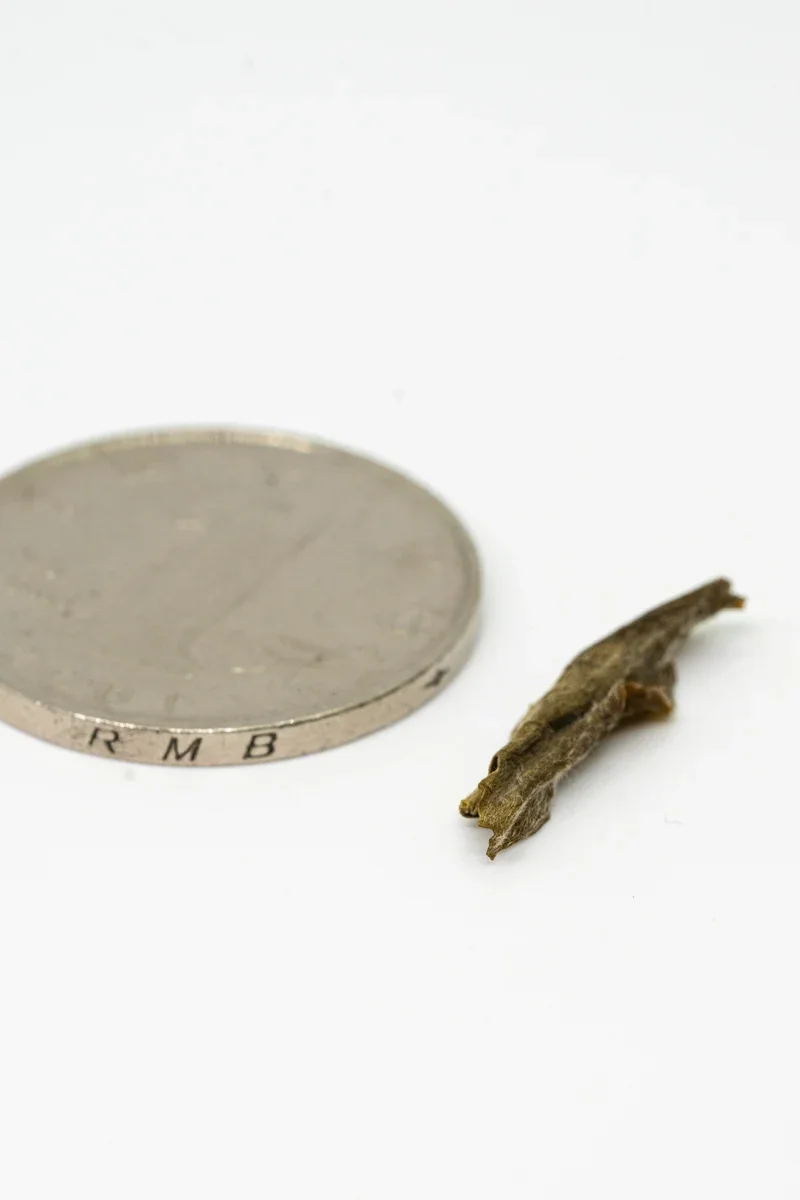
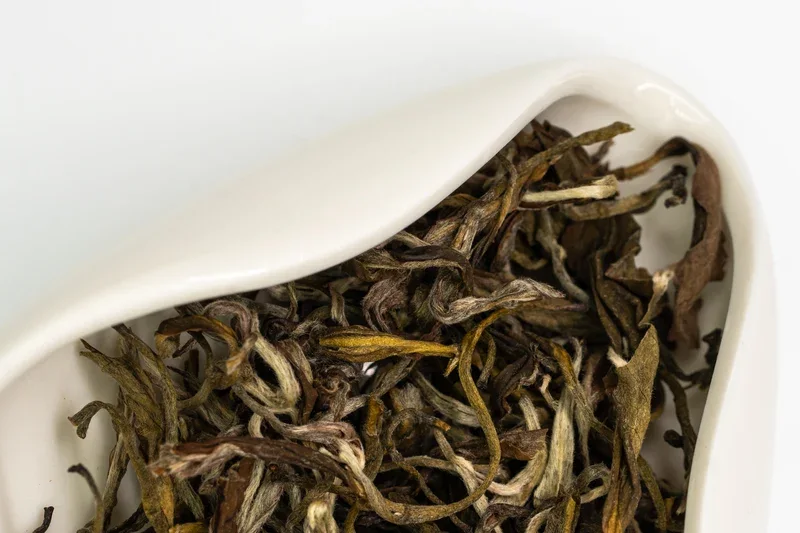
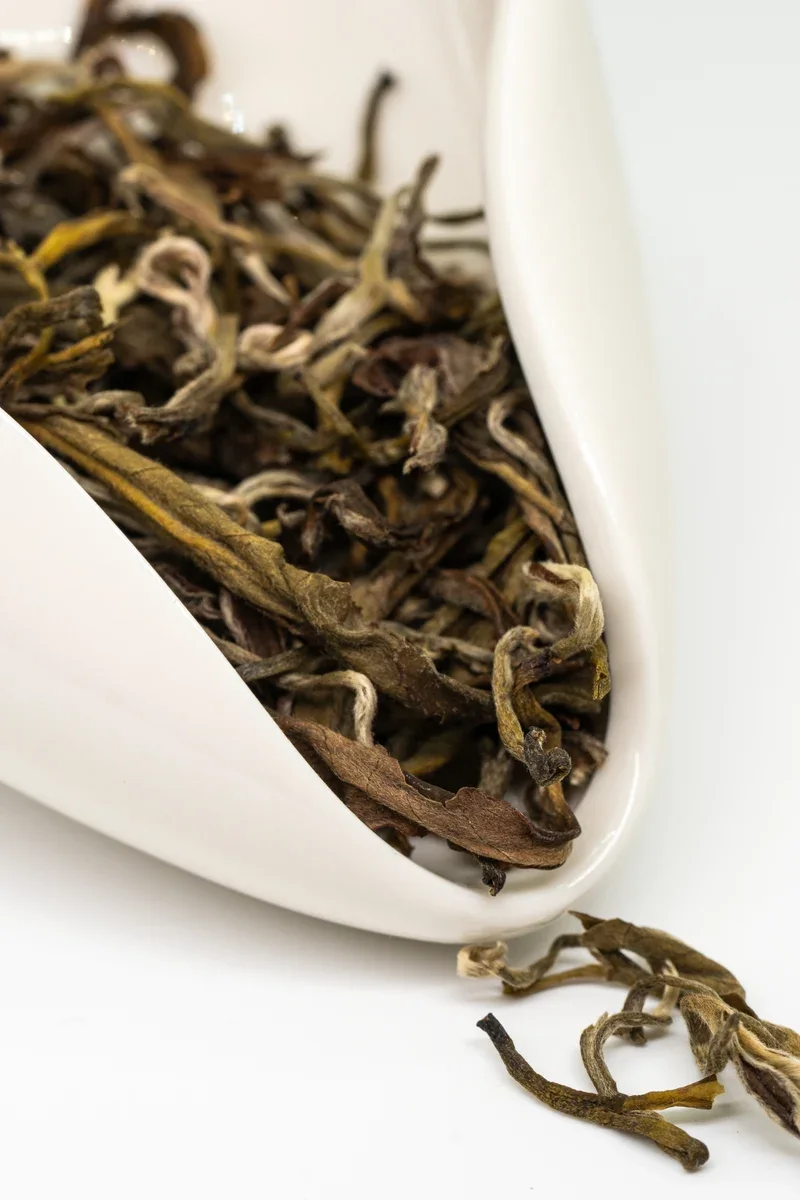
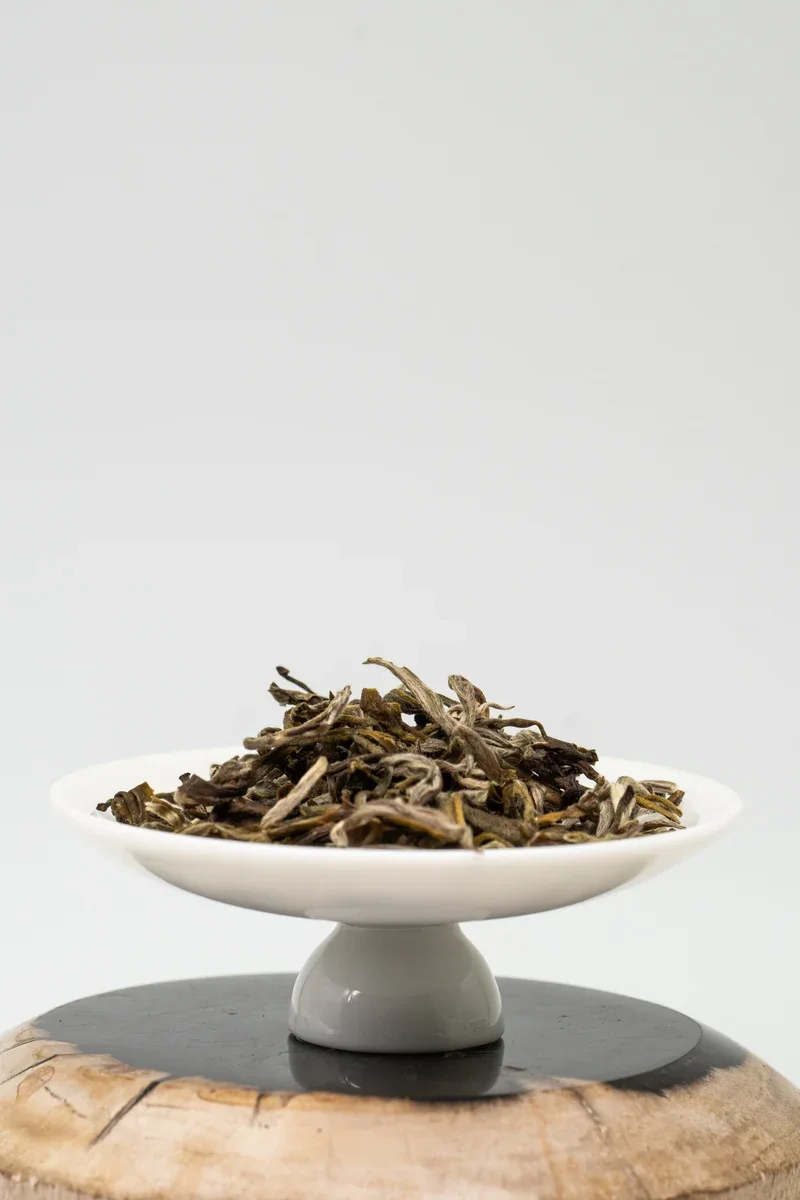
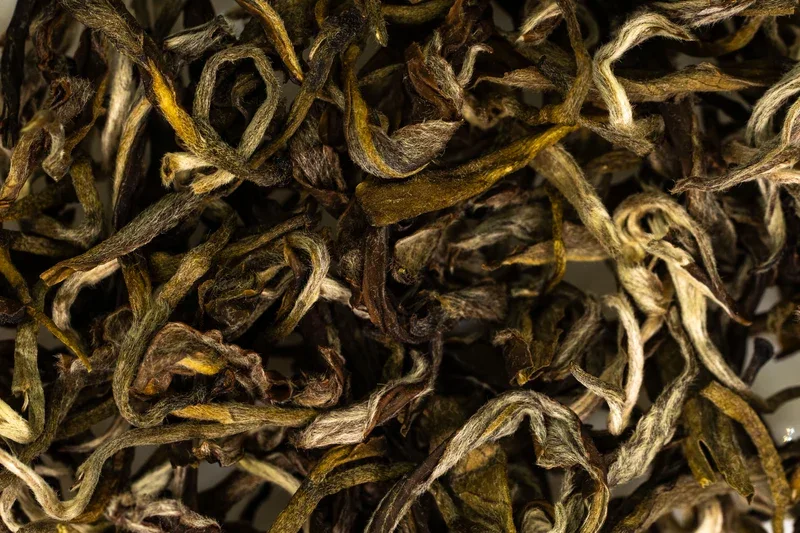
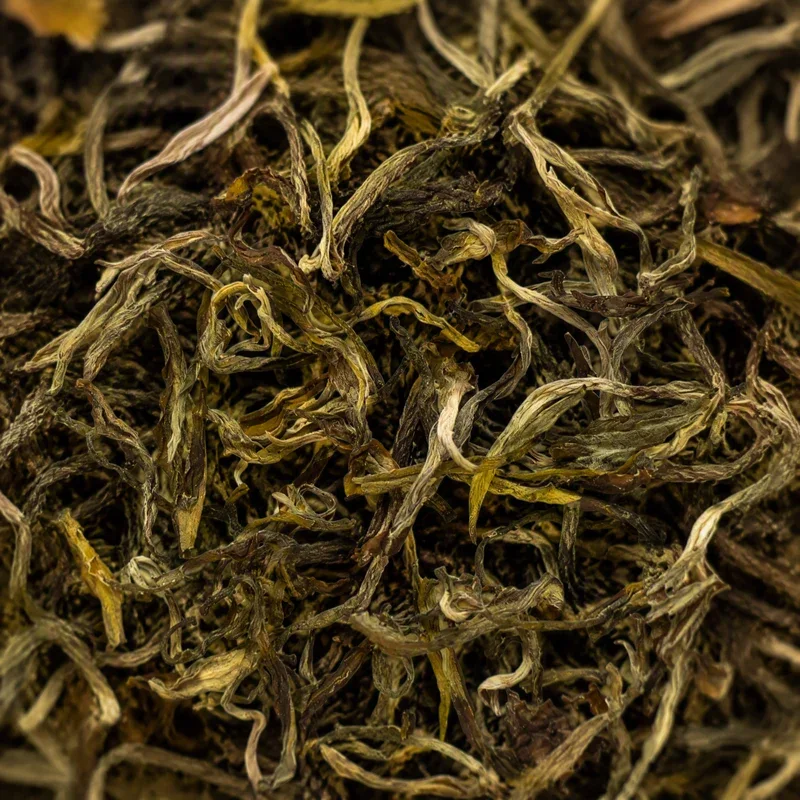
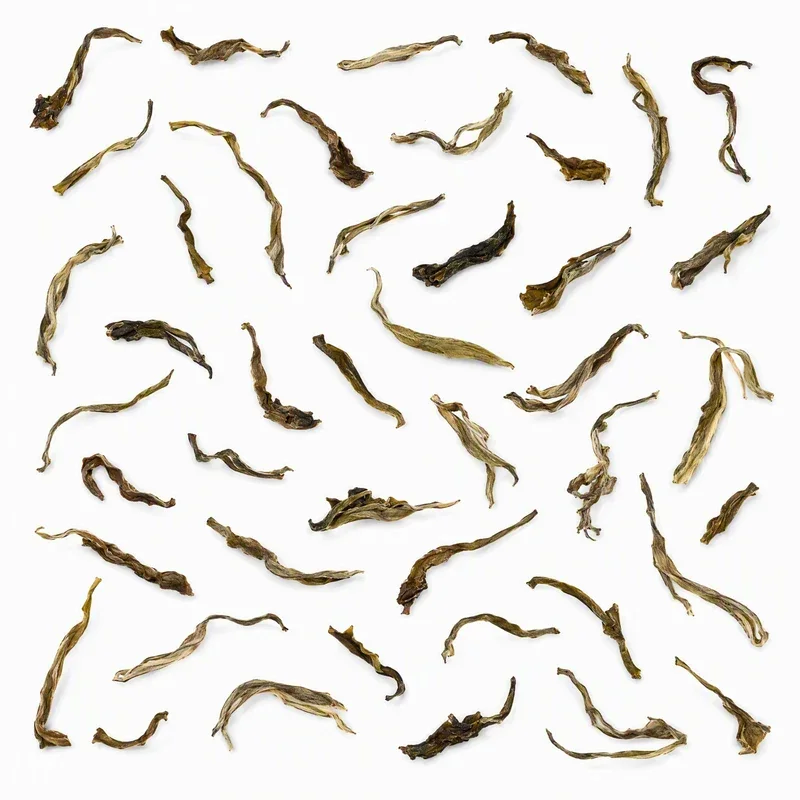
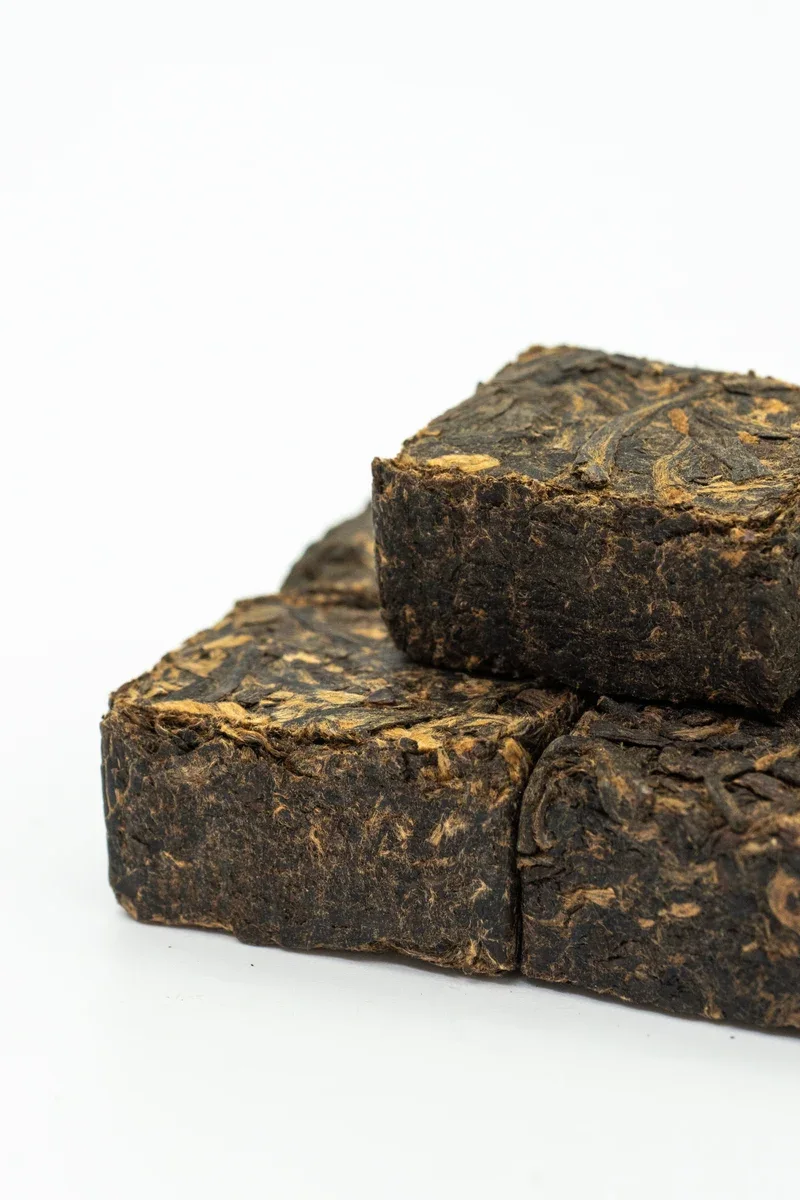
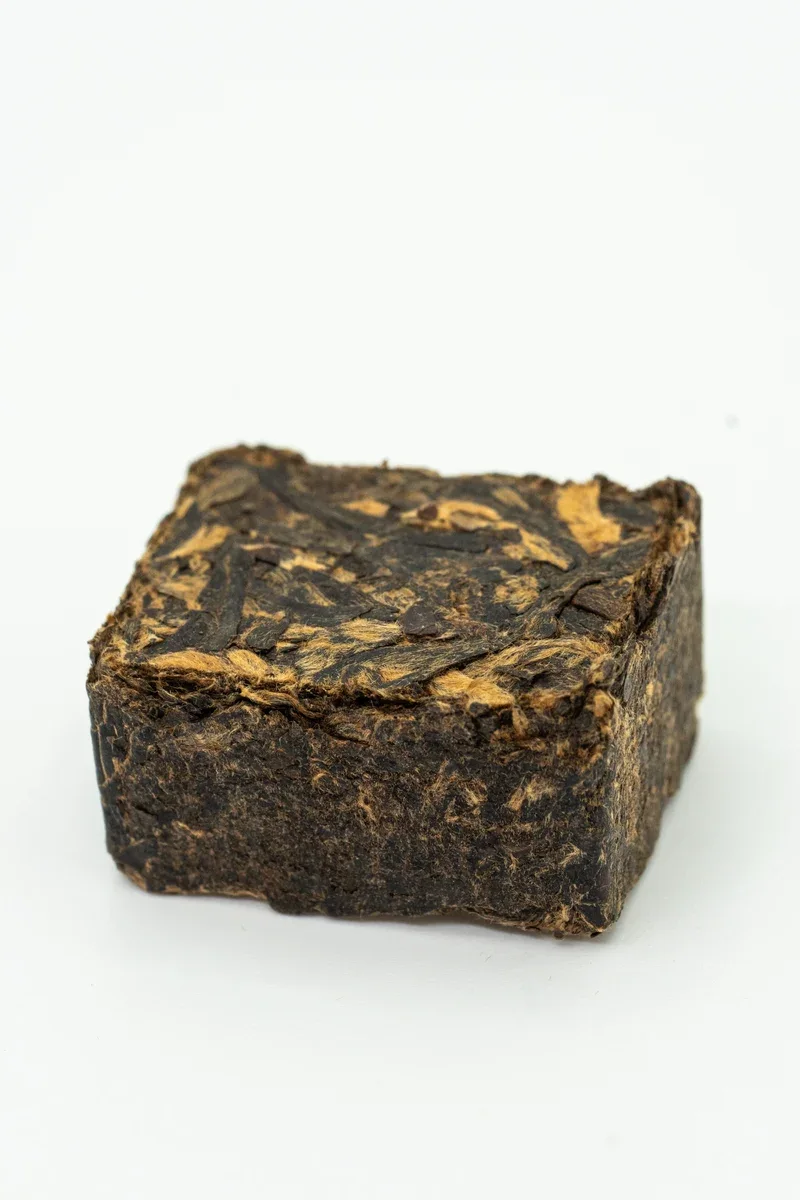
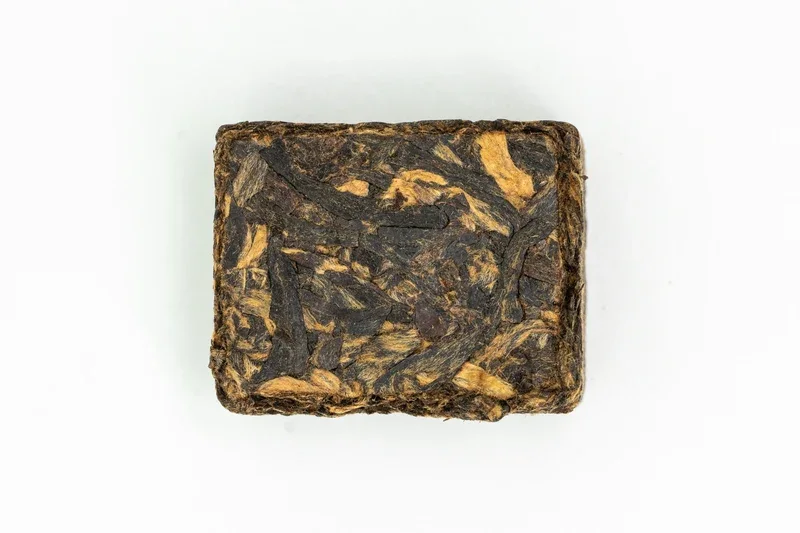
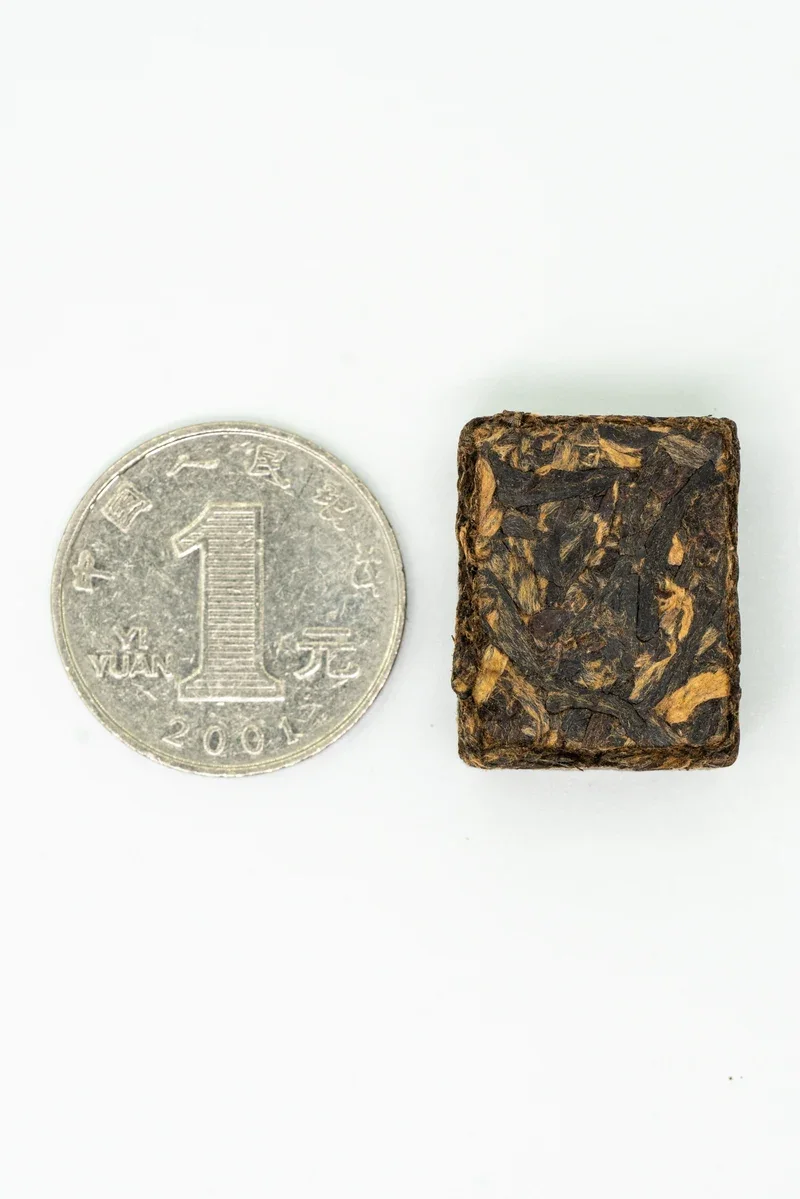
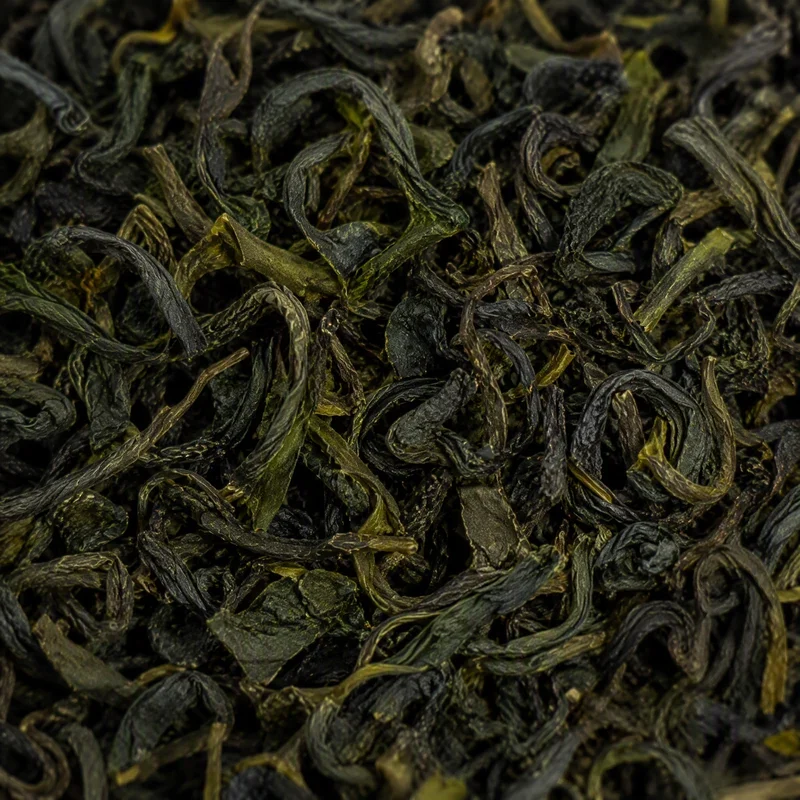
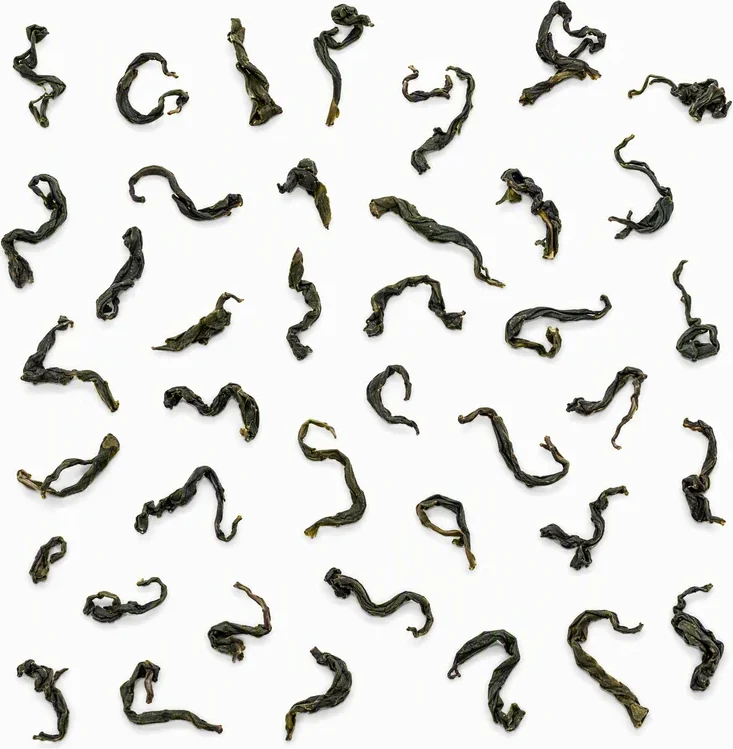
Dry Leaf Appearance: Dense, tight spirals ("sparrow tongues", 紧结卷曲形, jǐnjié juǎnqū xíng) or straight, slender strips — depending on grade. Color — emerald green with oily luster (翠绿油润, cuìlǜ yóurùn). Down visible on highest grades.
Dry Leaf Aroma: Clean, fresh vegetal (清香, qīngxiāng) with pronounced chestnut undertone (栗香, lìxiāng), characteristic of pan-fired green teas. Notes of fresh-cut grass and light sweetness.
Liquor Aroma: Vegetal-fresh, "forest-like" (草木清新感, cǎomù qīngxīn gǎn). Chestnut tone intensifies. With aging — honey (陈化后显蜜香, chénhuà hòu xiǎn mìxiāng). Aroma is persistent — cold cup holds fragrance for more than 5 minutes.
Liquor Color: Emerald green, bright and clear (碧绿明亮, bìlǜ míngliàng).
Spent Leaves: Soft, glossy, uniform. Characteristic trait of highest grades — shoots and buds stand vertically in glass (芽叶竖立如针, yáyè shùlì rú zhēn), resembling needles — sign of integrity and proper processing.
Taste: Bright freshness (鲜爽, xiānshuǎng), due to record amino acid content (≥5%). Body soft, round (醇和, chúnhé). Returning sweetness (回甘, huígān) — persistent and long. Characteristic feature — high resistance to multiple infusions: 5–7 steeps (耐冲泡, nài chōngpào) without significant flavor loss. Minimal astringency.
Alkaloids: Caffeine (咖啡碱, kāfēi jiǎn) — approximately 2.5–3.5% (typical for high-altitude Sichuan green teas). Theobromine and theophylline present in trace amounts.
Amino Acids: ≥5% — twice the average for green teas (~2.5–3.5%). L-theanine dominates (L-茶氨酸, L-chá āmīnsuān), responsible for freshness, sweetness and relaxing effect without sedation. High amino acid content is explained by triple factor: high altitude (slowed growth), shading by tung trees (reduced photosynthesis → accumulation of nitrogenous compounds), selenium-zinc soils.
39.31 mg/kg in soils (compared to norm ~0.15 mg/kg for ordinary tea soils — difference of ~260 times). Selenium transfers from soil to leaf predominantly in organic form (selenomethionine, selenocysteine), ensuring high bioavailability. Pingwu Green Tea — one of the most selenium-enriched green teas in China.
Soil content — 12 times higher than average. Zinc participates in activation of more than 300 enzymes and contributes to immune system strengthening.
≥45% — evidence of liquor richness and extractability.
Essential Oils: Contain terpene alcohols (linalool, geraniol), aldehydes and ketones, forming chestnut-grassy aroma profile.
Minerals: Besides record Se and Zn — potassium (K), phosphorus (P), magnesium (Mg), manganese (Mn), iron (Fe), fluorine (F).
Polyphenols: ≥20%. Main components — catechins (儿茶素, ér chá sù): epigallocatechin gallate (EGCG), epicatechin (EC), epigallocatechin (EGC). Provide moderate astringency, antioxidant activity and astringent sensation.
Vitamins: Like all high-altitude spring-picked green teas, Pingwu Green Tea contains vitamins C (ascorbic acid), B₁ (thiamine), B₂ (riboflavin), P (rutin), as well as carotenoids (provitamin A) and vitamin E (tocopherol), acting as selenium synergist.
Tea Amount: 3 g per 150 ml (1:50 ratio).
Teaware: Tall glass tumbler (玻璃杯, bōli bēi) — for observing "dance" of buds and shoots standing vertically. White porcelain gàiwǎn (盖碗, gàiwǎn) — for more precise extraction control. Porcelain teapot also suitable for spiral grades.
Water Temperature: 80–85°C. For highest grade "Zhonghua Ya" — 75–80°C, to avoid scalding delicate single buds. Mountain spring water or filtered water with neutral pH recommended.
Container: Airtight packaging — vacuum foil bags or tin cans with tight lids. Avoid transparent containers — light destroys chlorophyll and catechins.
Enemies: Moisture, light, foreign odors, oxygen, heat. When removing from refrigerator — allow package to reach room temperature before opening to avoid condensation.
Shelf Life: Optimal consumption — within 12 months from production date. With proper storage — up to 18 months without significant quality loss.
Temperature: Refrigerator, 0–5°C. For long-term storage (over 3 months) — freezer (−18°C) in double vacuum packaging.
Price Factors: Raw material grade, picking altitude (higher — more expensive), hand processing ("Yin-Yang Fire" technology excludes mechanization), picking time (pre-Qingming picking — premium).
No reviews yet. Tell us what you think of this tea.
Rate this tea and share your impressions. We review each submission before publishing it.