Brewing
Gongfu brewing
- Water temperature
- 75 °C
- Tea amount
- 5 g
- Water volume
- 100 ml
- First steep
- 10 s
- Time added per infusion
- 5 s
- Infusions
- 3

Pán'ān yún fēng
Choose a brewing method. Start with the recommended quantities and time, then adjust to taste.
Brewing
Brewing
Taste
Tea encyclopedia
Category: Geographical Indication Product of China (国家农产品地理标志产品, 2020). "National Famous Tea" (全国名茶, Ministry of Commerce, 1986). "Cultural Tea" of Hangzhou Tea Festival (文化名茶, 1991). County-level intangible cultural heritage (县级非遗, 2021 — technique). "Gan Chachang" (赶茶场) — part of UNESCO heritage (2022). Tang Dynasty "tribute tea" (婺州东白). Yushan Ancient Tea Market — national key cultural relic.
Category: Geographical Indication Product of China (国家农产品地理标志产品, 2020). "National Famous Tea" (全国名茶, Ministry of Commerce, 1986). "Cultural Tea" of Hangzhou Tea Festival (文化名茶, 1991). County-level intangible cultural heritage (县级非遗, 2021 — technique). "Gan Chachang" (赶茶场) — part of UNESCO heritage (2022). Tang Dynasty "tribute tea" (婺州东白). Yushan Ancient Tea Market — national key cultural relic.
Origin: China, Zhejiang Province (浙江省), Jinhua City (金华市), Pan'an County (磐安县). 14 townships and towns. Dapanshan Mountain Range (大盘山脉), 600–1,200 m. Coordinates: 120°17′–120°47′ E, 28°49′–29°19′ N.
Type: Green tea (绿茶, lǜchá), unfermented. Half-roasted half-dried (半炒半烘, bàn chǎo bàn hōng). Two forms: strip-shaped (条形, tiáo xíng — "needle-shaped", primary) and flat (扁形, biǎn xíng). Proprietary shaping technique "抖捺理" (dǒu nà lǐ) — "shaking, pressing, aligning" — alternating three manual techniques to preserve shoot integrity and form characteristic "needle" structure.
Cultural Significance: Pan'an — "群山之祖、诸水之源" ("Progenitor of Mountains, Source of All Waters"): watershed of four great Zhejiang rivers. Connection with Daoism (Xu Xun — one of the "Four Celestial Masters"), ancient tea market and UNESCO heritage make Pan'an Yun Feng a tea where "nature, Dao and commerce" have intertwined for 1,700 years.
Name Breakdown: 磐安 (Pán'ān) — county name; 云峰 (Yún Fēng) — "cloud peak" — image of mountain peaks shrouded in clouds. Full meaning: "Cloud Peak of Pan'an". Brand slogan: "道骨仙风,磐安峰" — "Spirit of Dao and wind of immortals — Pan'an peak".
Primary — Muhe Quntizhong (木荷群体种) — indigenous local variety adapted to mountain fog climate. Additionally: Longjing 43 (龙井43), Wuniu Zao (乌牛早). Highest grade: single bud or one bud + one leaf, shoot length ≤3.5 cm.
Full bud, down ≥85%. From 2,000 yuan/500g.
One bud + one leaf ≥90%. 800–2,000 yuan.
One bud + two leaves. 300–800 yuan.
Picking: Spring — before Qingming. Standards vary by grade: highest — single buds (90%+ down); first — one bud + one leaf (≥90%); second — one bud + two leaves.
Climate: Subtropical monsoon. Average annual temperature — 16.1°C. Precipitation — 1,570 mm. Foggy days — ≥200. Humidity — ≥85%. "Mountains high, waters pure, forests dense, fogs heavy" (山高水秀、林密雾重) — terroir formula.
Soil: Red-yellow (红黄壤, pH 4.5–5.5). Soil horizon depth — 50–100 cm. Organic matter — 3.5–14.8% — one of the highest and widest ranges among Chinese tea regions. Mountain spring water with minimal mineralization.
600–1,200 m. Core zone — 800+ m.
Forest coverage — 80.1%. Pan'an — national demonstration county for ecological civilization construction (国家级生态文明建设示范县). Zero industry in mountain zones. In 2007, Ministry of Agriculture laboratory analysis revealed: water-extractable substances — 47% (11 percentage points above national standard of 36%), 13 pesticides — not detected, lead — 0.74 mg/kg (with safety standard of 5 mg/kg). "Typical mountain tea characteristics" — expert conclusion.
3–6 hours. Moisture loss ~15%.
Temperature — 160°C. Unlike standard horizontal wok, tilted wok (斜锅) enables simultaneous tossing and rolling of leaves down the wall under gravity. Tool — bamboo spatula (竹炒手, zhú chǎoshǒu) or zongzhou (棕帚, palm broom). Principle: "叶翠不老,叶熟不黄,折梗不断" — "leaf stays green, doesn't age; leaf cooks through, doesn't yellow; stem bends, doesn't break". Tilted wok + bamboo spatula — unique Pan'an technology feature, not found in most other Zhejiang green teas.
In flat wok (平锅), 80°C. Three techniques alternate:
Leaves are tossed and separated. Tender leaves — more "dǒu"; coarse — less.
Leaves pressed against wok wall. Tender — do not press (嫩叶不捺); coarse — press harder.
Shoots aligned into straight "needles".
100–120°C. To moisture ~30% ("刺手感" — "pricks hands").
To moisture ≤6%. Goal — even drying and fragrance "development". Shoot crumbles to powder when rubbed.
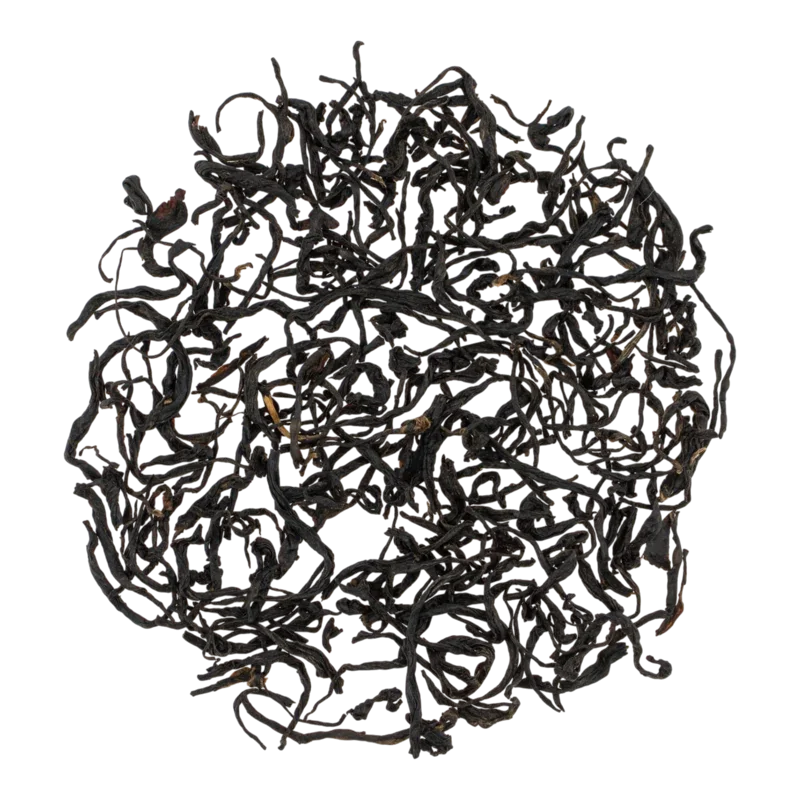
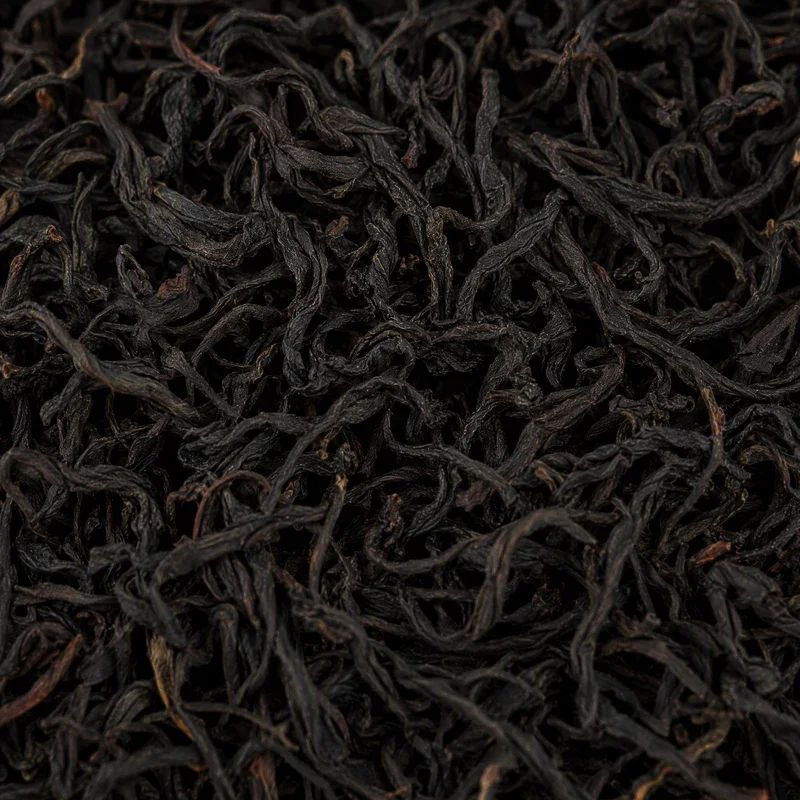
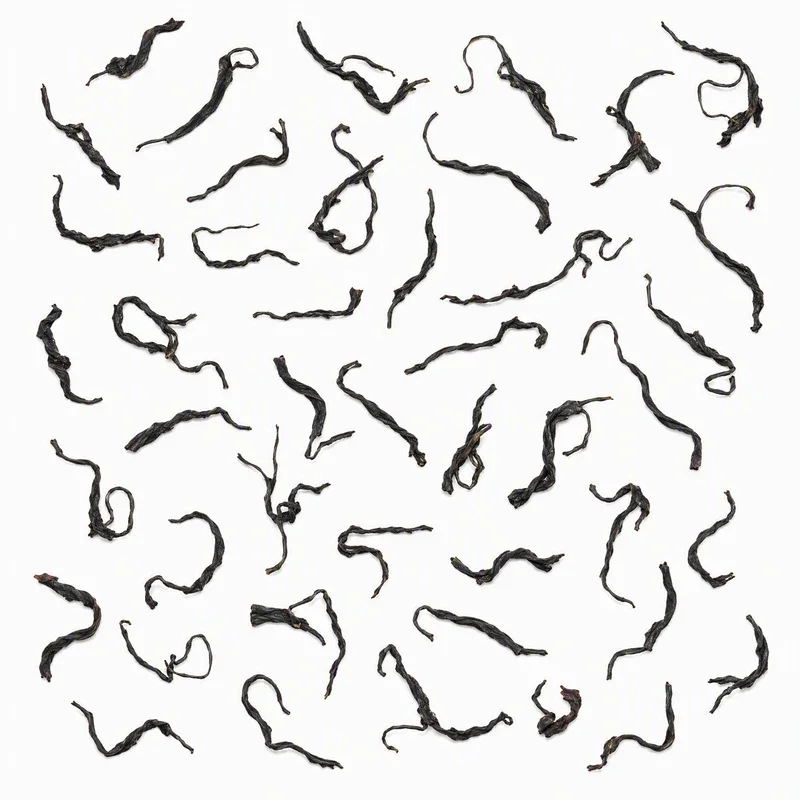
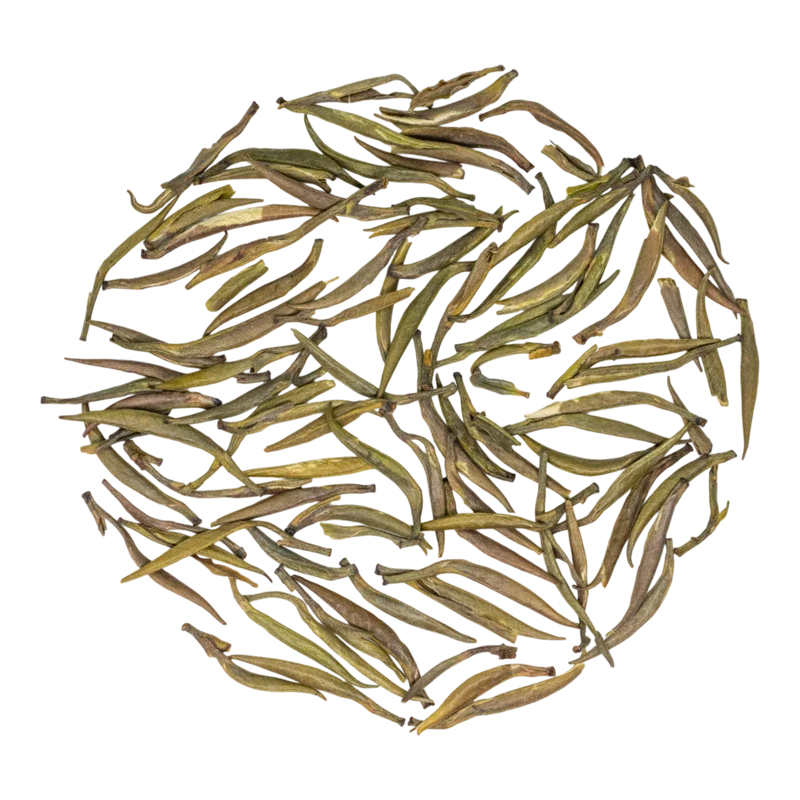
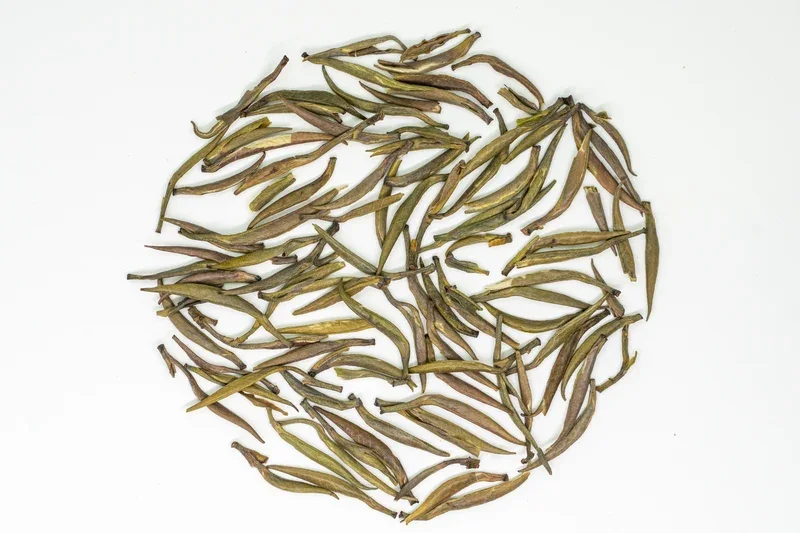
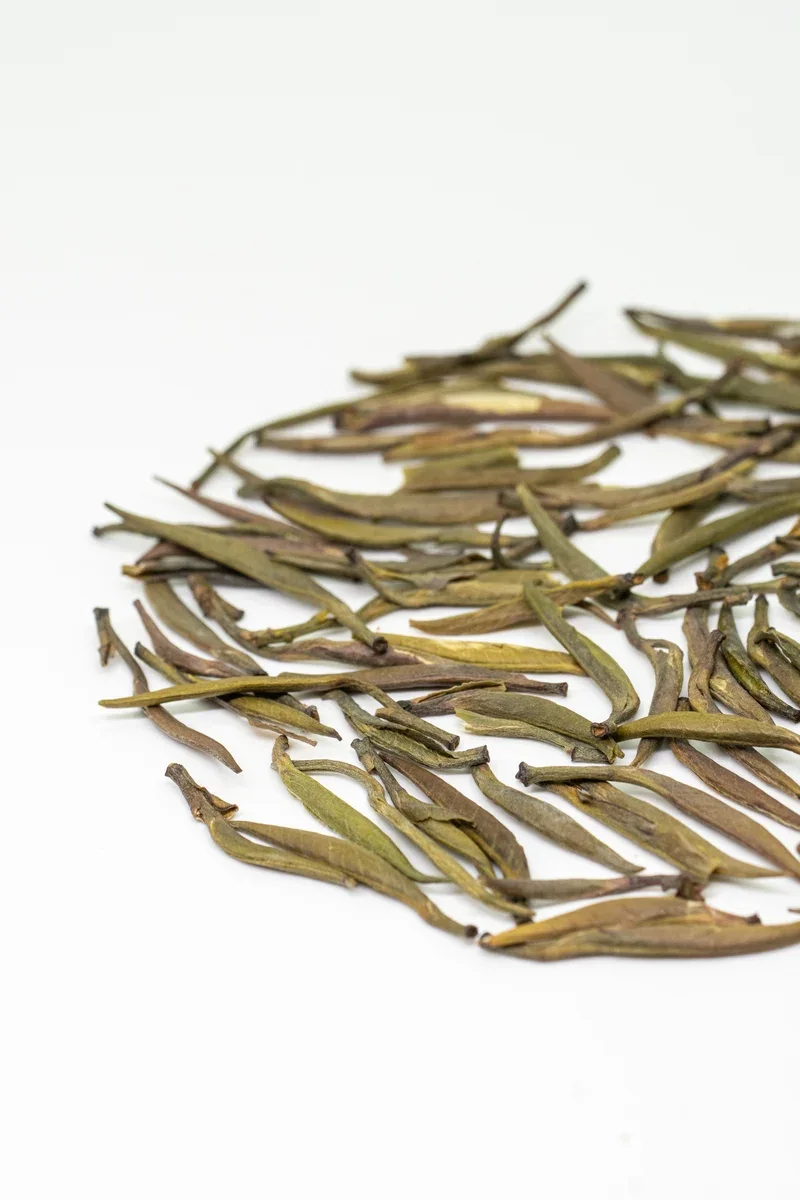
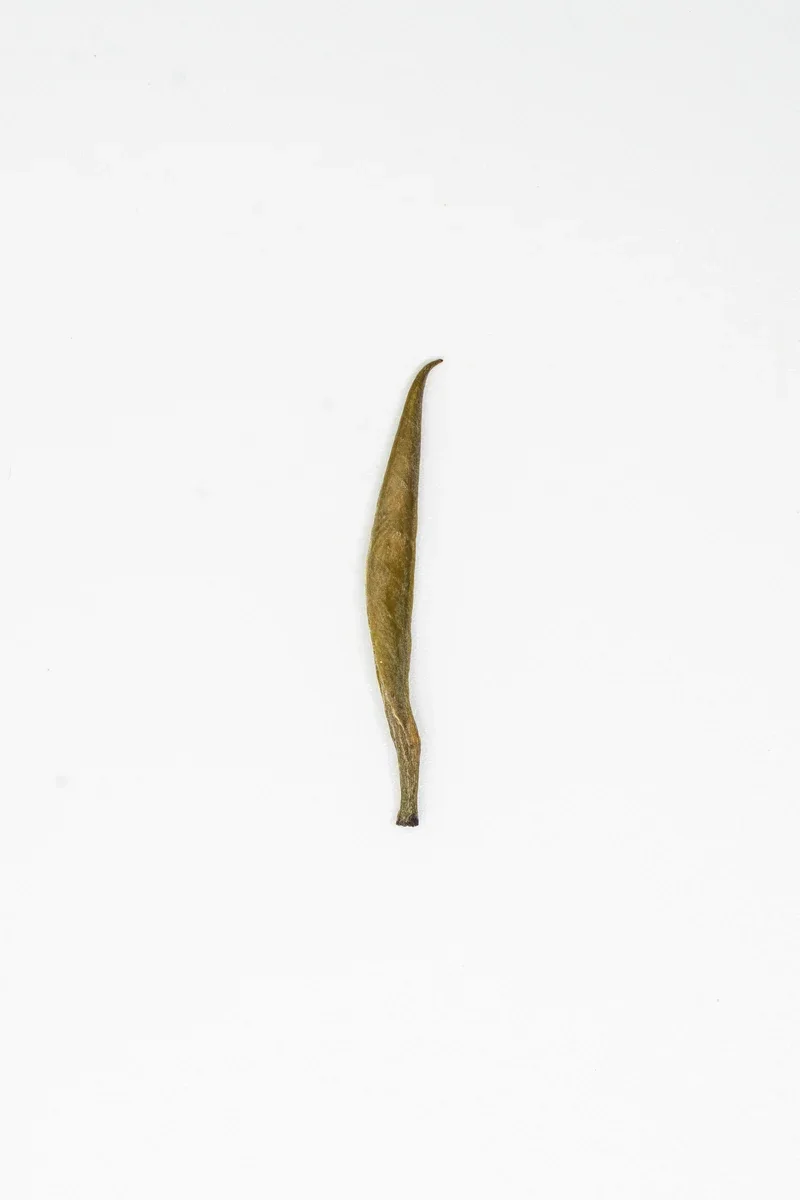
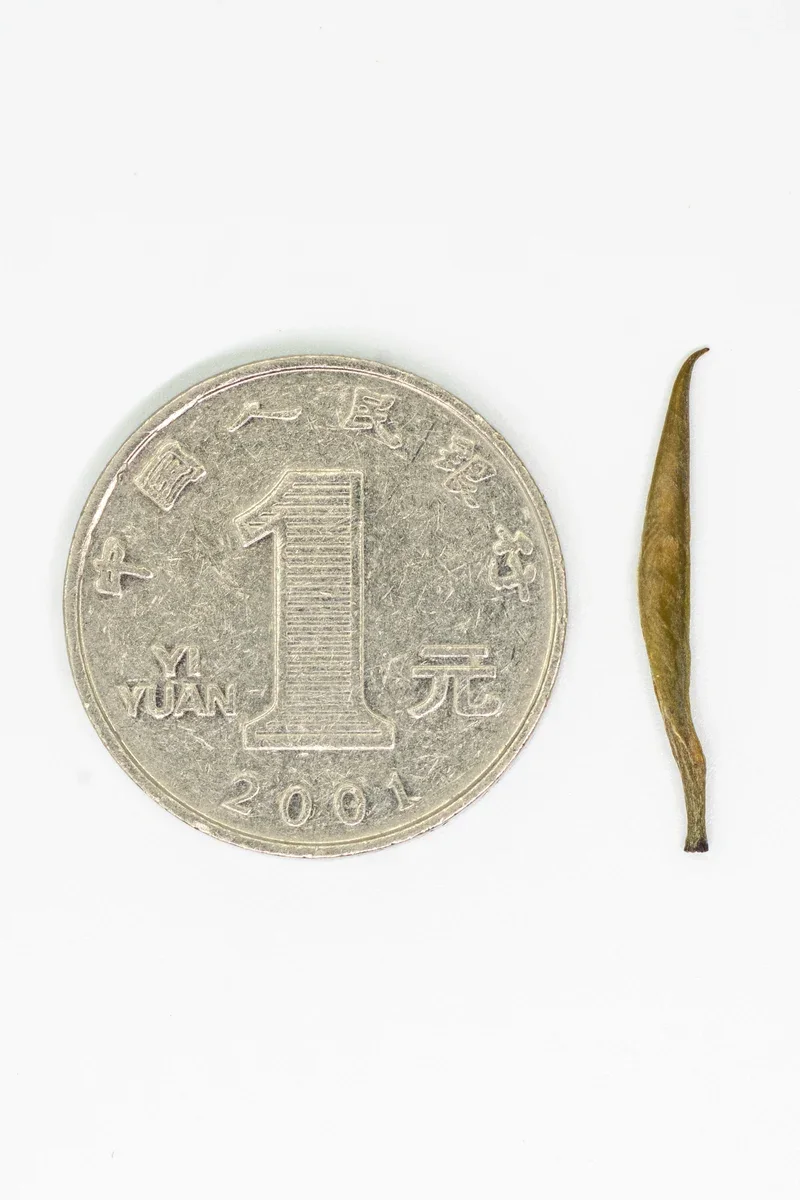
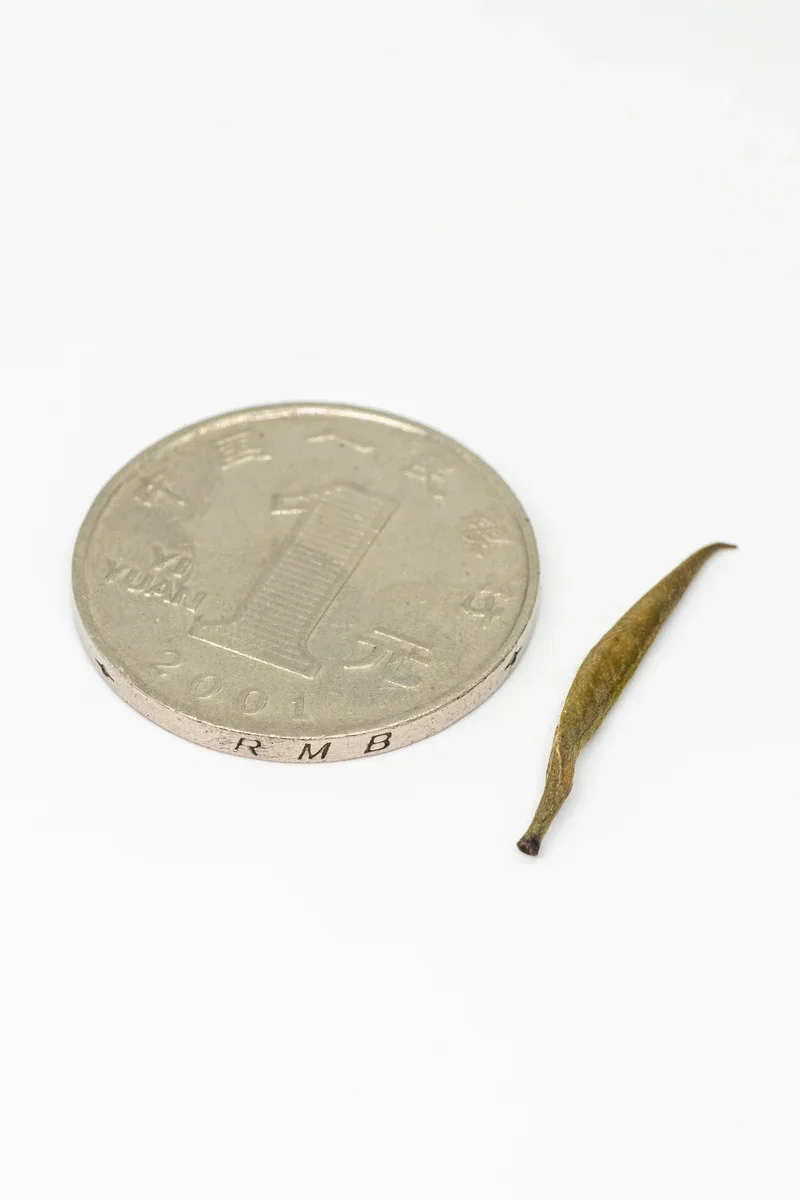
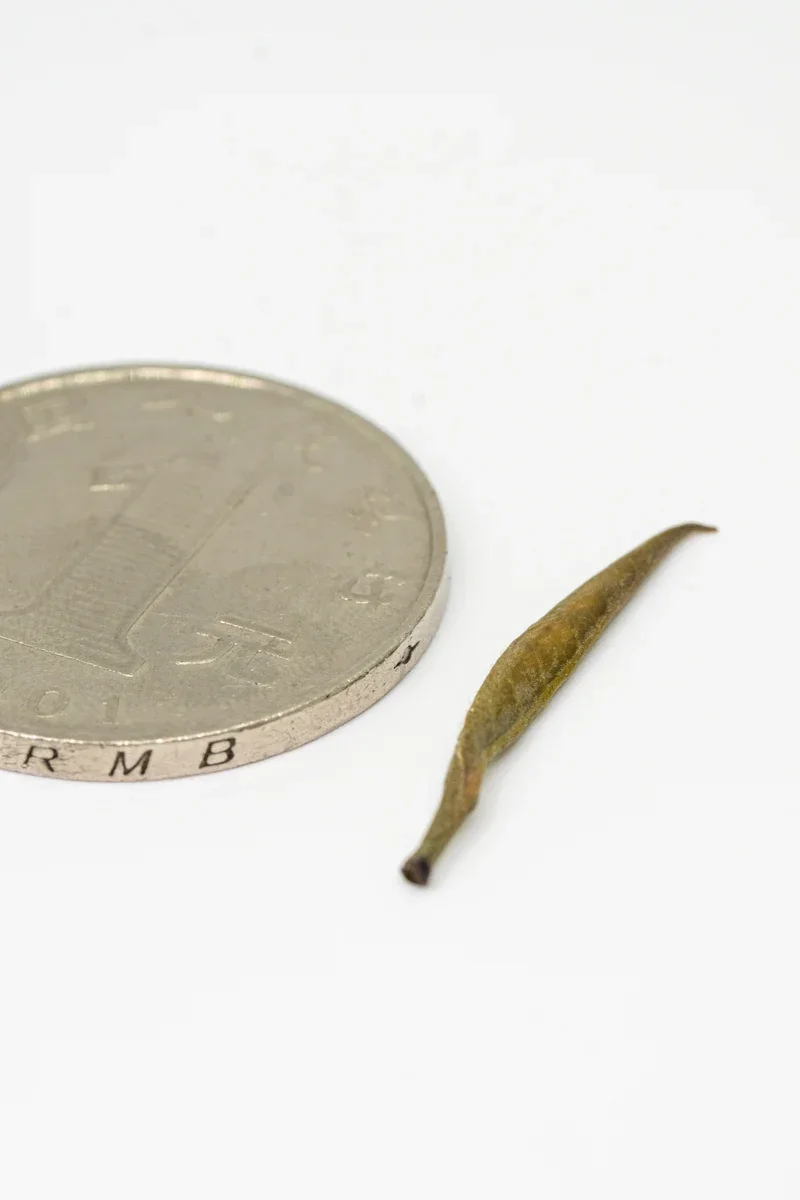
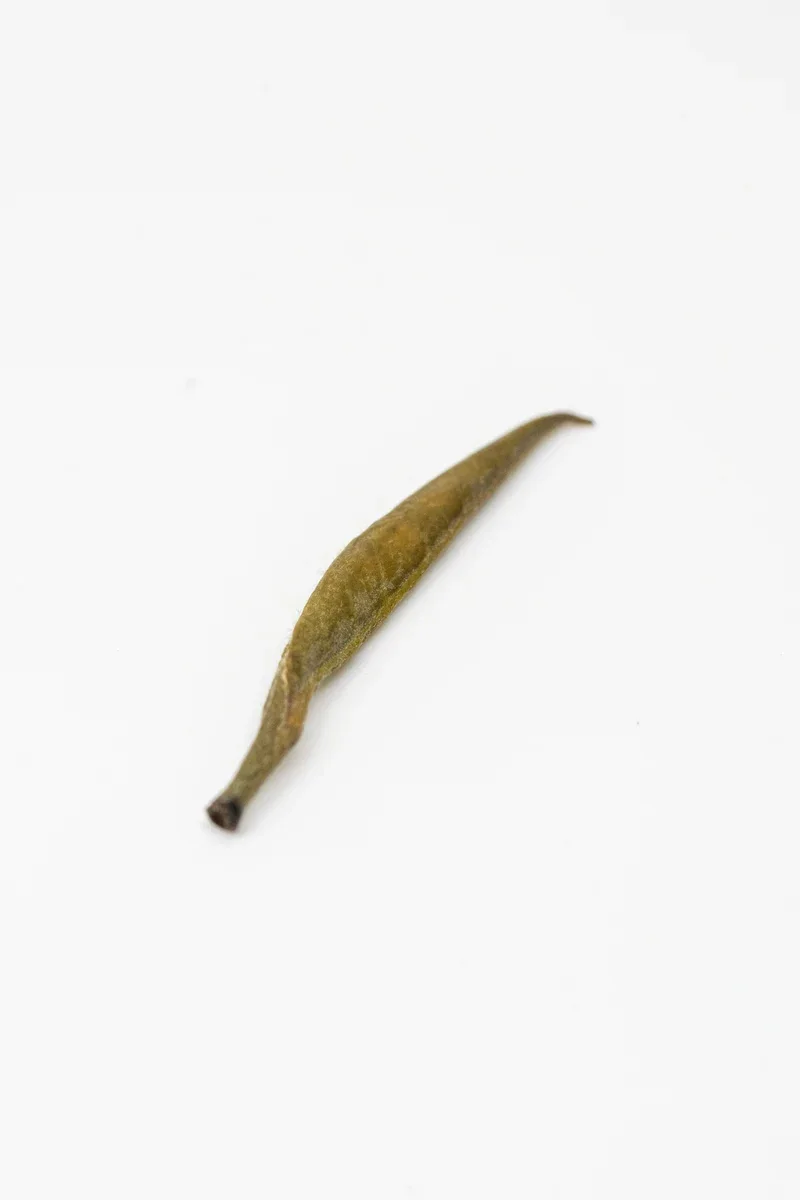
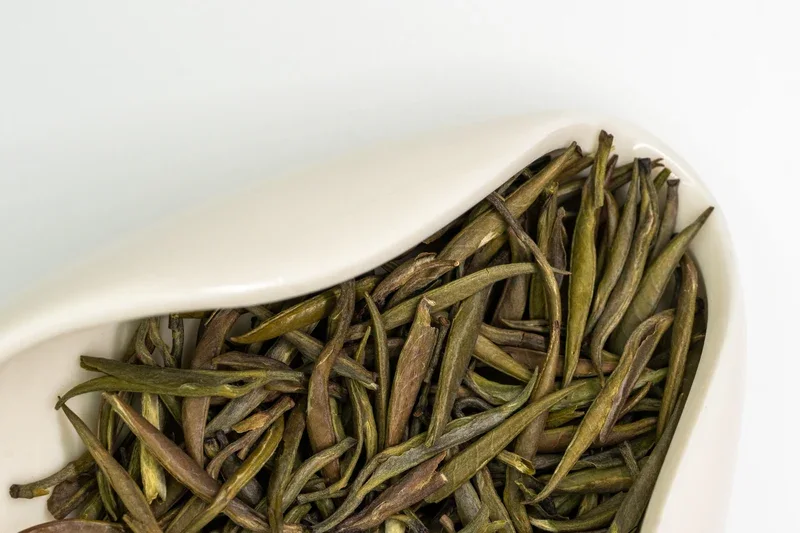
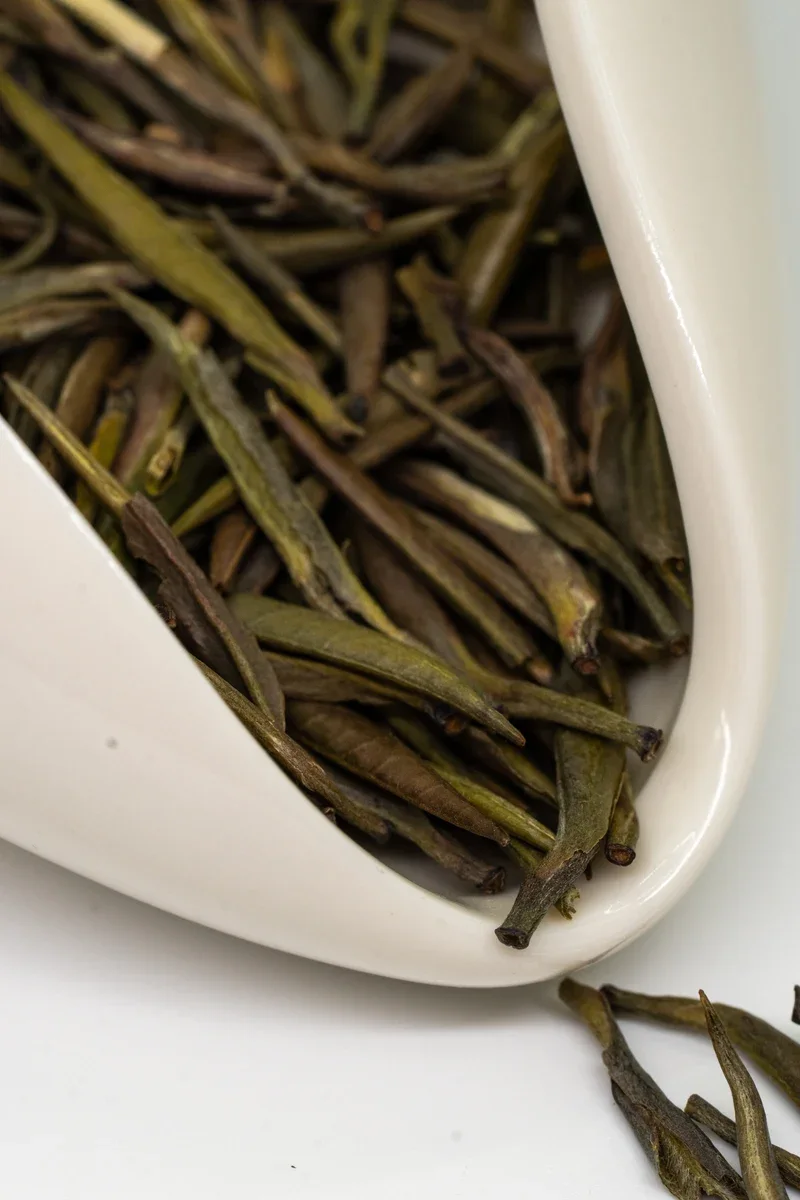
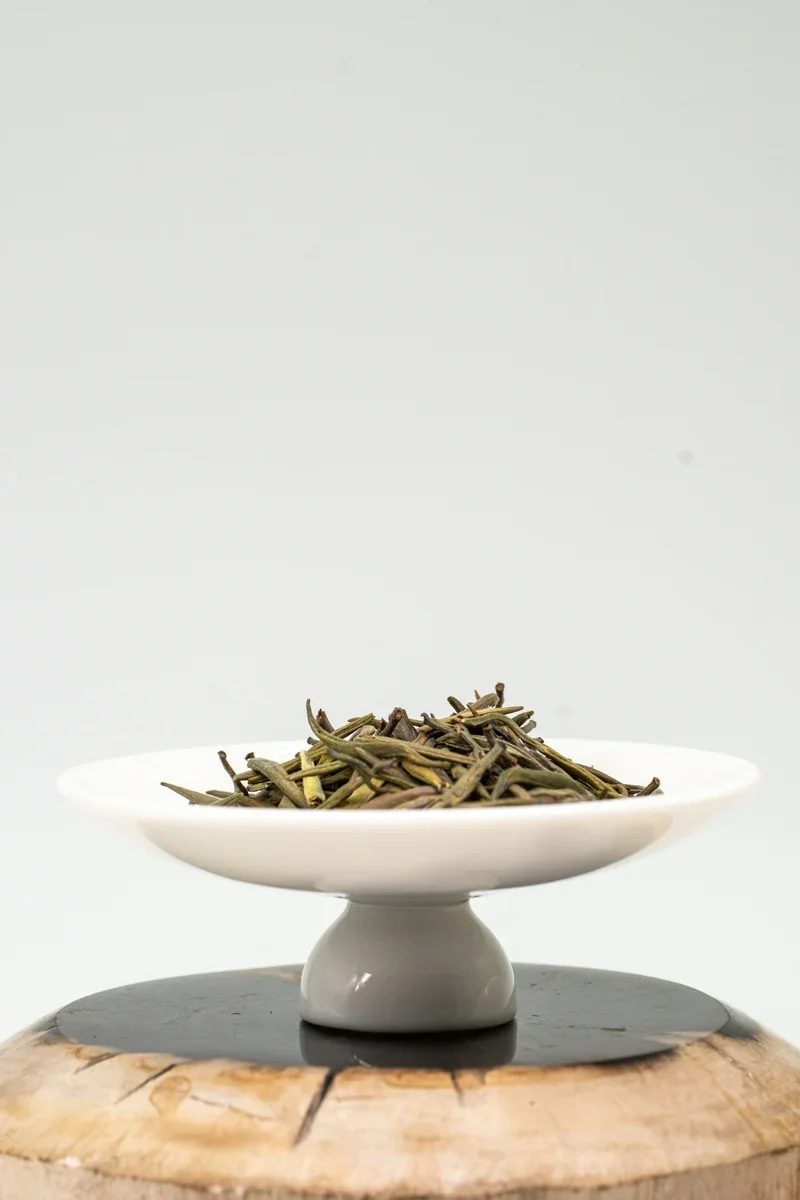
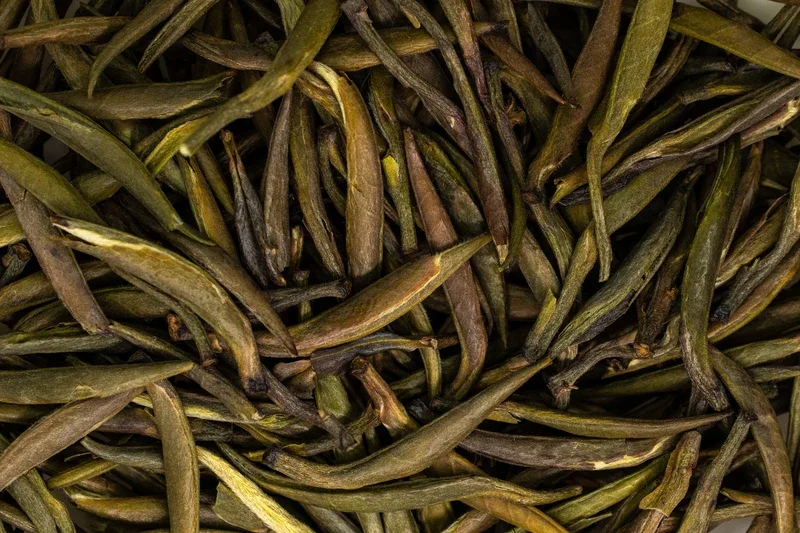
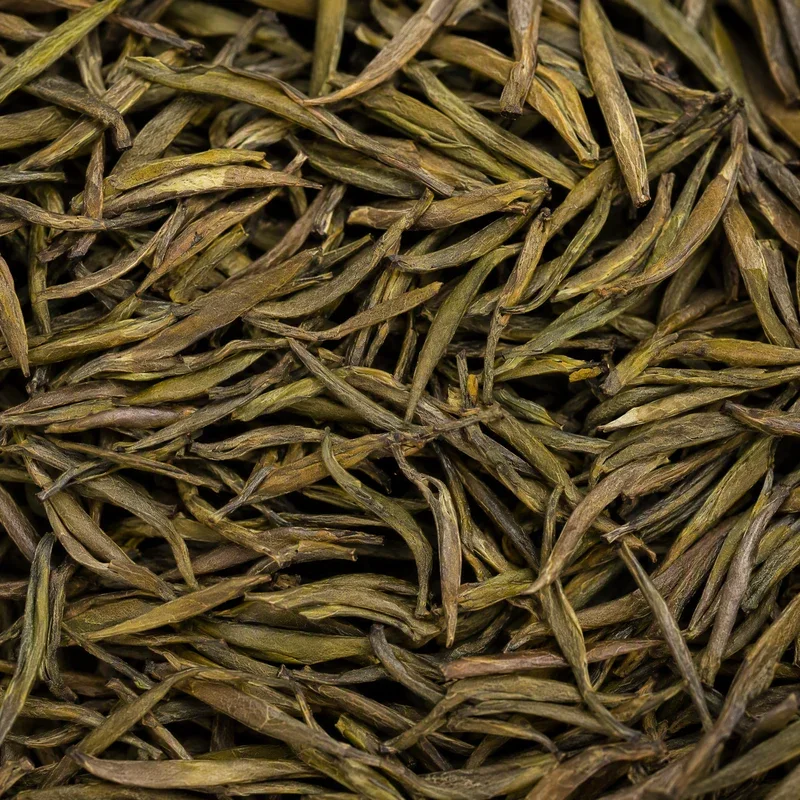
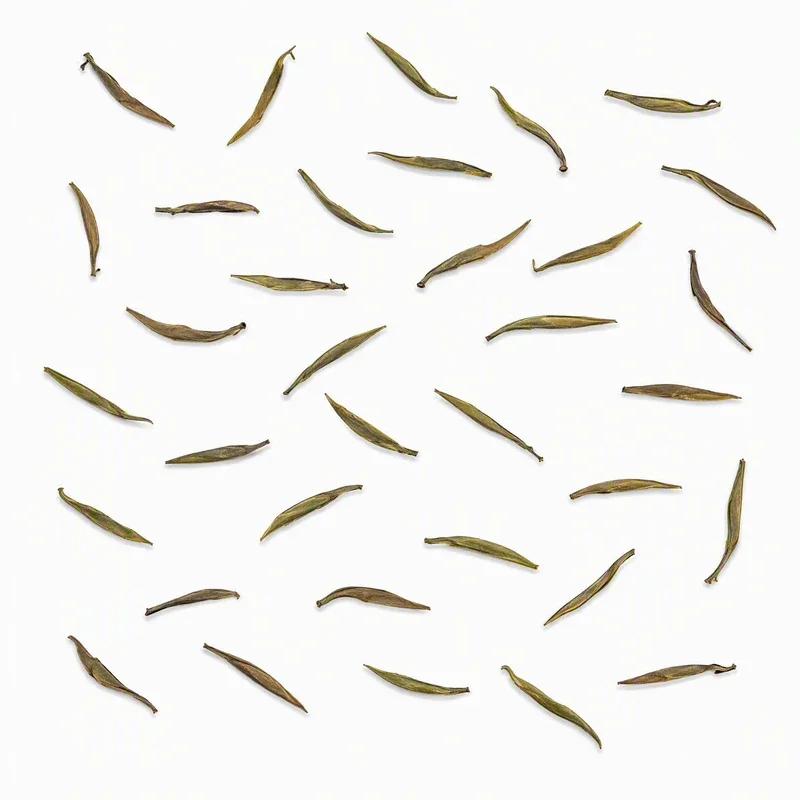
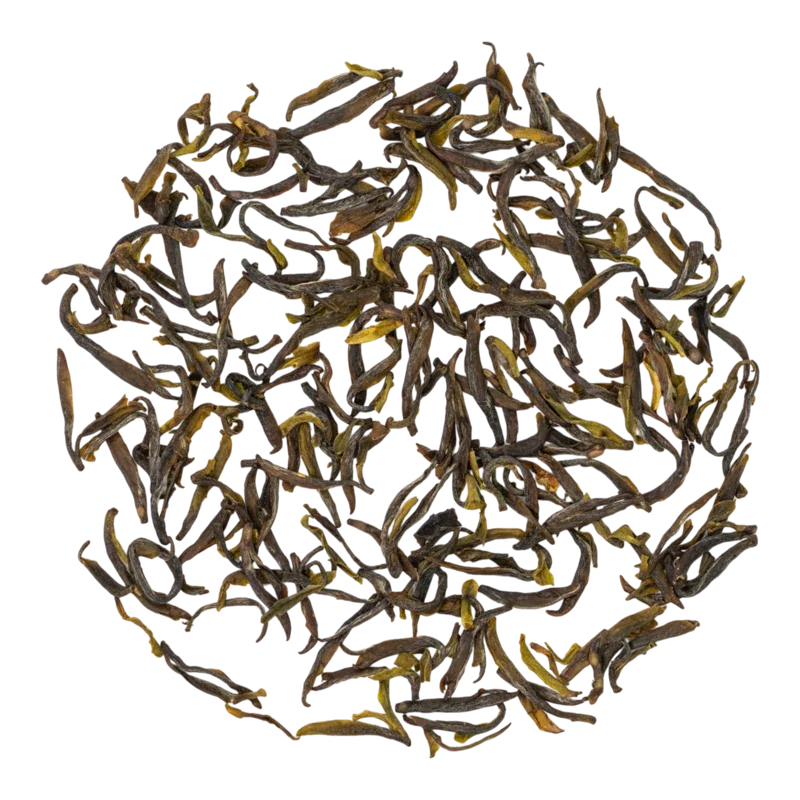
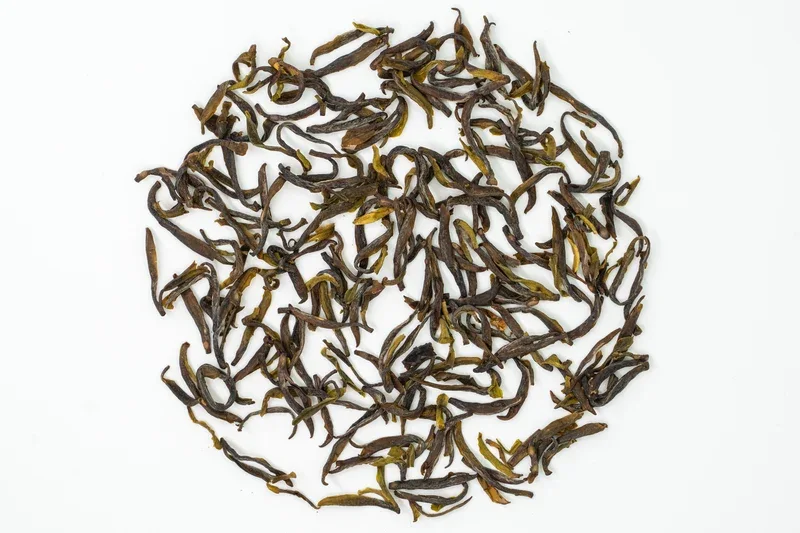
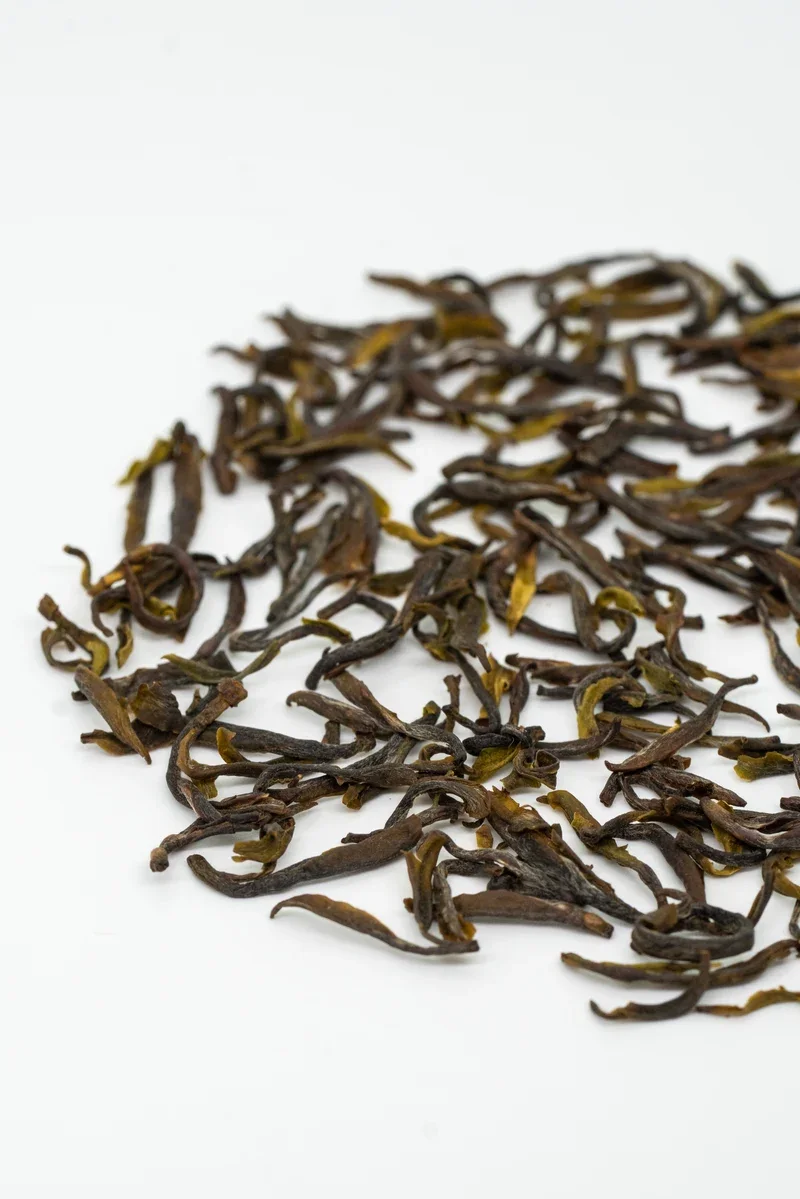
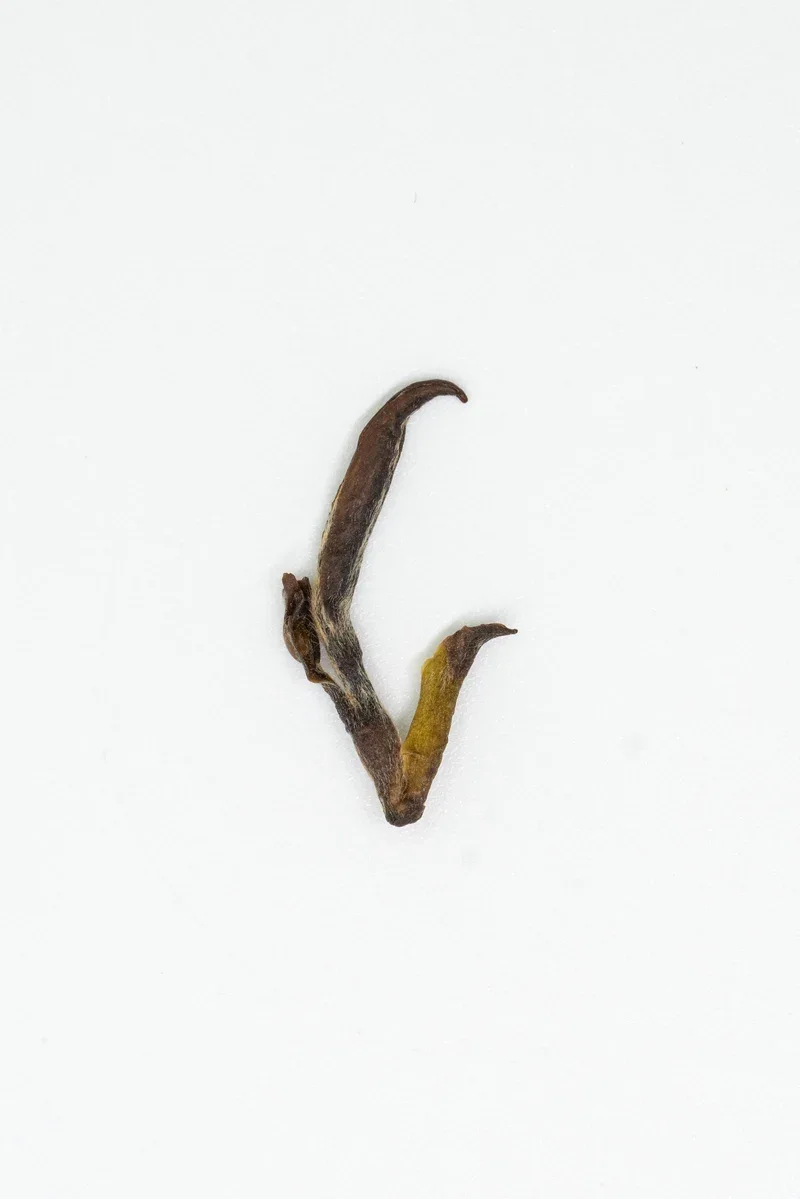
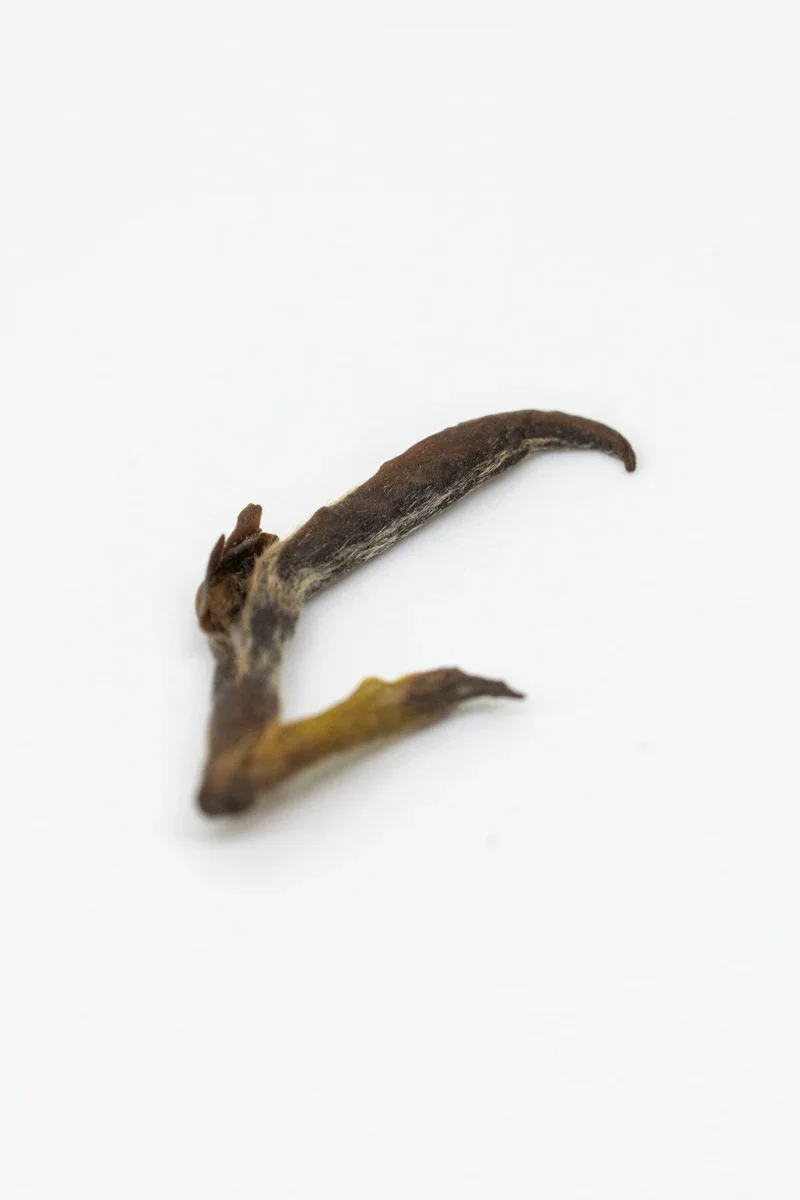
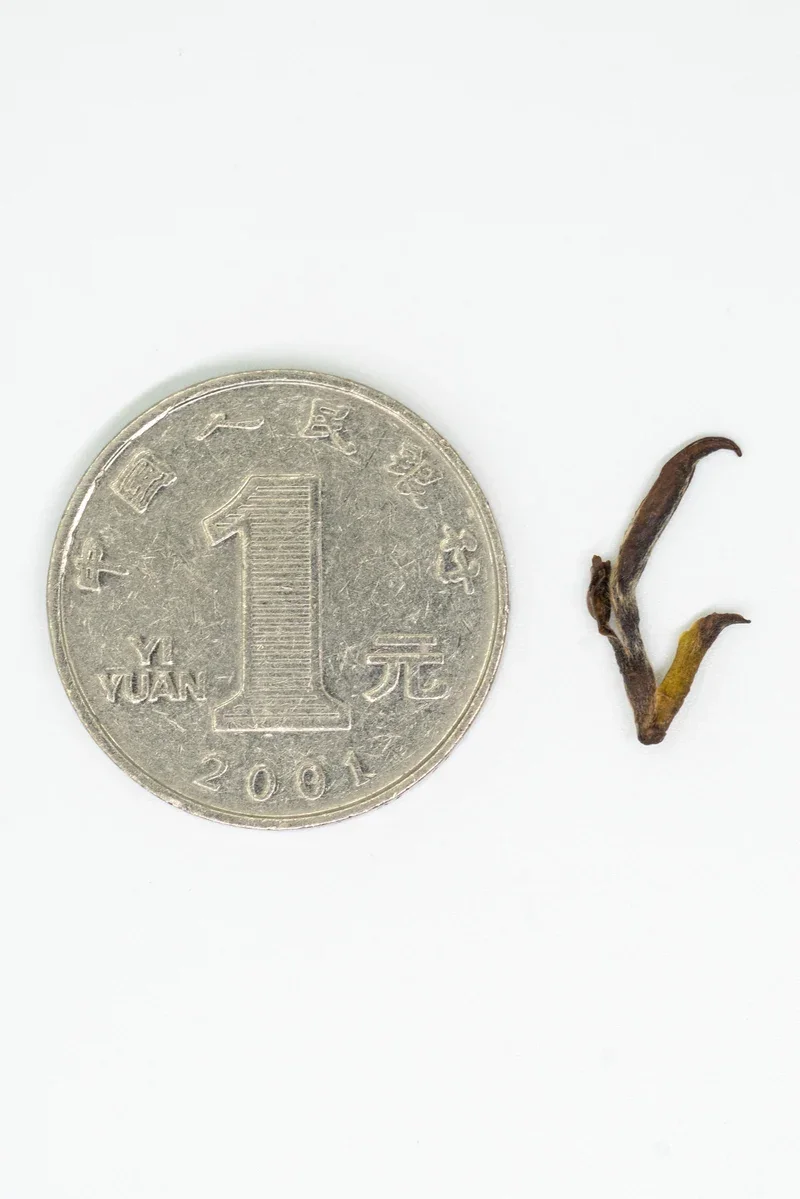
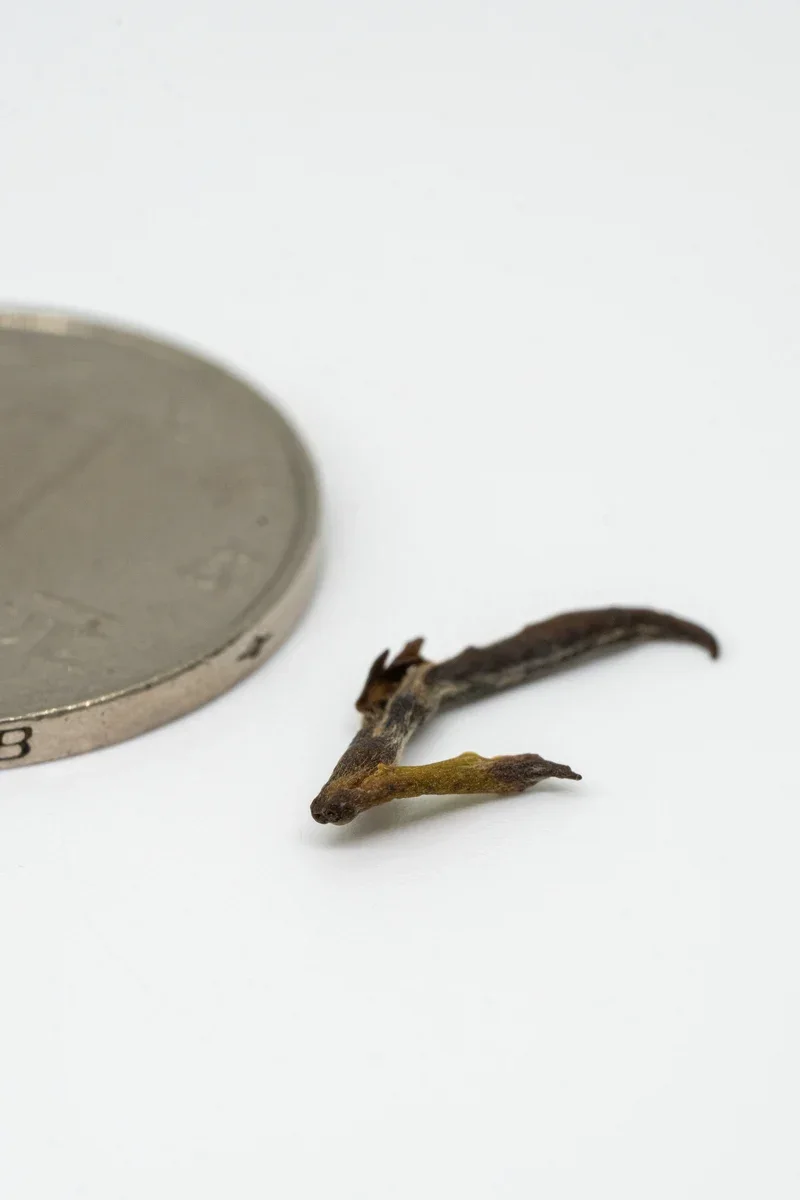
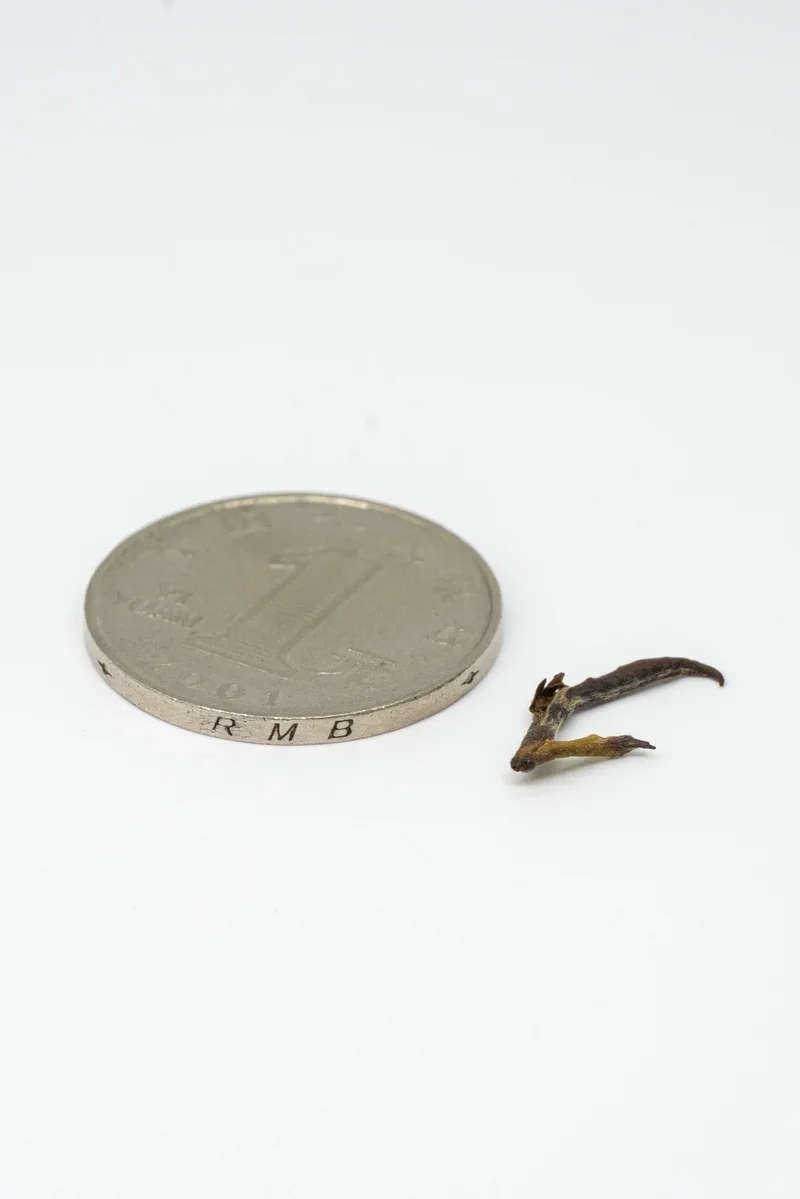
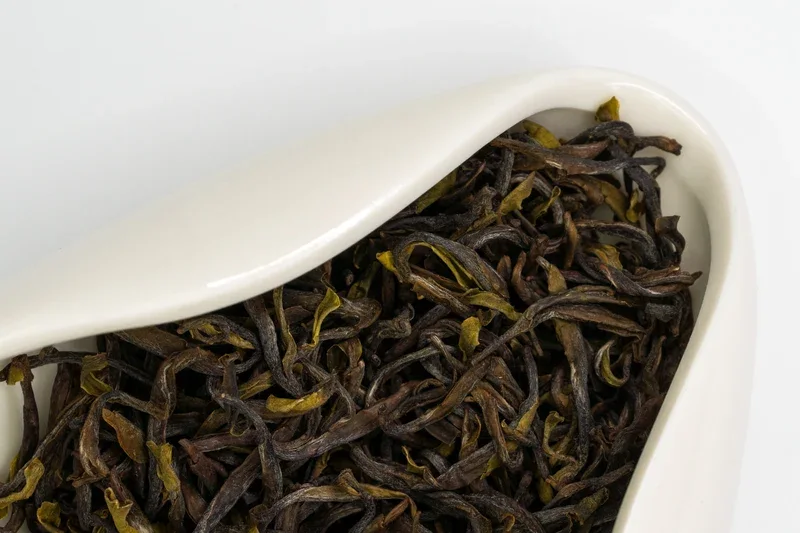
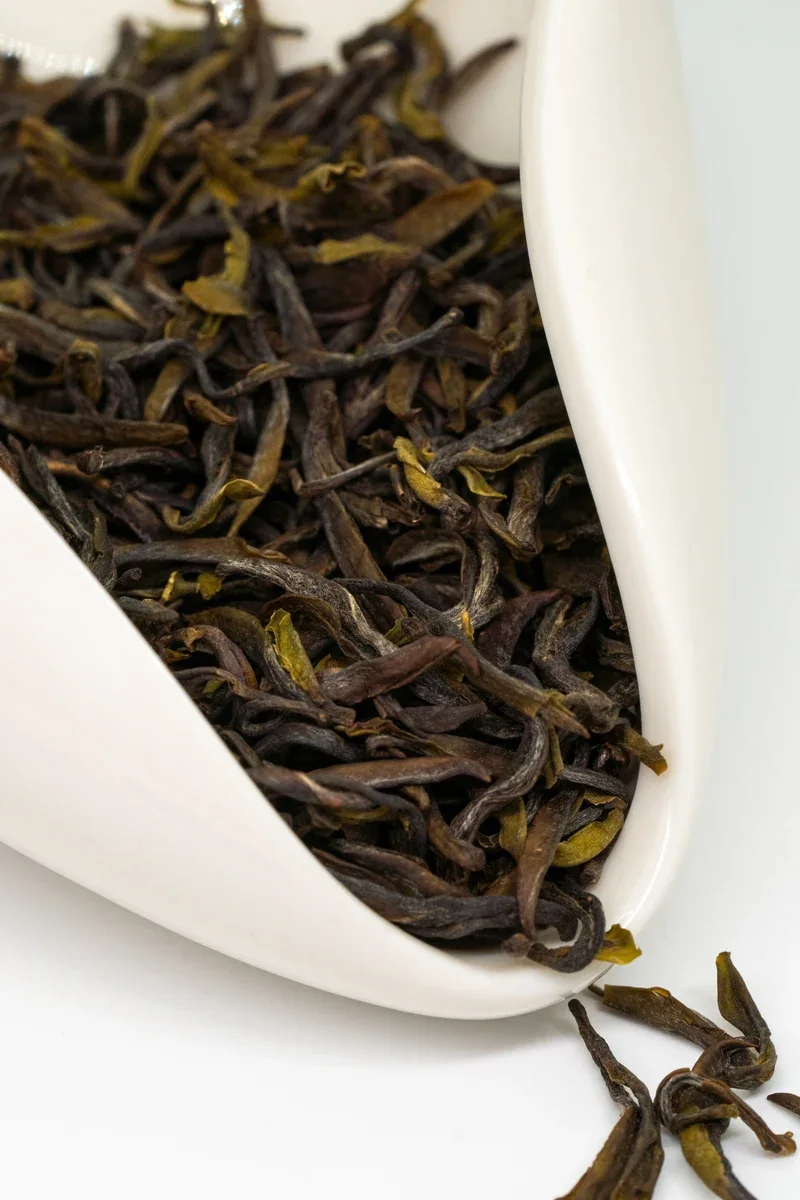
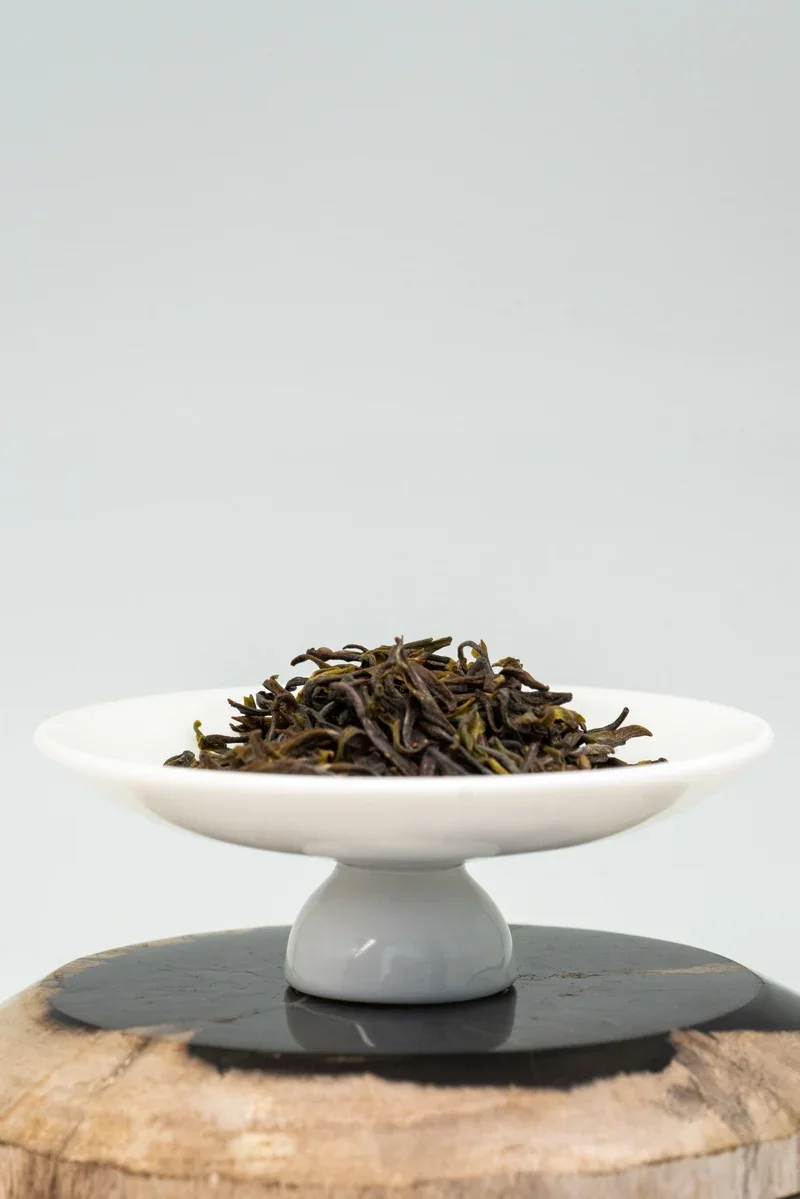
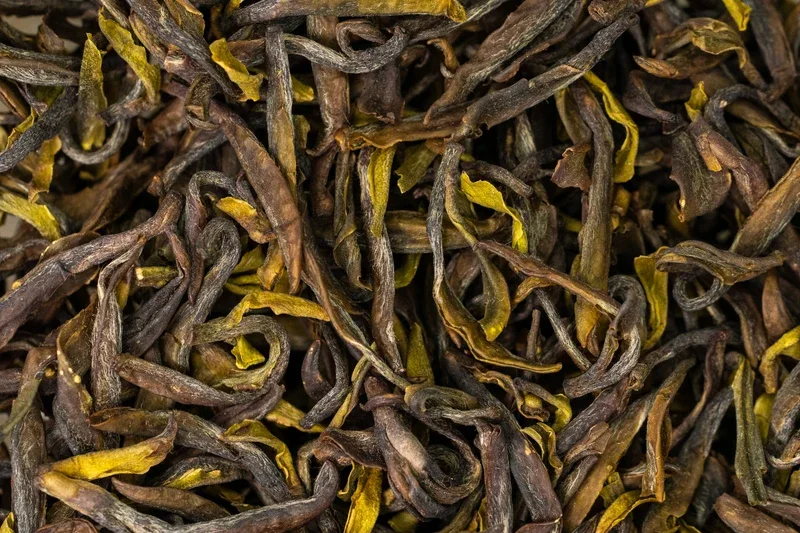
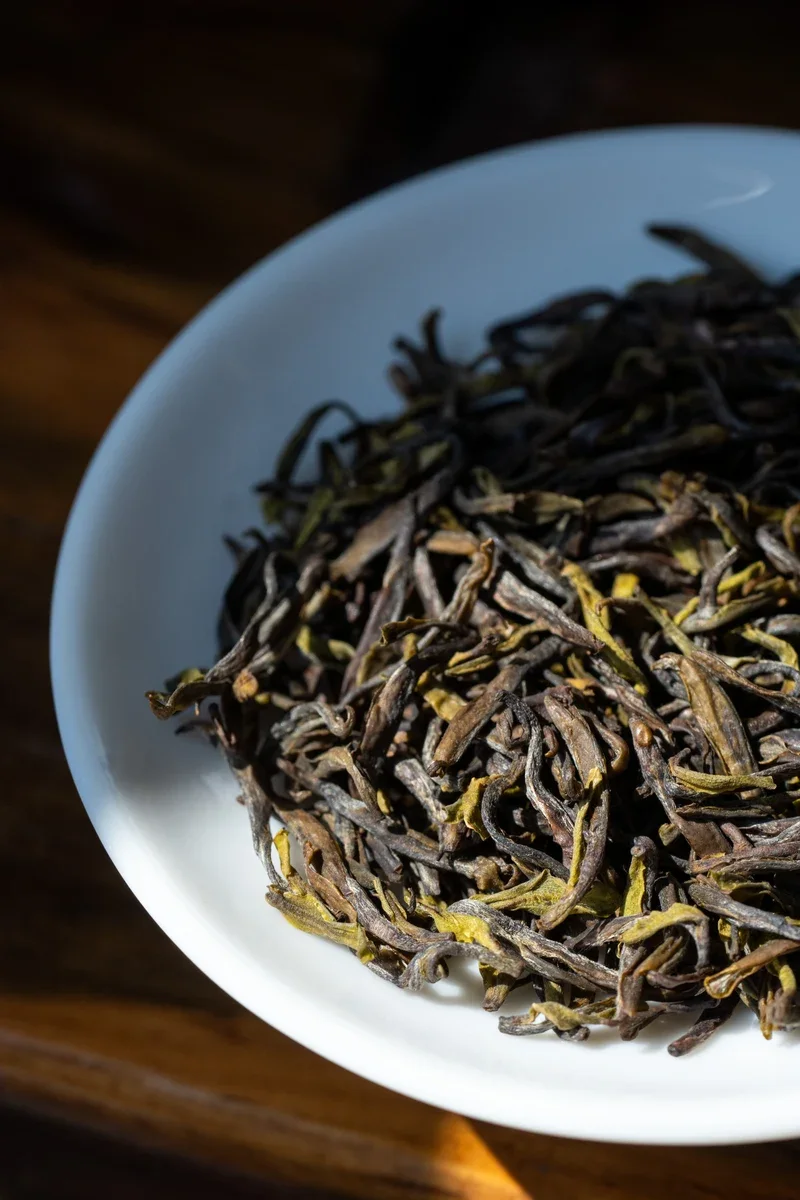
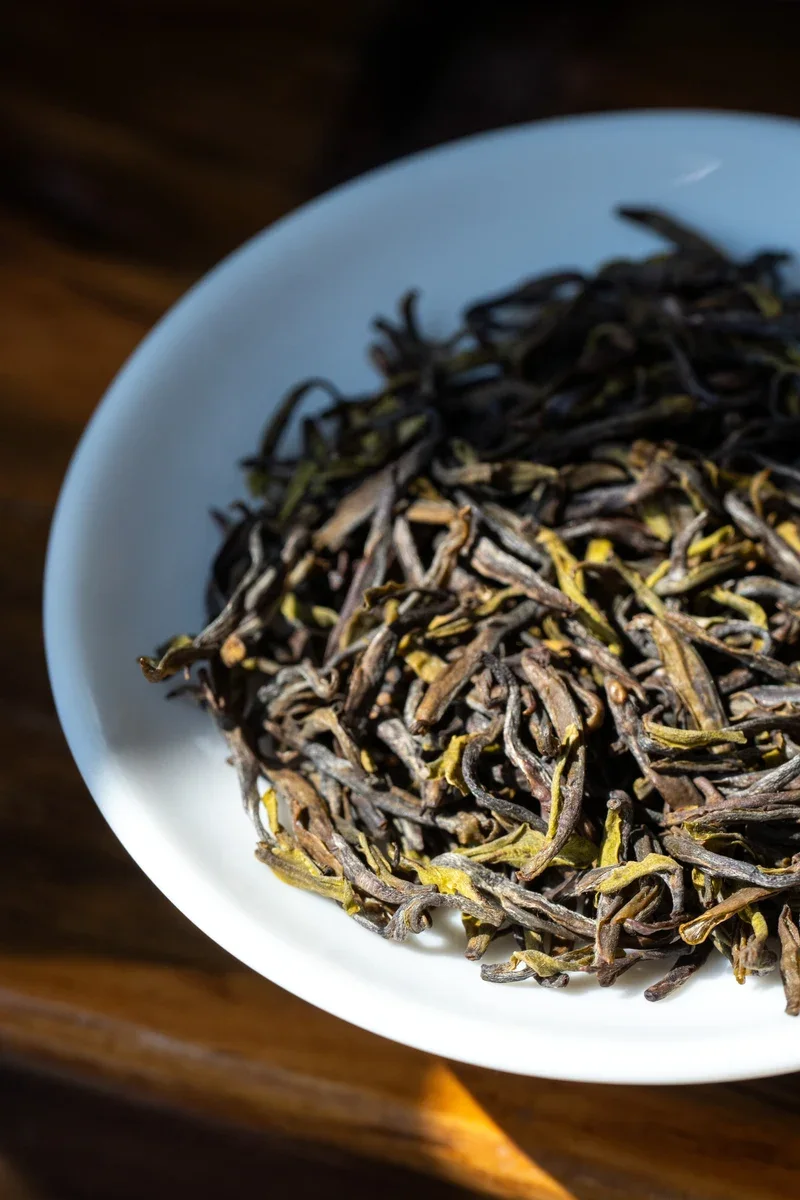
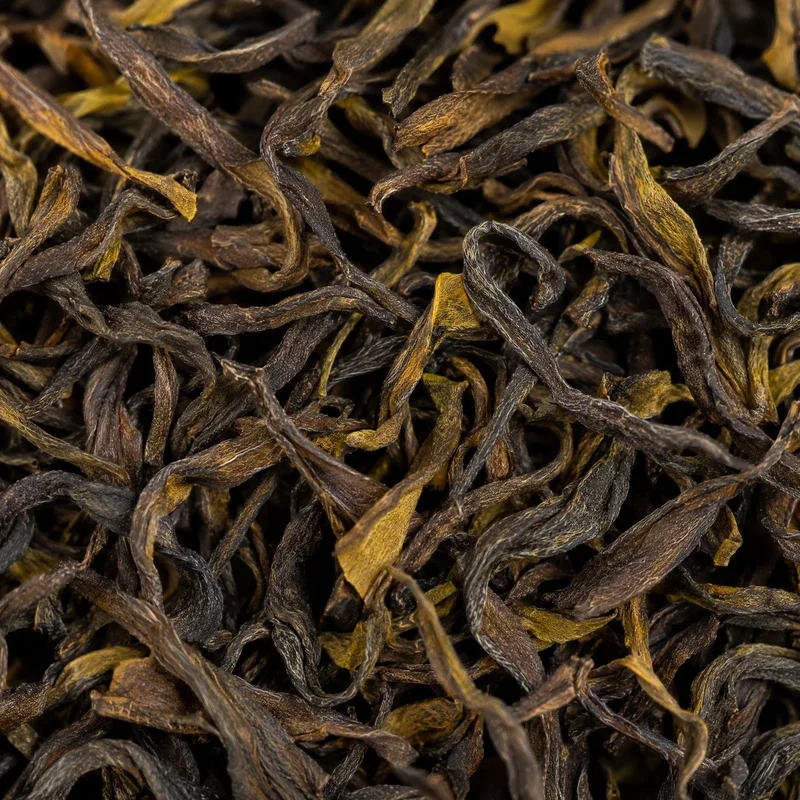
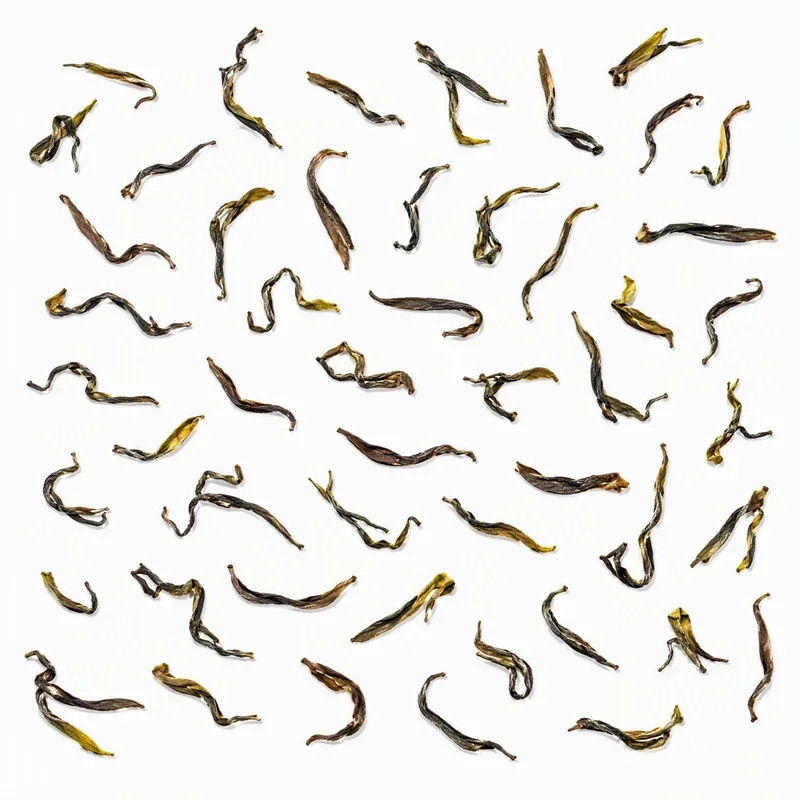
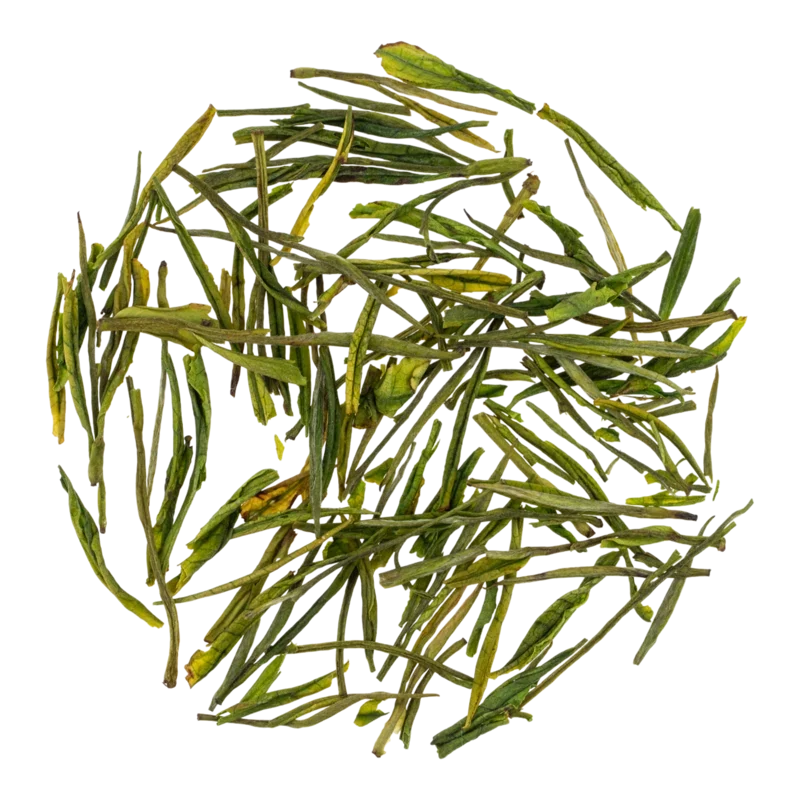
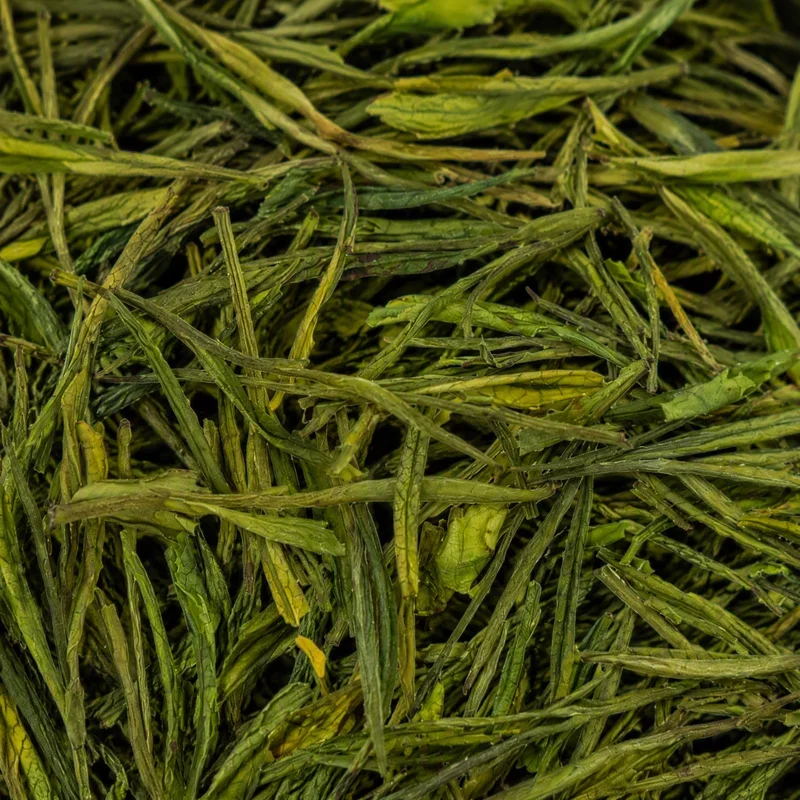
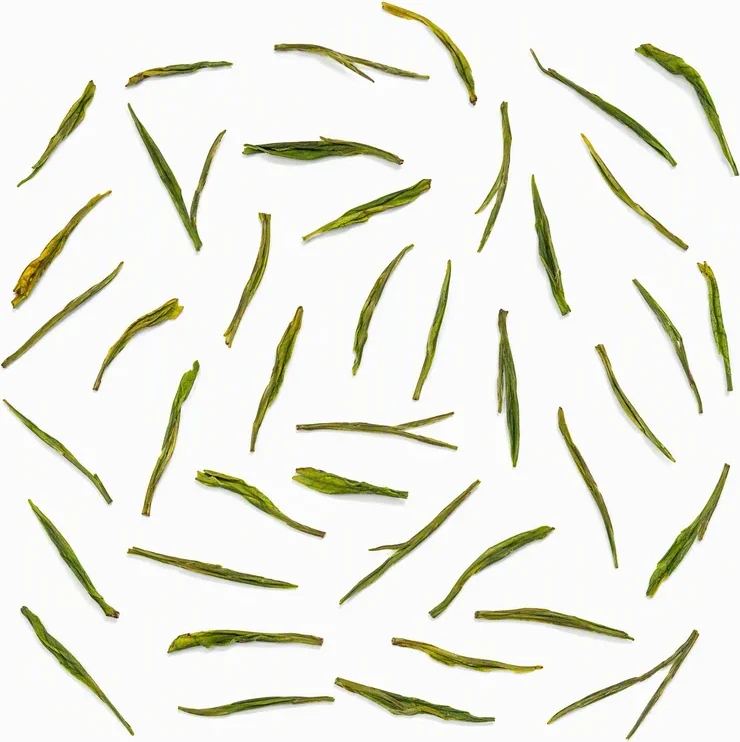
Dry Leaf Appearance: Straight, slender "needles" (紧直苗秀, jǐnzhí miáoxiù), "like shoots standing at attention". Emerald green, glossy (翠绿鲜润). Down visible but not dominant.
Dry Leaf Aroma: Pure, high, persistent (清高持久, qīng gāo chíjiǔ). Orchid (兰花清香, lánhuā qīngxiāng) — primary.
Liquor Aroma: Orchid-floral, "airy". When cooled — "honey" and "chestnut" overtones. Persistence — 3+ minutes on cold cup.
Liquor Color: Tender green (嫩绿明亮) — in some sources "杏绿" ("apricot-green").
Tender, "in bouquets", green and bright (嫩绿成朵). Shoots — whole, unbroken.
"三绿一香" (sān lǜ yī xiāng) — "three greens — one fragrance": green strip (条索翠绿) + green liquor (汤色嫩绿) + green leaf base (叶底绿亮) + orchid fragrance (兰花清香).
Taste: Fresh, mellow, refreshing (鲜醇爽口, xiān chún shuǎng kǒu). Sweet-mellow (甘醇). Returning aftertaste — sweet, long (回味甘甜). Bitterness and astringency — minimal.
Amino Acids: Elevated — consequence of 200 foggy days, diffused light and record soil organics (3.5–14.8%). EGCG active.
47% — 11 percentage points above national standard (36%). This means almost half of dry matter transfers to liquor — one of the highest indicators among Zhejiang green teas and all China. High water-extractables — direct consequence of record soil organics (3.5–14.8%) and 200 foggy days: tea bush, receiving minimal direct sun, synthesizes more soluble substances (amino acids, sugars) and less insoluble (lignin, cellulose). Result — liquor with rich "body" while maintaining mellowness.
0.74 mg/kg — 6.8 times below safety standard (5 mg/kg).
13 types — not detected (2007 analysis).
Standard for green tea.
Polyphenols: ~19.2% — moderate level ensuring mellowness.
EGCG + vitamin C — dual antioxidant system. Polyphenols 19.2% with high water-extractables (47%) ensure effective antioxidant extraction into liquor.
Caffeine in synergy with L-theanine — gentle, prolonged alertness.
Catechins stimulate GI motility and fat breakdown.
L-theanine stimulates brain alpha-wave activity.
Zero pesticides + low lead = one of Zhejiang's "cleanest" teas.
Listed properties based on general data and are not medical recommendations. Not recommended on empty stomach. Daily dose — no more than 600 ml.
3–4. Each subsequent — +20–30 seconds.
Tea Amount: 3g per 150 ml (ratio 1:50).
Teaware: Glass cup — for observing shoot "dance": straight "needles" slowly descend vertically, open in "bouquets", resembling "orchid petals" (形如兰花瓣瓣). This is one of Zhejiang's most aesthetic tea rituals.
Water Temperature: 85°C. Do not use boiling water — shoots are tender and "burn".
Container: Hermetic, opaque.
Light: Complete isolation.
Shelf Life: Recommended within 6–8 months. After opening — 30 days.
Temperature: 0–5°C (refrigerator), hermetically sealed. Pan'an Yun Feng — delicate "half-roasted half-dried" tea, sensitive to moisture and odors.
No reviews yet. Tell us what you think of this tea.
Rate this tea and share your impressions. We review each submission before publishing it.