Brewing
Gongfu brewing
- Water temperature
- 90 °C
- Tea amount
- 6 g
- Water volume
- 100 ml
- First steep
- 10 s
- Time added per infusion
- 5 s
- Infusions
- 8


Mùzhà tiěguānyīn
Choose a brewing method. Start with the recommended quantities and time, then adjust to taste.
Brewing
Brewing
Taste
Tea encyclopedia
Category: Taiwanese oolongs. Stylistically — "nongxiang" (濃香, nóngxiāng), dense-aromatic profile.
Category: Taiwanese oolongs. Stylistically — "nongxiang" (濃香, nóngxiāng), dense-aromatic profile.
Coordinates: approximately 24°59′ N, 121°35′ E.
Origin: Taiwan, Taipei City (臺北市, Táiběi Shì), Wénshān District (文山區, Wénshān Qū), Mùzhà tea zone (木柵, Mùzhà). Core production area — Zhangnanshan Hills (樟湖山, Zhānghú Shān), also known as Zhinanshan (指南山, Zhǐnán Shān), as well as the vicinity of Māokōng (貓空, Māokōng).
Type: Oolong (semi-oxidized tea, oxidation degree 40–50%). Belongs to the category of dark (heavily roasted) oolongs with pronounced charcoal roasting.
Cultural Significance: Muzha Tieguanyin is the calling card of northern Taiwan's tea culture and one of the few teas produced directly within the boundaries of the capital city. The annual Mùzhà Tiěguānyīn competition (木柵鐵觀音比賽茶) is one of the most prestigious tea competitions on the island: the winner receives the right to a special seal, and the price of marked batches increases several times. The Maokong district, where the main plantations are located, is connected to central Taipei by cable car (since 2007) and has become an important tourist attraction, combining tea tasting, mountain trails, and panoramic views of the metropolis. In addition, the Taipei Tea Research and Promotion Center (臺北市茶葉產銷研究推廣中心) operates in the Maokong territory.
History: The appearance of Tiěguānyīn in Mùzhà is inextricably linked with the name of tea master Zhāng Nǎimiào (張迺妙, Zhāng Nǎimiào), a native of Muzha, whose ancestors came from Ānxī County (安溪, Ānxī) in Fujian Province. In 1895, during a trip to his ancestral homeland to pay respects at graves, Zhang Naimiao first brought 12 saplings of purebred Tieguanyin cultivar to Taiwan and planted them behind his house among rock crevices. In the following year, 1896, he made a second journey to Anxi and brought about a thousand saplings. Zhang Naimiao, who brought Tieguanyin to Muzha, was honored with a gold award at a tea competition during the Japanese colonial period while still alive (in 1917). In his honor, a memorial hall "Zhang" operates in Muzha. In 1919, the district head of Muzha, Zhāng Démíng (張德明, Zhāng Démíng), who simultaneously headed the local Wenshan tea company, sent Zhāng Nǎimiào together with his namesake Zhāng Nǎiqián (張迺乾, Zhāng Nǎiqián) to Anxi for large-scale procurement — they brought 3,000 saplings, which were planted on the hill opposite Muzha school and then distributed among local farmers. Thus Muzha became the "second homeland" of Tieguanyin. In 1934–1935, the Muzha tea company organized a series of seminars and competitions on Tieguanyin processing technology, which established the district's status as the main center of this tea in Taiwan. After Taiwan's return to China in 1945, masters from Anxi — Wáng Taiyu (王泰友) and Wáng Dé (王德) — brought to Muzha the cloth-
Name Breakdown: Mùzhà (木柵) — historical name of the district, literally "wooden fence." Tiěguānyīn (鐵觀音, Tiěguānyīn) — "Iron Goddess of Mercy." According to legend, tea farmer Wèi Yín (魏蔭) from Anxi in 1725 received a revelation in a dream from the bodhisattva Guanyin, who pointed him to an unusual tea bush in a ravine. The plant proved to be so strong and heavy, "like iron," and the tea so perfect, that it was named after the deity. There is also the "Wang version" (王說): official Wáng Shirang (王仕讓) presented the tea to Emperor Qianlong, who gave it the name "Tieguanyin" for its weight and beauty.
Cultivar: The main and most valuable cultivar is purebred Tiěguānyīn (純種鐵觀音, chúnzhǒng Tiěguānyīn), also called "red bud, crooked peach tail" (紅芽歪尾桃, hóngyá wāi wěi táo) for its characteristic features: young shoots of purple-red hue, wavy leaf blade with uneven surface, central vein slightly offset from the axis. The plant belongs to Camellia sinensis var. sinensis, bush type (灌木型). Distinguished by demanding conditions — grows slowly, occupies large area, gives low yield, which determines high cost. Besides purebred Tieguanyin, other cultivars are used in broad production — Sìjìchūn (四季春, Sìjìchūn), Jīn Xuān (金萱, Jīn Xuān, TTES №12) and others; such tea is classified as "Tieguanyin in the broad sense" (廣義鐵觀音) and differs in lighter body and affordable price.
Picking: Spring (April–May) and autumn (October–November) harvests. Spring is valued for rich aroma, autumn — for pronounced taste. Summer harvest occurs but is considered less quality.
Pluck Standard: Mature shoot with 2–3 opened leaves (開面採, kāimiàn cǎi) — "harvest at opening." Leaves must be whole, without mechanical damage.
Raw Material: Evenly mature, elastic leaf without signs of diseases and pests; absence of foreign odors; batch uniformity by degree of maturity.
Altitude: 150–350 m above sea level. Main zone — 250–350 m (Zhinanshan and Maokong hills).
Climate: Humid subtropical. Average annual temperature about 22°C, annual precipitation — about 2,500 mm (main part — from June to September, including typhoons). Number of foggy days exceeds 150 per year. Significant daily temperature fluctuations and abundance of morning fogs slow tea bush growth, promoting accumulation of aromatic substances and amino acids in the leaf.
Soil: Red-yellow podzolic soils (紅黃色砲質壤土) with acidic reaction (pH 5.0–6.0), with gravel admixture providing good drainage. High iron and mineral content in soil gives tea characteristic mineral component and increases tannin content in leaf.
Muzha tea gardens are located on hills of the southeastern outskirts of the Taipei Basin, in the upper reaches of the Jingmei River (景美溪) basin. Relief — stepped terraced slopes with steep inclines and narrow gorges cut by streams. Forest coverage of the territory exceeds 80%, with predominance of camphor trees (Cinnamomum camphora) and bamboo groves.
Hand picking of mature shoots in morning hours after dew drying. Collected raw material is immediately delivered to the workshop.
Leaf is spread in open air under sun for 8–12 hours, losing part of moisture and activating enzymatic processes.
4–5 cycles of shaking in bamboo sieves, alternating with rest periods. Mechanical action damages cells at leaf edge, starting polyphenol oxidation. It is at this stage that the "red edge" (紅邊, hóngbiān) forms — the calling card of traditional oolongs.
Quick heating at about 240°C in wok or drum stops enzymatic oxidation and fixes the formed aromatic profile.
Primary rolling destroys cellular structure and begins leaf shaping.
Key stage determining the appearance of Muzha Tieguanyin. Leaf is wrapped in cotton cloth and repeatedly (20–30 repetitions) rolled by hand or with mechanical press, interspersing each cycle with intermediate drying. This procedure gives tea its characteristic dense granulated (spherical) form.
Drying to stabilize form and reduce moisture.
Additional shaping to compact granules.
Multiple roasting on charcoal at moderate temperature — from 3 to 7 cycles, each for several hours. This is the most labor-intensive and responsible stage: the master controls heat intensity, achieving deep penetration of "fire note" into tea leaf, while not allowing over-roasting. Final moisture — no more than 5%. Roasting forms characteristic notes of ripe fruits, caramel and burnt sugar, and also ensures tea stability during long storage.
Removal of stems, broken fragments and non-standard granules.
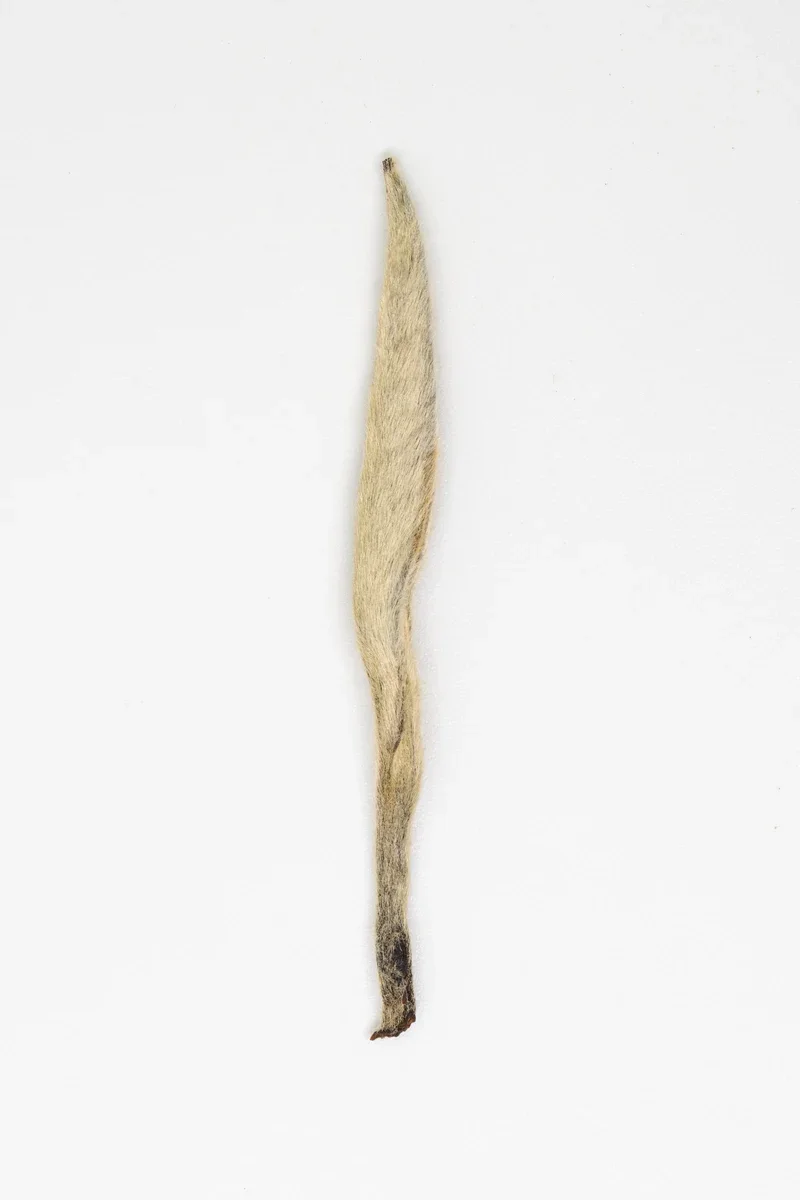
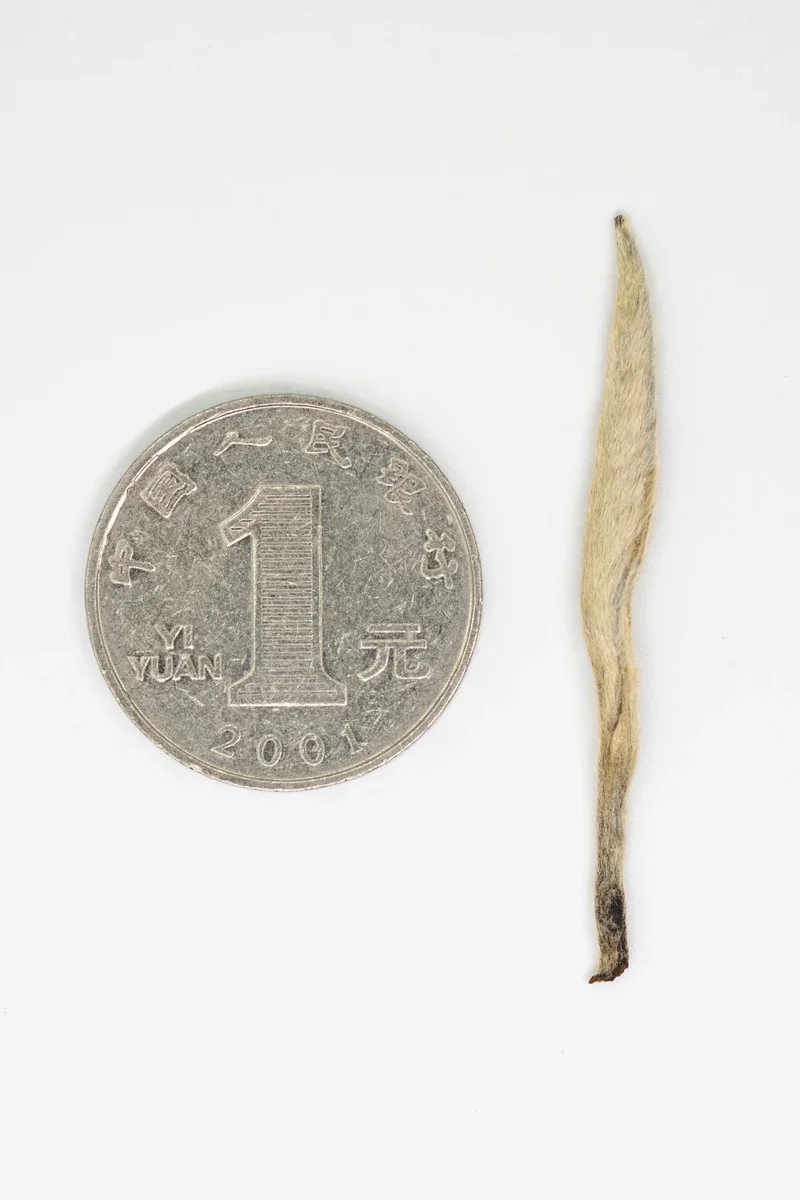
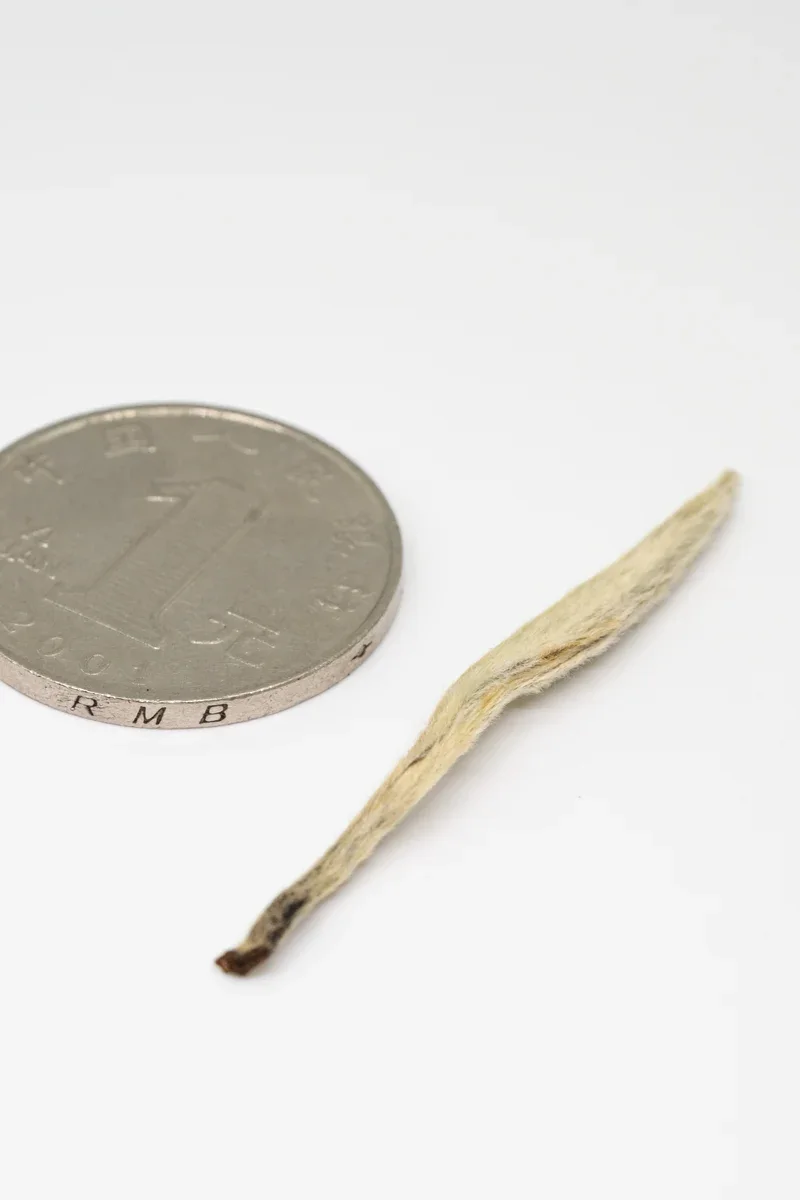
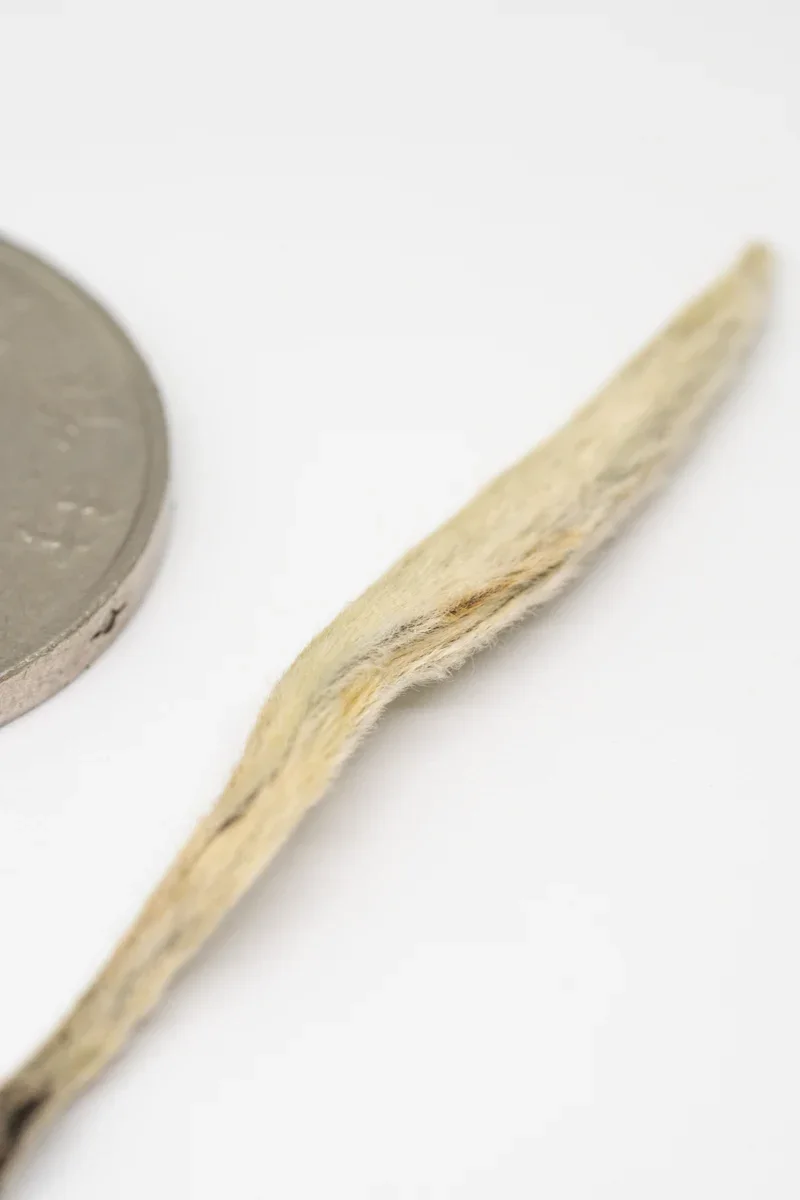
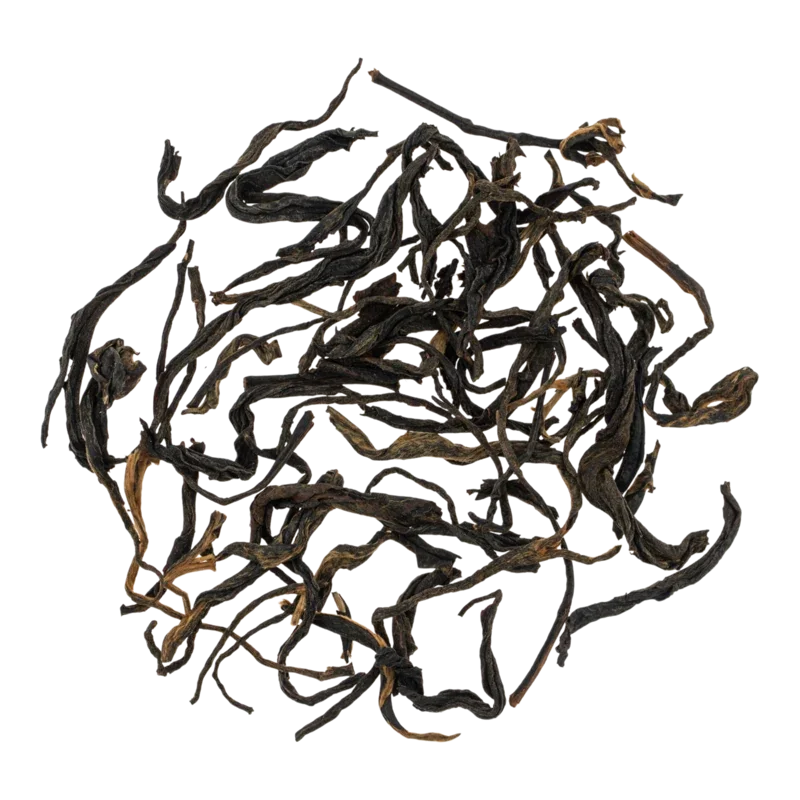
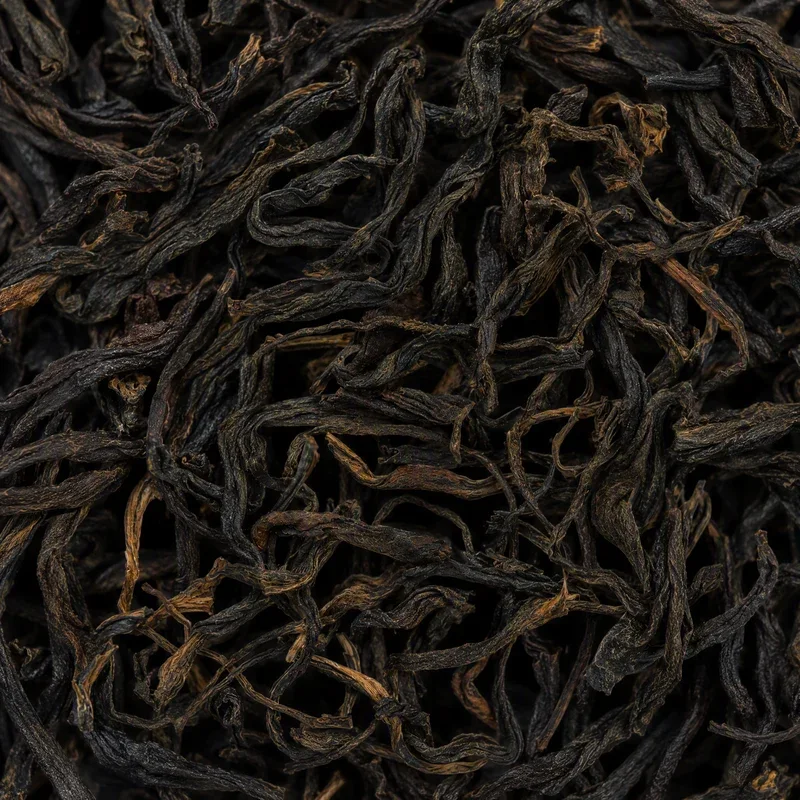
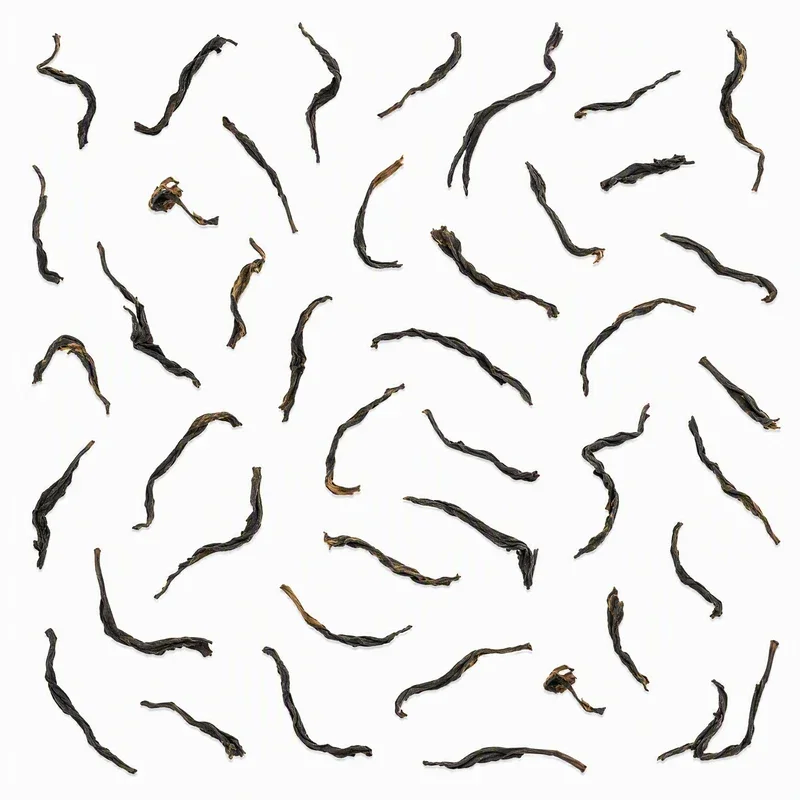
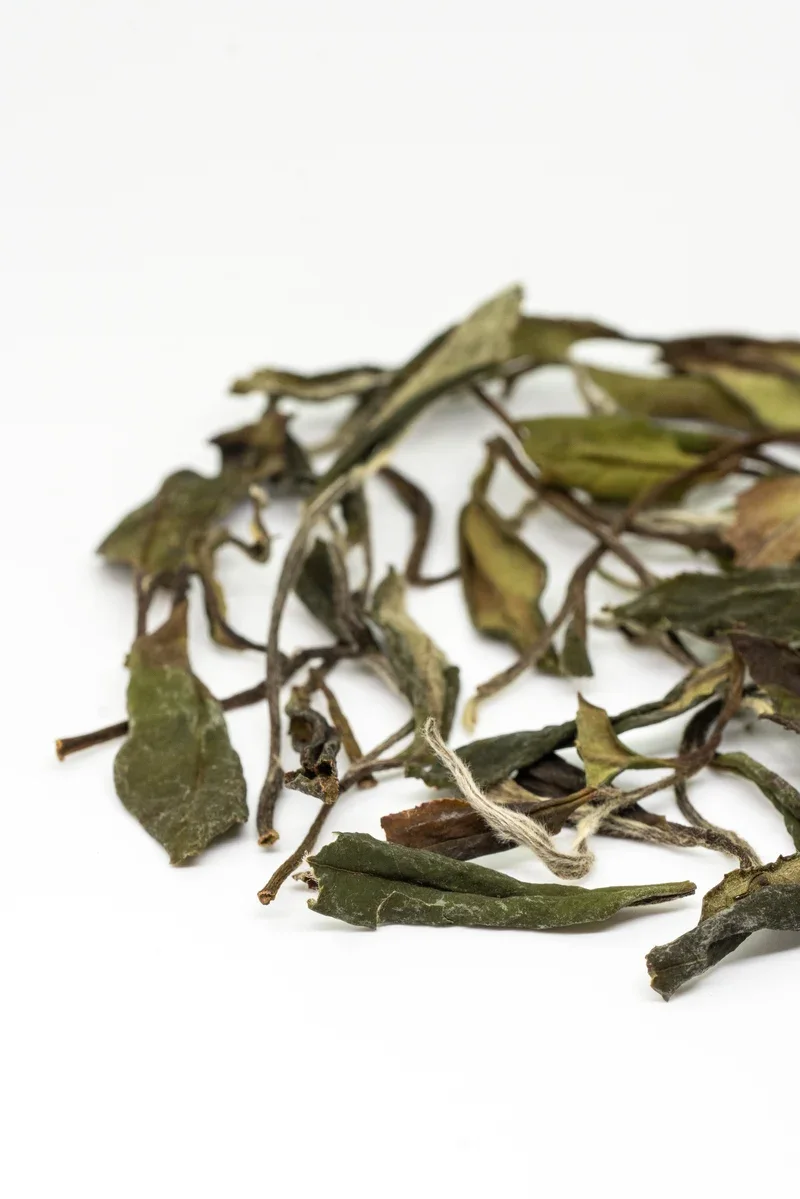
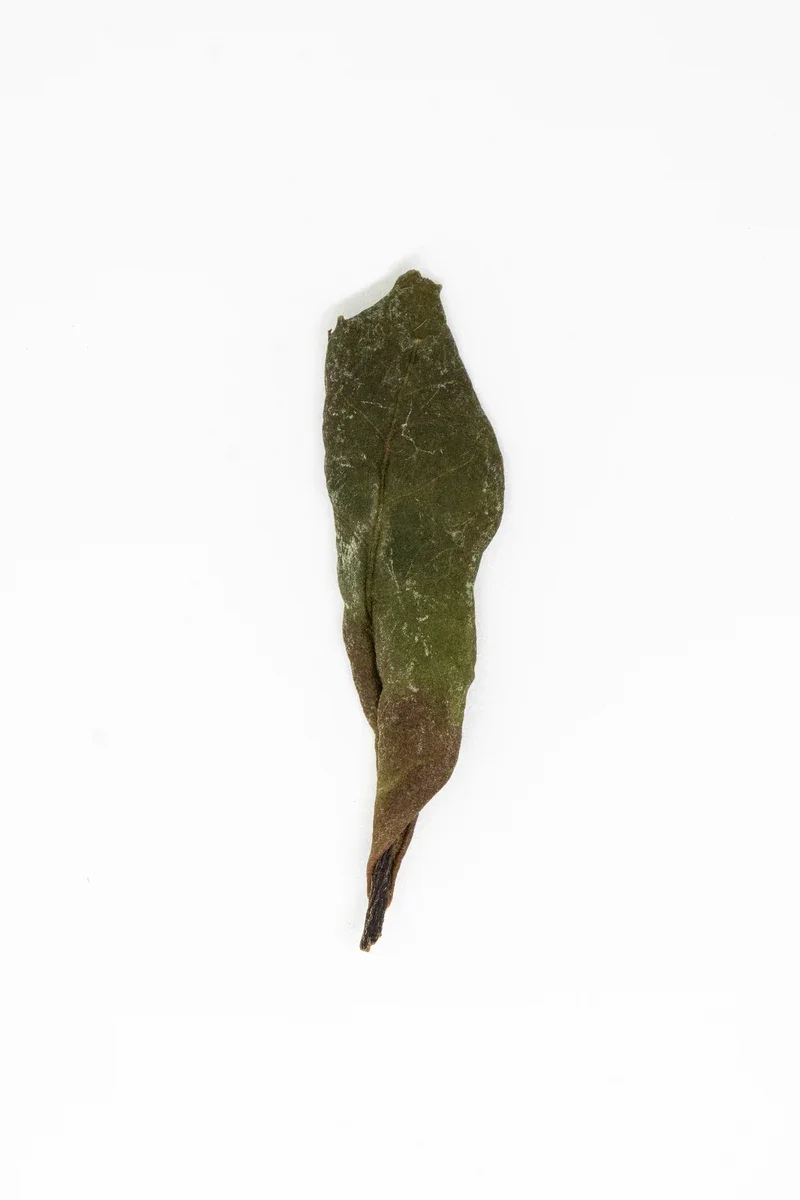
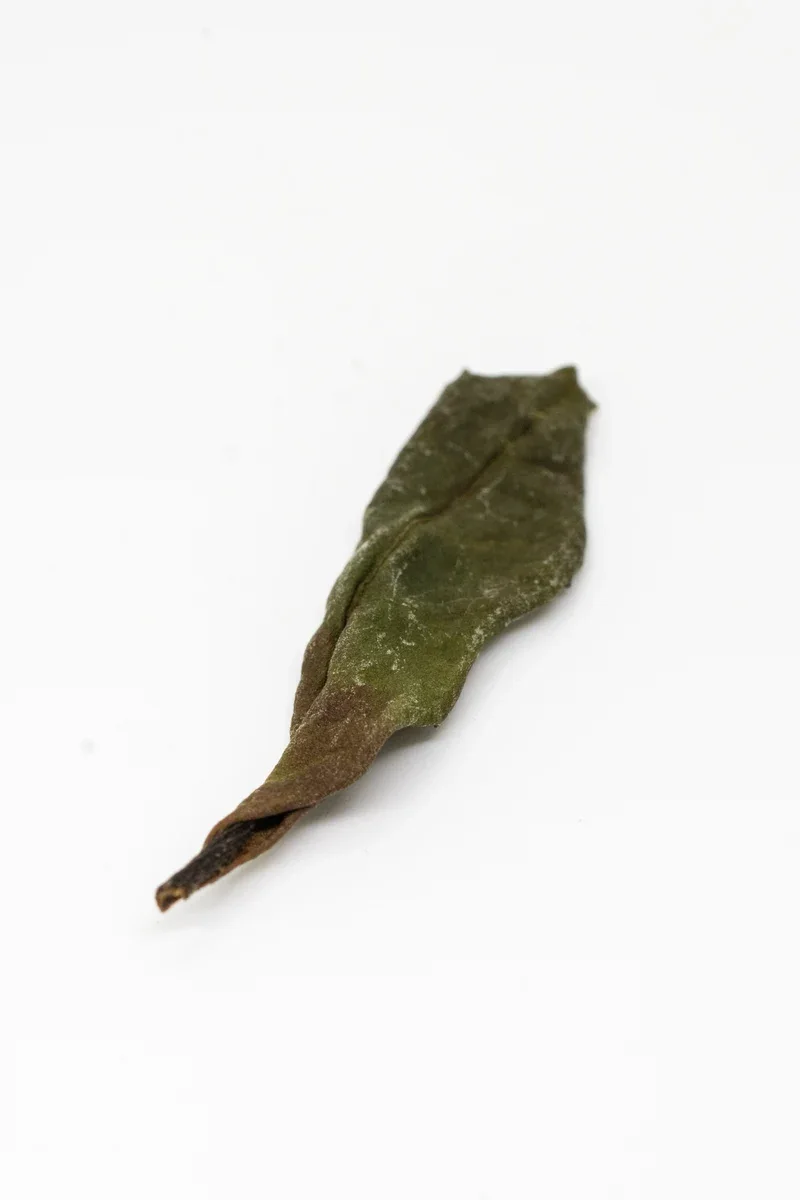
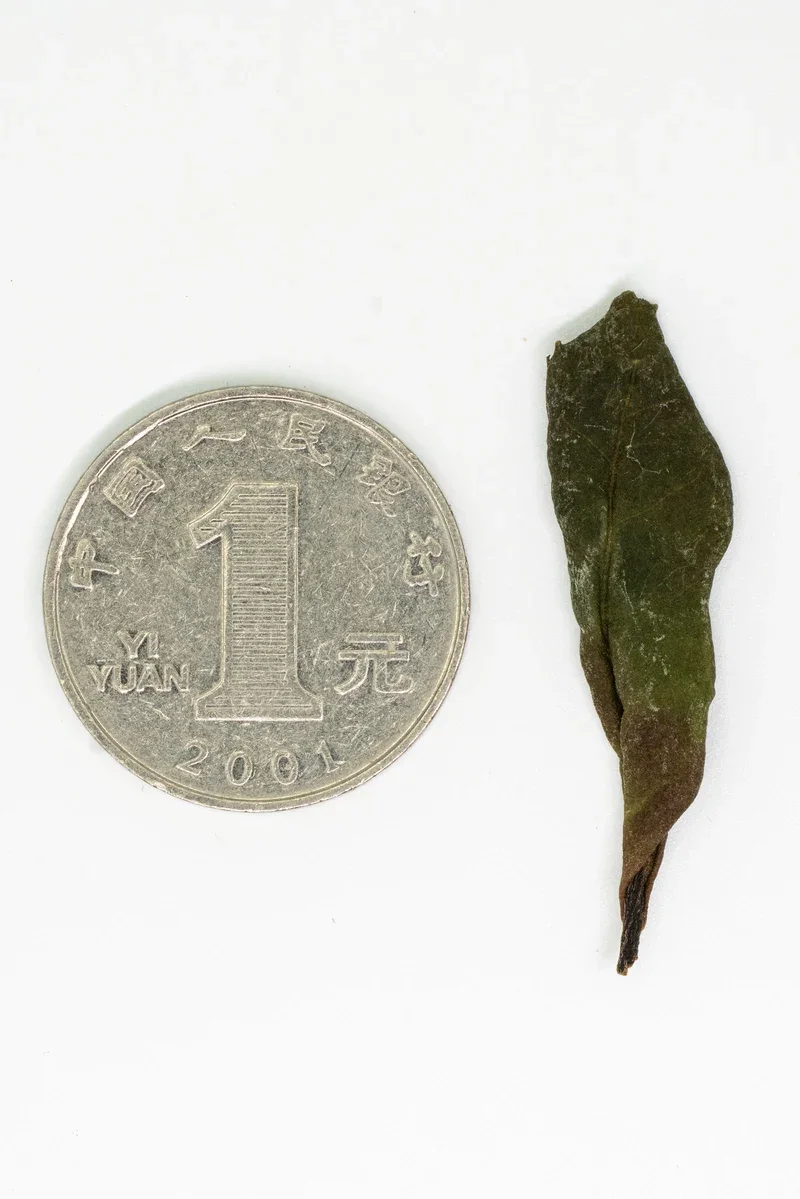
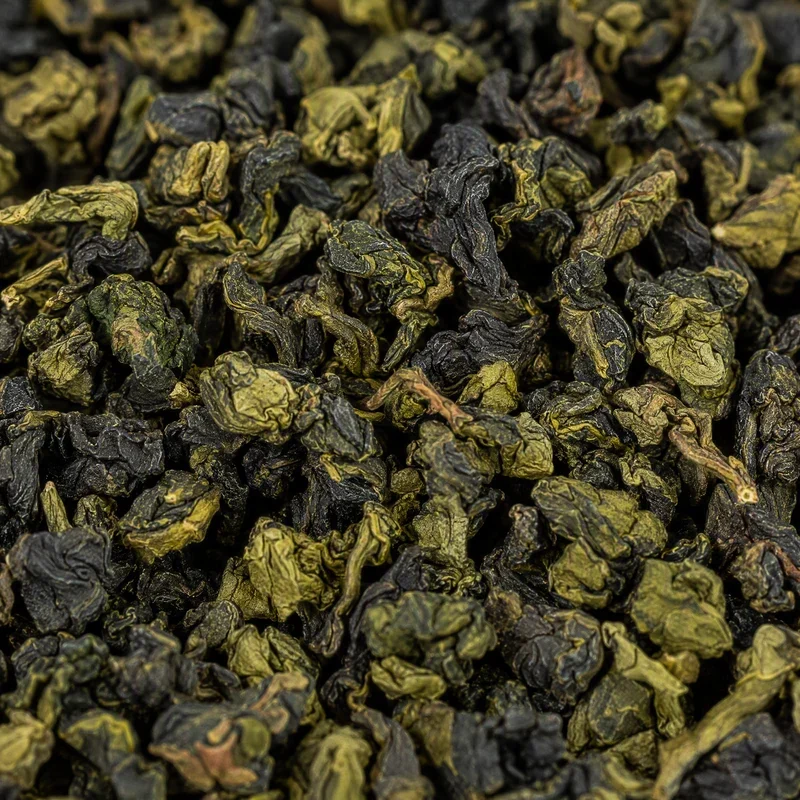
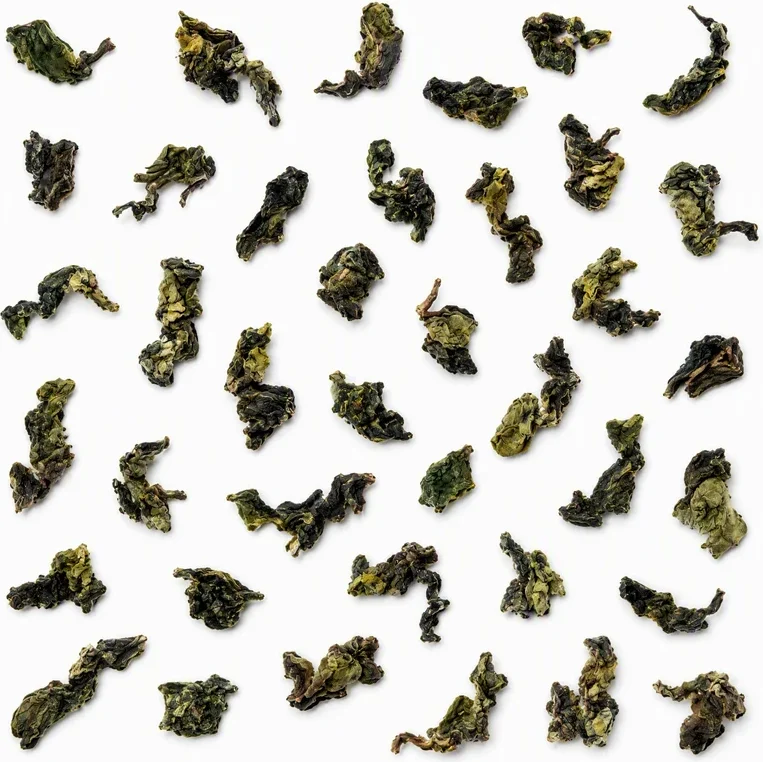
Dry Leaf Appearance: Dense, heavy granules of spherical or hemispherical form, resembling grains; surface oily-glossy. Color — dark green with pronounced brown or chestnut tint, with strong roasting — almost black. Granules are so dense that when falling on porcelain surface they produce characteristic ringing sound.
Dry Leaf Aroma: Intense, enveloping: notes of roasted nuts (pecan, chestnut), caramelized sugar, baked apples and prunes dominate; in background — dark chocolate, light smokiness and subtle hint of orchid, emerging in high-class batches.
Liquor Aroma: Complex and multi-layered, developing from infusion to infusion. First steeps reveal caramel-nutty spectrum; middle infusions add minerality and honey overtones; in late steeps floral notes (orchid, osmanthus) and sweetness of dried fruits appear. This aroma evolution constitutes the essence of "guanyinyun."
Liquor Color: From rich orange-amber to cognac-red with oily sheen on surface. Light roasting gives orange-golden tone, strong — dark chestnut with reddish highlights.
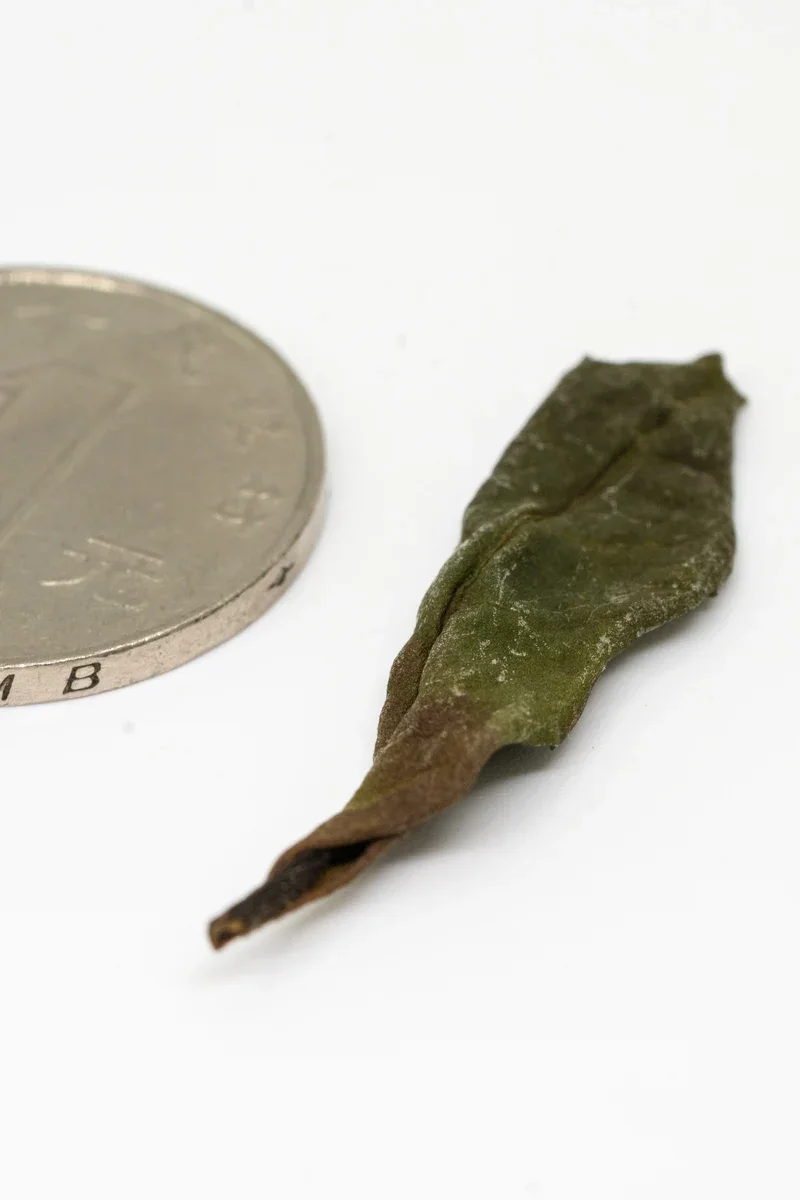
Spent Leaves: Leaves unfold slowly, they are dense, elastic, brownish-green color with distinct reddish-brown edge — trace of controlled oxidation. Leaf surface wavy, confirming use of purebred Tieguanyin cultivar.
Taste: Full-bodied, thick, with pronounced oily texture. Notes of roasted nuts, caramel, cocoa and ripe dried fruits (apricot, prunes) dominate. Astringency moderate, quickly transforming into persistent sweetness of returning aftertaste (回甘, huígān), preserved in mouth for several minutes. Sensation of warmth and enveloping softness — "shunhua" (顺滑, shùnhuá, "sliding smoothness"). Taste maintains depth throughout 7–9 infusions.
Alkaloids: Caffeine — 2.5–3.5% dry mass (content relatively high, at level of heavily oxidized oolongs); theobromine and theophylline — in trace amounts. Roasting partially binds caffeine with polyphenols, softening its physiological impact.
Amino Acids: L-theanine (含量 1.0–1.5% dry mass) — main amino acid responsible for mild sweetness and relaxing action. Total amino acid content somewhat lower than in green teas, but sufficient for forming pronounced "huigan."
During roasting, interaction of amino acids with sugars produces Maillard reaction, forming complex of aromatic molecules — pyrazines, pyrroles and furanones, responsible for characteristic notes of caramel, roasted nuts and baking. Additionally, terpene alcohols (linalool, nerol, geraniol), inherited from Tieguanyin cultivar, provide floral undertone of high-class batches.
Minerals: Potassium, calcium, magnesium, manganese, fluorine, zinc, iron. Increased iron and manganese content related to mineral composition of local soils.
Polyphenols: Total tea polyphenol content — 15–20% dry mass (lower than green tea due to deep oxidation and thermal treatment). Catechins partially oxidized to theaflavins and thearubigins, explaining taste softness while maintaining antioxidant potential. Characteristically increased tannin content (tea tanning substance) due to soil peculiarities and mature leaf — they form "viscosity" and density of liquor body.
Vitamins: B group vitamins (B₁, B₂, niacin); vitamin K. Vitamin C largely destroyed during multiple thermal treatment.
Deeply oxidized and roasted oolongs stimulate digestive enzyme production, ease digestion of fatty and heavy food, reduce bloating sensation. Traditionally recommended as after-dinner tea.
Polyphenols and their oxidized forms (theaflavins, thearubigins) neutralize free radicals, slowing cellular oxidation processes.
Caffeine-L-theanine combination provides smooth energy boost without sharp peaks and drops, improves concentration and cognitive functions.
Polyphenolic complexes promote acceleration of fat breakdown and may have auxiliary action in controlling cholesterol and blood sugar levels.
Due to deep roasting, tea possesses "warm" energy (by traditional Chinese medicine classification) — gently warms, improves circulation, especially valuable in cold season.
L-theanine stimulates alpha-wave production in brain, promoting relaxation without sedative effect.
High fluorine content combined with antibacterial action of polyphenols helps strengthen tooth enamel and suppress cariogenic microflora.
Regular moderate consumption may contribute to improving vessel elasticity and normalizing blood pressure.
Tea from pure Tieguanyin cultivar. Concentrated liquor with pronounced varietal aroma and "guanyinyun." Approximate price — from 800 yuan (about 110 dollars) per jin (500 g) and higher.
Tea from mixed cultivars (Sijichun, Jin Xuan, etc.), processed using Tieguanyin technology. Lighter taste, accessible price category.
Classic Muzha style. Balance of varietal floral aroma and caramel-nutty tones acquired in roasting. Liquor color — orange-amber.
Intense, "deep" taste with notes of dark chocolate, coffee and light smokiness. Floral notes almost dissolve in the fiery spectrum. Liquor color — cognac-red.
Current year. Bright "fiery" aroma, requires 10–15 days rest before consumption.
Aging from several years and more. Fieriness fades, medicinal, woody, honey notes emerge. Tea becomes softer and deeper.
Granules dense, heavy, oily-glossy; aroma of ripe fruits and caramel persistent and deep; taste thick with powerful "huigan"; charcoal roasting complete.
Granules even, aroma clean, liquor orange-red, transparent.
Tea Amount: 5–7 g per 100–150 ml water (gongfu method) or 3–4 g per 250 ml (European method).
Teaware: Thick-walled ceramics preferable: Yíxīng teapot (宜興紫砂壺) from zhuni (朱泥) or zisha (紫砂), round form with high body — such teaware retains heat and allows granules to fully open. Porcelain gàiwǎn (蓋碗) also suitable. Recommended to dedicate separate teapot specifically for roasted oolongs — clay absorbs aromas and over time "develops," enriching each subsequent brewing.
Water Temperature: 95–100°C. High temperature necessary for opening tightly rolled and roasted granules. For tea with especially strong roasting, boiling water preferable.
The continental "progenitor." Modern Anxi style has split into light "qingxiang" (清香) with minimal oxidation and floral profile — and traditional "nongxiang" (濃香) with roasting. Muzha Tieguanyin is closer to the traditional style, but differs with even deeper fermentation (up to 50%) and multiple charcoal roasting, giving it a more "warm," dried fruit-caramel character.
The second famous oolong from the Wenshan district, produced literally next door. However, stylistically — a complete opposite: light oxidation (15–20%), longitudinal rolling, floral-honey profile without roasting. If Baozhong is watercolor, then Muzha Tieguanyin is oil painting.
Classic Taiwanese semi-spherical oolong from Lùgǔ County (鹿谷). Medium oxidation and medium roasting give a balance of floral and nutty notes. Compared to Muzha Tieguanyin — lighter, less "fiery" and without pronounced varietal "guanyinyun."
Continental rock oolongs from Fujian (Da Hong Pao, Rou Gui, etc.) — the closest stylistic analog in degree of roasting. However, yancha differ with longitudinal (strip-like) rolling, different type of terroir (rocky cliffs) and different set of cultivars. "Yangu" (岩骨, "rock bone") of yancha is mineral-stony, while "guanyinyun" of Muzha is caramel-sweet.
Price Category: Medium and high price segment of Taiwanese oolongs. Quality Muzha Tieguanyin costs from 14 to 25 US dollars per 100 g on international market; "Zheng Cong" (正欉, from purebred cultivar) significantly more expensive — from 50 dollars and higher. Competition winner batches may cost several times more. Cost factors: cultivar purity (正欉 vs. 廣義), harvest season, number of charcoal roasting cycles, aging period, master reputation and competition placement.
No reviews yet. Tell us what you think of this tea.
Rate this tea and share your impressions. We review each submission before publishing it.