Brewing
Gongfu brewing
- Water temperature
- 75 °C
- Tea amount
- 5 g
- Water volume
- 100 ml
- First steep
- 10 s
- Time added per infusion
- 5 s
- Infusions
- 3

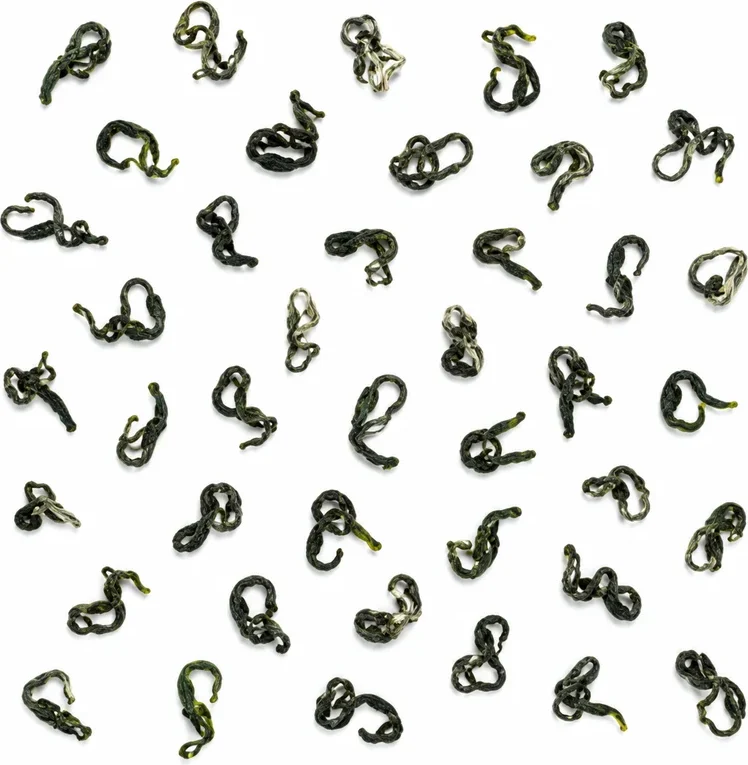
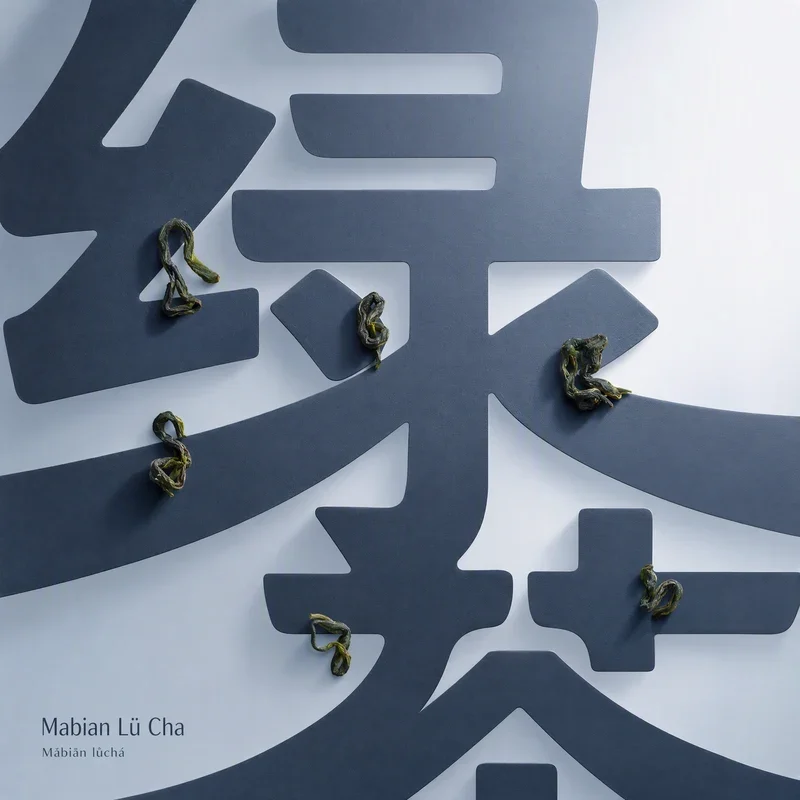
Mǎbiān lǜchá
Choose a brewing method. Start with the recommended quantities and time, then adjust to taste.
Brewing
Brewing
Taste
Tea encyclopedia
Category: National Geographical Indication Product (国家地理标志产品, 2009). Brand value — 28.42 billion yuan (2024).
Category: National Geographical Indication Product (国家地理标志产品, 2009). Brand value — 28.42 billion yuan (2024).
Coordinates: 103°14′—103°49′ East longitude, 28°25′—28°45′ North latitude.
Origin: China, Sichuan Province (四川, Sìchuān), Leshan City (乐山, Lèshān), Mabian Yi Autonomous County (马边彝族自治县, Mǎbiān Yízú Zìzhìxiàn). GI zone — 19 townships, 159 administrative villages. Core terroir: Yuanjiaxi Township (袁家溪乡) — China's largest certified organic tea base (3,268 mu) — produces 40% of highest-grade tea; Laodong Town (劳动镇), Fulai Village (福来村) — "tea-tourism integration" zone with "Kashasha" (卡莎莎, Yi greeting) ethnographic complex.
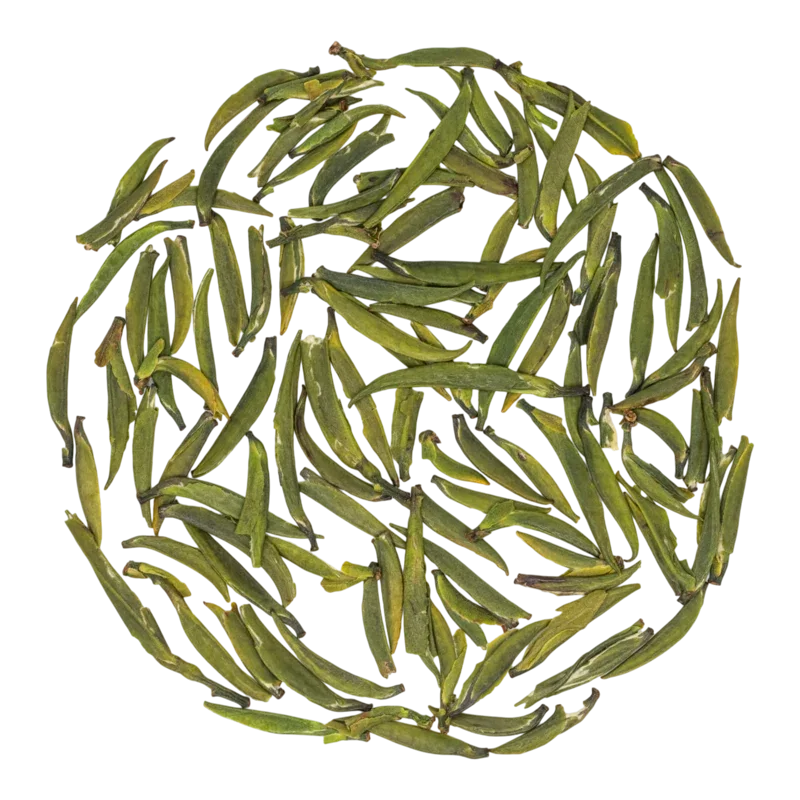
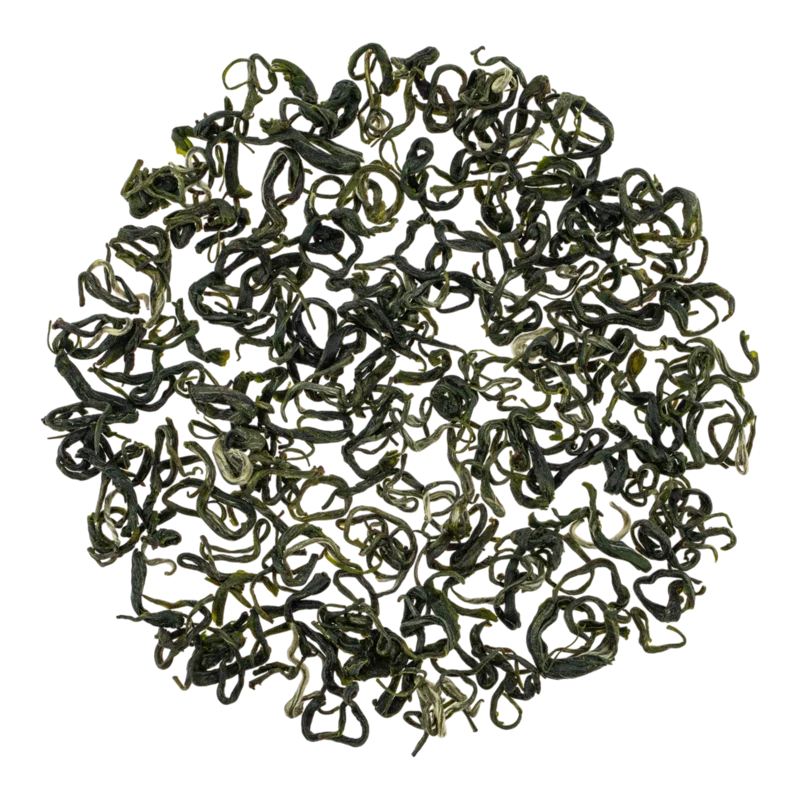
Type: Green tea (unfermented). Produced in three forms: flat (扁形茶, biǎnxíng chá — "Mabian Xueya", 马边雪芽, "Mabian Snow Bud"), curled (卷曲茶, juǎnqū chá — "Mabian Cuizhu", 马边翠竹, "Mabian Emerald Bamboo"), and classic pan-fired (炒青茶, chǎoqīng chá).
Cultural Significance: Mabian Lü Cha is the tea of the Yi people (彝族, Yízú) — one of China's largest ethnic minorities with their own script, calendar, and tea culture. The greeting "Kashasha" (卡莎莎, "thank you" in Yi language) has become a tea tourism brand. Mabian is part of the giant panda's natural habitat, giving the tea an additional "ecological aura".
History: Three Kingdoms (3rd century CE): According to "马边厅志略", during the Southern Campaign (225 CE), General Zhuge Liang discovered that local wild tea helped soldiers recover from poisonous herb intoxication — one of the earliest legends about medicinal tea use in southwestern China.
Full buds or one bud with one leaf. Downy. From 800 yuan/jin.
One bud with one or two leaves. 200–400 yuan.
One bud with two or three leaves. For mass and export markets.
Cultivar: Main ones — Fuxuan 9 (福选9号, Fúxuǎn 9 hào), Fuding Dabaicha (福鼎大白), Mingshan 131 (名山131) — medium-leaf clonal varieties of Camellia sinensis var. sinensis. Large buds, 100 buds weigh 25.4 g. Fleshy, tender leaves. Chemical profile: amino acids — 4.7% (0.8% higher than standard Fuding Dabaicha), polyphenols — 25.71%. Ideally suited for "高香耐泡型" — "high-aroma, infusion-resistant" green tea.
Picking: Spring. Standards:
Climate: Average annual temperature — 16.9°C, annual precipitation — 1,000–1,500 mm, average annual foggy days — >180. Diffused light proportion — >70%. Daily temperature variations — >8°C — stimulate amino acid accumulation: spring tea reaches 4.7% (versus typical 3.5%).
Soil: Purple soils (紫色土) and yellow soils (黄壤), pH 4.5–6.5. Organic content — 4–7% — three times higher than national average (3%). Rich in phosphorus and zinc. Forest coverage — 53.4%. Water resources — National Class I.
Center of Xiao Liangshan (小凉山) mountain massif — part of the Hengduan Mountain system, habitat zone for giant pandas and other endangered species.
800–1,300 meters above sea level.
4–6 hours.
In rolling drum at 160–180°C.
"Two-handed rotational rolling" (双手回旋滚揉).
Intermediate drying.
Forming straight or curled shape.
Compacting structure.
Manual selection.
Intangible heritage — manual technique: master "rubs" buds with palms, "raising" white down. Prohibition on machine "pressing" formation (禁用机械压条) — down must not be "pressed in" but should stand freely.
To moisture content ≤6%.
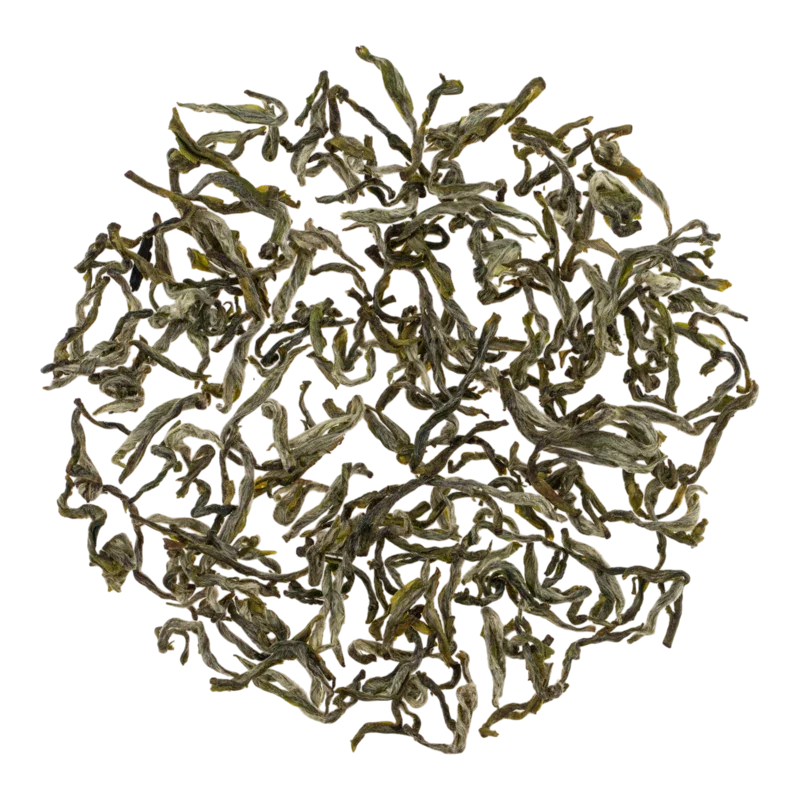
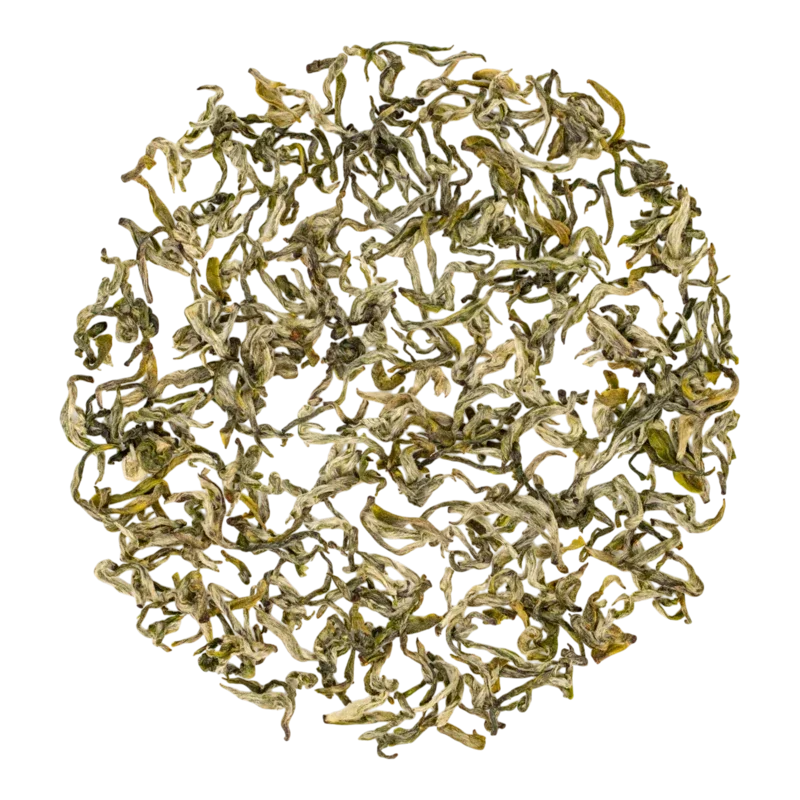
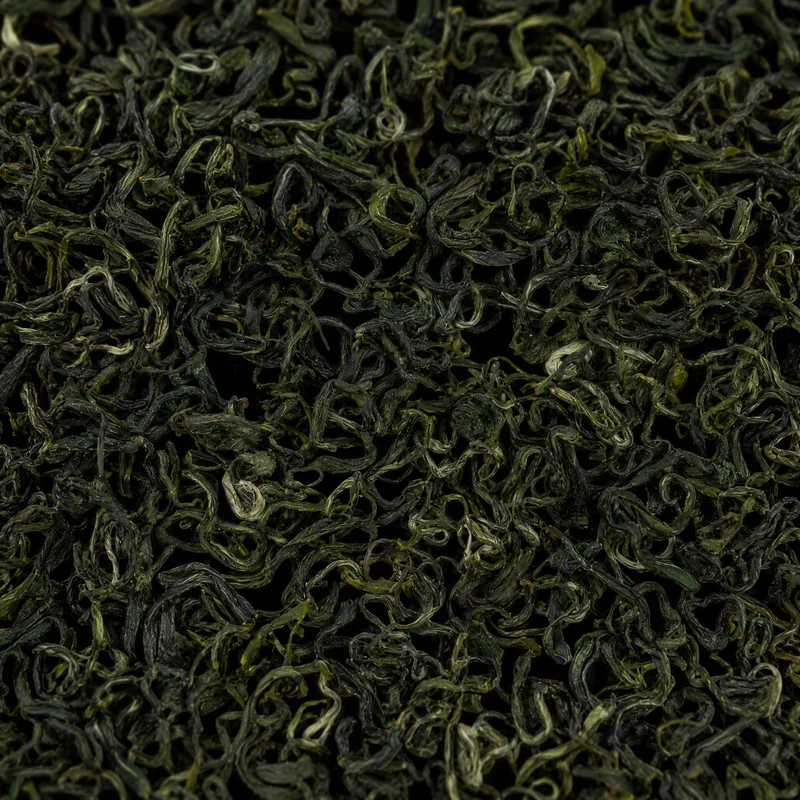
Dry Leaf Appearance: Flat form — straight, even, smooth leaves (扁平挺直,光滑匀齐). Curled — tight spirals, gray-green with oily sheen (紧细卷曲,灰绿油润). Pan-fired — tight strips with pointed tips (紧细成条,锋苗显露). All forms — with abundant down (翠绿显毫).
Dry Leaf Aroma: Pure, high (清香). Tender (嫩香) — in highest grade. Chestnut (栗香) — in spring tea. Residual aroma in empty cup — >10 minutes.
Liquor Color: Tender green, bright and transparent (嫩绿明亮) — flat and curled forms; "青绿明亮" (blue-green bright) — pan-fired.
Persistent, high, pure.
Tender, gathered into "buds", bright green shoots (嫩匀成朵,鲜绿明亮).
Taste: Fresh and juicy (鲜爽) — amino acids 4.7%. Full-bodied (醇厚) — polyphenols 25.71%. Pronounced returning sweetness (回甘明显). Characteristic note: "涩中泛甜" — "sweetness emerging through light astringency" — unique descriptor describing balance of high polyphenols with high amino acids.
Alkaloids: Caffeine — 5.63% — significantly higher than typical green teas (≤4%). Metabolism stimulation — 25% more effective.
Amino Acids: 4.7% — significantly higher than average (typically ≤3.5%). Key factor in "涩中泛甜" formula.
Minerals: Phosphorus, zinc, potassium, magnesium — from soils with 4–7% organic matter.
Polyphenols: 25.71%. L-EGCG comprises 64.25% of total catechin content — one of the highest EGCG "purity" indicators among green teas. Free radical neutralization efficiency — 15 times higher than vitamin E. Cholesterol reduction capability — 30% higher than teas from same latitude.
Vitamins: Vitamin C, carotenoids.
Caffeine 5.63% — metabolism stimulation 25% higher than normal.
L-EGCG (64.25% of catechins) reduces cholesterol 30% more effectively than teas from same latitude.
Polyphenols 25.71% — efficiency 15 times higher than vitamin E.
Polyphenols.
Not medical advice. Limitation: ≤600 ml per day (high caffeine).
Process: Pour water to 1/3, add tea, wait 1 minute, fill to 7/10. Tea withstands 3 infusions.
Tea Amount: 3 g per 150 ml (1:50).
Teaware: Glass cup or white porcelain gaiwan.
Water Temperature: 80–85°C; for highest grade — 75°C.
Flat, "bamboo leaf" from Buddhist Mount Emei. Zhuyeqing is lighter; Mabian is fuller-bodied, with pronounced "涩中泛甜" and higher caffeine.
"Snow Bud" from Daoist Qingchengshan. Xue Ya is more "snowy" and delicate; Mabian is more "mountainous" and intense.
"Sweet Dew" from Mount Mengdingshan. Gan Lu is more orchid-sweet; Mabian is more chestnut-astringent, with the character of "Little Liangshan".
Anti Counterfeit: Buy with GI marking; evaluate down (should stand freely, not "pressed in"); check for chestnut aroma and "涩中泛甜"; pay attention to price.
No reviews yet. Tell us what you think of this tea.
Rate this tea and share your impressions. We review each submission before publishing it.