Brewing
Gongfu brewing
- Water temperature
- 75 °C
- Tea amount
- 5 g
- Water volume
- 100 ml
- First steep
- 10 s
- Time added per infusion
- 5 s
- Infusions
- 3

lǜbǎoshí chá
Choose a brewing method. Start with the recommended quantities and time, then adjust to taste.
Brewing
Brewing
Taste
Tea encyclopedia
Category: One of the "Ten Famous Teas of Guizhou" (贵州十大名茶). Product of ecological origin protection (国家生态原产地保护产品). In 2014 — national geographical indication protection. Since 2006 — multiple gold medal winner at International Tea Congresses.
Category: One of the "Ten Famous Teas of Guizhou" (贵州十大名茶). Product of ecological origin protection (国家生态原产地保护产品). In 2014 — national geographical indication protection. Since 2006 — multiple gold medal winner at International Tea Congresses.
Coordinates: Guizhou Province, approximately 26–28° North latitude, 106–108° East longitude.
Origin: China, Guìzhōu Province (贵州, Guìzhōu). The precise geographical indication zone covers a number of counties in the province specializing in high-altitude organic tea cultivation. Raw material comes from old tree plantations (树龄多超50年) — tea bushes over 50 years old.
Type: Green tea (non-oxidized). By form — granulated pearl tea (珠茶/盘花茶, zhūchá / pánhuāchá), rolled into tight round "spirals." Technology — pan-fired (炒青) with final heating and drying.
Cultural Significance: Lubaocha is a symbol of the "new wave" of Guizhou tea cultivation: not copying eastern Chinese styles (like Meitan Cuiya, inspired by Longjing), but creating its own original type of tea. Mou Yingshu's philosophy — "quality is determined not by the tenderness of raw material, but by processing mastery" — became the manifesto of the Guizhou tea avant-garde.
History: Lubaocha is one of China's youngest "famous" teas: birth date — 2003. Its creator — Mou Yìngshū (牟应书), legendary Guizhou tea scientist who devoted decades to studying local tea resources. In 2003, using local tea bush populations and innovative granulation technology, Mou Yingshu created a tea radically different from traditional green teas: instead of the most tender buds, he used shoots of "one bud — two to three leaves," transforming them into dense, heavy "emerald" granules with exceptional brewing endurance (7+ infusions).
Cultivar: Main cultivar — Fúdǐng Dàbáichá (福鼎大白茶, Fúdǐng Dà Bái Chá) — clonal medium-leaf variety of Camellia sinensis var. sinensis. Additionally — Guìzhōu local populations (贵州本地群体种) of bush type, with many bushes over 50 years old. Leaf — elliptical, fleshy, thick and brittle; weight of one hundred buds with three leaves — about 70 g.
Picking: Picking standard — one bud with two to three leaves (一芽二三叶, yī yá èr sān yè) — fundamentally different from most "famous" green teas that use the most tender buds. This is Mou Yingshu's conceptual decision: more mature raw material provides more extractive substances, ensuring outstanding brewing endurance and fullness of flavor.
Raw Material: Fresh, healthy shoots from plantations that have passed ecological certification. Processing — on the day of picking.
Altitude: Predominantly 700–1200 meters above sea level.
Climate: Guizhou plateau. Subtropical humid monsoon climate. Abundant cloudiness, abundance of diffused light, significant diurnal temperature variations. Conditions characteristic of all Guizhou teas: increased content of amino acids and aromatic substances.
Soil: Acidic yellow soils (黄壤), characteristic of Guizhou, with natural content of selenium and zinc.
Guizhou is one of China's most ecologically clean provinces. High forest coverage, minimal industrial pollution. Many tea gardens are organic.
Use of old trees (树龄超50年) — not a marketing ploy, but a conscious choice: roots of old bushes penetrate deeper into the soil, extracting more minerals and forming a more complex flavor profile.
Laboratory quality control of raw material before processing.
Natural withering for 4–6 hours.
At 180–200°C, with alternating "shaking" and "smothering" (抖闷结合, dǒu mèn jiéhé) — the master alternately tosses the leaves (to release steam) and presses (for deep heating). This ensures uniform fixation of coarser raw material.
Mechanical, staged, with variable pressure (机械分段加压). More intensive than for tender teas — necessary for forming dense granules from mature raw material.
Low-temperature slow heating and drying (80°C, 低温慢烘) — gentle process preserving chestnut aroma. Moisture content — ≤5%.
Sifting (筛分), color sorting (色选), batch equalization (匀堆). High level of standardization.
The entire process uses bamboo and wooden tools, without contact with metal (全程竹木器具避金属氧化) — Mou Yingshu's philosophy aimed at preventing oxidation and preserving aroma purity.
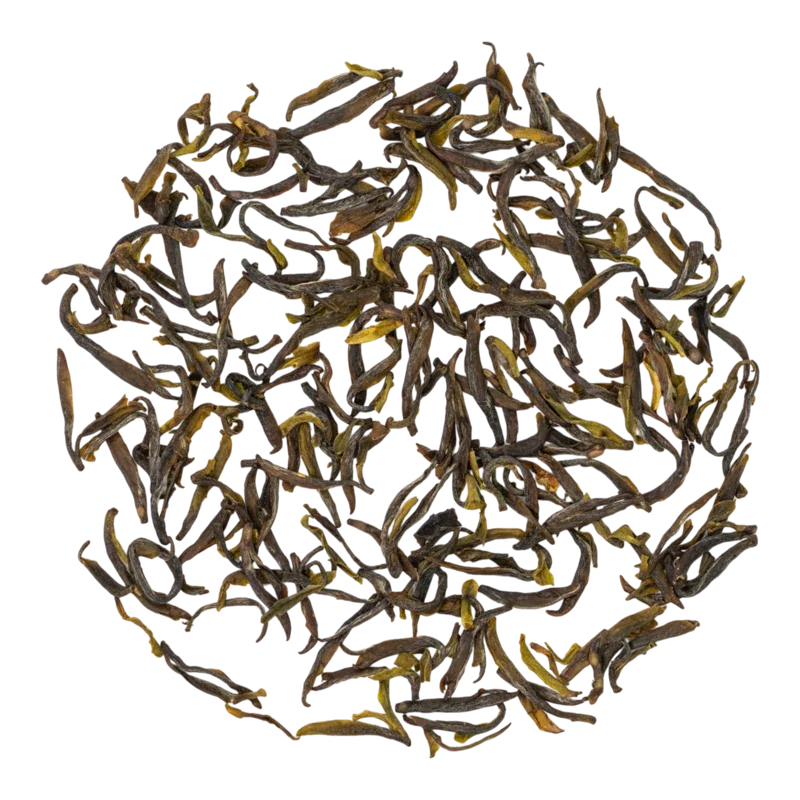
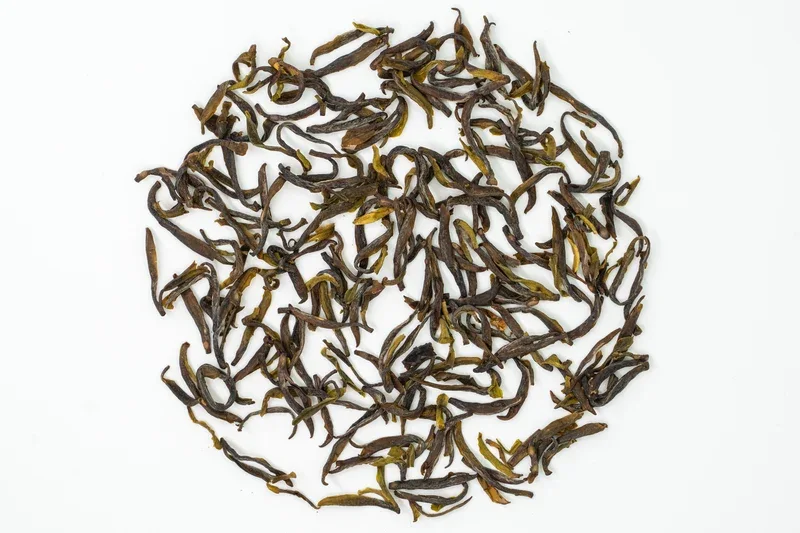
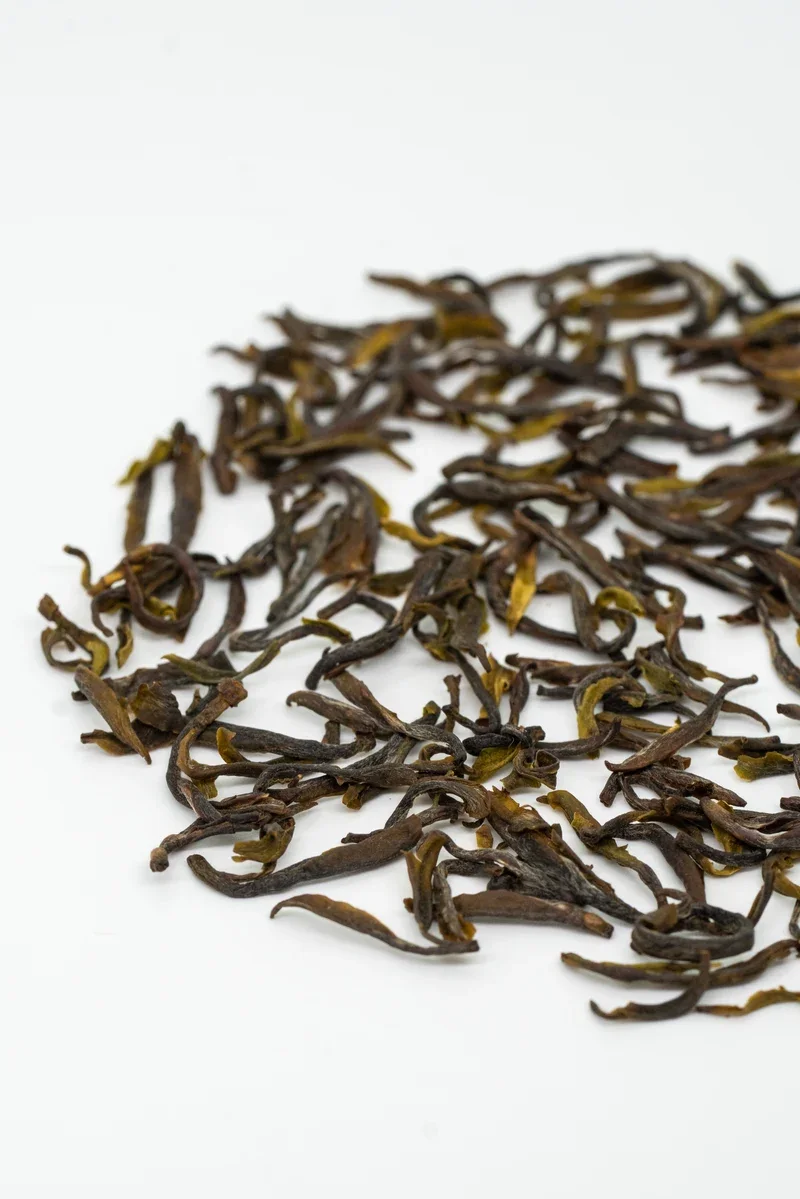
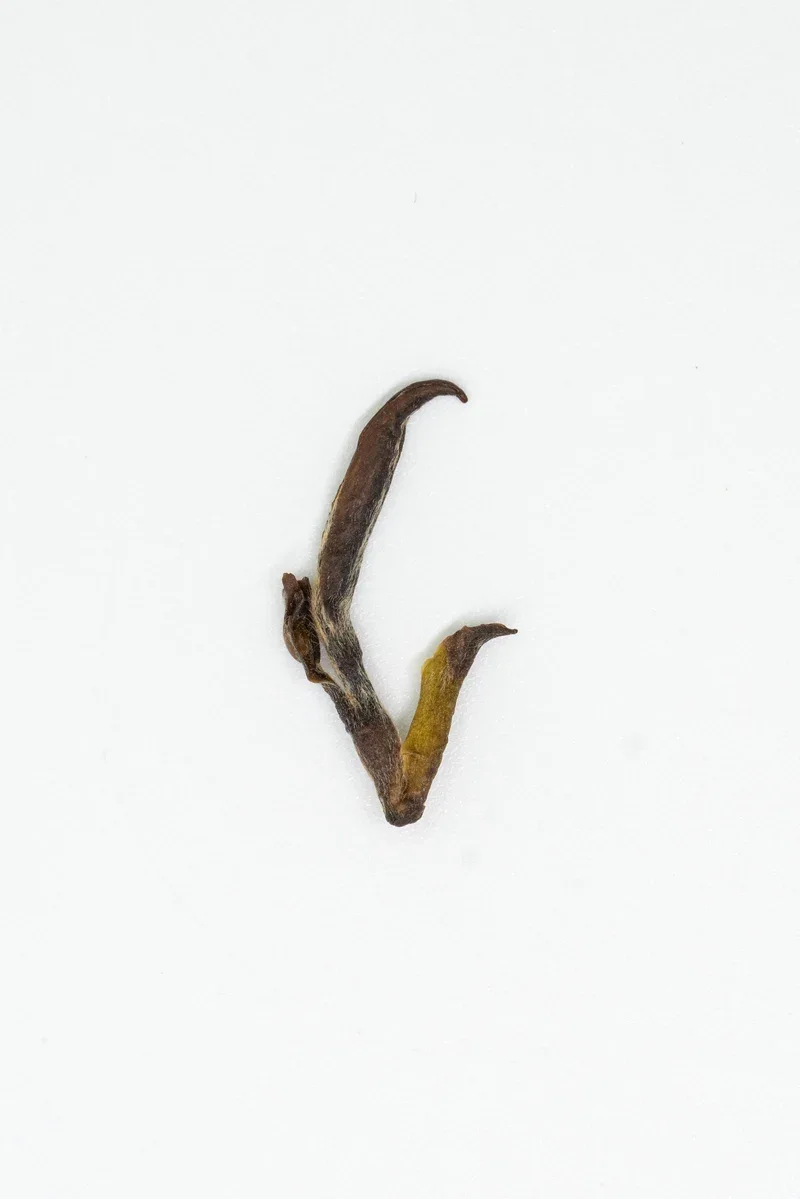
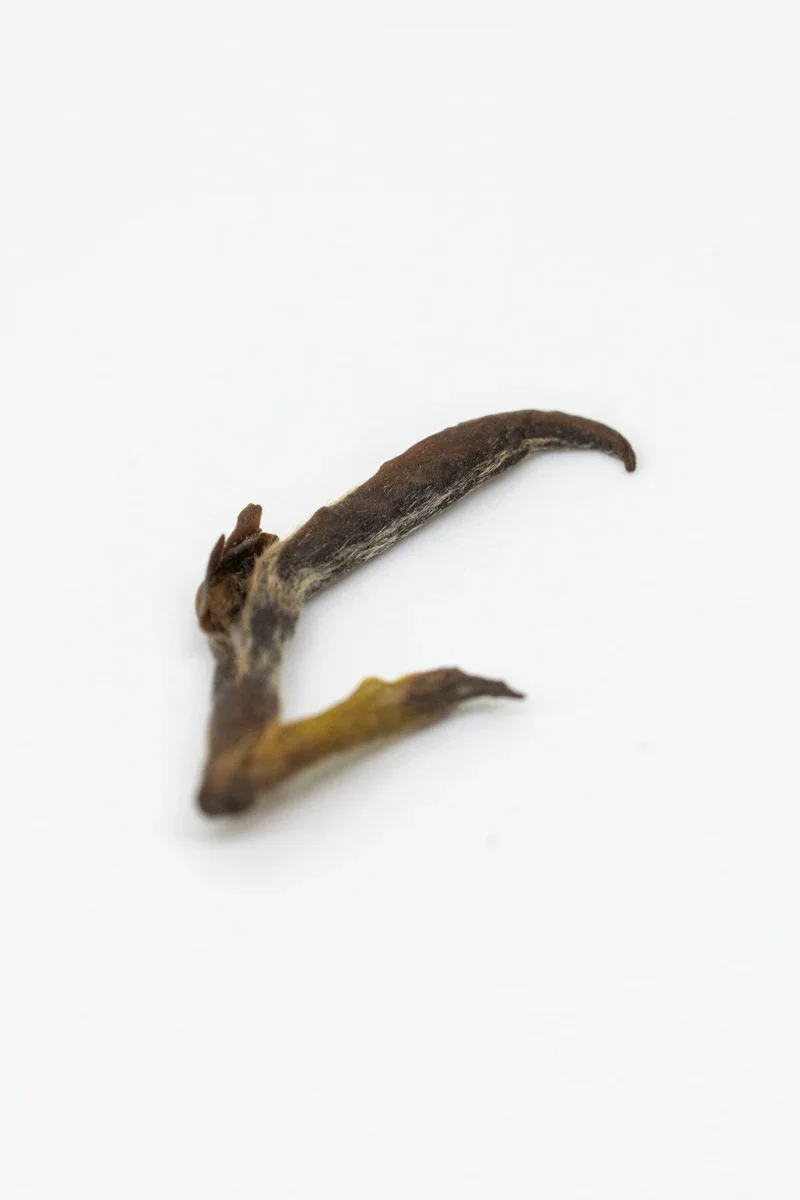
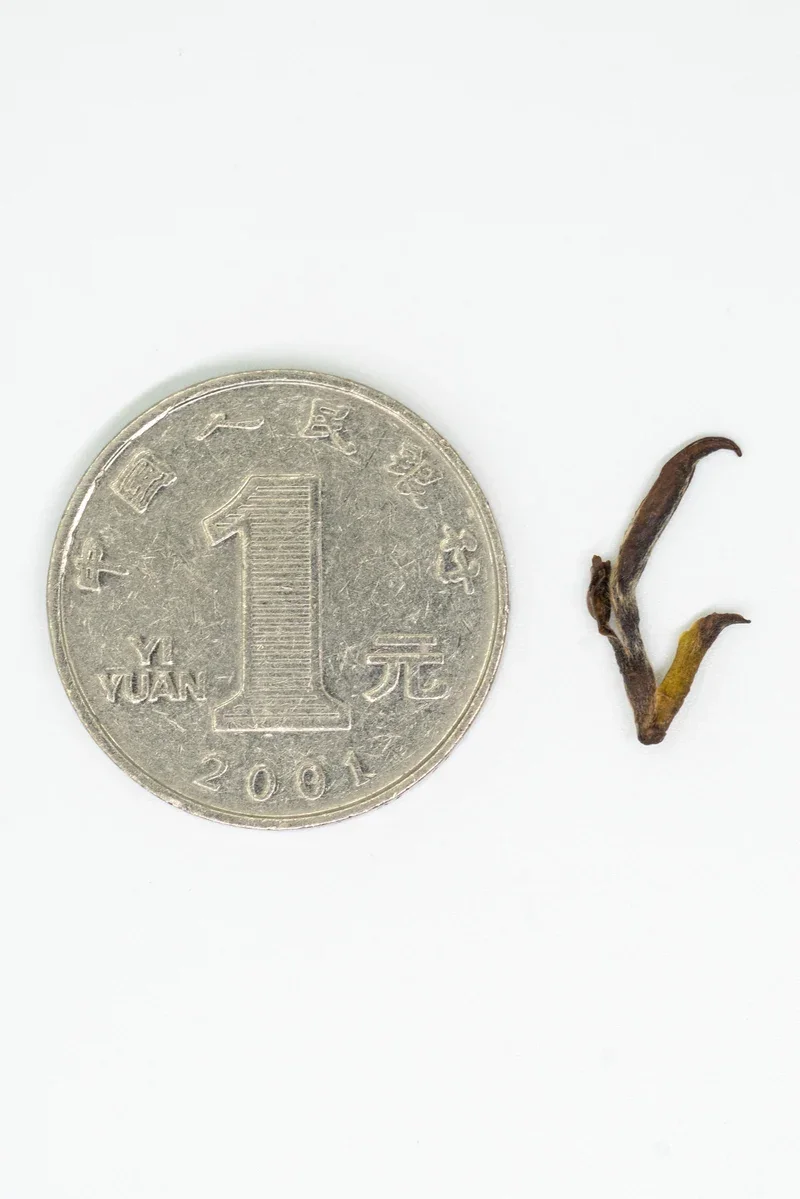
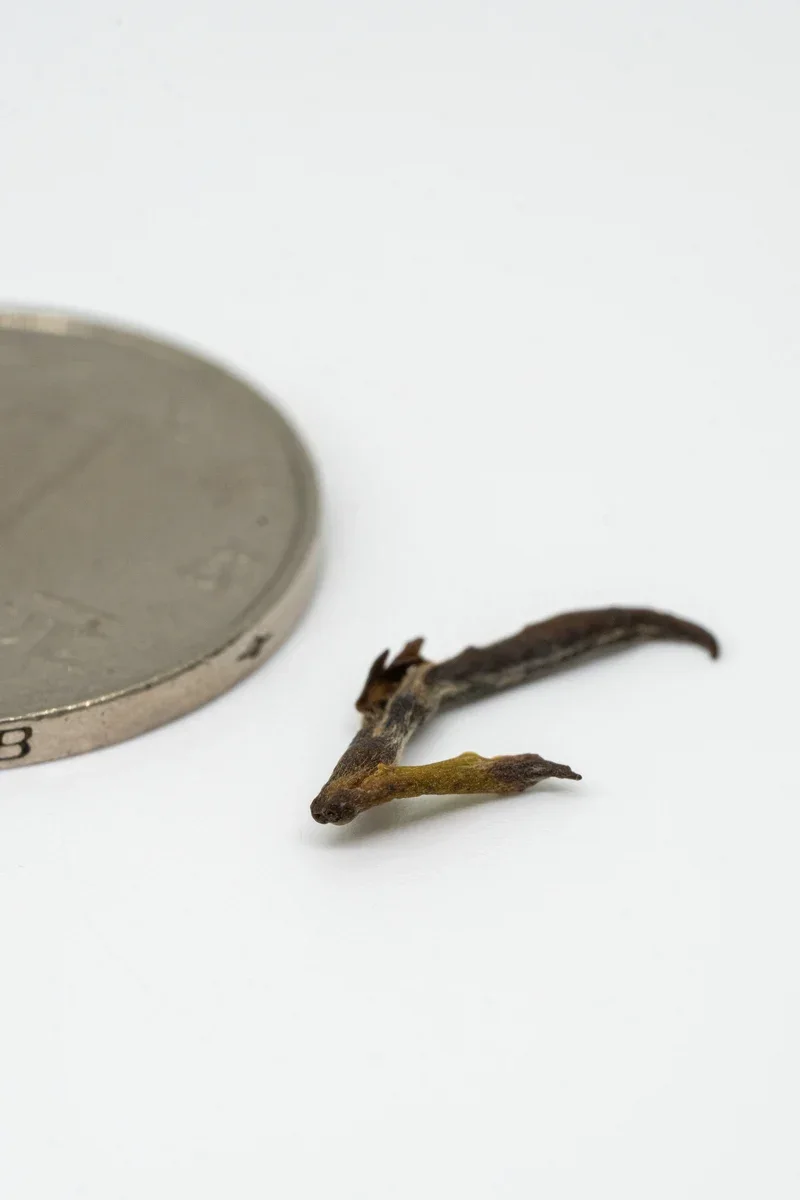
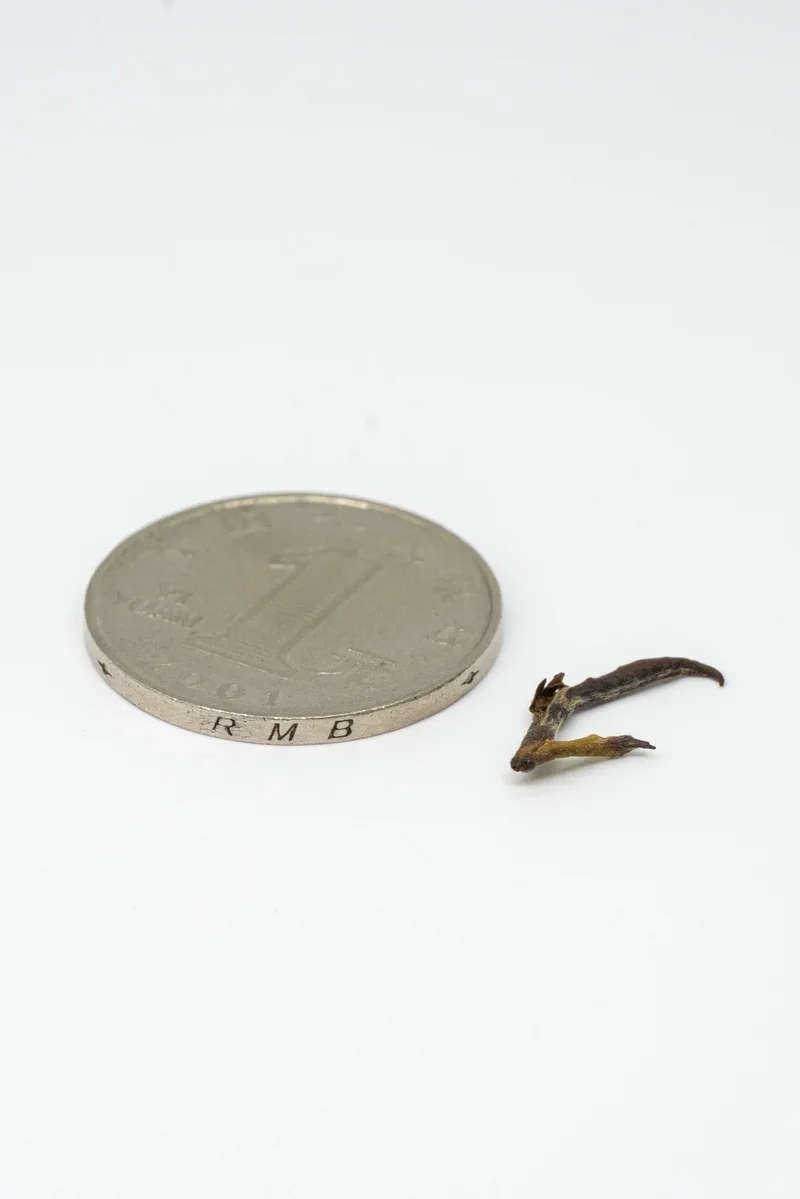
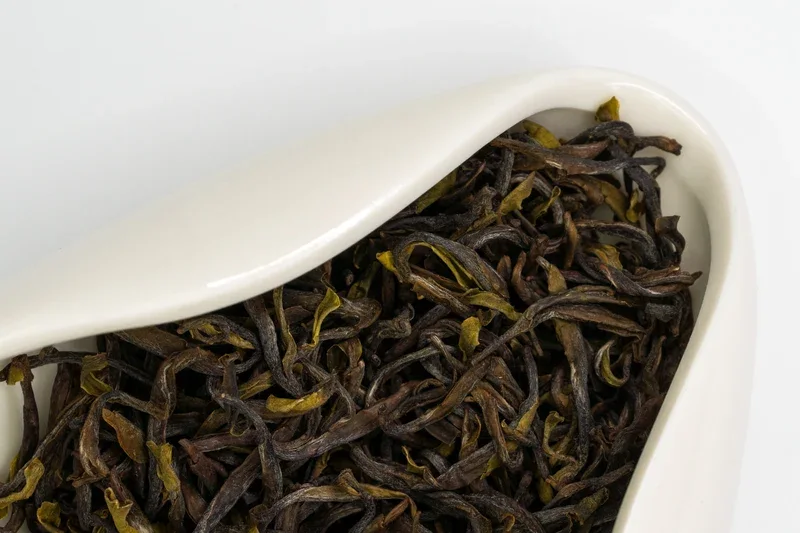
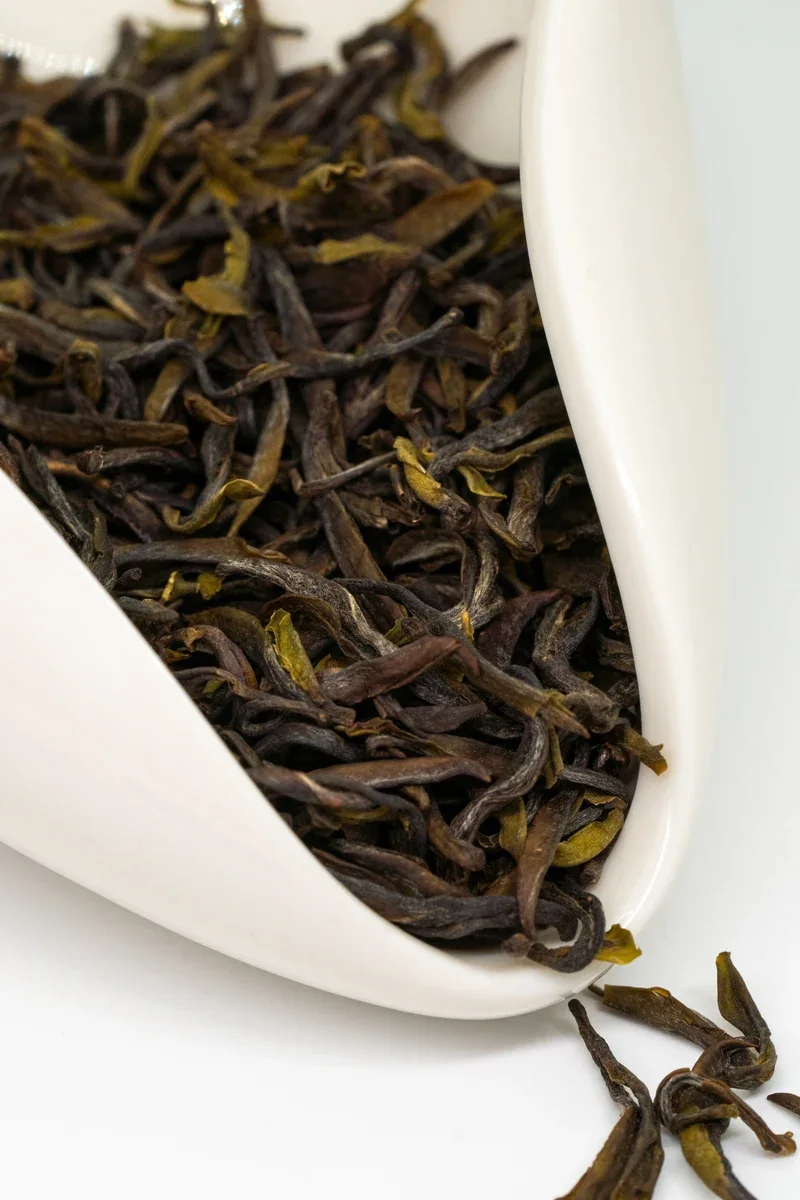
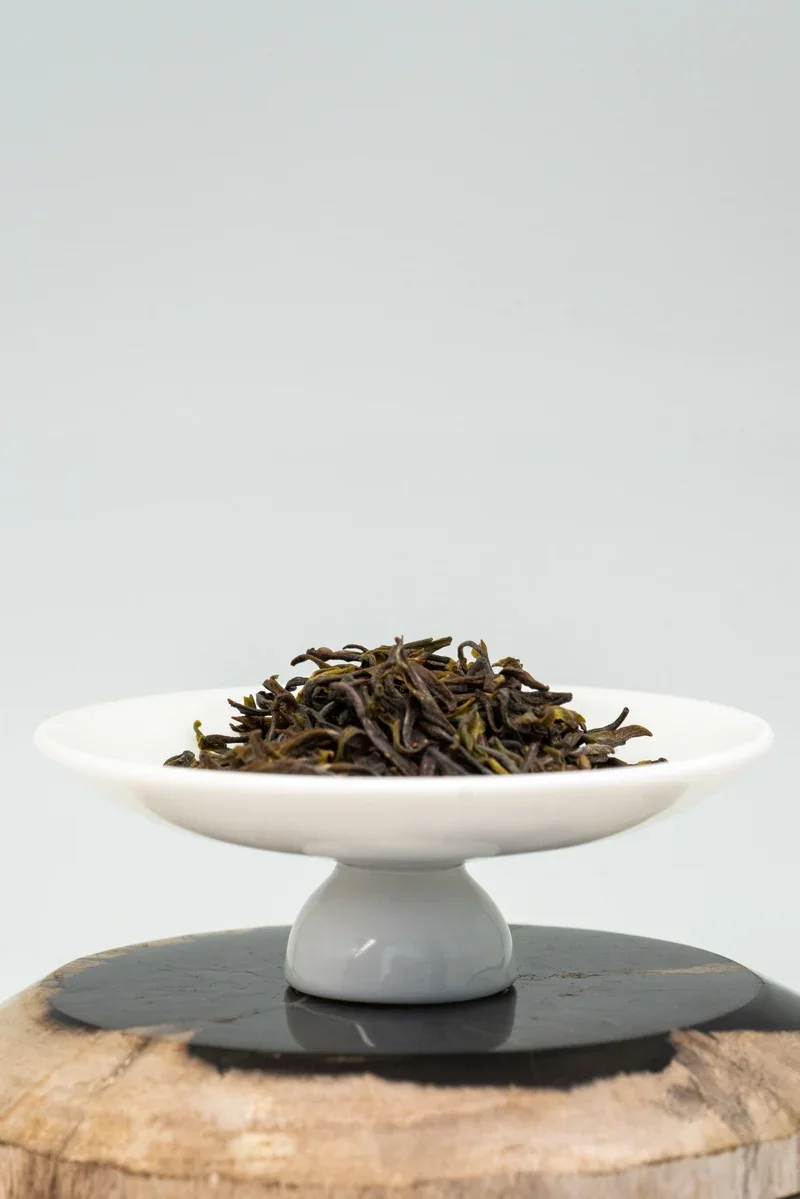
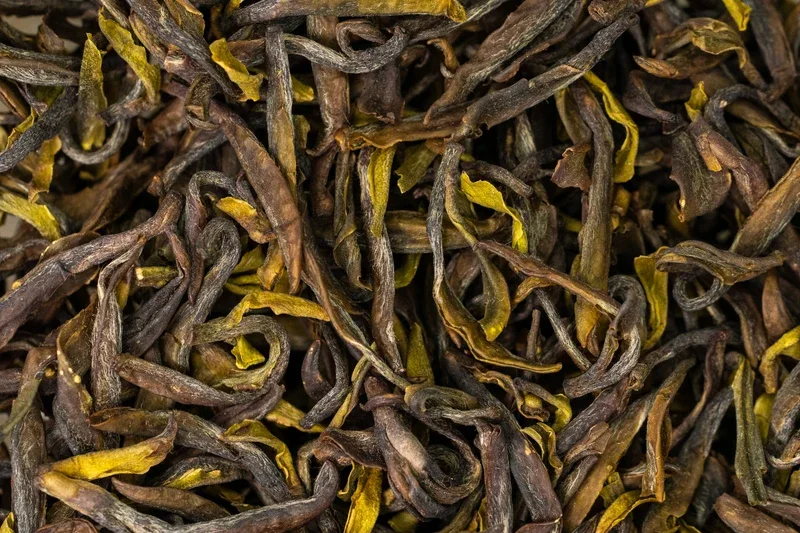
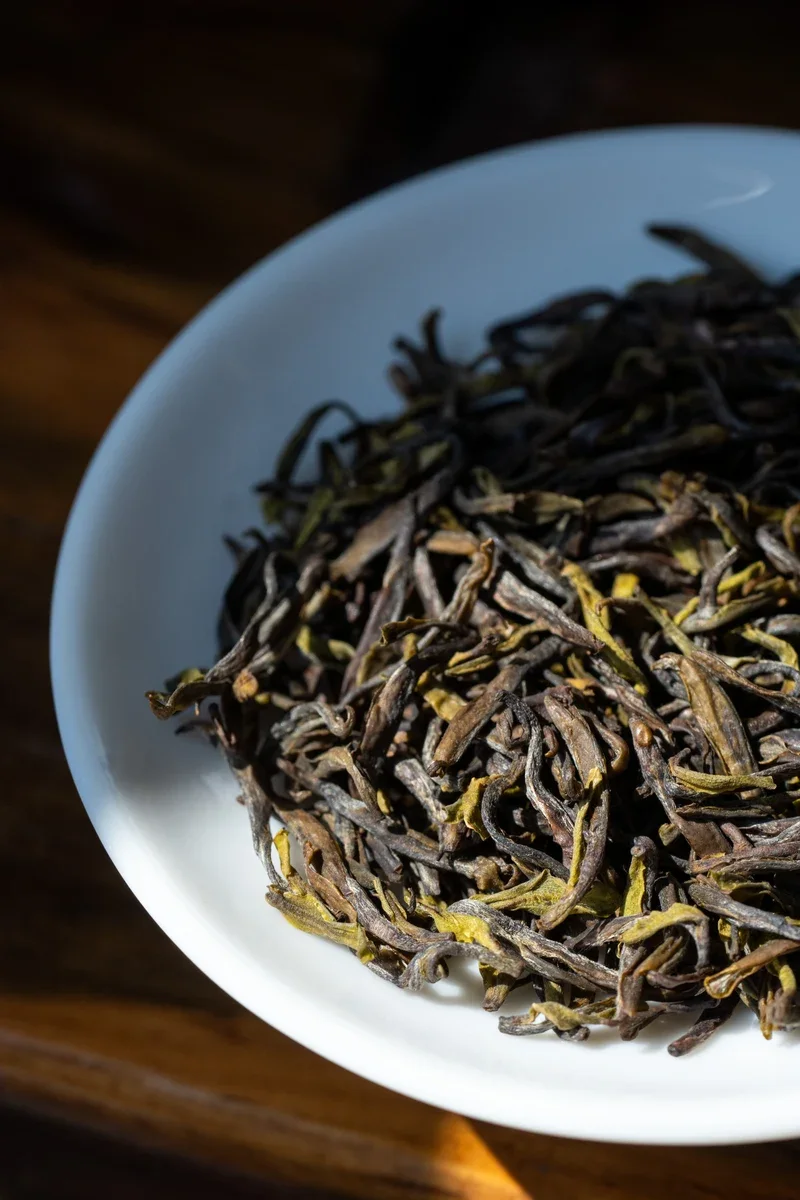
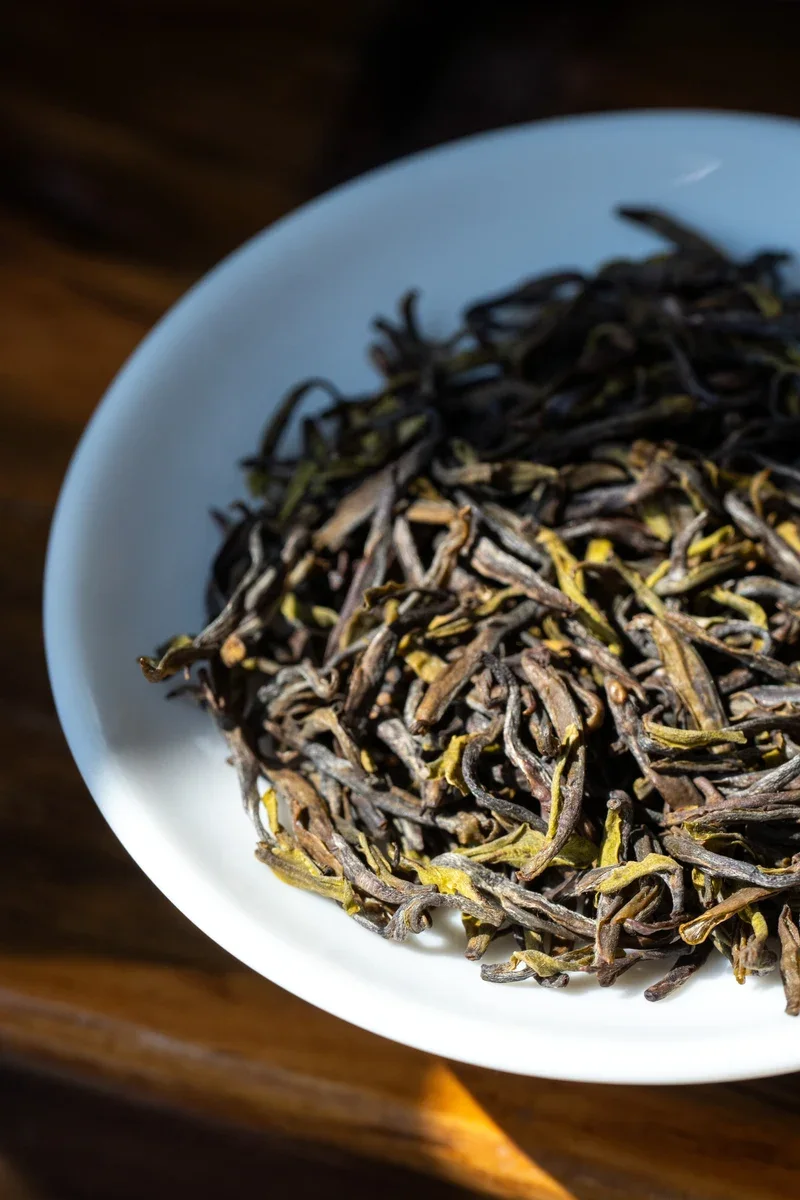
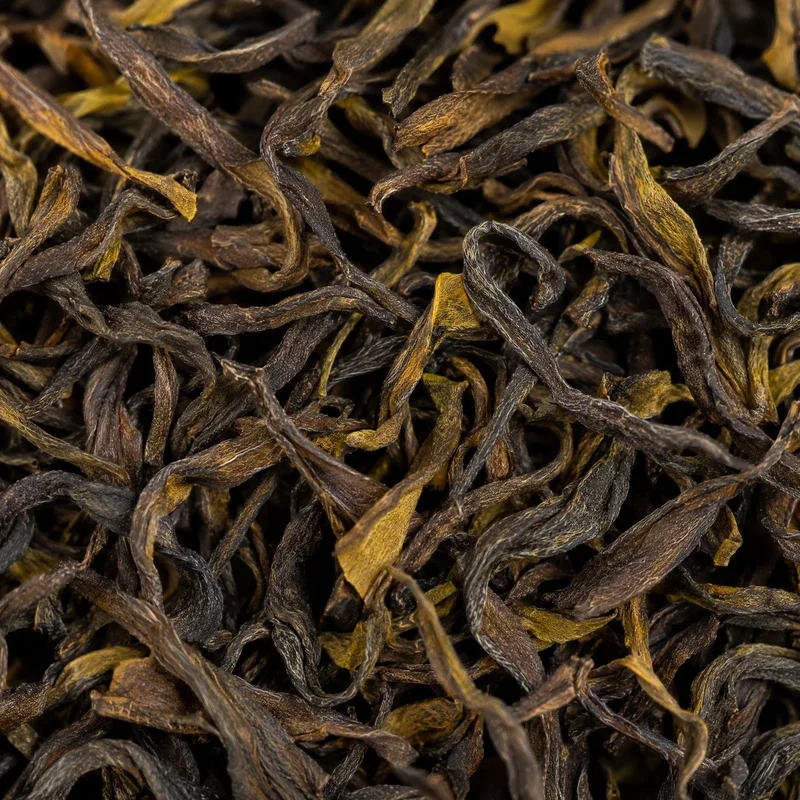
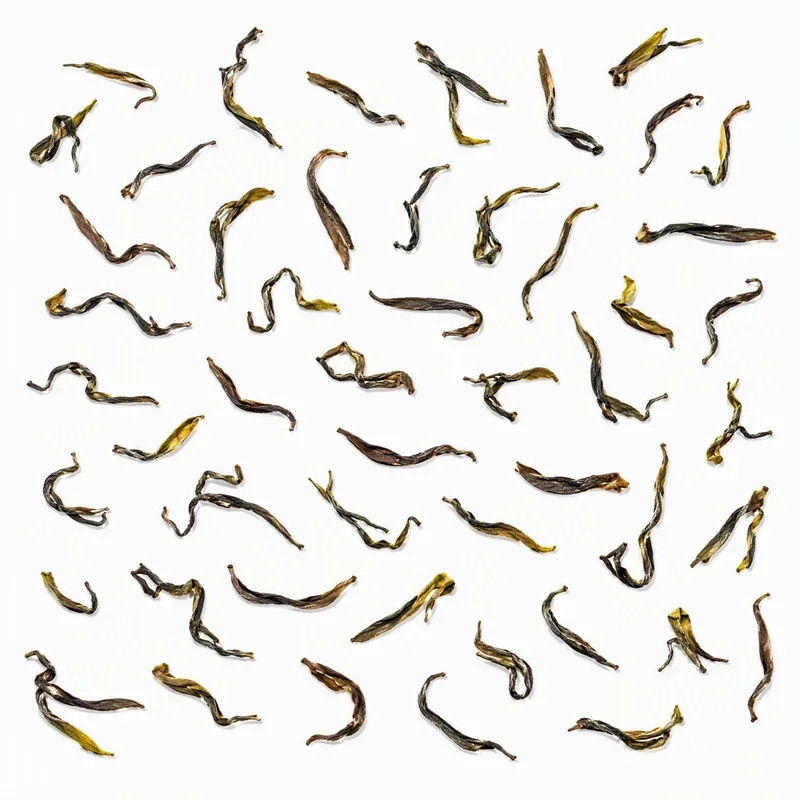
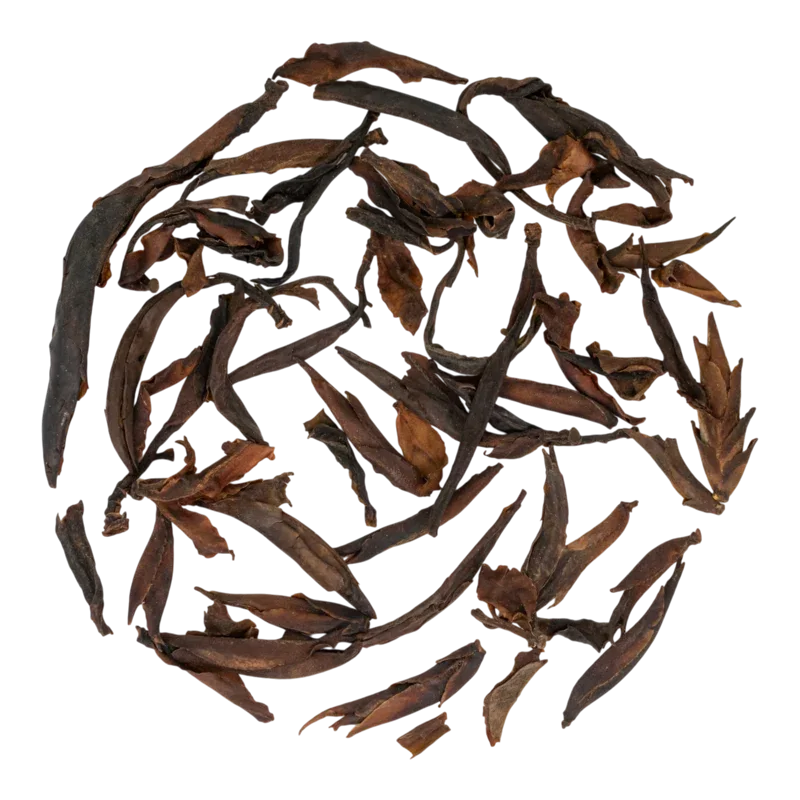
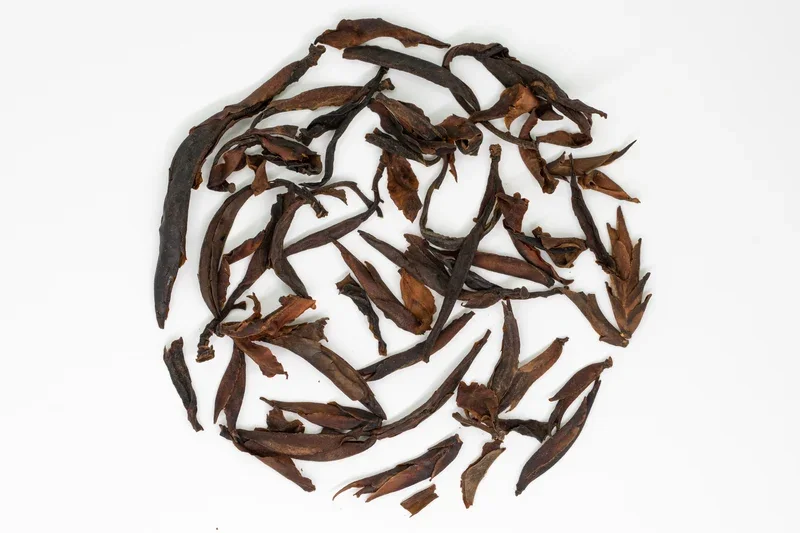
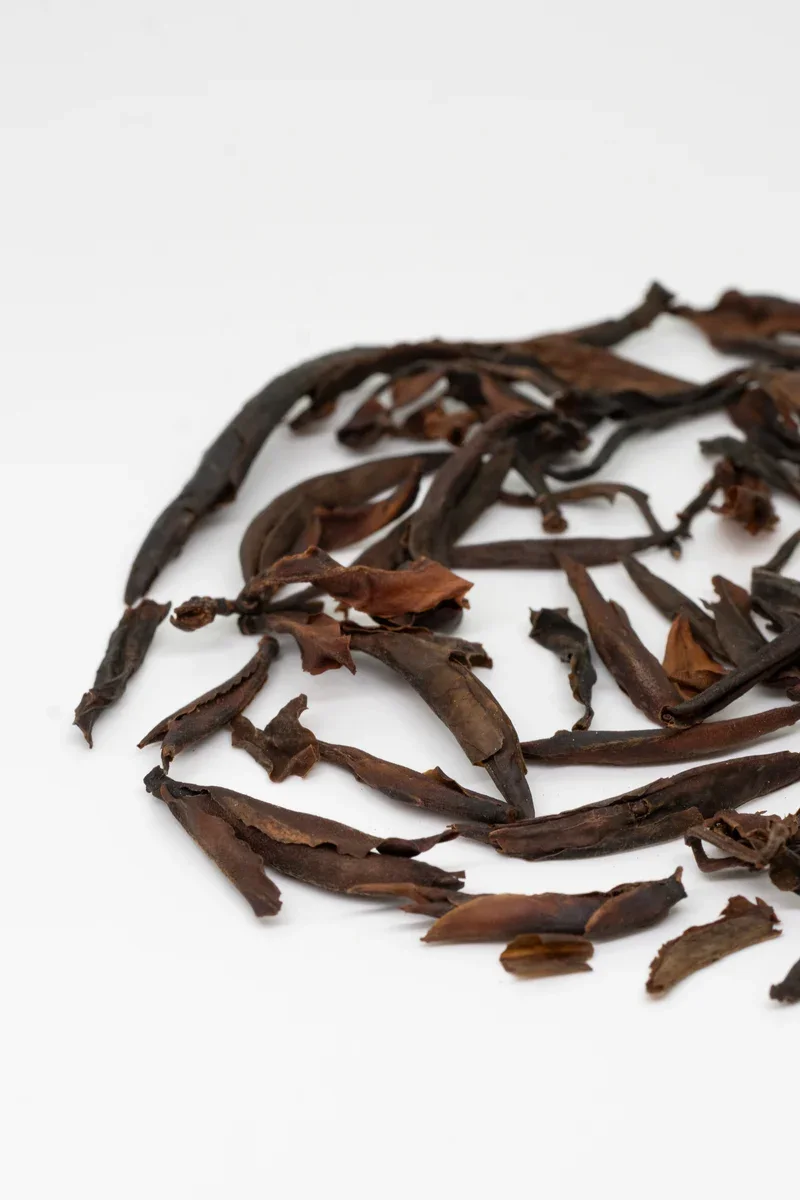
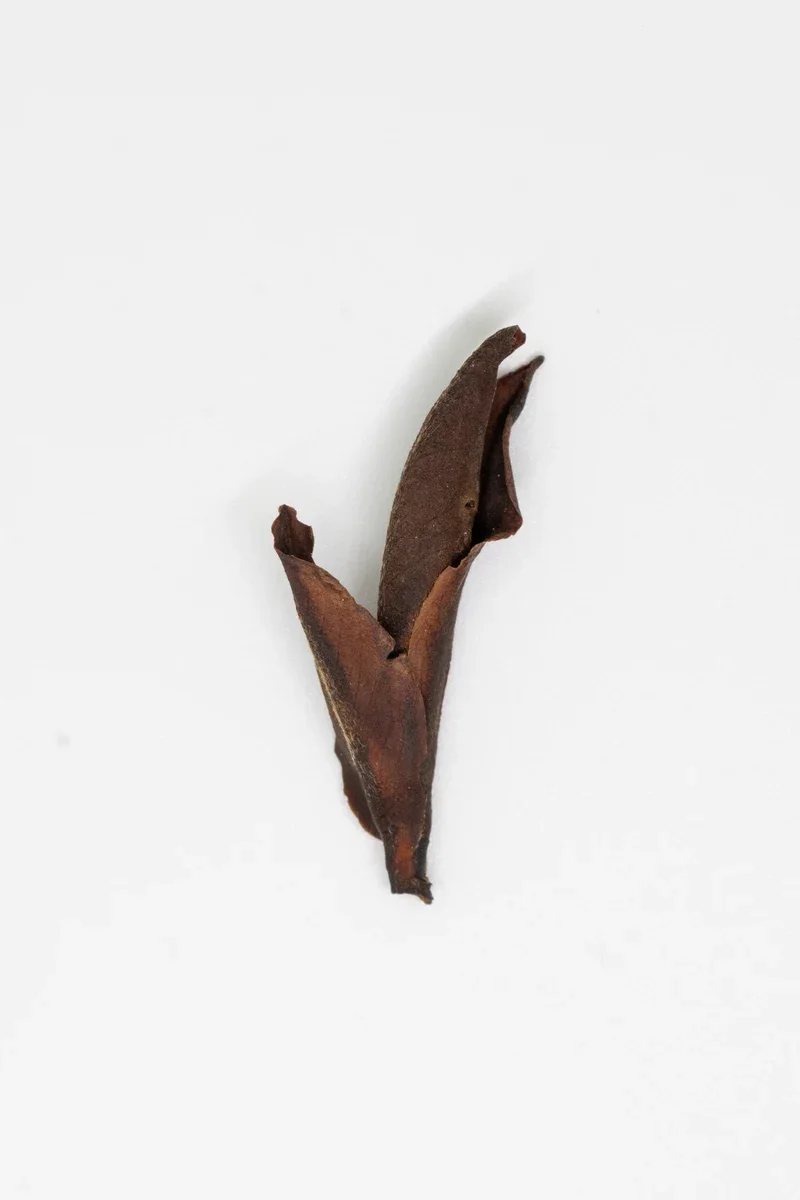
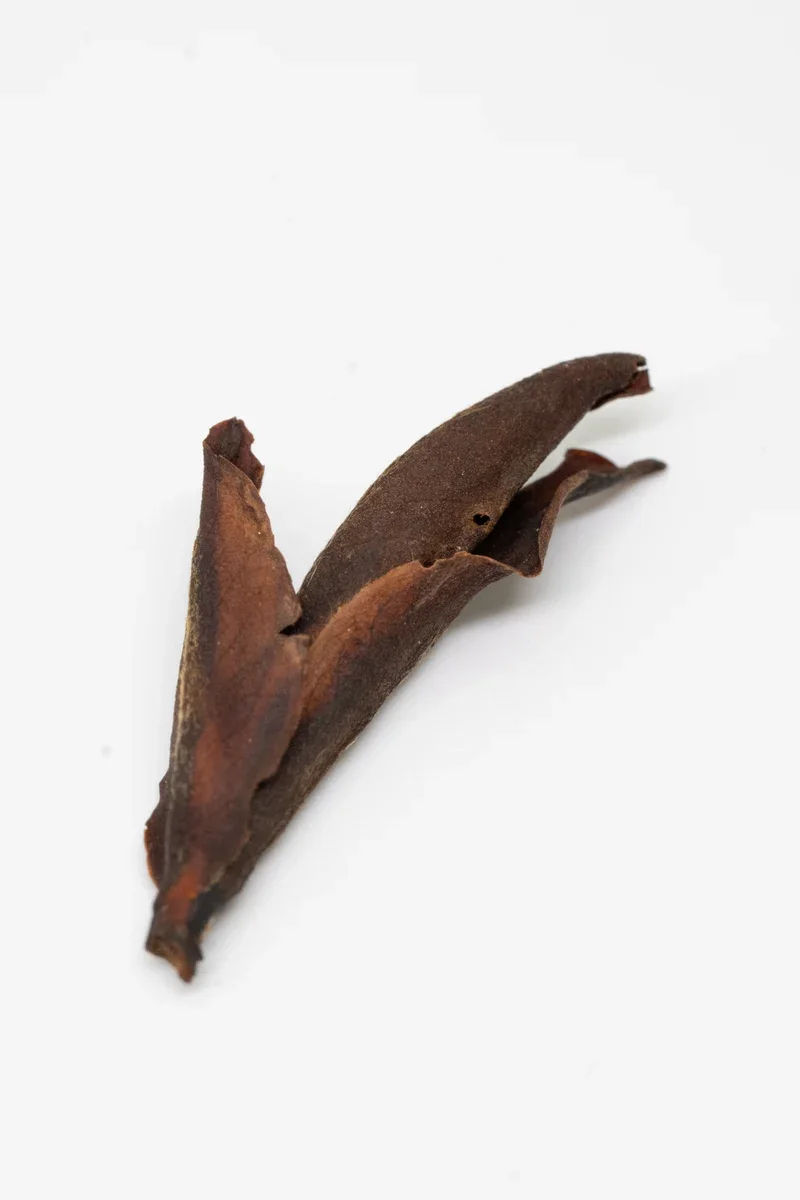
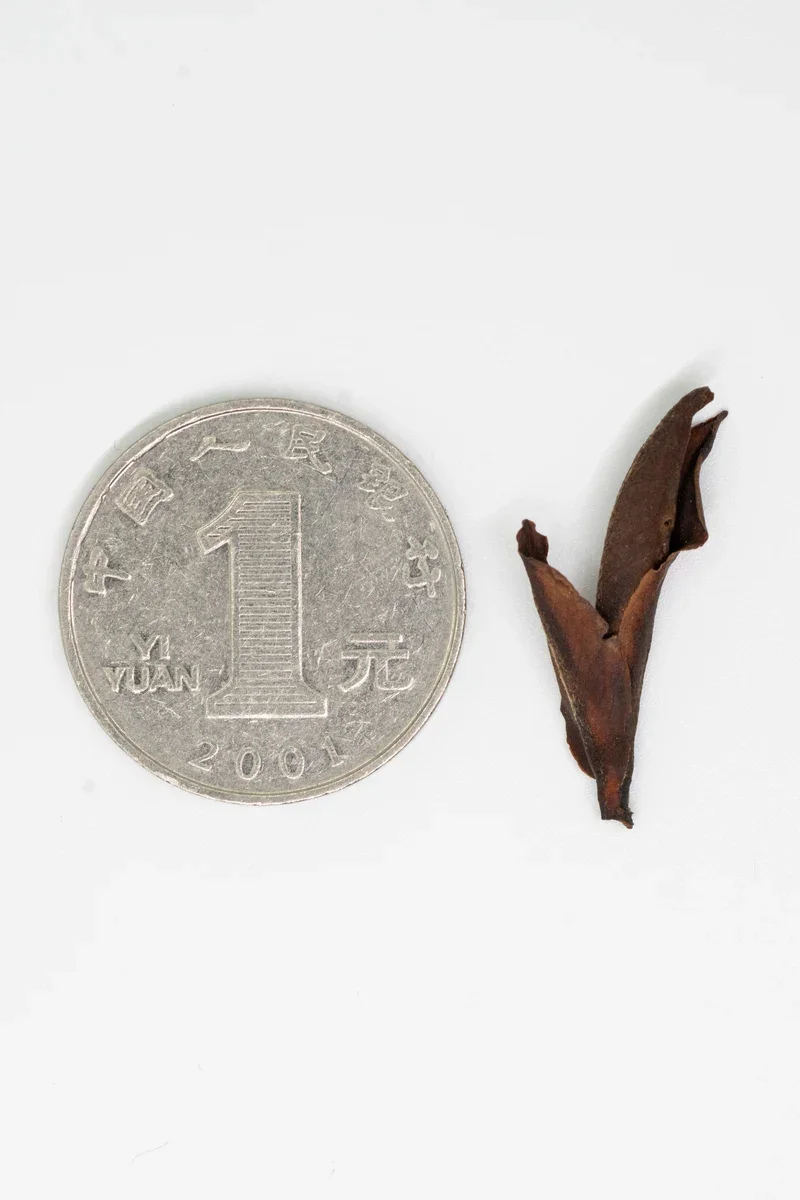
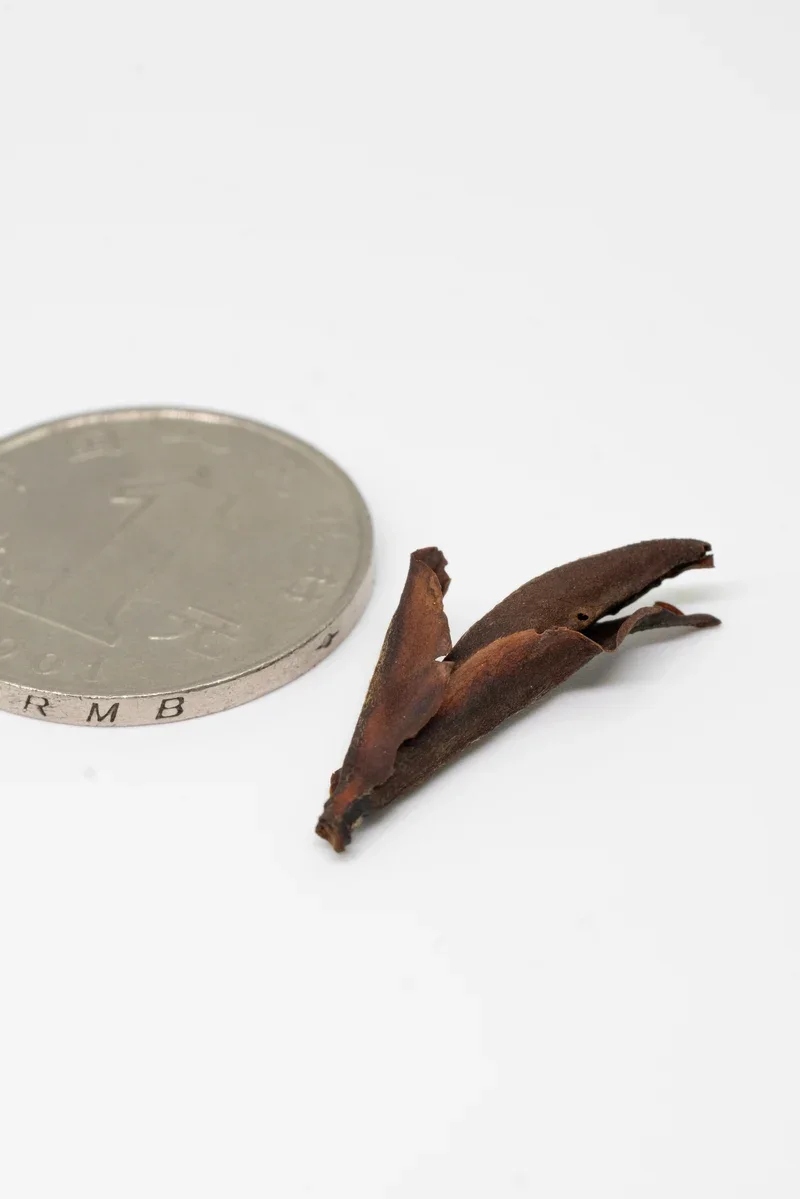
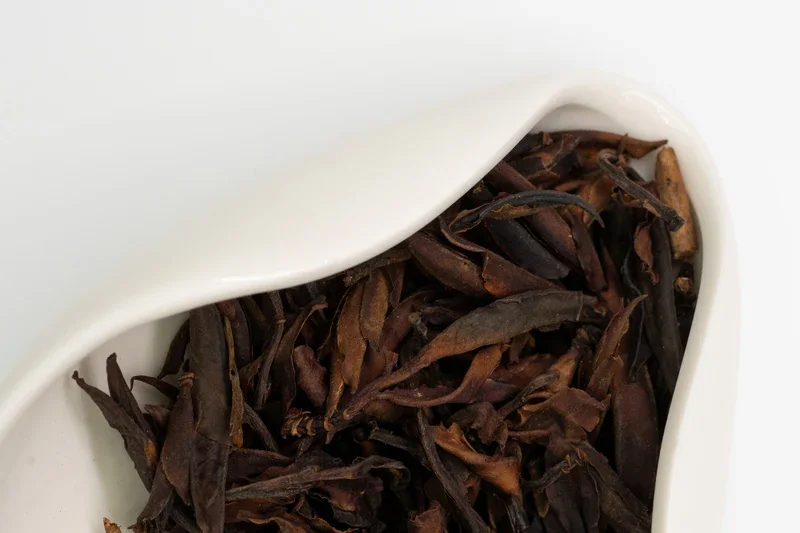
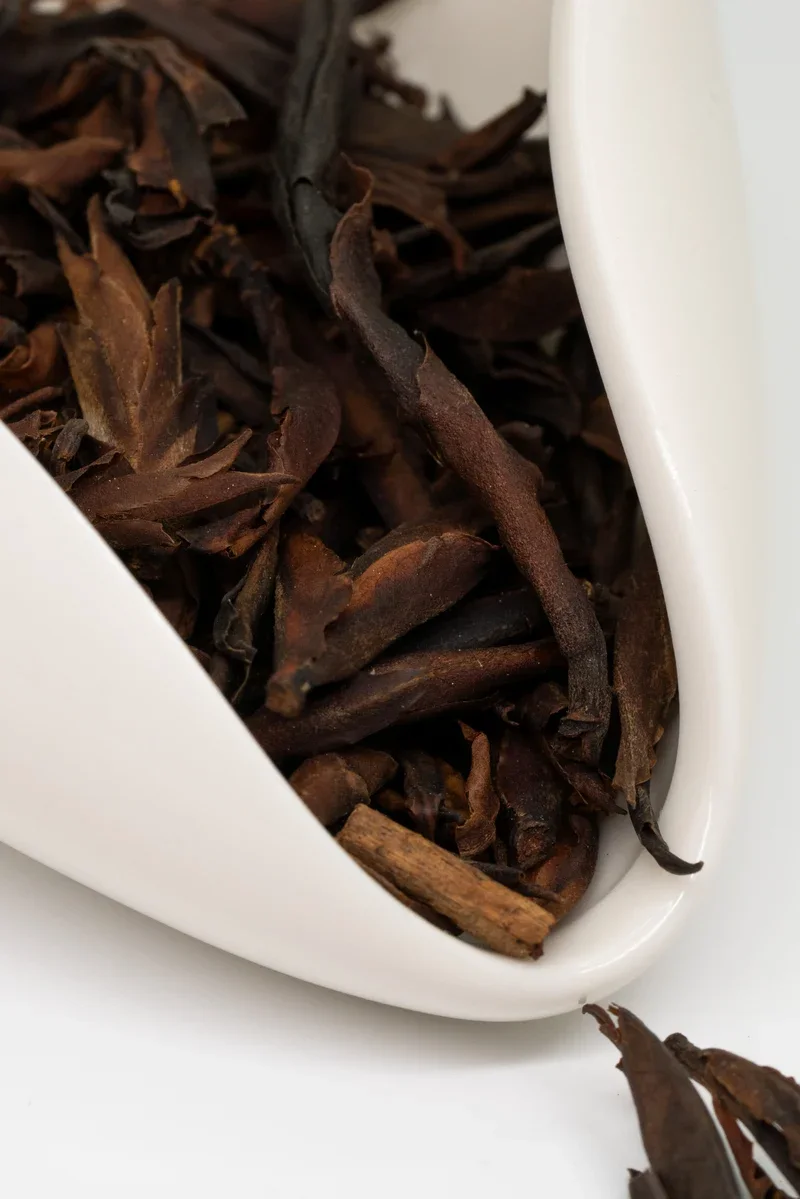
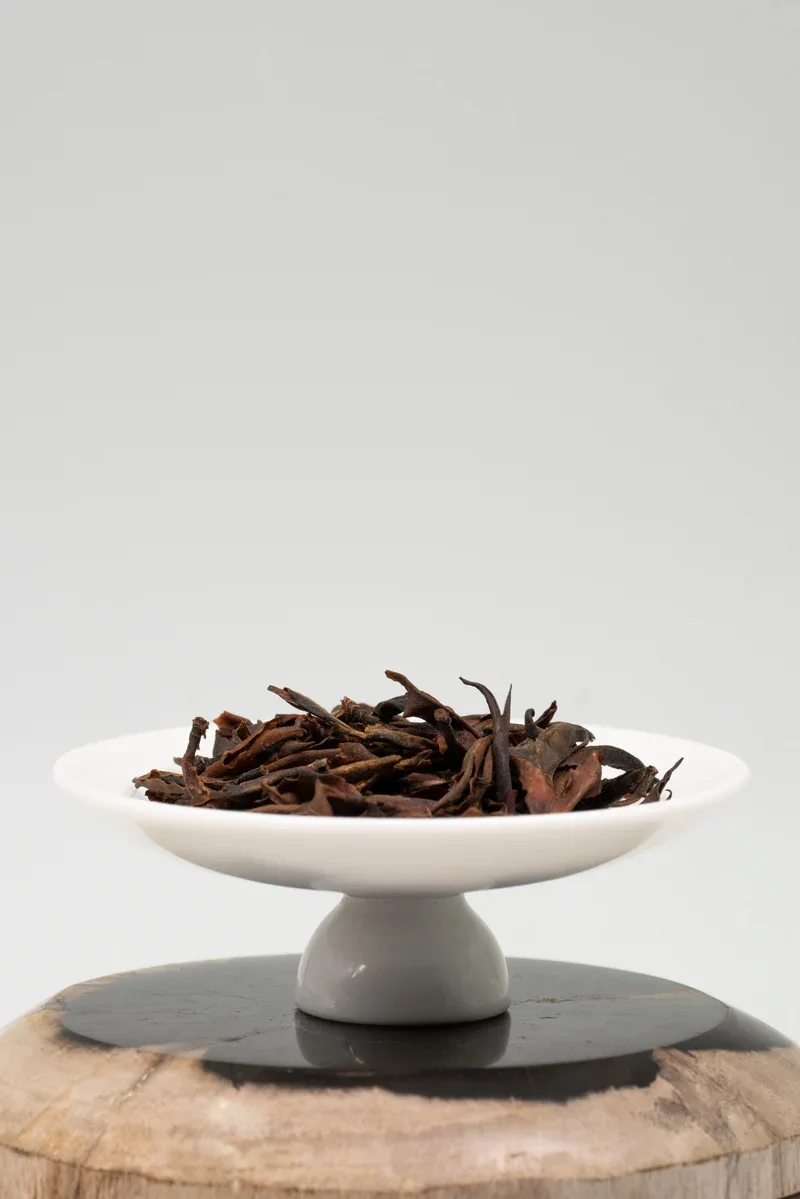
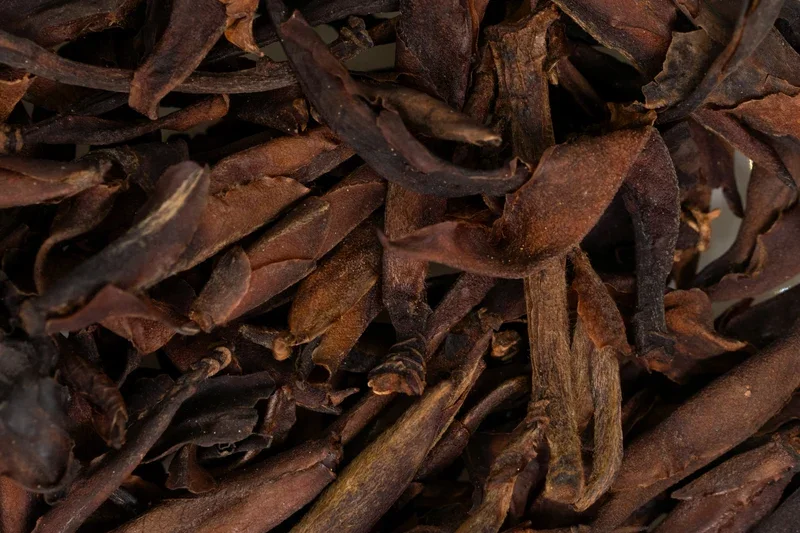
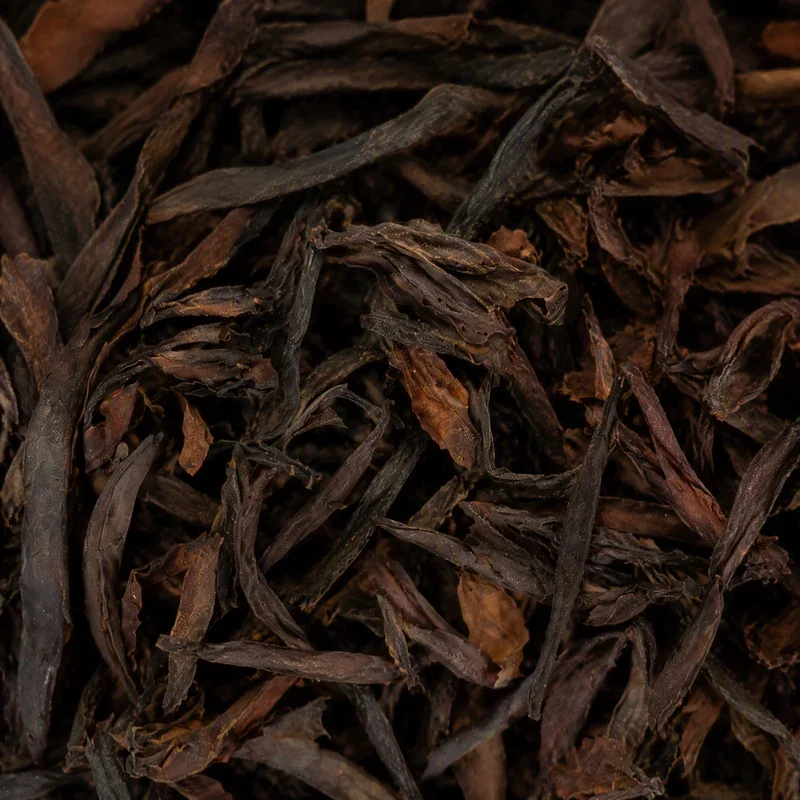
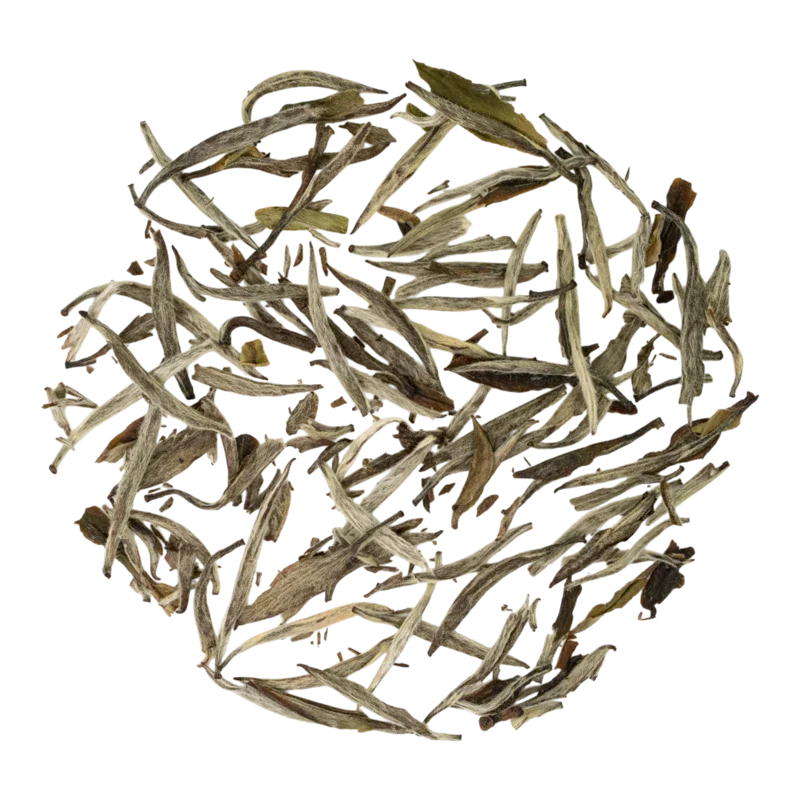
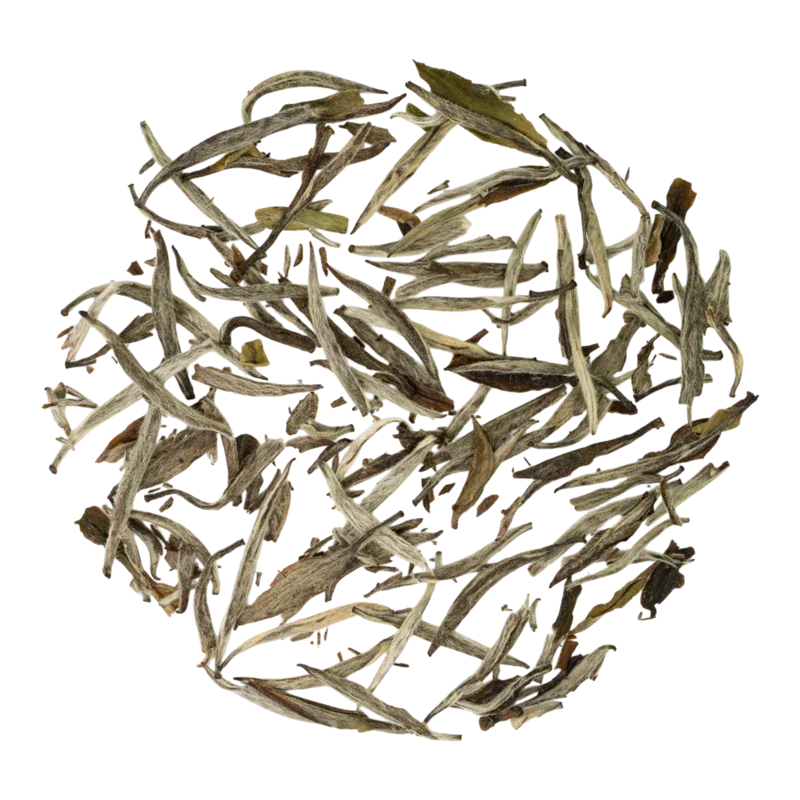
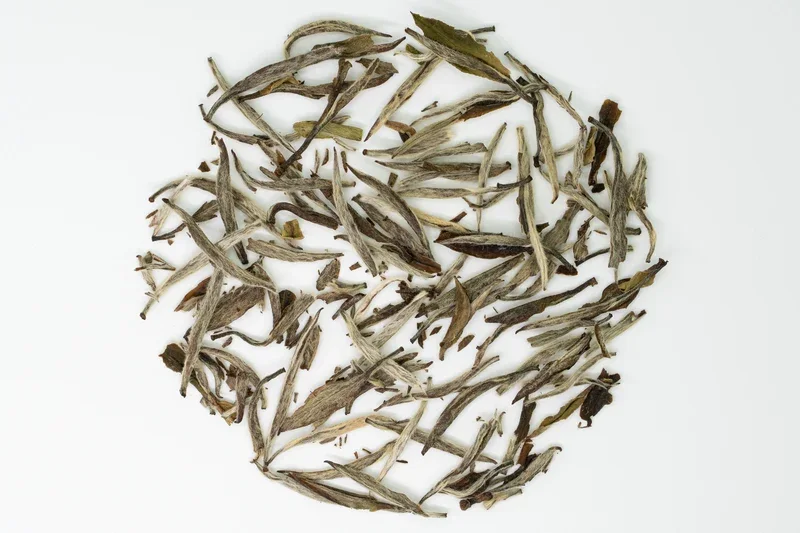
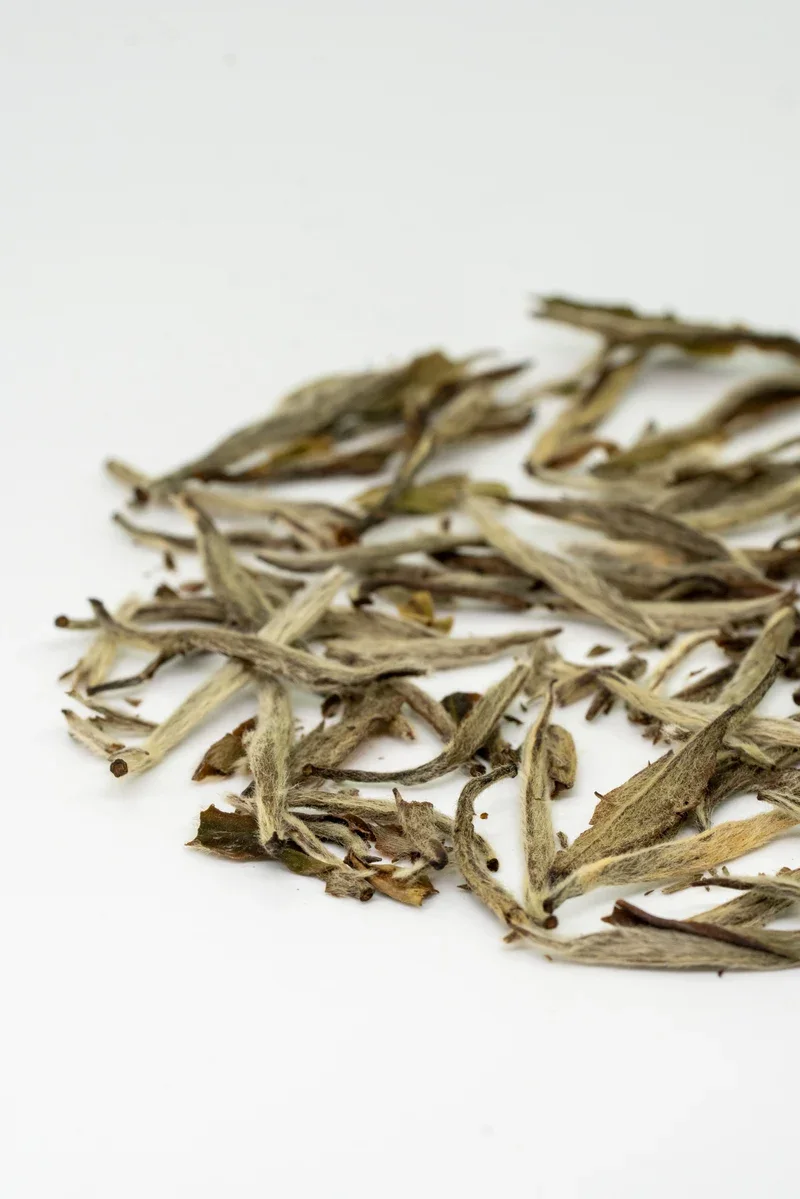
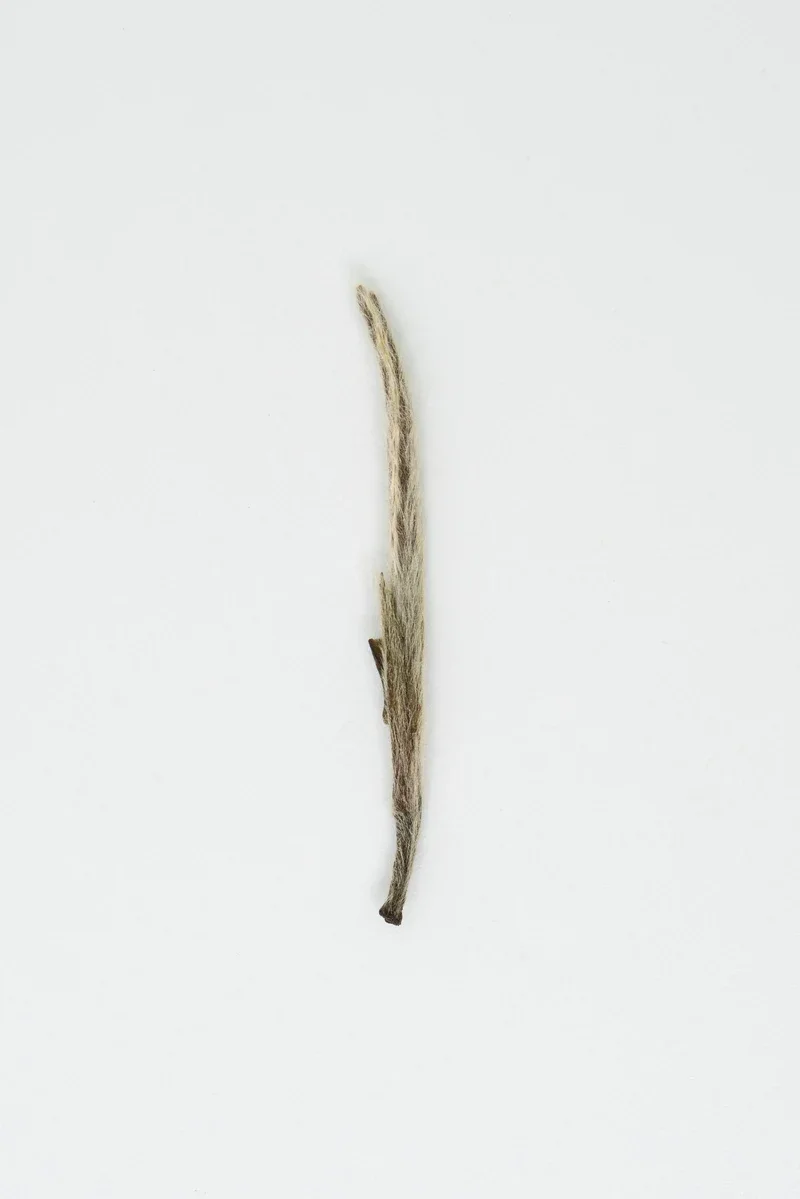
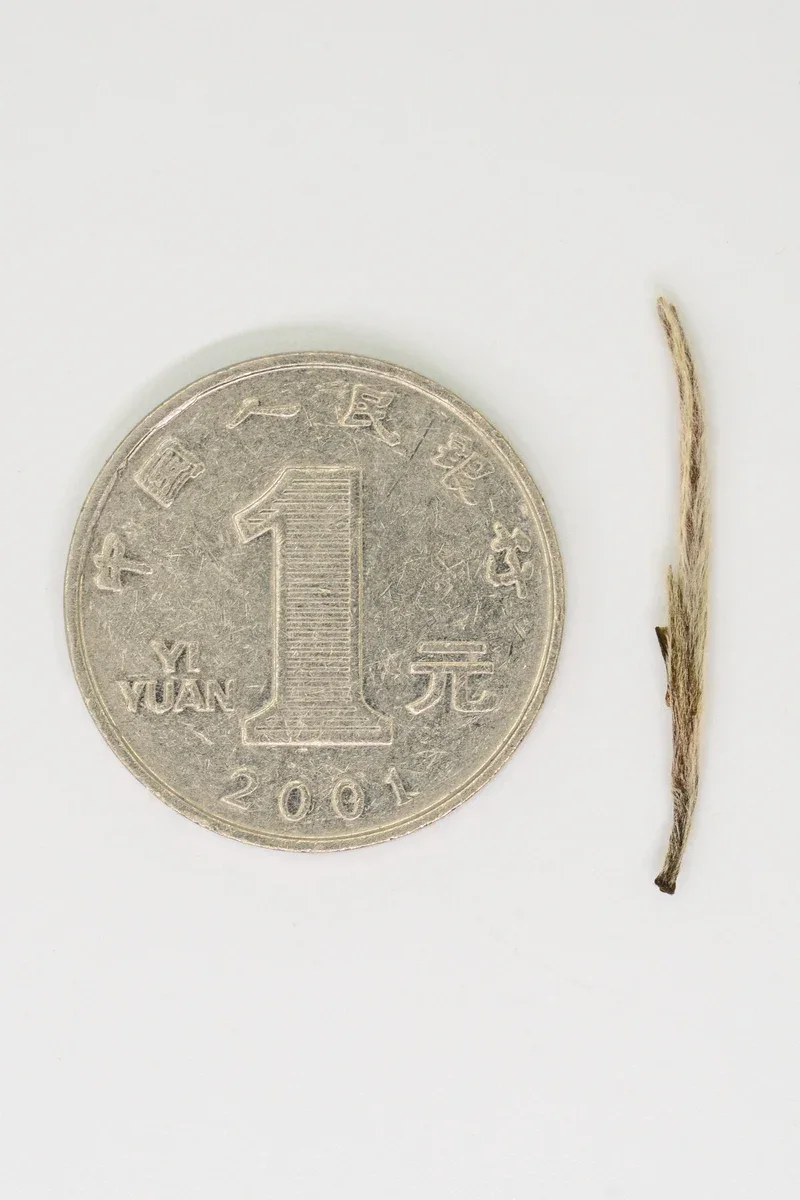
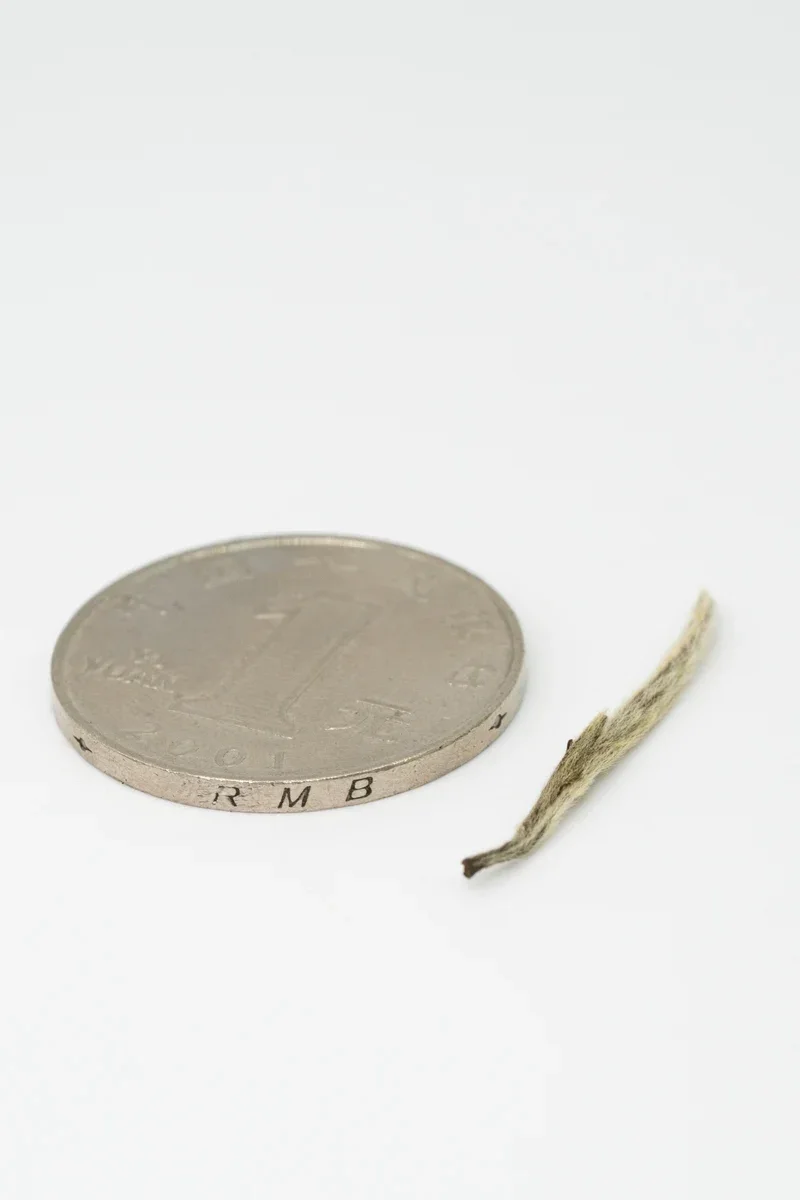
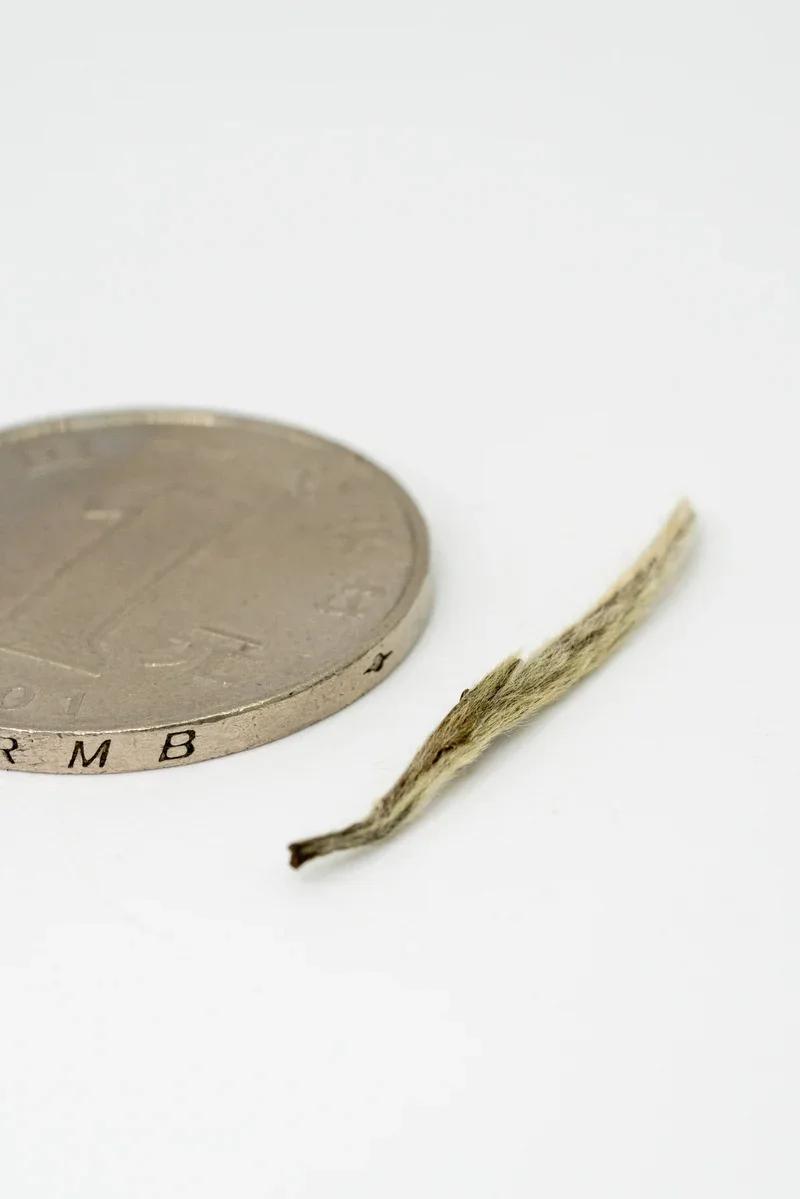
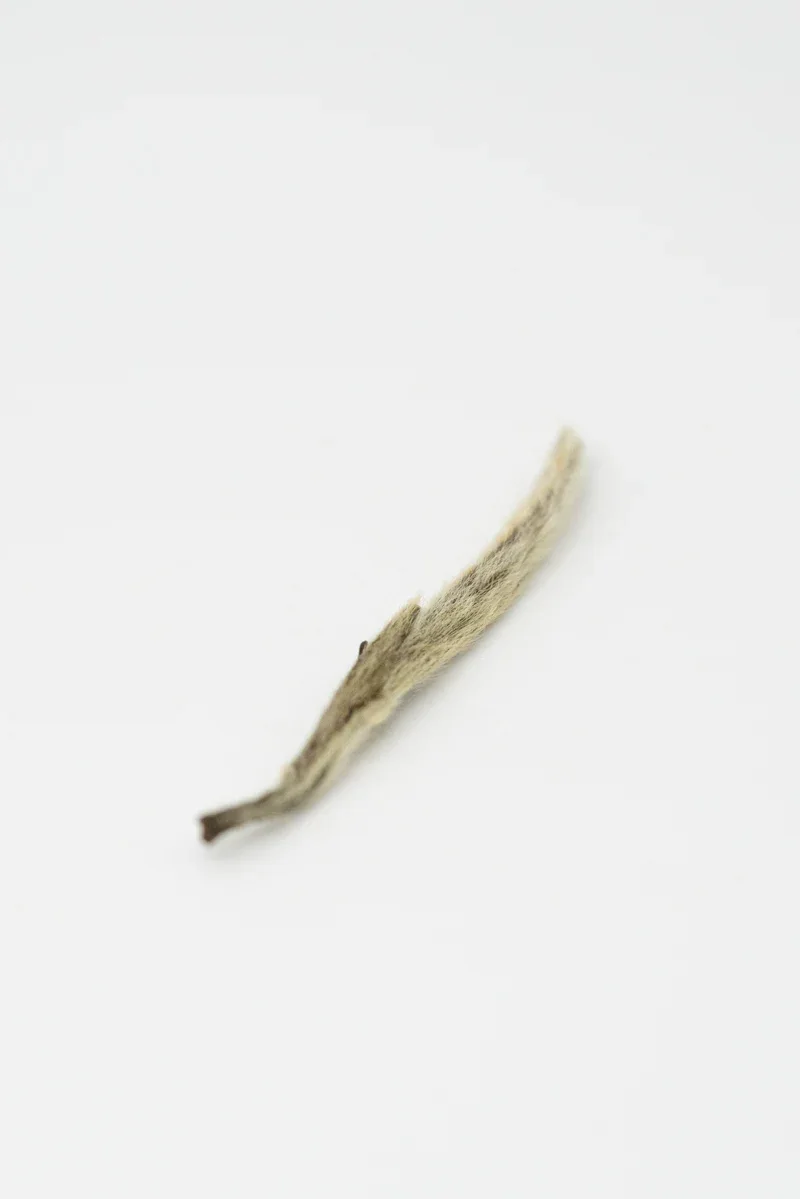
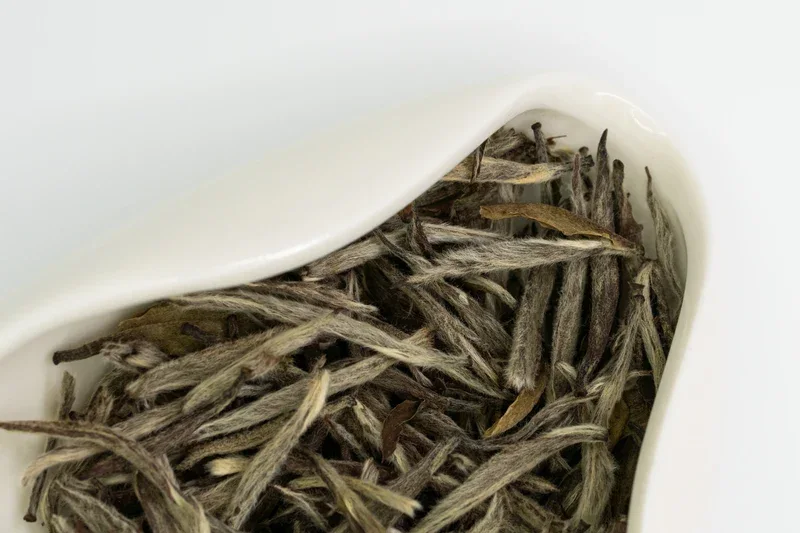
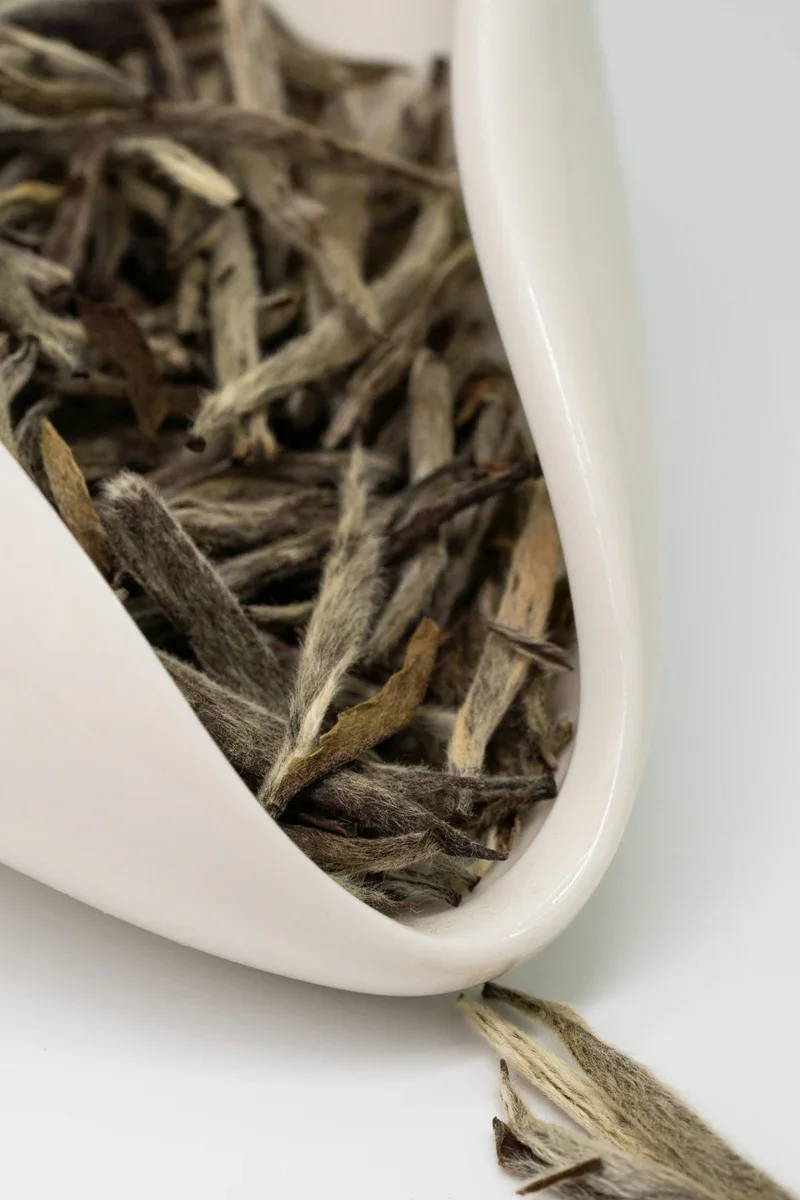
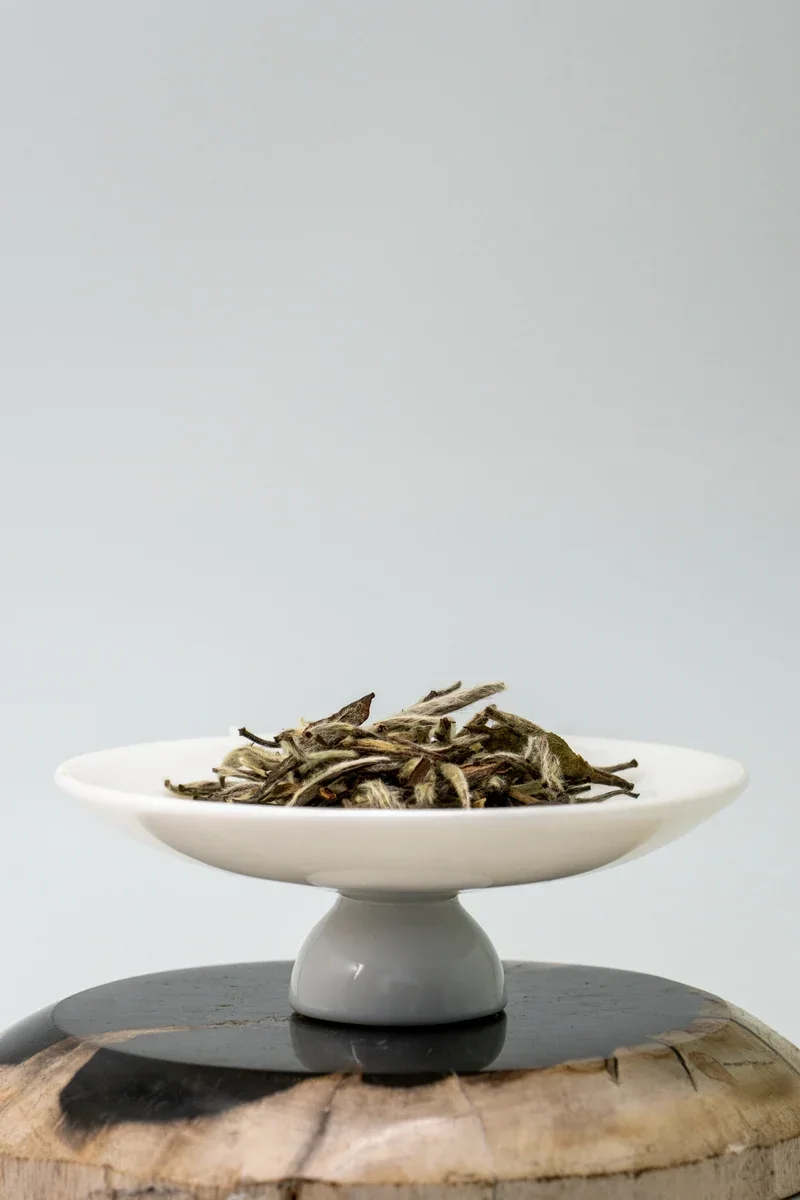
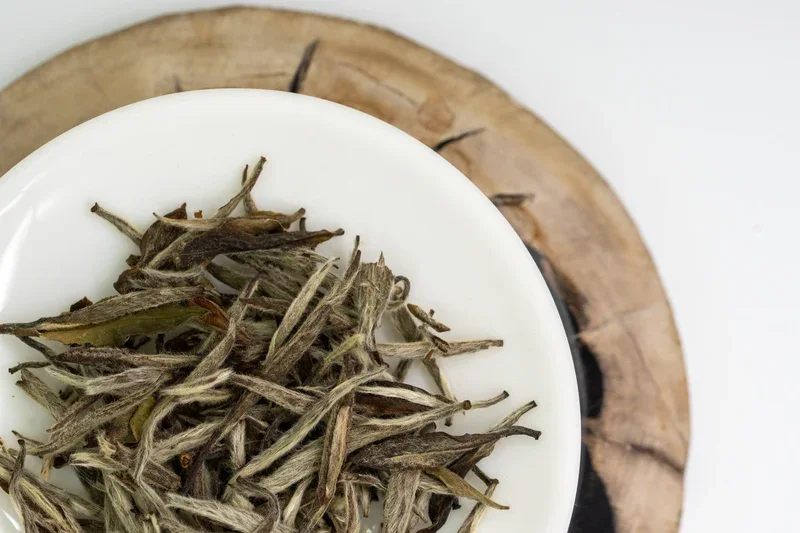
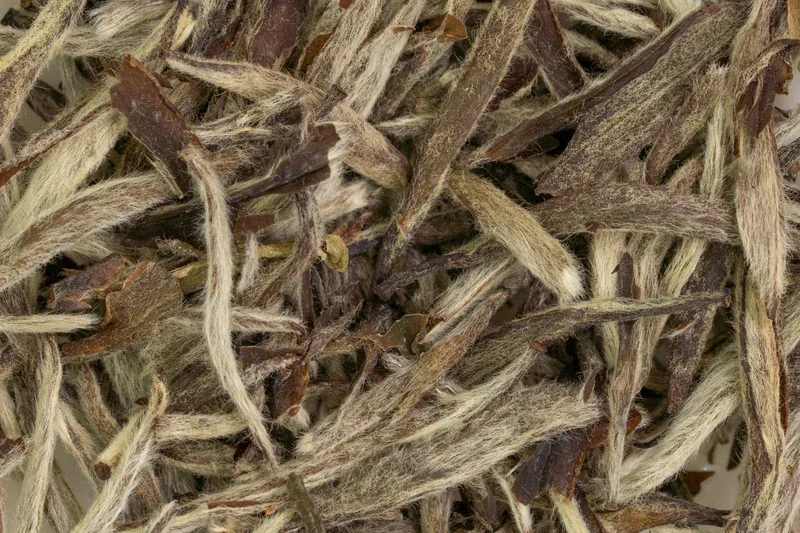
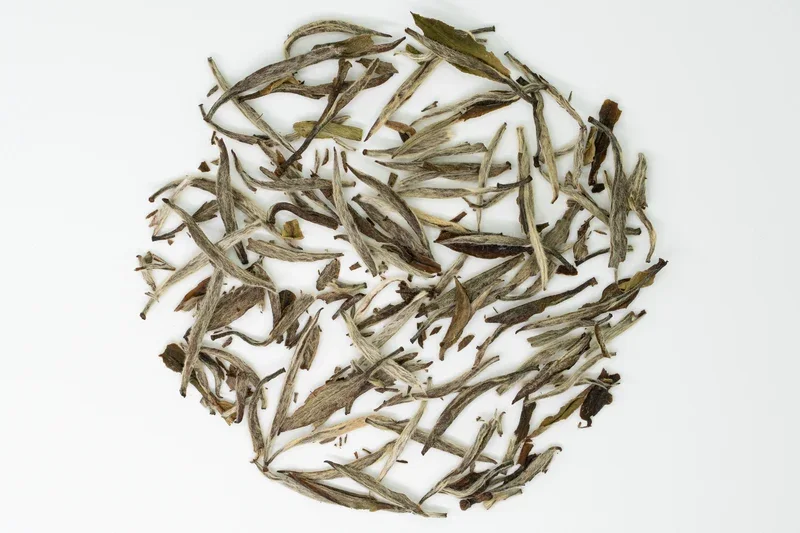
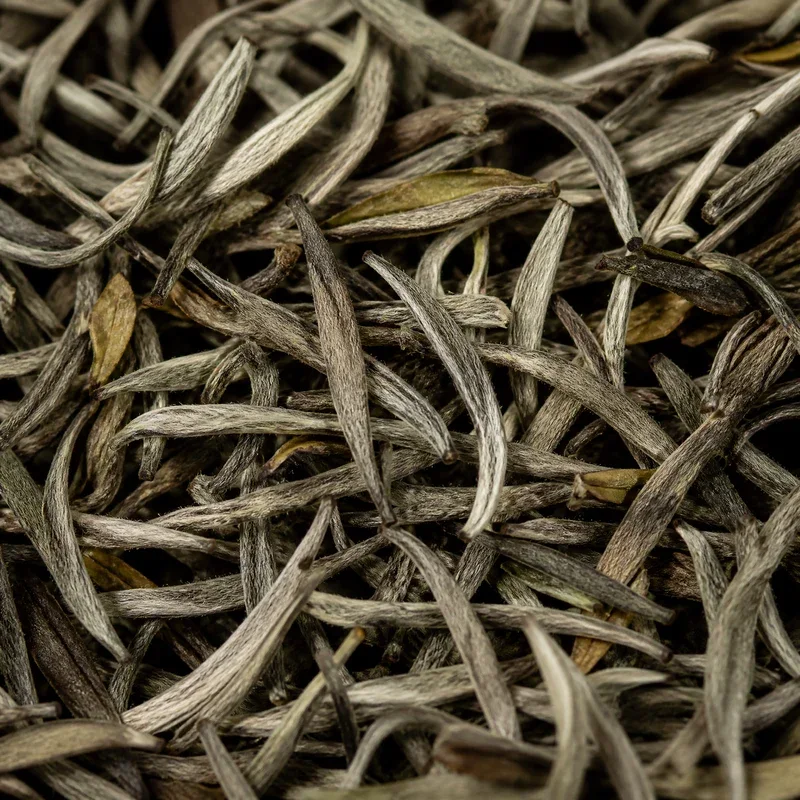
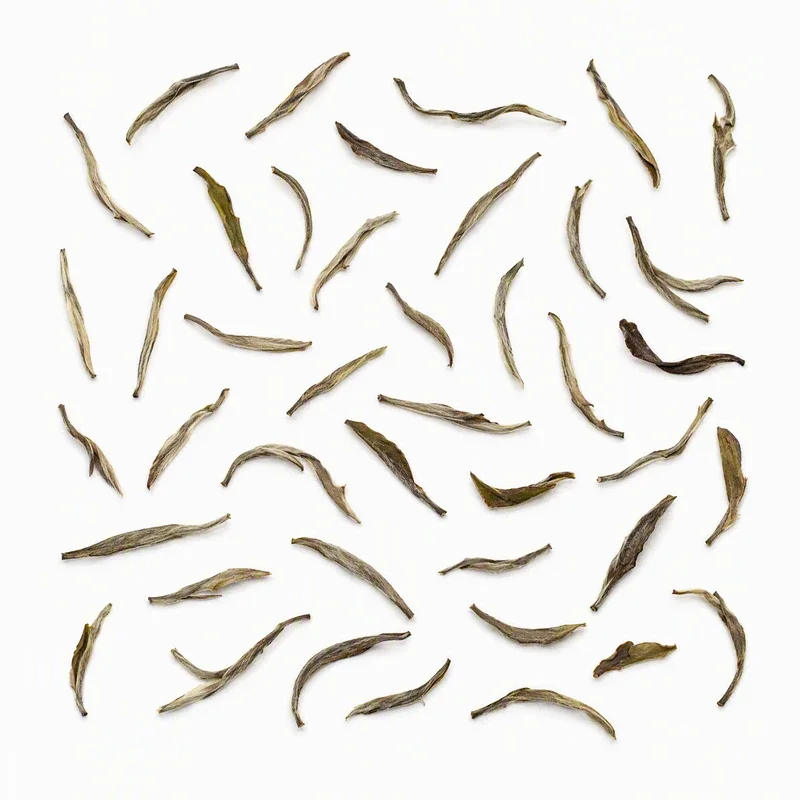
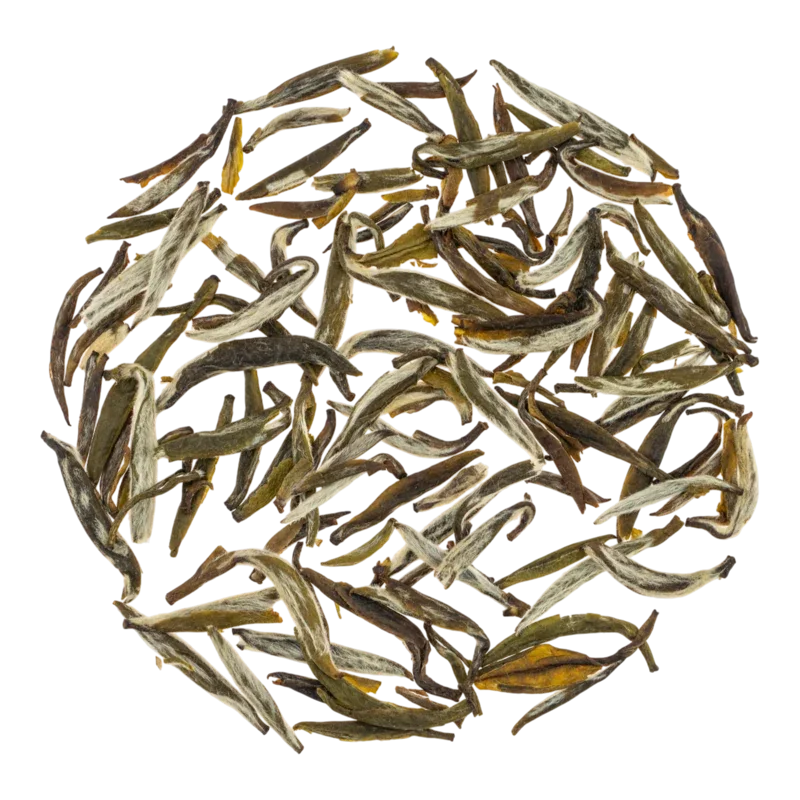
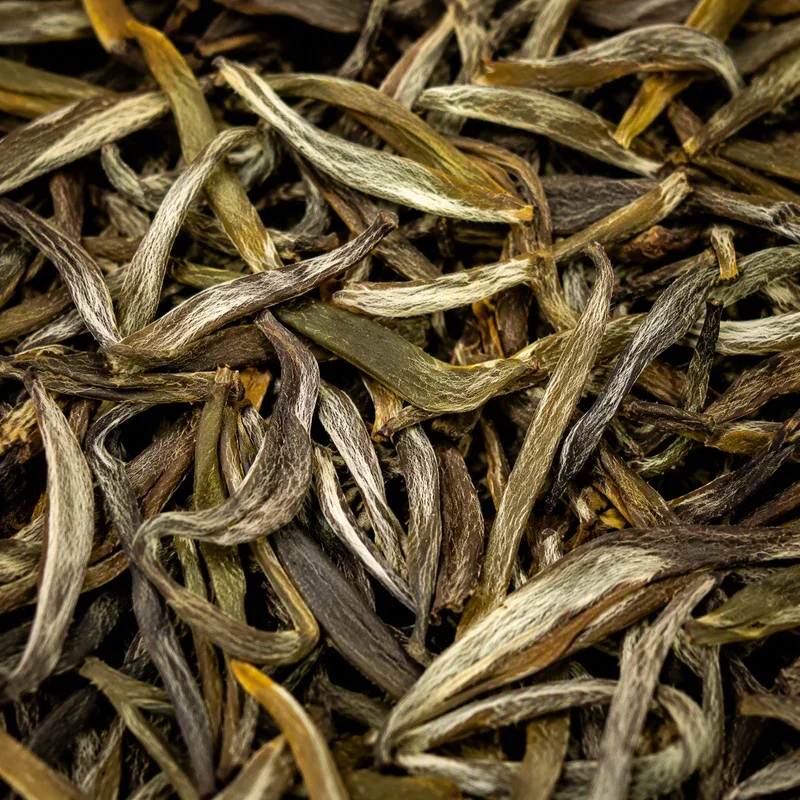
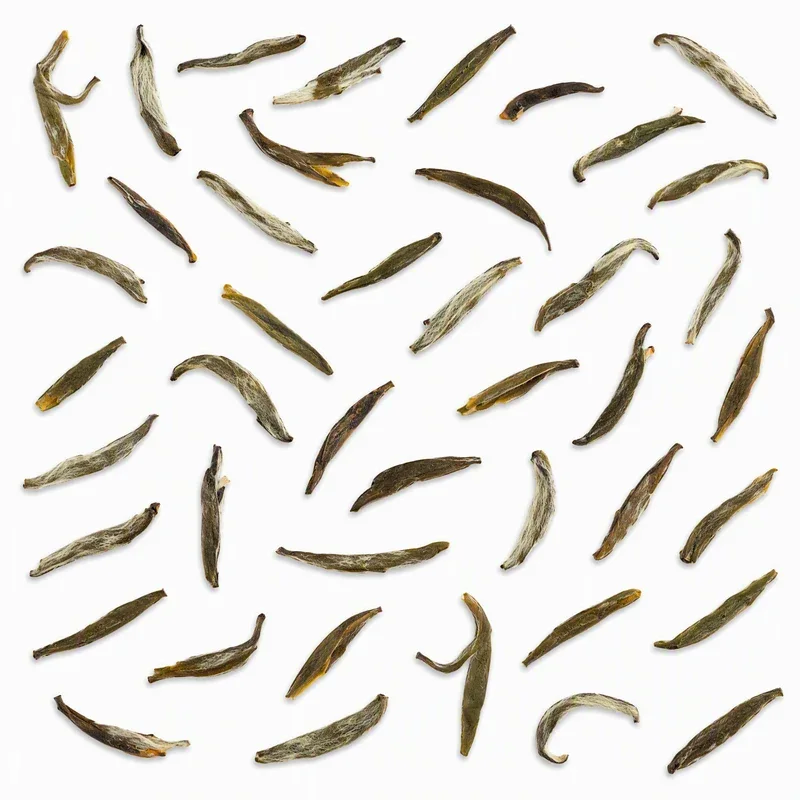
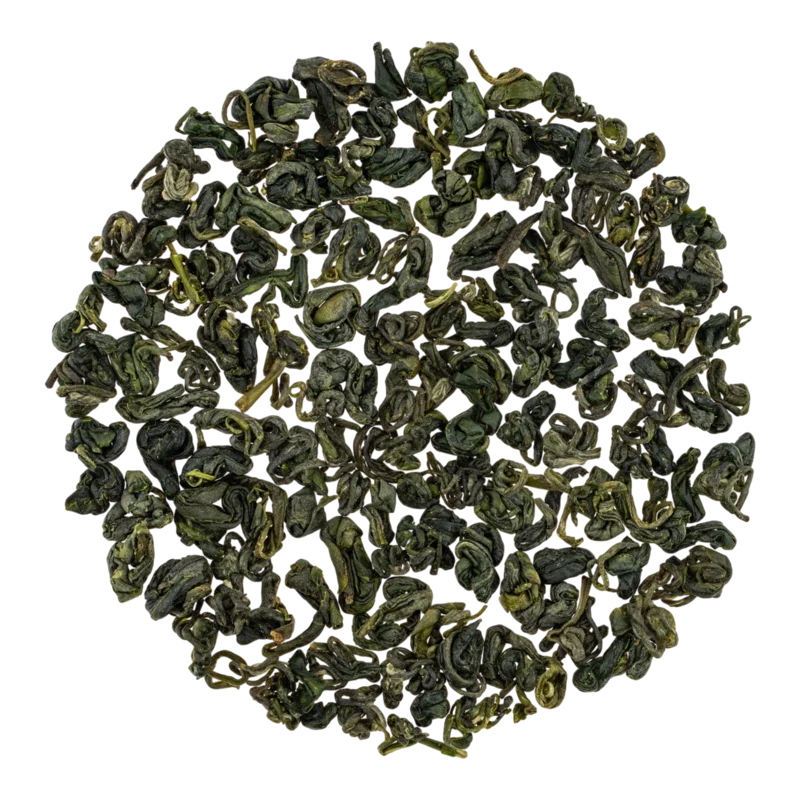
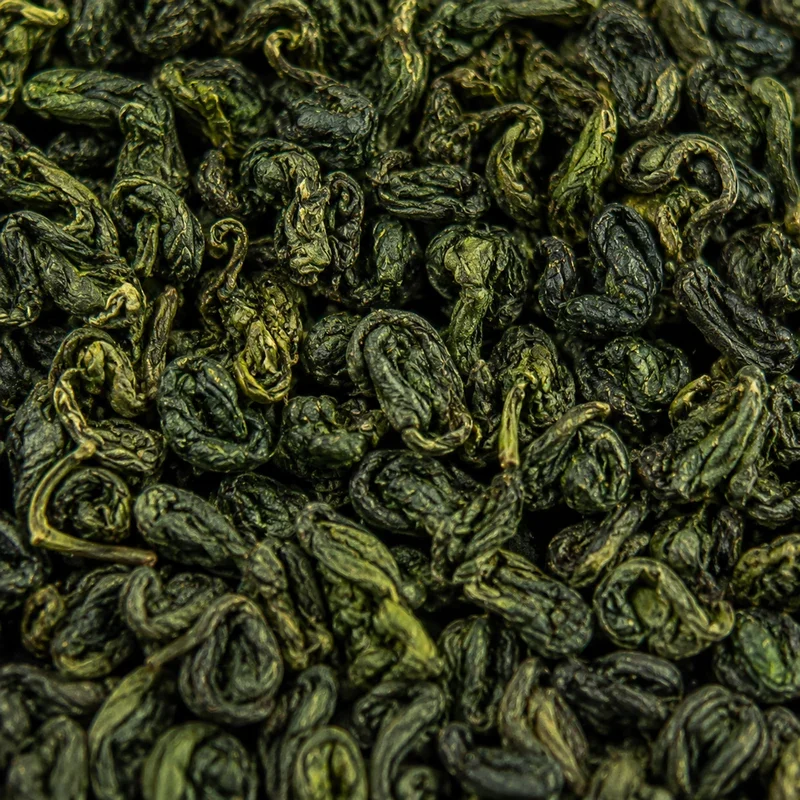
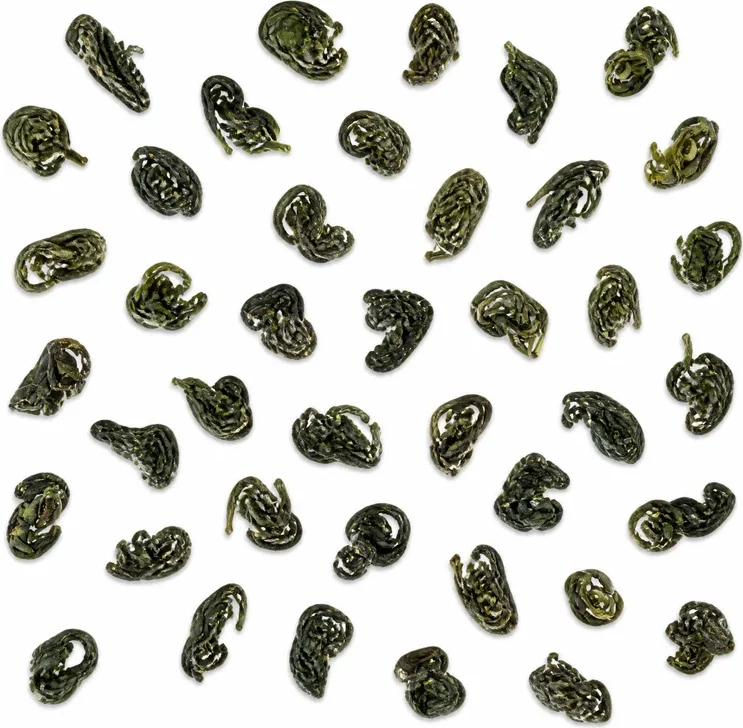
Dry Leaf Appearance: Dense, heavy granules of spiral form (颗粒盘花状, kēlì pánhuā zhuàng — "spiral flower granules"). Color — dark green with oily luster (绿润显毫). Down — noticeable, silvery. Granules — uniform, heavy to the touch (紧实重实).
Dry Leaf Aroma: Chestnut aroma (栗香, lì xiāng) — dominant note. Floral-fruity overtones (花果香) in young tea. "Roasted rice aroma" (炒米香, chǎomǐ xiāng) — note of traditional "fire" processing.
Liquor Aroma: Chestnut, persistent and deep. Unfolds over many infusions.
Liquor Color: Yellow-green, bright and clear (黄绿明亮).
Spent Leaves: Tender green, lively, soft shoots that unfold from granules into full "buds" (嫩绿鲜活、柔软匀整). Leaf — whole, uniform.
Taste: Fresh (鲜爽, xiānshuǎng) — amino acid note. Dense and full-bodied (醇厚, chúnhòu) — pronounced liquor viscosity (粘稠感强). Returning sweetness (回甘, huígān) — stable and long-lasting. Main feature — exceptional brewing endurance: 7+ infusions with preservation of taste and aroma. This is significantly higher than most green teas (3–5 infusions), and is explained by the use of more mature raw material with increased content of extractive substances.
Alkaloids: Caffeine — moderate content.
Amino Acids: Significant content — ensures freshness and "umami." More mature raw material (one bud with two to three leaves) contains fewer amino acids than the most tender buds, but technology compensates for this through optimization of the fixation and drying process.
Noticeable content — contributes to tooth enamel protection (护齿防龋).
Minerals: Potassium, magnesium, zinc, manganese, fluorine — determined by Guizhou soils.
Polyphenols: Content — ≥27.5% dry weight. Free radical neutralization capacity — 18 times higher than vitamin E (according to research data).
Vitamins: Vitamin C, B-group vitamins.
Polyphenols (≥27.5%) with free radical neutralization effectiveness 18 times higher than vitamin E.
Catechins accelerate fat breakdown with 30% higher effectiveness than average green tea.
Fluorine suppresses cariogenic bacteria and strengthens enamel.
Caffeine and L-theanine.
Polyphenols stimulate fat breakdown.
the listed properties are based on publicly available data and are not medical recommendations.
do not use boiling water (>90°C) — destroys biologically active substances and increases bitterness. Fresh tea is recommended to "air" (醒茶) for 7 days in a dark place. After opening — consume within 10 days.
Process: Infusions 10–15 seconds (1st–3rd infusion); 20–25 seconds (4th–7th infusion). Tea withstands 7 or more brewings.
Tea Amount: 3 g per 150 ml water (1:50 ratio).
Teaware: White porcelain gaiwan — best choice for controlling aroma and infusion time.
Water Temperature: 85–90°C.
Twisted needle tea from whole buds. Duyun — more delicate and "refined"; Lubaocha — denser, more enduring and "democratic" in price.
Flat tea from whole buds. Meitan — more visually exquisite; Lubaocha — more concentrated in taste and enduring in brewing.
From Anhui. Also granulated, also exceptionally enduring. Yongxi — with apricot liquor from 20-hour charcoal drying; Lubaocha — with more classic green profile and chestnut note.
Classic export "pearl tea" (Gunpowder). Zhucha — more mass-market and simple; Lubaocha — significantly more complex and aromatic, with pronounced terroir character.
dense, heavy "spiral" granules with oily luster. Loose, light balls — sign of counterfeit.
7+ infusions — authenticity marker. If tea "expires" after 3–4 — suspicion.
chestnut, persistent. Weak or "chemical" — counterfeit.
No reviews yet. Tell us what you think of this tea.
Rate this tea and share your impressions. We review each submission before publishing it.