Brewing
Gongfu brewing
- Water temperature
- 93 °C
- Tea amount
- 5 g
- Water volume
- 100 ml
- First steep
- 10 s
- Time added per infusion
- 5 s
- Infusions
- 4

Lóngjǐ Hóngchá
Choose a brewing method. Start with the recommended quantities and time, then adjust to taste.
Brewing
Brewing
Taste
Tea encyclopedia
Category: Regional Chinese red teas; ancient tree tea (古树红茶, gǔshù hóngchá).
Category: Regional Chinese red teas; ancient tree tea (古树红茶, gǔshù hóngchá).
Coordinates: ≈ 25.8° N, 110.1° E (reference point at Longji Town).
Origin: China, Guǎngxī Zhuāng Autonomous Region (广西壮族自治区, Guǎngxī Zhuàngzú Zìzhìqū); Guilin Prefecture-level City (桂林市, Guìlín Shì); Longsheng Multi-ethnic Autonomous County (龙胜各族自治县, Lóngshèng Gèzú Zìzhìxiàn). Main production area — Lóngjǐ Town (龙脊镇, Lóngjǐ Zhèn) and adjacent townships Jiangdijiang (江底乡, Jiāngdǐ Xiāng), Lóngshèng (龙胜镇, Lóngshèng Zhèn).
Type: Red tea (black tea) (红茶, hóngchá) — fully fermented/oxidized.
Cultural Significance: Longji Hong Cha is inextricably linked with the culture of multi-ethnic mountain communities of Longsheng. Longji tea is among the "Four Treasures of Longji" (龙脊四宝, Lóngjǐ Sì Bǎo) alongside water, rice, and rice wine. The annual Ancient Tea Festival of Lóngjí (龙脊古茶祭祀大典) is held, including ritual offerings, demonstrations of traditional hand production, and tea ceremonies — this festival is part of the region's intangible cultural heritage. Longji tea trees are not plantation crops, but semi-wild forest giants, for collecting leaves from which one must climb the tree — this fundamentally distinguishes Longji tea from "台地茶" (táidì chá — "terrace/plantation tea").
History: The history of tea cultivation in the Longji Mountains spans over a thousand years. According to Baidu Baike and local chronicles, tea trees began to be cultivated by local Zhuāng (壮族, Zhuàngzú) and Yáo (瑶族, Yáozú) peoples as early as the late Sòng Dynasty (宋朝, Sòng Cháo), when mountain village residents transplanted wild large-leaf tea trees from the forest to their household gardens. During the reign of Emperor Qiánlóng (乾隆, Qiánlóng, 1735–1796) of the Qing Dynasty, Lóngjǐ tea became imperial tribute tea (贡茶, gòngchá) — this is evidenced by a stone stele erected in Duanzhai Village (段寨) in Longji Town. However, throughout most of its history, Longji tea was produced as green tea. Red tea (hong cha) began to be purposefully manufactured from local raw materials much later — in the early 2010s, riding the wave of growing market interest in red teas from ancient trees. By 2014, 13 tea factories were already operating in Longsheng County, with production area reaching 2,000 hectares. In 2015, Longji tea was registered by China's Ministry of Agriculture as a product with geographical indication protection (农产品地理标志, nóngchǎnpǐn dìlǐ biāozhì).
Name Breakdown: "龙脊" (Lóngjǐ) — literally "Dragon's Backbone" — the name of the mountain ridge and famous rice terraces. Local residents call the winding terraces the "spine of a dragon" lying in the clouds. "红茶" (hóngchá) — red tea. Full name — "red tea from Dragon's Backbone."
Cultivar: Longji large-leaf tea (龙脊大叶种, Lóngjǐ Dàyè Zhǒng), also called Lóngshèng Lóngjí Chá (龙胜龙脊茶). Belongs to the group of small arbor large-leaf cultivars (小乔木大叶种, xiǎo qiáomù dàyè zhǒng) Camellia sinensis. Recorded in the "Dictionary of Chinese Tea Science" (《中国茶学辞典》, Zhōngguó Cháxué Cídiǎn) as the 28th selected tea tree cultivar of China. Characteristics: strong shoot-forming ability, large thick buds, dense fleshy leaves. Trees grow to 5–9 m; the age of the oldest specimens — "tea kings" (茶王, cháwáng) in the Longji Mountains exceeds 500 years, and trees over 150 years old number more than 3,000, by some estimates — more than 30,000 throughout the landscape zone.
Picking: Exclusively once per year — in April–May (Qingming period, 清明, and Guyu, 谷雨). Single annual harvest is a fundamental position of local producers, ensuring high raw material quality and minimal impact on the ancient tree ecosystem.
Pluck Standard: One bud and two leaves (一芽二叶, yī yá èr yè) — main standard. For premium batches — one bud and one leaf (一芽一叶, yī yá yī yè).
Raw Material: Leaves are collected exclusively from tree-form tea trees (not from shrub plantations); raw material must be fresh, whole, hand-picked.
Altitude: 800–1,000 m and higher — zone of main tea massifs. Some wild trees are found at altitudes up to 1,200 m.
Climate: Subtropical monsoon. Average annual temperature 18.1°C. Frost-free period 314 days. Annual precipitation 1,500–2,400 mm. Average annual solar insolation only 1,223.3 hours — low for subtropics, due to constant cloudiness and fog. Relative humidity — about 82%. Pronounced difference between day and night temperatures. The region is characterized by the formula "晴日早晚遍野茶,阴雨连天满山云" — "On clear days morning and evening — tea fields to the horizon, in rain and clouds — mountains drowning in mist."
Soil: Slightly acidic (pH 5.8–6.9), deep, loose, with high organic content. Mountain forest soils enriched by centuries of leaf litter.
Ancient tea trees are not cultivated in the traditional sense — they grow in semi-wild forest surroundings without chemical fertilizers and synthetic pesticides. The mountain forest ecosystem itself provides protection from pests and nutrition through centuries of leaf litter. Harvesting is done by hand, often with climbing trees. Several farms are working to create nurseries to preserve the gene pool of the Longji cultivar and establish new dense-planting areas to expand production.
Water: Longsheng County territory is crossed by more than 480 rivers and streams; the main waterway is the Xúnjiāng River (浔江, Xúnjiāng). Aquifers are absolutely clean — the county has no large industrial enterprises, no heavy metal emissions.
Hand picking from tree-form tea trees; selection of tender shoots of "bud + 1–2 leaves" standard.
Fresh leaves are spread in shade on bamboo trays for natural withering. Duration 12–20 hours depending on weather. Large fleshy leaves of the Longji cultivar require longer withering than small-leaf cultivars. Goal — moisture reduction to 60–64%, softening of cellular structure.
Withered leaves are rolled — cell walls are destroyed, juice is released. For large-leaf raw material, moderate pressure is applied to avoid breaking the leaf.
Rolled leaves are laid in layers in a warm humid room. Oxidation continues until complete disappearance of grassy smell and appearance of stable honey-fruity aroma. Leaves acquire red-copper color.
Profile fixation with hot air or on bamboo racks over coals. Some producers apply light smoking with pine chips (similar to Zheng Shan Xiao Zhong technology), which gives the tea a subtle smoky note — this is a characteristic feature of individual Longji Hong Cha batches.
Division into fractions, rejection of defective leaves.
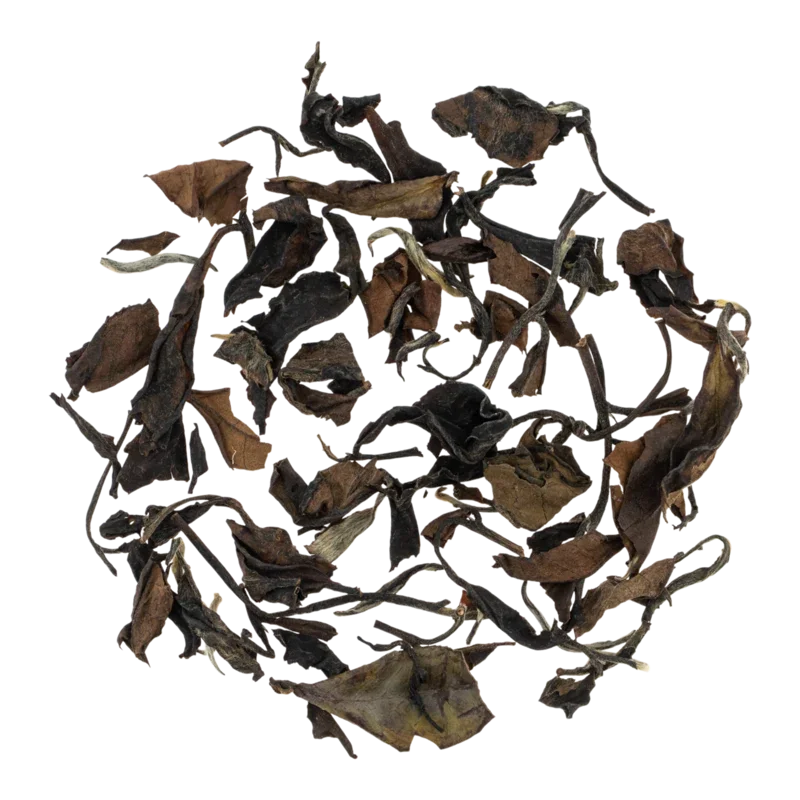
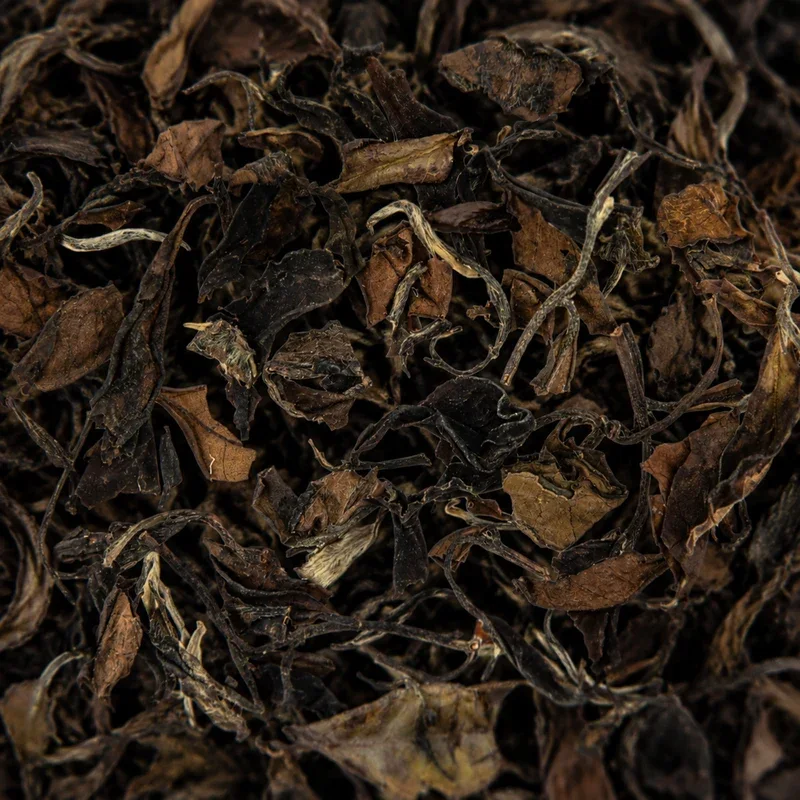
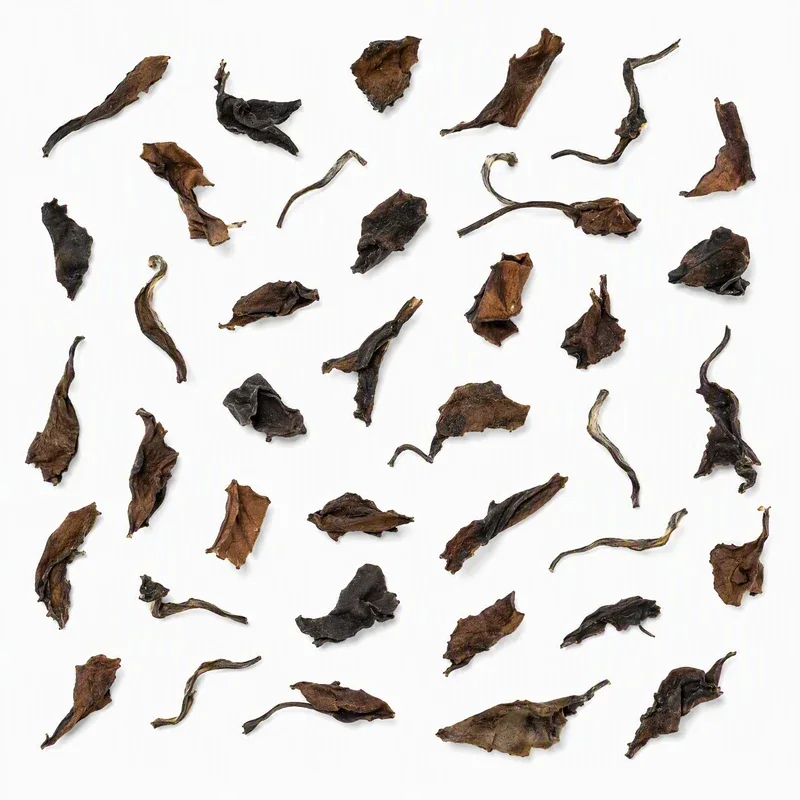
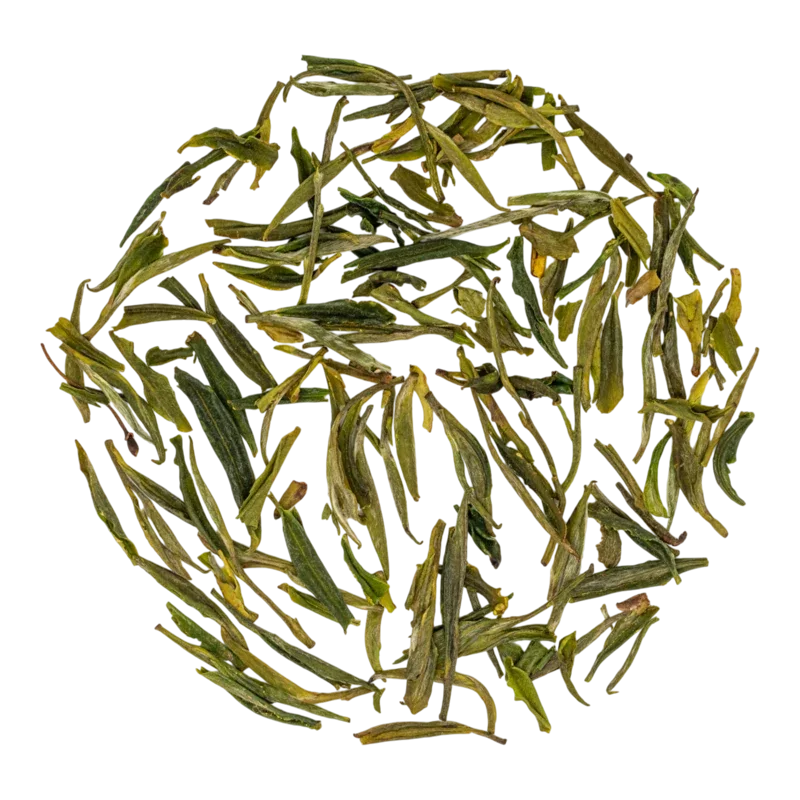
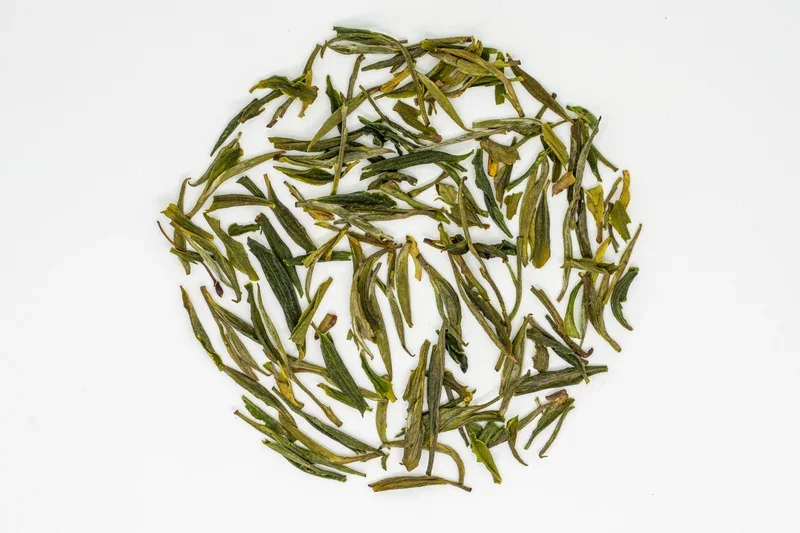
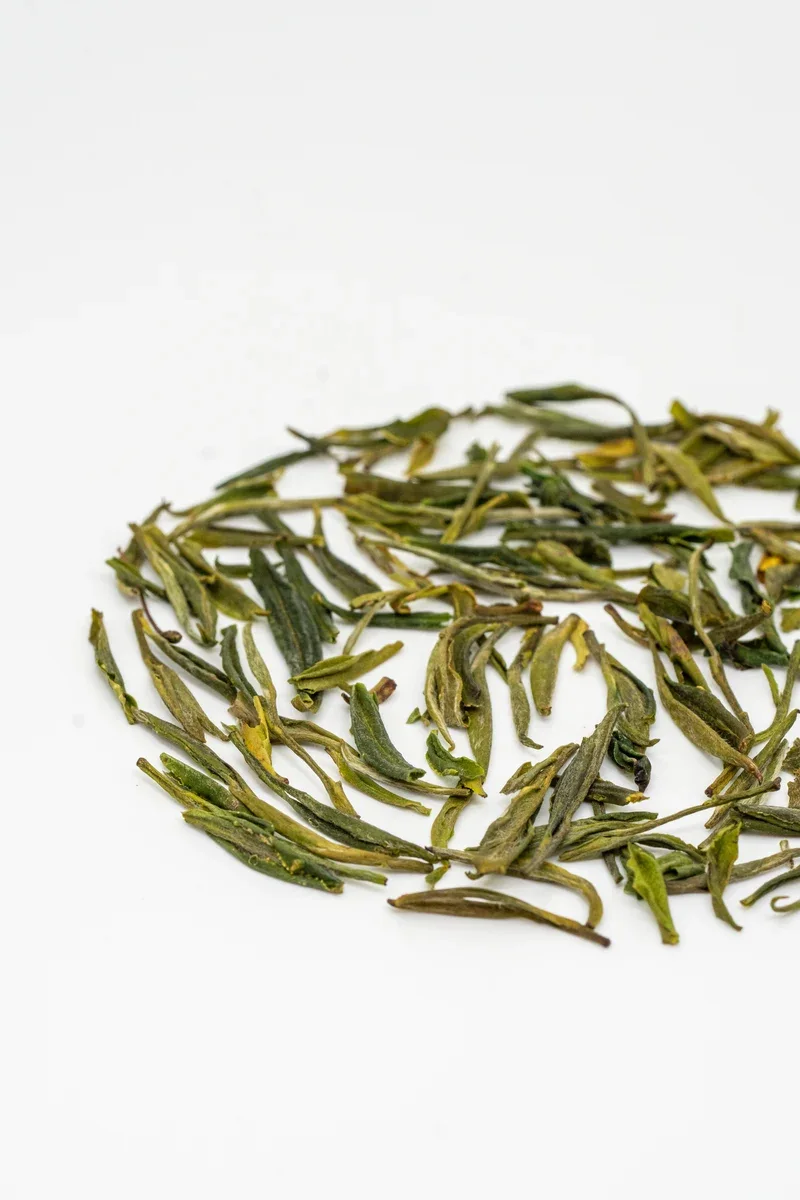
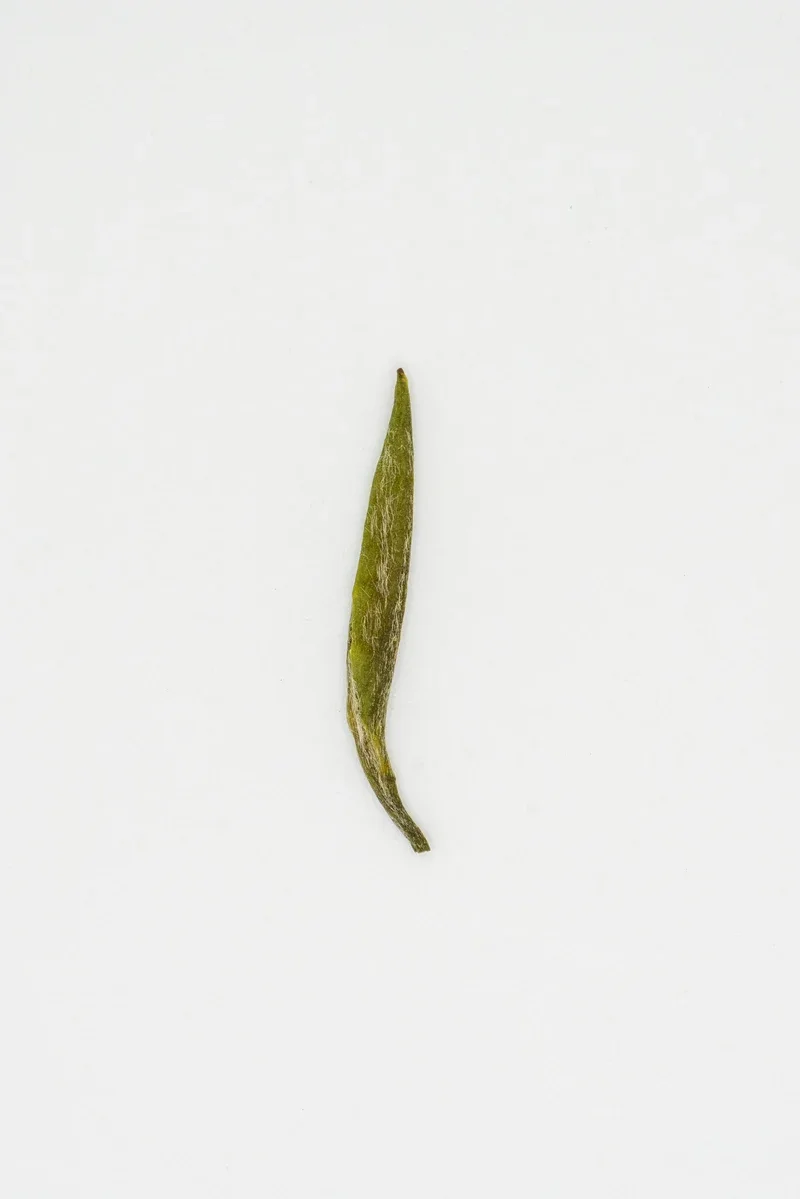
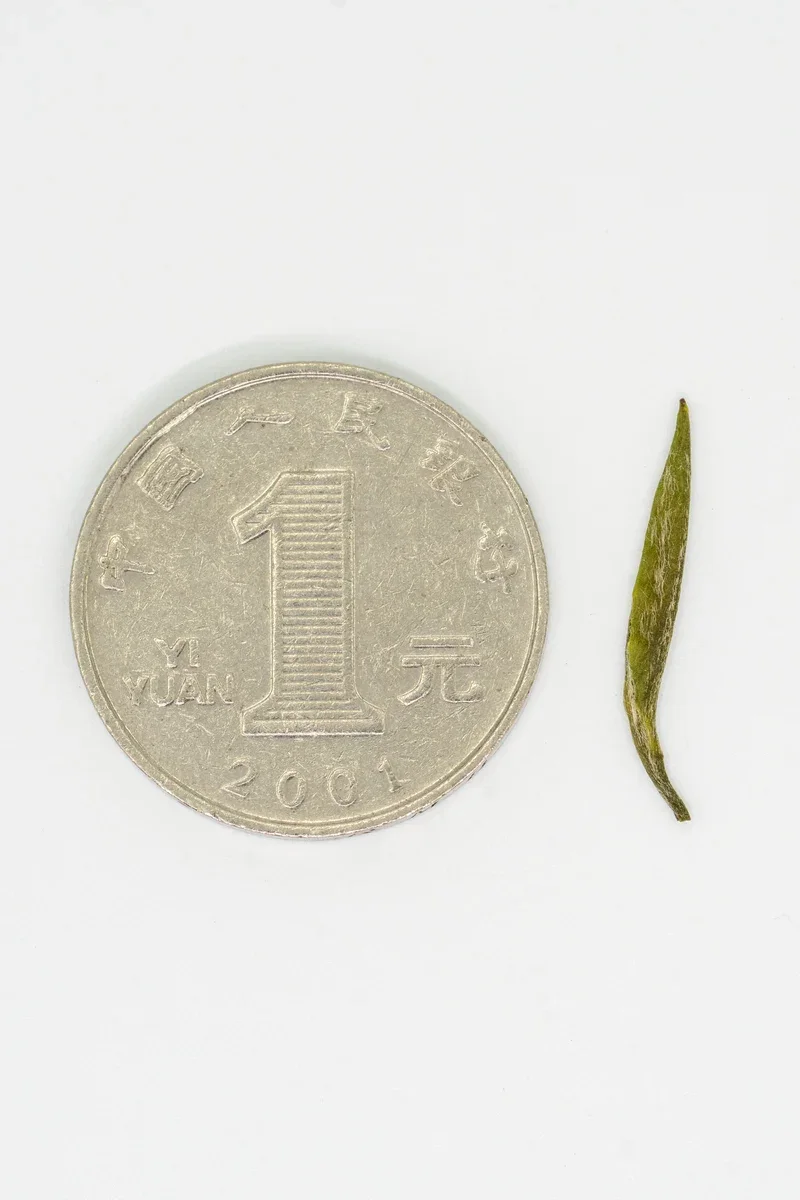
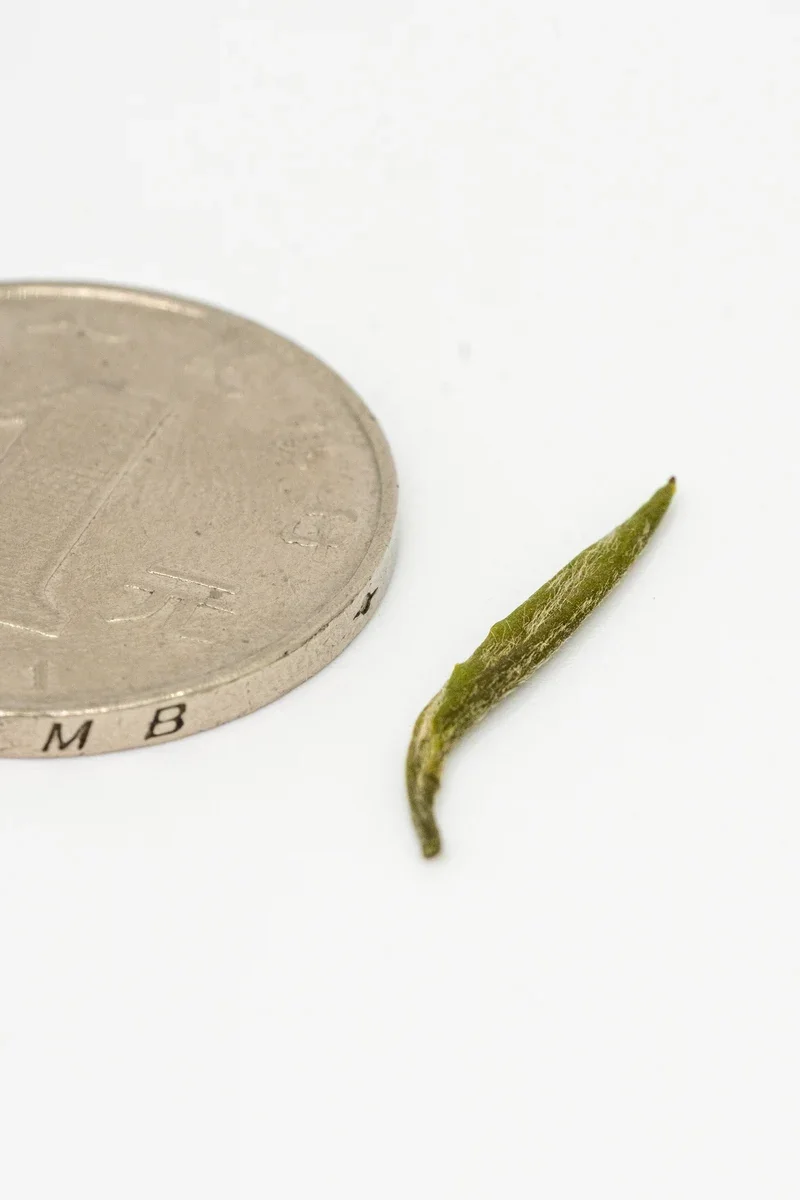
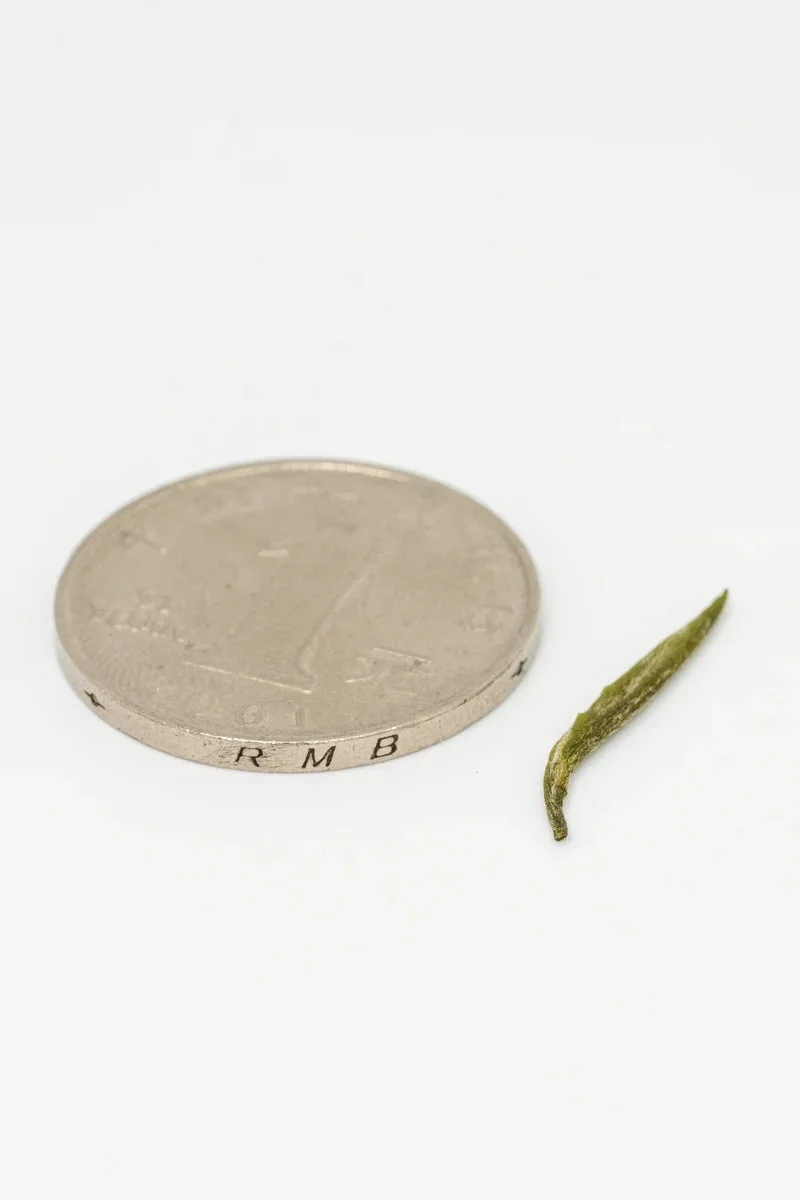
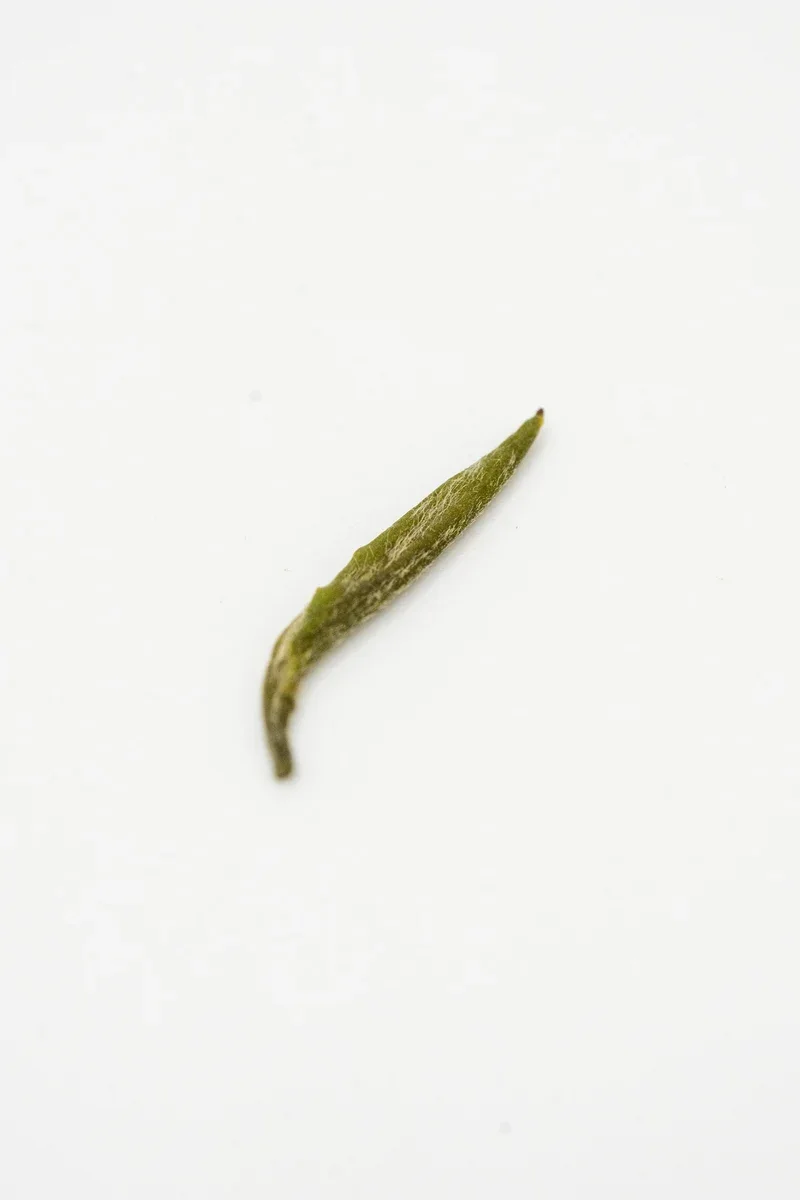
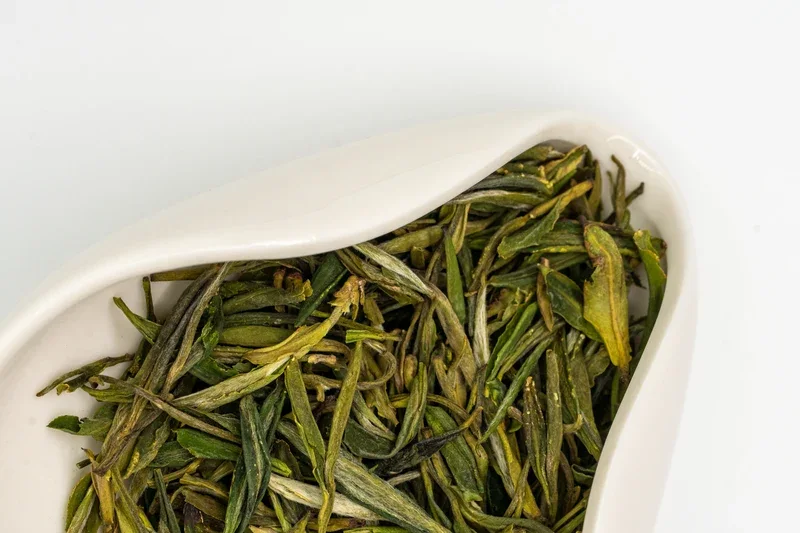
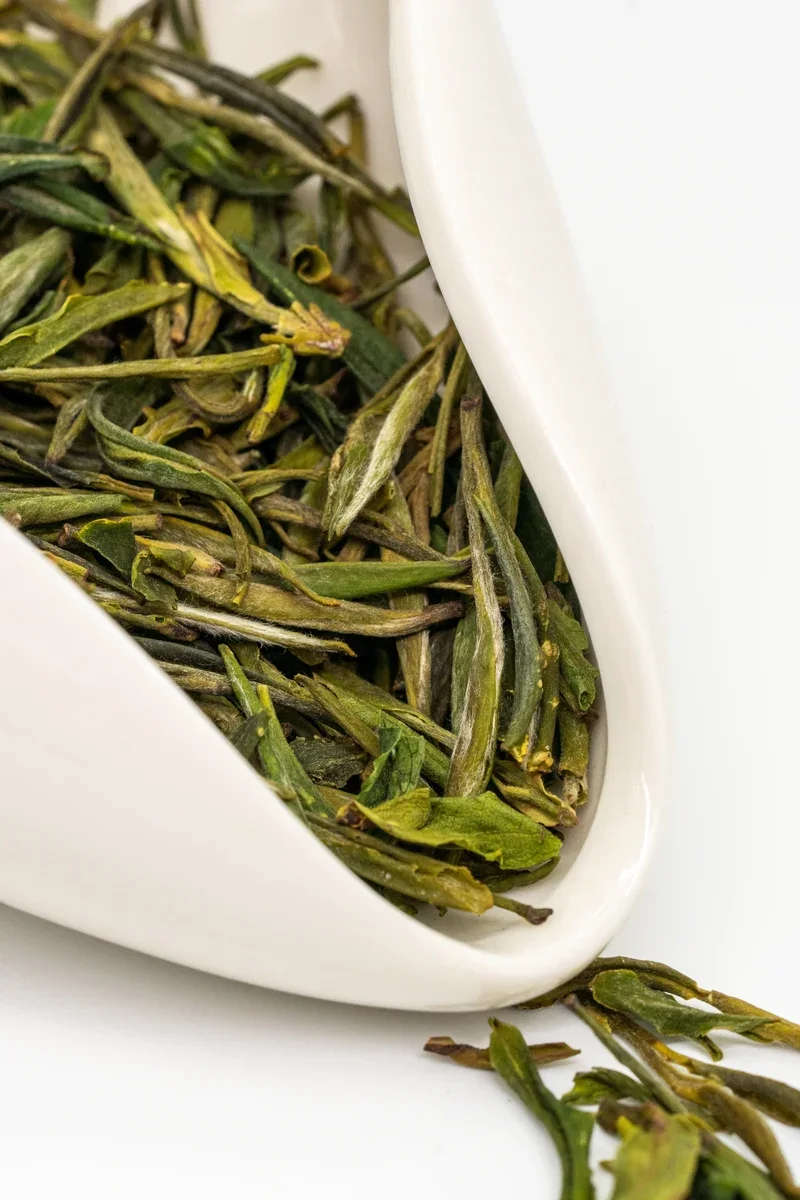
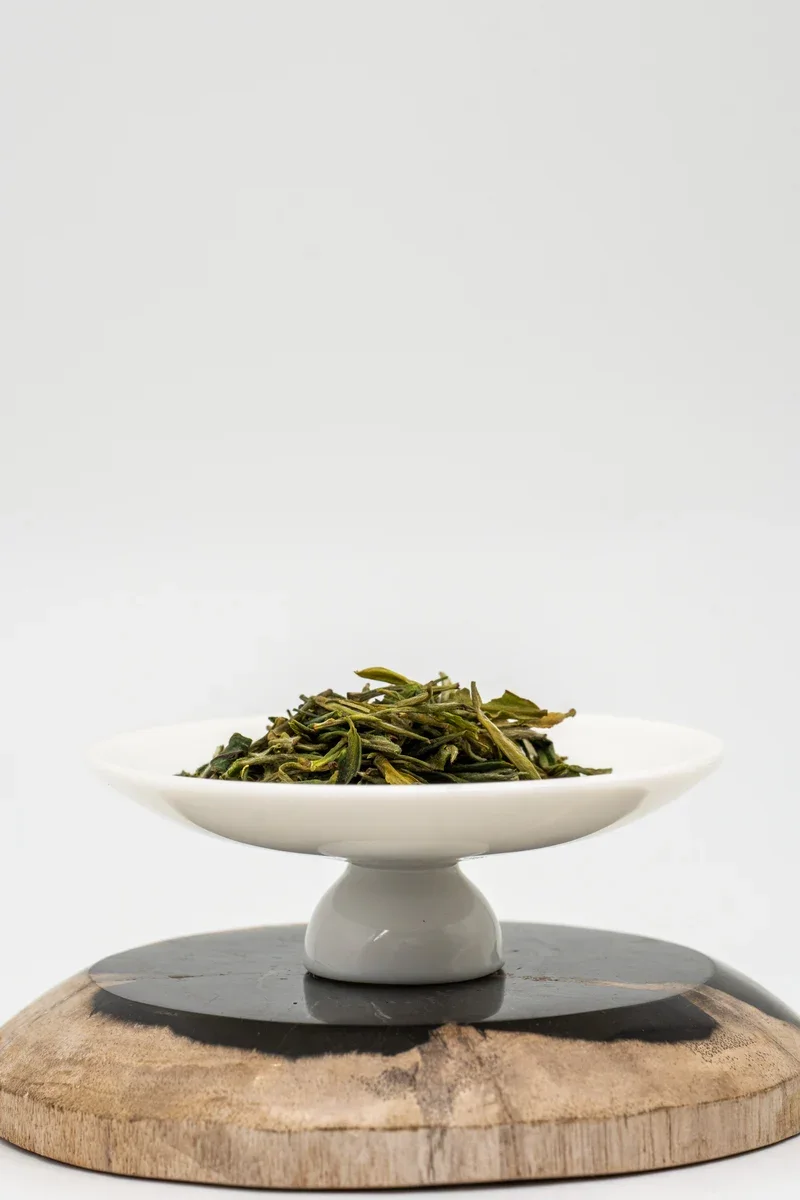
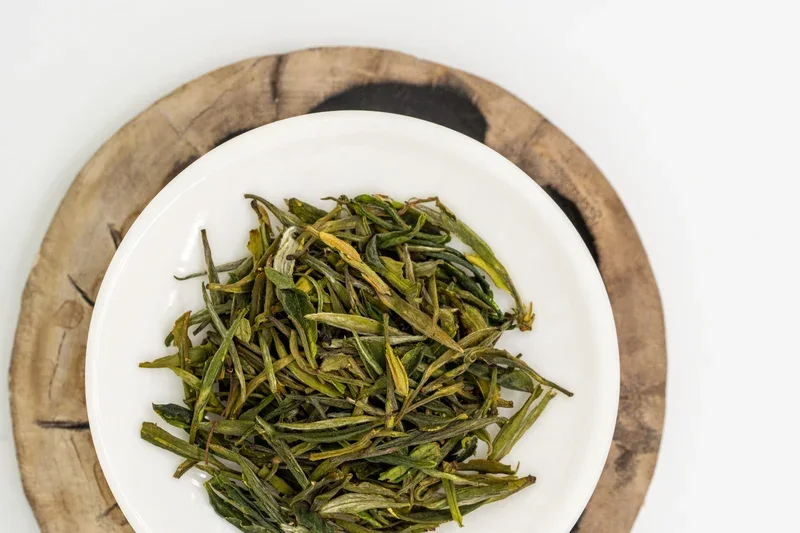
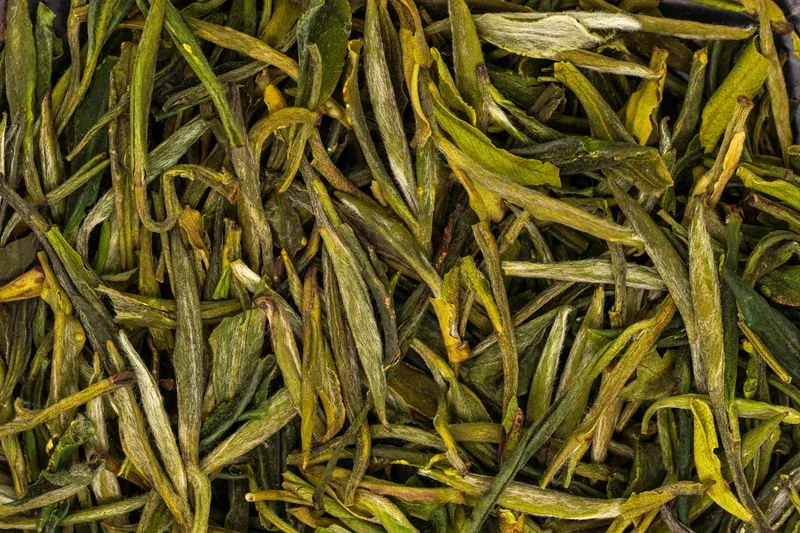
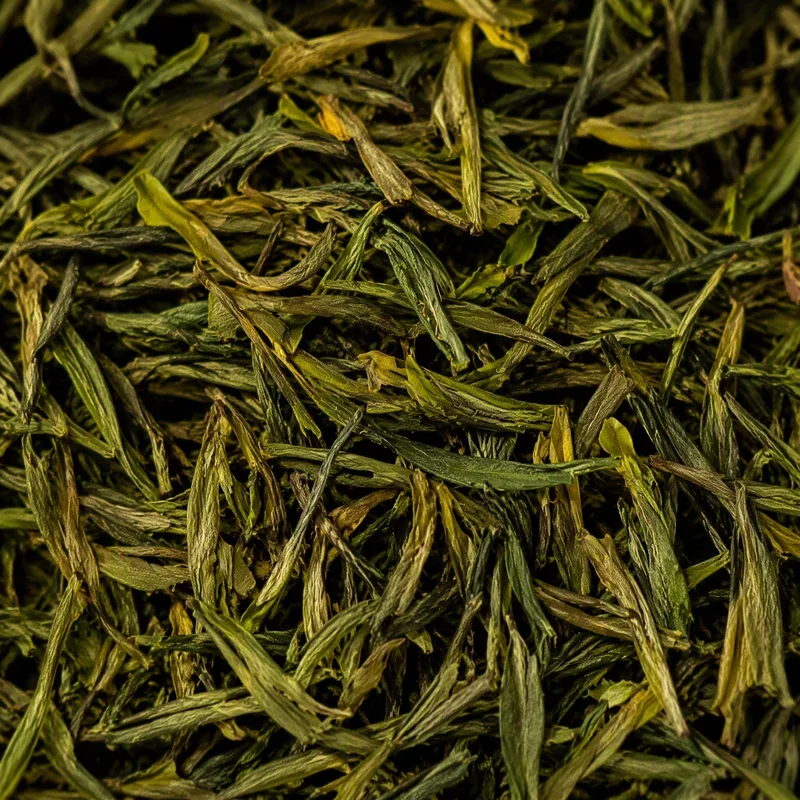
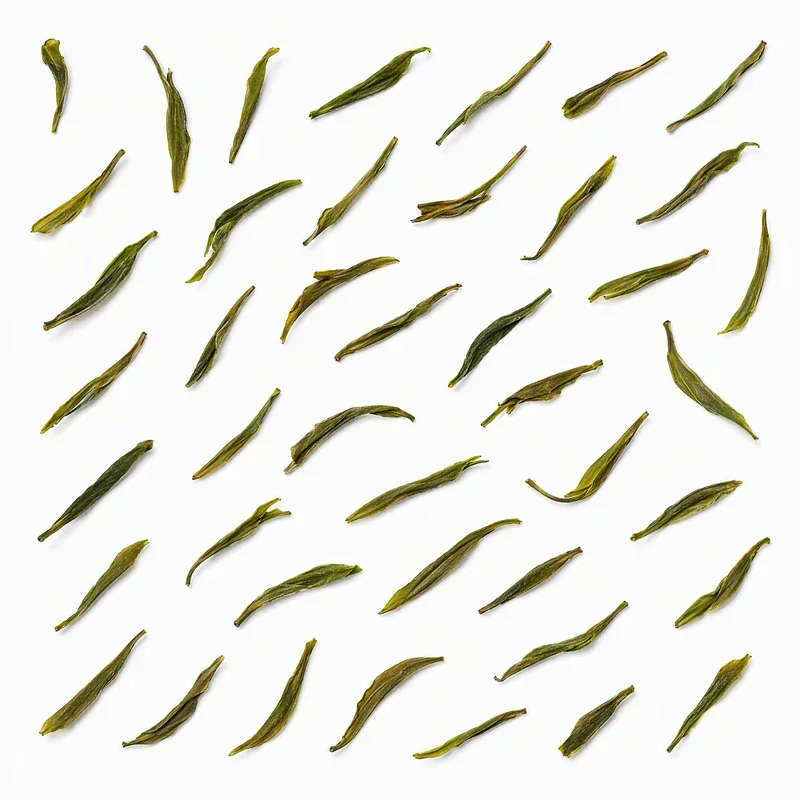
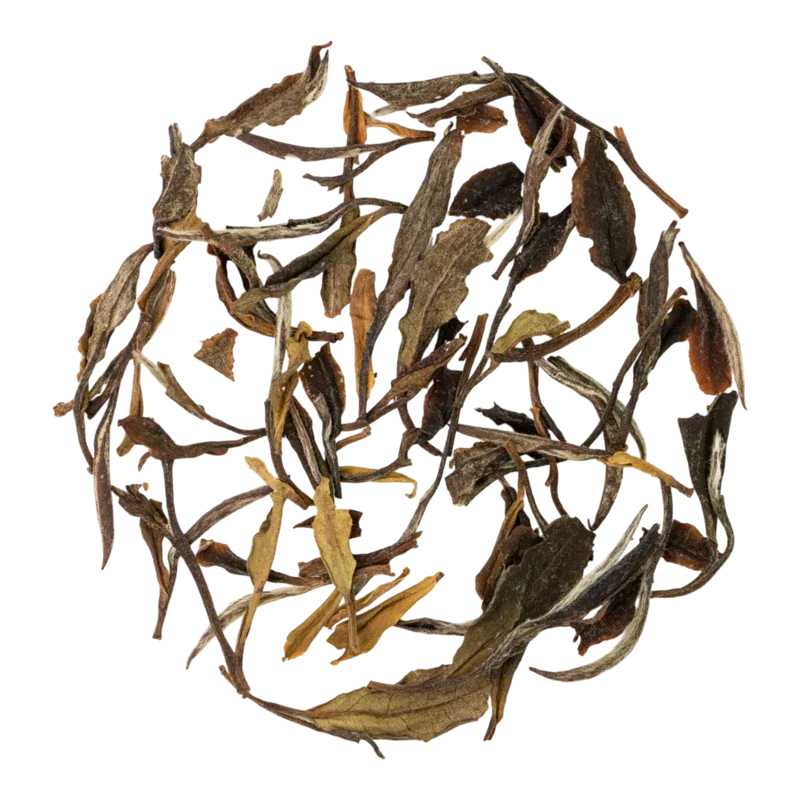
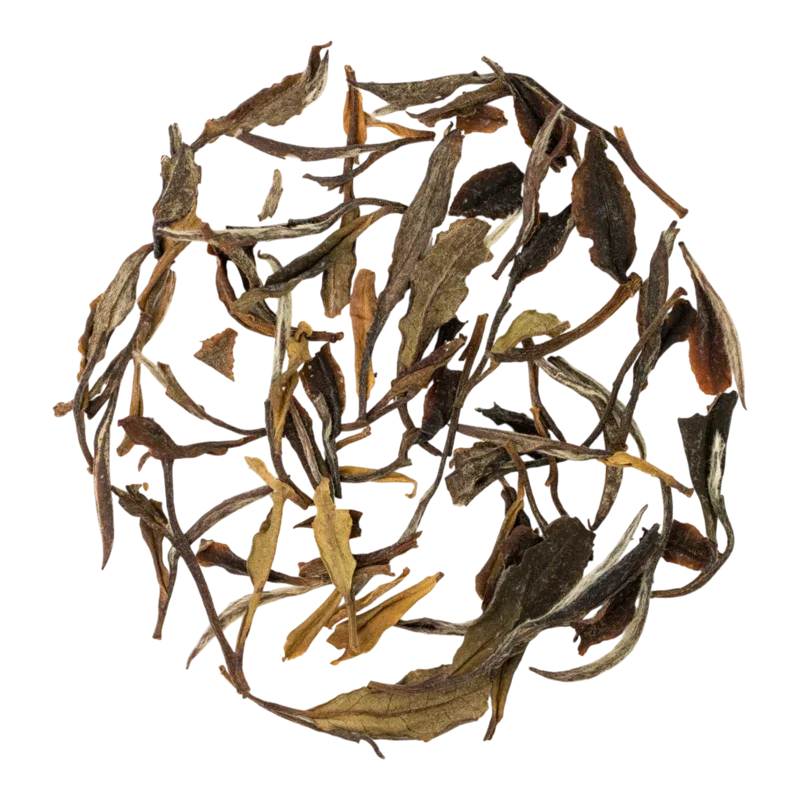
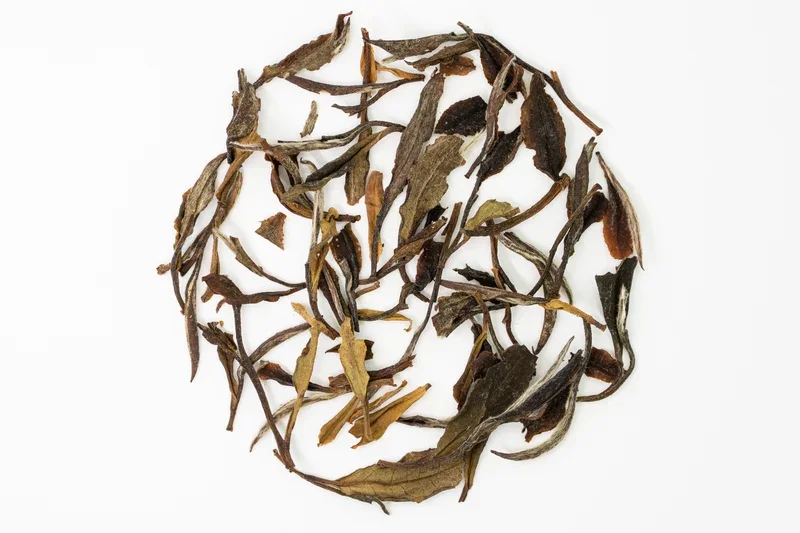
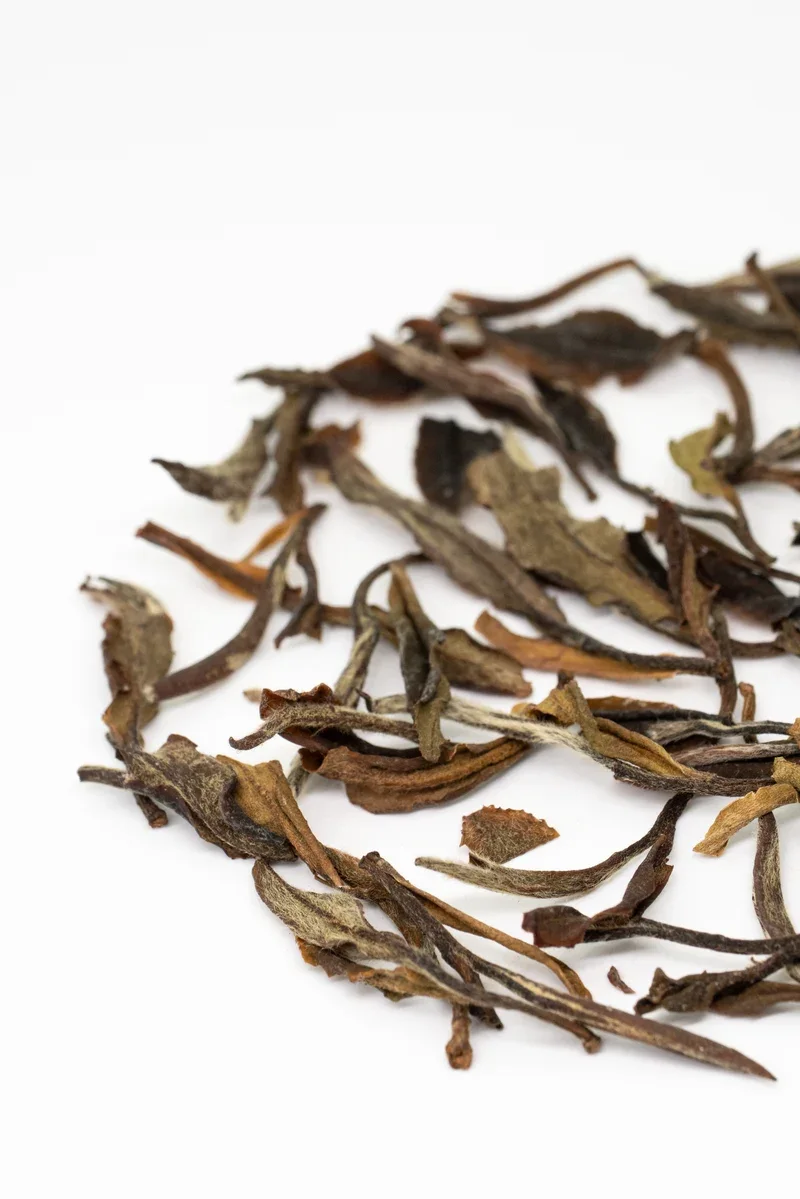
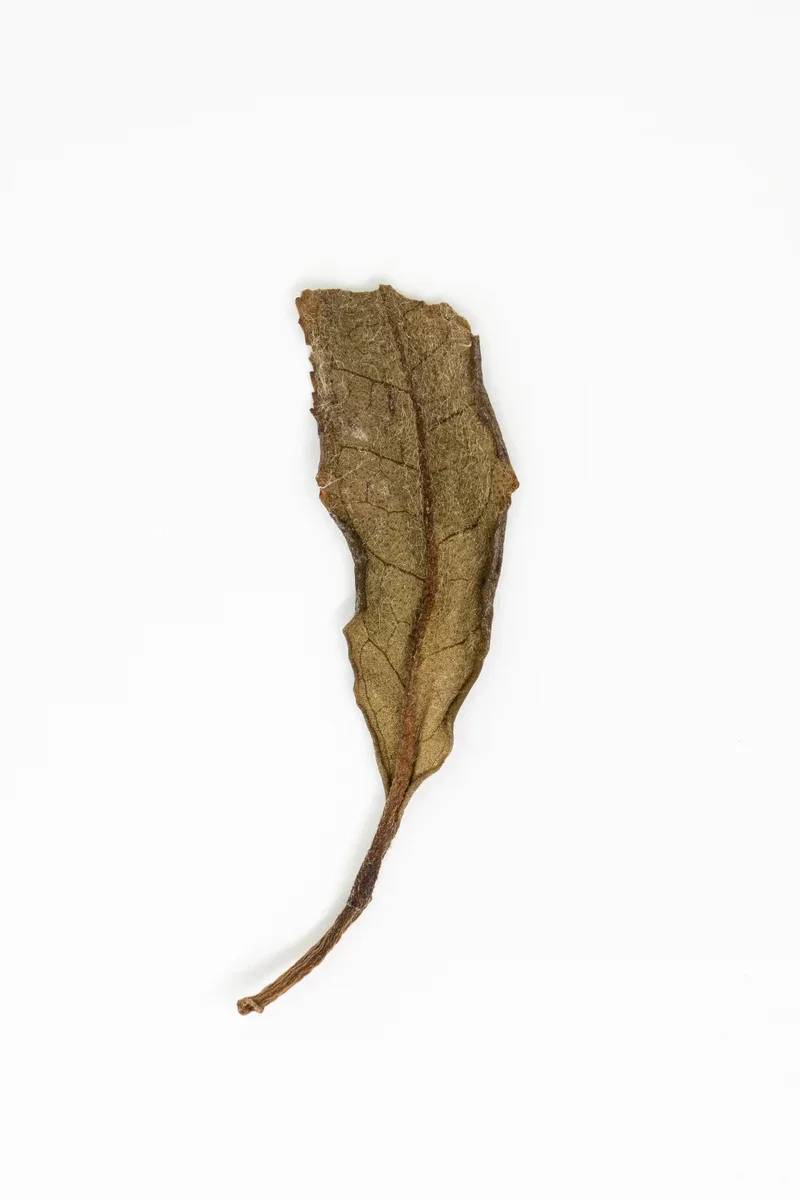
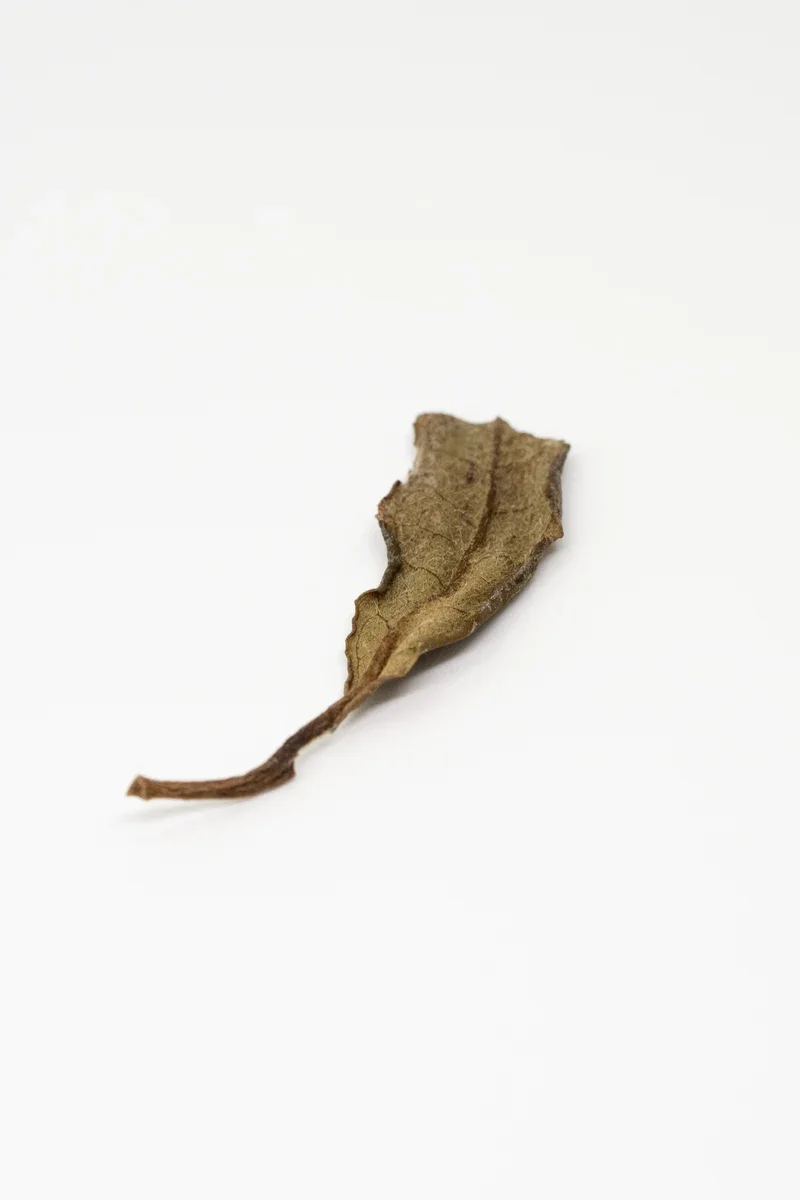
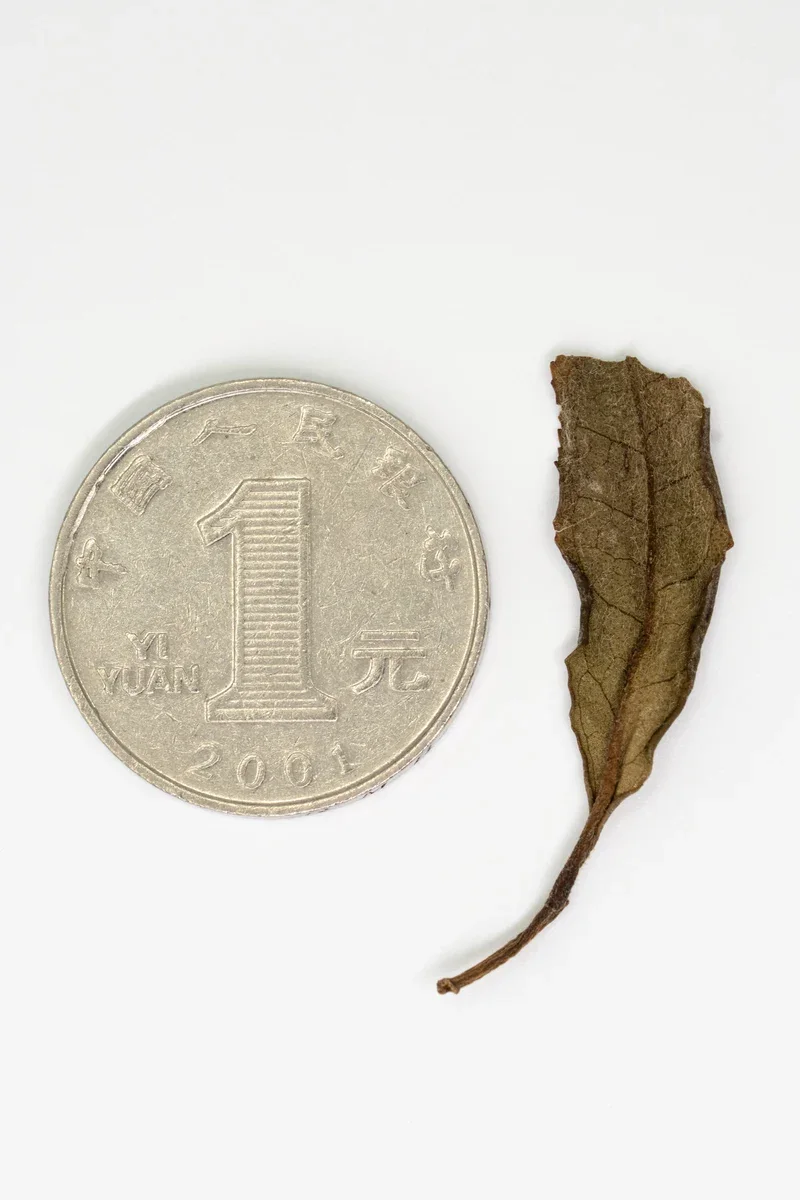
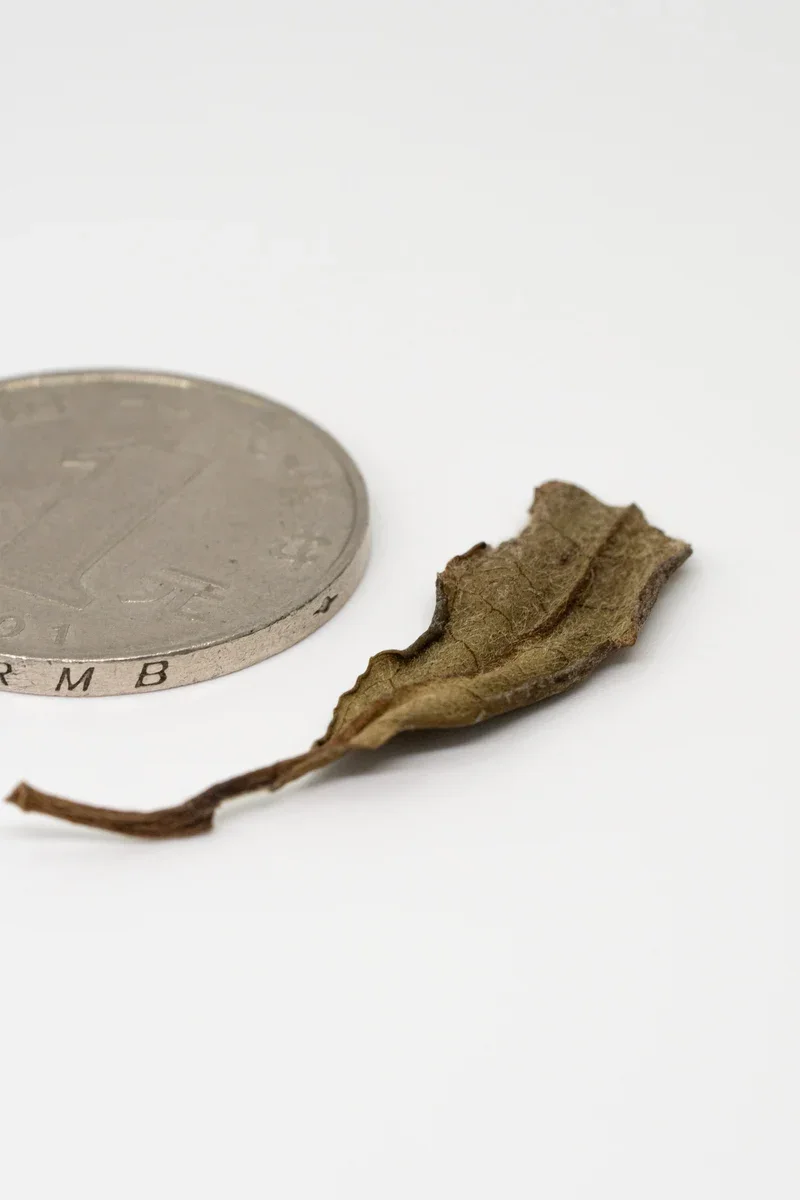
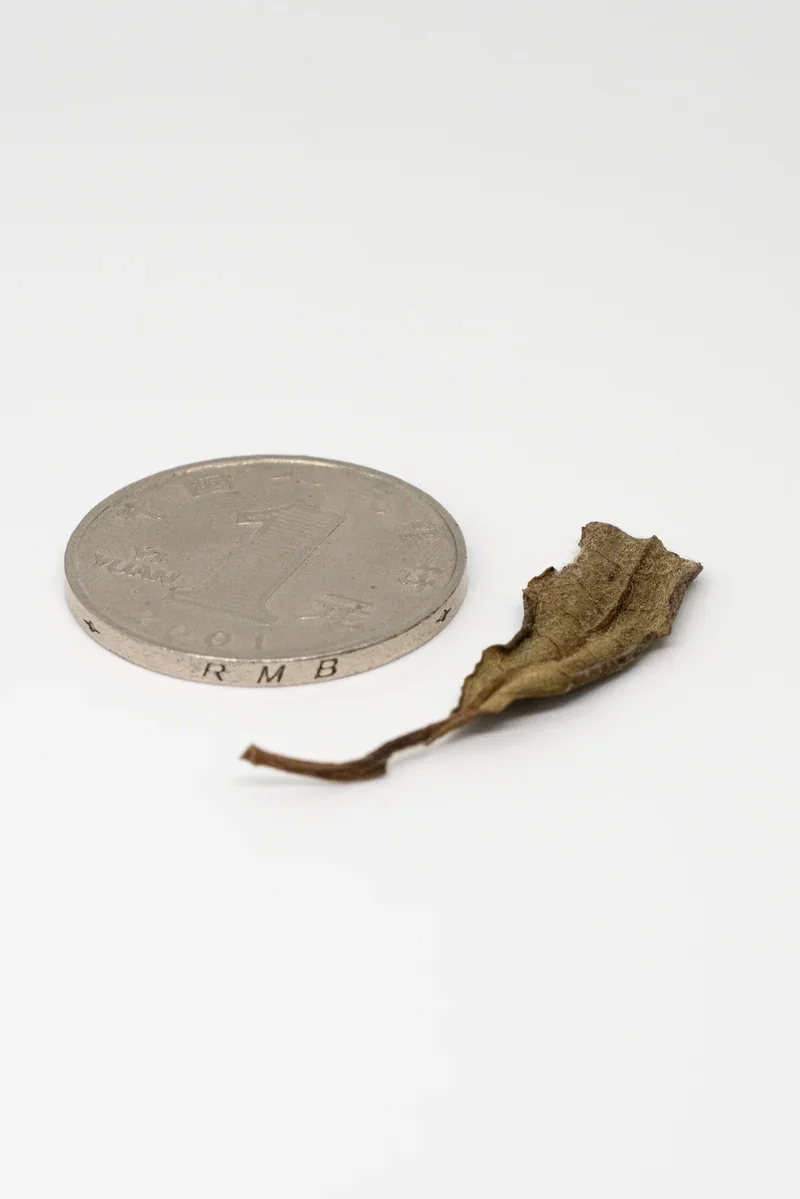
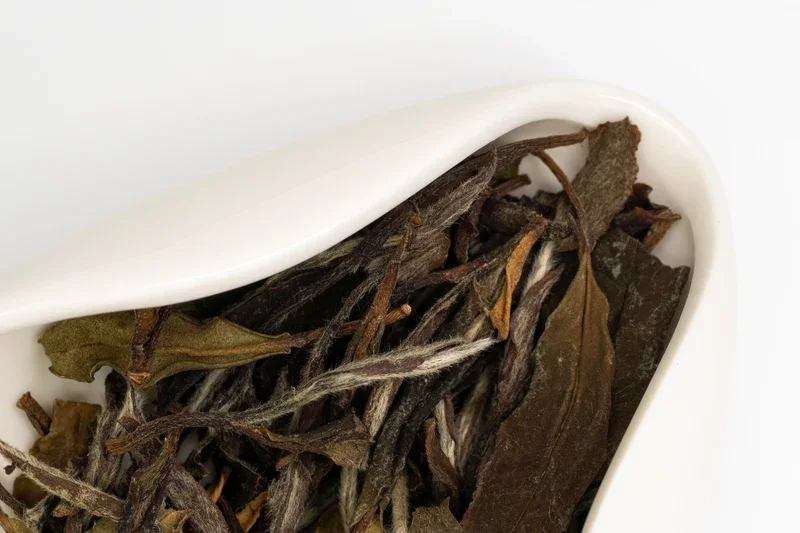
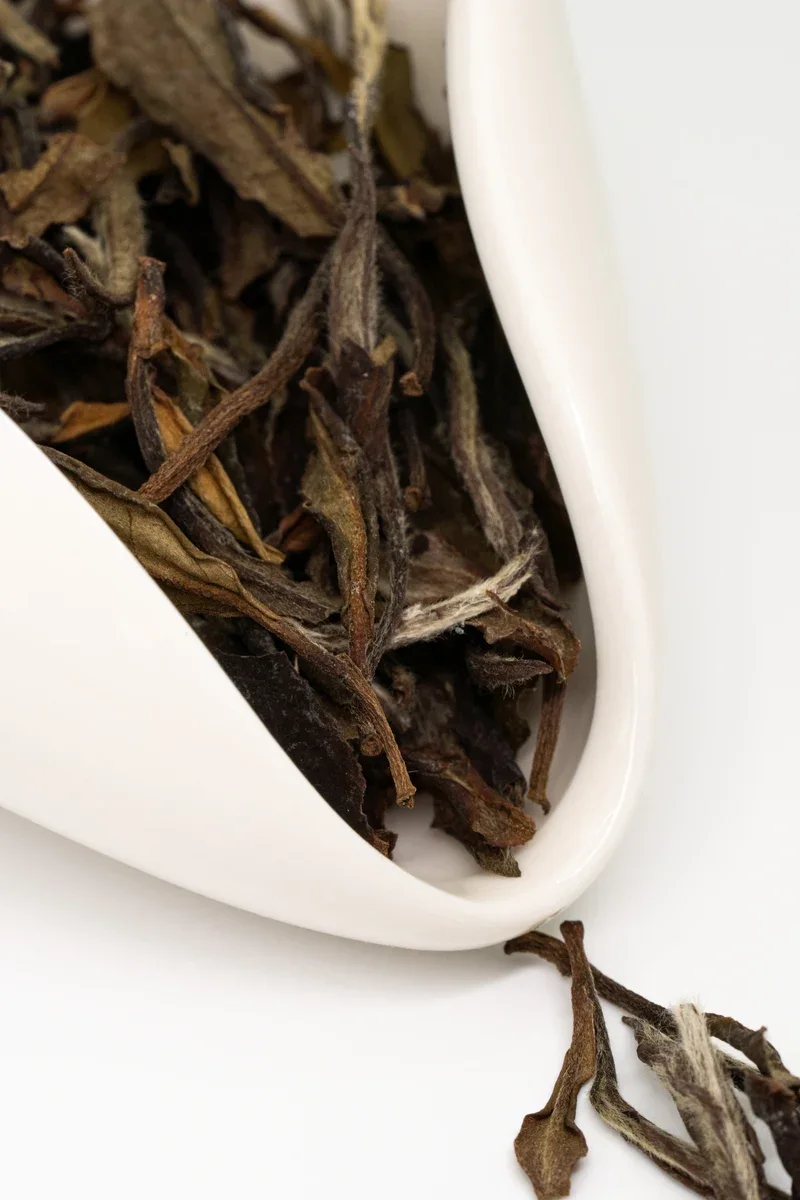
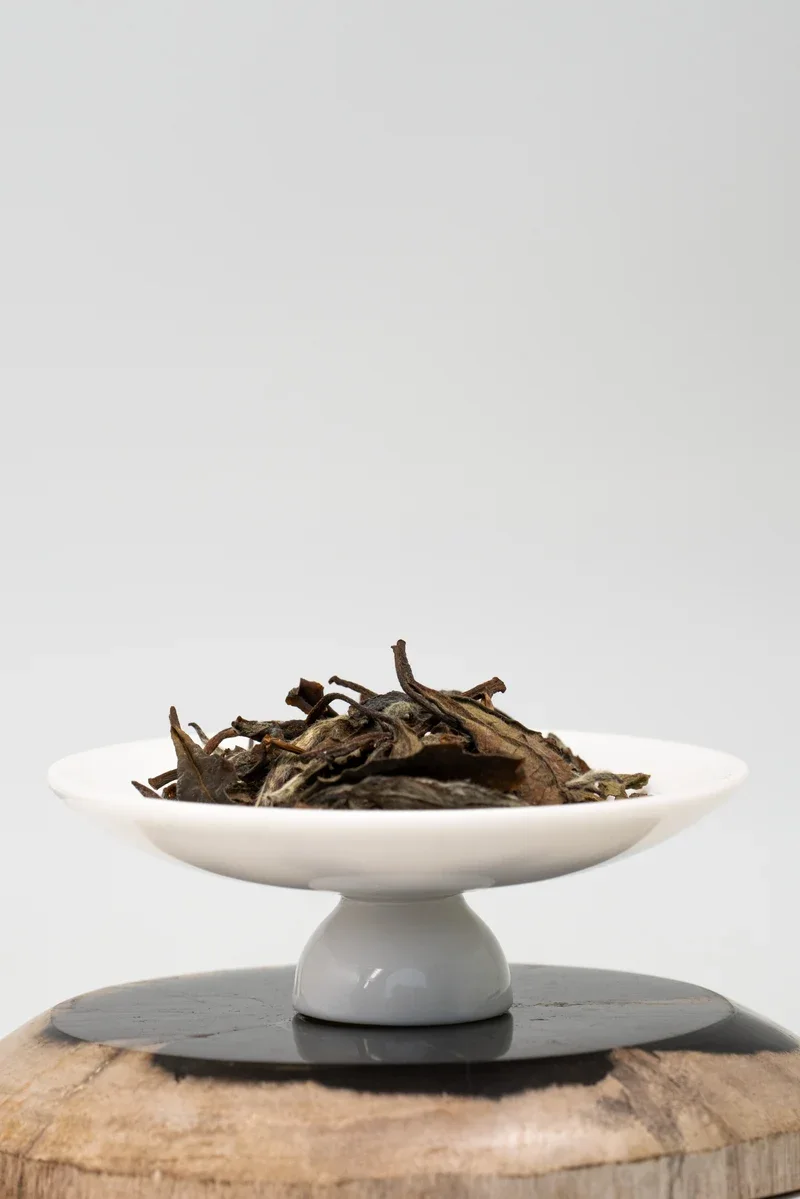
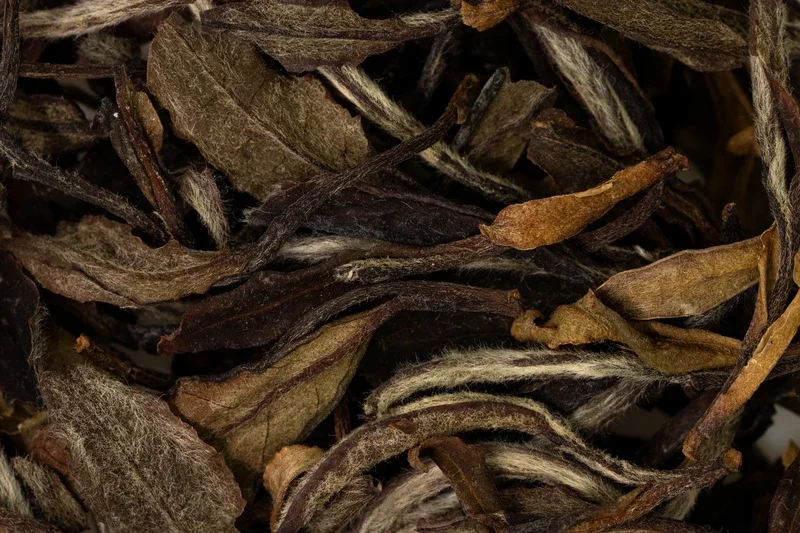
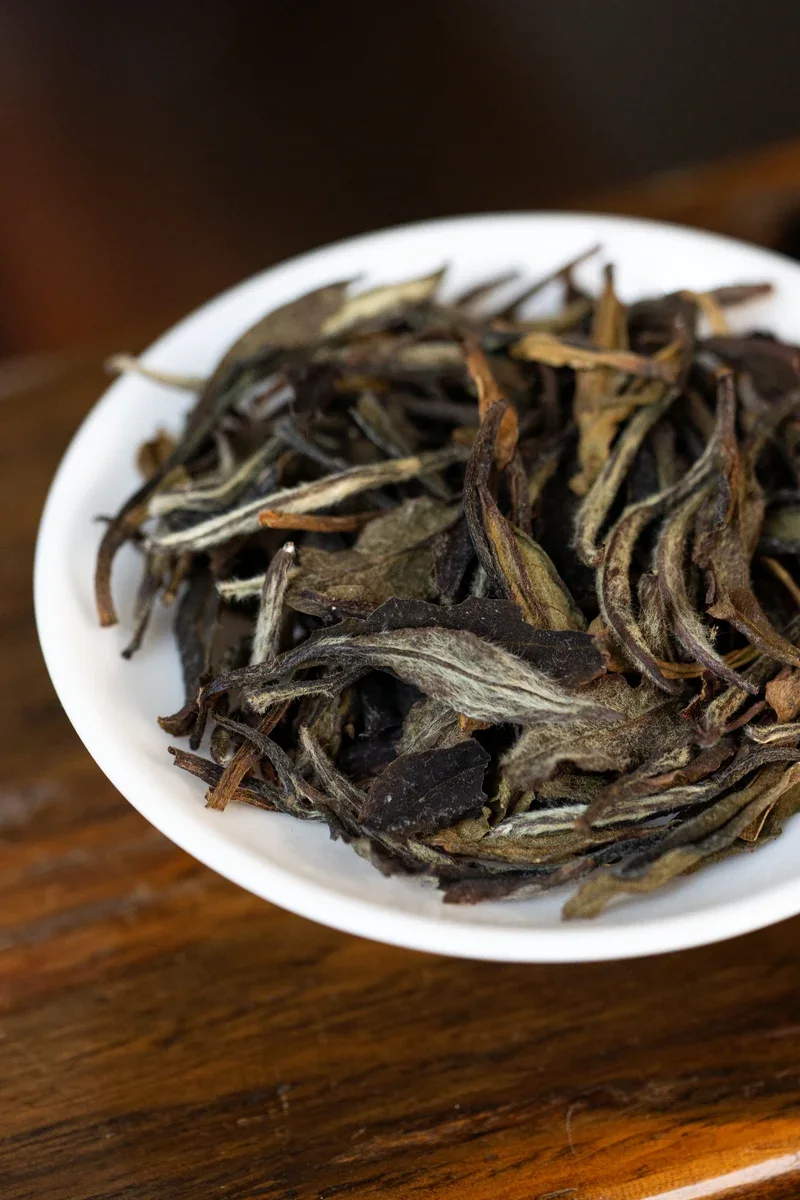
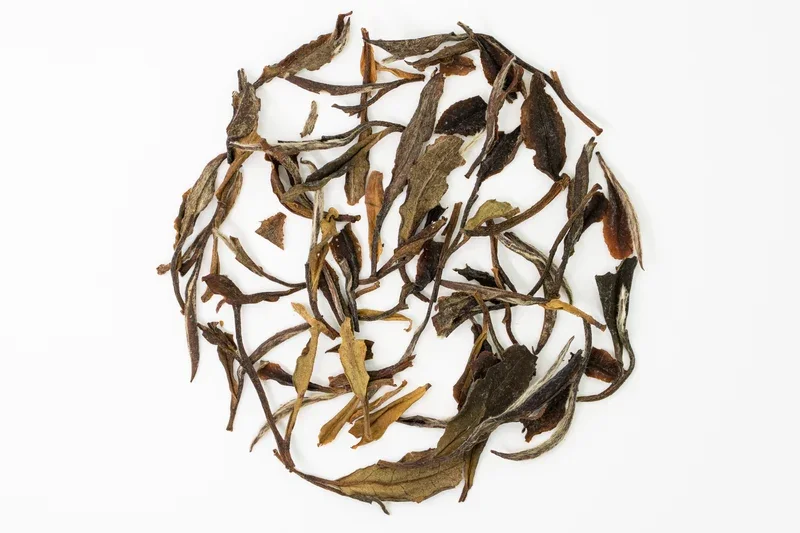
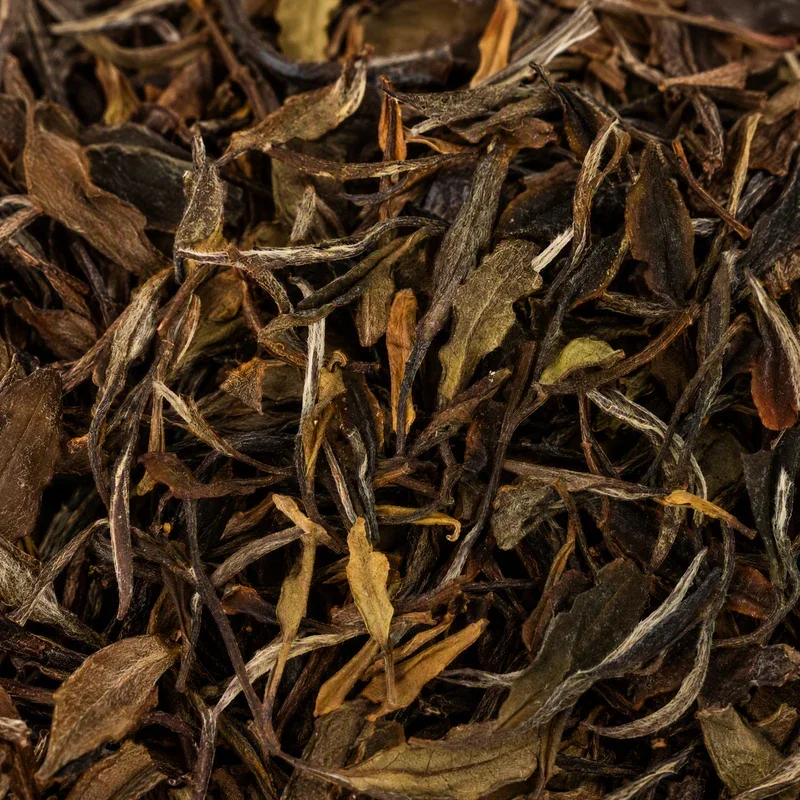
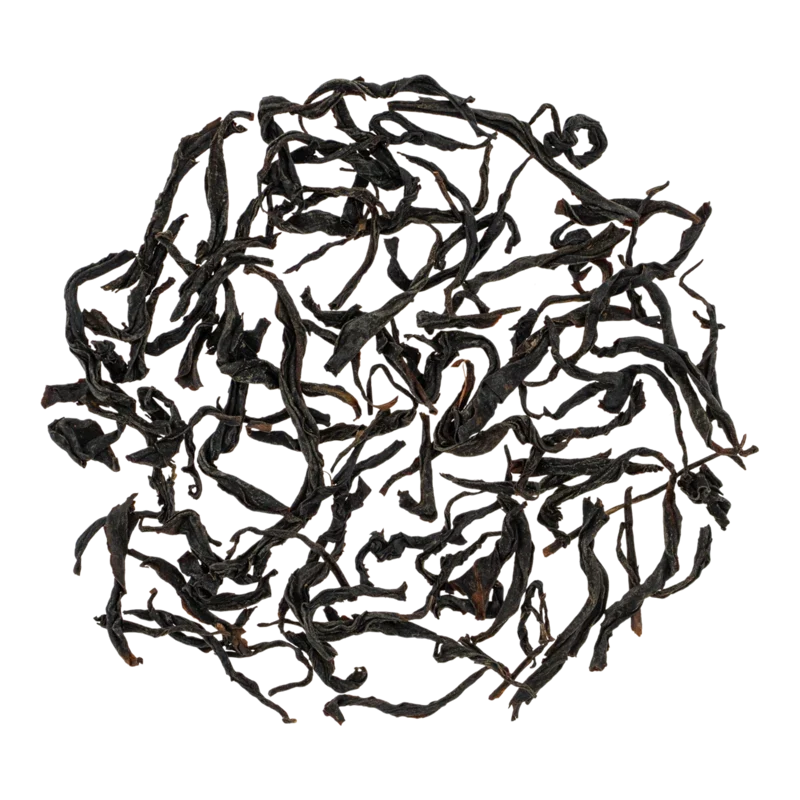
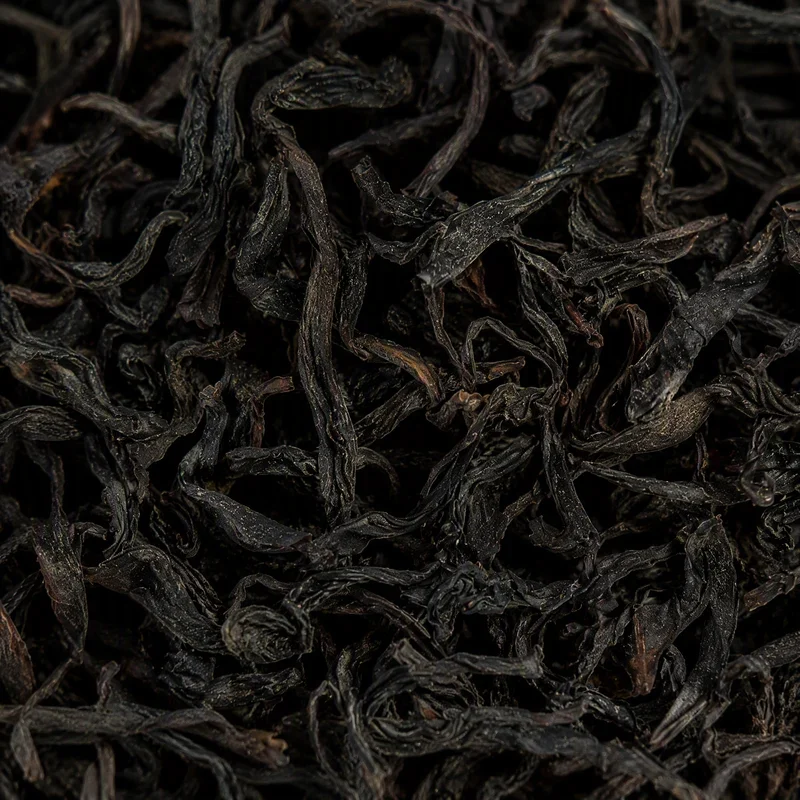
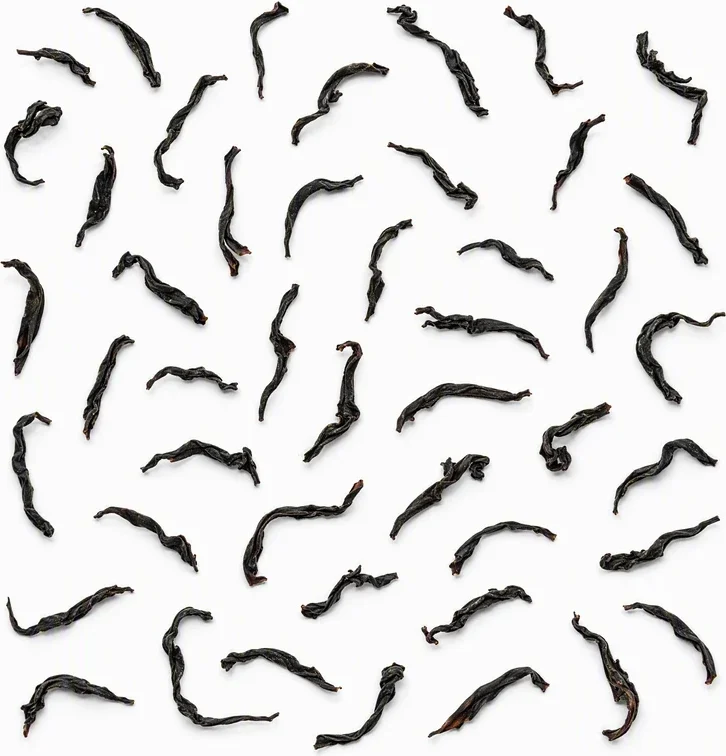
Dry Leaf Appearance: Large, tightly twisted tea particles with pronounced "twisted" structure (紧结, jǐnjié). Color — dark brown with reddish tint. Golden tips are noticeable but less abundant than in small-leaf gongfu teas — this is due to the large-leaf cultivar.
Dry Leaf Aroma: Deep, warm — honey, nuts, dried fruits. In individual batches — light smokiness and coniferous overtone related to forest terroir specificity.
Liquor Aroma: Powerful and multi-layered. First wave — honey-sweet with dried fruit tones (dates, raisins); second — deep woody-nutty notes; in finale — warm, slightly smoky "forest" note. Aroma persists long on cup walls.
Liquor Color: From amber to red-chestnut, clear, bright, with golden rim.
Spent Leaves: Large, opened leaves; color — copper-brown, uniform. Leaves are fleshy, elastic, whole — sign of hand picking and careful processing.
Taste: Dense, full-bodied, with velvety texture — this is a typical feature of teas from large-leaf ancient trees. Clean sweetness combines with mild astringency and mineral undertone. Aftertaste is long, warming, with chestnut honey notes. Taste is noticeably more "voluminous" and deeper than plantation red teas from the same region.
Alkaloids: Caffeine — content in large-leaf raw material is usually higher than in small-leaf (approximately 3.5–5%); theobromine, theophylline — in trace amounts.
Amino Acids: L-theanine and other amino acids — content is elevated due to shaded mountain forest growth and single annual harvest (tree accumulates nutrients for a whole year).
Complex of terpenoid alcohols (linalool, geraniol, nerol), aldehydes, Maillard reaction products. Forest surroundings of ancient trees contribute distinctive "forest" and woody notes to the aromatics, rare for plantation red teas.
Minerals: Potassium, magnesium, manganese, zinc, selenium. Mountain forest soils of Longji, enriched with centuries of organic litter, provide high microelement content.
Polyphenols: Raw material from ancient large-leaf trees typically contains higher polyphenol levels compared to small-leaf cultivars. During full oxidation, catechins transform into theaflavins and thearubigins, forming dense body and red-amber liquor color.
Vitamins: B-group vitamins, trace amounts of vitamin C, rutin (vitamin P).
Elevated caffeine content combined with L-theanine provides pronounced but balanced tonic effect — alertness without anxiety.
High polyphenol levels provide powerful antioxidant protection.
Red tea from large-leaf trees is traditionally considered especially beneficial for digestion due to high tannin content.
In traditional Chinese dietology, red tea from ancient trees belongs to products of "warm nature" — it warms, improves qi and blood circulation.
L-theanine promotes relaxation and improved concentration.
Due to rich mineral composition of mountain forest soils, tea contains significant amounts of potassium, magnesium and manganese — elements important for nervous system, bone tissue and energy metabolism.
Antioxidant properties of polyphenols combined with B-group vitamins support skin health, helping reduce oxidative stress.
Zinc and selenium contained in tea leaves due to mineral richness of mountain forest soils contribute to maintaining body's immune function.
Tea Amount: 5–6 g per 100–120 ml (gongfu method). Large-leaf tea from ancient trees may require slightly more raw material than small-leaf tea.
Teaware: Porcelain gàiwǎn (盖碗) — for maximum aroma development. Yixing teapot — adds additional softness and depth. Glass teapot — allows observing large leaf opening.
Water Temperature: 90–95°C.
Red tea from ancient trees of Yunnan (C. sinensis var. assamica). Usually more powerful, malty, with bright golden tips. Longji Hong Cha — more delicate, refined, with more pronounced "forest" note and less sweetness intensity.
Classic gongfu red tea from Hubei based on small-leaf cultivars. Noticeably different from Longji: finer twist, brighter honey aroma, less pronounced "depth" and minerality. Yihong — "urban," refined; Longji — "mountain," natural.
Taiwanese red tea from ancient trees. Comparable in concept (wild raw material, limited harvest), but differs in completely different terroir and more pronounced floral notes.
Price Category: Longji Hong Cha from authentic ancient raw material is a niche and relatively expensive product: approximately 200–500+ yuan per 500 g for standard batches, up to several thousand yuan for premium batches from "tea king" trees. Cost is determined by tree age, growing altitude, harvest standard and batch volume (with single annual harvest, volumes are small).
No reviews yet. Tell us what you think of this tea.
Rate this tea and share your impressions. We review each submission before publishing it.