Brewing
Gongfu brewing
- Water temperature
- 92 °C
- Tea amount
- 6 g
- Water volume
- 100 ml
- First steep
- 10 s
- Time added per infusion
- 5 s
- Infusions
- 8

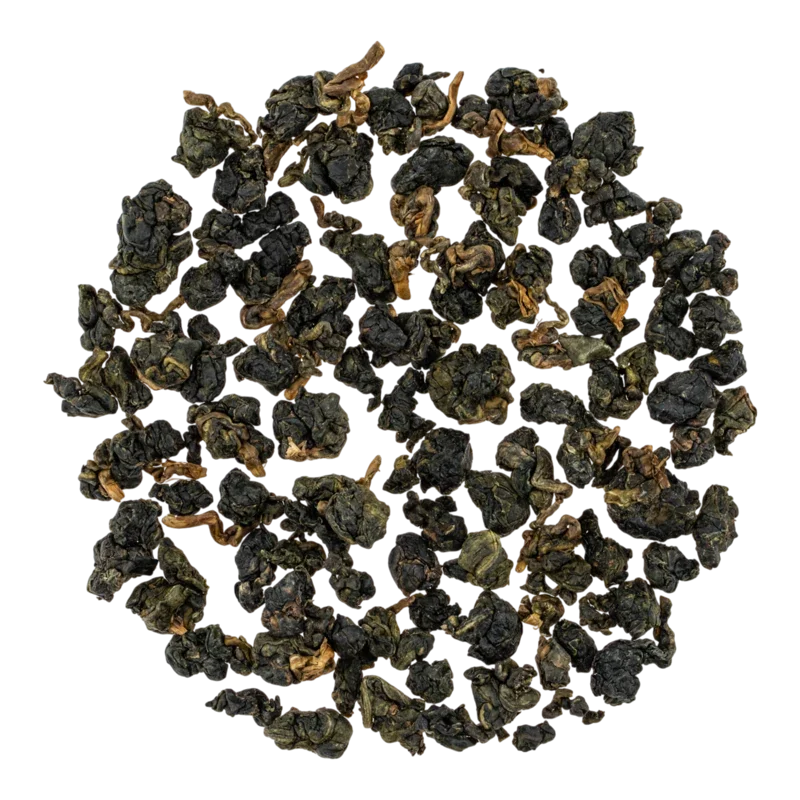
lóng fèng xiá gāo shān wūlóng
Choose a brewing method. Start with the recommended quantities and time, then adjust to taste.
Brewing
Brewing
Taste
Tea encyclopedia
Category: Taiwanese high-mountain oolongs (臺灣高山茶, Táiwān gāo shān chá). In Taiwan, teas grown above 1000 meters above sea level are called "Gaoshan cha" (高山茶) — "high-mountain tea." Long Feng Xia is among the three most revered high-mountain zones alongside Ālǐshān (阿里山, Ālǐshān) and Líshān (梨山, Líshān).
Category: Taiwanese high-mountain oolongs (臺灣高山茶, Táiwān gāo shān chá). In Taiwan, teas grown above 1000 meters above sea level are called "Gaoshan cha" (高山茶) — "high-mountain tea." Long Feng Xia is among the three most revered high-mountain zones alongside Ālǐshān (阿里山, Ālǐshān) and Líshān (梨山, Líshān).
Coordinates: Approximately 23°40′ N, 120°42′ E. Plantations are located on steep southeastern slopes at altitudes of 1400–1800 meters above sea level, overlooking the main peak of the Yùshān Range (玉山, Yùshān).
Origin: Taiwan, Nántóu County (南投縣, Nántóu xiàn), Zhúshān Township (竹山鎮, Zhúshān zhèn), Shānlínxī District (杉林溪, Shānlínxī), Lóng Fèng Xiá microregion (龍鳳峽, Lóng Fèng Xiá). Long Feng Xia is the highest part of the Shanlinxi tea zone and is located on the upper plateau of the gorge, surrounded by relict cedar forests. Neighboring microzones include Yángzǎiwān (羊仔灣, Yángzǎiwān) and Shītóuhú (獅頭湖, Shītóuhú), also known for quality tea.
Type: High-mountain oolong (高山烏龍, gāo shān wūlóng), lightly oxidized (10–20% oxidation), without roasting or with minimal roasting. Belongs to the qīngxiāng (清香型, qīng xiāng xíng) category — "clean-aroma" oolongs.
Cultural Significance: Long Feng Xia occupies a special place in the hierarchy of Taiwanese high-mountain oolongs as one of the most inaccessible and prestigious microregions. Limited production volume and exclusively hand-picking give the tea collectible value. Local tea growers, many representing the second or third generation of farming families, maintain the tradition of close connection with the mountain landscape. Taiwan regularly holds tea competitions where oolongs from Long Feng Xia often take prize places, confirming the microregion's status. In Taiwanese tea culture, tea from Lǒng Fēng Xiá is considered the quintessence of the concept shān yùn (山韻, shān yùn) — "mountain resonance," denoting the unique imprint of terroir that cannot be reproduced under other conditions.
History: The Shanlinxi area historically represented a remote mountain massif covered with primary cedar and cypress forests. During the colonial period, the territory served as the northern section of the Ālǐshān Forest Enterprise (阿里山林場, Ālǐshān línchǎng) logging operations and was located on the popular Xi-A Traverse (溪阿縱走, Xī-Ā zòng zǒu) hiking route connecting Xitou with Alishan. In 1973, entrepreneur Liú Āndìng (劉安定, Liú Āndìng) founded the "Shanlinxi Recreation Enterprise Co., Ltd." (杉林溪遊樂事業股份有限公司), leased about 34 hectares of land from the government, and invested in extending the forest road from Xitou to Shanlinxi, creating the famous "Twelve Zodiac Highway" (十二生肖公路, Shí'èr shēngxiào gōnglù) — now County Road Tou-95 (投95鄉道). Development of tea plantations began in the mid-1970s when local farmers from Zhushan Township, traditionally growing moso bamboo (孟宗竹, mèngzōng zhú) and food crops, turned their attention to favorable conditions for tea cultivation. The first plantations were established around 1976–1980, when Taiwan's "high-mountain tea fever" prompted farmers to develop increasingly inaccessible slopes. By the 2000s, Taiwanese market taste preferences shifted from heavily roasted oolongs to lightly oxidized teas, and high-quality tea from Long Feng Xia took position as one of the most representative high-mountain oolongs of the island. The devastating September 21, 1999 earthquake (九二一大地震, Jiǔ'èryī dà dìzhèn) with magnitude 7.3 caused severe damage to the region's inf
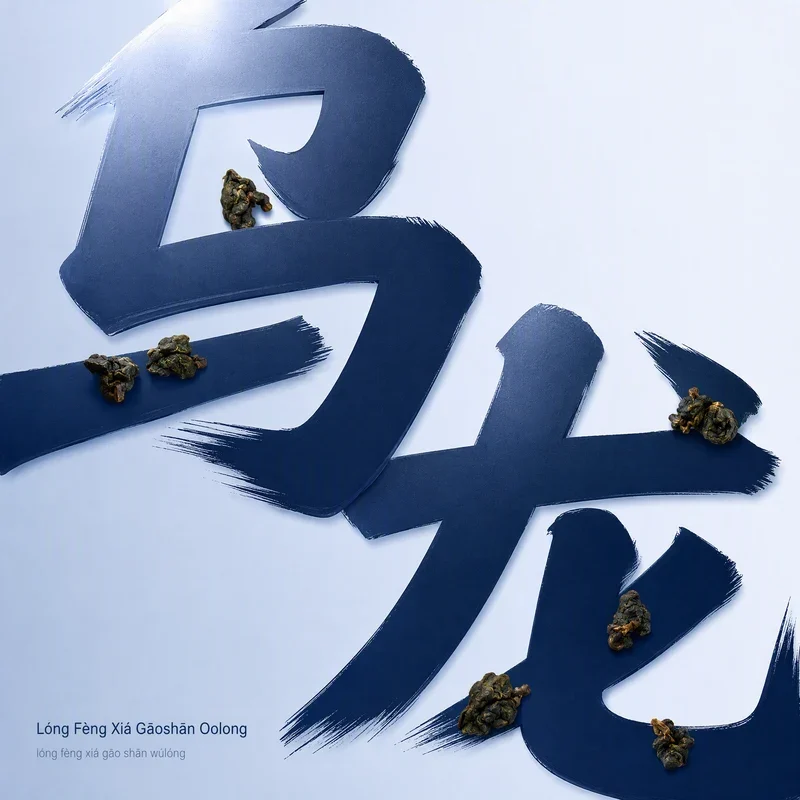
Name Breakdown: The toponym "Long Feng Xia" (龍鳳峽) literally translates as "Dragon and Phoenix Gorge." The character "龍" (lóng) — dragon — symbolizes the masculine Yang principle and imperial power; "鳳" (fèng) — phoenix (fenghuang, 鳳凰, fènghuáng) — embodies the feminine Yin principle, beauty and benevolence. Together they form a classic pair symbolizing harmony and perfect balance of opposing forces. The character "峽" (xiá) means "gorge, canyon," reflecting the characteristic terrain — a deep mountain gorge with steep slopes. The name "Shanlinxi" (杉林溪) literally translates as "Cedar Forest Stream," however in the English-speaking environment the phonetic transliteration Sun Link Sea — "Sun Links Sea" — has become established, creating a poetic, though accidental image that has become a recognizable trade name.
Medium-sized shrub with thin, flexible stems (hence the alternative name "Soft Branch"). Leaves are elongated-elliptical, medium thickness, with pronounced gloss on the upper side and fine serrations along the edge. In high-mountain conditions, the leaf blade thickens and becomes enriched with pectins — a protective reaction of the plant to temperature stress, which gives the infusion its characteristic "enveloping" texture.
Cultivar: The main cultivar is Qīng Xīn Oolong (青心烏龍, Qīng Xīn Wūlóng), also known as Ruǎn Zhī (軟枝, Ruǎn Zhī — "Soft Branch"). This is one of the oldest and most revered Taiwanese cultivars of Camellia sinensis var. sinensis, originating from Jian'ou City (建甌市, Jiàn'ōu shì) in Fújiàn Province (福建, Fújiàn). Qing Xin is considered the benchmark variety for producing Taiwanese high-mountain oolongs due to its ability to convey the finest nuances of terroir. Less commonly used cultivars include Jīn Xuān (金萱, Jīn Xuān) — TTES №12, developed in Taiwan and possessing a light creamy undertone — and Cuì Yù (翠玉, Cuì Yù) — TTES №13, valued for its refreshing taste and floral aroma.
Picking: Hand-picking (手採, shǒu cǎi) of flushes to the standard "bud and two-three leaves" (一芽二三葉, yī yá èr sān yè). Main harvesting periods are spring (early April) and winter (October–November). Spring harvest (春茶, chūn chá) is valued for brightness of aroma and complexity of taste; winter (冬茶, dōng chá) — for dense texture and deep sweetness. Summer and autumn harvests are less prestigious. Due to high-mountain location, harvesting frequency is limited to two-three times per year — significantly less than lowland plantations.
Raw Material: Leaves must be undamaged, resilient, with increased concentration of trichomes characteristic of high-mountain tea bushes experiencing ultraviolet radiation stress. Thick, fleshy leaves with high pectin content are a sign of authentic high-mountain raw material.
Altitude: 1400–1800 meters above sea level. Long Feng Xia is the highest point of the Shanlinxi tea zone — called "Sanchanlun" (三叉崙, Sānchālún) — which determines its premium microregion status. The altitude difference within the zone is significant: tea from lower sections (1400 m) is noticeably inferior in quality to production from the summit (1800 m).
Climate: Cool mountain climate with average annual temperature +13–16°C and significant daily temperature fluctuations (up to 12–15°C). The territory is shrouded in mists and clouds more than 200 days per year, creating natural diffused light that slows photosynthesis and promotes accumulation of L-theanine and aromatic compounds in leaves. Average annual precipitation is about 2500 mm, distributed mainly during the southwest monsoon period (May–September). Winters are cool, temperature can drop to +3–5°C.
Soil: Acidic (pH 4.0–4.5) mountain soils of volcanic origin, rich in mineral elements and organic matter. Porous structure provides good drainage and aeration of the root system. High content of trace elements (manganese, zinc, iron) forms the mineral component of the flavor profile.
Shānlínxī (杉林溪, Shānlínxī), Zhúshān Township (竹山鎮, Zhúshān zhèn), Nántóu County (南投縣, Nántóu xiàn), central Taiwan. The territory is located at the headwaters of the Jiāzǒuliáo Stream (加走寮溪, Jiāzǒuliáo xī), on the southeastern slopes of the ridge adjacent to Shanlinxi National Forest Park with a total area of about 34 hectares. Access to the tea zone is via County Road Tou-49 (投49鄉道), branching off from the main Shanlinxi highway.
Tea plantations of Long Fēng Xià are surrounded by relict forests of Taiwan cedar (杉木, shān mù, Cunninghamia lanceolata) and moso bamboo (孟宗竹, mèngzōng zhú, Phyllostachys edulis). Phytoncides from coniferous trees create a natural protective barrier against pests, allowing most farms to do without chemical pesticides. Additionally, tea bushes absorb aromatic compounds from surrounding cedars, forming the signature "cold cedar" undertone — a key distinguishing feature of Shanlinxi oolongs. The cool, humid microclimate slows tea bush growth, extending the growing season and ensuring increased concentration of flavor-aromatic substances. Irrigation is carried out exclusively with mountain springs. A number of farms practice "natural farming" methods (自然農法, zìrán nóngfǎ), refusing fertilizers and pesticides.
Hand-picking of flushes in early morning hours, after dew has dried but before midday heat arrives. Harvested leaves are transported in bamboo baskets to minimize mechanical damage.
Brief solar withering (30–60 minutes) for initial reduction of leaf moisture and activation of enzymatic processes. Due to abundant cloudiness at 1400–1800 m altitude, this stage is often supplemented or replaced by indoor withering (室內萎凋, shìnèi wěidiāo).
Gentle mechanical action on leaf edges in bamboo drums or baskets to damage cell walls and direct oxidation initiation. The "shaking — rest" cycle is repeated 3–5 times with gradual intensity increase, forming the characteristic pattern "green center — red edge" (綠葉紅鑲邊, lǜ yè hóng xiāng biān). For Long Feng Xia, shaking is conducted especially gently to preserve leaf tenderness and delicate aroma.
Controlled fermentation at room temperature (22–25°C) until reaching 10–20% oxidation degree. For Long Feng Xia, deliberately low oxidation is applied, preserving the fresh, floral character of high-mountain leaf.
High-temperature treatment (280–300°C) in rotating drums to inactivate enzymes and stop oxidation.
Giving leaves characteristic semi-spherical form using cloth bags (布揉, bù róu). The cycle "tying bag — rolling on roller — untying — shaking" is repeated 15–25 times, forming dense spherical granules of dark emerald color. This stage is one of the most labor-intensive and determines the signature of Taiwanese ball-shaped oolongs.
Final low-temperature drying to fix form and remove residual moisture to 3–5% level. Roasting (焙火, bèi huǒ) for this type of oolong is generally not applied — roasting level equals zero, allowing full revelation of the natural high-mountain aroma of the leaf.
Finished tea is sorted by granule size and quality, removing fragments and substandard leaf.
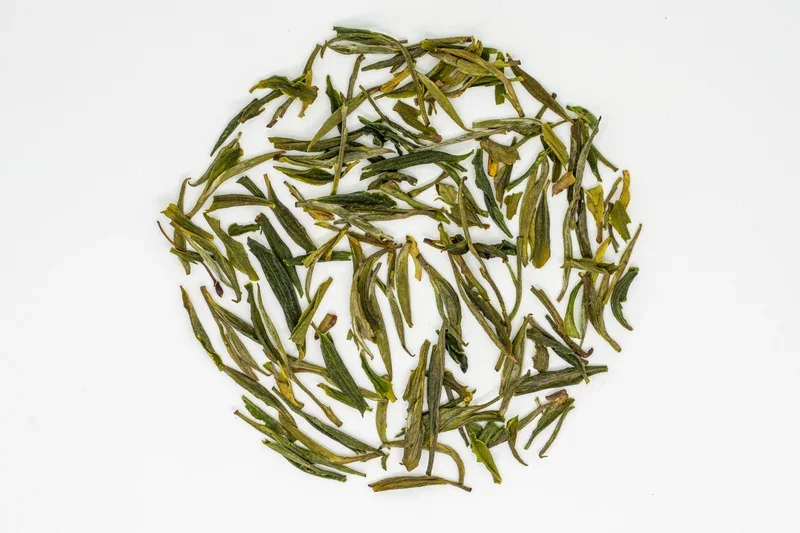
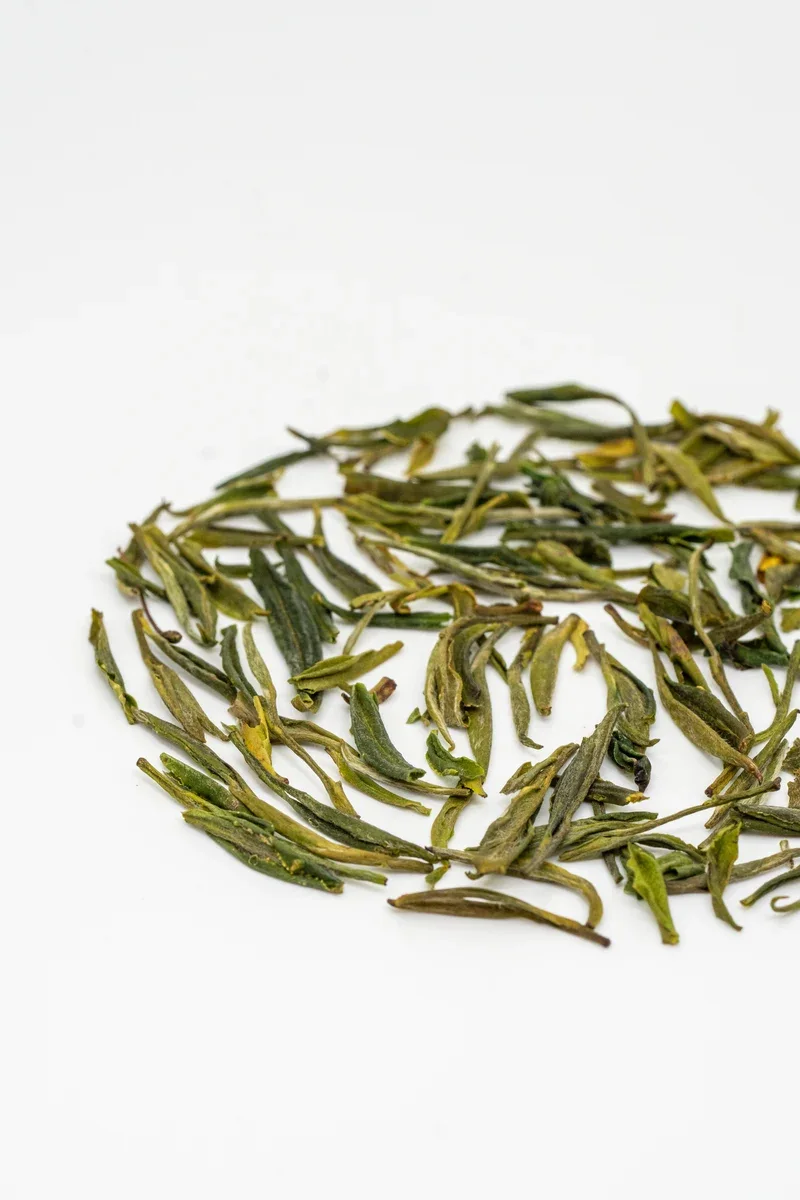
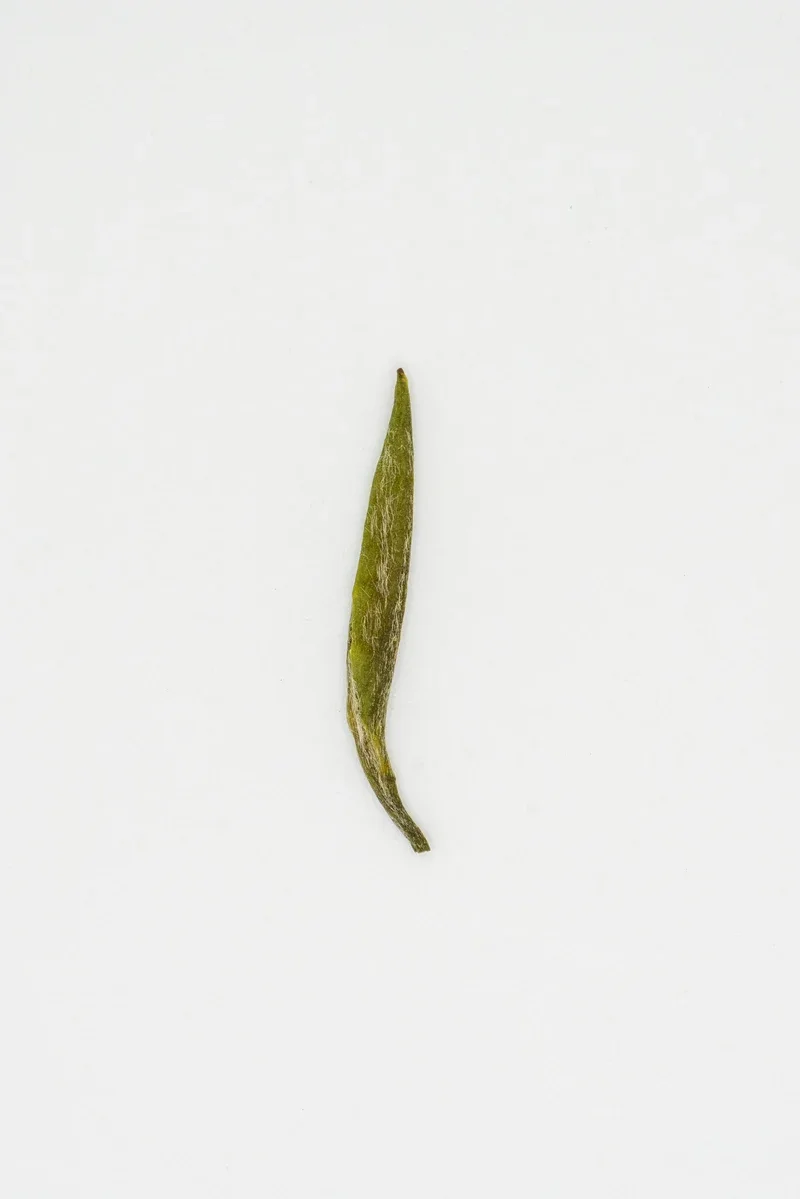
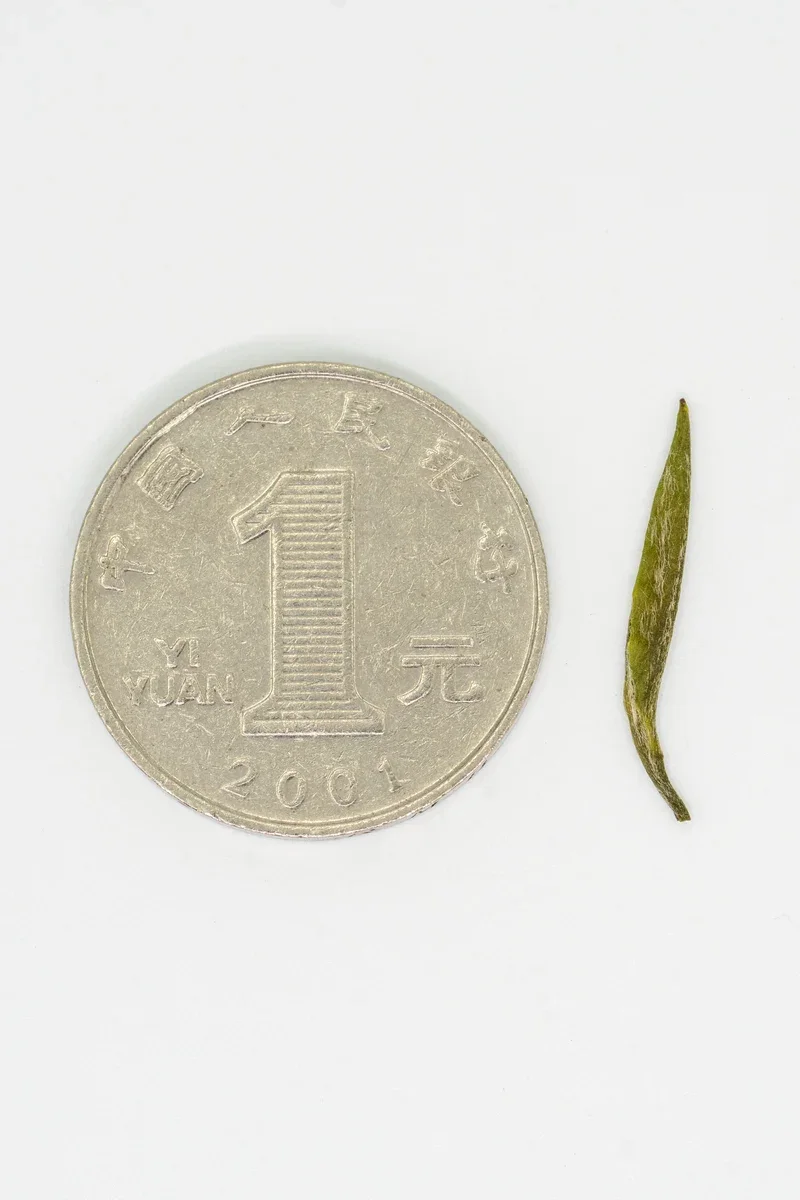
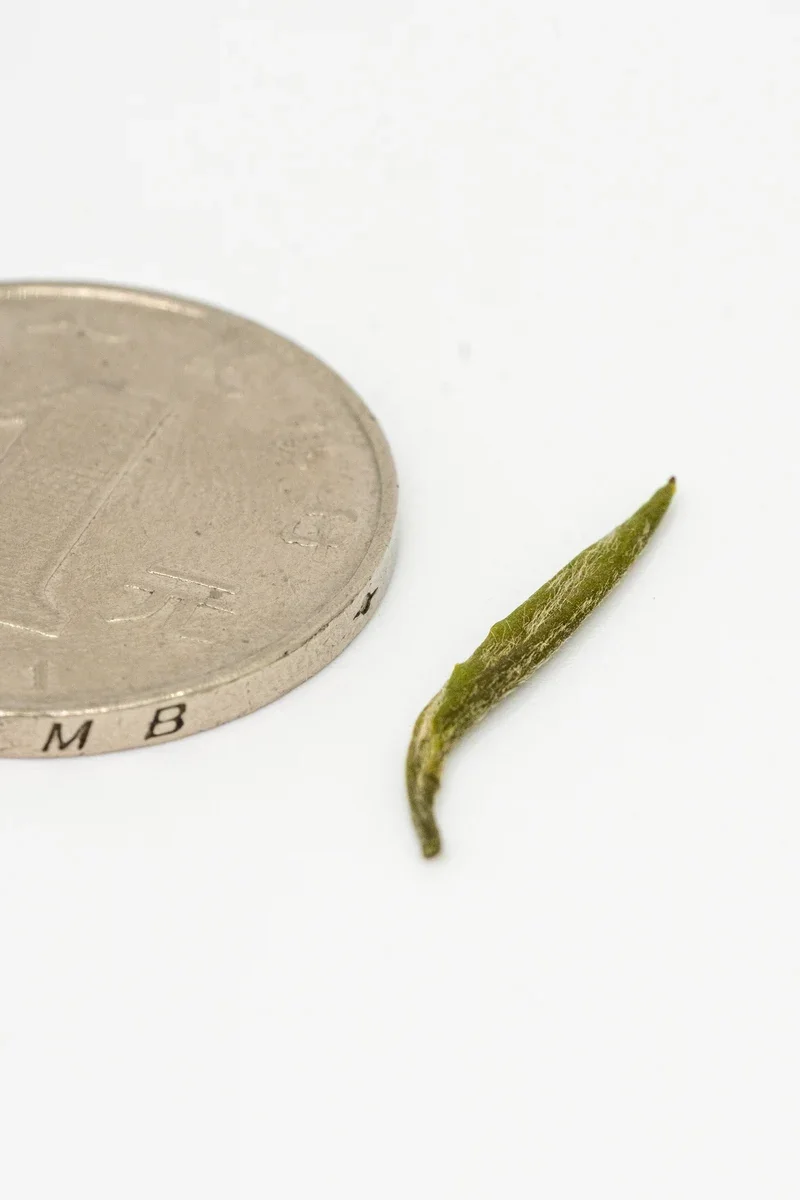
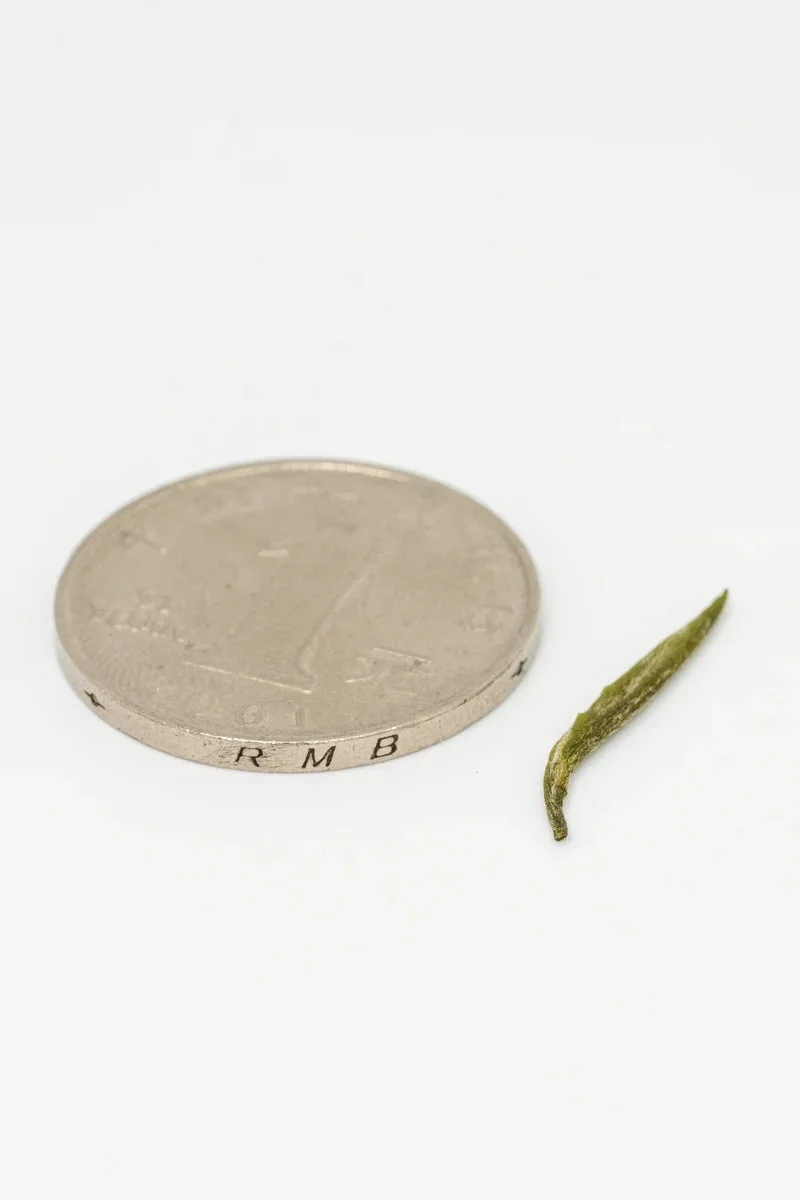
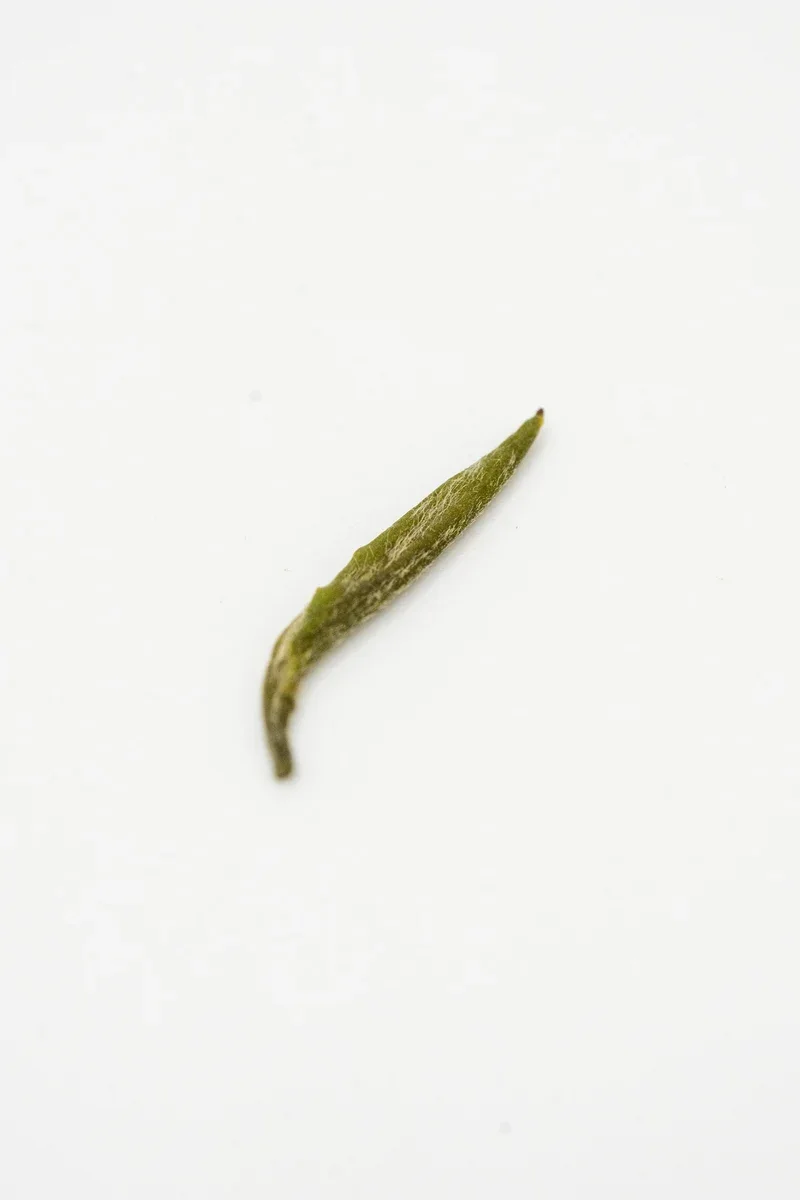
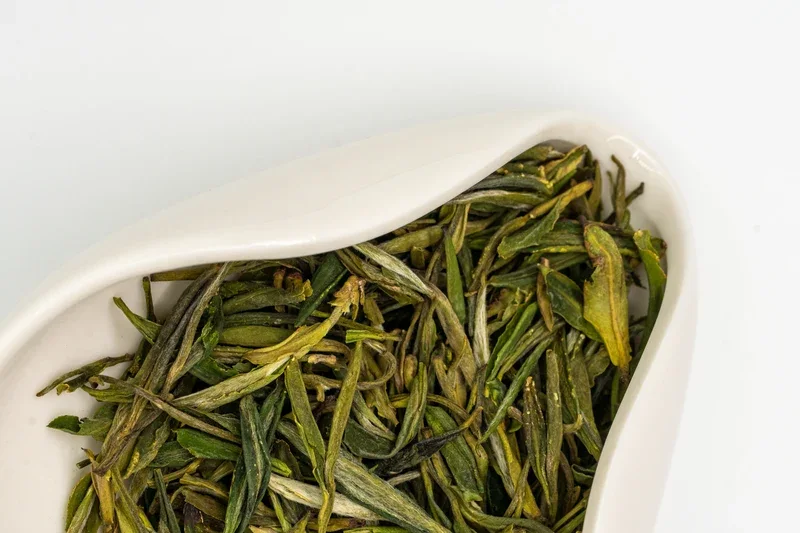
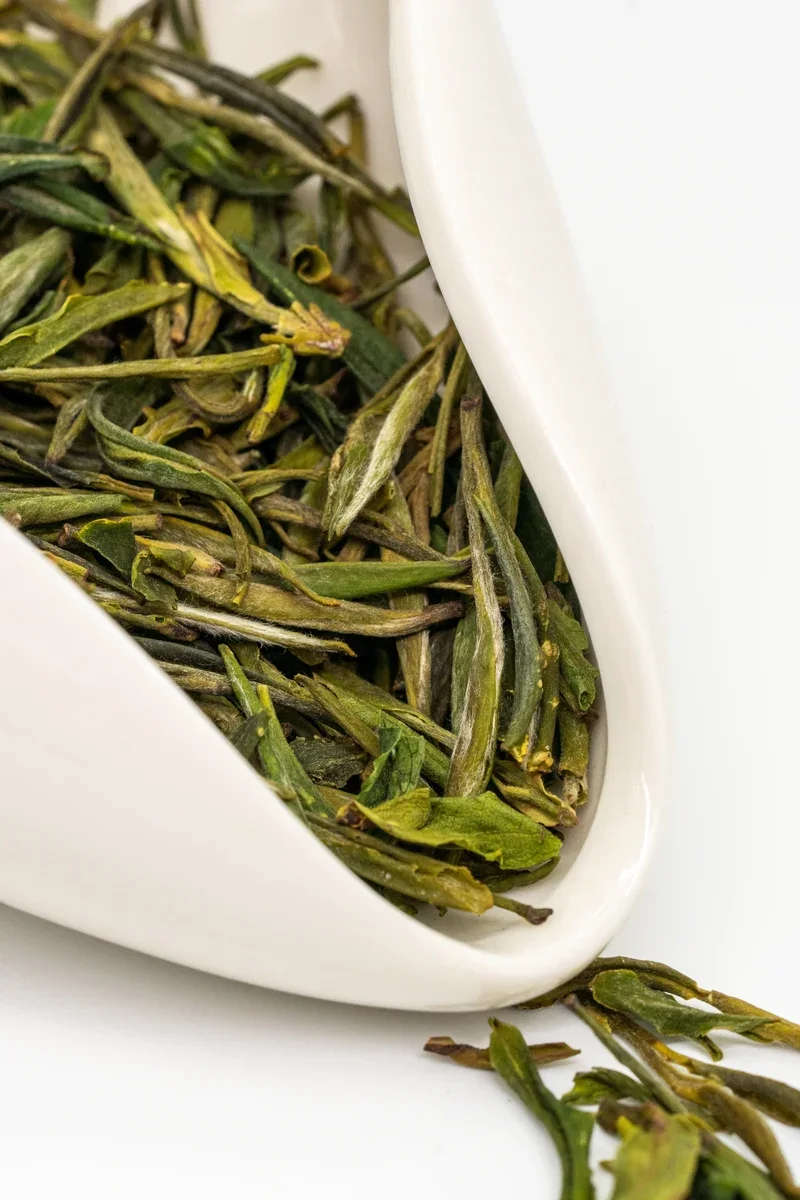
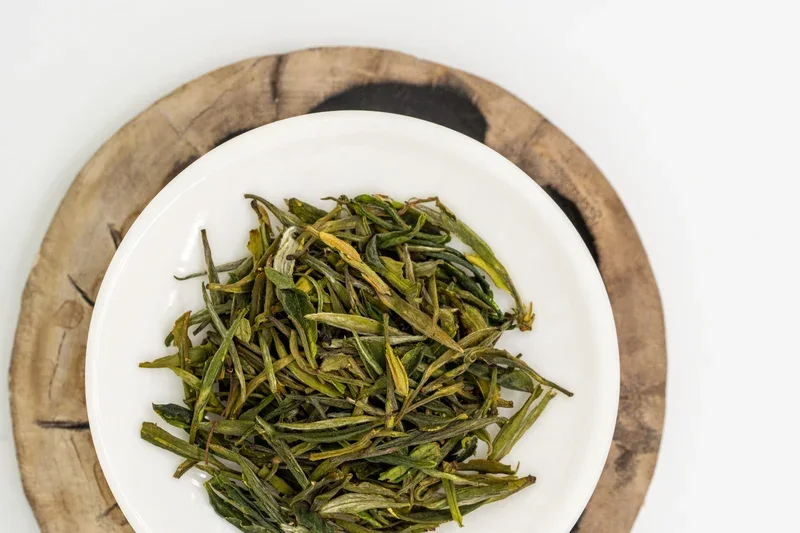
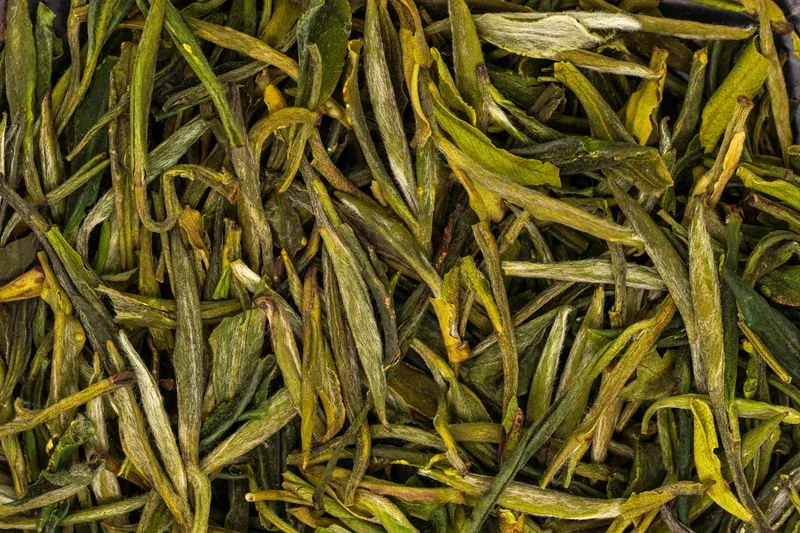
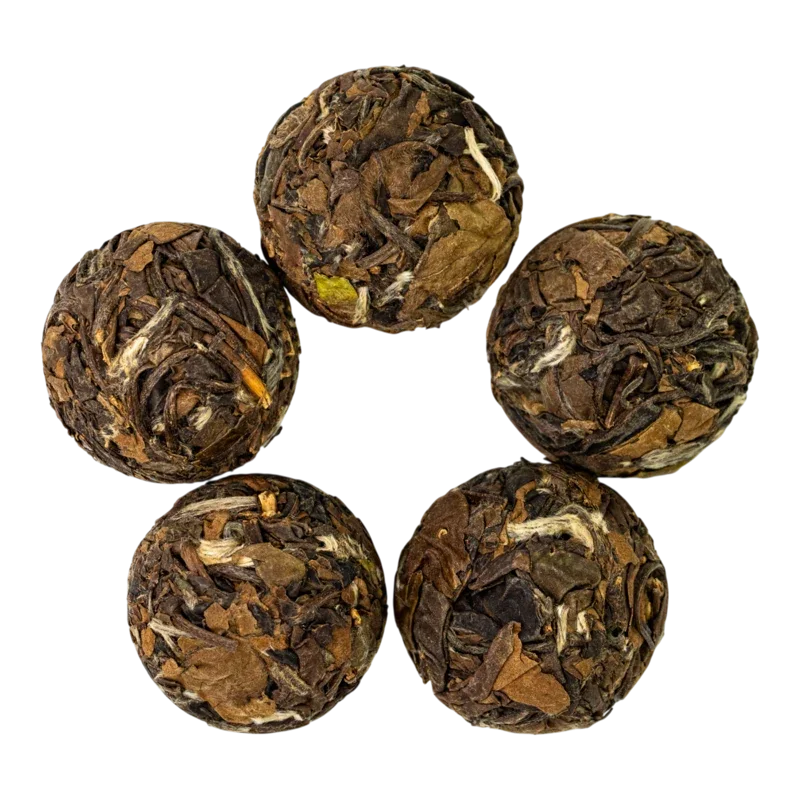
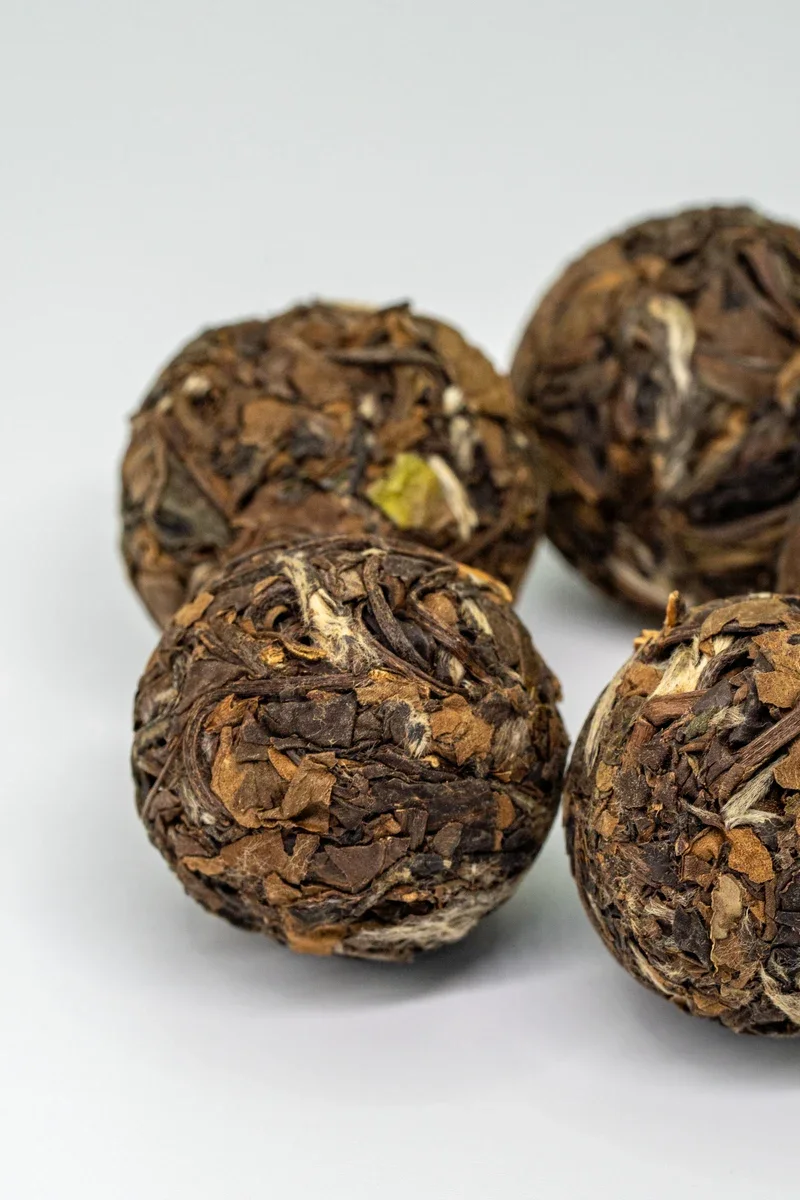
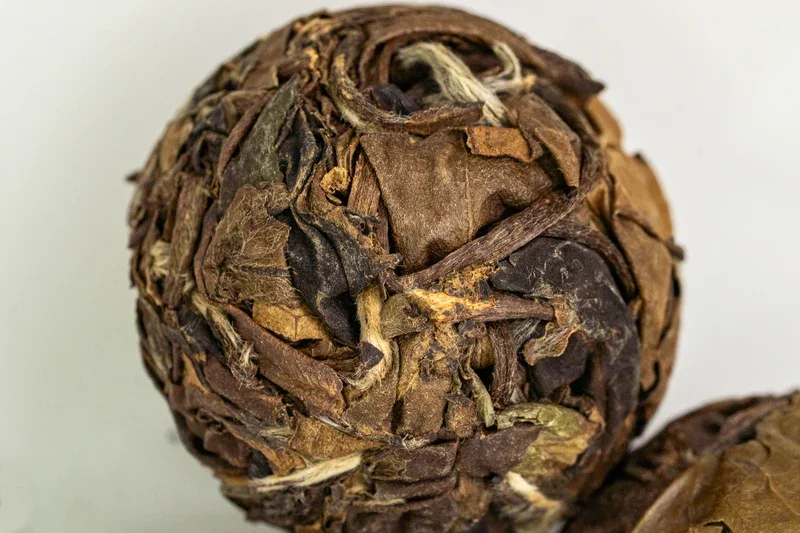
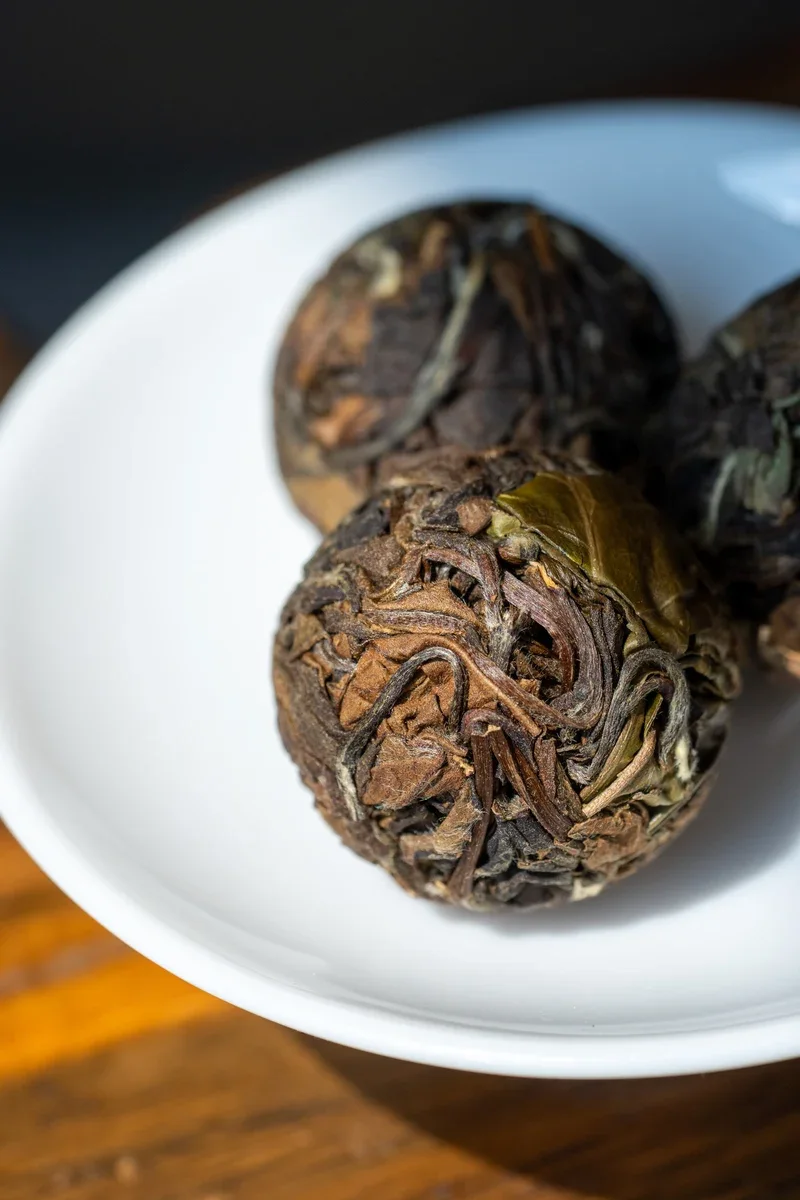
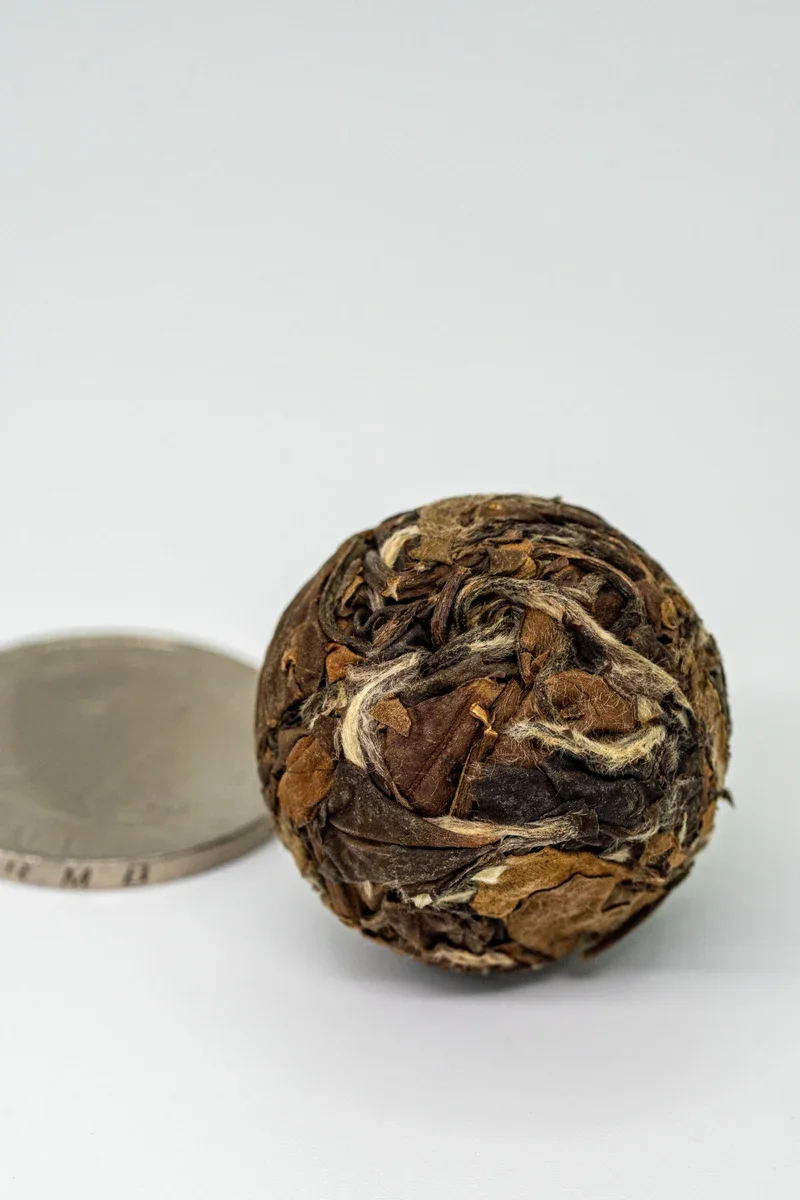
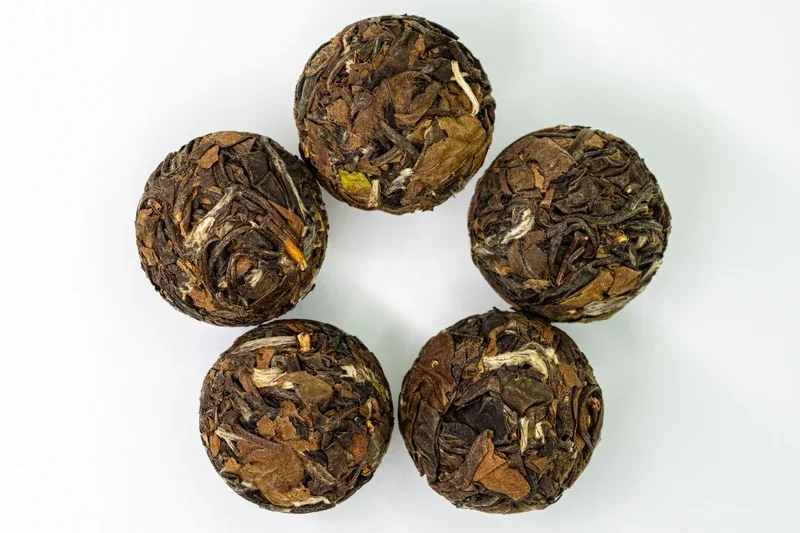
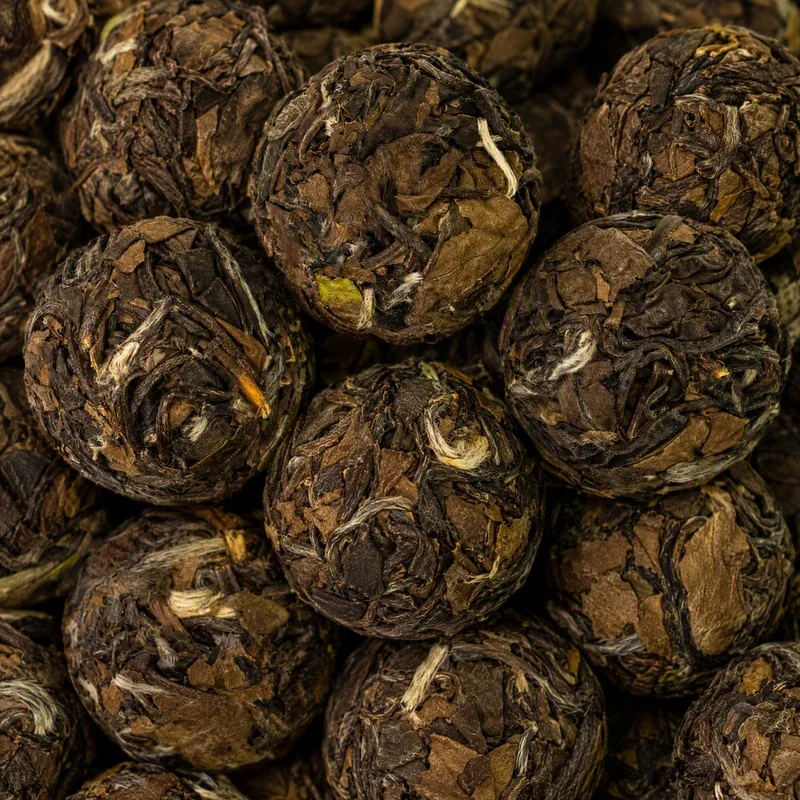
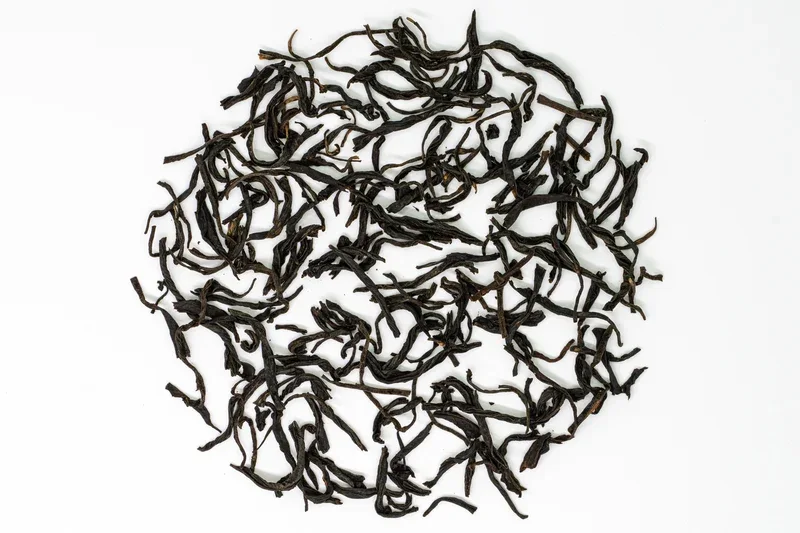
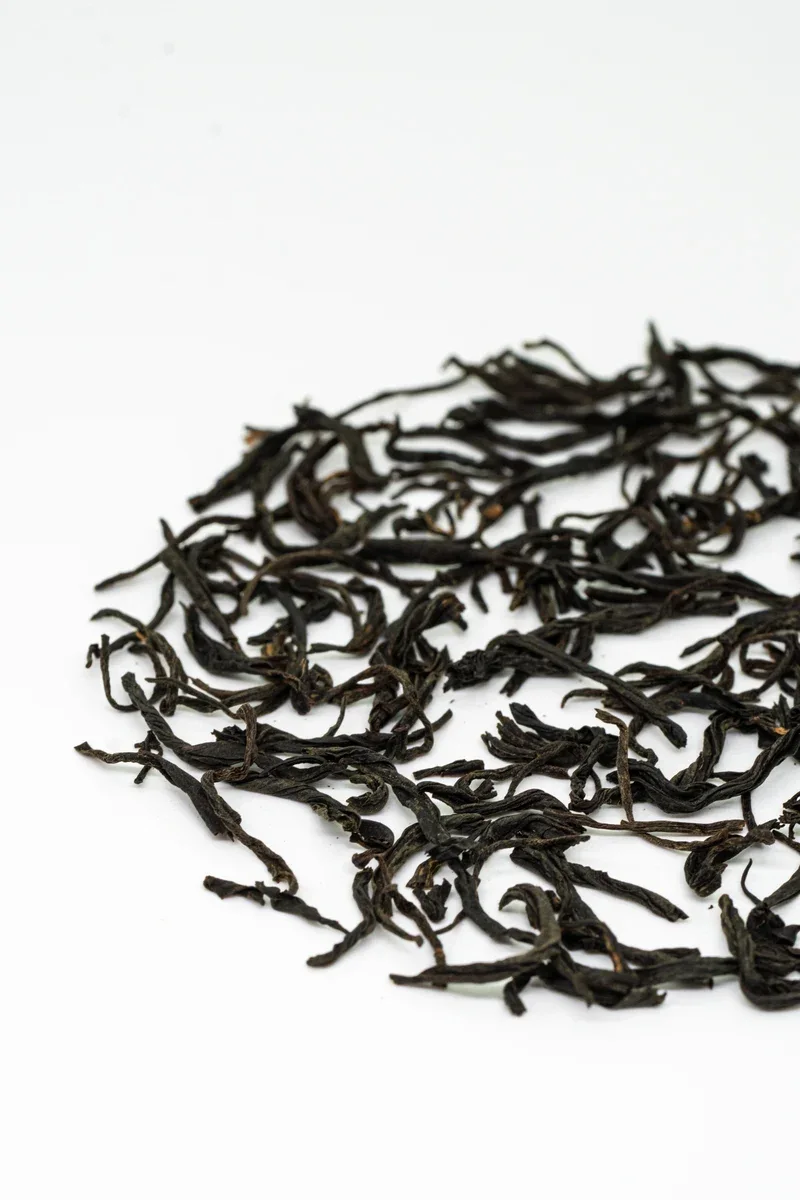
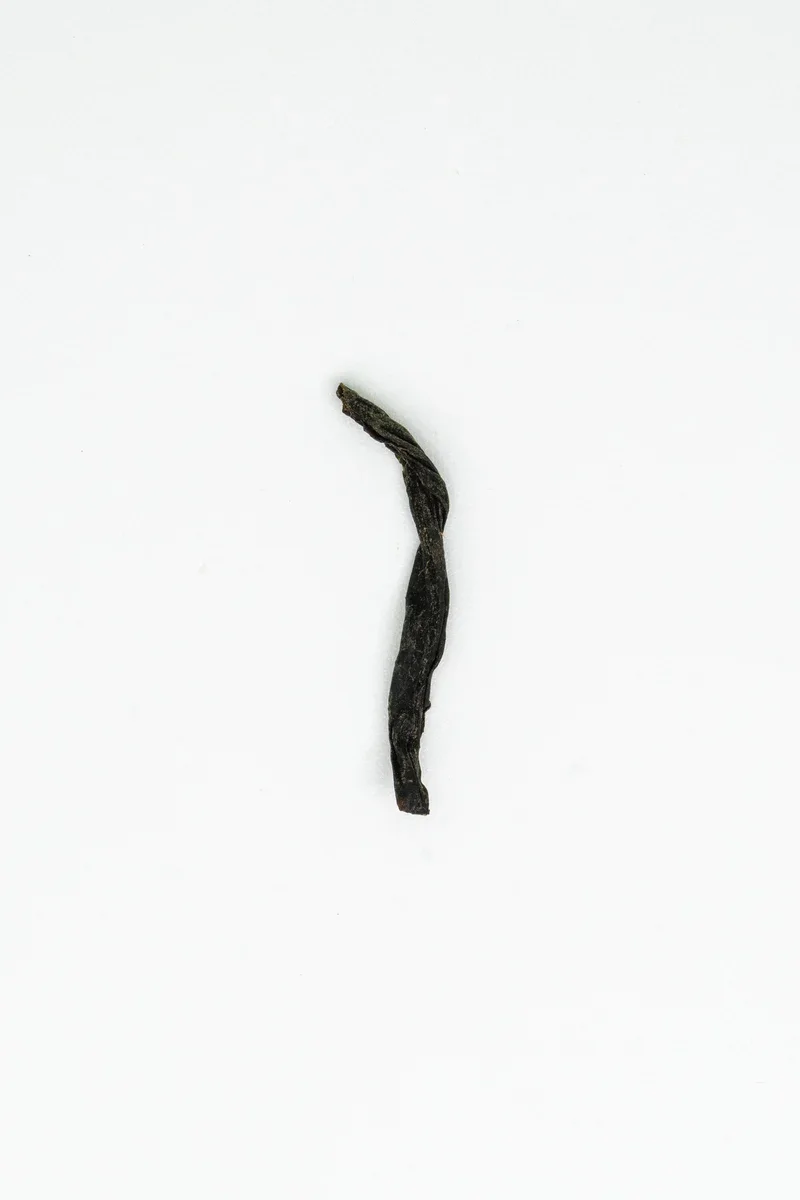
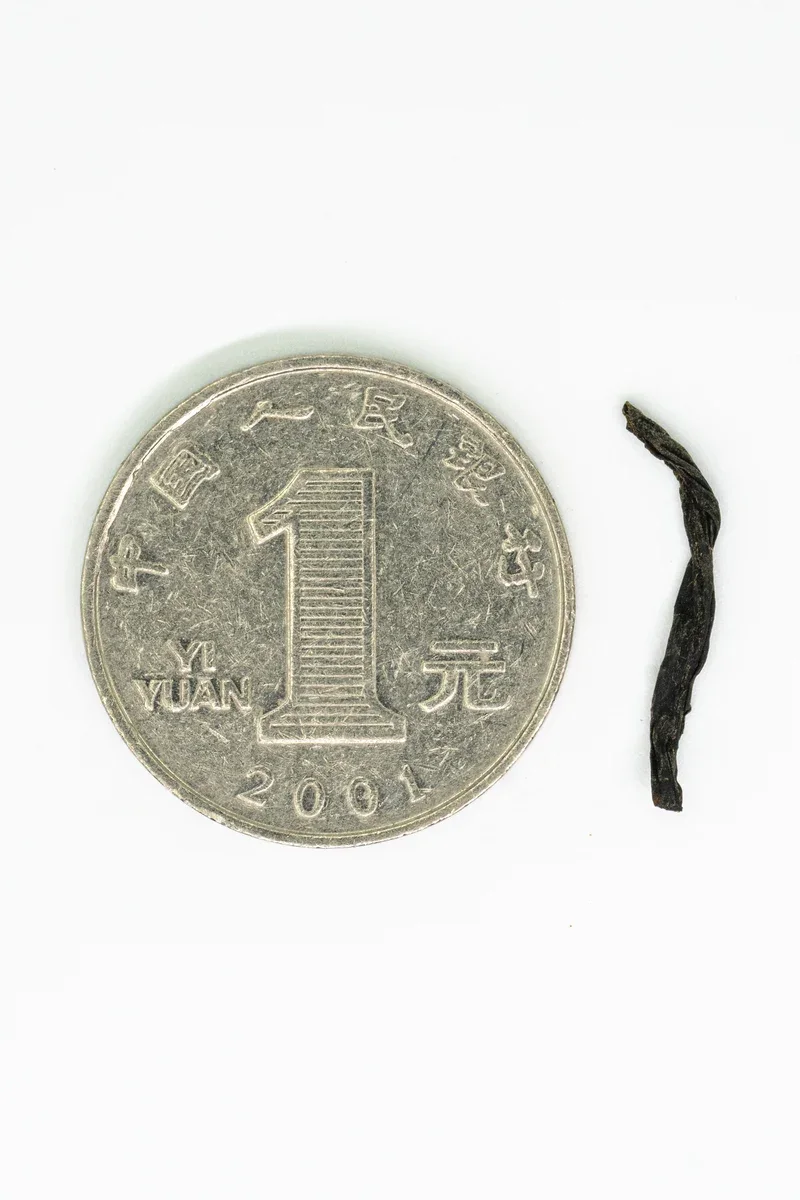
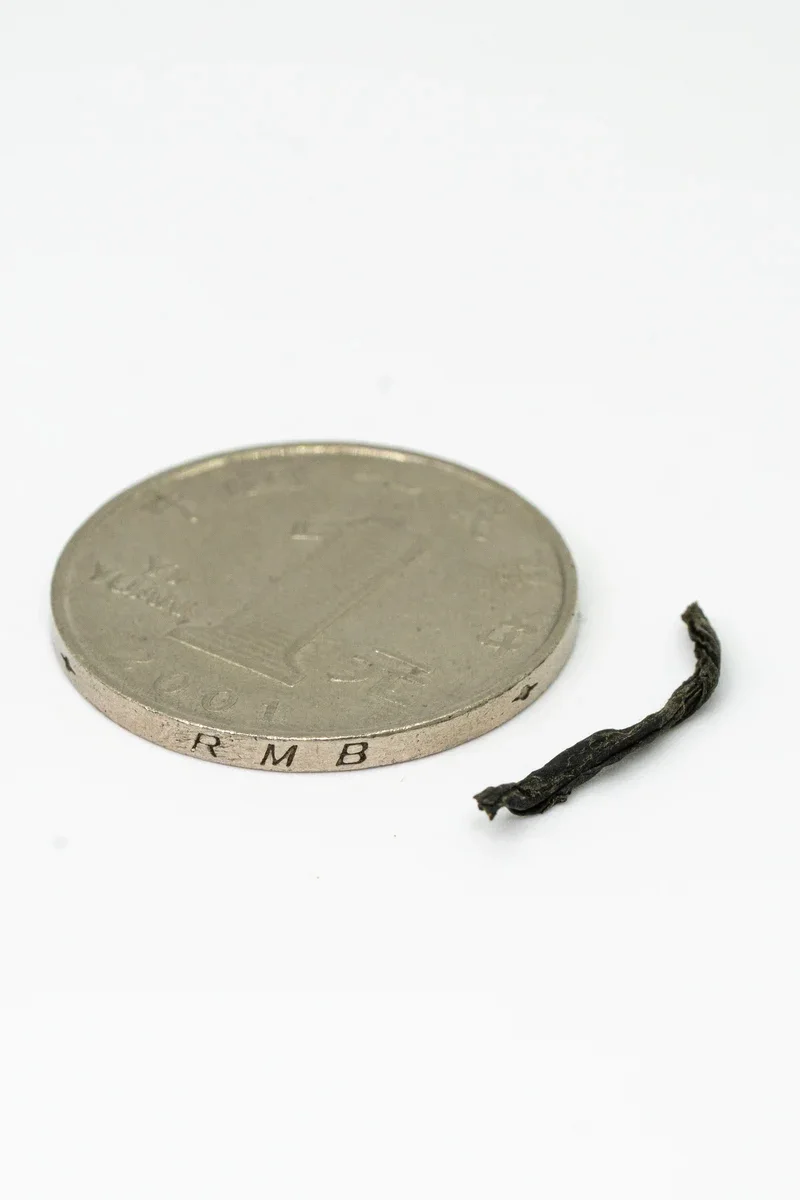
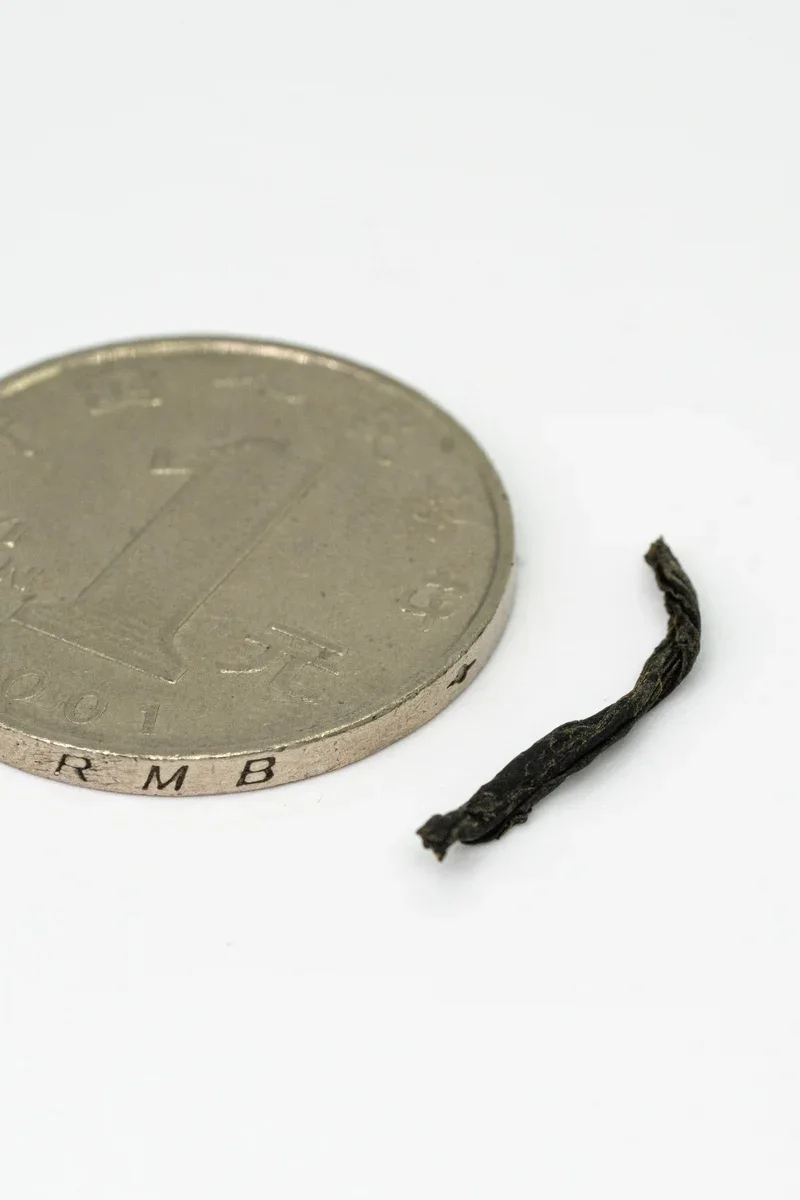
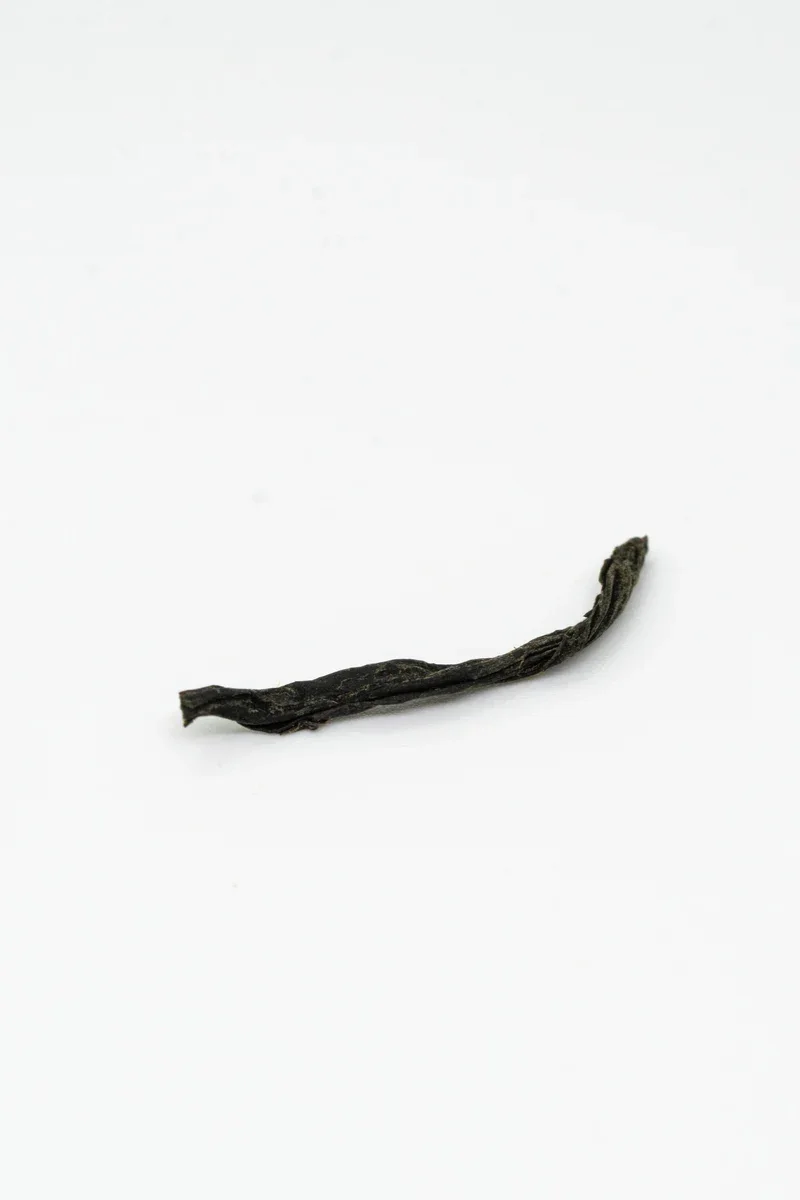
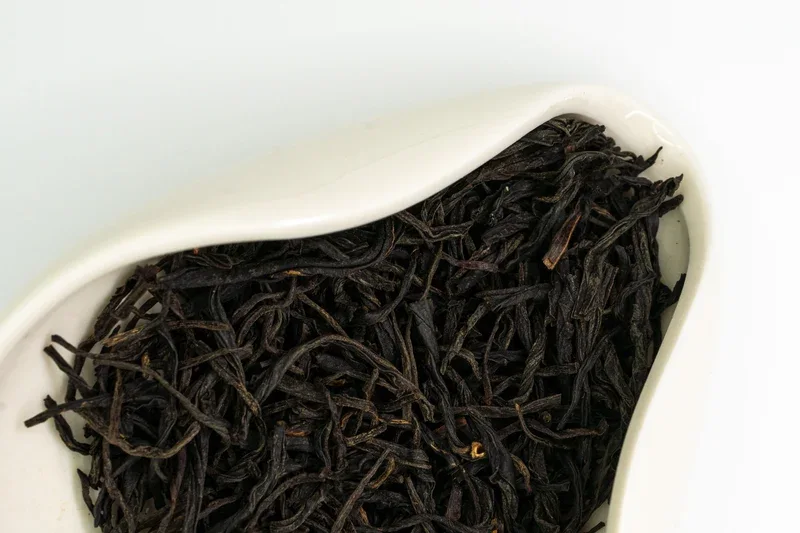
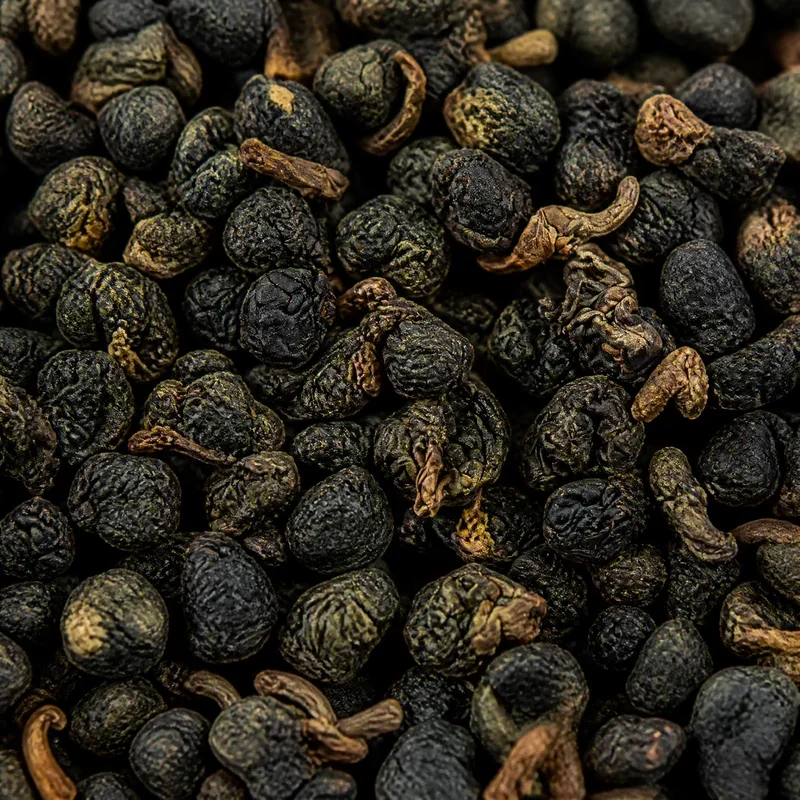
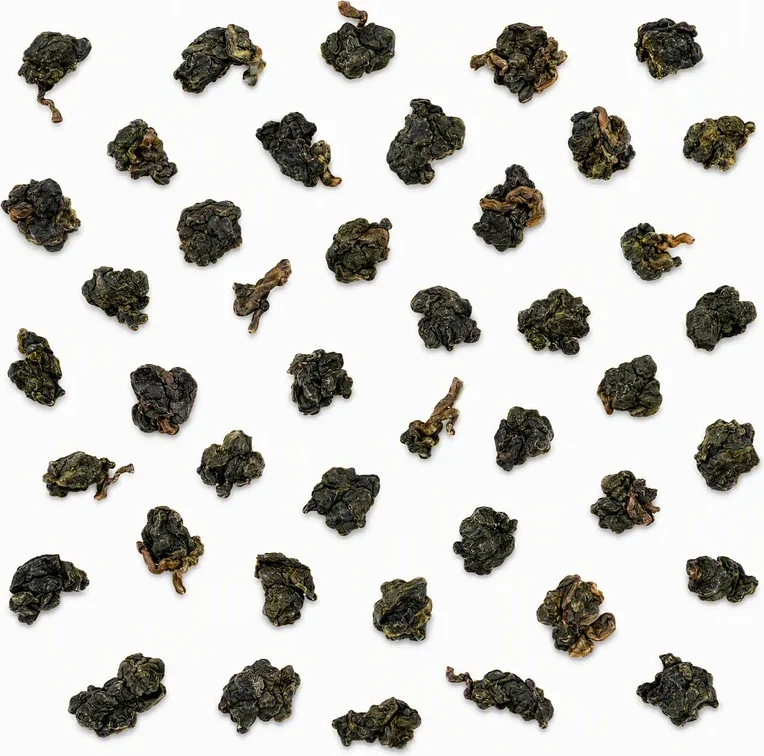
Dry Leaf Appearance: Tightly rolled balls and hemispheres of dark emerald color with characteristic oily luster. On the surface of some granules, silvery down is visible — remnants of trichomes testifying to high-mountain origin. Granule size — 5–8 mm in diameter. Tips (buds) covered with light down may be present.
Dry Leaf Aroma: Bright, fresh, with dominating floral notes of orchid (Cymbidium) and lily of the valley, undertones of young bamboo and light creamy shades. A subtle "cold" cedar nuance is present — the signature of the Shanlinxi region, formed by proximity to coniferous forest. The aroma is maximally pronounced, intense and persistent — one of the distinguishing features of tea from Long Feng Xia among all Taiwanese high-mountain oolongs.
Liquor Aroma: Elegant, multi-layered, developing from steeping to steeping. First brewings reveal high floral notes — orchid, gardenia, wild field flowers. From the third-fourth steeping, sweet fruity undertones appear: green apple, yuzu, light peach. In late steepings — warm, honey tones with undertones of fresh bread. The aroma is exceptionally persistent.
Liquor Color: Pale golden with light greenish tint, bright, transparent, with pronounced luster. From steeping to steeping, color gradually deepens to light saffron.
Spent Leaves: Resilient, whole, large leaves completely unfolded from dense spherical granules. Color — fresh emerald green with reddish border along edges (trace of fermentation). Leaf is elastic, fleshy, with well-visible veins — sign of high-mountain raw material from Qing Xin cultivar.
Taste: Clean, crystal clear, with pronounced mineral sweetness and silky, creamy texture. A soft, enveloping density is felt in the mouth — result of high pectin content. The flavor palette includes notes of wild honey, floral nectar, green apples and subtle citrus acidity. A characteristic feature is the emphasized "cool," refreshing character distinguishing this tea from lowland oolongs. Aftertaste (回甘, huígān) — long, building, refreshing, with characteristic coolness and vanilla sweetness. Complete absence of bitterness and astringency — a distinguishing feature of authentic high-mountain oolong.
Alkaloids: Caffeine — about 20–25 mg/g dry matter; theobromine and theophylline — in moderate amounts. L-theanine/caffeine ratio is higher than in lowland oolongs, providing mild, prolonged stimulating action without sharp peaks.
Amino Acids: Increased L-theanine content (up to 25–30 mg/g dry matter) — significantly higher than in lowland oolongs (12–18 mg/g). L-theanine is responsible for sweet umami taste and relaxing but not sleep-inducing effect, and also promotes GABA (gamma-aminobutyric acid, γ-氨基丁酸, γ-ānjī dīng suān) generation in the body. High amino acid content is a direct consequence of slowed photosynthesis under constant cloudiness conditions.
Rich profile of volatile substances: linalool (floral notes), nerol and geraniol (rose notes), cis-3-hexenol (fresh greenery), trans-2-hexenal (leafy), benzyl acetate and methyl salicylate. The unique "mountain cedar" aroma is formed by a complex of terpenes absorbed from phytoncides of surrounding cedar forests — a characteristic feature specifically of Shanlinxi oolongs.
Increased pectin content (result of protective reaction to cold stress) provides characteristic silky, "enveloping" liquor texture — one of the markers of authentic high-mountain raw material.
Minerals: Potassium, manganese, zinc, fluorine; mineral composition is determined by volcanic soils of the region.
Polyphenols: Catechin content is lower than in lowland varieties due to slowed photosynthesis. The ratio of galloylated catechins (EGCG, ECG) to simple ones (EGC, EC) is reduced, which determines taste softness and minimal bitterness. Total polyphenol content — about 15–18%.
Vitamins: C, B group, E, K.
L-theanine stimulates alpha-wave production in the brain, promoting a state of calm concentration and mental clarity. Combined with moderate caffeine content, it provides mild, prolonged wakefulness without sharp peaks and drops — the so-called "alert serenity" effect.
Catechins and flavonoids neutralize free radicals, reducing oxidative stress and slowing cellular aging processes.
Oolong polyphenols help reduce fat and sugar absorption in the intestine, stimulate metabolism.
Regular consumption may contribute to moderate reduction of blood pressure and LDL cholesterol levels, strengthening vessel walls.
Catechins and fluorides have antibacterial action, preventing dental plaque formation and caries development.
Mild peristalsis stimulation; unlike heavily oxidized teas, low oxidation level makes this oolong gentle on the stomach.
Antioxidants and vitamins contribute to improved complexion and increased skin elasticity.
Excellently quenches thirst; characteristic "cool" aftertaste makes the tea especially pleasant in warm weather.
Most popular Taiwanese high-mountain oolong (1000–1600 m). Alishan is softer and creamier, with more "even" profile and pronounced orchid notes; Long Feng Xia possesses more pronounced minerality, complex structure and cool cedar undertone characteristic of Shanlinxi. Long Feng Xia is generally more expensive due to greater growing altitude and smaller production volume.
Prestigious high-mountain oolong (1800–2600 m). Lishan often demonstrates more fruity, honey notes with pear and apple tones; Long Feng Xia — more floral, with pronounced "mountain resonance" of Shanlinxi.
Taiwan's highest tea district (above 2600 m). Tea is distinguished by even more delicate and refined taste, but also significantly higher price. Long Feng Xia can be considered a more accessible alternative with similar characteristics.
Classic Taiwanese oolong from Lùgǔ (鹿谷, Lùgǔ), Nantou, with lower altitude (~800 m). Dong Ding is traditionally charcoal-roasted, possessing nutty, baked notes and denser body. Long Feng Xia is its opposite: fresh, light, floral, unroasted.
General category of oolongs from Shanlinxi region at 1200–1600 m altitude. Long Feng Xia represents the pinnacle of this range — more delicate, complex and silky, with longer aftertaste and pronounced minerality.
Tea Amount: 5–7 grams per 100–150 ml water.
Teaware: Gàiwǎn (蓋碗, gàiwǎn) of thin porcelain — optimal choice allowing full aroma revelation without absorption by walls. Yíxīng teapot (宜興壺, Yíxīng hú) with thin walls is acceptable. Transparent glass teaware is also suitable for admiring unfolding leaves.
Water Temperature: 85–90°C. For the most delicate spring harvests from tips, reduction to 80°C is acceptable. Using boiling water is undesirable — excessive temperature destroys delicate aromatic compounds and enhances extraction of bitter catechins, negating the natural sweetness of high-mountain leaf.
Humidity: No more than 50–55%. Excessive humidity causes molding and aroma loss.
Shelf Life: Under proper conditions — up to 12–18 months. Unroasted high-mountain oolongs are not intended for long-term aging; their value lies precisely in freshness.
Store in vacuum or hermetically sealed opaque packaging, excluding contact with air and foreign odors. Original Taiwanese packaging often represents vacuum-sealed portion packets.
Temperature: For short-term storage (up to 3 months) — cool place at temperature not above 15°C. For long-term storage — refrigerator (5–10°C) or freezer (-18°C). Many Taiwanese farmers recommend exclusively freezer storage for maximum freshness preservation. Before opening, frozen packet must be kept at room temperature 20–30 minutes to prevent condensation formation on leaf.
Most common and valued; gives the most delicate, floral profile with pronounced terroir transmission.
Less common; gives tea light creamy undertone. Natural "milkiness" of this cultivar in high mountains manifests more subtly than in lowlands.
Even rarer variant; valued for refreshing taste and bright floral aroma with jasmine notes.
Most valuable, with most delicate, complex taste and bright aroma.
Highly valued for more saturated taste, dense texture and deep sweetness.
Less prestigious; production volume is small.
Anti Counterfeit: The most common type of falsification is selling oolongs from lower altitudes (600–1000 m) under Long Feng Xia label. Sometimes artificial flavorings or additives are used to imitate "high-mountain sweetness." Signs of authentic Long Feng Xia:
Price Category: Long Feng Xia belongs to the premium segment of Taiwanese oolongs. Cost is determined by growing altitude (higher means more expensive), harvest season (spring valued higher than winter), limited production volume and exclusively manual labor. Premium batches from upper Long Feng Xia sections (1700–1800 m) — $50–80 per 100 g; commercial Shanlinxi oolongs from lower altitudes (1200–1500 m) — $25–40 per 100 g. Price demonstrates exponential dependence on growing altitude: each additional 200 meters can increase cost by 30–50%. High fame of Long Feng Xia tea zone additionally raises the price: all else being equal, tea from Long Feng Xia is more expensive than similar altitude oolong from less "promoted" zones by 100–200 Taiwan dollars per jin.
Contains caffeine (though in smaller amounts than lowland oolongs); people with increased sensitivity, insomnia or anxiety disorders are recommended to limit consumption in evening hours.
Recommended to limit consumption due to caffeine content. Doctor consultation is advisable.
With gastritis, peptic ulcer and increased stomach acidity, consume with caution, especially on empty stomach. Lightly oxidized oolongs more actively stimulate gastric juice secretion than heavily roasted ones.
Catechins may reduce bioavailability of some medications (iron preparations, certain antibiotics). When taking anticoagulants (warfarin), recommended to monitor INR level.
Like any food product, tea may cause individual allergic reactions.
No reviews yet. Tell us what you think of this tea.
Rate this tea and share your impressions. We review each submission before publishing it.