Brewing
Gongfu brewing
- Water temperature
- 92 °C
- Tea amount
- 6 g
- Water volume
- 100 ml
- First steep
- 10 s
- Time added per infusion
- 5 s
- Infusions
- 8

Lǐngtóu qí lán
Choose a brewing method. Start with the recommended quantities and time, then adjust to taste.
Brewing
Brewing
Taste
Tea encyclopedia
Category: Guǎngdōng oolongs (广东乌龙, Guǎngdōng Wūlóng). Lǐngtóu Qí Lán belongs to the Guǎngdōng school of oolongs alongside Fènghuáng Dāncóng (凤凰单丛) and Fènghuáng Shuǐxiān (凤凰水仙), however it differs from them in both cultivar and processing style. In some sources it is erroneously classified as Minnan oolongs due to the Fujian origin of the planting material — this is incorrect: both the growing territory and production technology definitively place this tea in the Guangdong group.
Category: Guǎngdōng oolongs (广东乌龙, Guǎngdōng Wūlóng). Lǐngtóu Qí Lán belongs to the Guǎngdōng school of oolongs alongside Fènghuáng Dāncóng (凤凰单丛) and Fènghuáng Shuǐxiān (凤凰水仙), however it differs from them in both cultivar and processing style. In some sources it is erroneously classified as Minnan oolongs due to the Fujian origin of the planting material — this is incorrect: both the growing territory and production technology definitively place this tea in the Guangdong group.
Coordinates: Approximately 23°51′ N, 116°45′ E (Lingtou Village area, Fenghuang mountain range).
Origin: China, Guǎngdōng Province (广东省, Guǎngdōng Shěng), Cháozhōu City (潮州市, Cháozhōu Shì), Ráopíng County (饶平县, Ráopíng Xiàn), Fúbīn Town (浮滨镇, Fúbīn Zhèn, formerly Píngxī Town (坪溪镇, Píngxī Zhèn) before administrative reform), Lǐngtóu Village (岭头村, Lǐngtóu Cūn). Main plantations are located on the slopes of Shuangjiniang Mountain (双髻娘山, Shuāngjìniáng Shān, elevation about 400 m) and Xīyán Mountain (西岩山, Xīyán Shān, elevation up to 1100 m). Production has also spread to neighboring towns Jianrao (建饶) and Xinfeng (新丰) and generally throughout Raoping County territory.
Type: Oolong (semi-oxidized tea, oxidation degree 30–50%). According to the Chinese six-color classification, it belongs to qingcha (青茶, qīngchá).
Closest stylistic analog from the Fenghuang dancong school. Both teas have orchid aromatics, however Fenghuang Zhi Lan Xiang is produced from Fenghuang dancong cultivars and possesses more pronounced «mountain note» (山韵, shānyùn). Lingtou Qi Lan is softer, sweeter and has unique «ginseng resonance» absent in Fenghuang analogs.
Originates from the same village but from different breeding clone. Lingtou Dancong is distinguished by honey-floral aroma (蜜兰香, mìlán xiāng) and orange-yellow liquor, while Qi Lan tends toward pure orchid and lighter liquor. Dancong is officially recognized as national variety; Qi Lan remains a more niche product.
Fújiàn oolong from Pínghé County (平和县), also bearing «Qi Lan» in the name and possessing orchid aroma. However this is a separate cultivar (灌木型, medium-leaf, early-medium), growing in southern Fujian mountains. Bai Ya Qi Lan liquor is usually lighter and fresher, with pronounced green-floral notes and without ginseng undertone. Leaf form is also strip-like but less weighty.
Qí Lán variety cultivated in Wǔyí Mountains (武夷山) using yancha (岩茶) technology. Cultivar brought from Pinghe or Guangdong adapted to Danxia topography, and finished tea acquires characteristic «bone structure» (岩骨, yángǔ) — mineral foundation atypical for Guangdong versions. Orchid note is present but complemented by almond and caramel overtones from charcoal roasting.
Cultural Significance: Lǐngtóu Qǐ Làn occupies ān important place in the tea tradition of eastern Guǎngdōng (粤东, Yuèdōng). Lingtou Village became a kind of cradle of Raoping oolong cultivation: it was here that a unique style was formed, combining orchid aromatics with ginseng notes — the so-called «shenyun» (参韵, shēnyùn, «ginseng resonance»). The tea is closely connected with the gōngfū tea culture (工夫茶, gōngfū chá) of the Chaoshan region, where highly aromatic oolongs with long aftertaste are valued. The folk nickname «Qiao Wulong» (俏乌龙, «elegant oolong») emphasizes the refined, elegant character of the beverage.
History: Tea culture in Raoping County spans about three hundred years. According to the local chronicle «Raoping Chaye Sanbainian» (饶平茶叶三百年, «Three Hundred Years of Raoping Tea»), in the 1930s tea seedlings were brought from Xiùzhuàn Village (秀篆村) in Zhao'an County (诏安县), Fujian Province, and planted on the northern slopes of hills in Lingtou Village. From these plantings came the line of large-leaf cultivar Dà Yè Qí Lán (大叶奇兰), which subsequently became the foundation of local tea cultivation.
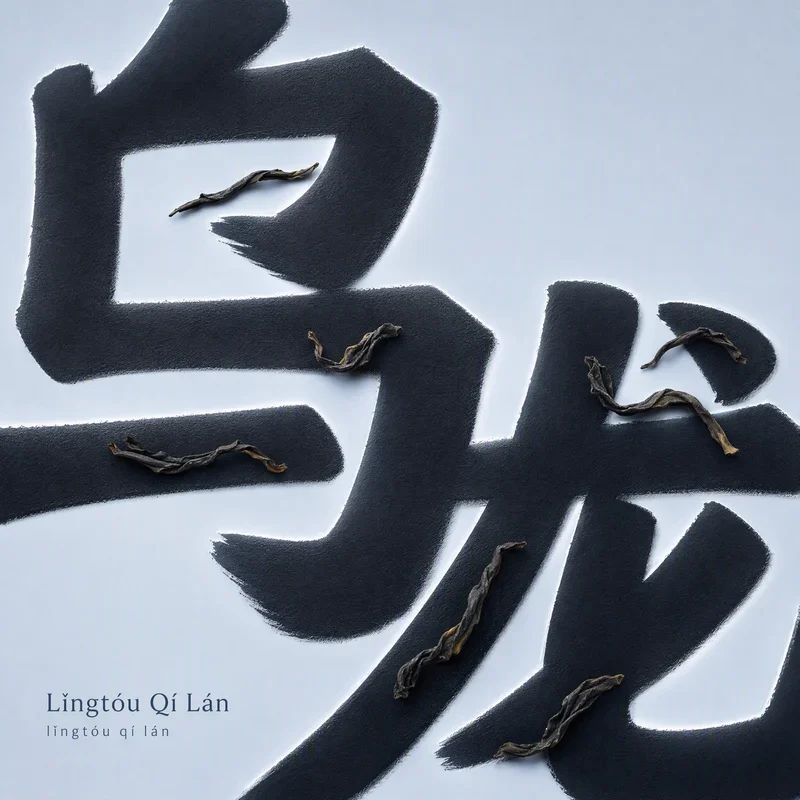
Name Breakdown: «Lingtou» (岭头) — literally «ridge peak», a toponym of the village of origin, located on the crest of a hilly ridge. «Qi» (奇) — «amazing, unusual». «Lan» (兰) — «orchid». Thus, the full name translates as «amazing orchid from Lingtou ridge peak», reflecting the tea's main organoleptic characteristic — pronounced orchid aroma.
Cultivar: Dà Yè Qí Lán (大叶奇兰, Dà Yè Qí Lán, «large-leaf orchid»), Camellia sinensis var. sinensis. Morphological type — bush or small tree (灌木/小乔木型), medium-leaf class. Leaves are elongated-elliptical, average leaf length about 9.0 cm, width about 3.5 cm, 7–9 pairs of veins. Leaf color is yellow-green with pronounced luster. Flowers have 7 petals, corolla diameter 3.0–4.0 cm, pistil three-parted. The variety is characterized by high shoot formation vigor and early awakening: vegetation begins in February, the «one bud — three leaves» period falls in mid to late March. The productive season lasts until the end of November. Resistant to cutting propagation.
Picking: Main seasons — spring (March — April) and autumn (September — October). Spring leaf possesses longer tenderness and richer aroma; autumn is valued for depth of flavor. Summer harvest is also practiced but yields less aromatic product.
Pluck Standard: One bud and two-three leaves (一芽二三叶). Weight of one hundred shoots in the «one bud — three leaves» standard is about 121.0 g. For highest grades the «one bud — two leaves» standard is used; for mass-market production more mature shoots are acceptable.
Raw Material: Harvest is conducted in clear weather in the afternoon when morning dew has completely evaporated. Gentle handling is required: shoots are laid one by one in bamboo baskets, avoiding compression and overheating. Leaves must be whole, evenly mature, without mechanical damage and foreign odors.
Altitude: From 300 to 1100 m above sea level. Tea from Xiyan Mountain (above 800 m) is considered premium and distinguished by deeper «shenyun».
Climate: Humid subtropical. Average annual temperature about 21°C, annual precipitation exceeds 1500 mm, number of foggy days — more than 200 per year. Significant diurnal temperature variation stimulates accumulation of aromatic substances in leaves. Abundant fog reduces direct sunlight intensity, increasing amino acid content and softening astringency.
Soil: Red-yellow soils formed by weathering of granitic rocks (花岗岩风化红黄壤). Acidity pH 5.0–6.0, high organic matter content. In the core production zone chemical fertilizer use is prohibited; traditional fertilization uses peanut cake (花生麸). Soils of the productive Xiyan area are enriched with selenium (0.15–0.35 mg/kg), which is a distinctive feature of the local terroir.
Tea gardens are located on hilly slopes of the Fènghuáng mountain range (凤凰山脉, Fènghuáng Shānmài), in whose foothills Lingtou Village is situated. Topography consists of steep hills and narrow valleys covered with subtropical evergreen forest. The production core is concentrated in two zones: Shuangjiniang Mountain (双髻娘山, about 400 m above sea level) with plots in pristine forest massif, and Xīyán Mountain (西岩山, up to 1100 m), where trees are covered with moss and conditions create a denser, «ginseng» tea profile.
Shoots are hand-picked in clear weather in the afternoon. Each shoot is carefully separated and immediately placed in a bamboo basket, not allowing compression of the mass.
Harvested leaves are spread in a thin layer on bamboo sieves (竹筛, zhúshāi) and kept in open air for about 4 hours. Leaves lose part of their moisture, become pliable; aromatic base formation begins.
Key stage determining aroma character. 7–9 shaking cycles are conducted, predominantly at night, alternating active shaking with rest periods (分段促香, fēnduàn cùxiāng — «staged aroma stimulation»). Mechanical damage to leaf edges triggers enzymatic oxidation of cellular juice; characteristic red-brown borders form in contact zones, while essential oils with orchid profile are released from the central part of leaves.
Heating in rotary drum at about 220°C. High temperature inactivates enzymes and fixes the oxidation and aroma balance achieved at the previous stage.
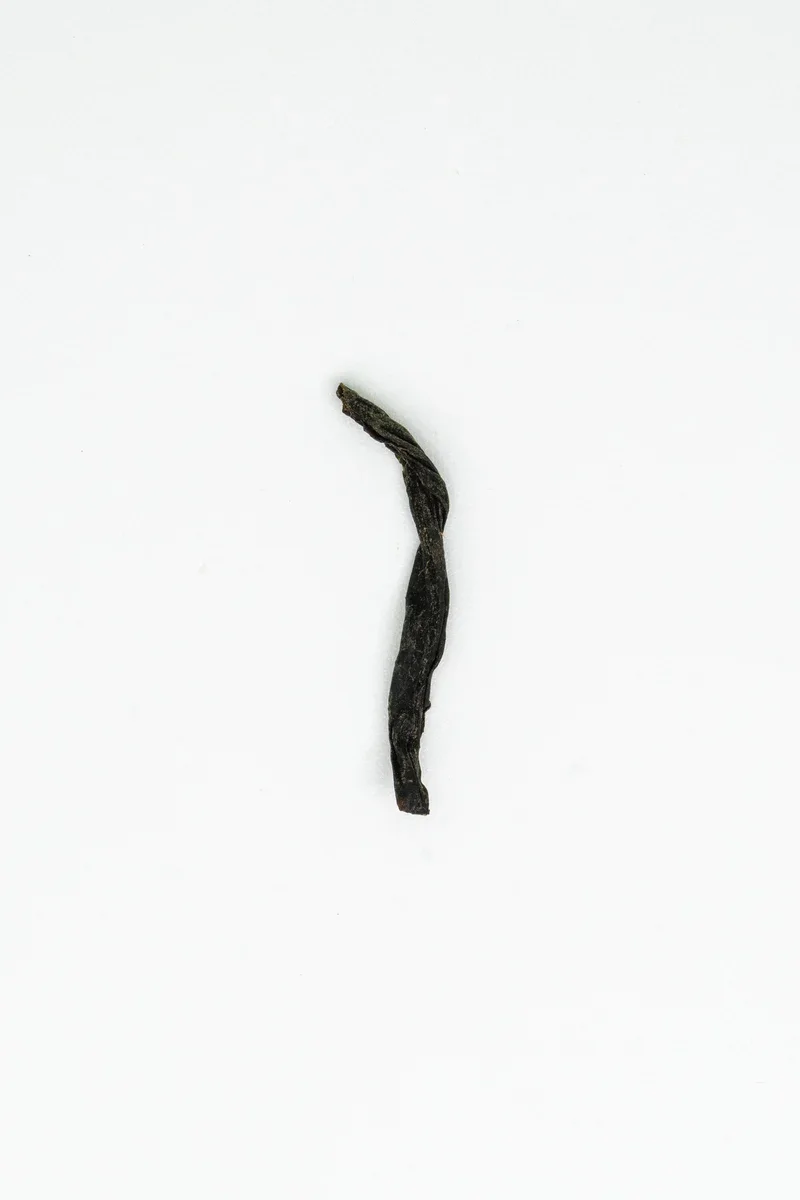
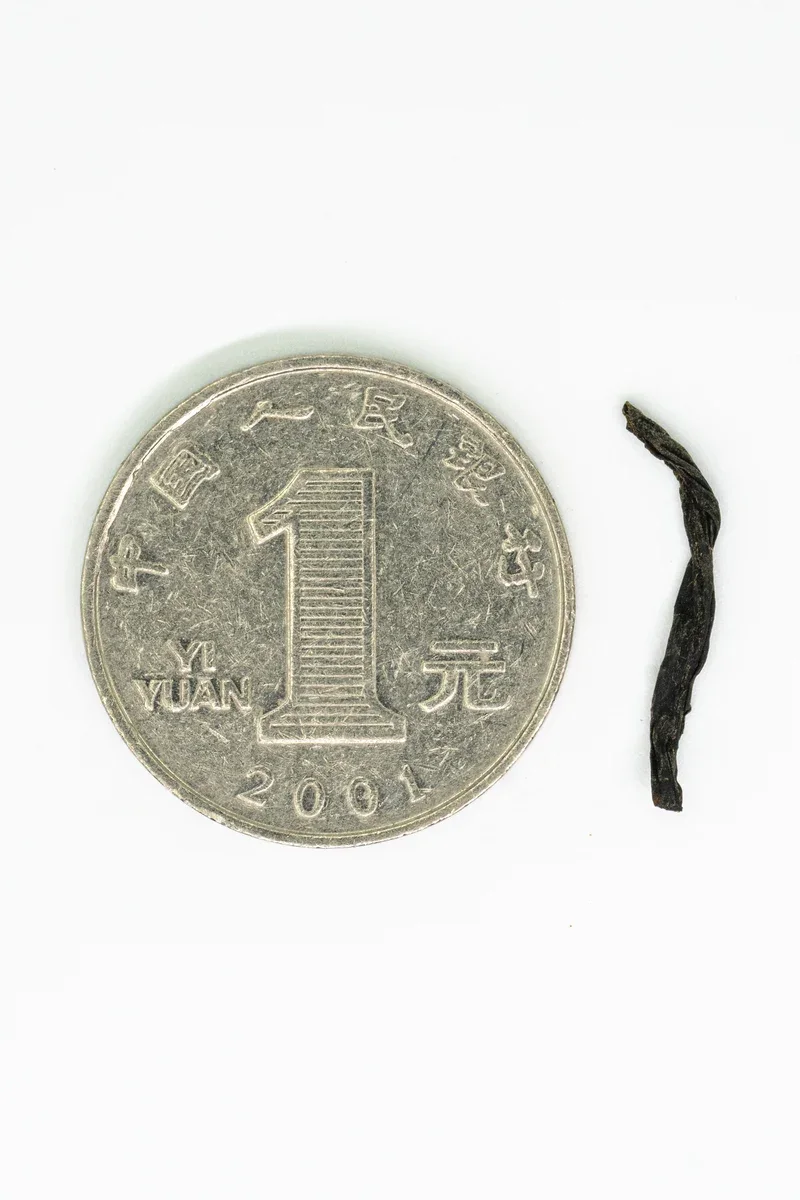
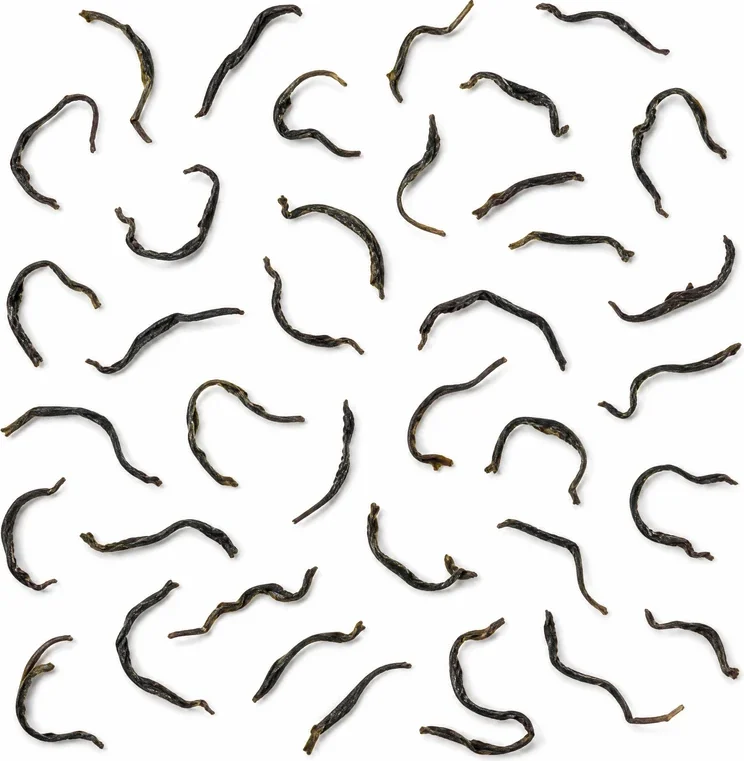
Leaves are rolled into longitudinal strips (条索形, tiáosuǒ xíng). Rolling destroys cell walls and ensures even extraction during brewing. Unlike the spherical rolling (球形) of Minnan oolongs, the Guangdong style preserves elongated, strip-like form.
Final drying brings leaf moisture to ≤ 6%, ensuring stability during storage. Finished tea undergoes additional «fire correction» (足火, zúhuǒ) if necessary to enhance nutty and caramel notes.
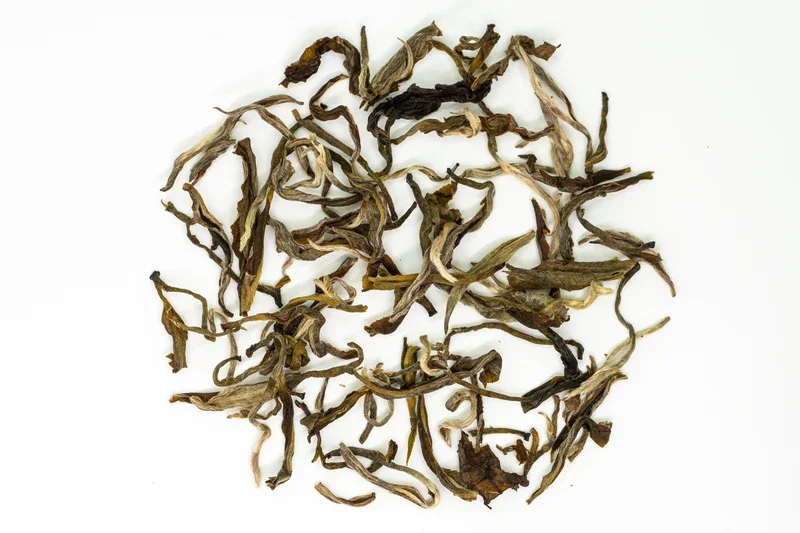
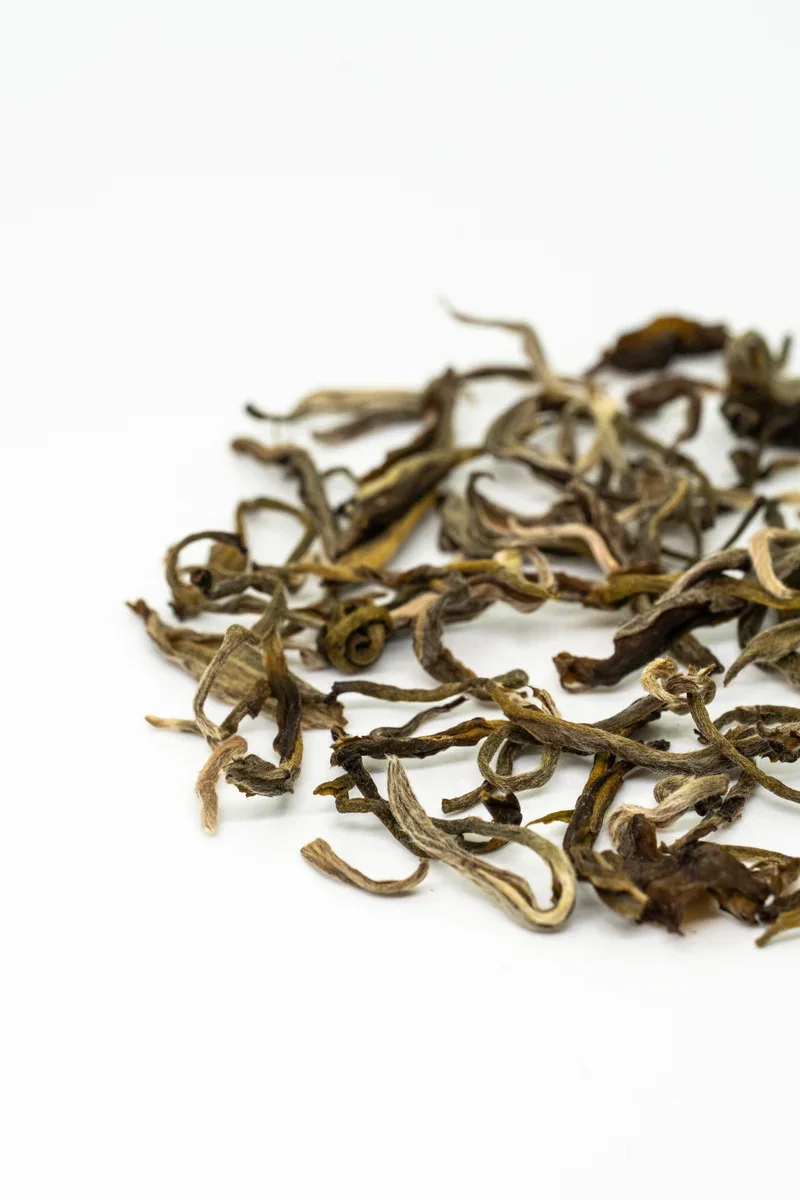
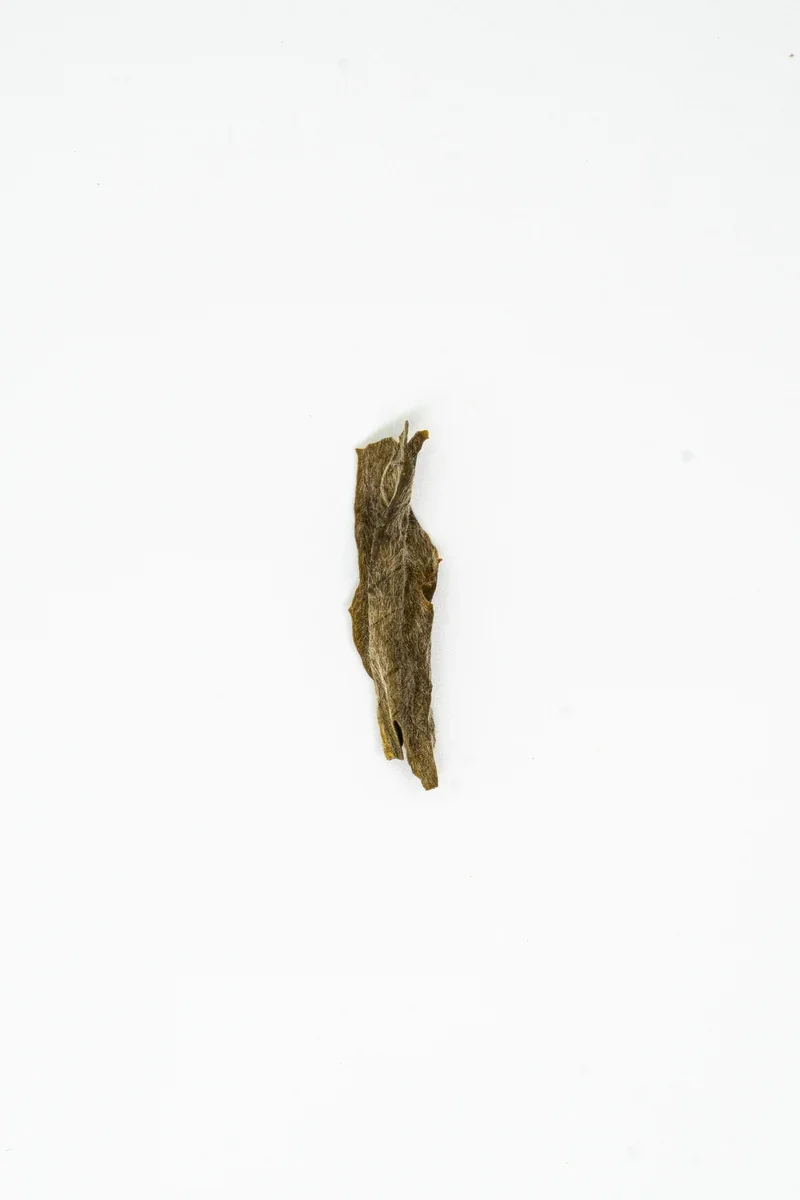
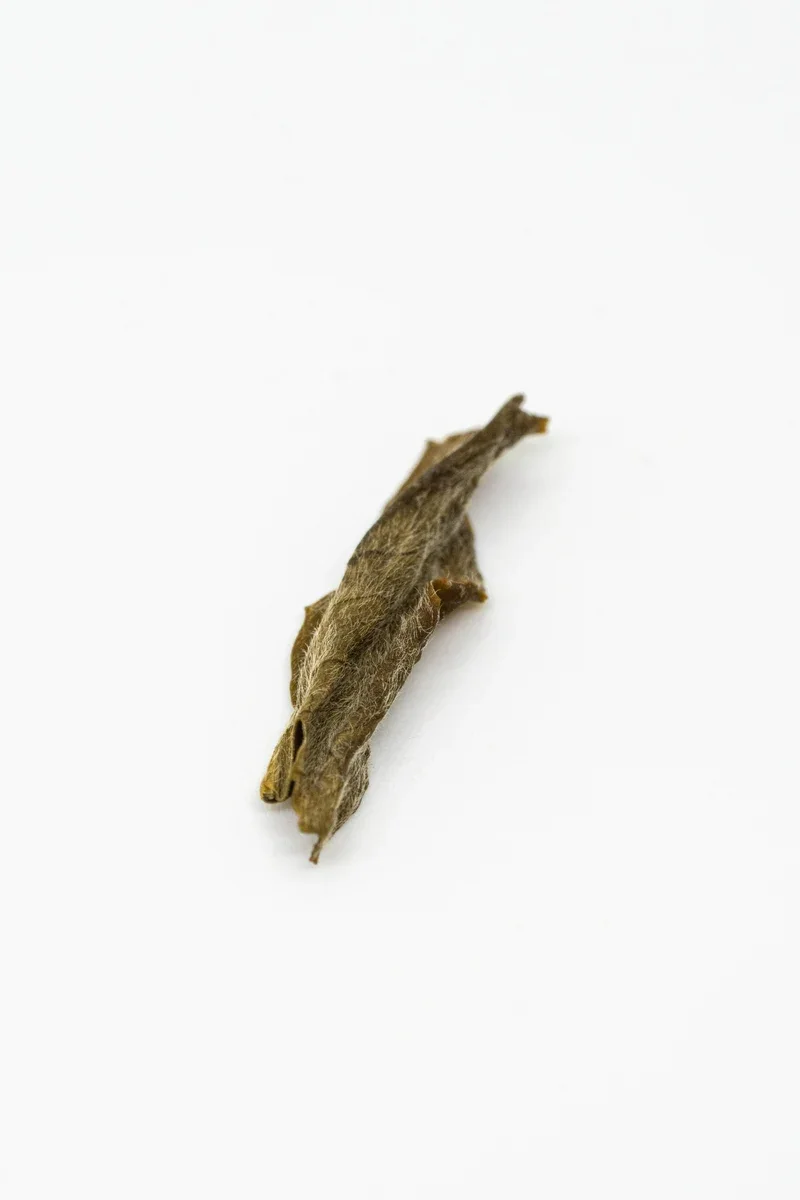
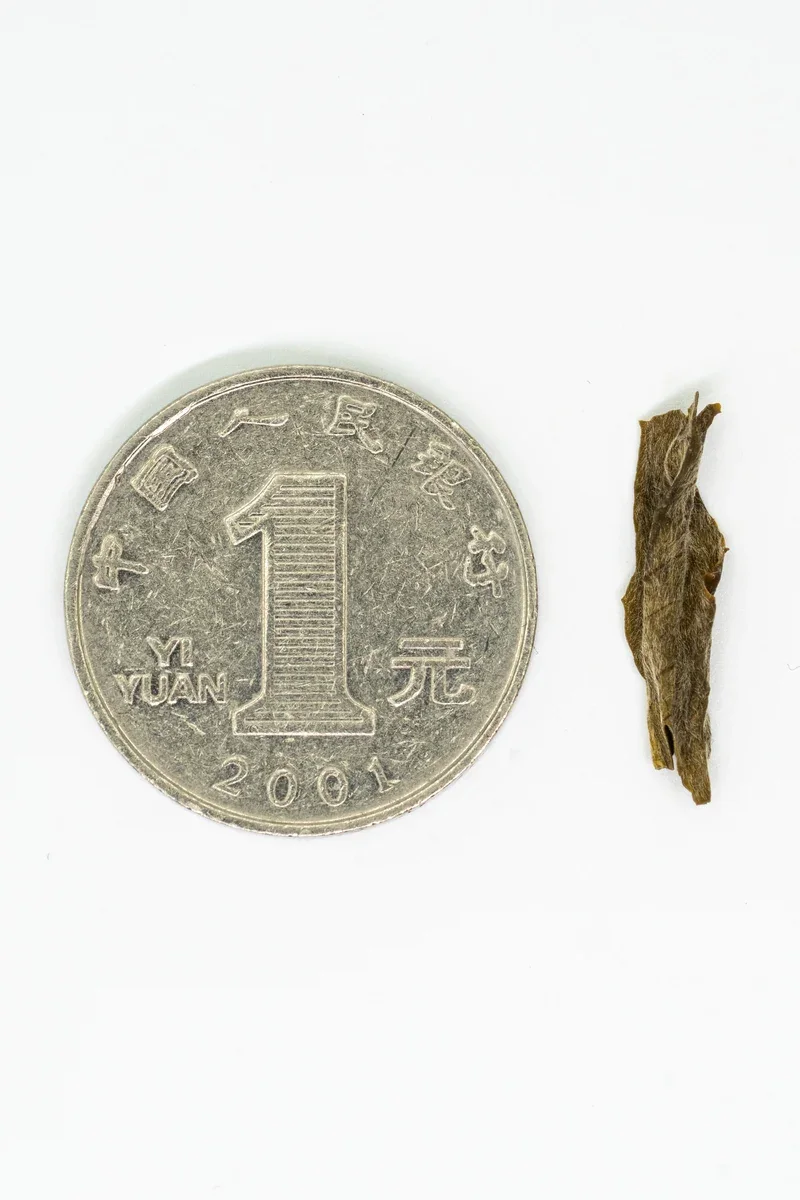
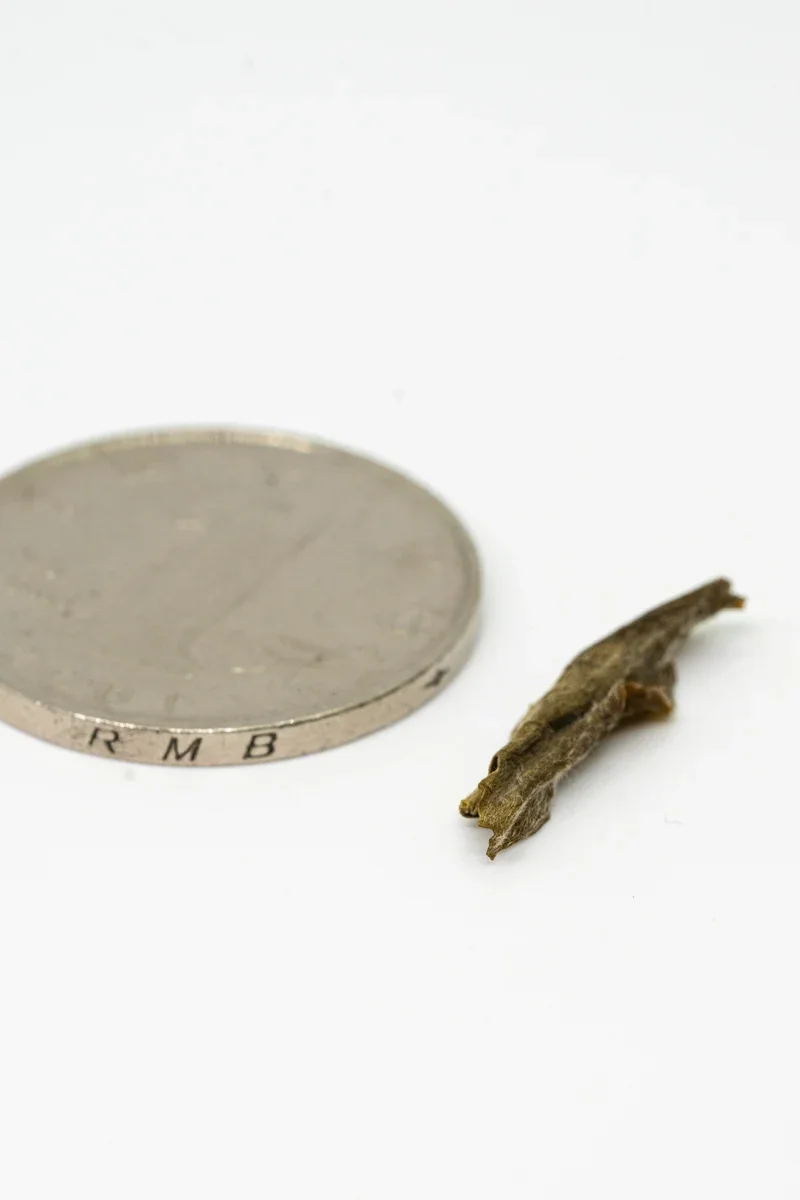
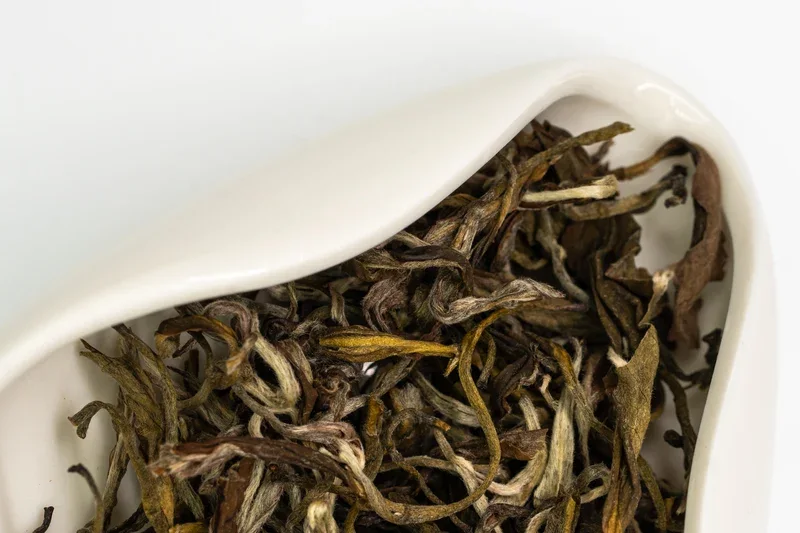
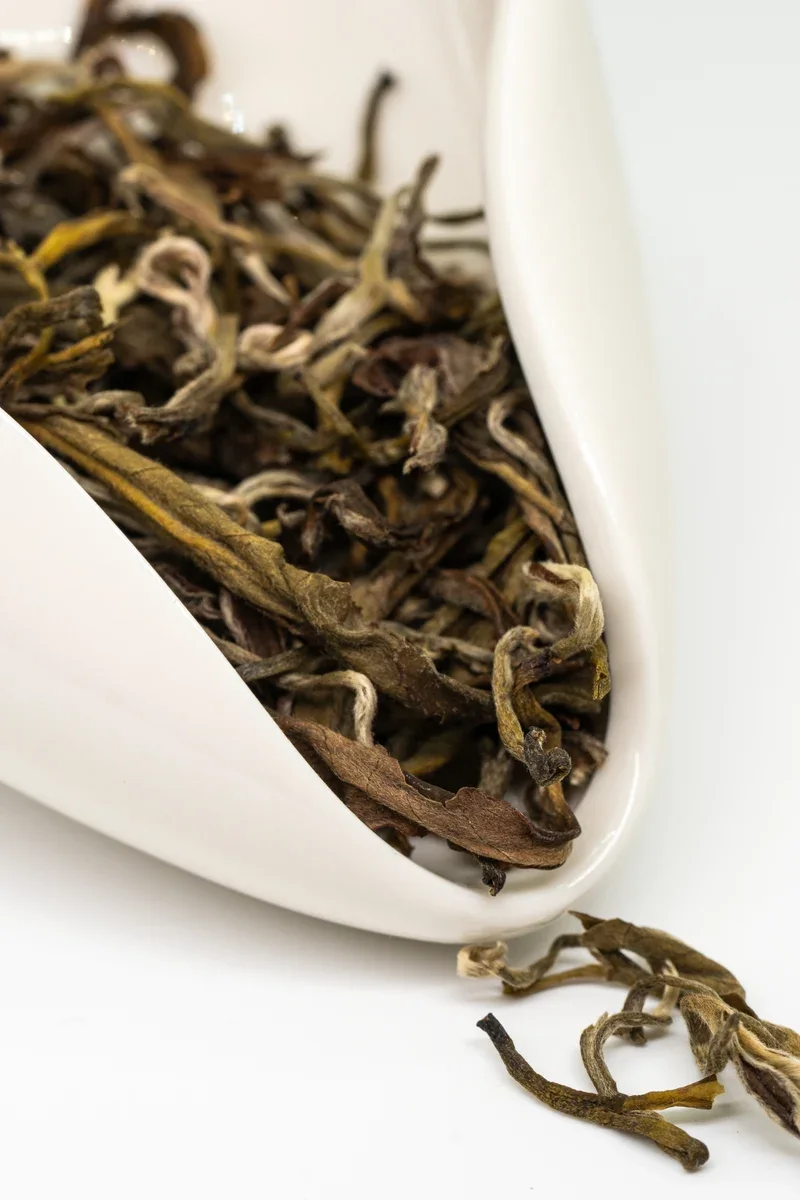
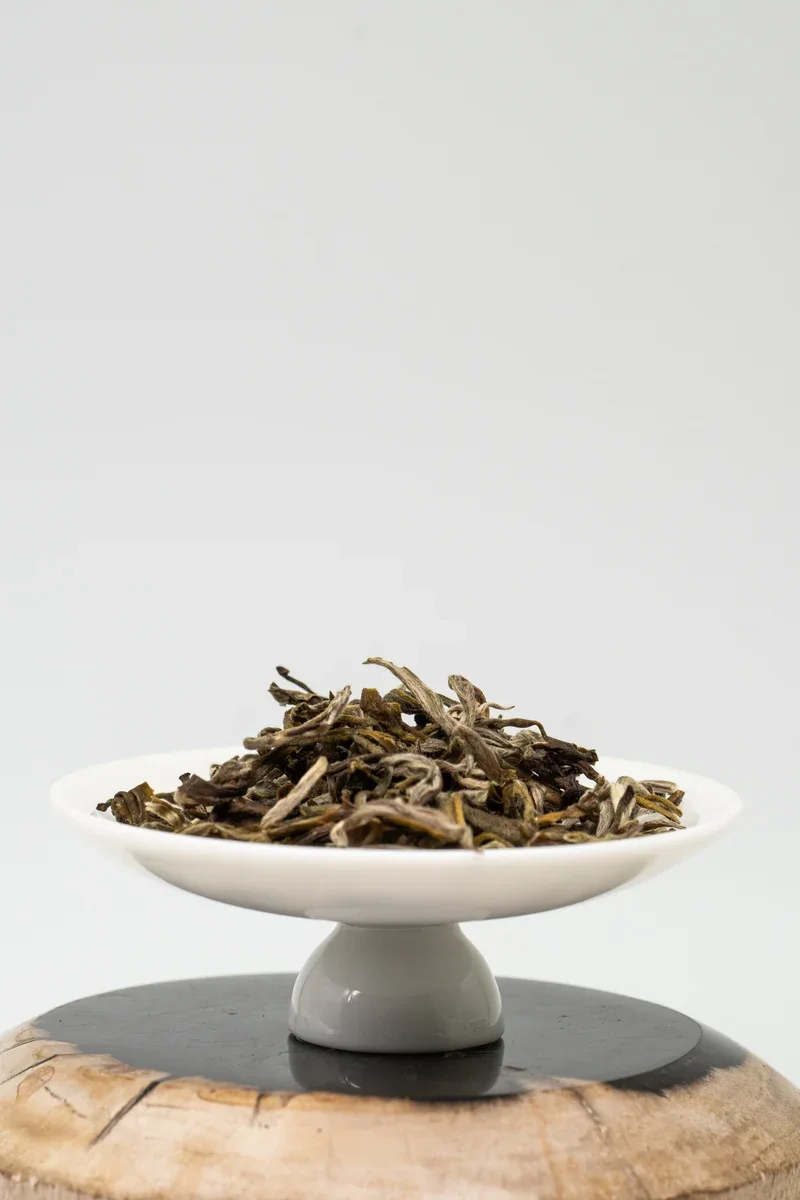
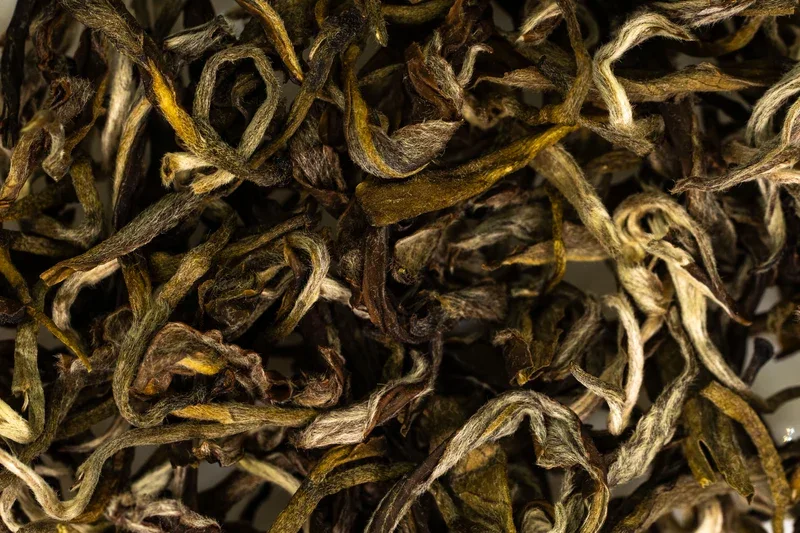
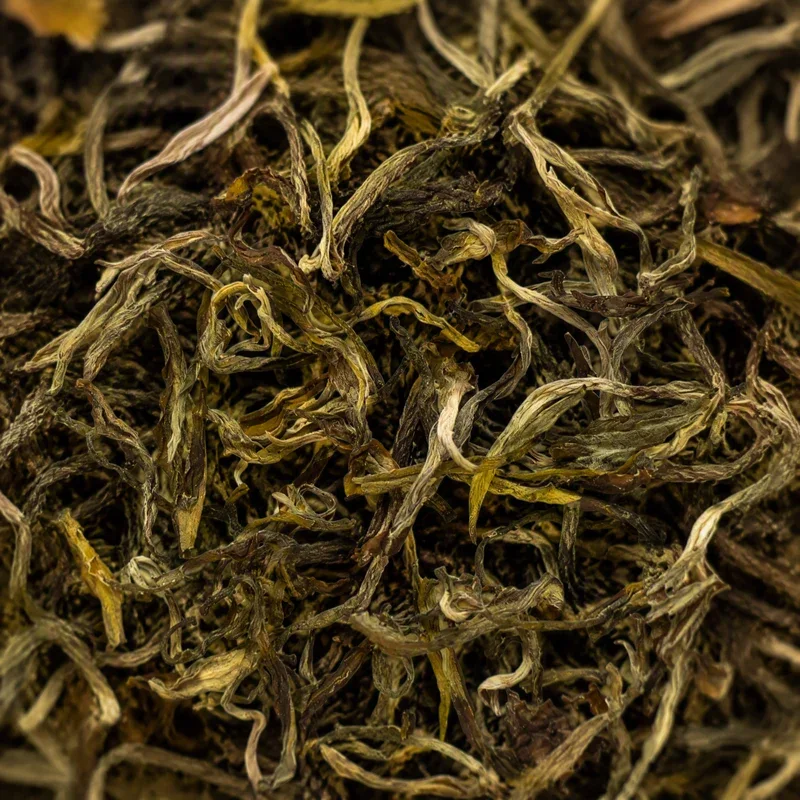
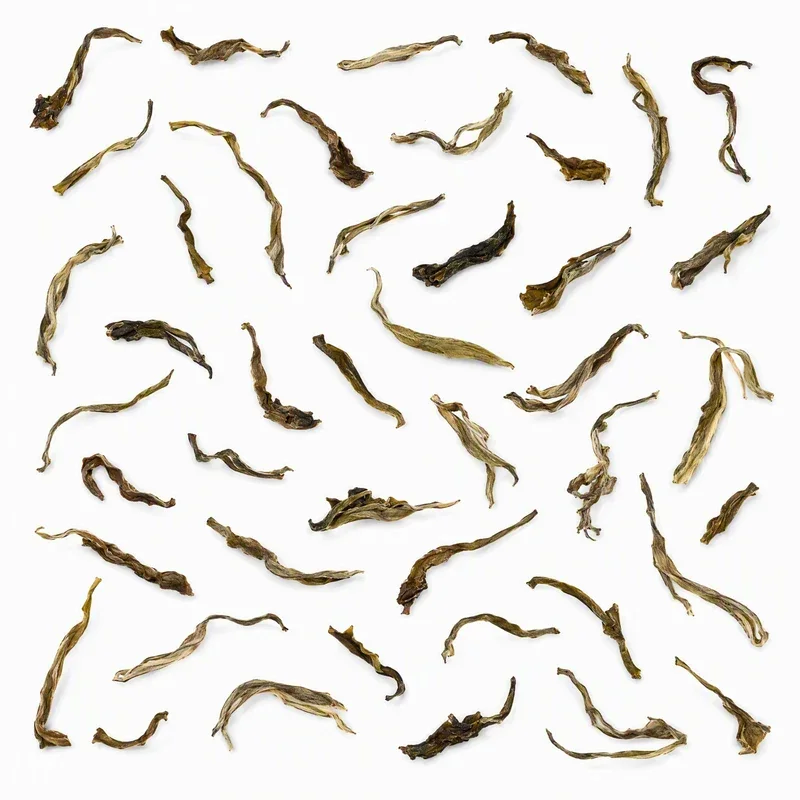
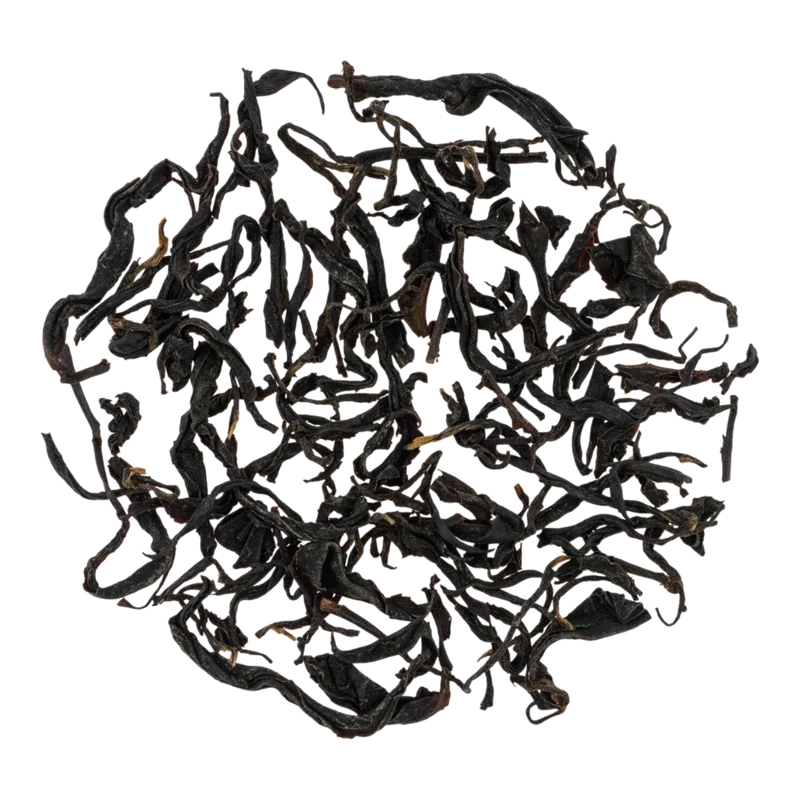
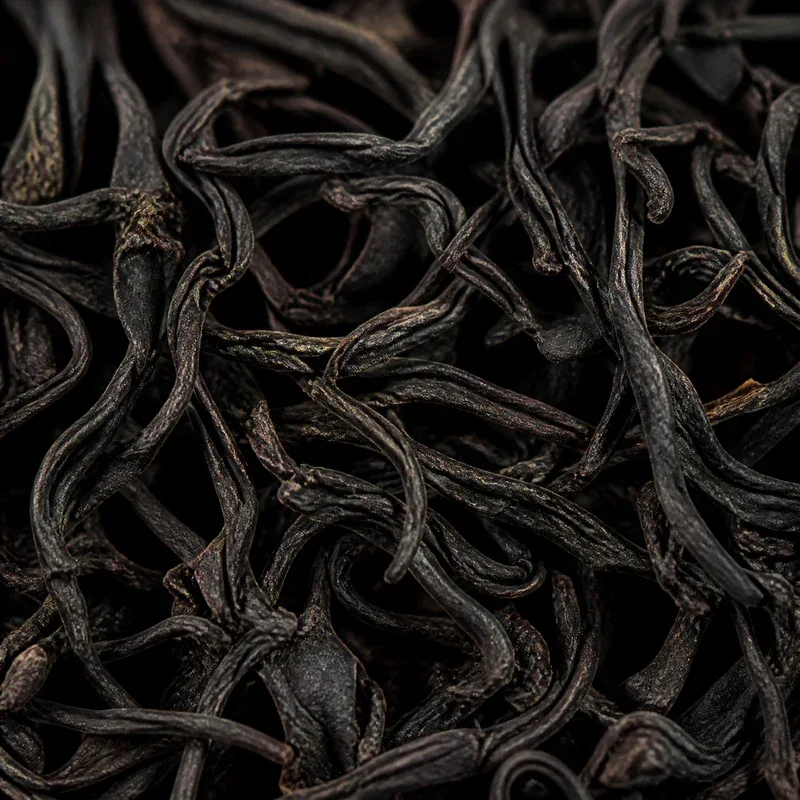
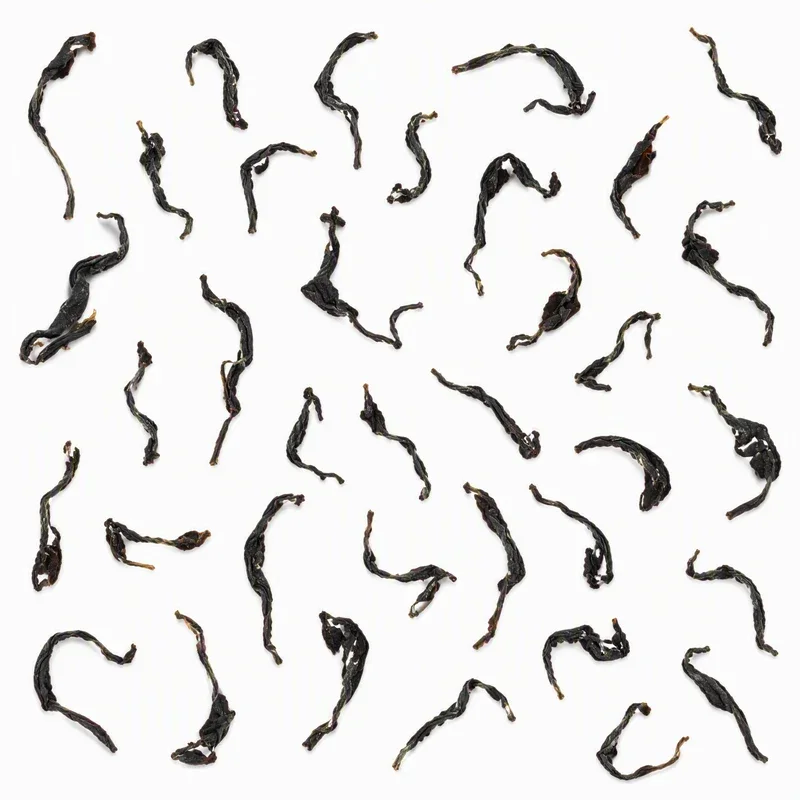
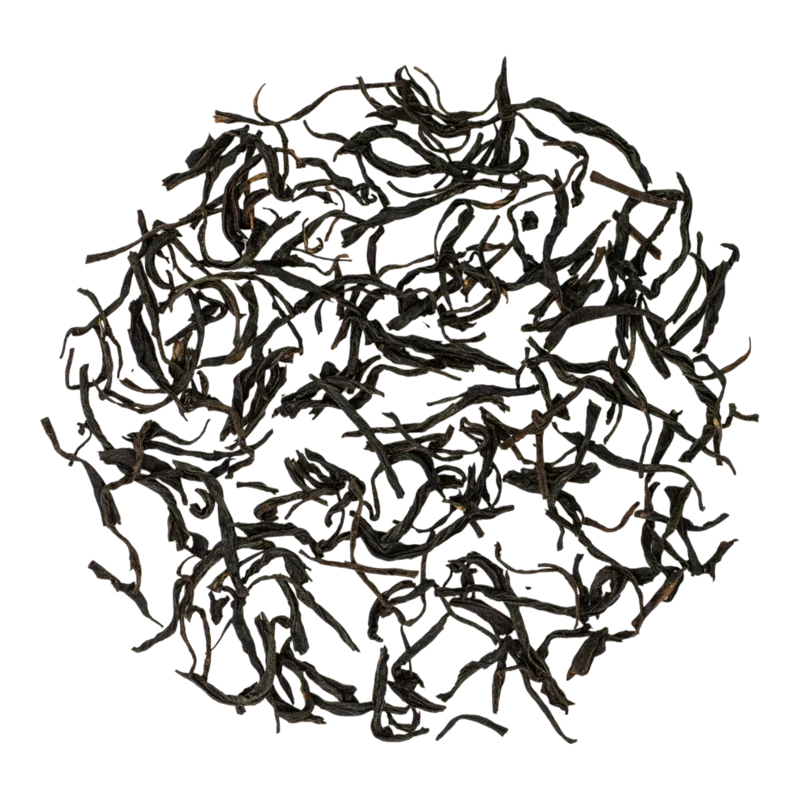
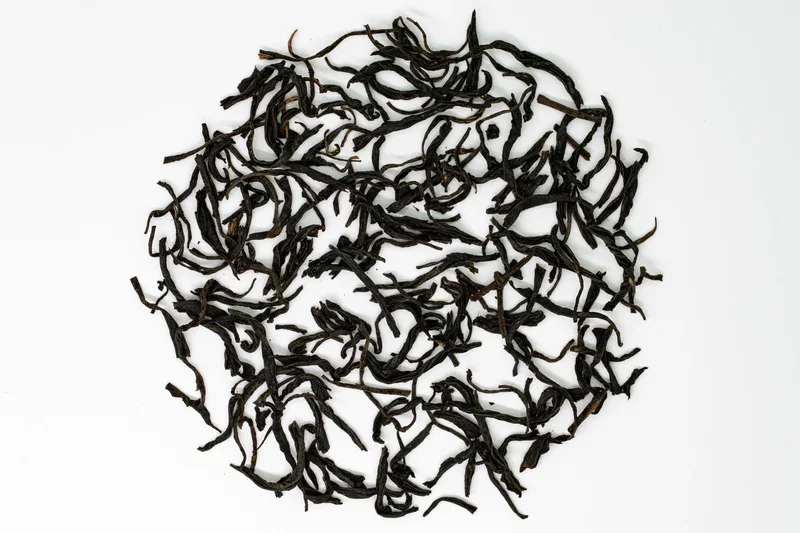
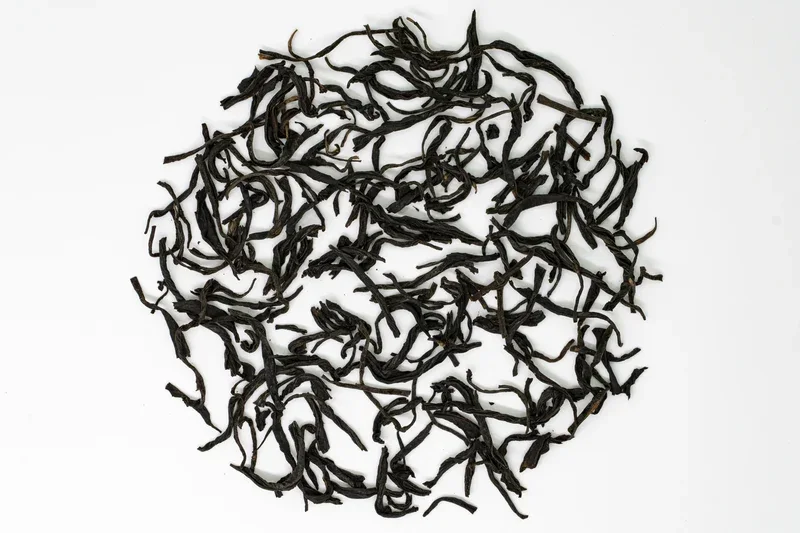
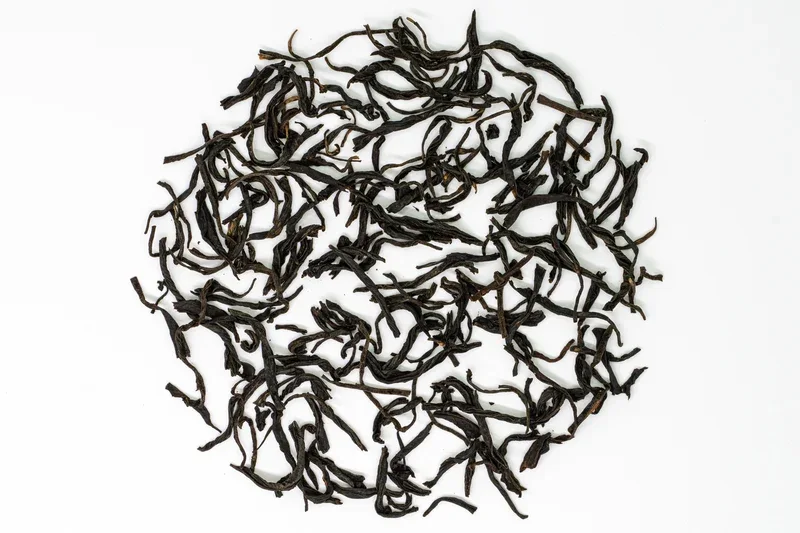
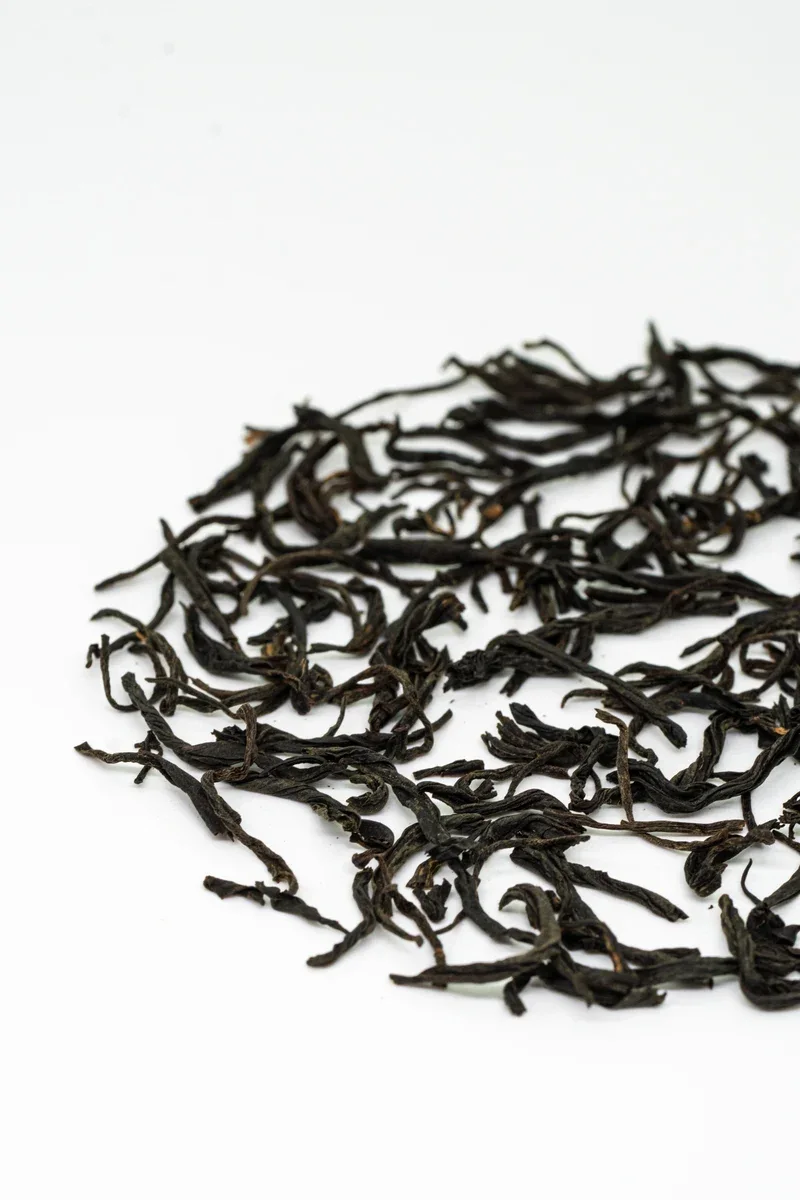
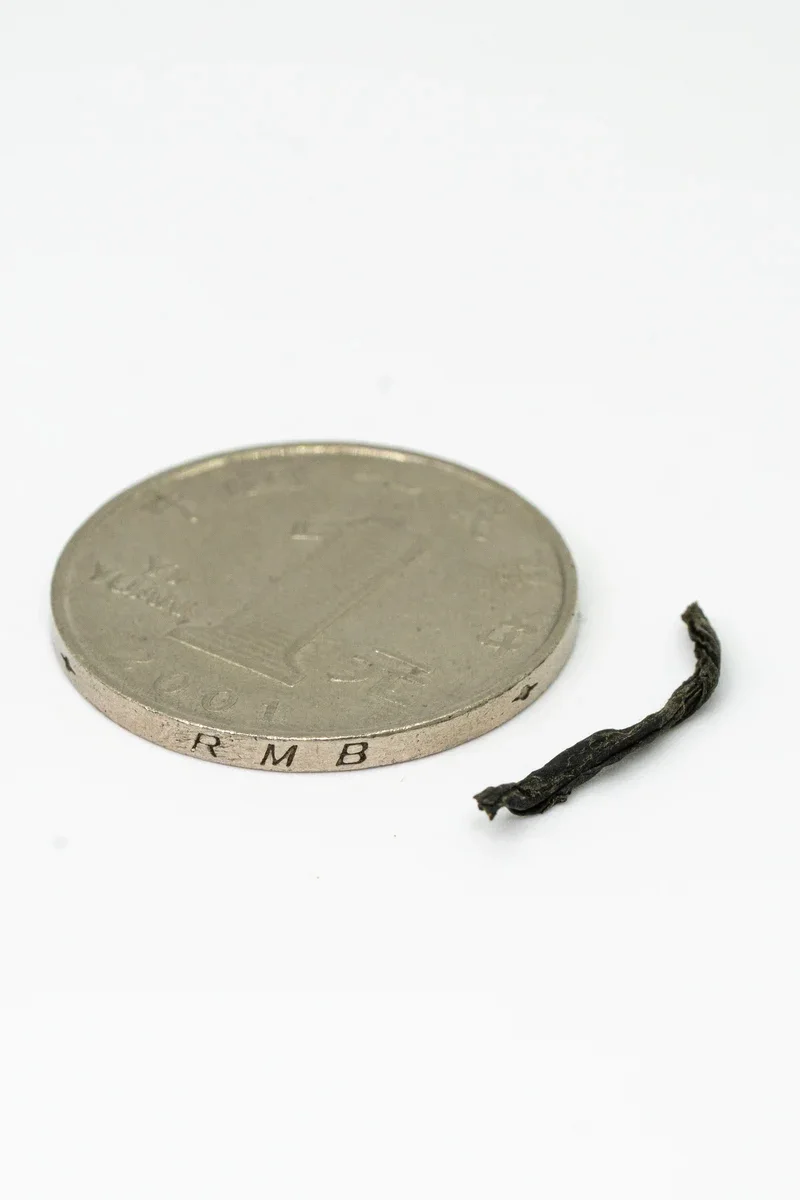
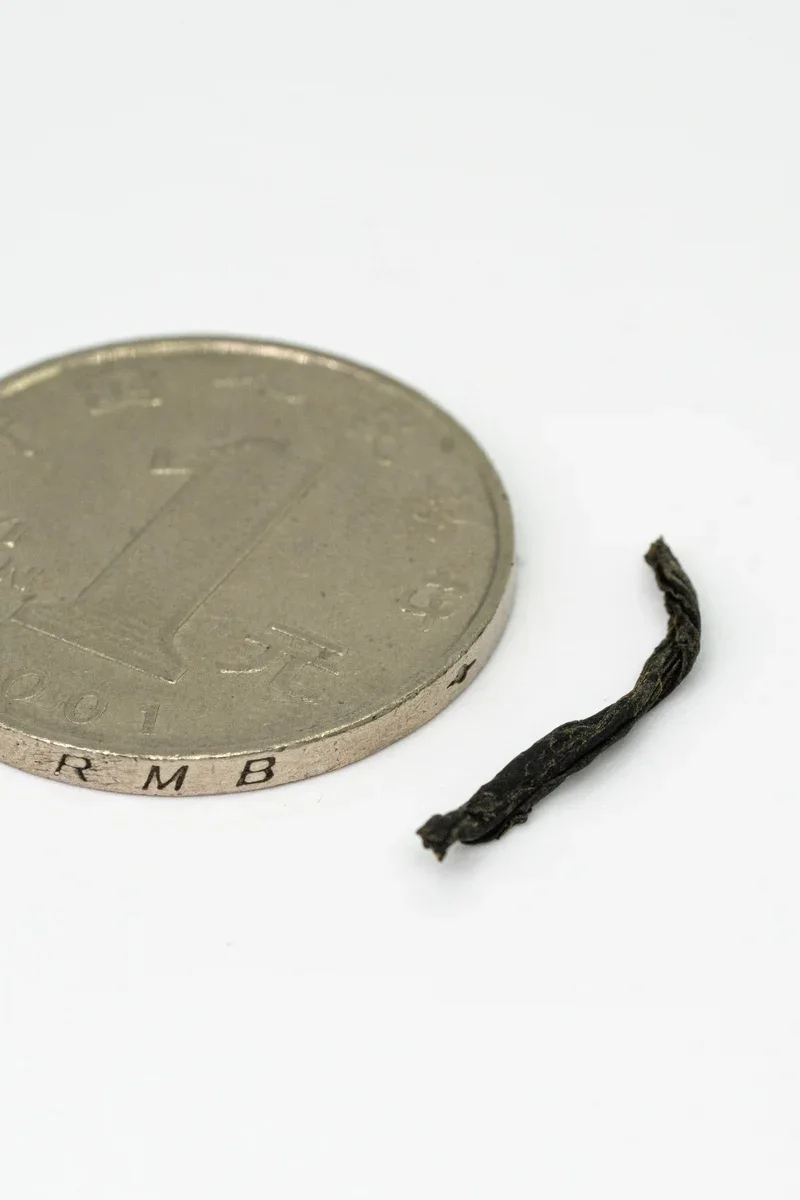
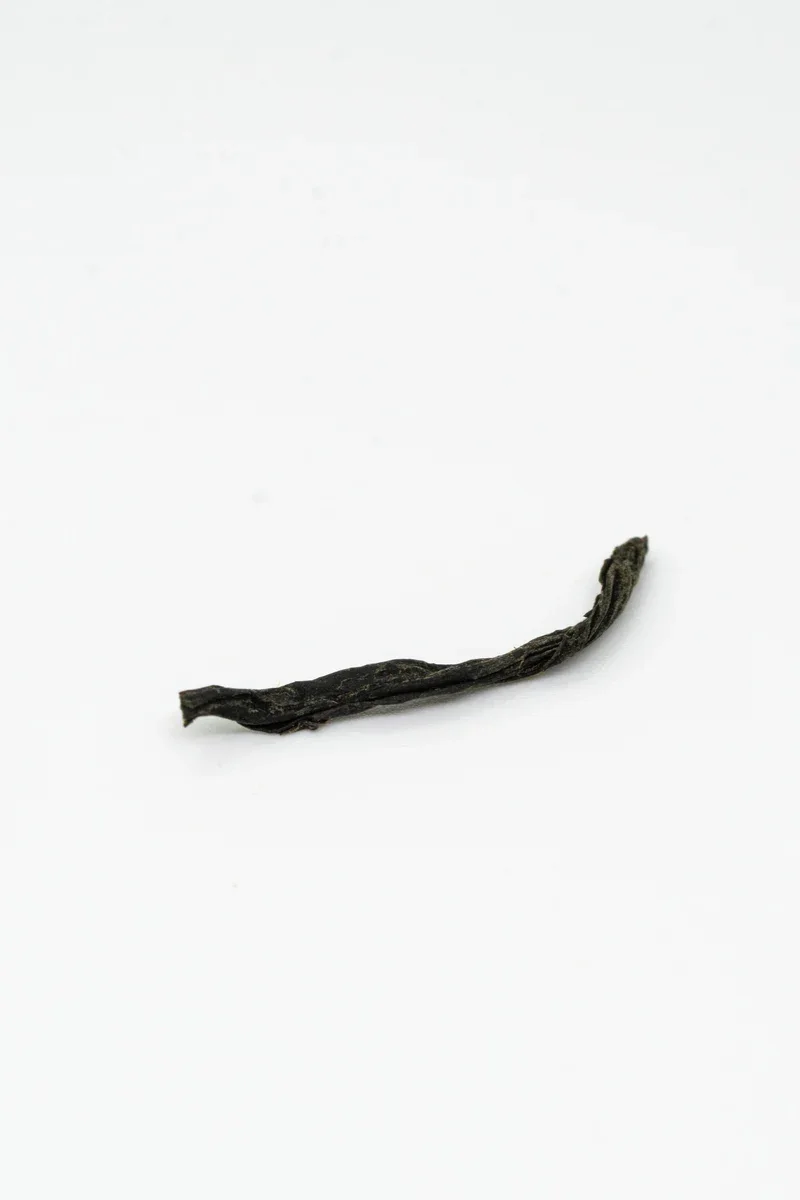
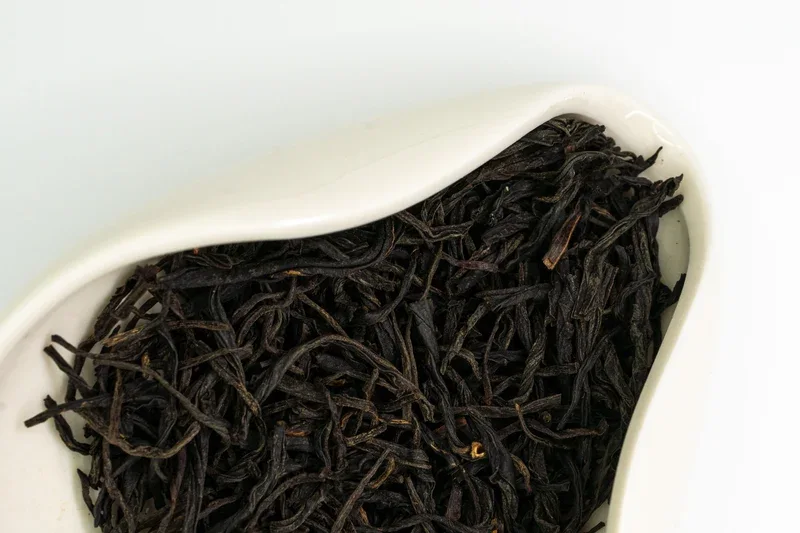
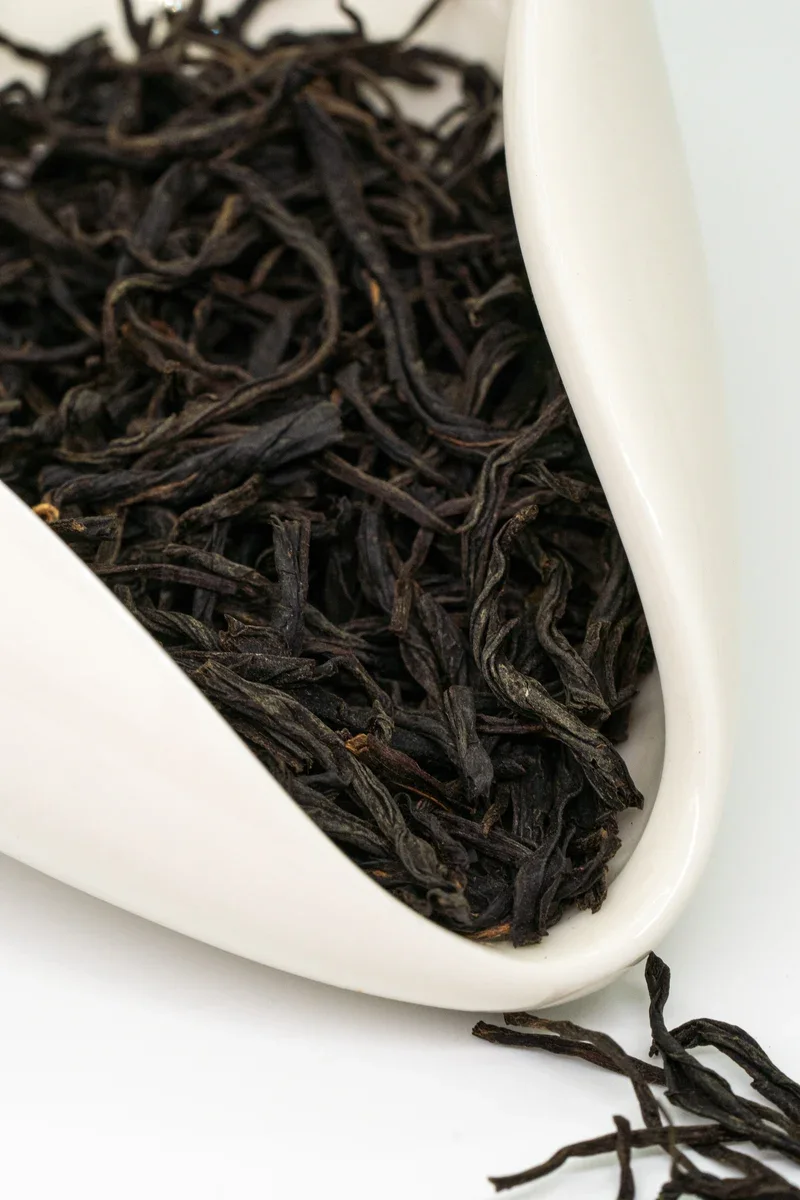
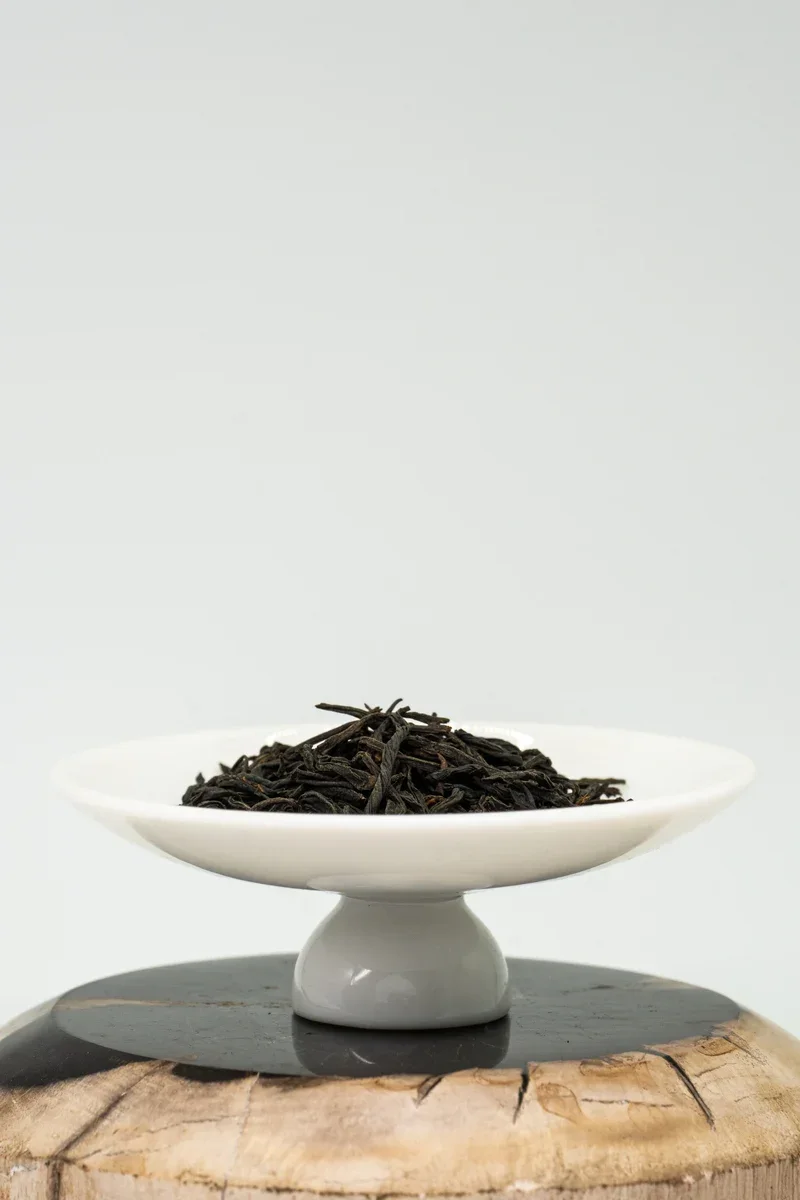
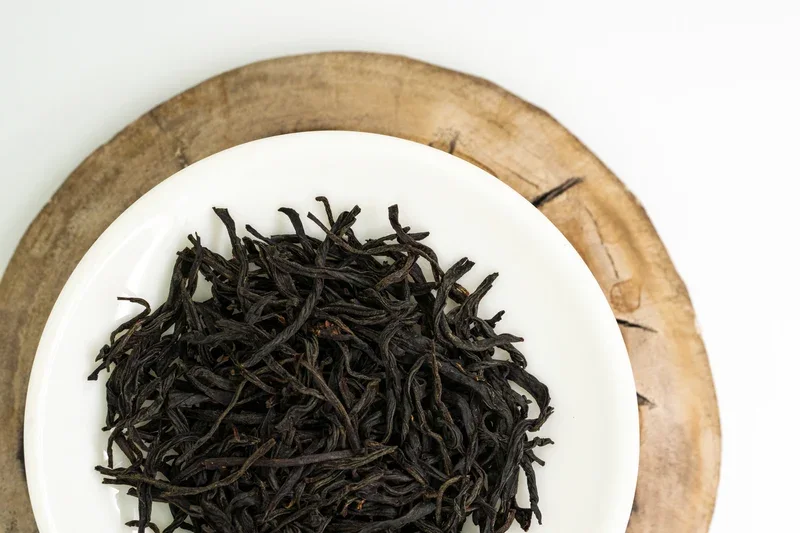
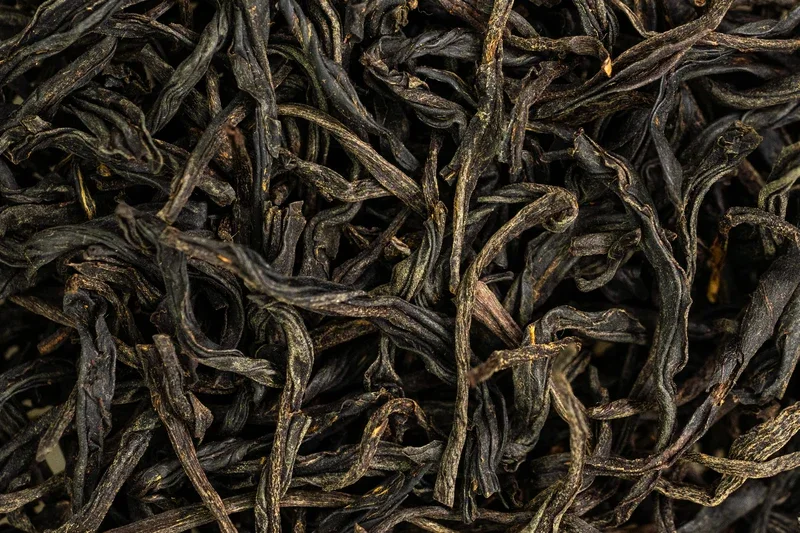
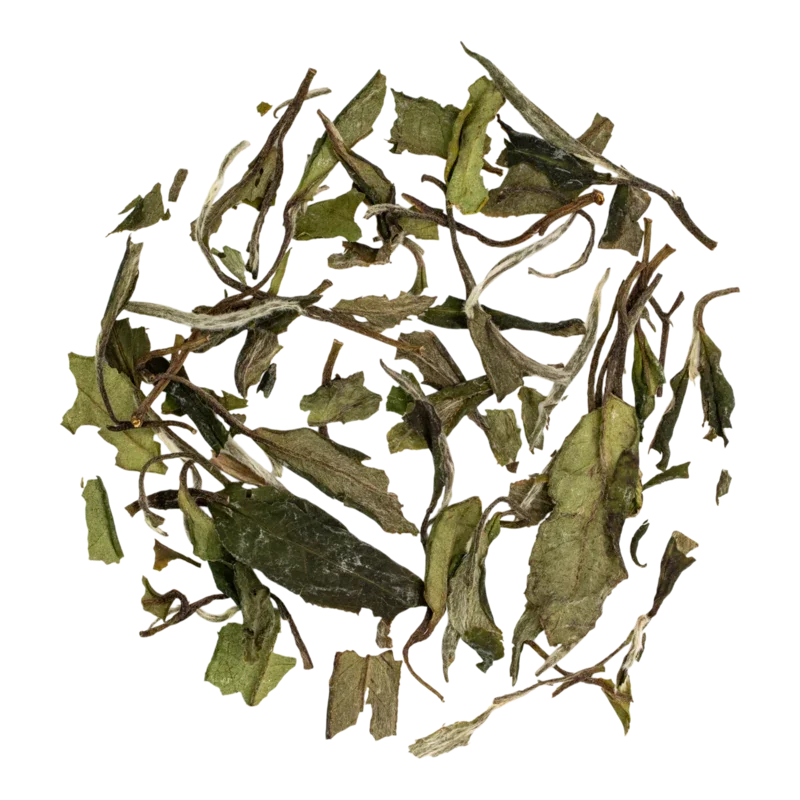
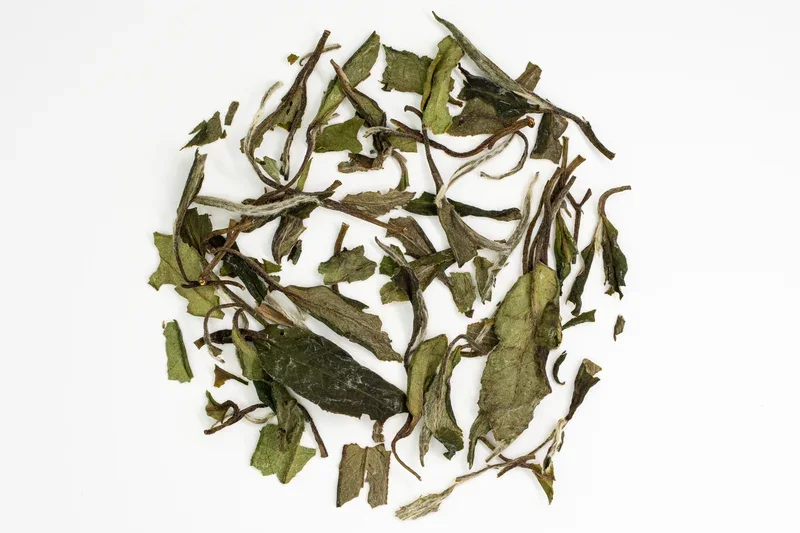
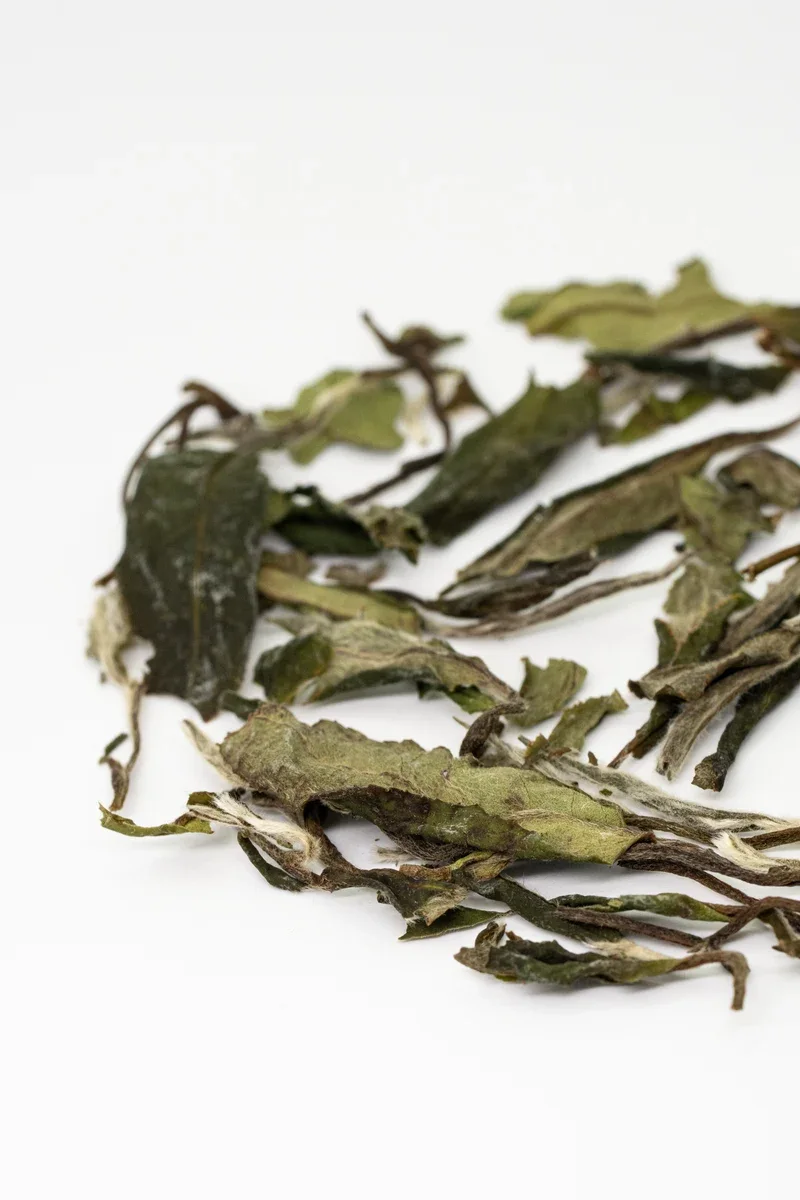
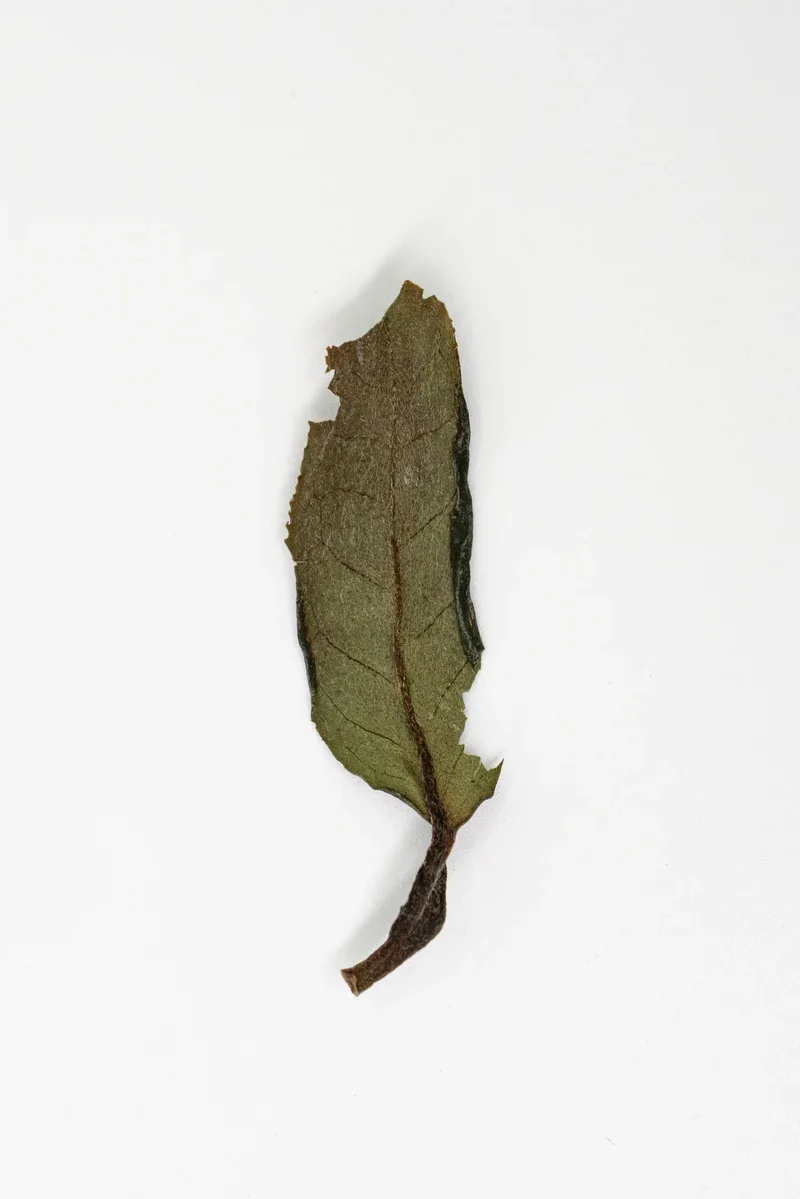
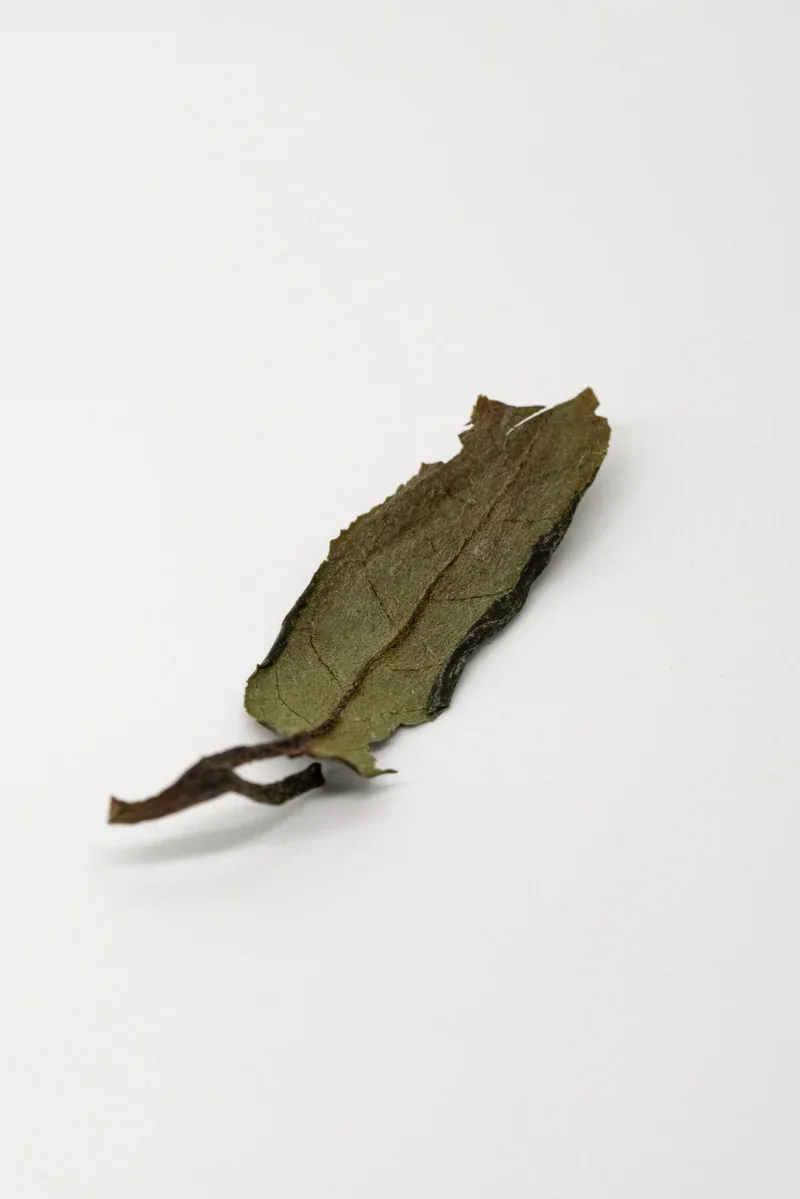
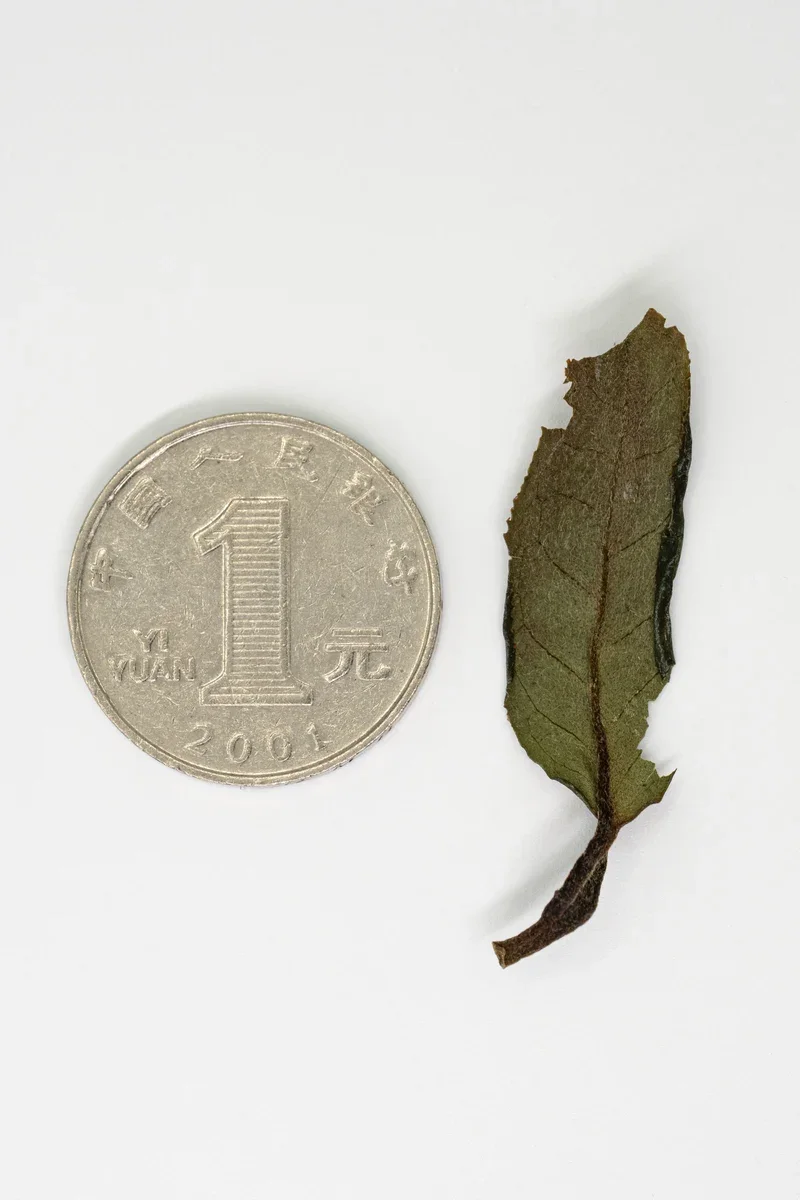
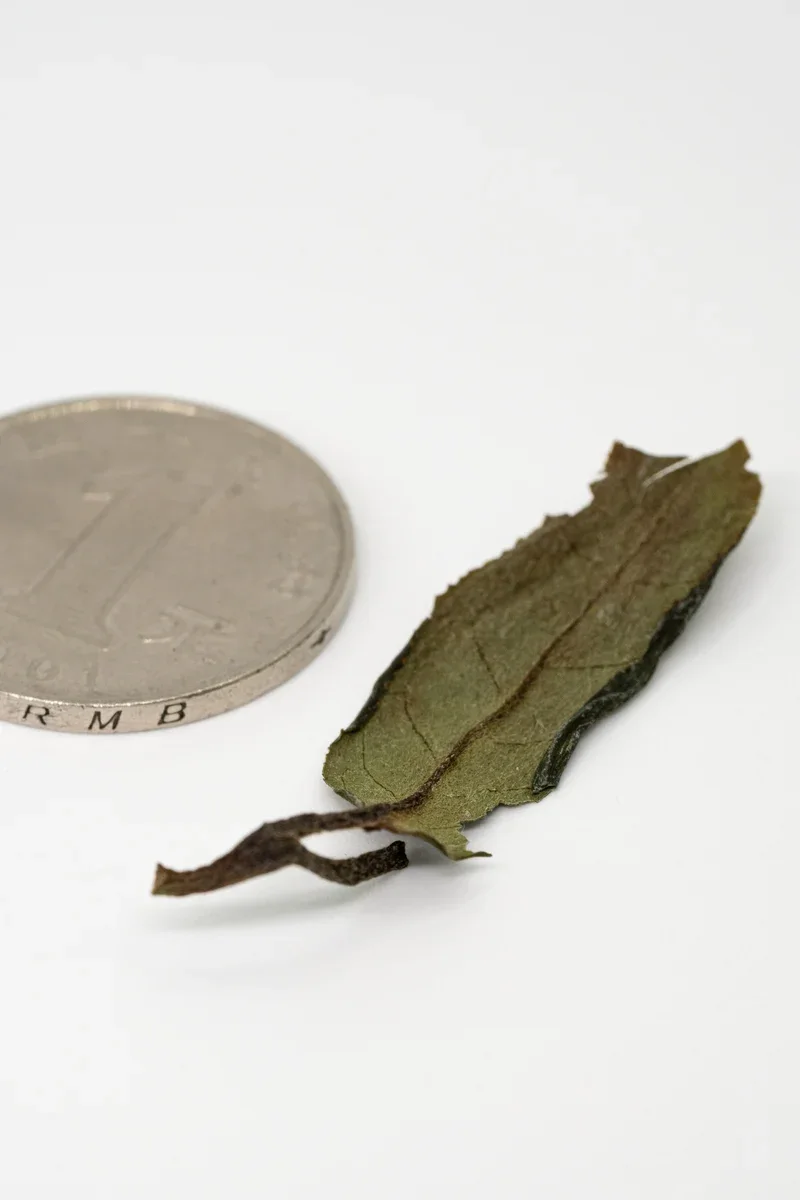
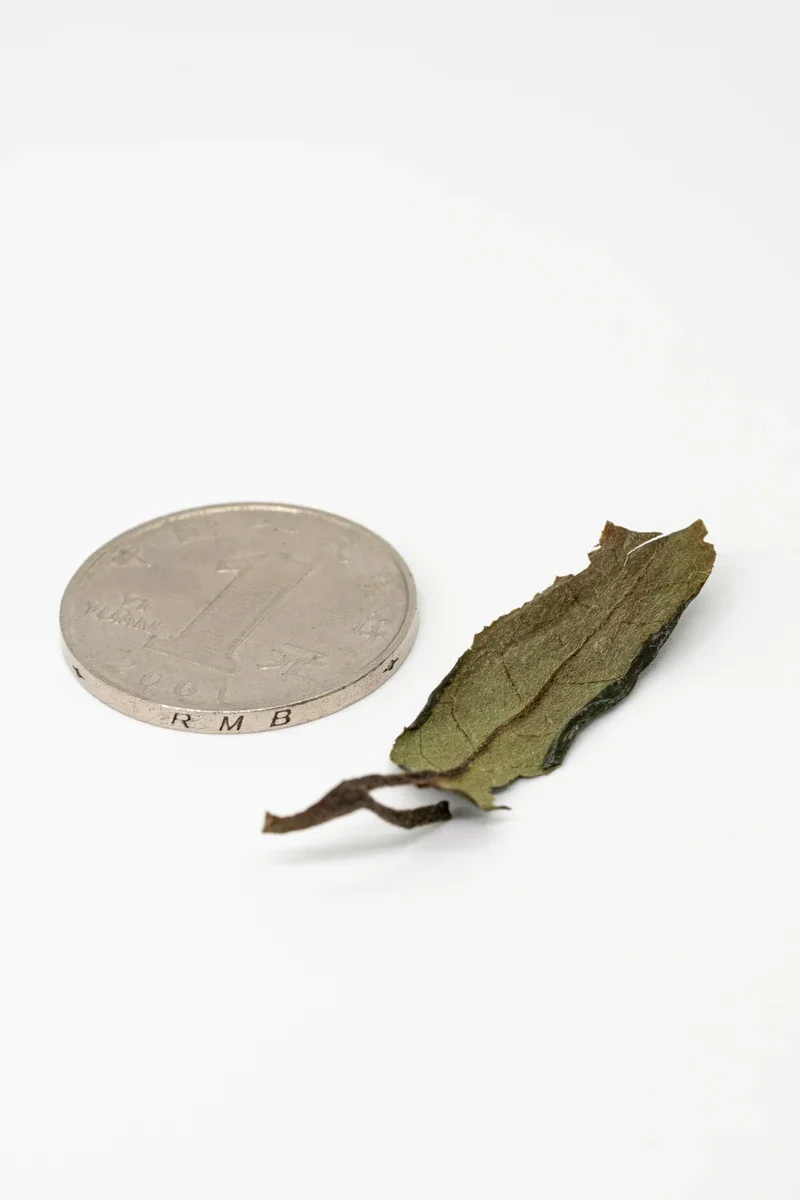
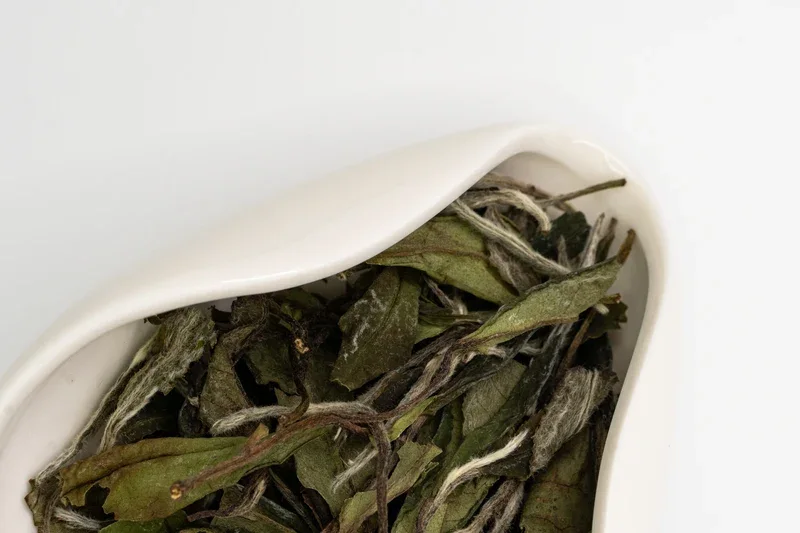
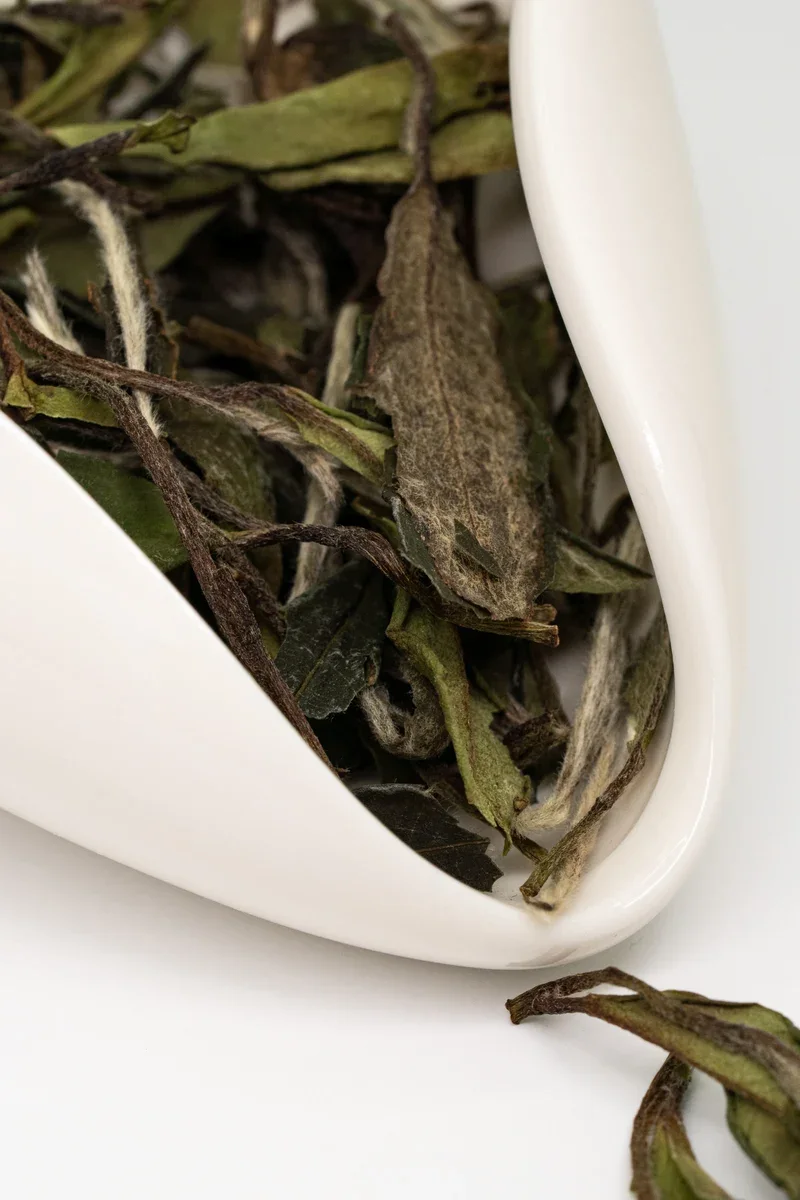
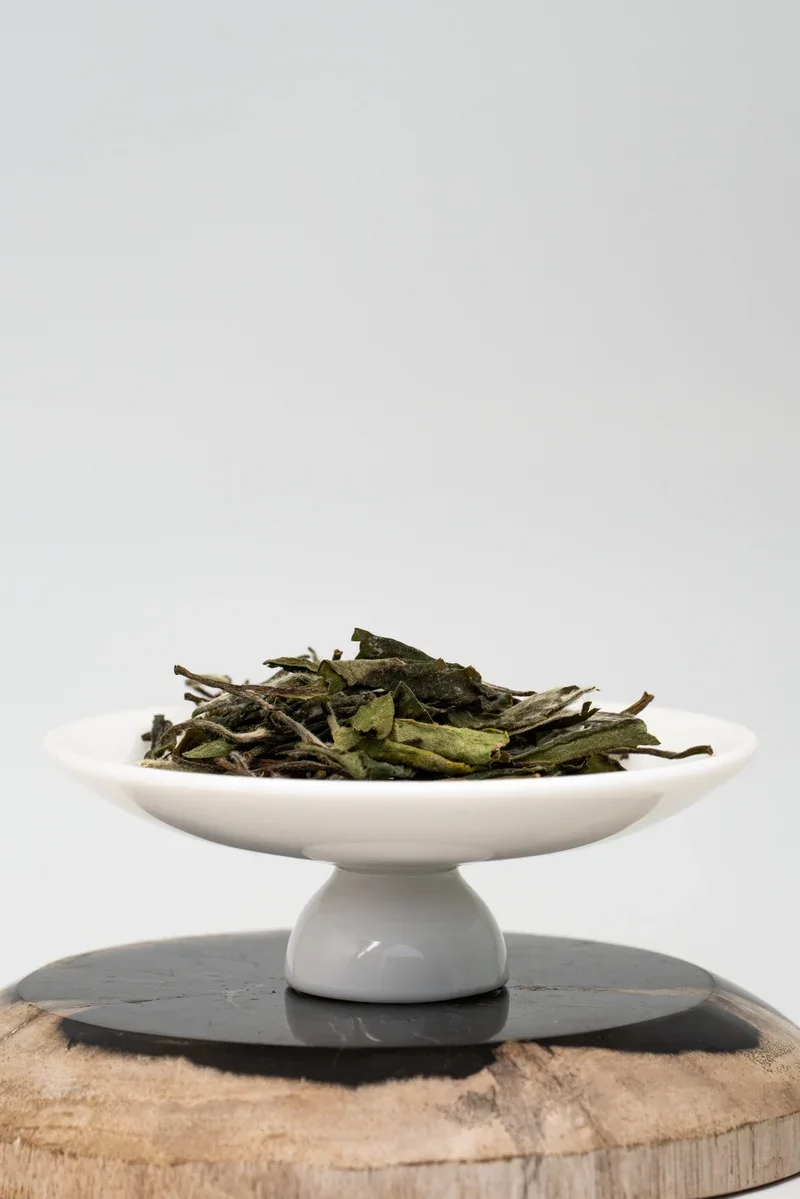
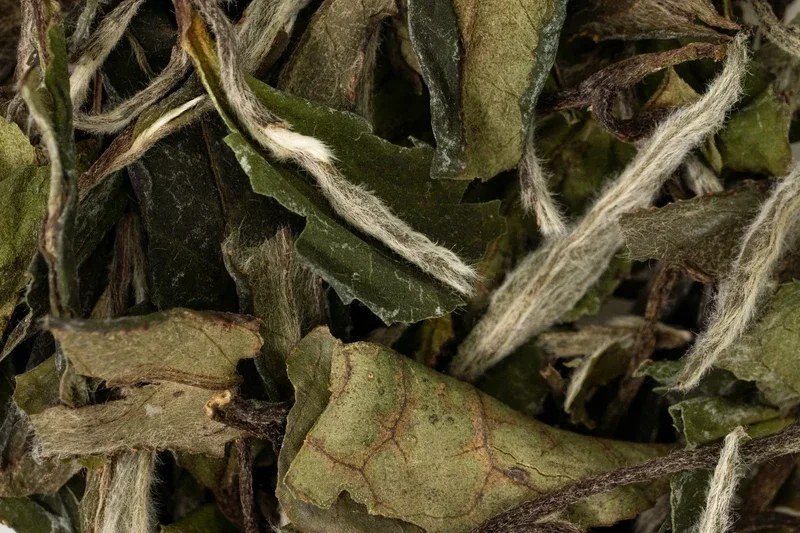
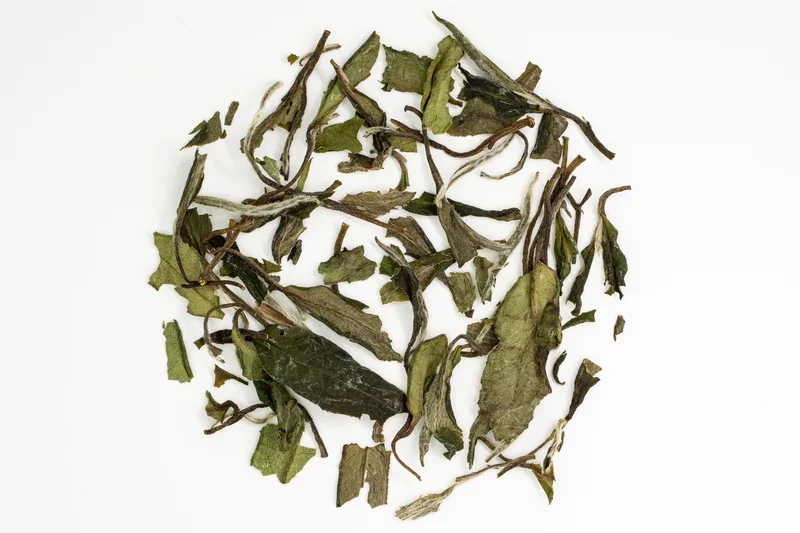
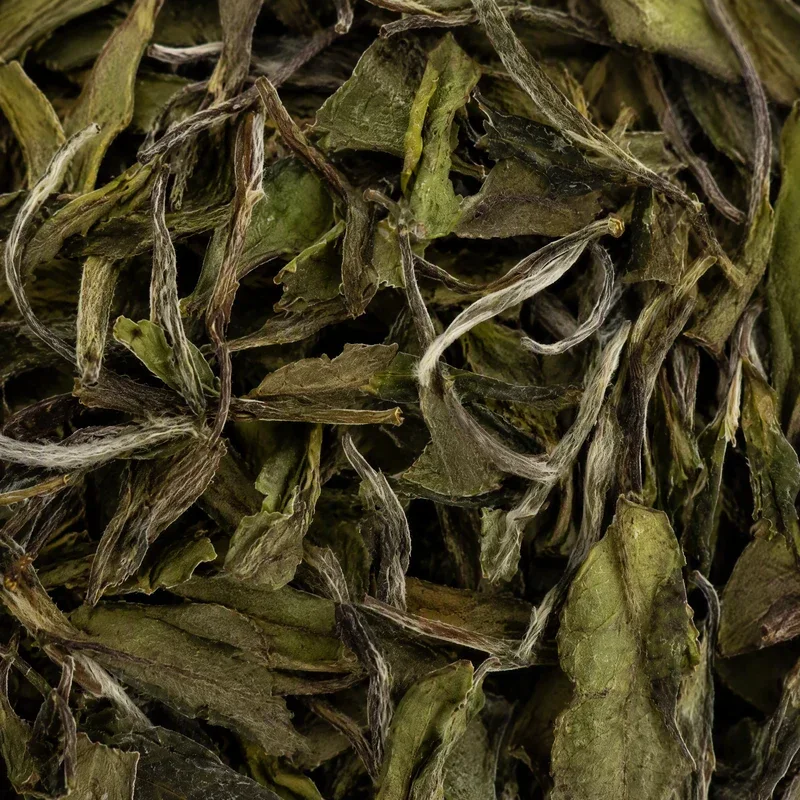
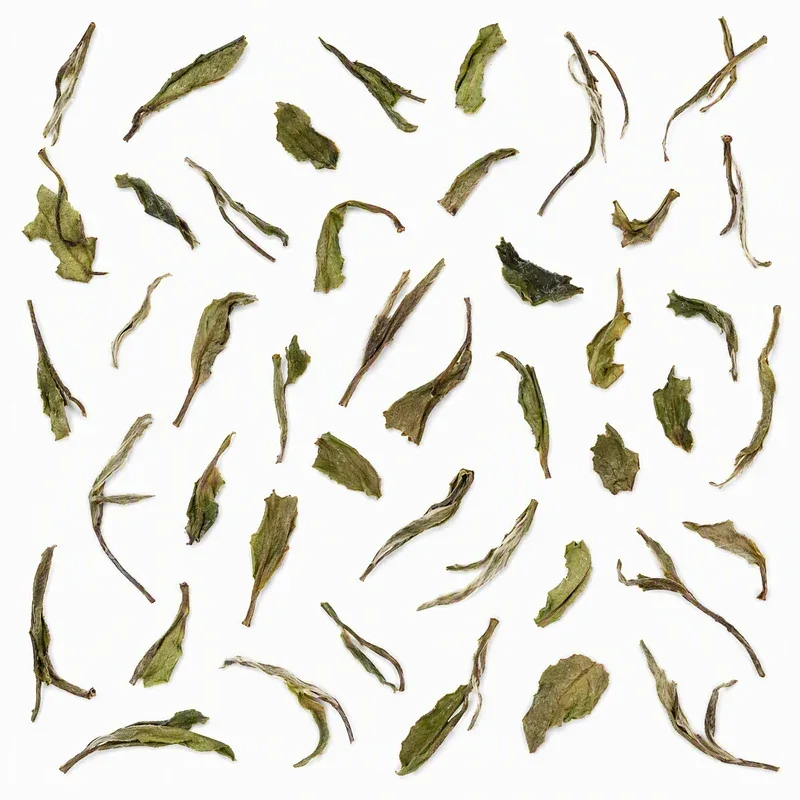
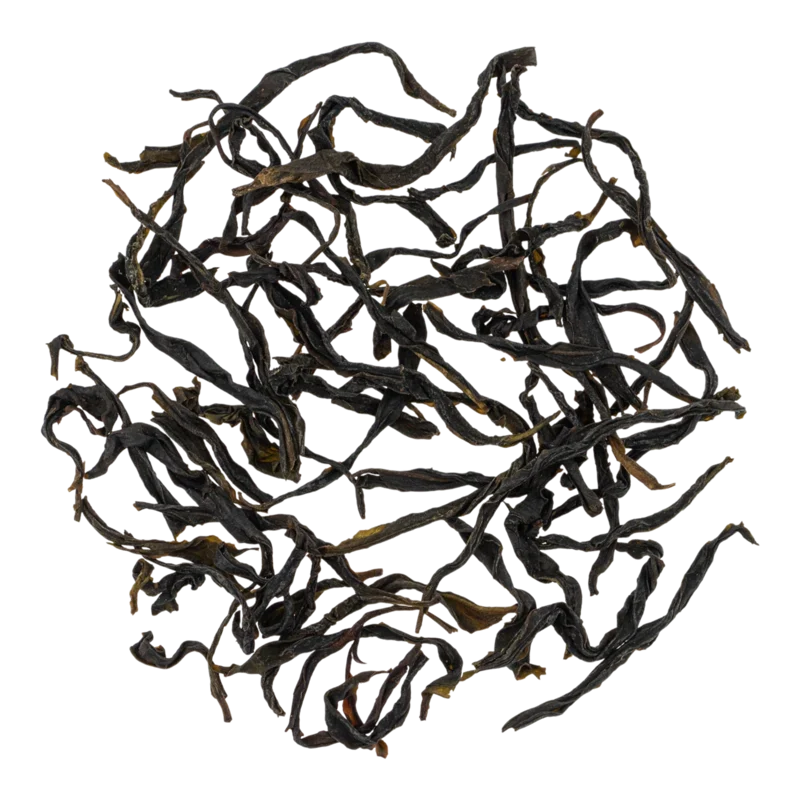
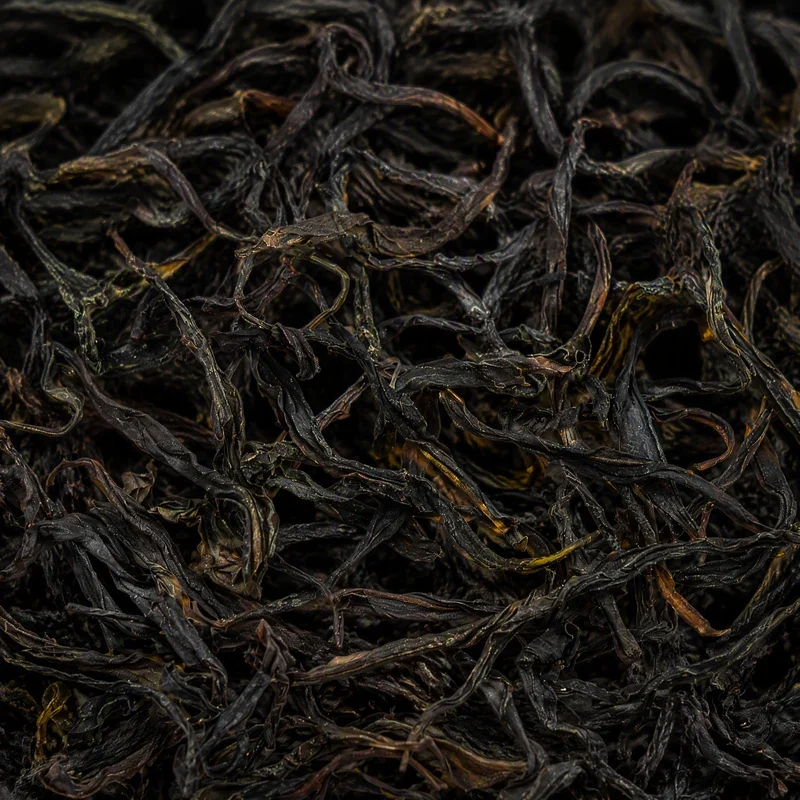
Dry Leaf Appearance: Tight, elongated strips (条索, tiáosuǒ), dense and weighty. Leaf plates are narrow-shouldered, calibration is even. Color — yellow-green with dark olive tint and characteristic «sand-green» luster (砂绿, shālǜ). Surface is oily.
Dry Leaf Aroma: Clean orchid aroma (兰花香, lánhuā xiāng) — leading note, complemented by delicate sweetness and cool green undertone. In aged and high-mountain samples ginseng tone (参香, shēnxiāng) appears. In versions with full roasting (足火) roasted rice notes (炒米香, chǎomǐ xiāng) are perceptible.
Liquor Aroma: Multi-layered floral-sweet spectrum. In first steeps bright orchid predominates; as leaves unfold honey, fruity and light spicy notes appear. Aroma persistently holds on cup walls (附杯香, fùbēi xiāng). In high-mountain samples from Xiyan-shan ginseng «resonance» (参韵, shēnyùn) builds from steep to steep.
Liquor Color: Clear yellow or golden-yellow (清黄或金黄, qīnghuáng huò jīnhuáng), transparent and bright. With enhanced roasting the shade shifts toward orange-amber.
Spent Leaves: Leaves unfold into diamond-shaped, elegant plates (棱形清秀, léngxíng qīngxiù) with clearly visible whitish central vein (主脉浮白, zhǔmài fúbái). Leaf edges have pronounced red border (红边, hóngbiān), center is green-olive. Texture is soft and resilient.
Taste: Clean and mellow (清醇, qīngchún), with medium body density. Sweetness is pronounced and appears early (甘鲜, gānxiān). Light astringency quickly dissolves (微涩速化, wēisè sùhuà), leaving powerful returning aftertaste (回甘, huígān). Taste is balanced: orchid delicacy at the beginning, creamy fullness in the middle and lasting sweetness at the finish. Tea withstands multiple brewings well — up to 7–9 steeps without significant character loss.
Alkaloids: Caffeine — about 4.4% in dry matter, which is relatively high among oolongs. Theobromine and theophylline are present in trace amounts and complement caffeine's tonic action.
Amino Acids: Free amino acid content about 1.5% (spring harvest). L-theanine — the leading amino acid — is responsible for gentle sweetness and «silky» liquor texture, as well as synergistic effect with caffeine, providing calm concentration without excessive stimulation.
Essential Oils: Rich volatile complex including linalool, nerol, geraniol and their derivatives, forming the characteristic orchid profile. Aromatic substance content is elevated due to significant temperature variation, fogginess and multiple nighttime shakings.
Minerals: Potassium, calcium, magnesium, manganese, zinc, iron, sodium, copper. Tea from Xiyan Mountain contains elevated selenium (Se) levels: productive zone soils are enriched with this element (0.15–0.35 mg/kg), which transfers to leaves and makes this tea one of the few naturally selenium-containing oolongs.
Polyphenols: Tea polyphenol content in fresh leaves is about 20–25%. During partial oxidation, part of catechins transforms into theaflavins and thearubigins, providing balance between freshness and depth of flavor. According to analysis of spring shoots of Lingtou Dancong cultivar (related line), polyphenol content in dry raw material reaches 37.2%.
Vitamins: Vitamin C (in insignificant amounts, partially destroyed during fixation), B-group vitamins (B₁, B₂), vitamin E (tocopherols).
High caffeine content combined with L-theanine provides gentle, sustained energy boost without the sharp peak and crash characteristic of coffee. Improves concentration and reaction speed.
Tea polyphenols neutralize free radicals, contributing to cell protection from oxidative stress. Selenium content in Xiyan tea additionally enhances antioxidant potential.
Processing technology with multiple shakings and heating promotes enzyme formation that favorably affects digestive processes. Traditionally recommended for consumption one hour after meals.
Tea polyphenols in oolongs accelerate fat breakdown and reduce lipid absorption from food, which with regular consumption may contribute to maintaining healthy weight.
Potassium and magnesium contained in tea contribute to maintaining normal blood pressure; polyphenols promote vascular elasticity.
Antioxidant properties of polyphenols and selenium provide indirect skin health support, slowing photoaging processes.
Multiple brewing in gongfu format encourages meditative rhythm, reducing subjective stress levels.
Tea Amount: 7 g per 150 ml (gongfu); 3–4 g per 250–300 ml (European style). For cold brewing — 5 g per 500 ml.
Teaware: For full aromatic spectrum development, preferred are: Yíxīng purple clay teapot (紫砂壶, zǐshā hú) or red clay teapot (红陶壶, hóngtáo hú) — especially for roasted versions; white porcelain gaiwan (盖碗, gàiwǎn) — universal option suitable for any style.
Water Temperature: 95°C for standard versions; 90–95°C for young spring leaf of light style (清香型); 95–100°C (rolling boil) for well-roasted versions (足火).
Enemies: Moisture, high temperature, foreign odors and direct sunlight — four main factors leading to quality degradation.
Airtight packaging (vacuum foil bag or tin with tight lid), dry and cool place, away from direct sunlight. Optimal temperature — 15–25°C, humidity — below 60%.
Light style versions (清香型) are more sensitive to storage conditions and better preserved in refrigerator at 0–5°C. Roasted versions (足火) are significantly more stable and can be stored at room temperature for 2–3 years.
Newly produced tea is recommended to rest unopened for about one week in a dark place for «resting» and removal of residual «fire character» (退火, tuìhuǒ), after which aroma unfolds more fully.
The closest stylistic analogue from the Fenghuang school of dancongs. Both teas have orchid aromatics, however Fenghuang Zhi Lan Xiang is produced from Fenghuang dancong cultivars and possesses a more pronounced "mountain note" (山韵, shānyùn). Lingtou Qi Lan is softer, sweeter and has a unique "ginseng resonance" absent in Fenghuang analogues.
Originates from the same village, but from a different breeding clone. Lingtou Dancong is distinguished by honey-floral aroma (蜜兰香, mìlán xiāng) and orange-yellow liquor, while Qi Lan tends toward pure orchid and lighter liquor. Dancong is officially recognized as a national variety; Qi Lan remains a more niche product.
A Fújiàn oolong from Pínghé County (平和县), also bearing "Qi Lan" in its name and possessing orchid aroma. However, this is a separate cultivar (灌木型, medium-leaf, early-medium), growing in the mountains of southern Fujian. Bai Ya Qi Lan liquor is usually lighter and fresher, with pronounced green-floral notes and without ginseng undertones. Leaf shape is also cord-like, but less weighty.
A variety of Qí Lán cultivated in Wǔyí Mountains (武夷山) using yan cha (岩茶) technology. The cultivar brought from Pinghe or Guangdong is adapted to Danxia terrain, and the finished tea acquires the characteristic "bone structure" (岩骨, yángǔ) — a mineral foundation atypical for Guangdong versions. The orchid note is present, but supplemented by almond and caramel overtones from charcoal roasting.
Price Category: Price is determined by grade, plantation elevation, harvest season, degree of hand processing and producer reputation. Approximate ranges (prices in yuan per jin / 500 g): special grade (特级, tèjí) — from 1000 yuan and above; first grade (一级) — 300–800 yuan; second grade (二级) — 100–300 yuan. High-mountain Xīyán Qí Lán (西岩奇兰) is positioned in the upper segment and may significantly exceed indicated ranges.
No reviews yet. Tell us what you think of this tea.
Rate this tea and share your impressions. We review each submission before publishing it.