Brewing
Gongfu brewing
- Water temperature
- 92 °C
- Tea amount
- 6 g
- Water volume
- 100 ml
- First steep
- 10 s
- Time added per infusion
- 5 s
- Infusions
- 8

Lǐngtóu dān cóng
Choose a brewing method. Start with the recommended quantities and time, then adjust to taste.
Brewing
Brewing
Taste
Tea encyclopedia
Category: Guǎngdōng dān cóng teas (广东单丛). Together with Fènghuáng Dān Cóng (凤凰单丛), it constitutes one of the two commercial product lines of dan cong teas. It is a geographically indicated product (地理标志保护产品): registered by the Ministry of Agriculture of the PRC in 2013, and received geographical indication product status from the State Intellectual Property Office in 2025.
Category: Guǎngdōng dān cóng teas (广东单丛). Together with Fènghuáng Dān Cóng (凤凰单丛), it constitutes one of the two commercial product lines of dan cong teas. It is a geographically indicated product (地理标志保护产品): registered by the Ministry of Agriculture of the PRC in 2013, and received geographical indication product status from the State Intellectual Property Office in 2025.
Coordinates: 116°35′–116°58′ E, 23°45′–24°14′ N.
Origin: China, Guǎngdōng Province (广东省), Ráopíng County (饶平县, Ráopíng Xiàn), Cháozhōu City (潮州市, Cháozhōu Shì). Core area — Fúbīn Town (浮滨镇, Fúbīn Zhèn), Lǐngtóu Village (岭头村). The geographical indication protection zone covers 11 towns (镇/场): Fubin, Dongshan, Tangxi, Xintan, Sanjiao, Hanjiang Linchang, Xinfeng, Shangrao, Raoyang, Jianrao, Zhangxi.
Type: Oolong (semi-oxidized tea), oxidation level ≈ 25–50%. Belongs to Guangdong aromatic oolongs with medium oxidation and traditional roasting.
Cultural Significance: Lǐngtóu Dàn Cóng is inseparably connected with the culture of Cháozhōu gōngfū tea ceremony (潮州工夫茶, Cháozhōu gōngfū chá), including 21 ceremonial movements and the use of "four treasures of the tea room" (Mengchen teapot, Ruochen cups, clay stove, and water-heating kettle). The system "饶平单丛茶文化" is recognized as an element of provincial agricultural cultural heritage; Lingtou Dan Cong production includes the technique of "three steamings and three sun-dryings" (三焗三晒, sān jú sān shài), which belongs to intangible cultural heritage. Zhelin Port (柘林港) in Raoping County historically served as one of the points on the Maritime Silk Road, through which tea from the region was exported to Southeast Asia.
History: The tea tradition of Raoping County dates back to the Tang era, when tea tree cultivation already existed in the Fenghuang Mountains; over 1,700 century-old tea trees are preserved. The "Records of Chaozhou Prefecture" (《潮州府志》) from 1684 (Kangxi era) mentions high-quality tea from Daizhao Mountain (待诏山) in Raoping County.
Name Breakdown: 岭头 (Lǐngtóu) — literally "ridge peak," after Lingtou Village on the slope of Shuangji Niang Mountain; 单丛 (Dān Cóng) — "single bush," indicating the method of individual selection and separate processing of outstanding tea tree specimens. Alternative commercial name — Bái Yè Dān Cóng (白叶单丛, Bái Yè Dān Cóng, "white leaf dan cong"), reflecting the characteristic light yellow-green shade of young foliage.
Cultivar: Lǐngtóu Dān Cóng (岭头单丛) — original cultivar selected from the group of local shui xian (水仙, shuǐxiān). Classification: Camellia sinensis var. sinensis, asexual clone. Morphotype — small tree (小乔木型), medium leaf size (中叶类), particularly early growing period (特早生种). Plant is tall, crown semi-spreading, branching medium. Leaf elongated-elliptical: average length 9.0 cm, width 3.5 cm; veins 7–9 pairs; color — yellow-green with pronounced luster; surface flat, edge smooth, tip gradually pointed, serration blunt and shallow; blade relatively thick and soft. Buds and young shoots yellow-green, pubescence weak. Weight of one hundred shoots in "one bud + three leaves" phase — 121.0 g. Flower: corolla ∅ 3.0–4.0 cm, 7 petals, ovary pubescence medium, style three-parted. Ability for vegetative propagation (cutting) is high.
Picking: Very early: buds begin growth in February, peak of "one bud + three leaves" phase falls in the second–third ten-day period of March. Growing season is long — harvest possible until the end of November. Spring harvest (春茶) is most valuable; summer and autumn are also used. White leaf dan cong is one of the earliest in harvest timing among all dan cong teas: it is picked even before Qīngmíng (清明).
Pluck Standard: One bud + 2–4 leaves; for highest grades — one bud or one bud + one leaf. Shoot integrity is mandatory.
Raw Material: Shoots of uniform maturity, without mechanical damage, foreign odors, and coarsened tissues. Quick delivery to the workshop to avoid overheating of fresh leaves.
Altitude: Main range — 600–1,000 m. Core — slopes of Shuangji Niang, ≈ 1,032 m. Low-mountain gardens — from 400 m.
Climate: Southern subtropical monsoon, with oceanic influence. Average annual temperature 21.4°C, frost-free period 349 days, annual sunshine 2,114 hours. Precipitation — 1,475.9 mm/year, relative humidity ≈ 79%. Foggy days — over 200 per year. Winters are mild (southern part — without severe cold), summer moderately hot thanks to marine influence. Significant diurnal temperature variation in mountains promotes accumulation of aromatic substances; diffused light in foggy conditions enhances amino acid synthesis.
Soil: Red-brown soils (赤红壤) and yellow soils (黄壤), pH 4.2–5.6 (in core area — 4.5–6.0). Organic matter content ≈ 1.89%. Shuangji Niang soils — granite weathered, with elevated mineral content and enriched with selenium (0.15–0.35 mg/kg). Deep soil horizon provides good root nutrition.
Raoping County is located in the far east of Guangdong Province, at the junction with Fujian Province. Topography is elongated: in the north — mountain chains 500–1,200 m high (7 peaks above 1,000 m, highest point — Sixian Mountain, 1,256 m); center — hills and terraces; south — coastal plain. Production core — Shuangji Niang Mountain (双髻娘山, 1,032 m) with granite weathered rocks rich in minerals. Tea plantations are concentrated in low-mountain and mid-mountain zones (400–1,000 m) with abundant fog.
Water: 16 river systems flow through the county territory, largest — Huánggāng River (黄冈河, 87.2 km). Tangxi Reservoir (汤溪水库, volume 3.78 × 10⁸ m³) provides stable irrigation. Quality groundwater supplements water balance.
Top shoots (bud + 2–4 leaves) are picked by hand, mainly in morning hours, and quickly delivered to the workshop, avoiding overheating and mechanical damage.
Fresh leaves are spread on bamboo sieves and exposed to diffused sunlight. Leaves lose part of their moisture, become pliable; chlorophyll breakdown begins and formation of basic aromatic precursors. The master controls the degree of withering depending on season and raw material moisture.
Withered leaves are moved to a ventilated room for cooling and moisture equalization. Leaf temperature decreases, excess heat is removed.
Key stage forming the "floral-honey" profile. Performed in 7 cycles (分段) alternating shaking and rest according to the "three steamings and three sun-dryings" method (三焗三晒). During shaking, leaf edges are bruised, triggering local oxidation: polyphenols contact enzymes, forming precursors of floral and honey notes. In the resting phase (闷堆), leaves "steam" in a closed environment, deepening the honey component. The master evaluates color change of edges ("red edge — green belly," 红边绿腹) and aroma development.
Heating in a rotary drum at temperature ≈ 220°C. Inactivates enzymes, stopping oxidation at the needed stage. Fixes aroma direction and prevents further leaf darkening.
Hand rolling (滚揉, gǔnróu) forms characteristic longitudinal twist — tight, heavy, straight strips. Cell wall destruction increases extraction during brewing.
Drying on bamboo baskets (竹焙笼) at 90–95°C. Traditional charcoal roasting (炭焙, tàn bèi) rounds the taste, enhances aroma persistence, adds warm nutty and caramel overtones. Lighter variants are limited to minimal roasting to preserve fresh floral notes.
Final moisture stabilization to ≤ 5% level, ensuring long-term storage.
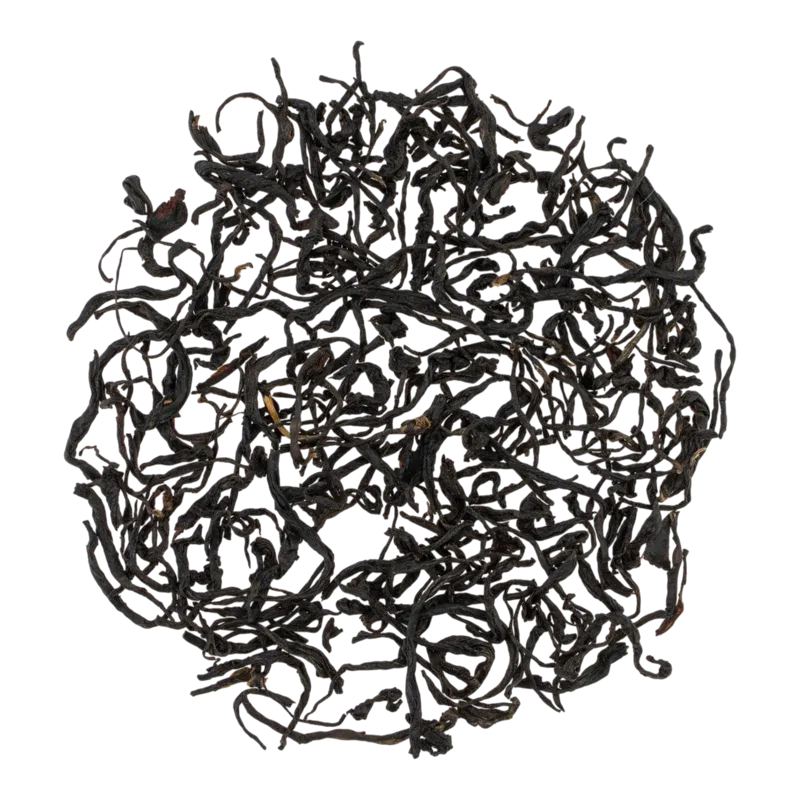
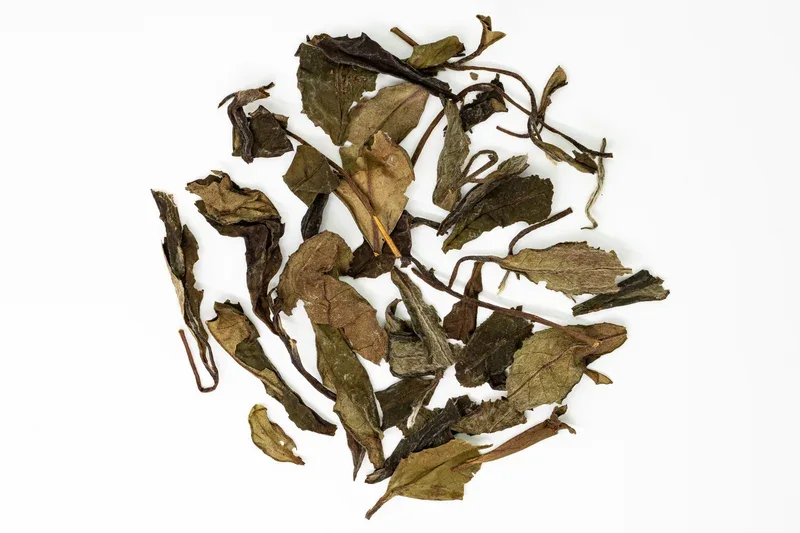
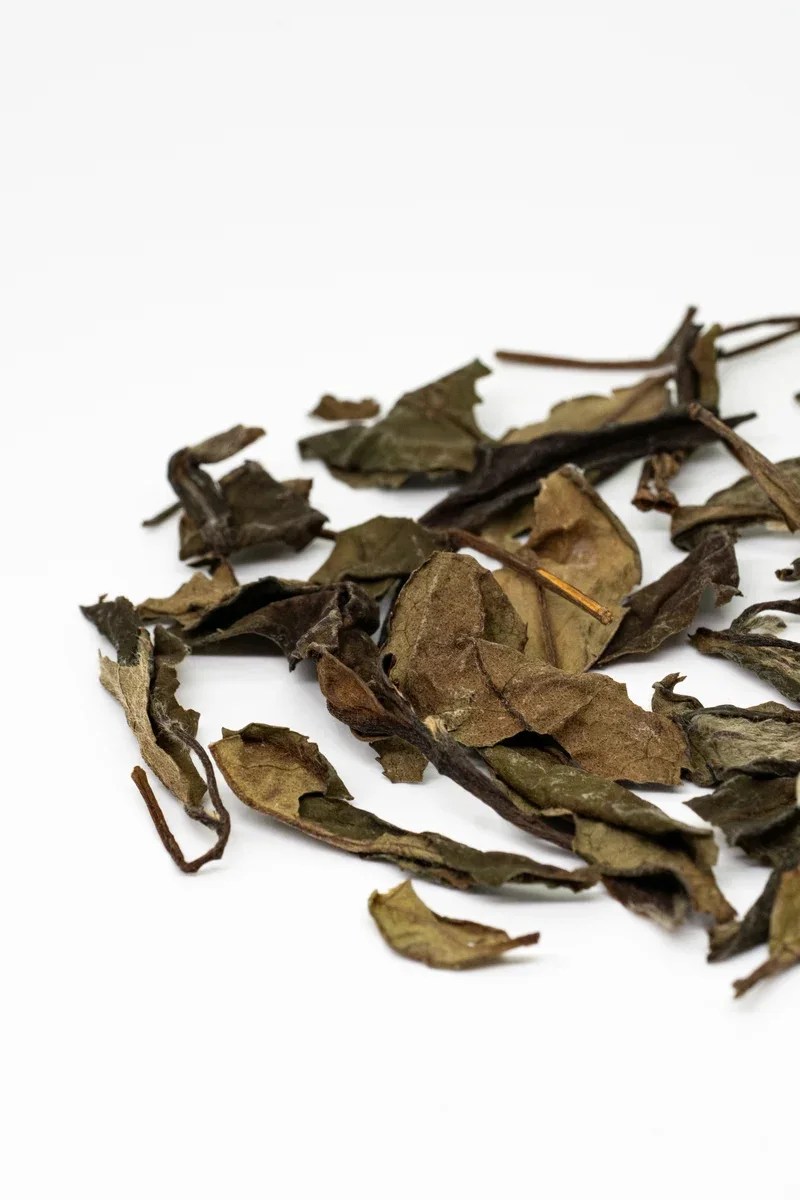
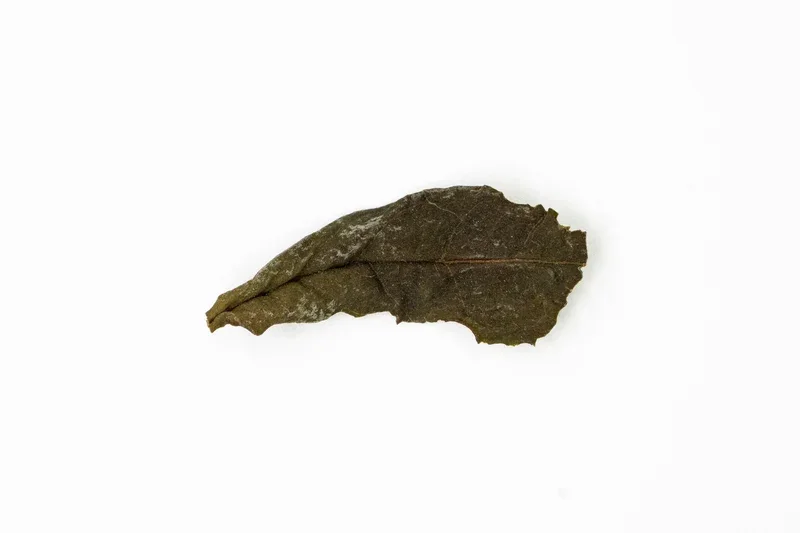
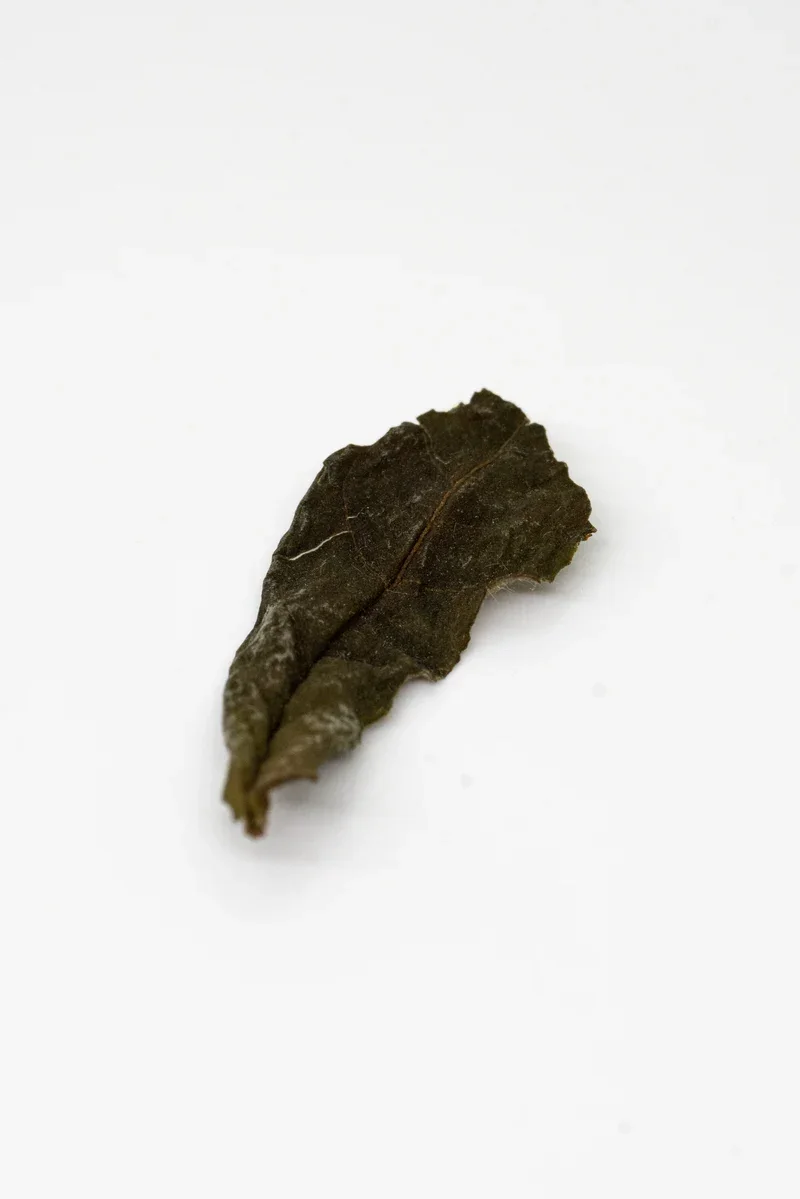
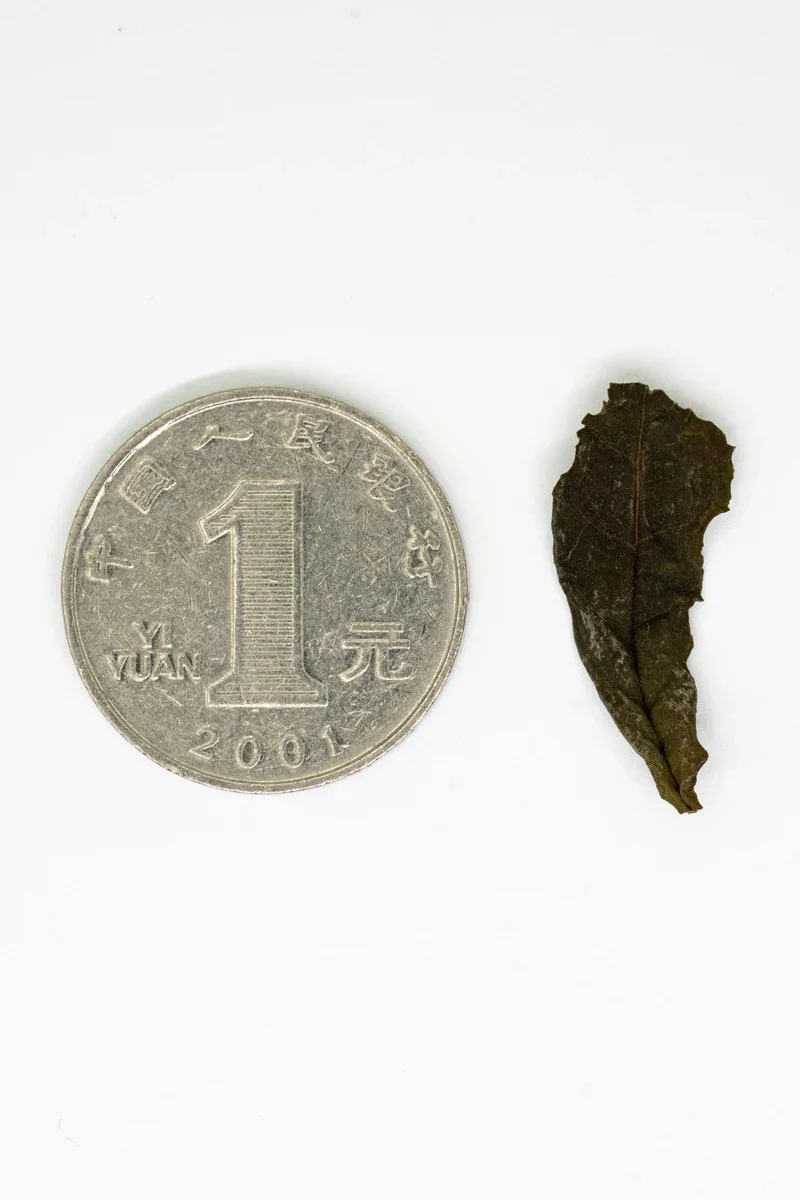
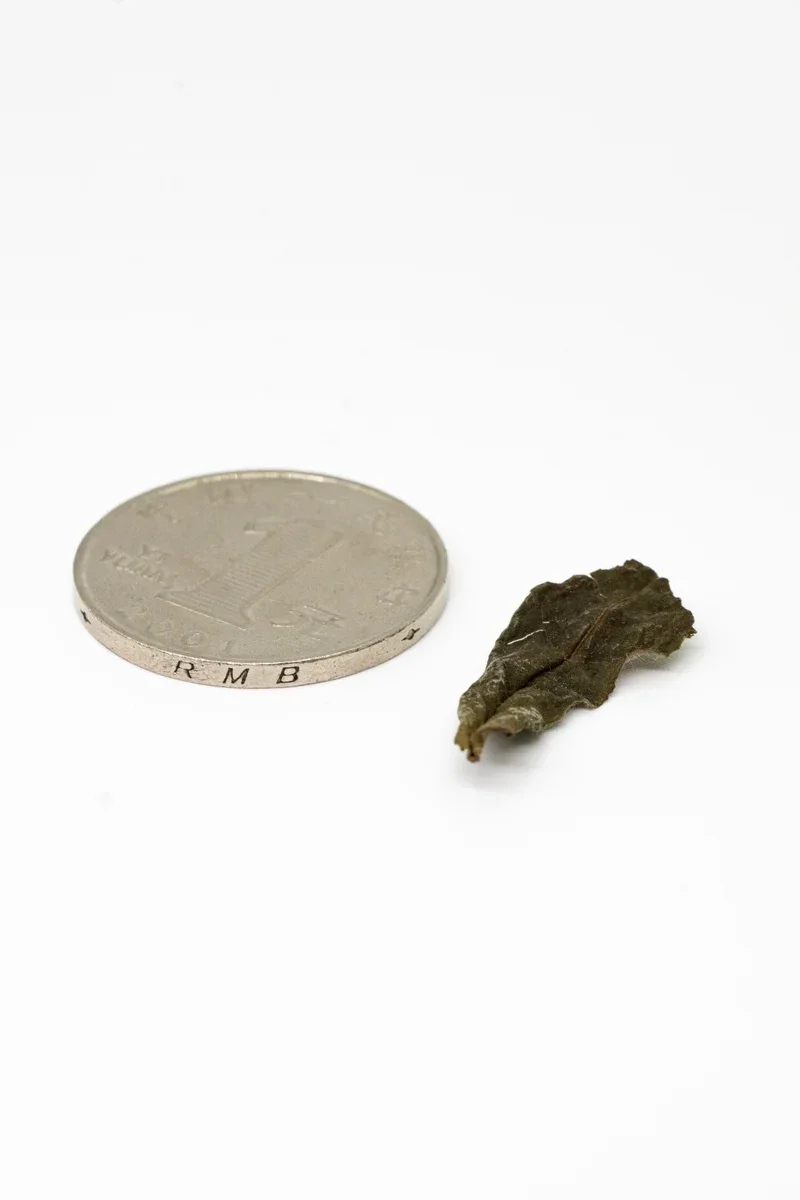
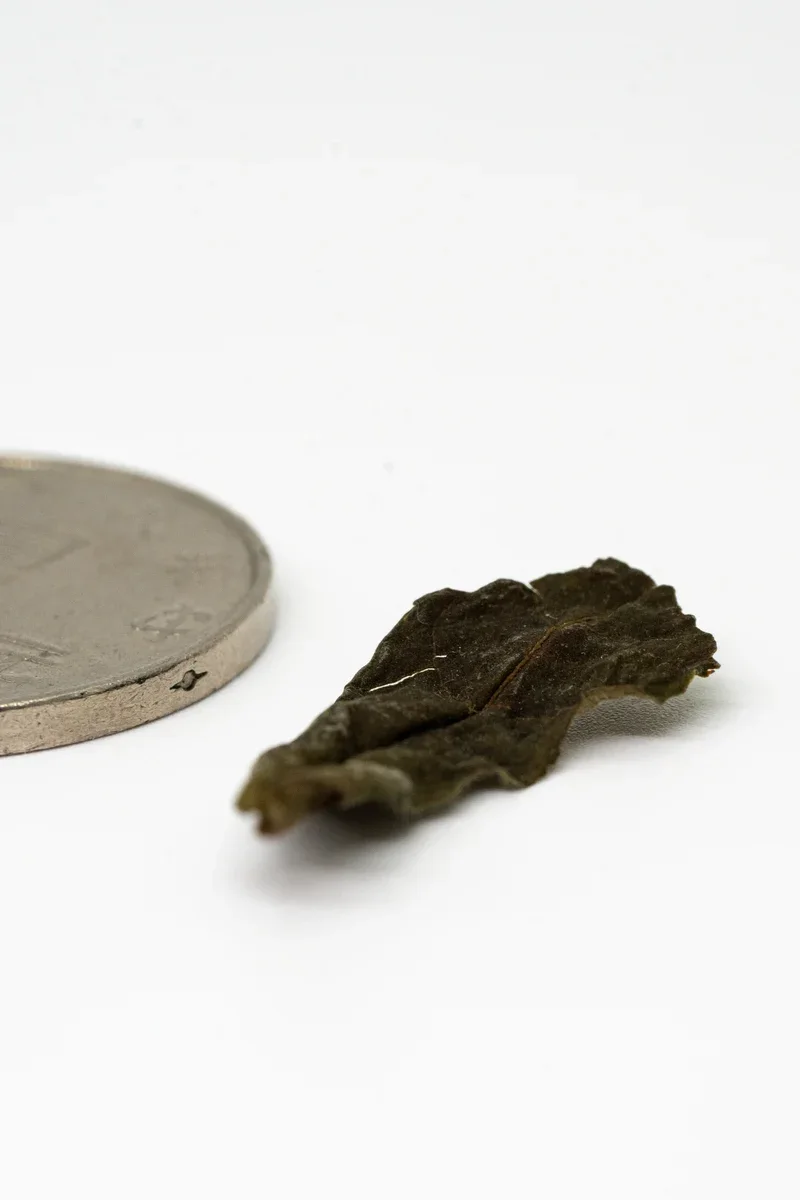
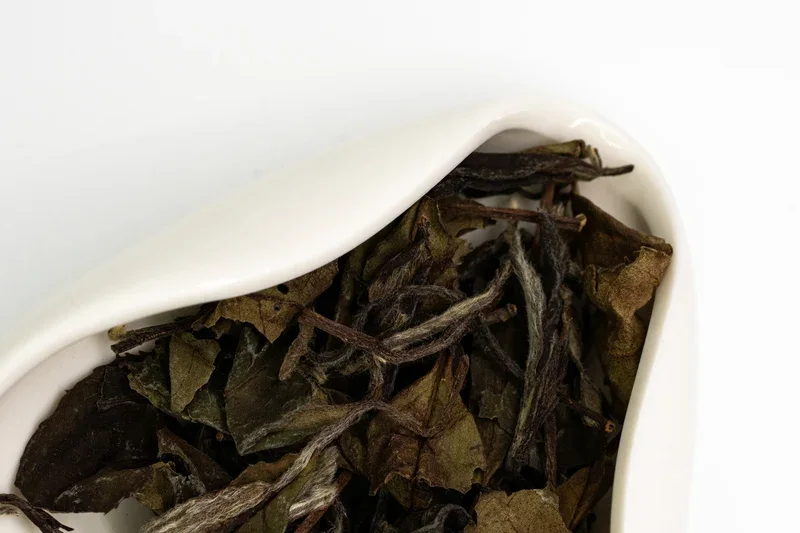
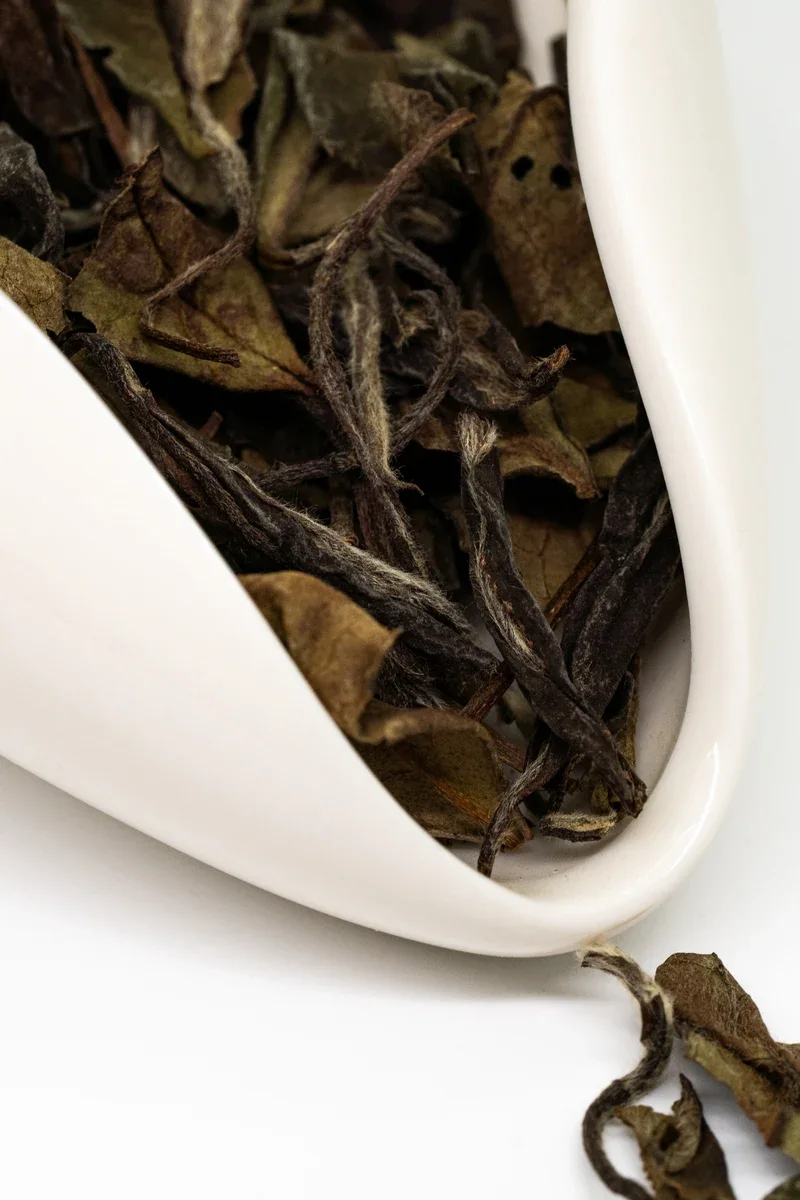
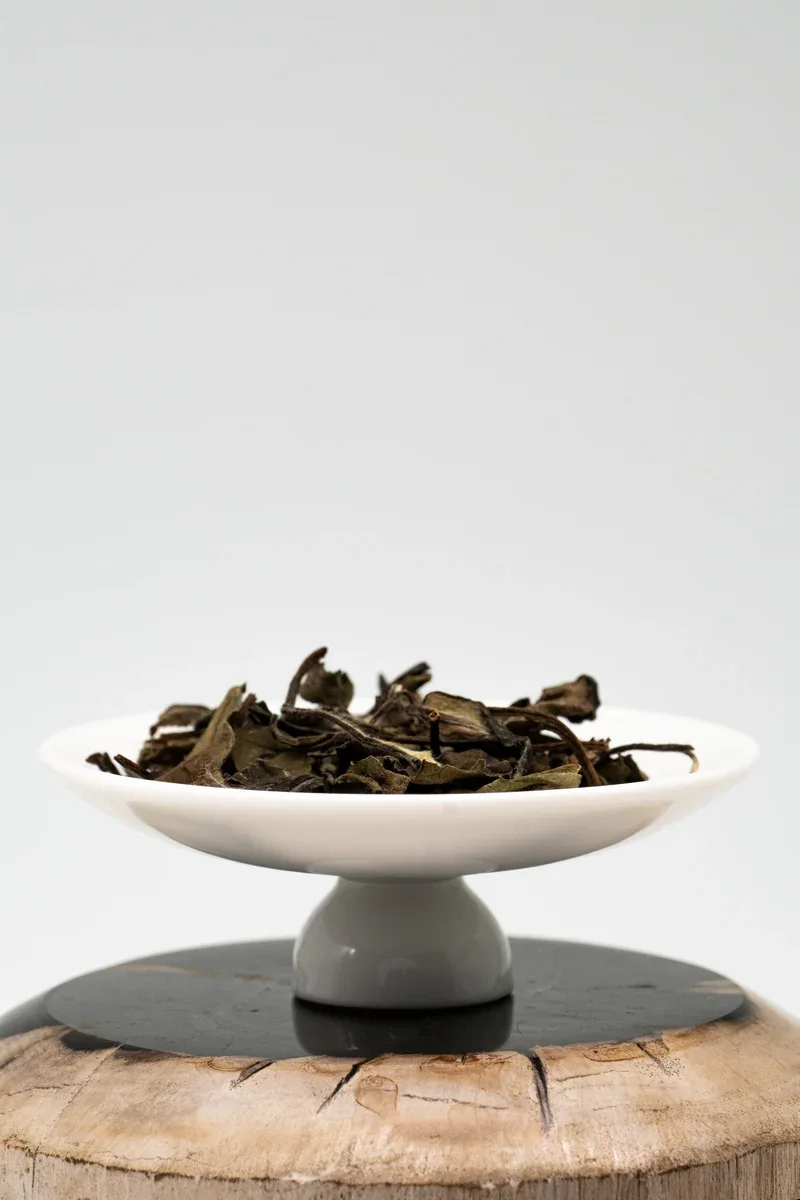
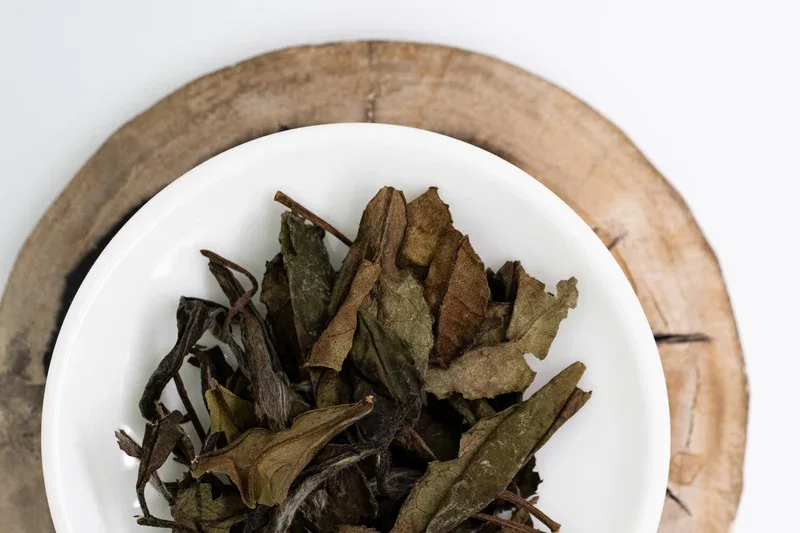
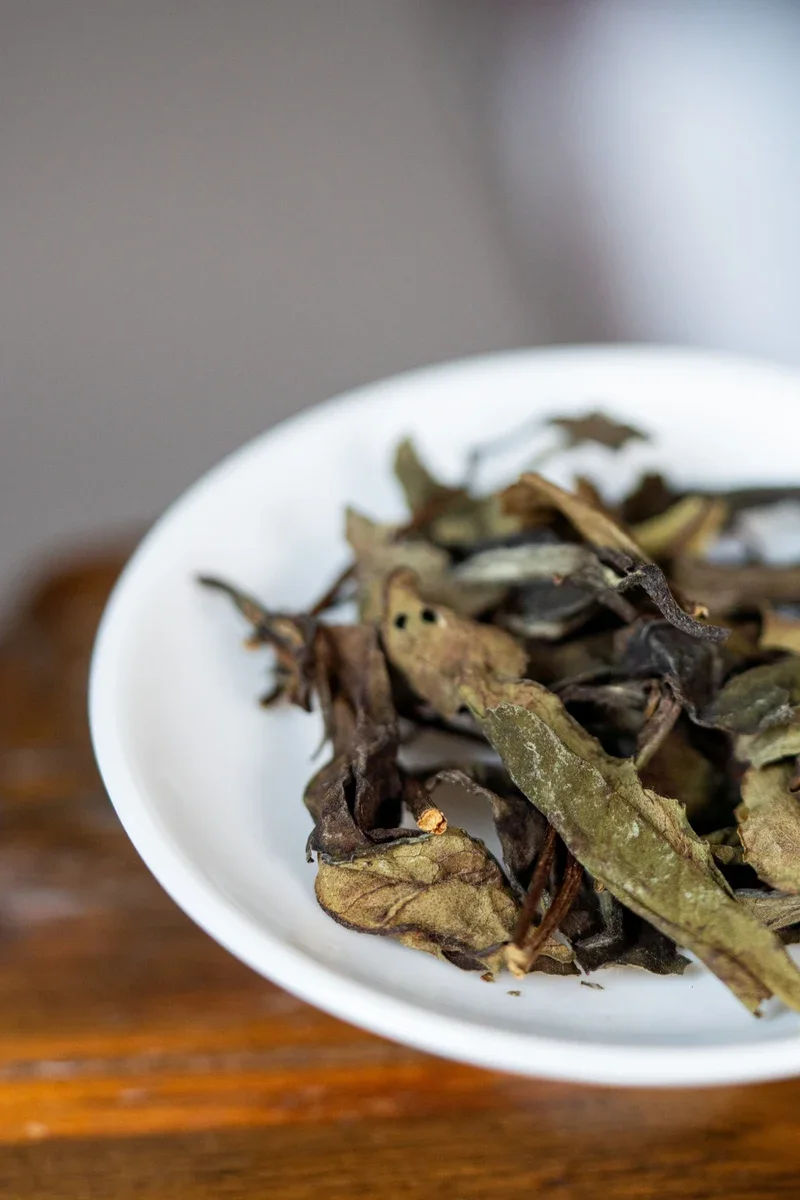
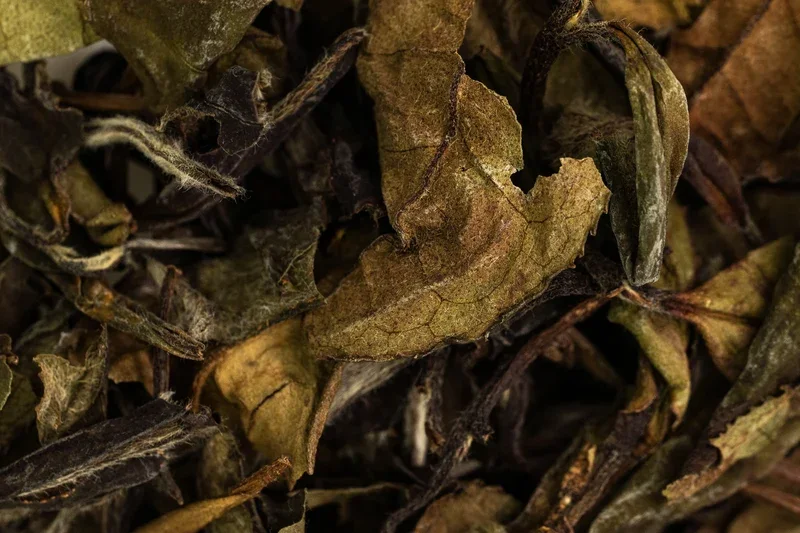
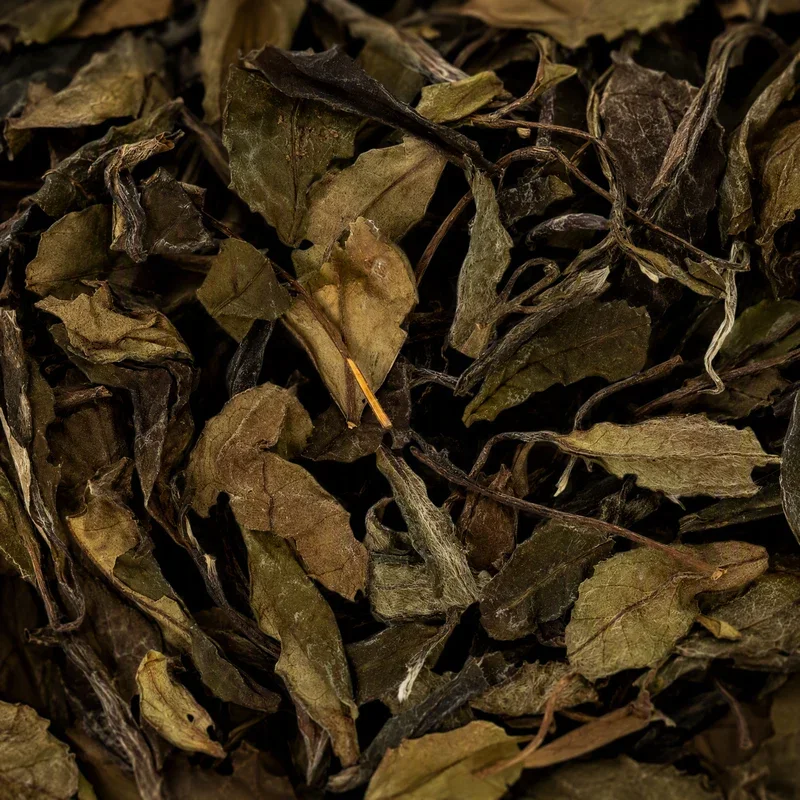
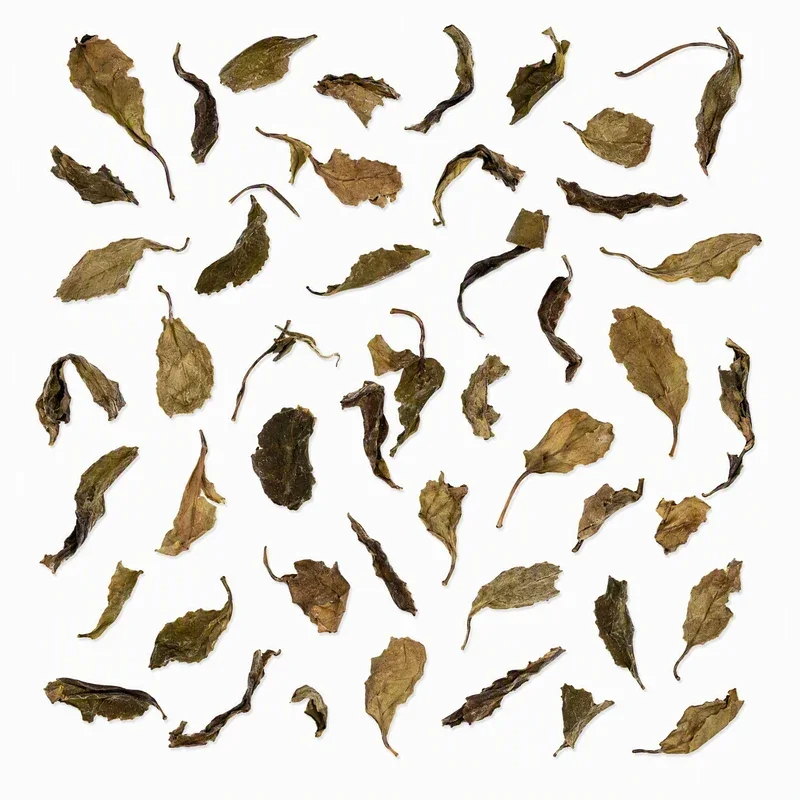
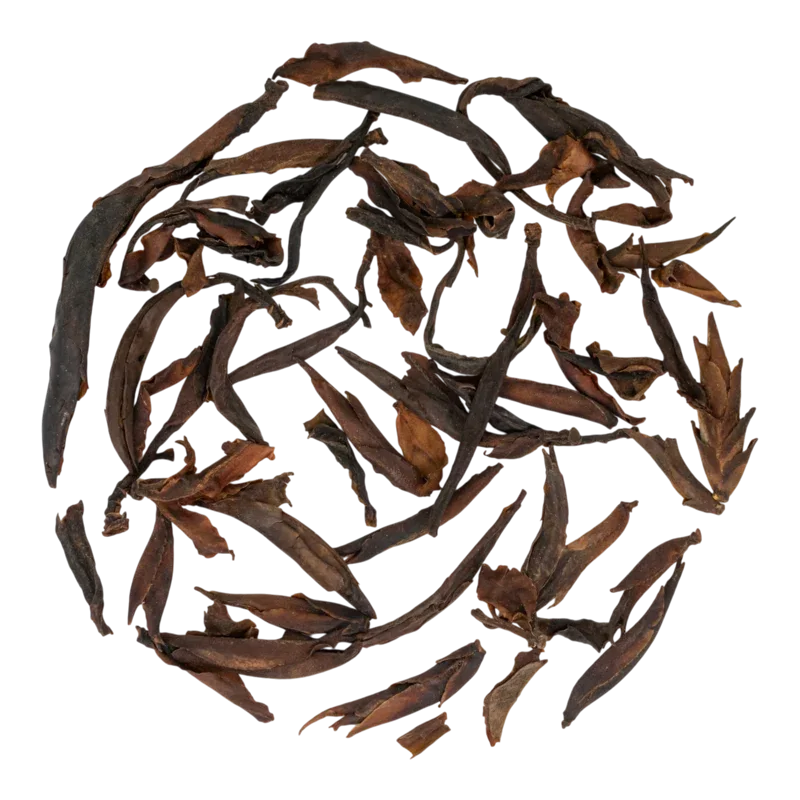
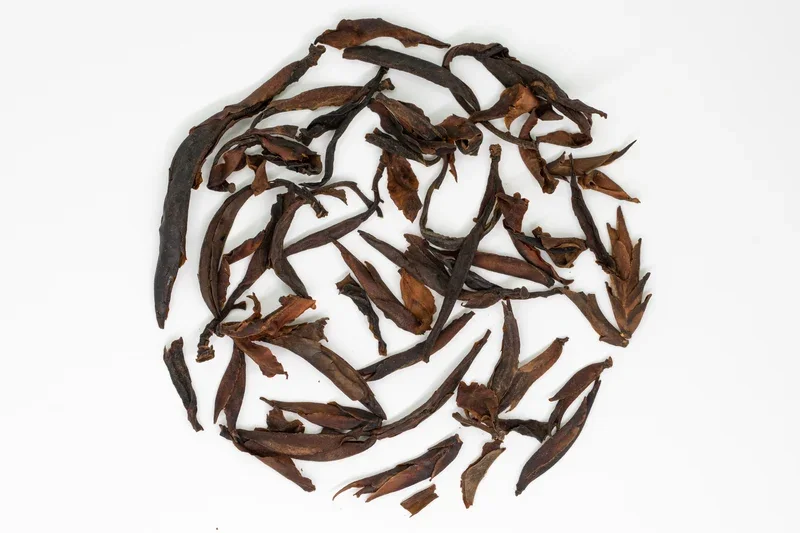
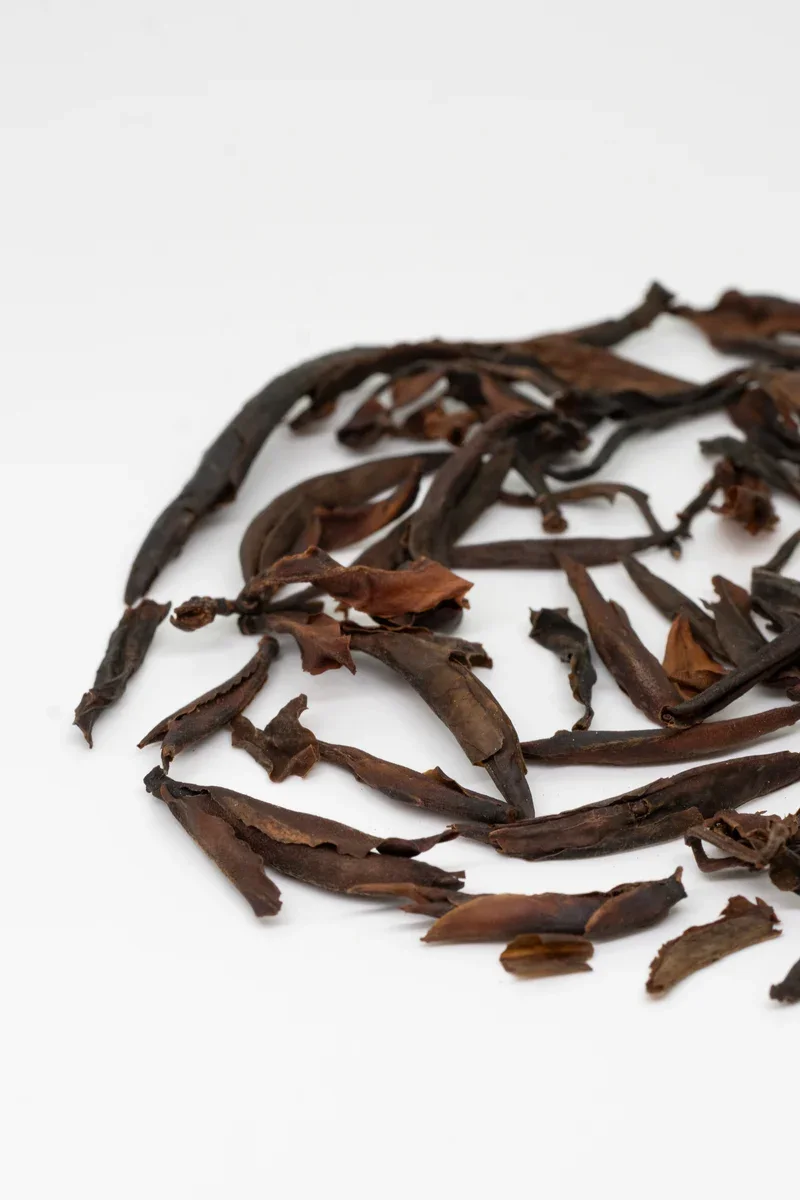
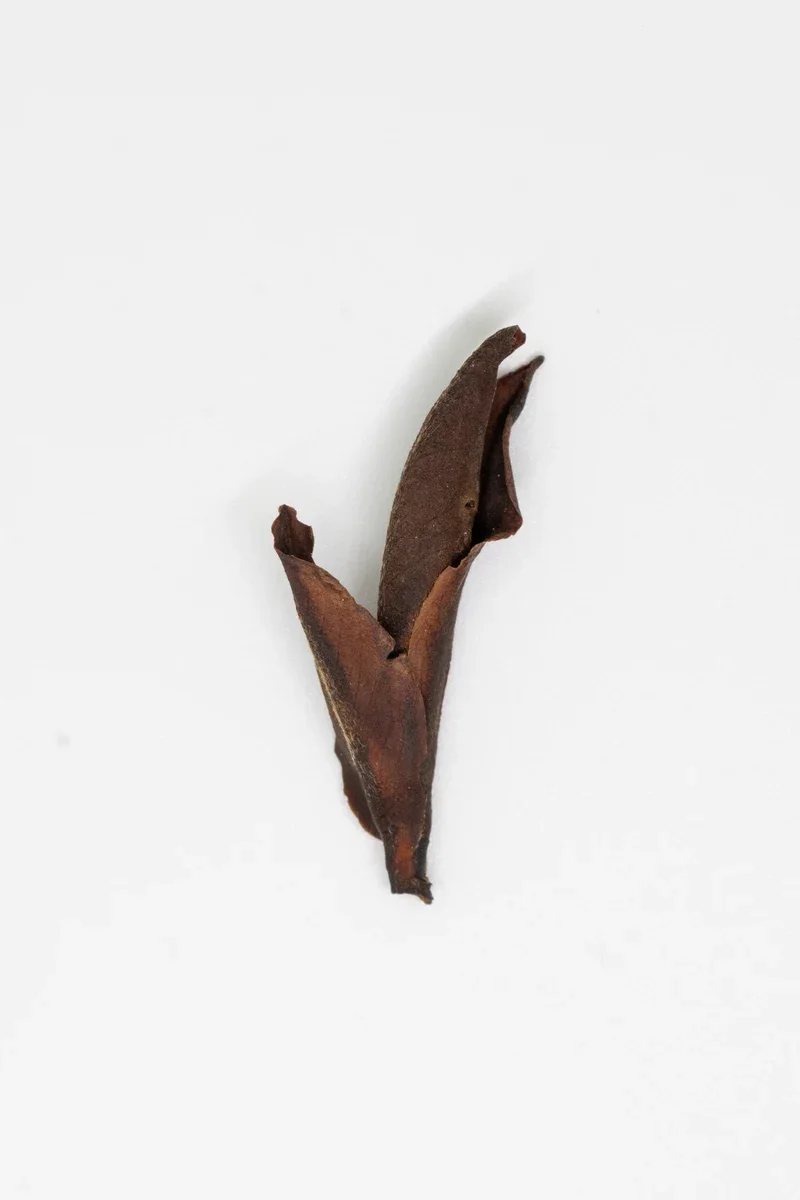
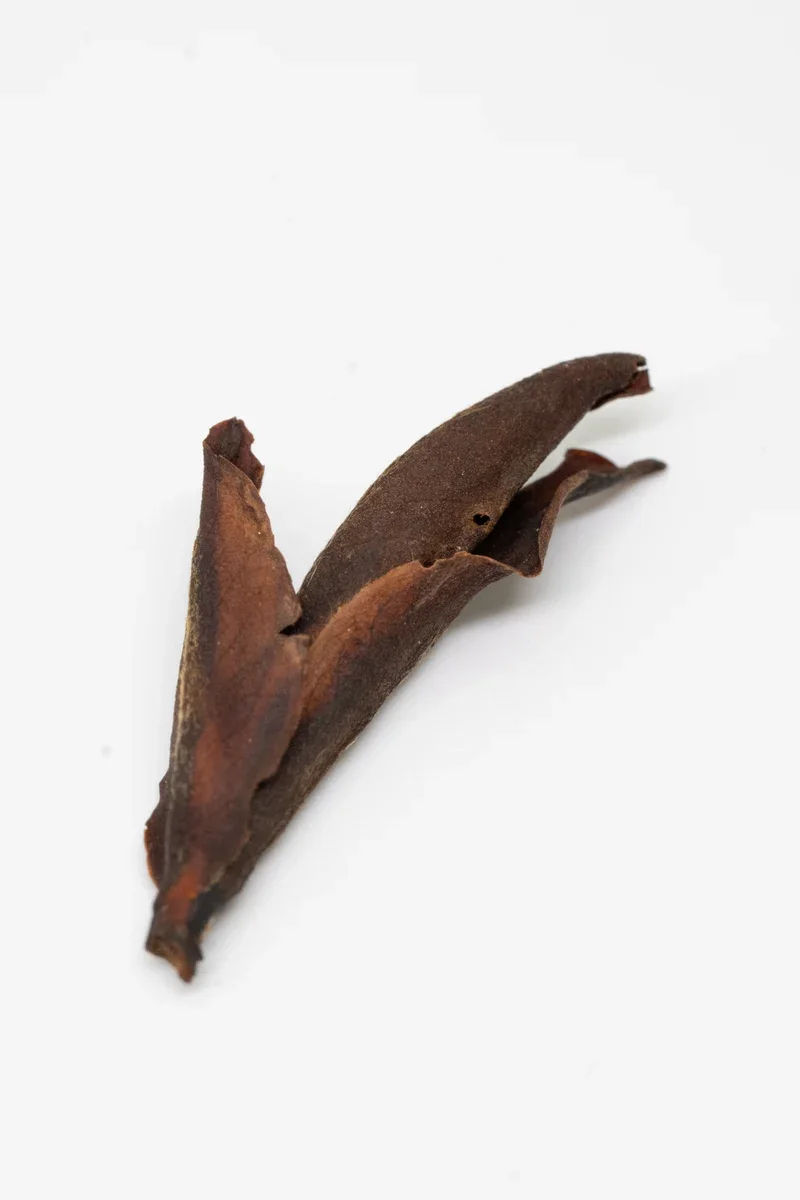
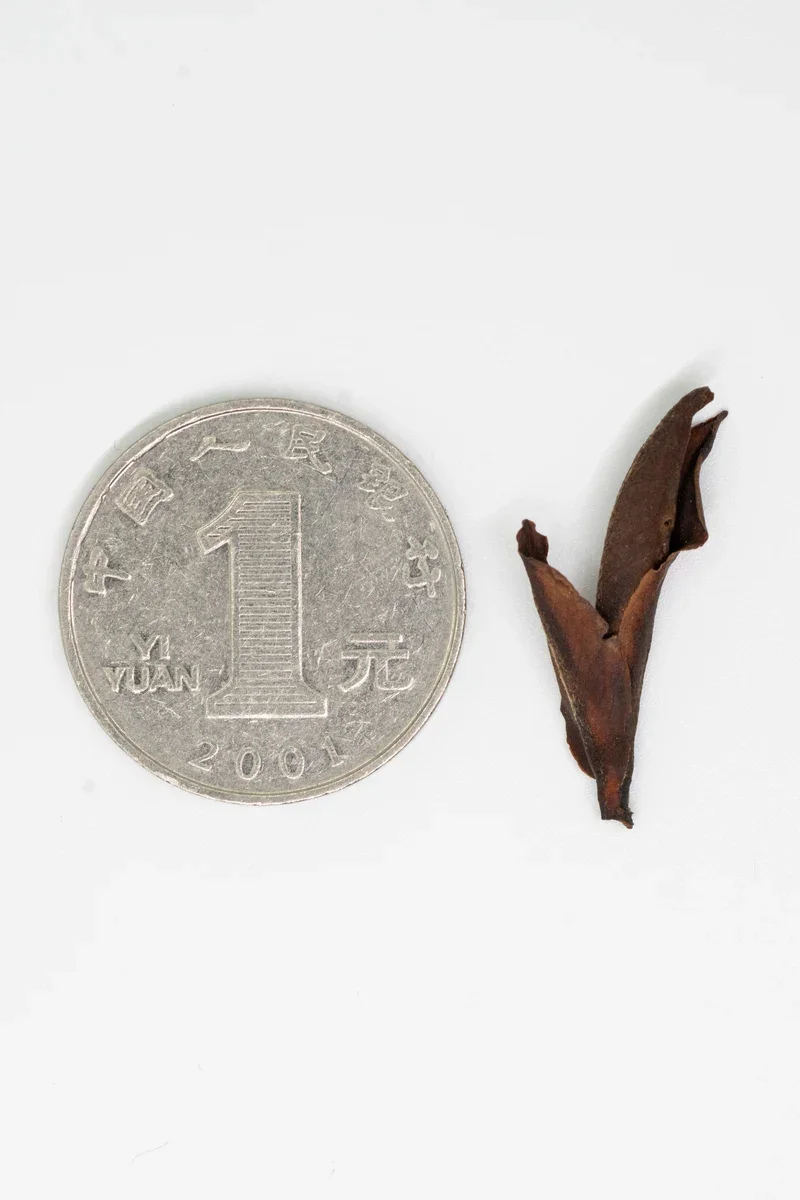
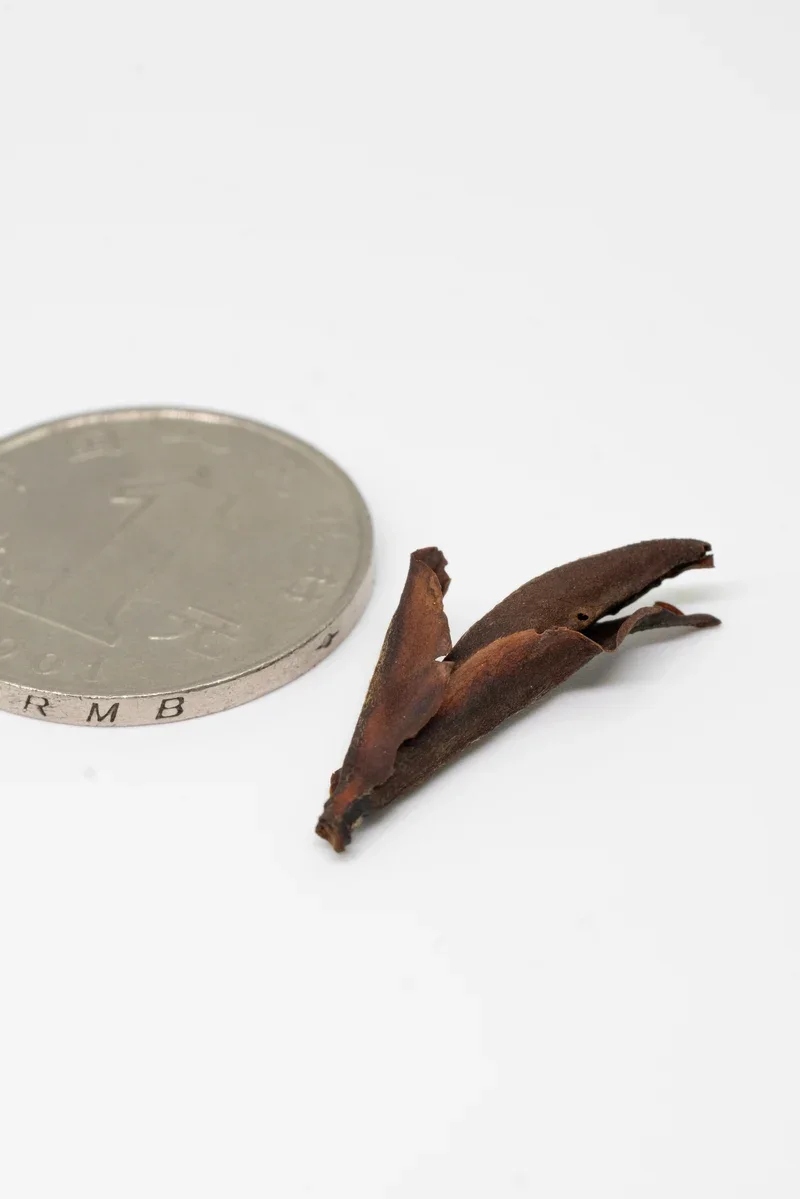
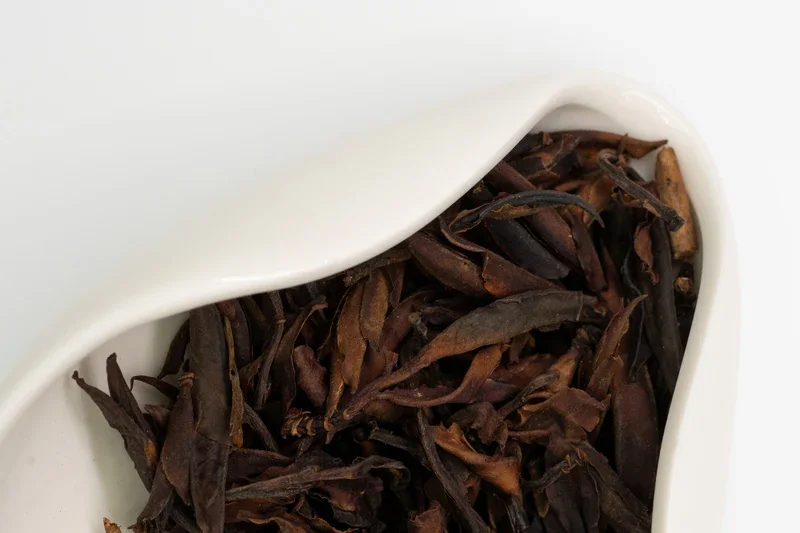
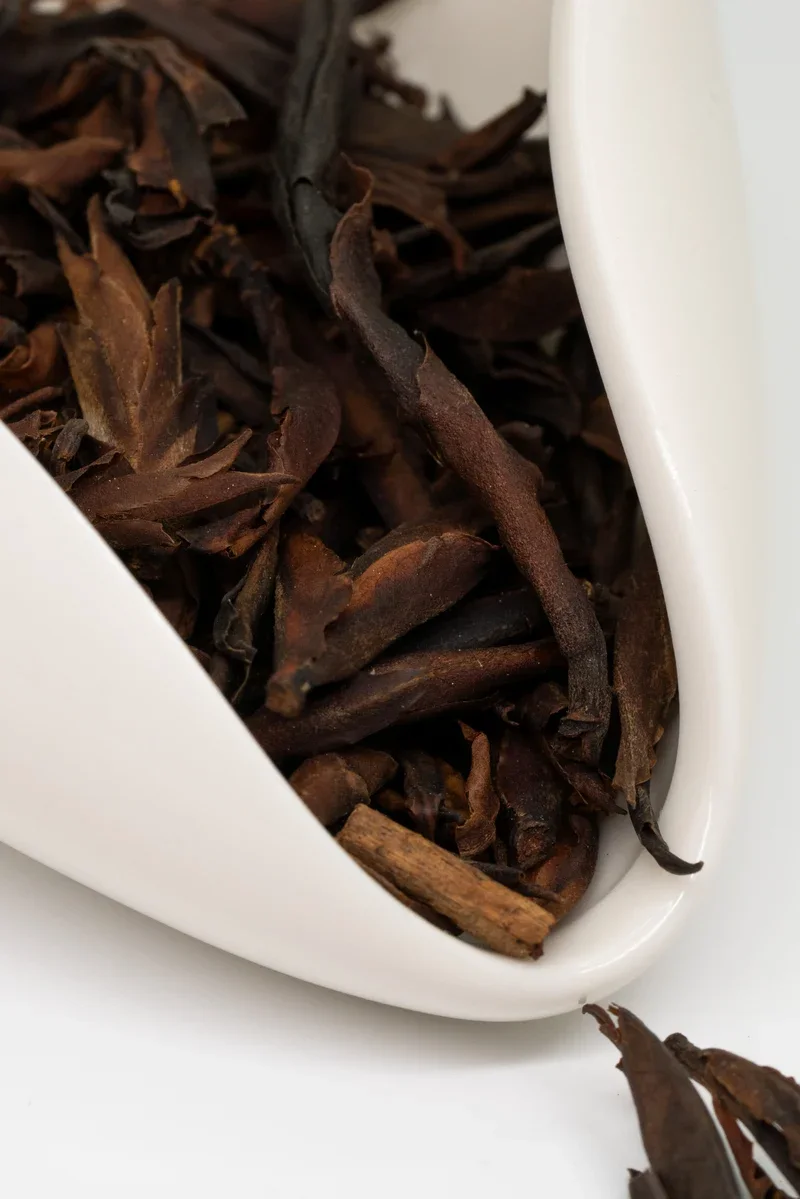
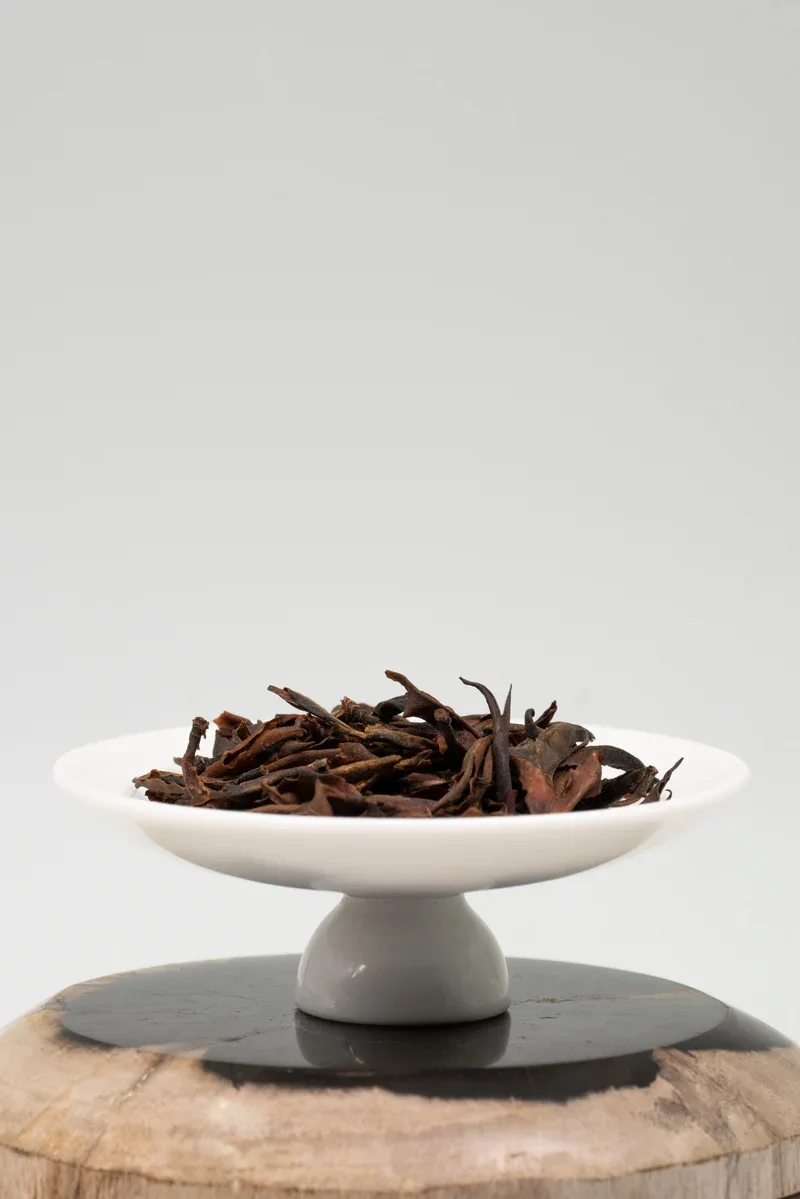
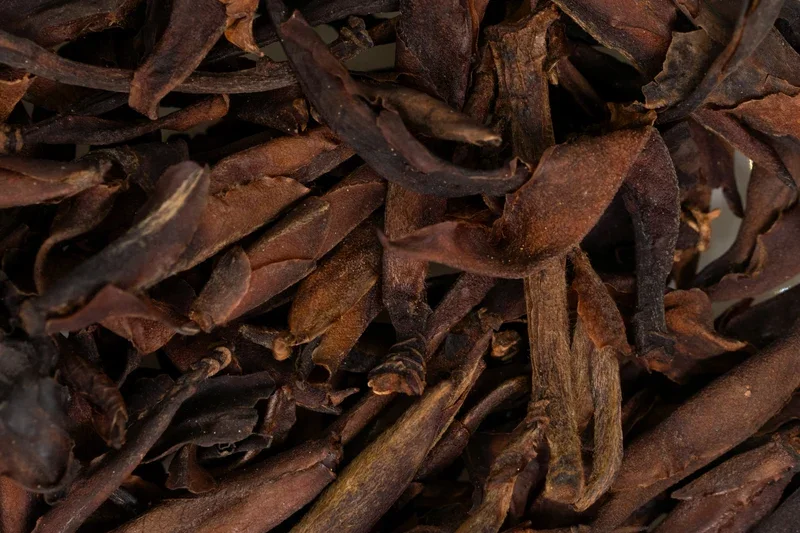
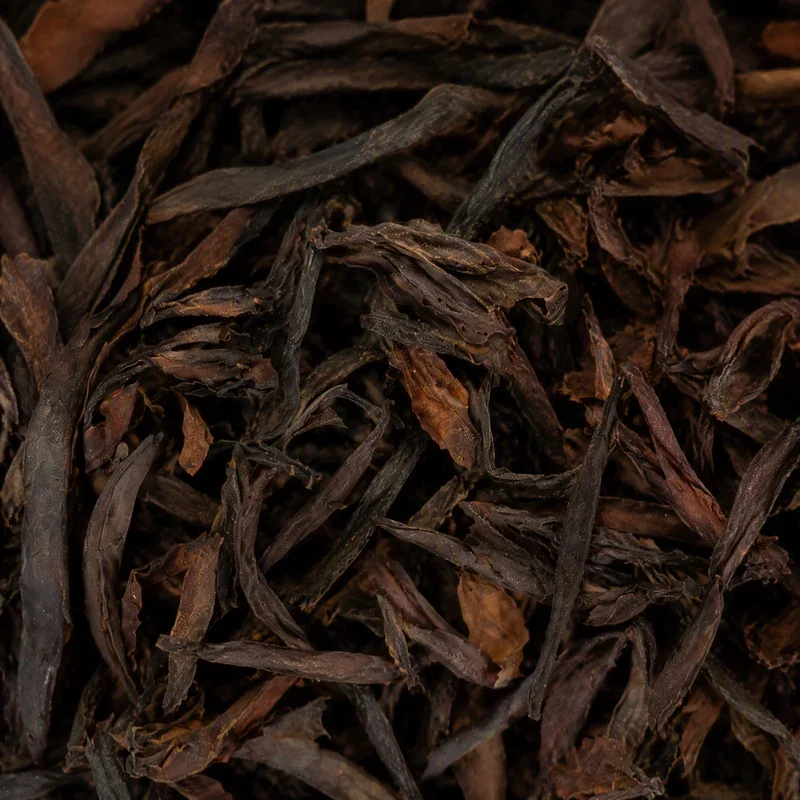
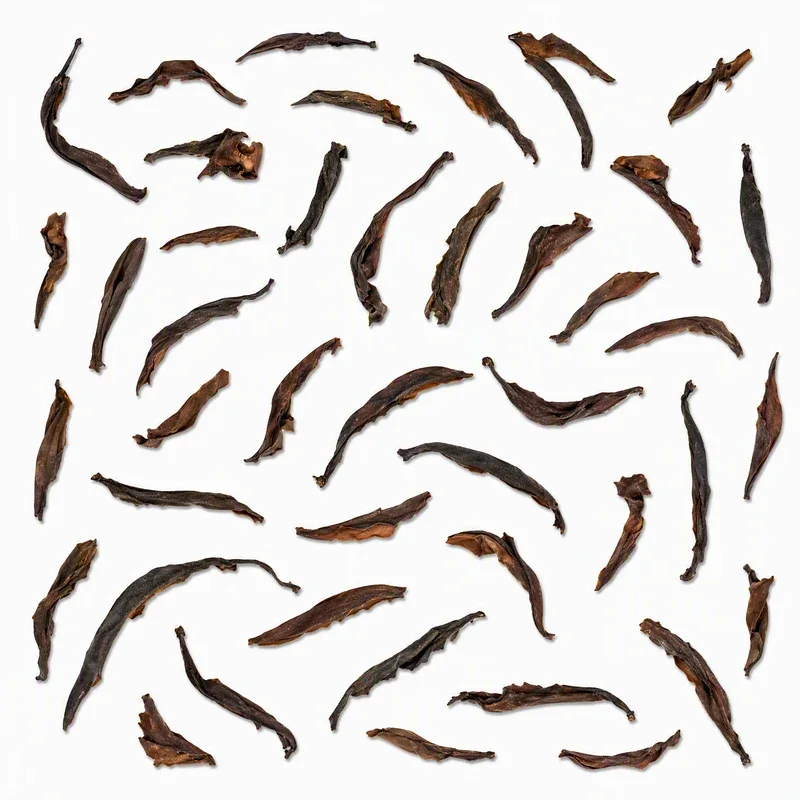
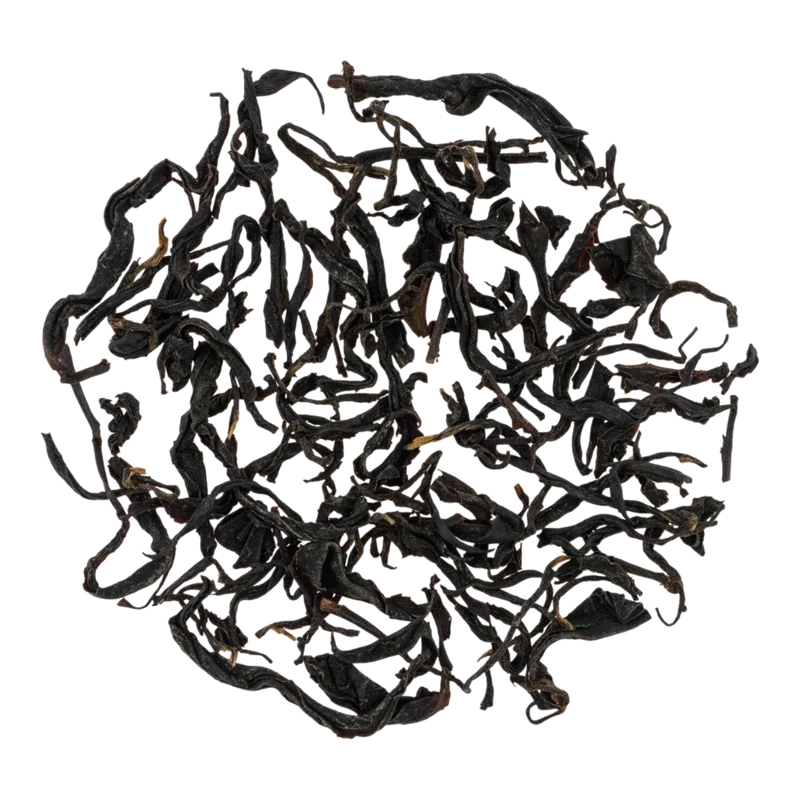
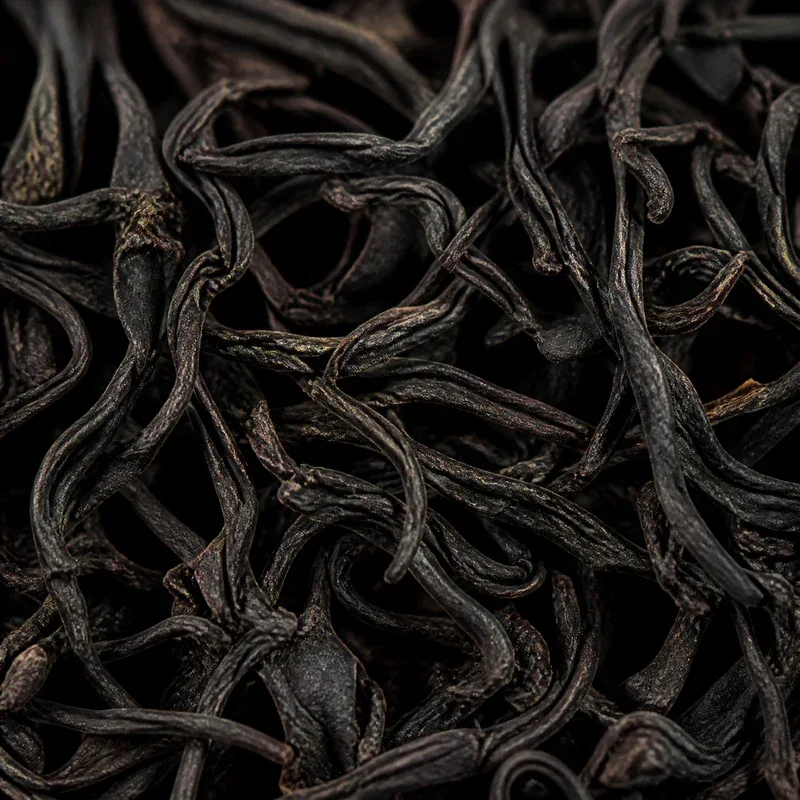
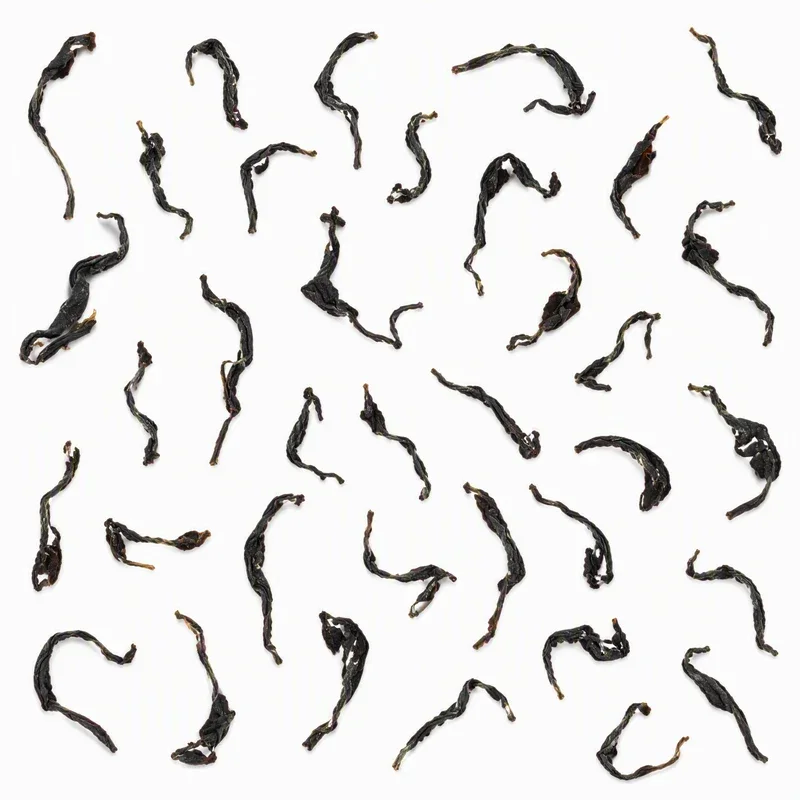
Dry Leaf Appearance: Longitudinal, tightly twisted, strong and heavy strips (条索紧结壮硕). Color — yellow-brown with oily luster (黄褐油润). Uniform grading, whole leaves.
Dry Leaf Aroma: Pronounced floral-honey (花蜜香), with orchid notes and light spiciness. Honey is felt deeply, not dispersing outward — "sinking" aroma characteristic specifically of Lingtou. In roasted styles, warm nuances of roasted rice are added.
Liquor Aroma: Honey sweetness dominates, woven into floral background (蜜兰香). Aroma is not volatile, but "dissolved in the liquor" — at first seems restrained, but with careful inhalation reveals a thick, enveloping honey layer. In more oxidized and roasted styles, caramel and nutty overtones emerge; in light ones — transparent orchid notes.
Liquor Color: Orange-yellow, clear and bright (橙黄明亮) for primary processed tea; golden-clear (金黄透亮) for refined tea. Color intensity increases with higher oxidation and roasting degrees.
Spent Leaves: Whole unfolded leaves, soft and elastic, with clear boundary: yellow-green "belly" and reddish-brown edges (黄腹红边). Color uniformity indicates correct shaking execution.
Taste: Rich, dense (浓醇), with pronounced "viscosity" (粘稠感). Sweetness is bright and quick, transitioning to prolonged returning sweetness (回甘, huígān) with deep "throat rhyme" (喉韵, hóuyùn). Balance of honey softness and light invigorating astringency. Absence of bitterness with proper brewing. Taste profile is aptly described by the formula "花香蜜韵,味甘醇爽" — floral aroma, honey rhyme, sweet, rich, refreshing taste.
Alkaloids: Caffeine — ≥ 4.4% (notably higher than average for oolongs). Theobromine and theophylline are present in trace amounts. High caffeine content is related to mountain origin (cloudiness, short daylight, temperature variations) and contributes to the sensation of "invigorating freshness."
Amino Acids: Total content — 1.5% (in dry spring raw material). L-theanine — the dominant amino acid — provides softness, sweetness, and characteristic "enveloping" character of the liquor. Polyphenol to amino acid ratio (酚氨比) is high (≈ 24.8), explaining the rich, "strong" taste profile.
The specific set of volatile compounds determines the unique "honey rhyme." Floral aldehydes and terpene alcohols (linalool, geraniol, nerolidol) form the floral base; Maillard reaction and caramelization products during roasting enrich the profile with honey, nutty, and "roasted rice" notes. Sweet "viscosity" is related to elevated content of water-soluble sugars (characteristic of oolongs in general) and their synergy with amino acids.
The uniqueness of Lingtou Dan Cong's chemical profile — combination of very high polyphenol levels with pronounced honey aromatics — is not reproduced when the cultivar is transferred to other regions: the tea retains "sweetness" and "aroma" but loses the specific "honey rhyme" (蜜韵) conditioned by terroir.
Minerals: Potassium, calcium, magnesium, cobalt, iron, manganese, aluminum, sodium, zinc, copper, phosphorus, fluorine, iodine, selenium. Elevated selenium content in core zone soils (0.15–0.35 mg/kg) is partially transferred to leaves, adding micronutrient value.
Polyphenols: Content in dry spring raw material (one bud + two leaves) — 37.2%. This is a high indicator for oolongs, explaining the density and astringency of taste. During partial oxidation, catechins transform into theaflavins and thearubigins, forming the orange-yellow liquor color and enhancing "richness" of aftertaste. Antioxidant activity of Lingtou Dan Cong polyphenols significantly exceeds the analogous indicator of vitamin E.
Vitamins: Vitamin C (decreases during oxidation but partially preserved); B vitamins (B₁, B₂), vitamin E.
High caffeine content (≥ 4.4%) combined with L-theanine provides gentle, prolonged alertness and increased concentration without sharp "caffeine peak." L-theanine promotes generation of α-brain waves, reducing anxiety.
Polyphenols (37.2%) — powerful natural antioxidants neutralizing free radicals. Contribute to slowing cellular aging processes and maintaining cell membrane integrity.
Catechins and their oxidized derivatives accelerate fat breakdown and may contribute to lowering cholesterol and triglyceride levels within a balanced diet.
Moderately roasted oolongs gently stimulate digestive enzyme secretion and support healthy intestinal microflora. Caffeine increases gastric juice secretion, improving appetite.
Fluorine and polyphenol content suppresses cariogenic bacteria growth and reduces dental plaque formation.
Flavonoids and polyphenols improve vascular elasticity and contribute to blood pressure normalization with regular moderate consumption.
Tea from the core zone (selenium-enriched soils) may make additional contribution to providing the body with this antioxidant microelement.
The gongfu tea ceremony, inseparably connected with Lingtou Dan Cong culture, is itself a practice of stress reduction and mindfulness development.
The main, most mass-produced type. Bright floral-honey aroma, orange-red transparent infusion, rich taste with powerful returning aftertaste. The quintessence of the "honey melody".
Elegant, high, "cool" aroma; golden-yellow infusion; tea leaves — emerald-green, even. Style of lighter oxidation.
Sweet gardenia aroma (栀子花); taste is soft, sweet; tea leaves with distinct "red edge and green belly".
Rich sweet osmanthus aroma (桂花); increased resistance to multiple brewings. More commonly found in autumn harvest.
5 g tea per 500 ml cold water in glass container, 4–6 hours in refrigerator. Results in refreshing drink with pure honey aroma, ideal for summer season.
Tea Amount: 5–8 g per 100–150 ml (gongfu method); standard proportion — 5 g per 150 ml (1:20–30).
Teaware: Gàiwǎn (盖碗, gàiwǎn) of thin porcelain — universal choice, reveals aroma purity. For roasted styles, a small Yíxīng clay teapot (紫砂壶) is suitable, softening taste. Traditional Chaoshan set: Mengchen teapot (孟臣罐), Ruòchēn cups (若琛杯).
Water Temperature: 95–100°C. High temperature is necessary for full revelation of "honey rhyme" and liquor body density. For lighter, lightly roasted styles, reduction to 92–95°C is acceptable.
Enemies: Moisture, high temperature, foreign odors, direct light.
Airtight, opaque packaging (vacuum bags, tin cans, ceramic containers). Store in dry, cool place (15–25°C), away from direct light and heat sources.
Lightly roasted variants (芝兰香型) are more sensitive to storage; better consumed within 6–12 months. Medium and heavily roasted (蜜兰香型 with full roasting) are more stable — may develop during storage, acquiring depth and roundness.
Fresh tea is recommended to "rest" 5–7 days after purchase in airtight packaging away from light — this allows "fire energy" (火气) to dissipate and aroma to stabilize.
Closest in aromatic type — also classified as "honey-orchid." However, Fenghuang Mi Lan Xiang typically demonstrates more "high," volatile aroma with pronounced floral top note, while Lingtou Dan Cong is distinguished by "immersed" honey quality dissolved in the liquor body. Lingtou taste is thicker and "heavier," with more pronounced "viscosity."
Orchid type — elegant, high, transparent aroma; light body, delicate sweetness. Lingtou Dan Cong — more powerful and dense, with dominating honey component. Lingtou in 芝兰香型 style is closer to the Fenghuang analogue but still retains distinctive "honey foundation."
Gardenia type — sweet, "perfumery" aroma; clear "red edge — green belly" in spent leaves. Lingtou Dan Cong Huang Zhi Xiang type also demonstrates gardenia notes but with additional honey depth absent in classic Fenghuang analogues.
Basic "water narcissus" — predecessor of all dan cong teas. Less differentiated aroma, simpler, "broader" taste profile. Lingtou Dan Cong genetically originates from this group but through mutation and selection acquired recognizable "honey rhyme" absent in the parent form.
Price Category: Depends on growing altitude, season, grade, hand vs. machine processing, roasting degree, and producer reputation. Approximate prices (per 500 g, China domestic market): special grade (特级, one bud / one bud + one leaf) — from 800 yuan; first grade (一级, one bud + two leaves) — 300–600 yuan; second grade (二级, one bud + three leaves, optimal price-quality ratio) — 100–300 yuan. Lingtou Dan Cong is generally more affordable than rare Fenghuang Dan Cong from Wudong peaks, making it an attractive "everyday" dan cong of high quality.
No reviews yet. Tell us what you think of this tea.
Rate this tea and share your impressions. We review each submission before publishing it.