Brewing
Gongfu brewing
- Water temperature
- 75 °C
- Tea amount
- 5 g
- Water volume
- 100 ml
- First steep
- 10 s
- Time added per infusion
- 5 s
- Infusions
- 3


Láoshān dà bái háo
Choose a brewing method. Start with the recommended quantities and time, then adjust to taste.
Brewing
Brewing
Taste
Tea encyclopedia
Category: Highest grade of Laoshan green tea. Representative of "northern" green teas (江北绿茶, Jiāngběi lǜchá, "tea north of the Yangtze"). Product of the geographical indication zone "Laoshan Lü Cha" (崂山绿茶, GI 2006, 国家地理标志保护产品). Local standard of 2004 (《崂山绿茶生产技术规程》, 《崂山绿茶加工技术规程》). Gold medal at the "Fuding Dabai Hao" competition at the Qingdao New Varieties Exhibition (2000).
Category: Highest grade of Laoshan green tea. Representative of "northern" green teas (江北绿茶, Jiāngběi lǜchá, "tea north of the Yangtze"). Product of the geographical indication zone "Laoshan Lü Cha" (崂山绿茶, GI 2006, 国家地理标志保护产品). Local standard of 2004 (《崂山绿茶生产技术规程》, 《崂山绿茶加工技术规程》). Gold medal at the "Fuding Dabai Hao" competition at the Qingdao New Varieties Exhibition (2000).
Coordinates: ~36°10′ N, 120°37′ E. One of the world's northernmost tea regions.
Origin: China, Shāndōng Province (山东省, Shāndōng Shěng), Qīngdǎo City (青岛市, Qīngdǎo Shì), Láoshān District (崂山区, Láoshān Qū). Production core: townships (街道, jiēdào) Wangezhuang (王哥庄), Shāzǐkǒu (沙子口), Zhōnghán (中韩), Běizhái (北宅). Best batches — from the Tiaoyudong (条鱼洞) area on high-altitude slopes.
Type: Green tea (绿茶, lǜchá), unfermented. Belongs to spiral-shaped (卷曲形, juǎnqū xíng) green teas. The technology includes an element of steam fixation (高温蒸汽杀青, gāowēn zhēngqì shāqīng) — a rarity for Chinese green teas, bringing Da Bai Hao closer to Japanese tradition — and low-temperature drying (低温烘焙) for maximum preservation of down.
Cultural Significance: Laoshan — "First Famous Mountain on the Sea" and one of the most ancient centers of Daoism, associated with the names of legendary masters. Poet Lì Bái (李白) praised Laoshan: "我昔东海上,崂山餐紫霞" ("Once, on the shore of the Eastern Sea, on Mount Laoshan I partook of purple dawn"). Pù Songling (蒲松龄) included Laoshan monasteries in his "Liaozhai Zhiyi" (《聊斋志异》). Tea grown on Láoshān slopes and irrigated with famous Láoshān mineral water (崂山矿泉水) carries the aura of a "sacred beverage". Da Bai Hao — the pinnacle of Laoshan tea cultivation: silvery spirals fragrant with pea and chestnut have become one of Qingdao's symbols alongside Tsingtao beer (青岛啤酒) and seafood delicacies.
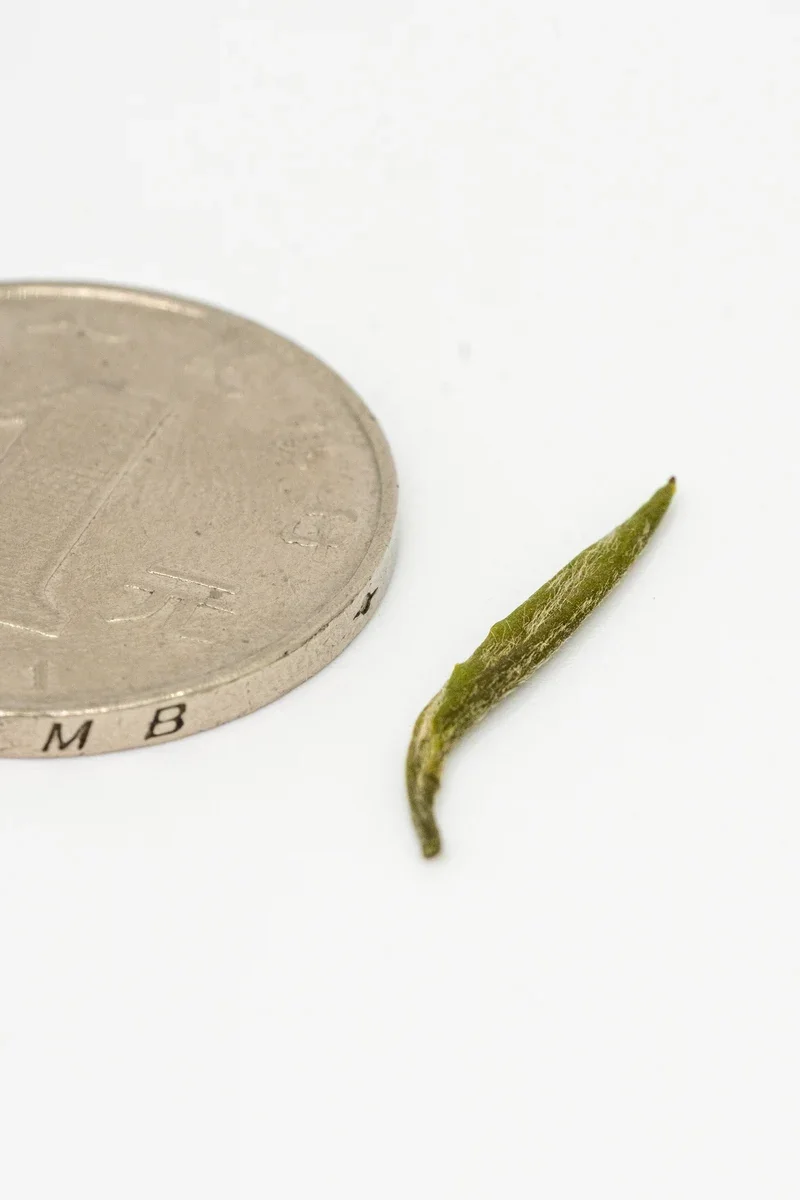
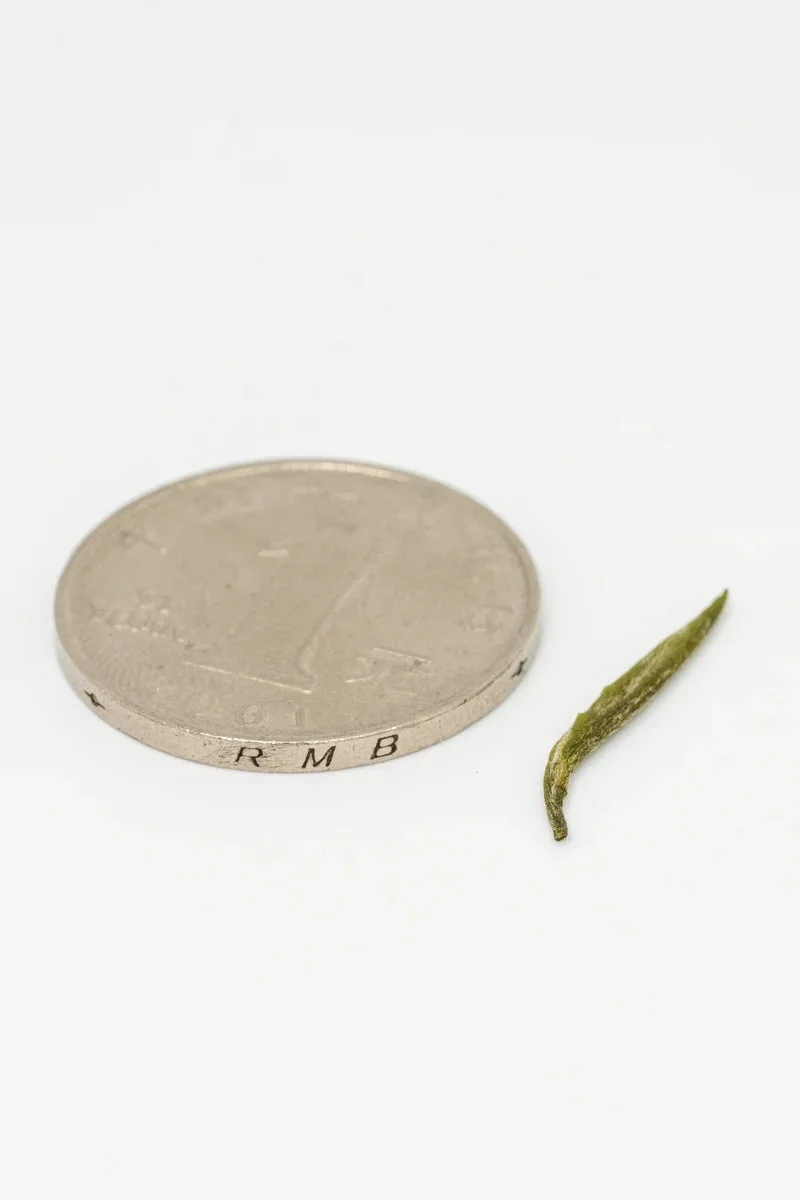
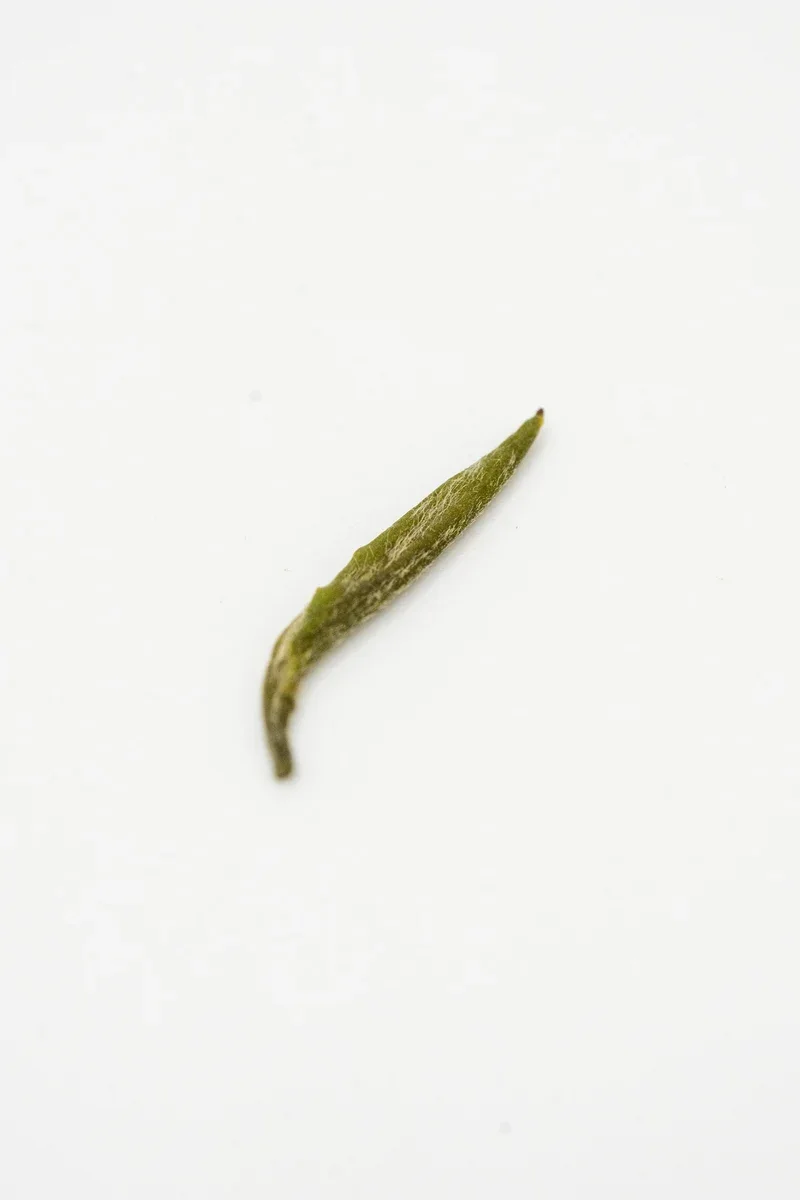
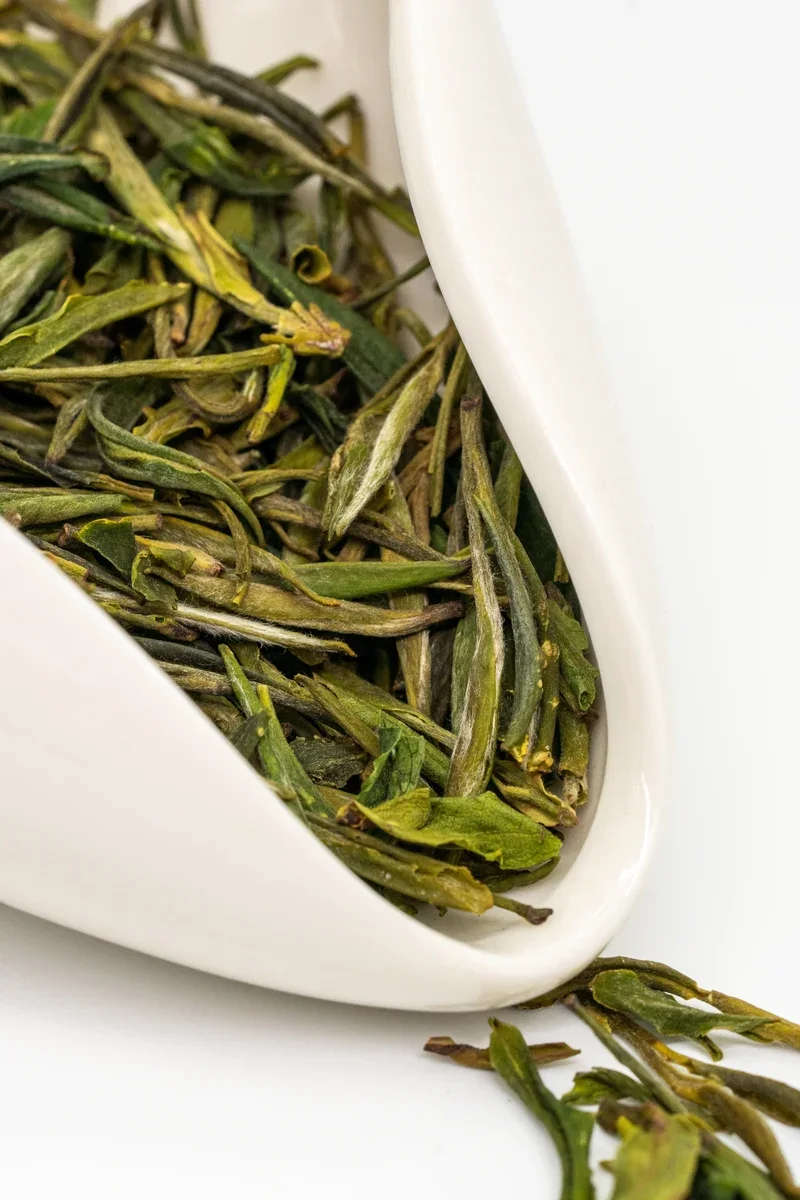
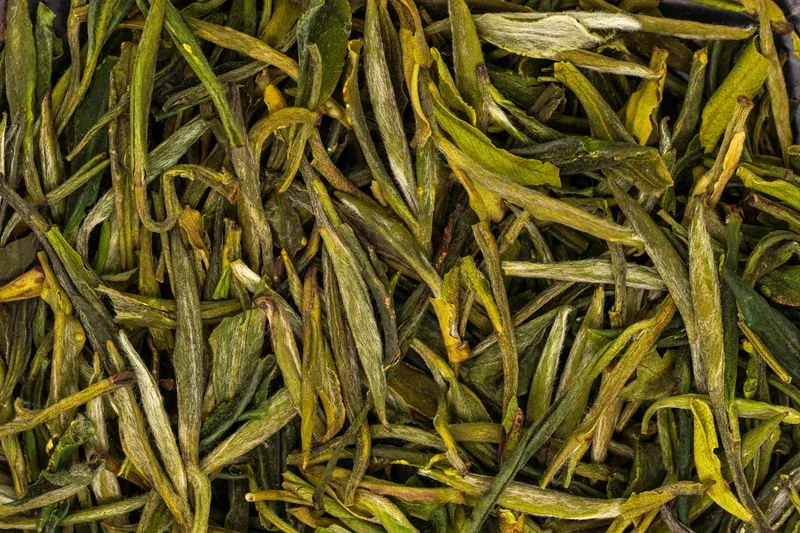
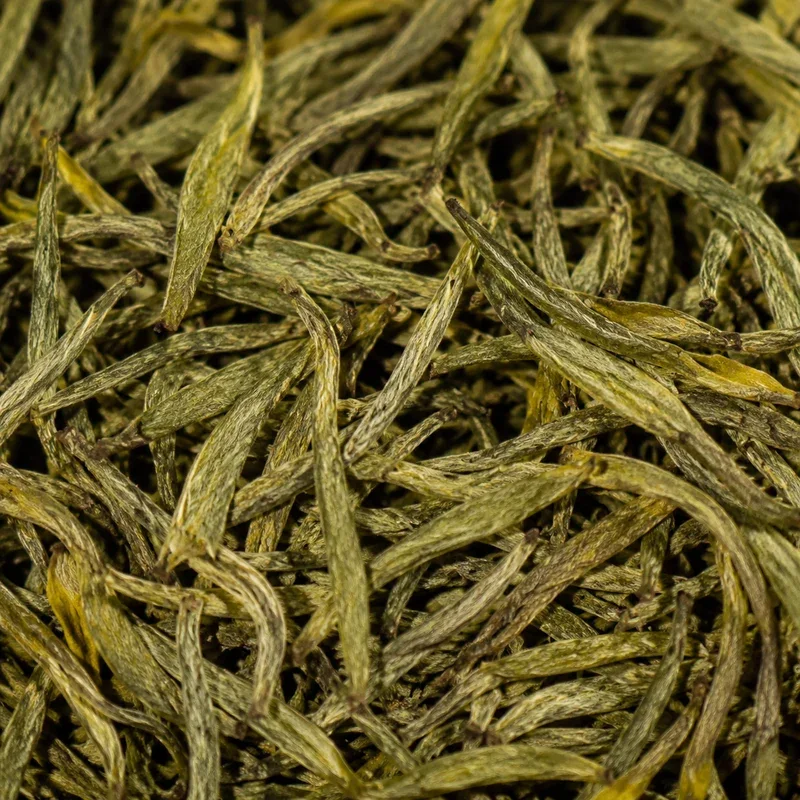
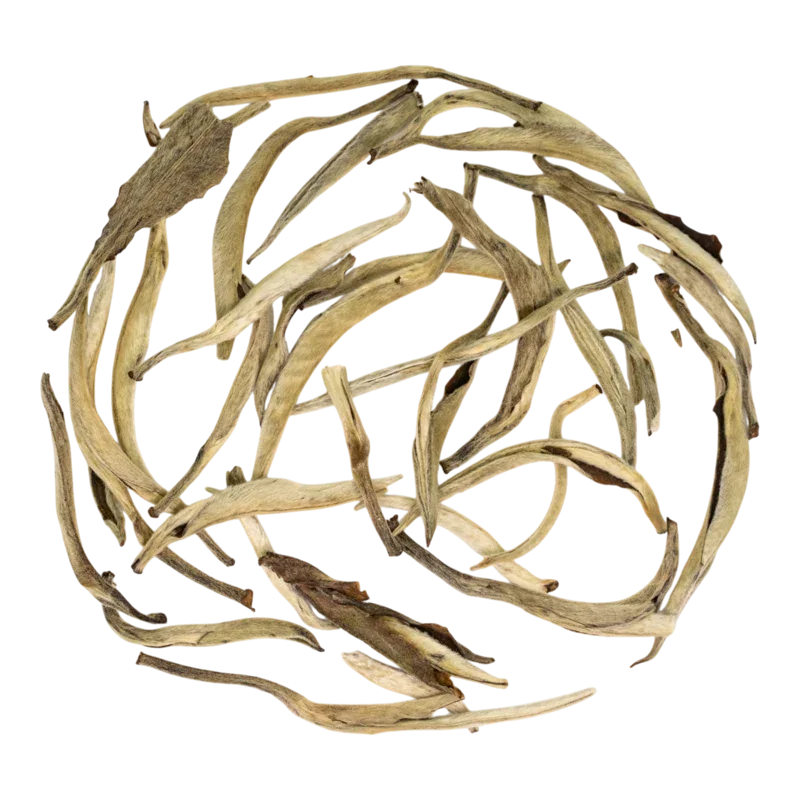
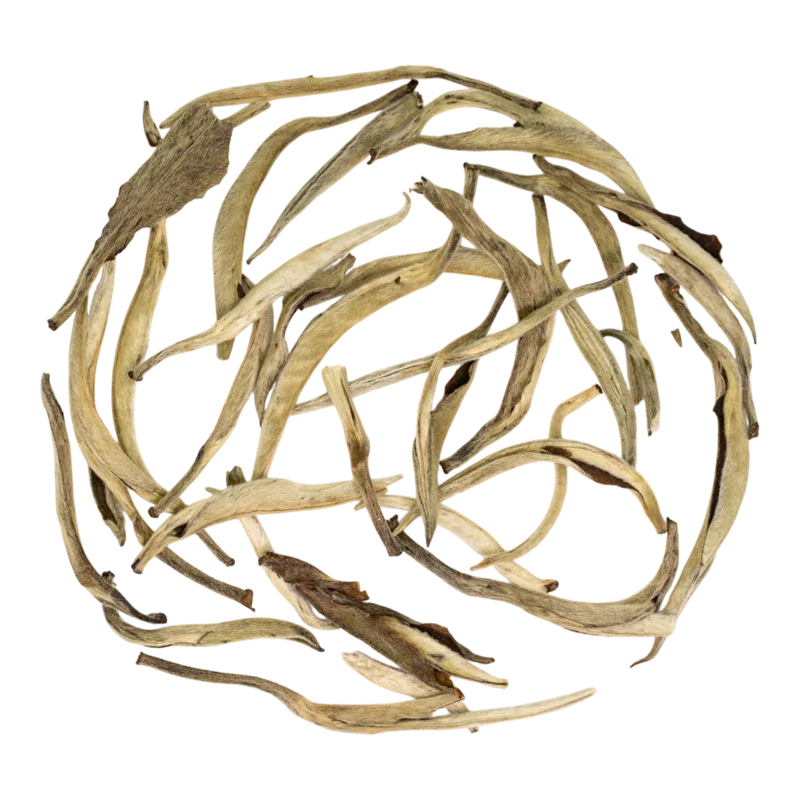
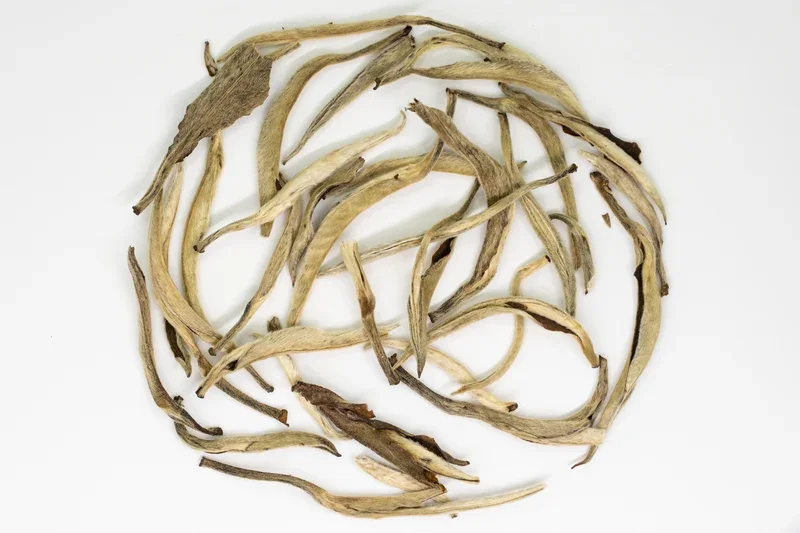
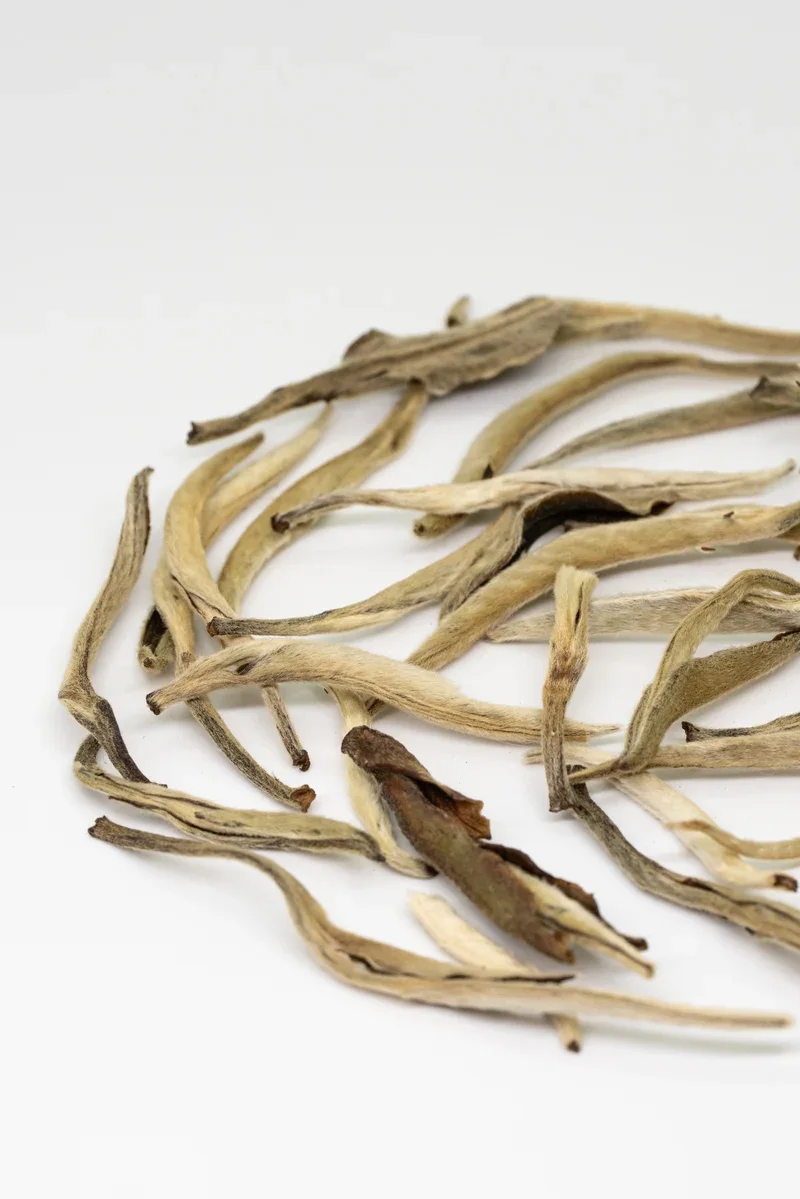
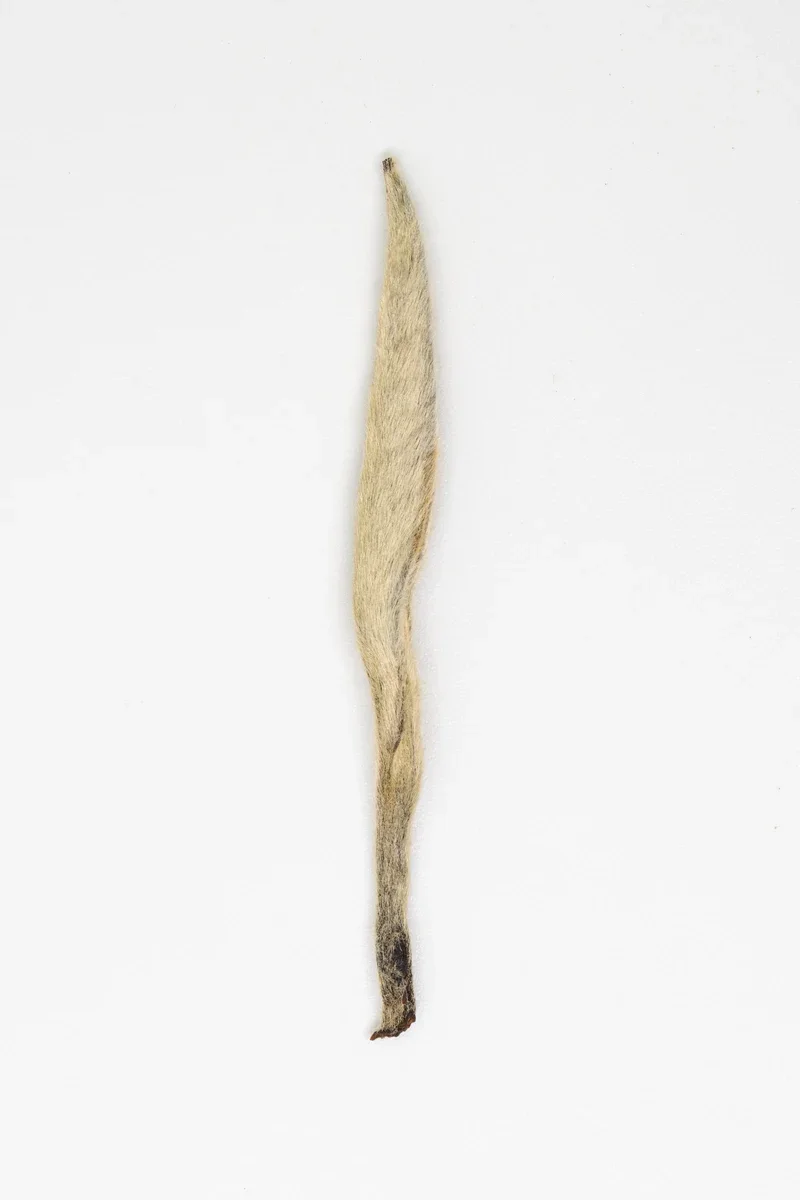
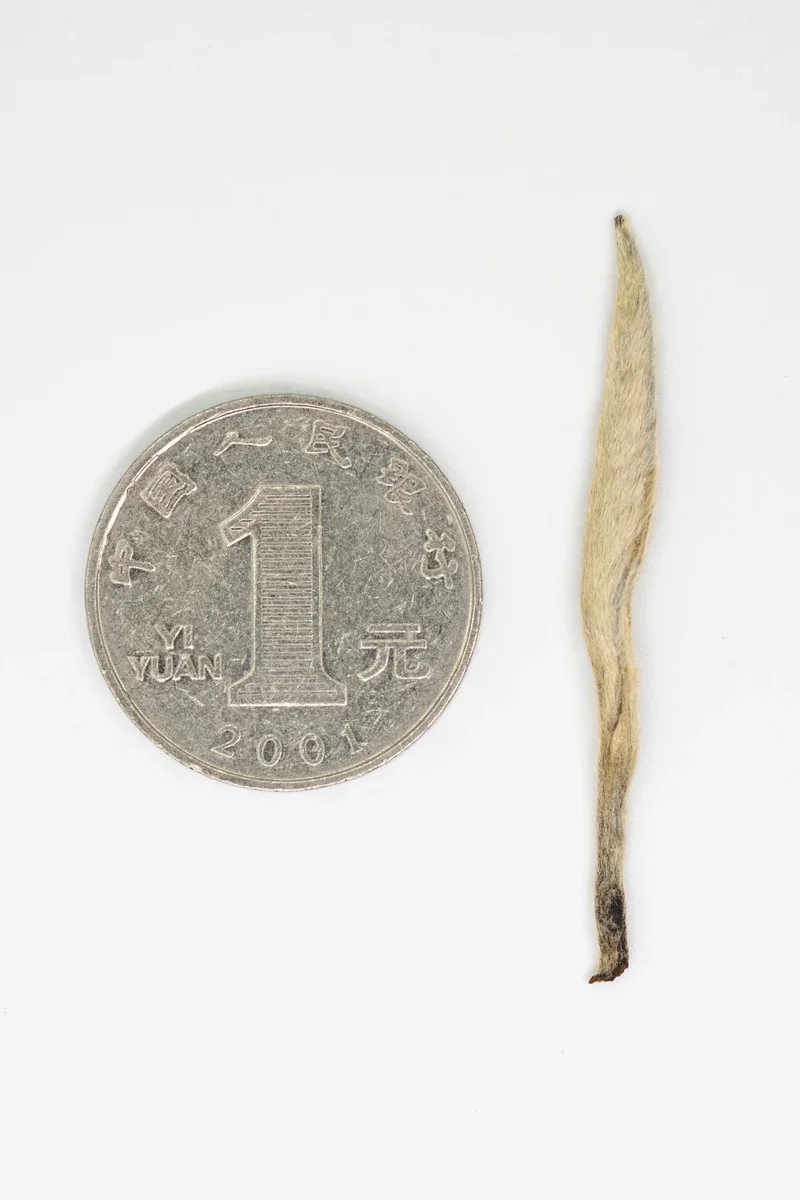
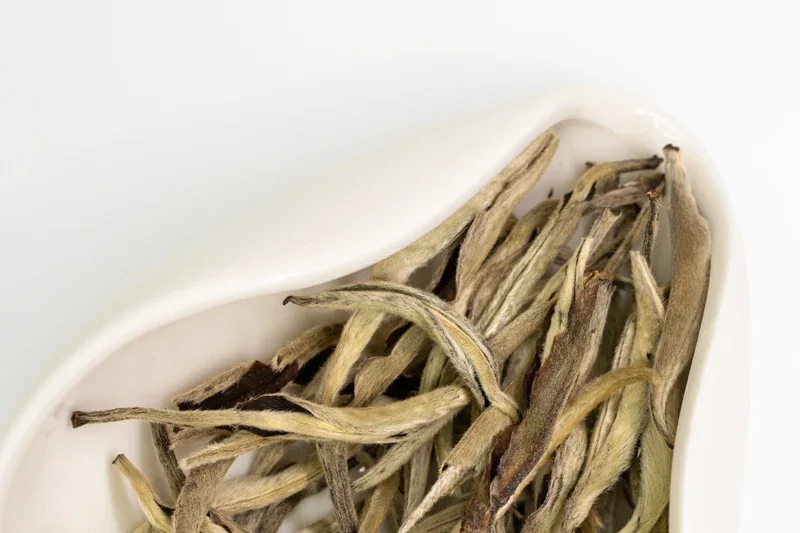
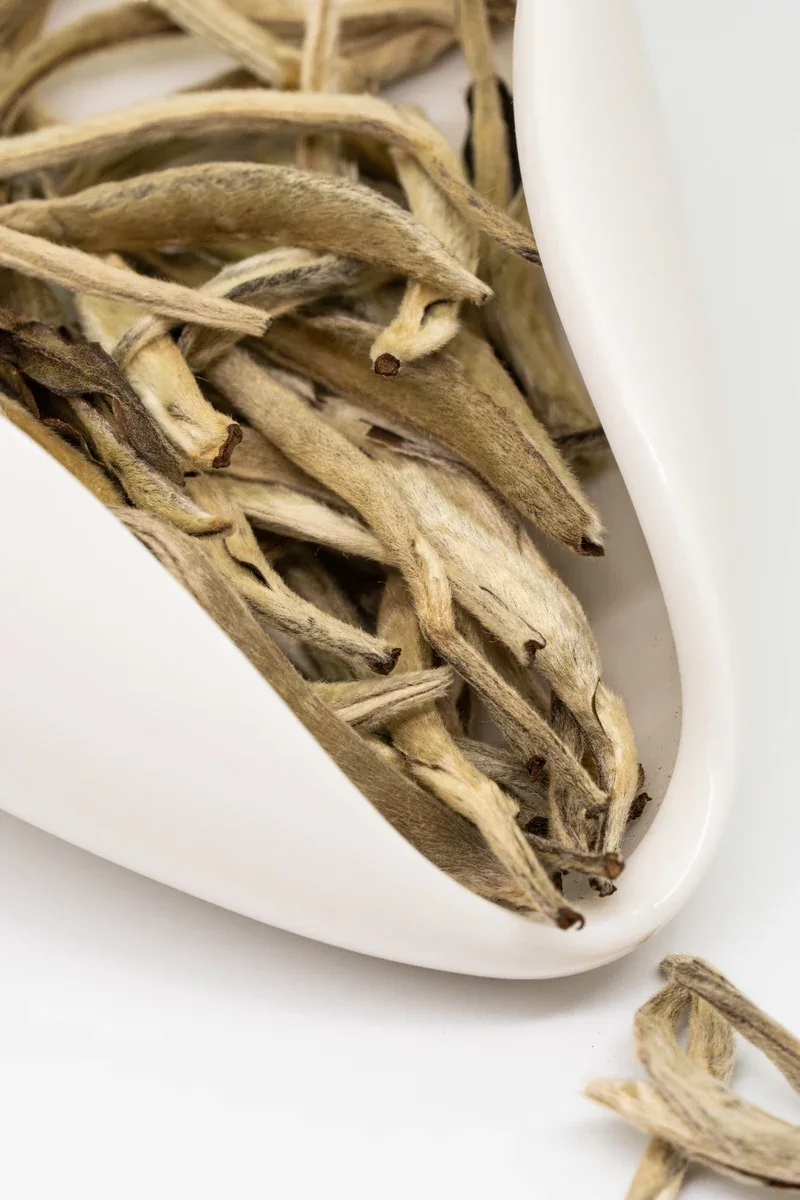
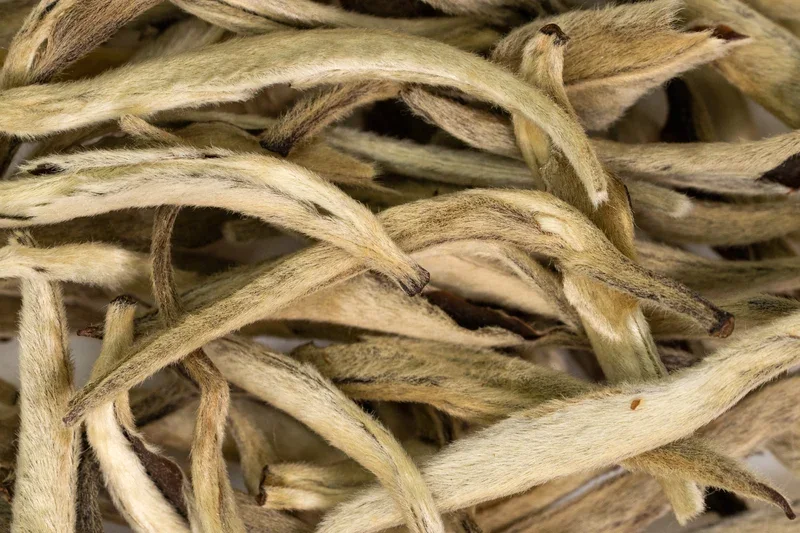
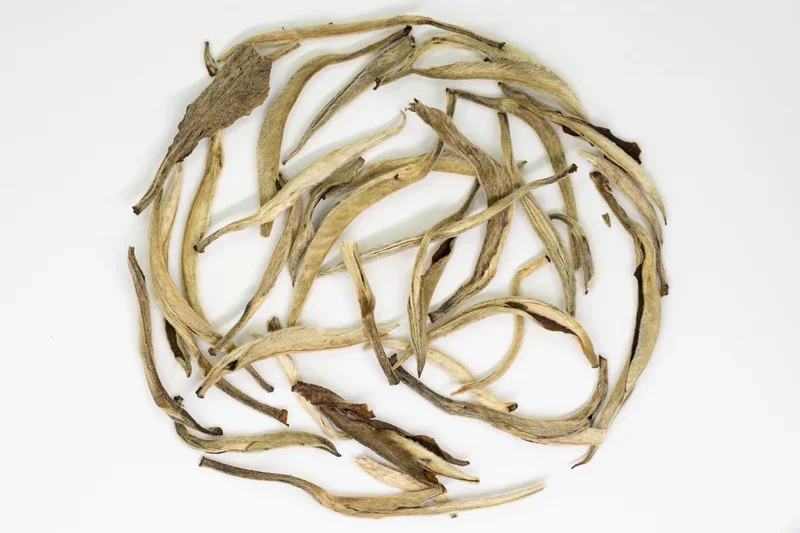
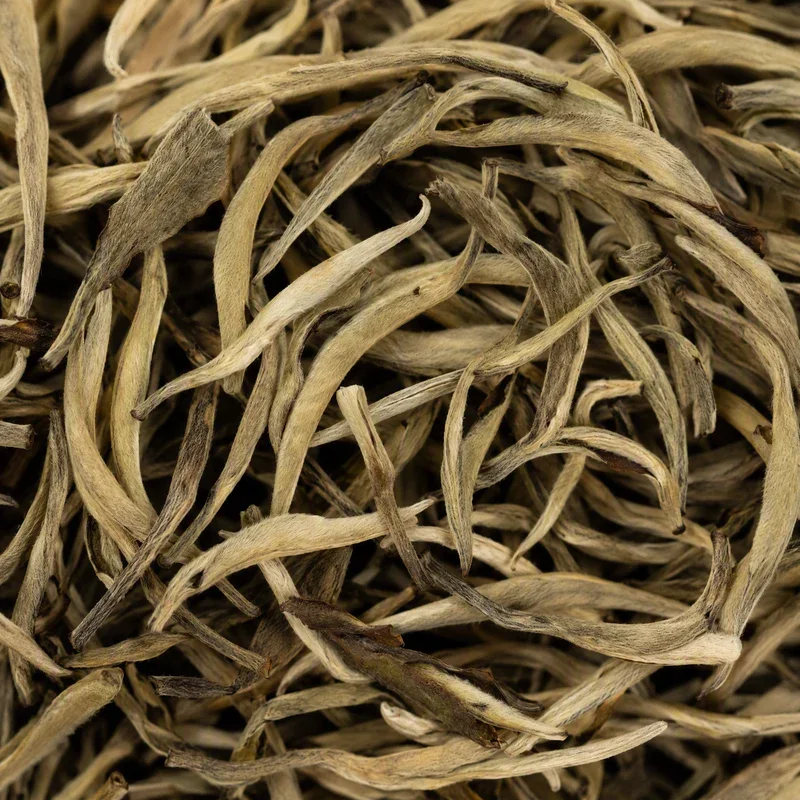
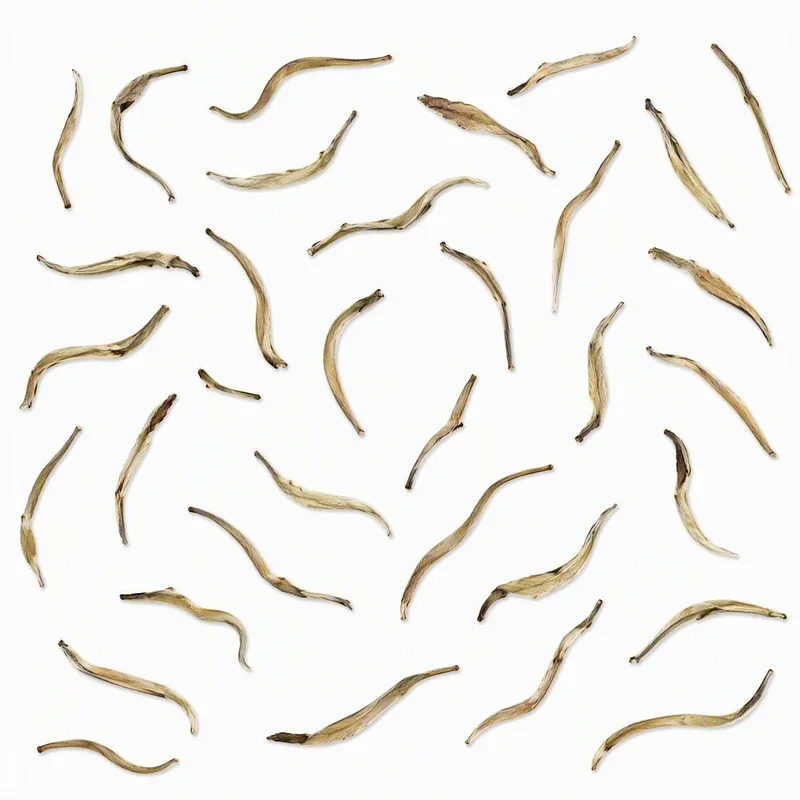
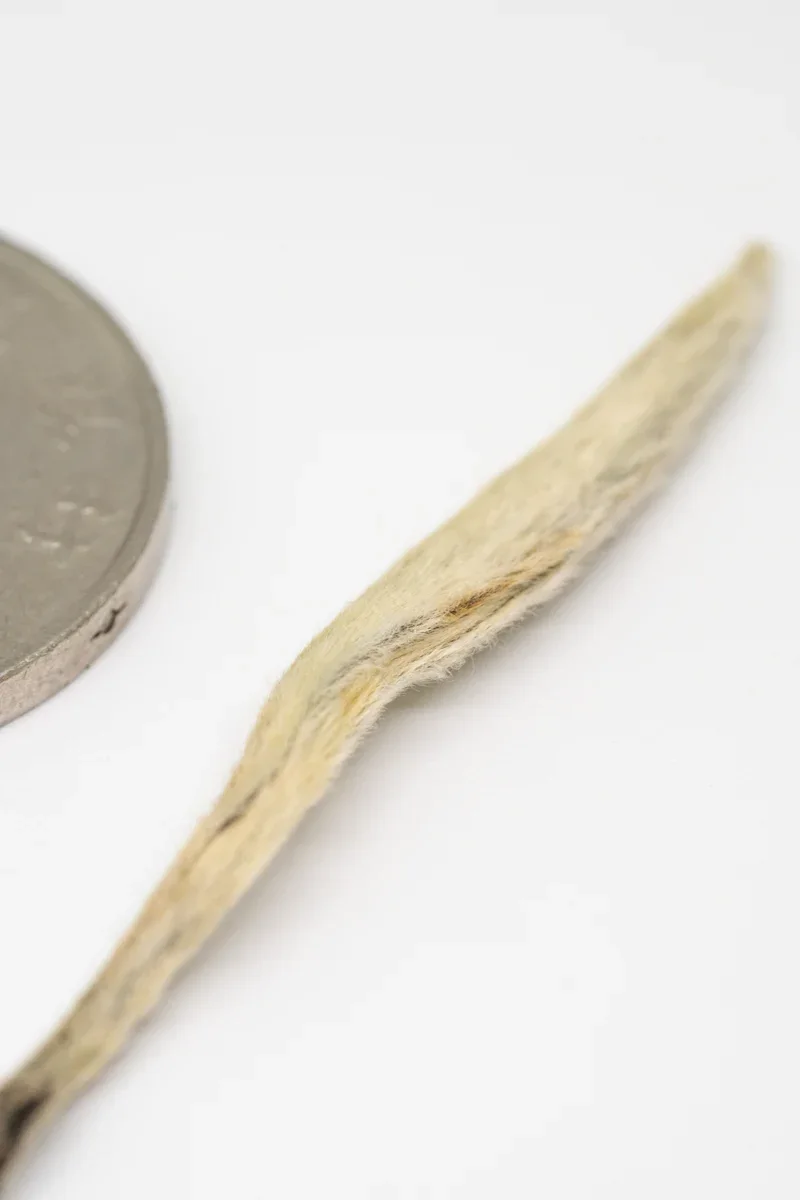
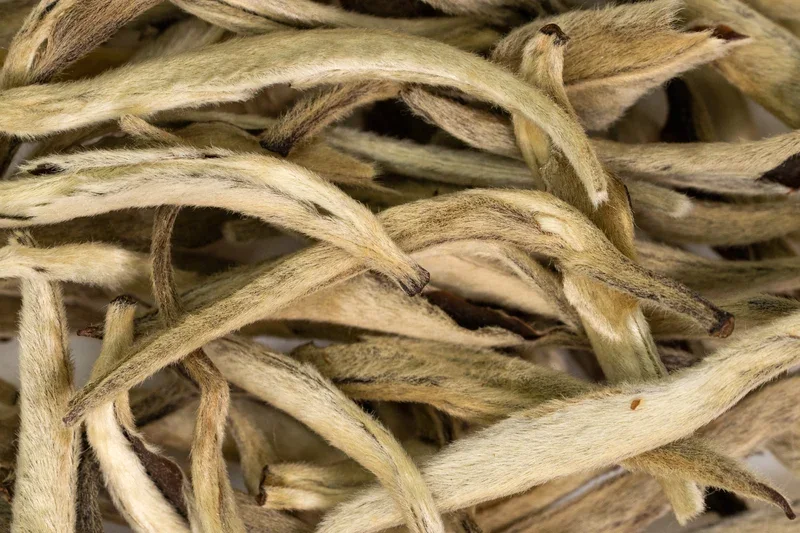
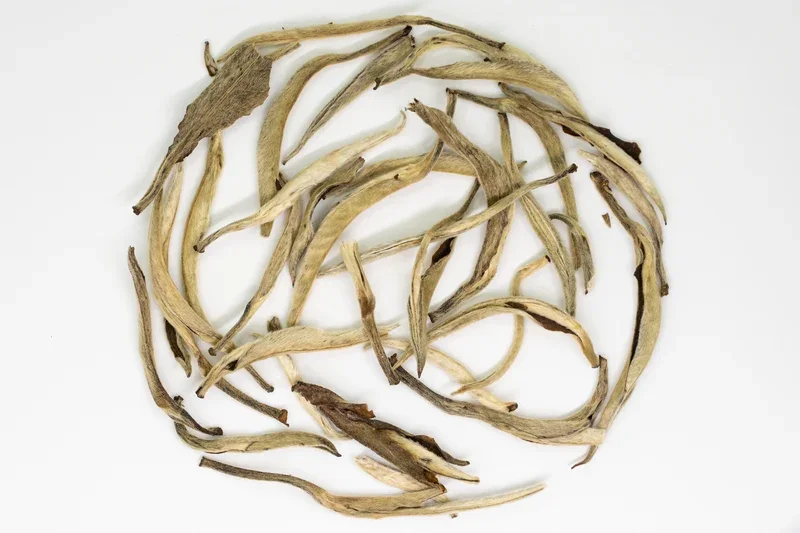
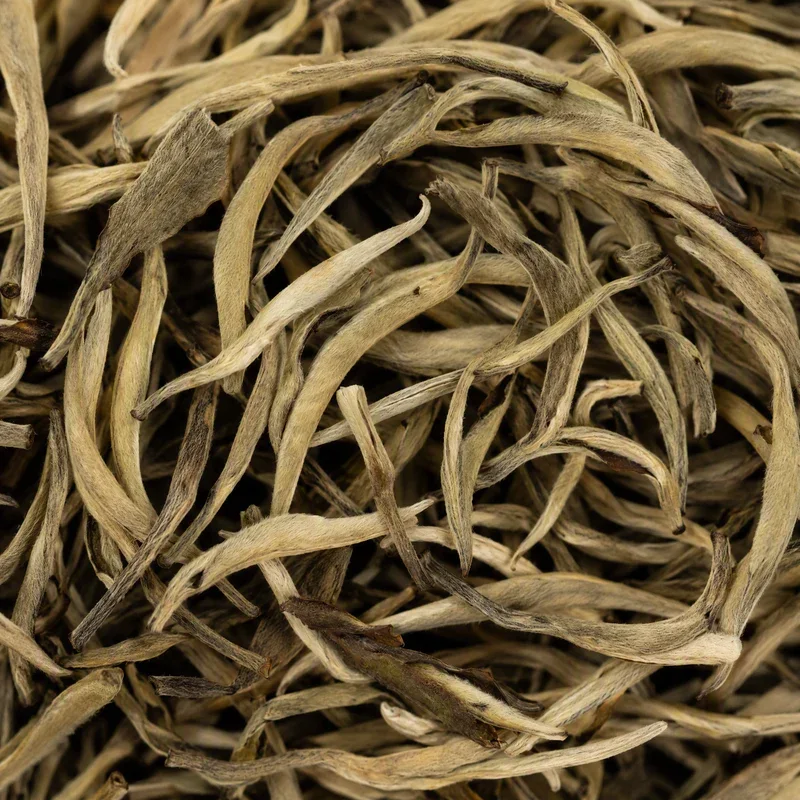
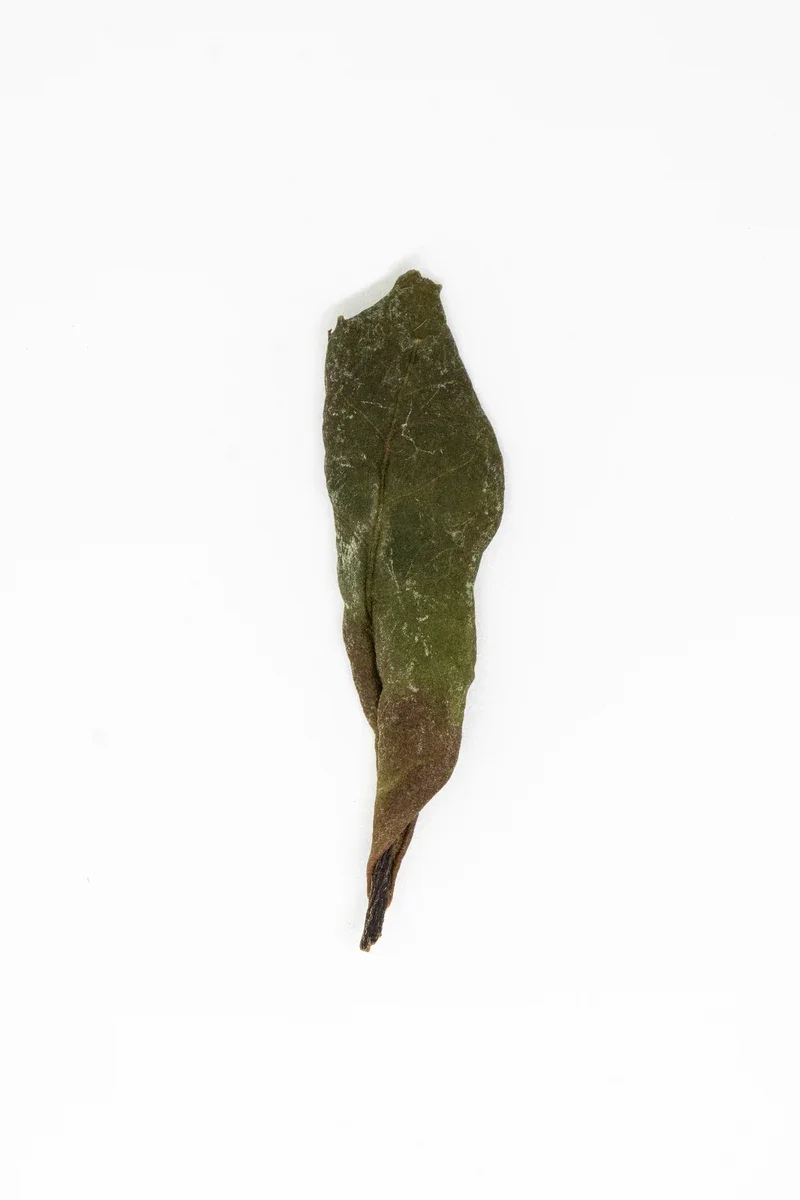
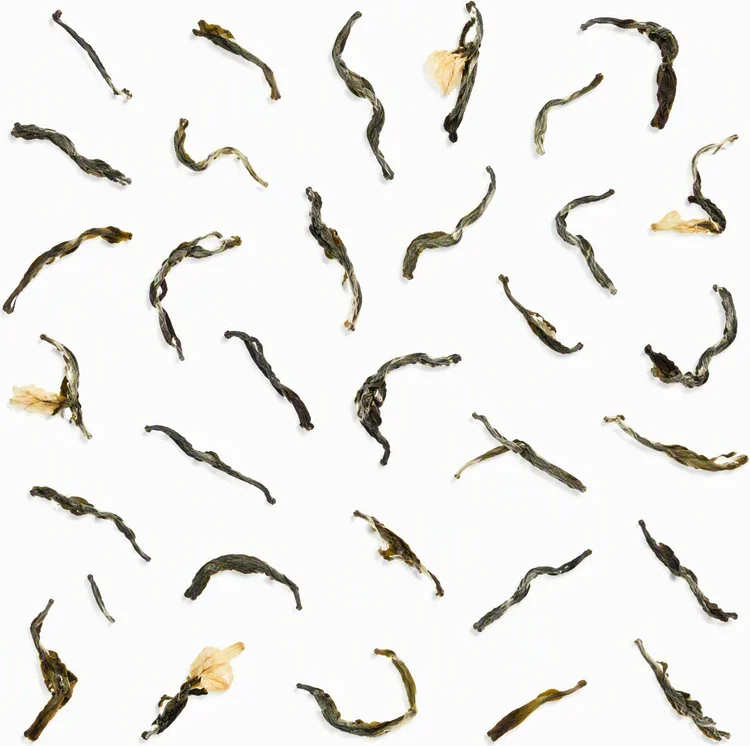
Full bud or one bud + one leaf. Silvery down densely covers the surface (银毫密披, yín háo mì pī).
One bud + one-two leaves. Down is noticeable but less dense.
One bud + two-three leaves. Minimal down.
Cultivar: Medium-leaf and small-leaf frost-resistant varieties adapted to northern climate:
Picking: Spring — main and only harvest for "Da Bai Hao" grade. Mid-April — early May. Due to the cold northern climate, vegetation begins 2–4 weeks later than in southern provinces. Hand-picking in morning hours (after dew has dried).
Altitude: 400–800 m (middle belt of Mount Laoshan). Best plots — on southeastern slopes facing the sea.
Climate: Oceanic temperate-warm humid (海洋性暖温湿润气候, hǎiyáng xìng nuǎn wēn shīrùn qìhòu). Average annual temperature — 12.4°C — significantly lower than in southern tea regions. Frost-free period — 233 days. Precipitation — over 1200 mm/year. Constant sea fogs and breezes from the Yellow Sea. Diurnal temperature range — significant. Cold winters (absolute minimum to −15°C) — bushes require covering with straw and polyethylene. The long cold winter (about 5 months of dormancy) ensures slow growth and record accumulation of amino acids.
Soil: Brown soils on granite bedrock (花岗岩母岩风化棕壤土, huāgǎngyán mǔyán fēnghuà zōng rǎng tǔ, pH 4.5–6.5). Organic matter — ≥1.0%. Groundwater depth — over 60 cm. Granite rock enriches soils with minerals: Zn (zinc), Se (selenium), Mn (manganese), Fe (iron) — creating a unique "mineral imprint" in tea taste.
Constant cloudiness — sea fogs rise from the Yellow Sea. Protected zone — absence of industrial pollutants. Intercropping with soybeans (大豆间种, dàdòu jiānzhǒng) is practiced to enrich soil with nitrogen — a traditional agroecological technique replacing chemical fertilizers.
Water: Láoshān mineral water (崂山矿泉水, Láoshān kuàngquán shuǐ) — one of China's most famous mineral waters — is used for irrigating tea gardens. Natural springs on granite slopes provide clean, mineralized water, considered one of the key factors in the unique taste of Laoshan tea.
Hand-picking in morning hours after dew has dried. Only early spring buds or bud + first leaf. Cut with fingernail, not broken — to minimize down damage.
3–4 hours in a cool room. Leaves lose 10–15% moisture.
Steam (高温蒸汽, gāowēn zhēngqì) — unlike standard Laoshan tea, which is pan-fired in a wok (锅炒, guō chǎo). Steam acts more gently on down, preserving its integrity and "silver luster". This is an extremely rare method for Chinese green teas, bringing Dà Bái Háo closer to Japanese steamed teas (蒸し製, mushisei). Steam temperature — above 100°C, exposure time — short (30–60 seconds), to avoid excessive leaf softening.
Spiral (卷曲塑形, juǎnqū sùxíng). Gentle pressure — to avoid damaging down and excessive cell juice extraction.
Low-temperature (低温烘焙, dīwēn hōngbèi) — to fix down and "lock in" pea aroma. Moisture content — ≤5%. Temperature — substantially lower than standard pan-firing (炒干), preserving the white color of down.
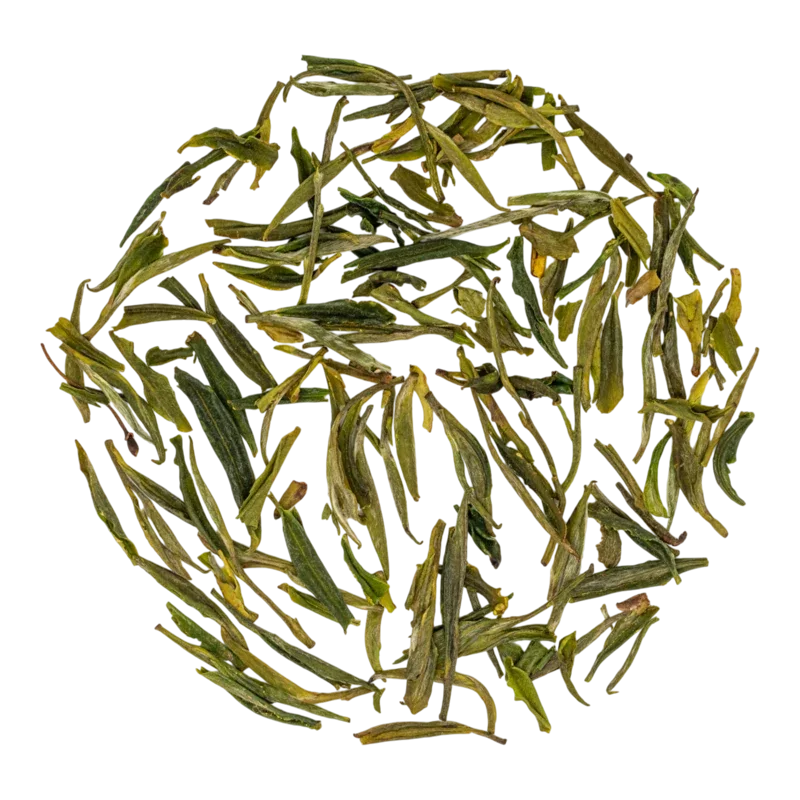
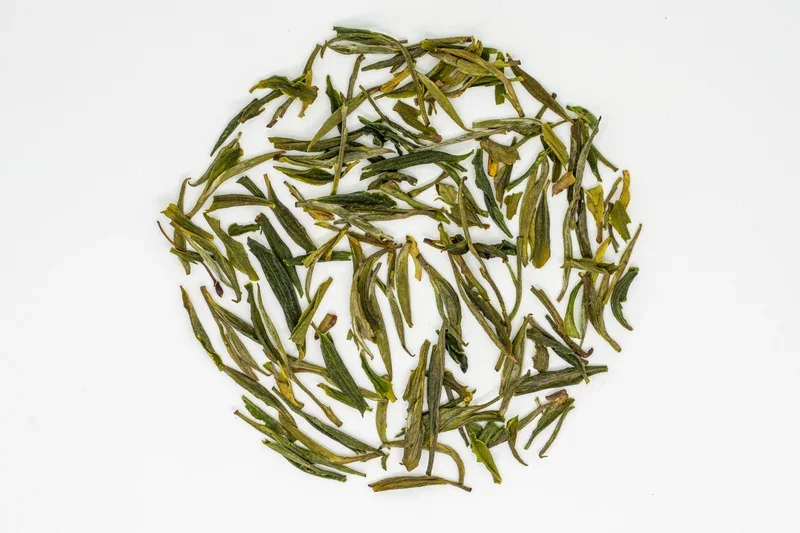
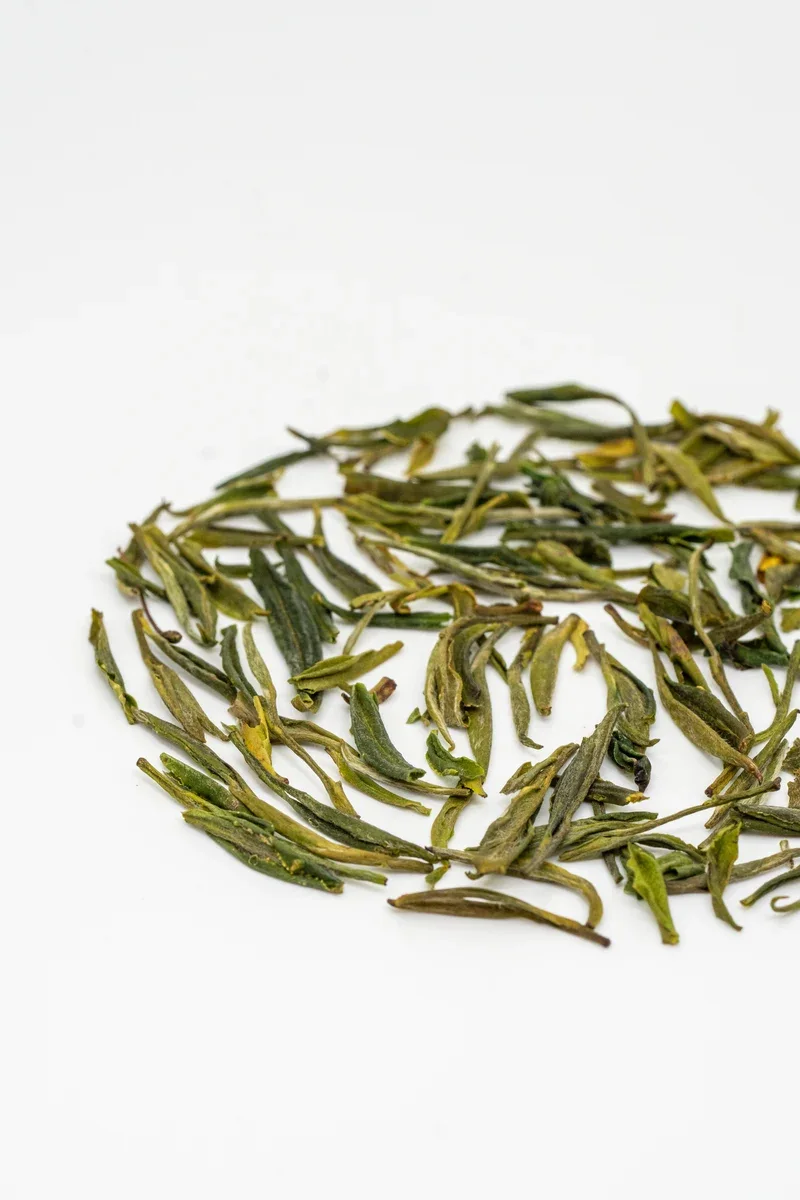
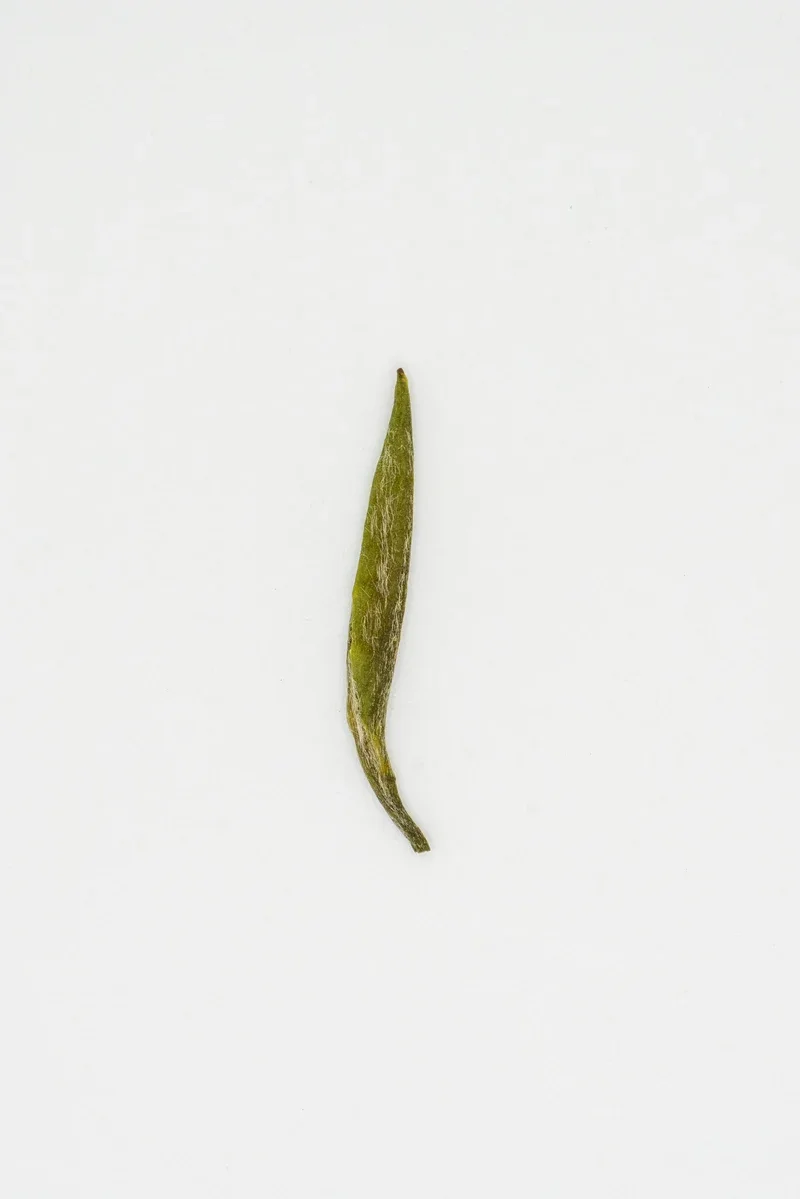
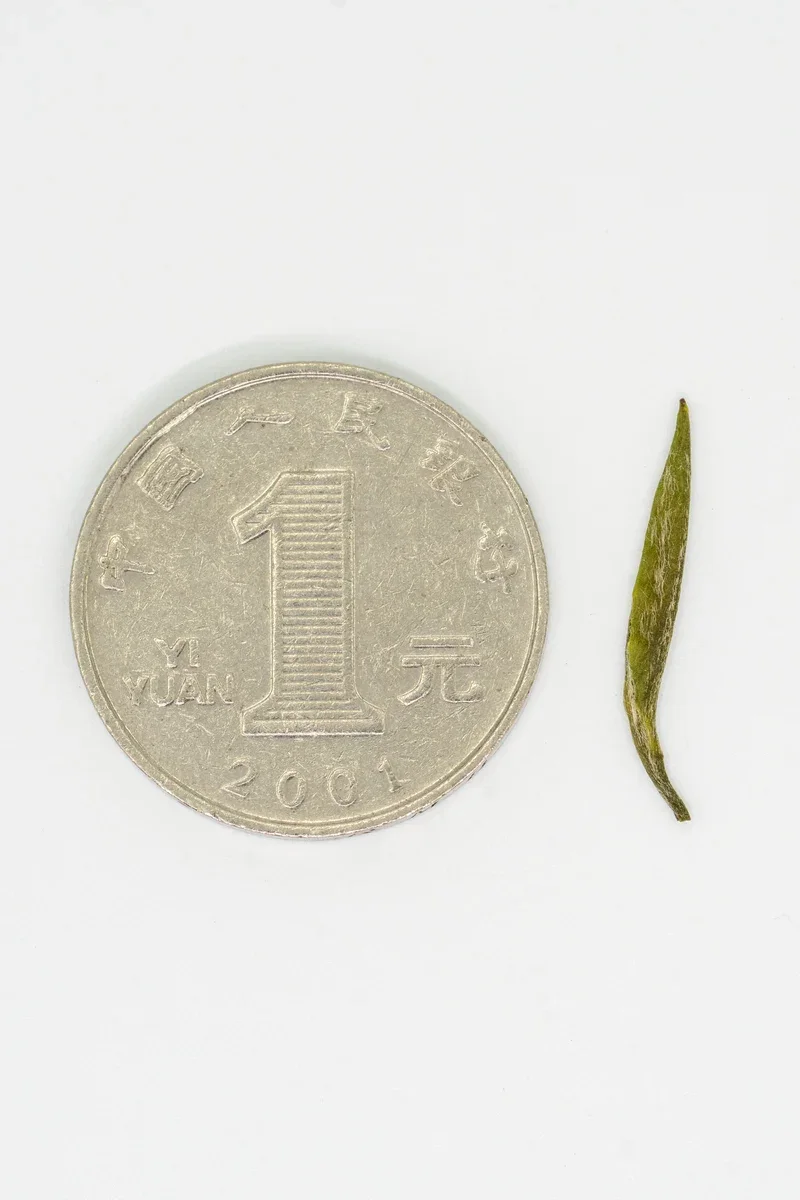
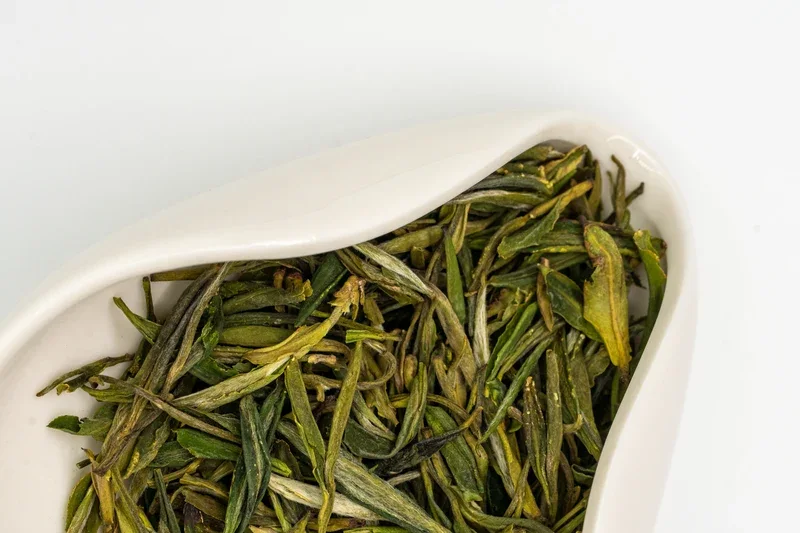
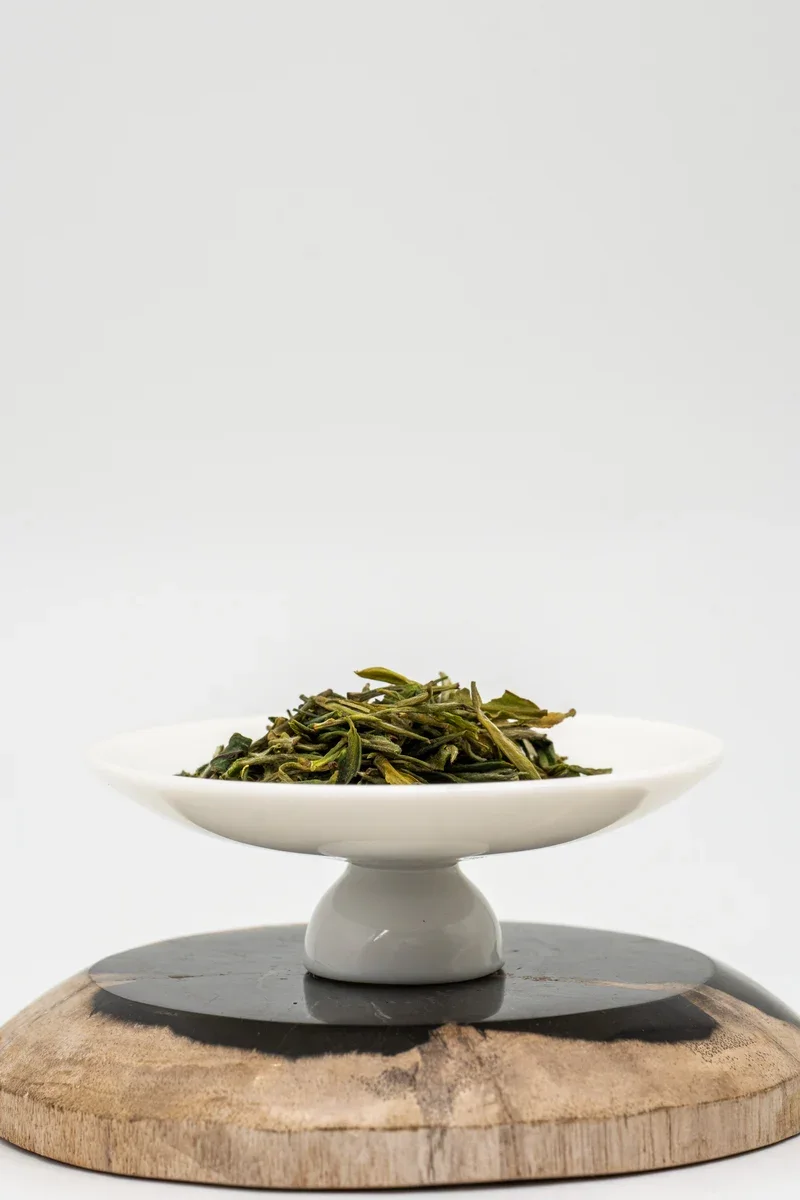
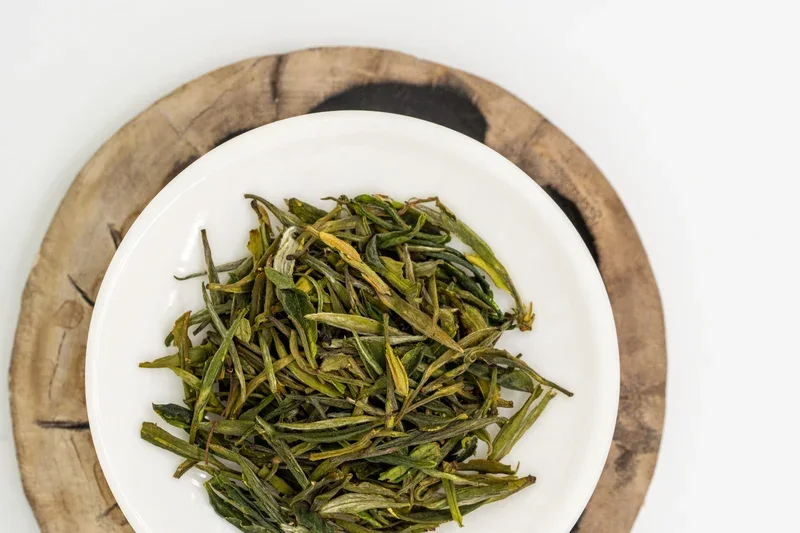
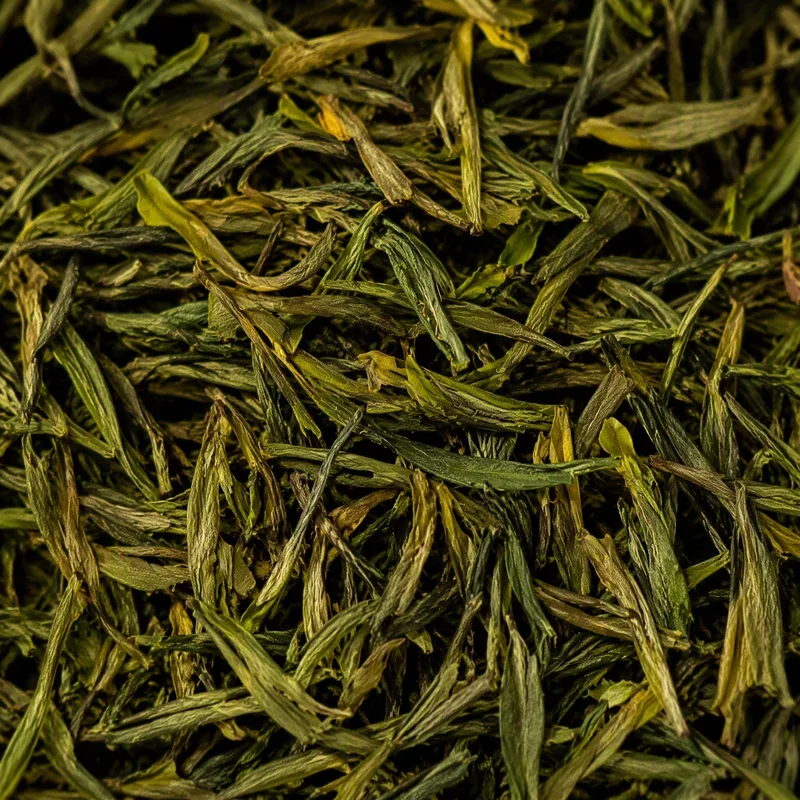
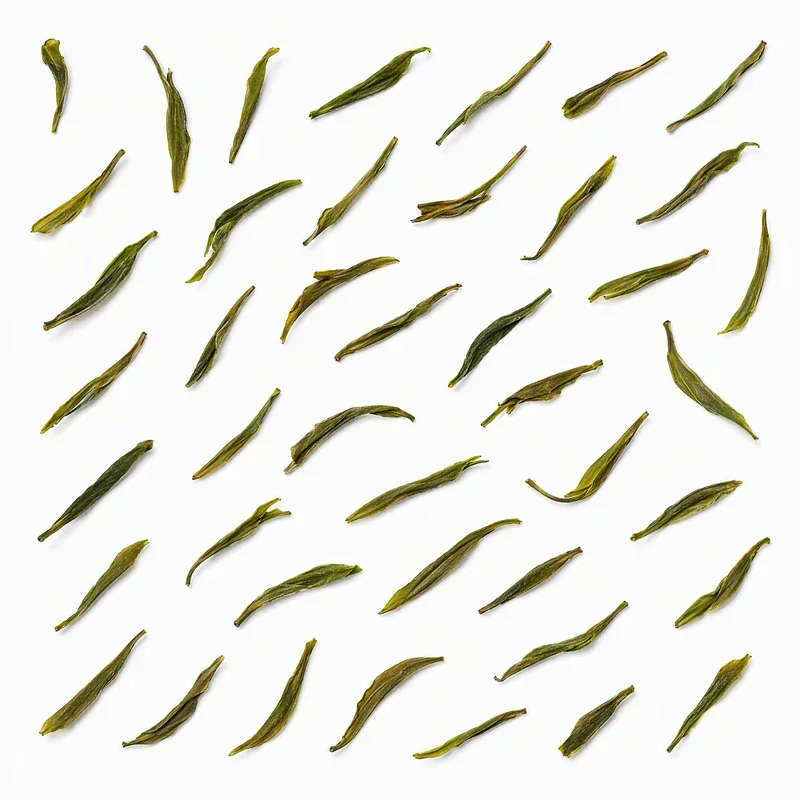
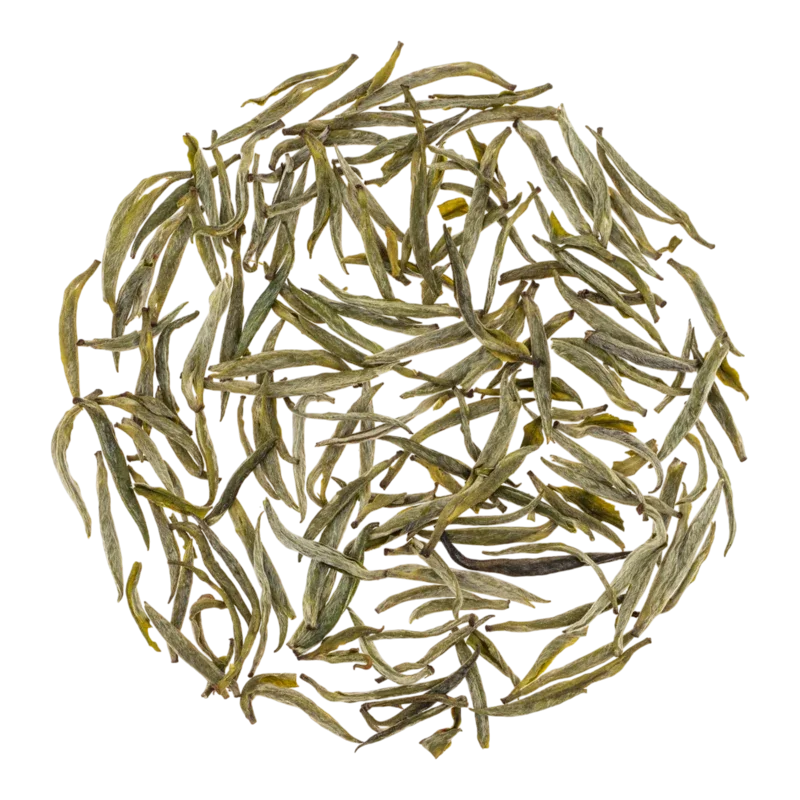
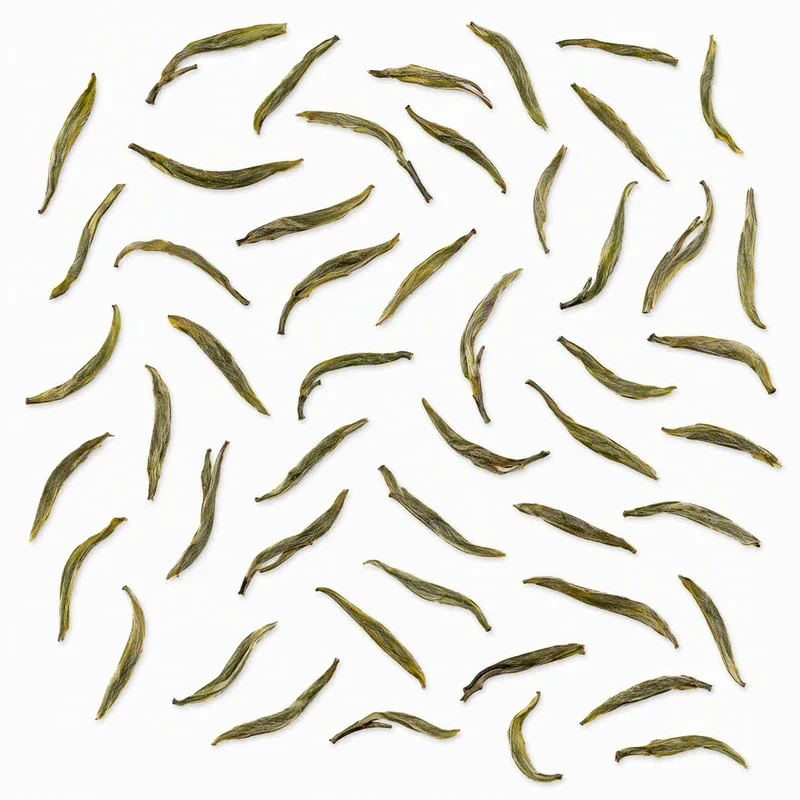
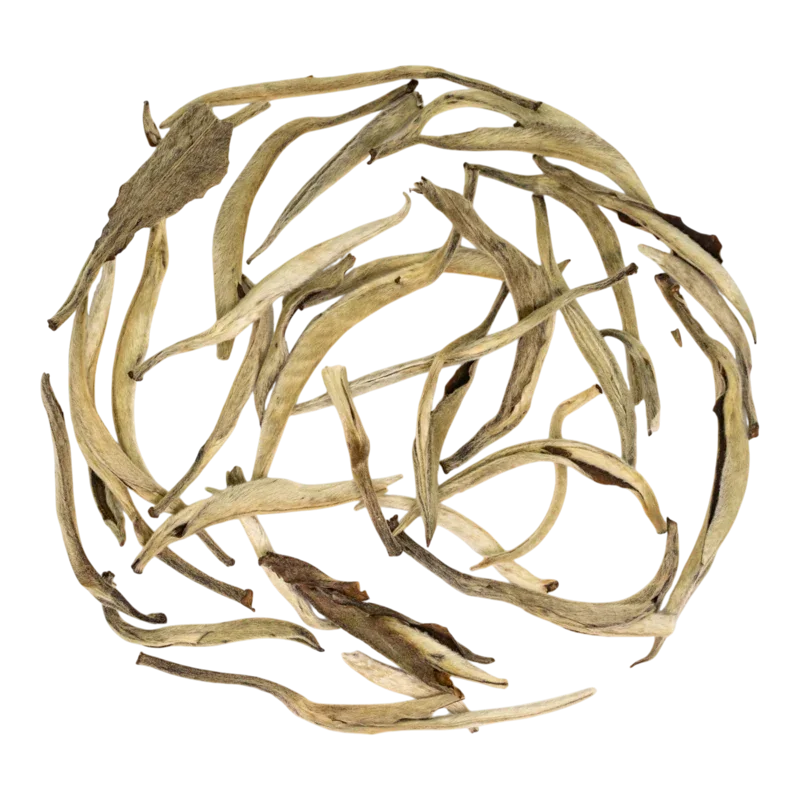
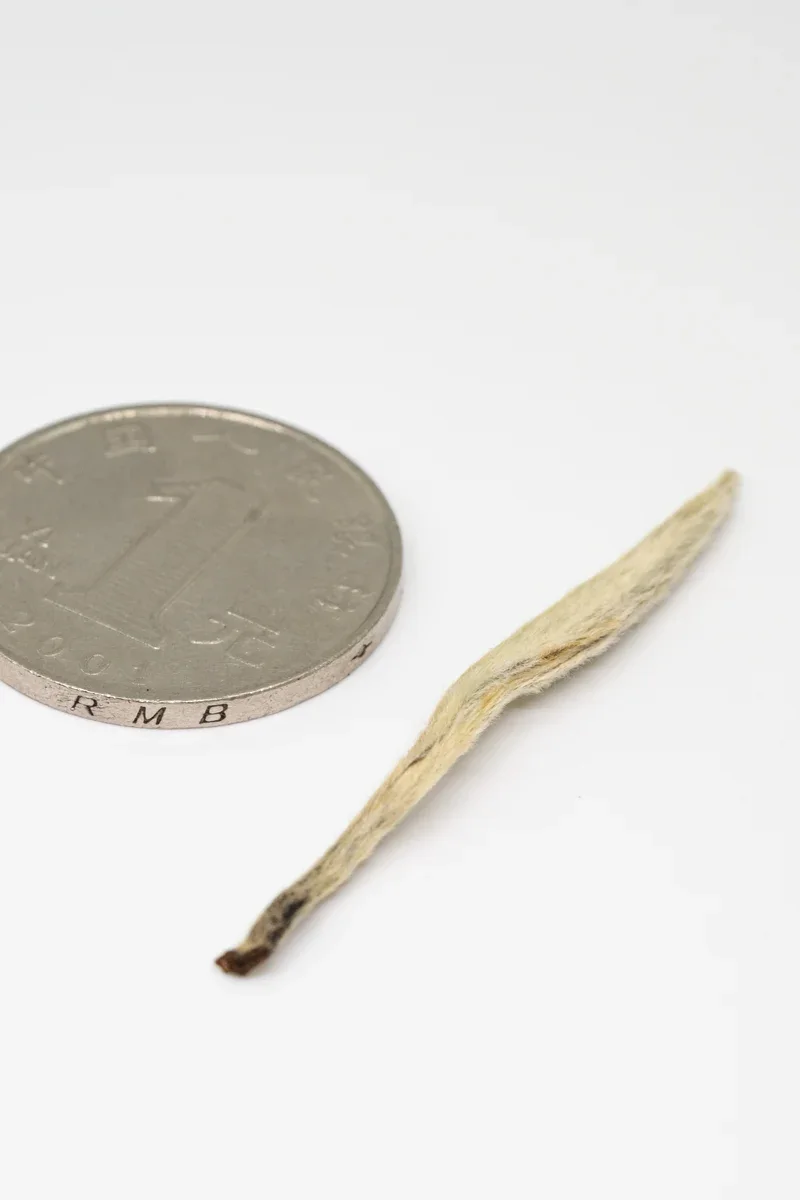
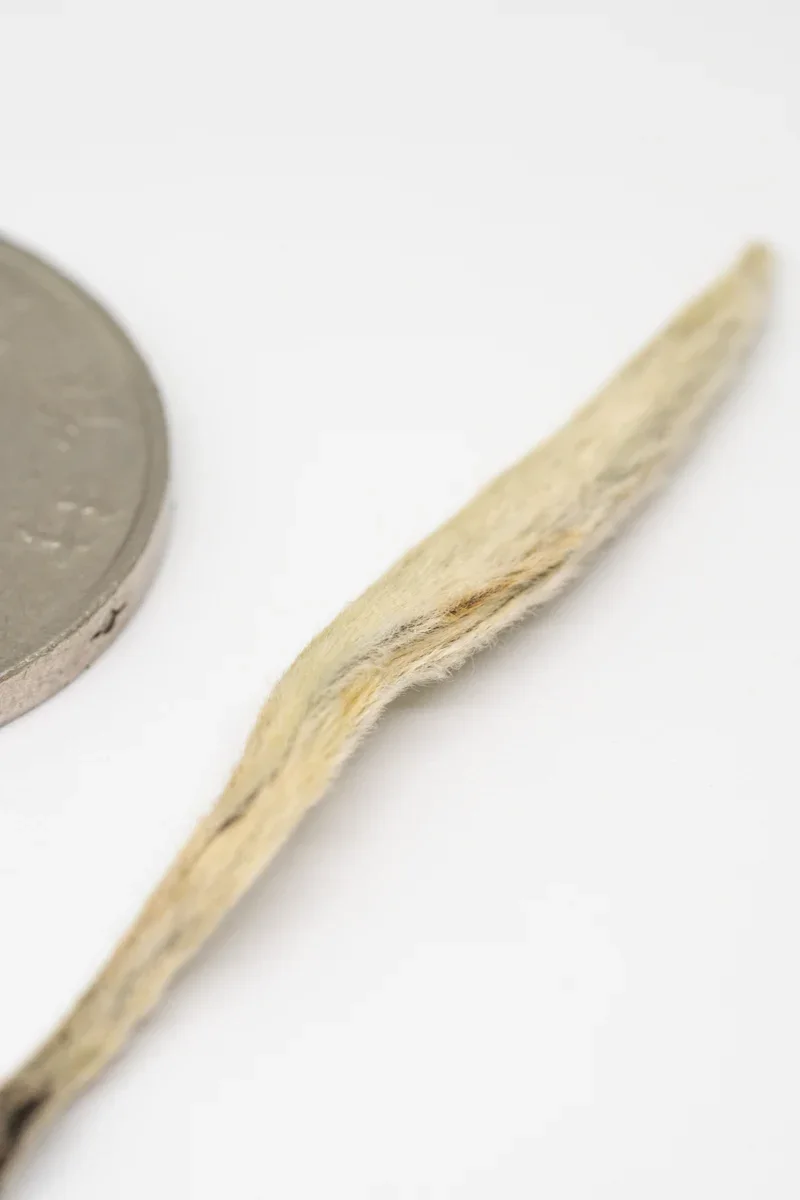
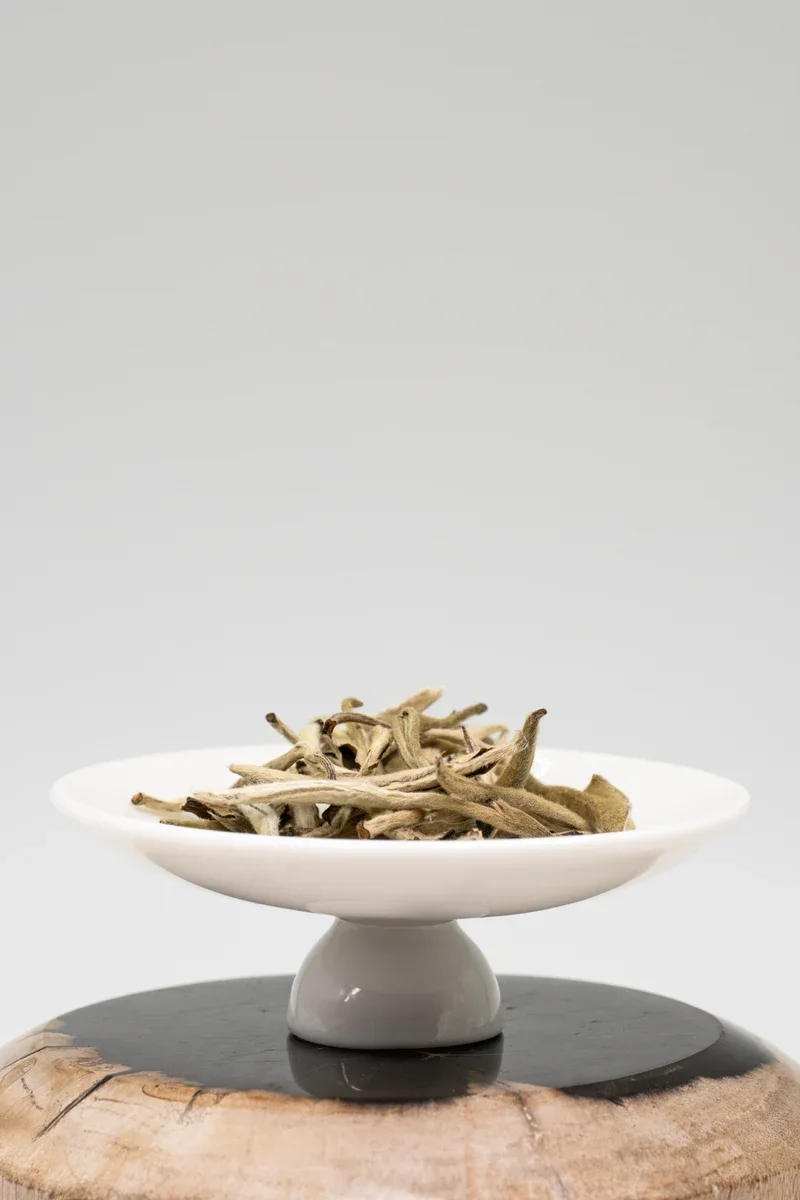
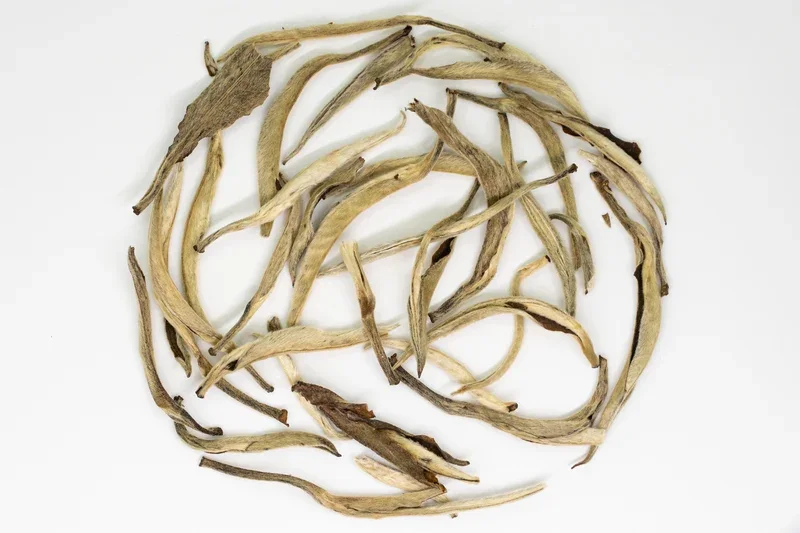
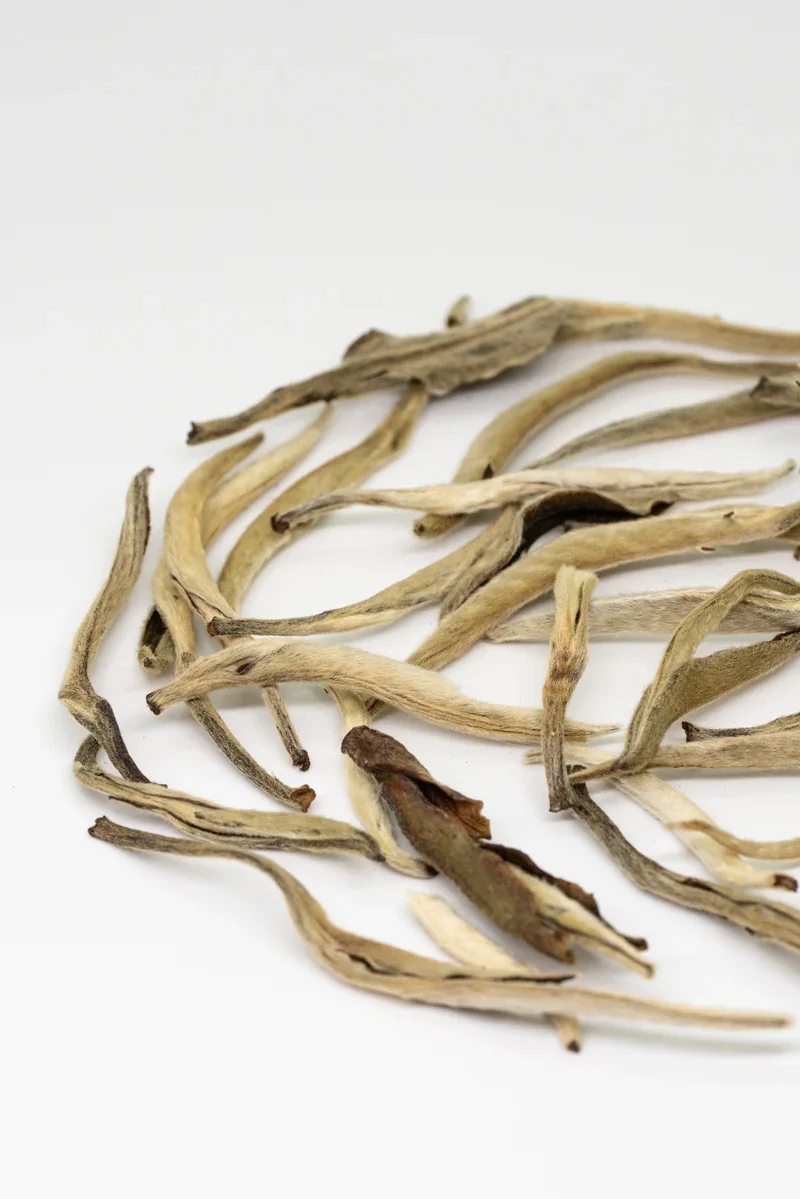
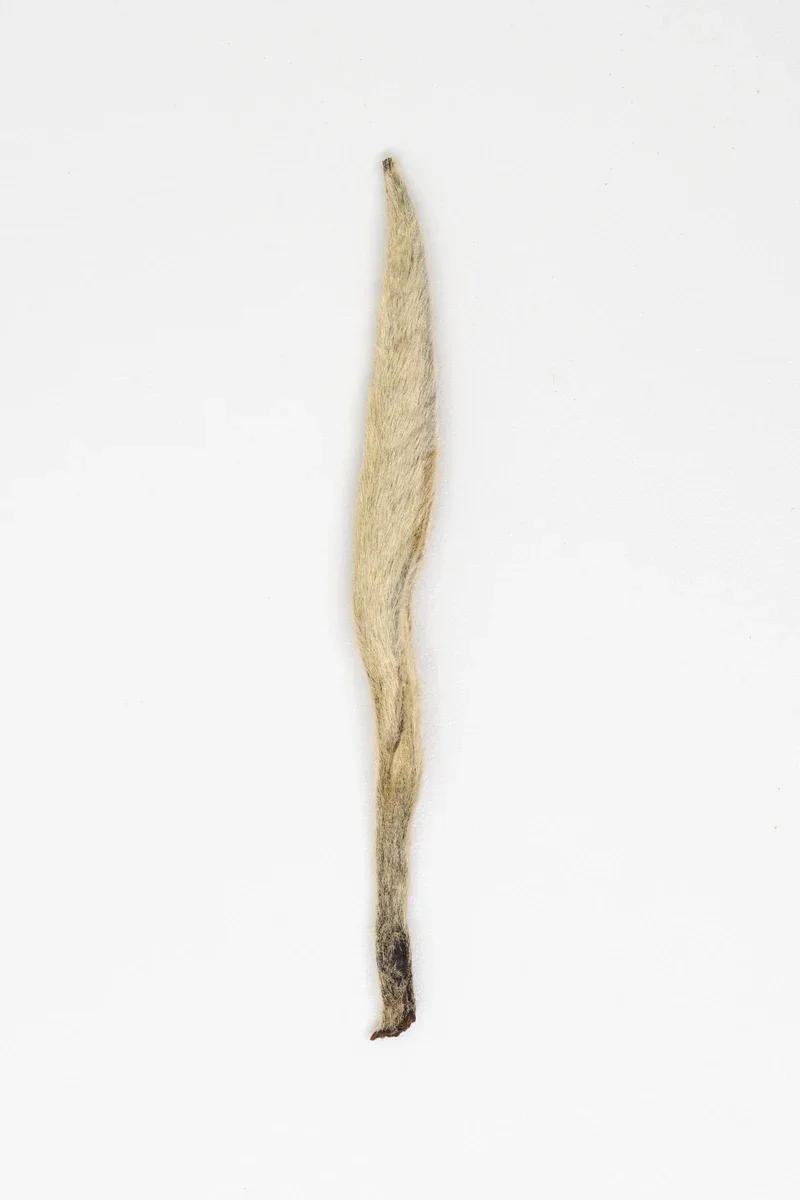
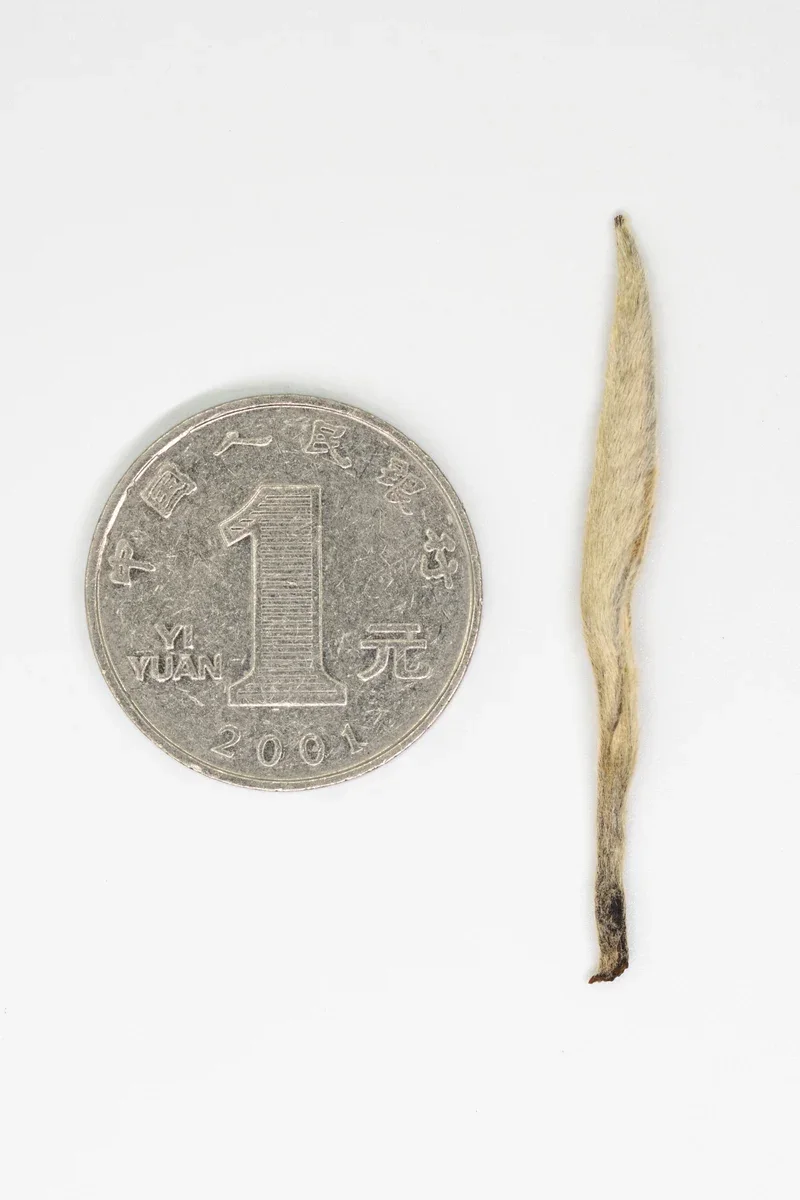
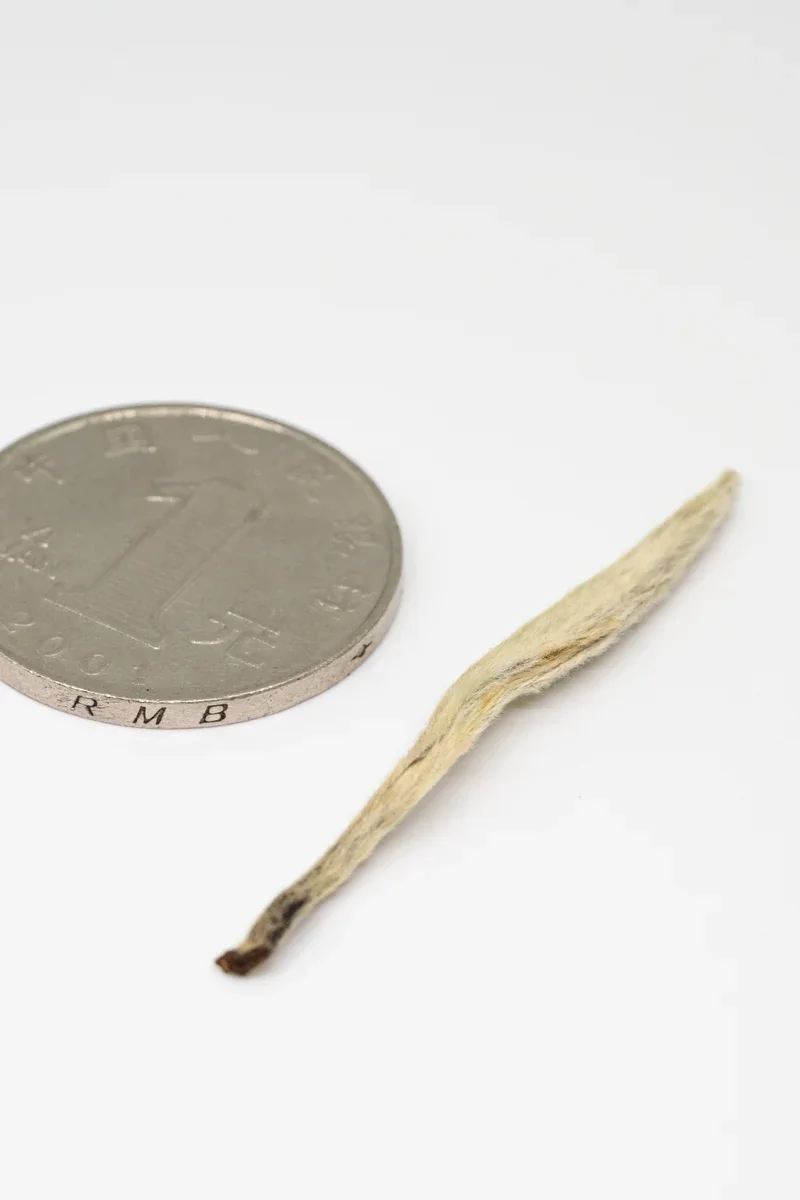
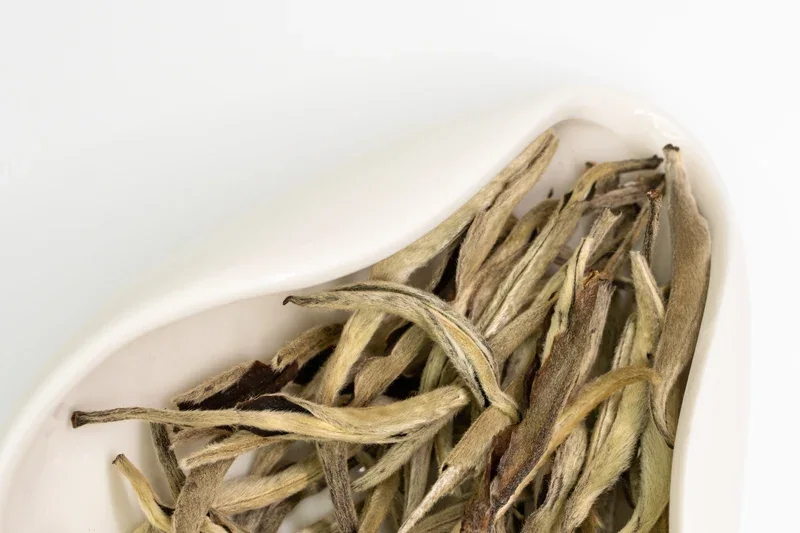
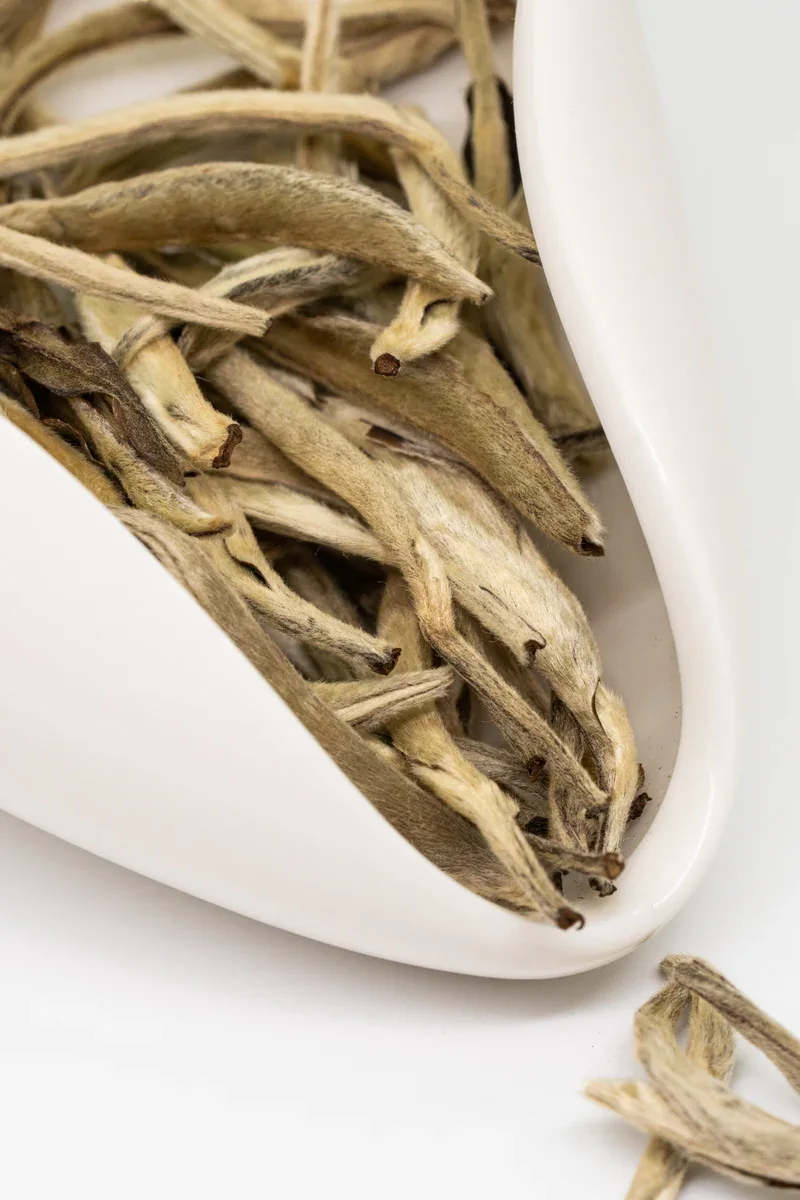
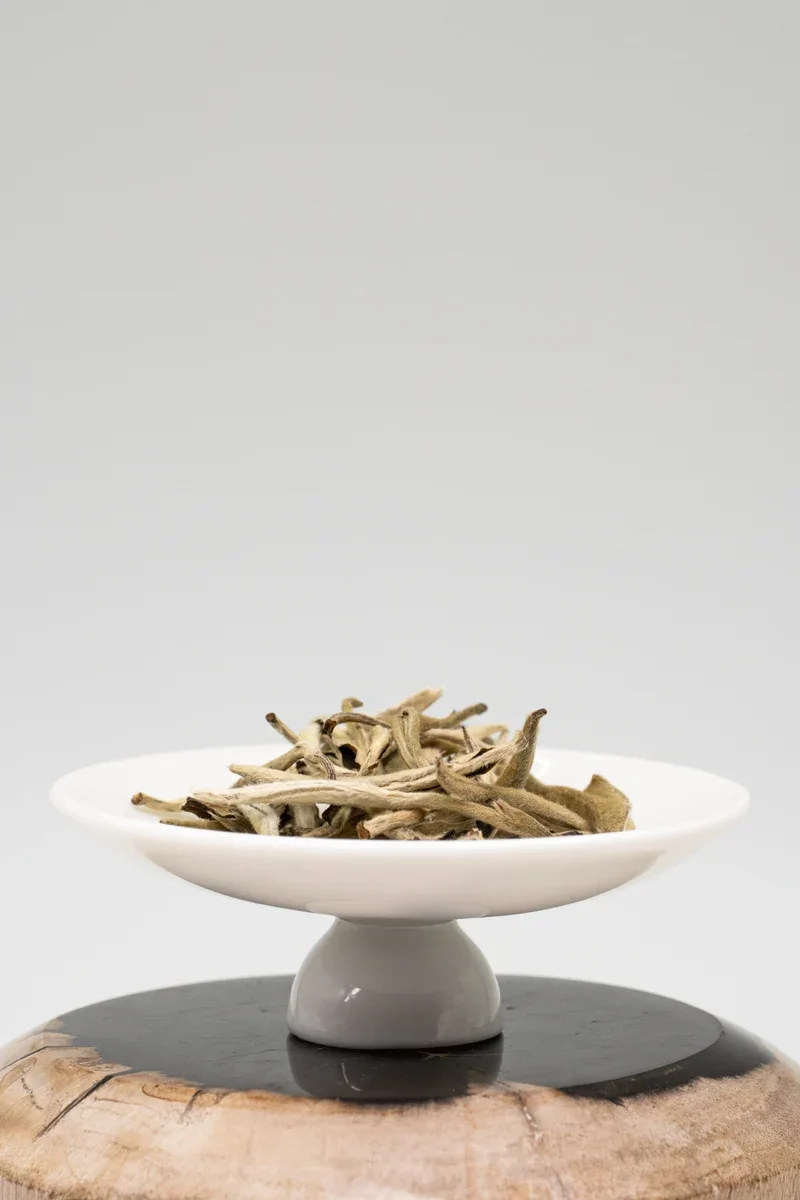
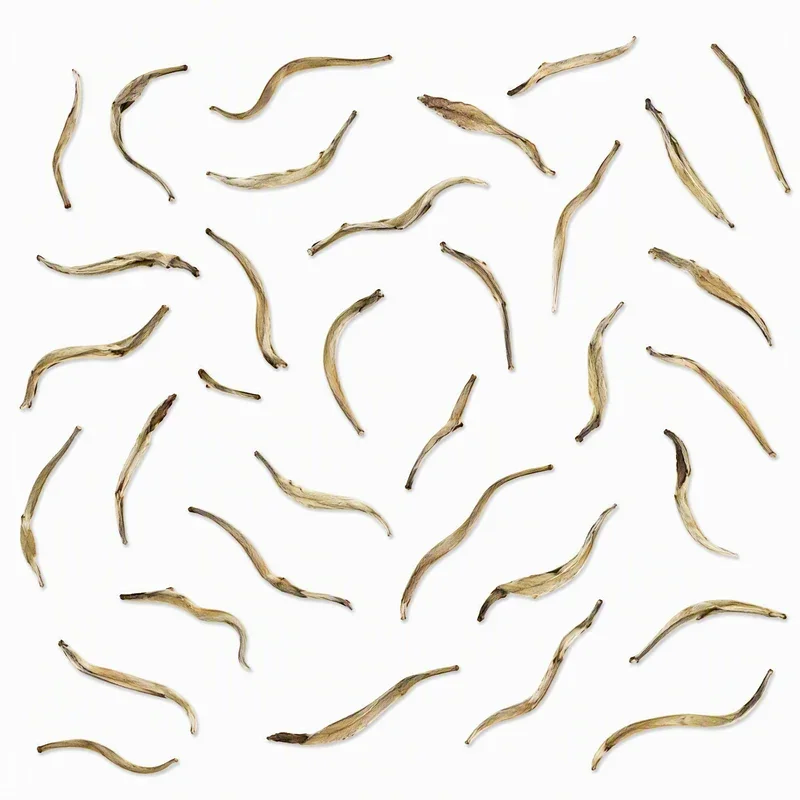
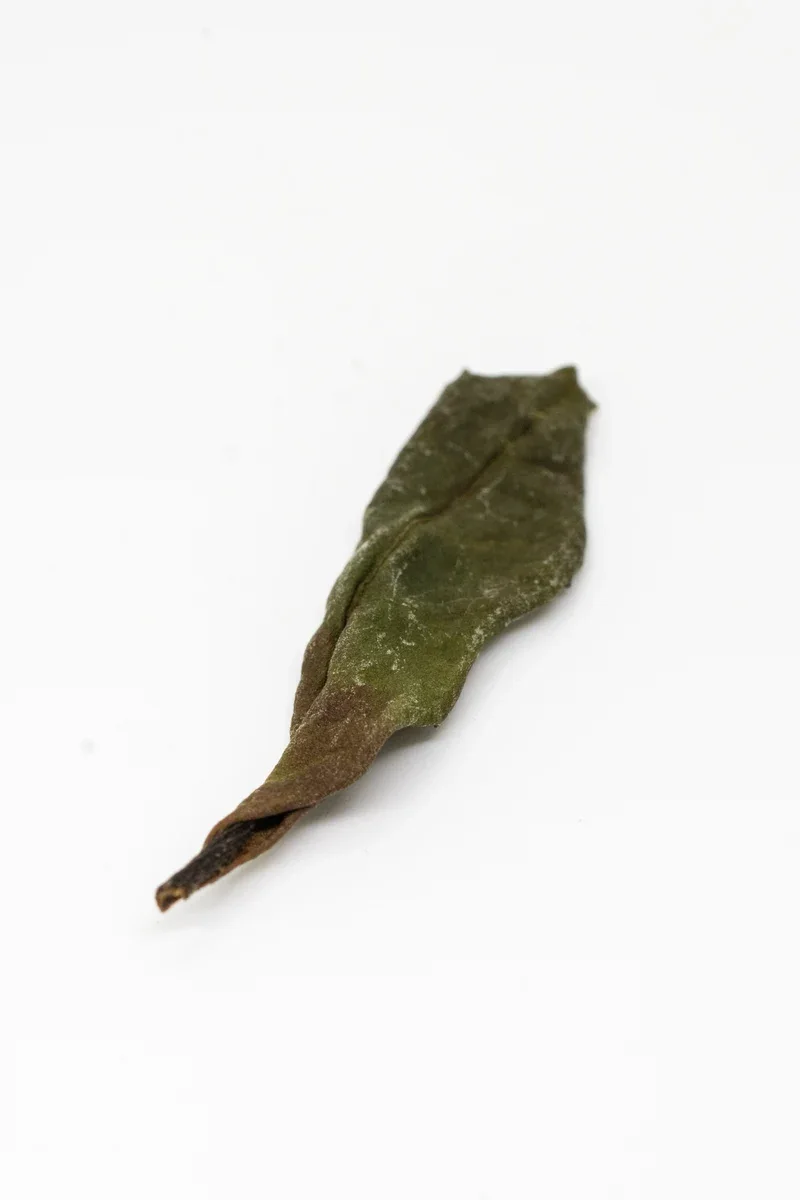
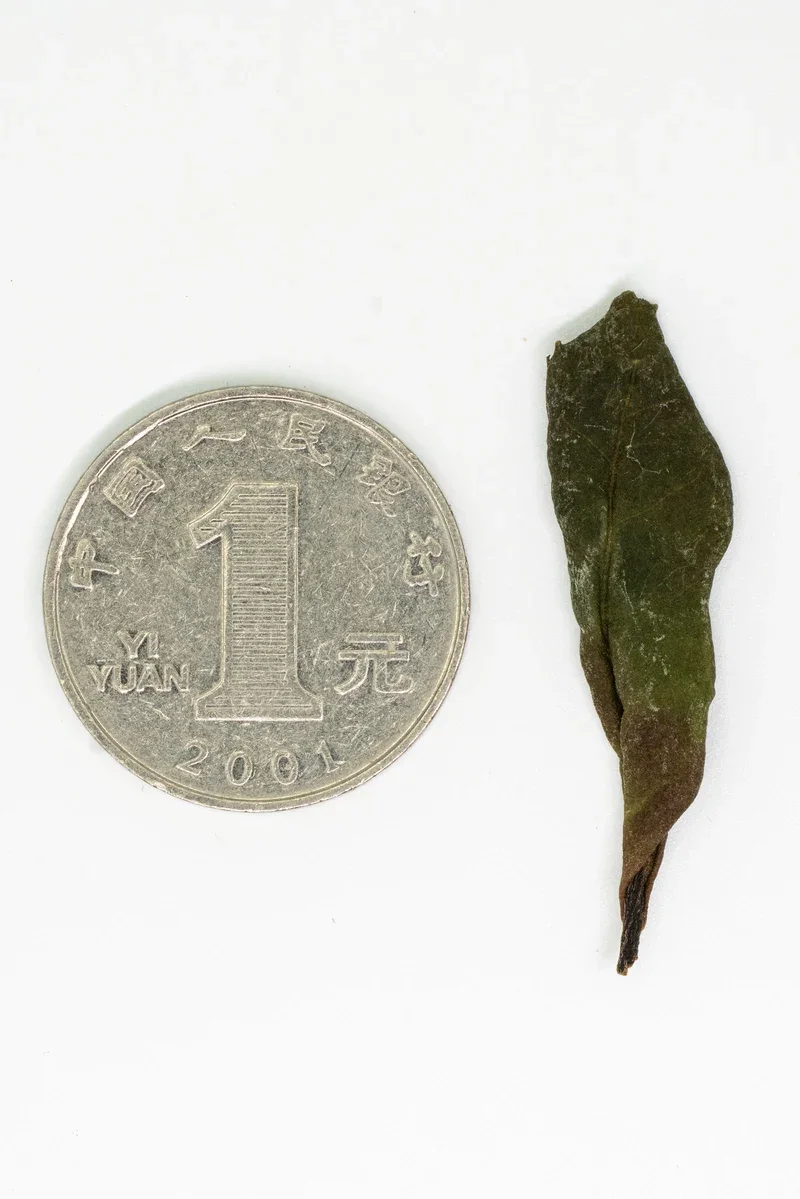
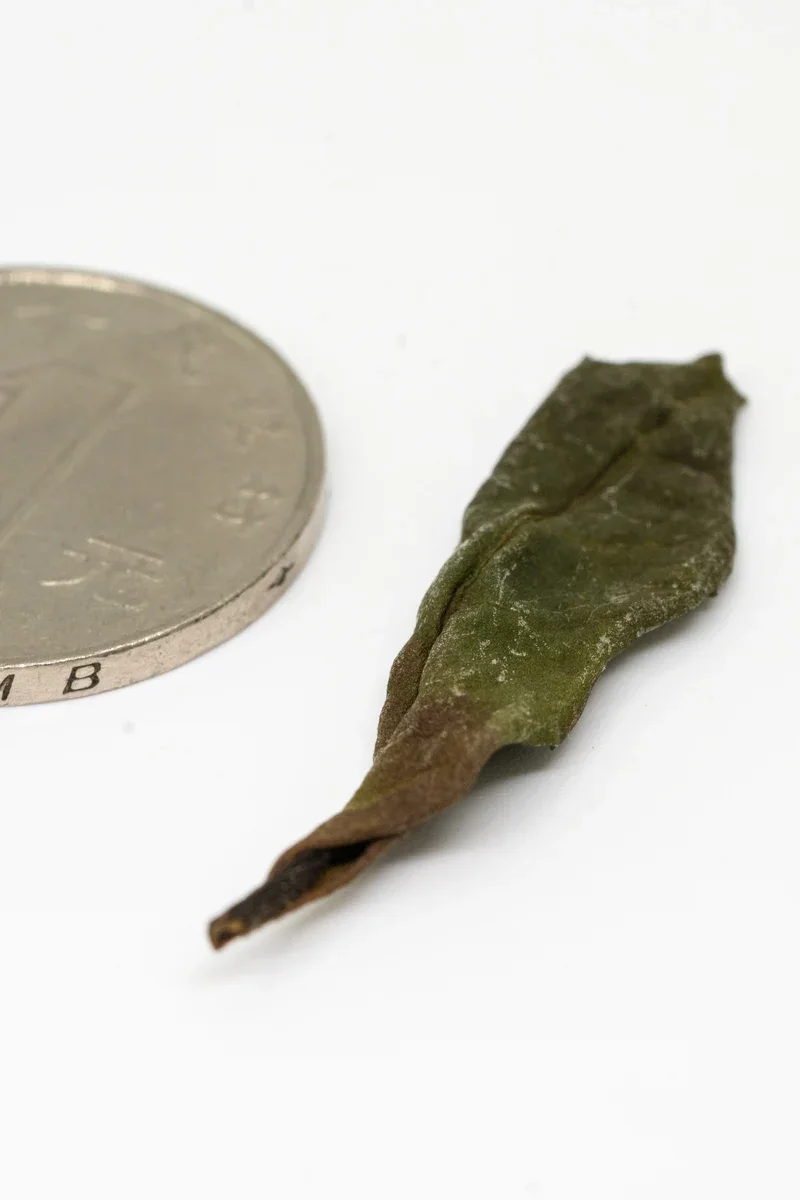
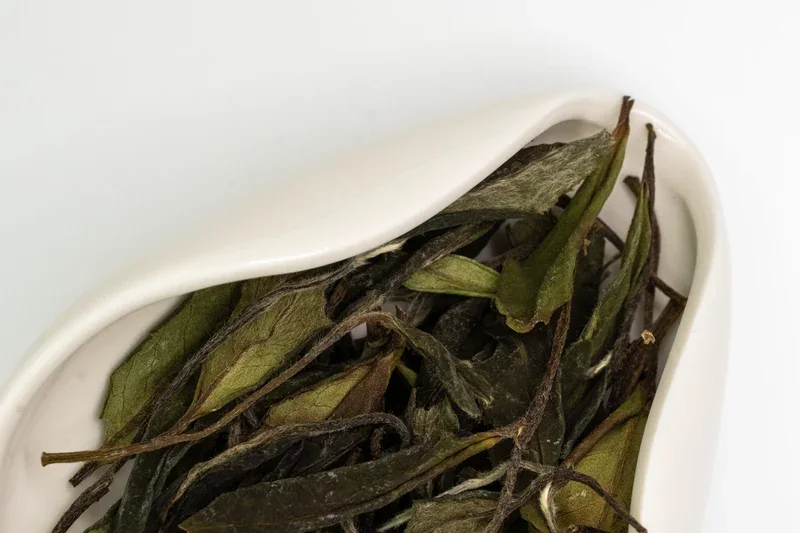
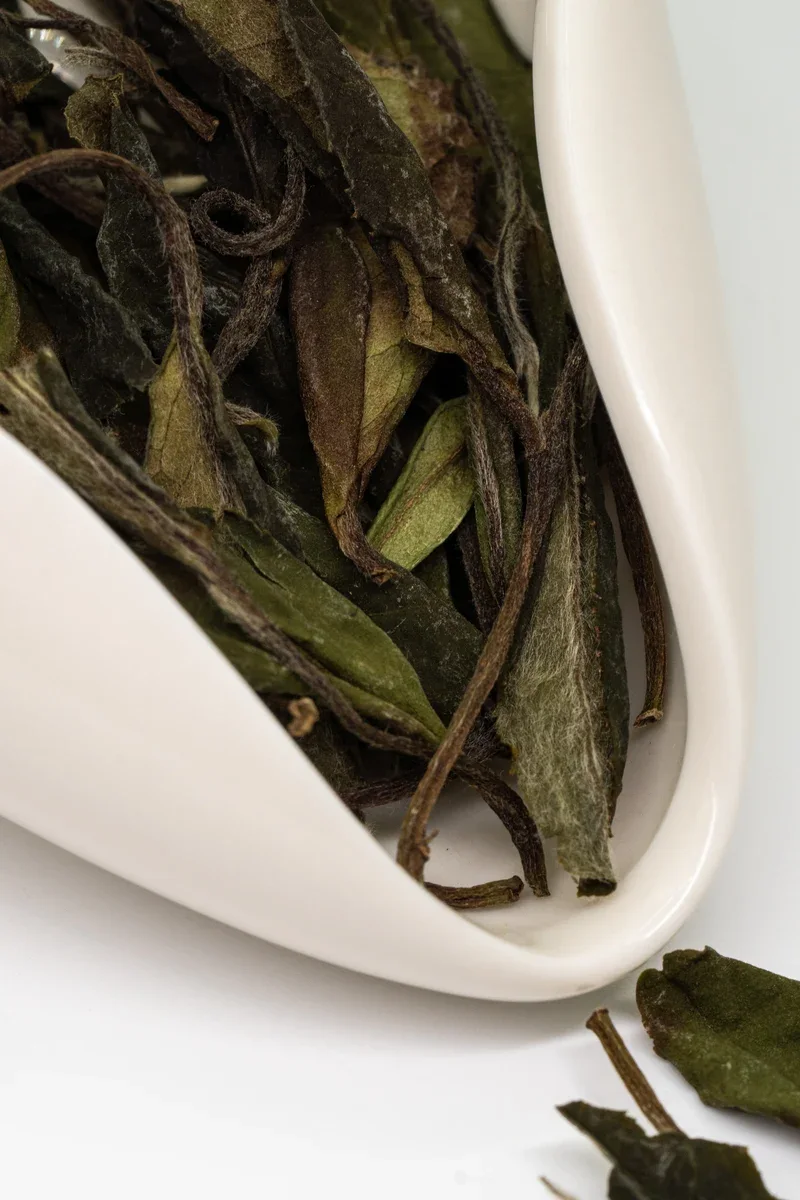
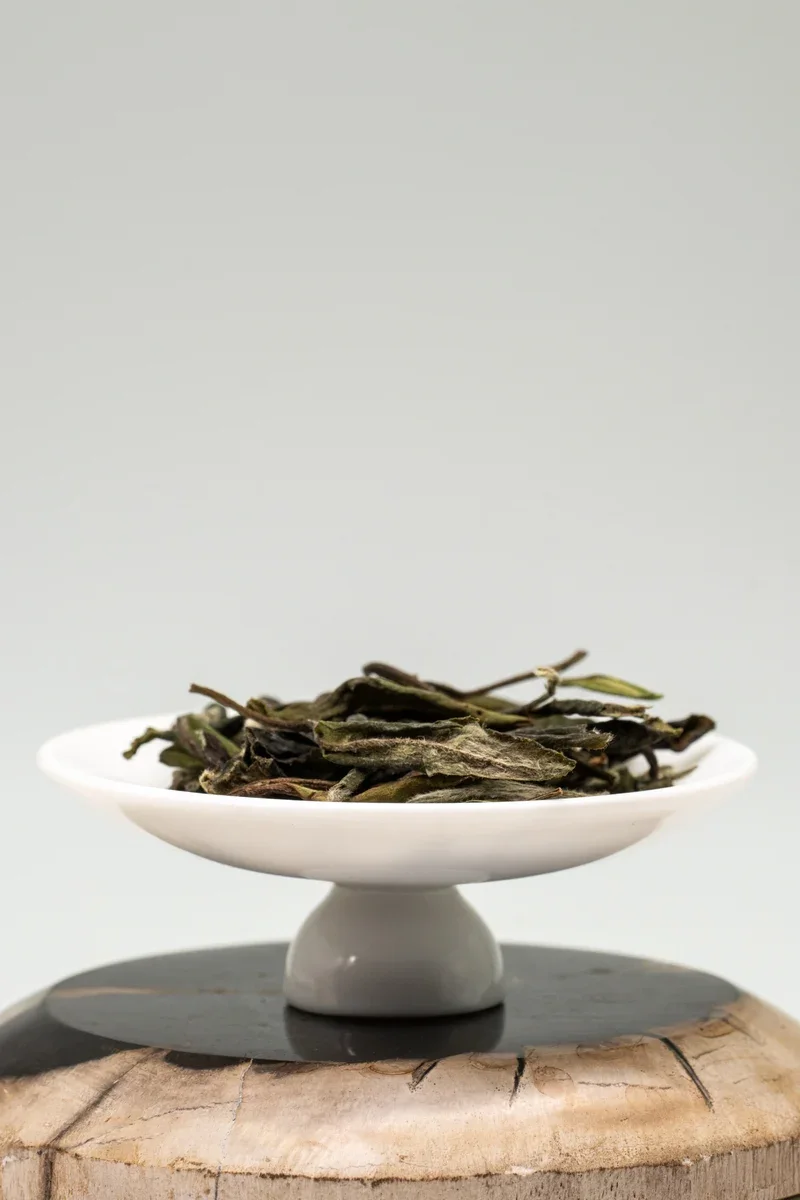
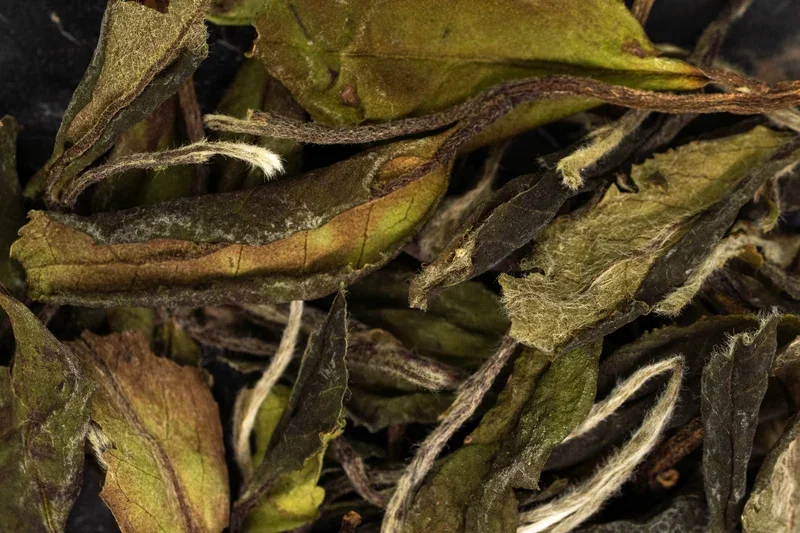
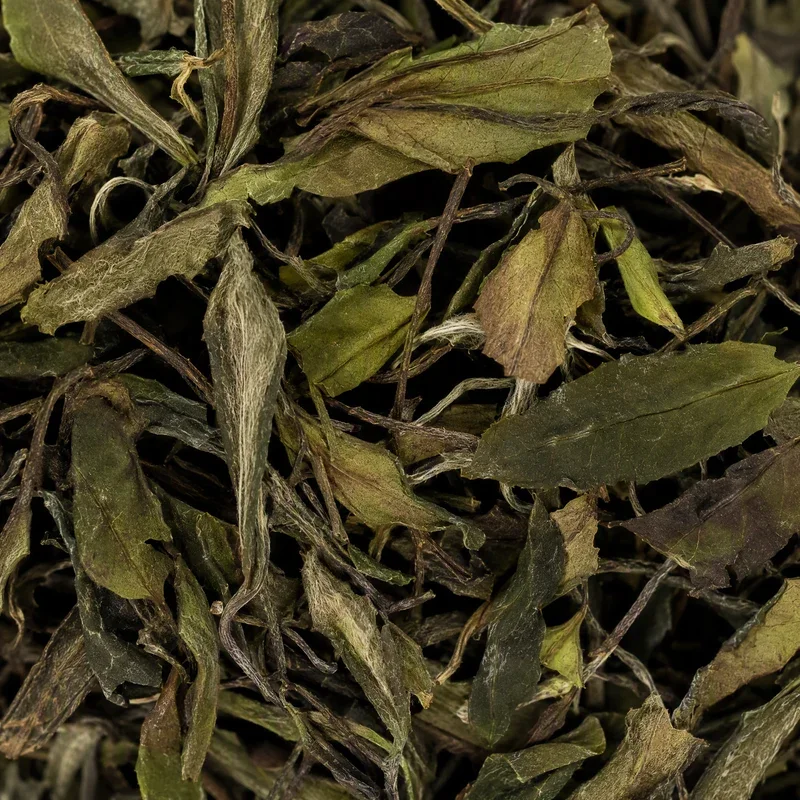
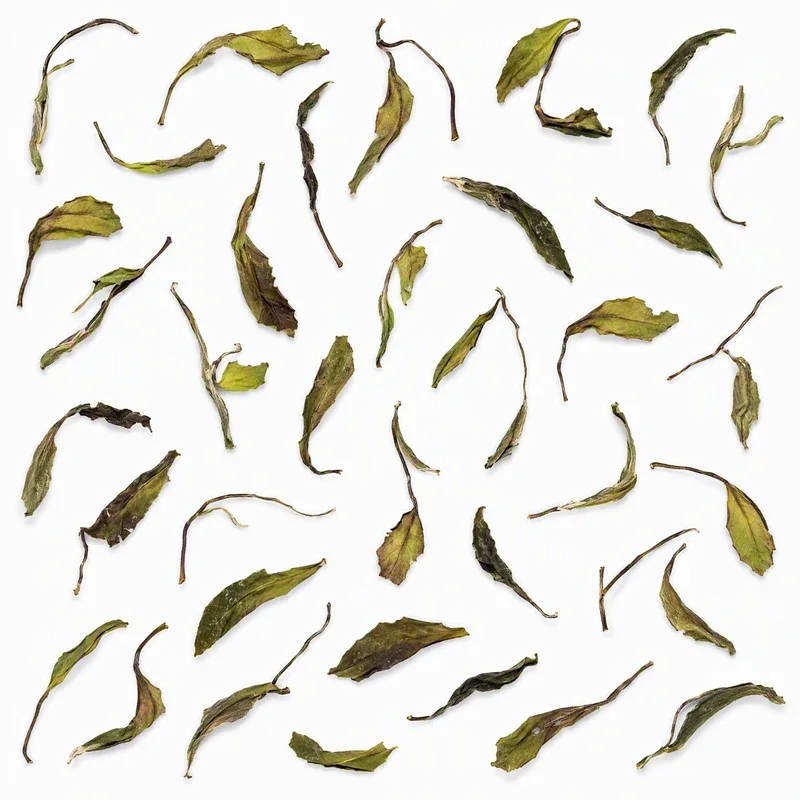
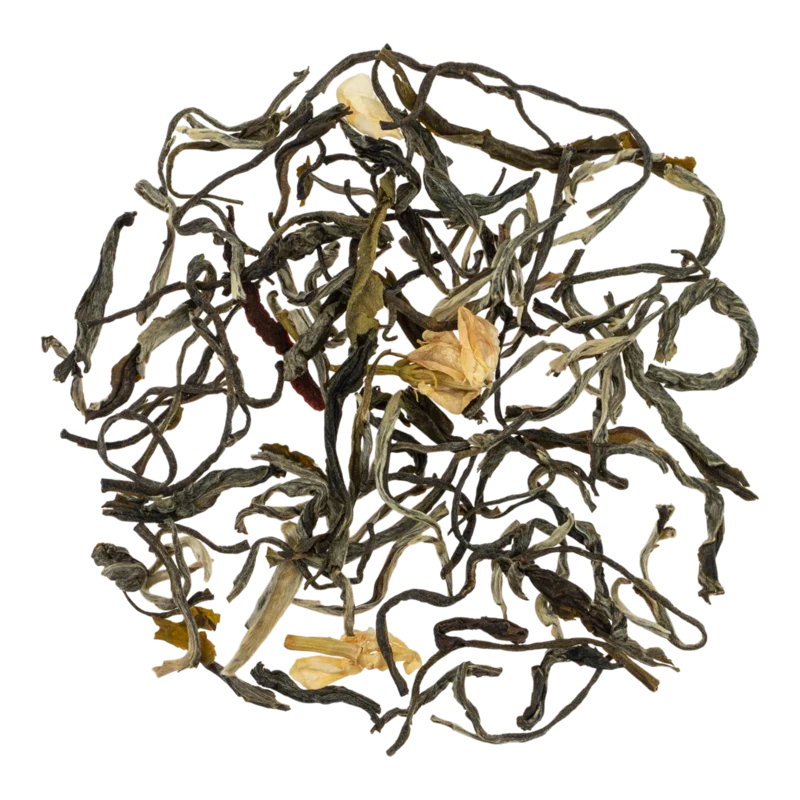
Dry Leaf Appearance: Dense, tight spirals (卷曲形, 紧结匀整), thickly covered with silvery-white down (白毫披覆). "Silver luster" (银光灿然) — visual signature of Da Bai Hao, distinguishing it from standard Laoshan green tea, where down is less pronounced.
Dry Leaf Aroma: Warm, "beany" — the signature "pea" tone is already discernible in dry form. Creamy undertone from down.
Liquor Aroma: "Pea-like" (豌豆香, wāndòu xiāng) — main note, calling card of all Laoshan teas. This is the aroma of cooked or roasted edamame beans, warm bread, sweet corn — a unique combination not found in any other tea region of China. Complemented by "downy" tone (毫香, háo xiāng) — creamy softness, milky sweetness. In the background — chestnut undertone (栗香, lìxiāng).
Liquor Color: Emerald-green with light yellow tint, clear and bright (翠绿透亮). Possible light opalescence from finest down particles — so-called "毫浑" (háo hún, "downy cloudiness") — this is not a defect but a quality indicator.
Spent Leaves: Tender green, with noticeable "northern" density — leaves are thicker and more fleshy than southern analogs. Spiral form unfolds slowly, leaves retain elasticity.
Taste: Fresh (鲜爽), mellow (醇), with sweet aftertaste (甘). Body — noticeably denser than southern green teas, thanks to "northern" leaf thickness and slow growth. "Pea" sweetness + minerality of granite soils — double "signature" of Laoshan. Astringency minimal — result of high amino acid content.
Amino Acids: Elevated L-theanine content — result of 5-month dormancy period and slow growth at low temperatures. Low temperature stimulates amino acid synthesis and suppresses their conversion to catechins. Provides characteristic "pea" sweetness and "umami".
High content — thick, dense leaves adapted to long northern daylight. Basis of intense emerald liquor color.
Moderate content, ~2.5–3.5%.
Elevated — result of thick, fleshy leaf with "northern" density.
Minerals: Zn (zinc), Se (selenium), Mn (manganese), Fe (iron), K (potassium), F (fluorine) — from granite soils and Laoshan mineral water. This mineral set forms the unique "mineral signature" of Laoshan tea.
Polyphenols: Significantly higher than "lowland" green teas — result of granite soils, high-altitude microclimate and marine environment. By some estimates, 10–15% higher than average for Chinese green teas.
Vitamins: C (ascorbic acid — especially high content in spring tea), E (tocopherols), B group (B₁, B₂), carotenoids.
Elevated polyphenols combined with selenium and zinc from granite soils — triple antioxidant protection. Free radical neutralization, cellular aging deceleration.
Caffeine + L-theanine — gentle, "clear" alertness without anxiety. Ideal combination for intellectual work and meditation.
High L-theanine stimulates α-wave brain production, promotes relaxation without drowsiness — state of "calm clarity" (清明, qīngmíng).
Zn, Se, Mn, Fe — from granite soils and mineral water. Selenium important for thyroid function, zinc — for immunity and tissue regeneration, manganese — for antioxidant enzymes.
Polyphenols stimulate peristalsis and digestive enzyme secretion. Especially beneficial after fatty and heavy food.
Fluorine from granite soils strengthens tooth enamel. Catechins have antibacterial action.
Catechins promote vascular elasticity, blood pressure normalization and "bad" cholesterol reduction.
Vitamin C + Se + Zn — classic immune support triad.
Ideally — Láoshān mineral water (崂山矿泉水) for "double mineral imprint". Alternative — soft filtered water with TDS 50–150 mg/l.
Tea Amount: 3 g per 150 ml (1:50 ratio).
Teaware: Glass cup or white porcelain gaiwan. Not Yíxīng clay (紫砂壶) — porous clay will absorb the delicate "pea" aroma, which is the main value of this tea. White porcelain allows appreciation of emerald liquor color.
Water Temperature: 80°C. No higher — overheating will "burn" delicate down, turn freshness to bitterness and deprive liquor of "downy" softness.
Container: Tin canister (锡罐, xī guàn) — ideal option: tin doesn't absorb odors and ensures complete airtightness. Alternative — vacuum bags of aluminum foil.
Shelf Life: With proper storage — 12–18 months. After opening — consume within 2–3 weeks.
Temperature: Refrigerator, 0–5°C — mandatory.
Authentic Da Bai Hao — 3–4 full infusions with body retention. Counterfeits "give up" after 2 infusions.
Thick, fleshy, with "northern" density. Thin, brittle leaf — sign of southern origin.
Price Factors: Raw material grade (bud vs. leaf + bud), harvest date (mid-April — most expensive "first flush"), specific plot (Tiaoyudong — premium), producer brand.
No reviews yet. Tell us what you think of this tea.
Rate this tea and share your impressions. We review each submission before publishing it.