Brewing
Gongfu brewing
- Water temperature
- 75 °C
- Tea amount
- 5 g
- Water volume
- 100 ml
- First steep
- 10 s
- Time added per infusion
- 5 s
- Infusions
- 3

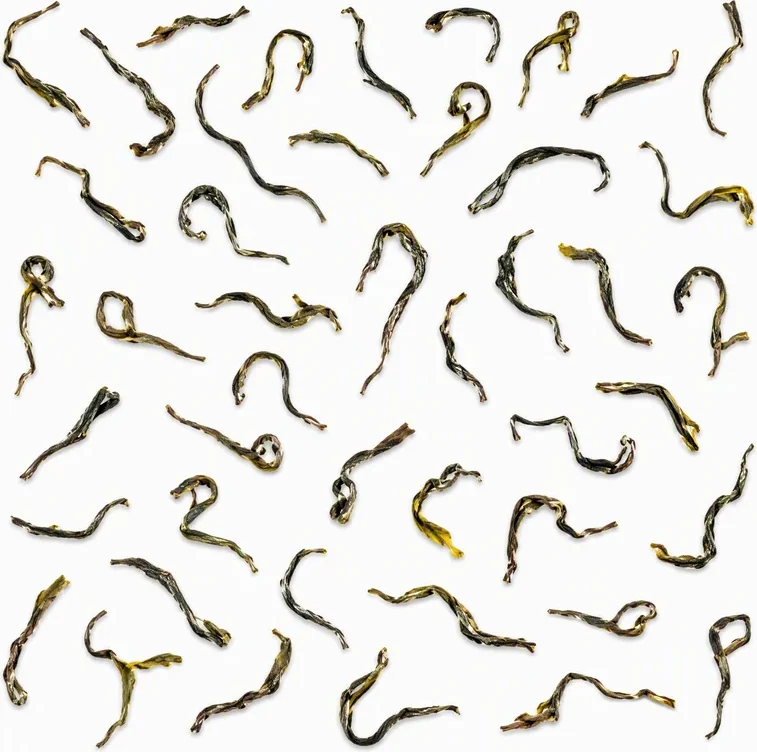
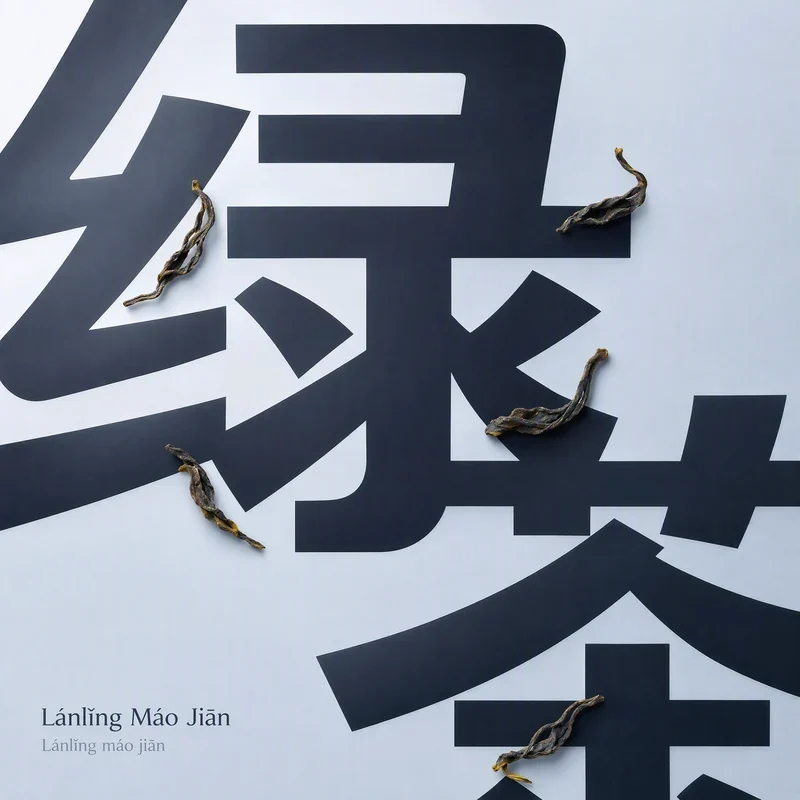
Lánlǐng máo jiān
Choose a brewing method. Start with the recommended quantities and time, then adjust to taste.
Brewing
Brewing
Taste
Tea encyclopedia
Category: One of the "Ten Famous Teas of Hunan" (湖南十大名茶, 2005). Chinese Geographical Indication Product (国家地理标志产品). Intangible Cultural Heritage of Húnán (湖南省非物质文化遗产, 2017 — technology "压扁成剑"). Gold medal of the Fifth Asia-Pacific International Trade Exhibition (第五届亚太国际贸易博览会金奖, 1994). "Top Ten Quality Agricultural Products of Hunan" (湖南十大名优农产品, 2000). The tea has repeatedly been used as a state gift (国礼).
Category: One of the "Ten Famous Teas of Hunan" (湖南十大名茶, 2005). Chinese Geographical Indication Product (国家地理标志产品). Intangible Cultural Heritage of Húnán (湖南省非物质文化遗产, 2017 — technology "压扁成剑"). Gold medal of the Fifth Asia-Pacific International Trade Exhibition (第五届亚太国际贸易博览会金奖, 1994). "Top Ten Quality Agricultural Products of Hunan" (湖南十大名优农产品, 2000). The tea has repeatedly been used as a state gift (国礼).
Coordinates: 28°30′–29°03′ N, 112°30′–113°01′ E.
Origin: China, Húnán Province (湖南省, Húnán Shěng), Yuèyáng City (岳阳市, Yuèyáng Shì), Xiāngyīn County (湘阴县, Xiāngyīn Xiàn). Main production area — Lánlǐng Township (兰岭镇) and Liutang Township (六塘乡). The county is located on the southern shore of Dongting Lake, in the transitional zone between middle and northern subtropics.
Type: Green tea (绿茶, lǜchá), non-oxidized. Belongs to flat green teas (扁形绿茶, biǎnxíng lǜchá) with "sword-like" leaf shape (扁直如剑). Technology — pan-firing in wok + shaping into "sword" + raising down + final drying.
Cultural Significance: Lanling Mao Jian is the "calling card" of the tea industry of Xiangyin County, standing on the shore of Dongting Lake. Dòngtíng Lake (洞庭湖) is one of the most poetically charged places in China: sung by Li Bo, Du Fu, and Fan Zhongyan, it remains a living symbol of Hunan culture. It is precisely on Jūnshān Island (君山) in the middle of Dongting Lake that the famous yellow tea Junshan Yinzhen is produced. Lanling Mao Jian is Xiangyin's "green answer" to its famous "yellow neighbor": both entered the "Top Ten Famous Teas of Hunan" in 2005.
Single bud ≤2.0 cm long. Completely handmade. Highest grade. Price — from 800 yuan per 500 g.
Bud 2.0–2.5 cm. 400–600 yuan.
Bud ≥2.5 cm. 300–500 yuan. Denser body, more persistent flavor when brewing.
Cultivar: Main cultivars:
Picking: Spring — main and most valuable. Standard "五不采" (wǔ bù cǎi, "five prohibitions"): do not pick purple buds, damaged leaves, diseased shoots, buds with dew, overripe raw material.
Climate: Transitional zone between middle and northern subtropics. Average annual temperature — 17°C. Precipitation — 1392 mm/year. Number of foggy days — over 180 per year. Diffused light stimulates amino acid accumulation (≥3.32% in spring tea) and suppresses excessive catechin formation, reducing bitterness.
Soil: Red soils on purple shale bedrock (紫色板页岩红壤, zǐsè bǎnyèyán hóng rǎng, pH 5.0–6.5) — a rare type of parent rock for Hunan tea regions. Rich in phosphorus (P), zinc (Zn), and selenium (Se). Forest cover — 72–87.6%. Negative ion content — 50 times higher than urban values. The territory is certified as "中国天然氧吧" (Zhōngguó tiānrán yǎngbā, "China's Natural Oxygen Bar").
200–300 m — hilly terrain of Lanling Township and Liutang Township. Low by "famous tea" standards, but compensated by Dongting Lake's microclimate: constant humidity, fogginess, and mild temperature regime create conditions analogous to higher elevations.
Tributaries of the Mìluó River (汨罗江, Mìluó Jiāng) irrigate the tea gardens. Proximity to Dongting Lake creates constant humidity and "milky" fogginess — ideal conditions for slow growth and amino acid accumulation. The Miluo River is famous in history: it was in its waters that the great poet Qū Yuán (屈原) drowned, connecting the region to the deepest layers of Chinese culture.
4–6 hours in a cool shaded room. Leaf loses 15–20% moisture, aromatic precursor formation begins.
Flat wok (平口锅, píngkǒu guō), temperature — 150°C. Gentle fixation: temperature lower than standard green teas to avoid damaging the future "sword-like" shape and preserve maximum amino acids.
Tossing to remove fragments and dust (扬簸去杂, yáng bò qù zá). This stage is rarely distinguished as a separate operation — its presence indicates process thoroughness.
Manual single light rolling (单把轻揉, dān bǎ qīng róu) — minimal pressure to only slightly disrupt cellular structure without breaking the shape.
70°C. "搓条定型" (cuōtiáo dìngxíng) — manual shaping of "sword-like" strips: the master flattens and stretches each shoot with palms into a straight flat "blade" with pointed ends. This is the central stage determining the tea's unique appearance.
45–50°C. Light rubbing in palms (掌心轻揉显毫, zhǎngxīn qīng róu xiǎn háo): silvery down "rises" to the surface, creating characteristic "silver luster" on the flat green "blade" of the sword.
60°C to moisture content ≤5%. Low temperature — to fix the down and prevent darkening of the "blade."
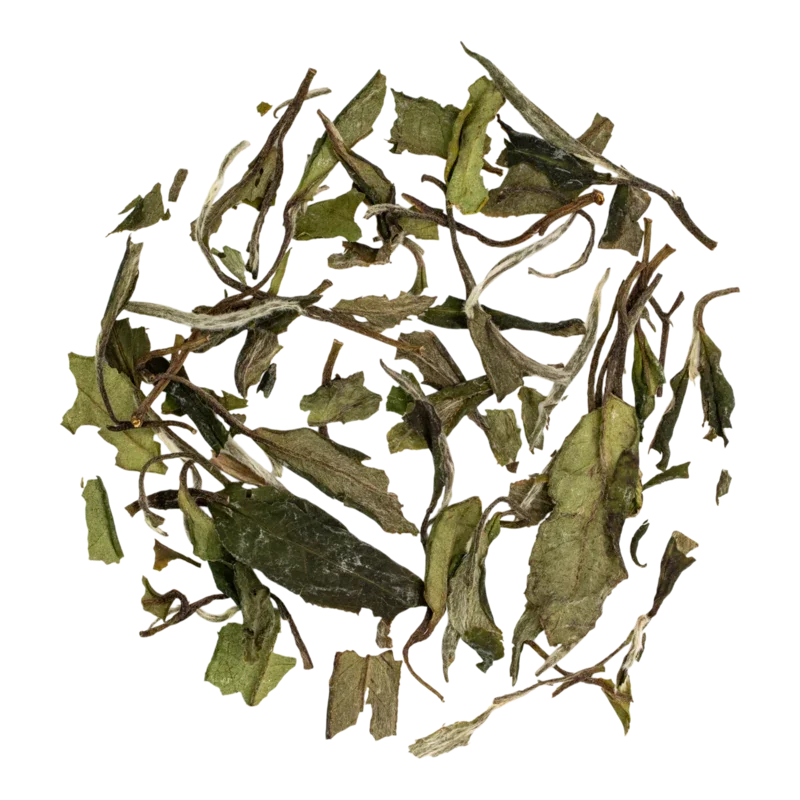
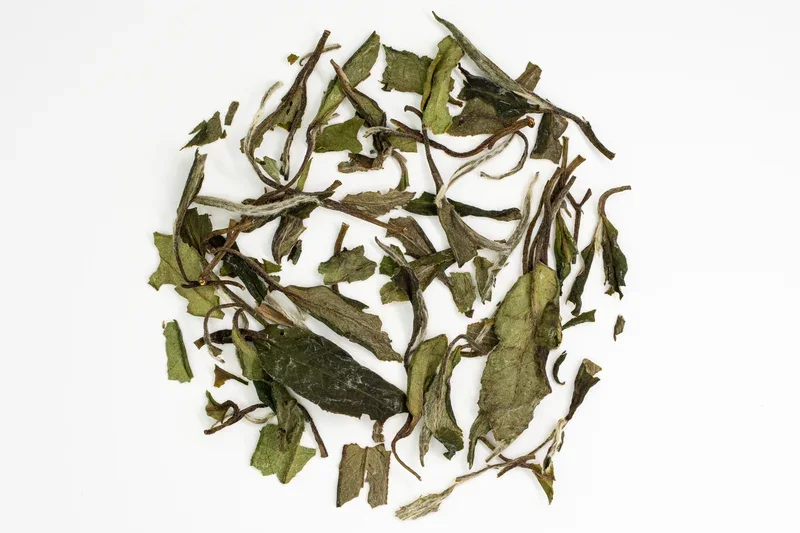
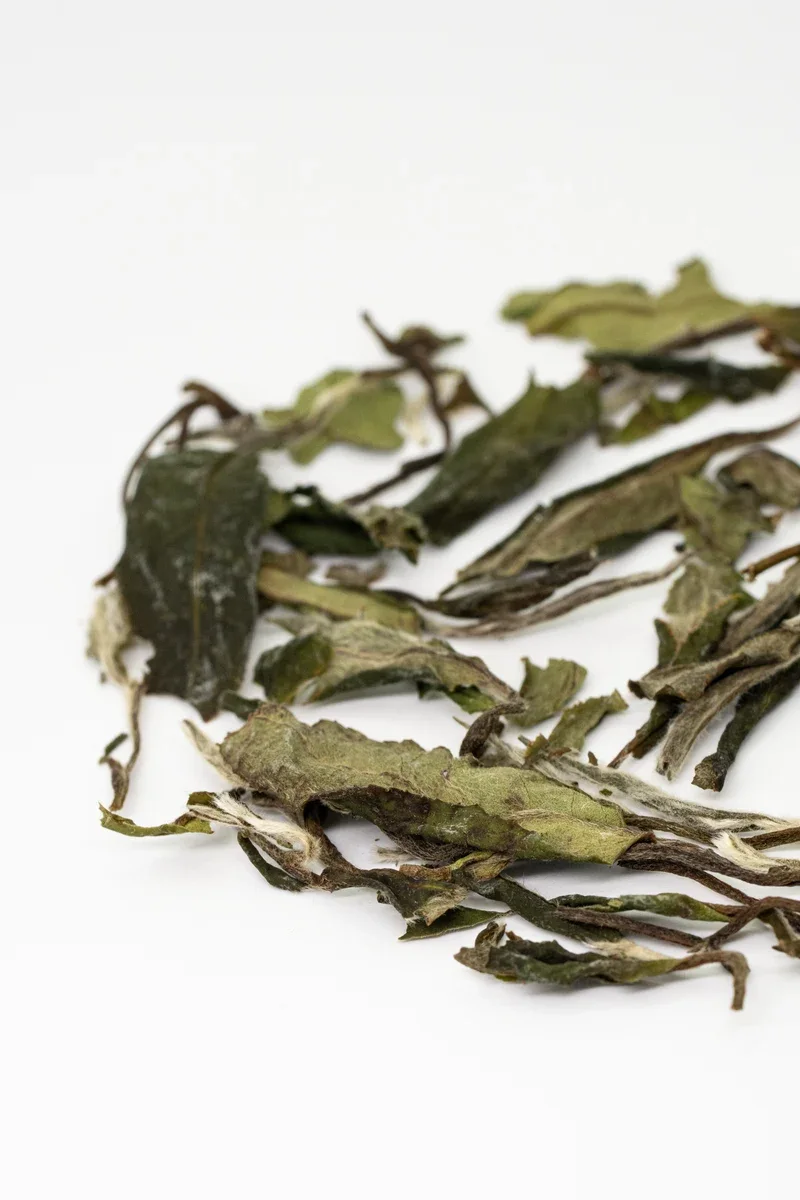
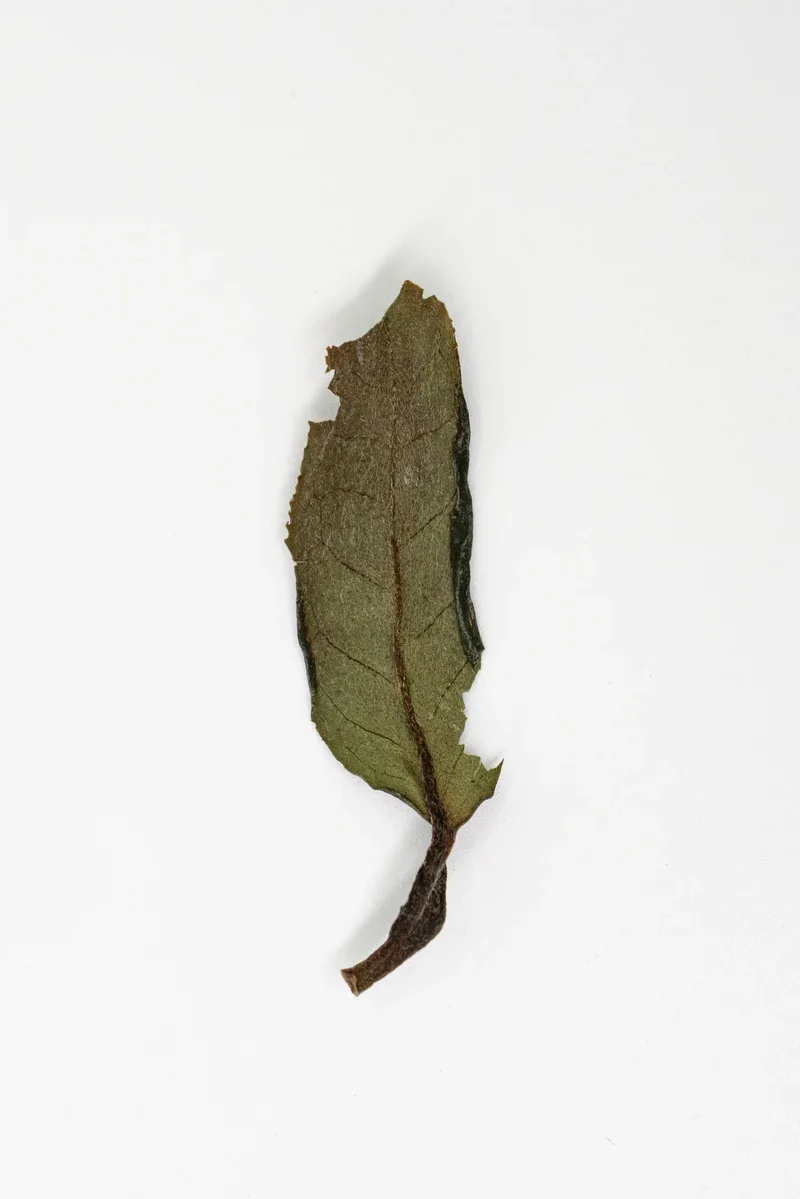
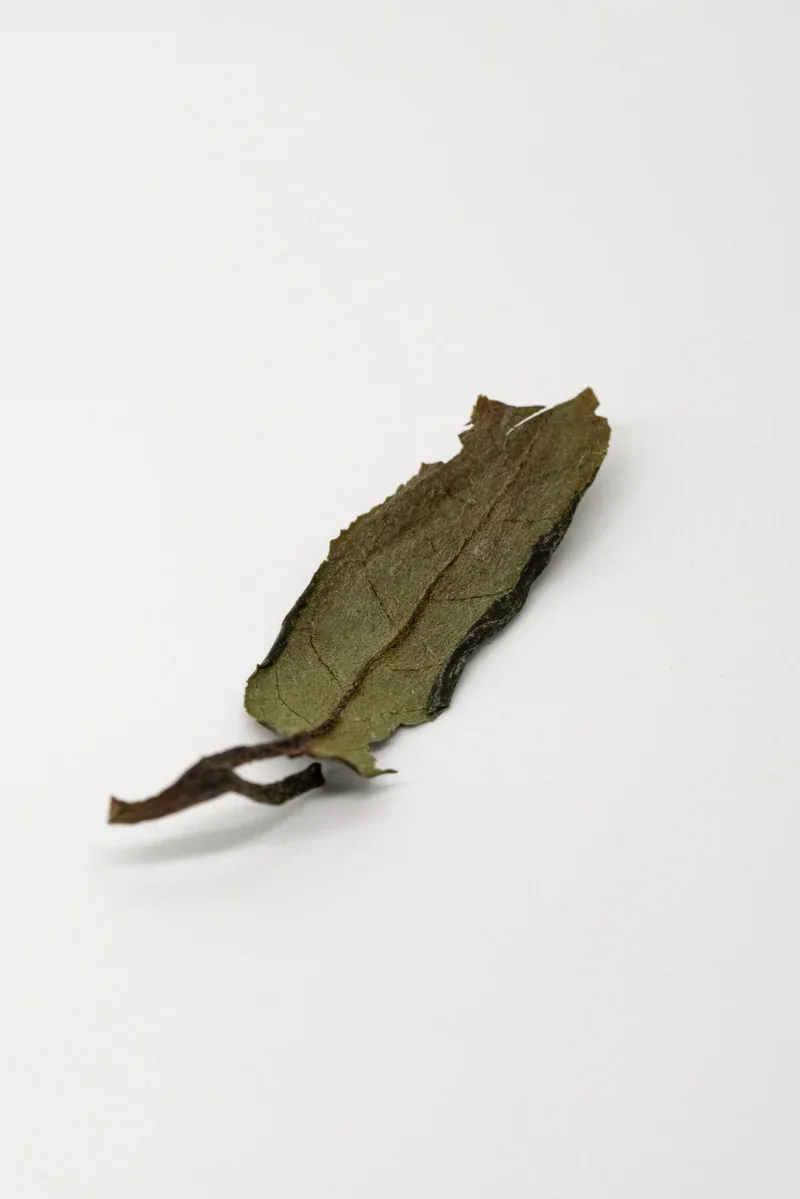
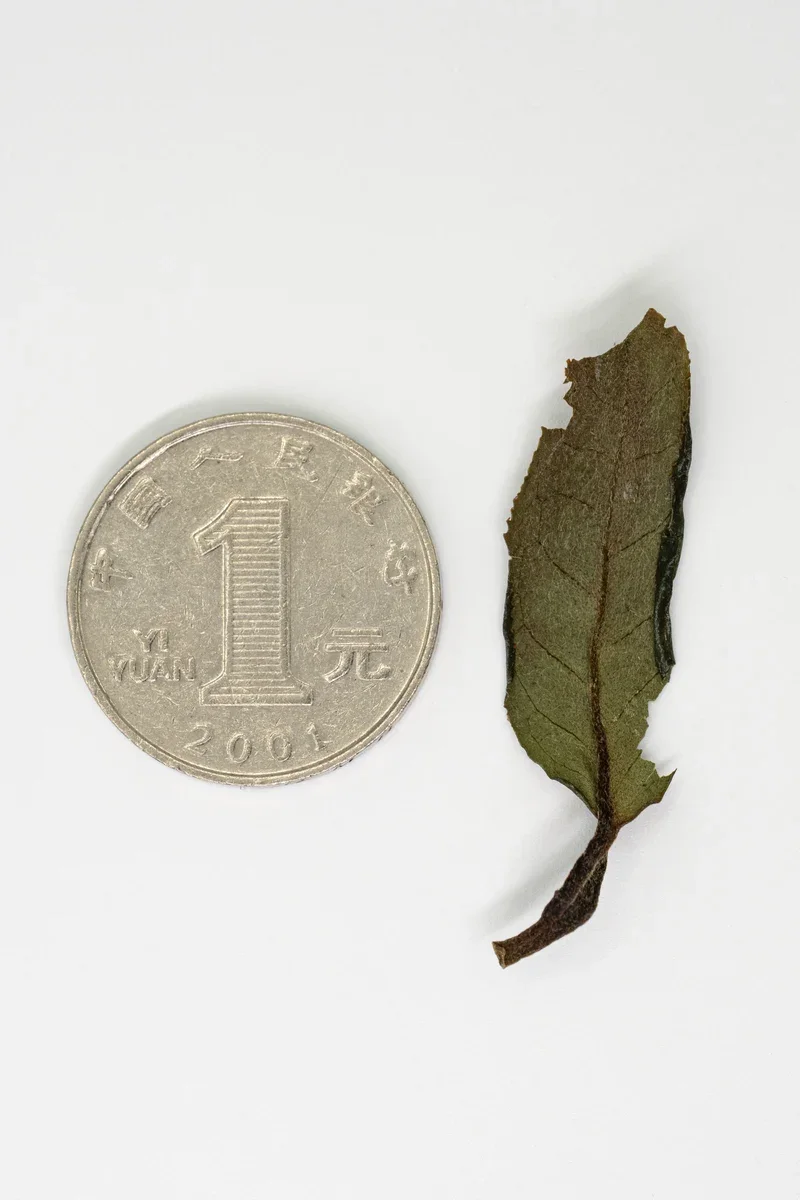
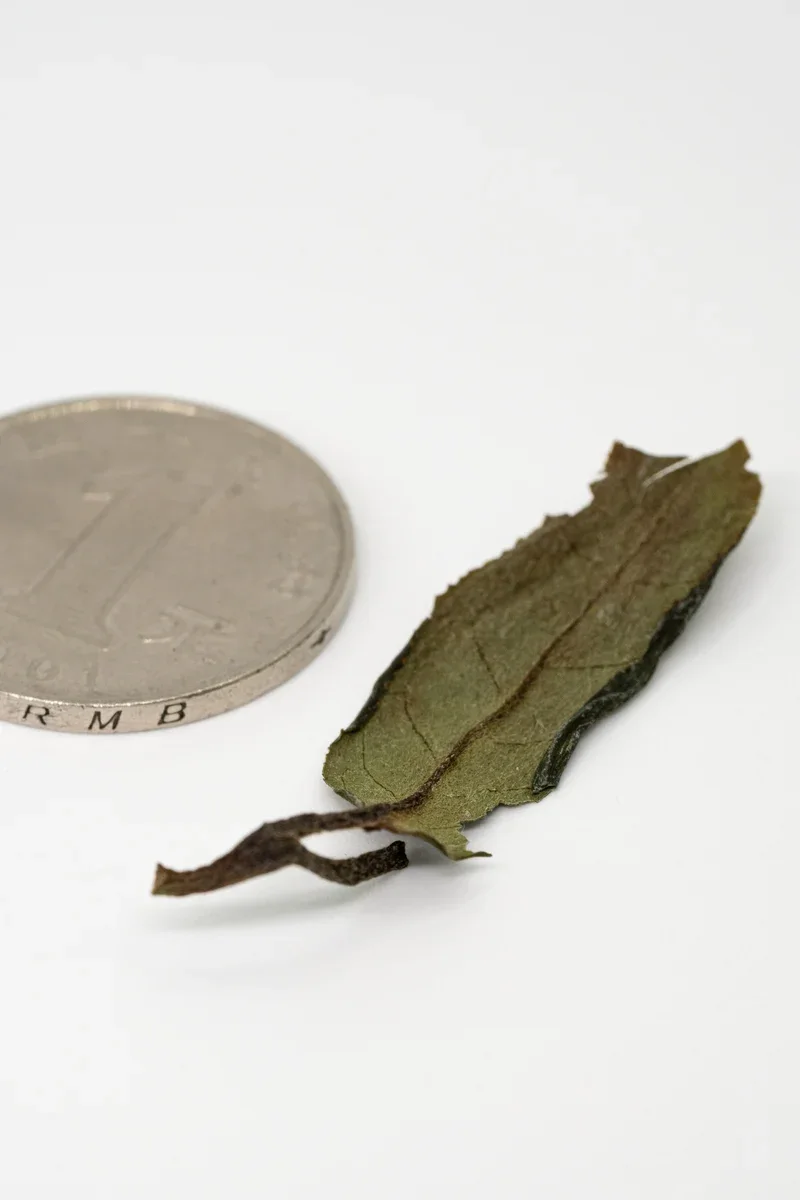
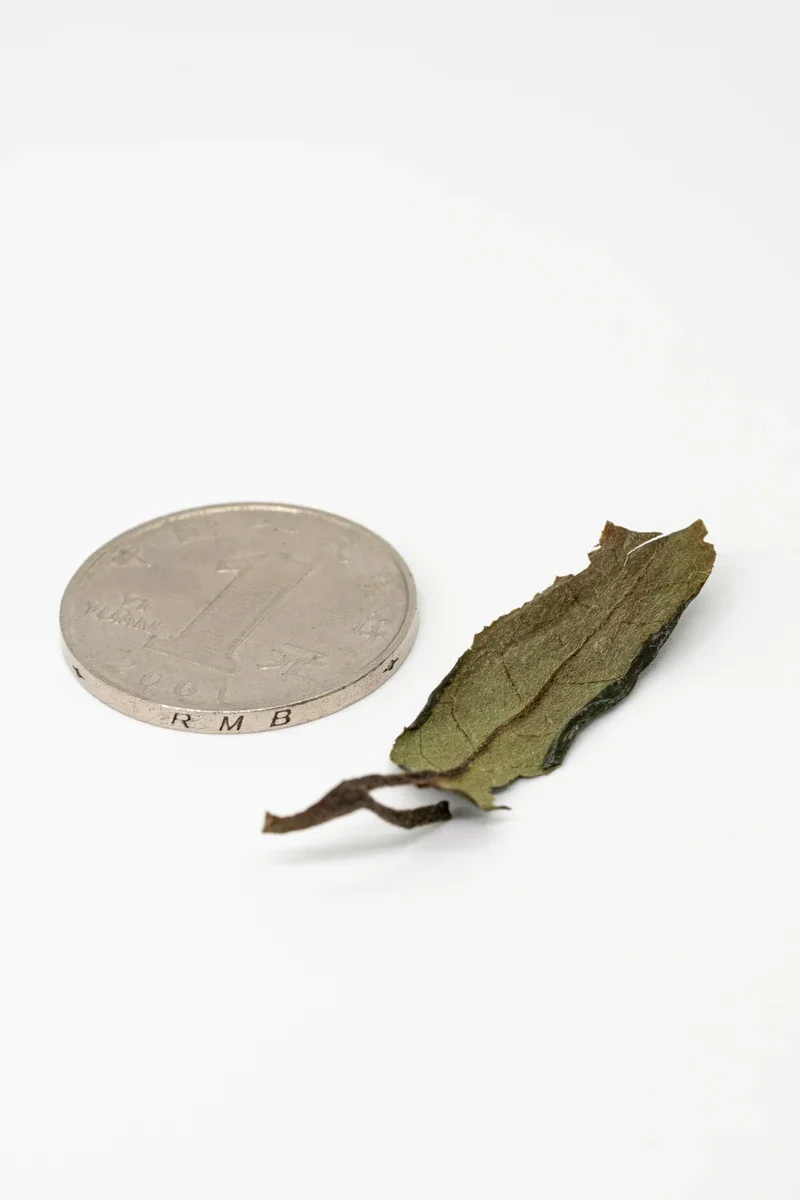
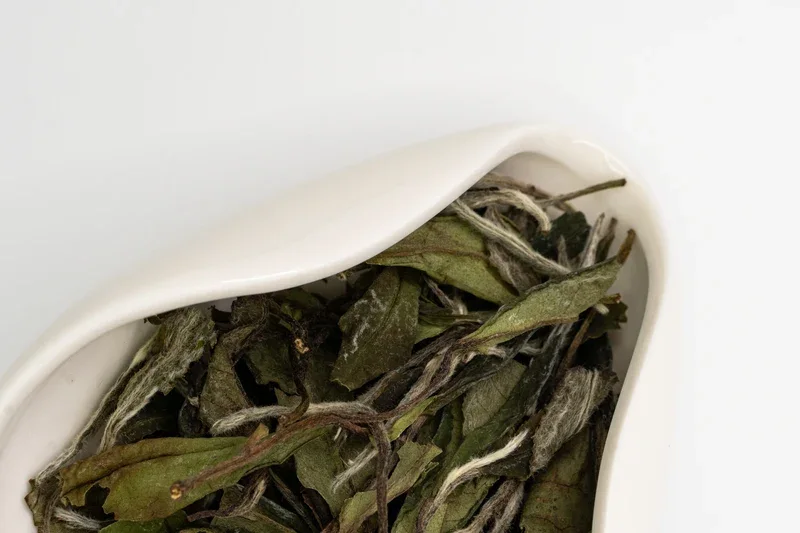
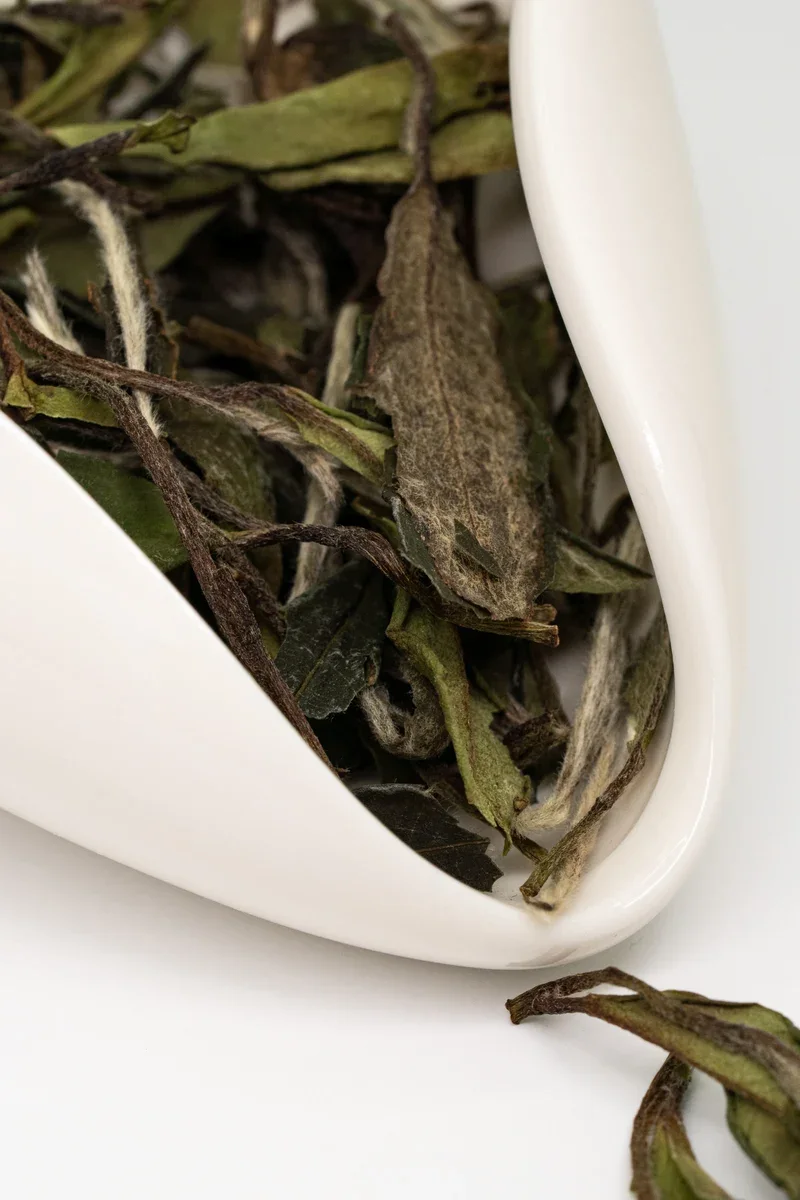
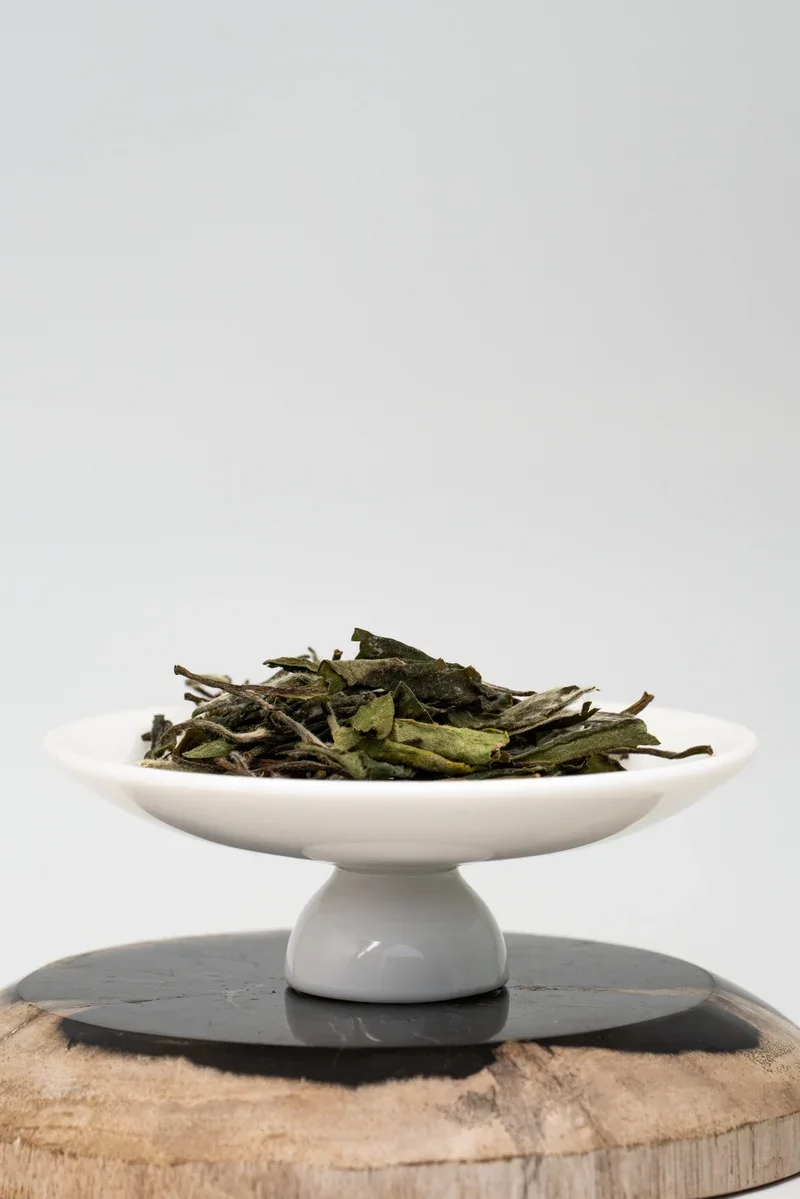
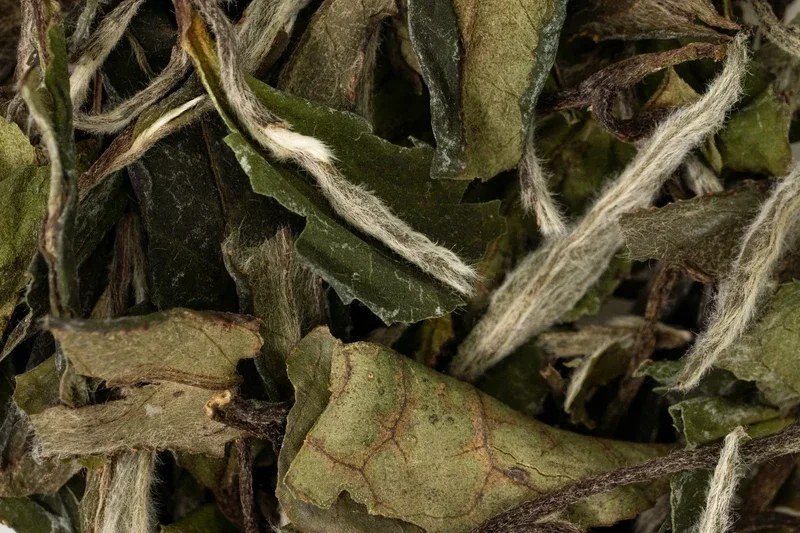
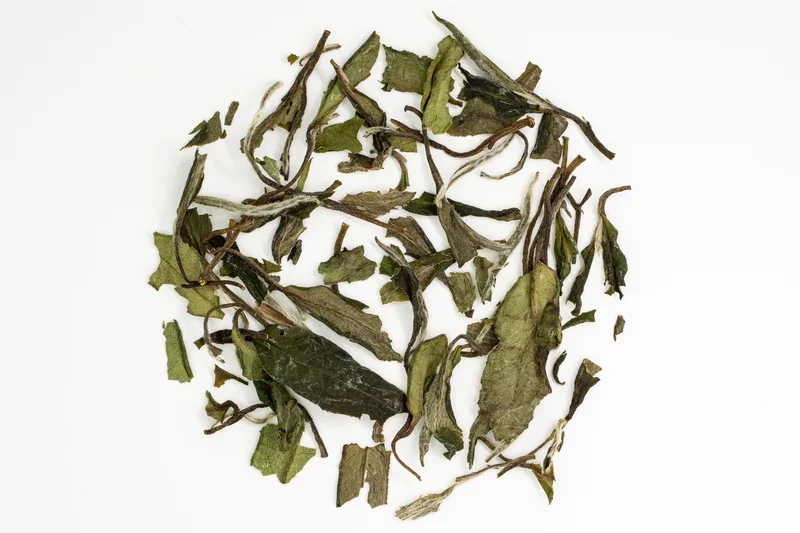
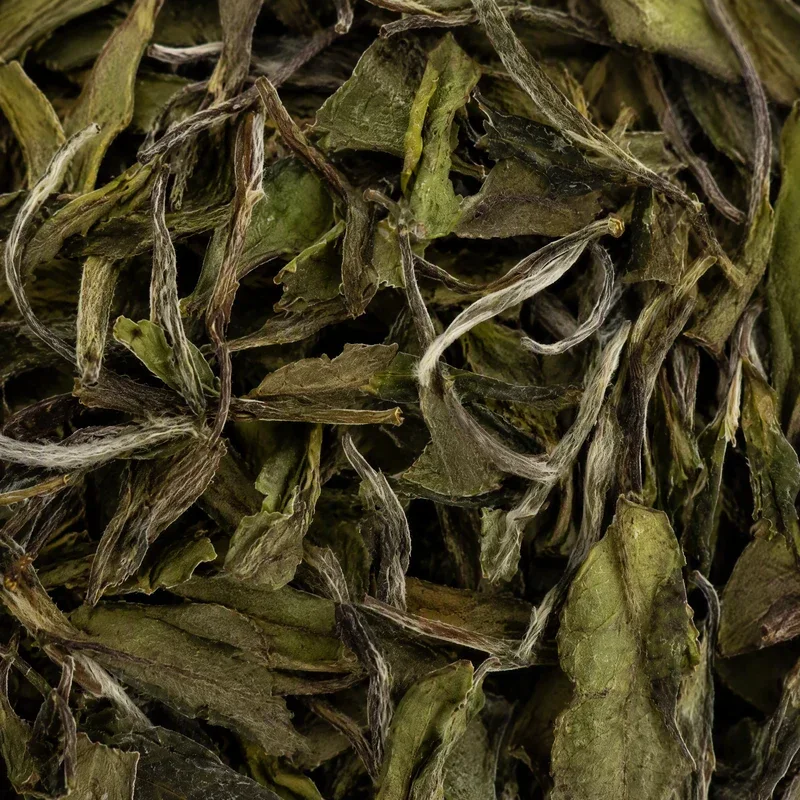
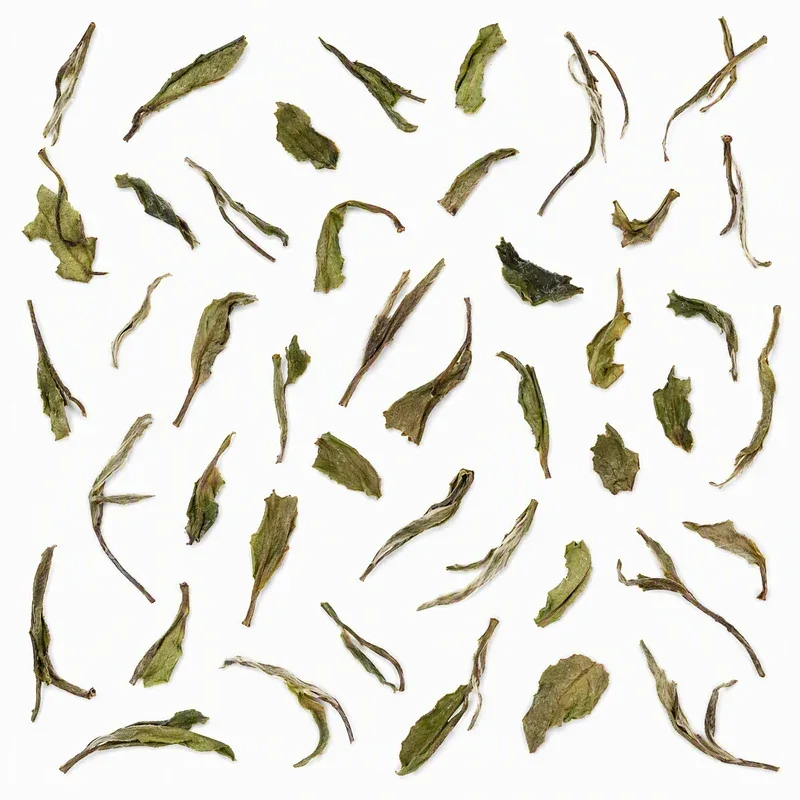
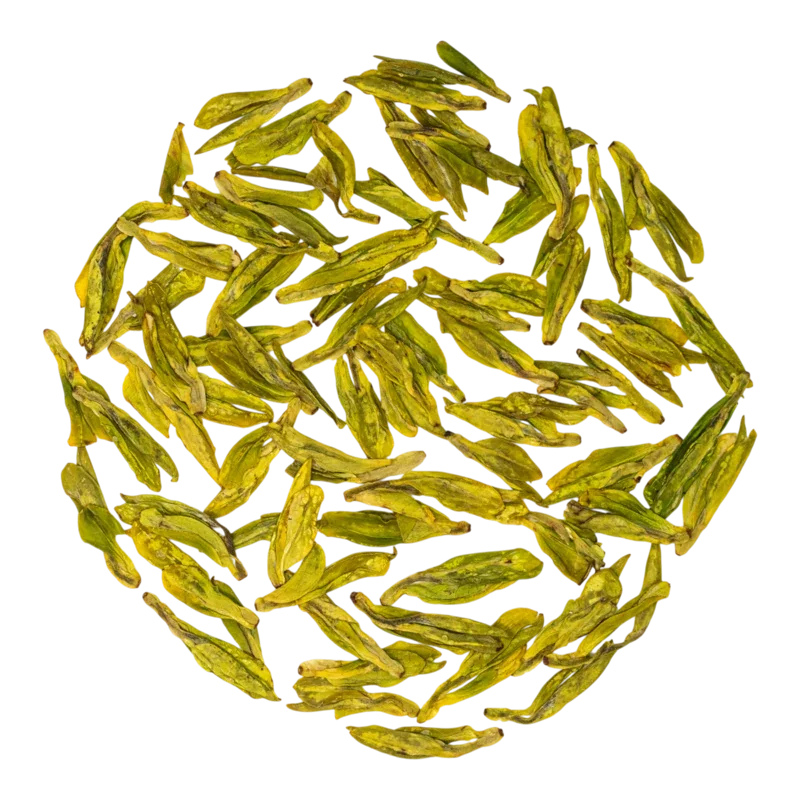
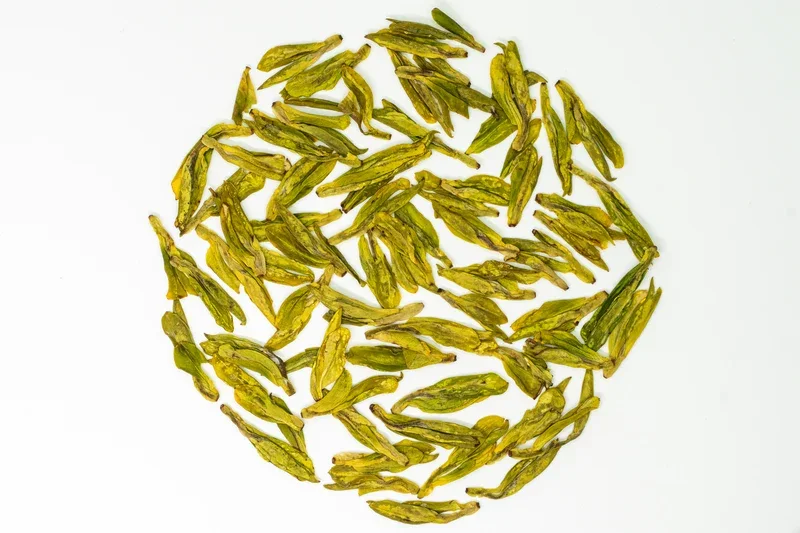
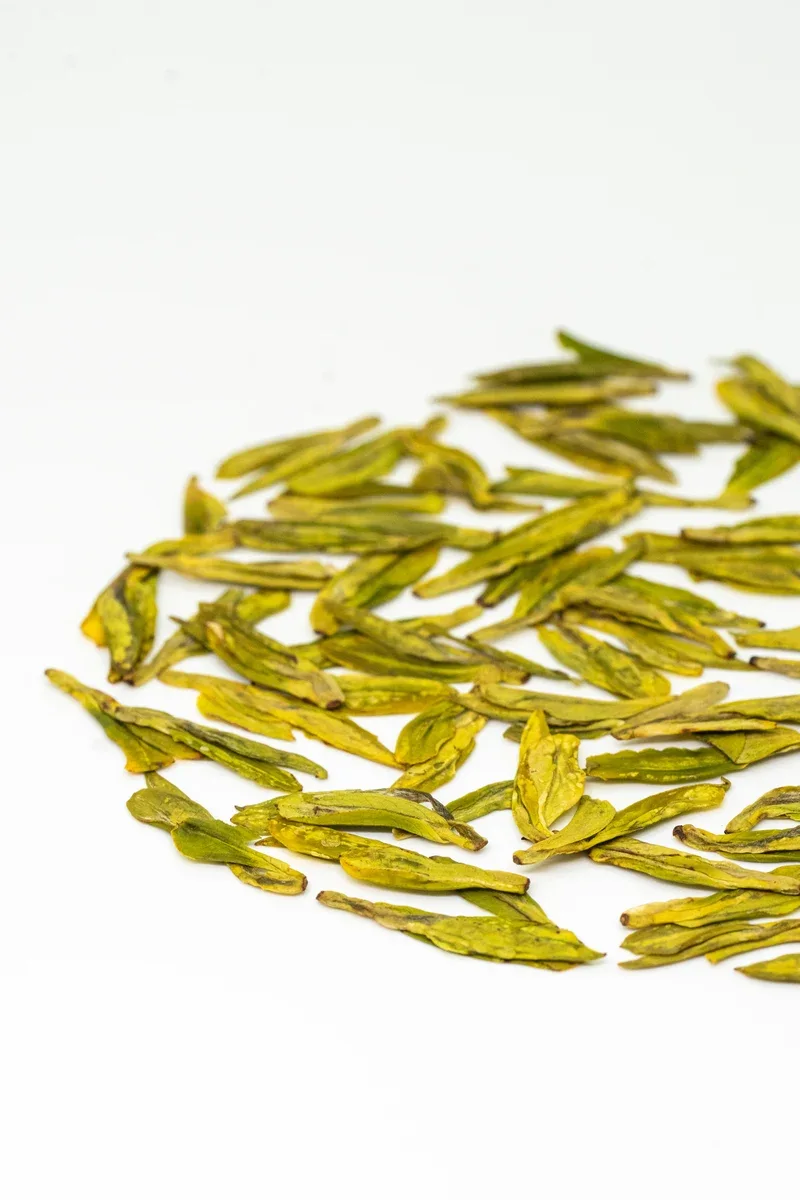
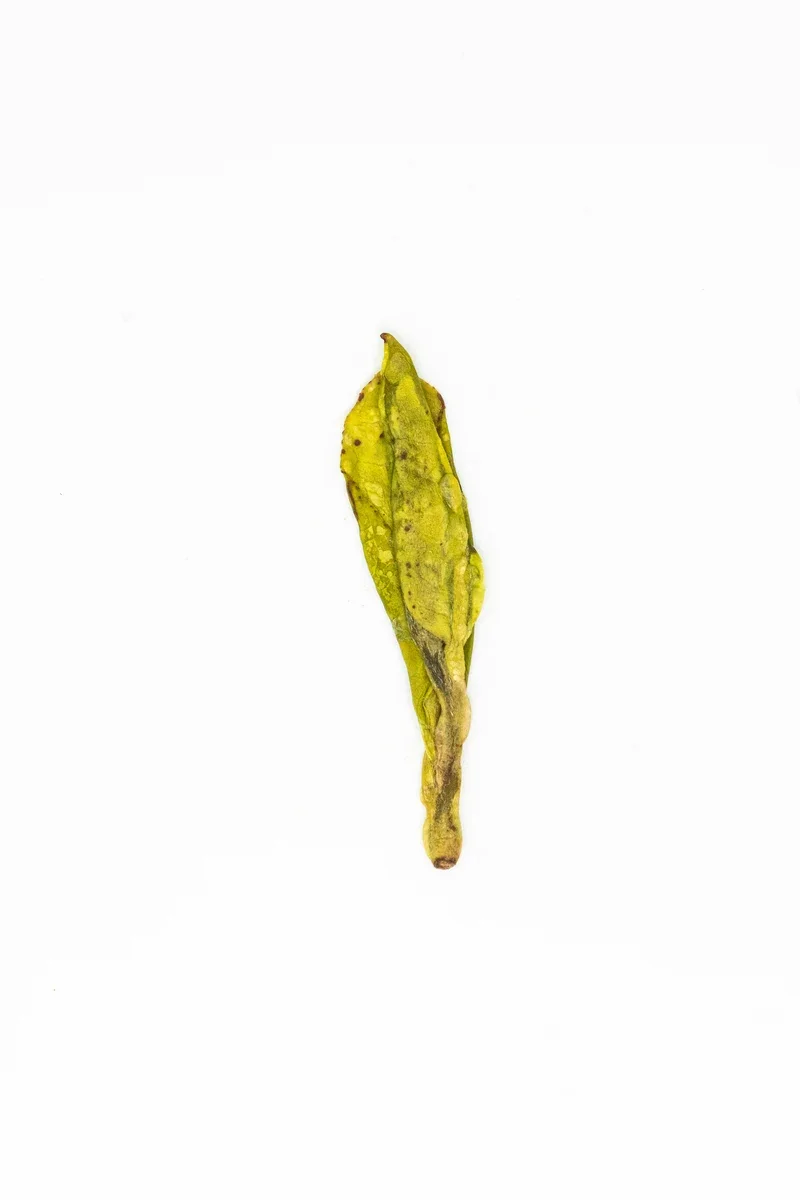
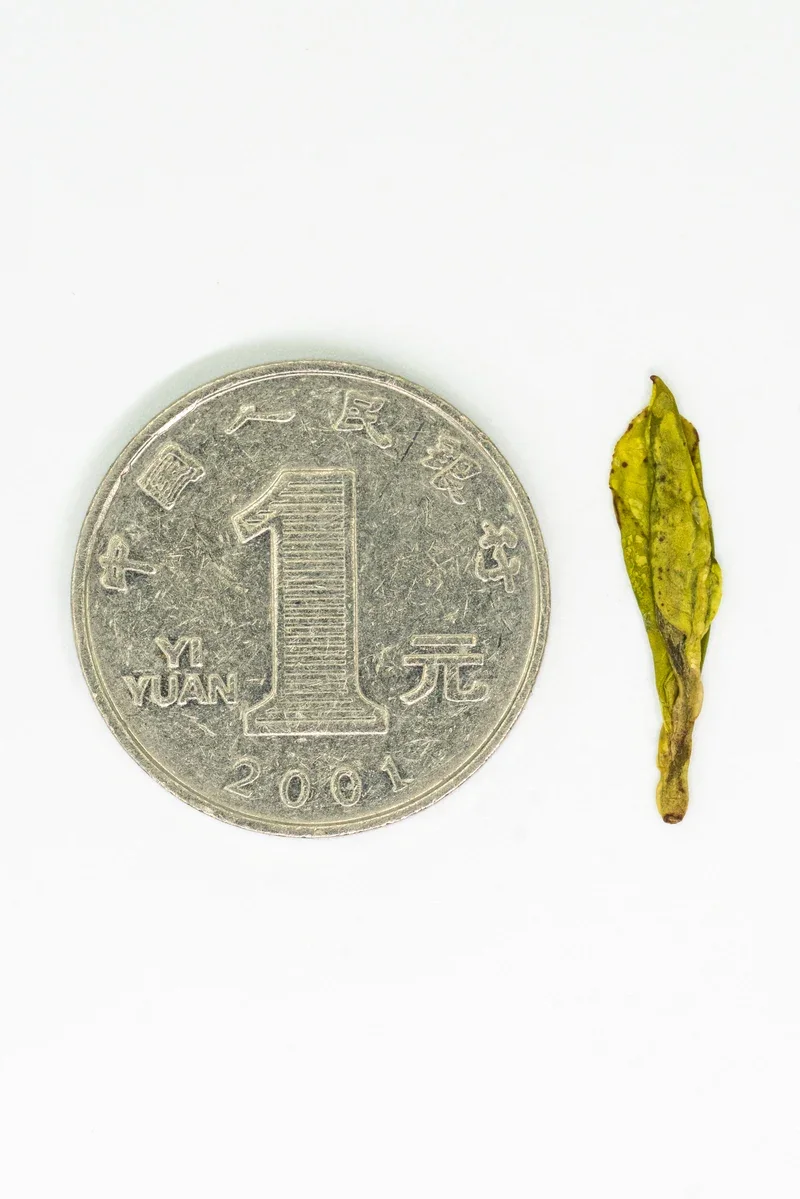
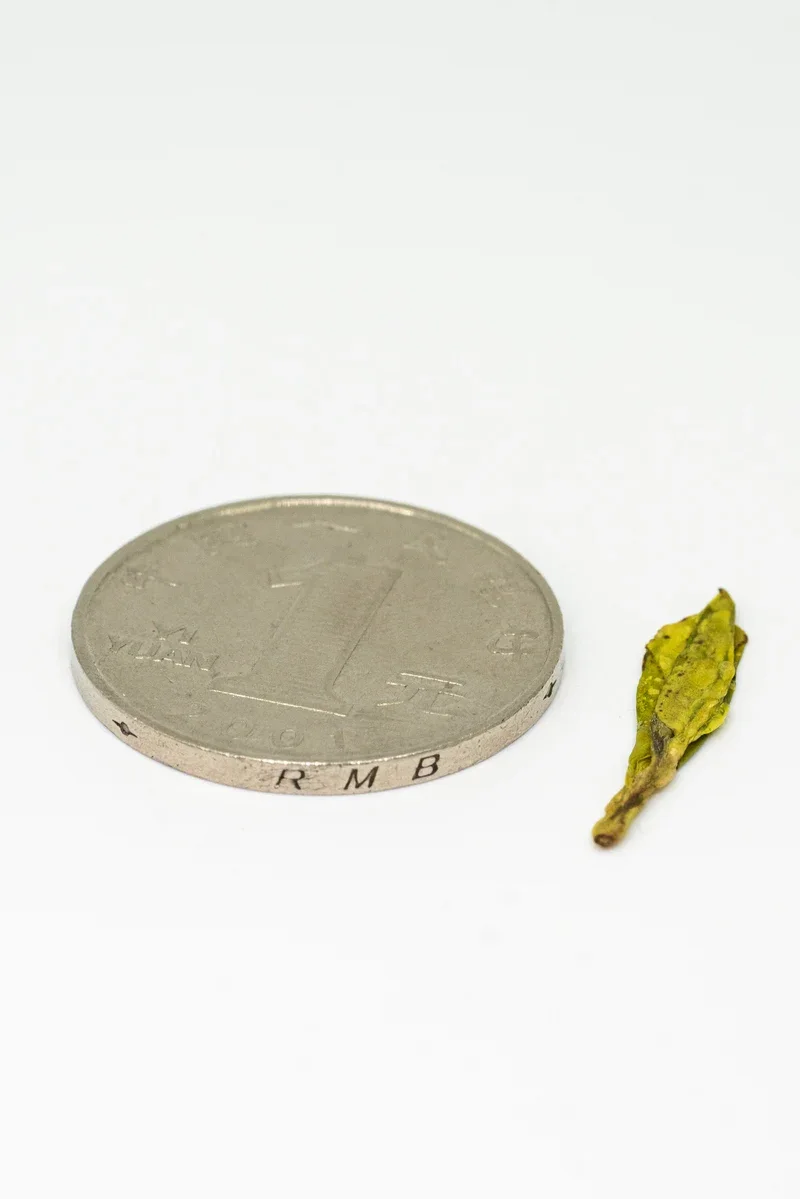
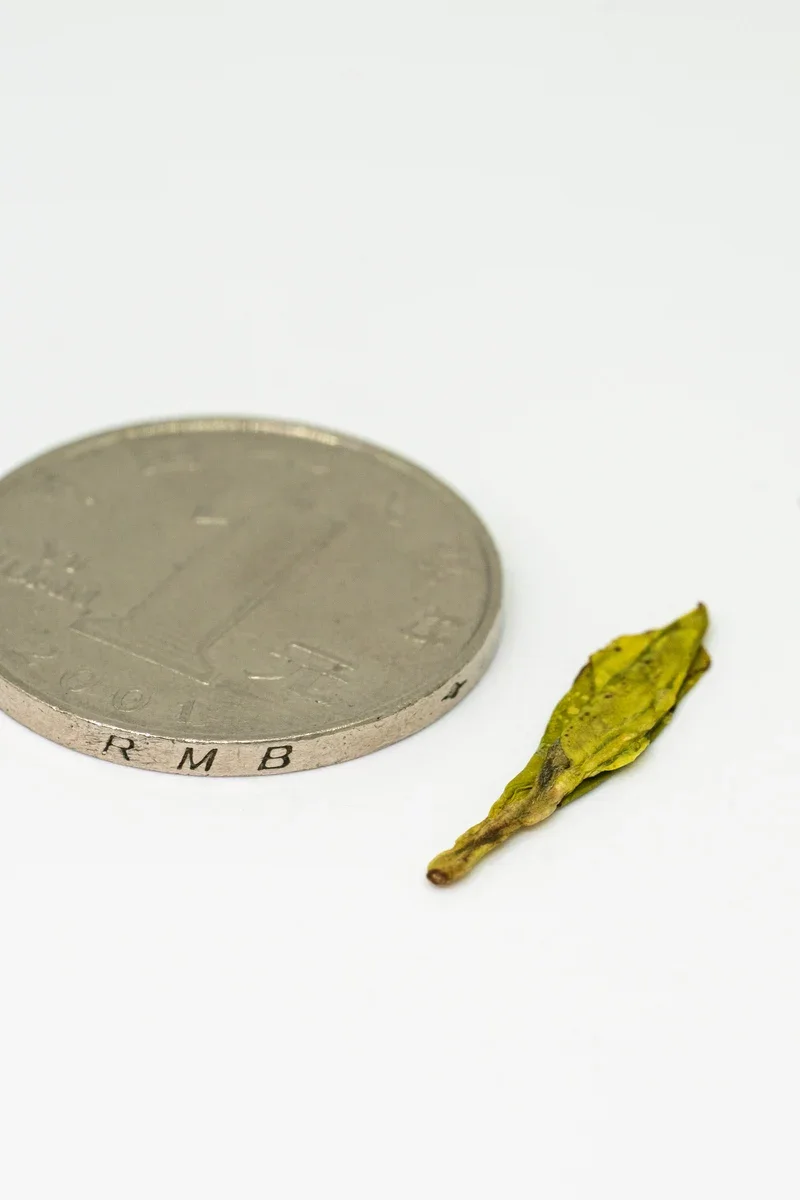
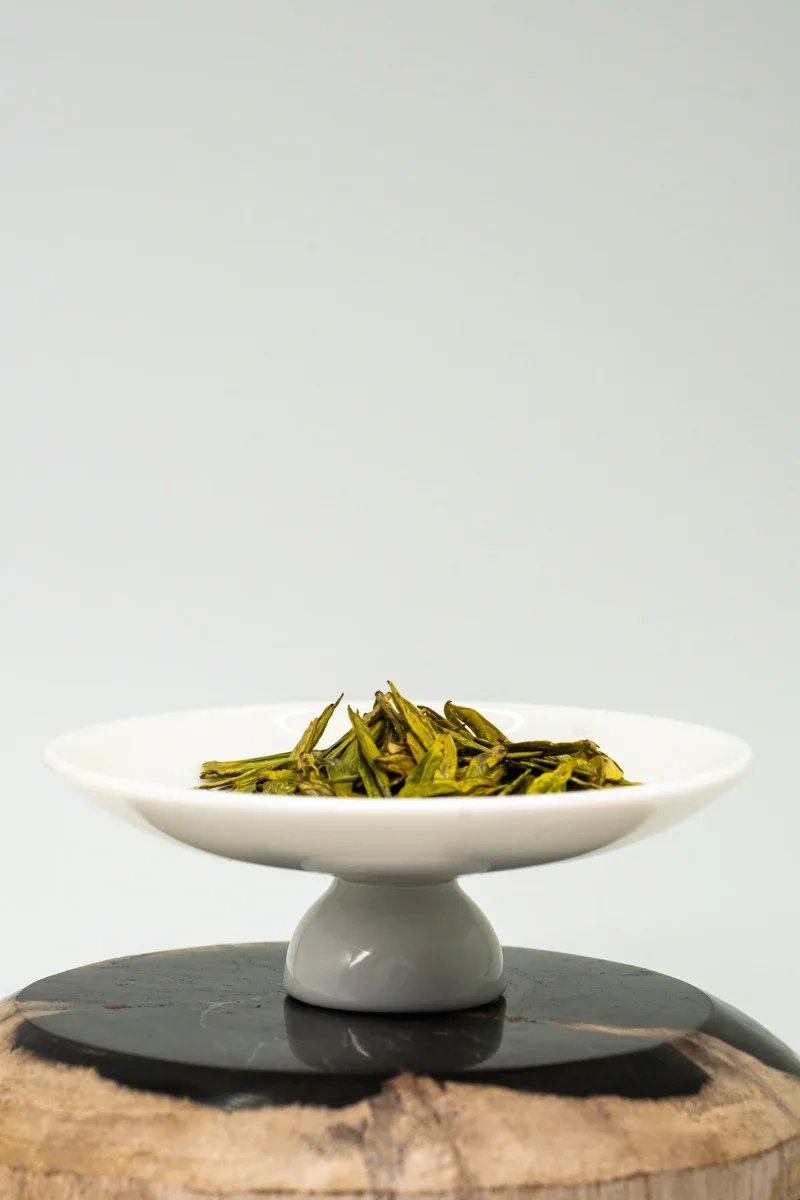
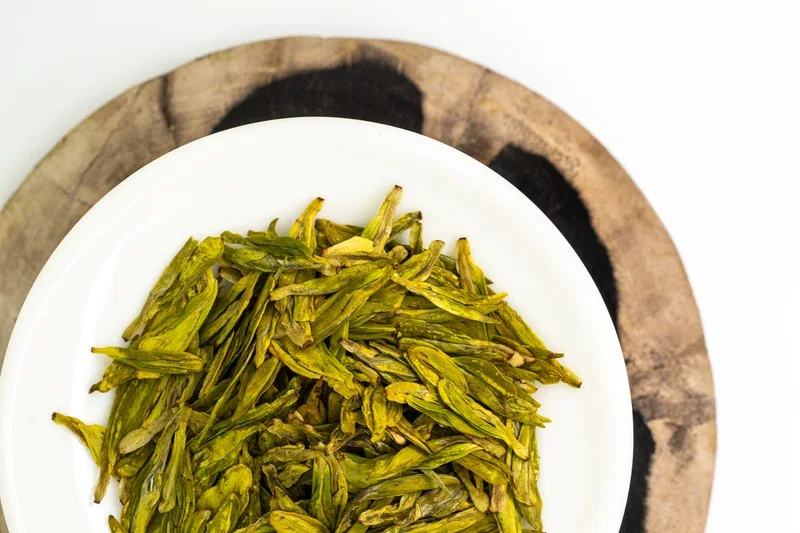
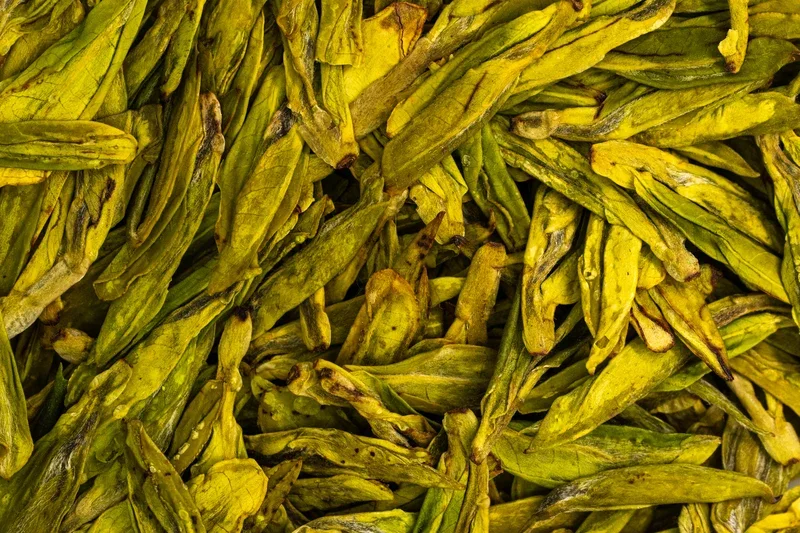
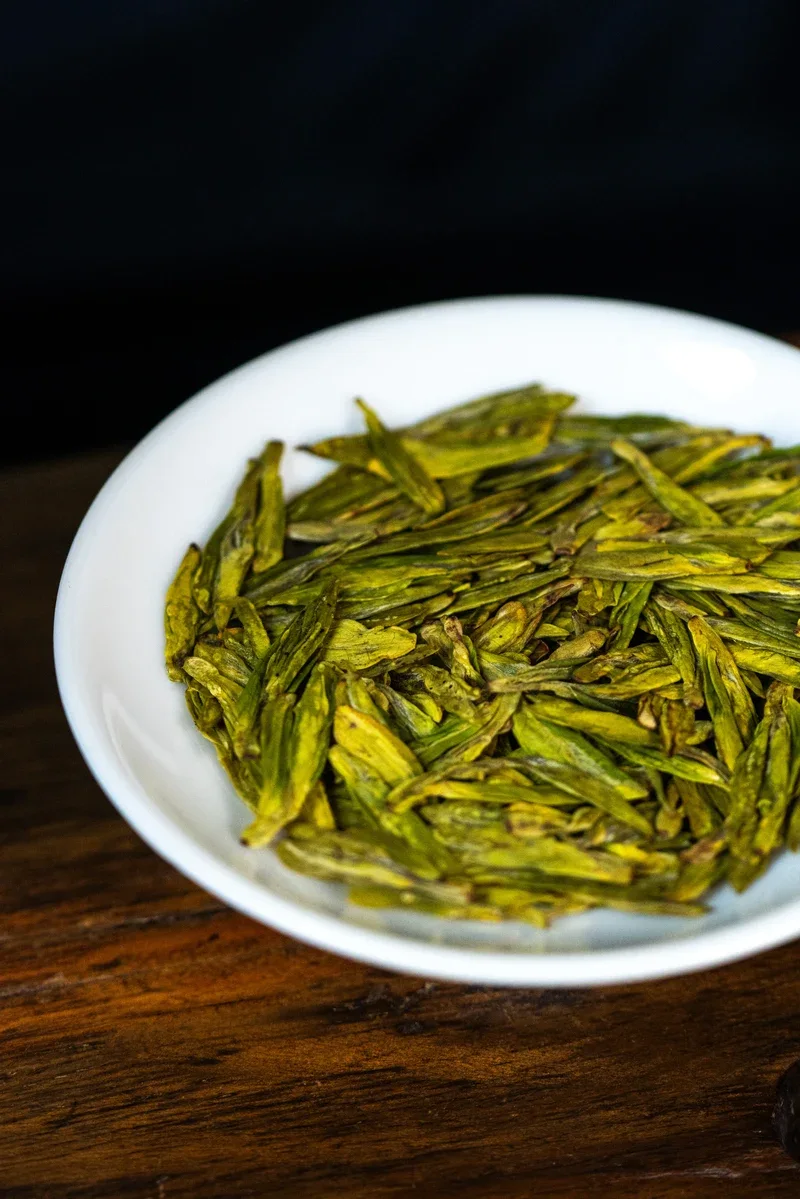
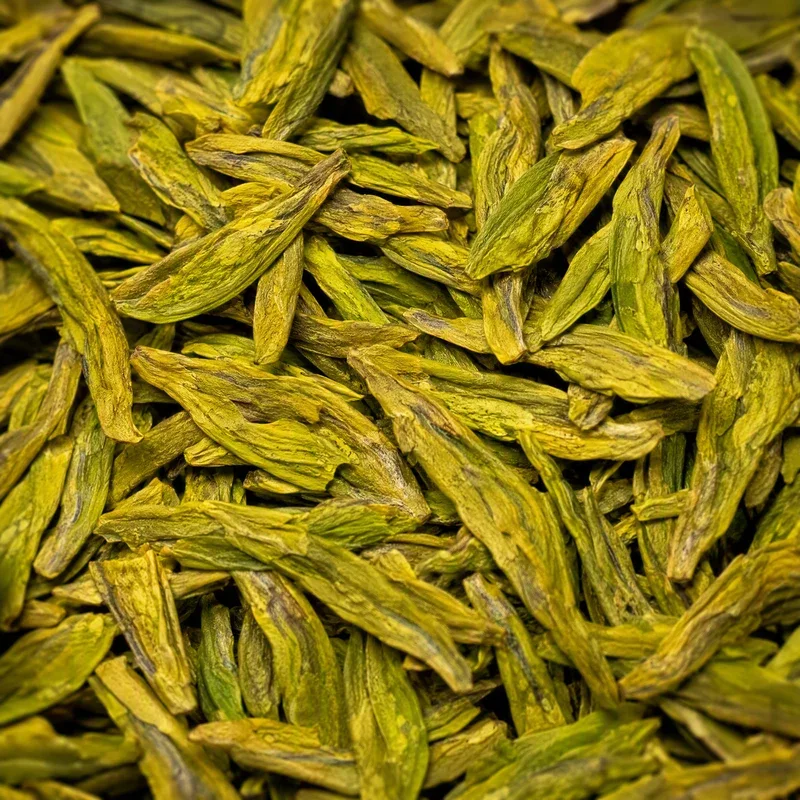
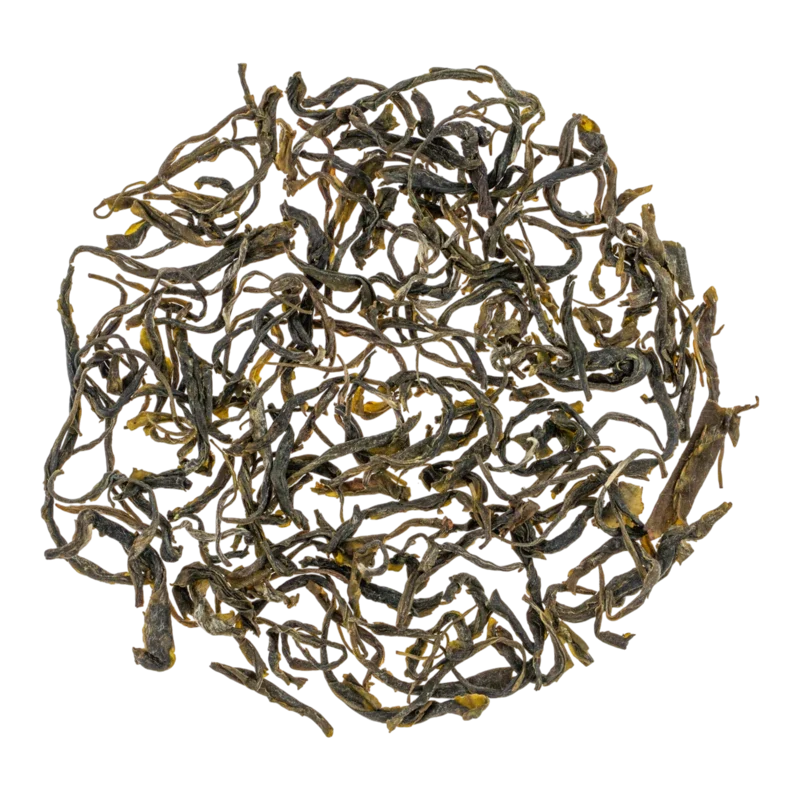
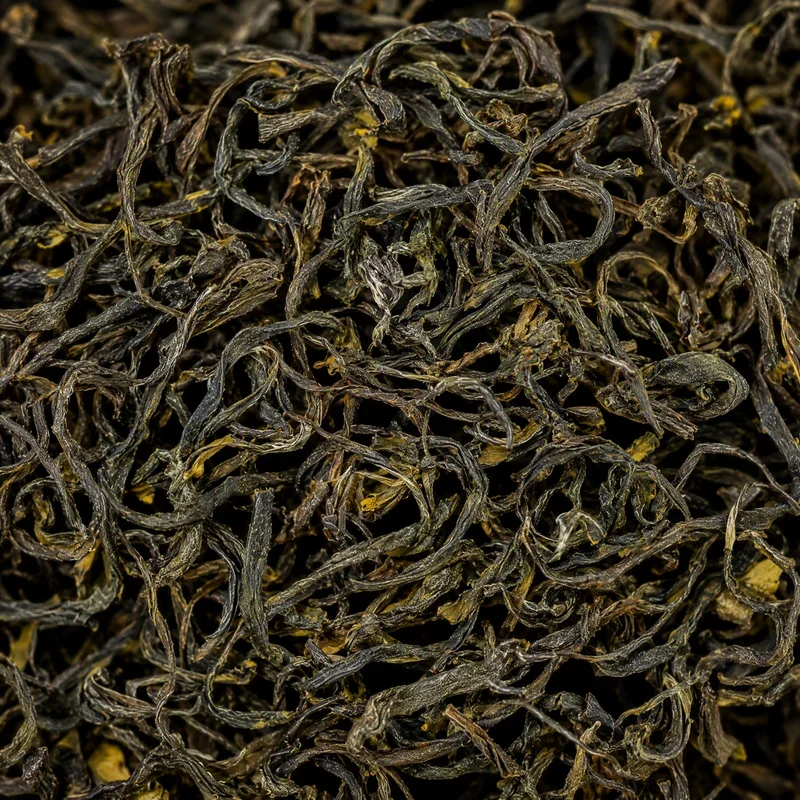
Dry Leaf Appearance: Flat, straight "swords" (条索扁直如剑), emerald-green (翠绿) with abundant silvery down (显毫). Each tea leaf — "like a small sword" (根根似剑): 1.5–2.5 cm long, with clearly defined points on both ends.
Dry Leaf Aroma: Clean, high, with green freshness. In highest grades — subtle chestnut undertone (栗香).
Liquor Aroma: Clean (清香, qīngxiāng) — main note, high and persistent. In "Thin sword" — pronounced chestnut undertone (栗香, lìxiāng), warm and enveloping. The aroma doesn't "shout" but "unfolds" gradually, from cup to cup.
Liquor Color: Tender green, bright and clear (嫩绿明亮). Light "neon" gleam — sign of high chlorophyll content.
Spent Leaves: Tender green, uniform, "alive" (嫩绿匀齐鲜活). Flat "swords" unfold but maintain shape — good indicator of processing quality.
Taste: Soft and balanced (醇爽, "mellow-fresh"). Returning sweetness — stable and prolonged (回甘持久). Amino acid freshness (鲜味) — foreground of taste. Astringency minimal. Body — medium, "transparent": tea is not heavy but not watery either.
Amino Acids: ≥3.32% — above standard level (~2%). L-theanine — dominant amino acid, responsible for fresh, "juicy" taste and mild relaxing effect.
≥45% — high liquor "richness," providing dense body even with light brewing.
10–15 mg/100 g — elevated content (average for green tea — 5–10 mg/100 g). Result of specific soils on purple shales.
Moderate content, ~2.5–3.5%.
High content — basis of emerald liquor color.
Minerals: K (potassium), Mg (magnesium), Zn (zinc), Se (selenium), P (phosphorus) — result of unique purple-shale soils.
Polyphenols: ≥30%. Catechins — 30% higher than average ordinary green tea. EGCG — main catechin, providing antioxidant activity.
Vitamins: C (ascorbic acid — elevated content due to early spring harvest), B group (B₁, B₂).
Polyphenols ≥30% with elevated catechin content (+30% above average). Free radical neutralization, oxidative stress deceleration.
Fluorine 10–15 mg/100 g — one of the highest values among Hunan green teas. Strengthens enamel mineral structure and suppresses growth of caries-causing bacteria.
Caffeine combined with L-theanine provides gentle, "clear" alertness without anxiety — optimal state for intellectual work.
Catechins promote cholesterol level normalization and fat metabolism activation.
Polyphenols stimulate digestive enzyme production and intestinal peristalsis.
Vitamin C and catechins strengthen capillary walls, improving microcirculation.
L-theanine stimulates brain α-wave generation, improving concentration, memory, and learning ability.
Zinc and selenium from purple-shale soils — important elements for immunity and antioxidant protection.
Water first (to 7/10 volume), then — tea. "Swords" slowly descend through water, creating mesmerizing visual effect — "green snowfall."
1/3 water → add tea → shake glass for "aroma awakening" (摇香, yáo xiāng) → fill to 7/10.
Pour water along glass wall to avoid "knocking down" silvery down with stream and clouding the liquor.
Tea Amount: 3 g per 150 ml (1:50 ratio).
Teaware: Glass tumbler — recommended method. Two methods:
Water Temperature: 80–85°C. Flat thin "sword" shape quickly releases substances — overheating will lead to bitterness.
Container: Airtight packaging — vacuum bags of aluminum foil or jars with double lid.
Enemies: Humidity (>60%), foreign odors, direct sunlight, high temperature. Do not store near products with strong odors.
Shelf Life: New tea — "rest" 7 days after production. After opening — consume within 1 month.
Temperature: Refrigerator, 0–5°C. Flat "sword" shape increases air contact area, accelerating oxidation — cold storage mandatory.
from 800 yuan per 500 g (~7200 rubles).
400–600 yuan per 500 g.
300–500 yuan per 500 g.
Price Factors: Bud size (shorter — more expensive), hand vs. machine picking, harvest date (early spring — premium), "Lanling Tea" brand.
No reviews yet. Tell us what you think of this tea.
Rate this tea and share your impressions. We review each submission before publishing it.