Brewing
Gongfu brewing
- Water temperature
- 93 °C
- Tea amount
- 5 g
- Water volume
- 100 ml
- First steep
- 10 s
- Time added per infusion
- 5 s
- Infusions
- 4

jiǔqū hóng méi
Choose a brewing method. Start with the recommended quantities and time, then adjust to taste.
Brewing
Brewing
Taste
Tea encyclopedia
Category: Gōngfū red tea (工夫红茶, gōngfū hóngchá) — traditional red tea of masterful processing. Listed among China's historical famous teas (历史名茶). The only red tea among Hangzhou's ten famous teas "nine green, one red" (九绿一红).
Category: Gōngfū red tea (工夫红茶, gōngfū hóngchá) — traditional red tea of masterful processing. Listed among China's historical famous teas (历史名茶). The only red tea among Hangzhou's ten famous teas "nine green, one red" (九绿一红).
Coordinates: approximately 30°10′ North latitude, 120°05′ East longitude (Shuangpu area, southwestern suburb of Hangzhou, banks of Qiantang River).
Origin: China, Zhèjiāng Province (浙江省, Zhèjiāng shěng), Hángzhōu City (杭州市, Hángzhōu shì), West Lake District (西湖区, Xīhú qū), Shuāngpǔ Town (双浦镇, Shuāngpǔ zhèn). Main production villages: Hubu (湖埠), Shuanglin (双灵), Zhangyu (张余), Fengjia (冯家), Lingshan (灵山), Shejing (社井), Renqiao (仁桥), Shangyang (上阳), Xiayang (下阳). Tea from Dawuxin Mountain (大坞山) in Hubu village is traditionally considered the highest quality.
Type: Chinese red tea (black tea) (红茶, hóngchá), fully oxidized (fermented).
Cultural Significance: The famous Buddhist monk and calligrapher Hóngyī (弘一法师, Hóngyī fǎshī), better known as Lì Shutong (李叔同), praised this tea in verse: "In a white jade cup — agate color, on red lips and under the tongue — the fragrance of plum blossoms" (白玉杯中玛瑙色,红唇舌底梅花香). Jiuqu Hong Mei together with West Lake Longjing forms the legendary pair "one red, one green" (一红一绿) of West Lake tea culture, symbolizing the completeness and balance of Hangzhou's tea tradition.
History: Jiǔqū Hóng Méi was created during the reign of Emperor Tóngzhì of the Qīng dynasty (清同治年间, 1862–1874), meaning its production history spans approximately one hundred fifty to two hundred years. The tea's emergence is linked to the Tàipíng Rebellion (太平天国, 1850–1864): when military actions engulfed the Wuyi Mountains area in Fujian Province, thirteen families of tea-growing peasants fled north and settled in the Dawuxin basin — present-day Shuangpu Town. They cleared mountain slopes, planted tea bushes, and drawing on their experience producing red tea, began crafting a new product from local raw materials. Gradually the technology adapted to the terroir, and thus was born the unique red tea — Jiuqu Hong Mei.
Name Breakdown: The name consists of three semantic components. "Jiuqu" (九曲) — "nine bends" — refers simultaneously to the famous Jiǔqū Stream (九曲溪) in the Wuyi Mountains, from where the tea's founders came, and to the winding local creek of "nine turns and eighteen bends" (九曲十八弯) in the Dawuxin area. "Hong" (红) — "red" — indicates the tea type. "Mei" (梅) — "plum blossom" — relates to the characteristic aroma reminiscent of red plum blossoms. The tea is also known by the historical names Jiǔqū Hóng (九曲红), Jiǔqū Wūlóng (九曲乌龙) and Lóngjǐng Hóng (龙井红).
Cultivar: Primarily uses the local population variety (群体种, qúntǐ zhǒng) Camellia sinensis var. sinensis — the same population of bushes that serves as raw material for West Lake Longjing. This is a small-leaf and medium-leaf shrub type (灌木型中小叶种), upright, with medium branching density. Leaves are long-elliptical, buds and young leaves are yellow-green in color, abundantly pubescent. Weight of one hundred buds with three leaves — about 71 g. The plant is distinguished by high frost resistance and vigorous shoot growth.
Picking: The optimal harvest period is around the Gǔyǔ season (谷雨, "Grain Rains," usually April 20), which is somewhat later than for Longjing. Interestingly, unlike most teas, for Jiuqu Hong Mei excessively early, pre-Qingming harvest is not considered best — optimal leaf maturity occurs precisely around Guyu.
Pluck Standard: One bud and two leaves in the initial opening stage (一芽二叶初展, yī yá èr yè chū zhǎn). The leaf should be neither excessively tender nor coarse — precisely this degree of maturity ensures the characteristic balance of aroma and body.
Raw Material: Whole, clean leaf without damage and coarse stems. Minimal delay is permitted between harvest and the start of processing. For the finest batches, shoots from old tea trees over one hundred years old are selected.
Altitude: from 100 to 500 m above sea level. The best plantations are located on the slopes of Dawuxin Mountain.
Soil: Sandy acidic soils (沙质土壤, pH 4.5–5.5), fertile, well-drained. The surrounding mountains are covered with dense forest, which protects the tea gardens from winds and provides diffused lighting.
The production area is located in the Dawuxin basin (大坞盆地), surrounded by low mountains. The terrain of "nine turns and eighteen bends" creates numerous microclimatic niches. From the east the territory is bounded by the Qiantang River (钱塘江), whose evaporation forms constant cloudiness and mist during morning and evening hours.
about 16–17°C. The climate is subtropical monsoon, with mild winters and warm humid summers.
about 1400–1500 mm per year, with high relative humidity.
In 2008 Shuanglin village, part of the production zone, received the status of "Jiangnan Ecological Tea Village" (江南生态茶村), confirming the exceptional quality of the natural environment.
Freshly picked leaves are spread in a thin layer on bamboo trays. During withering the leaf evenly loses moisture, cell walls soften, turgor pressure decreases. The sharp grassy smell disappears, and the leaf acquires the elasticity necessary for subsequent rolling without destruction. Duration depends on air temperature and humidity.
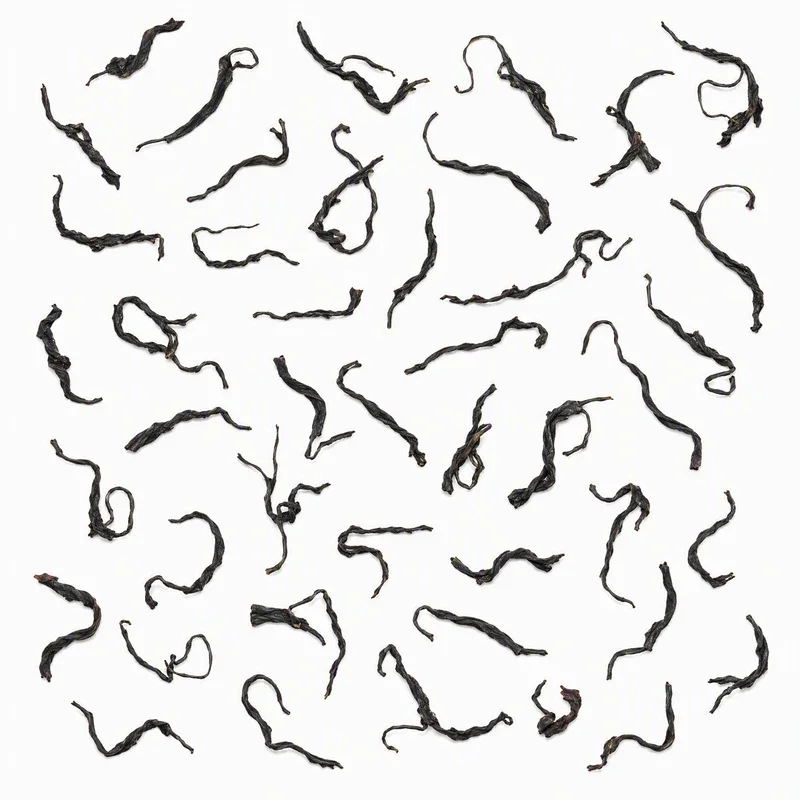
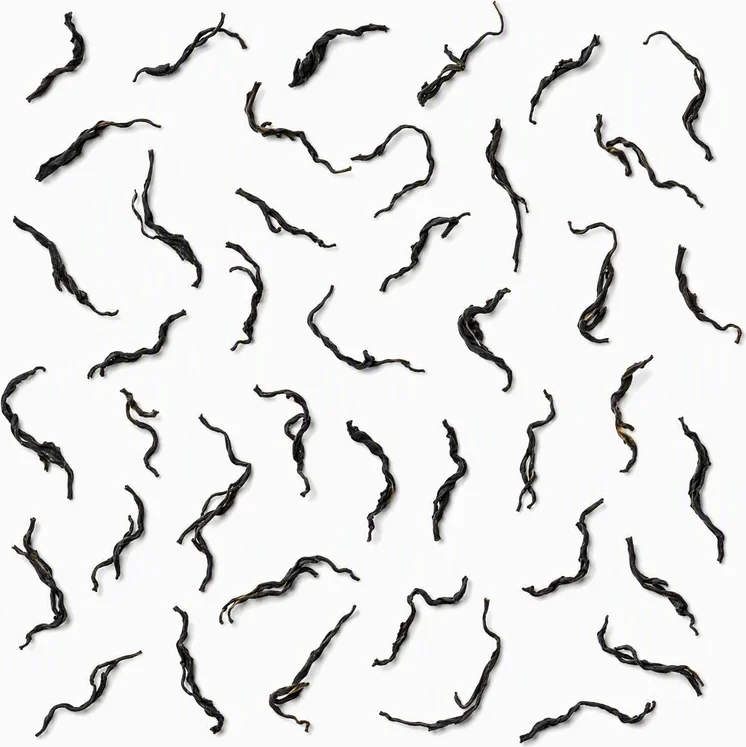
Withered leaves undergo mechanical rolling, destroying cellular structure and bringing cell sap to the surface. It is at this stage that Jiuqu Hong Mei's famous "fishing hook" form is created: finest, twisted tea leaves resembling silver hooks, capable of interlocking with each other in rings. Rolling also ensures even distribution of enzymes for subsequent oxidation. Between rollings, "untangling clumps" (搓散, cuōsàn) is performed — separating stuck leaves.
The key stage determining the color, taste and aroma of red tea. Rolled leaves are placed under suitable temperature conditions (usually 25–30°C) and humidity. Under the action of polyphenol oxidase, catechins oxidize, transforming into theaflavins and thearubigins. The leaf gradually changes color from green to golden-yellow and red-brown, developing a pronounced floral-fruity aroma. Traditional methods used natural fermentation; modern farms employ automated chambers with temperature and humidity control.
Conducted in two stages. First — "initial fire" (毛火, máo huǒ): rapid drying at elevated temperature to inactivate enzymes and stop oxidation. Second — "sufficient fire" (足火, zú huǒ): slow drying at reduced temperature for final moisture removal and aroma development. It is during the "sufficient fire" stage that the characteristic note resembling light pine resin aroma and honey sweetness is formed.
Finished tea is sifted and separated by fractions. Even, uniform batches with a high proportion of golden tips are selected.
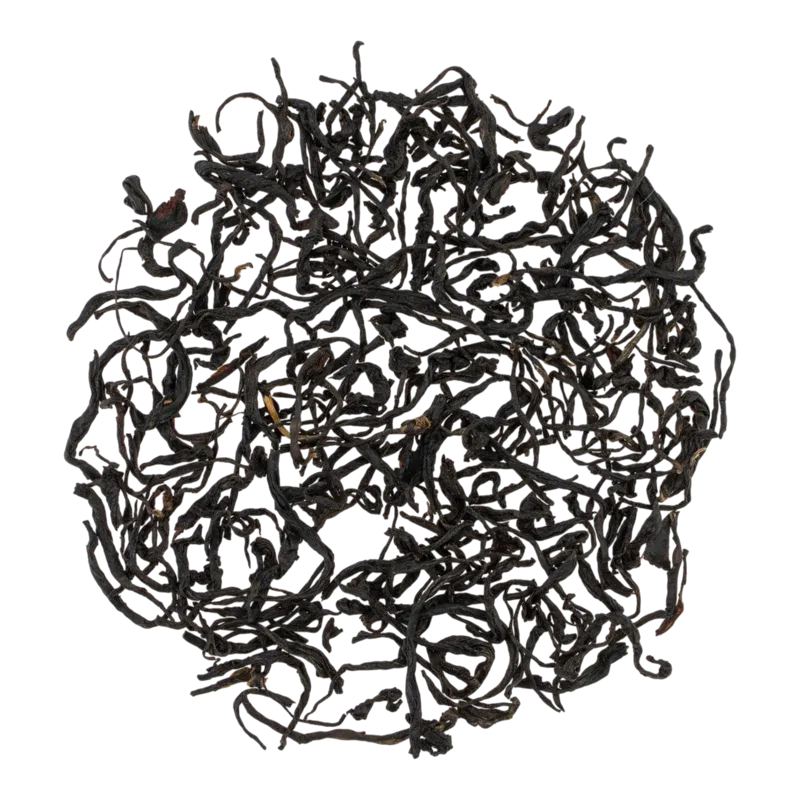
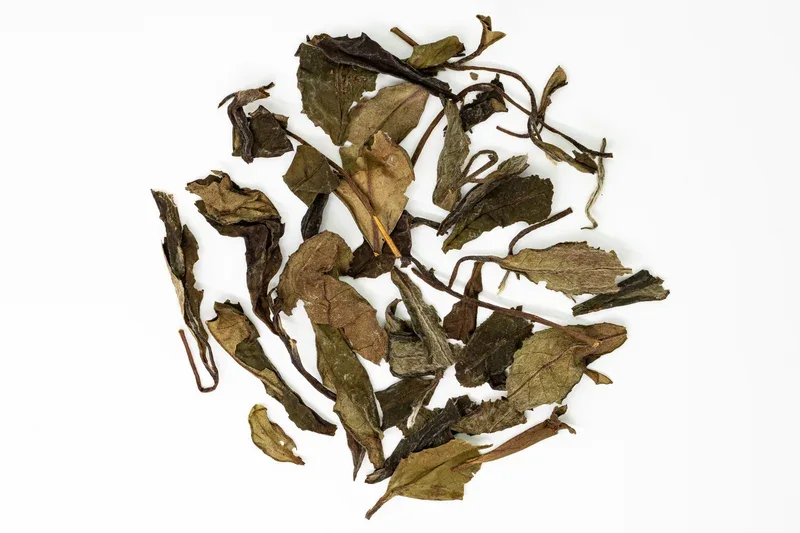
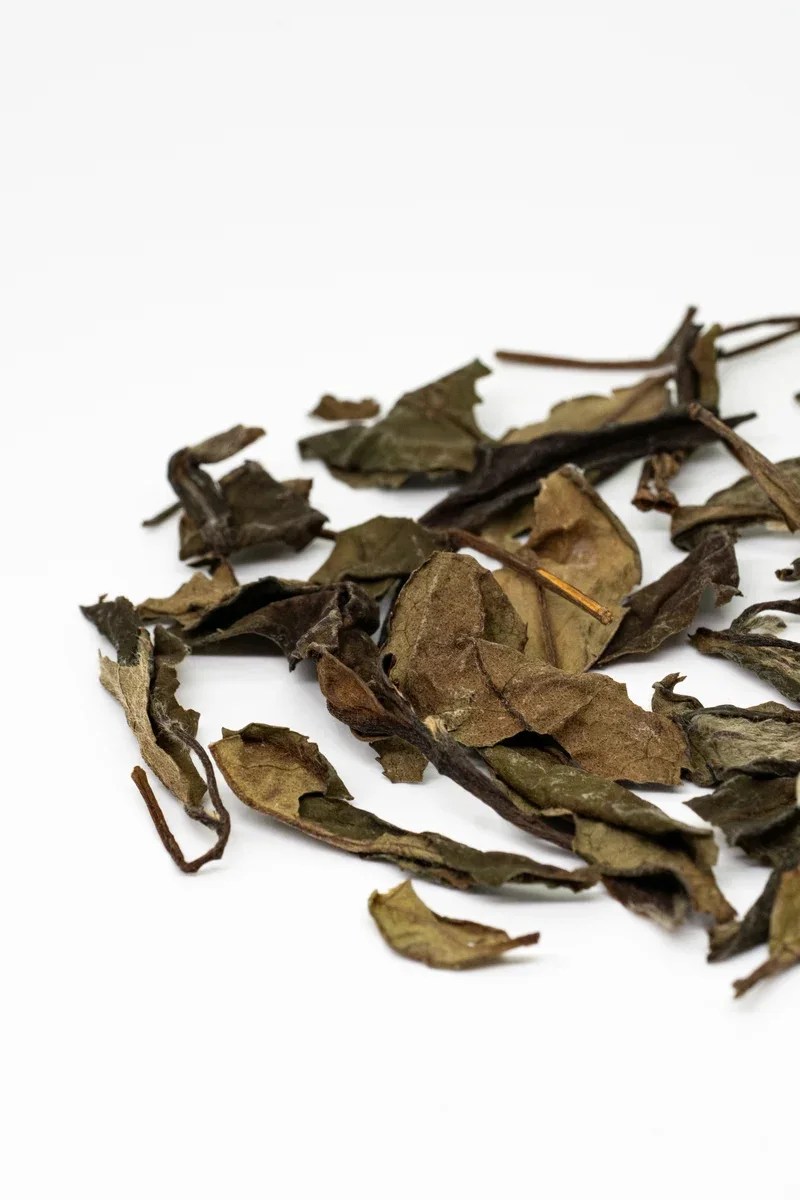
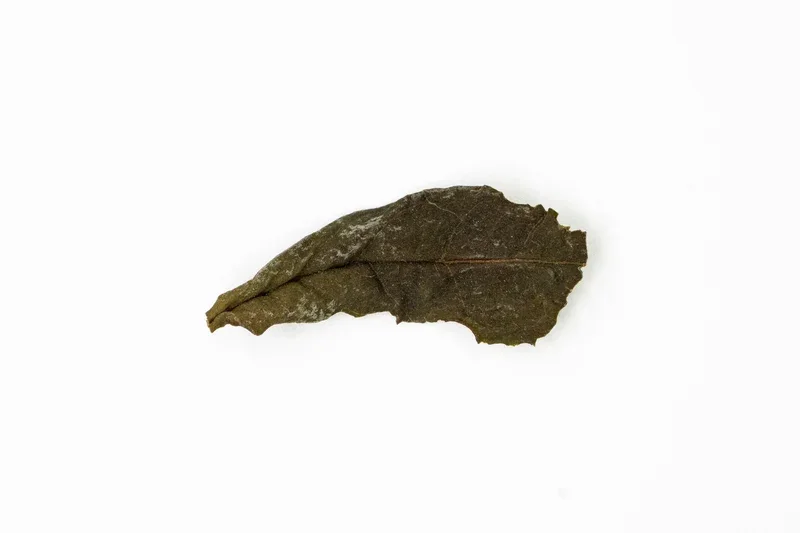
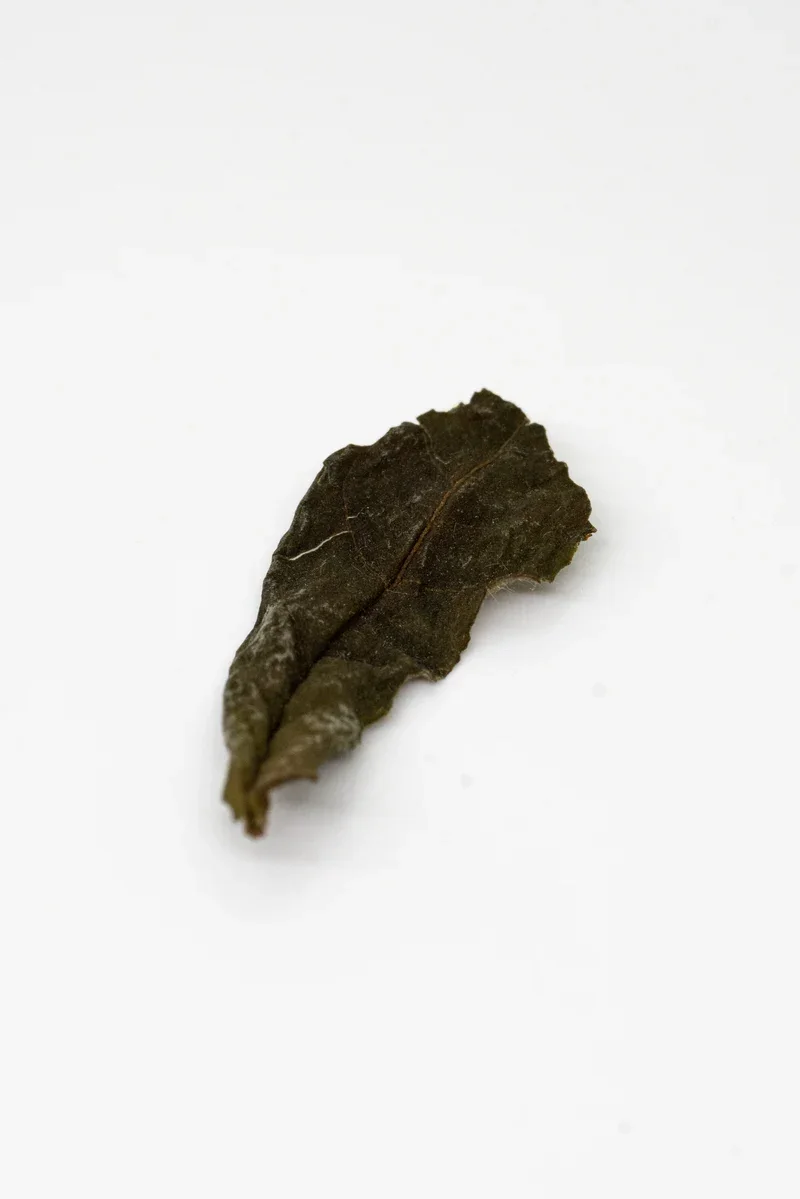
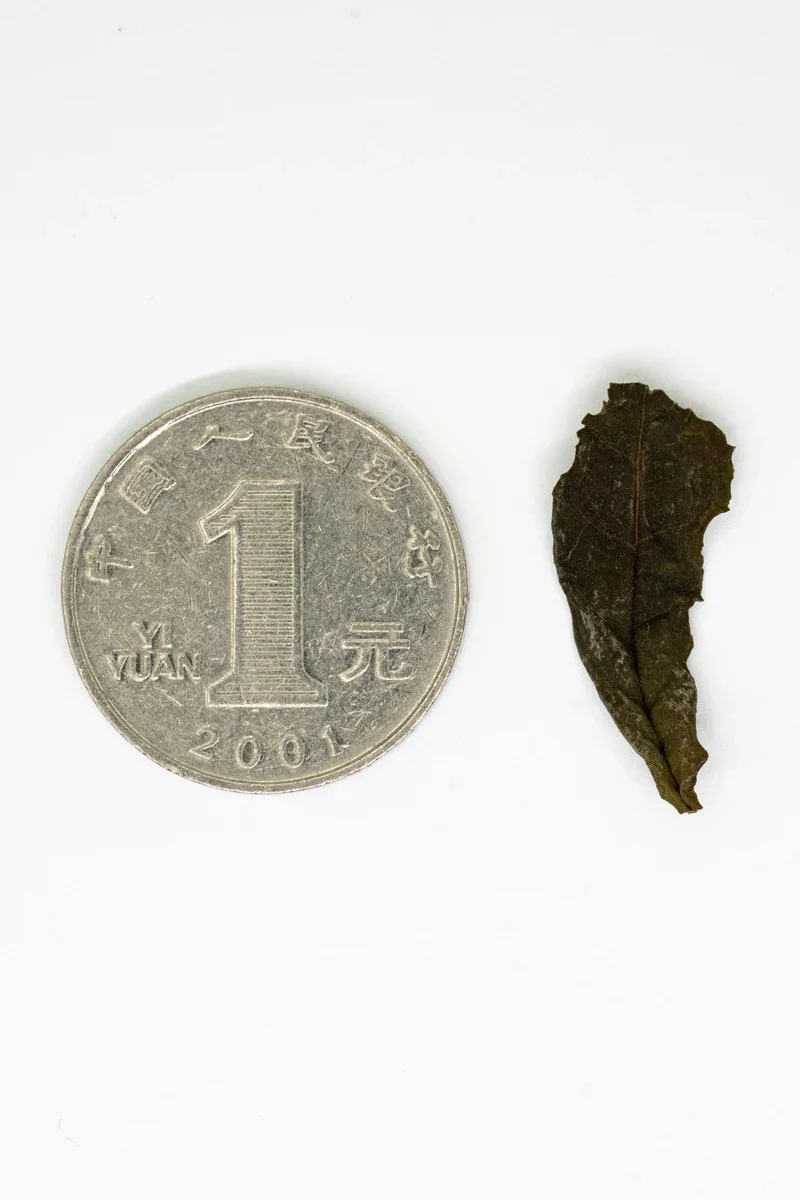
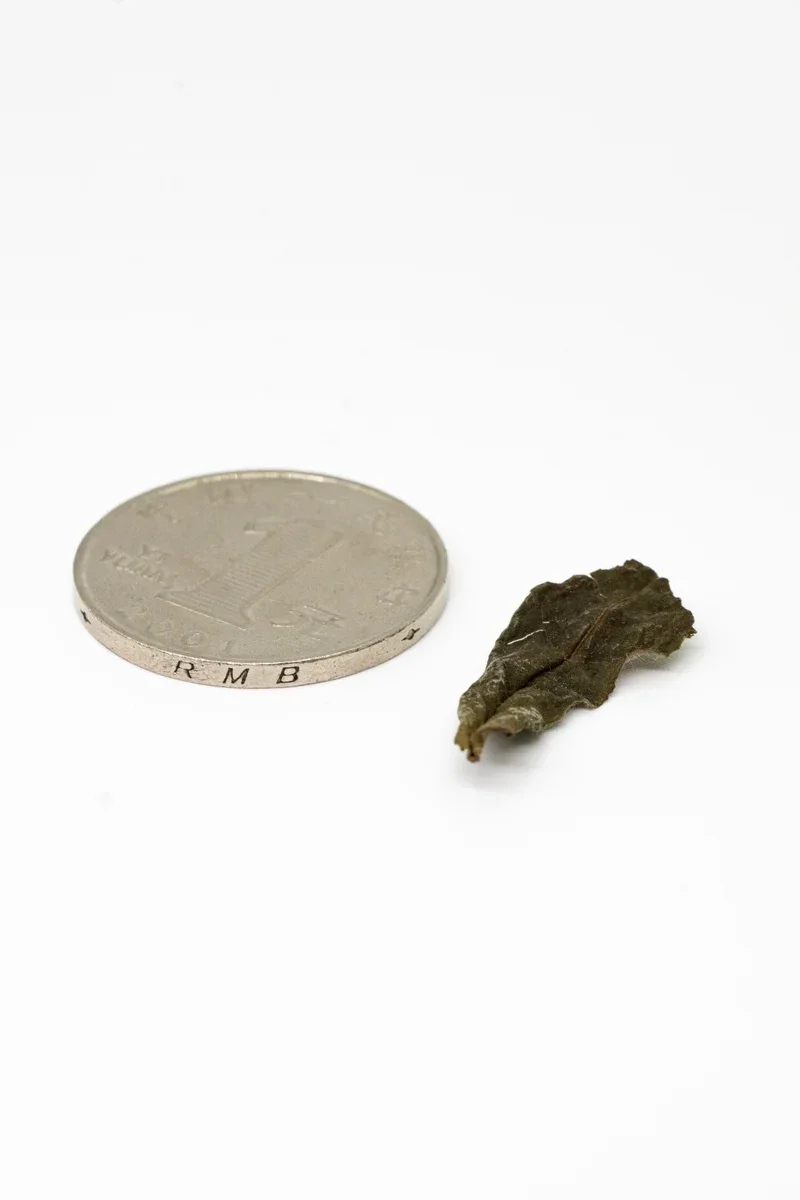
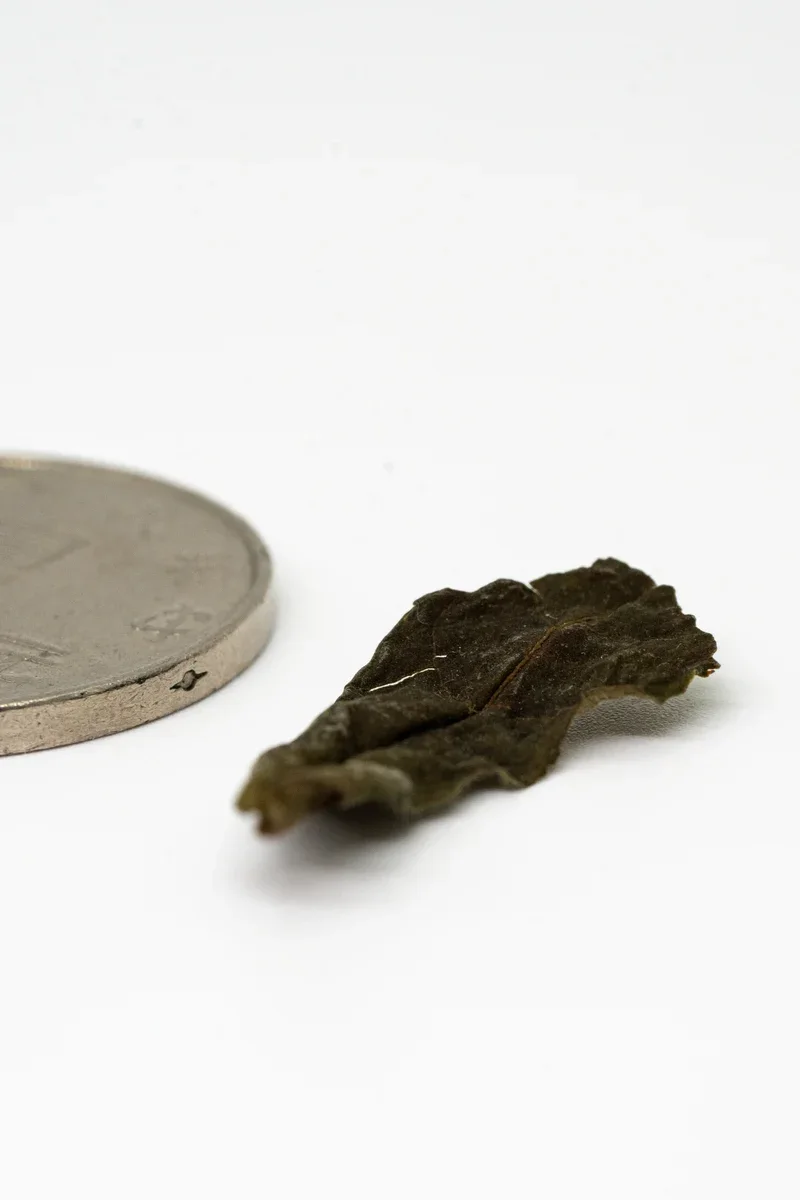
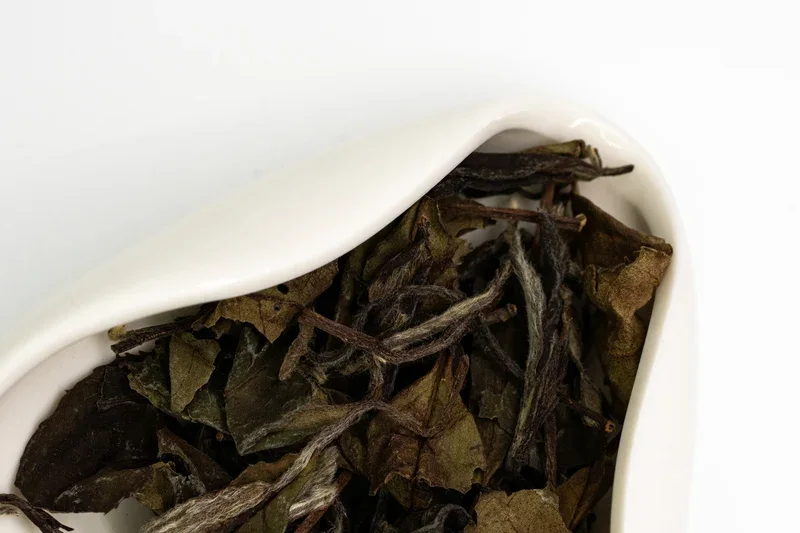
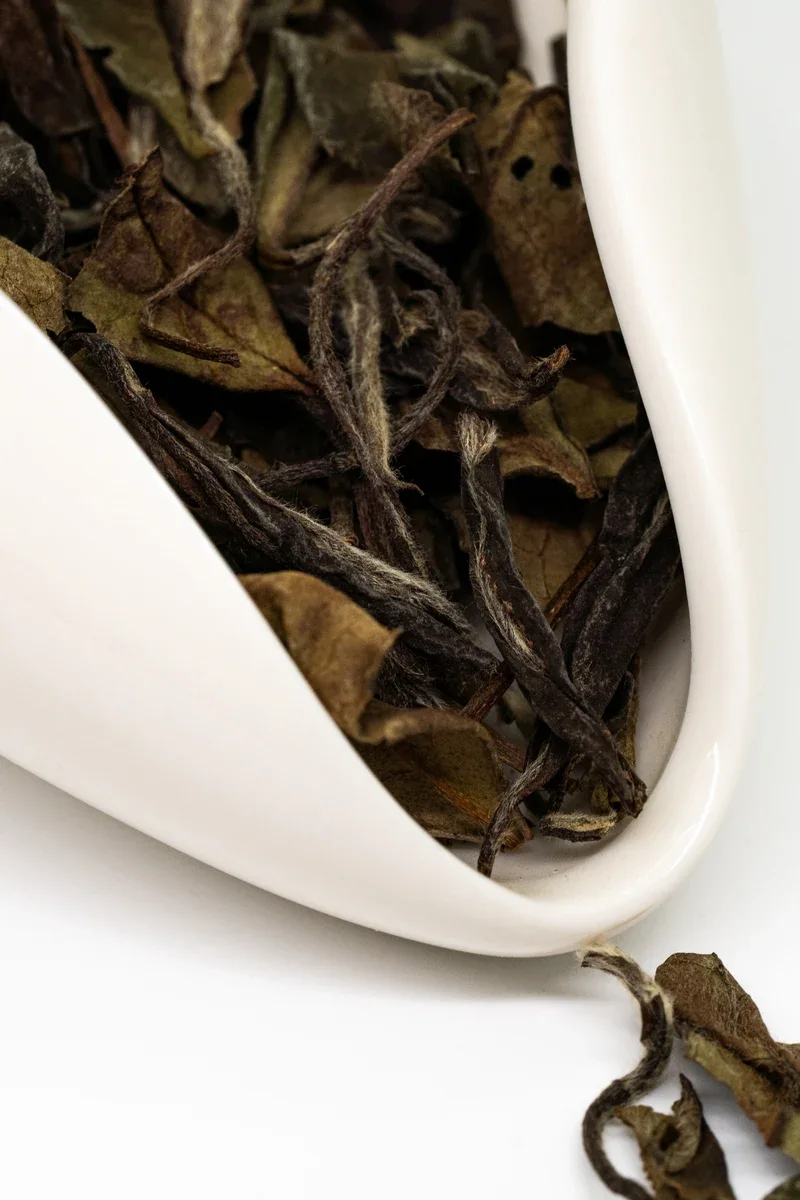
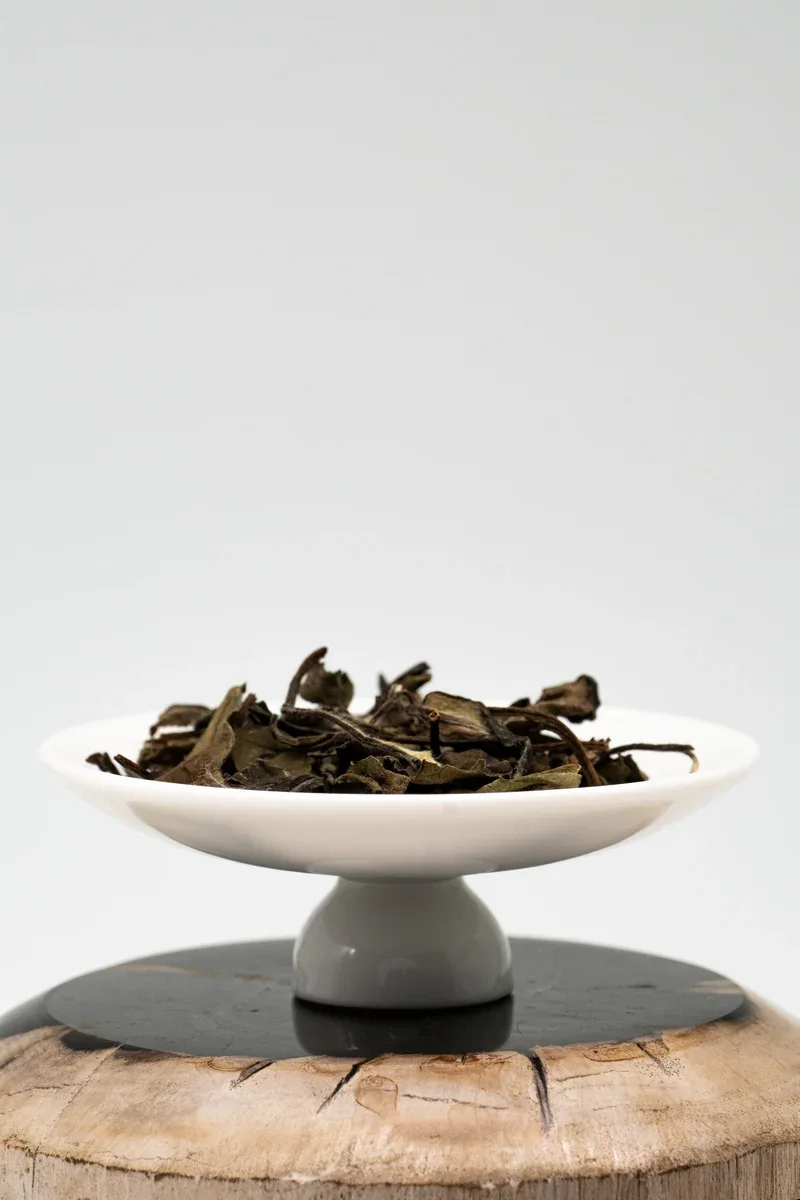
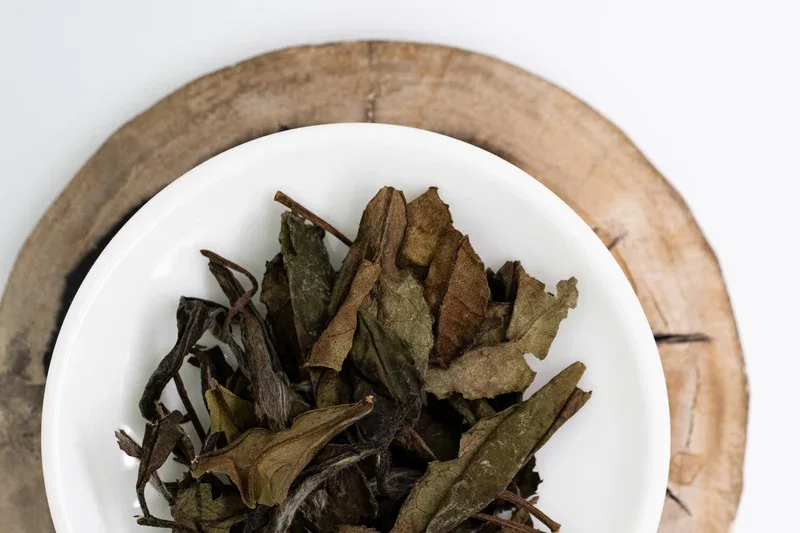
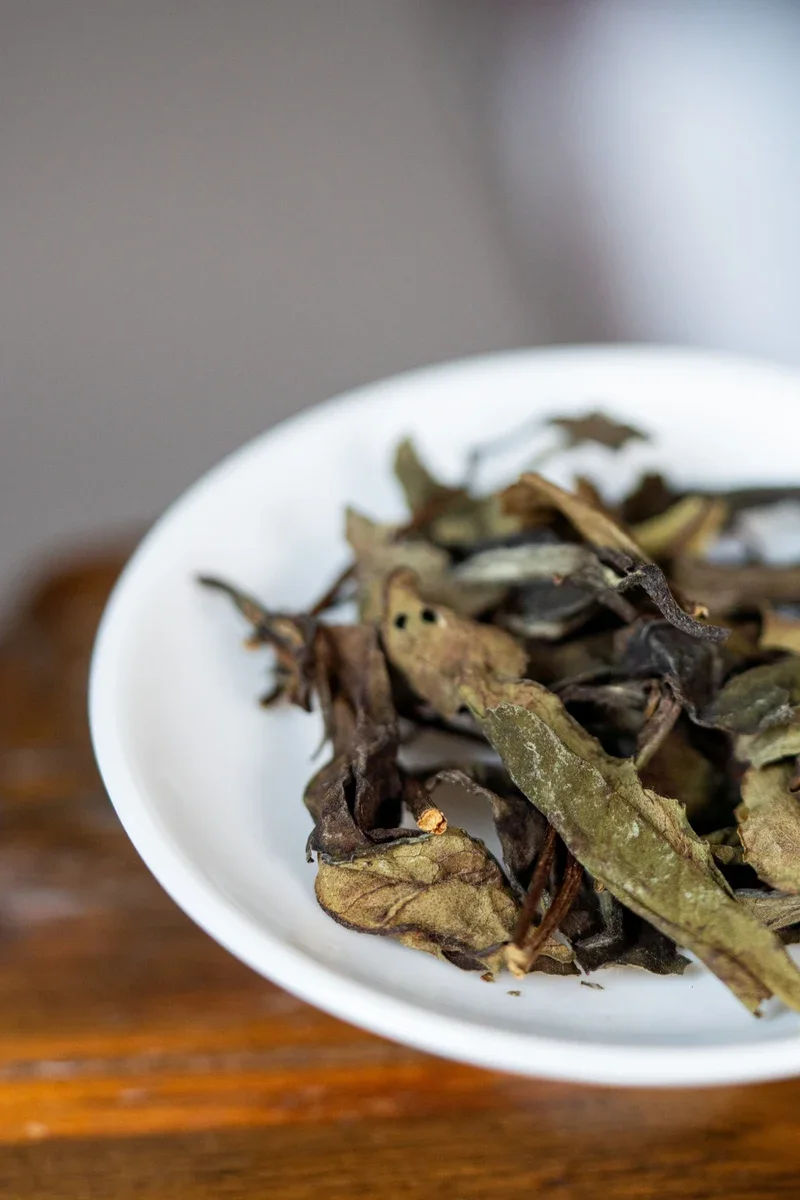
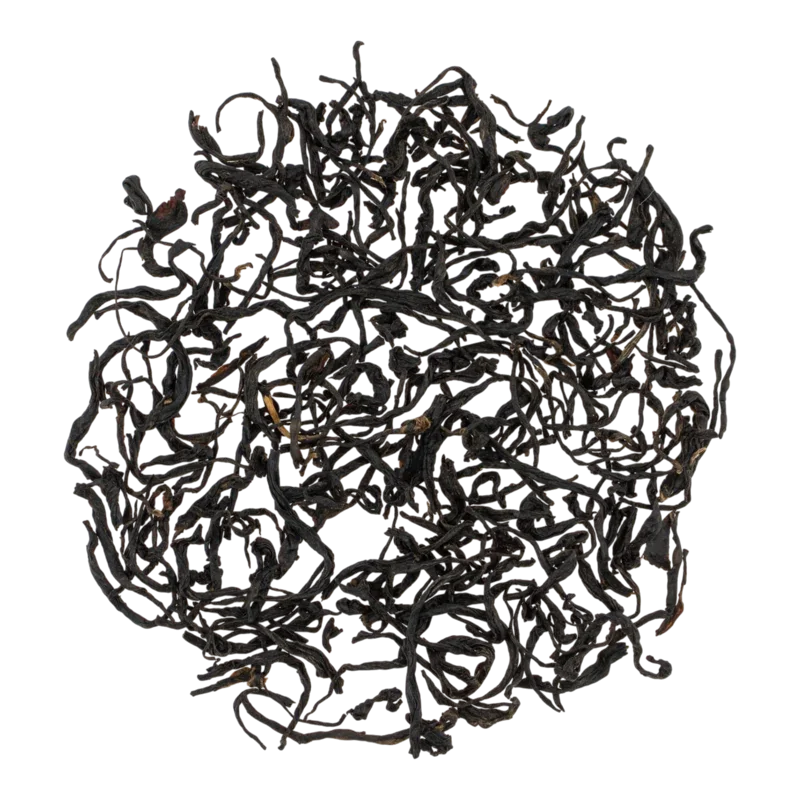
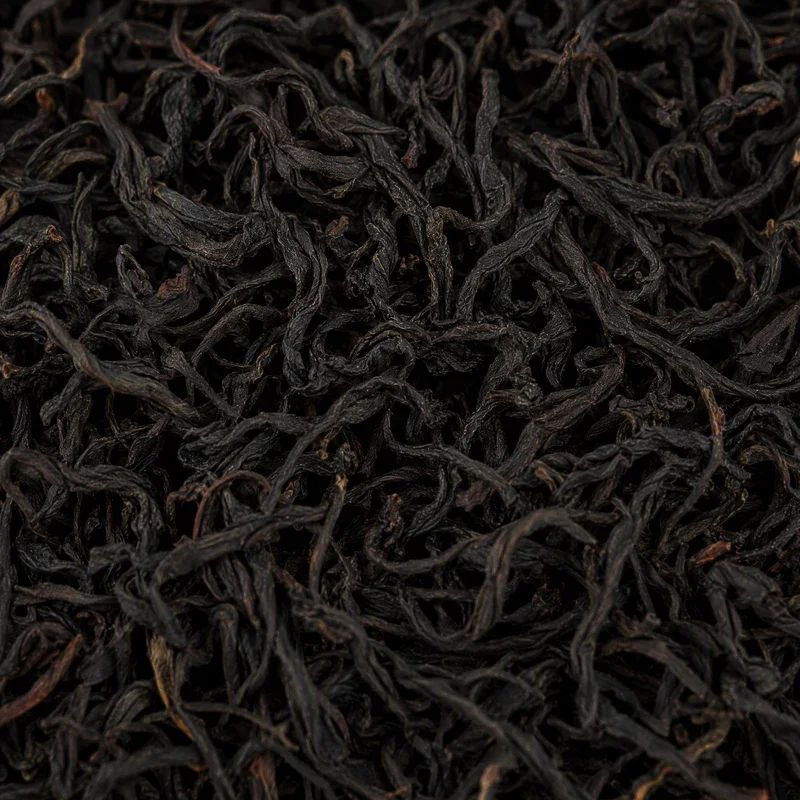
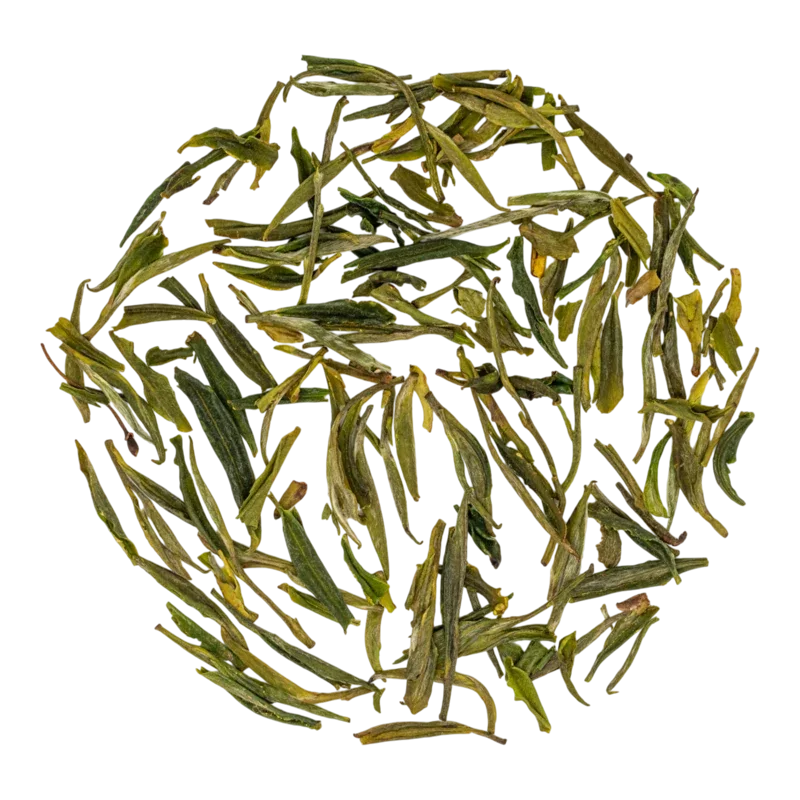
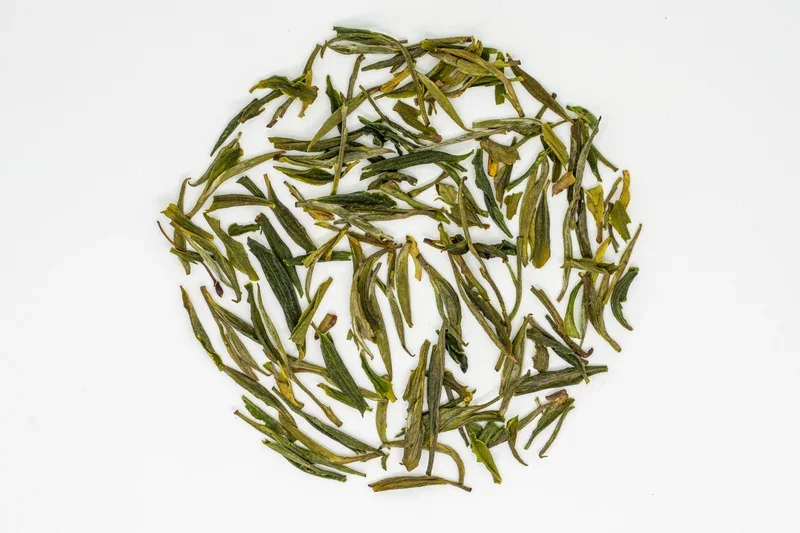
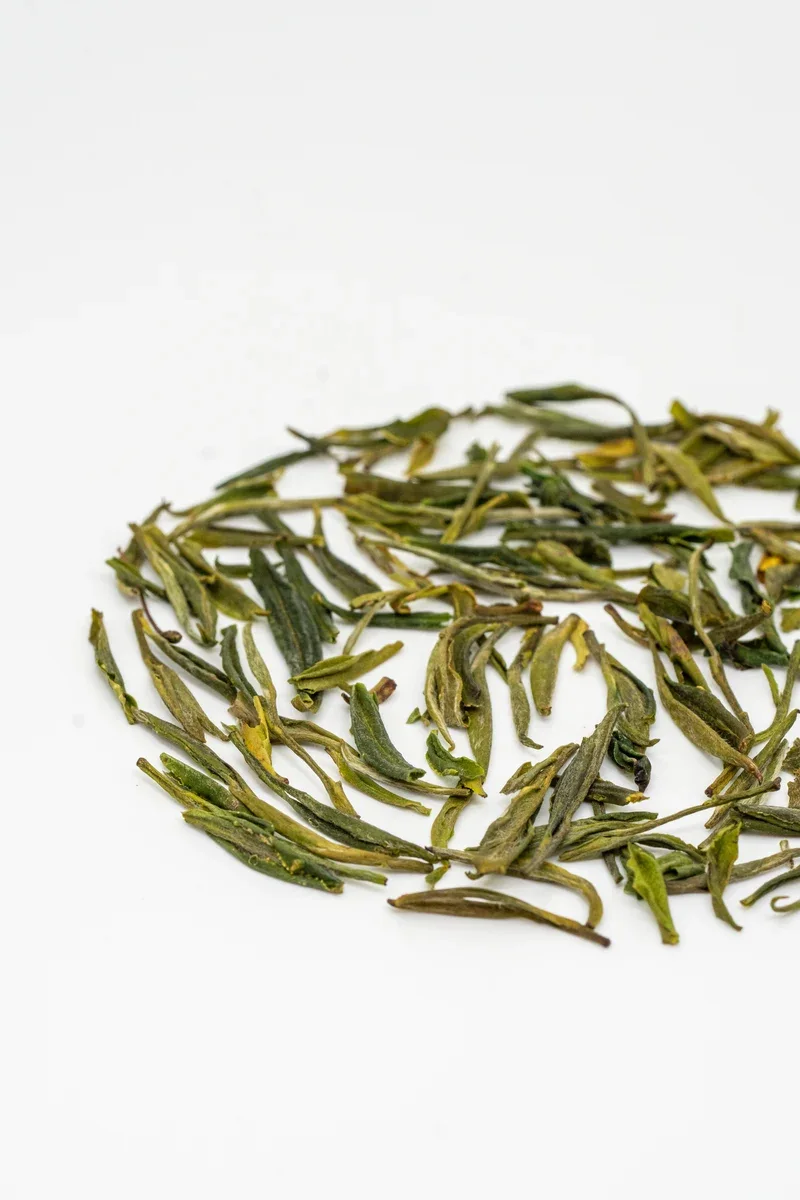
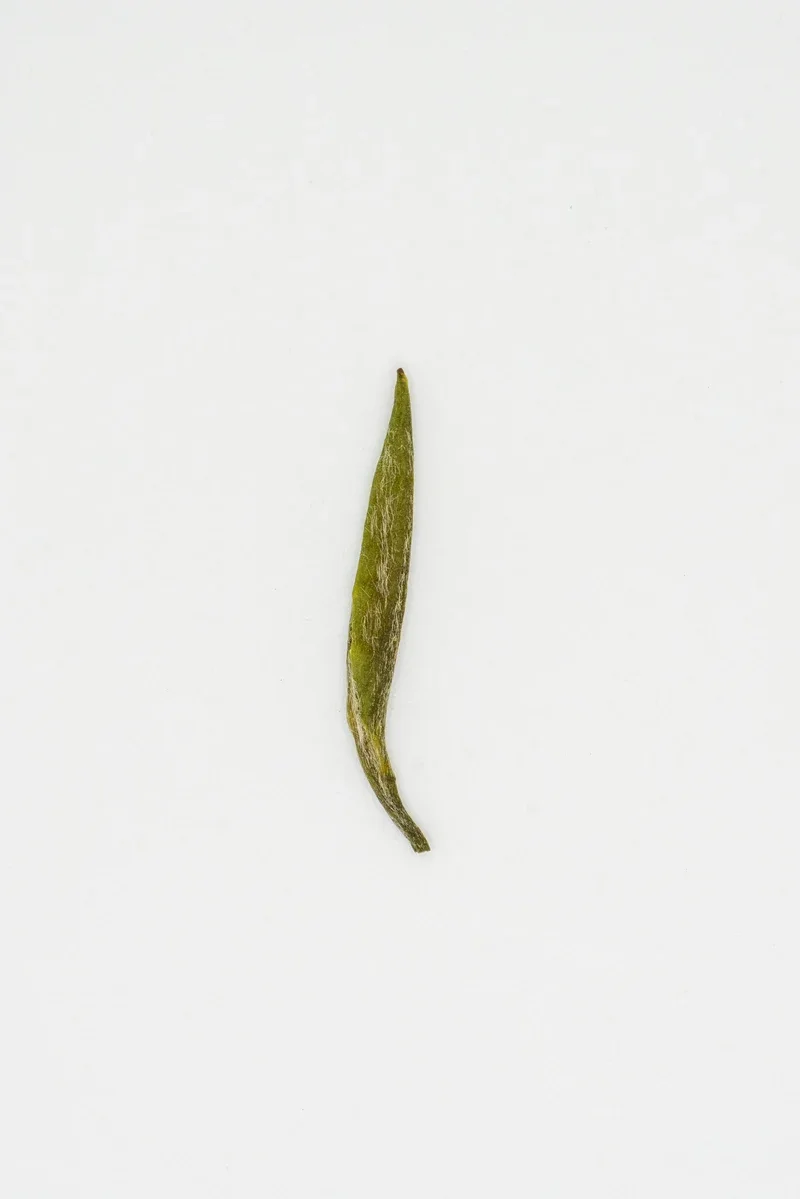
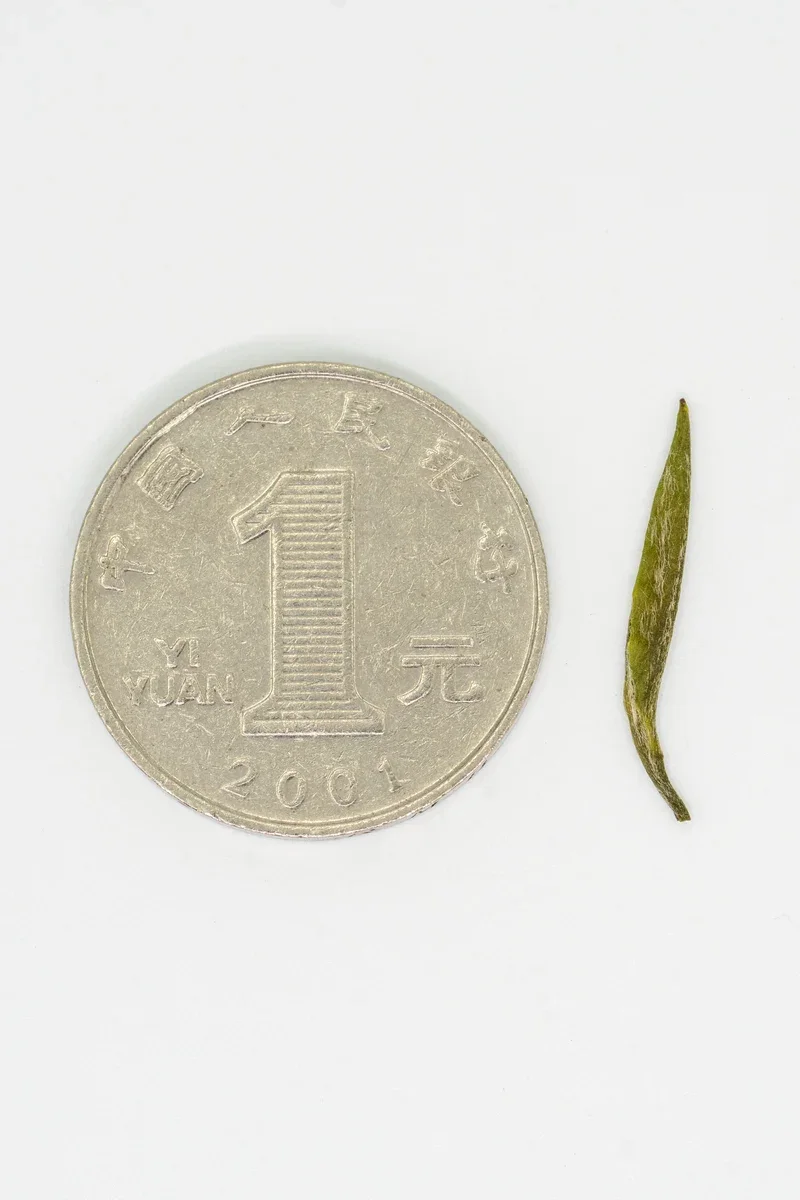
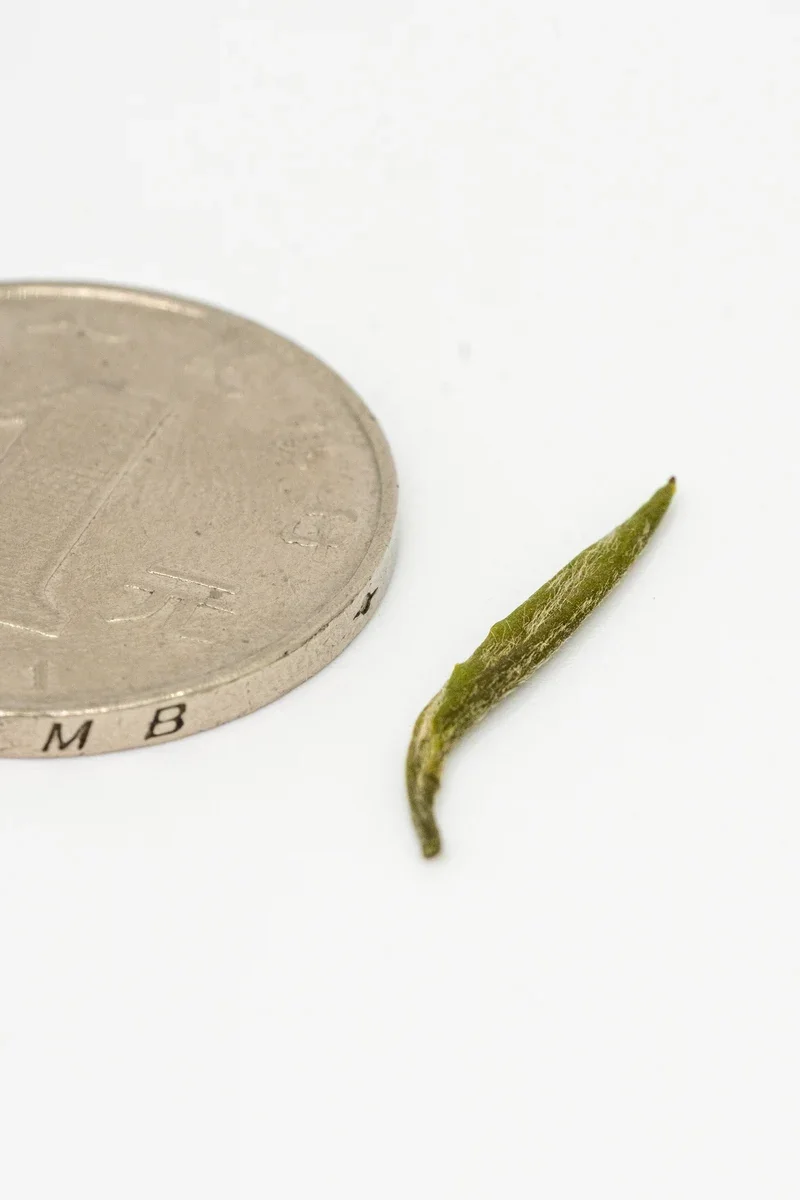
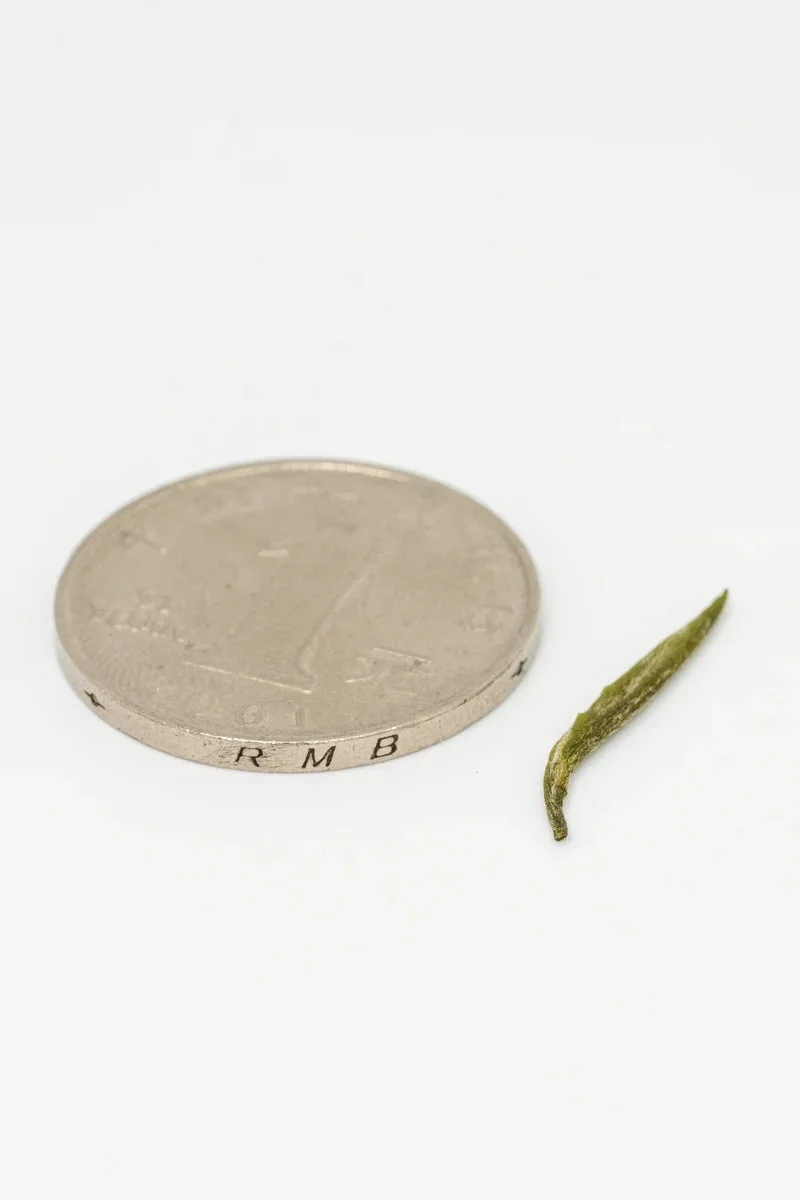
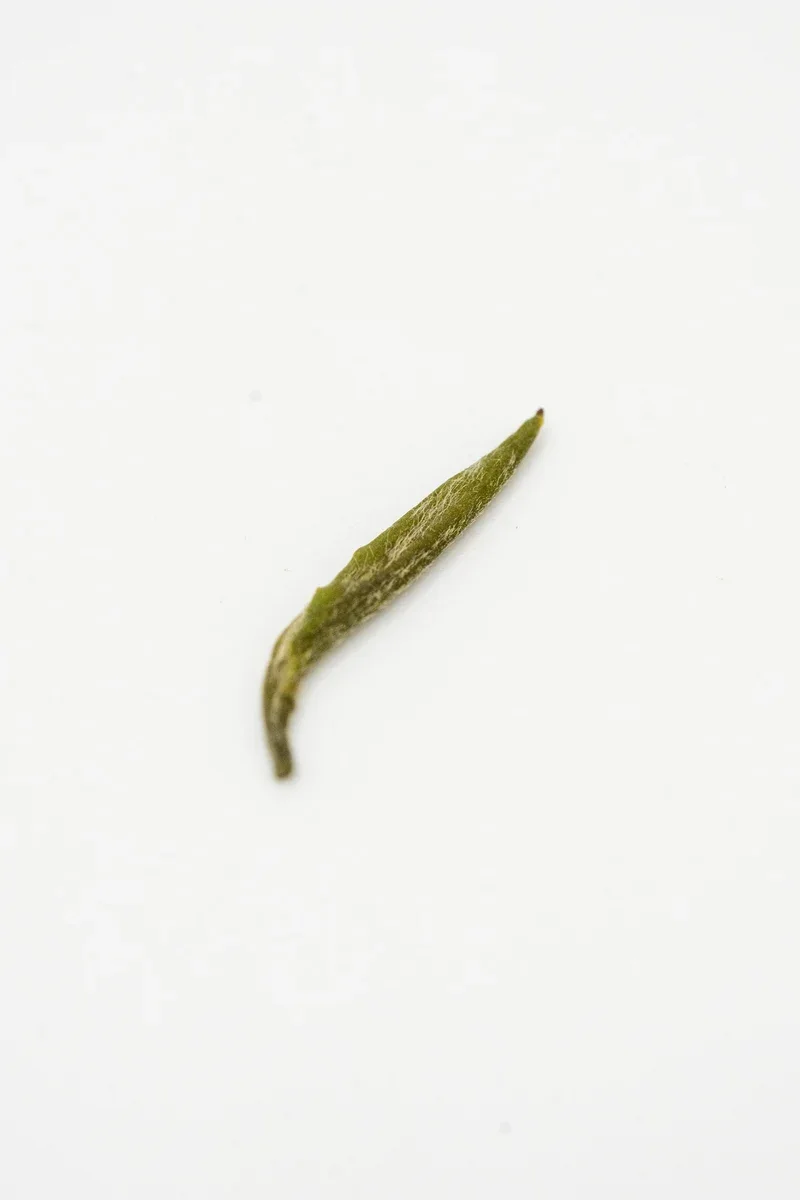
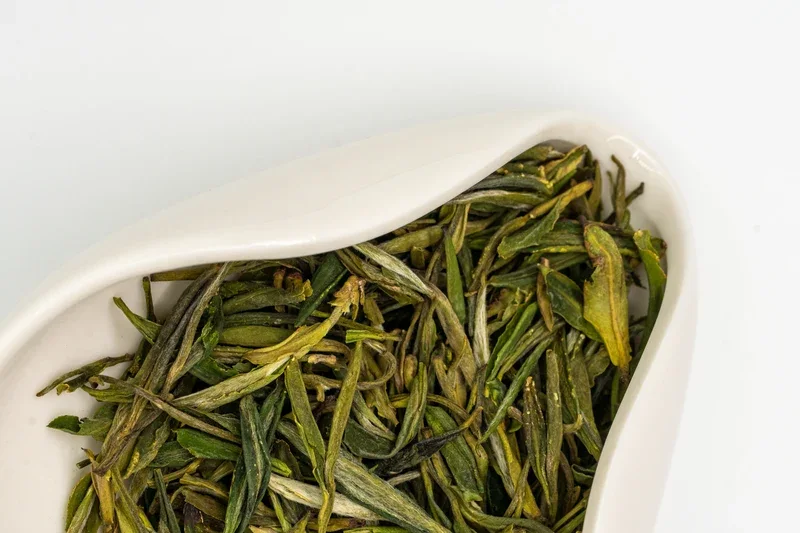
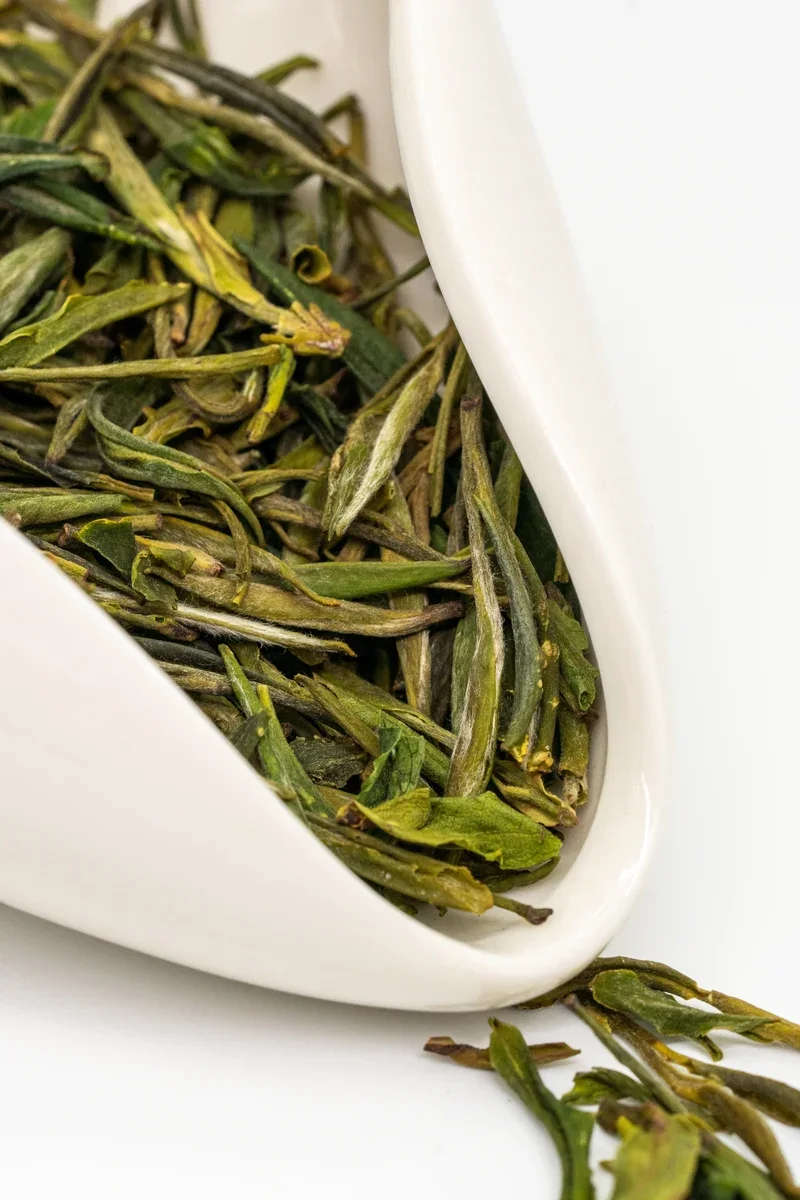
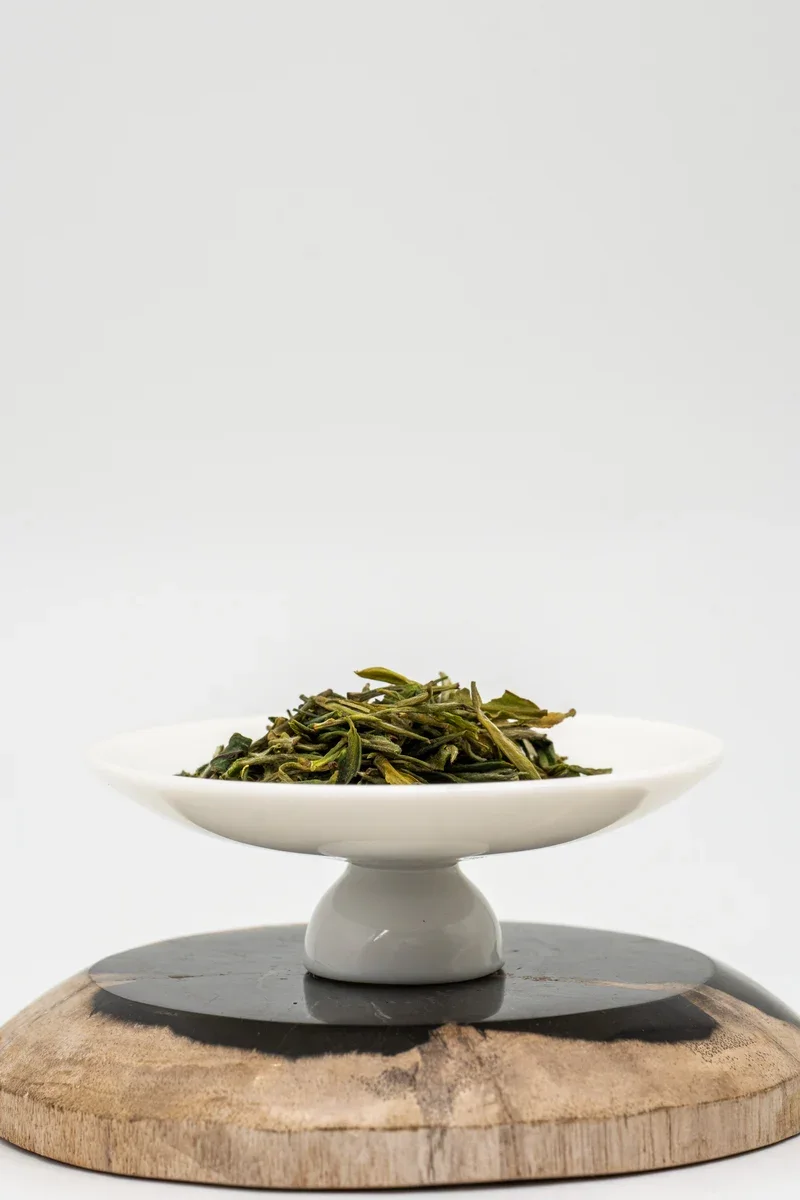
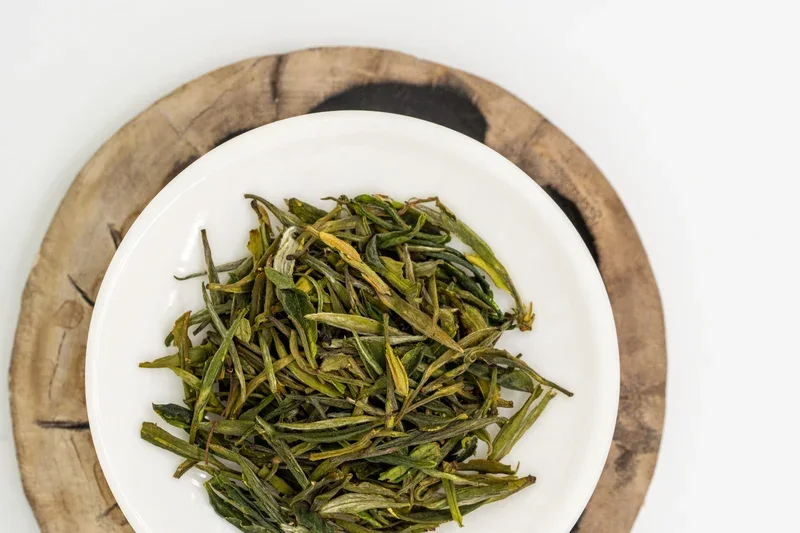
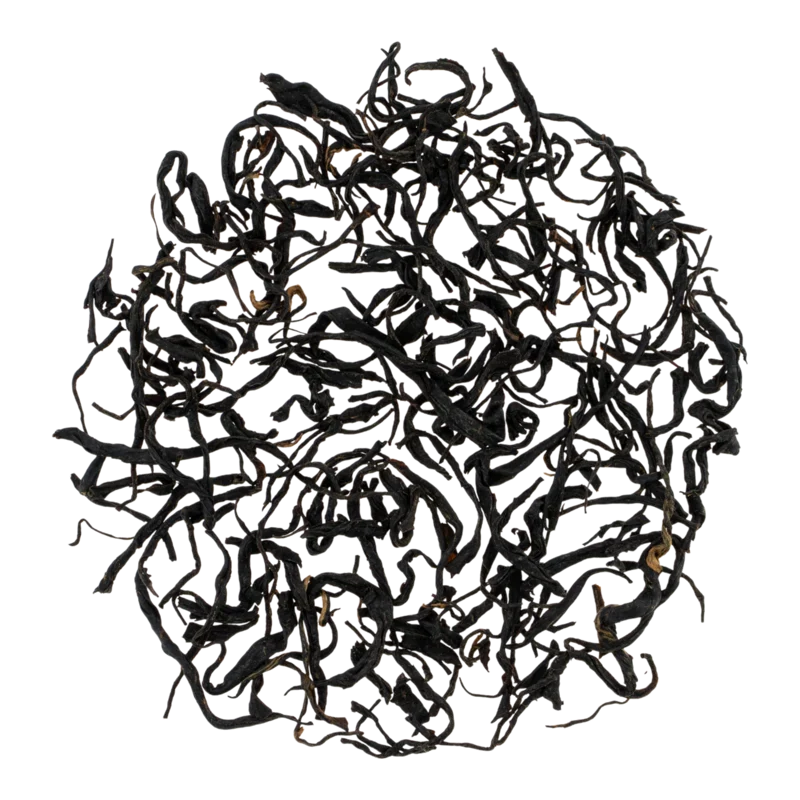
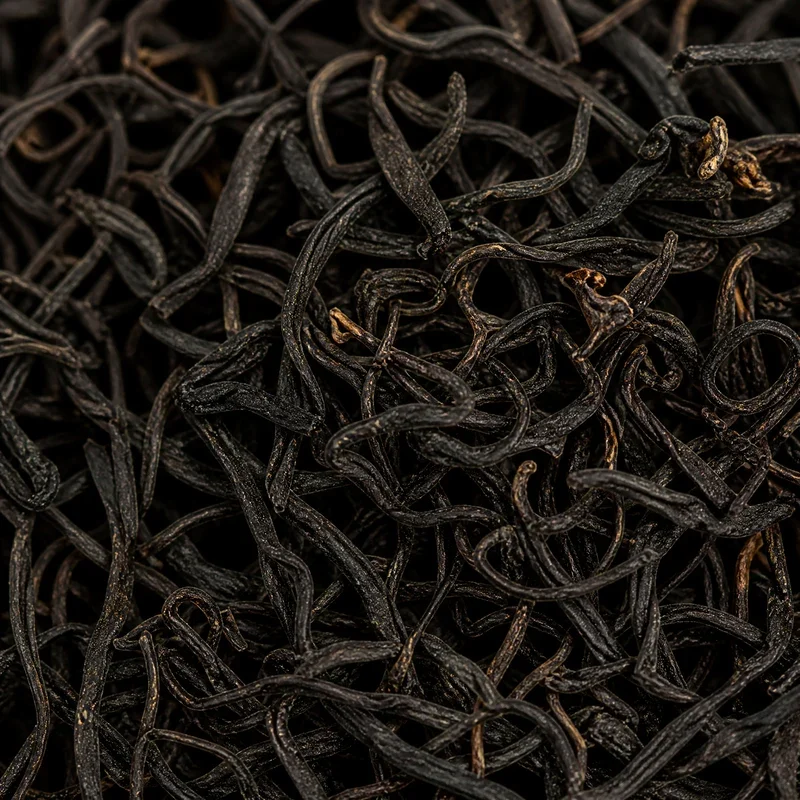
Dry Leaf Appearance: Jiuqu Hong Mei's calling card is its unique form. Tea leaves are finest, hair-like, tightly twisted into elegant curves resembling fishing hooks or silver cufflinks; when grasped by hand they interlock with each other, forming ring-shaped "clusters." Color is dark, oily-black with natural luster (乌润), abundantly covered with golden down (金毫).
Dry Leaf Aroma: Rich, multi-layered: pronounced notes of honey and caramel, behind which emerges a floral shade reminiscent of red plum (meihua) blossom fragrance. Higher grades have a delicate orchid note (兰花香) and a light, barely perceptible smoky shade of pine resin.
Liquor Aroma: High and persistent, combining honey sweetness, red plum florals and nuances of ripe fruits. The aroma unfolds in several waves: first steeps — bright floral note; middle — warm honey-caramel; final — soft woody-sweet.
Liquor Color: Bright red, sparkling, transparent and clear, with a characteristic golden rim around the cup's edge (金圈, jīnquān) — a sign of high theaflavin content and quality indicator.
Spent Leaves: Red-bright, evenly colored, leaves tender, whole, opening in the form of small "flowers" (红艳成朵). In the finest grades — soft, elastic, with noticeable luster.
Taste: Dense and rich, with pronounced natural sweetness and "velvety" texture. The taste reveals notes of ripe honey, red fruits and caramel. Astringency is mild and pleasant, quickly transitioning to prolonged sweet aftertaste (回甘, huígān). The finest batches demonstrate the characteristic "longan flavor" (桂圆汤味) — rounded sweetness reminiscent of longan.
Alkaloids: Caffeine (咖啡碱) — 2–4% of dry mass, providing tonic effect. Theobromine and theophylline are present in smaller quantities, complementing the mild stimulating action.
Amino Acids: Total content — about 3.5%, which is relatively high for red tea. L-theanine (L-茶氨酸) provides natural sweetness, taste softness and "freshness" (鲜爽感). High amino acid content is related to quality raw material from the Longjing population variety bushes.
Total catechin content in original raw material — about 11.3%. After fermentation a substantial portion transforms, but residual catechins retain antioxidant potential.
Key aroma components — linalool (芳樟醇, fāngzhāngchún), geraniol (香叶醇, xiāngyèchún), benzaldehyde, phenylacetaldehyde and methyl salicylate. Their combination creates the characteristic "meihua-honey" aromatic profile.
Minerals: Potassium, magnesium, calcium, manganese, zinc, fluorine, selenium.
Polyphenols: Tea polyphenol content in raw material — about 25.6% (calculated on dry matter). During full fermentation, a significant portion of catechins transforms into theaflavins (茶黄素, cháhuángsù) and thearubigins (茶红素, cháhóngsù), which form the red color of the liquor, "velvety" taste and golden rim. The ratio of theaflavins to thearubigins is a key quality indicator: the higher the proportion of theaflavins, the brighter and more "lively" the liquor. Total content of polyphenol oxidation products — 5–15% of dry mass.
Vitamins: Vitamins C (partially destroyed during fermentation), B₁, B₂, P (rutin), PP (nicotinic acid).
The combination of caffeine and L-theanine provides mild, sustained alertness without sharp excitement peaks, improves attention concentration and reaction speed.
Theaflavins, thearubigins and residual catechins neutralize free radicals, reducing cellular oxidative stress.
Tea polyphenols and organic acids gently stimulate gastric juice secretion and GI motility, facilitate digestion of fatty foods. Warm red tea is comfortable for the stomach.
According to research, regular moderate consumption of red tea may contribute to lowering LDL cholesterol levels and improving vascular elasticity.
Polyphenols suppress the growth of various pathogenic bacteria, contributing to immune support and oral health.
Red tea is traditionally considered "warm" in nature (性温) in Chinese dietology and is recommended for people with "cold" constitution, in autumn-winter periods and for strength recovery.
L-theanine has mild anxiolytic action, and the warm sweetish meihua aroma provides relaxing sensory effects.
Tea Amount: 4–5 g per 100–120 ml (gongfu method); 2–3 g per 200–250 ml (cup steeping or European method).
Teaware: White porcelain gàiwǎn (盖碗) of 100–120 ml volume — ideal for revealing aroma and observing liquor color. Porcelain teapot also suitable. Transparent glass cup allows admiring the "dance" of finest tea leaves. For mature dense batches, Yixing teapot of purple clay is acceptable.
Water Temperature: 90–95°C. For particularly delicate spring batches with high tip content, can be reduced to 85–90°C.
Red tea from Wuyi Mountains, Fujian — the ancestral tradition that gave birth to Jiuqu Hong Mei. Xiaozhong, especially the smoked variant, is distinguished by pronounced smoky pine aroma (松烟香) and denser, oilier body. Jiuqu Hong Mei is a significantly more elegant and "perfumed" tea: its aroma is more delicate, body lighter, and leaf form unique.
Famous red tea from Anhui. Qi Hong is renowned for the "Qimen aroma" (祁门香) — orchid-fruity, with rose notes. Compared to Jiuqu Hong Mei, its leaf form is more standard (thin, even strips), taste — softer and less "honey-like." Jiuqu Hong Mei surpasses it in visual extravagance of form, and in aromatic profile tends toward "meihua-honey" versus Qi Hong's "rose-orchid."
Yunnan red tea from large-leaf variety Camellia sinensis var. assamica. Dianhong is powerful, full-bodied, with cocoa and dried fruit notes, golden tips. Jiuqu Hong Mei is its complete opposite in character: delicate, refined, with elegant "silver" form and lighter texture, produced from small-leaf variety.
Modern Taiwanese red tea produced in high mountains. Distinguished by more pronounced fruity sweetness and "mountain" freshness characteristic of Taiwanese terroirs. Jiuqu Hong Mei is more "classical" in character, with emphasis on meihua aroma and masterful rolling.
No reviews yet. Tell us what you think of this tea.
Rate this tea and share your impressions. We review each submission before publishing it.