Brewing
Gongfu brewing
- Water temperature
- 75 °C
- Tea amount
- 5 g
- Water volume
- 100 ml
- First steep
- 10 s
- Time added per infusion
- 5 s
- Infusions
- 3

Jǐnggāng cuì lǜ
Choose a brewing method. Start with the recommended quantities and time, then adjust to taste.
Brewing
Brewing
Taste
Tea encyclopedia
Category: Famous teas of Jiāngxī (江西名茶, Jiāngxī Míngchá). Among the eight best teas of the province since 1982. Provincial-level intangible cultural heritage object (省级非物质文化遗产, 2010).
Category: Famous teas of Jiāngxī (江西名茶, Jiāngxī Míngchá). Among the eight best teas of the province since 1982. Provincial-level intangible cultural heritage object (省级非物质文化遗产, 2010).
Coordinates: Approximately 26°30′–26°45′ N, 114°05′–114°20′ E.
Origin: China, Jiāngxī Province (江西省, Jiāngxī Shěng), Ji'an Prefecture (吉安市, Jí'ān Shì), Jǐnggāngshān City District (井冈山市, Jǐnggāngshān Shì). Main production centre — Huāguǒshān Tea Gardens (花果山茶园, Huāguǒshān Cháyuán) in the Cípíng area (茨坪, Cípíng), within the territory of Jinggangshan National Scenic Area.
Type: Green tea (绿茶, lǜchá), unoxidized. Style — pan-fired green tea (炒青绿茶, chǎoqīng lǜchá) with elements of baking (烘青, hōngqīng) at the final stage.
Cultural Significance: Jinggangshan is the site of the first revolutionary base of the Red Army (1927) and one of the most important "red" tourist routes in China. Jinggang Cui Lü tea is perceived not only as a gastronomic product but also as a symbol of the region, combining revolutionary heritage, natural beauty of the "five-hundred-li Jinggang" (五百里井冈, wǔbǎi lǐ Jǐnggāng), and centuries-old tea traditions. The factory's tea museum-park has the status of "National Four-Star Rural Recreation and Tourism Object" (全国休闲农业与乡村旅游四星级, 2021).
History: Tea cultivation in the Jinggangshan mountains has over six centuries of history. According to legend, at the end of the Yuán era (元, 1271–1368) — beginning of the Míng era (明, 1368–1644), a certain Shiji (石姬, Shí Jī) — according to legend, a heavenly servant exiled to earth — settled in the Tóngmùlǐng area (桐木岭, Tóngmùlǐng) and taught local residents to grow and process tea. The resulting product was called "Shiji Cha" (石姬茶, Shí Jī Chá — "Shiji's tea"), and its production was passed down through generations. During the Qīng era (清), under Emperor Jiāqìng (嘉庆, Jiāqìng, reign 1796–1820), tea from Jǐnggāngshān was included in the list of imperial tribute teas (贡茶, gòngchá) and received official designation. In the 20th century, the Cípíng Tea Factory (茨坪茶厂, Cípíng Cháchǎng) played a decisive role, operating within the state system of Jǐnggāngshān virgin land development (井冈山垦殖场). In the 1960s, the factory modernized processing technology and established the tea standard in its current form. In 1962, Marshal Zhū Dé (朱德, Zhū Dé) during a repeat visit to Jinggangshan tasted the local tea and highly praised its "pure and rich aroma" (清香馥郁, qīngxiāng fùyù). In 1982, the tea was recognized as one of the eight famous teas of Jiangxi Province; in 1985, it received an award from the Ministry of Agriculture, Animal Husbandry and Fisheries for quality; in 1988, it took first place among new famous teas of Jiangxi. In 2001, the factory was reorganized as a private enterprise, and in 2010, t
Name Breakdown: "Jinggang" (井冈) — name of the Jinggangshan mountain range, literally "well ridge." "Cui" (翠) — "emerald," "jade-green." "Lü" (绿) — "green." The full name — "Emerald Green of Jinggangshan" — reflects both the place of origin and the main visual characteristic of the tea: bright, saturated green colour of the dry leaf, liquor, and spent leaves.
Cultivar: Main variety — local "Jinggang population variety" (井冈群体种, Jǐnggāng Qúntǐ Zhǒng) — bush-type medium-leaf type (Camellia sinensis var. sinensis). Plants are cold-resistant and drought-tolerant, with pale green, slightly purple young shoots and moderate pubescence. Weight of 100 shoots of "one bud — three leaves" standard is about 47 g. Tea polyphenol content — 25–30%, free amino acids — ≥ 4.5%.
Picking: Main season — spring, from Qīngmíng (清明, Qīngmíng, early April) to Gǔyǔ (谷雨, Gǔyǔ, late April). Two seasonal classes are distinguished: "before Qingming" (明前茶, míngqián chá) — the most tender and fresh, and "before Guyu" (雨前茶, yǔqián chá) — with fuller, richer taste due to extended growing period.
Pluck Standard: Special grade (特级): exclusively single buds or "one bud — one leaf beginning to unfold" (一芽一叶初展, yī yá yī yè chūzhǎn). First grade (一级): "one bud — one leaf" (一芽一叶). Second grade (二级): "one bud — two leaves" (一芽二叶).
Raw Material: Young, uniform raw material without coarse leaves. Shoots must be whole, fresh, without mechanical damage and foreign odours.
Altitude: 800–1200 m a.s.l. — typical range for high-mountain green teas.
Soil: Weathered sandstone soils (砂岩风化土, shāyán fēnghuà tǔ), acidic (pH 4.5–5.0), with high humus and mineral element content — including selenium (Se) and iodine (I). Deep soil layer with good structure provides optimal root nutrition.
Jǐnggāngshān is located in the central part of the Luóxiāo mountain range (罗霄山脉, Luóxiāo Shānmài), on the border of Jiangxi and Hunan provinces. Climate — mid-subtropical humid (中亚热带湿润气候, zhōng yàrèdài shīrùn qìhòu). Average annual air humidity — ≥ 80%, annual precipitation — about 2000 mm. Mountains are shrouded in clouds and mists year-round, providing abundant diffused light (漫射光, màn shè guāng), which is extremely favourable for accumulation of amino acids and aromatic compounds in tea leaves. Significant daily temperature variation suppresses formation of coarse fibres and promotes leaf enrichment with theanine.
Tea gardens are located within Jinggangshan National Scenic Area. Main production zones:
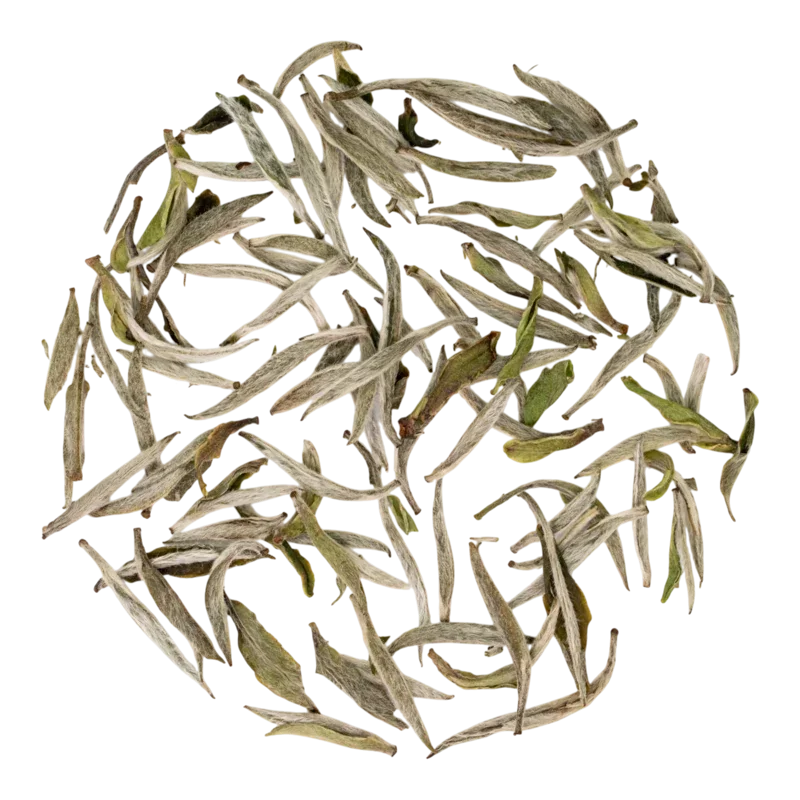
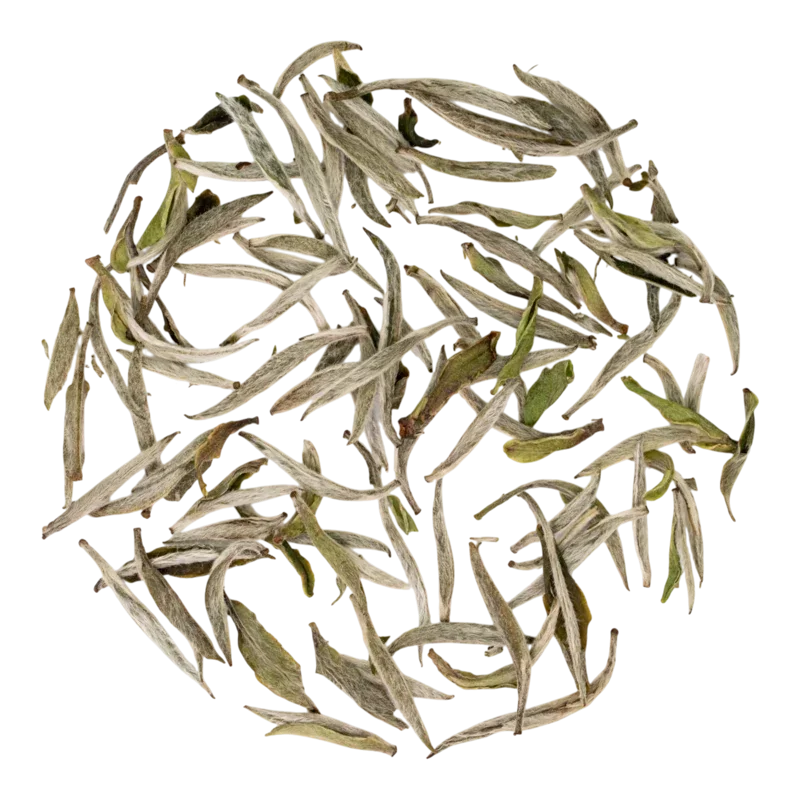
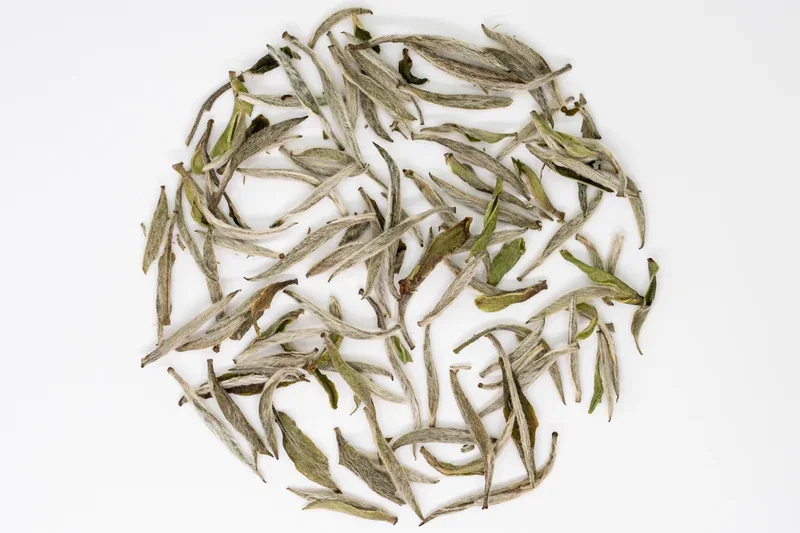
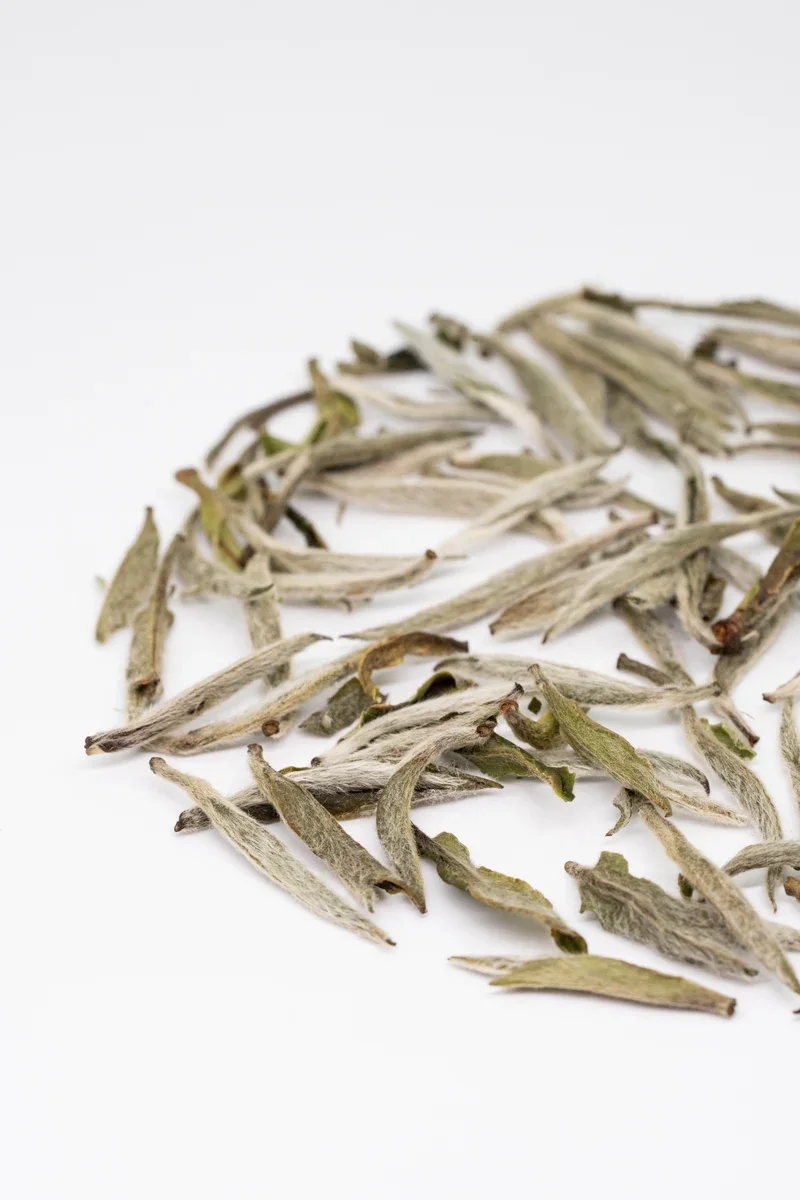
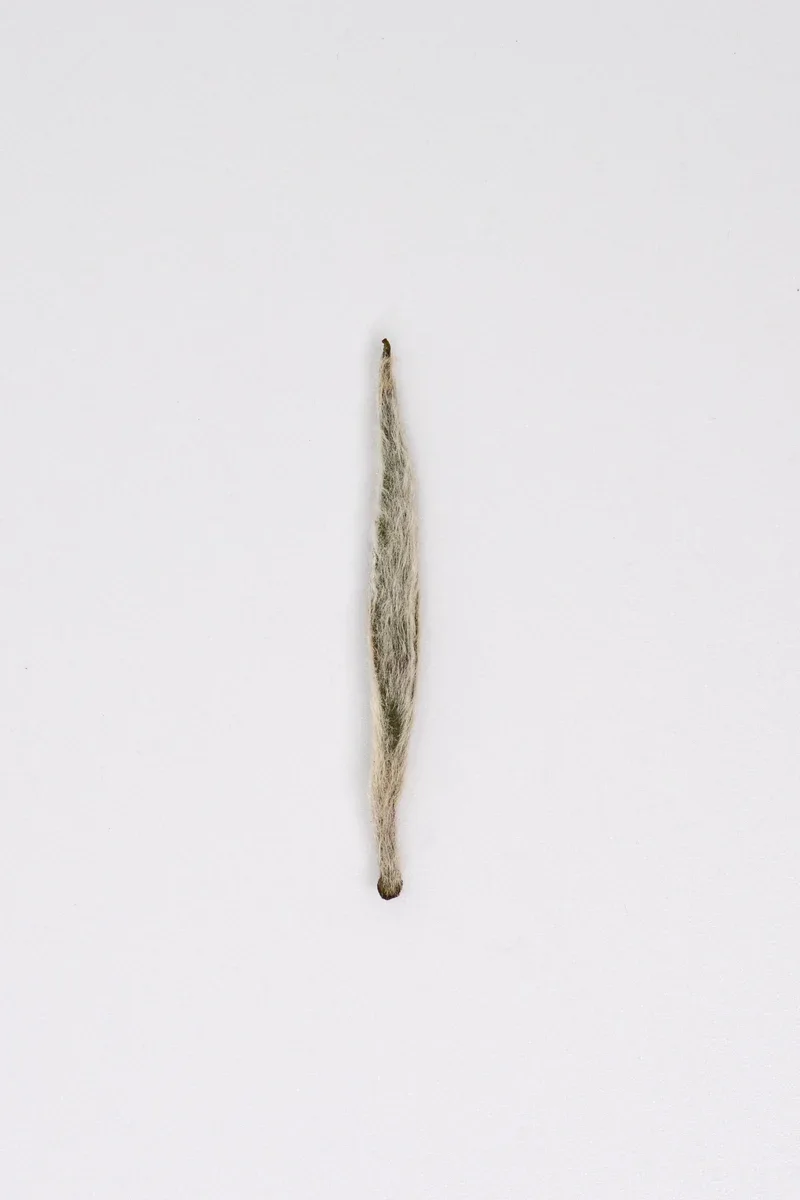
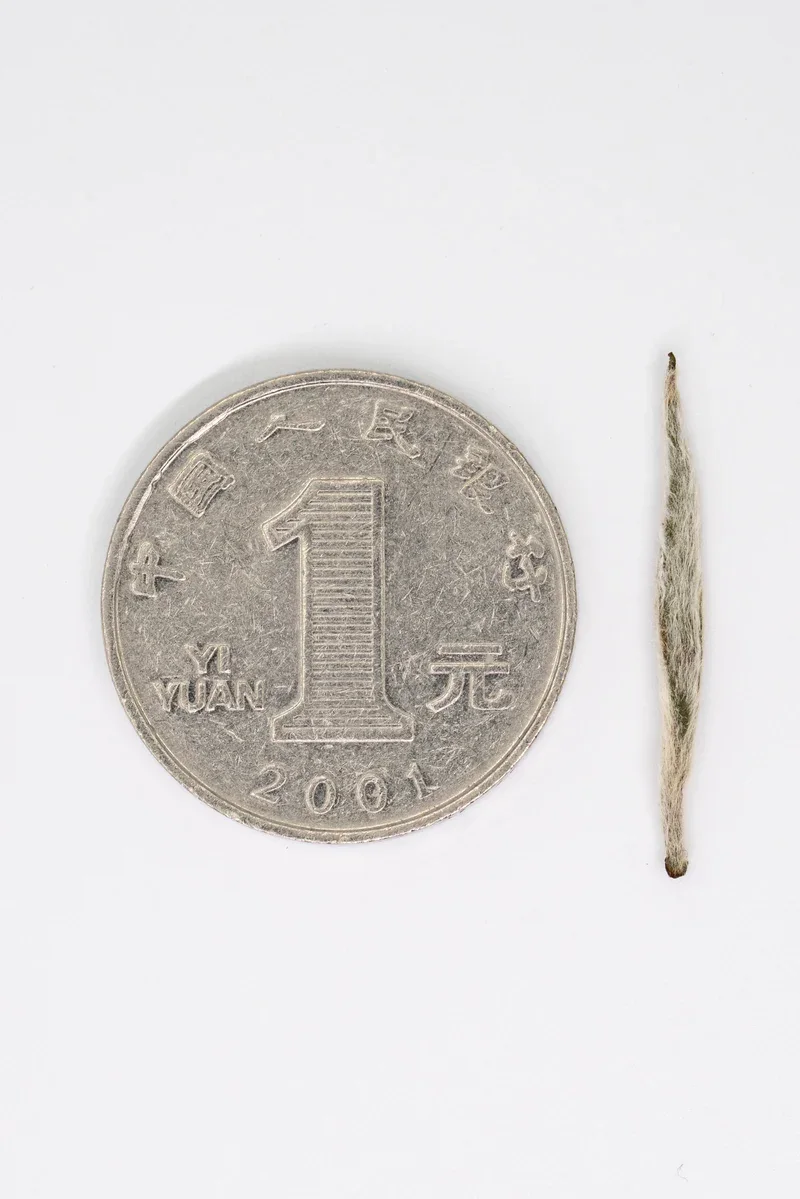
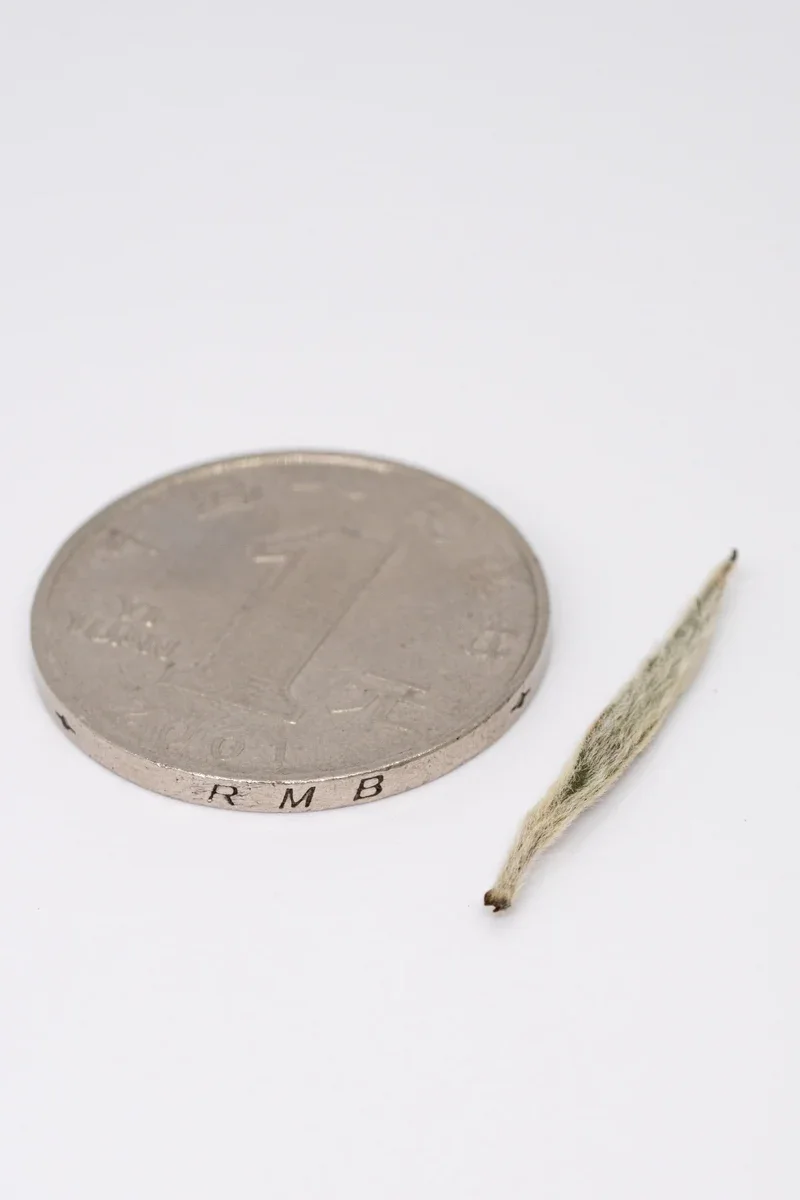
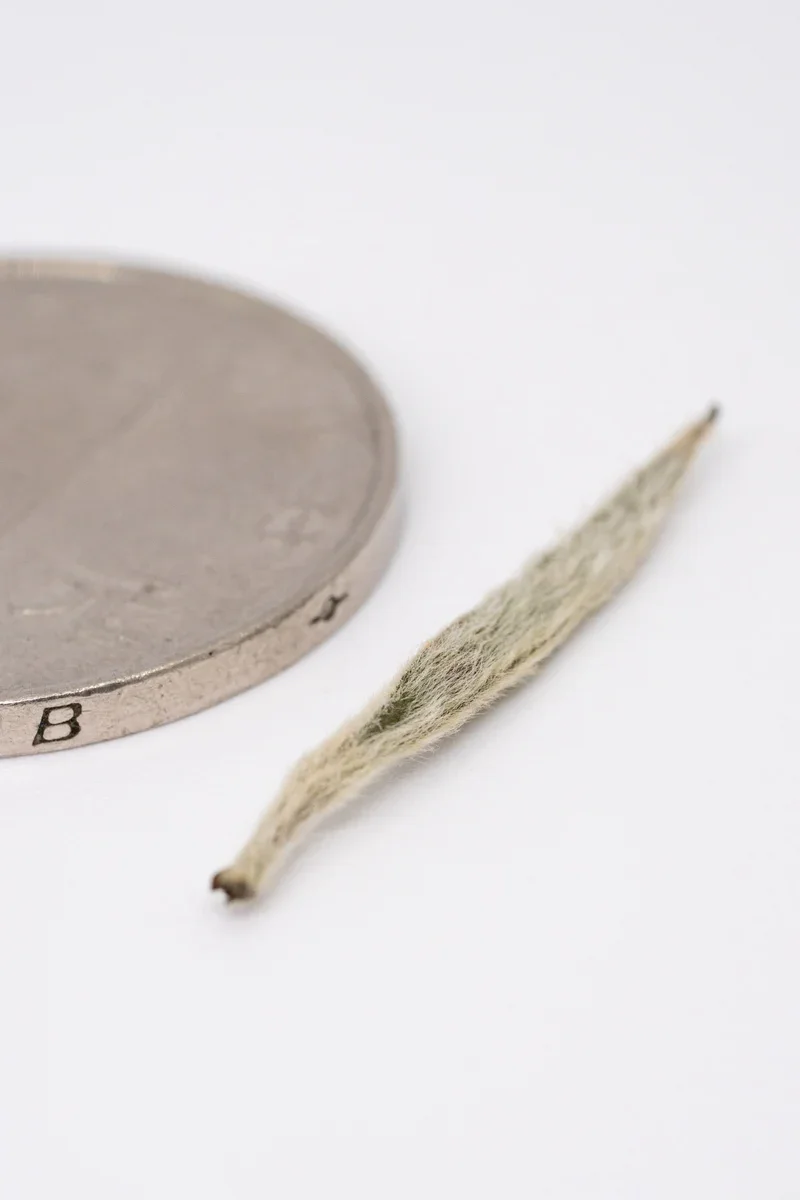
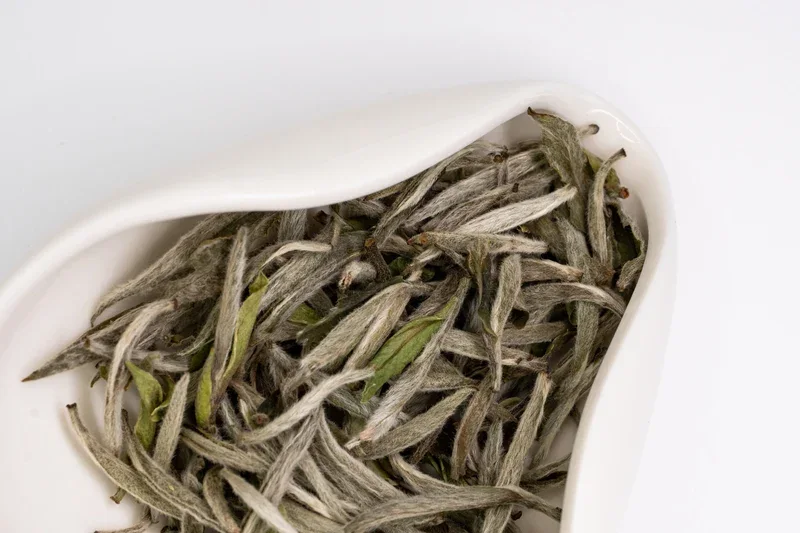
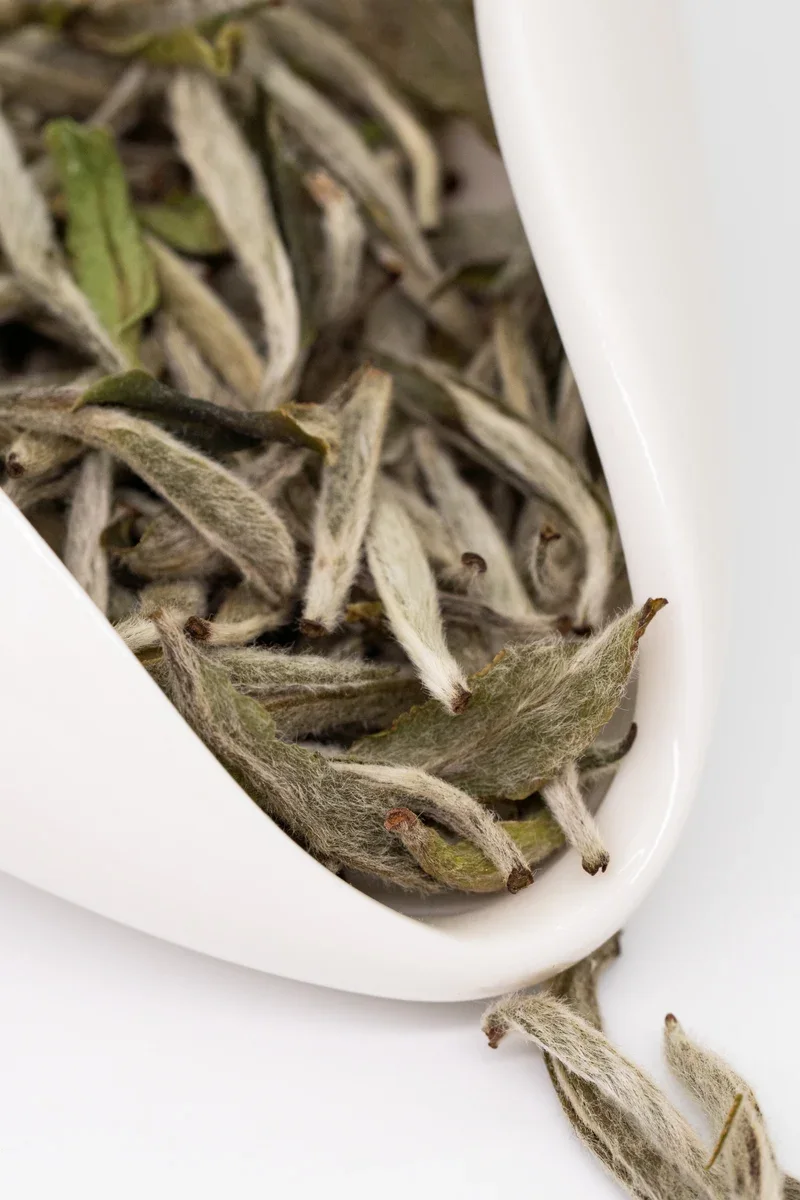
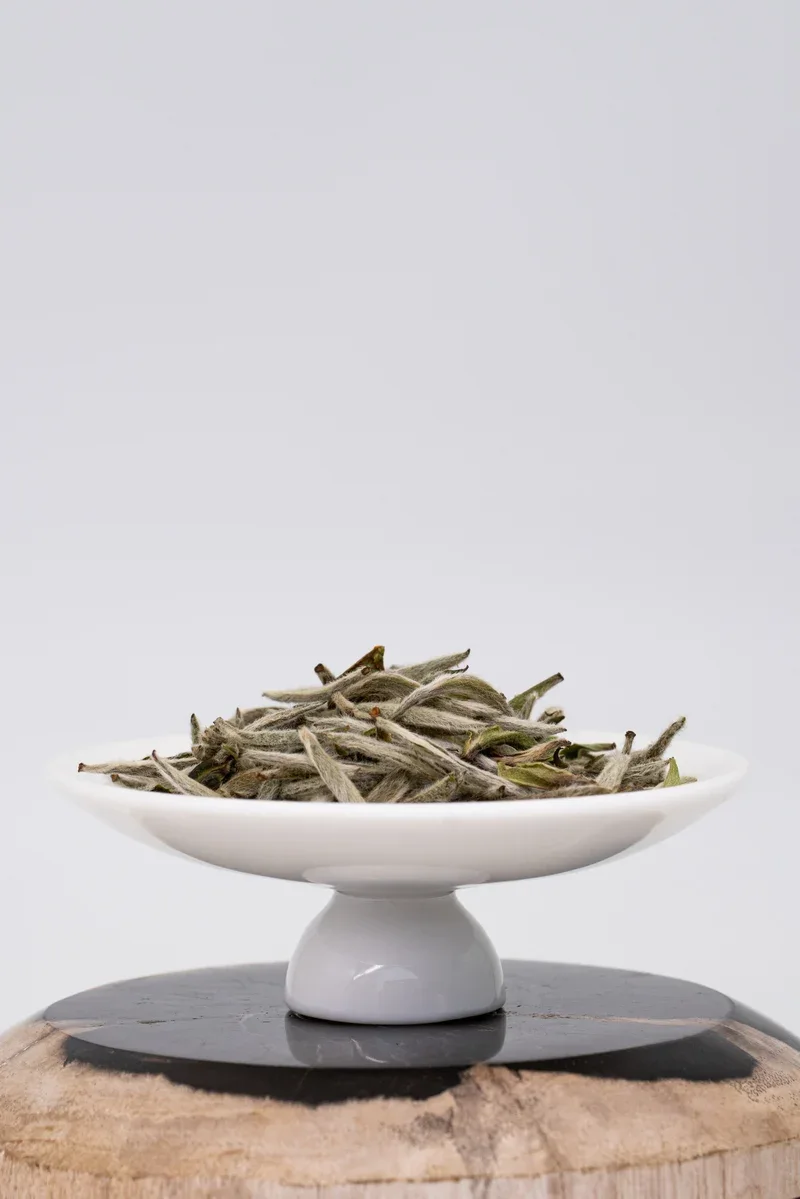
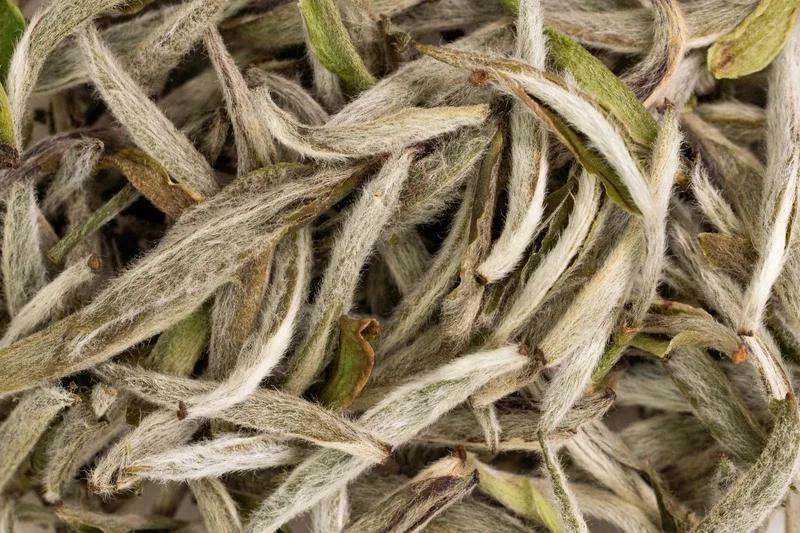
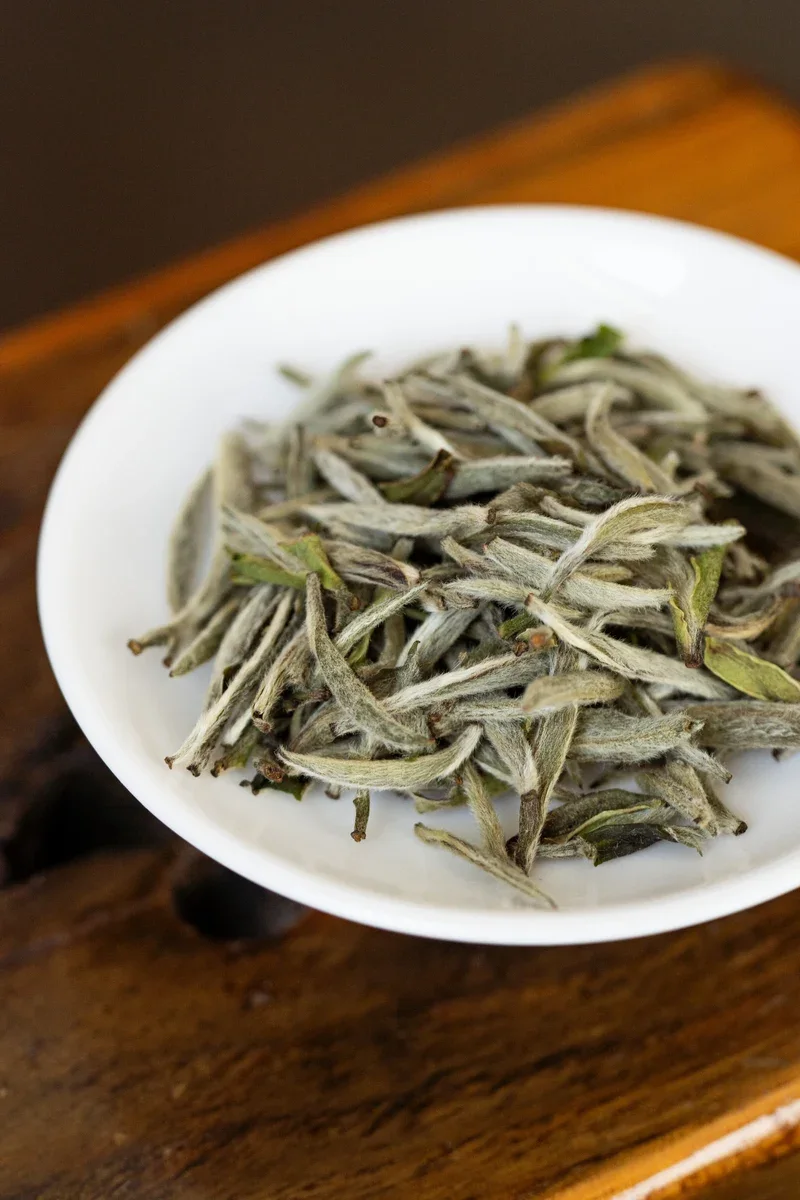
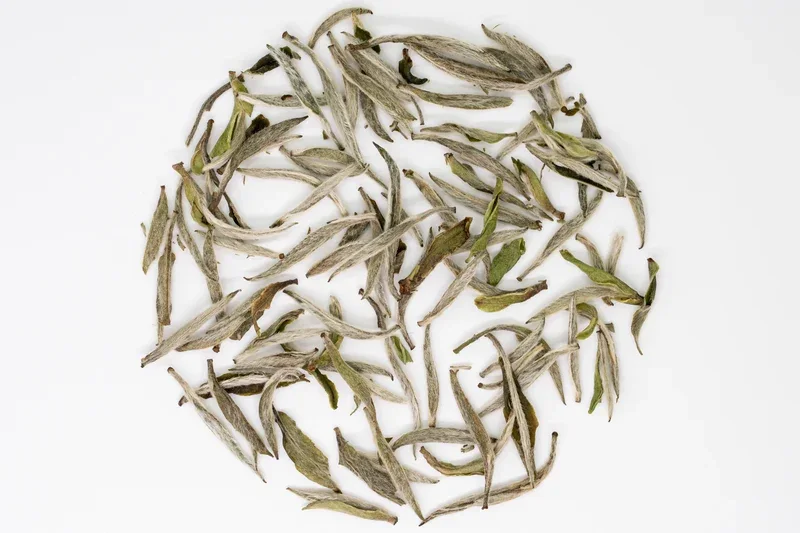
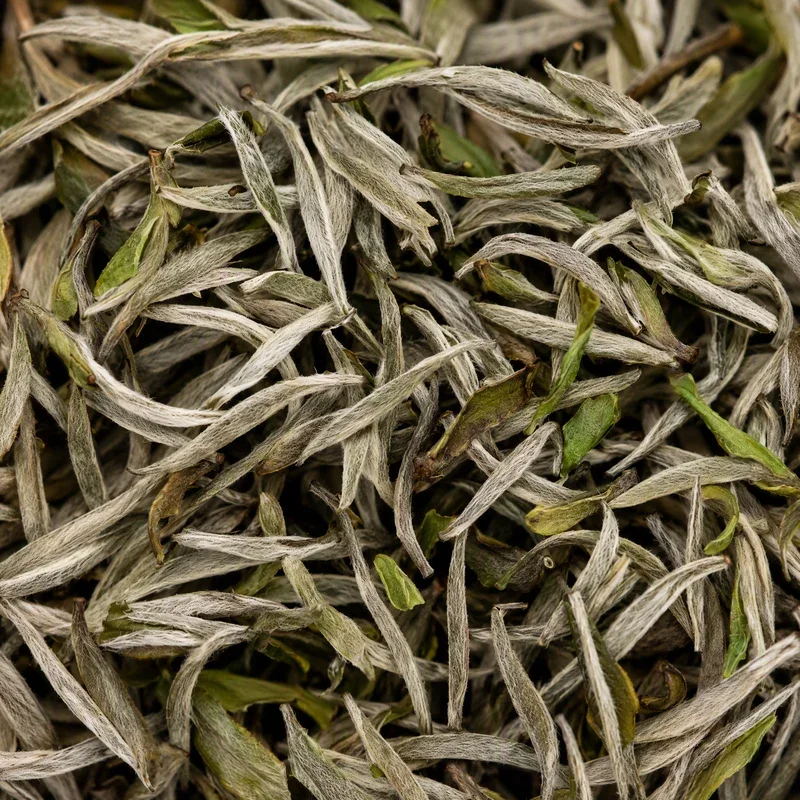
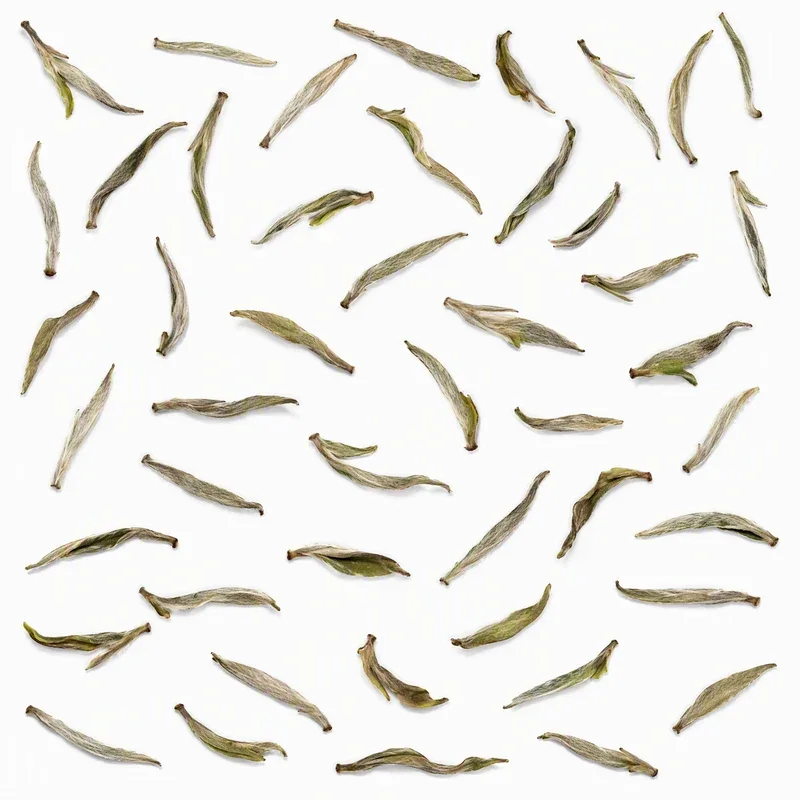
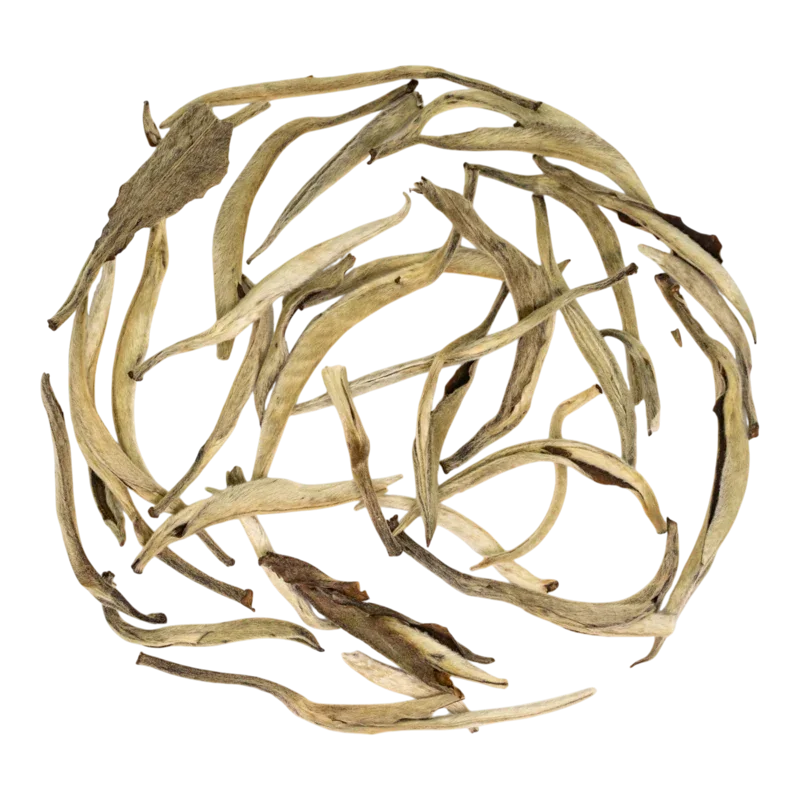
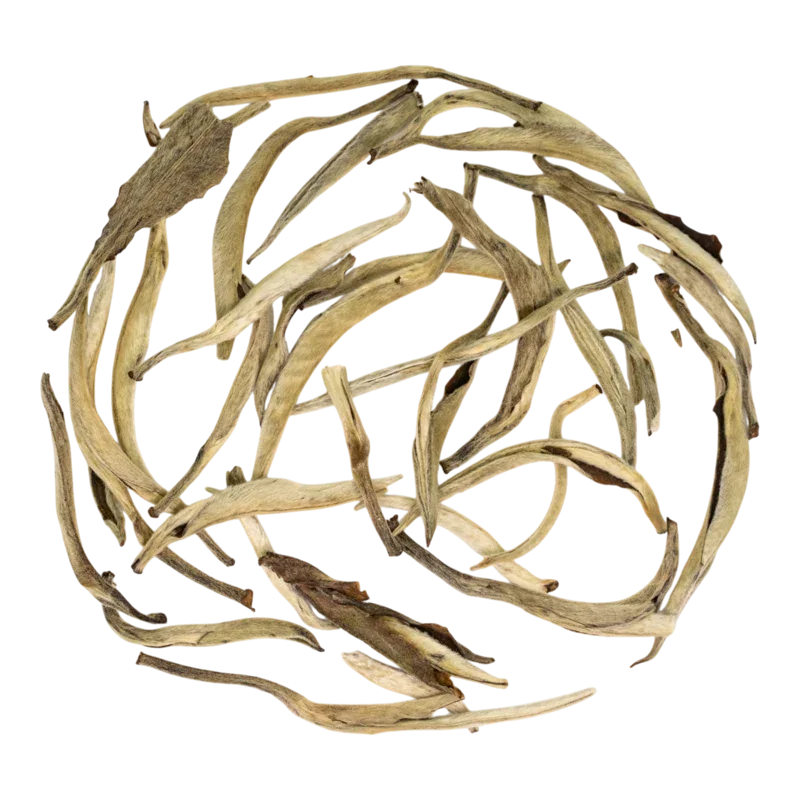
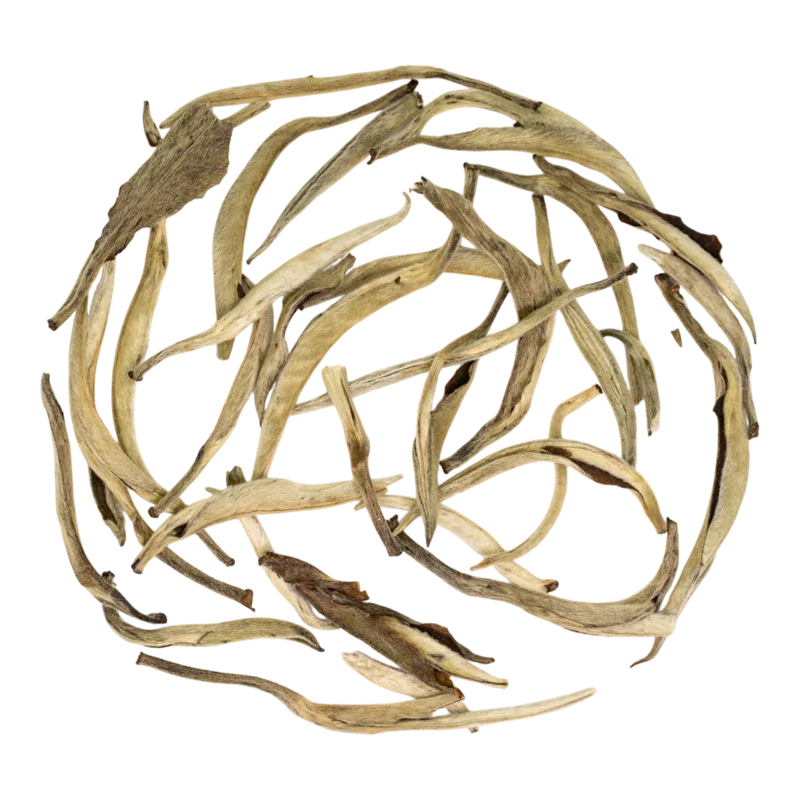
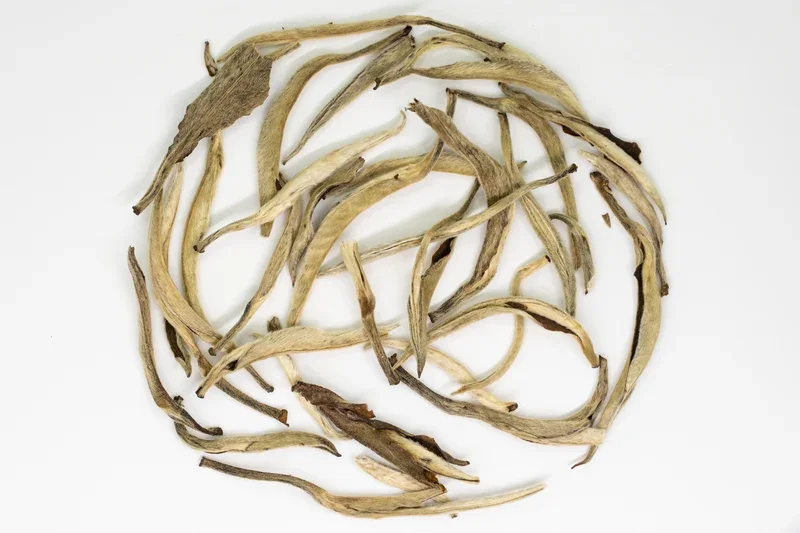
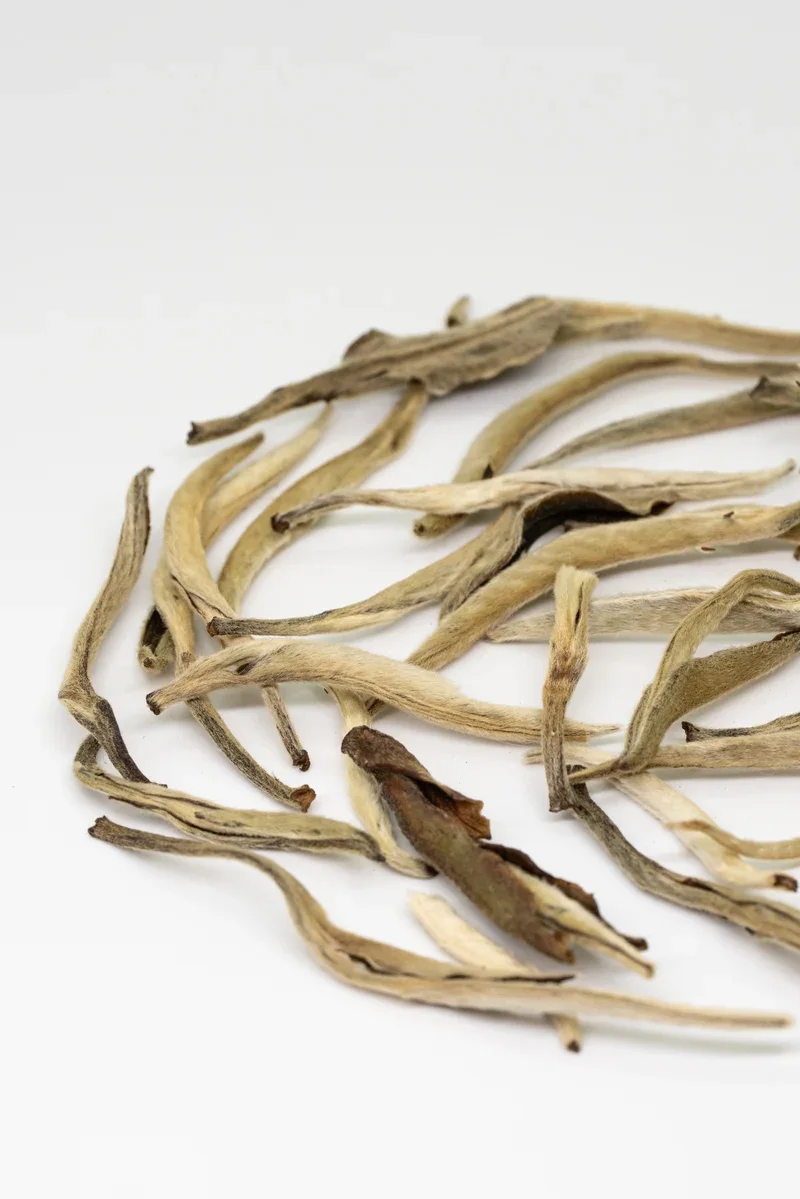
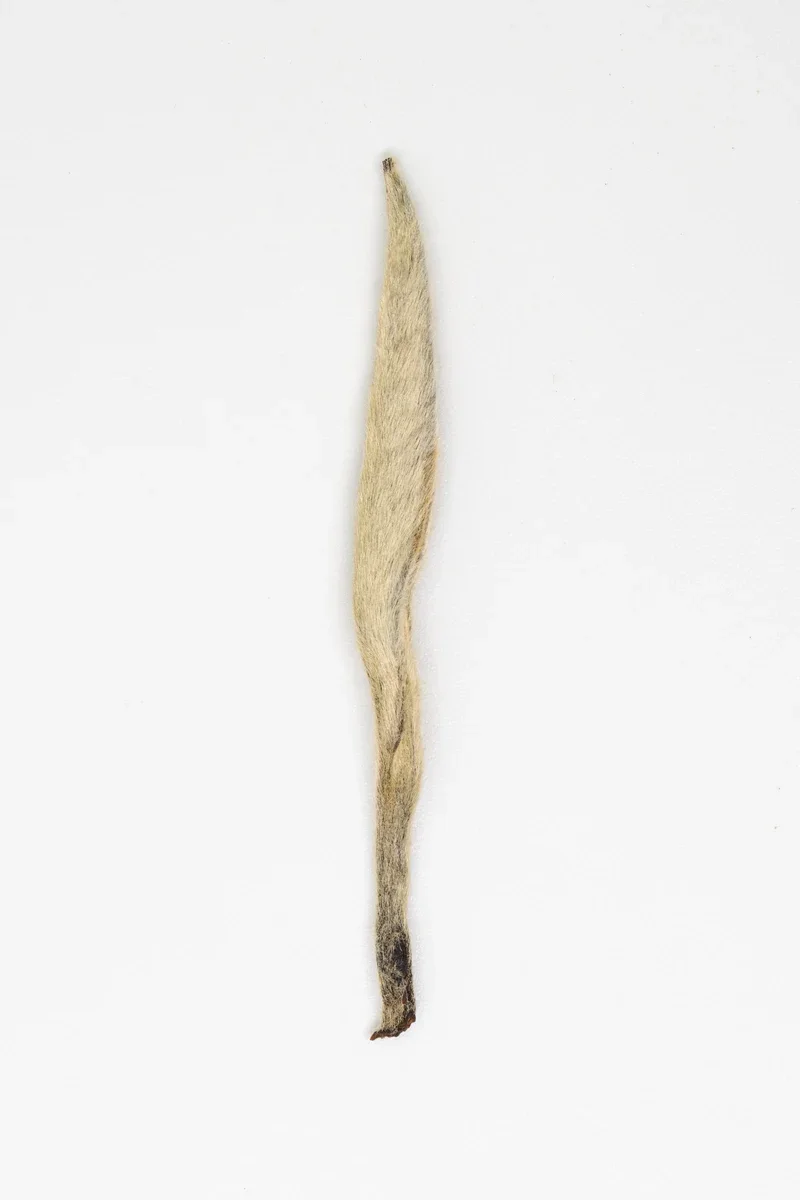
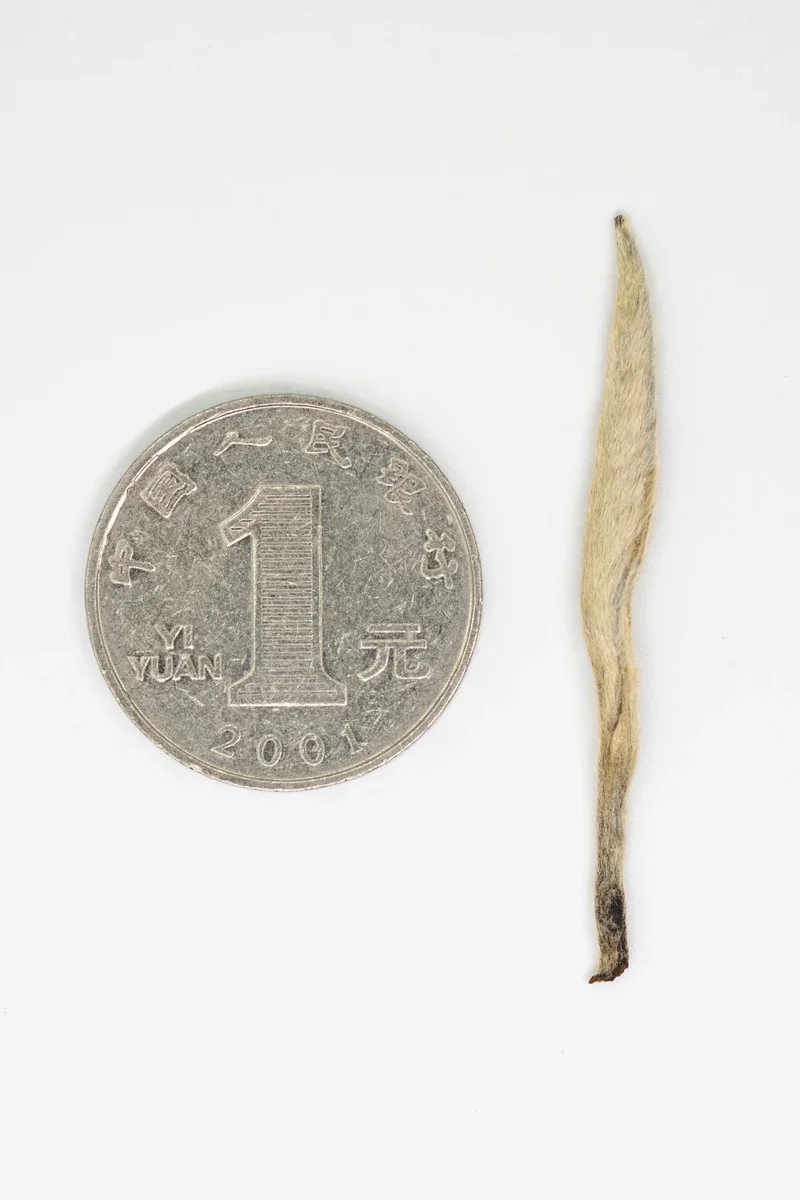
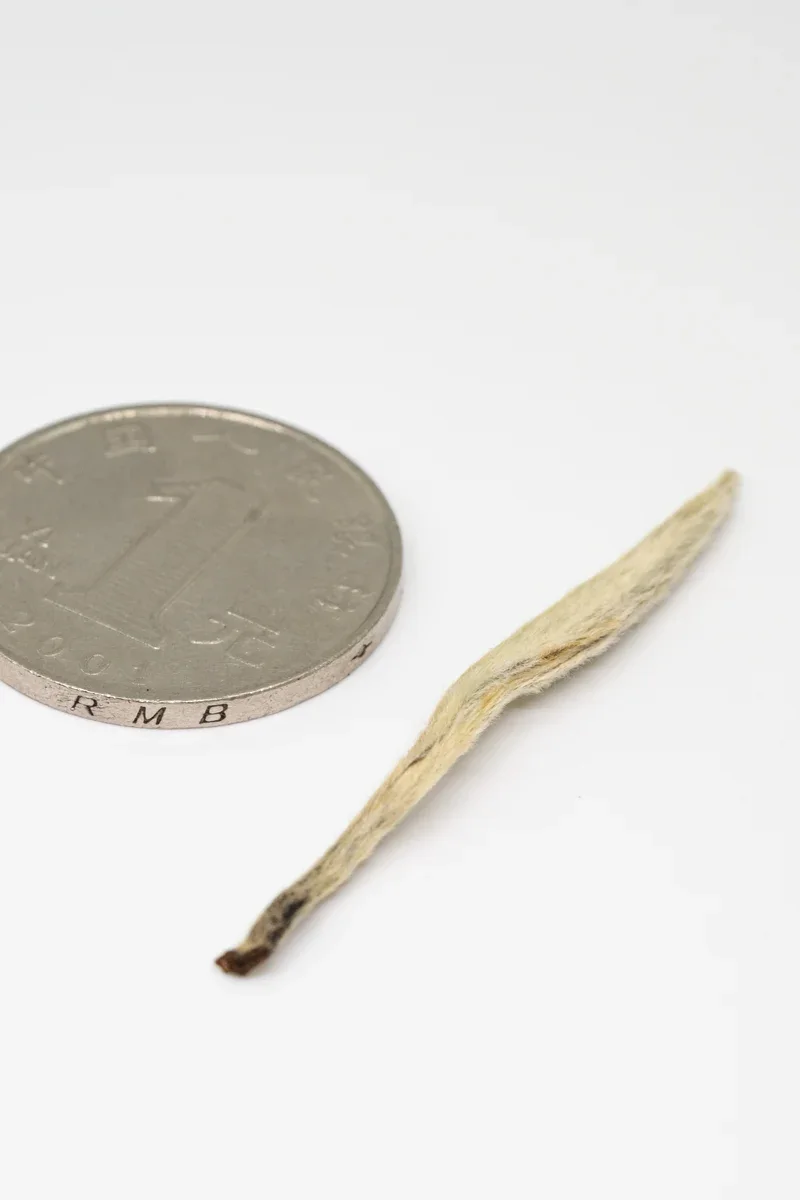
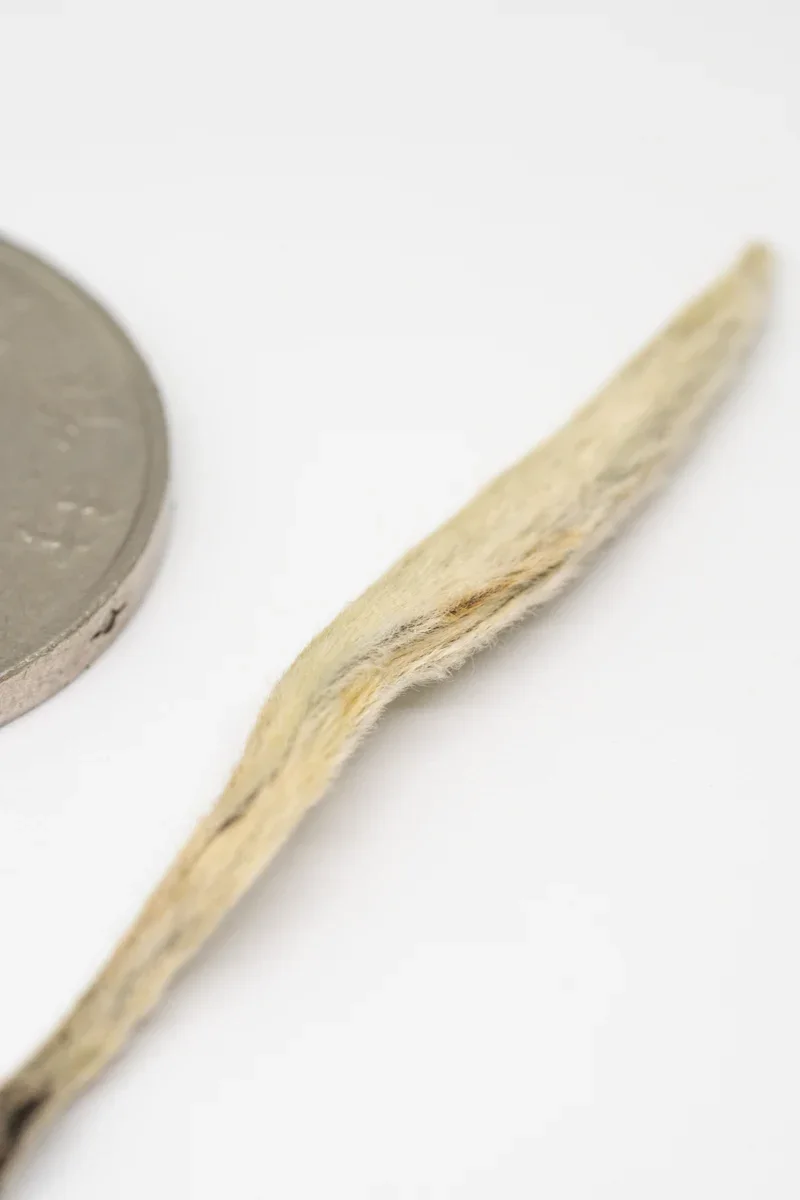
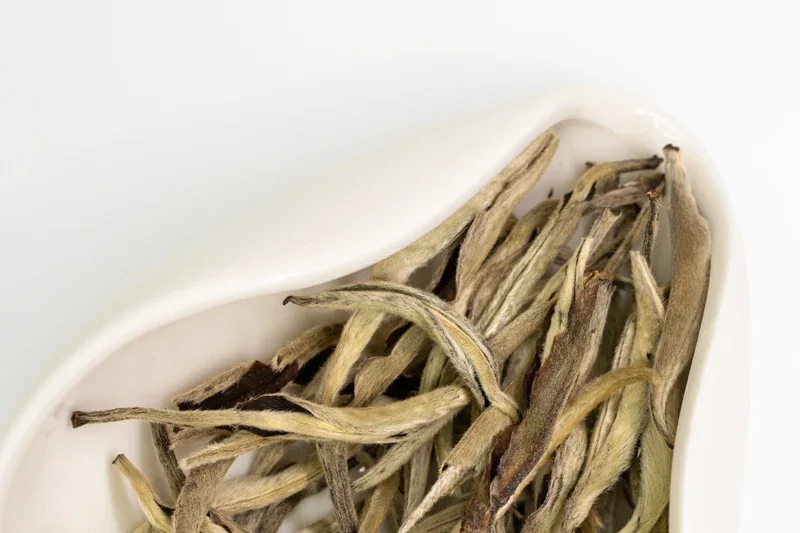
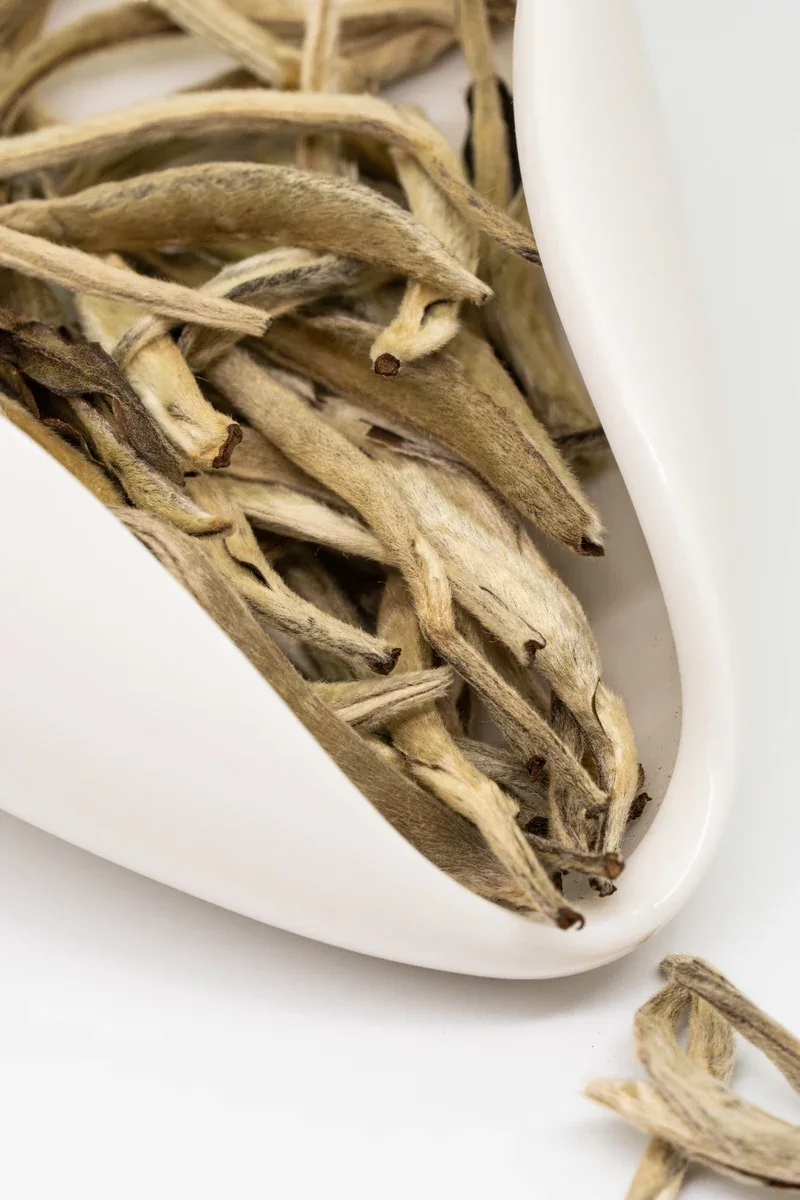
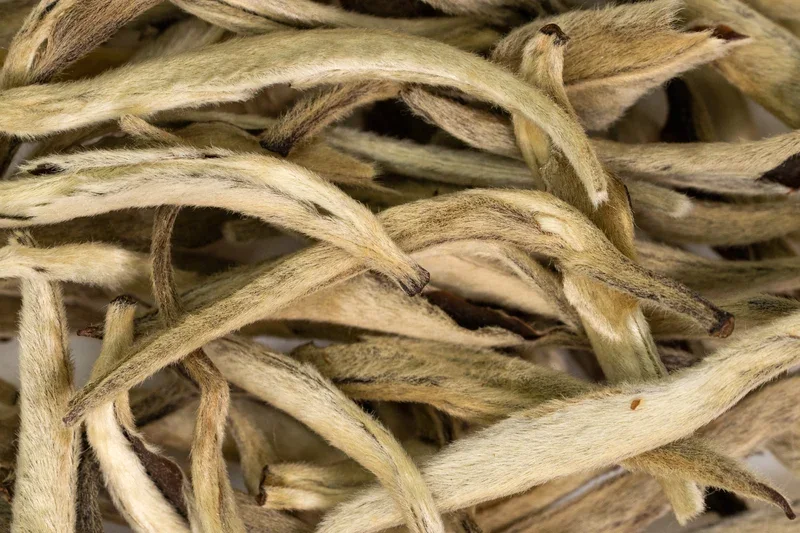
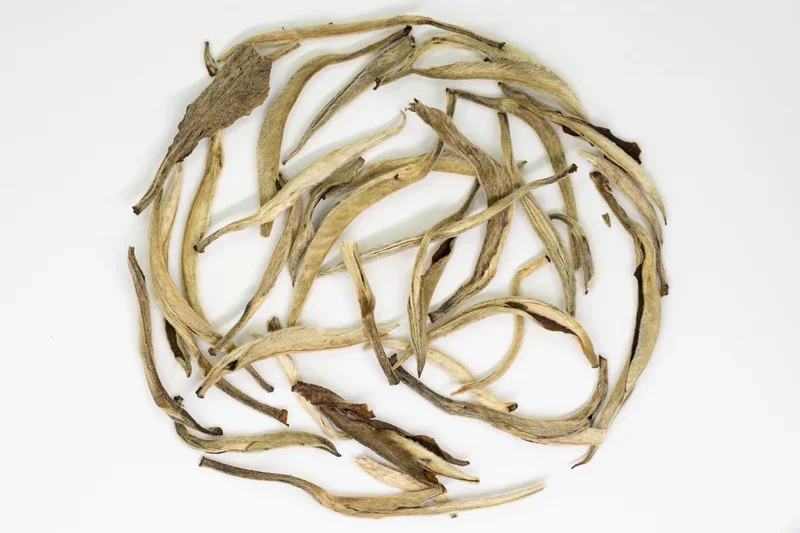
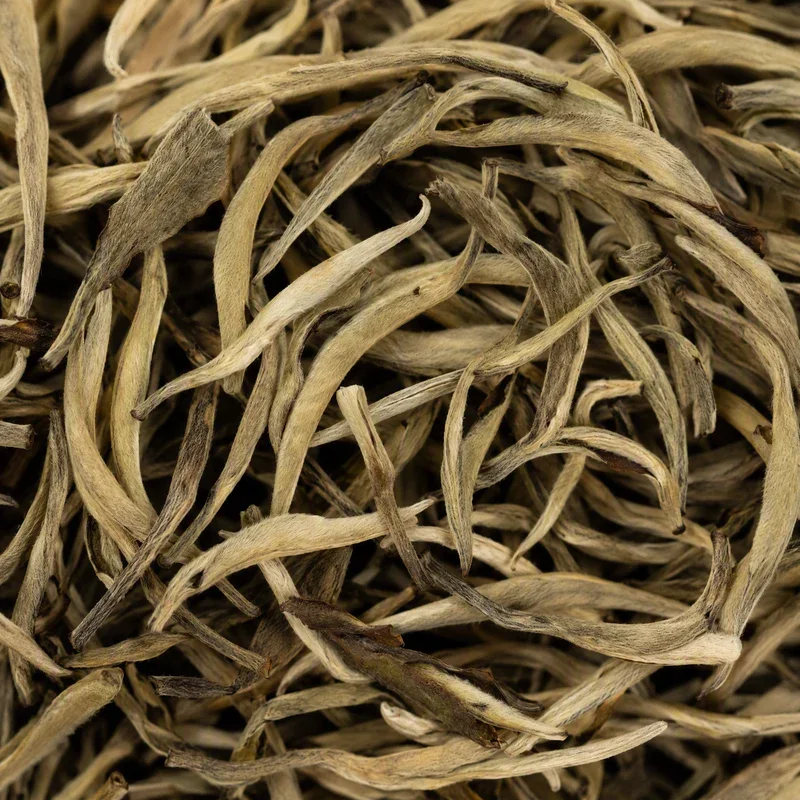
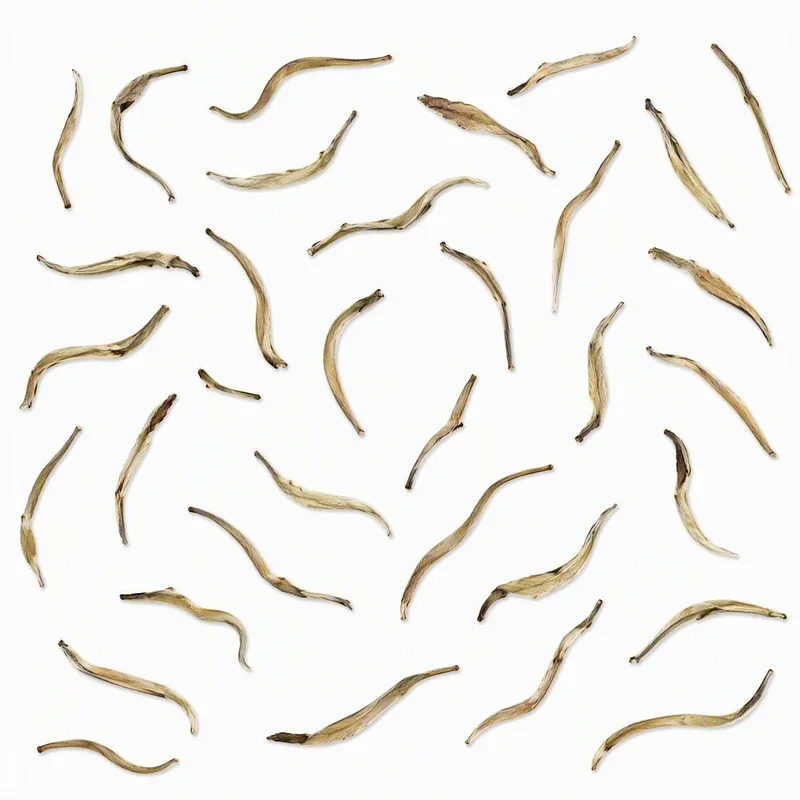
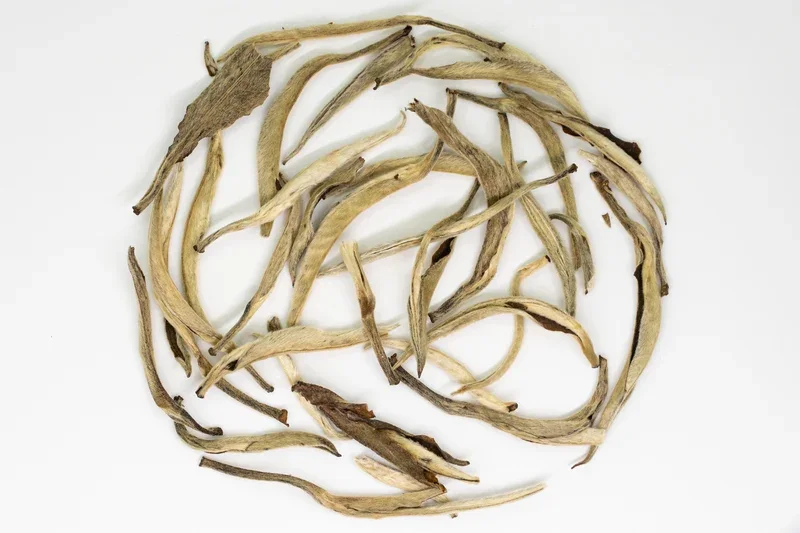
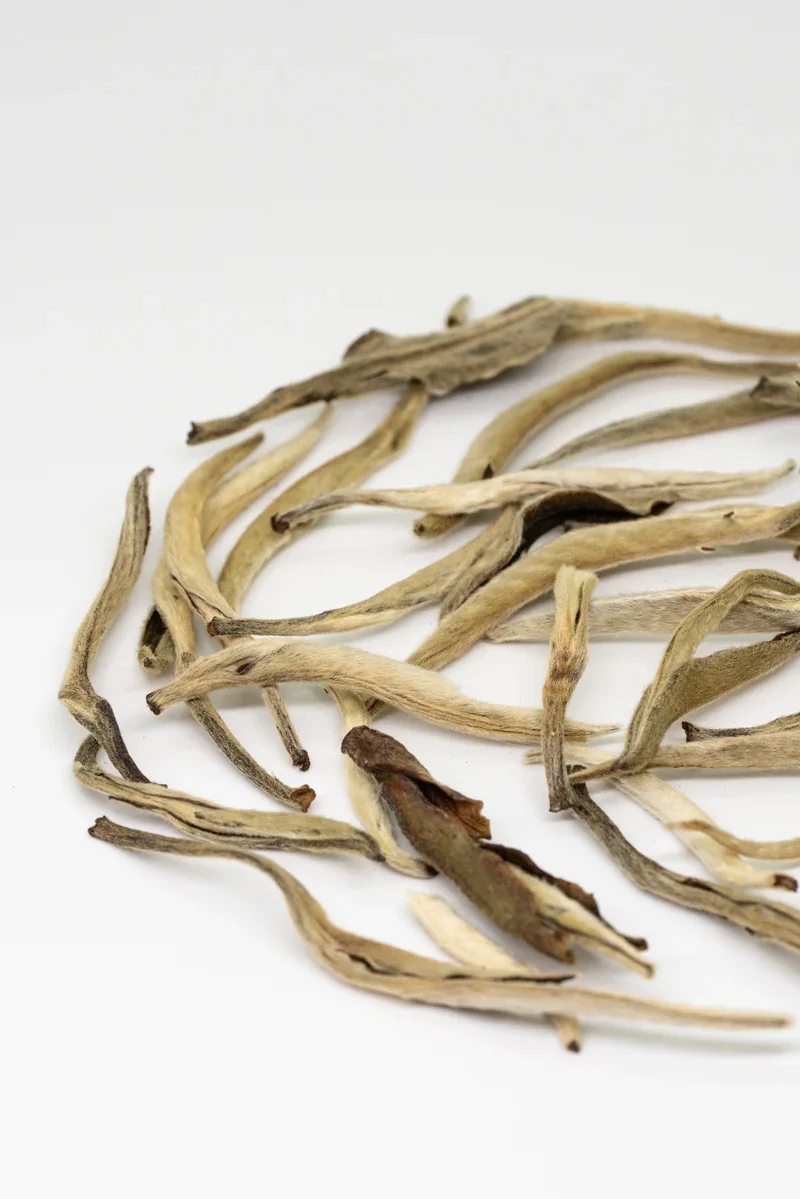
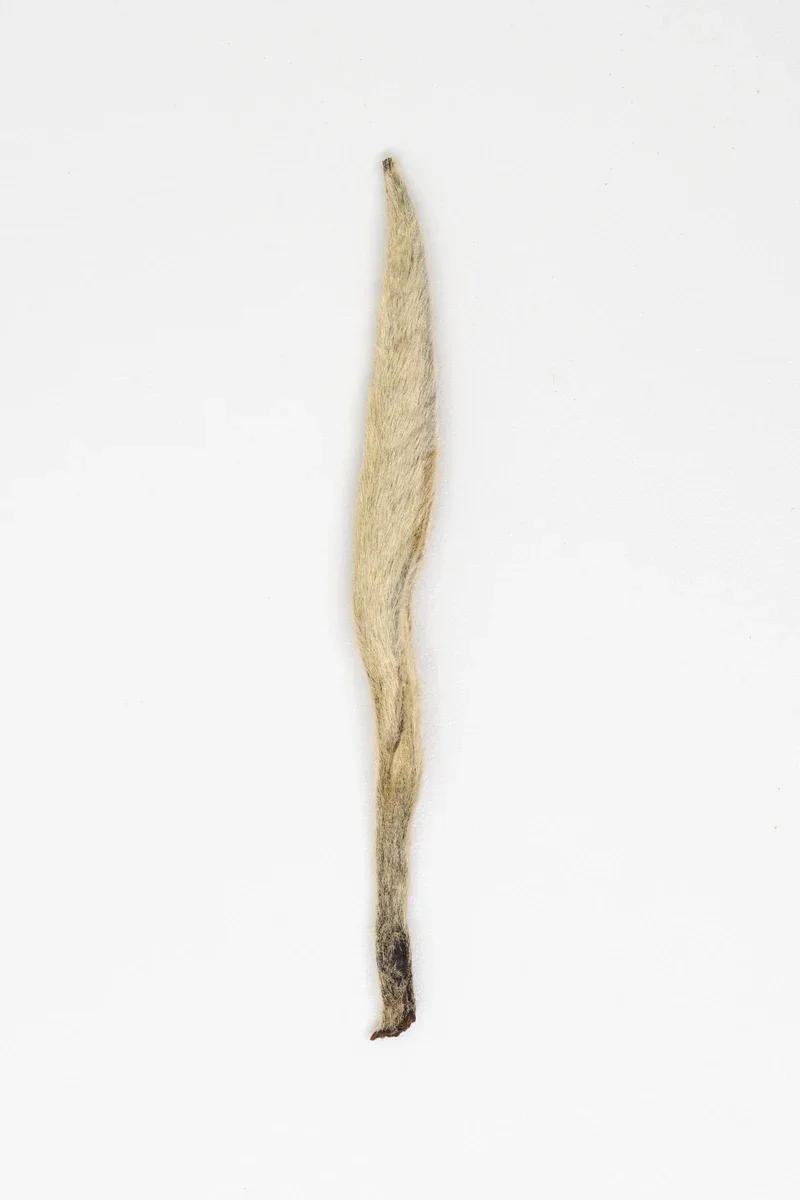
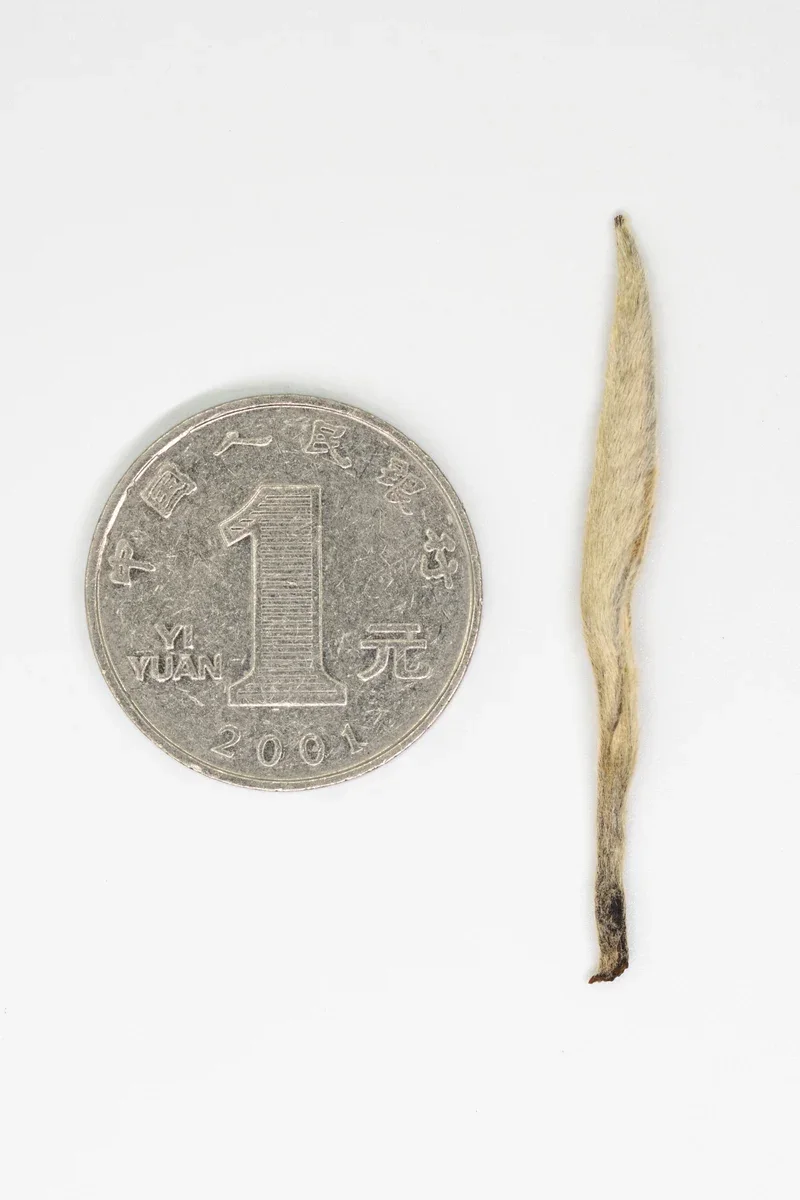
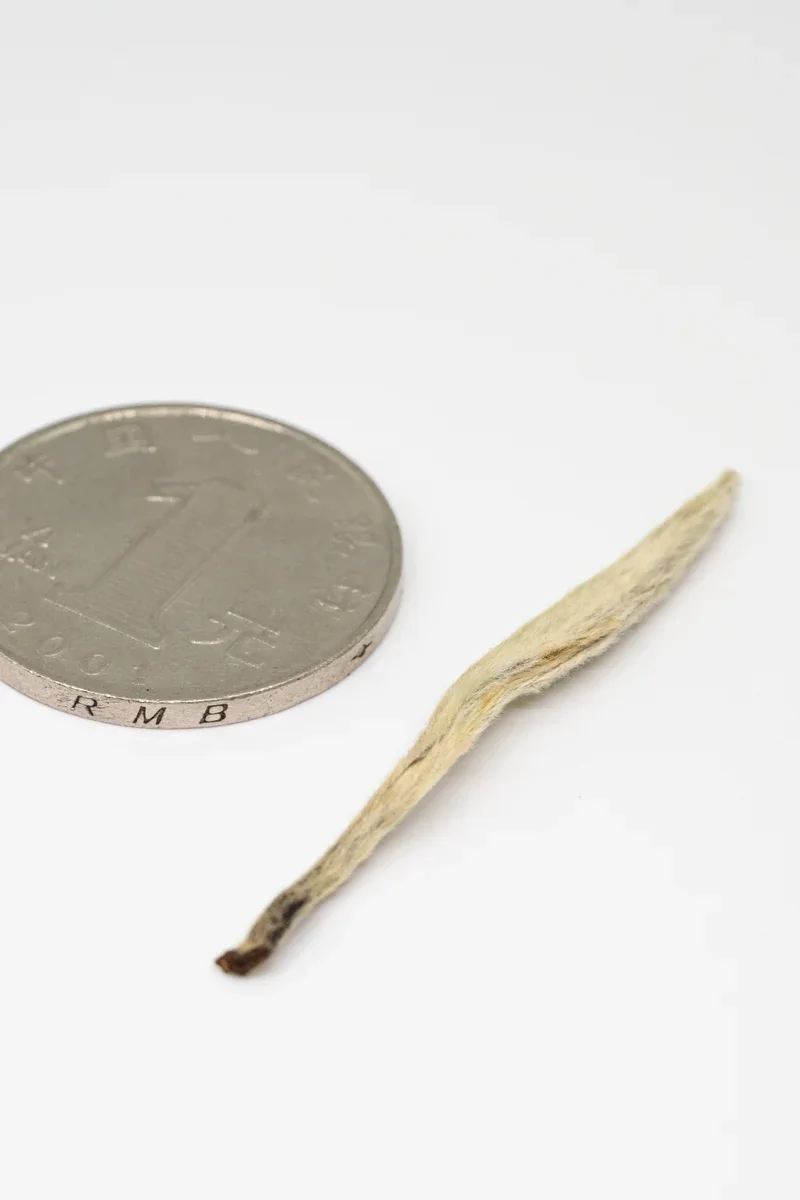
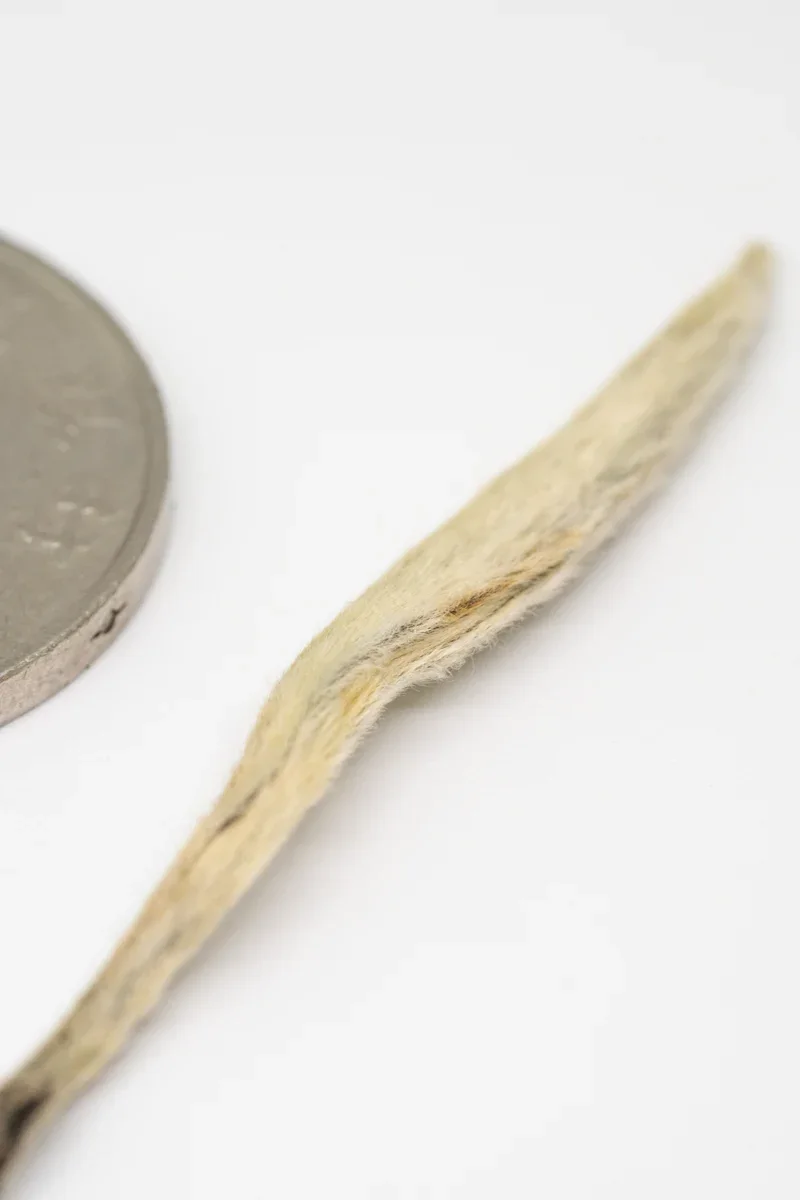
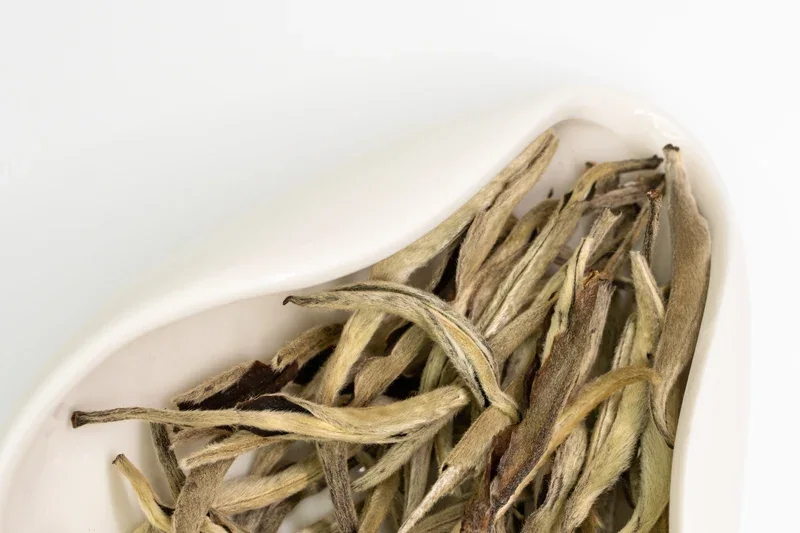
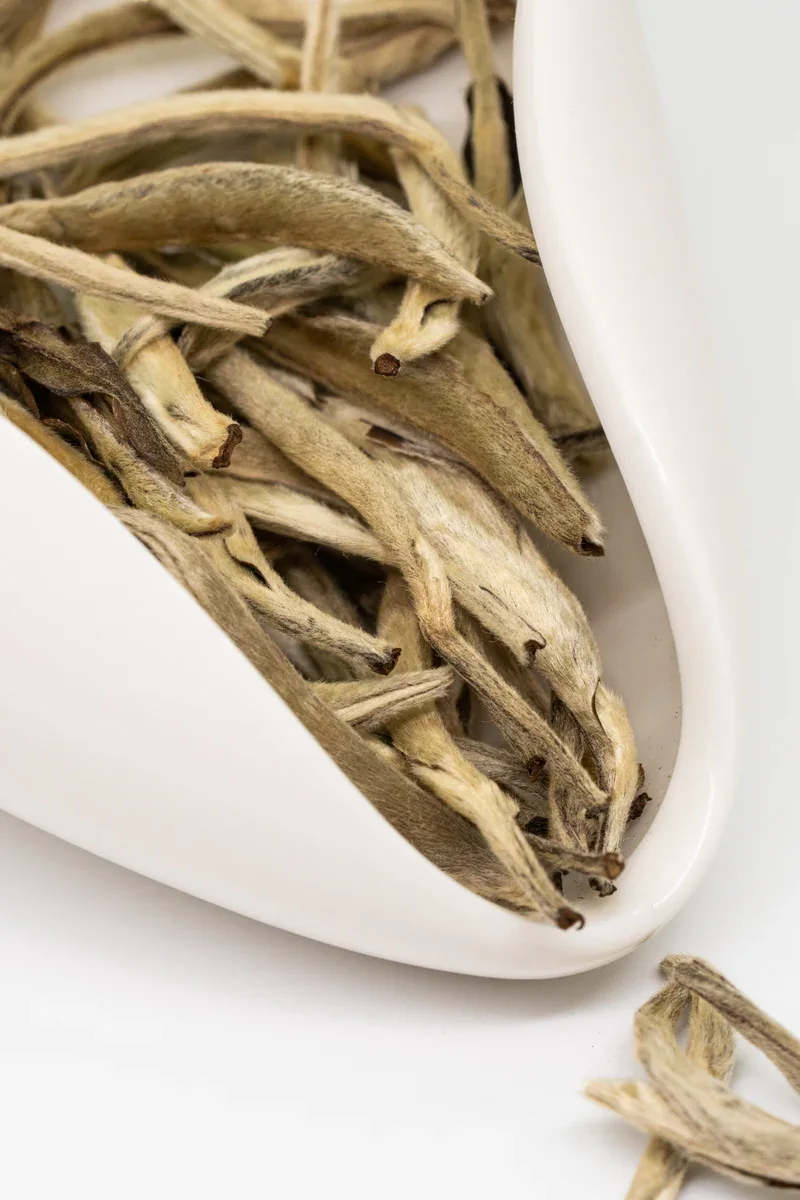
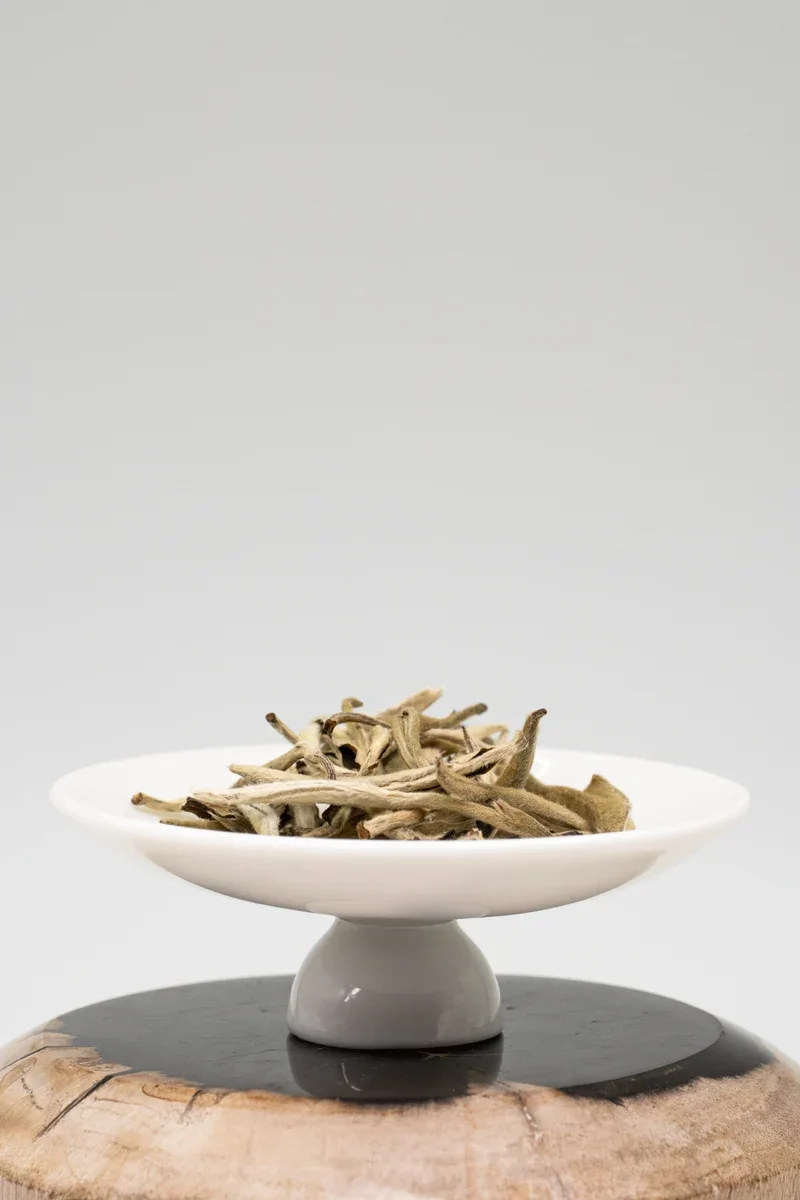
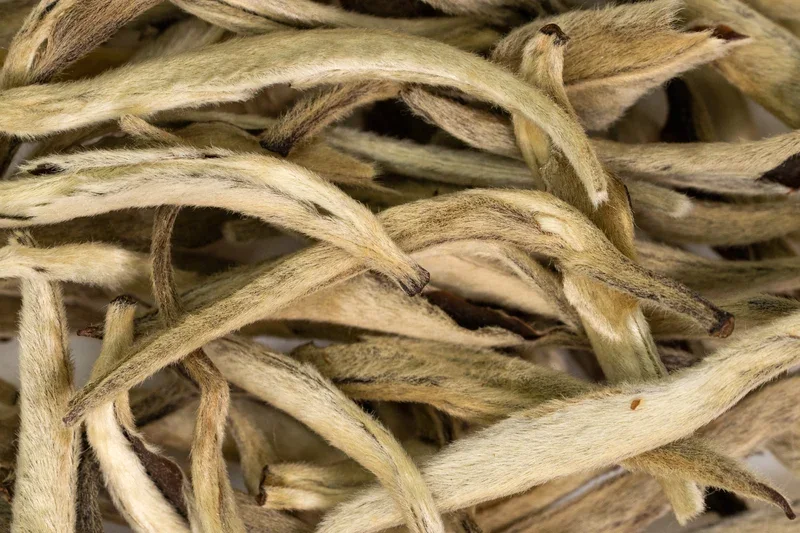
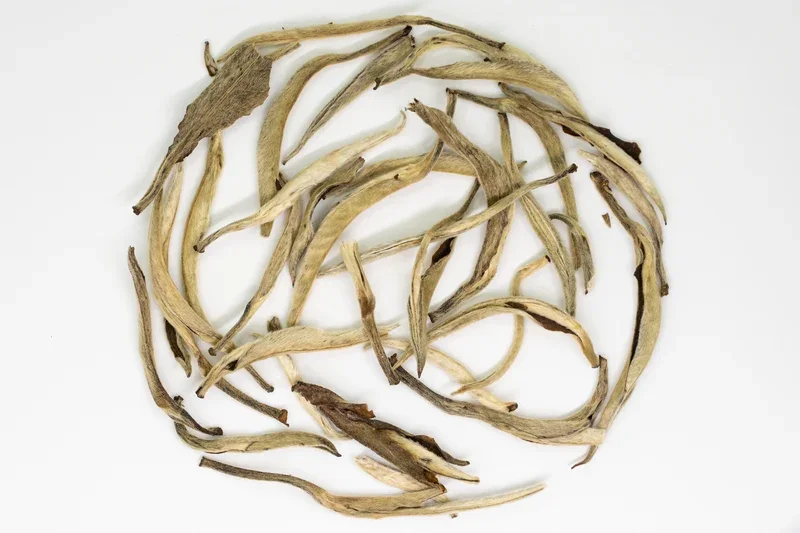
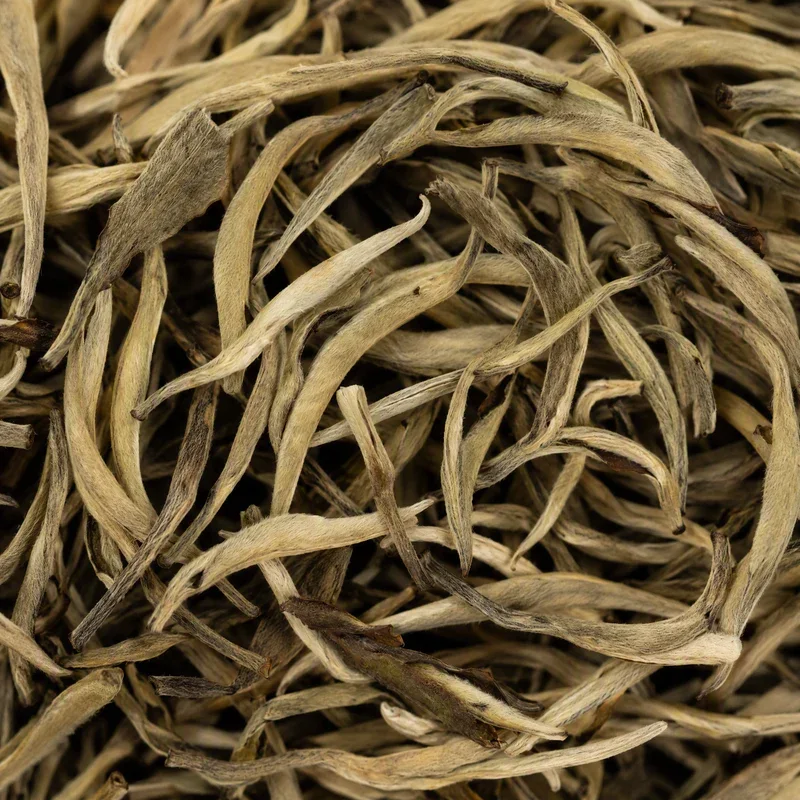
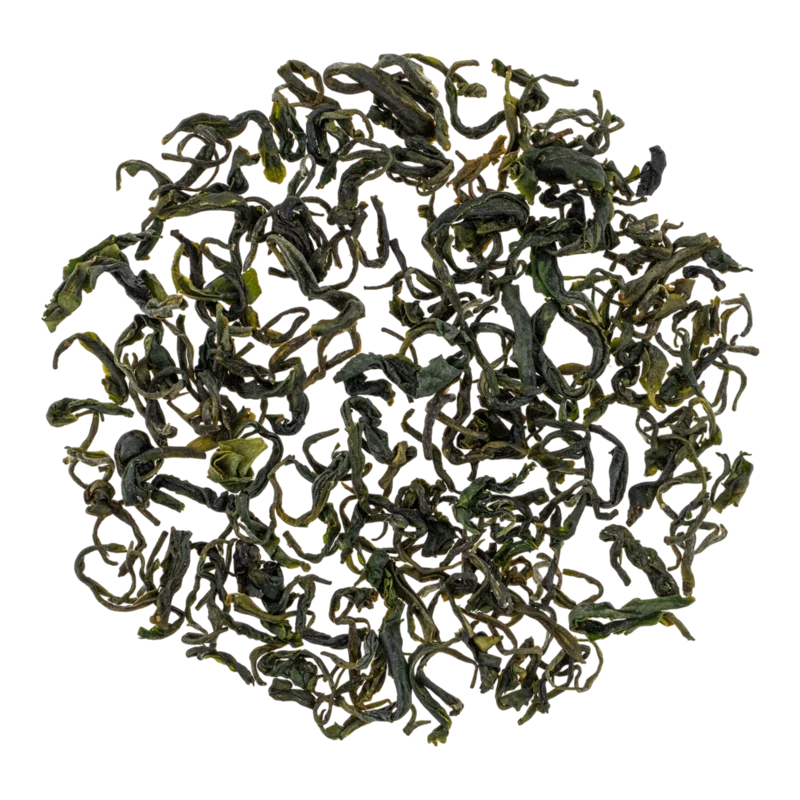
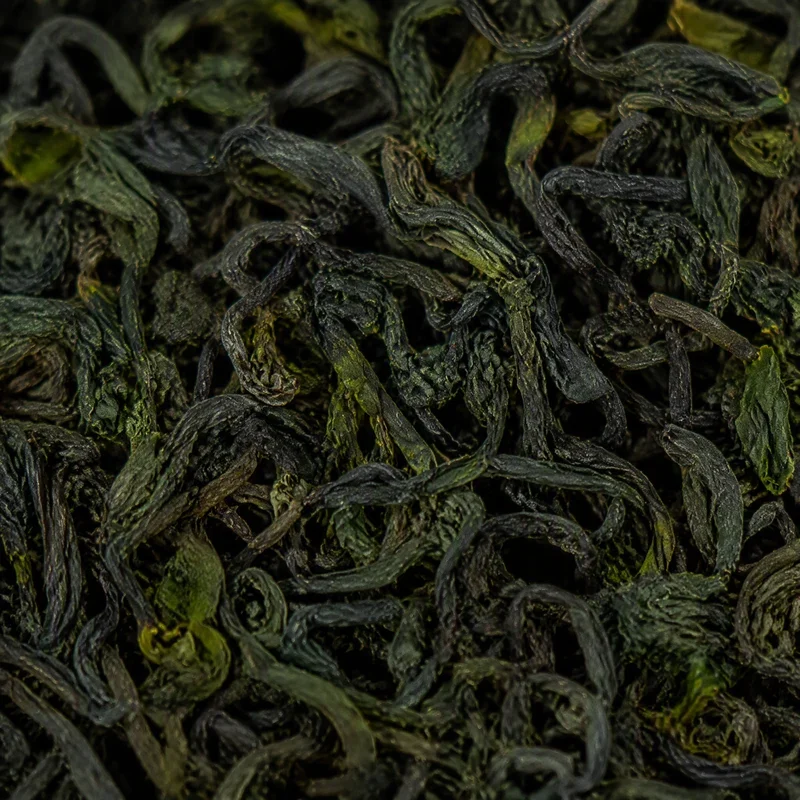
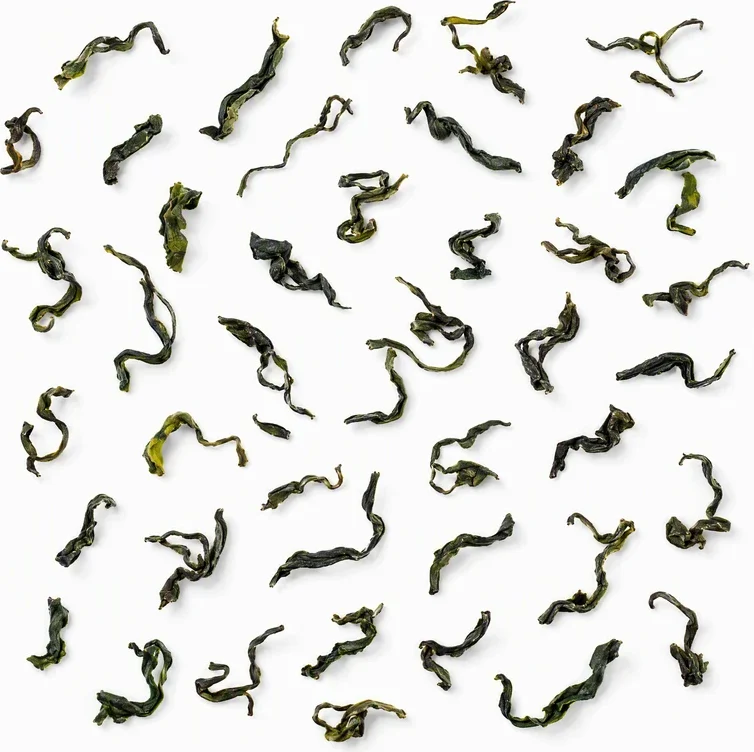
Dry Leaf Appearance: Shape — thin, tight, slightly hook-curved strips resembling eyebrow (眉形, méixíng). Abundant silvery pubescence (显毫, xiǎn háo). Colour — rich emerald-green (翠绿, cuìlǜ).
Dry Leaf Aroma: Orchid (兰花香, lánhuā xiāng) — delicate, pure, with floral sweetness. Chestnut notes (栗香, lìxiāng) — warm, nutty. Bamboo freshness (竹叶清香, zhúyè qīngxiāng) — light green note.
Liquor Aroma: Similar — orchid-chestnut with bamboo undertone. Aroma is persistent, multi-layered, unfolds gradually as cup cools.
Clear, pure, bright green with light yellow tint (清澈明亮, qīngchè míngliàng).
Spent Leaves: Whole, tender, elastic leaves of tender green colour with lively, fresh appearance. When brewed in glass cup, an impressive picture is observed: buds float to surface, hang vertically, then slowly sink to bottom — and so three times (三起三落, sān qǐ sān luò), like "dance of heavenly maiden scattering flowers" (天女散花, tiānnǚ sàn huā).
Taste: Fresh and brisk (鲜爽, xiānshuǎng), sweet (甘, gān), mellow and rich (醇厚, chúnhòu). Harmonious combination of amino acid freshness with full-bodied, rounded taste. Pronounced sweet aftertaste.
Alkaloids: Caffeine (咖啡碱) in typical concentrations for green tea. L-theanine modulates caffeine action, providing gentle, focused alertness.
Amino Acids: ≥ 4.5% — high indicator for green tea, due to high-mountain terroir with abundant diffused light. Precisely theanine and other free amino acids form characteristic "freshness" and "sweetness" of taste.
Essential Oils: Responsible for orchid-chestnut aromatic profile, formed in conditions of high-mountain mists and significant daily temperature variations.
Minerals: Selenium (Se) and iodine (I) — due to soil mineral composition; potassium, manganese, fluorine (200–300 ppm — provides pronounced anti-caries action).
Polyphenols: 25–30% of dry mass. Antioxidant activity of tea polyphenols is 18 times higher than vitamin E.
Vitamins: Vitamin C (in fresh raw material), B-group vitamins, vitamin K.
High polyphenol content (up to 30%) provides powerful neutralizing action on free radicals, exceeding vitamin E activity by 18 times.
Synergy of L-theanine and caffeine promotes mental clarity, attention concentration and gentle alertness without anxiety.
Catechins (儿茶素, ér chá sù) suppress growth of pathogenic microorganisms.
Fluorine (200–300 ppm) promotes tooth enamel strengthening and caries prevention.
Moderate polyphenols aid digestion after meals, stimulating digestive enzyme secretion.
With regular consumption, catechins may have beneficial effect on blood lipid levels.
Listed properties are based on composition and traditional use; this is general information, not medical recommendation.
Avoid consumption on empty stomach (tannins irritate gastric mucosa). Do not allow prolonged steeping to avoid excessive bitterness. Fresh tea is recommended to age about two weeks after production (陈放半月, chénfàng bànyuè) to eliminate sharp "green" taste (青气, qīngqì). Store special grade tea hermetically at 0–5°C.
Tea Amount: 3–5 g per 150–200 ml.
Teaware: Straight glass cup (直筒玻璃杯, zhítǒng bōlí bēi) — ideal choice for observing "dance of three submersions" and green leaf aesthetics. White porcelain gàiwǎn (白瓷盖碗, bái cí gàiwǎn) also suitable.
Water Temperature: 85°C. For special grade, reduction to 80°C is acceptable.
Another great green tea from Jiangxi, from the "top ten" famous teas of China. Both teas are high-altitude, cloud-and-mist teas with high amino acid content. However, Lushan Yunwu is produced using a nine-stage roasting method and has a more pronounced "nutty" profile, while Jingang Cui Lü is distinguished by its characteristic orchid note, abundant down, and unique "three immersions" effect.
Another famous Jiangxi green tea, from Suìchuān County (遂川). Grows at lower altitudes, has a denser, more rounded leaf shape and pronounced chestnut flavor. Jingang Cui Lü is more "airy," with emphasis on freshness and floral aroma.
A green tea from Xiūshuǐ County (修水), Jiangxi Province, with a history dating back to the Song Dynasty. More mild and delicate, with less pronounced down. Jingang Cui Lü surpasses it in brewing "spectacle" and richness of amino acid profile.
A high-altitude green tea from Mount Jiuhuashan (Anhui). Similar growing altitude and cloud-and-mist terroir, but the Ānhuī tea is produced as hōngqīng (烘青) with more pronounced floral aroma. Jingang Cui Lü is more full-bodied and "hook-shaped" in form.
Price Factors: Season (明前 more expensive than 雨前); harvest standard; handwork (fully manual production — eight stages); intangible heritage status.
No reviews yet. Tell us what you think of this tea.
Rate this tea and share your impressions. We review each submission before publishing it.