Brewing
Gongfu brewing
- Water temperature
- 92 °C
- Tea amount
- 6 g
- Water volume
- 100 ml
- First steep
- 10 s
- Time added per infusion
- 5 s
- Infusions
- 8

jīn xuān
Choose a brewing method. Start with the recommended quantities and time, then adjust to taste.
Brewing
Brewing
Taste
Tea encyclopedia
Category: Taiwanese oolongs (台灣烏龍茶, Táiwān Wūlóng chá). When cultivated at altitudes above 1,000 m — Taiwanese high-mountain oolongs (高山烏龍茶, gāoshān wūlóng chá).
Category: Taiwanese oolongs (台灣烏龍茶, Táiwān Wūlóng chá). When cultivated at altitudes above 1,000 m — Taiwanese high-mountain oolongs (高山烏龍茶, gāoshān wūlóng chá).
Coordinates: Alishan — approximately 23°30′ N, 120°43′ E; Zhushan — approximately 23°40′ N, 120°41′ E.
Origin: Taiwan. Main production areas — Nántóu County (南投縣, Nántóu xiàn) and Ālǐshān Township of Chiayi County (嘉義縣阿里山鄉, Jiāyì xiàn Ālǐshān xiāng). The core of high-mountain production — Zhúshān Township (竹山鎮, Zhúshān zhèn) in Nantou and Alishan tea gardens at altitudes up to 1,600 m. Additionally, Jin Xuan is widely cultivated in other tea zones of Taiwan below 1,600 m, and since 1988 — also in Fujian Province (PRC).
Type: Oolong (semi-oxidized tea). Most commonly produced in the style of light oxidation (20–30%) with minimal roasting, forming the category of semi-spherical packaged (包種, bāozhǒng) oolongs. The cultivar is also used for producing green and red tea, however the classic and most widespread product remains oolong.
Cultural Significance: Jin Xuan played a key role in popularizing Taiwanese tea among both domestic and foreign consumers. Its mild milky character attracted a new audience to tea culture — people previously uninterested in classic oolongs. The tea became a symbol of the Taiwanese breeding school and proof that purposeful variety development can create a fundamentally new flavor profile. In recent years, Jìn Xuān has gained additional popularity thanks to the fashion for cold brewing (冷泡, lěng pào) — its natural sweetness and milky notes are perfectly revealed in cold infusion.
History: Jìn Xuān is the result of purposeful breeding work by the Táiwān Tea Research and Extension Station (台灣省茶業改良場, Táiwān shěng Cháyè Gǎiliáng Chǎng). The hybridization program was begun in the 1950s: the cultivar Yìngzhī Hóngxīn (硬枝紅心, Yìng zhī Hóng xīn) was used as the paternal line, Tainong 8 (台農8號, Táinóng 8 hào) as the maternal. After more than forty years of selection and testing, experimental sample with code 2027 was recognized as promising. In 1981, the Taiwan Agriculture and Forestry Administration officially assigned it the designation Taicha 12.
Name Breakdown: The character 金 (jīn) means "gold," 萱 (xuān) — "daylily" (plant of the genus Hemerocallis), symbolizing maternal care in Chinese culture. According to the most widespread version, Wu Zhenduo named the variety in honor of his grandmother, using her personal (闺名, guīmíng) name, and the cultivar Taicha 13 — Cui Yu — in honor of his mother. Thus, the two main creations of the breeder carry the memory of the closest women in his family.
Cultivar: Taicha 12 (台茶12號), Camellia sinensis cv. Taicha 12. Asexual clone (無性系, wúxìng xì), shrub type (灌木型, guànmù xíng), medium-leaf class (中葉類, zhōng yè lèi), medium-early variety (中生偏早種). Diploid. Medium-sized plant with spreading crown (開張型, kāizhāng xíng). Branching is dense and uniform, shoots are thicker and more robust than those of Qingxin Oolong and Tieguanyin. Leaves are medium or slightly above medium size, close to elliptical shape, thick and fleshy, pale green, with pronounced gloss. Leaf surface is flat, edge wavy, serration fine and uneven, leaf tip bluntly pointed. Young shoots are green with purple tint, with short dense trichomes on the underside. Weight of 100 bud shoots (一芽二叶) is 44–67 g.
Picking: Main commercial harvests — spring (April — mid-May) and winter (October — November). Summer and autumn harvests are also practiced but valued lower. Spring buds begin active growth in late February; optimal spring harvest period falls in mid-April. Harvest period is lengthy — one of the commercial advantages of the cultivar.
Pluck Standard: One terminal shoot with two-three opened leaves (一芽二三叶, yī yá èr sān yè). For highest grades — the proportion of "bud + two leaves" shoots comprises no less than 95%.
Raw Material: Whole, uniformly mature shoots without mechanical damage. Leaf should be fleshy, elastic, without foreign odors. Jin Xuan yield is 20–50% higher than Qīngxīn Dàmǎo (青心大冇) and Qingxin Oolong, making it economically attractive for farmers.
Altitude: 1,000–1,600 m above sea level for high-mountain Jin Xuan. Flatland Jīn Xuān (平地金萱, píngdì Jīn Xuān) is cultivated below 1,000 m, producing a denser but less "mountain" character liquor. Classification by altitude:
Climate: Subtropical high-mountain. Average annual temperature below 18°C, number of foggy days — more than 200 per year, relative humidity — above 80%. Significant diurnal temperature variations (up to 10–15°C) slow shoot growth, promoting accumulation of amino acids and aromatic substances, directly affecting sweetness and aroma complexity.
Soil: Acidic red-yellow mountain soils (紅黃壤, hóng huáng rǎng) with pH 4.5–6.5, rich in mineral elements. Good drainage of mountain slopes prevents moisture stagnation. According to Taiwan Tea Research Institute data, the world's highest quality tea gardens are concentrated within 50 km of the Tropic of Cancer — the Alishan area fits completely within this zone.
Tea gardens are located on mountain slopes of Taiwan's Central Mountain Range. Main terraced plantations are concentrated in two zones: Zhushan — Lugu — Shanlinxi area in Nantou County and Alishan — Meishan area in Chiayi County. Landscape — steep slopes with natural forest vegetation (forest coverage up to 93%), interspersed with tea terraces.
Terminal shoots (bud + 2–3 leaves) are picked manually or mechanically in morning hours after dew evaporation. Raw material is delivered to the workshop without delay.
Leaves are spread outdoors under diffused sunlight for 25–30 minutes. Goal — initiate primary enzymatic processes and reduce leaf moisture.
Continues about 4 hours in a room with controlled temperature and humidity (often air-conditioned). Leaf becomes elastic, aroma base begins to form.
Three cycles of gentle shaking, alternating with rest periods. Mechanical action destroys cells at leaf edges, initiating controlled oxidation. It is at this stage that the characteristic milky-floral profile begins to manifest.
Heating at about 280°C in a rotary drum stops enzymatic processes and fixes aroma direction. For Jin Xuan it is critically important not to over-fire the leaf to preserve fragile milky notes.
Primary rolling destroys cellular structure and forms preliminary shape.
Leaf is heated at 80°C for partial moisture removal before shaping.
Key stage for semi-spherical oolongs. Leaf is wrapped in cloth and repeatedly kneaded, giving it the form of a tight ball. The procedure is repeated several times with intermediate drying. It is thanks to this stage that dry leaf acquires its characteristic appearance of dense semi-spherical granules.
Finish drying at reduced temperature (about 60°C) following the principle of "low temperature — slow heating" (低溫慢焙, dī wēn màn bèi). This regime seals in milky aroma and stabilizes moisture to storage level (≤ 5%).
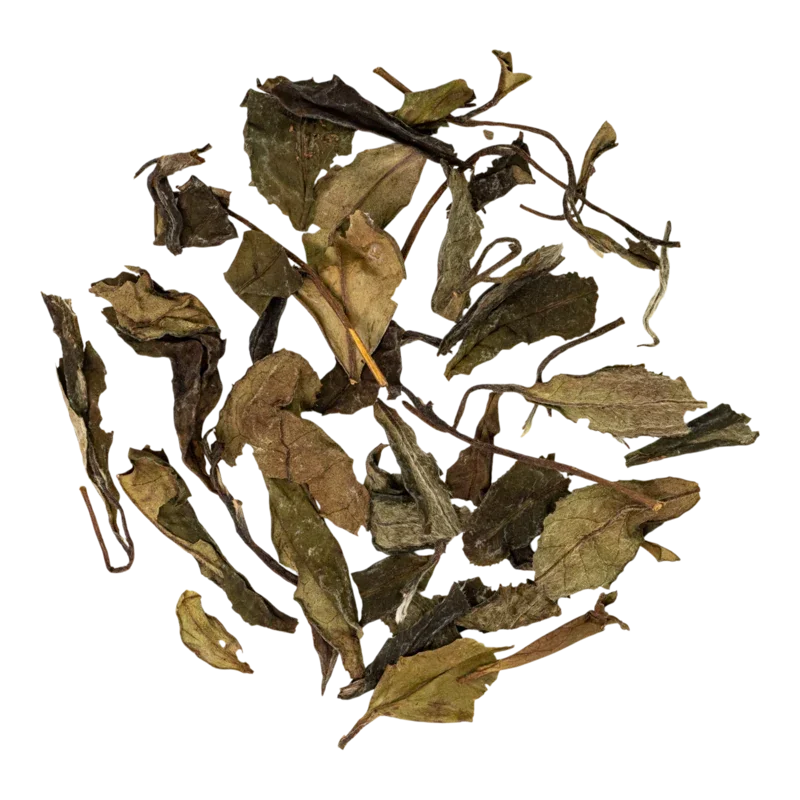
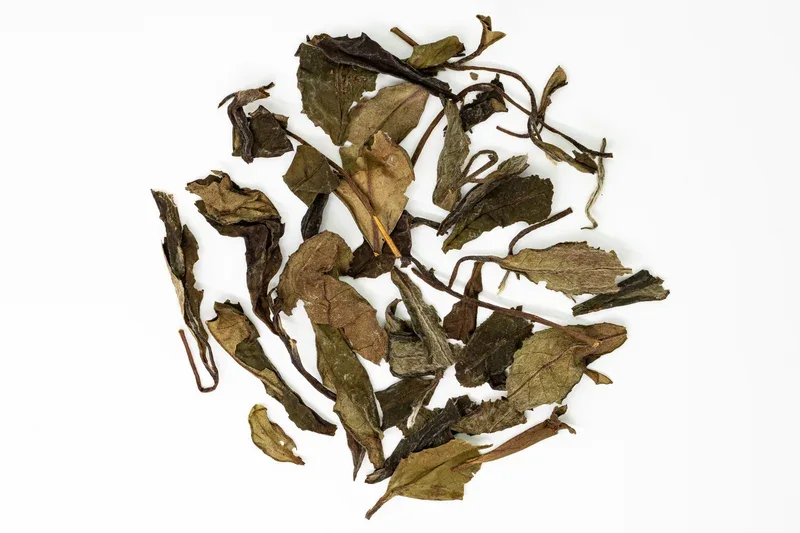
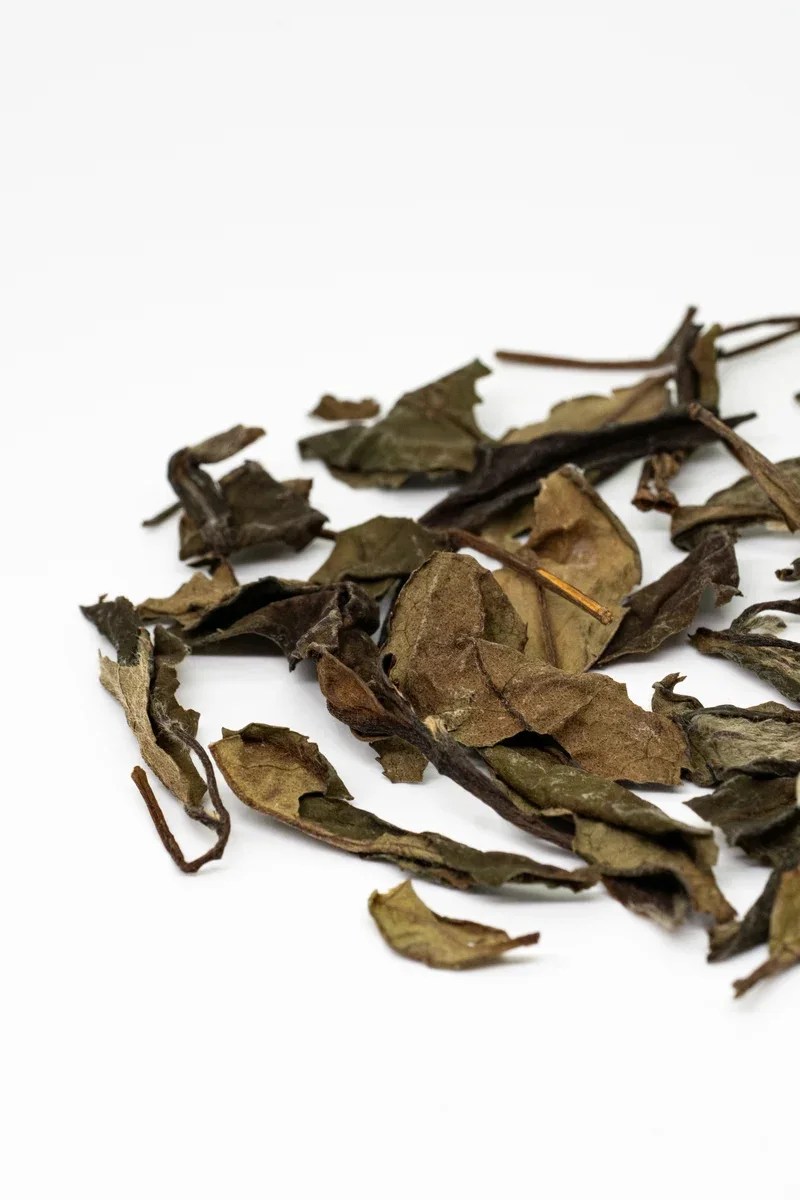
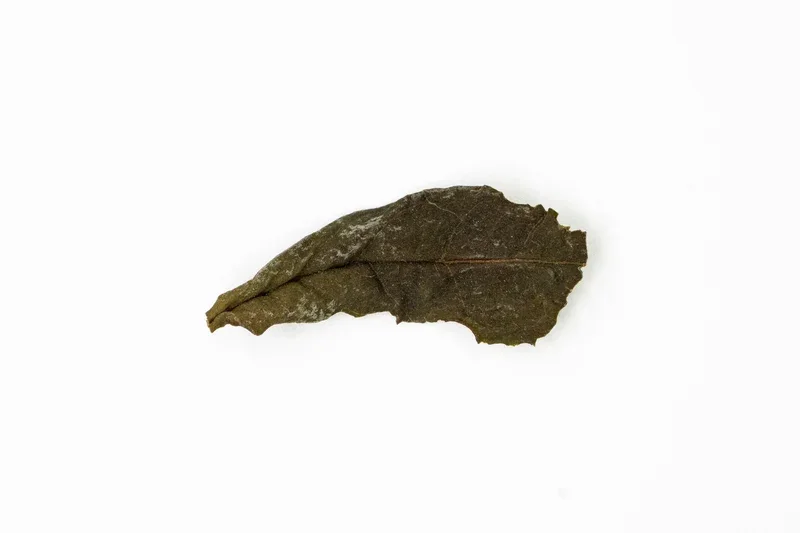
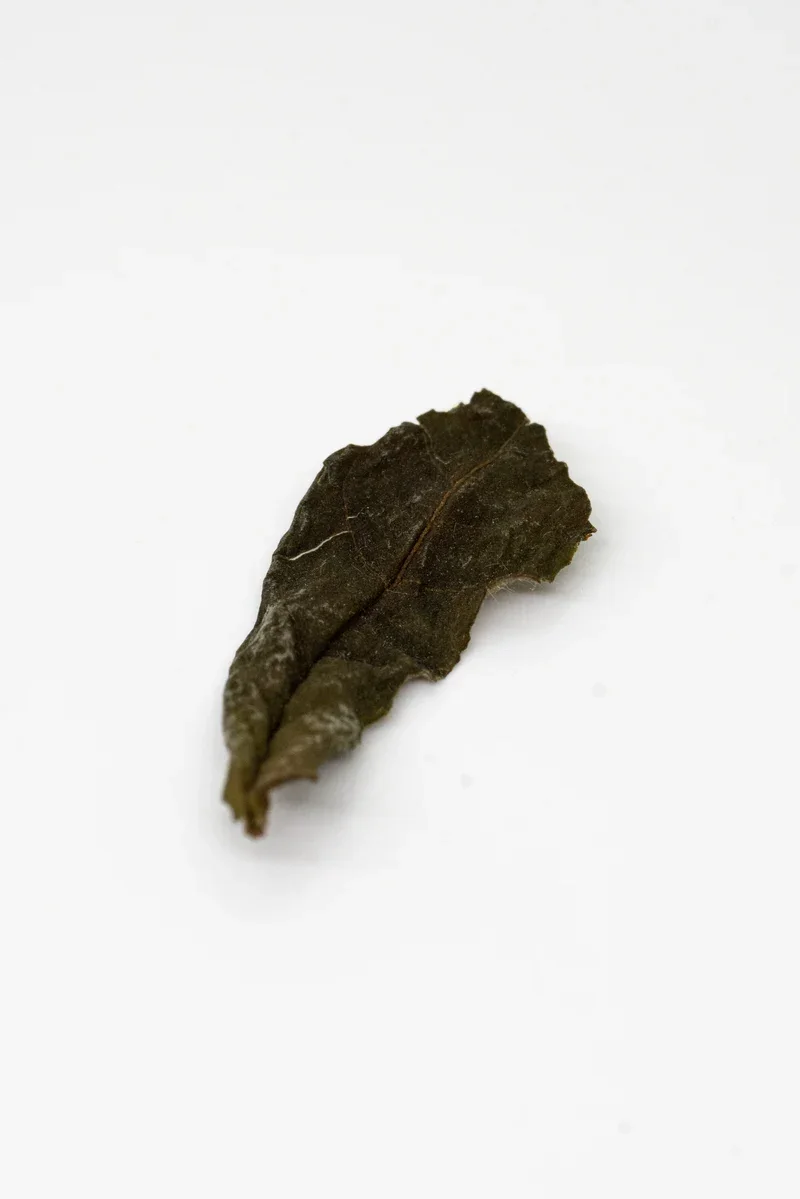
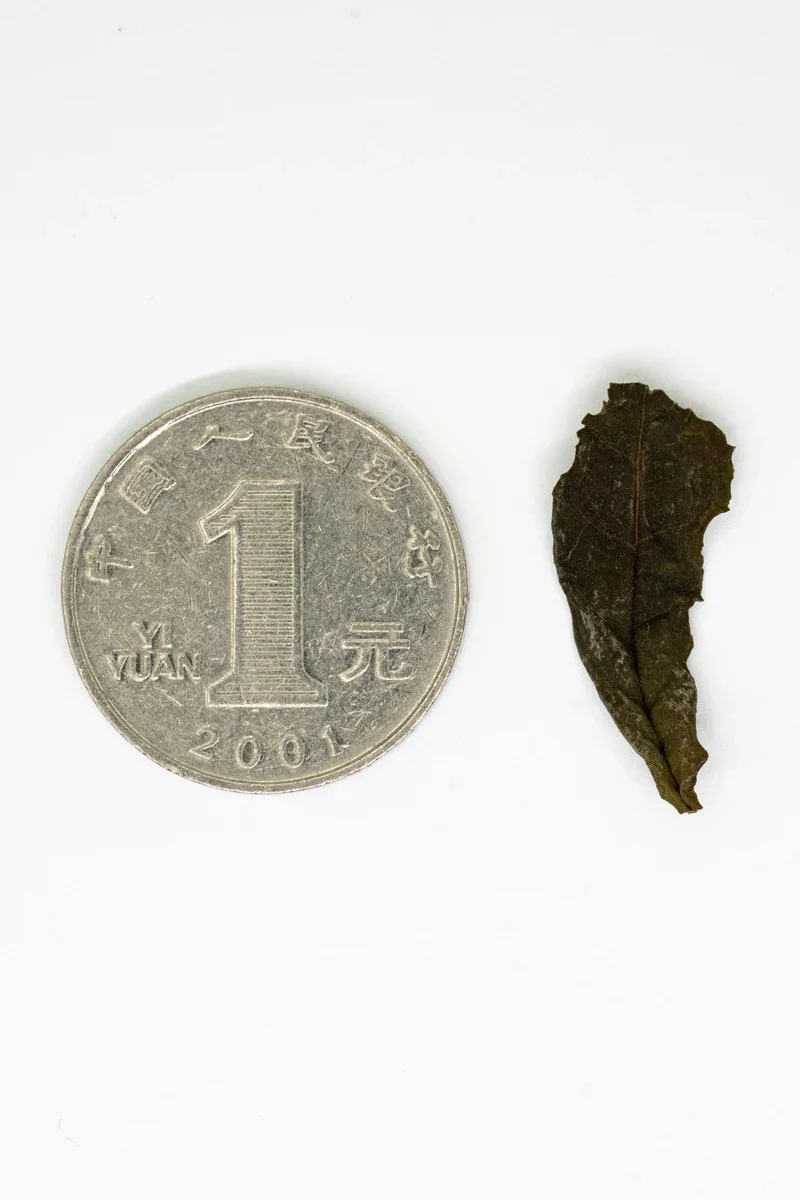
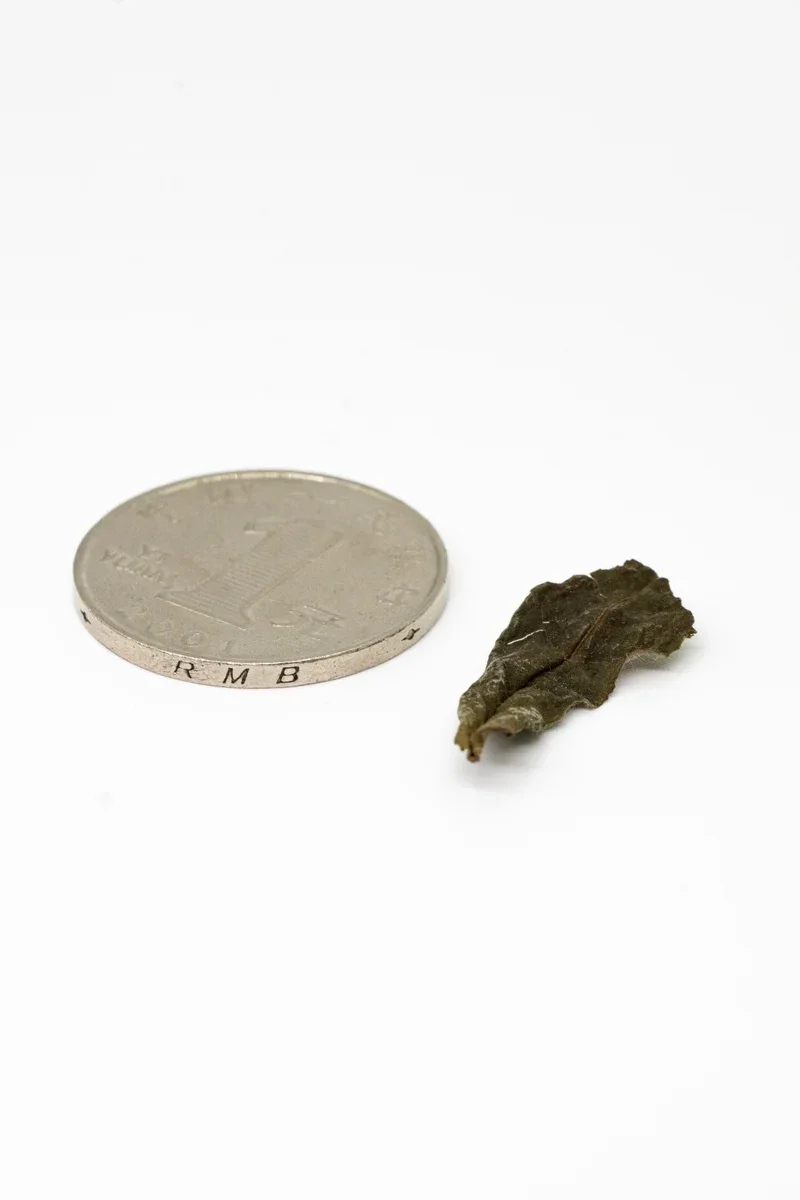
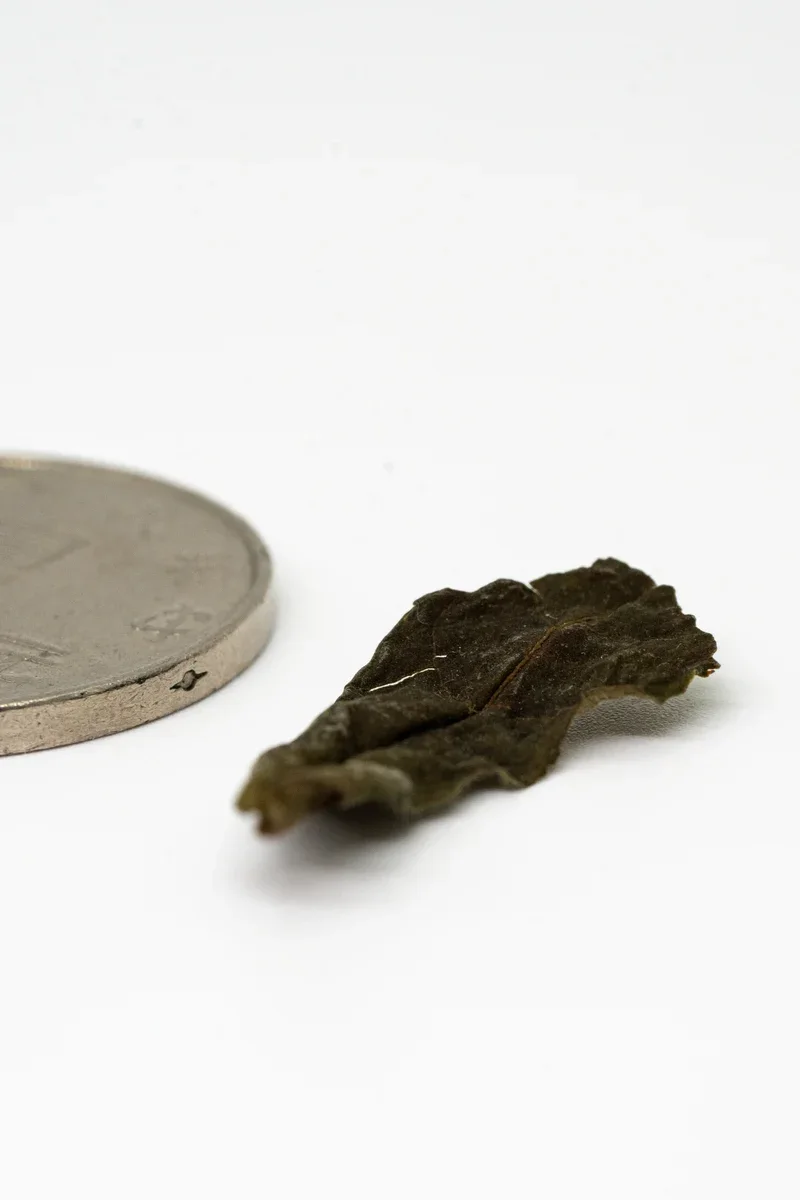
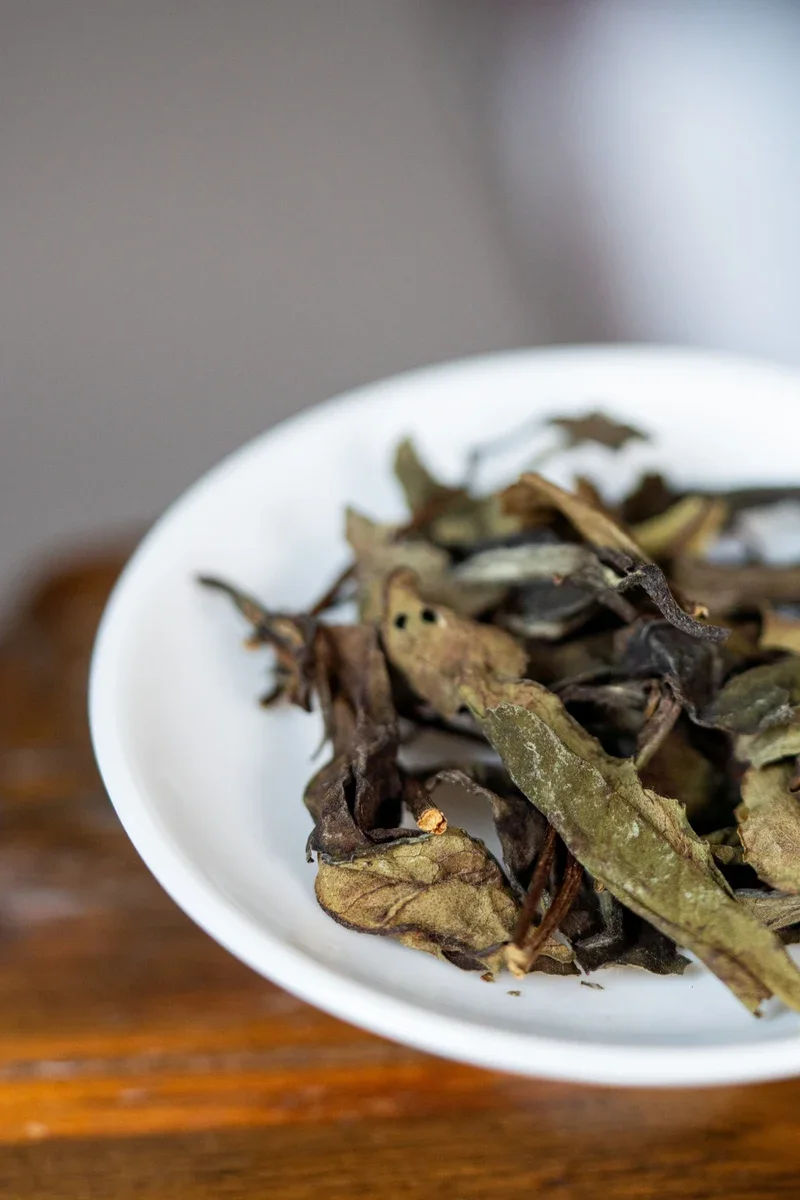
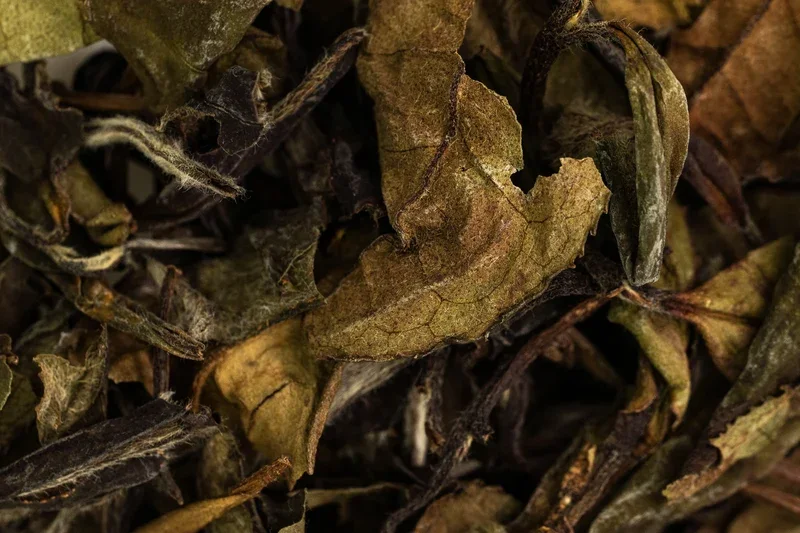
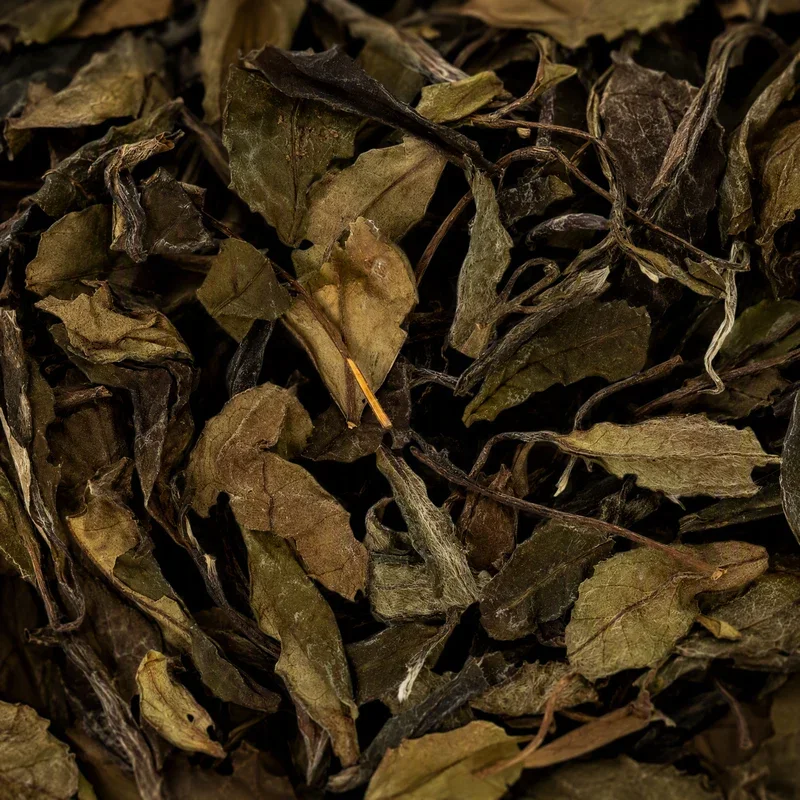
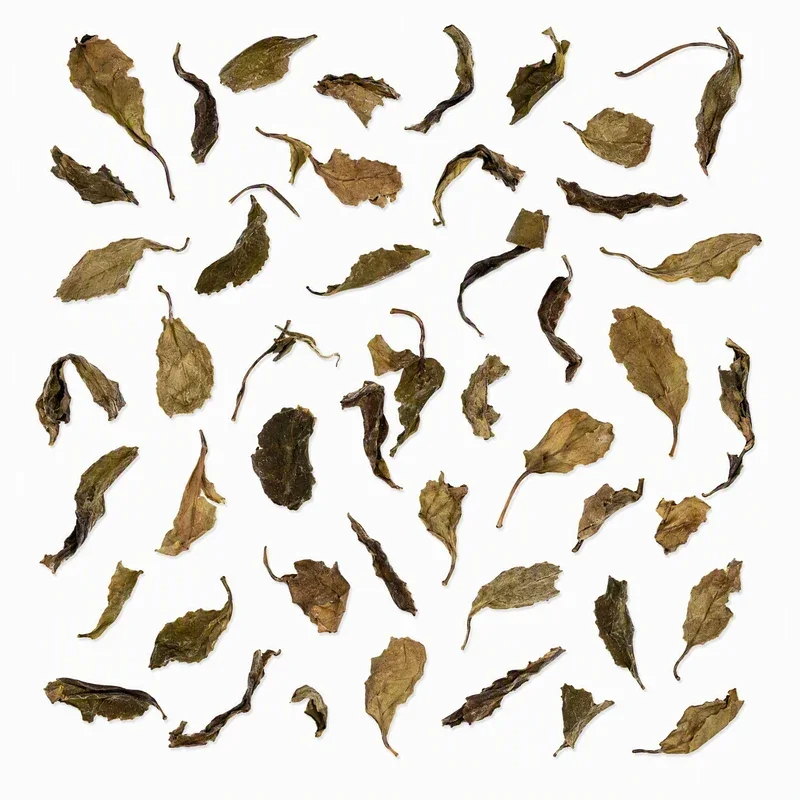
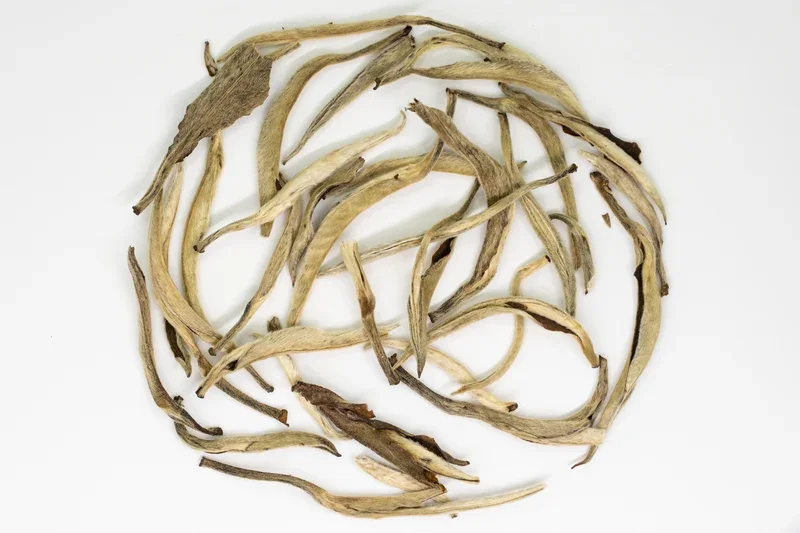
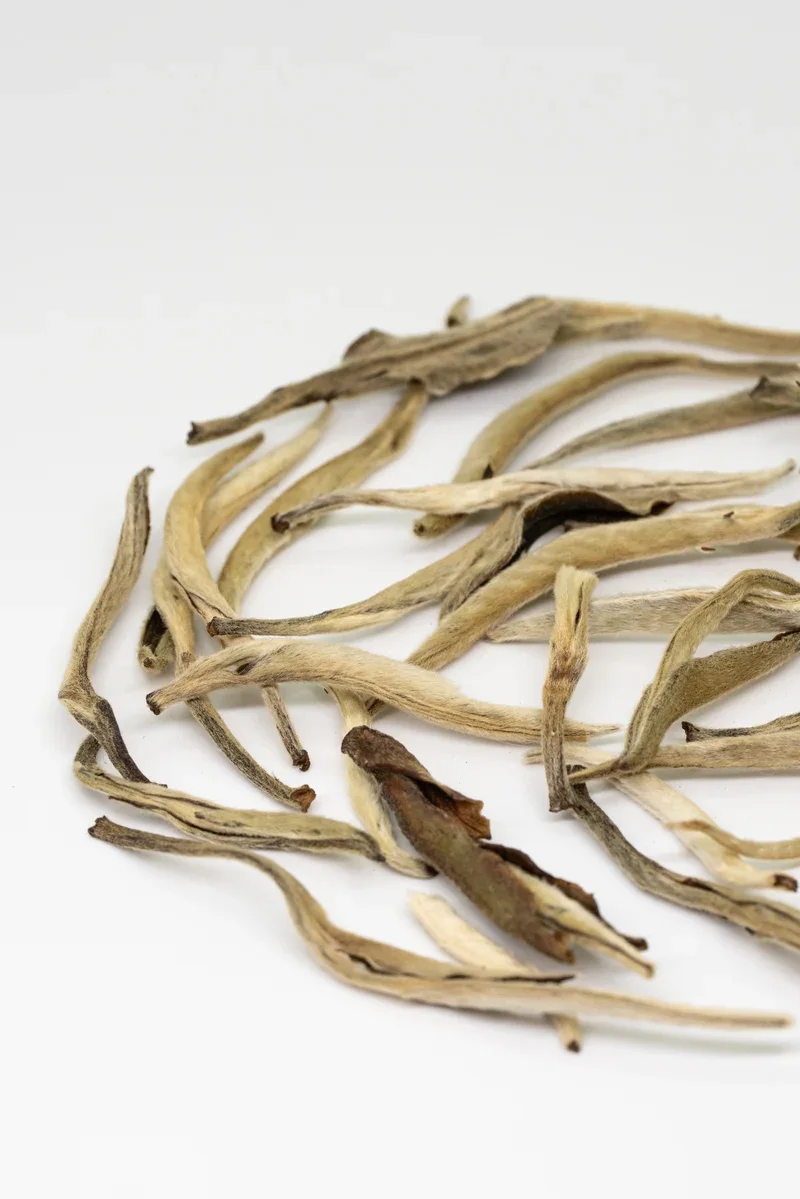
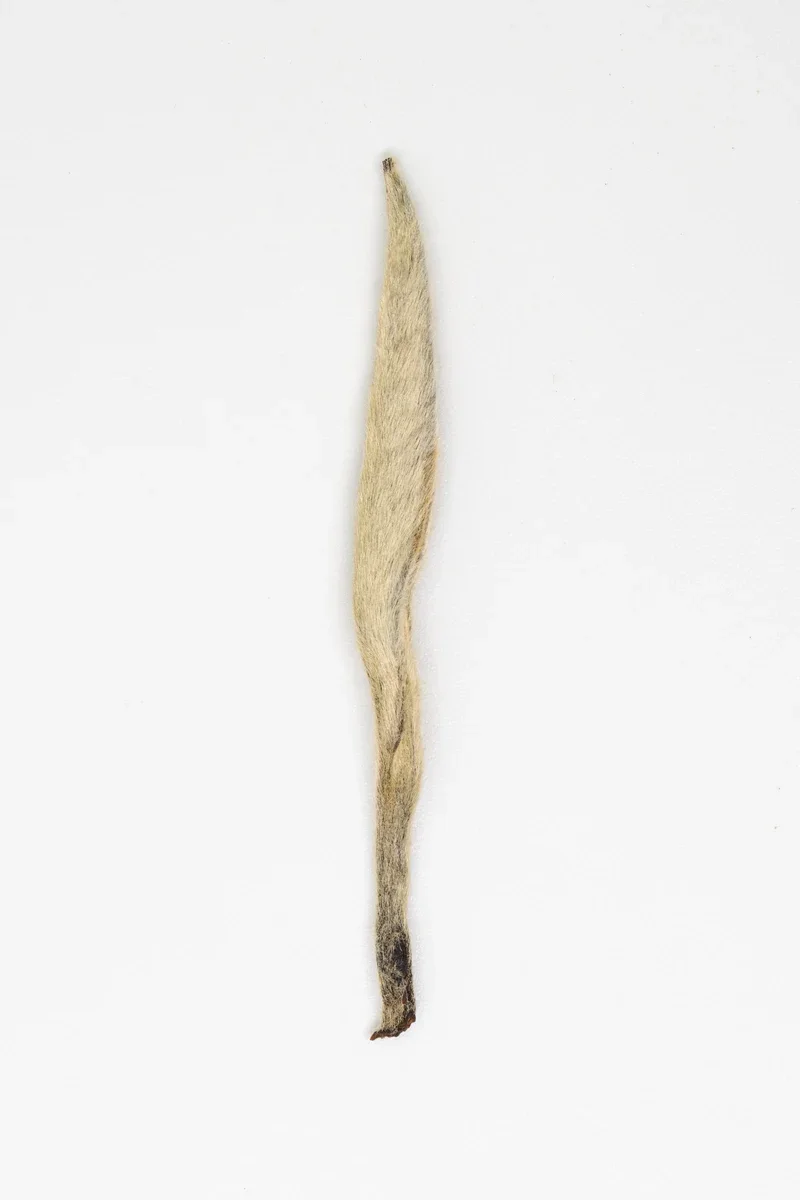
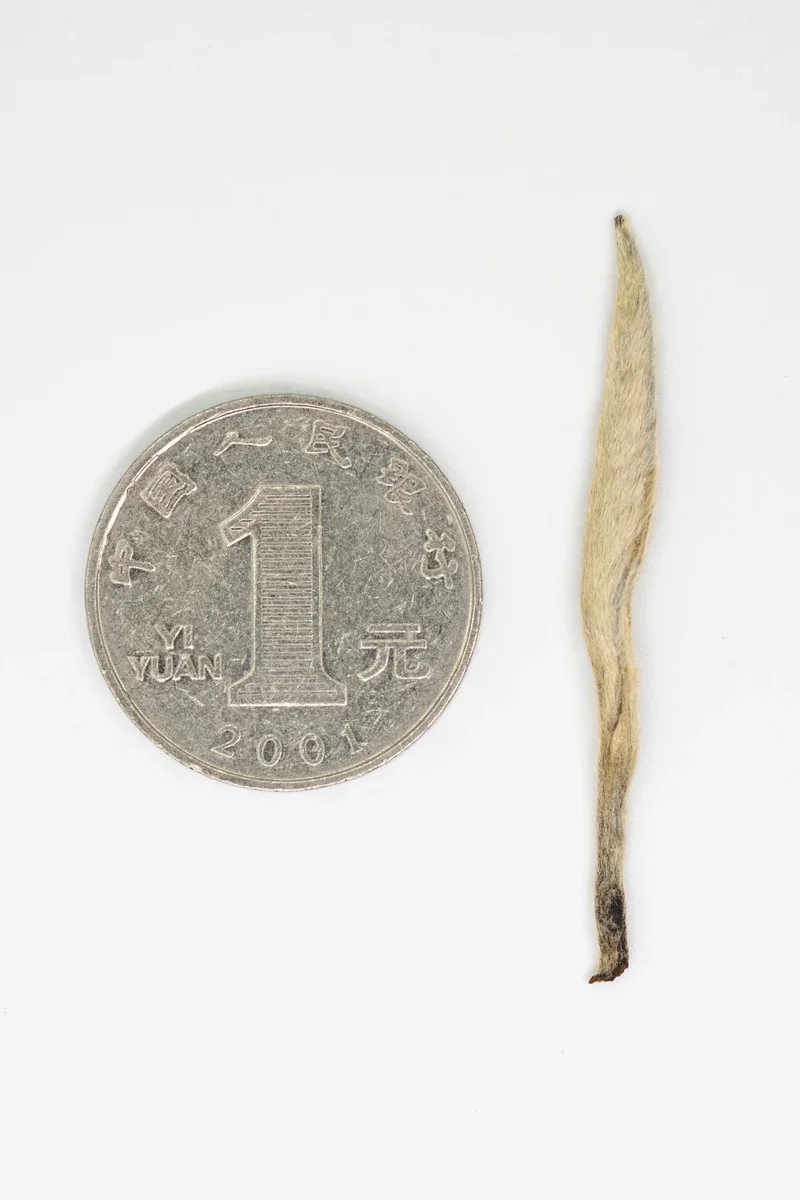
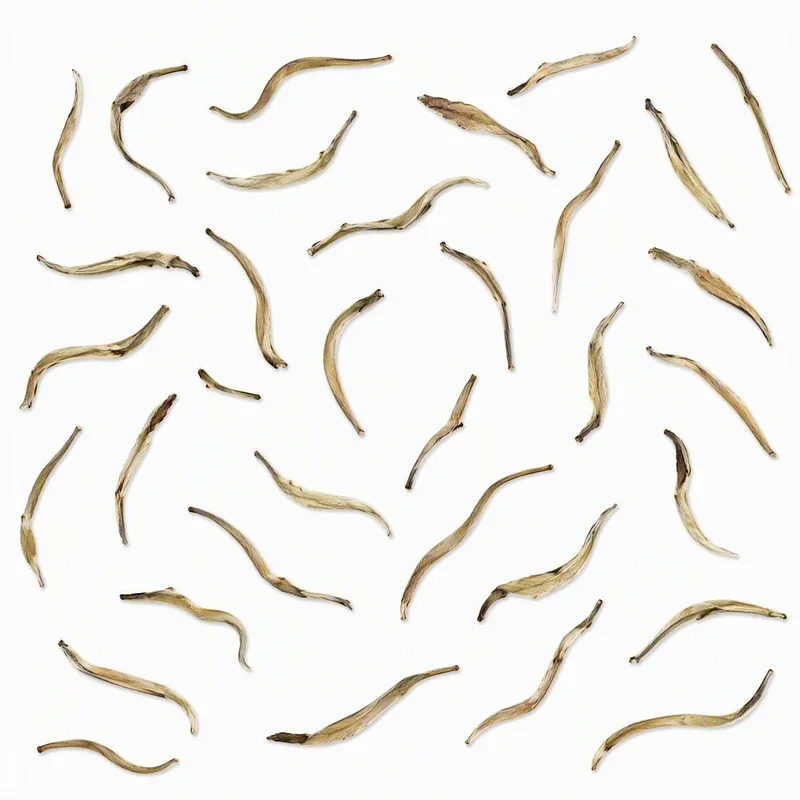
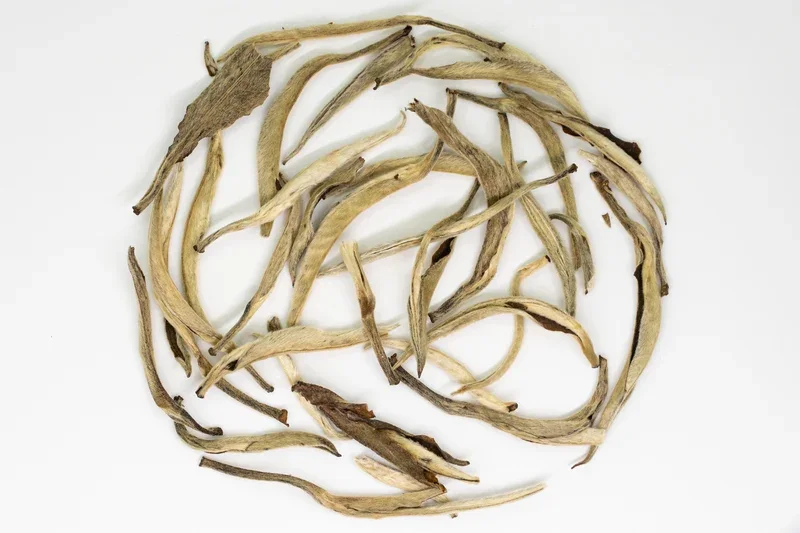
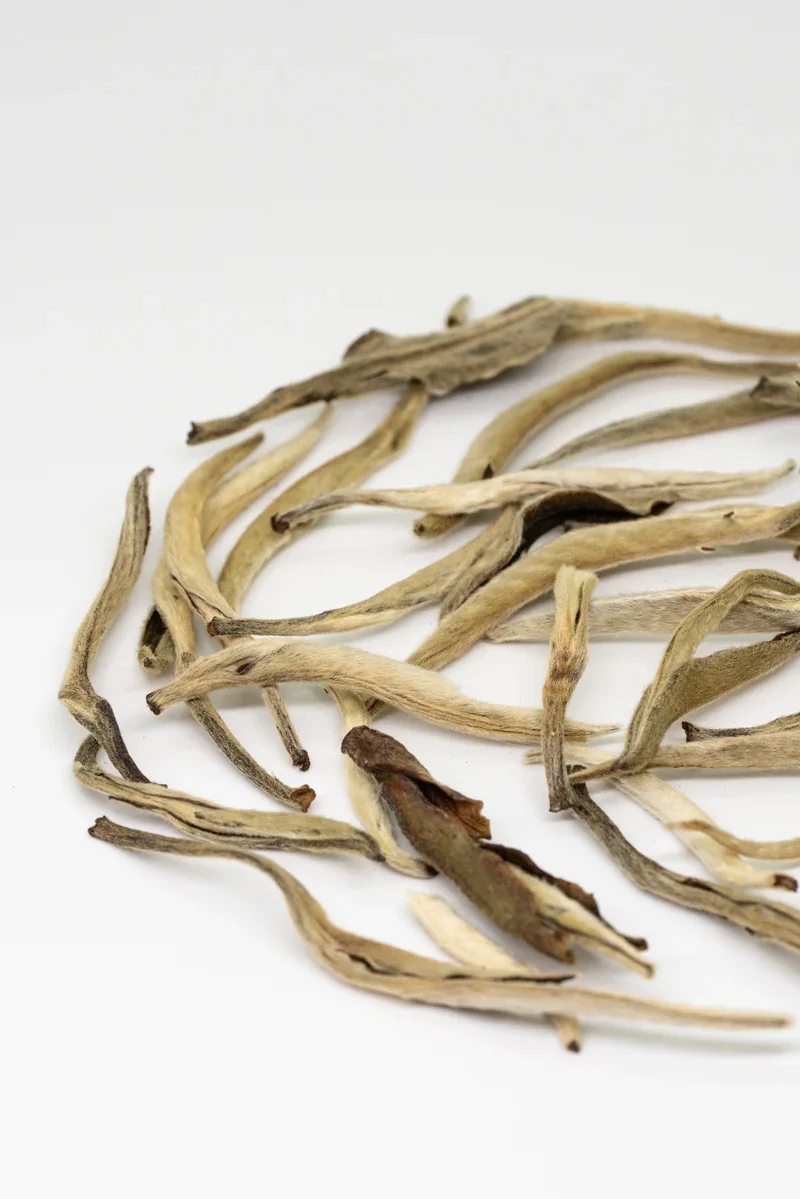
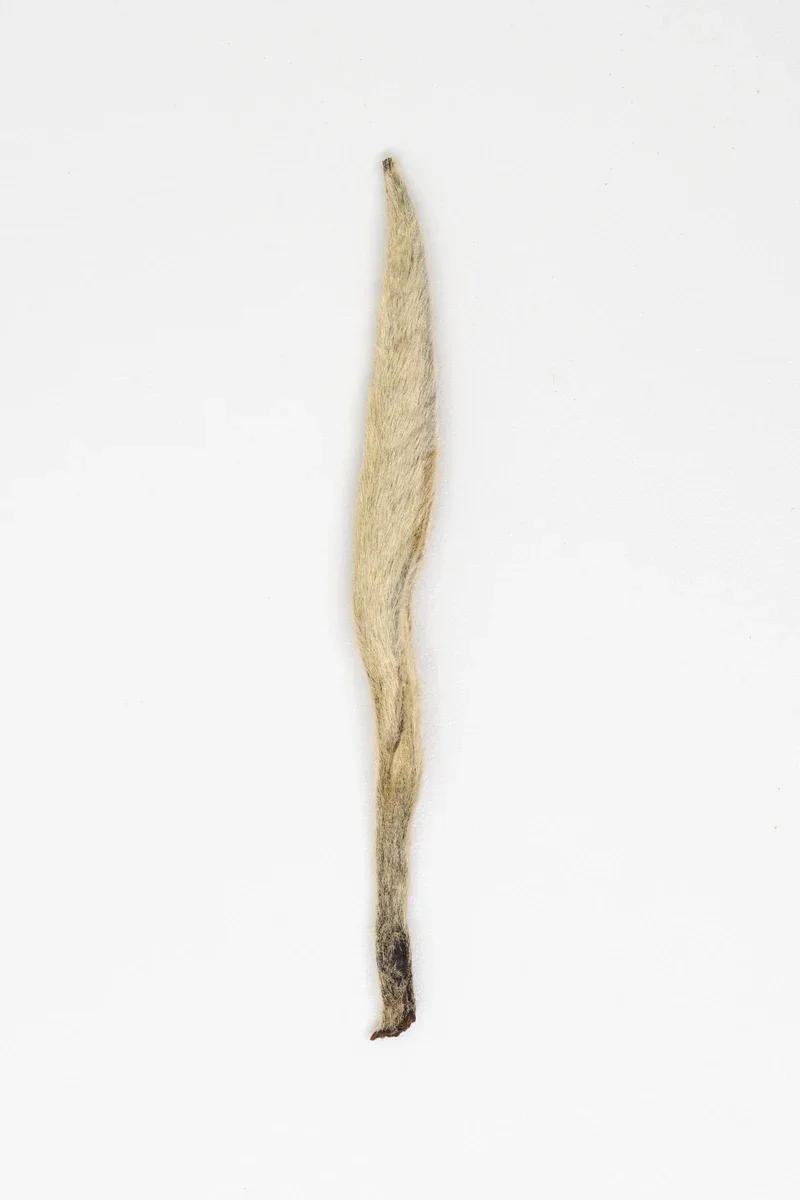
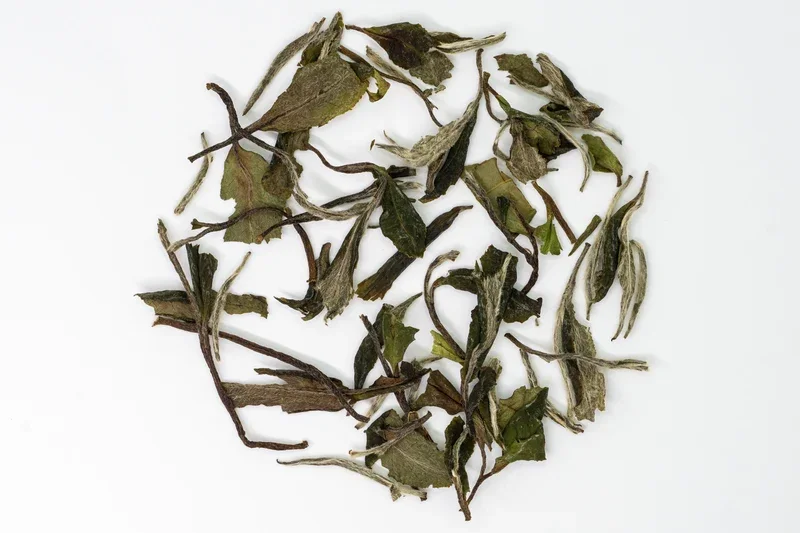
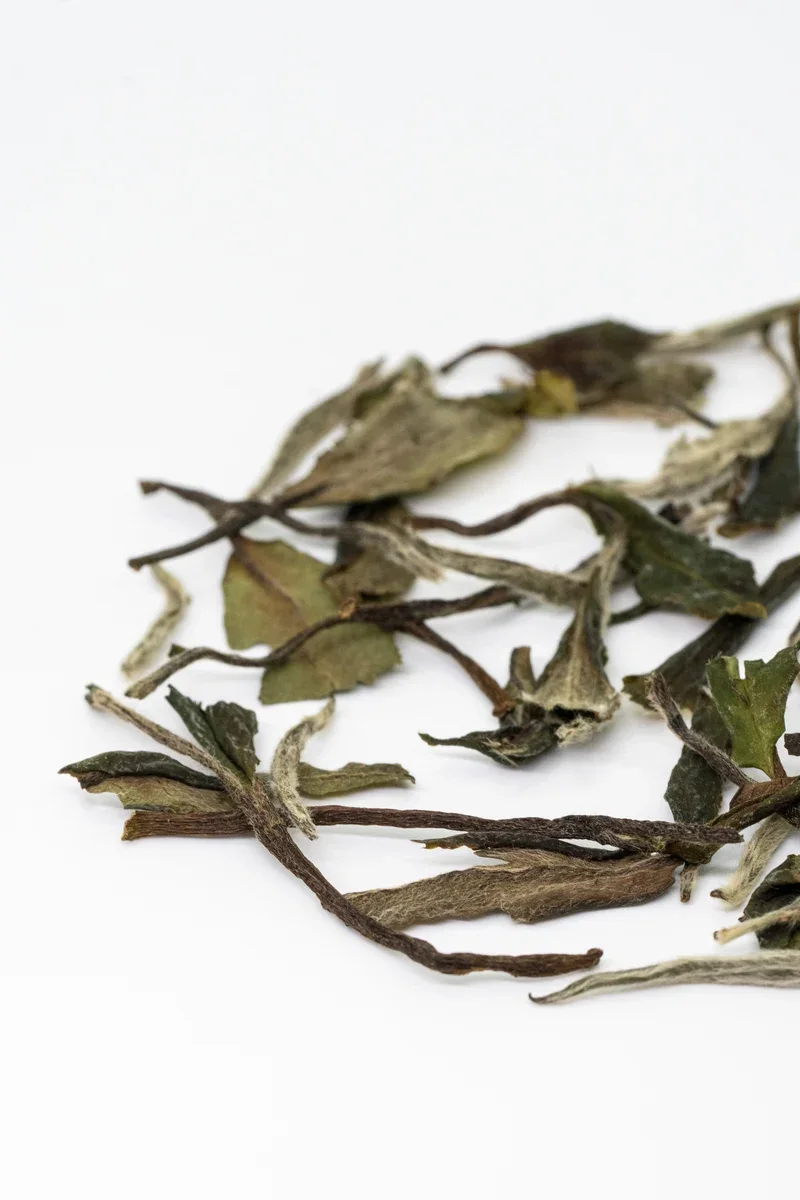
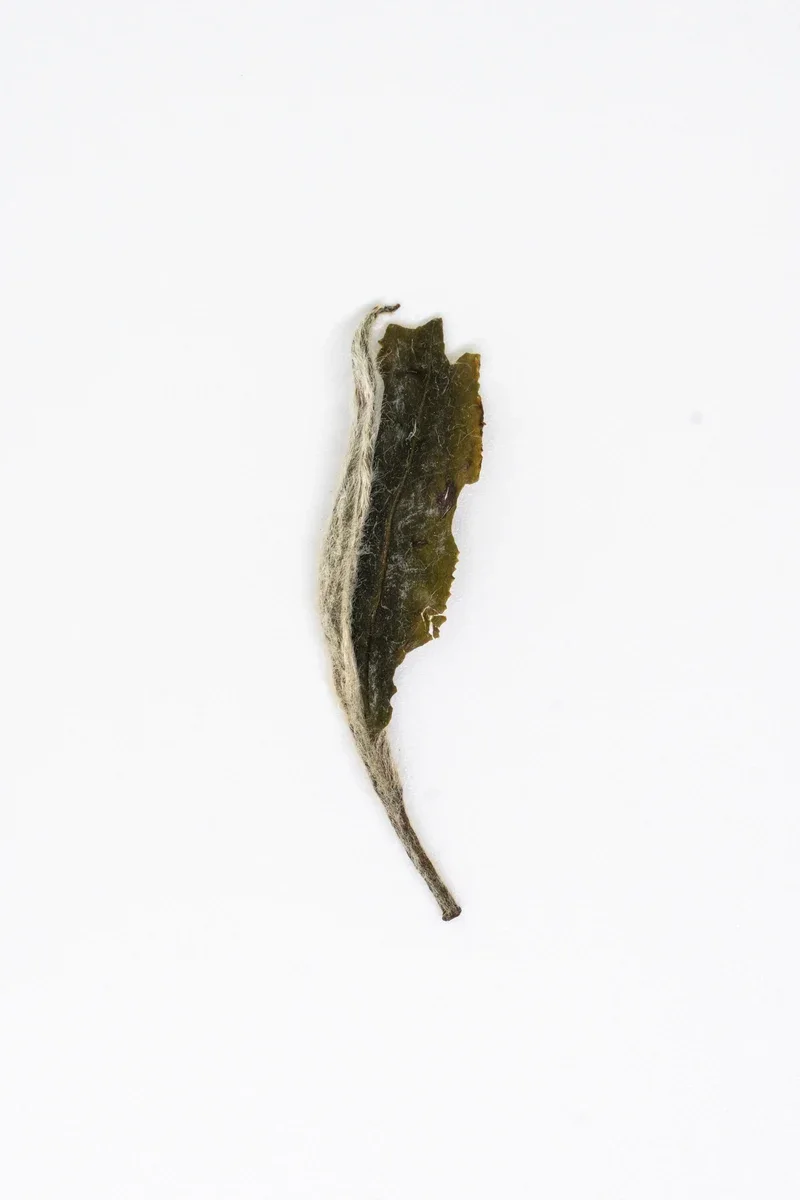
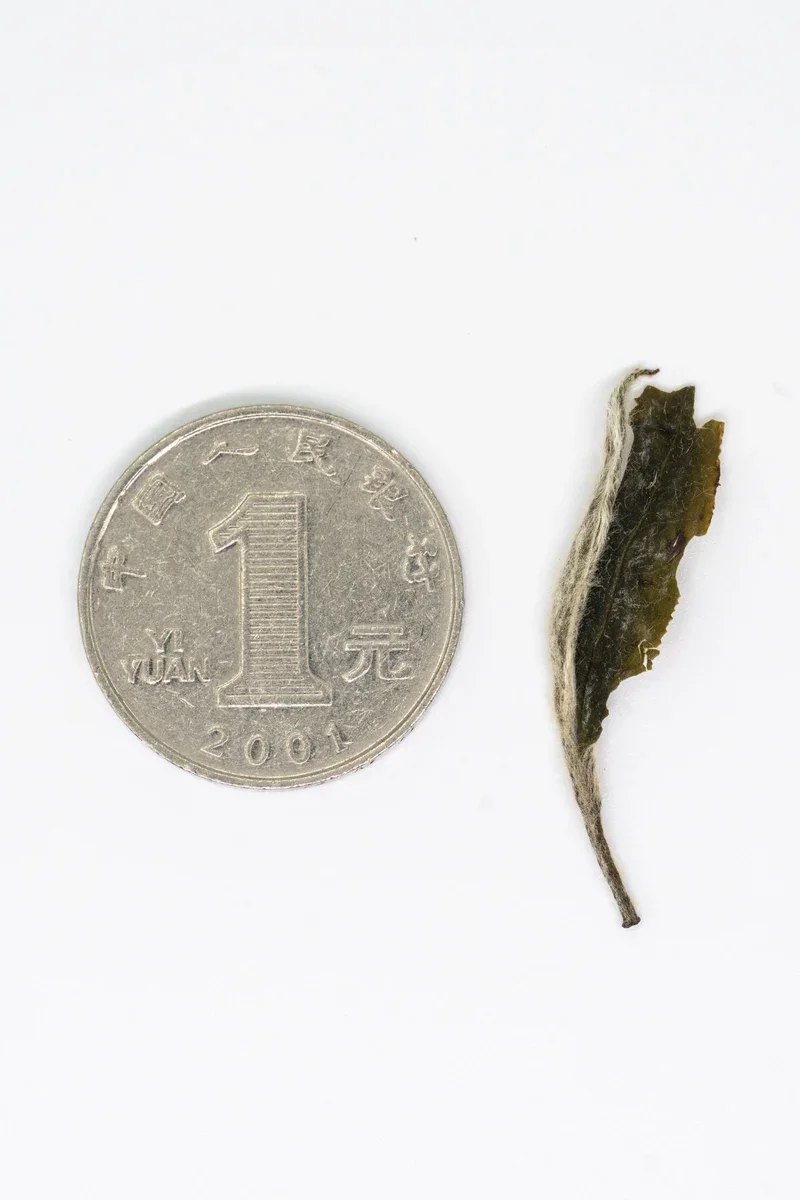
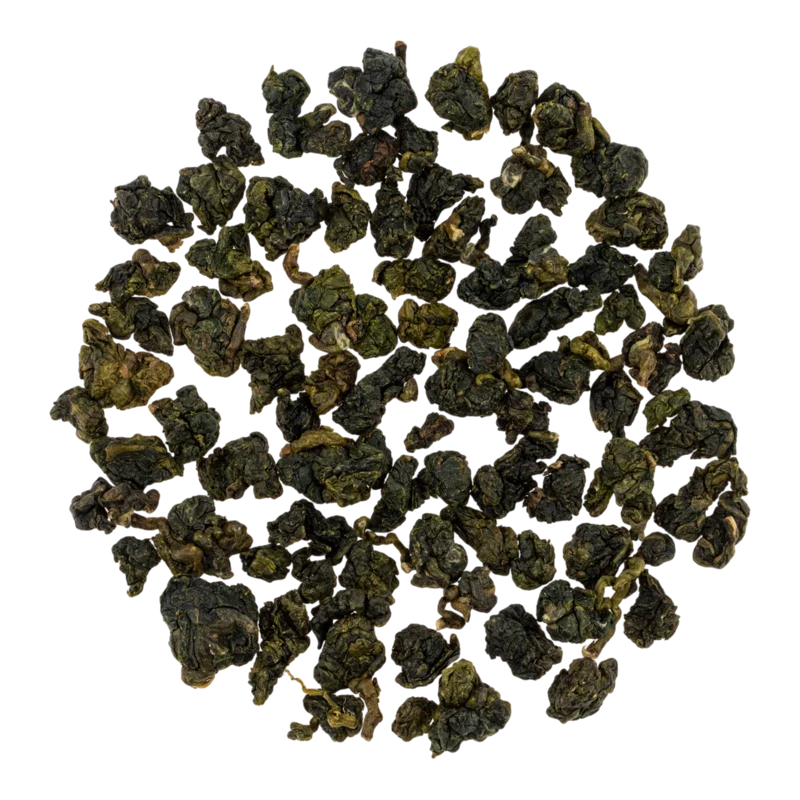
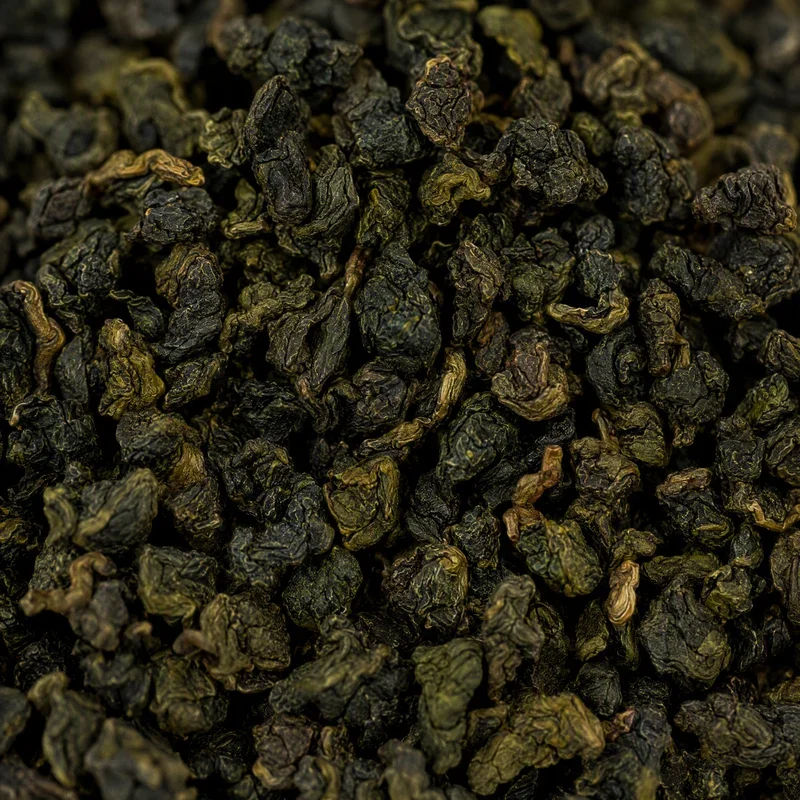
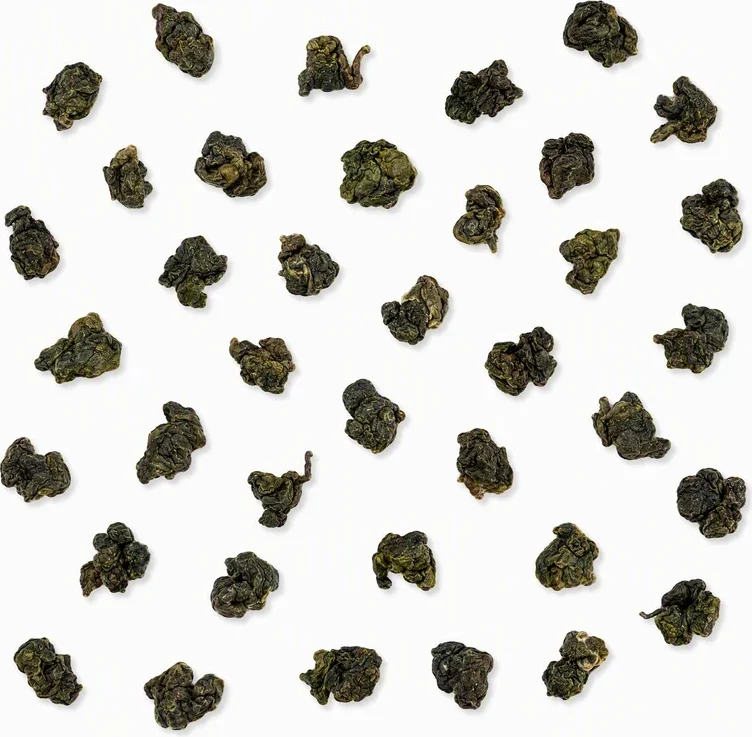
Dry Leaf Appearance: Dense semi-spherical granules (半球狀, bànqiú zhuàng), round, tight, uniformly rolled. Color — dark green with sandy tint (砂綠, shā lǜ), surface slightly glossy.
Dry Leaf Aroma: Pronounced milky tone — many compare it to the aroma of milk caramel or creamy toffees. In the background — delicate floral notes reminiscent of osmanthus (桂花, guìhuā). High-mountain samples add cool freshness characteristic of teas from the fog zone.
Liquor Aroma: Milky-creamy profile with bright floral component: osmanthus, light hint of vanilla. Aroma is persistent, well preserved from infusion to infusion, gradually transitioning from milky to soft sweet-floral.
Liquor Color: Honey-green with golden reflection (蜜綠透金黃, mì lǜ tòu jīn huáng) — clear and bright. With more pronounced oxidation — closer to green-yellow.
Spent Leaves: Opened whole leaves — fleshy, soft, with bright luster. Classic quality sign — "green leaf with red edge" (綠葉紅鑲邊, lǜ yè hóng xiāng biān), indicating properly conducted partial oxidation.
Taste: Smooth, silky, with pronounced natural sweetness. Body is medium, without rough astringency. Flavor palette: creamy softness on entry, freshness and light fruitiness in the middle, prolonged returning sweetness (回甘, huígān) with cool "throat melody" (喉韻, hóu yùn). Amino acid content (≥ 1.2%) provides noticeable umami-sweetness component, while relatively low polyphenol level (12.1%) — absence of pronounced bitterness.
Alkaloids: Caffeine — about 2.4% dry weight. With hot brewing, caffeine content in 100 ml liquor is approximately 25–55 mg, placing Jin Xuan in the category of moderately caffeinated teas. Cold brewing reduces caffeine extraction by approximately half. Theobromine and theophylline are present in trace amounts.
Amino Acids: Total content — about 1.2%, which is a comparatively high indicator among oolongs. L-theanine — the main amino acid — is responsible for liquor sweetness, umami sensation and synergistic relaxing effect with caffeine. High-mountain samples generally contain more amino acids thanks to slowed growth in fog and low temperature conditions.
Jin Xuan's unique milky-floral aroma is due to a specific set of volatile substances characteristic precisely of this cultivar: lactones (internal esters forming milky-creamy notes), diacetyl / butanedione (buttery-creamy tone), nerolidol (橙花叔醇, chéng huā shū chún — floral-woody aroma typical of osmanthus), linalool oxides (芳樟醇氧化物, fāng zhāngnǎo yǎnghuà wù — sweet-floral notes). These compounds are genetically determined and manifest only with proper technological regime with light oxidation and low-temperature drying.
About 4.9% — an indicator related to high protein and amino acid content.
Minerals: Potassium, magnesium, manganese, zinc, fluorine — in trace amounts, sourced from mineral-rich red-yellow mountain soils.
Polyphenols: Content in spring harvest (dry leaf, bud + two leaves) — about 12.1%. This is noticeably lower than most classic oolongs (15–25%), which explains the mildness and absence of pronounced bitterness in Jin Xuan taste. Main components — catechins: epigallocatechin (EGC), epigallocatechin gallate (EGCG), epicatechin (EC), epicatechin gallate (ECG). With light oxidation, catechins are largely preserved, providing antioxidant potential.
Vitamins: Vitamins C, B₂, E, K — typical set for lightly oxidized oolongs, with good vitamin C preservation thanks to gentle processing.
Jin Xuan catechins effectively neutralize free radicals. According to some data, antioxidant activity of tea polyphenols exceeds vitamin E activity several times.
Catechins and flavonoids help reduce "bad" cholesterol (LDL) levels and maintain vascular elasticity.
Synergy of caffeine and L-theanine provides balanced stimulation: alertness without nervousness, improved concentration and cognitive functions.
Polyphenols and light oxidation make Jin Xuan comfortable for the stomach. Catechins stimulate fat breakdown — according to individual studies, lipid breakdown efficiency in Jin Xuan is 30% higher than in average oolong.
Polyphenols suppress growth of pathogenic bacteria in the oral cavity, reducing caries risk and improving breath freshness.
Flavonoids and catechins help slow glucose absorption — potential support for tendency toward elevated sugar.
Cold brewing reduces caffeine and tannin extraction by approximately half, making tea suitable for people with sensitive digestive systems.
Mild milky aroma and L-theanine promote cortisol level reduction, creating a sense of calm and comfort.
Add 5 g tea to container with 1,500 ml cold water, place in refrigerator for 4–5 hours. Liquor becomes sweet, with muted bitterness and enhanced milky note. 2–3 re-steeps are allowed. Store prepared cold liquor in refrigerator and consume within 4–5 days.
Tea Amount: 7–8 g per 150–200 ml (gongfu); 3–5 g per 250–300 ml (steeping in cup); 5 g per 1,500 ml (cold brewing).
Teaware: Porcelain gàiwǎn (蓋碗, gàiwǎn) — optimal choice for revealing milky and floral notes without aroma absorption by walls. Small porcelain or glass teapot is acceptable. Clay teaware (Yixing clay) is less preferable for light oolongs, as wall porosity can muffle delicate aroma.
Water Temperature: 90–95°C for hot brewing (gongfu); for cold — drinking water at room temperature or from refrigerator.
Enemies: Moisture, heat, foreign odors (especially food products in refrigerator), direct sunlight, oxygen.
Airtight packaging (vacuum aluminum bag or tin with tight lid), cool and dark place. Light oolongs are extremely sensitive to foreign odors, moisture and light.
Opened tea should preferably be consumed within 72 hours, as aromatic substances quickly dissipate. If impossible — transfer to airtight opaque container and store in refrigerator.
Temperature: For fresh (unopened) Jin Xuan, refrigerator at 0–5°C is recommended — this preserves milky aroma and freshness for up to 1–2 years. In vacuum aluminum packaging at room temperature — up to 2 years.
Most widespread Taiwanese cultivar. Profile — purely floral (orchid, gardenia) without milky notes. More refined and elegant, but without Jin Xuan's recognizable "calling card." Leaf is thinner and more delicate, requires more careful processing.
Jin Xuan's "brother" — also Wu Zhenduo's creation. Profile — pronounced jasmine-gardenia aroma (玉蘭花香, yùlán huā xiāng), without milky tones. Liquor is lighter and more transparent, astringency slightly more noticeable.
"Four Seasons Spring" — high-yield cultivar with gardenia aroma. Simpler in structure than Jin Xuan, less layered, but popular thanks to accessible price and ability to yield harvest year-round.
Classic Taiwanese oolong from Lùgǔ (鹿谷), more often produced with deeper oxidation and roasting. Profile — caramel-nutty, with woody notes. Radically different from Jin Xuan's fresh milky character.
Often produced from Qingxin Oolong at the same altitudes as Jin Xuan. Profile — floral-creamy, but milky notes are more delicate and refined, without Jin Xuan's characteristic "caramel quality." In direct comparison, Alishan Jin Xuan is usually perceived as more "warm" and "enveloping."
Price Category: Wide range depending on origin. Flatland Jin Xuan — one of the most accessible Taiwanese oolongs, popular as "entry" tea for category introduction. High-mountain Ālǐshān Jìn Xuān winter harvest (冬茶, dōng chá) — significantly more expensive, comparable in price to other high-mountain Taiwanese oolongs. Factors affecting cost: plantation altitude, harvest season (winter and spring — more expensive), proportion of manual labor, farm reputation.
This is the main problem of Jin Xuan market. Flavored tea is easily distinguished: it has sharp, intrusive milky smell already at first infusion, which rapidly disappears by the second. Natural milky aroma is more delicate but more persistent — it persists throughout many infusions.
Natural Jin Xuan spent leaves are fleshy, thick, elastic, with red edge around the rim. Flavored — leaf is often thin and soft, without characteristic red border.
Natural milky tone is never "perfumery" or "chemical." If aroma resembles fast-food milkshake — you have flavoring.
High-mountain Jin Xuan cannot cost like flatland green tea. Suspiciously low price with claim "Alishan, high-mountain" — almost guaranteed sign of counterfeit or flavoring.
Give preference to sellers with transparent origin chain, indication of specific farm and plantation altitude.
No reviews yet. Tell us what you think of this tea.
Rate this tea and share your impressions. We review each submission before publishing it.