Brewing
Gongfu brewing
- Water temperature
- 75 °C
- Tea amount
- 5 g
- Water volume
- 100 ml
- First steep
- 10 s
- Time added per infusion
- 5 s
- Infusions
- 3

Jiétān lǜchá
Choose a brewing method. Start with the recommended quantities and time, then adjust to taste.
Brewing
Brewing
Taste
Tea encyclopedia
Category: Historical tribute product (唐代贡茶); national geographical indication product (2011); representative of Chinese high-quality twisted green teas.
Category: Historical tribute product (唐代贡茶); national geographical indication product (2011); representative of Chinese high-quality twisted green teas.
Coordinates: Approximately 28°25′–29°00′ N, 110°00′–111°10′ E.
Origin: China, Húnán Province (湖南, Húnán), Yuánlíng County (沅陵县, Yuánlíng Xiàn), Jiétān mountain region (碣滩山区). Yuanling is located in the northwestern part of Hunan, in the middle reaches of the Yuan River, at the junction of the Wǔlíng (武陵山, Wǔlíng Shān) and Xuěfēng (雪峰山, Xuěfēng Shān) mountain ranges.
Type: Green tea (non-oxidized). By form—twisted-curved (卷曲形, juǎnqū xíng).
Cultural Significance: Jietan Cha is one of the few teas whose tribute history is confirmed simultaneously by ancient chronicles and 20th-century events (the diplomatic episode of 1972). For Yuanling County, which holds the status of "Hometown of Famous Tea in China" (中国名茶之乡) and "Hometown of Organic Tea" (中国生态有机茶之乡), this is the territory's main brand. The tea is also connected to the culture of "Mount Eryushan" (二酉山)—the legendary repository of knowledge that gave rise to the expression "learning of five carts and two caves" (学富五车,书通二酉).
History: Yuanling's tea tradition has ancient roots. The Western Jin treatise "Jingzhou Tudi Ji" (《荆州土地记》, Jīngzhōu Tǔdì Jì) noted: "In all seven counties of Wuling, tea grows everywhere, and it is the finest"—Yuanling was one of these seven counties. In Lu Yu's (陆羽, Lù Yǔ) "Classic of Tea" (《茶经》, Chájīng), Pei Yuan's "Kunyuan Lu" (《坤元录》) is quoted: "Three hundred and fifty lì northwest of Xupu County in Chēnzhōu Prefecture lies Mount Wusheshan (无射山)... on the mountain there are many tea trees." In 2016, Mount Wusheshan, located in Yuanling County, was officially recognized by the China Tea Marketing Association and China Tea Culture Society as "China's Historic Tea Culture Mountain."
Name Breakdown: "Jietan" (碣滩)—"rocky shoal": "碣" means stone stele or vertically standing rock; "滩"—river shoal or shallow. The name comes from rock formations in the Yuan River bed, standing vertically like steles. Lü Chá (绿茶)—"green tea." Thus, the full name is "green tea from Rocky Shoal."
Cultivar: Primary—local group population (本地群体种, běndì qúntǐ zhǒng), represented by ancient tea trees over 150 years old. These trees belong to the southwestern branch of Camellia sinensis var. sinensis (Yunnan-Guizhou tea group, 云贵茶叶组系), distinguished by fleshy, dense leaves with strong tenderness retention (持嫩性). Auxiliary clonal varieties for plantation expansion—Báiháo Zǎo (白毫早, Báiháo Zǎo), Bìxiāng Zǎo (碧香早, Bìxiāng Zǎo), Zhūyè Qí (槠叶齐, Zhūyè Qí).
Picking: Spring harvest—from Spring Equinox (春分, Chūnfēn, mid-March) to Grain Rain (谷雨, Gǔyǔ, mid-April) for special and first grades. For special grade, the rule "harvested in the morning—processed in the afternoon" (上午采下午制) applies.
Pluck Standard: Jiétān Yín Zhèn (碣滩银针, Jiétān Yínzhēn, "Silver Needles of Jietan")—single bud; Jiétān Máojiān (碣滩毛尖, Jiétān Máojiān)—bud with one leaf in initial opening stage; Jiétān Cuìfēng (碣滩翠峰, Jiétān Cuìfēng)—bud with two leaves in initial opening stage.
Altitude: 300–1000 m; main tea garden areas—at 400–600 m altitude.
Climate: Average annual temperature 16.6 °C; annual precipitation ≥ 1440 mm (highest in the Huaihua region). Clouds and mist—year-round; 911 streams and rivers create moisture-saturated air, favoring slow accumulation of amino acids and aromatic precursors in tea leaves.
Soil: Unique geological feature—extensive areas of purple shale and slate weathered soils (紫色板页岩风化土壤) with volcanic ash components. High content of zinc (Zn) and manganese (Mn) with low content of aluminum (Al) and fluorine (F). Organic matter ≥ 2.0%; pH 4.5–5.5. This rare geochemical composition is one of the reasons for the tea's exceptionally high extractability.
Yuanling is located at the junction of two mountain systems—Wulingshan (武陵山) and Xuefengshan (雪峰山). The Yuán River (沅水) and Yóu River (酉水) flow through the county; the Wuqiangxi Hydroelectric Station (五强溪水电站) created Hunan's largest artificial reservoir, forming a unique microclimate—increased humidity, stable temperature, and abundant mist. Forest coverage—76.19%. The county has over one hundred mountain peaks, more than 30 of which exceed 1000 m.
Jietan Village, Beirong Township (北溶乡碣滩村)—the historical birthplace of the tea; high-mountain tea gardens near Jiemusi National Nature Reserve (借母溪国家级自然保护区). Total tea garden area in the county—over 150,000 mu (approximately 10,000 ha).
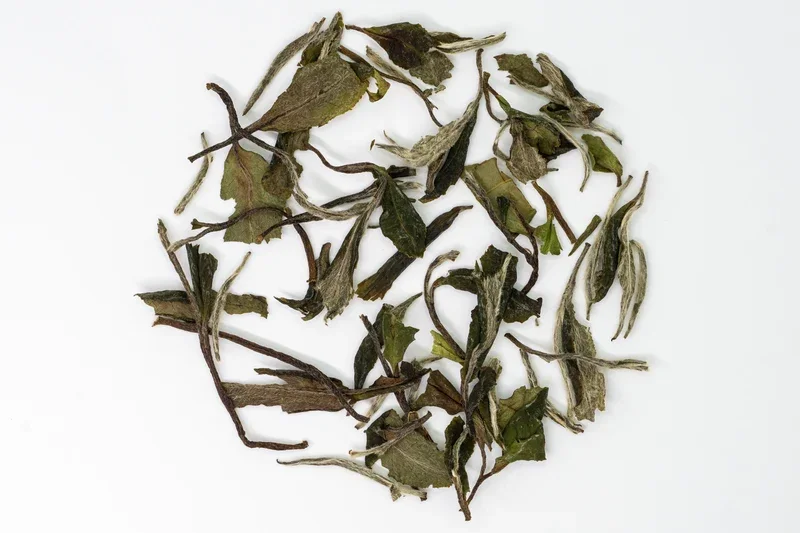
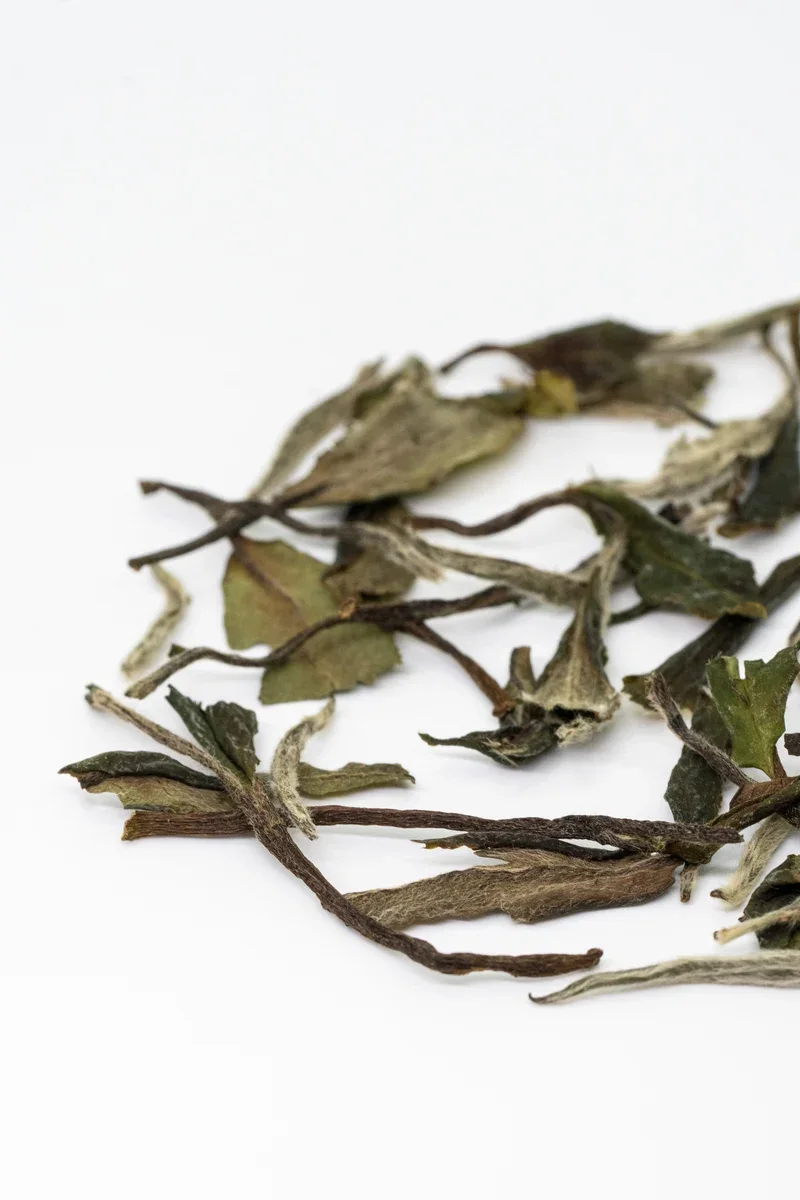
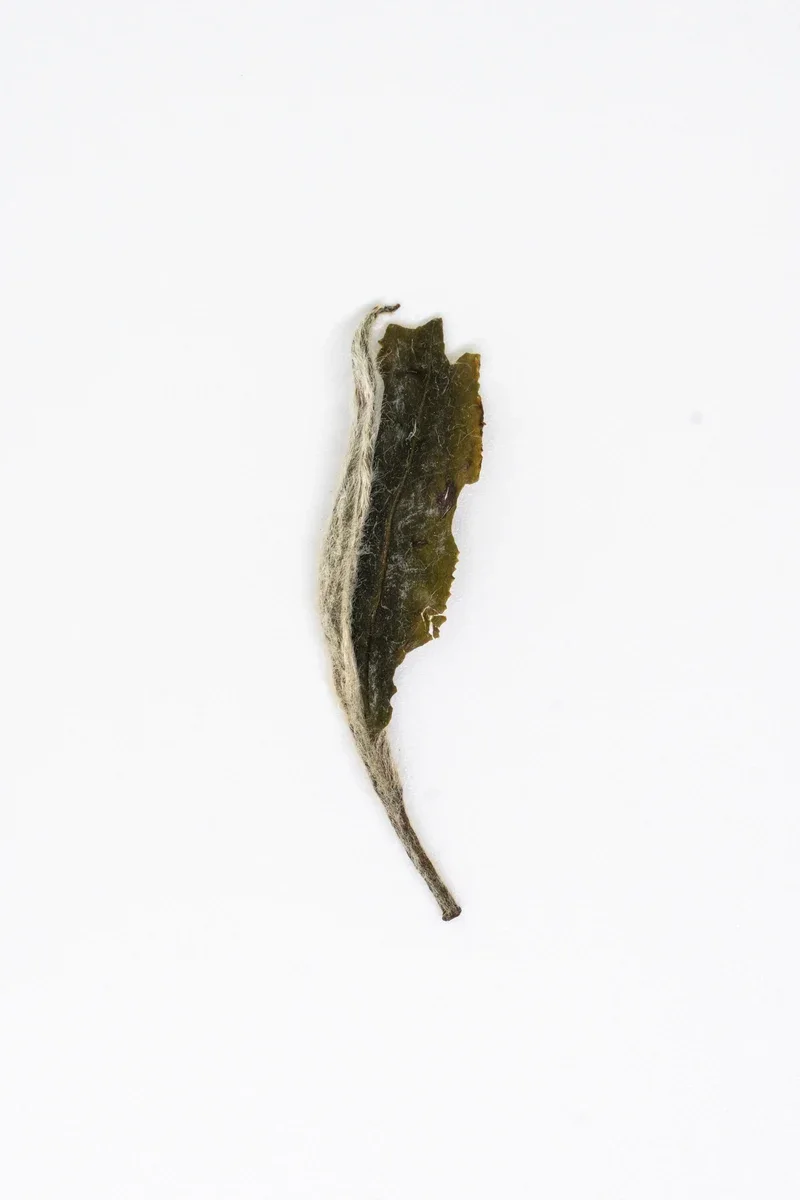
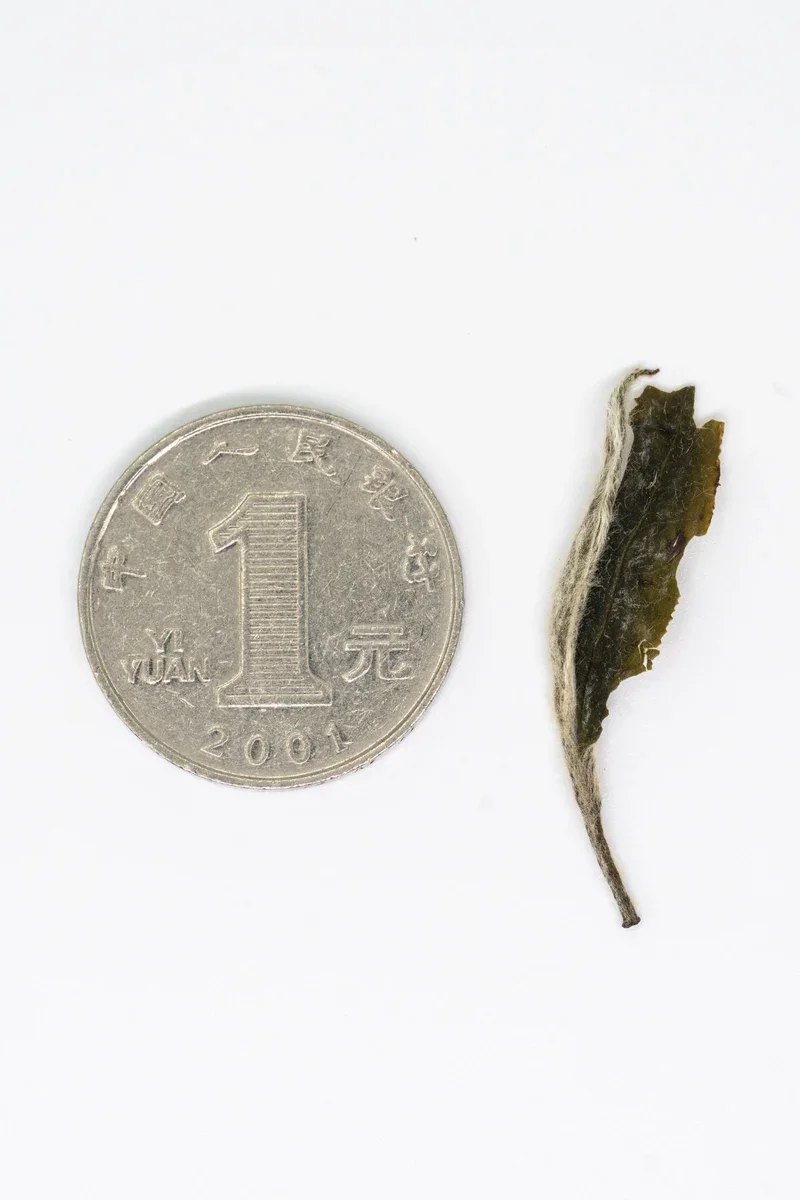
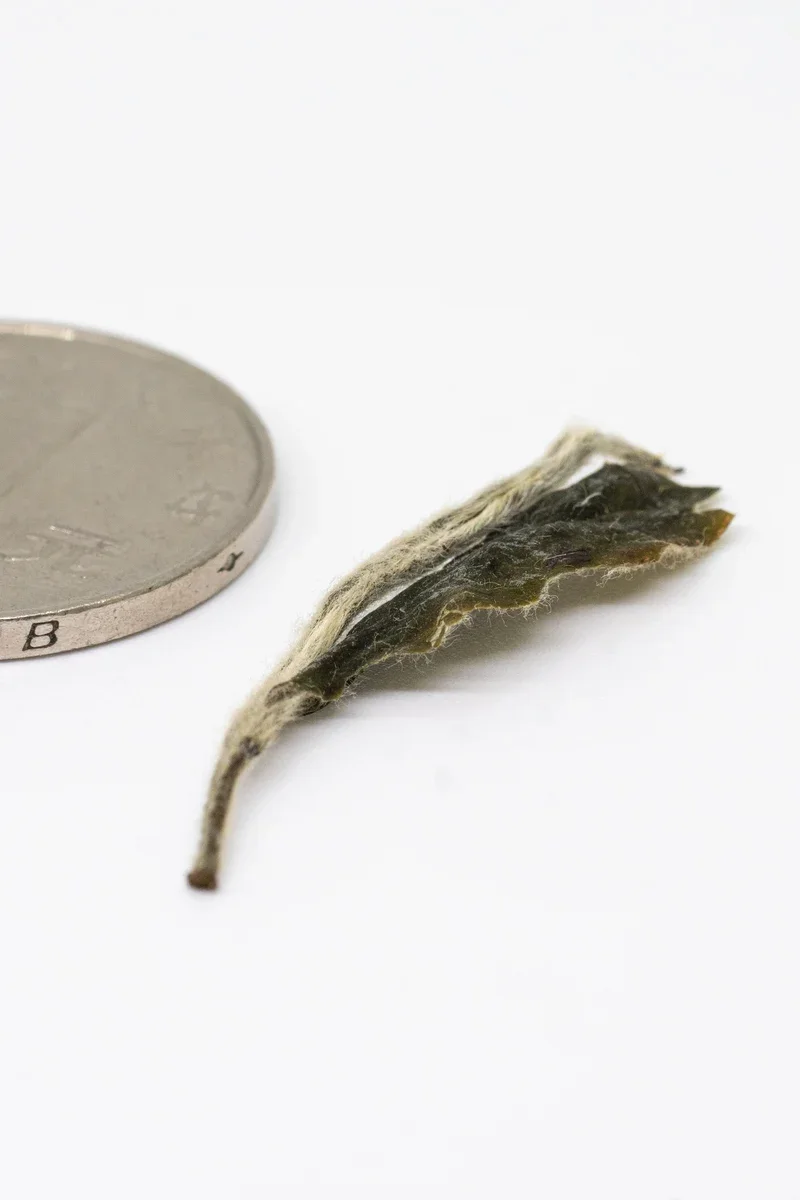
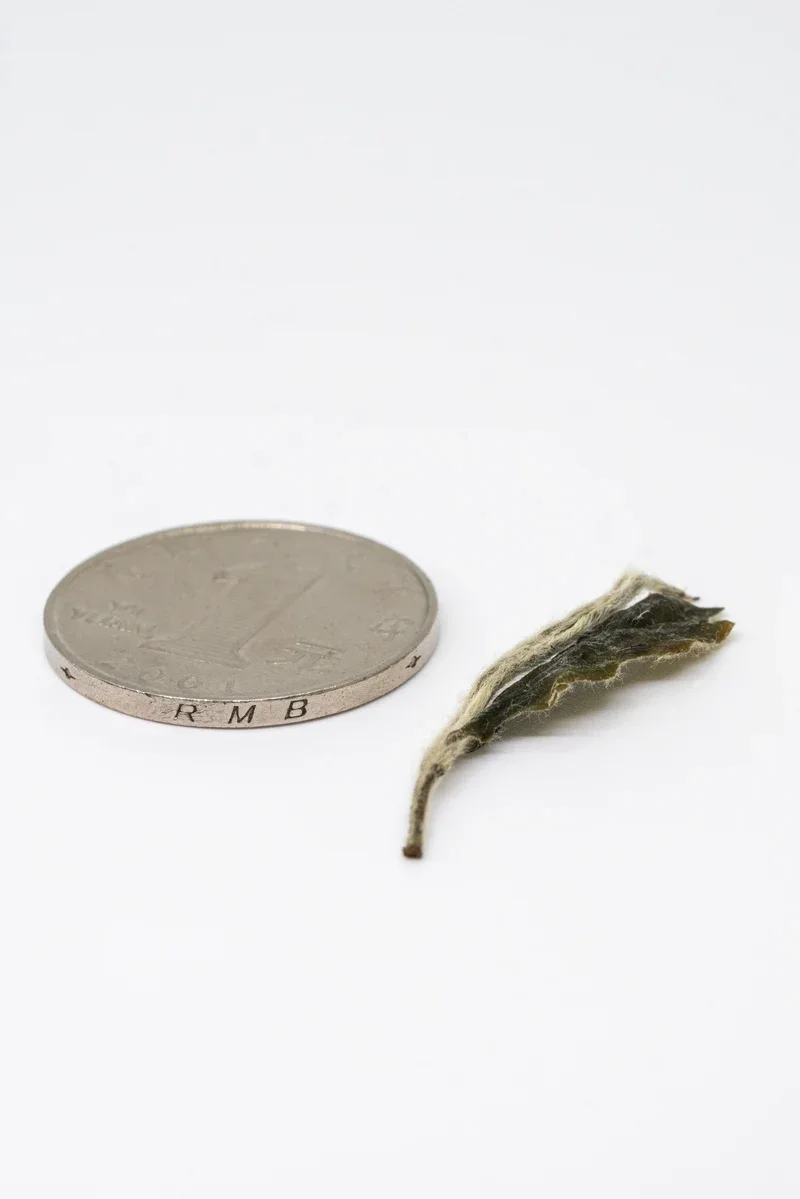
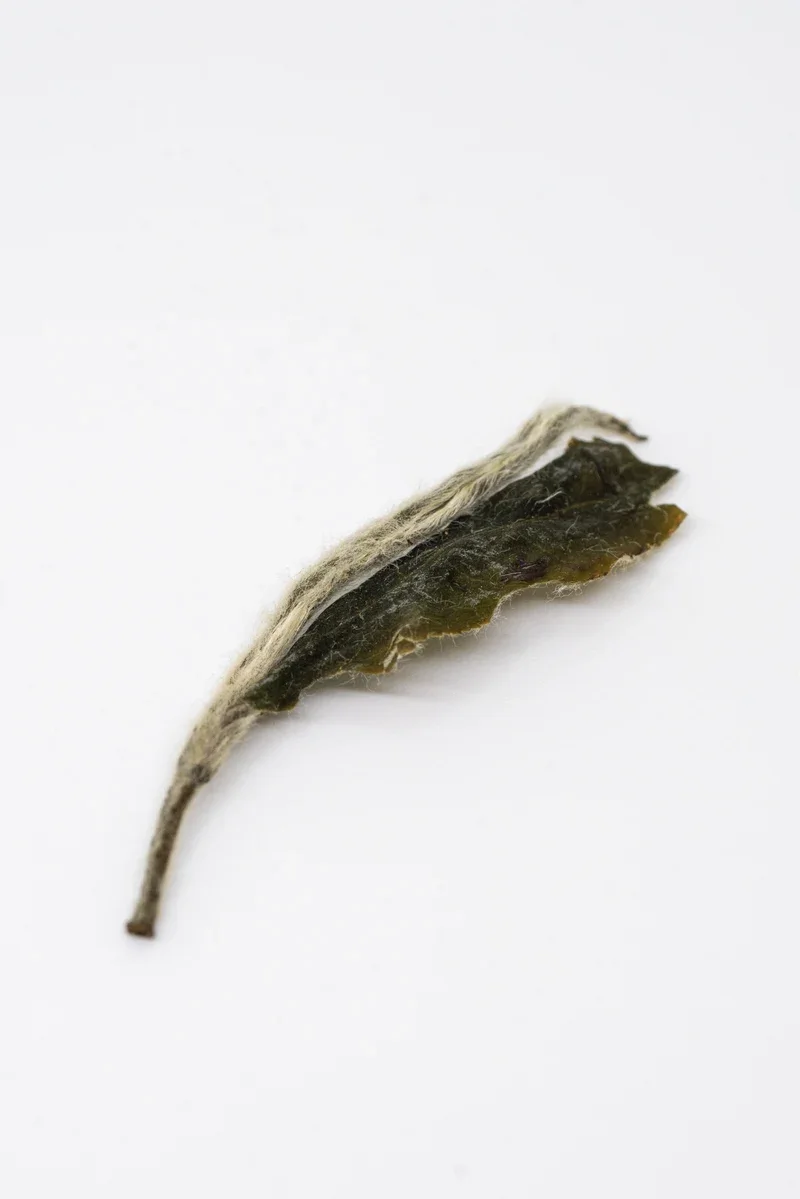
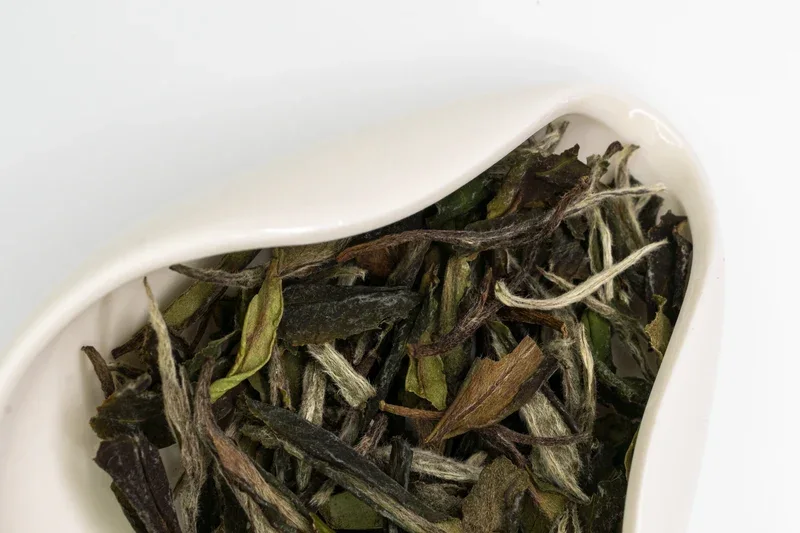
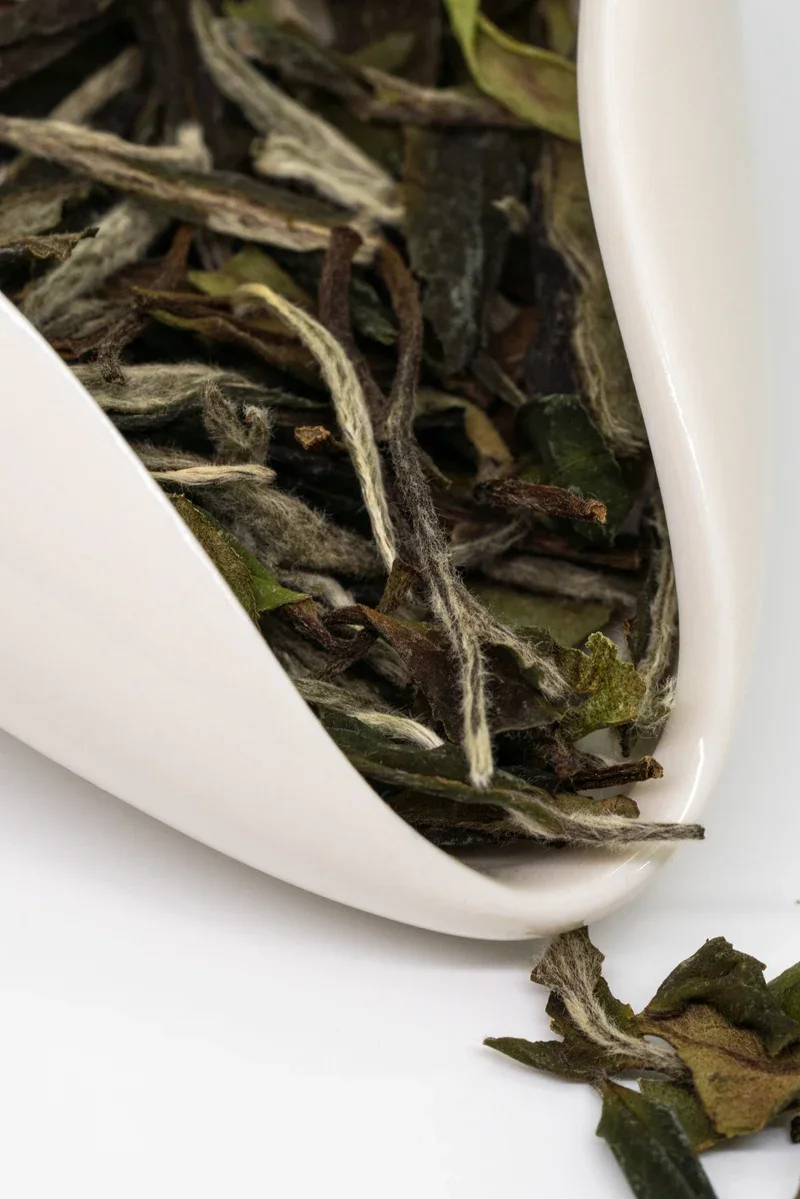
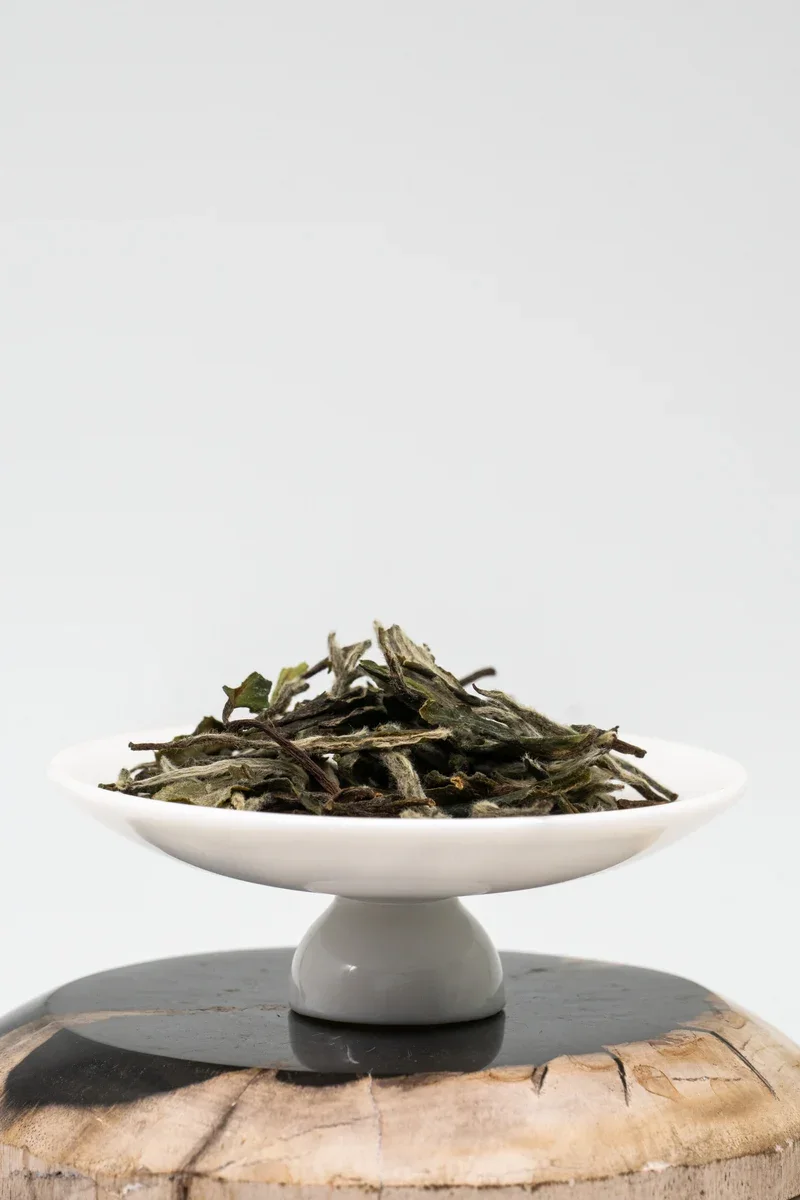
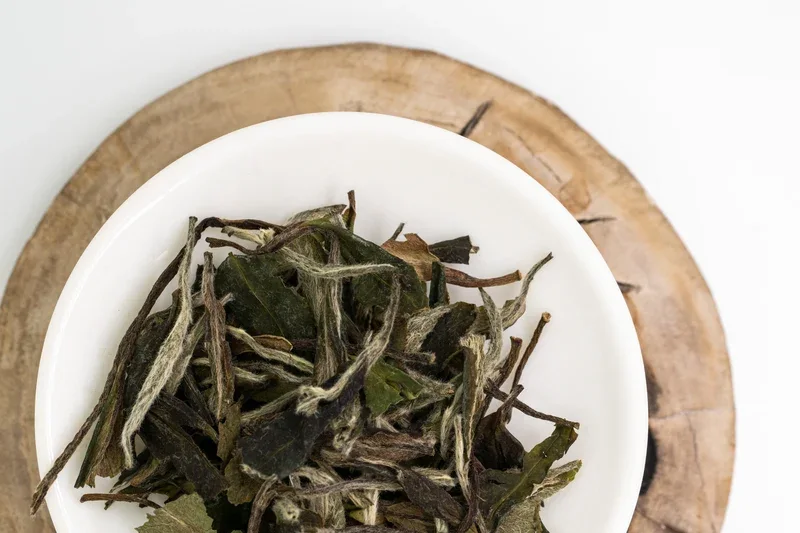
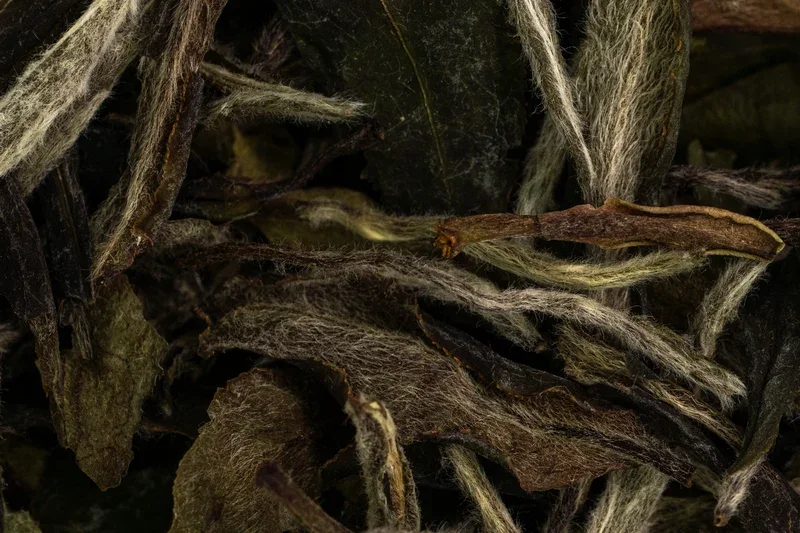
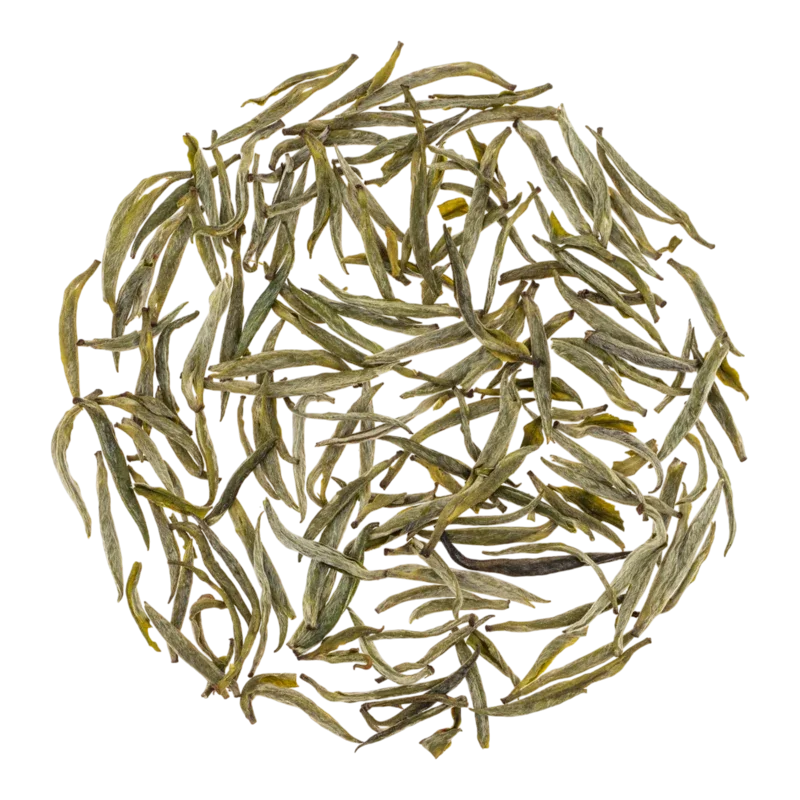
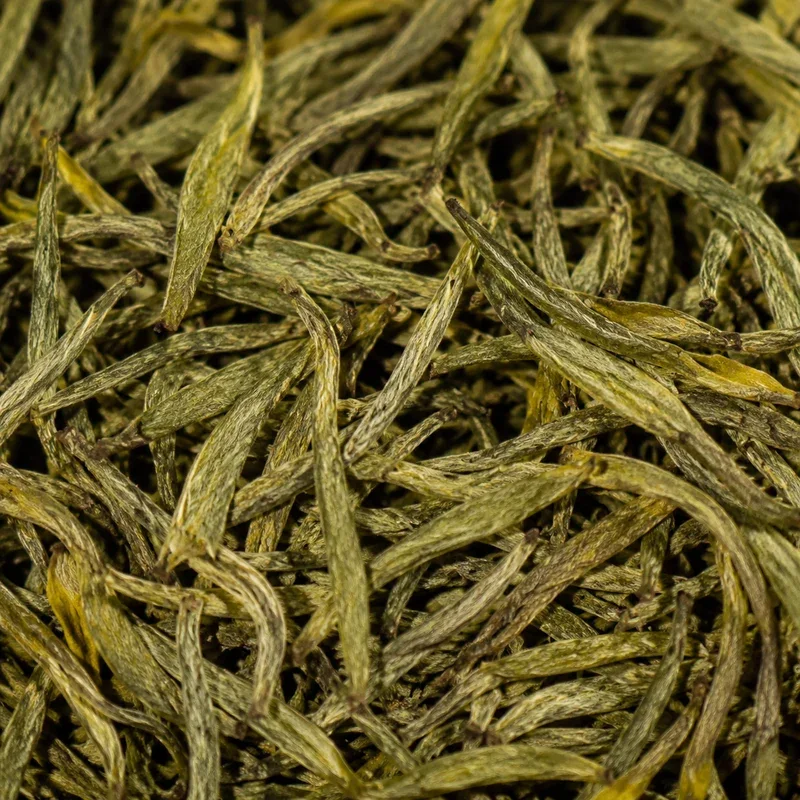
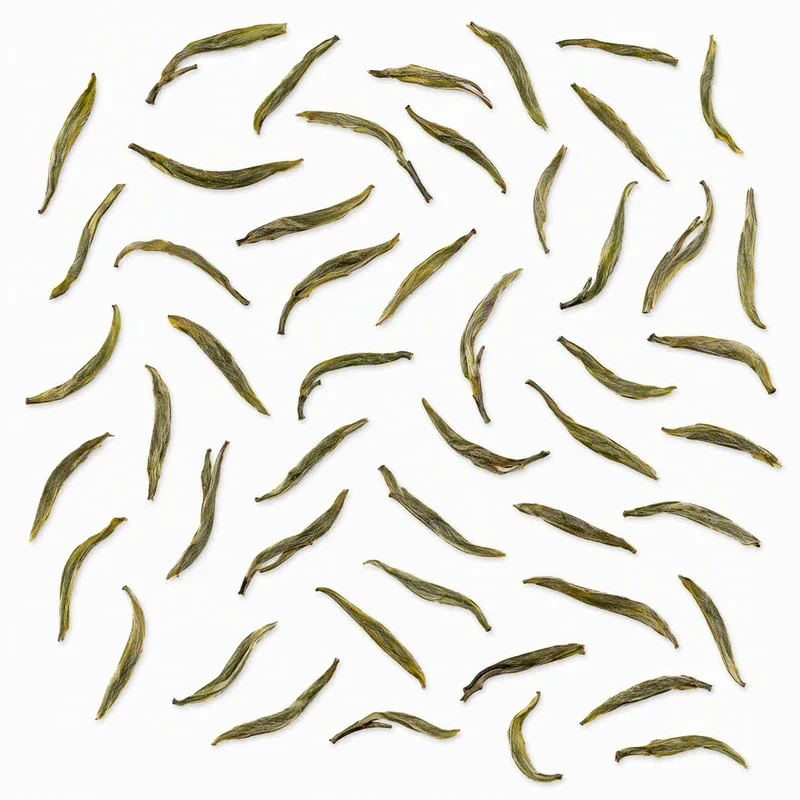
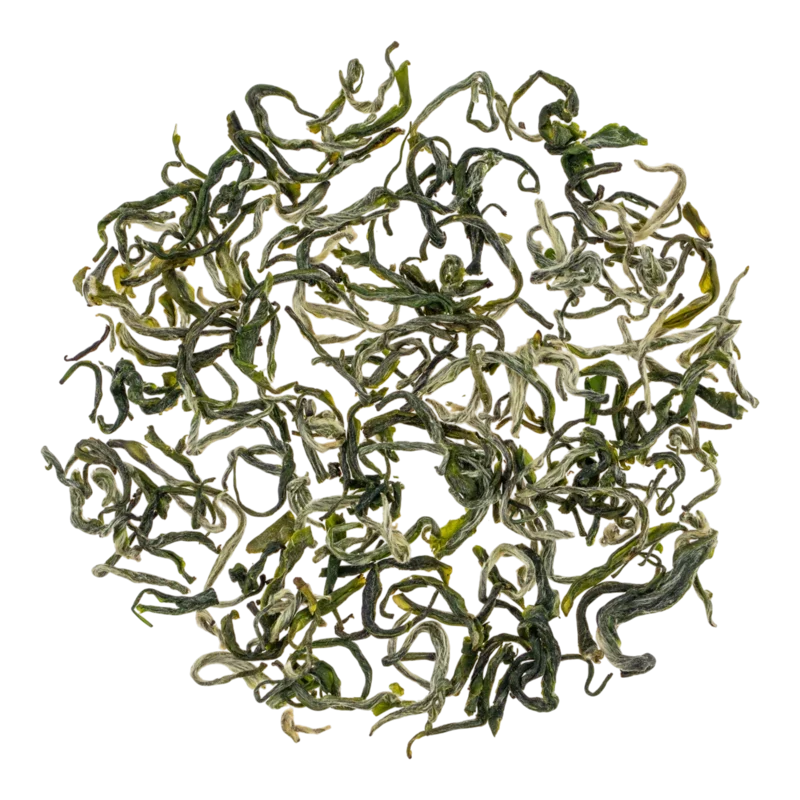
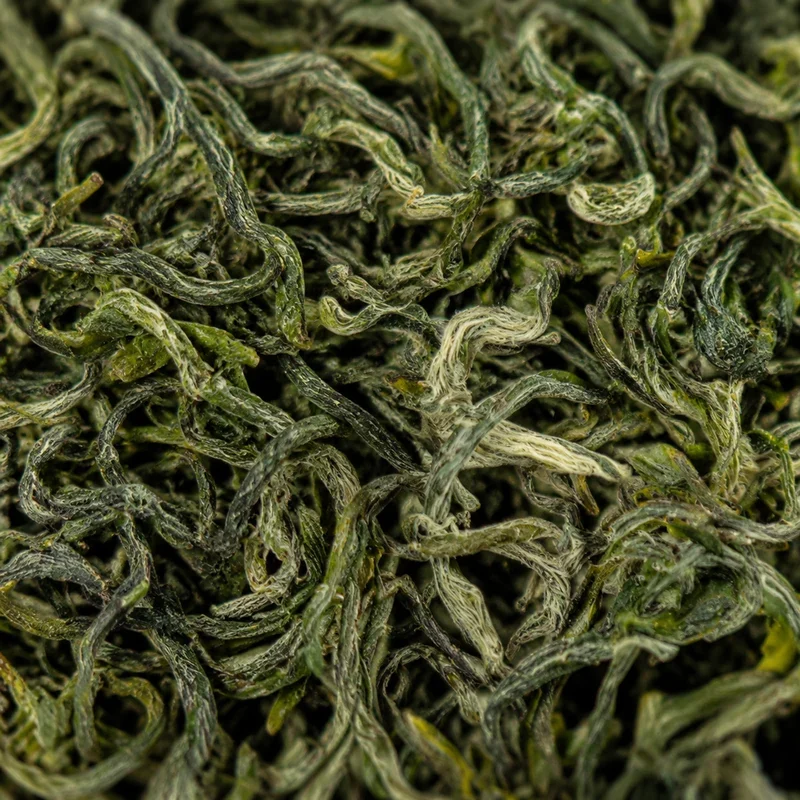
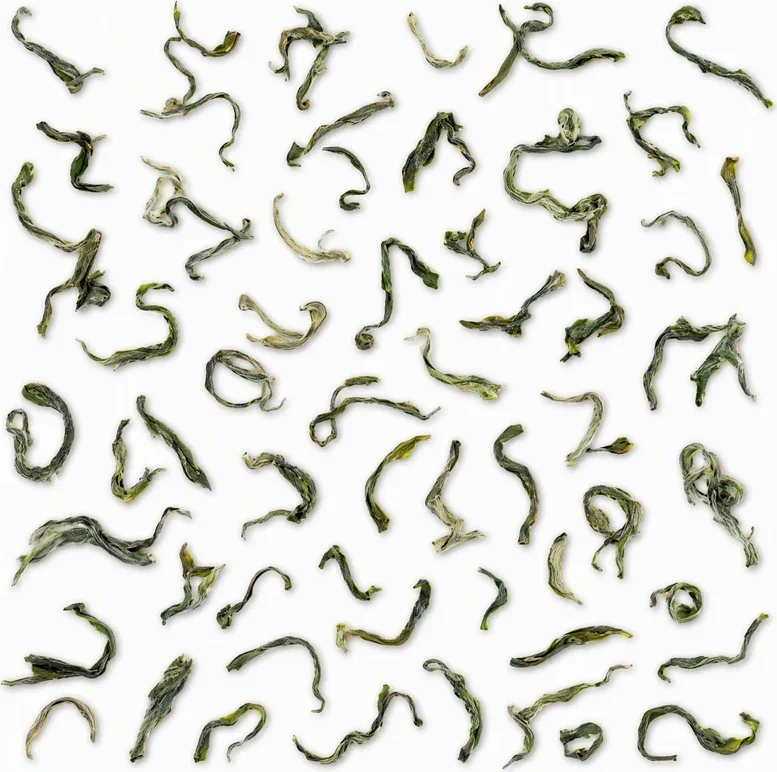
Dry Leaf Appearance: Thin, tightly twisted leaves of curved form (卷曲形); sharp tips, elegant (锋苗秀丽); color—green with oily luster (绿润); abundant silvery down covers the leaf, occasionally revealing the emerald base (银毫满披隐翠). When brewed, leaves stand vertically and float, rising and falling—"like silver fish frolicking in water" (如银鱼游翔)—considered one of the visual quality standards.
Dry Leaf Aroma: Dominant—chestnut aroma (栗香, lì xiāng); delicate, persistent green freshness (嫩香持久). The cooled cup retains aroma for more than 30 minutes (冷杯留香超30分钟)—a rare characteristic even among famous green teas.
Liquor Aroma: Chestnut tone intensifies, gaining depth; sweet nuances of fresh baking emerge; "cold aroma" becomes even more expressive as it cools.
Liquor Color: Yellow-green, clear and transparent (黄绿清透); possible light "milky" cloudiness from down (毫浑, háo hún).
Spent Leaves: Tender green color, uniform, elastic; for special grade—whole vertically standing shoots.
Taste: Pronounced freshness (鲜爽)—amino acid content ≥ 4.33%; dense, oily body (醇厚) from polyphenols 26.6–29.7%; intense and rapid returning sweetness (huí gān) (回甘显著). Characteristic feature—"to the near it seems there is no aroma, to the far it seems to be fragrant many times over" (近者因"醉"而不闻其香,远者因"渴"倒倍觉芬芳): one person brews tea—the whole house fills with aroma.
Amino Acids: ≥ 4.33%—an outstanding indicator ensuring bright freshness and sweetness.
Record 49.8%—12.8 percentage points above the national standard (37%). This is one of the highest indicators among China's green teas, explaining the exceptional density and richness of taste.
4.46%.
Total content—158.36 mg/g; EGCG and EGC predominate.
Minerals: High content of zinc (Zn) and manganese (Mn), reduced—aluminum (Al) and fluorine (F); selenium (Se) is present. This unique mineral profile directly reflects the purple shale soils.
Polyphenols: 26.6–29.7%—moderately high content; polyphenol to amino acid ratio (酚氨比)—about 6–7, which is very harmonious and indicates pronounced "fresh" orientation while maintaining density.
Vitamins: Vitamin C, B-group vitamins.
Tea polyphenols neutralize free radicals; high EGCG content is associated with pronounced antioxidant activity.
Caffeine combined with L-theanine provides smooth alertness and mental clarity.
Catechins and theaflavins contribute to cholesterol profile normalization.
According to some data, catechins stimulate osteoblast differentiation.
Moderate fluorine content and polyphenols help suppress dental plaque.
Polyphenols and amino acids normalize gastrointestinal function after meals.
Natural zinc, manganese, and selenium from purple soils benefit the immune system and metabolism.
Optimal tasting temperature—45–55 °C. Not recommended on empty stomach (tannins may irritate mucosa). Overnight tea should not be consumed.
Tea Amount: 3 g per 150 ml (glass cup) or 5 g per 120 ml gaiwan.
Teaware: Transparent glass cup—ideal for observing the "dance of silver fish"; white porcelain gaiwan—for controlling extraction and evaluating lid aroma.
Water Temperature: 80–85 °C (boil and let cool for 2 minutes).
"Silver Needles of Jietan"—highest grade, special tribute product. Single buds, form—straight, needle-like; abundant white down. Pronounced sweetness and tenderness; least bitterness. Most rare and expensive variant.
Main commercial variety. Bud with one leaf, finely twisted; classic chestnut aroma, freshness and returning sweetness (huí gān). Optimal price-quality ratio.
"Emerald Peaks of Jietan"—mass tea from bud with two leaves; denser, stronger taste; good brewing endurance. Positioned as daily tea.
Price Category: Special grade (贡品级, "tribute level")—Jiétān Yín Zhèn from single buds of spring harvest (春分茶)—about 1600 yuan/jin. First grade—400–800 yuan/jin. Second grade—affordable daily tea.
Price Factors: Raw material grade, season (mingqian/yuqian), tree age (ancient material over 150 years—significantly more expensive), proportion of hand labor.
No reviews yet. Tell us what you think of this tea.
Rate this tea and share your impressions. We review each submission before publishing it.