Brewing
Gongfu brewing
- Water temperature
- 75 °C
- Tea amount
- 5 g
- Water volume
- 100 ml
- First steep
- 10 s
- Time added per infusion
- 5 s
- Infusions
- 3

Huílóng lǜchá
Choose a brewing method. Start with the recommended quantities and time, then adjust to taste.
Brewing
Brewing
Taste
Tea encyclopedia
Category: Regional famous green teas of Yunnan. Included among the ten best green teas of Yúnnán Province (云南省十大名优绿茶). Product with national geographical indication (国家地理标志产品, Guójiā Dìlǐ Biāozhì Chǎnpǐn), certified in 2013.
Category: Regional famous green teas of Yunnan. Included among the ten best green teas of Yúnnán Province (云南省十大名优绿茶). Product with national geographical indication (国家地理标志产品, Guójiā Dìlǐ Biāozhì Chǎnpǐn), certified in 2013.
Coordinates: 24°31′–24°58′ North latitude, 98°06′–98°34′ East longitude.
Origin: China, Yúnnán Province (云南省, Yúnnán Shěng), Déhóng Dǎi and Jingpo Autonomous Prefecture (德宏傣族景颇族自治州, Déhóng Dǎizú Jǐngpōzú Zìzhìzhōu), Liánghé County (梁河县, Liánghé Xiàn). The geographical indication zone includes 9 townships and towns: Dàchǎng (大厂乡, Dàchǎng Xiāng), Xiǎochǎng (小厂乡, Xiǎochǎng Xiāng), Píngshān (平山乡, Píngshān Xiāng), Nansong (囊宋乡, Nángsòng Xiāng), Jiǔbǎo (九保乡, Jiǔbǎo Xiāng), Héxī (河西乡, Héxī Xiāng), Mángdōng (芒东镇, Mángdōng Zhèn), Měngyǎng (勐养镇, Měngyǎng Zhèn) and Zhēdǎo (遮岛镇, Zhēdǎo Zhèn). The core production area is Huilongzhai village (回龙寨, Huílóng Zhài) in Dachang township, at an elevation of 1580 m, where up to 80% of the county's high-quality tea is produced.
Type: Green tea (绿茶, lǜchá), non-oxidized. Main variety — chaochao (炒青, chǎoqīng) — pan-fired green tea using "magochao" technology. Also produced are variants of hōngqīng (烘青, hōngqīng) — fire-dried and shaiqing (晒青, shàiqīng) — sun-dried.
Flagship product of the county — "Huilong Lü Yu" (回龙绿玉, Huílóng Lǜyù) — "Huilong Green Jade", produced by classical "magochao" technology from select raw material of core zone, regularly wins gold and silver medals at provincial and international tea competitions, starting from 1994.
In Huilongzhai and surroundings, ancient giant tea trees are preserved. In 2004, in Hehuacun village of Dachang township, a tree with trunk circumference of 4.11 meters was discovered — one of the largest tea monuments of Dehong.
History of Huilong cha is inseparably connected with the "Prohibit Opium — Plant Tea" movement of the 1940s, when replacement of opium poppy with tea gardens became a literal act of liberation for local mountain communities.
Huilongzhai is the only village in Lianghe County having its own tea museum, and the annual Huilong Tea Culture Festival attracts thousands of visitors and traders from throughout the province.
In folk tradition, Huilong Lü Cha is sometimes called "true Zhuyeqing" (竹叶青, Zhúyèqīng) — "Bamboo Leaf", emphasizing freshness and purity of its character, although this tea has no formal relation to the famous Sichuan brand.
Cultural Significance: Huilong cha is a symbol of Lianghe County and its multinational culture. Starting from 2014, the Huílóng Tea Culture Festival (回龙茶文化节) is held annually in Huilongzhai. The village has opened the county's first thematic "Huilong Tea Museum" (回龙茶博物馆). Tea is deeply embedded in the daily life of the Dài (傣族), Jingpo (景颇族) and De'ang peoples, for whom it remains the most important economic and ceremonial product.
History: The tea history of Lianghe County spans more than two thousand years and is closely connected with the indigenous peoples of the region — the De'ang (德昂族, Dé'ángzú), who are considered the "most ancient tea farmers" (最古老的茶农) of China. In the mountains of the county, more than 10,000 ancient tea trees aged from several hundred to over a thousand years are still preserved, some of which, according to legend, were planted by the ancestors of the De'ang.
Name Breakdown: "Huilong" (回龙) — the name of Huilongzhai village, which literally translates as "Returning Dragon" and refers to the winding mountainous terrain of the locality. "Lü Cha" (绿茶) — "green tea". Thus, the full name means "Green Tea from Huilong".
Cultivar: Yunnan large-leaf variety (云南大叶种, Yúnnán Dàyè Zhǒng), Camellia sinensis var. assamica. Tree-like (乔木型, qiáomù xíng) or semi-tree-like growth type. Leaf blade 14–18 cm long, fleshy and soft; buds large, dense, with abundant white down (毫, háo). The biochemical profile is distinguished by high content of polyphenols (≥41%) and amino acids (≥3.8%), which provides potential for producing highly aromatic green teas resistant to multiple infusions.
Picking: Spring is peak quality, main picking period falls in March–April (before and after Qingming). Summer and autumn picking is also practiced, but valued lower.
Pluck Standard: Three grades by raw material standard:
Raw Material: Young, uniform, without coarse leaves and mechanical damage. Picking exclusively by hand, in dry weather.
Climate: Southern subtropical monsoon climate (南亚热带季风气候). Average annual temperature at plantation level — about 15°C; absolute maximum 33.8°C, minimum −3.8°C. Daily temperature variation exceeds 8°C, which slows vegetation and promotes accumulation of amino acids in leaves. Precipitation — 1400–2100 mm per year. Number of foggy days over 180 per year; proportion of diffused sunlight exceeds 70%. Frost-free period — about 300 days.
Soil: Brick-red (砖红壤), red-brown (红棕壤) and black-brown humus soils (黑棕壤), pH 4.5–6.5. Fertile layer depth over 100 cm; organic matter content ≥2%. Forest cover — 72–76%.
Tea gardens are located on the western slopes of the Gāolígòng Mountains (高黎贡山, Gāolígòng Shān), in the zone of mountain terraces, gentle slopes and hilly plateaus with gradients up to 30°. Elevation of main plantations — 1300–2000 m above sea level, core production — 1500–1800 m.
Territory free from industrial pollution; water sources meet first national quality class. Tea gardens are located in a biologically diverse forest ecosystem, which creates a natural "cushion" against pests and enriches the soil.
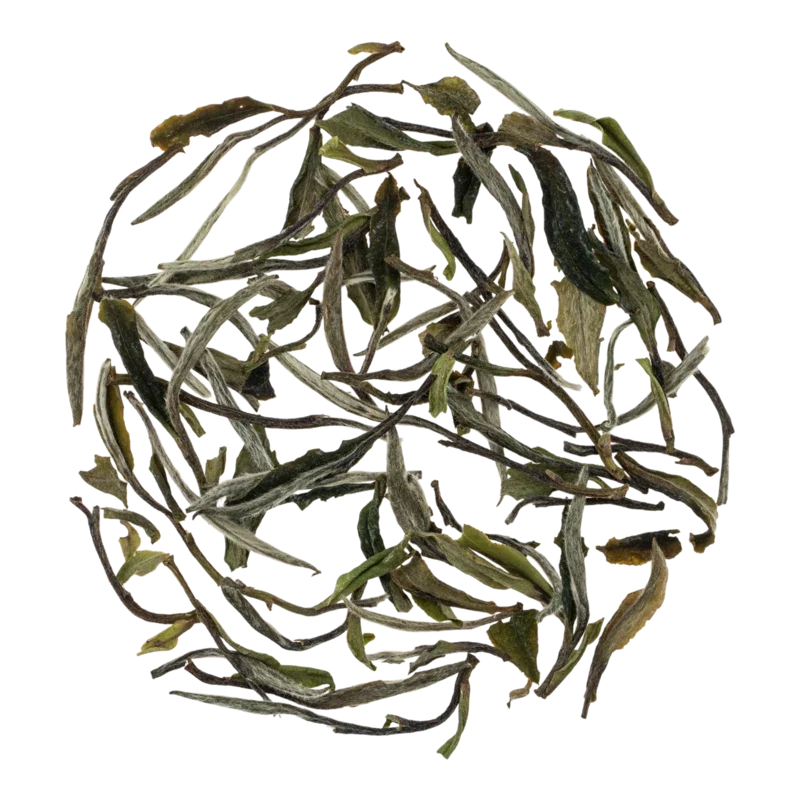
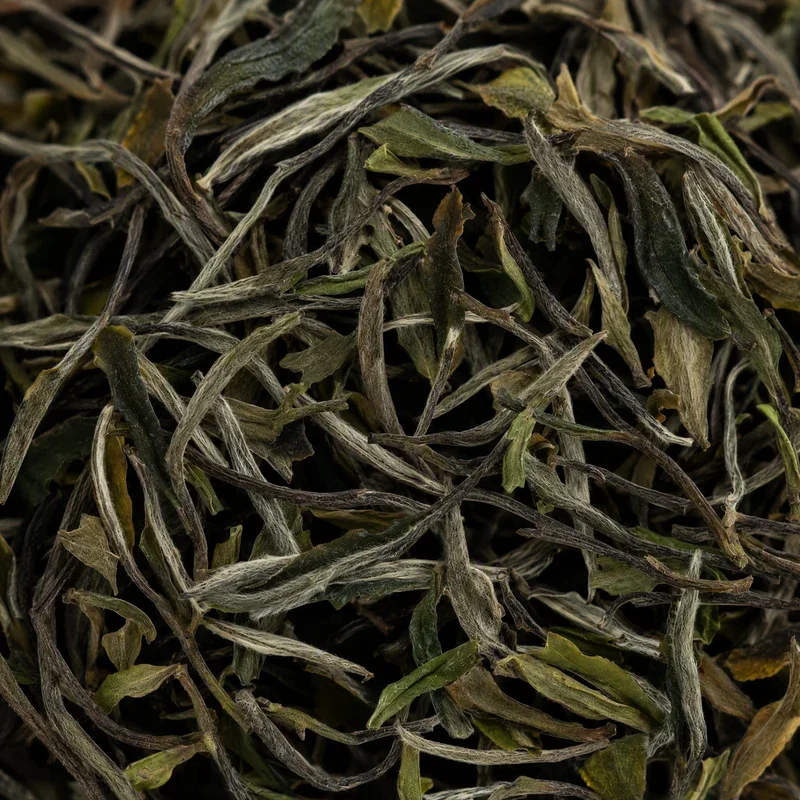
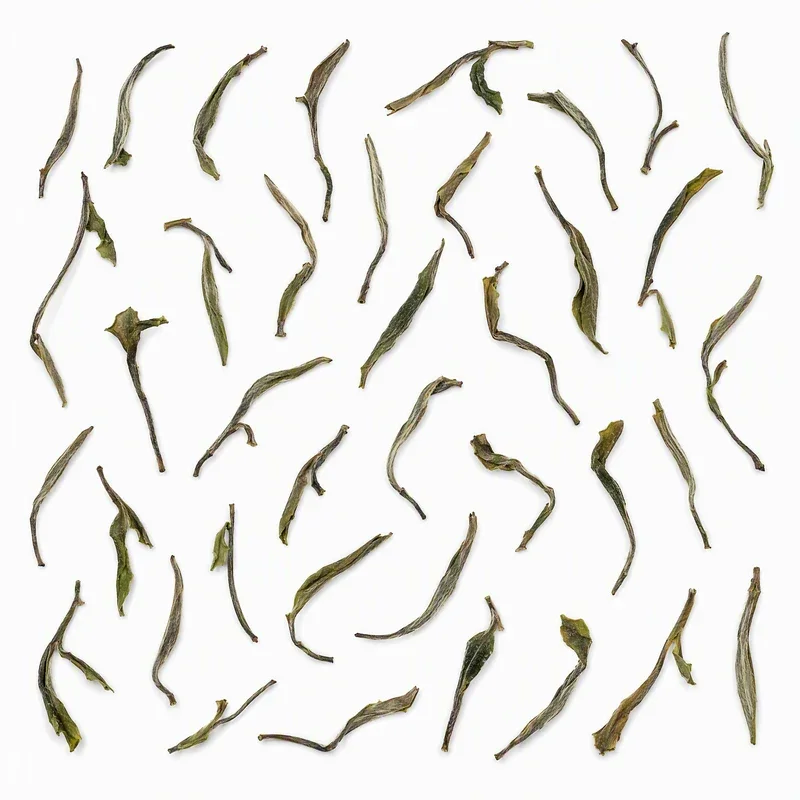
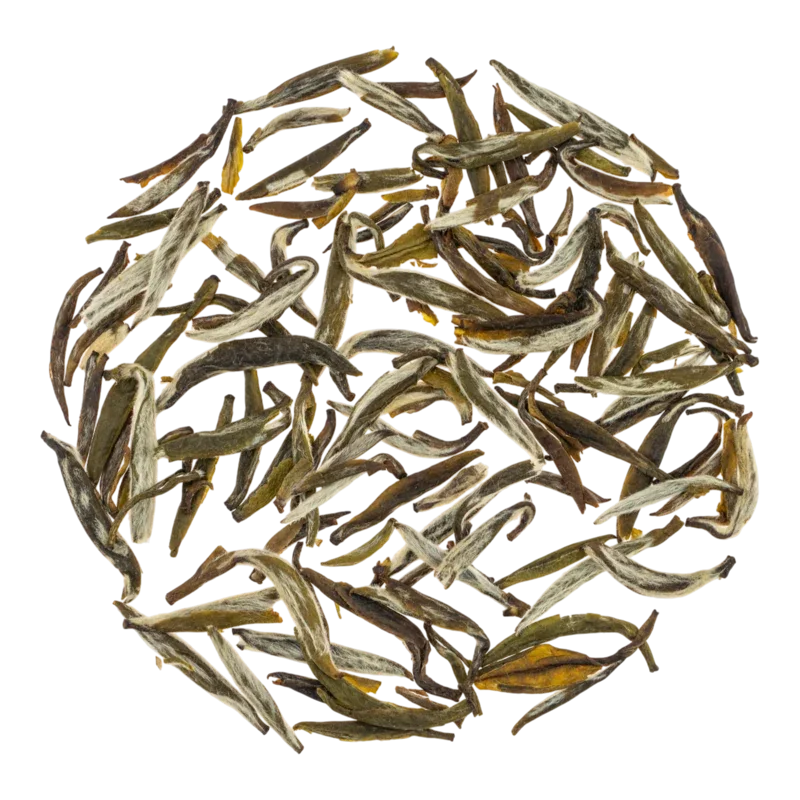
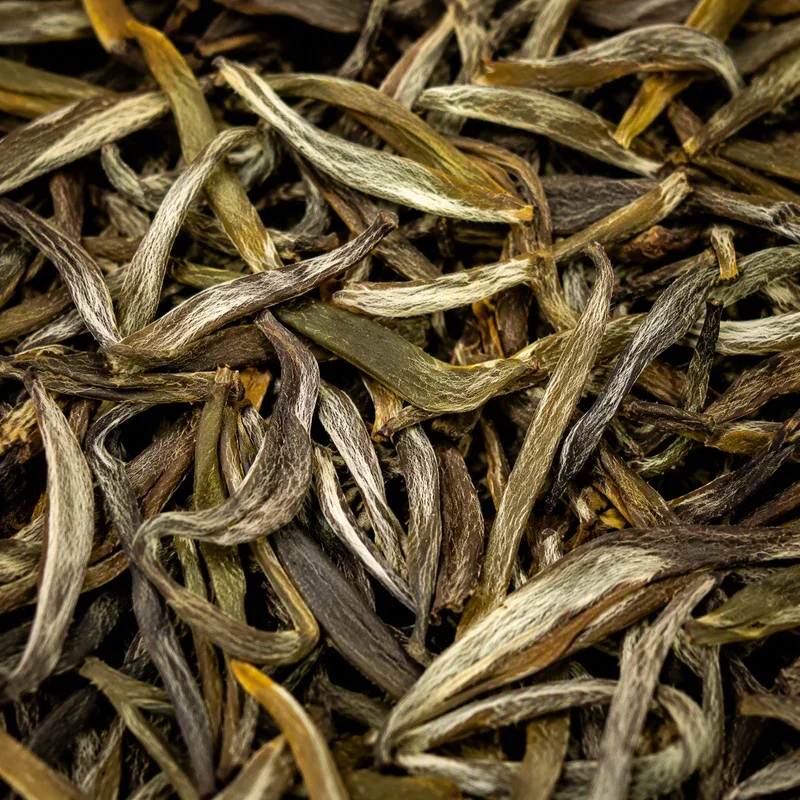
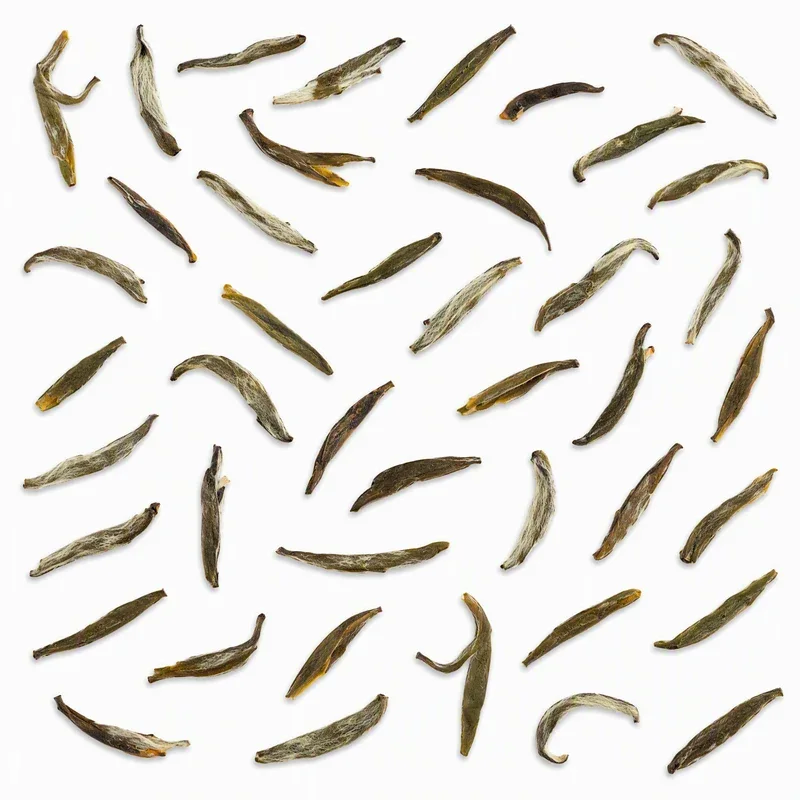
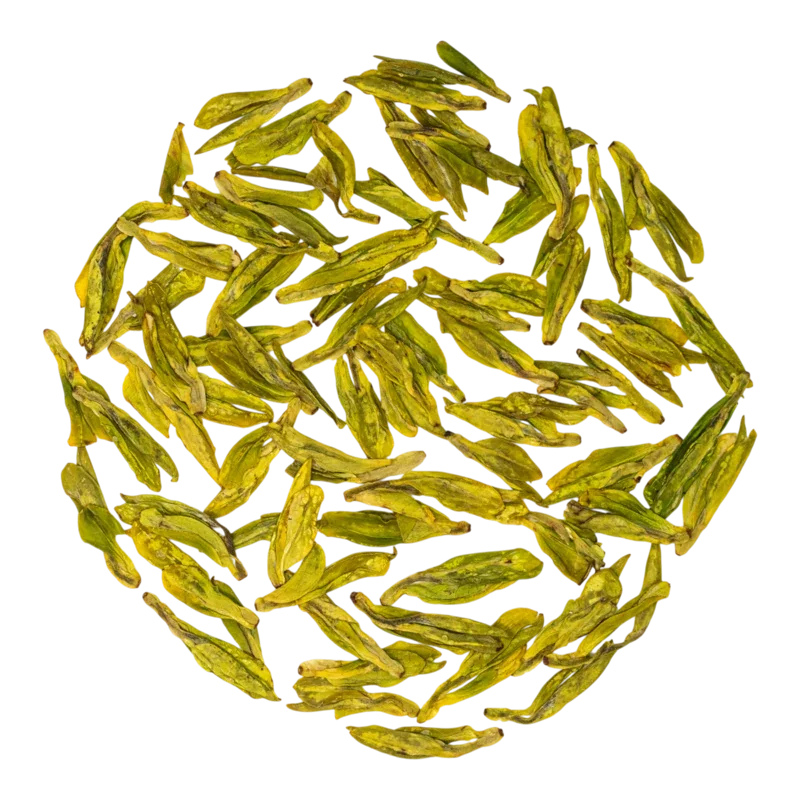
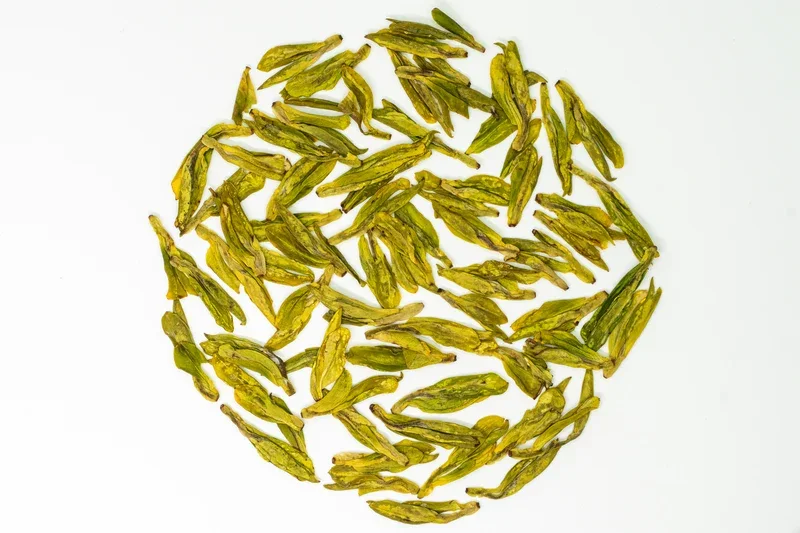
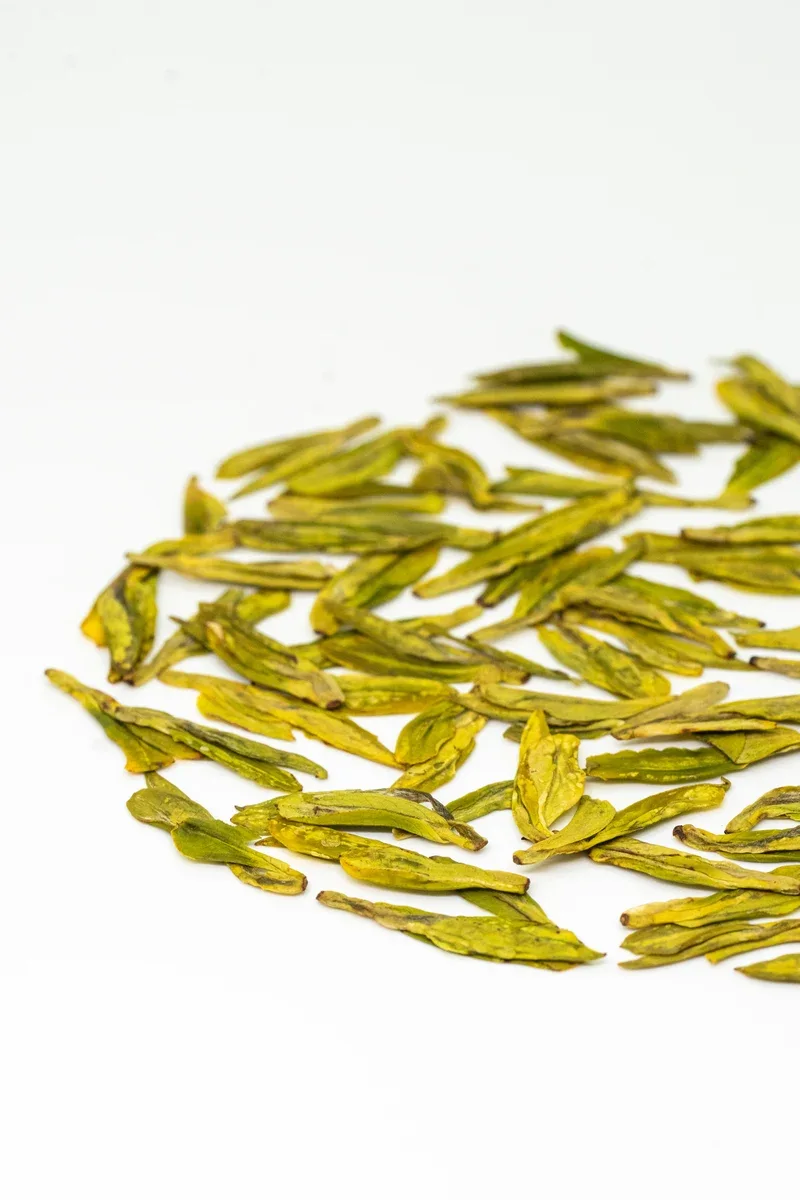
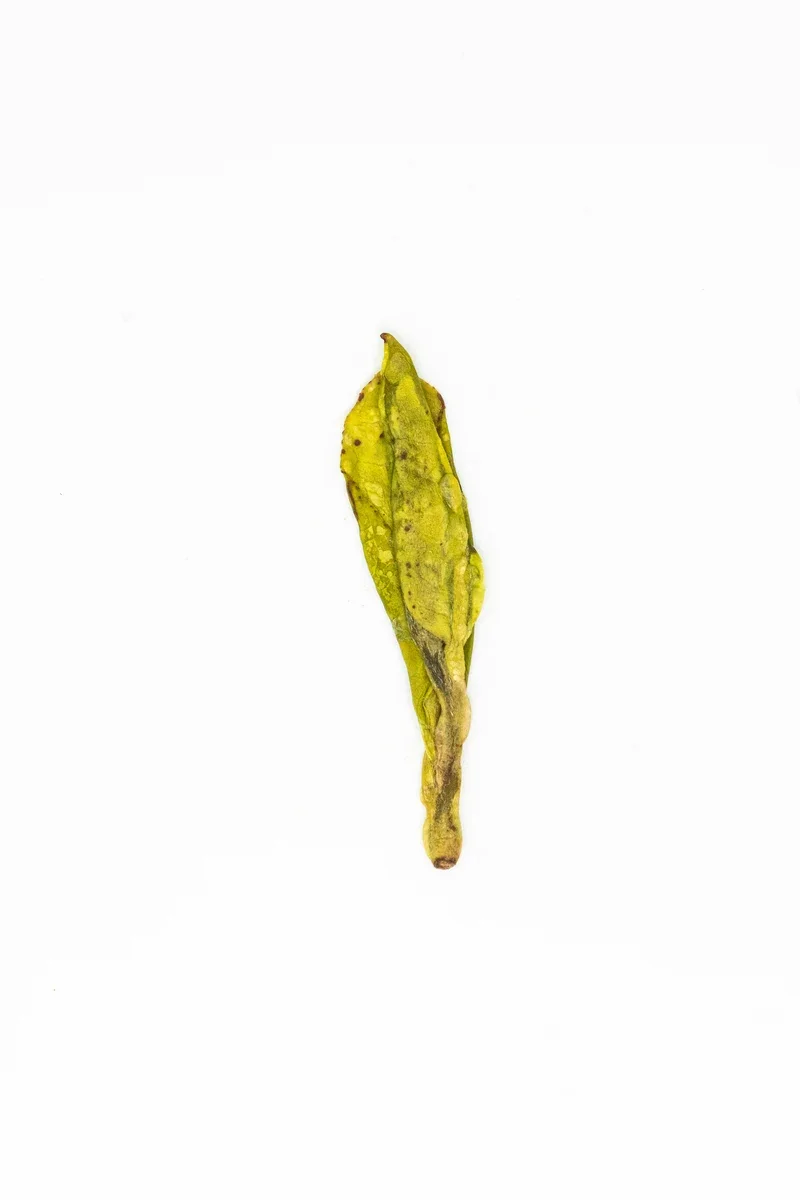
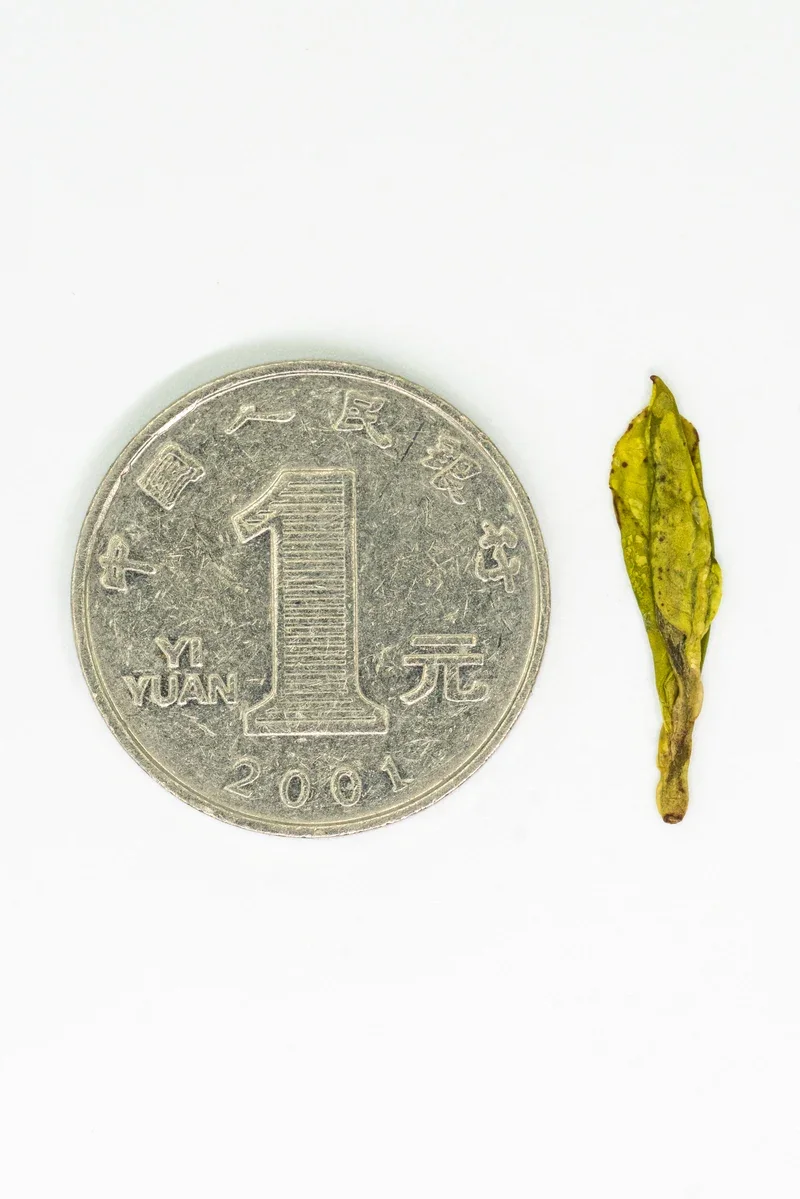
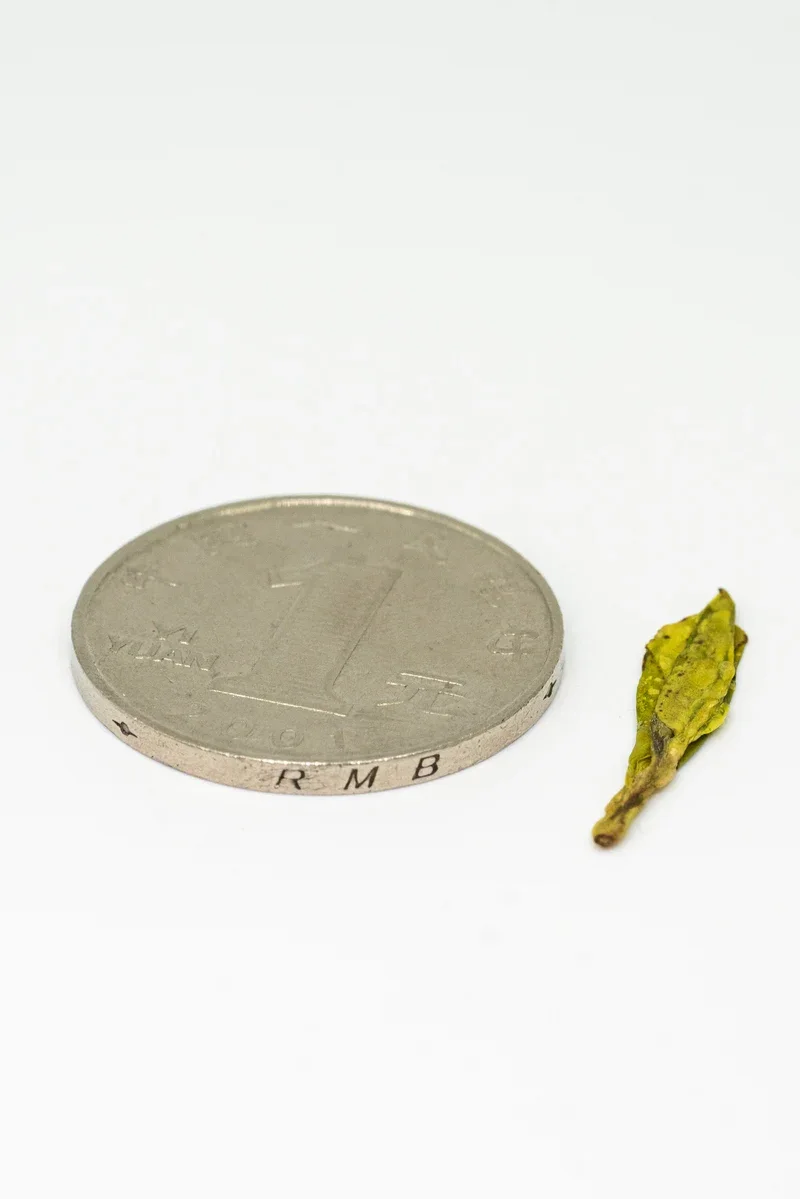
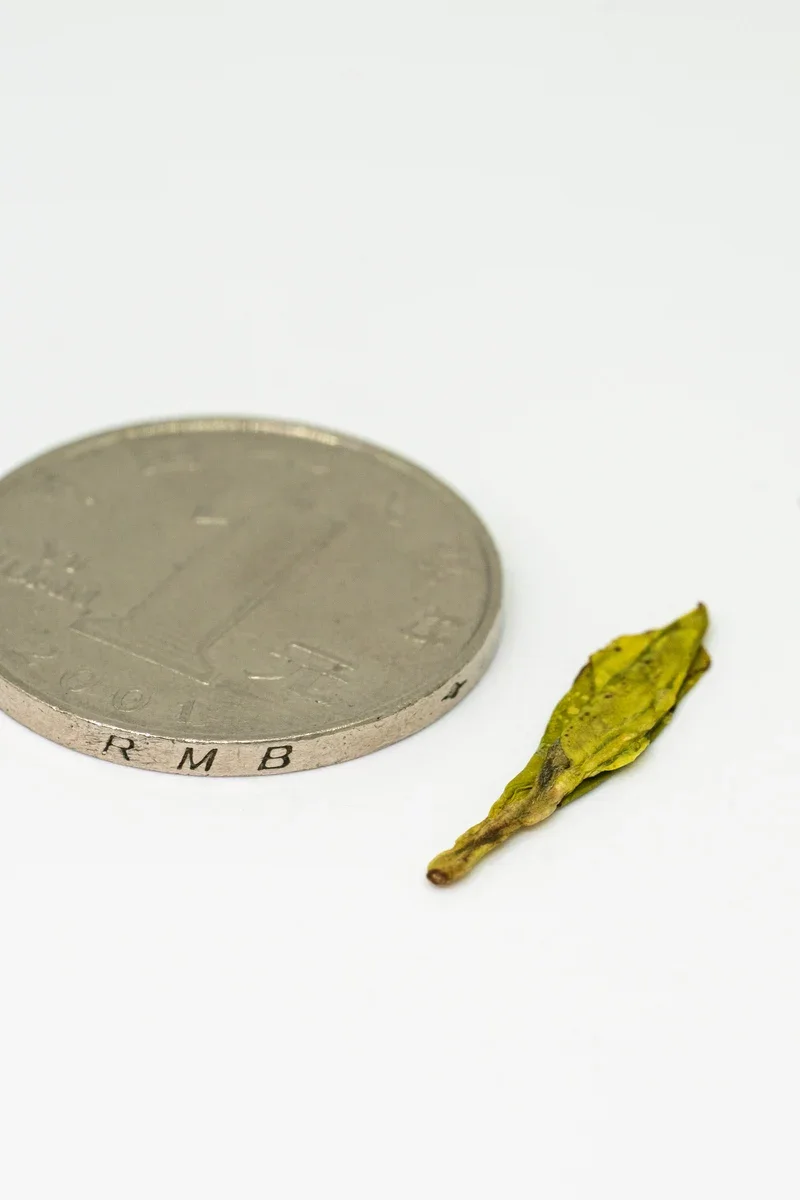
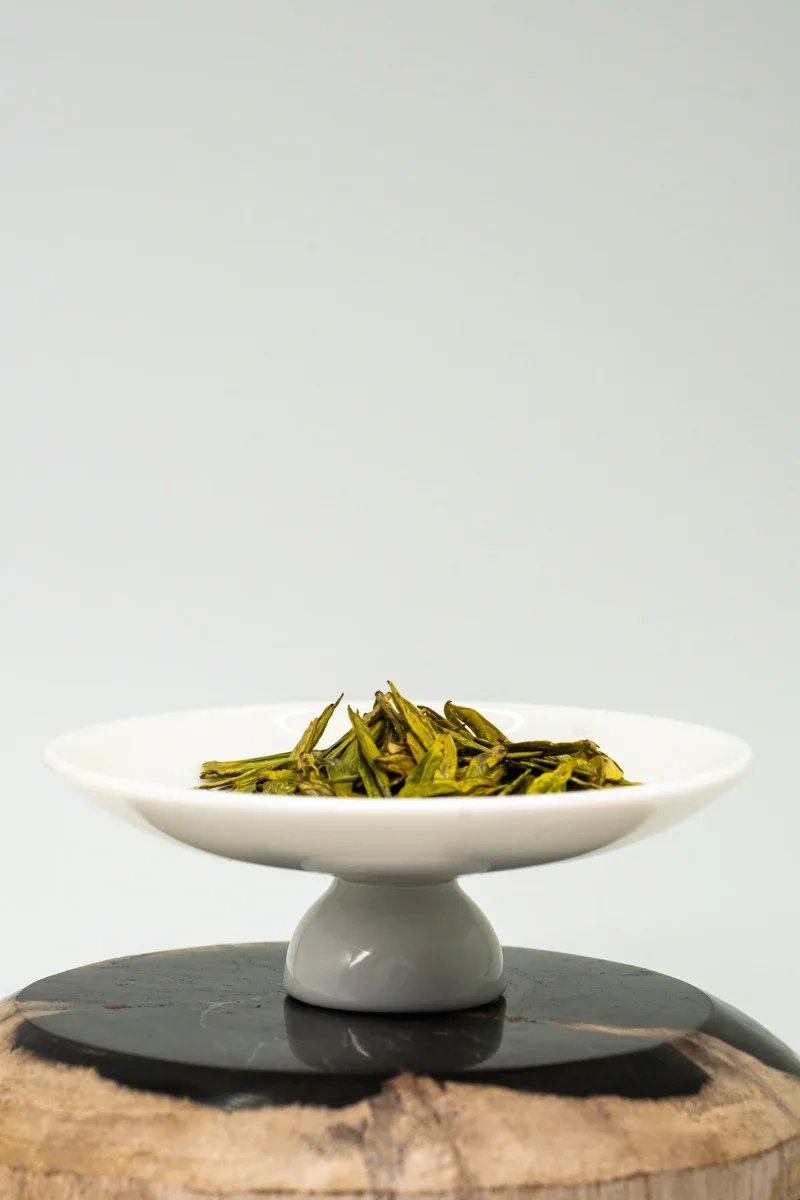
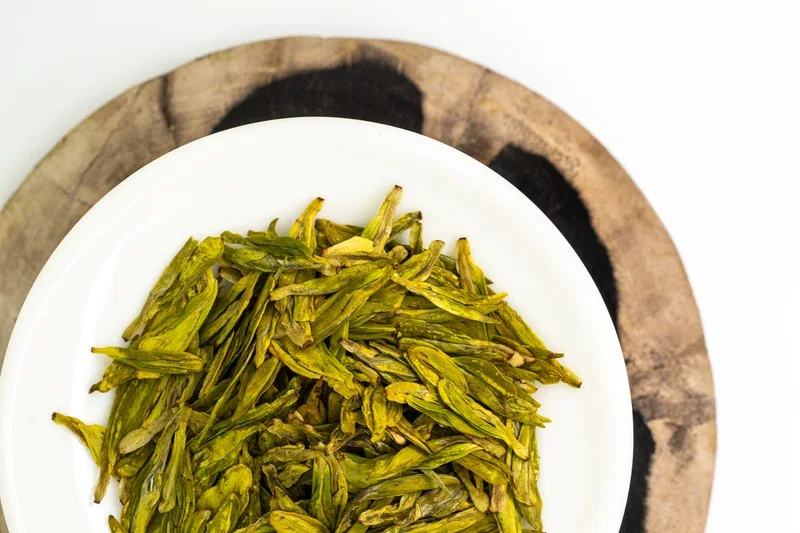
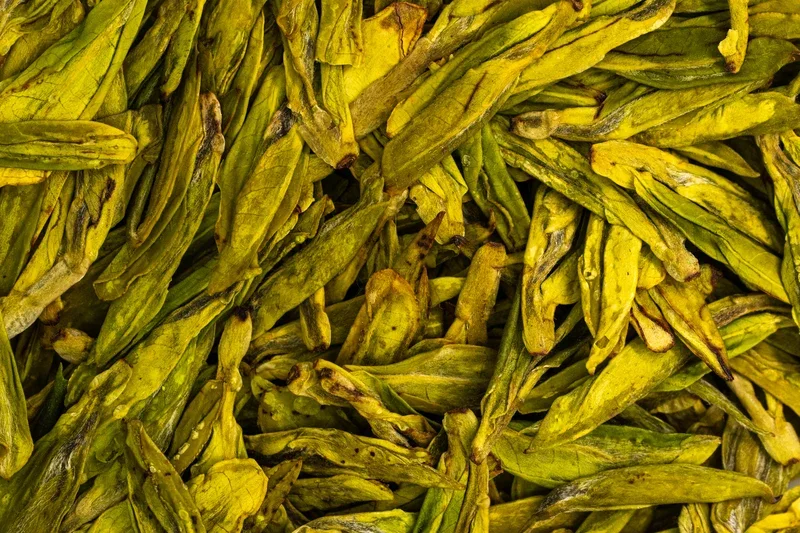
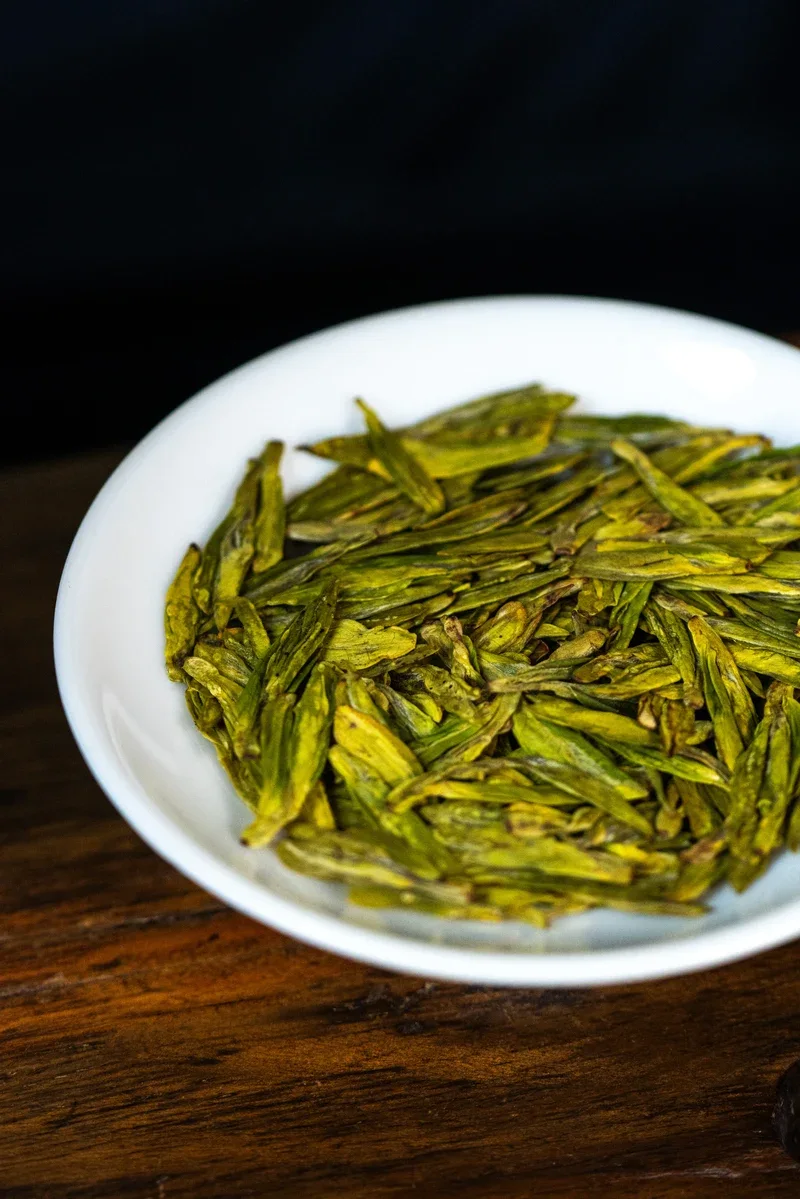
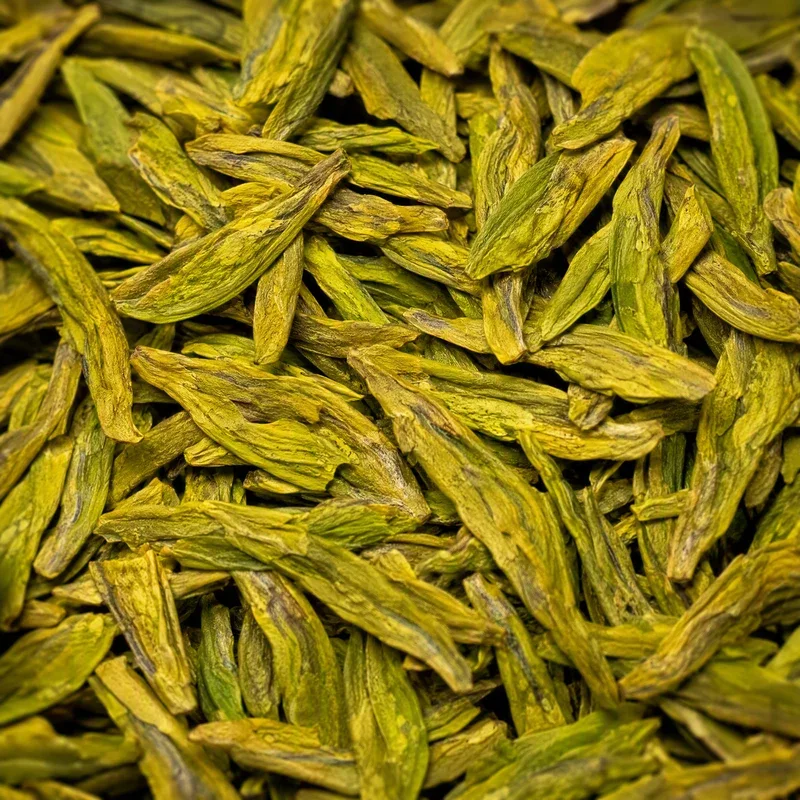
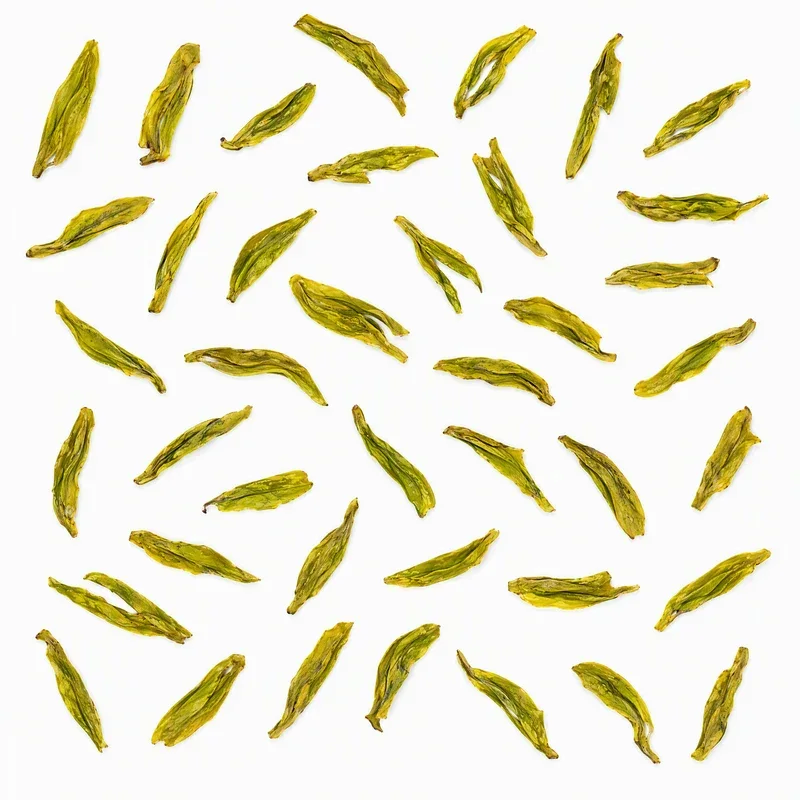
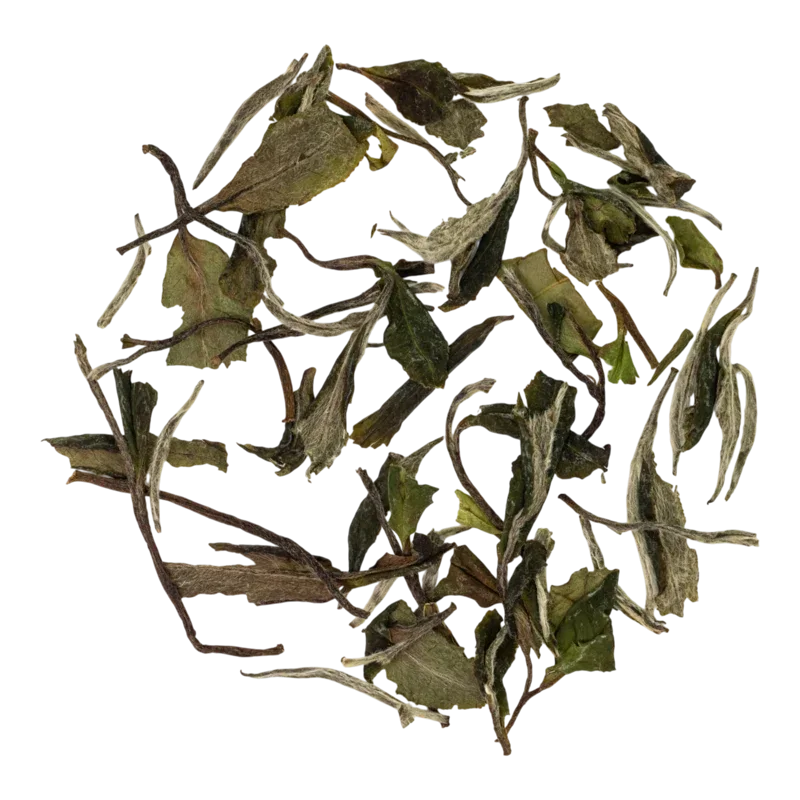
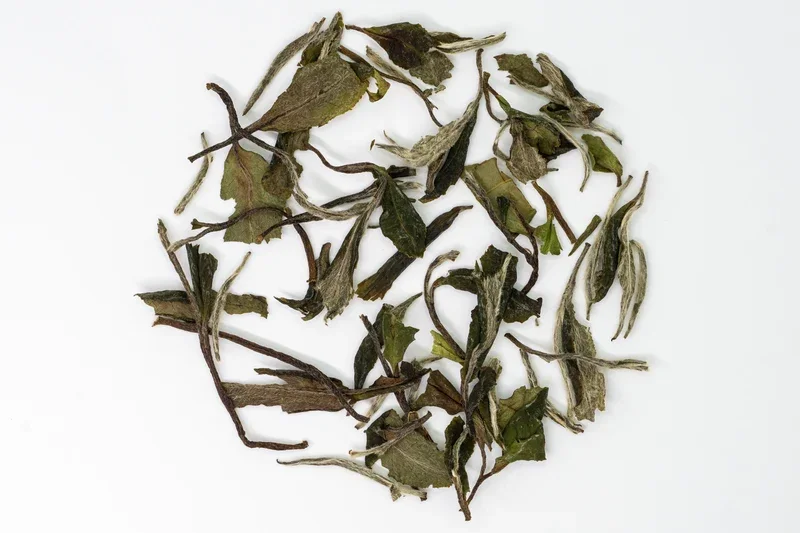
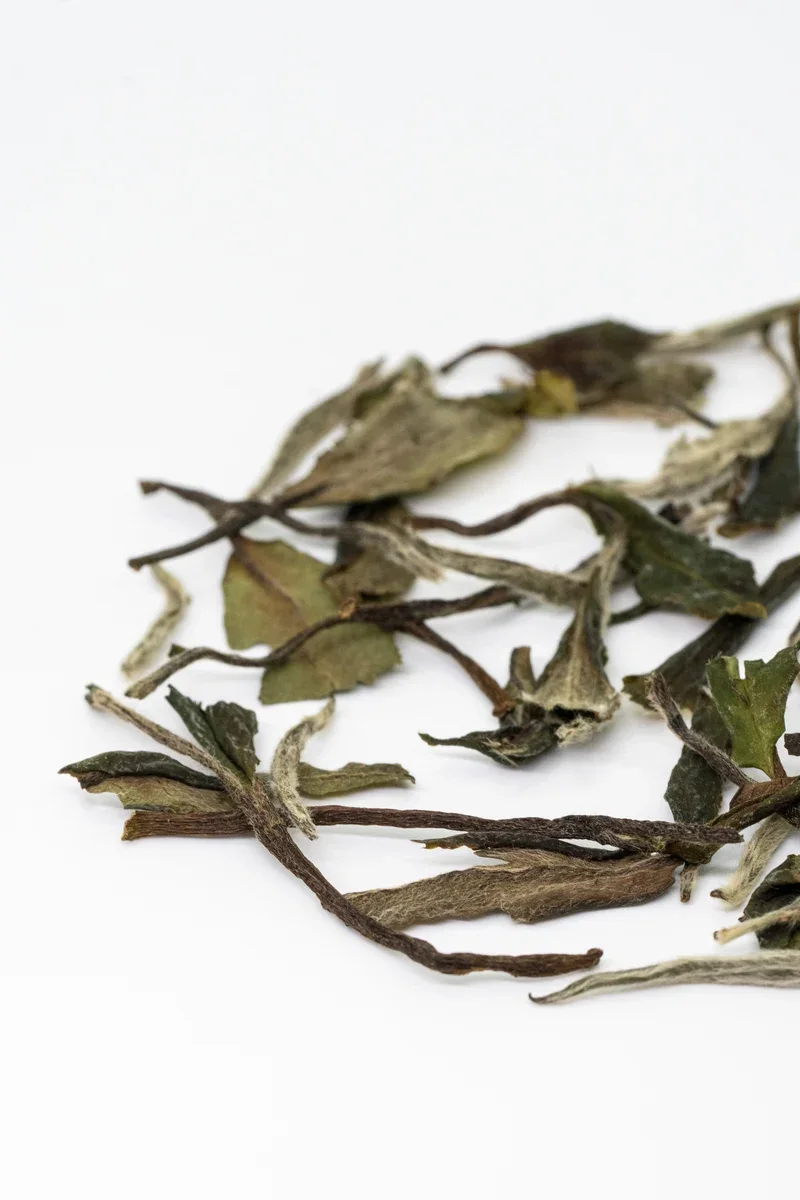
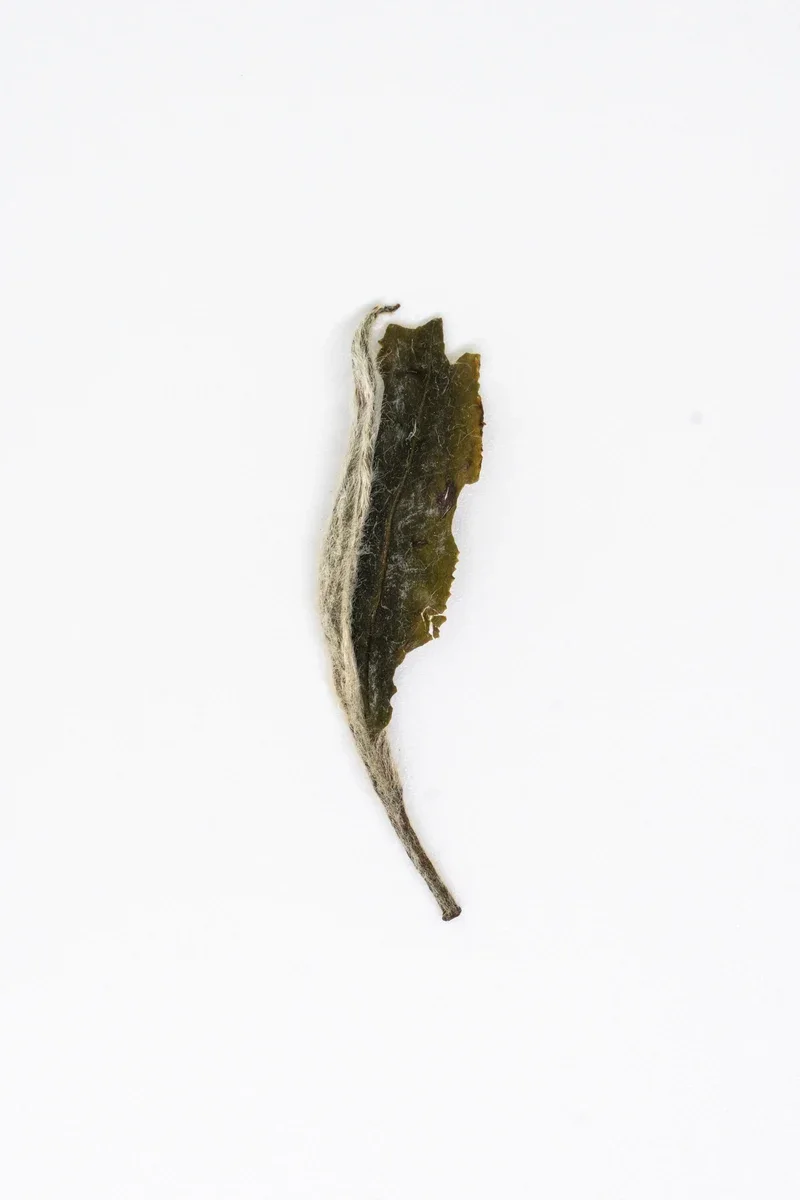
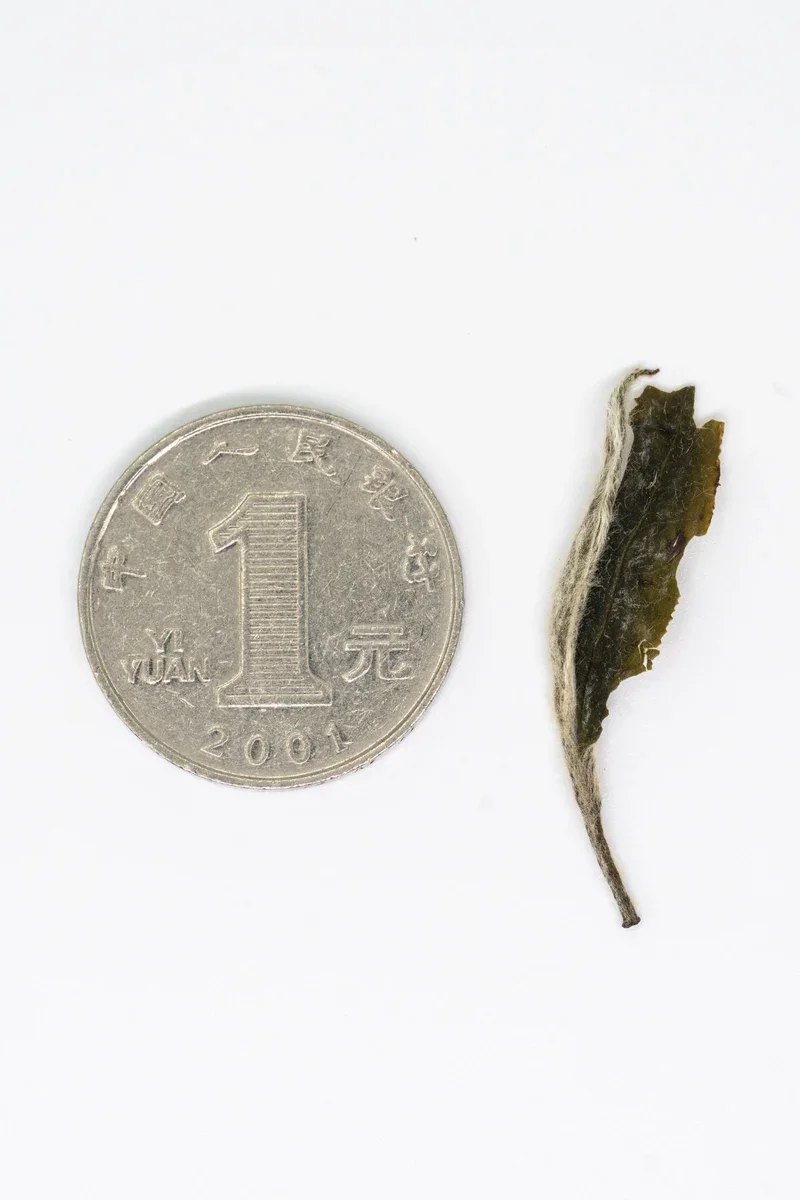
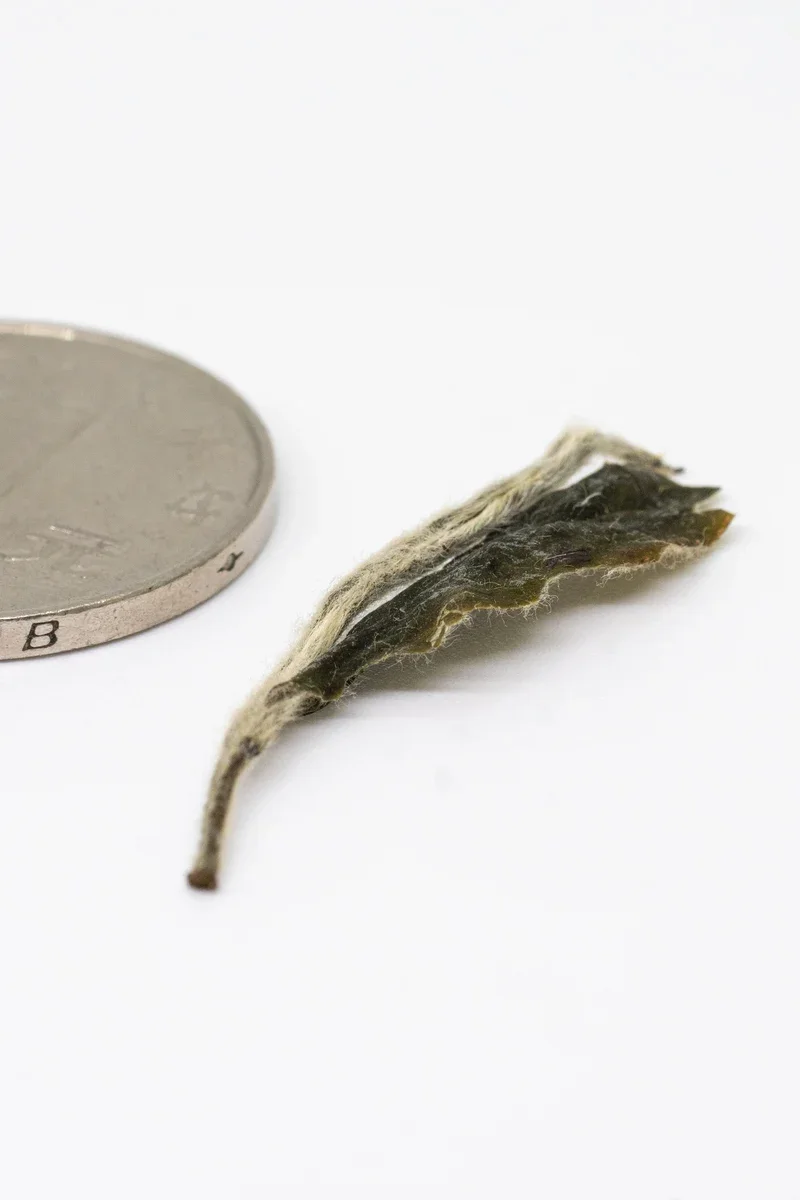
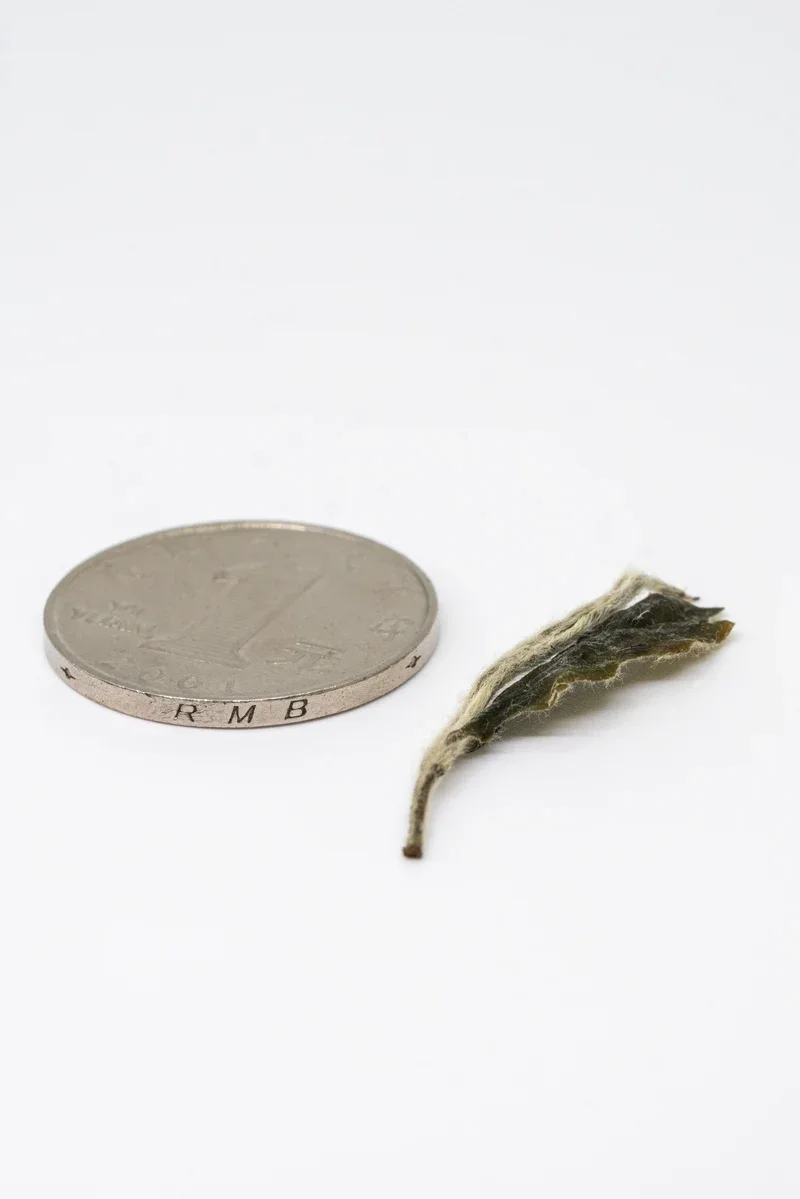
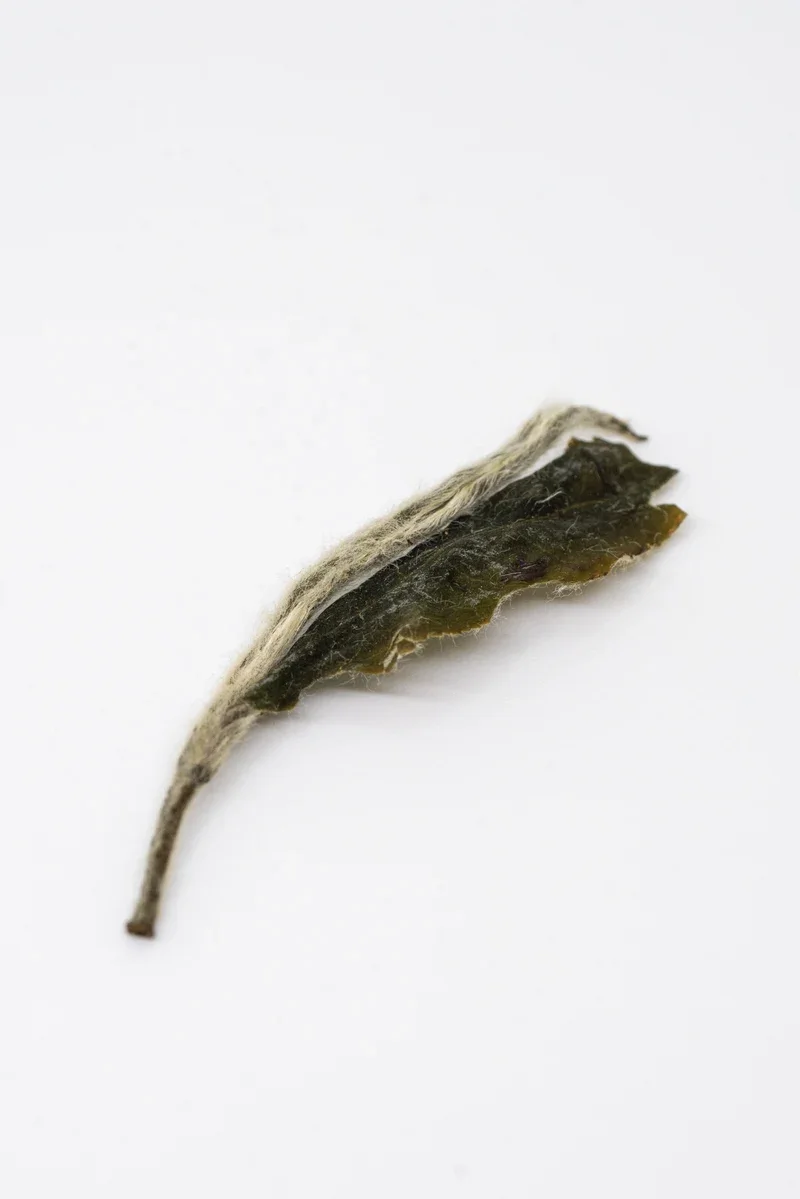
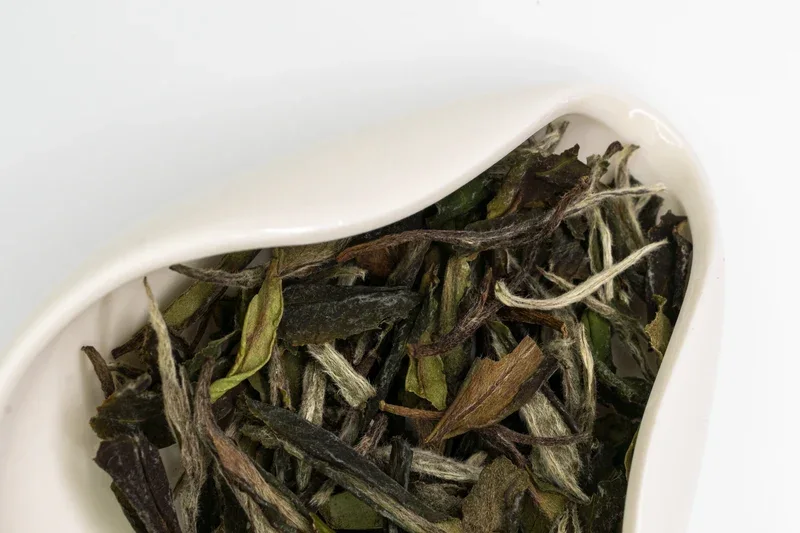
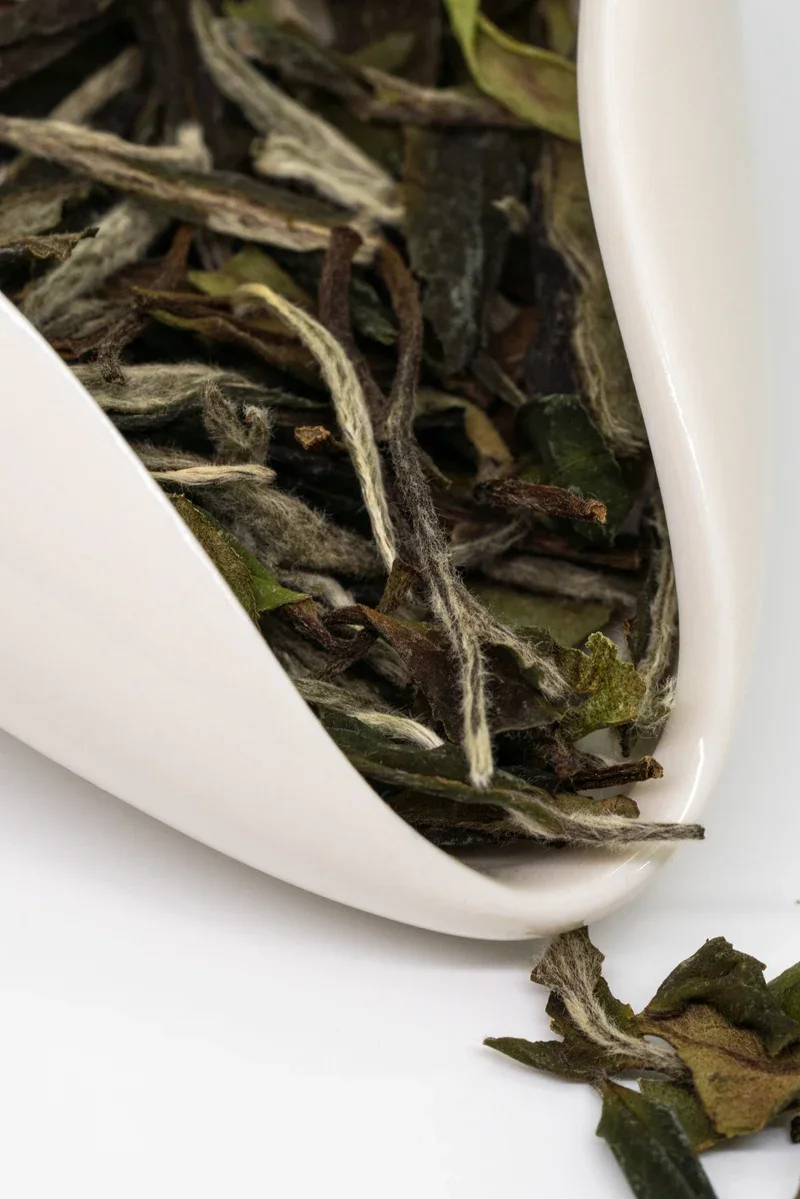
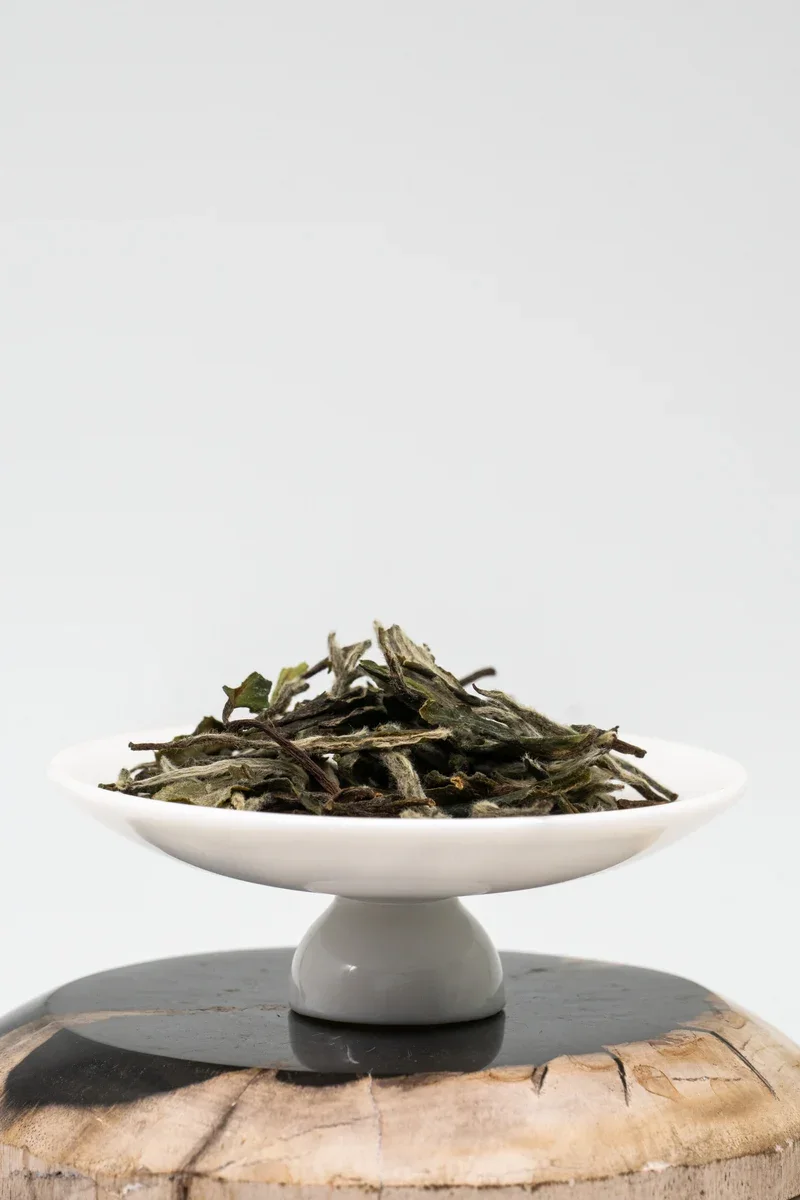
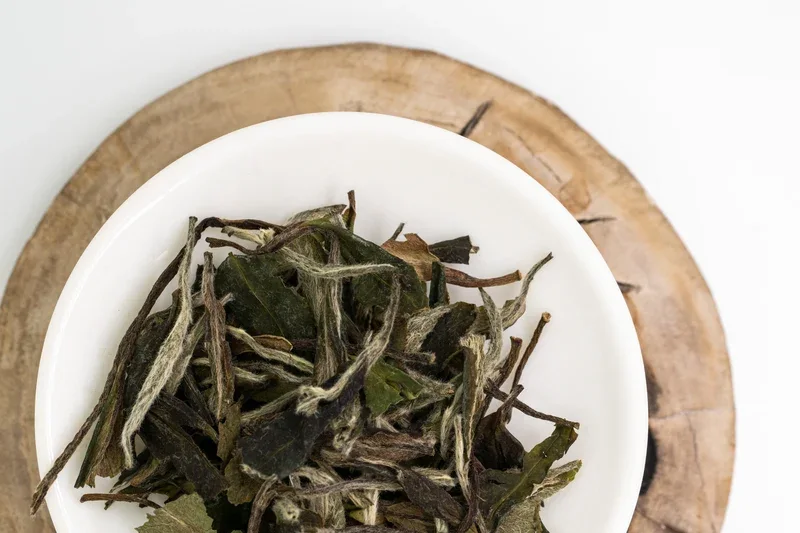
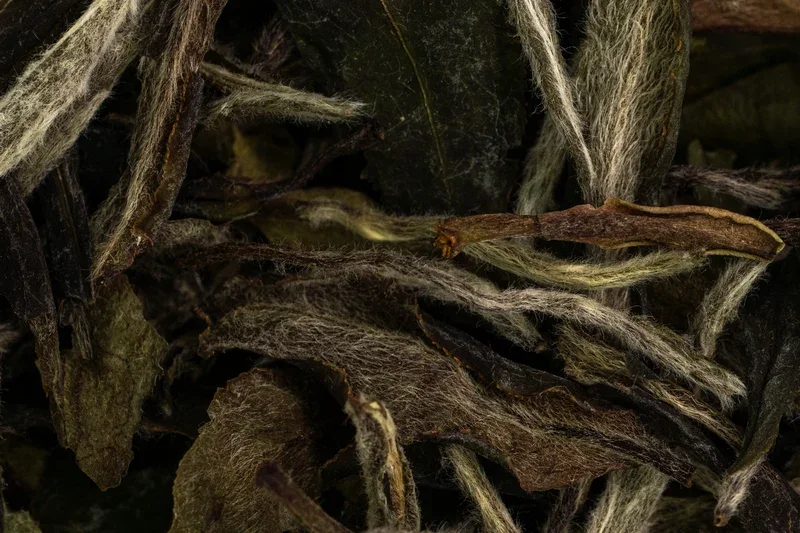
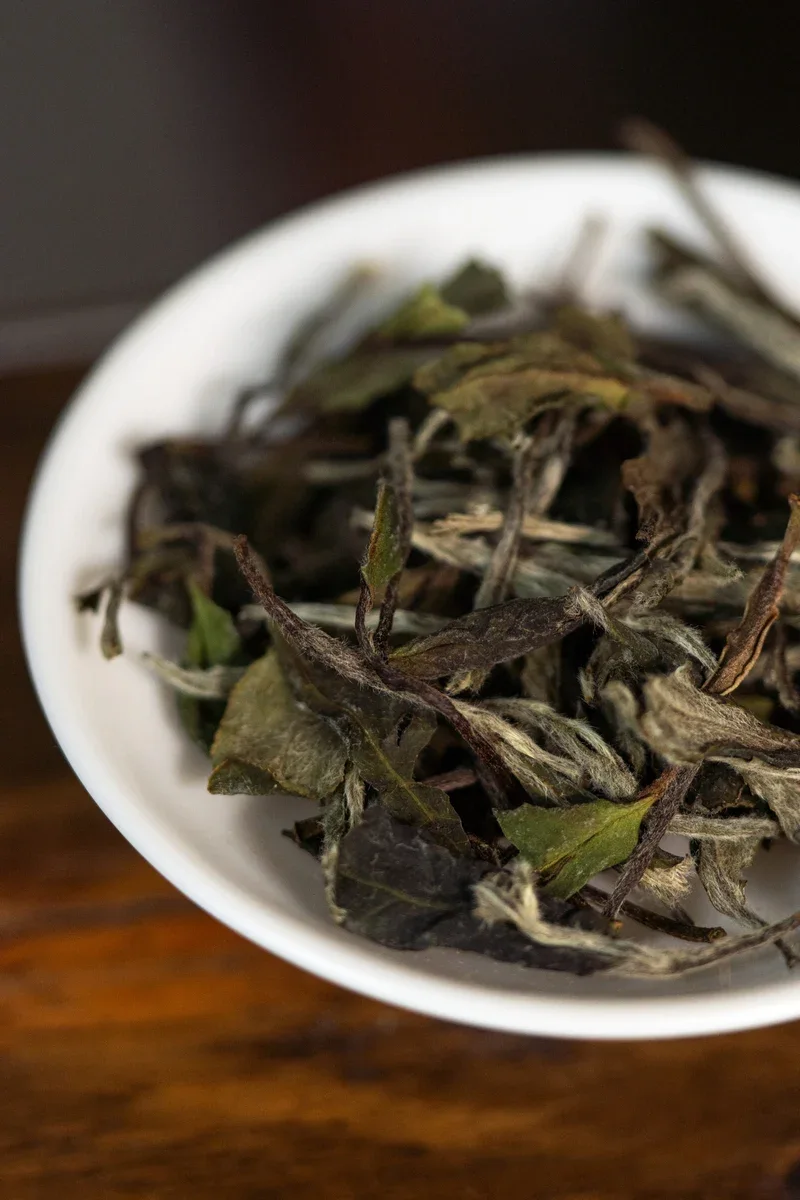
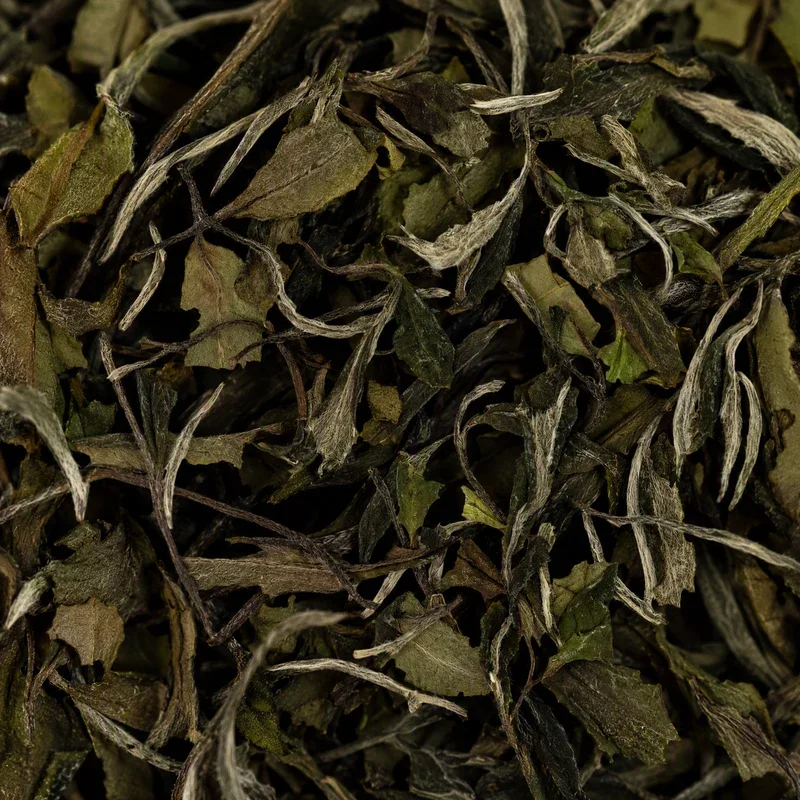
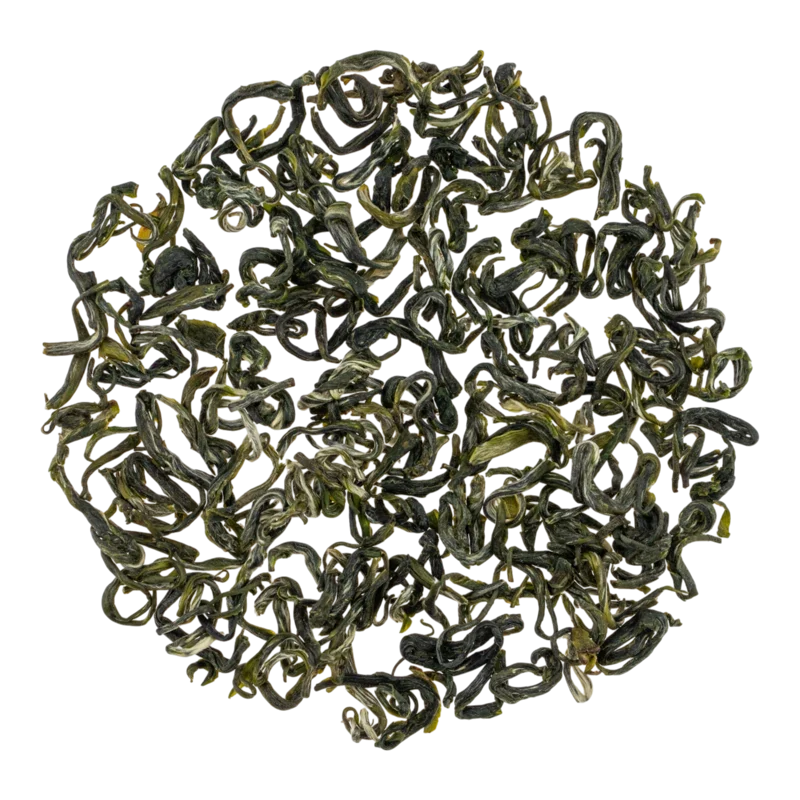
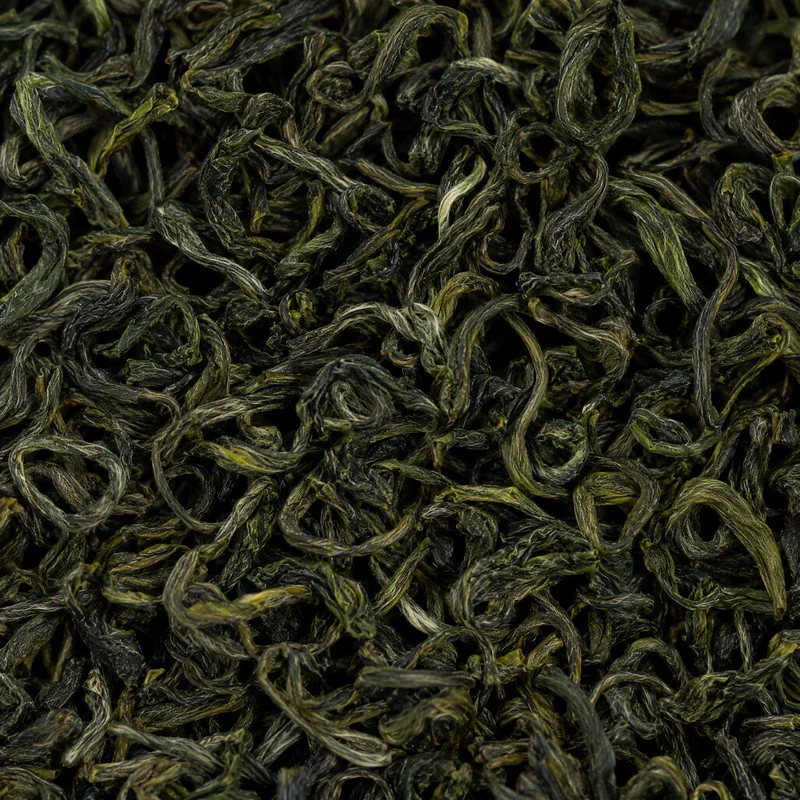
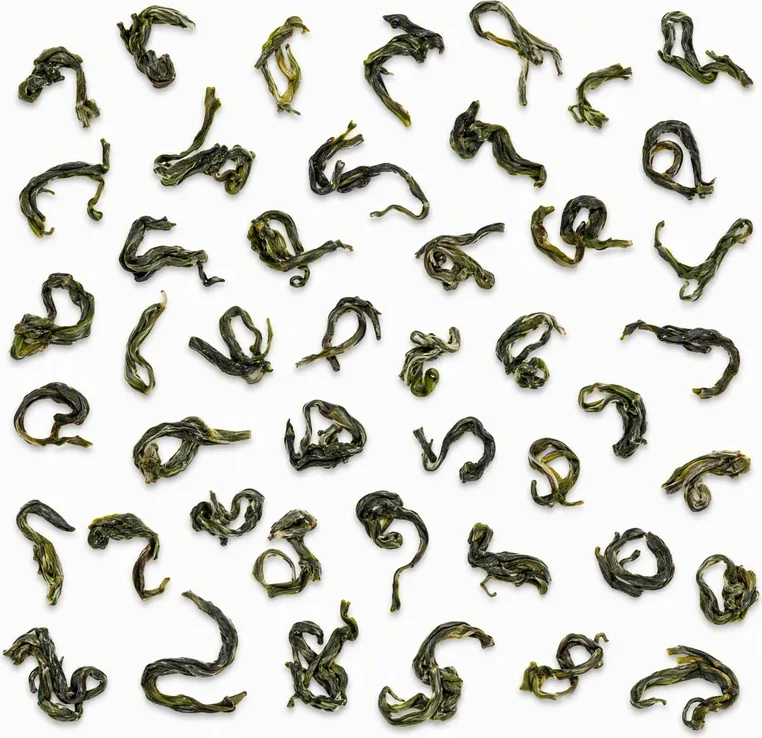
Dry Leaf Appearance: Strips (条索, tiáosuǒ) dense, tight, spirally twisted (紧实卷曲, jǐnshí juǎnqū), large and fleshy. Color — dark green (墨绿, mòlǜ) with pronounced white down (显毫, xiǎn háo). Surface oily-glossy, yellow-green tint under certain lighting.
Dry Leaf Aroma: Bright chestnut aroma (栗香, lìxiāng), high and clean, with undertones of fresh greenery. Cold cup retains aroma for more than 10 minutes (冷杯留香).
Liquor Aroma: Rich chestnut aroma, persistent and enveloping, with undertones of fresh-cut grass and light floral note. Aroma distinguished by unusual duration and stability from infusion to infusion.
Liquor Color: Yellow-green, bright and crystal clear (黄绿明亮, huánglǜ míngliàng). Glossy, with good saturation.
Spent Leaves: Even, lively and glossy (匀整鲜活); leaves tender green with copper-brown edge (嫩绿带铜边, nènlǜ dài tóngbiān), resilient and elastic.
Taste: Dense and rich (浓酽, nóngyàn), but without coarseness and harshness. Combination of thickness, provided by high polyphenol content, and fresh sweetness from amino acids. Light initial astringency quickly transforms to sweetness (微涩转甜). Aftertaste — long, deep "huigan" (回甘悠长), with sensation of returning sweetness on root of tongue. Liquor body — dense, "oily".
Alkaloids: Caffeine (咖啡碱, kāfēijiǎn) — ≥2.0%, theobromine, theophylline. Combination of caffeine with high level of L-theanine provides mild but prolonged tonic effect without sharp stimulation.
Amino Acids: Content ≥3.8%, which is 20% higher than average indicator of ordinary green teas. Leading amino acid — L-theanine (L-茶氨酸), responsible for characteristic sweetness and "body" of taste.
≥47.5% — indicator of overall extractability, determining richness and persistence of infusion.
Essential Oils: Determine characteristic chestnut aromatic profile; formed predominantly during "magochao" stage and final pan-firing.
Minerals: Potassium, manganese, zinc, fluorine, selenium.
Polyphenols: Content ≥41%, which is substantially higher than average level for green teas (typically 18–36%). Key fractions — catechins, primarily epigallocatechin-3-gallate (EGCG), providing powerful antioxidant action.
Vitamins: Vitamin C (significant content in fresh raw material and early infusions), B vitamins, vitamin K.
Polyphenol content ≥41% combined with high level of amino acids (3.8%) provides synergistic effect in neutralizing free radicals, which, according to regional studies, exceeds similar indicator of ordinary green teas by 25%.
Balanced combination of caffeine and L-theanine gives smooth rise in concentration without anxiety and sharp decline, promoting mental clarity and calm focus.
Catechins (especially EGCG) suppress lipase activity, which may contribute to reduced fat absorption with regular consumption after meals.
Warm, rich infusion after meals gently stimulates peristalsis and secretion of digestive enzymes.
Regular consumption of green tea with high catechin content is associated with reduced levels of "bad" cholesterol (LDL) and strengthening of vessel walls.
Polyphenols possess pronounced ability to suppress activity of various pathogenic microorganisms and inflammatory processes.
Promotes feeling of lightness, supports overall tone and metabolic processes.
Preferably soft spring water of neutral or slightly acidic pH.
Tea Amount: 3 g per 150 ml (cup method), ratio 1:50. For gongfu method — 6–8 g per 120–150 ml.
Teaware: Glass tumbler (玻璃杯, bōlibēi) — for observing leaf form and dance; white porcelain gaiwan (白瓷盖碗, báicí gàiwǎn) — for maximum aroma development. Yixing teapot — with caution, as porous clay may muffle high notes.
Water Temperature: 85°C (boiling water held for 60–90 seconds). For special grade (single bud) — 75–80°C, for coarse raw material up to 90°C is acceptable.
Container: Airtight, opaque packaging — vacuum aluminum foil bags, tin cans with tight lid. Protection from foreign odors, light and moisture mandatory.
Enemies: Moisture, light, high temperature, foreign odors (especially products with strong aroma in refrigerator).
Shelf Life: 12 months under proper conditions. After opening package — consume within 4–8 weeks.
Temperature: Optimally — 0–5°C (separate refrigerator shelf) for long-term storage. Before opening, package should be held at room temperature until fully warmed — this prevents moisture condensation on leaves.
Sichuan green tea from Mount Mengding. Also high-altitude, but from small-leaf raw material. Form — twisted, downy. Taste milder, with pronounced floral-orchid notes and delicate sweetness. Huilong significantly denser and richer, with powerful chestnut aroma and more pronounced "body" thanks to large-leaf Yunnan raw material.
Regional "neighbor" from same Dehong Autonomous Prefecture, but produced from wild or old tree raw material using shaiqing (晒青) method. Huilong distinguished by clearer chestnut aroma (result of chaochao/magochao technology) and structured taste, while shaiqing variants are milder, with grassy-honey undertones.
Famous Sichuan green tea from Mount Emeishan. Flat, elongated leaf form; taste light, clean, with nutty notes. Huilong — opposite in character: thick, dense, enveloping, with powerful aftertaste. Completely different "caliber" of raw material and technology.
General term for Yunnan green teas from large-leaf raw material. Huilong stands out among them with strictly defined terroir, GI certification and specific "magochao" technology, giving it unique chestnut "signature".
No reviews yet. Tell us what you think of this tea.
Rate this tea and share your impressions. We review each submission before publishing it.