Brewing
Gongfu brewing
- Water temperature
- 92 °C
- Tea amount
- 6 g
- Water volume
- 100 ml
- First steep
- 10 s
- Time added per infusion
- 5 s
- Infusions
- 8

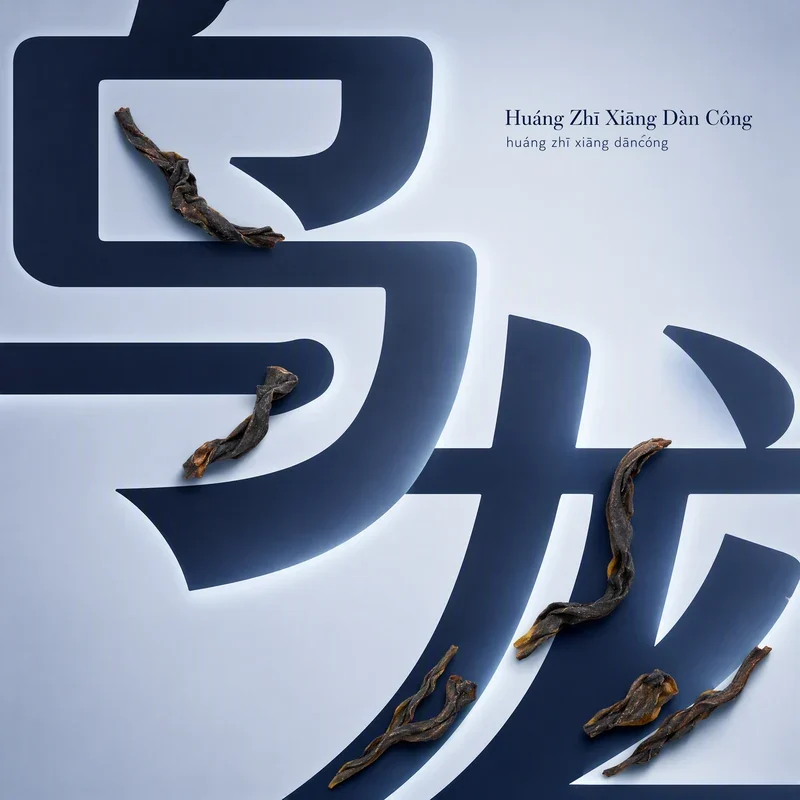
huáng zhī xiāng dāncóng
Choose a brewing method. Start with the recommended quantities and time, then adjust to taste.
Brewing
Brewing
Taste
Tea encyclopedia
Category: Guangdong oolongs. Phoenix Dān Cóng (凤凰单丛). Aromatic type: Huáng Zhī Xiāng (黄栀香, "Yellow Gardenia Aroma").
Category: Guangdong oolongs. Phoenix Dān Cóng (凤凰单丛). Aromatic type: Huáng Zhī Xiāng (黄栀香, "Yellow Gardenia Aroma").
Coordinates: ~23°55' N, ~116°43' E.
Origin: China, Guǎngdōng Province (广东, Guǎngdōng), Chaozhou Prefecture-level City (潮州市, Cháozhōu Shì), Phoenix District (凤凰区, Fènghuáng Qū), Phoenix Mountain range (凤凰山, Fènghuáng Shān — "Phoenix Mountains"). High-altitude plantations are concentrated in the Wūdǒng Mountain (乌岽山, Wūdǒng Shān) area at elevations of 1000–1300 m.
Type: Oolong (semi-oxidized tea), oxidation level 20–50%. Medium roasting (中火, zhōng huǒ) is standard; light and heavy roasting are also found.
Cultural Significance: Huang Zhi Xiang is an integral part of the Chaozhou gongfu tea tradition. Serving this tea to a guest is a sign of special respect. Annual spring tea picking festivals on Phoenix Mountain are an important part of local cultural heritage. Among the Hakka people (客家, Kèjiā), dan congs are used in hospitality rituals.
History: Tea cultivation traditions on Phoenix Mountain date back to the Sōng dynasty (宋, 960–1279): according to legend, Emperor Song Di-bing (宋帝昺), retreating south during the Mongol invasion, stopped at the foot of Phoenix Mountains and quenched his thirst with tea from local trees, after which the tea received the nickname "Song Zhong" (宋种, Sòng Zhǒng — "Song Planting"). The "dan cong" (单丛) method — harvesting and processing raw material from individual outstanding bushes — was formed during the Míng dynasty (明, 1368–1644) and finally established by the Qīng period (清, 1644–1912).
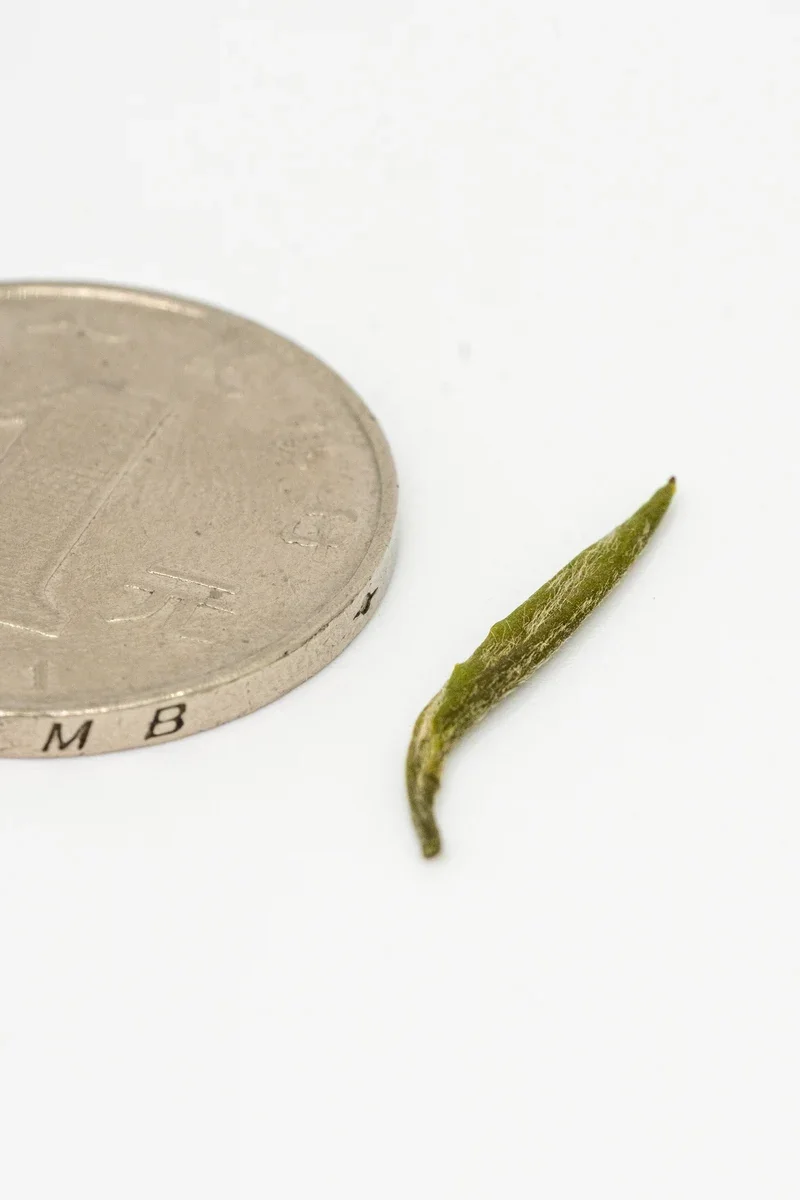
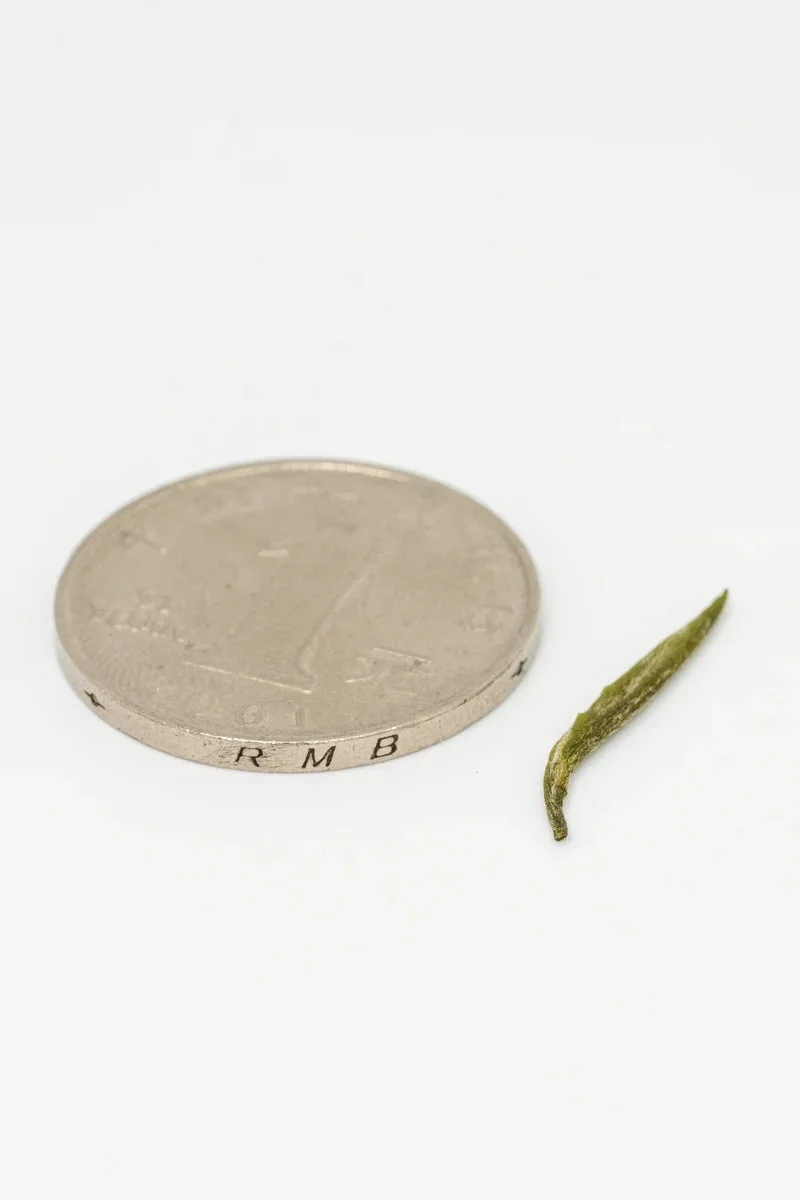
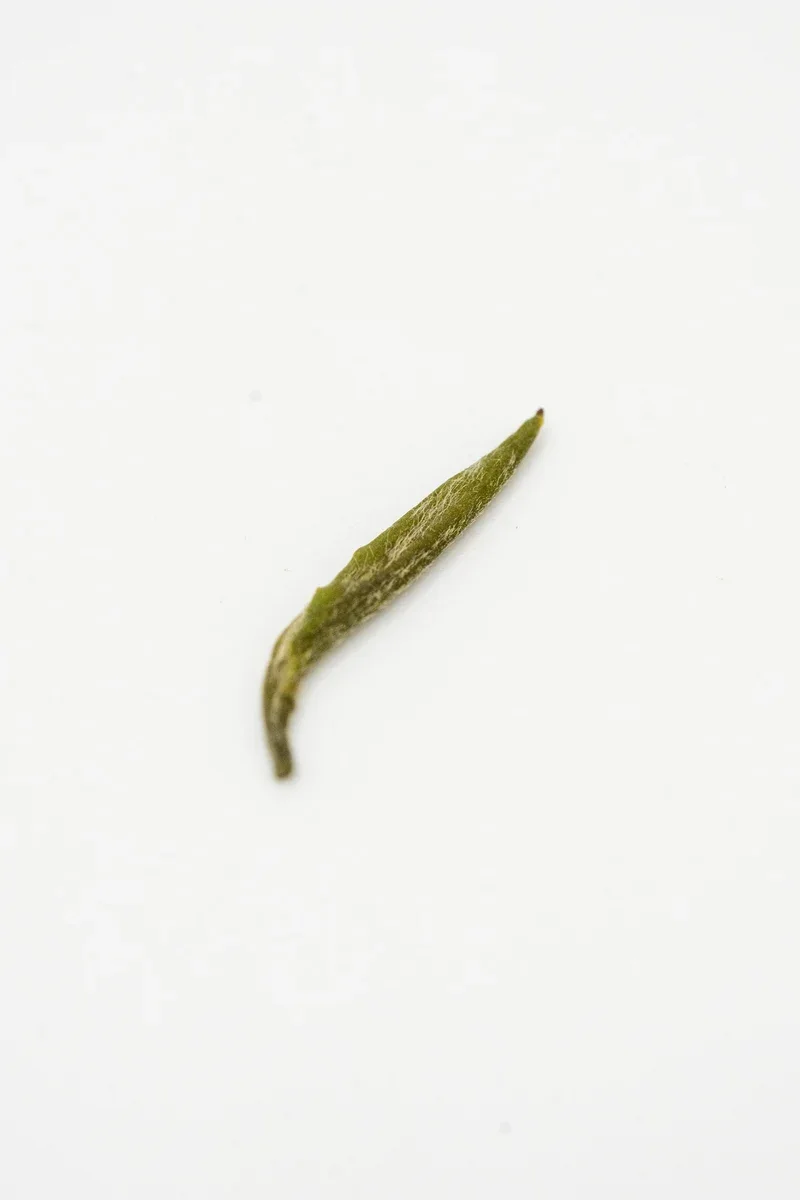
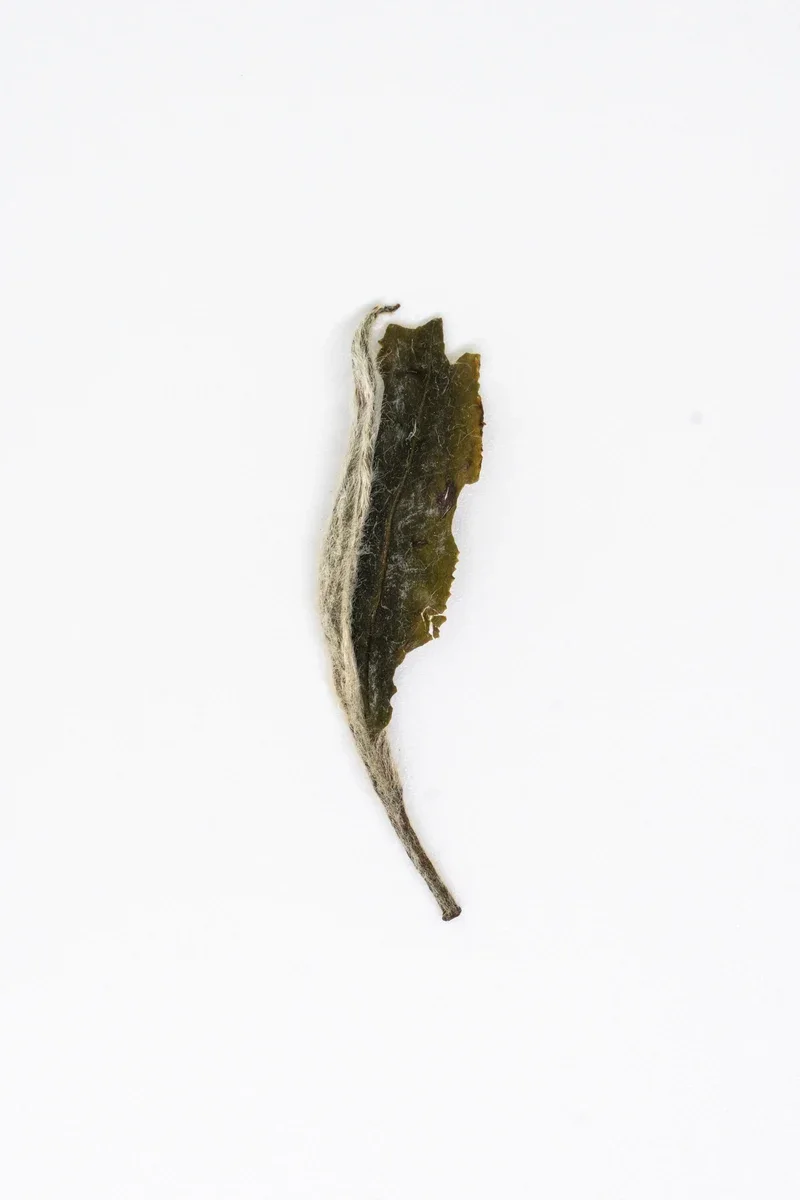
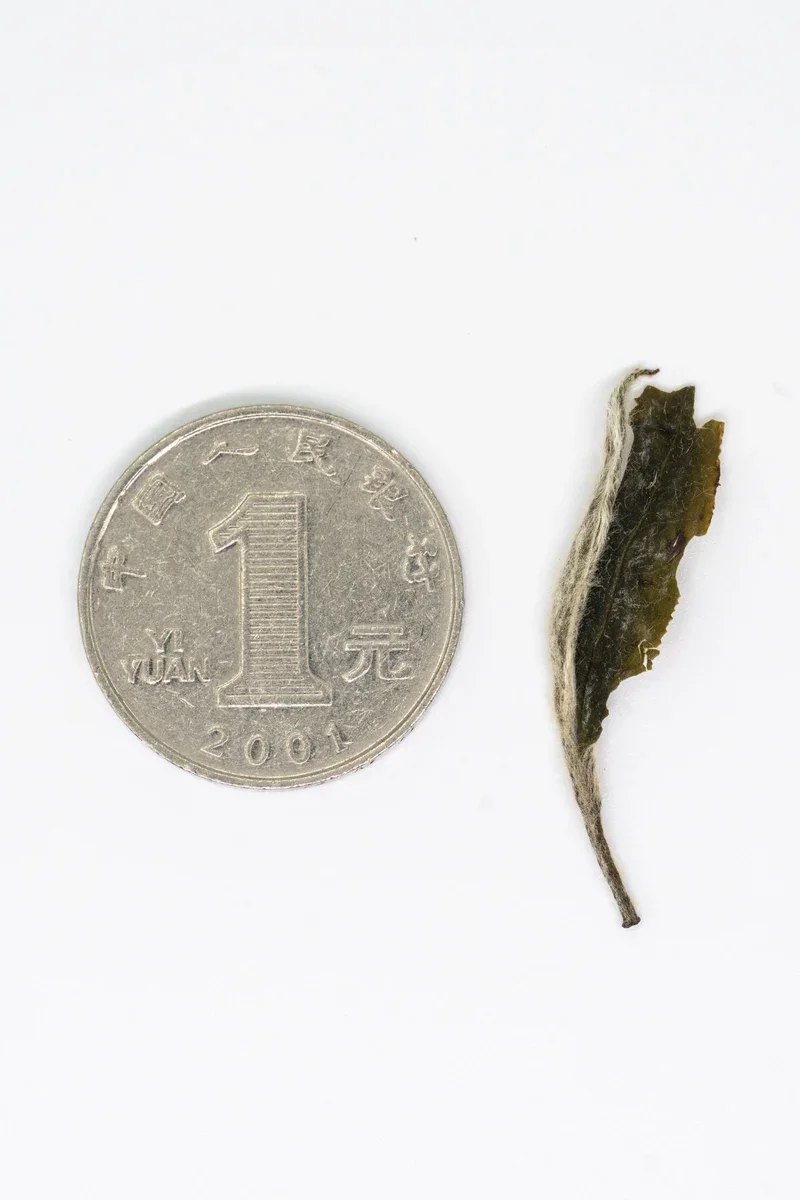
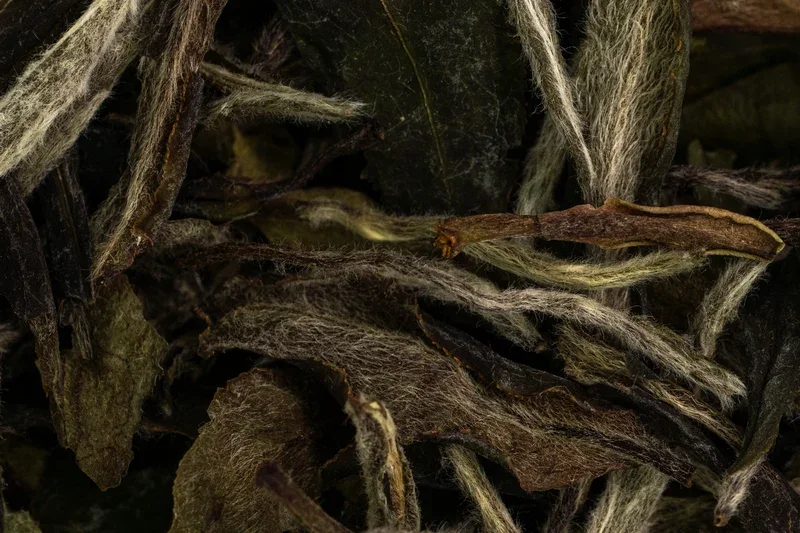
Elliptical, ~8×4 cm, dark green, with dense leathery blade and pronounced venation. Young buds are purple with light pubescence (silvery trichomes).
Raw material from each outstanding bush is processed and stored separately. This allows preservation of the unique "voice" of a specific tree — its micro-terroir, age, genetics.
Cultivar: Huang Zhi Xiang is a specific cultivar (or group of clones) of Camellia sinensis var. sinensis, adapted to the mountain conditions of Phoenix Mountain. It represents a semi-woody bush or small tree 2–5 m tall (old specimens up to 7 m).
Pluck Standard: Bud + 2–3 upper leaves. Spring picking is most valuable; summer and autumn pickings are also conducted. For premium batches — only hand-picking from individual bushes.
Climate: Subtropical monsoon, with high humidity, abundant fog (>150 days/year) and significant daily temperature variations (up to 10–12°C). Average annual temperature ~15°C. Northern slopes are preferred — diffused light slows growth and enhances accumulation of aromatic precursors.
Soil: Acidic granite soils (pH 4.8–5.3), rich in minerals. Elevated zinc and selenium content (confirmed by laboratory analyses) affects taste and beneficial properties.
Tea trees grow in conditions of rich mountain ecosystem — among camellias, rhododendrons, wild orchids. Natural predators (spiders, mantises) replace pesticides.
Topography: Phoenix Mountain range — granite foundation, steep slopes, deep gorges. Highest point — Wudong Mountain (~1391 m). Huang Zhi Xiang plantations are at elevations of 800–1300 m.
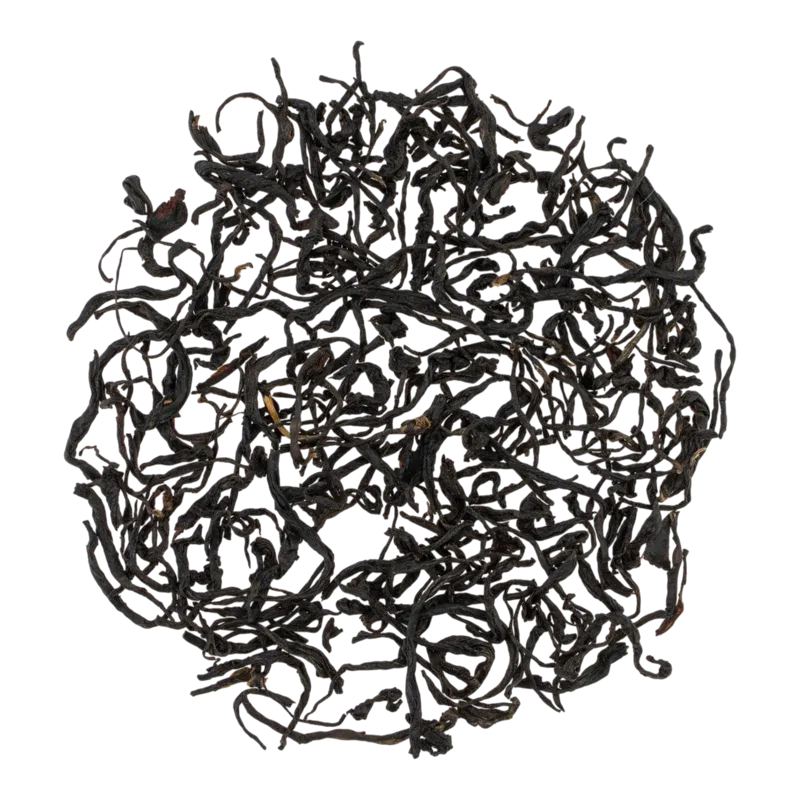
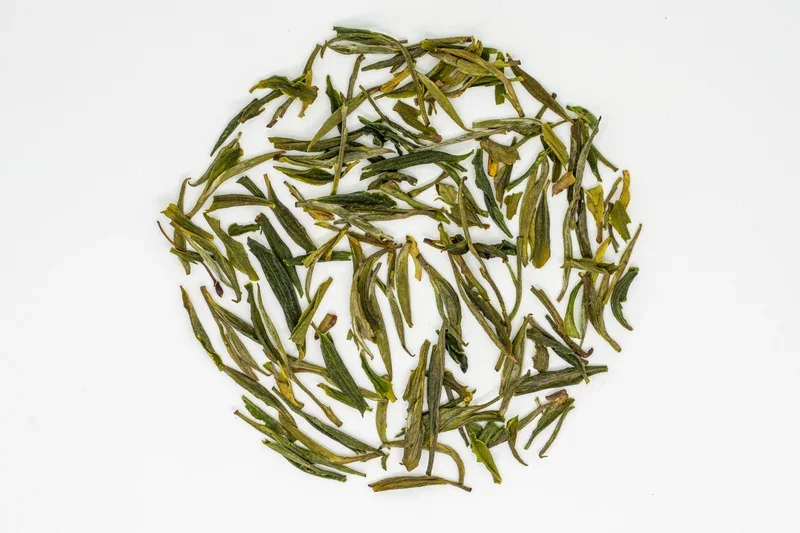
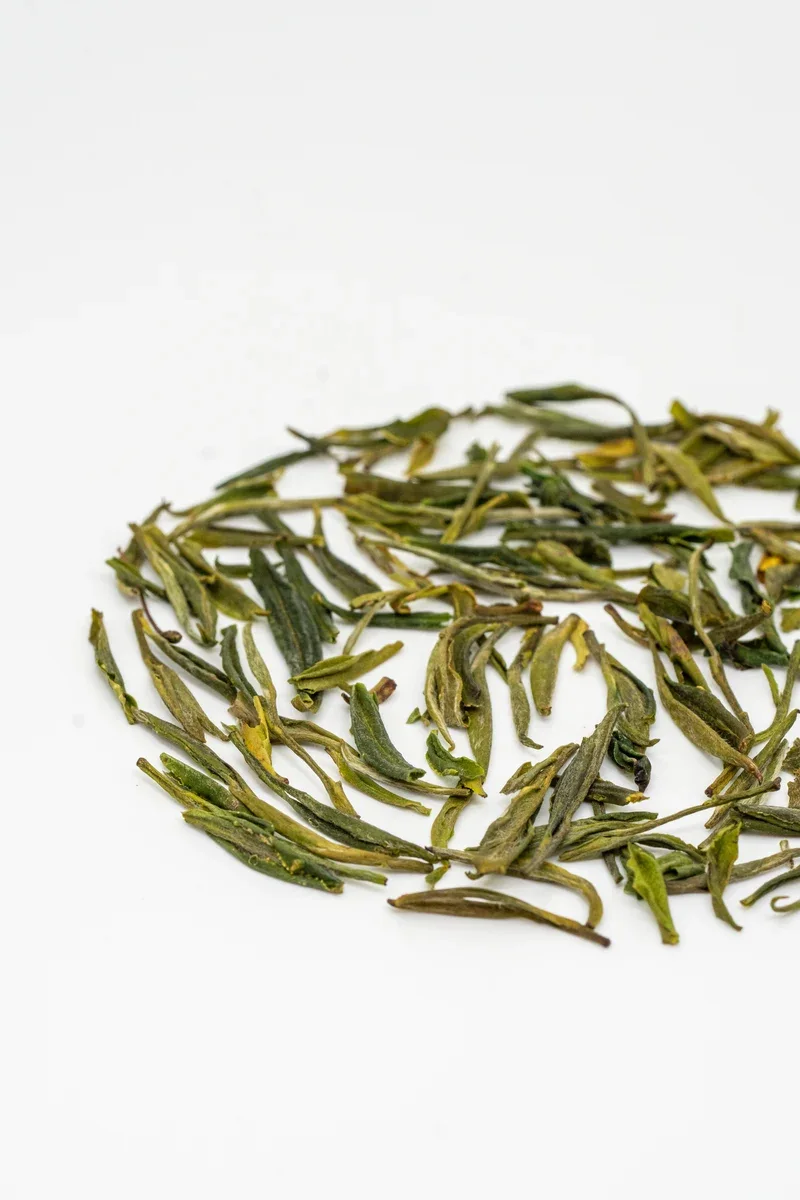
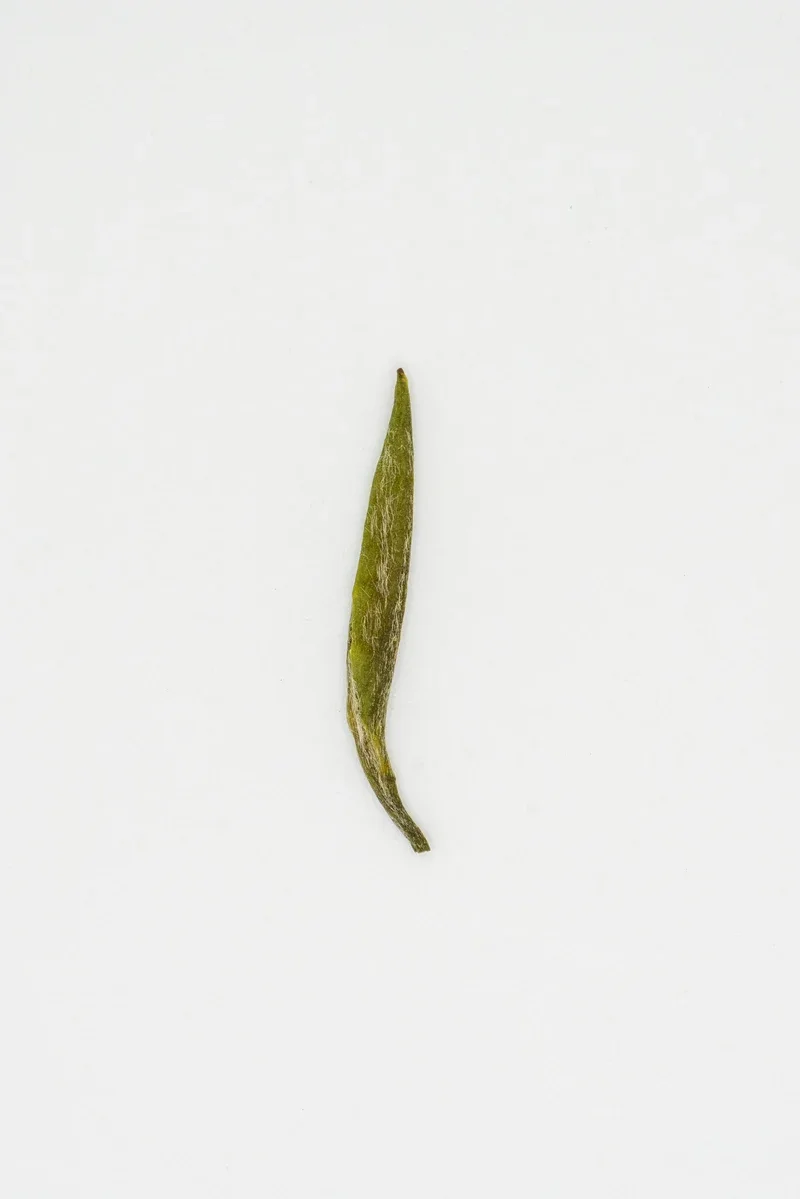
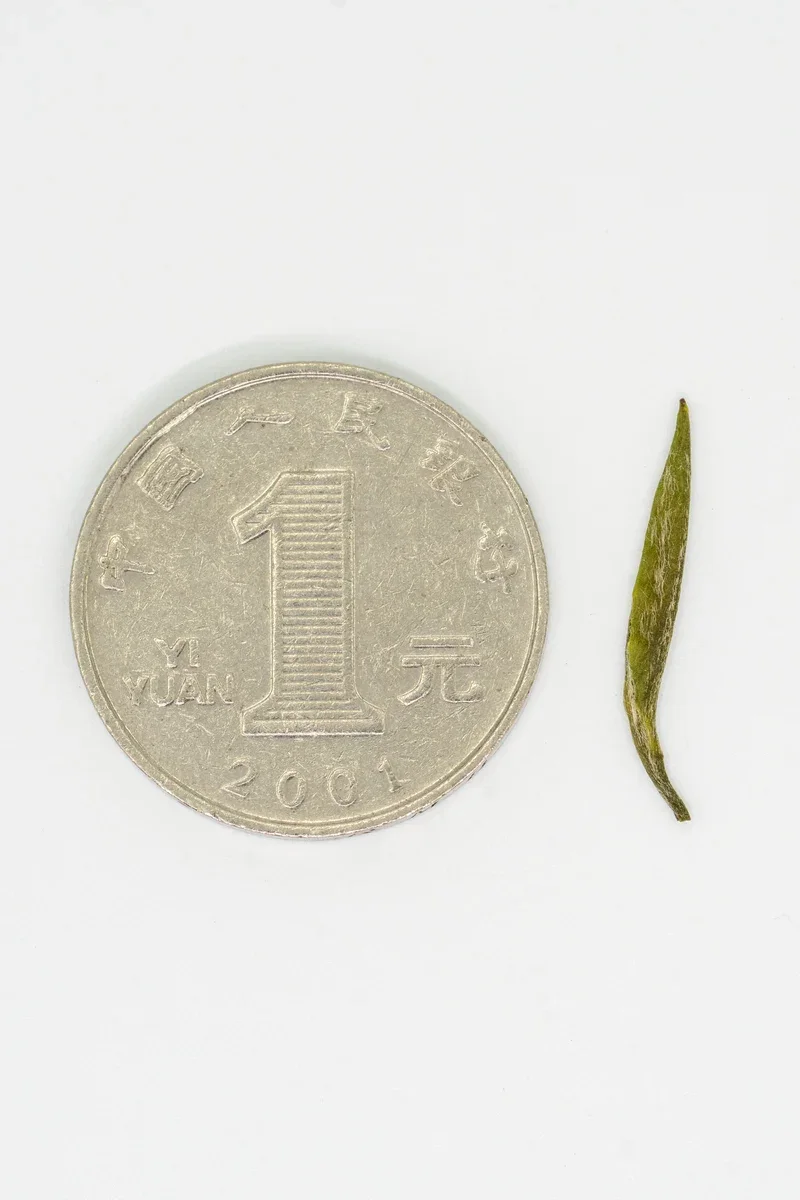
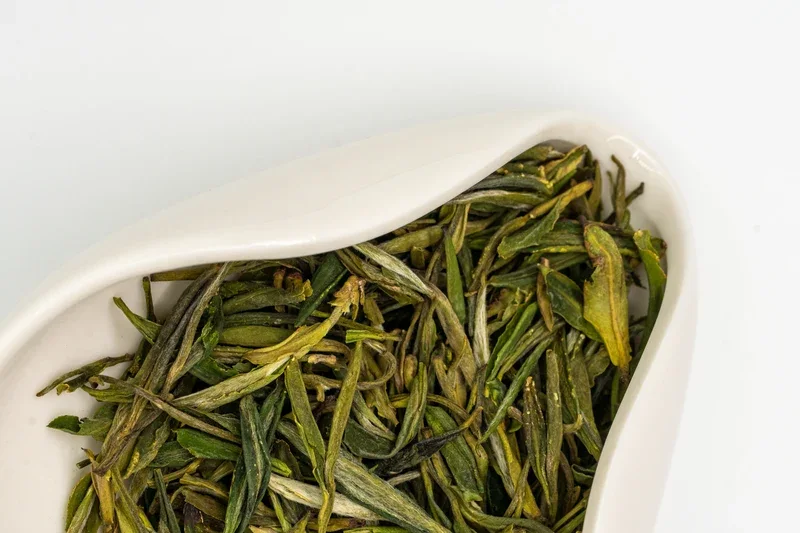
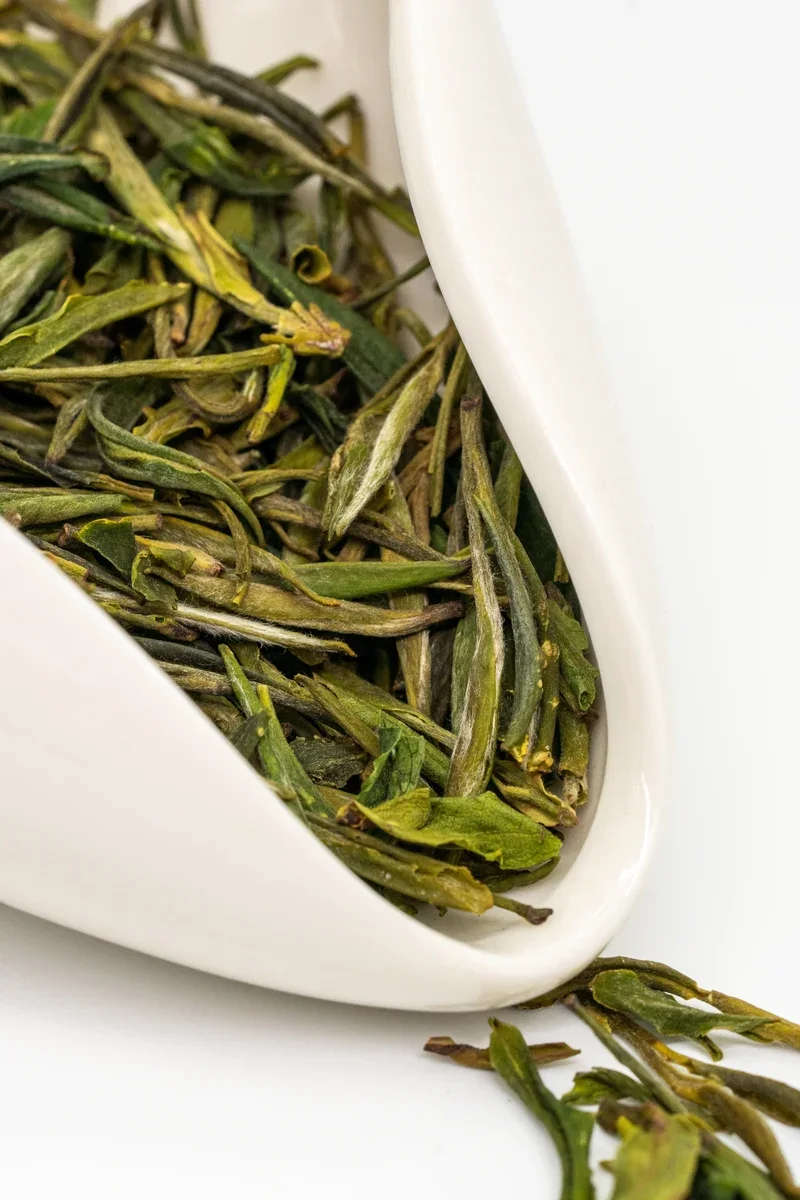
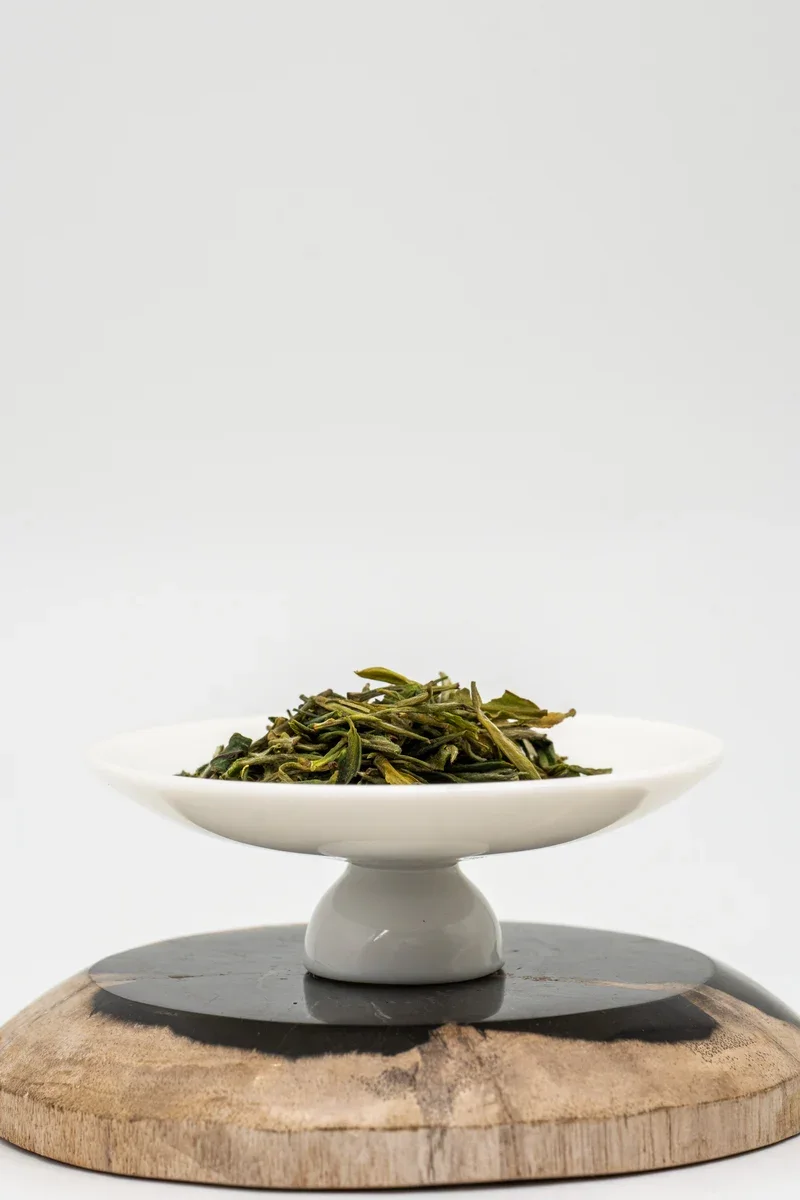
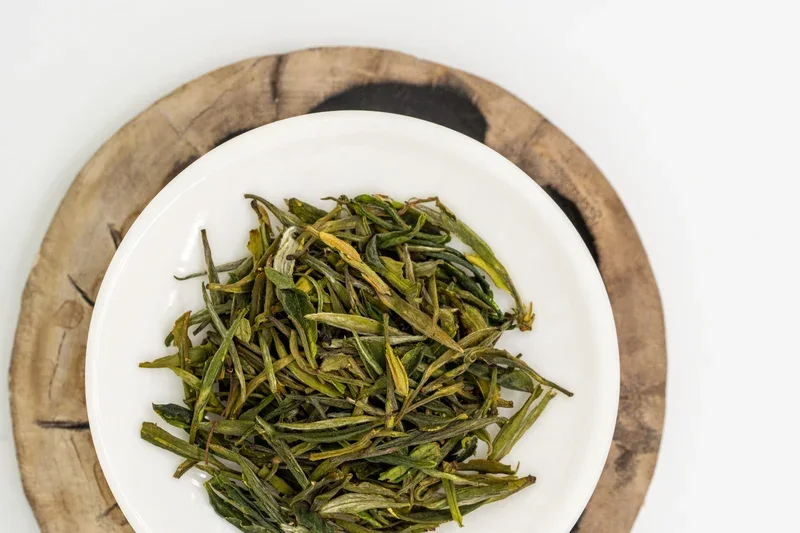
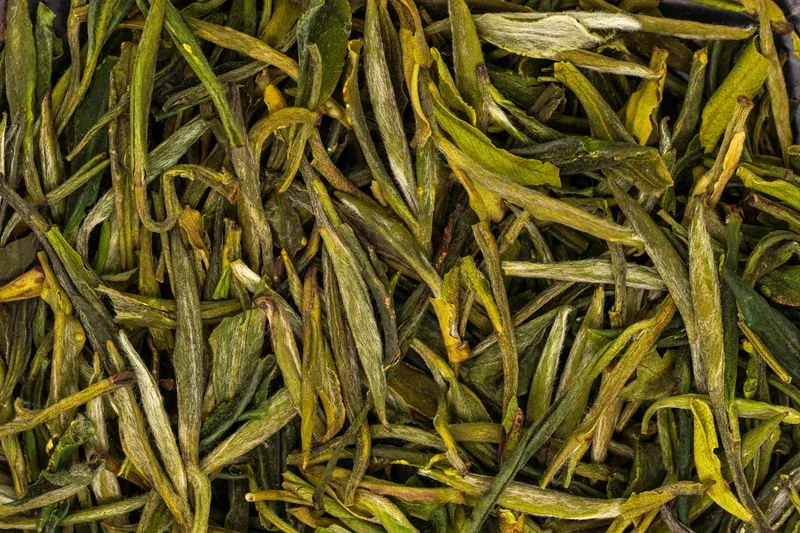
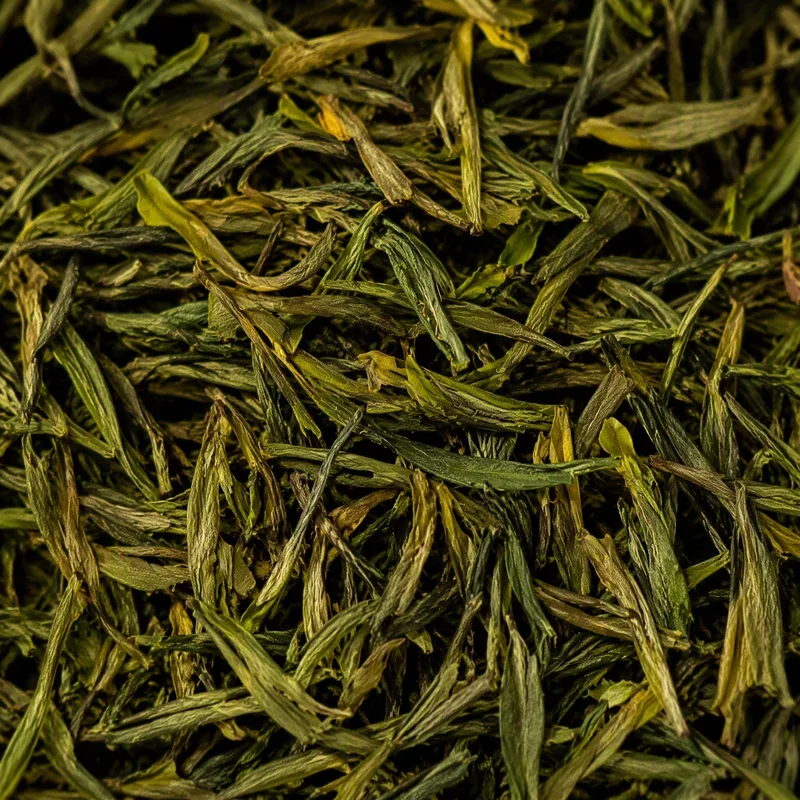
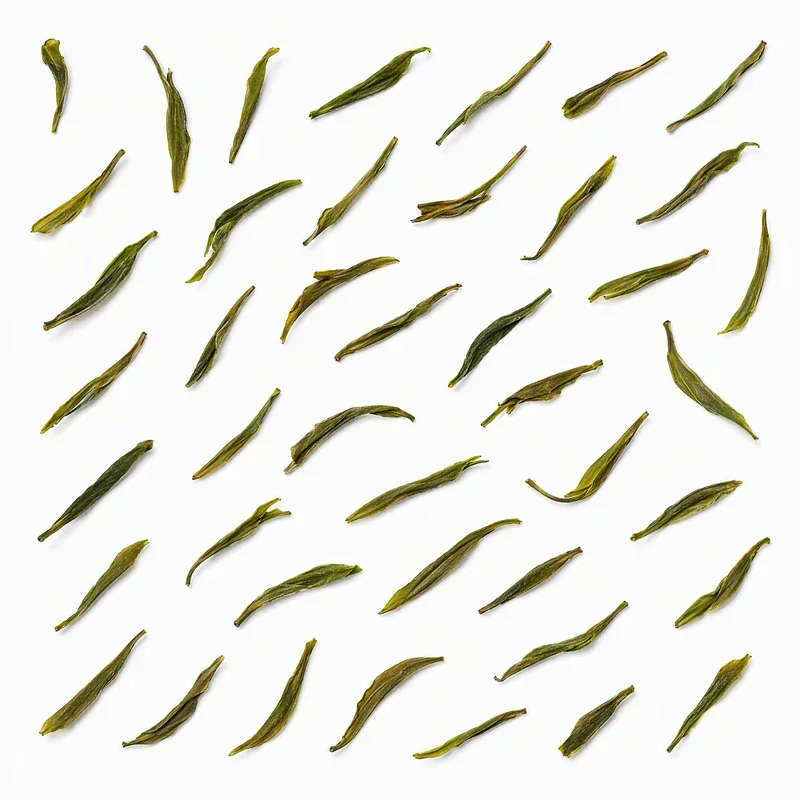
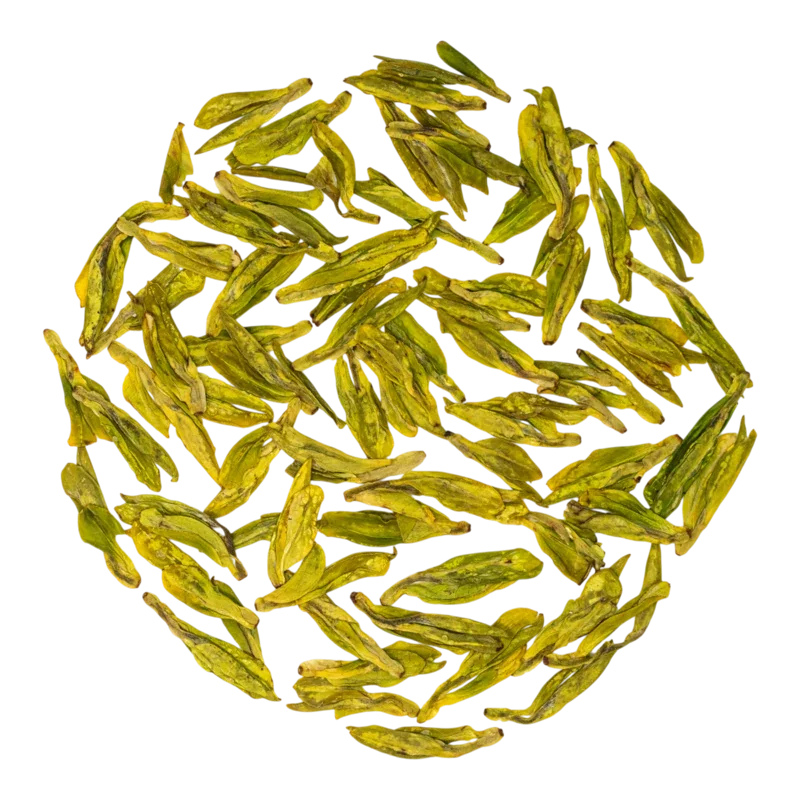
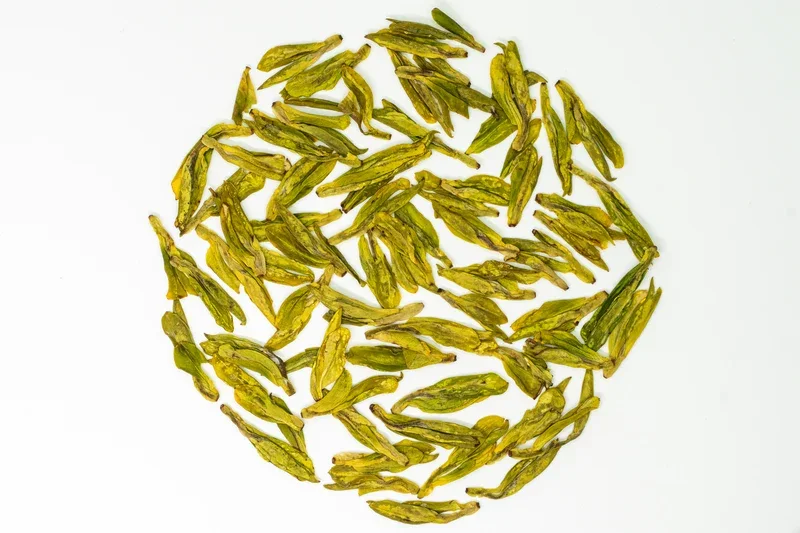
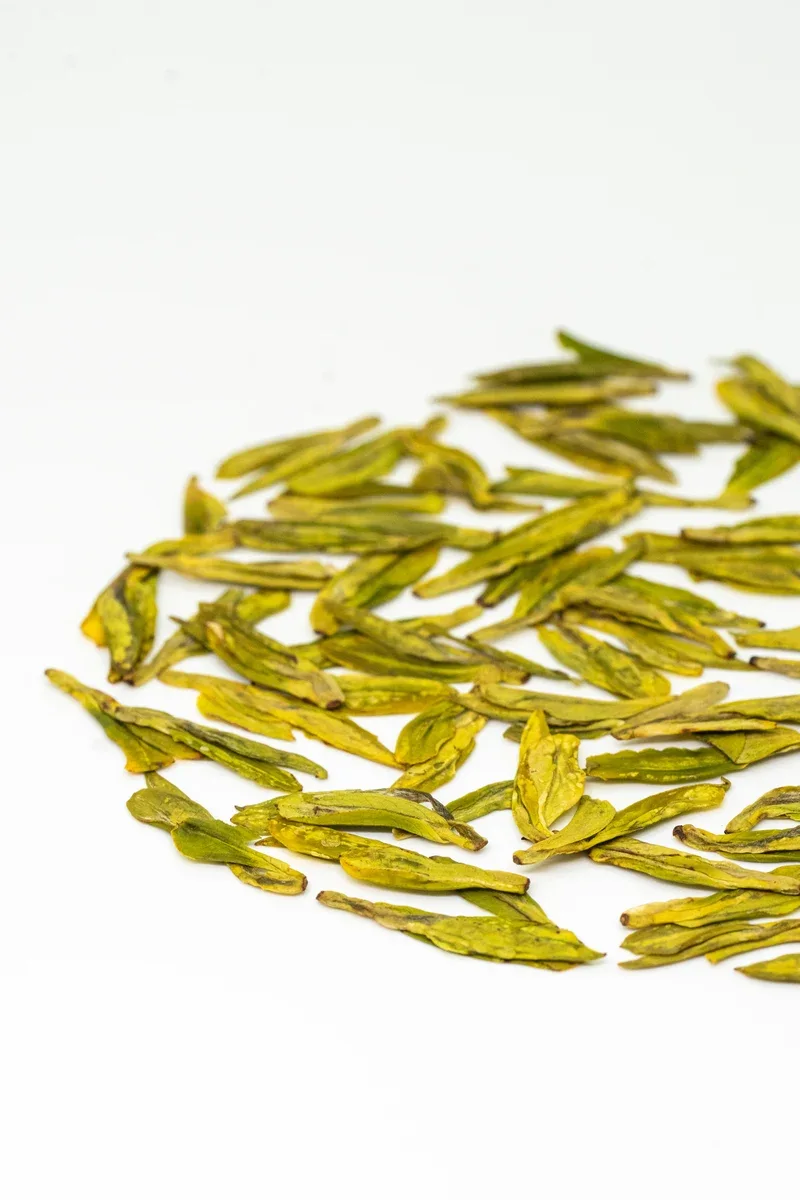
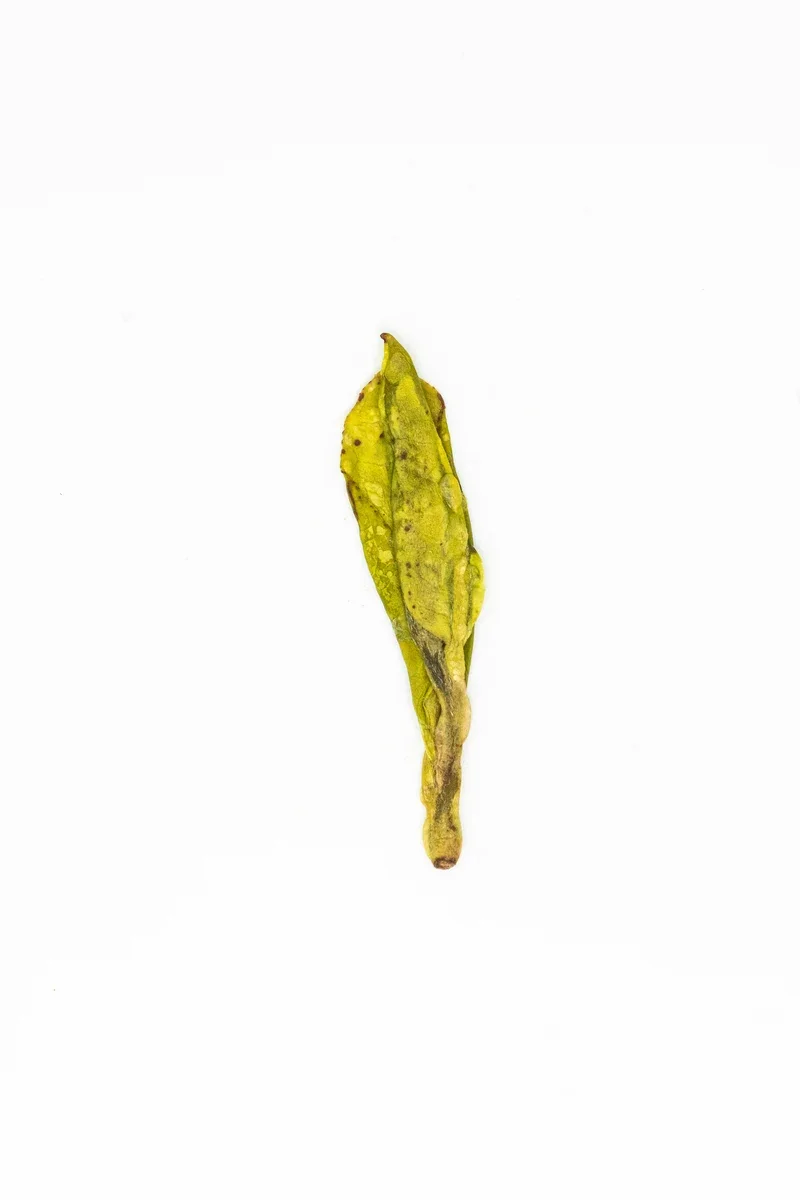
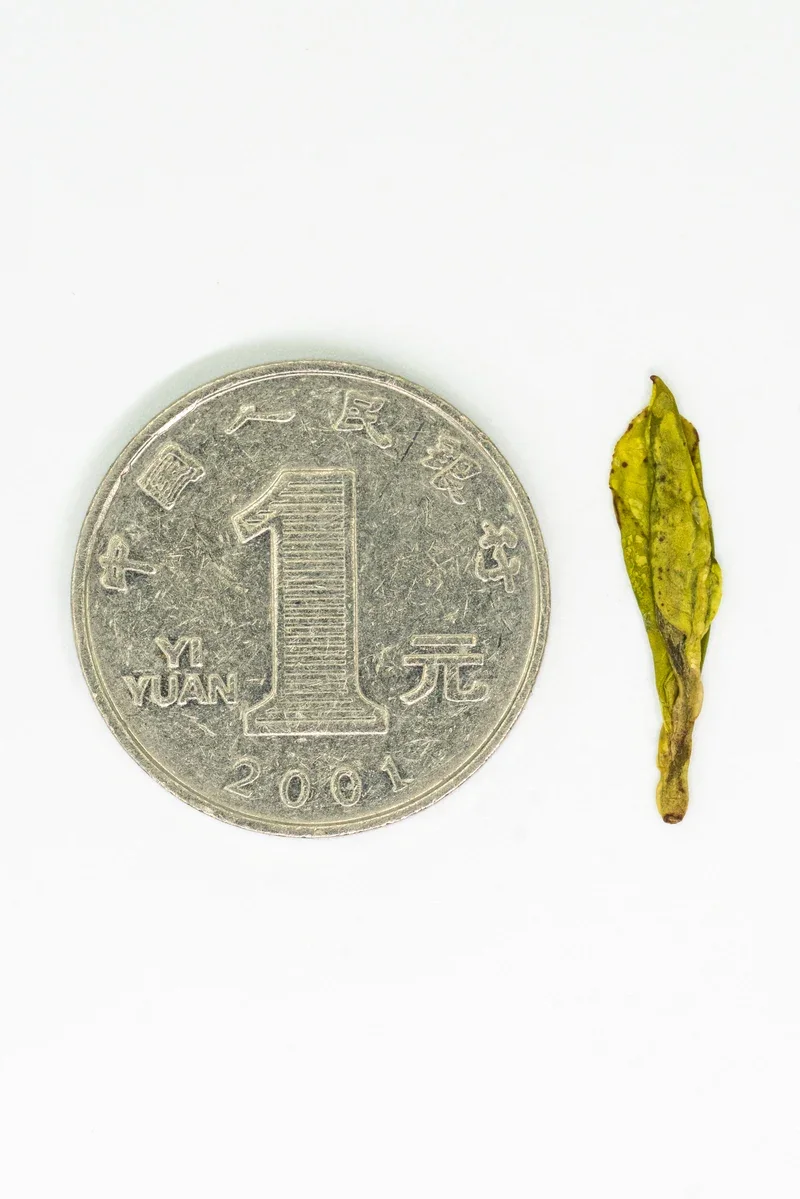
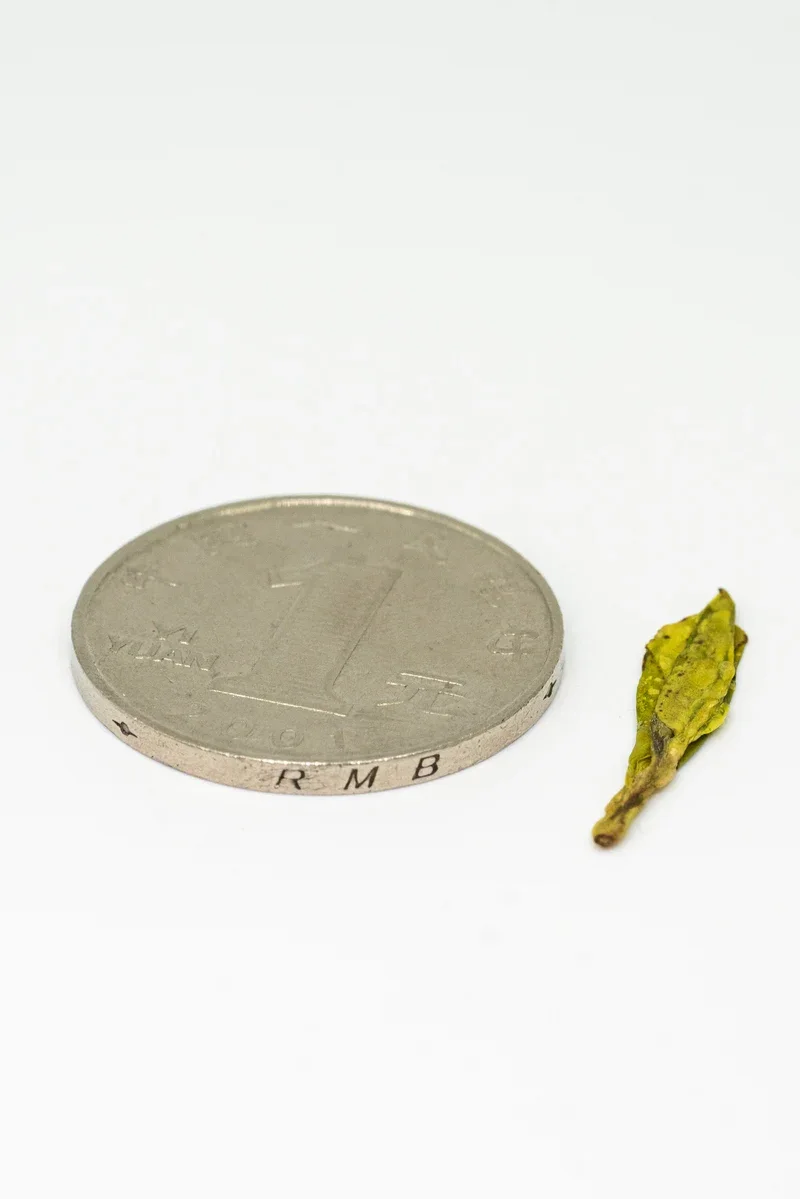
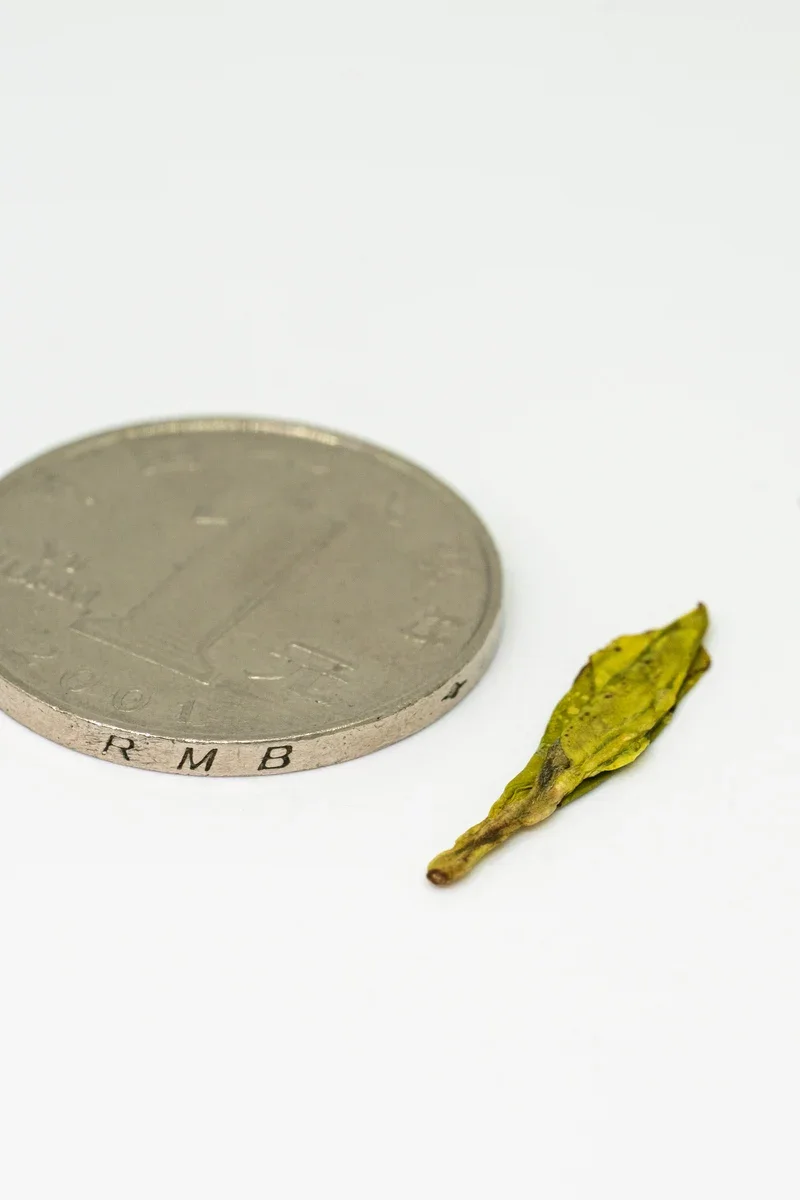
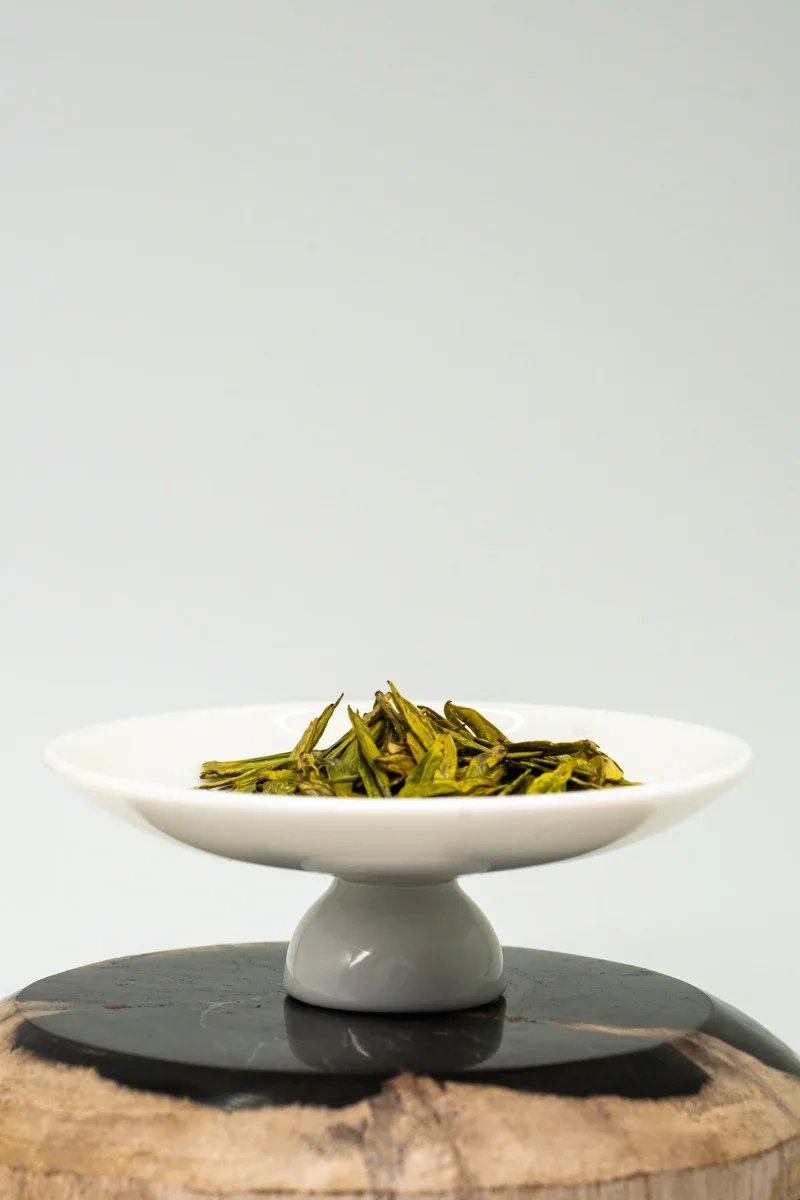
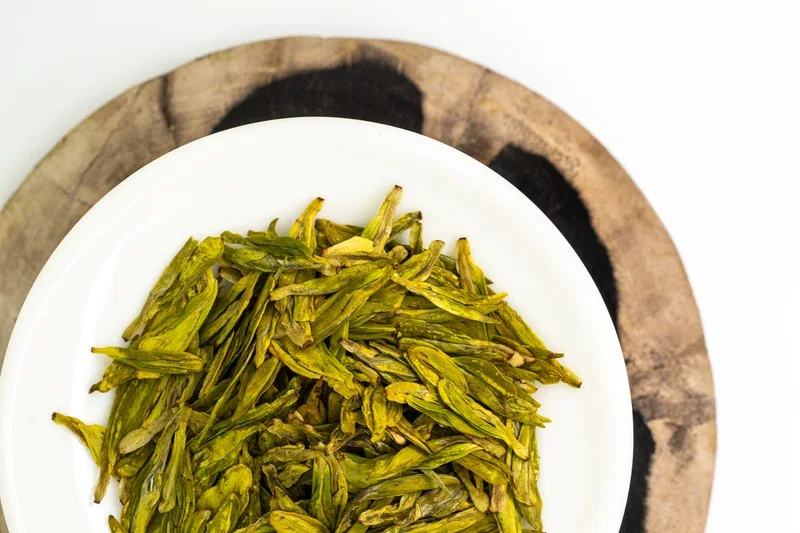
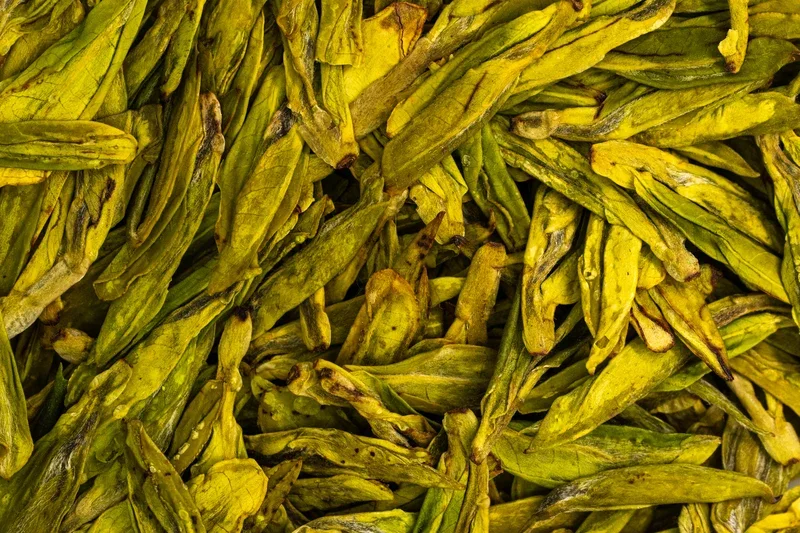
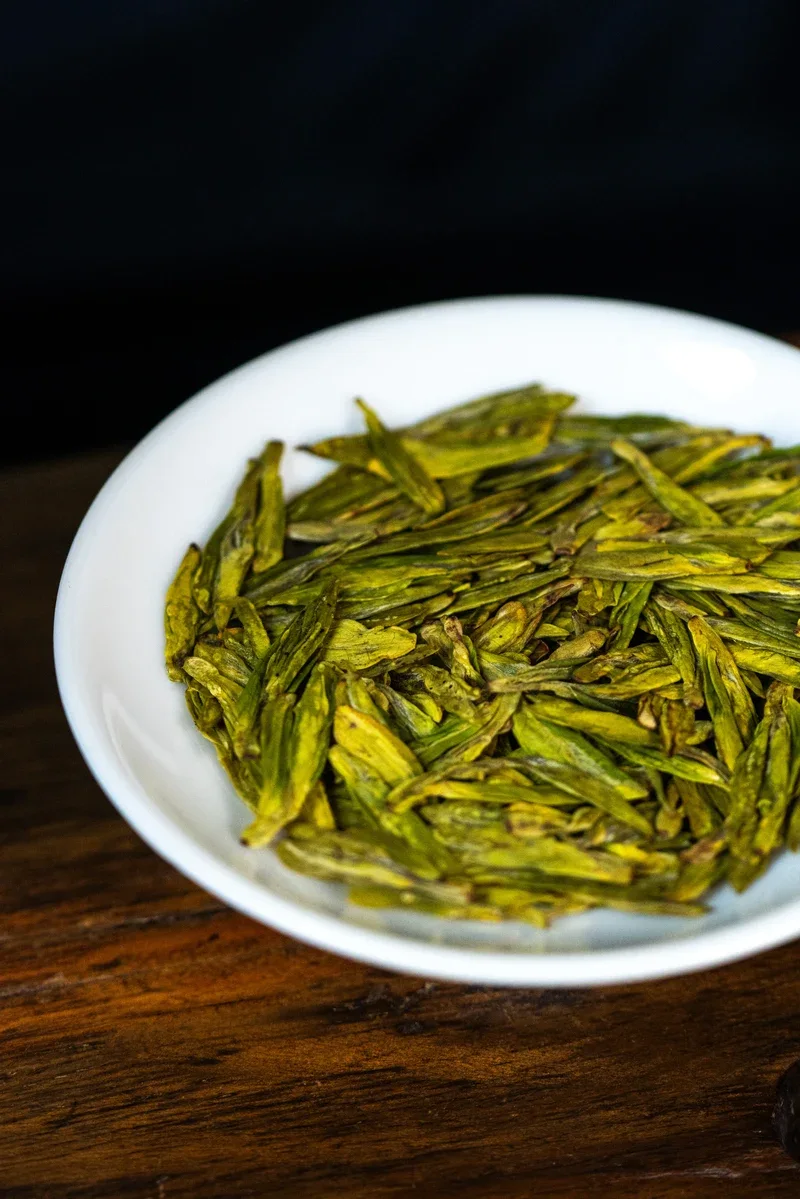
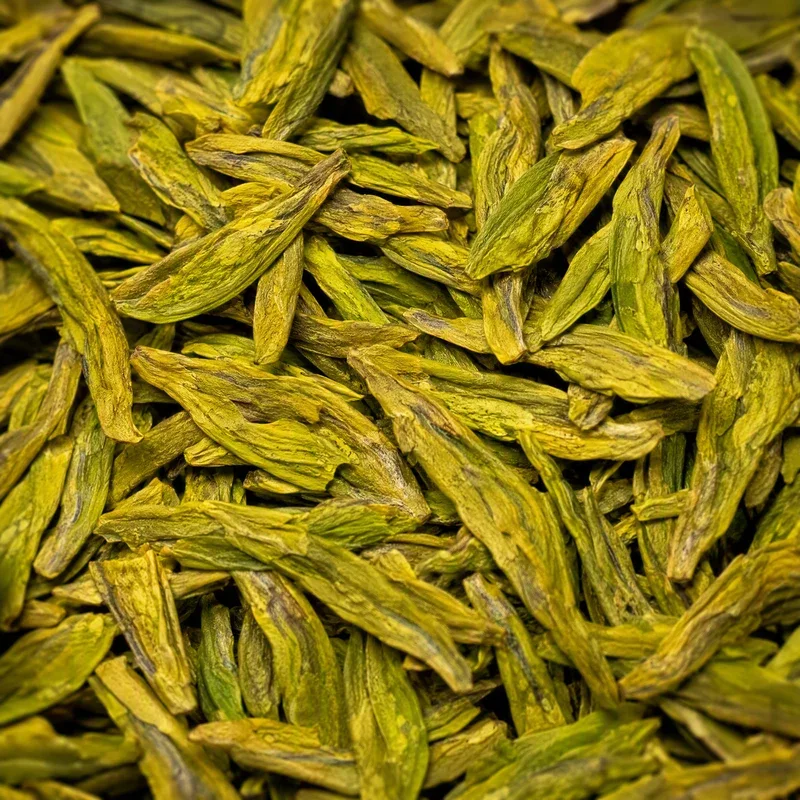
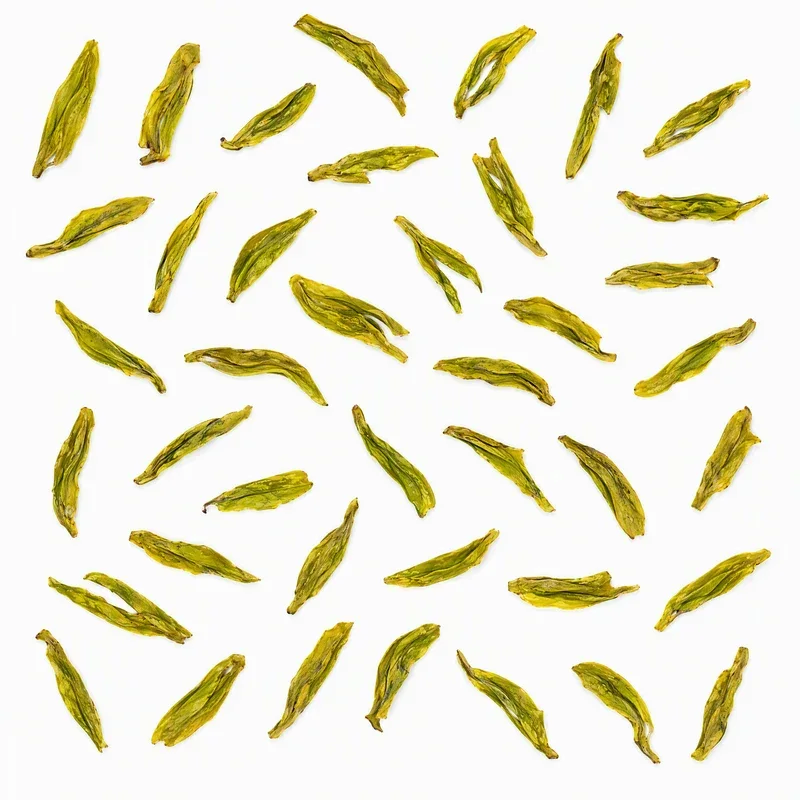
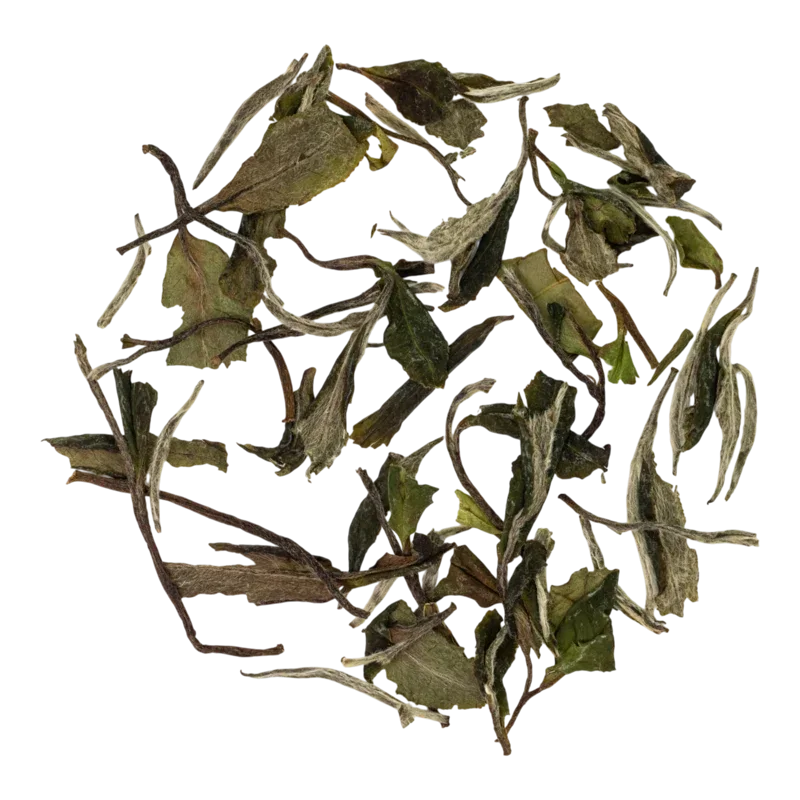
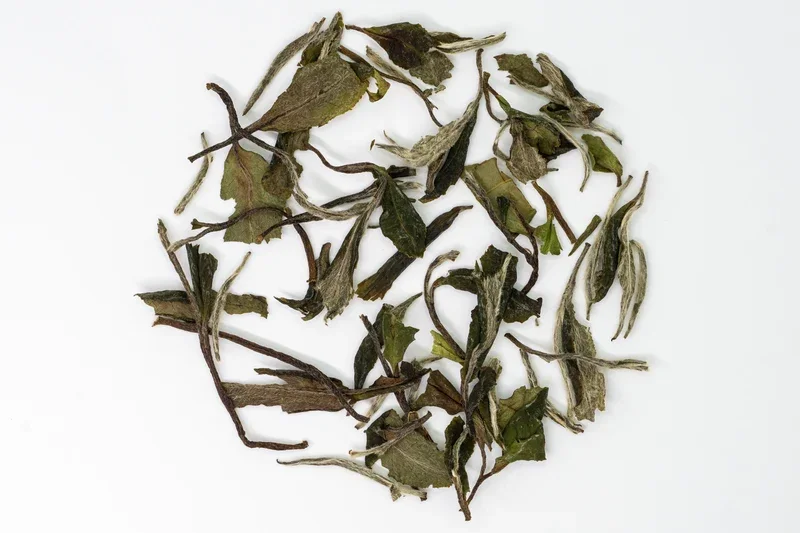
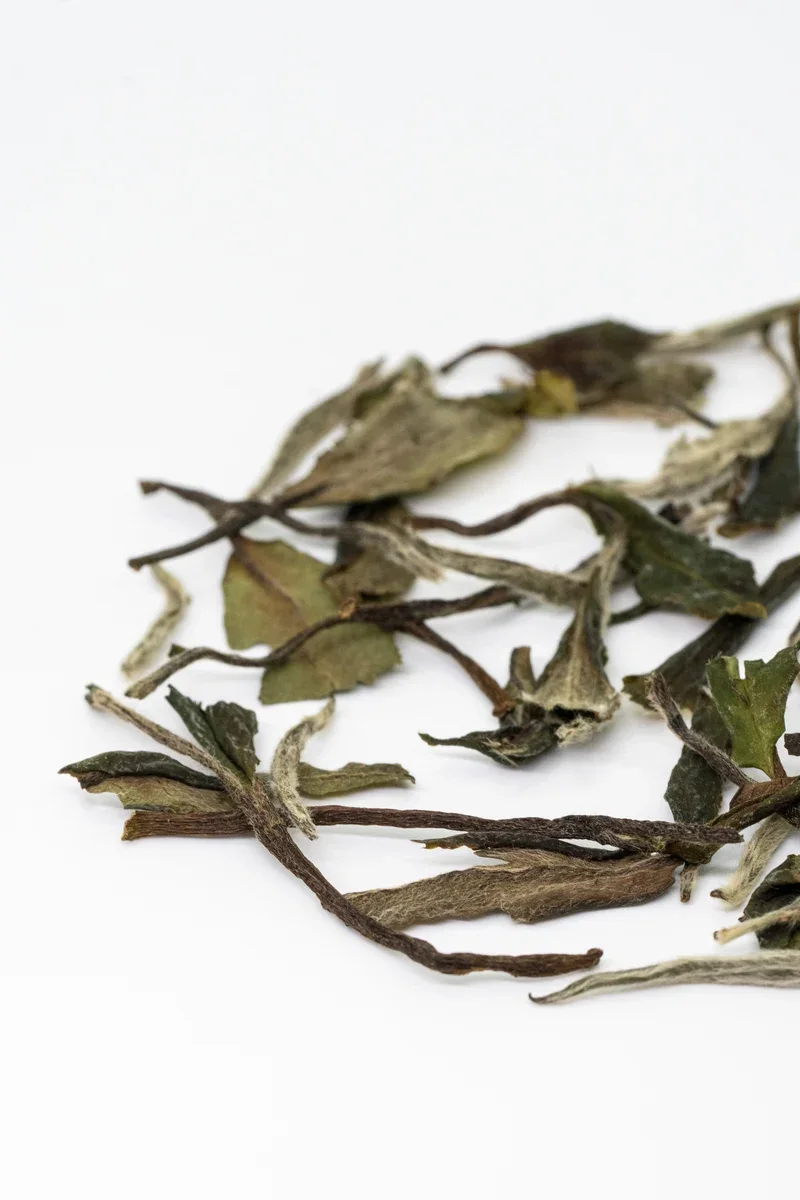
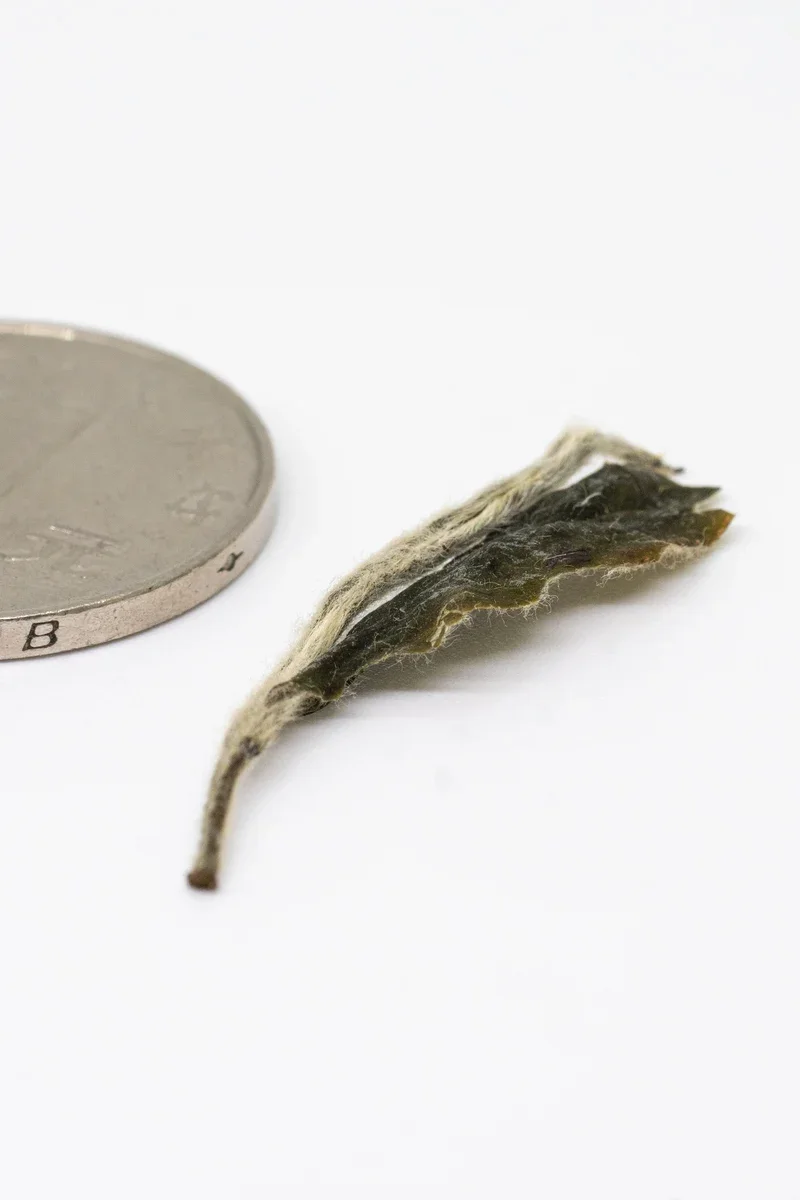
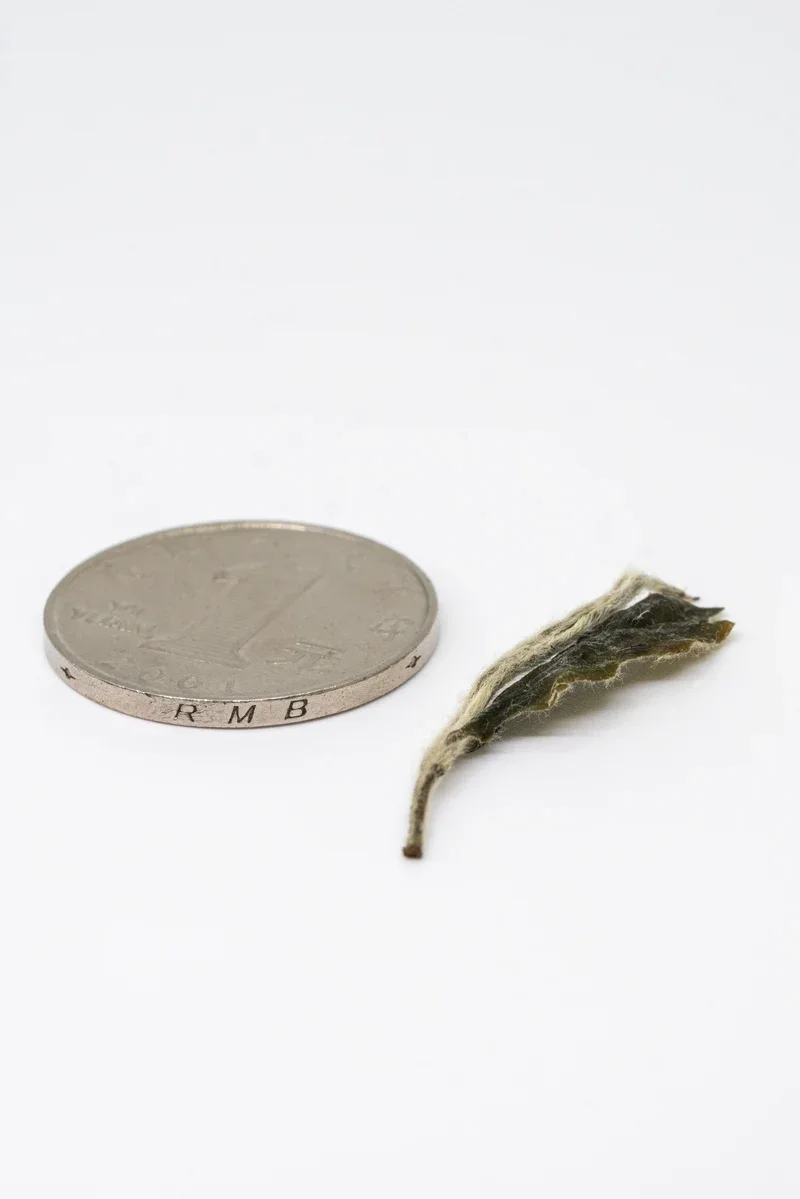
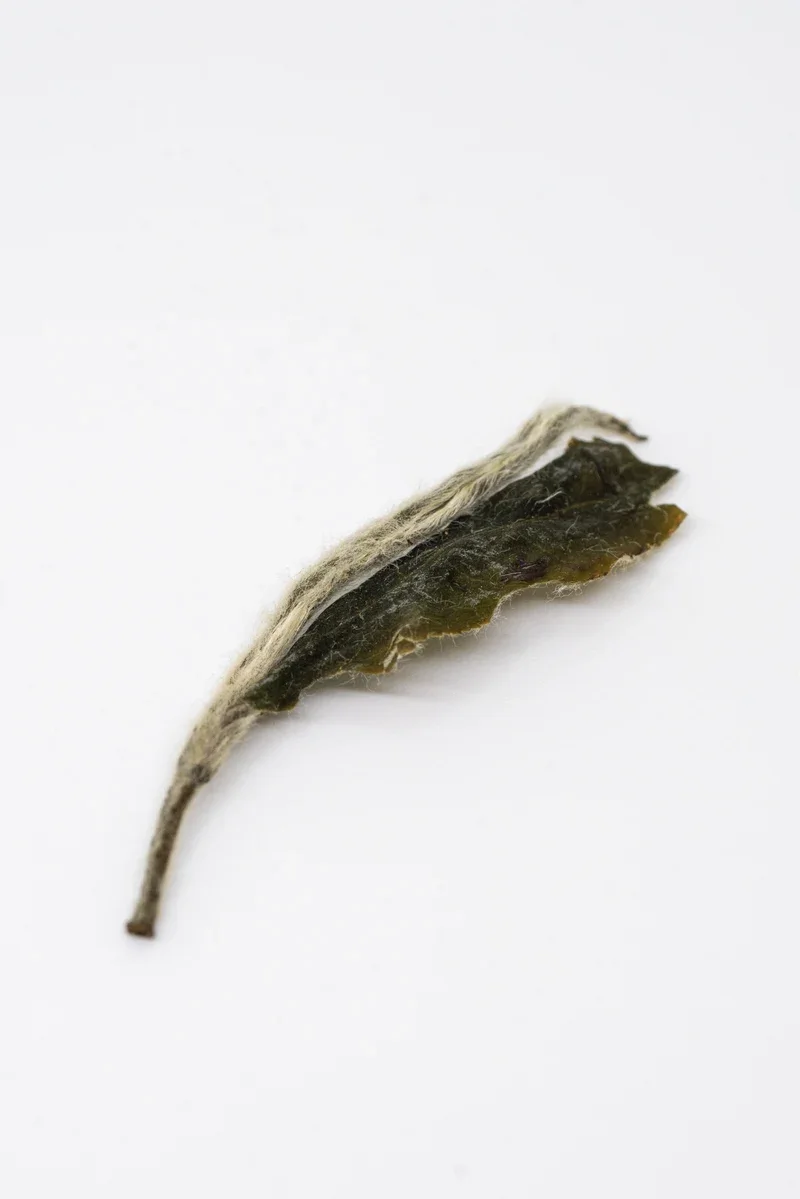
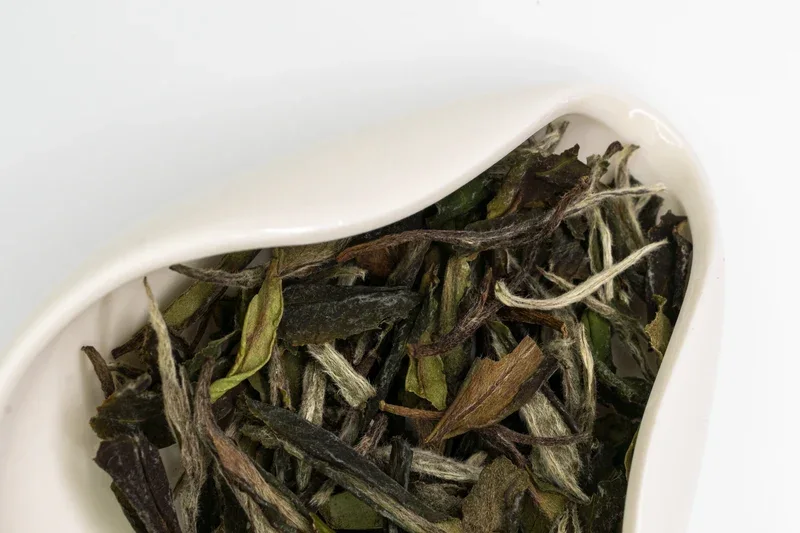
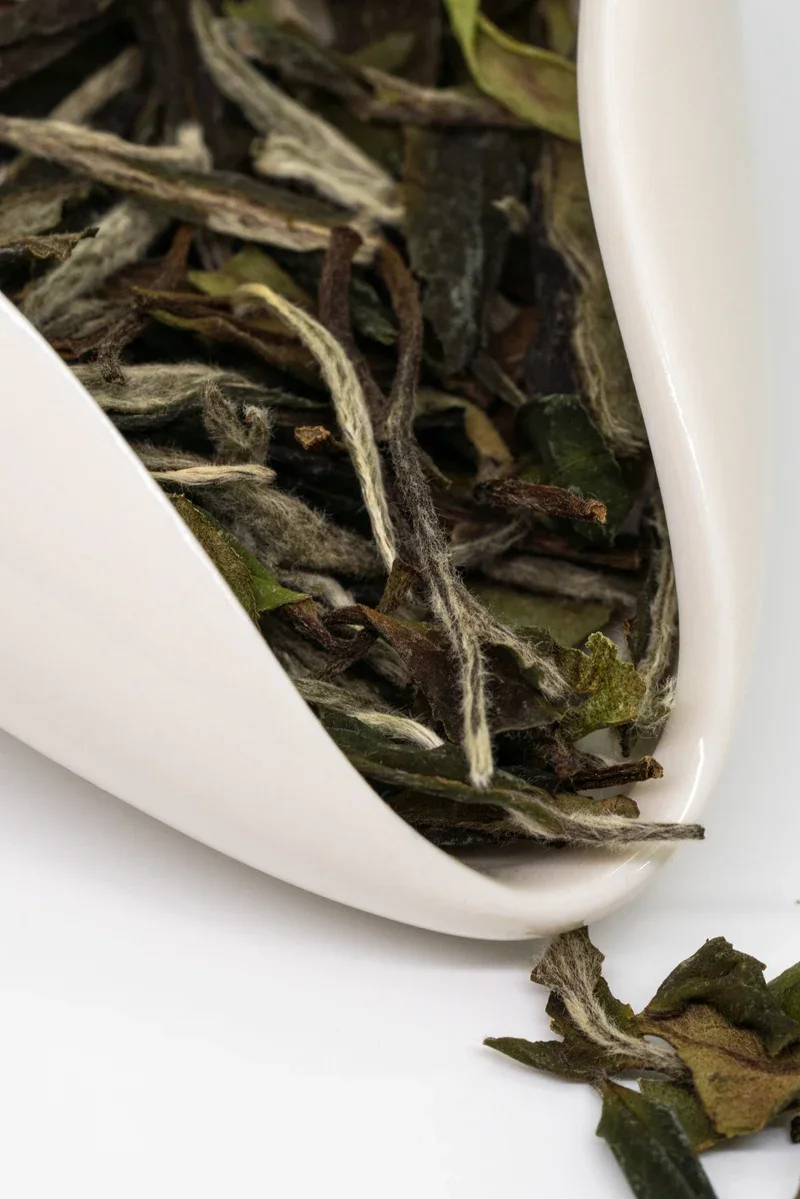
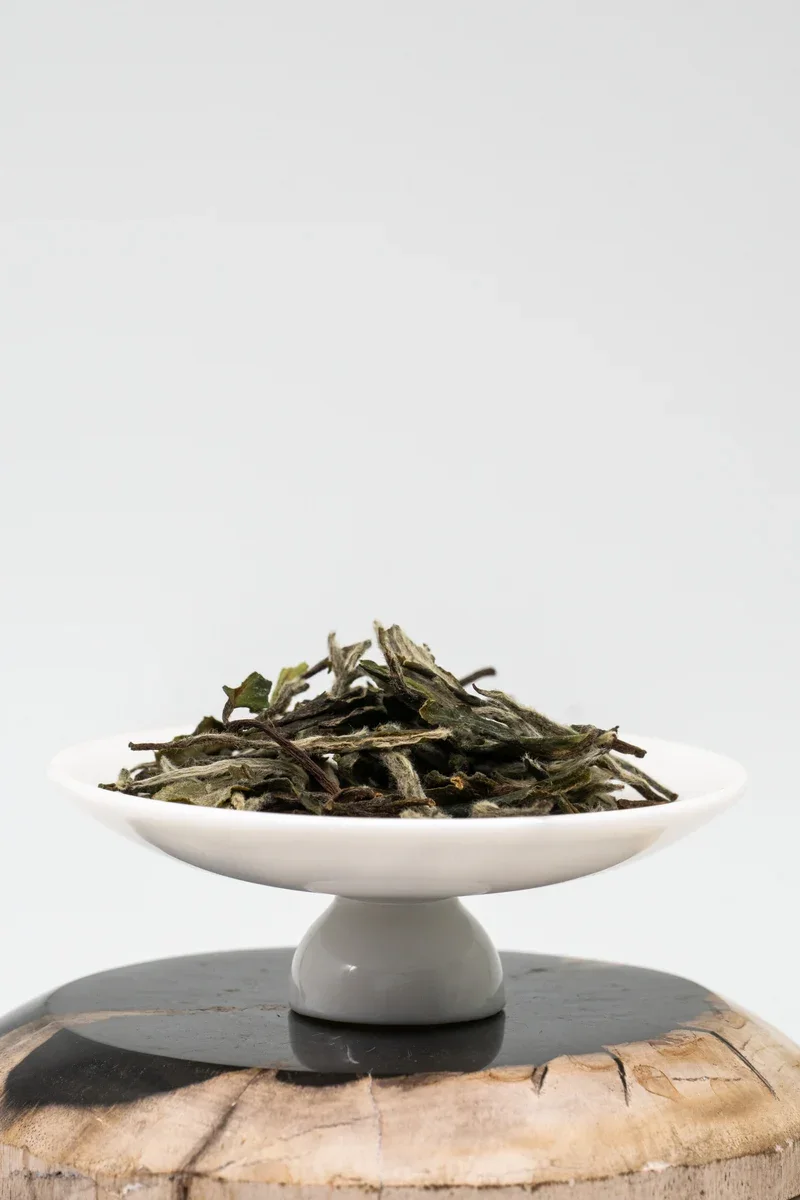
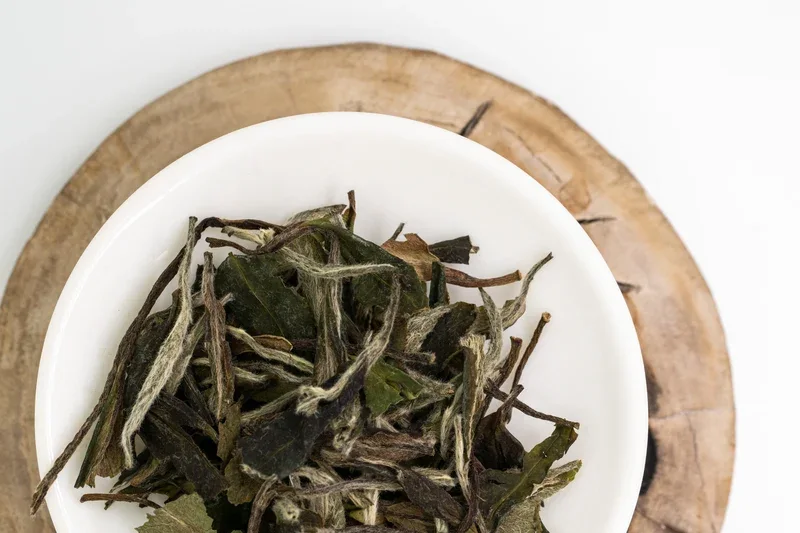
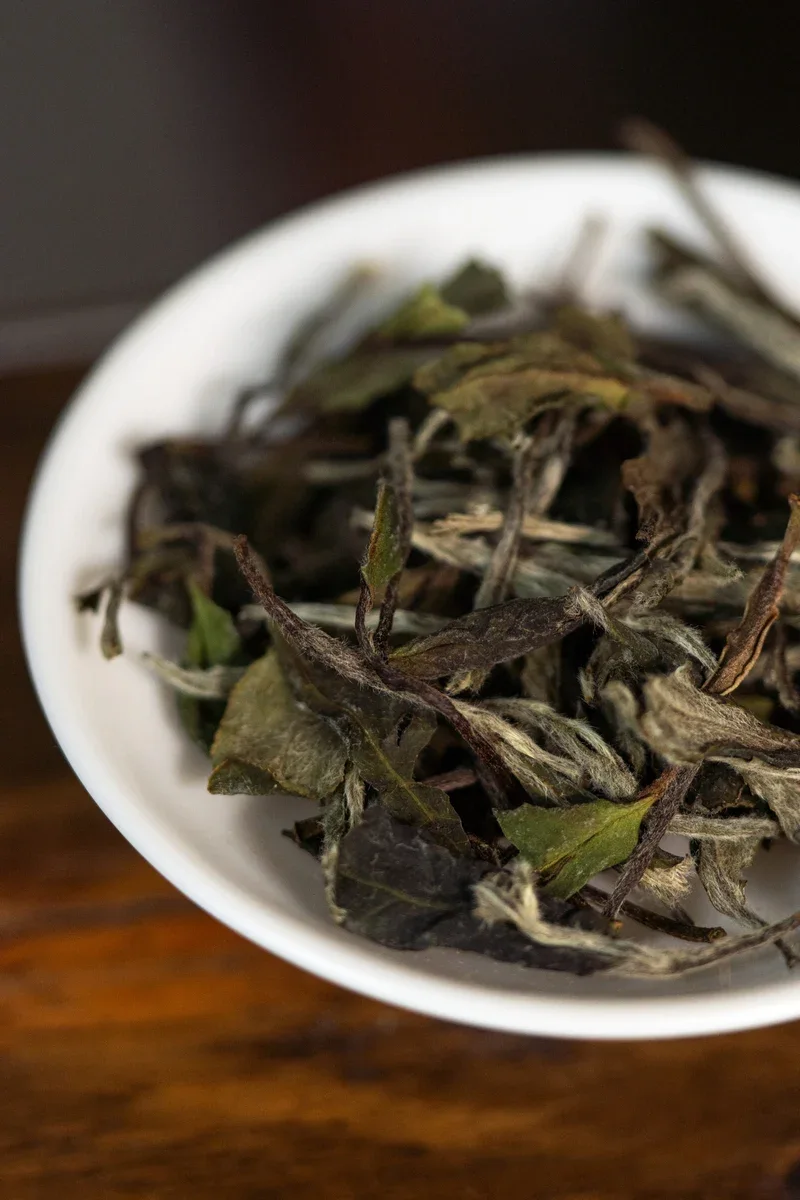
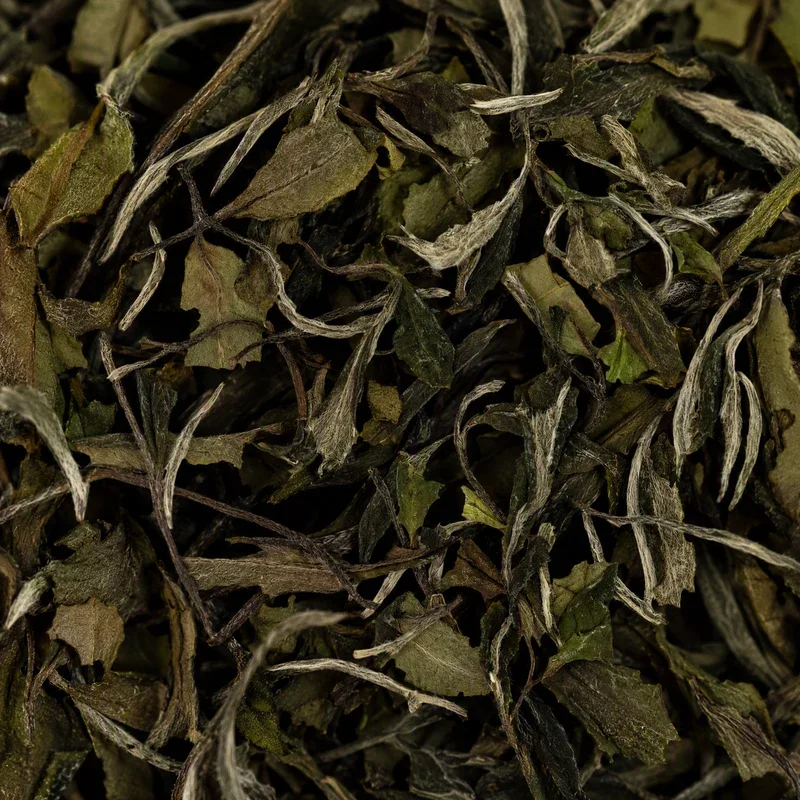
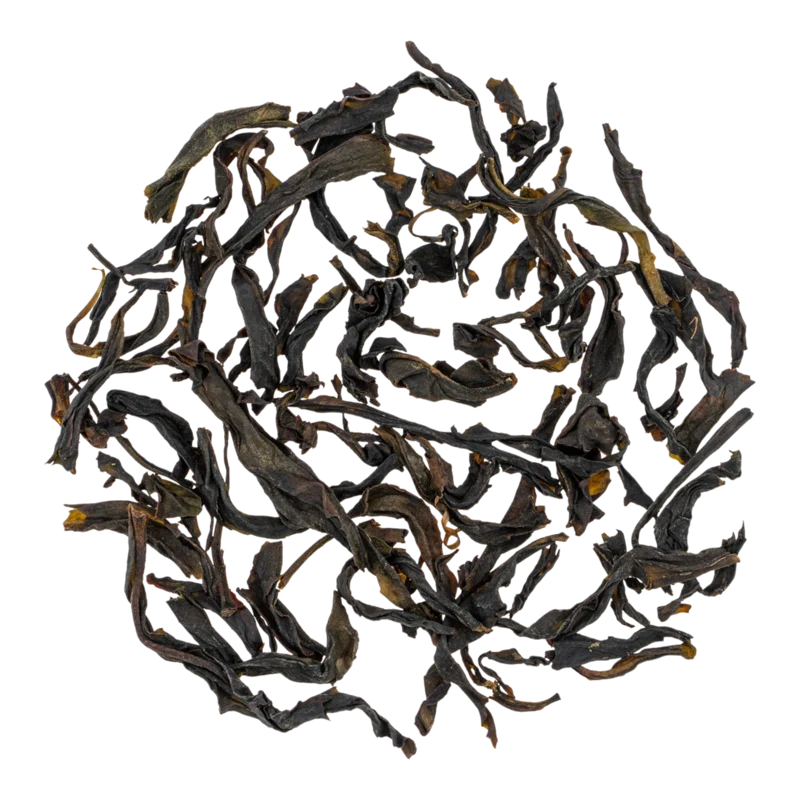
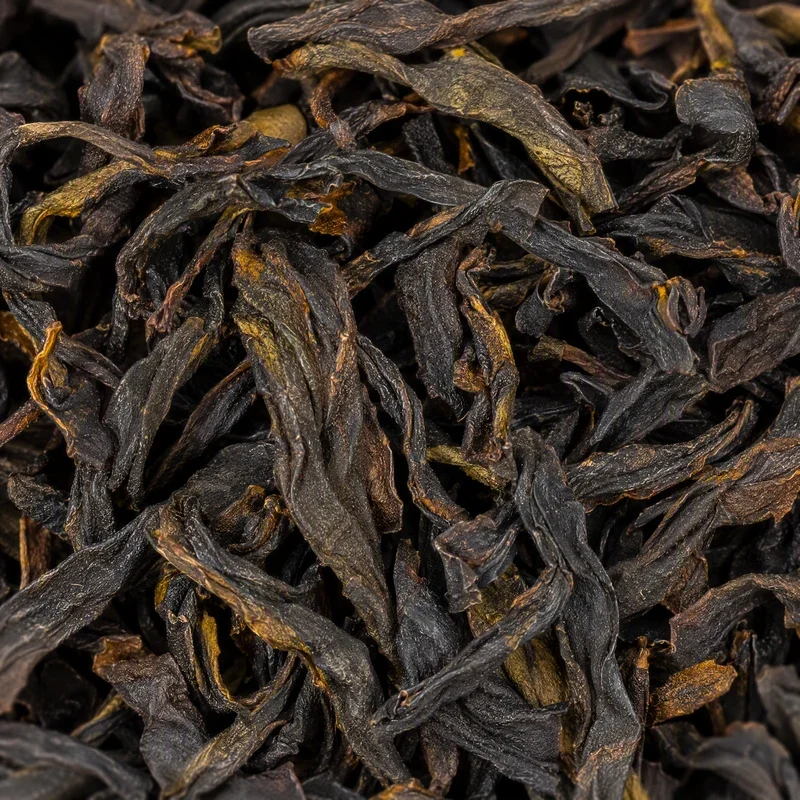
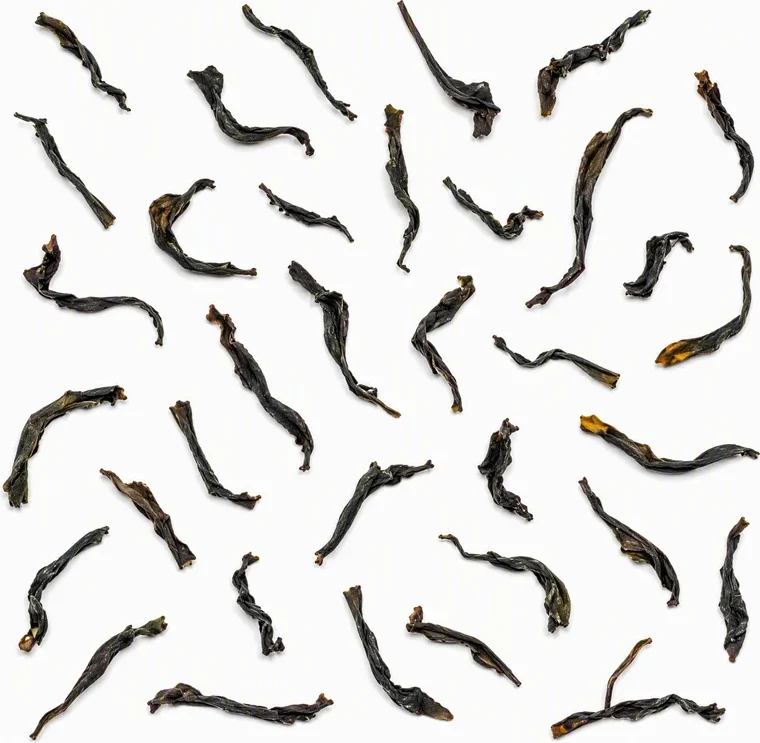
Dry Leaf Appearance: Large longitudinally twisted leaves of dark olive or brownish color with noticeable luster. Shape — elongated, slightly curved. Dense, weighty.
Dry Leaf Aroma: Intense, complex — dominant notes of blooming gardenia and jasmine, complemented by hints of honey, ripe tropical fruits (mango, papaya) and light caramel. One of the most "readable" floral aromas among dan congs.
Liquor Aroma: Bright, enveloping, floral — gardenia, jasmine, with honey sweetness. Persists on gaiwan lid long after pouring. Unfolds gradually from infusion to infusion, becoming more refined and sweet.
Liquor Color: Bright, clear, golden-yellow or light amber with pronounced luster.
Spent Leaves: Large whole leaves that have opened after brewing. Greenish center with distinct reddish-brown rim along edges. Leaf is soft, elastic.
Taste: Rich, smooth, oily. Harmonious balance of sweetness, light astringency and refreshing acidity. Floral, honey and fruity tones. Pronounced "hui gan" (回甘, returning sweetness). Noticeable umami. Body — full, enveloping.
Alkaloids: Moderate caffeine (~25–35 mg/g); theobromine, theophylline — trace amounts.
Amino Acids: L-theanine — content above average for oolongs thanks to high-altitude shading. Forms umami and smoothness.
Essential Oils: High content of volatile aromatic compounds — linalool, nerol, geraniol, benzyl acetate (jasmine-gardenia notes). More than 60 identified volatile components form the unique bouquet.
Minerals: Zinc, selenium (elevated content from Phoenix Mountain granite soils), potassium, manganese, fluorine.
Polyphenols: 20–25% of dry mass. EGCG is the main catechin; theaflavins due to partial oxidation.
Vitamins: C, B group, E.
Catechins + theaflavins neutralize free radicals.
Caffeine + L-theanine — "alert focus" without nervousness.
Moderate astringency stimulates digestive juices. Traditionally drunk after abundant Chaozhou cuisine.
Intense floral aroma has proven relaxing impact — reduces cortisol levels.
From Phoenix Mountain granite soils — important trace elements for immunity and skin health.
L-theanine and caffeine synergy improves concentration and working memory.
~95°C. Hot water reveals the "gardenia" note; too hot (100°C) enhances astringency.
Classic Chaozhou serving — three miniature cups (三杯, sān bēi). Tea is poured in circles (关公巡城, guāngōng xúnchéng — "Guan Gong patrols the city"), then final drops — alternately (韩信点兵, Hánxìn diǎn bīng — "Han Xin counts soldiers").
Tea Amount: 5–7 g per 100–120 ml.
Teaware: Cháozhōu porcelain gàiwǎn (潮州盖碗) — traditional choice. Yixing teapot from fine clay also suitable.
No reviews yet. Tell us what you think of this tea.
Rate this tea and share your impressions. We review each submission before publishing it.