Brewing
Gongfu brewing
- Water temperature
- 93 °C
- Tea amount
- 5 g
- Water volume
- 100 ml
- First steep
- 10 s
- Time added per infusion
- 5 s
- Infusions
- 4


Huáijí hóngchá
Choose a brewing method. Start with the recommended quantities and time, then adjust to taste.
Brewing
Brewing
Taste
Tea encyclopedia
Category: Regional Guangdong high-altitude red tea (black tea). Official geographical indication (GI, 2018) designation — Xīngǎng Hóng Chá (新岗红茶). In a broader sense, "Huaiji Hong Cha" encompasses red teas (black teas) from several tea zones in the county: Xīngǎng (新岗), Yanling (燕崚), Xià Shuǎi (下帅), Lanzhong (蓝钟) and others.
Category: Regional Guangdong high-altitude red tea (black tea). Official geographical indication (GI, 2018) designation — Xīngǎng Hóng Chá (新岗红茶). In a broader sense, "Huaiji Hong Cha" encompasses red teas (black teas) from several tea zones in the county: Xīngǎng (新岗), Yanling (燕崚), Xià Shuǎi (下帅), Lanzhong (蓝钟) and others.
Coordinates: approximately 24°00′ N, 112°00′ E (Qiashui Township area / Dachouding Mountain).
Origin: China, Guǎngdōng Province (广东省, Guǎngdōng Shěng), Zhàoqìng City (肇庆市, Zhàoqìng Shì), Huáijí County (怀集县). The main tea zone "Xingang" is located in Qiàshuǐ Township (洽水镇, Qiàshuǐ Zhèn), on the slopes of Dàchóudǐng Peak (大稠顶, 1,626 m — the highest point of the entire Zhaoqing municipal district). Huaiji is located at the junction of Guangdong, Guangxi and Hunan provinces, on the edge of the Nánlǐng mountain system (南岭), and is the "green heart" of the Guangdong-Hong Kong-Macao Greater Bay Area (粤港澳大湾区), supplying megalopolises with ecologically clean products.
Type: Chinese red tea (black tea) (红茶, hóngchá), fully oxidized. Belongs to the Guangdong-style gongfu hong cha (广东工夫红茶).
Cultural Significance: Huaiji positions itself as the "green food base of the Greater Bay Area" (粤港澳大湾区绿色农副产品集散基地): the county supplies Pearl River Delta megalopolises with ecologically clean products — from vegetables to tea. The regional brand "Huaiji Weidao" (怀集味道, "Taste of Huaiji"), uniting the best agricultural products of the county (including Xingang Hong Cha), entered the top-20 of the national county brand competition in 2024 and received a bronze medal. Huaiji tea plantations are actively integrated into tea tourism routes: visiting Dachouding Mountain, farm tastings, master classes on hand-making tea — all this becomes part of Guangdong's "new rural tourism."
History: Tea cultivation in Huaiji has roots stretching back centuries. In the northern part of Qiashui Township (during the Qing era — Luogangbao Township, 萝岗堡) there existed Cháyàn Village (茶岩村, "Tea Rock"), surrounded by wild tea trees. Local residents lived for centuries by growing and selling tea, gradually domesticating the best wild forms. Over time, tea production spread from Chayan to the entire Xingang area and further — throughout Qiashui territory. In 1956, the Zhaoqing government allocated more than 100,000 mu of land in the Xingang area to create the state-owned Xīngǎng Forest Farm (肇庆市国有新岗林场). Based on the forest farm, using local tea cultivation traditions and attracting foreign investment, the company "Huaiji Gaoshangqing" (怀集高山青农产品有限公司) was founded, which modernized production and began producing Xingang Hong Cha, Xingang Lü Chá (新岗绿茶) and Xingang Oolong. In 1983, tea from Huaiji began receiving its first regional awards. In 1993, a Hong Kong entrepreneur invested in the Xingang Tea Farm, specializing in high-quality mountain tea. By the 2010s — with the arrival of a new generation of managers — the "Xingang" brand expanded beyond Zhaoqing: products began selling in Guangzhou, Shenzhen and Hong Kong. In 2011, Huaiji received the status of "Tenth Tea Village of Guangdong." In 2014, young manager Yǔ Wèi (余威), who grew up in Hong Kong and refused a career with the Hong Kong Independent Commission Against Corruption (ICAC), took over farm management and brought the brand
Name Breakdown: 怀集 (Huáijí) — county name (ancient toponym dating back to the era of Southern and Northern Dynasties); 红茶 (hóngchá) — "red tea (black tea)." "Xingang" (新岗) — "new post/ridge" — name of the specific tea area in Qiashui Township that became the GI designation.
Cultivar: Large-leaf varieties of Camellia sinensis var. assamica and medium-leaf forms. Xingang plantations use Yunnan large-leaf varieties, as well as specialized cultivars: Hongyan 12 Háo (鸿雁12号, Hóngyàn 12 hào — developed by the Guangdong Tea Research Institute, adapted for producing "guixiang hong cha" — red tea (black tea) with rose aroma), Yinghong 9 Háo (英红9号), Jinguanyin (金观音), Huángjīnguì (黄金桂) and others. The company "Tianruiyuan" (天瑞园, one of the county's large tea farms) focused on Hongyan 12, whose "rose-fruity" aromatics became the calling card of their red tea (black tea).
Picking: Spring (March–April) — primary, most valuable; summer and autumn — for mass batches. Huaiji's climate allows 3–4 harvests per year.
Pluck Standard: 1 bud + 1–2(3) young leaves; for highest grades — predominantly buds with one leaf (卷曲, juǎnqū — "curled").
Raw Material: Fresh, whole leaf without damage; minimal delay between harvest and processing; strict control for absence of pesticides.
Altitude: 800–1,626 m. The main Xīngǎng tea gardens are located on the slopes of Dàchóudǐng (大稠顶, 1,626 m — Zhaoqing's highest point). These are among the highest-altitude tea plantations in Guangdong — a province where most teas are grown at significantly lower elevations.
Climate: Subtropical mountain climate with pronounced vertical gradient. At altitudes of 800+ m — frequent clouds and mists, cool nights and warm days: significant diurnal temperature variation promotes accumulation of sugars and aromatic compounds in the leaf. Precipitation is abundant (1,400–1,800 mm annually); frost-free period is long (up to 300 days). In Guangdong conditions, altitude of 800–1,600 m is equivalent in climatic effect to 1,200–2,000 m in more northern provinces, since Huaiji's latitude (~24° N) provides a powerful baseline level of heat and moisture. A local saying states: "Below — summer, on Dachouding — autumn": even in summer the peak is cool and misty, which is ideal for tea bushes.
Soil: Acidic mountain soils (pH 4.3–6.5), predominantly red and yellow lateritic, with good aeration and drainage. Organic matter content is elevated due to rich forest litter.
Huaiji is one of the "greenest" counties in Guangdong: mountain massifs, bamboo forests, clean mountain rivers. The county is part of the "ecological core" of the Greater Bay Area — a zone where placement of polluting industries is prohibited. Tea gardens are located in forest "windows" at altitude, where industrial pollution is absent. Local producers emphasize organic approach: Xingang plantations use only organic manure; Wulu Chá (五里路) plantations maintain complete prohibition of pesticides, herbicides and mineral fertilizers. Since 2014, the county government allocated more than 25 million yuan for tea infrastructure development: road construction to tea gardens, installation of irrigation systems, purchase of modern processing equipment. Annual training programs on agricultural techniques for farmers and professional development courses for tea masters are conducted — more than 100 specialists have been trained to date.
1 bud + 1–2(3) leaves, manual or mechanized harvest.
Prolonged withering under controlled temperature and ventilation; leaf loses turgor and acquires elasticity.
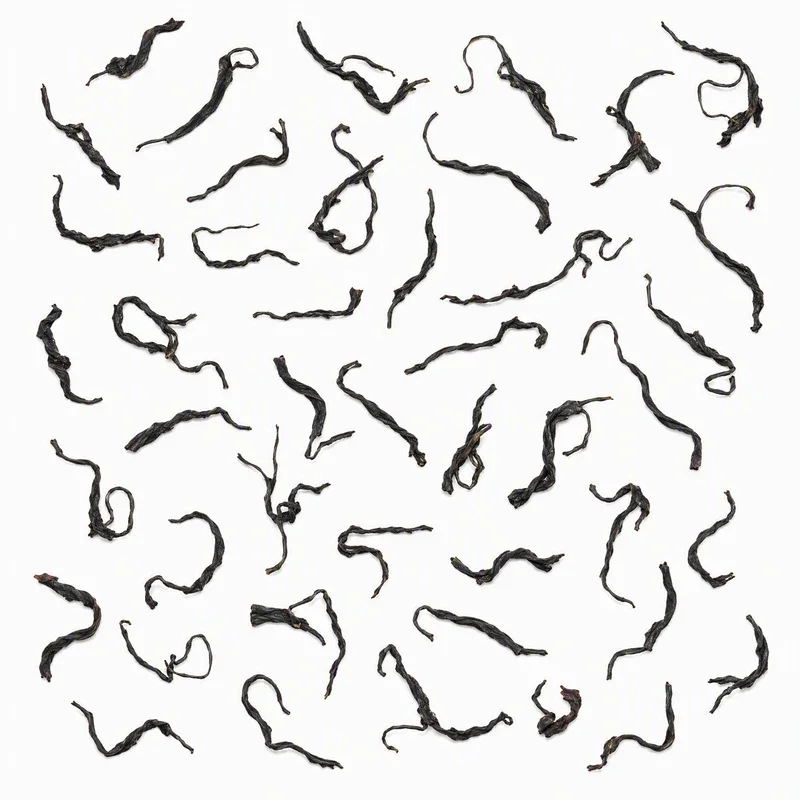
Formation of the curly twist characteristic of Xīngǎng Hóng Chá (卷曲, juǎnqū); extraction of cellular juice.
Controlled oxidation until copper-red leaf color and appearance of expressive floral-honey aroma. For Hongyan 12 cultivar — special oxidation regime allowing maximum development of rose notes.
Aroma fixation and oxidation stopping at gentle temperature.
Grading by fractions; separation of grades from teji (特级, supreme) to standard.
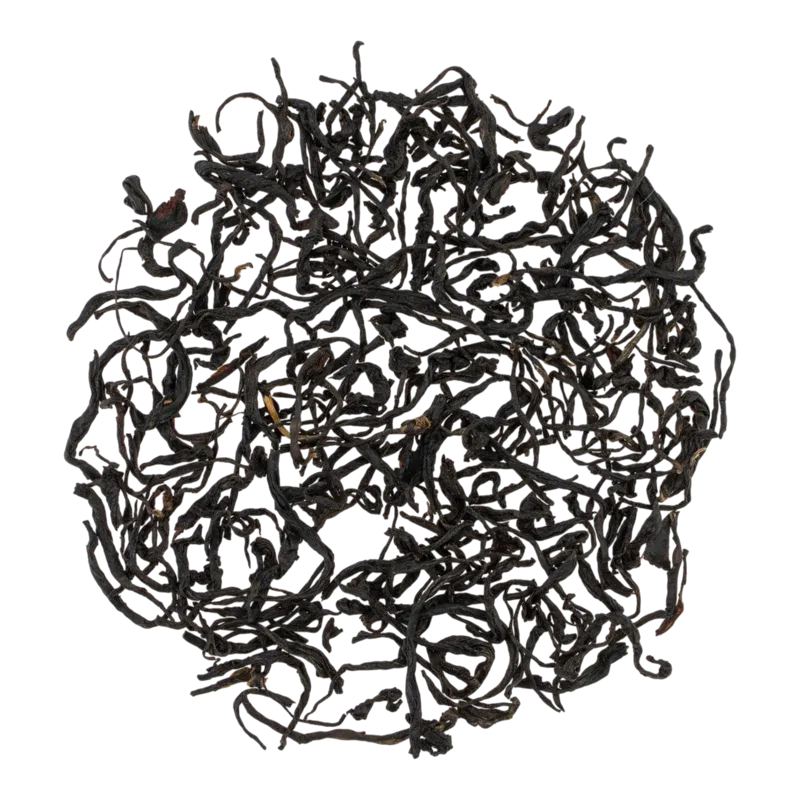
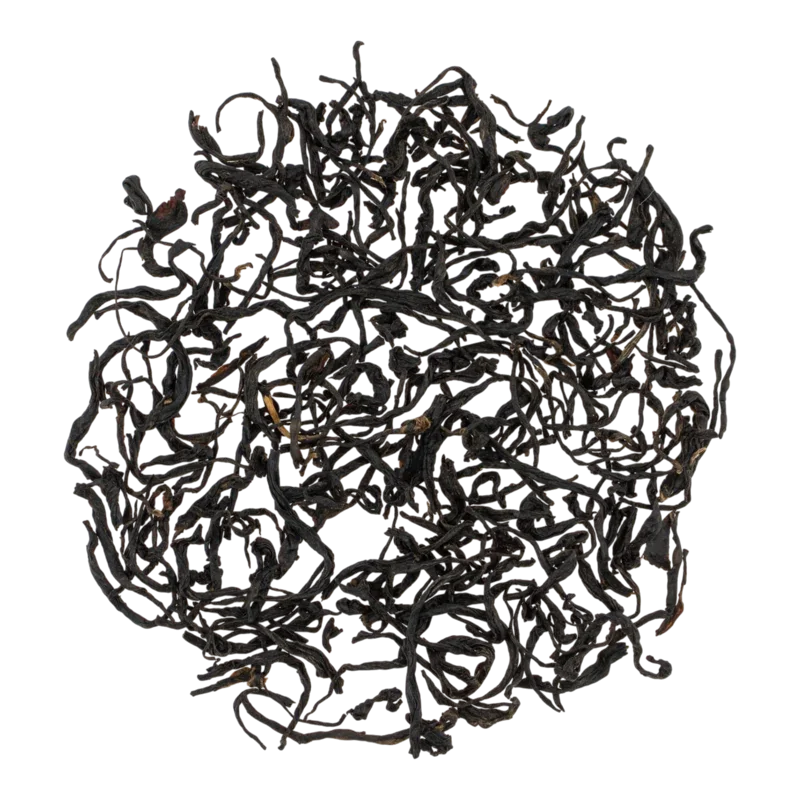
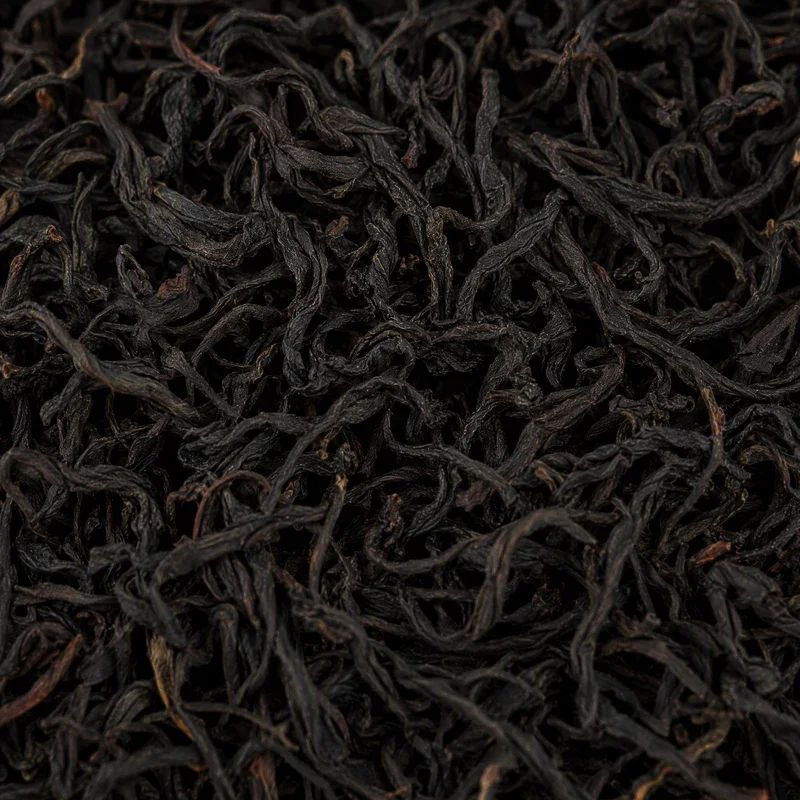
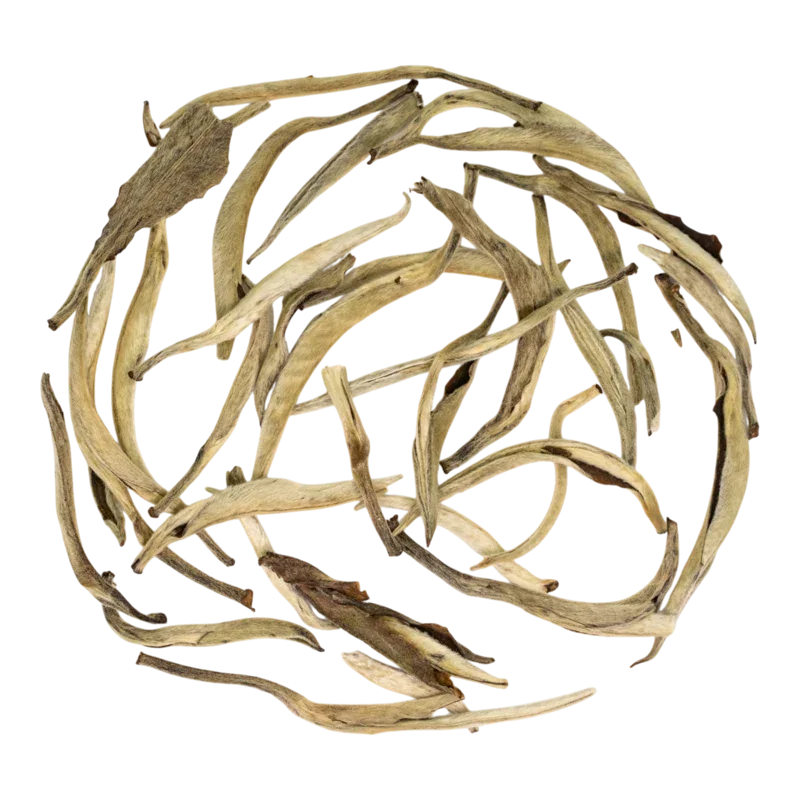
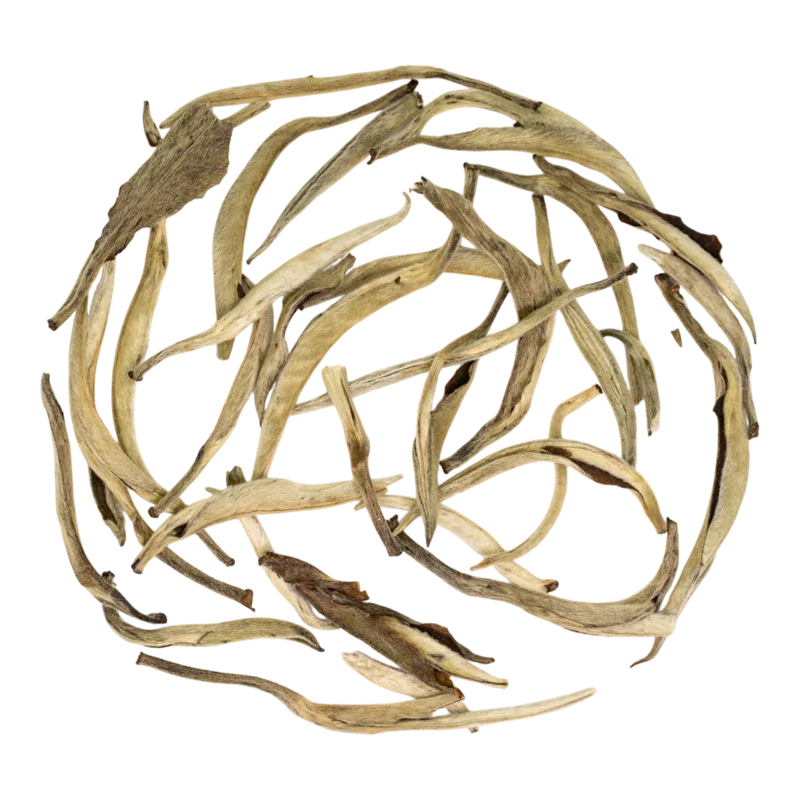
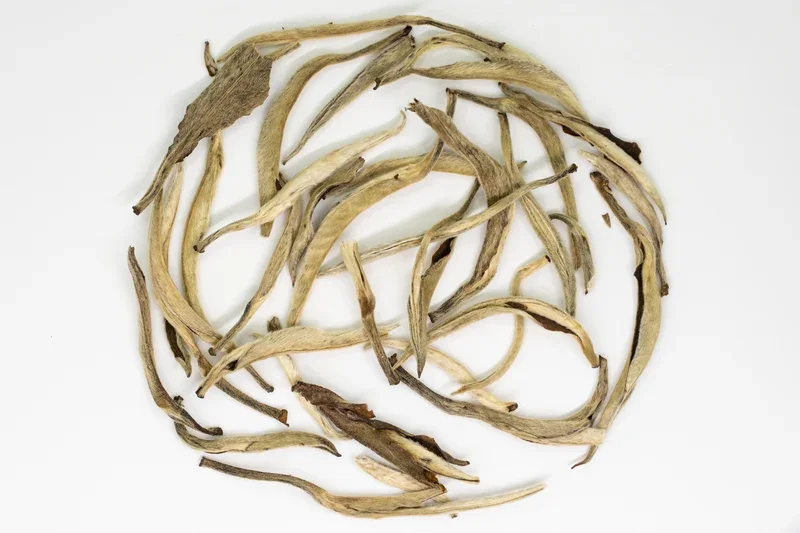
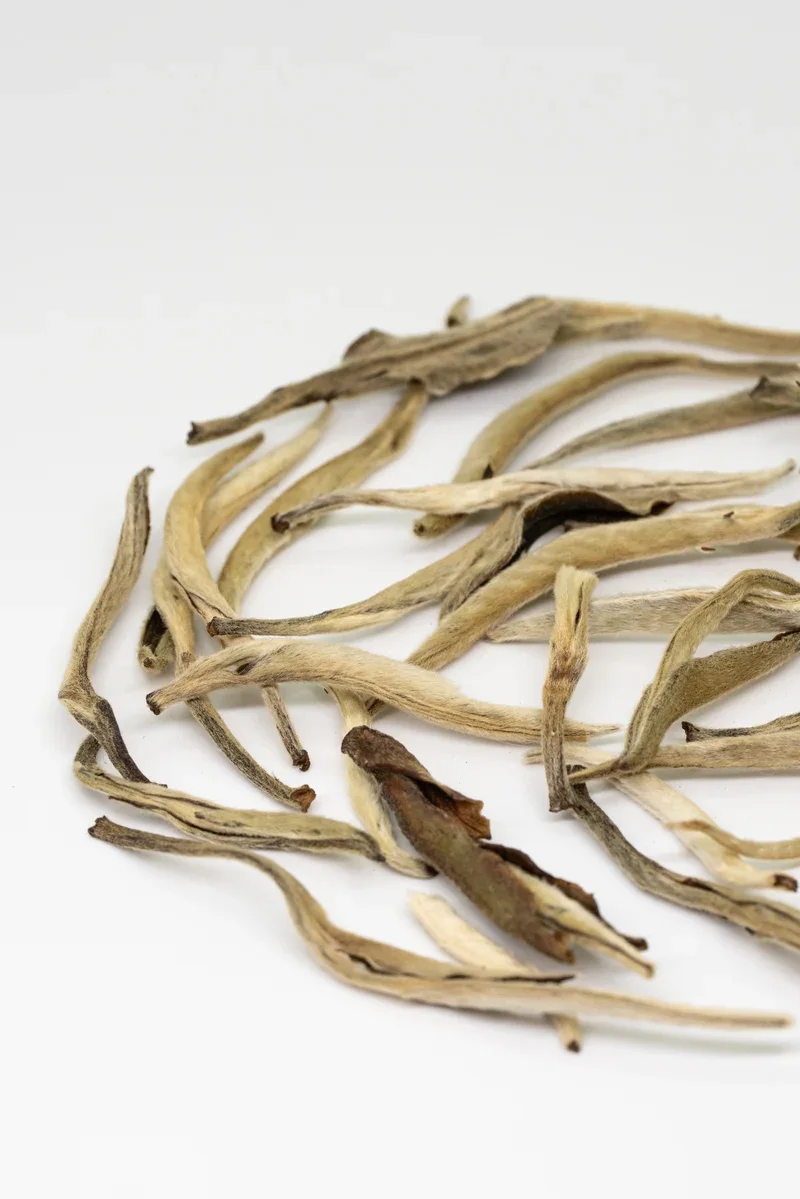
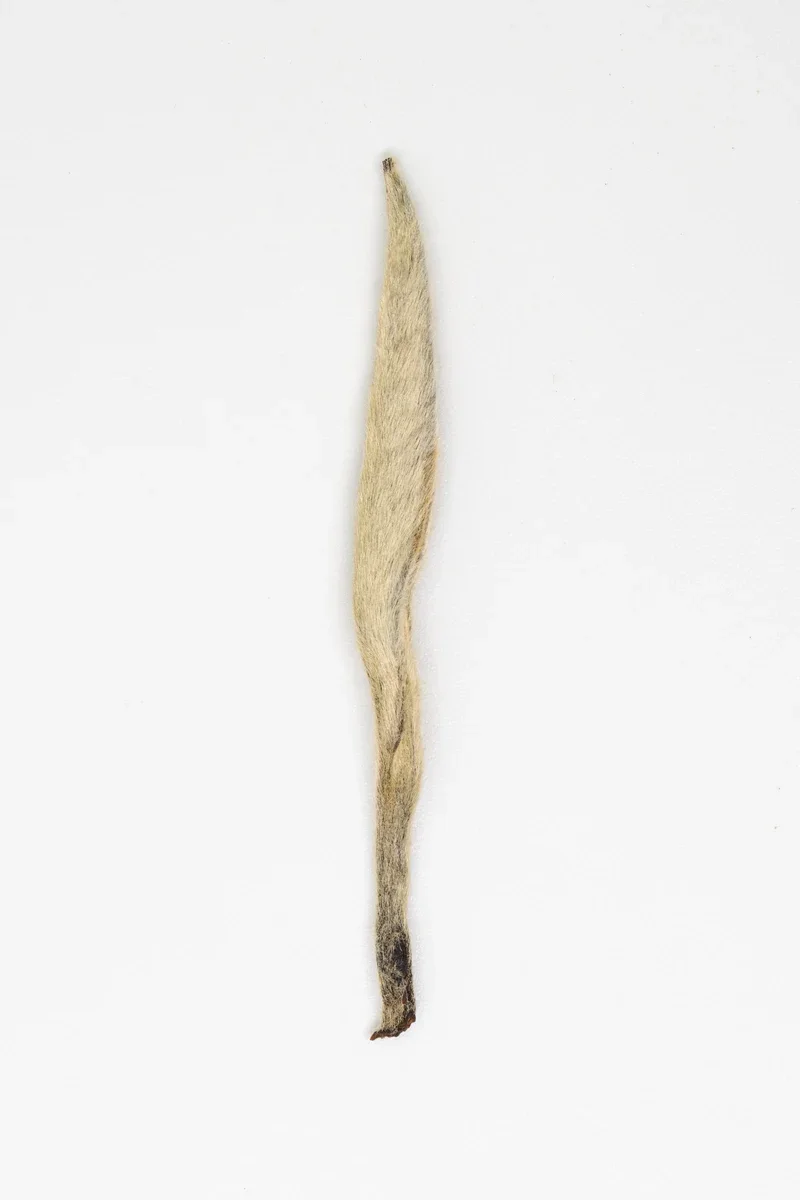
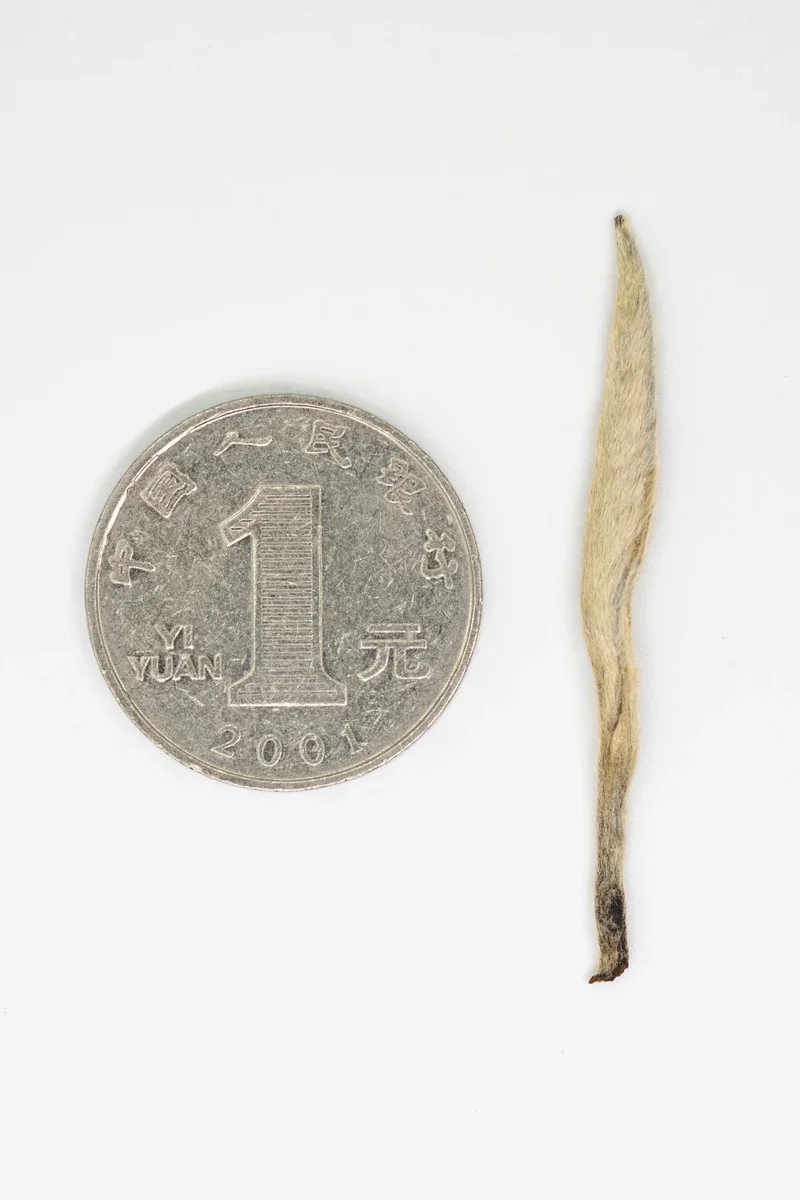
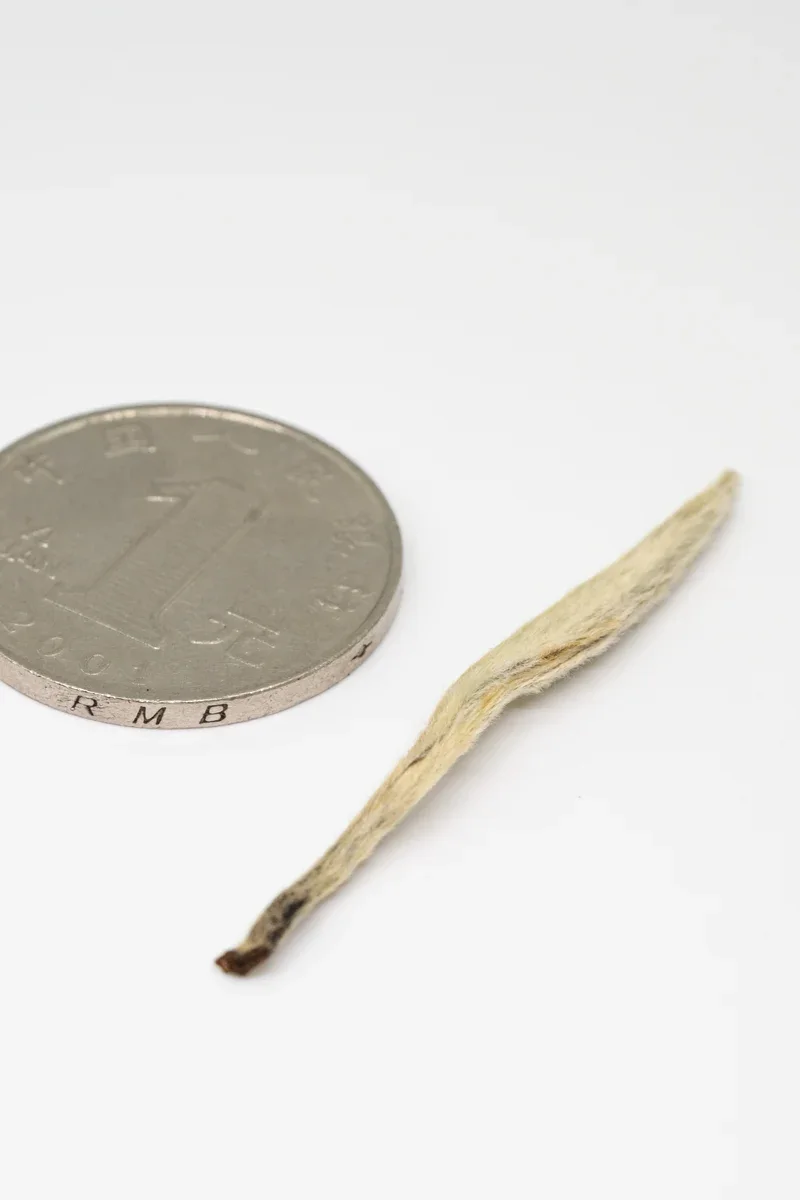
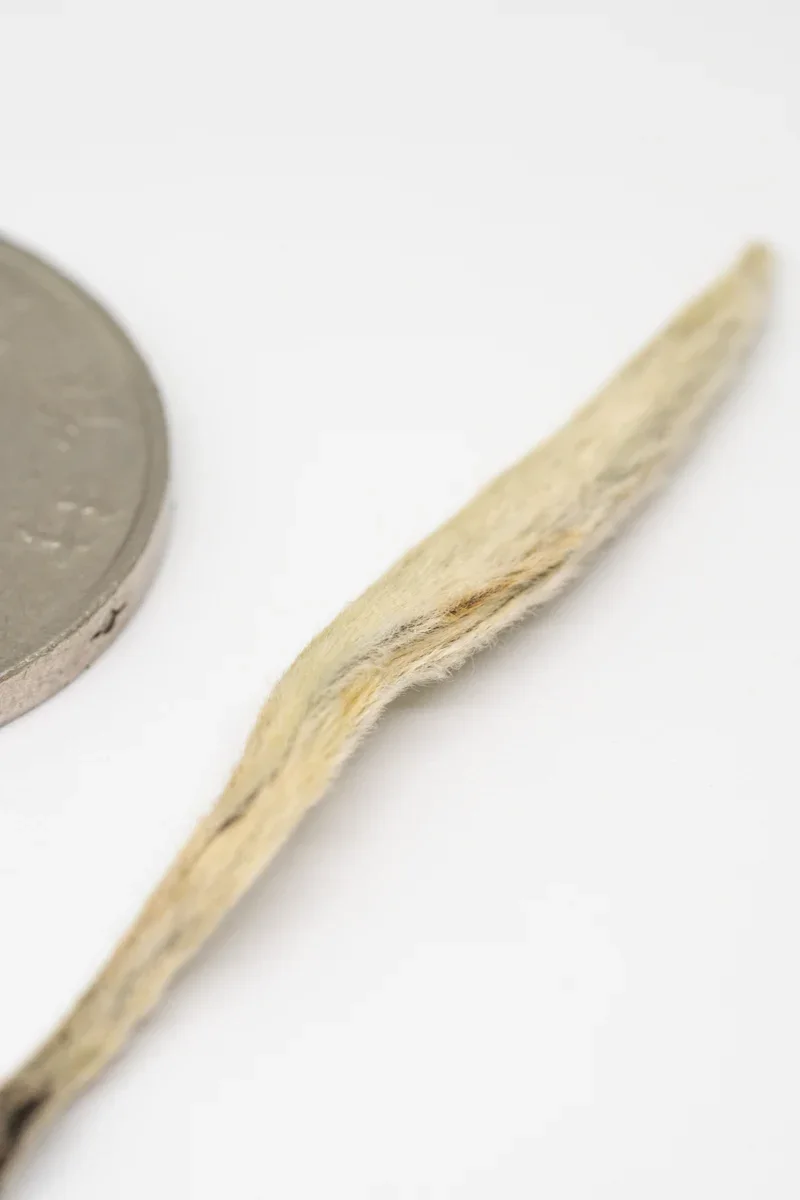
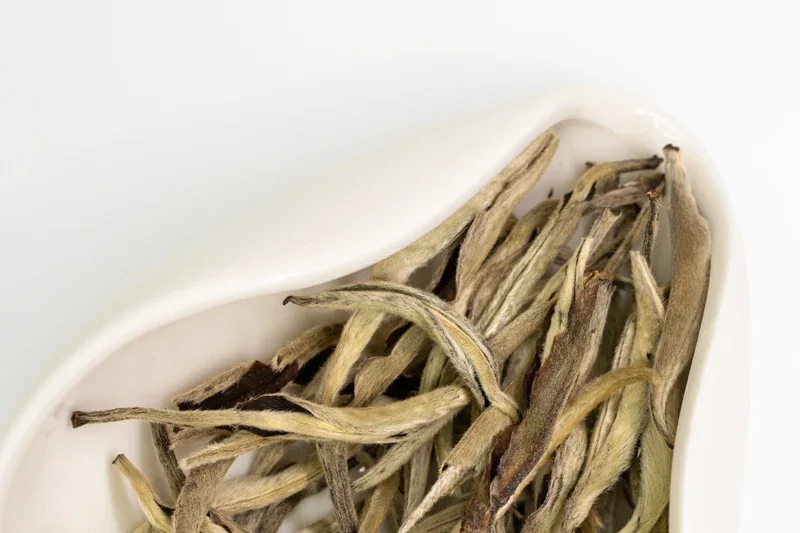
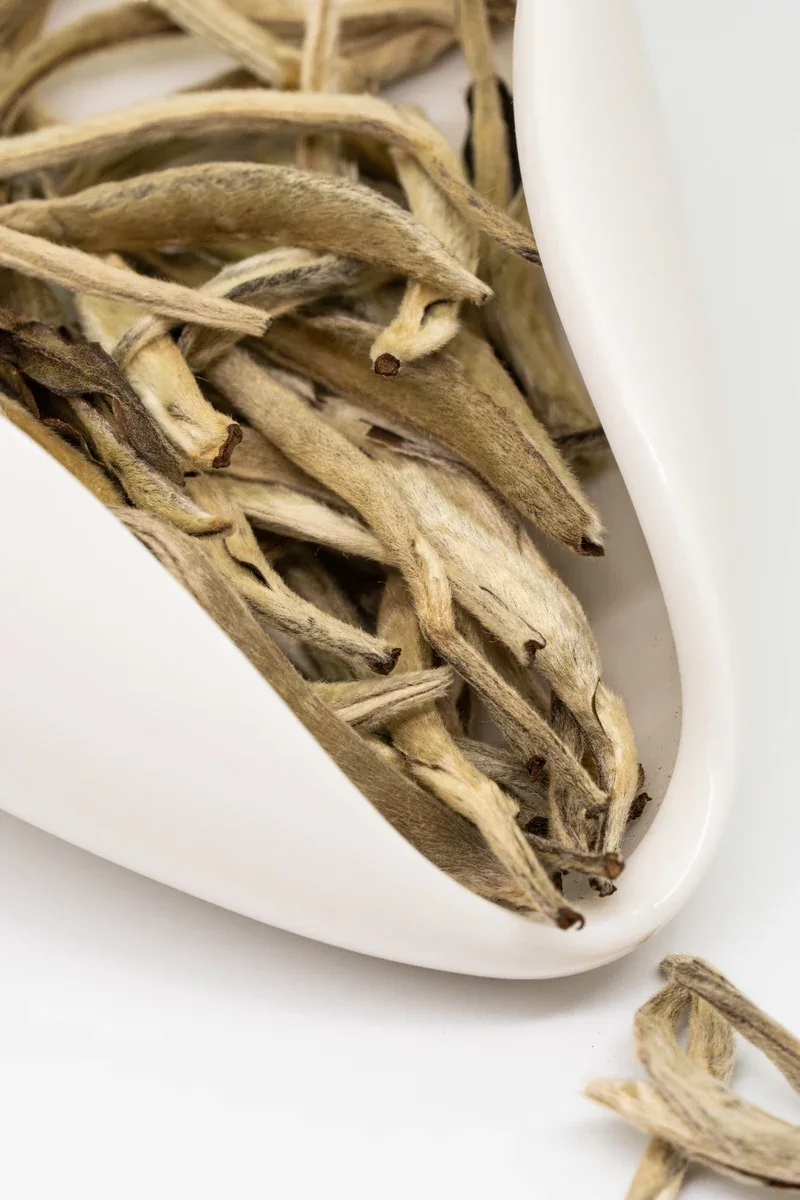
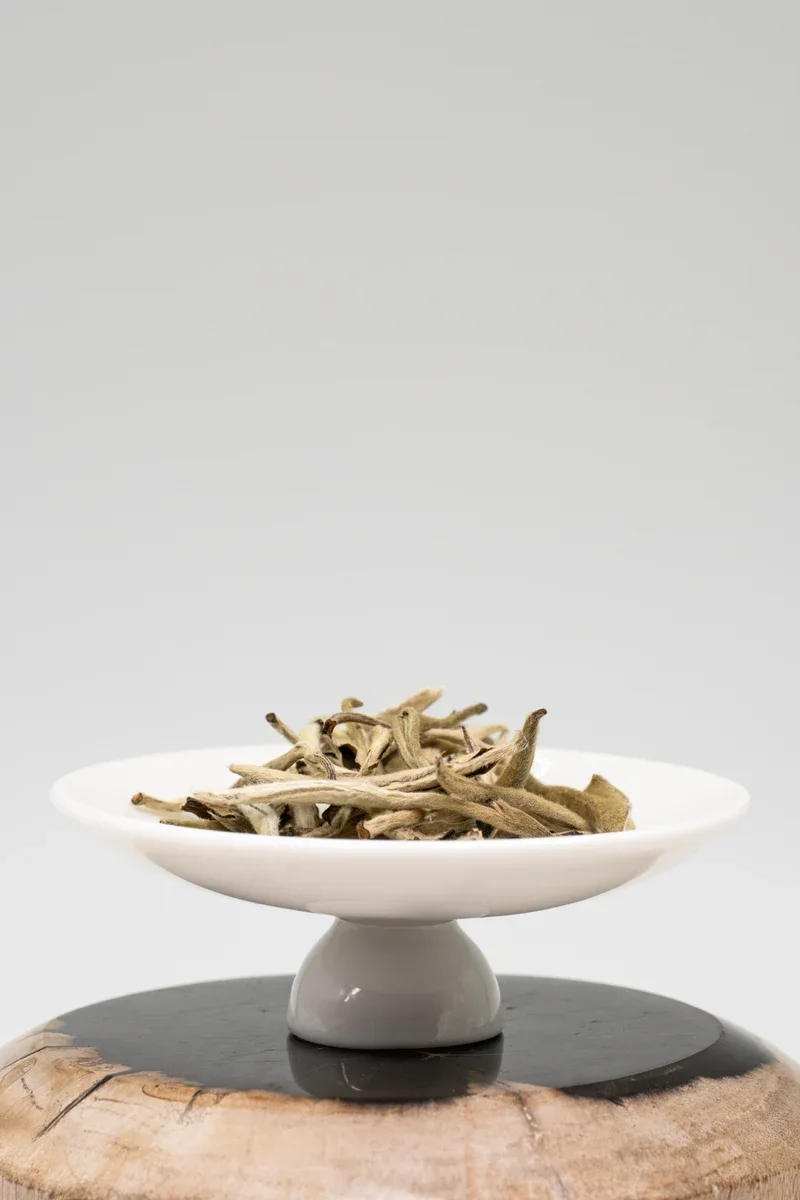
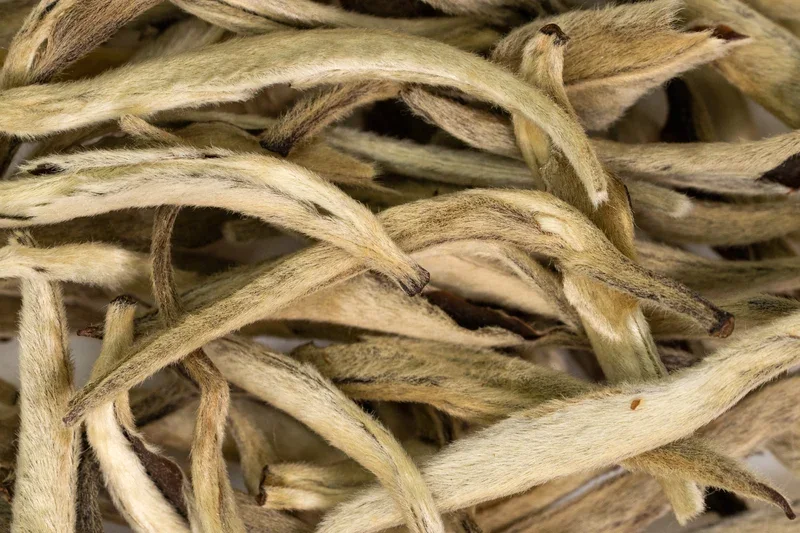
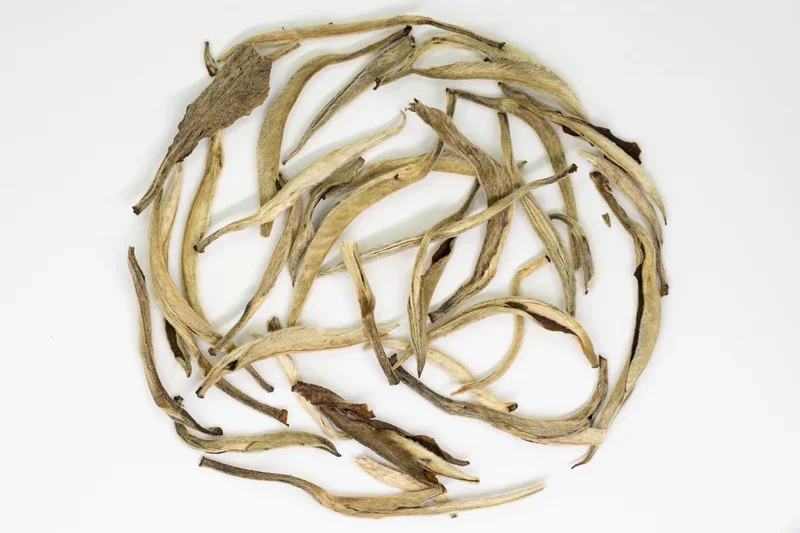
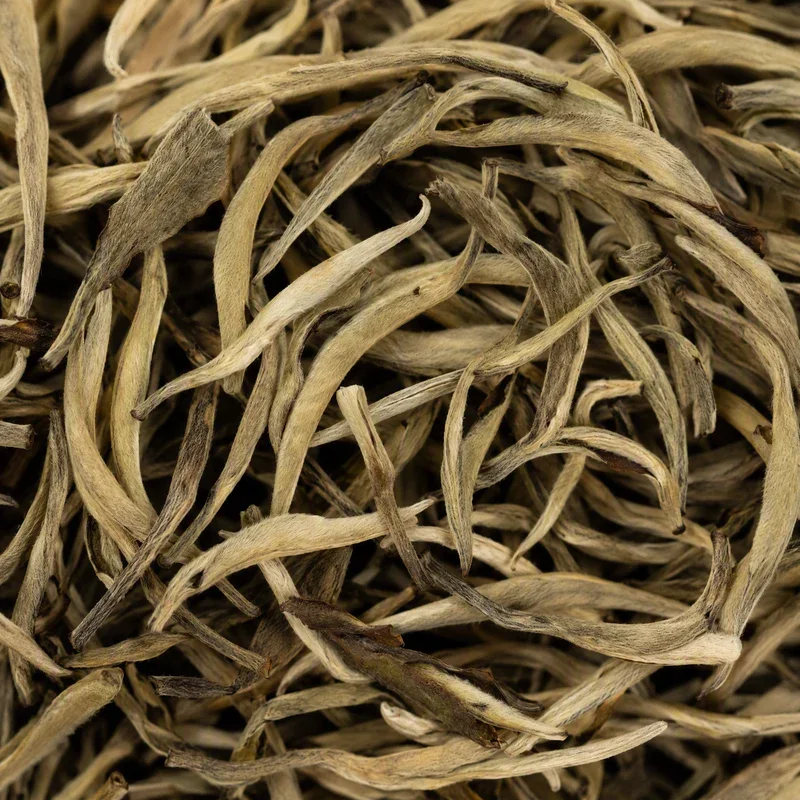
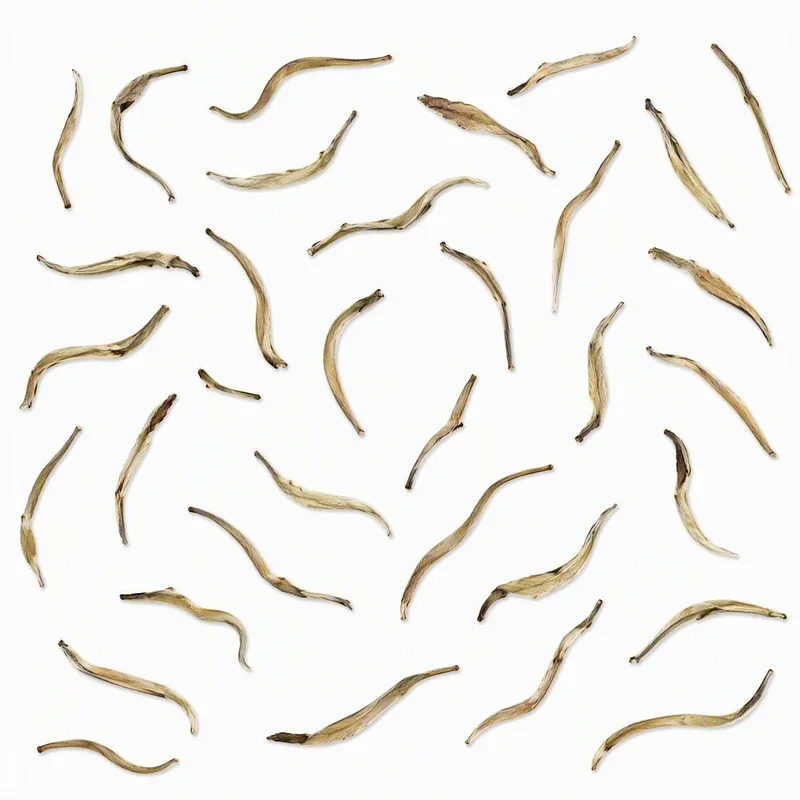
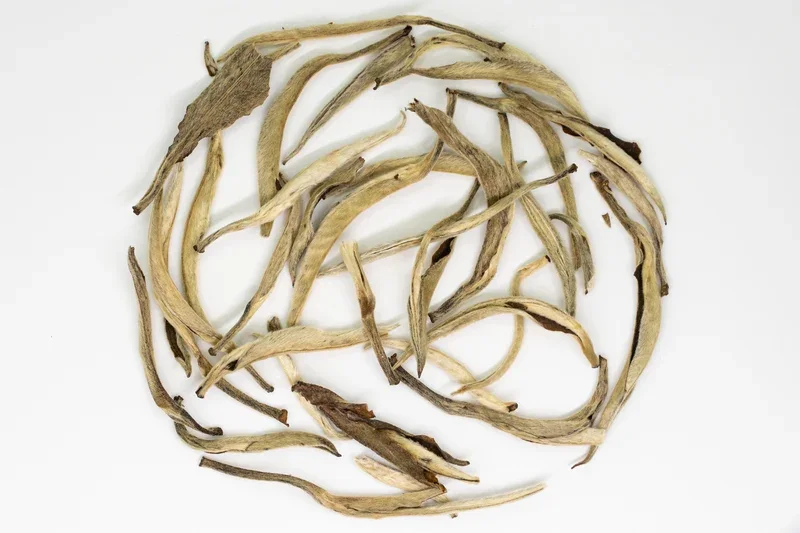
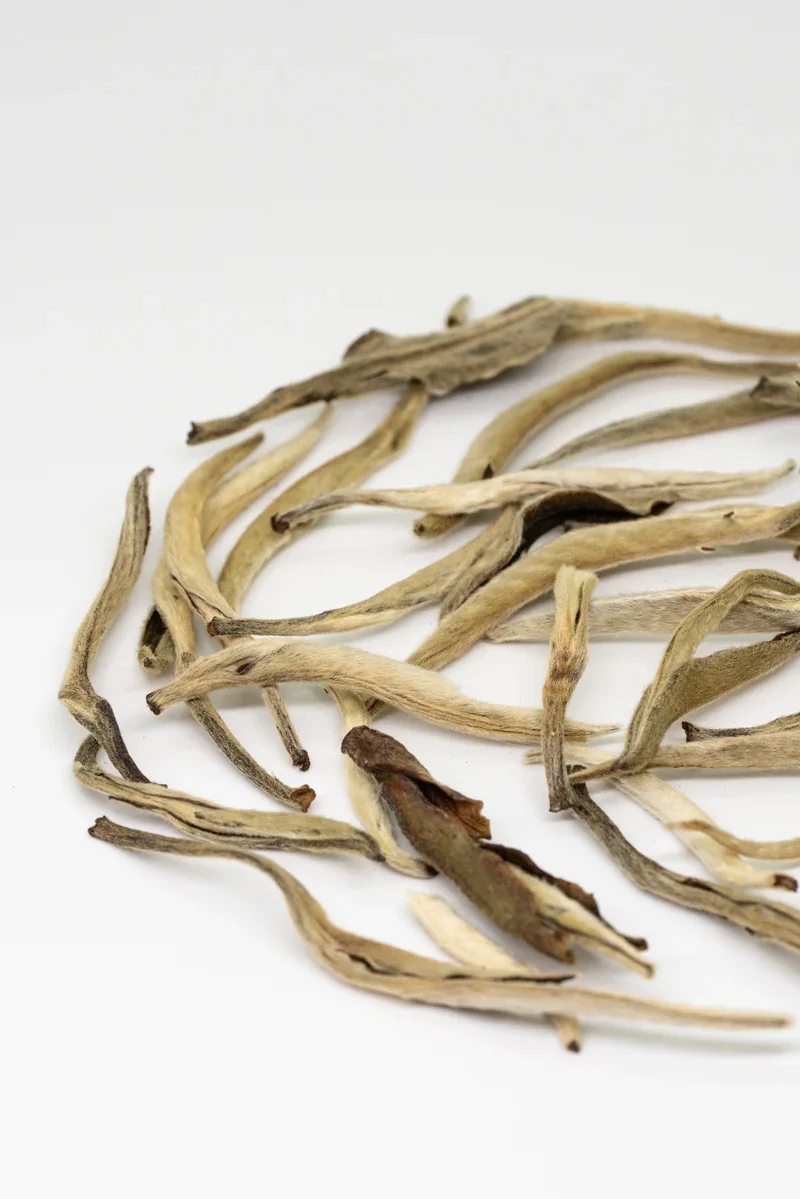
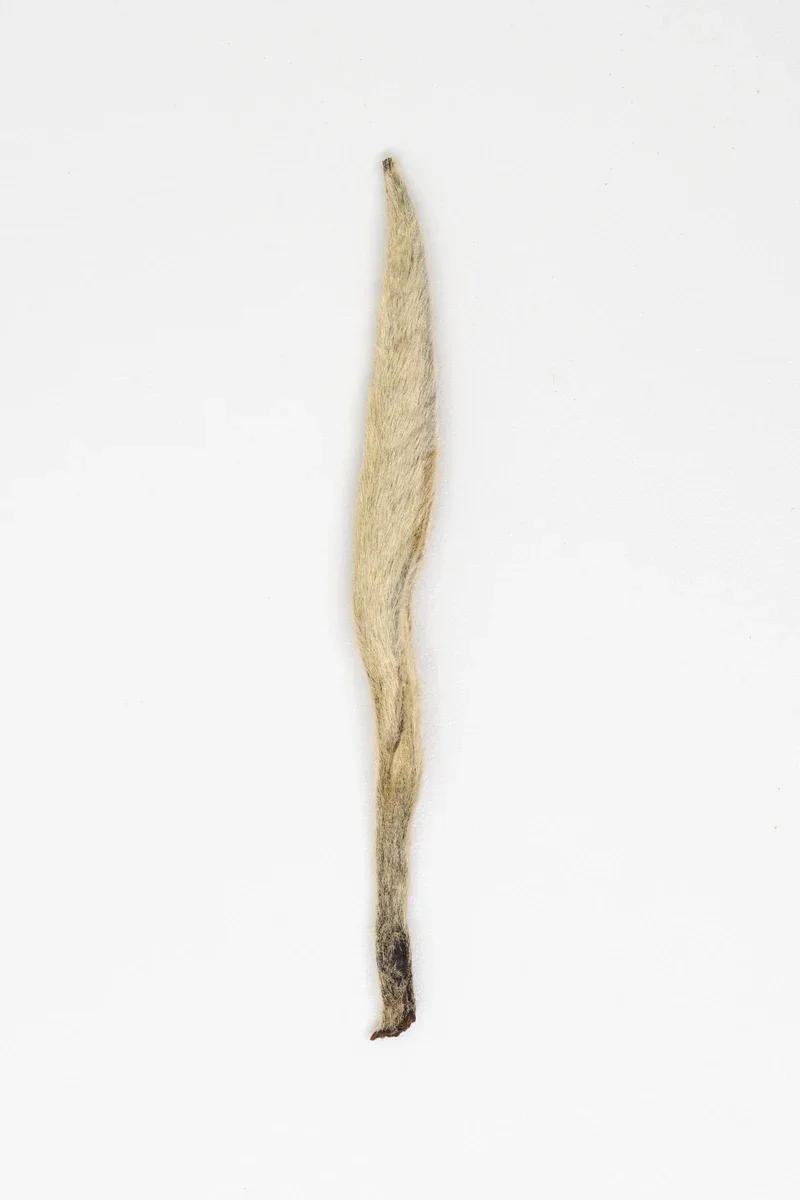
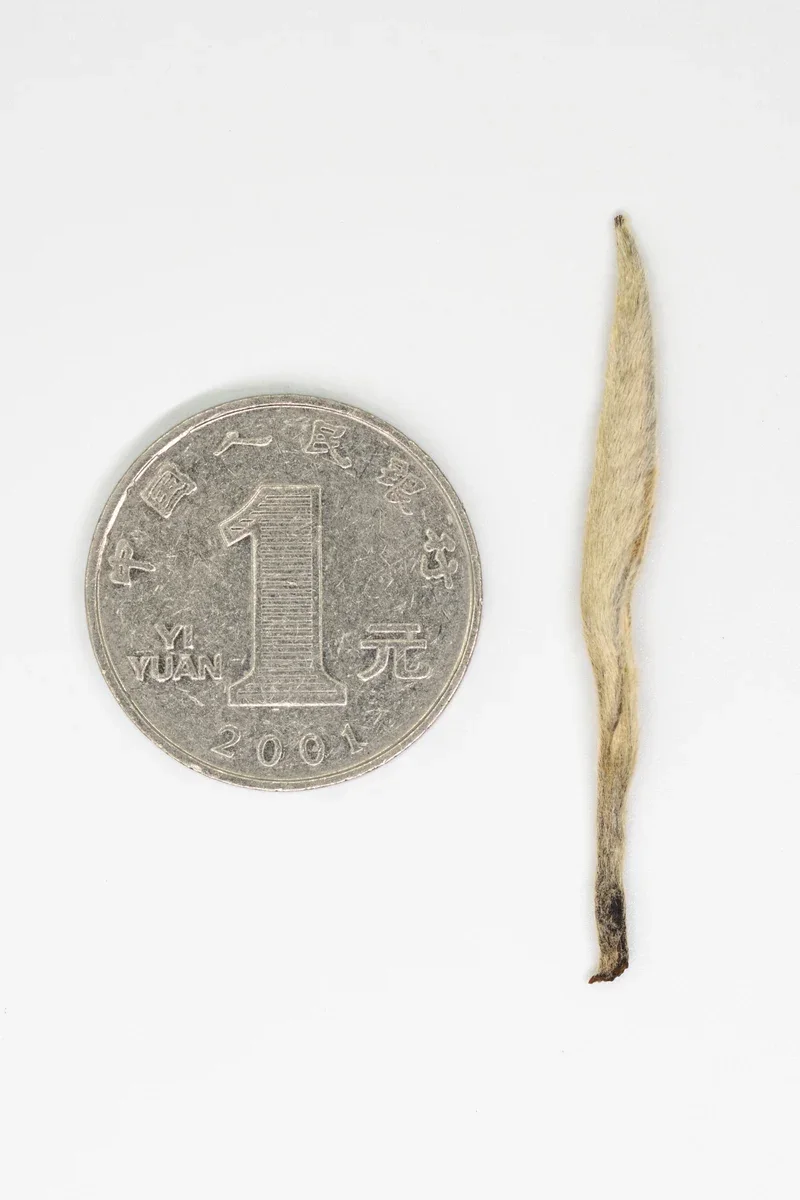
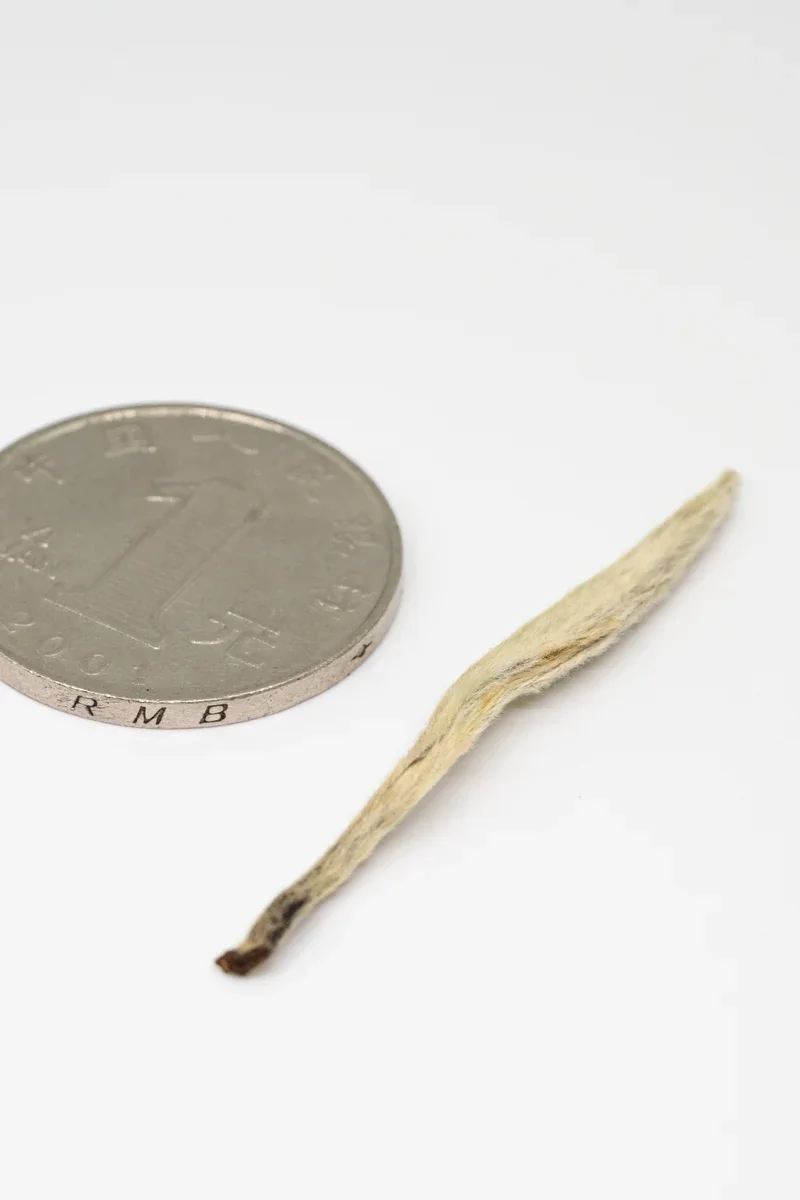
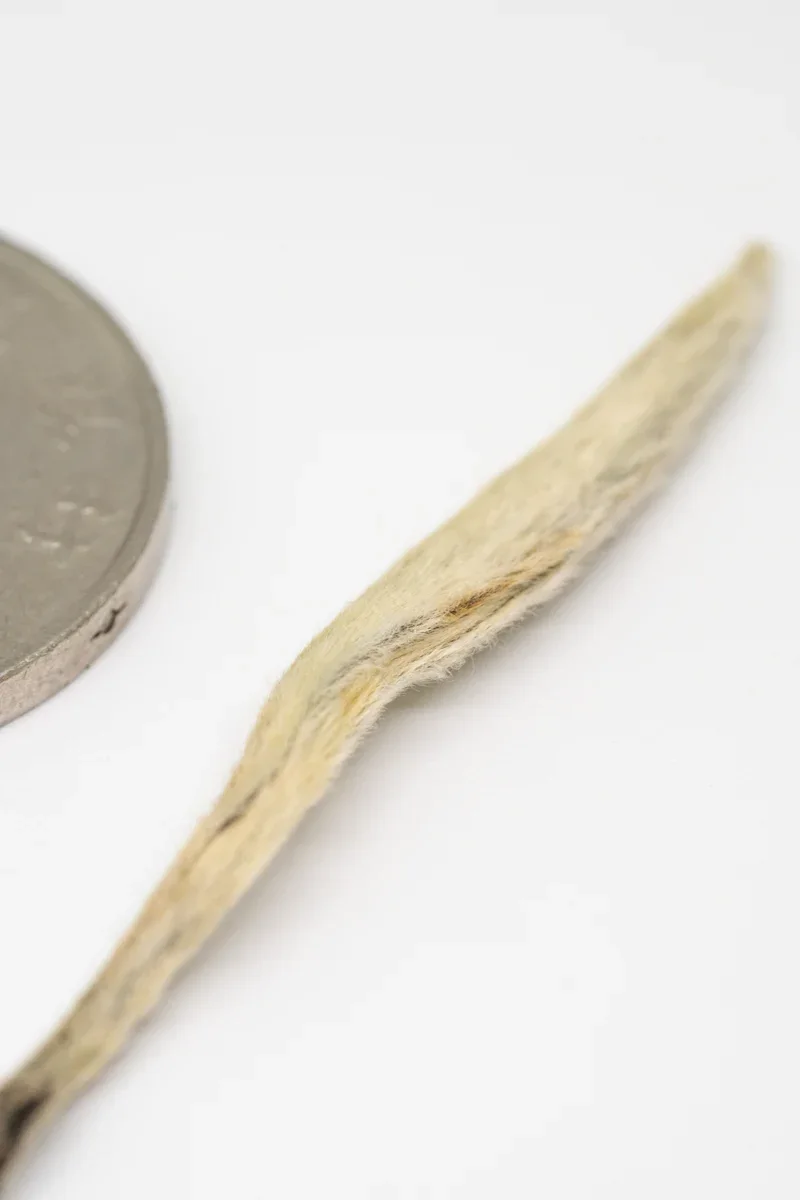
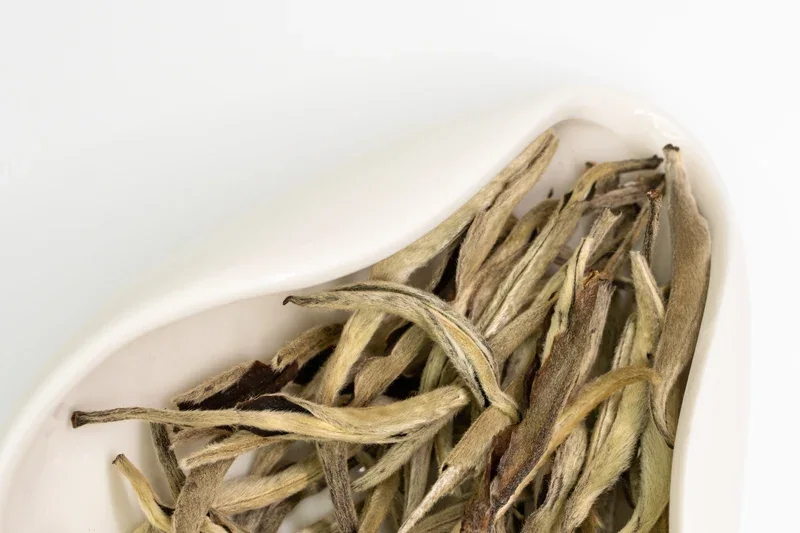
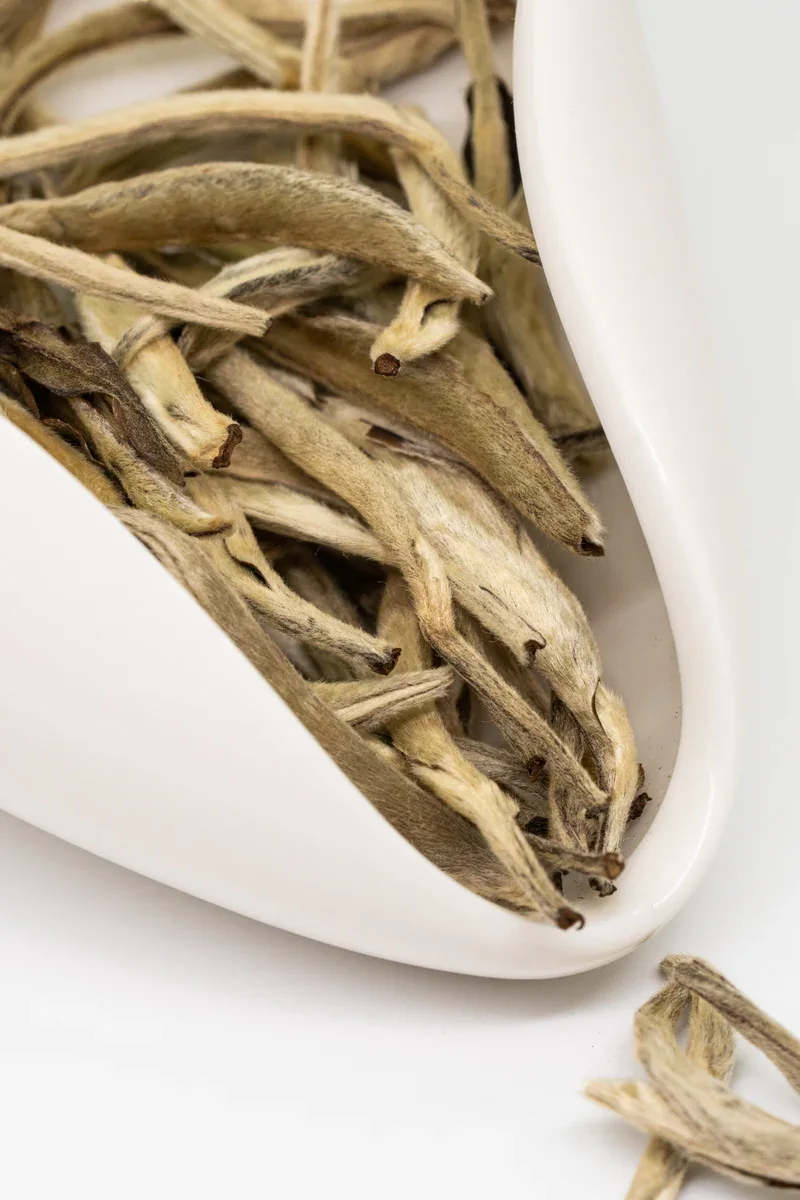
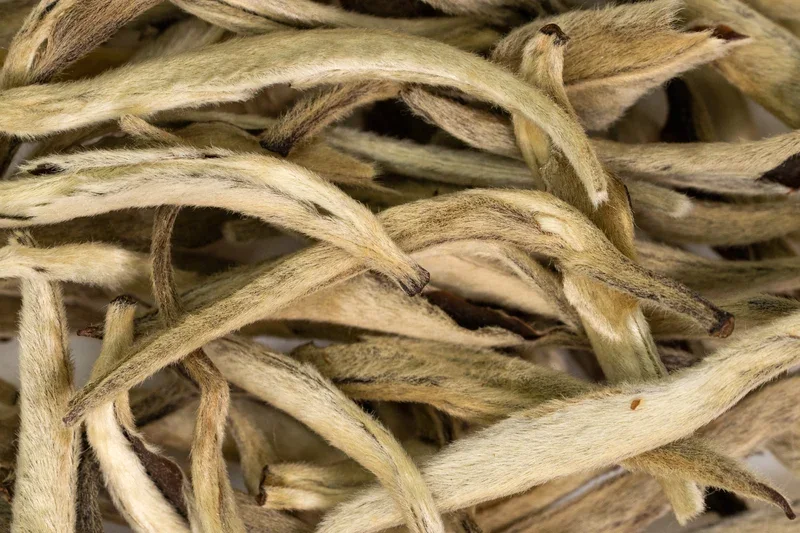
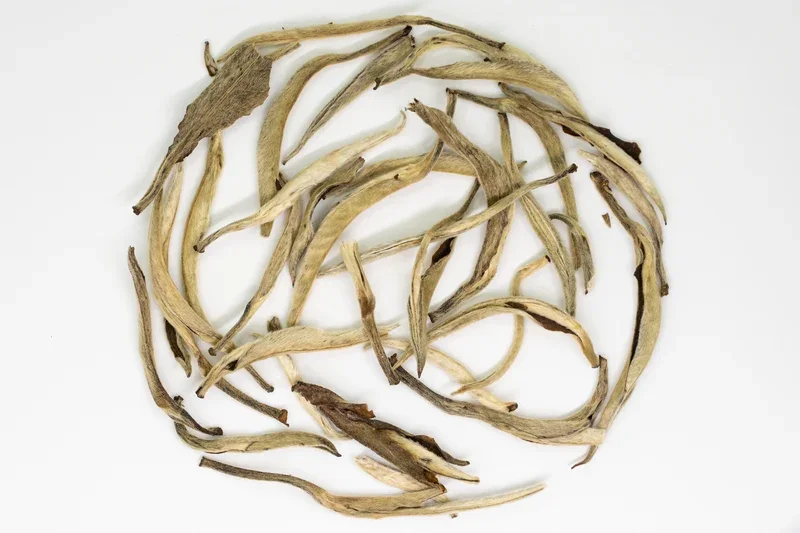
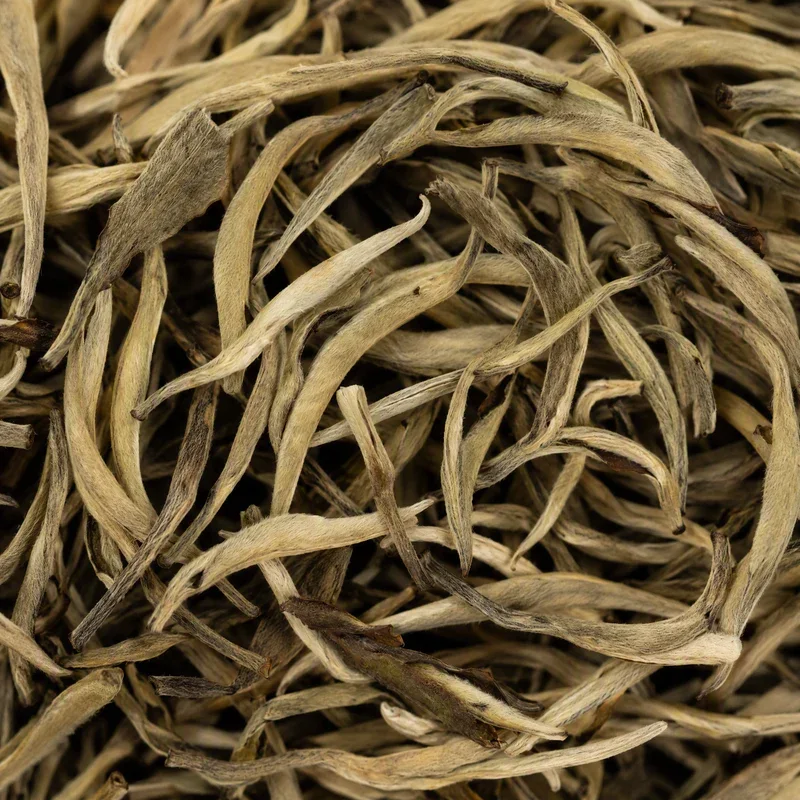
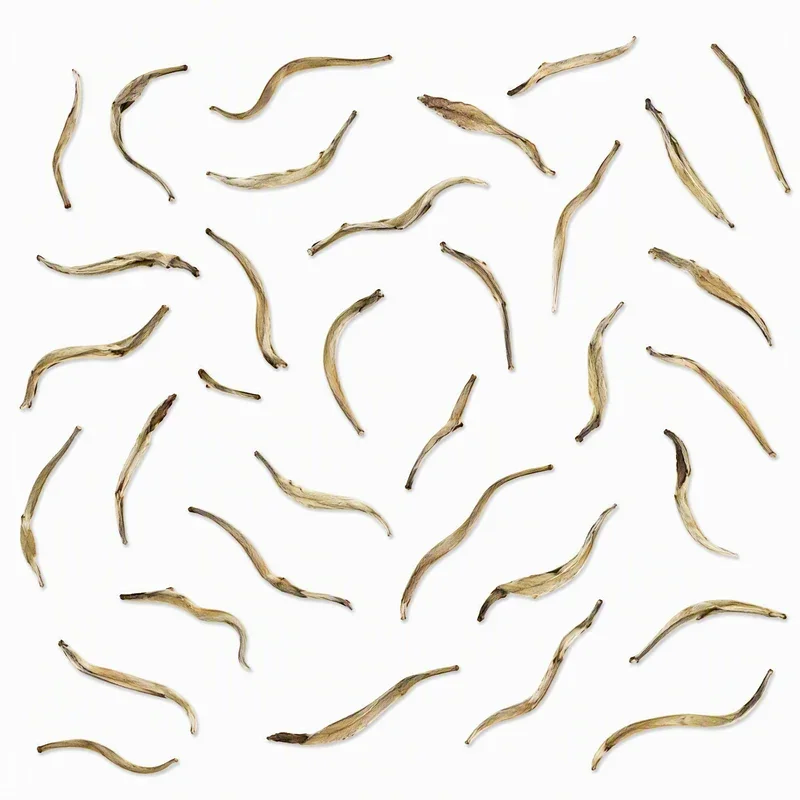
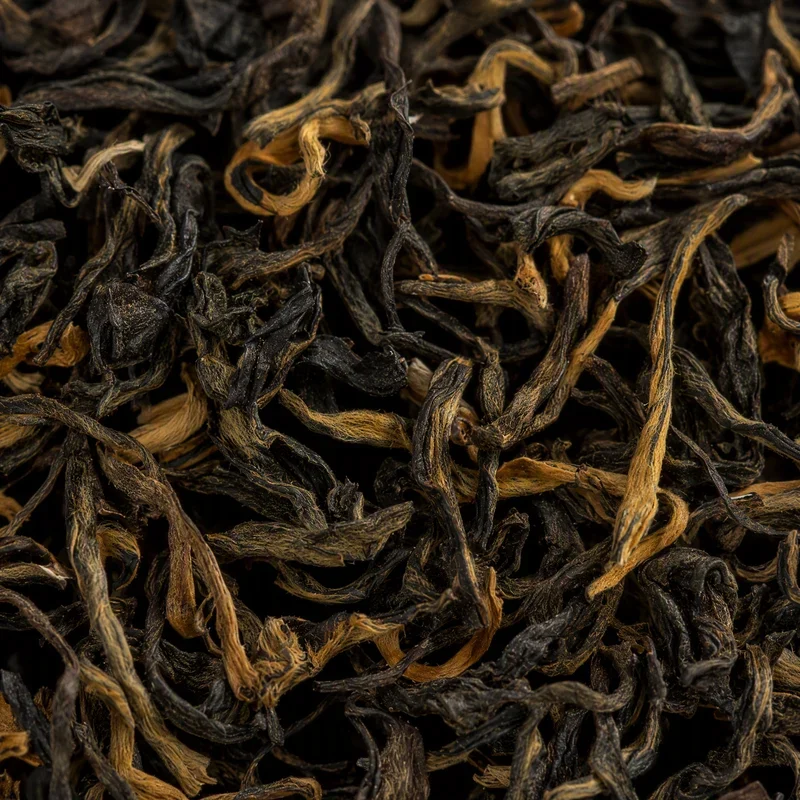
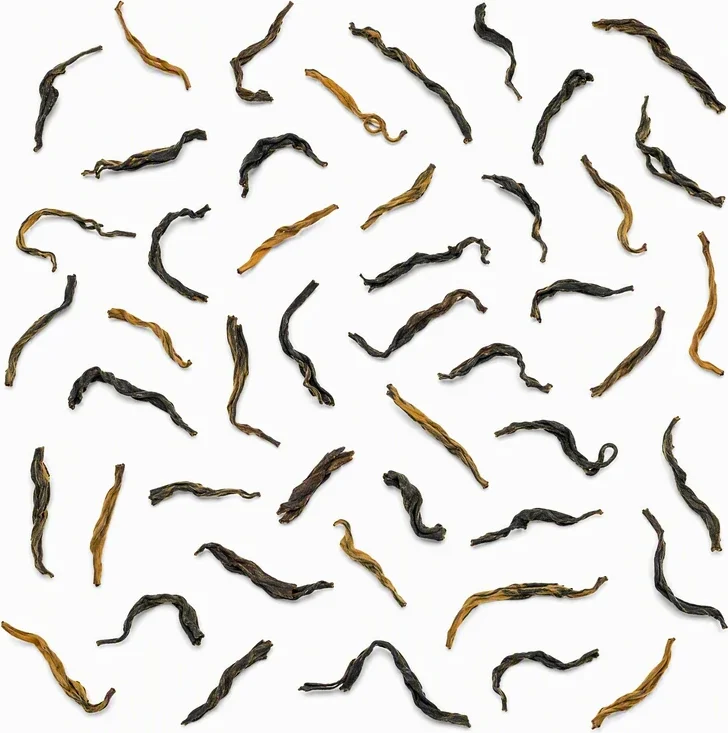
Dry Leaf Appearance: Curly, tight twist (卷曲, juǎnqū); dark leaf with oily luster (油亮, yóuliàng) and noticeable golden tips in highest grades.
Dry Leaf Aroma: Sweet, floral-fruity, with notes of honey, caramel and — in Hongyan 12 batches — pronounced rose and muscat tone (瑰香, guīxiāng — "rose aroma"). In Yinghong 9 batches — classic Guangdong honey-peppery tone.
Liquor Aroma: Bright, persistent, floral-fruity with honey background. Distinctive feature — "long" aroma persisting in empty cup.
Liquor Color: Red-amber, bright and clear; highest grades have pronounced golden rim (金圈).
Spent Leaves: Red-copper, elastic; highest grades show whole, well-opened leaves with visible "curly" twist structure.
Taste: Sweet (甜), clean (醇), with long "returning sweetness" (回甘持久, huígān chíjiǔ). Body — medium to full, without excessive astringency. Aftertaste — honeyed, with fruity freshness. Hongyan 12 batches have a subtle "rose" note in taste — delicate and unobtrusive, like fresh rose petal aroma dissolved in honey. Yinghong 9 batches have a more "classic" Guangdong profile: full-bodied, with honey-peppery base and light spiciness in finish. Bitterness and astringency are absent with proper brewing.
Alkaloids: Caffeine (3–4% dry mass), theobromine, theophylline. Synergy of caffeine and L-theanine provides gentle, even tonic effect without sharp "peak."
Amino Acids: L-theanine — in moderately high quantity; high-altitude origin, frequent mists and significant diurnal temperature variation on Dachouding promote amino acid accumulation. Provides pronounced natural sweetness and soft, "silky" taste texture. High theanine content is one reason for the long "returning sweetness" (回甘持久) characteristic of Xingang Hong Cha.
Hongyan 12 batches have elevated content of citronellol, geraniol and phenylethanol, forming bright rose aroma (瑰香); Yinghong 9 batches contain linalool, neral, β-ionone, creating classic honey-peppery Guangdong profile. Aromatic richness is due to both varietal characteristics and altitude terroir: mountain air and temperature variations stimulate terpenoid biosynthesis.
Minerals: Potassium, manganese (elevated — characteristic of mountain lateritic soils), zinc, fluorine, iron, magnesium.
Polyphenols: Content — medium to elevated (typical for large-leaf Guangdong raw material); with full oxidation catechins transform into theaflavins (TF) and thearubigins (TR), determining bright red-amber color and velvety texture of liquor. High-altitude raw material (800–1,600 m) is characterized by higher TF/TR ratio than lowland analogues, giving liquor "liveliness" and transparency.
Vitamins: Vitamin C (partially preserved with gentle drying), B-group vitamins (B1, B2, B6), β-carotene (provitamin A).
Tea Amount: 4–5 g per 100–120 ml (gongfu); 2–3 g per 200–250 ml (cup steeping).
Teaware: White porcelain gaiwan 100–120 ml — optimal for evaluating rose and floral aroma; porcelain teapot.
Water Temperature: 90–95°C; for delicate spring batches — 85–90°C.
Celebrated red tea (black tea) from Yīngdé (清远英德), flagship of Guangdong tea cultivation. Ying Hong, grown at 200–500 m altitude, possesses "oily" luster and dense honey-peppery taste. Xingang Hong Cha, growing at 800–1,600 m, differs with more pronounced "mountain freshness," elevated sweetness and more elegant, "transparent" aroma.
Red tea (black tea) from neighboring Huaiji area (brand "Yanlingqing"), produced from Hongyan 12 cultivar. Very close to Xingang Hong Cha in varietal composition and technology, but differs in specific microterroir; both teas are "brothers" within the "Huaiji Hong Cha" family.
In recent years red tea (black tea) is made from dancong raw material (凤凰单丛) with characteristic muscat aroma. Xià Shuǎi Dāncóng (下帅单丛) from Huaiji is a local interpretation of this trend, differing from classic Chaozhou dancongs with "floral-honey" softness.
Yunnan red tea (black tea) from the same large-leaf varieties. Dian Hong is "sunny" and dense; Xingang Hong Cha is more delicate, with "Guangdong" sweetness and rose notes (when using Hongyan 12).
No reviews yet. Tell us what you think of this tea.
Rate this tea and share your impressions. We review each submission before publishing it.