Brewing
Gongfu brewing
- Water temperature
- 75 °C
- Tea amount
- 5 g
- Water volume
- 100 ml
- First steep
- 10 s
- Time added per infusion
- 5 s
- Infusions
- 3

Hèfēng chá
Choose a brewing method. Start with the recommended quantities and time, then adjust to taste.
Brewing
Brewing
Taste
Tea encyclopedia
Category: Regional green tea of China; national geographical indication product; "famous" tea of Húběi Province (湖北十大名茶).
Category: Regional green tea of China; national geographical indication product; "famous" tea of Húběi Province (湖北十大名茶).
Coordinates: ~30° N, ~110° E. Wǔlíng Mountain Range (武陵山, Wǔlíng Shān), southeast Hubei.
Origin: China, Húběi Province (湖北, Húběi), Ēnshī Tujia and Miáo Autonomous Prefecture (恩施土家族苗族自治州, Ēnshī Tǔjiāzú Miáozú Zìzhìzhōu), Hèfēng County (鹤峰县, Hèfēng Xiàn). The production territory encompasses 9 townships and towns: Tiělú Báizú Township (铁炉白族乡, Tiělú Báizú Xiāng), Zǒumǎ Town (走马镇, Zǒumǎ Zhèn), Wǔlǐ Township (五里乡, Wǔlǐ Xiāng), Yànzi Township (燕子乡, Yànzi Xiāng), Zhōngyíng Township (中营乡, Zhōngyíng Xiāng), Xiàpíng Township (下坪乡, Xiàpíng Xiāng), Wūyáng Township (邬阳乡, Wūyáng Xiāng), Tàipíng Township (太平乡, Tàipíng Xiāng), Róngměi Town (容美镇, Róngměi Zhèn).
Type: Green tea (绿茶, lǜchá), unoxidized. Historically, the county also produced red teas of the "Yihong" category (宜红茶, Yíhóng Chá), however the foundation of modern production and geographical indication consists of green tea.
Cultural Significance: Hefeng is the starting point of the "Wanli Chadao" (万里茶道, Wànlǐ Chádào, "Great Tea Road"), an ancient trade route connecting the tea regions of Central China with Russia and Europe. The county is working on including the heritage of the Great Tea Road in the UNESCO list. The Tujia nationality (土家族, Tǔjiāzú) has preserved distinctive tea culture: the ritual of "Four Teas" (四道茶, sì dào chá), tea songs, sayings and riddles about tea, as well as the tradition "water from Crane Well, tea from Liujia Temple" (白鹤井的水、留驾司的茶).
History: The tea culture of Hefeng is one of the oldest in Central China. The Western Jin "Record of Jingzhou Lands" (《荆州土地记》, Jīngzhōu Tǔdì Jì, 3rd–5th centuries) mentions that "in the seven counties of Wuling, tea is produced everywhere." In "The Classic of Tea" (《茶经》, Chájīng) by Lù Yǔ (陆羽, Lù Yǔ) of the Tang era it is said: "In the mountains of Ba and gorges of Xia there are tea trees that two people can embrace," — and further: "Of the teas from Shannan Circuit, the best is from Xiazhou." Hefeng is located in the very heart of these described territories — in the depths of the Wuling Mountains, between "the mountains of Ba and gorges of Xia."
Name Breakdown: Hèfēng (鹤峰) — "Crane Peak," the official name of the county. Chá (茶) — "tea." The name is a regional brand uniting all teas produced in the territory of Hefeng County.
Cultivar: Main cultivars — Fúdǐng Dàbái Chá (福鼎大白茶, Fúdǐng Dàbái Chá), Zhūyè Qí (槠叶齐, Zhūyè Qí) and local group population (本地群体种, běndì qúntǐ zhǒng). Plants — bush form, small- and medium-leaf type (Camellia sinensis var. sinensis), distinguished by high cold resistance. Buds and young leaves are densely covered with down (茸毛, róngmáo); weight of 100 buds — about 45 g.
Picking: Spring picking (March–April) for highest grades; picking until autumn is permitted for mass categories. Standard: single buds (单芽) for special grade, bud + one leaf (一芽一叶) for first grade, bud + two leaves (一芽二叶) for second.
Raw Material: Young, uniform raw material, densely downy, without coarse leaves and stems. Use of chemical fertilizers and pesticides is prohibited; planting density — no more than 60,000 bushes per hectare. The share of tea gardens with organic certification — 27.6%, which is the maximum indicator in the country.
Altitude: 500–1,000 m above sea level. The core of production — Mu'ershan (木耳山, Mù'ěr Shān, "Wood Ear Mountain") in Zǒumǎ Town and the ancient tea garden of Máwàng Village (麻旺村, Máwàng Cūn) in Zhongying Township, where century-old trees are preserved. These territories account for ~80% of total harvest.
Climate: Average annual temperature 12–15.5 °C. Annual precipitation — 1,600–1,900 mm. Number of days with cloudiness and fog exceeds 200 per year. Daily temperature fluctuations — more than 10 °C. The share of diffused light comprises ~70%, which increases the efficiency of amino acid synthesis in shoots by 30%.
Soil: Yellow and sandy-loam soils (黄壤, huáng rǎng), pH 4.5–6.5, organic matter content ≥ 2.9%. Key feature — natural enrichment with selenium: Se content in Hefeng soils exceeds the national average by 12 times. Forest coverage — 82.7% (88.66% by greening index), industrial pollution is absent. Number of days with quality air — about 350 per year.
Hefeng is located in the depths of the Wuling Mountains in southeast Hubei, at the intersection of significant coordinates — 30° N and 110° E. The territory is characterized by continuous mountain ridges with deep valleys, abundant cloudiness and high humidity.
Fresh raw material is spread in a thin layer for 4–8 hours. The leaf loses moisture, becomes elastic, development of aromatic compounds begins.
Conducted at 120–170 °C — noticeably milder regime compared to many other green teas, which allows preservation of delicate amino acid profile and selenium activity.
Performed delicately, achieving shaping degree of no less than 90% (成条率 ≥ 90%). Mechanical rollers are not used — rolling is conducted by hand or semi-mechanically to preserve bud integrity.
At 110–130 °C, shape stabilization and removal of basic moisture.
At 80–90 °C — key stage allowing final shaping of tea leaves and "raising" silvery down on the surface, creating the characteristic appearance of Hefeng maojian.
At 60–80 °C, bringing to stable moisture content.
At 90–100 °C — brief firing to fix and enhance aroma.
Unique system of "Alternating yin-yang fire" (阴阳火候交替干燥): the master varies high and low temperature throughout the entire processing, achieving deep and multi-layered aromatic profile. Degree of active selenium preservation — ≥ 95%.
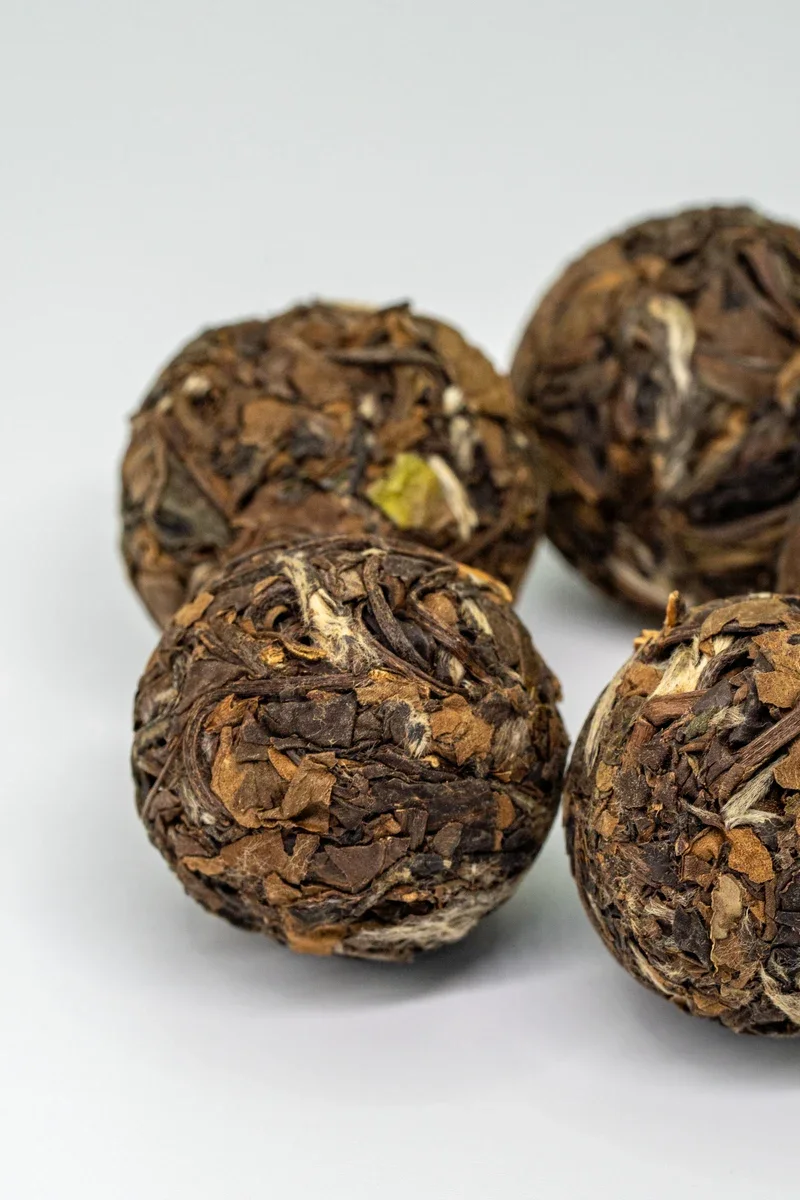
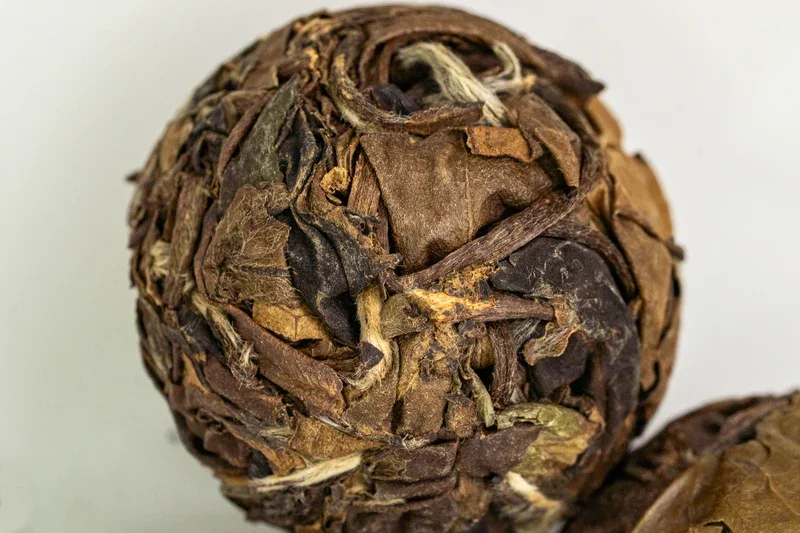
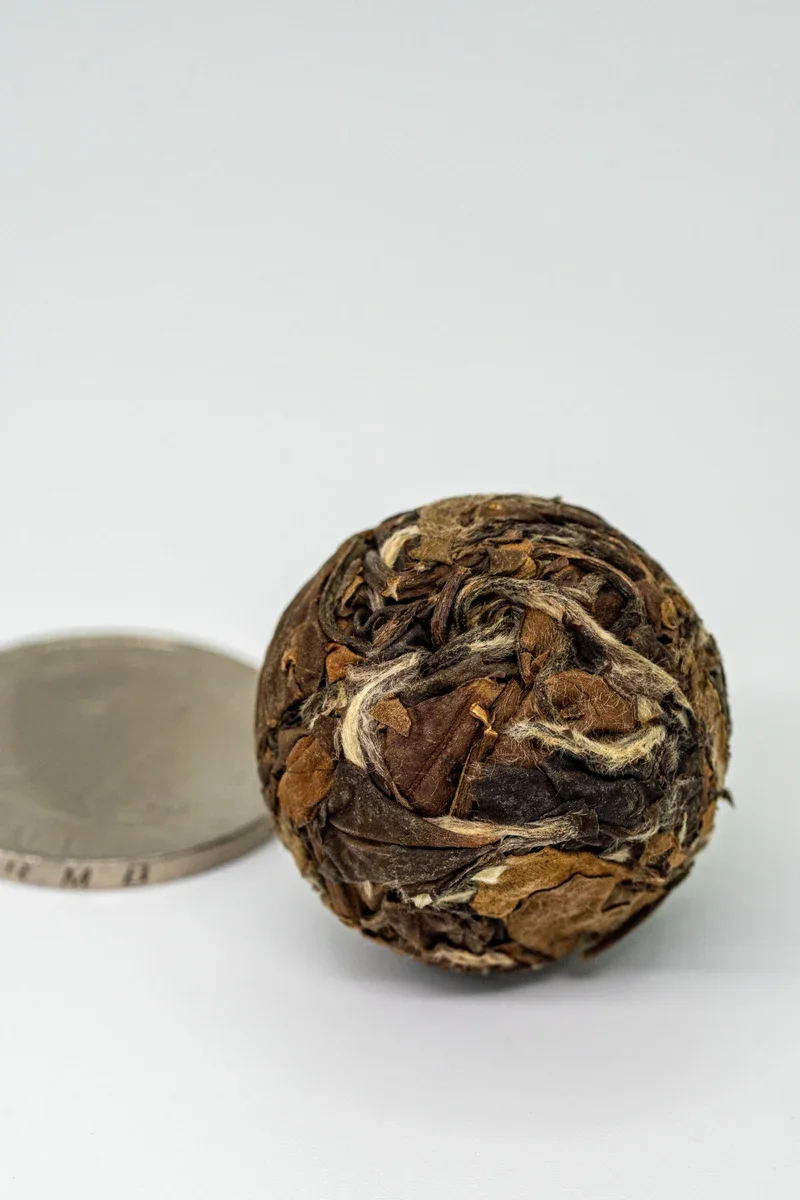
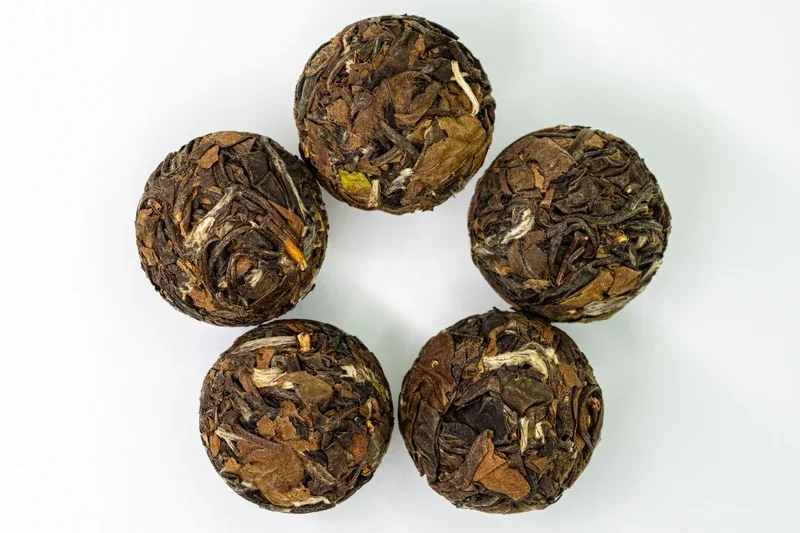
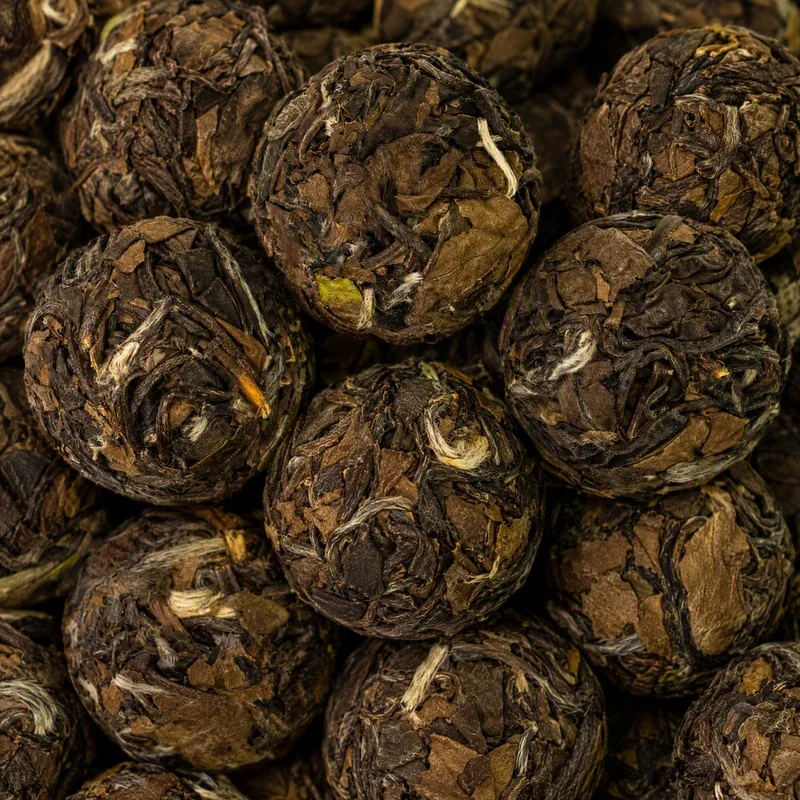
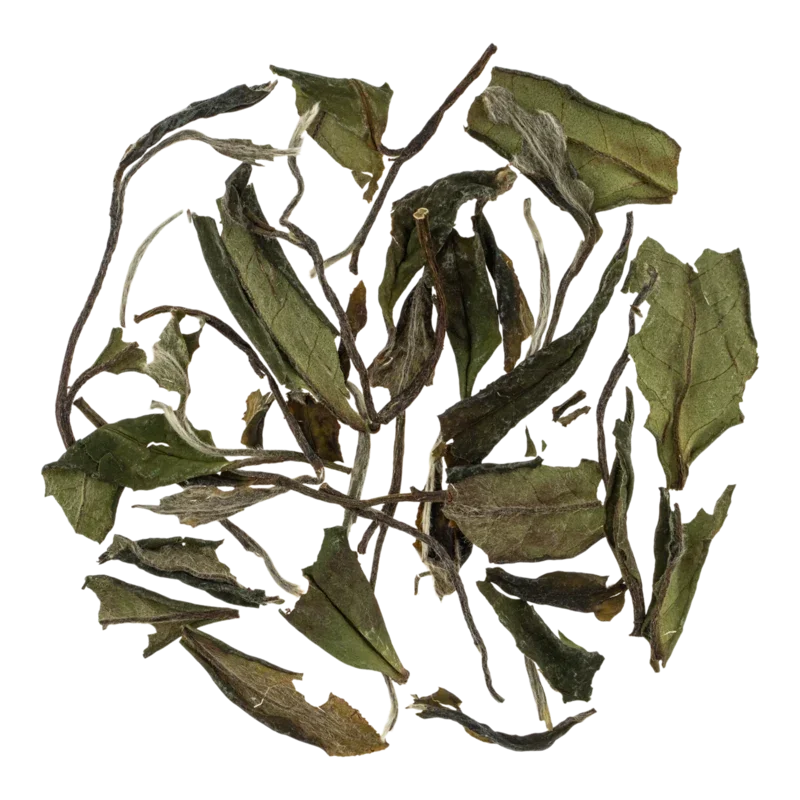
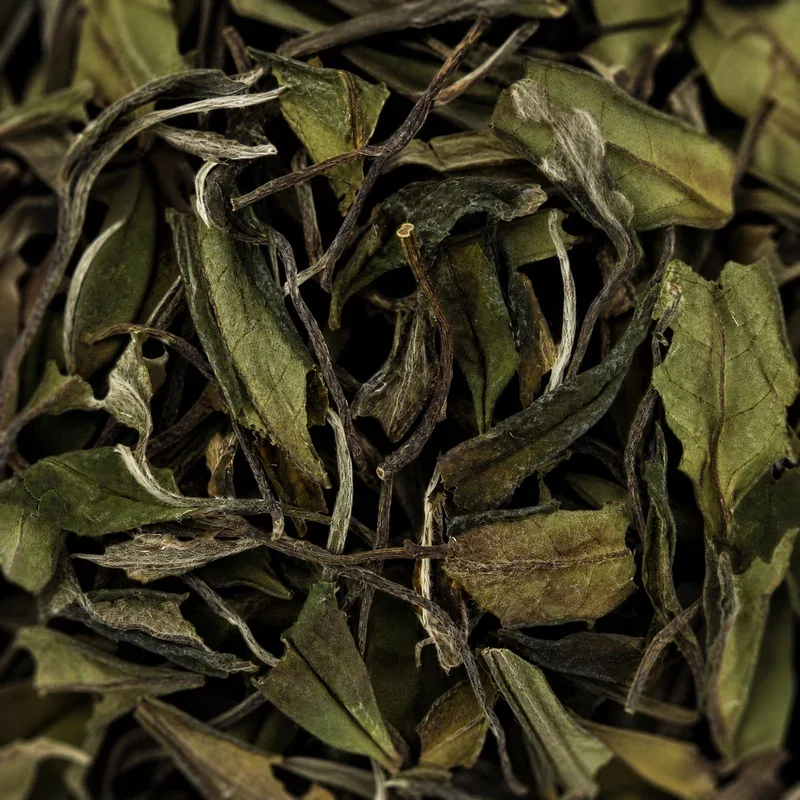
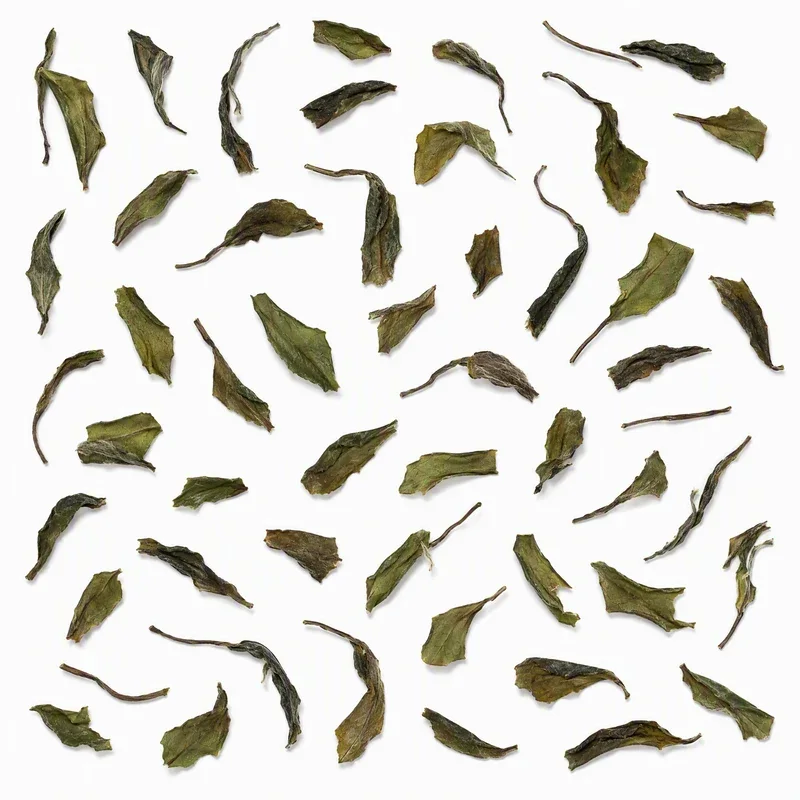
Dry Leaf Appearance: Tightly twisted, thin, straight tea leaves (紧细圆直, jǐnxì yuánzhí) of "maojian" type. Color — bright green, oily-lustrous, with noticeable silvery down (翠绿显毫, cuìlǜ xiǎn háo).
Dry Leaf Aroma: Pure, high and fresh (清香, qīngxiāng) with orchid overtones (兰花香韵, lánhuā xiāng yùn). In "chaoqing" variants (炒青, pan-fired style) chestnut aroma appears (栗香, lìxiāng). With aging, honey tones develop (蜜香, mìxiāng).
Liquor Aroma: High, persistent, pure. Floral-green freshness dominates with light nutty overtones. Aroma persists throughout 5–7 infusions.
Liquor Color: Tender green, bright and clear (嫩绿明亮, nènlǜ míngliàng).
Spent Leaves: Tender green, even, uniform leaves, unfolding like orchid petals (嫩绿匀整,芽叶舒展如兰).
Taste: Fresh and brisk (鲜爽, xiān shuǎng) thanks to high amino acid content (≥ 5% in maojian). Body — dense and full (醇厚, chúnhòu), harmoniously balanced between tea polyphenols and amino acids. Aftertaste — long-lasting sweet return (回甘持久, huígān chíjiǔ). Overall impression — purity and liveliness of taste without bitterness, with mineral depth.
Alkaloids: Caffeine (~2–4%), theobromine, theophylline.
Amino Acids: ≥ 5% in highest grade maojian. High L-theanine content provides pronounced sweetness and mildness of taste.
≥ 45.2% — exceptionally high indicator, determining dense body and resistance to multiple brewing (5–7 infusions).
Up to 39.31 mg/kg — with average content in ordinary green teas ~0.15 mg/kg. This is more than 260-fold excess, making Hefeng Cha one of the most selenium-rich teas in the world. Selenium is bound with tea polyphenols in organic form, which increases its bioavailability.
39.31 mg/kg — important microelement for immune function and tissue regeneration.
Essential Oils: Linalool, geraniol and other terpene compounds forming the floral-orchid profile.
Polyphenols: ≥ 18.3% (for chaoqing style). Main group — catechins, including EGCG. According to Chinese research, tea polyphenols from Hefeng tea are 35% more effective at absorbing radioactive substances than polyphenols from typical green teas.
Vitamins: Vitamin C (in fresh raw material), B vitamins, vitamin K.
Unique combination of polyphenols and organic selenium provides powerful antioxidant synergy. Selenium is a cofactor of glutathione peroxidase — one of the key enzymes of the body's antioxidant defense.
Catechins promote regulation of cholesterol synthesis and maintenance of vascular elasticity. According to Chinese research, the lipid-lowering effect of Hefeng green teas exceeds the similar indicator of red teas by 25%.
Tea polyphenols have the ability to bind radioactive substances (strontium-90, cesium-137).
Combination of caffeine and high L-theanine concentration creates balance of vigor and concentration without anxiety.
Zinc and selenium in bioavailable form support immune system function.
Moderate consumption after meals promotes comfortable digestion.
L-theanine promotes improved concentration and clarity of perception.
This information is for general educational purposes and is not medical advice.
Not recommended on empty stomach (high tannin content). Optimal time — one hour after meals. Daily norm — no more than 600 ml. When taking medications — break of at least 1 hour (tannins reduce medication absorption).
Tea Amount: 3 g per 150 ml water (1:50 ratio).
Teaware: Glass cup (玻璃杯) — for observing bud and down unfolding; white porcelain gaiwan (白瓷盖碗) — for full infusion control.
Water Temperature: 80–90 °C (for boiling water — let cool ~3 minutes). Ideal water — spring or soft filtered.
Highest grade — single buds or bud with one opening leaf. Tea leaves thin, tightly twisted, densely covered with down. Taste fresh and bright, with emphasis on amino acid sweetness (amino acid content ≥ 5%). Suitable for connoisseurs of delicate, refined green teas.
Medium grade — bud with two leaves. Pan-fired style with pronounced chestnut aroma, dense body and good resistance to multiple brewing (polyphenols ≥ 18.3%). Daily tea with excellent balance of richness and accessibility.
Raw material from old abandoned or high-altitude wild tea trees. Distinguished by floral-fruity aroma, increased selenium content (up to 1.5 mg/kg) and pronounced mineral depth. Limited production, high collectible value.
Hefeng Cha covers a wide spectrum — from mass chaoqing to premium maojian and "wild tea" (野茶, yěchá) from high-altitude abandoned plantations. Specific prices depend on grade, season and presence of organic certification. Organic maojian from old gardens — the most valuable category.
Price Factors: season (spring significantly more expensive than summer), grade, type (maojian, chaoqing, wild), organic certification, export batches.
No reviews yet. Tell us what you think of this tea.
Rate this tea and share your impressions. We review each submission before publishing it.