Brewing
Gongfu brewing
- Water temperature
- 93 °C
- Tea amount
- 5 g
- Water volume
- 100 ml
- First steep
- 10 s
- Time added per infusion
- 5 s
- Infusions
- 4

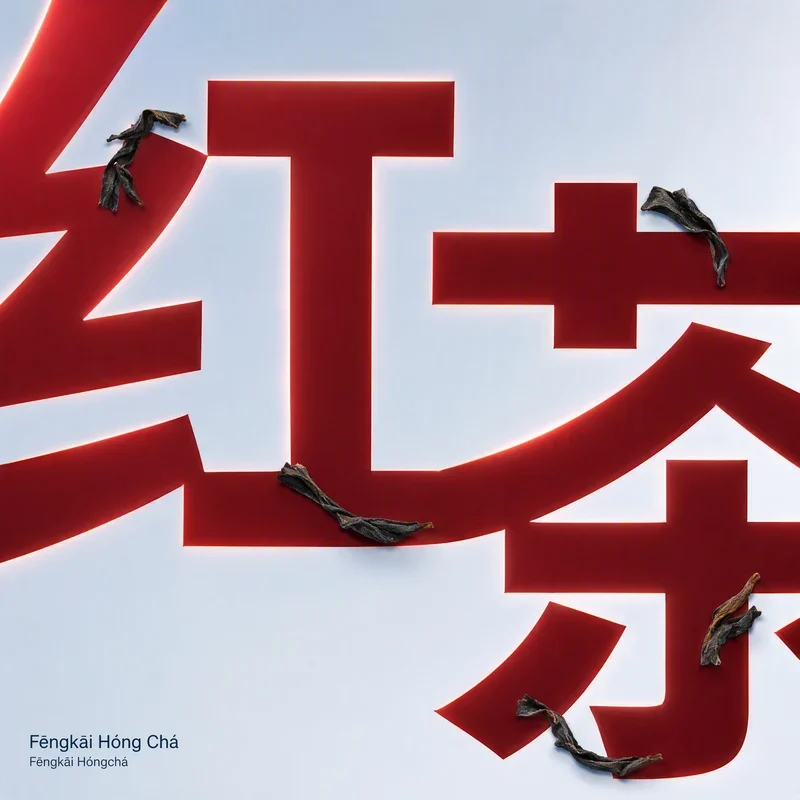
Fēngkāi Hóngchá
Choose a brewing method. Start with the recommended quantities and time, then adjust to taste.
Brewing
Brewing
Taste
Tea encyclopedia
Alt Names: Xinghua Báimǎ Hóngchá (杏花白馬紅茶); Fēngkāi Báimǎ Chá (封開白馬茶 — general name covering green, red, and white tea from Baima Mountain).
Alt Names: Xinghua Báimǎ Hóngchá (杏花白馬紅茶); Fēngkāi Báimǎ Chá (封開白馬茶 — general name covering green, red, and white tea from Baima Mountain).
Category: Regional Guangdong red tea (black tea). Belongs to the family of western Guǎngdōng teas from the Xījiāng River (西江) basin.
Coordinates: approximately 23°26′ N, 111°31′ E.
Origin: China, Guǎngdōng Province (廣東省), Zhàoqìng City (肇慶市), Fēngkāi County (封開縣). Production core — Xinghua Town (杏花鎮): Báimǎ Mountain (白馬山, highest point 944 m), Yǒnghé Village (永和村) and Fenglou Village (鳳樓村). Also — He'erkou (河兒口鎮), Baigou (白垢鎮), Dázhōu (大洲鎮), Duping (都平鎮), Chang'an (長安鎮).
Type: Red tea (black tea) (紅茶, hóngchá), fully oxidized. By technology — gongfu hongcha with elements of unique local processing (specially adapted automated line combining traditional manual techniques with mechanization).
Baima tea was sent to an international exhibition by order of the Qing court in the last year of Guangxu's reign — one of the few Guangdong teas to receive international recognition in the early 20th century.
Trees from the state plantation of 1968–69 — among the oldest in western Guangdong; their raw material is valued for depth and "maturity" of taste.
The "Xinghua Baima" automated line was designed for six months with participation of engineers and manual tea-making masters to precisely reproduce all nuances of traditional processing — including specific withering regime unavailable to standard lines for red or green tea.
The county is named after the ancient city of Guangxin (廣信), which, according to one version, gave its name to the entire Guǎngdōng Province (廣東 — "east of Guangxin"). Tea from Baima Mountain — product of a region with two-thousand-year administrative history.
Xinghua Town, though small (population ~20,500 people), provides 48% of all tea areas in the county, making it the absolute center of Fengkai tea cultivation.
Development of the tea industry in Xinghua provided permanent and seasonal employment for ~350 local residents, and the "company + base + farmer" model attracted over 20 small partner farms.
Until 2014, Baima tea existed as a nameless product of the local market: farmers sold loose tea without packaging or branding. Creation of the "Xinghua Baima®" brand and enterprise standard became a turning point, transforming a "village" product into goods with market identity.
Local populations of small-leaf and medium-leaf type (Camellia sinensis var. sinensis), historically cultivated on Baima Mountain. For new plantations, selected seedlings from their own nursery that have passed adaptive selection are used. Some farms also use Yunnan large-leaf and other introduced varieties.
Trees from the state plantation of 1968–69 — 55+ years; new plantings 2014–2020 — 5–12 years.
Picking: Spring (March–April) — best grade. Summer and autumn — standard.
Pluck Standard: One bud with one-two leaves for premium batches; one bud with two-three leaves — for standard.
Altitude: 700–944 m (core); new plantations — from 300 m.
Climate: Subtropical monsoon humid. Average annual temperature ~20°C (in the valley ~21.5°C). Precipitation — 1,400–1,800 mm/year. Extreme maximum — 39°C, minimum — 2°C. On Baima Mountain at altitudes 700–900 m — frequent morning fogs, reduced insolation, significant day/night temperature differences — conditions that promote the accumulation of aromatic substances and amino acids.
Soil: Acidic (pH 5.0–6.0), red and yellow mountain soils on granite base. Baima Mountain — the largest granite deposit in the region (geological reserves ~100 million m³), whose mineral composition enriches the soil with microelements.
Xinghua Town is located in the central-southern part of Fengkai, in the valley of the Guangxin River (廣信河, tributary of Xijiang), surrounded by mountains. Relief — valley-like, "four sides high, middle low." Baima Mountain — in the southeastern part of the town, highest point 944 m.
The area is distinguished by high biological productivity: more than 300 species of wild animals, 700+ species of wild plants. High forest coverage. Tea gardens are located in an ecologically clean zone, remote from industrial facilities. New plantations are equipped with automatic irrigation systems, water collection basins, pest control devices, and concrete access roads — infrastructure superior to most mountain tea farms in western Guangdong.
At altitudes 700–944 m, a specific microclimate forms: morning fogs envelop the slopes until 10–11 o'clock, creating diffused lighting; night temperatures are 5–8°C lower than valley temperatures. These conditions slow shoot growth, increasing the proportion of amino acids (sweetness) and aromatic compounds relative to polyphenols (bitterness). The result — tea with pronounced natural sweetness and "pure mountain spirit" (山野清香), distinguishing it from flatland Guangdong red teas (black teas).
Spring picking (春茶) — best grade: tender, aromatic, sweet. Summer (夏茶) — denser, with noticeable astringency. Autumn (秋茶) — "honey-like," with soft body.
Manual, one bud + one-two leaves.
10–16 hours, natural or indoors. Leaf softens, light fruity aroma appears.
On automated line — controlled intensity. Formation of dense, elastic tea particles (壯實).
3–5 hours, at controlled temperature and humidity. Full fermentation.
Staged — initial at elevated temperature (fixation), then final at reduced temperature (aroma stabilization).
By size, presence of tips, and quality.
The "Xinghua Baima" line — the only one in the region specially designed to preserve all stages of traditional Baima tea processing while mechanizing; the design took six months of joint work by engineers and manual tea-making masters.
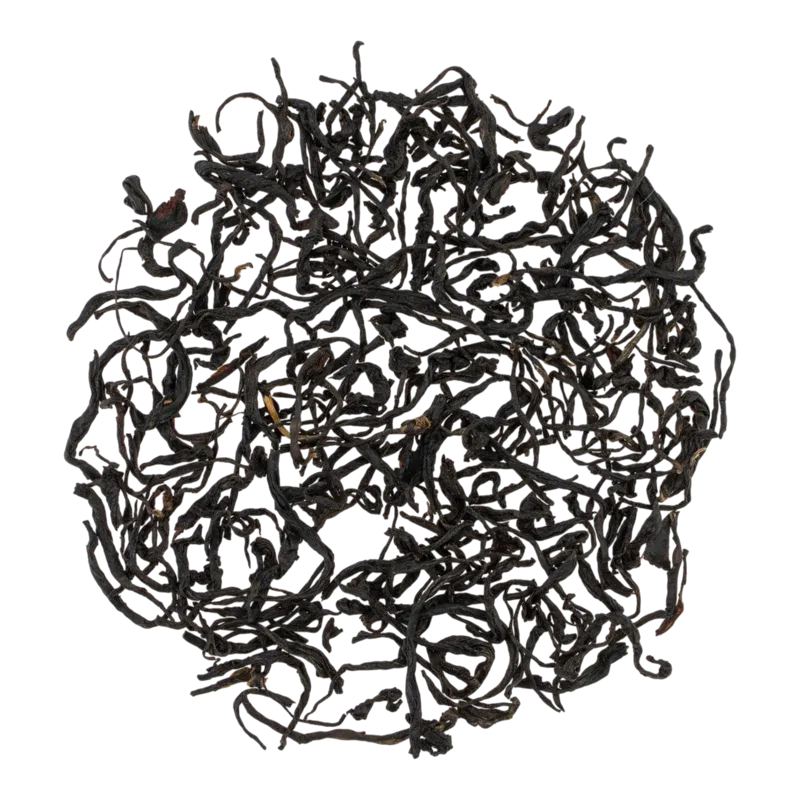
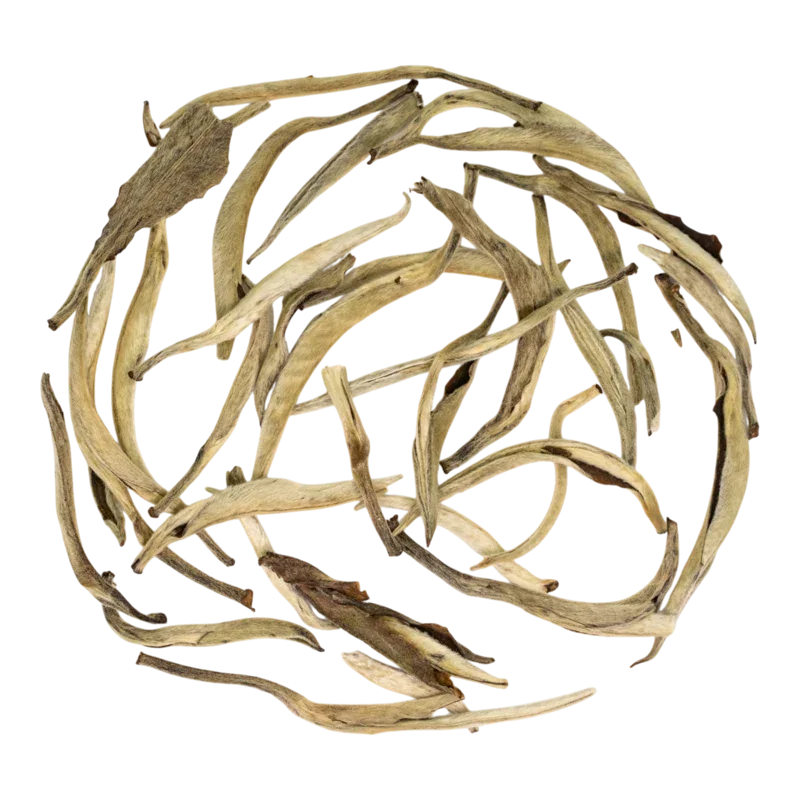
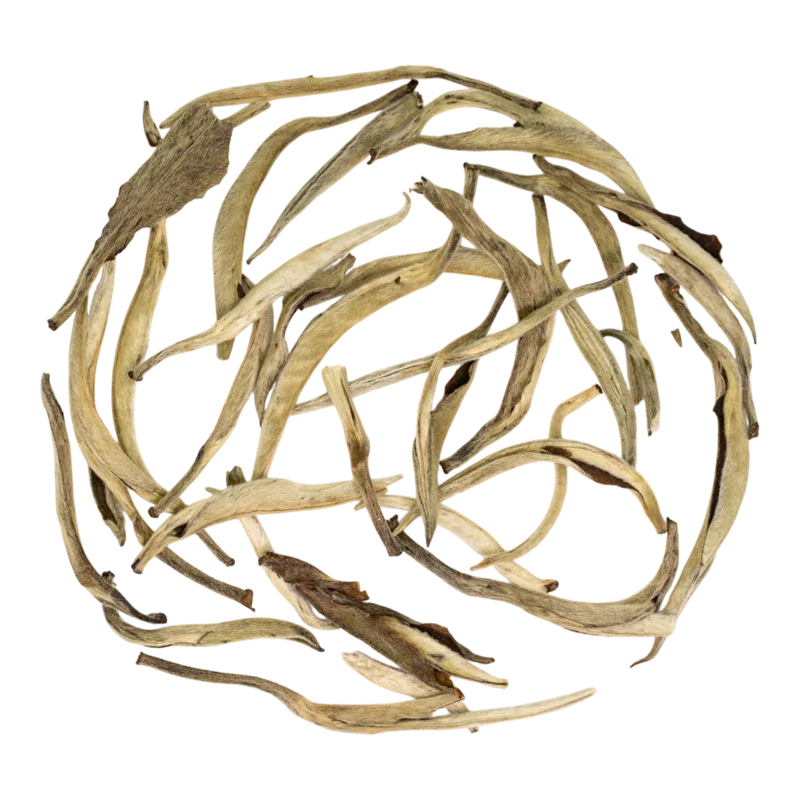
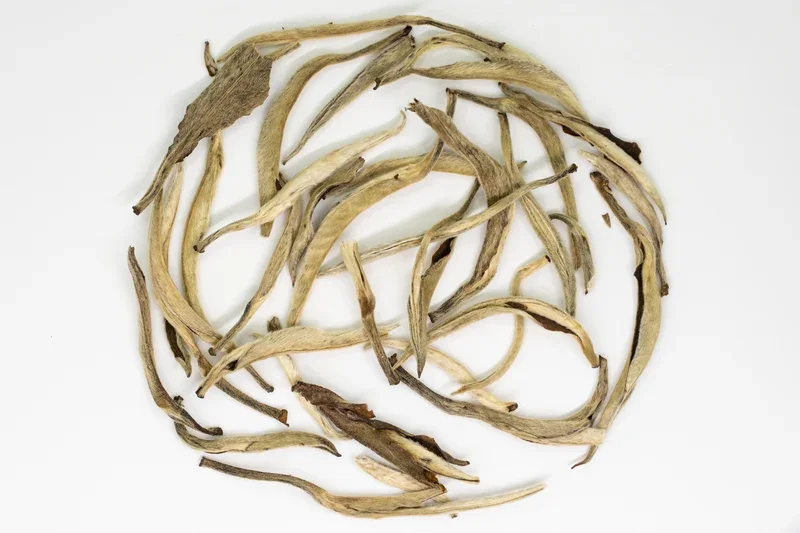
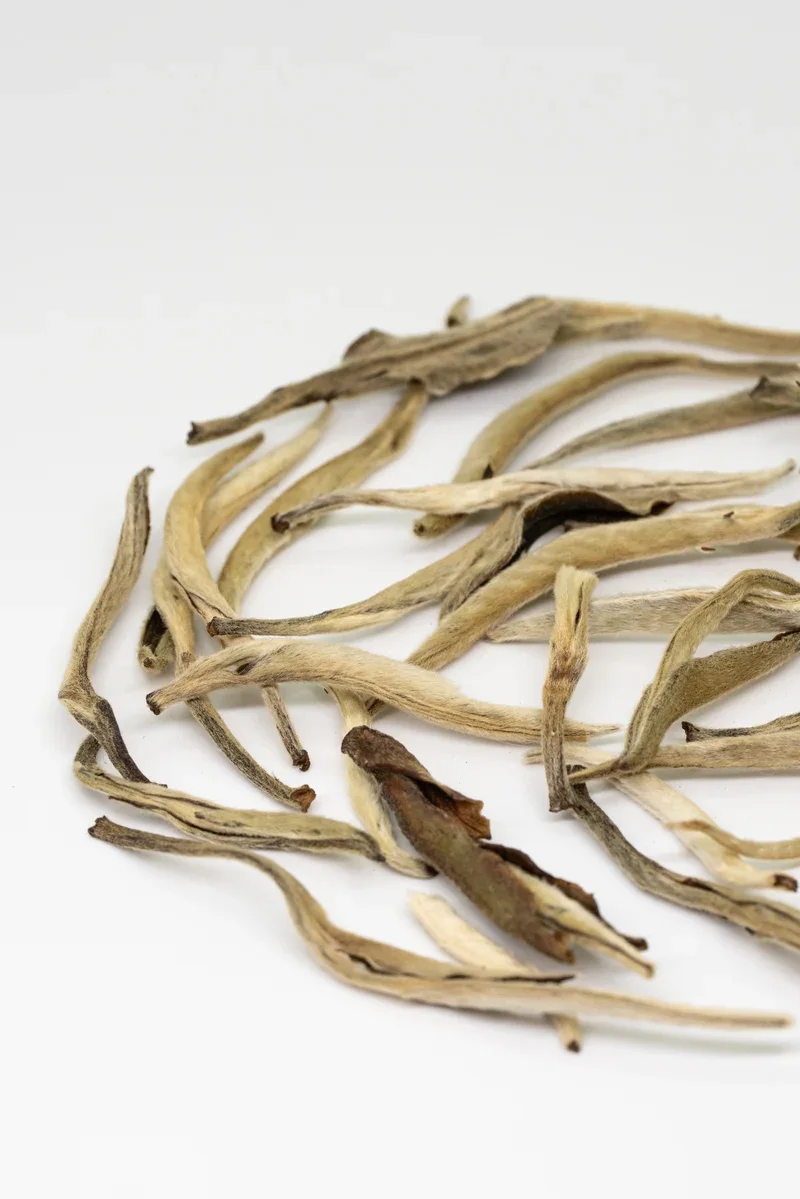
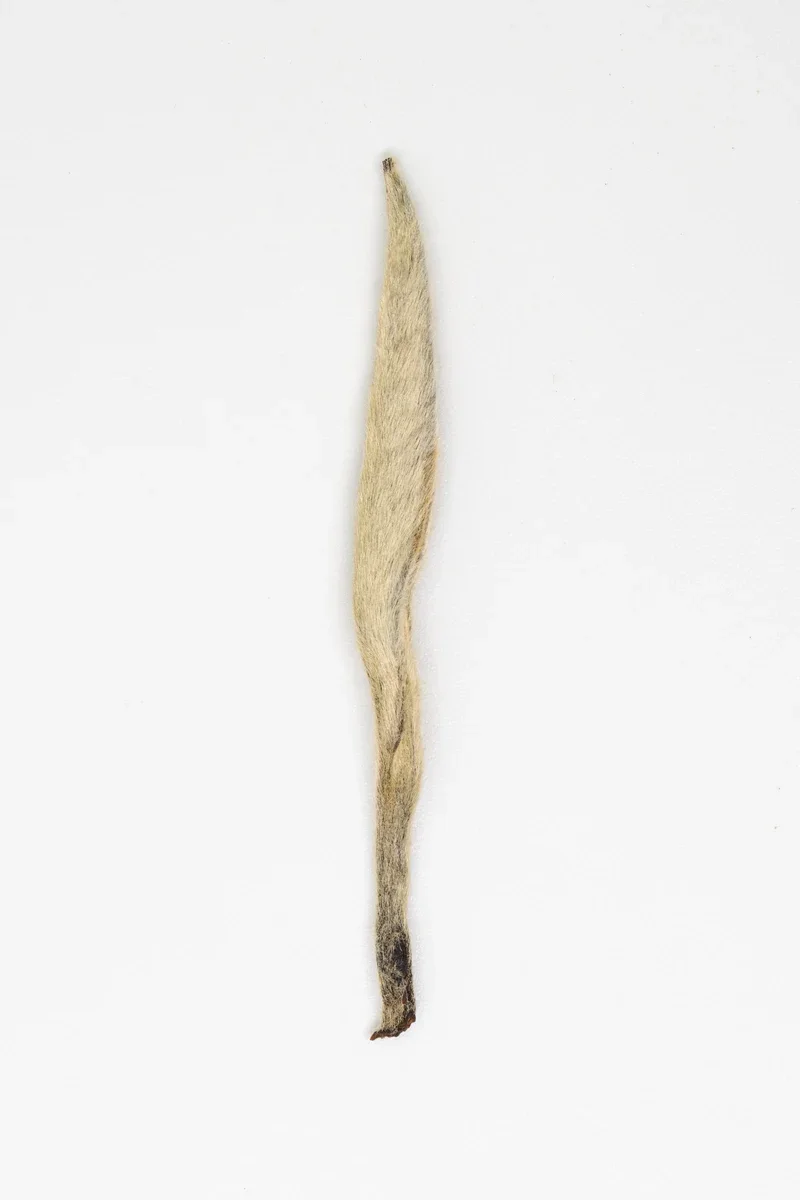
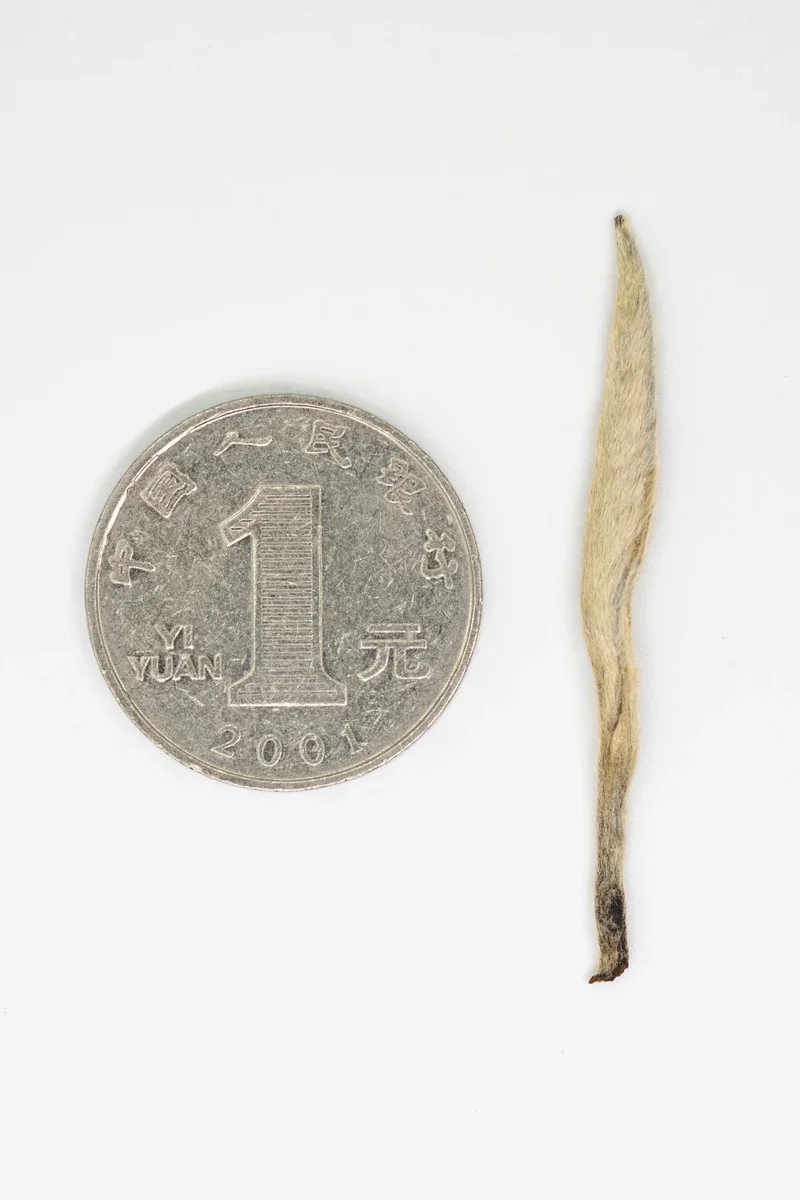
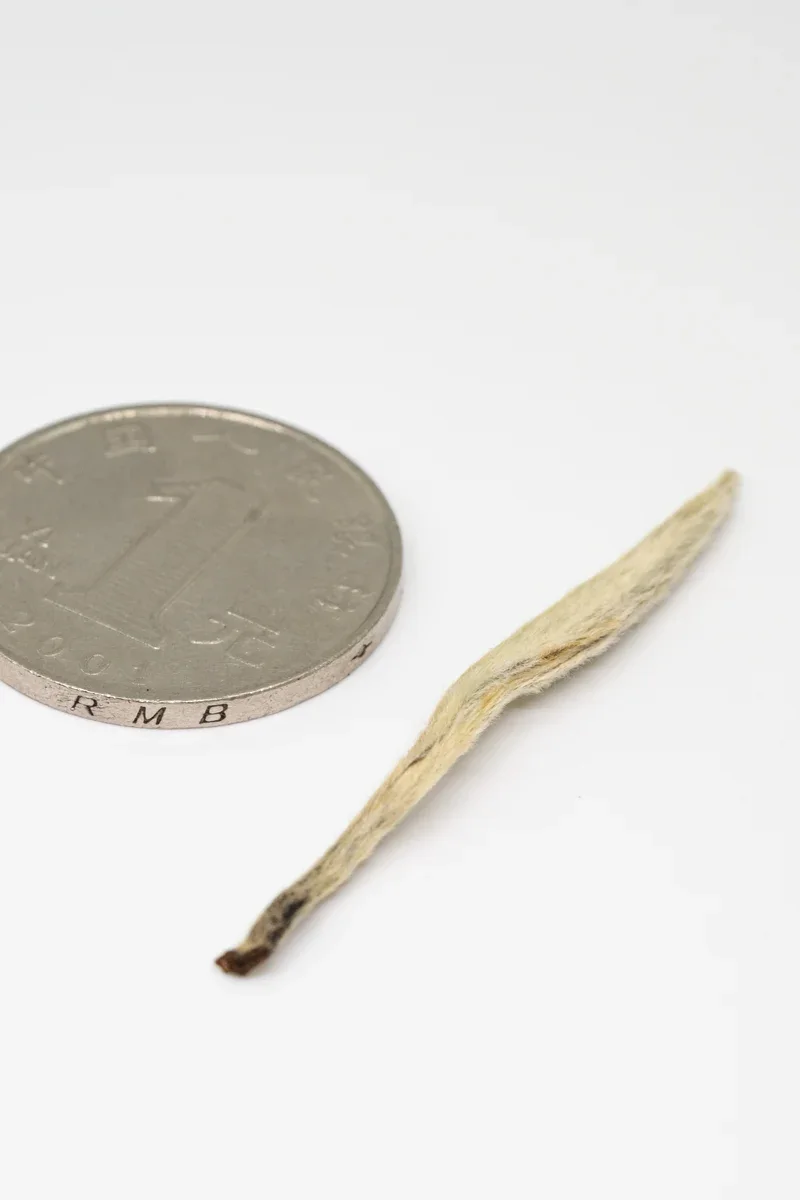
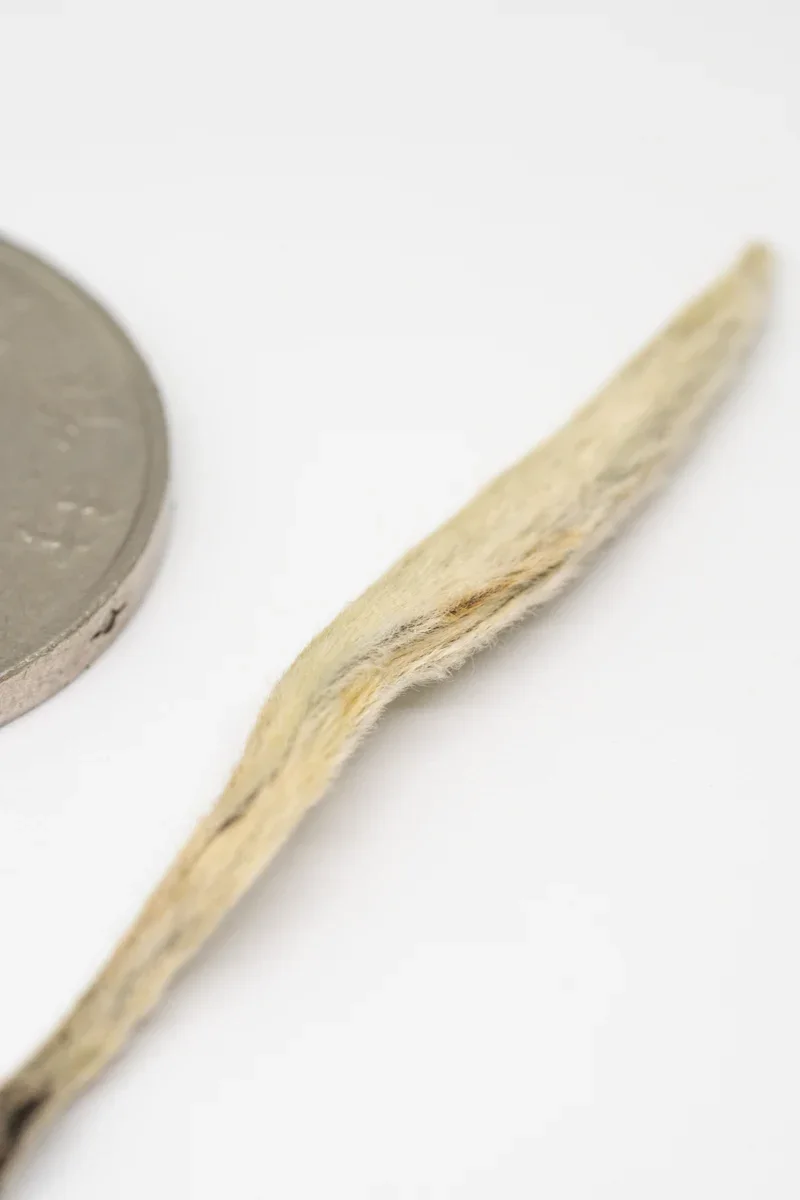
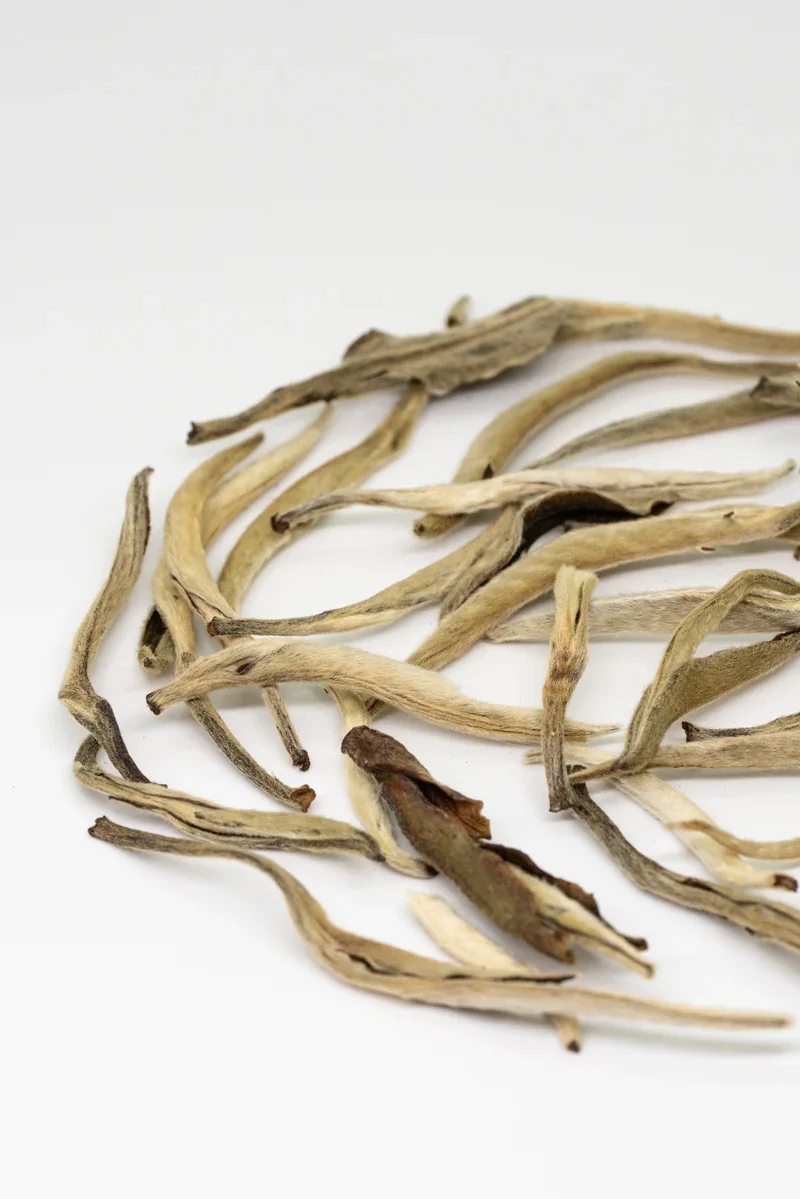
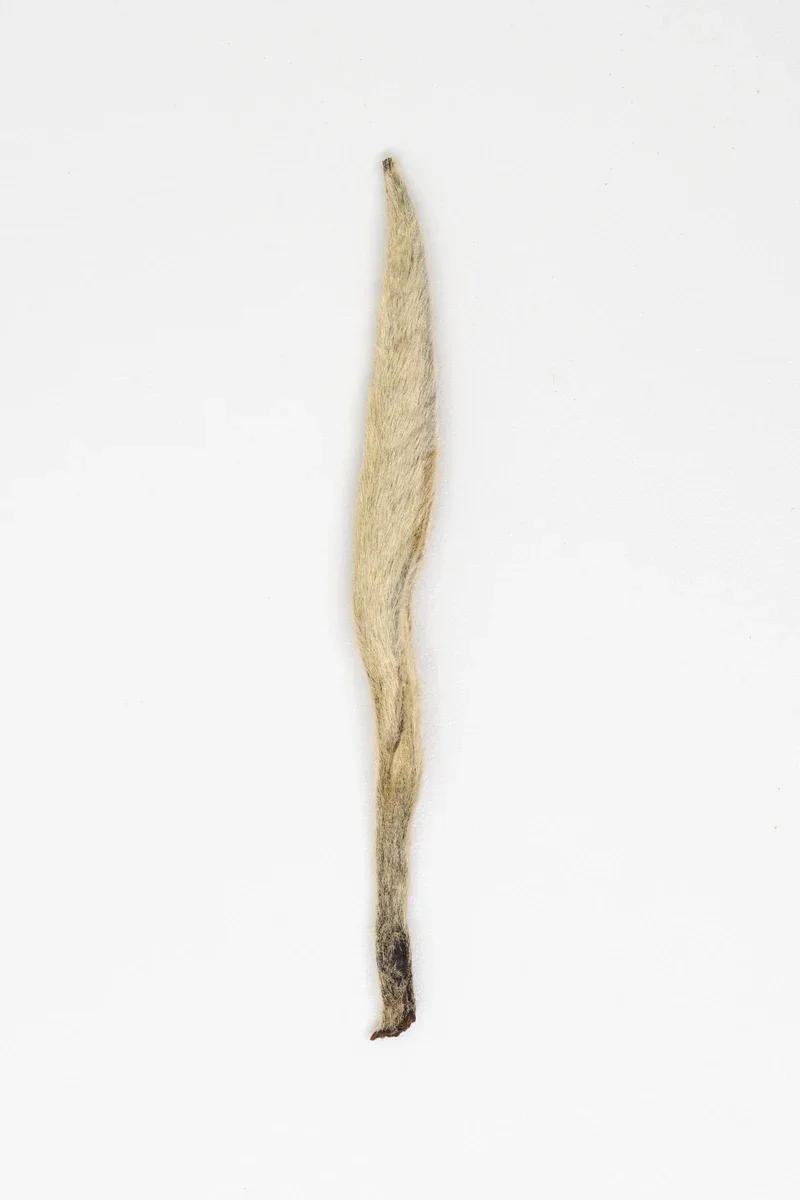
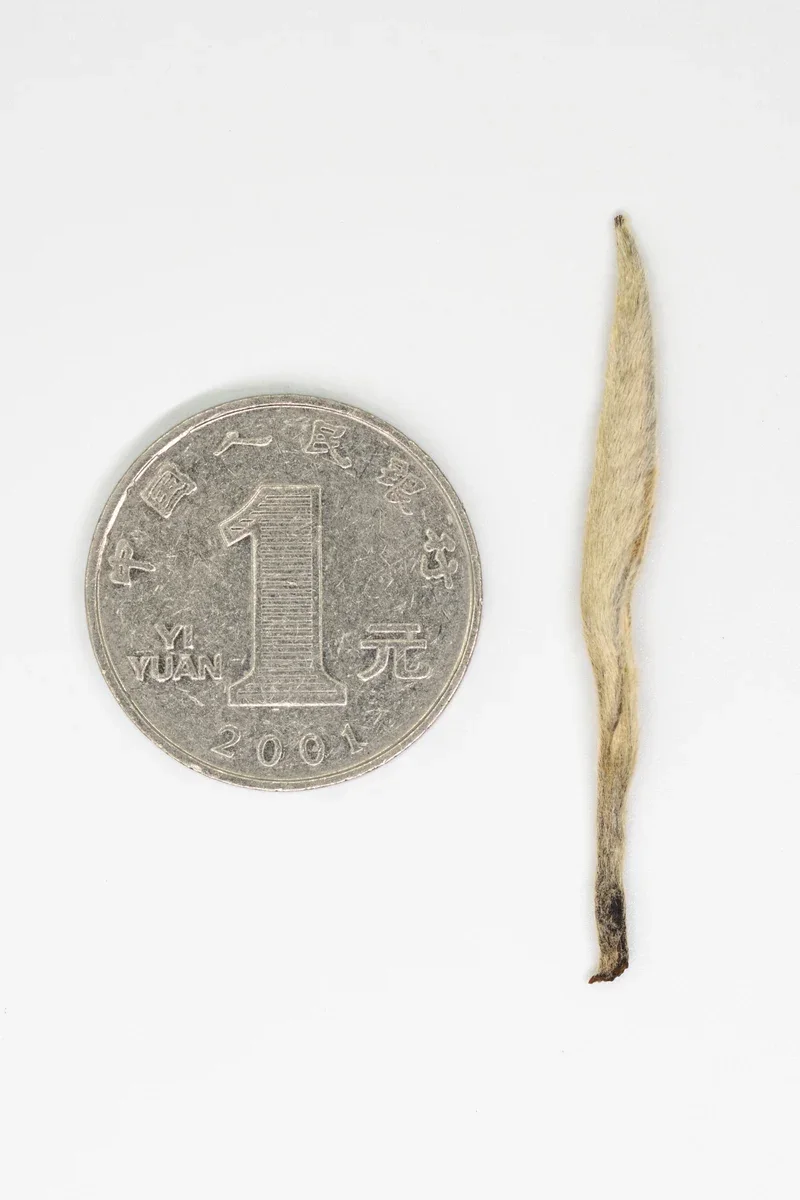
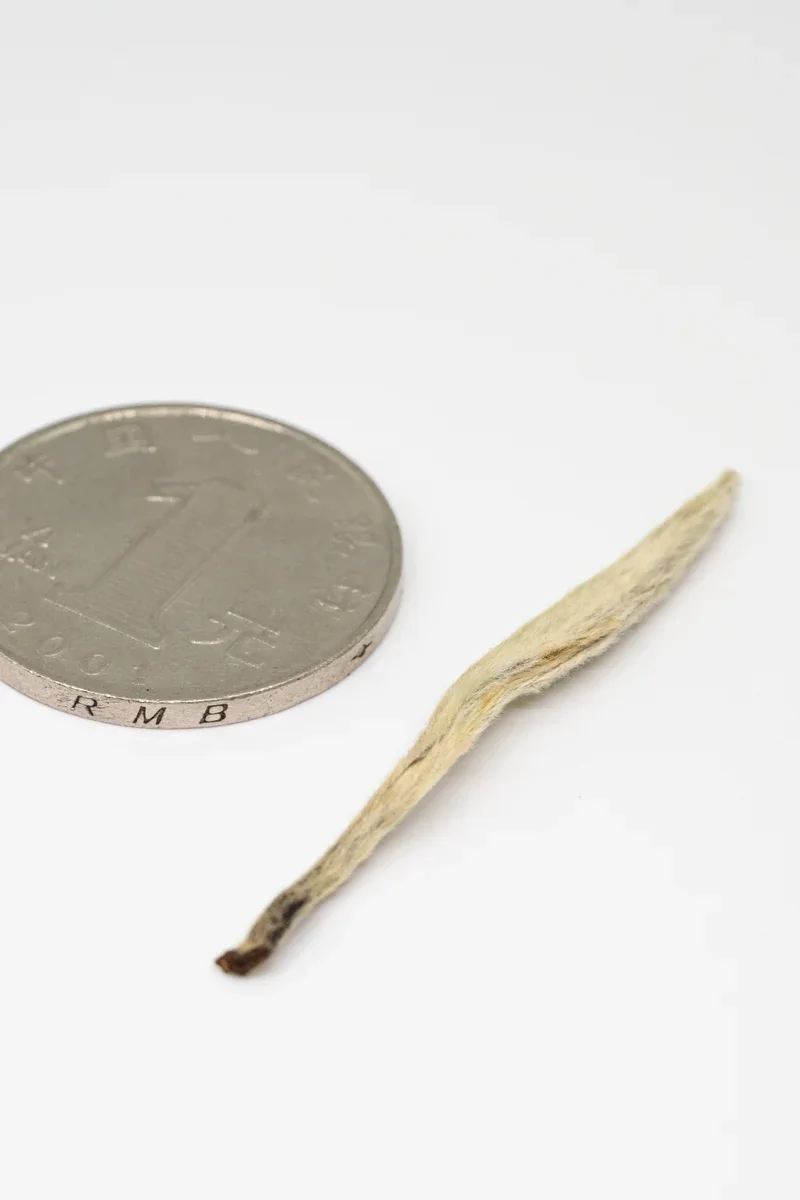
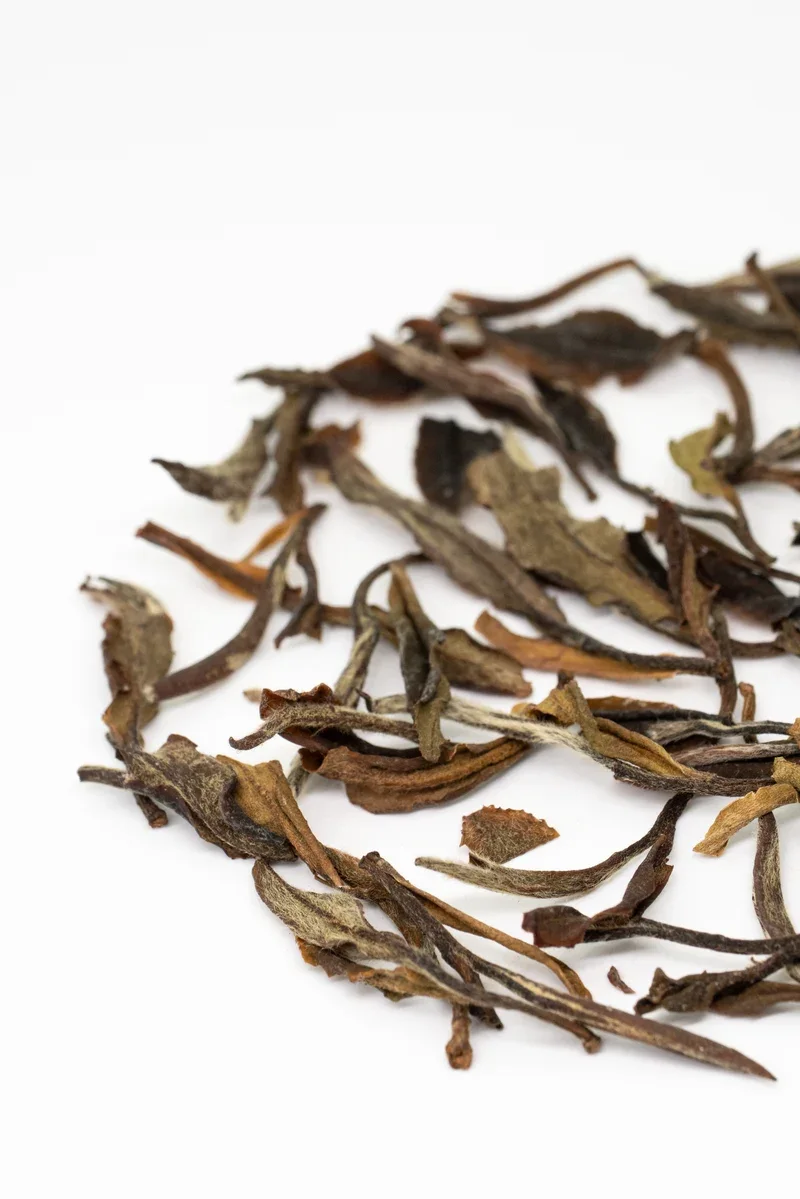
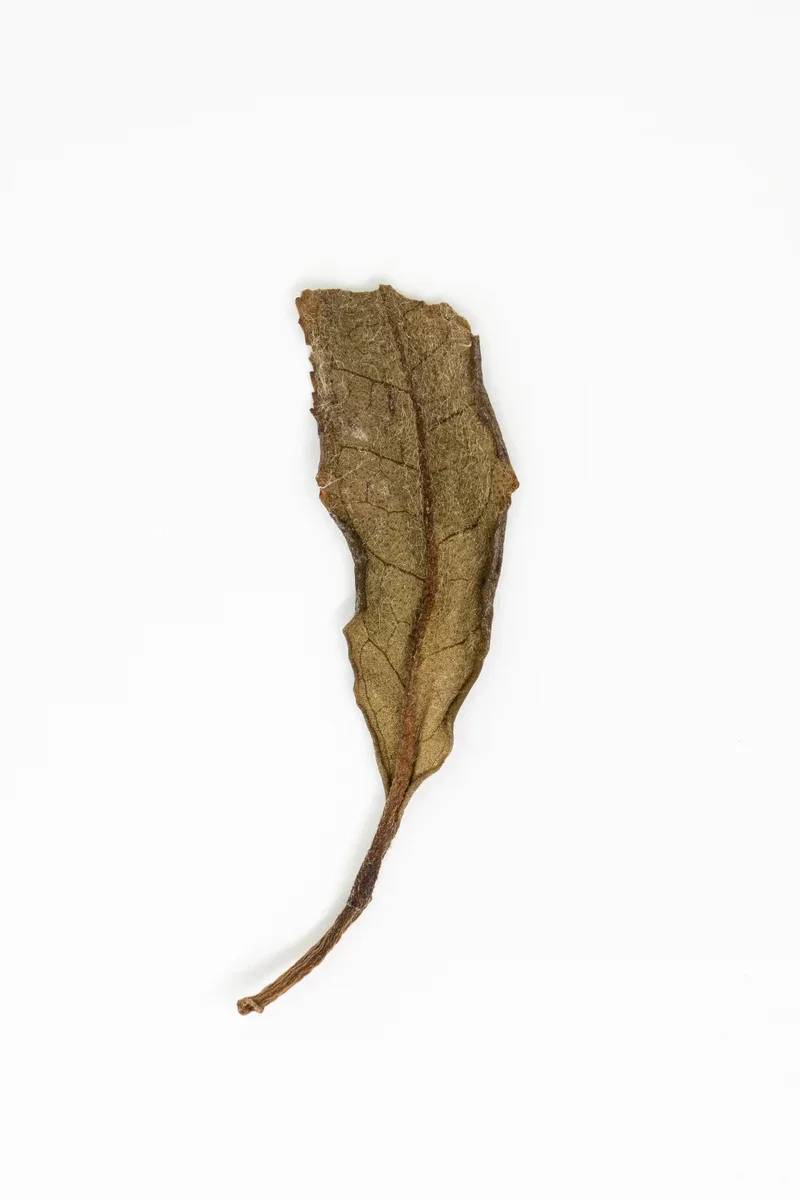
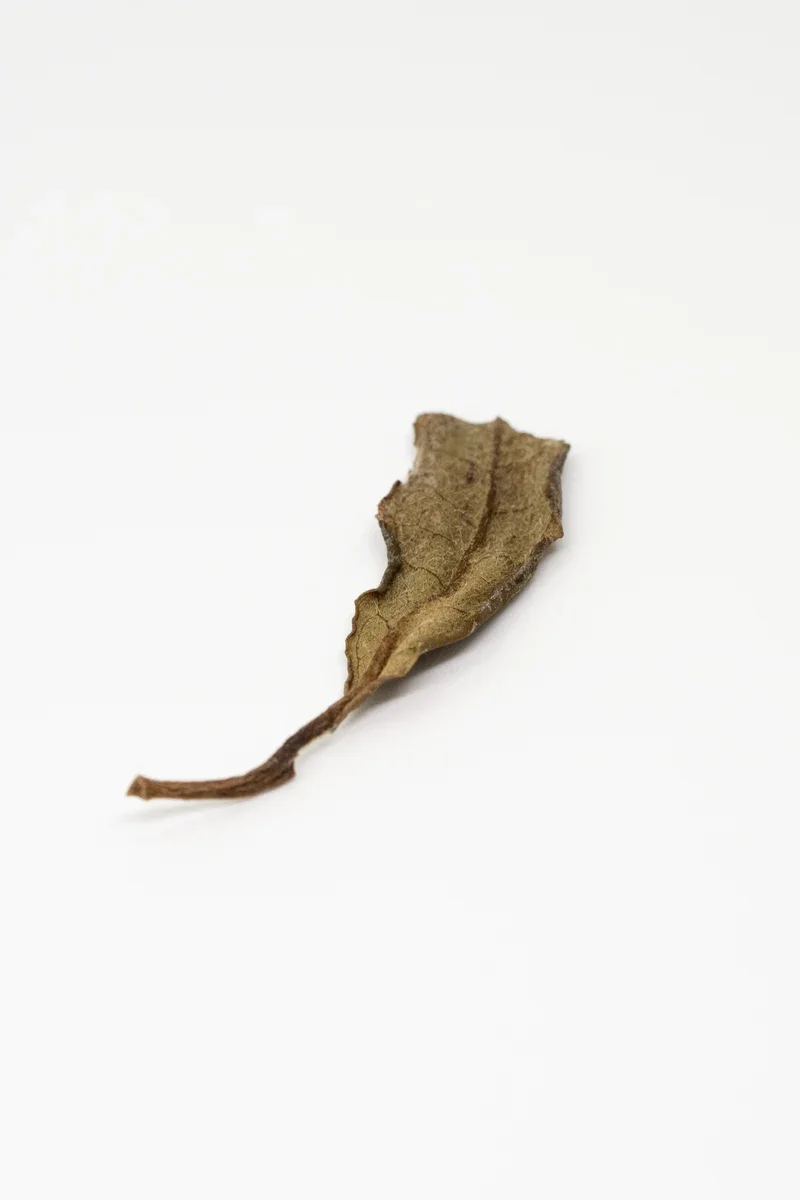
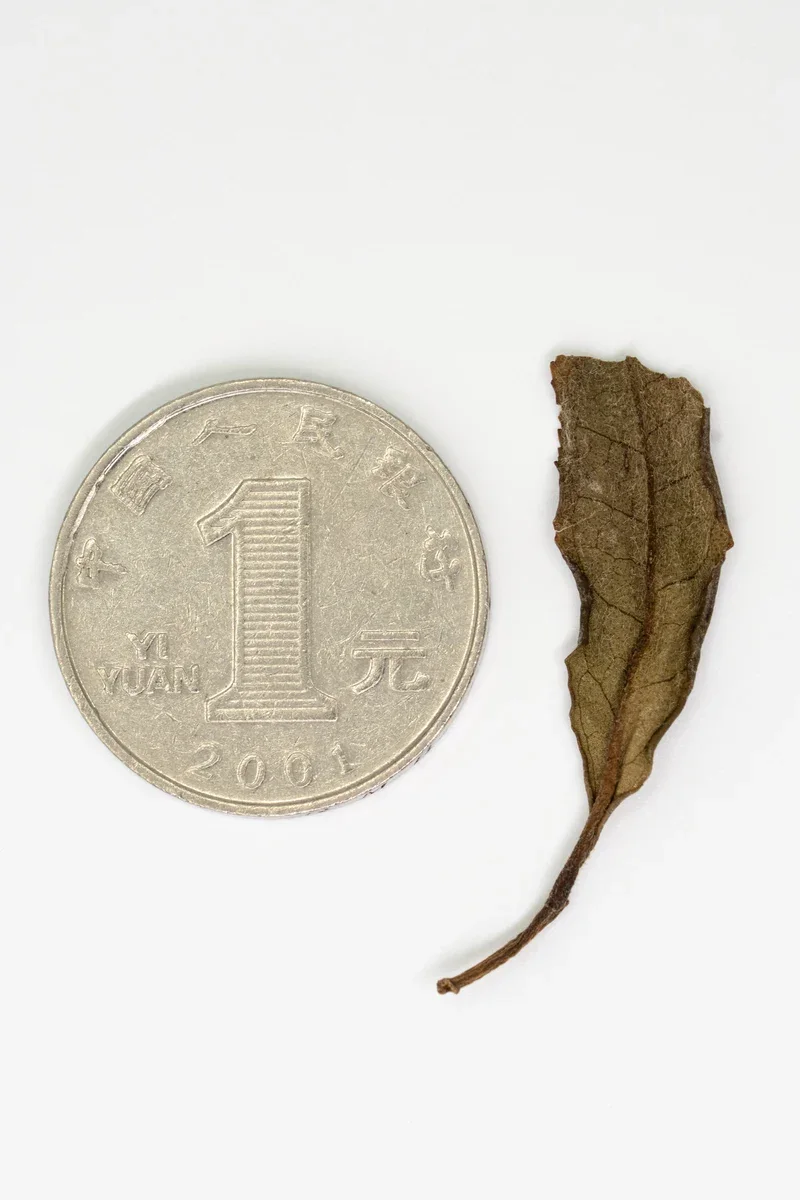
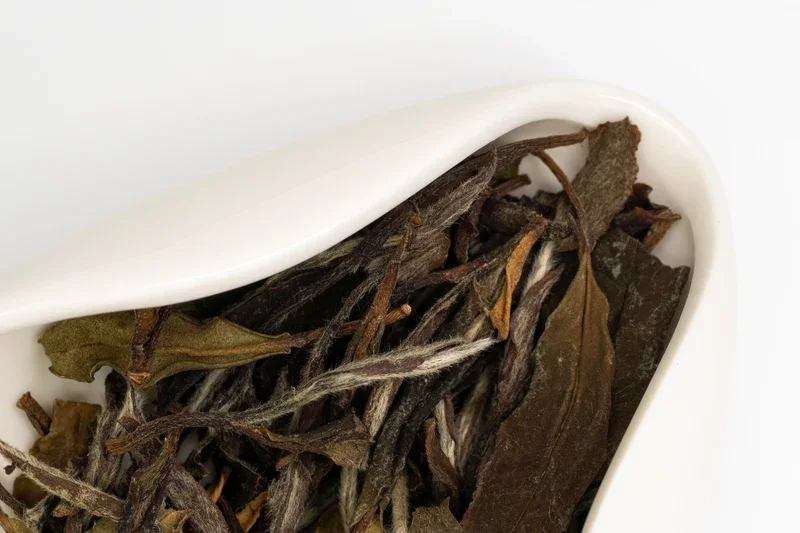
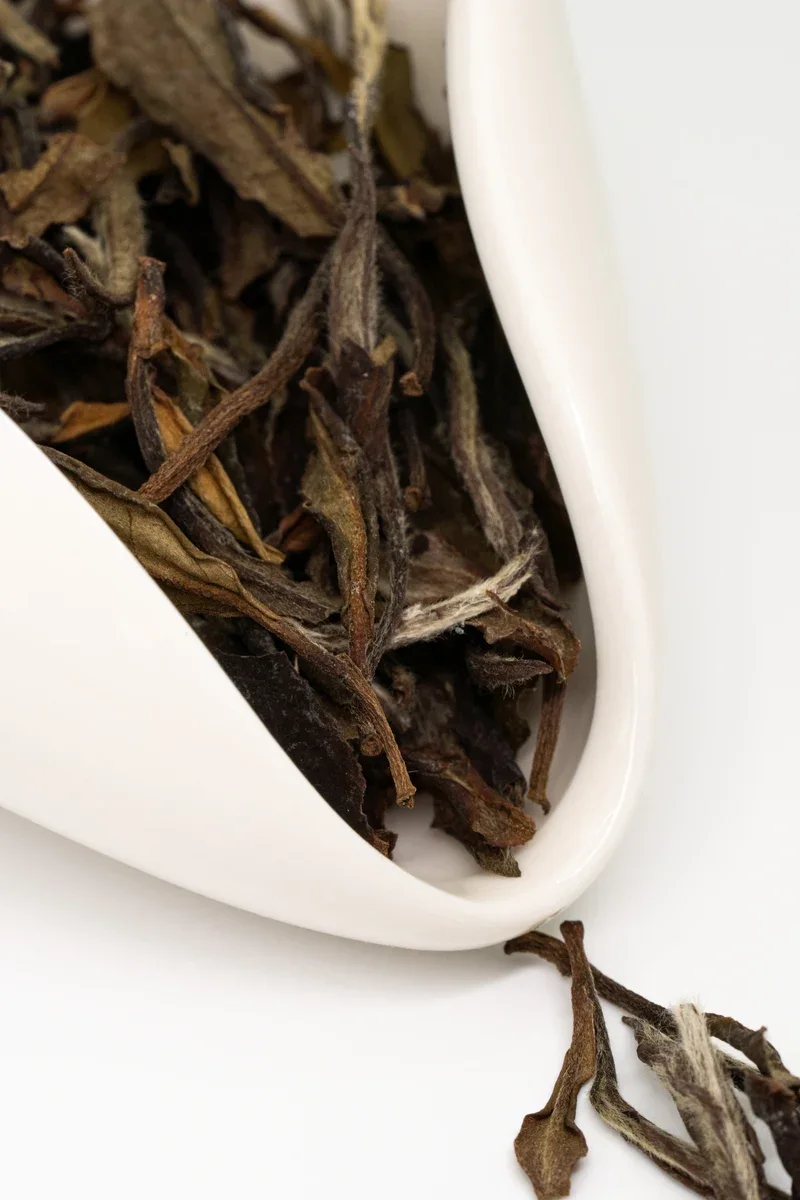
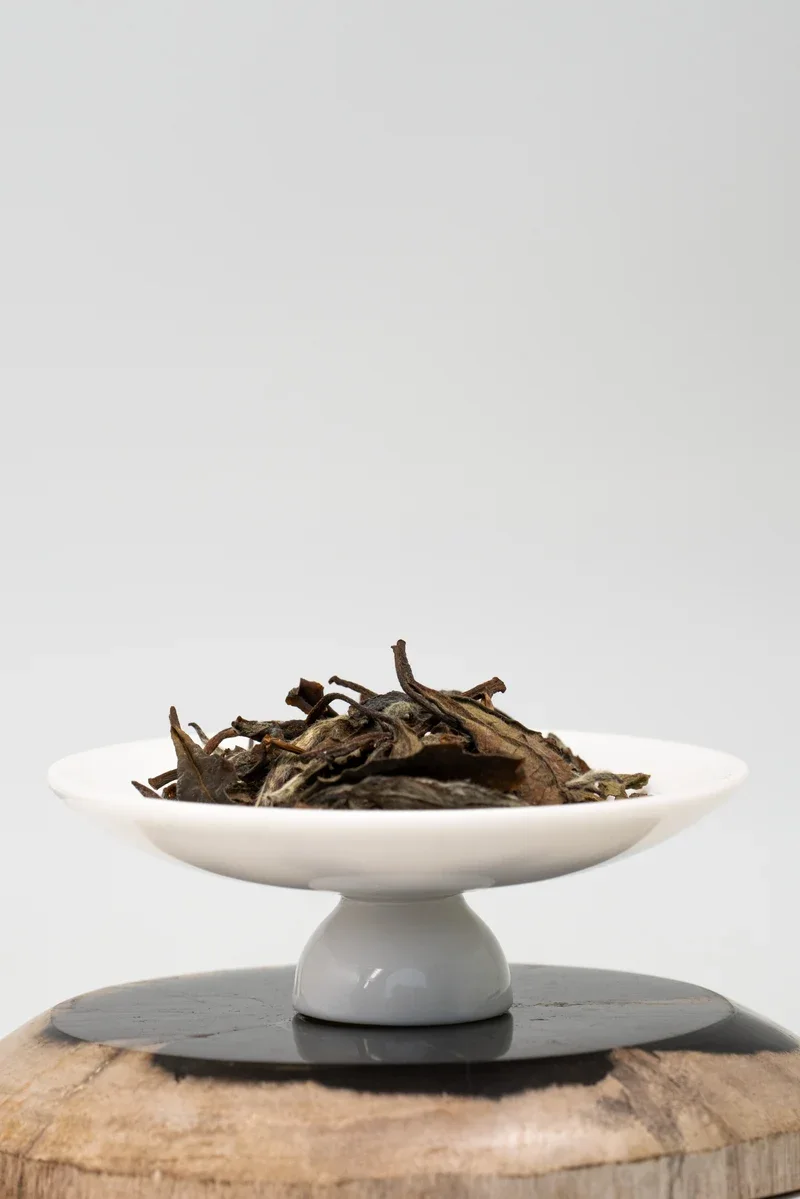
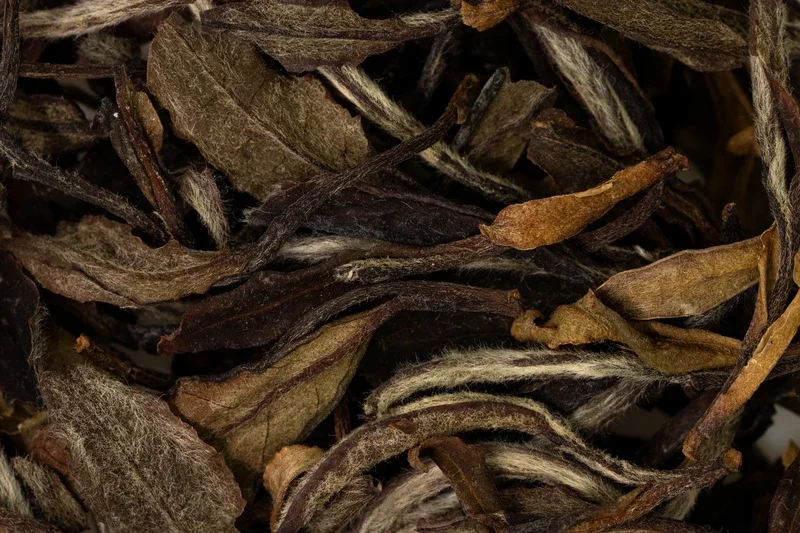
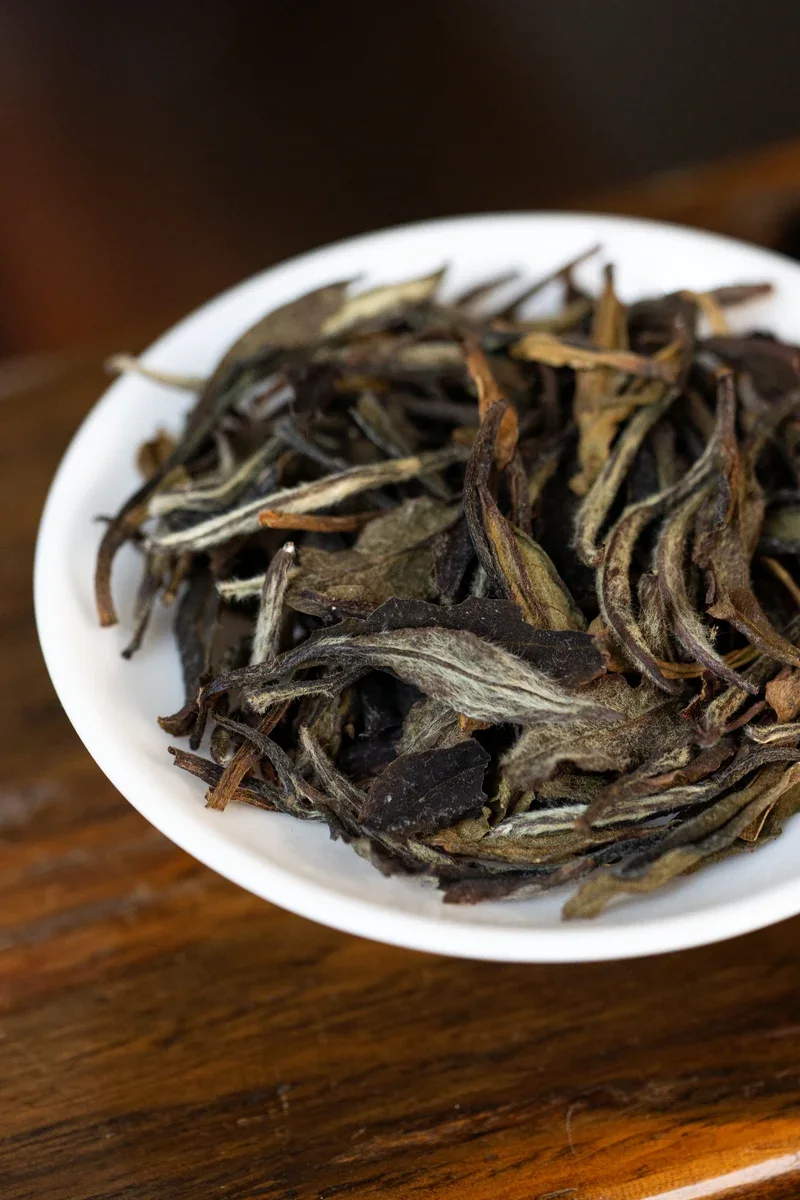
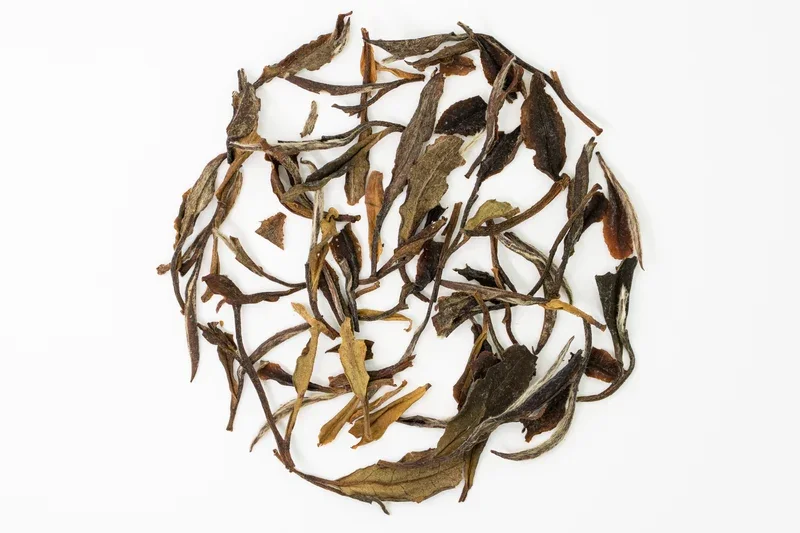
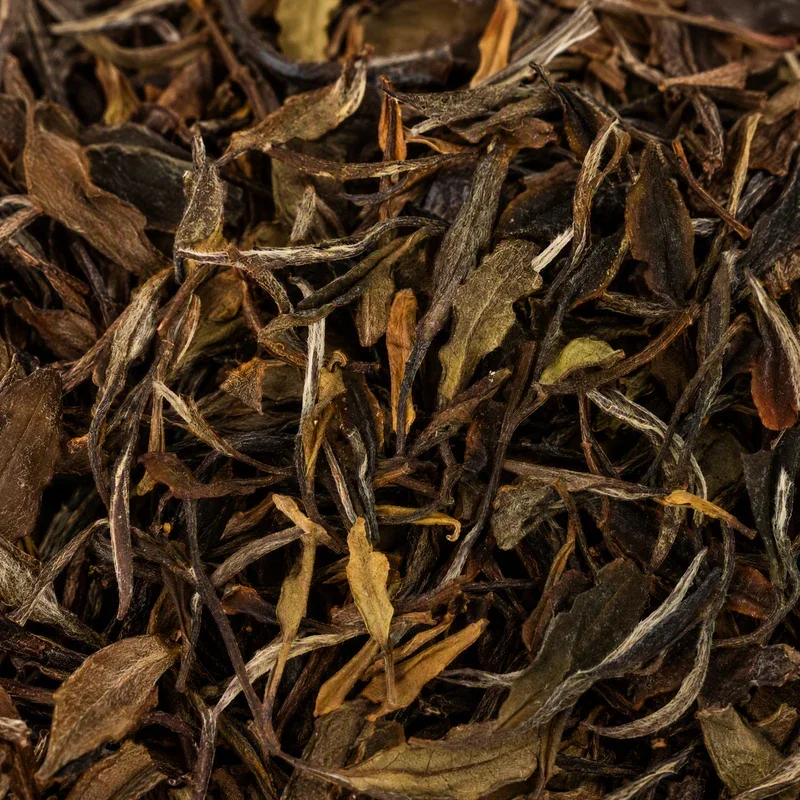
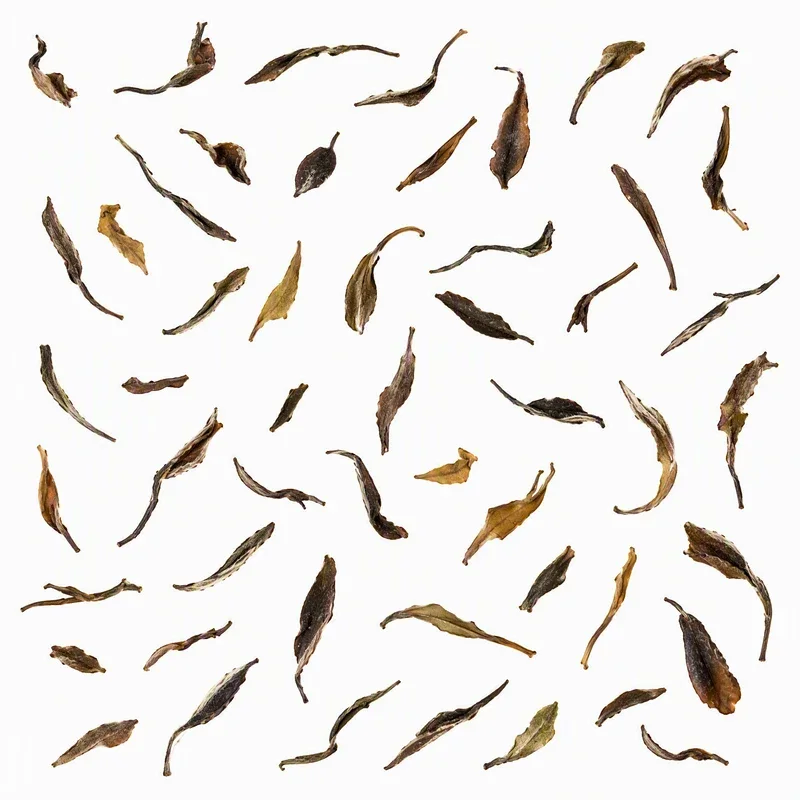
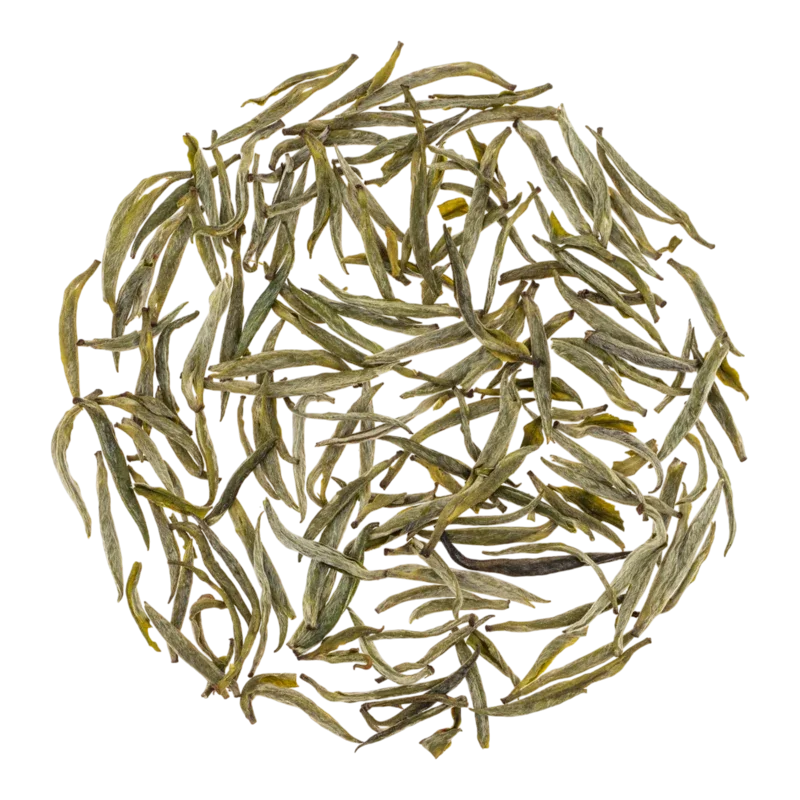
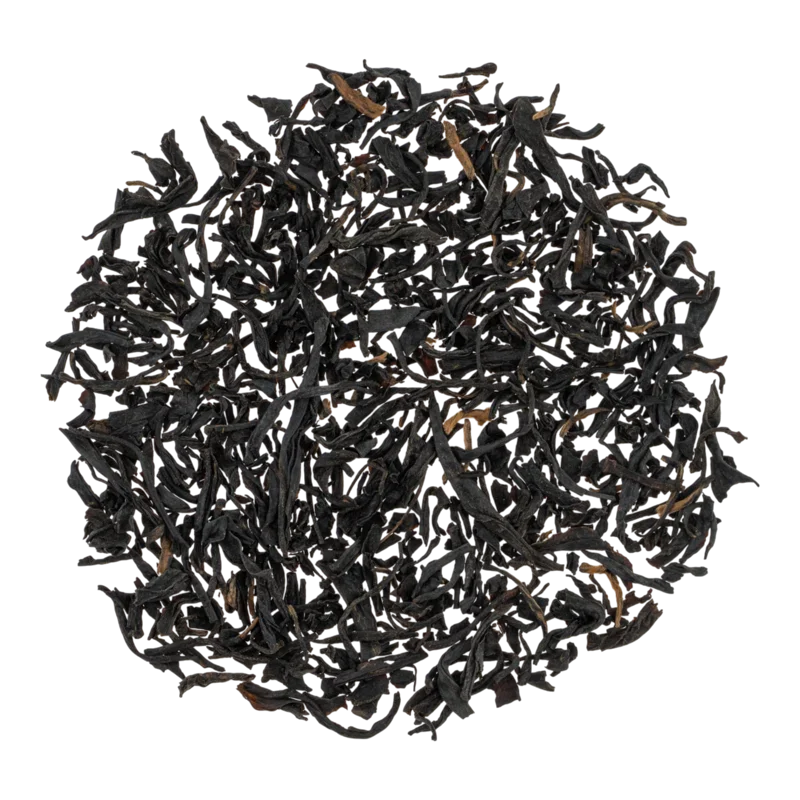
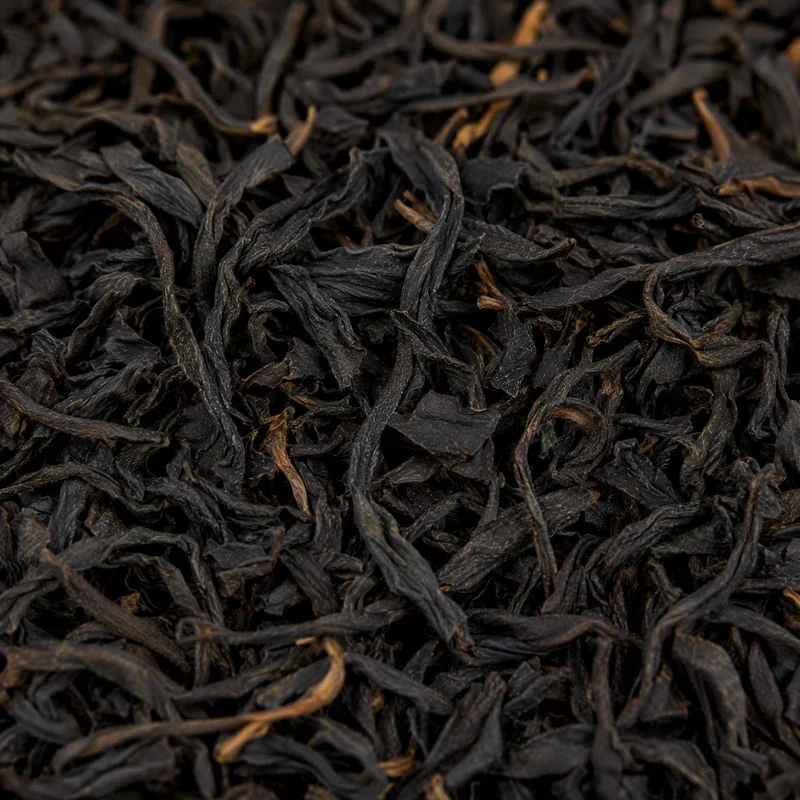
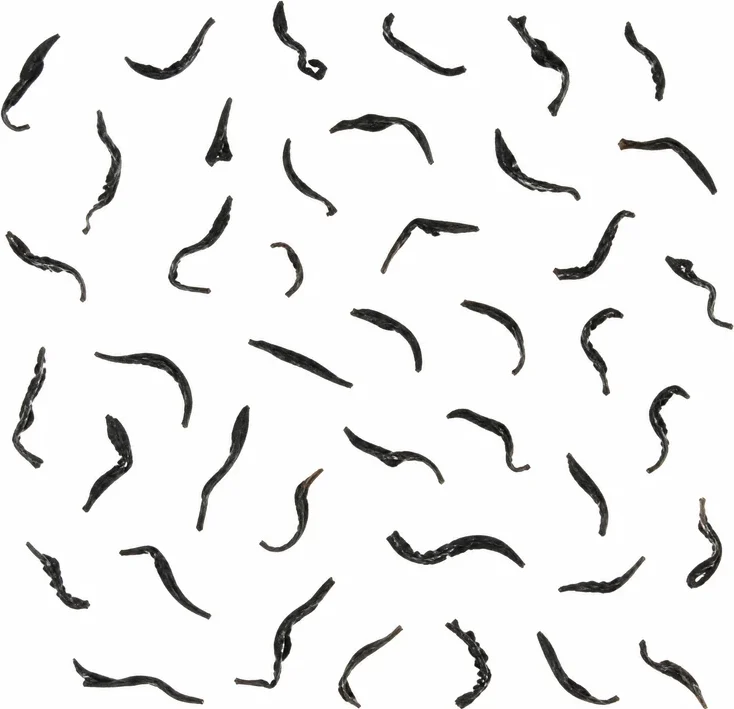
Dry Leaf Appearance: Dense, elastic, twisted tea particles (壯實), dark brown to black, with oily luster. In higher grades — noticeable golden tips.
Dry Leaf Aroma: Sweet, honey-fruity, with light "forest" notes reflecting the mountain terroir of Baima.
Liquor Aroma: Persistent, multi-layered. Honey, dried fruits, light florality. Characteristic "pure mountain spirit" (山野清香) — result of high-altitude growing and ecological purity.
Liquor Color: Bright red, clear, with luster (紅艷透亮). In the best batches — with a "golden ring" around the edge.
Spent Leaves: Red-copper, elastic, whole leaves.
Taste: Rich and mildly sweet (濃醇甘甜), with fresh "lively" juiciness (鮮活) and long-lasting returning sweetness (huí gān) (回甘持久). Body — medium to full. Astringency mild, quickly transitioning to sweetness.
Amino Acids: 3–4% — elevated level forming sweetness and "umami." Related to mountain terroir (fogs, diffused light).
2.0–3.0%.
Form the red color of the liquor and "velvet" taste.
Characteristic terpene alcohols (linalool, geraniol) — form the floral-honey profile.
Polyphenols: 14–18% dry weight. Moderate level ensuring mildness.
Moderate caffeine content, high L-theanine level.
Theaflavins and thearubigins.
"Warm" nature, comfortable in cool season.
Stimulates secretion, helps after fatty food.
Traditionally noted property of Baima tea, mentioned in historical sources.
Traditionally believed that Baima tea "opens appetite" — a property valued in Guangdong culinary culture.
Main product — red tea (black tea) from Baima Mountain.
Green tea — historically the main Baima tea product: "pure, aromatic, with clear greenish liquor."
White tea — new direction using the same automated line.
Special Grade (特級), 1st, 2nd.
Baima hongcha opens beautifully also in "large cup" format (large glass / European format): 3 g per 250 ml, 3–4 minutes steeping. This format is especially appropriate for daily consumption in hot Guangdong climate — the liquor at room temperature retains "lively juiciness" and refreshing character, noted in Qing chronicles as a property of Baima tea to "quench thirst and open appetite."
Tea Amount: 4–5 g per 100–120 ml (gongfu); 3 g per 200–250 ml (steeping).
Teaware: Porcelain gaiwan, glass cup.
Water Temperature: 90–95°C.
Container: Airtight, opaque.
Shelf Life: 12–24 months.
10–25°C, humidity up to 60%.
Limit in the second half of the day if sensitive.
Limit to 2–3 g/day or consult a doctor.
No reviews yet. Tell us what you think of this tea.
Rate this tea and share your impressions. We review each submission before publishing it.