Brewing
Gongfu brewing
- Water temperature
- 75 °C
- Tea amount
- 5 g
- Water volume
- 100 ml
- First steep
- 10 s
- Time added per infusion
- 5 s
- Infusions
- 3

Éméi xuě yá
Choose a brewing method. Start with the recommended quantities and time, then adjust to taste.
Brewing
Brewing
Taste
Tea encyclopedia
Category: Historic famous tea of China, included in the "Ten Famous Teas" of the Tāng and Sōng dynasties (唐宋十大名茶). Chinese "Famous Trademark" (中国驰名商标, 2012). One of the "Ten Famous Teas of Sichuan" (四川十大名茶).
Category: Historic famous tea of China, included in the "Ten Famous Teas" of the Tāng and Sōng dynasties (唐宋十大名茶). Chinese "Famous Trademark" (中国驰名商标, 2012). One of the "Ten Famous Teas of Sichuan" (四川十大名茶).
Coordinates: Approximately 29°32′–29°36′ N, 103°20′–103°26′ E. Main peak—Wànfódǐng (万佛顶, 3099 m). Tea gardens—at elevations of 800–1500 m.
Origin: China, Sìchuān Province (四川, Sìchuān), Lèshān City (乐山, Lèshān), Mount Éméishān (峨眉山, Éméishān). Core production—within the 154 km² protected zone of the UNESCO World Natural and Cultural Heritage site: peaks Chichengfeng (赤城峰), Baiyanfeng (白岩峰), Yunüfeng (玉女峰), Tianchifeng (天池峰), Jingyuefeng (竞月峰), as well as the area around Wànniánsì Monastery (万年寺).
Type: Green tea (绿茶) (unoxidized). Processing—chaoqing (炒青, chǎoqīng, wok-firing) with final high-temperature aroma enhancement (提香, tíxiāng).
Cultivar: Local endemic variety—"juhua chashu" (菊花茶树, júhuā cháshù—"chrysanthemum tea tree"), adapted to high-altitude climate. Shoots are tender, with abundant white down, possessing high frost resistance and elevated polyphenol and amino acid content compared to ordinary green teas.
Picking: Spring, strictly around the Qīngmíng festival (清明, ~April 5) ± 20 days. Harvest occurs literally from under snow—in high-altitude gardens (above 1000 m) at this time there is still unmelted snow cover. Harvesting methods are exclusively delicate: "flicking method" (弹指法, tánzhǐ fǎ), "light lifting method" (轻提法, qīngtí fǎ), "breaking method" (掰式法, bāishì fǎ)—rough pinching and tearing are strictly forbidden to preserve the integrity of bud and stem.
Pluck Standard: Single buds (独芽, dúyá)—for highest grades "Chanxin" (禅心, "Heart of Zen"); one bud and one leaf (一芽一叶)—for grade "Ruixin" (睿心); one bud and two leaves (一芽二叶)—for grade "Huixin" (慧欣).
Raw Material: Whole, undamaged shoots. Harvest—only after complete evaporation of dew, harvest in rain is forbidden. Containers—bamboo baskets, thin layer.
Altitude: 800–1500 m above sea level. Core—around peaks Chicheng (赤城), Baiyan (白岩), Yunü (玉女), Tianchi (天池), Jingyue (竞月) and Wanniansi Monastery.
Climate: Emeishan is located in the zone of the "Huaxi Yuping" (华西雨屏, "Rain Screen of Western China") phenomenon—a unique microclimatic phenomenon where within the 154 km² protected zone three natural "regimes" alternate: fog and hoarfrost (雾凇, wùsōng, ~140 days/year), freezing rain (雨凇, yǔsōng, ~130 days/year) and snowy clarity (雪霁, xuějì, ~130 days/year). Daily temperature range: 16–18 °C in high-altitude gardens, 12 °C in mid-altitude ones. This range slows amino acid breakdown and enriches the leaf with aromatic compounds.
Soil: Deep, loose, humus-rich mountain forest soils (腐殖质, fǔzhízhì—"humus layer"). Acidic reaction (pH 4.5–5.5). High organic matter content thanks to forest litter from centuries-old trees (楠, 樟, 柏, 杉—nanmu, camphor laurel, cypress, cryptomeria).
Tea gardens are located within the UNESCO World Heritage site, amid pristine forests inhabited by 2300+ species of wild animals (including giant and red pandas) and thousands of plant species, including relict tree ferns and davidia. Chemical fertilizers and pesticides have been banned since 1980 by order of Dèng Xiǎopíng (邓小平). More than 6000 mu (400 hectares) of tea gardens have international organic certification.
Topography: Mount Emeishan is part of the transition from the Sichuan Basin to the Qinghai-Tibet Plateau. Steep slopes, deep gorges, terraced tea gardens amid primeval forest.
Freshly picked buds are spread in a thin, even layer on bamboo trays to evaporate surface moisture. Duration—about 30 minutes.
Leaves are plunged into a heated wok (vessel temperature—about 180 °C). The master manually turns and tosses the shoots (搂翻, lǒufān), achieving rapid moisture removal and oxidase inactivation without burning. Duration—until tea aroma appears and leaves become soft.
Leaves are removed from the wok and spread for cooling—about 5 minutes. This prevents excessive thermal impact.
Wok temperature is reduced. Leaves are smoothed, straightened, given the characteristic flat needle shape. Traditionally, traces of natural insect wax (虫蜡, chónglà) are used to impart smoothness—an ancient technique ensuring a "mirror" surface.
Brief high-temperature treatment at ~380 °C with rapid turning. Goal—to fix and "release" aromatic compounds, giving the tea bright, clean aroma. The master must precisely control contact time to avoid burnt notes.
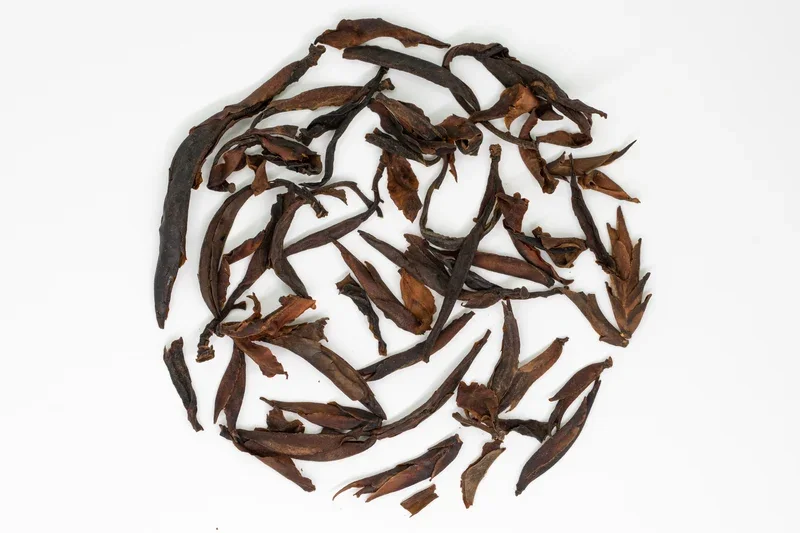
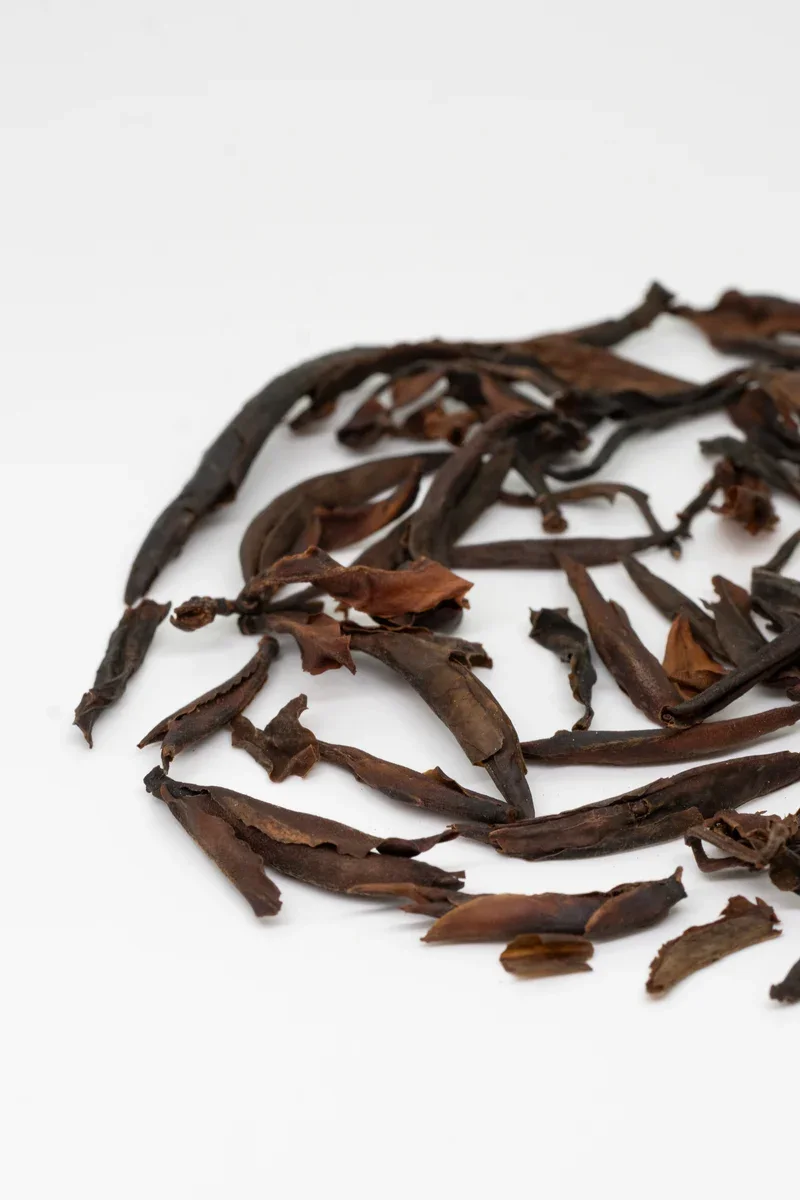
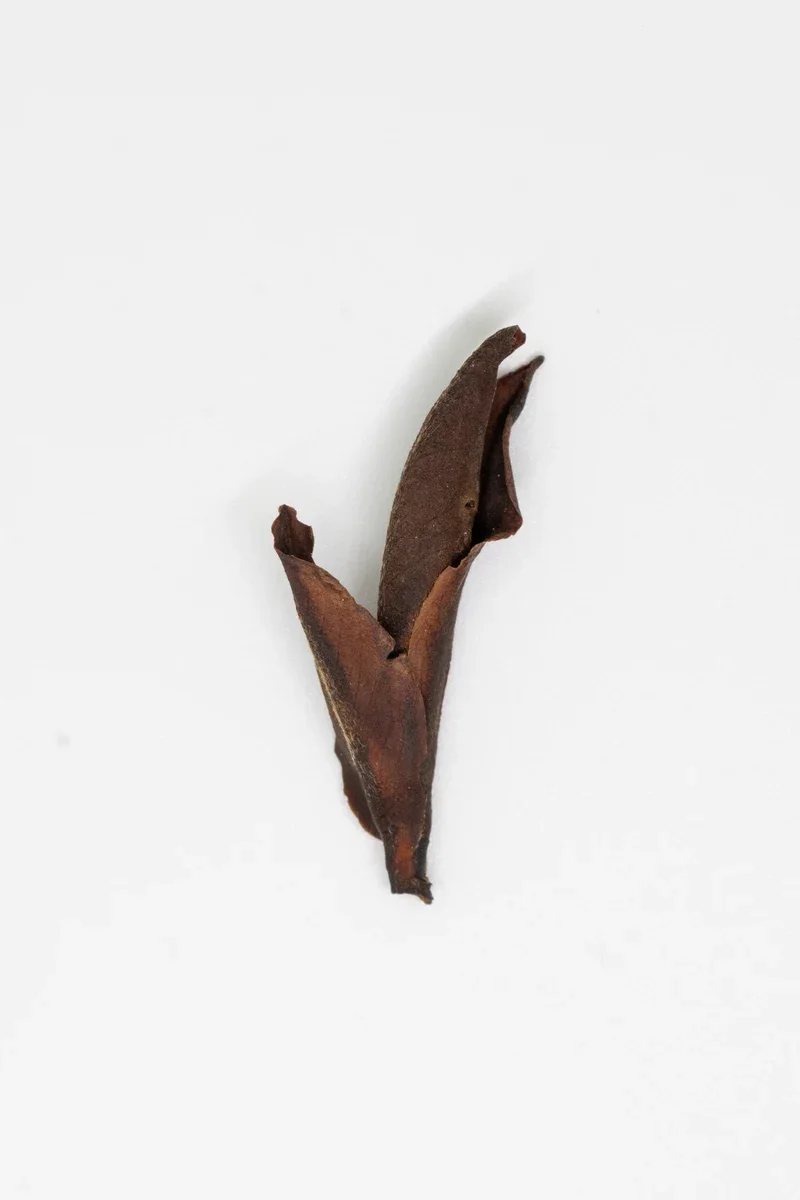
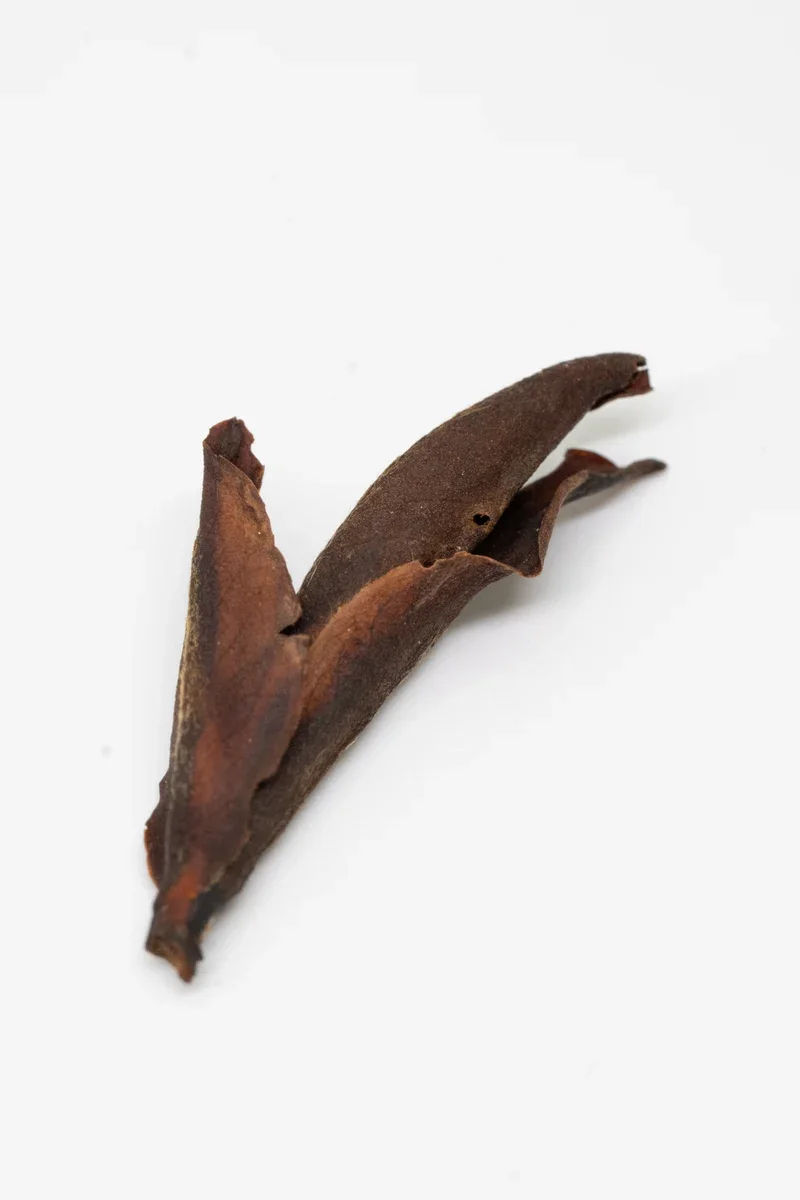
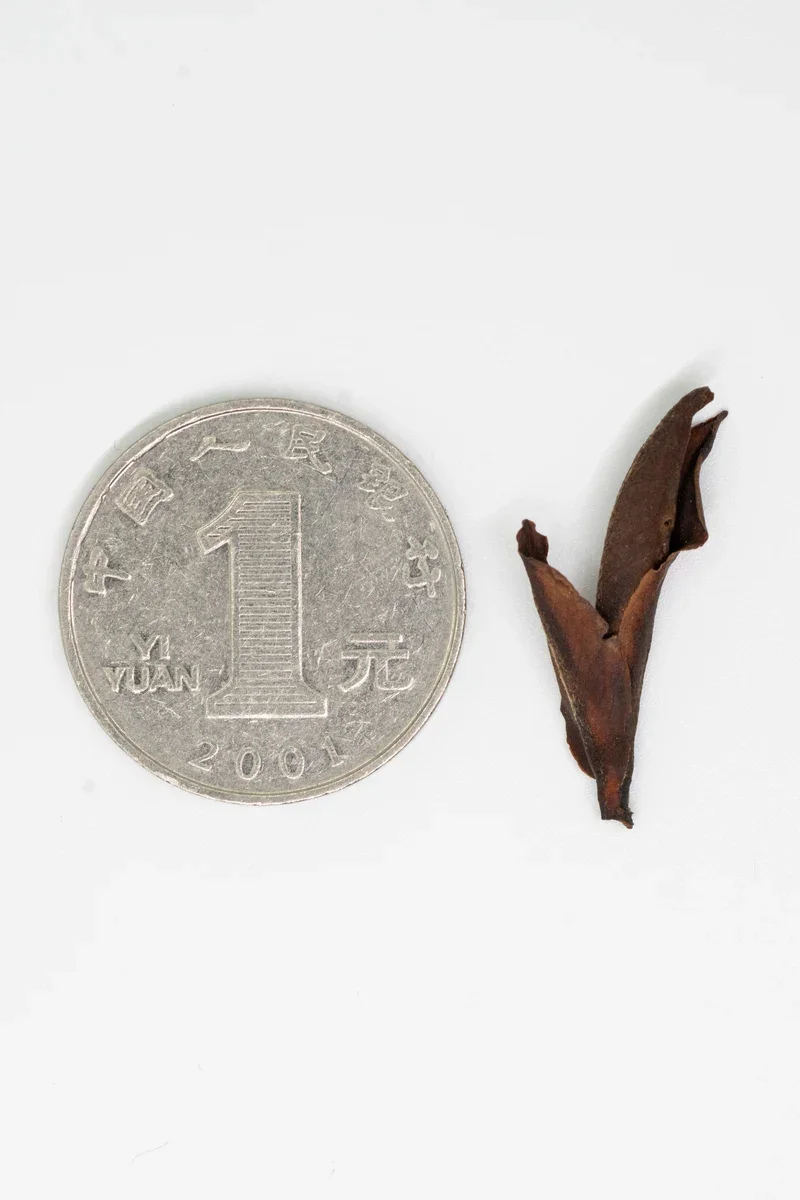
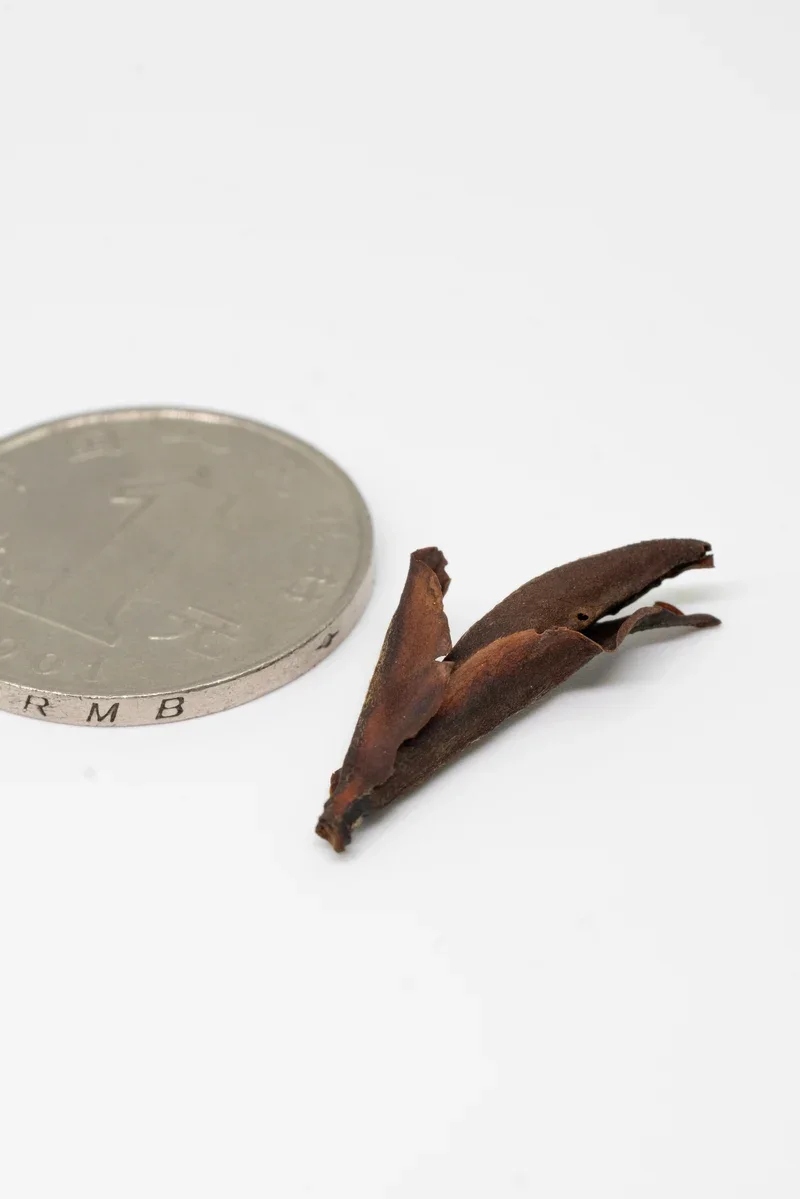
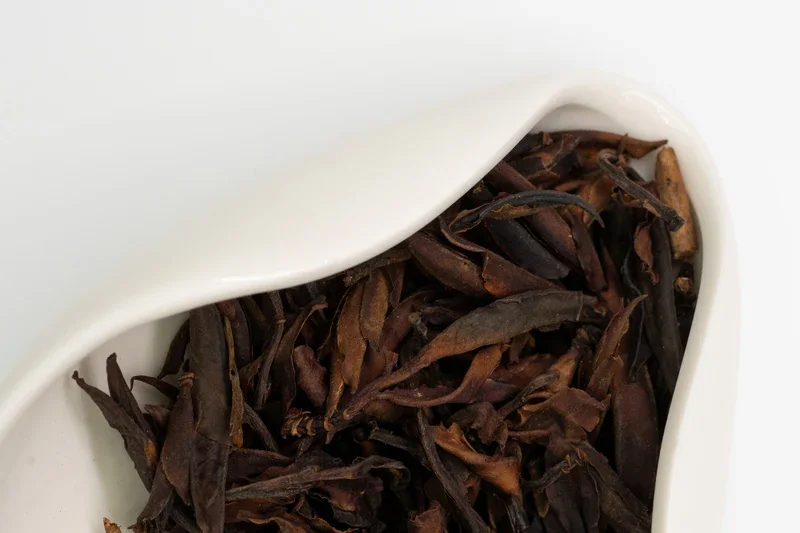
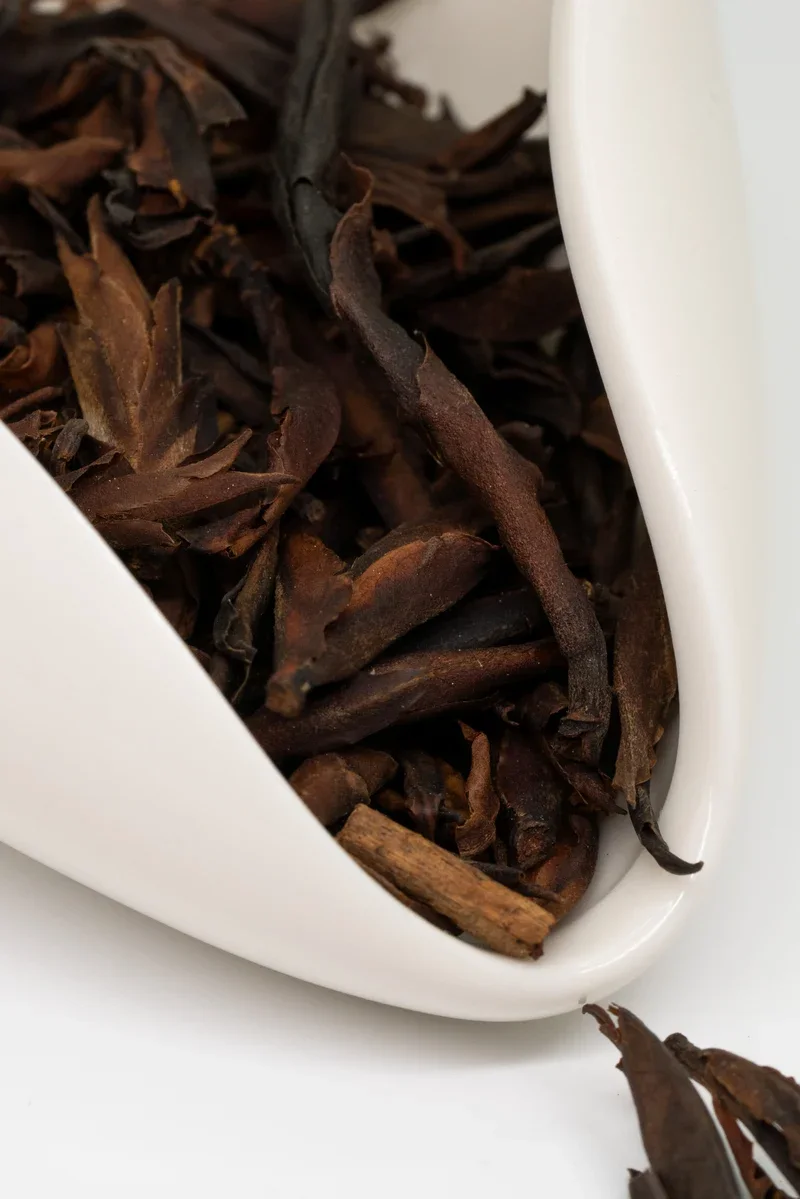
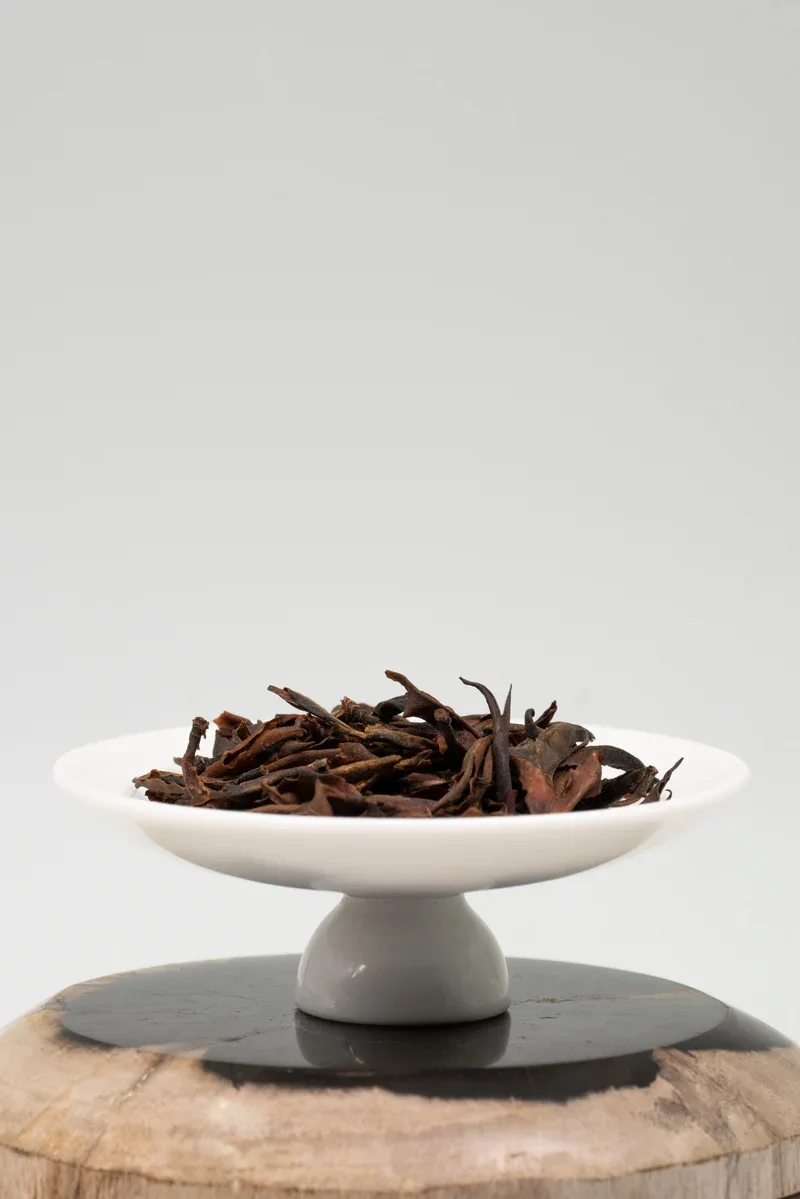
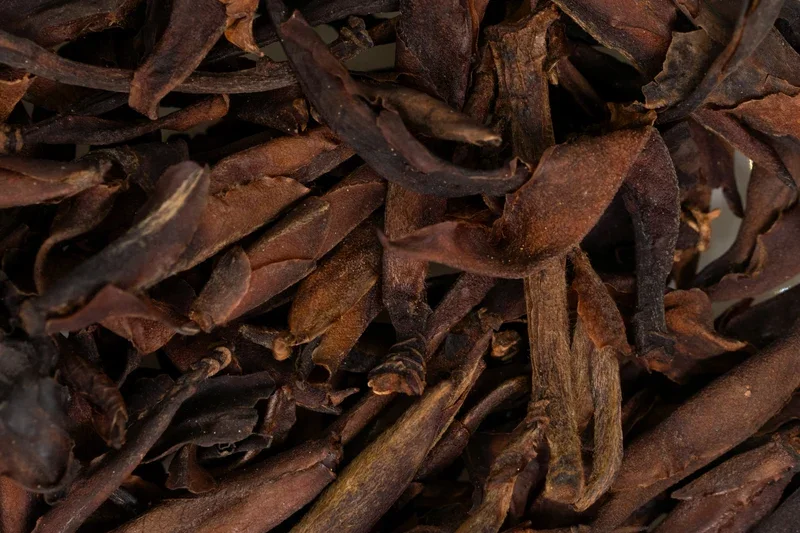
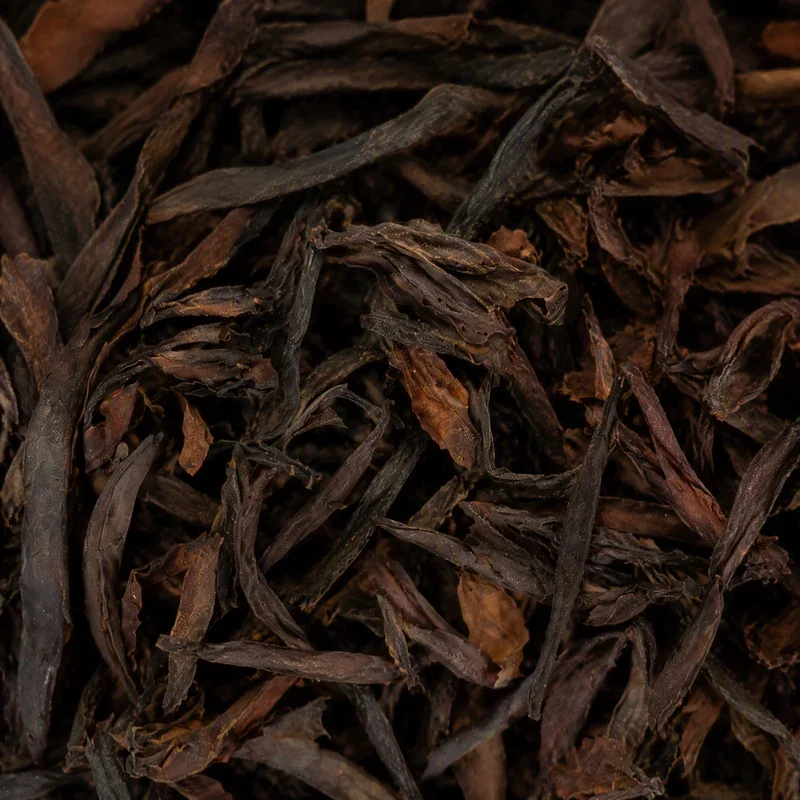
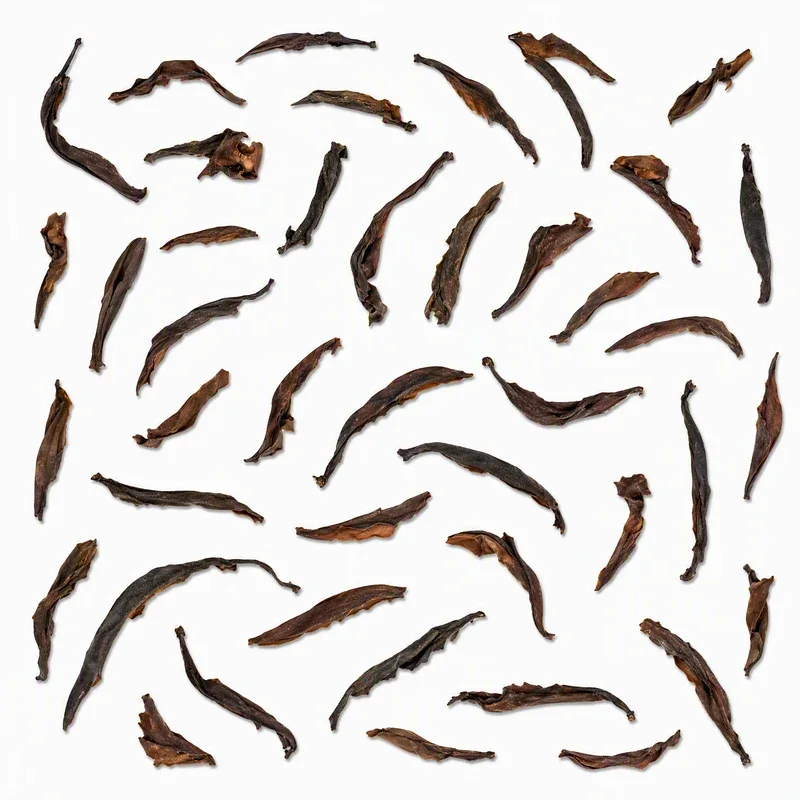
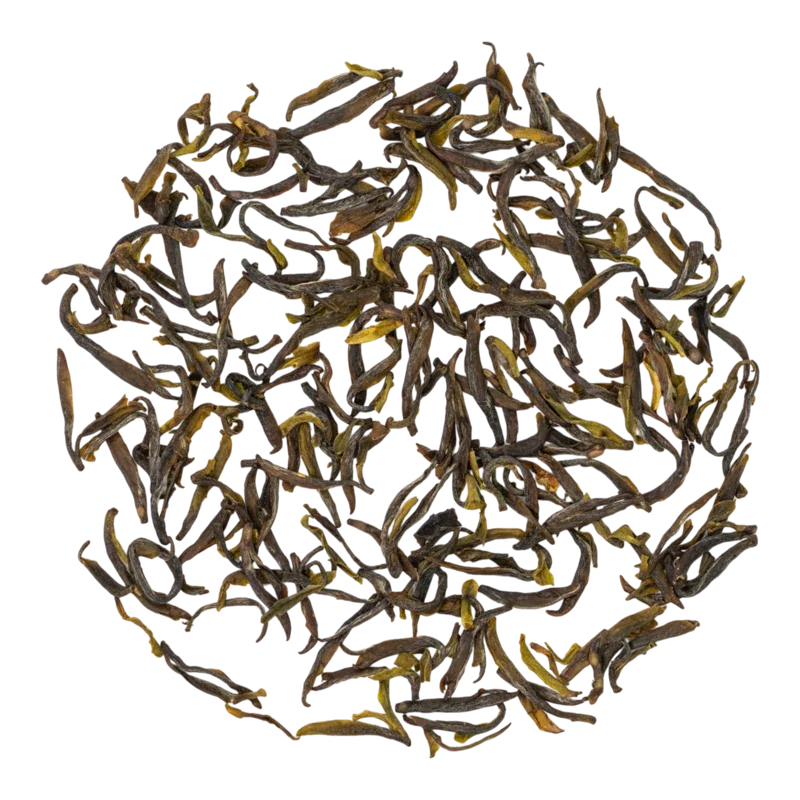
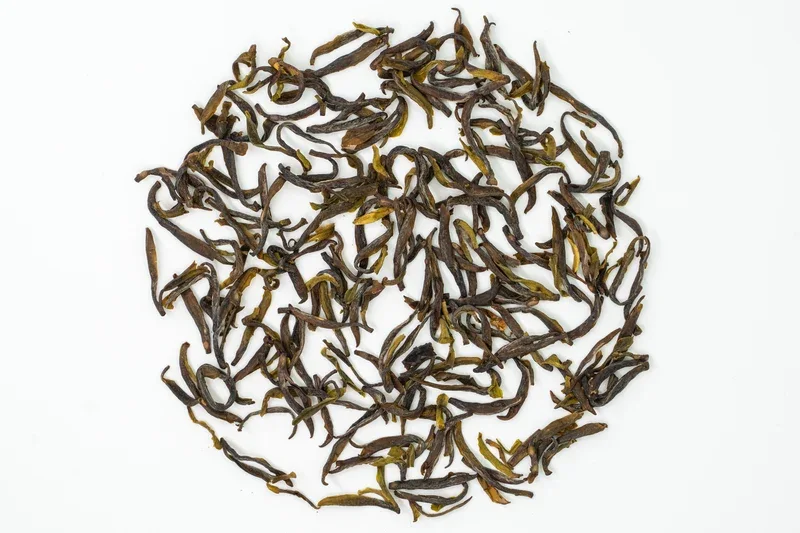
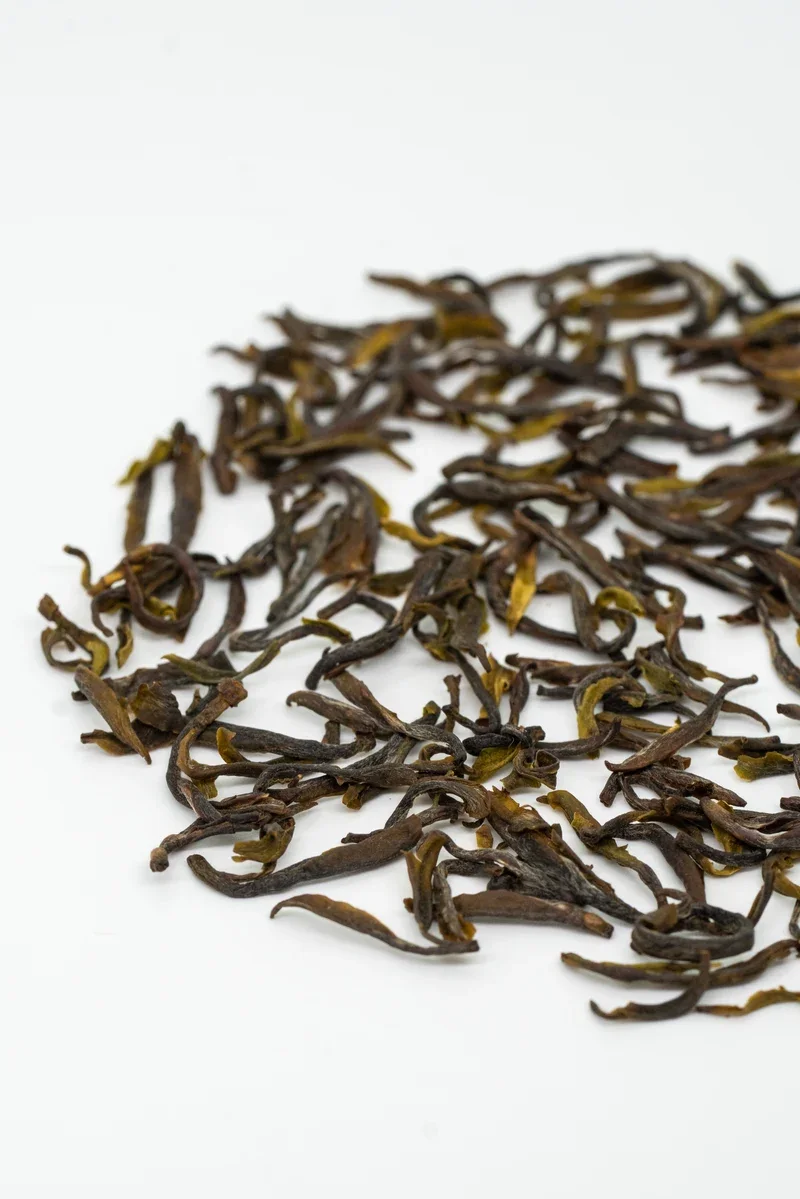
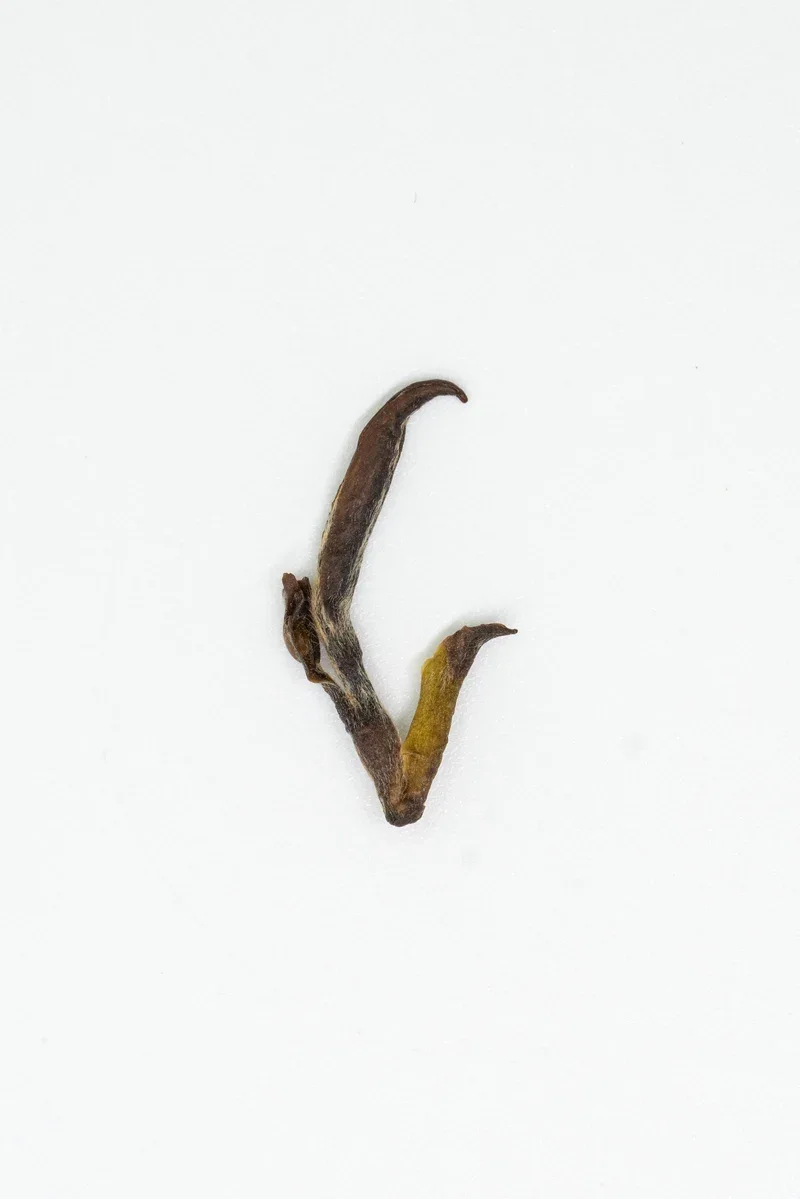
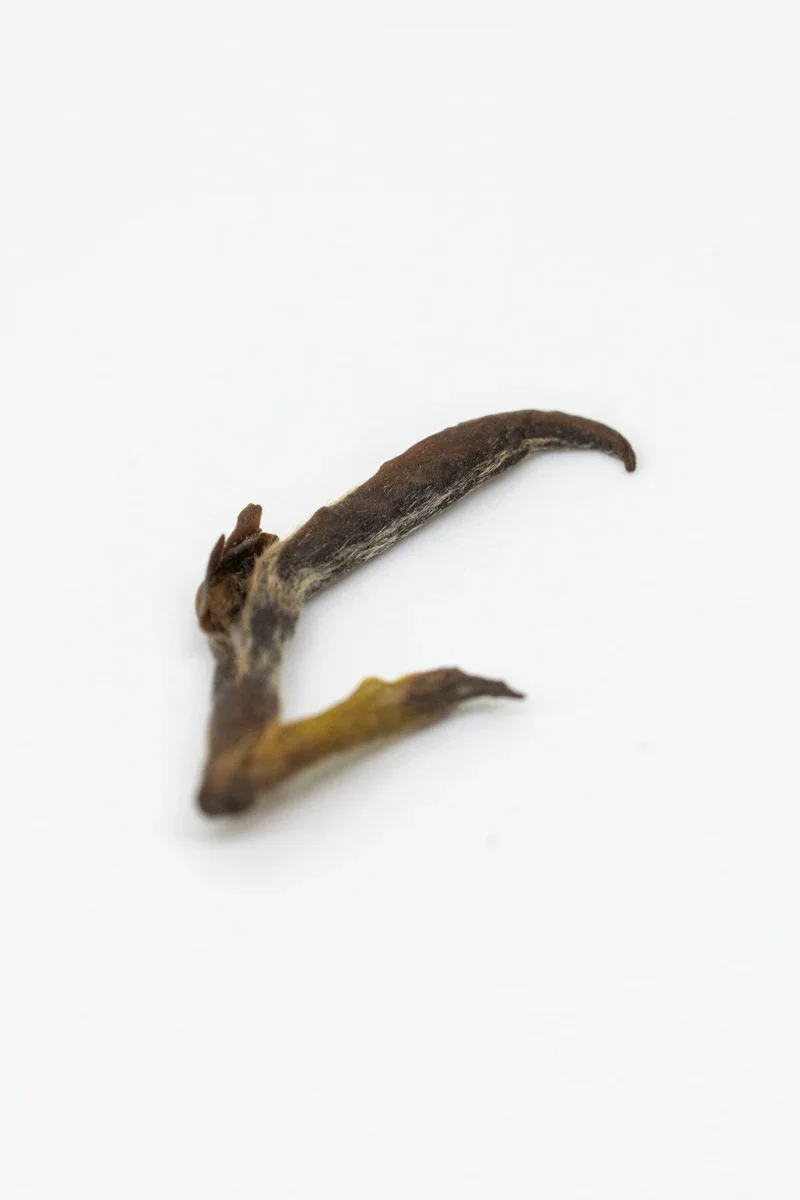
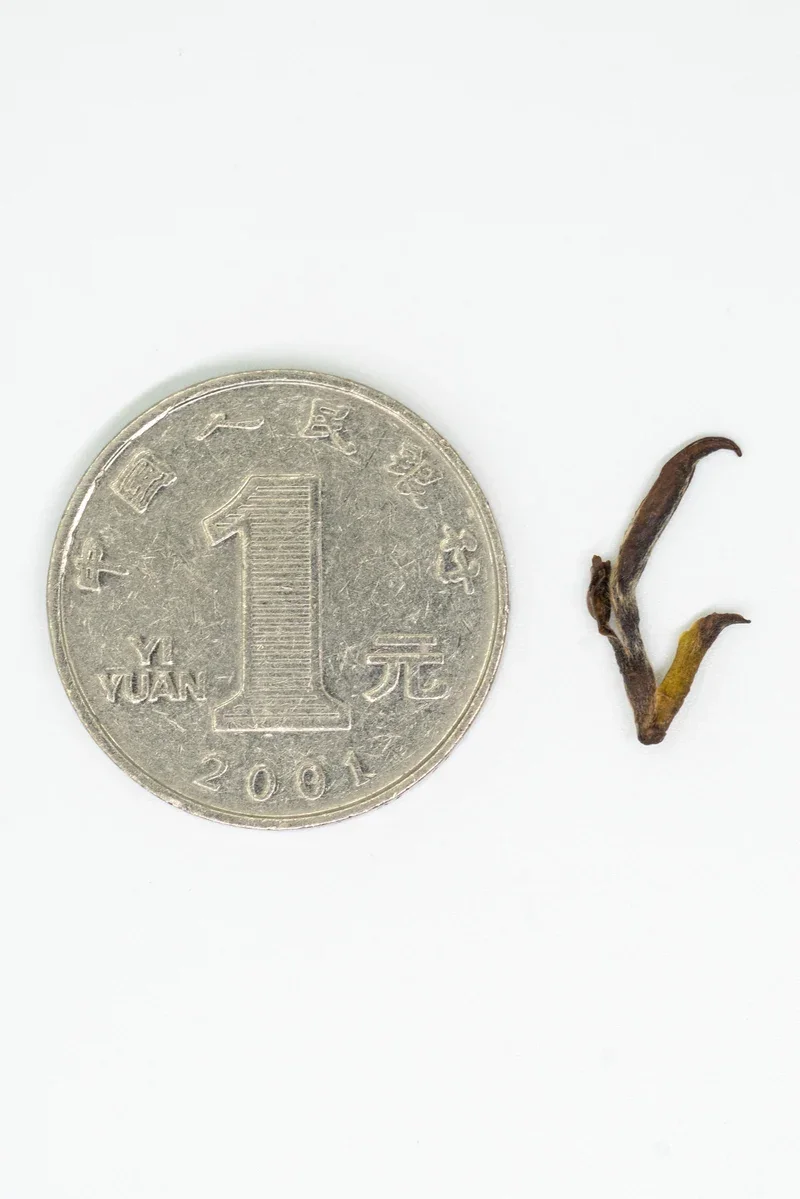
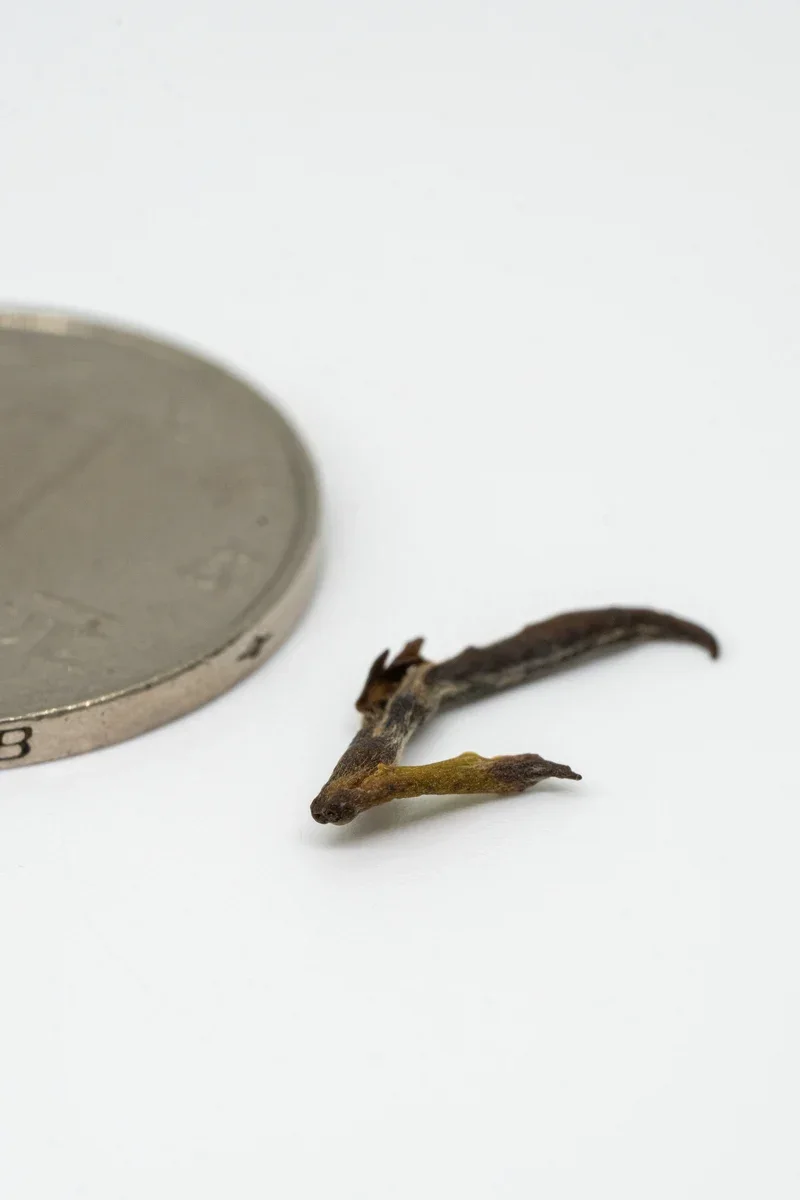
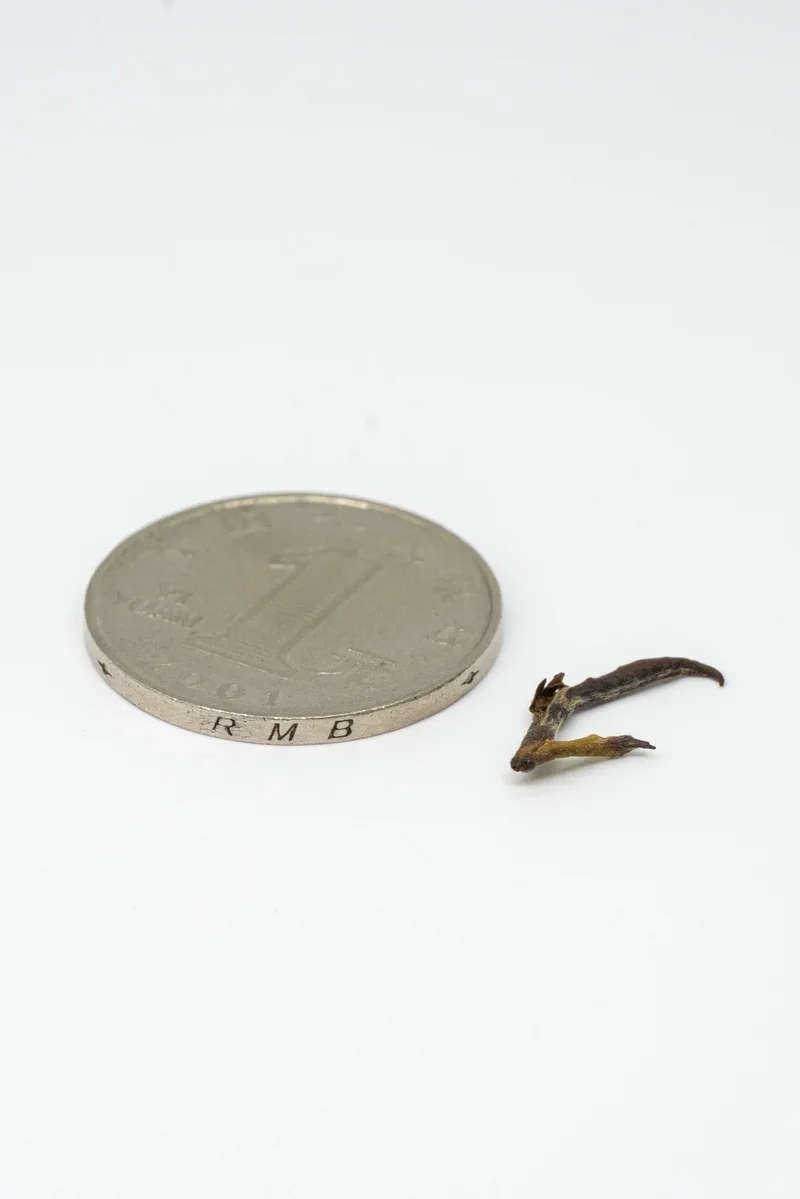
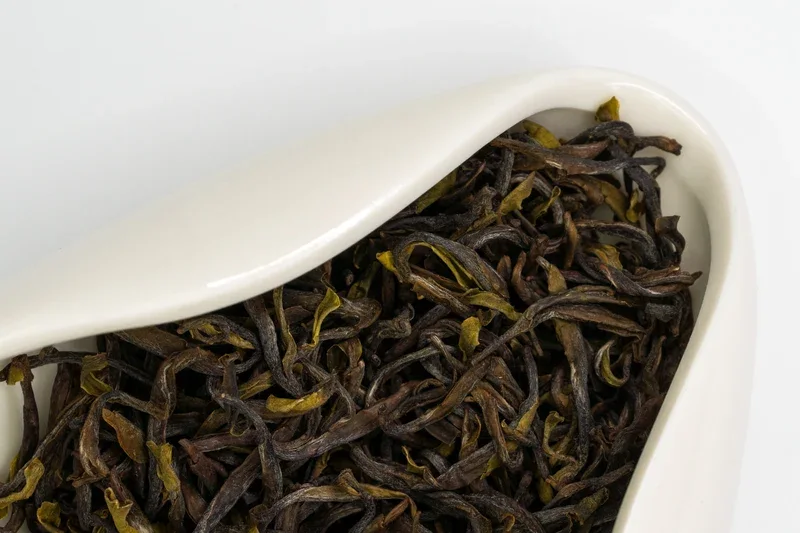
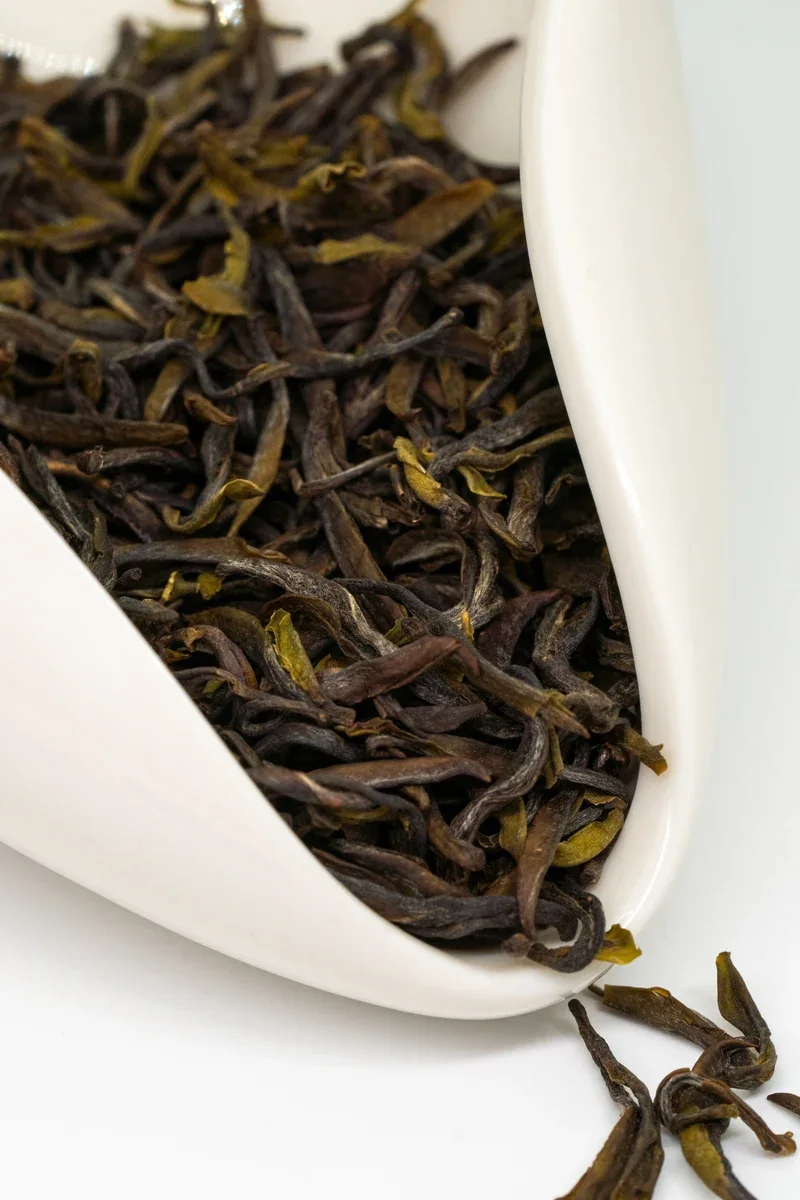
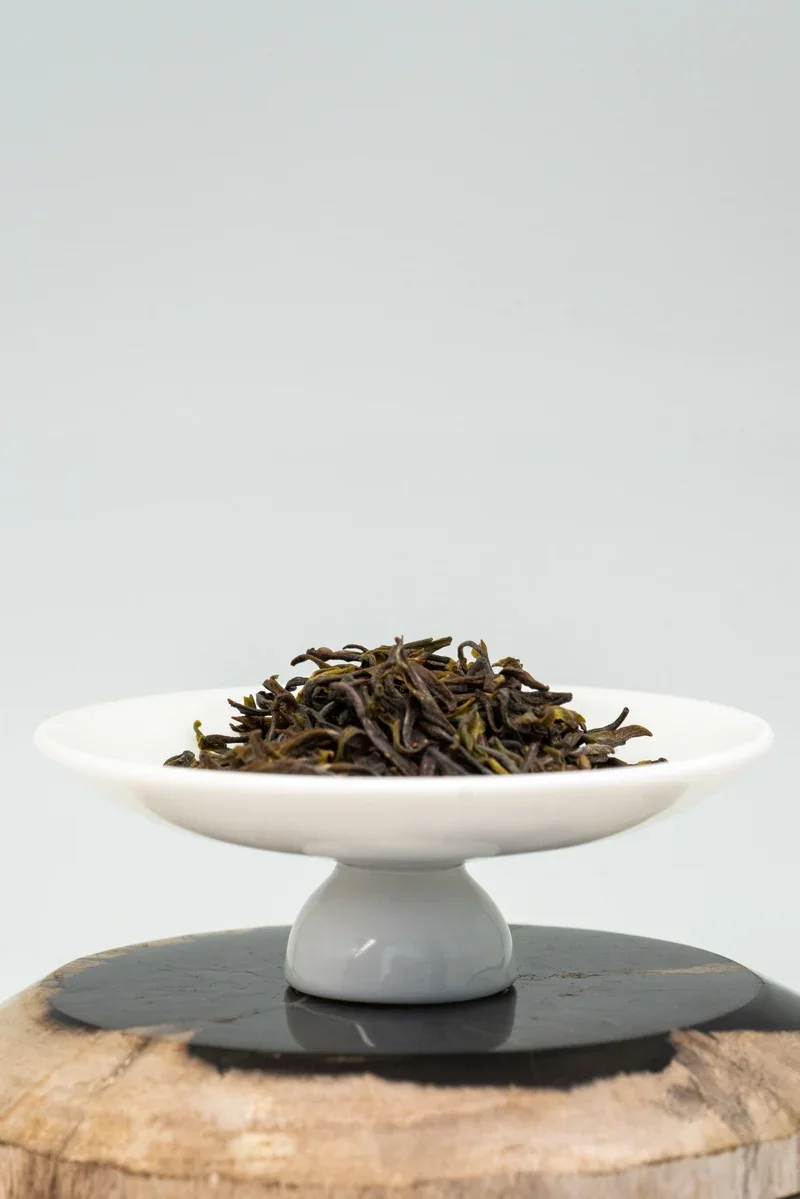
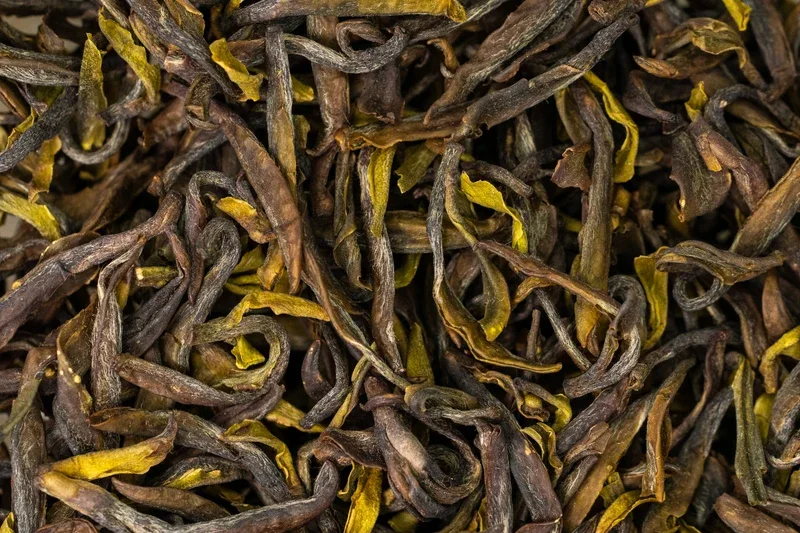
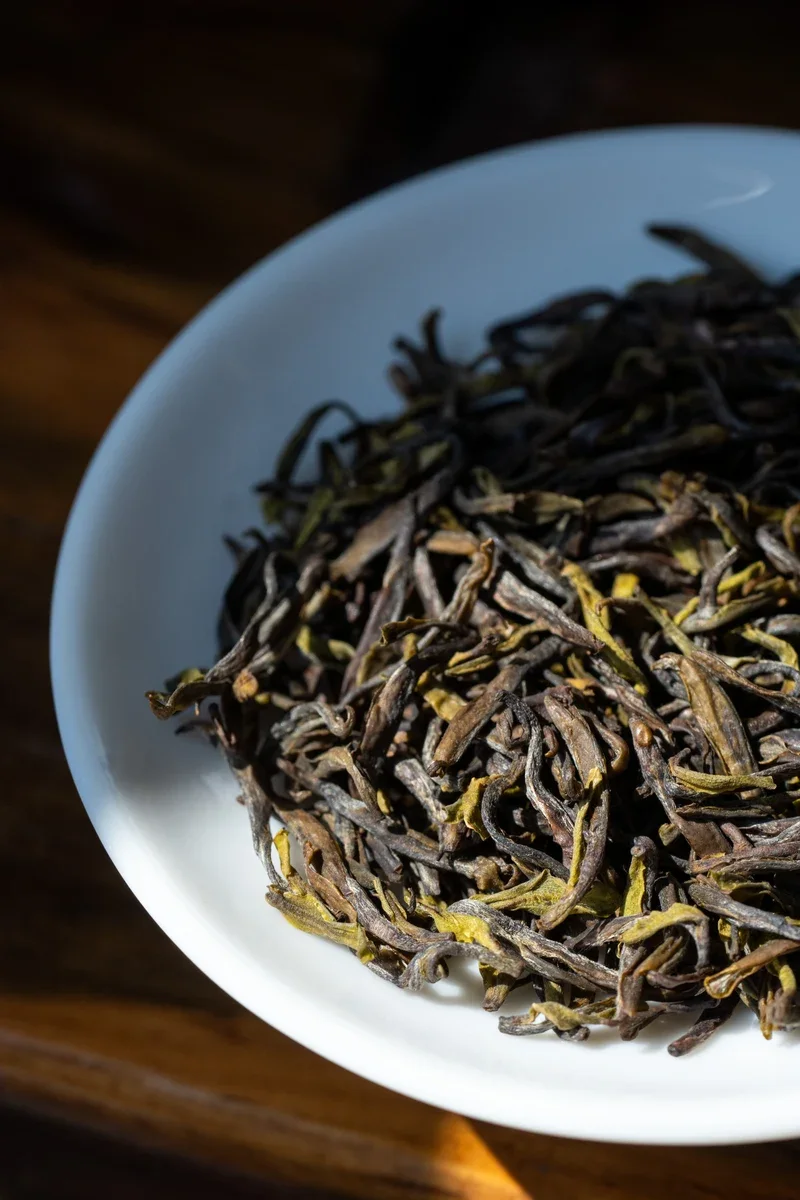
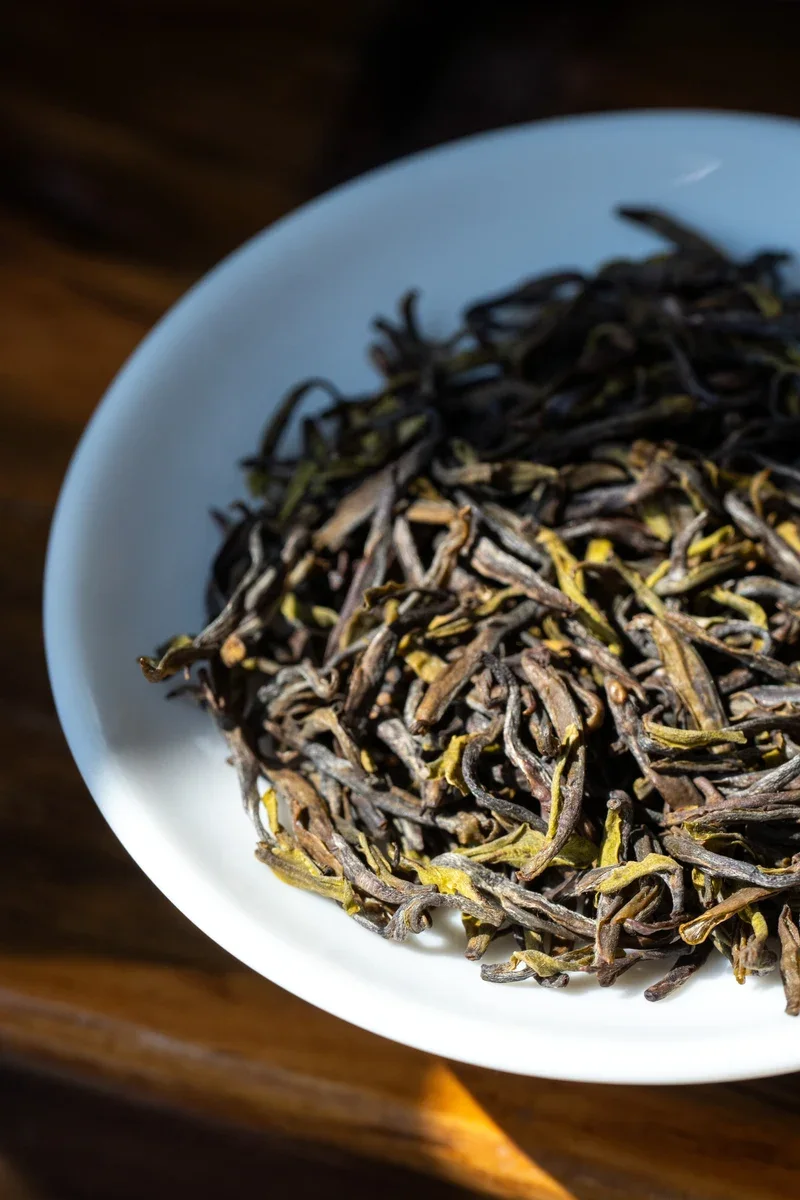
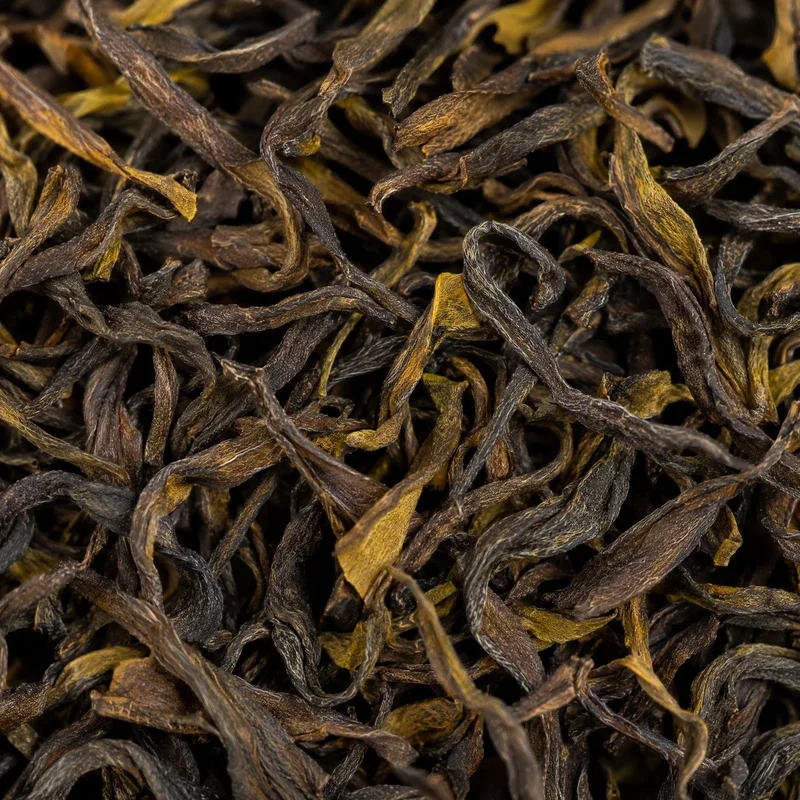
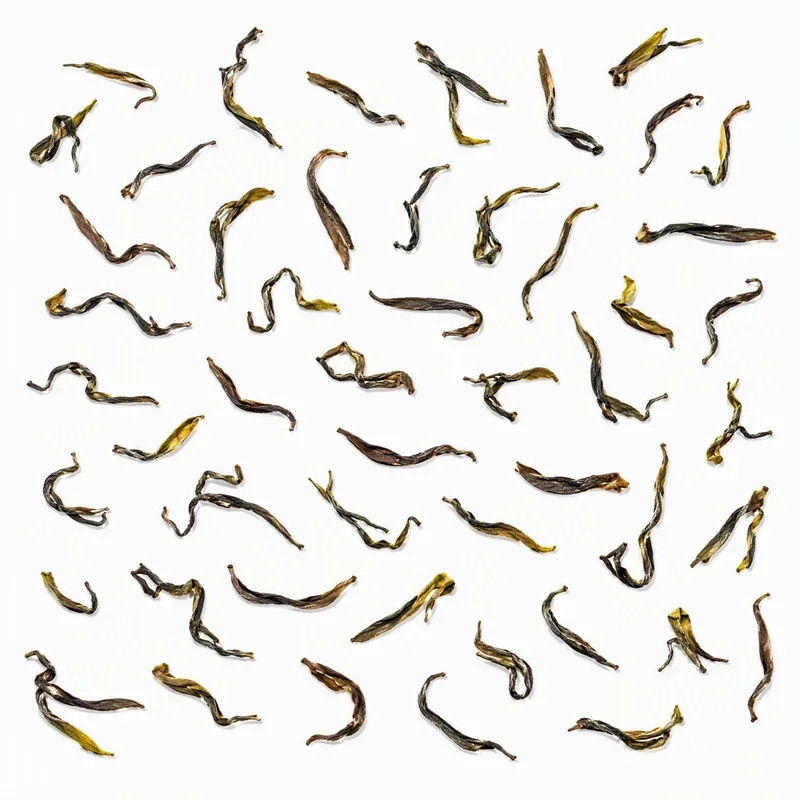
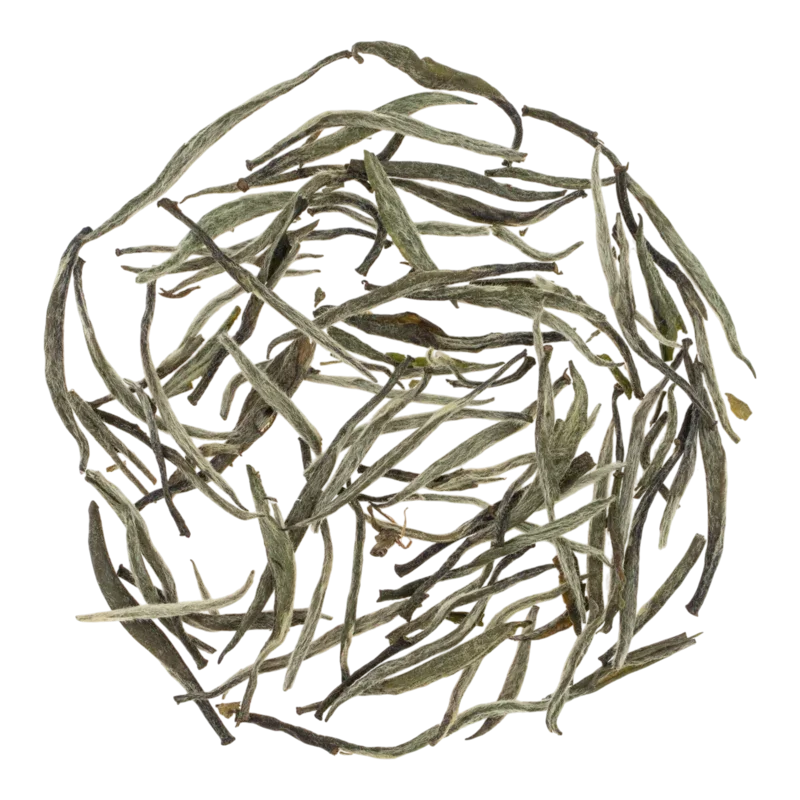
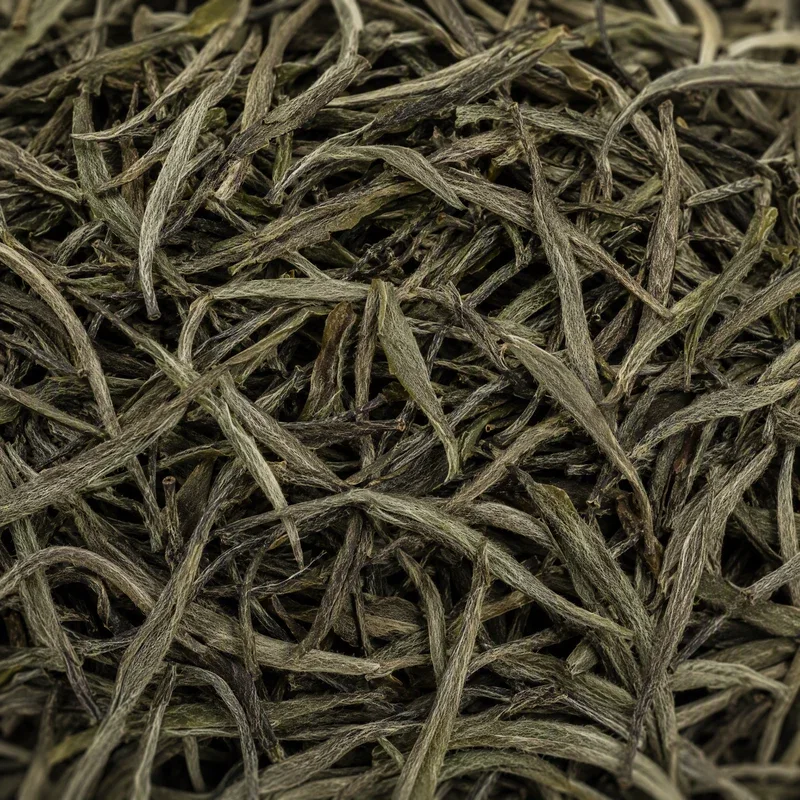
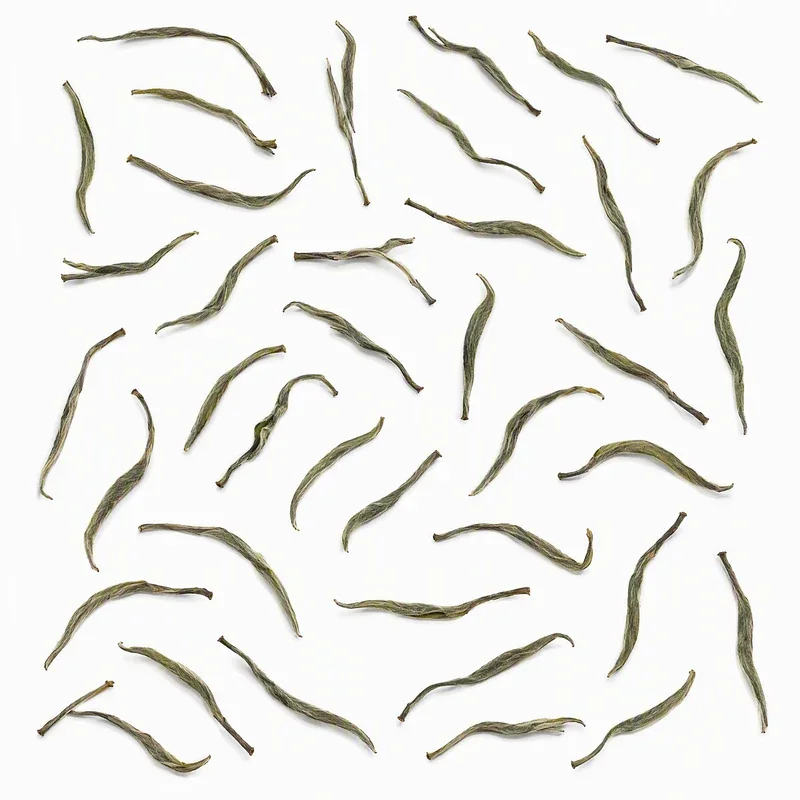
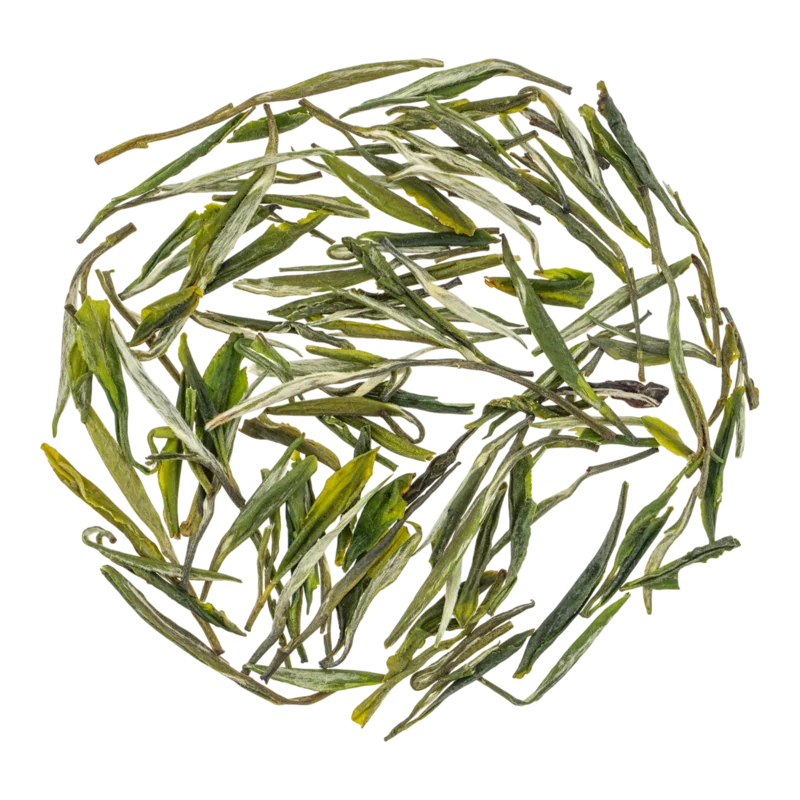
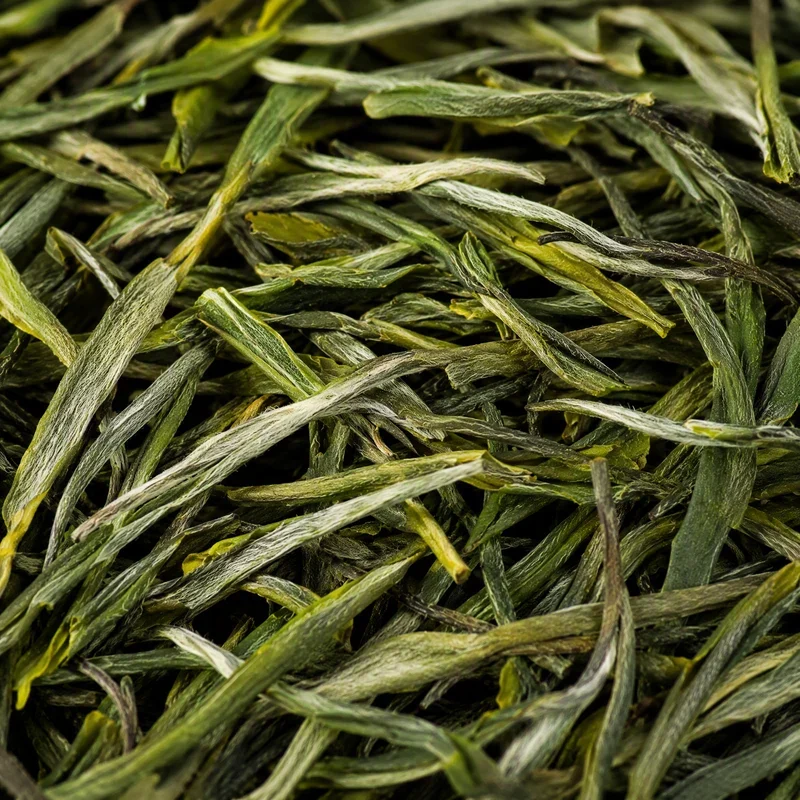
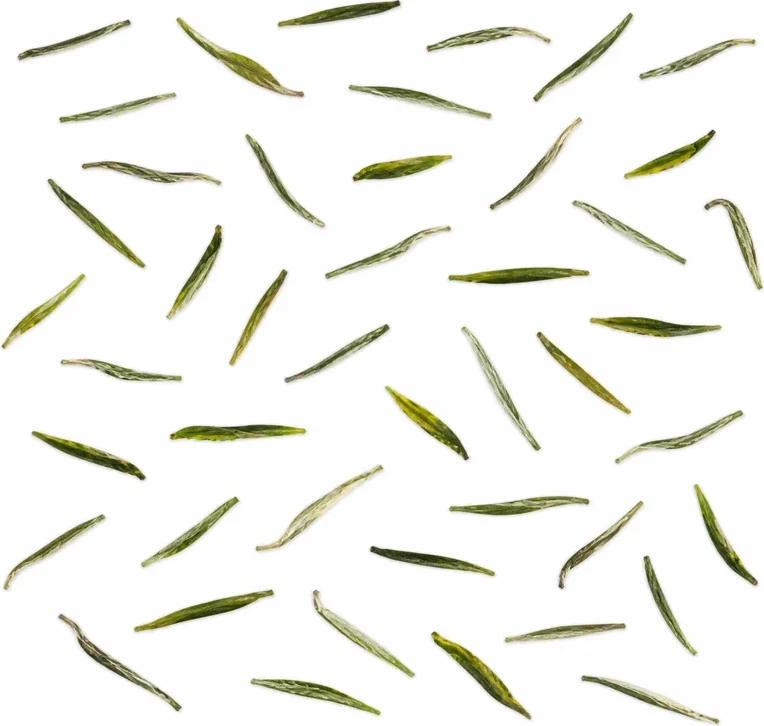
Dry Leaf Appearance: Flat, straight, smooth, pointed "needles" (扁平滑直尖). Color—from light to emerald green (翠绿). Highest grades are abundantly covered with white down (白毫). The shape of the finest specimens resembles "Buddha's eye" (佛眼).
Dry Leaf Aroma: Clean, fresh, high. Main notes—orchid (兰花, lánhuā) and honey (蜜香, mì xiāng), interwoven with a light floral background.
Liquor Aroma: Elegant, orchid-like, with pronounced floral and fruity nuances. Aroma intensifies as the cup cools, unfolding in waves.
Liquor Color: Light green to tender jade (翠绿明亮), transparent, with characteristic "sparkling" brilliance.
Spent Leaves: Tender green, uniform, soft. Shoots unfold completely, demonstrating even harvest standard. Special grade—single buds resembling miniature green "feathers."
Taste: Fresh, brisk (鲜爽, xiānshuǎng), clean and smooth (清醇甘滑, qīng chún gān huá). Light initial bitterness quickly transforms into lǒng returning sweetness (回甘, huígān). Taste is "juicy," voluminous, with perceptible minerality. Astringency—minimal.
Alkaloids: Caffeine—moderate content; theobromine and theophylline—trace amounts.
Amino Acids: Elevated content (above average for green teas), especially L-theanine—result of abundant mists, diffused light and cold nights that slow theanine breakdown. High amino acid levels account for freshness, sweetness and "juiciness" of taste.
Thanks to the "lincha gongsheng" (林茶共生, línchá gòngshēng—"forest-tea symbiosis") ecosystem, the leaf is enriched with phytoncides and trace elements from neighboring medicinal plants—a unique feature of Emei terroir.
Essential Oils: Linalool, geraniol, nerol, benzyl alcohol—form the orchid-floral profile. High-temperature tixiang (提香) stage fixes the aromatics.
Minerals: Potassium, magnesium, manganese, zinc, phosphorus, fluorine.
Polyphenols: Content significantly higher than ordinary lowland green teas, thanks to high-altitude terroir, intense UV radiation and significant temperature differential. Main component—EGCG.
Vitamins: C (ascorbic acid—high level), B₂, E, K, folic acid. Vitamin C in high-altitude teas is better preserved thanks to lower processing temperatures.
High content of catechins (EGCG) and vitamin C provides powerful neutralization of free radicals. Buddhist and Taoist monks of Emeishan traditionally considered tea a means of "paidú yǎngyán" (排毒养颜—"detoxification and beauty maintenance").
Combination of caffeine and L-theanine provides gentle cognitive uplift—"clarity of mind" (清心明目, qīngxīn míngmù), valued by monks for meditation for centuries.
Polyphenols stimulate secretion of digestive enzymes; mild tannins have astringent action.
Catechins promote cholesterol normalization and maintenance of vascular tone.
Fluorine and catechins suppress cariogenic bacteria. Traditional recommendation: rinsing mouth with tea infusion after meals.
Polyphenols and vitamin C enhance the body's protective functions.
Green tea increases thermogenesis and fat oxidation. Emeishan monks described this effect as "jiu fu qing shen" (久服轻身—"with long consumption—lightness of body").
Catechins possess bacteriostatic activity.
3–5 g per 200 ml. Fill one-third—wait—top up. Tea/water ratio—1:50.
Do not steep excessively long—with overdoing, orchid aroma changes to bitterness. Soft water with low mineralization emphasizes sweetness.
Tea Amount: 3–5 g per 150 ml (glass); 5–7 g per 100–120 ml gaiwan (gongfu).
Teaware: Glass tumbler (玻璃杯)—ideal for observing the "dance" of buds: when brewing high grade, buds hang vertically and sway, creating a spectacle resembling "little bamboo shoots." Porcelain gàiwǎn (盖碗)—for extraction control and full aroma development.
Water Temperature: 85–90 °C. For highest grade "Chanxin" (禅心, single buds)—80–85 °C.
Enemies: Light, moisture, foreign odors, oxygen, heat.
Shelf Life: Most expressive in the first 6–12 months after production. High-altitude Emei teas with abundant down are especially sensitive to oxidation—do not store long-term.
Vacuum foil bags, tin cans, opaque ceramics.
Temperature: 0–5 °C (refrigerator), strictly in airtight packaging. Acceptable—cool place (up to 10 °C).
Highest grade. Large, fleshy single buds. Fully organic production by international standards.
Medium grade. Bud and one leaf.
Basic grade. More mature raw material, accessible price.
Special grade—exclusively single buds (独芽). Emphasized "forest" ecology.
First grade. One bud and one leaf.
Second grade. One bud and two leaves.
Price Category: Premium segment. "Xueji" series (雪霁, "Snow Clarity," highest organic grade) and "Chanxin" (禅心, "Heart of Zen," single buds)—from 1000 yuan/jin (500 g). Medium grades "Ruixin" (睿心) and "Huixin" (慧欣)—400–800 yuan/jin.
Price Factors: Growing altitude (higher = more expensive), raw material grade, hand-picking, organic certification, belonging to core zone (within UNESCO protected territory).
No reviews yet. Tell us what you think of this tea.
Rate this tea and share your impressions. We review each submission before publishing it.