Brewing
Gongfu brewing
- Water temperature
- 93 °C
- Tea amount
- 5 g
- Water volume
- 100 ml
- First steep
- 10 s
- Time added per infusion
- 5 s
- Infusions
- 4


Diānhóng gōngfū
Choose a brewing method. Start with the recommended quantities and time, then adjust to taste.
Brewing
Brewing
Taste
Tea encyclopedia
Alt Names: Diānhóng (滇红, Diānhóng) — abbreviated form; "Yunhong" (云红, Yúnhóng) — original name proposed by Feng Shaoqiu, but replaced with "Dianhong" by the provincial tea company in 1939.
Alt Names: Diānhóng (滇红, Diānhóng) — abbreviated form; "Yunhong" (云红, Yúnhóng) — original name proposed by Feng Shaoqiu, but replaced with "Dianhong" by the provincial tea company in 1939.
Category: Famous red teas of China (中国名茶). Awarded the title "National Famous Tea" (全国名茶) in 1986. State silver medal for quality (1986). International gold medal for quality (Madrid, 1985).
Coordinates: Fengqing County — approximately 24°35′ North latitude, 99°55′ East longitude.
Origin: China, Yúnnán Province (云南省, Yúnnán Shěng). Historical production center — Fèngqìng County (凤庆县, Fèngqìng Xiàn), Líncāng Prefecture (临沧市, Líncāng Shì). Broader area includes Bǎoshān (保山), Pu'er (普洱, formerly Simao), Xīshuāngbǎnnà (西双版纳), Déhóng (德宏), Honghe (红河), Wénshān (文山) prefectures. The highest quality dianhongs come from Fengqing and Lincang.
Type: Red tea (black tea) (红茶, hóngchá), fully oxidized. According to European classification — black tea. Belongs to the category of gōngfū hóngchá (工夫红茶, gōngfū hóngchá) — "red tea of masterful work."
First batches of Dianhong (1939) directly financed arms purchases for China — currency from export through Hong Kong went to pay for military supplies.
In 1959, Dian Hong Teji Gongfu set a world record price for red tea — 500 pence per pound on the London exchange.
In the 1950s, Dianhong was exchanged for Soviet steel in this ratio, making a critical contribution to the industrialization of young PRC.
In 1986, "Golden Buds" were presented to Elizabeth II, who, according to legend, placed them in a glass vessel as a collection exhibit.
In Fengqing grows "Jinxiu Chawangshu" (锦绣茶王树) — a wild tea tree aged ~3,200 years, the oldest known on Earth.
Cultural Significance: Dian Hong is a patriotic tea, born of war and becoming one of the pillars of China's export economy. It returned Yunnan — the homeland of all tea on Earth — to a worthy place on the map of world red tea production, previously monopolized by Fujian and Anhui. Today Dian Hong Gongfu is the calling card of Lincang and Fengqing, a museum exhibit (the Fengqing Tea Factory museum is included in the list of National Industrial Heritage Sites of the PRC, 2019) and a living tradition that continues to develop.
History: Although Yunnan is the world's most ancient tea region (homeland of wild tea trees and pu-erh), the history of red tea here spans less than 90 years. The emergence of Dian Hong was a direct consequence of war. After Japan's invasion of China in 1937 (事变, "Marco Polo Bridge Incident"), traditional red tea export bases — Fujian (minhong), Anhui (qihong) — found themselves in combat zones or under occupation. To maintain exports, critically important for purchasing armaments, the China Tea Company (中国茶叶公司) sent specialist Zhèng Hèchūn (郑鹤春) and technologist Fēng Shàoqiú (冯绍裘, 1900–1987), who had previously worked at Qimen factories, to Yunnan. In November 1938, Fēng Shàoqiú arrived in Shùnníng County (顺宁, now Fengqing) and, to his amazement, discovered that in November the tea bushes were still covered with fresh shoots — Yunnan's climate allowed tea picking even in winter. He immediately collected more than 5 kg of fresh leaf and manually produced 500 g each of red and green tea. The result astounded him: "Red tea — entirely covered in golden tips, liquor red, bright, deep, spent leaves — orange-red, brilliant, aroma rich — nothing like this had been encountered among the country's small-leaf red teas." Samples were sent through Hong Kong to the international market; evaluations were enthusiastic. In March 1939, Fēng Shàoqiú founded the Shùnníng Experimental Tea Factory (顺宁实验茶厂) — predecessor of the modern Yúnnán Diānhóng Group (云南滇红集团). The first export batch — about 16.7 tons
In the 1950s, Dianhong was exported to the USSR — "one ton of Dianhong was exchanged for ten tons of steel." In 1957, Dian Hong Gongfu took first place at the all-China blind tasting in Beijing. In 1958, the first batch of Diān Hóng Tèjí Gōngfū (滇红特级工夫) was created — it was sold in London for 500 pence per pound, setting a world record price for red tea. From 1959, Diān Hóng Tèjí was designated as state protocol tea (外事礼茶) — annually produced in limited batches for the State Council of the PRC. In 1986, "Golden Buds" (金芽茶) from Fengqing were presented as a state gift to Queen Elizabeth II of Great Britain, who, according to legend, placed the tea in a glass vessel as a collectible item.
Cultivar: Yunnan large-leaf variety — Camellia sinensis var. assamica (Daye Zhong, 大叶种, dàyè zhǒng). Main cultivars: Fèngqìng Dàyè (凤庆大叶), Měngkù Dàyè (勐库大叶), Fèngqìng Chángyè Bái Háo (凤庆长叶白毫) and local seed populations. Large-leaf forms are distinguished by high content of tea polyphenols (30–35% in fresh leaf — higher than small-leaf var. sinensis), which ensures richness, density and "body" of the liquor. Content of catechins and caffeine is also above average.
Picking: Yunnan is the only province in China where tea can be picked year-round. Spring picking (March–May) yields the best raw material; summer and autumn — more accessible grades. For Dian Hong Teji Gongfu — only early spring shoots.
Pluck Standard: One bud with one-two leaves (一芽一二叶) for highest grades; one bud with two-three leaves — for standard. Buds — large, fleshy, covered with dense golden tips (金毫, jīn háo).
Raw Material: Whole, fresh leaf without mechanical damage. Minimal delay between picking and start of processing.
Altitude: 1000–2200 m above sea level. Optimal zone for Gongfu — 1200–1800 m.
Climate: Subtropical monsoon, moderated by altitude. Average annual temperature ~16–17°C. Precipitation — 1200–1700 mm/year. Frost-free period — more than 300 days. Sunshine hours — ~2000 per year. The combination of warmth, moisture and mild winters ensures rapid growth and year-round vegetation.
Soil: Lateritic red and red earth (红壤), acidic (pH 4.5–5.5), rich in organics, iron and aluminum. Deep fertile layer. Ideal for large-leaf varieties.
Yunnan is the biogeographic center of origin of the genus Camellia. Here grow the most ancient wild tea trees up to 3,200 years old (树龄 "Jinxiu Chawangshu," 锦绣茶王树, Fengqing). The province ranks first in China by area of tea plantations.
Located in western Yunnan, in the Lancang River (Mekong) basin. Terrain — hilly plateaus, deep river valleys, mountain slopes. Forest cover — ~65%.
Hand picking of one bud with one-two leaves for highest grades. Mechanized — for mass grades.
Natural (in open air or under shelter) or indoors with warm air supply. Duration — 12–18 hours. Moisture loss — up to 60–65%. Leaf becomes soft, elastic.
Machine (roller) or manual. Large-leaf raw material requires more intensive pressure than small-leaf: cell walls are thicker, juice is released with more difficulty. Rolling lasts 60–90 minutes.
At ~25–30°C, humidity ~90–95%, for 3–5 hours. Controlled by color (transition to copper-red) and aroma (appearance of fruity-caramel notes). High polyphenol content ensures abundant formation of theaflavins and thearubigins — these give Dianhong its signature richness and "body."
With hot air or in drum at ~100–120°C. Two-stage: "maohuo" (毛火, primary) and "zuhuo" (足火, final). Residual moisture — 5–6%.
For "Gongfu" category — multi-stage sorting, sifting, trimming, stem removal, final heating. This stage of "masterful work" (工夫) gives the tea its name.
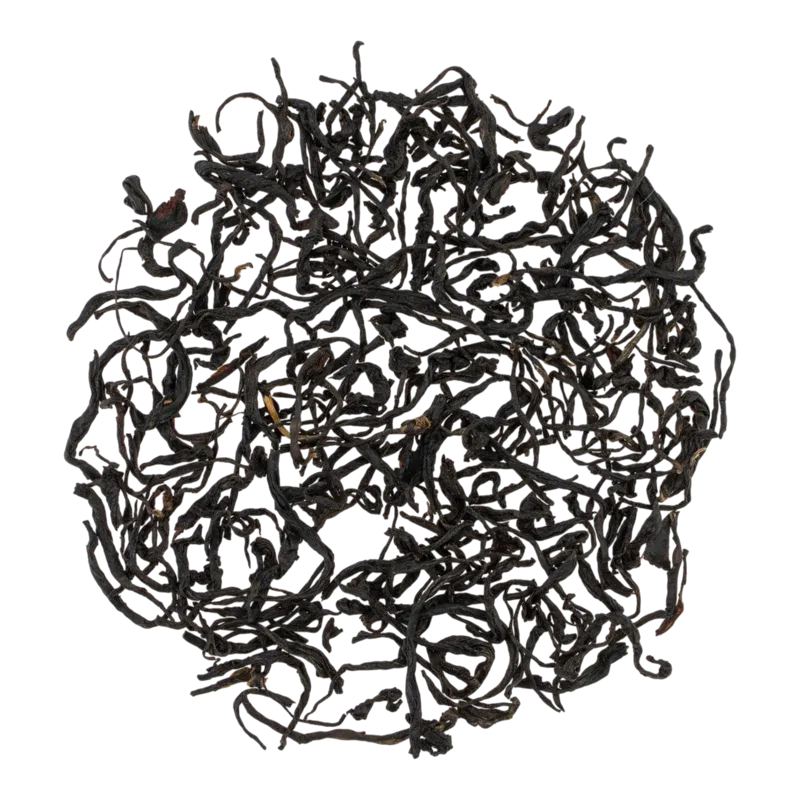
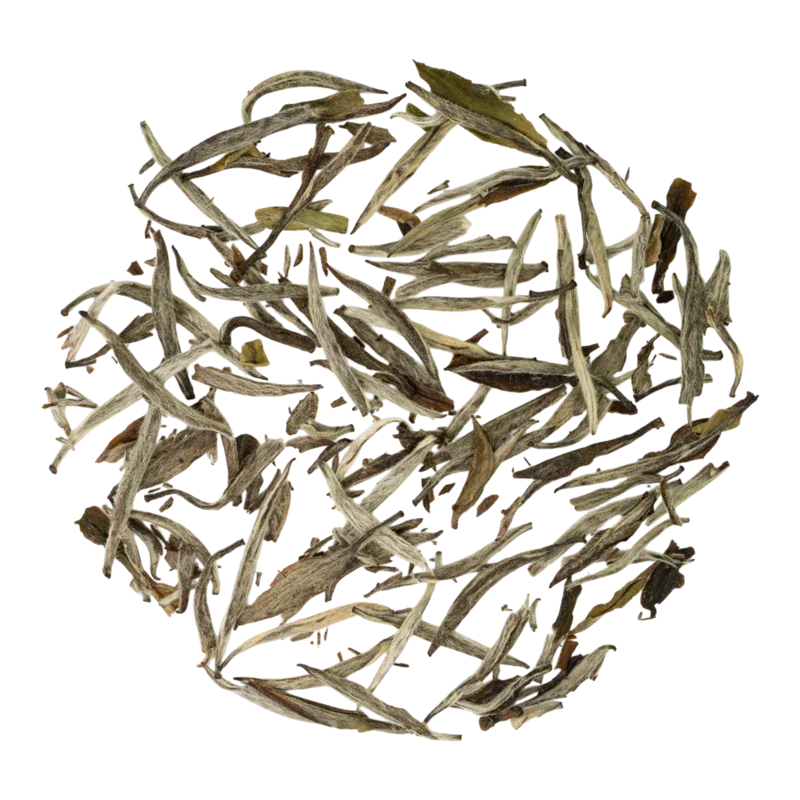
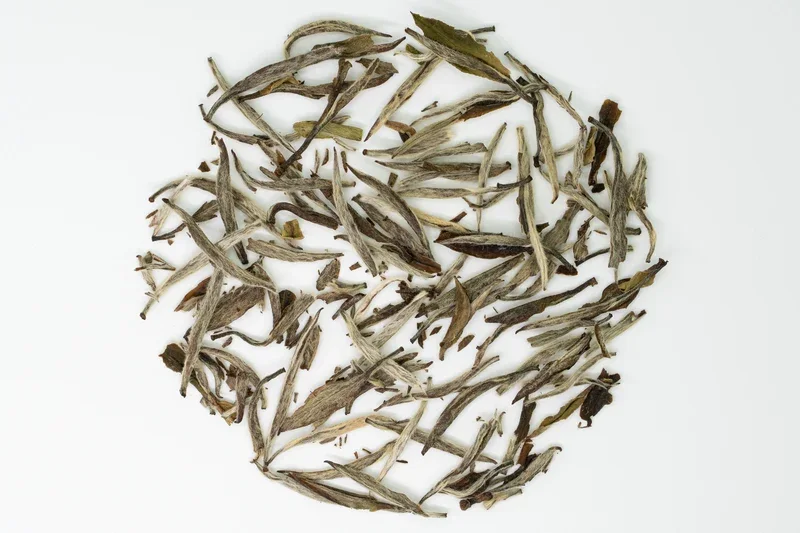
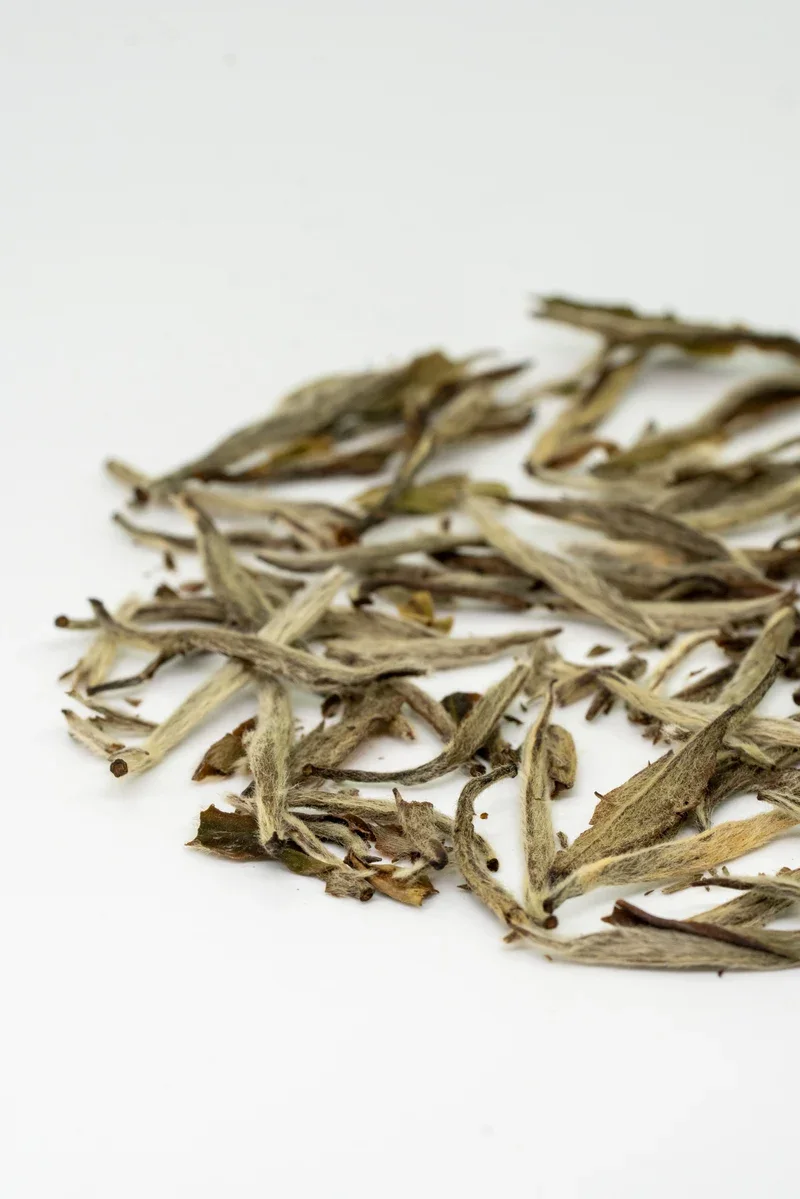
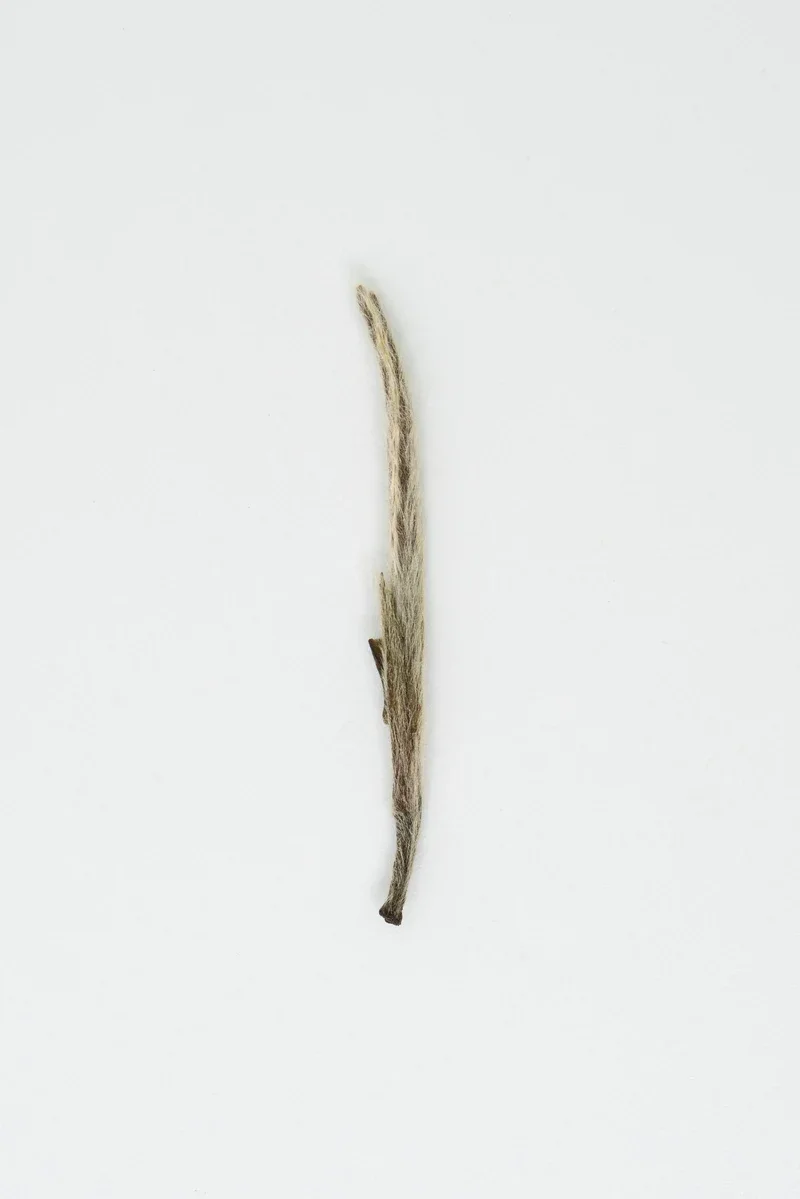
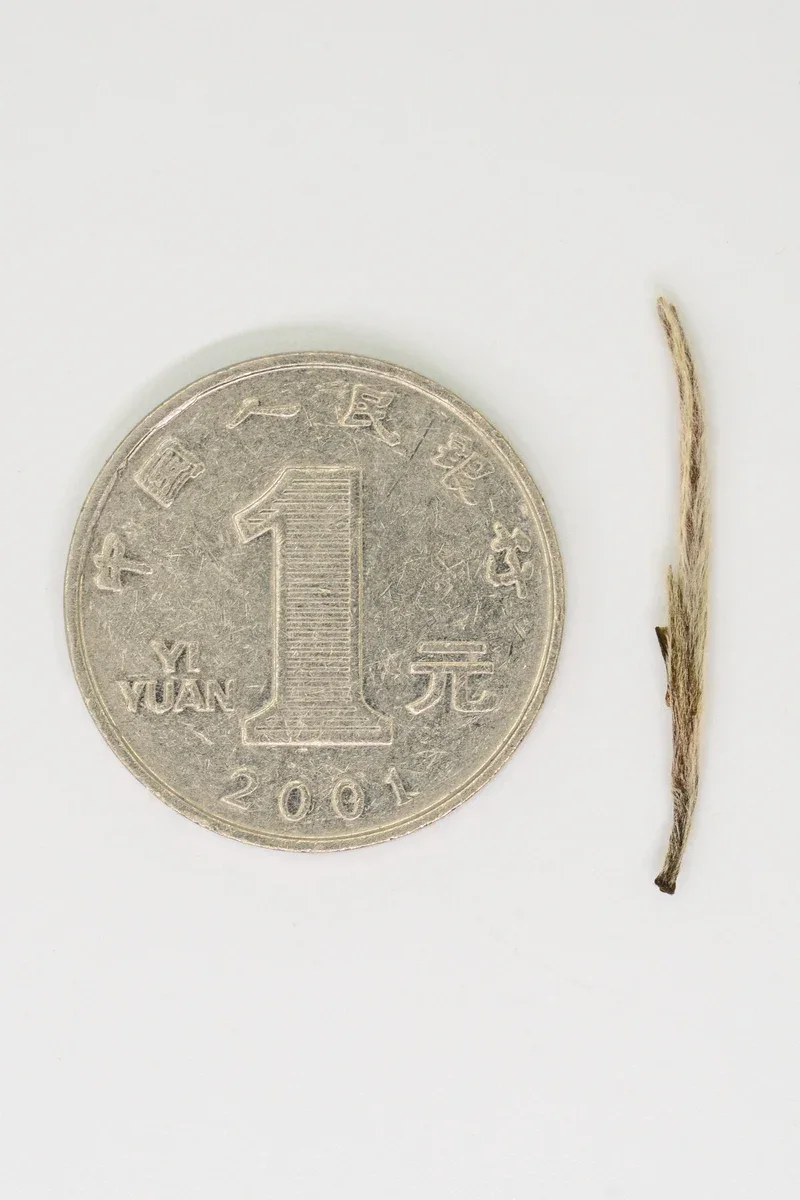
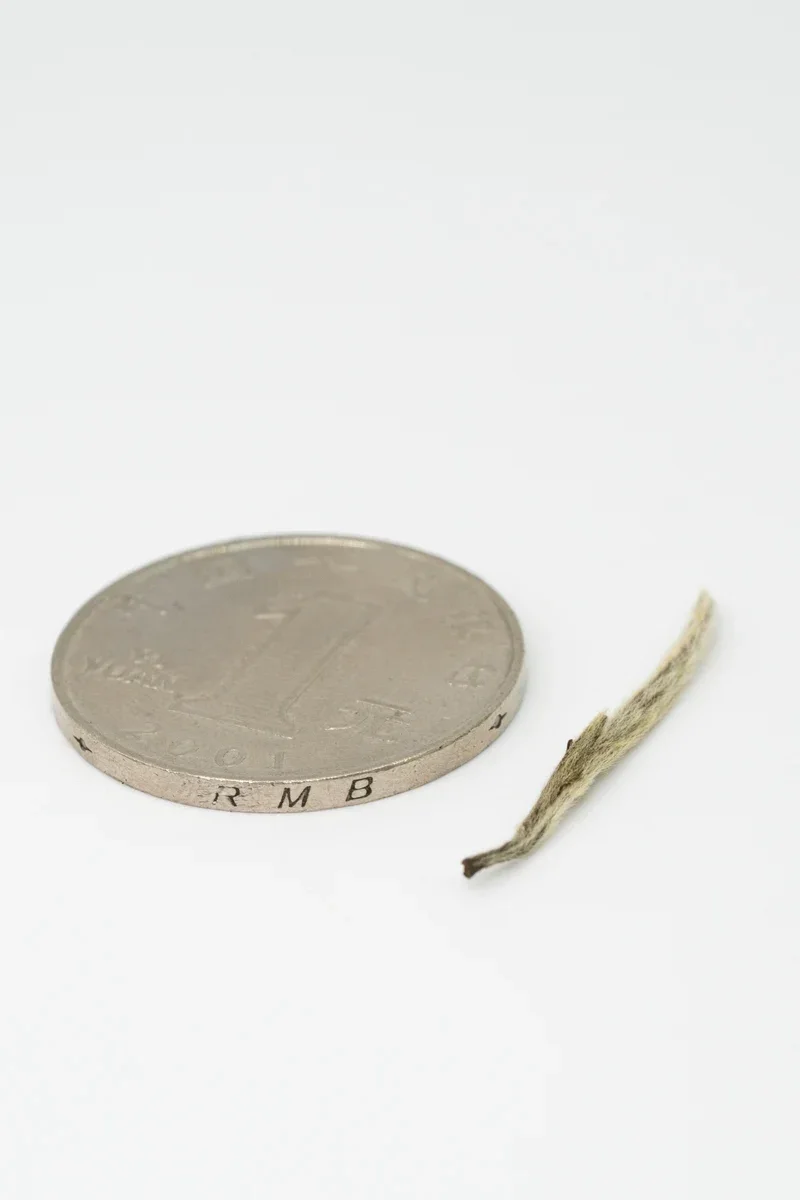
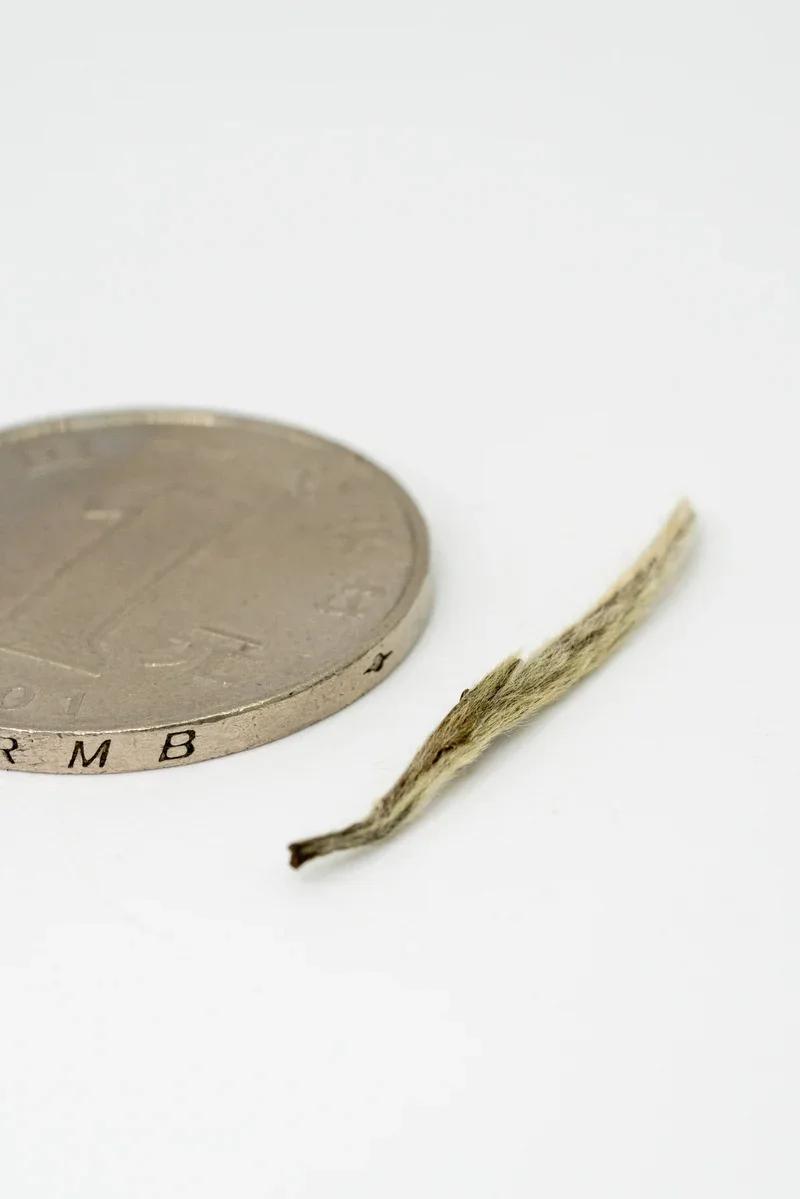
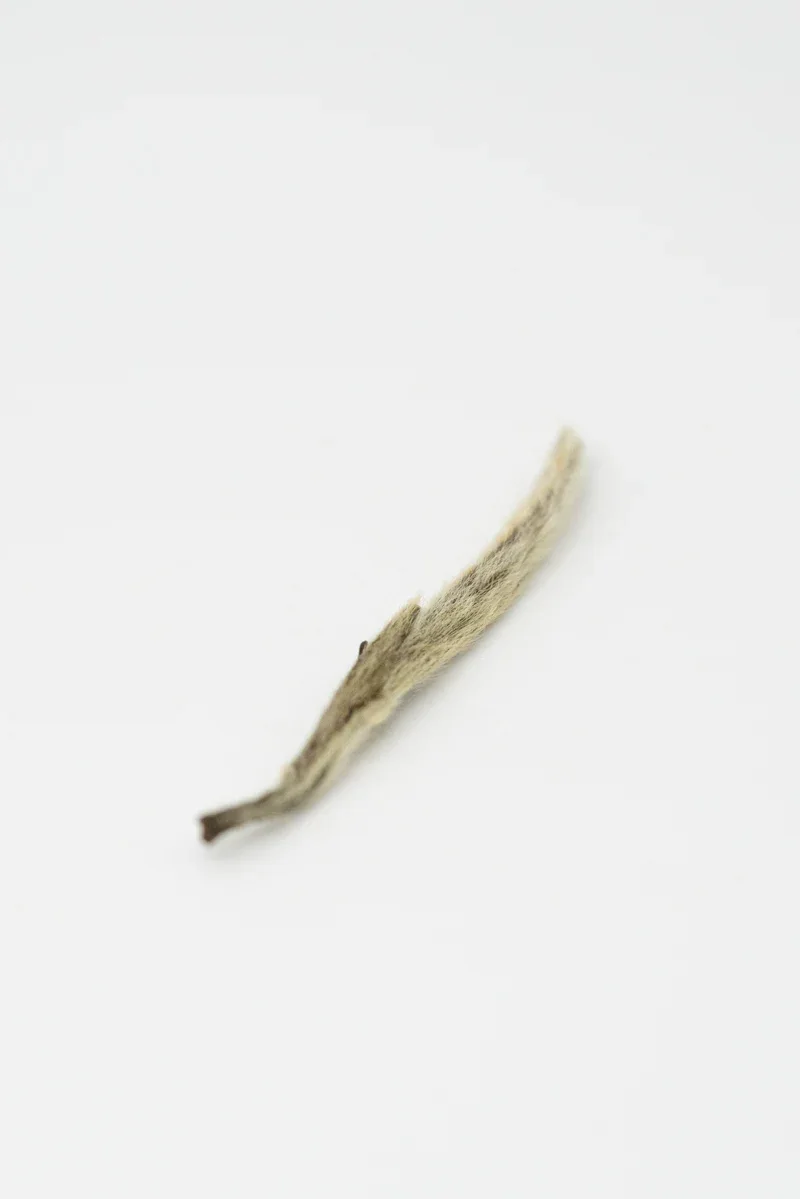
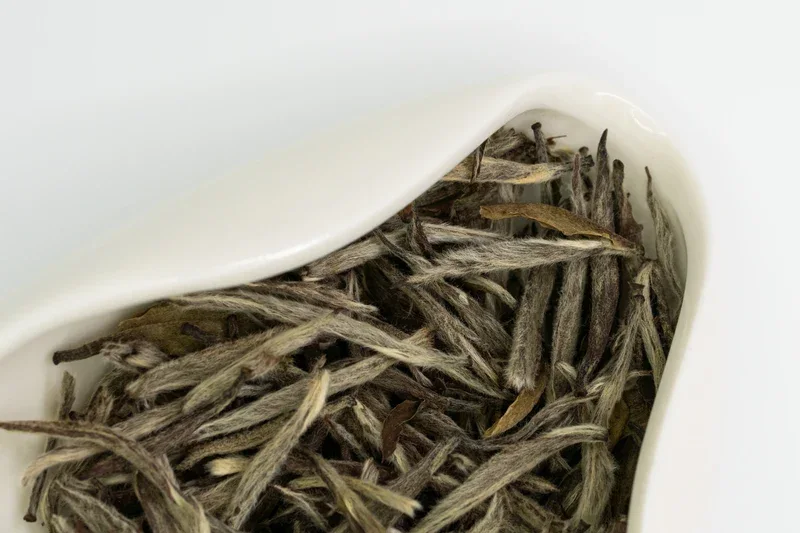
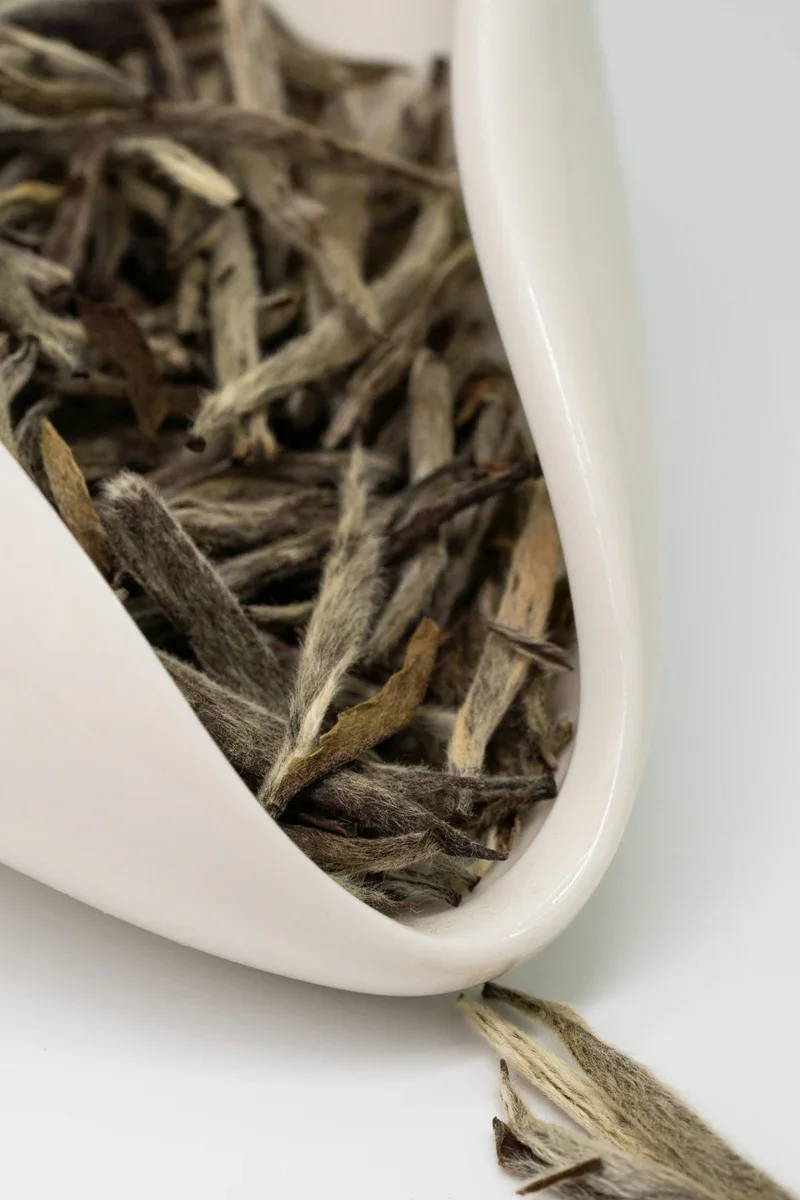
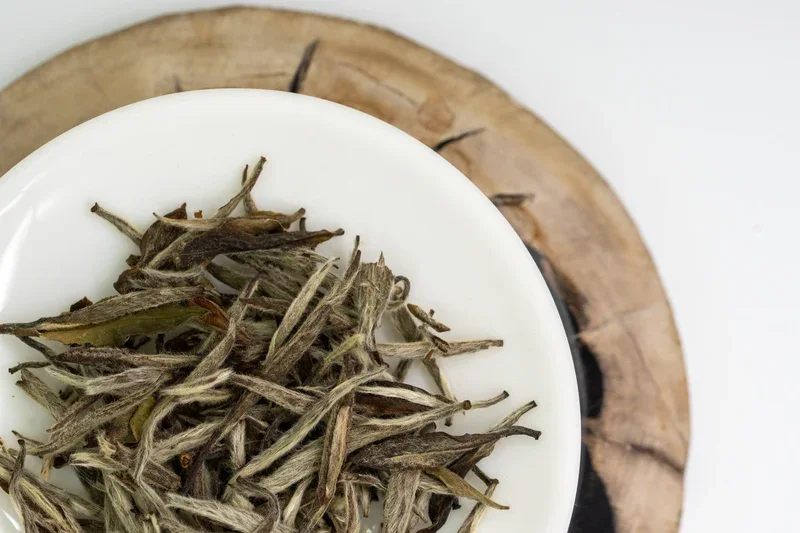
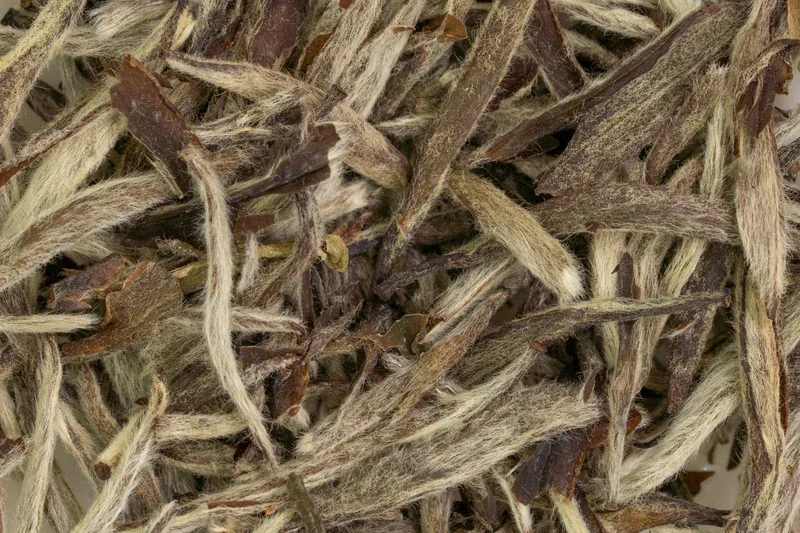
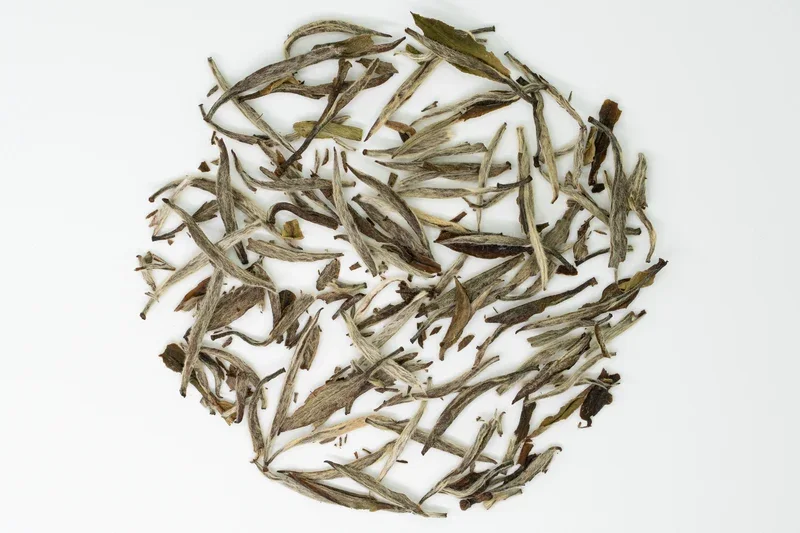
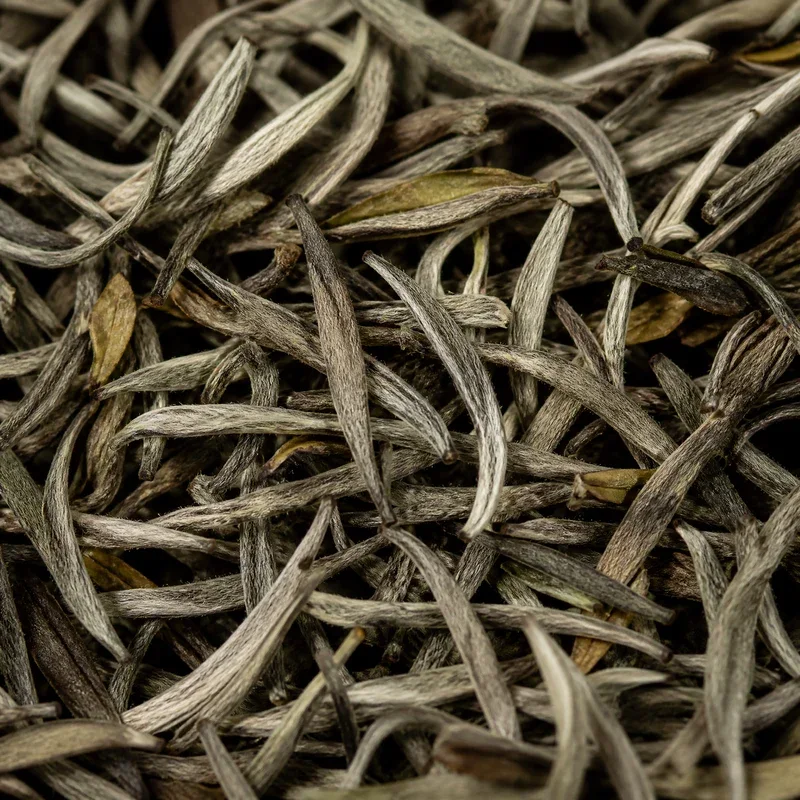
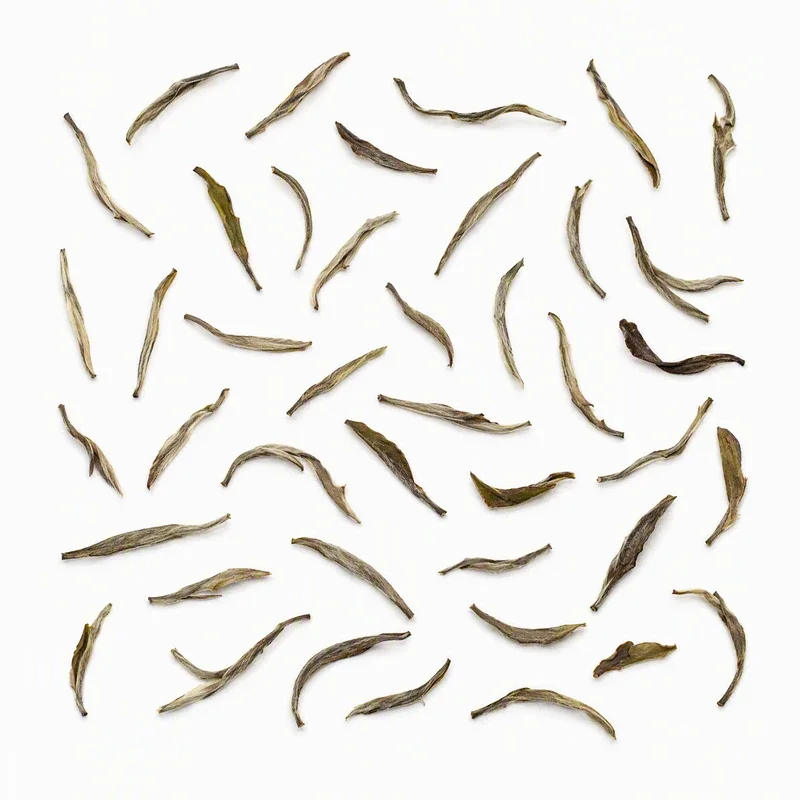
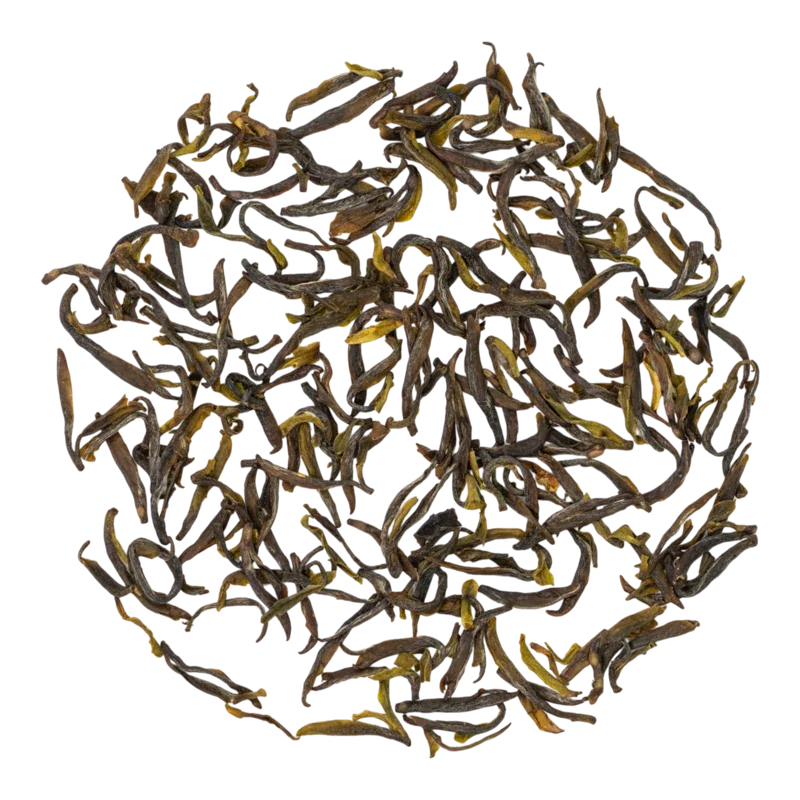
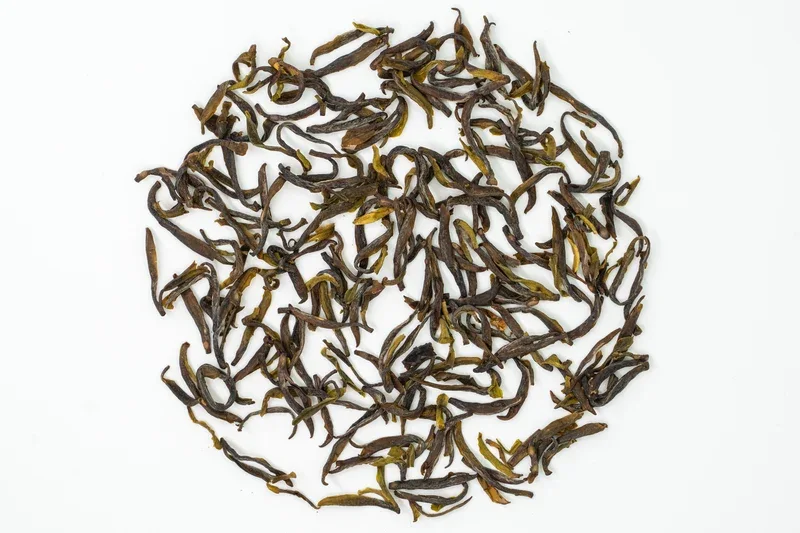
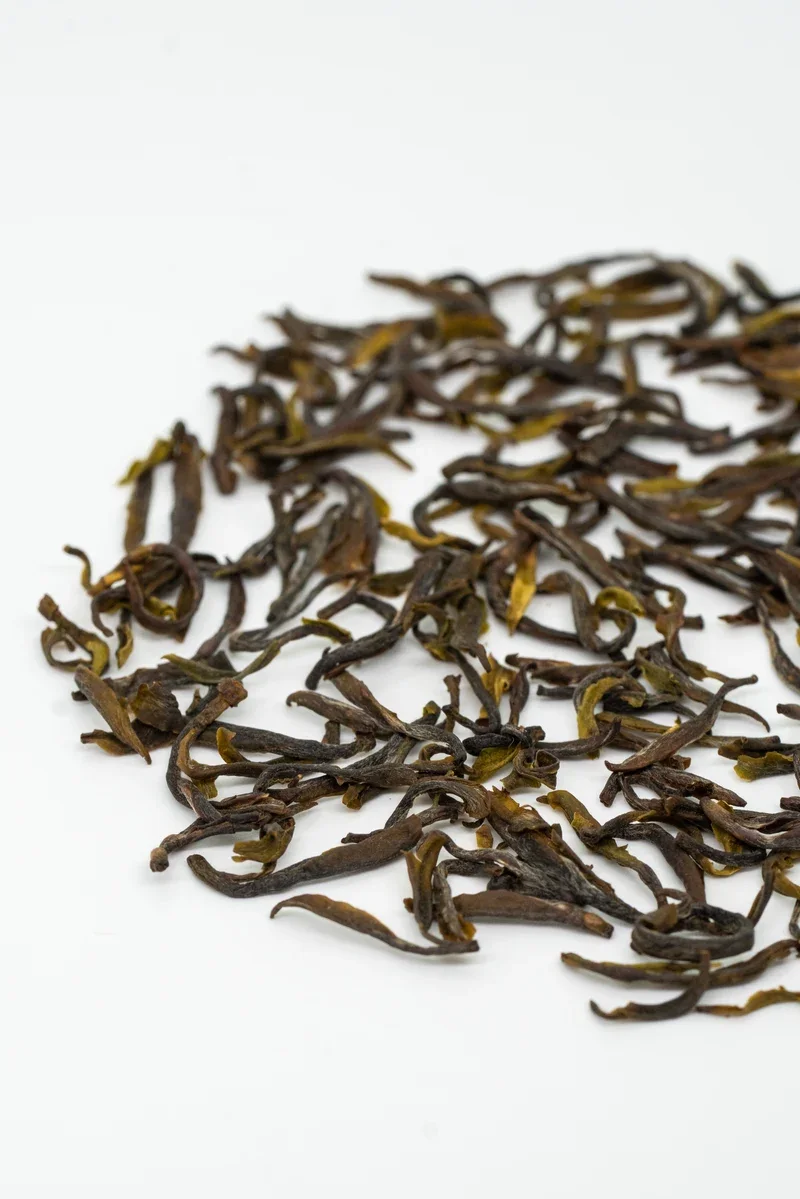
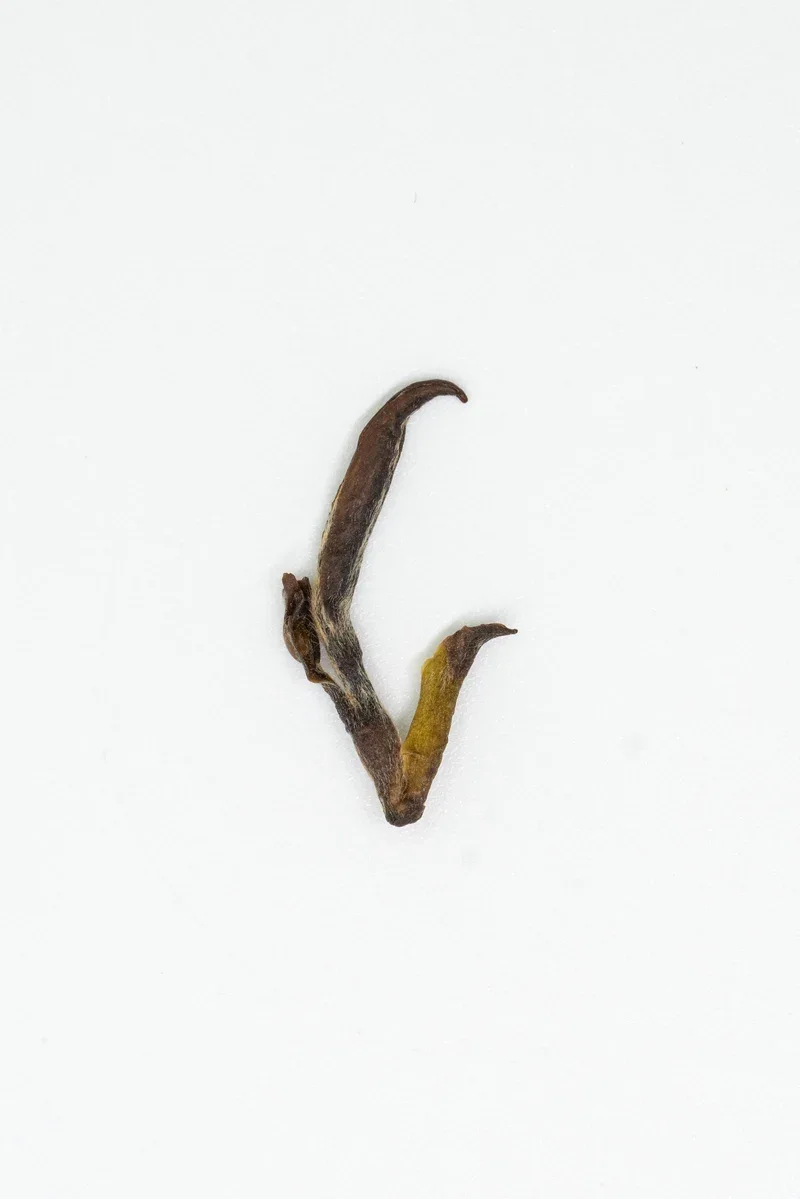
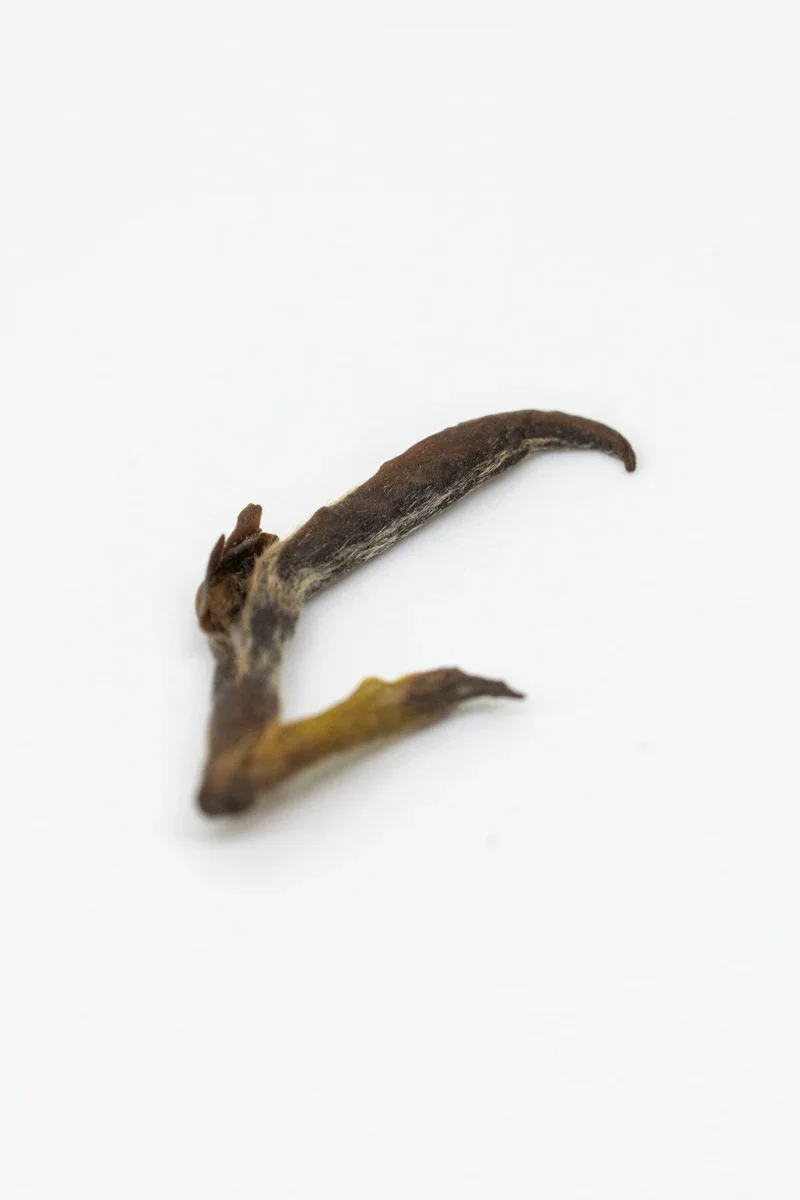
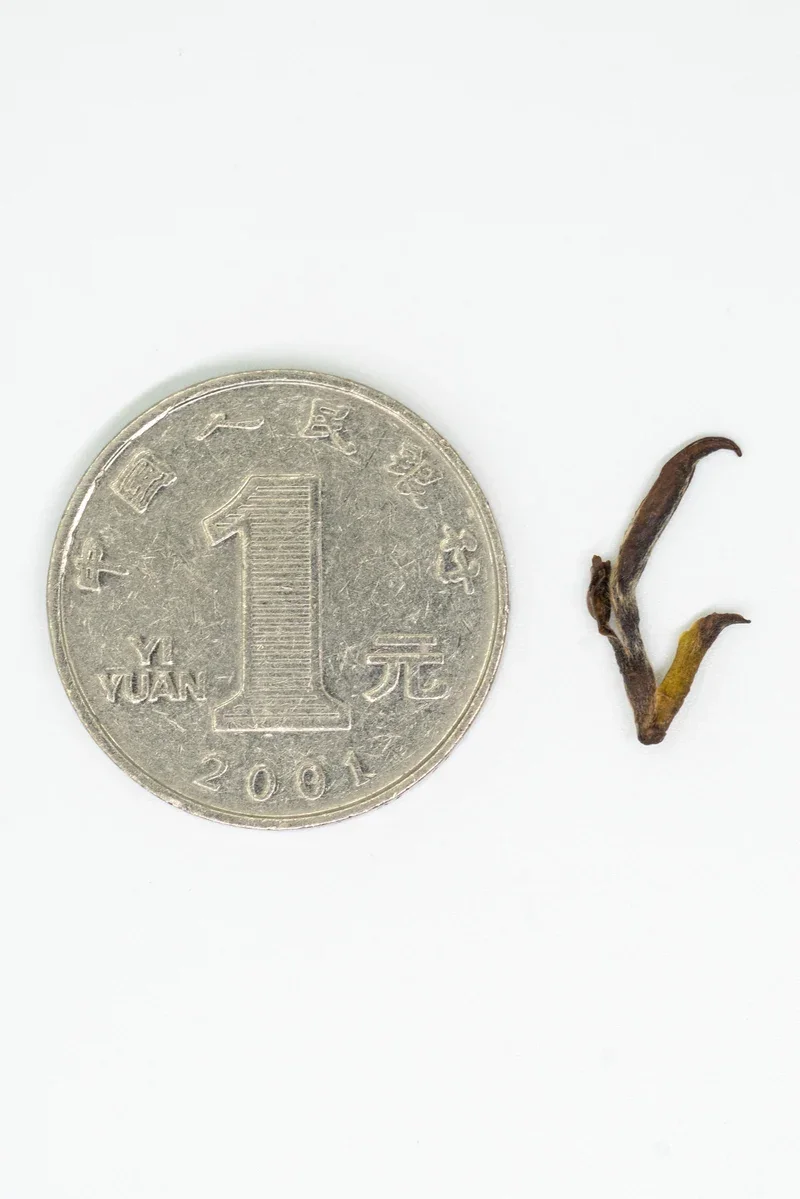
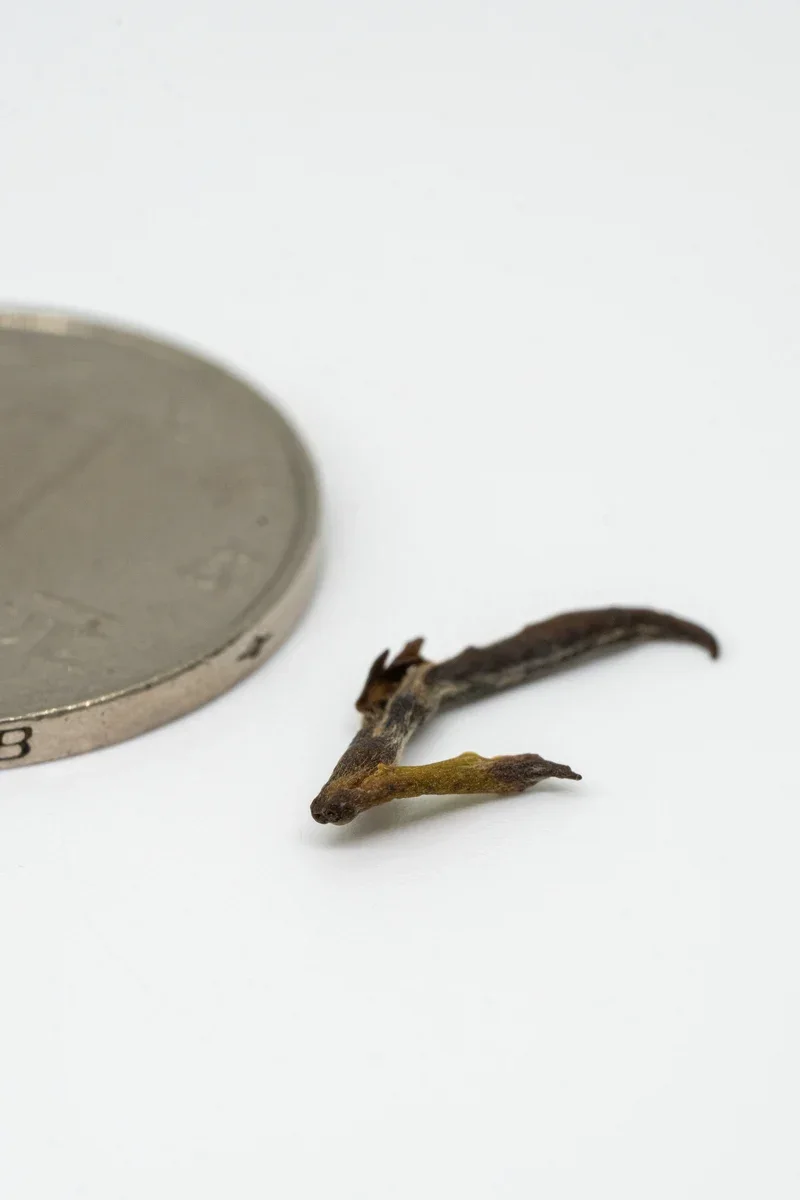
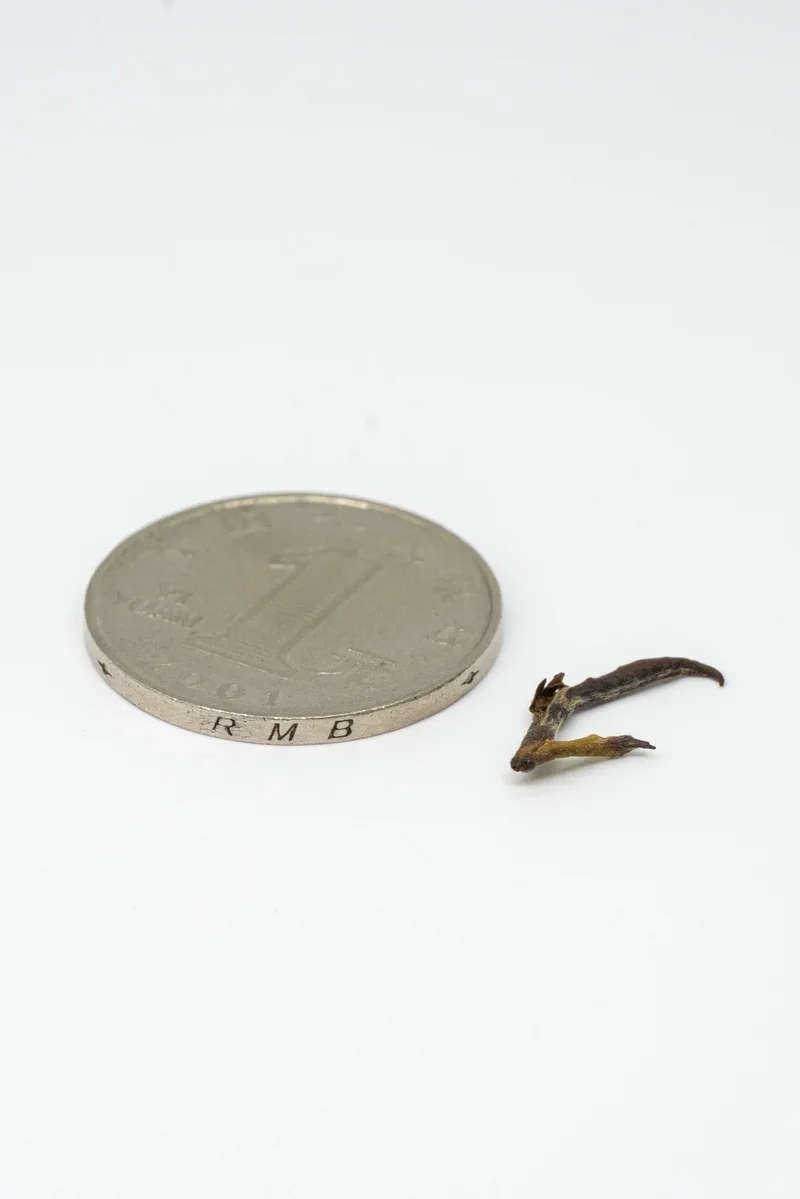
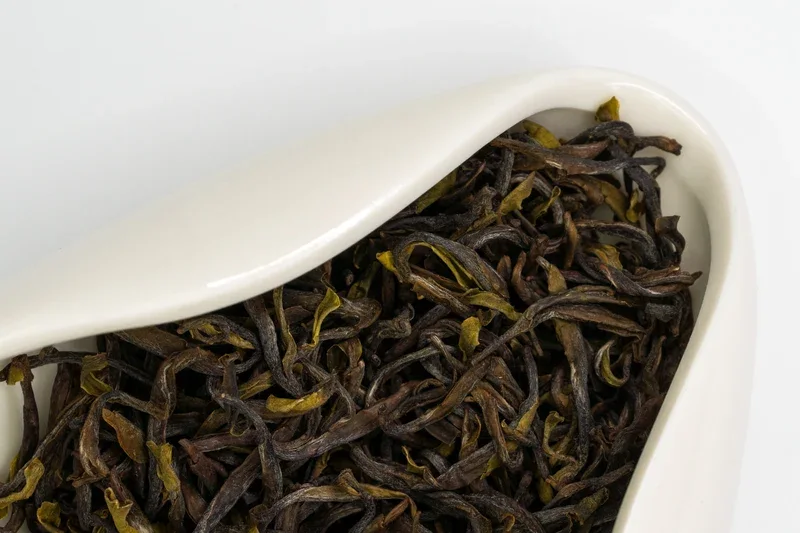
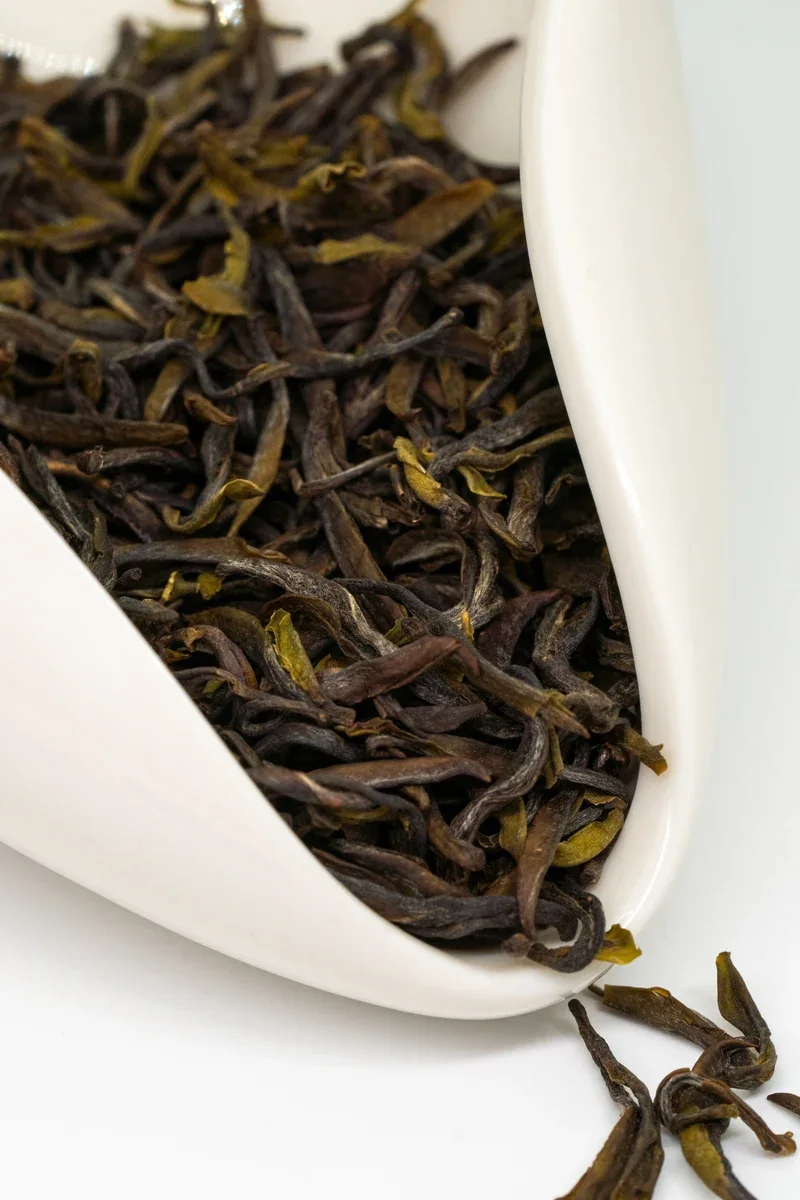
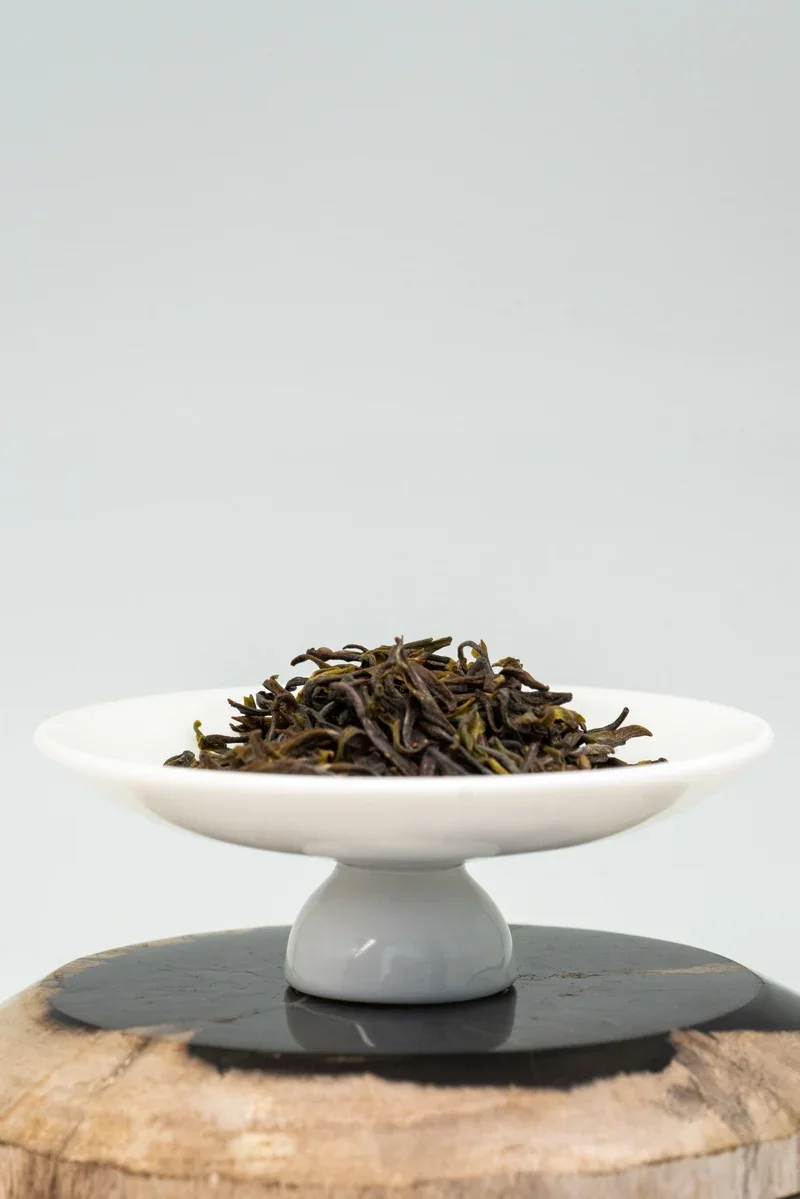
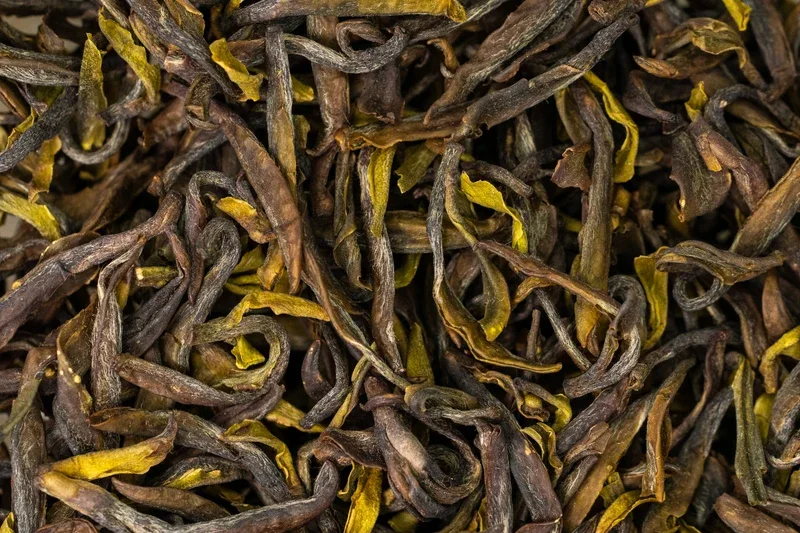
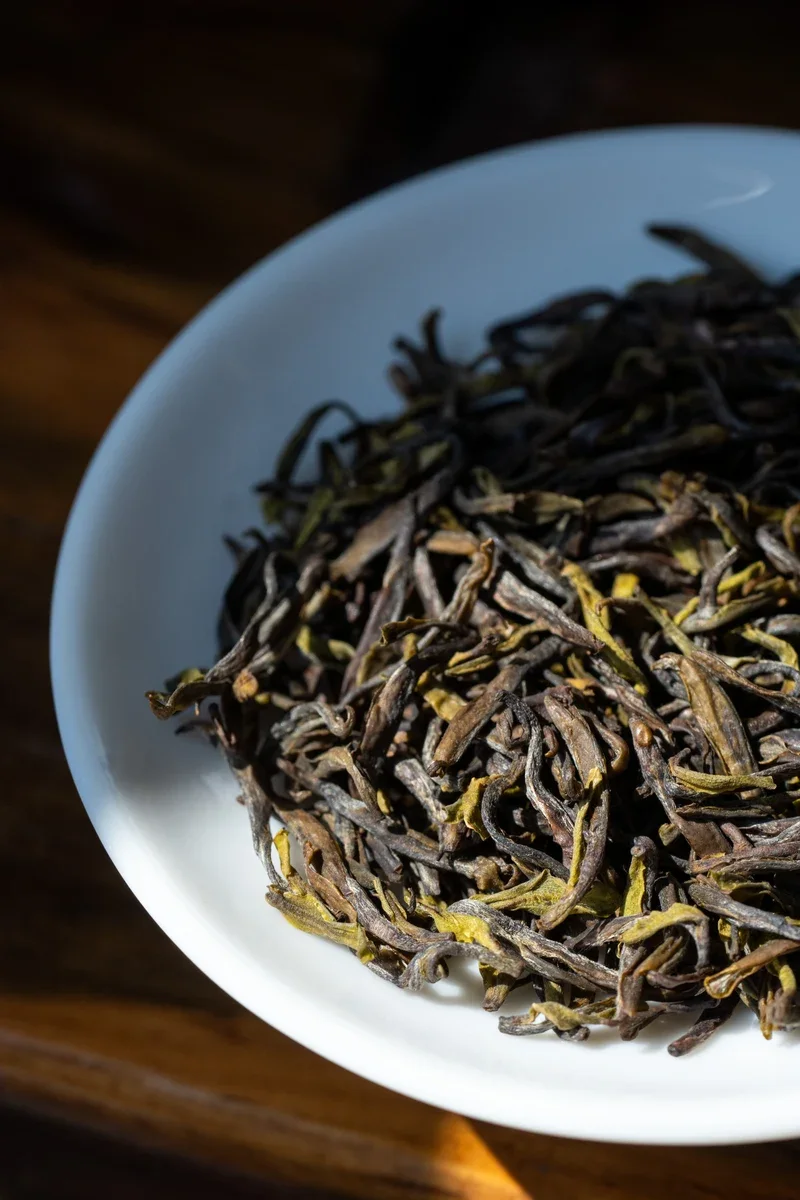
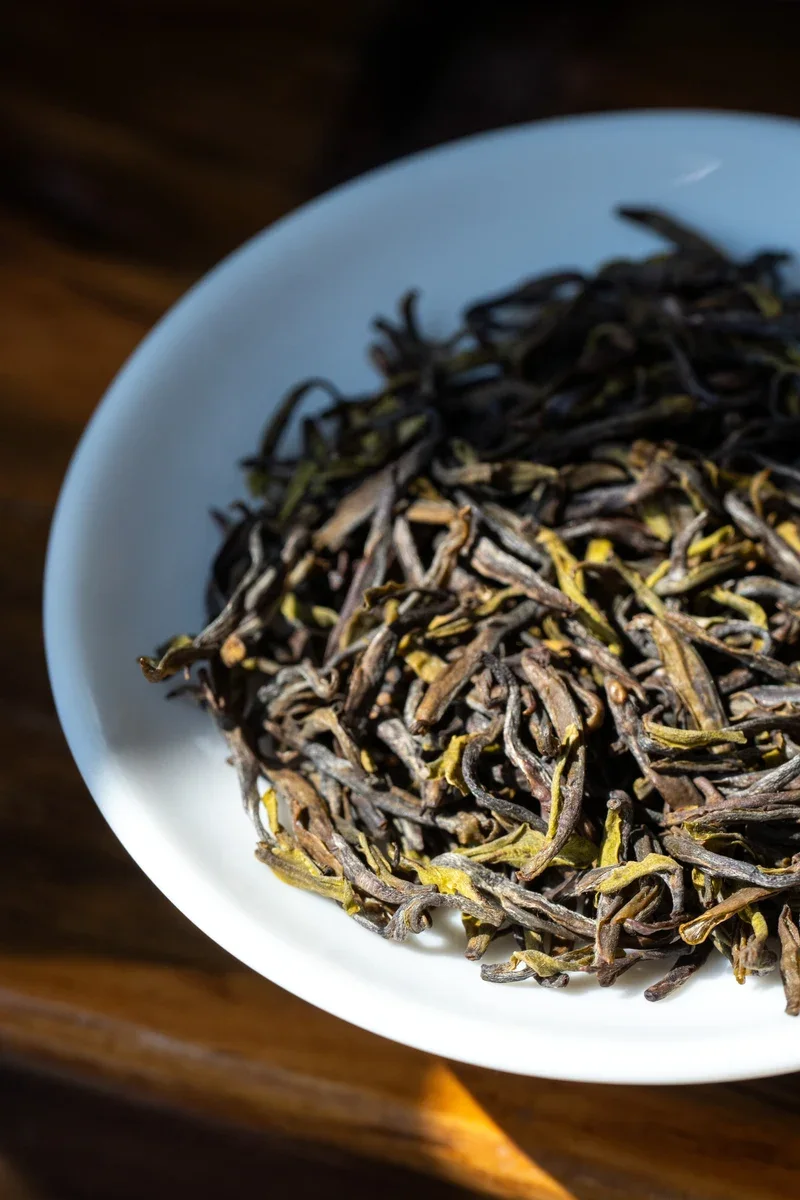
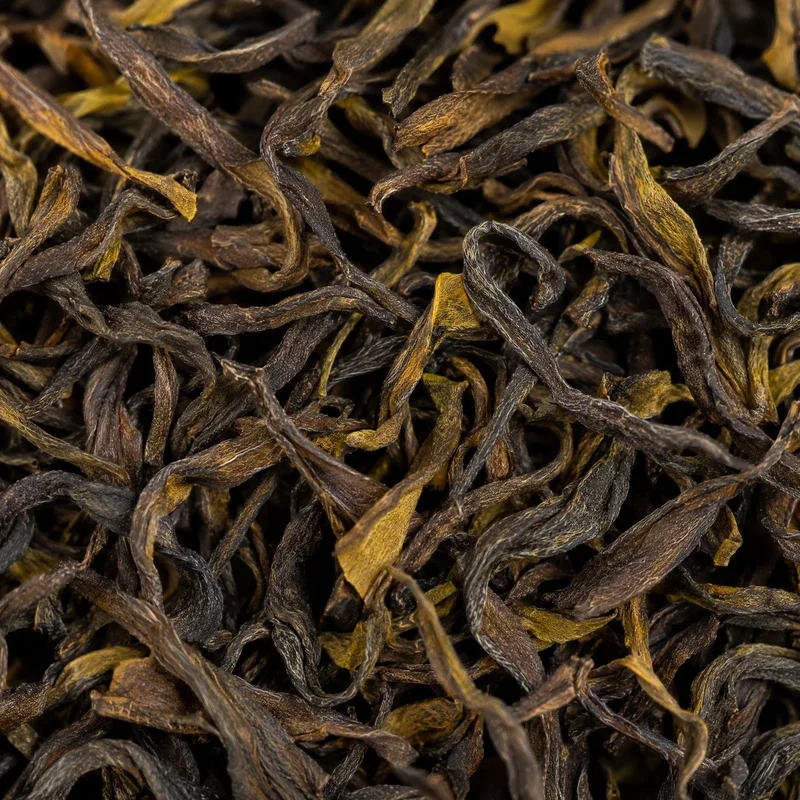
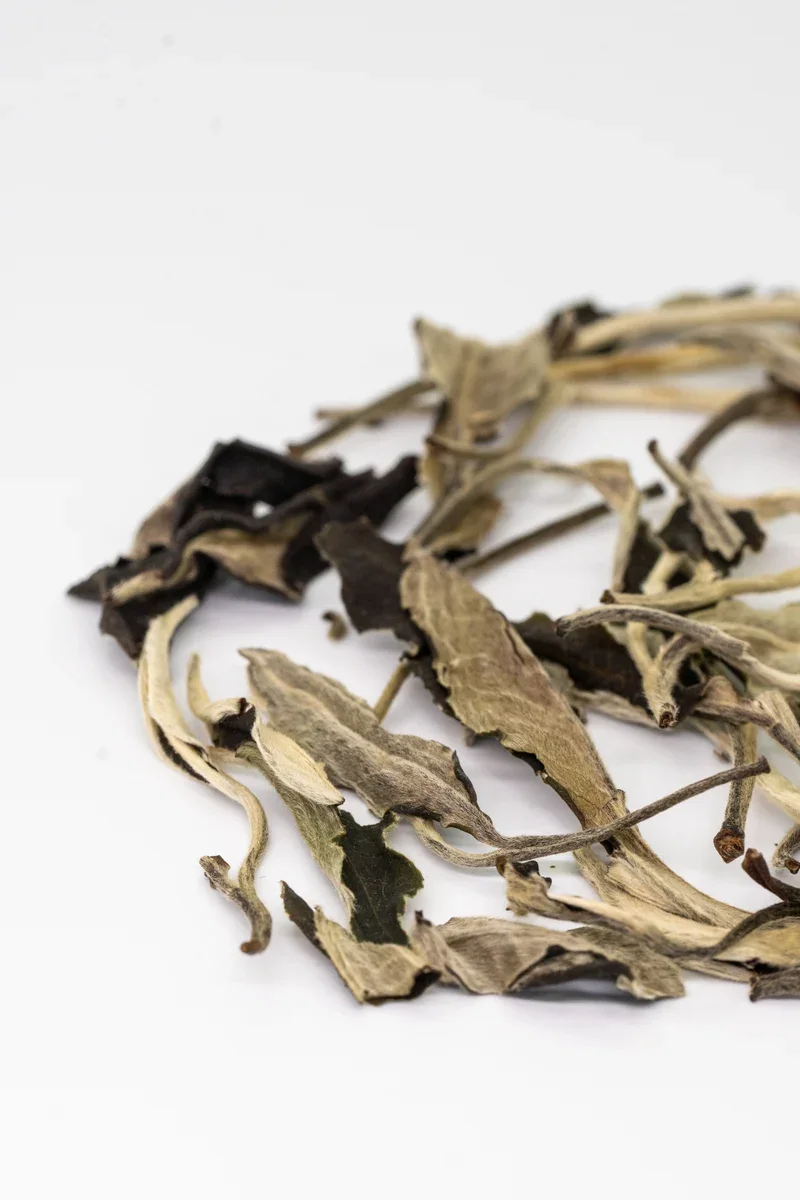
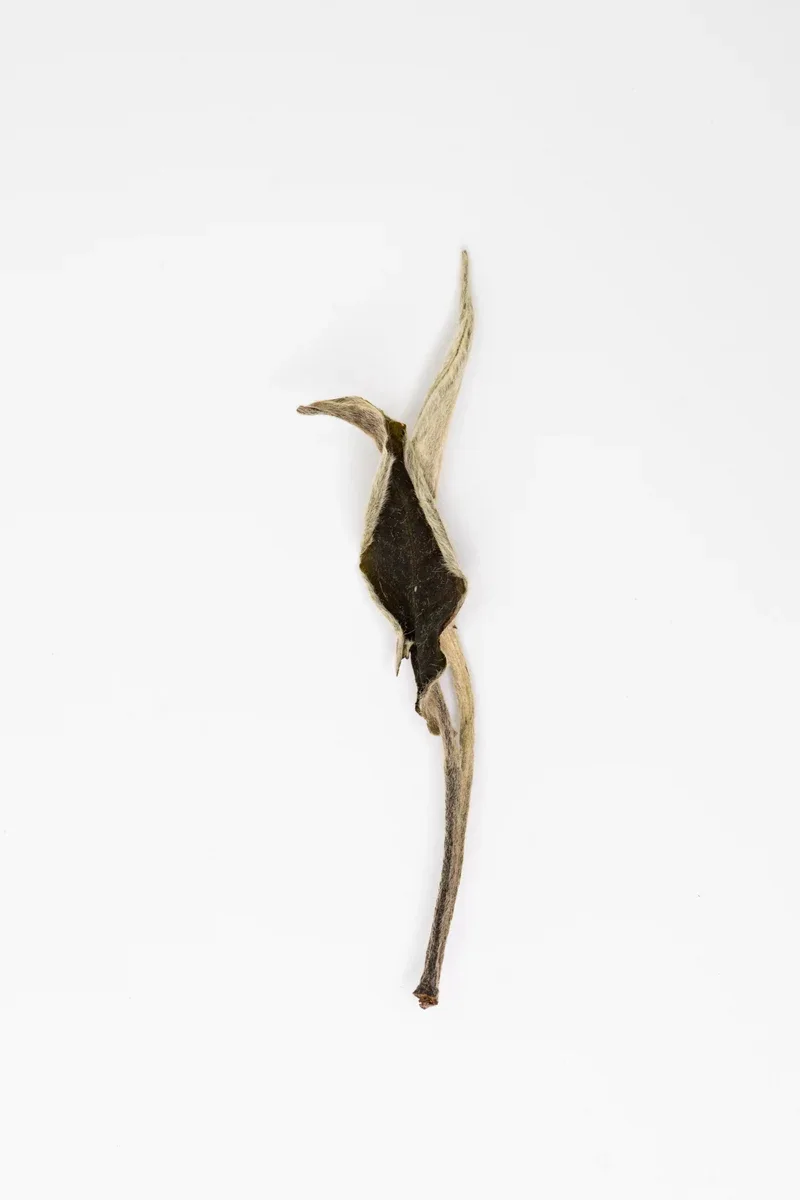
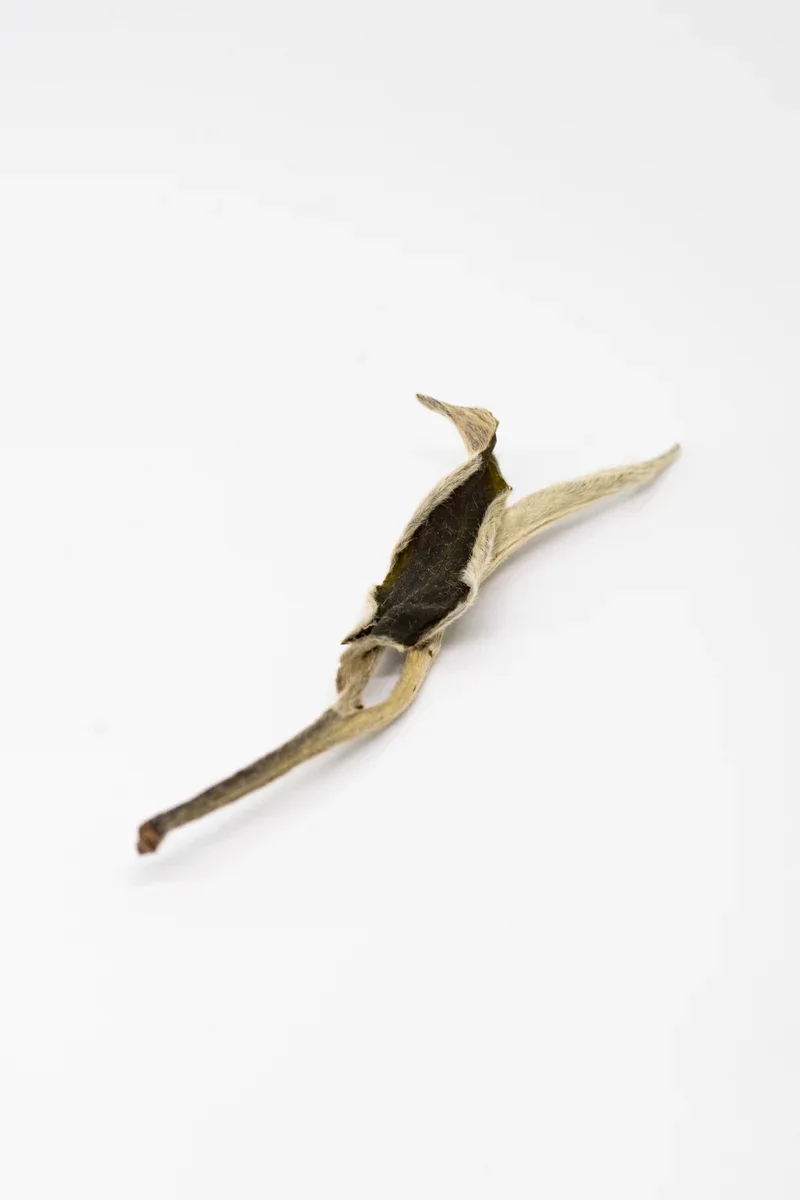
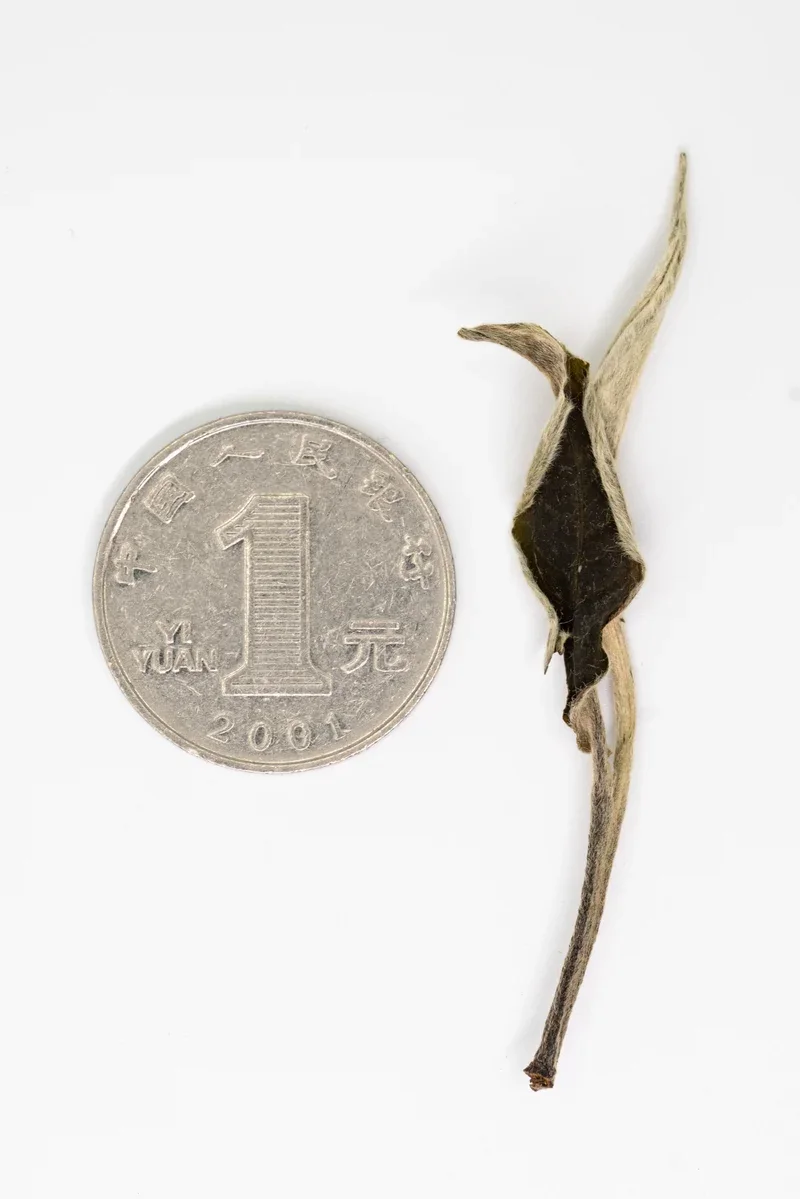
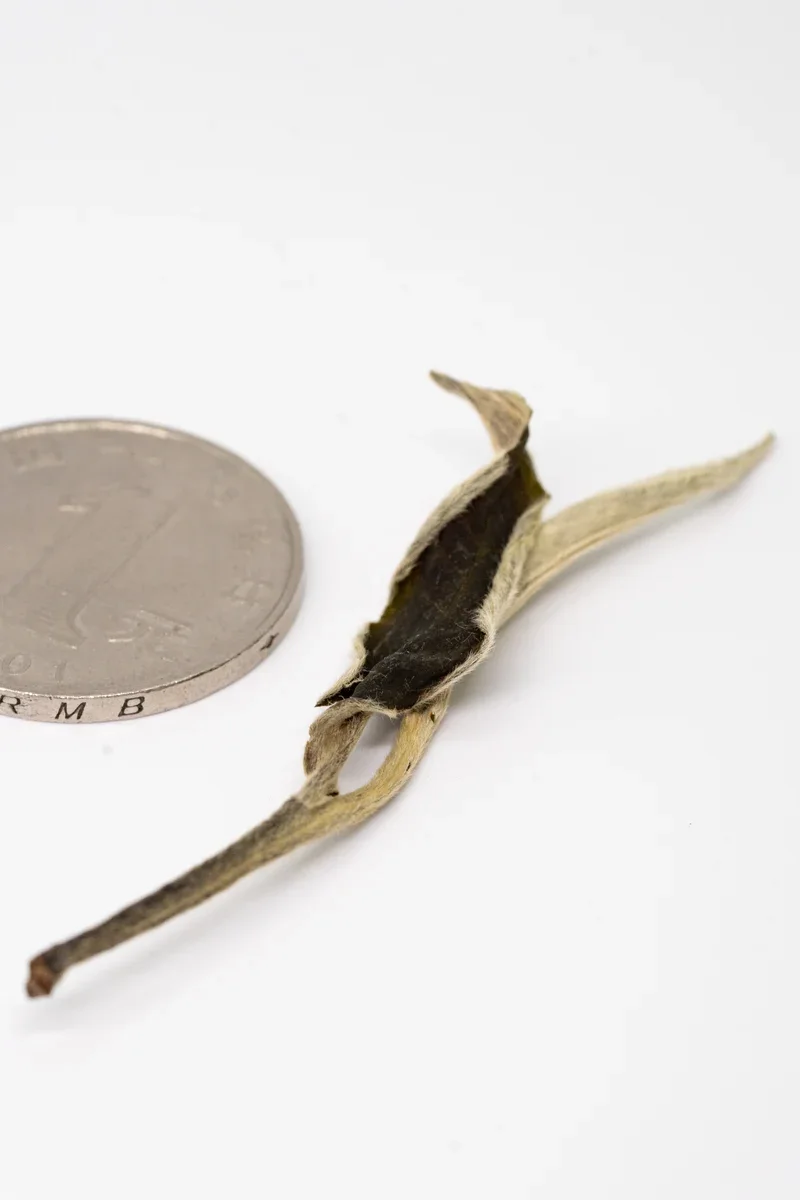
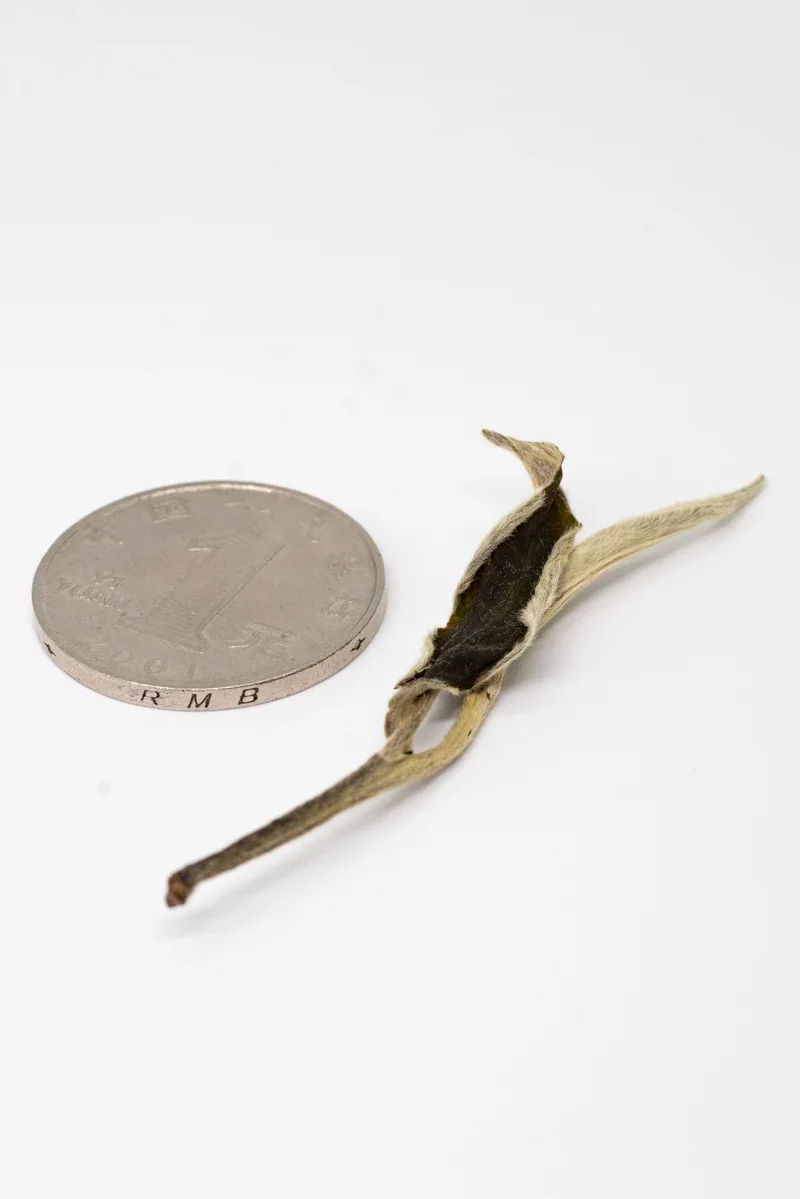
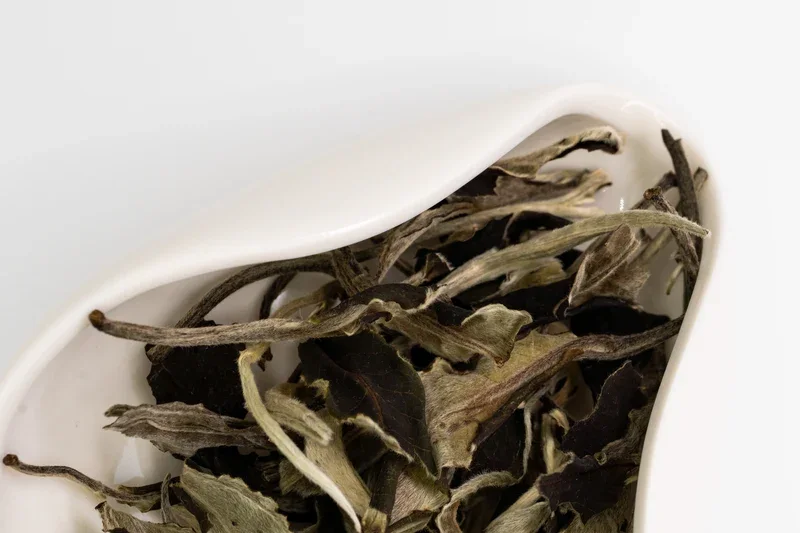
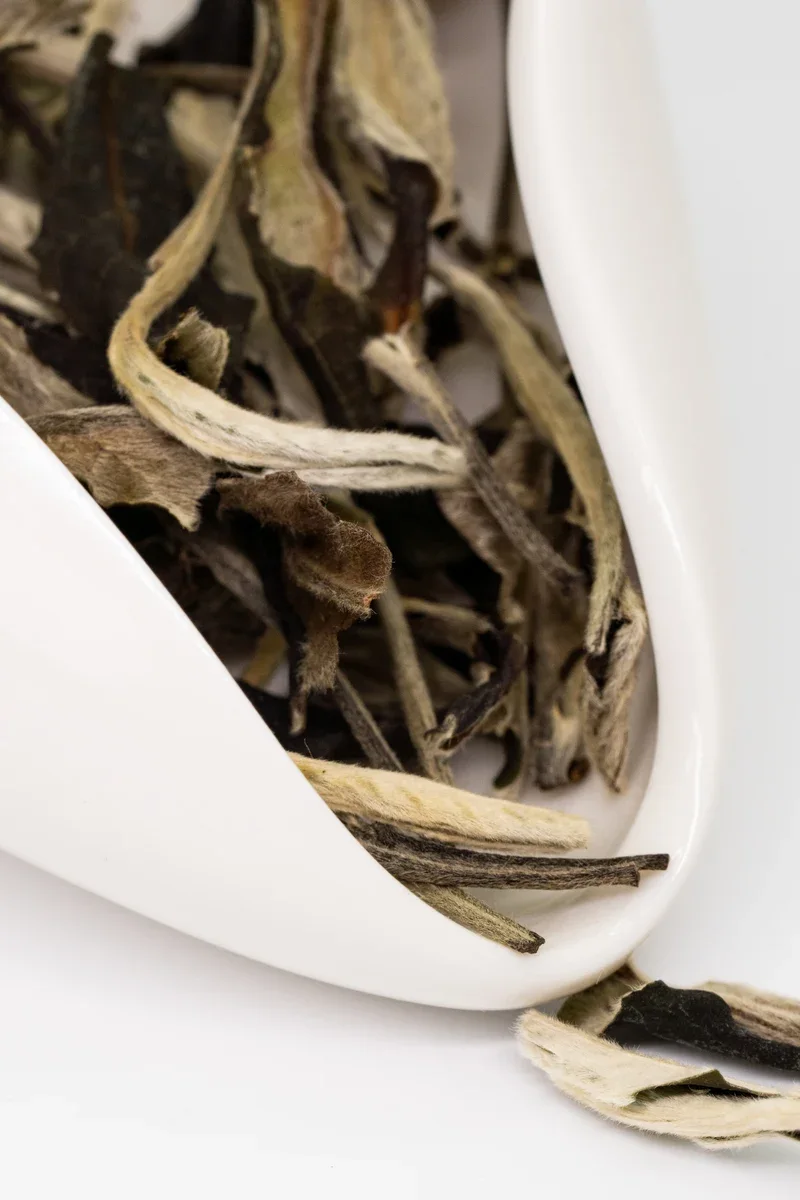
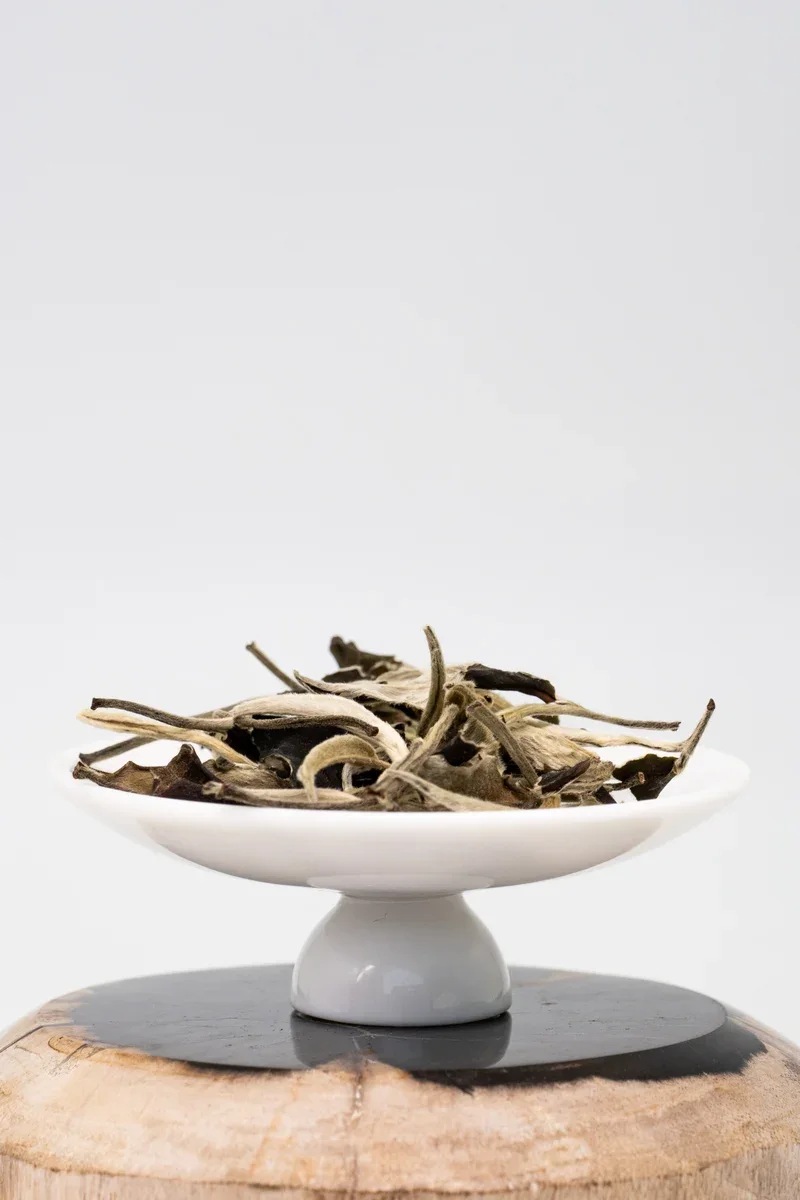
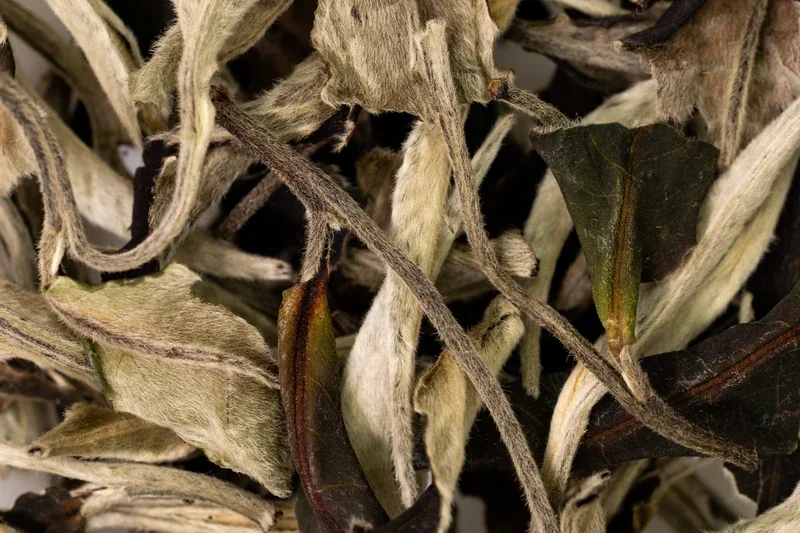
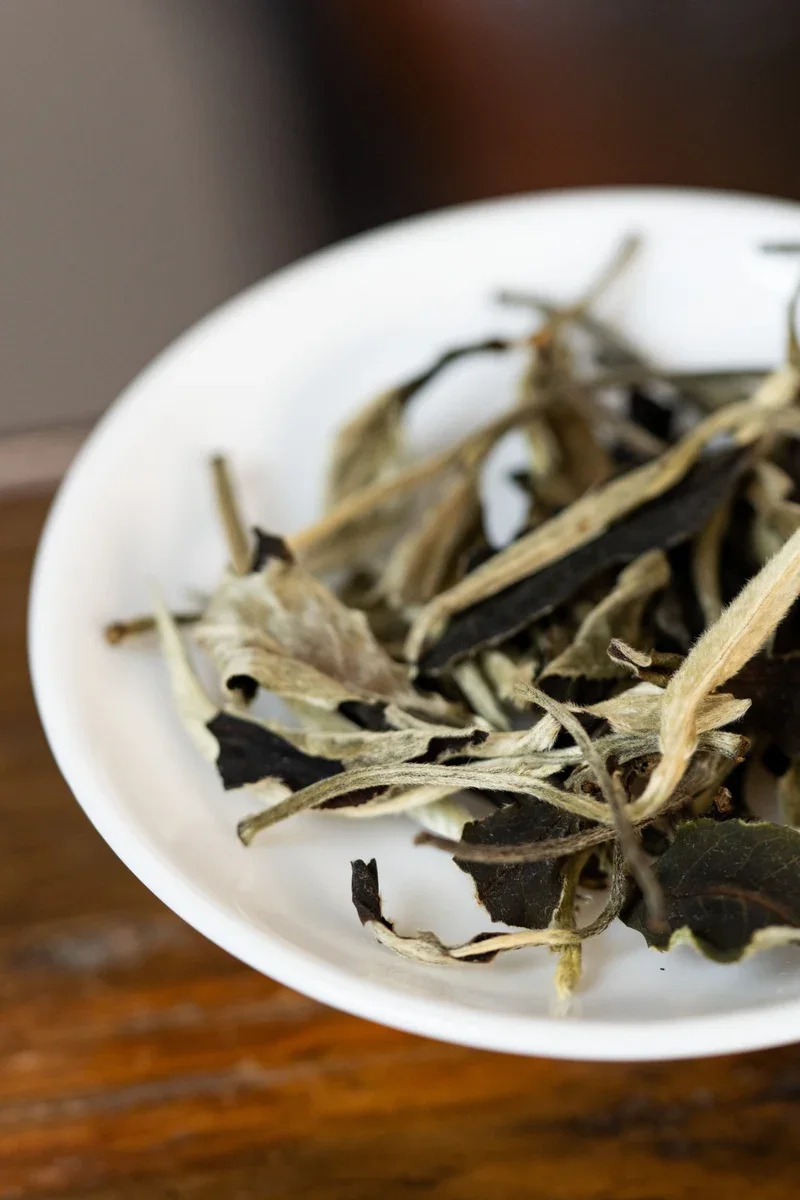
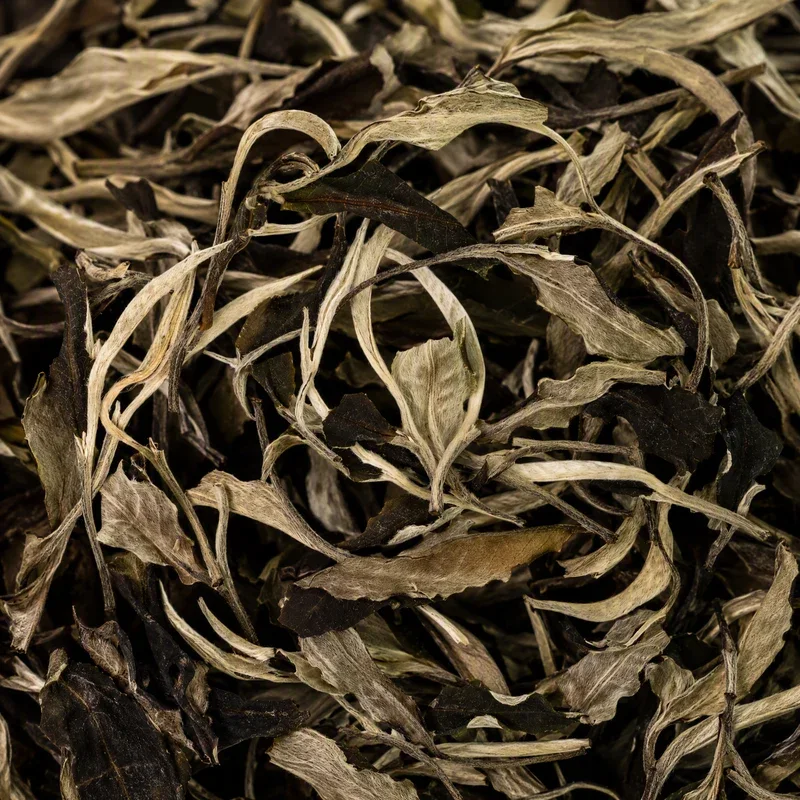
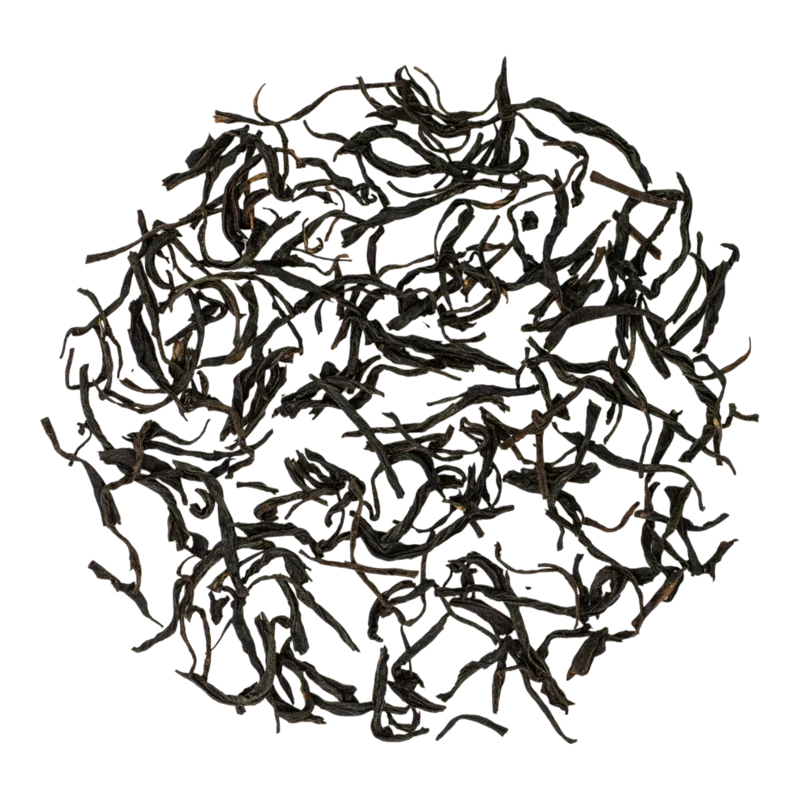
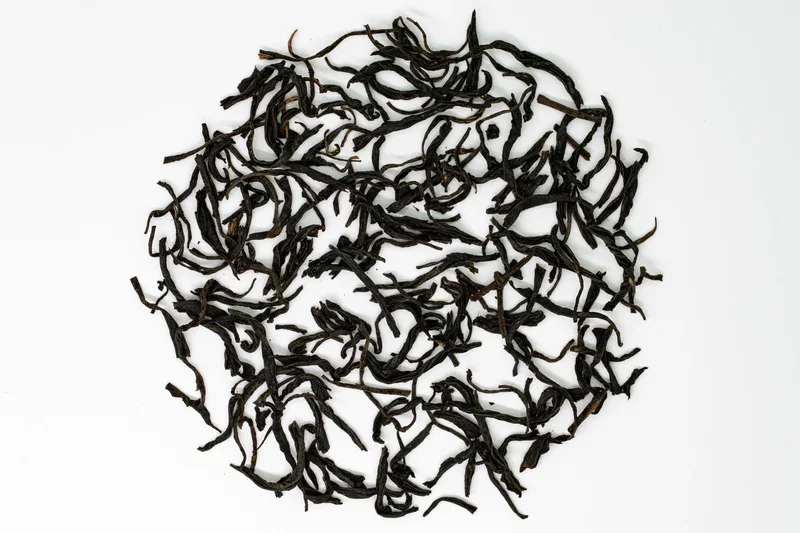
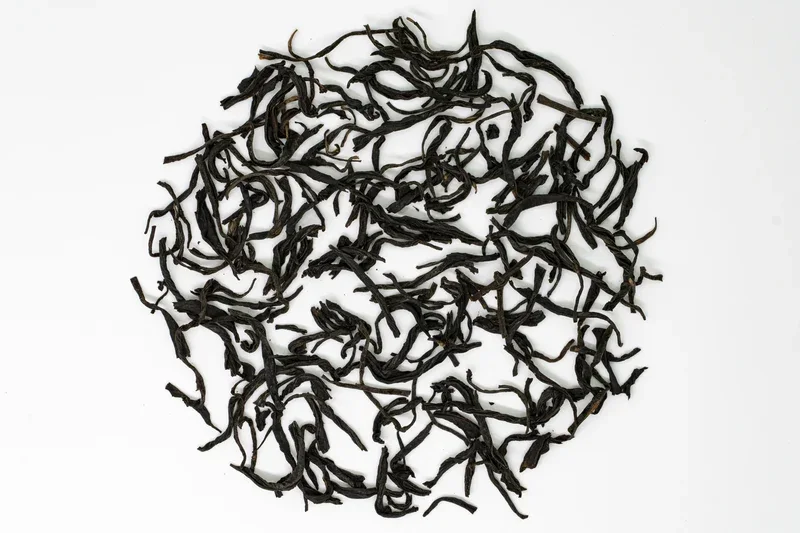
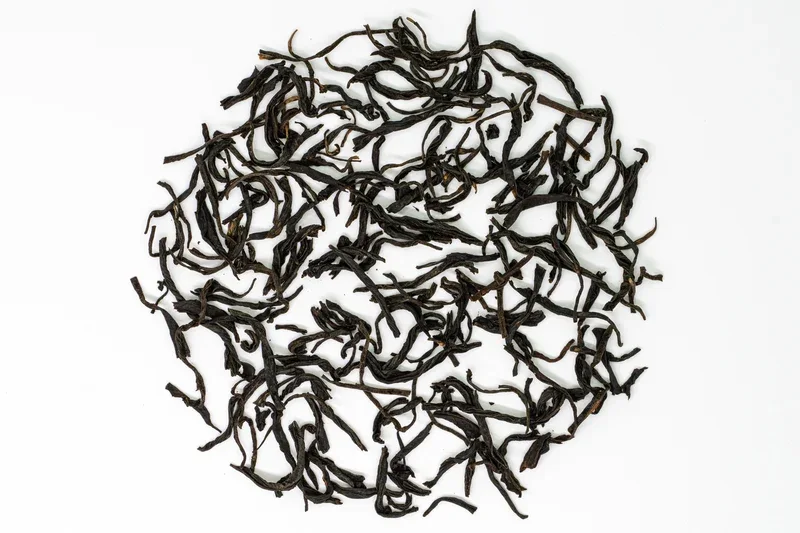
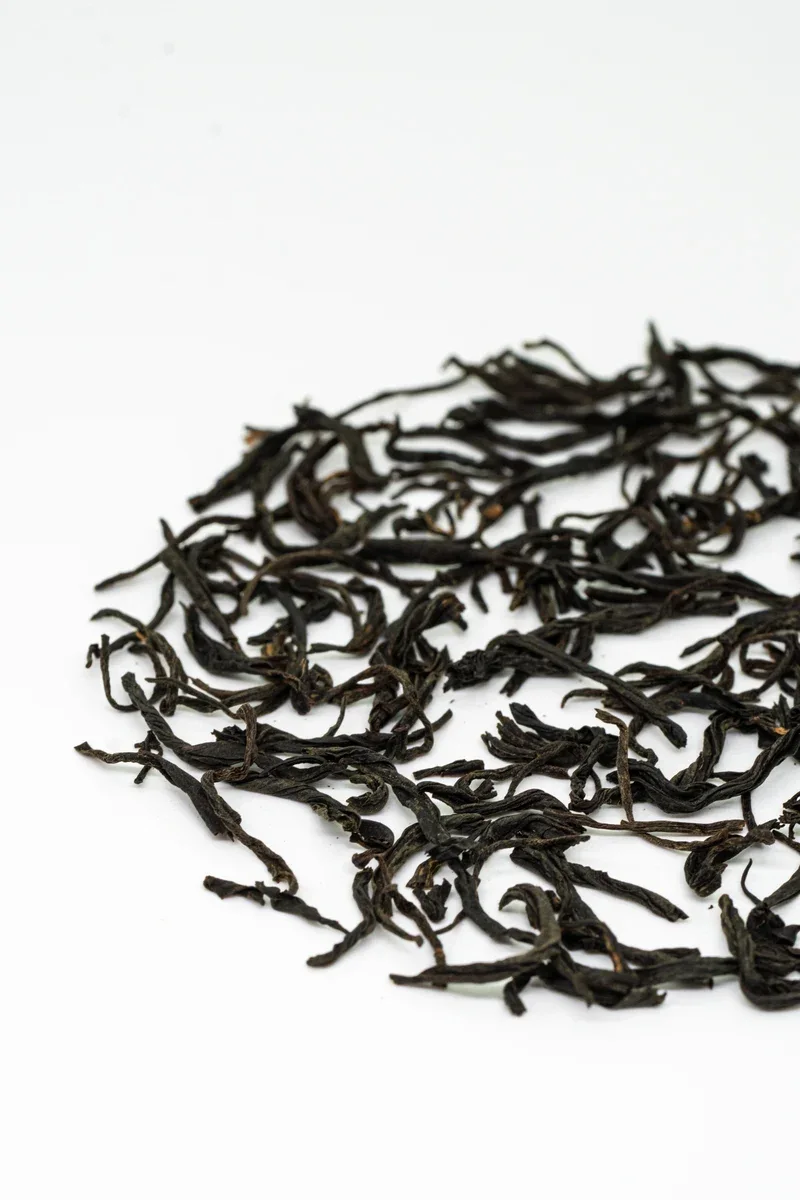
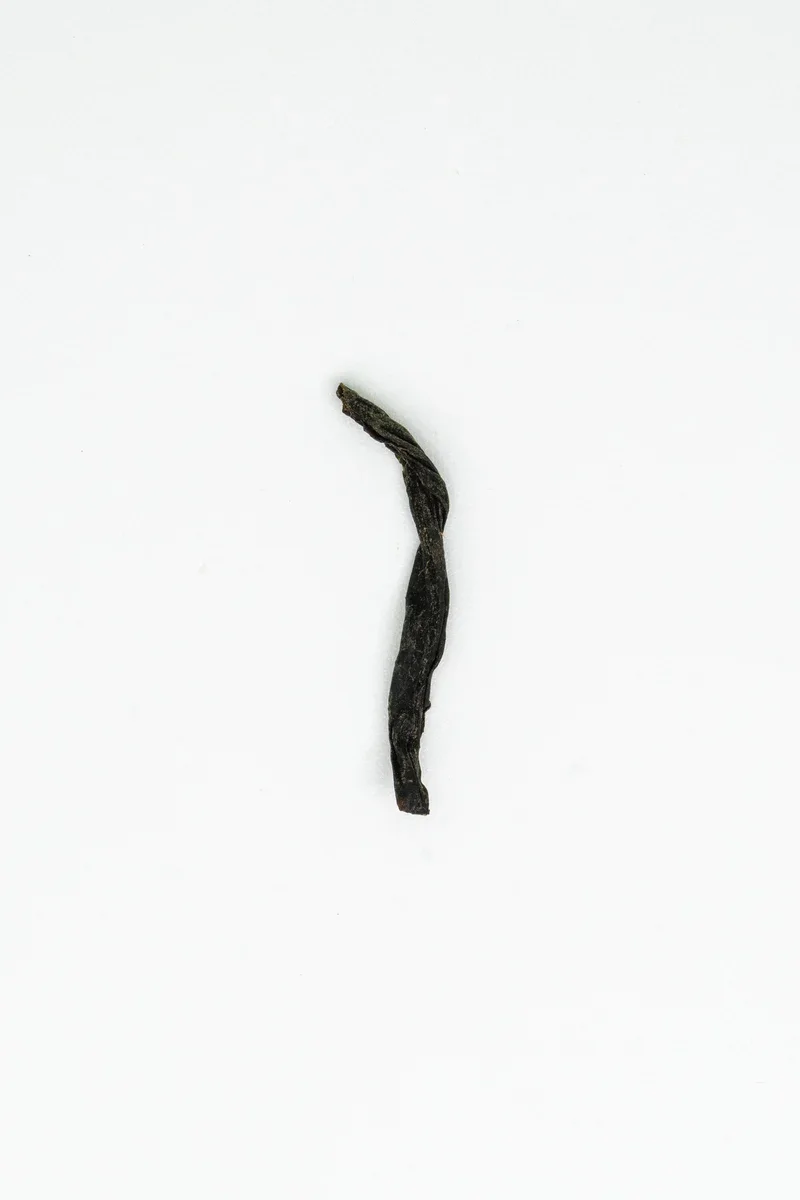
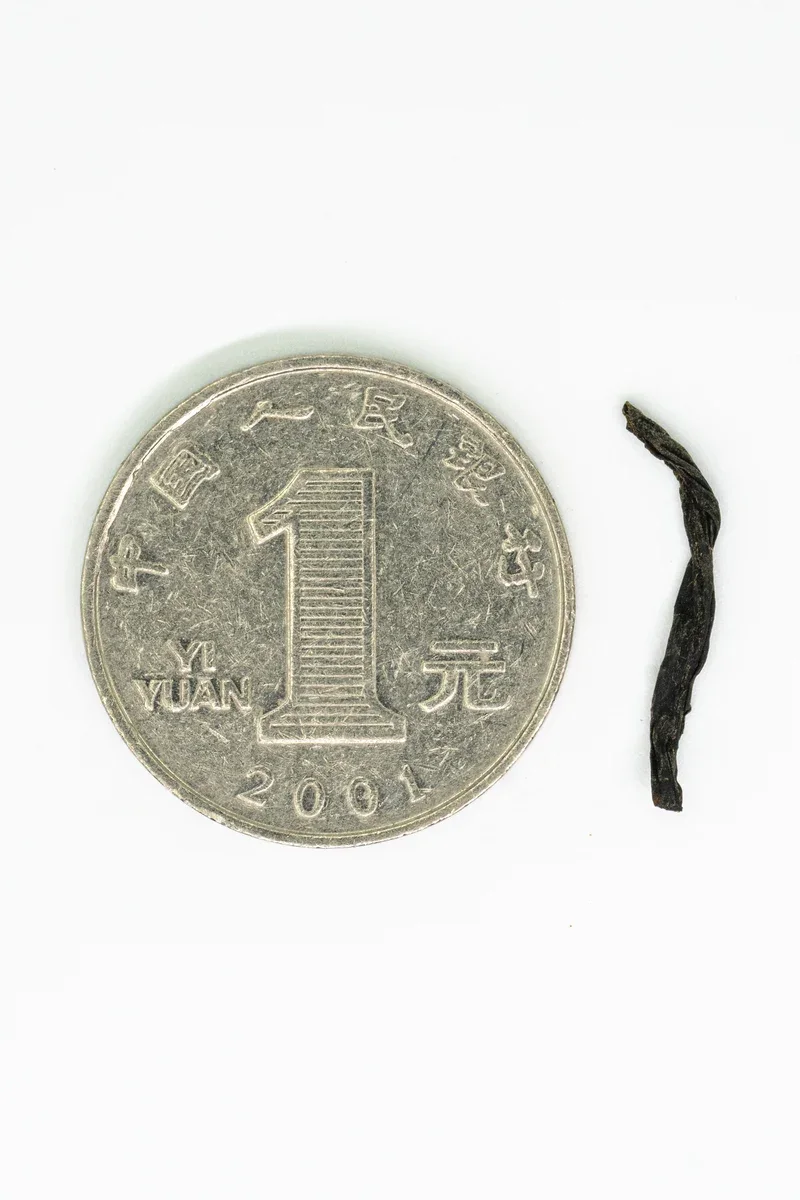
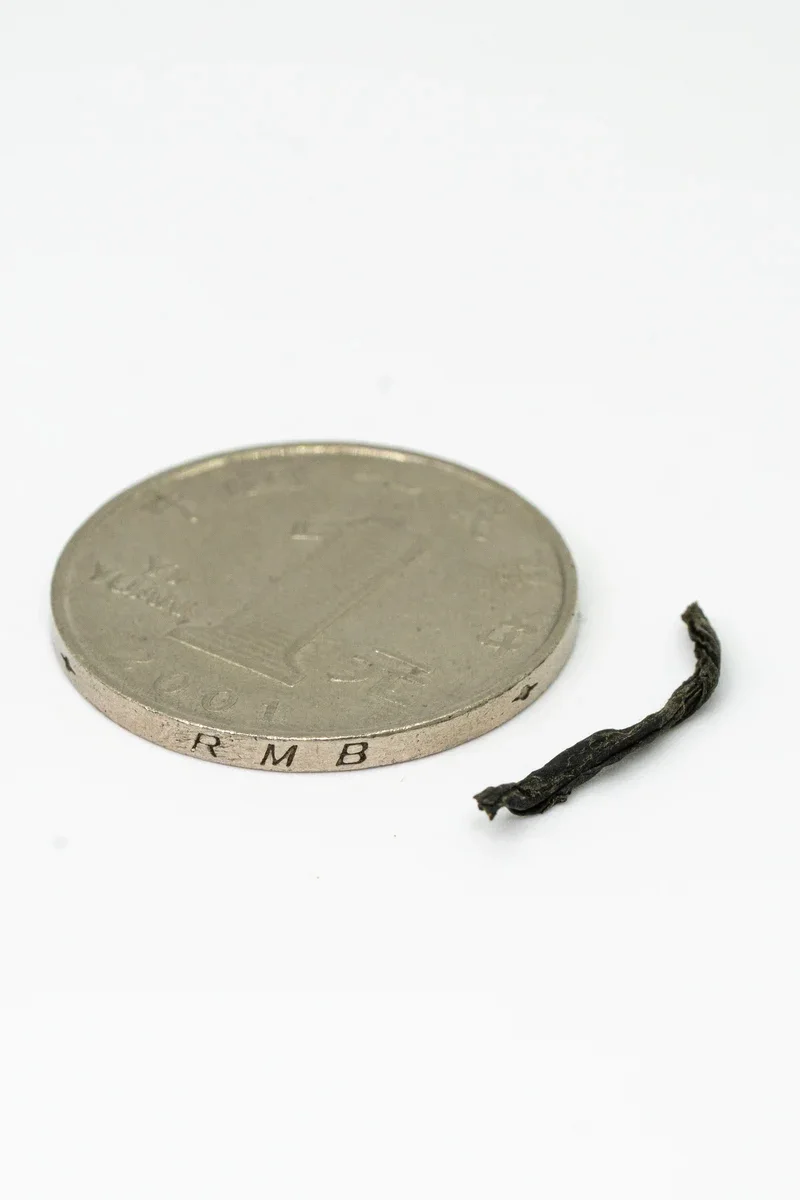
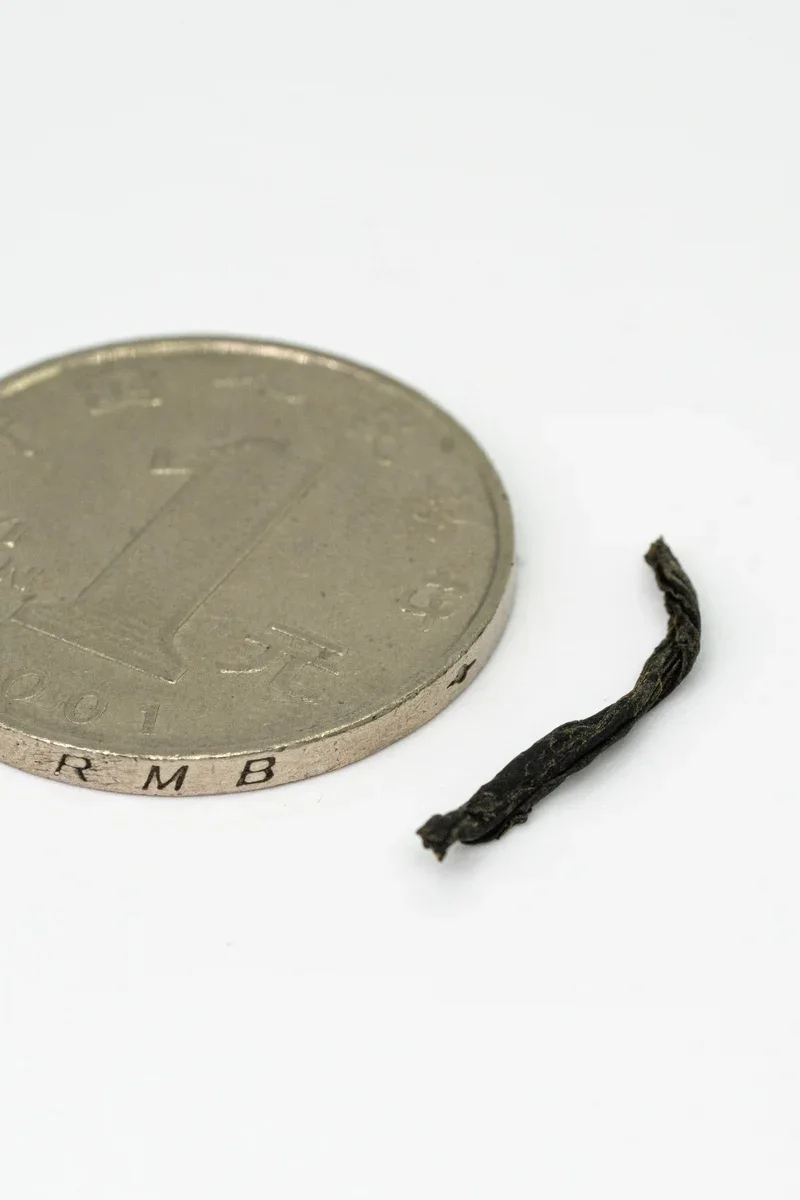
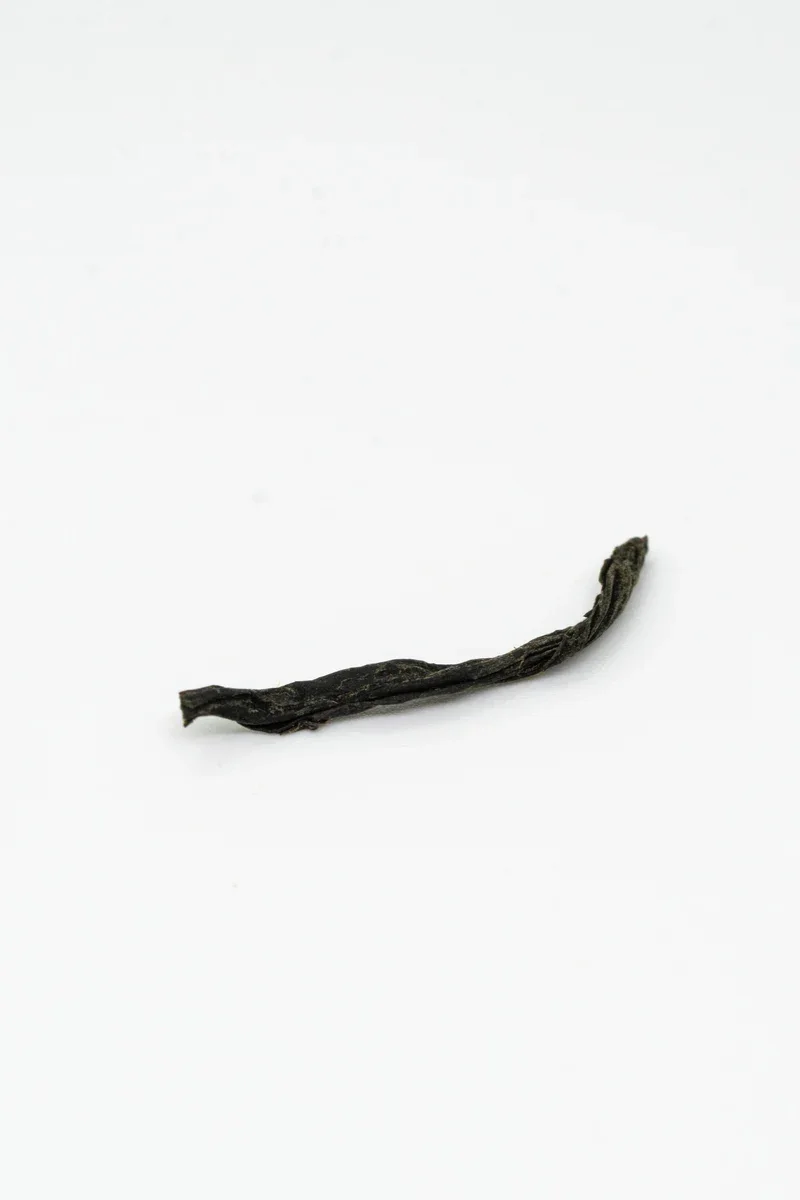
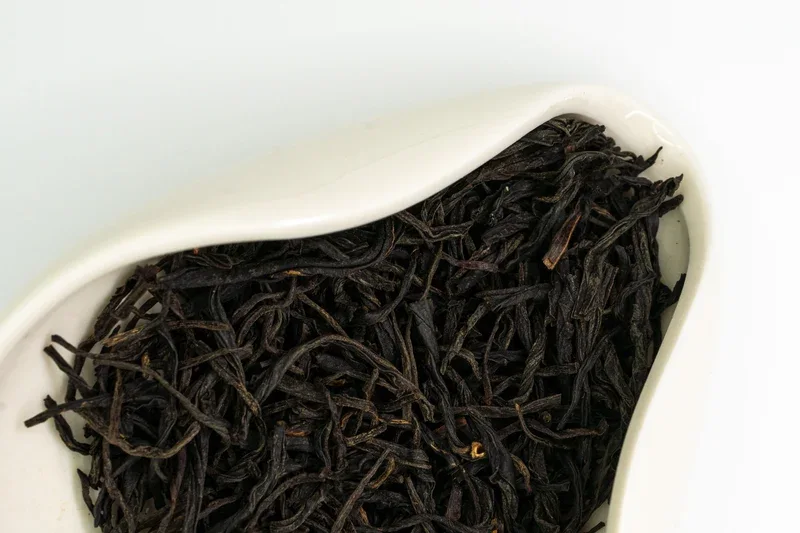
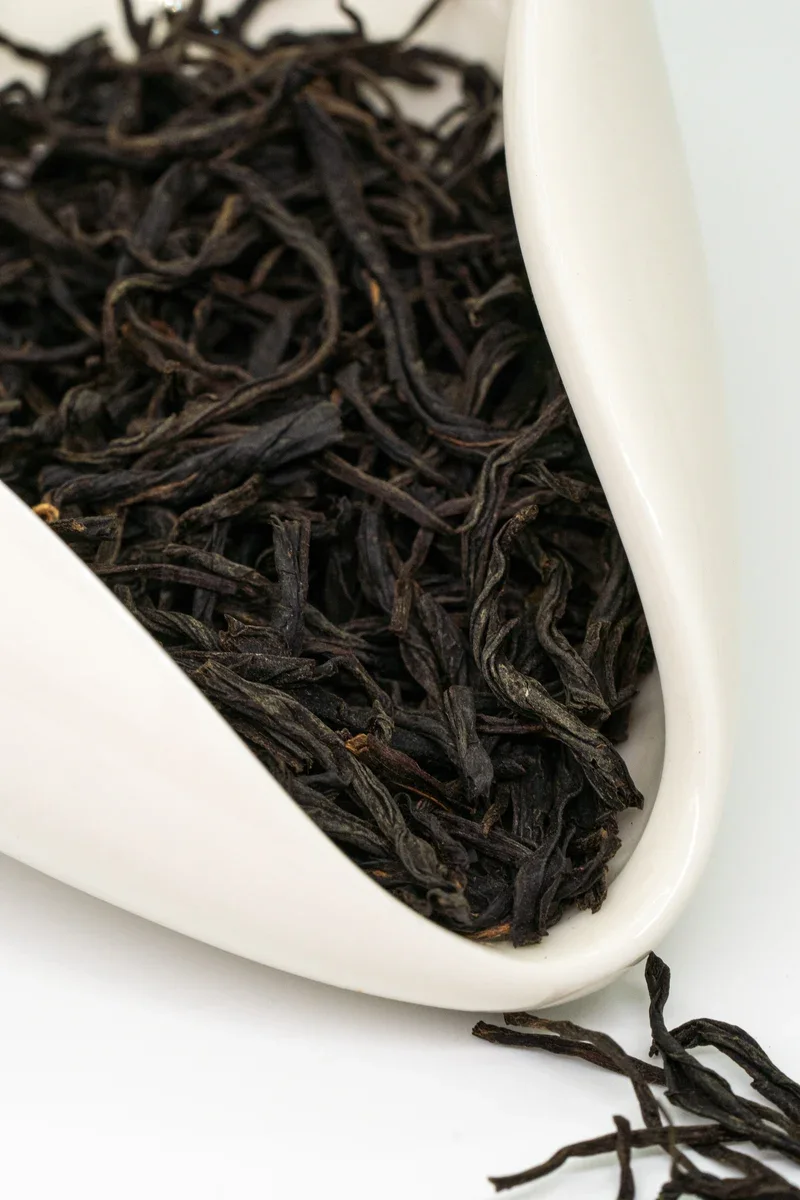
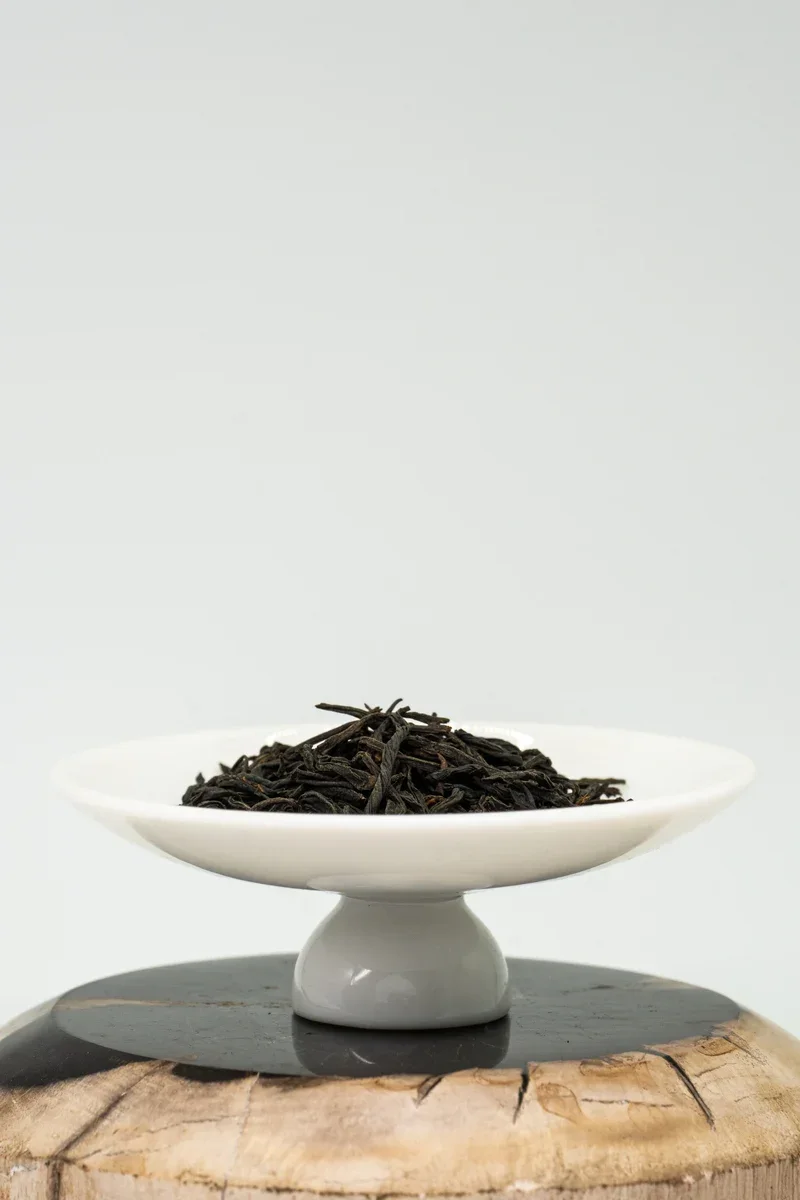
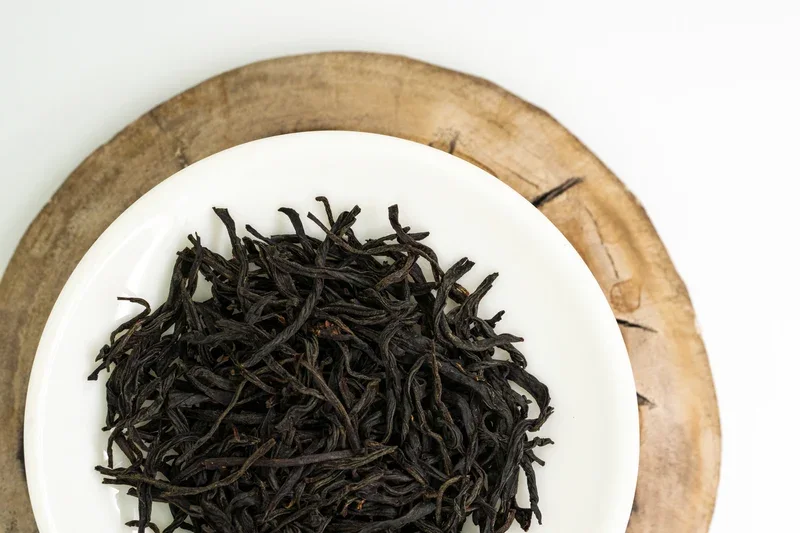
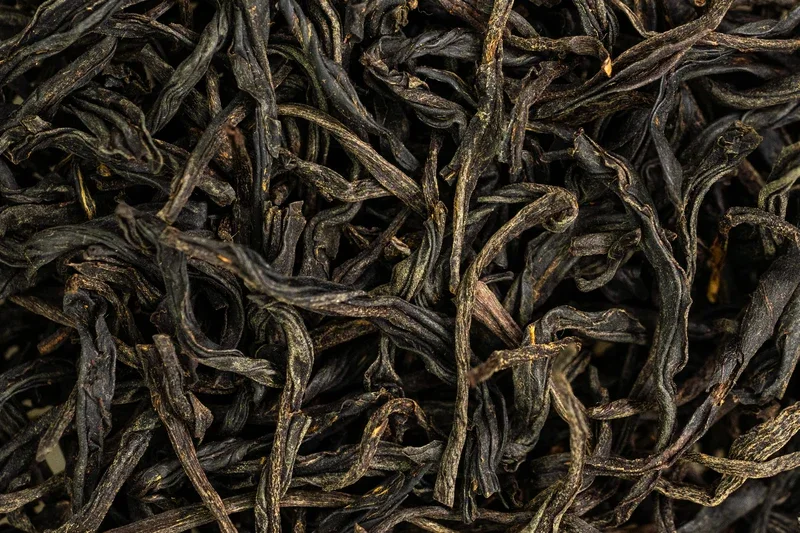
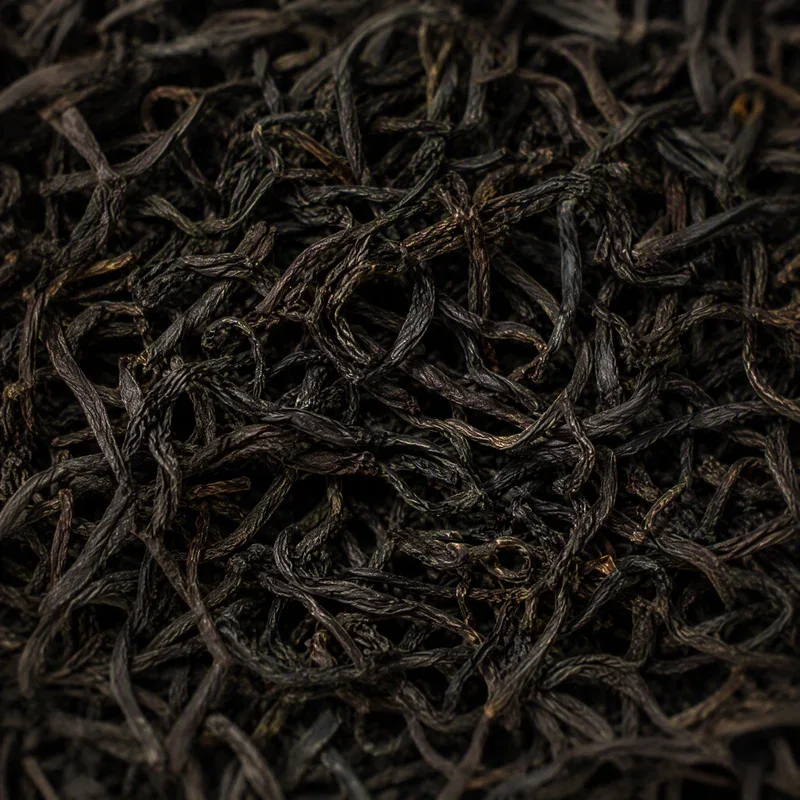
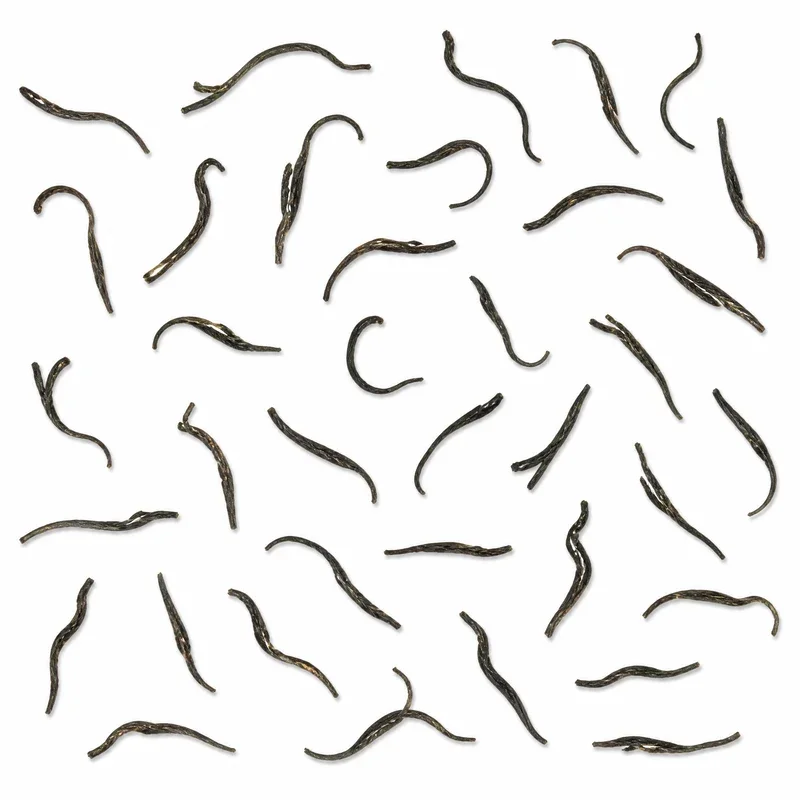
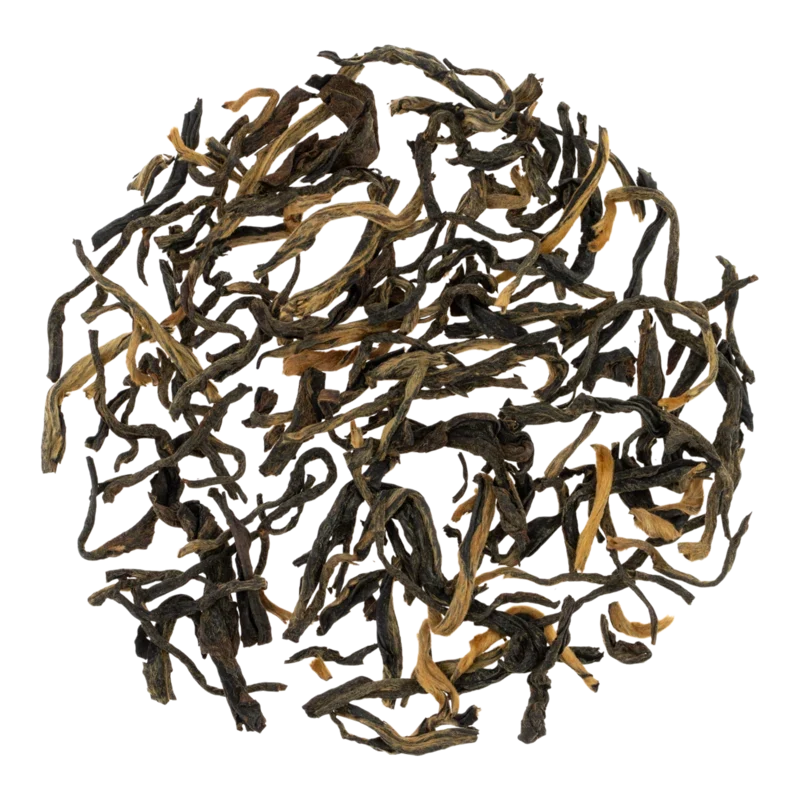
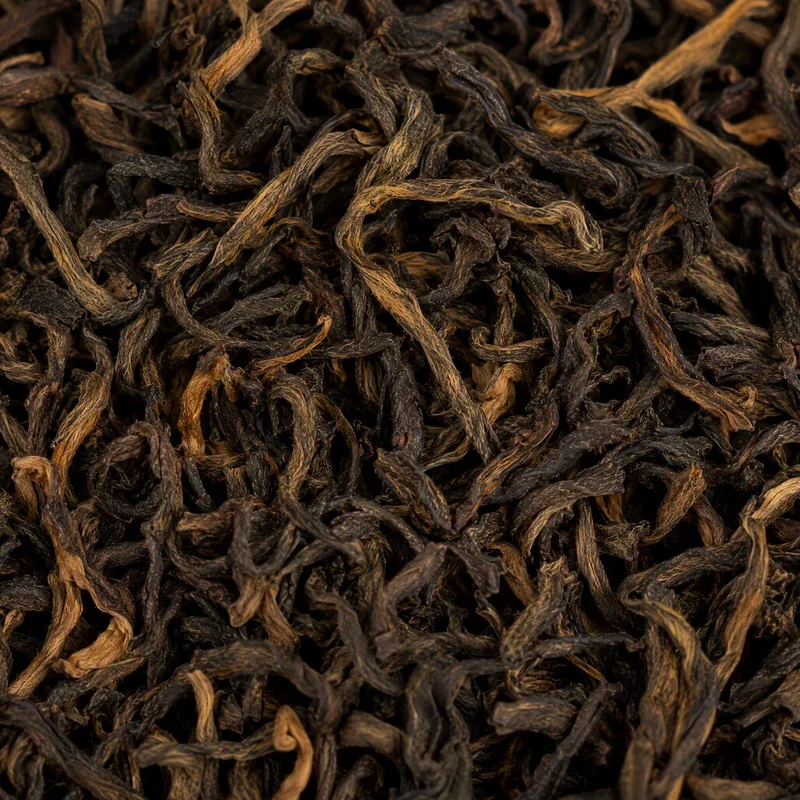
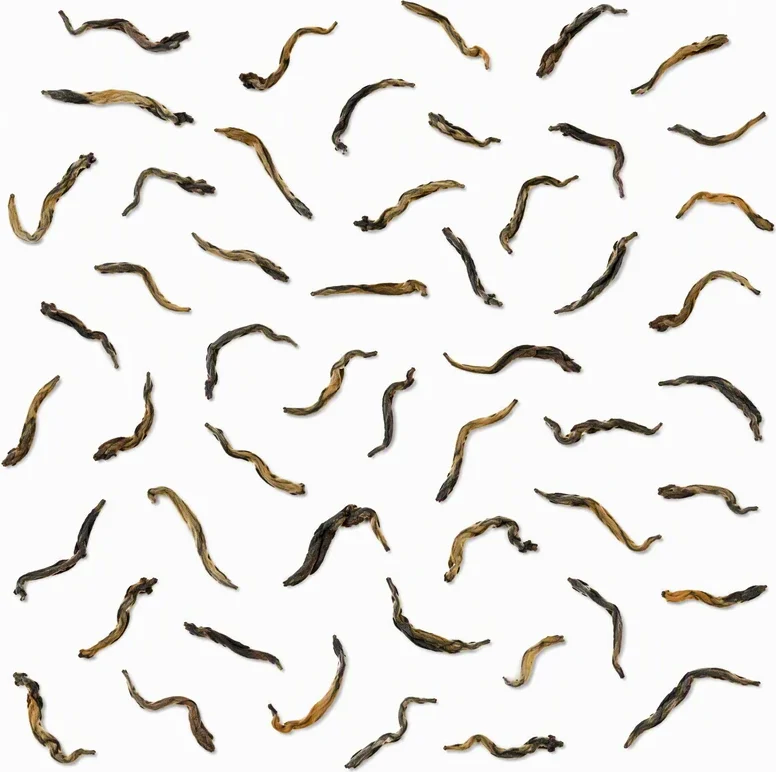
Dry Leaf Appearance: Dense, tightly twisted strips, uniform in size. In highest grades — abundant golden tips (金毫) covering the entire surface of tea particles. Color — from dark brown to charcoal black with golden inclusions. Oily luster. In Tèjí (特级) — "entirely in gold" (满盘金色黄毫).
Dry Leaf Aroma: Rich, sweet, with caramel-honey, malty, chocolate notes. Light spicy (cinnamon, black pepper) and fruity (dried fruits, prunes) overtones. More powerful and "denser" than small-leaf red teas.
Liquor Aroma: Deep, warm — caramel, honey, chocolate, malt. In the best batches — floral notes reminiscent of wild rose. Feng Shaoqiu described it with the formula: "has the aroma of qihong and the colors of Indian-Ceylon tea" (既具祁红之香,又具印锡红茶之色).
Liquor Color: Bright red, deep, rich, with ruby tint. Clear. In the best batches — "golden ring" around the edge of the cup (金圈, jīn quān).
Spent Leaves: Large, whole leaves of bright red (orange-red) color, elastic, shiny — "red and brilliant" (红艳发光), according to Feng Shaoqiu's description.
Taste: Dense, rich, "velvety," with pronounced "body" (full-bodied). Dominants — caramel sweetness, malt, chocolate, dried fruits (apricot, prunes, dates). Light spiciness. Moderate, pleasant astringency, not transitioning to bitterness. Pronounced "returning sweetness" (回甘, huígān). Aftertaste long, warm, with caramel-honey trail.
Alkaloids: Caffeine — 3–5% dry weight; in cup ~30–70 mg. Theobromine, theophylline.
Amino Acids: 1.5–3% dry weight. L-theanine — main component. The ratio of polyphenols to amino acids (phenol-amino ratio, 酚氨比) in large-leaf varieties is higher than in small-leaf, which explains the more pronounced astringency and "strength" of Dianhong.
Essential Oils: Linalool, geraniol, phenylacetaldehyde; caramel and malty components of Maillard reaction.
Minerals: Potassium, calcium, magnesium, iron, manganese, fluorine, zinc, copper, selenium.
Polyphenols: 15–25% dry weight — higher than most small-leaf hongcha. With full oxidation, high concentration of theaflavins (0.8–2.5%) and thearubigins (8–15%) is formed, providing rich color, "body" and "golden ring."
Vitamins: B₁, B₂, B₃, C (partially), E, K.
High caffeine content provides pronounced invigorating effect; L-theanine softens it, preventing nervousness.
Abundant theaflavins and thearubigins — among the most effective natural antioxidants.
Dianhong is one of the most "warm" in nature red teas, ideal for winter and people with "cold" constitution according to TCM.
Stimulates secretion of digestive enzymes, helps after heavy and fatty food.
Polyphenols improve vascular elasticity and microcirculation.
High polyphenol content provides pronounced antibacterial effect.
Combination of caffeine, theanine and B vitamins supports performance and concentration.
Dianhong is excellent with milk — its density and richness allow it to "take the hit" without losing character. Perfect for "masala chai" and cold brew.
Tea Amount: 4–6 g per 100–120 ml (gongfu); 3–4 g per 200–250 ml (European method).
Teaware: Porcelain gàiwǎn (盖碗) — optimal for tasting. Yixing teapot — good choice for dense, mature grades. Glass teaware allows admiring the intense color of the liquor.
Water Temperature: 90–100°C. Large-leaf Dianhong tolerates boiling water well; for delicate bud grades (Jin Ya, Jin Zhen) — 85–90°C.
Container: Airtight, opaque — tin can, foil bag, ceramic vessel.
Dry, cool, dark place. 10–25°C, humidity up to 60%.
12–24 months. Some dense grades (Lao Cong, Gu Shu) age well up to 3 years.
Refrigerator not needed; red tea stores at room temperature.
Classical style — orthodox processing, fine uniform fraction after refining. Export foundation.
"Golden buds" — buds only, covered with dense golden tips. Premium grade, delicate, sweet.
"Golden needles" — buds with straight twist, visually resembling golden needles. Maximum sweetness.
"Golden snails" — spiral twist. Visually attractive, fruity-floral.
"Pine needles" — straight twist from leaves, resembling pine needles.
"Large golden buds" — from buds of tree-form bushes.
"Golden threads" — finest twist.
From leaf of wild tea trees. Powerful, "wild" profile.
From leaf of old (100+ years) trees. Deep, mineral taste with characteristic "forest" note.
"Sun-dried red tea" — dried not with hot air but by sun rays. Separate direction with potential for aging.
Best dianhongs are from Fengqing and Lincang. Cheap counterfeits are often produced from raw material of lowland Yunnan plantations or other provinces.
Authentic high grade has abundant, natural golden tips. Artificially "colored" or mixed tips are a warning sign.
Good Dian Hong Gongfu is rich but without sharp bitterness. Coarse, "heavy" bitterness is a sign of low-quality or old raw material.
Bright red, clear, with "golden ring." Cloudy or dark brown is a sign of technology violation.
No reviews yet. Tell us what you think of this tea.
Rate this tea and share your impressions. We review each submission before publishing it.