Brewing
Gongfu brewing
- Water temperature
- 93 °C
- Tea amount
- 5 g
- Water volume
- 100 ml
- First steep
- 10 s
- Time added per infusion
- 5 s
- Infusions
- 4

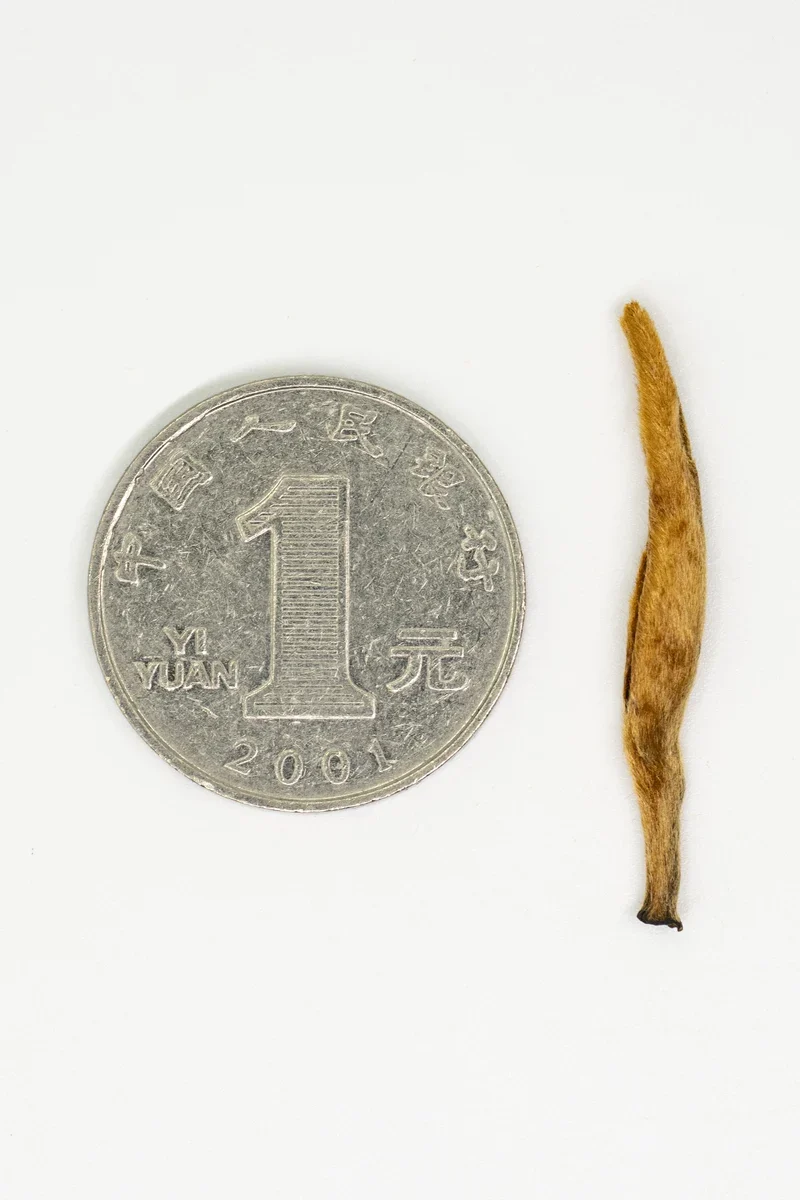
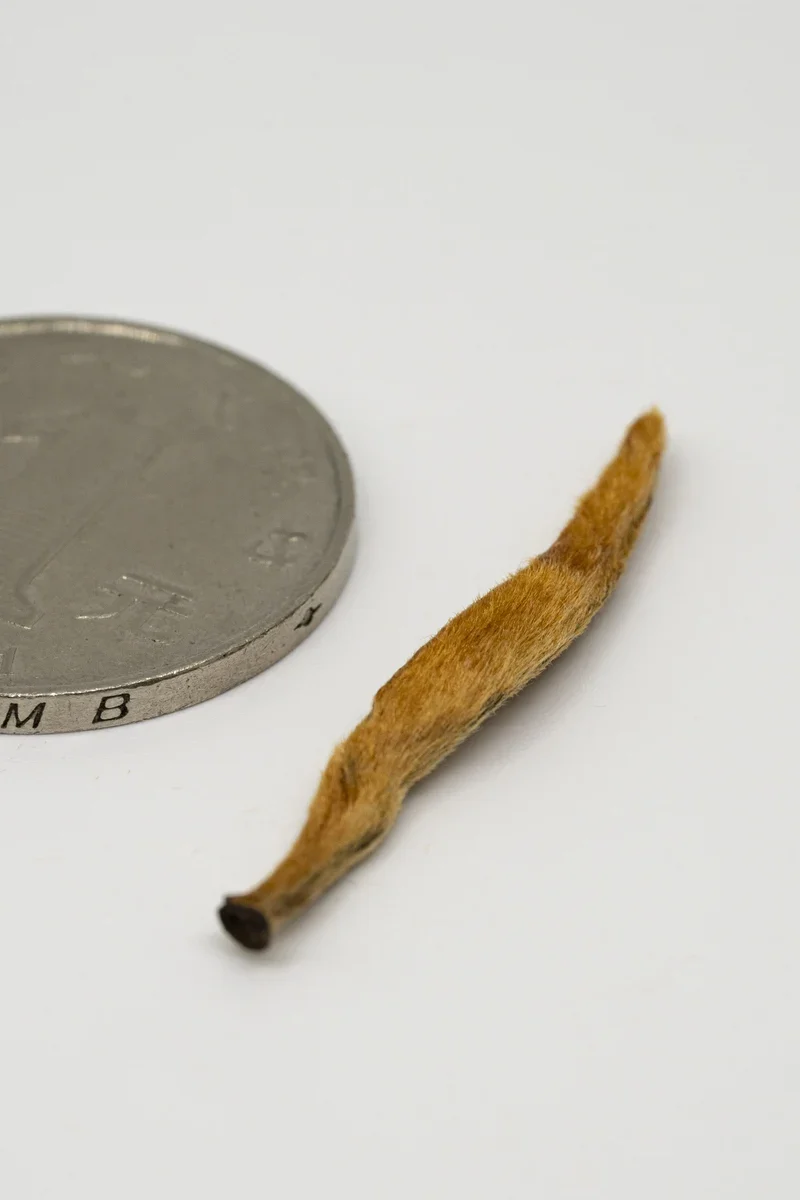
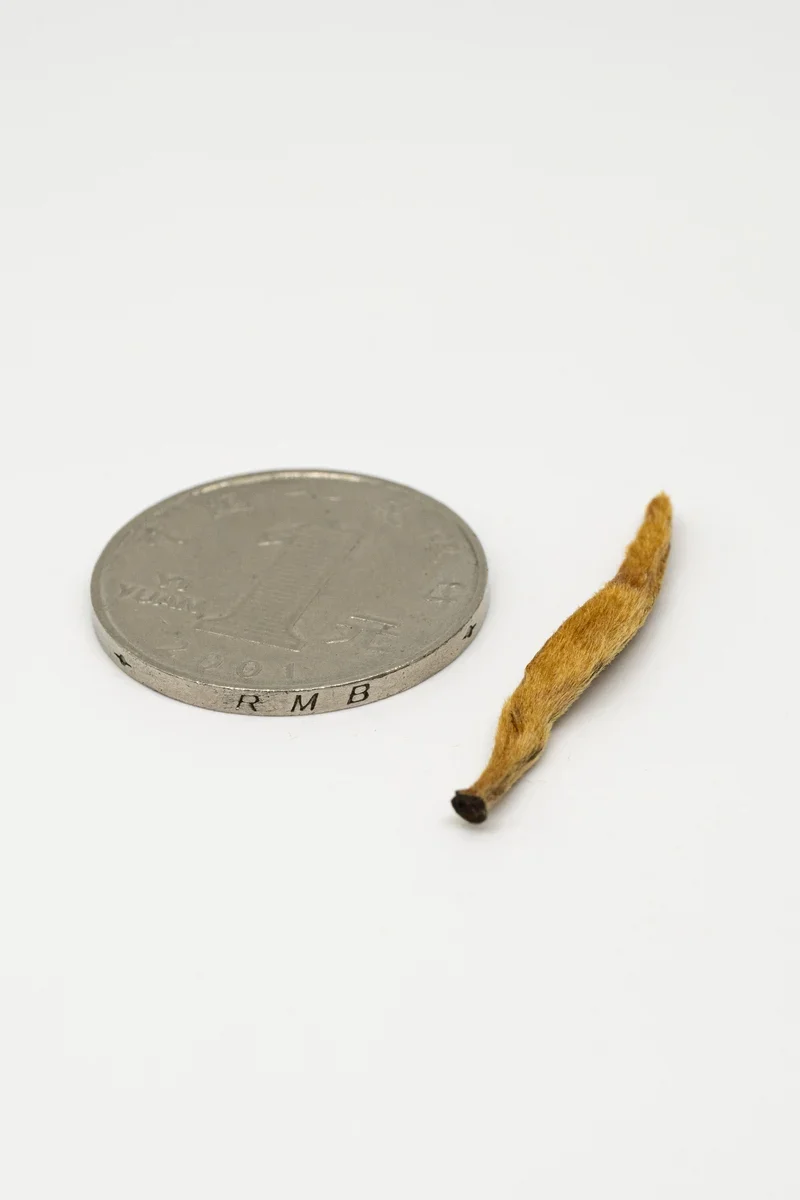
Diānhóng dà jīn yá
Choose a brewing method. Start with the recommended quantities and time, then adjust to taste.
Brewing
Brewing
Taste
Tea encyclopedia
Category: Elite red tea of the Diānhóng (滇红, Diānhóng) group with emphasis on large, predominantly bud material. Belongs to the category "ming you hong cha" (名优红茶, míngyōu hóngchá) — famous high-quality red teas.
Category: Elite red tea of the Diānhóng (滇红, Diānhóng) group with emphasis on large, predominantly bud material. Belongs to the category "ming you hong cha" (名优红茶, míngyōu hóngchá) — famous high-quality red teas.
Coordinates: Fengqing — approximately 24°35′ N, 99°55′ E. Lincang — 23°53′ N, 100°05′ E.
Origin: China, Yúnnán Province (云南省, Yúnnán shěng). Main production regions: Fèngqìng County (凤庆县, Fèngqìng xiàn) and Líncāng Prefecture (临沧市, Líncāng shì) — "homeland of Dianhong" (滇红之乡, Diānhóng zhī xiāng). Also produced in Bǎoshān (保山, Bǎoshān) districts and other tea zones of Yunnan where large-leaf varieties with particularly massive buds grow.
Type: Red tea (black tea) (红茶, hóngchá), fully oxidized (by European classification — black tea). Degree of oxidation — 80–95%.
Specialized tea shops with information about origin, harvest year and producer.
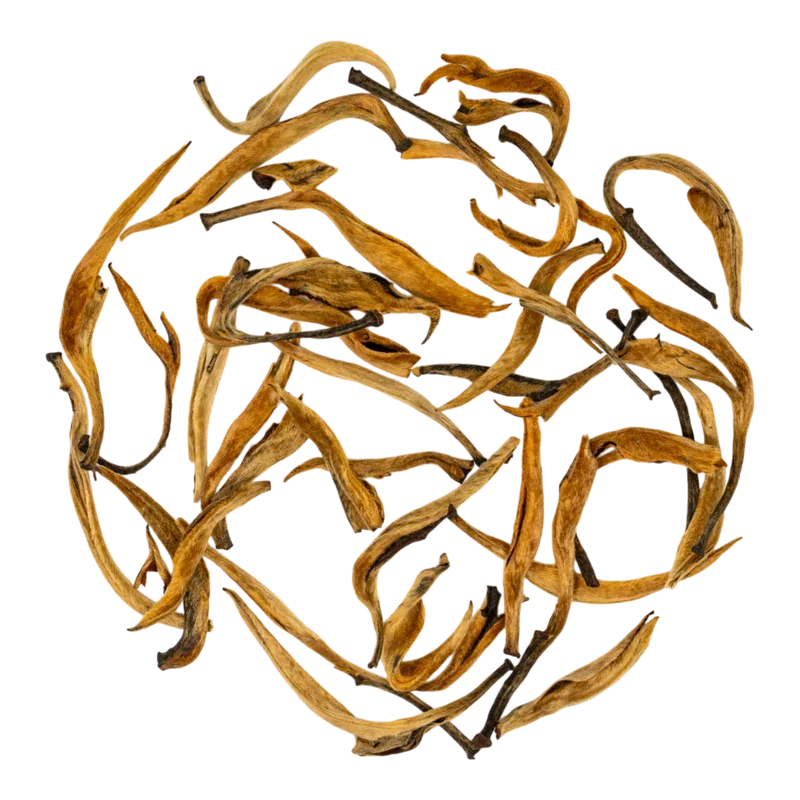
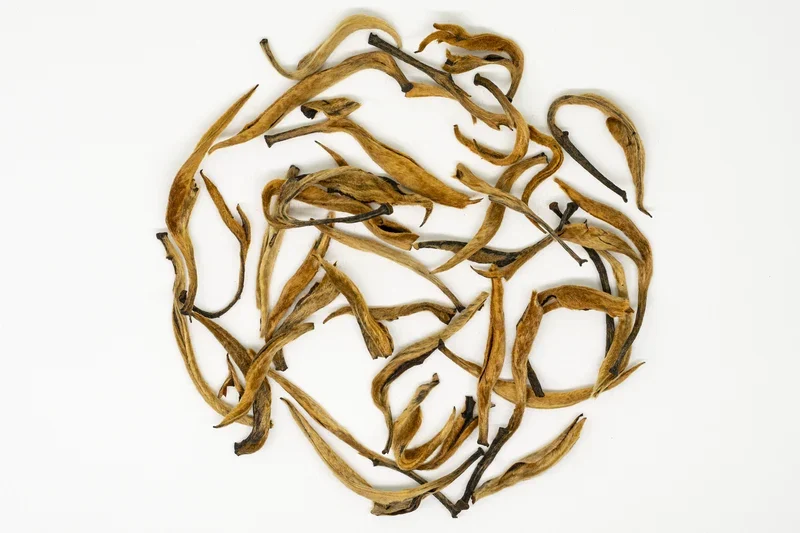
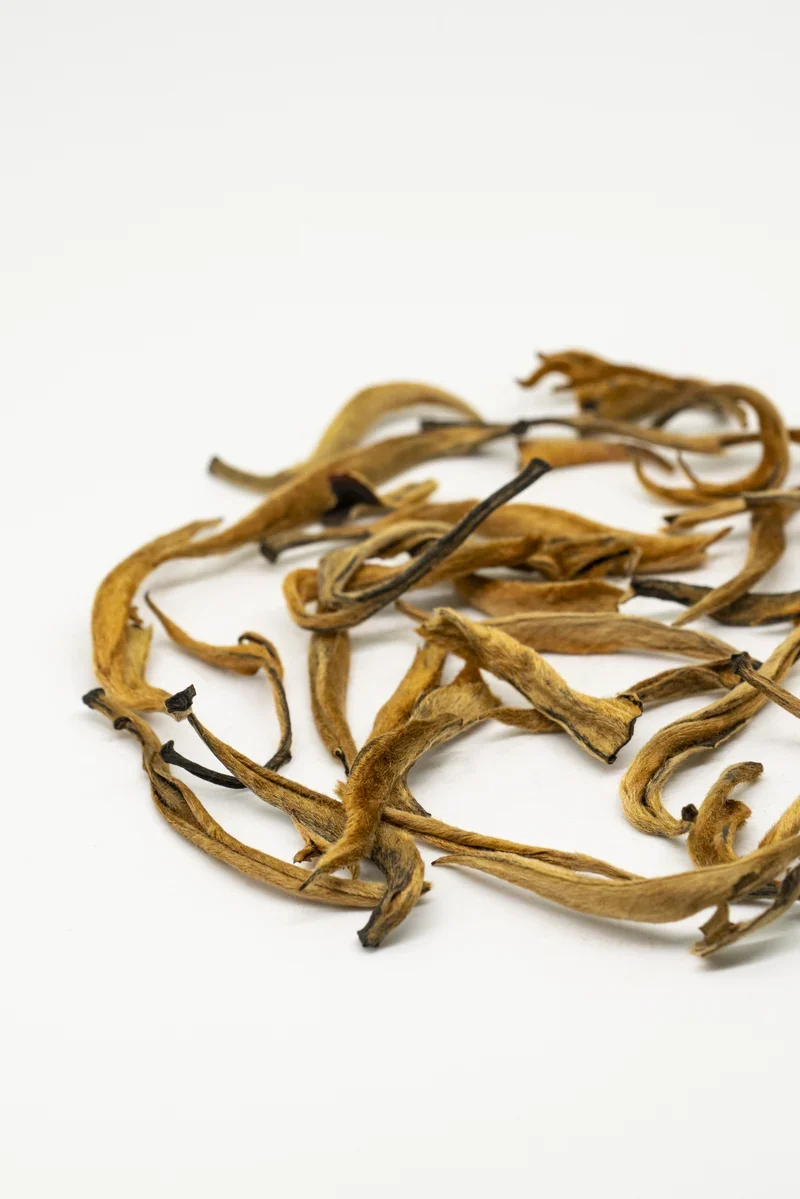
Large, whole, uniform buds with thick golden down — main visual criterion. Abundance of small fragments, "sticks," dull uneven color — signs of counterfeiting.
Rich, natural, sweet, honey-fruity. Sharp, artificial or musty — reason to refuse purchase.
Bright, clear, amber-red. Cloudy or lifeless liquor indicates low quality.
Suspiciously low price for "elite" Da Jin Ya practically guarantees raw material substitution.
Serious sellers provide information about origin and quality test results.
Da Jin Ya is one of the most spectacular red teas: large golden buds up to 3 cm long make an indelible impression even on experienced connoisseurs and are the decoration of any tea collection.
Da Jin Ya occupies an intermediate niche between purely bud Jin Ya and classical leaf Gongfu, offering a balance of delicacy and fullness, for which it's valued by those who find ordinary Jin Ya too light and Gongfu too astringent.
The external impressiveness of Da Jin Ya — a scattering of large gold — makes it one of the most popular gift red teas in China. It's often packaged in luxurious gift boxes with elements of traditional Chinese design.
Fengqing County, where the best Da Jin Ya originates, is also home to the 3,200-year-old Jǐnxiù Chazun (锦秀茶尊) — the world's oldest cultivated tea tree. In 2007, a tea cake weighing 499 g from this tree's leaves was sold at the Shenzhen Tea Exhibition for 420,000 yuan.
Spring Da Jin Ya is famous for delicacy and amino acid concentration, autumn — for deeper, "mature" aroma with pronounced honey-chocolate notes. Connoisseurs often collect both seasons for comparative tastings.
In the 1950s, Yunnan red tea was actively exported to the USSR, and Soviet specialists who visited Fengqing in 1956 called Dianhong "China's best red tea." In those years, one ton of Dianhong was exchanged for ten tons of steel for Chinese industrialization.
"Golden buds" — purely bud tea with even stricter picking standards (only buds, no leaves). Taste more mild, delicate, with accent on honey sweetness. Da Jin Ya — fuller, richer, with light astringency and more complex bouquet due to presence of leaves. Jin Ya is more expensive.
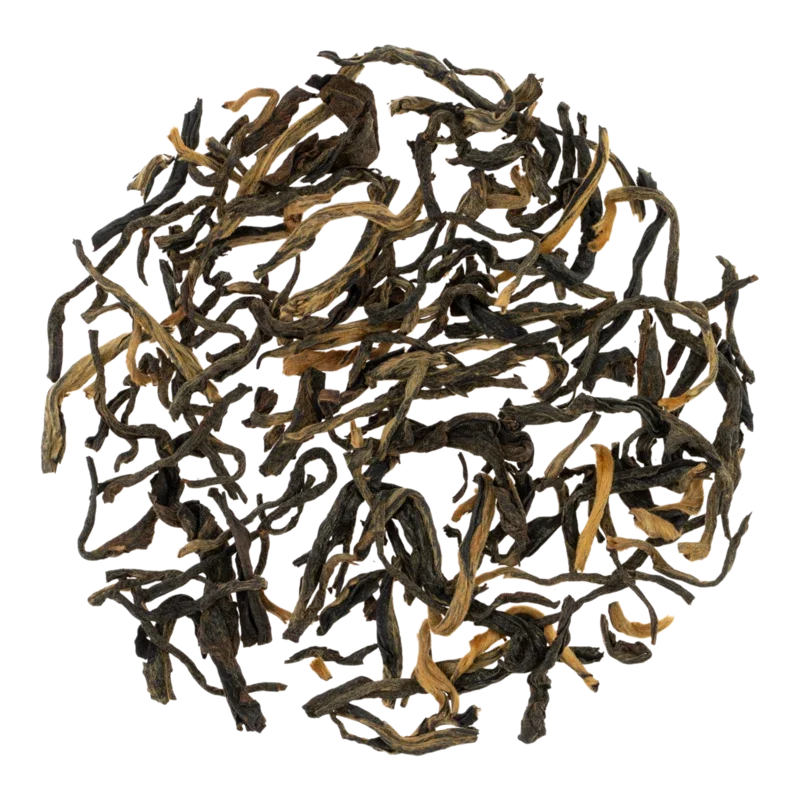
Classical leaf Dianhong (bud + 2–3 leaves). Significantly more astringent and "dense," with pronounced malty, chocolate and spicy notes. More affordable in price. Da Jin Ya — more refined and sweet, with less astringency.
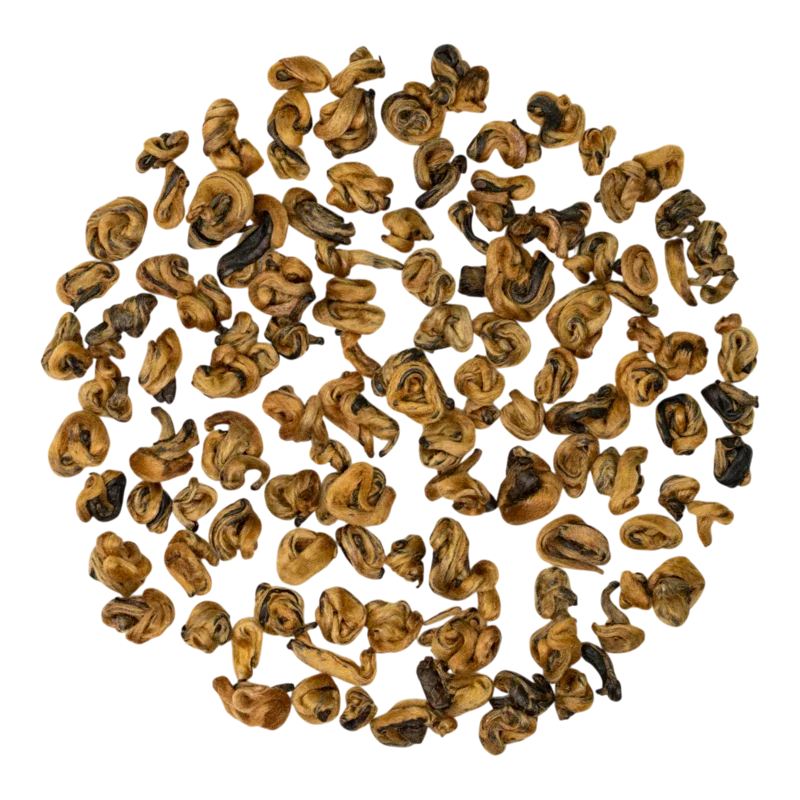
"Golden spirals" — bud tea twisted into spirals. Taste and aroma similar to Jin Ya, but spiral form affects brewing dynamics: spirals open faster, first infusions more bright. Floral notes in Jin Luo are often more pronounced.
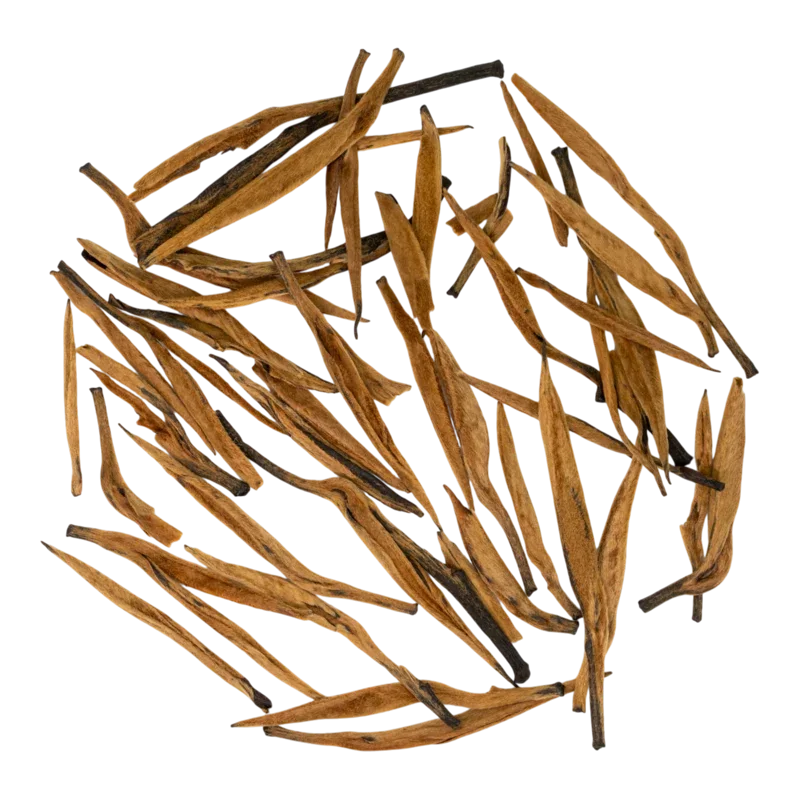
"Golden needles" — bud with one leaf, twisted into needle form. More astringent and "brutal" than Da Jin Ya, withstands higher temperature (90–95°C). Excellent choice for introduction to bud Dianghongs at reasonable price.
"Wild Dianhong" from wild tree material (Camellia taliensis or hybrids). Possesses characteristic "wild" notes — herbal, floral-fruity, sometimes honey. Less predictable but more intriguing profile.
Cultural Significance: Da Jin Ya is positioned as a tea emphasizing the power and generosity of Yunnan terroir. If ordinary Jin Ya is refined elegance, then Da Jin Ya is impressive luxury, where the size of buds visually demonstrates the nobility of the raw material. This tea is often chosen as a status gift and for representative tea ceremonies where it's important to make an impression not only with taste but also with the appearance of the dry leaf.
History: Dianhong Da Jin Ya shares the common history of Yunnan red tea, beginning in 1938 during the Anti-Japanese War. When traditional eastern Chinese tea regions fell under occupation and export of "Qihong" (祁红) from Anhui ceased, the China Tea Corporation (中茶公司) sent specialist Fēng Shàoqiú (冯绍裘, Féng Shàoqiú, 1900–1987) to Yunnan to develop a new export red tea. In autumn 1938, Fēng Shàoqiú reached Shùnníng County (顺宁, Shùnníng — now Fengqing), overcoming the most difficult route through mountain passes and crossing the Láncāng River (澜沧江, Láncāng jiāng — upper reaches of the Mekong), where cargo was transported on bamboo rafts and horses swam across independently. Seeing the powerful local tea trees with large buds, he immediately produced trial samples and enthusiastically described the red sample: "A full tray of golden down, the liquor red, rich, bright — nothing like this among small-leaf red teas from other provinces had been encountered." In 1939, the Shùnníng Experimental Tea Factory (顺宁实验茶厂) was established, and the first batch — 500 dan (about 16.7 tons) — was shipped through Hong Kong to London, where it caused a sensation. Subsequently, from 1959, the finest Diānhóng samples were approved as state diplomatic tea (外事礼茶, wàishì lǐchá). However, the designation of Da Jin Ya as a separate commercial product occurred later, in the second half of the 20th — early 21st century, when producers began differentiating bud Dianghongs by size and raw material standard, creating g
Cultivar: Uses the large-leaf Yúnnán variety Yúnnán Dǎ Yè Zhǒng (云南大叶种, Yúnnán Dàyèzhǒng) — Camellia sinensis var. assamica. For Da Jin Ya, trees and plantations producing particularly large, massive buds are selected. Main cultivars:
Picking: Predominantly in spring (March — April), when buds reach maximum size but have not yet opened. Spring picking (春茶, chūnchá) is most valued. Summer and autumn pickings are also used but are inferior in amino acid concentration and aroma fineness.
Pluck Standard: Predominantly large unopened buds (tips), a small amount of one or two upper leaves is permitted, but buds always predominate in the mass of raw material. This distinguishes Da Jin Ya from ordinary Jin Ya (where only buds are permitted) and from Jin Zhen (bud + one leaf).
Raw Material: Highest. The largest, most tender, undamaged buds and leaves covered with golden down are selected. Picking — exclusively by hand, in dry weather.
Altitude: 1,000–2,000 m above sea level. At higher altitudes, buds grow more slowly but accumulate more aromatic compounds and amino acids, directly affecting the quality of Da Jin Ya.
Climate: Subtropical mountain with pronounced vertical zonation. Average annual temperature — 13–18°C. Annual precipitation — 1,000–1,500 mm. Relative humidity — about 70%. Frequent fogs are characteristic (especially in mountain areas), significant daily temperature fluctuations (10–15°C), mild winters. The combination of warmth and moisture during the growing season and coolness during the dormant period creates unique conditions for the formation of large, nutritionally rich buds.
Soil: Red and yellow lateritic soils (red earths and yellow earths), acidic (pH 4.5–5.5), with high content of organic matter and minerals. A powerful humus horizon forms under the cover of subtropical forests.
Southwest China, Yunnan-Guizhou Plateau. Birthplace of the tea tree — here grow the most ancient tea trees on the planet, including the 3,200-year-old Jǐnxiù Chazun (锦秀茶尊) in Fengqing. The territory is distinguished by exceptional biological diversity — Yunnan is called the "kingdom of plants" (植物王国, zhíwù wángguó).
Exclusively manual. Large buds are plucked carefully, avoiding damage to the down and compression.
Picked material is spread in a thin layer on bamboo trays in the open air in shade or in a ventilated room. Duration — from 12 to 18 hours or more, depending on weather and raw material condition. Moisture content decreases to 55–60%. Buds become soft, elastic, begin to emit a light floral aroma — a signal of pre-fermentation processes starting. For Da Jin Ya, withering may be somewhat longer than for small Jin Ya due to the greater massiveness of the buds.
Careful, light rolling by hand or on special rollers with minimal pressure. Goal — to slightly disrupt cellular structure to activate oxidation without destroying the form and down of large buds. Rolling intensity — lower than for classical Dianhong Gongfu, but somewhat higher than for pure Jin Ya, since the present leaves require deeper processing.
Key stage in forming taste and aroma. Rolled material is spread in a room with controlled temperature (22–28°C) and humidity (90–95%). Duration — 3–5 hours. The master controls color (transition from greenish to reddish-copper), aroma (growth of fruity-honey notes) and moisture of the material. For Da Jin Ya, it's important not to allow excessive oxidation — otherwise the characteristic sweetness is lost and astringency appears.
Multi-stage: primary at 100–110°C to stop oxidation, secondary at 80–90°C to reduce moisture to 4–6%. Often completed with a "quiet drying" stage (慢烘, màn hōng) at reduced temperature to fix the aroma.
Manual: selection of large whole buds, separation of leaves, removal of fragments and defective specimens.
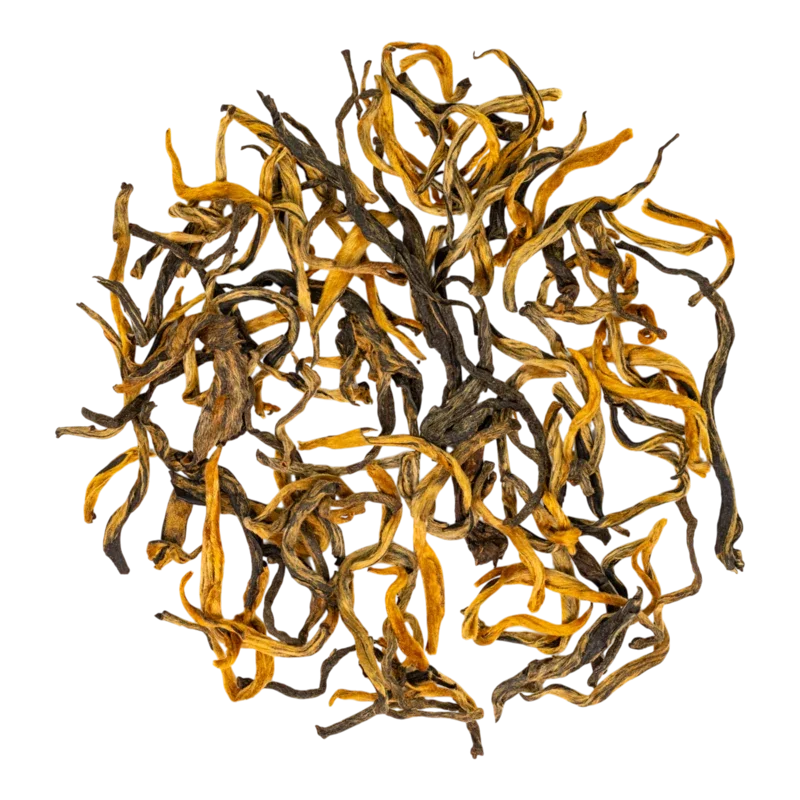
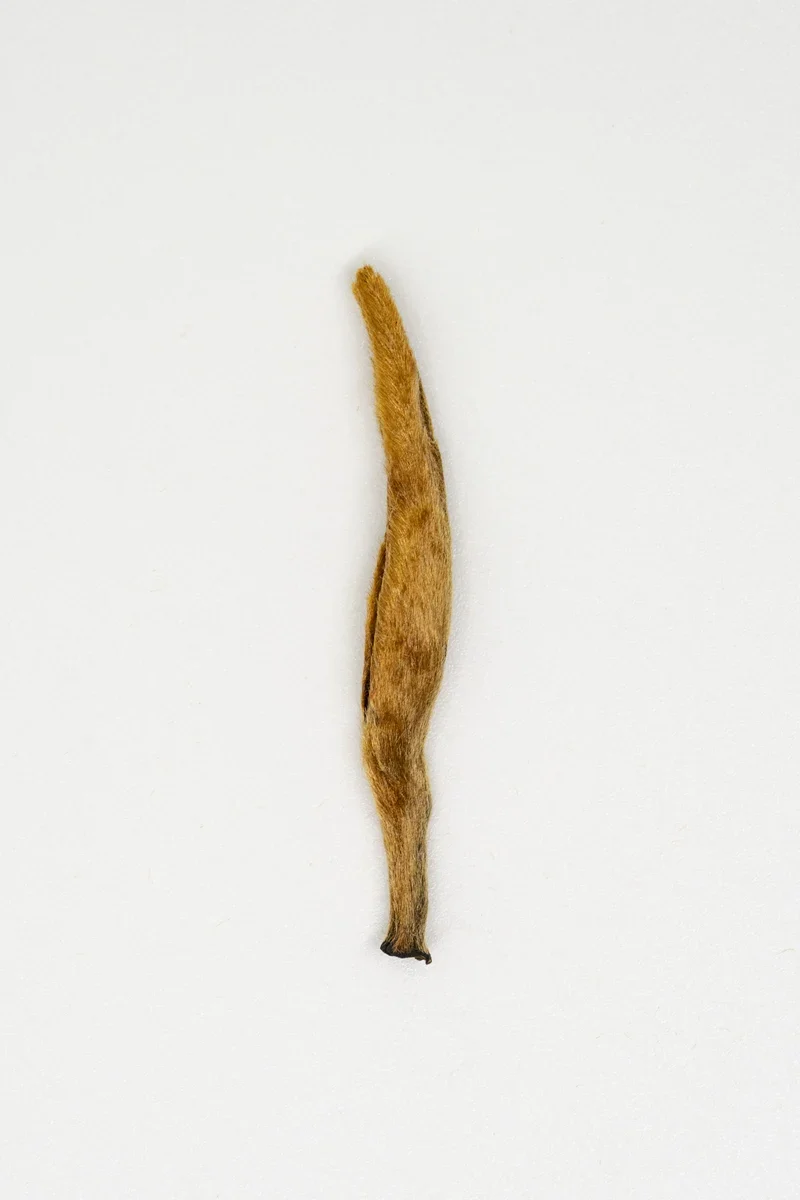
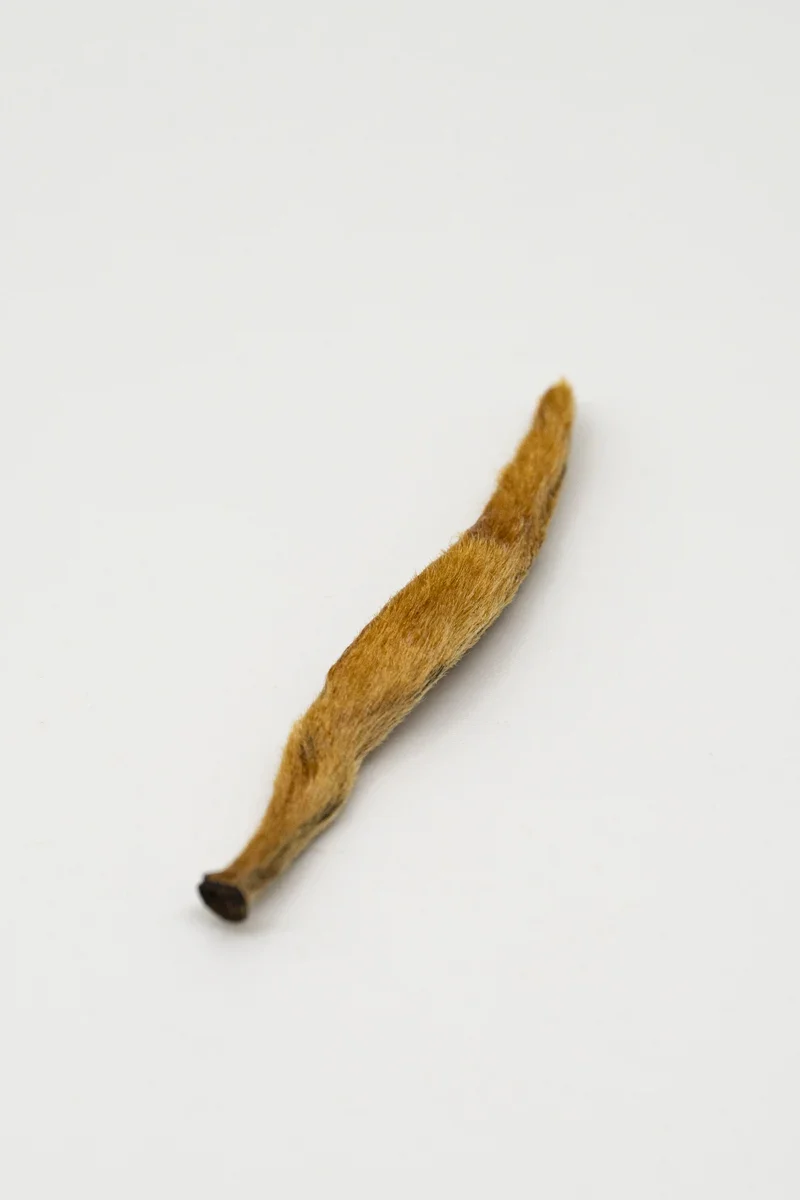
Dry Leaf Appearance: Large, fleshy, impressively sized buds (2–3 cm), covered with thick golden or reddish-golden down. Small dark brown leaves may be present, slightly twisted. Overall color — golden-brown with reddish tint. The tea looks impressive and luxurious — large golden buds make a strong visual impression.
Dry Leaf Aroma: Rich, full, warm. Honey, malt, dried fruit (apricot, prune, raisin), chocolate notes dominate. Spice nuances (cinnamon, nutmeg), floral and light woody tones are present. The aroma is persistent and enveloping.
Liquor Aroma: Bright, full. Honey-malt notes interweave with tones of dried fruits, chocolate, caramel, flowers and light spices. When cooled, nuances of leather and burnt sugar may appear.
Liquor Color: From amber-red to red-copper, transparent, clear, with deep saturated shade and characteristic shine. Possible "golden ring" (金圈, jīnquān) around the cup edge.
Spent Leaves: Predominantly whole, elastic large buds that retained form and down, golden-copper colored. Small amount of opened reddish-brown leaves. The uniformity and size of the spent leaves are impressive.
Taste: Full, rich, velvety, sweetish, with more pronounced body than ordinary Jin Ya. Light, pleasant astringency is present, giving the taste structure and depth. Honey, malt, dried fruit (apricot, prune, raisin), chocolate, caramel notes predominate. Bitterness with proper brewing is minimal or absent. Aftertaste (回甘, huígān) — long, sweet, with honey-caramel trail.
Alkaloids: Caffeine — 2–4% (about 14–15 mg/g). Theobromine and theophylline — in trace amounts. Mild tonic action, enhanced by synergy with L-theanine.
Amino Acids: 3–4% of dry matter. L-theanine — main component (more than 50% of total pool), responsible for sweetness, softness and relaxing effect. Presence of leaves somewhat reduces the amino acid to polyphenol ratio compared to pure Jin Ya, which explains the slightly more pronounced astringency.
Presence of young leaves enriches the tea with additional polyphenols and essential oils, making the flavor profile more complex and multifaceted compared to purely bud Jin Ya.
Essential Oils: Rich aromatic complex: linalool, geraniol, phenylethanol, β-ionone, nerolidol. Presence of leaves adds malty-spicy notes to the aroma, absent or less pronounced in pure Jin Ya.
Minerals: Potassium, magnesium, manganese, fluorine, iron, zinc, selenium. Water extract — 41–48%.
Polyphenols: Content in raw material — 30–34% (one of the highest among tea cultivars). In finished red tea after oxidation — about 15–17%. Main oxidation products: theaflavins (0.4–0.8%), thearubigins (5–8%), theabrownins. Theaflavins provide liquor brightness and "golden ring," thearubigins — body and richness.
Vitamins: C (partially), B₁, B₂, B₆, E, K, PP.
Mild and prolonged vigor thanks to synergy of caffeine and L-theanine. Improved concentration, mental clarity, performance without nervousness.
Fully oxidized tea with "warm nature" (性温, xìng wēn) in TCM terms. Improves circulation, helps in cold weather.
Theaflavins, thearubigins and residual catechins neutralize free radicals, slowing cellular aging processes.
Stimulates gastric juice secretion, improves peristalsis, helps with feeling of heaviness after meals. Red tea affects mucosa more gently than green tea.
Tea polyphenols promote normalization of cholesterol levels (lowering LDL, raising HDL), strengthen vessel walls, maintain their elasticity.
L-theanine promotes relaxation, reduces anxiety, improves mood and sleep quality with moderate consumption.
Polyphenols, vitamin C and minerals support the body's protective functions, have antibacterial properties.
Caffeine and polyphenols accelerate metabolic processes, promote fat breakdown.
Tea Amount: 3–5 g per 150–200 ml water. Large buds take up more volume — orient by weight, not visual volume.
Teaware: Porcelain or glass gaiwan (盖碗, gàiwǎn) — ideal choice. Glass teaware allows admiring the opening of impressively sized golden buds. Thin-walled porcelain teapot or Yíxīng teapot (宜兴壶, Yíxīng hú) from zhuni clay will work.
Water Temperature: 85–90°C. Large buds are delicate; boiling water may cause excessive astringency and "burn" the aroma.
Container: Airtight opaque container (tin can, foil bag with zip-lock, vacuum packaging).
Enemies: Moisture, light, heat, oxygen, foreign odors.
Shelf Life: 2–3 years with proper storage. Optimal taste is achieved 1–3 months after production, when "fire" from drying completely dissipates.
Dry, cool, dark place without foreign odors. Temperature — 15–25°C, humidity — no more than 60%.
"Golden Buds" — a pure bud tea with an even stricter picking standard (only buds, no leaves). The taste is softer, more delicate, with emphasis on honey sweetness. Da Jin Ya is fuller, richer, with light astringency and a more complex bouquet due to the presence of small leaves. Jin Ya is more expensive.
Classic leaf Dian Hong (bud + 2–3 leaves). Significantly more astringent and "dense," with pronounced malty, chocolate, and spicy notes. More affordable in price. Da Jin Ya is more refined and sweet, with less astringency.
"Golden Spirals" — bud tea twisted into spirals. Taste and aroma are similar to Jin Ya, but the spiral form affects brewing dynamics: spirals unfold faster, first infusions are brighter. Floral notes in Jin Luo are often more pronounced.
"Golden Needles" — bud with one leaf, twisted into needle shape. More astringent and "robust" than Da Jin Ya, withstands higher temperature (90–95°C). An excellent choice for getting acquainted with bud Dian Hongs at a reasonable price.
"Wild Dian Hong" from raw material of wild-growing trees (Camellia taliensis or hybrids). Possesses characteristic "wild" notes — herbal, floral-fruity, sometimes honey. Less predictable but more intriguing profile.
Price Category: Suspiciously low price for "elite" Da Jin Ya practically guarantees raw material substitution.
Specialized tea shops with information about origin, harvest year and producer.
Large, whole, uniform buds with thick golden down — main visual criterion. Abundance of small fragments, "sticks," dull uneven color — signs of counterfeiting.
Rich, natural, sweet, honey-fruity. Sharp, artificial or musty — reason to refuse purchase.
Bright, clear, amber-red. Cloudy or lifeless liquor indicates low quality.
Serious sellers provide information about origin and quality test results.
No reviews yet. Tell us what you think of this tea.
Rate this tea and share your impressions. We review each submission before publishing it.