Brewing
Gongfu brewing
- Water temperature
- 93 °C
- Tea amount
- 5 g
- Water volume
- 100 ml
- First steep
- 10 s
- Time added per infusion
- 5 s
- Infusions
- 4


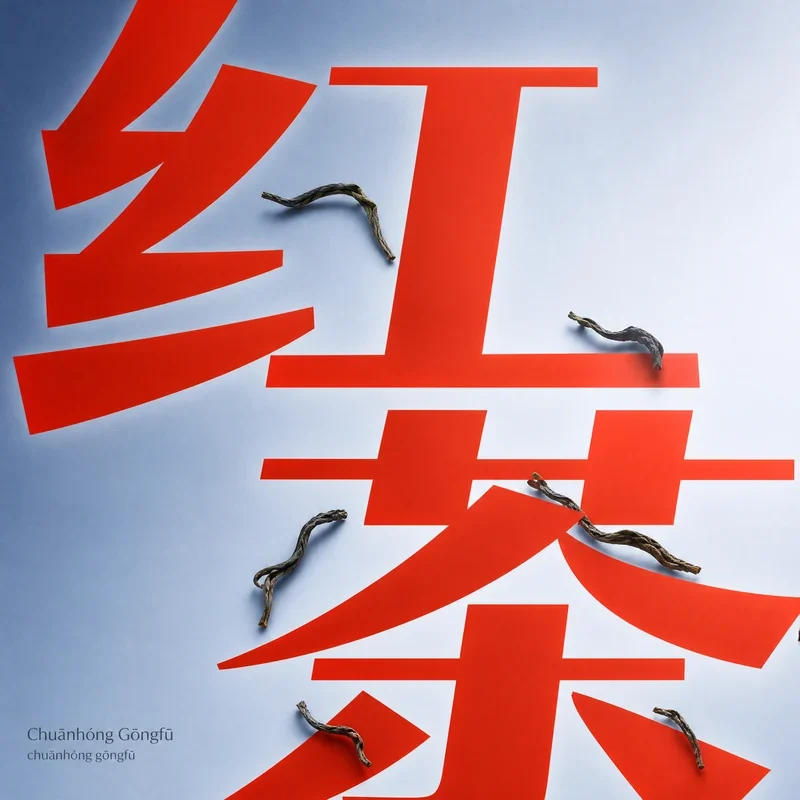
Chuānhóng gōngfū
Choose a brewing method. Start with the recommended quantities and time, then adjust to taste.
Brewing
Brewing
Taste
Tea encyclopedia
Category: Gōngfū hóngchá (工夫红茶, gōngfū hóngchá) — a group of high-grade Chinese red teas with complex multi-stage processing. Part of the trio of China's most famous gongfu red teas.
Category: Gōngfū hóngchá (工夫红茶, gōngfū hóngchá) — a group of high-grade Chinese red teas with complex multi-stage processing. Part of the trio of China's most famous gongfu red teas.
Coordinates: approximately 28°46′ N, 104°37′ E (Yibin area).
Origin: China, Sìchuān Province (四川省, Sìchuān Shěng), Yíbīn City (宜宾市, Yíbīn Shì) — Jūnlián County (筠连县, Jūnlián Xiàn), Gāo County (高县, Gāo Xiàn), Gǒng County (珙县, Gǒng Xiàn) and adjacent areas of southeastern Sichuan, including territories along the southern bank of the Yangtze River.
Type: Chinese red tea (black tea) (红茶, hóngchá), fully oxidized.
Cultural Significance: Chuanhong Gongfu embodies the tea heritage of Sichuan — a region considered one of the cradles of the tea tree in China, with more than three millennia of tea cultivation history. Yibin, located at the confluence of the Minjiang and Yangtze rivers, has long been known as the land of early tea: thanks to the mild microclimate, local tea bushes awaken 30–40 days earlier than in western Sichuan, and fresh Chuanhong enters the market as early as April. The status of intangible cultural heritage and the line of skill transmission through five generations (from Lei Yuxiang to the modern tradition keeper Sun Hong) give the tea special value as a living artisanal artifact.
History: The roots of Chuanhong trace back to the Qing era. During the Xuantong reign (宣统, 1909–1911), a tea merchant from Yíbīn County named Lèi Yùxiáng (雷玉详) brought red tea production technology from Fujian Province and adapted it to local conditions: replacing pine fuel during withering with natural drying, and smoky pine firing with charcoal roasting. Thus formed the prototype of «red loose tea» (红散茶, hóng sǎn chá) — the predecessor of Chuanhong. During the Republic period, the second generation of masters led by Wáng Wenchao (王文钞) perfected the technology at the «Baoxing» factory (宝星茶厂), adding a fine processing stage (精制) and achieving the characteristic fine twist and pronounced orange-caramel aroma. In 1952, the state enterprise «Yibin Tea Factory» (宜宾茶厂) was established based on the factory, becoming one of the first export red tea producers of new China, and the tea officially received the name «Chuanhong Gongfu». From 1958 to 1990, the factory's products were massively exported to the Soviet Union, France, Great Britain, Germany, and Romania. In 1958, Chuanhong was chosen as a gift tea for the state reception in honor of Romania's national holiday. In 1985, the Sichuan gongfu red tea «Zaobaijian» (早白尖) produced at the Yibin factory won a gold medal at the XXIV World Exhibition of Quality Food Products in Lisbon (Portugal). In the 1990s, due to changes in the global market and internal restructuring, Chuanhong production sharply declined, and the brand practically disappear
Name Breakdown: Chuán (川) — abbreviated name of Sichuan Province; Hóng (红) — «red», indicates the tea type; Gōngfū (工夫) — «masterful work», denotes a meticulous, multi-stage processing style where each operation requires high skill and significant time investment.
Cultivar: Primary raw material — Sichuan medium-leaf and small-leaf population (四川中小叶群体种, Sìchuān zhōng-xiǎoyè qúntǐ zhǒng) Camellia sinensis var. sinensis. Historically, the key cultivar was Zǎobáijiān (早白尖, Zǎobáijiān, official name Zaobaijian No. 5) — one of the first approved national elite varietal forms, bred in Junlian County. This is a shrub plant with a semi-spreading crown, up to 1.5 m tall, medium-leaf, with elliptical, slightly convex leaves of pale green color. Distinguished by ultra-early shoot formation (10–15 days earlier than other local forms), earning the folk nickname «Herald Tea» (报讯茶). Young shoots are abundantly covered with white down with silvery tips. Additionally, cultivars Mingshan Baihao 131 (名山白毫131), Fúdǐng Dàbái (福鼎大白茶), Fuxuan 9 (福选9号) are used — all demonstrate high aromatic potential in red tea production.
Picking: Spring (from late March — early April), summer and autumn. Thanks to the extended growing season (over 210 days), three harvest seasons are possible; autumn harvest comprises 26–30% of annual volume. Early spring tea is most valued — abundance of tips, delicate taste and pronounced sweetness.
Pluck Standard: 1 bud + 1–2 young leaves for highest grades; for standard batches, 1 bud + 2–3 leaves is acceptable.
Raw Material: whole, fresh shoots without coarse petioles and mechanical damage; minimal interval between harvest and processing start to prevent unwanted oxidation.
Altitude: 800–1200 m above sea level. Tea gardens are located on mountain slopes of southeastern Sichuan, where altitude provides sufficient diurnal temperature variations for aromatic compound accumulation.
Climate: The quartet «early — tender — fast — good» (早、嫩、快、好) — thus local tea cultivation is characterized. The region is influenced by southeastern oceanic monsoons; the Qinling and Dabashan ridges protect the valley from northern cold air masses. Average annual temperature 17–18°C, extreme minimum does not drop below −4°C, and January average temperature is 2–4°C higher than in areas at the same latitude in the middle and lower Yangtze reaches.
Soil: mountain yellow clay soils (山地黄泥) and purple sandy soils (紫色砂土), acidic (pH 4.5–5.5), well-drained, with sufficient organic content.
1000–1300 mm annually, evenly distributed by seasons; summer droughts are weakly expressed in elevated areas.
Early vegetation start — tea bushes begin growth 39–40 days earlier than in western Sichuan, allowing first market entry among Chinese red teas and providing an extended harvest season (up to 210 days).
Hand picking using the «ticai» (提采) method — careful upward breaking of the shoot, preventing stem damage.
Traditionally — natural indoor withering (室内自然萎凋): leaves are spread in a thin layer in a ventilated room for 12–18 hours until achieving softness and losing approximately 35–40% moisture. In 1950–1970s, exclusively natural drying was used; from the 1970s, artificial heating began to be applied for large industrial batches, however artisanal batches are still withered naturally.
Traditionally — hand rolling (手工精揉) in 2–3 sessions of 30 minutes with intermediate clump separation (解块, jiěkuài) and sifting. Tender shoots roll faster; more mature leaves require additional pressure. Goal — bring cellular juice to the surface for even oxidation and give the leaf a tight elongated shape. Rolling degree — 80–90%.
Rolled leaf is placed in a special room with controlled humidity and temperature (25–30°C, relative humidity ≥ 95%). Duration 3–5 hours until formation of characteristic red-copper leaf color and pronounced fruity-floral aroma.
Two roasting stages — primary (毛火, máo huǒ) at elevated temperature for rapid oxidation stoppage, then reduced temperature (足火, zú huǒ) for slow final drying and aroma fixation. Traditionally wood charcoal is used (木炭烘焙, mùtàn hōngbèi), providing high and even heat output.
Sifting (筛分, shāifēn), cutting (切断, qiēduàn), wind sorting (风选, fēngxuǎn), hand picking (拣挑, jiǎntiāo), blending (拼配匀堆, pīnpèi yúnduī) and final heating for aroma enhancement (复火提香, fùhuǒ tíxiāng).
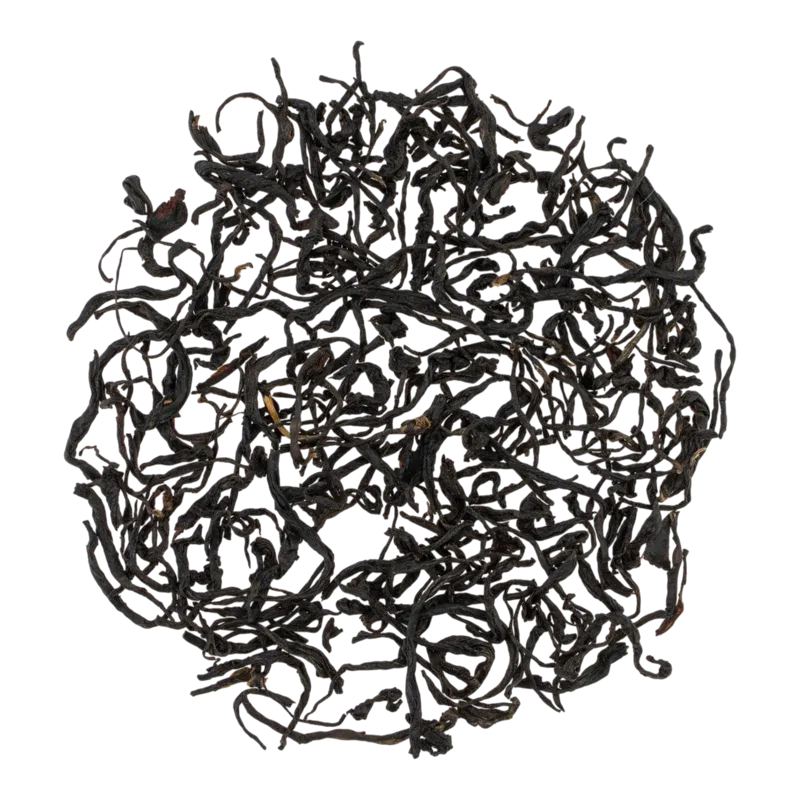
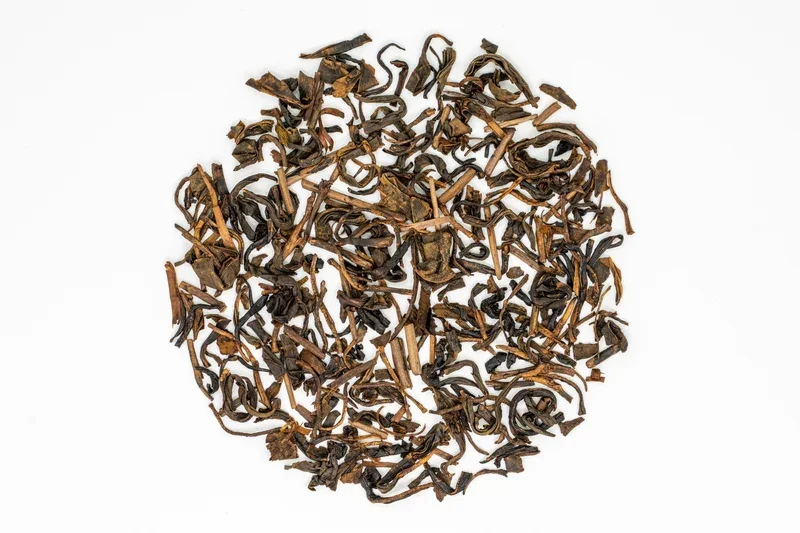
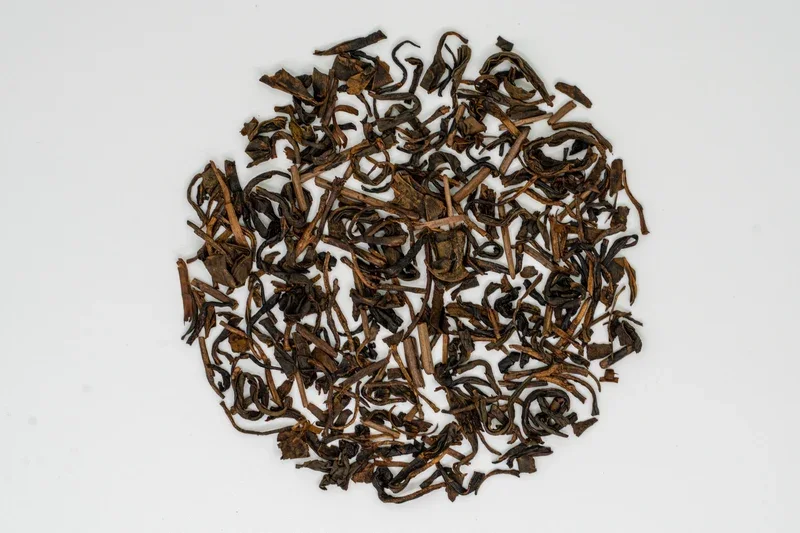
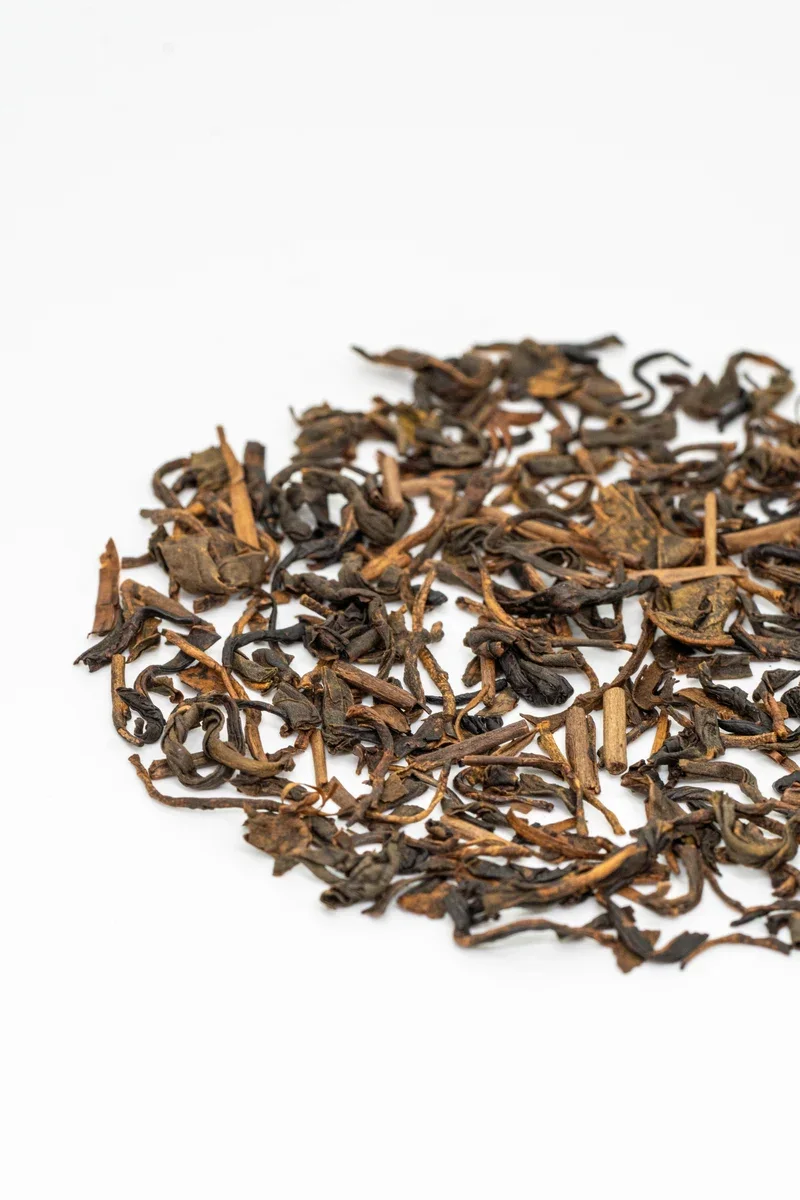
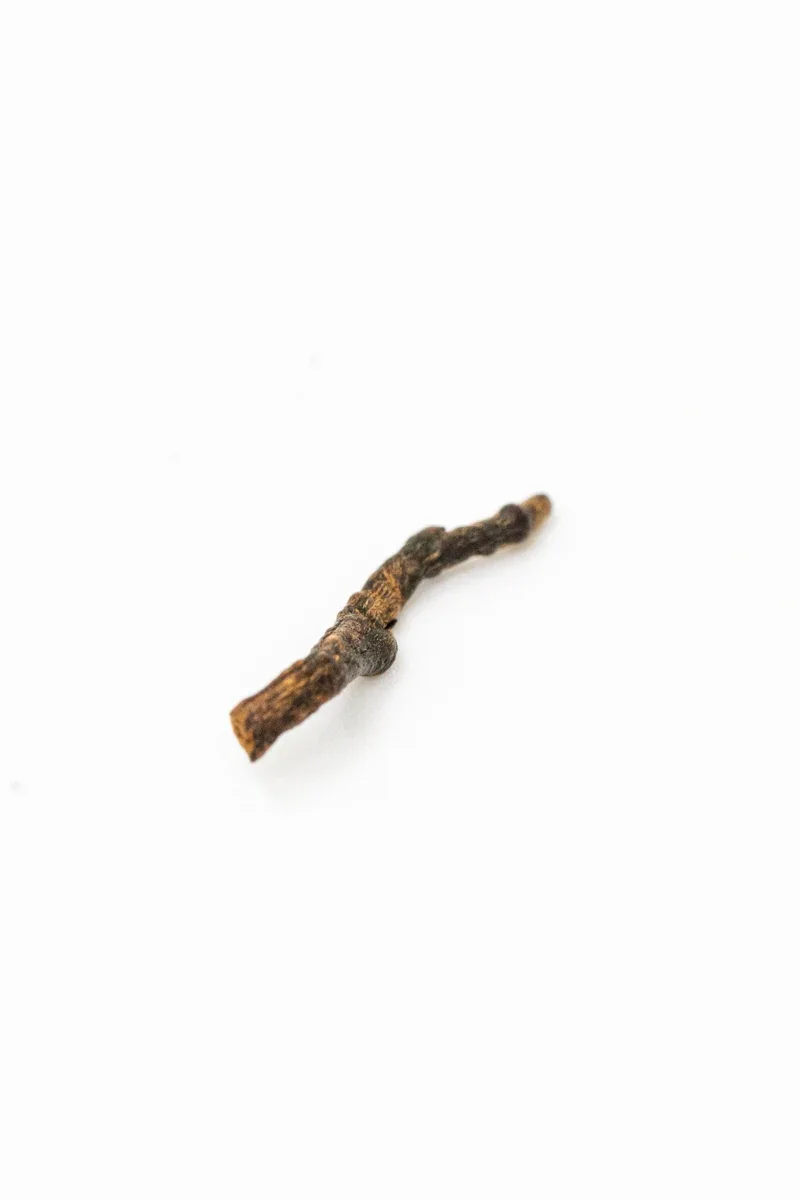
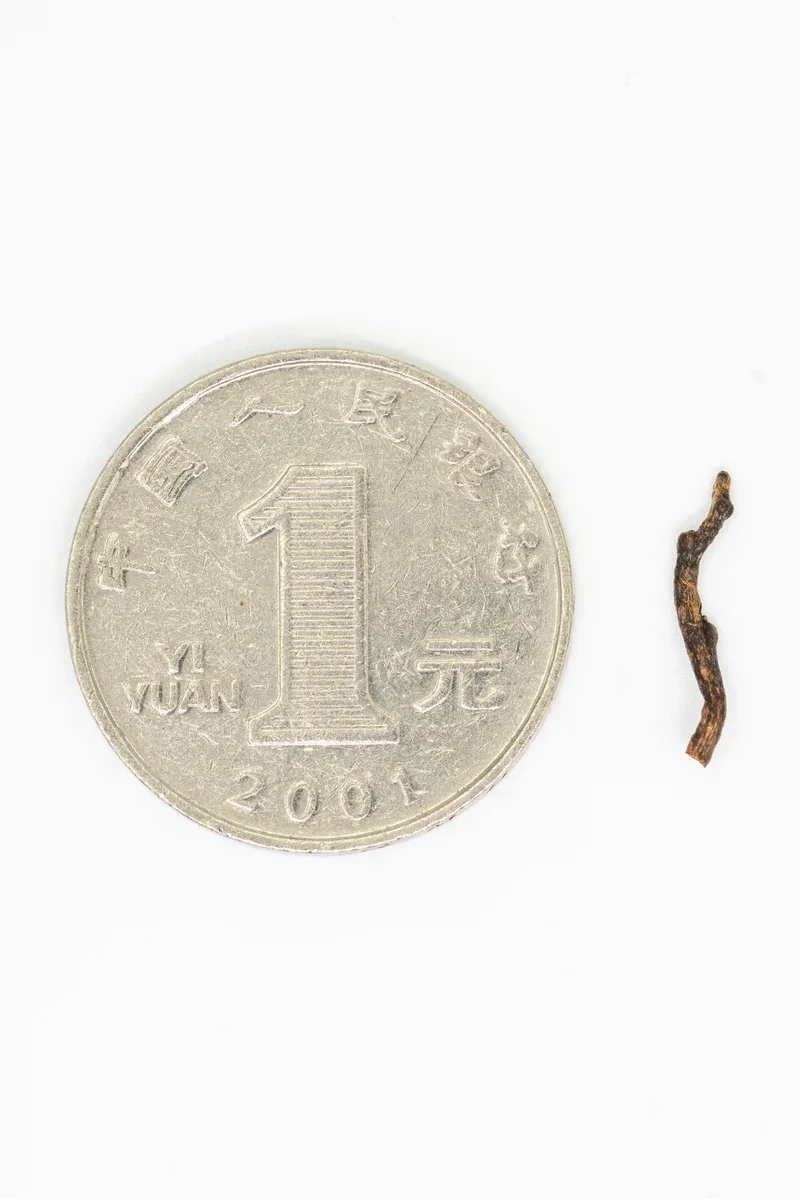
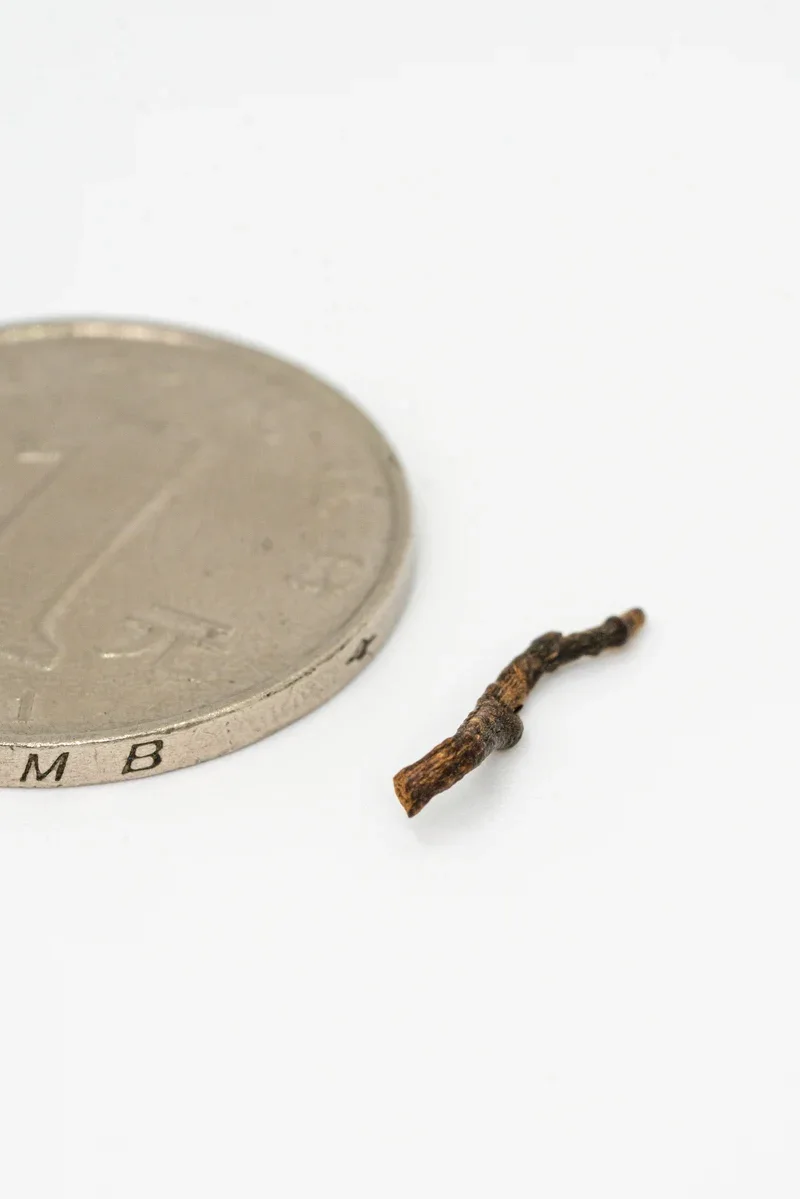
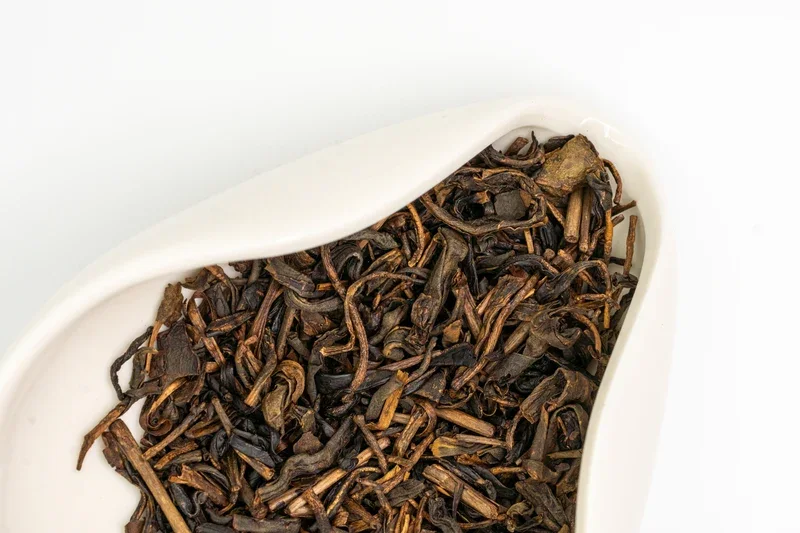
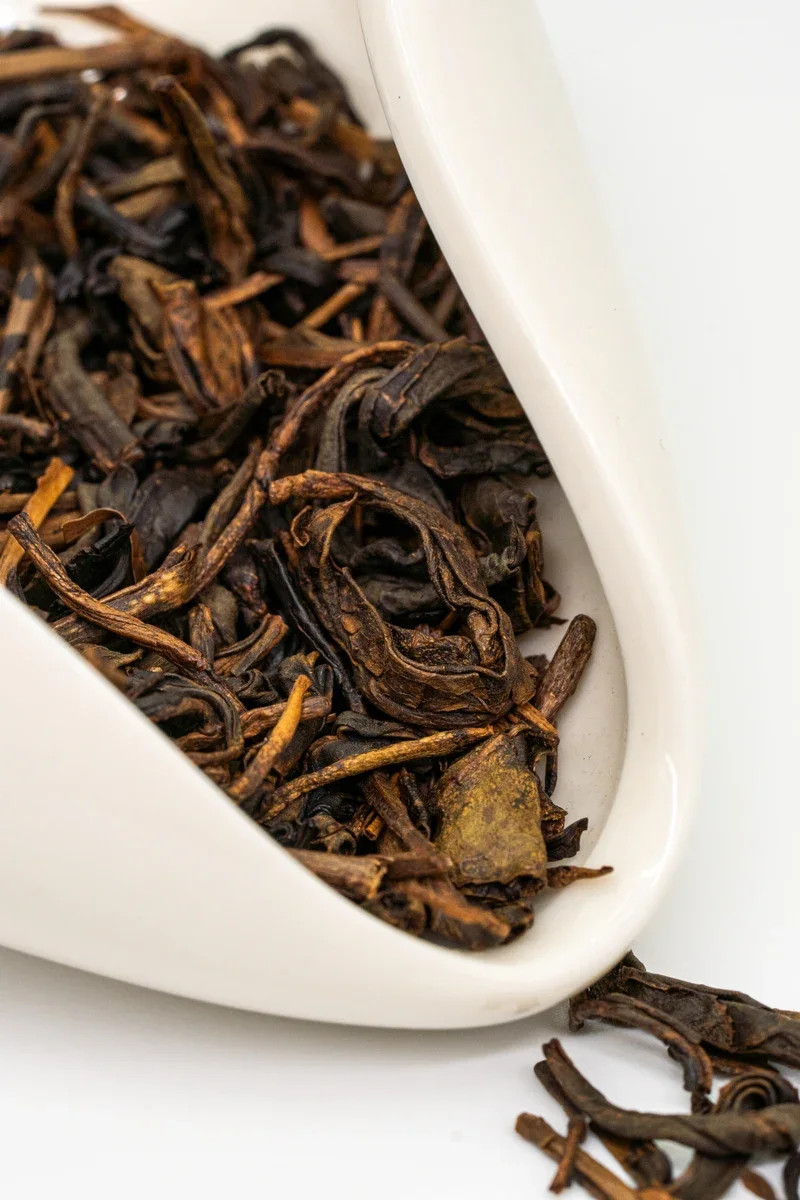
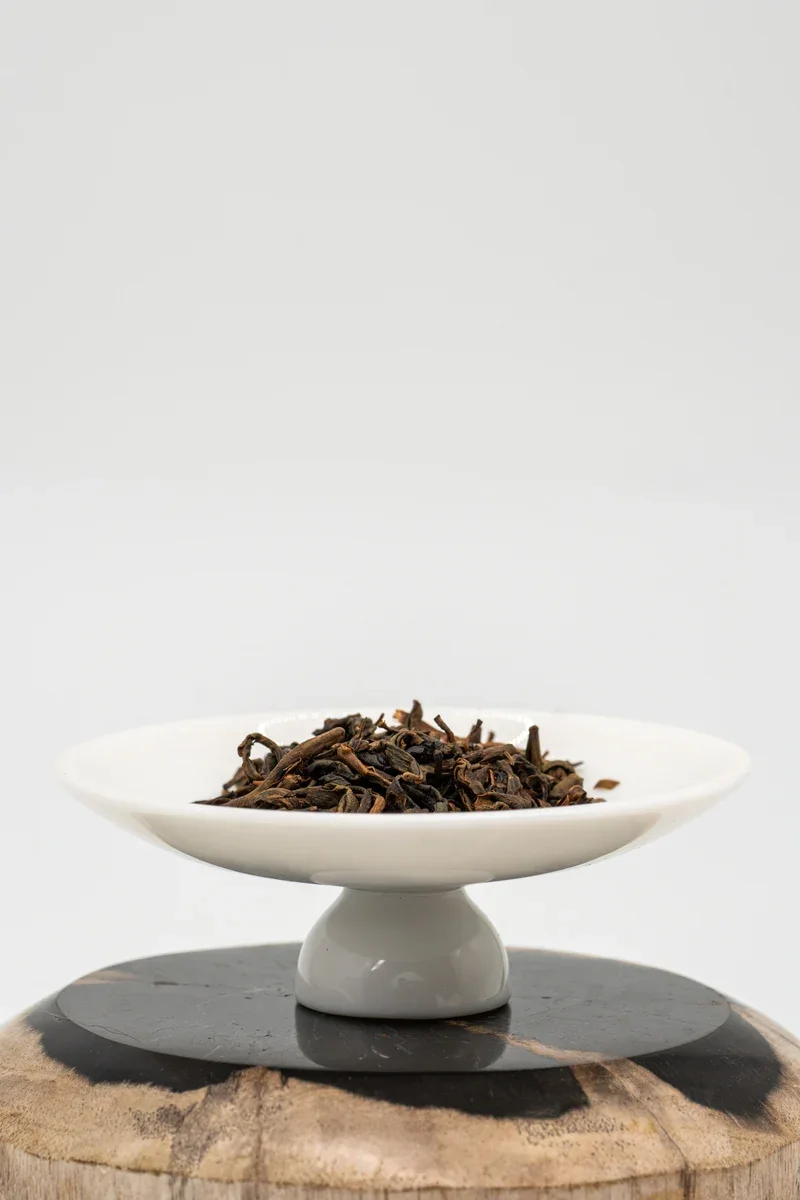
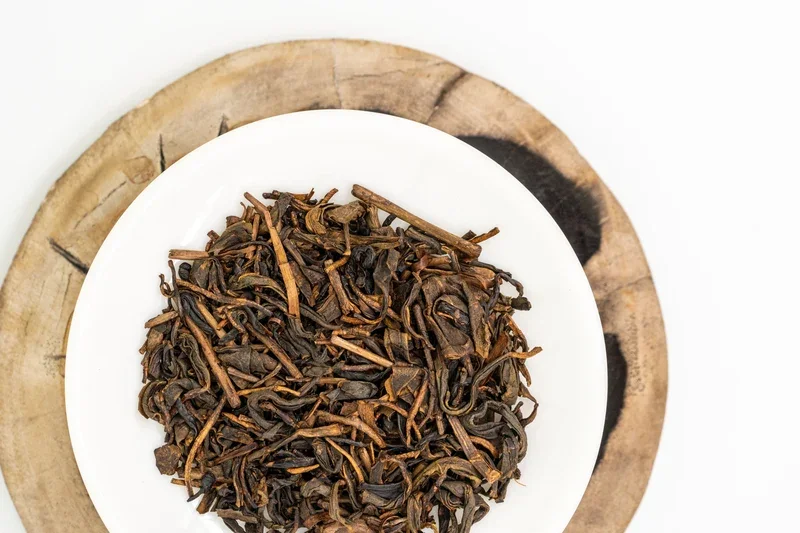
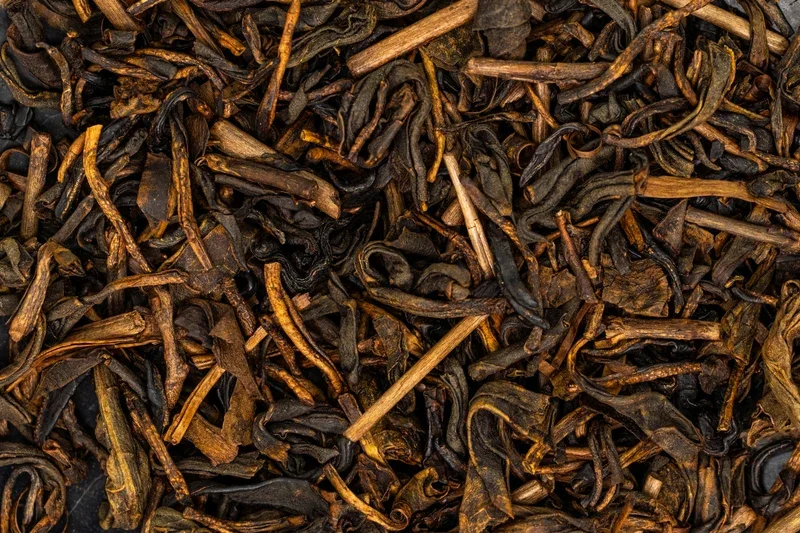
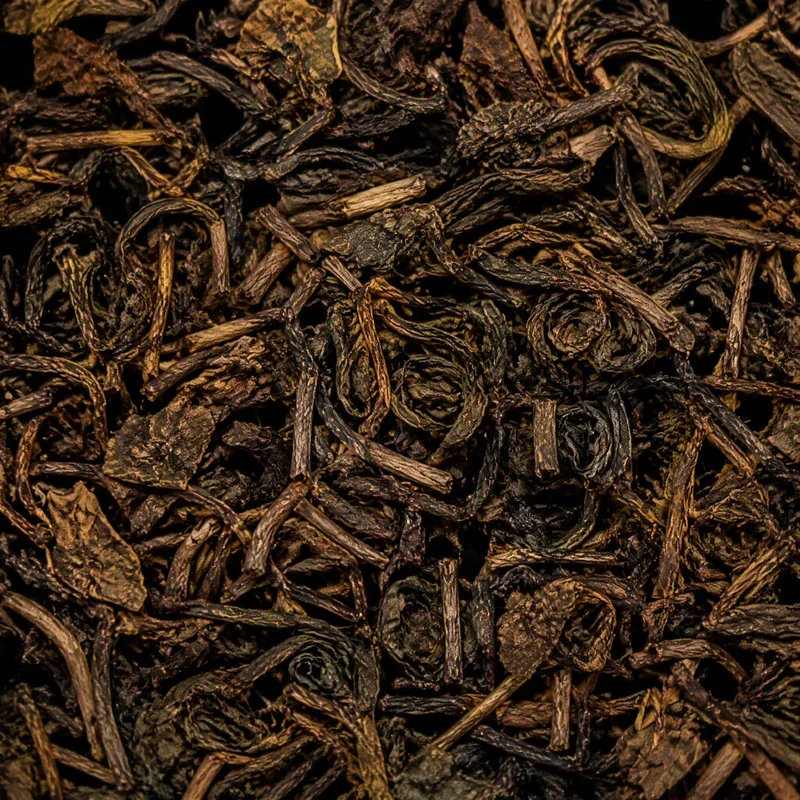
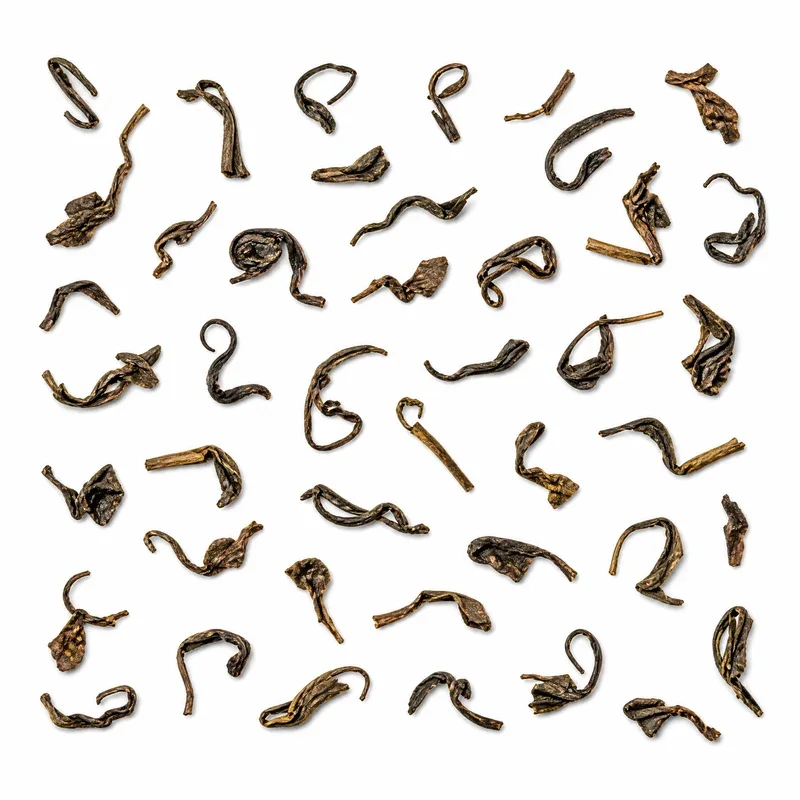
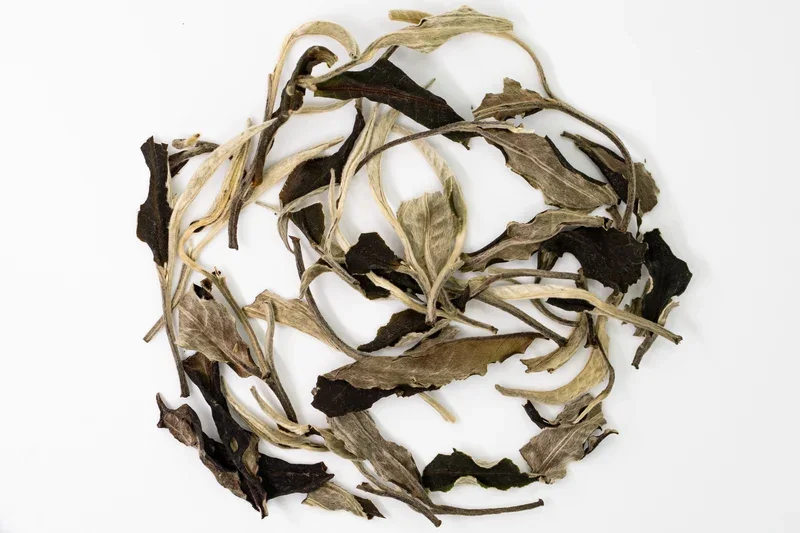
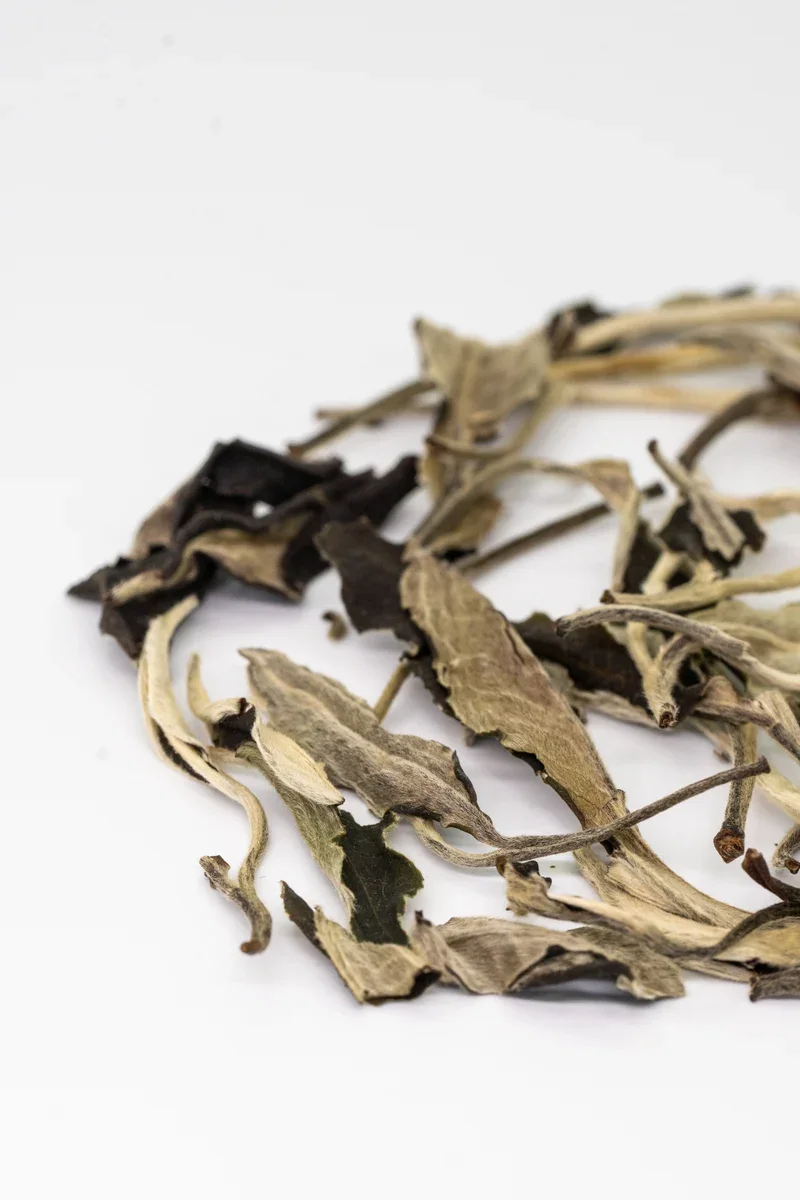
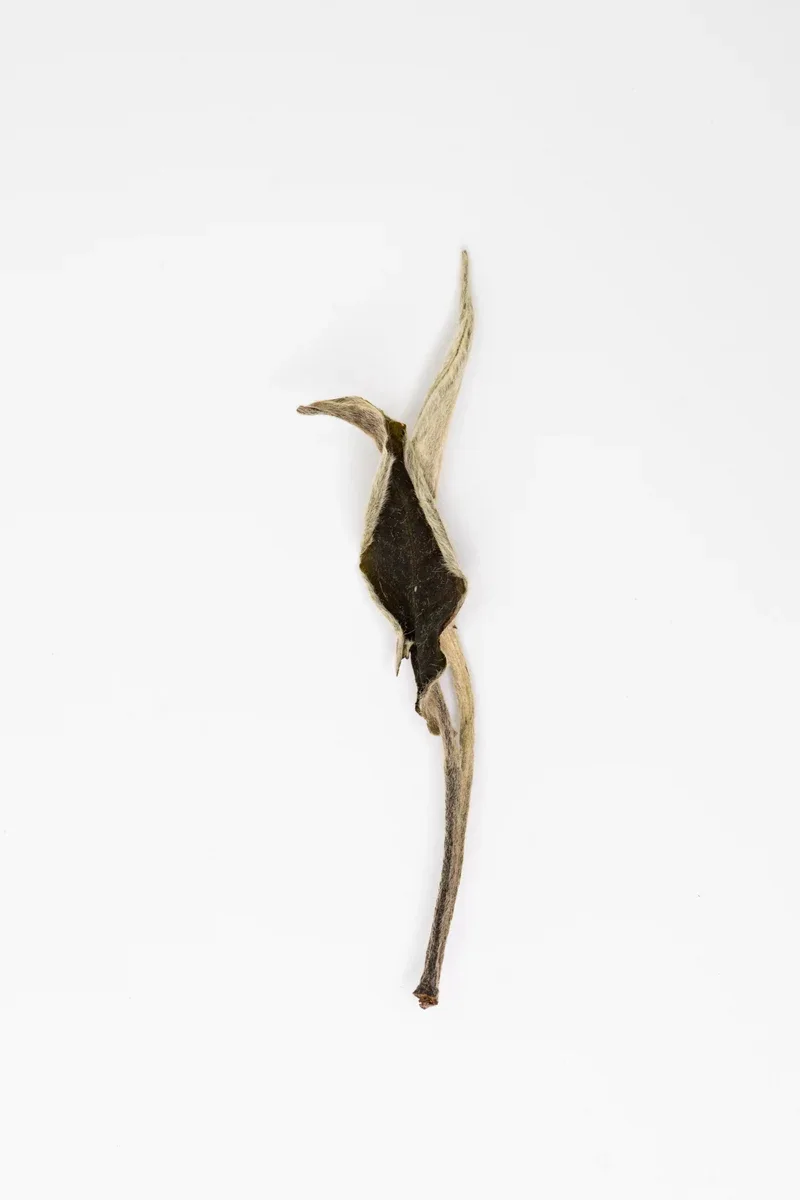
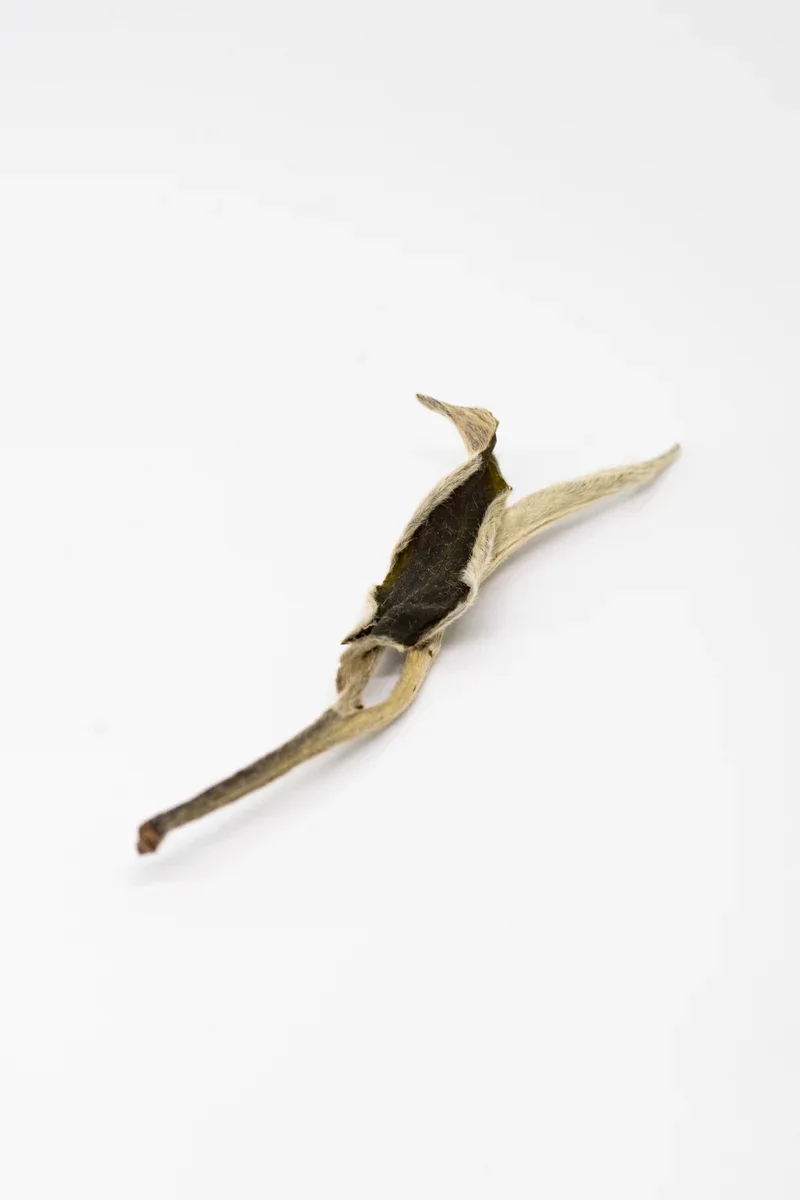
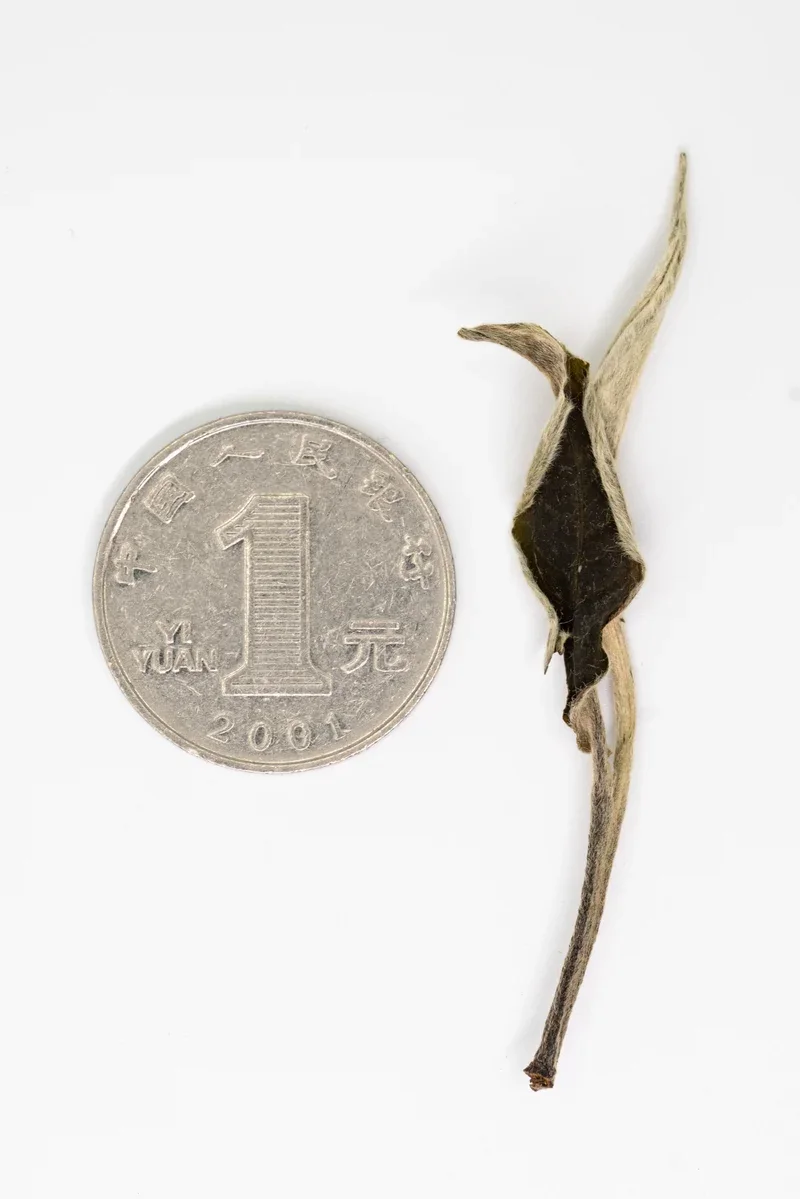
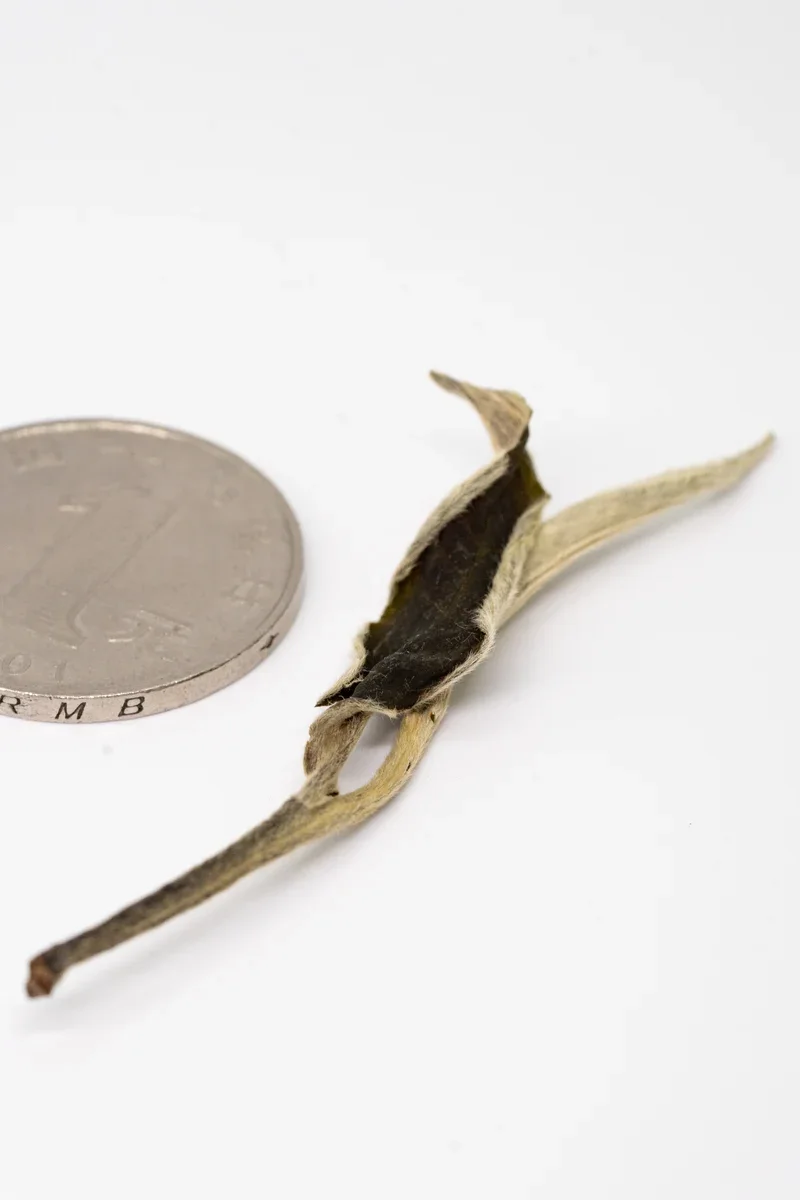
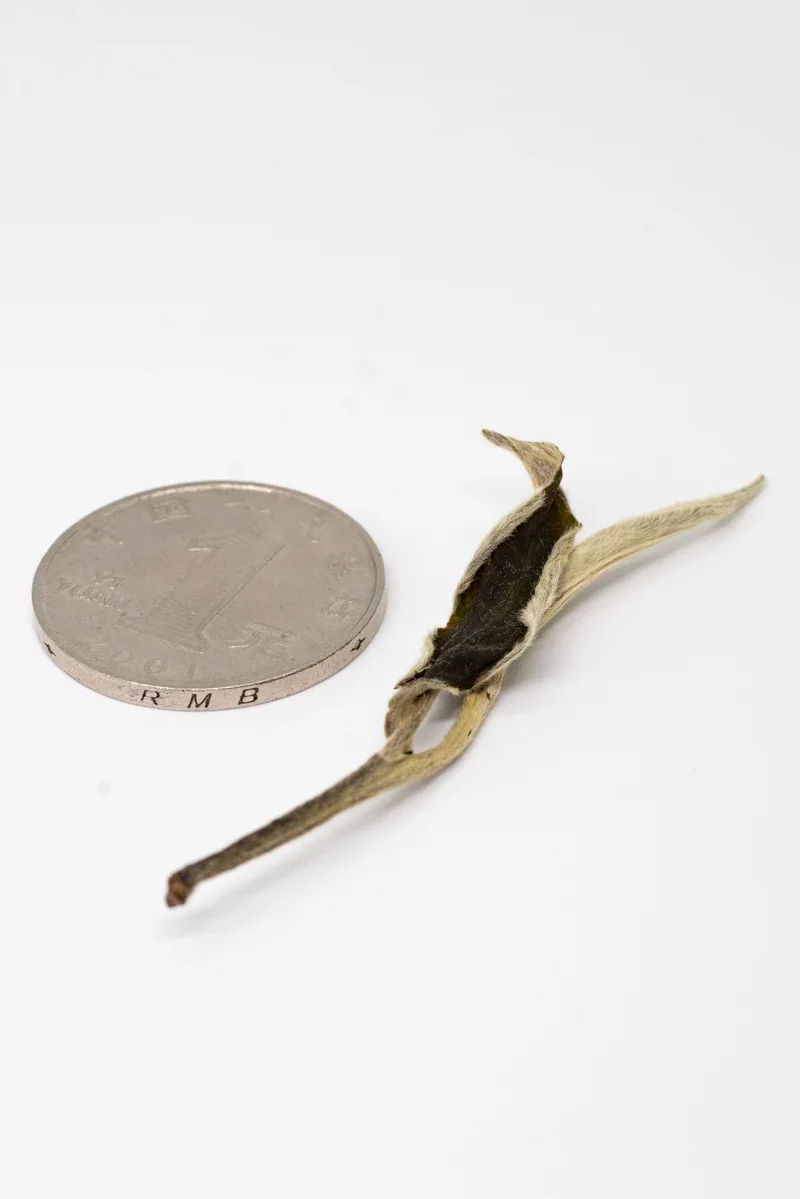
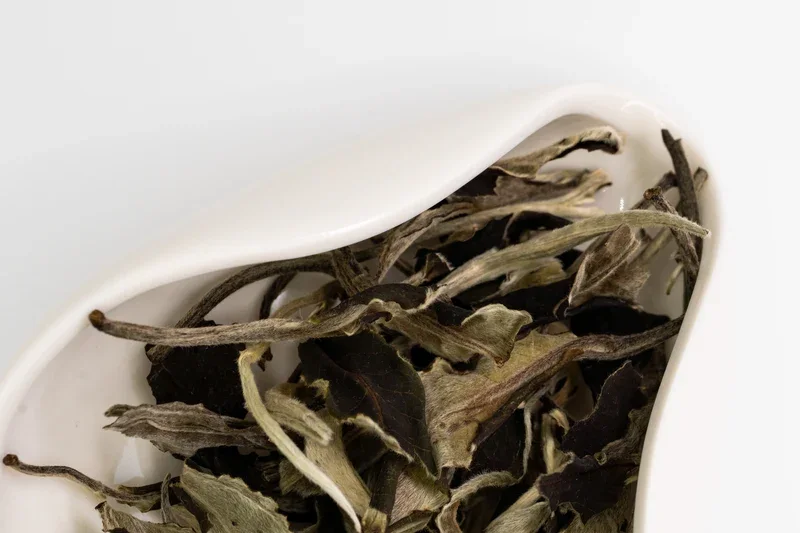
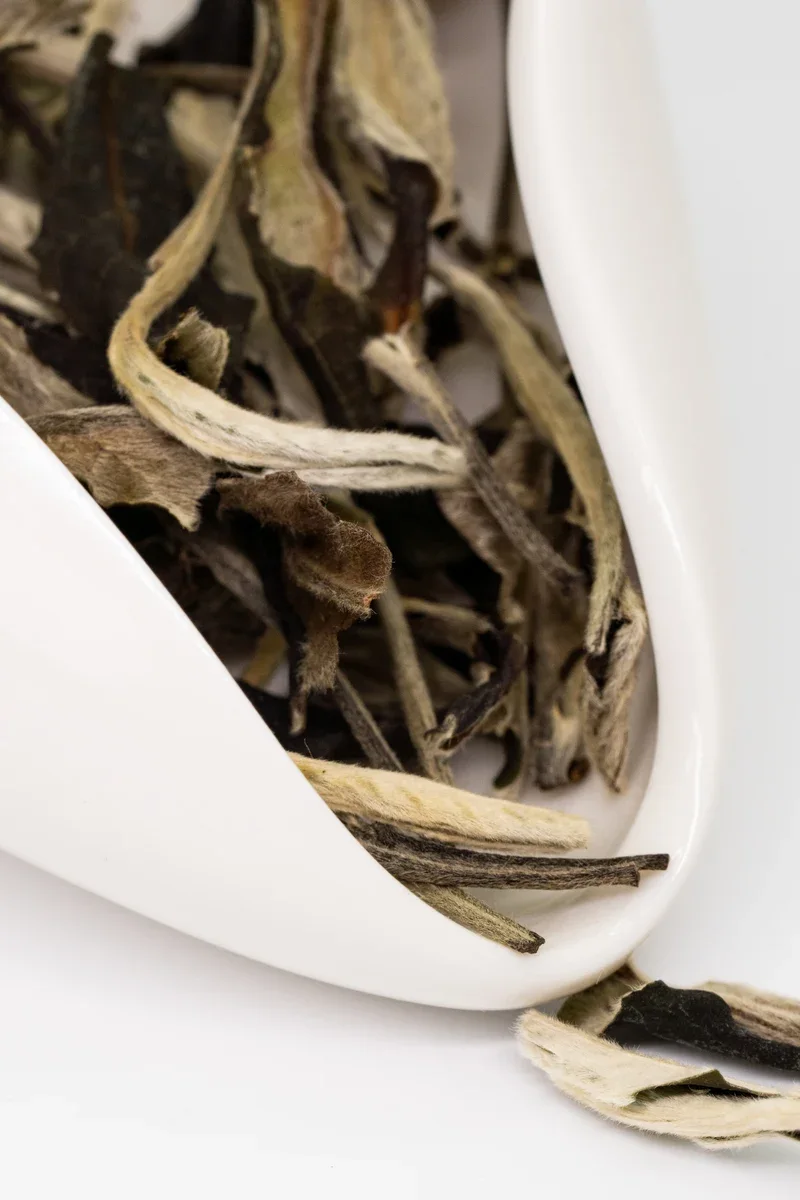
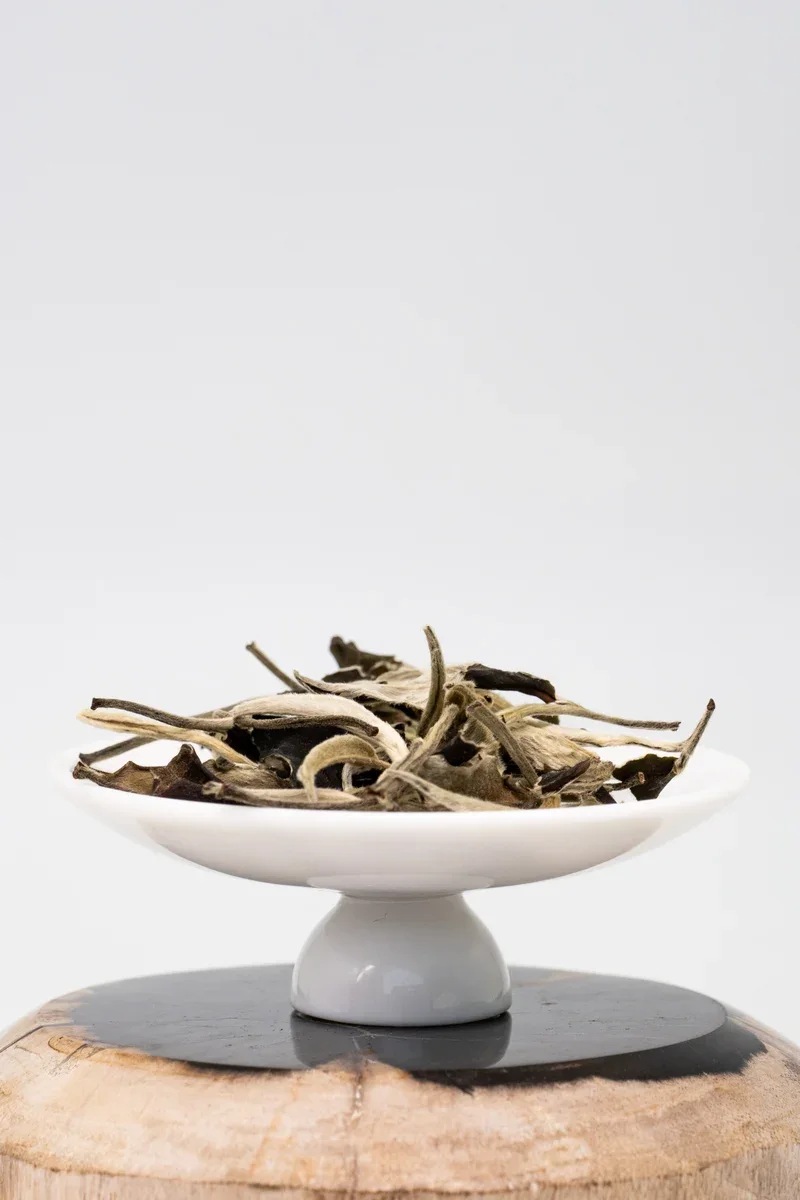
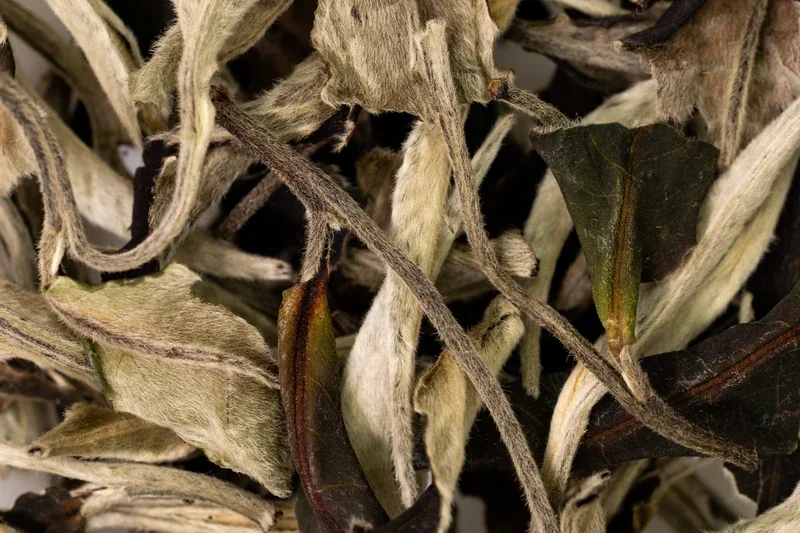
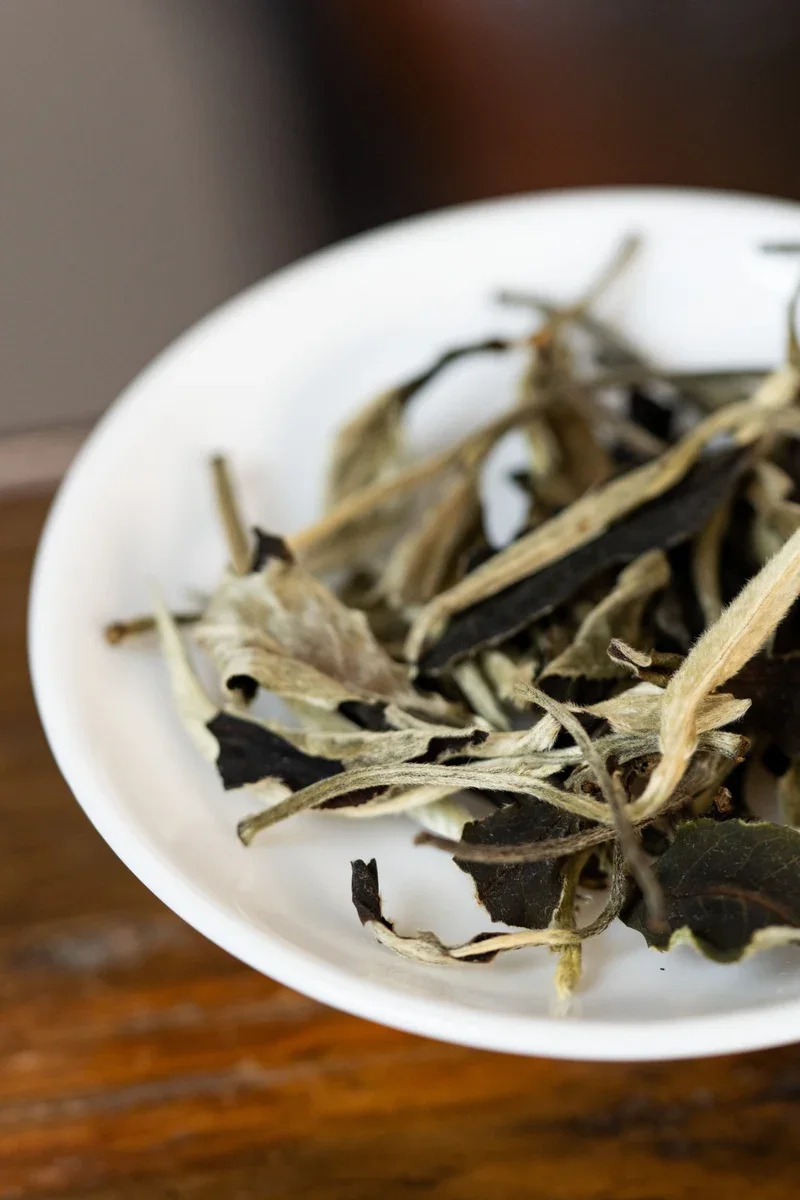
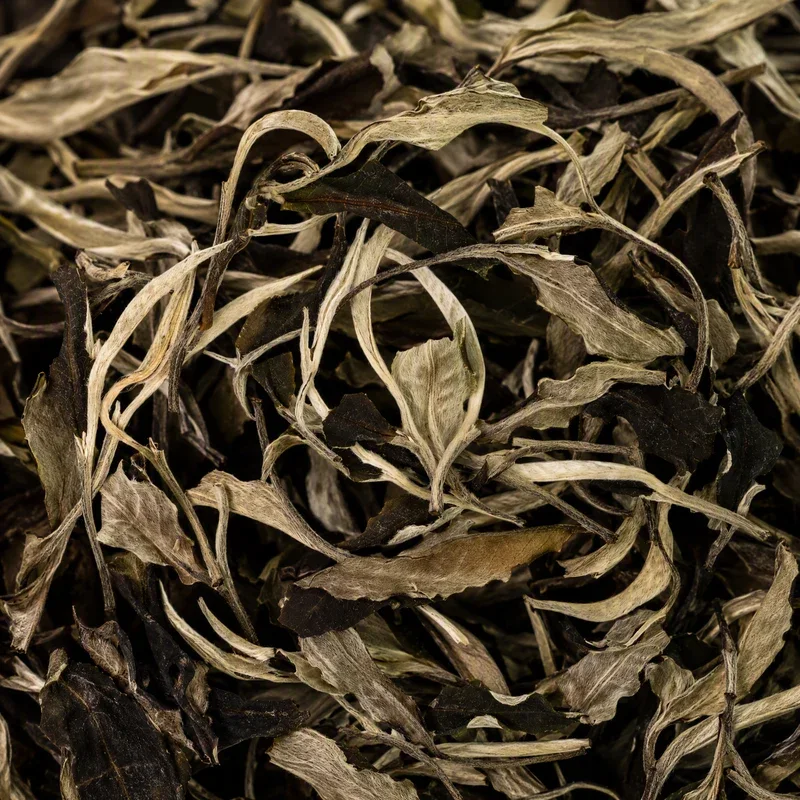
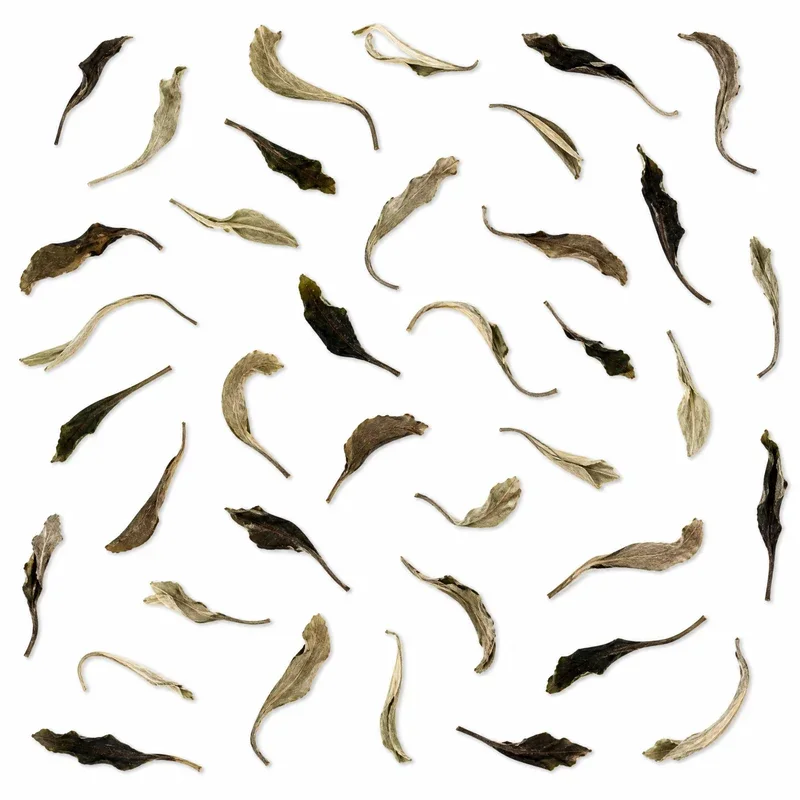
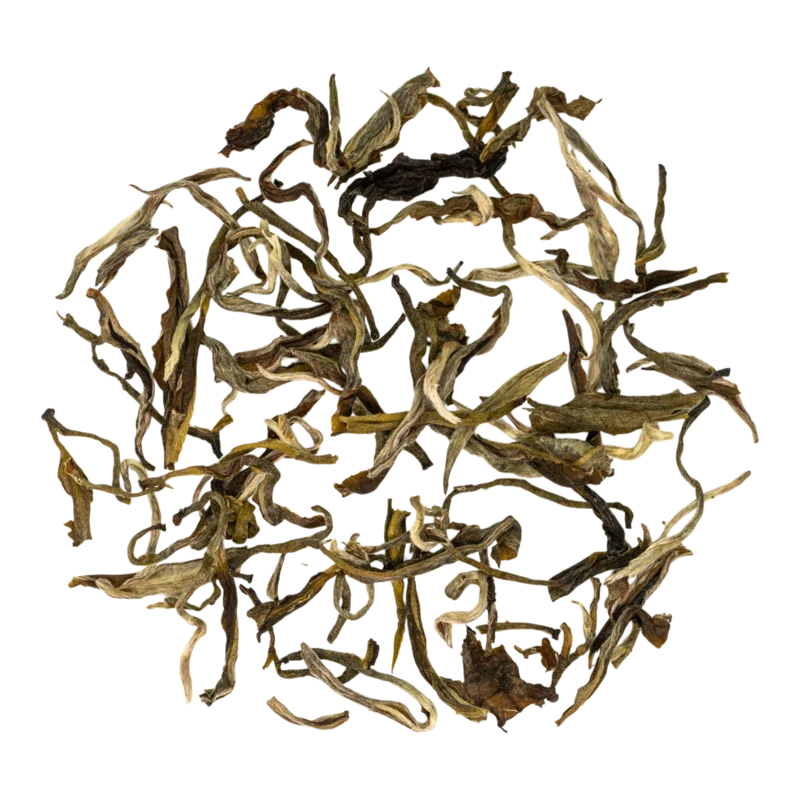
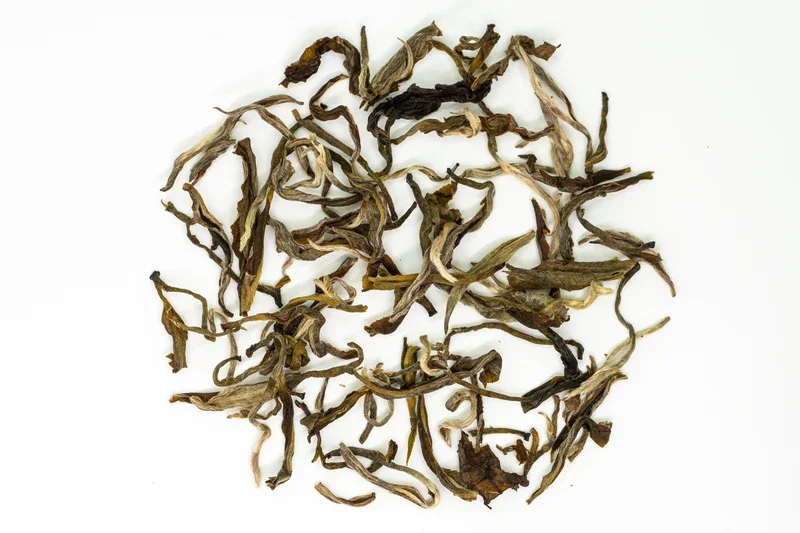
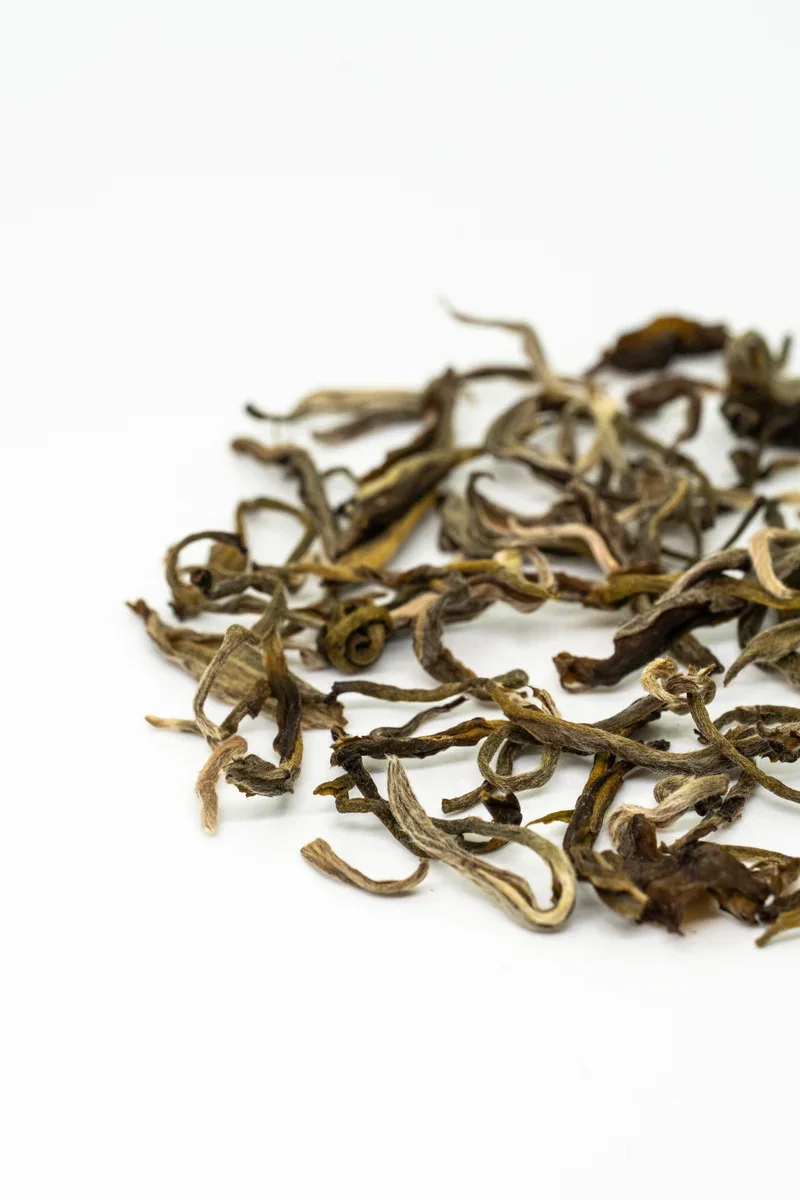
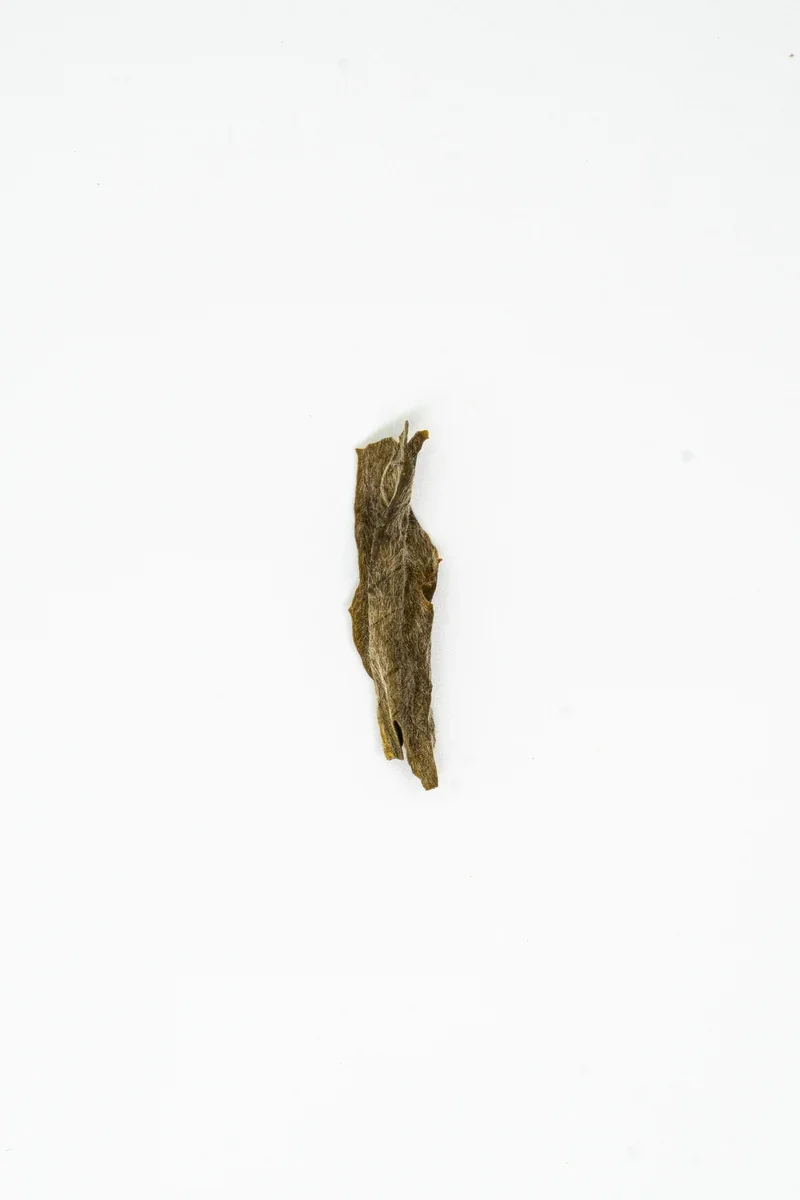
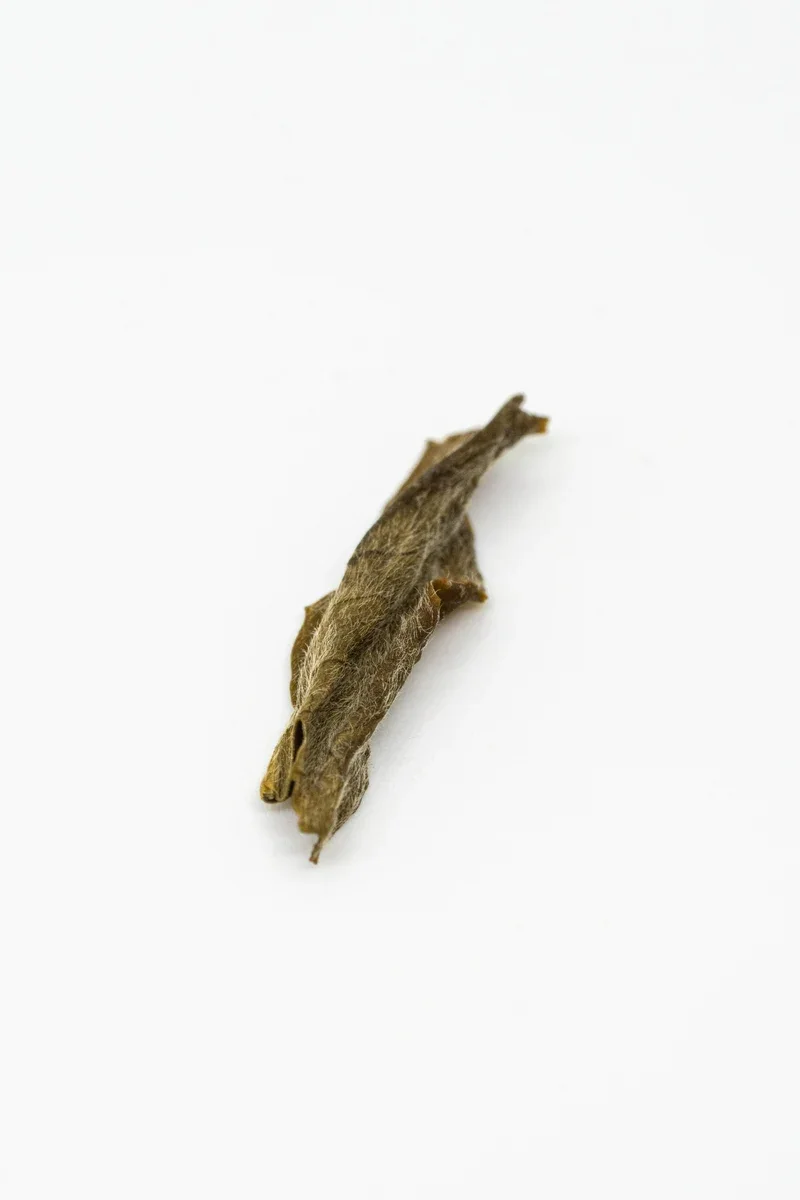
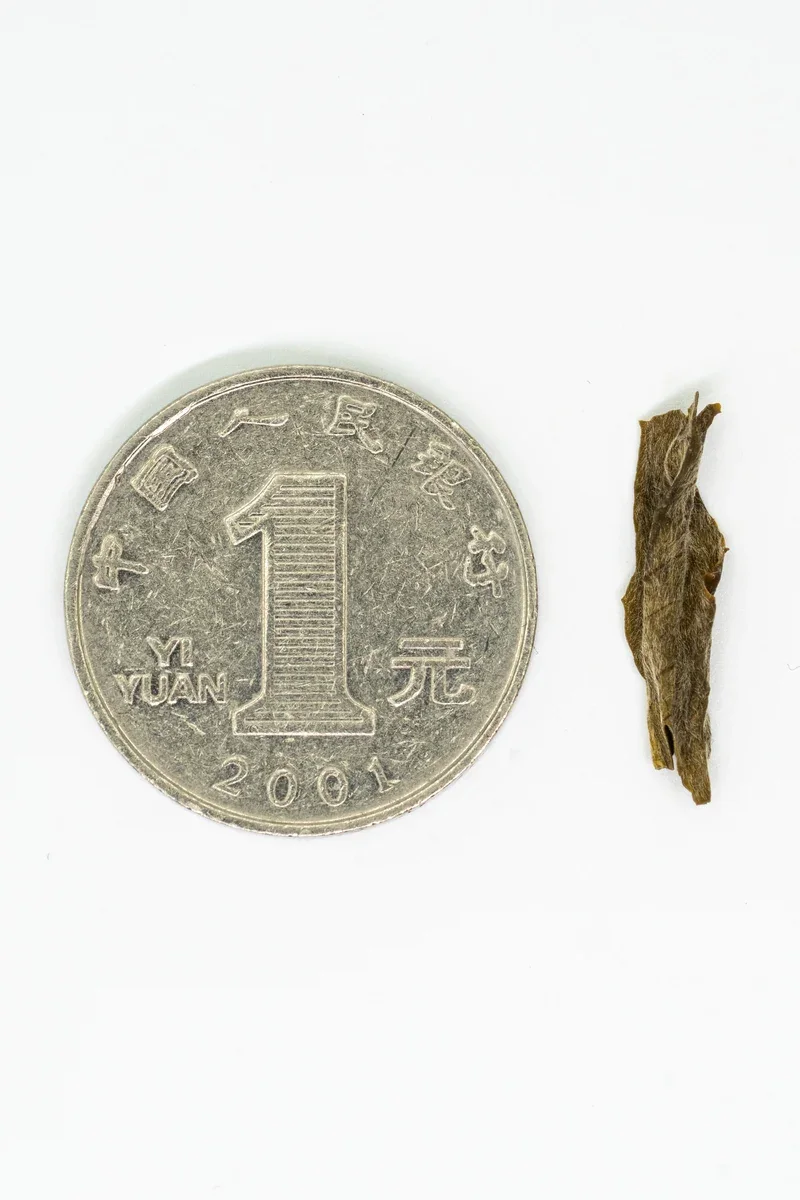
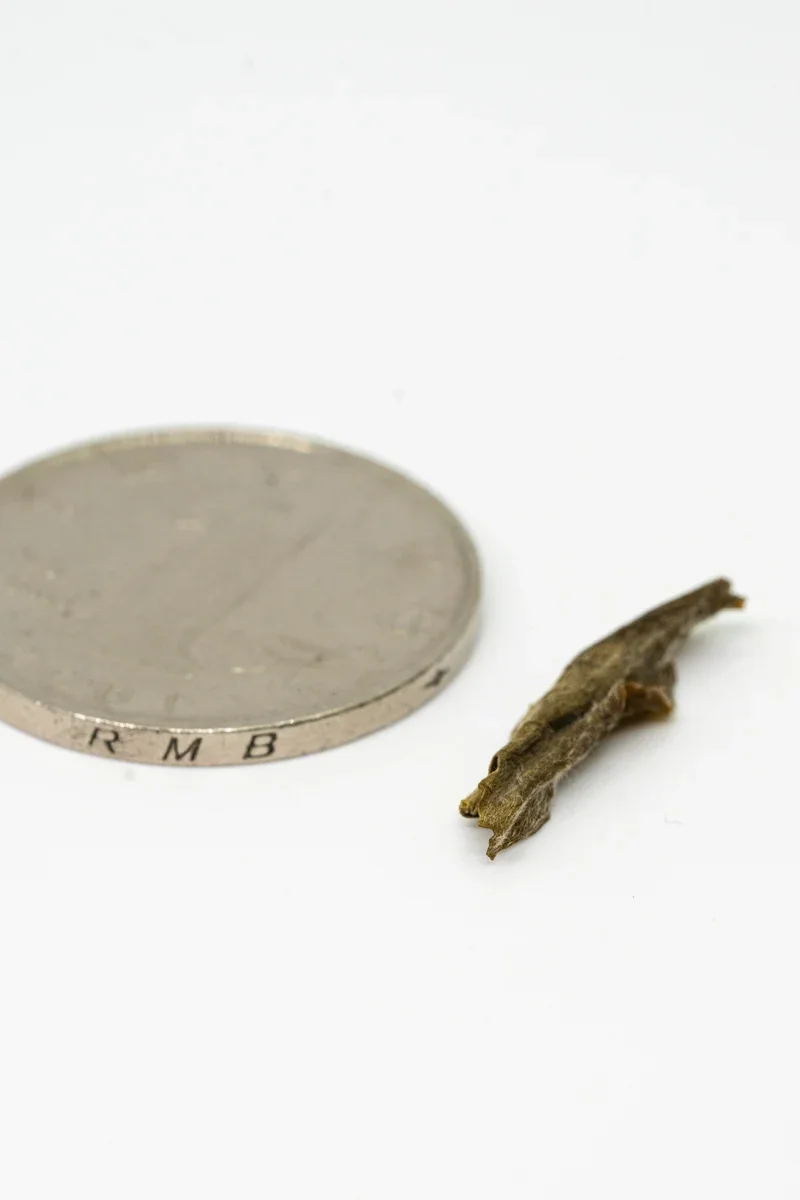
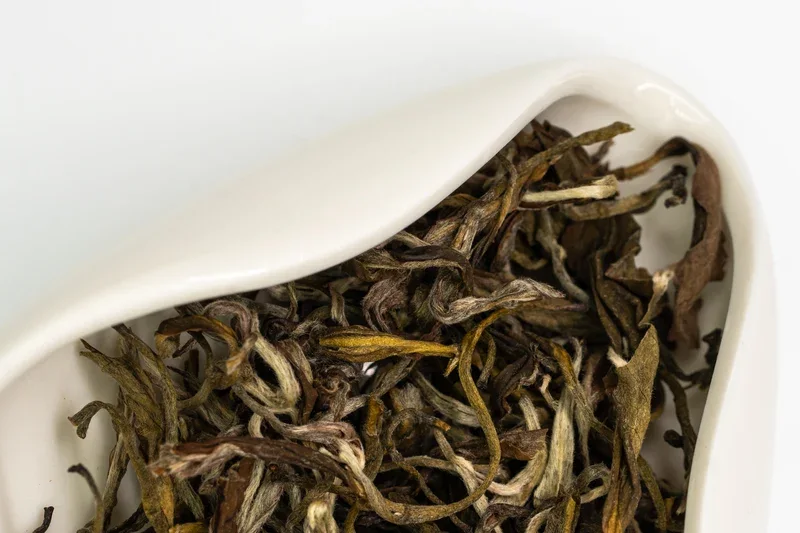
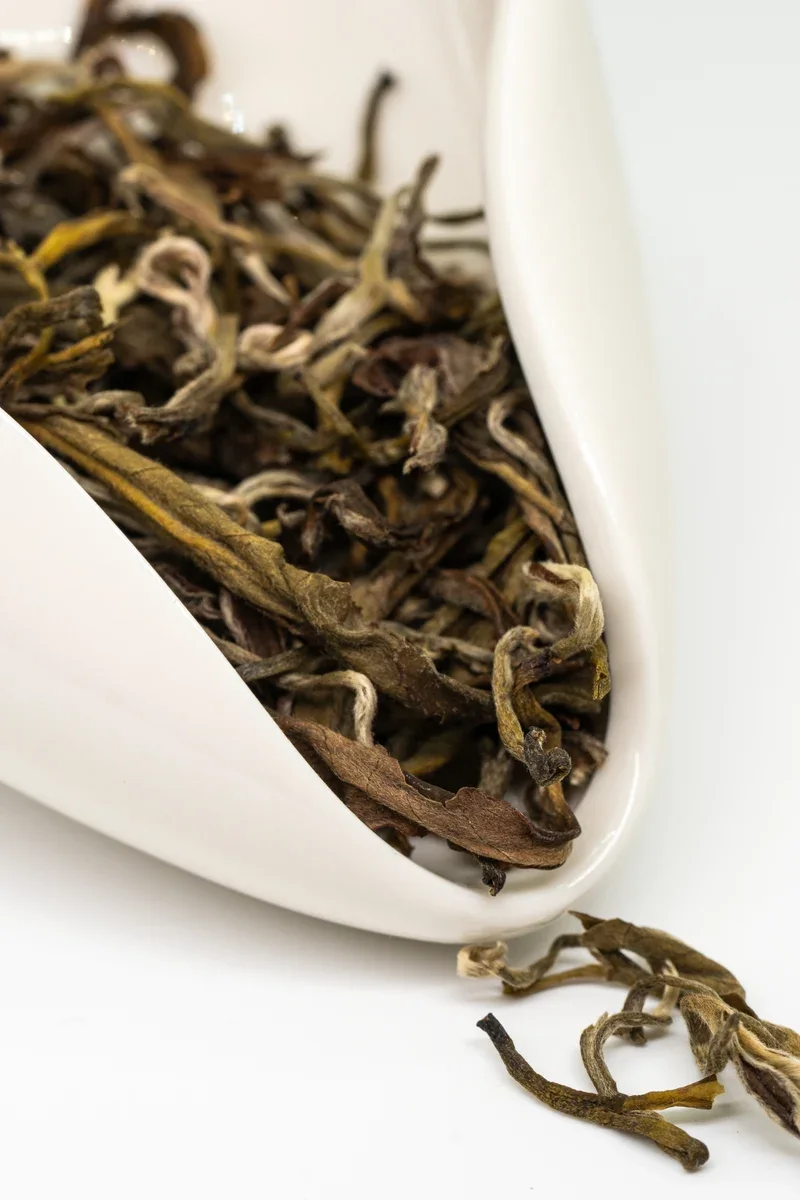
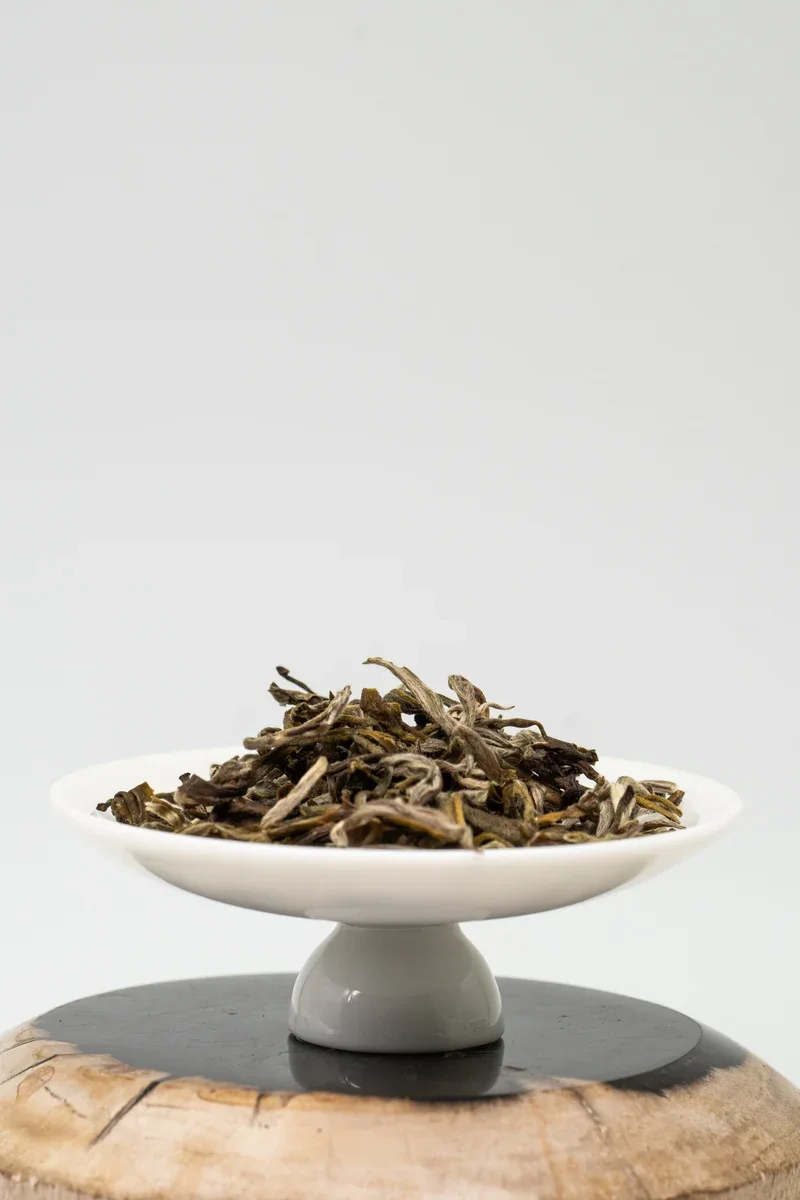
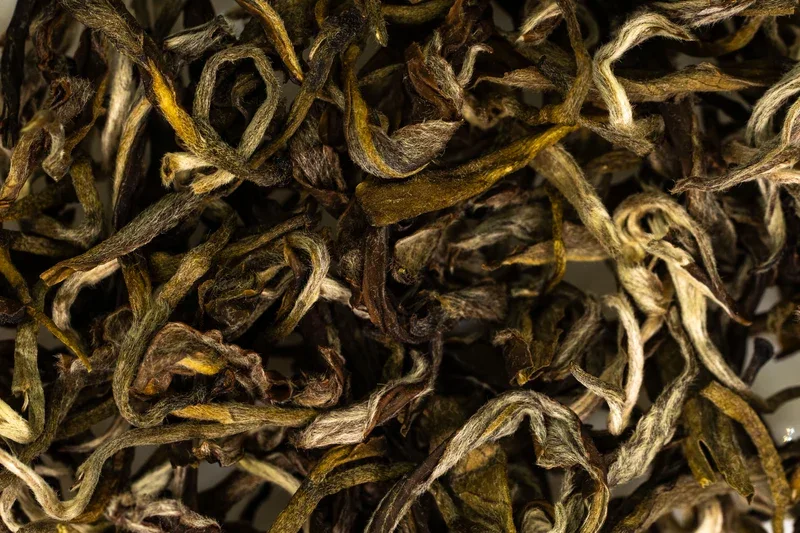
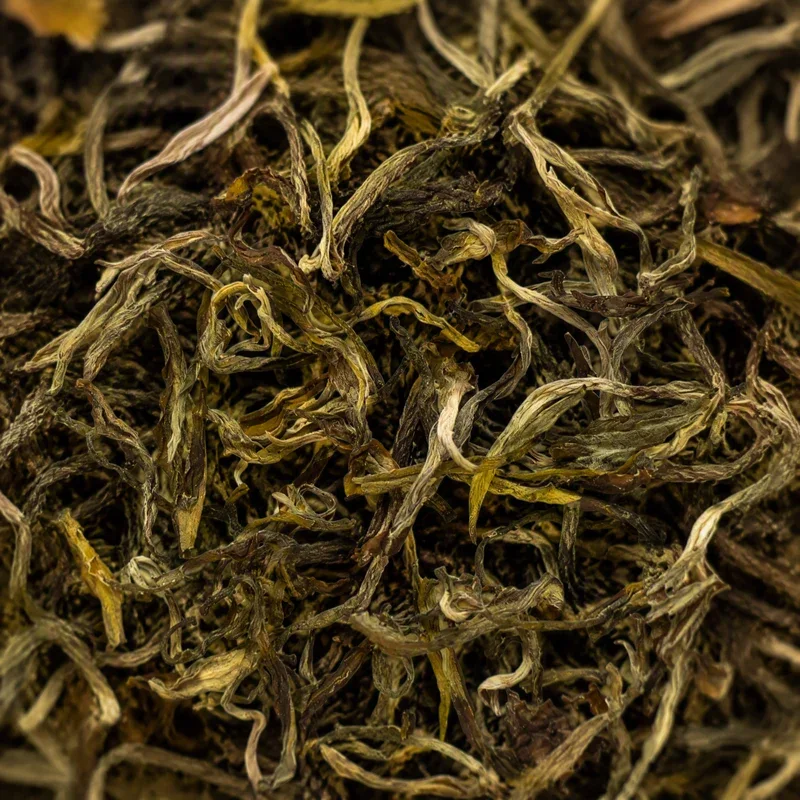
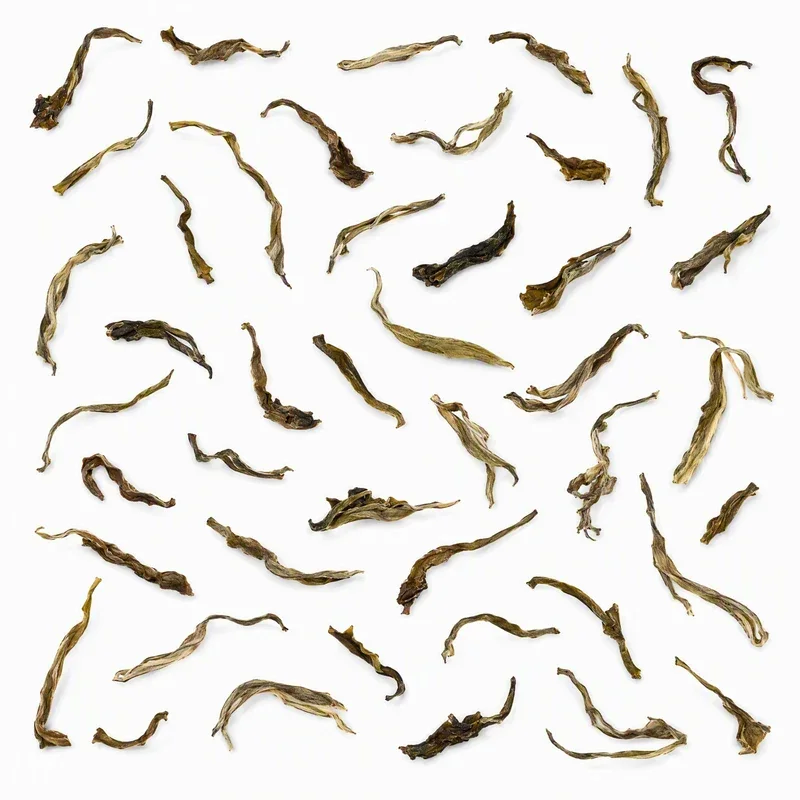
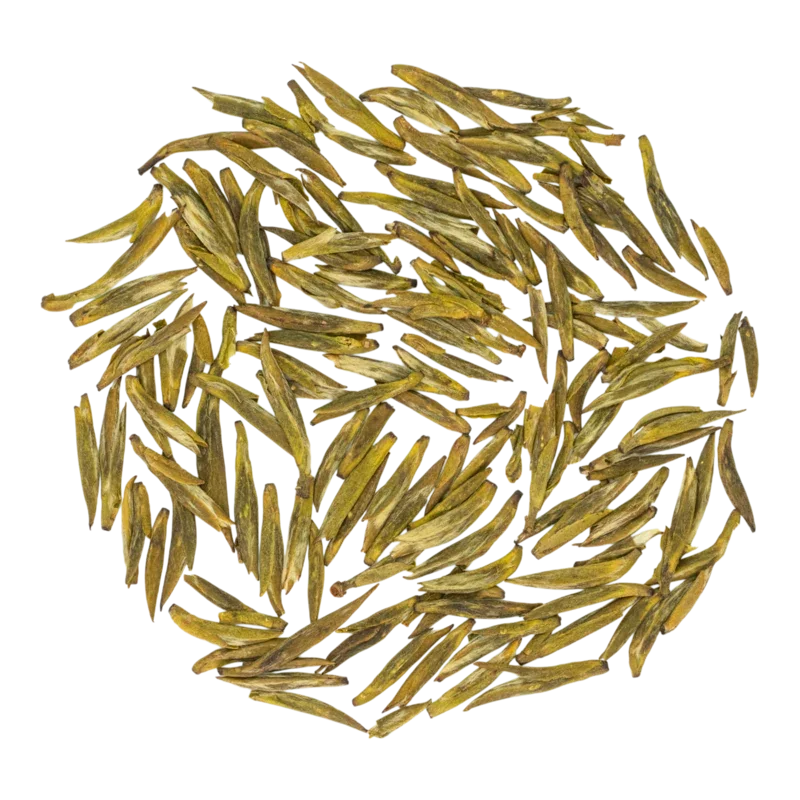
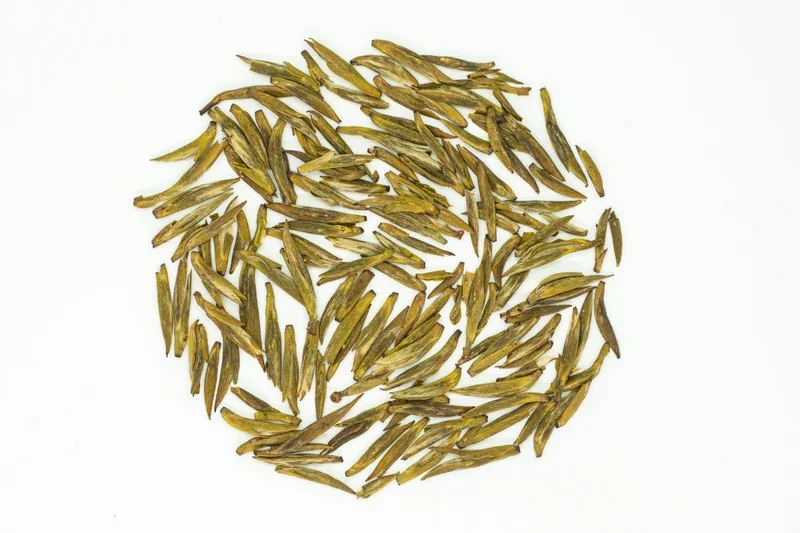
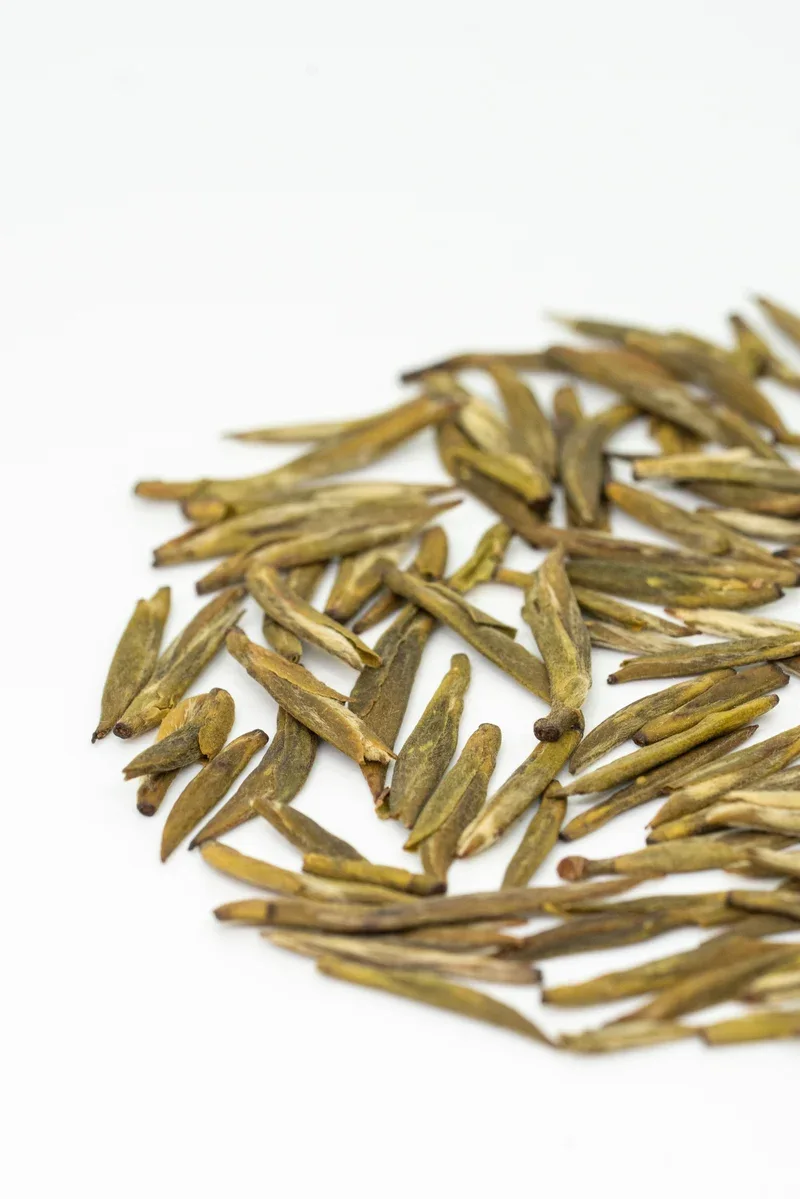
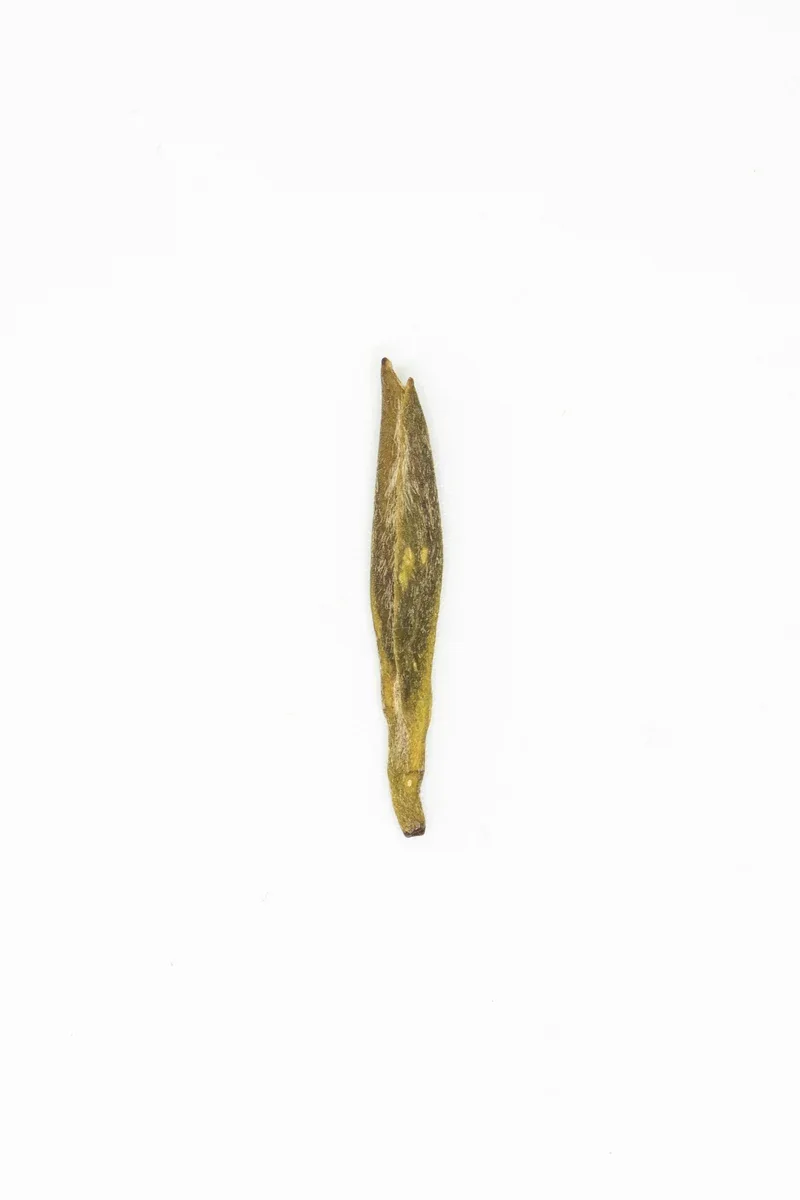
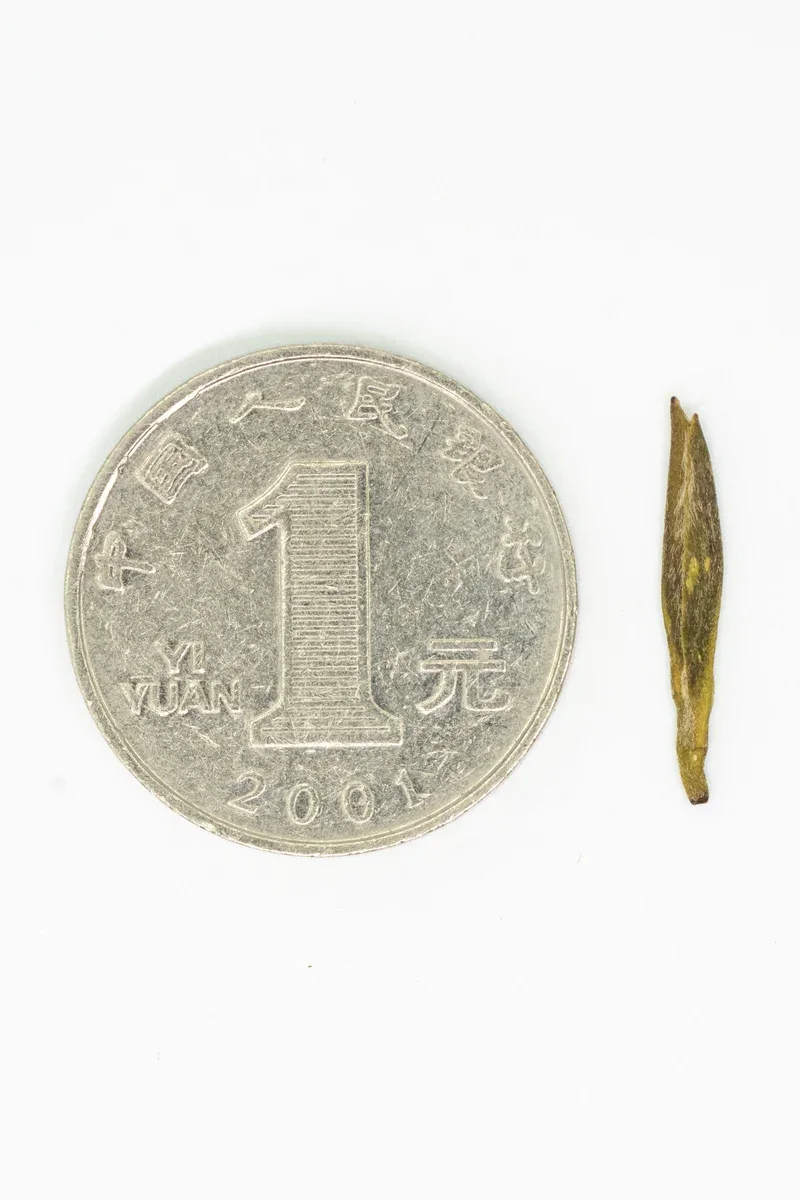
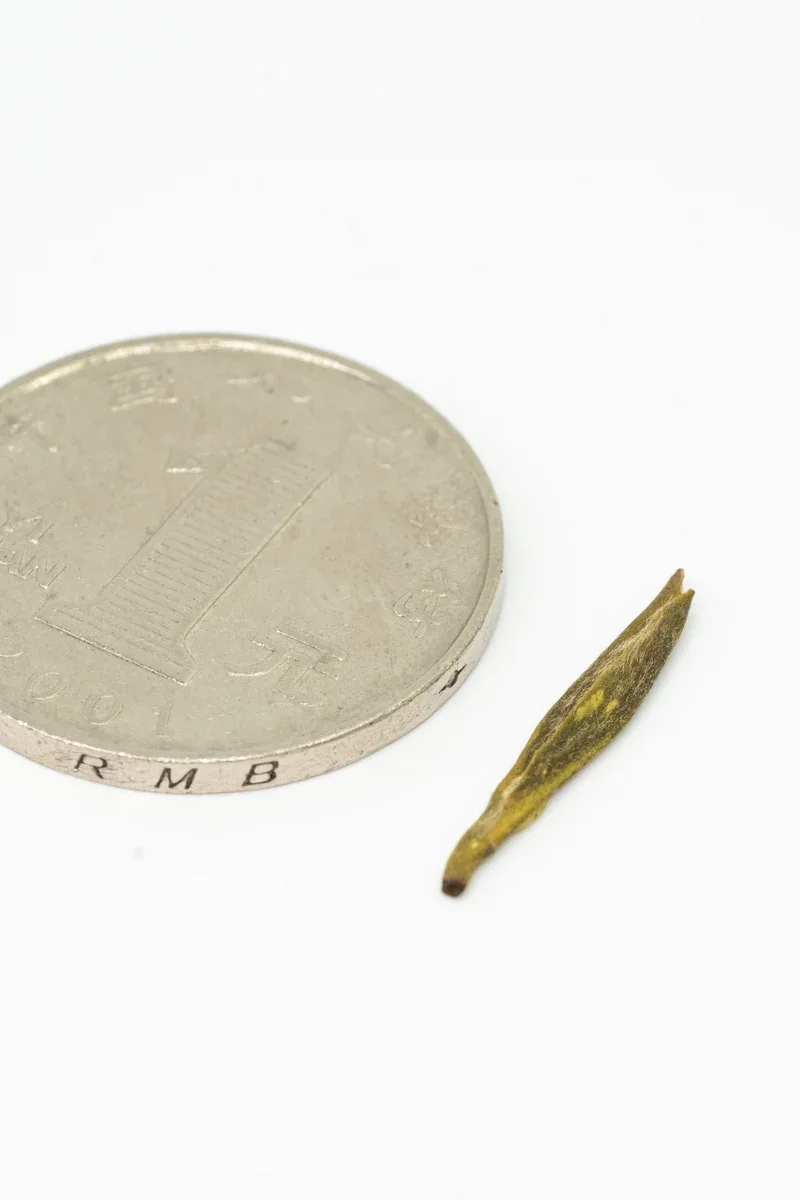
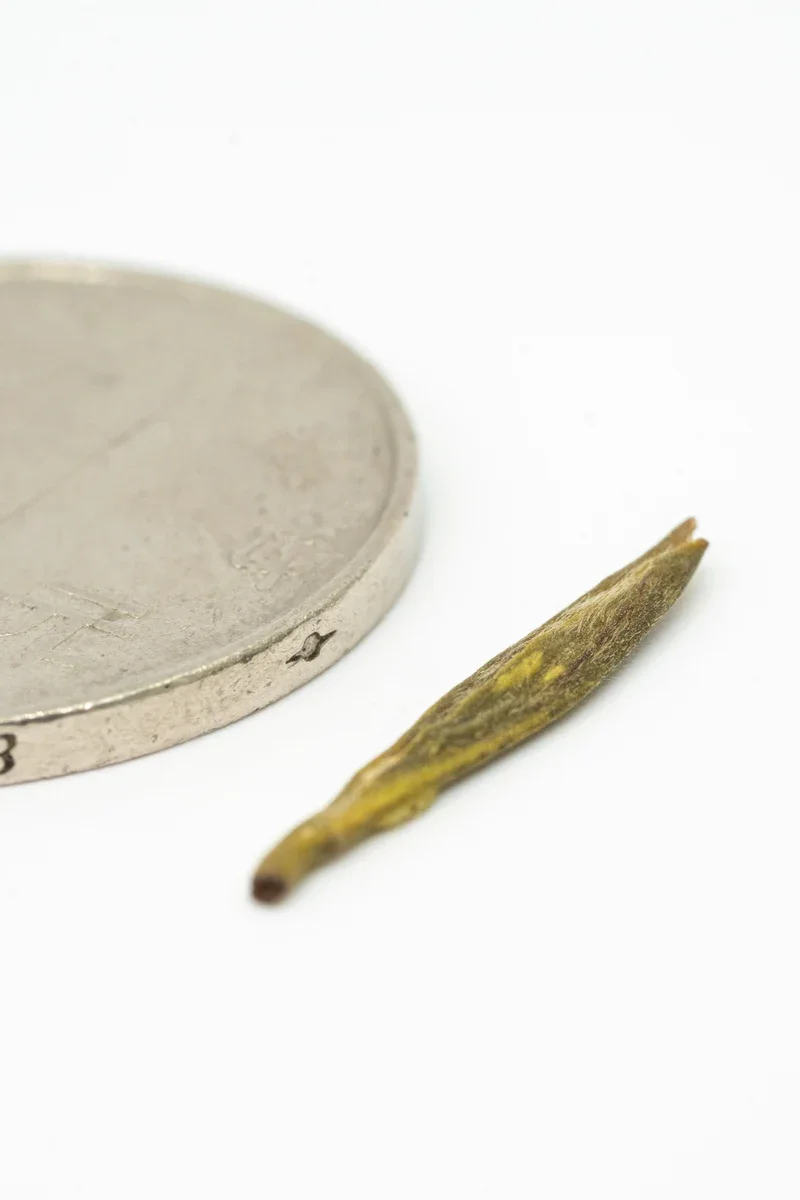
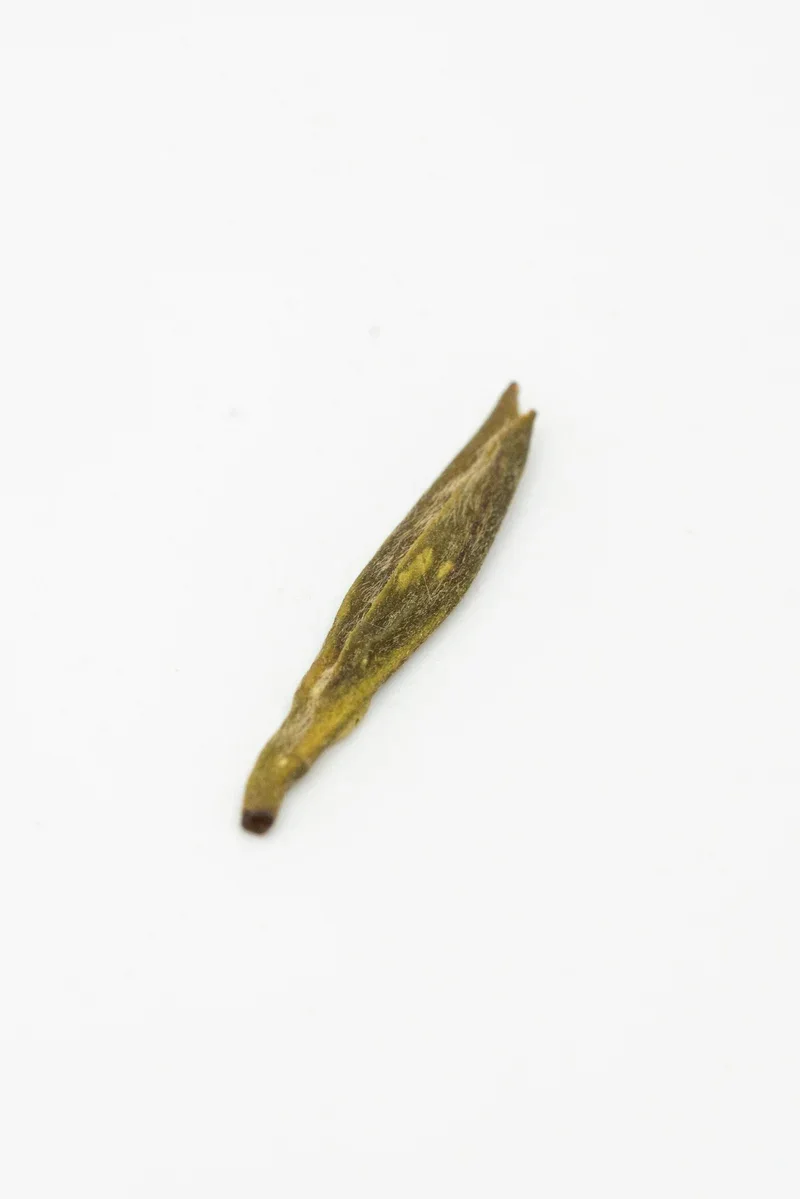
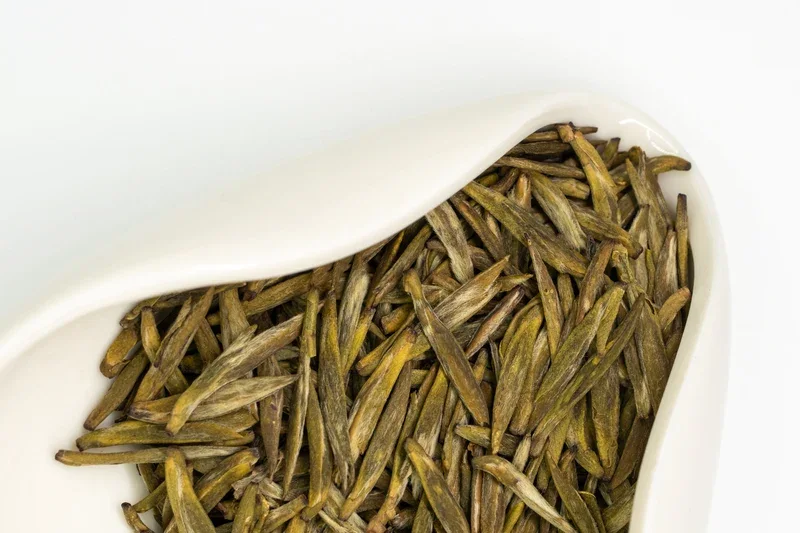
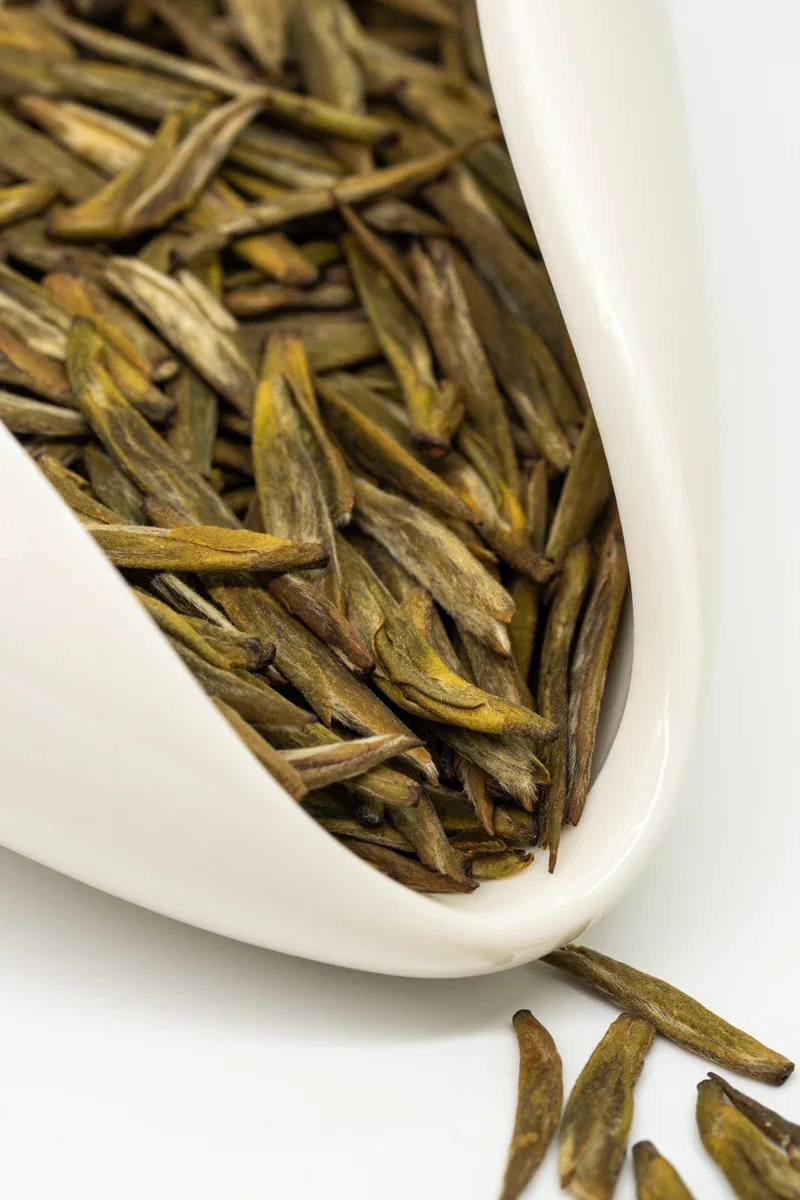
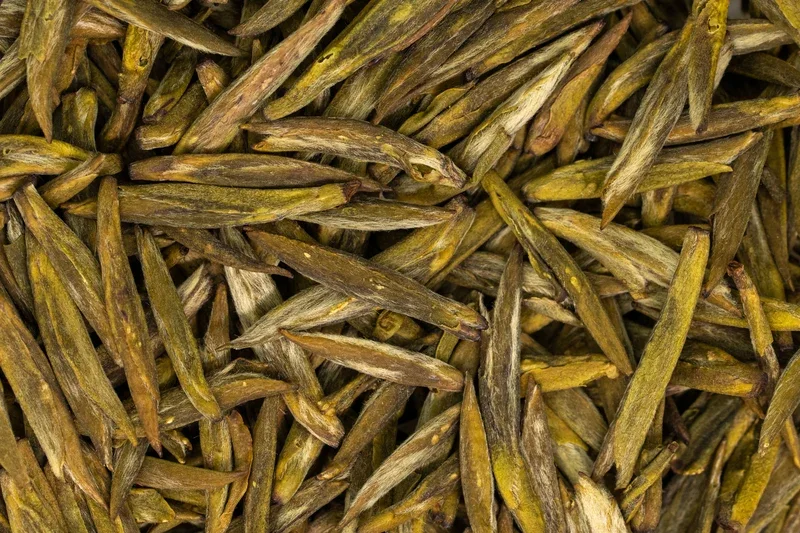
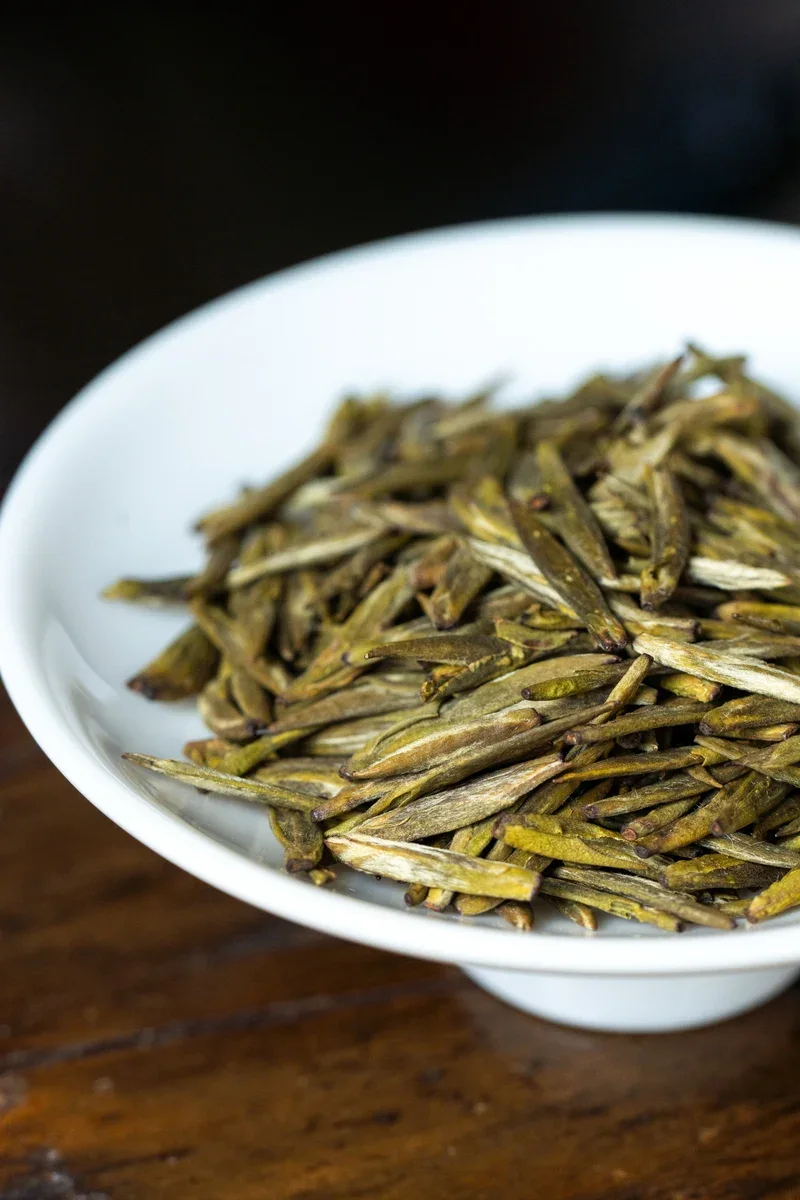
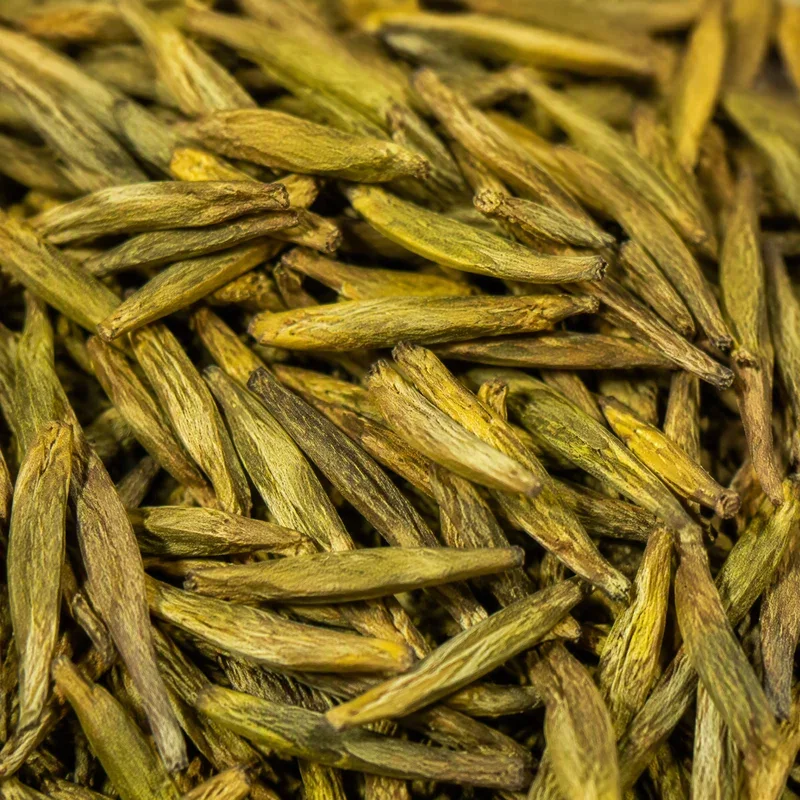
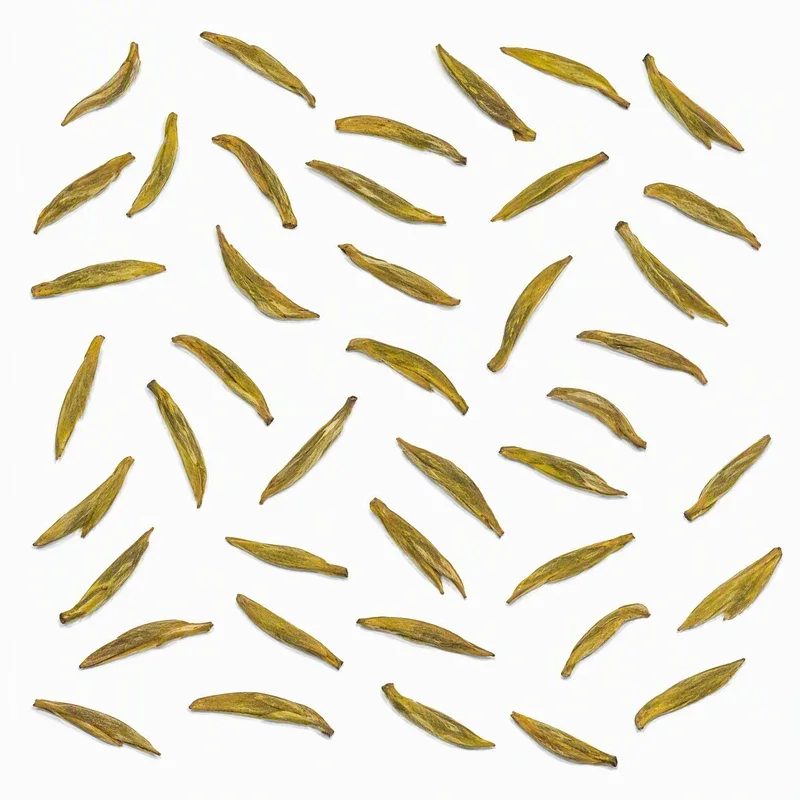
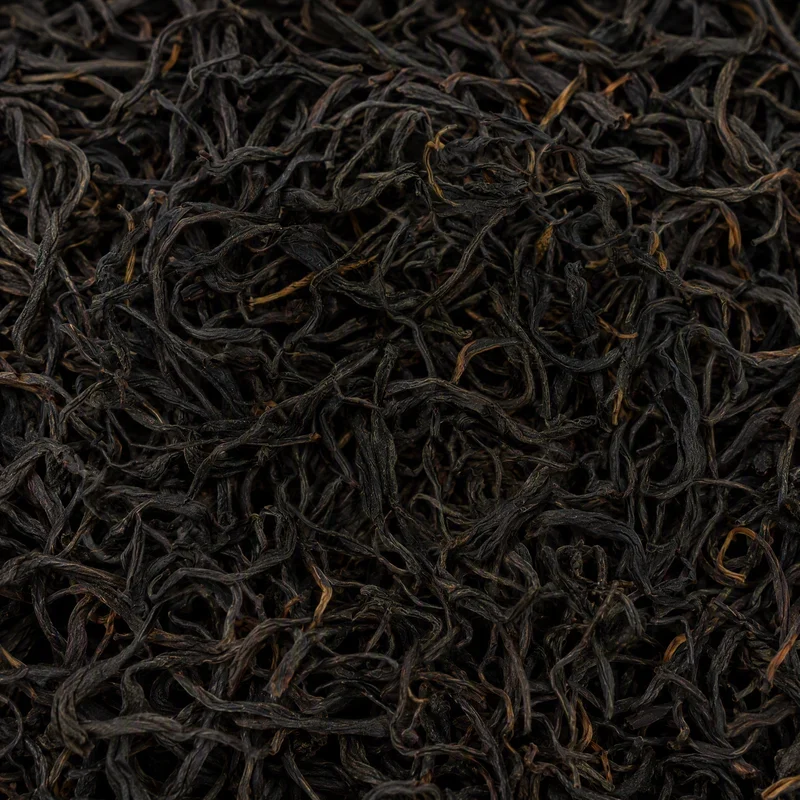
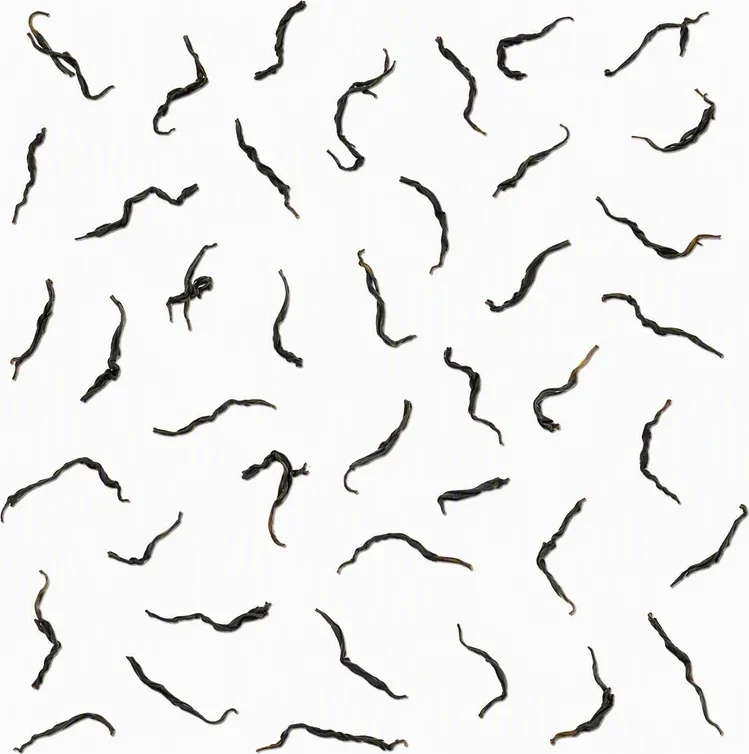
Dry Leaf Appearance: Conditions of tight, plump twist (肥壮圆紧); leaf compact, with noticeable golden tips (金毫); color — black with oily luster (乌黑油润). Highest grades demonstrate elegant «points» (锋苗) on shoot tips.
Dry Leaf Aroma: Bright, fresh, with distinct orange caramel note (橘糖香) — the signature aromatic marker of Chuanhong. In the background — honey, floral-fruity tones; with deep inhalation, light spiciness is felt.
Liquor Aroma: Multi-layered: in top notes — orange zest and burnt sugar; in middle — floral sweetness and ripe fruits; in base — warm, slightly smoky trail from charcoal roasting. Aroma is persistent, not lost throughout 5–6 infusions.
Liquor Color: From bright red to ruby-scarlet with golden rim (金圈); rich, clear and brilliant (浓亮).
Spent Leaves: Red-copper, soft and thick (厚软红匀); in highest grades leaves are whole and evenly colored, elastic to touch.
Taste: Dense, juicy and fresh (醇厚鲜爽), with pronounced natural sweetness; astringency mild, quickly transitioning to sweet aftertaste (回甘). On the tongue — oily, enveloping texture; with gongfu brewing, tea withstands 6–8 infusions with smooth profile development from bright fruitiness to even caramel warmth.
Alkaloids: Caffeine — about 3.87% (Zaobaijian); theobromine and theophylline present in trace amounts. Water extract (水浸出物) — about 45.37%, indicating high liquor saturation.
Amino Acids: L-theanine and other free amino acids — 3 to 5.7% in dry leaf (data for Sichuan population according to measurements by the Tea Research Institute of Chinese Academy of Agricultural Sciences). High amino acid level — one of the factors of taste softness and «juiciness».
According to SPME-GC-MS analysis, 148 aromatic components were identified in Sichuan gongfu red teas. Alcohols dominate (45.97–63.78%): geraniol, linalool and its oxides, phenylethyl alcohol, nerolidol, benzyl alcohol. These form the characteristic «sweet-floral and fruity» profile. The ratio of linalool to geraniol (terpene index) for Sichuan medium-leaf population is about 0.60, classifying Chuanhong as highly aromatic tea.
Minerals: Potassium (main cation of tea liquor, up to 60–70% transfers to water during brewing), magnesium, manganese (content in Sichuan mountain teas is elevated due to acidic yellow soils), fluorine (~50–120 mg/kg dry matter), zinc, phosphorus. Purple sandy soils (紫色砂土) of southeastern Sichuan additionally enrich the leaf with iron and silicon.
Polyphenols: Tea polyphenol content in fresh leaf of Sichuan group — about 25–30%; in red tea production, a significant portion of catechins transforms into theaflavins (provide liquor brightness and «golden ring» on cup walls) and thearubigins (form color depth and body velvetiness). For Zaobaijian cultivar, polyphenol content in fresh leaf is about 25.74%.
Vitamins: Vitamin C (decreases during oxidation but partially preserved), B₁, B₂, P (rutin), E.
Caffeine combined with L-theanine provides smooth energy lift without sharp «peaks» — an effect described as «calm concentration».
Theaflavins and thearubigins possess pronounced ability to neutralize free radicals, supporting overall antioxidant capacity of the body.
Red tea is traditionally considered gentle on the stomach; warm liquor after meals promotes comfortable digestion.
Regular moderate red tea consumption is associated with supporting vascular elasticity through polyphenol action.
In traditional Chinese dietology, red tea is classified as «warm» (温) beverages, making it especially appropriate in cold weather.
The combination of caffeine and theanine supports attention and reaction speed; characteristic for prolonged mental work.
The warm orange caramel aroma and honey sweetness provide pronounced «sensory» relaxing effect.
Anhui, small-leaf raw material. Distinguished by more delicate, «orchid» aroma (祁门香) with rose and fruit notes; body slightly lighter than Chuanhong. Liquor color — ruby-red. Considered the standard of «high aroma» among world red teas.
Yunnan, large-leaf raw material (C. sinensis var. assamica). More powerful and dense than Chuanhong; honey-malty aroma with chocolate notes; abundance of golden tips. Liquor darker and thicker.
Hubei, medium-leaf population. Similar to Chuanhong in raw material type, but aroma more restrained, with fruity-honey profile; taste even, without pronounced «caramel brightness» of Chuanhong.
Fujian, includes several subtypes (Tanyang, Bailin, Zhenghe). Fujian red teas — ancestors of the technology that Lei Yuxiang adapted for Sichuan. Aroma more floral and «sweet-bready»; body medium.
Soft spring, bottled or filtered; tap water with high hardness and chlorine is not recommended.
Tea Amount: 4–5 g per 100–120 ml (gongfu method); 2–3 g per 200–250 ml (European steeping).
Teaware: Porcelain gàiwǎn (盖碗) 100–120 ml — best choice for revealing aromatic profile; for dense, mature batches, clay teapot is acceptable. For Western method — porcelain teapot or glass vessel.
Water Temperature: 90–95°C for standard batches; 80–90°C for highest grades and delicate single-bud teas (like «Guifeihong» or «Jinya»).
No reviews yet. Tell us what you think of this tea.
Rate this tea and share your impressions. We review each submission before publishing it.