Brewing
Gongfu brewing
- Water temperature
- 92 °C
- Tea amount
- 6 g
- Water volume
- 100 ml
- First steep
- 10 s
- Time added per infusion
- 5 s
- Infusions
- 8

bàn tiān yāo
Choose a brewing method. Start with the recommended quantities and time, then adjust to taste.
Brewing
Brewing
Taste
Tea encyclopedia
Category: Famous Teas of China, belongs to rock oolongs (Yan Cha - 岩茶, Yán Chá) from Wuyi Mountains. Although it is not among the four "Great Bushes," it is valued equally with them, and sometimes even higher, for its rarity and unique qualities.
Category: Famous Teas of China, belongs to rock oolongs (Yan Cha - 岩茶, Yán Chá) from Wuyi Mountains. Although it is not among the four "Great Bushes," it is valued equally with them, and sometimes even higher, for its rarity and unique qualities.
Coordinates: 27°43' North latitude, 117°41' East longitude.
Origin: China, Fújiàn Province (福建, Fújiàn), Wǔyí Mountains (武夷山, Wǔyí Shān), Wuyishan City. Grows in the nature reserve protected by UNESCO. The most prestigious tea is considered to be that grown in the "Zheng Yan" (正岩, Zhèng Yán) zone - "True Rock Core."
Type: Heavily oxidized oolong (dark oolong), usually with medium or heavy roasting.
The tea name very accurately conveys its character - strong, powerful, but at the same time in harmony, not reaching extremes.
Ban Tian Yao is one of the rarest and most expensive Wuyi oolongs, produced in significantly smaller quantities than Da Hong Pao or Rou Gui.
Ban Tian Yao is a tea that requires certain experience and preparation to fully appreciate its complex taste and aroma.
Cultural Significance: Ban Tian Yao is a rare and expensive tea valued for its unique "rock" character ("rock rhyme (yán yùn)"), powerful taste, multifaceted aroma, and strong effect. It is considered a tea for sophisticated connoisseurs and collectors.
History: Ban Tian Yao has a long history, but precise information about the time of its appearance varies. Some sources claim it was known during the Song dynasty (960-1279), while others attribute its appearance to a later period.
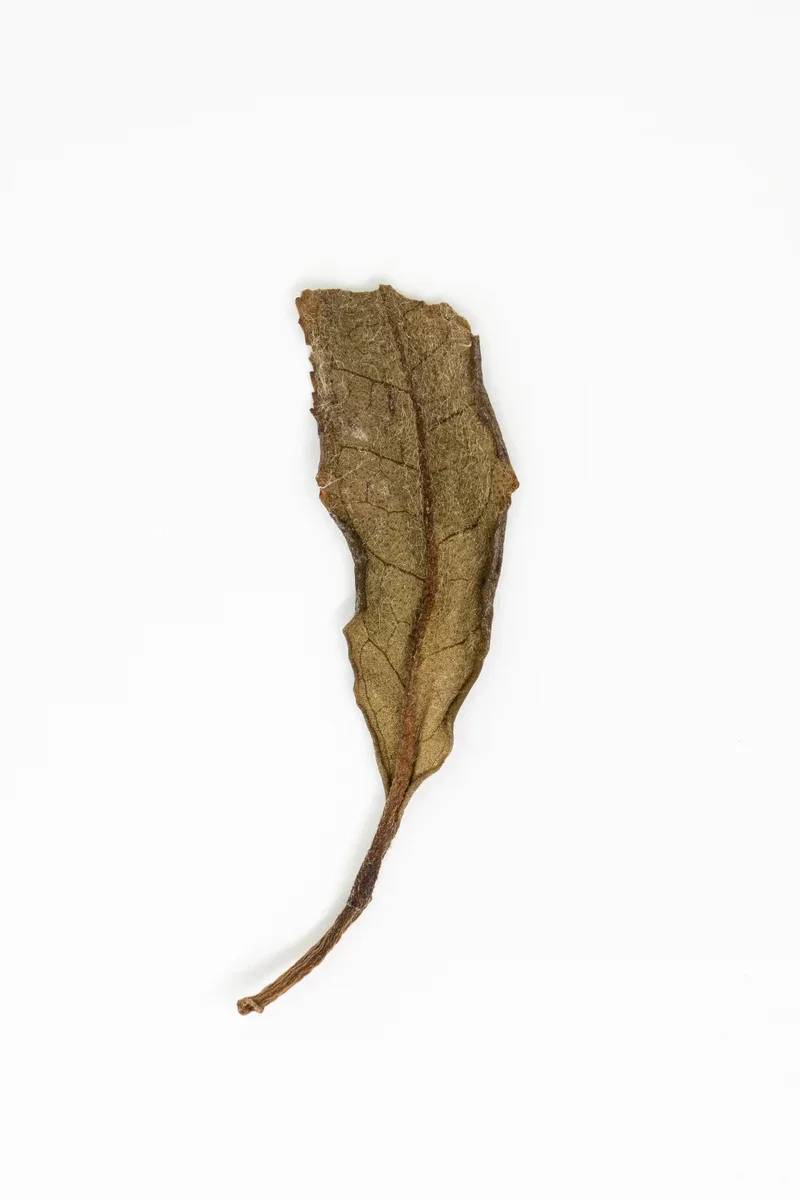
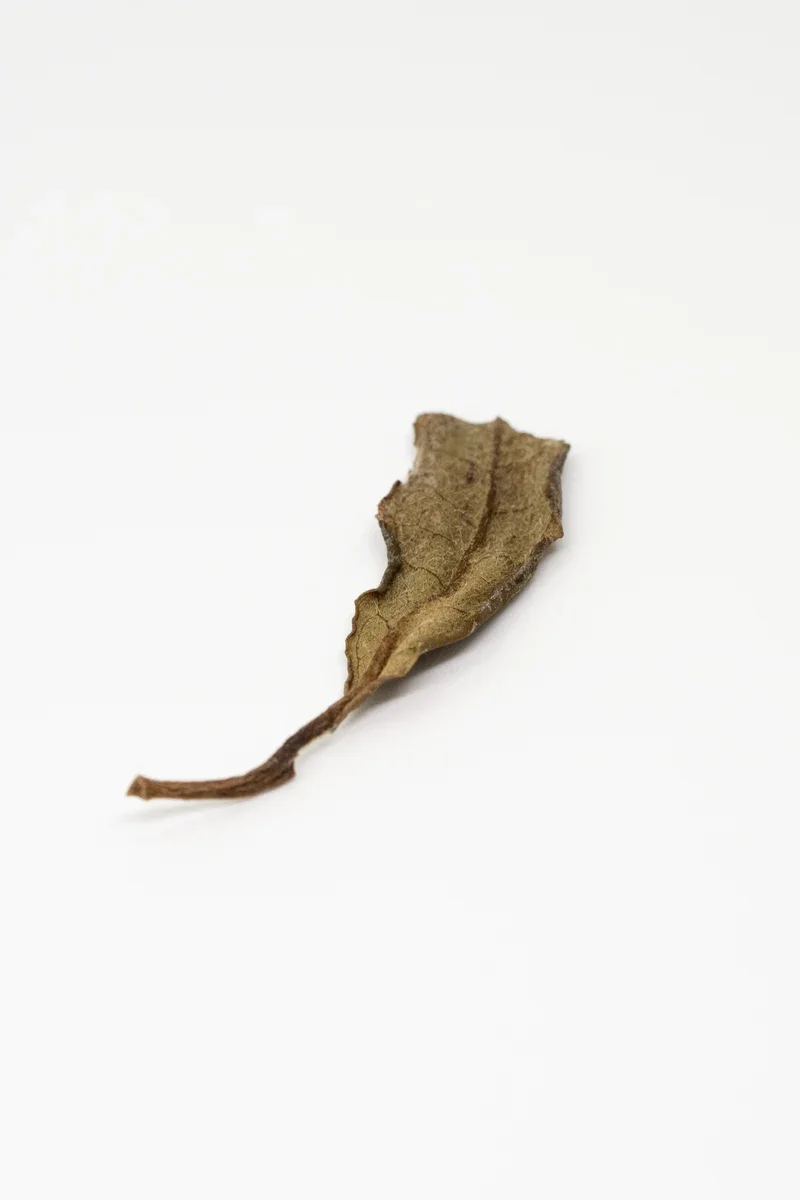
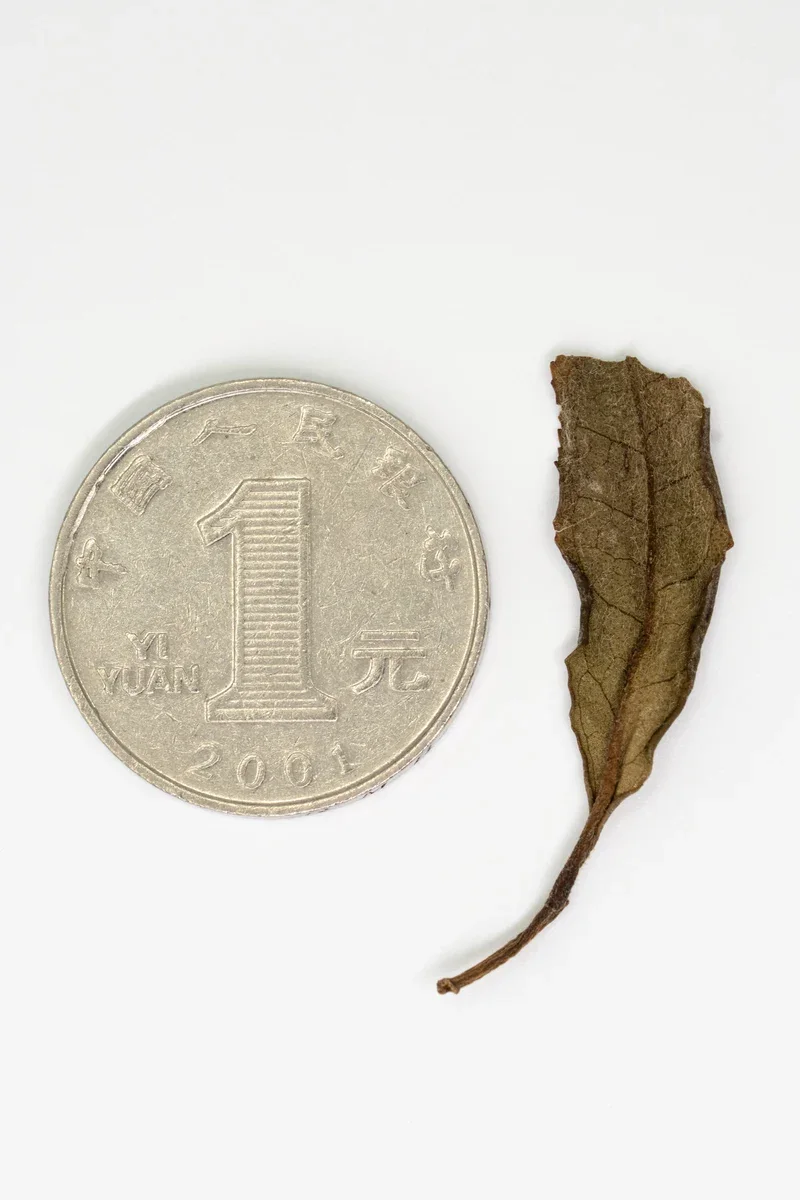
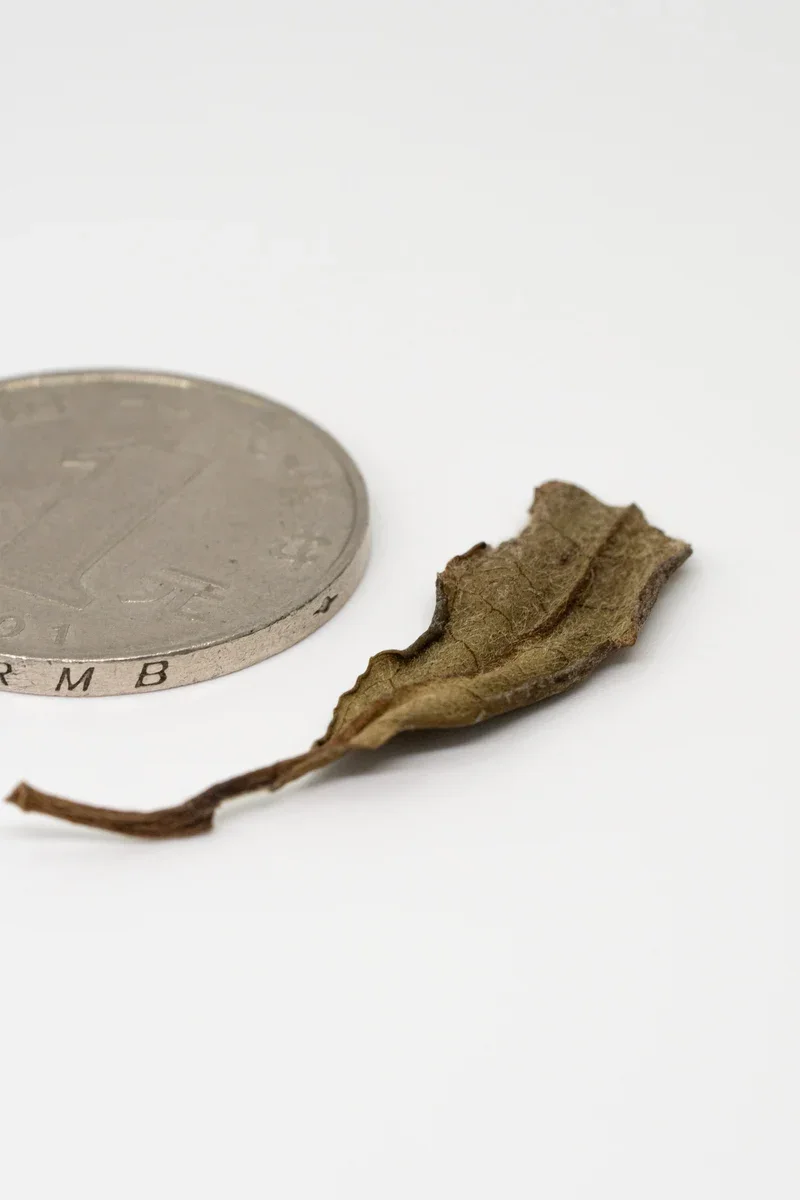
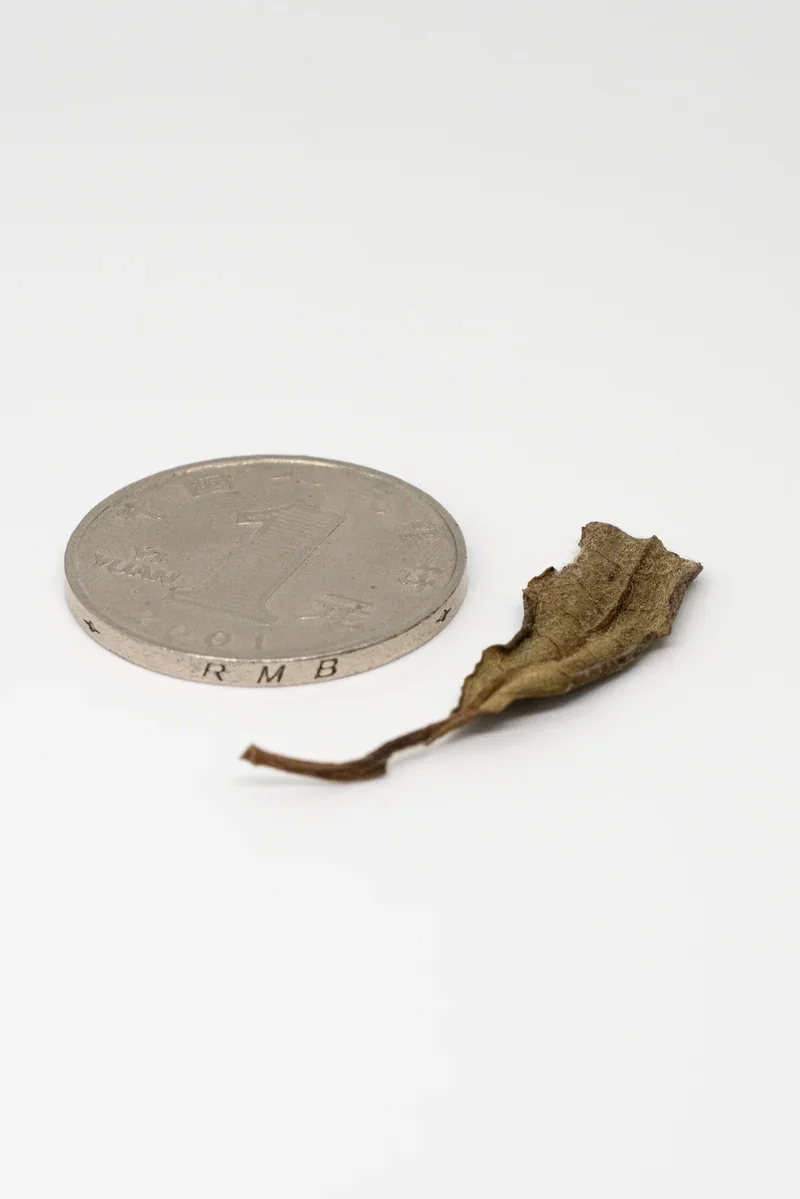
Ban Tian Yao leaves are medium-sized, oval-shaped.
Leaves have a rich dark green color.
The leaf blade is dense, leathery.
The Ban Tian Yao cultivar is distinguished by a strong aroma containing floral, fruity, and spicy notes.
Cultivar: For producing Ban Tian Yao, the tea bush cultivar of the same name is used - Bàn Tiān Yāo (半天腰, bàn tiān yāo). This cultivar is distinguished by:
Picking: Harvest occurs in spring, usually in late April - early May.
Pluck Standard: One bud and two to three upper leaves are picked.
Raw Material: High standards, only healthy, undamaged leaves are used.
Altitude: 600-1000 meters above sea level and higher.
Climate: Subtropical monsoon, with warm winters and hot summers. High humidity, abundant precipitation, frequent fogs that shield tea bushes from scorching sun and promote accumulation of aromatic substances in leaves.
Soil: The calling card of Wuyi Mountains is its unique soils ("Zheng Yan" - soils of "True Rock Core"). Red soils rich in minerals, with inclusions of sandstone and gravel. They drain well and give the tea its characteristic "mineral" taste called "rock rhyme (yán yùn)" (岩韵, yányùn) - "melody of rocks" or "rock melody."
A unique mountain massif composed of red sandstone, with characteristic "rock" landscape. Tea bushes grow in rock crevices, on small plots of land surrounded by mountain peaks, rivers, and waterfalls. Soils are rich in minerals, which gives the tea its "rock" character ("rock rhyme (yán yùn)").
"True Rock Core" - the heart of the reserve, where the best Ban Tian Yao is believed to be produced. These are narrow gorges with sheer cliffs, where tea bushes grow in crevices on small plots of land.
"Half-rock" - territory around "Zheng Yan," where growing conditions are slightly less extreme.
"Flatland tea" - tea grown on flat areas outside the reserve.
Described above.
Picked leaves are spread outdoors (sun or shade withering) or indoors for several hours.
Leaves are gently shaken and stirred on bamboo trays to initiate the oxidation process. This stage is conducted several times with intervals for leaf "rest."
The oxidation process that occurs during shaking and leaf "rest." Ban Tian Yao belongs to heavily oxidized oolongs, but the degree of oxidation may vary depending on the producer.
High-temperature pan-firing to stop the oxidation process.
Leaves are shaped into longitudinally twisted strips.
Preliminary drying to remove moisture.
One of the key stages in producing Wuyi oolongs, including Ban Tian Yao. Tea is slowly roasted over smoldering charcoal in special baskets. This process can last several hours or even days, with temperature and roasting time carefully controlled by the master. Charcoal roasting gives Ban Tian Yao its characteristic "smoky" aroma and "fiery" taste, and also promotes its further maturation during storage. The degree of roasting can vary from medium to heavy.
Finished tea is sorted by size and quality.
After roasting, tea "rests" for some time so that taste and aroma balance.
Sometimes a second, lighter roasting is conducted.
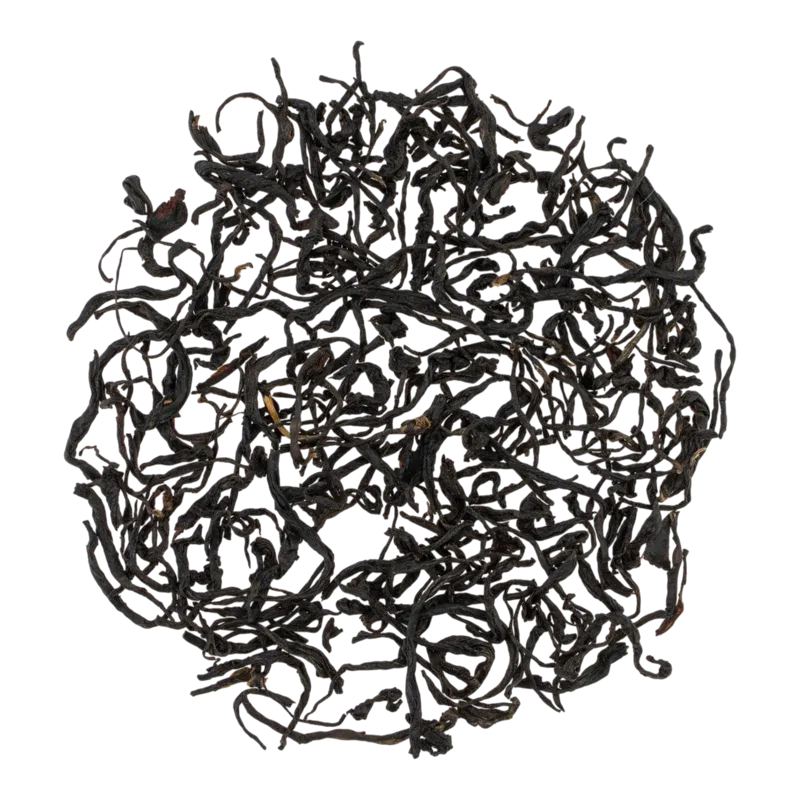
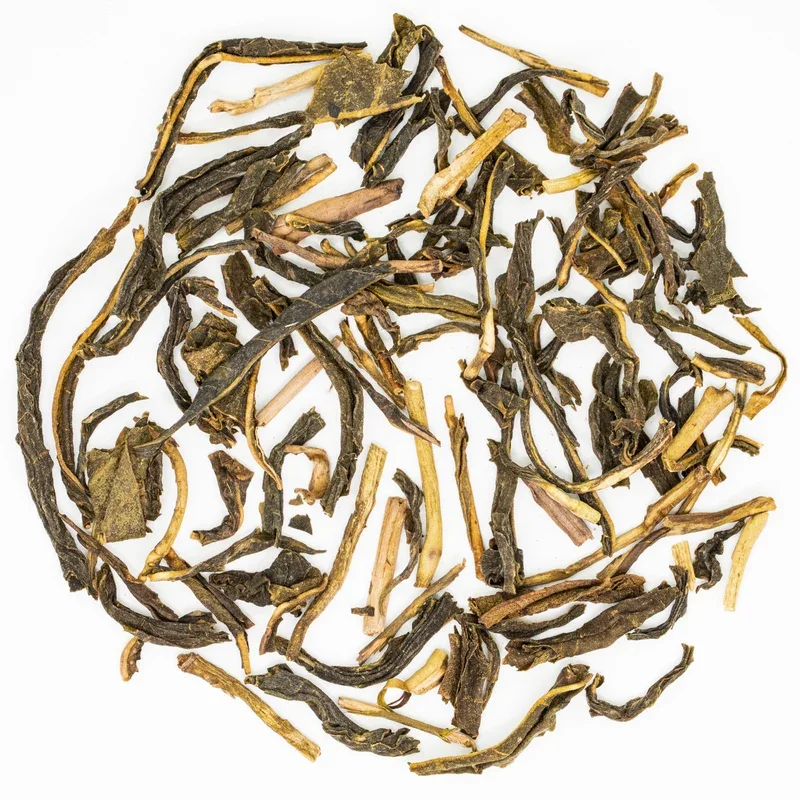
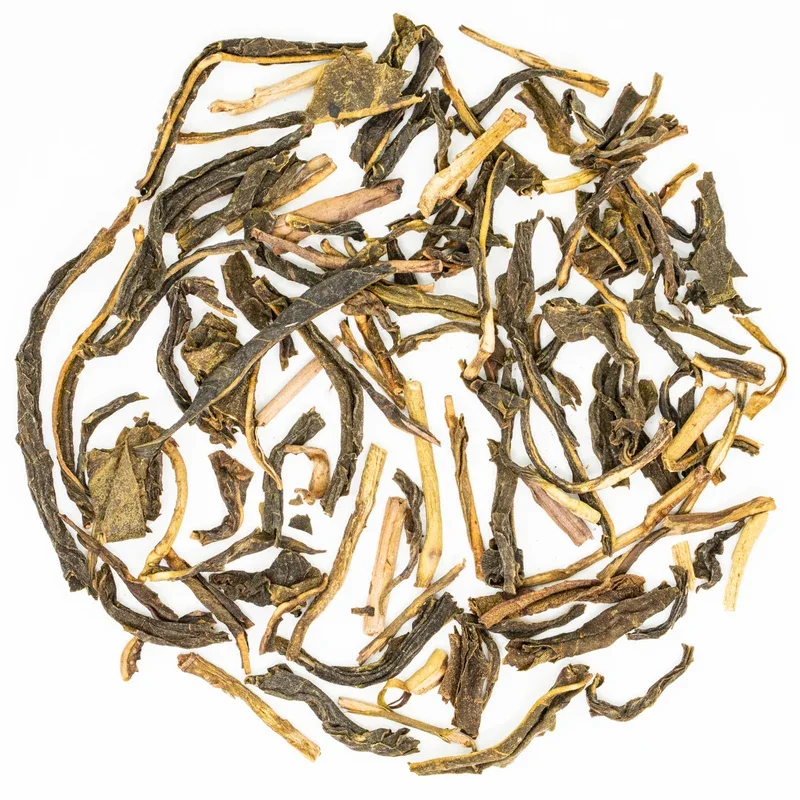
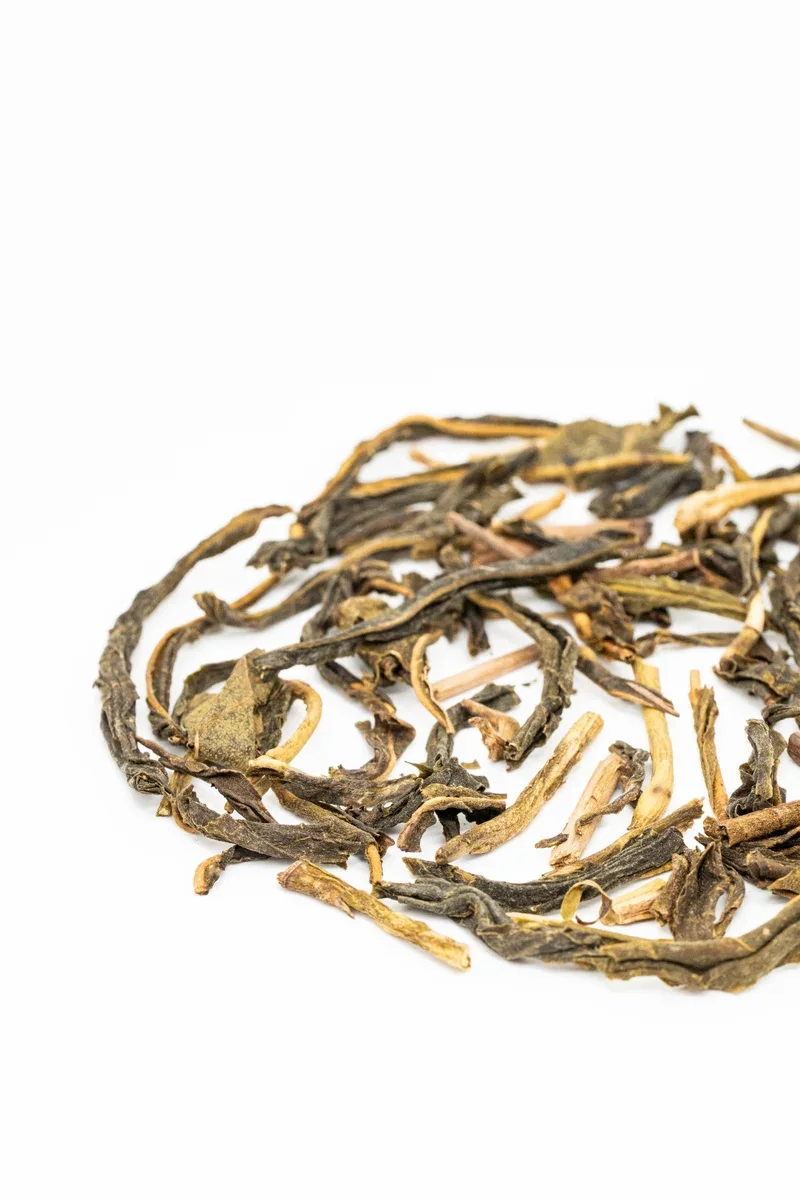
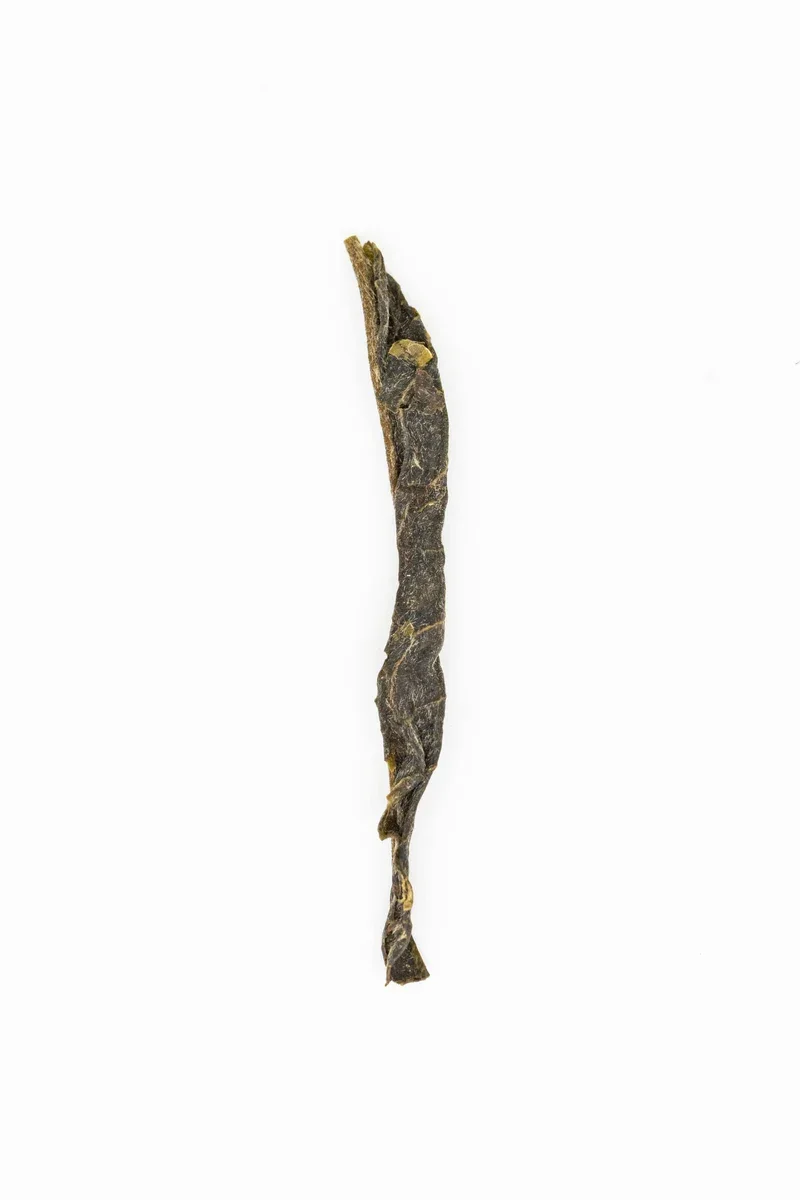
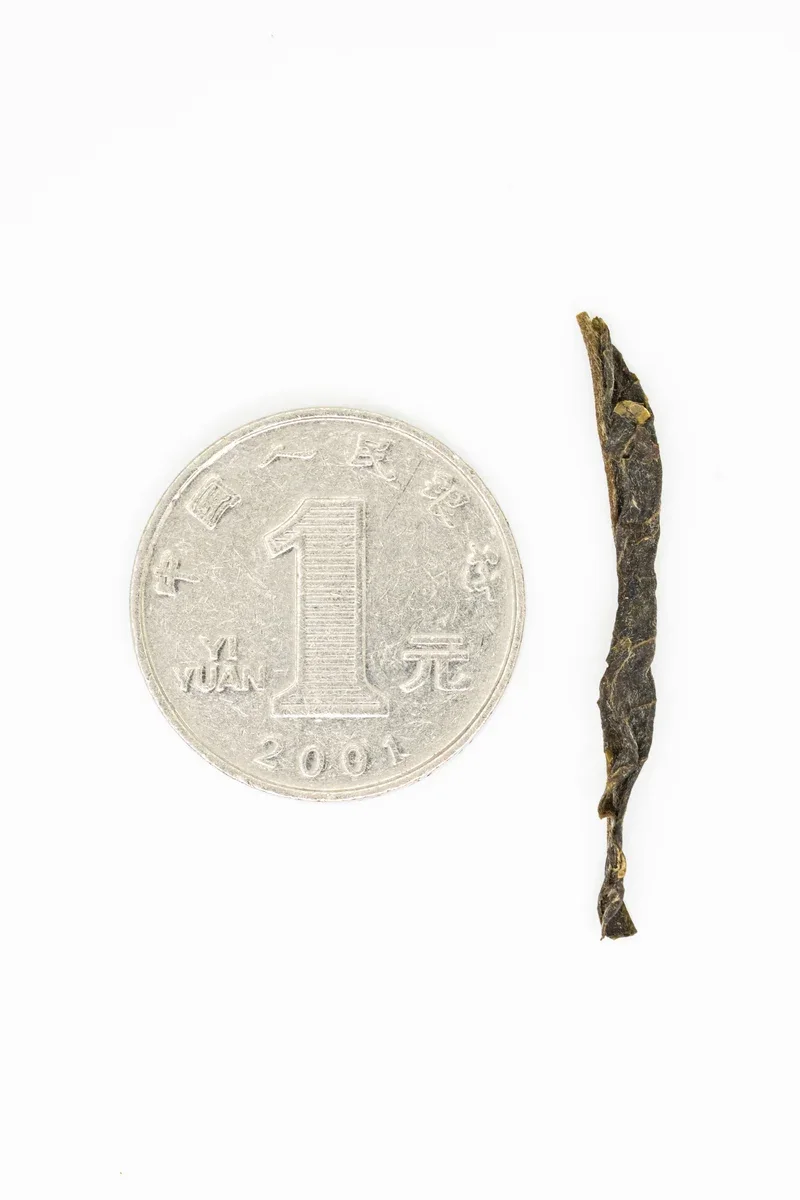
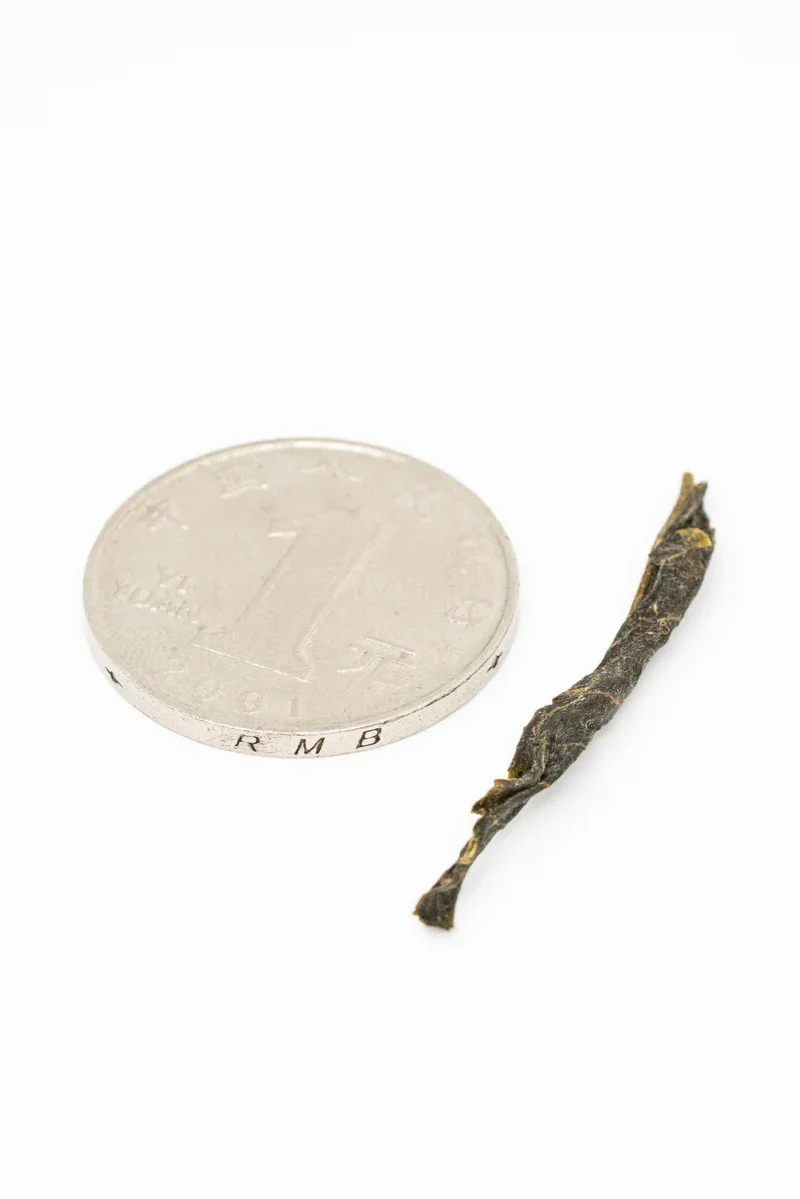
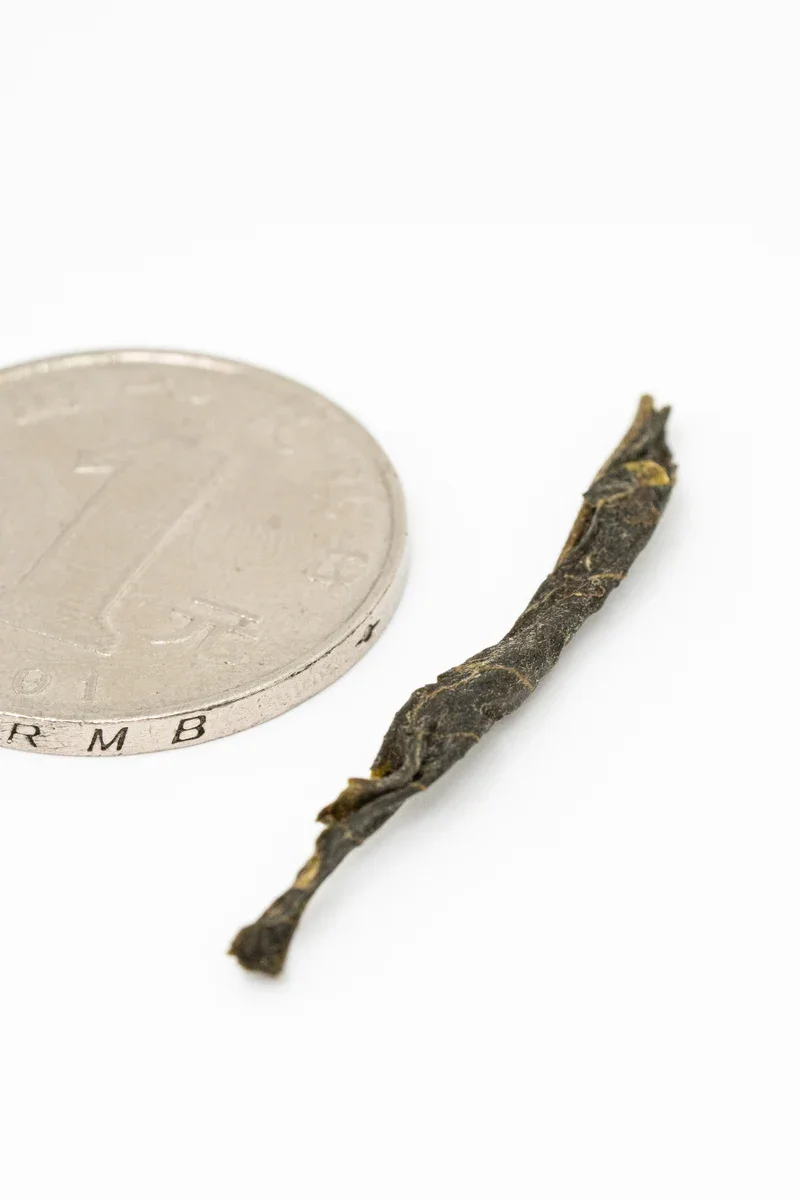
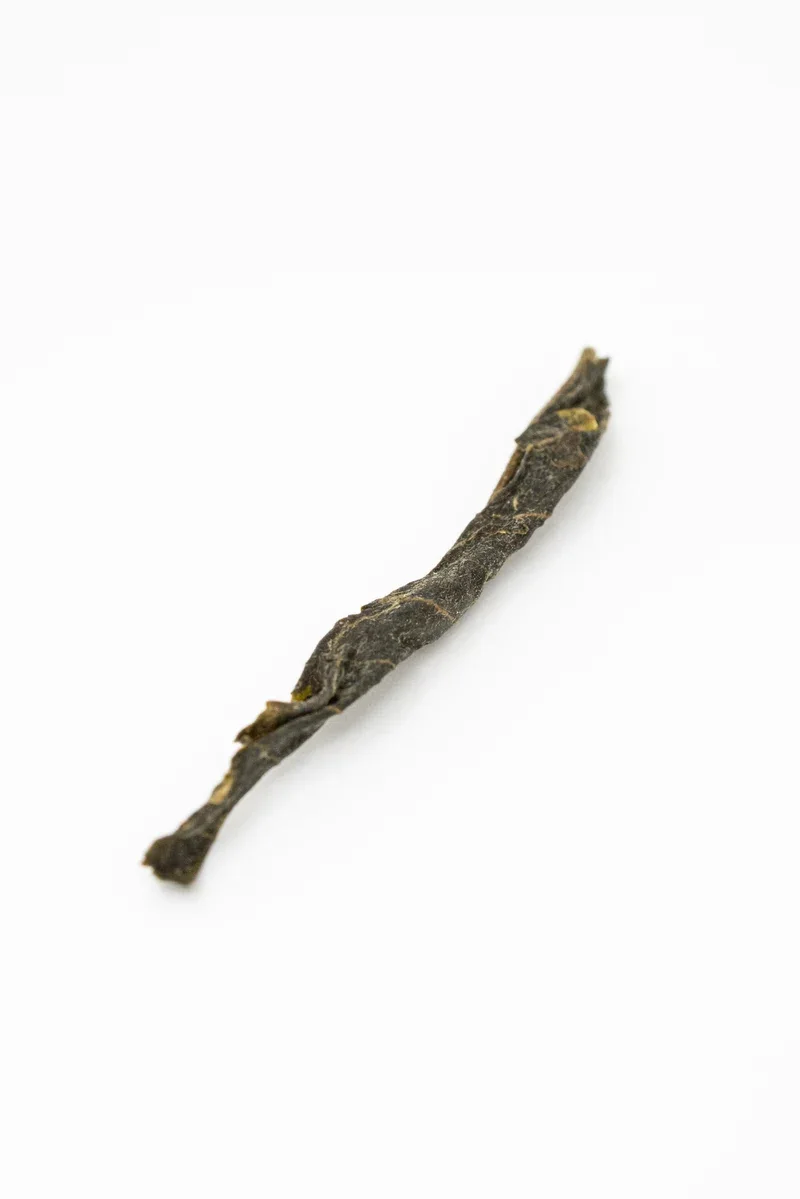
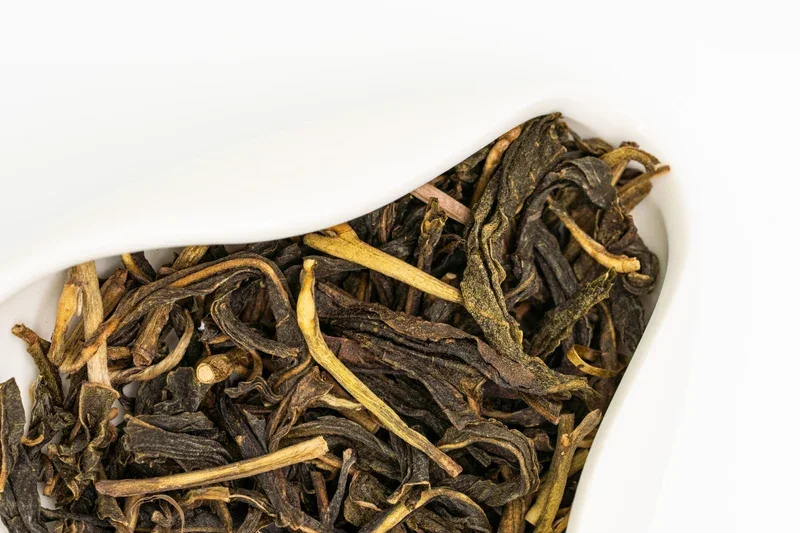
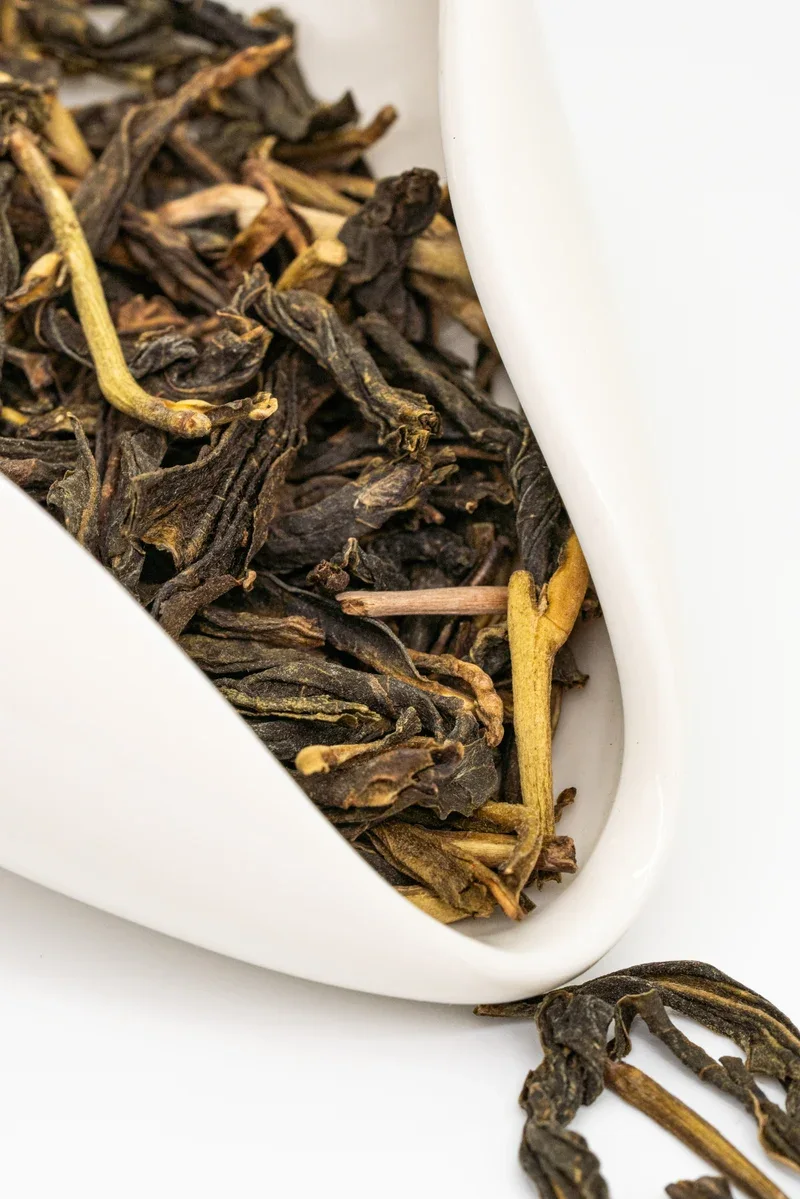
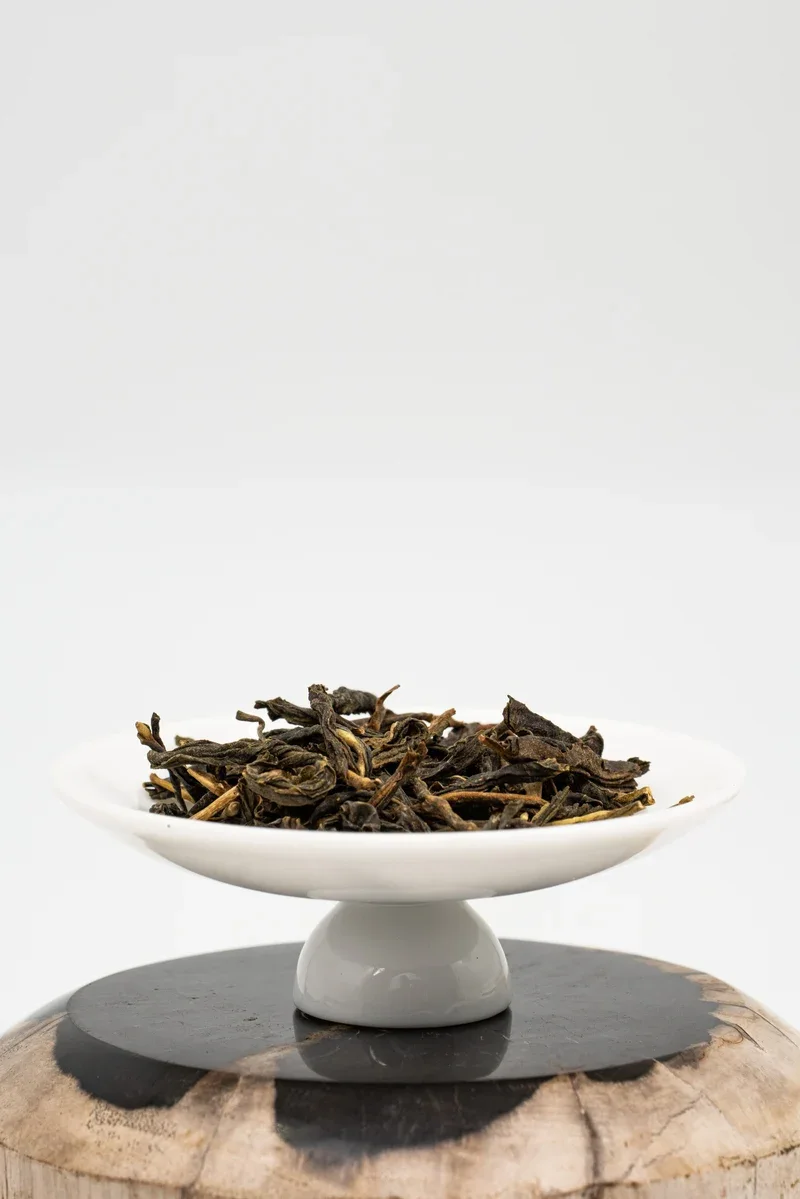
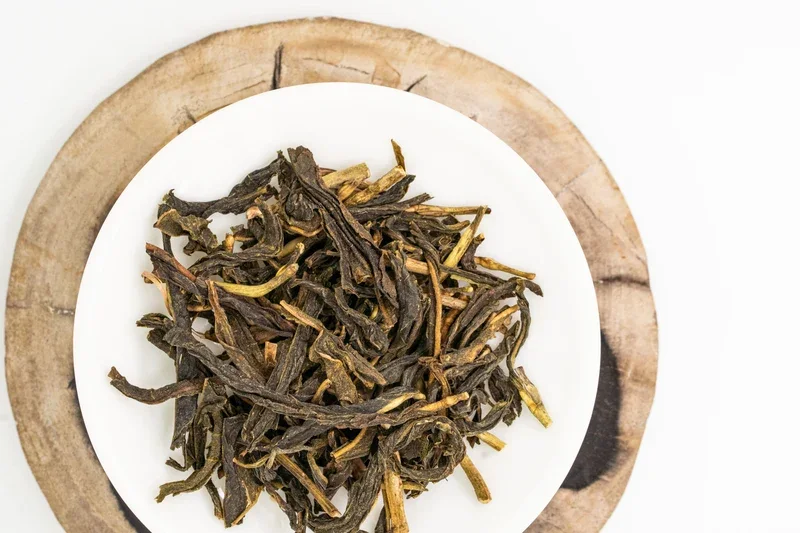
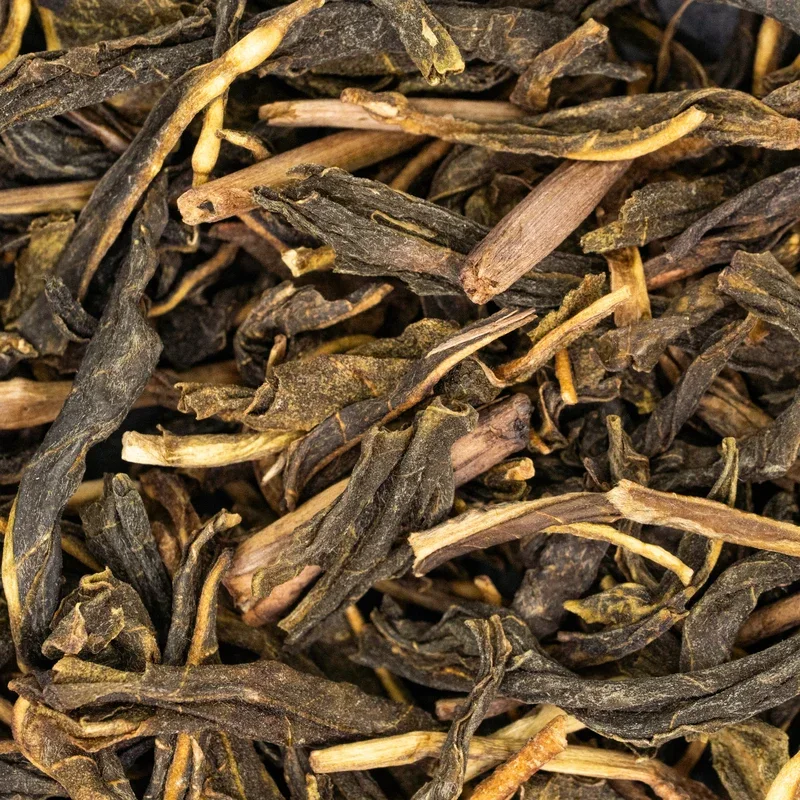
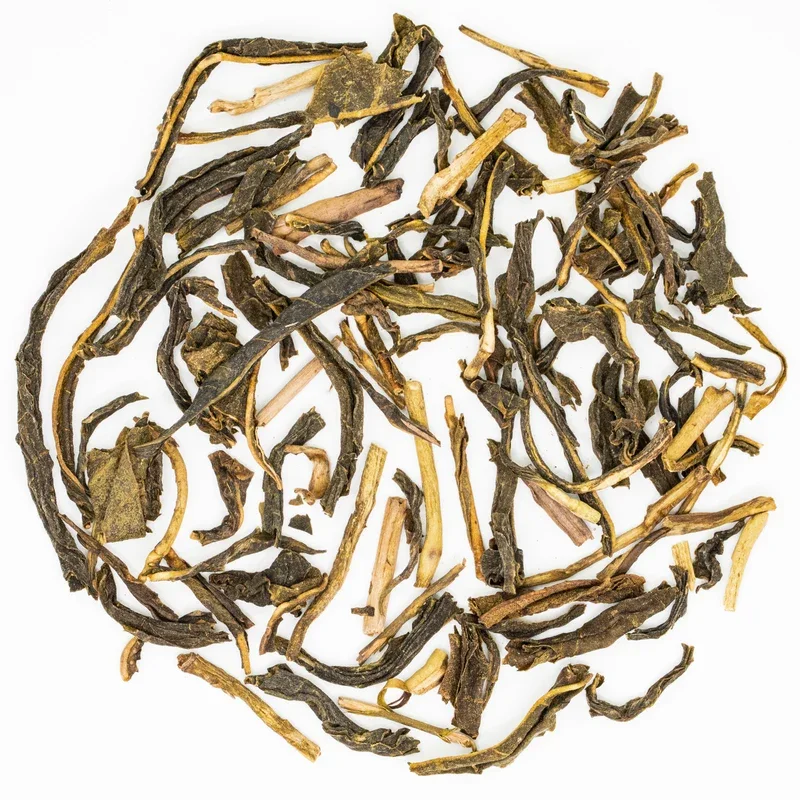
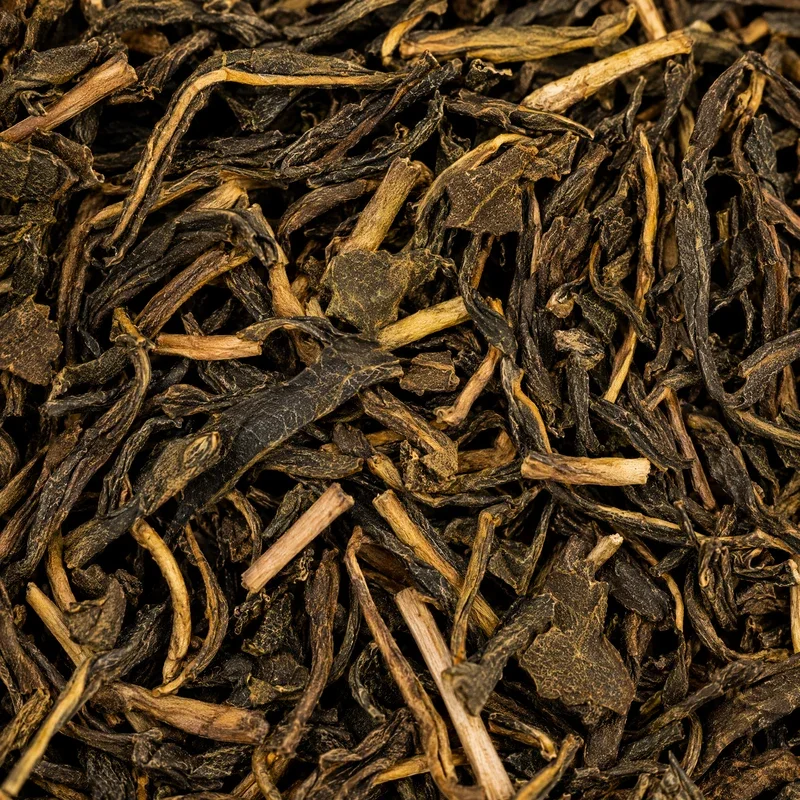
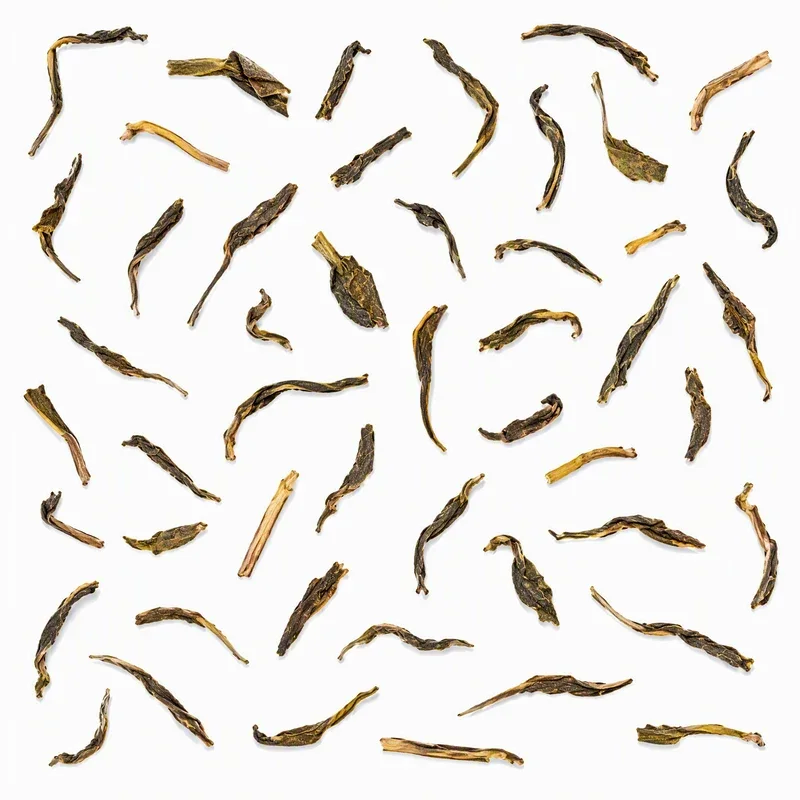
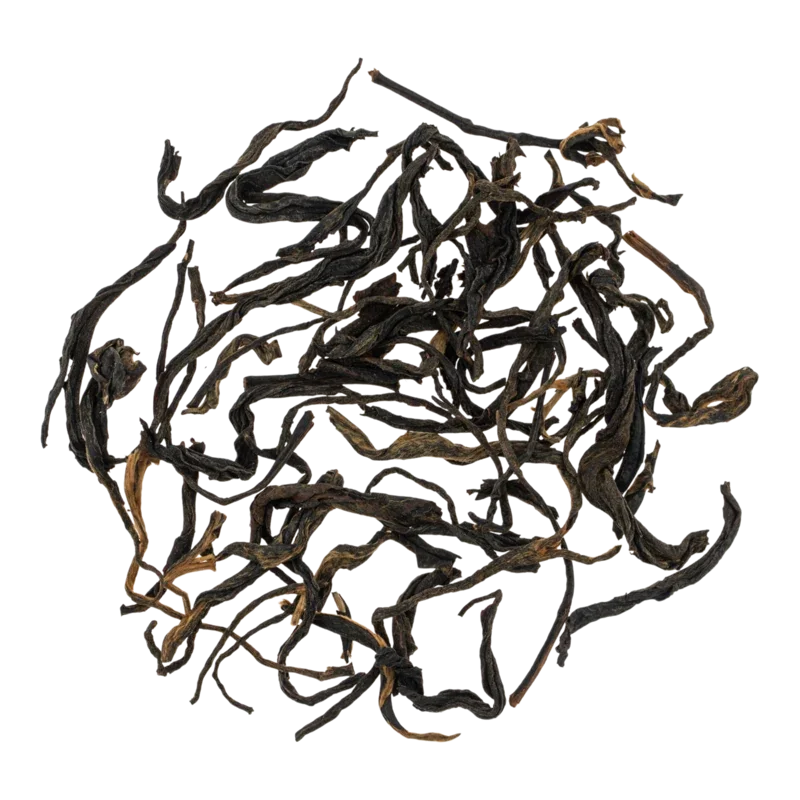
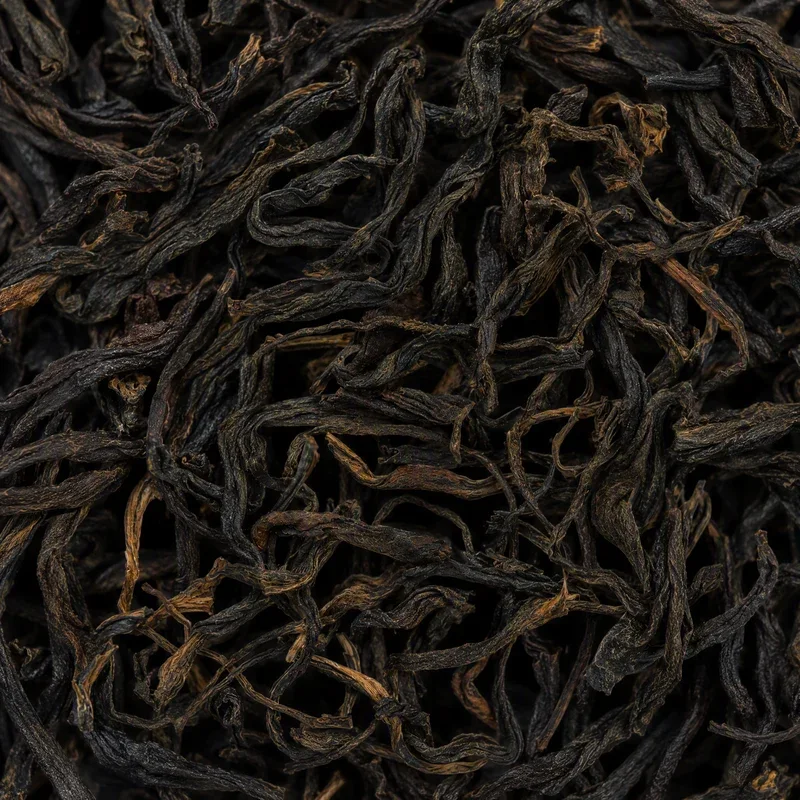
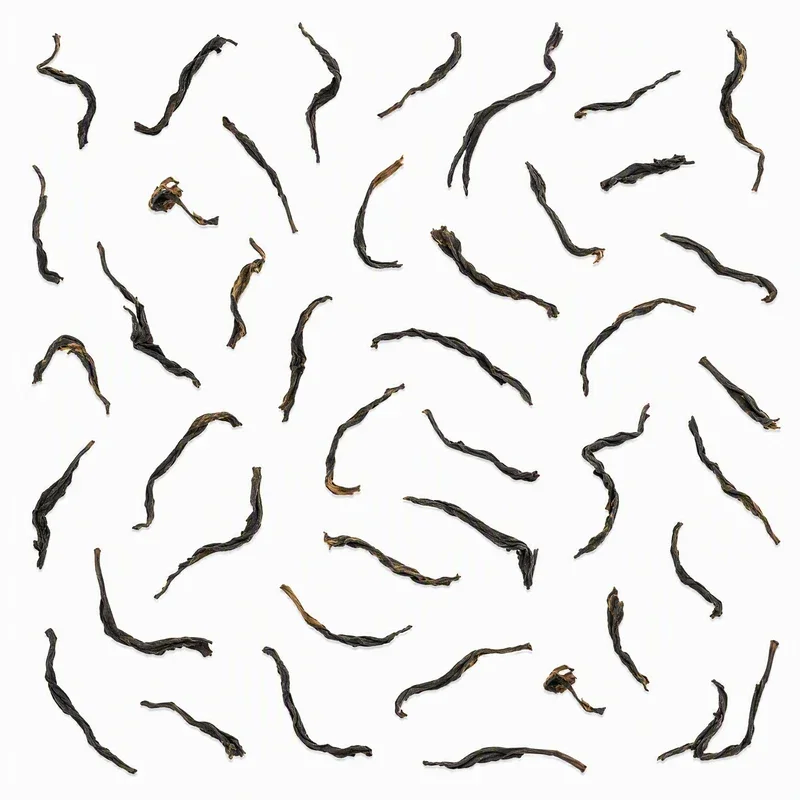
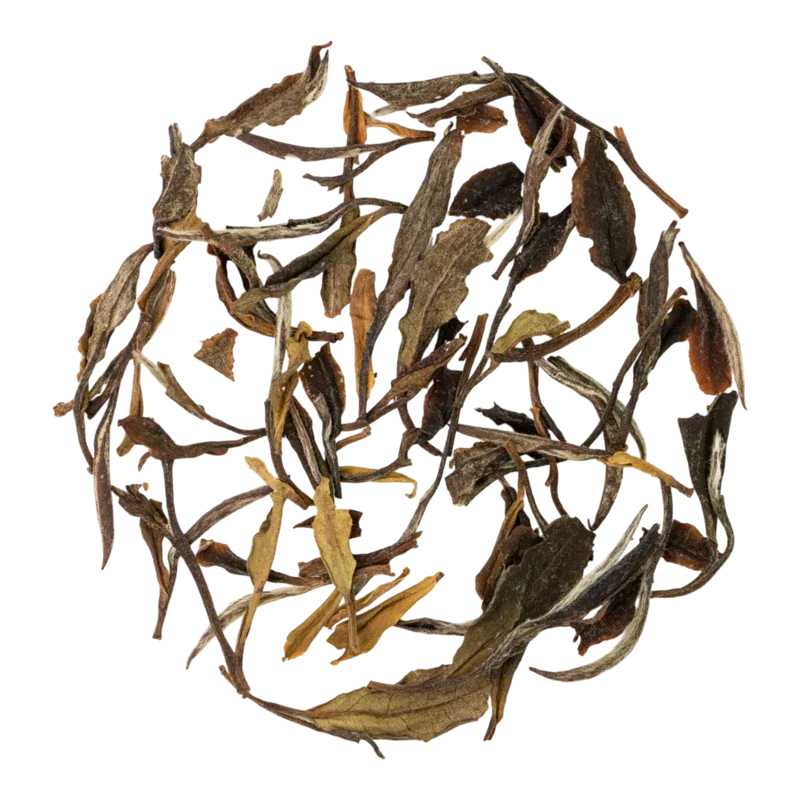
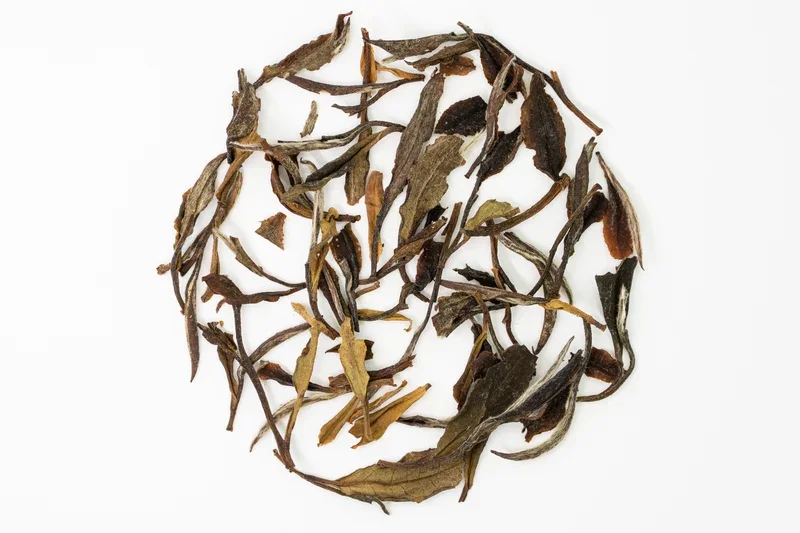
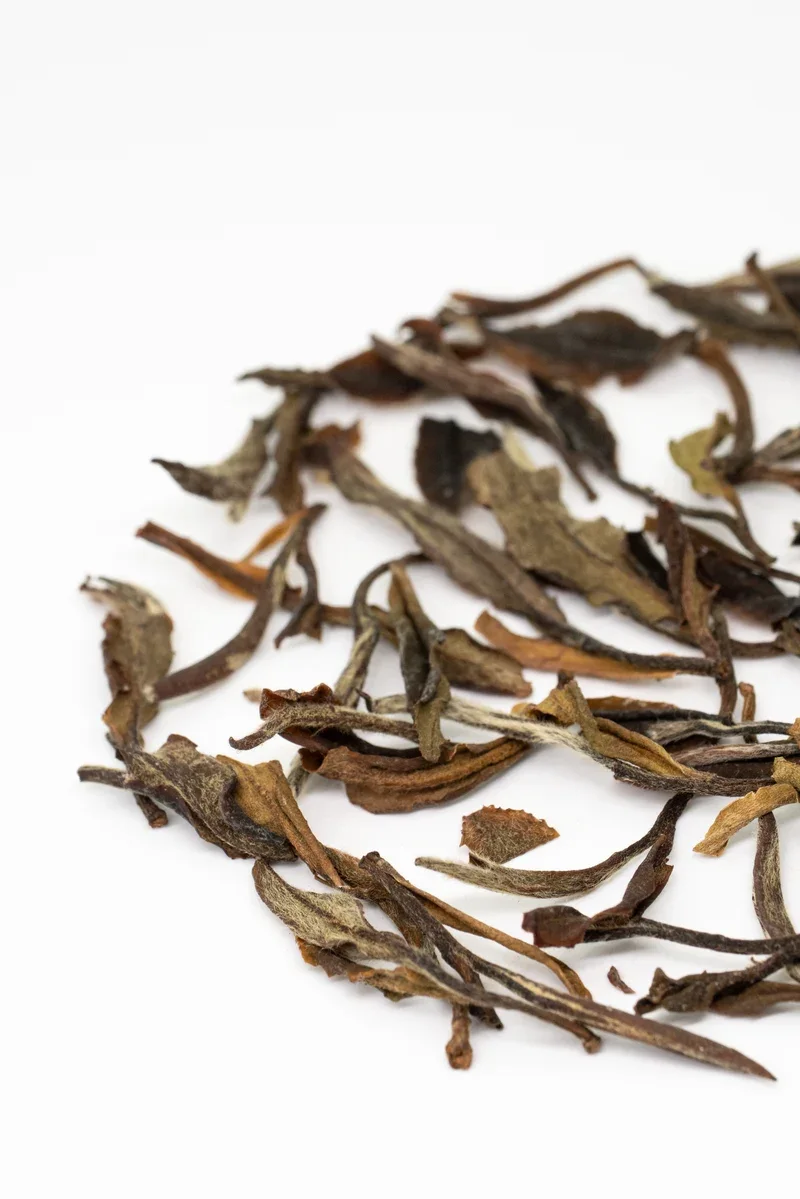
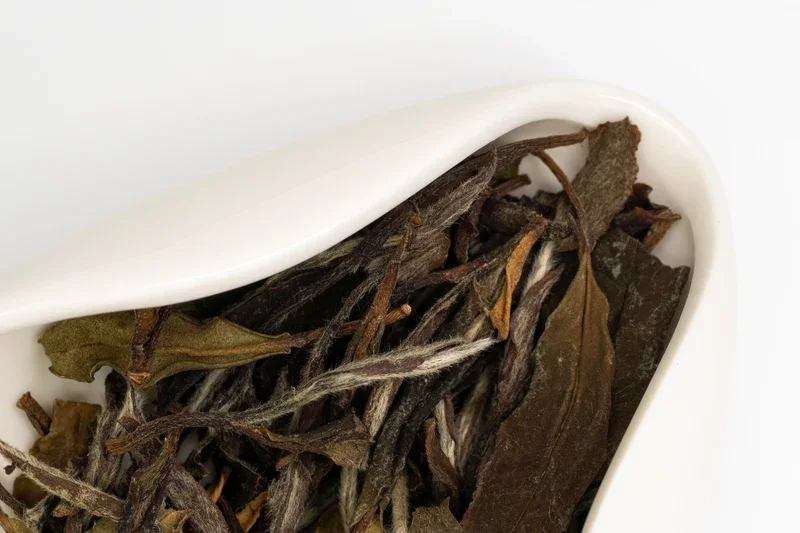
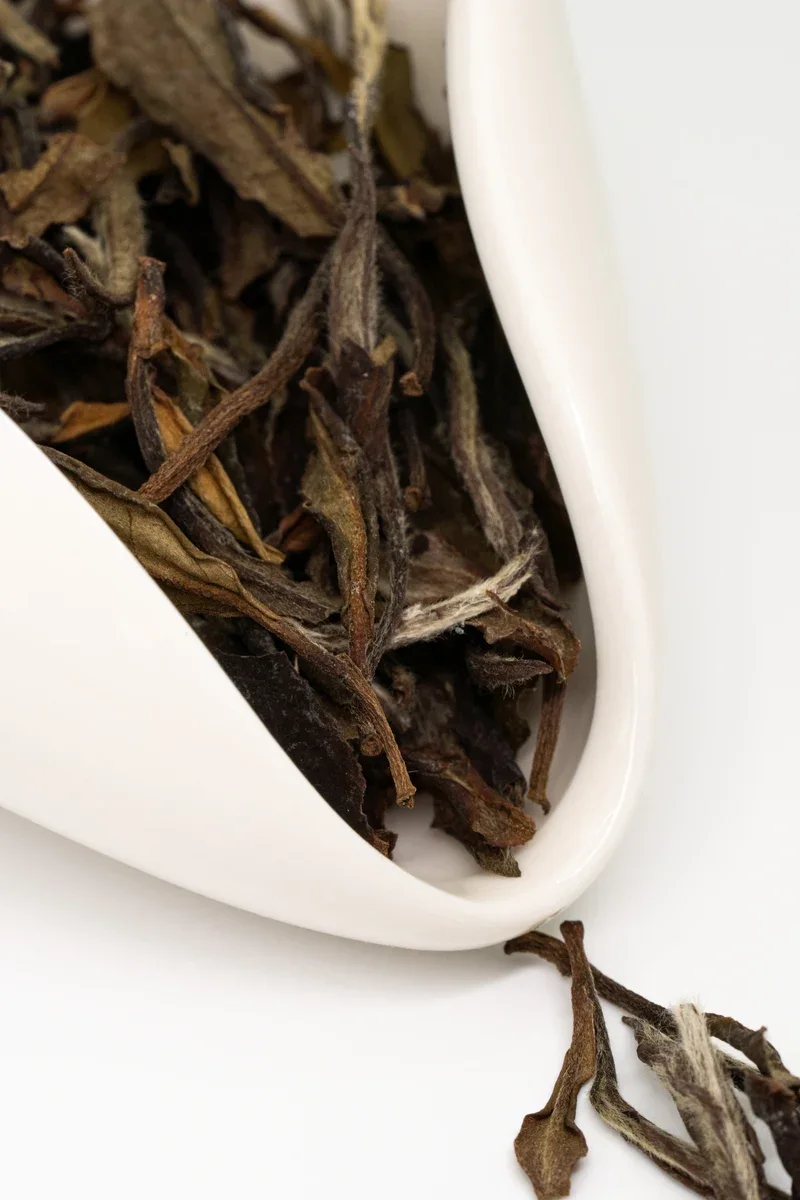
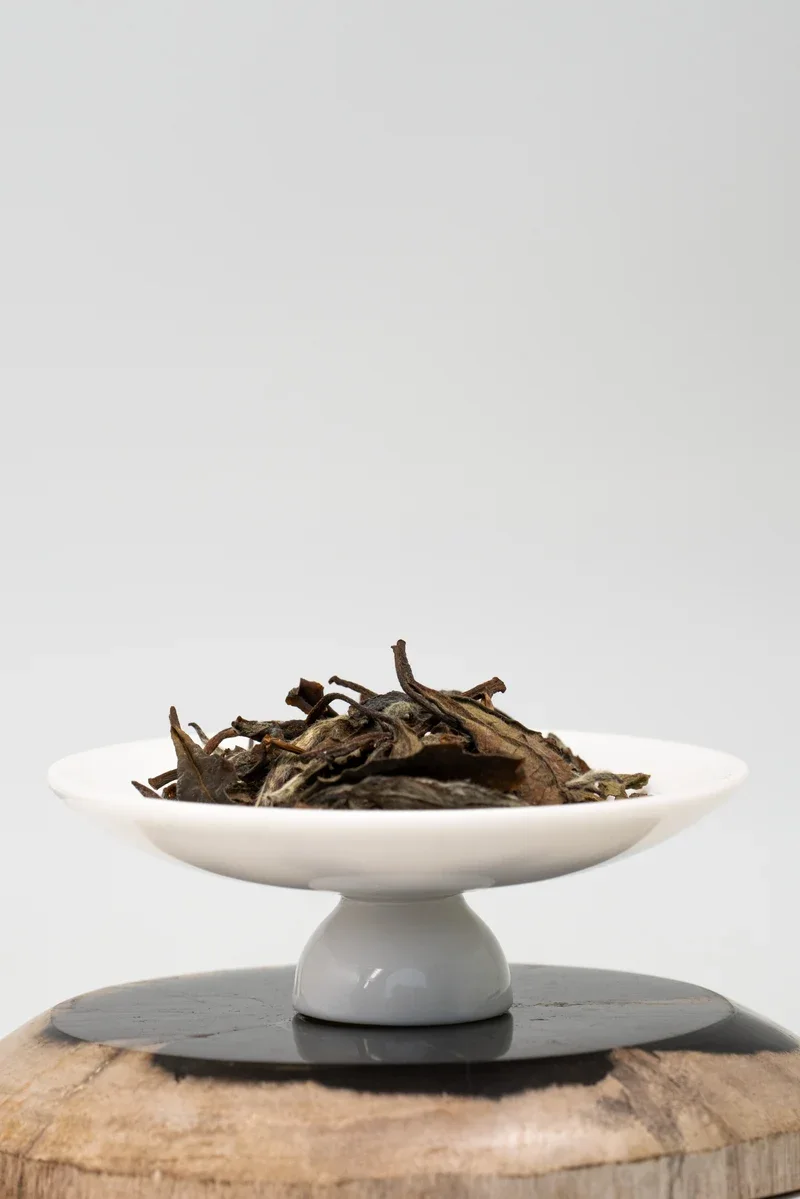
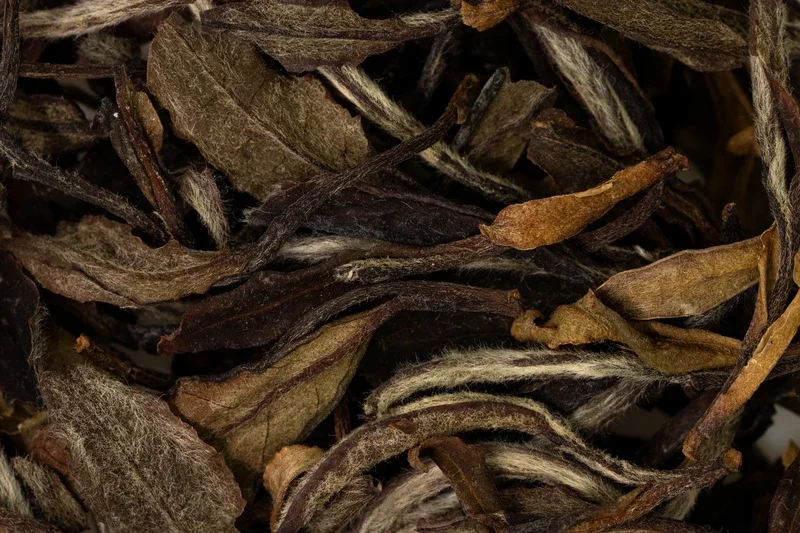
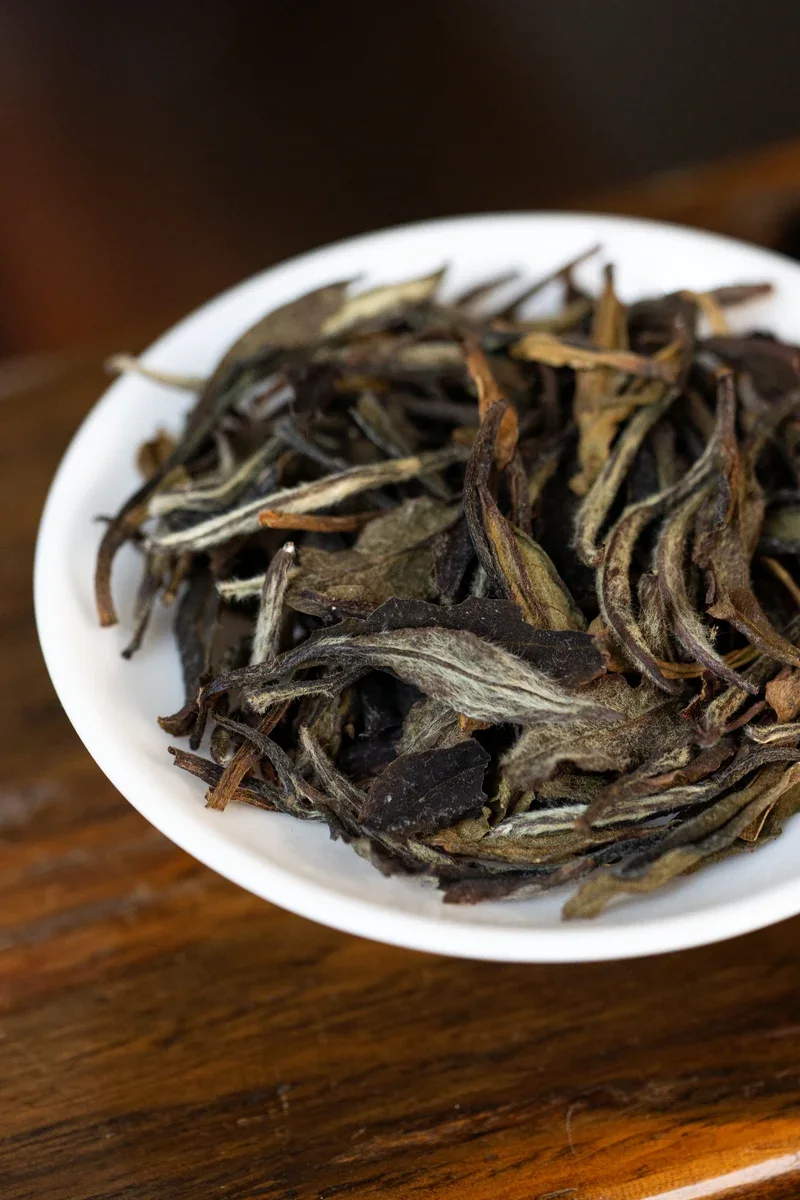
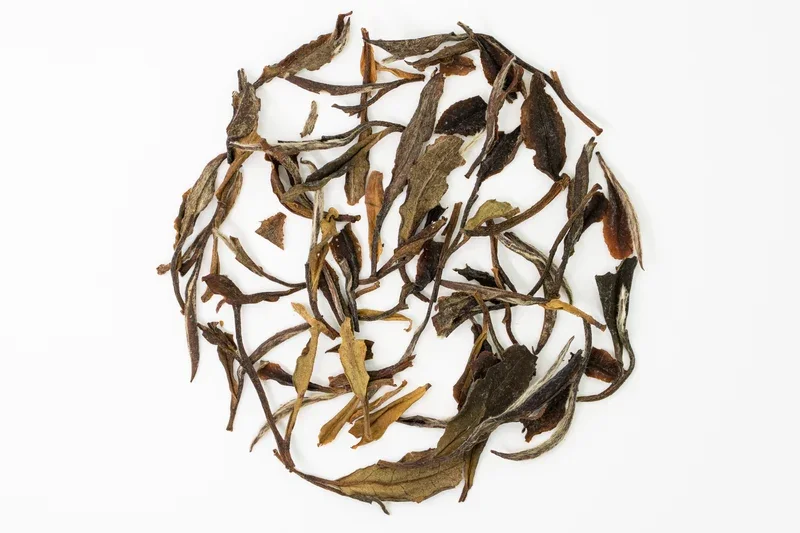
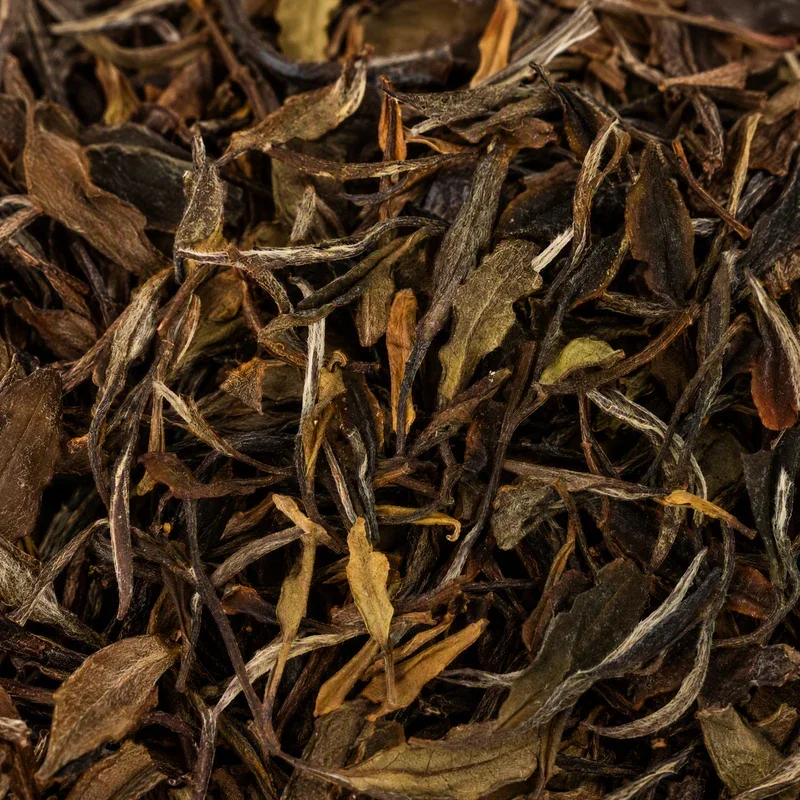
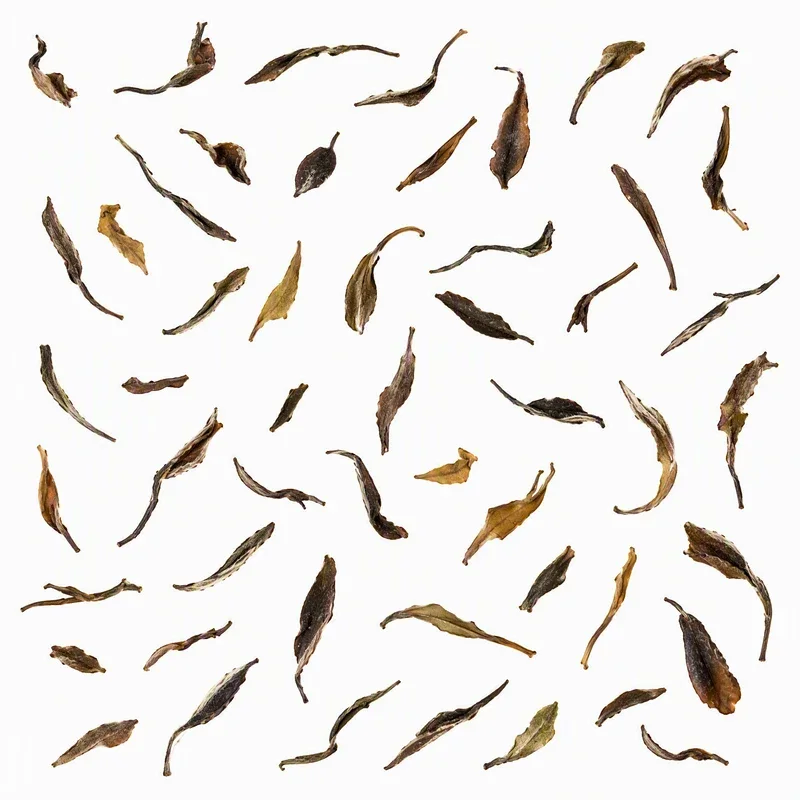
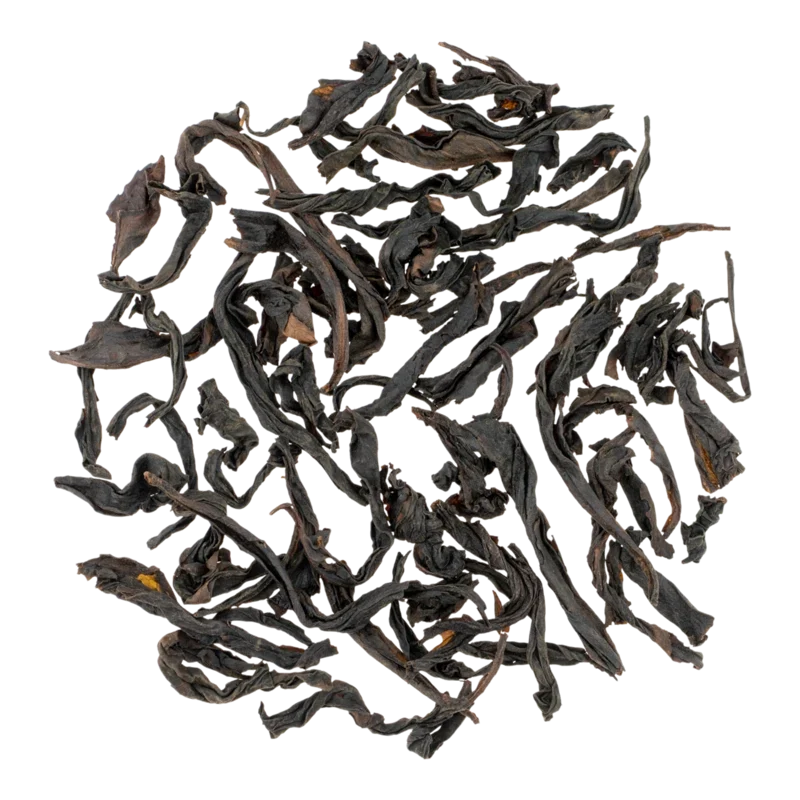
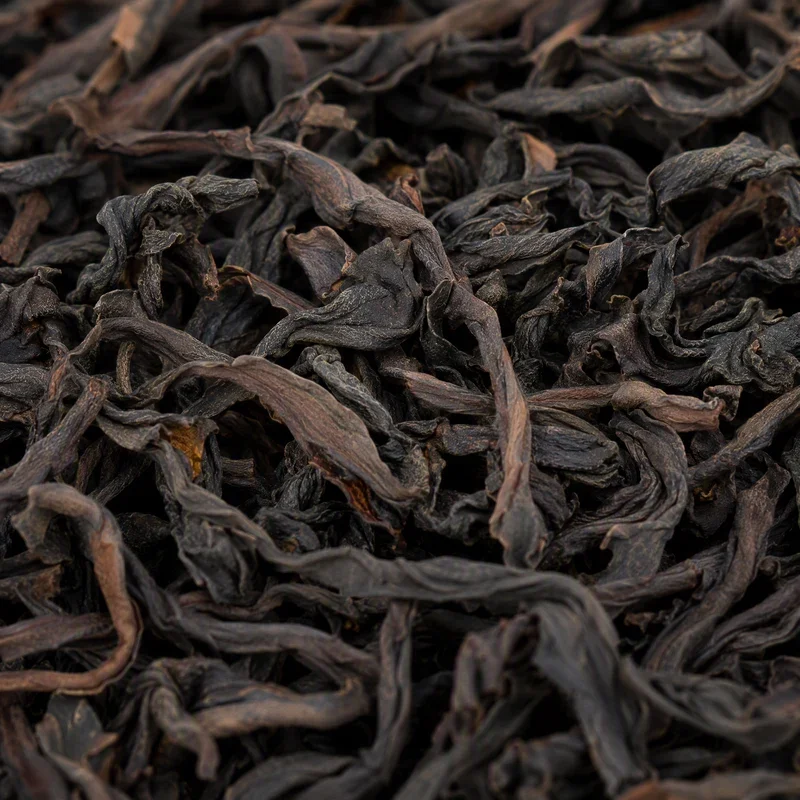
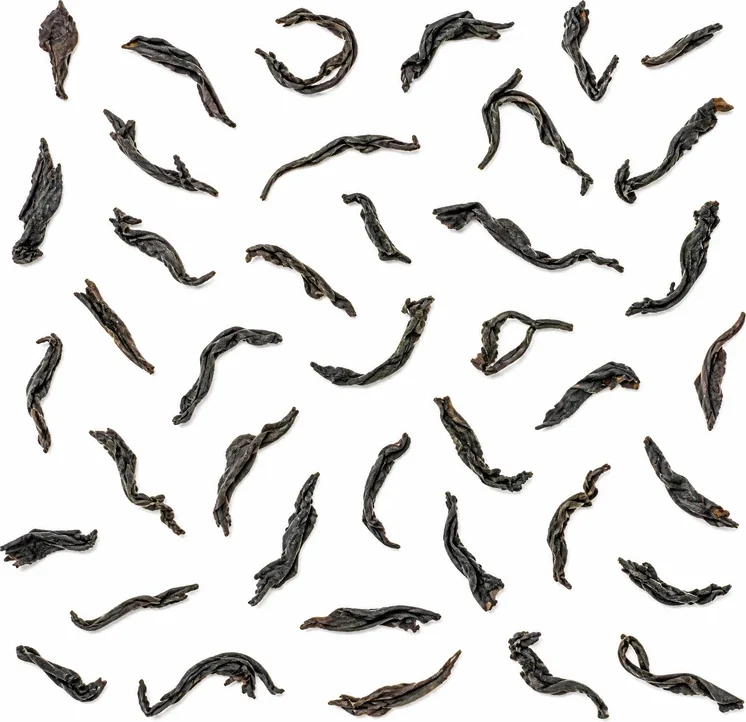
Dry Leaf Appearance: Large, longitudinally twisted leaves, dark brown, almost black in color, with reddish tinge. Leaves are dense, strong, oily in appearance.
Dry Leaf Aroma: Very rich, multifaceted, with pronounced notes of "fire" (roasting), woody, spicy, chocolate, caramel, fruity (dried fruits) nuances. Characteristic "rock" aroma ("rock rhyme (yán yùn)") is present.
Liquor Aroma: Deep, enveloping, with dominant notes of roasting, dried fruits, chocolate, caramel, spices, with hints of nuts and minerals.
Liquor Color: From dark amber to reddish-brown, cognac-colored, transparent, clear, with oily sheen.
Spent Leaves: Whole, dense, elastic leaves of dark brown color with reddish tinge, unfold during brewing.
Taste: Very rich, saturated, dense, oily, with light astringency and noble bitterness that quickly transitions to long, sweet aftertaste. The bouquet contains notes of "fire" (roasting), woody, spicy, chocolate, caramel, fruity (prunes, dried apricots, raisins), nutty, and mineral ("rock") nuances.
Alkaloids: Caffeine, theobromine, theophylline.
Amino Acids: Contains various amino acids, including L-theanine.
Essential Oils: Responsible for rich and multifaceted aroma.
Minerals: Potassium, fluorine, magnesium, manganese, iron, selenium.
Polyphenols: High content of polyphenols, including catechins and theaflavins, thearubigins.
Vitamins: C, B group, E, K.
Ban Tian Yao has a pronounced tonic effect, invigorates, clarifies the mind, increases performance and concentration.
This tea perfectly warms in cold weather, improves circulation.
Stimulates digestion, promotes food assimilation, especially fatty foods.
Protects cells from free radical damage, slows aging processes.
May help reduce "bad" cholesterol levels, strengthen vessel walls, normalize blood pressure.
Promotes cleansing the body of waste and toxins.
Provides feelings of harmony, tranquility, and joy.
Too long steeping can make the tea taste astringent and bitter.
Follow your sensations and adjust brewing time depending on desired liquor strength.
Tea Amount: 5-7 grams per 150-200 ml of water.
Teaware: Gaiwan (traditional Chinese cup with lid) or Yixing clay teapot are ideal. Yixing clay is porous and "breathes" well, allowing the tea to fully unfold.
Water Temperature: 90-95°C (boiling water is not recommended).
Container: Use airtight containers, best suited are:
Enemies: Avoid exposing tea to:
Store tea in a dry, dark, cool place without sharp temperature fluctuations.
They preserve tea aroma well and don't affect its taste.
Also suitable, but ensure they have no foreign odors.
Acceptable, but ensure they are food-grade.
It destroys beneficial substances and deteriorates aroma.
Tea can become damp and moldy.
Tea easily absorbs odors, so store it separately from spices, coffee, and other strongly scented products.
Perhaps the most famous Wuyi oolong. Ban Tian Yao is often compared to Da Hong Pao, finding common features such as power, taste intensity, and "rock melody." However, Ban Tian Yao usually has more refined and balanced taste, while Da Hong Pao can be sharper and more straightforward, especially in young blended versions.
Another famous Wuyi oolong. Rou Gui is known for its bright, spicy aroma with dominant cinnamon note. Ban Tian Yao differs with more complex and multifaceted aroma, where spicy notes combine with fruity, floral, and woody shades.
Shui Xian usually has more pronounced floral and creamy notes in taste, while Ban Tian Yao has more complex aroma and taste with predominance of "rock," mineral, roasted, and fruity-spicy notes.
Tie Luohan usually has more powerful, astringent taste with pronounced mineral notes, while Ban Tian Yao is more refined and sweetish.
Bai Ji Guan differs from Ban Tian Yao primarily in its unique appearance (light, almost white leaves in spring) and more pronounced floral-fruity notes in aroma.
Tea from the "Zheng Yan" ("True Rock Core") reserve zone is valued much higher than "Ban Yan" ("Half-rock") or "Zhou Cha" ("Flatland tea").
Whether select buds and young leaves are used or more mature raw material.
Experience and reputation of the tea master who produced the tea significantly affects price.
Complex, multi-stage charcoal roasting performed by an experienced master significantly increases tea cost.
Aged Ban Tian Yao may be valued higher, though not as much as Lao Tie Guanyin.
Limited production volume and high demand make Ban Tian Yao an expensive tea.
High demand for Ban Tian Yao, especially tea from "Zheng Yan," also affects its price.
Look for specialized tea shops with good reputation that value their customers and can provide reliable information about tea origin, harvest year, producer. They should also guarantee its authenticity and quality.
Suspiciously low price is almost always a sure sign of counterfeit. Real Ban Tian Yao cannot be cheap. Remember, miracles don't happen.
Pay attention to leaf shape, color, integrity. They should match the description given above. Presence of many broken leaves, dust, foreign impurities is a sign of low quality or counterfeit.
Dry tea should have rich, complex aroma with characteristic notes of roasting, dried fruits, caramel, spices. Avoid tea with weak, unexpressive, musty, or foreign smell. Artificial flavoring, sometimes used by unscrupulous sellers, usually betrays itself with excessively sharp, unnatural smell.
Liquor color should be from dark amber to reddish-brown, transparent, with oily sheen. Spent leaves should consist of whole, elastic leaves of dark brown color.
Due to limited production volume and high demand, tea from this zone is most often counterfeited. Remember that real "Zheng Yan" tea cannot be cheap.
No reviews yet. Tell us what you think of this tea.
Rate this tea and share your impressions. We review each submission before publishing it.