Brewing
Gongfu brewing
- Water temperature
- 100 °C
- Tea amount
- 7 g
- Water volume
- 100 ml
- First steep
- 10 s
- Time added per infusion
- 5 s
- Infusions
- 12


Ānshùn pù bù hóngchá
Choose a brewing method. Start with the recommended quantities and time, then adjust to taste.
Brewing
Brewing
Taste
Tea encyclopedia
Category: Guìzhōu red teas of the gōngfu category (工夫红茶, gōngfu hóngchá). Regional artisanal tea.
Category: Guìzhōu red teas of the gōngfu category (工夫红茶, gōngfu hóngchá). Regional artisanal tea.
Coordinates: ≈ 26.25° N, 105.95° E (center of Anshun Prefecture's tea cultivation areas).
Origin: China, Guìzhōu Province (贵州省, Guìzhōu Shěng), Anshun Prefecture-level City (安顺市, Ānshùn Shì). Main tea gardens are located in Xīxiù District (西秀区, Xīxiù Qū), Pǔdìng County (普定县, Pǔdìng Xiàn), Píngbà District (平坝区, Píngbà Qū), as well as Zhènníng County (镇宁县, Zhènníng Xiàn) and Guānlǐng County (关岭县, Guānlǐng Xiàn). The region is part of the core origin zone of the tea tree — the Yunnan-Guìzhōu Plateau (云贵高原, Yún-Guì Gāoyuán).
Type: Red tea (black tea) (红茶, hóngchá) — fully oxidized. Oxidation level 85–95%.
Cultural Significance: Anshun Pu Bu Hong Cha serves as part of a large-scale project to revive Anshun's tea culture, interweaving Guizhou Province's ecological policy (the principle of "clean tea," 干净茶), tunbao heritage, and the region's aspiration to diversify production beyond traditional green tea. The tea symbolizes the unity of Anshun's two "calling cards" — natural heritage (Huangguoshu Waterfall) and agricultural mastery.
History: The Anshun region possesses one of the deepest tea histories in China. In Guizhou Province, at the junction of Qīnglóng (晴隆) and Pu'an (普安) counties, a fossilized four-ball tea fruit (四球茶茶籽化石) was discovered, dated to approximately one million years ago — the world's oldest material evidence of tea plant existence. Written mentions of tea in the lands of the former Yèláng Kingdom (夜郎, Yèláng), presumably located in the area of modern Anshun, date to the 2nd century BCE: the envoy of Han Emperor Wu-di (汉武帝), Tāng Méng (唐蒙), discovered tea trade in Yelang markets in 135 BCE.
Name Breakdown: Ānshùn (安顺) — "tranquility and prosperity," the name of the prefecture-level city. Pù Bù (瀑布) — "waterfall," a direct reference to Huangguoshu Waterfall, the largest in Asia. Hóng Chá (红茶) — "red tea." Thus, the full name reads as "Red Tea 'Waterfall' from Anshun" — a poetic brand connecting the product with the region's main natural attraction.
Cultivar: Several categories of raw material are used for production. The foundation consists of local population varieties (群体种, qúntǐ zhǒng) Camellia sinensis var. sinensis, inherited from Ming colonization — small-leaf bushes with characteristics of "zhuye qing" (竹叶青, "bamboo leaf green"). Breeding cultivars developed in Guizhou are also used: Qianmei 601 (黔湄601, Qiánméi 601) — a nationally recognized variety, a hybrid of Zhenning "tuanye cha" (团叶茶) and Yunnan large-leaf variety from Fengqing, distinguished by high polyphenol content and good suitability for red tea; Qianmei 809 (黔湄809), Qianmei 419 (黔湄419); Fúdǐng Dà Bái Chá (福鼎大白茶, Fúdǐng Dà Bái Chá); as well as Méitán Tái Chá (湄潭苔茶, Méitán Táichá). Cultivar choice determines the finished tea's profile: "Qianmei" series lines produce a fuller-bodied, oxidized profile with pronounced thearubigins, while Fuding Da Bai brings delicacy and golden tips.
Picking: Spring harvest (March–April) yields the most premium batches; summer-autumn harvest (May–September) is used for mass batches. Guizhou teas traditionally rank among the earliest in China — harvest in the province's southern areas begins as early as late February.
Pluck Standard: Bud and one-two leaves (一芽一叶, yī yá yī yè; 一芽二叶, yī yá èr yè). Premium batches — pure bud harvest (单芽, dān yá) with increased proportion of golden tips.
Raw Material: Whole, fresh leaf without mechanical damage. Guizhou imposes enhanced ecological requirements: the registry of prohibited pesticides for the province's tea plantations includes 156 items — significantly more than the national standard. Raw material must comply with standards for "harmless" (无公害), "green food" (绿色食品), or organic (有机) farming.
Altitude: 1200–1400 m above sea level. Main tea gardens are concentrated at altitudes of 1300–1380 m, ensuring significant day-night temperature differences and slowed vegetation.
Climate: Subtropical monsoon with pronounced high-altitude modification. Average annual temperature around 14–15°C. Frequent fogs and high cloudiness (more than 200 days per year). Daily temperature fluctuations reach 10–15°C, stimulating accumulation of aromatic compounds and amino acids in the leaf. Annual precipitation — 1200–1400 mm.
Soil: Weakly acidic yellow soils (黄壤, huáng rǎng) with pH 4.5–6.2 on sandy-shale and coal substrate predominate. Tea master Lù Yǔ (陆羽) in "The Classic of Tea" (茶经, Chájīng) characterized such soils with the formula "shang zhe sheng lan shi, zhong zhe sheng li rang" (上者生烂石,中者生砾壤) — "the best [teas] grow on weathered stones, medium ones — on gravelly loams." Anshun soils are rich in silicon, manganese, iron, and trace elements; selenium presence is noted in several areas. High organic content (humus ≥ 3%) and mineral inclusions form characteristic "density" and minerality in tea taste.
Anshun Prefecture-level City is located in the central part of the Yunnan-Guizhou Plateau, on typical karst (喀斯特, kāsītè) plateau territory.
Ecological and organic farming dominate. Terraced arrangement of bushes. The prefecture has 24 enterprises — members of the "Pu Bu Mao Feng" alliance, obligated to observe unified standards for planting, care, and processing.
Hand-picking in morning hours without dew. Tender raw material of "bud + 1–2 leaves" standard is selected.
Picked leaves are spread in a ventilated room or outdoors to reduce moisture from ~75% to ~60–65%. Duration 12–18 hours depending on weather and season. At this stage, floral-honey aromatics begin forming.
Leaves undergo mechanical rolling to break cell walls and release juice, activating enzymatic oxidation. Rolling forms the characteristic tight, "stringy" shape of dry leaf. Pressure and duration are selected depending on cultivar and raw material tenderness.
Key stage determining red tea character. Rolled leaves are laid in layers in a room with controlled temperature (25–30°C) and humidity (≥ 90%). Over 3–5 hours, catechins oxidize to theaflavins and thearubigins, forming the red-amber liquor color, taste "body," and sweet notes. The master controls the process by leaf color (transition from green to copper-red) and aroma (appearance of fruity-honey tones).
Stopping oxidation and fixing the achieved profile through high-temperature treatment. Some producers apply two-stage drying: first stage at higher temperature (~110–120°C) for rapid fixation, second — at gentler temperature (~80–90°C) for forming honey-caramel notes through Maillard reaction.
Separating finished tea by fractions: whole leaf with tips is selected for premium grades, while broken leaf and small fractions go to mass lines.
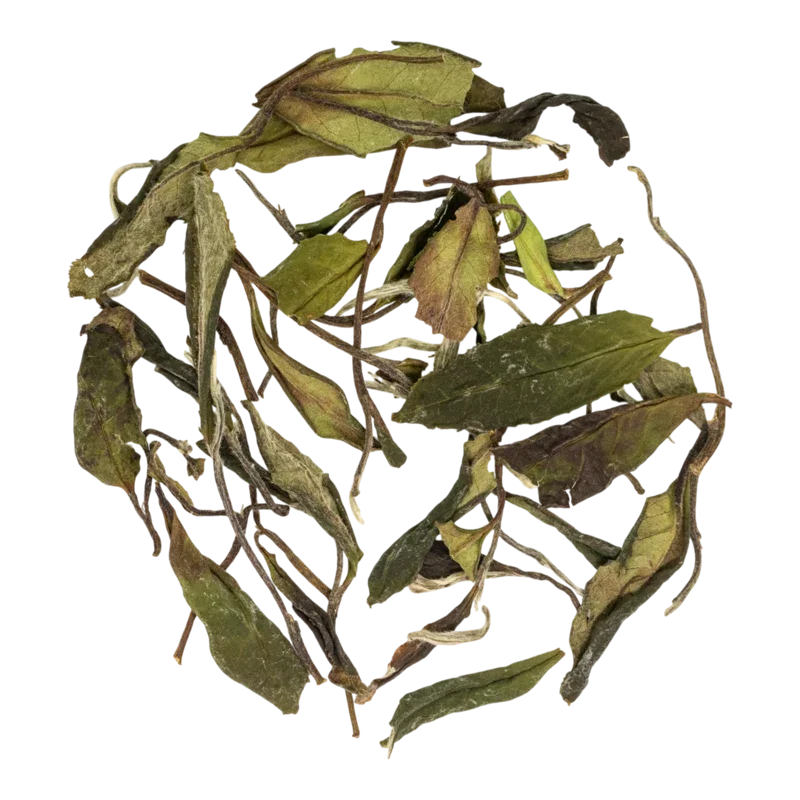
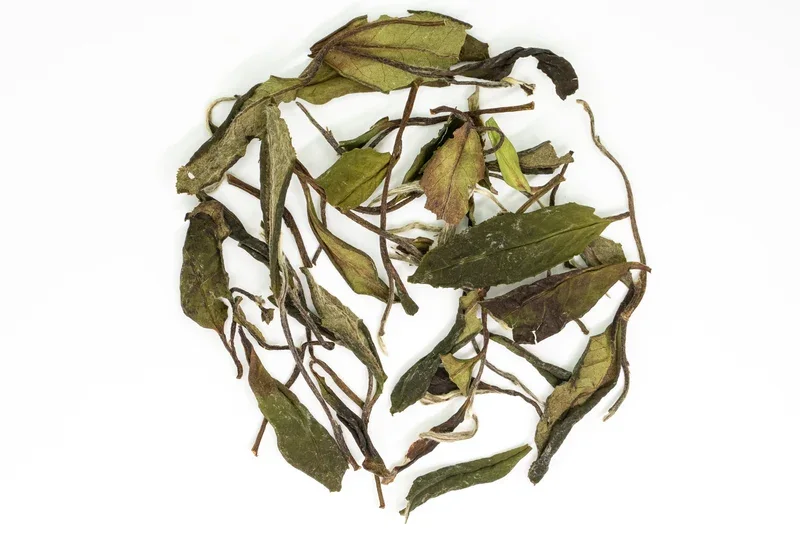
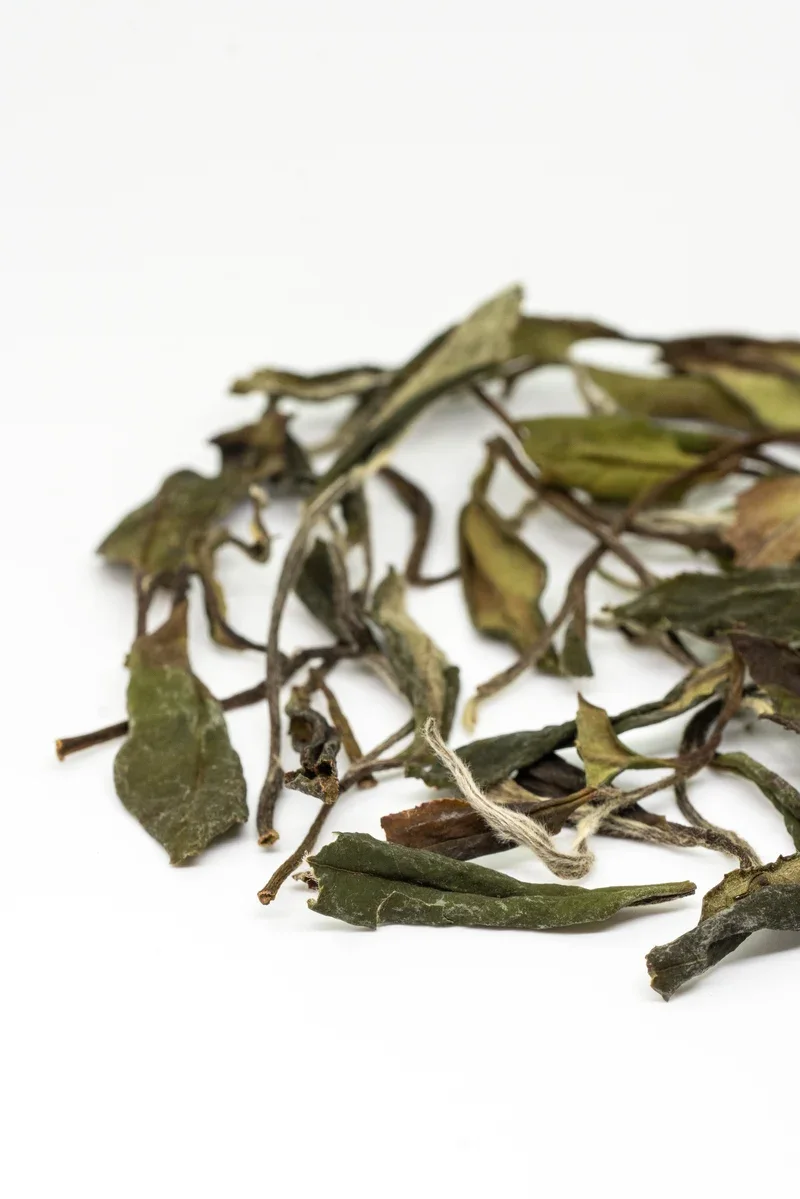
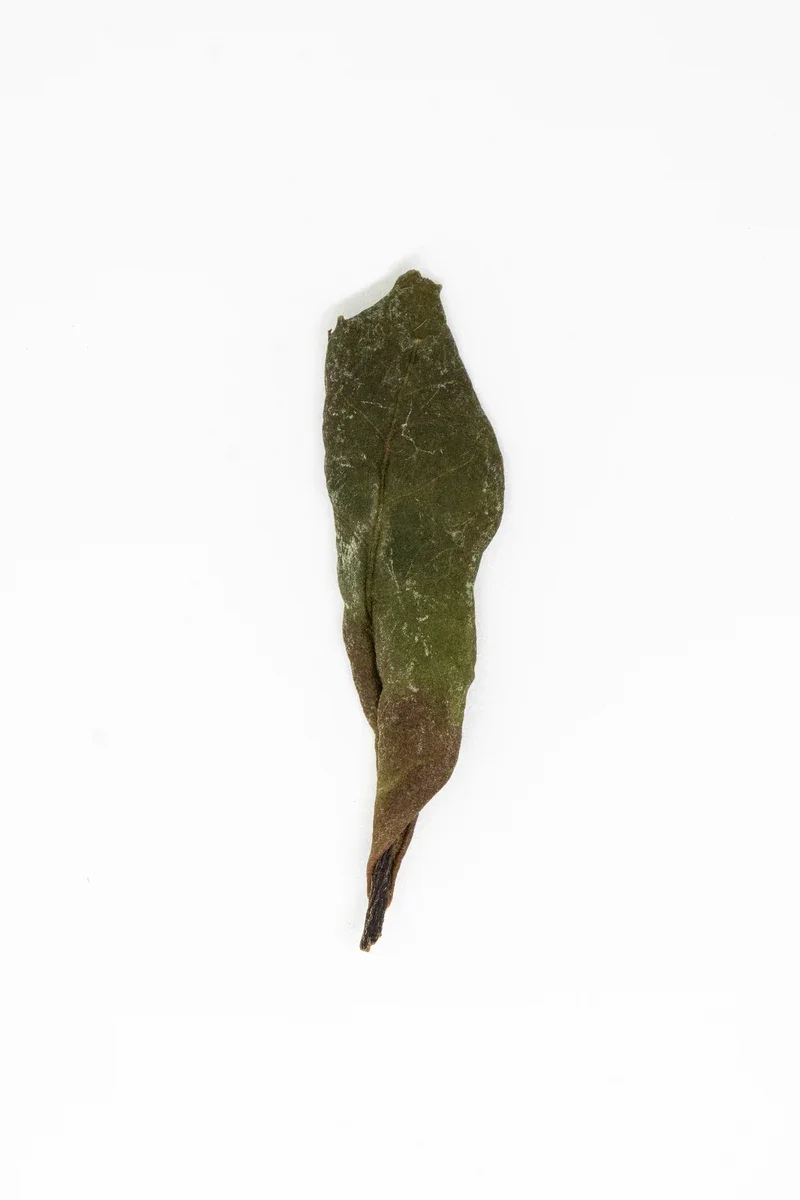
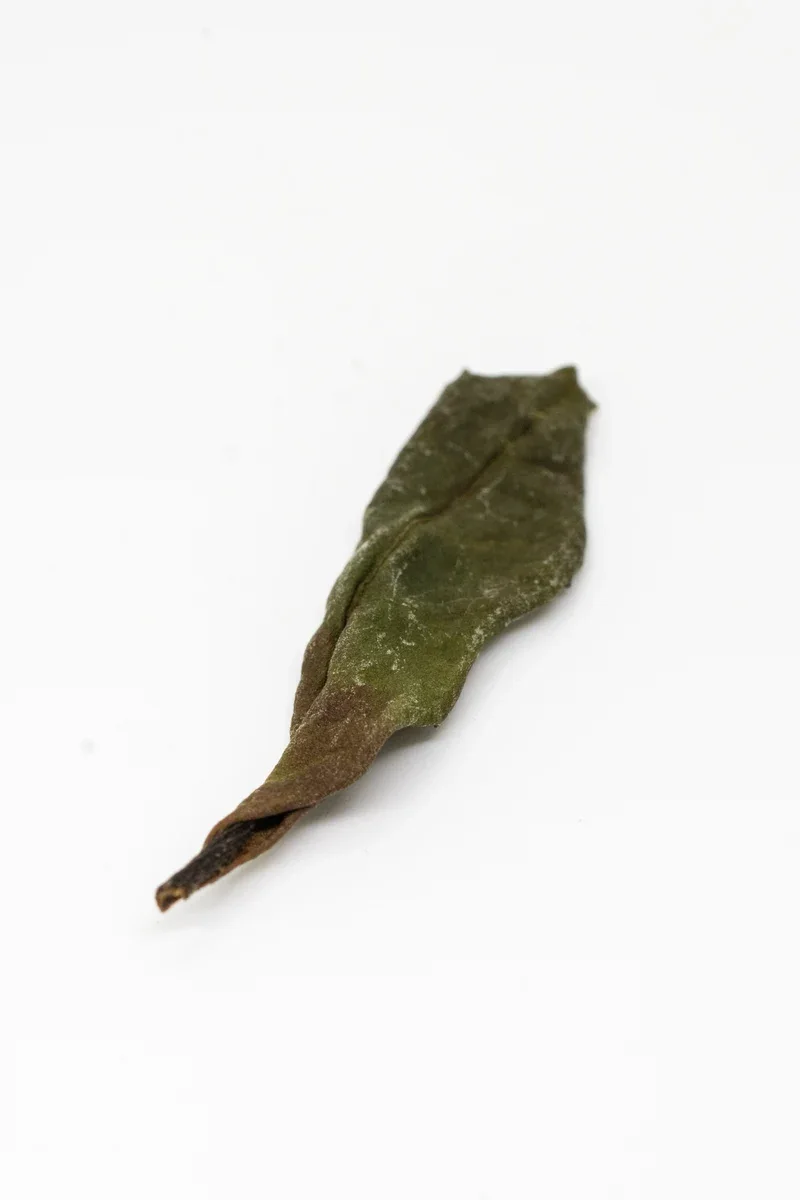
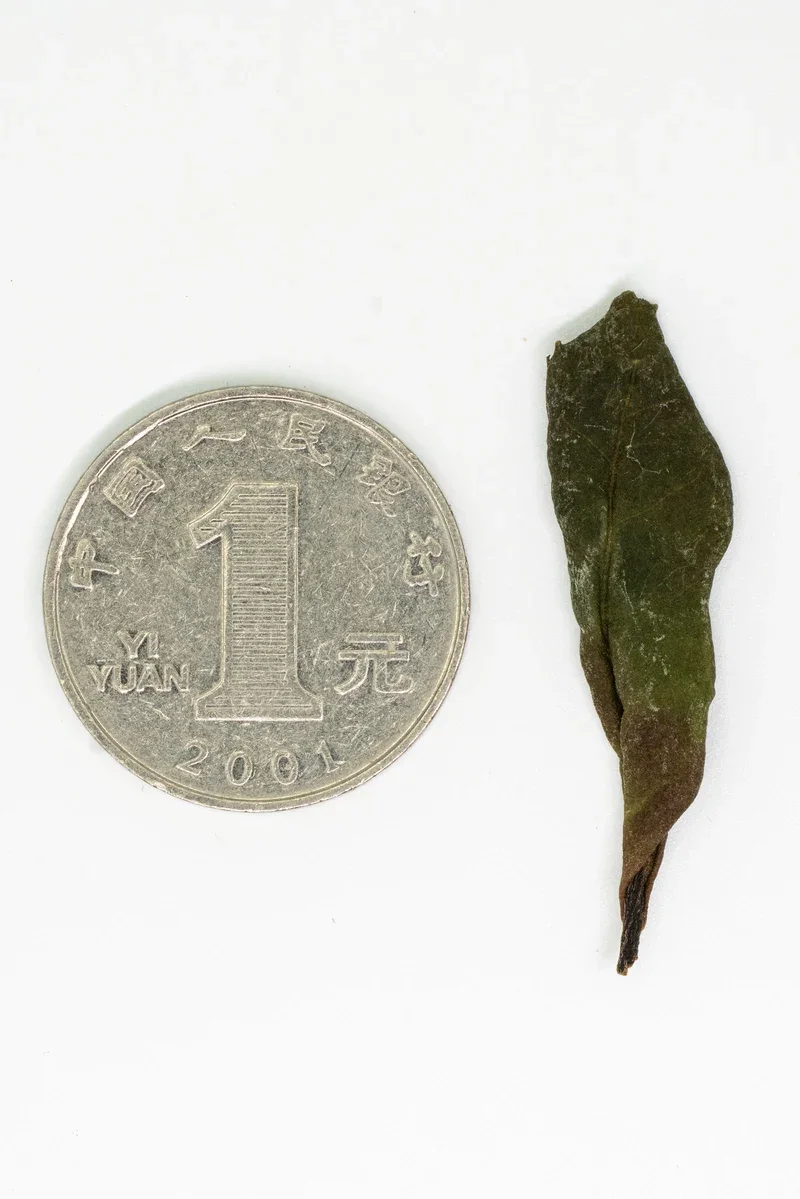
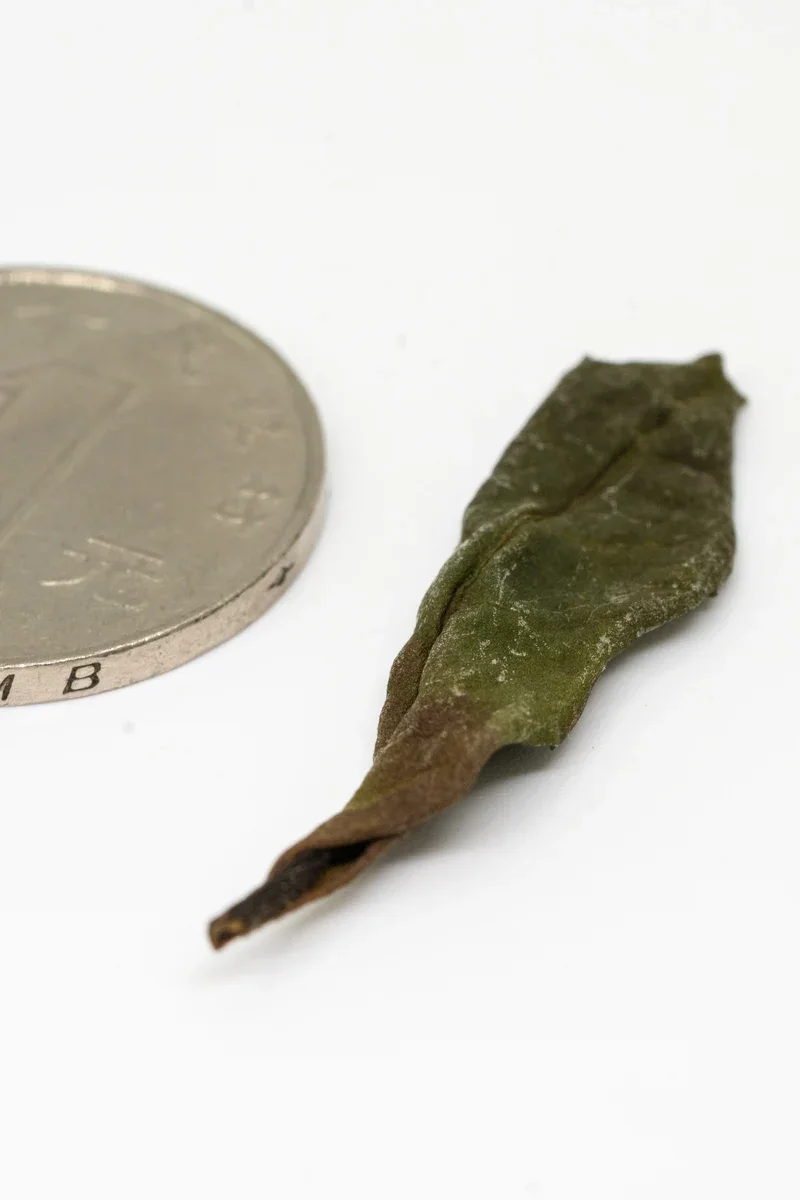
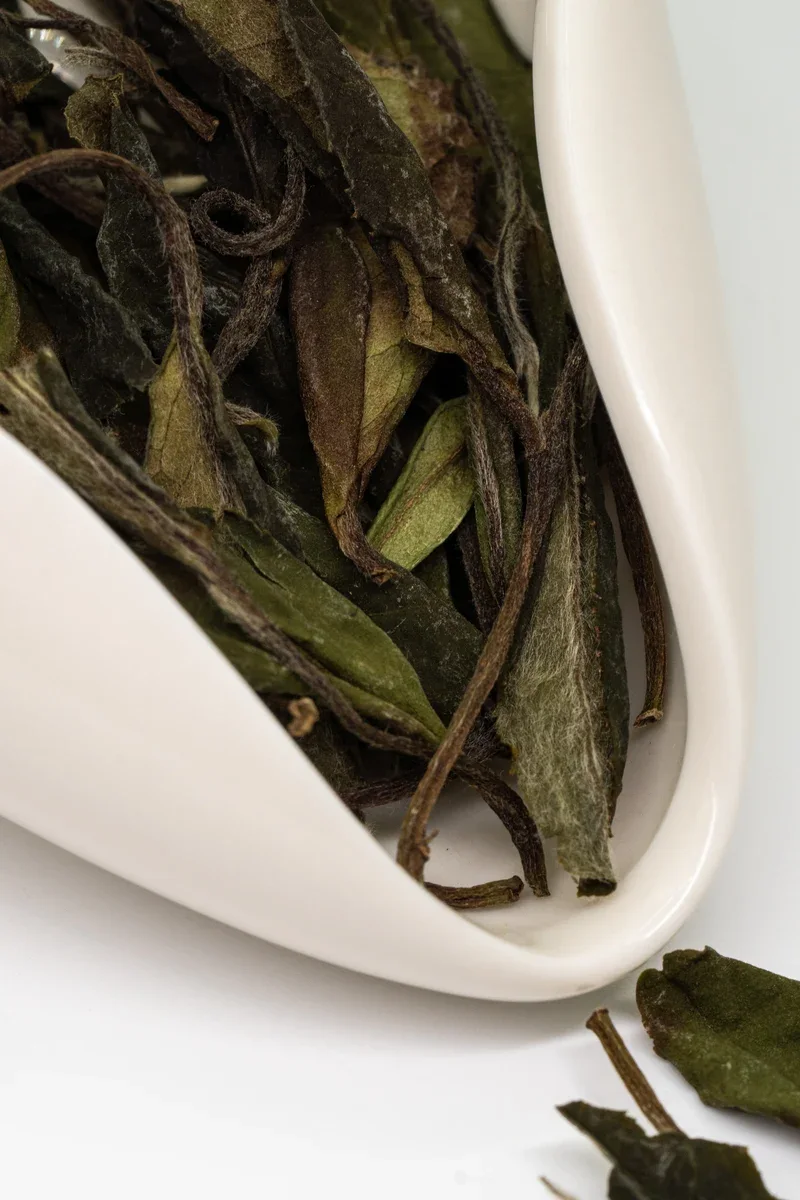
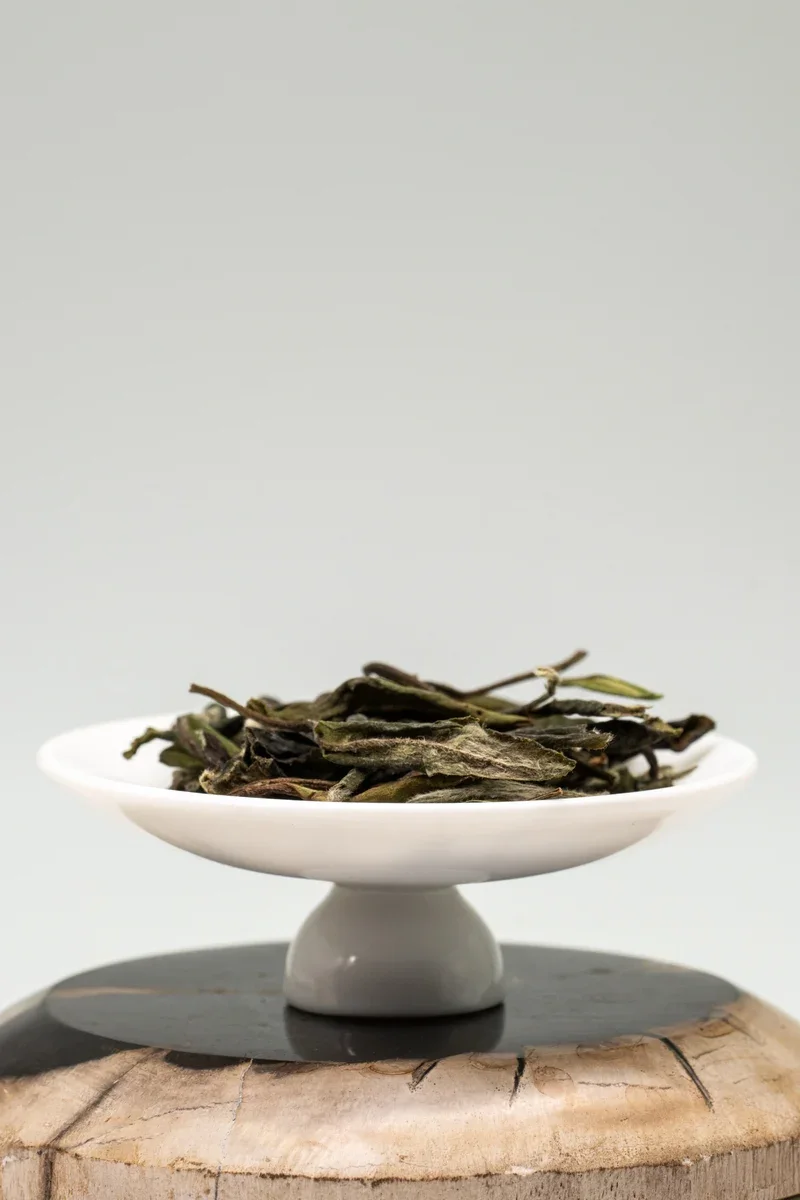
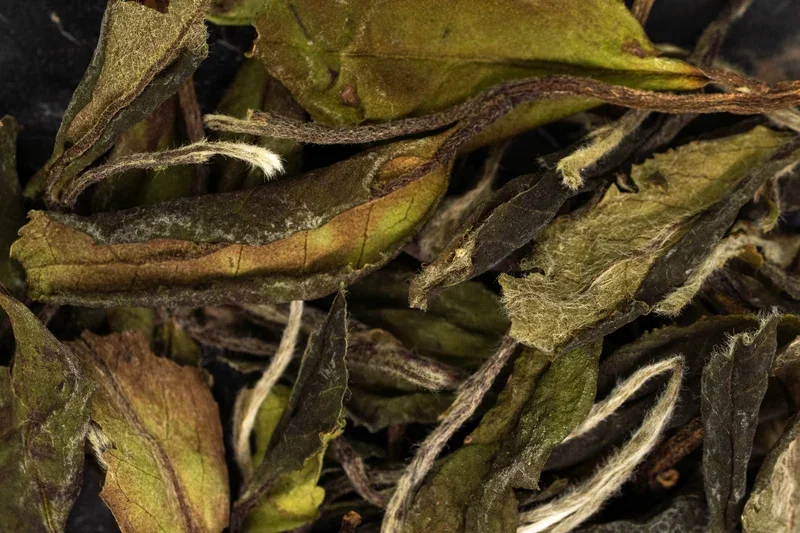
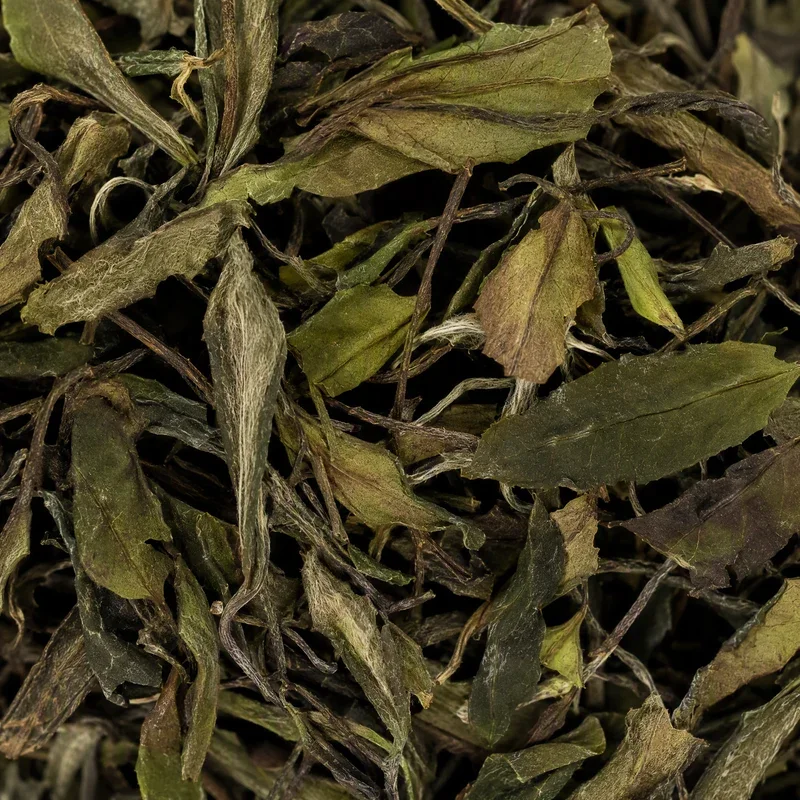
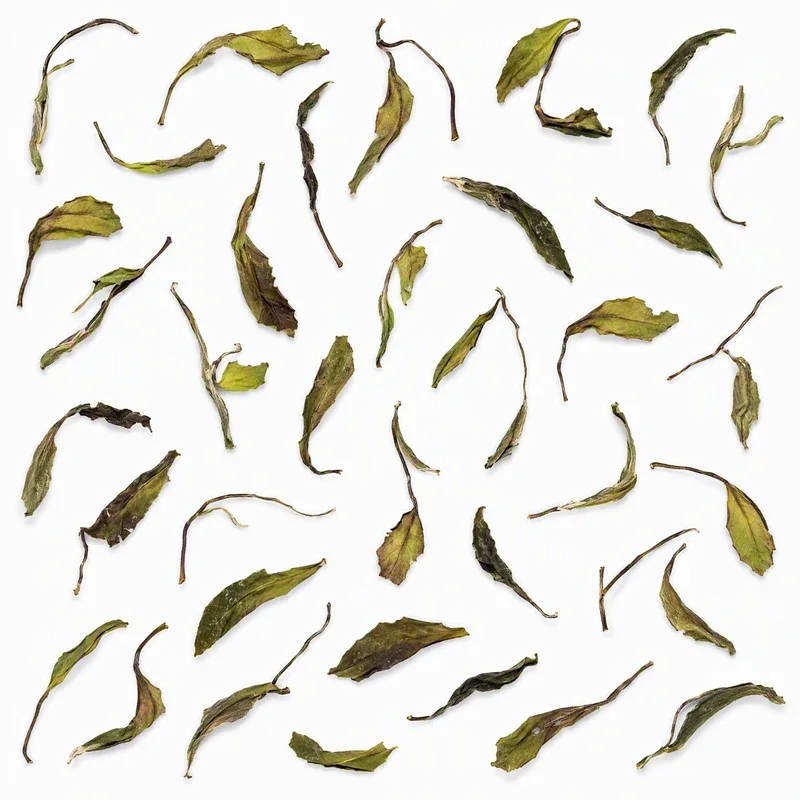
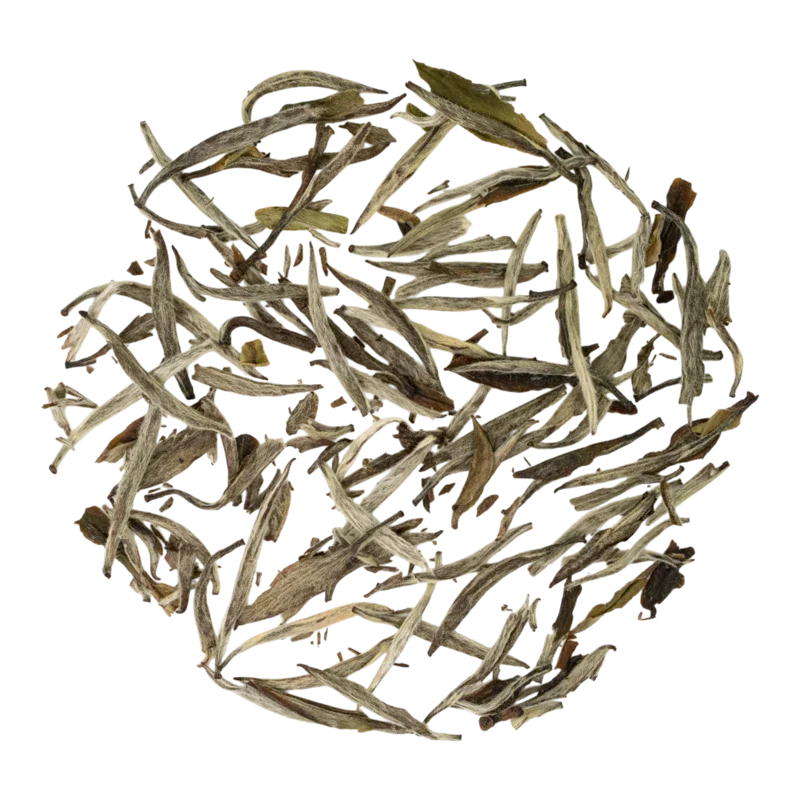
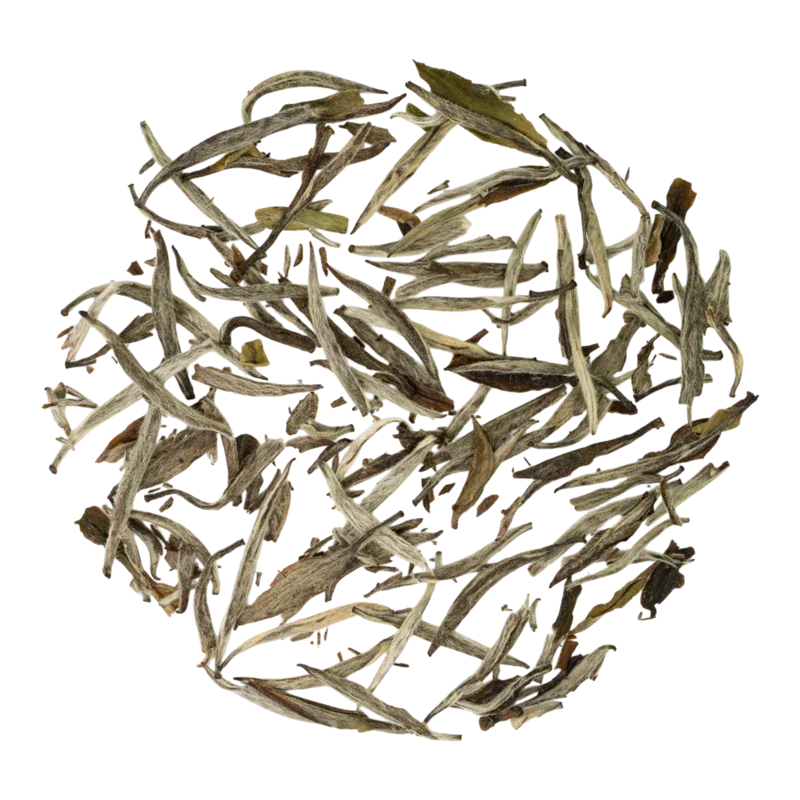
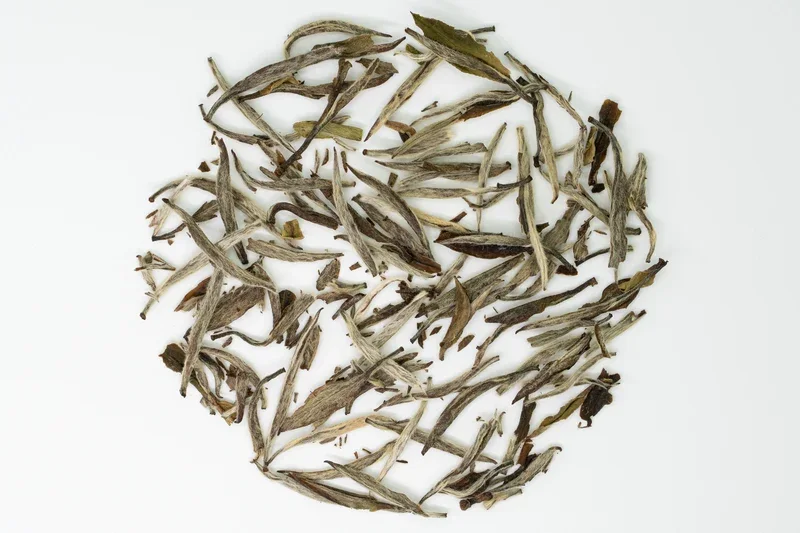
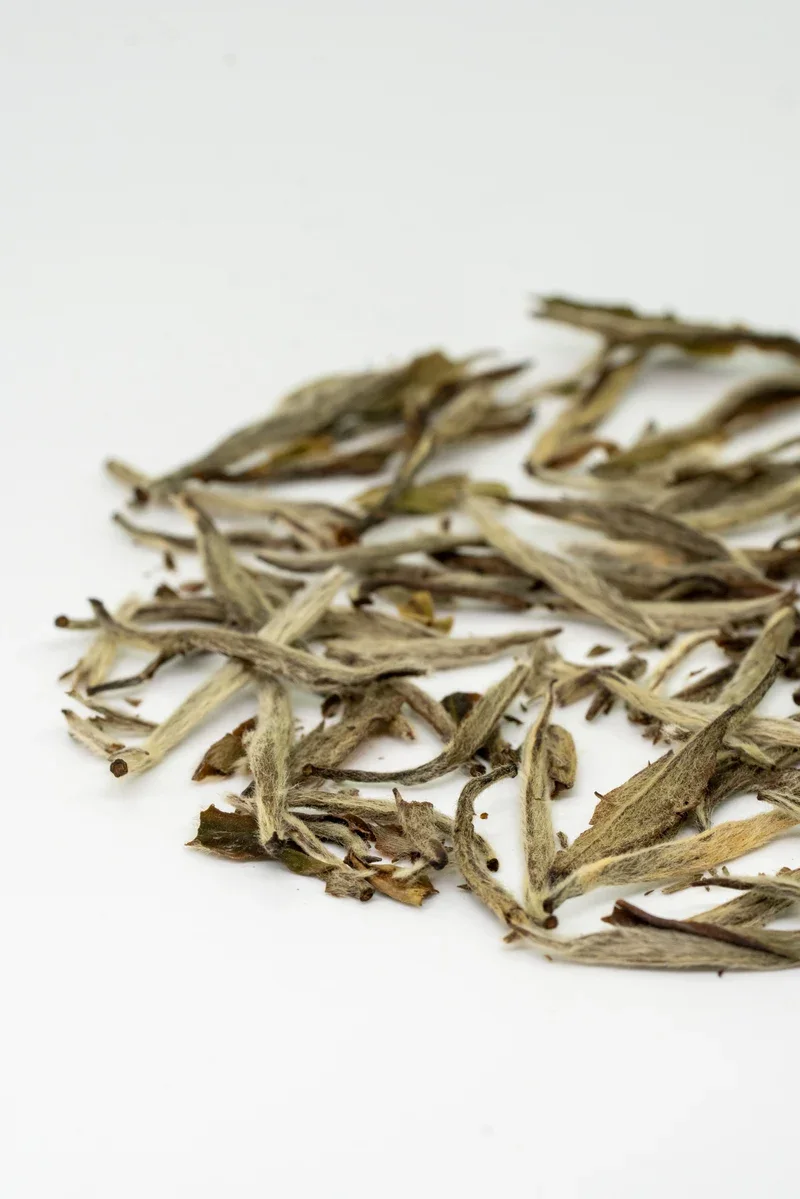
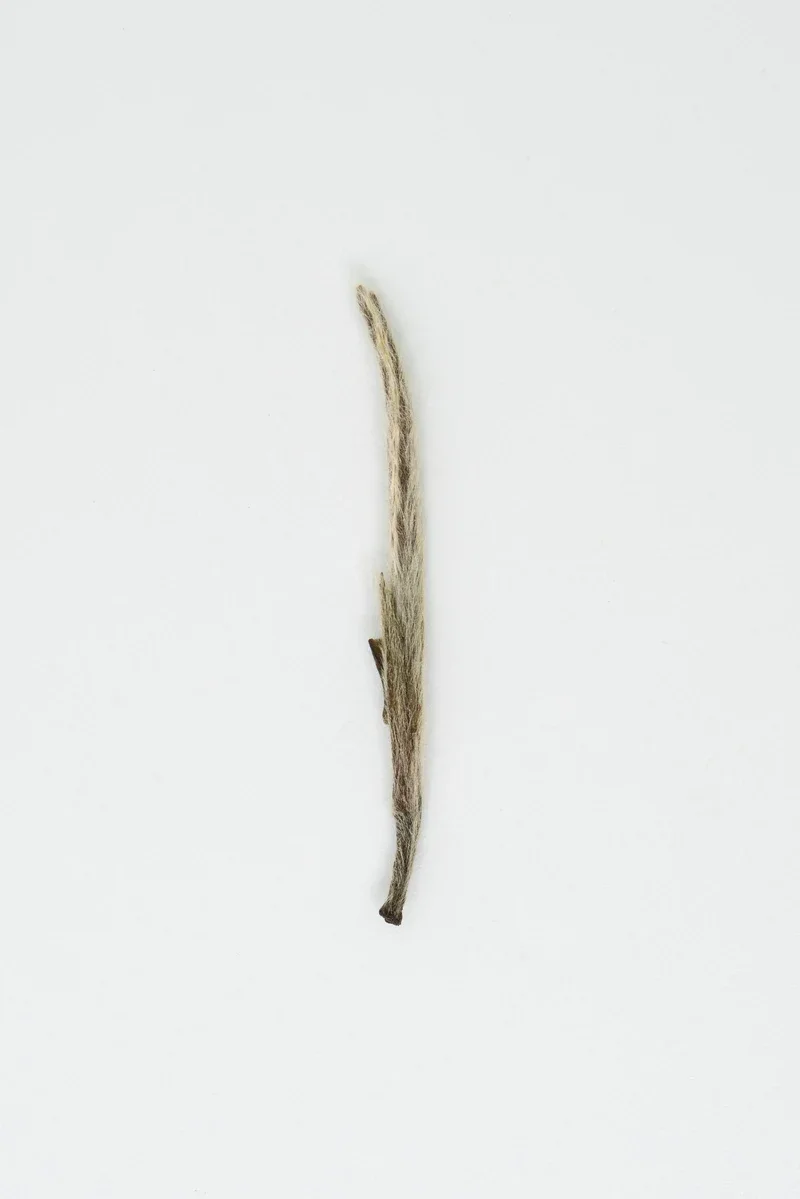
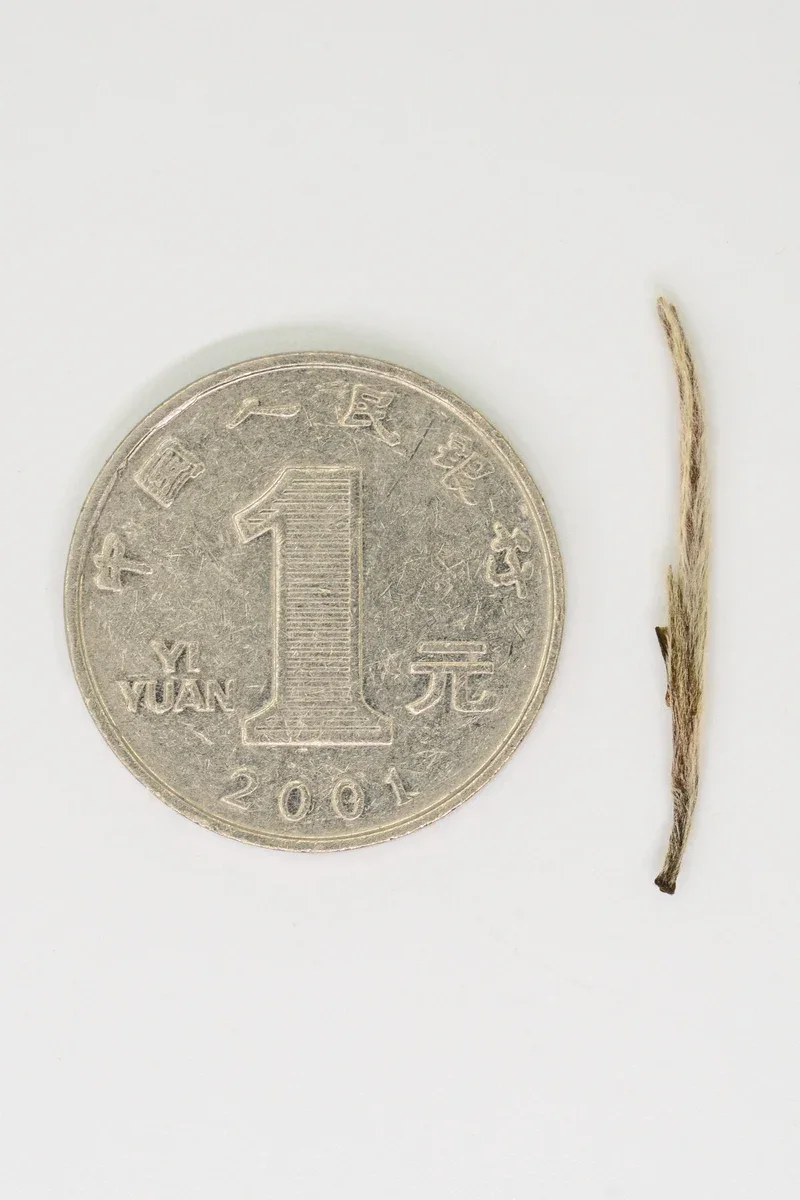
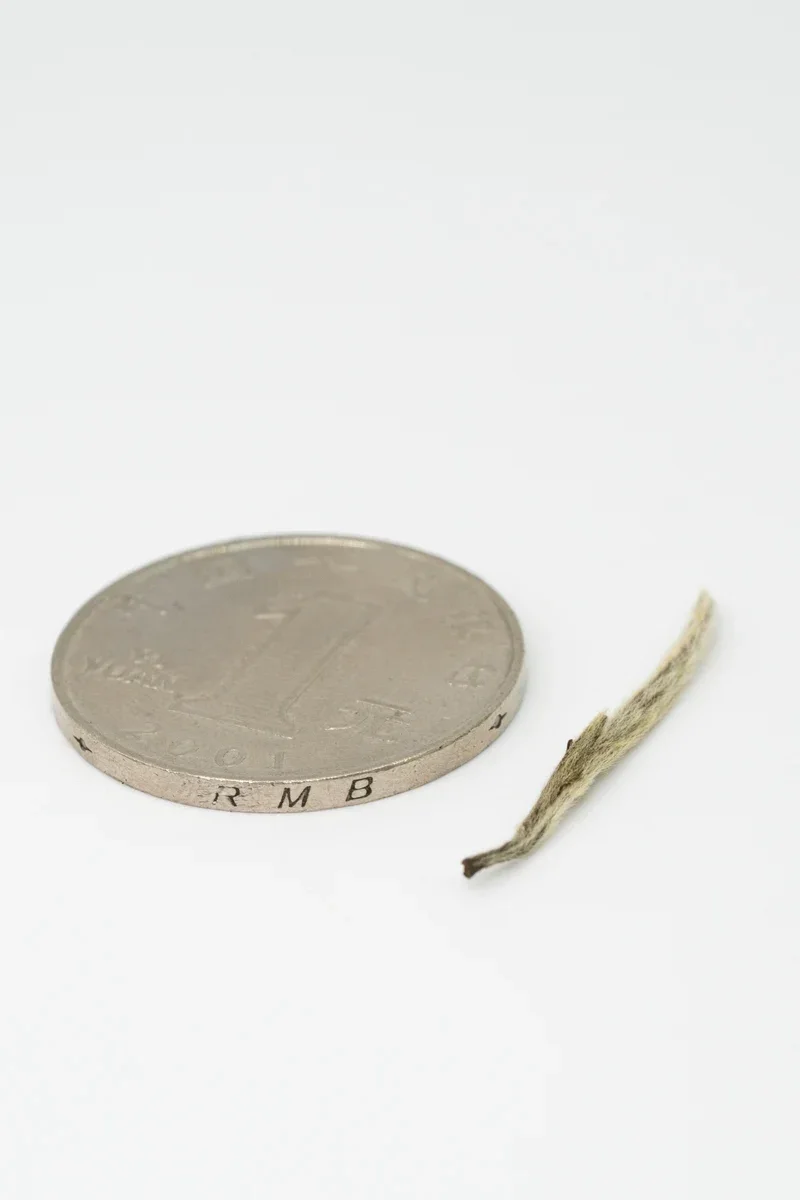
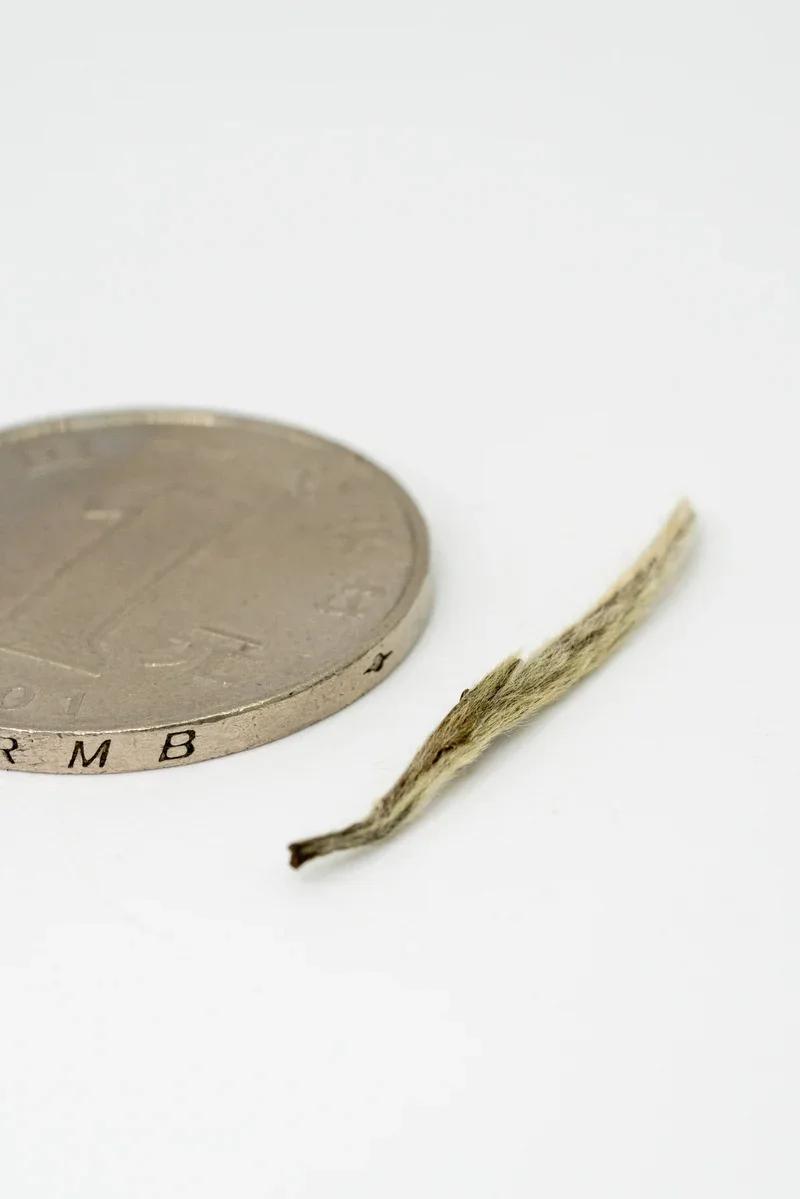
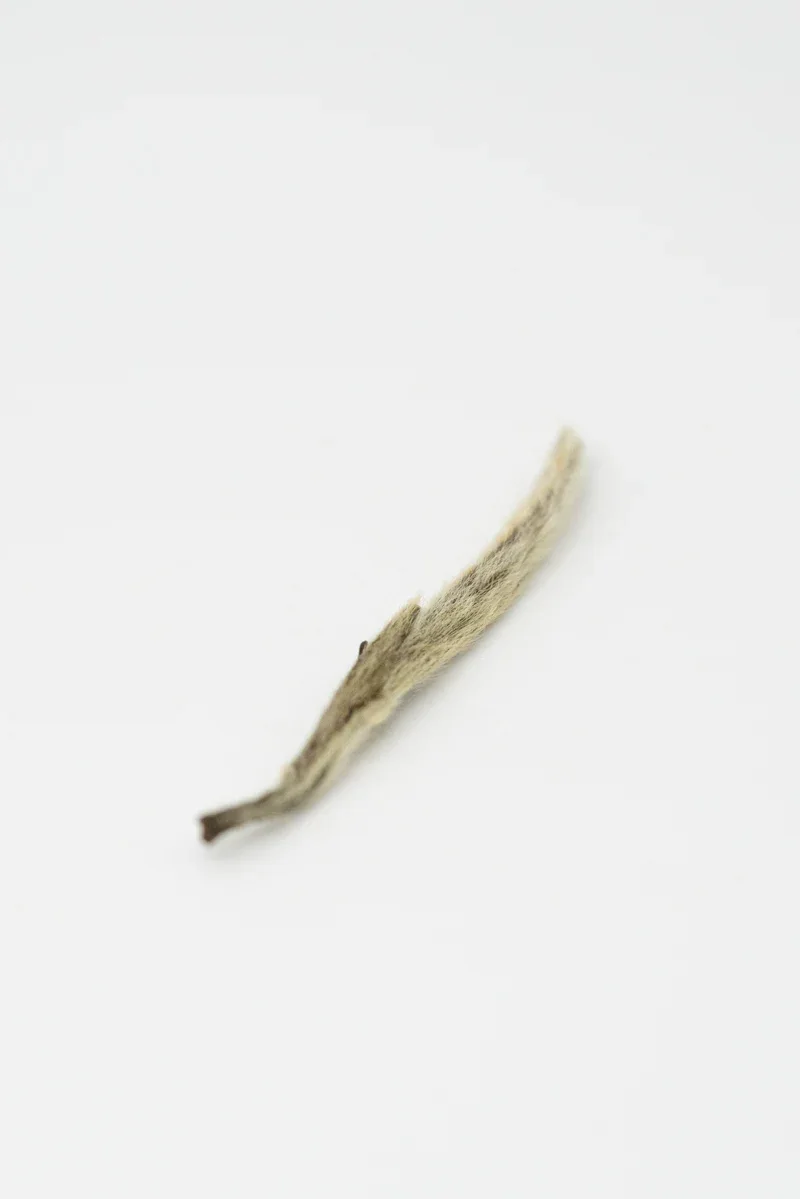
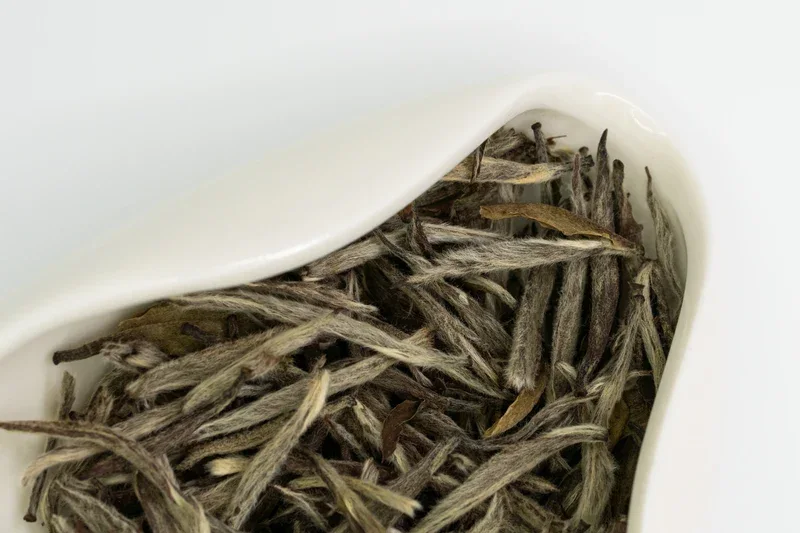
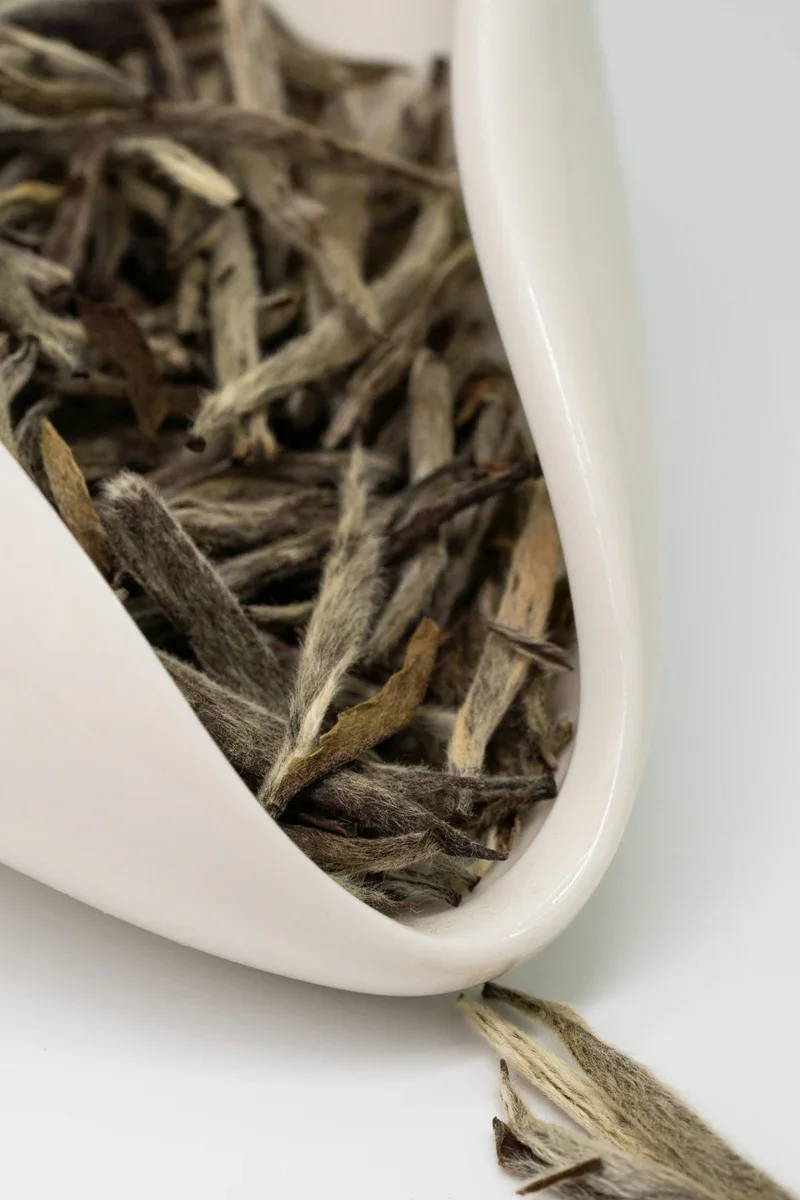
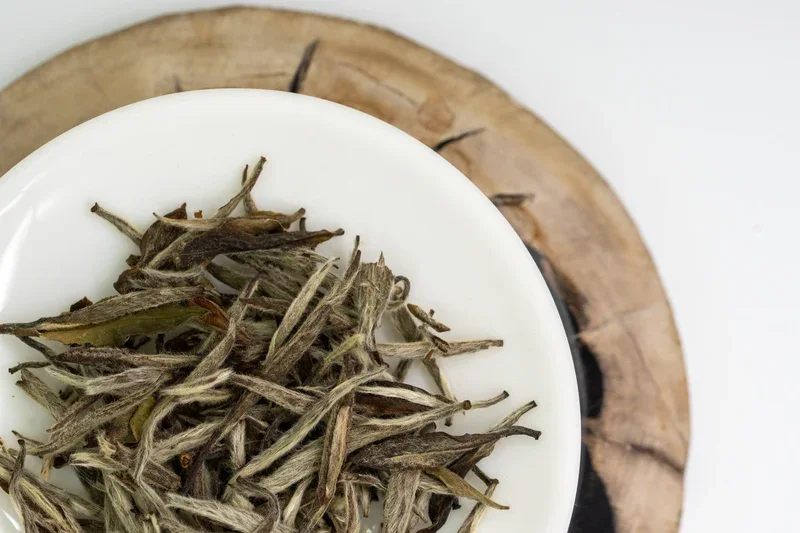
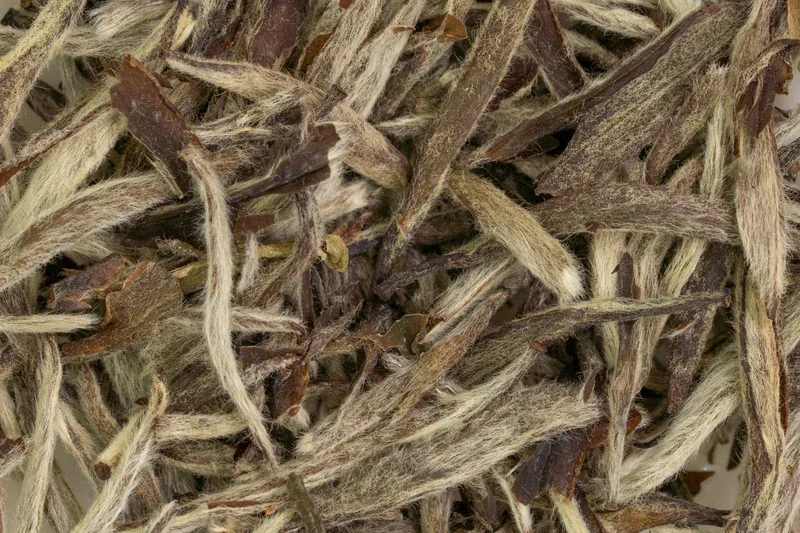
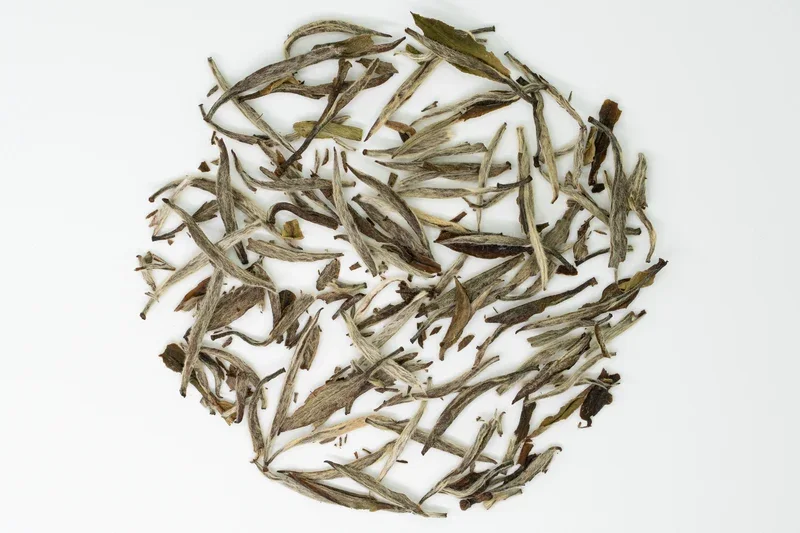
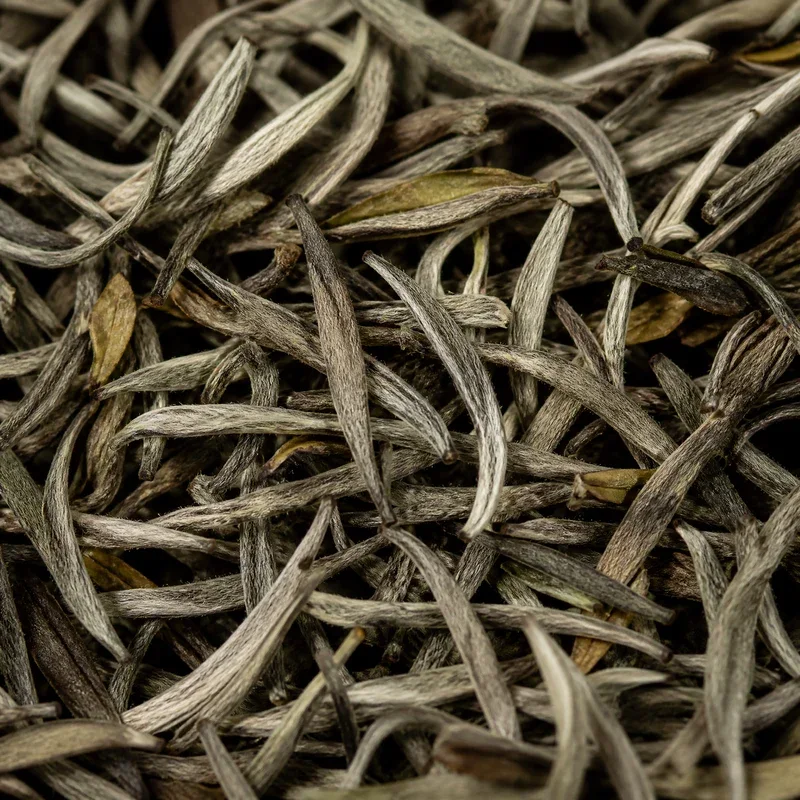
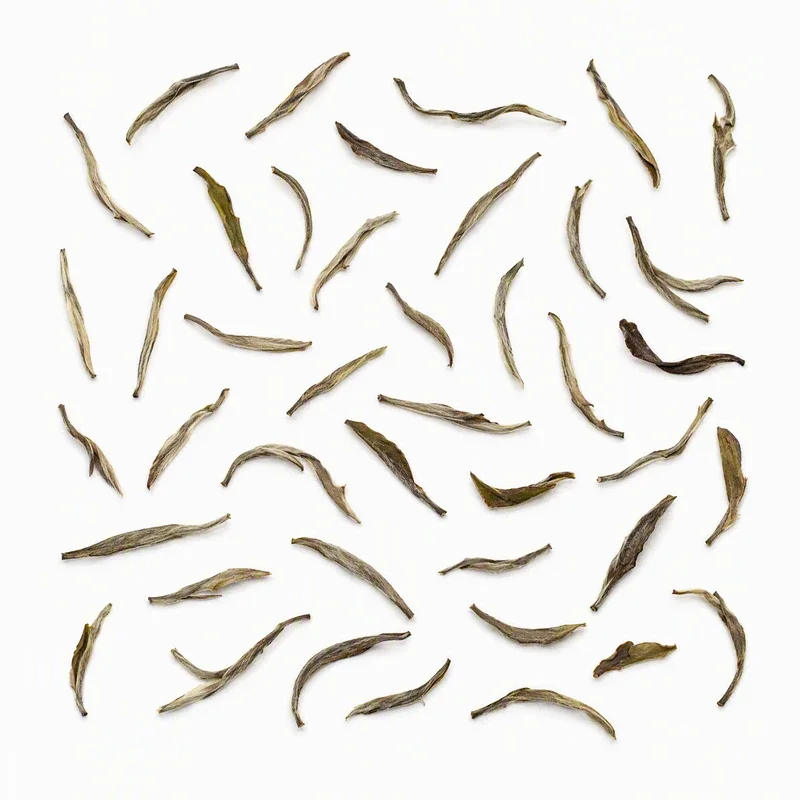
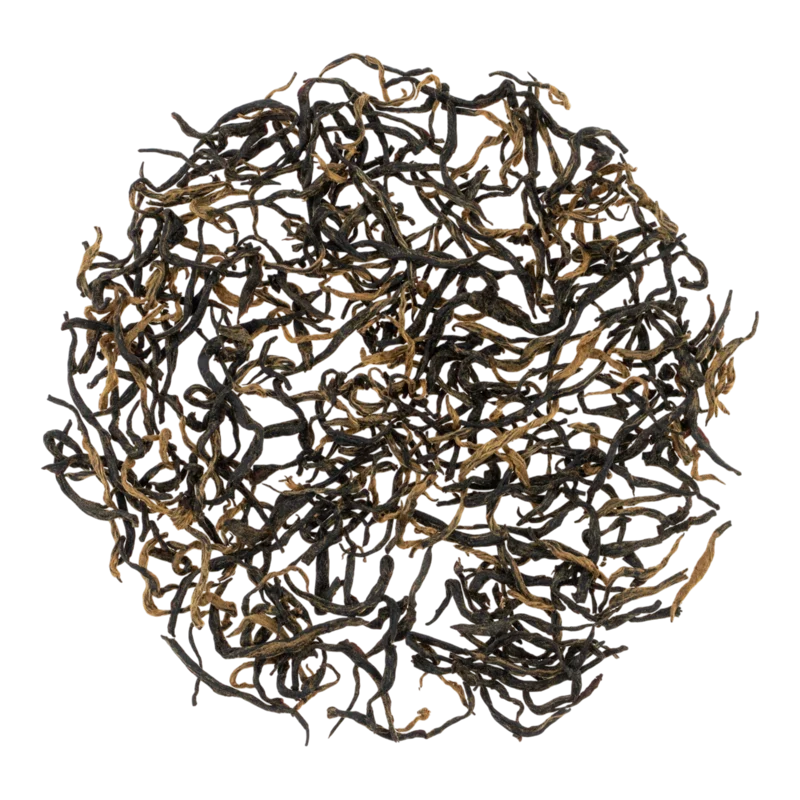
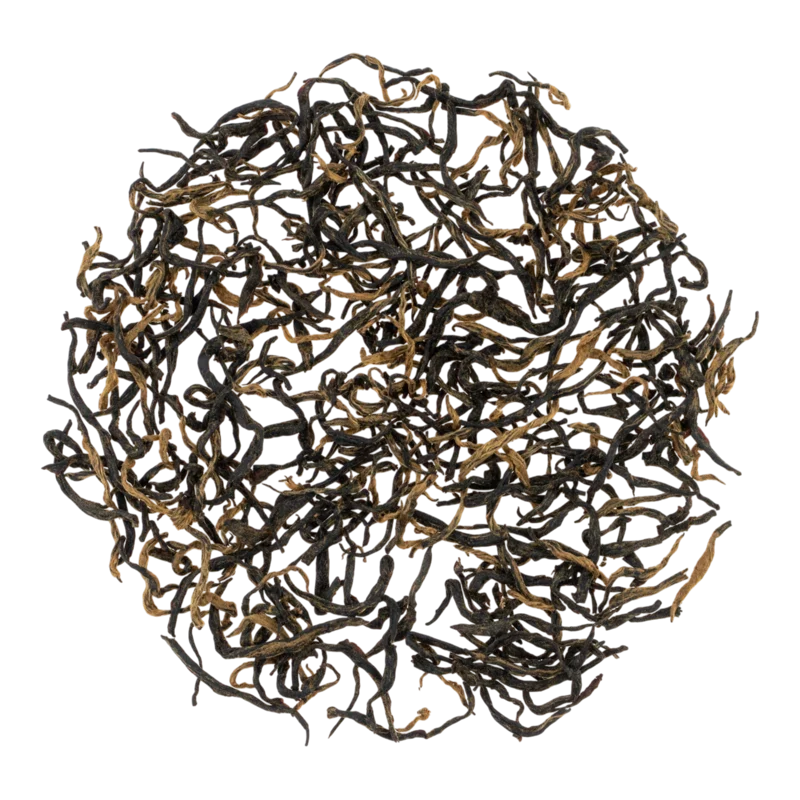
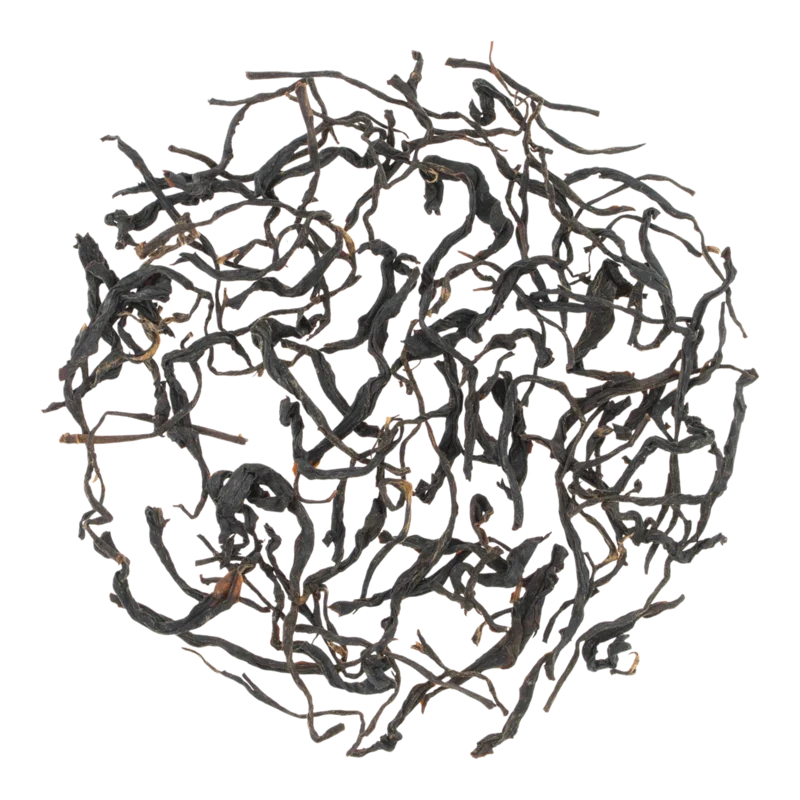
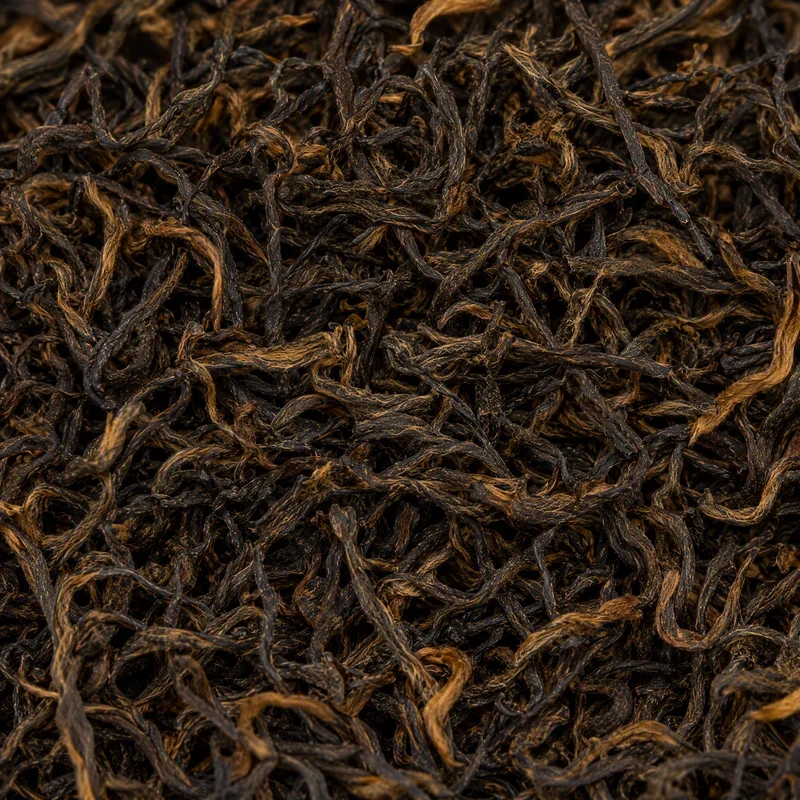
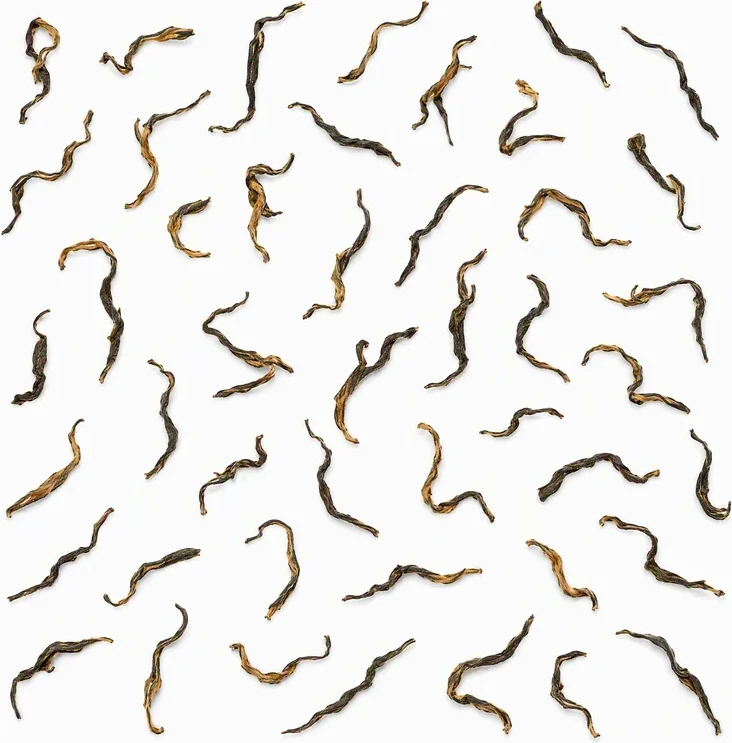
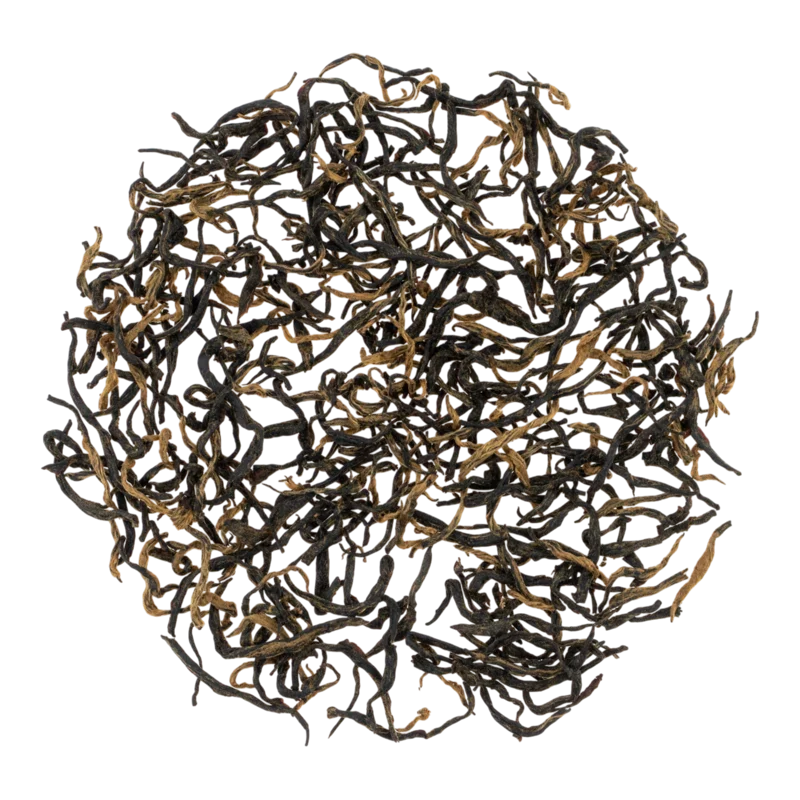
Dry Leaf Appearance: Tight "stringy" twist, even and dense. Color — dark brown with olive undertone. Pronounced golden tips (金毫, jīn háo) — their proportion depends on grade: in premium batches up to 40–60% of leaf surface is covered with downy buds.
Dry Leaf Aroma: Sweet, with tones of dark honey, roasted chestnut, and dried fruits (dried apricot, raisins). In highest grades, light floral notes (magnolia, osmanthus) are traceable.
Liquor Aroma: Warm and enveloping. In first infusions, honey and fruity tones dominate (ripe peach, dried plum); as brewing develops, bread-biscuit and caramel shades appear. In cooled liquor, woody and nutty undertones are possible.
Liquor Color: Red-amber (红琥珀色), bright, transparent, with golden rim on cup walls — a sign of high theaflavin content.
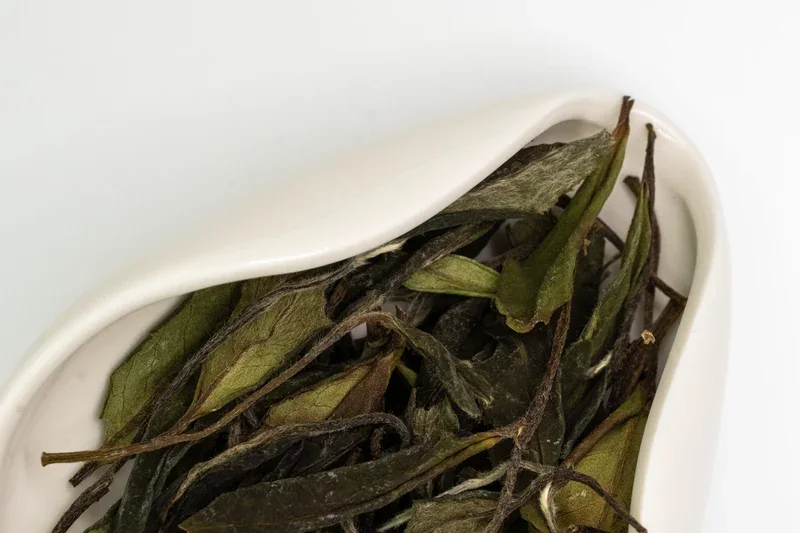
Spent Leaves: Leaves unfold elastically and fully. Shades from copper-brown to reddish-chestnut. Whole, tender buds and leaves without coarse veins testify to quality raw material and correct fermentation.
Taste: Dense, round, oily. Pronounced natural sweetness — "mi gan" (蜜甘) — without need for sweeteners. Moderate astringency that quickly transitions to long warming aftertaste "hui gan" (回甘). In best batches — clean, "silky" taste without roughness or bitterness, light minerality in the finish.
Alkaloids: Caffeine — about 2.5–3.5% (typical for red teas from medium-leaf varieties). Theobromine and theophylline — in trace amounts, contributing to mild stimulating effect.
Amino Acids: Total free amino acid content 2.5–4.0% (elevated due to high-altitude terroir and foggy climate). L-theanine — main component, providing "umami"-like softness, sweet aftertaste, and synergistic effect with caffeine (gentle, focused alertness).
Complex bouquet of more than 300 identified components: linalool and geraniol (floral notes), cis-3-hexenol ("green" tones in light batches), furfural and pyrrole (bread-caramel notes, Maillard reaction products during drying), 2-phenylethanol (honey-rose tones).
Water-soluble extractive substances in Anshun teas reach 40–43% — an indicator significantly exceeding the national average. High extractive substance content determines "density" and richness of liquor even with short infusions.
Minerals: Potassium (main cation), manganese, zinc, magnesium, iron, fluorine. Anshun's karst soils, enriched with silicon and in some zones — selenium (up to 0.24 mg/kg in soil), contribute characteristic minerality to tea profile.
Polyphenols: Total tea polyphenol content in Anshun raw material is about 25–32% (calculated on dry matter), characteristic of medium-leaf bushes growing on karst soils with high mineralization. In finished red tea, polyphenols are represented mainly by oxidation products: theaflavins (TF, ~0.5–1.2%), responsible for liquor brightness and "liveliness"; thearubigins (TR, ~6–12%), forming "body" and color depth. The TF/TR ratio determines balance between brightness and density — in well-made Pu Bu Hong Cha this ratio reaches 1:8–1:10.
Vitamins: B-group vitamins (B₁, B₂, B₆), vitamin C (content reduced in red teas compared to green due to oxidation), vitamin K, vitamin P (rutin).
Combination of caffeine and L-theanine provides alertness without sharp peaks and drops — "focused calm" effect, gentler than coffee.
Theaflavins and thearubigins possess pronounced antioxidant activity, neutralizing free radicals and supporting cellular metabolism.
Red teas affect gastric mucosa more gently than green teas, thanks to catechin transformation during oxidation. Warm Pu Bu Hong Cha after meals promotes comfortable digestion, especially after fatty foods.
Regular moderate red tea consumption is associated with maintaining vascular elasticity and normalizing blood pressure.
According to traditional Chinese classification, red tea belongs to "warm" (温性) beverages, making it especially appropriate in cold weather and for people with "cold" constitution.
Red tea polyphenols, according to several studies, may promote growth of beneficial intestinal microflora (bifidobacteria and lactobacilli) with regular consumption.
L-theanine increases alpha-rhythm brain activity, associated with relaxed attention and creative productivity states.
Tea Amount: 4–6 g per 100–120 ml (gongfu cha method); 3–4 g per 200–250 ml (European style).
Teaware: Gàiwǎn (盖碗, gàiwǎn) — optimal choice for revealing aroma nuances. Porcelain teapot — for gentler, "rounder" profile. Yíxīng teapot (宜兴紫砂壶, Yíxīng zǐshā hú) from purple clay — for enhancing "body" and taste depth, but important to use a teapot "dedicated" to red teas.
Water Temperature: 90–95°C. Boiling water (100°C) is acceptable for dense batches with high proportion of mature leaf; for tender bud grades, 88–92°C is preferable.
Container: Airtight, opaque — tin cans with tight lids, vacuum bags from foil material, ceramic containers with silicone sealing.
Shelf Life: Gongfu-type red teas best reveal themselves within 6–18 months after production. Quality batches with proper drying can "round out" and gain depth over 2–3 years of storage, acquiring more pronounced caramel-chocolate tones.
Dry dark place at temperature 15–25°C, humidity no more than 60%. Avoid proximity to strongly scented products (spices, coffee, perfumery).
Red tea does not need refrigerator storage (unlike green tea). Freezing is contraindicated — it destroys leaf texture and disrupts aromatic profile.
Closest "neighbor" in the province. Produced in Meitan from "Qianmei" series and Fuding Da Bai raw material. Generally "smoother" and more fruity, with emphasis on floral-honey profile. Pu Bu Hong Cha differs with greater minerality and "density" thanks to karst terroir.
Yunnan red tea from large-leaf Assam raw material. Noticeably "heavier," with pronounced chocolate-peppery notes and darker liquor. Pu Bu Hong Cha is lighter and more elegant, closer to "Jiangnan" school of red tea.
Benchmark Anhui gongfu hong cha with characteristic "Qimen aroma" (祁门香) — orchid-fruity bouquet. More refined and lighter in "body." Pu Bu Hong Cha is denser and sweeter, with more pronounced honey-caramel finish.
Fújiàn red tea from Tóngmù (桐木关). Classic version with smoked (pine) aroma radically differs from Pu Bu Hong Cha; unsmoked version is closer in profile but possesses more pronounced floral "height" and less minerality.
Another Guizhou red tea, from ancient four-ball tea tree raw material. More exotic, with bright floral aroma and legendary origin. Pu Bu Hong Cha — more "classic" in style, closer to mainstream Chinese gongfu hong cha.
Price Category: Anshun Pu Bu Hong Cha occupies the middle price segment among Chinese red teas. Cost is determined by harvest standard (bud grades — more expensive), season (spring harvest — premium), tip proportion, and specific farm reputation. The "Pu Bu" brand belongs to a state enterprise, ensuring relative price stability but limiting premium ceiling compared to artisanal micro-batches from private workshops.
No reviews yet. Tell us what you think of this tea.
Rate this tea and share your impressions. We review each submission before publishing it.