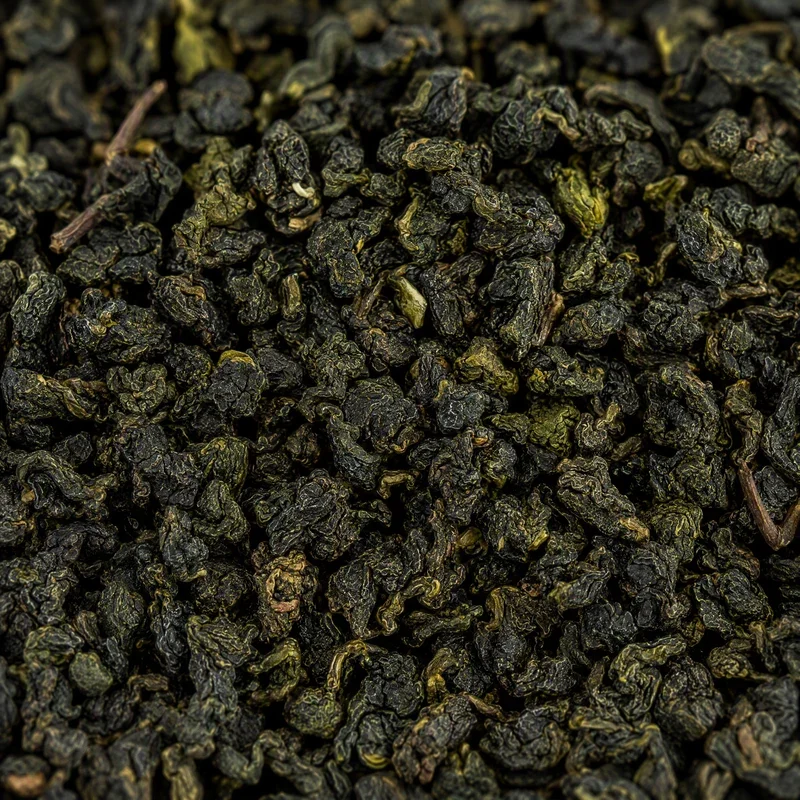
Dumphani ku nkhani
Buku la tiyi

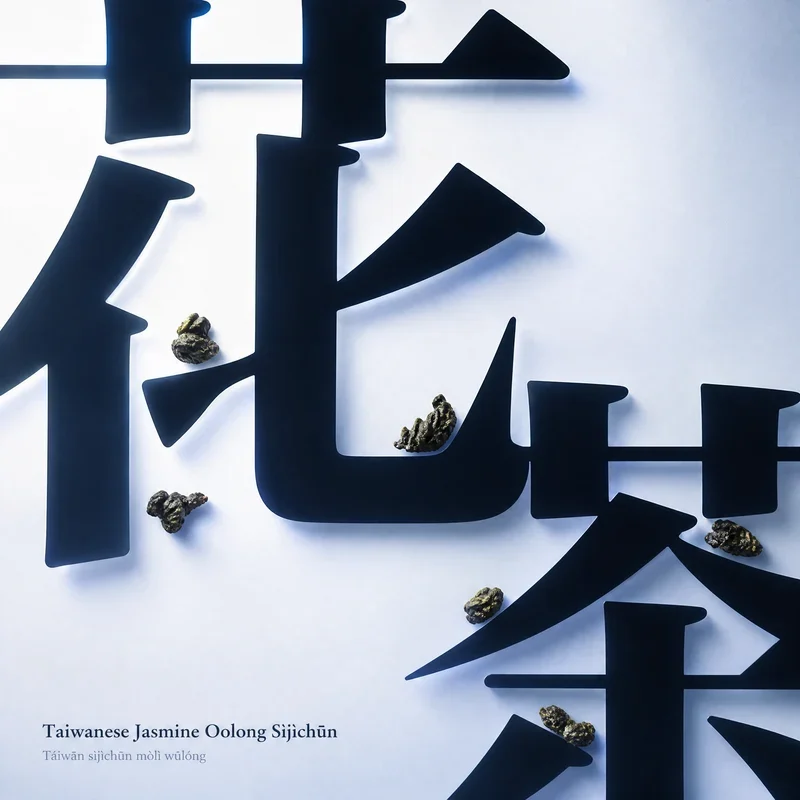
Ulongi wa Yasmini wa ku Taiwani wa Sì Jì Chūn

台湾四季春茉莉乌龙Táiwān sìjìchūn mòlì wūlóng

Tea passport

Komwe amachokera
Taiwan, Nántóu County, Míngjiān Township — the largest center for Sijichun production and scented teas in Taiwan
Nyengo yokolola
Epulo, Seputembala — Meyi, Okutobala · nthawi yayikulu yokolola: Epulo, Meyi, Seputembala, Okutobala
Mtundu wa tiyi
Taiwan Oolong

SKU · TAIWAN-SIJICHUN-MOLI-WULONG-CN

SKU · TAIWAN-SIJICHUN-MOLI-WULONG-CN
Momwe mungapangire tiyi

01 / Sensations

Zofotokoza za kukoma

From the first impression to the smallest tasting note.

Intensity, balance and flavor notes

TEA DATANumeric scores appear only after the tasting profile is filled; descriptive notes are shown separately.

Flavor descriptors

Tasting notes

  • Floral
  • Herbal
  • Creamy
  • Orchid
  • Stone Fruit

Numeric scores have not been added yet

Scores will appear after tasting. Descriptive notes are listed separately.

Onani zofotokoza za kukoma. Kumene kusefa kulipo, sankhani chofotokoza kuti muone tiyi ogwirizana nacho.Zolemba za tiyi
02 / Practice

Brewing

Choose a method and start with the parameters published for this tea.

Kupanga tiyi

Kupanga tiyi mwa gongfu

Kutentha kwa madzi
92 °C
Kuchuluka kwa tiyi
6 g
Kuchuluka kwa madzi
100 ml
Kuthira koyamba
10 sekondiekondi
Nthawi yowonjezera pa kutsanulira kulikonse
5 sekondiekondi
Kutsanulira
8
Kutsuka masamba
Inde

Kupanga tiyi

Kupanga tiyi mwa njira ya Kumadzulo

Kutentha kwa madzi
88 °C
Kuchuluka kwa tiyi
3 g
Kuchuluka kwa madzi
200 ml
Kuthira koyamba
3 mphindi
Kutsanulira
2
Kutsuka masamba
Ayi

Kukoma

Zofotokoza za kukoma

Dry Leaf Aroma
Bright, intense jasmine — clean, natural, without chemical notes. In the background — light sweetness and herbaceous character of Sijichun (orchid, lilac).
Liquor Aroma
Rich, dominant jasmine. In good versions — light fruity (peach, apricot) and creamy notes from the base oolong.
Liquor Color
Clear, from light yellow to golden-amber.
Spent Leaves
Whole leaves from light green to olive color; edges slightly reddish (traces of oxidation).
Taste
Soft, smooth, refreshing. Jasmine sweetness harmonizes with the herbaceous-floral base of Sijichun. Light pleasant acidity. Astringency minimal or absent. Aftertaste — fresh, jasmine-like, with light creaminess.

03 / Origin passport

Origin and production

Mtundu wa tiyi
Oolong
Climate
Subtropical, with sufficient warmth and precipitation for year-round harvesting. Frequent fogs in the foothills.
Soil
Alluvial and lateritic, slightly acidic, well-drained.
Регион
Taiwan (台灣), Nántóu County (南投縣, Nántóu Xiàn), Míngjiān Township (名間鄉, Míngjiān Xiāng) — the largest center for Sijichun production and scented teas in Taiwan

Makhalidwe a tiyi

Makhalidwe a tiyi

Cultivar
*Jasminum sambac* (sambac jasmine) — the same species used in classic Fújiàn jasmine teas (茉莉花茶, Mòlì huā chá).
Pluck Standard
Bud + 2–3 leaves. Up to 6–8 harvests pa year. For scenting, summer and autumn harvests are more often used — less valuable for "pure" oolong but excellent as a base for jasmine.

04 / Tea care

Keep it fresh

Условия хранения
Не указаны для этой партии.

Tsatanetsatane

Tsatanetsatane

Amino Acids
L-theanine — sweetness, relaxation.
Essential Oils
Linalool, benzyl acetate, indole, jasmone, methyl anthranilate — key carriers of jasmine aroma. These are absorbed by tea leaves during scenting.
Ma polyphenol
EGCG — antioxidant. Moderate content due to light oxidation.
Mavitamini
C, B group, PP. Minerals: Potassium, manganese, fluorine, selenium.

05 / Buku la tiyi

The story of this tea

History, terroir and production — discover the tea in depth.

Read the full article

តៃវ៉ាន់ ជេស្មីន អ៊ូឡុង ស៊ីជីឈុន

Classification and Origin

Category: អ៊ូឡុងតៃវ៉ាន់មានក្លិនក្រអូប (台灣花茶, Táiwān huā chá)។

Coordinates: ~23°50' N, ~120°40' E។

Origin: តៃវ៉ាន់ (台灣) ស្រុកណាន់ថូ (南投縣, Nántóu Xiàn) ភូមិមីងជៀន (名間鄉, Míngjiān Xiāng) — មជ្ឈមណ្ឌលផលិតតែស៊ីជីឈុន និងតែក្រអូបធំជាងគេនៅតៃវ៉ាន់។

Type: អ៊ូឡុង (តែពាក់កណ្ដាល, អុកស៊ីតកម្ម ២៥–៤០%) ត្រូវបានបន្ថែមក្លិនដោយផ្កាម្លិះធម្មជាតិ (窨花, yìnhuā)។

History and Culture

Cultural Significance: តែនេះពេញនិយមនៅតៃវ៉ាន់ជាភេសជ្ជៈប្រចាំថ្ងៃ និងសម្រាប់ទទួលភ្ញៀវ។ ភាពងាយស្រួលរកបាន (ស៊ីជីឈុនជាអ៊ូឡុងតៃវ៉ាន់ថោកជាងគេមួយ) ធ្វើឲ្យអ៊ូឡុងម្លិះនេះជា «ទ្វារចូល» ទៅកាន់ពិភពតែក្រអូបសម្រាប់អ្នកប្រើប្រាស់ជាច្រើន។

History: ពូជស៊ីជីឈុនត្រូវបានរកឃើញ/បង្កាត់នៅទសវត្សឆ្នាំ១៩៨០ ដោយកសិករឈ្មោះ លី ឆៃយួន (李彩淵, Lǐ Cǎiyuān) នៅភូមិមីងជៀន។ គេសន្និដ្ឋានថាជាការបង្កាត់ធម្មជាតិរវាងឈីងស៊ីនអ៊ូឡុងនិងពូជអ៊ូអ៊ី ឬពូជជិតខាង។ ពូជនេះទទួលបានការពេញនិយមយ៉ាងឆាប់រហ័ស ដោយសារផលិតភាពខ្ពស់ពិសេស (រហូតដល់ ៦–៨ ដងក្នុងមួយឆ្នាំ) និងក្លិនផ្កាធម្មជាតិ។

Botany and Raw Material

ពន្លកមិនទាន់រីកត្រូវបេះនៅពេលល្ងាច ពេលកម្រិតប្រេងសំខាន់ខ្ពស់បំផុត។ វានៅពេលយប់ដែលពន្លករីកនិងបញ្ចេញក្លិន — ដំណើរការបន្ថែមក្លិនត្រូវបានកំណត់តាមវដ្ដនេះ។

Cultivar: Jasminum sambac (ម្លិះសំបាក) — ជាប្រភេទដូចគ្នាដែលប្រើក្នុងតែម្លិះបុរាណហ្វូចៀន (茉莉花茶, Mòlì huā chá)។

Pluck Standard: ត្រួយ + ស្លឹក ២–៣។ រហូតដល់ ៦–៨ ដងក្នុងមួយឆ្នាំ។ សម្រាប់ការបន្ថែមក្លិន គេច្រើនប្រើការបេះរដូវក្ដៅនិងរដូវស្លឹកឈើជ្រុះ — មានតម្លៃតិចជាងសម្រាប់អ៊ូឡុង «សុទ្ធ» ប៉ុន្តែស័ក្ដិសមណាស់ធ្វើជាមូលដ្ឋានក្រោមម្លិះ។

Terroir

Climate: ស៊ុបត្រូពិច មានកម្តៅនិងទឹកភ្លៀងគ្រប់គ្រាន់សម្រាប់ការបេះពេញមួយឆ្នាំ។ អ័ព្ទញឹកញាប់នៅជើងភ្នំ។

Soil: ដីល្បាប់និងដីឡាតេរីត អាសុីតខ្សោយ បង្ហូរទឹកល្អ។

មីងជៀន ណាន់ថូ — ជាតំបន់ដែលមានកសិដ្ឋានតែកកស្ទះជាងគេនៅតៃវ៉ាន់។

២០០–៦០០ ម៉ែត្រ — ចំការទំនាបនិងជើងភ្នំ។ ស៊ីជីឈុនមិនត្រូវការលក្ខខណ្ឌភ្នំខ្ពស់ ដែលធ្វើឲ្យវាមានផលចំណេញសេដ្ឋកិច្ច។

អាចដាំនៅតំបន់ដដែល ឬនាំចូលពីតៃវ៉ាន់ភាគខាងត្បូង / ចិនដីគោក (ហ្វូចៀន ក្វាងស៊ី)។

Organoleptic Profile

Dry Leaf Aroma: ភ្លឺខ្លាំង ម្លិះសុទ្ធ — ធម្មជាតិ គ្មានក្លិនគីមី។ ផ្ទៃខាងក្រោយ — ផ្អែមស្រាលនិងស្មៅរបស់ស៊ីជីឈុន (អ័រគីដេ លីឡាក់)។

Liquor Aroma: ឈ្ងុយខ្លាំង ម្លិះដឹកនាំ។ នៅក្នុងជំនាន់ល្អ — ក្លិនផ្លែឈើស្រាល (ផ្លែប៉ែស អាព្រីកូ) និងក្លិនក្រែមរបស់អ៊ូឡុងមូលដ្ឋាន។

Liquor Color: ថ្លា ពីលឿងស្រាលទៅពណ៌មាស-អាំបឺ។

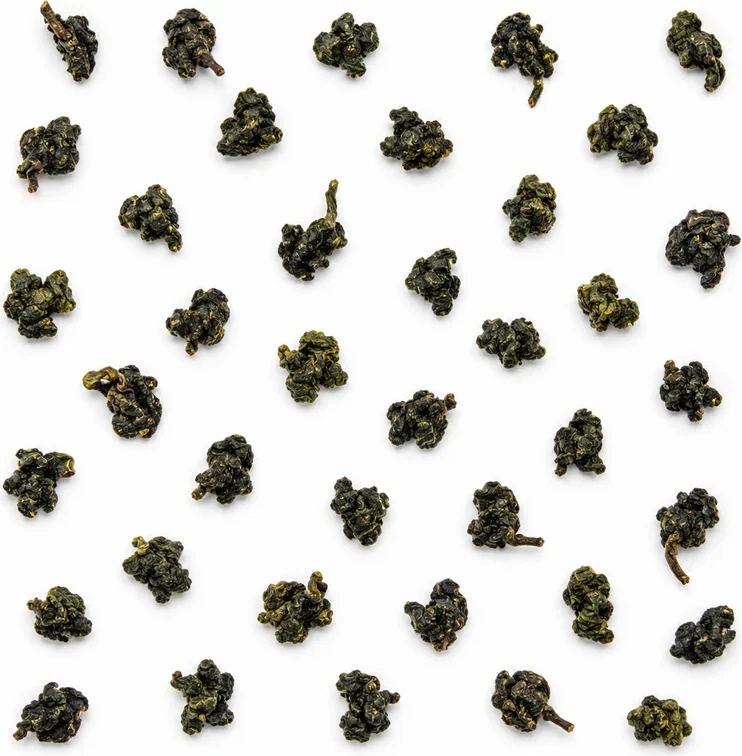
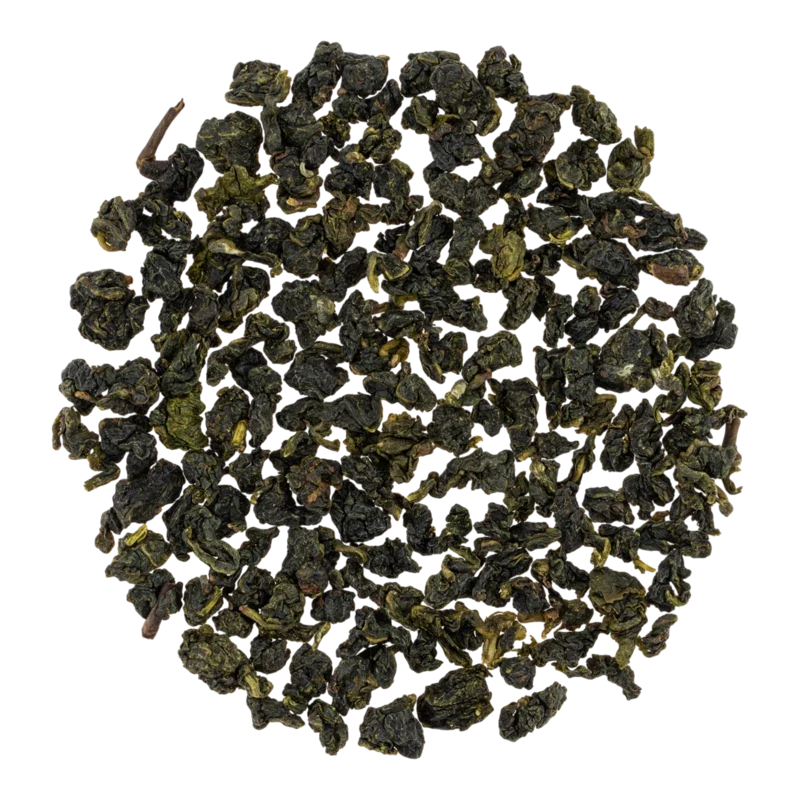
ទម្រង់ពាក់កណ្ដាលស្វ៊ែរក្រាស់ ពណ៌បៃតងត្បូងមរកតឬអូលីវ។ អាចមានពន្លកម្លិះខ្លះ (សម្រាប់តុបតែង; ក្លិនសំខាន់ត្រូវបានស្រូបដោយស្លឹក)។

Spent Leaves: ស្លឹកពេញ ពណ៌បៃតងស្រាលទៅអូលីវ; គែមក្រហមបន្តិច (ស្លាកស្នាមបង្កាត់)។

Taste: ទន់ រលោង ស្រស់ស្រាយ។ ភាពផ្អែមរបស់ម្លិះចុះសម្រុងជាមួយមូលដ្ឋានស្មៅ-ផ្ការបស់ស៊ីជីឈុន។ មានជូរបន្តិចគួរឲ្យរីករាយ។ ភាពស្អិតតិចតួចឬគ្មាន។ រសជាតិបន្ទាប់ — ស្រស់ ម្លិះ មានក្រែមស្រាល។

Chemical Composition

Amino Acids: L-ធ៊ីអានីន — ផ្អែម បន្ធូរអារម្មណ៍។

មធ្យម (~២–២,៥%)។

Essential Oils: លីណាឡុល បេនហ្ស៊ីលអាសេតាត អ៊ីនដុល ចាស្មូន មេទីលអាន់ត្រានីឡាត — ជាអ្នកនាំក្លិនម្លិះសំខាន់ៗ។ វាគឺជាសារធាតុទាំងនេះដែលត្រូវបានស្លឹកតែស្រូបយកនៅពេលបន្ថែមក្លិន។

Polyphenols: EGCG — អង់ទីអុកស៊ីដង់។ កម្រិតមធ្យមដោយសារការបង្កាត់តិច។

Vitamins: C, ក្រុម B, PP។ សារធាតុរ៉ែ: ប៉ូតាស្យូម ម៉ង់កាណែស ហ្វ្លុយអូរីន សេលេញ៉ូម។

Health Notes

ក្លិនម្លិះ — ជាភ្នាក់ងារប្រឆាំងការថប់បារម្ភធម្មជាតិដែលបានបញ្ជាក់; បន្ថយកម្រិតកូទីសូល ធ្វើឲ្យអារម្មណ៍ប្រសើរ ជួយបន្ធូរអារម្មណ៍។

កាតេឈីនពីអ៊ូឡុងមូលដ្ឋាន។

ជាតិកាហ្វេអ៊ីន + L-ធ៊ីអានីន — ភាពស្វាហាប់ទន់ភ្លន់។

ជំរុញស្រាល; សមរម្យបន្ទាប់ពីអាហារ។

អង់ទីអុកស៊ីដង់ + ប្រេងសំខាន់ម្លិះ។

អ៊ូឡុងត្រូវបានគេចាត់ទុកជាប្រពៃណីថាជាសារធាតុធ្វើឲ្យសកម្មមេតាបូលីសខ្លាញ់។

Brewing

៨៥–៩៥°C។ សីតុណ្ហភាពទាបជាង (៨៥°C) — សម្រាប់សង្កត់លើភាពឆ្ងាញ់របស់ម្លិះ; សីតុណ្ហភាពខ្ពស់ជាង (៩០–៩៥°C) — សម្រាប់រសជាតិក្រាស់របស់អ៊ូឡុងមូលដ្ឋាន។

៥–១០ ក្រាម ក្នុងទឹកត្រជាក់ ១ លីត្រ ៤–៨ ម៉ោងក្នុងទូរទឹកកក។ ភេសជ្ជៈរដូវក្តៅដ៏អស្ចារ្យ — ក្លិនម្លិះបញ្ចេញយ៉ាងទន់ភ្លន់និងឆ្ងាញ់។

Tea Amount: ៥–៧ ក្រាម ក្នុងទឹក ១៥០ មីលីលីត្រ (ចាក់ច្រើនដង) ឬ ២–៣ ក្រាម ក្នុង ២៥០ មីលីលីត្រ (ត្រាំ)។

Teaware: ហ្គៃវ៉ាន់ប៉សឺឡែន ឬឆ្នាំងកែវ — ប្រដាប់ដែលមិនស្រូបក្លិន ដើម្បីរក្សាក្លិនម្លិះសុទ្ធ។ ឆ្នាំងអ៊ីស៊ីងមិនត្រូវបានណែនាំទេ — ដីឥដ្ឋនឹងស្រូបក្លិនម្លិះ។

Ulongi wa Yasmini wa ku Taiwani wa Sì Jì Chūn

Product variant

Where to buy

Offers for your selected tea

These offers match the tea option you are viewing, including its harvest and packaging.

Offer information is currently unavailable.

Try again

Your experience with this tea

Palibe ndemanga panobe. Tiuzeni maganizo anu pa tiyi uyu.

Lembani ndemanga

Lembani ndemanga

Patsani mlingo tiyi uyu ndikugawana malingaliro anu. Timayang'ana ndemanga iliyonse tisanaiyike.