Brewing
Gongfu brewing
- Water temperature
- 75 °C
- Tea amount
- 5 g
- Water volume
- 100 ml
- First steep
- 10 s
- Time added per infusion
- 5 s
- Infusions
- 3

zhú yè qīng
Choose a brewing method. Start with the recommended quantities and time, then adjust to taste.
Brewing
Brewing
Taste
Tea encyclopedia
Category: Famous Teas of China. Although Zhu Ye Qing is not included in the classical list of "Ten Famous Teas" (十大名茶, shí dà míng chá) compiled during the imperial era, it was recognized internationally in 1985 and is one of the most well-known modern Chinese green teas. The first tea in China to receive the status of Zhōngguó Chímíng Shāngbiāo (中国驰名商标)—"China Well-Known Trademark."
Category: Famous Teas of China. Although Zhu Ye Qing is not included in the classical list of "Ten Famous Teas" (十大名茶, shí dà míng chá) compiled during the imperial era, it was recognized internationally in 1985 and is one of the most well-known modern Chinese green teas. The first tea in China to receive the status of Zhōngguó Chímíng Shāngbiāo (中国驰名商标)—"China Well-Known Trademark."
Coordinates: Approximately 29°33′ N, 103°20′ E.
Origin: China, Sìchuān Province (四川, Sìchuān), Leshan Prefecture-level City (乐山, Lèshān), Éméishān City (峨眉山市, Éméishān shì). Tea plantations are located on the slopes of Mount Éméishān (峨眉山)—one of the four sacred Buddhist mountains of China and a UNESCO World Heritage Site (since 1996).
Type: Green tea (non-oxidized). Belongs to the category of biǎn chǎo qīng (扁炒青, biǎn chǎo qīng)—flat pan-fired green teas.
Cultural Significance: Zhu Ye Qing is inextricably linked with the spiritual atmosphere of Emeishan—a place of pilgrimage for Buddhists and Taoists. Buddhist monks have cultivated tea bushes on the mountain slopes for centuries, using tea for meditation and receiving guests. Today, Zhu Ye Qing is perceived as a symbol of harmony, purity, and Sichuan tea tradition. It is a popular gift expressing respect and attention, and is often associated with the philosophy of "pingchangxin"—the ability to appreciate simple, authentic things.
History: Emeishan has been famous for tea cultivation since ancient times. During the Tāng dynasty (唐, 618–907), Lì Shān (李善) wrote in his commentary to "Wenxuan" (《文选注》): "Emei is rich in medicinal herbs, and tea is especially good, different from [teas of] the Empire." During the Sōng dynasty (宋, 960–1279), poet Lù Yóu (陆游) praised Emei tea: "Snow buds just obtained from Emei—not inferior to the spring harvest of red pouches from Guzhu" (雪芽近自峨眉得,不减红囊顾渚春). Sù Dōngpō (苏东坡) also left poems about Emeishan teas. During the Míng dynasty (明, 1368–1644), Baishuisi Monastery (白水寺, later renamed Wanniansi—万年寺) cultivated tea bushes and supplied tea to the court as gongcha (贡茶)—imperial tribute.
Cultivar: For Zhu Ye Qing production, local small-leaf and medium-leaf varieties of tea bush (Camellia sinensis var. sinensis) are used, historically growing on the slopes of Emeishan. These are predominantly representatives of the Sichuan group of small-leaf population varieties (四川中小叶群体种, Sìchuān zhōng xiǎo yè qúntǐ zhǒng), also known as "lao chuan cha" (老川茶)—"old Sichuan tea." The bushes are low (1–2 m), with compact crowns and small, dense, dark green leaves rich in amino acids and chlorophyll.
Picking: Harvesting is conducted in early spring, strictly before the Qīngmíng festival (清明, Qīngmíng)—approximately until April 4–5. The entire volume of annual raw material must be harvested before Qingming. The optimal period is 3–5 days before the festival.
Pluck Standard: For the highest grades, exclusively single buds (单芽, dān yá) or one bud with a barely opened first leaf (一芽一叶初展, yī yá yī yè chū zhǎn) are harvested. For 500 g of finished tea, 35,000 to 45,000 individual tea buds are required.
Raw Material: Raw material must be uniform in size, undamaged, and fresh. Harvesting is conducted only in dry weather. Buds with mechanical damage, insect traces, and uneven color are rejected.
Altitude: 800–1200 m above sea level. The main tea gardens are concentrated on slopes in the areas of Wànniánsì (万年寺), Qīngyīngé (清音阁), Báilóngdòng (白龙洞), and Heishuisi (黑水寺) monasteries.
Climate: Subtropical monsoon, with pronounced influence of mountain topography. Average annual temperature in the tea plantation zone (800–1200 m) is 13–15 °C. Annual precipitation in the foothills is about 1550 mm, at altitudes up to 1200 m—up to 1750 mm and higher. The mountains are surrounded by clouds and mists practically year-round, providing high air humidity and diffused lighting. Low amount of direct sunlight and significant diurnal temperature variation (8–12 °C) promote slow shoot growth, accumulation of amino acids, chlorophyll, and aromatic substances in leaves.
Soil: In the tea bush growing zone (600–1500 m), mountain yellow soils (山地黄壤, shāndì huáng rǎng) predominate, enriched with organic matter, with acidic reaction (pH 4.5–6.0). In some areas, yellow-brown soils are found. Soils are formed on sedimentary rocks, contain a rich set of microelements, and provide optimal drainage.
Mount Emeishan is located on the southwestern edge of the Sichuan Basin. It is one of the four sacred Buddhist mountains of China, included in the UNESCO World Heritage List as a site of natural and cultural significance. Emeishan is characterized by pronounced vertical climatic zonation—from subtropics at the foot to subarctic at the summit, which gave rise to the local saying: "One mountain contains four seasons, different weather every ten li" (一山有四季,十里不同天).
Emeishan is covered with dense forests (more than 5000 plant species and 2300 animal species). Tea gardens are located among bamboo groves and evergreen broadleaf trees, creating natural shading. The absence of industrial facilities in the mountain zone ensures clean air and water. The long winter period naturally limits pest populations, reducing the need for pesticide treatment.
Hand-picking of single buds or buds with one barely developed leaf. Conducted strictly before Qingming, in morning hours, in dry weather.
Harvested raw material is spread in a thin, even layer in shade on bamboo trays for several hours (usually 3–6 hours) to evaporate part of the surface moisture and begin aroma formation.
Pan-firing at high temperature (about 200–220 °C) to inactivate enzymes, stop oxidation, and preserve green color. This stage is critically important for forming the characteristic aroma and eliminating raw grassy taste.
The main feature of Zhu Ye Qing technology. Leaves are shaped into flat "bamboo" form using manual techniques: dou (抖, shaking), sa (撒, scattering), zhua (抓, grasping), ya (压, pressing), dai tiao (带条, drawing). The firing and cooling cycle is repeated three times with gradual temperature reduction, ensuring uniform drying, shape fixation, and aroma development.
Separating finished tea by fractions to ensure uniformity.
Final processing at low temperature for complete removal of residual moisture (to content ≤6.5%), shape fixation, and aroma enhancement.
Finished tea is sorted by appearance and quality into grades.
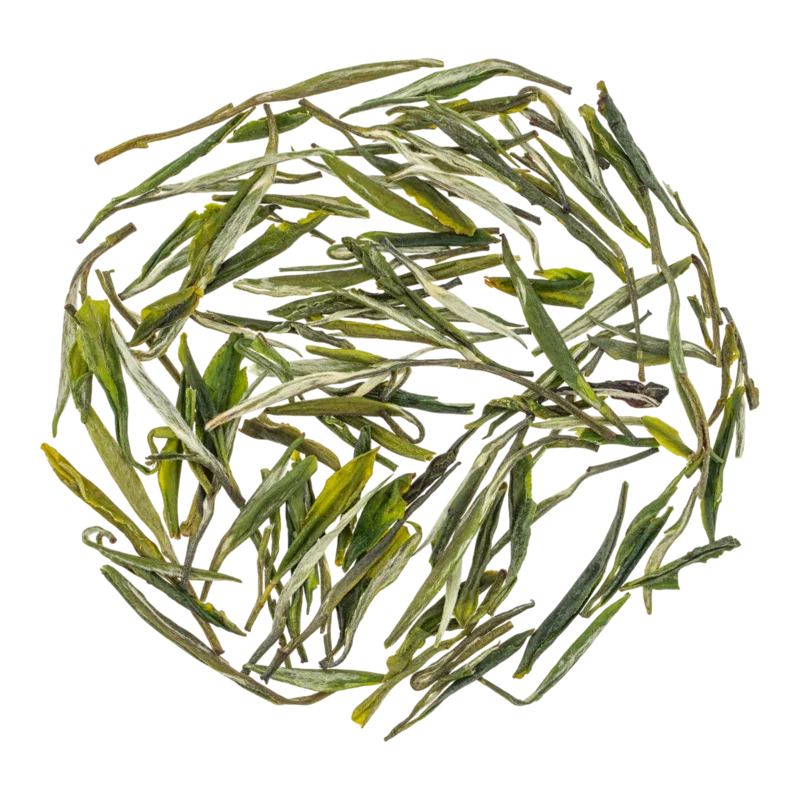
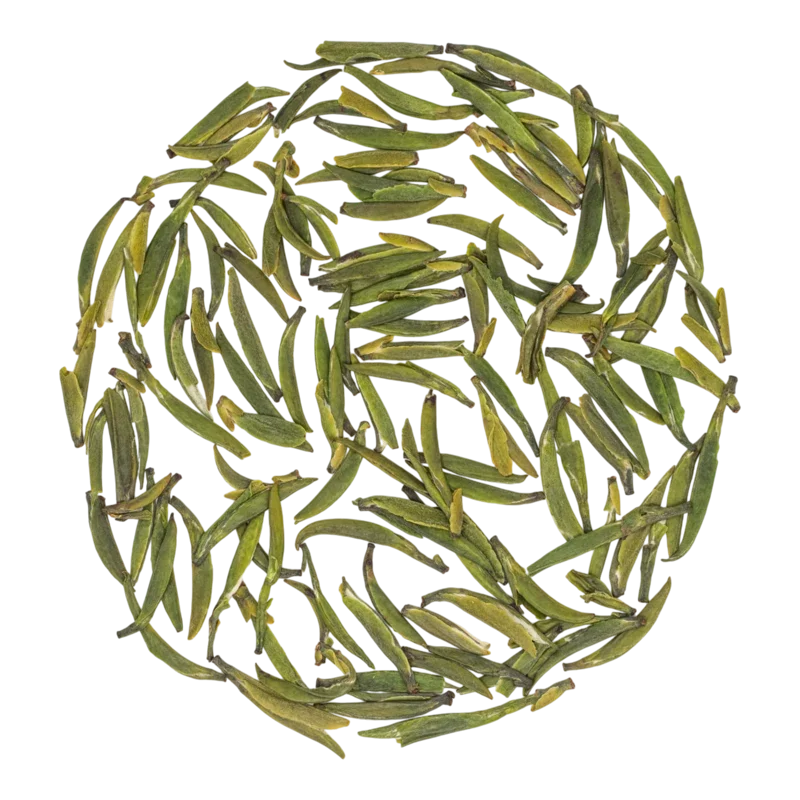
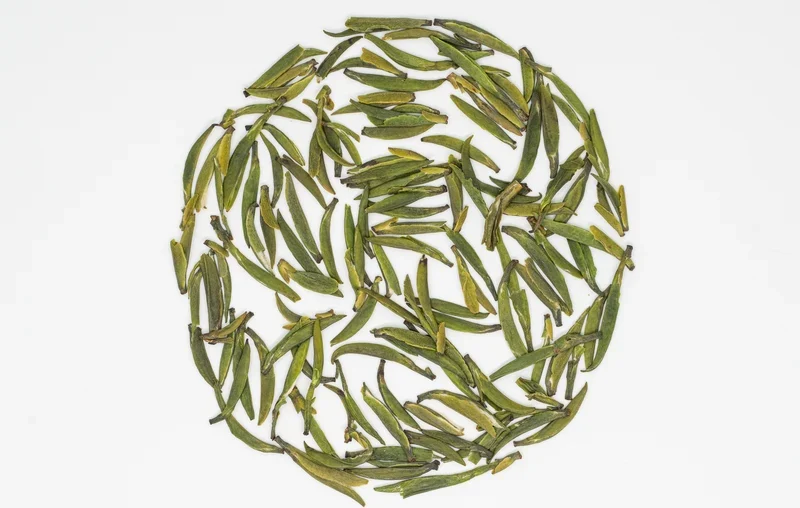
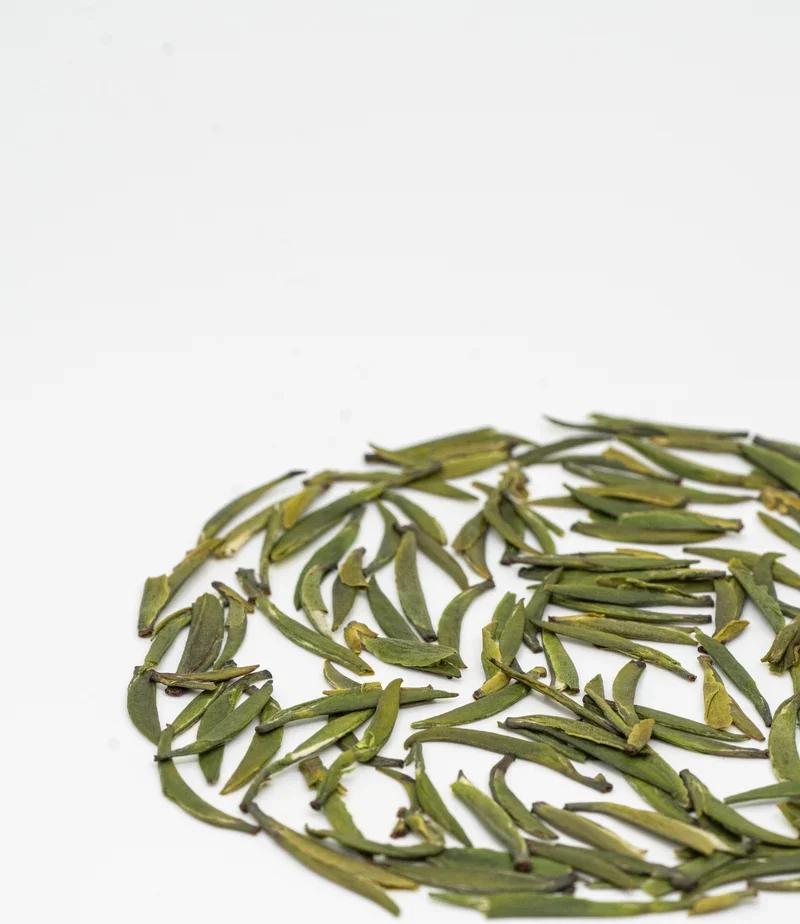
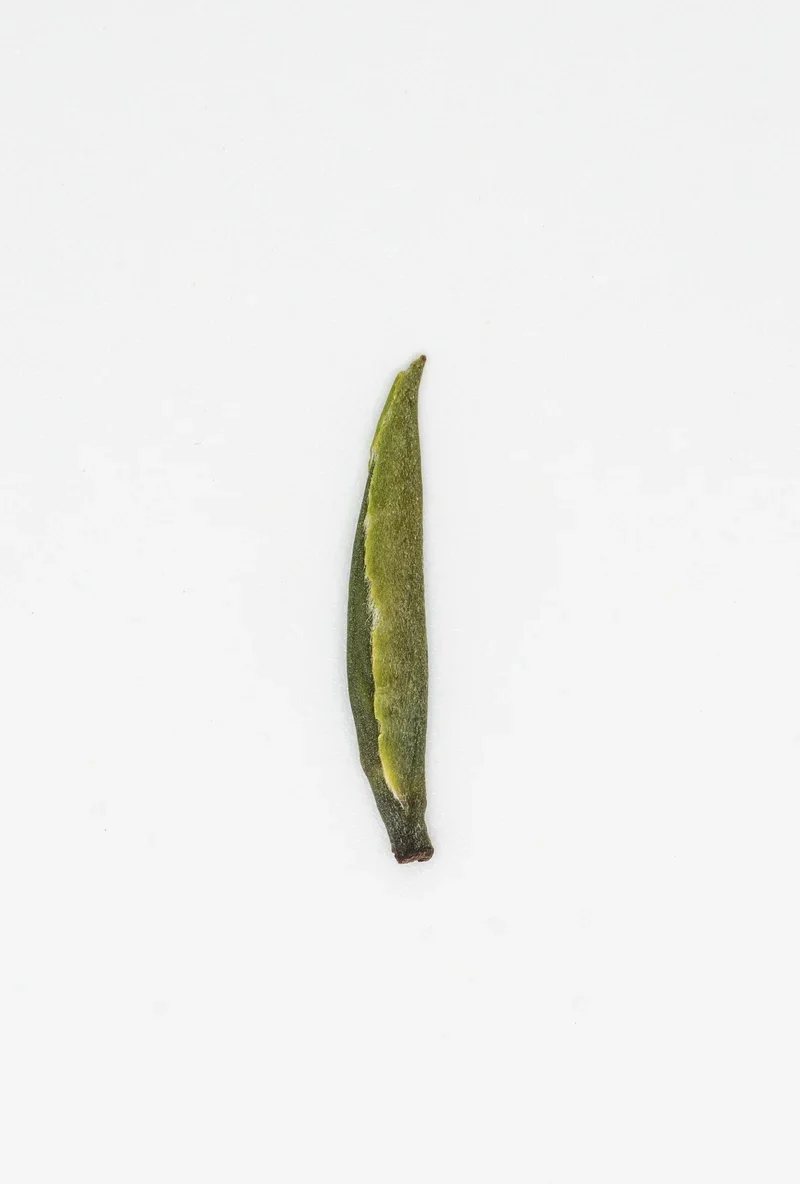
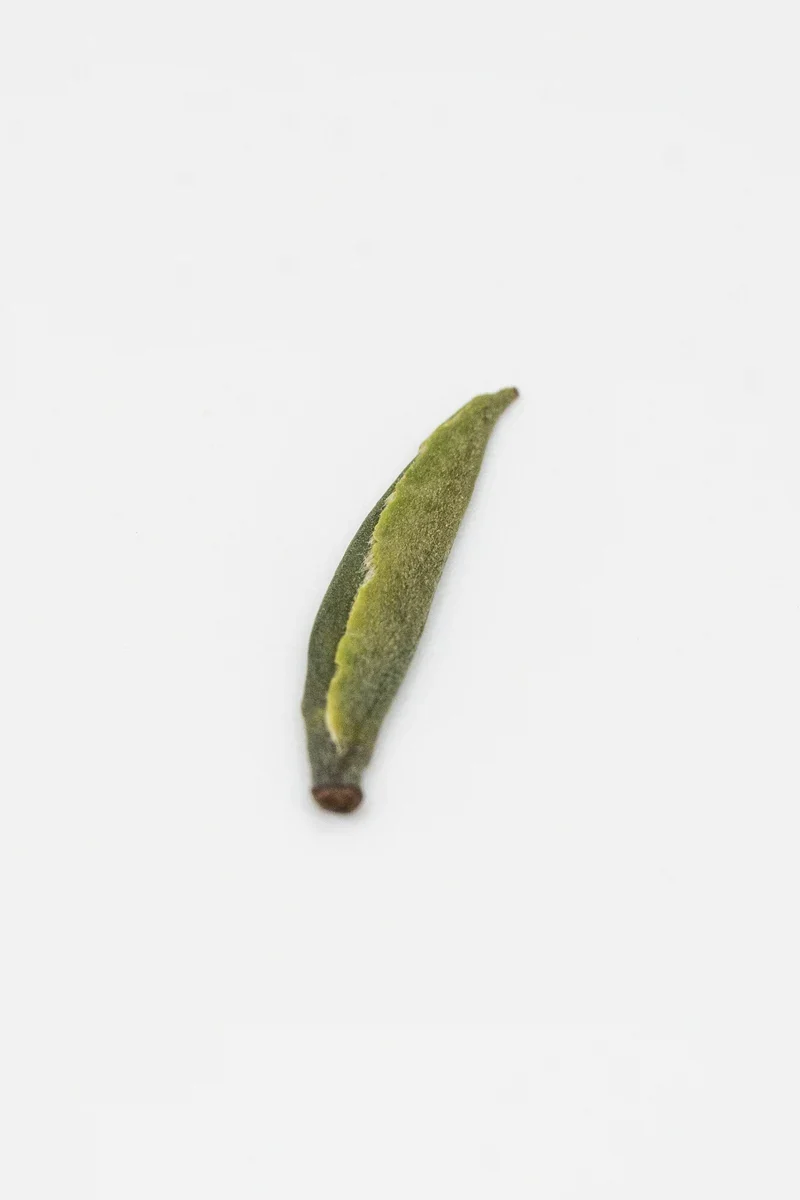
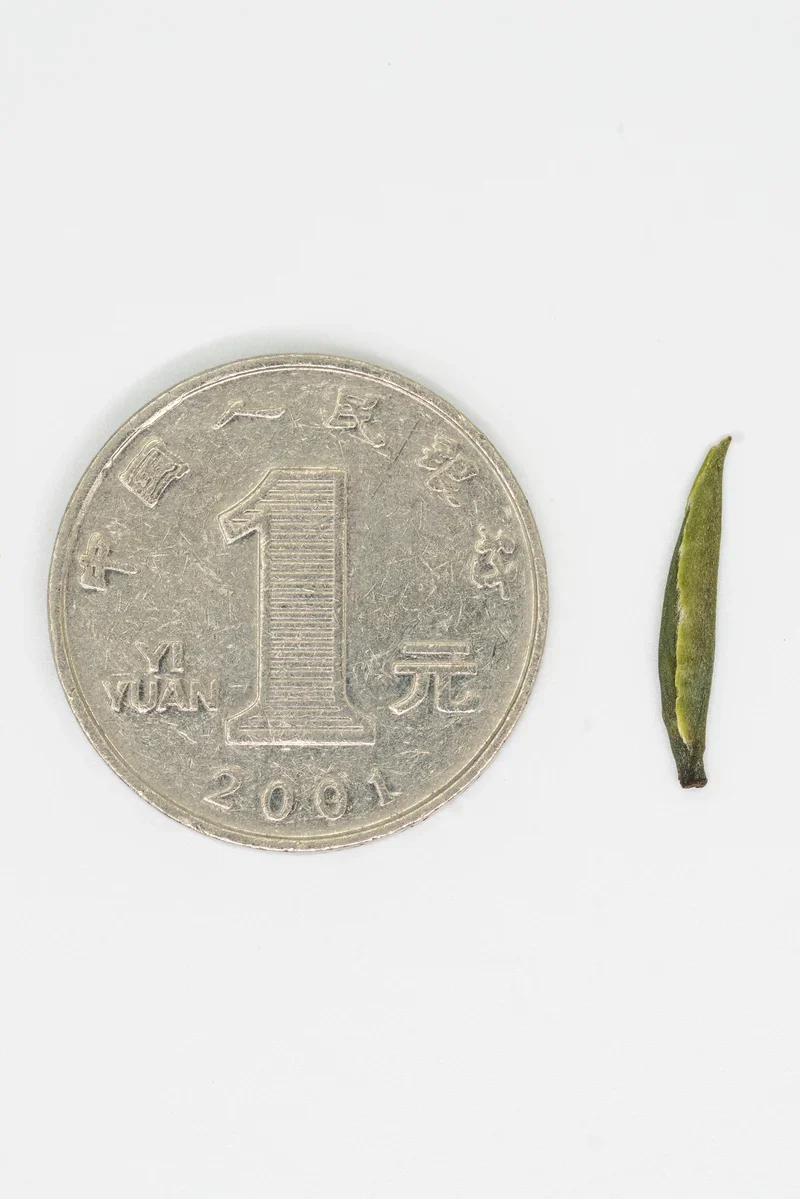
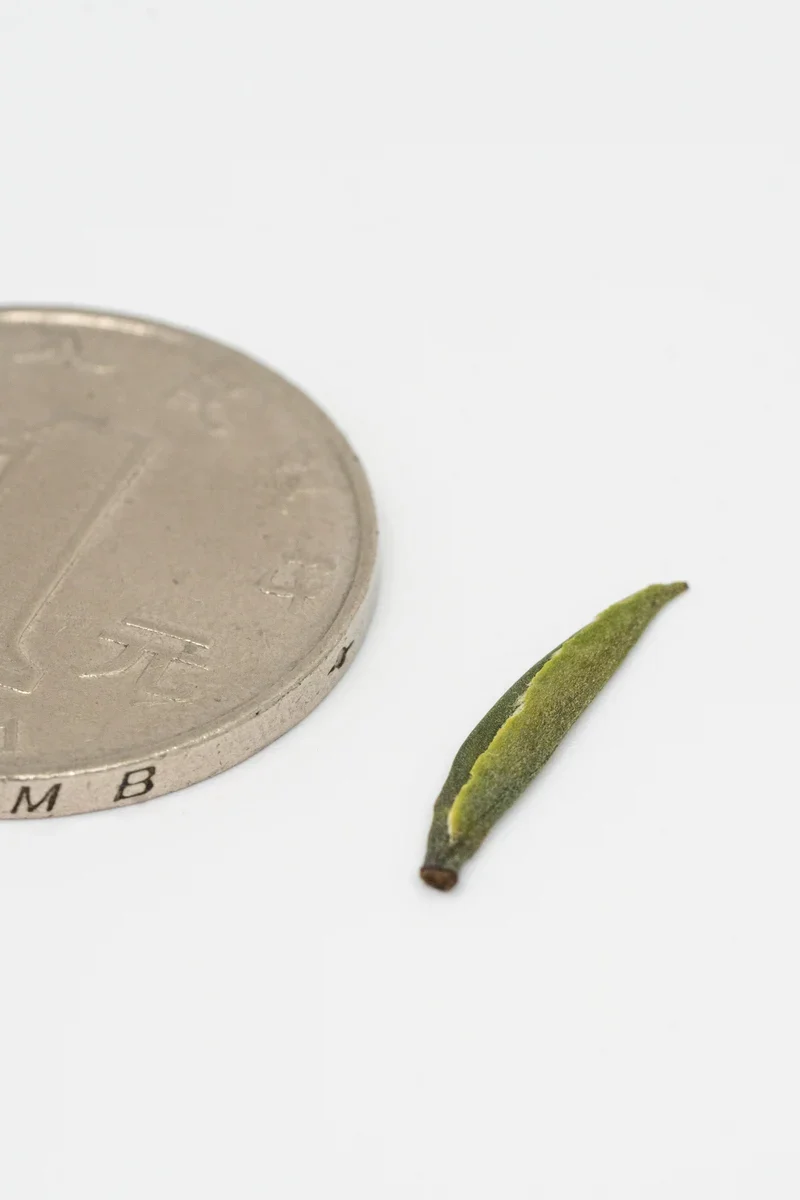
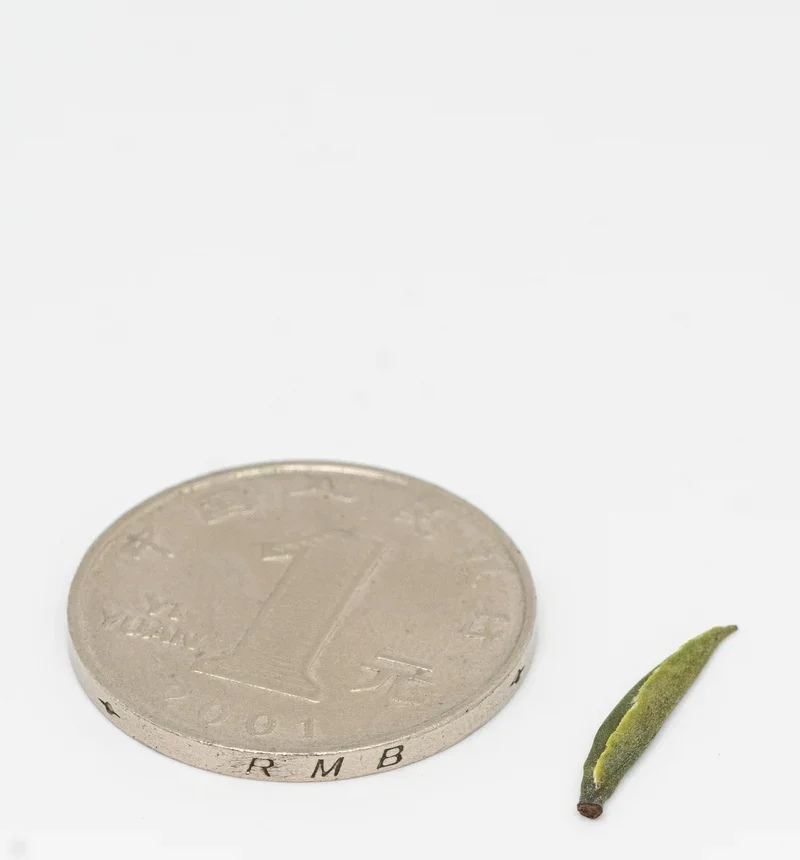
Dry Leaf Appearance: Flat, straight, smooth leaves with pointed ends, repeating the shape of young bamboo leaves. Color ranges from pale green to emerald, with light glossy sheen and fine white down in the highest grades. Leaves are even, uniform in size.
Dry Leaf Aroma: Clean, fresh, with pronounced notes of young greenery and light chestnut undertone. In the highest grades, a delicate floral note reminiscent of orchid appears.
Liquor Aroma: Gentle, high, and clean. Fresh herbal and floral notes dominate with a soft chestnut background. The aroma is persistent, unfolding gradually, intensifying as the cup cools.
Liquor Color: Bright green or yellow-green, transparent, clean, with a light emerald tint. In the highest grades—distinctly "sparkling" and bright.
Spent Leaves: Tender, whole, resilient leaves and buds of bright green color. Uniform, well-opened, retaining shape.
Taste: Soft, refreshing, with pronounced freshness (鲜爽, xiān shuǎng). Body is light or medium-light, texture smooth and silky. Initially—clean green freshness, then a sweet undertone with a subtle nutty note appears. Bitterness and astringency are minimal. Aftertaste is long, clean, with pronounced returning sweetness (回甘, huígān) and the sensation of sheng jin (生津)—pleasant salivation.
Alkaloids: Caffeine (咖啡碱, kāfēi jiǎn)—moderate content, typical for spring green teas (approximately 25–35 mg/g dry leaf). Theobromine and theophylline are also present in trace amounts.
Amino Acids: Increased content of free amino acids is a characteristic feature of high-altitude spring teas. The main component is L-theanine (氨基酸, ānjī suān), responsible for sweetness, umami-like fullness of taste, and relaxing effect without sedation. The high ratio of amino acids to polyphenols determines the softness and freshness of Zhu Ye Qing.
High chlorophyll content—a result of shaded, cloudy microclimate and early harvest—provides intense green color of dry leaf and liquor.
The presence of tea saponins is noted in reference sources as a feature of Emeishan teas.
Essential Oils: Represented by numerous volatile compounds responsible for floral-chestnut aromatics. High-altitude origin and significant diurnal temperature variations promote accumulation of aromatic substances.
Minerals: Fluorine, potassium, magnesium, zinc, manganese, selenium. The mountain yellow soils of Emeishan enrich the tea with microelements.
Polyphenols: Tea polyphenol content in Zhu Ye Qing is moderate for green tea, due to high-altitude origin and early spring harvest. Main catechins: epigallocatechin-3-gallate (EGCG), epicatechin (EC), epicatechin gallate (ECG). Polyphenols provide powerful antioxidant action.
Vitamins: Vitamin C (ascorbic acid)—preserved in significant amounts in fresh green tea; B-group vitamins (B1, B2); vitamin A (as β-carotene); vitamin E.
The combination of caffeine and L-theanine provides gentle, steady energy boost without pronounced excitement, improves concentration and mental clarity. Zhu Ye Qing is traditionally considered a "tea for meditation."
Catechins (especially EGCG) effectively neutralize free radicals, slowing oxidative processes in cells.
Green tea polyphenols help maintain normal cholesterol levels and vascular elasticity.
Gently stimulates digestive enzyme secretion.
Vitamin C, catechins, and microelements support the body's protective functions.
Fluorine contained in tea forms a fluorapatite layer on tooth enamel surface, increasing caries resistance. Catechins have antibacterial action.
L-theanine promotes alpha-wave generation in the brain, improving attention and learning ability.
this information is for informational purposes only and is not medical advice.
Zhu Ye Qing does not require a rinse—tender buds release aroma from the first seconds of water contact, and pouring out the first brewing would be wasteful.
Tea Amount: 3–5 g per 150–200 ml water.
Teaware: Transparent glassware is preferable—a tall glass cup or glass flask. This allows observing the "dance" of tea leaves—one of the visual attractions of Zhu Ye Qing: buds stand vertically, swaying in water. A white porcelain gaiwan (盖碗, gàiwǎn) is also suitable for a more traditional approach. Do not cover the cup with a lid so the tender leaf doesn't get "steamed."
Water Temperature: 75–85 °C. For highest grades (Lundao, Jingxin) 75–80 °C is recommended; for standard grades—up to 85 °C. Boiling water is contraindicated—it "scalds" tender buds, giving the liquor yellowness and bitterness.
Container: Airtight, opaque—porcelain, tin can, or foil package with zip closure. The producing company uses vacuum packaging with nitrogen filling, which significantly extends shelf life.
Enemies: Light (destroys chlorophyll and accelerates oxidation), moisture (promotes mold development), high temperature (accelerates degradation of amino acids and aromatic substances), foreign odors (tea actively absorbs surrounding aromas).
Shelf Life: At room temperature in airtight container—up to 12 months. Opened packaging should be consumed within 2 months. Most expressive in the first 6 months after production.
Temperature: Optimally—in refrigerator at 0–5 °C. This is the best way to preserve freshness and green color.
The most famous flat green tea of China (Zhejiang). Both teas belong to the bian chao qing category, but Long Jing has a wider, "plate-like" leaf shape and yellowish-green color. Long Jing aroma is more pronounced "roasted" chestnut; Zhu Ye Qing is gentler, with more pronounced floral component. Long Jing taste is more saturated and structured; Zhu Ye Qing is softer and more delicate.
A fellow tea from Zhu Ye Qing, also growing on Emeishan. Xue Ya has a more "fluffy" texture (abundant bai hao), twisted shape (unlike the flat Zhu Ye Qing), and softer, sweeter profile. Xue Ya's historical roots are deeper—the name is mentioned since the Song dynasty.
Another famous Sichuan green tea, but from a different region—Mount Mendingshan. Gan Lu is twisted, not flat, with more pronounced sweet and "jade-like" profile. The Mengding tradition dates back to the Han dynasty, making it one of China's most ancient teas.
Also a Sichuan flat green tea from Emeishan, but higher altitude (1500–1800 m). Has characteristic chestnut aroma and golden-yellow leaf color (in highest grades). Distinguished by traditional processing technique using bamboo and wooden tools. Positioned as a product with geographical indication.
Despite the "white" name, also a green tea, growing in Zhejiang. The leaf is wider and paler than Zhu Ye Qing, with exceptionally high amino acid content (up to 6–8%). Taste is pronouncedly sweet and "creamy," while Zhu Ye Qing is more "green" and fresh.
Price Category: Zhu Ye Qing is a tea of medium and high price segment. The producing company distinguishes three main lines:
No reviews yet. Tell us what you think of this tea.
Rate this tea and share your impressions. We review each submission before publishing it.