Brewing
Gongfu brewing
- Water temperature
- 92 °C
- Tea amount
- 6 g
- Water volume
- 100 ml
- First steep
- 10 s
- Time added per infusion
- 5 s
- Infusions
- 8

Zhāngzhōu yīzhīchūn
Choose a brewing method. Start with the recommended quantities and time, then adjust to taste.
Brewing
Brewing
Taste
Tea encyclopedia
Category: Mǐnnán oolongs (闽南乌龙, Mǐnnán wūlóng). Blended tea (拼配, pīnpèi) — the final product is formed through assemblage of raw materials from different seasons, bush varieties, and locations, ensuring stability of flavor profile from batch to batch.
Category: Mǐnnán oolongs (闽南乌龙, Mǐnnán wūlóng). Blended tea (拼配, pīnpèi) — the final product is formed through assemblage of raw materials from different seasons, bush varieties, and locations, ensuring stability of flavor profile from batch to batch.
Coordinates: Approximately 24°30′ N, 117°38′ E (Zhangzhou City). Main production site — Xiǎokēngtóu (小坑头, Xiǎokēngtóu) in Xiangcheng District; key high-altitude zone — Jiǔpéngxī River valley (九鹏溪, Jiǔpéngxī) at 600–800 m elevation.
Origin: China, Fújiàn Province (福建省, Fújiàn shěng), Zhāngzhōu City (漳州市, Zhāngzhōu shì). Production base — Zhangzhou Tea Factory, established in 1953. Tea raw materials come from throughout the Zhangzhou municipal area, including 11 counties and districts, with focus on Xiāngchéng District (芗城区, Xiāngchéng qū), Pínghé County (平和县, Pínghé xiàn), and Hua'an County (华安县, Huá'ān xiàn).
Type: Oolong (青茶, qīngchá) — semi-oxidized tea. The degree of oxidation varies from moderate to medium (approximately 25–40%), placing Yīzhīchūn closer to traditional Mǐnnán oolongs with characteristic charcoal roasting (炭焙, tàn bèi).
Cultural Significance: Yizhichun is not merely tea, but a symbol of an entire era of Zhangzhou tea production. For the older generation of residents of southern Fujian, Chaoshan, and overseas Chinese diasporas in Southeast Asia, this tea embodies guzaowei (古早味, gǔzǎo wèi) — "taste of old times," nostalgia for traditional life. The characteristic packaging — kraft paper with red-blue ornament and hand-packing in 50 g portions (一两, yī liǎng) — has remained unchanged for decades and has become a cultural icon of sorts. Zhāngzhōu is also one of the most ancient centers of gōngfū tea (工夫茶, gōngfū chá): according to testimony by Péng Guāngdǒu (彭光斗, Péng Guāngdǒu) in his manuscript "Minsuoji" (《闽琐记》, Mǐn suǒ jì), already in 1766 — during the Qianlong reign — the art of brewing tea in tiny cups was widespread throughout Zhangzhou.
History: Zhangzhou Tea Factory was established in 1953 as a state enterprise, uniting scattered artisan workshops of southern Fujian tea craftsmanship. In 1956, factory masters officially created the "Yizhichun" brand, relying on Minnan oolong refinement technology that had accumulated over one hundred years by that time. In the early period of the PRC, the factory became one of only three enterprises in the country to receive export marking numbers (出口唛号, chūkǒu mà hào) for tea, and played a key role in forming the international oolong market, especially in Japan. In the 1960s, Yizhichun, along with cigarette brands "Chengfeng," "Feima," and "Daqianmen," was considered a luxury item — in the folk saying "乘风飞马大前门,流香色种一枝春" (Chéngfēng Fēimǎ Dàqiánmén, Liúxiāng Sèzhǒng Yīzhīchūn), tea was placed on par with elite tobacco. In the 1970s–1990s, export of Zhangzhou oolongs comprised up to 40% of total oolong exports from Fujian Province. In 1987, Yizhichun was awarded the title "Excellent Product of Fujian Province" (福建省优质产品). In 2019, the traditional technology of oolong refinement at Zhangzhou Factory was entered into the sixth registry of Objects of Intangible Cultural Heritage of Fujian Province. By 2024, the factory's annual production volume exceeds 40 million yuan, with products exported to Japan, Singapore, Malaysia, Indonesia, and other Southeast Asian countries.
Name Breakdown: 一枝春 (Yīzhīchūn) literally translates as "one branch of spring" — a poetic image tracing back to the classical literary formula 一枝春色 (yīzhī chūnsè, "branch of spring color"), symbolizing the first signs of nature's renewal. The characters 漳州 (Zhāngzhōu) indicate the place of origin. Thus, the full name can be translated as "Spring Branch from Zhangzhou."
Cultivar: The main cultivar is Fújiàn Shuǐxiān (福建水仙, Fújiàn Shuǐxiān) — Camellia sinensis cv. Fujian-shuixian. This is a semi-arboreal (小乔木型, xiǎo qiáomù xíng) large-leaf late-ripening variety, certified as a national variety in 1985 (编号 GS13009-1985, "Hua Cha No. 9"). Distinguished by a pronounced main trunk, large elliptical leaves with deeply set teeth, dark green glossy surface, and thick, dense leaf blade. It is a natural triploid. As auxiliary raw material for blending, Huángdān (黄旦, Huángdān, also known as Huang Jingui) and Qílán (奇兰, Qílán) are used — characteristic Minnan group varieties.
Picking: Spring (April–May) — main season, providing raw material with highest amino acid content; autumn (September–October) — second most important season with more pronounced aromatics. Summer harvest is also practiced for mass batches.
Pluck Standard: Spring harvest — one bud and two leaves (一芽二叶, yī yá èr yè). For mass-level production, the standard "two–four developed leaves" on the upper shoot is permitted. Critical is preservation of shoot integrity and uniform degree of maturity.
Raw Material: Fresh leaf must contain no less than 25% tea polyphenols and no less than 4.0% free amino acids (according to raw material standard for Yizhichun). Leaf — whole, without mechanical damage, foreign odors, and signs of over-maturity.
Altitude: Main tea plantations — 200–600 m above sea level. Core high-altitude zone in Jiupengxi valley — 600–800 m, where fog cover (over 200 days per year) creates conditions of increased diffused light, stimulating amino acid accumulation in leaves.
Climate: Southern subtropical monsoon (南亚热带季风气候, nán yàrèdài jìfēng qìhòu). Average annual temperature in mountain tea zones — 16–20°C (in urban area — about 21°C). Annual precipitation — 1,450–2,100 mm with concentration in March–September. Frost-free period — 251–317 days. Significant diurnal temperature variation in mountain zones promotes slow growth and intensive accumulation of aromatic substances.
Soil: Red-yellow lateritic soils (红黄壤, hóng huáng rǎng) with acidic reaction (pH 4.5–6.0) predominate. Characterized by elevated content of microelements — selenium (Se) and zinc (Zn), which contributes to the mineral component of taste. Tea gardens in the core zone are located in water source protection areas, where use of chemical fertilizers and pesticides is prohibited; ecological farming is practiced.
The territory of Zhangzhou municipal area occupies the southeast of Fujian Province: from mountain massifs in the northwest (spurs of the Daiyunshan and Bopinglin ranges) to the coast of the Taiwan Strait in the southeast. Total area — about 12,600 km². Topography is predominantly hilly: mountain tea gardens are located at altitudes of 400–800 m, while flatland gardens are in the valleys of the Jiǔlóngjiāng (九龙江, Jiǔlóngjiāng) and Zhāngjiāng (漳江, Zhāngjiāng) rivers.
Upper shoots are picked by hand in morning hours after dew has dried and promptly delivered to the workshop, preventing overheating and mechanical damage to leaves.
Fresh leaves are spread in a thin layer on bamboo trays in a ventilated room. Goal — loss of 15–20% moisture and formation of prerequisites for subsequent oxidation. Leaves become soft and pliable.
Series of "shaking — rest" cycles (重摇青, zhòng yáoqīng — emphatically intensive shaking characteristic of this technology). Mechanical action damages cells at leaf edges, triggering enzymatic oxidation of polyphenols. Alternation of active phase and rest forms floral-fruity aromatic profile. Degree of oxidation is controlled visually by appearance of red rim (红边, hóng biān) while preserving green center.
Heating in wok or rotary drum at 200–280°C instantly deactivates oxidases and fixes the achieved aromatic profile.
Rolling gives leaves characteristic form (tight, dense strands) and opens cell walls, ensuring full extraction during brewing.
Stabilization of moisture content to storage level (< 6%).
Master technologist mixes batches of different origin, season, and bush variety to achieve the specified taste standard — stable from year to year.
Final roasting over charcoal at temperature not exceeding 60°C. Low-temperature slow heating "seals" aroma, reduces astringency, and gives the liquor depth and velvety texture. This stage forms the signature orange-amber color of the liquor and characteristic "warm" style of Zhangzhou oolongs.
Finished tea is sifted, calibrated by size, and cleaned of stems and dust.
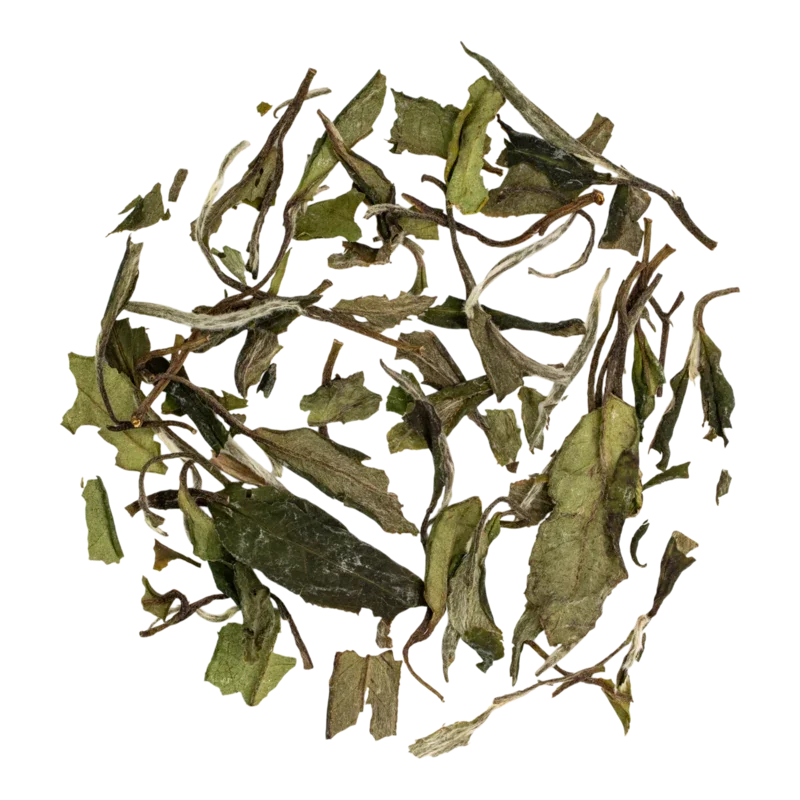
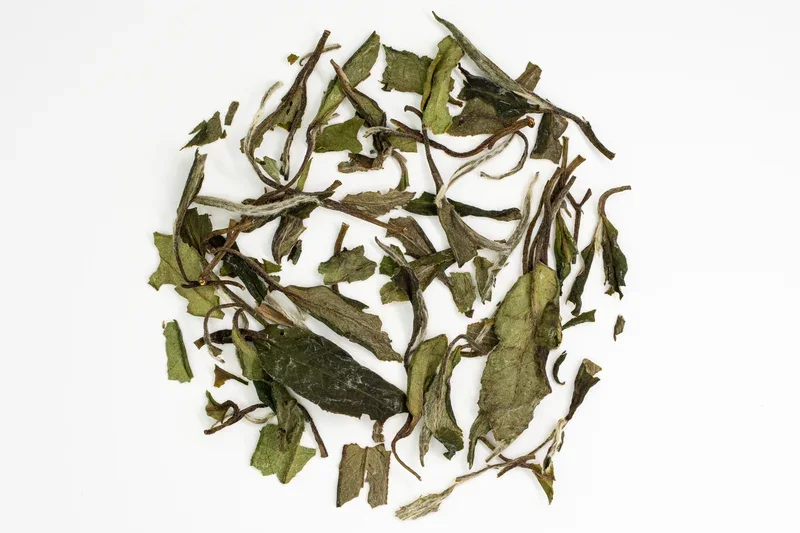
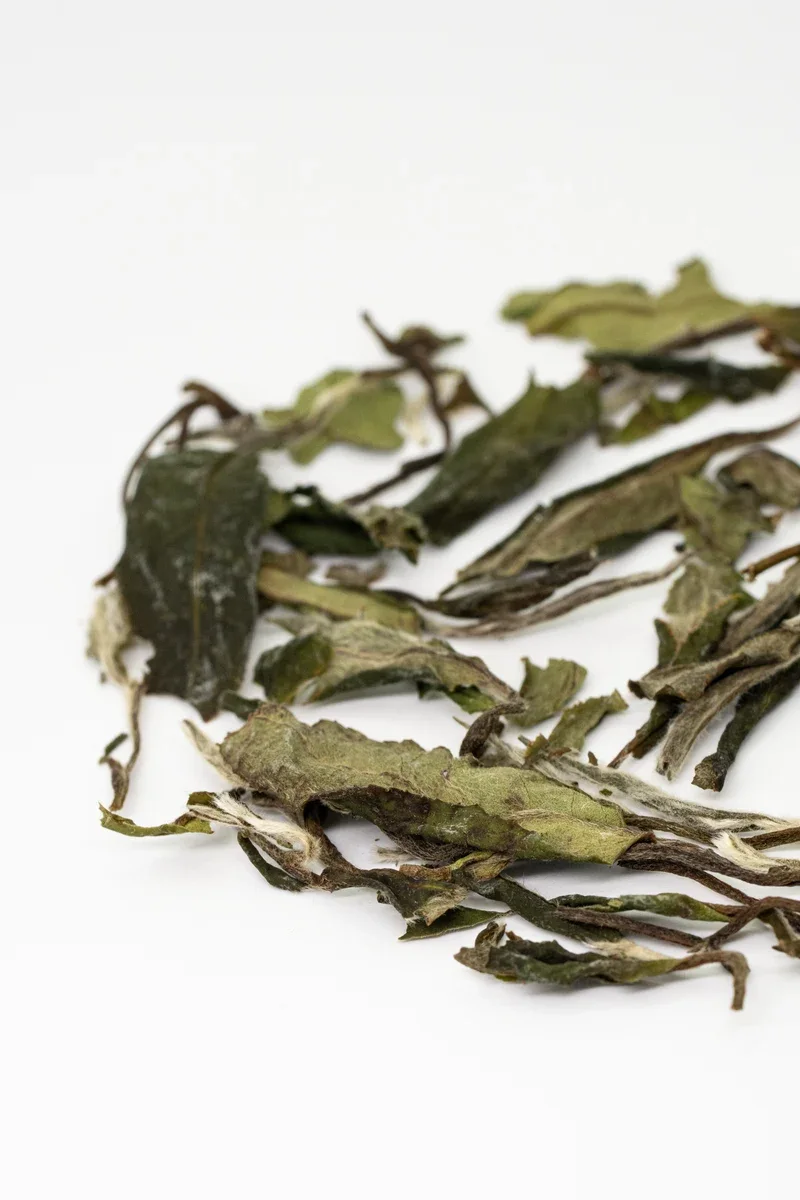
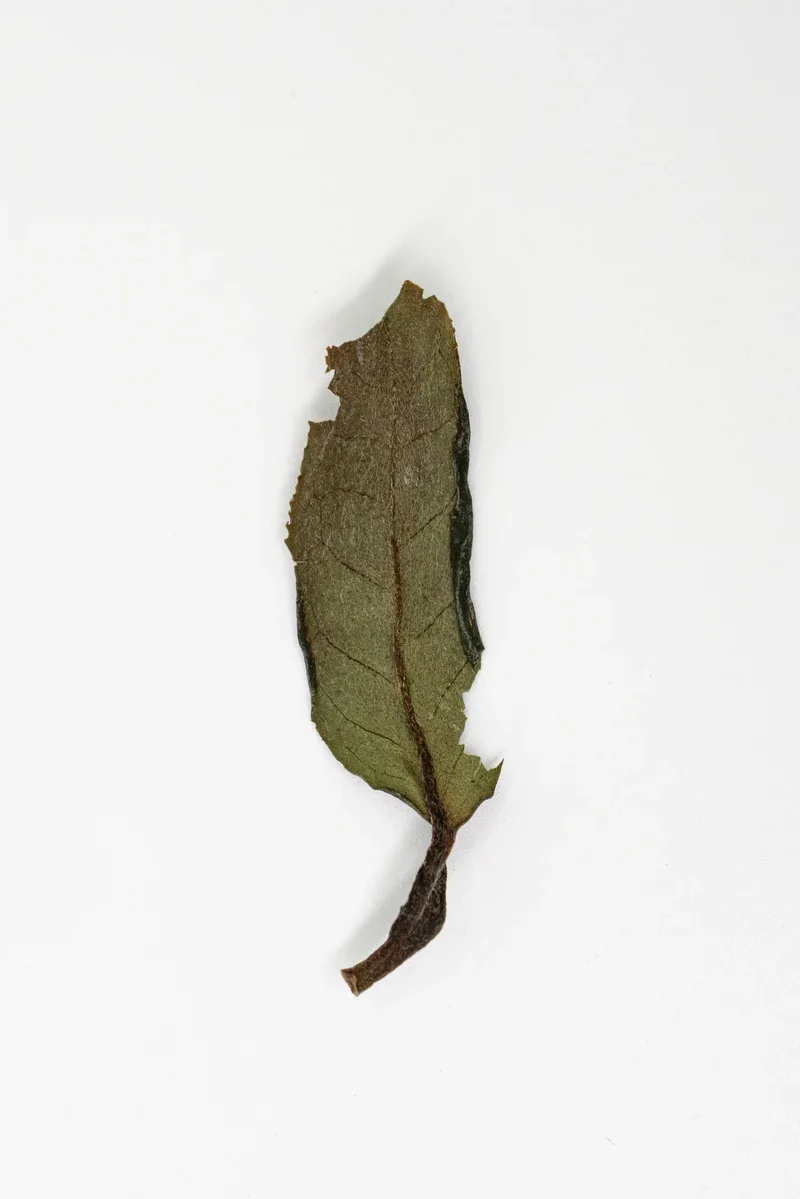
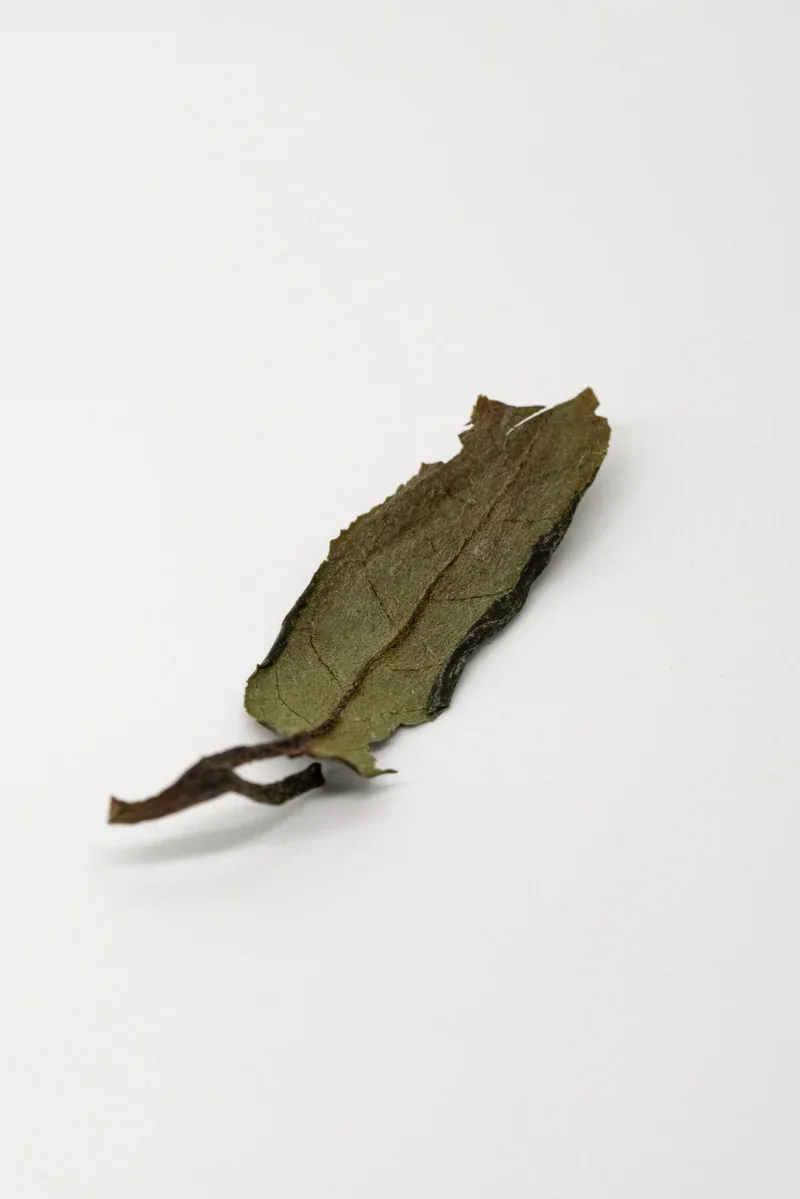
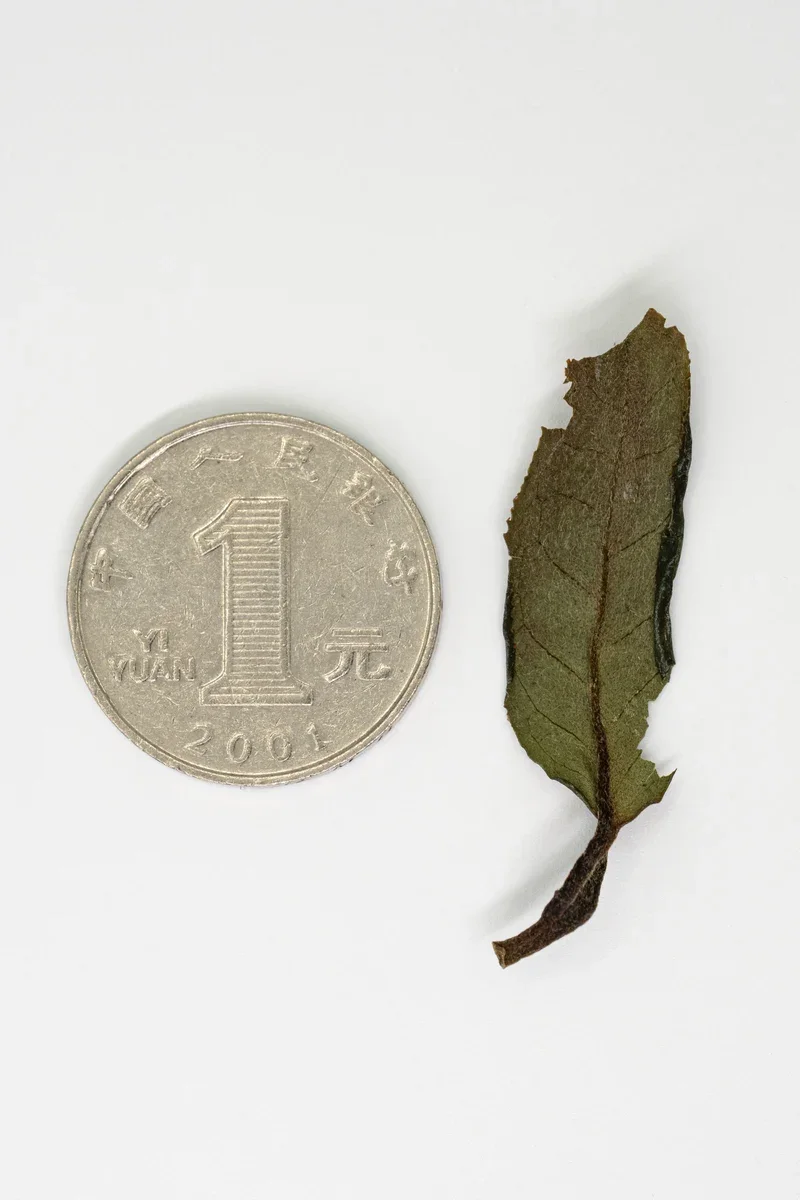
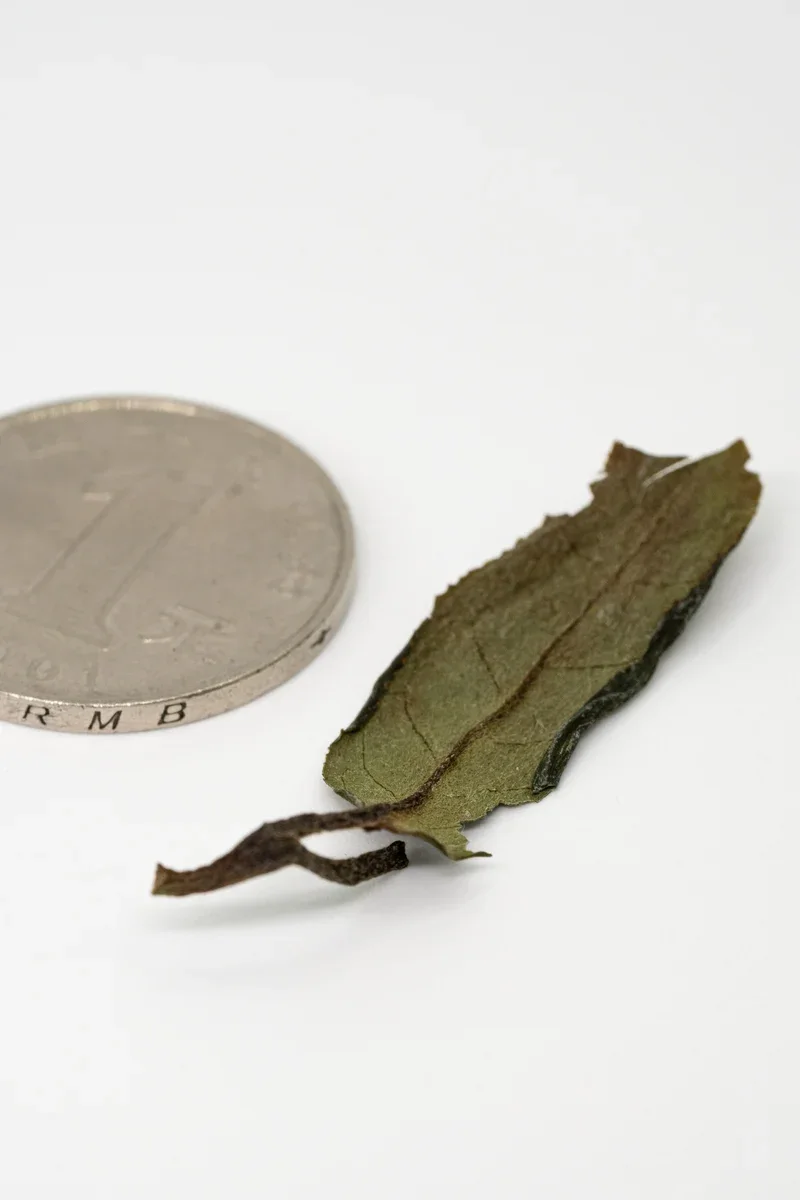
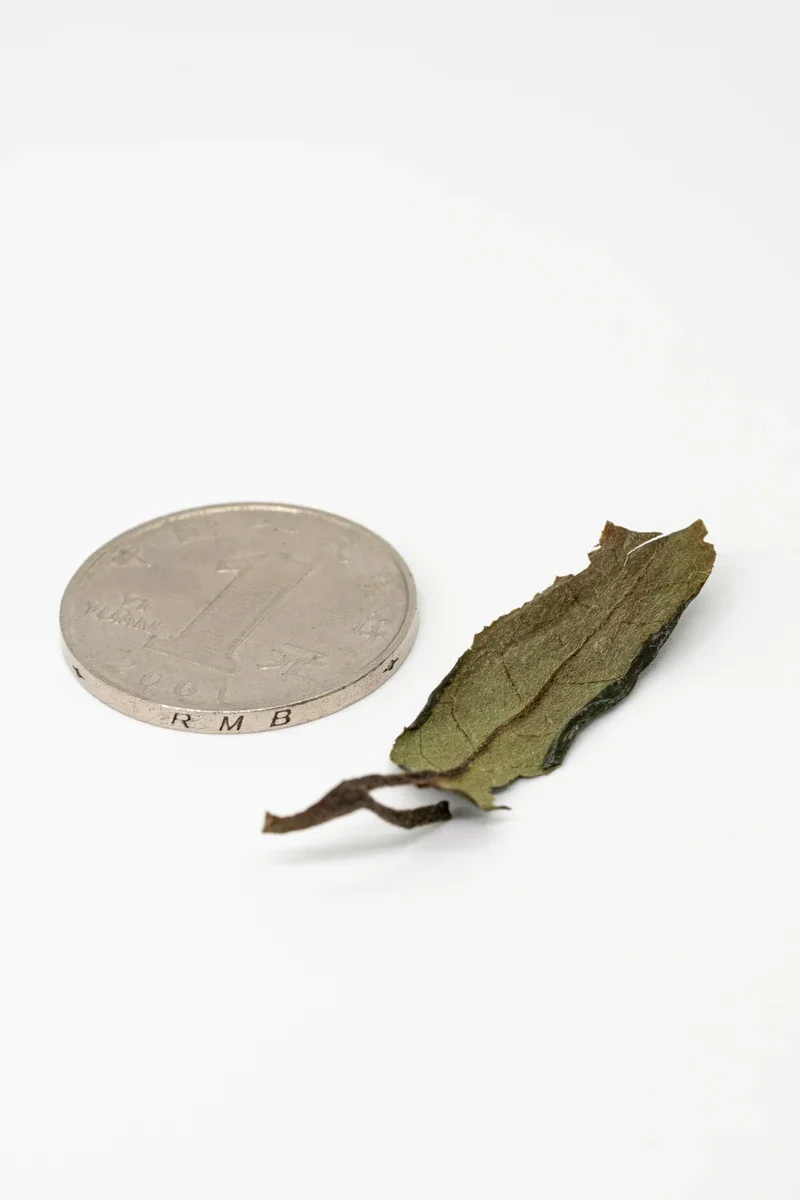
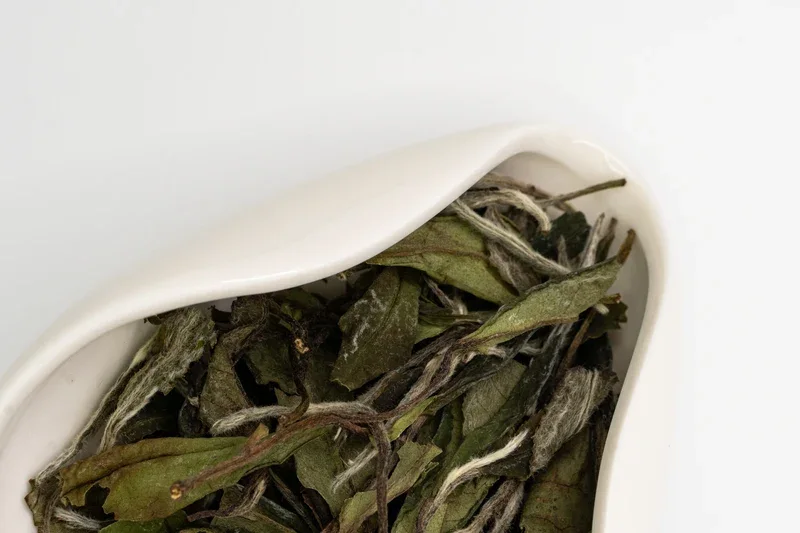
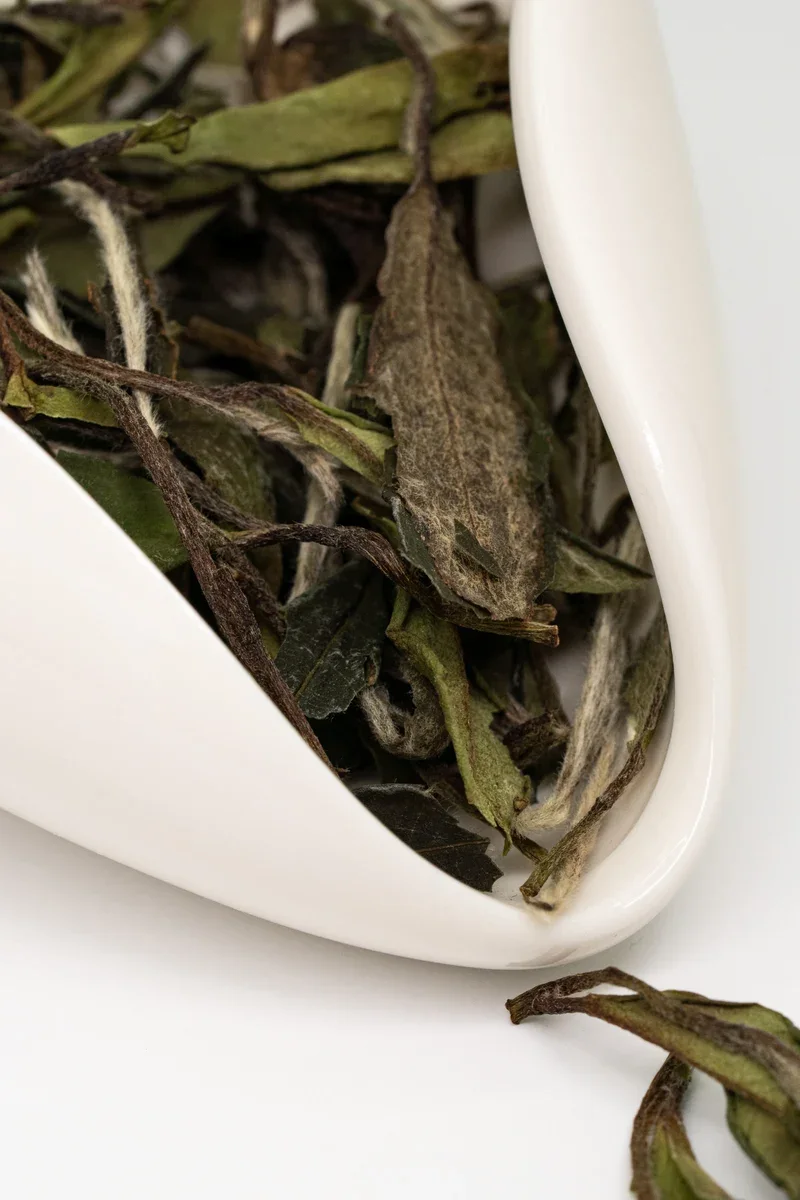
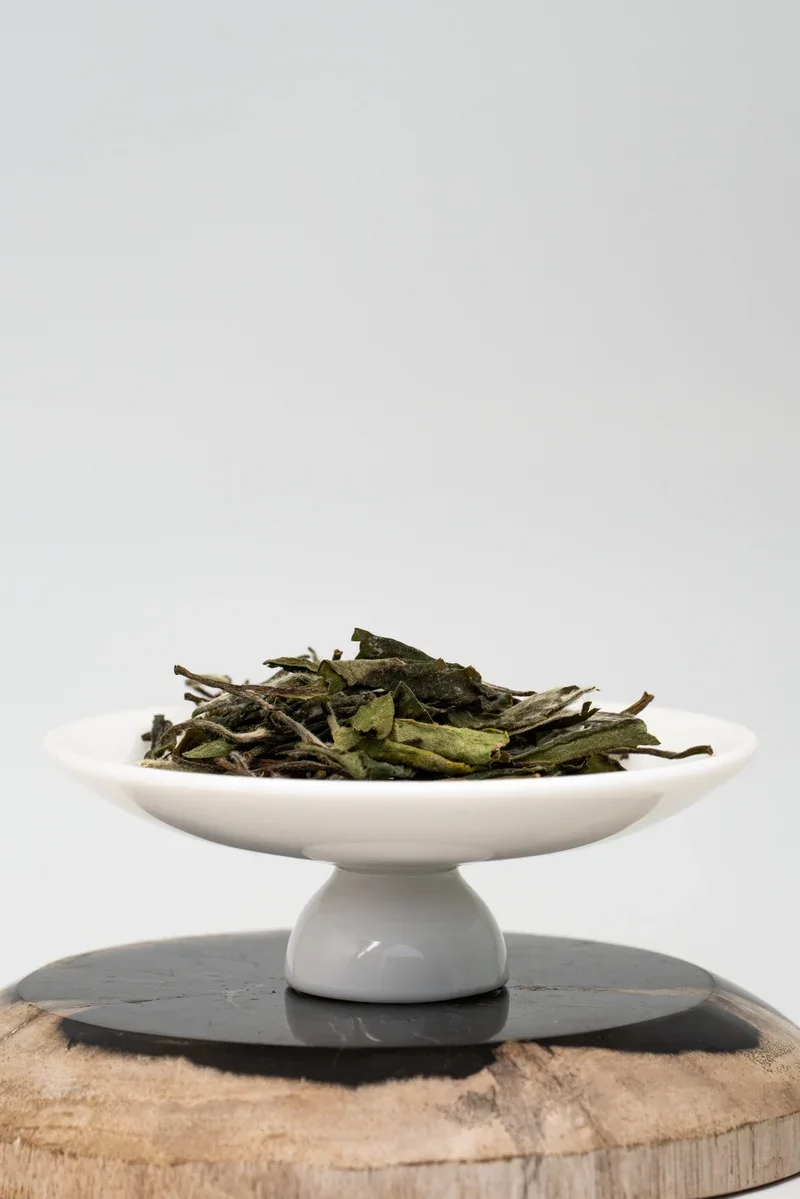
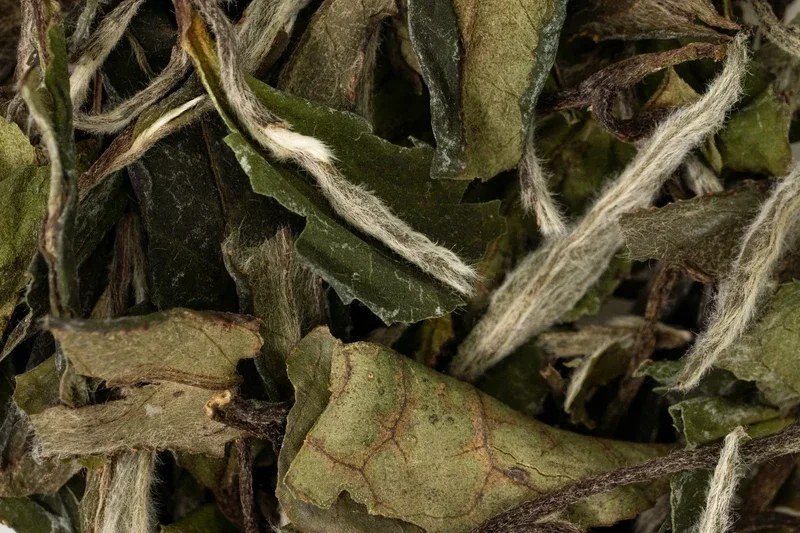
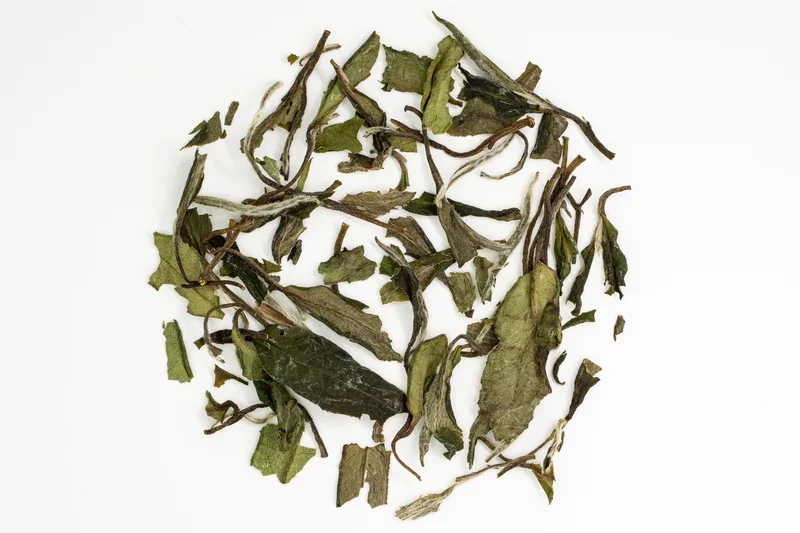
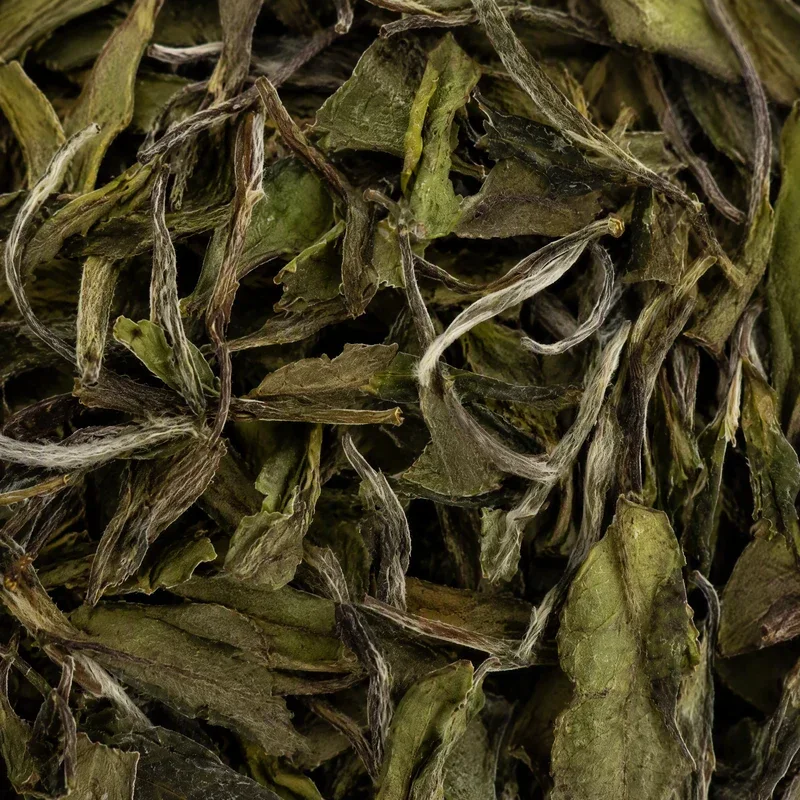
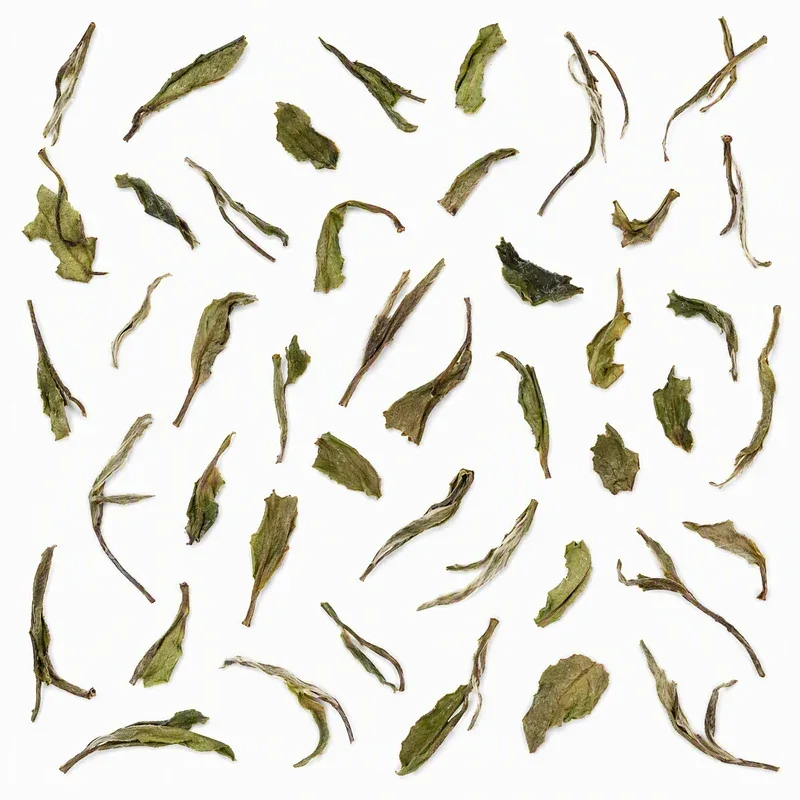
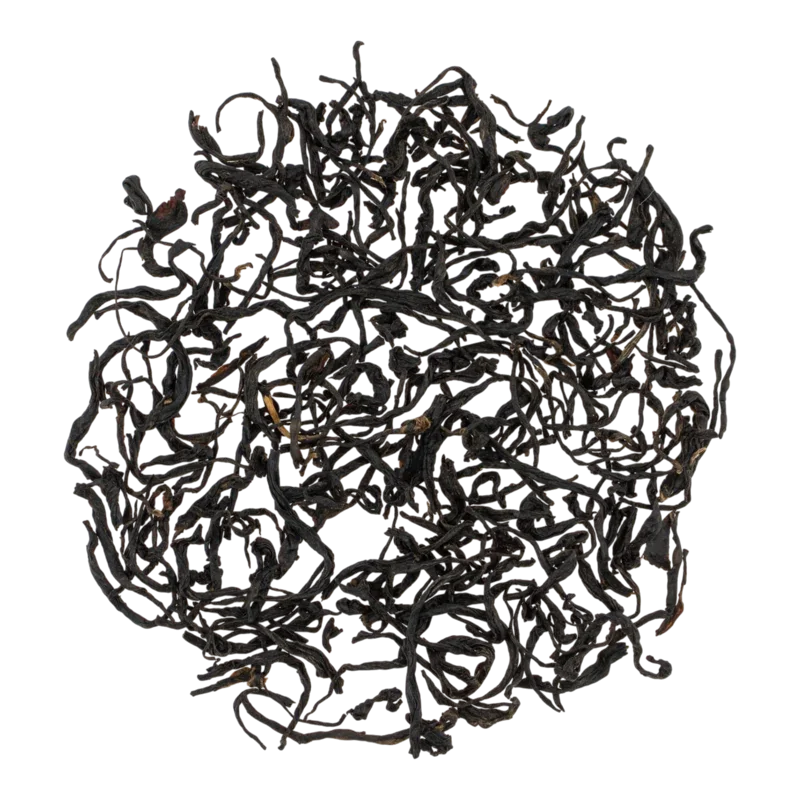
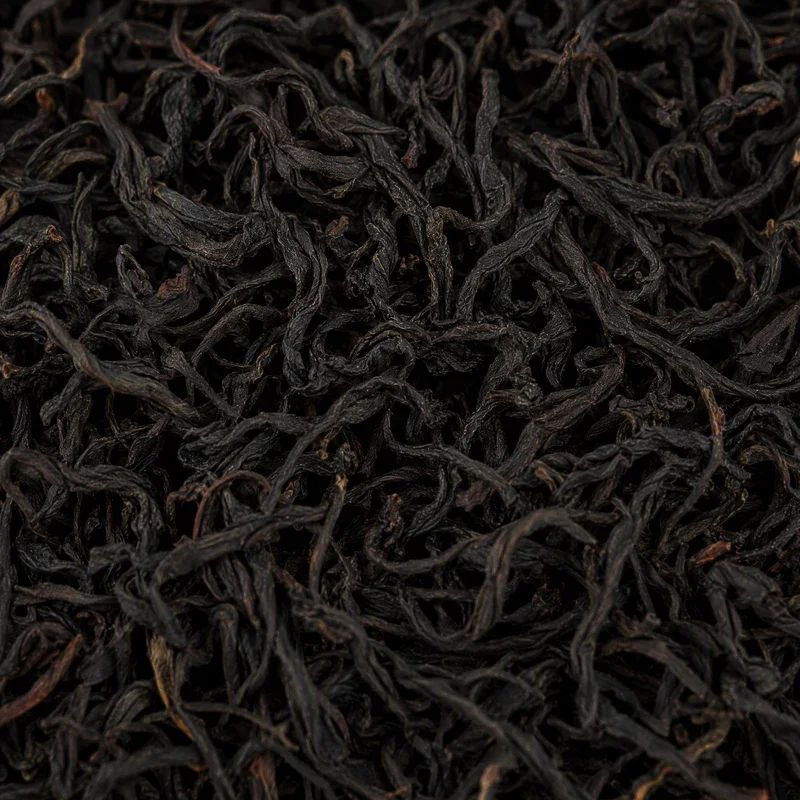
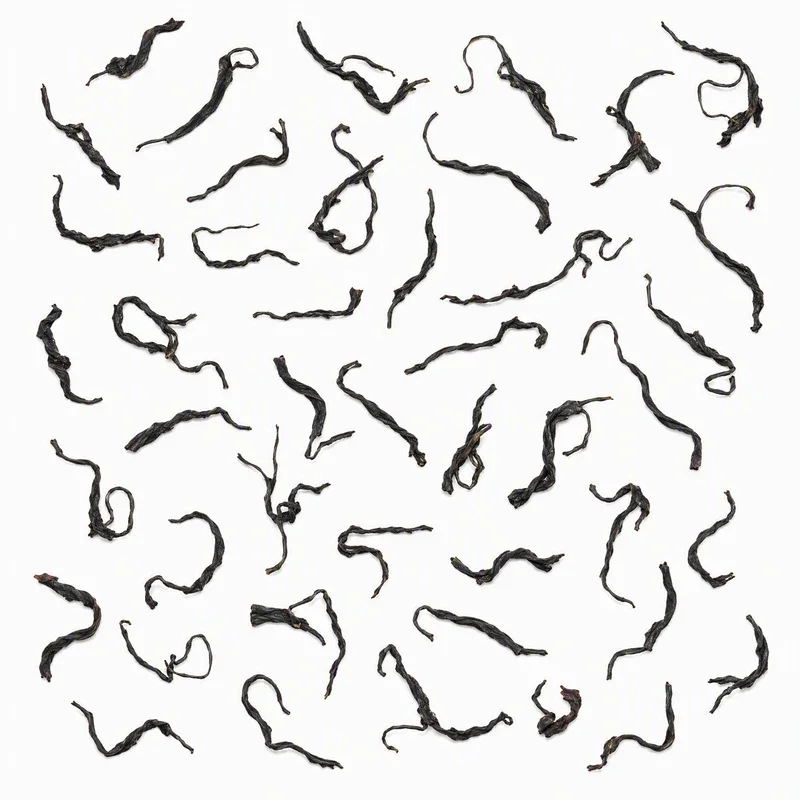
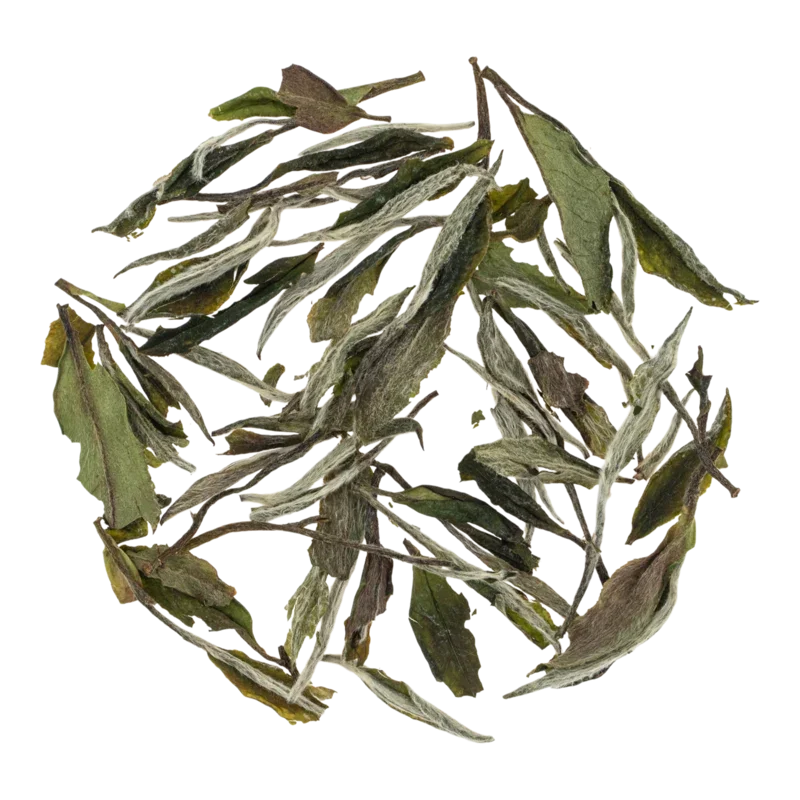
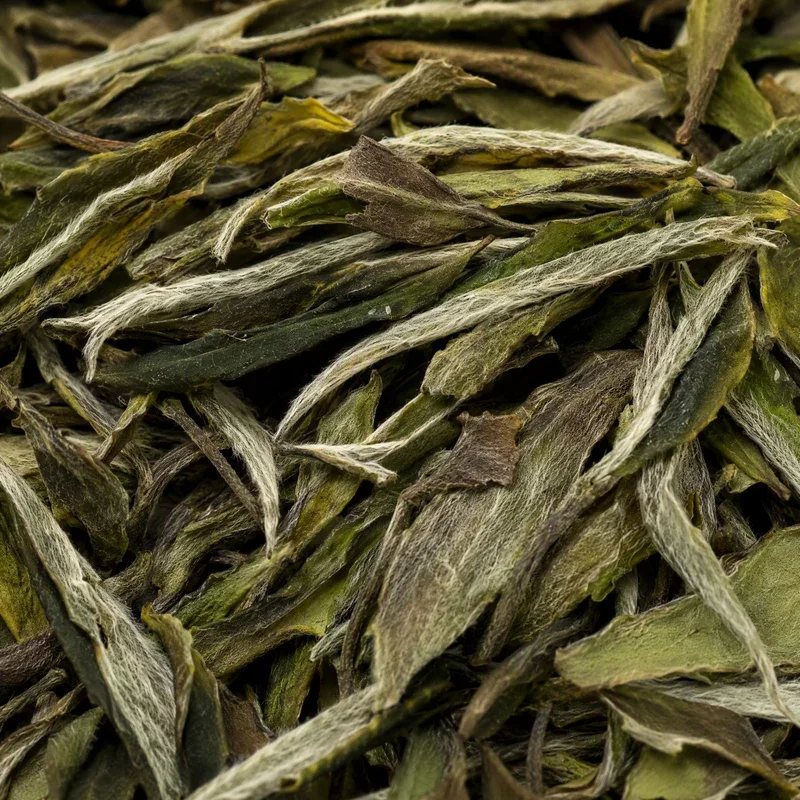
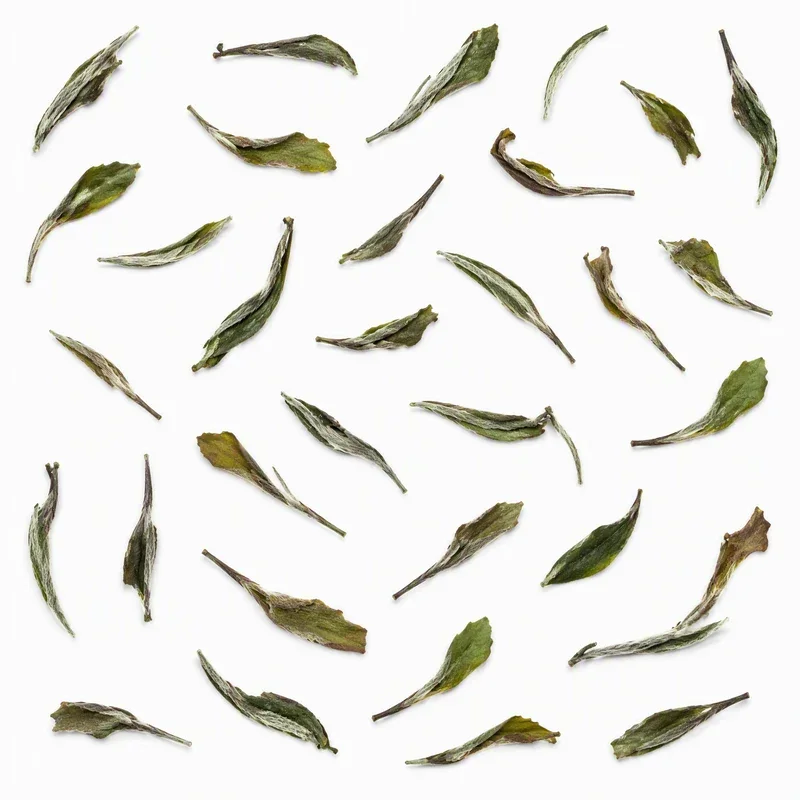
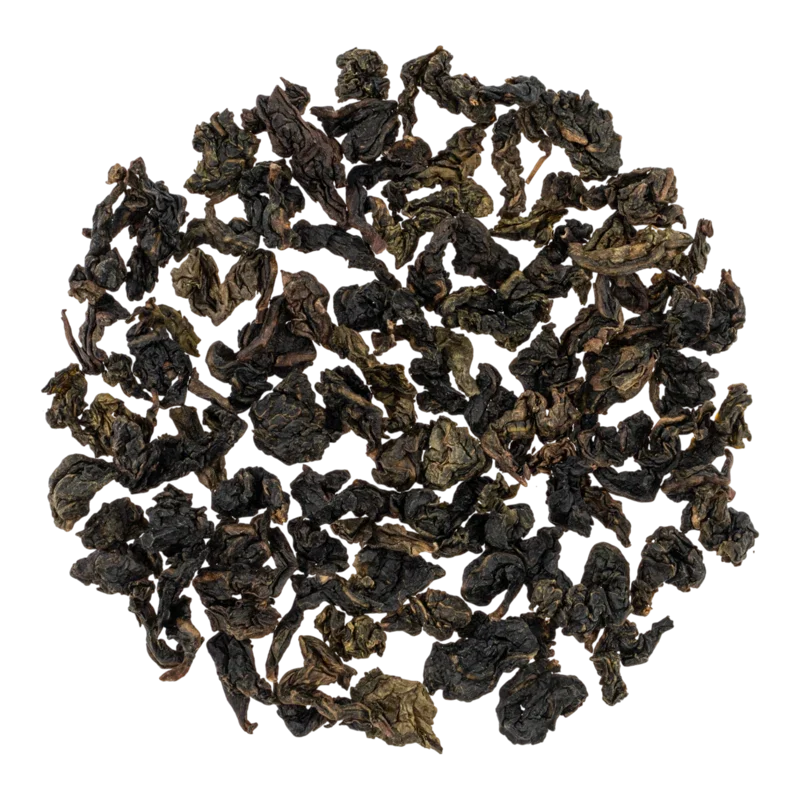
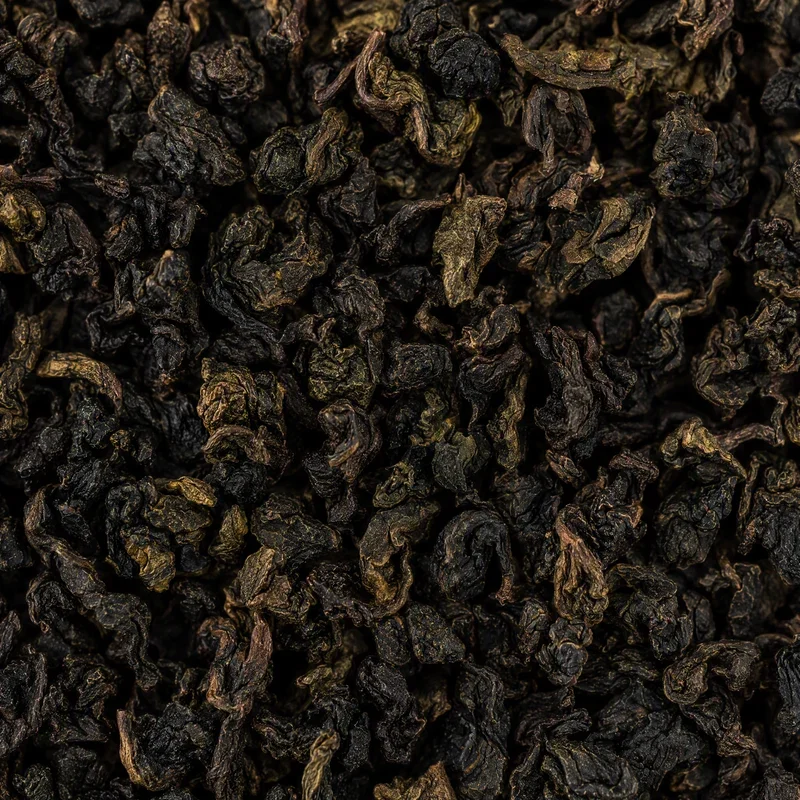
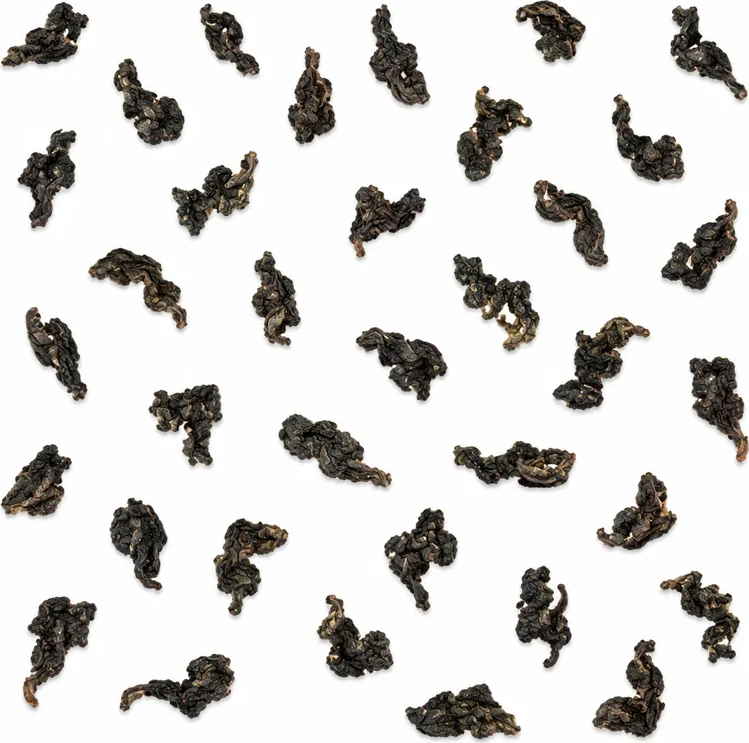
Dry Leaf Appearance: Tightly rolled, tight strands (条索紧结卷曲, tiáosuǒ jǐnjié juǎnqū), dark brown with yellowish tinge (乌褐带黄, wūhè dài huáng). Leaf is calibrated, uniform in size. In higher grades, golden tips are noticeable (金毫, jīn háo).
Dry Leaf Aroma: Clean, with dominant floral note — orchid (兰花, lánhuā) in special grade, transitioning to broader floral-sweet spectrum in first grade. Background tones: roasted almond, caramelized sugar, light creaminess.
Liquor Aroma: Clean floral sweetness (清香, qīngxiāng) with developing fruity nuances — ripe plum, apricot. In roasted versions — nutty-caramel base with honey aftertaste. Aroma is persistent through many infusions and manifests well on gaiwan lid.
Liquor Color: Golden-yellow (金黄, jīnhuáng), transparent and clear. In more roasted batches — deep amber. High transparency is a marker of proper processing.
Spent Leaves: Opened leaves are dark brown with olive-green areas (乌褐带绿, wūhè dài lǜ), soft and elastic, with even edges. Good leaf uniformity indicates quality blending and sorting.
Taste: Full-bodied (醇厚, chúnhòu), moderately rich, with pronounced balance of sweetness and freshness (鲜爽, xiānshuǎng). Soft, enveloping astringency quickly transitions to long sweet aftertaste (回甘, huígān). Flavor notes: floral honey, roasted chestnut, ripe peach, distant minerality. Tea withstands 6–8 infusions well, with profile evolving from floral-fresh to sweet-woody.
Alkaloids: Caffeine (咖啡碱, kāfēi jiǎn) — no less than 2.0%, providing pronounced invigorating effect. Theobromine and theophylline are also present in trace amounts, complementing the tonic action.
Amino Acids: No less than 4.0% in fresh leaf. Main component — L-theanine (L-茶氨酸, L-chá ānjīsuān), responsible for mildness, umami-like sweetness, and relaxing effect while maintaining mental clarity. High amino acid content is due to mountain terroir and predominance of diffused lighting.
Essential Oils: Terpene compounds (neraliol, geraniol, linalool) form floral aromatics; during charcoal roasting, pyrazines and furanones are additionally formed, responsible for nutty and caramel tones.
Minerals: Potassium (K), magnesium (Mg), manganese (Mn), as well as microelements selenium (Se) and zinc (Zn) — the latter two are characteristic specifically of Zhangzhou soils and contribute to the mineral profile of the tea.
Polyphenols: Content in fresh leaf — no less than 25% (according to raw material standard). In finished tea, a significant portion of catechins (primarily EGCG, EGC) is partially oxidized to theaflavins and thearubigins, providing the characteristic mild, non-astringent flavor profile. Antioxidant activity of the polyphenol fraction, according to research data, exceeds that of vitamin E by 18 times.
Vitamins: Vitamin C (ascorbic acid) — in small amounts; B-group vitamins (B₁, B₂, B₃); vitamin E (tocopherols).
Synergistic action of caffeine (≥ 2.0%) and L-theanine provides mild, sustained tonic effect without the "nervous" excitement characteristic of coffee. Enhances attention and cognitive performance.
Polyphenol complex (catechins, theaflavins) neutralizes free radicals, slowing oxidative stress and cellular aging processes.
Traditionally roasted oolongs are valued for their ability to stimulate secretion of digestive enzymes and relieve feelings of heaviness after fatty food. Contained polyphenols promote normalization of intestinal microflora.
Regular consumption of oolongs is associated with reduction of "bad" cholesterol (LDL) levels and maintenance of vascular elasticity.
Polyphenols and caffeine in oolongs stimulate thermogenesis and lipid metabolism, which may contribute to body weight control within a balanced diet.
Fluorides and catechins in tea have antibacterial action, suppressing development of cariogenic microflora.
L-theanine increases alpha-wave levels in the brain, promoting a state of calm concentration. The practice of gongfu tea itself — multiple unhurried infusions — is a form of mindful meditation.
Ratio 1:50 (for example, 5 g per 250 ml). Pour cold filtered water and place in refrigerator for 6 hours. Method emphasizes freshness and florality, neutralizing bitterness and astringency.
Not recommended to brew with steep boiling water above 100°C — this may damage delicate floral-fruity aromatics. New tea is advisable to age 10–15 days after purchase in a dark place so that "fire character" (火气, huǒqì) after roasting smooths out. After opening package — consume within 7 days to preserve aroma freshness.
Tea Amount: Gongfu method — 5 g per 75 ml (ratio 1:15); European method — 3 g per 200–250 ml.
Teaware: Porcelain gàiwǎn (盖碗, gàiwǎn) — universal option allowing evaluation of aroma evolution; Yíxīng clay teapot (紫砂壶, zǐshā hú) — for roasted versions, where clay "softens" the liquor and emphasizes depth.
Water Temperature: 95–100°C. To reveal the full taste of roasted tea, temperature close to boiling is recommended.
Enemies: Moisture, heat, ultraviolet light, foreign aromas (spices, perfumery, detergents).
Airtight packaging, dry cool place (15–25°C), protection from direct sunlight, absence of foreign odors.
Tin cans with tight lid, vacuum bags with foil inner layer, ceramic tea caddies with silicone seal.
Thanks to charcoal roasting, moisture content is minimal, increasing storage life to 1–2 years without noticeable quality loss. Some connoisseurs practice aging (陈化, chénhuà) of roasted Yizhichun, claiming that over years the tea acquires noble aged character (陈香, chénxiāng).
Store at low temperature (0–5°C), analogous to green teas. Shelf life — no more than 6 months.
Most famous Minnan oolong. Unlike Yizhichun, Tieguanyin is produced from the eponymous cultivar, not from blended raw material. Modern "qingxiang" Tieguanyin is light, green, with emphasis on freshness; Yizhichun in its classic style is more roasted, with warm, caramel-honey profile. Tieguanyin is tea of a master-producer of a specific garden; Yizhichun is tea of a master-blender.
Also produced from Shuixian cultivar, but in format of unique pressed square tiles using filter paper. Shuixian from Zhangping is distinguished by bright orchid aroma, creamy texture, and freshness. Yizhichun is a blended product with charcoal roasting and more "mature" character.
Another Minnan water analog, historically first in Minnan (since 1857). Yongchun version is loose, non-blended, with pronounced orchid note. Yizhichun undergoes industrial assemblage and charcoal roasting, giving it greater stability and depth, but less "fresh" aromatics.
Endemic of Pinghe County (Zhangzhou). Made from eponymous cultivar, possesses bright, "penetrating" orchid aromatics and minerality. Compared to it, Yizhichun is more rounded, mild, without Qilan's sharpness, but with greater depth of roasting nuances.
Raw material — predominantly single buds. Strands tight, weighty, with pronounced golden tips. Aroma — clean, high, orchid (兰香高锐). Taste — rich, with deep huigan. Reference price — from 700 yuan per jin.
Raw material — one bud, one leaf. Strands even, uniform. Aroma — clean, lasting. Taste — full, mellow (醇厚, chúnhòu). Most mass commercial product.
Strands slightly larger. Aroma — clean, mild (纯和, chúnhé). Excellent price-quality ratio — accessible everyday oolong.
Price Category: Yizhichun is historically positioned in the medium price segment — this is everyday quality tea with emphasis on accessibility and stability. Approximate prices: second grade — most budget-friendly, high price-quality ratio; first grade — main commercial product; special grade — from ≈ 700 yuan per jin (500 g) and higher, with pronounced orchid aroma and single buds in raw material. Factors affecting cost: altitude of raw material cultivation, harvest season (spring more expensive than summer), hand or machine processing, blender skill, and degree of roasting.
No reviews yet. Tell us what you think of this tea.
Rate this tea and share your impressions. We review each submission before publishing it.