Brewing
Gongfu brewing
- Water temperature
- 100 °C
- Tea amount
- 7 g
- Water volume
- 100 ml
- First steep
- 10 s
- Time added per infusion
- 5 s
- Infusions
- 12

Yúnnán Mǎtái gǔshù hóngchá
Choose a brewing method. Start with the recommended quantities and time, then adjust to taste.
Brewing
Brewing
Taste
Tea encyclopedia
Category: Premium ancient tree tea (古树红茶, gǔshù hóngchá). Niche, small-batch product.
Category: Premium ancient tree tea (古树红茶, gǔshù hóngchá). Niche, small-batch product.
Coordinates: Approximately 23°45′ N, 100°15′ E.
Origin: China (中国), Yúnnán Province (云南省, Yúnnán Shěng), Líncāng City (临沧市, Líncāng Shì), Línxiáng District (临翔区, Línxiáng Qū), Bāngdōng Township (邦东乡, Bāngdōng Xiāng), Mǎtái Village (马台村, Mǎtái Cūn). Has protected designation of origin within the national standard GB/T 22111–2008 PRC (geographical indication for pu-erh and Yunnan teas).
Type: Red tea (black tea) (红茶, hóngchá) — fully oxidized (oxidation degree ~85%). In Western classification — black tea. Belongs to the Diān Hóng (滇红, Diān Hóng) category — Yunnan red teas (black teas).
Cultural Significance: In the post-reform period, production of tea from old trees became a symbol of the revival of traditional extensive agriculture and respect for nature in contrast to intensive plantation methods. The tea gardens of Matai preserve an archaic planting structure with low density (no more than 800 trees per hectare), which sharply contrasts with industrial standards (3000–5000 bushes/ha). The Bangdong–Matai area is known as "Yunnan rock teas" (云南岩茶, Yúnnán Yánchá): here tea trees grow literally among stones, in symbiosis with pristine mountain rock — a phenomenon that relates them to the cliff teas of Wuyi Mountains in Fujian.
History: The roots of tea cultivation in the Matai area and neighboring Bangdong go back to ancient times. The location on the banks of the Láncāng River (澜沧江, Láncāng Jiāng, upper reaches of the Mekong) made this area a key transshipment point on the Chamagudao (茶马古道, Chámǎ Gǔdào) — the Tea Horse Road. The name "Matai" (马台) itself literally means "horse terrace" or "horse platform": according to historical records, more than 200 years ago, caravans of mules and horses made stops here at the crossing over the Lancang River after the steep ascent from the eastern bank. Over time, a station appeared at the crossing, then a trading post and inn — thus the settlement arose. Tea from this region was traditionally used for producing sheng pu-erh, and only with the development of the Yunnan red tea (black tea) industry (after 1938) did local large-leaf raw material begin to be processed into red tea (black tea). Modern production of red tea (black tea) from old trees of Matai is a relatively new phenomenon, arising on the wave of growing interest in ancient tree tea (gǔshù chá) in the 2000–2010s.
Raw material is used from trees aged 100 to 400 years and more. Some root systems may be significantly older than the above-ground part due to vegetative reproduction. Age is confirmed by historical records and dendrological assessments.
Leaf blade large, 18–22 cm in length and more than 6 cm in width. Leaves fleshy, dark green, with pronounced venation. Content of flavonol glycosides elevated — more than 14% dry mass, which contributes to antioxidant properties and complexity of taste.
Powerful, taproot, deeply penetrating into rocky soil. Forms symbiosis with mycorrhizal fungi of genus Glomus spp., which improves absorption of minerals (particularly phosphates) from poor lateritic soils. The mycorrhizal network can connect root systems of neighboring trees, forming a unified underground communication system.
Cultivar: Yunnan large-leaf group variety — Camellia sinensis var. assamica, known as Dà Yè Zhǒng (大叶种, Dà Yè Zhǒng). In the Bangdong–Mǎtái area grows the provincial elite group variety Bāngdōng Dà Yè Zhǒng (邦东大叶种, Bāngdōng Dà Yè Zhǒng), recognized by the Yunnan Academy of Agricultural Sciences in 1982. Trees of arborescent type, reaching heights of 10–15 m, with powerful trunks (circumference at base 80–120 cm and more for old specimens).
Picking: Exclusively hand-picking in the first spring harvest. Standard — terminal shoots (tips), consisting of bud and two–three young leaves. Picking is conducted in morning hours. One picker collects no more than 35 kg of fresh leaf per day. To produce 1 kg of finished tea requires more than 40,000 individual tips.
Altitude: 1400–1600 m above sea level.
Climate: Monsoon subtropical, with pronounced vertical zonal character. Average annual temperature about +17°C. Precipitation — about 1800 mm per year, predominantly during monsoon period (May–October). Winter morning fogs rising from the Lancang River gorge create the effect of "cloud sea" (邦东云海, Bāngdōng Yúnhǎi), providing natural shading and stable humidity.
Soil: Ferrallitic laterites with acidic reaction (pH 4.7–5.2), rich in iron oxides (Fe₂O₃ >12%), formed on weathering products of Precambrian granitoids. Characteristic feature — abundance of stone outcrops: tea trees literally grow among rocks and boulders, which provides excellent drainage and enrichment of leaves with mineral elements. This phenomenon of "tea-stone symbiosis" (茶石共生, chá shí gòngshēng) is considered the calling card of Bangdong–Matai terroir.
The Bangdong–Mǎtái area is located on the eastern slope of the Daxueshan ridge (大雪山, Dàxuě Shān, "Great Snow Mountain"), facing the Lancang River. A local saying states: "Head on Daxueshan, feet in Lancang River" (头顶大雪山,脚踩澜沧江). The elevation difference from the river bank (750 m) to the mountain ridge peak (3430 m) creates a unique vertical gradient of climatic zones.
Extensive agrotechnics: complete absence of chemical fertilizers, pesticides and artificial irrigation. Low planting density (no more than 800 trees/ha). Trees grow among natural understory — shrubs, ferns, lichens — forming a mini-ecosystem characteristic of semi-wild tea forest. Forest surroundings protect from pests and provide diverse soil microflora.
Hand-picking of morning shoots of the first spring harvest. Exceptional care is required — large, tender leaves of old trees are easily damaged.
Natural withering under straw or bamboo canopies in open air for approximately 18 hours. Moisture content decreases to 60–65%. Leaves acquire softness and characteristic floral aroma.
Double rolling on wooden (traditional) rollers. First rolling destroys cell walls and releases enzymes. After a short rest, second rolling is conducted, forming the final shape of strands and ensuring uniformity of oxidation.
Conducted at strictly controlled temperature 25±2°C and high humidity (≥90%) for approximately 45 minutes. Optimal degree of polyphenol oxidation — about 85%. Control is carried out visually — by change in leaf color (transition of chlorophyll to pheophytin). Relatively short oxidation compared to typical Dian Hong (90+ minutes) preserves more natural nuances of raw material from old trees.
Drying using infrared radiation with stepwise temperature reduction: from 120°C to 80°C. This stops oxidation, fixes the flavor-aromatic profile and reduces moisture to 4–5%.
Hand sorting of finished tea by leaf size using traditional bamboo sieves. Mechanical sorting machines are not used.
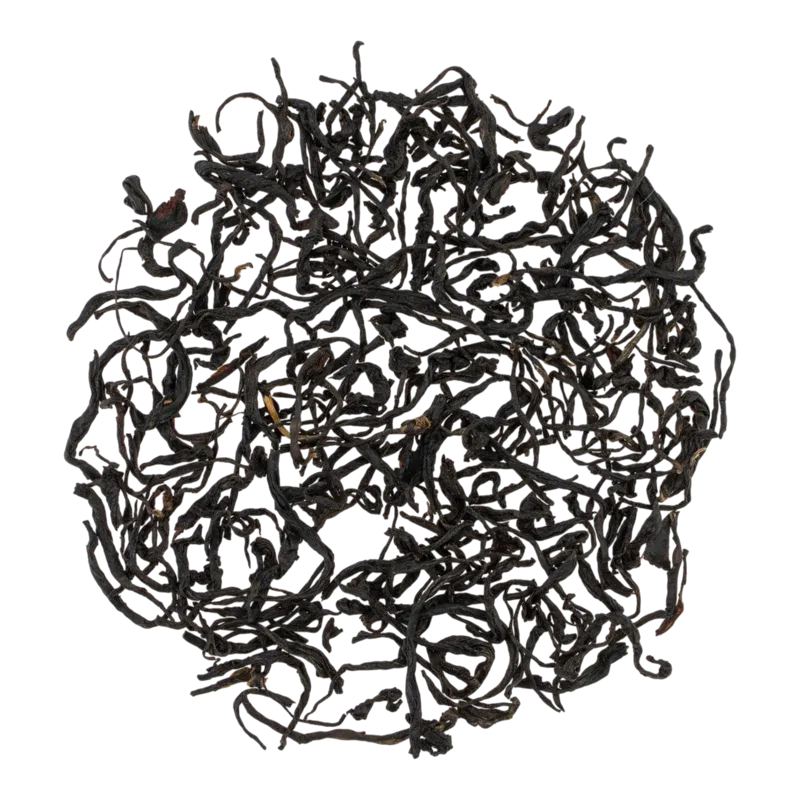
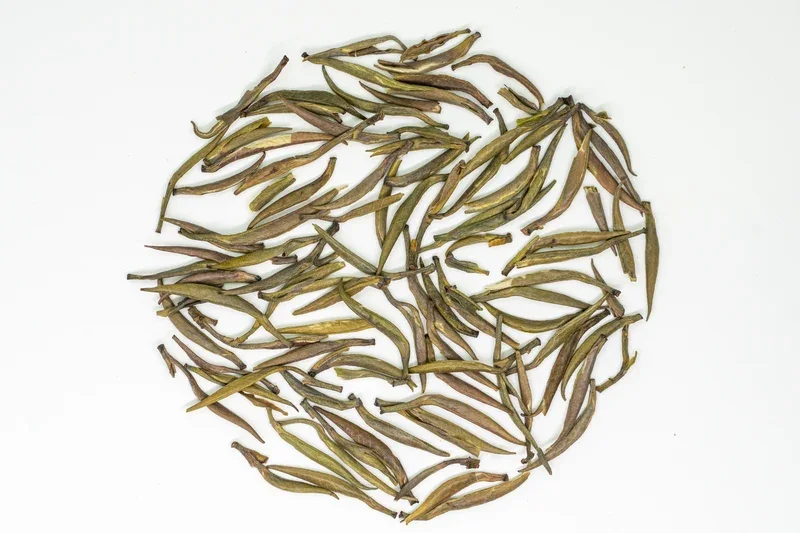
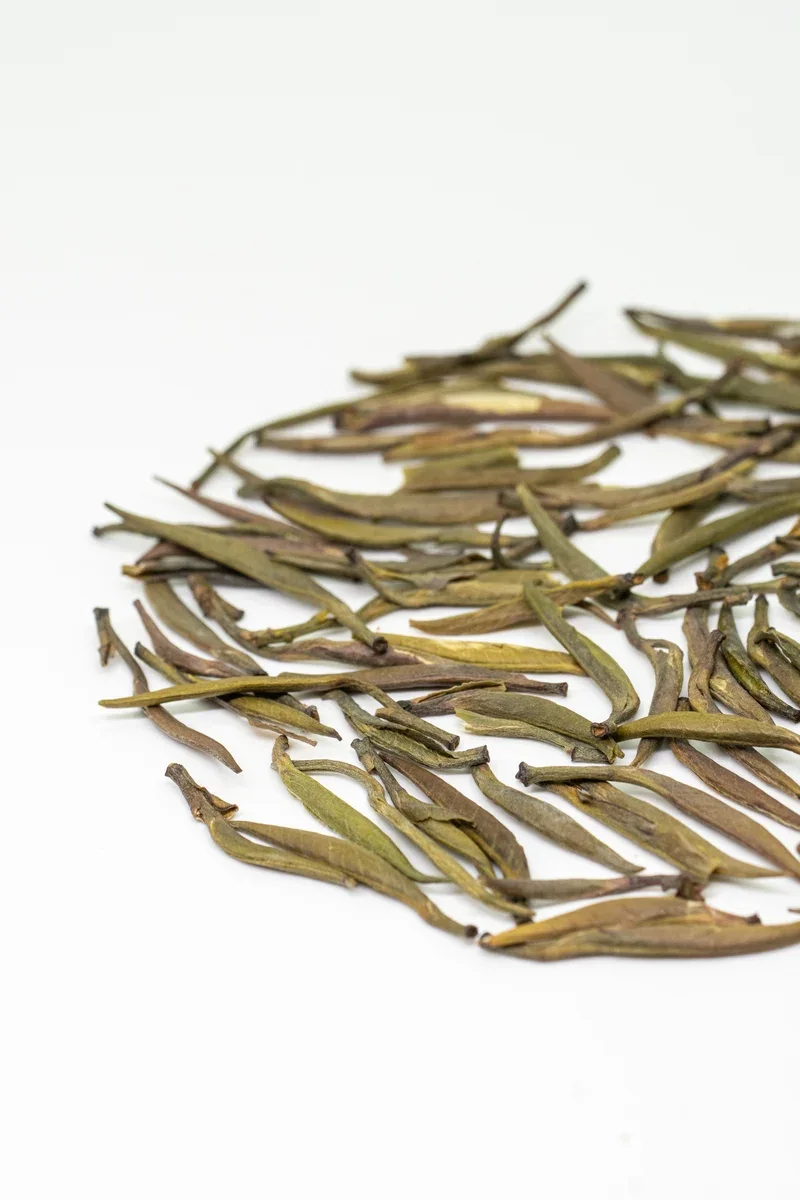
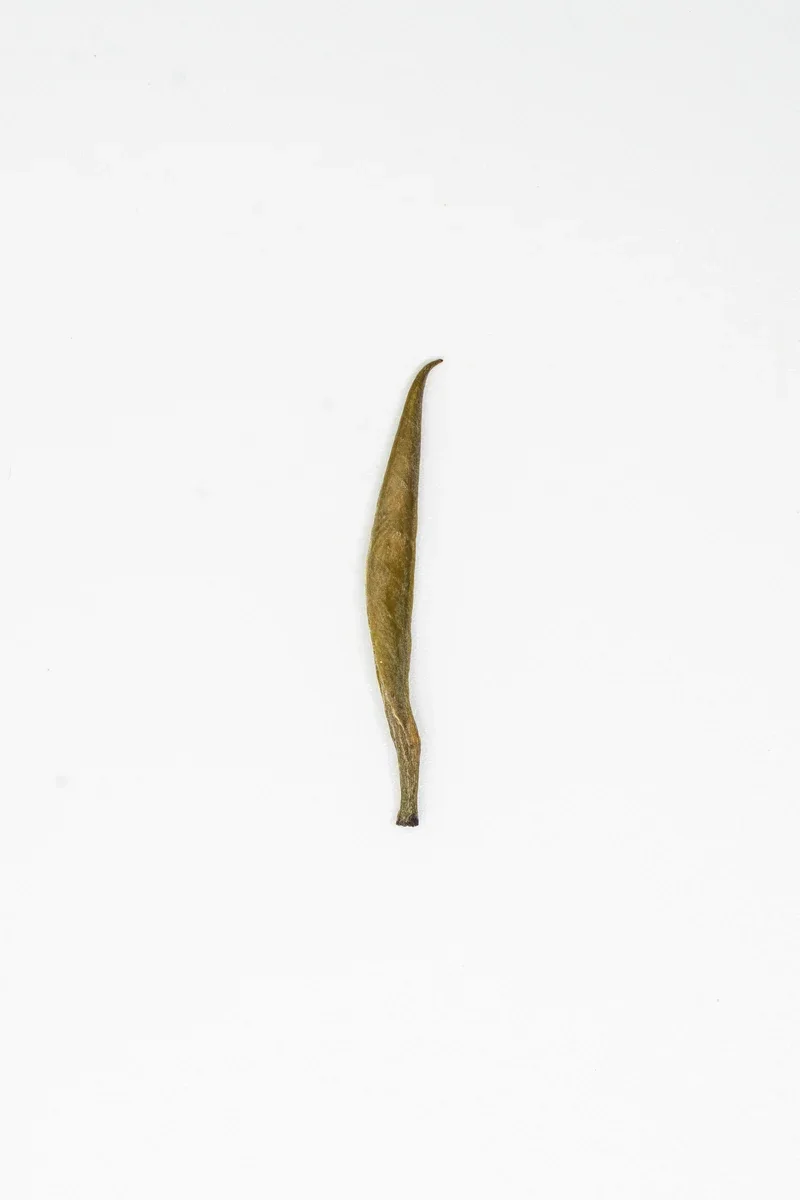
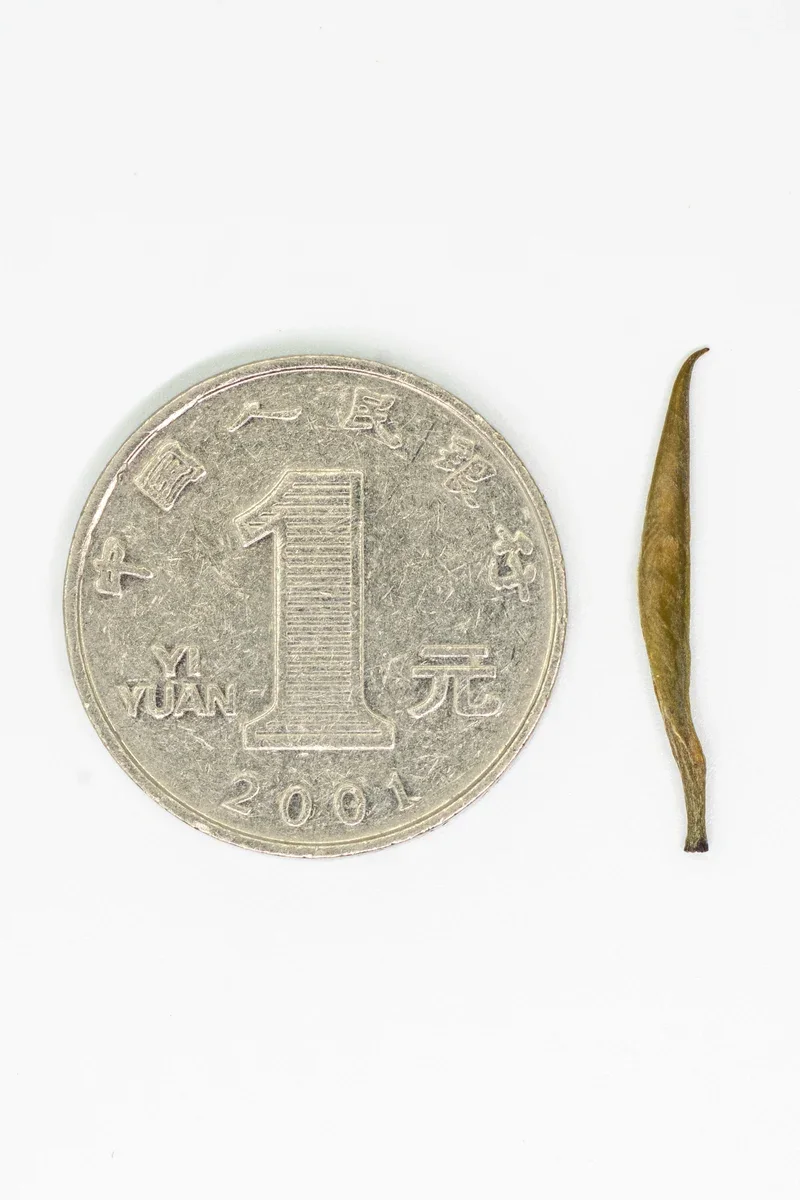
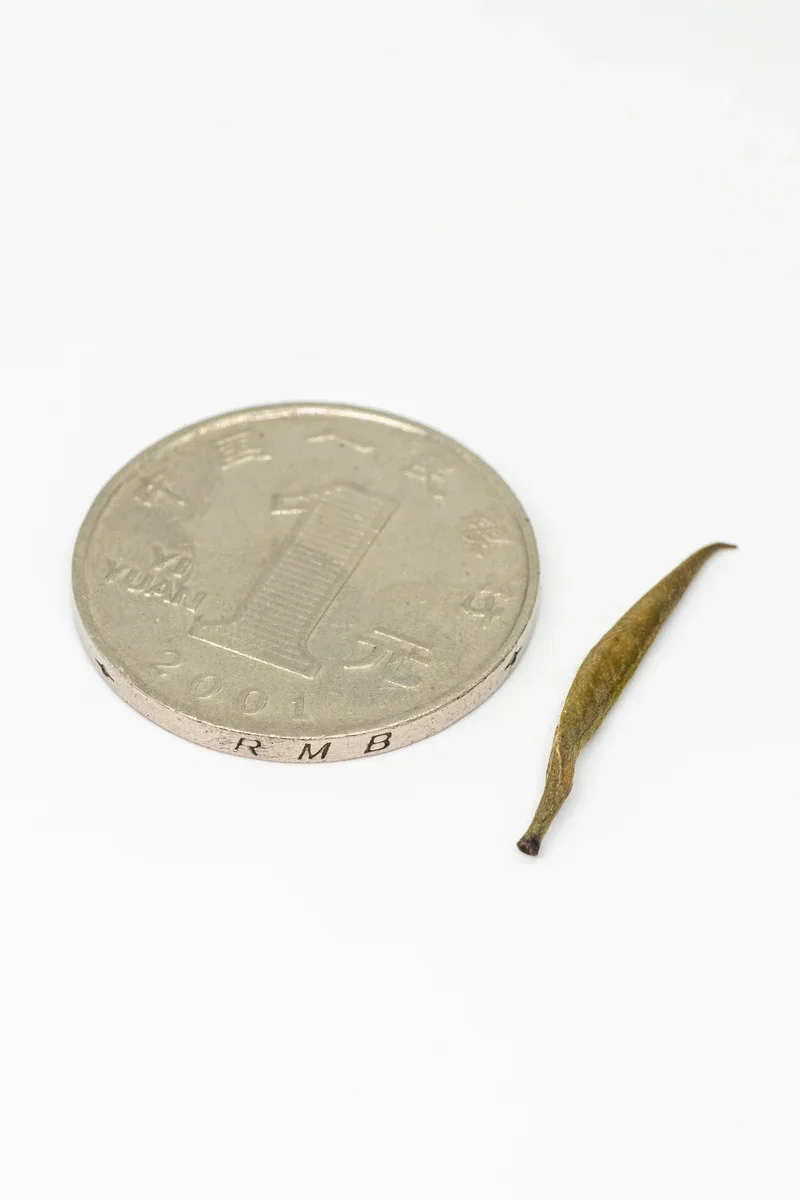
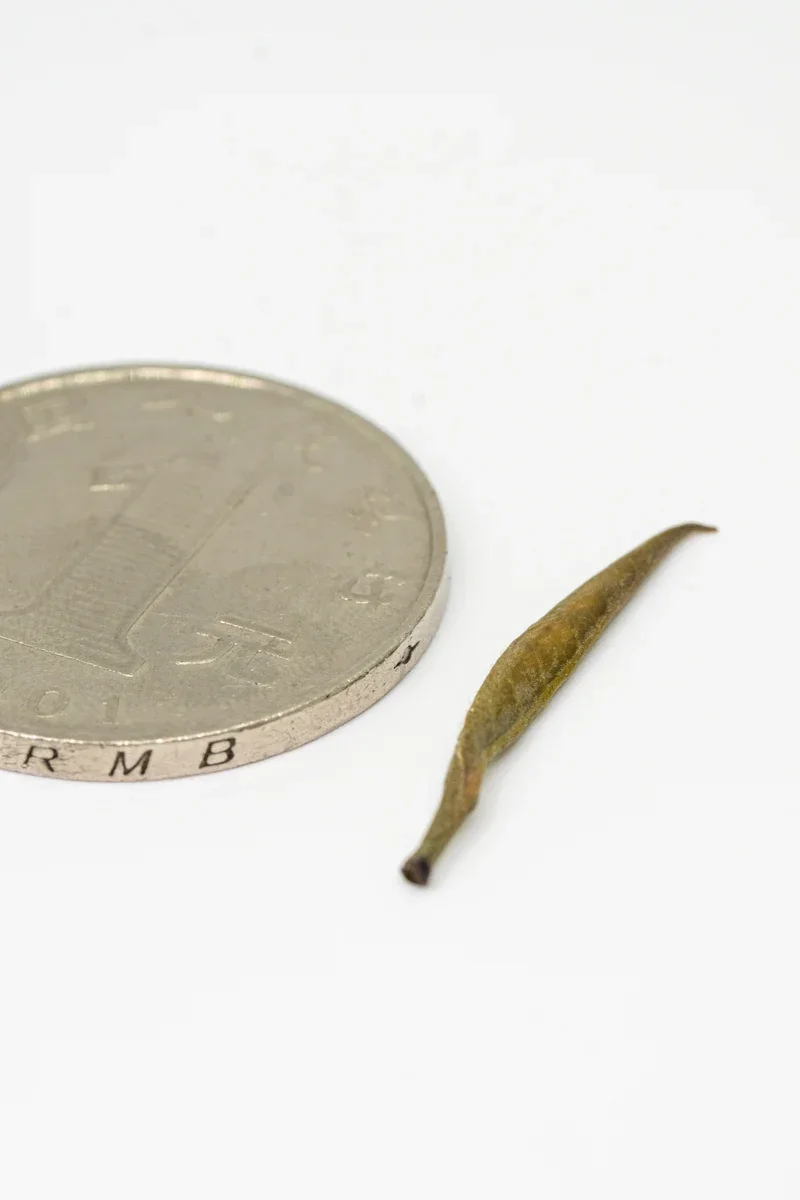
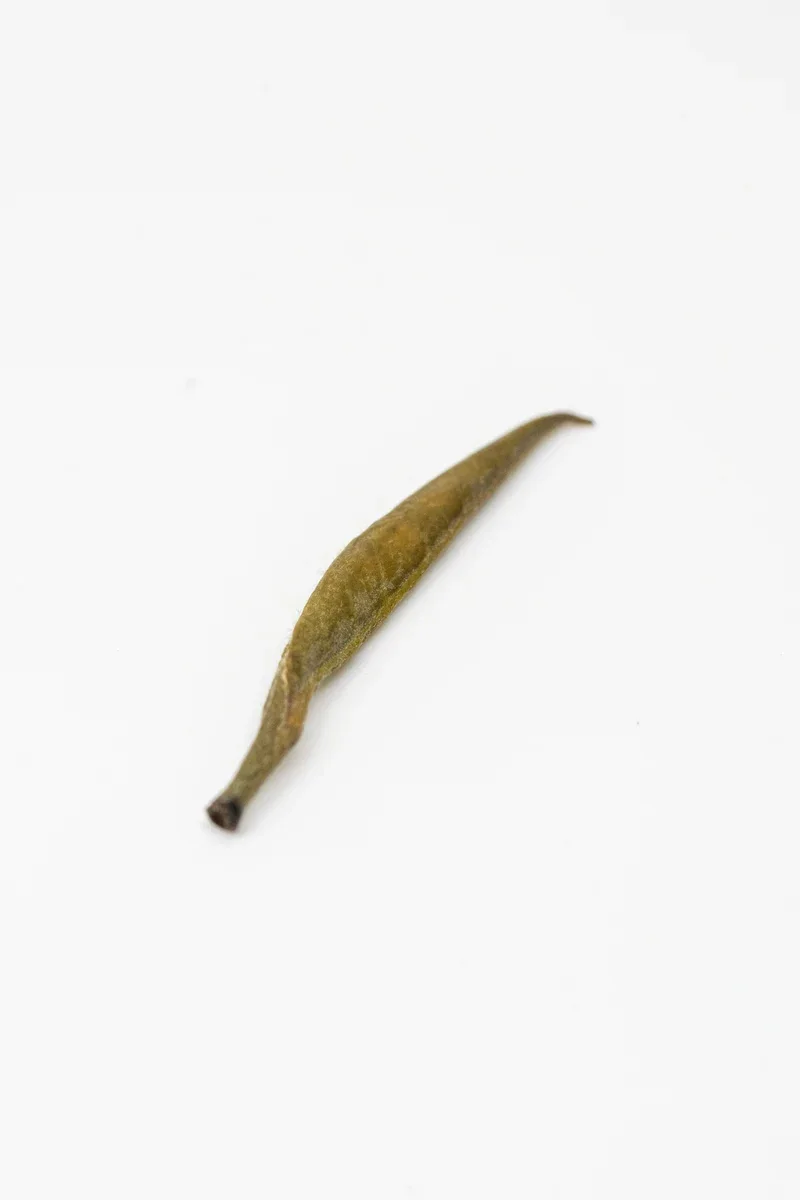
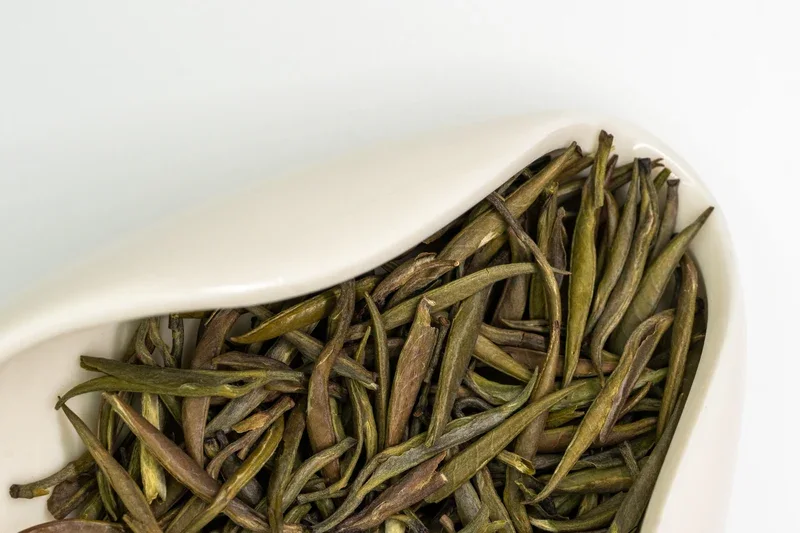
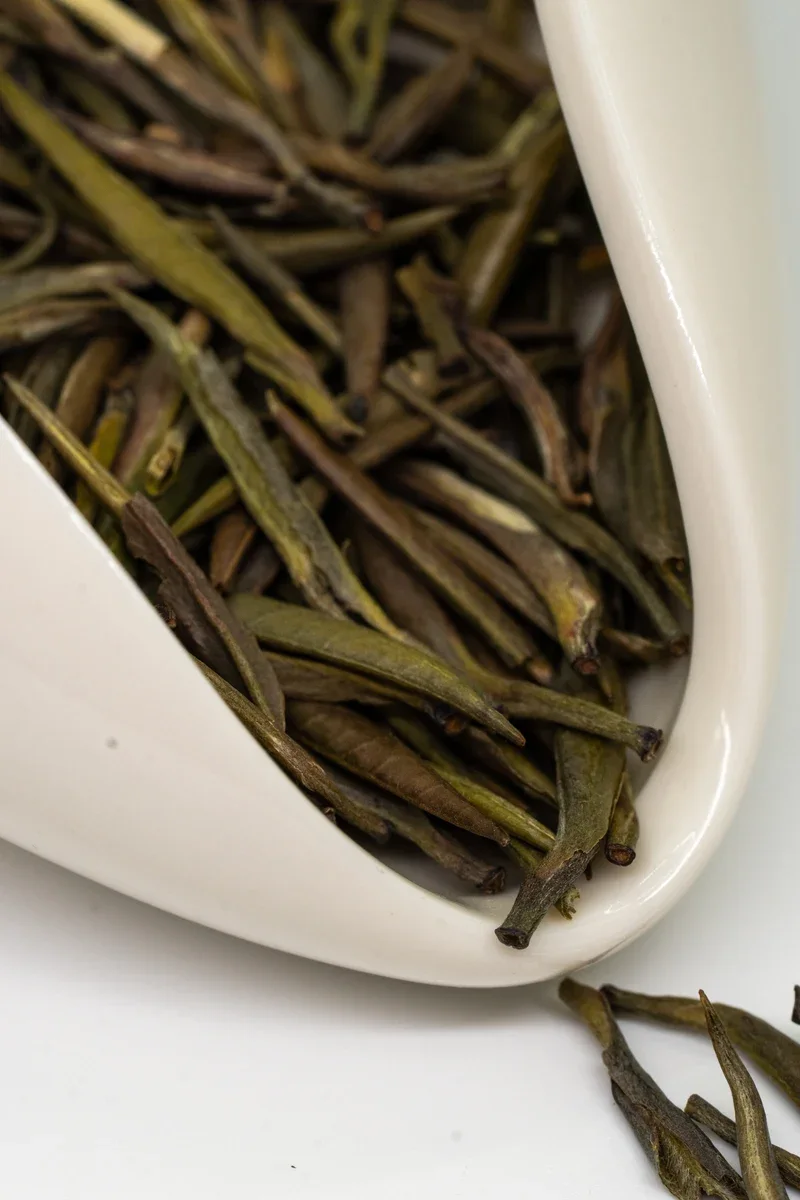
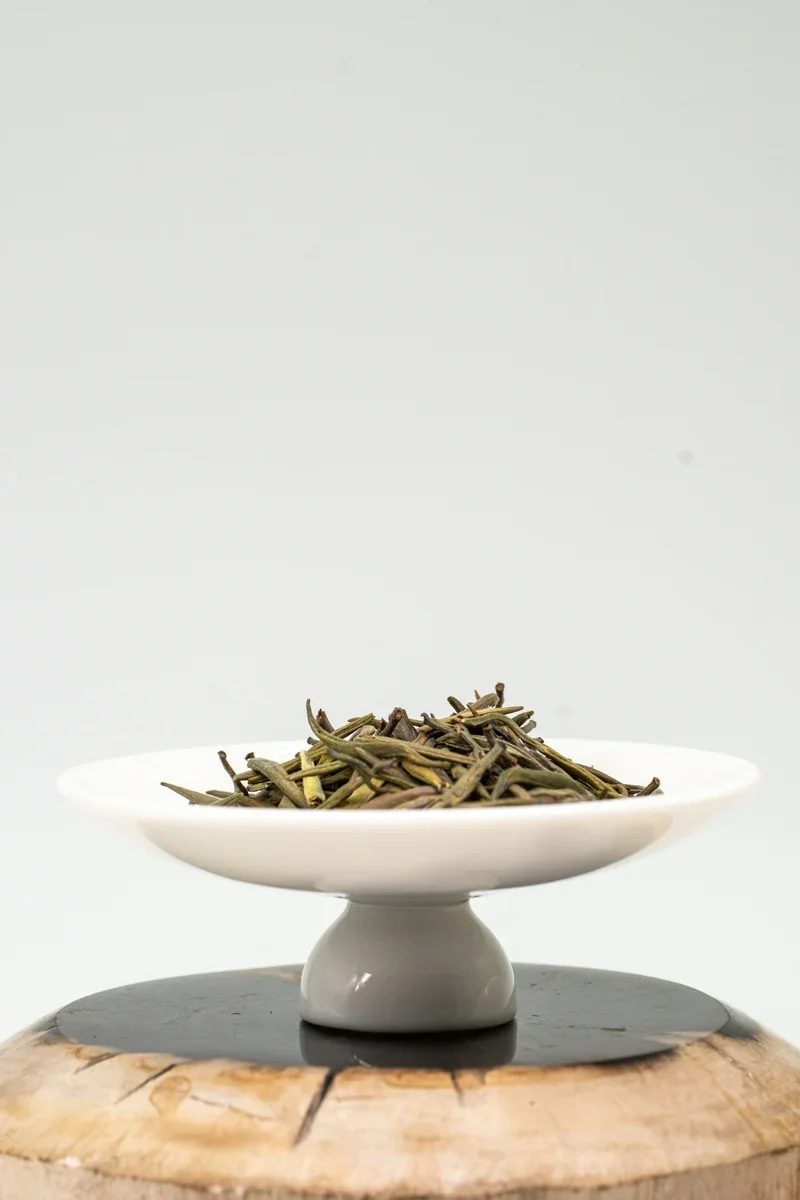
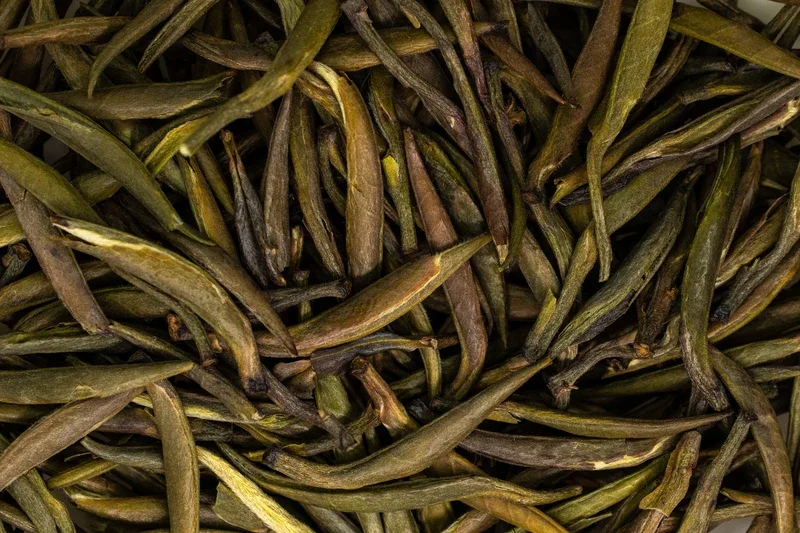
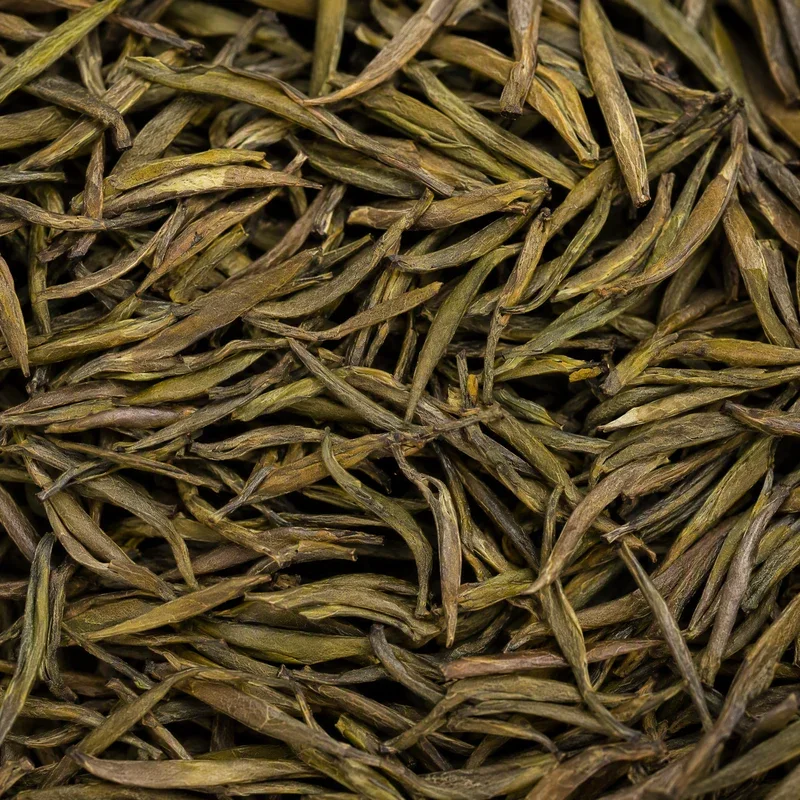
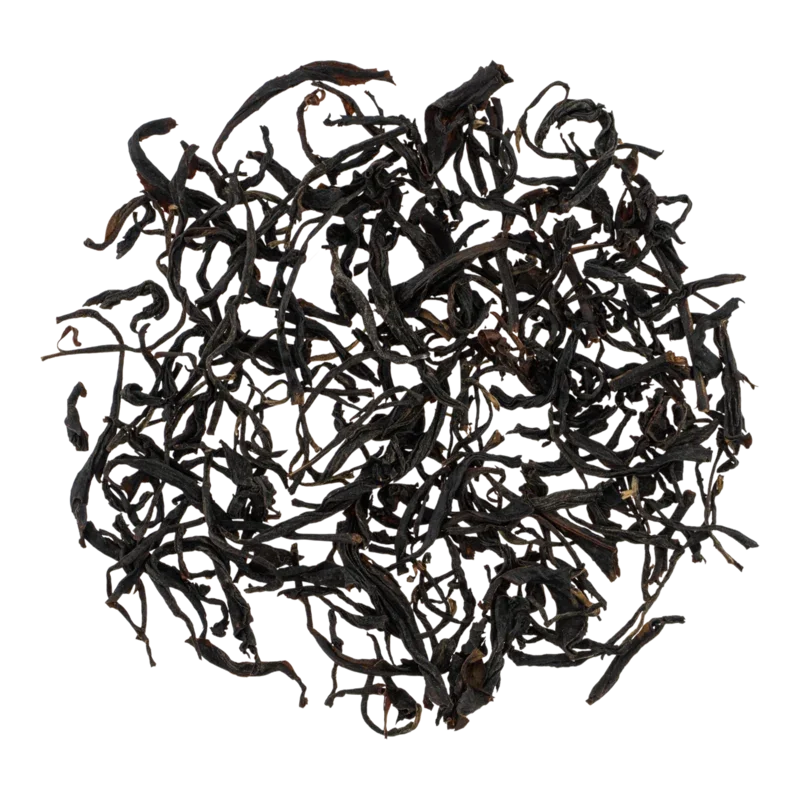
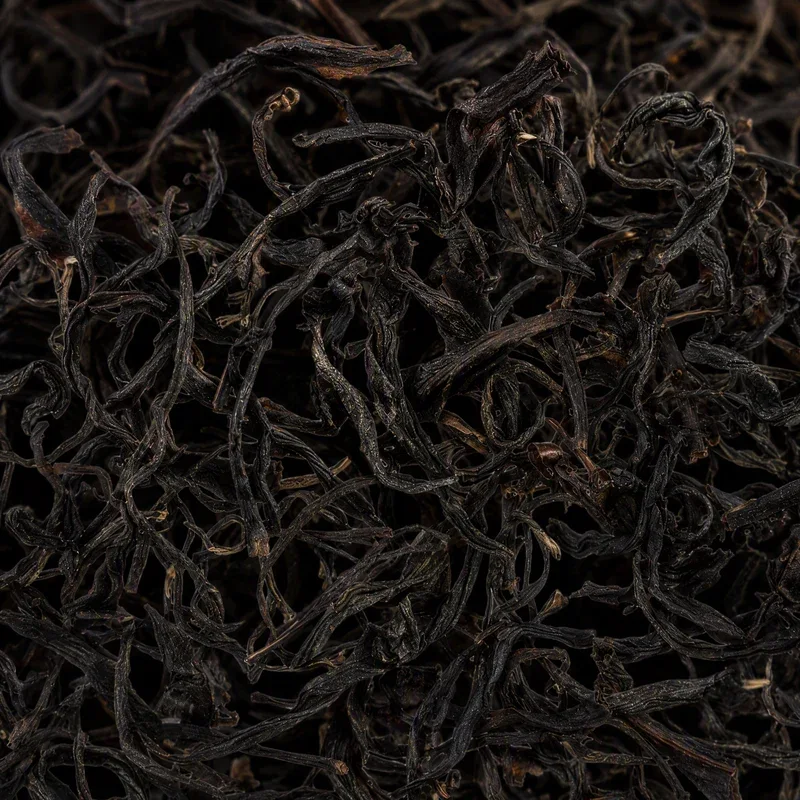
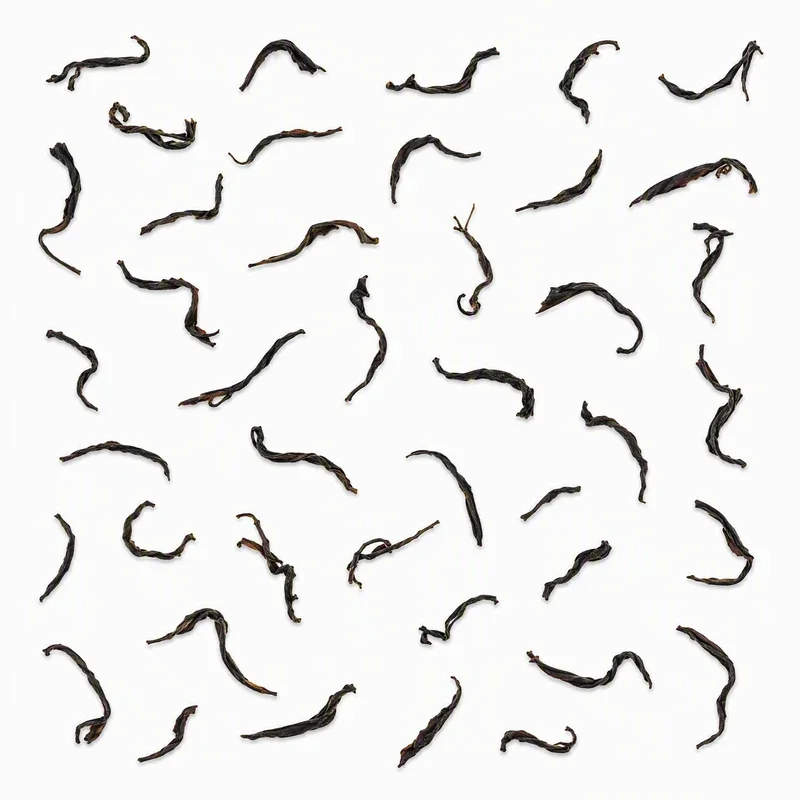
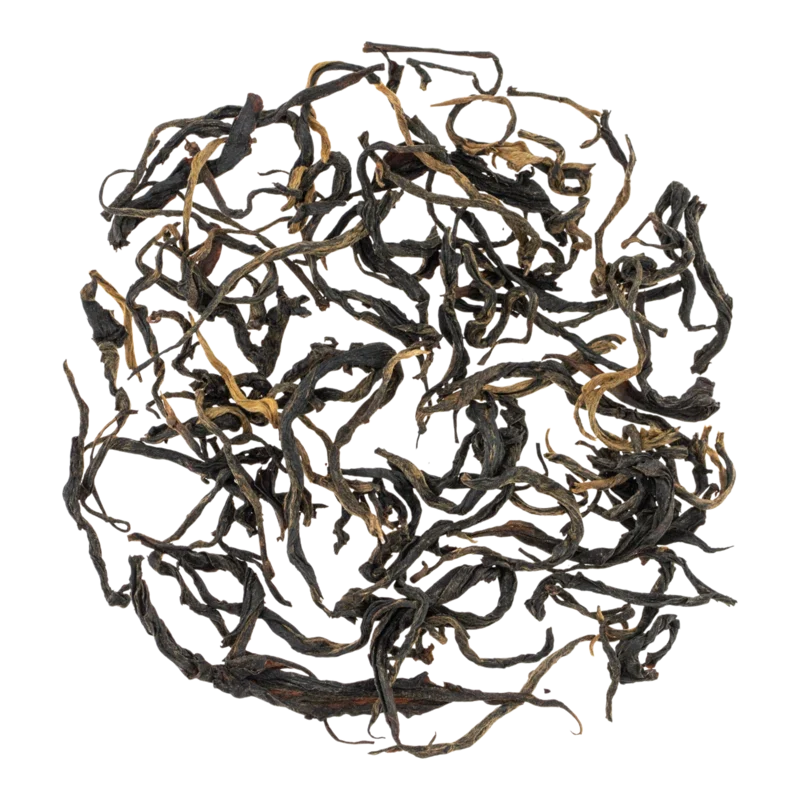
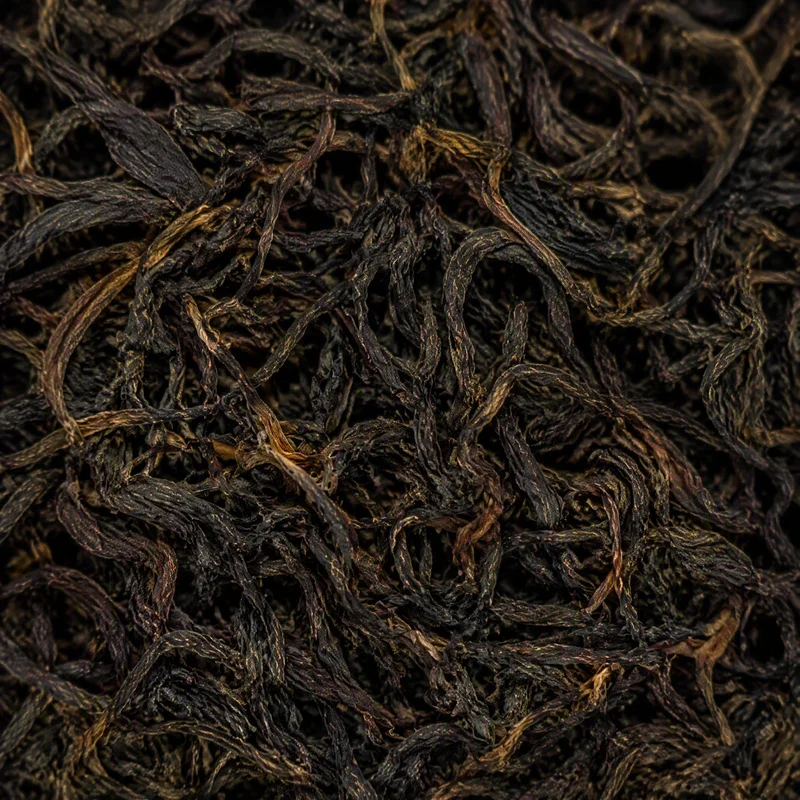
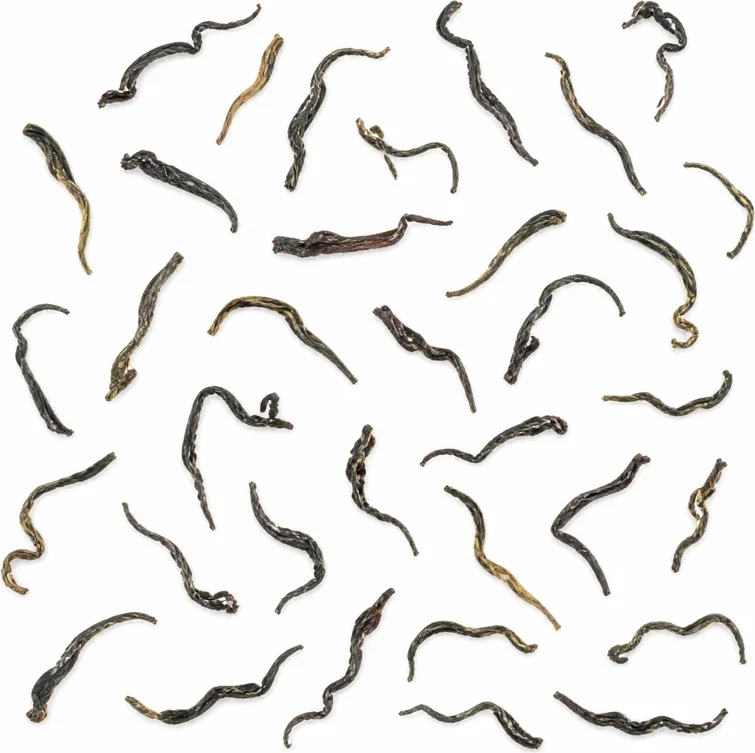
Dry Leaf Appearance: Neatly twisted, thin "needles" (松针形, sōngzhēn xíng) up to 4 cm long. Color — golden-brown with abundance of golden buds (tips). Leaf whole, uniform.
Dry Leaf Aroma: Pronounced, warm, with dominating notes of roasted chestnut, cocoa beans, light hints of vanilla and dried fruits.
Liquor Aroma: Rich, sweetish, multi-layered — notes of honey, forest berries, chocolate, with delicate floral background and barely perceptible mineral undertones.
Liquor Color: Bright, clear, rich amber-red color with golden tint.
Spent Leaves: Large, soft, elastic leaves of reddish-brown color, fully opened. Well visible whole bud with two–three leaves — evidence of hand-picking and careful processing.
Taste: Complex, multifaceted, developing over time. Begins with perceptible but soft sweetness, transitioning to light tartness of forest berries (raspberry, blackberry). Concludes with long, enveloping chocolate-nutty aftertaste. Characterized by exceptionally low astringency — one of the distinguishing features of tea from old trees on lateritic soils with reduced tannin content (<9%). Liquor texture oily, smooth, medium body — sensation of "silk on the tongue".
Content of epigallocatechin-3-gallate (EGCG) — up to 15%, which provides high antioxidant activity.
Oxidation products of catechins (TF₁, TF₂, TF₃) constitute about 4% dry mass. They are responsible for liquor brightness and characteristic flavor notes.
About 2% of dry mass — moderate content, providing mild tonic effect without excessive stimulation.
About 6%, giving the liquor characteristic body, oiliness and natural sweetness. High polysaccharide content is a typical feature of tea from old trees.
Unique feature — presence of theacrine (theacrine, 1,3,7,9-tetramethyluric acid) in concentration about 0.03%. Theacrine is an alkaloid usually characteristic of aged teas (pu-erhs) or kuding (Ilex kaushue), and its detection in red tea (black tea) from Matai is an anomaly, possibly related to peculiarities of ancient tree metabolism.
Laboratory studies show ORAC (Oxygen Radical Absorbance Capacity) value ≥3500 μmol TE/g and IC₅₀ in DPPH test = 42±3 μg/ml, which significantly exceeds indicators of standard red tea (black tea) samples.
Trace amounts of bergamotene detected — a terpene compound usually characteristic of citrus fruits (especially bergamot), which is rare for tea and contributes to the unique aromatic profile.
Minerals: Due to ferrallitic soils rich in iron oxides, the tea is distinguished by elevated iron content and other trace elements.
Polyphenols: Total content — about 28% and more of dry mass. Typical values for tea from Bangdong–Matai area: polyphenols 33.8%, caffeine 4.1%, water extract 49.5%.
High content of polyphenols, catechins and theaflavins provides powerful neutralization of free radicals, contributing to slowing of cellular aging processes.
Stimulates growth of beneficial intestinal microflora (proliferation of Bifidobacterium spp.). Polysaccharides have mild prebiotic action.
Studies indicate inhibition of α-amylase enzyme and potential reduction of postprandial hyperglycemia (blood sugar level after meals) with regular moderate consumption.
Potential cardioprotective properties may be related to activation of nitric oxide synthase (eNOS), promoting vasodilation and improved blood flow.
Moderate caffeine content (about 2%) combined with L-theanine and trace amounts of theacrine provides mild but sustained increase in alertness and concentration without overstimulation.
Possible hypouricemic effect due to inhibition of xanthine oxidase (XO) enzyme, which may be beneficial for gout tendency.
Like other red teas (black teas), Matai Gushu Hong Cha belongs to "warm" beverages in traditional Chinese dietology.
Also belongs to Dian Hong, but is produced predominantly from cultivated plantation varieties of assamica at altitudes around 1200 m. Consists mainly of golden tips. Taste honey, sweet, however less complex and lacking that "wild" depth and oiliness characteristic of Matai Gushu. Texture lighter, astringency may be slightly higher.
Classic Dian Hong from Fengqing — more "cultivated", structured, with dominating malty tones. Matai Gushu — more "wild", berry, chocolate, with pronounced oily texture and minerality. This difference reflects contrast between plantation and extensive ancient tree tea (gǔshù) cultivation.
Although produced in Yunnan, often from same large-leaf raw material, Shu Pu-erh is fundamentally different type of tea (post-fermented, dark tea). Technology includes wet piling (渥堆, wò duī), forming characteristic earthy-woody taste and dark, opaque liquor. Matai Gushu Hong Cha — fully oxidized red tea (black tea) with bright, clear liquor and berry-chocolate profile.
Red tea (black tea) from leaves of completely wild tea trees (not cultivated). Taste even more "wild" and unpredictable, with pronounced forest, mushroom and earthy notes. Matai Gushu — intermediate variant between cultivated plantation tea and completely wild: trees cultivated, but with centuries-old history and minimal human intervention.
Soft, filtered, with low mineralization (≤150 mg/l). Water quality is critically important for revealing nuances of tea from old trees.
Tea Amount: 4 g per 120 ml for gaiwan; 5–7 g per 150–200 ml for teapot.
Teaware: Yíxīng clay gàiwǎn (紫砂盖碗, zǐshā gàiwǎn) volume up to 120 ml — for enhancing mineral notes; porcelain gaiwan — for emphasizing floral and berry accents; glass teaware — for observing the opening of large leaf and depth of liquor color.
Water Temperature: 95°C (±2°C). High temperature is necessary for extracting the full spectrum of substances from large, dense leaf of old trees.
Price Category: Matai Gushu Hong Cha belongs to the highest price segment of Yunnan red teas (black teas). Average market cost is 16–22 euros per 50 g or 45–60 US dollars per 100 g on international market. Price is influenced by: age of trees (raw material from trees older than 200 years is significantly more expensive), exclusively hand labor at all stages, organic status (if confirmed by certificate) and limited production volume. Within China, price for spring ancient tree tea (gǔshù chá) from Bangdong–Matai can range from 500 to 2000 yuan (≈70–280 USD) per 100 g for best batches.
No reviews yet. Tell us what you think of this tea.
Rate this tea and share your impressions. We review each submission before publishing it.