Brewing
Gongfu brewing
- Water temperature
- 75 °C
- Tea amount
- 5 g
- Water volume
- 100 ml
- First steep
- 10 s
- Time added per infusion
- 5 s
- Infusions
- 3

Yóuxī lǜchá
Choose a brewing method. Start with the recommended quantities and time, then adjust to taste.
Brewing
Brewing
Taste
Tea encyclopedia
Category: Regional Chinese green teas, products with geographical indication (地理标志产品, dìlǐ biāozhì chǎnpǐn).
Category: Regional Chinese green teas, products with geographical indication (地理标志产品, dìlǐ biāozhì chǎnpǐn).
Coordinates: 25°50′–26°26′ N, 117°48′–118°40′ E.
Origin: China, Fújiàn Province (福建省, Fújiàn Shěng), Sānmíng Prefecture (三明市, Sānmíng Shì), Yóuxī County (尤溪县, Yóuxī Xiàn). The protected zone covers 15 townships and towns: Chengguan (城关镇), Méixiàn (梅仙镇), Lianhe (联合镇), Xibin (西滨镇), Youxikou (尤溪口镇), Yangzhong (洋中镇), Tangchuan (汤川乡), Xiwei (溪尾乡), Zhongxian (中仙镇), Taixi (台溪乡), Banmian (坂面镇), Xìnyáng (新阳镇), Bazibridge and others.
Type: Green tea (绿茶, lǜchá) — non-oxidized; oxidation degree minimal (less than 5%). Primary technology — hongqing (烘青, hōngqīng), hot air drying; part of the assortment belongs to chaoqing (炒青, chǎoqīng) — pan-firing in wok.
Youxi Lu Cha is the earliest green tea of the Huadong tea region. Spring harvest begins by the Lantern Festival (mid-February), ahead of famous teas from Zhejiang and Jiangsu by almost two months. The reason — early spring warming in the mountain basin between Daiyun and Wuyi ridges combined with the super-early Fuyun 6-hao cultivar.
Jīn Guānyīn (金观音), bred as a variety for oolongs, is successfully used in Youxi for green tea production. This imparts an orchid note unusual for green teas to part of the assortment, making it more akin to light oolongs than classic lucha.
Rolled spiral teas ("Yunfu Xueya" and analogs) are shaped manually in 14 sequential stages — one of the most labor-intensive technologies among Fujian green teas.
Tea polyphenol content up to 37% — a rare indicator for green tea, usually characteristic rather of summer harvest large-leaf Assam cultivars. In Youxi's case, this is achieved through terroir while simultaneously maintaining high amino acid content — a paradoxical combination determining unique taste balance.
Youxi Lu Cha is one of the few Chinese regional green teas that have passed European organic certification. 100% of products undergo pesticide residue testing, and the "green protection" system (生物防控) completely excludes chemical application on plantations.
Raw Material: The "five prohibitions on picking" rule applies (五不采, wǔ bù cǎi): do not pick in rain, do not pick leaves with dew, do not pick purple shoots, do not pick damaged or diseased leaves, do not pick non-standard raw material. A green plant protection system is applied (诱虫黄板 + 生物农药), chemical fertilizers and pesticides are completely prohibited. All products undergo 100% control for pesticide residues.
Altitude: 300–1,000 m above sea level.
Climate: Subtropical monsoon. Average annual temperature 18.9°C. Annual precipitation — approximately 1,570 mm. Foggy days — more than 180 per year. Daily temperature difference — over 10°C. The proportion of diffused light reaches 70%, which extends the tea bush vegetation period and promotes amino acid accumulation in leaves.
Soil: Acidic red and yellow soils predominate (酸性红壤、黄壤) with fertile horizon depth over 1 m and rich organic matter content. pH level — 4.5–6.0, which is optimal for tea bushes.
Forest coverage of the territory — 78.48%. Industrial pollution is absent. Thanks to high biodiversity, natural biological protection from pests ensures a 60% reduction in their population.
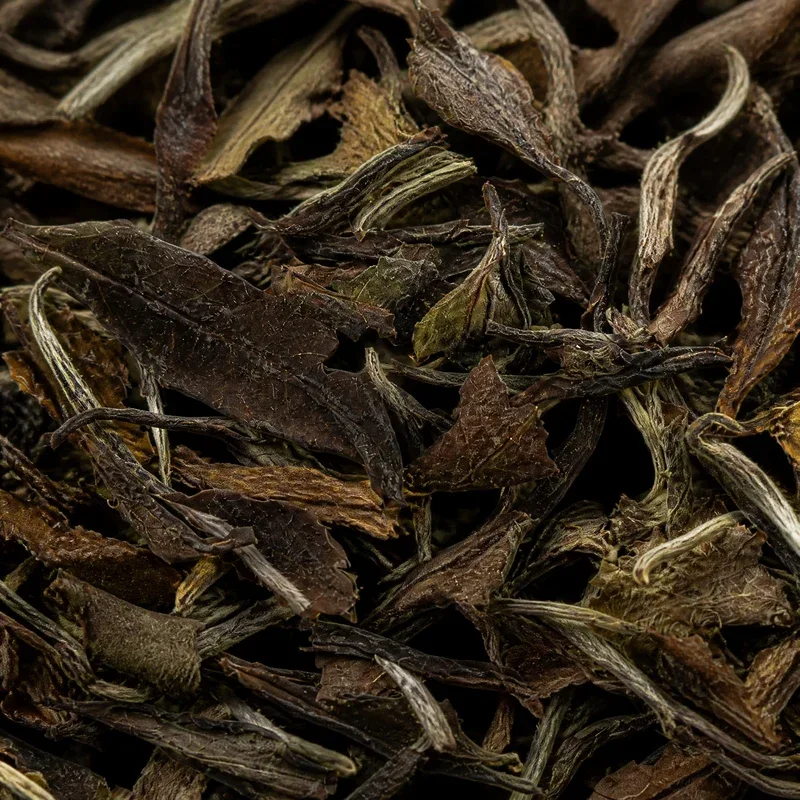
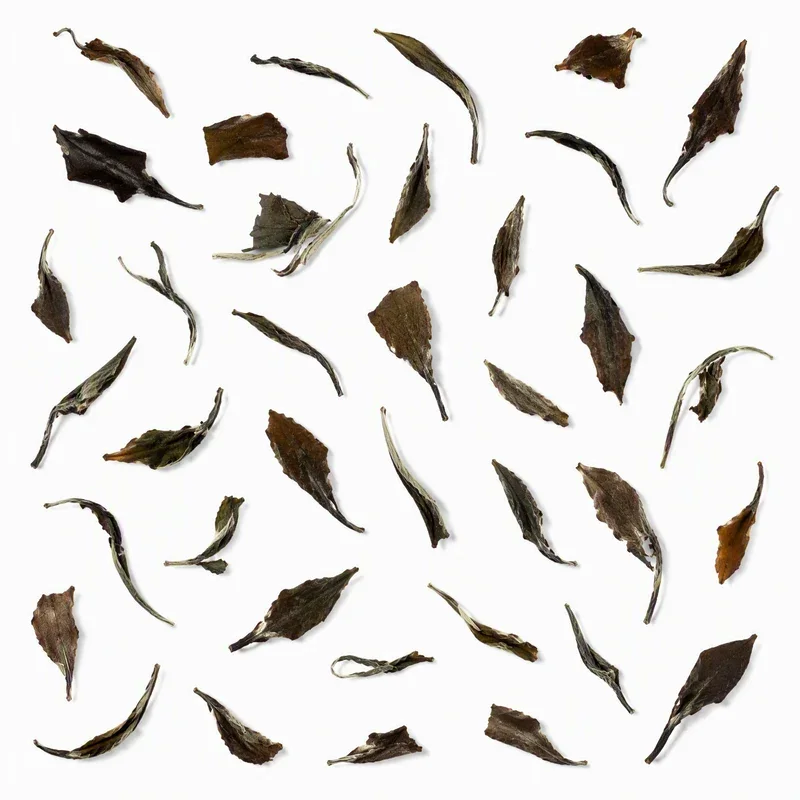
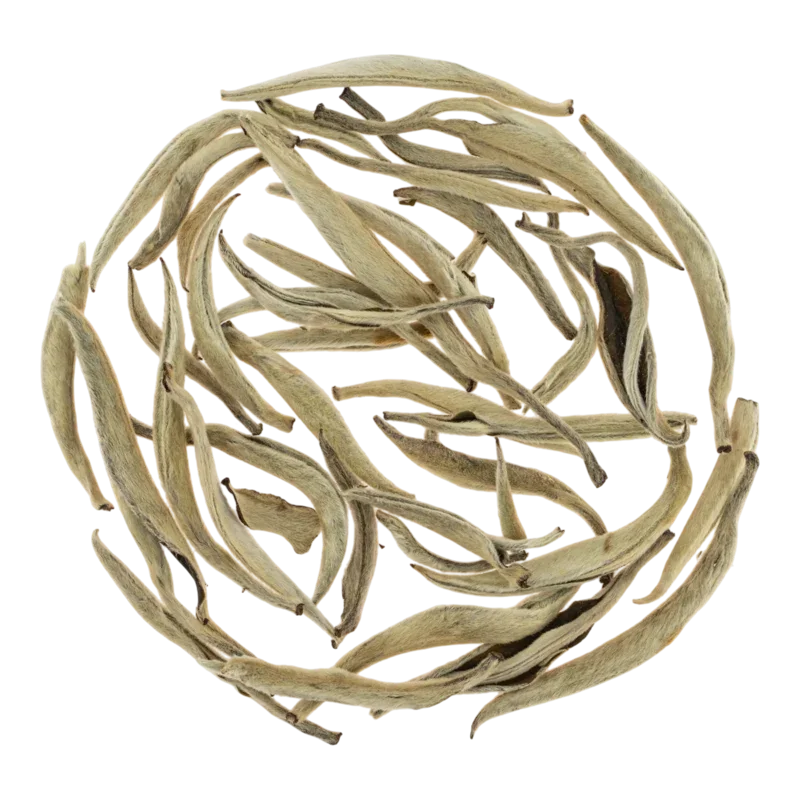
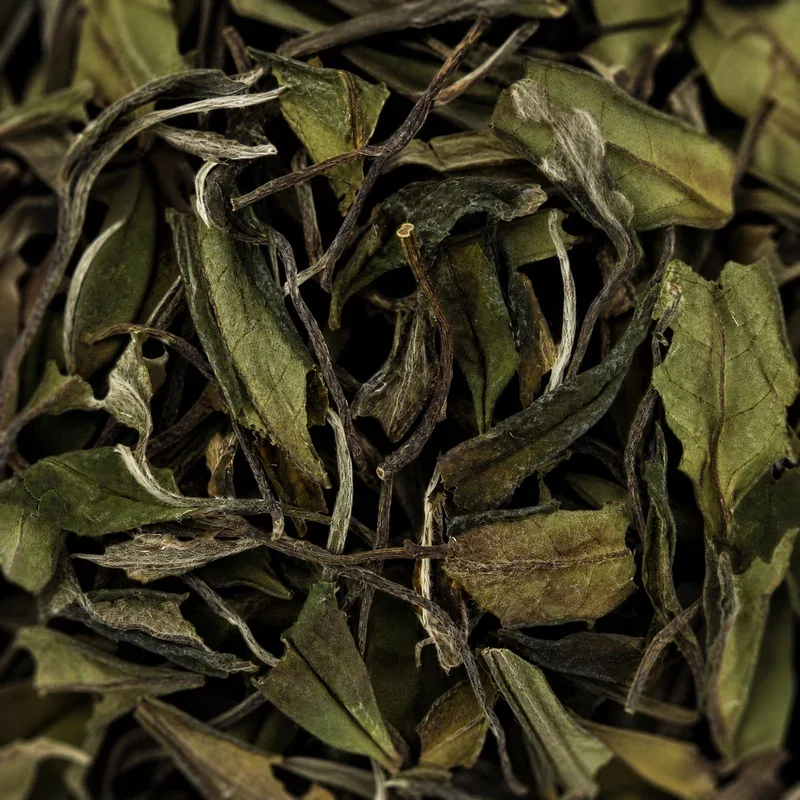
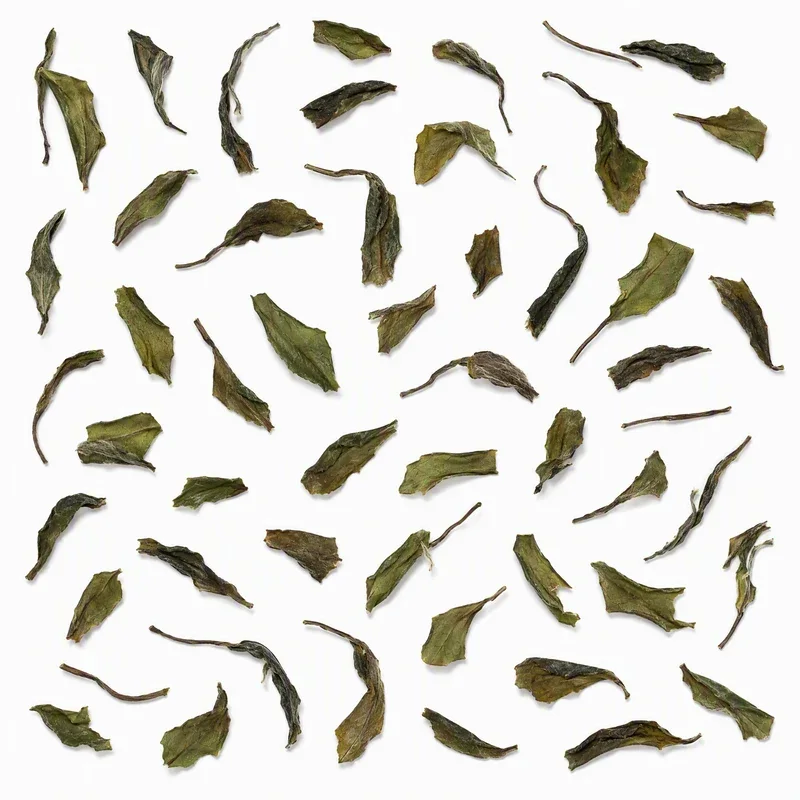
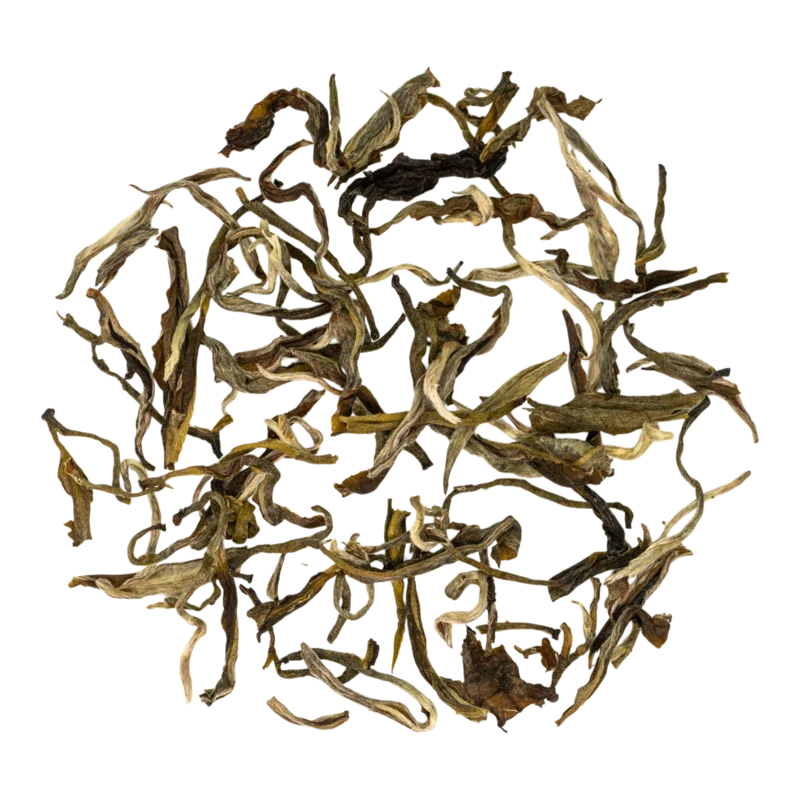
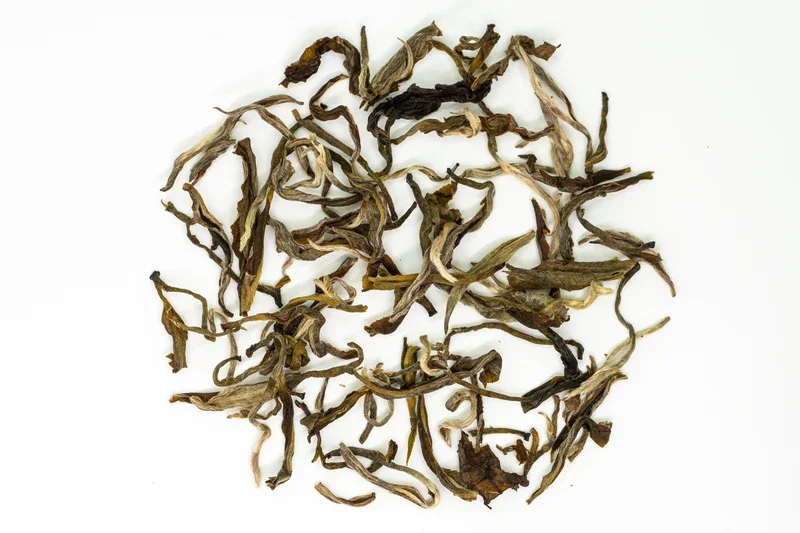
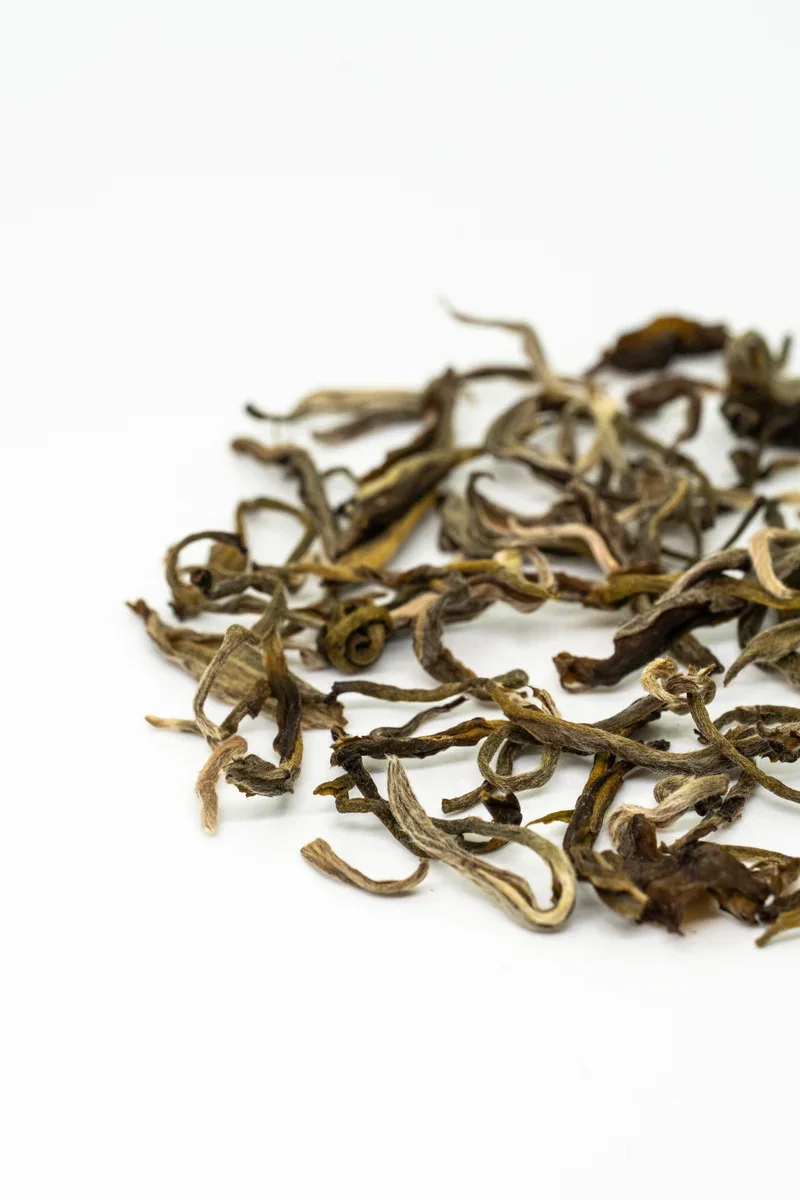
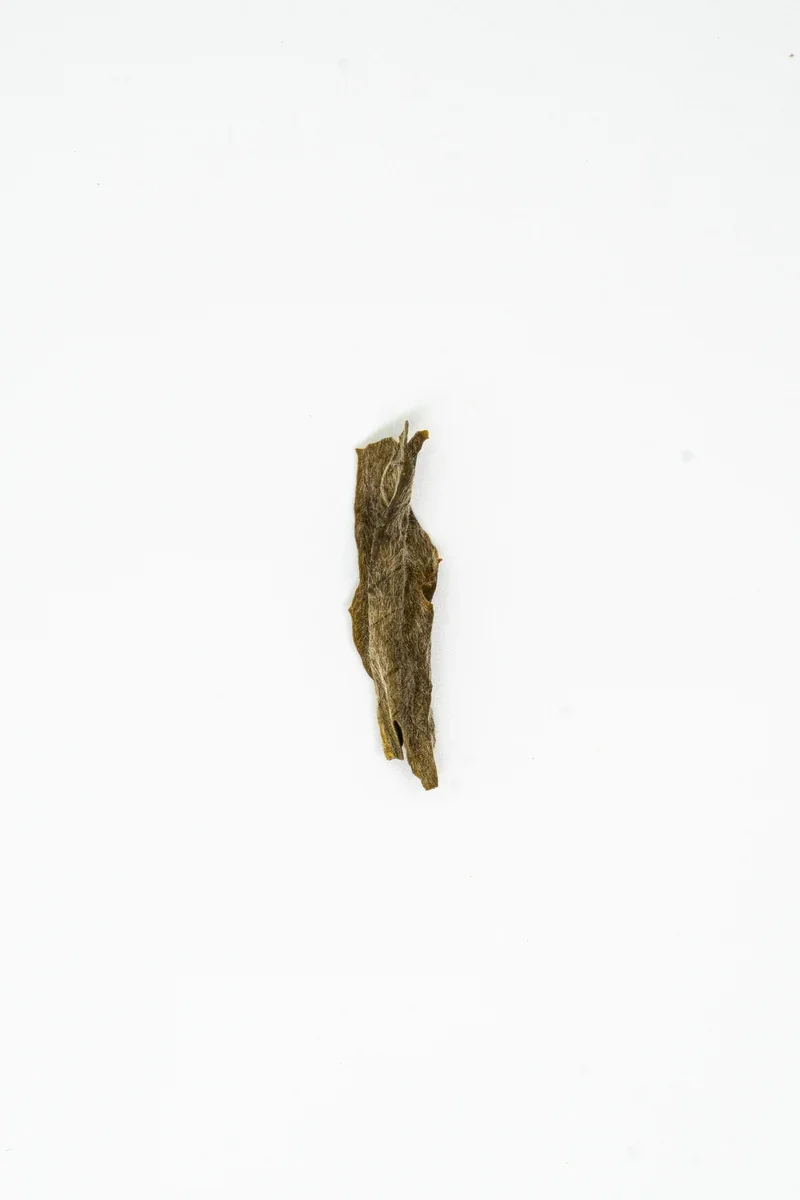
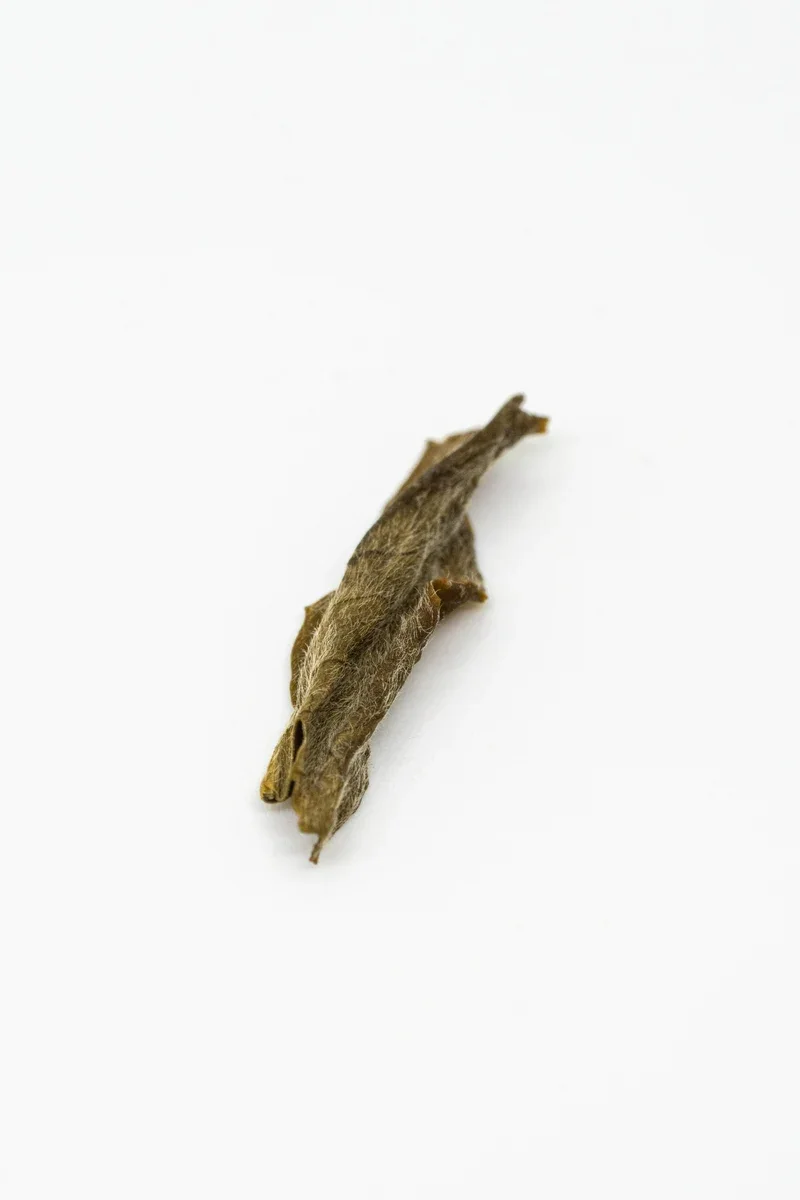
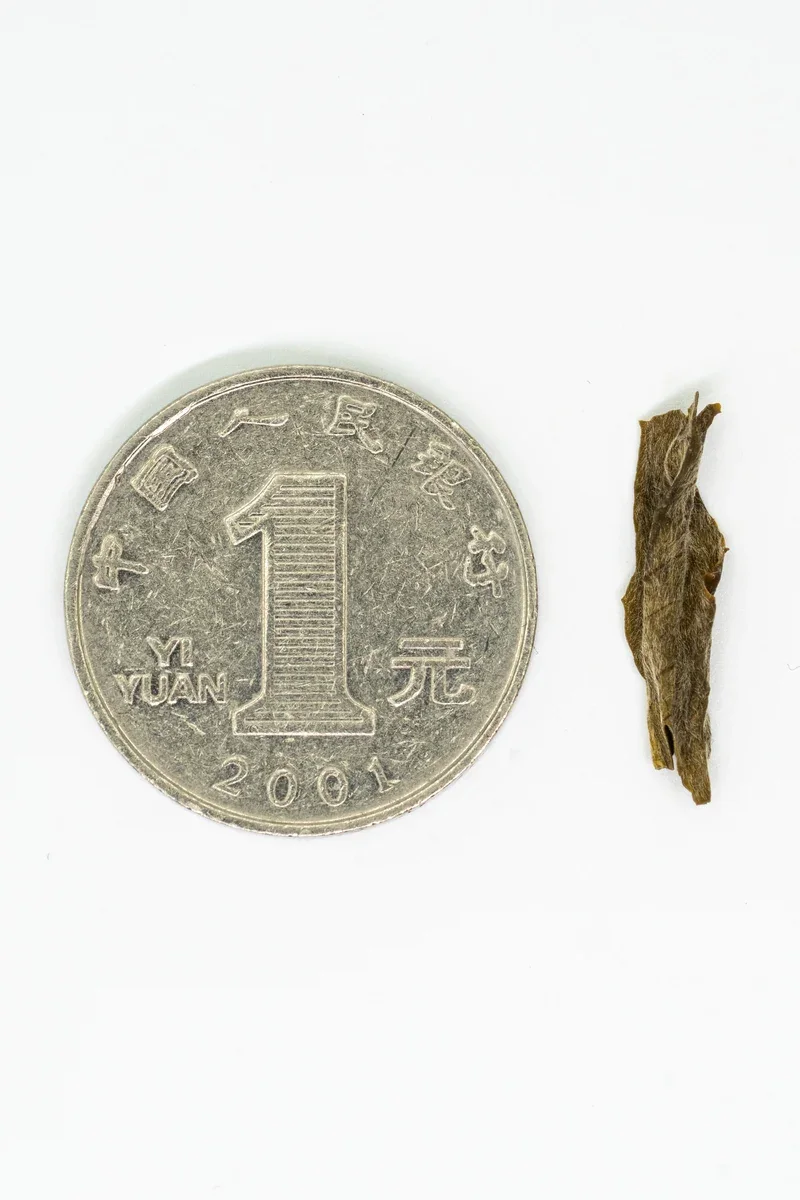
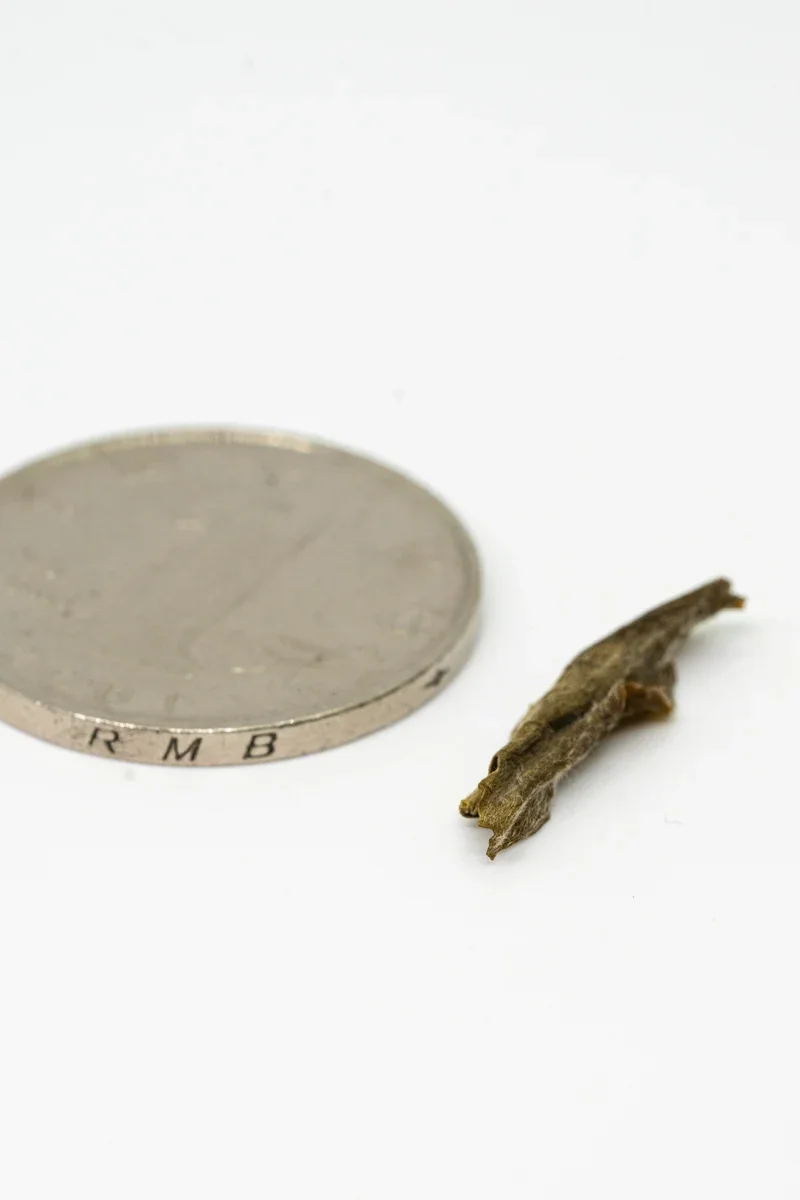
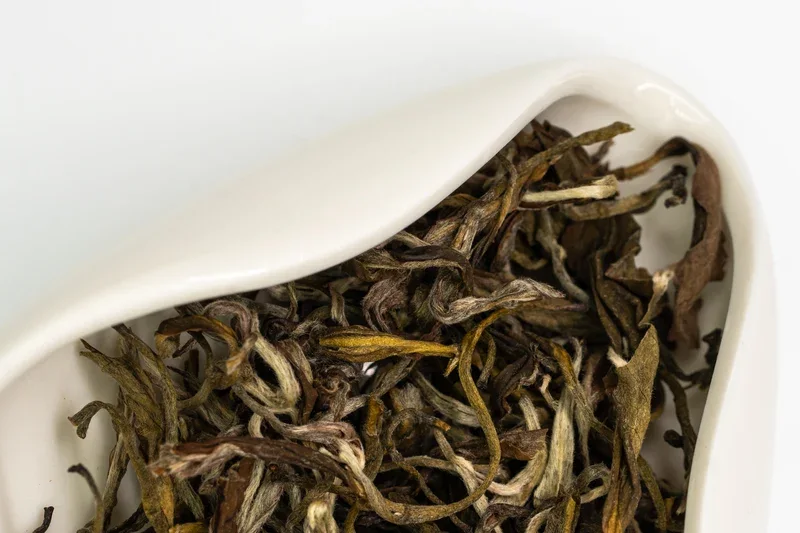
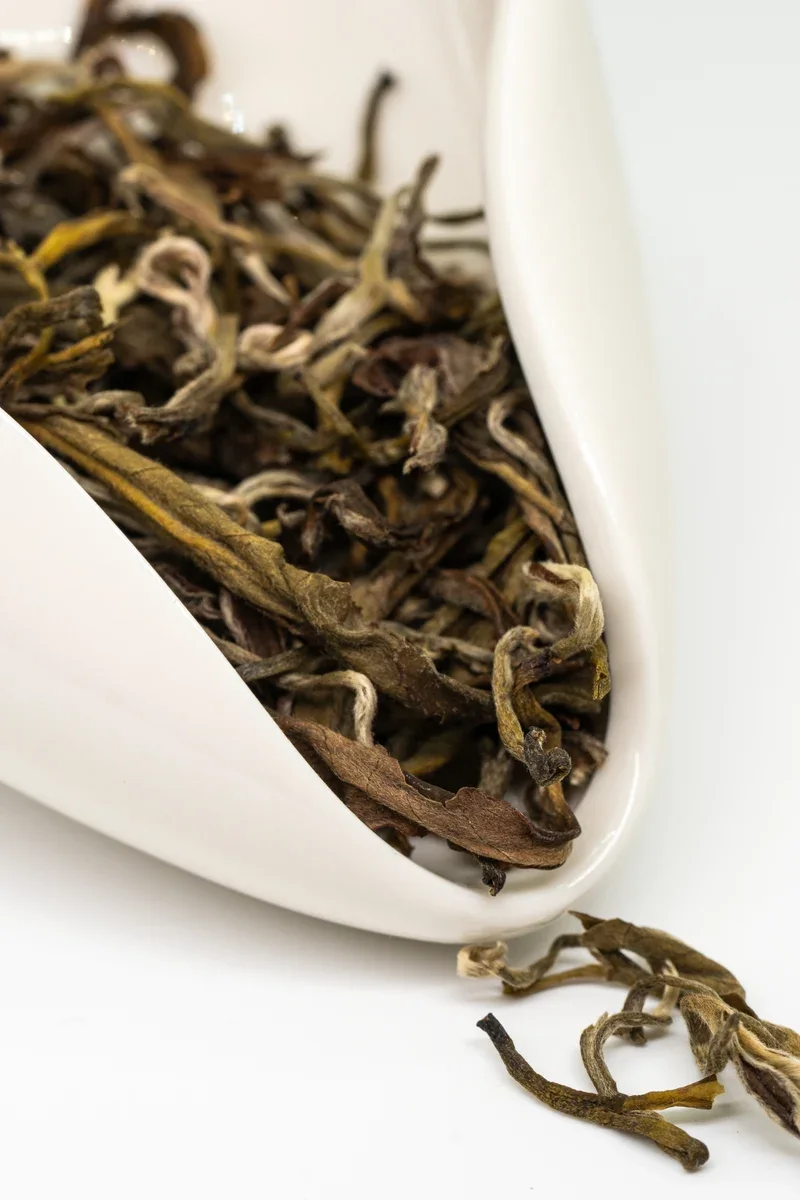
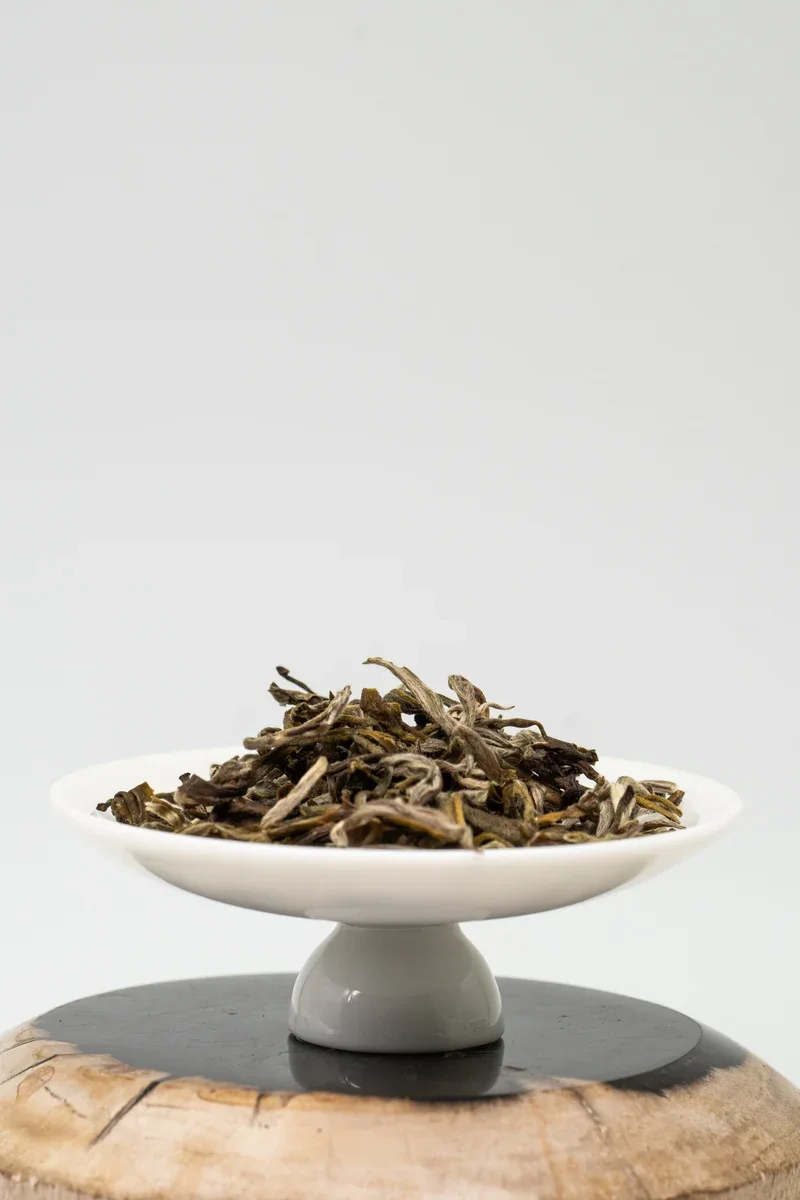
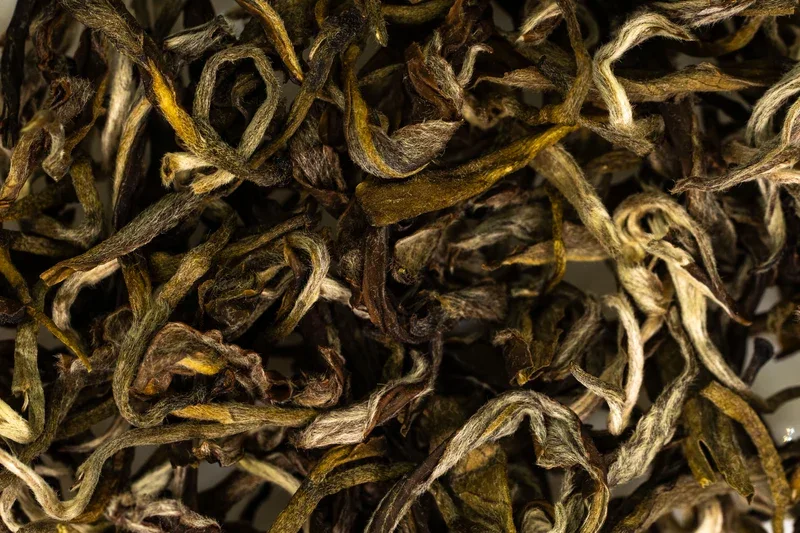
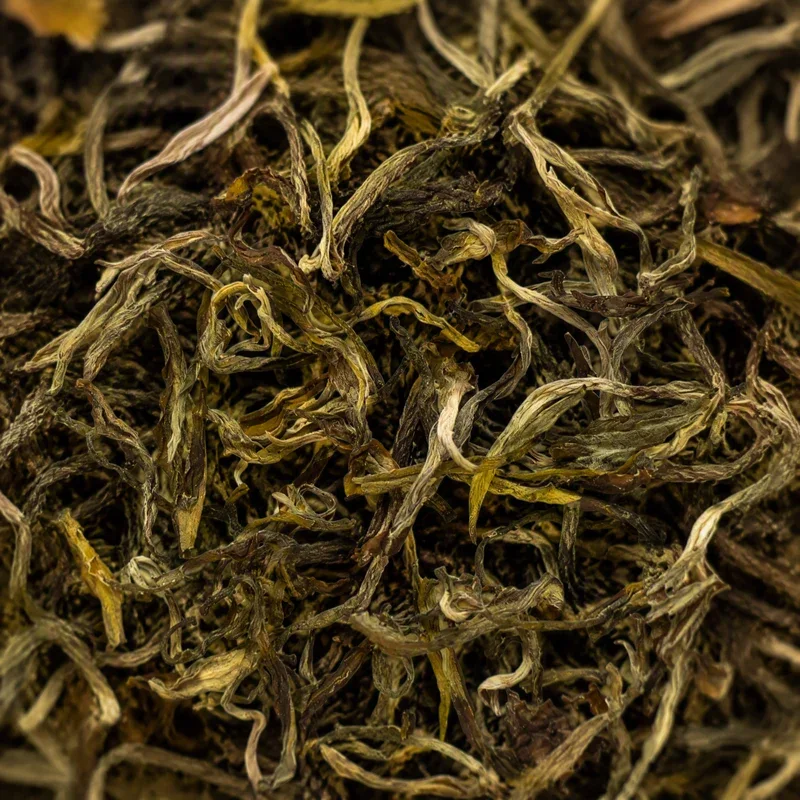
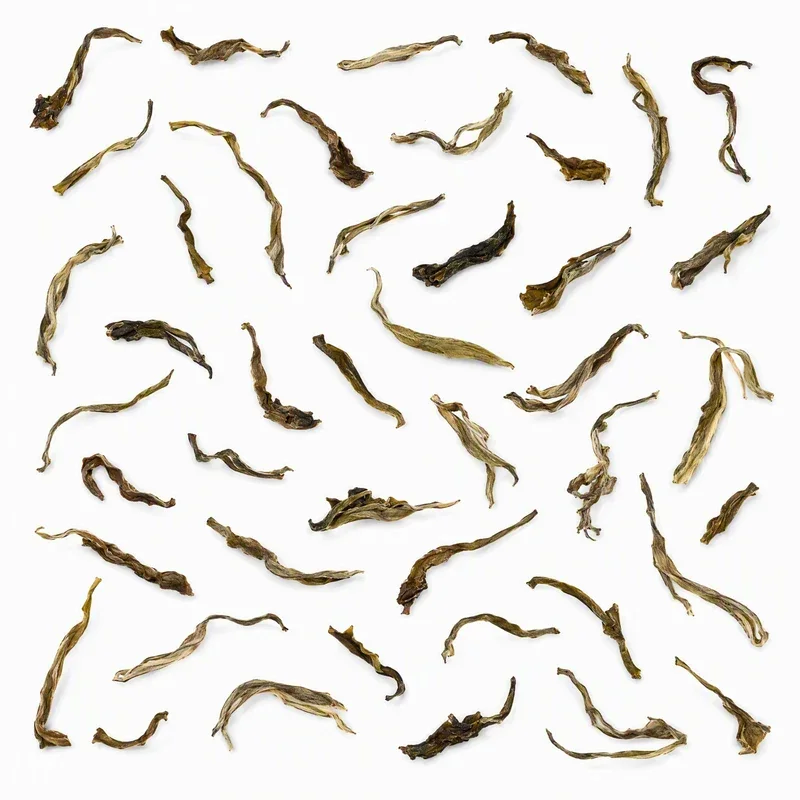
Dry Leaf Appearance: Depends on form: flat teas (扁形) — even, straight, emerald-green; needle-shaped (针形) — thin, straight, with abundant white down (白毫, bái háo); rolled (卷曲形) — tightly curled like spirals, dark green with silvery sheen from down. Common trait — uniformity, cleanliness, absence of coarse stems.
Dry Leaf Aroma: Clean, fresh, with distinct grassy-floral note. Flat teas display chestnut (栗香, lì xiāng) and bean tones. Rolled teas from Jìn Guānyīn cultivar are distinguished by pronounced orchid aroma (兰香, lán xiāng).
Liquor Aroma: High and persistent. Main tone — fresh greenness (清香, qīngxiāng); in highest grades — delicate floral nuances. With aging, honey notes may appear (蜜香, mì xiāng).
Liquor Color: Bright green (碧绿, bìlǜ), clean and transparent, with lively luster. For flat fired teas — yellow-green, light and clean.
Spent Leaves: Tender green, uniform, with lively luster (嫩绿匀亮, nèn lǜ yún liàng). Leaves and buds look fresh, "alive," as if still on the branch. Leaf form when opened resembles orchid flower (芽叶鲜活如兰).
Taste: Fresh and clean (鲜爽, xiānshuǎng), full-bodied (醇厚, chúnhòu), with prolonged returning sweetness (回甘, huígān). Amino acid richness imparts pronounced umami-like note. Taste holds well for 4–5 infusions and more.
Alkaloids: Caffeine (咖啡碱, kāfēi jiǎn) — typical for green tea content of about 2–4% of dry mass. Theobromine (可可碱) and theophylline (茶碱) are also present in trace amounts.
Amino Acids: Total content is elevated thanks to the prolonged winter period and abundance of diffused light. L-theanine (L-茶氨酸, L-chá ānjī suān) predominates — an amino acid characteristic of tea, responsible for umami note and possessing relaxing action. High amino acid to polyphenol ratio ensures fresh, harmonious taste.
Anomalously high percentage of polyphenols (37.04%) with simultaneously high amino acid content — a rare combination, as these indicators are usually inversely related. This is explained by specific microclimate: diffused light slows the conversion of amino acids to catechins, while high daytime temperatures stimulate polyphenol synthesis.
Essential Oils: Aromatic compounds are represented by several hundred components — alcohols, aldehydes, esters. For varieties based on Jin Guanyin, linalool and geraniol are characteristic, determining the floral note.
Minerals: Fluorine (氟, fú) — significant content, providing protective action on tooth enamel. Potassium, magnesium, zinc, manganese, selenium are also present.
Polyphenols: Content in finished tea reaches 37.04% — notably higher than the average indicator for green teas (usually 20–30%). Main component — catechins (儿茶素, ér chá sù), primarily epigallocatechin-3-gallate (EGCG). High polyphenol content provides powerful antioxidant potential.
Vitamins: Vitamin C (ascorbic acid) — content substantially higher than in red teas, thanks to minimal oxidation. B-group vitamins (B₁, B₂), vitamin E (tocopherols), vitamin K are present.
Thanks to 37.04% polyphenol content, free radical neutralization effectiveness is estimated 40% higher than average green tea. EGCG is one of the most studied natural antioxidants.
Catechins promote regulation of cholesterol synthesis in the liver, reducing levels of "bad" LDL cholesterol. Studies show that green tea can reduce blood lipid content 25% more effectively than red tea, due to preservation of native catechins.
EGCG inhibits amylase and glucosidase activity, slowing glucose absorption and preventing sharp blood sugar spikes after meals.
High fluorine content combined with polyphenols forms a protective fluorapatite layer on tooth surfaces, increasing caries resistance. Antibacterial action of polyphenols additionally suppresses cariogenic microorganism activity.
The combination of caffeine and L-theanine provides gentle, prolonged tone without nervousness. L-theanine stimulates α-wave generation in the brain, improving concentration and memory.
Polyphenols stimulate peristalsis and possess antibacterial action against pathogenic GI tract microflora.
L-theanine increases γδ-T-cell activity, enhancing innate immune response.
Antioxidants slow photoaging and help neutralize UV exposure effects.
Soft water with low mineralization is recommended — it best reveals sweetness and aroma delicacy.
Tea Amount: 3 g per 150 ml (1:50 ratio). When brewing in gaiwan — 5 g per 100–120 ml.
Teaware: Glass tumbler (玻璃杯, bōli bēi) — ideal for observing the "green tea dance" (绿茶舞): opening of buds and leaves in water. White porcelain gàiwǎn (白瓷盖碗, bái cí gàiwǎn) — for aroma evaluation and full extraction control.
Water Temperature: 80–85°C (for special grade from single buds — acceptable to reduce to 75°C). Boiling water is contraindicated: temperature above 85°C destroys theanine and intensifies bitterness.
Enemies: Light (accelerates chlorophyll and catechin oxidation), moisture (provokes mold), elevated temperature (accelerates aroma loss), foreign odors (tea actively absorbs odors).
Shelf Life: Most expressive in the first 6–12 months after production. After opening packaging, recommended to consume within 1–3 months, store in refrigerator in hermetically sealed container.
Airtight, light-proof packaging. Optimally — refrigerator at 0–5°C. Categorically avoid contact with foreign odors, moisture, and direct sunlight.
Vacuum foil bags, tin cans with tight lids, or specialized tea bags with closures.
New tea is recommended to "breathe" (醒茶, xǐng chá) in a shaded place for 5–7 days before consumption to remove so-called "fire" (火气, huǒqì) acquired during drying.
Price Category: Youxi Lu Cha belongs to the medium price category among Chinese green teas. Cost varies depending on grade and form: special grade (明前茶) from single buds — from 800 yuan/jin (500 g) and higher; first grade — 400–600 yuan/jin; second grade — 150–300 yuan/jin. Price is influenced by harvest season, cultivar, manual or machine shaping.
No reviews yet. Tell us what you think of this tea.
Rate this tea and share your impressions. We review each submission before publishing it.