Brewing
Gongfu brewing
- Water temperature
- 75 °C
- Tea amount
- 5 g
- Water volume
- 100 ml
- First steep
- 10 s
- Time added per infusion
- 5 s
- Infusions
- 3

Xiāngshān gòngchá
Choose a brewing method. Start with the recommended quantities and time, then adjust to taste.
Brewing
Brewing
Taste
Tea encyclopedia
Category: Historical famous tea (历史名茶). Tang dynasty tribute tea — one of ~20 teas listed in the "New History of Tang" (《新唐书·地理志》) as tributes from Kuizhou Yunan Prefecture. Gold at the National Agricultural Exhibition (1995). Gold at "Zhong Cha Bei" (中茶杯金奖, 2023). Gold at Chongqing "Dou Cha" Competition (重庆斗茶大赛金奖, 2023). Production is conducted in two aromatic styles: "chestnut" (栗香型, lì xiāng xíng, primary) and "pure green" (清香型, qīng xiāng xíng, with lighter "fire work").
Category: Historical famous tea (历史名茶). Tang dynasty tribute tea — one of ~20 teas listed in the "New History of Tang" (《新唐书·地理志》) as tributes from Kuizhou Yunan Prefecture. Gold at the National Agricultural Exhibition (1995). Gold at "Zhong Cha Bei" (中茶杯金奖, 2023). Gold at Chongqing "Dou Cha" Competition (重庆斗茶大赛金奖, 2023). Production is conducted in two aromatic styles: "chestnut" (栗香型, lì xiāng xíng, primary) and "pure green" (清香型, qīng xiāng xíng, with lighter "fire work").
Coordinates: ~31°00′–31°30′ N, 109°00′–109°40′ E (Fengjie territory, throat of the Three Gorges).
Origin: China; municipality directly under central government Chóngqìng (重庆市, Chóngqìng Shì); Fèngjié County (奉节县, Fèngjié Xiàn), ancient Kuízhōu (夔州). Quality core — Báidì Township (白帝镇, Báidì Zhèn), area of Xiāngshān Temple (香山寺, Xiāngshān Sì, "Fragrant Mountain Temple"), elevations 500–900 m — the "cloud-mist belt." Additionally — Xīnmín Township (新民镇, Xīnmín Zhèn), floodplain tea gardens.
Type: Green tea (non-oxidized, 绿茶, lǜchá). Kill-green fixation — drum pan-firing at 160–180 °C (滚筒杀青). Final drying — combined: initial drying at 90–100 °C → manual shaping → final aroma development at 80–90 °C → "fire flash" (猛火, měng huǒ) at 110 °C for 3 seconds.
The Qútáng Gorge rock formation (瞿塘峡) — the "Throat of the Yangtze," depicted on the reverse of the 10-yuan note — is located several kilometers from the Xiangshan tea gardens. The tea literally grows "on the banknote."
The great poet spent two years in Kuizhou (766–768), writing >400 poems. Several mention local tea and salt — two key products of Kuizhou. Thus, Xiangshan Gong Cha is one of the few teas having a poetic "lineage" from China's greatest poet.
Báidìchéng (白帝城) is the fortress where in 223 CE the dying Liu Bei entrusted his heir to Zhuge Liang's care. This scene is one of the most recognizable in Chinese culture. The Xiangshan tea gardens are located on the same slopes as the fortress — tea with a view of history.
The modern technology of Xiangshan Gong Cha includes 28 sequential production operations — one of the longest "tea schedules" among green teas. For comparison: standard green tea undergoes 5–8 operations.
The final "猛火" (mènghuǒ, "fierce fire") lasts exactly 3 seconds and forms the "chestnut aroma." One or two seconds extra — and the aroma will turn "burnt." This is one of the most precise "fire" techniques in Chinese tea making.
After completion of construction of the world's largest hydroelectric station "Three Gorges" (三峡大坝, 2006), the water level in the Fengjie area rose by dozens of meters. The increased water surface intensified evaporation and mistiness — which, according to observations, improved the microclimate for tea gardens at elevations 500–900 m.
Cultural Significance: Fengjie is a place of exceptional poetic and historical concentration. Here, in the White Emperor City fortress (白帝城), Liú Bēi (刘备) entrusted his heir to Zhūgě Liàng (诸葛亮) — one of the most dramatic scenes in "Romance of the Three Kingdoms." Here also Du Fu spent two years (766–768), writing more than 400 poems — about a third of his entire legacy, including the famous "Eight Stanzas on Autumn" (秋兴八首). Qutang Gorge — the entrance to the Three Gorges — is depicted on the 10-yuan banknote. Lì Bái (李白) wrote the famous "Early Departure from Baidi City" (早发白帝城): "朝辞白帝彩云间,千里江陵一日还" — "In the morning I leave the White Emperor among colored clouds, to Jiangling a thousand li — in one day." Xiangshan tea is a continuation of this cultural line: a beverage born in the same mountains that inspired China's greatest poets. The White Emperor City fortress, after the water level rose following dam construction, has been transformed into an island — now it stands on an island in the middle of the river, giving it an even more romantic appearance.
Name Breakdown: 香山 (Xiāngshān) — "Fragrant Mountain" — a mountain near Fengjie, on whose slopes the ancient Xiangshan Temple is located; 贡茶 (Gòngchá) — "tribute tea," "tea presented to the emperor." Full meaning: "Tribute tea from Fragrant Mountain."
Cultivar: Primary — Fúdǐng Dà Háo Chá (福鼎大毫茶) and Fúdǐng Dà Bái Chá (福鼎大白茶) — 70% of plantings. Both are early-ripening clonal varieties with abundant down and high amino acid content, originally from Fujian but excellently adapted to the mountain climate of the gorges. It is precisely the abundant down (毫, háo) of Fuding Da Hao that creates the characteristic "silvery-green" color of the dry leaf. Additionally — Sichuan medium-small leaf group variety (四川中小叶群体种) — local indigenous bushes adapted to the specific microclimate of the "Gateway to the Gorges," and Míngshān Zǎo (名山早, Míngshān Zǎo) — an early-ripening Sichuan variety allowing harvest to begin 5–7 days before Qingming.
Picking: Spring — around Qīngmíng (清明, early April). Standard — bud with one half-opened leaf (一芽一叶初展). Collection of purple, diseased, or damaged buds is prohibited.
Raw Material: Tender, uniform shoots without defects.
Altitude: 500–900 m — the "cloud-mist belt" (云雾带, yúnwù dài). Core — slopes of Xiangshan Mountain facing the Yangtze.
Climate: Mid-subtropical. Average annual temperature 15.2 °C; humidity ≥75%; foggy days 45–52 per year; significant daily temperature variations — a consequence of the deep gorge, where cold air from the river rises along the slopes at night and descends during the day. This "breathing" rhythm stimulates amino acid accumulation.
Soil: Dark purple clays (暗紫泥土, àn zǐ ní tǔ) and cold yellow sandy clays (冷沙黄泥土, lěng shā huáng ní tǔ), pH 4.0–6.5. Deep soil horizon enriched with organic matter. Purple clays are a characteristic soil type of the Sichuan-Chongqing basin, rich in potassium and microelements.
Tea gardens are managed on ecological principles: chemical fertilizers and pesticides are prohibited. Proximity to the Yangtze River provides constant moisture and moderation of temperature extremes. Mountain slopes facing the Yangtze receive light reflected from the water surface, increasing overall illumination by 10–15% while maintaining a high proportion of diffused light. After construction of the Three Gorges Dam (三峡大坝, 2006), the water level rose, intensifying humidity and mistiness in the Fengjie area — which, according to local tea growers' observations, improved conditions for tea cultivation. Some lowland plantations were flooded, but high-altitude gardens (500–900 m) were unaffected and, conversely, benefited from increased cloudiness.
4–8 hours — longer than average, for developing aromatic precursors.
Drum pan-firing (滚筒杀青) at 160–180 °C.
Manual rolling (手工滚揉, shǒugōng gǔnróu), ~20 minutes. Formation of straight, tight threads.
At 90–100 °C.
"Manual thread rolling and shaping" (手工搓条定形, shǒugōng cuō tiáo dìng xíng) — key stage for forming the characteristic "straight section" (紧秀匀直).
Removal of non-standard fractions.
Main drying at 80–90 °C → final "fire flash" (猛火, měng huǒ) at 110 °C for 3 seconds. This instantaneous high-temperature "strike" is the secret of the "chestnut aroma" (栗香). Precise fire control is critical: 1–2 seconds longer — and the aroma will turn "burnt."
Electrical equipment replaced traditional charcoal — this eliminates extraneous smoky flavors while preserving the purity of the "chestnut" note.
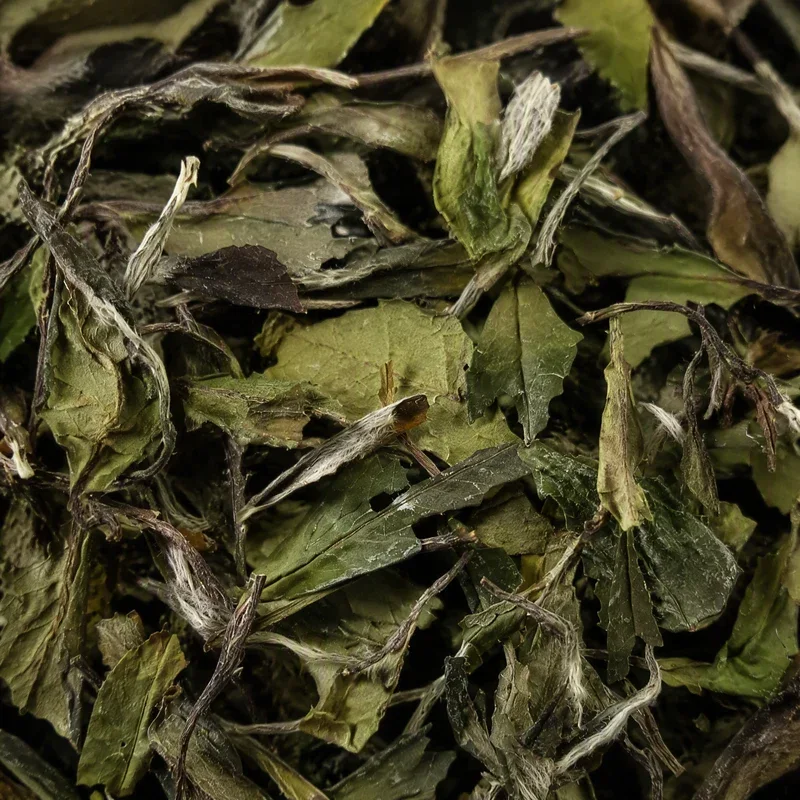
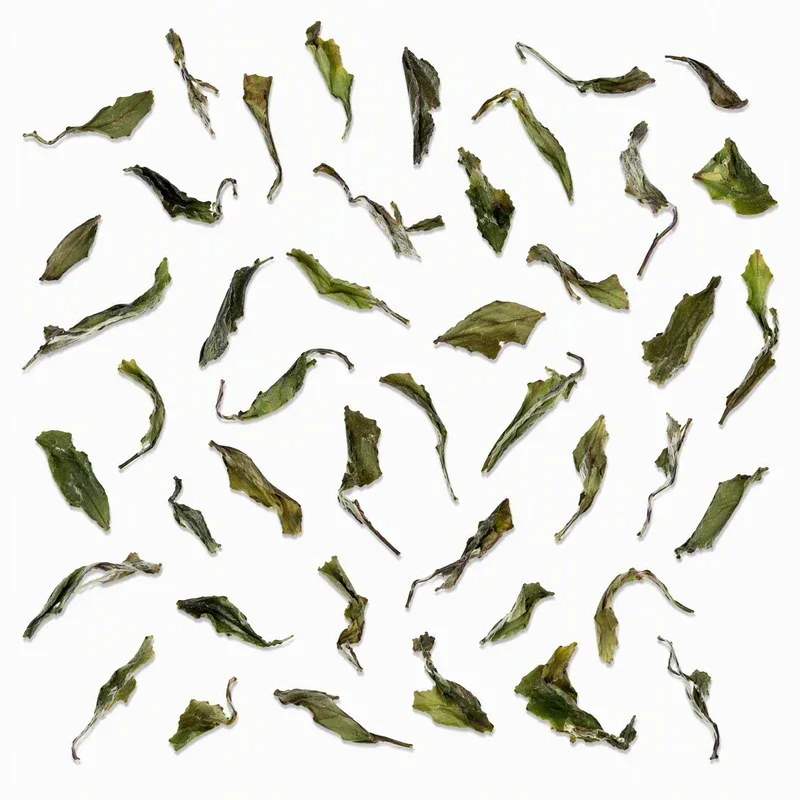
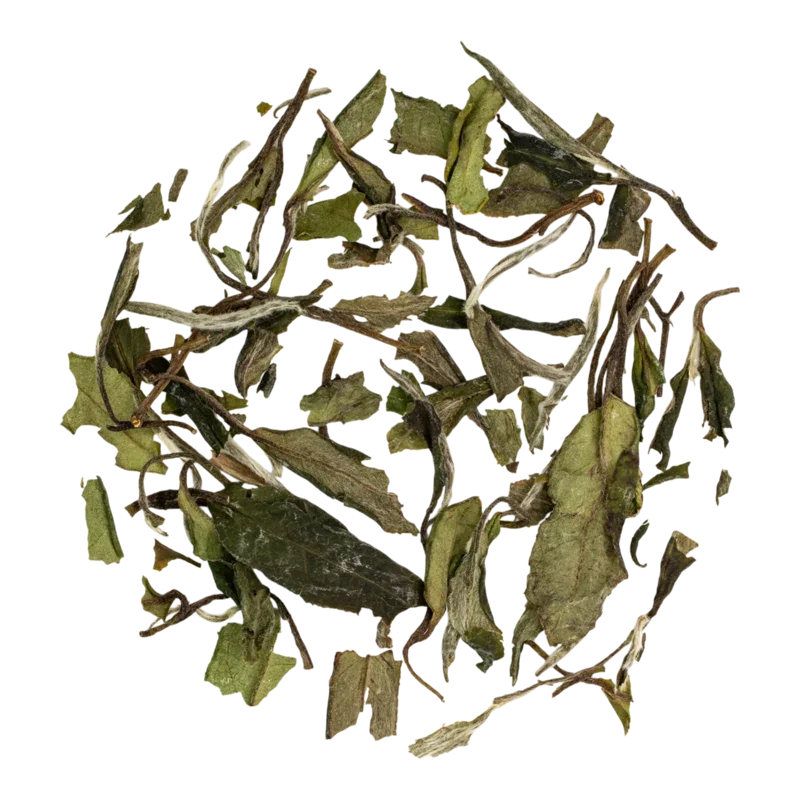
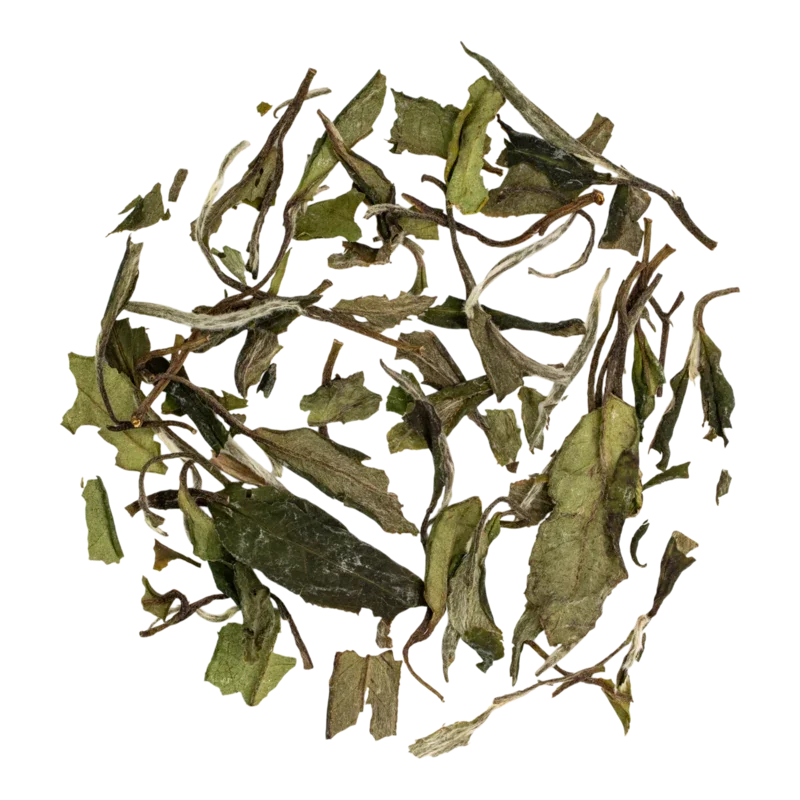
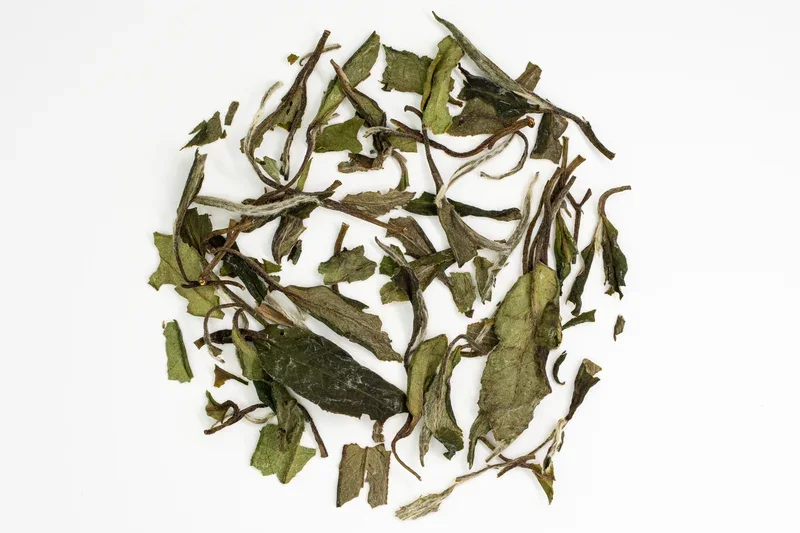
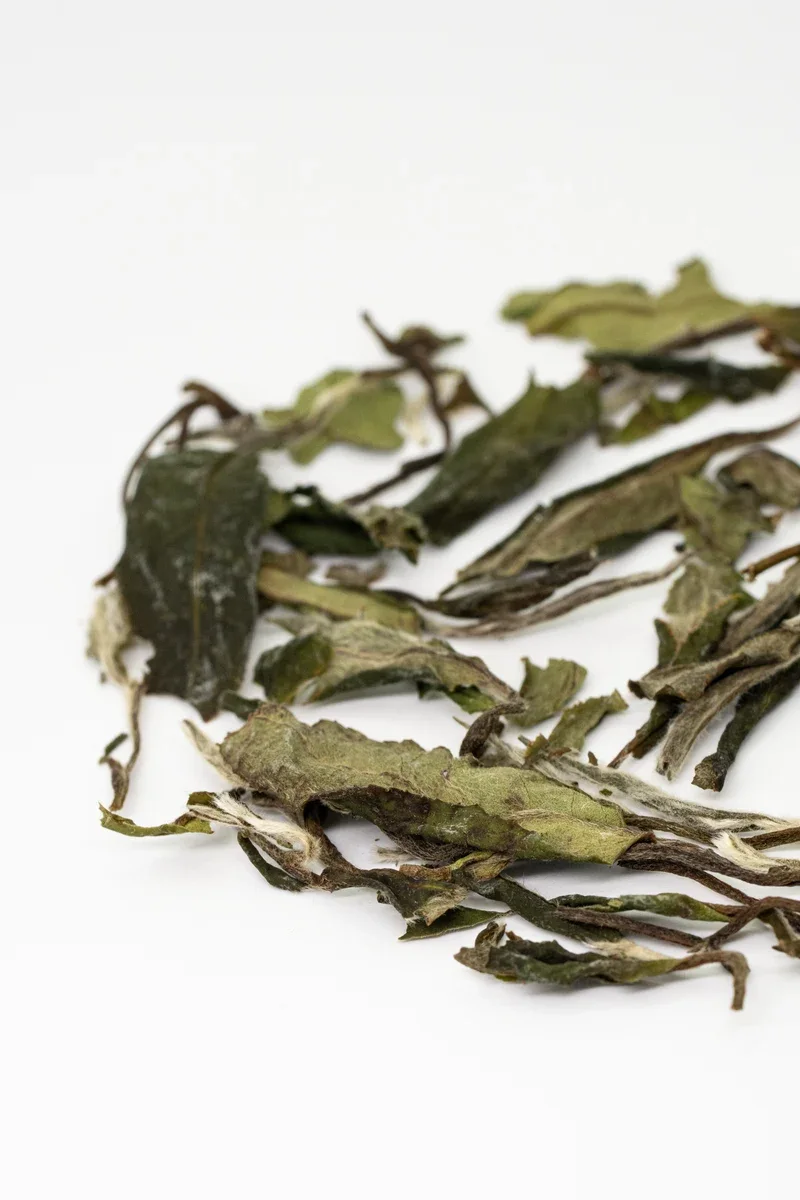
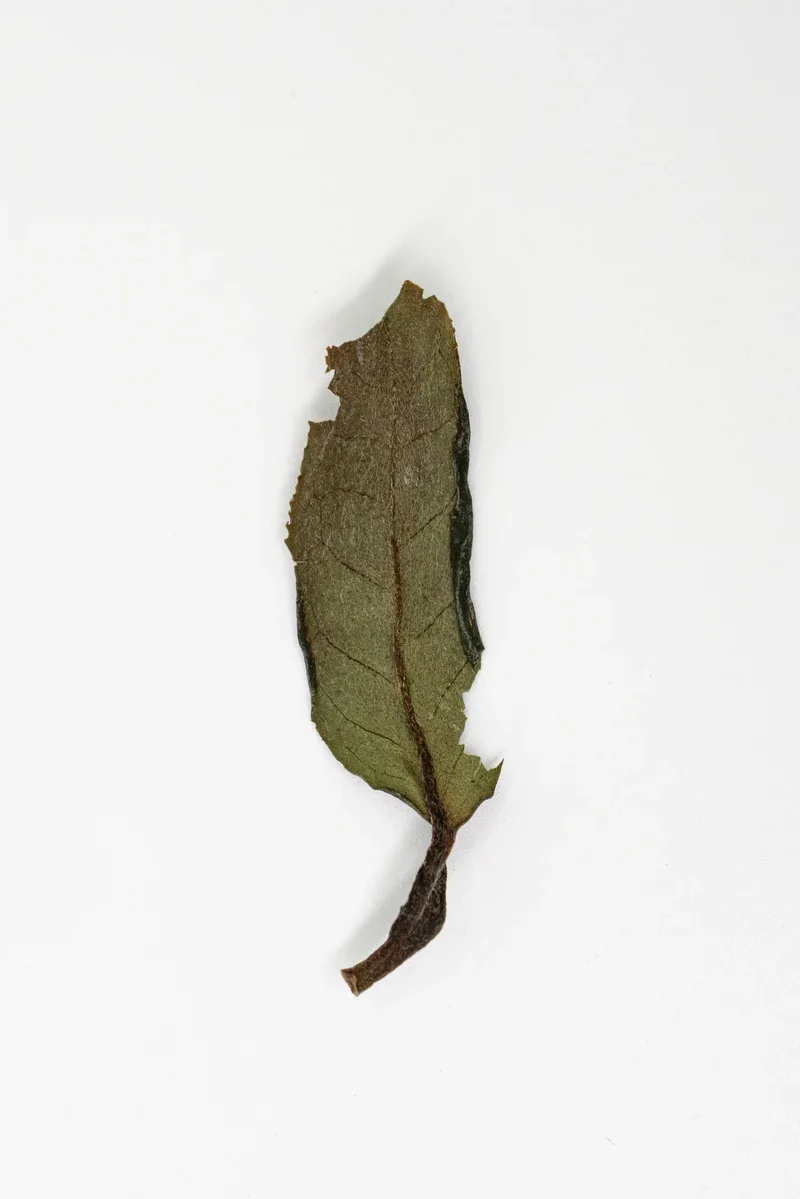
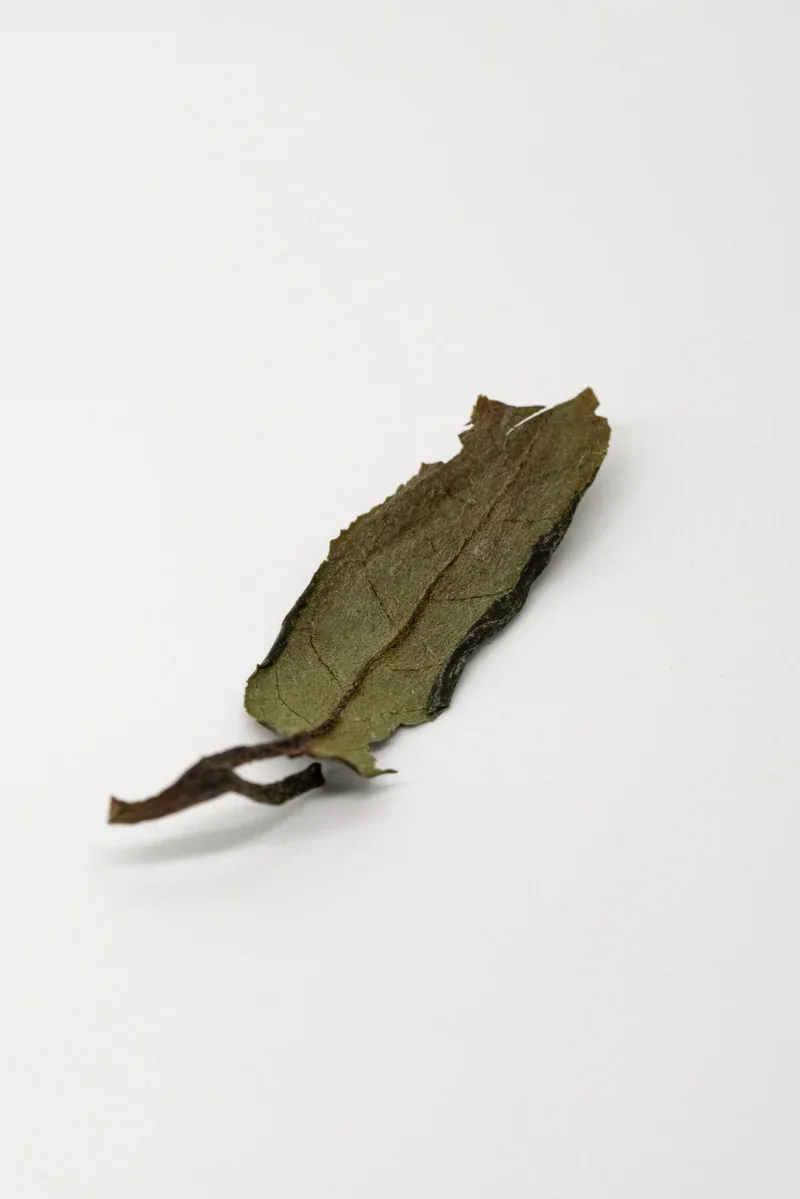
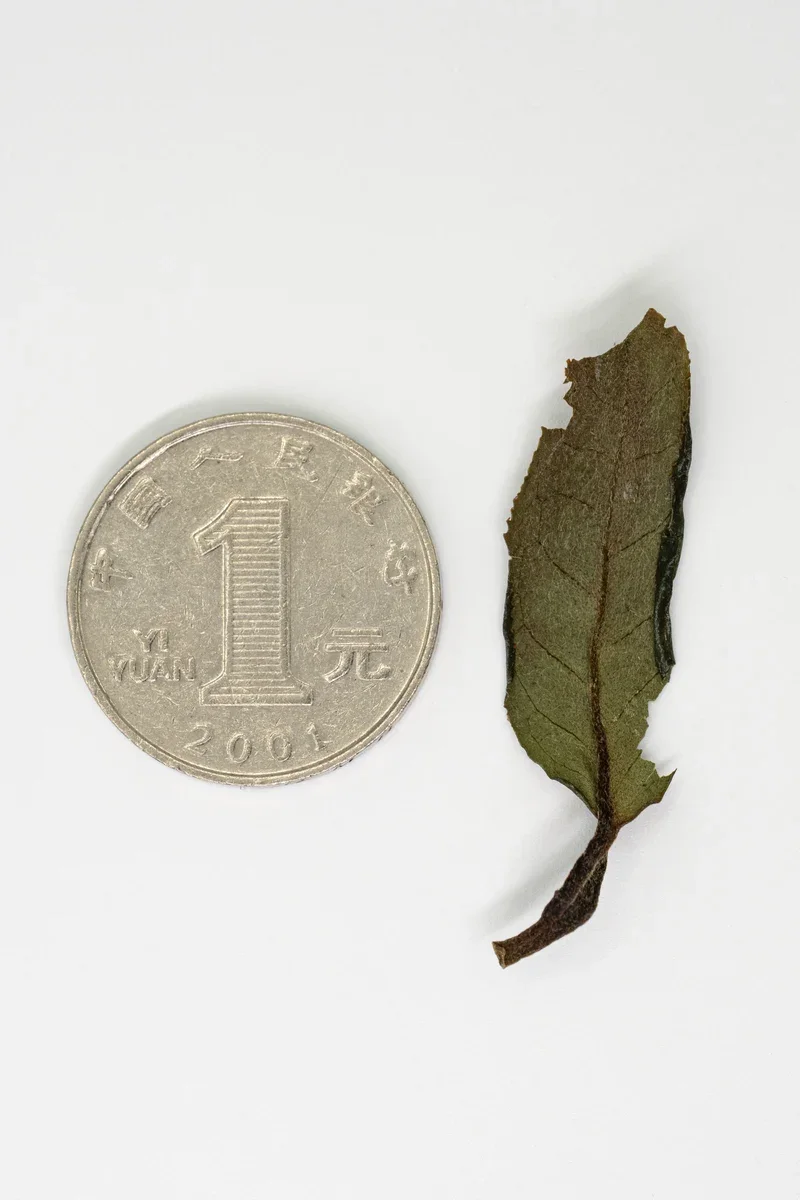
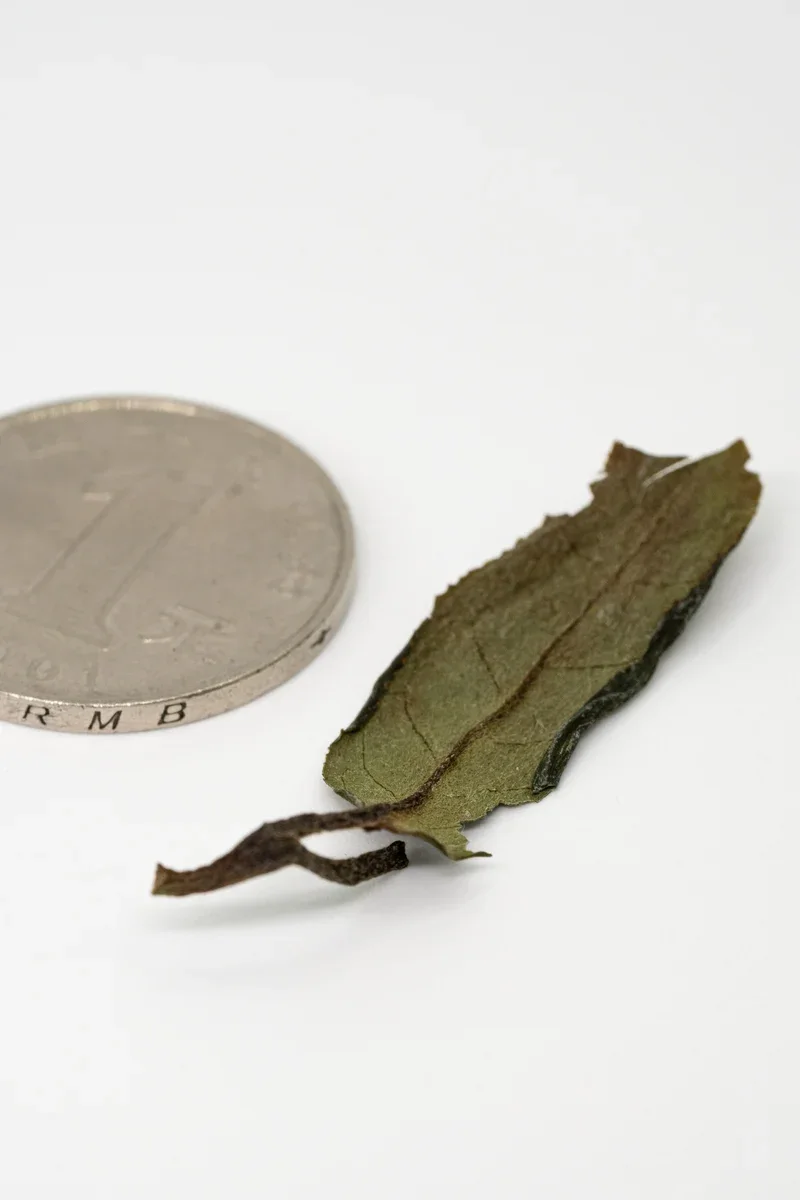
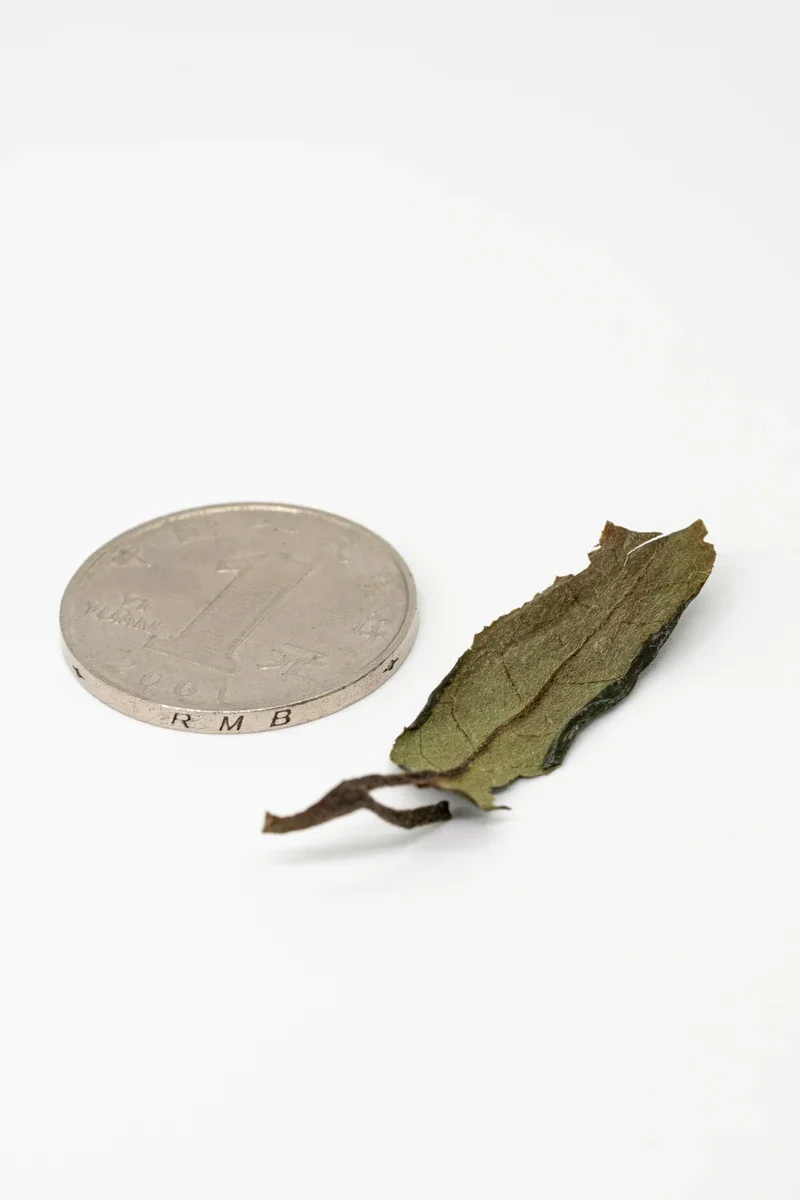
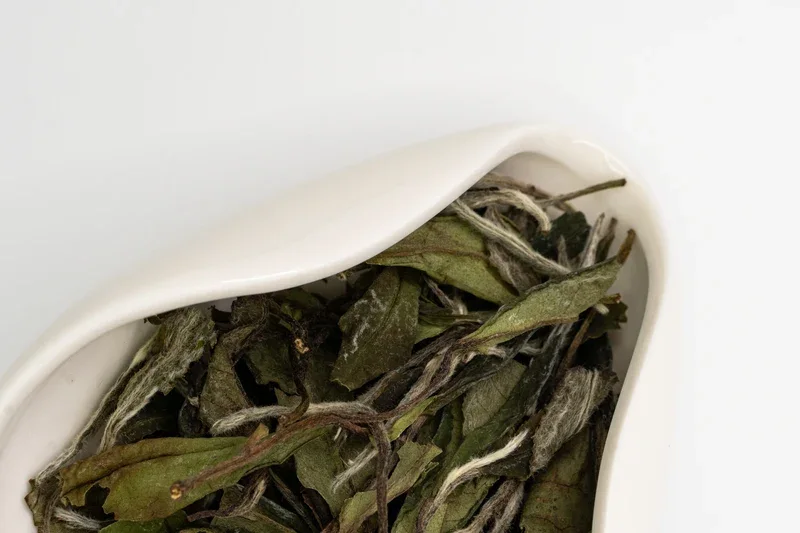
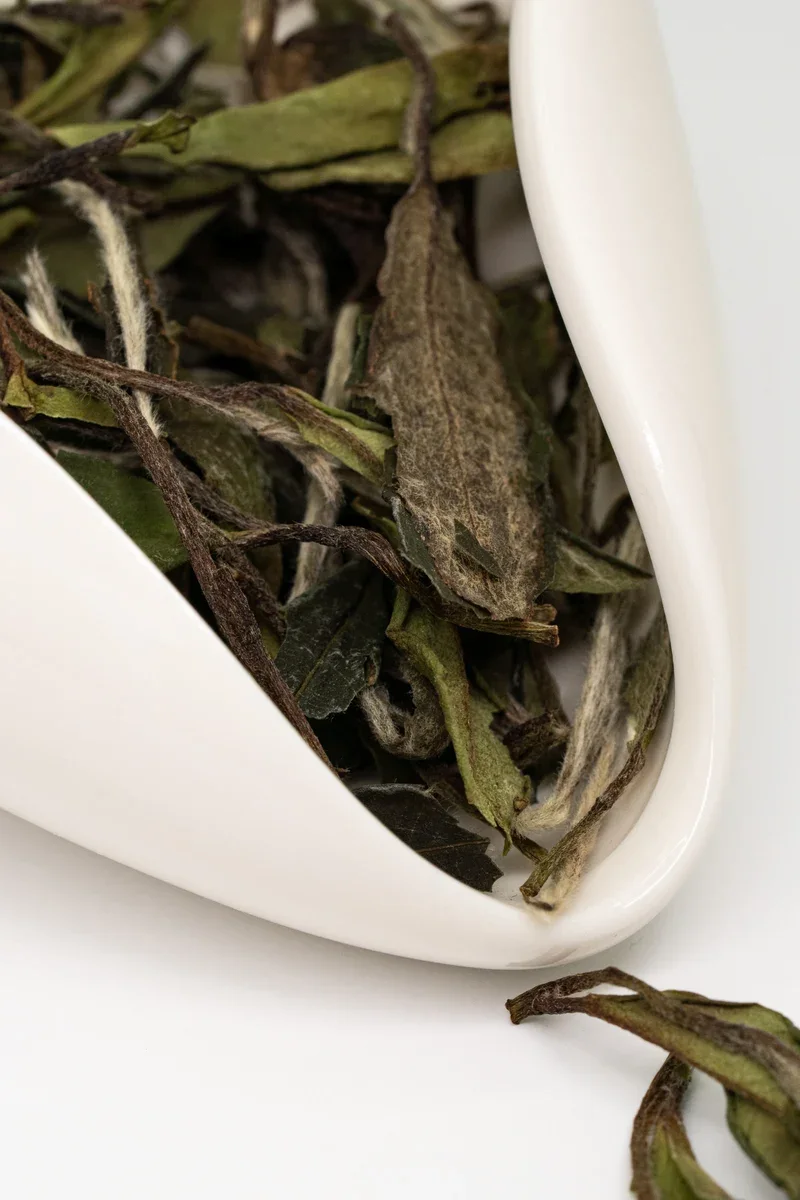
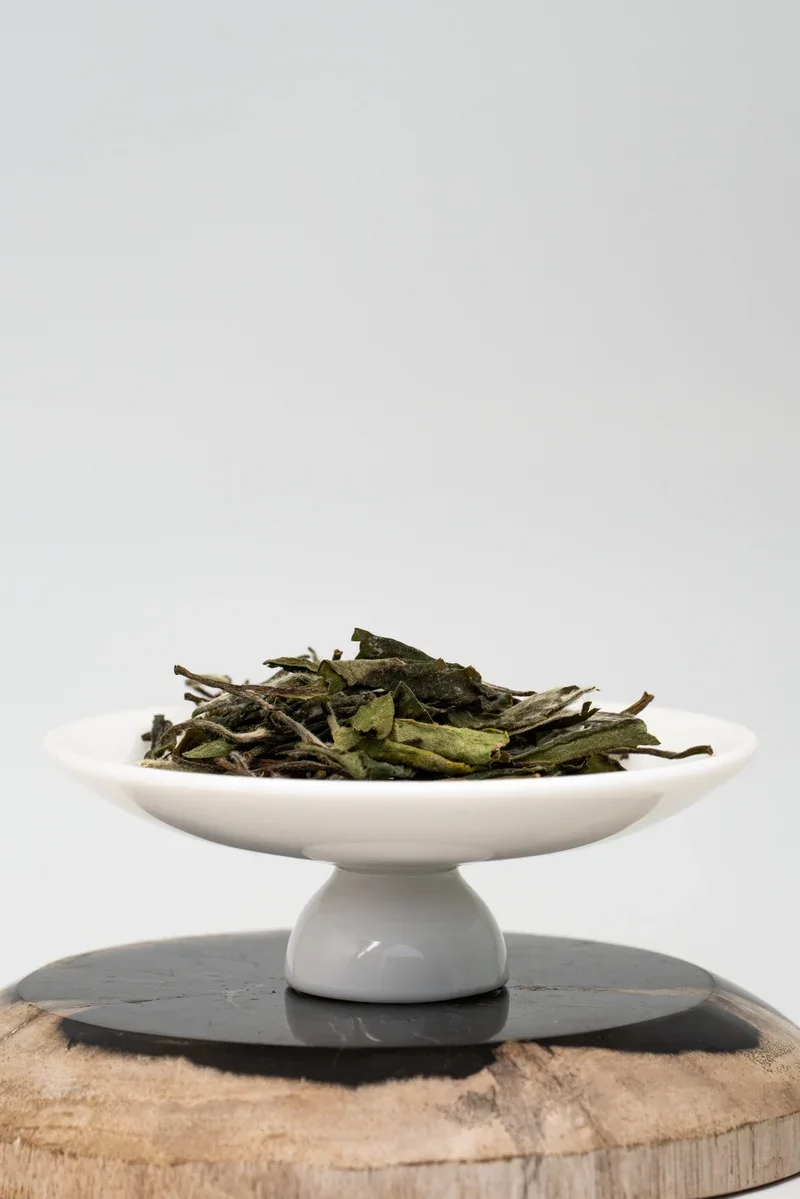
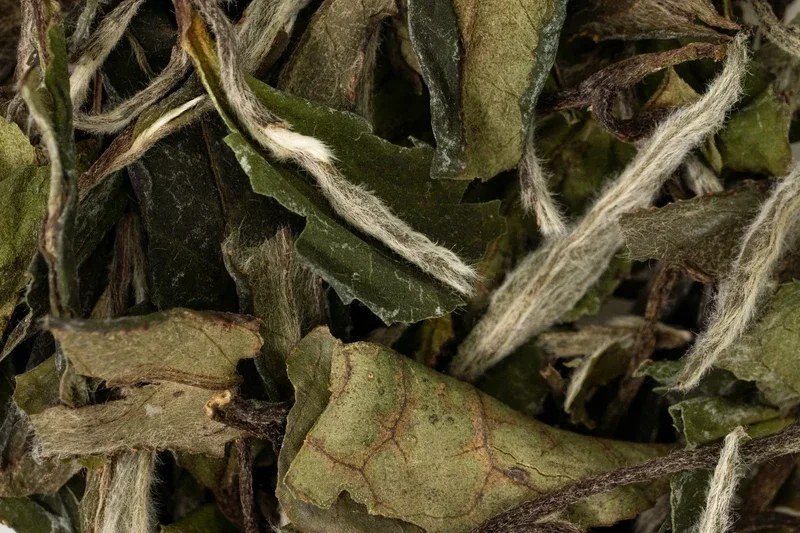
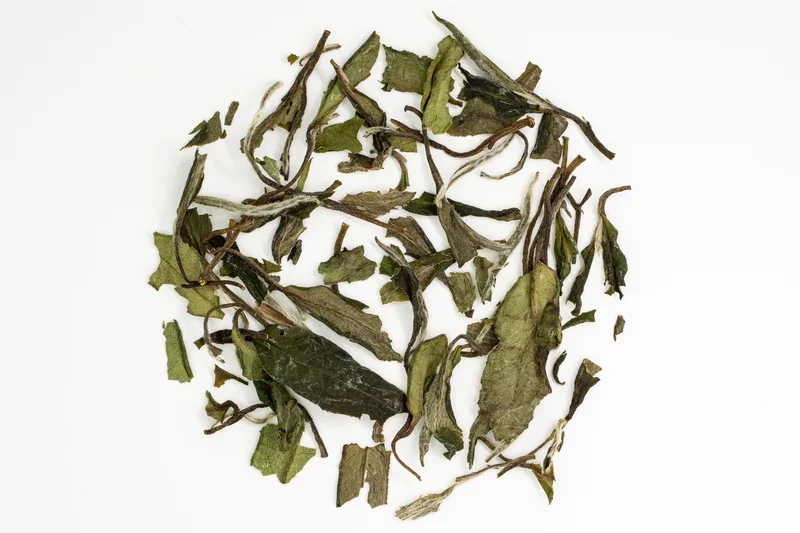
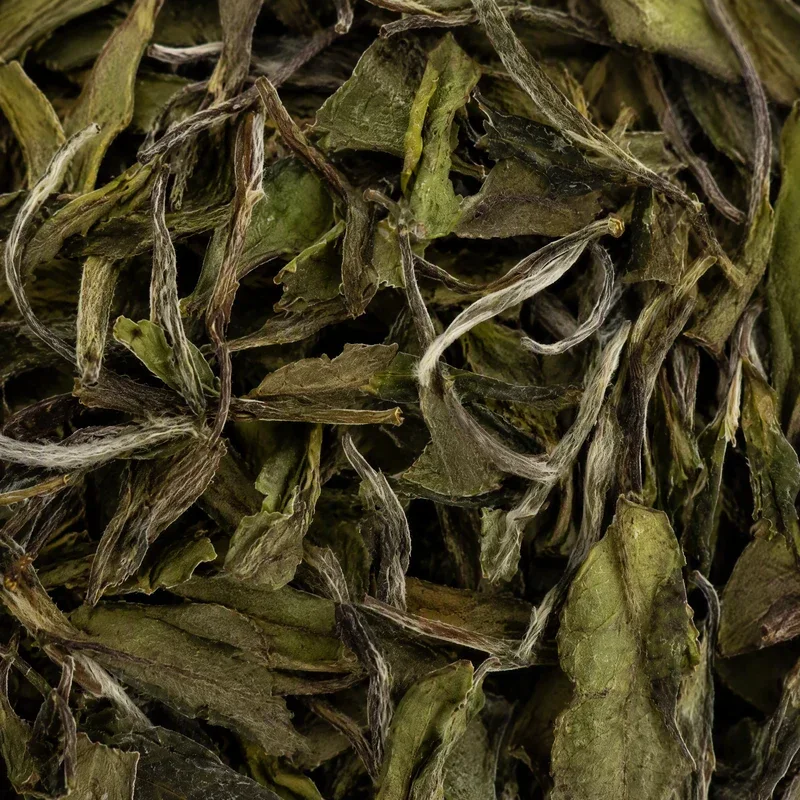
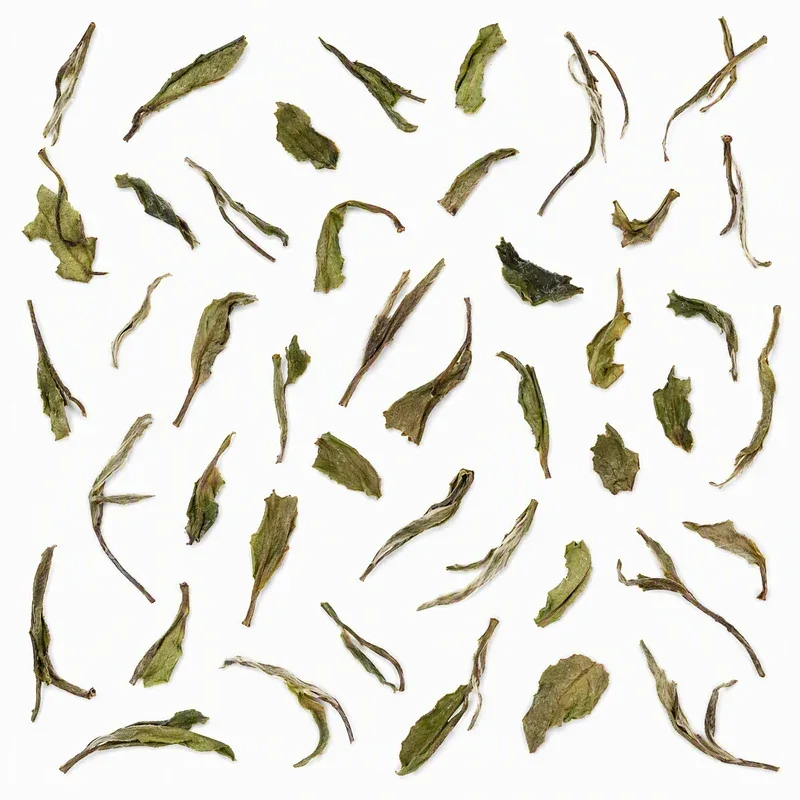
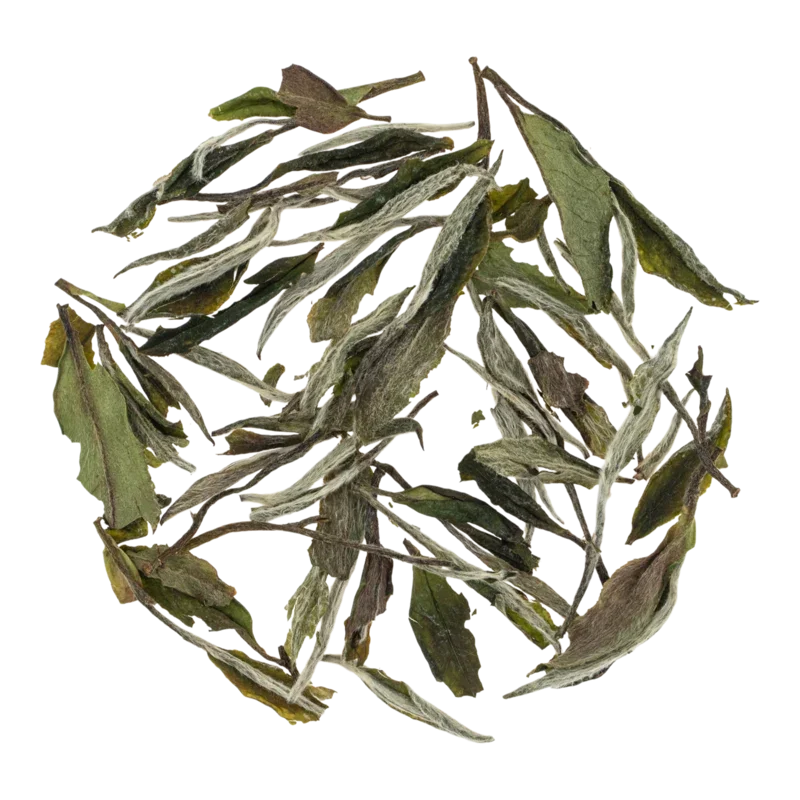
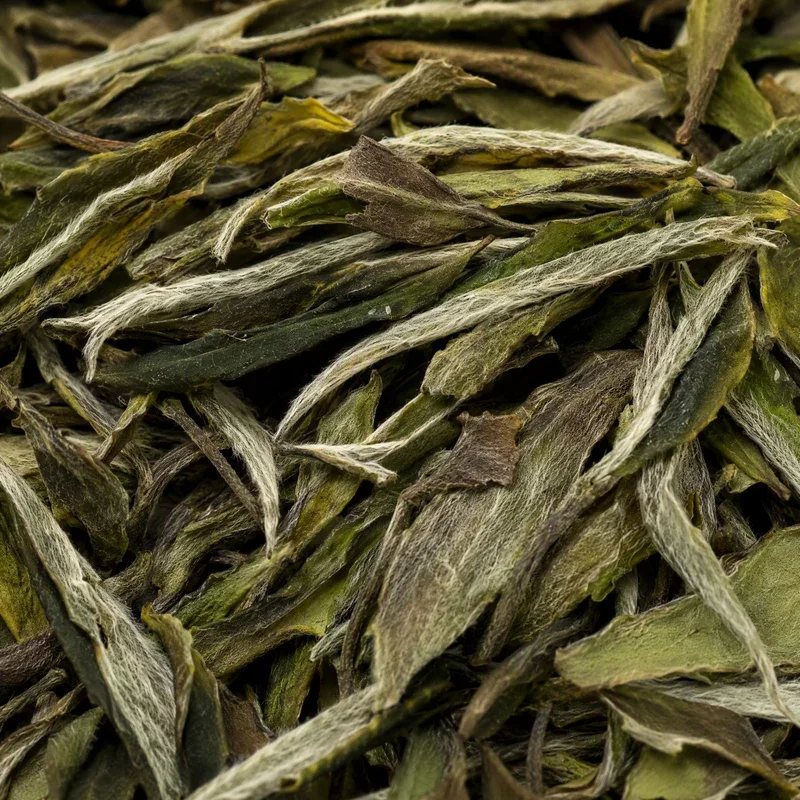
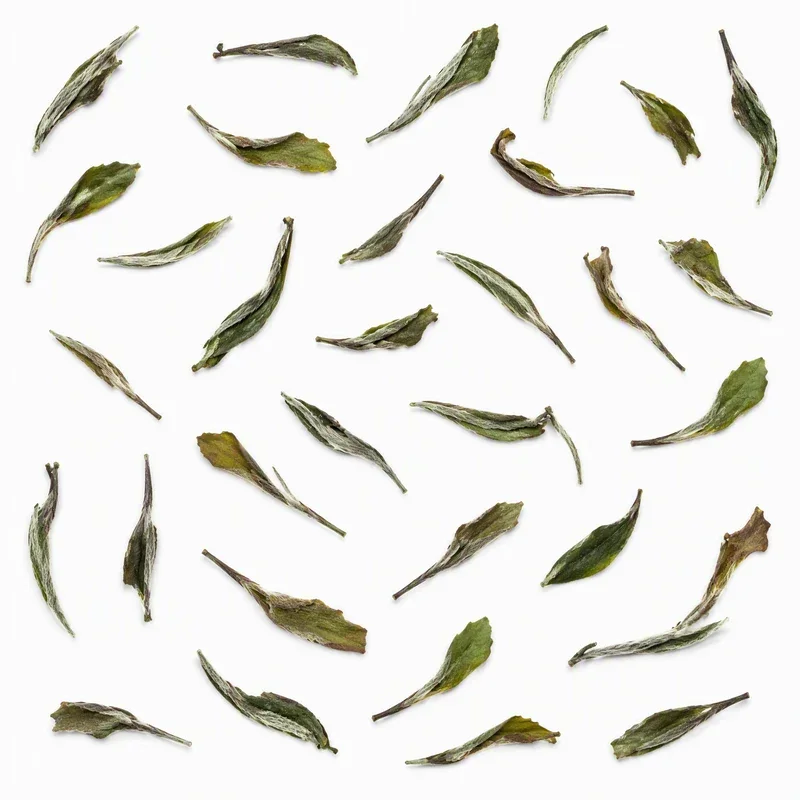
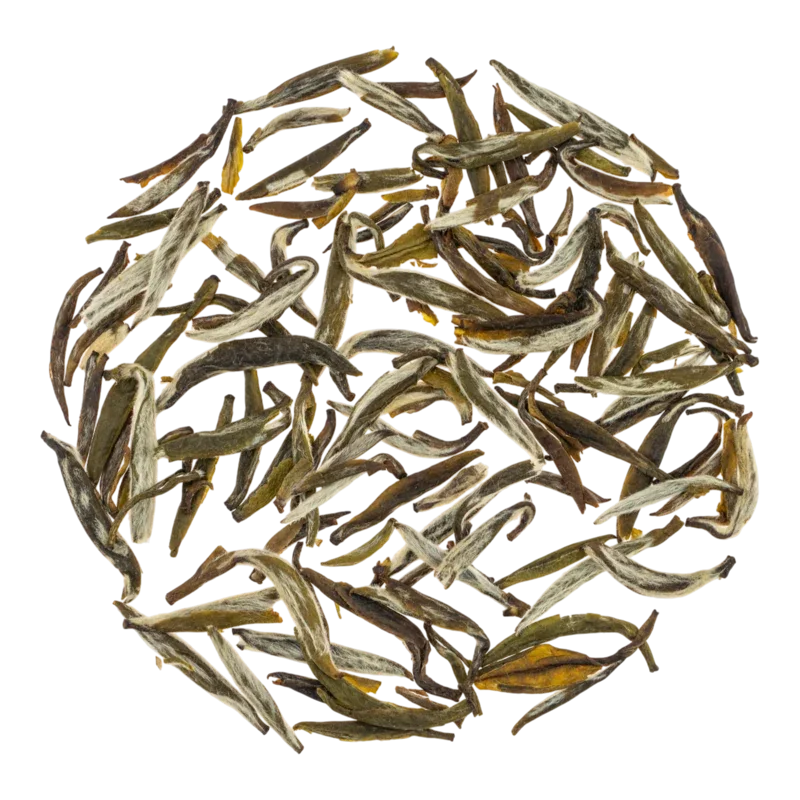
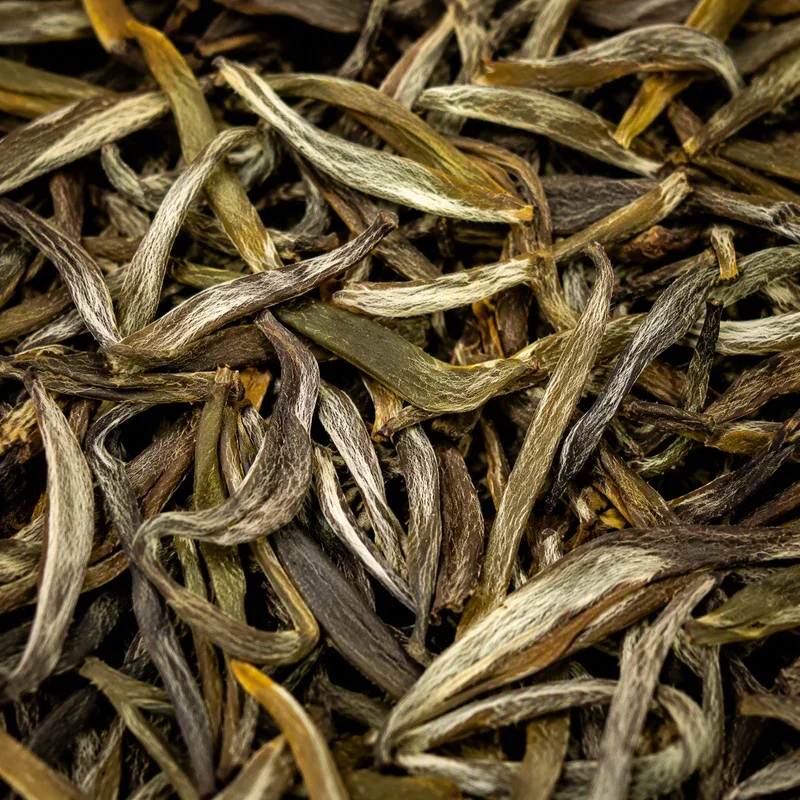
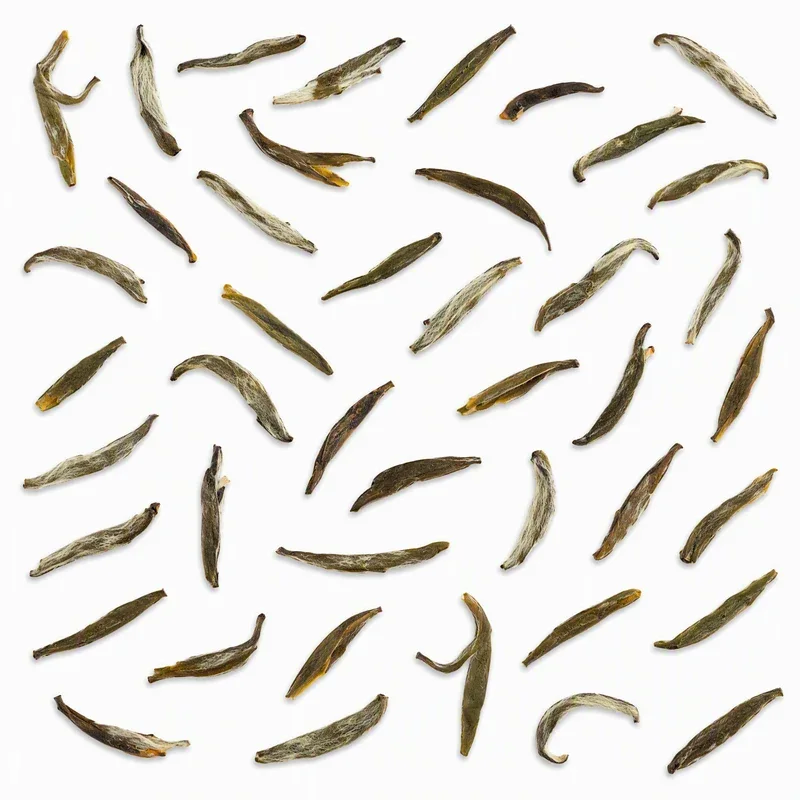
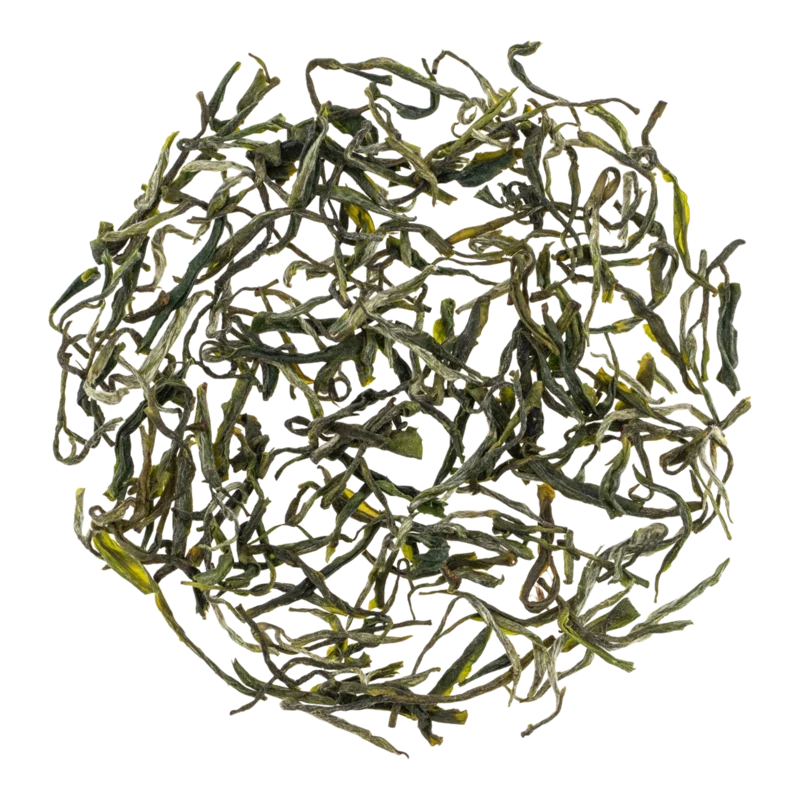
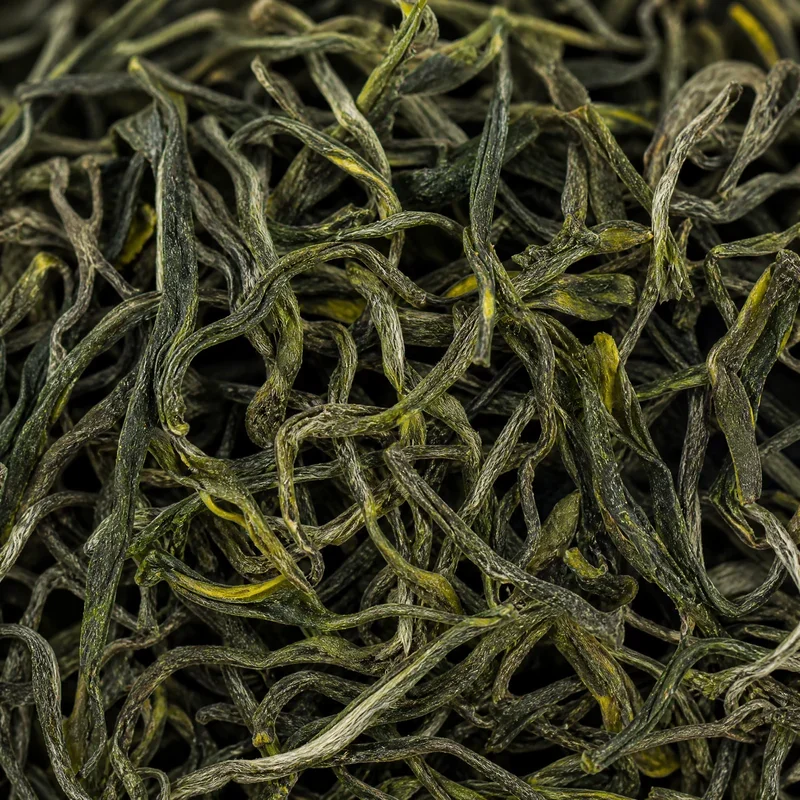
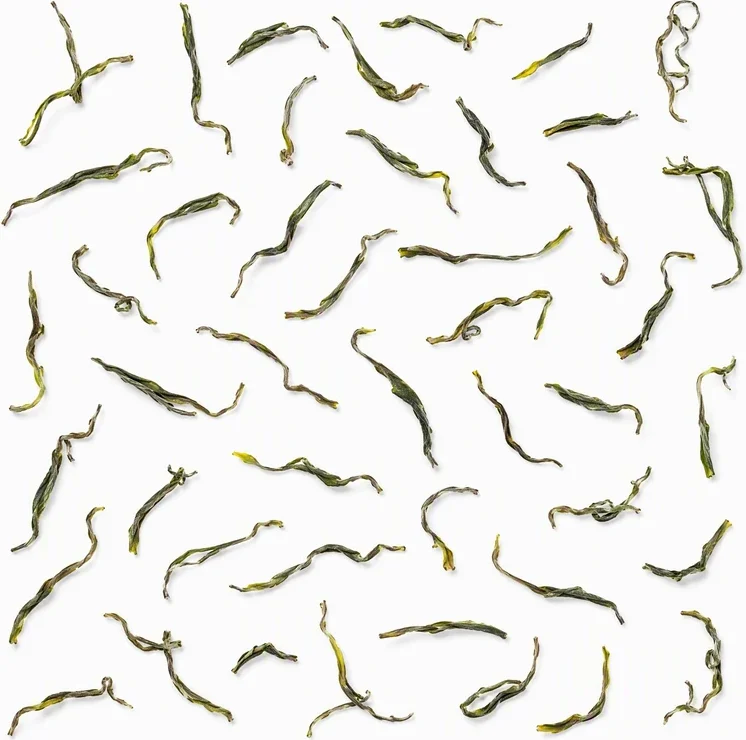
Dry Leaf Appearance: Straight, tight, neat threads (条索紧秀匀直), with noticeable "tips" (锋苗显露). Color — "silvery-green with jade undertone" (银绿隐翠, yín lǜ yǐn cuì).
Dry Leaf Aroma: Chestnut (栗香, lì xiāng) — dominant, high and persistent. Result of precise "fire work" in the final stage.
Liquor Aroma: Chestnut-green, rich and stable. With cooling — light "bread" notes.
Liquor Color: Tender green, clear and bright (嫩绿清澈).
Spent Leaves: Yellow-green, bright and even (黄绿明亮匀整).
Taste: Fresh (鲜爽) and simultaneously sweet-clean (回甘, huígān) — long returning aftertaste. Balance of freshness and "body."
Amino Acids: Good level — provides pronounced freshness (鲜爽). L-theanine dominates. High daily temperature variations in the gorge stimulate amino acid accumulation as cryoprotectants.
Elevated — provides pronounced tonic effect, according to the source 30% higher than average for green teas.
Including EGCG — the main polyphenolic component responsible for antioxidant activity and lipid metabolism stimulation.
Minerals: Potassium, manganese, fluorine; traces of microelements from purple clays.
Polyphenols: High level — provides powerful antioxidant activity. According to the source, free radical neutralization efficiency is 18 times higher than vitamin E.
Vitamins: Vitamin C, B-group vitamins, vitamin E.
Polyphenols + vitamin C — comprehensive free radical neutralization.
Elevated caffeine in synergy with L-theanine — gentle, prolonged alertness without nervousness.
Catechins stimulate GI motility and accelerate fat breakdown.
L-theanine stimulates alpha-wave brain activity.
Listed properties are based on general data and are not medical recommendations. Not recommended to drink on an empty stomach. Fresh tea should be aged 7–15 days to "discharge fire." After opening — store airtight.
Process: Pour water at 80–85 °C, steep 2 minutes. Observe "standing shoots" — silvery-green threads with white down slowly descend vertically, creating the effect of "jade forest in crystal water." 3–5 infusions permitted; chestnut aroma is most vivid in first and second steeps.
Tea Amount: 3 g per 150 ml (1:50 ratio).
Teaware: White porcelain gàiwǎn (白瓷盖碗) — for concentrating chestnut aroma. Glass tumbler — for observing "standing shoots" (芽叶竖立).
Water Temperature: 85–90 °C. Do not use boiling water (>90 °C destroys freshness and causes bitterness).
Light: Complete isolation.
Recommended within first 6 months. Fresh tea — age 7–15 days "醒茶" to discharge "fire."
Temperature: 0–5 °C (refrigerator), airtight.
Chongqing. Flat-twisted shape, chestnut-green profile. More "mass market" and accessible. Xiangshan — with deeper history (Tang vs 20th century) and more "straight" shape (紧秀匀直).
Sichuan. One of China's most ancient teas (Tang "number one," according to Li Zhao: "蒙顶石花,号为第一"). Shape — twisted spiral; aroma — "sweet dew" (甘露), with pronounced florality. Xiangshan — straight threads, chestnut profile from "fire flash." Both — Tang tribute teas from the same region (Sichuan-Chongqing), but from different climatic zones: Mengding — 1000+ m, humid subtropical; Xiangshan — 500–900 m, gorge microclimate. Mengding — significantly more famous; Xiangshan — niche, but with unique "gorge" terroir.
Sichuan, Emeishan. Flat, pan-fired. Delicate, "bamboo-green" profile. Xiangshan — more "dense" and "chestnut" thanks to "fire flash."
No reviews yet. Tell us what you think of this tea.
Rate this tea and share your impressions. We review each submission before publishing it.