Brewing
Gongfu brewing
- Water temperature
- 75 °C
- Tea amount
- 5 g
- Water volume
- 100 ml
- First steep
- 10 s
- Time added per infusion
- 5 s
- Infusions
- 3

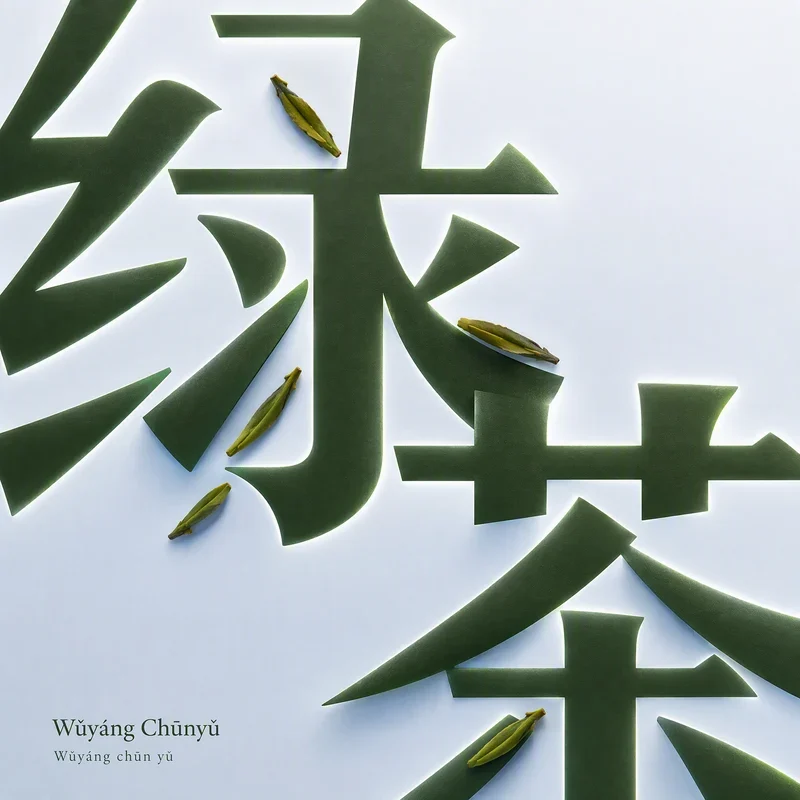
Wǔyáng chūn yǔ
Choose a brewing method. Start with the recommended quantities and time, then adjust to taste.
Brewing
Brewing
Taste
Tea encyclopedia
Category: Modern famous tea (创新名茶, chuàngxīn míngchá), included in the "Ten Famous Teas of Zhejiang Province" (浙江省十大名茶) since 2004. Agricultural geographical indication product (农产品地理标志) since 2017. Also designated as an "ecological origin protection product" (生态原产地保护产品). Awarded the status of "cultural tea brand" under the "World Tea Homeland — Zhejiang" program (世界茶乡看浙江) in 2024.
Category: Modern famous tea (创新名茶, chuàngxīn míngchá), included in the "Ten Famous Teas of Zhejiang Province" (浙江省十大名茶) since 2004. Agricultural geographical indication product (农产品地理标志) since 2017. Also designated as an "ecological origin protection product" (生态原产地保护产品). Awarded the status of "cultural tea brand" under the "World Tea Homeland — Zhejiang" program (世界茶乡看浙江) in 2024.
Coordinates: 28°31′–29°03′ N, 119°27′–119°45′ E (geographical indication protection zone).
Origin: China, Zhèjiāng Province (浙江省, Zhèjiāng Shěng), Jīnhuá Prefecture (金华市, Jīnhuá Shì), Wǔyì County (武义县, Wǔyì Xiàn). The production zone covers 17 townships, towns and streets: Hushan (壶山街道), Shuxi (熟溪街道), Wēnquán Hot Springs Resort Zone (温泉度假区), Lütan (履坦镇), Quanxi (泉溪镇), Tongqin (桐琴镇), Wangzhai (王宅镇), Xinzhai (新宅镇), Liucheng (柳城镇), Taoxi (桃溪镇), Dàtián (大田乡), Baimu (白姆乡), Yuyuan (俞源乡), Tanhong (坦洪乡), Xilian (西联乡), Sangang (三港), Daxikou (大溪口) — totaling 385 administrative villages.
Type: Green tea (non-oxidized, 绿茶, lǜchá). Processing — combined (chaoqing + hongqing): fixation by pan-firing followed by final hot-air drying.
Cultural Significance: Wuyang Chunyu is inseparable from the concept of "organic tea," which Wuyi elevated to the level of a national brand. Wuyi County became the first in China to receive the title "China's Organic Tea Hometown" (中国有机茶之乡) from the Ministry of Agriculture. Forest coverage of 85.93%, 79 mountain peaks above 1,000 m, absence of industrial pollution — all this made Wuyi an ideal platform for ecological tea cultivation. The brand's creator Zhú Linping (祝凌平) — China's first "tea master" (中国制茶大师) from Wuyi, later transferred the "Wuyang Chunyu" trademark to public use so that all 60,000 tea farmers in the county could use it. This gesture became a symbol of collective development and received wide recognition.
History: Wuyi County has a centuries-old tradition of tea cultivation. As early as the Southern Sōng dynasty (南宋, 1127–1279), "Jiangfu Tea" (蒋富茶) was produced here and renowned in the region. According to records from the Míng era (明, Jiajing period, 嘉靖, 1522–1566), this tea was supplied to the court as "tribute tea" (贡品). In the 20th century, during the 1960s–70s, the county's tea plantation area reached 100,000 mu (≈6,667 ha), and Wuyi became one of Zhejiang's largest tea-producing counties. However, in the 1980s, due to structural changes in the tea market — declining demand for mass-market teas and export restrictions — the industry fell into deep crisis: about 50,000 mu of tea gardens were abandoned.
Name Breakdown: "武阳" (Wǔyáng) — the ancient historical name of Wǔyí County (武义), used during the Han and Jin dynasties; "春" (chūn) — "spring"; "雨" (yǔ) — "rain." The complete name — "Spring Rain over Wuyang" — refers to the appearance of the dry tea: thin, straight needles resembling threads of warm spring rain falling on the awakening earth of Wuyang. Poet Yè Yiwei (叶一苇) celebrated this image: "一场春雨后,云雾遍山香;多少品茶客,开怀话武阳" — "After spring rain — fragrant clouds and mist throughout the mountains; how many tea connoisseurs joyfully speak of Wuyang."
Cultivar: Special cultivars: Chunyu-1 (春雨一号, Chūnyǔ yī hào) and Chunyu-2 (春雨二号, Chūnyǔ èr hào) — main varieties selected and registered for Wuyang Chunyu production, possessing pronounced floral-fruity aroma and sweet taste. Also permitted is the cultivar Yíngshuāng (迎霜, Yíngshuāng) — the historical "progenitor" variety used in the original development in 1994, and other locally adapted varieties.
Picking: Early spring — March. Standard: from single bud to one bud and three leaves, depending on grade. Premium lots — one bud or one bud and one leaf; mass production — one bud and two to three leaves. Picking — as standard is reached: "when the shoot has grown — pick" (达到采摘标准即开园).
Pluck Standard: Shoots must be intact, tender green, fresh, uniform (芽叶完整、色泽嫩绿、新鲜、匀净). Raw material is delivered to the factory within 4 hours of picking.
Raw Material: Freshness is critically important. Separate picking by varieties, plots and grades (分级分批采摘). Organic standards: no use of chemical pesticides, herbicides and synthetic fertilizers on certified plantations.
Altitude: The main mass of plantations — 500–1,500 m above sea level. The county has 79 peaks above 1,000 m. High-mountain plantations (Jiulongshan area, 九龙山, Anfengshan, 安凤山) — at elevations of 800–1,200 m.
Climate: Subtropical monsoon. Average annual temperature — 16.9°C. Annual precipitation — 1,400–1,600 mm. Four distinct seasons. Frost-free period — about 250 days.
Soil: Red-yellow lateritic and mountain-forest soils, acidic and slightly acidic (pH 4.5–5.5), with high organic matter content, well-drained. Absence of industrial pollution is a key factor for organic production.
Wuyi County — "八山半水分半田" (eight parts mountains, half water, half fields) — a typical mountainous region. Forest coverage — 85.93%. Mountain tea gardens are shrouded in clouds and mist most of the year, providing diffused light, high humidity and cool nighttime temperatures — conditions ideal for accumulating amino acids and aromatic compounds.
Wuyi is a pioneer of organic tea cultivation in China. On certified plantations (over 12,500 mu of organic gardens), synthetic fertilizers and pesticides are completely excluded. Instead — rapeseed cake (菜籽饼) as organic fertilizer, solar insect traps, colored sticky traps, "tea + birds" agricultural technique (free-range chickens on plantations for biological pest control). Hand weeding is practiced.
Fresh leaves are spread in a thin layer on bamboo trays in a ventilated room. Goal — removing excess surface moisture and initial aroma development. Duration — 4–6 hours.
Pan-firing in a hot wok (or drum unit) at high temperature to inactivate enzymes and stop oxidation. Leaves are quickly fired with constant stirring, preserving jade-green color.
Key stage for creating the characteristic needle-like shape. Shoots are straightened, pressed and stretched into straight, thin needles (紧细如松针). Can be performed by hand or on specialized shaping equipment (理条机).
Hot air at 100–110°C to 20–25% moisture content.
Redistribution of residual moisture. 30–60 minutes.
At ~80–90°C to 5–7% moisture content.
Brief warming at moderate temperature to "lift" the aroma and fix the chestnut-floral profile. It is at this stage that the characteristic high, "soaring" aromatic note of Chunyu is formed.
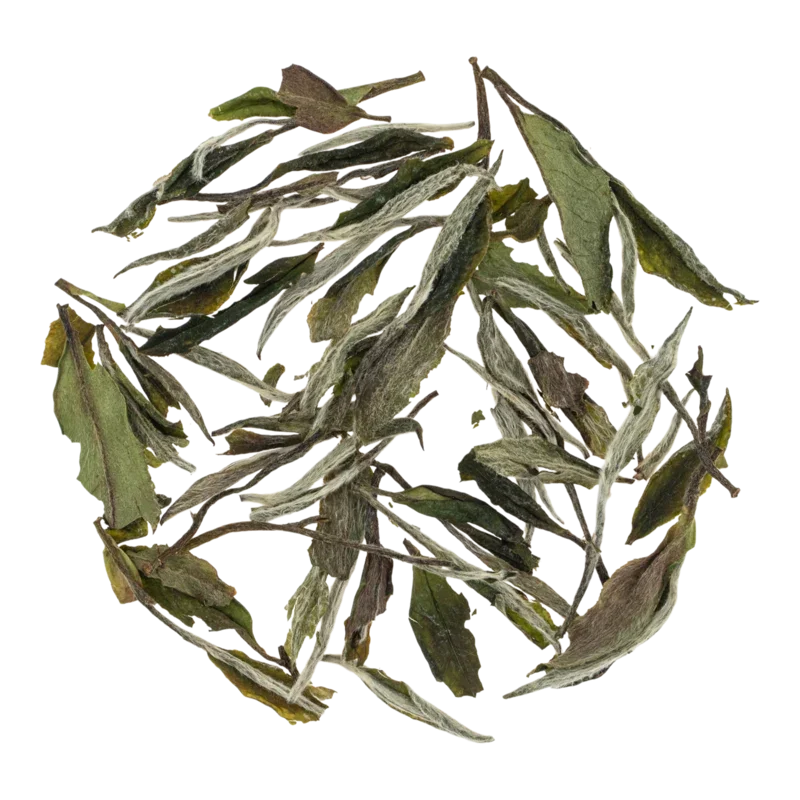
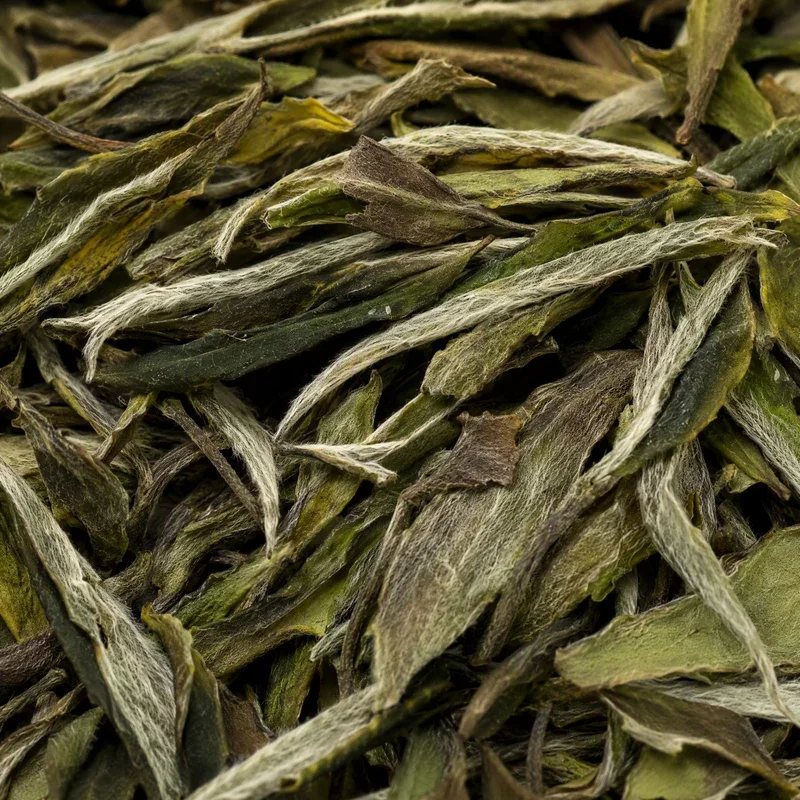
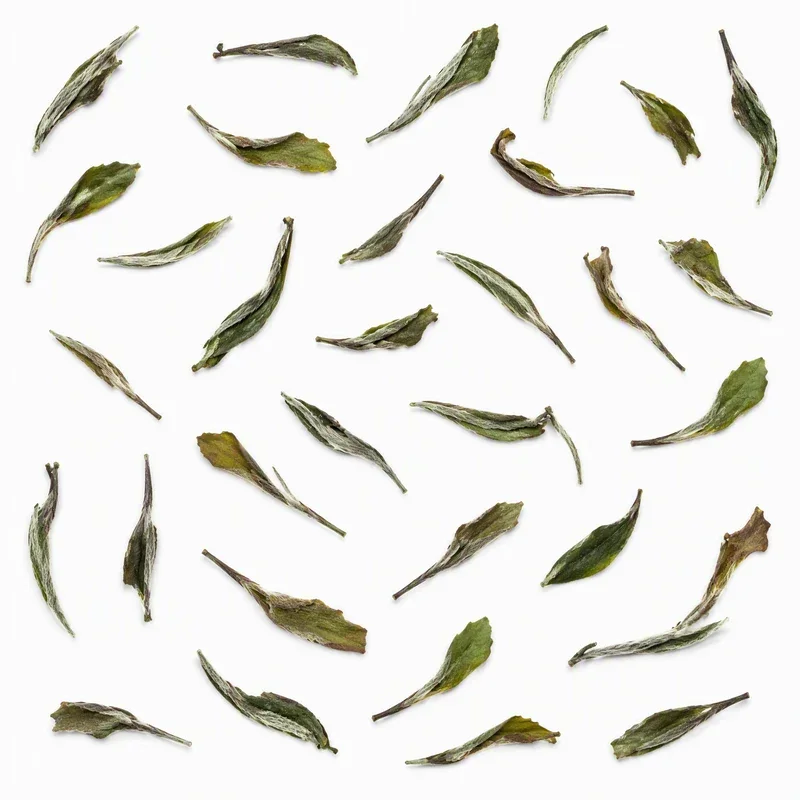
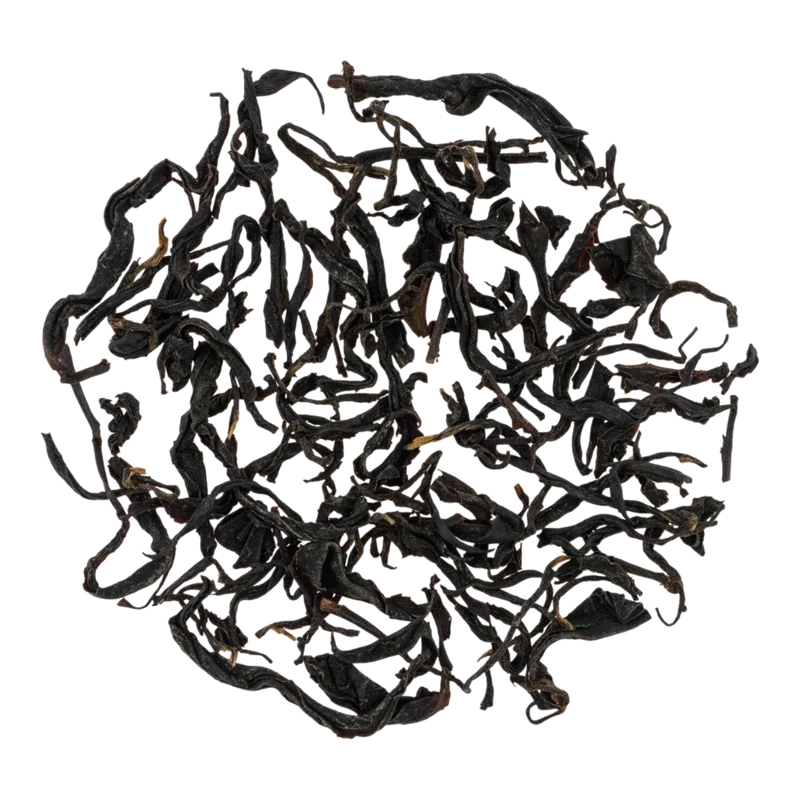
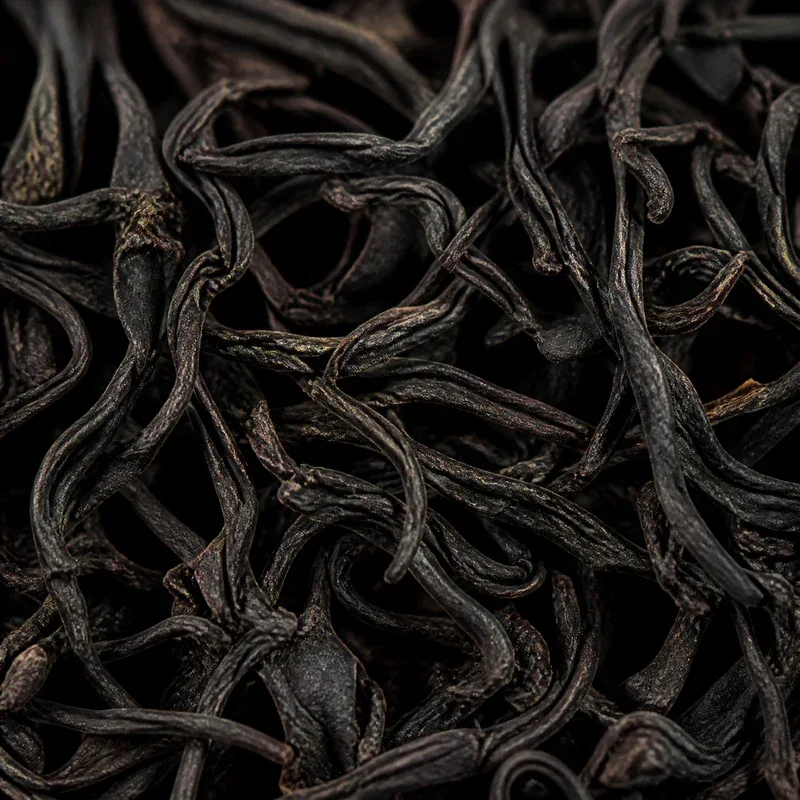
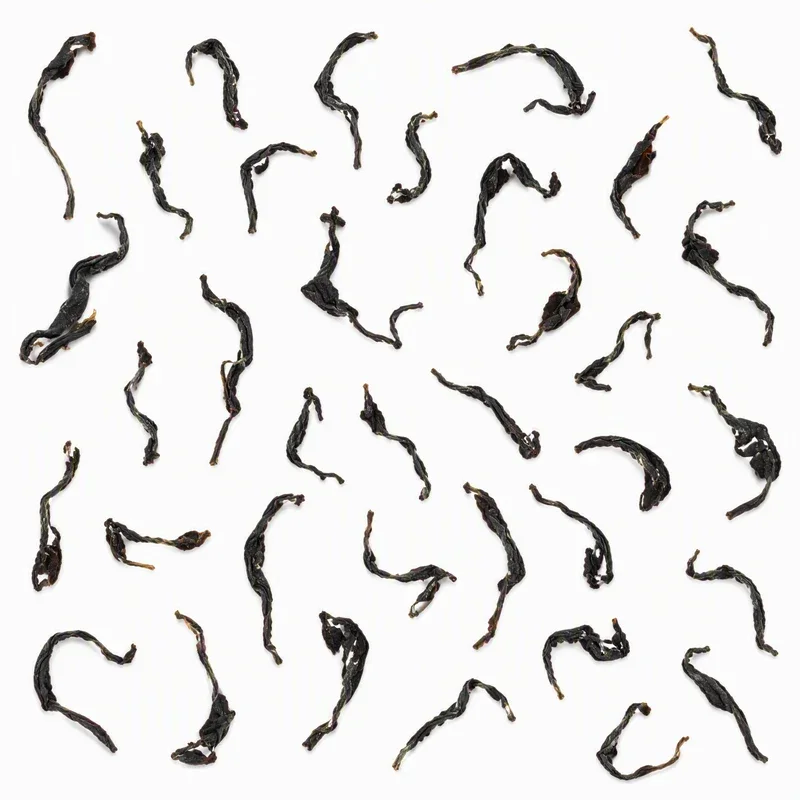
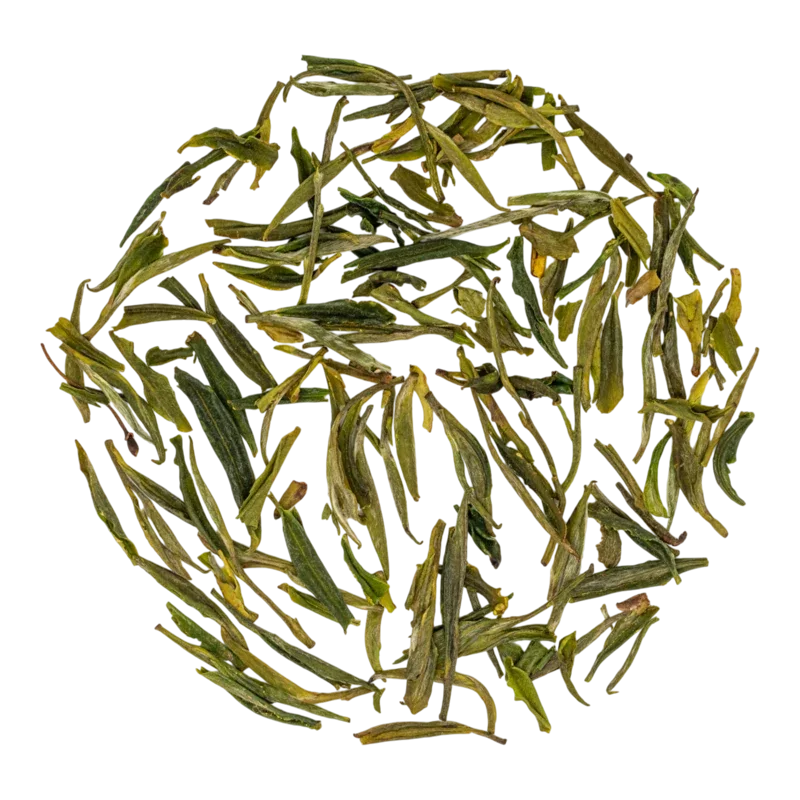
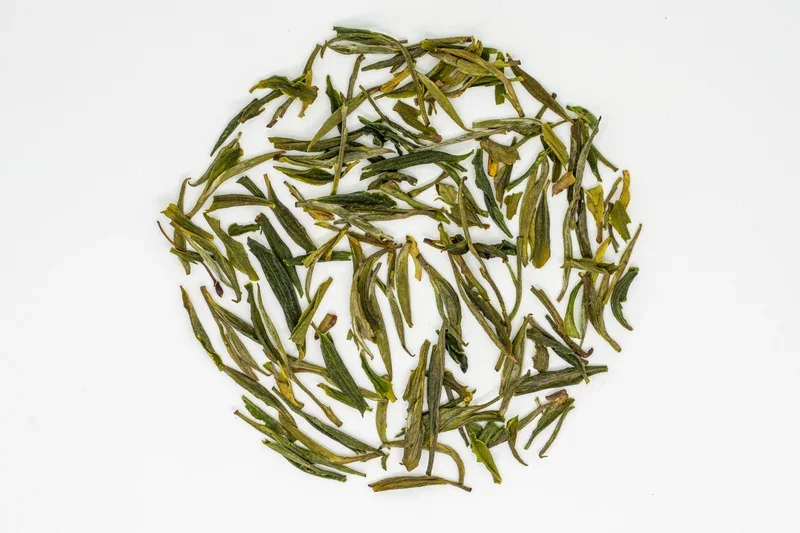
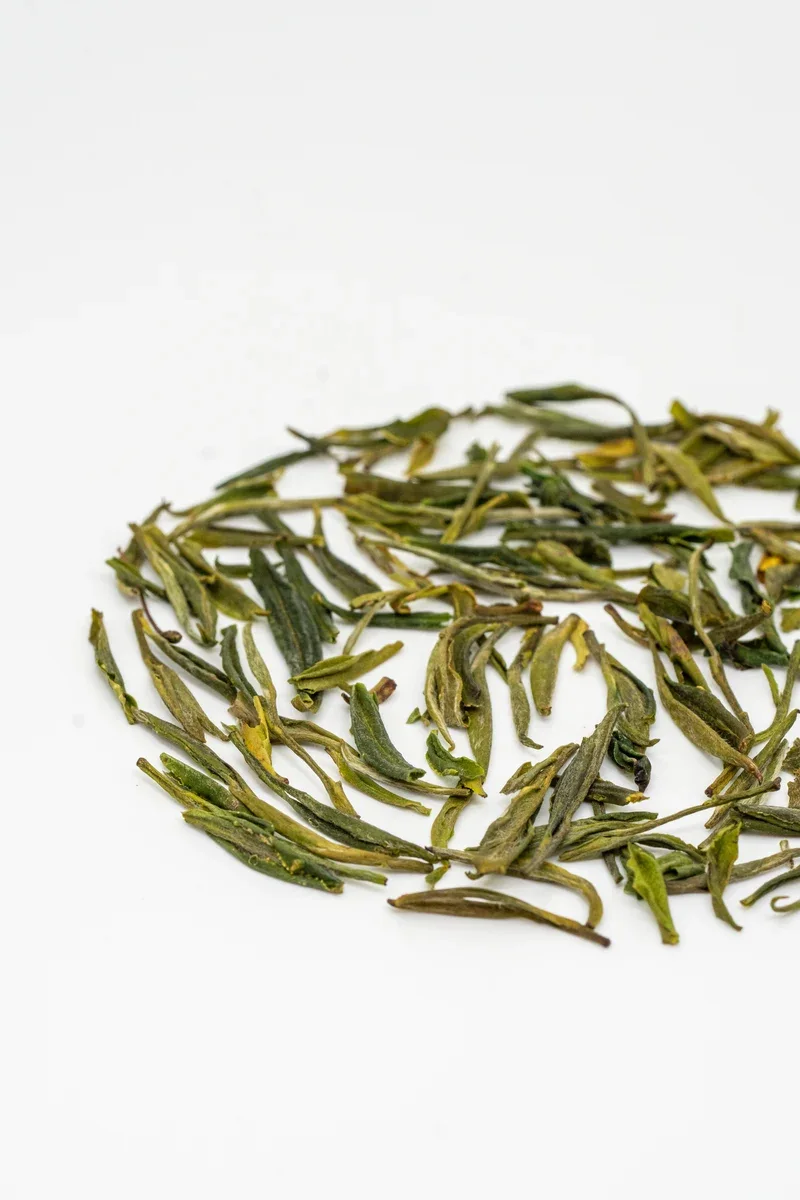
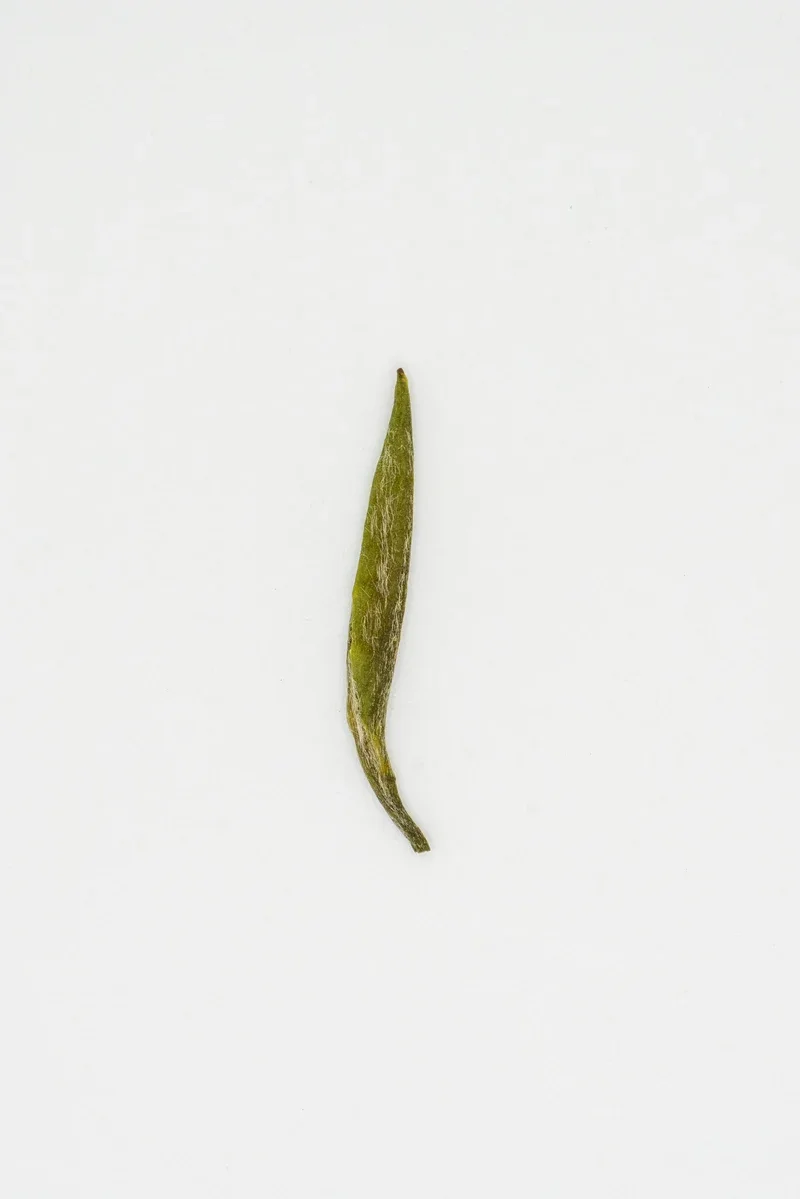
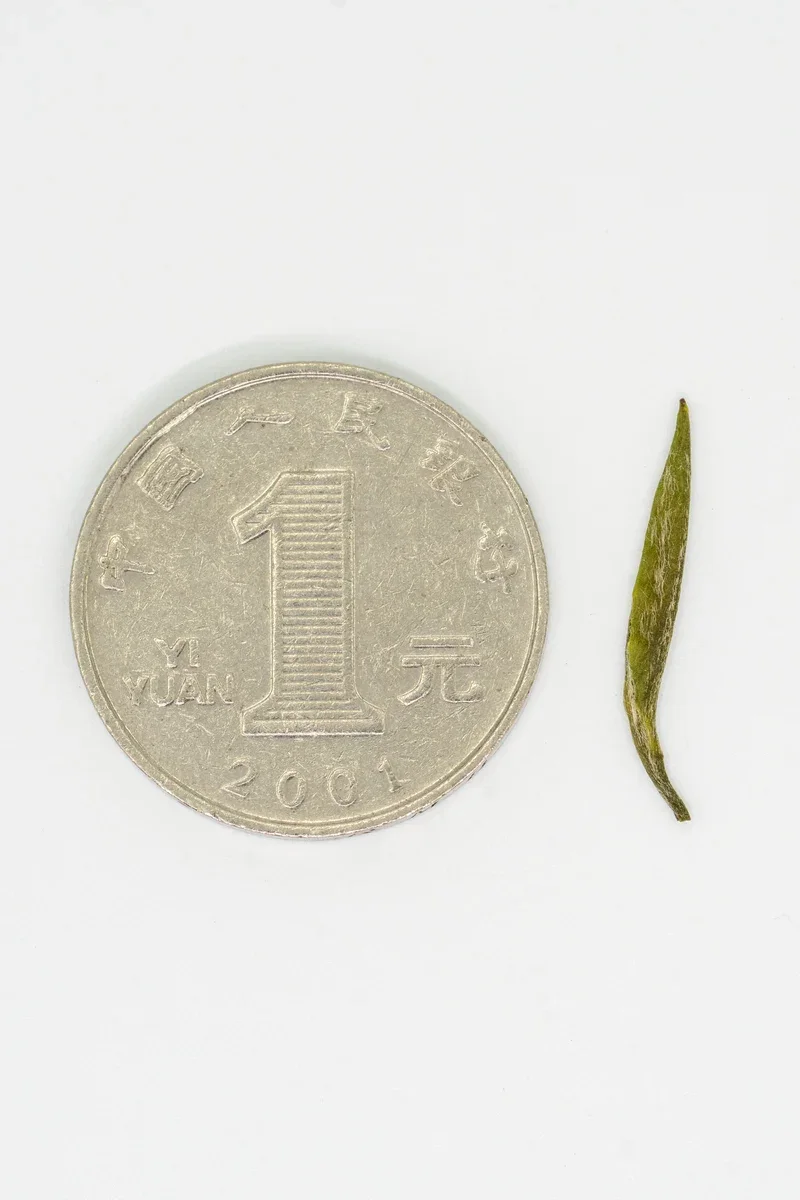
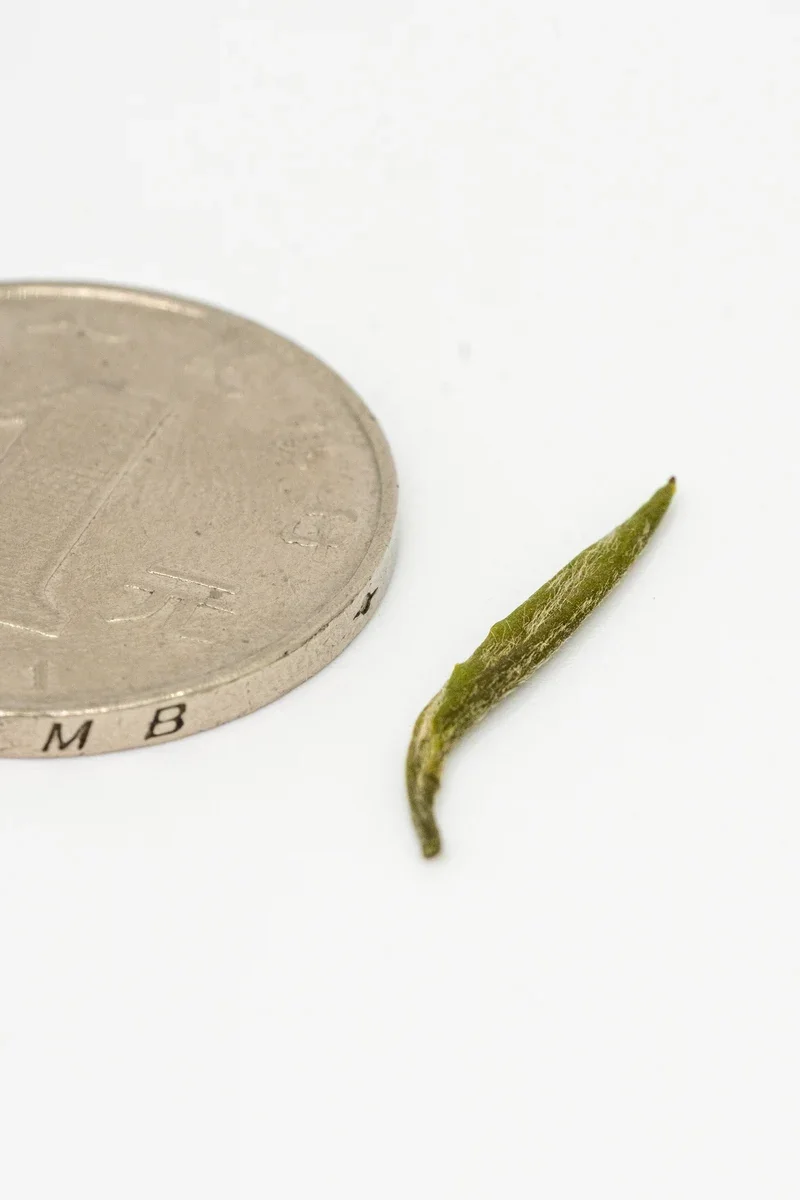
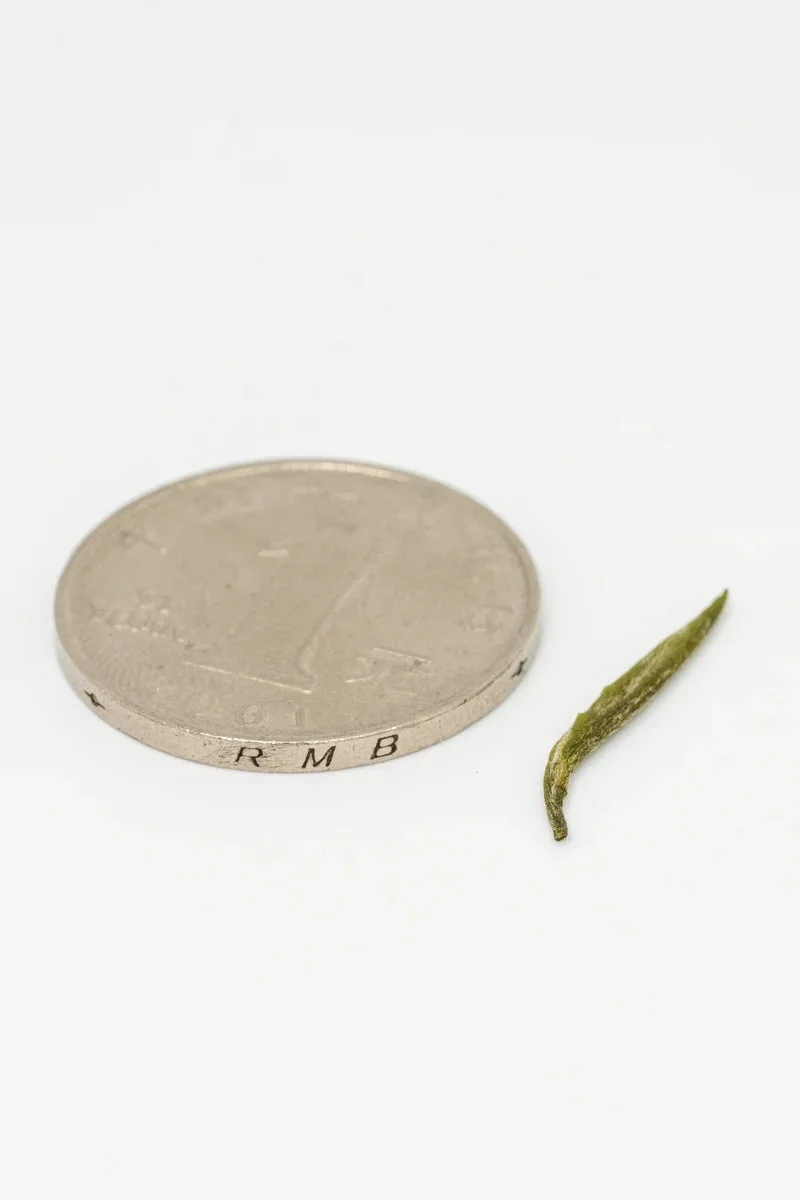
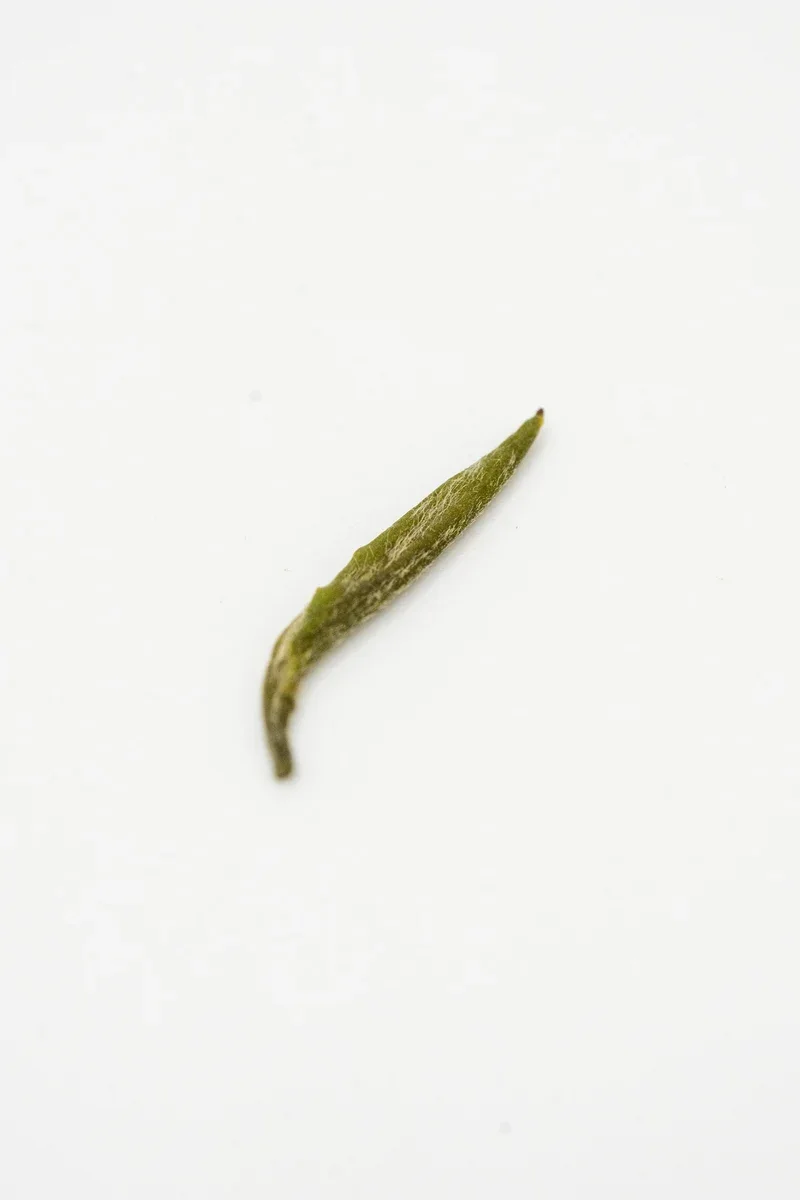
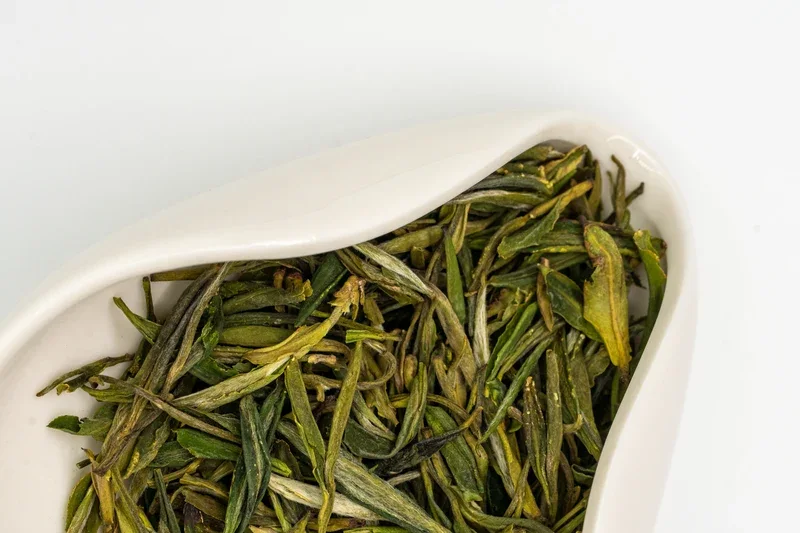
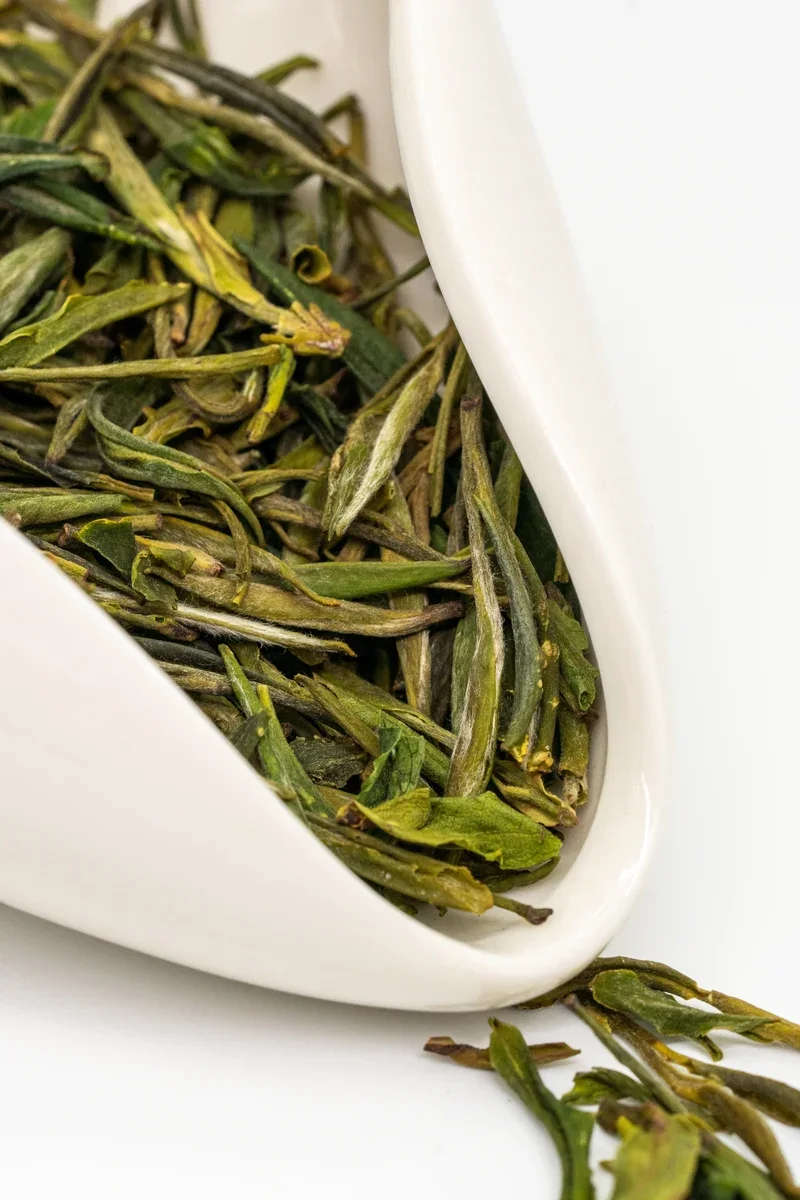
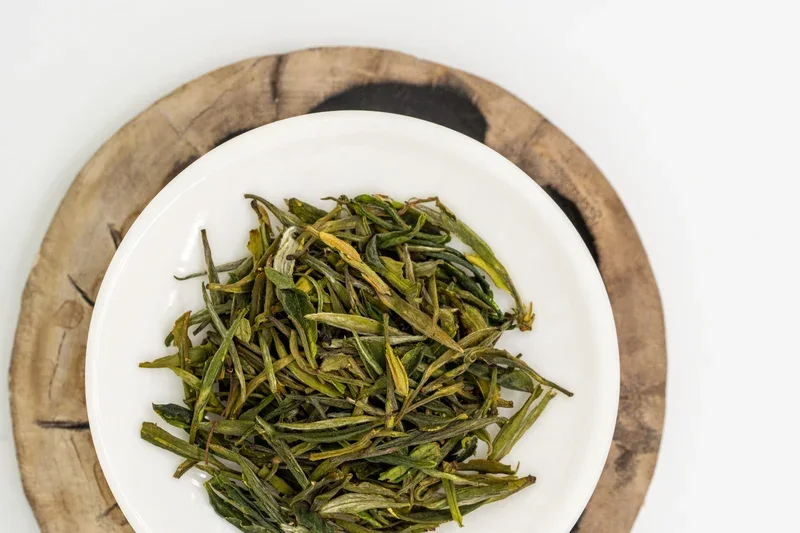
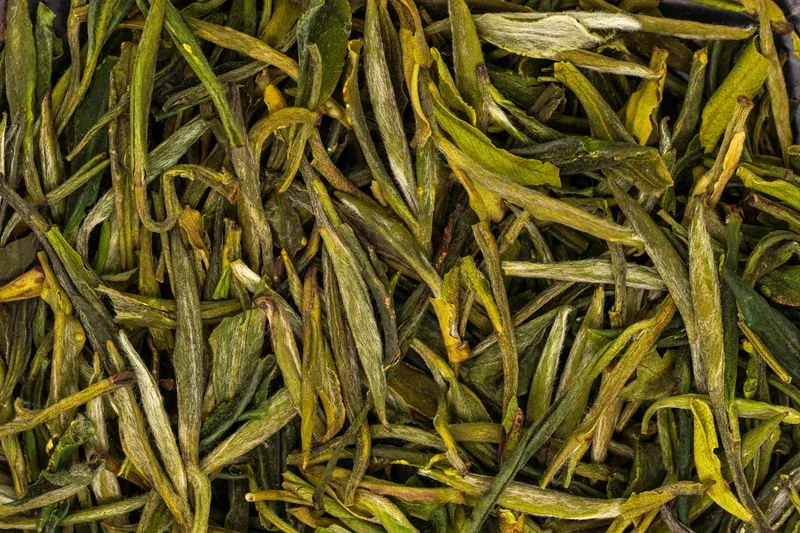
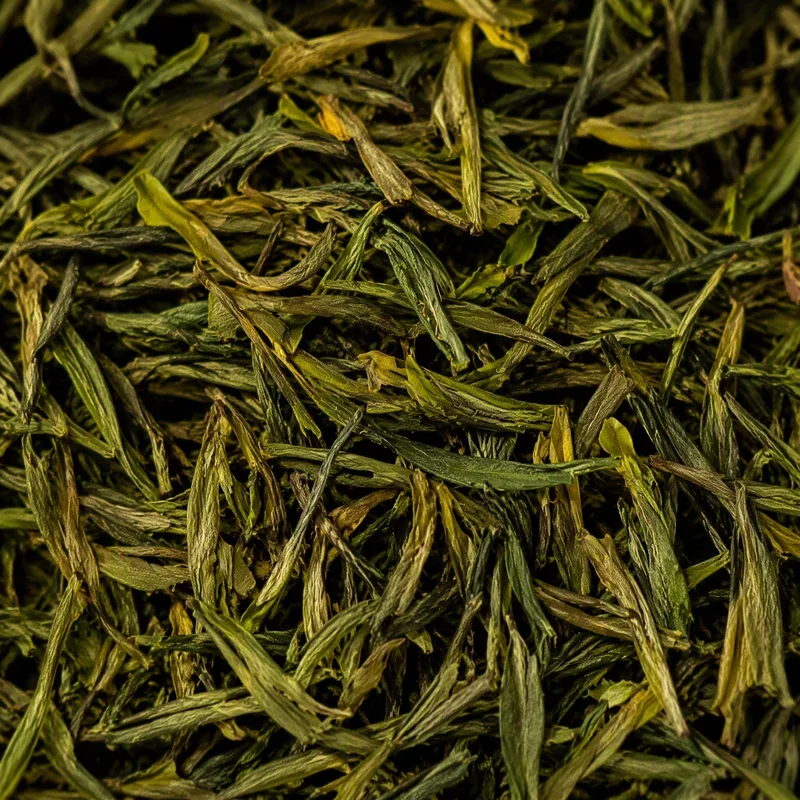
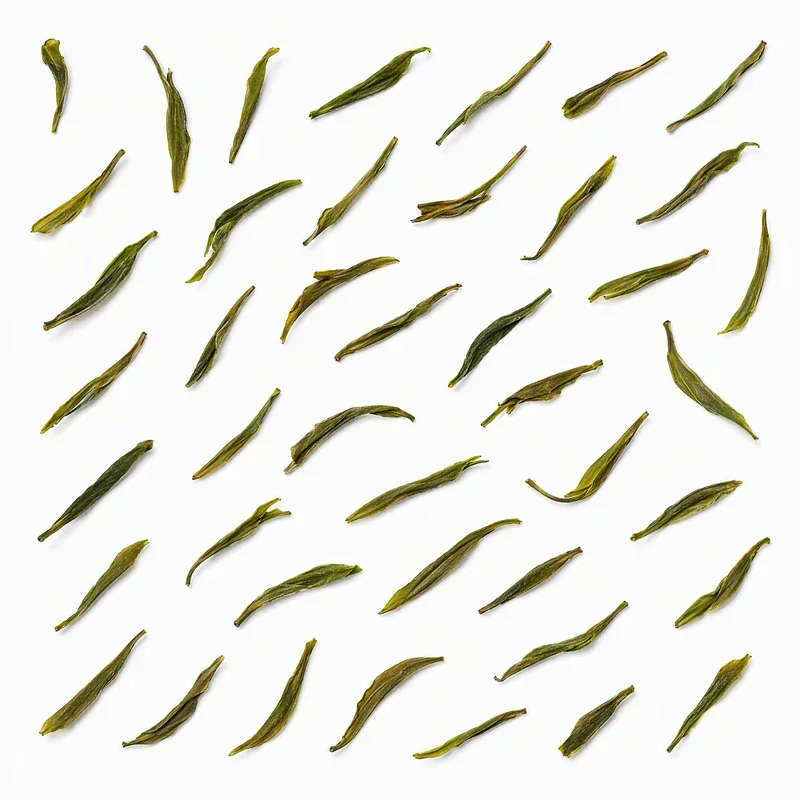
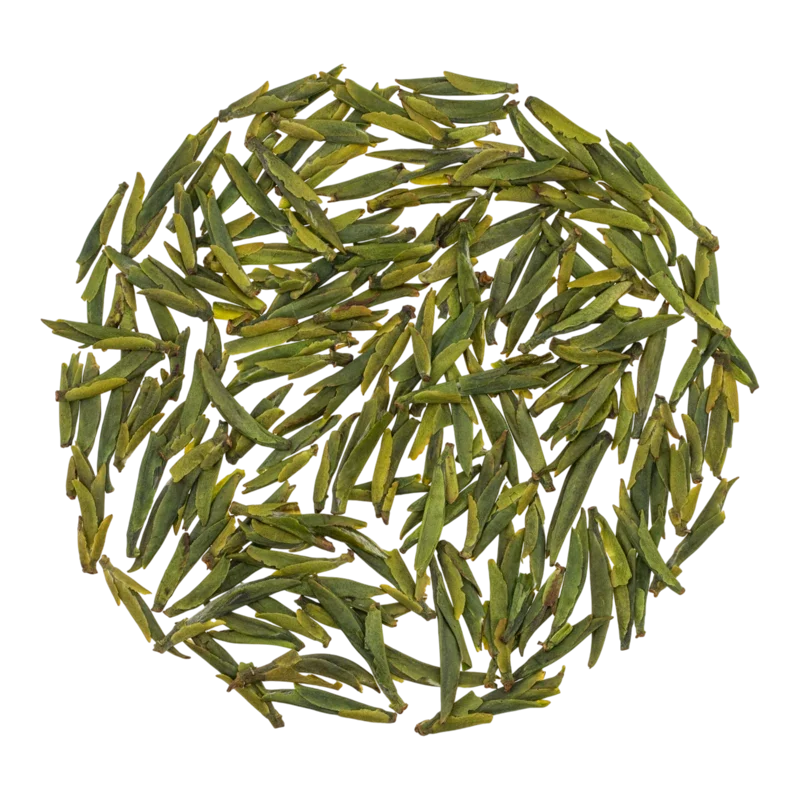
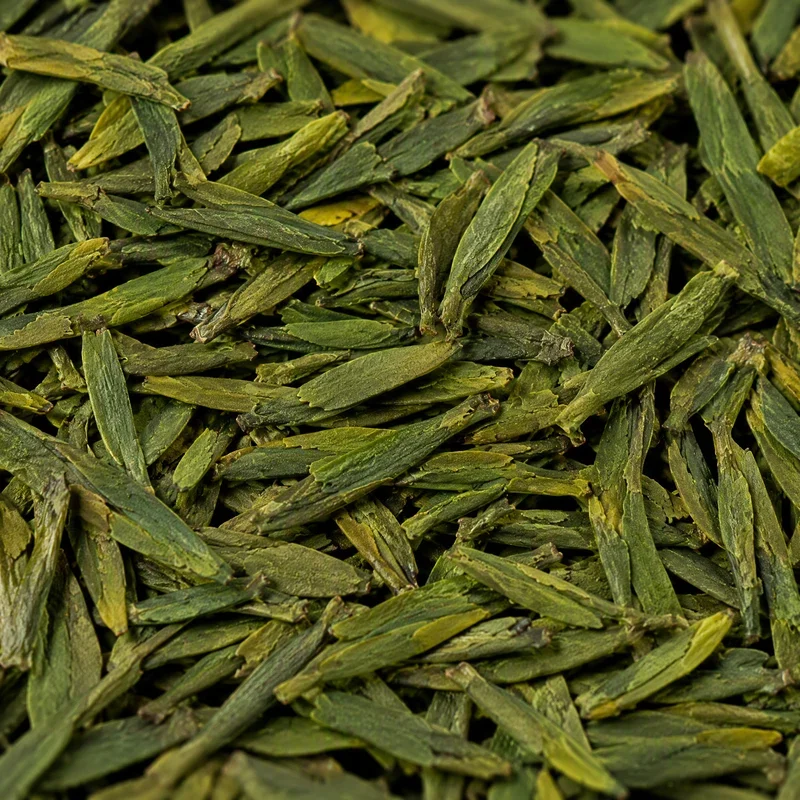
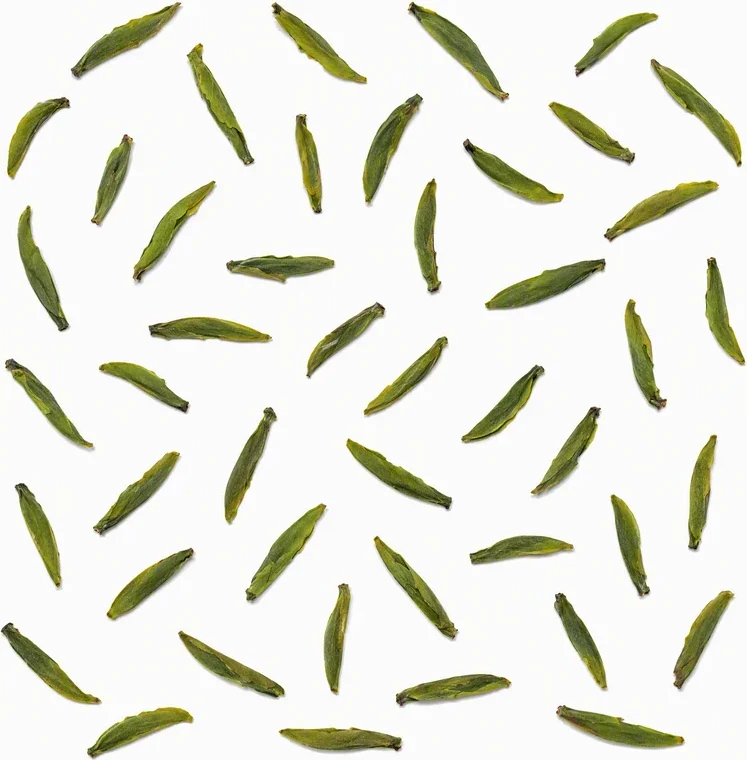
Dry Leaf Appearance: Thin, straight, tight needles (紧细) resembling pine needles or rain threads (形似松针丝雨). With light whitish down (显毫). Color — tender green with a slight yellowish tint (嫩绿稍黄), with soft oily luster (绿润).
Dry Leaf Aroma: High, clean, with pronounced chestnut notes (栗香) and delicate floral undertones. Light fruity overtones.
Liquor Aroma: High, elegant, far-reaching (清高幽远). Chestnut-nutty base complemented by delicate orchid and fruity notes (花果香). Aroma is persistent, lasting until the final infusion.
Liquor Color: Tender green, clear, bright (嫩绿清澈明亮).
Spent Leaves: Tender, bright green, uniform (嫩绿明亮匀齐). Shoots unfold intact, demonstrating the "dance" of thin needles in the glass — the visual effect of "spring rain."
Taste: Sweet, juicy, fresh (甘醇鲜爽), with pronounced "body" and long returning sweetness (回甘). Characteristic descriptors: "sweet, soft, velvety" (甜、绵、软) — Wuyang Chunyu's signature triad. Minimal bitterness. Aftertaste — clean, long, with a cool mineral note.
Alkaloids: Caffeine — 2–4% dry weight. Theobromine, theophylline — trace amounts.
Amino Acids: Elevated content (4–5%) — consequence of high-mountain origin, short daylight hours and cool nights. L-theanine — dominant amino acid responsible for umami and calming effect.
Main fractions — EGCG, EGC, ECG, EC. Total content — 80–110 mg/g (typical for high-mountain green teas).
Low polyphenol-amino acid ratio (< 5). High content of soluble sugars contributes to the characteristic "velvety" sweetness.
Essential Oils: Linalool, geraniol, β-ionone, nonanal, cis-jasmone, benzaldehyde, phenylethanol — form the complex chestnut-floral-fruity bouquet.
Minerals: Potassium, magnesium, manganese, zinc, selenium, fluorine, phosphorus.
Polyphenols: Typical level for high-mountain green teas of Zhejiang — 18–25%. Relatively low polyphenol content (compared to lowland teas) explains the softness and minimal astringency.
Vitamins: Vitamin C (elevated content for spring picking), B vitamins (B₁, B₂), vitamin E, β-carotene.
L-theanine + caffeine provide sustained, calm enhancement of performance without nervousness.
Catechins (EGCG) — powerful antioxidants that neutralize free radicals and slow cellular aging.
Polyphenols help reduce LDL cholesterol levels and maintain vascular elasticity.
Complex of vitamin C, zinc, selenium and catechins supports the body's protective functions.
Moderate astringency stimulates secretion of digestive enzymes. Well-suited as an after-meal tea.
Fluorine and bacteriostatic properties of catechins help prevent tooth decay.
L-theanine promotes generation of brain alpha waves, improving ability for focused work.
Organic origin (on certified plantations) minimizes intake of pesticides and heavy metals, making this tea one of the most ecologically "clean."
Tea Amount: 3–4 g per 150–200 ml (glass brewing); 5 g per 100–120 ml (gaiwan).
Teaware: Glass tumbler — ideal for observing the "spring rain" effect (needles stand vertically and gradually descend like raindrops); porcelain gaiwan — for more controlled method; porcelain teapot — for daily tea drinking.
Water Temperature: 80–85°C. For premium grades (single bud) — 75–80°C.
Container: Airtight aluminum foil bag with air removed, placed in tin or pewter canister.
Enemies: Moisture, light, heat, foreign odors. The delicate floral-chestnut aroma of Wuyang Chunyu is sensitive to degradation.
Shelf Life: 6–12 months for optimal taste. With proper refrigerated storage — up to 18 months. Not suitable for aging.
Temperature: Optimally — 0–5°C (refrigerator). For short-term storage (2–4 weeks) acceptable in cool dark place at room temperature.
Price Category: Medium and above medium. Premium grade from organic high-mountain plantations — 800–2,000+ yuan/kg. Standard lots — 300–700 yuan/kg. Price depends on growing altitude, variety, picking time and organic certification.
No reviews yet. Tell us what you think of this tea.
Rate this tea and share your impressions. We review each submission before publishing it.