Brewing
Gongfu brewing
- Water temperature
- 93 °C
- Tea amount
- 5 g
- Water volume
- 100 ml
- First steep
- 10 s
- Time added per infusion
- 5 s
- Infusions
- 4


Tóngjùnméi
Choose a brewing method. Start with the recommended quantities and time, then adjust to taste.
Brewing
Brewing
Taste
Tea encyclopedia
Category: Grade of the Jùnméi (骏眉) series: Jīn (金, "gold") → Yín (银, "silver") → Tóng (铜, "bronze/copper"). Tongjunmei is the most accessible grade of the lineup, while possessing its own distinct character, different from its elder "brothers".
Category: Grade of the Jùnméi (骏眉) series: Jīn (金, "gold") → Yín (银, "silver") → Tóng (铜, "bronze/copper"). Tongjunmei is the most accessible grade of the lineup, while possessing its own distinct character, different from its elder "brothers".
Coordinates: approximately 27°45′ N, 117°40′ E (Tongmu Village / Tongmuguan Pass).
Origin: China, Fújiàn Province (福建省, Fújiàn Shěng), Nánpíng City (南平市, Nánpíng Shì), Wǔyíshān City (武夷山市, Wǔyíshān Shì), Xīngcūn Town (星村镇, Xīngcūn Zhèn), Tóngmù Village (桐木村). Tóngmù is located in the core of Wǔyí Mountains National Nature Reserve (武夷山国家级自然保护区) — territory included in the UNESCO World Natural and Cultural Heritage list. This is the birthplace of all red teas (black teas) of the Zheng Shan Xiao Zhong family and the cradle of the Junmei series. For authentic Tongjunmei, raw material must originate from "zhengshan" (正山, "proper mountains") — the reserve territory of 565 km², including Tongmu Village and surrounding high-altitude areas (Mali 麻粟, Guadun 挂墩, Jiangdun 江墩, Miaowanping 庙湾坪, etc.).
Type: Chinese red tea (black tea) (红茶, hóngchá), fully oxidized. Belongs to the Zhěng Shān Xiǎo Zhǒng (正山小种, Zhèngshān Xiǎozhǒng) family — "authentic mountain small-leaf [tea]", however produced using innovative smokeless technology (无烟, wúyān), unlike traditional smoked Xiao Zhong.
Cultural Significance: The Junmei series became a symbol of the "red tea renaissance" in China. Before 2005, red tea (black tea) within the country enjoyed limited demand (main production went for export); the appearance of Junmei radically changed the situation — red tea became fashionable, desirable, and prestigious. Tongjunmei, as the most accessible representative of the lineup, played a key role in democratizing this trend: it allowed a wide circle of tea lovers to connect with the "Tongmu style" without needing to pay astronomical sums for Jin Junmei. Tongmu Village — "birthplace of all red teas of the world" (世界红茶的发源地) — thanks to Junmei gained a second wind: tea farmers switched from motorcycles to automobiles, bamboo huts were replaced by stone houses.
History: Tongjunmei appeared simultaneously with Jin Junmei — in June 2005, when master tea maker Liáng Jùndé (梁骏德, Liáng Jùndé) and entrepreneur Jiāng Yuánxūn (江元勋, Jiāng Yuánxūn) from Zhèngshān Tea Company (正山茶业) at the suggestion of Beijing tea enthusiasts — journalist Yán Yifeng (阎翼峰) and collector Zhāng Mengjiang (张孟江, "Yishicharen" 佚士茶人) — attempted to make red tea (black tea) from pure buds of wild-growing qizhong bushes (奇种, qízhǒng — "rare/strange varieties"). The first batch — only half a jin (about 250 g) — proved to be a revelation: golden liquor, honey-floral aroma, incredible sweetness. The product was named "Junmei" (骏眉 — "noble/swift eyebrows"): 骏 (jùn) — in honor of master Liang Junde, and also meaning "steeds among teas" (from the image of a swift horse); 眉 (méi) — "eyebrows" — after the shape of the twisted leaf, resembling a curved eyebrow. To distinguish grades, the "Junmei Decree" (《骏眉令》, "Junmei Ling") was adopted, composed by Zhang Mengjiang, Yan Yifeng, and Ma Baoshan in 2005: pure buds collected at Qingming — Jin (gold); bud + leaf at Guyu — Yin (silver); bud + 2–3 leaves at Lixia — Tong (bronze). In practice, since the word "copper/bronze" sounded less attractive to buyers, master Liang Junde began selling Tongjunmei under the commercial names "Xiao Chigan" and "Da Chigan" — "small" and "large red sweet". These names caught on in the market. By 2009, Junmei had produced a true revolution in the Chinese tea industry, transforming Tongmu from a forgotten villa
Name Breakdown: 铜 (tóng) — "copper, bronze" — indicates the third grade of the series (after gold and silver), and also the characteristic copper-bronze color of the dry leaf and brewed leaves. 骏 (jùn) — "noble steed" (image of swiftness and breeding) and simultaneously — reference to the name of creator Liang Junde. 眉 (méi) — "eyebrow" — metaphor for the shape of the twisted tea leaf: thin, curved, with light "down".
Cultivar: Wild-growing population varieties — qizhong (奇种, qízhǒng — "wonderful varieties"), also called caicha (菜茶, càichá — "vegetable tea"): small-leaf bushes Camellia sinensis var. sinensis, growing in natural conditions of the reserve among bamboo thickets, along mountain streams and on rocky outcrops. Many bushes are covered with a thick layer of moss, testifying to age in decades and hundreds of years. Qizhong is a genetically heterogeneous population that has not undergone selective breeding; each bush is unique, which adds additional complexity to the aroma of the finished tea.
Picking: According to the "Junmei Decree", Tóngjùnméi is picked around Lìxià (立夏, beginning of May — beginning of summer). In practice, picking occurs from late April to early June, after completion of main pickings for Jin and Yin Junmei. Later picking time means that leaves have time to unfold and accumulate more polyphenols and aromatic substances.
Pluck Standard: 1 bud + 2–3 young leaves. The leaf must be fresh, tender (嫩, nèn), without mechanical damage. Picking is done in morning hours (7:00–10:00), in dry weather, using the "lifting" method (提手采, tíshǒu cǎi) — without twisting and compressing the shoot.
Raw Material: Freshly picked leaves are immediately delivered to the factory; compression, overheating, and premature reddening are inadmissible. Rain-affected leaves are not used. Shoots with pale green or slightly yellowish buds are preferred; dark green ones are considered lower quality.
Altitude: 800–1,500 m; main tea areas are located at average altitude of about 1,200 m. Most valuable raw material comes from "zhengshan" (正山) areas within the reserve.
Climate: Typical subtropical mountain: average annual temperature 11–18 °C; annual precipitation — about 2,000 mm; average annual humidity — 80%; number of foggy days — up to 120 per year. Soft diffused lighting and abundant moisture promote accumulation of amino acids and essential oils in the leaf.
Soil: Acidic (pH 4.5–5.0), 30–90 cm deep, based on weathered quartzites and granites. Rich in organic matter due to decomposition of bamboo foliage and forest litter.
Forest coverage — 96.3%. Tongmu is the core of one of the best-preserved subtropical forest massifs in East Asia. Tea bushes grow among trees, bamboo groves, and ferns; there are practically no special plantations — tea is collected from "wild" bushes scattered across mountain slopes. Pesticides and mineral fertilizers are not used; the reserve ecosystem provides natural protection from pests. Access to the territory is strictly limited: Tongmu remains a closed zone for foreign citizens — a legacy of the 19th century, when British "plant hunter" Robert Fortune secretly exported seeds and red tea production secrets from here.
1 bud + 2–3 leaves, hand-picked in morning hours.
Combined: solar (日光萎凋, rìguāng wěidiāo) — spreading on bamboo trays in thin layer (no more than 2 cm), with turning every 10–20 minutes until softness and loss of luster; then — indoor withering (室内萎凋, shìnèi wěidiāo) with humidified warm air. The "Junmei Decree" formulates this as "half-shade half-light, dry the buds" (半阴半阳晾芽青).
According to the formula "lightly push, strongly pull" (轻推重拉): initial light action, then intensified to form tight twist and extract juices. Rolled leaf is formed into a ball (坨, tuó).
The ball of rolled leaf is covered with damp cloth (坨盖湿布) and kept at room temperature. The "Junmei Decree" prescribes oxidation "to seven-tenths" (酵七成), however for Tongjunmei, with its more mature raw material, the degree of oxidation is highest in the series: the leaf acquires deep copper-red color, aroma becomes rich, with honey and fruity tones.
Low-temperature, smokeless, slow (低温无烟慢烘焙). Absence of smoke is a fundamental difference from classic Xiao Zhong. Slow drying at low temperature preserves delicate aromatic compounds and forms characteristic "honey" sweetness. Strict rule: "don't make overnight leaf" (切记莫做隔夜青) — the entire cycle from picking to drying is completed in one day.
Removal of coarse stems, evening out the fraction.
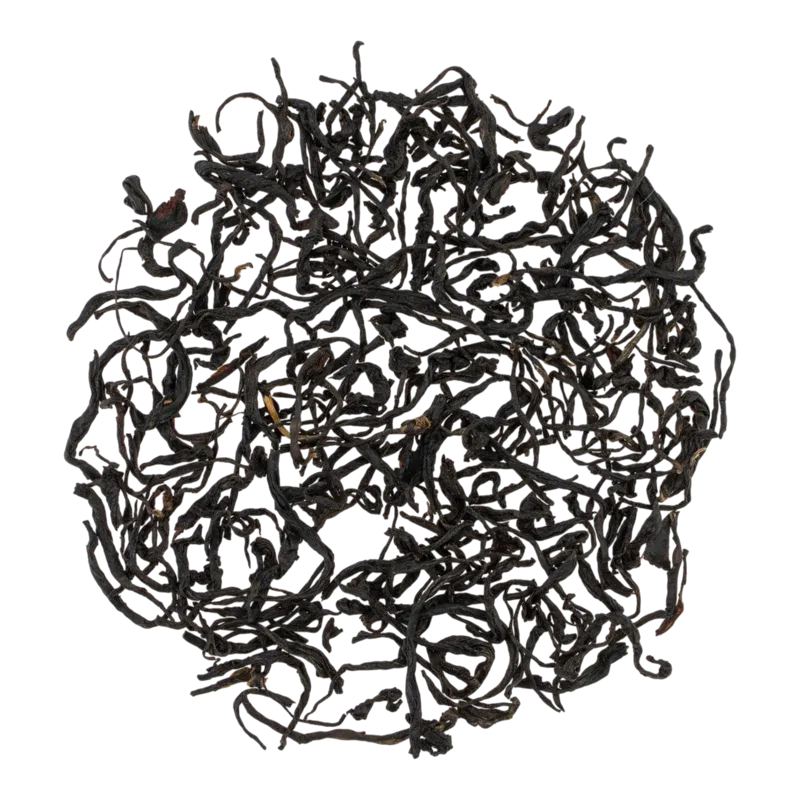
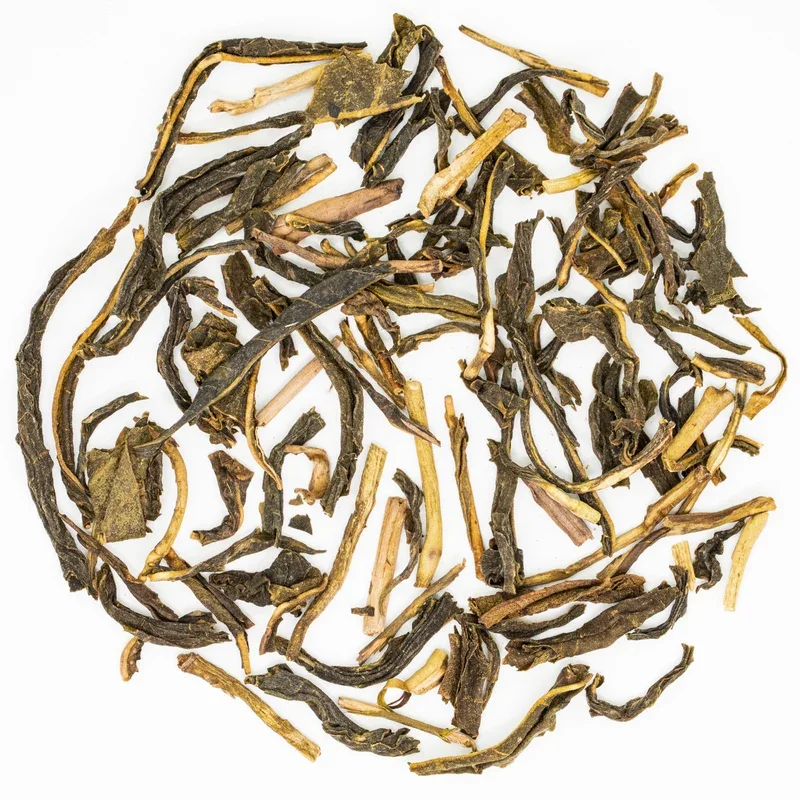
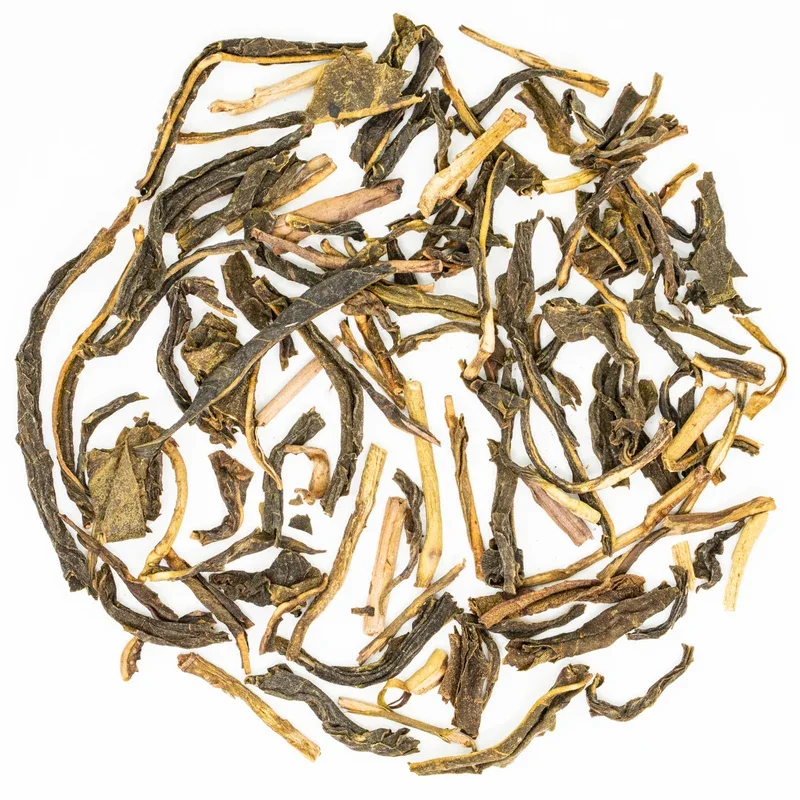
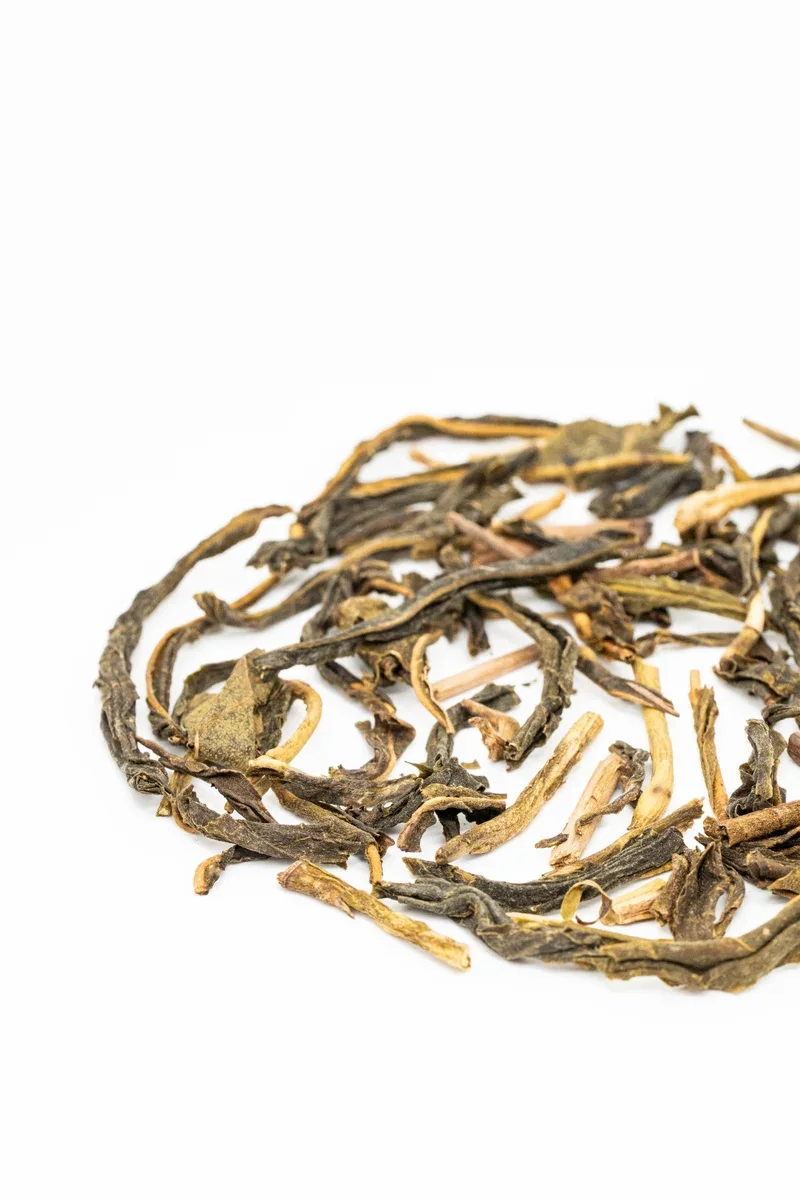
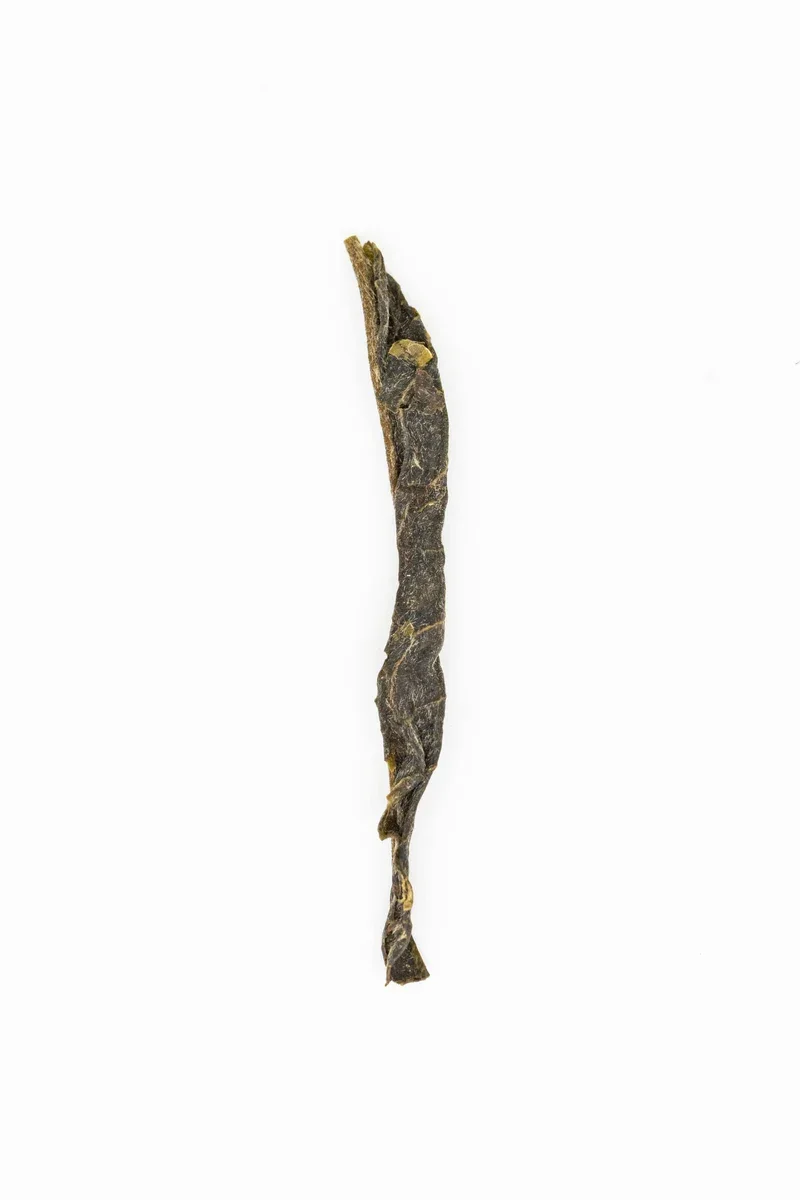
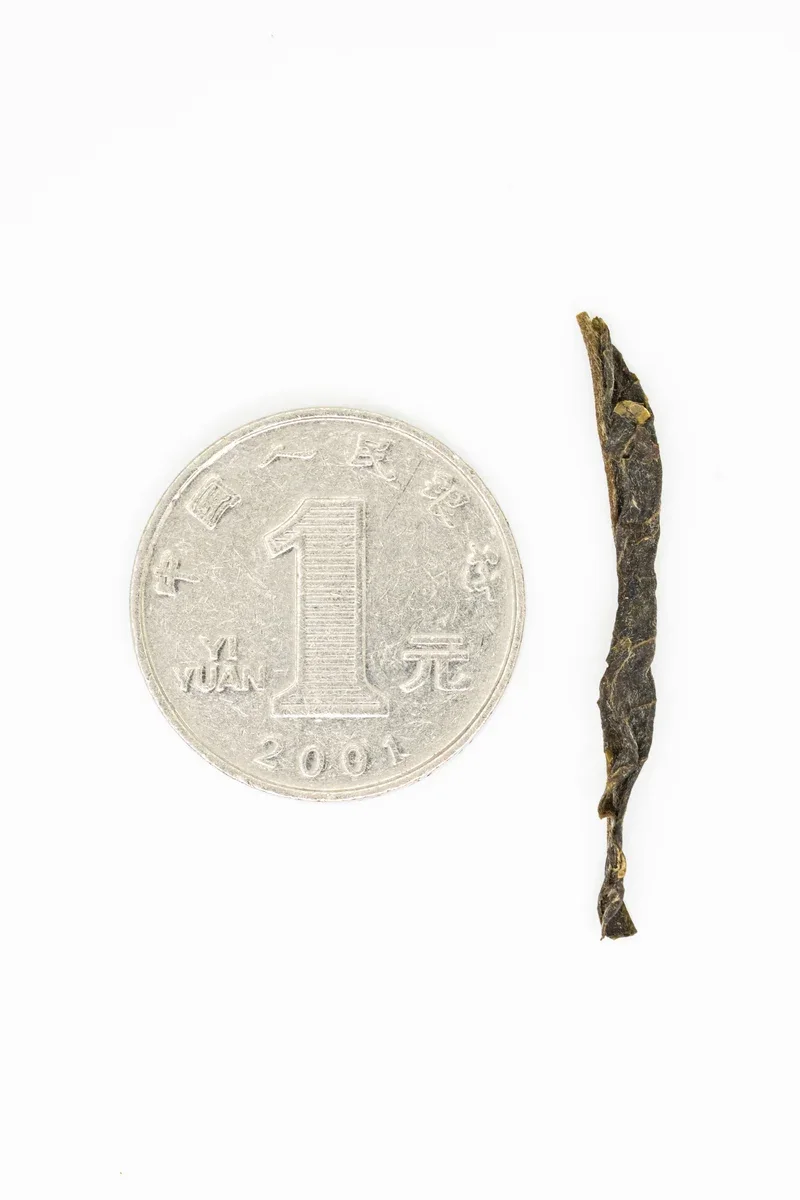
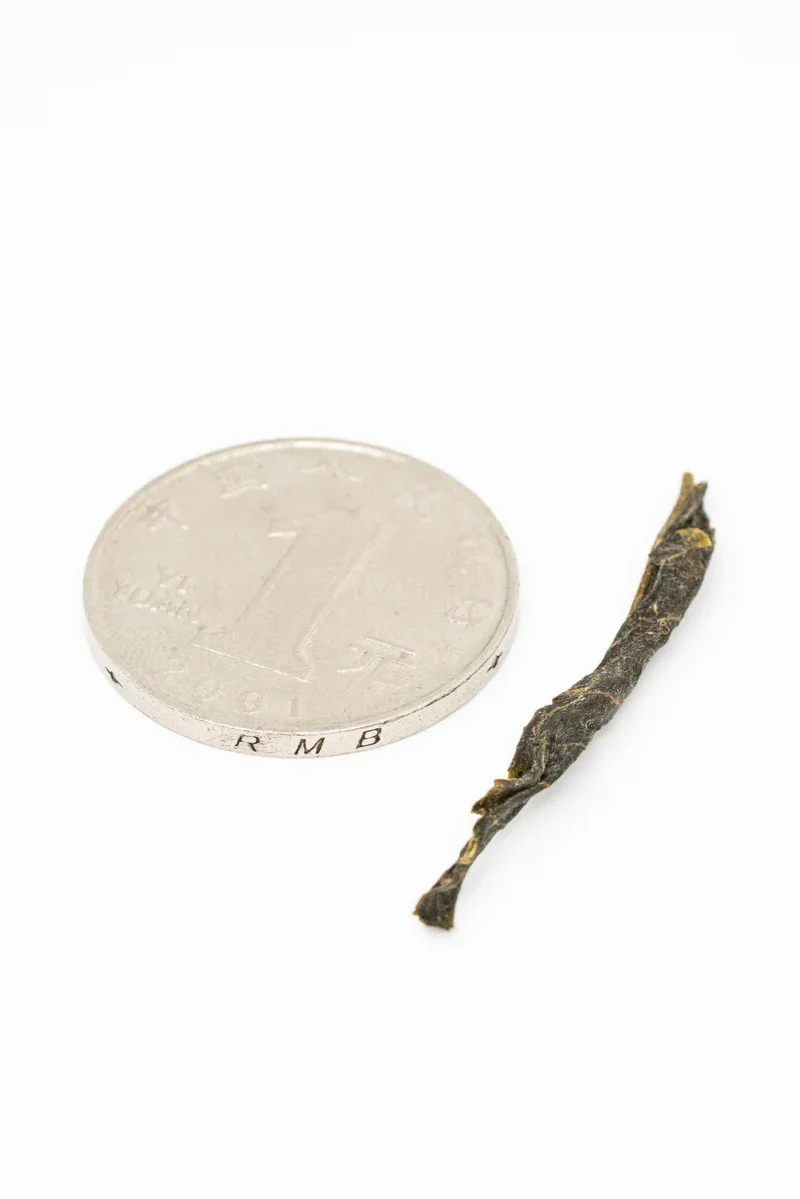
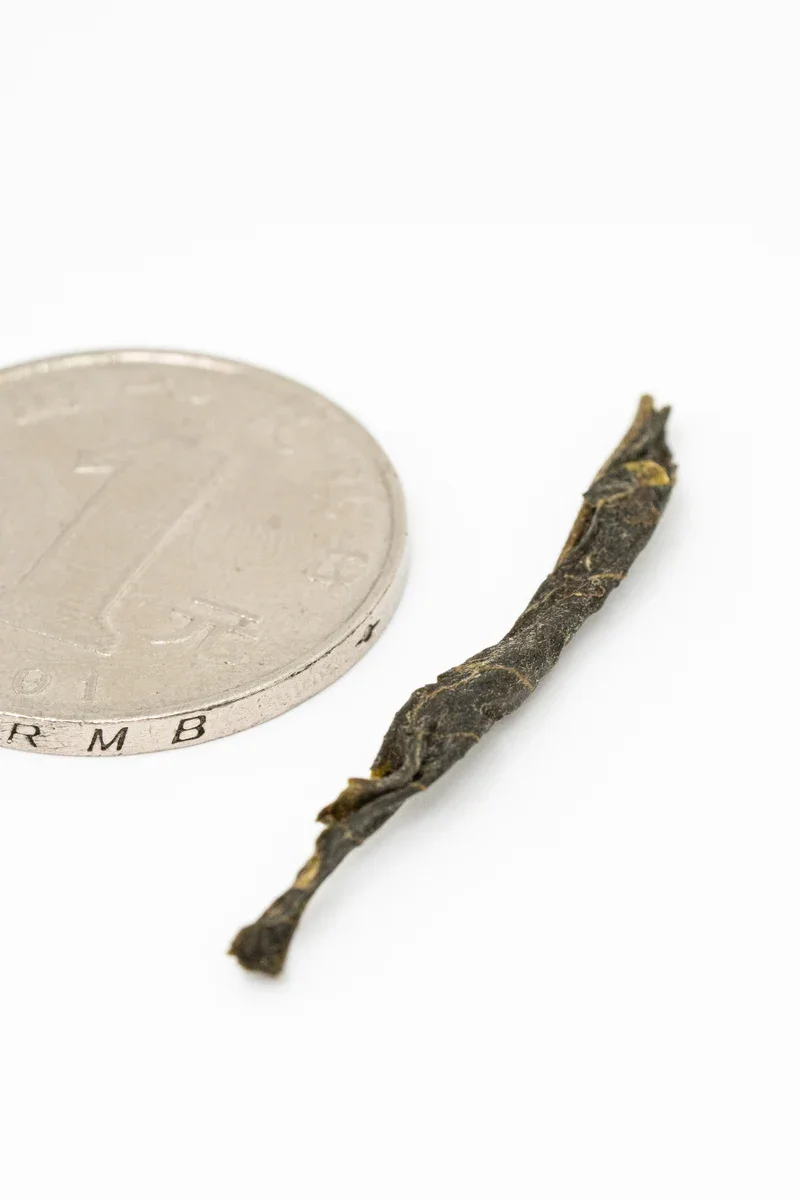
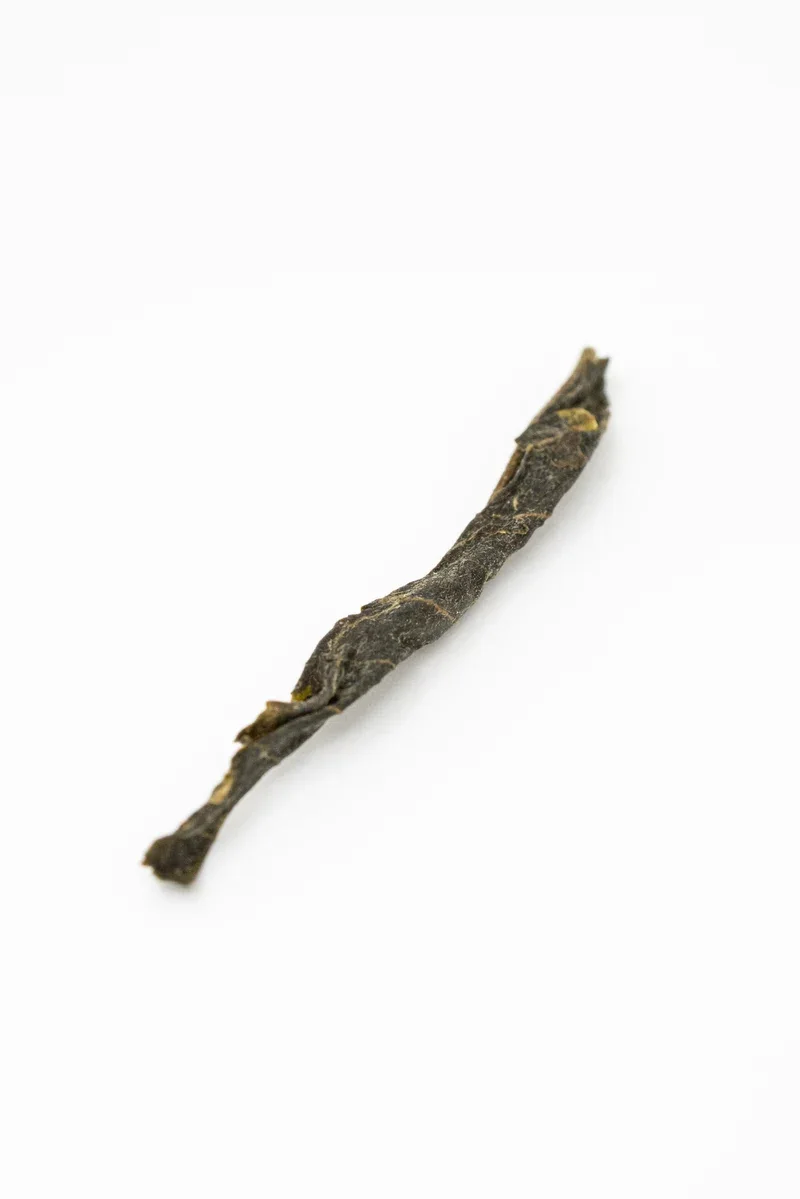
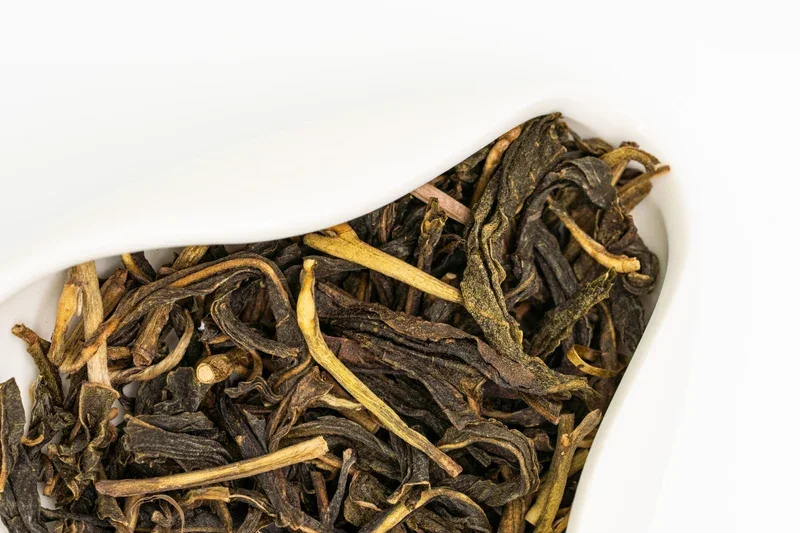
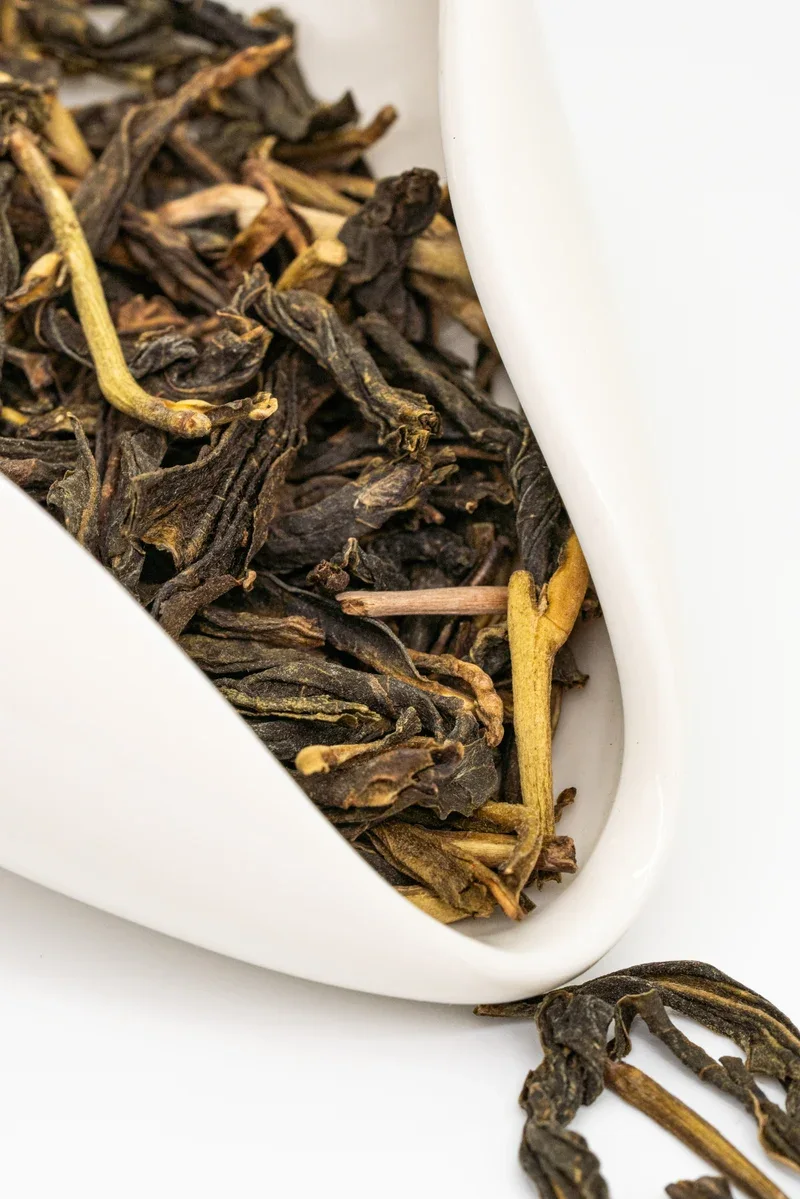
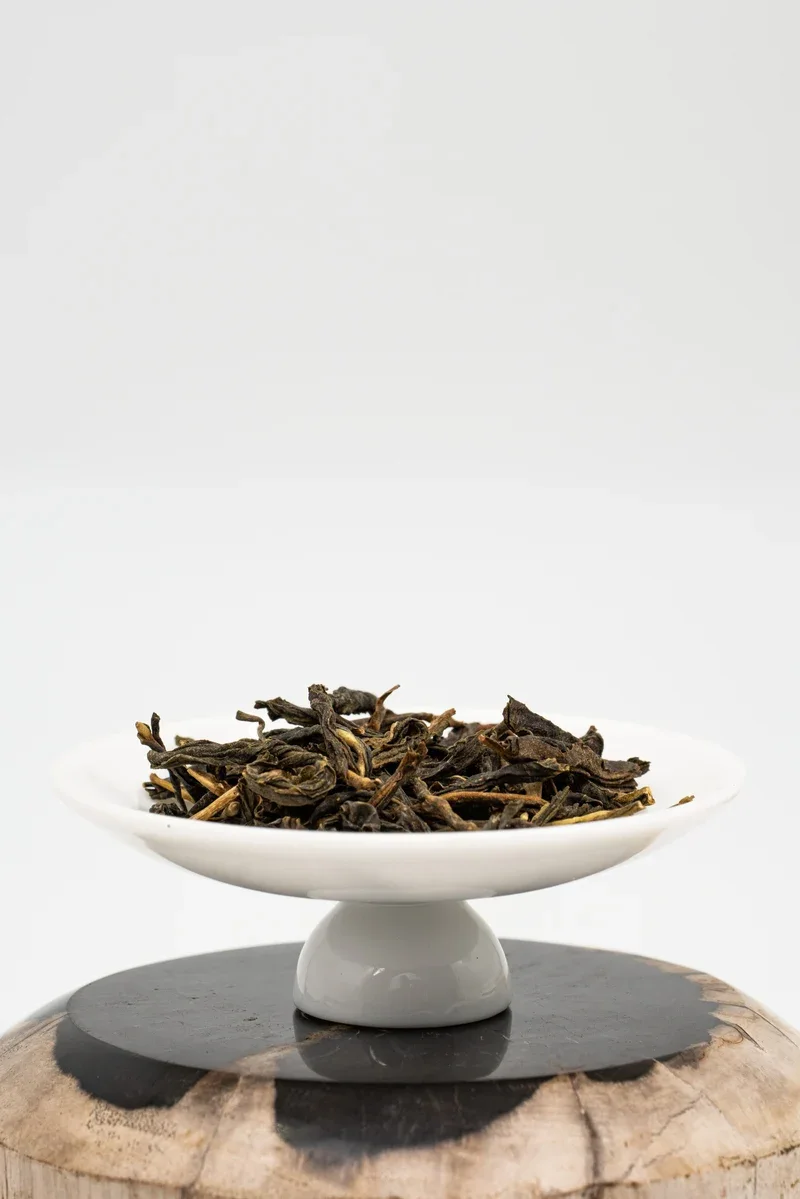
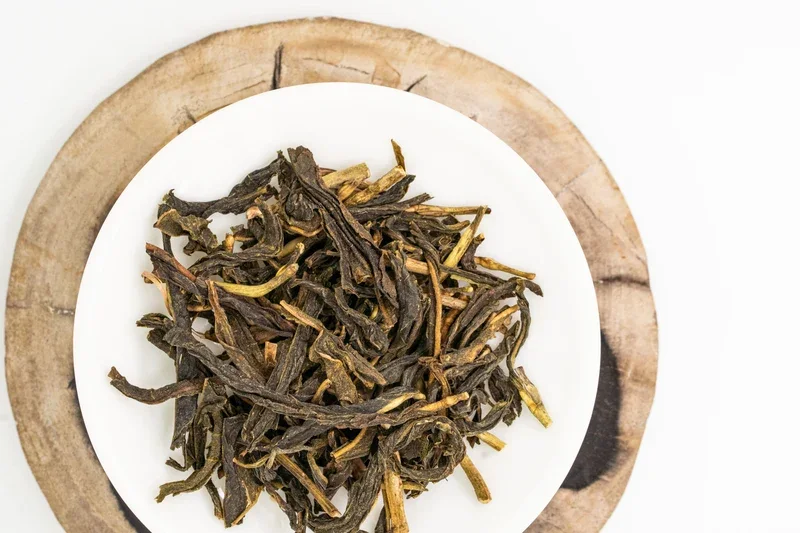
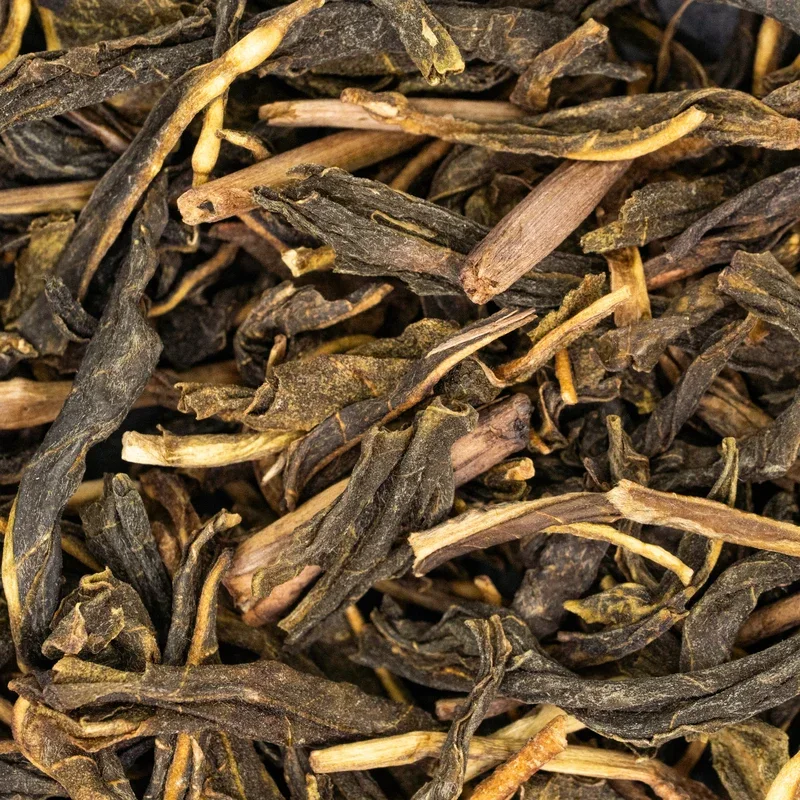
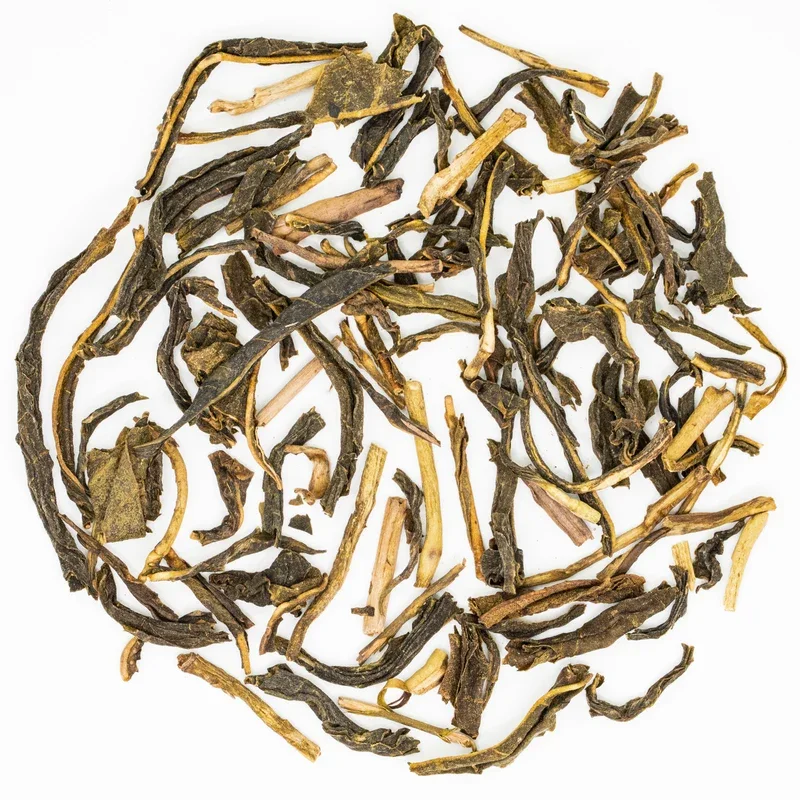
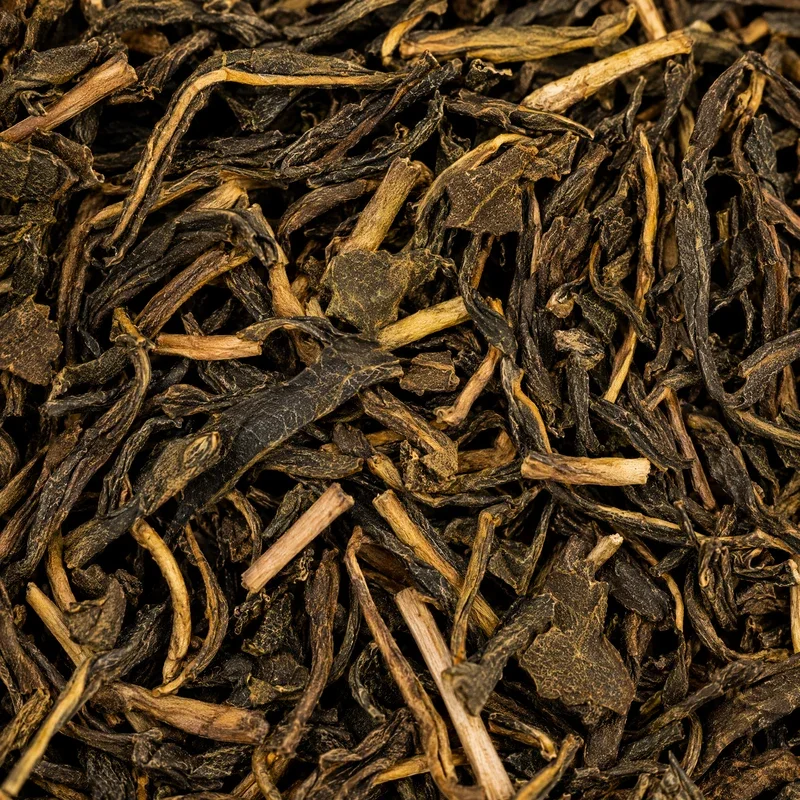
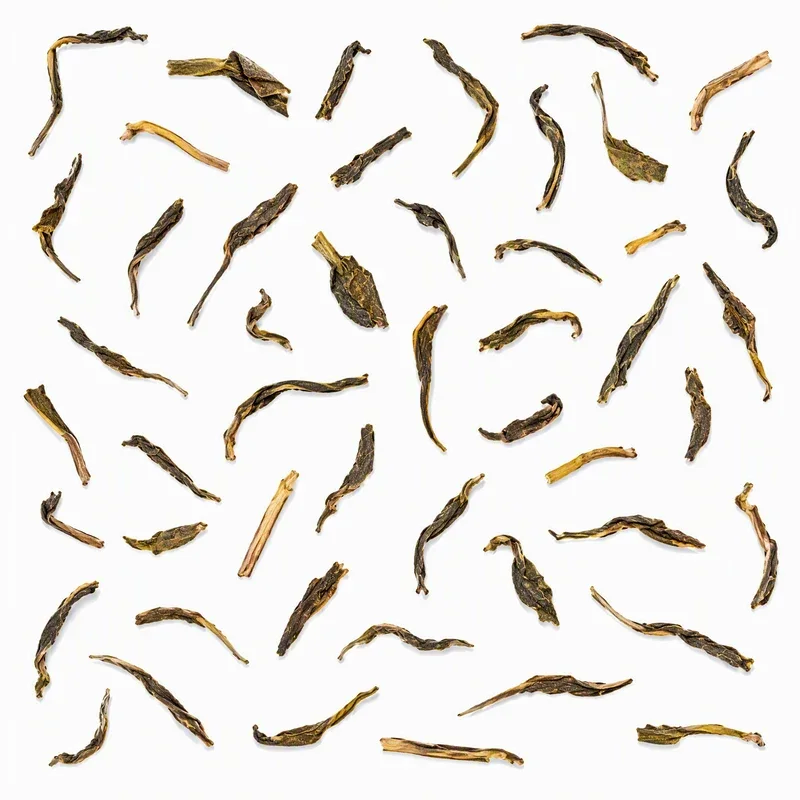
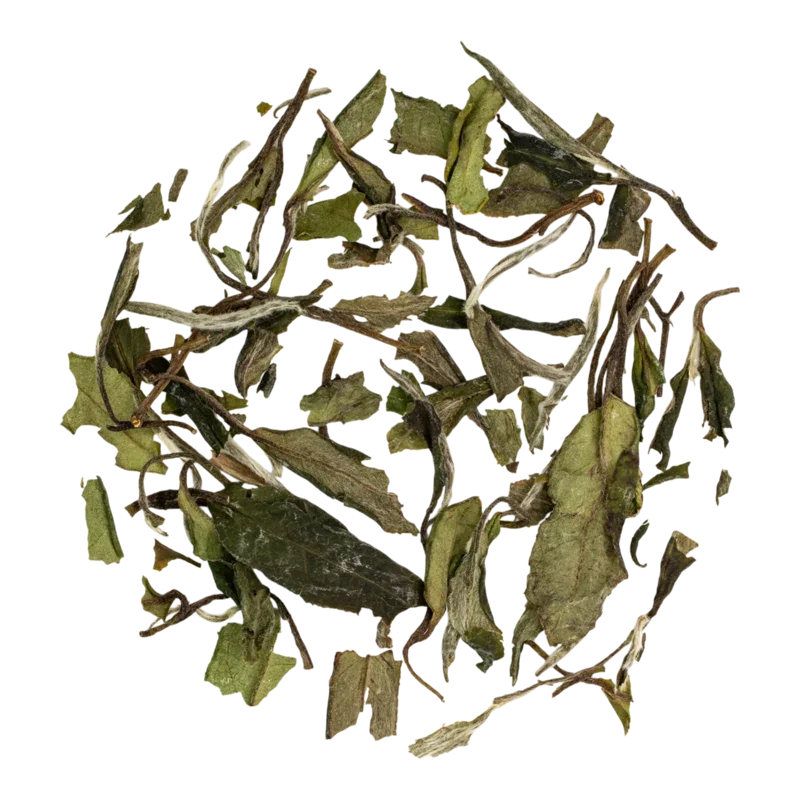
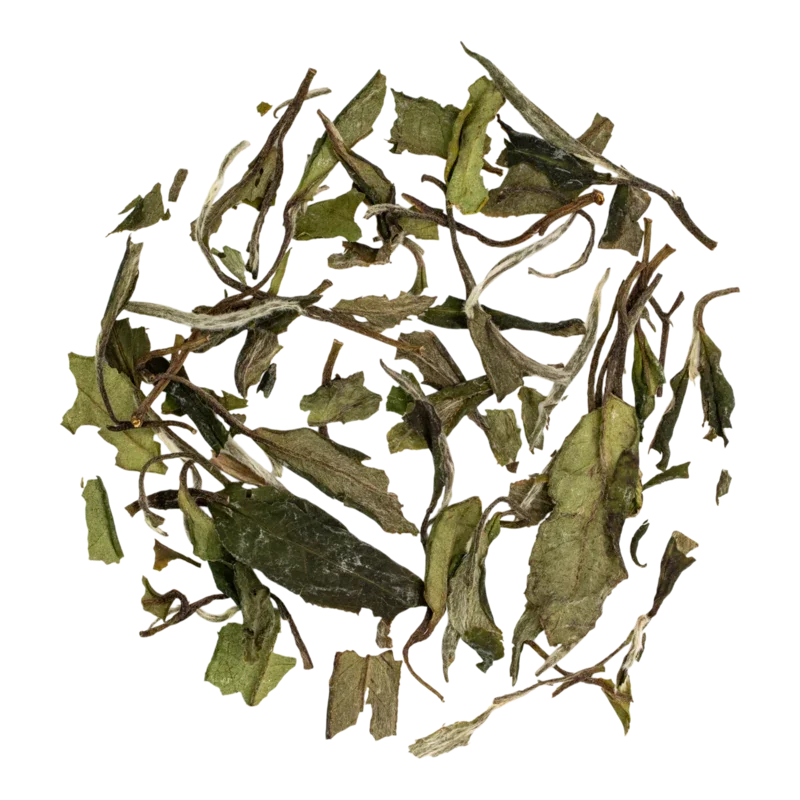
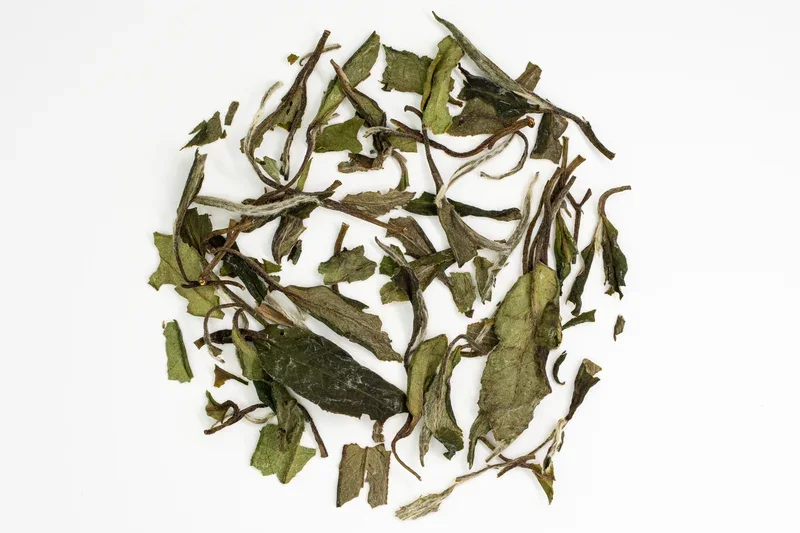
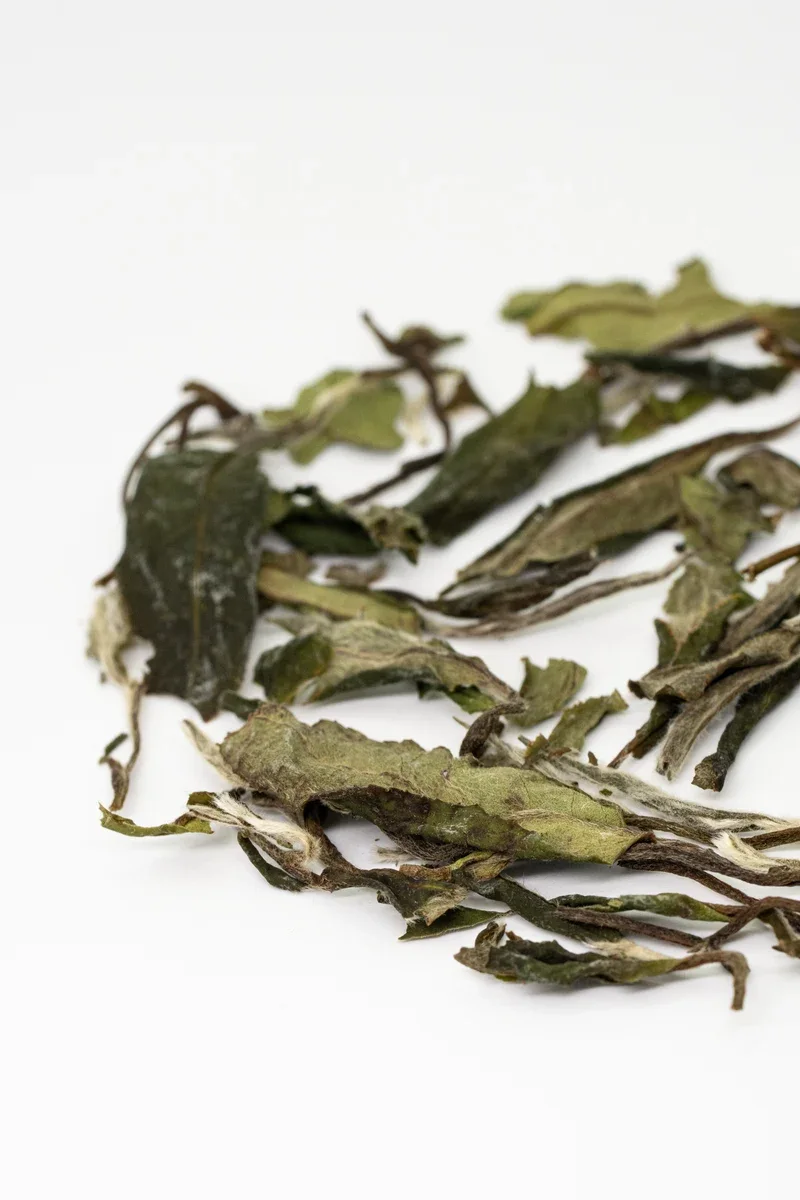
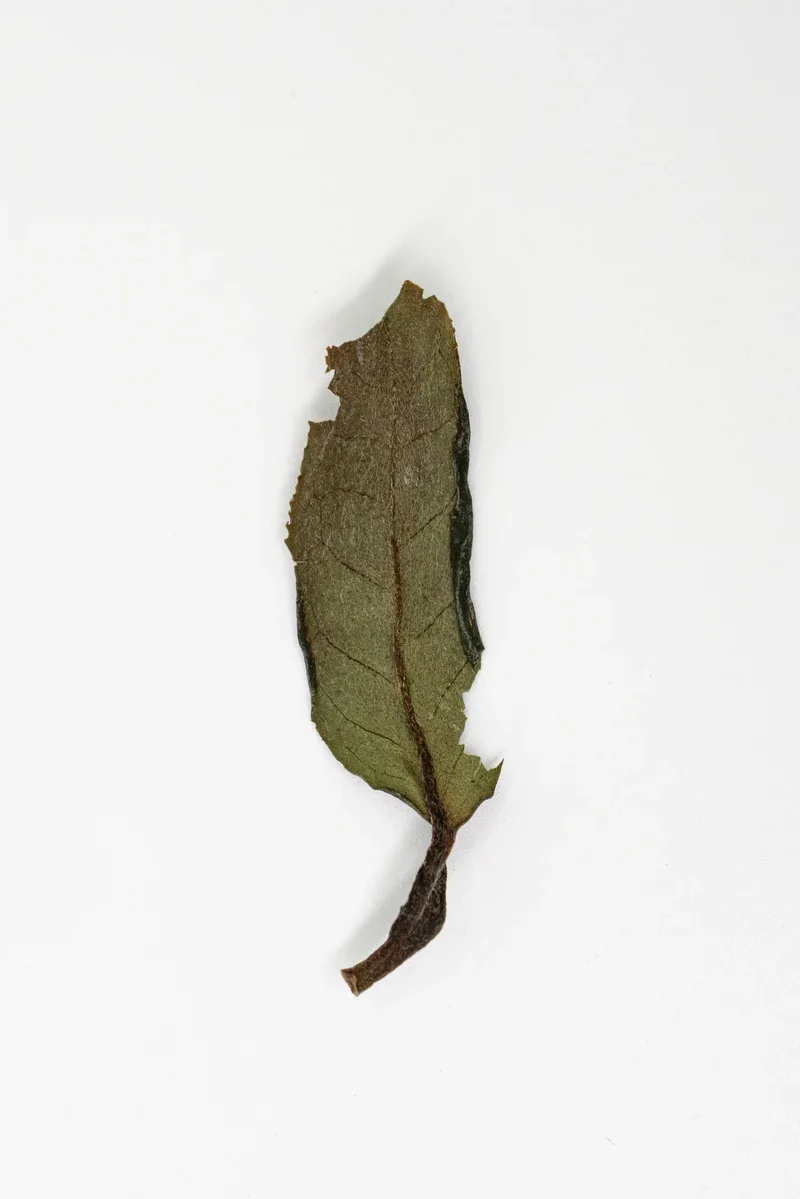
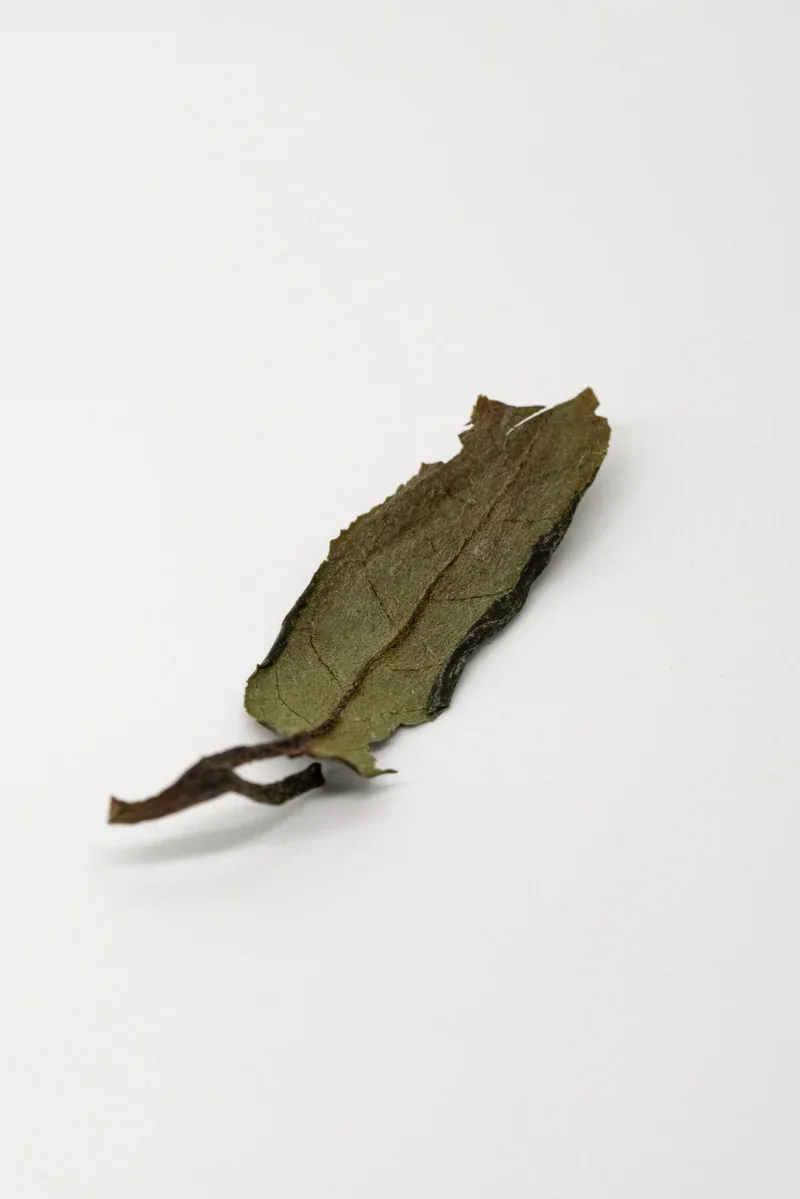
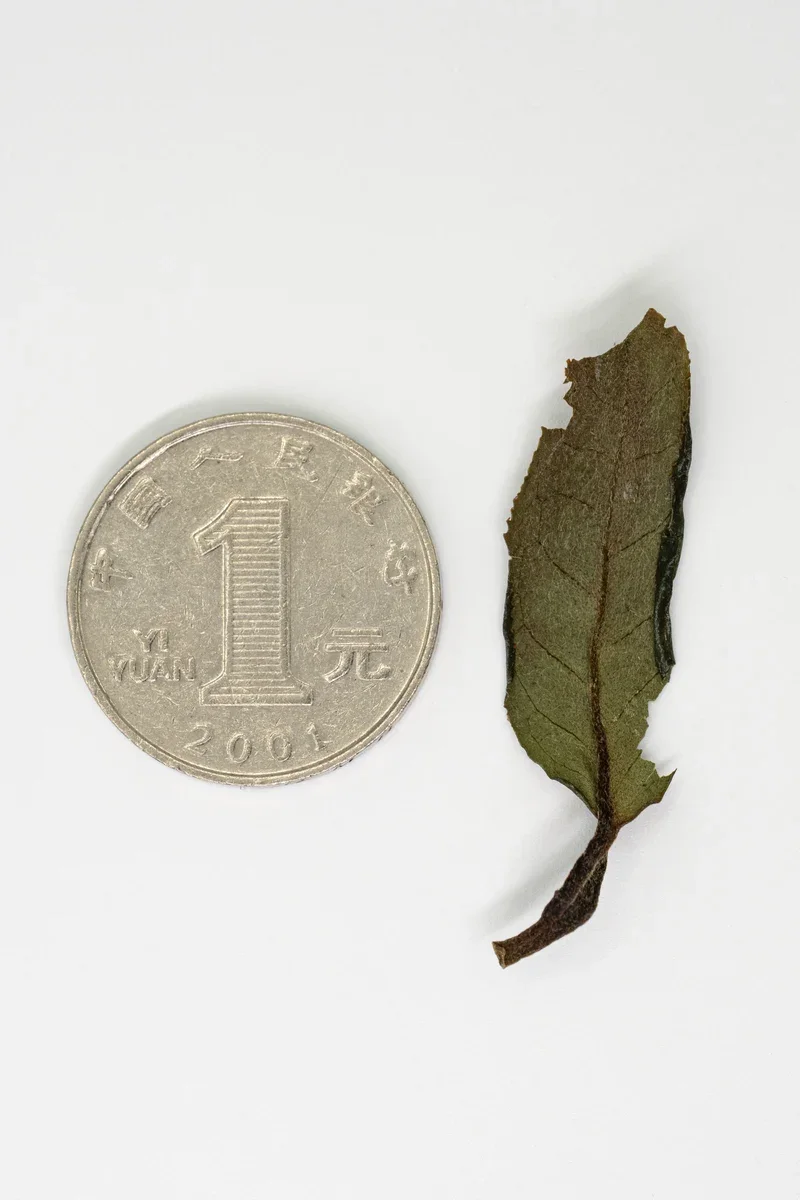
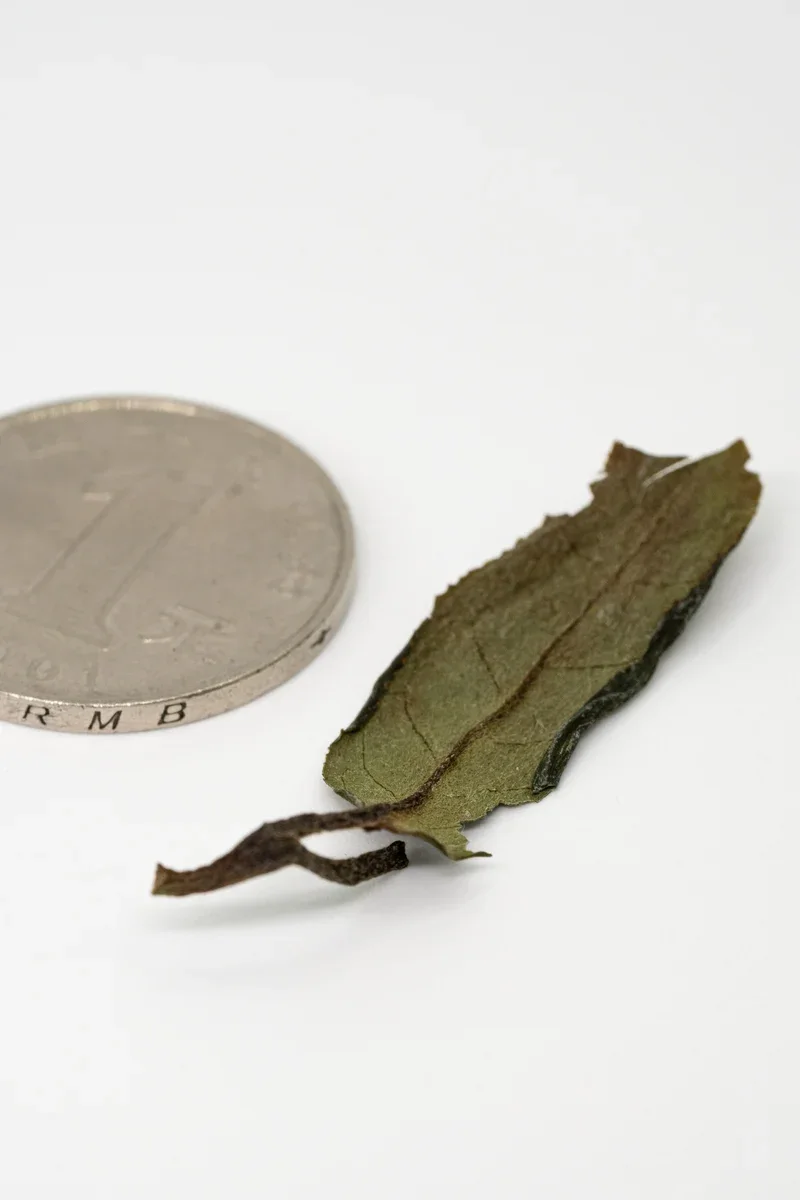
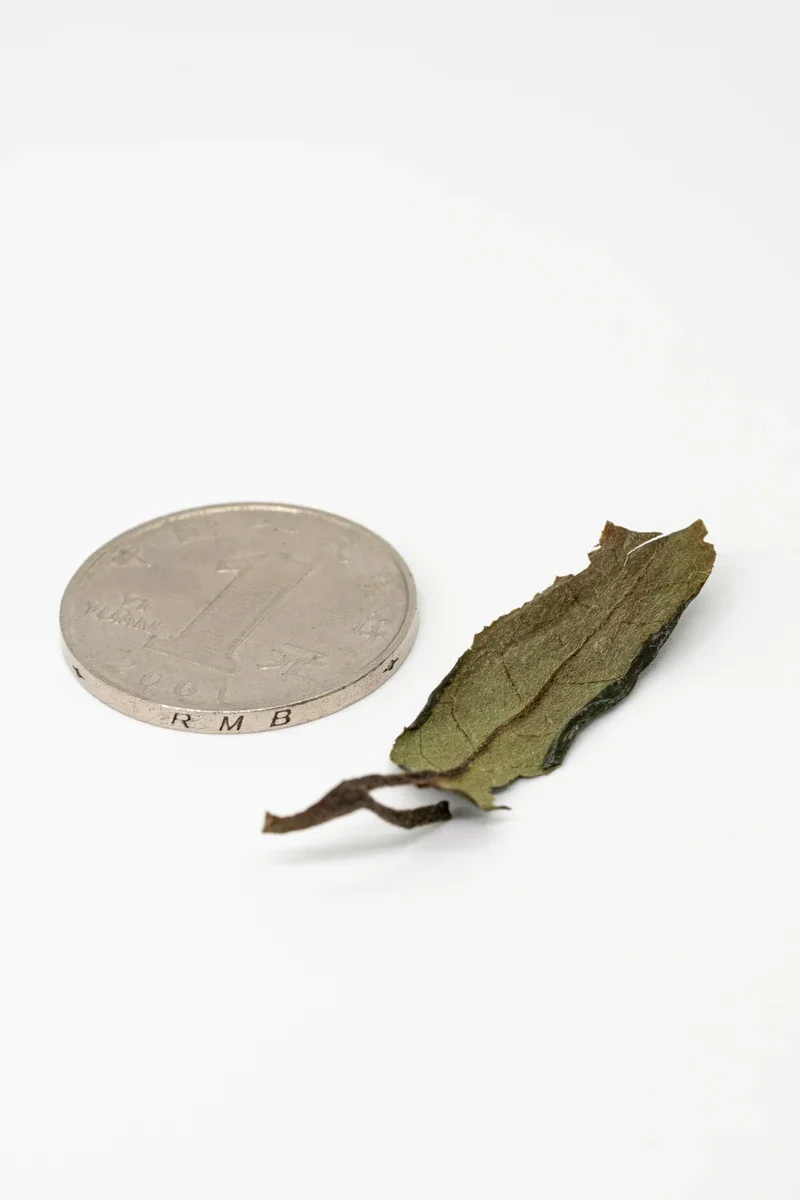
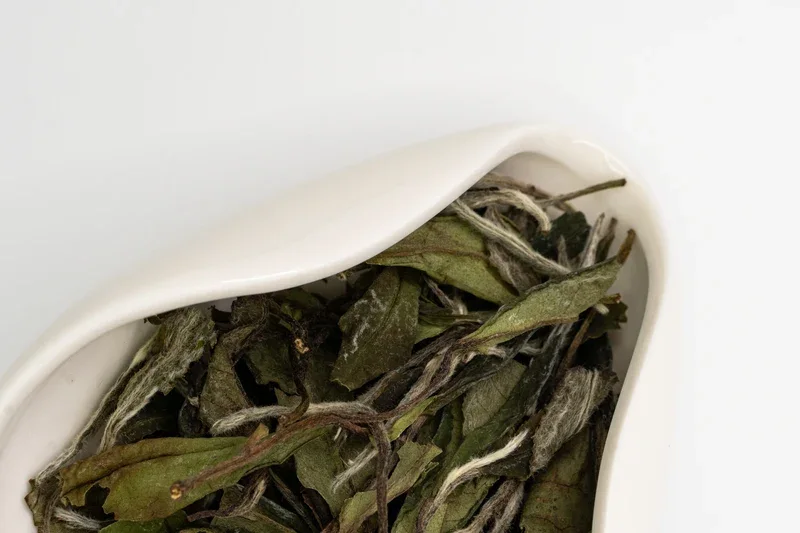
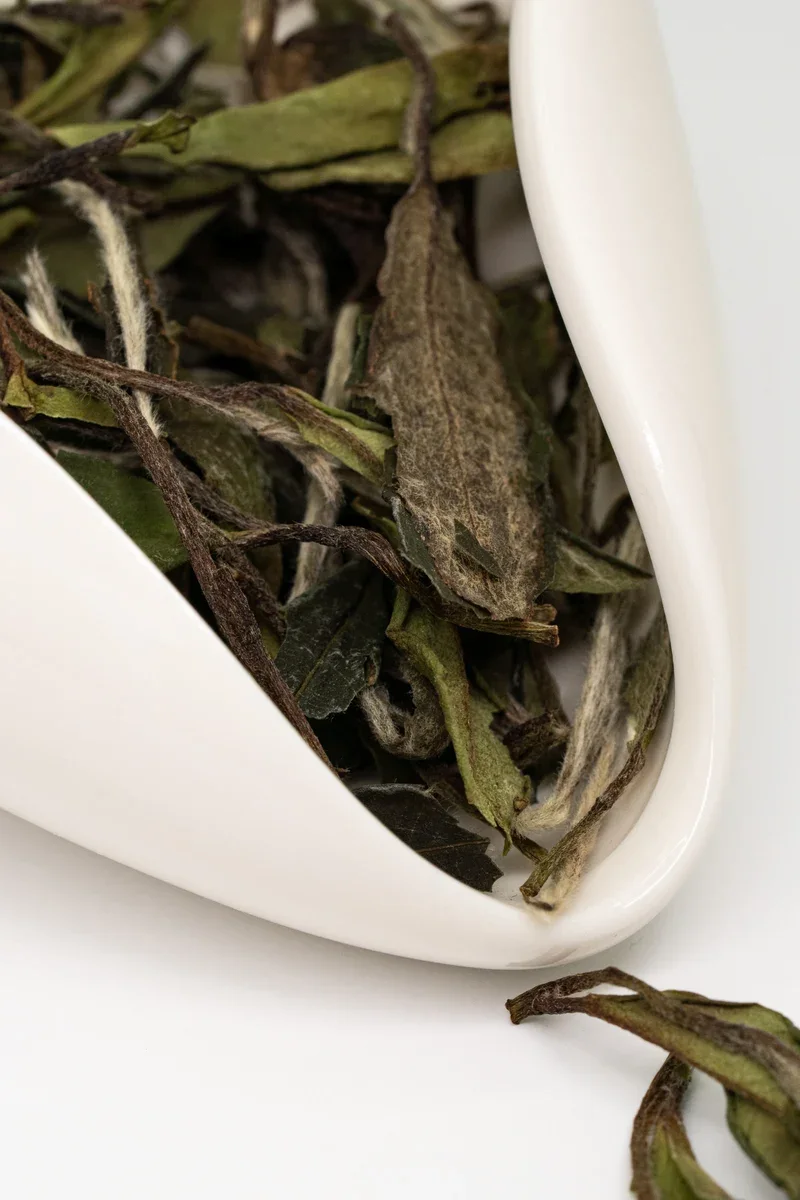
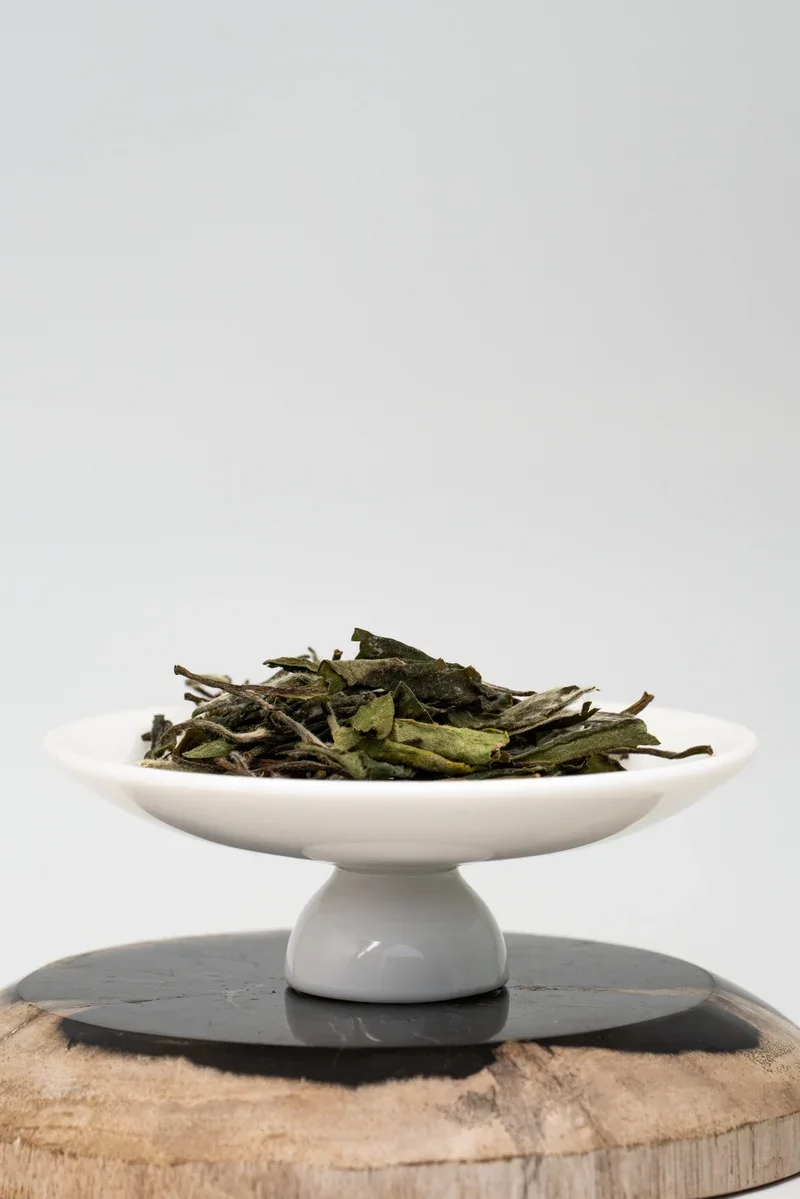
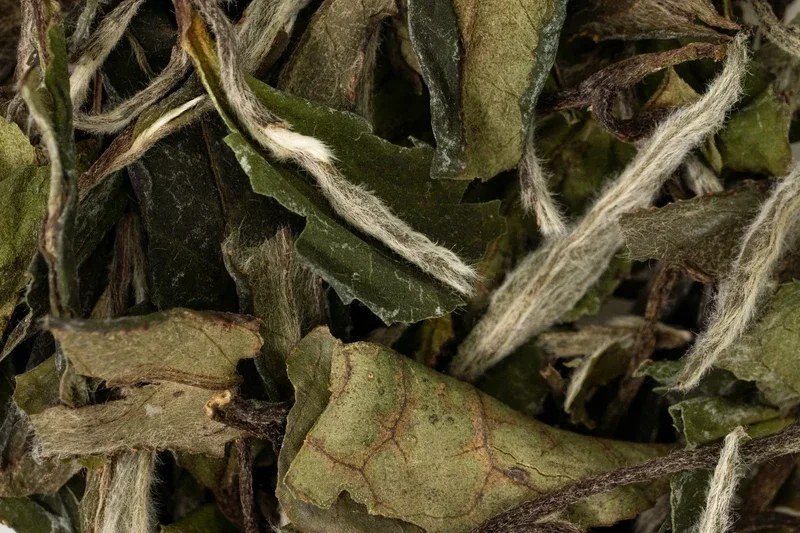
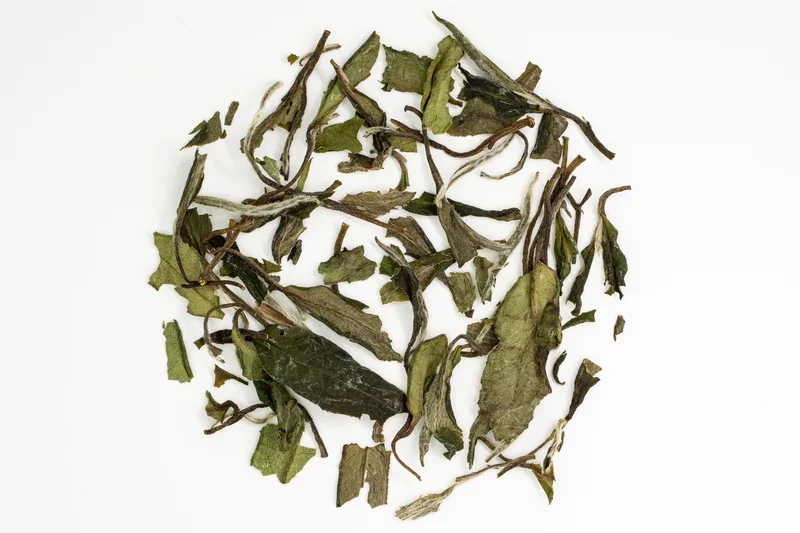
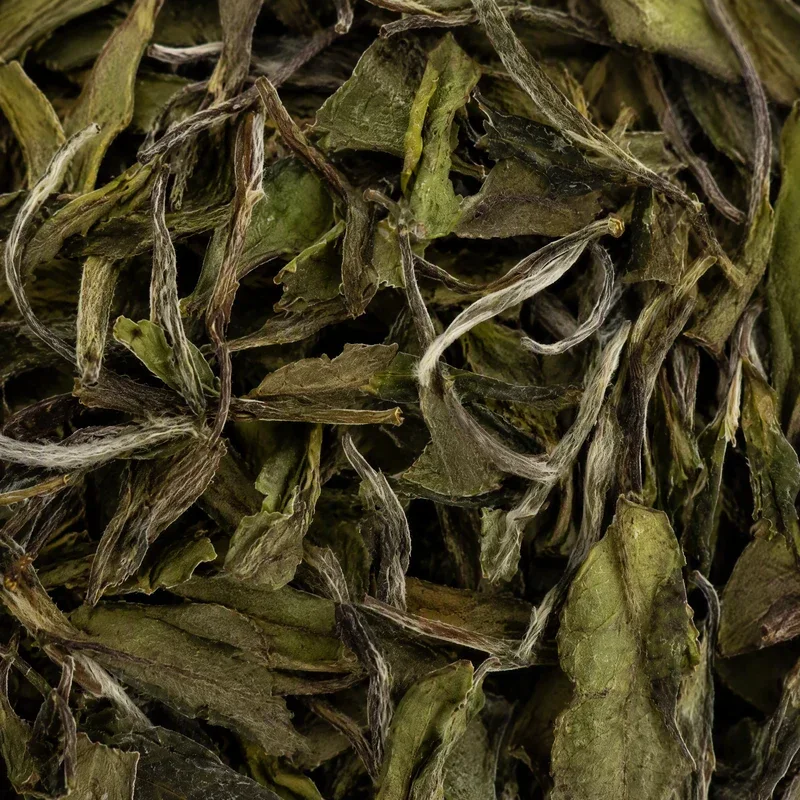
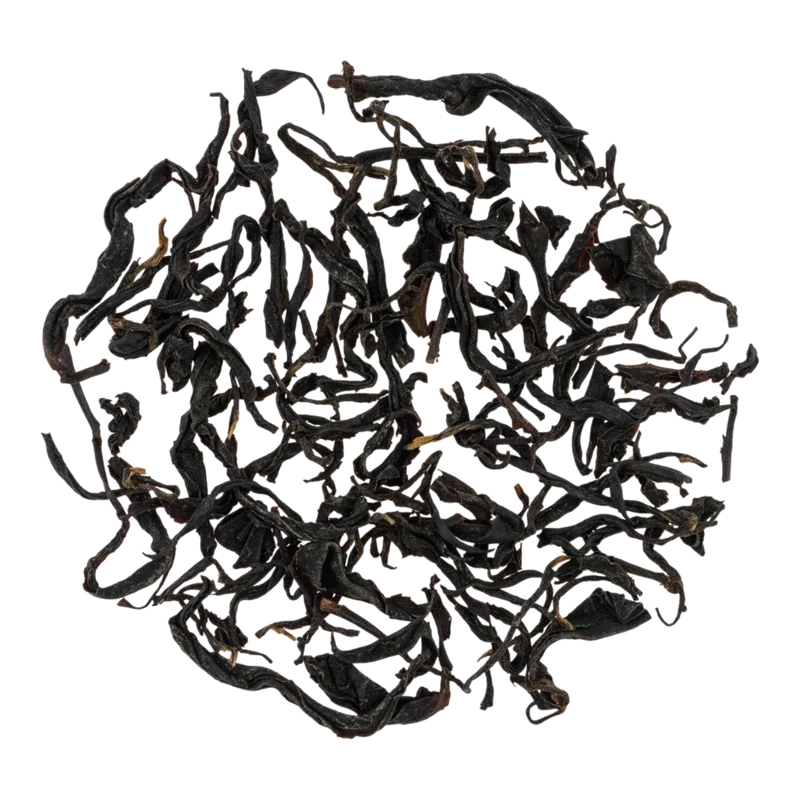
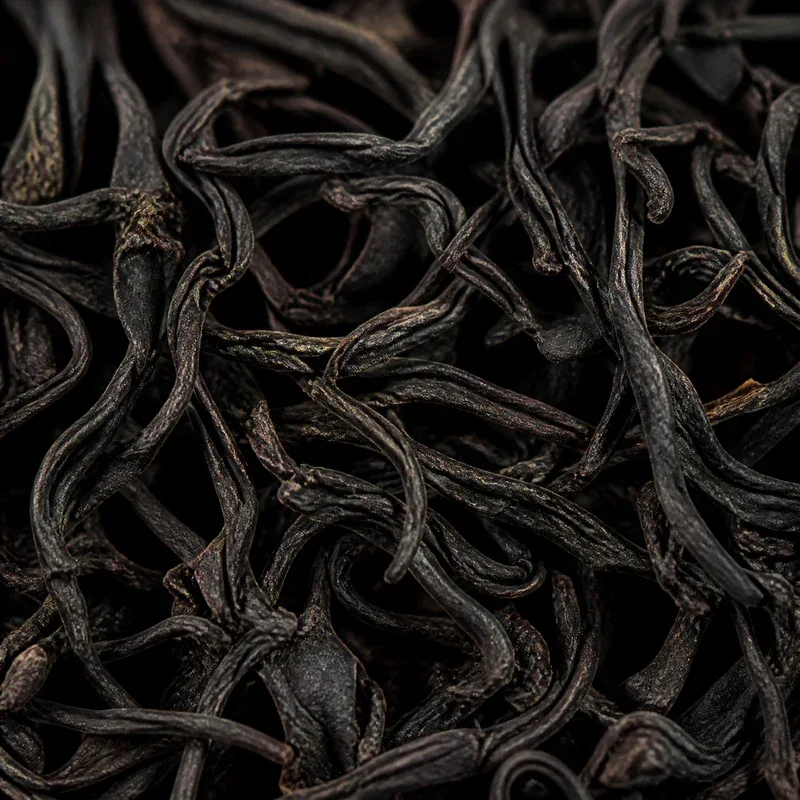
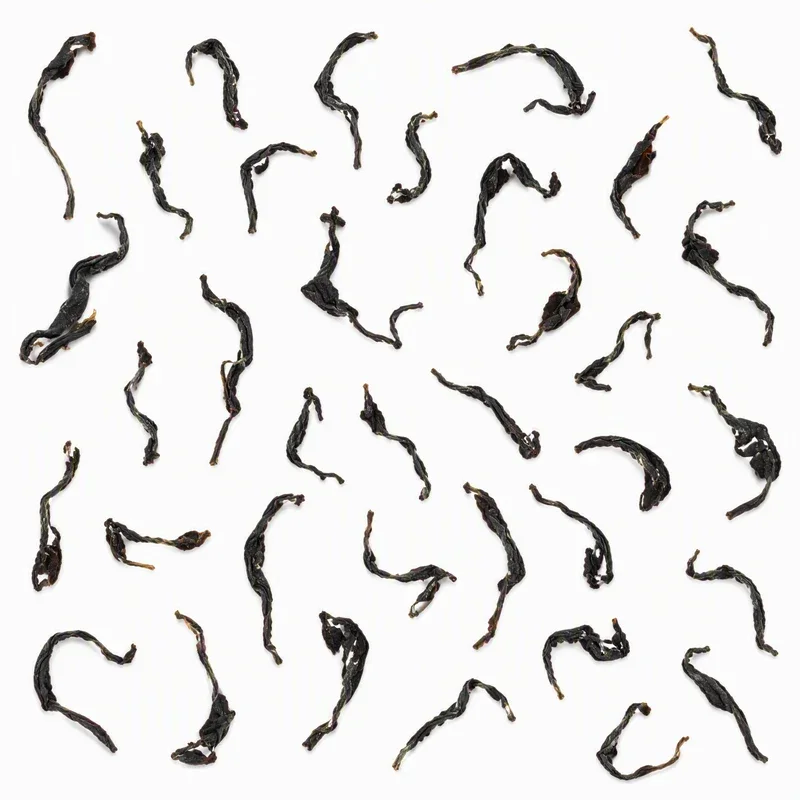
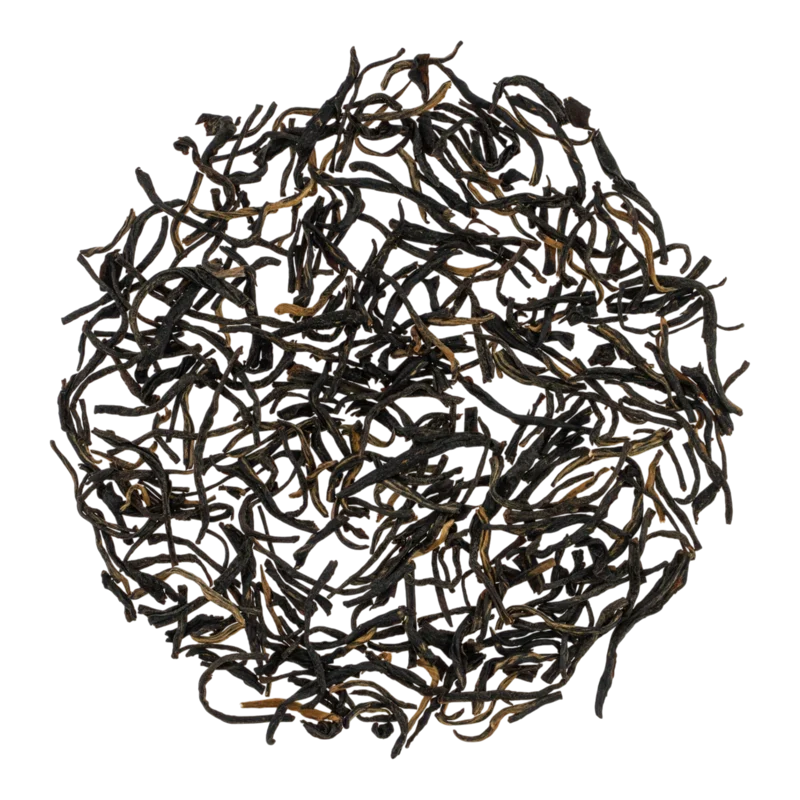
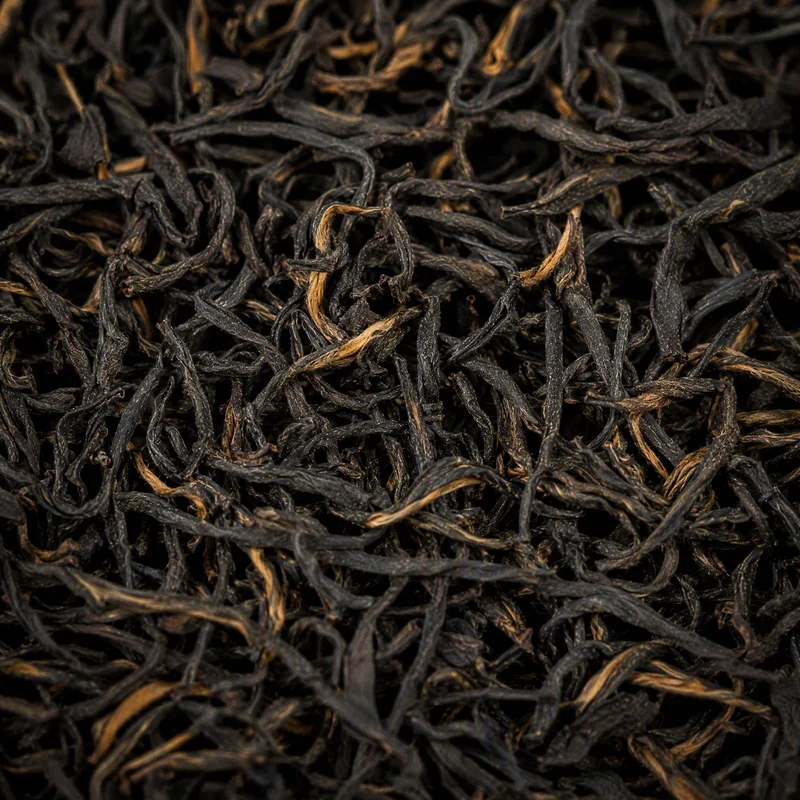
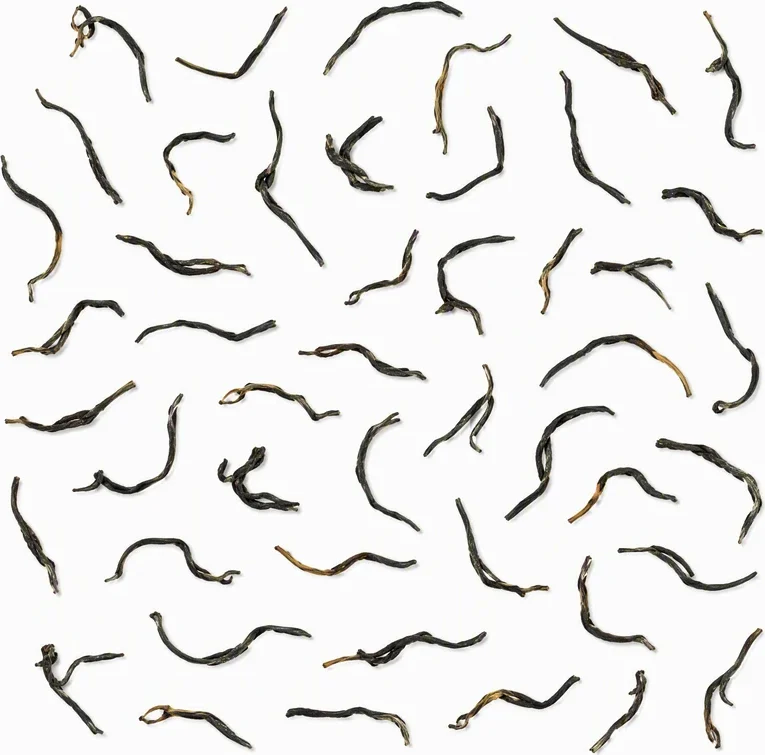
Dry Leaf Appearance: Twist is larger and looser than Jin and Yin Junmei; leaf is wider, with visible opening of the blade. Color — "half-yellow, nine-tenths black" (半黄九半黑): overall tone is dark, with individual golden-bronze inclusions from bud down. Significantly fewer tips than in senior grades.
Dry Leaf Aroma: Pronounced honey sweetness with floral-fruity notes (花蜜香, huāmì xiāng). Aroma is more "dense" and "warm" than Jin Junmei, with hints of baked sweet potato, dried fruits, and light caramel tone.
Liquor Aroma: Multi-layered: on first steeps — bright floral (orchid, rose), then — fruity (peach, apricot), on final ones — pure honey and sweet pastry. Aroma persistence — high.
Liquor Color: Amber-golden, clear, with warm honey shade (汤色澄黄). More saturated in color than the golden-clear liquor of Jin Junmei.
Spent Leaves: Copper-red with bronze tint, leaves well-opened; whole shoots "bud + 2–3 leaves" are visible. Texture is elastic, soft.
Taste: Full-bodied (醇厚, chúnhòu), rich, with distinct honey sweetness and long "returning sweetness" (回甘, huígān). Liquor body is denser and "thicker" than Jin Junmei. Bitterness and astringency are absent with proper brewing. Aftertaste — long, enveloping, with pleasant sensation of "sticking" to the throat (挂喉感, guàhóu gǎn).
Alkaloids: Caffeine (2.5–4% dry mass — somewhat higher than purely bud grades, due to presence of mature leaves), theobromine, theophylline.
Amino Acids: L-theanine — in moderate amount (lower than bud-only Jin Junmei, but sufficient to ensure softness and sweetness). High-altitude origin and bamboo shading maintain good theanine levels even in more mature leaves.
Linalool, geraniol, β-ionone, nonanal — form characteristic floral-honey aroma. More mature leaf contributes additional "warm" notes (maltol, furfurol) due to Maillard reaction during drying.
Minerals: Potassium, manganese, zinc, fluorine, iron — typical set for high-altitude Wuyi raw material on quartzite soils.
Polyphenols: Content higher than Jin Junmei, due to more mature raw material. During deep oxidation, significant portion of catechins transforms into theaflavins (TF) and thearubigins (TR), forming rich color, dense "body" and velvety texture of the liquor.
Vitamins: Vitamin C (partially preserved), B-group vitamins, β-carotene.
Tea Amount: 3–5 g per 100–120 ml (gongfu); 3–4 g per 200–300 ml (steeping in cup or European style).
Teaware: White porcelain gàiwǎn (盖碗) 100–120 ml — allows evaluation of aroma and color; porcelain or glass teapot. For daily tea drinking, an ordinary mug with lid will also work.
Water Temperature: 90–100 °C. Unlike delicate Jin Junmei, Tongjunmei with its more mature leaf opens beautifully at temperature close to boiling; this allows fuller extraction of dense "body" and honey depth. Common practice among Tongmu masters — brewing with rolling boiling water.
Highest grade — pure buds, collected at Qingming. Liquor — golden-clear, color of "warm amber"; aroma — finest, floral-honey with note of lanhua (orchid); taste — silky, delicate, with accent on sweetness and "airiness". Compared to it, Tongjunmei is more "earthy", dense, rich, with pronounced "body" and greater brewing endurance.
Middle grade — 1 bud + 1 leaf, picked at Guyu. Intermediate character between airiness of Jin and full-bodiedness of Tong: aroma — floral-fruity, taste — sweet with light structure, body — medium.
Classic style with smoking over pine wood (松烟, sōngyān). Aroma — smoke, longan, dried fruits; taste — dense, "smoky-sweet". Tongjunmei lacks smoky note; its character is purely honey and floral.
Modern version of Xiao Zhong without smoking. Stylistically closest to Tongjunmei, however Xiao Zhong picking standard is more variable (from bud + 1–2 leaves to more mature raw material); Tongjunmei is positioned as part of premium series with stricter quality control and technology.
Red tea from old Tongmu bushes covered with moss. Possesses unique "congwei" (枞味) — "mossy" taste with sourness and "marine" freshness. Tongjunmei made from laocong combines both characters, but such batches are distinguished in separate category on the market.
No reviews yet. Tell us what you think of this tea.
Rate this tea and share your impressions. We review each submission before publishing it.