Brewing
Gongfu brewing
- Water temperature
- 75 °C
- Tea amount
- 5 g
- Water volume
- 100 ml
- First steep
- 10 s
- Time added per infusion
- 5 s
- Infusions
- 3

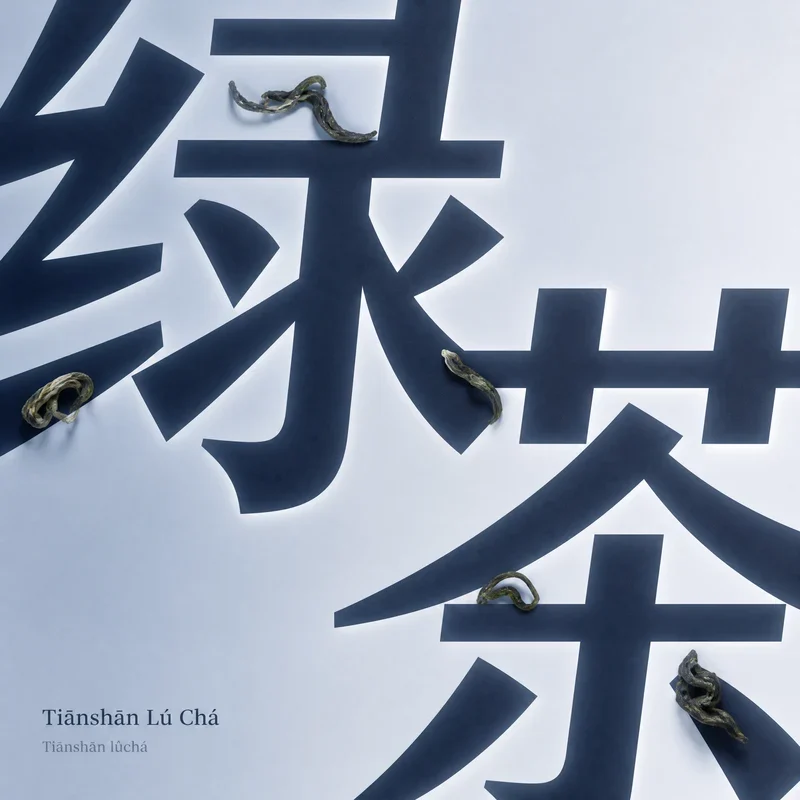
Tiānshān lǜchá
Choose a brewing method. Start with the recommended quantities and time, then adjust to taste.
Brewing
Brewing
Taste
Tea encyclopedia
Category: Historical famous tea of China (历史名茶, lìshǐ míngchá); regional tea with protected geographical designation (地理标志产品, dìlǐ biāozhì chǎnpǐn).
Category: Historical famous tea of China (历史名茶, lìshǐ míngchá); regional tea with protected geographical designation (地理标志产品, dìlǐ biāozhì chǎnpǐn).
Coordinates: Approximately 26°40′–26°58′ N, 119°08′–119°20′ E. Main peaks Tiānshān Dǐng Shān (天山顶山, 1134 m) and Tiānshān (天山, 1104 m).
Origin: China, Fújiàn Province (福建, Fújiàn), Níngdé City (宁德, Níngdé), Jiāochéng District (蕉城区, Jiāochéng Qū). The production zone encompasses the Tianshan mountain range at the junction of Ningde, Gǔtián (古田, Gǔtián) and Píngnán (屏南, Píngnán) counties.
Type: Green tea (non-oxidized). Subcategory — hongqing lu cha (烘青绿茶, hōngqīng lǜchá) — green tea dried with hot air (as opposed to chaoqing — wok-fired).
Cultivar: Traditional raw material base — local population planting (群体种, qúntǐ zhǒng), colloquially known as "caicha" (菜茶, càichá — "garden tea"), — small-leaf bushes adapted to mountain terroir over centuries. Since the 1960s, improved cultivars of the Dàbáichá group (大白茶, Dàbáichá) and highly aromatic varieties have also been introduced to the tea zone. The largest wild tea tree in Fujian Province was discovered in Jiaocheng District: height 3.5 m, crown diameter 5.2 m, trunk diameter at base 0.53 m.
Picking: Predominantly in spring (April — early May). Elite batches "Leiming" (雷鸣, "Thunder") are collected during the first spring thunderstorms; "Mingqian" (明前) — before the Qīngmíng festival (清明, ~April 5); "Qingming" and "Guyu" (谷雨) — according to the corresponding seasons.
Pluck Standard: Bud and 1–2 young leaves at initial opening stage (一芽一二叶初展, yī yá yī-èr yè chūzhǎn). For highest grades — exclusively single buds or "one bud — one leaf" (一芽一叶).
Raw Material: Raw material must be whole, fresh, without mechanical damage or overheating. Delivery from plantation to processing facility — in the shortest possible time.
Altitude: 900–1100 m (core); tea gardens of the broader zone — from 500 to 1100 m.
Climate: Subtropical monsoon. Average annual temperature around 15°C. Average annual precipitation around 1900 mm. Daily temperature fluctuations at the peaks reach 16–18°C, which promotes accumulation of aromatic substances and amino acids in the leaf.
Soil: Sandy loams (砂质壤土, shāzhì rǎngtǔ), rich in humus and slightly acidic (pH 4.5–5.5). Deep soil layer, presence of mountain streams provide good drainage and mineral nutrition.
The mountains are constantly shrouded in mist and clouds (云雾, yúnwù), providing high air humidity and abundant diffused lighting — ideal conditions for forming tender, amino acid-rich raw material.
Tea gardens are located among natural forests, on rocky ledges and along ravine slopes. The territory has never been subjected to industrial impact; the ecosystem maintains its pristine character. In recent years, the district has implemented a program to replace chemical fertilizers with organic ones and completely abandon synthetic pesticides.
Topography: The Tiānshān mountain range (天山) — a ridge at the junction of the continental slope and the East China Sea coast, dividing the basins of several mountain rivers. Seven main peaks exceed 1500 m. The core of the tea zone — "Zheng Tianshan" (正天山, "authentic Tianshan") — is located at elevations of 900–1100 m around the villages of Tiepingkeng (铁坪坑), Wài Tiānshān (外天山), Lì Tiānshān (里天山) and Lípíng (梨坪).
Hand picking in morning hours. Raw material is delivered to the facility in bamboo baskets, preventing compression and heating.
Freshly picked leaves are spread in a thin layer in shade on bamboo trays for moisture equalization and initial evaporation of "green rawness." Duration — about 30–60 minutes depending on weather.
Key stage. Traditionally — manual processing in a heated wok (铁锅): leaves are tossed and turned until characteristic tea aroma appears and leaves become soft. Wok temperature — 200–220°C. Modern production uses roller or drum shaqing machines. Goal — inactivation of oxidase, preservation of green color and formation of aroma base.
After brief cooling, leaves are rolled, releasing cell sap and forming tight strips. Traditionally — by hand, using rolling and pushing methods (搓团推揉). Intermediate breaking up (解块, jiě kuài) prevents sticking.
Leaves are reprocessed in a warm wok for tighter rolling and acquisition of characteristic form — tight, straight, thin strips with visible white down.
Hot air drying at elevated temperature (about 100–110°C) for rapid moisture reduction to 15–20%.
Final drying at reduced temperature (60–80°C) to bring moisture to ≤ 6% and fully develop aroma. It is at this stage that the softness and "purity" of profile characteristic of hongqing is formed.
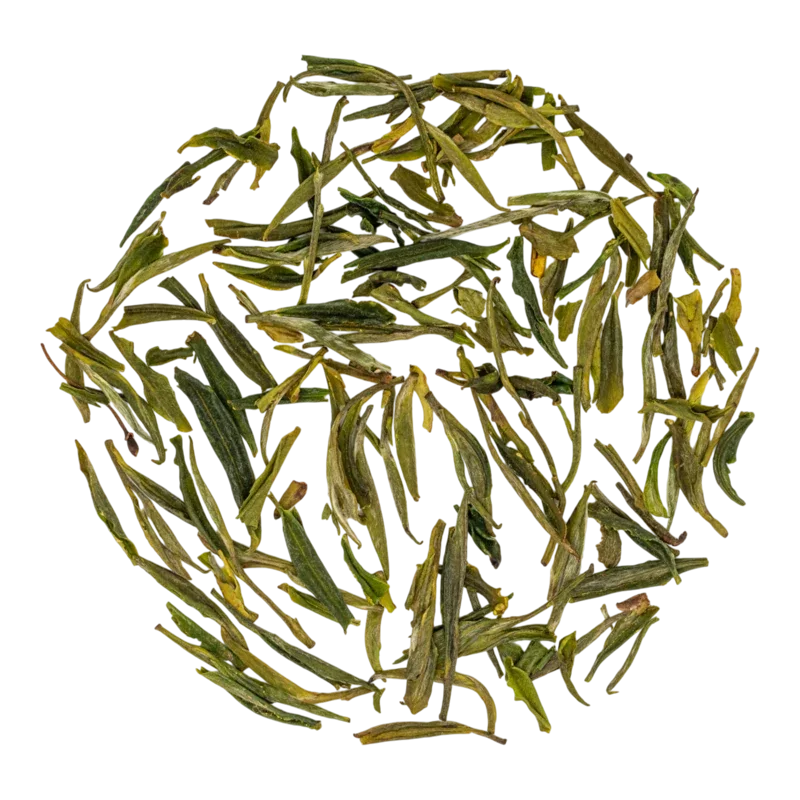
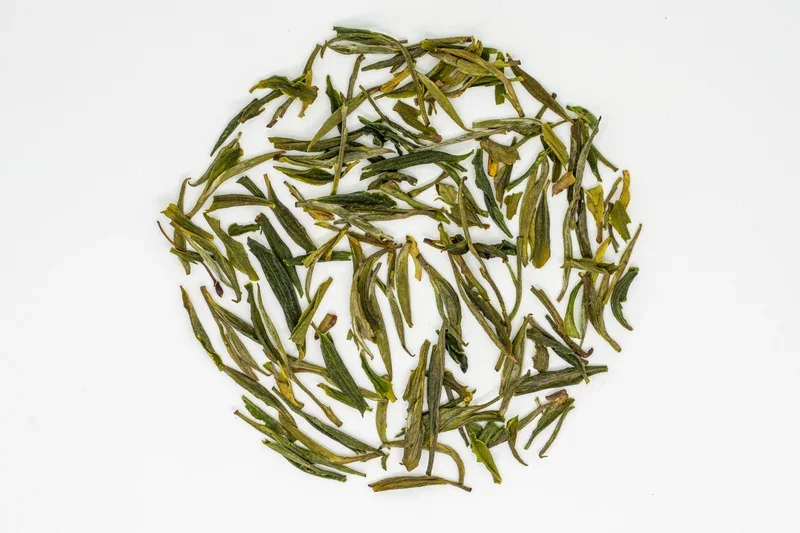
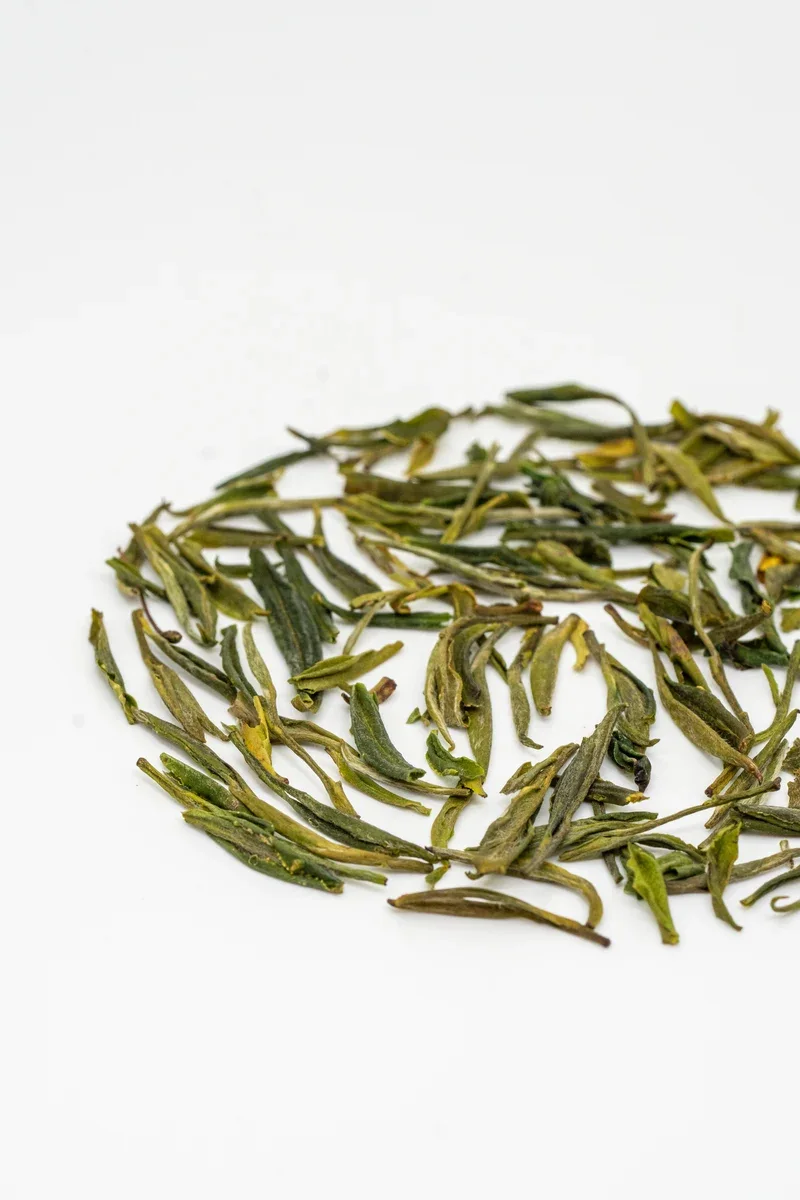
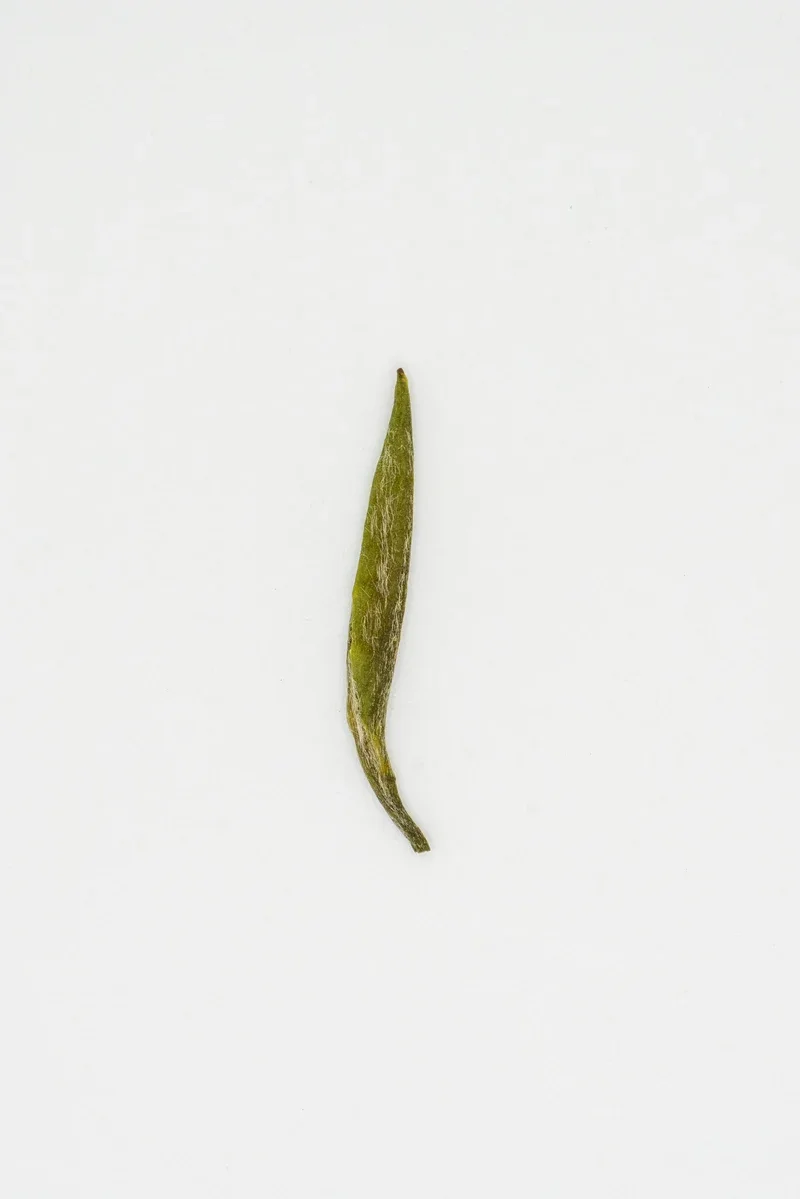
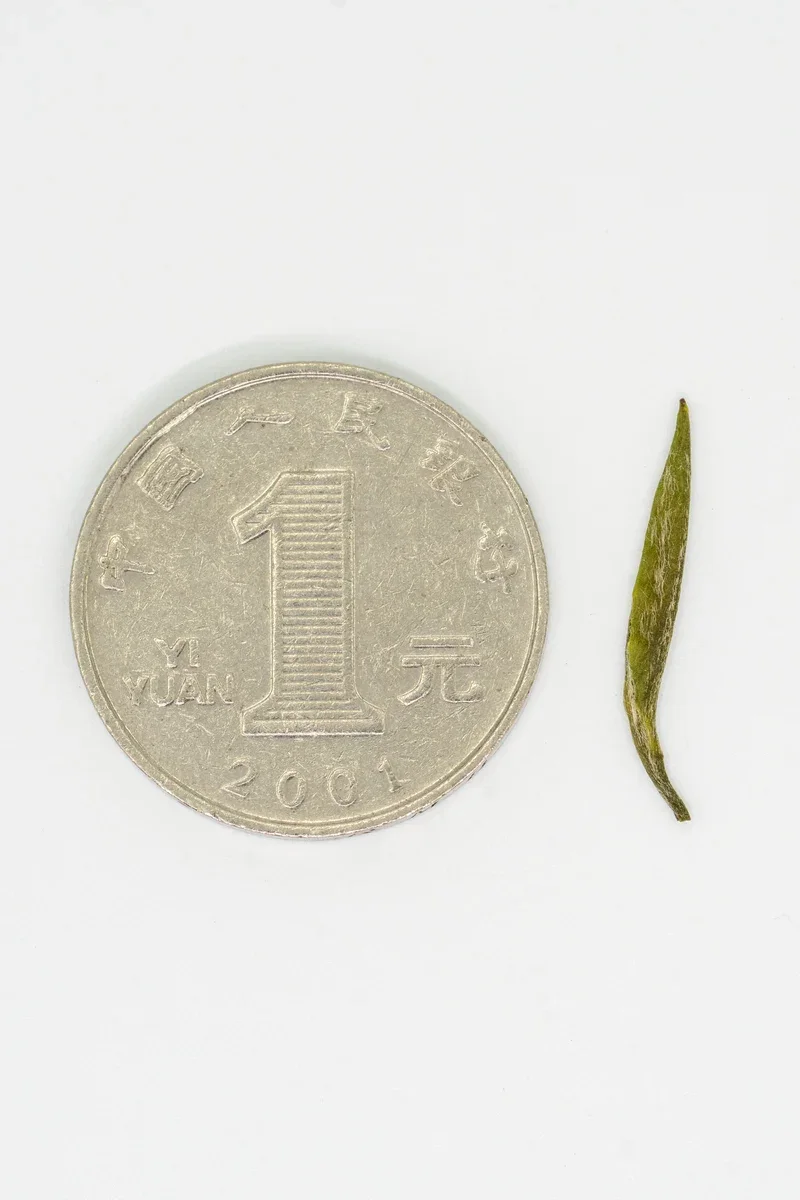
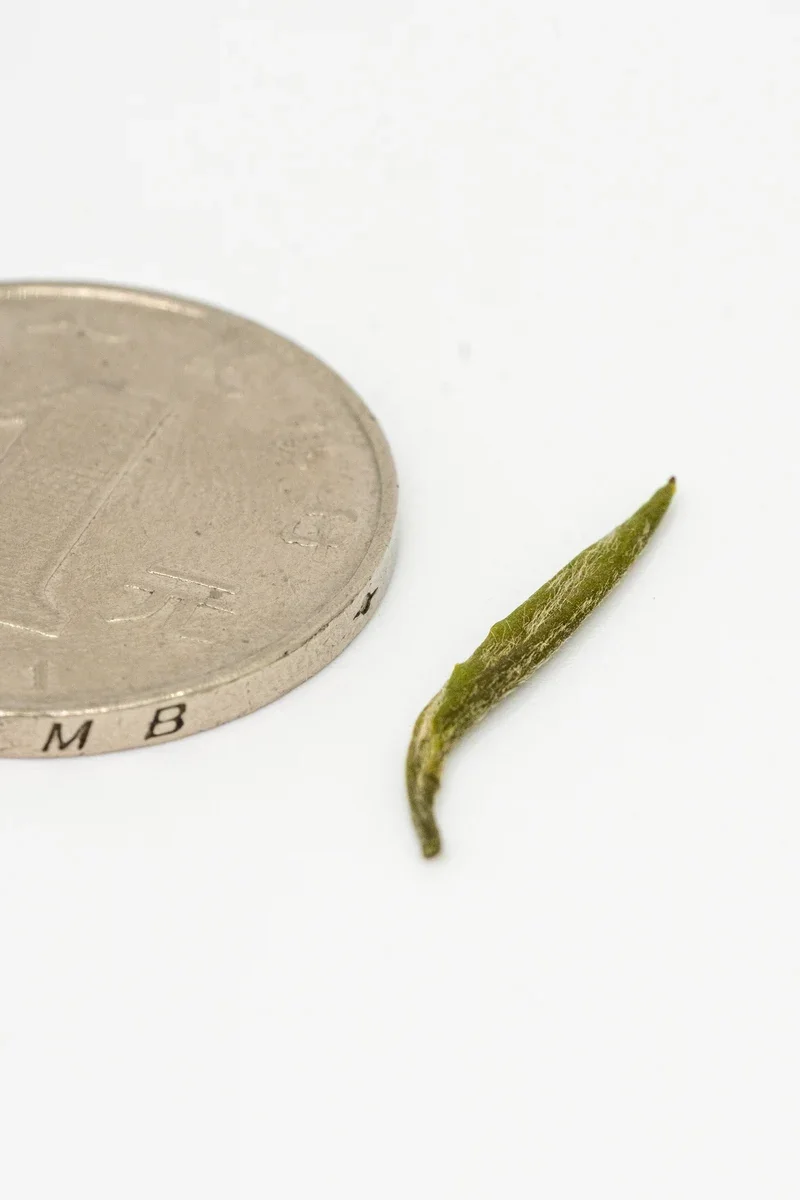
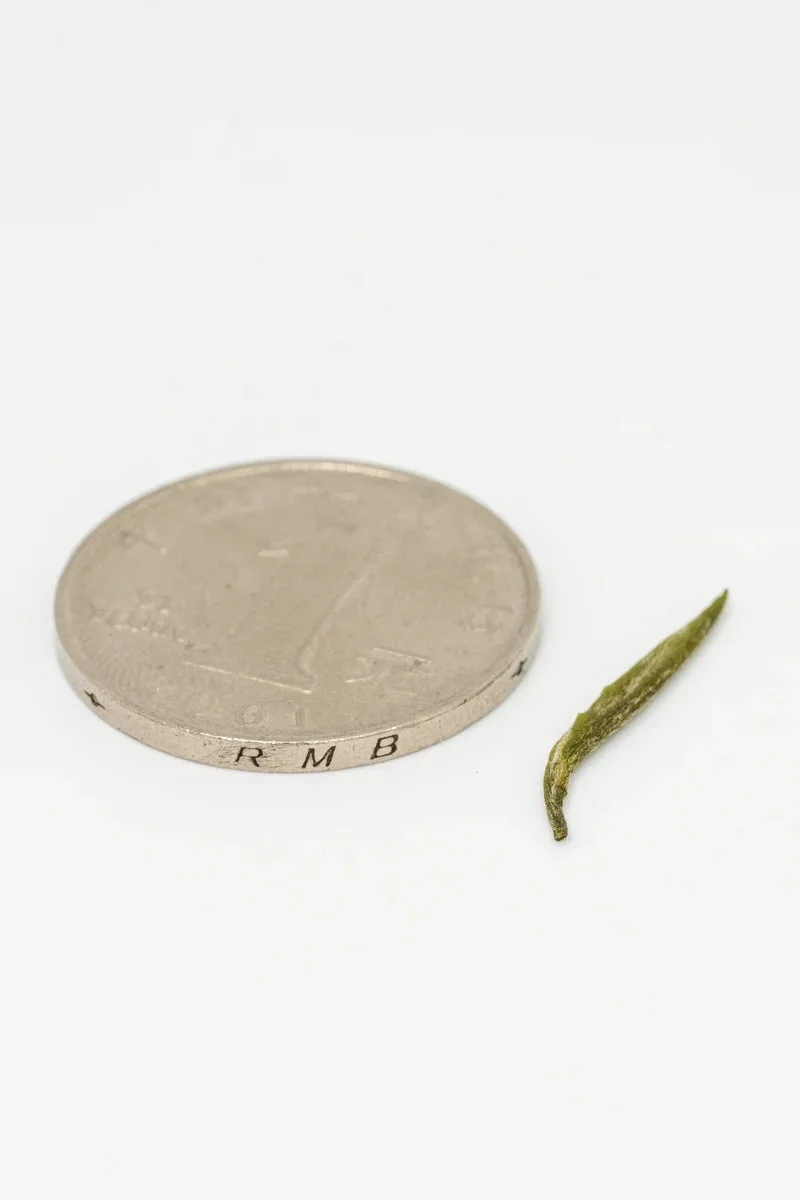
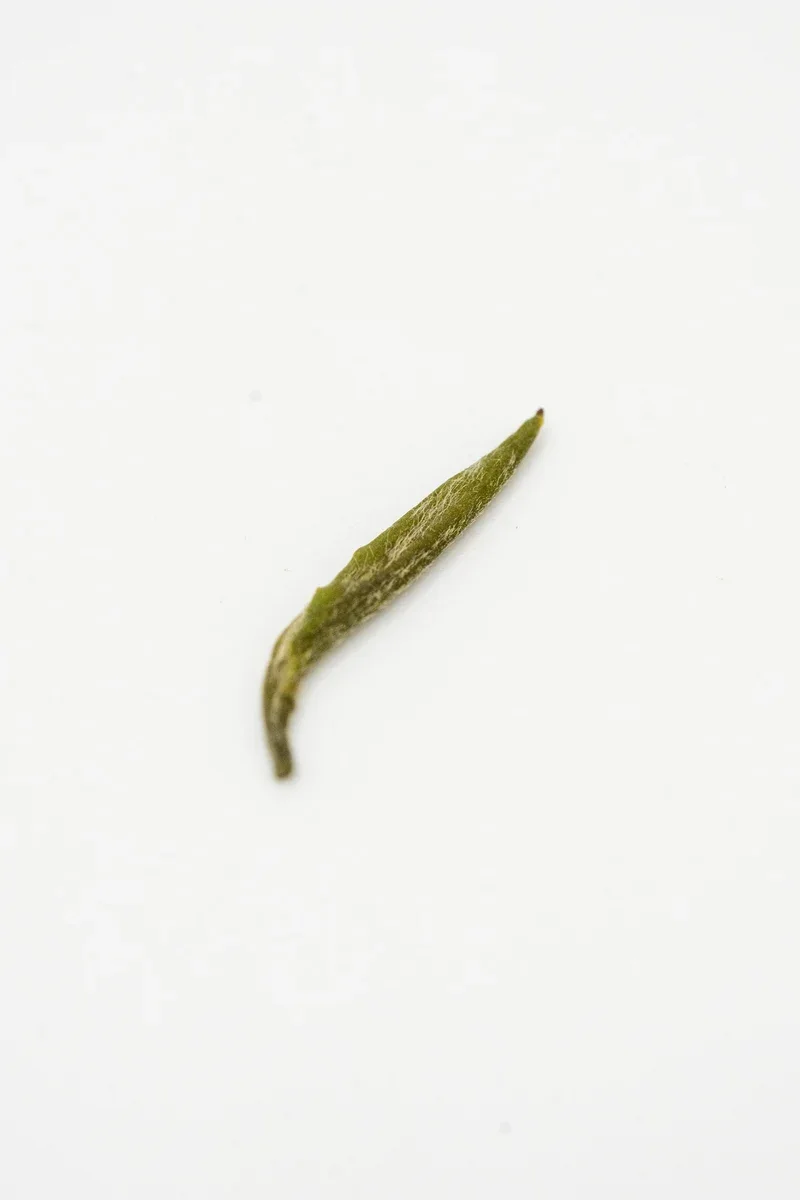
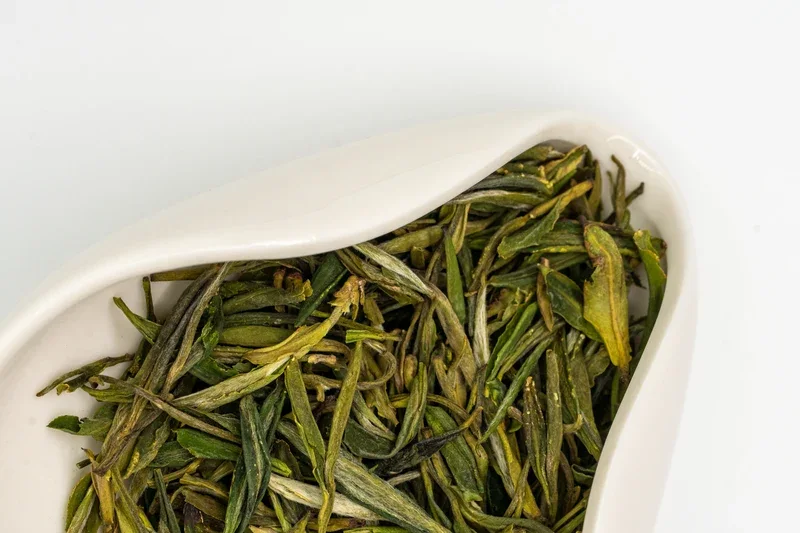
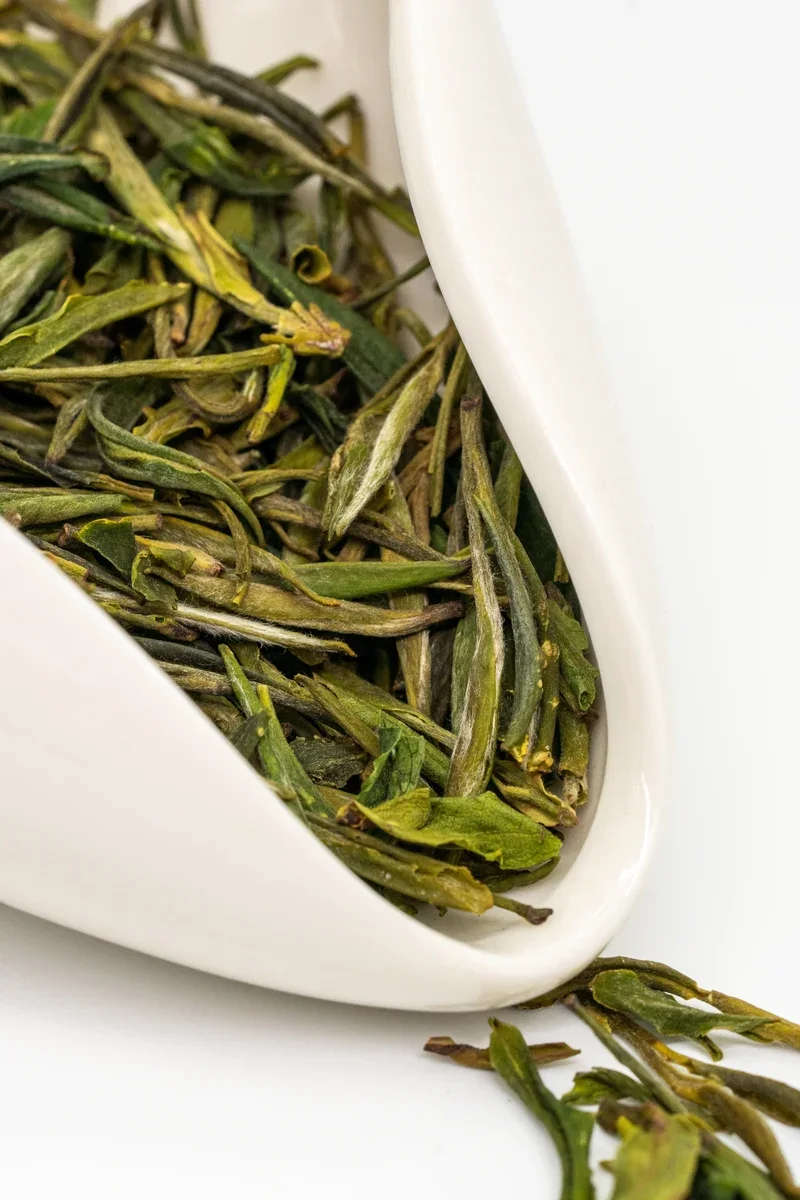
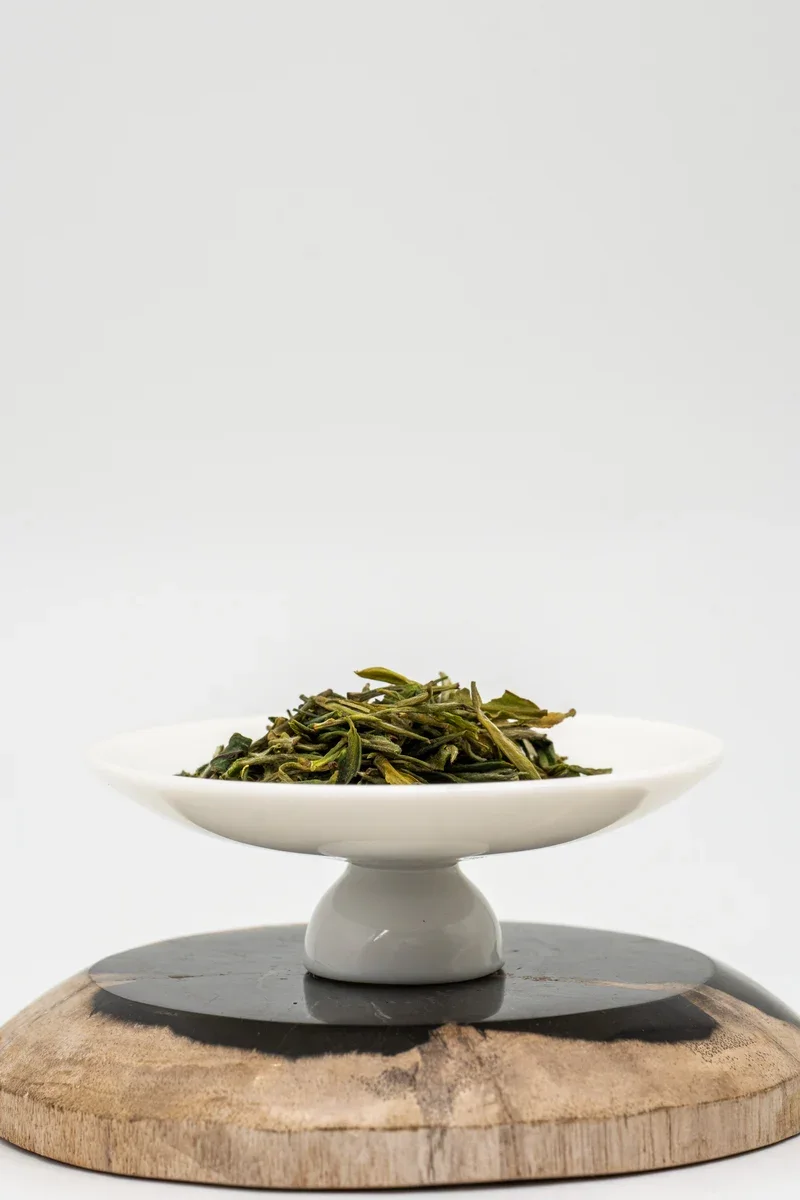
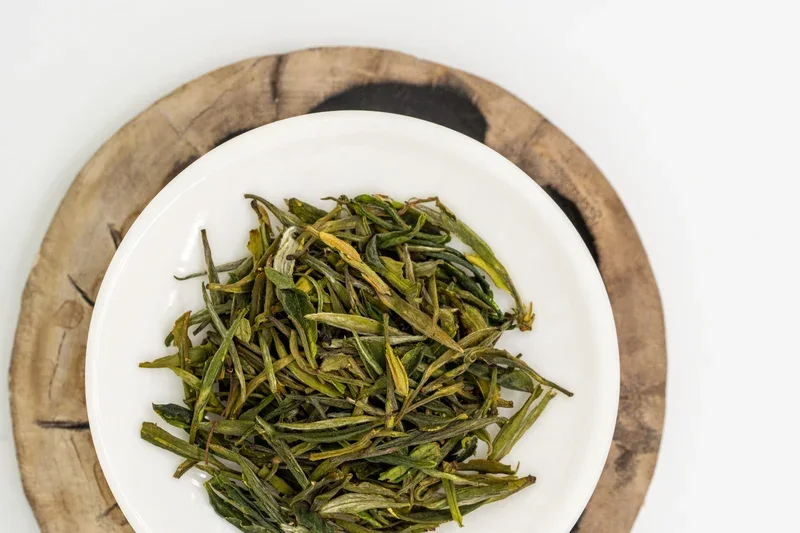
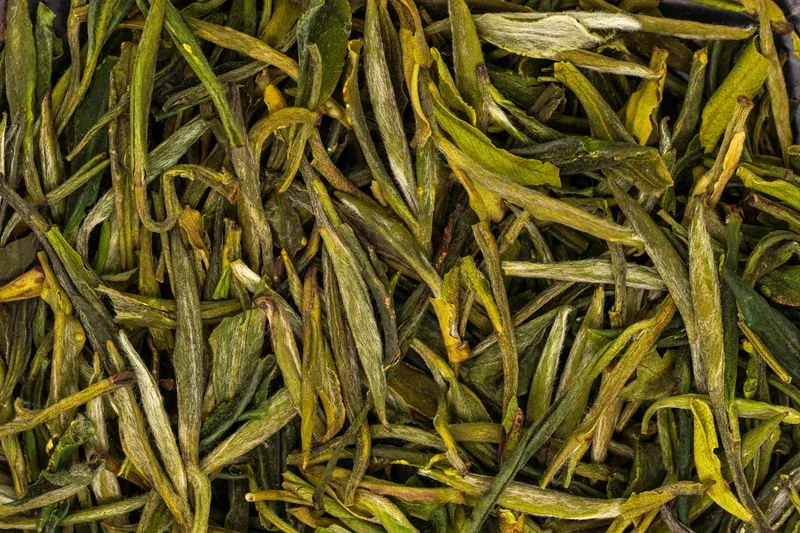
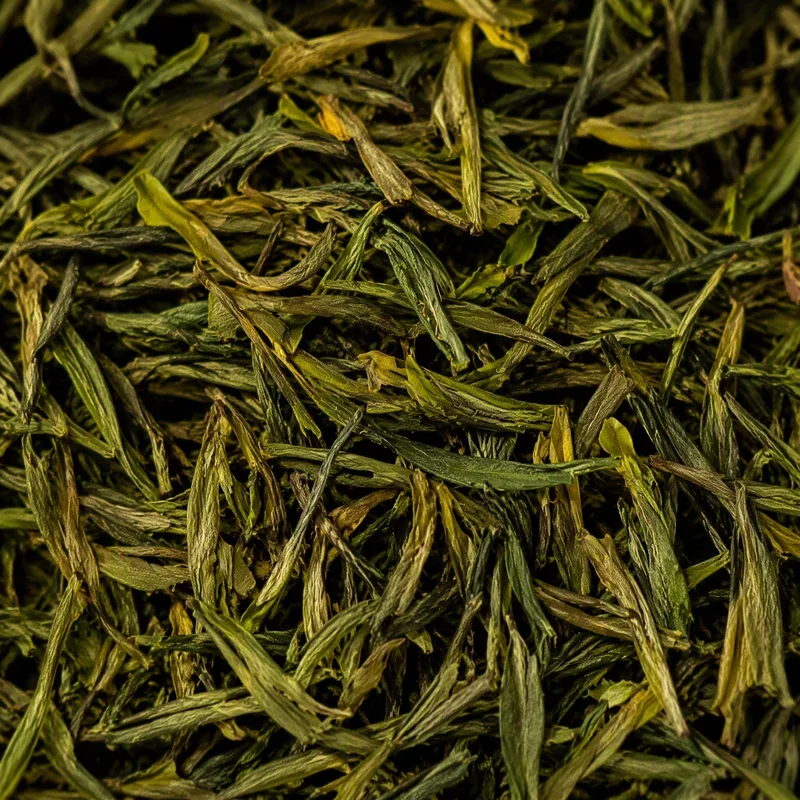
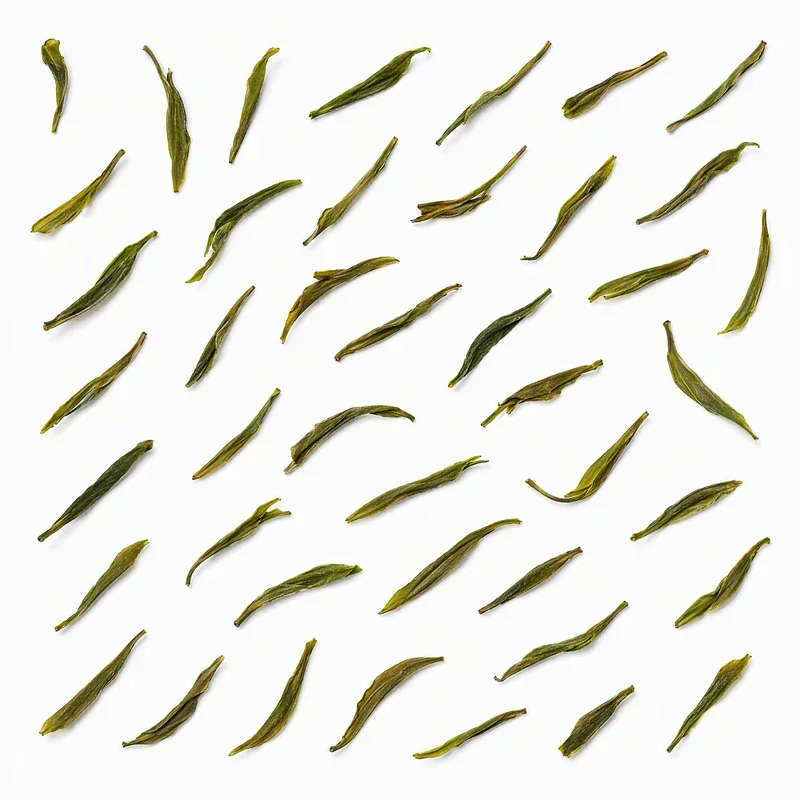
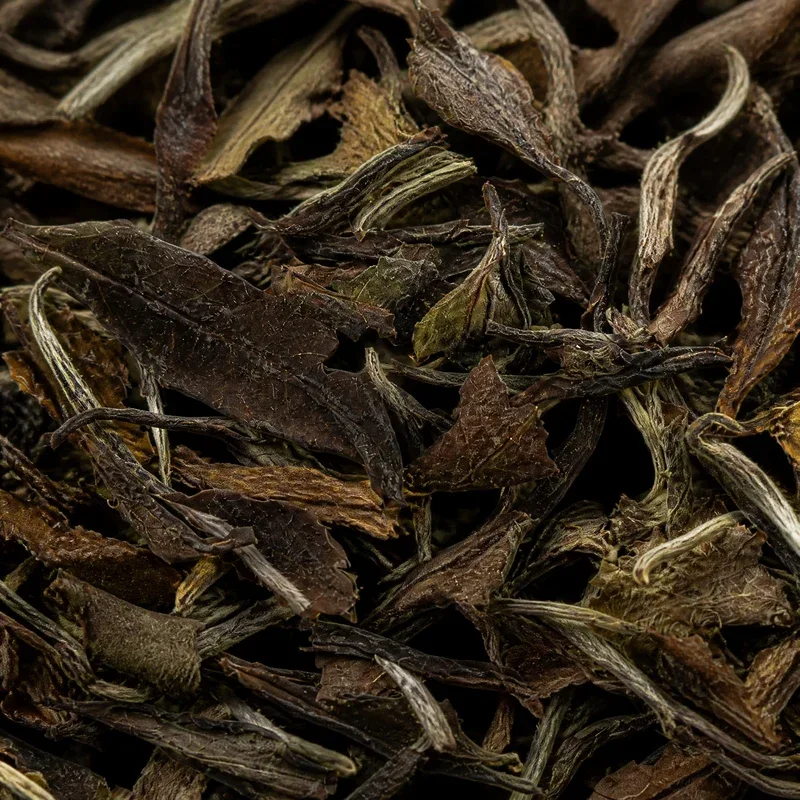
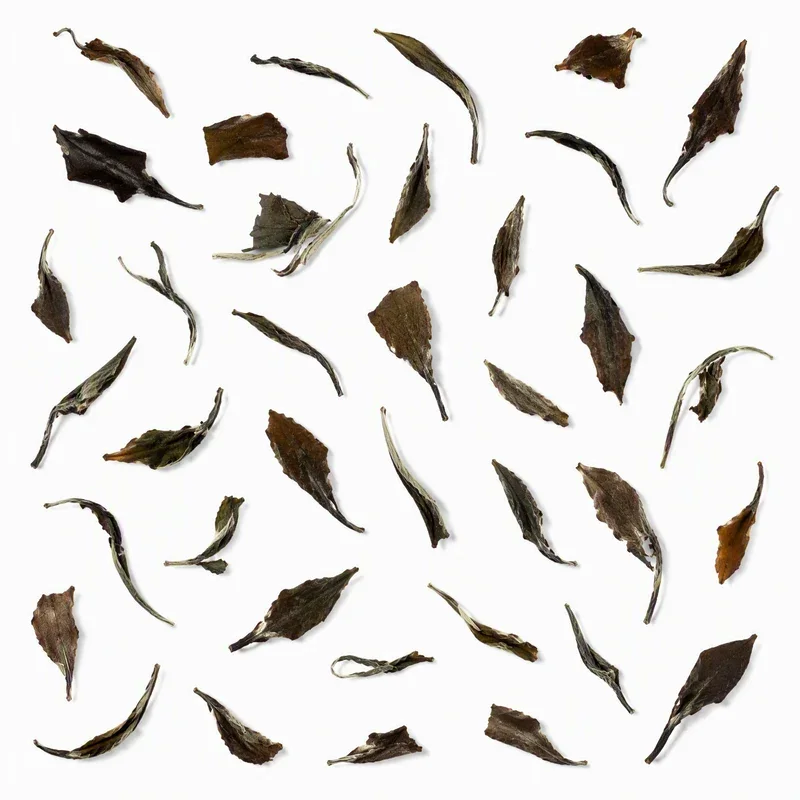
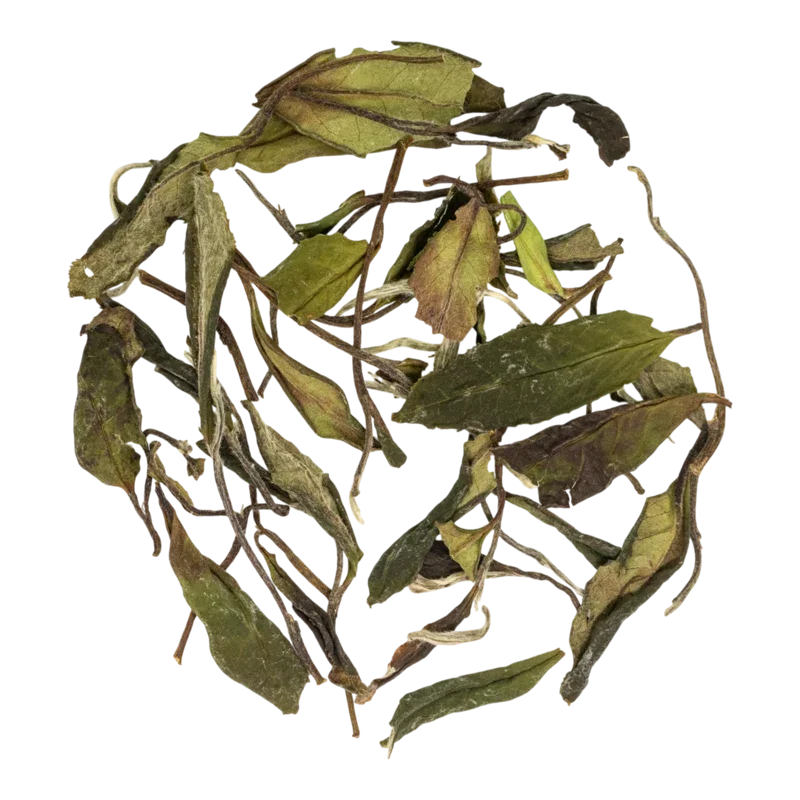
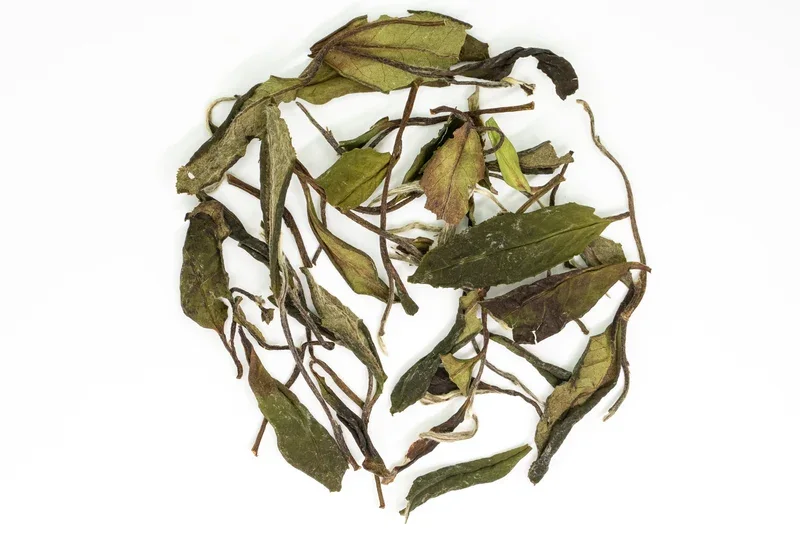
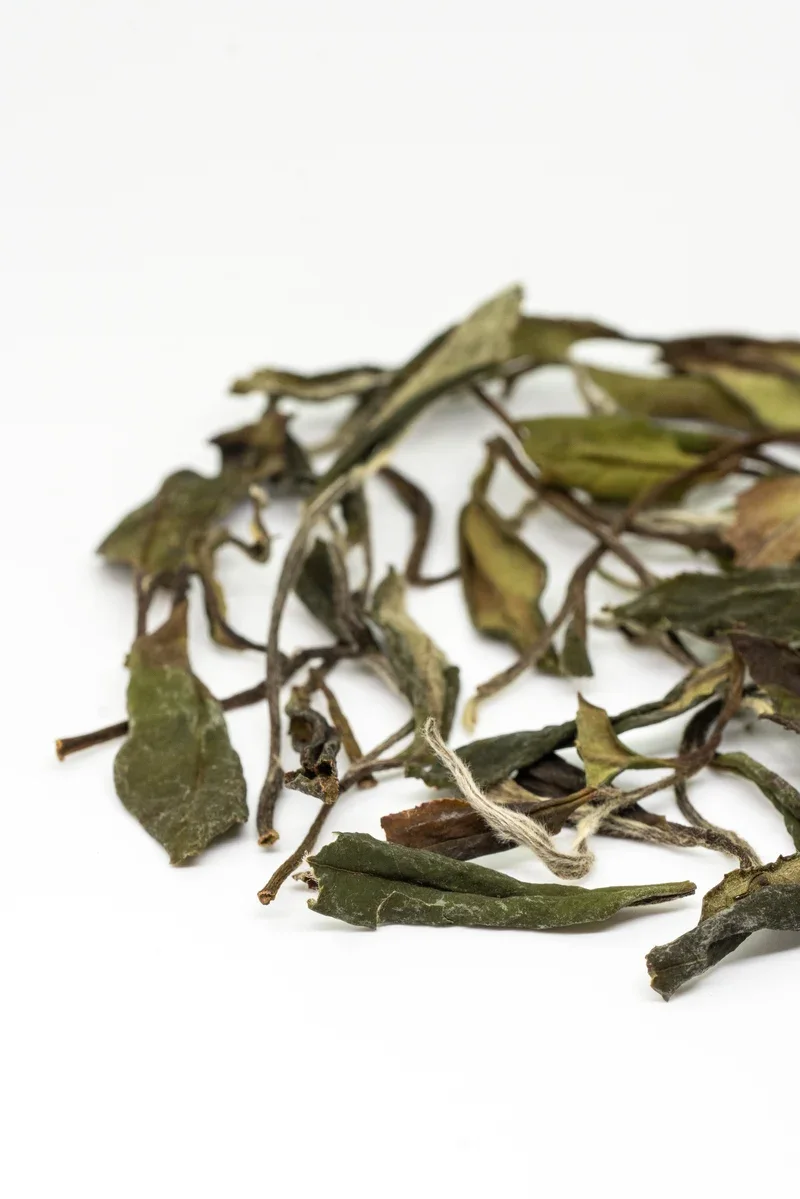
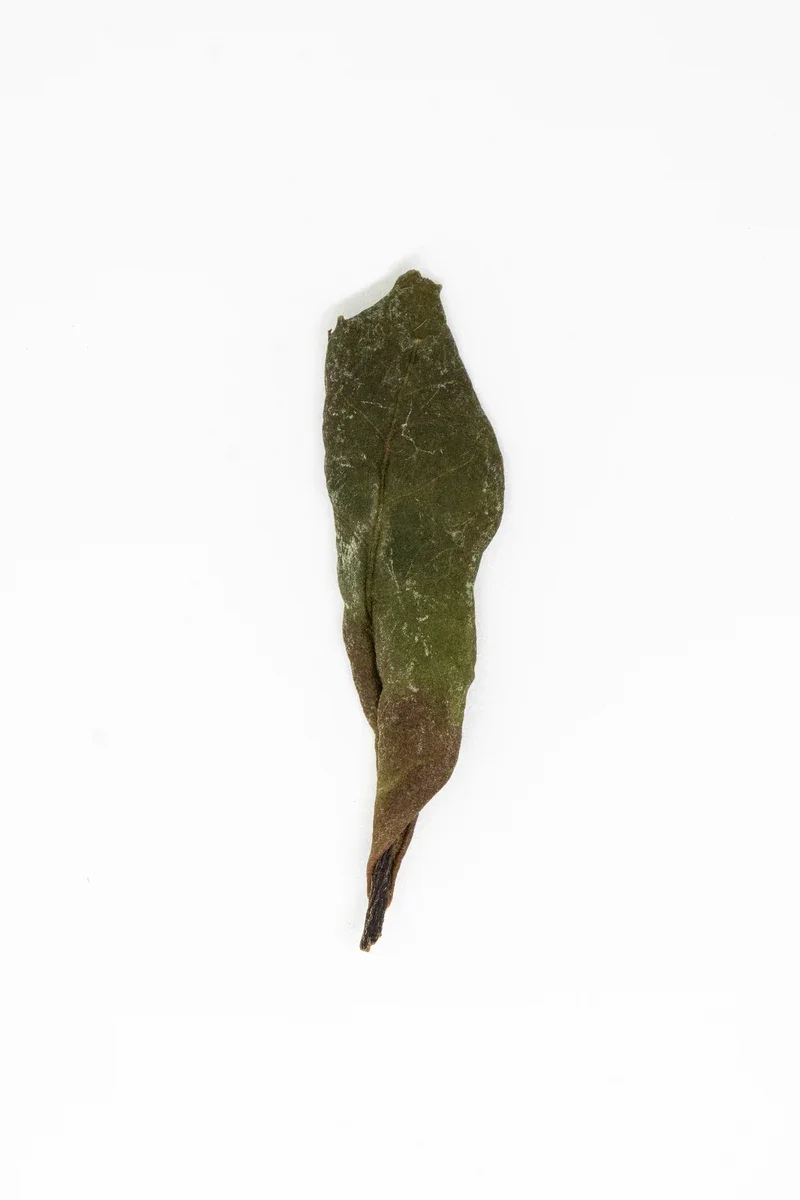
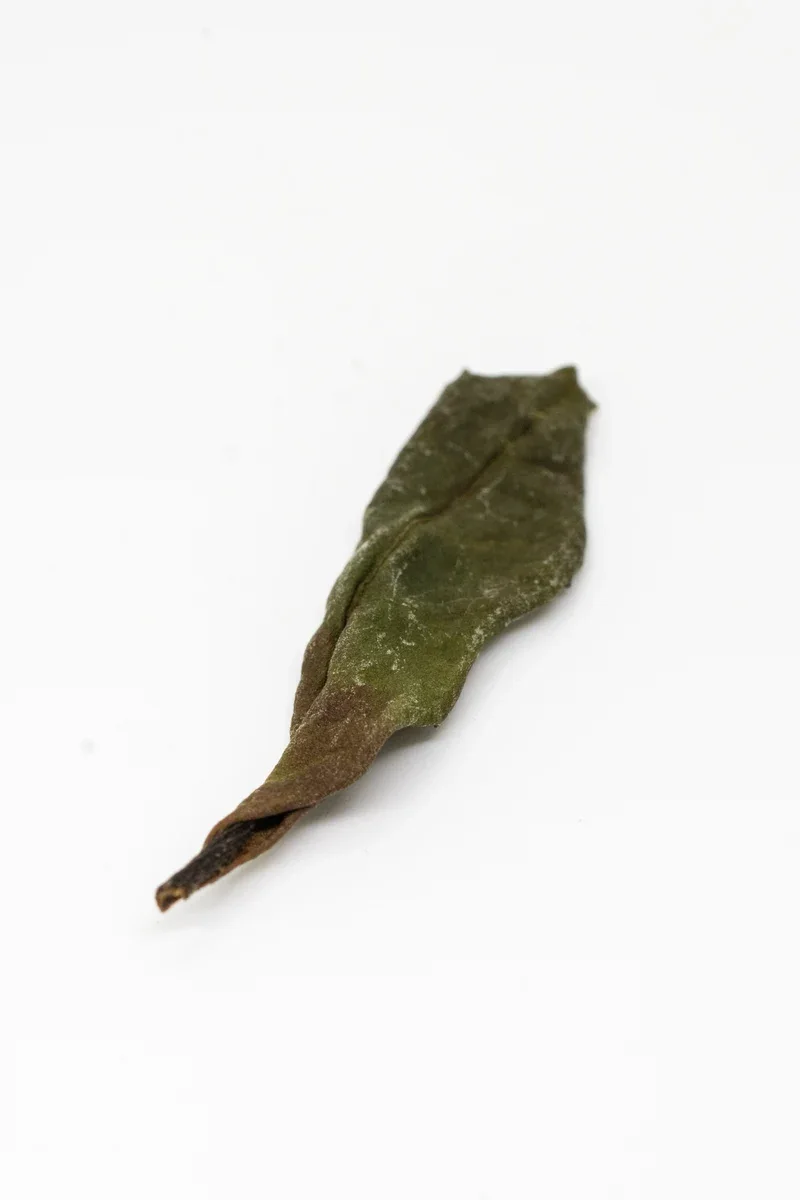
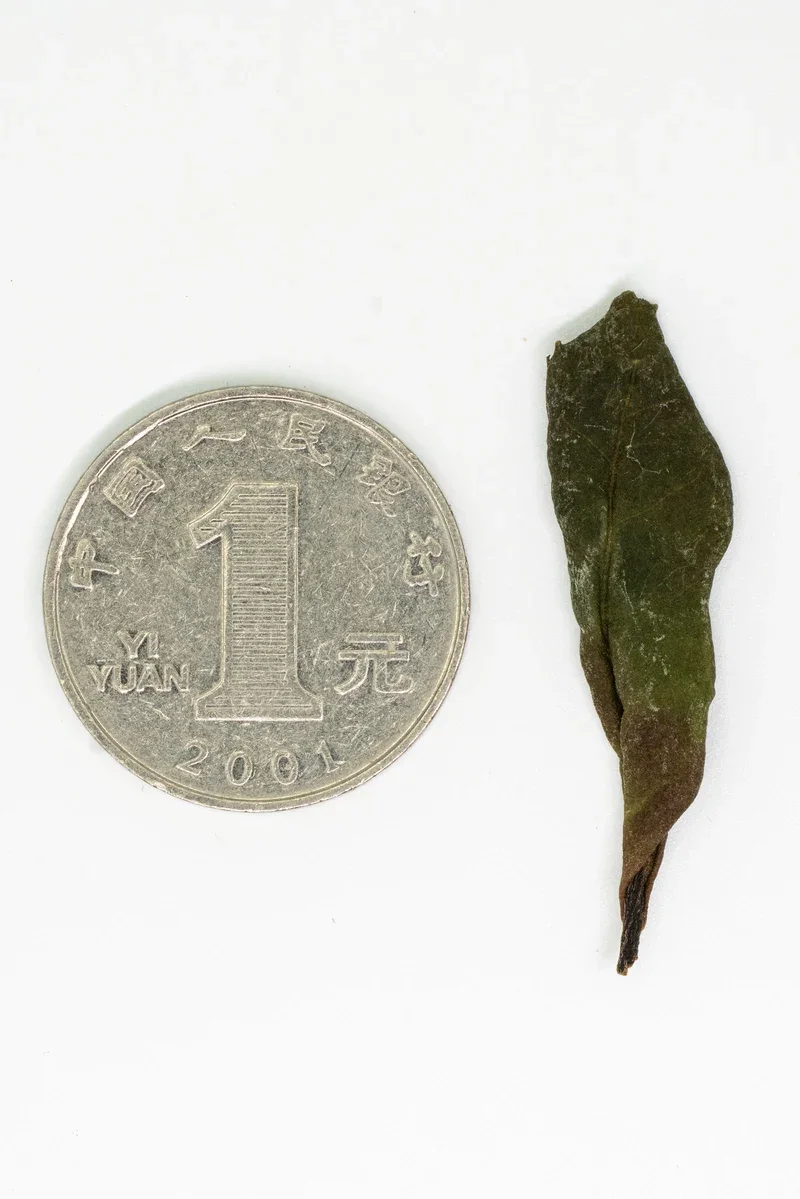
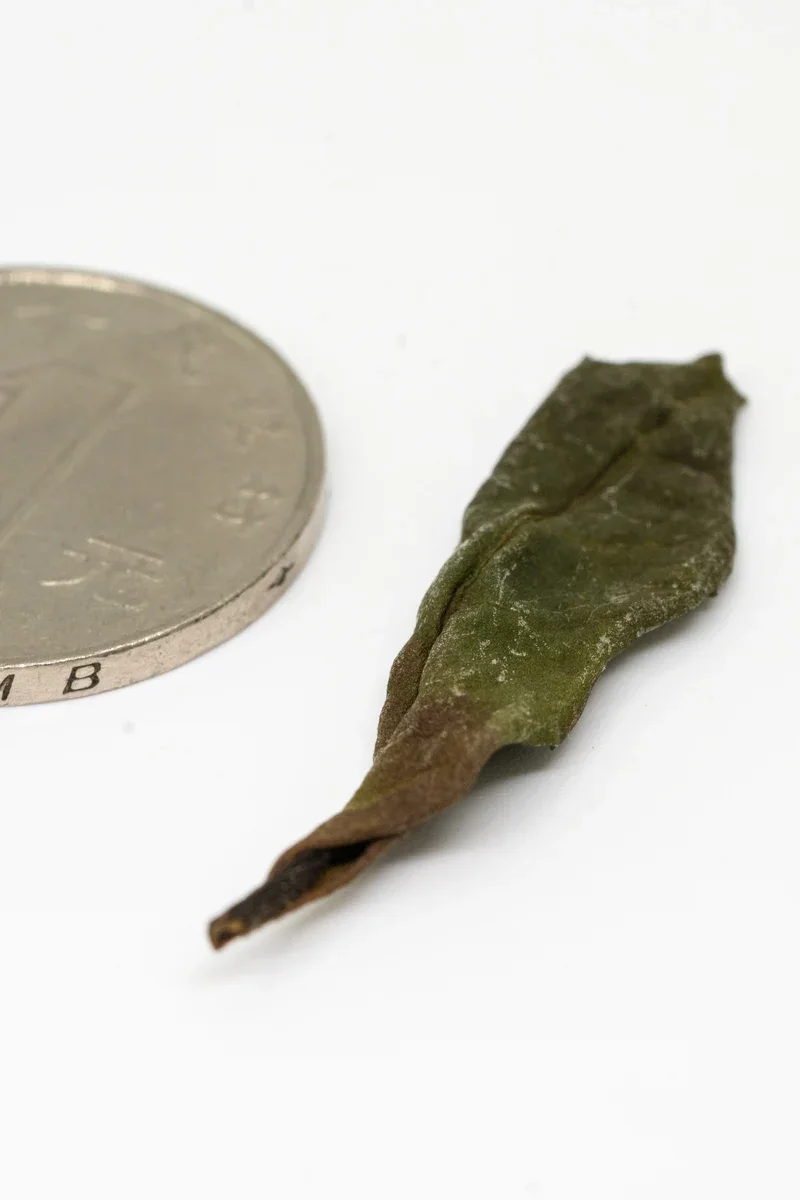
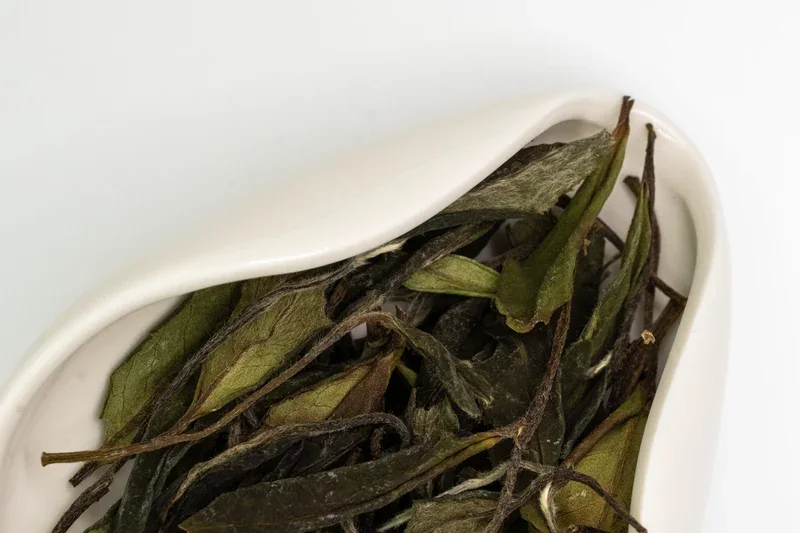
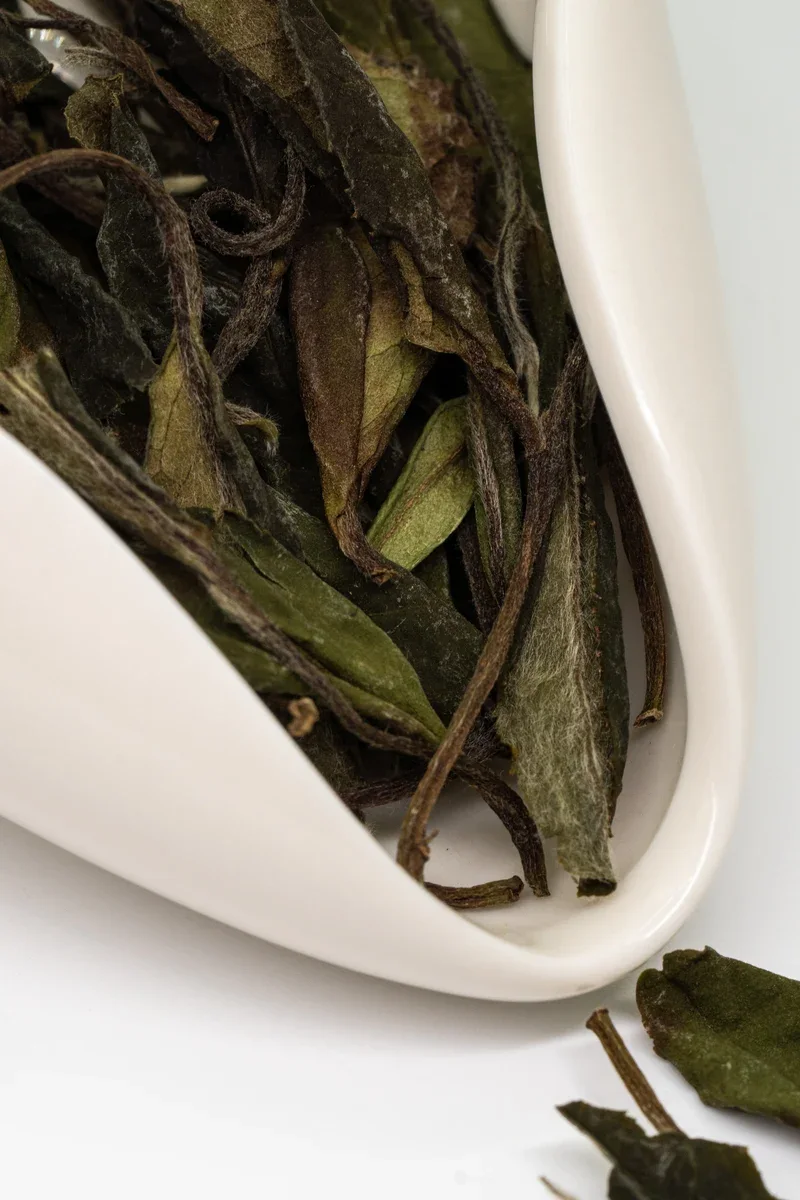
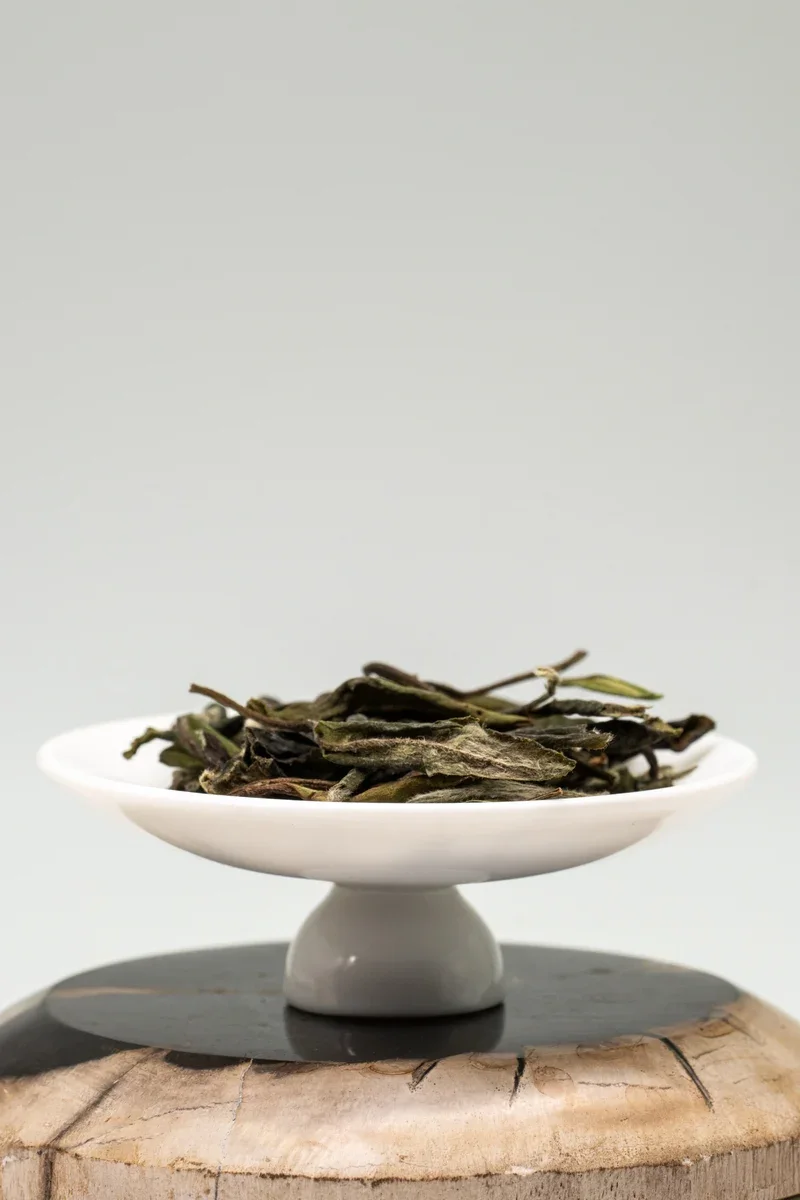
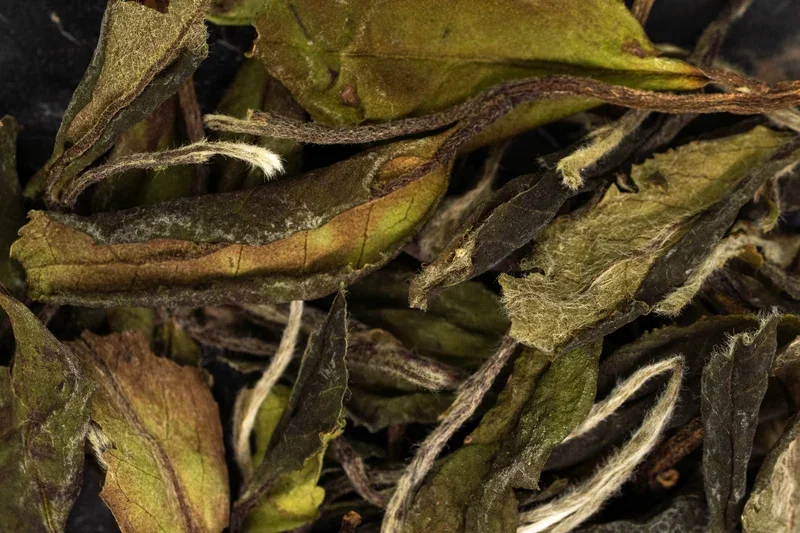
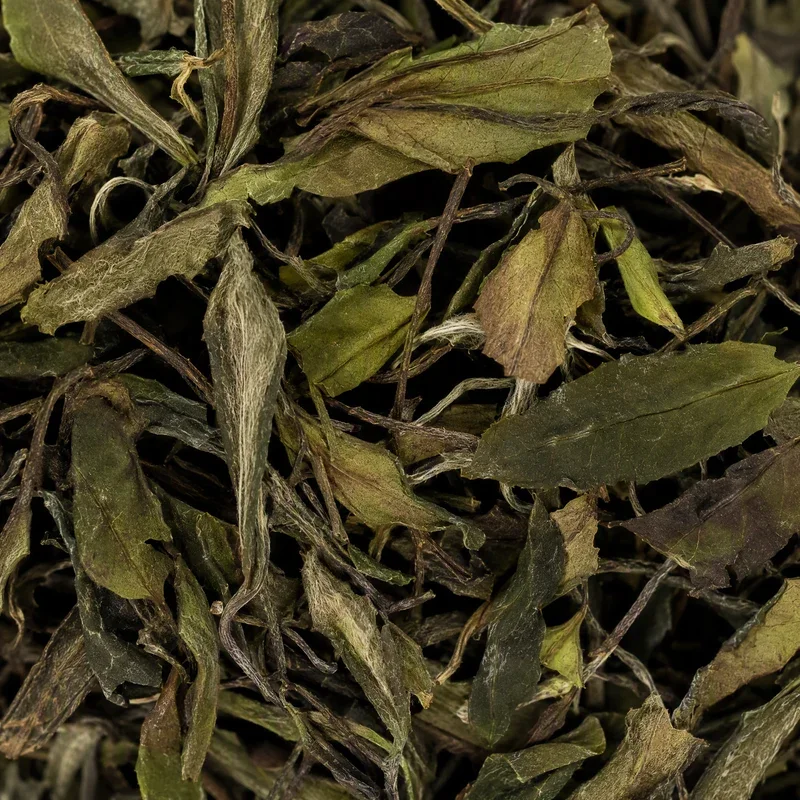
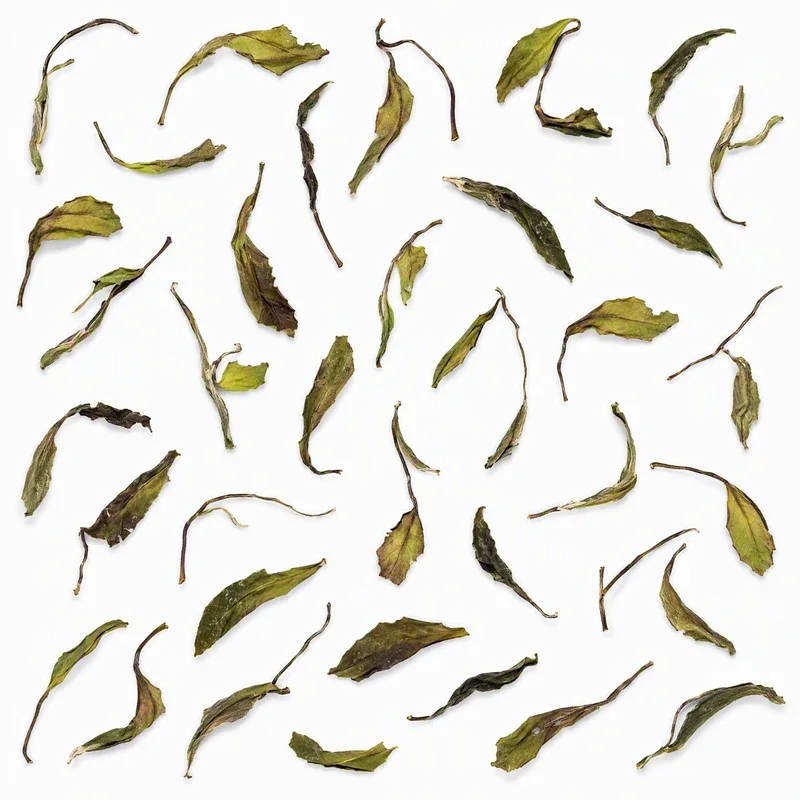
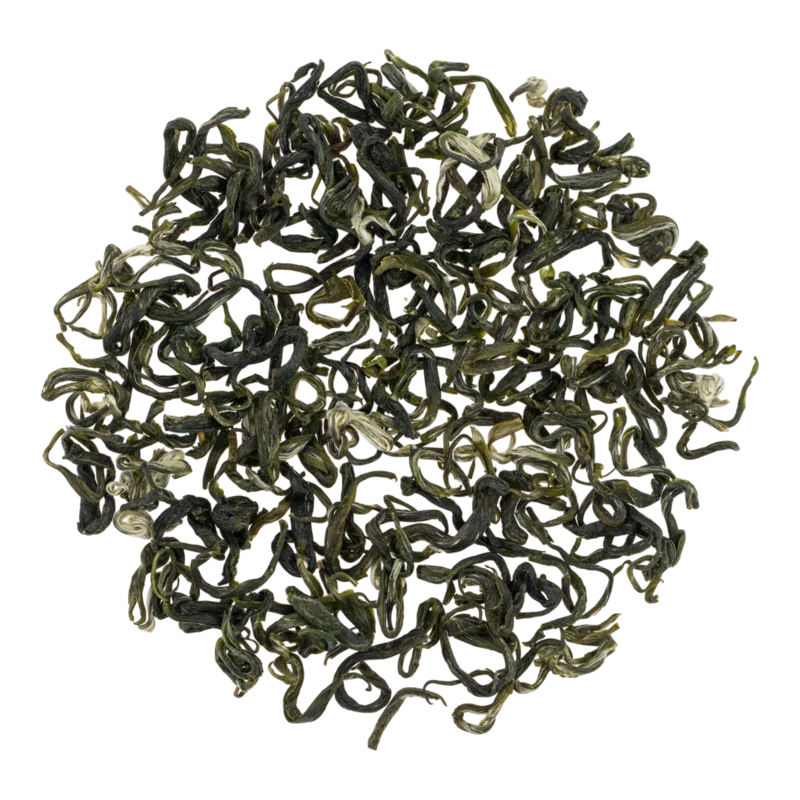
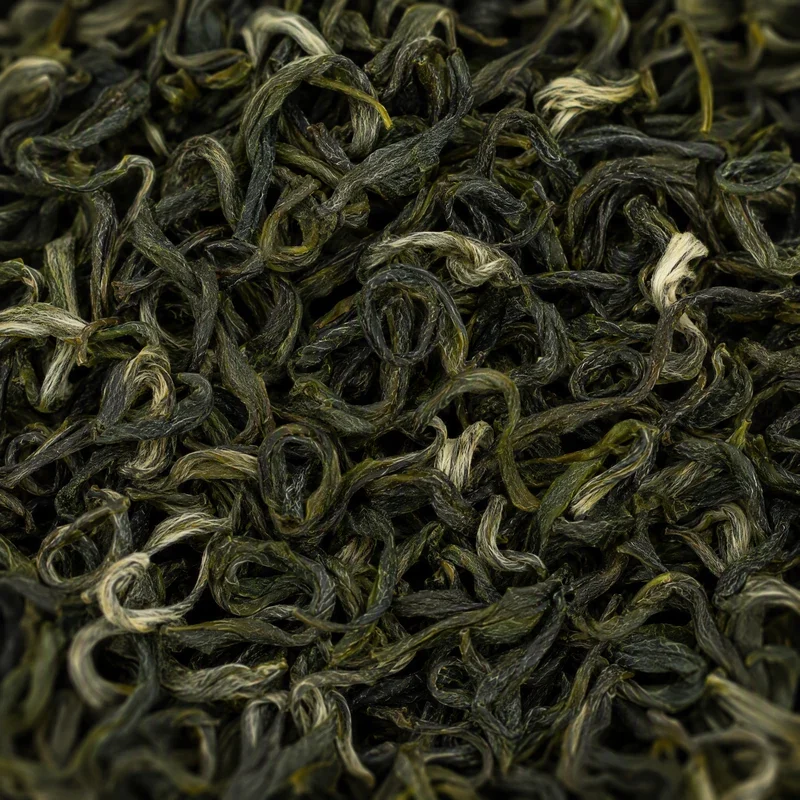
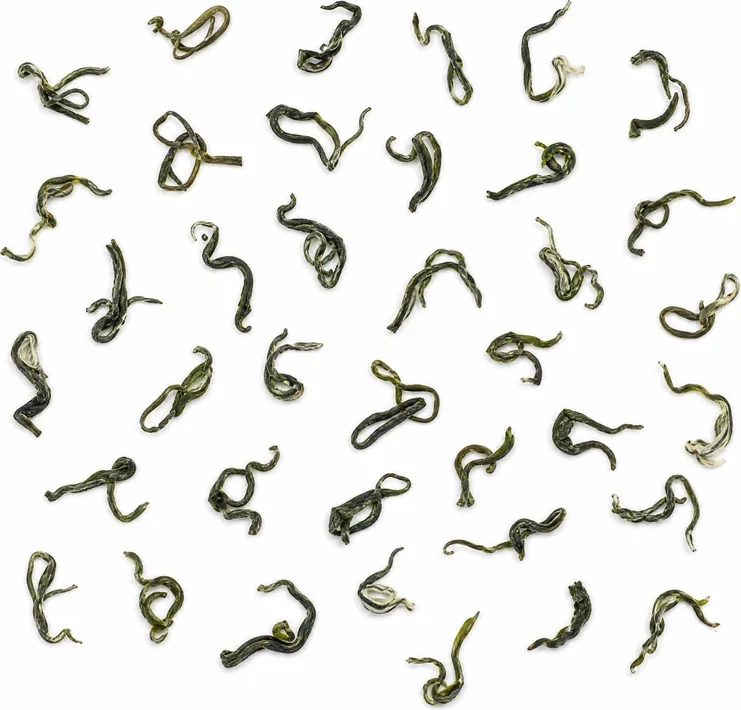
Dry Leaf Appearance: Tight, even, straight strips (条索细长匀整, tiáosuǒ xìcháng yúnzhěng), strong and dense. Color — bright emerald green (翠绿, cuìlǜ). White down (白毫, báiháo) is clearly visible on the surface. Overall impression — neat, slender "spears" with silvery sheen.
Dry Leaf Aroma: High and persistent (香气浓久清高). Clean chestnut-nutty notes predominate, characteristic of hongqing teas, complemented by light floral hints — reminiscent of orchid zhulianhua aroma (珠兰花, zhūlánhuā — chloranthus).
Liquor Aroma: Fresh, clean, floral-chestnut. Orchid notes are more pronounced than in dry leaf. Aroma is "three-dimensional" — unfolds in waves as the cup cools.
Liquor Color: Bright green, transitioning to emerald (碧绿, bìlǜ), transparent, with pronounced luster. One of the elements of the famous "three greens formula" (三绿, sān lǜ): green leaf, green liquor, green spent leaves.
Spent Leaves: Tender green, fleshy, soft (嫩绿肥厚柔软). Leaves open evenly, maintaining integrity — a sign of careful processing.
Taste: Full-bodied, thick (醇厚, chúnhòu), with pronounced sweetness. Freshness and "briskness" (鲜爽, xiānshuǎng) are complemented by light astringent structure. Aftertaste — long, with growing returning sweetness huigan (回甘, huígān), reminiscent of fresh olive (鲜橄榄, xiān gǎnlǎn). Taste is resistant to multiple infusions.
Alkaloids: Caffeine (咖啡碱, kāfēi jiǎn) — about 3–4% of dry weight; theobromine and theophylline — in trace amounts.
Amino Acids: Elevated content compared to average values for regional green teas — about 3.5–4.5% of dry weight. Main component — L-theanine (L-茶氨酸), forming umami sweetness and "briskness" of liquor. High amino acid level is due to growing elevation, abundant mists, and significant day-night temperature differences.
Not less than 45% — a high indicator testifying to taste richness.
Linalool, geraniol, nerol, cis-3-hexenol — form the floral-chestnut aroma profile characteristic of hongqing processing.
Minerals: Potassium, magnesium, phosphorus, zinc, manganese, fluorine, selenium (in trace amounts, varies by microzone).
Polyphenols: Content in dry leaf — 15–22% (typical for high-mountain Fujian hongqing teas). Main component — catechins, among which epigallocatechin gallate (EGCG) predominates. High polyphenol content provides pronounced antioxidant activity and characteristic taste structure.
Vitamins: C (ascorbic acid — one of the highest indicators among teas thanks to minimal oxidation), B₂ (riboflavin), E (tocopherols), K, folic acid.
High catechin content (especially EGCG) provides powerful neutralization of free radicals and protection of cells from oxidative stress.
The combination of caffeine and L-theanine gives a gentle, sustained concentration boost without sharp peaks and drops. L-theanine promotes generation of alpha brain waves, which is associated with a state of "calm focus."
Green tea polyphenols help normalize cholesterol levels and maintain vascular elasticity.
Moderate doses of green tea stimulate peristalsis and secretion of digestive enzymes; tannins have a mild astringent effect.
Fluorine and catechin content helps suppress cariogenic bacteria.
Polyphenols and vitamin C support the body's protective functions.
Green tea promotes enhanced thermogenesis and fat oxidation, which may support body weight control.
Catechins exhibit bacteriostatic action against a number of pathogenic microorganisms.
3 g per 150–200 ml, steep 1.5–2.5 minutes. If bitterness appears — reduce time or lower temperature.
3 g per 200 ml glass tumbler. Fill one-third — wait 30 seconds — fill completely. Drink without completely draining, refilling as consumed.
Tea Amount: 3 g per 150 ml (European style); 5–7 g per 100–120 ml gaiwan (gongfu style).
Teaware: Porcelain gàiwǎn (盖碗, gàiwǎn) — optimal choice: doesn't absorb aromas and allows control of infusion. Glass tumbler (玻璃杯, bōli bēi) — for visual pleasure: Tianshan leaves effectively "dance" in water. Porcelain teapot — for brewing larger volumes.
Water Temperature: 80–85°C. For the most delicate batches (single buds, early spring harvest) — 75–80°C. Excessive temperature destroys amino acids and produces bitterness.
Container: Airtight foil packages with vacuum packaging, tin cans with tight lids, or ceramic tea caddies with silicone seals. Glass acceptable only if opaque.
Enemies: Light, moisture, foreign odors, oxygen, heat. Do not store near spices, coffee, household chemicals.
Shelf Life: For maximum flavor development — consume within 6–12 months after production. With proper cold storage — up to 18 months without significant quality loss.
Temperature: Optimally — refrigerator, 0–5°C, in airtight packaging. Acceptable — cool place (up to 10°C) away from heat sources.
Both are high-mountain green teas with abundant down. However, Xinyang Maojian is chaoqing (pan-fired), with more pronounced chestnut notes and light astringency; Tianshan Lu Cha is hongqing (hot-air dried), giving a softer, floral profile. Tianshan tea is traditionally stronger and more resistant to infusions.
Both are hongqing teas with mountain terroir. Huangshan Maofeng has a lighter body and delicate floral notes with orchid hints; Tianshan Lu Cha is denser, more powerful in taste (醇厚) and has more persistent aroma. Tianshan tea is valued as an excellent base for jasmine blends, while Maofeng is consumed predominantly pure.
Radically different in form: Taiping Houkui — large, flat, long leaves; Tianshan — thin tight strips with down. Houkui — orchid aroma and soft, oily taste; Tianshan — more structured, "strong" green tea with chestnut accents.
Longjing — chaoqing flat form with bean-chestnut aroma; Tianshan — hongqing strip form with floral-chestnut profile. Longjing is more famous and expensive, but Tianshan wins in liquor persistence and suitability for multiple infusions.
Price Category: Medium and premium segment among Chinese green teas. Special grade (特级, tèjí) spring harvest — from 800–1000 yuan/jin (500 g) and higher. First grade — 600–900 yuan/jin. Mass varieties for jasmine blends — significantly cheaper.
Price Factors: Harvest season (early spring — maximum price), raw material grade, belonging to "Zheng Tianshan" (正天山) — the production zone core, hand or machine picking, farm reputation.
No reviews yet. Tell us what you think of this tea.
Rate this tea and share your impressions. We review each submission before publishing it.