Brewing
Gongfu brewing
- Water temperature
- 75 °C
- Tea amount
- 5 g
- Water volume
- 100 ml
- First steep
- 10 s
- Time added per infusion
- 5 s
- Infusions
- 3

Shāngnán quán míng
Choose a brewing method. Start with the recommended quantities and time, then adjust to taste.
Brewing
Brewing
Taste
Tea encyclopedia
Category: Regional Chinese green teas, high-quality tea from the "new northern tea region" (新兴北方茶区). Since 2010, included in the regional brand system "Qinling Quan Ming" (秦岭泉茗, Qínlǐng Quán Míng) — the unified public brand of Shaanxi Province teas.
Category: Regional Chinese green teas, high-quality tea from the "new northern tea region" (新兴北方茶区). Since 2010, included in the regional brand system "Qinling Quan Ming" (秦岭泉茗, Qínlǐng Quán Míng) — the unified public brand of Shaanxi Province teas.
Coordinates: 33°06′–33°44′ N, 110°24′–111°01′ E.
Origin: China, Shaanxi Province (陕西省, Shǎnxī Shěng), Shāngluò City (商洛市), Shāngnán County (商南县). The production zone covers 13 townships and towns, including Chengguan (城关镇), Fushui (富水镇), Shima (试马镇) and others.
Type: Green tea (绿茶, lǜchá) — unfermented; degree of oxidation is minimal (less than 5%). Technology — half-roasted half-dried (半烘半炒, bàn hōng bàn chǎo): combination of wok-firing and final hot-air drying.
Shangnan Quan Ming is one of the northernmost green teas in China. Plantations are located at 33–34° N — north of the traditional tea cultivation boundary (30°). Creating a tea industry at this latitude in the 1960–1970s was perceived as an agricultural breakthrough, comparable in boldness to Soviet experiments in advancing subtropical cultures in the Caucasus.
Zhang Shuzhen (1937–2024) — a forester by education who became a tea agronomist — devoted more than 60 years to Shangnan tea. Besides green tea, she subsequently mastered production of white tea, oolong ("Shangnan Yu Guanyin" — 商南玉观音) and even fuzhuan dark tea in Shangnan. Her life is the subject of the feature film "At the 33rd Parallel" (《北纬三十三度》).
Shangnan teas, like the famous Ziyang Fuse Cha, are naturally enriched with selenium — thanks to geochemical features of southern Qinling soils. This is rare for green teas: most "selenium" tea products on the market are the result of artificial enrichment.
Strictness of picking standards (不采雨水叶、露水叶…) and complete ban on chemical protection means allowed Shangnan Quan Ming to pass European organic certification — an achievement few Chinese regional teas can boast.
Shangnan County is officially certified as a "Chinese Natural Oxygen Bar" (中国天然氧吧) — recognition of exceptional air purity and ecology. This directly affects tea taste purity: absence of industrial pollution and high biodiversity ensure "transparency" of the organoleptic profile.
Picking: Spring picking (春茶, chūnchá) — primary, from late March to late April. Highest quality — picking before Qīngmíng (明前茶, míng qián chá).
Pluck Standard: Special grade: single buds (单芽, dān yá) — not less than 90% in raw material. First grade: bud with one beginning-to-unfold leaf (一芽一叶初展) — not less than 80%. Second grade: bud with one unfolded leaf (一芽一叶开展). The standard of "five prohibitions on picking" (五不采) applies: do not pick in rain, with dew, purple shoots, damaged leaves and non-standard raw material.
Raw Material: Picking exclusively by hand, in bamboo baskets. Leaves must not be squeezed in palms or compacted in the basket. Raw material must arrive for processing on the same day. Share of single leaves (without bud) — no more than 5%. The product has passed European organic certification.
Altitude: 300–800 m above sea level.
Climate: Transitional from northern subtropical to warm temperate (北亚热带向暖温带过渡气候). Average annual temperature 14.5°C — noticeably lower than most Chinese tea regions. Daily temperature range — over 8°C. Annual precipitation — 735–1,000 mm. Abundance of diffused light (散射光, sǎnshè guāng) stimulates amino acid accumulation in the leaf: amino acid content in spring tea — not less than 3.0%.
Soil: Brown earth (棕壤, zōng rǎng) with acidic reaction (pH 4.5–6.5), organic matter content over 1.0%, natural enrichment with selenium (硒, xī) and zinc (锌, xīn). Plantations are irrigated with spring water from the upper reaches of the Dānjiāng River (丹江, Dānjiāng).
Forest coverage of the territory — 65.1%. The county is certified as a "Chinese Natural Oxygen Bar" (中国天然氧吧). Industrial pollution is absent, pests and diseases of tea bushes are extremely rare due to the healthy ecosystem.
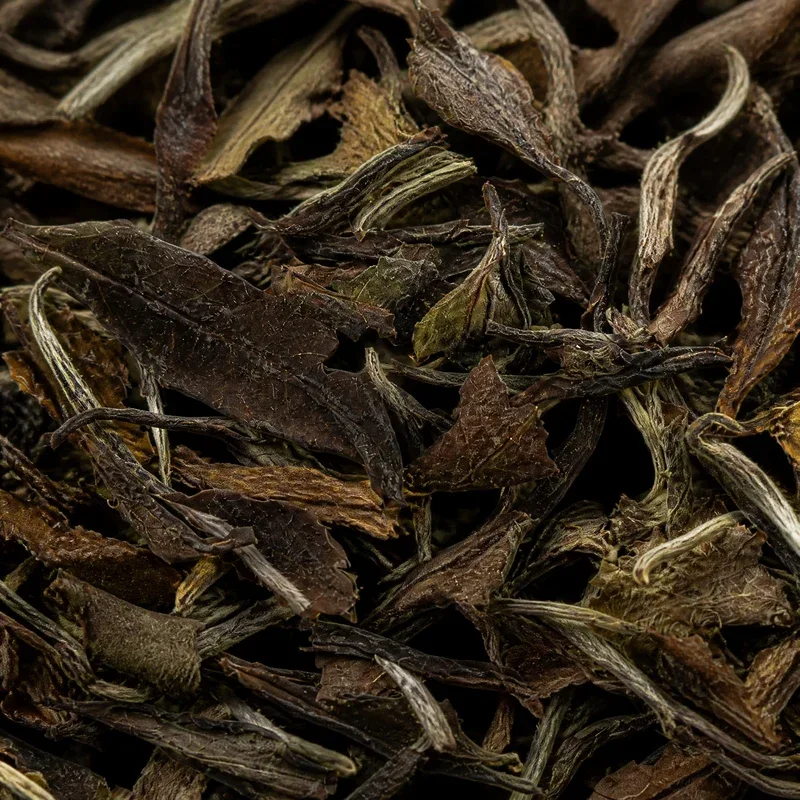
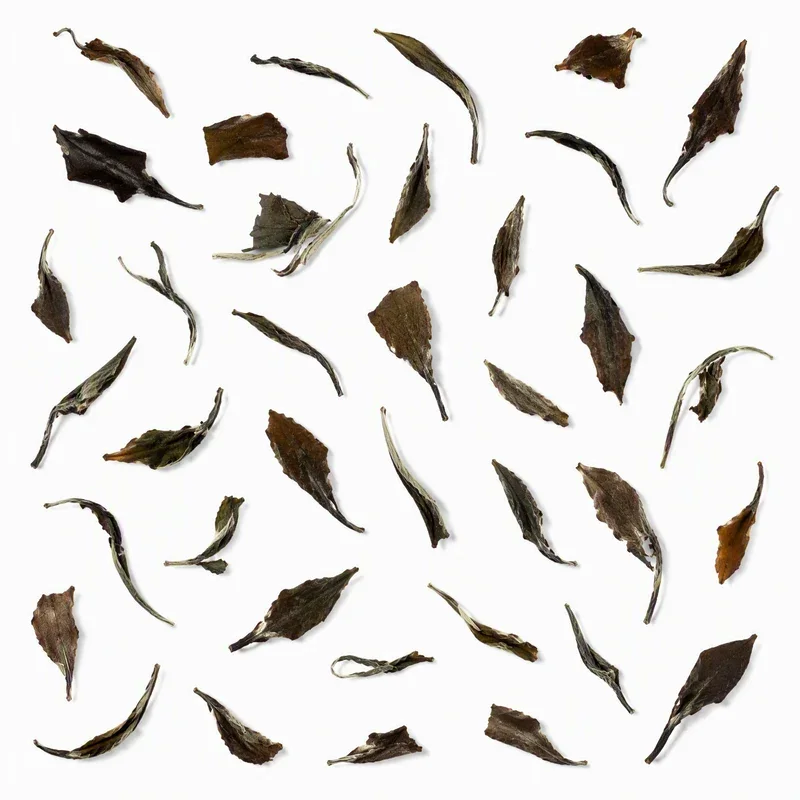
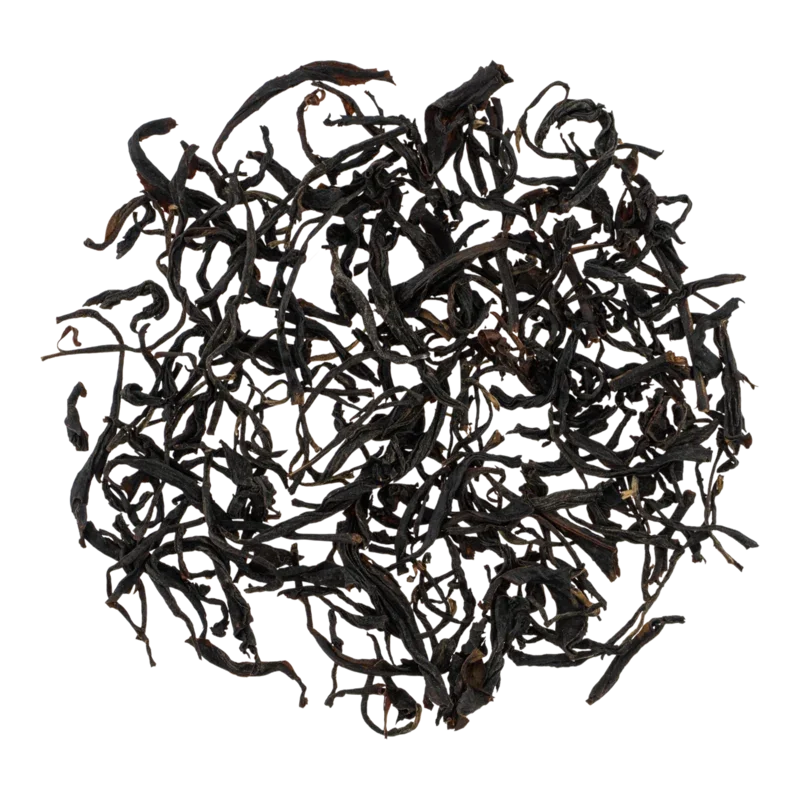
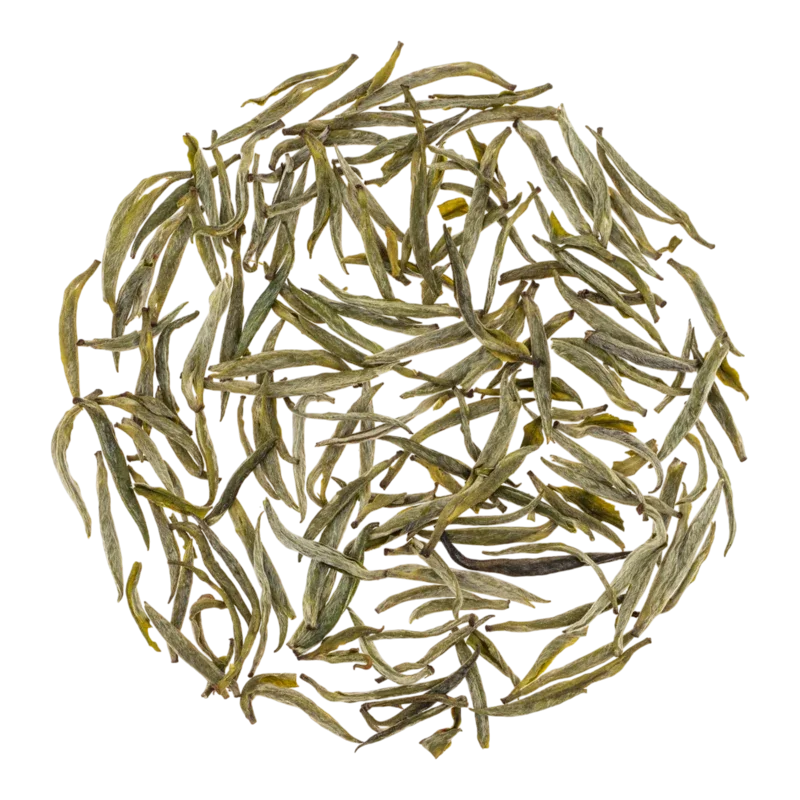
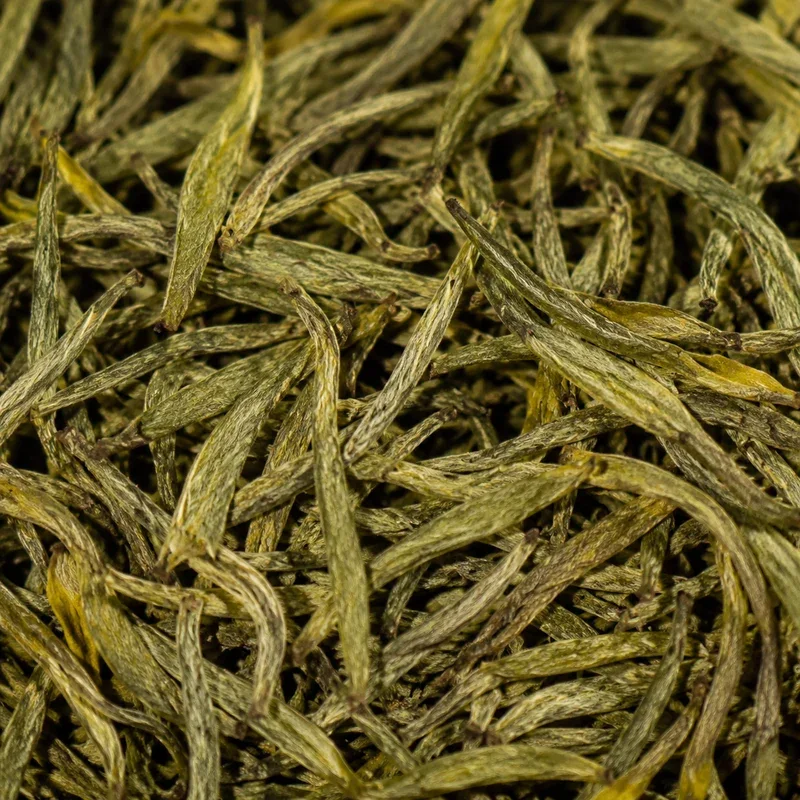
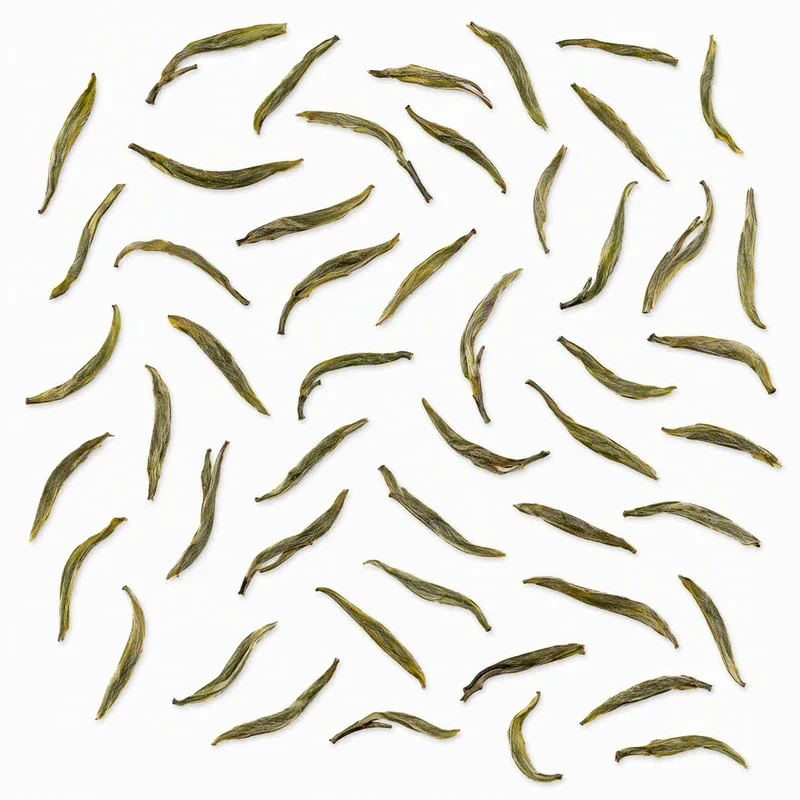
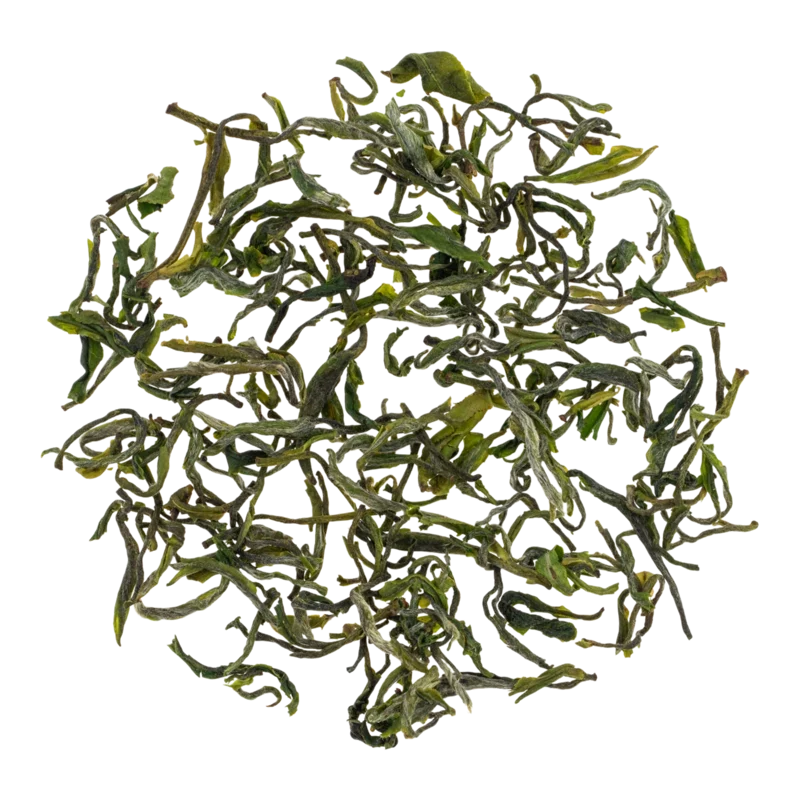
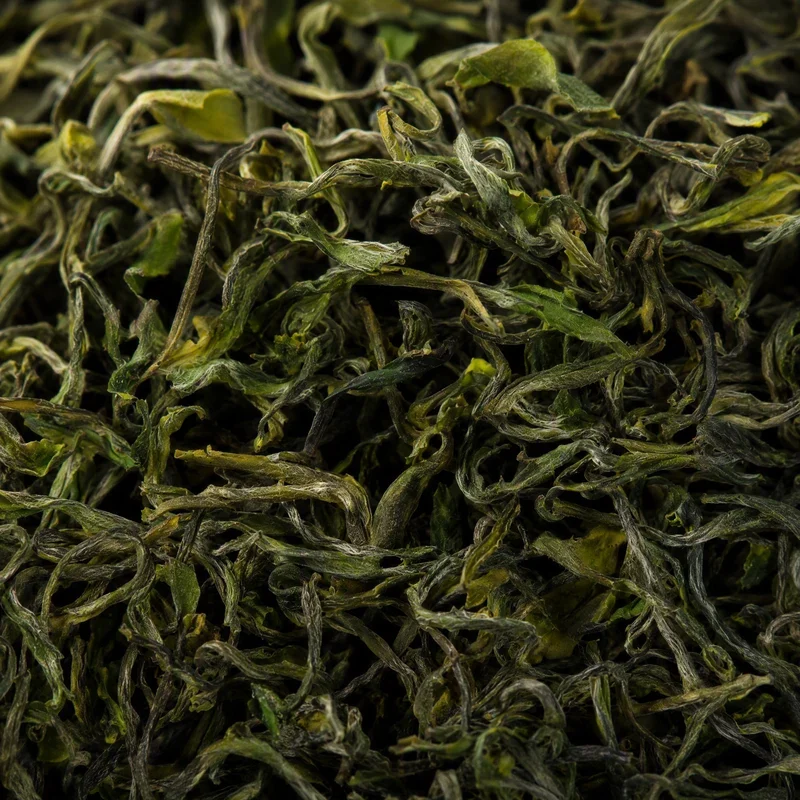
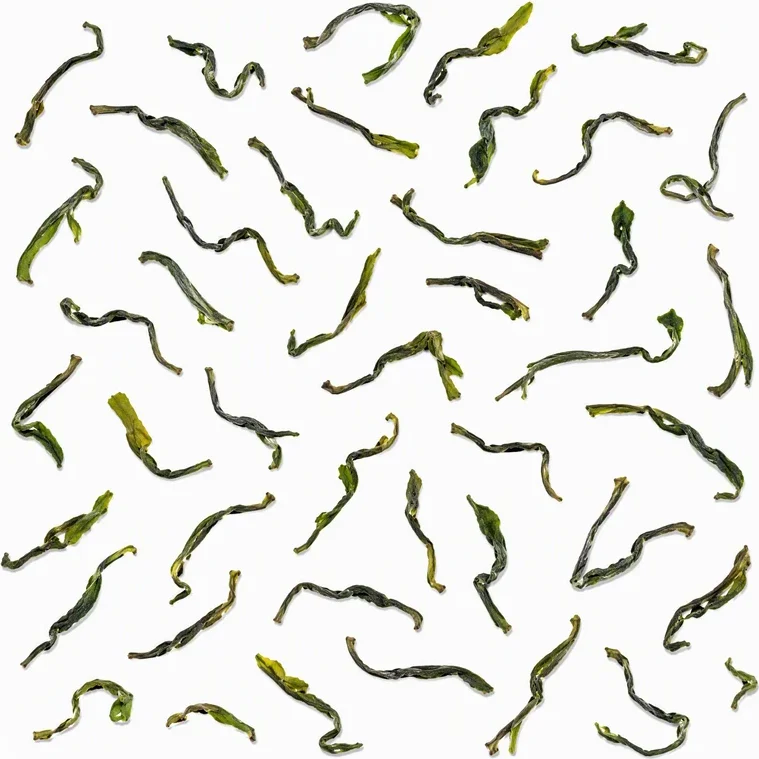
Dry Leaf Appearance: Thin, tightly curled spiral-shaped tea leaves (条索紧细卷曲, tiáosuǒ jǐnxì juǎnqū), covered with abundant white down (白毫显露, bái háo xiǎnlù). Color — tender green (嫩绿, nèn lǜ). Leaf is uniform, clean, without coarse fragments.
Dry Leaf Aroma: Distinct note of tender chestnut (嫩栗香, nèn lì xiāng) — the calling card of Shangnan Quan Ming. Based on fresh, clean tone (清香, qīngxiāng), characteristic of spring green teas.
Liquor Aroma: High and persistent chestnut aroma, transitioning to clean green freshness. In special grade tea — subtle floral nuances.
Liquor Color: Yellow-green (黄绿, huánglǜ), clear and transparent, with bright luster.
Spent Leaves: Tender green (嫩绿), uniform (匀整, yún zhěng), leaves and buds unfold into "flower buds" (鲜活成朵, xiānhuó chéng duǒ), look fresh and alive.
Taste: Fresh (鲜爽, xiānshuǎng), with pronounced amino acid "meatiness". Sweet (甘, gān), mellow and rich (醇厚, chúnhòu). Finish — long returning sweetness (回甘, huígān) and active salivation (生津, shēngjīn). Bitterness and astringency are practically absent with proper brewing. Withstands 4–5 infusions.
Alkaloids: Caffeine — typical content for green tea (2–4% dry weight). Theobromine and theophylline are present.
Amino Acids: Content in spring tea — not less than 3.0%. L-theanine predominates. It is precisely the high amino acid content combined with moderate polyphenols that determines the pronounced fresh, sweet taste.
Natural selenium content — a rarity for green teas. Selenium is a powerful antioxidant, and its combination with tea polyphenols enhances the protective effect. This brings Shangnan Quan Ming closer to another famous Shaanxi tea — Zǐyáng Fuse Chá (紫阳富硒茶).
Essential Oils: Aromatic profile is determined by pyrazines and aldehydes (chestnut note forms during roasting), as well as terpene alcohols (linalool, cis-jasmone) in spring picking.
Minerals: Natural enrichment with selenium (硒) and zinc (锌) — consequence of geochemical features of brown earth on the southern slope of Qinling. Also contains fluorine, potassium, magnesium, manganese.
Polyphenols: Content — about 28% (for comparison: average for ordinary green teas — about 20%). Main component — catechins (儿茶素), primarily EGCG. Water extract indicator (水浸出物, shuǐ jìnchūwù) — not less than 42.5%, indicating high saturation.
Vitamins: Vitamin C (preserved due to minimal oxidation), B vitamins (B₁, B₂), vitamin E.
Polyphenols (28%) provide effective neutralization of free radicals. According to some estimates, the antioxidant activity of green tea catechins is 18 times higher than vitamin E activity.
Catechins regulate cholesterol synthesis in the liver, reducing LDL levels and decreasing atherosclerosis risk. High water extract indicator (≥42.5%) means maximum extraction of bioactive substances during brewing.
Increased fluorine content suppresses cariogenic bacteria activity and strengthens enamel. According to the source, anti-caries effectiveness is 30% higher than average green tea.
Natural selenium content enhances overall antioxidant potential, supports thyroid and immune system function.
L-theanine combined with caffeine provides gentle, prolonged attention and concentration enhancement without "caffeine swings".
Polyphenols have mild antibacterial action on pathogenic GI flora, improving digestion.
High L-theanine content provides relaxing effect, reduces anxiety and promotes quality sleep (with moderate consumption in the first half of the day).
Mountain spring water (山泉水, shān quánshuǐ) or soft filtered water. Hard water muffles sweetness and aroma finesse.
Tea Amount: 3 g per 150 ml (1:50 ratio).
Teaware: Glass cup (玻璃杯) — for enjoying the process of curled tea leaves unfolding. White porcelain gàiwǎn (白瓷盖碗) — for full extraction control and aroma evaluation.
Water Temperature: 80–85°C. For special grade from single buds — 75°C is acceptable. Categorically avoid boiling water: temperature above 85°C destroys theanine and increases astringency.
Container: Vacuum foil bags, tin cans with tight lids.
Airtight, light-proof packaging. Optimal — refrigerator at 0–5°C. Exclude contact with foreign odors, moisture, sunlight.
New tea is recommended to "air" in a shaded place for 7 days before consumption (醒茶, xǐng chá) to remove residual "fire" (火气, huǒqì). After opening packaging — seal tightly, store in refrigerator and consume within 1 month.
Most expressive in the first 6–12 months. With proper storage in closed packaging — up to 18 months without significant quality loss.
Price Category: Shangnan Quan Ming belongs to the medium and above-medium segment. Special grade (明前, single buds) — from 800 yuan/jin (500 g) and higher. First grade (一芽一叶) — 400–600 yuan/jin. Second grade — accessible mass product. Cost is determined by picking season, raw material grade, degree of hand processing.
No reviews yet. Tell us what you think of this tea.
Rate this tea and share your impressions. We review each submission before publishing it.