Brewing
Gongfu brewing
- Water temperature
- 93 °C
- Tea amount
- 5 g
- Water volume
- 100 ml
- First steep
- 10 s
- Time added per infusion
- 5 s
- Infusions
- 4

Sānxiá qīngxīn hóngchá
Choose a brewing method. Start with the recommended quantities and time, then adjust to taste.
Brewing
Brewing
Taste
Tea encyclopedia
Category: Premium Taiwanese regional red tea (black tea). Included in the list of "Ten Famous Teas of Taiwan" (臺灣十大名茶, Táiwān Shí Dà Míngchá) as a specialty tea (特色茶, Tèsè Chá).
Category: Premium Taiwanese regional red tea (black tea). Included in the list of "Ten Famous Teas of Taiwan" (臺灣十大名茶, Táiwān Shí Dà Míngchá) as a specialty tea (特色茶, Tèsè Chá).
300–600 meters above sea level.
Coordinates: Approximately 24°56' N, 121°22' E.
Origin: Sanxi District (三峽區, Sānxiá Qū), New Taipei City (新北市, Xīnběi Shì), northern Taiwan. Sanxi is the only major region in all of Taiwan specializing in the production of green teas (碧螺春, Bìluóchūn and 龍井, Lóngjǐng), and in the summer season — honey-fragrant red teas from the Qing Xin Gan Zi cultivar.
Type: Red tea (black tea) (紅茶, Hóngchá) — fully oxidized (fermented). Belongs to the subcategory of honey-fragrant red teas (蜜香紅茶, Mìxiāng Hóngchá) due to its characteristic aroma arising from the impact of leafhoppers on tea leaves.
Shrub type, medium and large size, with pronounced upright trunk and sparse branch arrangement. Leaves are large, shaped like citrus leaves (hence the name "gan zi" — "little mandarin"), with characteristic upward-curving edges. Tea buds are large, abundantly covered with white down. A unique feature of this cultivar is its capacity for self-renewal: while ordinary tea bushes begin to wither after 15 years, Qing Xin Gan Zi when aging sends out new shoots from the root system, which quickly form a young plant replacing the old one.
Cultivar: Qīng Xīn Gǎn Zī (青心柑仔, Qīngxīn Gānzǎi), called simply "gan zi zhong" (柑仔種 — "mandarin leaf variety") in the local Minnan dialect. Belongs to the species Camellia sinensis var. sinensis — the Chinese small-leaf variety. This is an early-ripening variety (早生種, Zǎoshēngzhǒng), endemic to northern Taiwan, distributed mainly in the Wenshan, Xindian, and Sanxi areas.
Picking: Exclusively hand-picked. For honey red tea, summer and autumn harvests (夏茶 and 秋茶) are used, when leafhopper activity is maximum. Spring and winter harvests, conversely, go to green tea production. Harvest standard — bud and two top leaves (一芽二葉, Yī Yá Èr Yè). The harvest cycle is very short: shoots reach the required maturity every 15–20 days from March to November.
Altitude: 300–600 meters above sea level.
Climate: Subtropical monsoon. Average annual temperature about +19°C. Abundant precipitation — more than 2000 mm per year. Frequent morning fogs (more than 150 days per year) create constant high humidity, favorable for slow, even growth of tea bushes and accumulation of aromatic substances.
Soil: Acidic red soils (紅壤, Hóngrǎng) with pH 4.5–5.0, rich in organic matter. Traditional practice of mulching with rice husks additionally enriches the upper soil layer.
Sanxi District, located in the hilly terrain of northern Taiwan, at the foothills of mountains on the banks of the Sanxi River.
A key feature of tea cultivation in Sanxi is the rejection of pesticides and transition to safe cultivation (安全栽培, Ānquán Zāipéi). This creates conditions for the development of small green leafhopper populations (Jacobiasca formosana, Chinese 小綠葉蟬, Xiǎo Lǜ Yè Chán). Insect bites trigger a cascade of protective reactions in the tea plant: synthesis of volatile terpenoids and other aromatic compounds is activated, which form the famous honey aroma (蜜香, Mìxiāng) of the finished tea. This same mechanism underlies the aroma of Dōng Fàng Méi Rén (東方美人, Oriental Beauty) and Darjeeling muscatel teas.
Hand-picking of tender raw material — bud and two leaves. It is fundamentally important that leaves be previously damaged by leafhoppers: the process called "zhuo xian" (著涎, Zhuó Xián — literally "smearing with saliva") triggers synthesis of aromatic compounds in leaves even before processing begins.
Picked leaves are spread in a thin layer on bamboo sieves for moisture loss. The process lasts about 18 hours at relative humidity ~75%. At this stage, initial enzymatic processes are triggered, the leaf becomes soft and pliable for rolling.
Withered leaves undergo rolling to break cell walls and release cell sap. Leaves are given their characteristic elongated-twisted shape.
Key stage. Rolled leaves are placed in a room with controlled temperature (about 28°C) and high oxygen content for approximately 120 minutes until full oxidation is achieved. At this stage, catechins transform into theaflavins and thearubigins, forming the color and body of the liquor, while honey aromatic compounds arising from leafhoppers are intensified and fixed.
Fully oxidized tea is quickly dried at about 90°C to stop fermentation and reduce moisture to less than 5%.
Finished tea is sorted by leaf size and quality, separating tips and whole leaves from broken material.
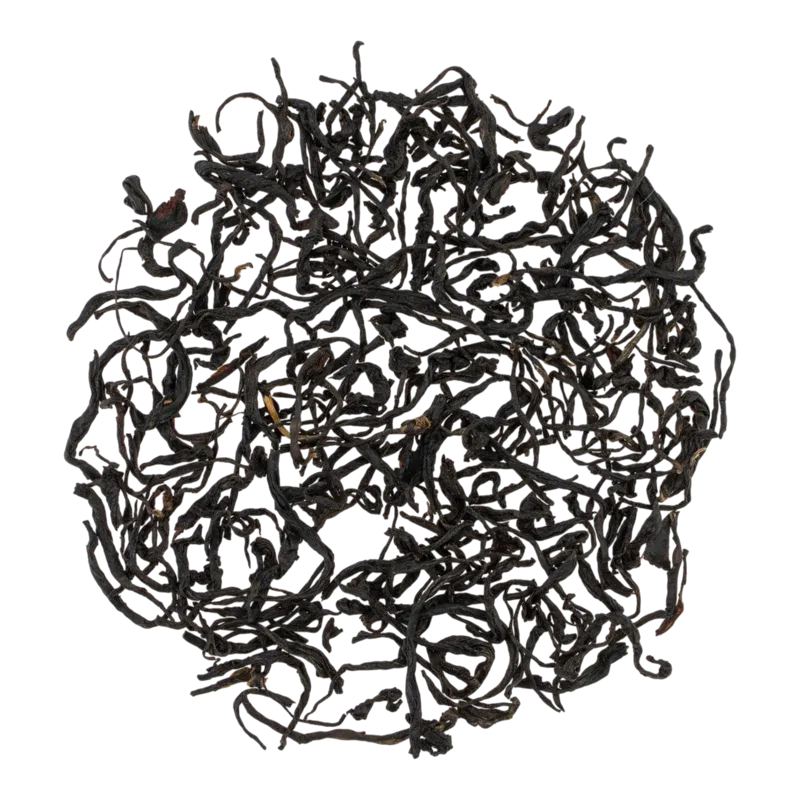
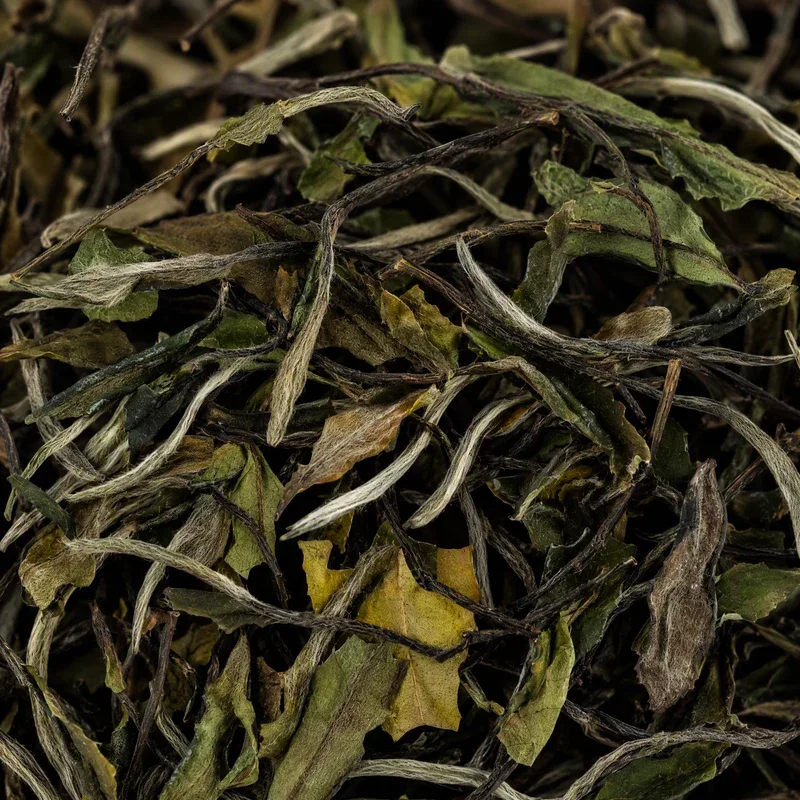
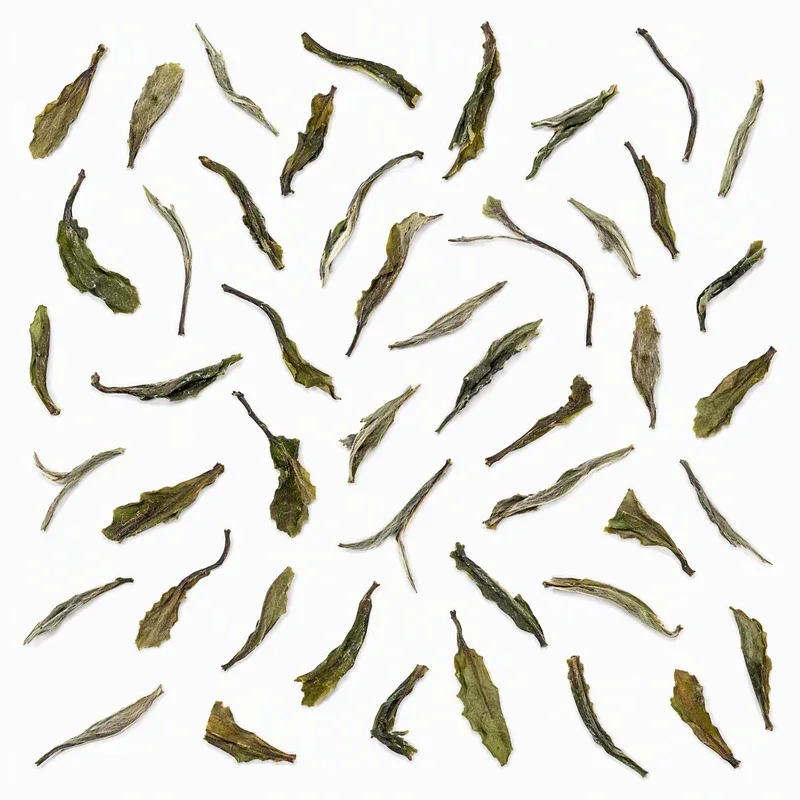
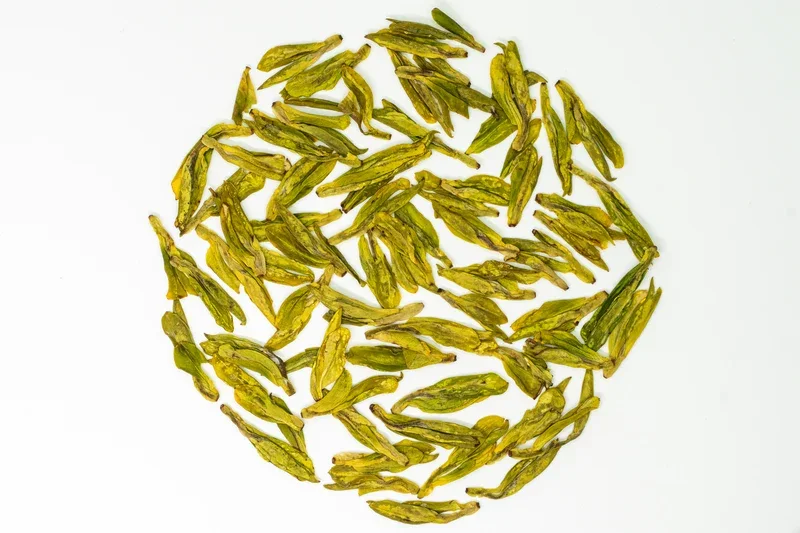
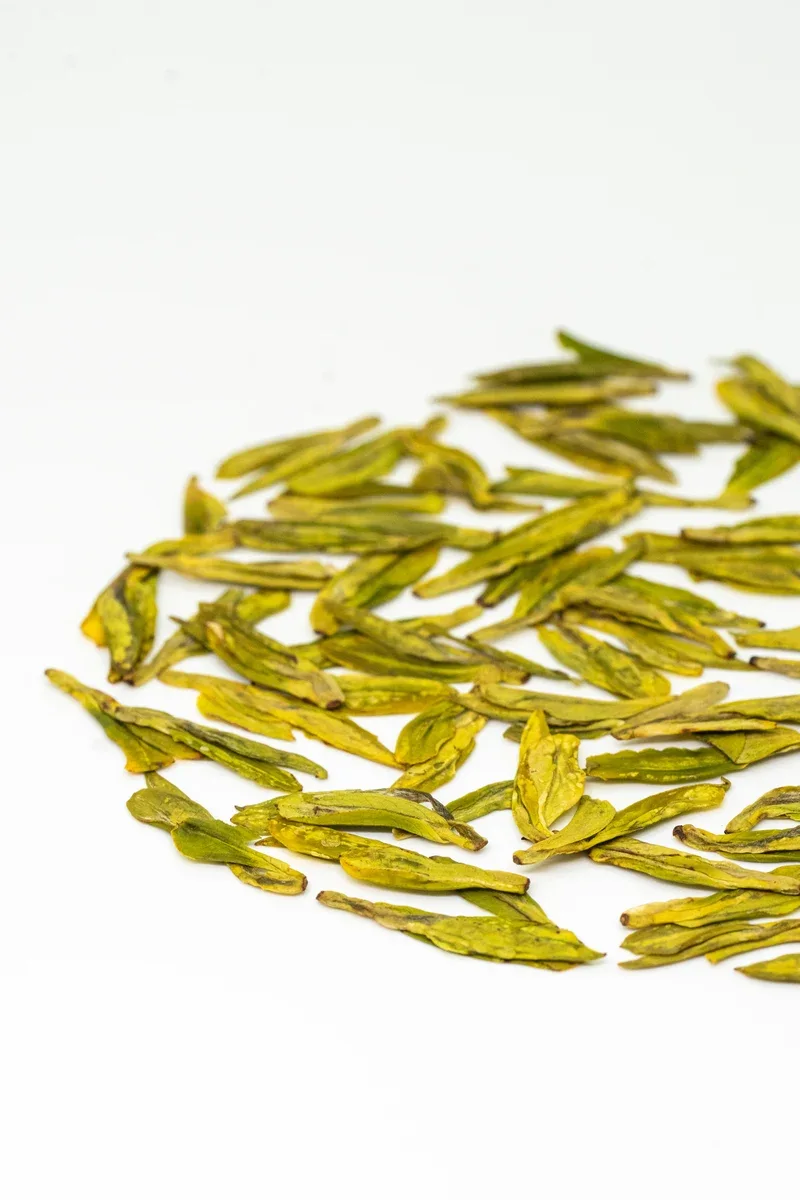
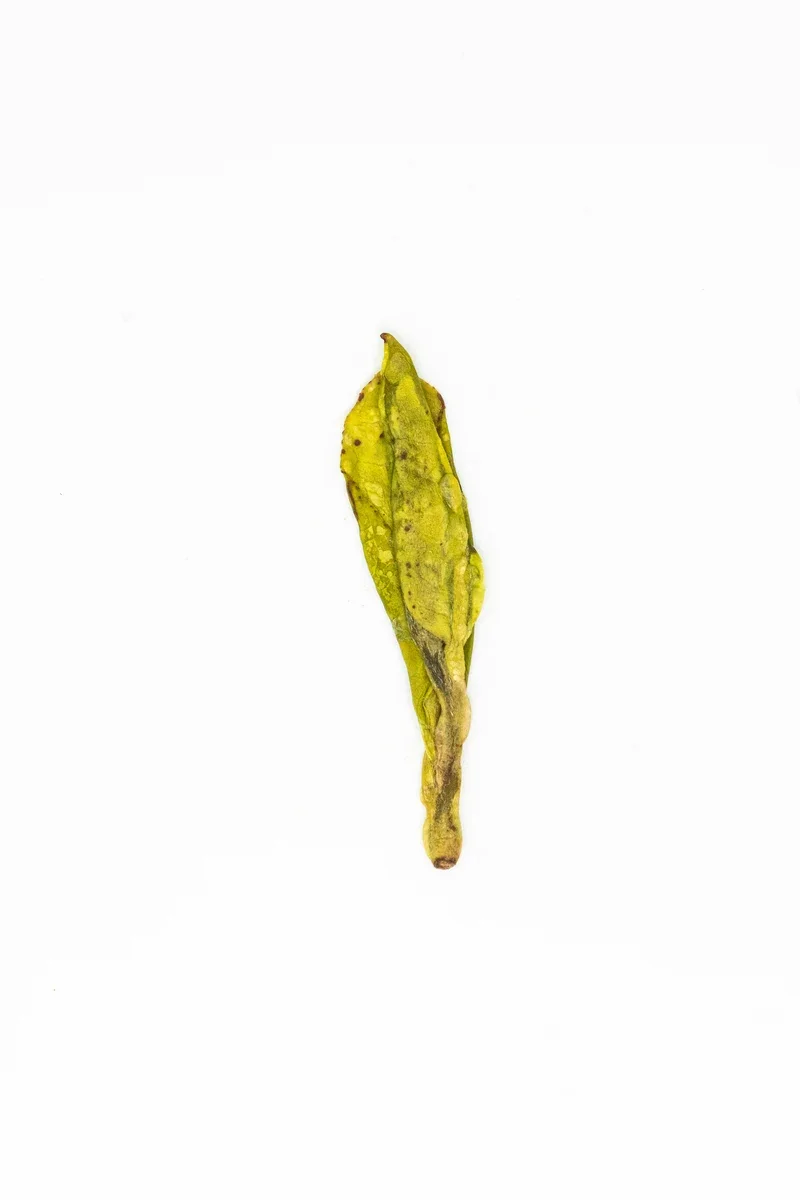
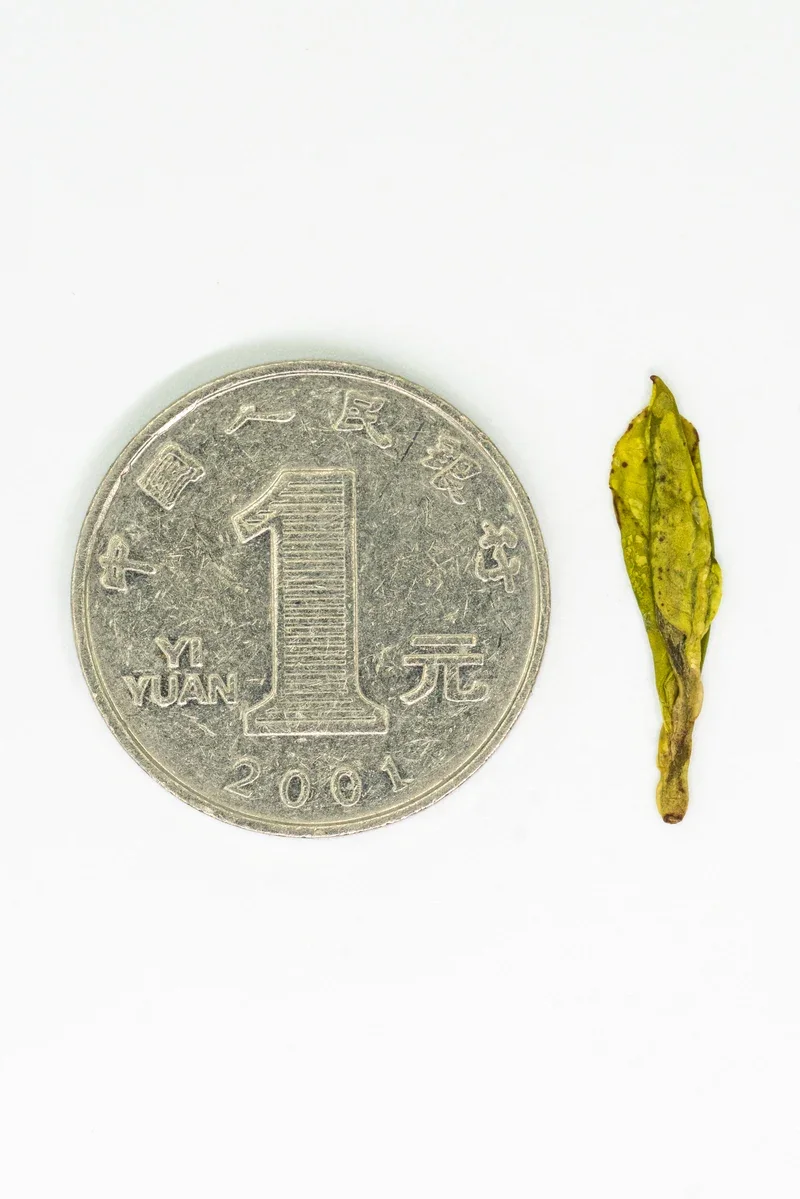
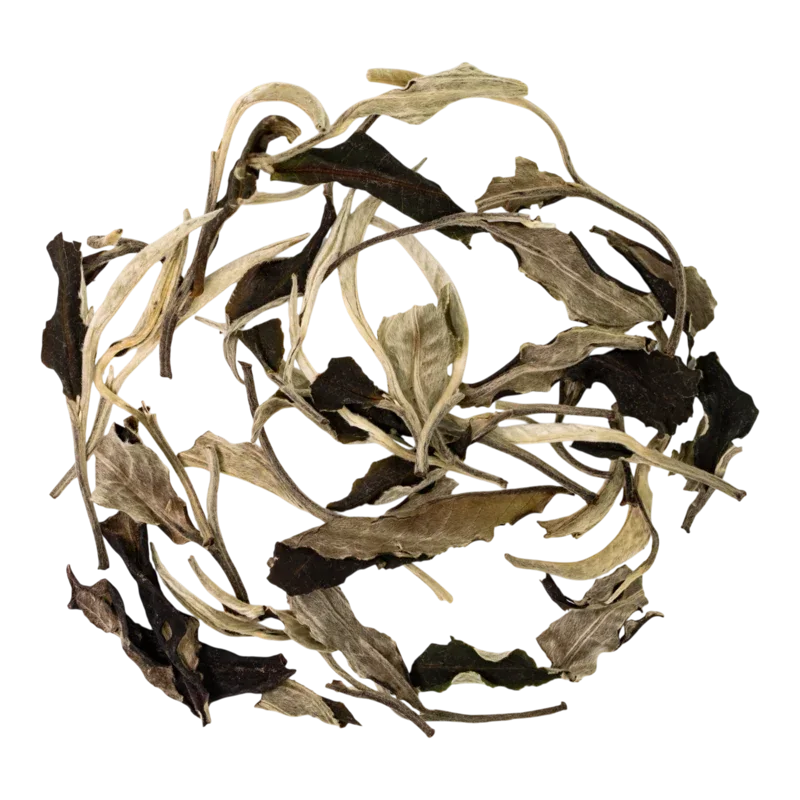
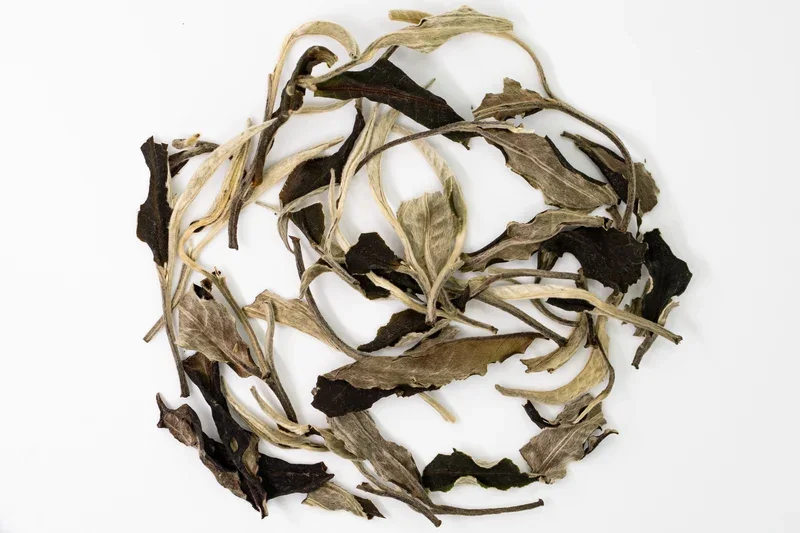
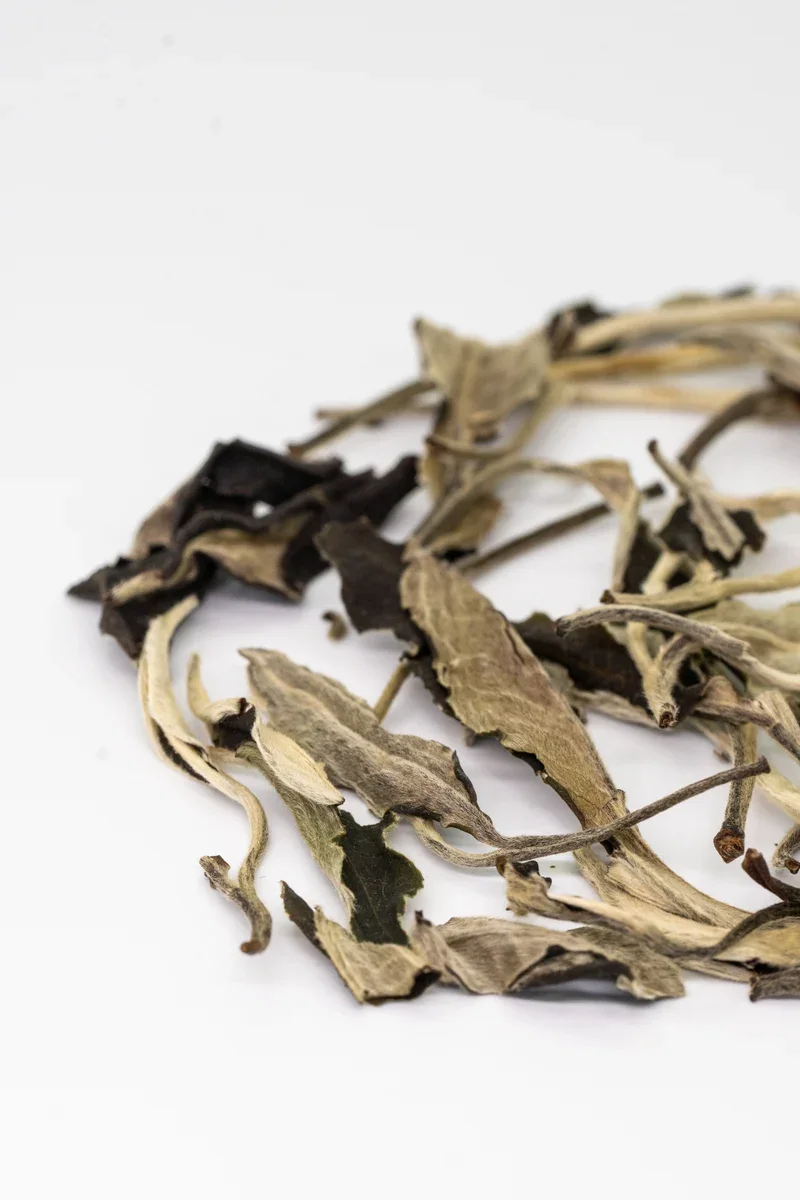
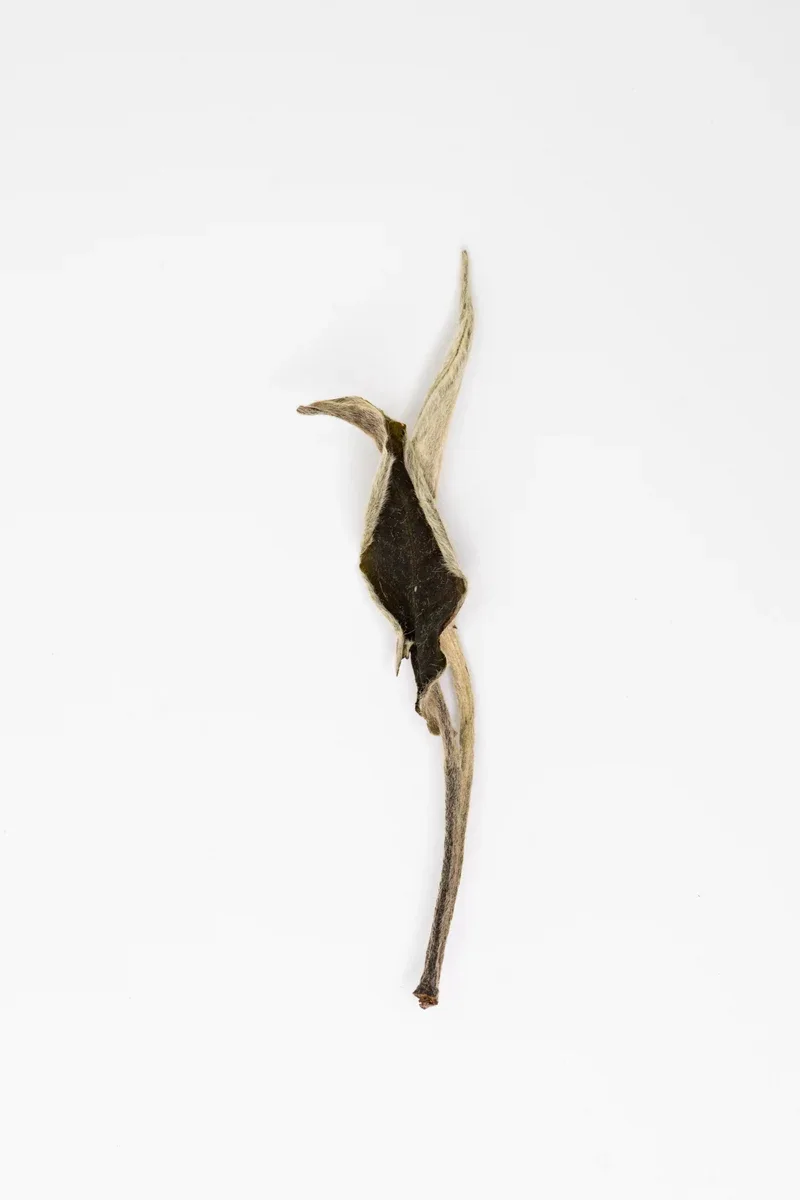
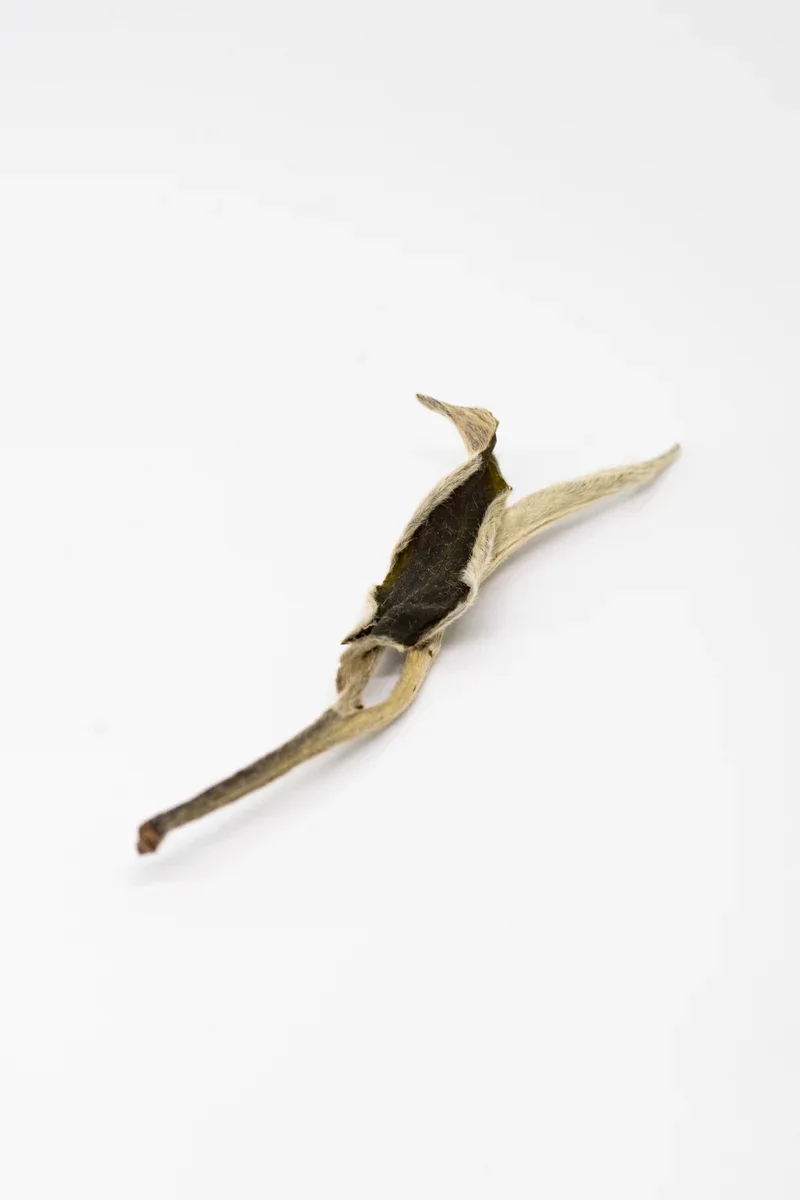
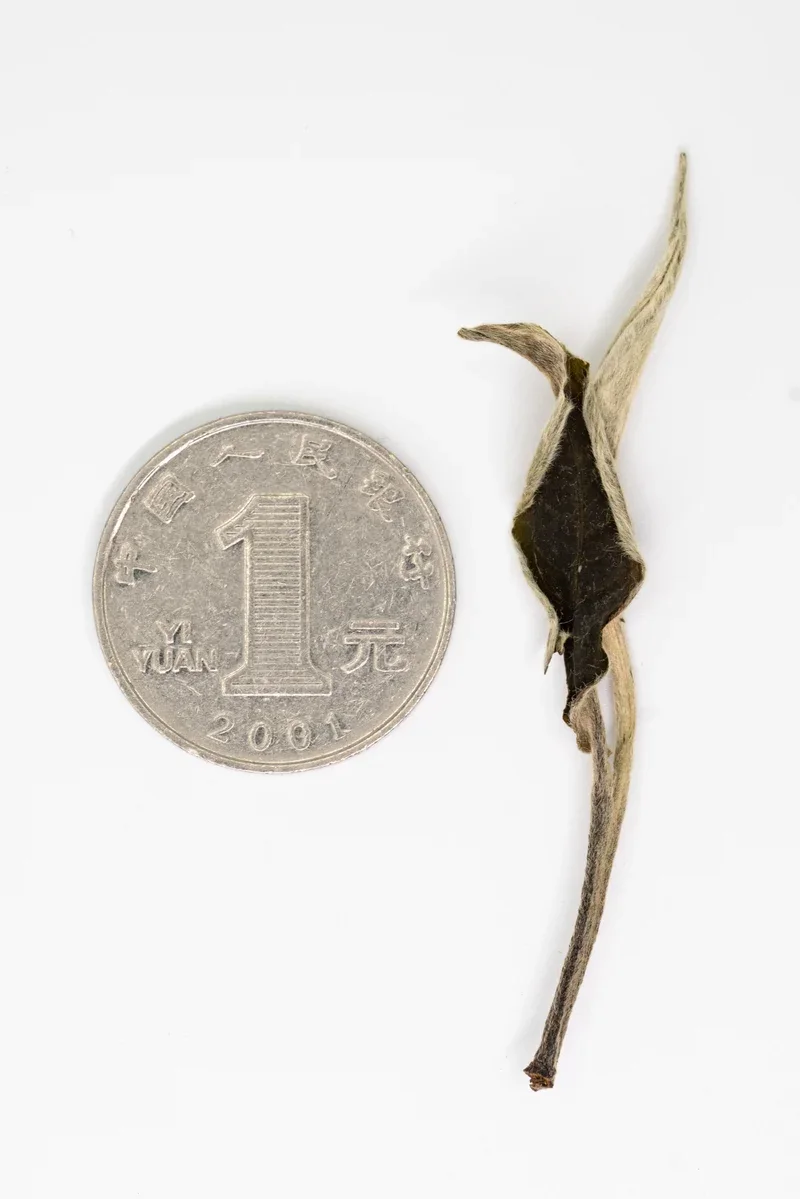
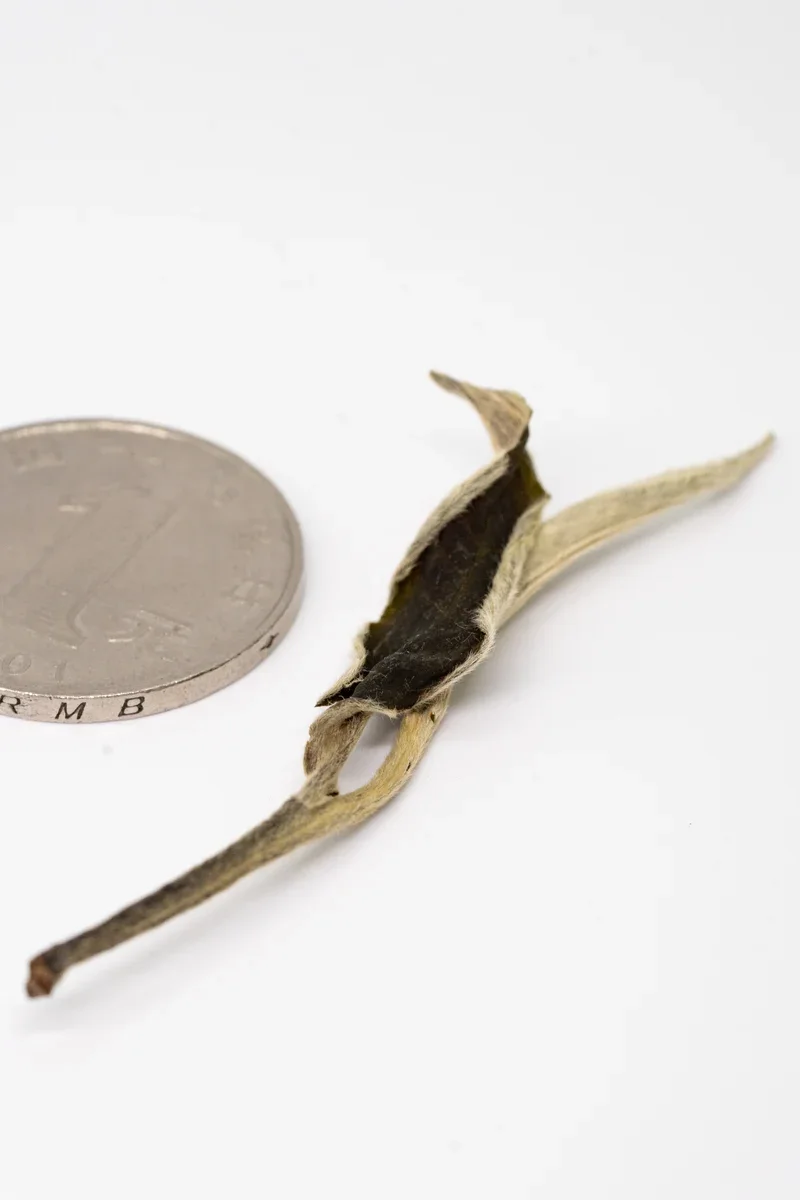
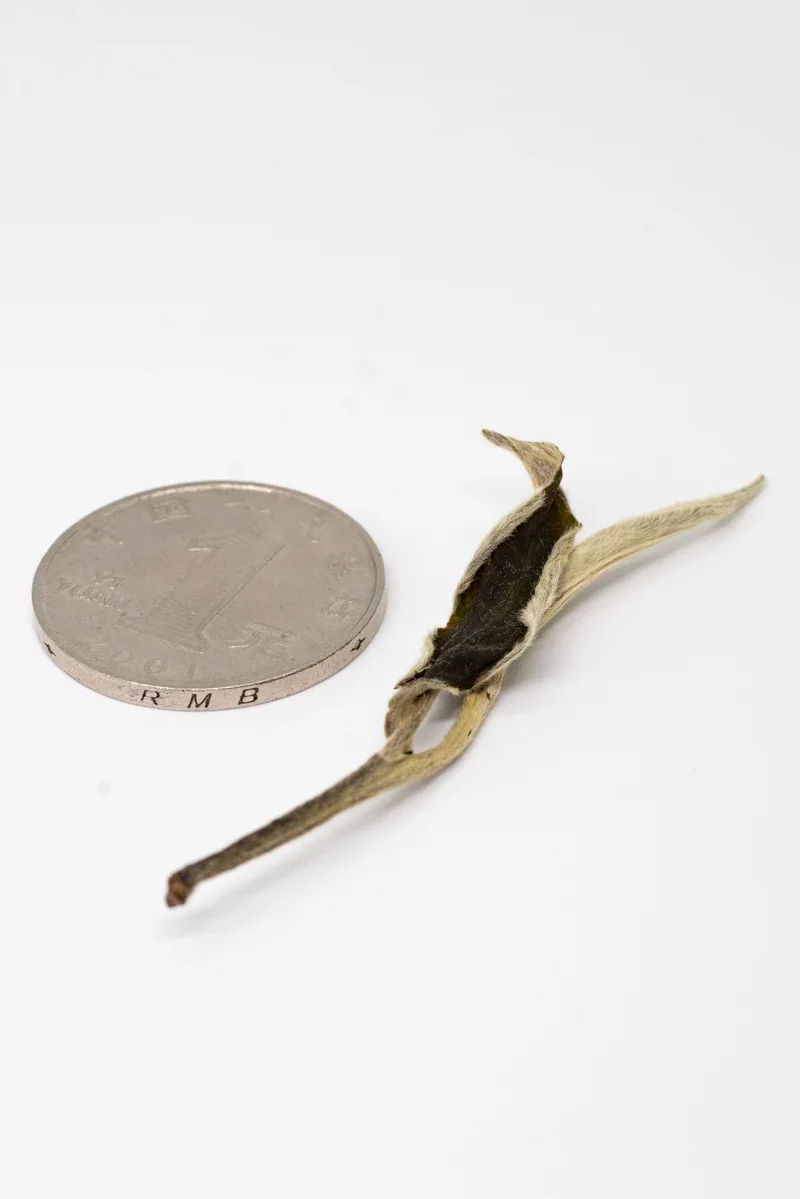
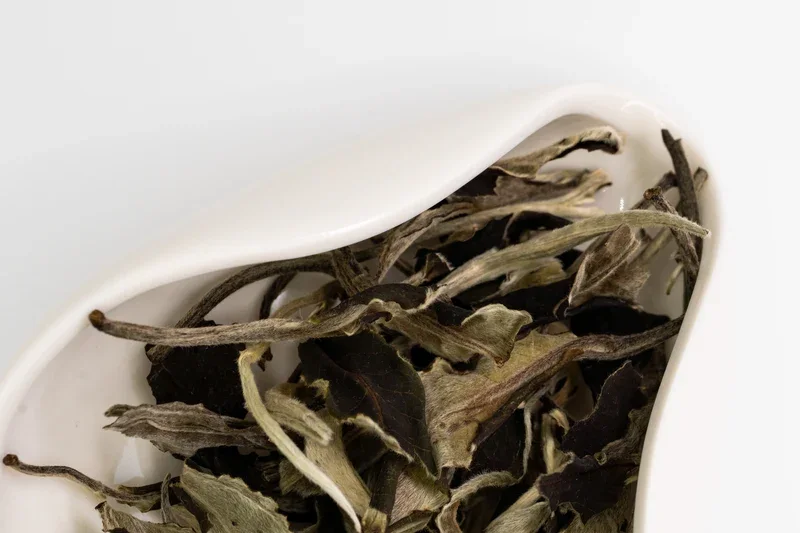
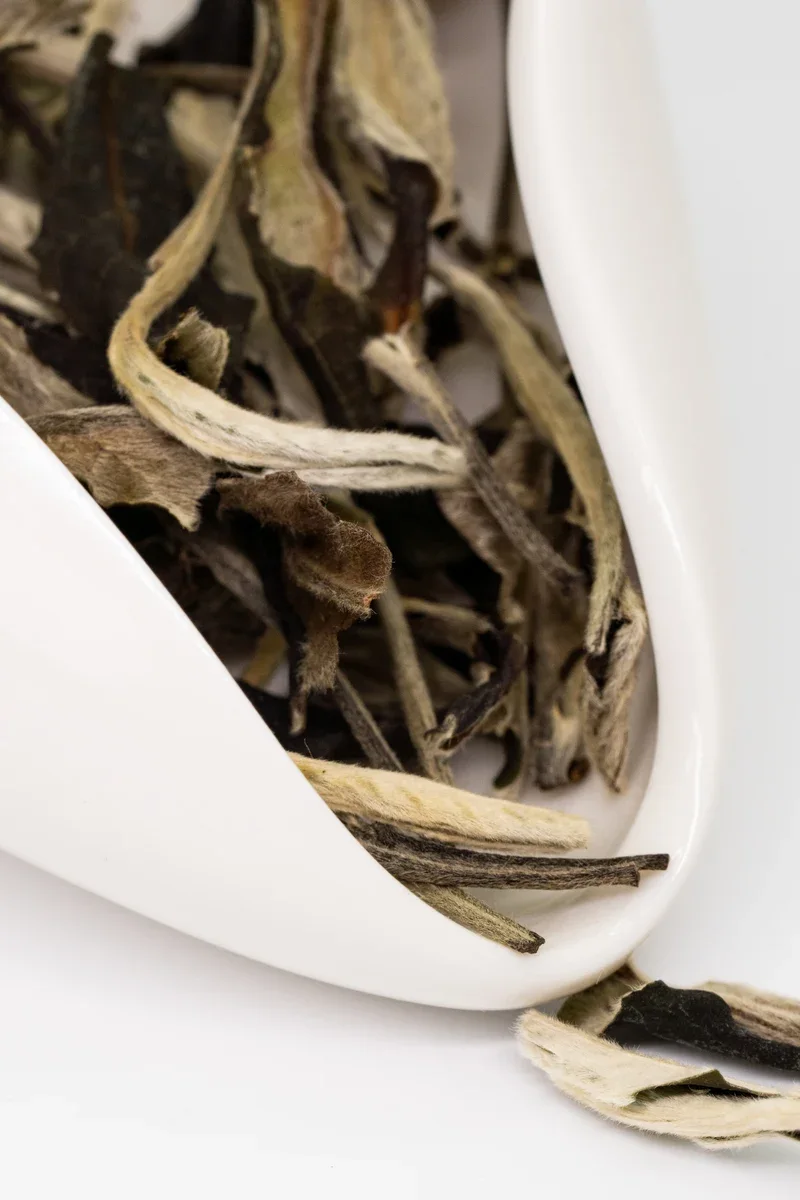
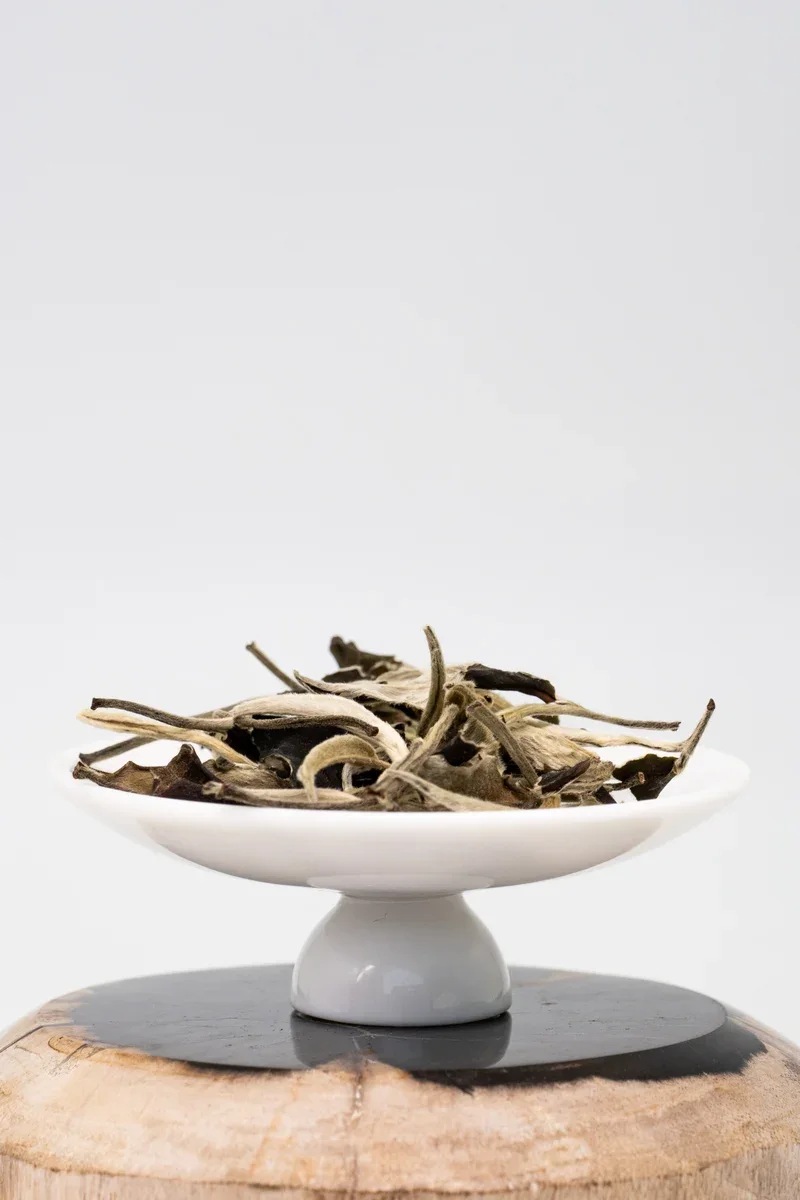
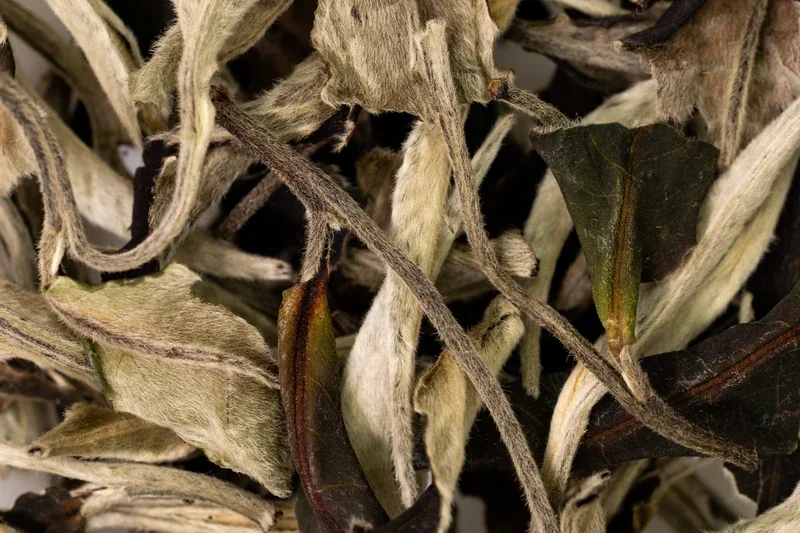
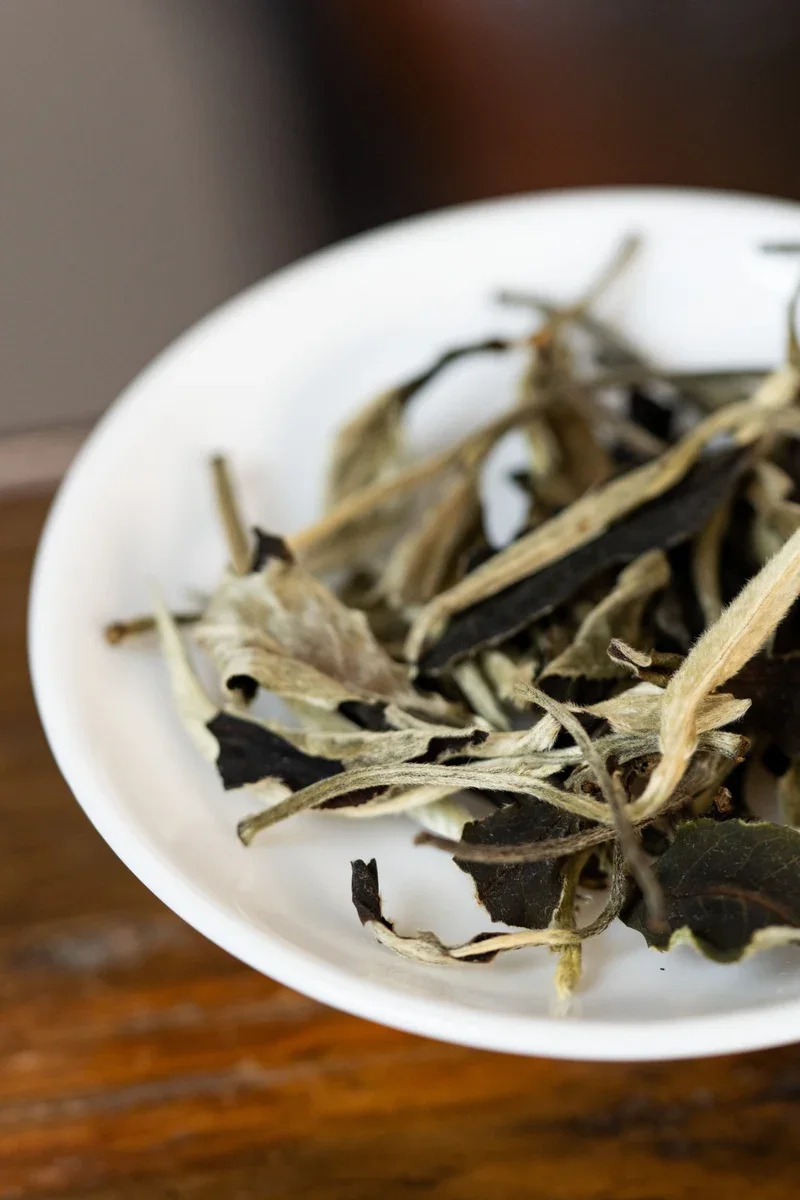
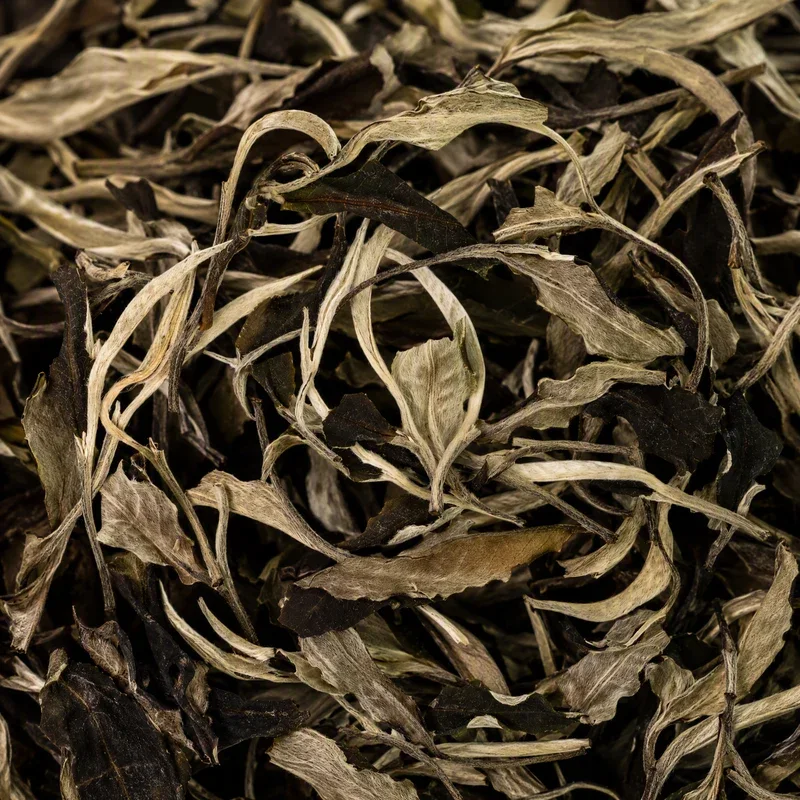
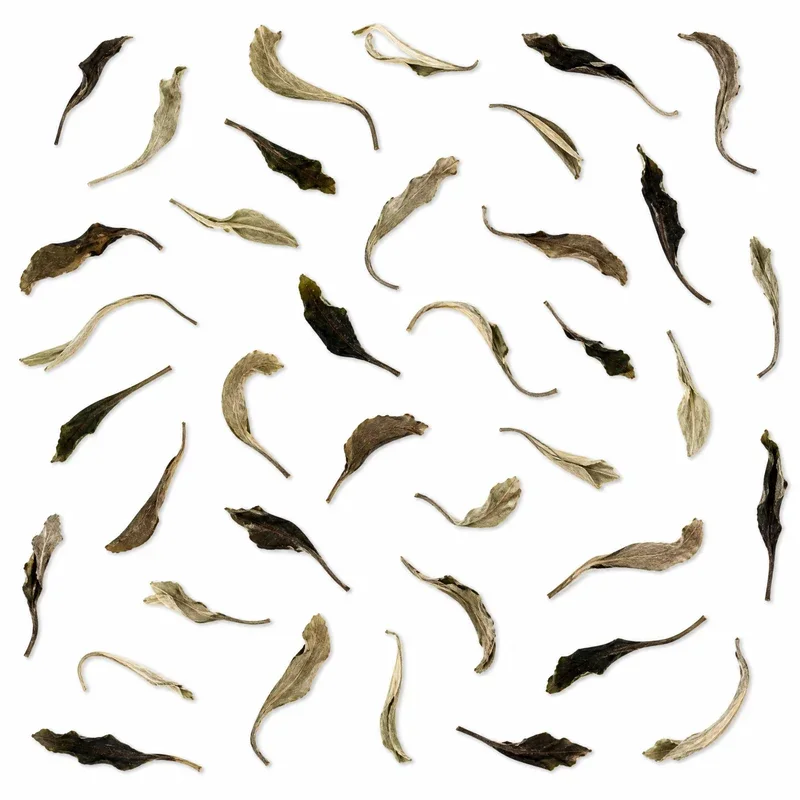
Dry Leaf Appearance: Tightly twisted, thin strips of dark brown, almost black color, with inclusions of golden buds (tips) covered with fine down.
Dry Leaf Aroma: Intense, sweet, with pronounced notes of natural honey, ripe fruits (peach, apricot), light citrus undertones (characteristic feature of the Qing Xin Gan Zi cultivar), and delicate floral background.
Liquor Aroma: Multi-layered, sweet honey-fruity bouquet. First wave — roasted chestnut and caramel; opens with honey middle notes with osmanthus blossom undertones; final note — light freshness of citrus zest.
Liquor Color: Bright, clear, from golden-amber to rich red-orange, resembling the color of liquid honey.
Spent Leaves: Soft, elastic leaves of uniform reddish-brown color, well-opened. Buds are clearly distinguishable.
Taste: Soft, smooth, with pronounced natural sweetness and juicy body. Flavor profile includes notes of linden honey, sugar cane, and ripe melon. Astringency is minimal. Aftertaste is long, sweetish, with delicate minerality and pleasant, barely perceptible bitterness, finishing with characteristic "hui gan" (回甘) — returning sweetness.
Alkaloids: Caffeine — in moderate amount (2.5–3.5%), theobromine and theophylline — in trace amounts.
Amino Acids: L-theanine is present, providing relaxing and simultaneously concentration-enhancing effects.
Key feature of this tea. Leafhopper bites stimulate synthesis of terpenoids: linalool and its oxides, methyl salicylate (component with honey undertone), as well as other monoterpene alcohols, forming the complex Mi Xiang bouquet. Concentration of these compounds is significantly higher than in ordinary red teas.
Research has revealed the presence of antimicrobial peptides (defensins) — part of the plant's induced immune reaction to leafhopper damage.
Minerals: Potassium, phosphorus, magnesium, manganese, zinc.
Polyphenols: The main share consists of catechin oxidation products — theaflavins (TF), responsible for brightness and liveliness of the liquor, and thearubigins (TR), forming body and color. Polyphenol content may be elevated as part of the plant's defensive reaction to insect bites.
Vitamins: C, B₁, B₂, PP.
Theaflavins and thearubigins are powerful antioxidants, contributing to protection of cells from free radical damage and slowing oxidative stress processes.
Moderate caffeine content combined with L-theanine provides a state of calm alertness without sharp spikes and subsequent energy crashes.
Red tea polyphenols stimulate production of digestive enzymes and promote normalization of intestinal microflora. Tea is traditionally considered favorable for post-meal consumption.
Regular red tea consumption is associated with lowering "bad" cholesterol (LDL) levels and maintaining vascular elasticity.
Due to the presence of polyphenols and specific protective peptides.
L-theanine stimulates generation of alpha brain waves, improving attention and concentration ability.
Polyphenolic compounds stimulate immune cell activity.
2–3 g tea per 200–250 ml water at 90–95°C. Steeping 3–4 minutes. Suitable for daily tea drinking.
Tea Amount: 5–7 g per 150–200 ml water (flash steeping method, gongfu cha) or 2–3 g per 200–250 ml (European method).
Teaware: Porcelain Gàiwǎn (蓋碗, Gàiwǎn) — optimal choice, allowing evaluation of aroma purity. Yíxīng clay teapot (宜興紫砂壺, Yíxīng Zǐshā Hú) is also suitable, which will emphasize depth and density of flavor.
Water Temperature: 90–100°C. High temperature helps fully reveal the honey aroma and body of the liquor.
Container: Airtight, opaque packaging — ceramic jar, metal container with tight lid, or multi-layer foil bag with zip-lock.
Shelf Life: With proper storage, tea retains its qualities for up to two years. Most bright and expressive honey aroma — within the first year after production.
Protection from direct sunlight and strong foreign odors is mandatory.
Temperature: Dry, cool place. Optimal storage temperature — below 25°C. For long-term storage, placement in refrigerator (5–10°C) in airtight packaging is acceptable.
Red tea from Nantou County, produced from hybrid Assam cultivar. Unlike Sanxi Hong Cha, possesses more powerful, full-bodied taste with notes of cinnamon and mint, without honey aroma from leafhoppers. Leaf is larger, liquor darker and more saturated.
Honey red tea from eastern Taiwan (Hualien County), also produced with leafhopper participation, but from other cultivars — Qīng Xīn Oolong (青心烏龍), Jīn Xuān (金萱), and Cuì Yǔ (翠玉). Differs from Sanxi Hong Cha with denser, "southern" character, absence of fine citrus note characteristic of Qing Xin Gan Zi cultivar.
Taiwanese oolong (not red tea), also based on leafhopper impact. However, Dong Fang Mei Ren is semi-fermented tea (60–75% oxidation), while Sanxi Hong Cha is fully fermented. Mei Ren has more floral, "muscatel" profile, while Sanxi Hong Cha emphasizes honey-fruity sweetness.
Indian black tea with muscatel tone, also caused by leafhopper impact (Empoasca flavescens). Unlike Sanxi Hong Cha, possesses higher astringency, pronounced "muscatel grape" tone, and less pronounced honey sweetness.
Price Category: Sanxi Qing Xin Hong Cha belongs to the premium segment of Taiwanese red teas. Price depends on grade, harvest season, degree of leaf damage by leafhoppers, and producer reputation. Competition batches (award winners at annual competitions) cost significantly more than standard ones. Approximate retail price on international market — 25–40 USD per 100 g for quality tea, competition lots may cost substantially more.
Degree of honey aroma expression (the stronger the leafhopper impact, the higher the value); harvest season (summer, with maximum insect activity, is valued higher); hand-picking and small production volumes.
No reviews yet. Tell us what you think of this tea.
Rate this tea and share your impressions. We review each submission before publishing it.