Brewing
Gongfu brewing
- Water temperature
- 95 °C
- Tea amount
- 7 g
- Water volume
- 100 ml
- First steep
- 10 s
- Time added per infusion
- 5 s
- Infusions
- 10


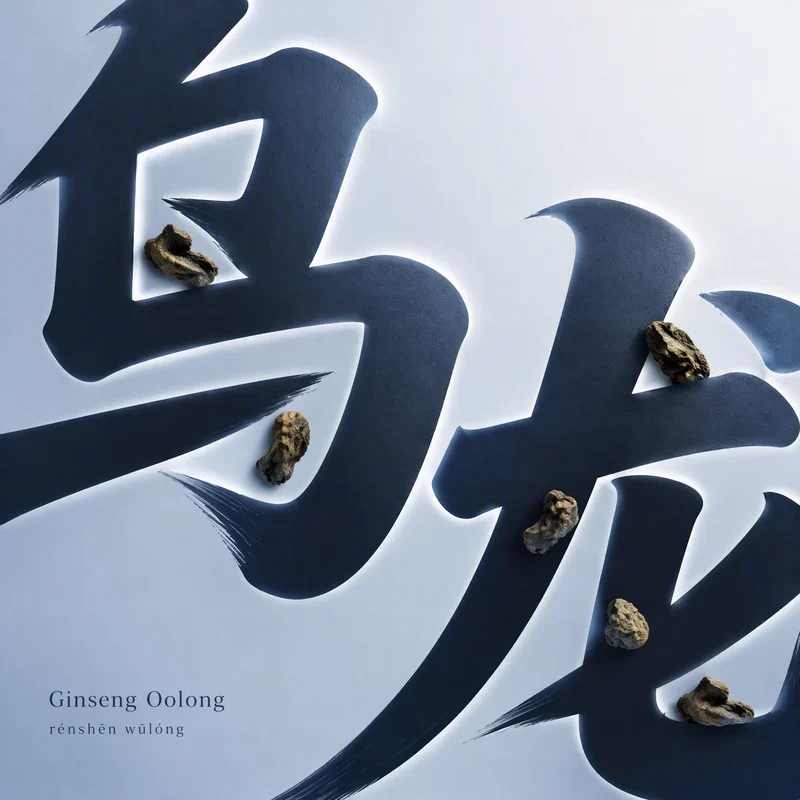
rénshēn wūlóng
Choose a brewing method. Start with the recommended quantities and time, then adjust to taste.
Brewing
Brewing
Taste
Tea encyclopedia
Category: Teas with additives; wellness teas. Also known as "Lan Gui Ren" (兰贵人, Lán Guìrén — "Noble Orchid"), especially in China.
Category: Teas with additives; wellness teas. Also known as "Lan Gui Ren" (兰贵人, Lán Guìrén — "Noble Orchid"), especially in China.
Nántóu County (南投) and Chiayi County (嘉义). Premium batches based on high-mountain oolongs (Alishan, Dong Ding, Jin Xuan).
Ānxī County (安溪) — mass production based on Tieguanyin, Mao Xie, Ben Shan. Main supplier for Russian and Central Asian markets.
Less common, based on dancongs or local oolongs.
Coordinates: ~25° N, ~118° E (Anxi); ~23°50' N, ~120°40' E (Nantou).
Origin: No single region. Main production centers:
Type: Oolong with plant additives (flavored / enriched). Base oolong — lightly or medium oxidized (15–35% oxidation).
Cultural Significance: In China, Ginseng Oolong is not considered a prestigious tea category and is perceived more as a "functional beverage." In Russia and CIS countries, conversely, it occupies a notable niche in specialized tea shops, positioned as a tonic and beneficial tea. The gap between perception at home and abroad is a characteristic feature of this product.
History: Ginseng Oolong appeared in the late 20th century — primarily as an export product oriented toward Southeast Asian, Russian, and CIS markets. The tradition of combining tea with ginseng has roots in Chinese medicine: as early as Míng dynasty treatises (明, 1368–1644), the joint brewing of tea leaves and ginseng root was mentioned for strengthening qi (气). However, the industrial format — rolling finished oolong in herbal powder — appeared only in the 1980–1990s in Taiwan, from where the technology spread to Fujian.
Tiěguānyīn (铁观音), Běn Shān (本山), Máo Xiè (毛蟹) — for mass Fujian versions; Jīn Xuān (金萱, Jīn Xuān), Qīng Xīn Oolong (青心乌龙) — for premium Taiwanese. Camellia sinensis var. sinensis.
Root of Panax ginseng C. A. Meyer (Korean/Chinese ginseng) or Panax quinquefolius (American ginseng) — in finely ground powder form. Key active substances — ginsenosides (triterpene saponins), possessing adaptogenic, tonic, and immunomodulating effects.
Root of Glycyrrhiza glabra or G. uralensis — used in practically all commercial formulations. Contains glycyrrhizin, providing intense natural sweetness (50 times sweeter than sucrose). In cheap versions, licorice may completely replace ginseng.
The powder shell composition may include rice flour (for adhesion), stevia powder, sometimes — fragments of astragalus root (黄芪, huángqí) or goji berries (枸杞, gǒuqǐ).
Pluck Standard: Bud + 2–3 leaves. Picking depends on base oolong (spring–autumn for Anxi; spring and winter for Taiwan).
Altitude: 300–1200 m. Cooler microclimate, frequent fogs.
High yield, accessible raw material. Tea is produced year-round; for Ginseng Oolong, summer and autumn pickings are often used — less valuable for pure oolong but quite suitable as a base for herbal processing.
Base oolong — more aromatic and sweet, giving the finished product a more complex and harmonious profile.
Granules are sprayed with concentrated aqueous ginseng extract, then dried. Shell is thinner, aroma less intense.
Finished oolong + chopped ginseng root in one package (rarely encountered; more a marketing ploy than actual technology).
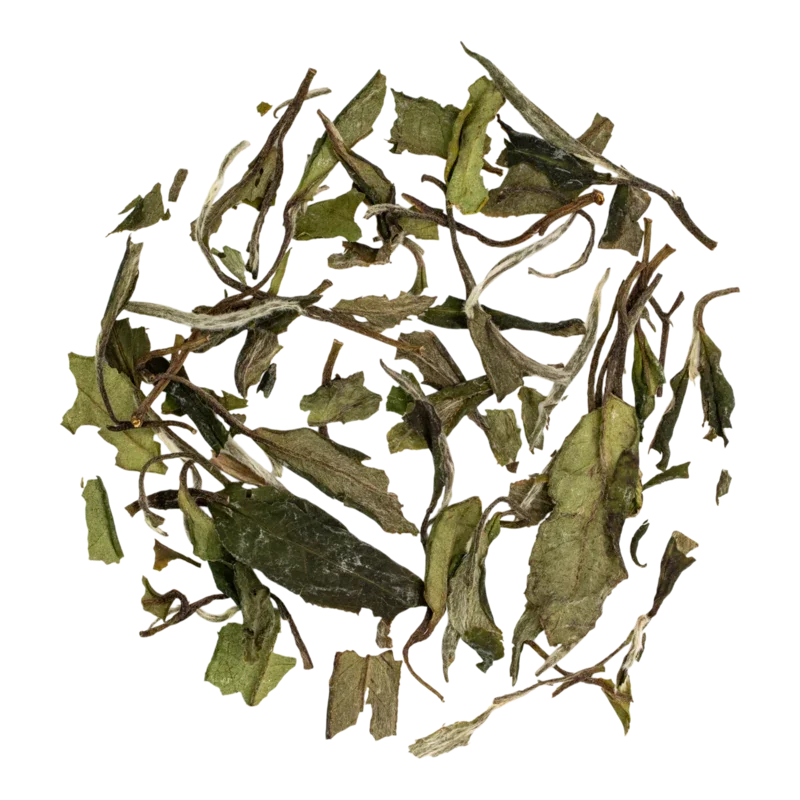
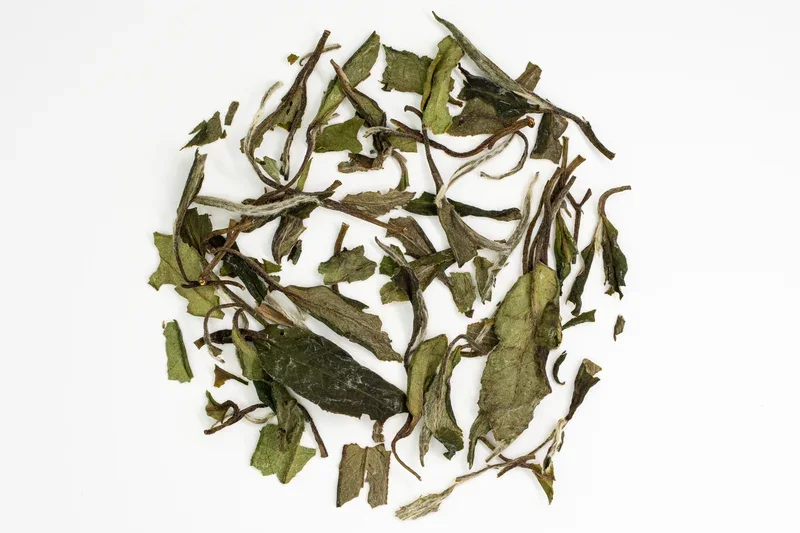
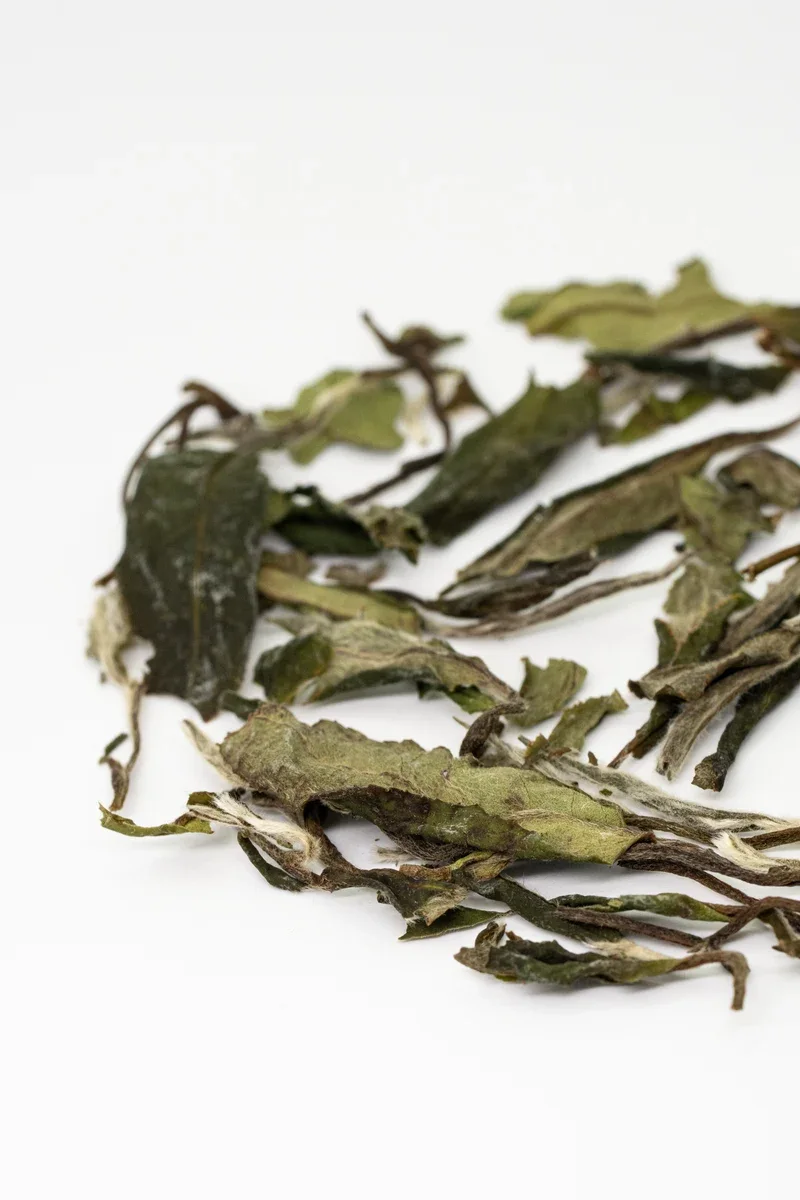
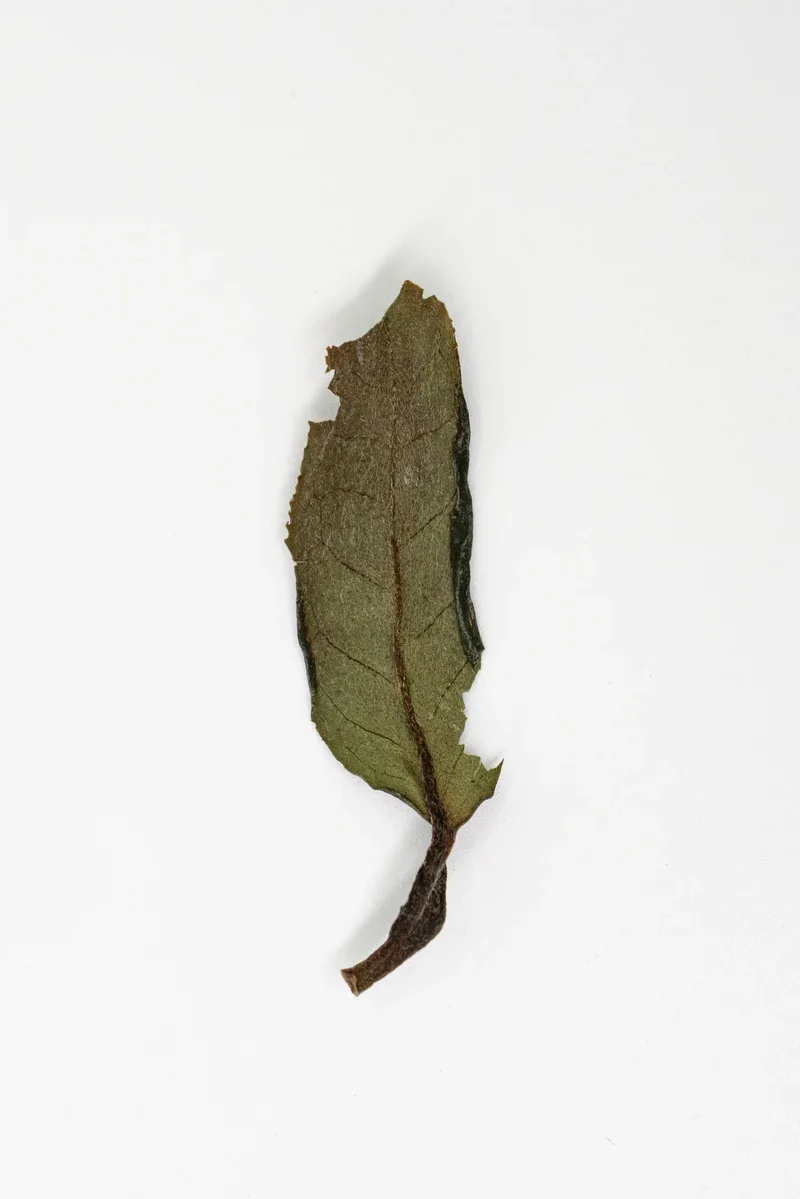
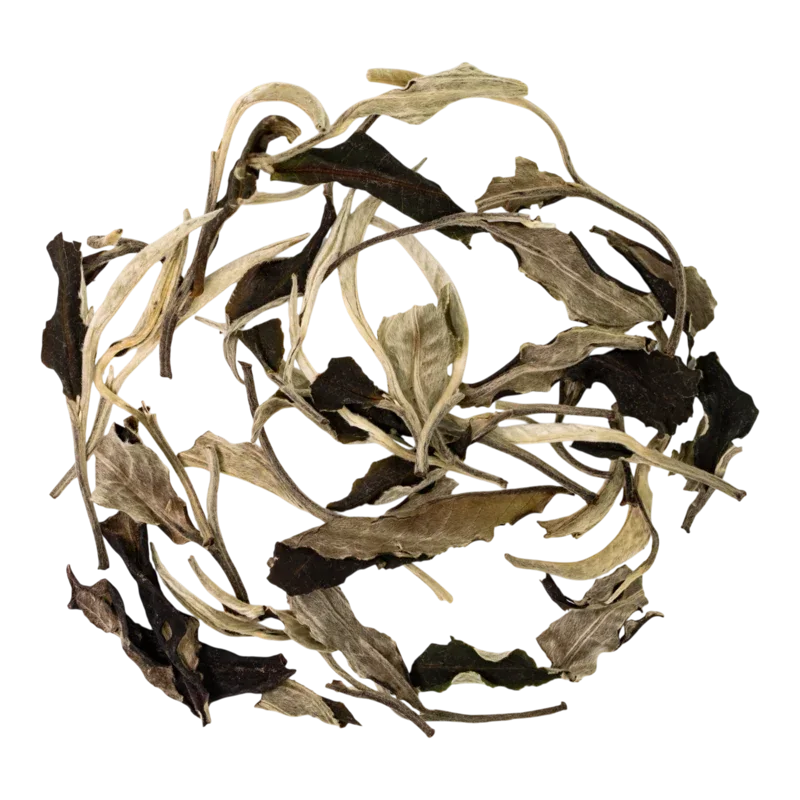
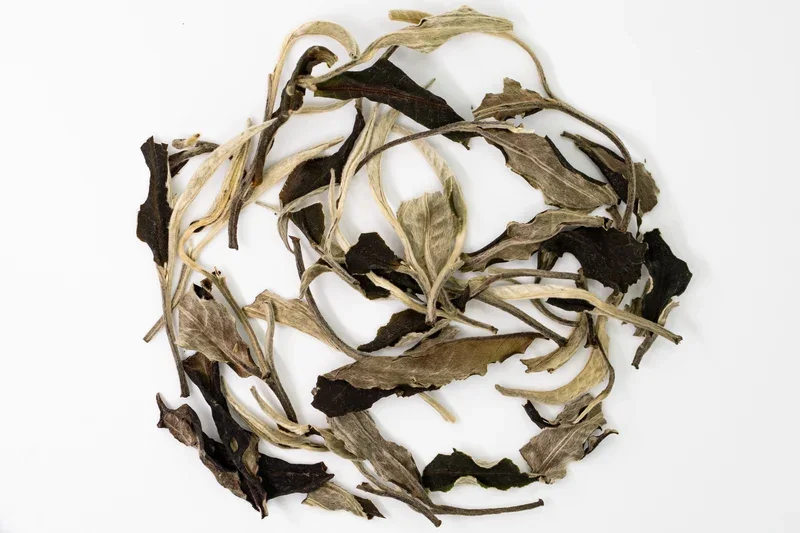
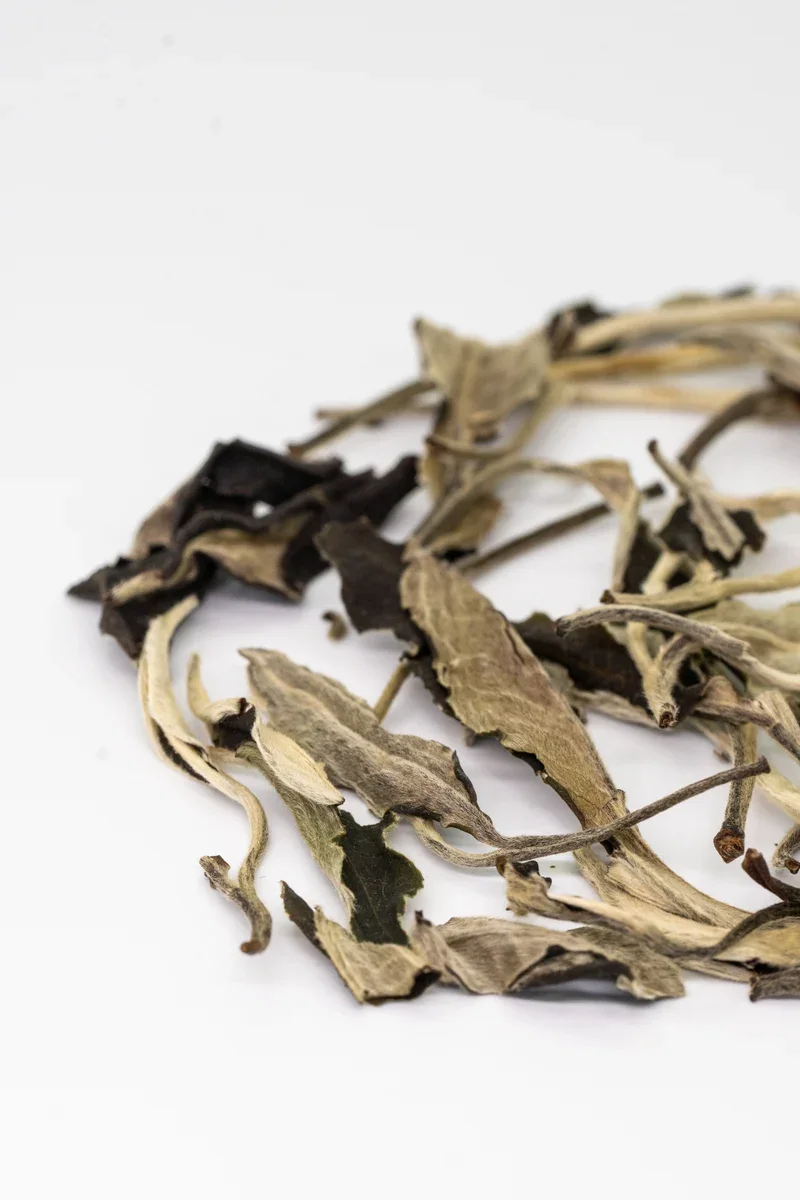
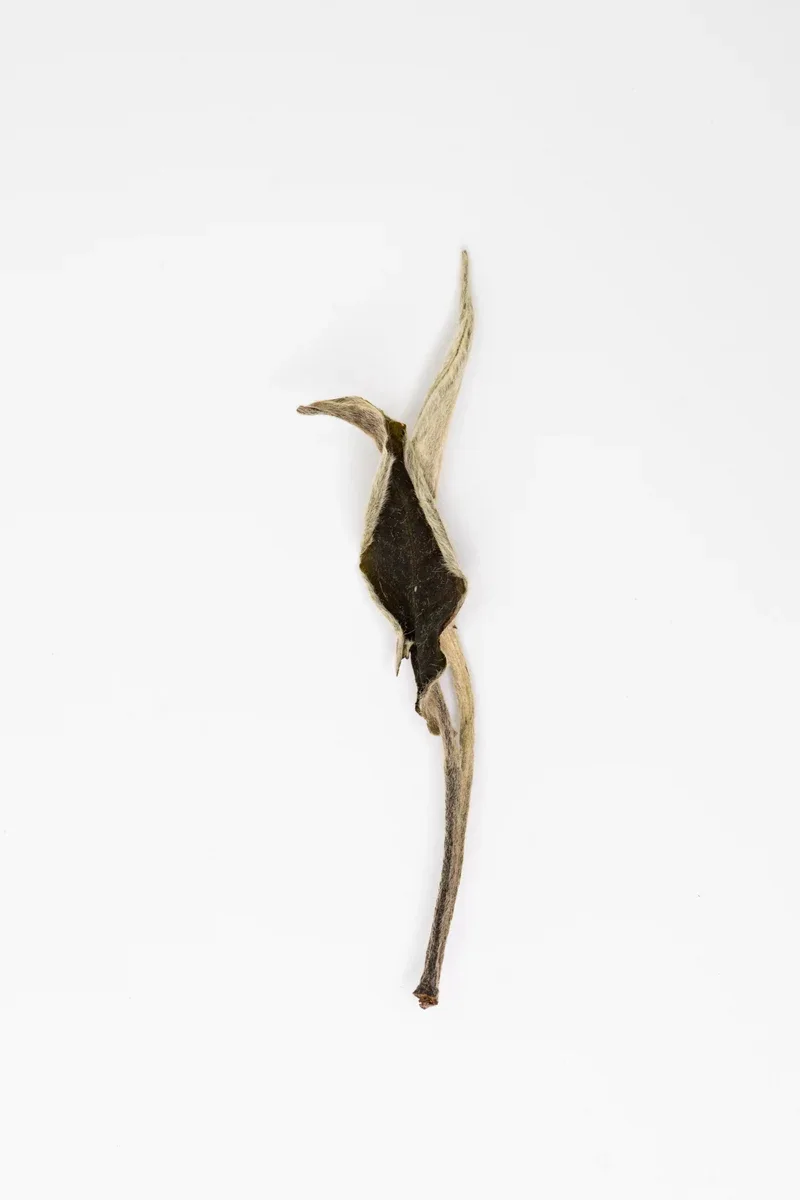
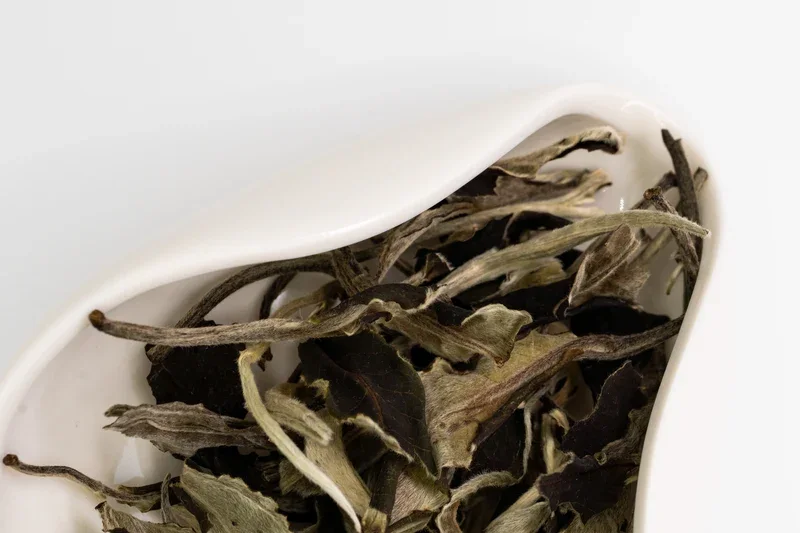
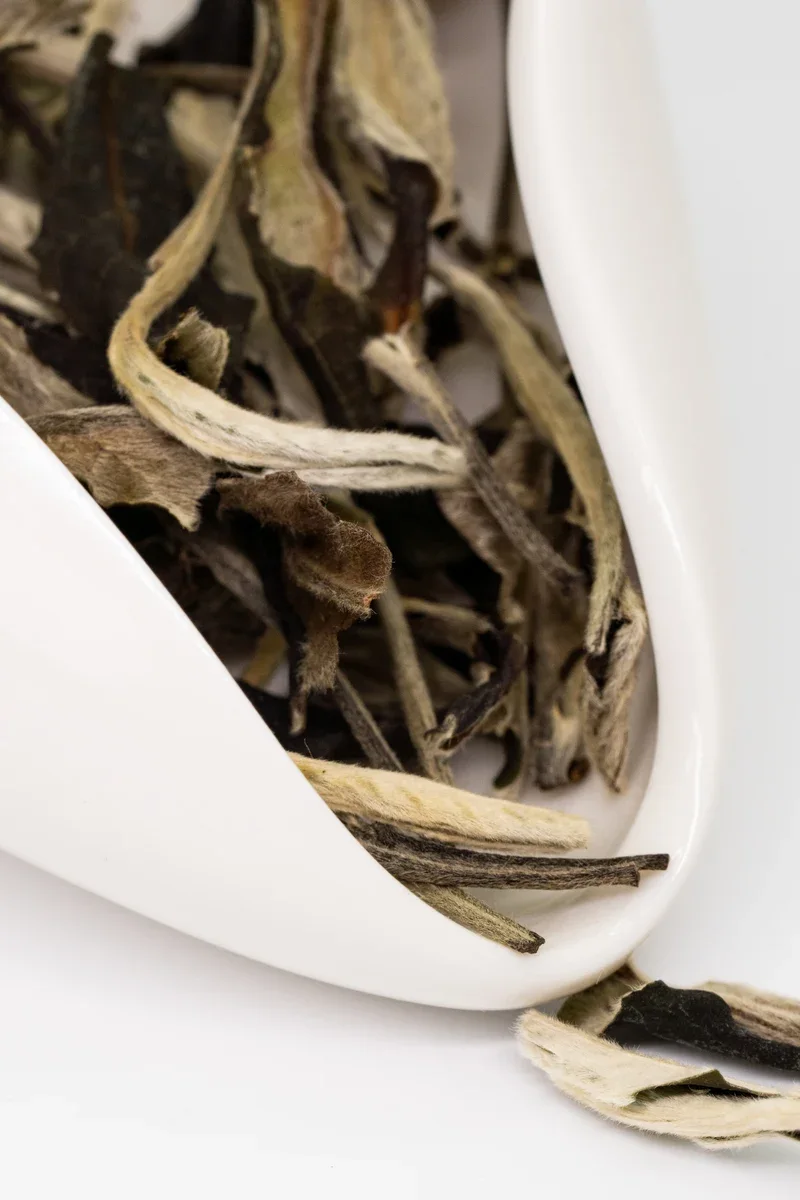
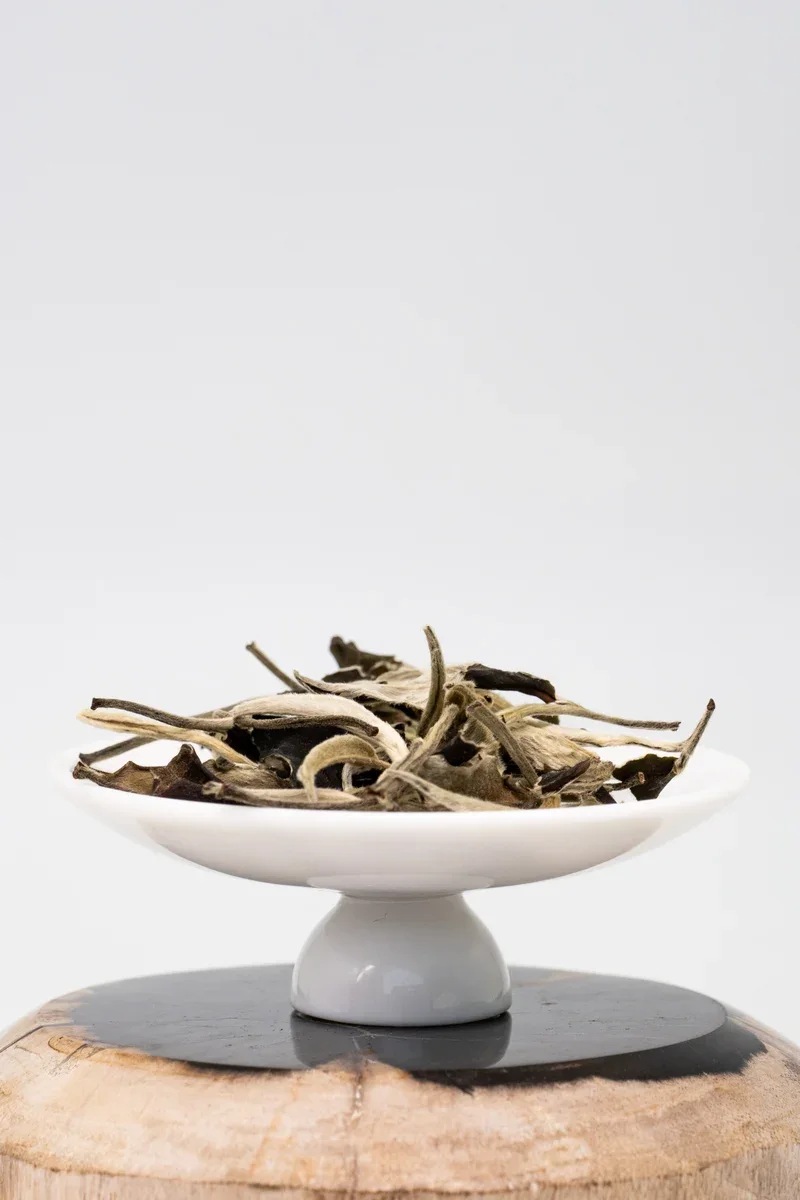
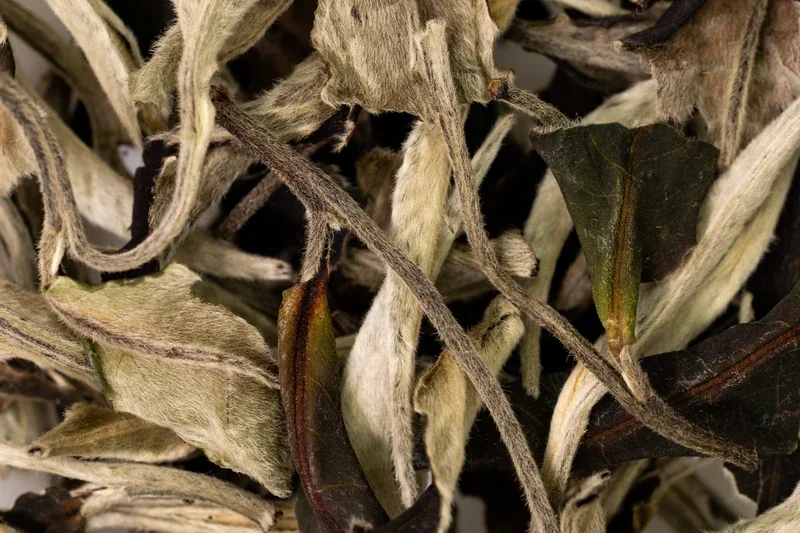
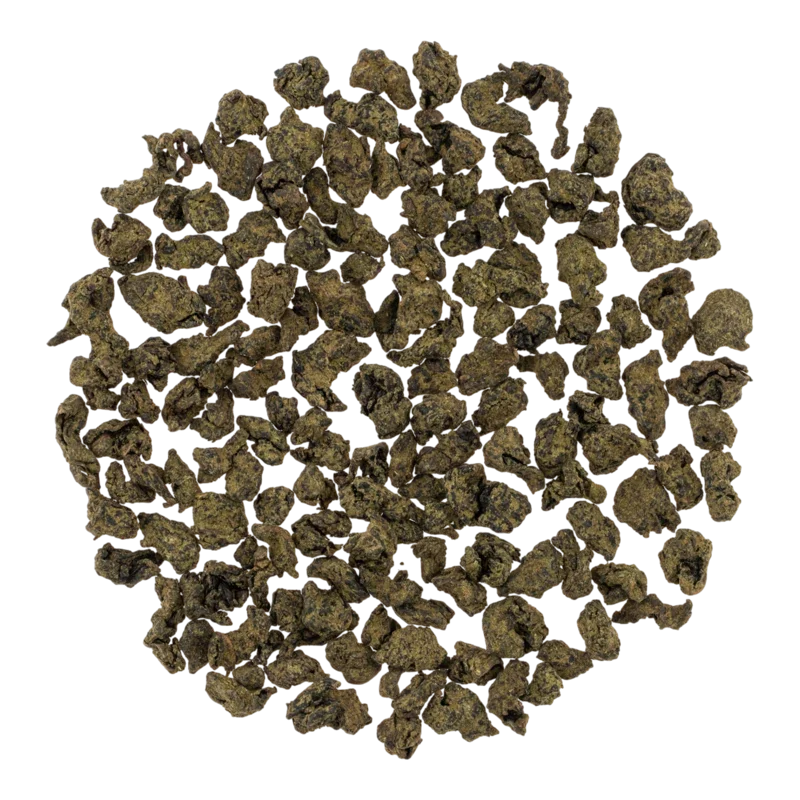
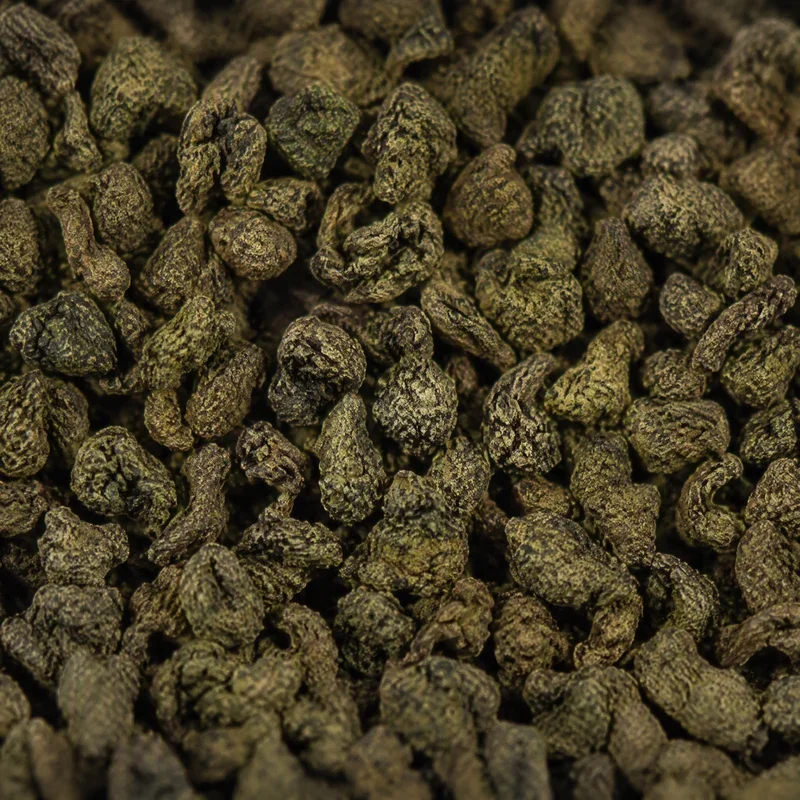
Dry Leaf Appearance: Dense semi-spherical granules covered with matte greenish-beige or brownish "glaze" from herbal powder. Granules are heavy, uniform in size. Surface is rough. In premium versions, the powder layer is thinner, showing the green of the base oolong.
Dry Leaf Aroma: Sweetish, with pronounced earthy-spicy notes of ginseng and intense sweetness of licorice. In premium versions — additional floral and creamy undertones of the base oolong.
Liquor Aroma: Less intense than dry leaf. Sweet-spicy, with herbal "medicinal" undertone of ginseng, honey notes of licorice, and — in good versions — emerging florality of oolong.
Liquor Color: Golden-yellow to amber. In first infusions — slightly cloudy due to dissolution of herbal powder; by third infusion — clear and transparent.
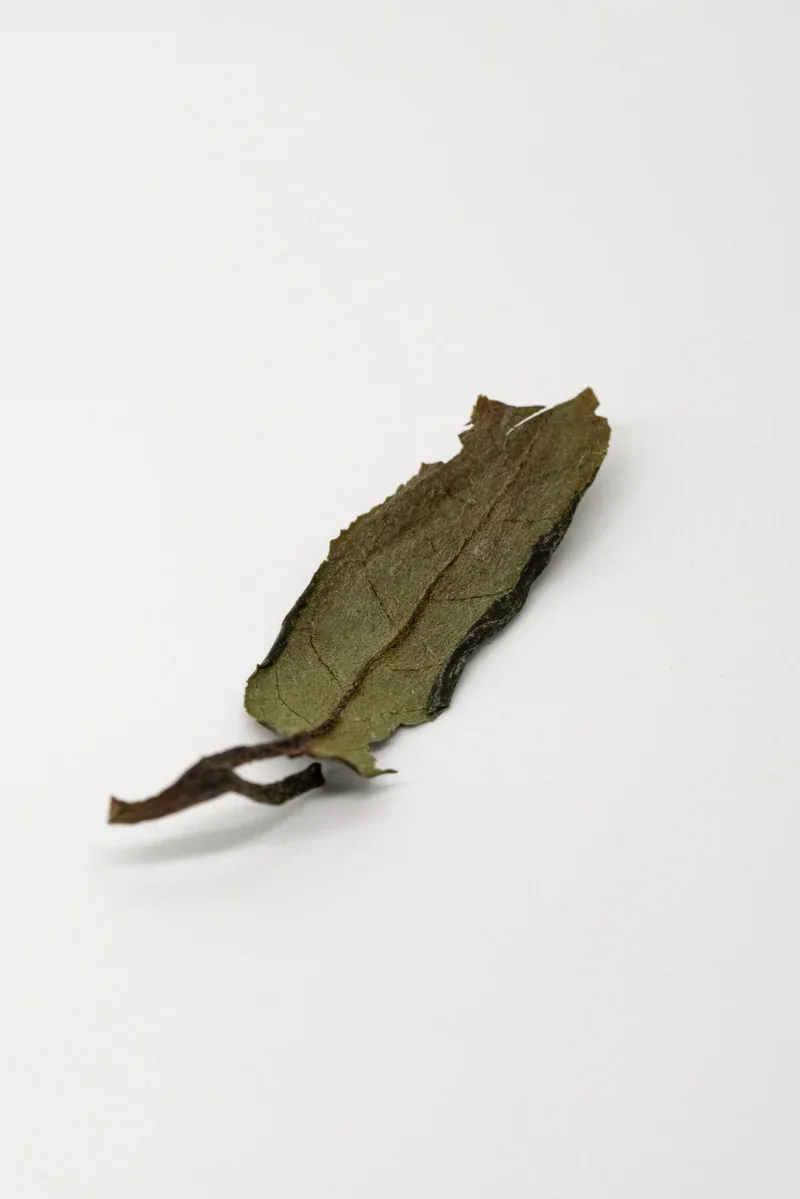
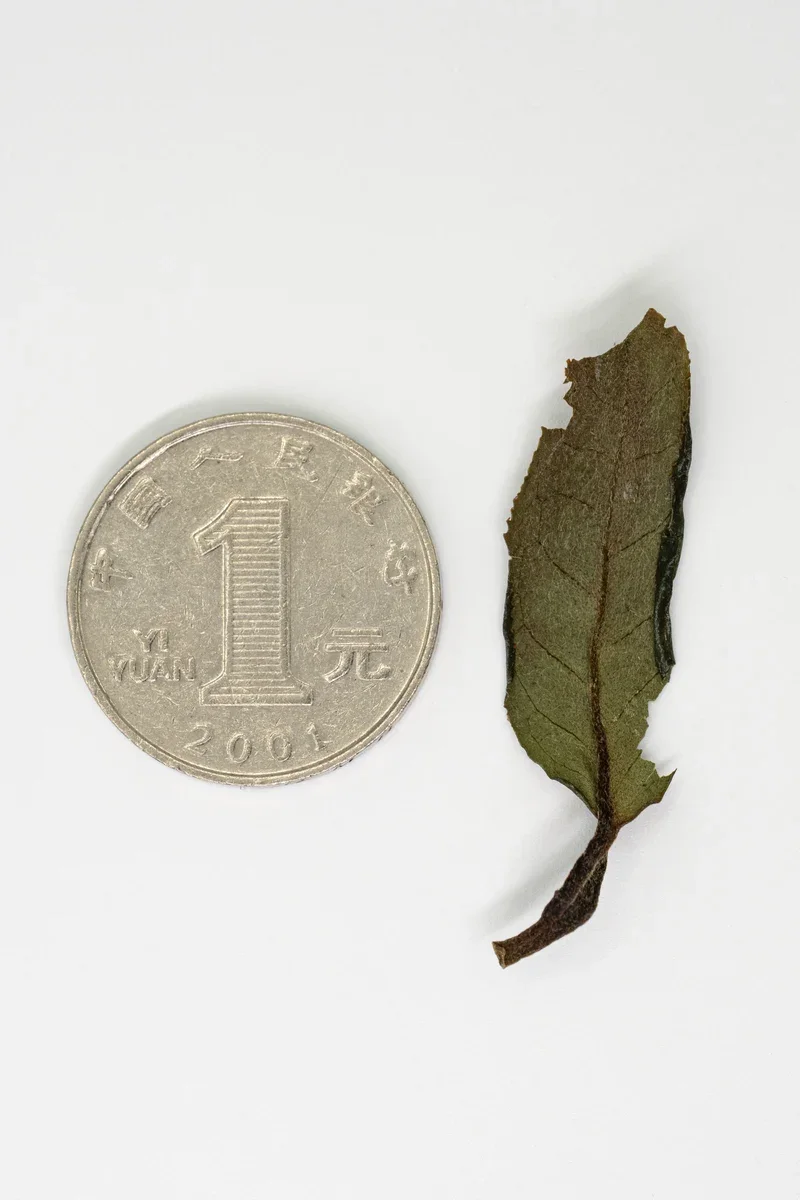
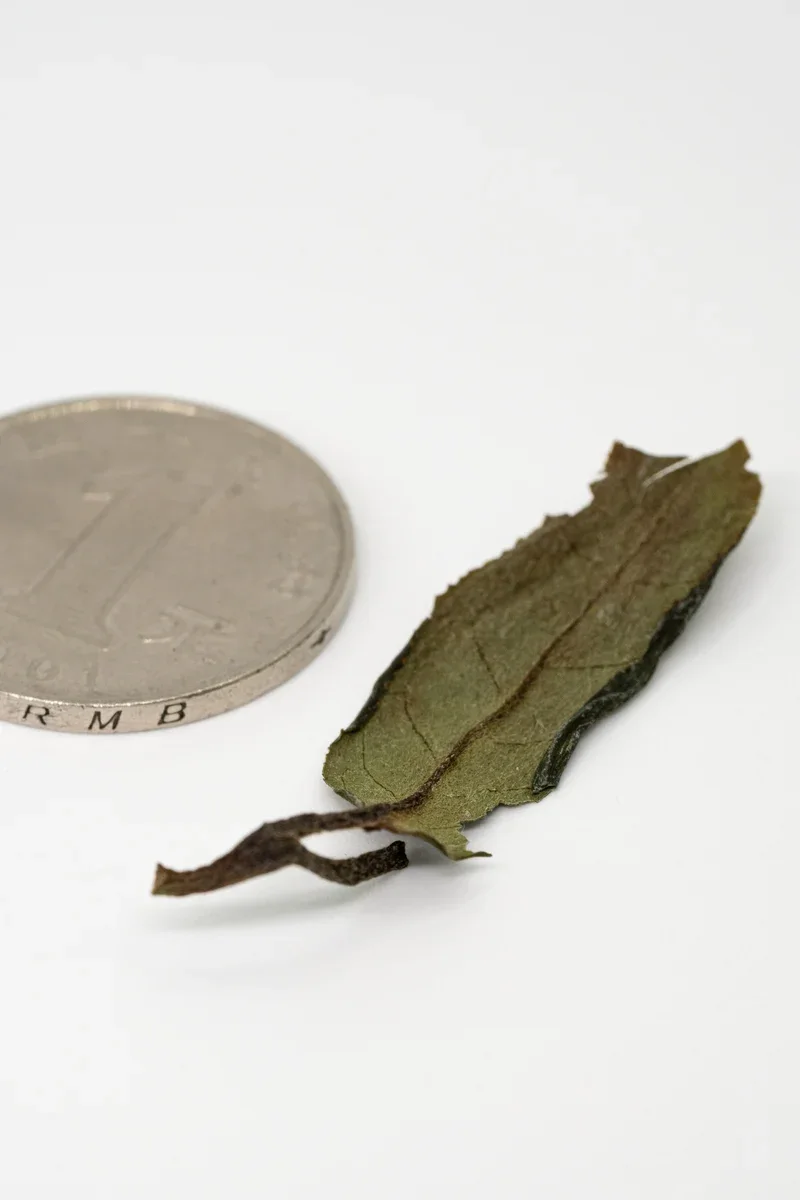
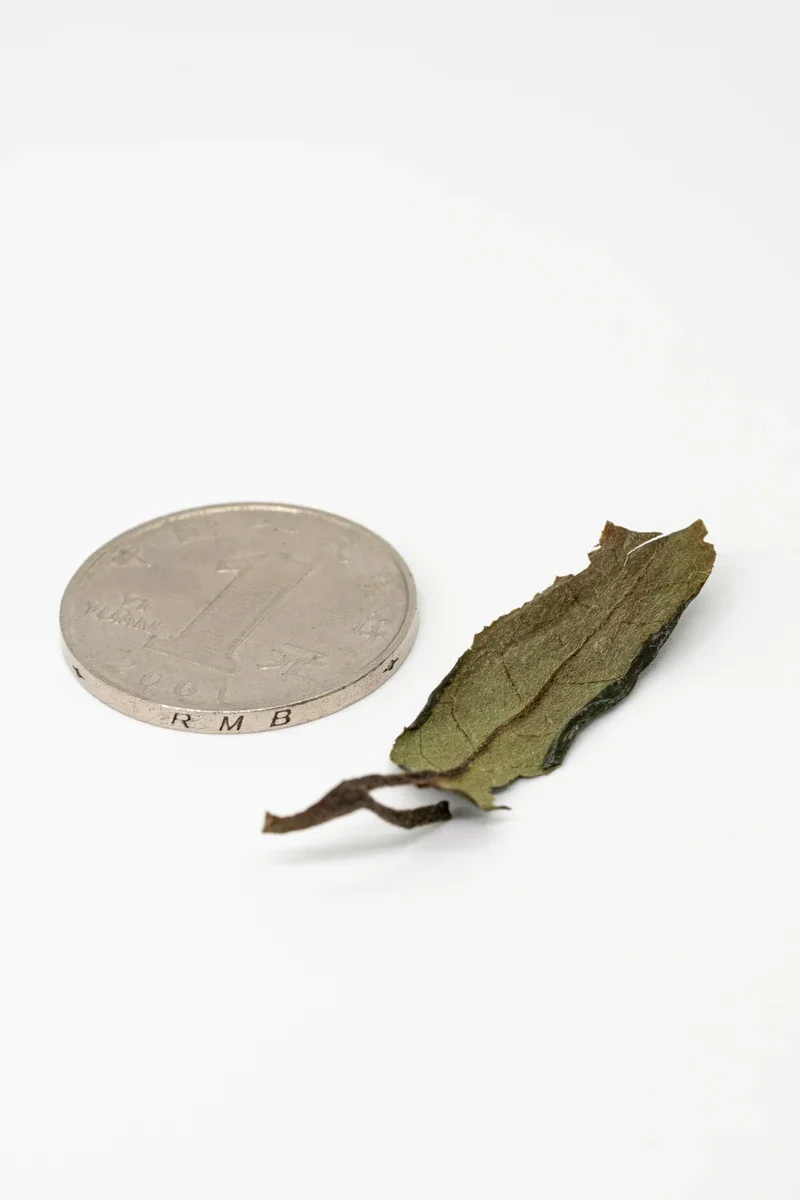
Spent Leaves: Oolong leaves that have unfolded after powder washing — green with reddish edges. At bottom — sediment from ginseng and licorice particles.
Taste: First infusion — rich, spicy-sweet, with characteristic ginseng bitterness (root, earth, spices) and enveloping sweetness of licorice. Second–third infusions — herbal shell recedes, base oolong character emerges: floral, creamy, fruity notes. Aftertaste — long, sweet, with warm "rooty" undertone. Taste is specific, "acquired" — may seem medicinal to unaccustomed palate.
Amino Acids: L-theanine (~1–1.5%) — umami, relaxation.
~20–35 mg/g (moderate).
From licorice. Provides intense sweetness. Has anti-inflammatory and expectorant effects, but with excessive consumption (>100 mg/day) may raise blood pressure.
Immunomodulation.
Polyphenols: EGCG, EGC — antioxidants. Content ~15–20% of dry mass of tea base.
Vitamins: C, B group. Minerals: Potassium, fluoride, magnesium, manganese.
Triple synergy — caffeine (quick toning) + L-theanine (mild relaxation) + ginsenosides (deep adaptogenic support). Increases performance, improves concentration, helps adapt to stress.
Oolong catechins + ginseng polyphenols.
Ginsenosides stimulate NK-cell and macrophage activity. Ginseng polysaccharides — immunomodulators.
Licorice coats gastric mucosa; oolong polyphenols stimulate digestive juices.
In Traditional Chinese Medicine (TCM) terms, ginseng is a "warm" (温) ingredient; combined with oolong creates warming effect, beneficial in cold weather.
Combination of caffeine, L-theanine, and ginsenosides has mild antidepressant effect.
Licorice glycyrrhizin with regular consumption may raise blood pressure. People with hypertension should limit consumption.
Insomnia, tachycardia, nervousness.
Ginseng is a strong tonic, not recommended for pregnant women. Medical consultation mandatory.
Immunostimulating effect of ginseng may be undesirable.
Ginseng may enhance their effects. Medical consultation required.
Possible reaction to ginseng/licorice as well as binding components of shell.
85–95°C. Lower (85°C) — for Taiwanese versions with delicate base oolong; higher (95°C) — for Fujian with dense herbal shell.
Tea Amount: 5–7 g per 150 ml.
Teaware: Porcelain gaiwan (neutral material doesn't absorb herbal aroma). Yixing teapot not recommended — clay will absorb specific ginseng smell that's impossible to remove.
Price Category: Real Ginseng Oolong with actual ginseng content cannot cost $3–5 per 100g — ginseng powder alone costs more.
Ginseng — bitter-spicy, "earthy"; licorice — cloyingly sweet, no bitterness. If first infusion is only sweet — little ginseng.
Ginseng — beige-brown; licorice — lighter, yellowish.
Honest producers indicate ginseng percentage. Presence of "甘草" (gancao, licorice) first in list — sure sign of licorice predominance.
Real ginseng leaves characteristic "tingling" coolness in mouth (salivation-inducing, 生津); licorice — just sweetness.
No reviews yet. Tell us what you think of this tea.
Rate this tea and share your impressions. We review each submission before publishing it.