Brewing
Gongfu brewing
- Water temperature
- 92 °C
- Tea amount
- 6 g
- Water volume
- 100 ml
- First steep
- 10 s
- Time added per infusion
- 5 s
- Infusions
- 8


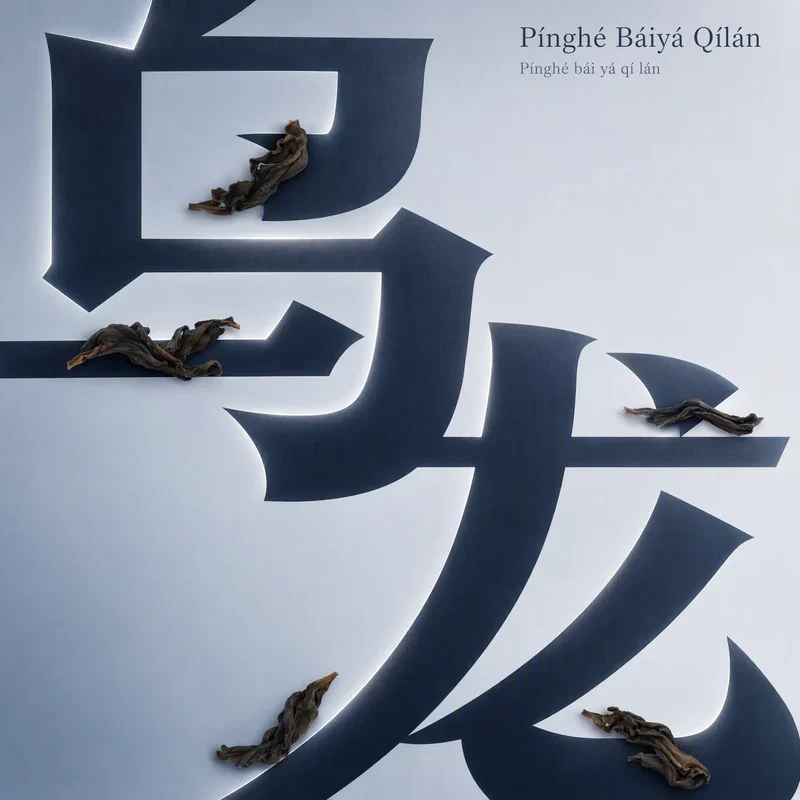
Pínghé bái yá qí lán
Choose a brewing method. Start with the recommended quantities and time, then adjust to taste.
Brewing
Brewing
Taste
Tea encyclopedia
Category: Mǐnnán oolongs (闽南乌龙, mǐnnán wūlóng). Part of the five leading teas of Fújiàn Province alongside Tiěguānyīn (铁观音), Wǔyí Yánchá (武夷岩茶), Mǐnběi Shuǐxiān (闽北水仙), and Yǒngchūn Fóshǒu (永春佛手).
Category: Mǐnnán oolongs (闽南乌龙, mǐnnán wūlóng). Part of the five leading teas of Fújiàn Province alongside Tiěguānyīn (铁观音), Wǔyí Yánchá (武夷岩茶), Mǐnběi Shuǐxiān (闽北水仙), and Yǒngchūn Fóshǒu (永春佛手).
Coordinates: Approximately 24°02′–24°35′ N, 116°54′–117°31′ E. The core production area is concentrated on the slopes of Mount Daqin — the highest peak of Zhangzhou Prefecture (1544.8 m above sea level).
Origin: China, Fújiàn Province (福建省, Fújiàn shěng), Zhāngzhōu Prefecture (漳州市, Zhāngzhōu shì), Pínghé County (平和县, Pínghé xiàn). The main production zone encompasses 9 townships and 91 administrative villages of the county. The core production area is Qílǐng Township (崎岭乡, Qílǐng xiāng), Péngxī Village (彭溪村, Péngxī cūn), where the mother trees of the cultivar are located, as well as territories around Mount Dàqín (大芹山, Dàqín shān) and the townships of Jiǔfēng (九峰镇, Jiǔfēng zhèn) and Xiázhài (霞寨镇, Xiázhài zhèn).
Type: Oolong (semi-oxidized tea, 青茶, qīngchá). Produced in two main styles: qingxiang (清香型, qīngxiāng xíng) — light oxidation, fresh floral profile; nongxiang (浓香型, nóngxiāng xíng) — deeper oxidation with honey-orchid character.
Cultural Significance: Baiya Qilan is the main tea symbol of Pinghe County and Zhangzhou Prefecture, one of the most distinctive Minnan oolongs. The tea has become a factor in the socio-economic development of the region: more than 10,000 households in the county are engaged in its production, and the total value of the industry exceeds 2 billion yuan. Since the late 1990s, Baiya Qilan has been exported to Japan, European Union countries, and Southeast Asia. People say about it: "Better to give up three measures of water from the Jade Pool than to lose half a thread of Qilan's fragrance" (宁弃瑶池三分水,不舍奇兰半缕香, nìng qì yáochí sān fēn shuǐ, bù shě qílán bàn lǚ xiāng).
History: According to the most widespread version, the cultivar was discovered during the Qing dynasty, in the reign of Emperor Qiánlóng (清乾隆年间, 1735–1795): at the foot of Mount Daqin, in Pengxi Village, near a well (水井, shuǐjǐng), an unusual tea tree grew — its young shoots were distinguished by a whitish-green coloration. Local residents collected the leaves and made oolong from them, which amazed them with its distinctive orchid aroma — thus the name "Baiya Qilan" was born. The cultivar was propagated vegetatively, and by now its history spans more than 250 years. There is also an earlier legend attributing the discovery of the tea tree to the Ming dynasty, the Chénghuā reign (明成化年间, 1465–1487), and connecting it with a descendant of Chén Yuánguāng (陈元光, Chén Yuánguāng) — the legendary "founding saint of Zhangzhou" (开漳圣王, kāi Zhāng shèngwáng).
Name Breakdown: Pínghé Báiyá Qílán (平和白芽奇兰) — compound: Pínghé (平和) — the county name, literally "peace and harmony"; Báiyá (白芽) — "white buds," describing the characteristic whitish-green young shoots; Qílán (奇兰) — "wonderful orchid," conveying the unique orchid aroma of the finished tea. Together, the name reflects both the place of origin and the two main external characteristics of the cultivar — the color of shoots and the character of aroma.
Cultivar: Báiyá Qílán (白芽奇兰) — clonal cultivar (Camellia sinensis var. sinensis), belongs to the shrub type (灌木型, guànmù xíng), medium-leaf group (中叶类, zhōngyè lèi), late-growing variety (晚生种, wǎnshēng zhǒng). Plant of medium size, crown semi-spreading (树姿半开张), branching moderately dense. Leaves elongated-elliptical, dark green, with pronounced gloss, slightly raised surface and wavy edge; leaf blade flat, leaf tip gradually pointed, serration sharp, deep and frequent; leaf texture dense and somewhat brittle. Characteristic feature — young buds and shoots are colored yellowish-white-green, pubescence moderate. Weight of 100 shoots (one bud + three leaves) — about 139 g. Flowers with 7 petals, pistil three-parted.
Picking: Main seasons — spring and autumn. Spring tea (春茶, chūnchá) is harvested in March–May, comprises about 60% of annual yield and is distinguished by pure orchid aroma and fresh taste. Autumn tea (秋茶, qiūchá) — September–October, characterized by sweeter and denser profile, increased brewing resistance. For highest grade tea, harvest before the Gǔyǔ festival (谷雨, gǔyǔ) is preferable — the most tender shoots of early spring.
Pluck Standard: Wait for the stage of "half-open to medium-open bud" (驻芽小开面至中开面). Standard shoot — one bud and two-three leaves (一芽二至三叶); for special batches — one bud and one leaf. The leaf must be whole, of uniform maturity, without mechanical damage and foreign odors.
Altitude: Main cultivation zone — from 500 to 1200 m above sea level. The peak of Mount Daqin — 1544.8 m — is the highest point of the entire Zhangzhou Prefecture. High-altitude areas (from 800 m) are shrouded in clouds and mists year-round, creating the condition "high mountains and clouds produce good tea" (高山云雾出好茶, gāoshān yúnwù chū hǎo chá).
Climate: Southern subtropical monsoon (transitional zone to mid-subtropical). Average annual temperature 17.5–21.2°C. Annual precipitation — 1600–2000 mm, average annual evaporation — about 1400 mm. Number of foggy days — over 200 per year. Frost-free period — more than 300 days. Diurnal temperature variations at altitudes above 500 m are significant: abundance of diffused light and high humidity contribute to prolonged preservation of shoot tenderness, accumulation of aromatic substances and amino acids.
Soil: Slightly acidic red soils (red earth) with pH 4.5–5.5 — classic environment for tea plants. Soils are deep, loose, well-drained, rich in organic matter. Key feature — elevated selenium content: according to data from the Fujian Analytical Center, Se concentration in soils of main plantations is 0.74–0.80 mg/kg, which qualifies as "selenium-rich soil" (富硒土壤, fù xī tǔrǎng; threshold ≥ 0.4 mg/kg). This enriches the tea with a microelement having antioxidant properties and gives it additional value.
Pinghe County is located in the southwest of Zhangzhou Prefecture, between hills, river valleys and mountain basins. The core of the tea zone — the Mount Dàqín massif (大芹山) with the adjacent Mount Lingtong (灵通山, Língtōng shān, formerly Dafeng-shan, 大峰山). Forest coverage of the production core reaches 87.4%. Topography — alternation of medium mountains, low mountains and hills; terraced tea plantations are located on slopes with gradients up to 25°.
Pick upper shoots at the "half-open to medium-open bud" stage (one bud + 3–4 leaves). Collected raw material is immediately delivered to the workshop, avoiding overheating and mechanical damage.
Spreading in a thin layer in shade for initial moisture loss and leaf softening.
Brief exposure to sun for enzyme activation and initiation of aroma formation.
Series of "shaking — rest" cycles, during which leaf edges receive controlled mechanical damage, triggering partial oxidation. It is at this stage that the signature orchid note is formed. For qīngxiāng style (清香型), the degree of oxidation is lower; for nongxiang (浓香型) — higher, with appearance of honey tones.
High-temperature heating in wok or drum machine stops enzymatic activity and fixes aroma direction.
Primary rolling destroys leaf cellular structure, releases juice and sets initial shape.
Drying for stabilization.
Leaf is wrapped in cloth and pressed, giving tight elongated shape (条索, tiáosuǒ). This is the first of three cloth wrapping cycles characteristic of this tea.
Intermediate drying between rolling cycles.
Second pressing cycle compacts and fixes shape.
Bringing moisture to storage level (usually ≤ 6–7%).
Sifting, removal of stems (拣梗), yellow leaves and foreign inclusions. Then — delicate roasting (文火薄摊) over low heat: thin layer of tea is slowly heated, which deepens aroma and forms final flavor profile.
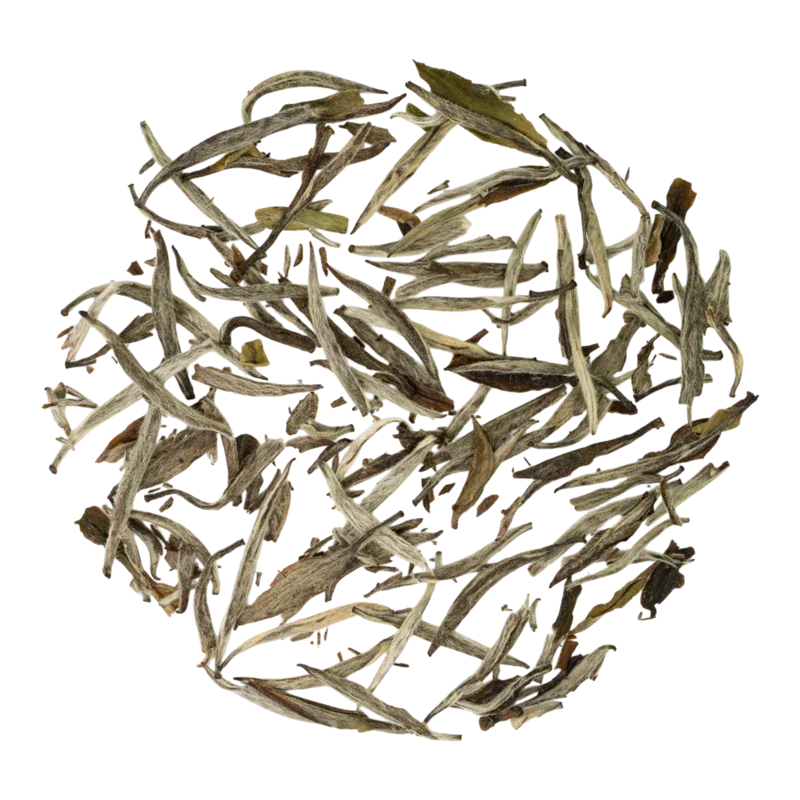
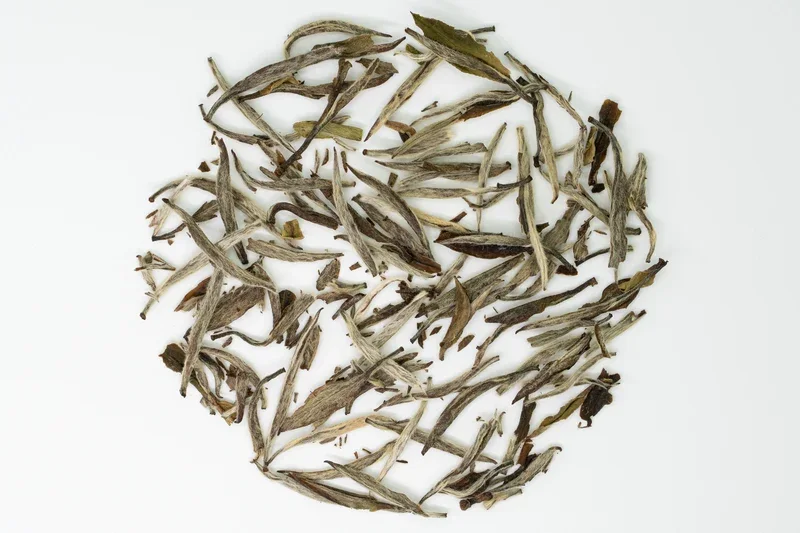
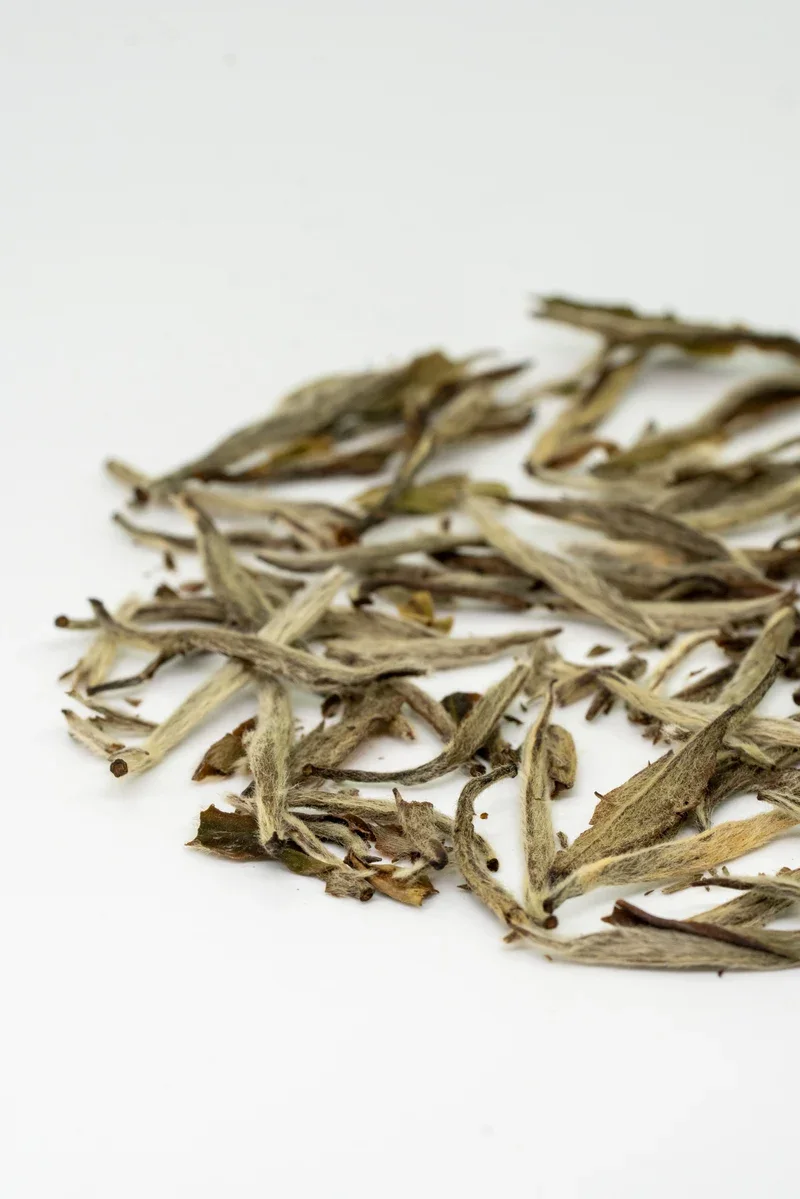
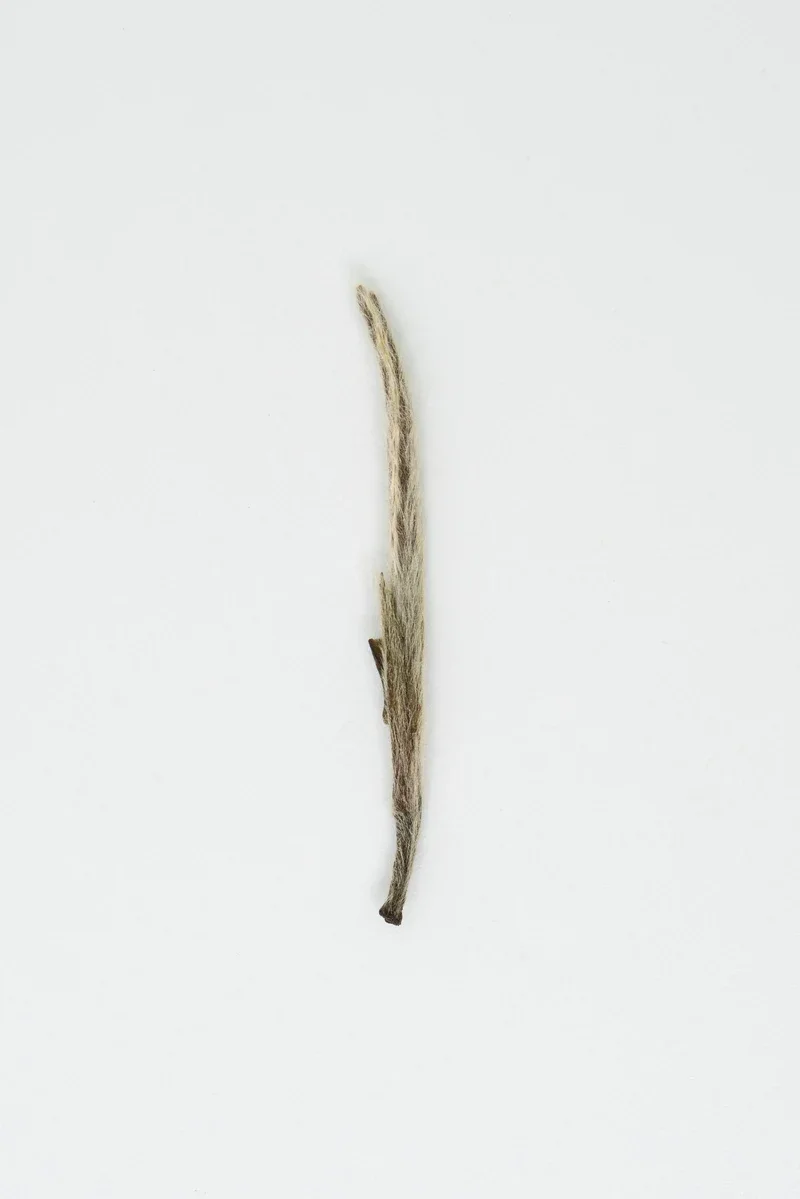
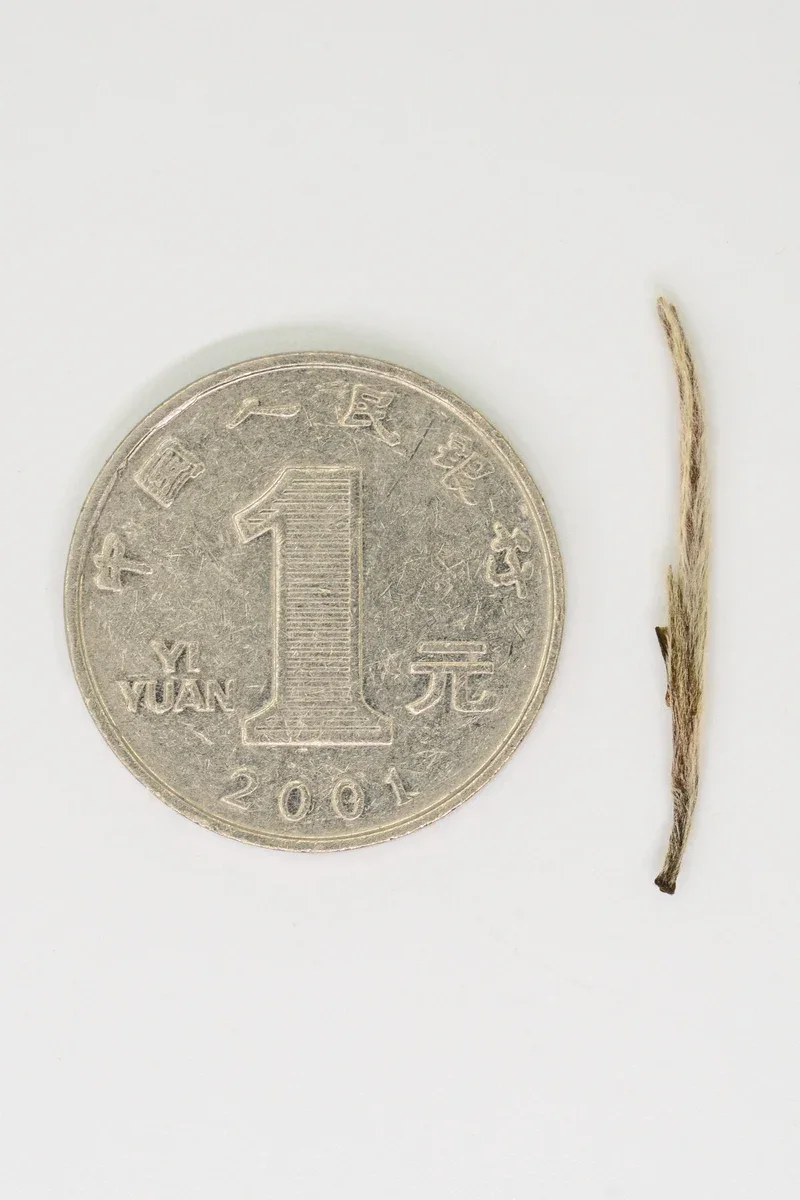
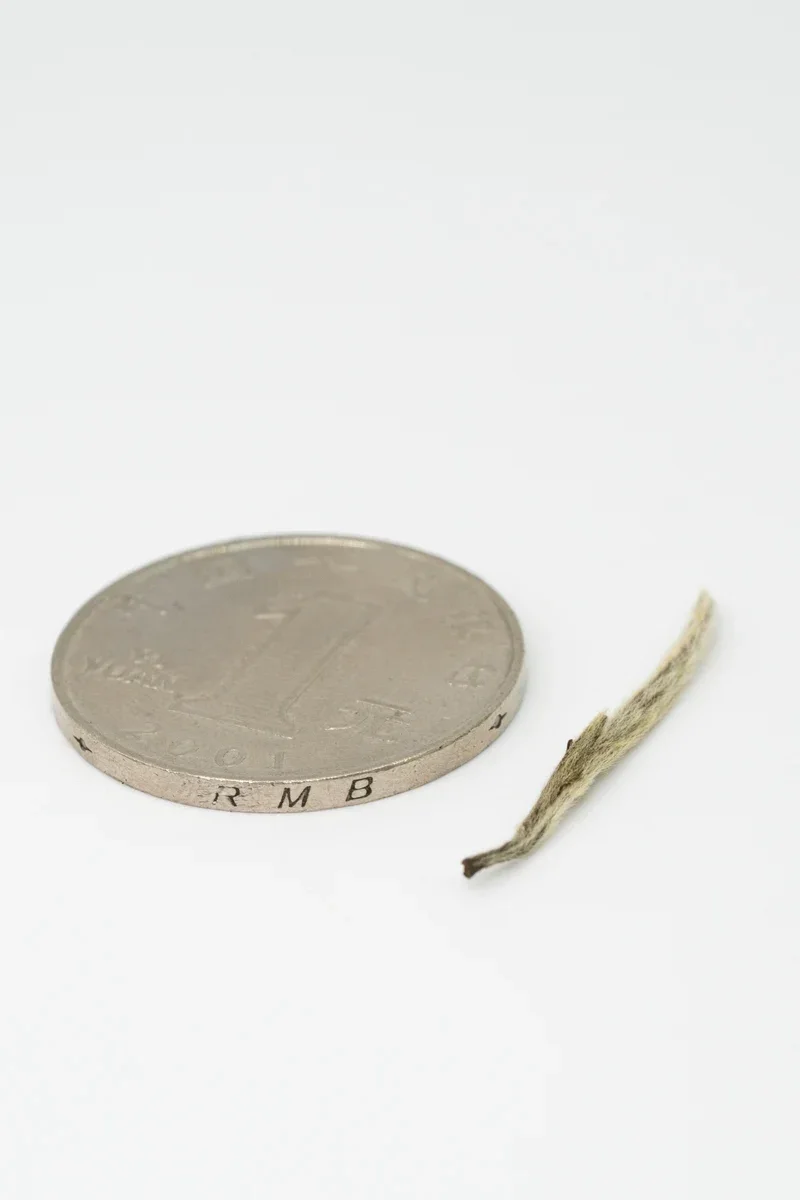
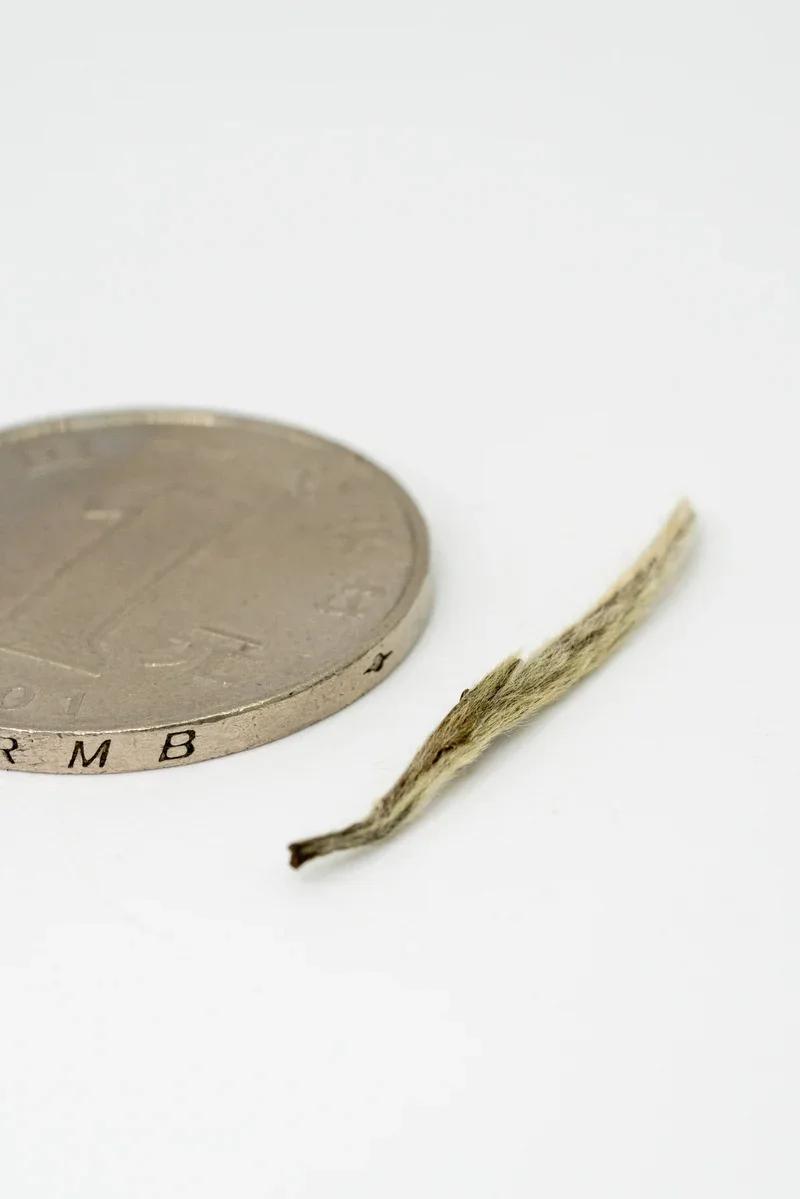
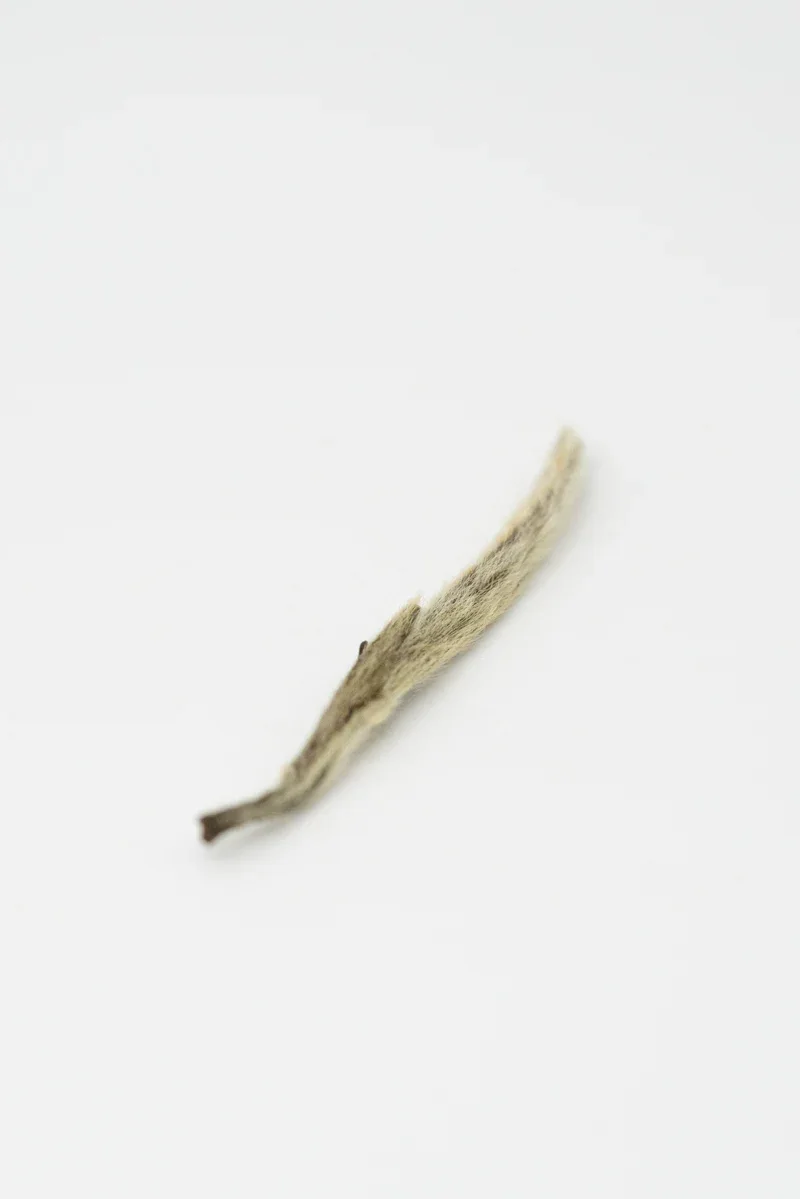
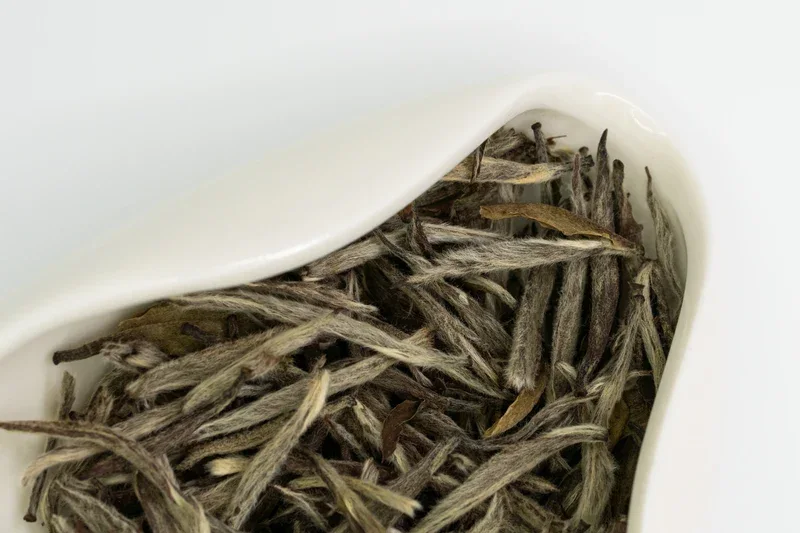
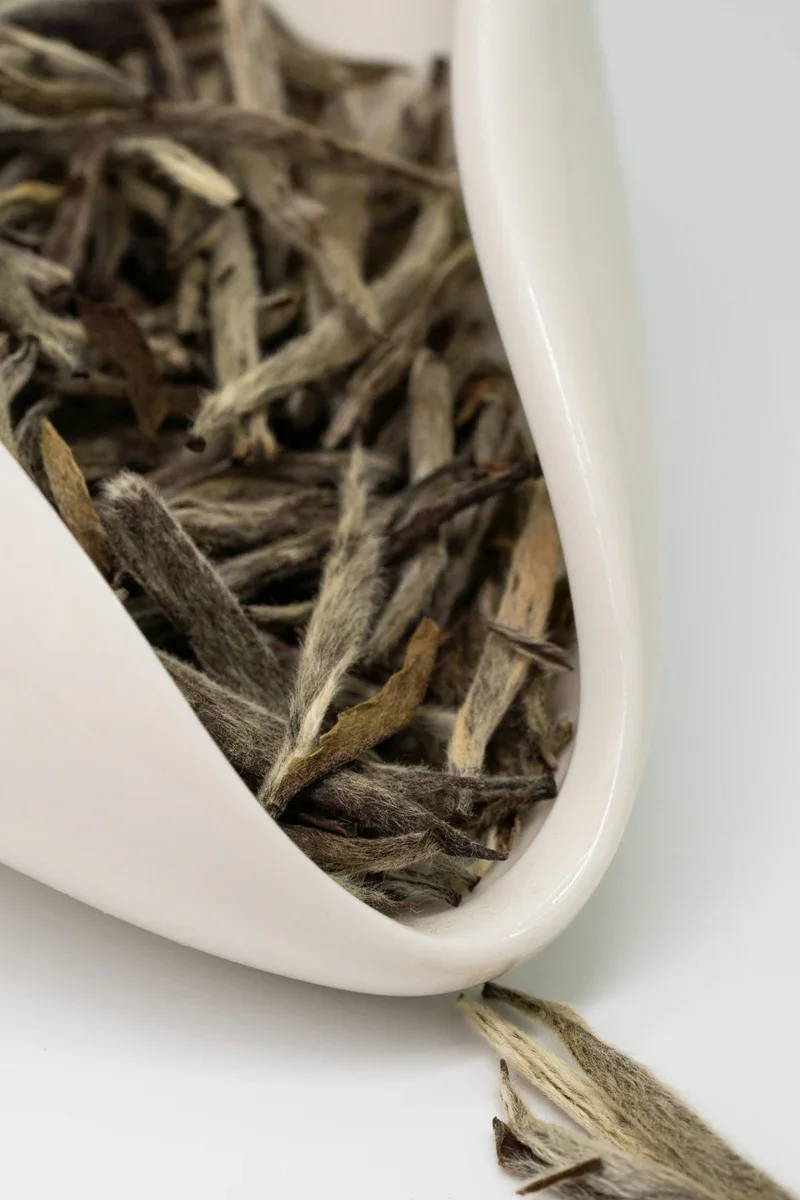
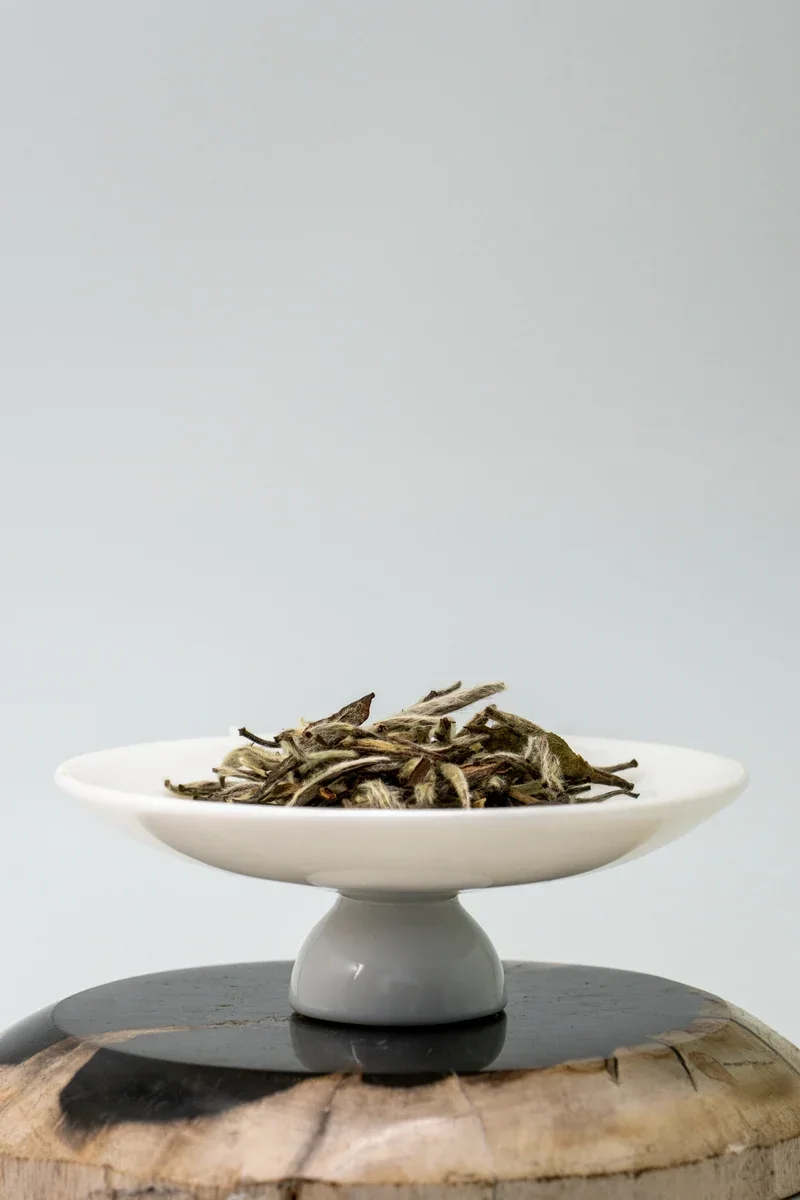
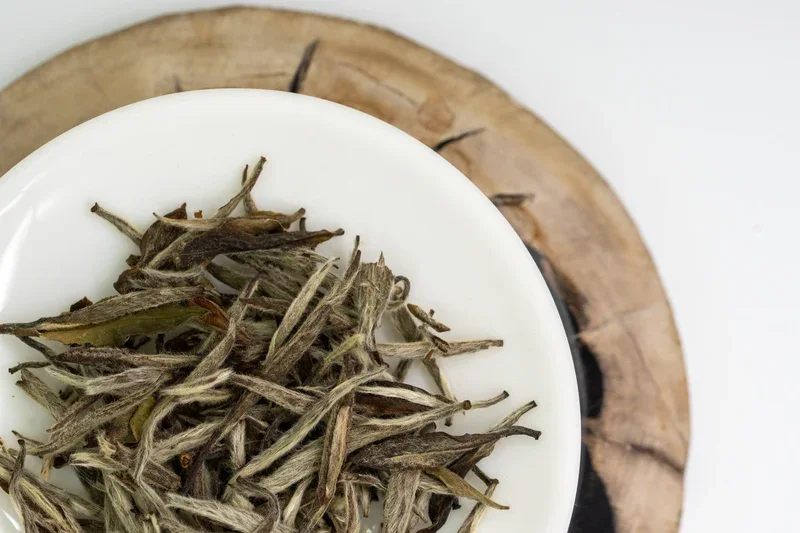
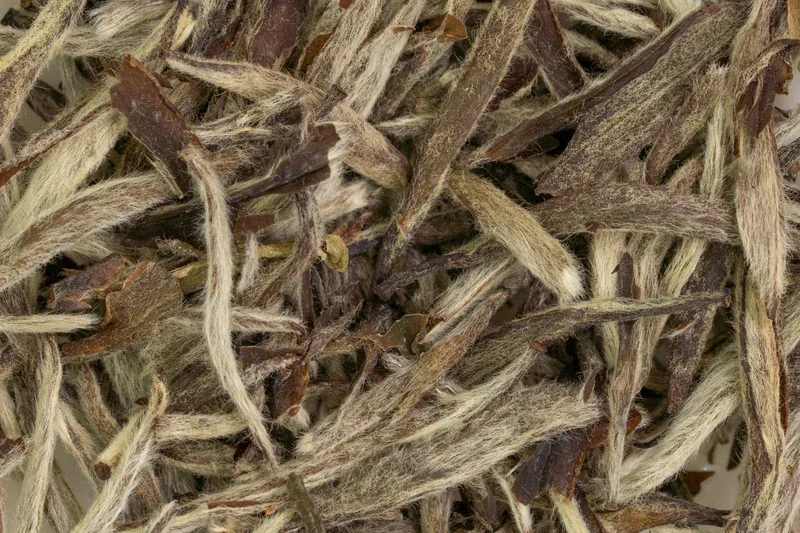
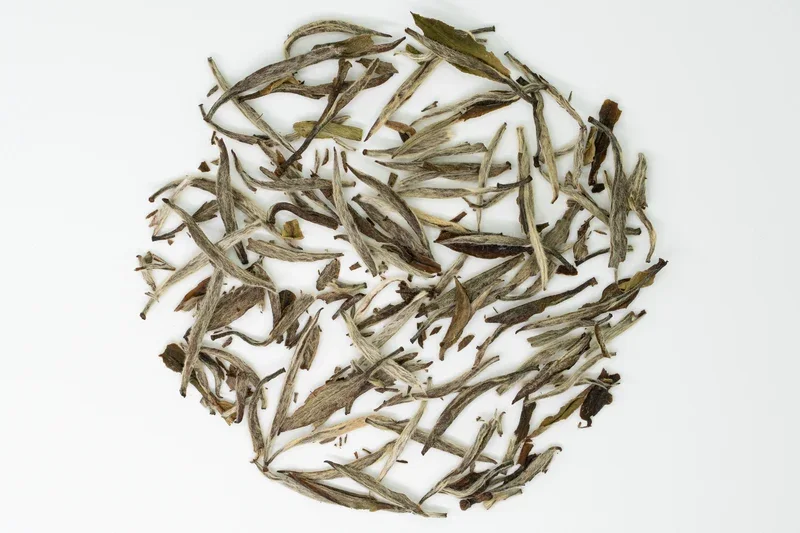
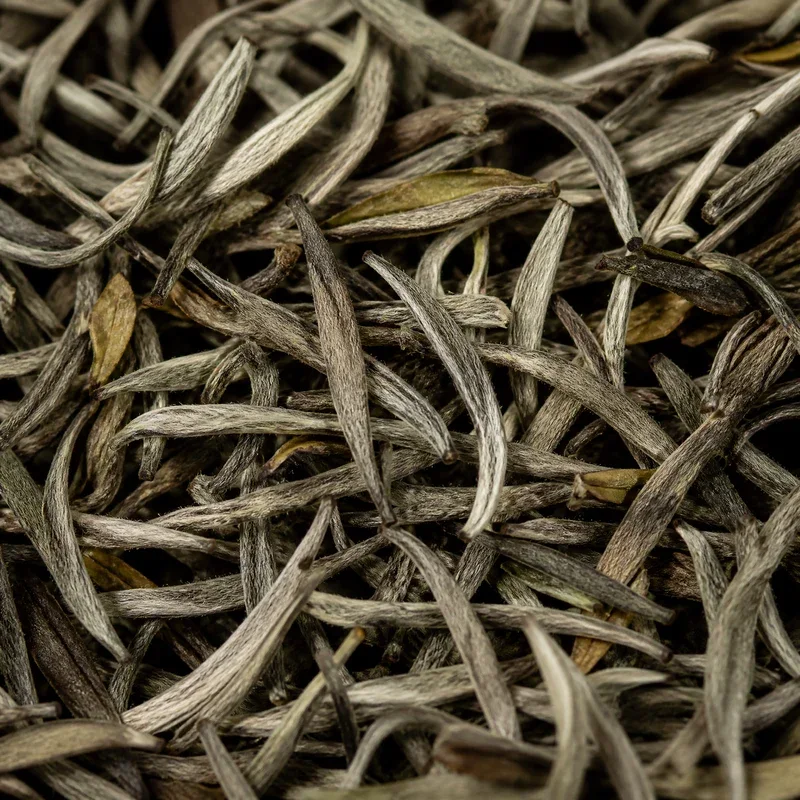
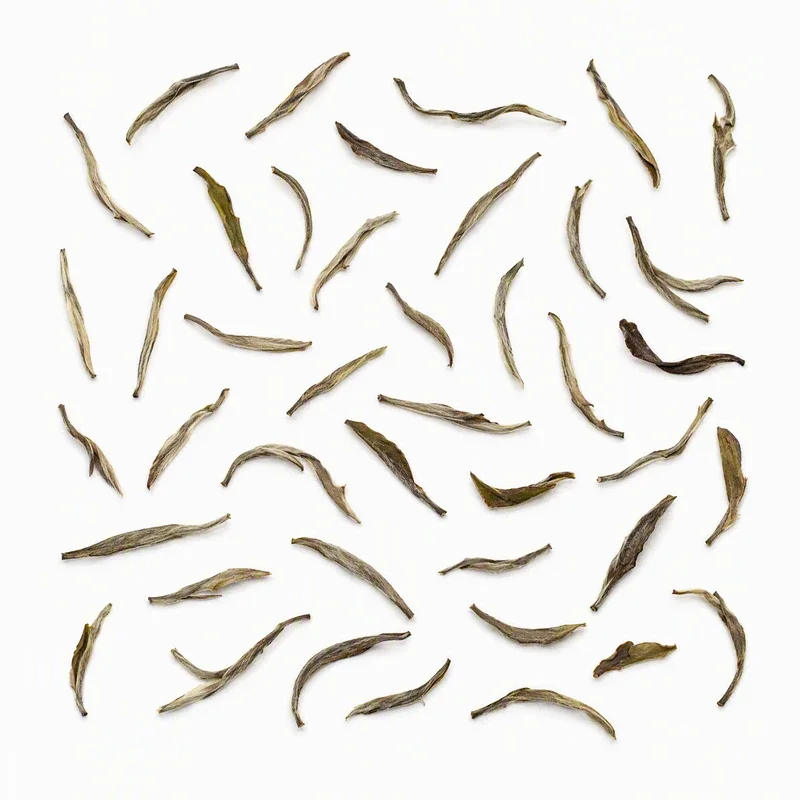
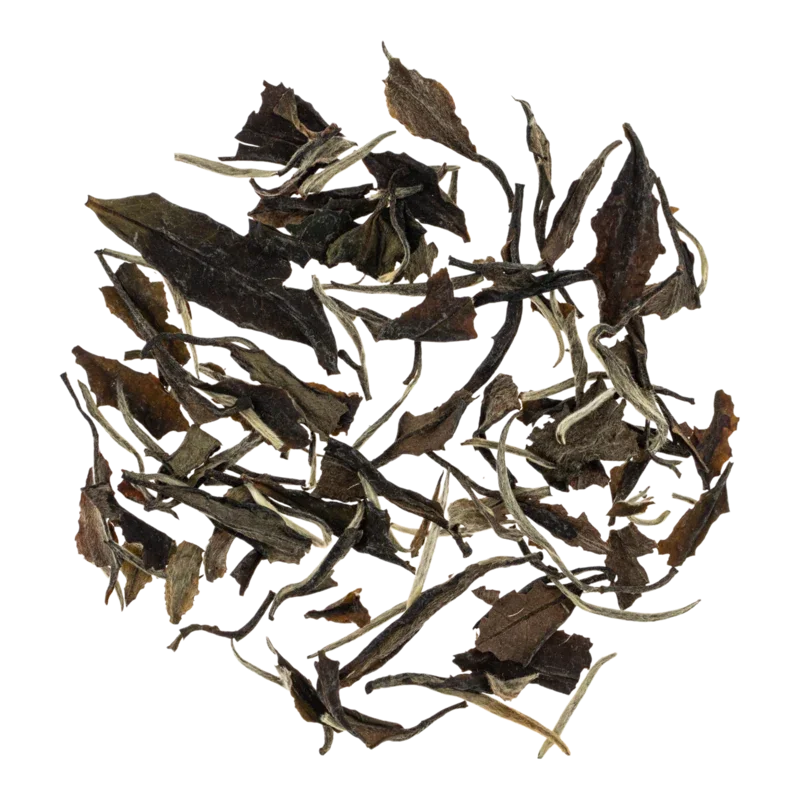
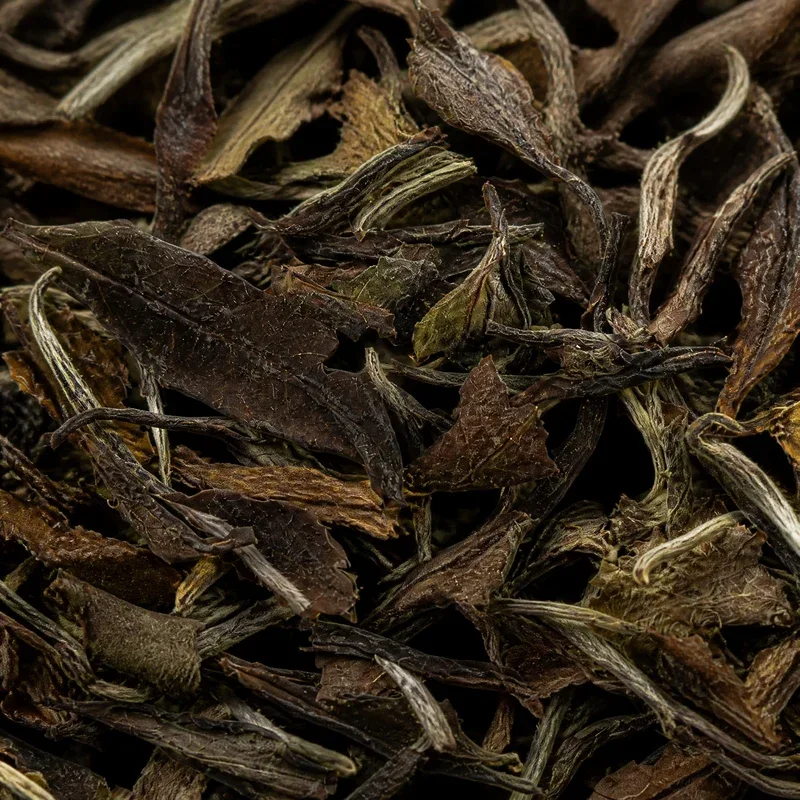
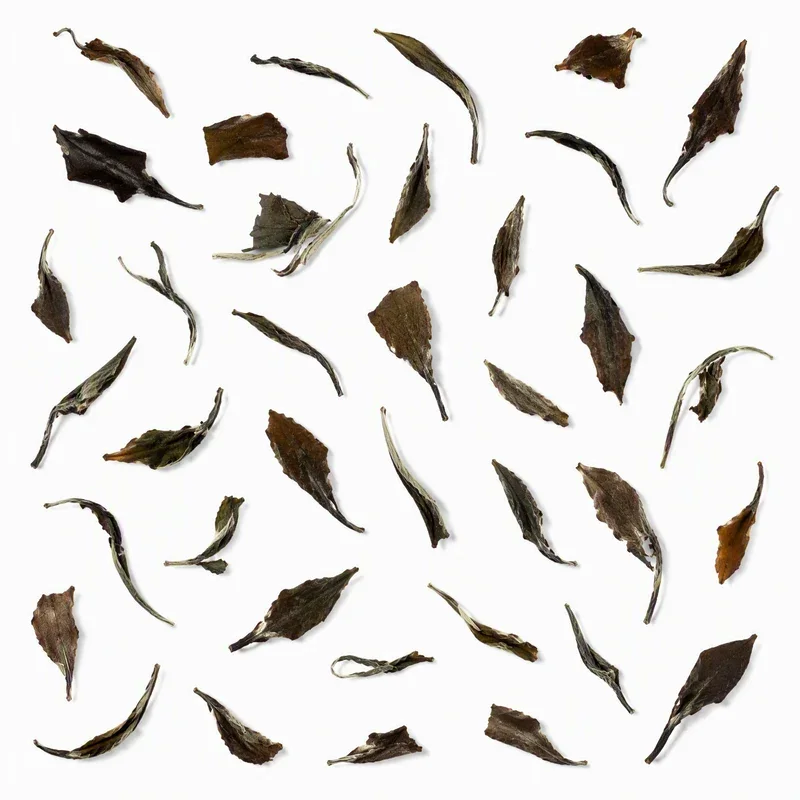
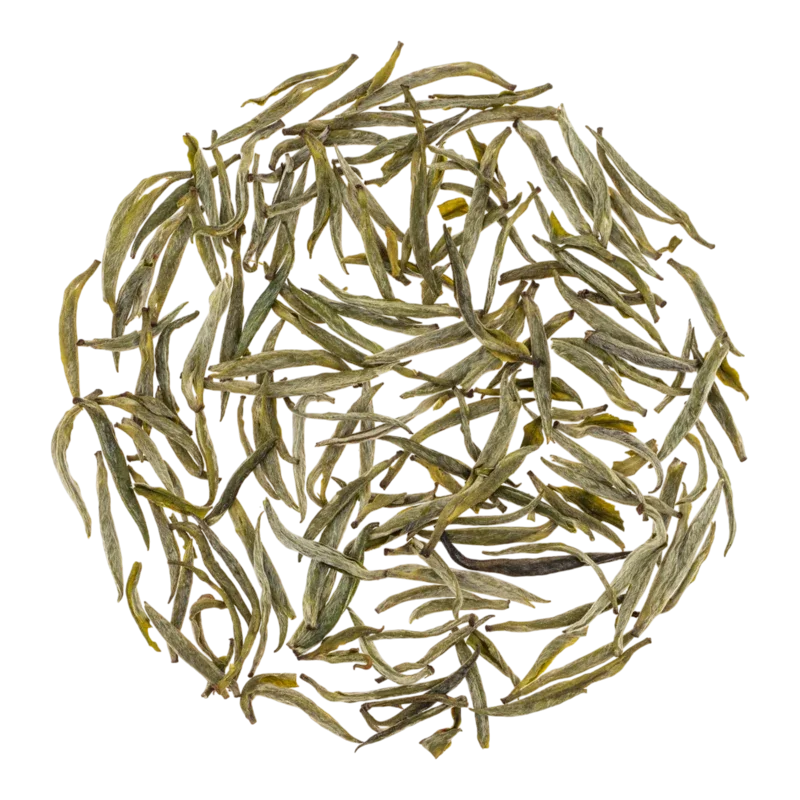
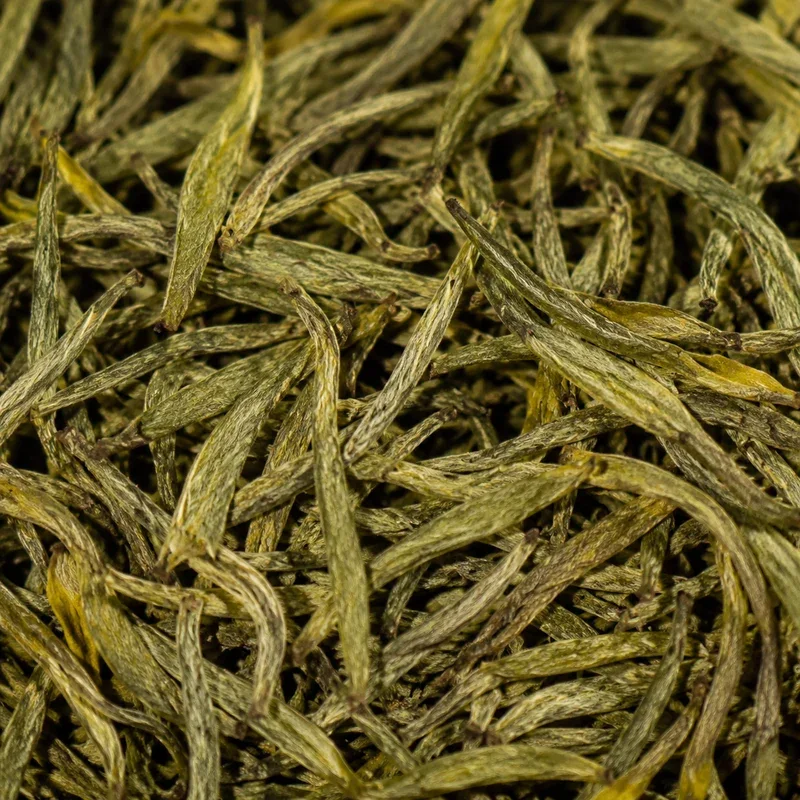
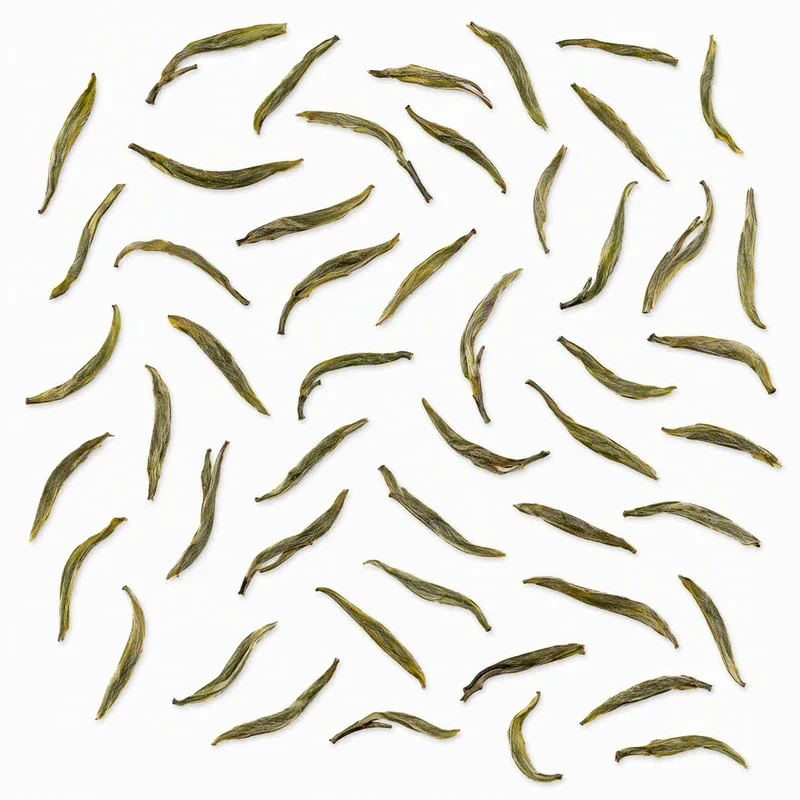
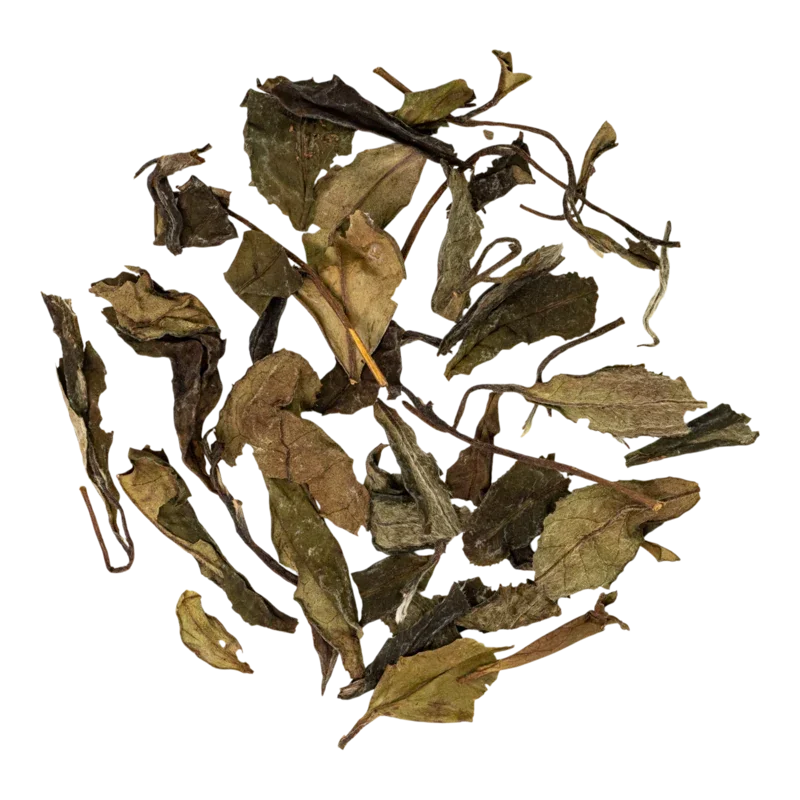
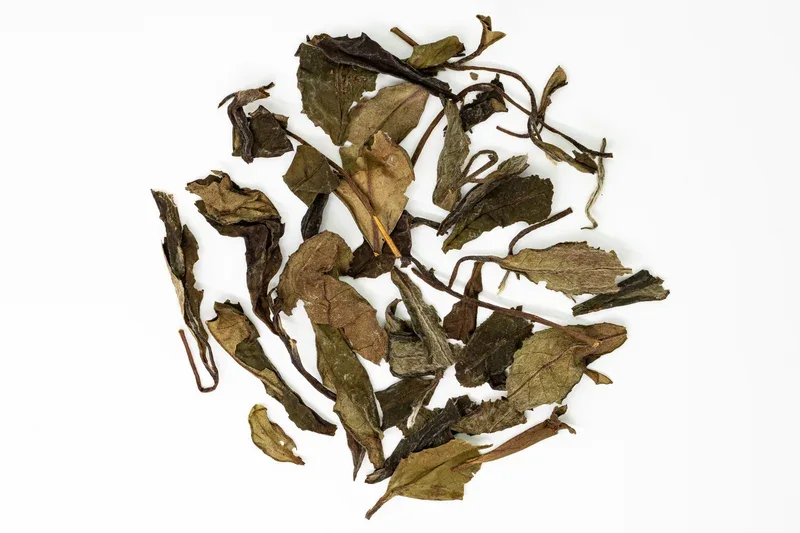
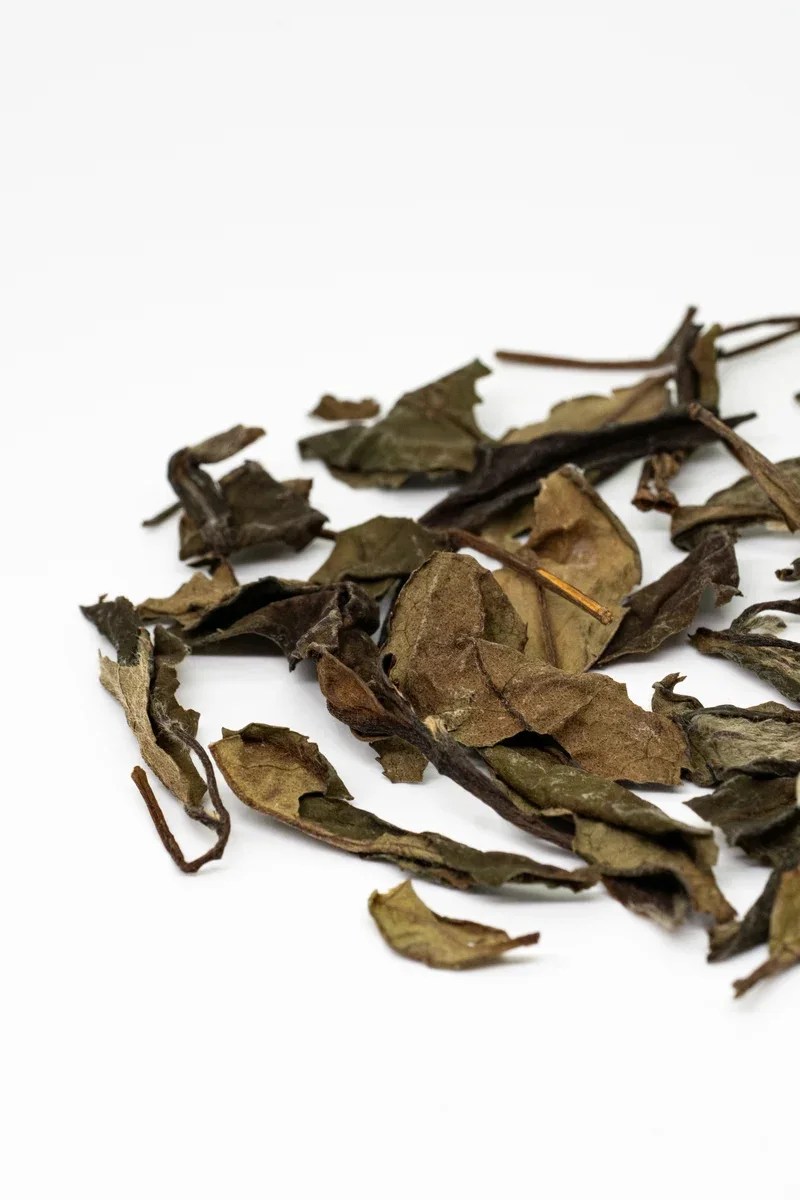
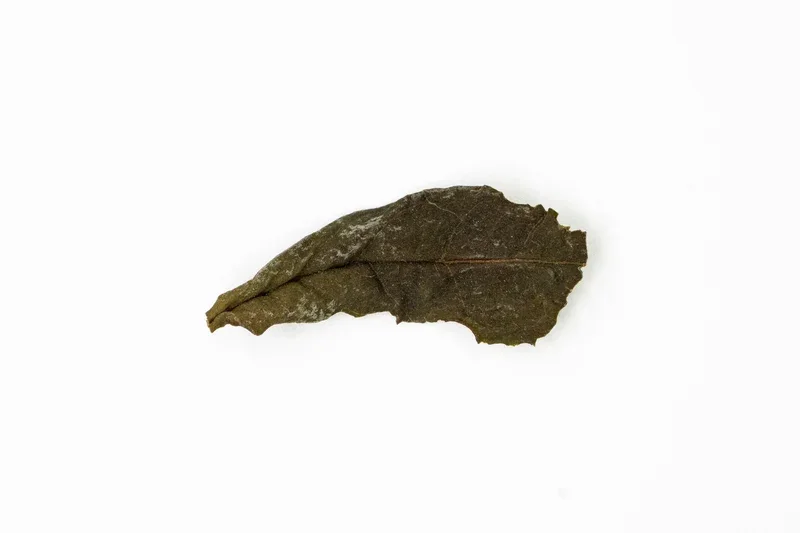
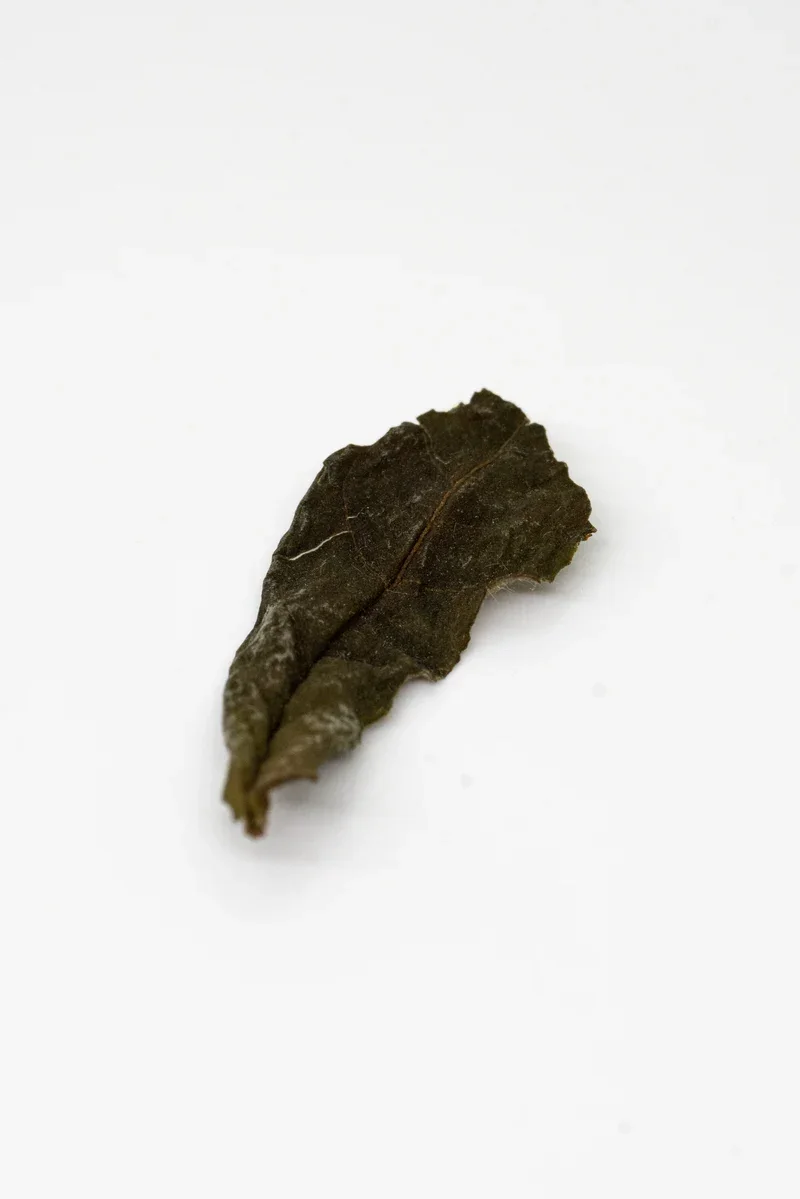
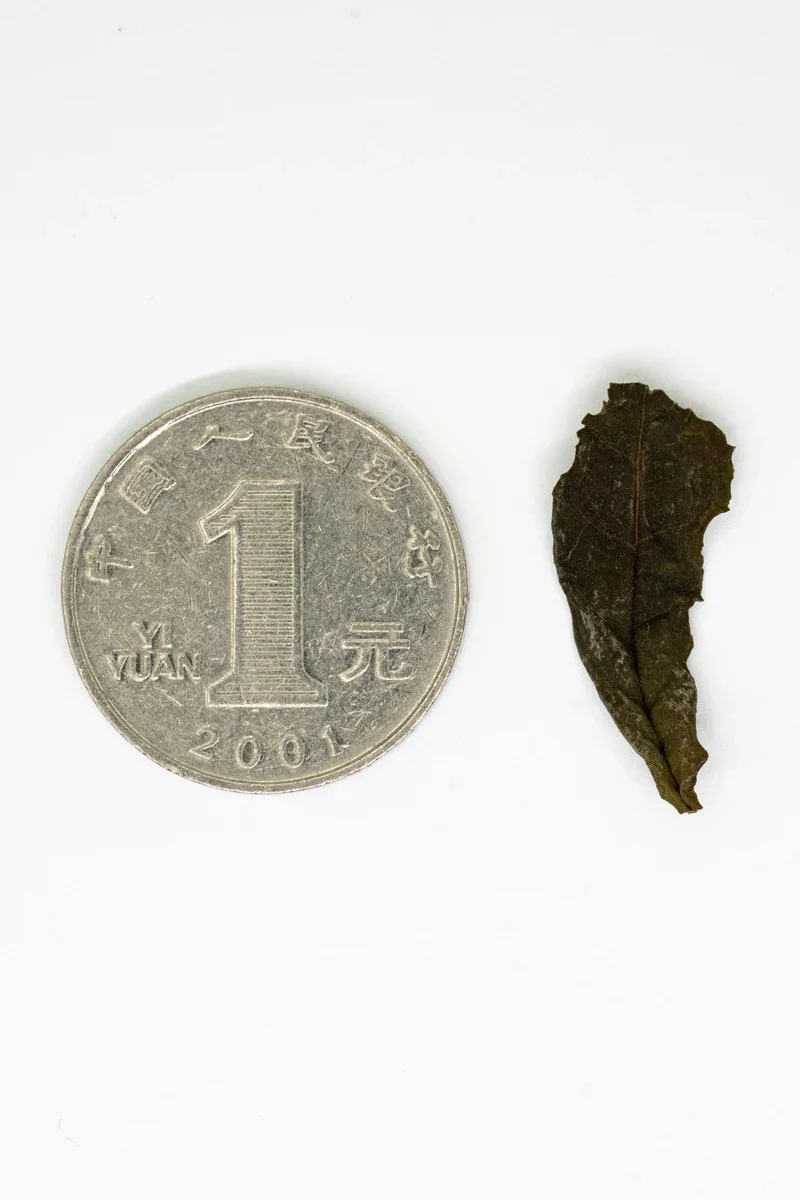
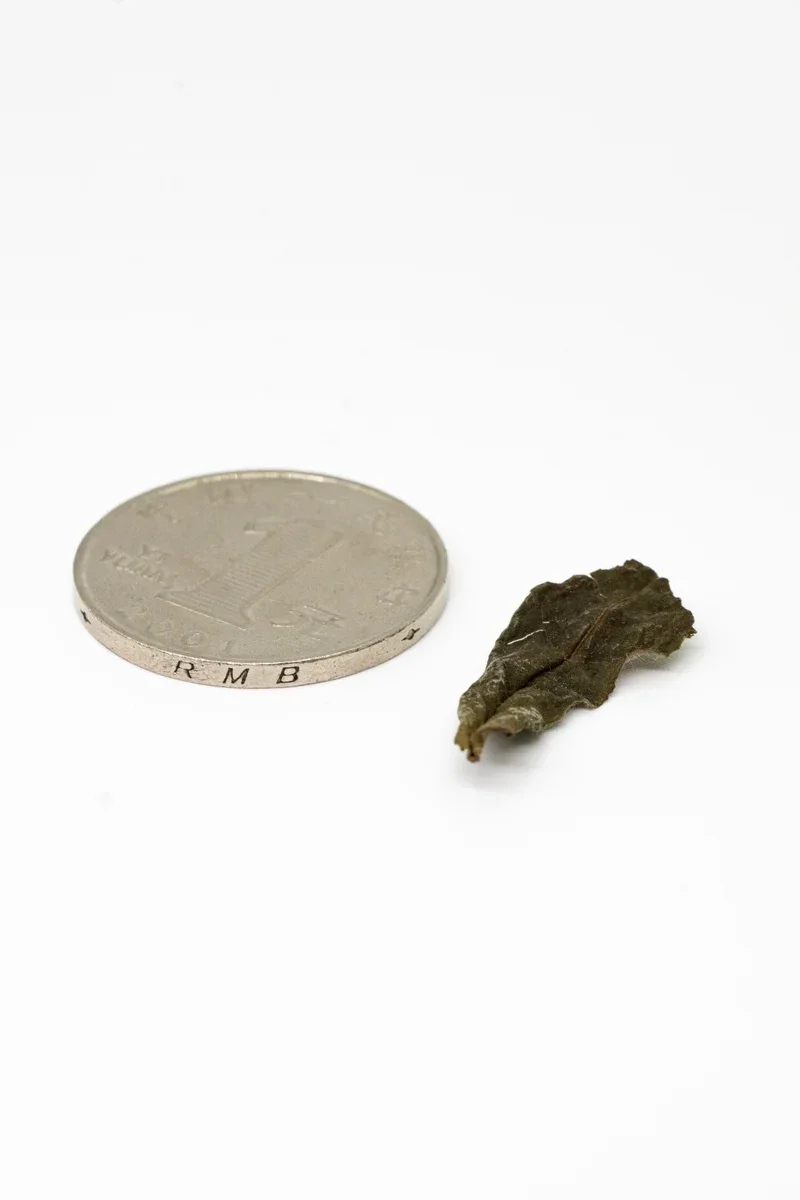
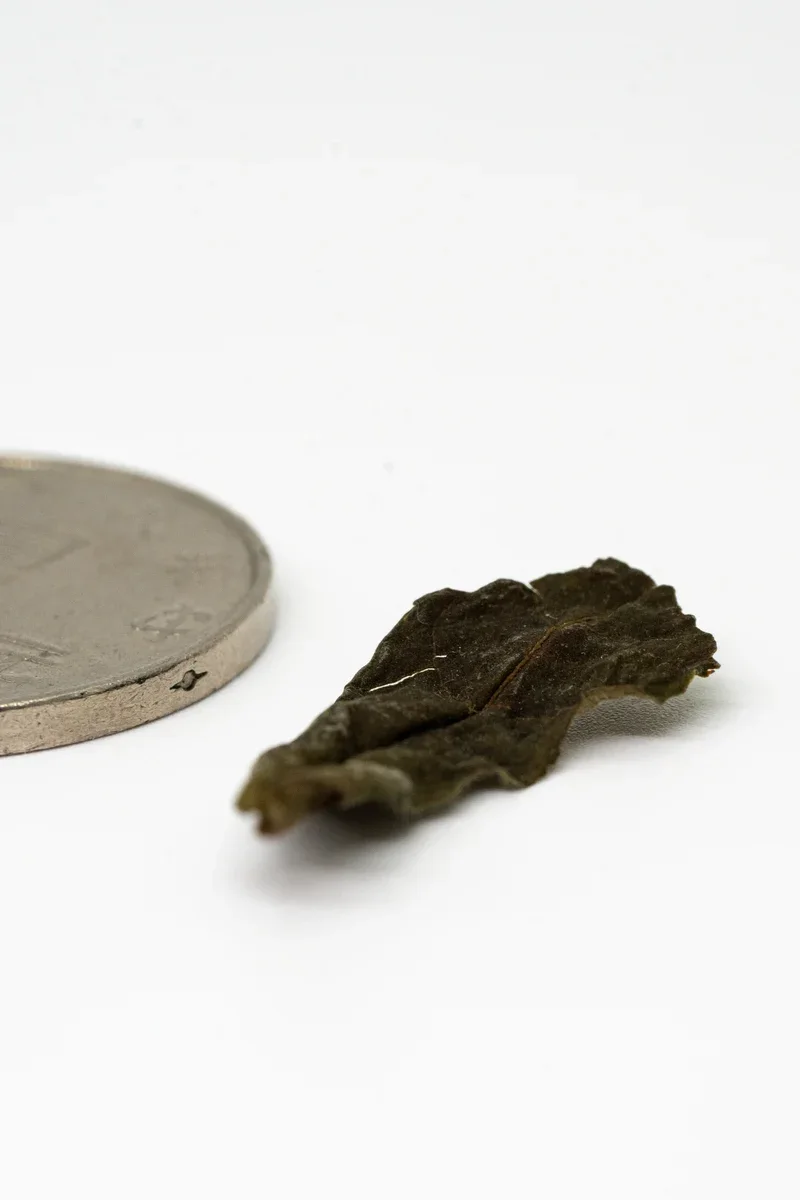
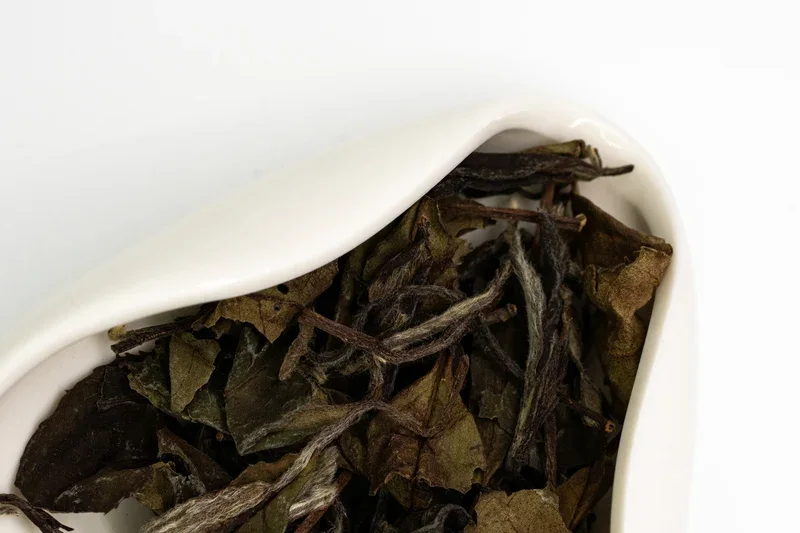
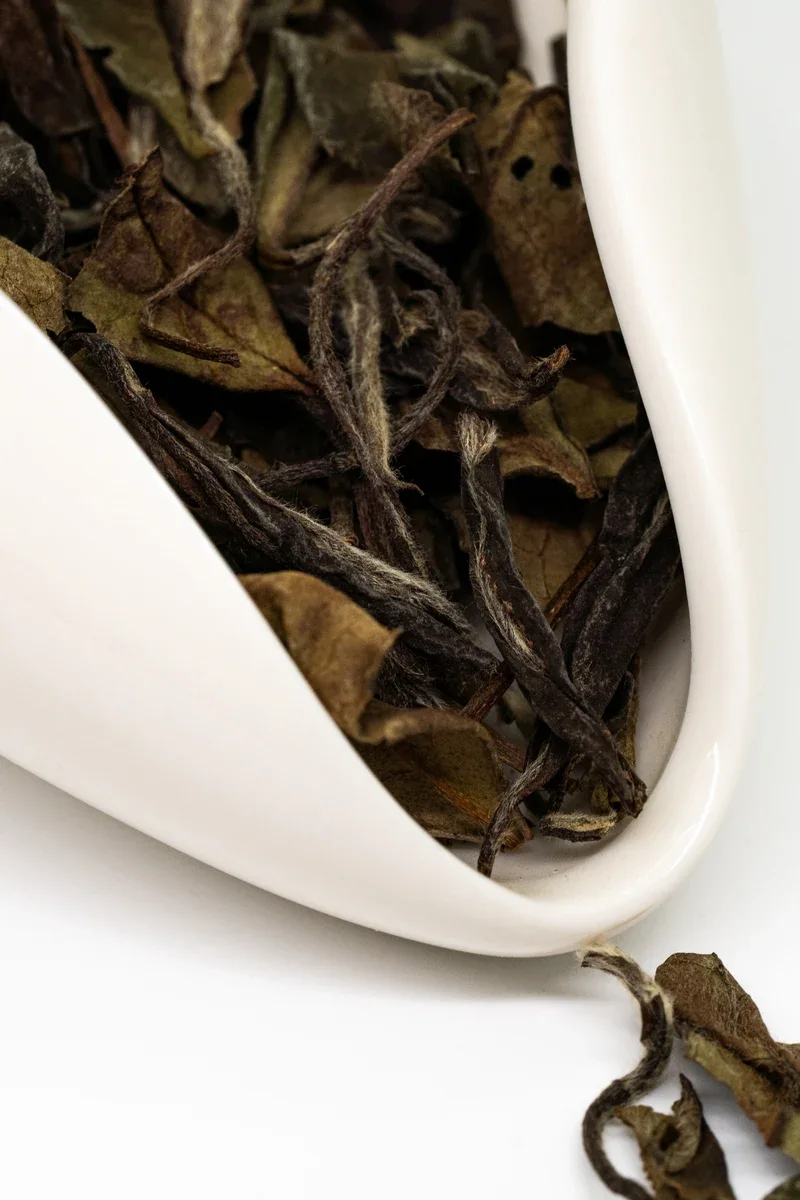
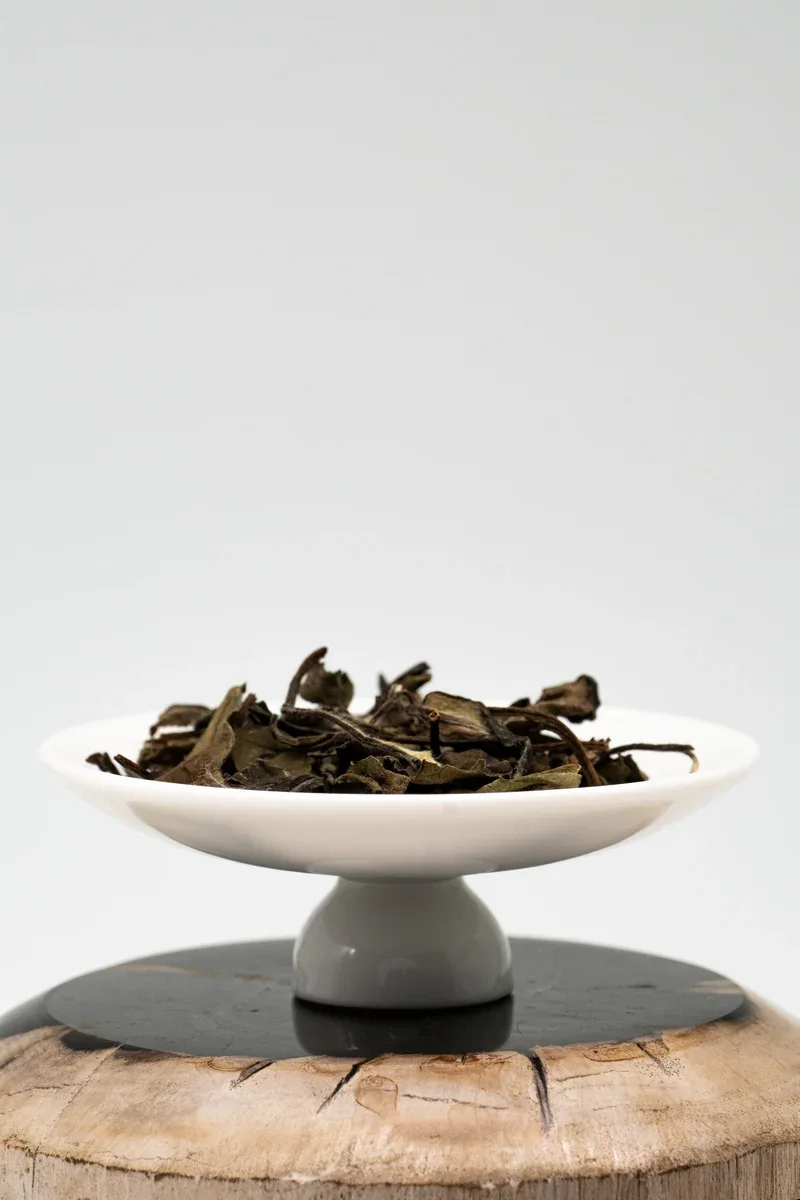
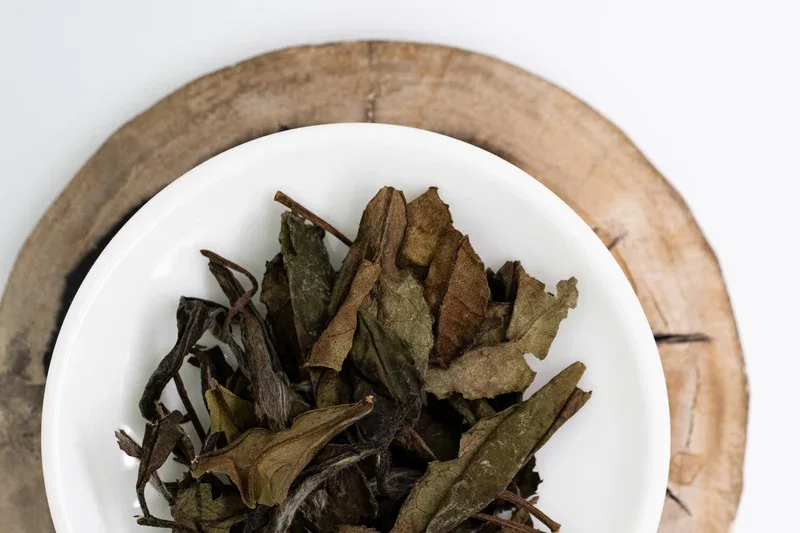
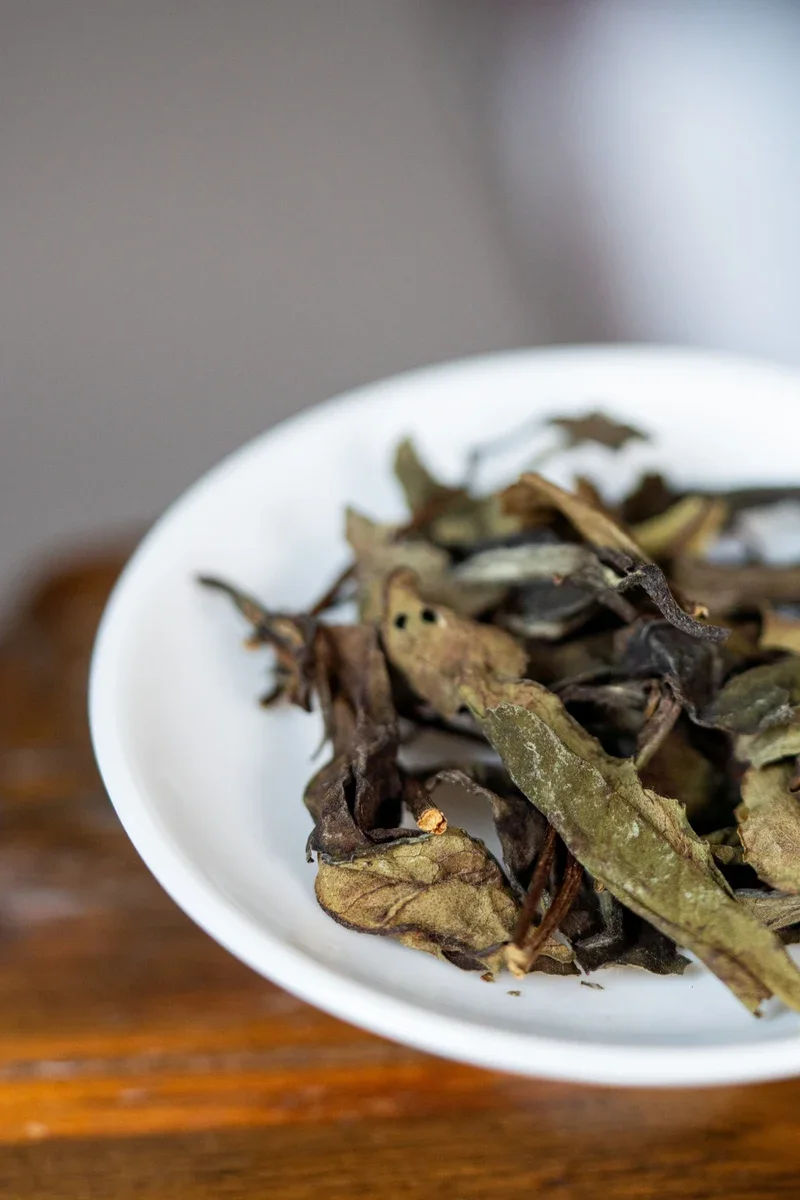
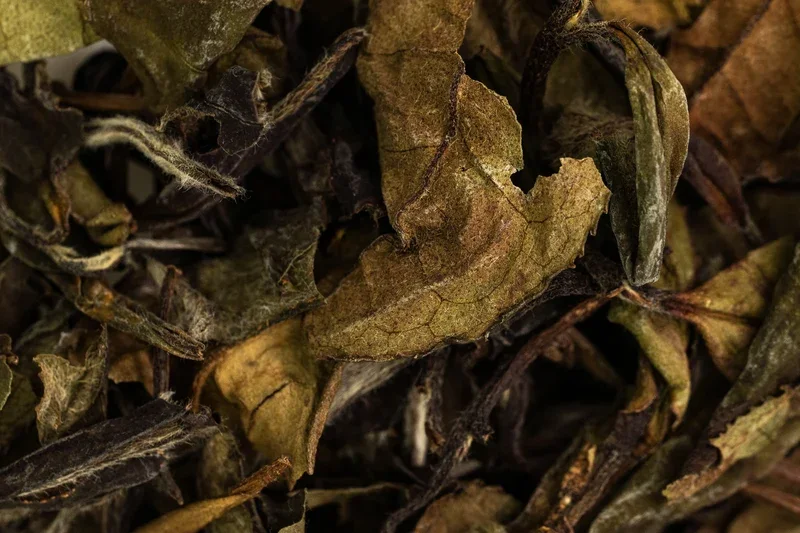
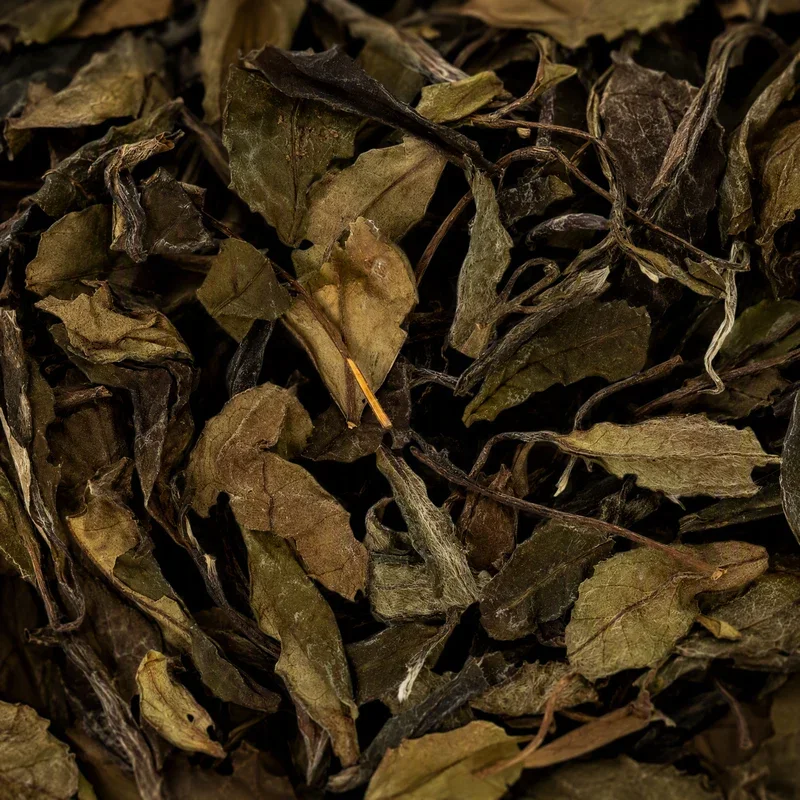
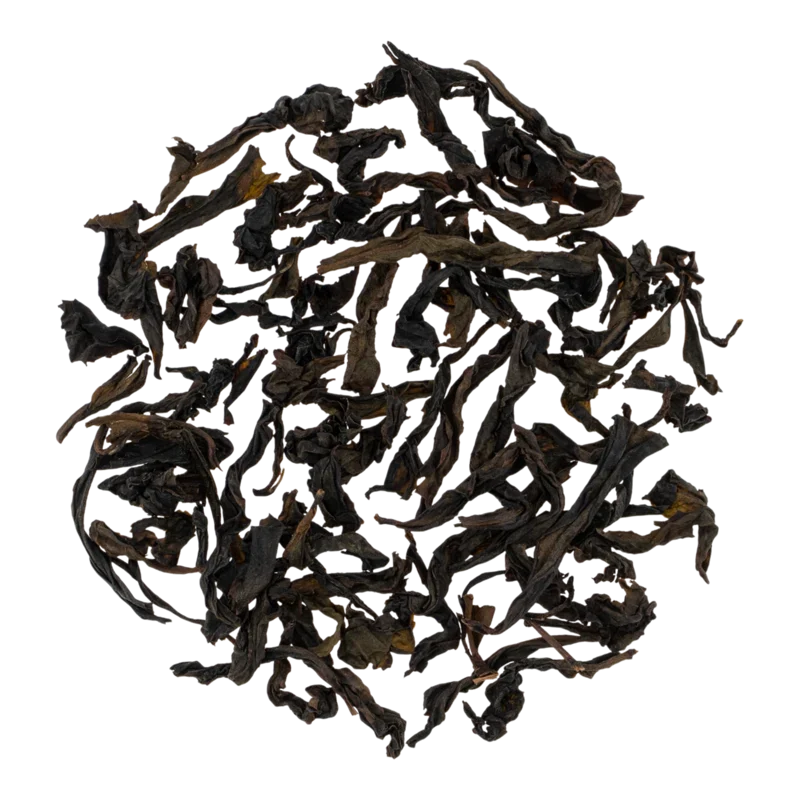
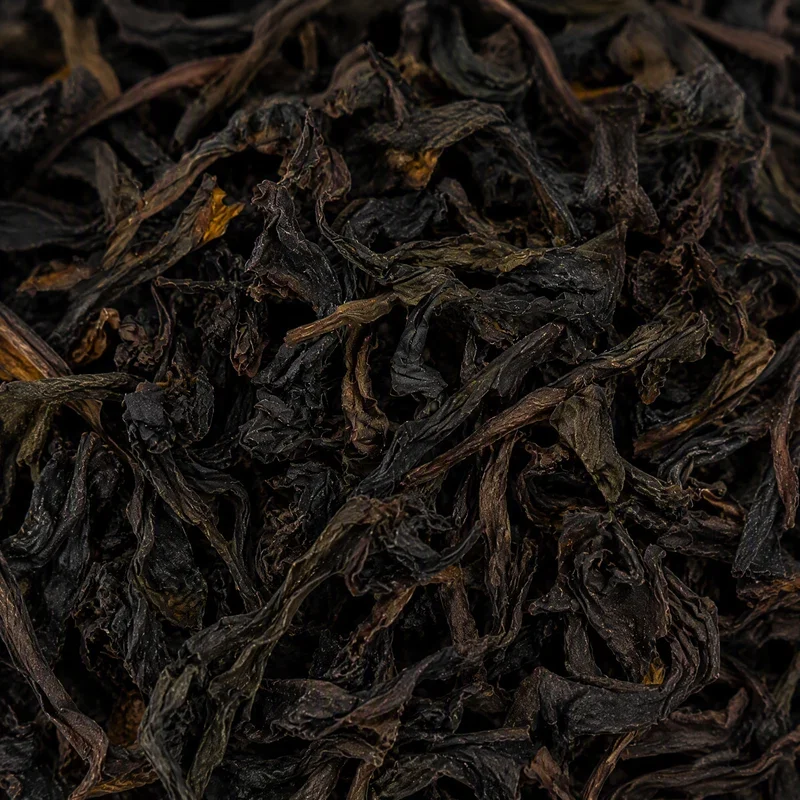
Dry Leaf Appearance: Tightly twisted, weighty elongated strips (条索紧结重实, tiáosuǒ jǐnjié zhòngshí), uniform in caliber. Color — dark green-brown with oily luster (青褐油润), with inclusions of honey-yellow tones.
Dry Leaf Aroma: Pure, persistent orchid tone (兰香幽长, lánxiāng yōu cháng) — dominant note. In the background — fresh greenery, light sweetness, delicate floral tones of lilac and narcissus. In roasted versions (nongxiang), honey and toasted nut tones emerge.
Liquor Aroma: In qingxiang style — bright, high, rapidly unfolding floral bouquet with orchid accent and fresh green notes. In nongxiang style — deeper, enveloping, with honey sweetness and spicy-caramel aftertaste. Common feature of both styles — long "returning aroma" in empty cup (杯底留香, bēi dǐ liú xiāng).
Liquor Color: In qingxiang style — transparent, greenish-golden (清绿透亮). In nongxiang style — rich golden-amber (金黄明亮, jīnhuáng míngliàng), clear and bright. Upon cooling, light cloudiness may appear — result of theaflavin precipitation (冷后浑, lěng hòu hún), sign of high polyphenol content and quality marker.
Spent Leaves: Soft, elastic, opened leaves with living luster. Color — characteristic "red-green mosaic" (红绿相映): green leaf center and reddish edge, testifying to precise oxidation control.
Taste: Dense (醇厚, chúnhòu) and simultaneously fresh (鲜爽, xiānshuǎng). Pronounced sweetness, soft, unobtrusive astringency, quick and powerful "returning sweet aftertaste" (回甘, huígān). Varietal aroma is felt in taste — so-called "varietal fragrance on tongue" (溢品种香). In best samples, characteristic sensation of "mountain backbone" (山骨风韵, shāngǔ fēngyùn) is present — mineral structure hinting at rocky terroir of Daqin slopes.
Alkaloids: Caffeine — 2.8%, somewhat higher than average for oolongs (usually 2–3%). Also contain theobromine and theophylline in trace amounts.
Amino Acids: 0.8% (calculated on dry matter). Main representative — L-theanine, responsible for sweetness, softness of liquor and synergy with caffeine, providing "calm alertness."
Total content — 11.78%. EGCG (epigallocatechin-3-gallate) dominates — up to 9.38% according to some sources — one of the most powerful natural antioxidants.
Combined polyphenols and caffeine in Baiya Qilan are higher than in Tieguanyin, sezhong (色种) and standard oolong (according to PRC Ministry of Agriculture data), which determines more pronounced physiological activity of the liquor.
Essential Oils: High content of volatile aromatic compounds (linalool, nerol, geraniol, indole and others), forming the signature of the cultivar — prolonged orchid aroma.
Minerals: Potassium, magnesium, manganese, zinc, phosphorus, and also — thanks to selenium-containing soils — elevated level of selenium (Se) in finished tea, which distinguishes Baiya Qilan among most Chinese oolongs.
Polyphenols: 15.7% — indicator exceeding that of Tieguanyin and several other Minnan oolongs. Include catechins, theaflavins, as well as partial oxidation products determining astringency, structure and antioxidant potential.
Vitamins: Present are vitamin C, B-group vitamins (B₁, B₂), vitamin E and carotenoids — typical set for semi-oxidized teas with moderate degree of oxidation.
Combination of caffeine (2.8%) and L-theanine provides gentle, sustained alertness without sharp peaks and drops — improves concentration, attention and mental clarity.
High content of EGCG (up to 9.38%) and total polyphenols (15.7%) provides pronounced ability to neutralize free radicals and protect cells from oxidative stress.
Tea polyphenols promote fat breakdown; according to some data, Baiya Qilan's effectiveness in this regard exceeds Tieguanyin indicators by approximately 1.2 times.
Regular consumption of oolongs with high polyphenol content is associated with maintaining normal cholesterol levels and vascular elasticity.
Moderately roasted versions (nongxiang) gently stimulate digestion and help with feeling of heaviness after meals. The property of "helping to break down fatty food" (解酒消滞, jiě jiǔ xiāo zhì) is traditionally noted in Chinese practice.
Thanks to selenium-enriched soils, the tea contains this microelement in bioavailable form. Selenium is a cofactor of antioxidant enzymes (glutathione peroxidase), participates in immune support and thyroid function.
Catechins, especially EGCG, show moderate antimicrobial activity against several oral bacteria, contributing to gum health maintenance.
Gongfu brewing of Baiya Qilan — multi-stage, meditative process that itself contributes to stress reduction and mindfulness skill development.
Freshly made tea (especially nongxiang) is recommended to be aged 5–7 days in dry dark place for "dissipating fire qi" (褪火气, tuì huǒqì) — after this, aroma becomes more rounded and harmonious. Not recommended to drink on empty stomach due to relatively high caffeine content (2.8%), capable of stimulating gastric juice secretion.
Tea Amount: 5 g per 110 ml (gaiwan) for gongfu method. For larger vessels — 3–4 g per 200–250 ml.
Teaware: White porcelain gàiwǎn (白瓷盖碗, bái cí gàiwǎn) — universal choice, allowing evaluation of aroma purity and not distorting delicate profile. For roasted versions, clay teapot (紫砂壶, zǐshā hú) is also suitable — it "rounds" taste and emphasizes depth.
Water Temperature: 95°C — optimal for standard Baiya Qilan. For qingxiang style, 90–95°C is acceptable; for dense roasted versions (nongxiang) — 95–100°C.
Airtight packaging, protection from moisture, foreign odors, heat and direct light — four enemies of tea.
More delicate; optimally stored in airtight bag with valve or vacuum packaging, in refrigerator at 0–5°C — thus aroma is preserved for 12–18 months.
More stable thanks to deep roasting. Room temperature storage acceptable in dry cool place, in tin or ceramic jar. Shelf life — up to 2–3 years; with periodic re-roasting (复焙, fù bèi) — significantly longer.
Storage near spices, perfumery, household chemicals; use of transparent containers; frequent opening of container in humid conditions.
Most famous Minnan oolong from Anxi County. Shape — dense pellets (semi-spherical twist), Baiya Qilan — elongated strips (条索). Tieguanyin is distinguished by "Guanyin rhyme" (观音韵, guānyīn yùn) — more rounded and creamy; Baiya Qilan — sharp, piercing orchid tone. Polyphenol and caffeine content in Baiya Qilan is higher. Tieguanyin price on world market is generally higher due to brand recognition.
"Buddha's Hand" — Minnan oolong from neighboring Yongchun County. Leaf larger, twist less dense. Aroma — more citrusy and "medicinal-spicy" than orchid. Warmer, enveloping taste. Baiya Qilan is distinguished by freshness and aroma height.
Northern Fujian oolong of strip twist. Aroma — narcissus, orchid, woody tones. Taste denser, "oily," with pronounced minerality (岩韵, yányùn — "rock character"). Baiya Qilan lighter in body, brighter and "higher" in aroma, with faster huigan.
Mutation of white-budded Qilan, cultivated in Wuishan area. Strips thinner, aroma — almond, peach, with "wheat" notes. Less "orchid" than original Pinghe Baiya Qilan, but with pronounced "rock character" of Wuishan. Reflects how same genetic material transforms in different terroirs.
Price Category: Range is wide — from budget to premium positions. Highest grade tea (特级, tèjí) — whole buds or "one bud + one leaf," dense tight twist, bright persistent aroma, select spring harvest from high-altitude areas — costs from 800 yuan per jin (500 g) and higher. First grade (一级) — one bud + two leaves — significantly more affordable. Price is influenced by: plantation altitude, harvest season (spring more expensive), amount of manual labor, bush age and farm reputation.
No reviews yet. Tell us what you think of this tea.
Rate this tea and share your impressions. We review each submission before publishing it.