Brewing
Gongfu brewing
- Water temperature
- 75 °C
- Tea amount
- 5 g
- Water volume
- 100 ml
- First steep
- 10 s
- Time added per infusion
- 5 s
- Infusions
- 3

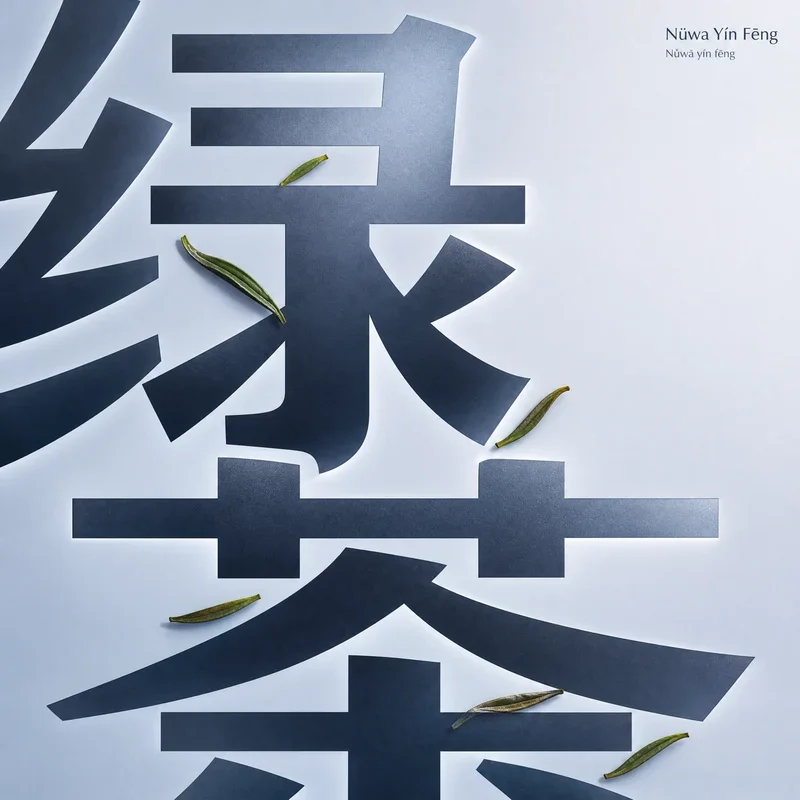
Nǚwā yín fēng
Choose a brewing method. Start with the recommended quantities and time, then adjust to taste.
Brewing
Brewing
Taste
Tea encyclopedia
Category: China's Geographical Indication Product (国家地理标志保护产品, 2007). Intangible heritage of Shaanxi Province (陕西省非物质文化遗产). Gold Medal of the World Green Tea Evaluation (世界绿茶评比金奖, 2022). Gold Medal of the Western China Tea Exhibition (2002). Gold Medal of the Panama Exhibition (2013, as part of "Hanzhong Xianmao"). Gold Medal "Zhongchabei" (中茶杯, 2022). Included in "Top 100 Famous Teas of China." Se-enriched. Epithet — "Tea Fairy" (茶中仙子). Brand "Pingli Nüwa Cha" (平利女娲茶) valued at 2.454 billion...
Category: China's Geographical Indication Product (国家地理标志保护产品, 2007). Intangible heritage of Shaanxi Province (陕西省非物质文化遗产). Gold Medal of the World Green Tea Evaluation (世界绿茶评比金奖, 2022). Gold Medal of the Western China Tea Exhibition (2002). Gold Medal of the Panama Exhibition (2013, as part of "Hanzhong Xianmao"). Gold Medal "Zhongchabei" (中茶杯, 2022). Included in "Top 100 Famous Teas of China." Se-enriched. Epithet — "Tea Fairy" (茶中仙子). Brand "Pingli Nüwa Cha" (平利女娲茶) valued at 2.454 billion yuan in 2021.
Coordinates: Approximately 32°22′ N, 109°21′ E.
Origin: China, Shaanxi Province (陕西省), Ānkāng City (安康市), Pínglì County (平利县). Mount Nüwashan (女娲山). Eastern section of the Qínbā Mountains (秦巴山脉东段, Qínbā Shānmài), basin of the Hàn River (汉江, Hànjiāng) and its tributary Nanhe (南河).
Type: Green tea (绿茶, lǜchá), non-oxidized. Form — "silver needle" (形若银针, xíng ruò yínzhēn): straight, round, slightly flat, with abundant silvery down. Three seasonal lines: "Mingqian Dan Ya Yinfeng" (明前单芽银峰) — spring, single bud; "Guyu Cuifeng" (谷雨翠峰) — Grain Rain harvest, one bud + one leaf; "Qiuyun Yinfeng" (秋韵银峰) — autumn, one bud + two leaves, with "five-colored stones" note.
Single bud (单芽, dānyá), 90%+ pure buds, length 1.5–2.0 cm. Form — "silver needle." Down abundant. Delicate aroma, maximum freshness.
One bud + one leaf initial opening (一芽一叶初展), ≥90%. Chestnut-orchid aroma.
One bud + two leaves. Full-bodied taste, less pronounced down.
Cultivar: Primary — Pingli Quntizhong (平利群体种, Pínglì Qúntǐzhǒng) — local population variety belonging to Camellia sinensis var. sinensis. Bush type (灌木型, guànmù xíng). Leaf — from elliptical to "willow-shaped" (柳叶形). Early vegetation, increased frost resistance. Additional cultivars: Longjing 43 (龙井43号) and Fúdǐng Dàbái Chá (福鼎大白茶). Biochemical profile: polyphenols — 22.1–25%, amino acids — 3.86–5.2%, selenium — significantly above normal (2.26 ppm in finished tea; in soils — 0.35–3.85 mg/kg, three times higher than usual indicators).
Picking: Spring (明前, Míngqián — before Qingming; 谷雨, Gǔyǔ — before Grain Rain), summer and autumn. Spring — primary and most valuable.
Altitude: Main tea gardens — at 400–800 m elevation. Production core — 600–1,500 m, zone of maximum Se accumulation and aromatic precursors.
Climate: Qínbā Mountains (秦巴山脉) — boundary between northern and southern China, transition zone from subtropical to temperate climate. Average annual temperature — 14–16°C. Precipitation — approximately 900 mm per year (but during active growth season, April–September, — over 1,000 mm). Cloud cover — 65–85%, providing diffused light and slowed photosynthesis. Forest cover — 76%.
Soil: Granitic acidic brown (花岗岩酸性棕壤, pH 4.5–5.5). Organic matter content >1.5%. Selenium in soils — 0.35–3.85 mg/kg, three times higher than China's average. Pingli County is located in the "selenium belt" (富硒带, fùxī dài) — geochemical anomaly covering southern Shaanxi and northern Hubei.
County territory is part of UNESCO's "Man and Biosphere" Reserve (联合国人与自然生物圈保护区). Absence of heavy industry. 26 tea enterprises in the county have organic production certification, 12 — Good Agricultural Practice (GAP) certification, 64 — SC production licenses. In total, over 170 enterprises in the county are covered by product quality traceability systems.
Fresh leaf is spread on bamboo sieves. Duration — 12 hours — one of the longest among Chinese green teas. Method poetically termed "cloud spreading" (云雾摊晾, yúnwù tān liáng). Extended withering at cool mountain temperatures initiates formation of aromatic precursors creating the orchid profile.
Rotary drum at 140°C — lower than many green teas (typically 200–300°C), preserving maximum amino acids and Se-containing compounds.
Rapid cooling of fixed leaf with air flow, preventing "over-cooking" and loss of delicate aroma.
Multi-function machine at 100°C. Light pressing to preserve "needle-like" form (圆直似针). Excessive pressure inadmissible — leaf must retain integrity and round cross-section.
90–100°C. Manual operation — master uses rotational movements to extract silvery down to bud surface. This stage gives the tea its characteristic "silver" appearance and forms "golden halo from down" (金色毫晕, jīnsè háoyùn) in the liquor.
70–80°C to residual moisture ≤6%.
Unique smoke flavoring technology — three fuel layers: pine wood (松柴) → bamboo charcoal (竹炭) → mugwort (艾草, àicǎo). Each layer contributes its aromatic component: pine — resinous note, bamboo — mineral purity, mugwort — herbal undertone. Result — autumn tea with pronounced "five-colored stones" note.
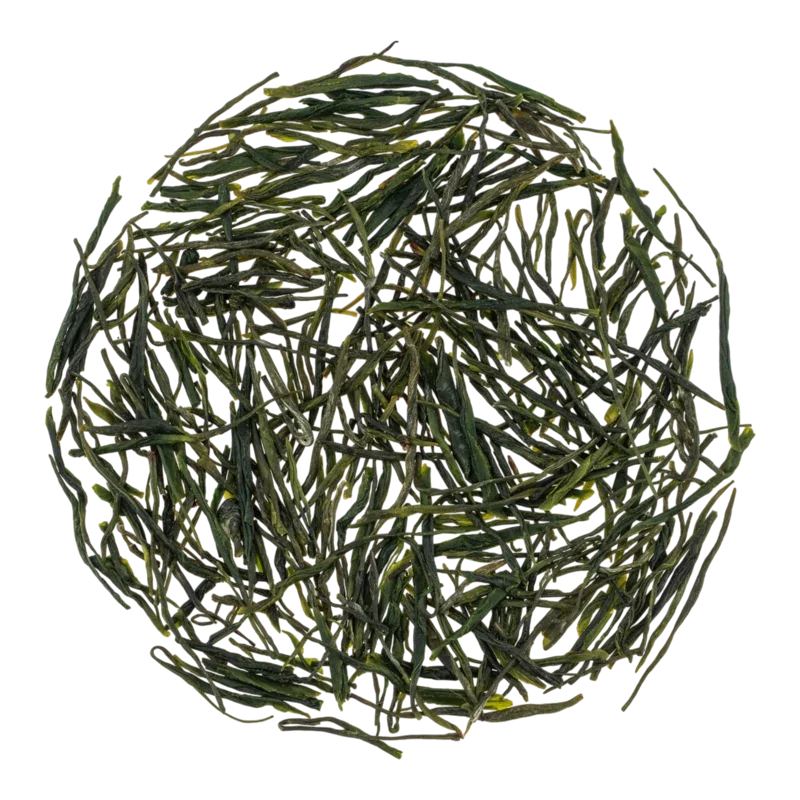
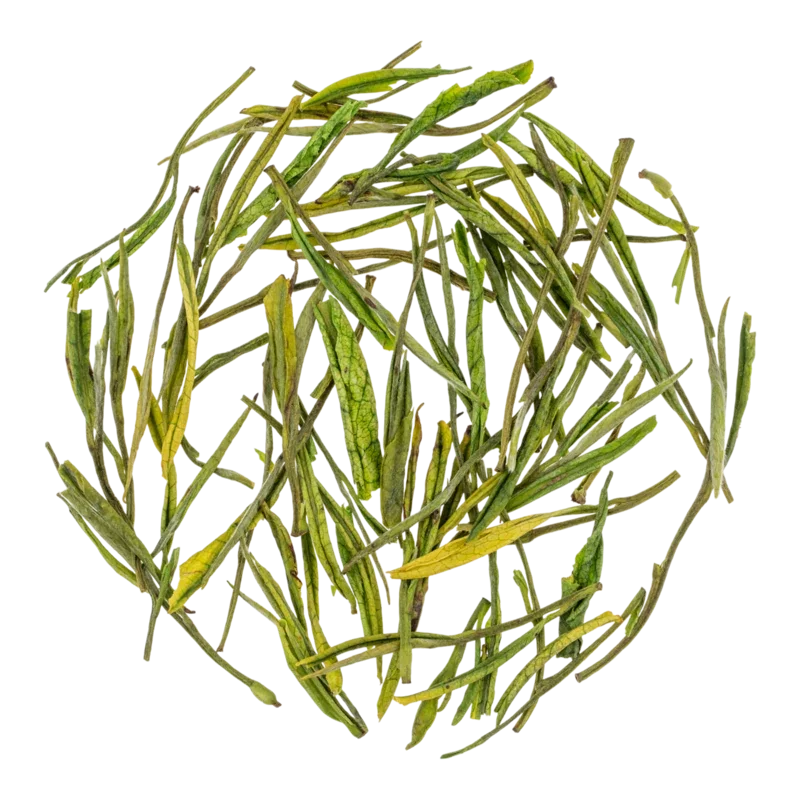
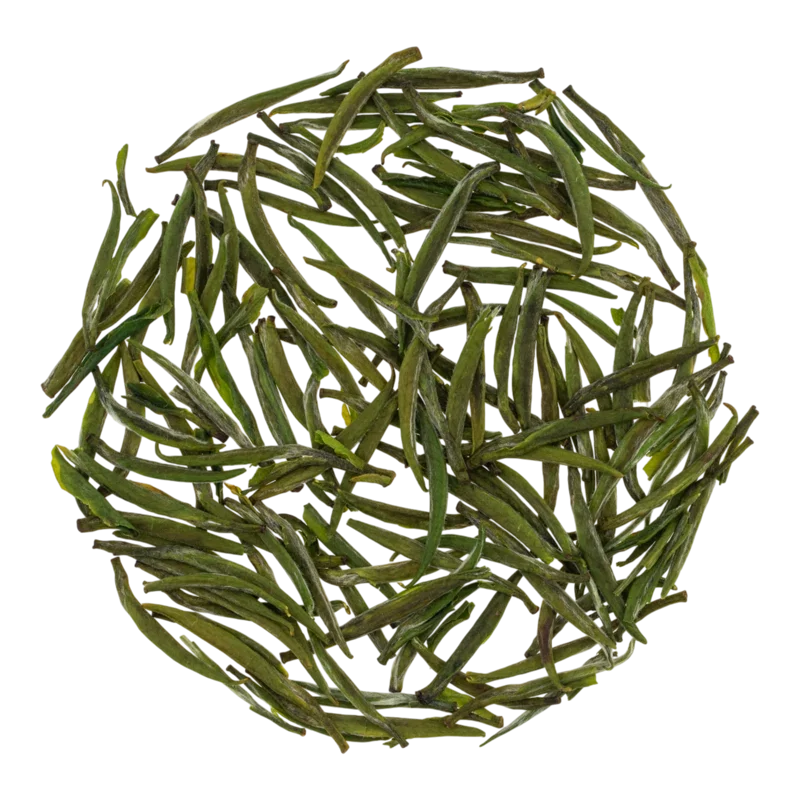
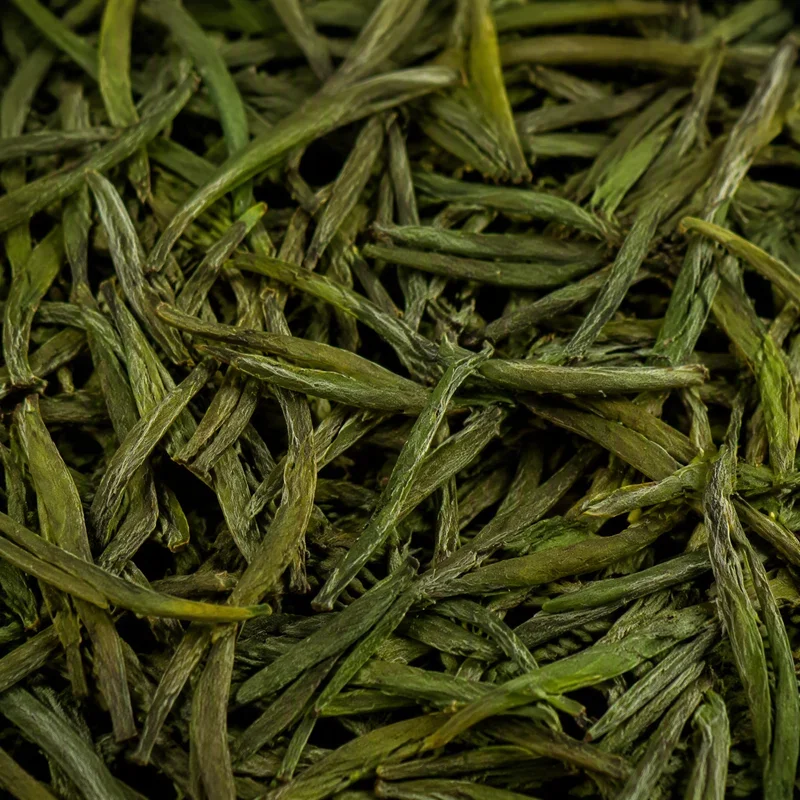
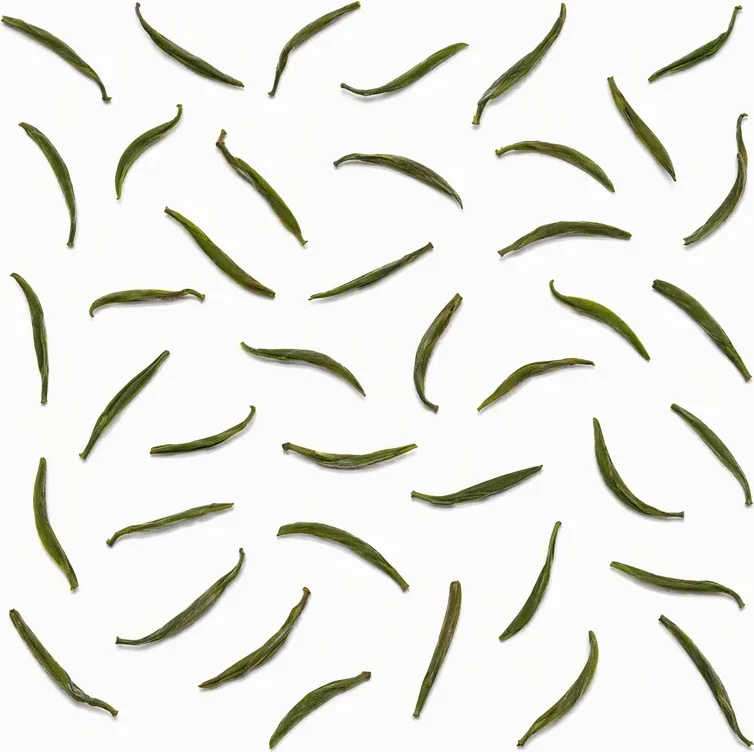
Dry Leaf Appearance: Straight "silver needles" (圆直似针, yuánzhí sì zhēn), slightly flat, uniform (微扁匀齐). Abundant silvery down covers the surface of each bud. Color — emerald green with silvery sheen.
Dry Leaf Aroma: "Tender" (嫩香, nèn xiāng) — primary. Chestnut (栗香) — first grade. Orchid (兰花香, lánhuā xiāng) — subtle, manifesting when cup is warmed.
Liquor Aroma: Multi-layered. Top note — orchid (兰花香), middle — chestnut, base — "hidden sandalwood" (隐现檀香, yǐnxiàn tánxiāng) — mineral note poetically described as "breath of Nüwa's five-colored stones" (五色石矿物气息). Orchid — from mountain mist, sandalwood — from granitic soils.
Liquor Color: Tender green, bright and clear, "like jade" (清澈如翡翠, qīngchè rú fěicuì). Characteristic detail — golden halo from down (泛金色毫晕, fàn jīnsè háoyùn): finest down suspended in liquor creates golden glow in backlight.
Spent Leaves: Tender, in "bouquets" (成朵, chéng duǒ), yellow-green, soft. Buds intact, resilient.
Taste: Fresh and brisk (鲜爽, xiānshuǎng) — leading characteristic. Mellow and rich (醇厚, chúnhòu) — result of 22.1% polyphenols. "Smooth" (甘滑, gānhuá) — silky texture on tongue. Pronounced returning sweetness (回甘). Aftertaste — long-lasting, with mineral undertone.
Amino Acids: 3.86% ("Yunfeng" grade). "Yumao" grade (single spring buds) — up to 5.2%. Primary — L-theanine.
2.26 ppm in finished tea — three times higher than ordinary green tea. Source — "selenium belt" of Qinba Mountains (0.35–3.85 mg Se/kg soil). Selenium — powerful antioxidant participating in cell membrane protection, thyroid and liver function regulation.
2–4% (typical for green tea). In balance with L-theanine provides mild stimulation.
Essential Oils: Terpene and phenolic compounds forming orchid-sandalwood profile. 12-hour spreading at cool temperatures maximizes formation of linalool and geraniol (orchid components), while granitic soils contribute mineral undertones.
Minerals: Zinc, potassium, manganese — from granitic soils. Elevated selenium — distinguishing feature.
Polyphenols: 22.1% (according to producers — up to 25%). Main components — catechins, including EGCG. Relatively high indicator for high-mountain tea — due to Se-enriched soils and sufficient insolation of Bashan's southern slopes.
Vitamins: Vitamin C (preserved due to gentle fixation at 140°C), vitamins B₁, B₂, E, carotenoids.
3 g + 500 ml mineral water, 4 hours in refrigerator. Result — refreshing beverage with pronounced sweetness and light sandalwood undertone. Consume within 24 hours — selenium oxidizes with prolonged air contact.
Tea Amount: 3 g per 150 ml.
Teaware: "Fuxi glass" (伏羲式玻璃杯, Fúxī shì bōlíbēi) — glass cup named after Fuxi — Nüwa's consort and creator of "I Ching" trigrams. Mythological couple — in one cup. Alternative — local black ceramics (本地黑陶碗, běndì hēi táo wǎn).
Water Temperature: 80°C (沸水晾3分钟, "cool boiling water 3 minutes").
Enemies: Moisture, light, foreign odors, oxygen (Se oxidizes).
Shelf Life: 12–18 months with proper storage. Cold brewing — consume within 24 hours.
Airtight packaging, refrigerator 0–5°C. Especially important for preserving Se in bioactive form.
Selenium in tea is present predominantly in organic form (selenomethionine, selenocysteine), which is more bioavailable but also more susceptible to oxidation than inorganic forms. Therefore for Nüwa Yin Feng, packaging airtightness and minimizing oxygen contact are especially important — Se-containing compounds degrade faster than polyphenols or amino acids. Opened packaging recommended for use within 2 months.
Another Se-enriched tea from Ankang. Downy, fresh. Differs from Nüwa Yin Feng in form (twisted vs. needle-like), absence of sandalwood undertone and lesser orchid note.
Se-enriched green tea from Hubei, steamed (蒸青). Nüwa Yin Feng — pan-fired (炒青/烘青), giving different aromatic profile: chestnut-orchid vs. marine-grassy of Yu Lu.
Downy, orchid aroma, altitude 700–1,800 m. Similar orchid profile, but without sandalwood undertone and Se-enrichment. Nüwa Yin Feng — more mineral.
Downy, fresh, astringent. Polyphenols — 18–25%. Nüwa Yin Feng has comparable polyphenol level, but supplemented with Se-enrichment and unique sandalwood undertone.
Record amino acids — 5–7%. Light body, delicate umami. Nüwa Yin Feng — fuller (polyphenols 22% vs. 10–14% in Anji), with Se-enrichment and mineral profile absent in Anji.
"Yumao" grade (特级) — from 800 yuan per 500 g. "Yunfeng" (一级) — 400–800 yuan. "Cuihua" (二级) — 200–400 yuan. Autumn "Qiuyun Yinfeng" with three-layer roasting — separate price category.
No reviews yet. Tell us what you think of this tea.
Rate this tea and share your impressions. We review each submission before publishing it.