Brewing
Gongfu brewing
- Water temperature
- 75 °C
- Tea amount
- 5 g
- Water volume
- 100 ml
- First steep
- 10 s
- Time added per infusion
- 5 s
- Infusions
- 4

Nányuè yúnwùchá
Choose a brewing method. Start with the recommended quantities and time, then adjust to taste.
Brewing
Brewing
Taste
Tea encyclopedia
Category: Chinese Geographical Indication Product (国家地理标志产品, 2013). Tāng dynasty tribute tea (贡茶). Included in the "Registry of Centennial Famous Teas" (百年名茶名录, 2023). "Ten Famous Teas of Hunan" (湖南十大名茶, 2023). One of the "Five Sacred Mountains of China" (五岳). European organic certification. By 2024 — 175,600 mu of tea gardens, ~200 tons of premium grade, 260 million yuan total value.
Category: Chinese Geographical Indication Product (国家地理标志产品, 2013). Tāng dynasty tribute tea (贡茶). Included in the "Registry of Centennial Famous Teas" (百年名茶名录, 2023). "Ten Famous Teas of Hunan" (湖南十大名茶, 2023). One of the "Five Sacred Mountains of China" (五岳). European organic certification. By 2024 — 175,600 mu of tea gardens, ~200 tons of premium grade, 260 million yuan total value.
Coordinates: 27°12′ N, 112°42′ E (Zhurong Peak).
Origin: China, Húnán Province (湖南省, Húnán Shěng), Héngyáng City (衡阳市, Héngyáng Shì), Nányuè District (南岳区, Nányuè Qū). Mount Héngshān (衡山, Héngshān), 72 peaks, main peak — Zhurong Peak (祝融峰, Zhùróng Fēng, 1300.2 m).
Type: Green tea (绿茶, lǜchá), non-oxidized. Produced in two forms: traditional spiral (紧细卷曲, jǐnxì juǎnqū — "Pilu Yunwu", 毗庐云雾, Pílú Yúnwù, named after its place of origin — Piludong Cave) and modern flat (扁形, biǎnxíng — "Shouyue Yunfeng", 寿岳云峰, Shòuyuè Yúnfēng, "Cloud Peaks of the Mountain of Longevity"). Technology — pan-firing (炒青, chǎoqīng) with final charcoal drying at 70°C.
Premium (特级, tèjí): full bud or one bud + one leaf. Chestnut-orchid aroma. From 1000 yuan per 500 g. First (一级): 300–500 yuan. Mass market (二级 and below).
Cultivar: Local population variety (本地群体种, běndì qúntǐ zhǒng), Camellia sinensis var. sinensis. Medium-leaf, frost-resistant, leaf fleshy with dense texture. Biochemical profile: polyphenols — ≥25%, amino acids — ≥3.5% (spring harvest — up to 3.8%, ~15% higher than lowland analogs), caffeine — ≥2.0%, water-extractable substances — ≥40%.
Picking: Spring (春茶, chūnchá) — primary. Premium grade — "full bud" or "one bud + one leaf" (一芽一叶, yī yá yī yè), harvested in March–April. Autumn harvest (秋茶, qiūchá) and even winter (冬茶, dōngchá) are also practiced — rare for green teas.
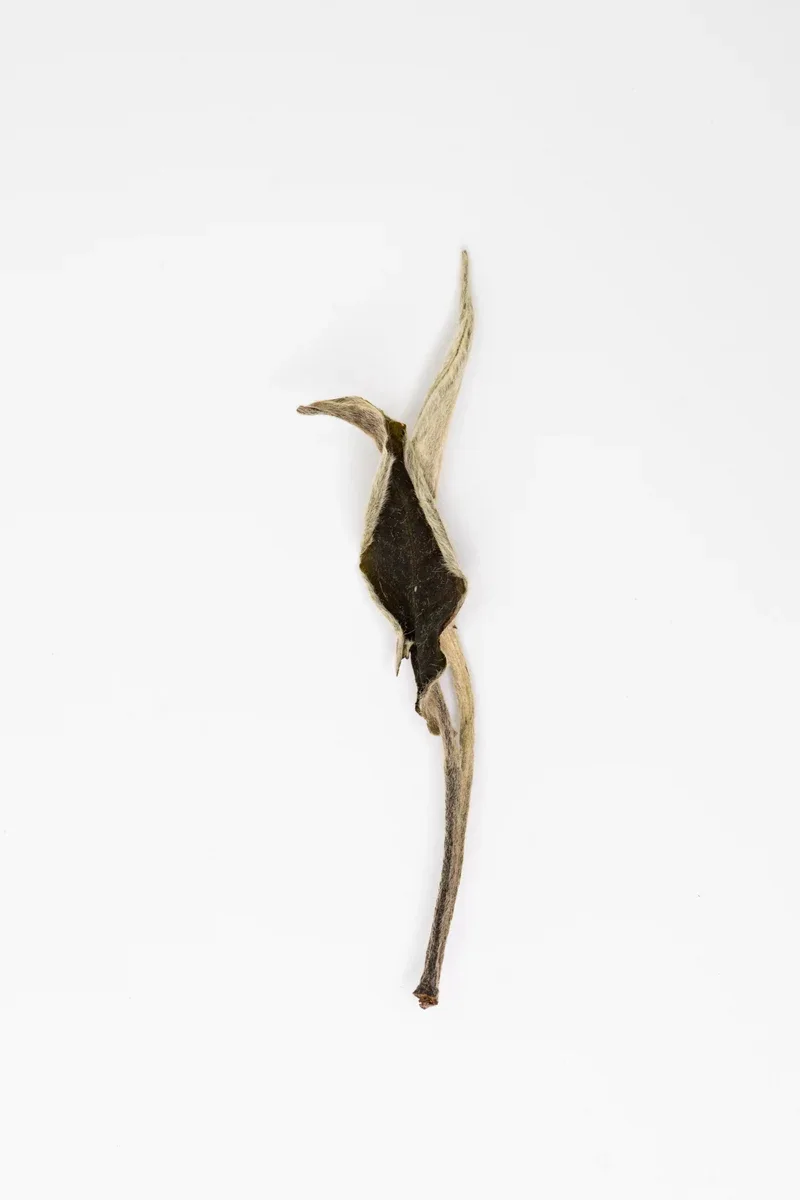
Pluck Standard: Buds must be full, with abundant down. For "Pilu Yunwu" — one bud + one tender leaf; for "Shouyue Yunfeng" — flatter harvest format.
Altitude: 600–1100 m above sea level. Optimal range — 800–1100 m.
Soil: Granitic sandy (花岗岩风化砂质土壤, huāgāngyán fēnghuà shāzhì tǔrǎng). pH — 5.5–6.5. Organic content — ≥2%. Unique feature: soils enriched with nitrogen through the mechanism of "thunderstorm fixation" (雷雨固氮, léiyǔ gùdàn) — electrical discharges during frequent thunderstorms convert atmospheric nitrogen (N₂) into nitrates, which are washed by rain into the soil. This mechanism, well described in agrochemistry but extremely rarely mentioned in the context of tea terroirs, explains the increased "fleshiness" and juiciness of Hengshan tea leaves. Forest cover — 76%. Water quality — 1st class (高标准水质).
On bamboo sieves, 4–6 hours. Beginning of enzymatic transformations, formation of pre-aroma.
180–200°C, rotary drum (滚筒, gǔntǒng). Inactivation of polyphenol oxidase, color fixation. Master controls the process visually and tactilely.
Manual method "Taiji Baoqiu" (太极抱球, Tàijí Bàoqiú, "Taiji: Embracing the Ball") — the same technique as Liányúngǎng Yúnwùchá (连云港云雾茶) from Jiangsu, recognized as intangible heritage. Palm straight, pressure even — the master seems to "embrace an invisible ball" between palms, gently forming a spiral. Mechanical pressing is prohibited — only manual rolling to preserve shoot integrity and down.
100–120°C. Moisture reduction.
Additional shaping and manifestation of silvery down.
70°C. Use of charcoal (not electric drying) imparts a light "charcoal" undertone and ensures even, gentle moisture removal.
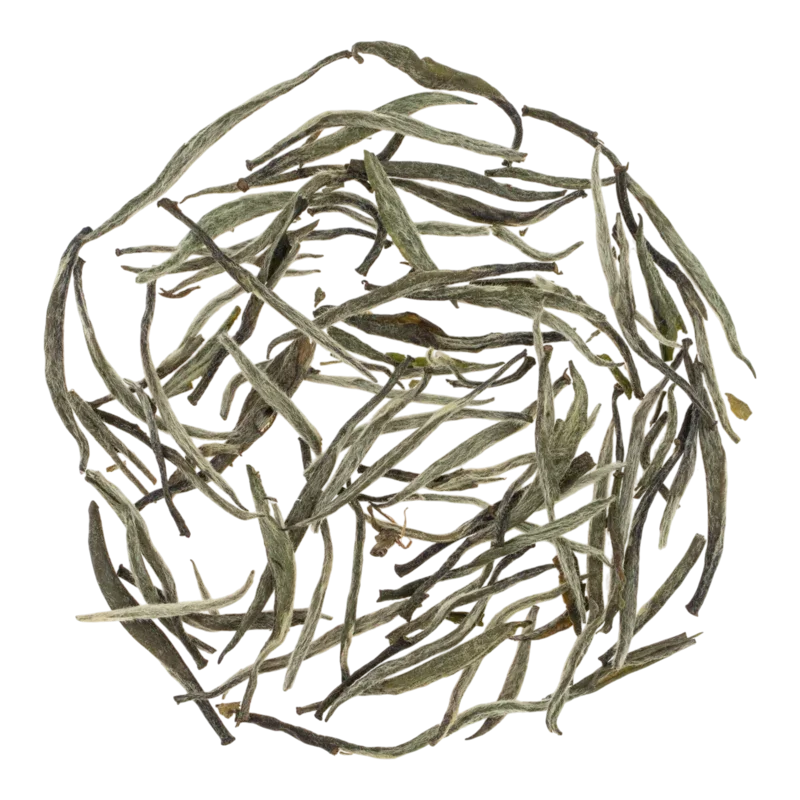
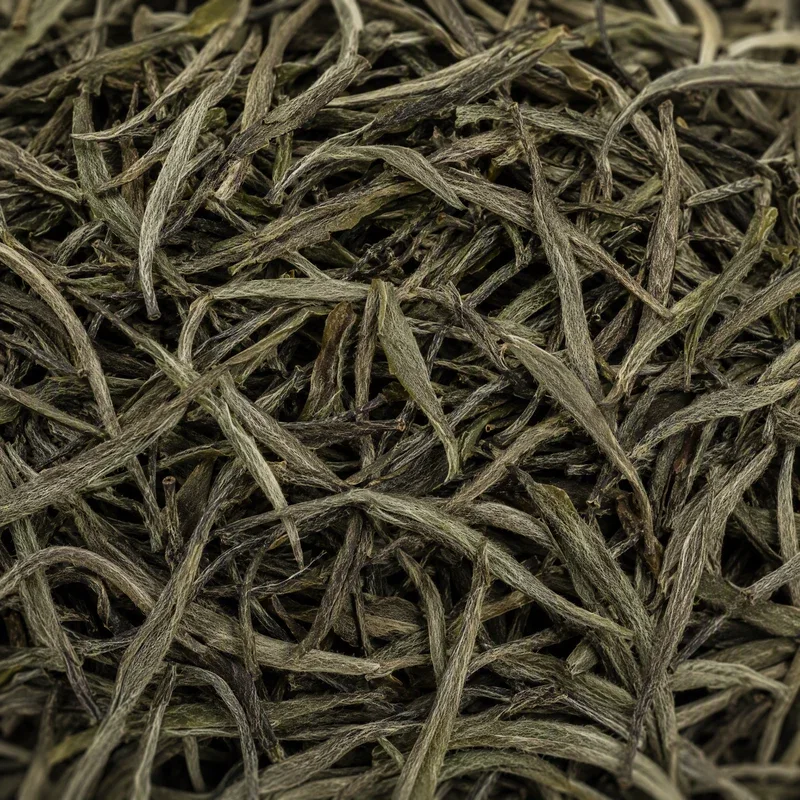
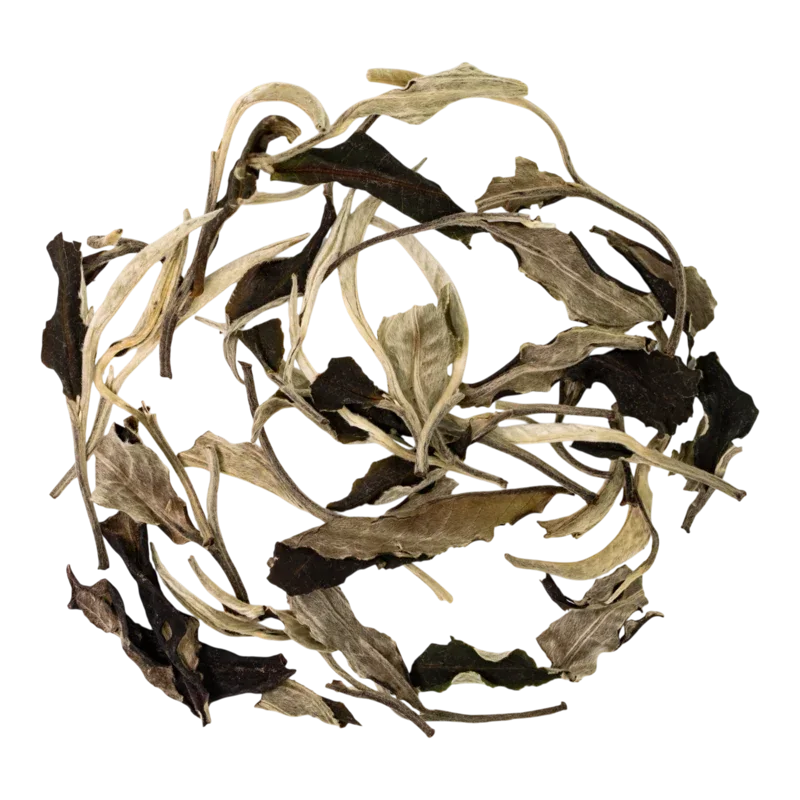
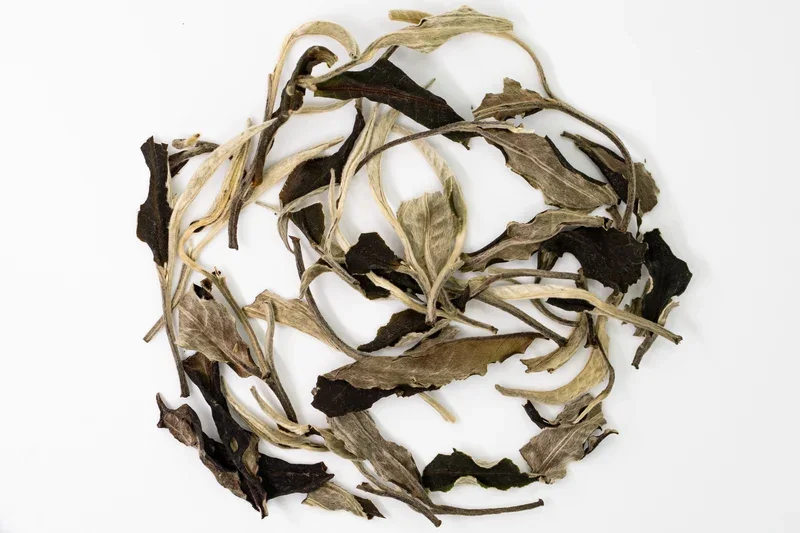
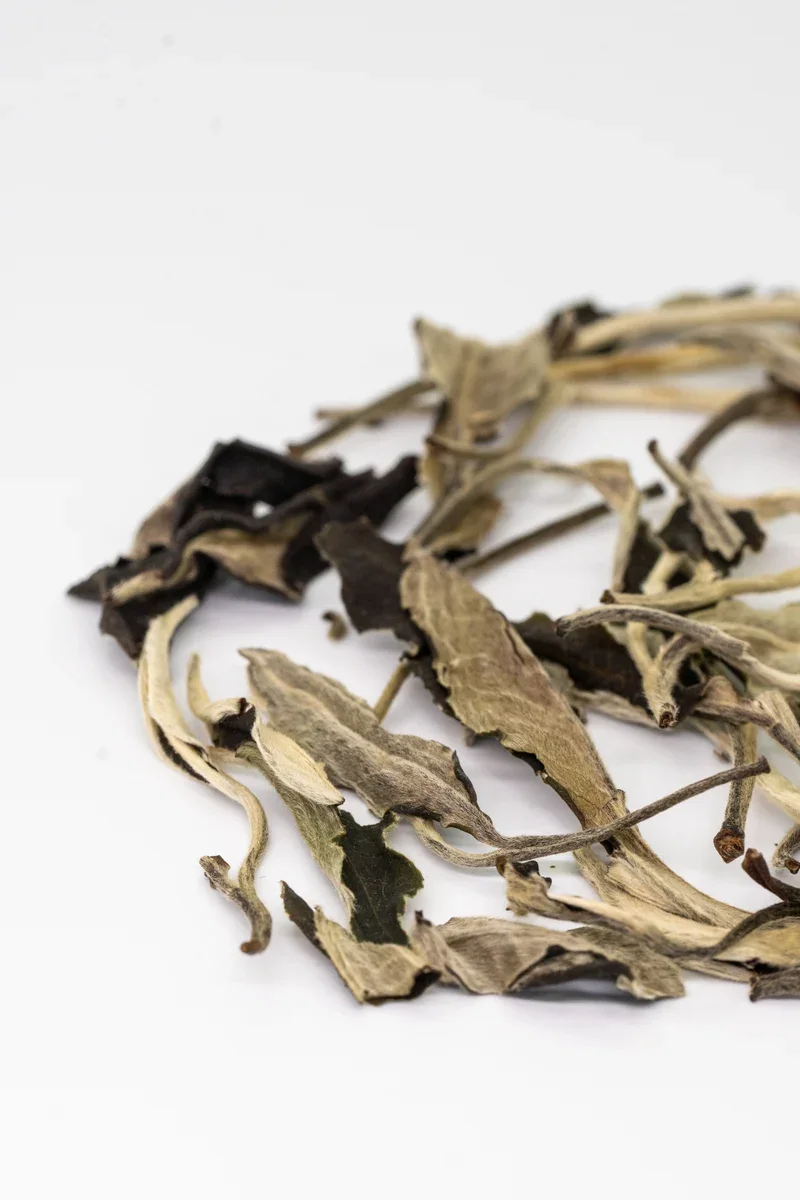
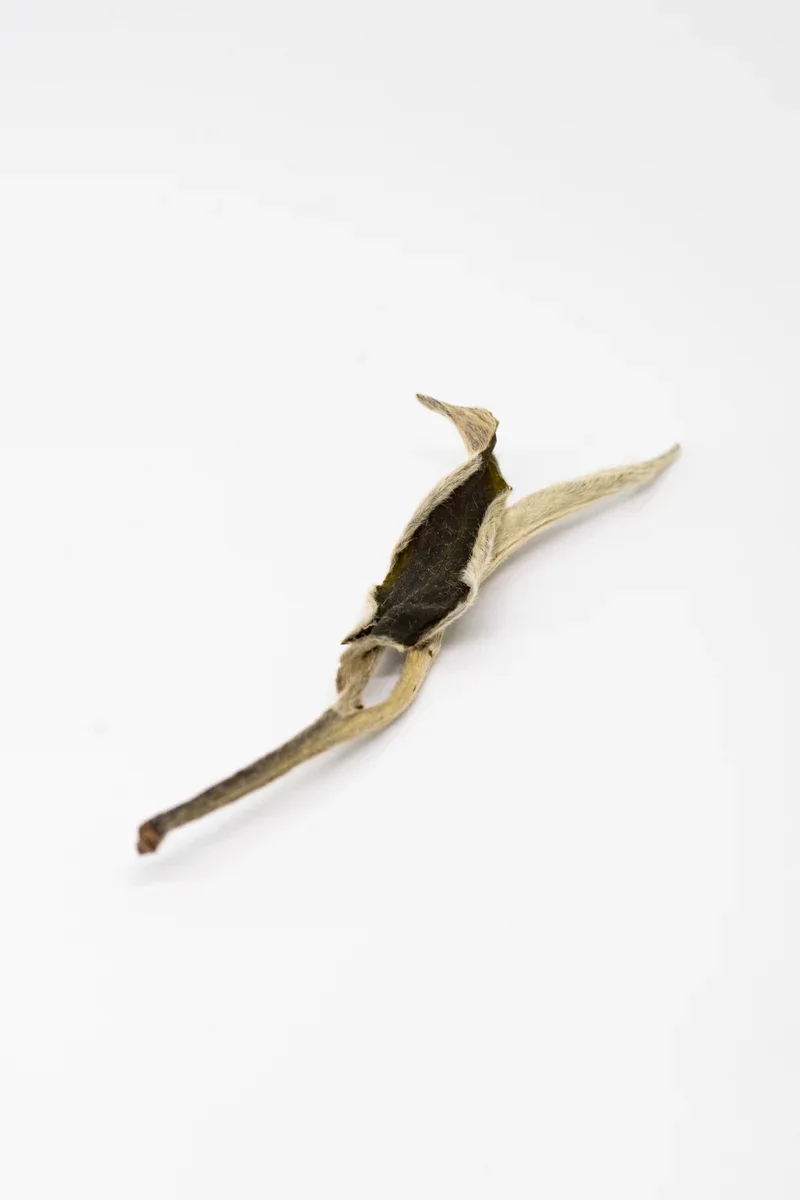
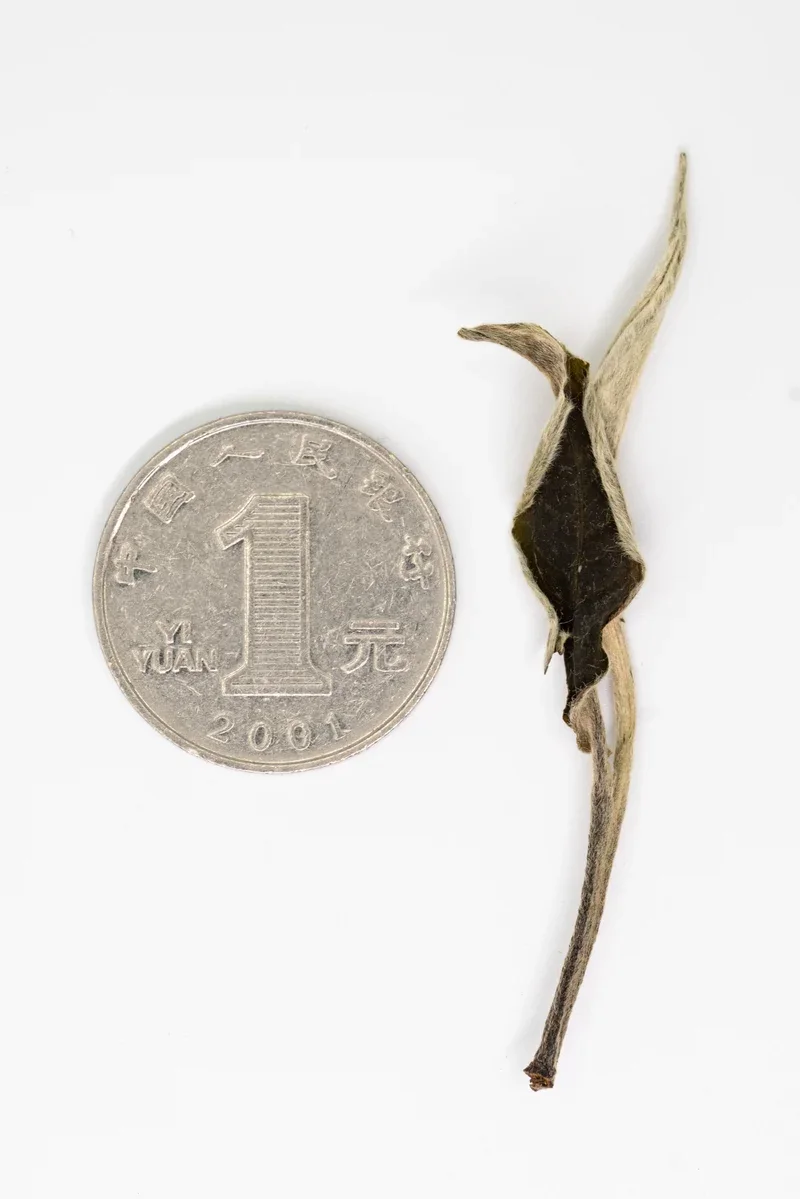
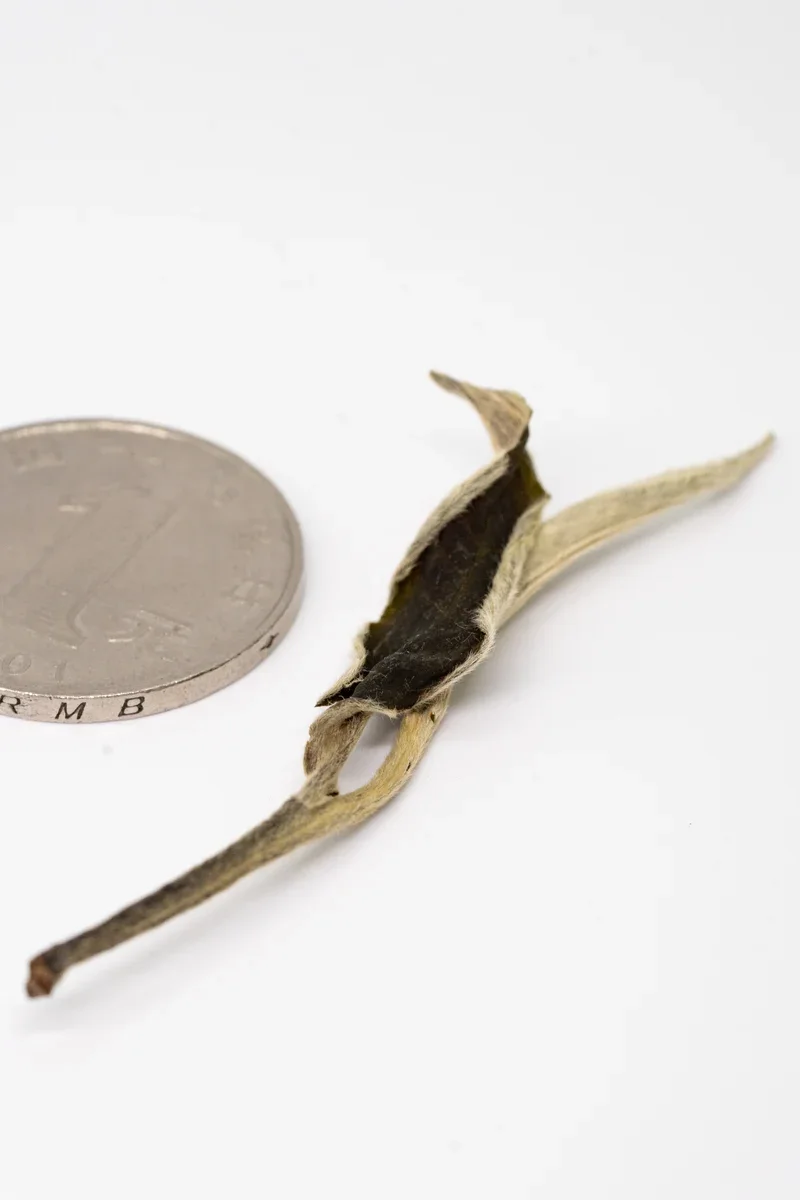
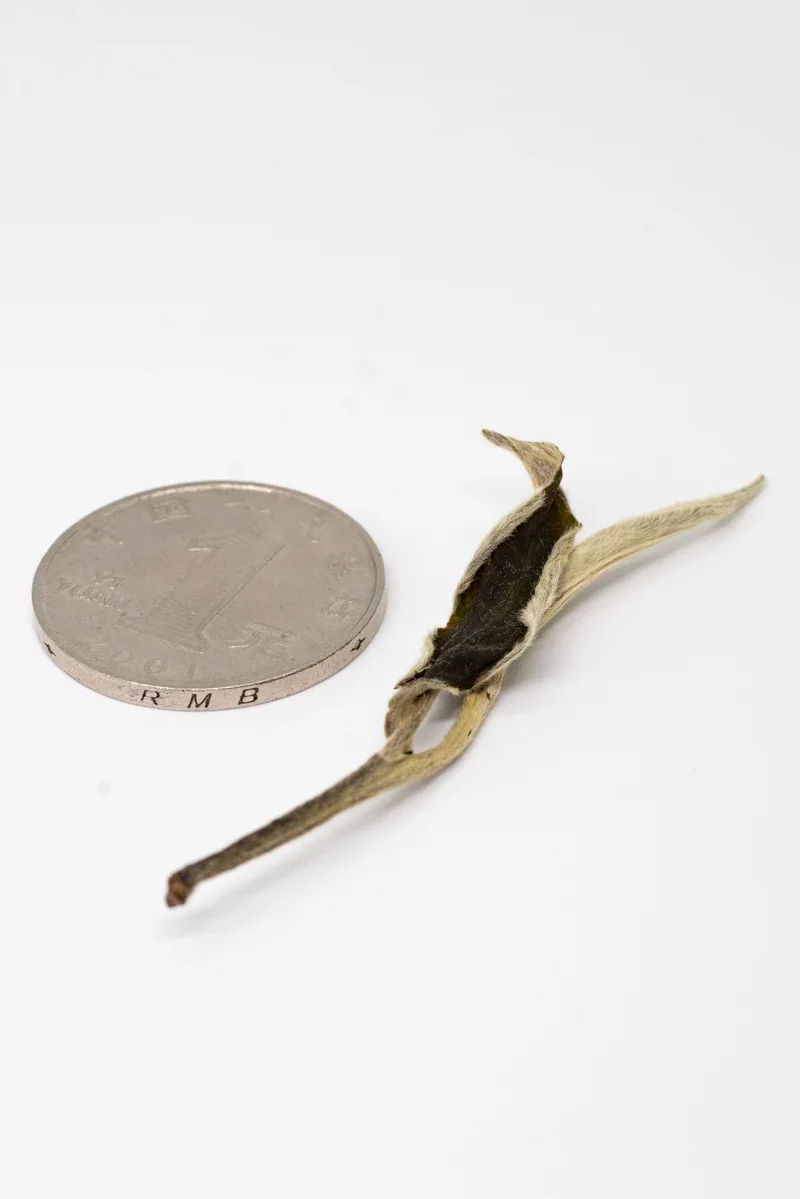
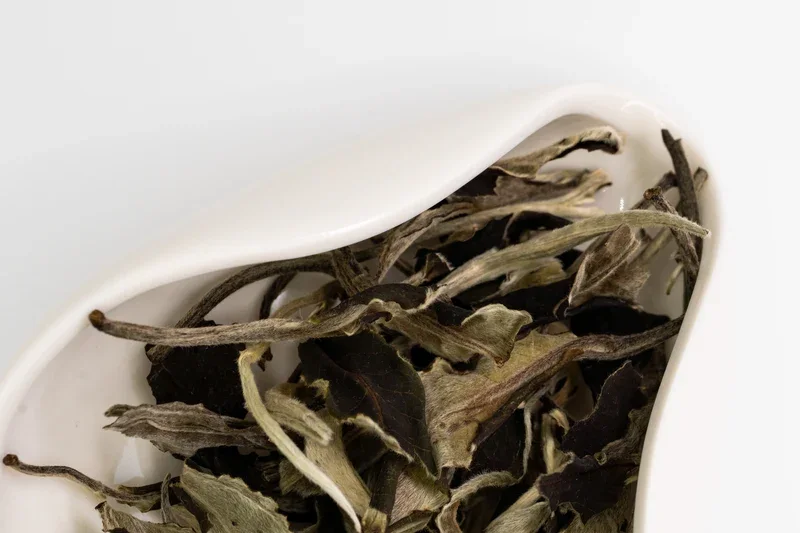
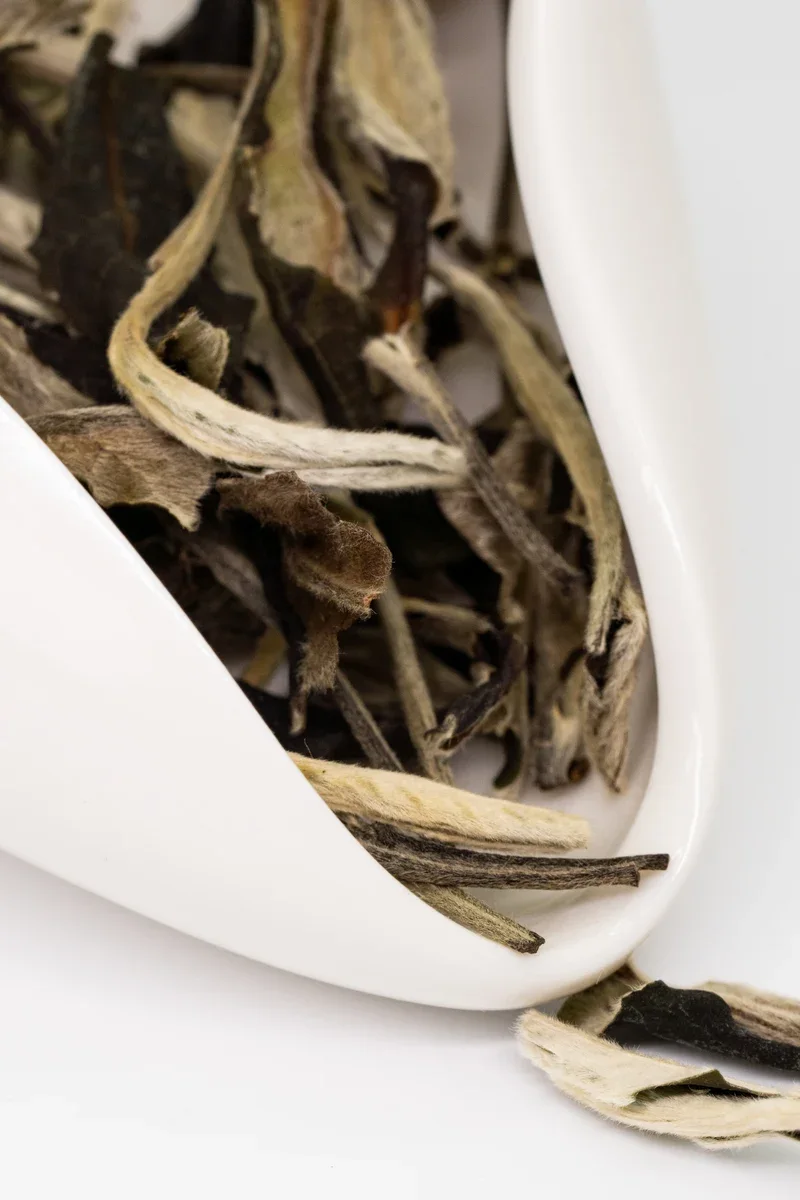
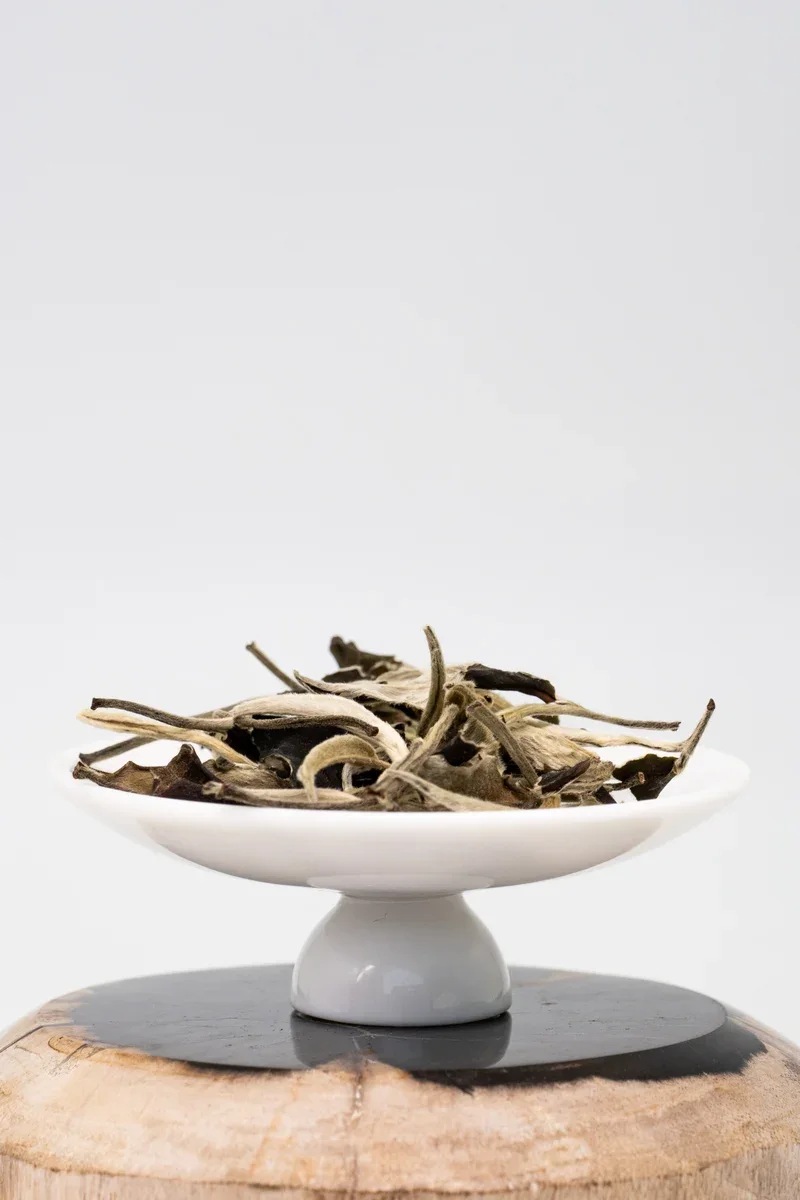
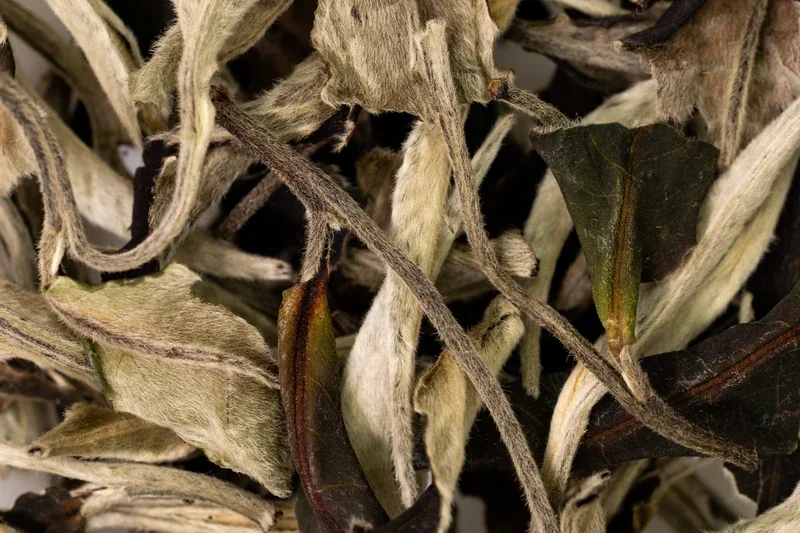
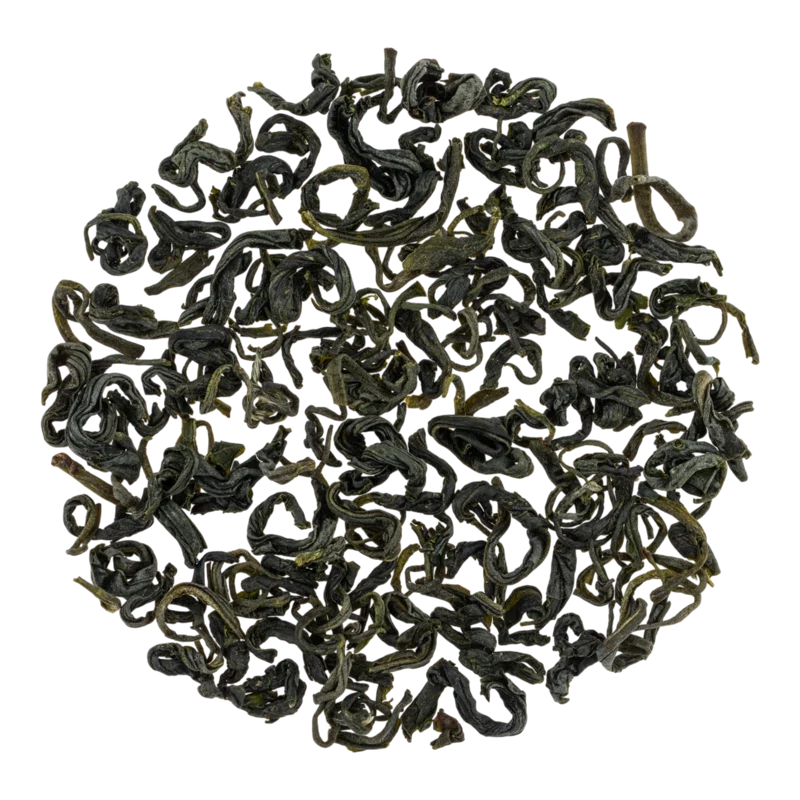
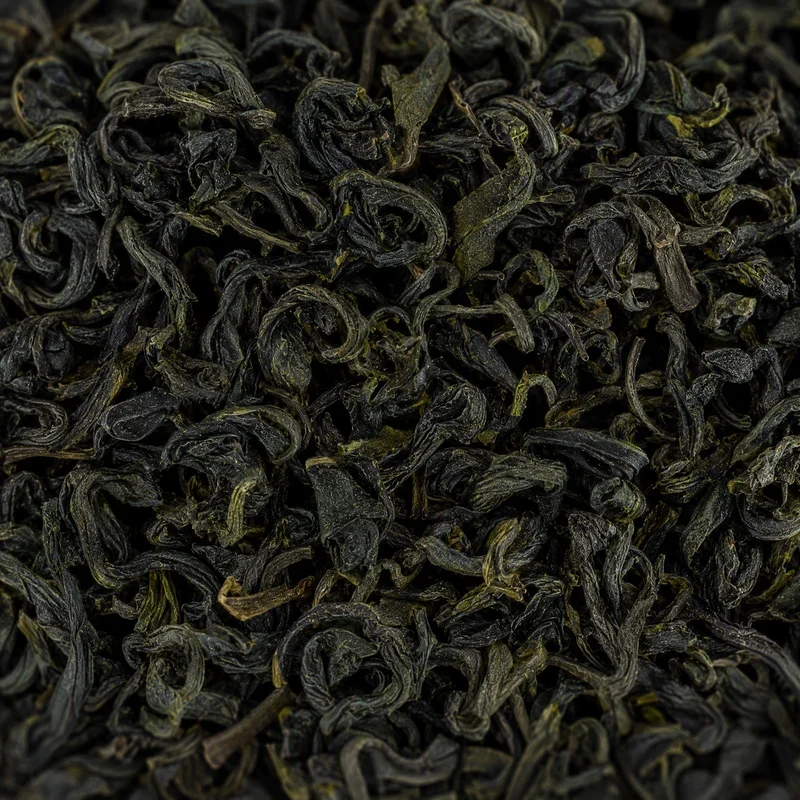
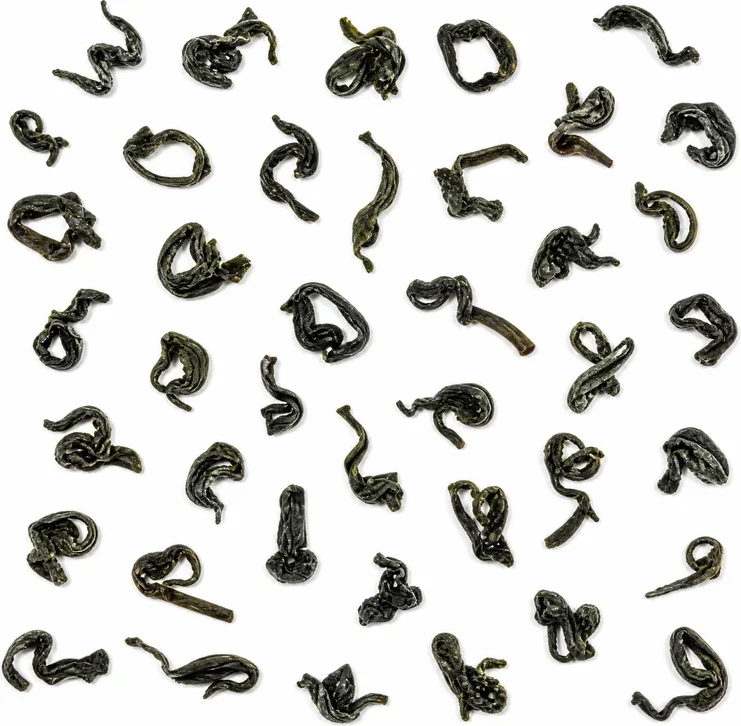
Dry Leaf Appearance: Spiral form (Pilu Yunwu): tight, thin spirals, emerald-green with abundant silvery down. Flat form (Shouyue Yunfeng): straight, "like an eyebrow" (眉形, méixíng), smooth. Common feature — oily luster and compactness.
Dry Leaf Aroma: Chestnut (栗香, lìxiāng) — primary tone. Light "forest" note of pine and moss. Premium grades — orchid undertone (兰花香, lánhuāxiāng), which is the signature note of high-altitude Hengshan.
Liquor Aroma: Chestnut-orchid, full and multi-layered. Orchid note manifests on 2nd–3rd steeping. Cold cup retains aroma for more than 10 minutes. Light charcoal undertone from charcoal drying.
Liquor Color: Yellow-green, bright and clear (黄绿明亮, huánglǜ míngliàng).
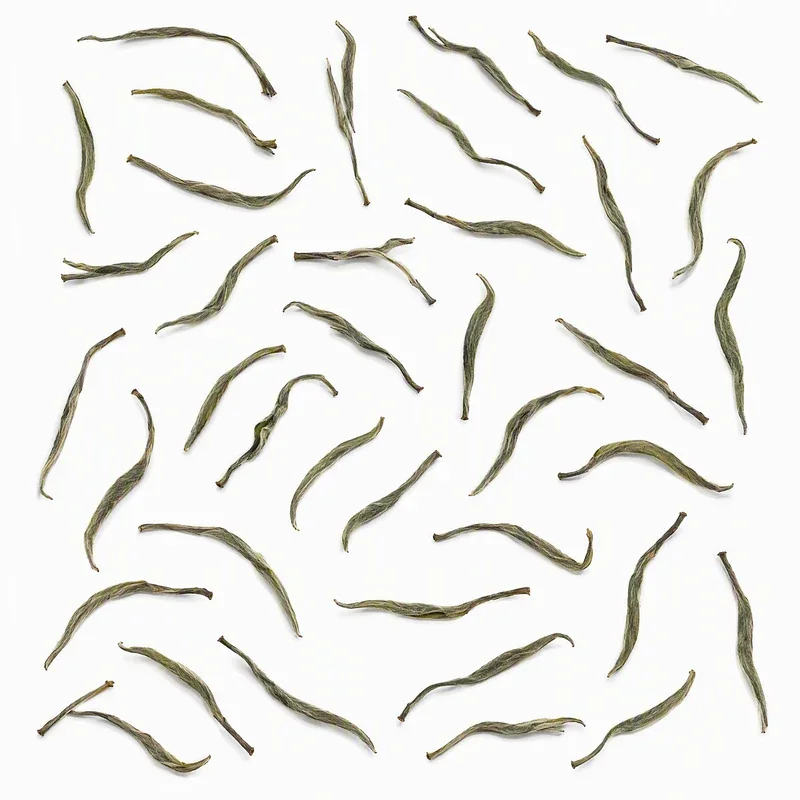
Spent Leaves: Tender, in "bouquets" (嫩匀成朵, nèn yún chéng duǒ), whole shoots with characteristic "copper edge" (铜边, tóngbiān) — narrow oxidized rim along leaf edge, testifying to proper balance between "kill-green" and subsequent processing. "Copper edge" — marker of authentic Nanyue Yunwucha.
Taste: Fresh and brisk (鲜爽, xiānshuǎng). Dense, "full-bodied" (醇厚, chúnhòu) — richness due to high water-extractable substances (≥40%). Returning sweetness (回甘, huígān) — long-lasting (回甘悠长, huígān yōucháng), due to high content of soluble sugars. Astringency mild, balanced.
Amino Acids: ≥3.5% (spring harvest — up to 3.8%, ~15% higher than lowland analogs). L-theanine dominates, responsible for freshness and relaxing effect.
≥2.0%. Moderate tonic effect.
≥40% — high indicator ensuring "full-bodied," rich liquor.
Essential Oils: Linalool, geraniol, nerol — form the chestnut-orchid aroma profile. Orchid note (兰花香) — calling card of tea from Hengshan.
Minerals: Potassium (K), phosphorus (P), magnesium (Mg), calcium (Ca), manganese (Mn), iron (Fe), zinc (Zn), fluorine (F).
Polyphenols: ≥25%. Catechins (EGCG, EGC, EC, ECG) provide antioxidant activity and moderate astringency.
Vitamins: Vitamin C, B₁, B₂, P (rutin), carotenoids (provitamin A). High vitamin content due to green processing (absence of oxidation preserves vitamin profile).
Tea Amount: 3 g per 150 ml (1:50 ratio).
Teaware: Glass tumbler (for observing spiral unfurling) or white porcelain gaiwan (盖碗). For flat form "Shouyue Yunfeng," porcelain teapot is also suitable.
Water Temperature: 80–85°C. For premium grade — 75°C. Mountain spring water with neutral pH is recommended.
Container: Airtight — vacuum foil bags, tin cans with tight lids.
Enemies: Moisture, light, foreign odors (especially temple incense — relevant for Hengshan!), oxygen, heat.
Shelf Life: 12 months from production date.
Temperature: Refrigerator, 0–5°C.
Harvest altitude (800–1100 m — premium zone), raw material grade, manual processing ("Taiji Baoqiu" method), charcoal final drying.
No reviews yet. Tell us what you think of this tea.
Rate this tea and share your impressions. We review each submission before publishing it.